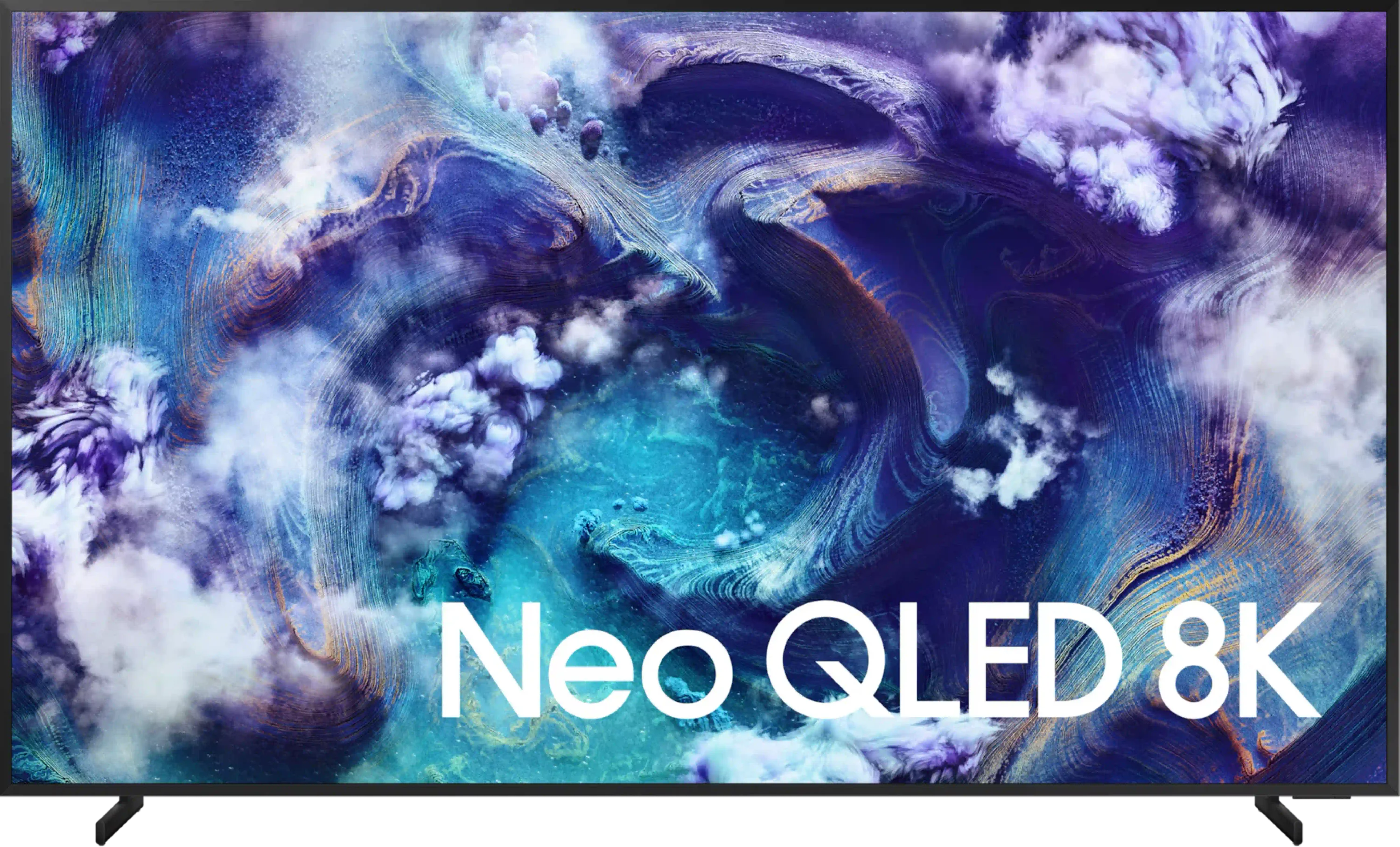
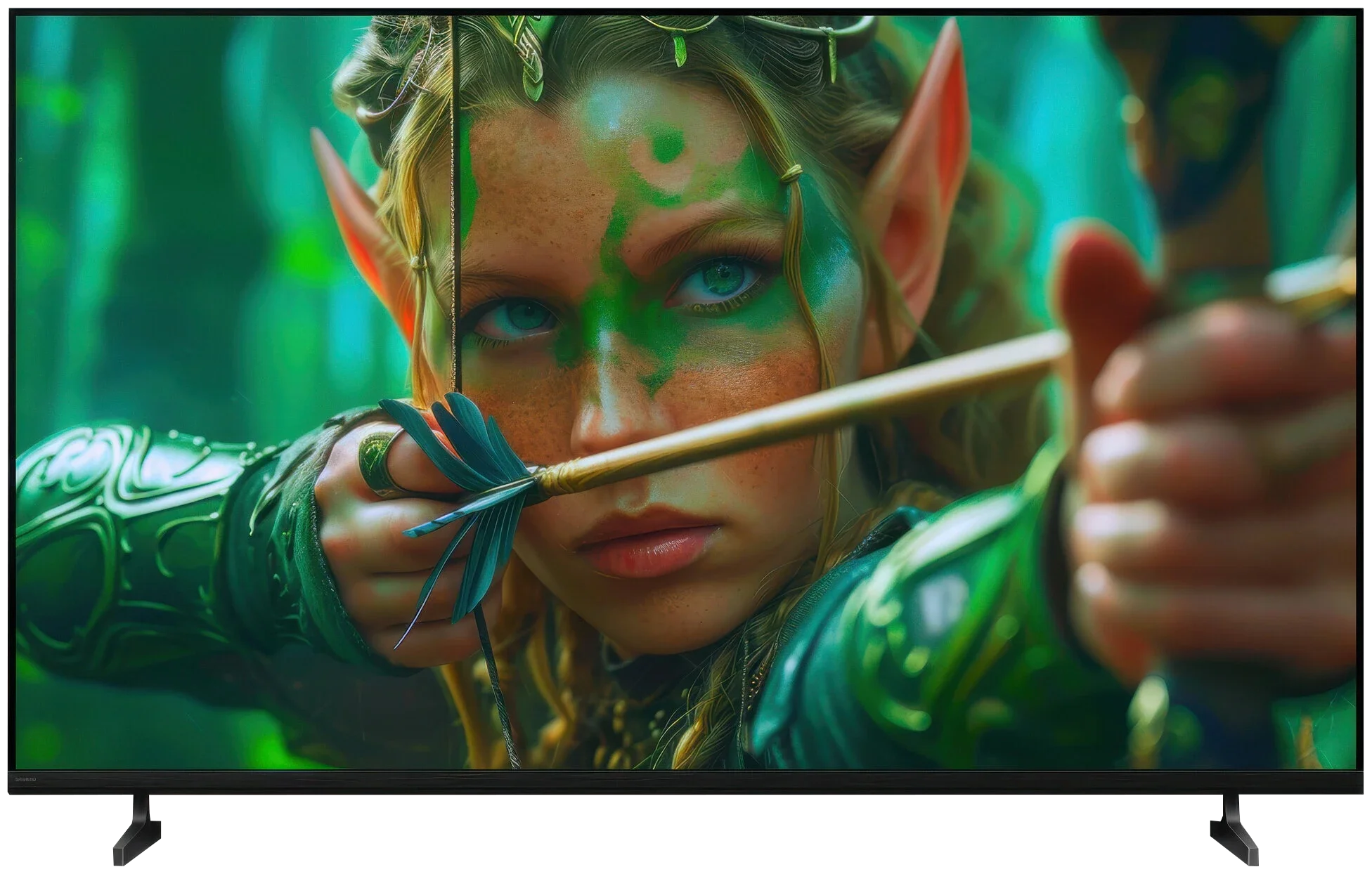
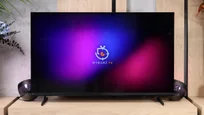
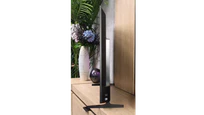
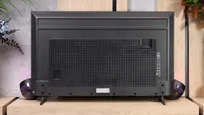
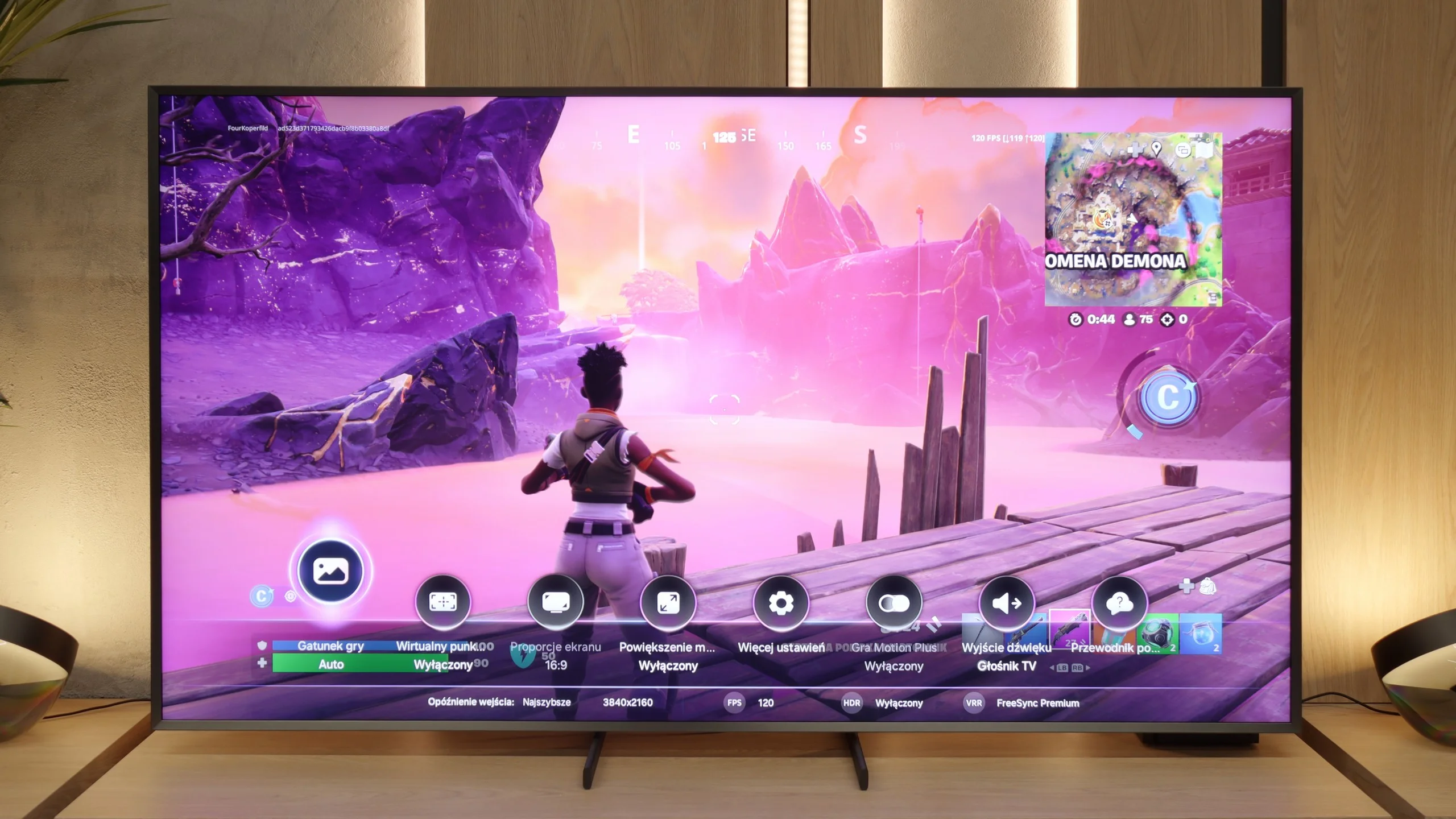
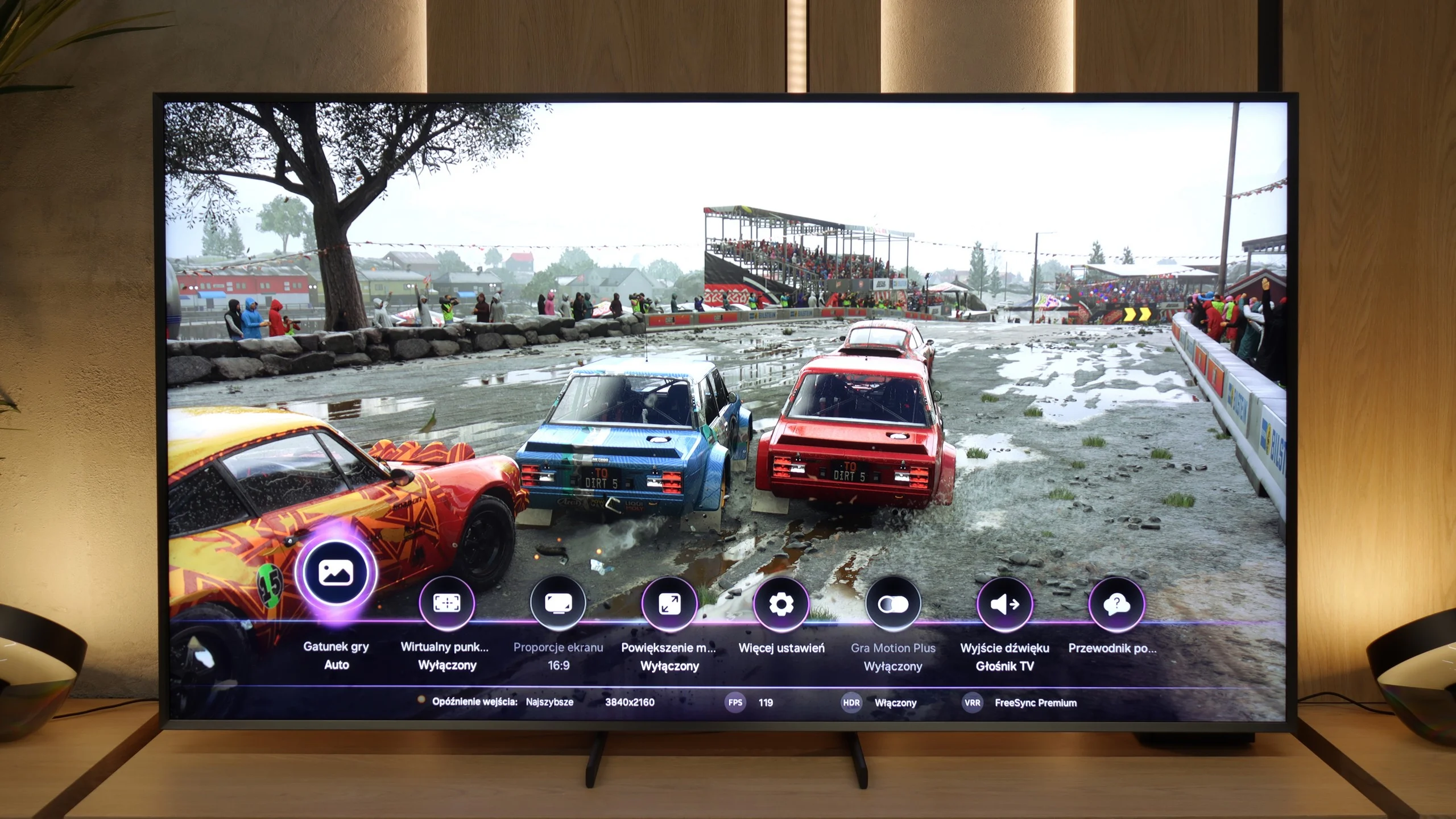
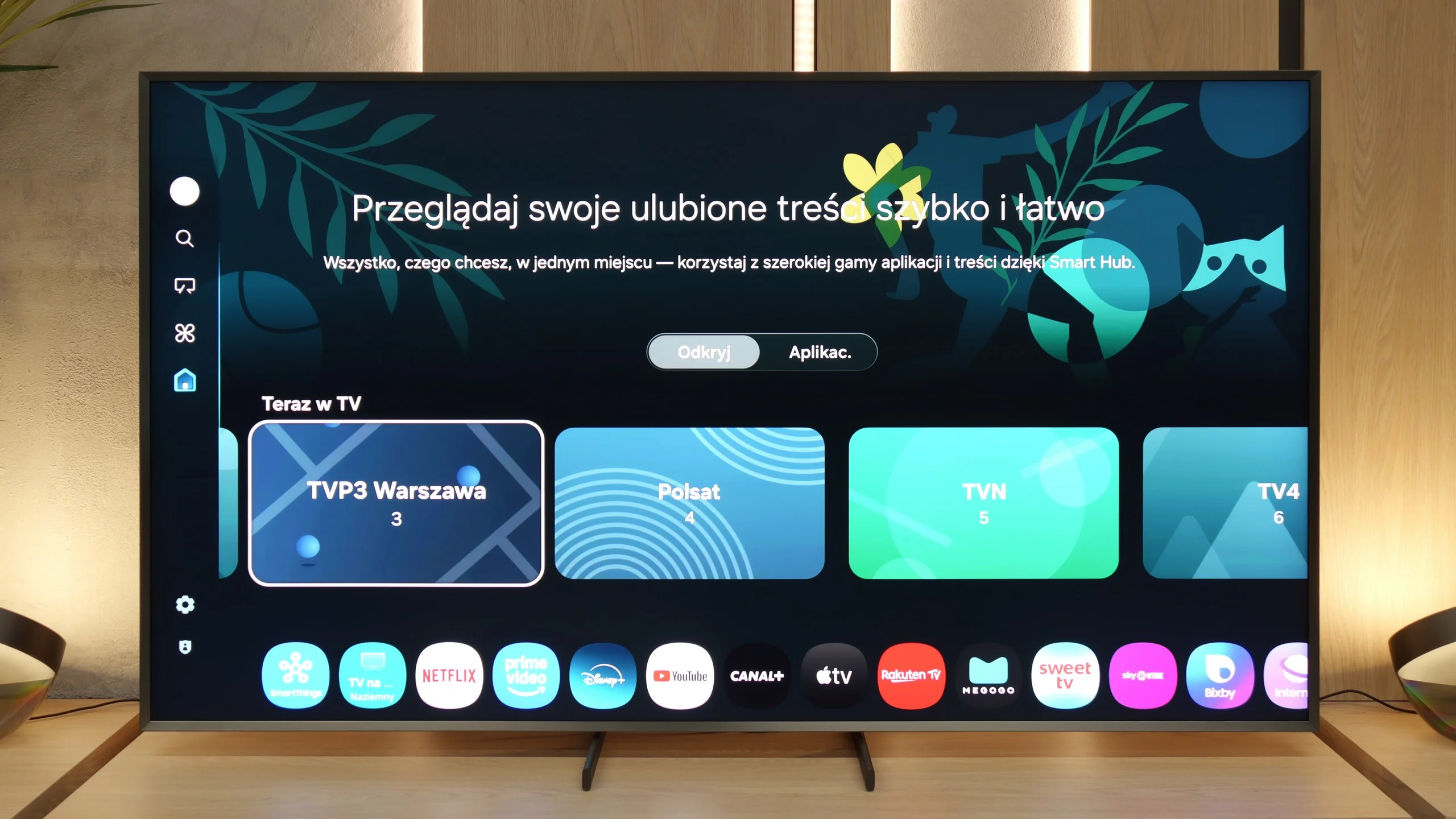
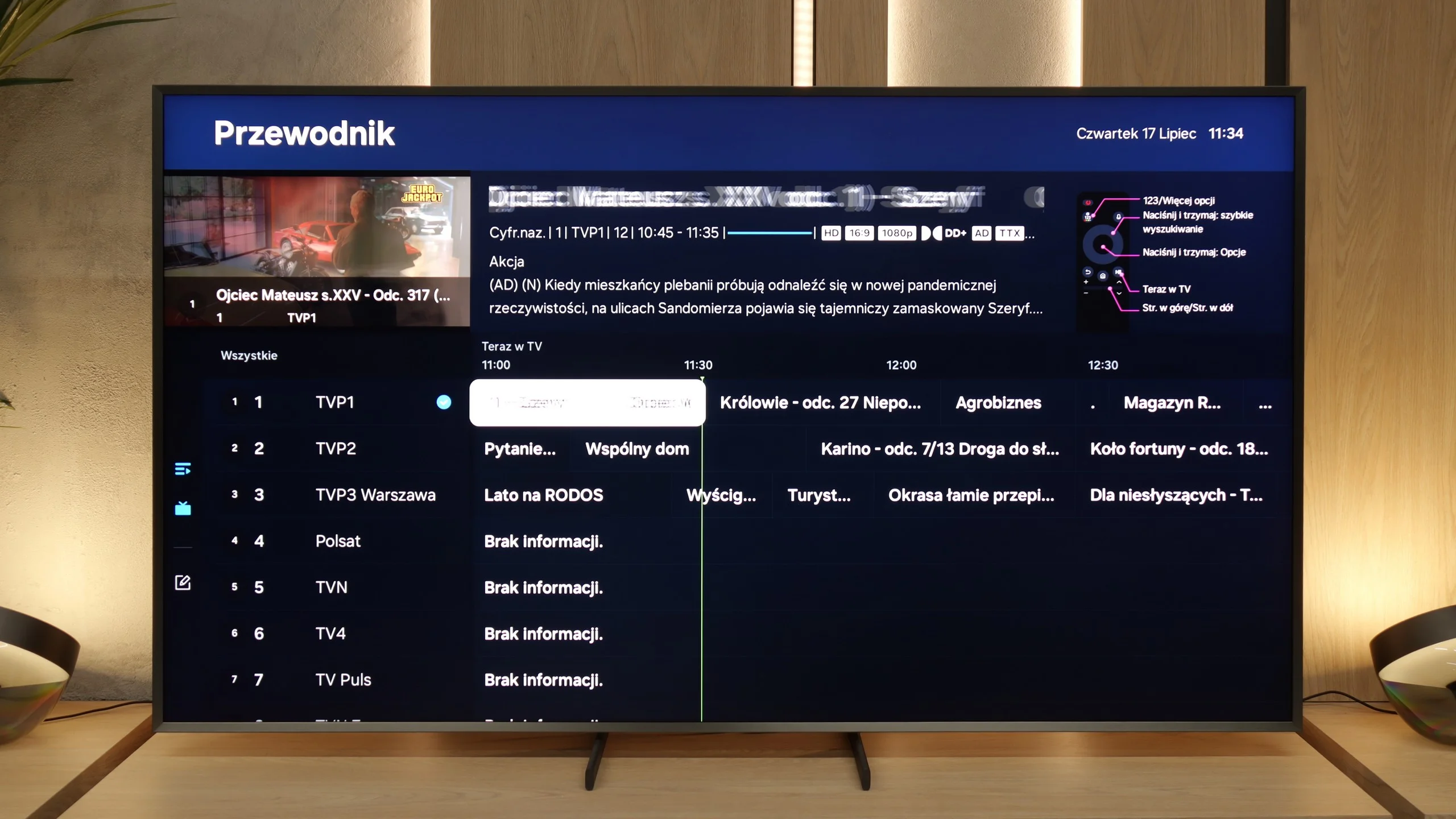
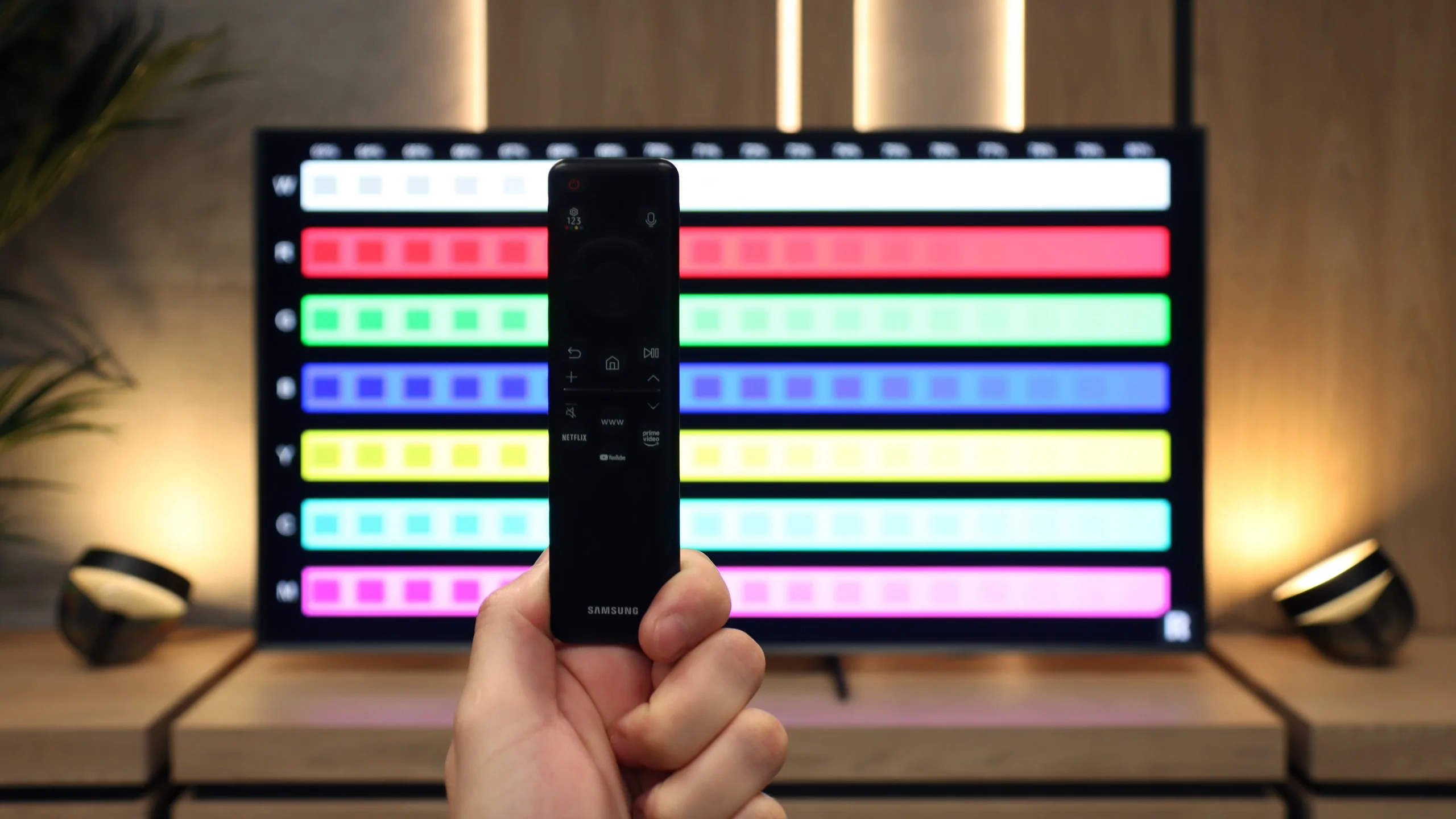
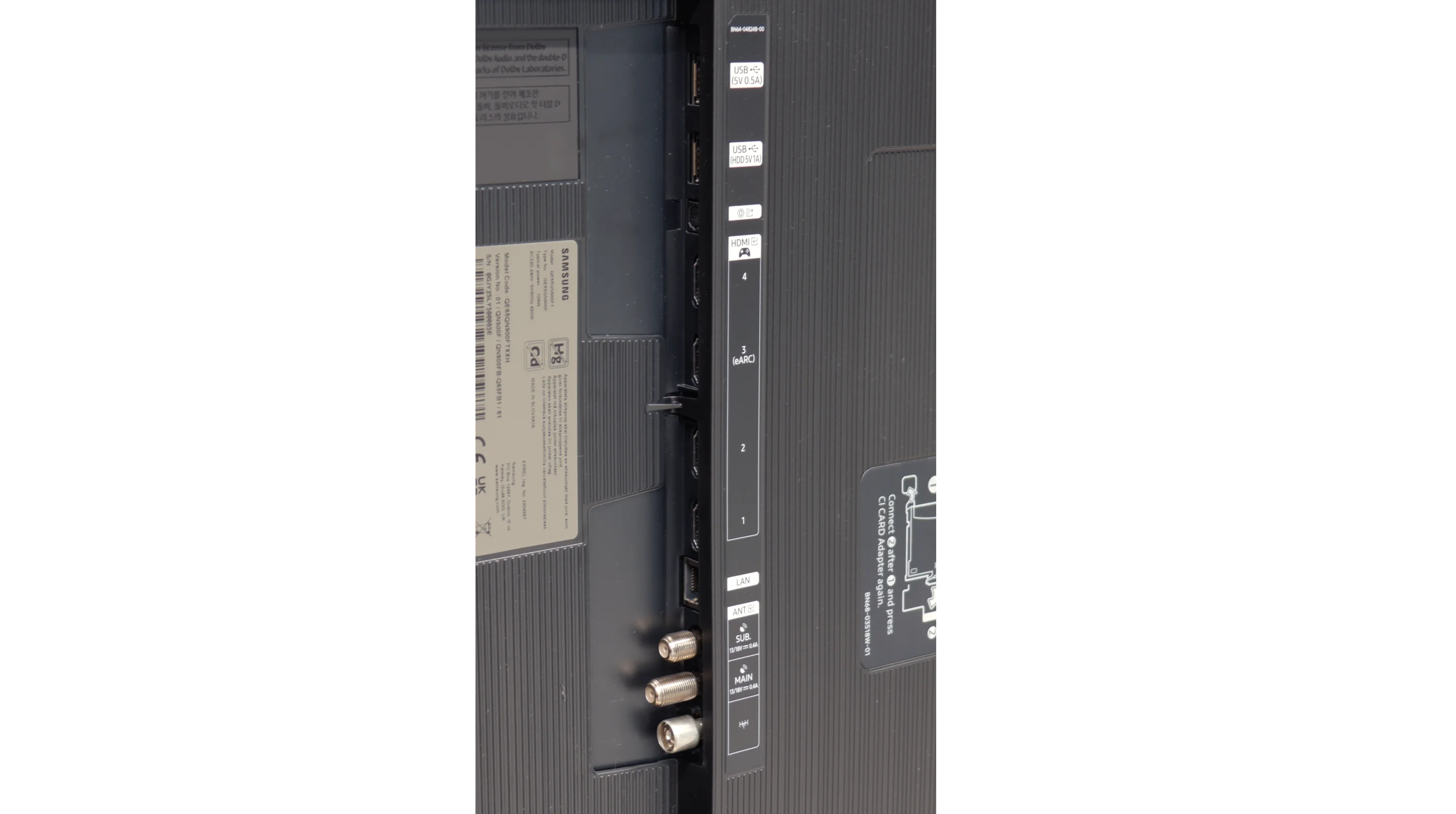
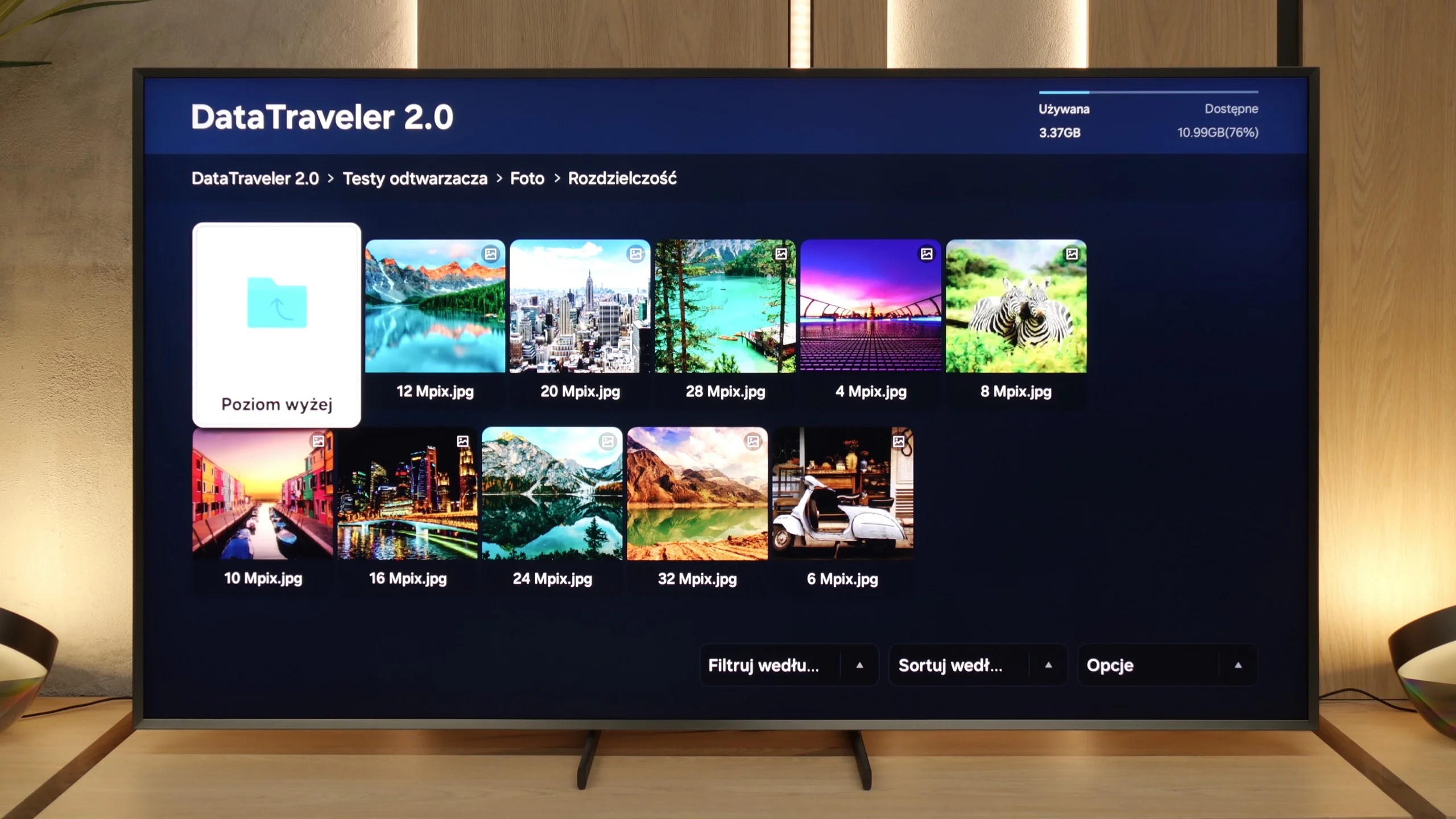
The Samsung QN900F is a television that can make a huge impression. The greatest strength of this model is the combination of Mini-LED backlighting with a matte panel. This not only provides decent blacks but above all incredible brightness and excellent visibility in any conditions. During the day, in a brightly lit room, it is probably the best-performing television in Samsung's offering this year. Gamers will also find plenty to like here – even though it's an 8K screen, it can run at 165 Hz in 4K. In addition, it comes with a full suite of HDMI 2.1, VRR and ALLM features, and low input lag, so the QN900F is well-suited for both next-gen consoles and PCs. The design also deserves big praise – when mounted on the wall, with its thick metal frame, this model resembles a more luxurious version of the iconic The Frame. Combined with the matte panel and Art Store mode, it can actually be treated as a piece of equipment that not only plays and shines but also decorates the living room.
However, not everything is perfect. Despite its impressive specs, managing local dimming doesn't always perform as well as one might expect. Given the large number of zones, Samsung could improve its control over blacks and HDR effects – it’s clear that the potential is enormous, but this doesn't always translate to top-tier picture quality. Additionally, it’s worth noting that 8K resolution is still more of a novelty than a real necessity, and the price of this model makes it easy to start looking for cheaper alternatives, even within Samsung's own offerings. Despite these reservations, the QN900F is a television that can definitely impress. Its strength lies not in the 8K itself, but in how it presents the picture, how it looks, and the enjoyment it provides when using it.
[UPDATE] We have updated our 2025 Samsung TV reviews following the release of firmware version 1131, which officially restores the essential HGiG (HDR Gaming Interest Group) support.
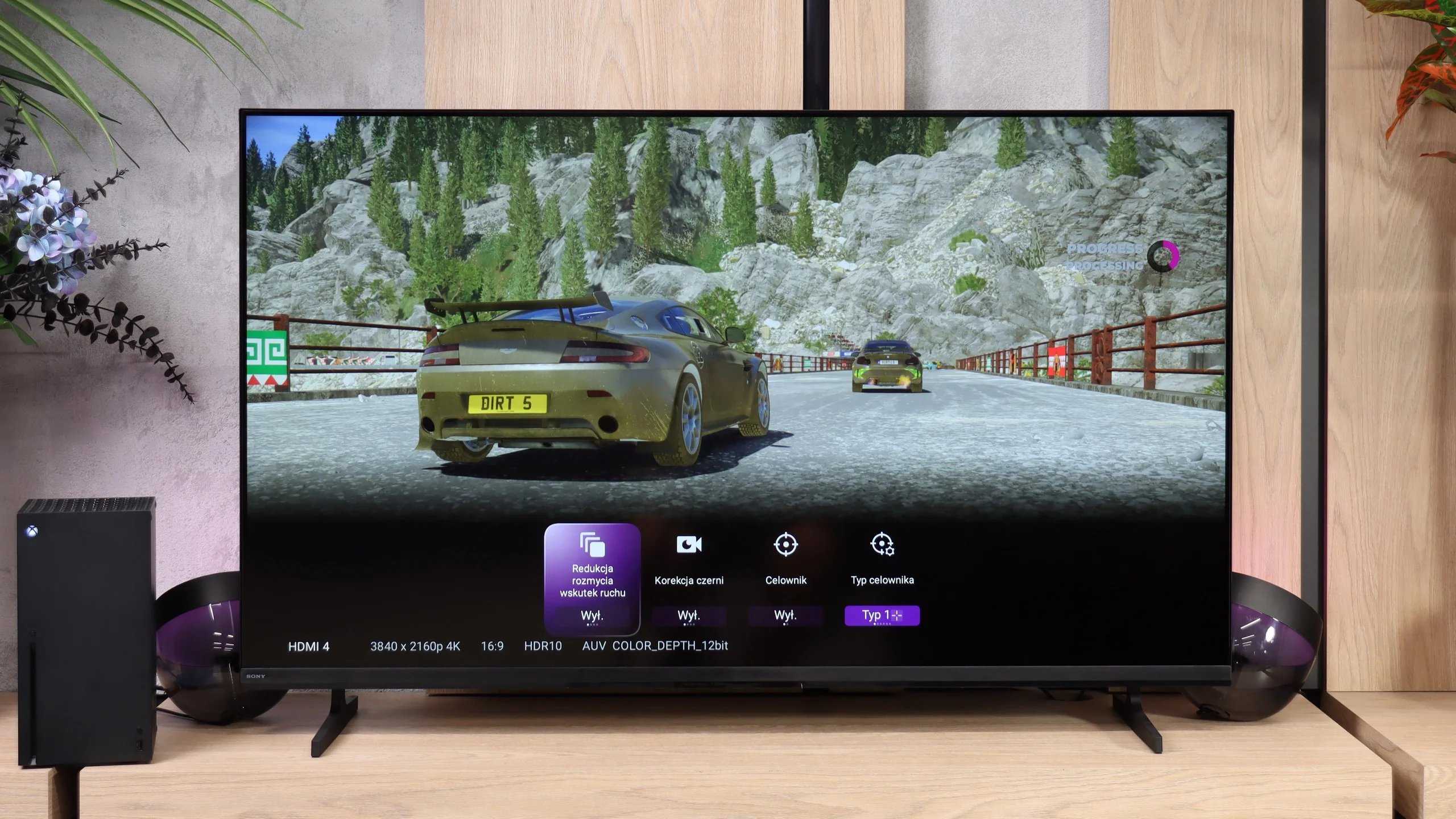
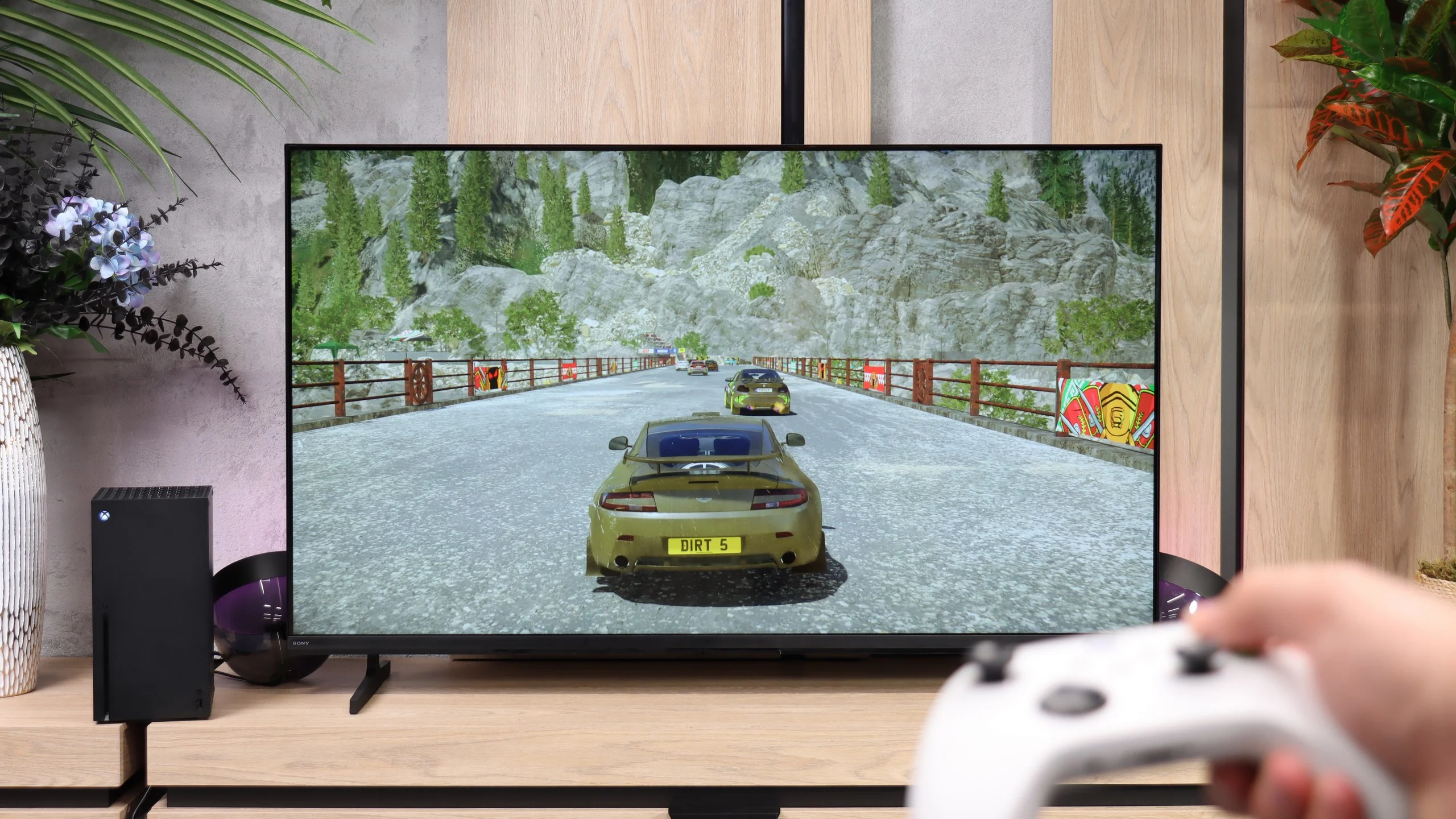
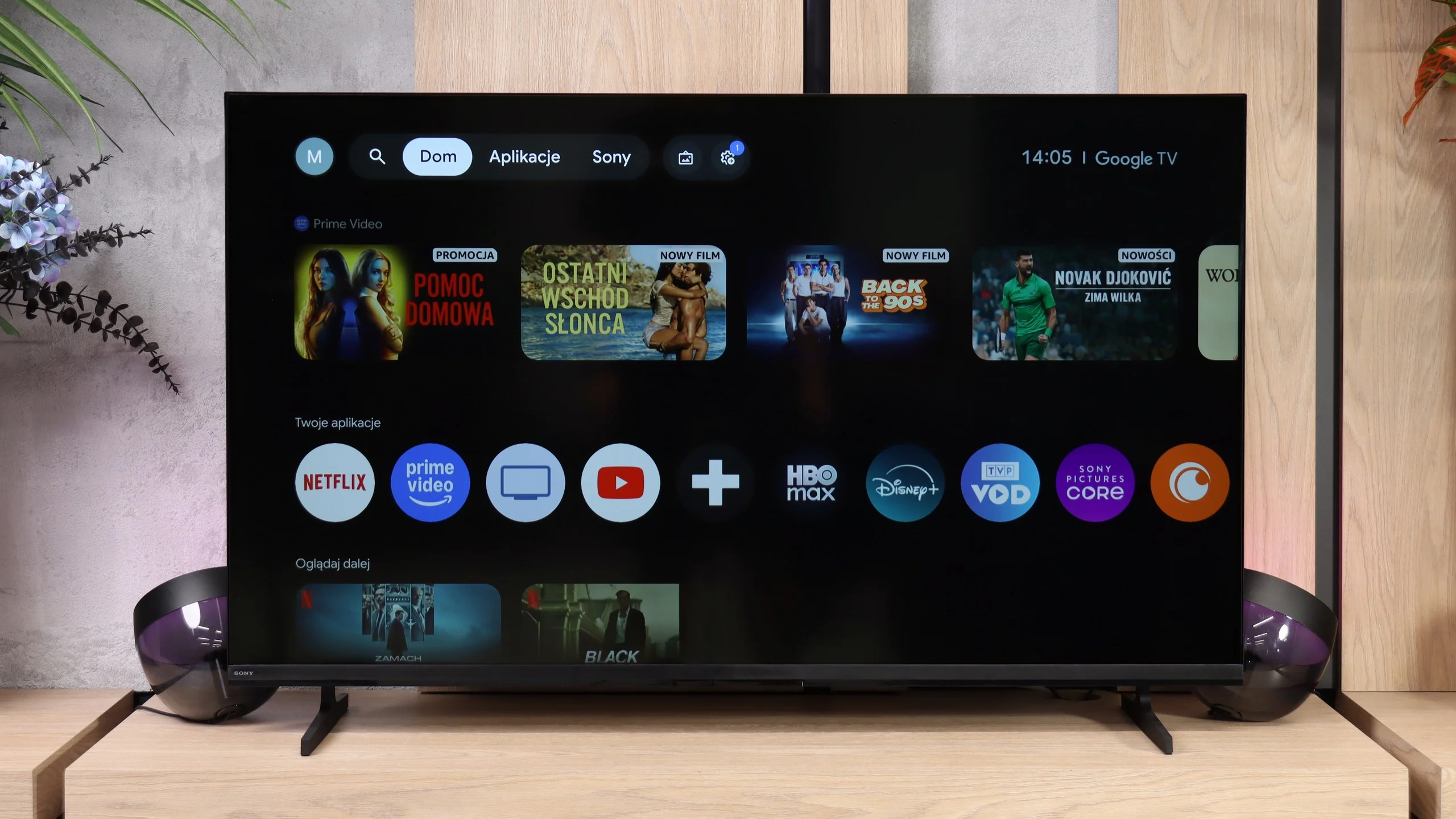
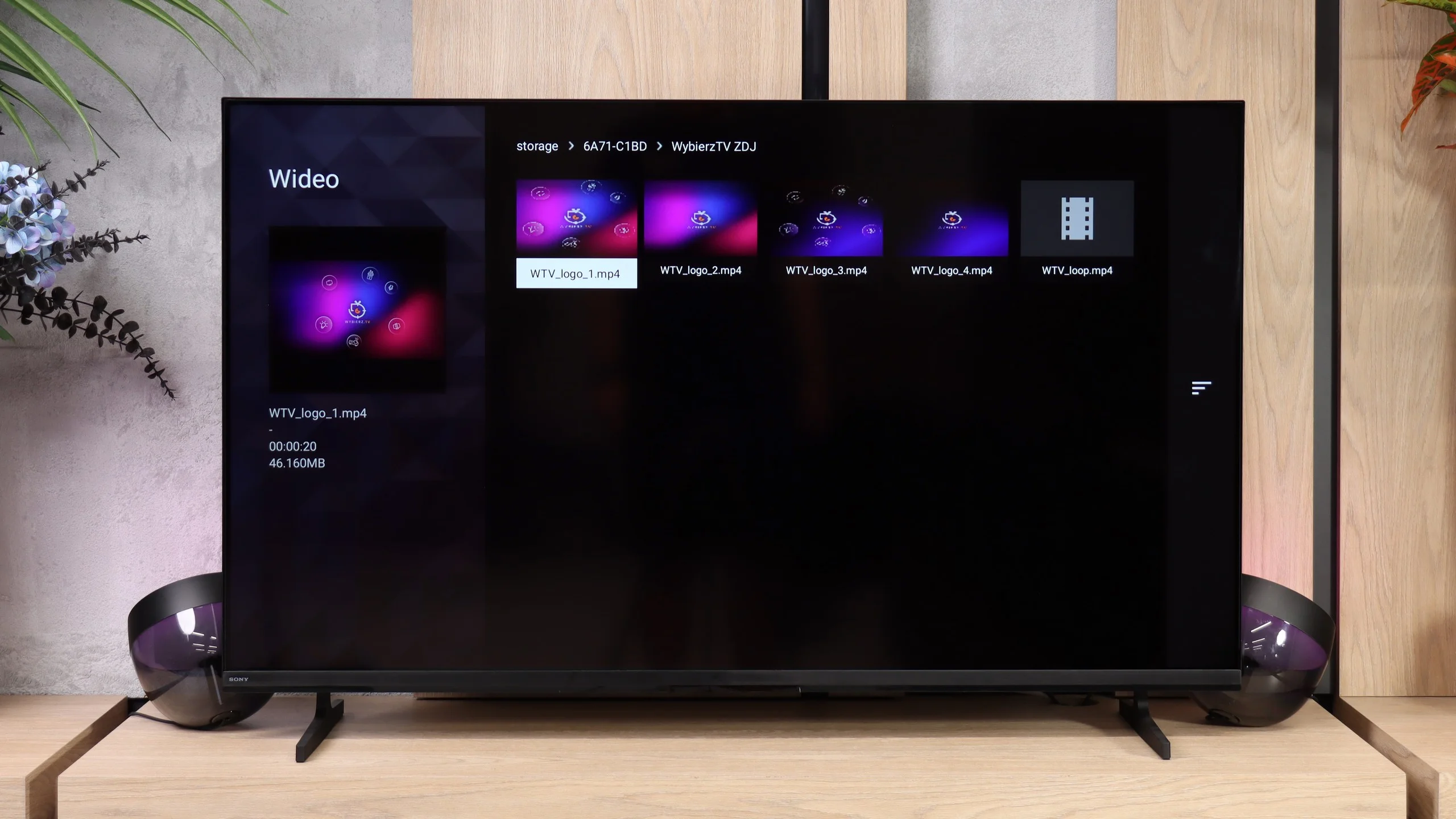
The Sony Bravia 2 II is a TV that’s best suited to simple, everyday use. And we suspect many people will pick it mainly for Google TV. The system gives access to a huge number of apps and streaming services, and you also get Chromecast, AirPlay and convenient voice search. The TV itself may not run as fast as pricier Sony models, but in terms of functionality there’s little to complain about. Importantly, for regular viewing the picture quality is quite decent. The Bravia 2 II handles SDR material especially well — ordinary broadcast TV, YouTube and a lot of older films and series. The out-of-the-box Cinema mode is sensibly tuned, colours look natural and, without much fiddling with the settings, you can just start watching. And that’s where the Bravia 2 II shows its strengths — as a simple smart TV for daily use, rather than a set that aims to dazzle with panel performance.
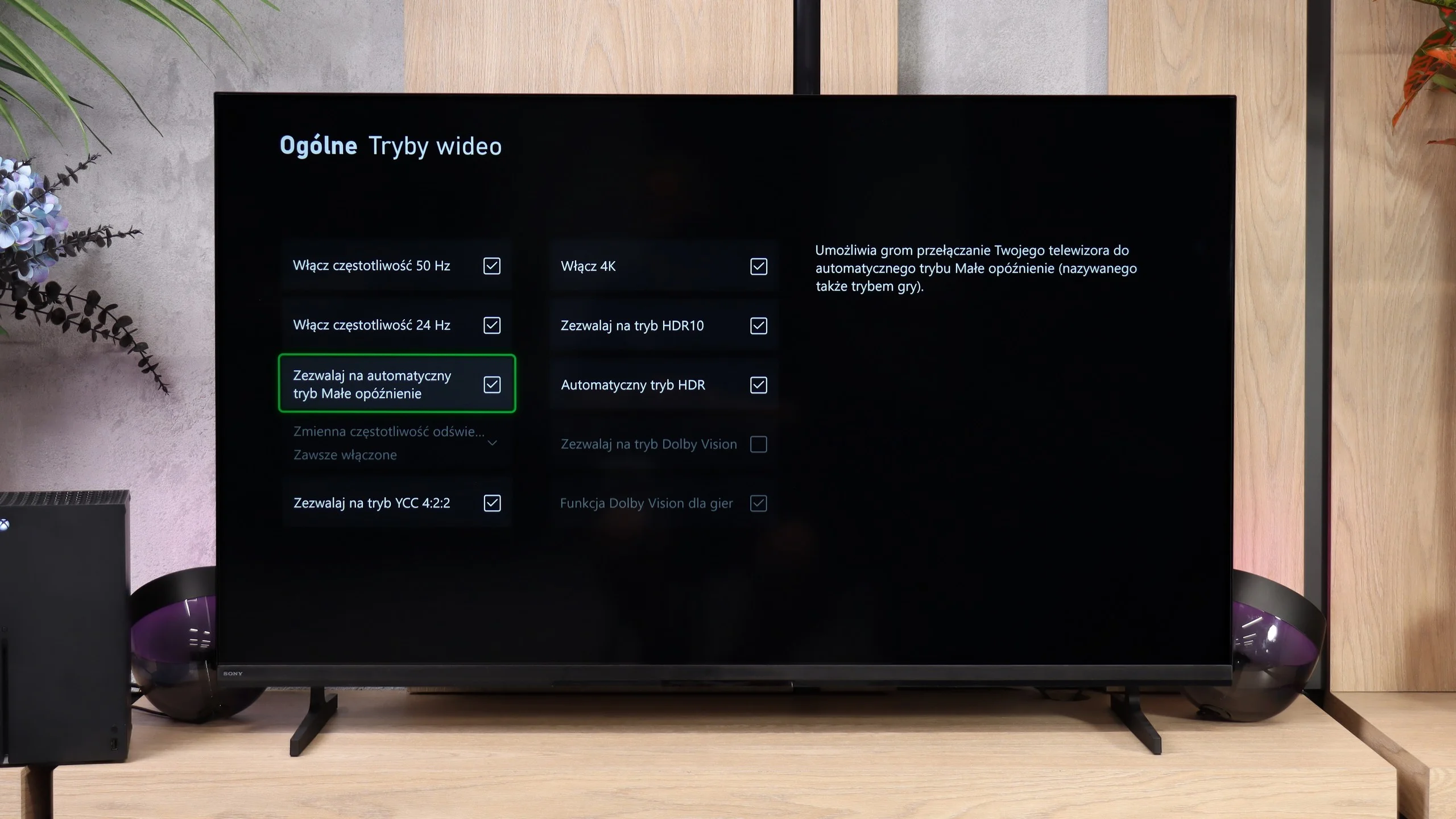
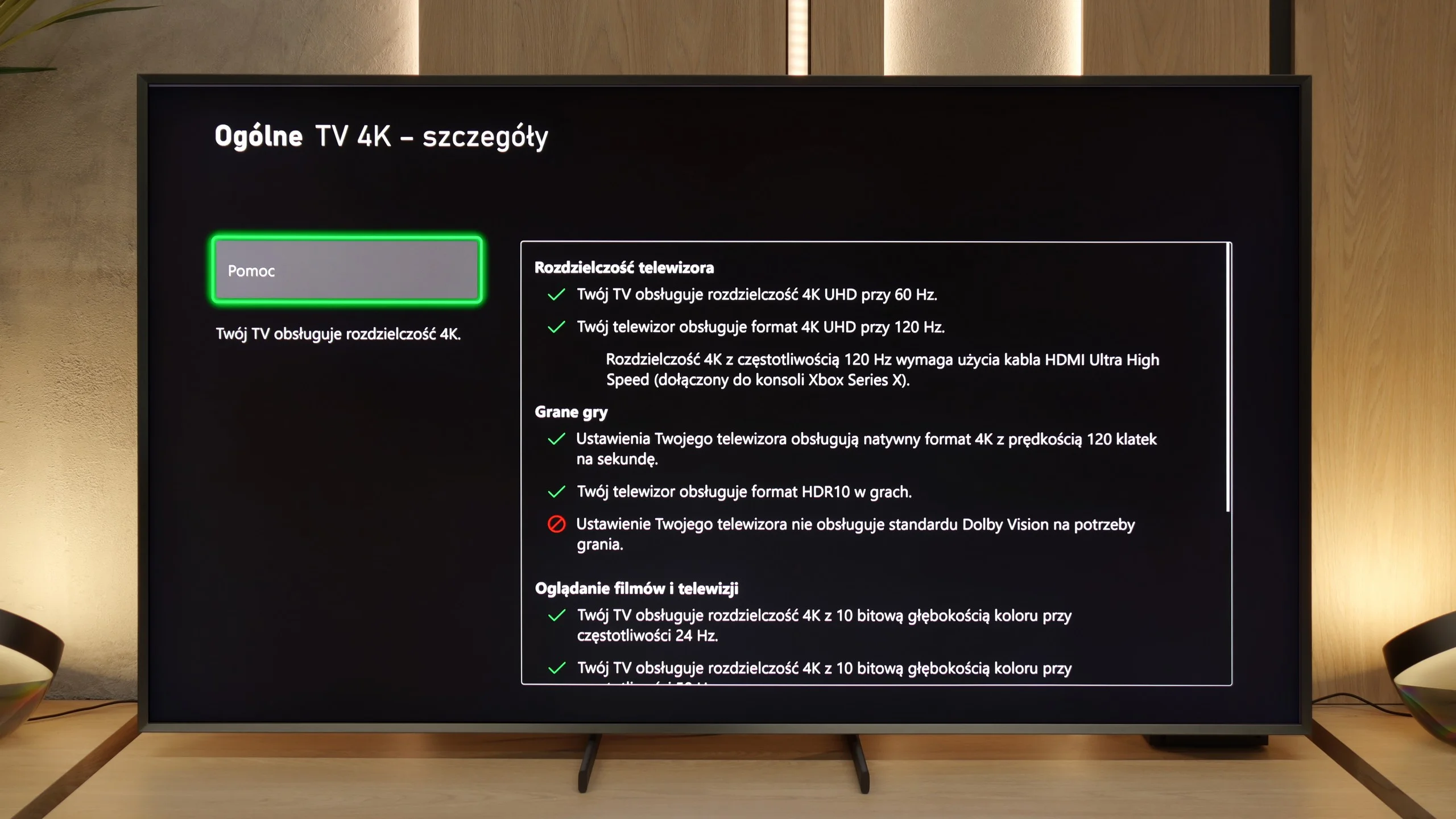
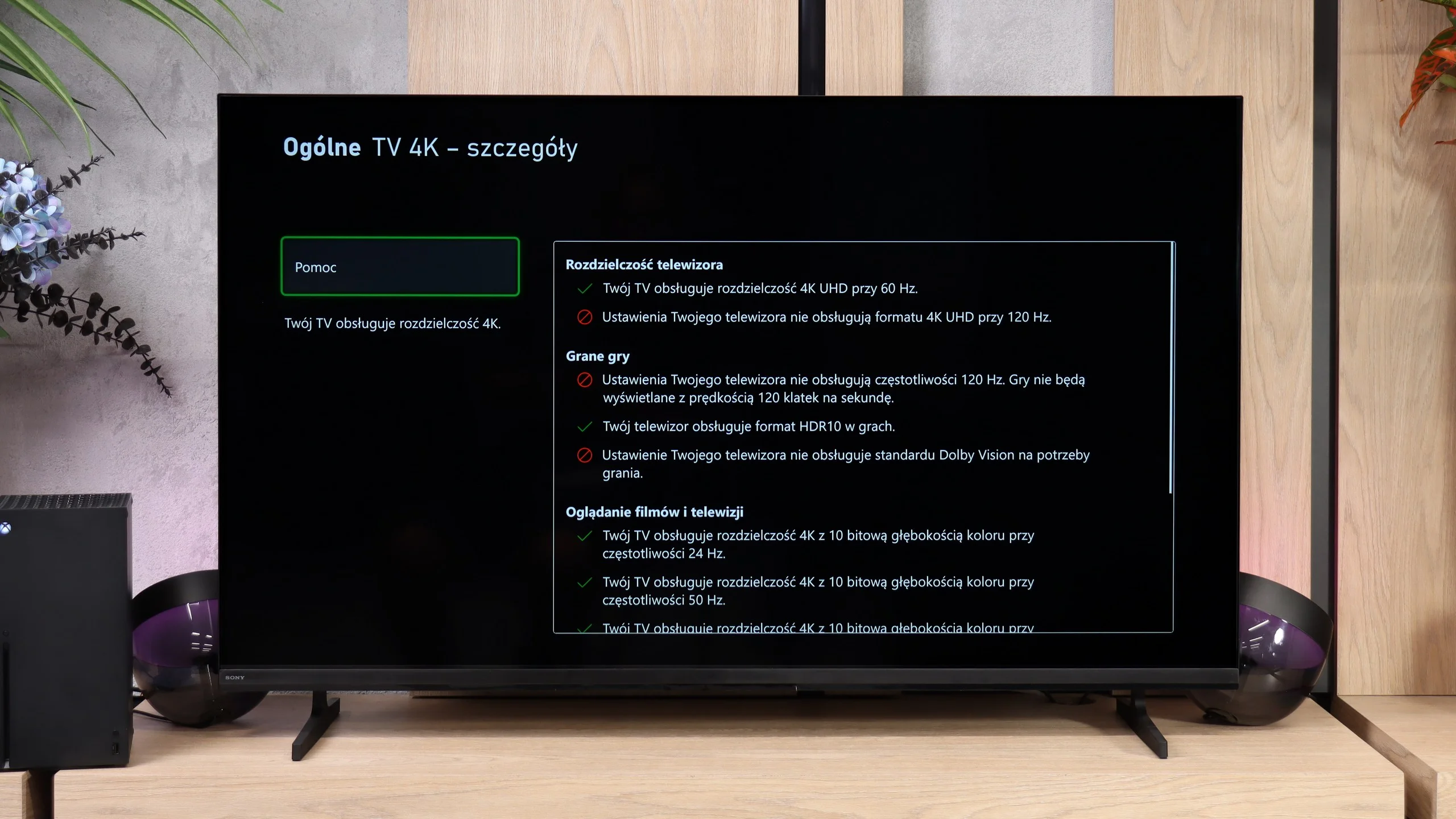
However, you have to remember that the “Bravia” badge on the case doesn’t automatically mean great picture quality. The Bravia 2 II uses an IPS panel with very low contrast, and that’s its biggest problem. In daylight it’s not so noticeable, but turn the lights off in the evening and black starts to look more like dark grey. Of course, in return you get good viewing angles, so if the TV sits in a large living room and several people watch from different spots, IPS has an advantage. But that comes at the cost of weak blacks. This TV isn’t designed for HDR impact or for more demanding gamers either. Around 300 nits of brightness and a narrow colour gamut mean HDR content doesn’t show much more than SDR. A 60 Hz panel and the lack of broader gaming features also make it clear that gaming isn’t a priority for this model.
And that wouldn’t be a major issue, because we expected that from an entry-level Sony. The biggest problem for the Bravia 2 II, though, is the price. For similar money you can easily find competitor TVs, especially Korean and Chinese brands, that already offer a lot more, ranging from 120 Hz panels to Mini-LED backlights with local dimming. So the Bravia 2 II isn’t a bad TV in itself. It’s simply too expensive for what it offers. If its price were noticeably lower, it would make much more sense as a basic TV for everyday viewing.
 Direct comparison