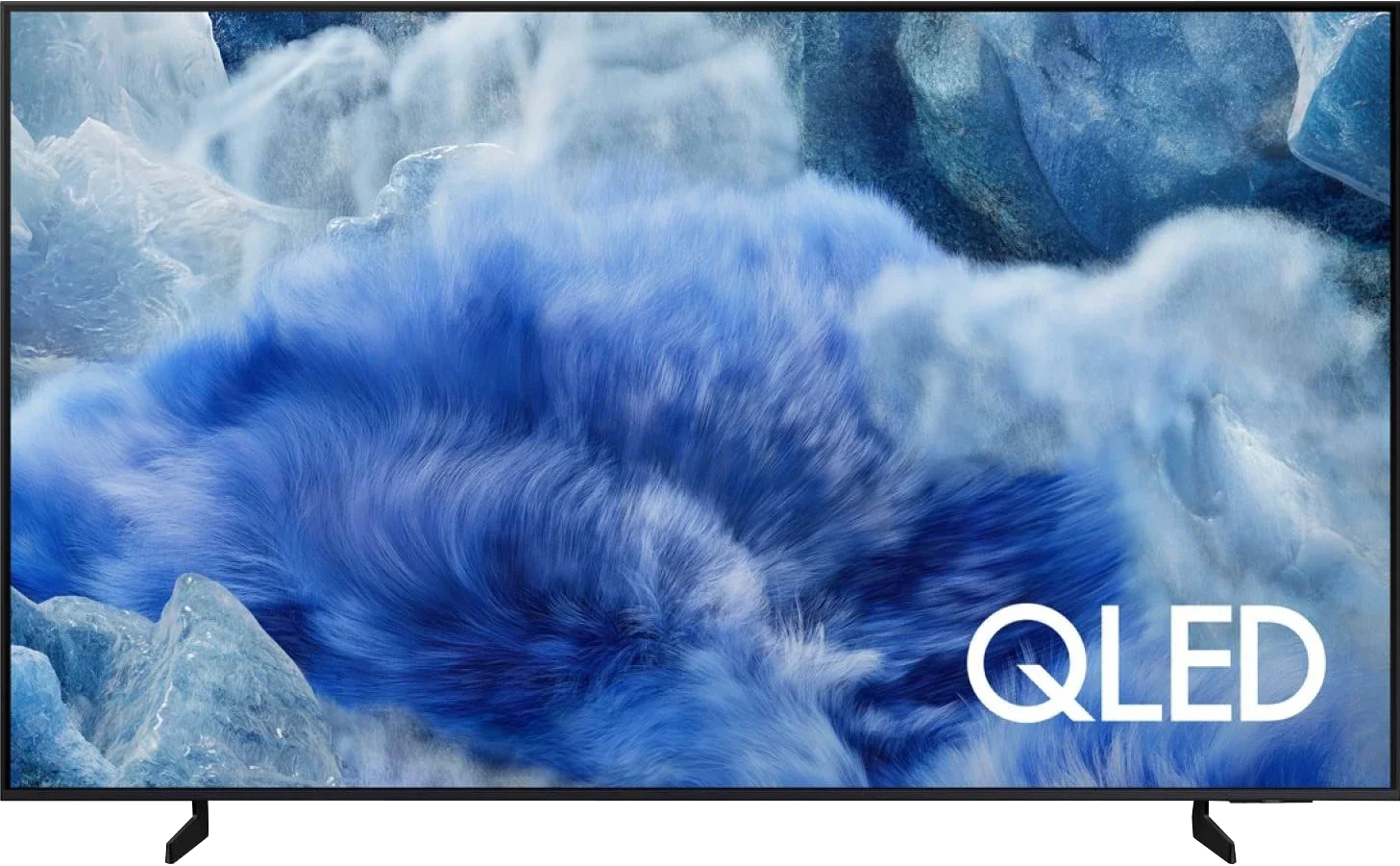
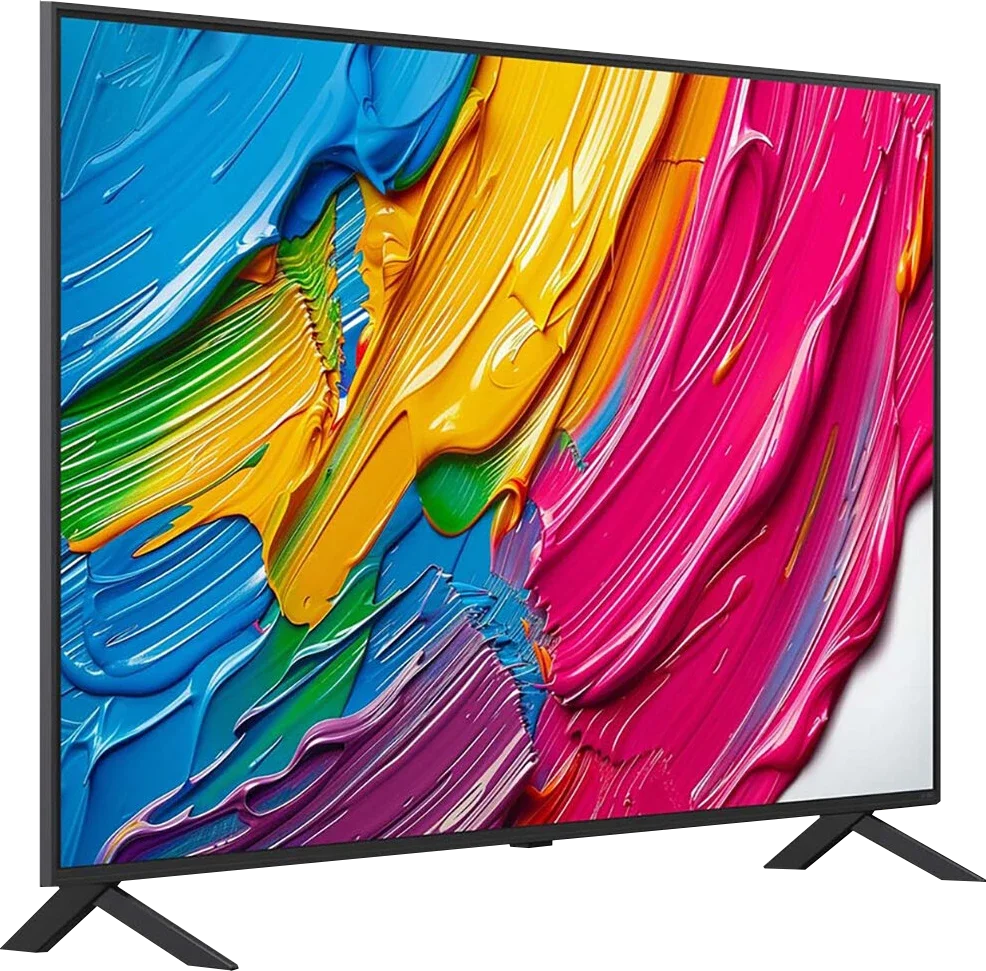
Samsung Q8F vs LG QNED80A6A (VA)

Direct comparison

Available screen sizes: 43”50”55”65”75”85”

Available screen sizes: 50”55”75”

Panel type: LCD VA

Resolution: 3840x2160

System: Tizen

Model year: 2025

Complete the survey to find out the result

Panel type: LCD VA

Resolution: 3840x2160

System: WebOS

Model year: 2025

Complete the survey to find out the result

Overall rating

6.3

6.2

  • Movies and series in UHD quality

    6.3

    6.3

  • Classic TV, YouTube

    6.0

    6.5

  • Sports broadcasts (TV and apps)

    5.1

    5.5

  • Gaming on console

    7.2

    7.0

  • TV as a computer monitor

    6.0

    5.8

  • Watching in bright light

    5.6

    4.4

  • Utility functions

    7.3

    6.8

  • Apps

    9.3

    9.1

  • Sound quality

    6.0

    6.0

Advantages

  • Solid contrast thanks to the VA panel

  • Pretty good brightness in SDR and HDR (up to about 500 nits)

  • Satin finish does well with reflections

  • Tizen operating system – fast, intuitive, with a rich app selection

  • Solar remote with USB-C charging

  • Integration with the SmartThings ecosystem

  • Great input lag

  • Good font readability when working with a PC, suitable as a text work monitor

  • Adjustable stand on multiple planes

  • High native contrast (over 6000:1) providing deep blacks in movies

  • Excellent colour saturation (DCI-P3 colour gamut coverage above 90%) thanks to PFS technology (QNED).

  • Good detail reproduction in HDR

  • Outstanding WebOS 25 system – fast, intuitive, and guaranteed updates

  • Magic Remote included – cursor control

  • Effective upscaling and smoothing function for tonal transitions

  • Decent features for gamers (VRR, ALLM, HGiG), despite the 60Hz panel

  • Low input lag

  • Smooth tonal transitions – no visible "steps" in colour gradients

  • Good readability of fonts when connected to PC (sharp text).

Disadvantages

No like
  • Severely limited features for gamers

  • No USB recording or PiP functionality

  • Average digital image processing

  • Narrow viewing angles – the image loses quality when viewed from the side

  • Aggressive local dimming – in difficult scenes, it causes visible blooming.

  • 60Hz panel

  • No support for Dolby Vision and HDR10+

  • Average brightness

  • Flat sound lacking bass – a soundbar is recommended

Our verdict

Samsung Q8F is quite a successful continuation of the Q67D model. It offers similar image quality in HDR content, and with a brightness of around 500 nits, it creates an effect that is hard to call ordinary. The support for the HDR10+ format also helps, which has been competing with Dolby Vision for some time and provides comparable experiences in many productions. The contrast is another plus – for a VA panel, it holds up well and allows for enjoyable blacks in movies and series. However, the biggest asset of the Q8F remains its operating system. Tizen runs quickly, provides access to many applications, and works well with the SmartThings ecosystem, so the TV can easily be integrated into a larger network of home devices. Interestingly, the Q8F also has a niche use – thanks to very good font readability, it works excellently as a screen for text work. Additionally, the adjustable stand allows the TV to be placed on virtually any desk or in a narrower TV cabinet. The biggest drawback, in our opinion, is not the image quality itself – as it's hard to expect miracles in this price class – but rather what has happened to the features for gamers. Due to updates, options such as VRR and HGiG, which were available even in simpler constructions in previous generations, have disappeared. In fact, the manufacturer even boasts about the availability of these features in their catalogue. This makes it hard to recommend the Q8F to anyone planning to connect a console and counting on full support for new technologies. Therefore, the Q8F is a TV that can appeal – primarily due to its design, above-average image quality, and efficient Tizen system. But at the same time, a step backward compared to its predecessor is evident. Let's hope Samsung can quickly rectify these shortcomings, as otherwise, even such a successful “everyday” TV may leave some users feeling unsatisfied.

[UPDATE] We have updated our 2025 Samsung TV reviews following the release of firmware version 1131, which officially restores the essential HGiG (HDR Gaming Interest Group) support.
Looking at the QNED80A in the VA version as a whole, we are dealing with a television that has a very specific character. It's a piece of equipment that movie lovers seeking savings will appreciate, as long as... they accept certain shortcomings. We get really solid blacks and contrast here, but we pay for it with narrow viewing angles. There's no denying it: this is a TV for those who have their favourite spot in the middle of the couch. Of course, you can feel some budget cuts here – the 60Hz panel or edge dimming, which sometimes struggles with difficult scenes, are elements that remind you that this isn't the highest tier of televisions. However, LG cleverly makes up for these hardware shortcomings with excellent software. It's quite surprising how well this TV handles pulling out details in HDR or upscaling lower quality cable materials – the processor does a great job here, making the picture look more expensive than it is in reality. If we add to that the great WebOS system and gaming features that, despite the lack of 120Hz, manage to deliver, we get a very successful screen for home cinema. It requires some understanding, but in return, it rewards you with a really vibrant image at an affordable price.

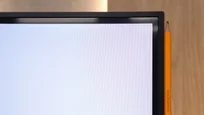
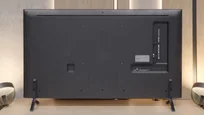
TV appearance

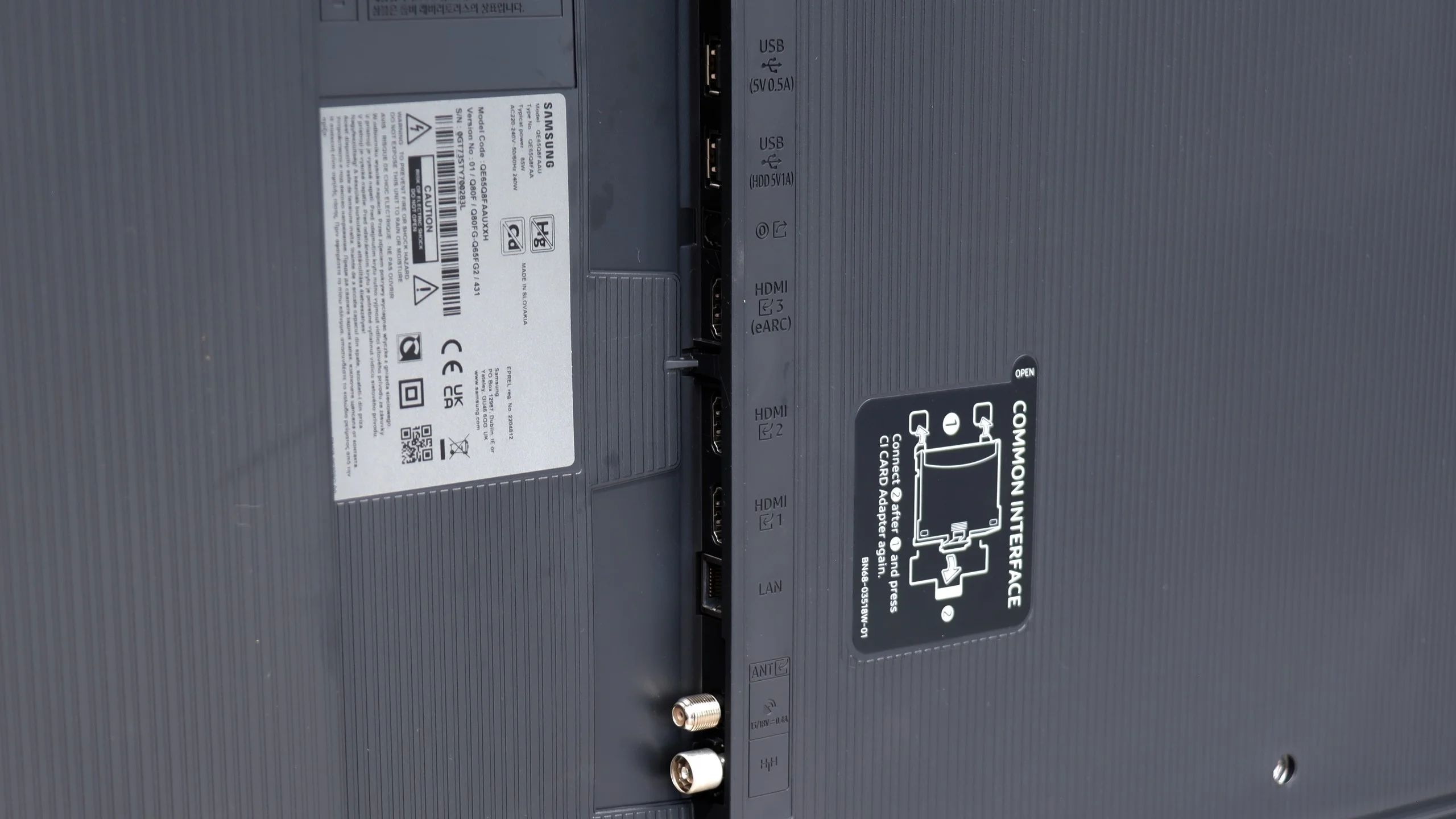
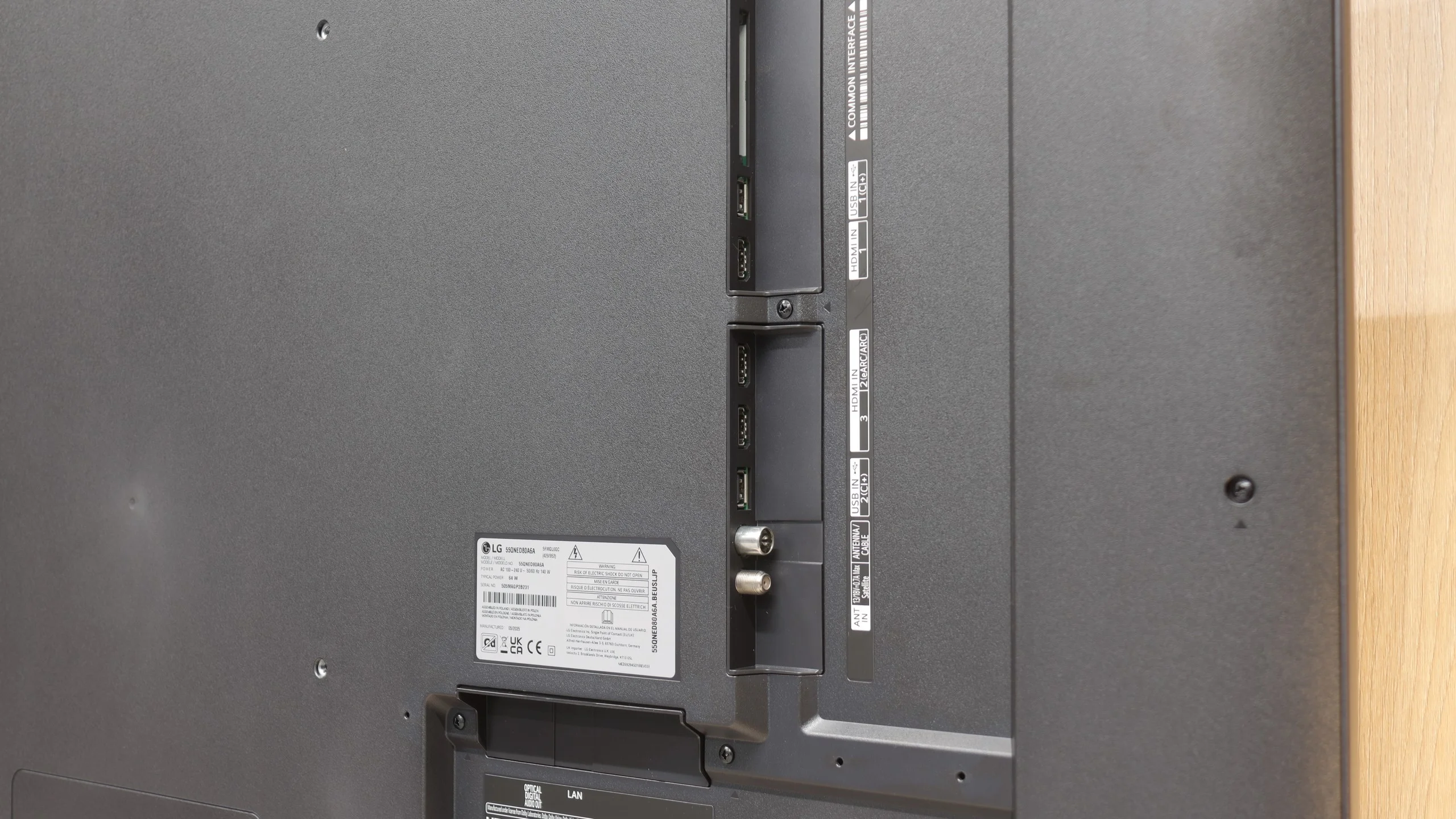
HDMI inputs
3 x HDMI 2.0, 0 x HDMI 2.1
Other inputs
Outputs
Toslink (Optical audio), eARC (HDMI), ARC (HDMI)
Network Interfaces
Wi-Fi 2.4GHz, Wi-Fi 5GHz, Ethernet (LAN) 100Mbps
Build quality
Good
Good
Stand type
Legs
Legs
Bezel color
Graphite
Graphite
Stand
Height adjustment, Base adjustment
Fixed
Flat design
Yes
Yes
Accessories
Stand
Stand

Contrast and black detail

5.5/10

6.3/10

Local dimming function: No

Local dimming function: Yes, number of zones: 6 (1 x 6)

Contrast:

Review Samsung Q8F Contrast and black detail

Result

5,200:1

Review Samsung Q8F Contrast and black detail

Result

4,650:1

Review Samsung Q8F Contrast and black detail

Result

3,650:1

Review Samsung Q8F Contrast and black detail

Result

4,100:1

Review Samsung Q8F Contrast and black detail

Result

4,150:1

Review LG QNED80A6A (VA) Contrast and black detail

Result

24,550:1

Review LG QNED80A6A (VA) Contrast and black detail

Result

7,900:1

Review LG QNED80A6A (VA) Contrast and black detail

Result

22,150:1

Review LG QNED80A6A (VA) Contrast and black detail

Result

6,700:1

Review LG QNED80A6A (VA) Contrast and black detail

Result

5,550:1

Halo effect and black detail visibility:

Check the visibility of bright lights on a dark background. Mini-LEDs often struggle with this. The photo does not compare black levels – that’s what the video below is for.

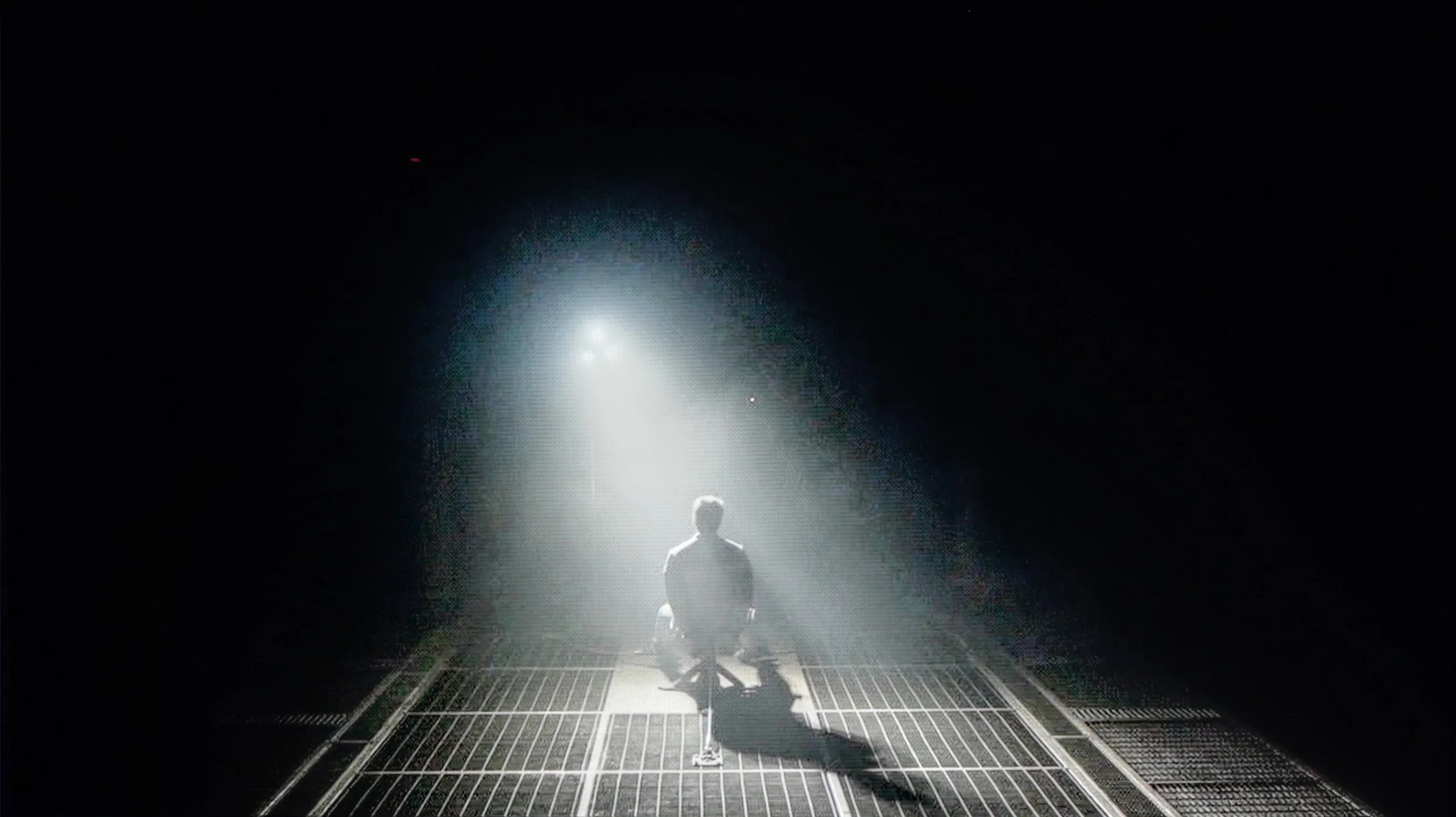
The video accurately shows differences in contrast and black levels between TVs, as well as potential issues: halo around bright objects or Mini-LED zone operation visible as brightness jumps.

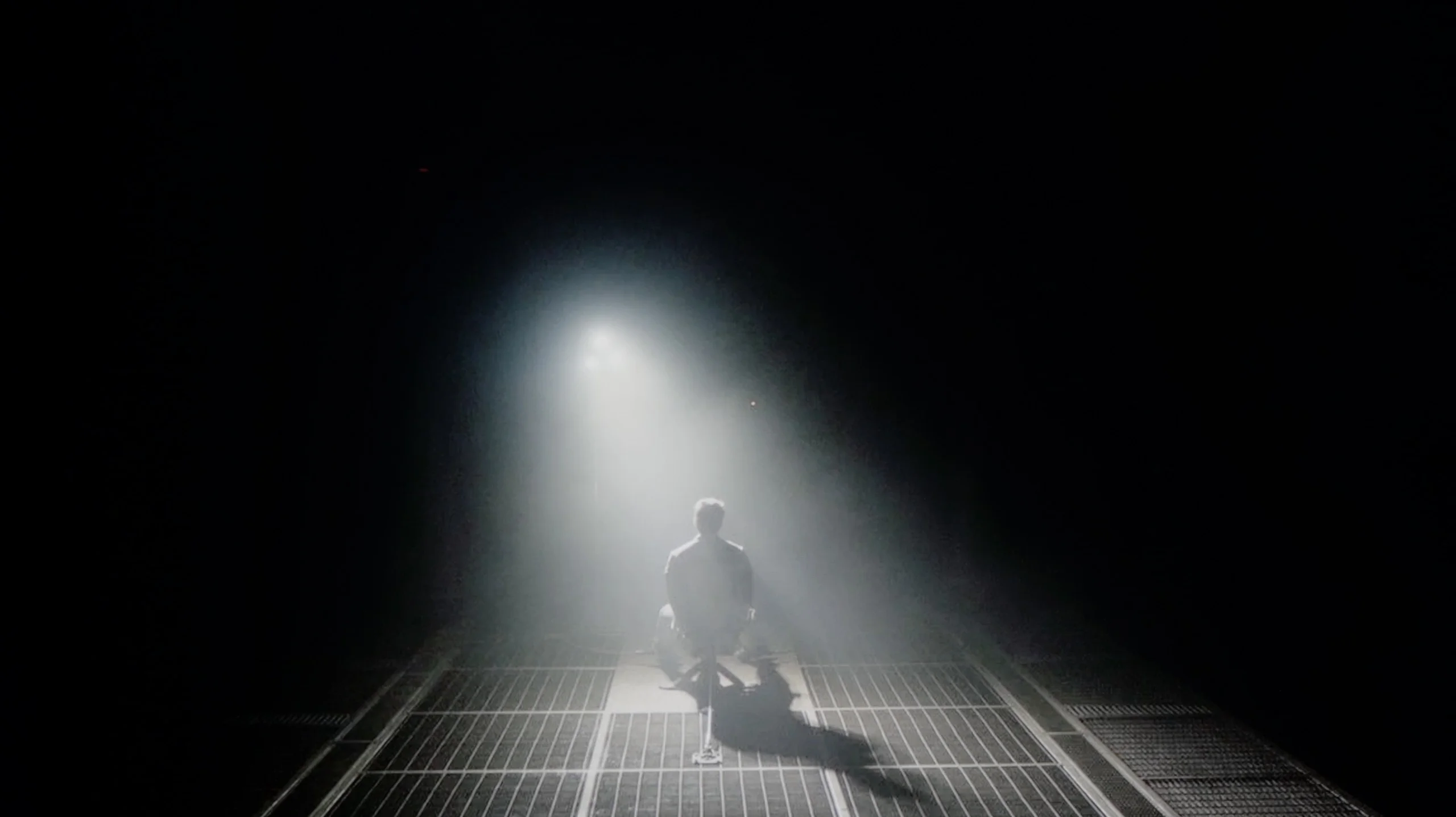
Samsung Q8F uses a VA LCD panel, which immediately puts it in a good position regarding contrast. By nature, such panels offer deeper blacks than IPS panels, and you can actually see this effect here. On test patterns, the contrast ranged from about 4000:1 to even 6000:1, which practically results in a surprisingly engaging image, especially in a slightly dimmed living room. Of course, this is not the level of LCD screens with local dimming, let alone OLED — sometimes the blacks can verge on a shade of navy, and the overall image can appear flat. However, Samsung employs a simple trick: so-called global dimming, which dims the entire screen when there are many dark sections. The effect can be impressive, but it comes at the cost of losing some details, which may not appeal to everyone. Nevertheless, the Q8F still performs significantly better than televisions with IPS panels, offering solid contrast and blacks that can immerse you in the cinematic atmosphere.

The model we tested, with a diagonal of 55 inches, is equipped with a VA-type panel. Here’s the great news: this is a huge advantage over the IPS version if you care about deep blacks and a vivid image. Our measurements showed that in typical movie scenes, the native contrast is really solid, exceeding values around 6000:1. In practice, this means that black is black, not grey, which works very well for occasional evening viewing and is not irritating. However, there are moments when our measuring devices indicated contrast levels over 20 000:1. Where does such a leap come from? The LG QNED80A is equipped with a Local Dimming system. However, this is an edge-lit system. This means that the TV can dim vertical strips of backlighting where the image is supposed to be dark. In theory, this sounds great and indeed allows for "better numbers" in tables than in a classic LCD screen. Unfortunately, practice can be brutal. The use of edge dimming is a double-edged sword that can disrupt the viewing experience in challenging scenes. An ideal example is the scene with the helicopter in the film Sicario 2. When there is a lot of black on the screen and small, bright points, the dimming system starts to operate very aggressively and... not very precisely. You can clearly see how entire vertical strips of the screen brighten and dim, trying to keep up with the object. Instead of deep blacks, we then see blooming, which simply looks bad and strongly distracts from the plot. Although the dimming system improves measurable contrast, in everyday use – especially with the lights off – its aggressive operation can be annoying. Often, a better option may be to... turn off this feature or set it to minimum, to enjoy stable, natural blacks from the VA panel itself.

HDR effect quality

5.2/10

4.6/10

Supported formats
HDR10, HDR10+, HLG
HDR10, HLG
Color gamut coverage
DCI P3: 90.7%, Bt.2020: 66.2%
DCI P3: 93.4%, Bt.2020: 73.1%

Luminance measurements in HDR:

Review Samsung Q8F Brightness measurement

Result

473 nit

Review Samsung Q8F Brightness measurement

Result

417 nit

Review Samsung Q8F Brightness measurement

Result

457 nit

Review Samsung Q8F Brightness measurement

Result

210 nit

Review Samsung Q8F Brightness measurement

Result

471 nit

Review LG QNED80A6A (VA) Brightness measurement

Result

354 nit

Review LG QNED80A6A (VA) Brightness measurement

Result

335 nit

Review LG QNED80A6A (VA) Brightness measurement

Result

354 nit

Review LG QNED80A6A (VA) Brightness measurement

Result

301 nit

Review LG QNED80A6A (VA) Brightness measurement

Result

271 nit

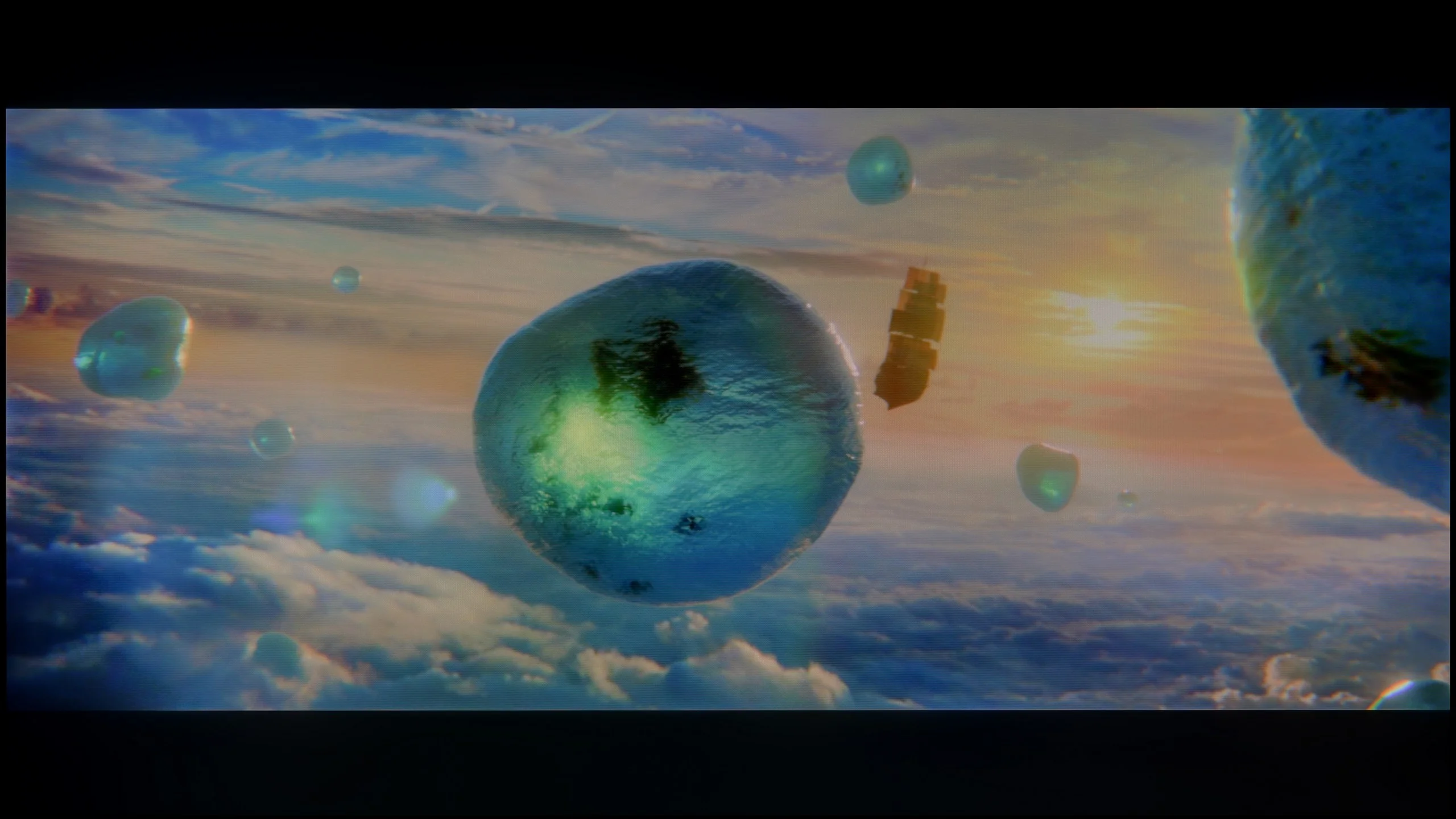
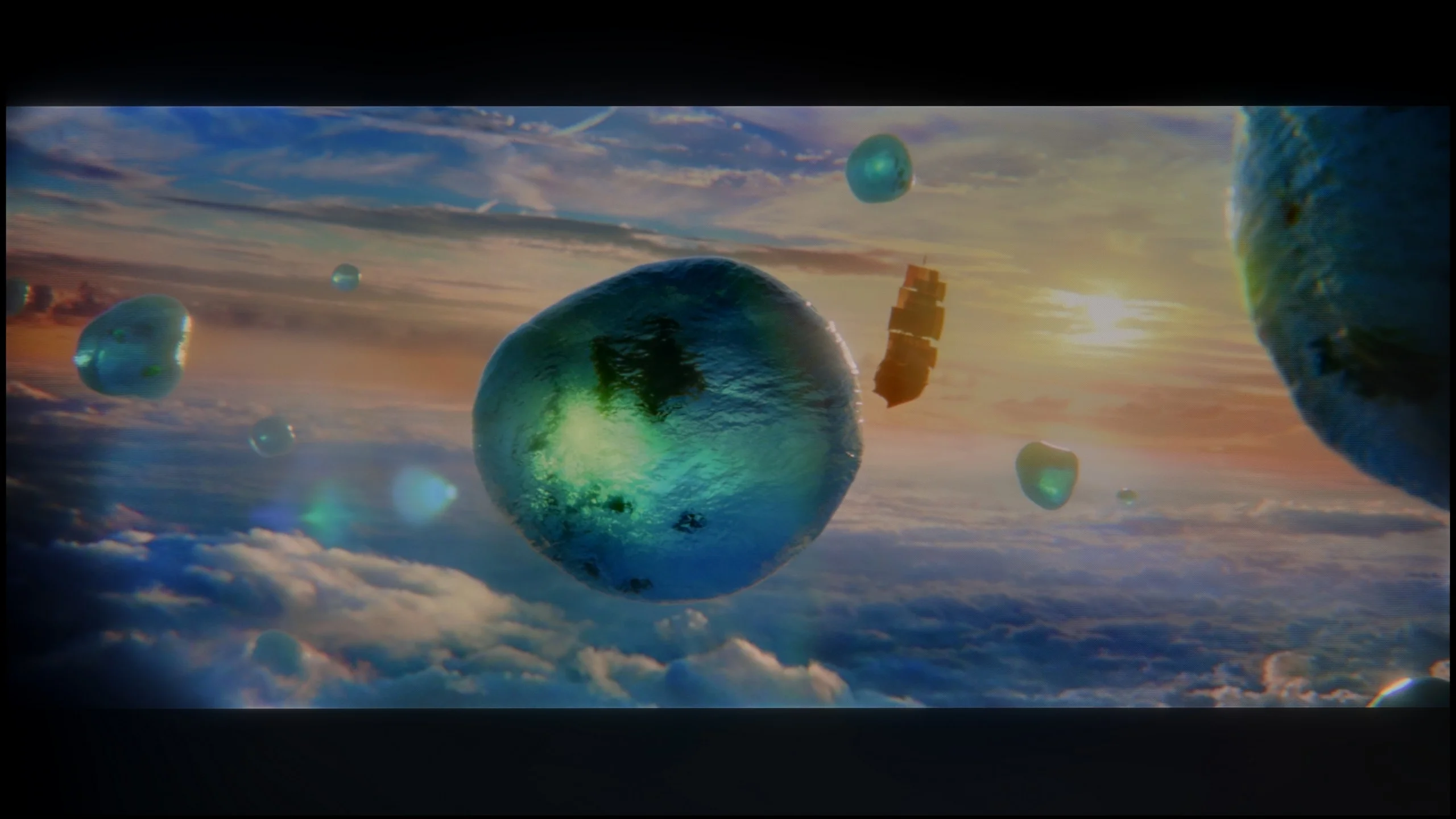
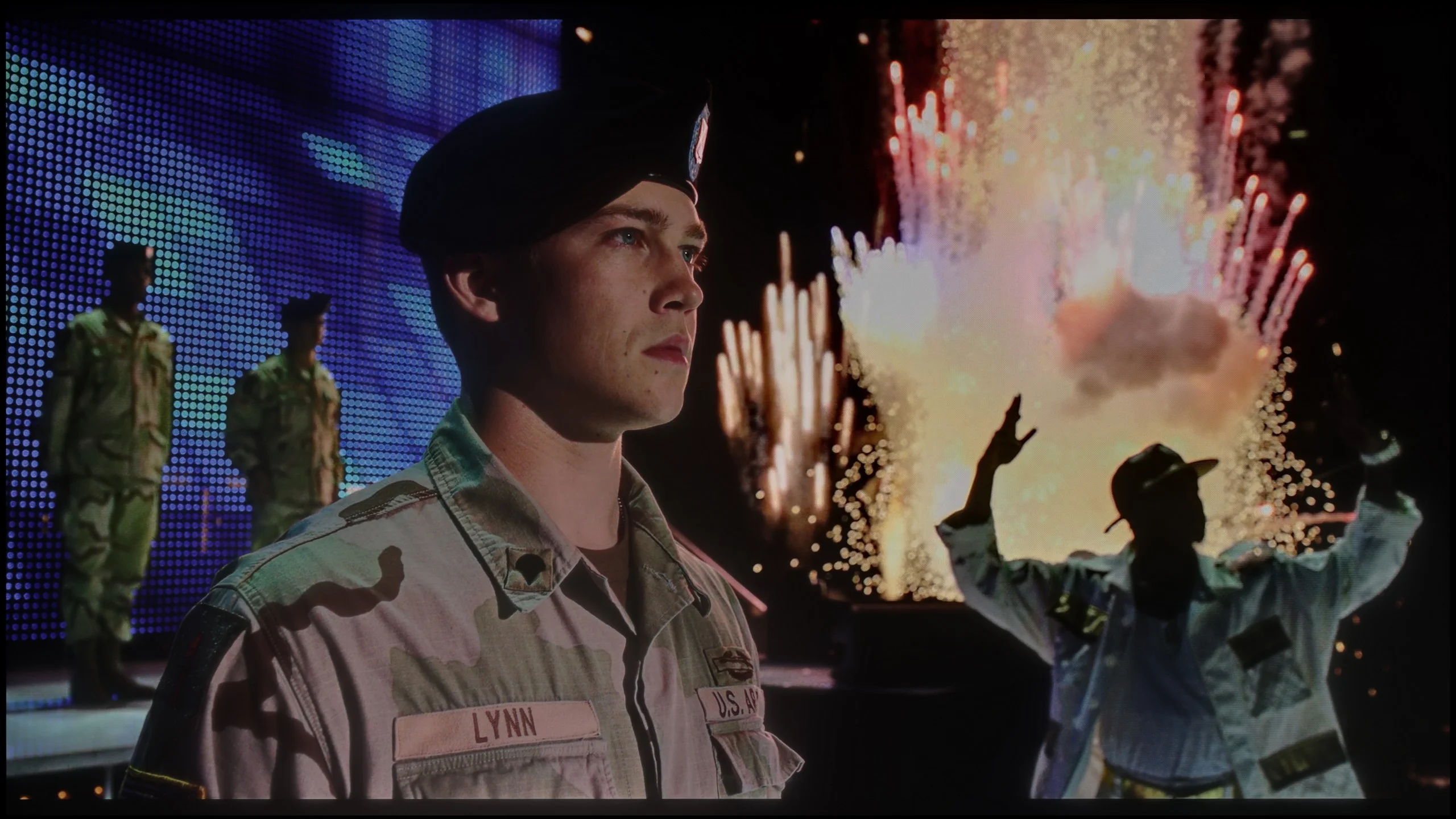
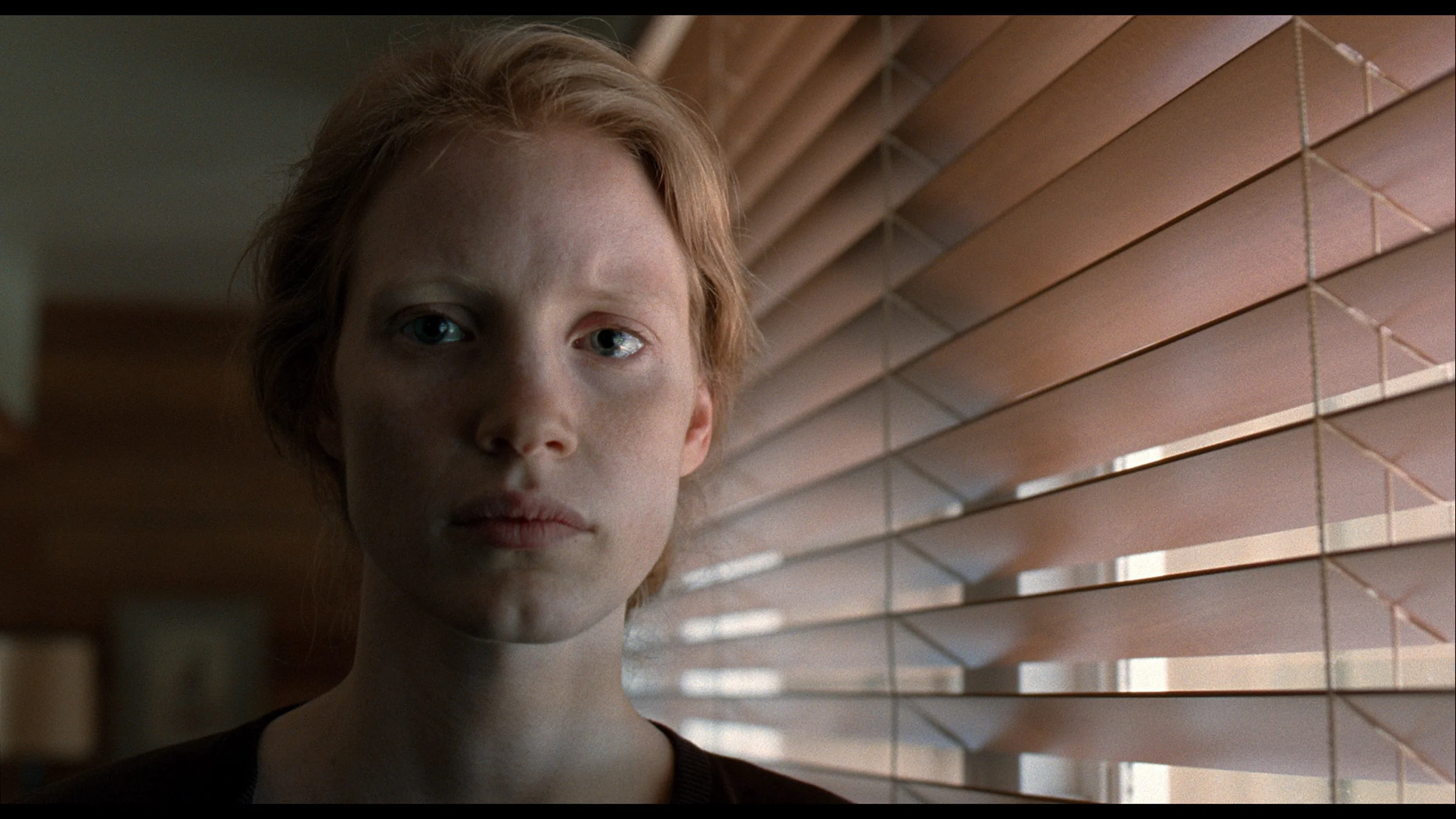
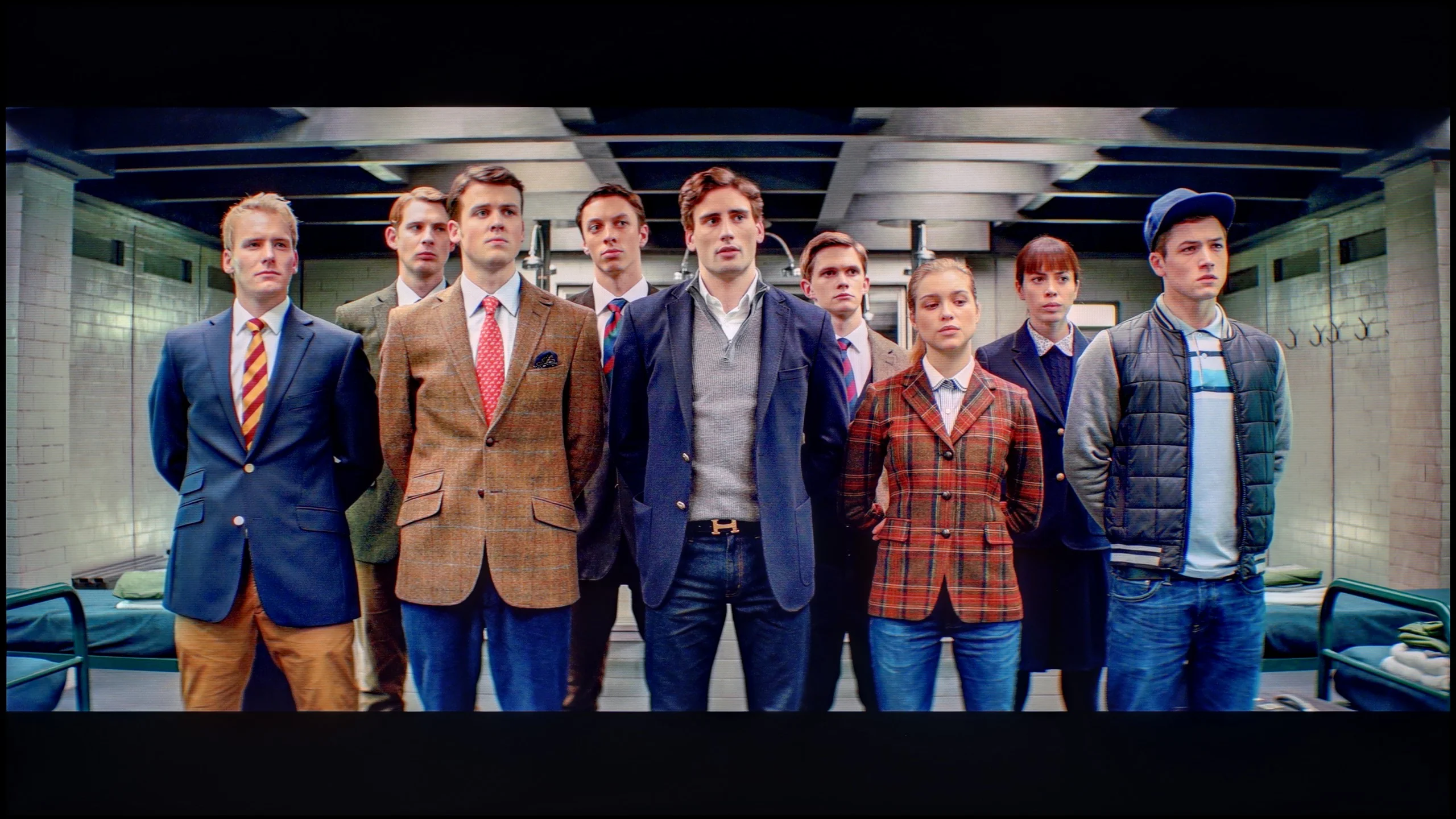
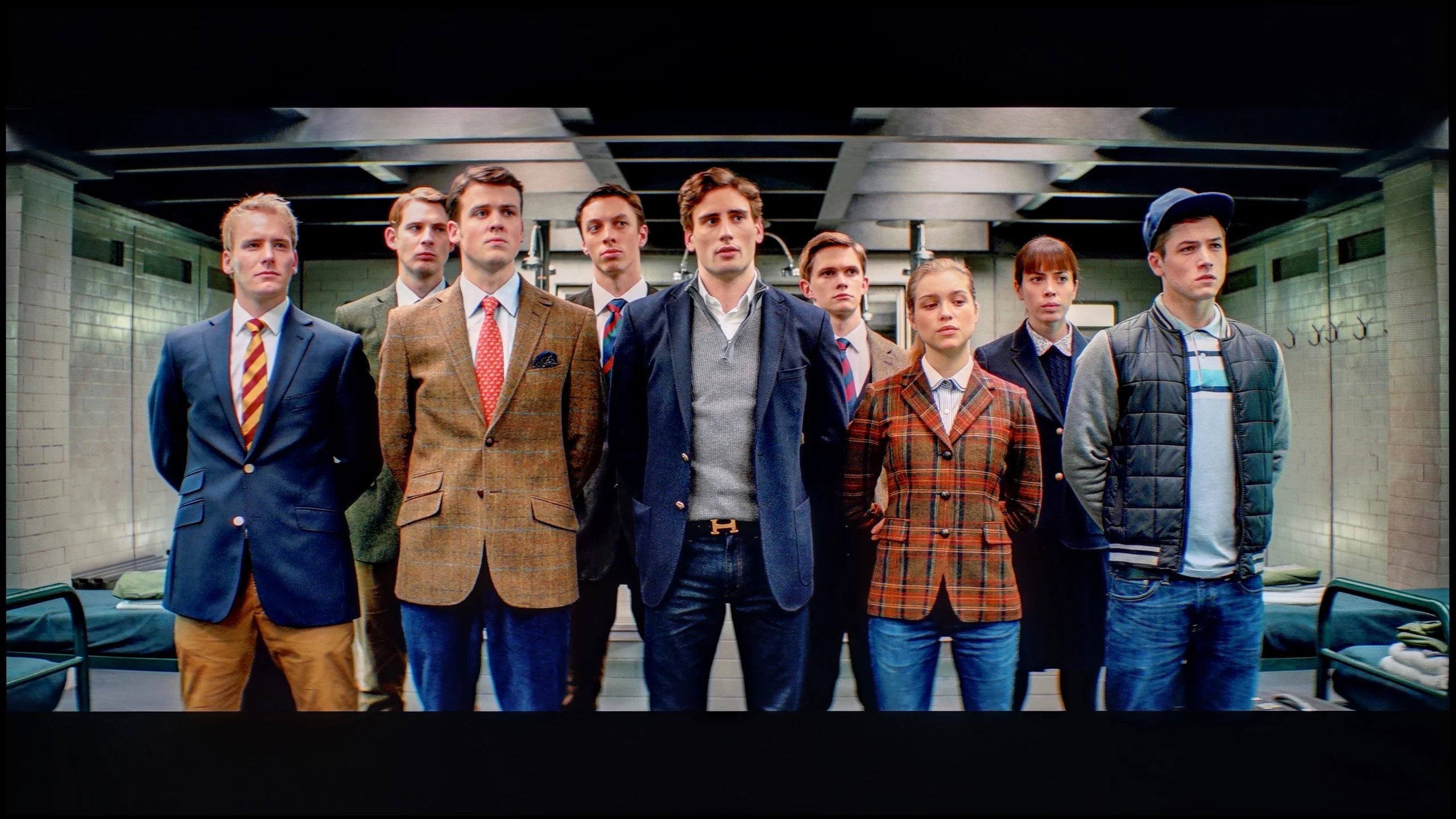
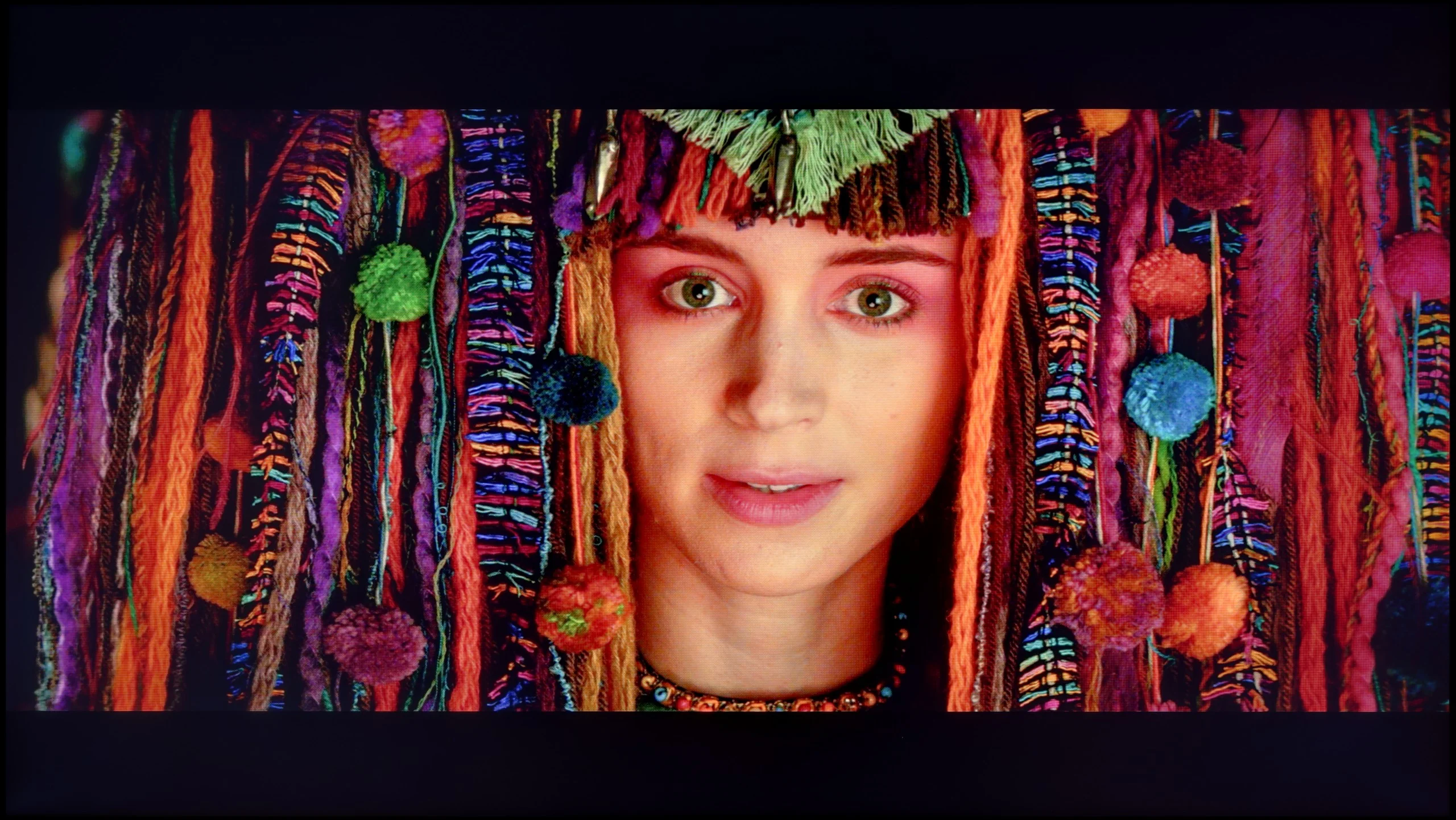
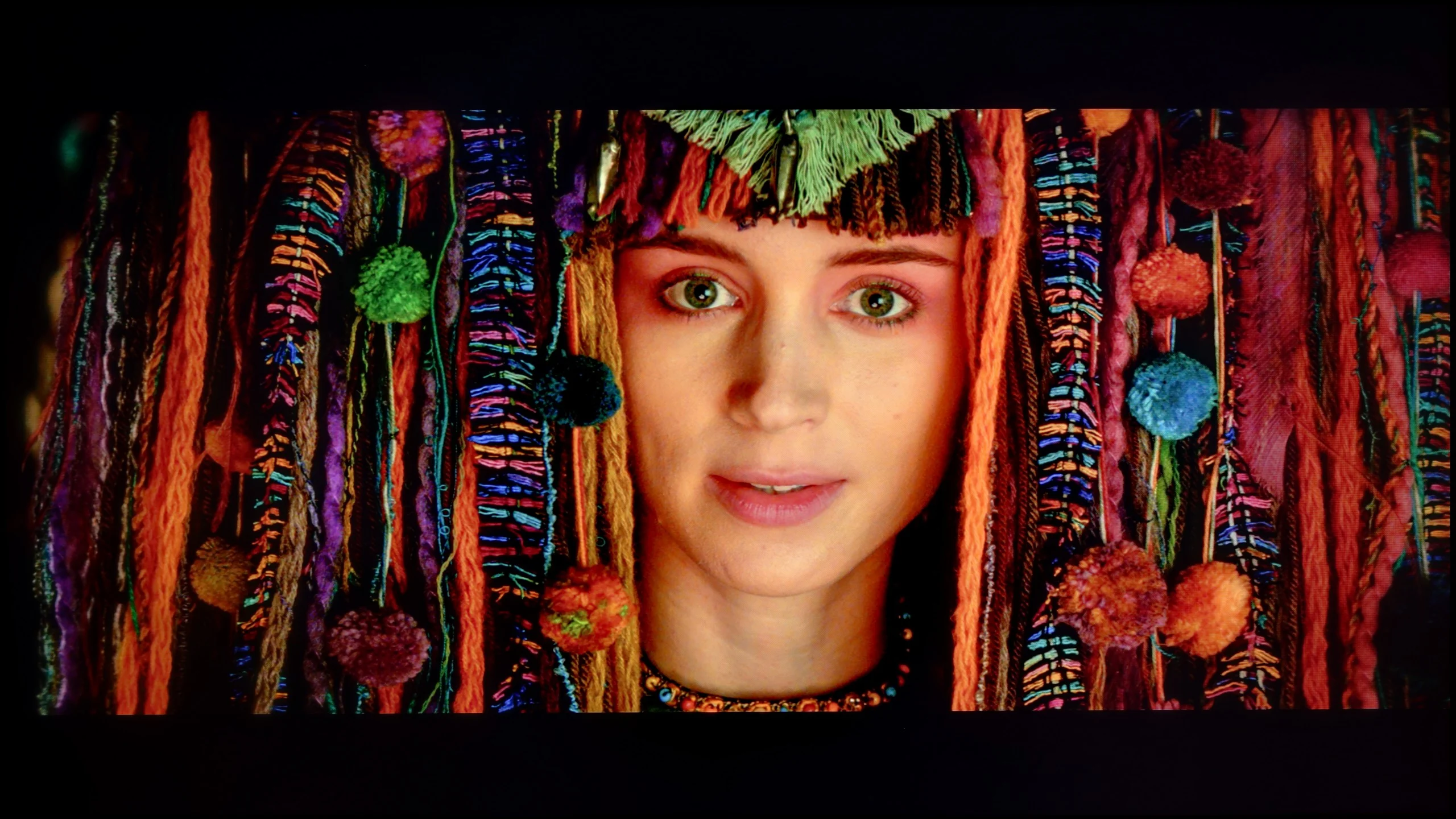
Scene from the movie “Pan” (about 2800 nits)

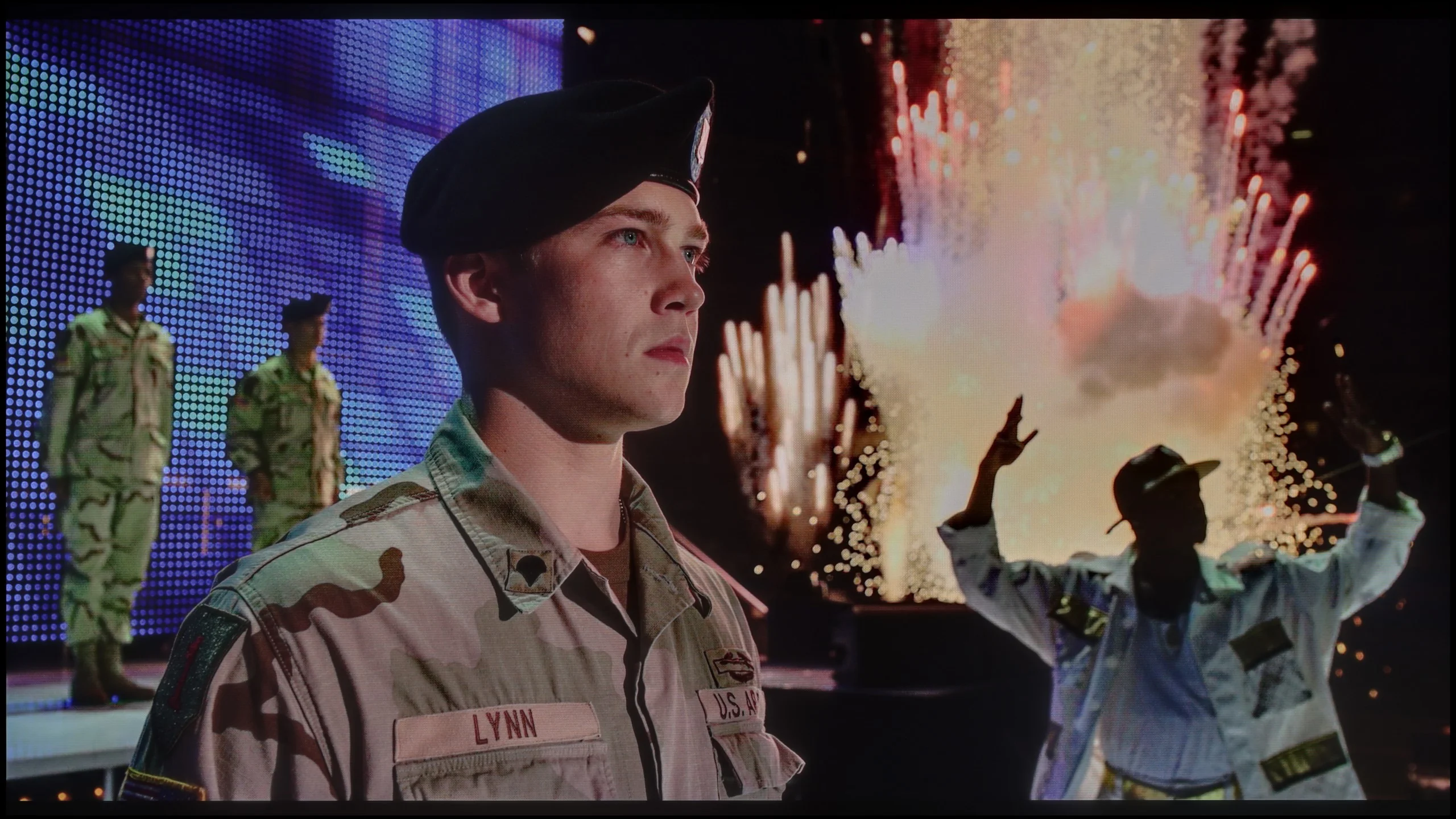
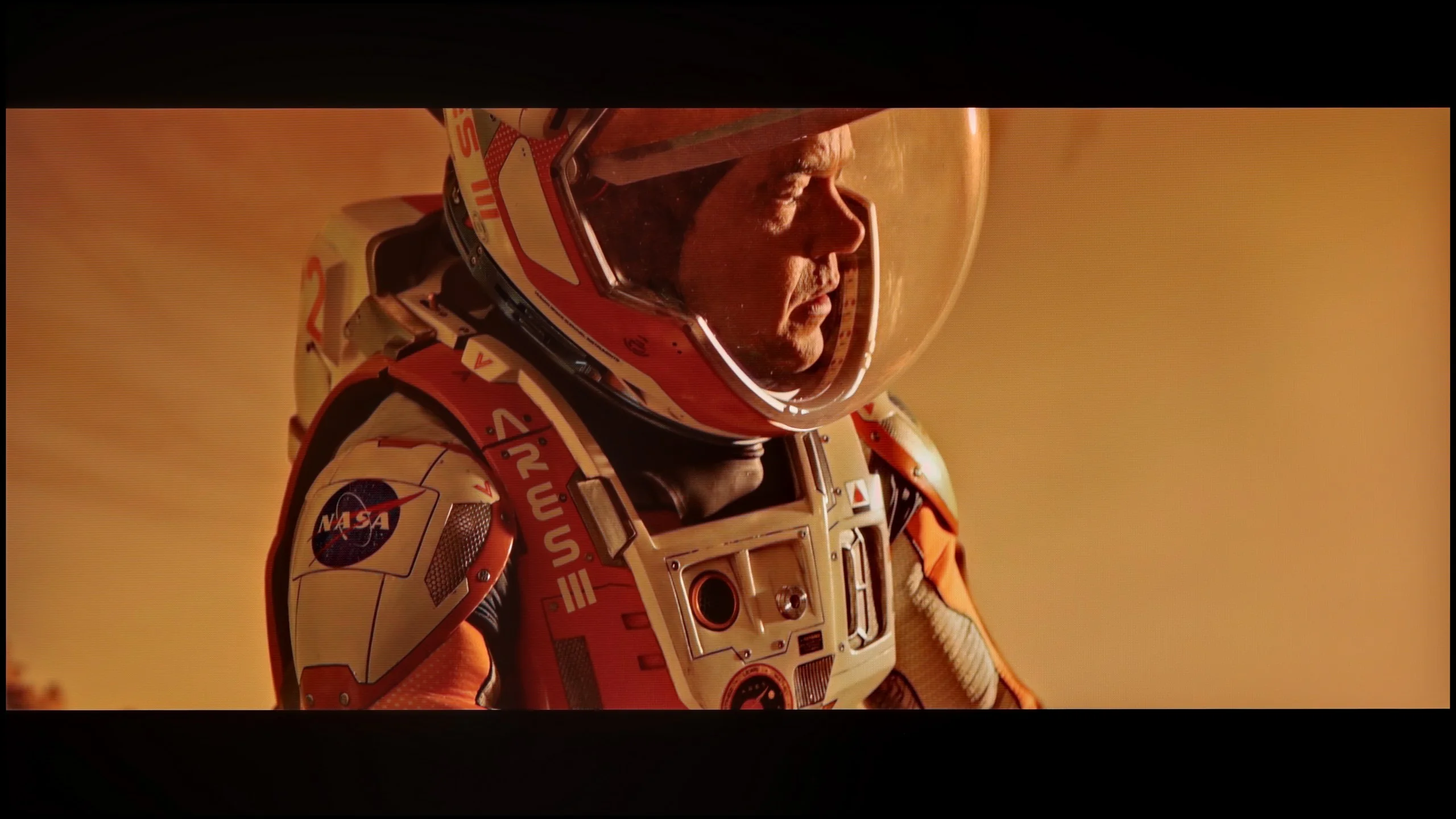
Scene from the movie “Billy Lynn” (about 1100 nits)

The photos show two HDR10 movies. 'Pan' is one of the brightest productions ever made, while 'Billy Lynn' (soldier) has brightness typical of streaming (Netflix, Prime, HBO MAX). Notice the intensity of effects and detail in whites.

Static HDR10

The photos present the visibility of white details in various HDR formats. They do not show brightness differences between TVs (these can be compared in the previous gallery).

HDR luminance chart:

LG QNED80A6A (VA)

Samsung Q8F

In terms of brightness, the Samsung Q8F performs surprisingly well for a TV without local dimming. It measures up to 500 nits, which in practice means that most movie and series scenes look pleasant, and it cannot be faulted for lacking the "HDR effect." In films like Life of Pi or The Meg, the screen can burst with bright light, delivering a level of lighting effect that is satisfying. It struggles more in challenging moments—such as dark scenes with single bright points. The global dimming used causes the TV to darken the image to maintain deep blacks, but at the expense of detail brightness. This is clearly visible in the scene from Sicario 2, where the brightness of the helicopter lights dropped to around 200 nits. This is a deliberate design choice that gives the impression of deeper blacks but takes some shine away from individual elements, and one should simply keep that in mind. Regarding colour reproduction, the Q8F uses quantum dot technology, which expands the colour gamut. A coverage of the DCI-P3 palette at 91% can be considered a decent result, although it is not a record-breaking figure compared to other QLEDs.

Let's talk now about how this TV shines. If you’re expecting dazzling light effects, we need to cool your enthusiasm. The LG QNED80A is a moderately bright television. Our measurements in most film scenes indicated values around 350-400 nits. That’s not enough to speak of a full, cinematic HDR experience and the feeling of that famous “high dynamic range” that flagship products offer. However, brightness is not everything. Although the QNED80A is not a “light monster,” it makes up for it in another key category: colours. This is where PFS technology comes into play, which LG marketers hide under the name QNED/NanoCell. With this trick, the TV offers a significantly wider colour palette than classic LCD constructions. In our tests, the coverage of the cinematic DCI-P3 palette reached a solid 93-94%. What does that mean for you? That even at lower brightness, when watching films in HDR, the colours will be vibrant, deep, and properly saturated. The image is not washed out but juicy, which is a significant advantage in this price range.

Factory color reproduction

4.6/10

4.4/10

This gallery shows how colors change after professional TV calibration. If you notice the difference, we recommend ordering this service at SkalibrujTV.com.

Factory Mode

After calibration

This gallery shows how colors change after professional TV calibration. If you notice the difference, we recommend ordering this service at SkalibrujTV.com.

Factory Mode

After calibration

We decided to check out the Filmmaker mode because right out of the box it gave us the best picture. However, that doesn't mean it was perfect. The white balance had too much of a blue and red tint, causing the whites to lean towards a slight purple-pink hue. Such imbalance affected the visibility of virtually all colours, which is clearly seen in the comparison photo below. The brightness characteristics in SDR content were quite well calibrated, although in HDR materials we noticed that the TV didn't always handle its global dimming well — at times the screen was too dim, while at other times it could suddenly brighten up. Fortunately, issues related to colours can be effectively corrected with calibration tools, so we decided to get to work.

It might seem that since the QNED80A is one model, it should offer the same picture regardless of the version. However, practice shows something completely different. Analyzing the variant with the VA panel in the best factory setting – that is, in Filmmaker Mode – we noticed a specific characteristic. This TV "out of the box" delivers a picture with a clear dominance of red and a deficiency of blue. Overall, it is very warm, almost hot. Many users might describe it as an "overly cinematic" picture, leaning towards sepia. Additionally, there is the issue of gamma curve – the TV has a tendency to slightly and artificially brighten scenes (gamma is too low), which causes the picture to lose some of its plasticity. The good news is that these are not panel errors, but merely software issues. As always in our tests, we performed professional calibration, which completely eliminated these drawbacks, restoring natural white balance and correct saturation.

Color reproduction after calibration

7.8/10

7.5/10

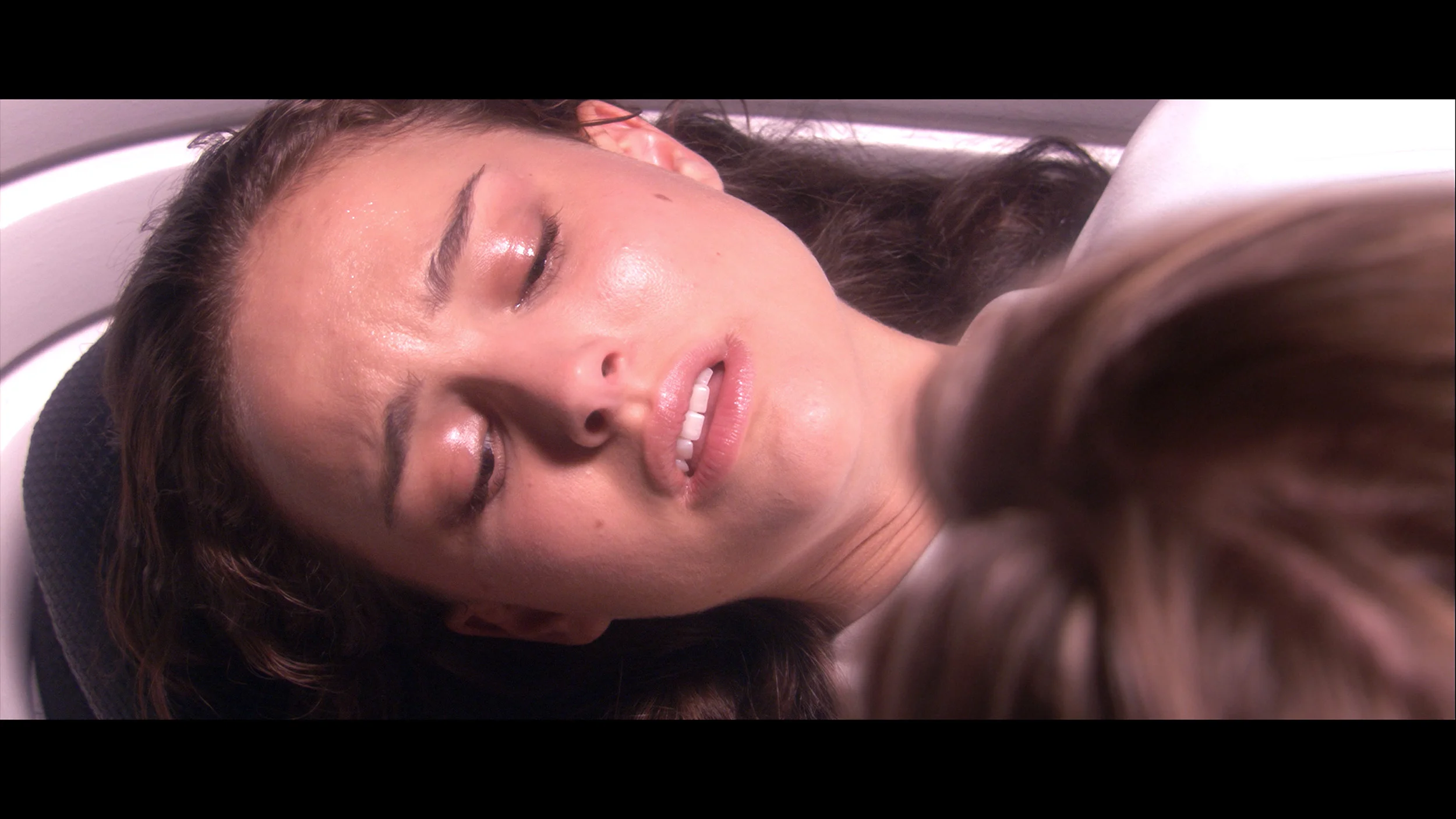
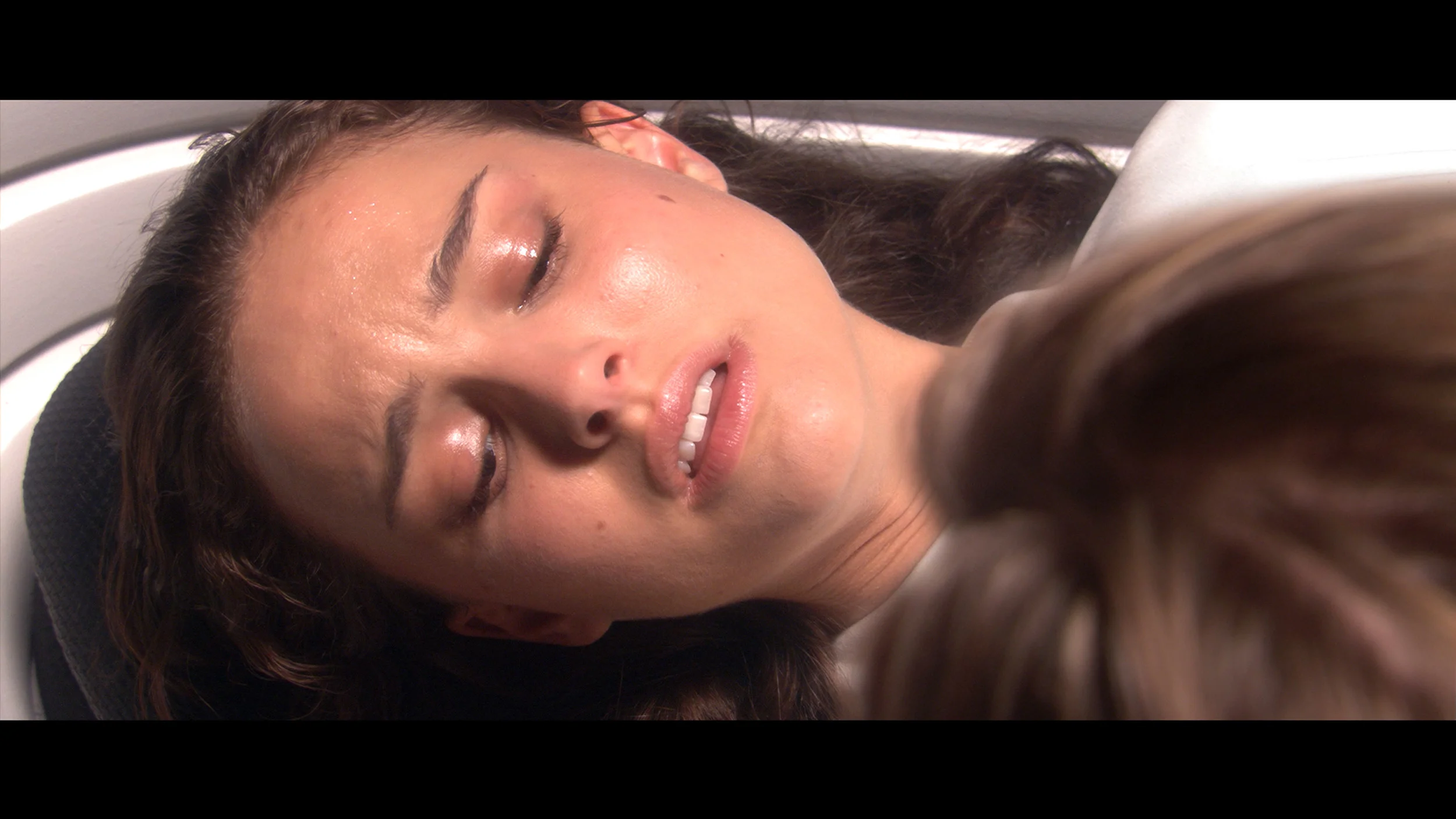
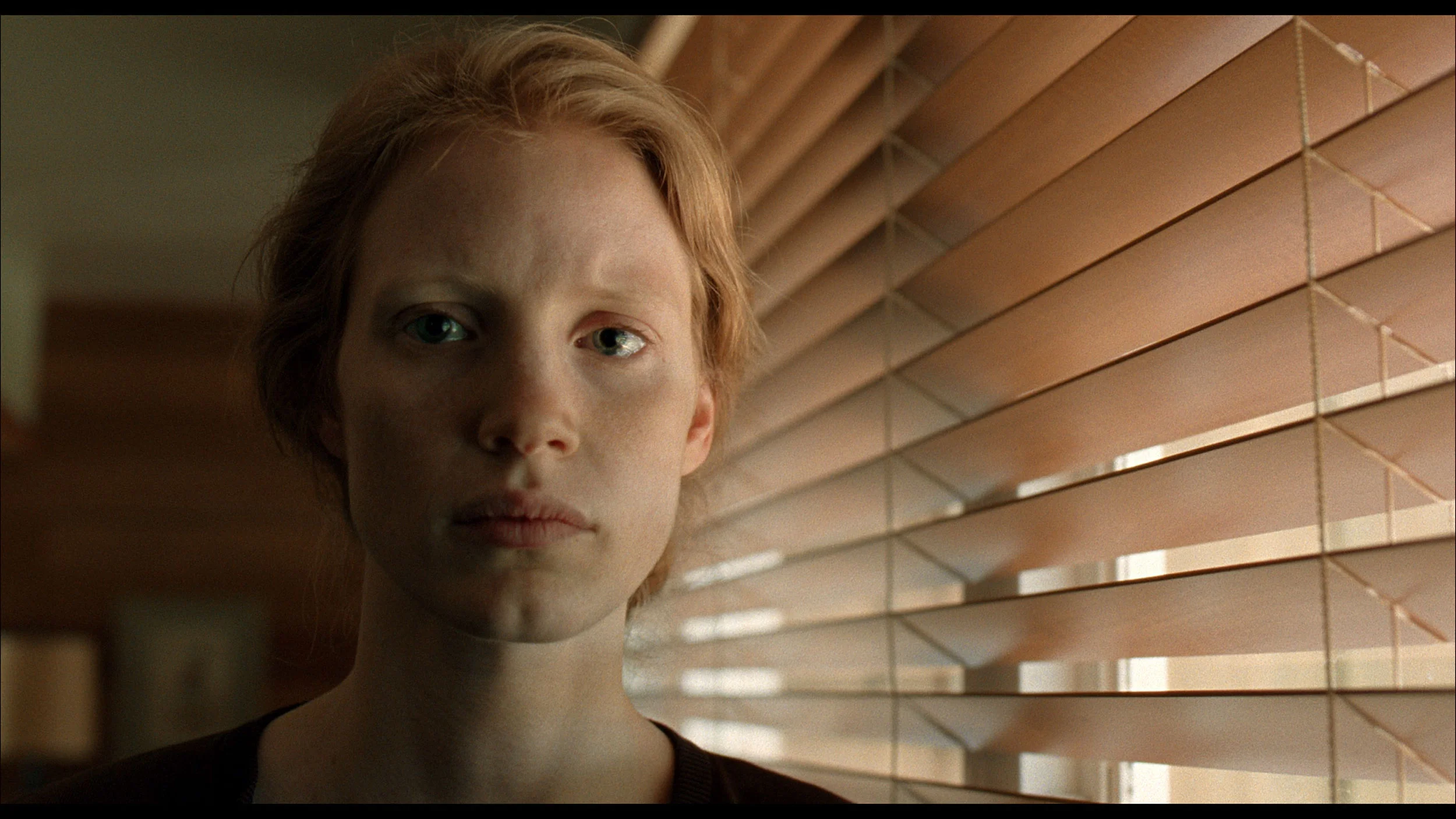
The photos show how movies look on the TV. Pay attention to black detail visibility, colors, and shadow tint.

The photos show how movies look on the TV. Pay attention to black detail visibility, colors, and shadow tint.

After calibration, we managed to correct the white balance to almost perfection. Older SDR content looks fantastic — most errors are within a value of 2, which is definitely below the threshold of human perceptibility. In HDR, we also brought the white balance to an acceptable level, but a different problem arises here. So why are there still relatively large errors in colour reproduction? This is mainly due to the limited colour palette and the way the television manages brightness. The global dimming technique used does not give the user control in the settings, so analysing the EOTF curve in HDR films, it's clear that the Q8F can modify luminance on its own. This can be seen as a limitation, but still, the image after calibration is much more enjoyable to watch than in the factory version.

Was it worth spending time on calibration? Definitely yes. We managed to tame the initial, overly warm white balance and, most importantly, correct the gamma curve. The television stopped artificially brightening scenes, resulting in a deeper image. The biggest gains are visible in SDR content, such as when watching regular television, YouTube, or playing games without HDR. Here, the QNED80A shows its class – colour reproduction errors (DeltaE) fell below a value of 2. In technical terms, this means the errors are essentially invisible to the human eye. The image in everyday use has simply become very attractive, natural, and correct. The difficulties start with HDR content. Although we managed to improve the white balance, the EOTF curve (responsible for brightness at various levels) shows that the television still "interprets" the image in its own way. This results from the nature of the edge-lit backlighting with local dimming and the fact that LG gives the calibrator very little control over this parameter. In short: the television struggles to hide its hardware shortcomings, sometimes ignoring our commands. Nevertheless, the final image is significantly more accurate and pleasant to view than the factory settings, even if it still lacks a bit compared to studio perfection.

Smoothness of tonal transitions

9/10

9.2/10

These are selected scenes that show smooth tonal transitions from one color to another. If you see distinct banding, it’s the TV panel’s fault.

These are selected scenes that show smooth tonal transitions from one color to another. If you see distinct banding, it’s the TV panel’s fault.

These are selected scenes that show smooth tonal transitions from one color to another. If you see distinct banding, it’s the TV panel’s fault.

These are selected scenes that show smooth tonal transitions from one color to another. If you see distinct banding, it’s the TV panel’s fault.

The fluidity of tonal transitions in the Q8F performs really well. The television beautifully blends colours, both in bright segments of the sky and in darker scenes, where visible "steps" in colour can easily occur. Admittedly, sporadic errors do happen, but you have to look closely to catch them. In practice, while watching movies or series, the picture looks cohesive and doesn’t get distracted by any artefacts. Therefore, the rating in this category had to be high. 😉

We've also got excellent news for those sensitive to digital artifacts. Regardless of which version of the panel you get, the LG QNED80A excels at gradation, or the smooth blending of colours. In this price range, it's common to see ugly, separated bands instead of a smooth transition (e.g., from bright sky blue to navy). Here, this problem hardly exists. In our tests, both in very bright parts of the image (like sunsets) and in challenging, dark shades of grey, the picture remained uniform and natural. We didn't notice the annoying effect of "banding" or distinct lines connecting colours.

Image scaling and smoothness of tonal transitions

5/10

7/10

Image without overscan on the SD signal
No
OK
Smooth transition function
OK
OK

Smooth transition function

The match photo shows how the TV smooths weak tonal transitions in low-quality video.

Image scaling SD (576i)

The model photo shows how it handles upscaling of SD material.

Let's see how the Q8F handles older content, which often has poor quality. Starting with the positives: the upscaling works really well. The TV performs nicely with both classic television and materials from YouTube, not giving the impression that we're dealing with something completely unattractive. It struggles more with content in very low resolutions, such as 576p — the image can be cropped, and unfortunately, the overscan phenomenon cannot be disabled. Moreover, the digital processing does not look great either. The noise reduction feature, instead of removing unwanted artefacts, smooths out almost everything: film grain (which many viewers desire) disappears along with the texture of the image, and actors' faces start to resemble characters from cheap Turkish soap operas. It's hard to consider this option useful — it's best left completely off. Perhaps Samsung will refine the function’s performance in updates, but for now, it’s difficult to view it as anything other than an unnecessary addition.

In this category, the QNED80A turns out to be a true "dark horse". It's a fantastic, affordable television for those who often watch lower quality content – for example, from traditional cable TV. The processor used here handles upscaling incredibly well, enhancing low resolutions to native 4K. The image after processing is natural, smooth, and most importantly – it is not overly jagged or artificially sharpened. In the menu, we also find a dedicated option for smoothing tonal transitions in low-quality content. This feature works really effectively, eliminating the annoying "banding" of colours during heavy video compression. However, we must remain vigilant. Remember, we are not dealing with the top-tier processor known from flagship OLED models. In more challenging scenes, the system might struggle and introduce minor artefacts or distortions. Nevertheless, it's definitely worth giving this feature a chance, because in the majority of cases, the quality improvement is visible to the naked eye.

Blur and motion smoothness

4.5/10

4.8/10

Maximum refresh rate of the panel
60Hz
60Hz
Film motion smoothing option
OK
OK
Blur reduction option
No
No
BFI function 60Hz
Yes, 120Hz (double contours)
No
BFI function 120Hz
-
No
Brightness drop with BFI
50%
-%

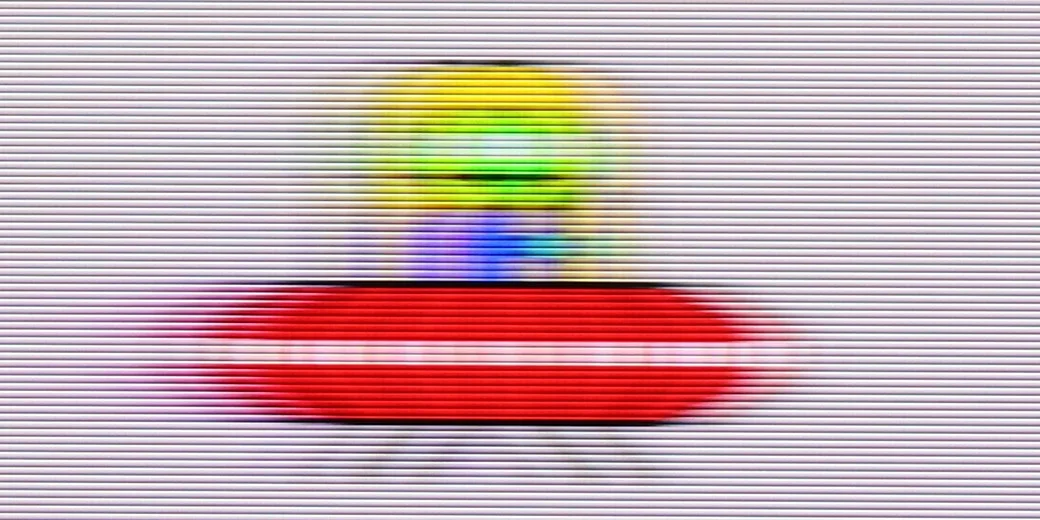
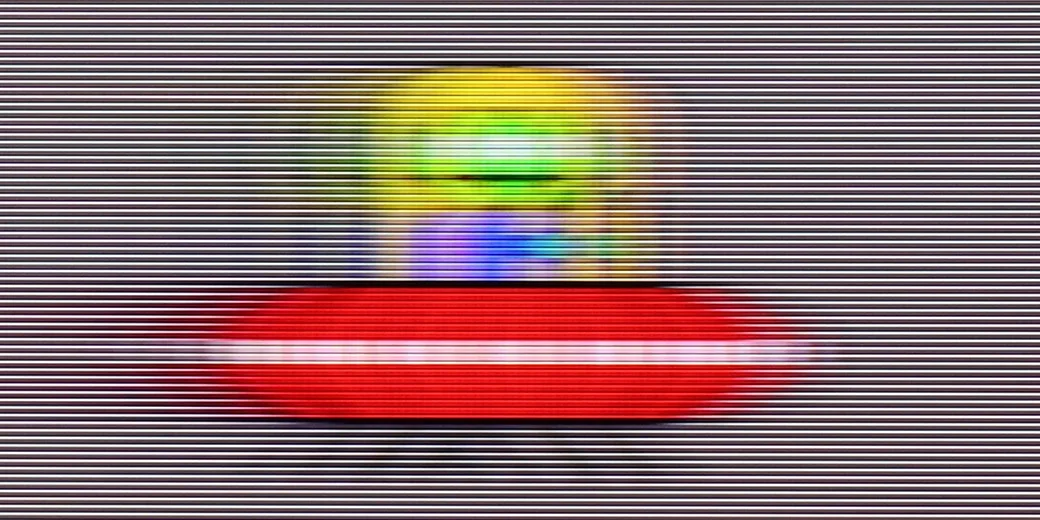
Blur (native resolution, maximum refresh rate):

Blur (BFI function enabled):

Due to the applied 60 Hz panel, it's hard to call the Q8F a television made for gaming or watching sports. The panel isn't particularly fast, making motion blur clearly visible. If you were expecting a spectacular, almost 'stadium-like' experience during broadcasts, you might feel a bit disappointed. Fortunately, for movies and series, Samsung hasn't given up on the motion smoothing function. It's nothing more than a smoother that allows for improved fluidity of productions recorded at 24 or 30 frames per second. This way, you can decide for yourself whether you prefer a more fluid, 'television-like' image or to retain the cinematic character. It all depends on the viewer's preferences, and the ability to adjust this parameter is undoubtedly a plus.

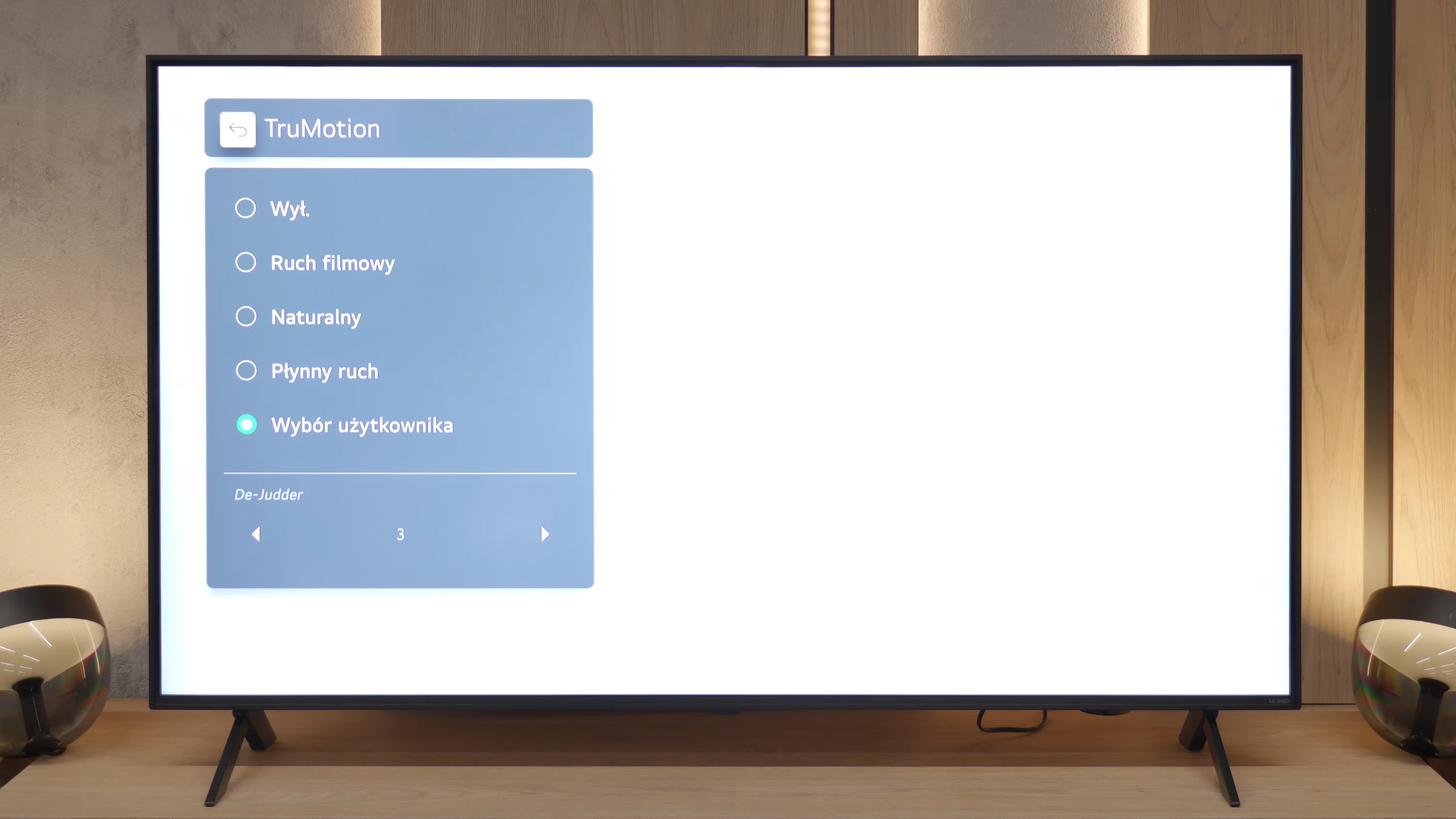
We move on to a topic that may be crucial for many. Unfortunately, here we must point out the biggest "Achilles' heel" of the QNED80A model. This television is equipped with a panel that has a native refresh rate of 60Hz. There’s no denying it – at this price, we were hoping for more as we know that Chinese manufacturers can offer 120Hz screens for similar money. Due to this parameter, dynamic scenes in sports or fast-paced games are not the strongest point of this screen. Fortunately, LG has equipped the television with a proven smoothing system called TruMotion. It works quite well with film material (24 frames). We suggest playing around with the De-Judder slider – from our experience, setting it in the range of 2-4 provides the best compromise: motion becomes smoother, yet still looks natural, without the artificial "television theatre" effect.

Console compatibility and gaming features

5/10

6/10

  • ALLM
    Yes
    Yes
  • VRR
    No
    Yes
  • VRR range
    No
    48 - 60Hz
  • Dolby Vision Game Mode
    No
    No
  • Correct implementation of HGIG
    Yes
    Yes
  • 1080p@120Hz
    No
    No
  • 1440p@120Hz
    No
    No
  • 4K@120Hz
    No
    No
  • Game bar
    Yes
    Yes

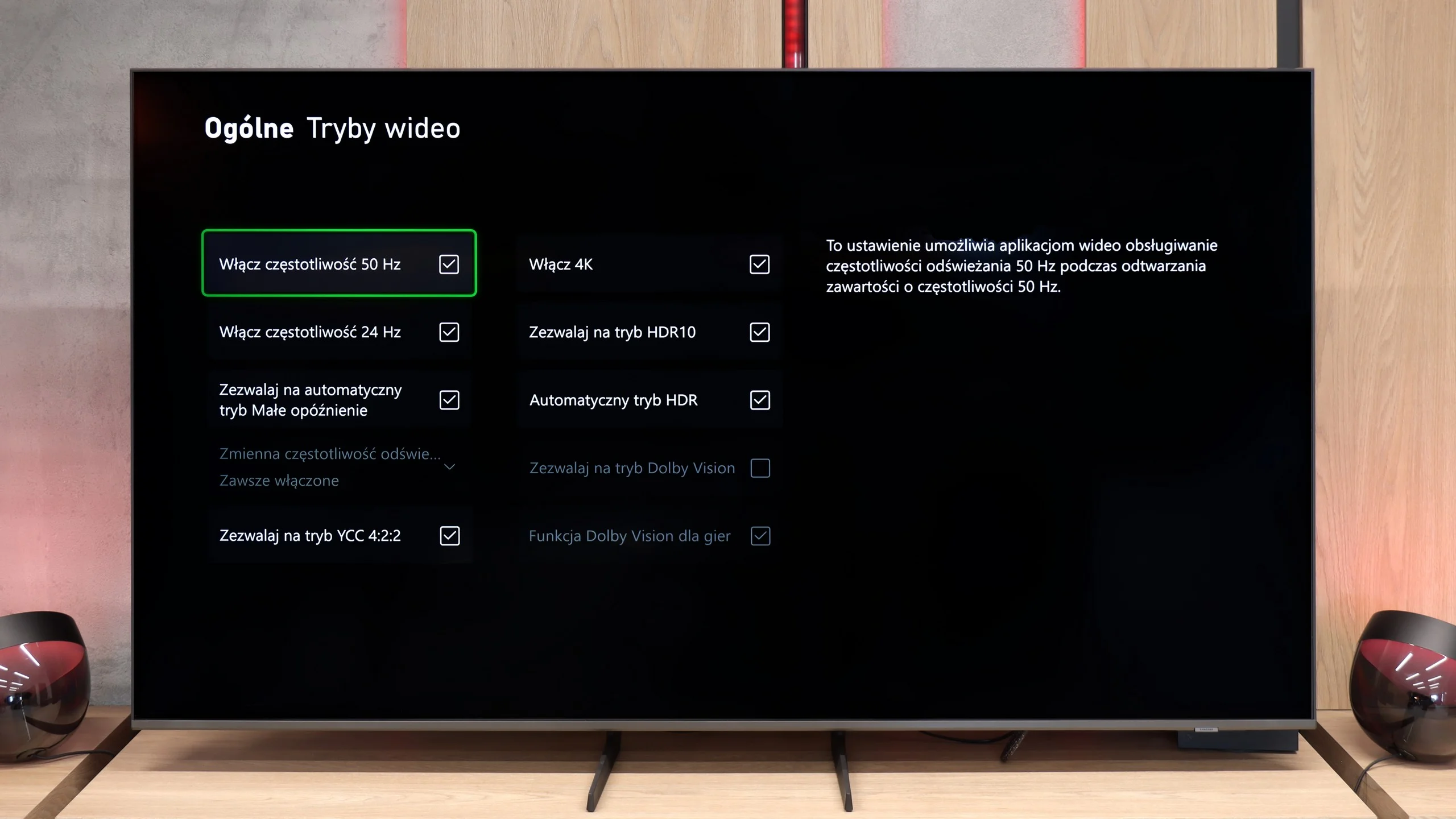
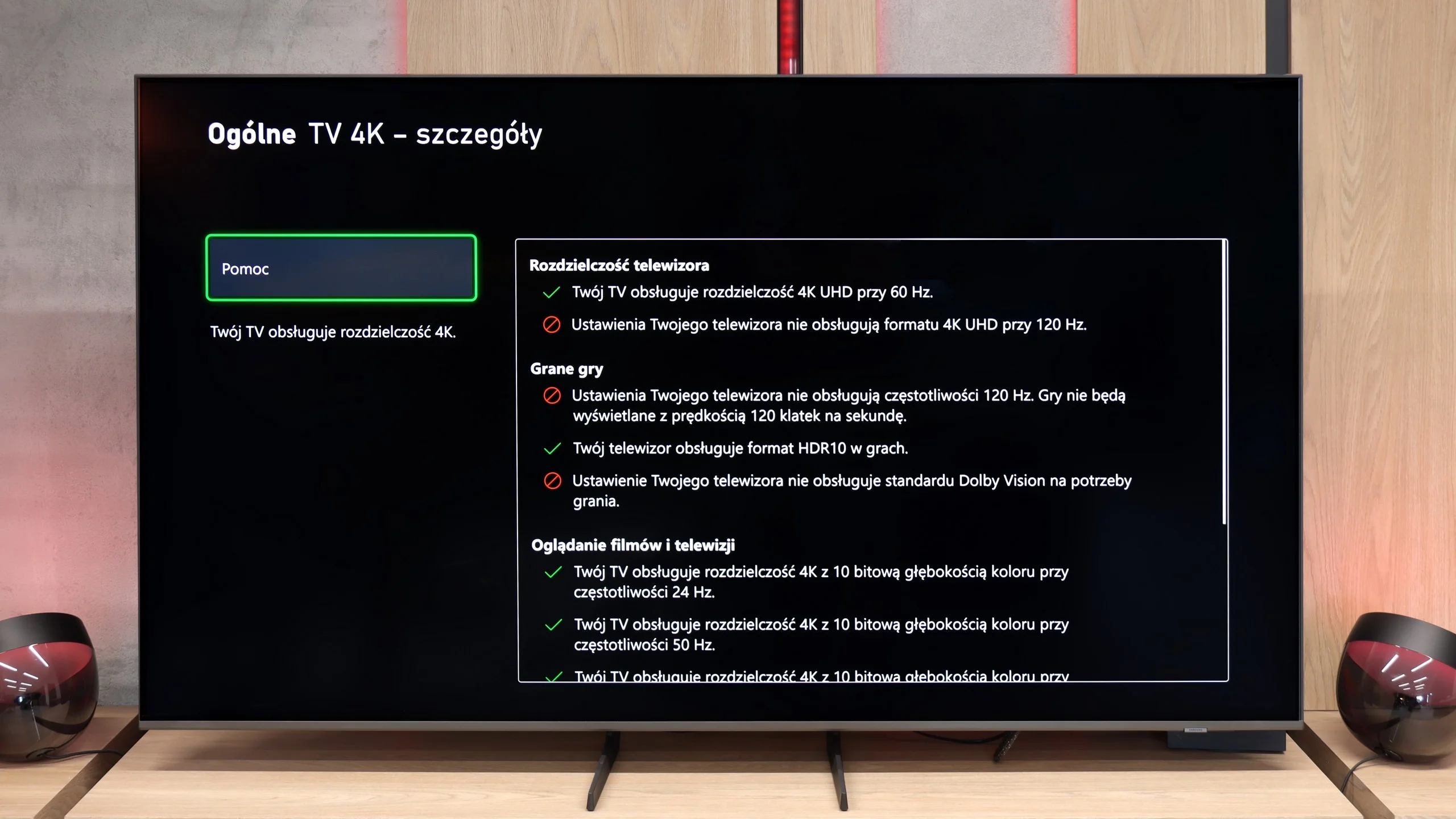
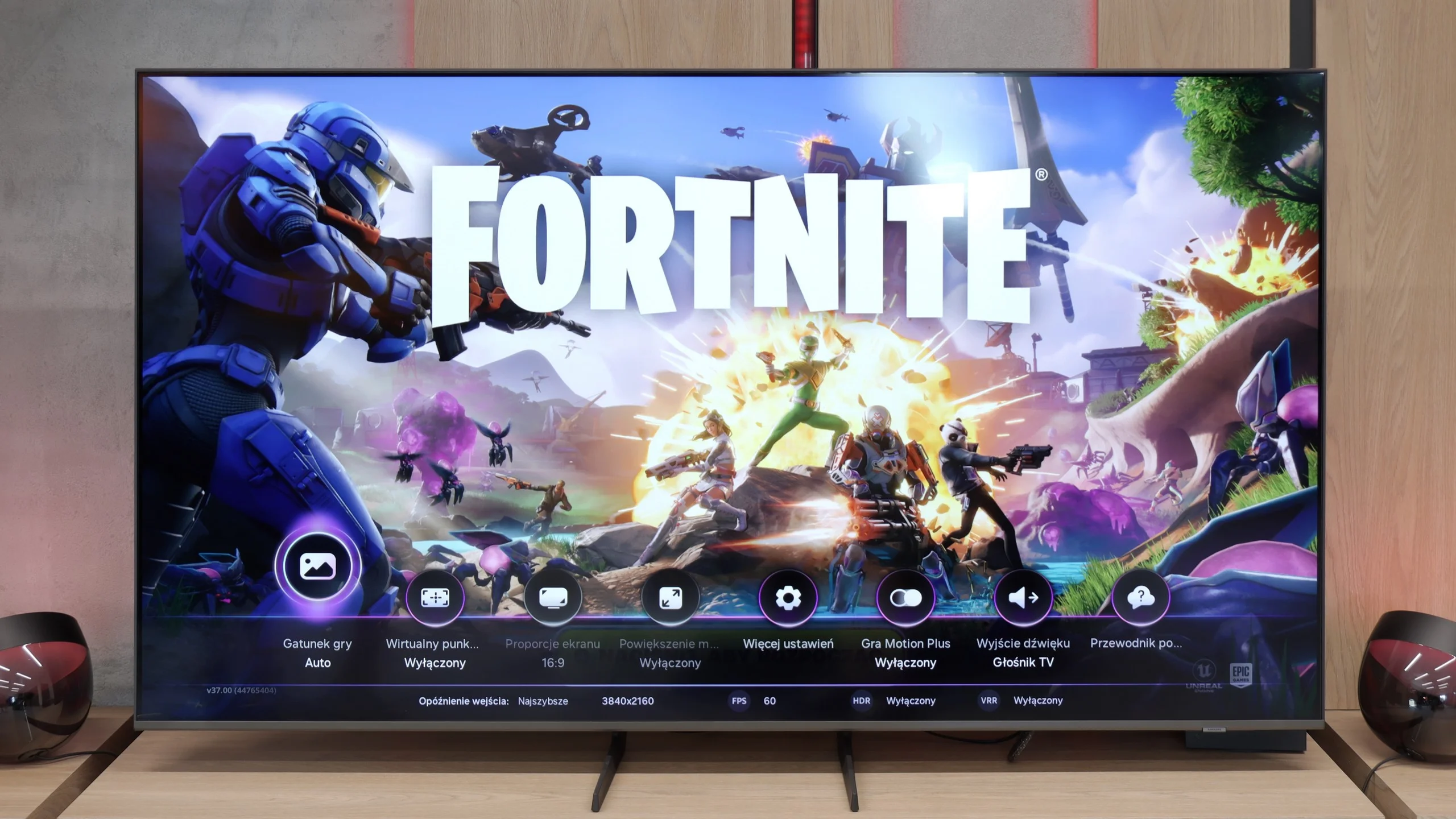
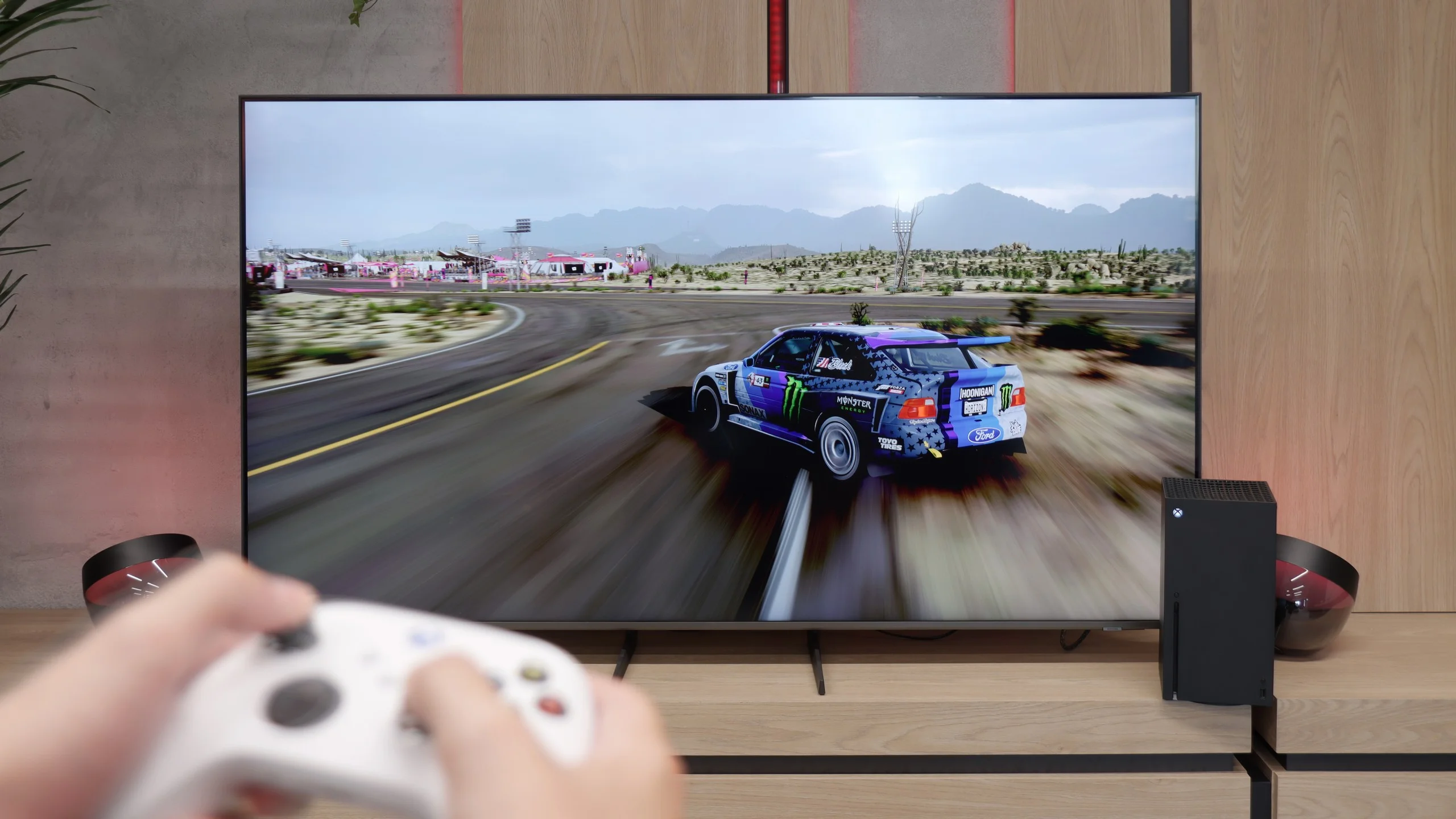
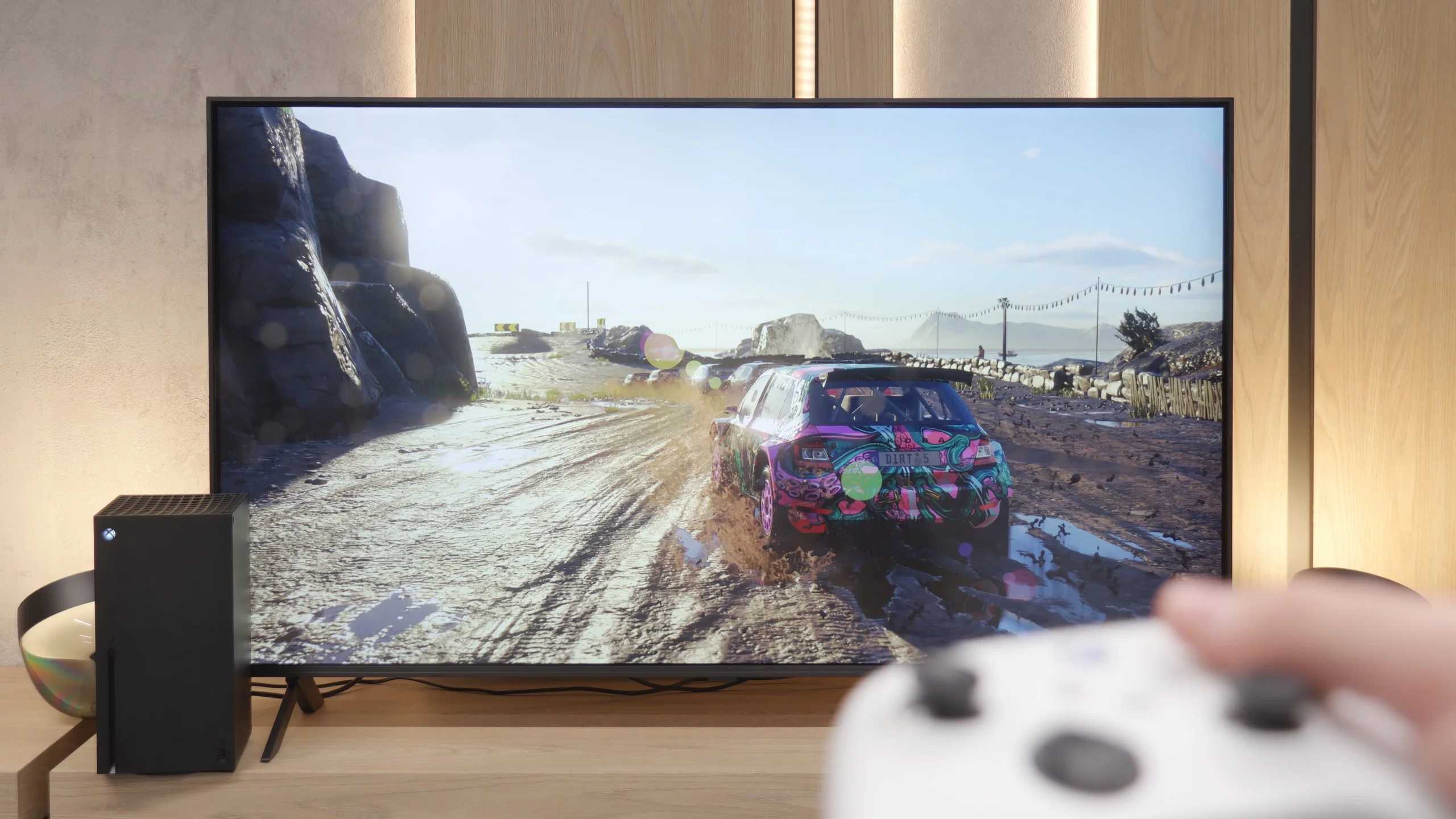
It's not entirely clear what Samsung has messed up this year with its TVs, but the Q8F isn't free from all the confusion with updates and shortcomings. While its older cousin, the Q67D, could still be recommended with a clear conscience to casual gamers, it's hard to find a reason to do so here. Aside from the automatic game mode and the attractively designed Game Bar, we get practically nothing that could appeal to gamers. The lack of proper HGiG implementation is a major issue, especially since the feature simply disappeared after the 1126 update. The situation with VRR is even worse. Even though it appears in the manufacturer's brochures and shows up in the Game Bar, we couldn't get it to work. The Xbox Series X console wouldn't allow it to be activated at all, and the option remained greyed out and inactive. It's difficult to praise such a TV even to casual gamers, which is a shame because Samsung has had a strong selling point in the gaming segment for years.

[UPDATE] We have updated our 2025 Samsung TV reviews following the release of firmware version 1131, which officially restores the essential HGiG (HDR Gaming Interest Group) support.
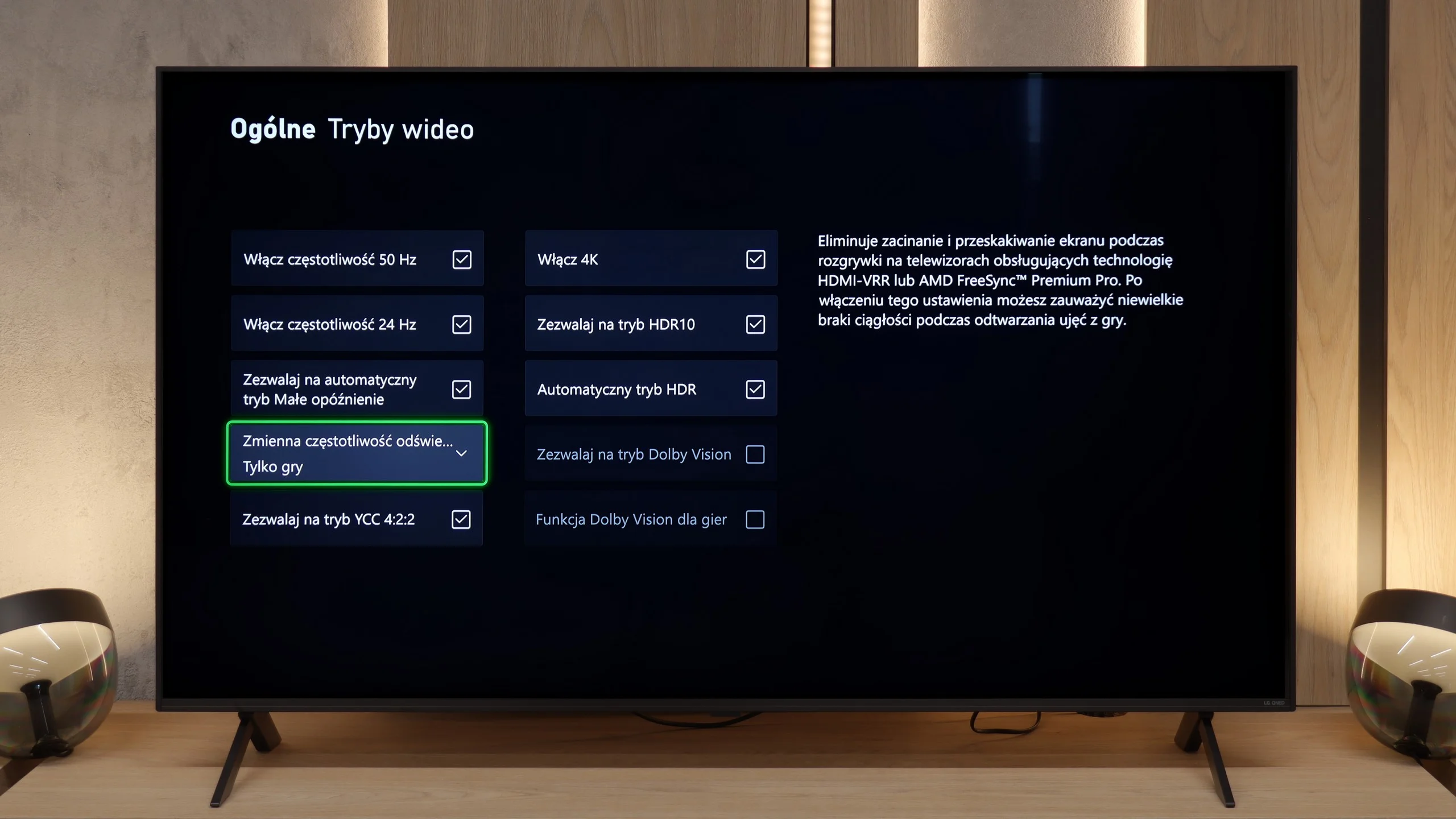
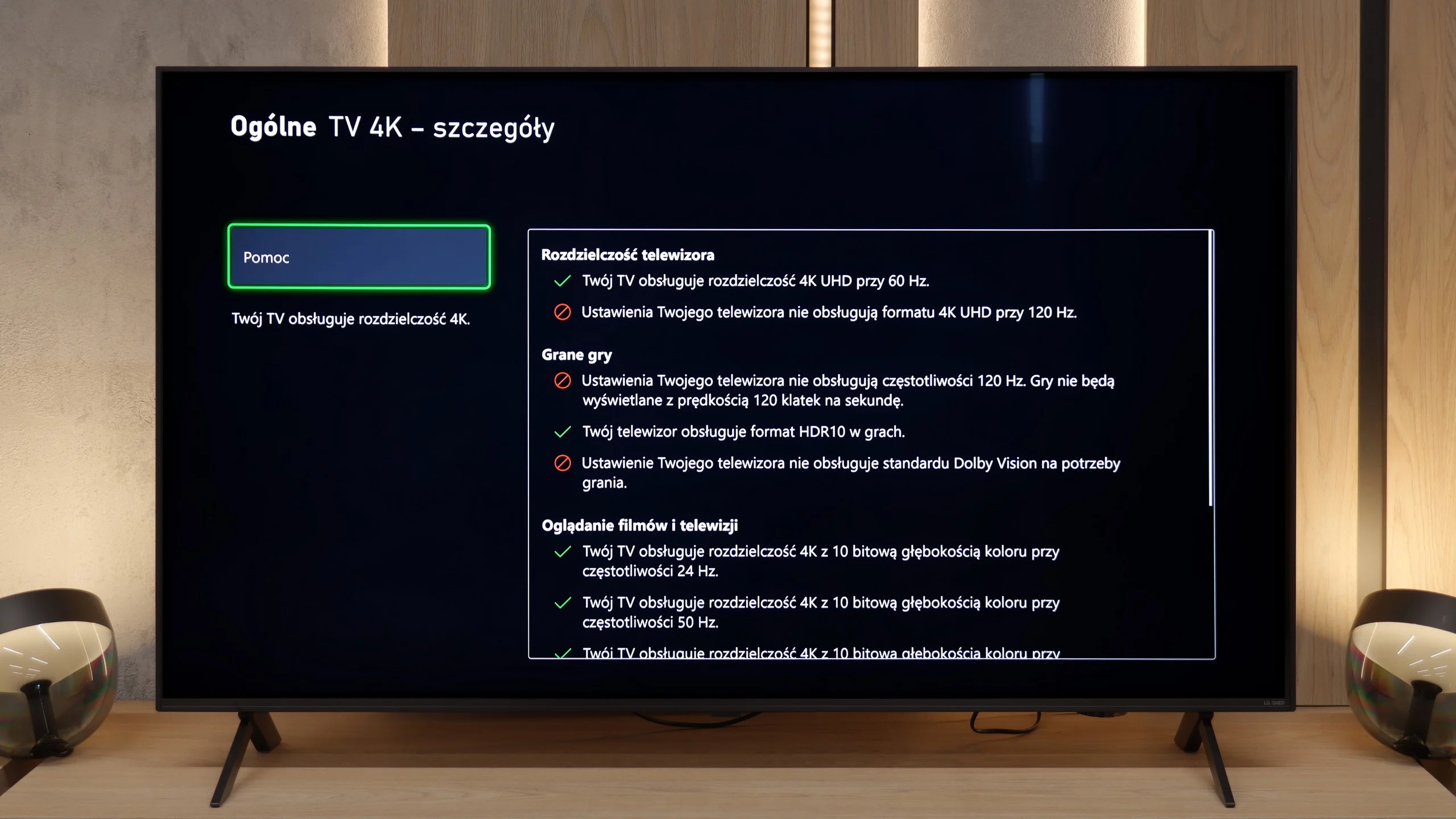
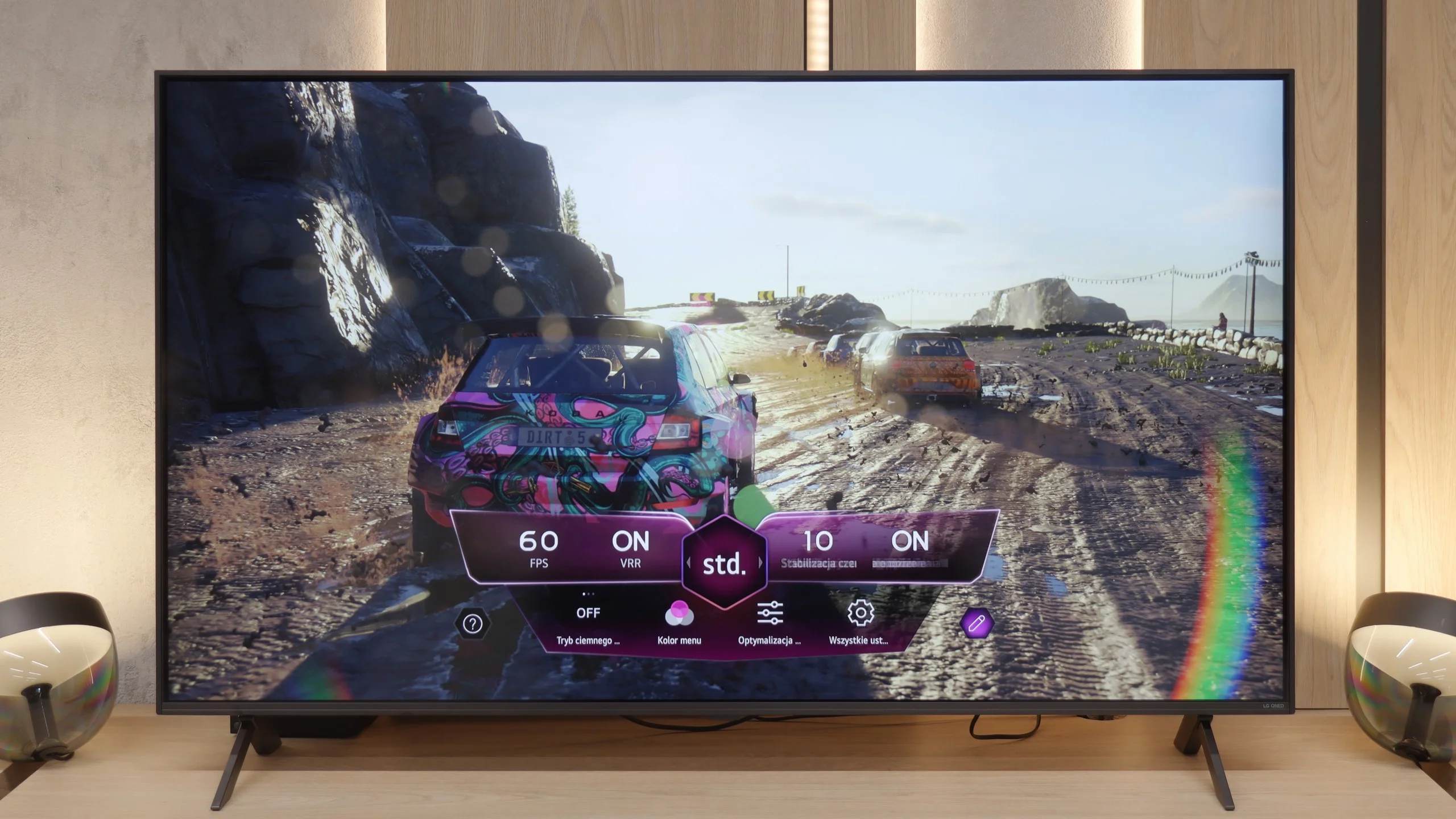
Since we've already established that the QNED80A is a 60Hz TV, we must say it straight: we won't be gaming here at 120 frames per second at any resolution. Does this disqualify the device in the eyes of gamers? Not necessarily, especially for those "casual" players. LG decided to sweeten this technical limitation by packing in quite a few useful features. We have support for VRR (Variable Refresh Rate) in the range of 48-60Hz and an automatic game mode ALLM, which instantly reduces input lag upon detecting a console. We manage all of this via a very convenient, purple Game Optimizer menu (Player Panel), which has become LG's hallmark. The manufacturer deserves big points for consistency regarding HDR. Although the TV does not support Dolby Vision in games on Xbox consoles, LG adds a well-implemented HGiG standard. Thanks to this, even on a screen with moderate brightness, playing in HDR is clear, and the details in shadows and highlights are accurately rendered, rather than being "clipped".

Input lag

9.9/10

9.8/10

SDR

1080p60
14 ms
15 ms
1080p120
2160p60
14 ms
15 ms
2160p120

HDR

2160p60
12 ms
14 ms
2160p120
4320p60

Dolby Vision

2160p60 DV
2160p120 DV

Fortunately, when it comes to gaming, Samsung didn't try to "improve" anything and the input lag remained at an excellent level. Results hovering around 10–15 ms mean that the delays are practically unnoticeable. The controls are instant, and the responses from the console or computer appear on the screen without any noticeable delay. In this regard, the Q8F performs exceptionally well and it's hard to fault it.

At the end of the gaming section, let's take a look at how quickly the TV responds to our commands. The input lag measured by us in the QNED80A model is approximately 15 ms (at 60Hz signal). These may not be values that will revolutionise the market or amaze professional e-sports players fighting for every millisecond. However, for the typical console gamer, this result is more than sufficient. During gameplay testing, we did not experience any annoying "float" of the reticle or delay between pressing the button on the controller and the reaction on the screen. The entertainment is smooth and comfortable, and that is the most important thing in home gaming.

Compatibility with PC

6/10

5.8/10

Chroma 444 (max. resolution and refresh rate)
Yes
Yes
Font clarity
Very Good
Good
Readability of dark text and shapes
Good
Very Good
Input lag in PC mode (4K, max. refresh rate)
14ms
15ms
Matrix subpixel arrangement
BGR
BGR
Max refresh rate
60Hz
60Hz
G-Sync
No
No

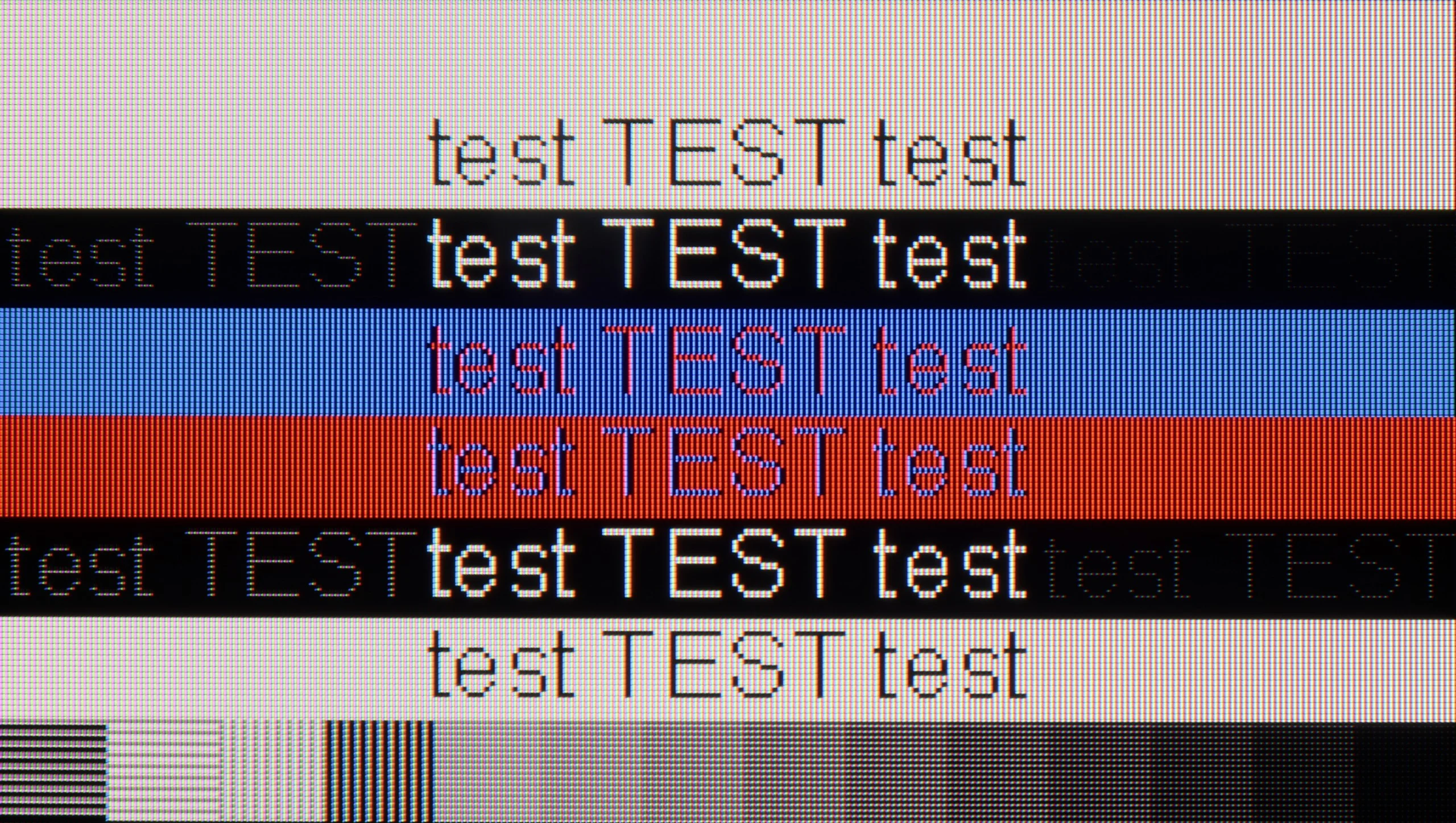
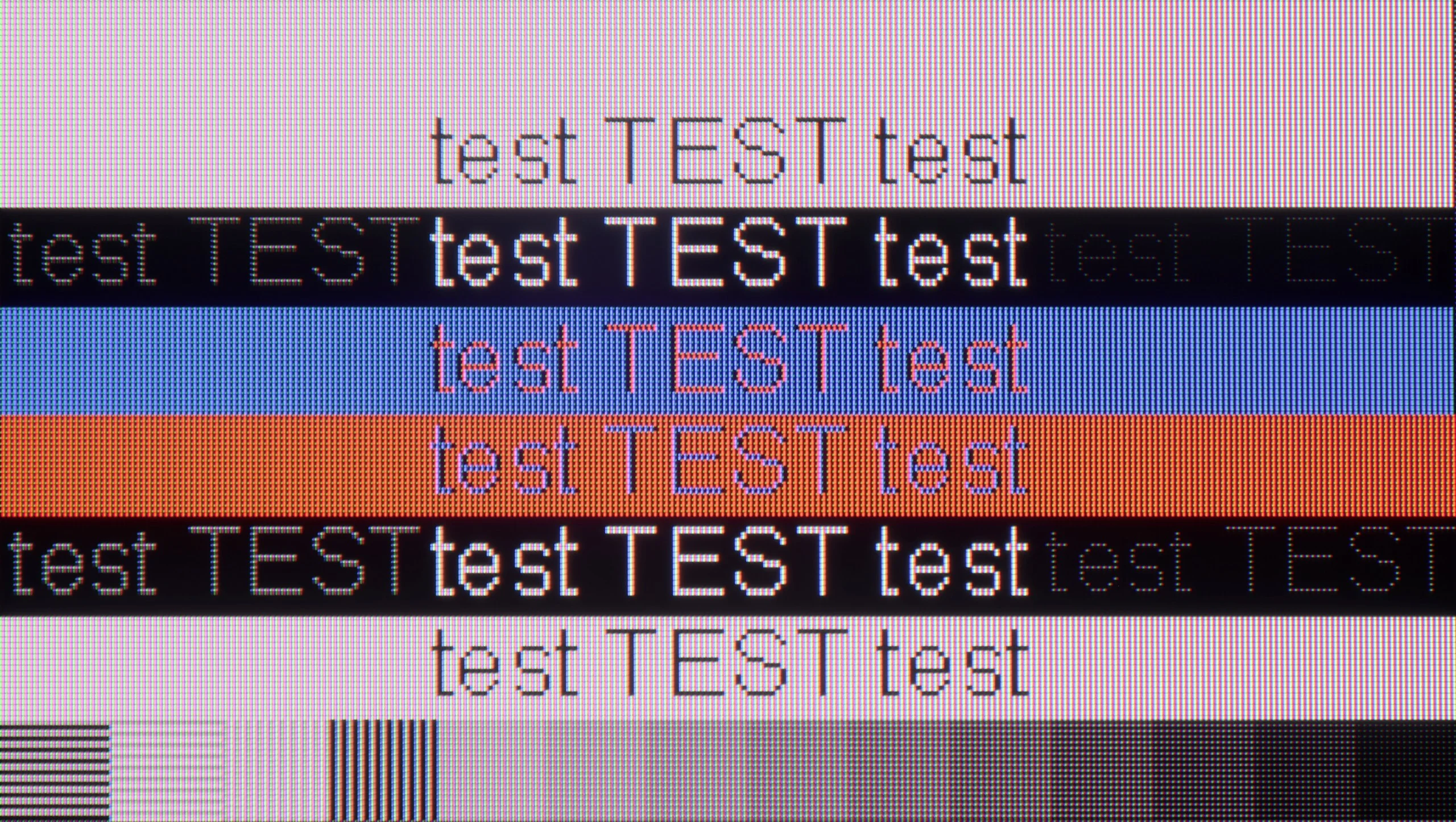
The photo shows the legibility of small fonts. Ideally, lines should be the same thickness on both light and dark text, with minimal pixel gaps.

While playing on the Q8F isn't exactly the most attractive option—it's lacking modes with lower resolution and higher refresh rates, plus there are issues with VRR (G-Sync) and the panel is limited to 60 Hz—it performs excellently as a monitor for work. Font readability is at a very high level, so working with text or spreadsheets in Excel is a pure pleasure. In this regard, the Q8F could be a viable alternative to a large office monitor.

Is the QNED80A suitable for connecting a computer? For the version with a VA panel, the answer is: absolutely. If you plan to use this TV as a massive monitor for work, you won’t be disappointed. The readability of the fonts is very high – text is sharp, clear, and doesn’t strain the eyes, which isn’t always a given with large screens. Added to that is the low input lag we mentioned earlier. This makes mouse work precise, and you won’t feel that characteristic “floating” of the cursor. Of course, due to the 60Hz refresh rate, it’s not the ideal gear for e-sports players on PC, but for text work, browsing the web, or occasional strategy gaming, it will perform brilliantly.

Viewing angles

3.4/10

3.2/10

Brightness drop at an angle of 45 degrees
79%
76%

The viewing angles on the Q8F can be described as average, resulting from the applied VA matrix. Watching the television head-on, the picture looks very good, but just shifting slightly to the side causes it to start fading and losing contrast. Colours gradually lose their saturation, and black takes on a greyish hue. This is a typical limitation of this type of panel, and it’s hard to expect miracles here. Compared to IPS matrices, the difference is clear — while these have weaker contrast, they hold colour better at an angle. The Q8F is best suited for a classic setup, where viewers sit centrally in front of the screen. If you’re planning screenings with a larger group, with people spread wider across the living room, the effect may not be as satisfying.

Deciding on the VA panel version, you need to be aware of a certain compromise. You get great blacks and contrast, but you pay for it with narrow viewing angles. This is a typical feature of this technology, and the QNED80A is no exception. If you sit perfectly straight in front of the screen, the picture will be brilliant. However, simply moving to the side of the sofa or stepping away to the kitchenette will reveal image degradation. Colours begin to lose their saturation, becoming washed out, and the deep black that we praised starts to grey. Therefore, this variant of the television is best suited for those who have their favourite spot in the middle of the sofa and rarely watch TV in a large group spread out across the living room.

Daytime performance

5.6/10

4.4/10

Panel finish
Satin
Satin
Reflection suppression
Good
Decent
Black levels during daytime
Good
Good

Panel brightness

LG QNED80A6A (VA): 280 cd/m2

Samsung Q8F: 430 cd/m2

The Q8F performs quite well during the day. Its brightness hovers around 450 nits, which proves to be a sufficient level for moderately bright living rooms. It's not a TV that will win a battle against sunlight streaming directly through the window, but in typical home conditions, the picture remains clear and appealing. A big plus is the satin finish of the panel, which effectively reduces light reflections and helps maintain colour saturation even when the room is bright. This makes watching series during the day or evening sports broadcasts with the lights on no problem. The Q8F doesn't aspire to be a cinema TV in full sunlight, but as a daily screen in normal home conditions, it performs really well.

How does the QNED80A perform when we don’t have the curtains drawn? Let’s be clear: it’s not the brightest TV on the market, so if your living room resembles a glasshouse at noon, this screen may struggle against the intense sunlight. For extremely challenging lighting conditions, we would suggest looking for something with higher brightness (e.g. Mini LED). However, the TV excels in another way – the type of coating used on the panel. The manufacturer has opted for a satin finish (semi-matte). This is a great decision. Unlike glossy coatings that act like mirrors, this coating effectively dampens and diffuses light reflections. As a result, in typical, moderate lighting conditions, a lamp beside it or a window to the side won’t be distracting, and the viewing experience will remain enjoyable.

Panel details

Backlight Type
QLED
Mini-LED PFS LED
Software version during testing
T-RSLFDEUC-0090-1126.0, E2540300, BT-S
33.21.62
Image processor

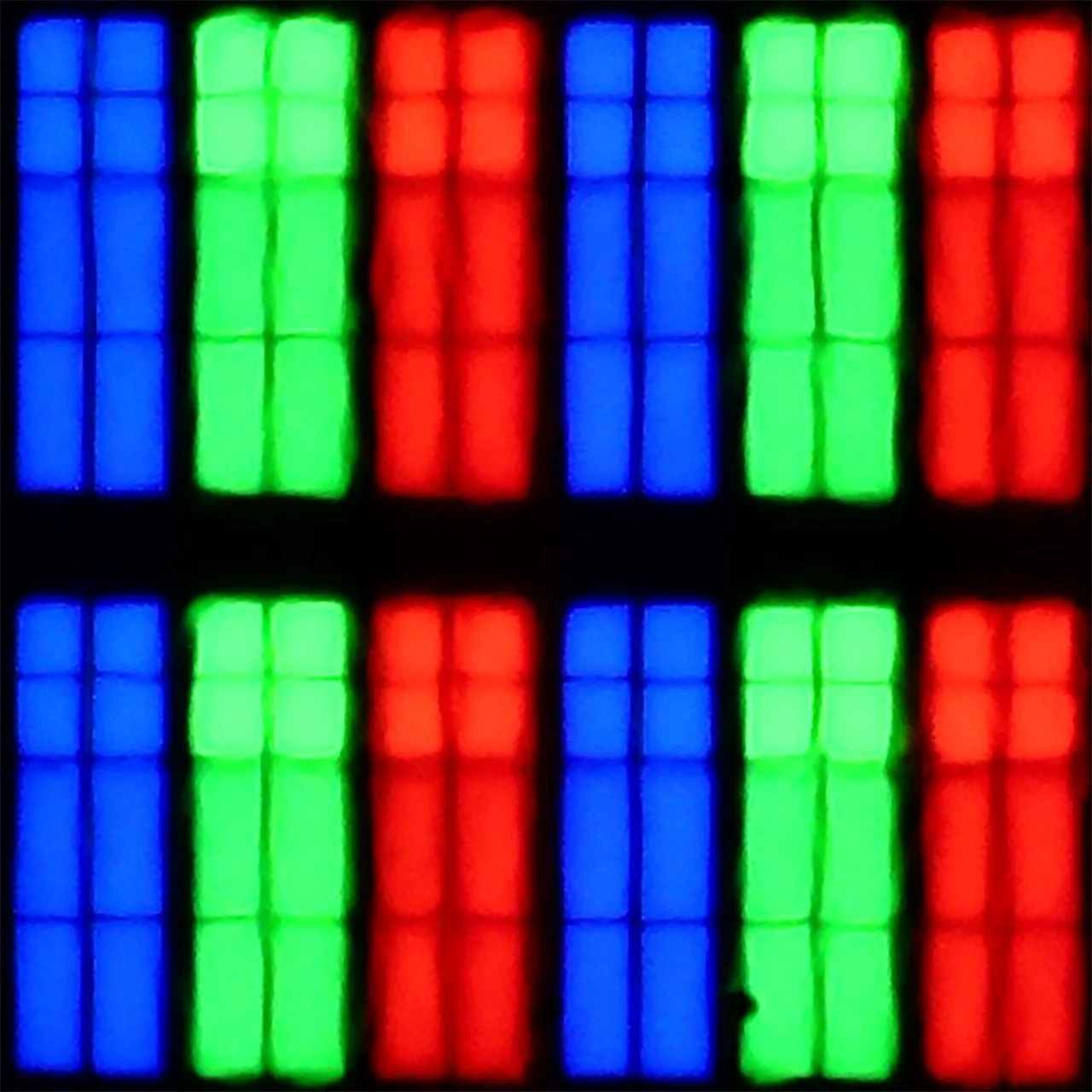
Subpixel Structure:

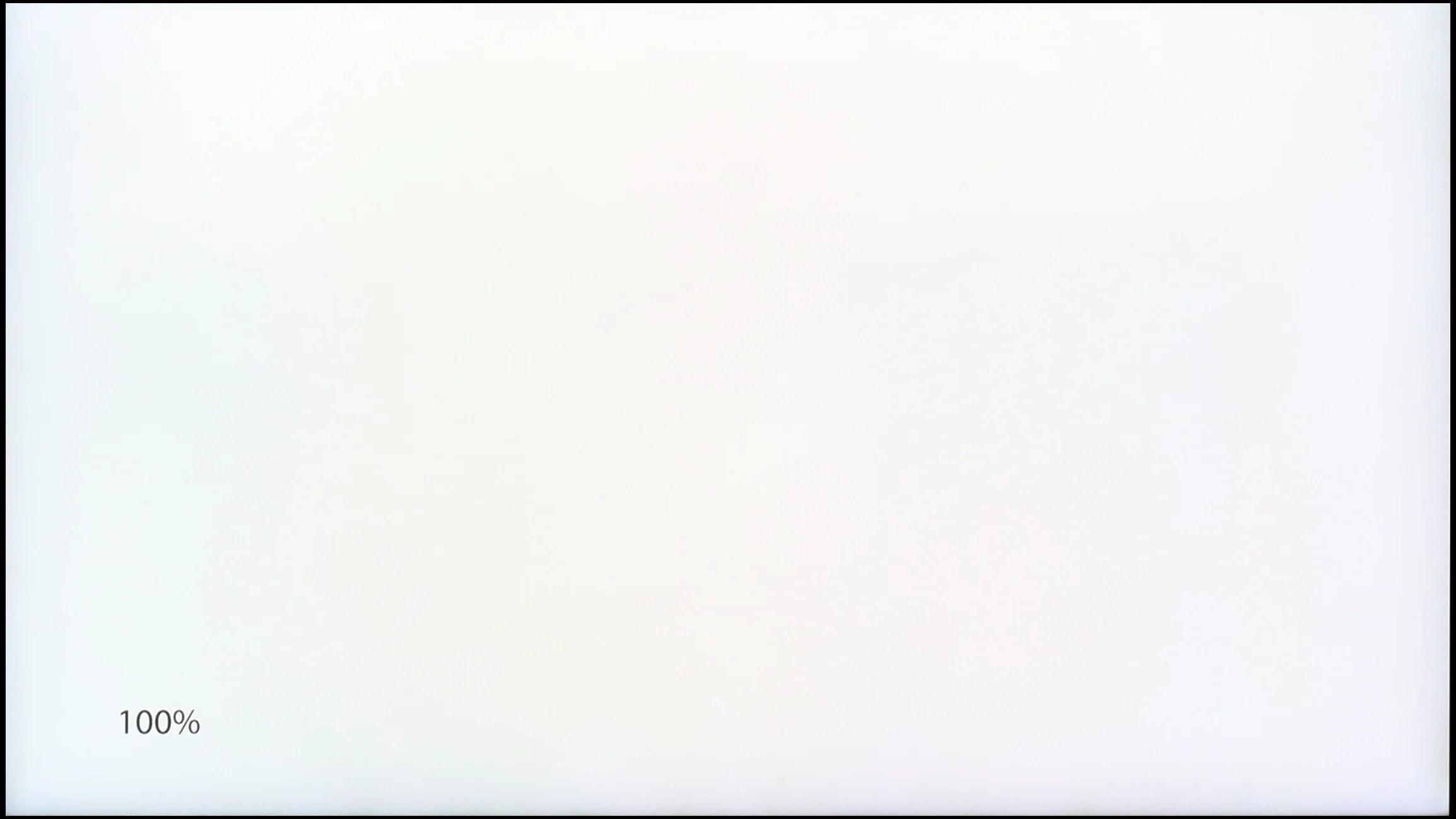
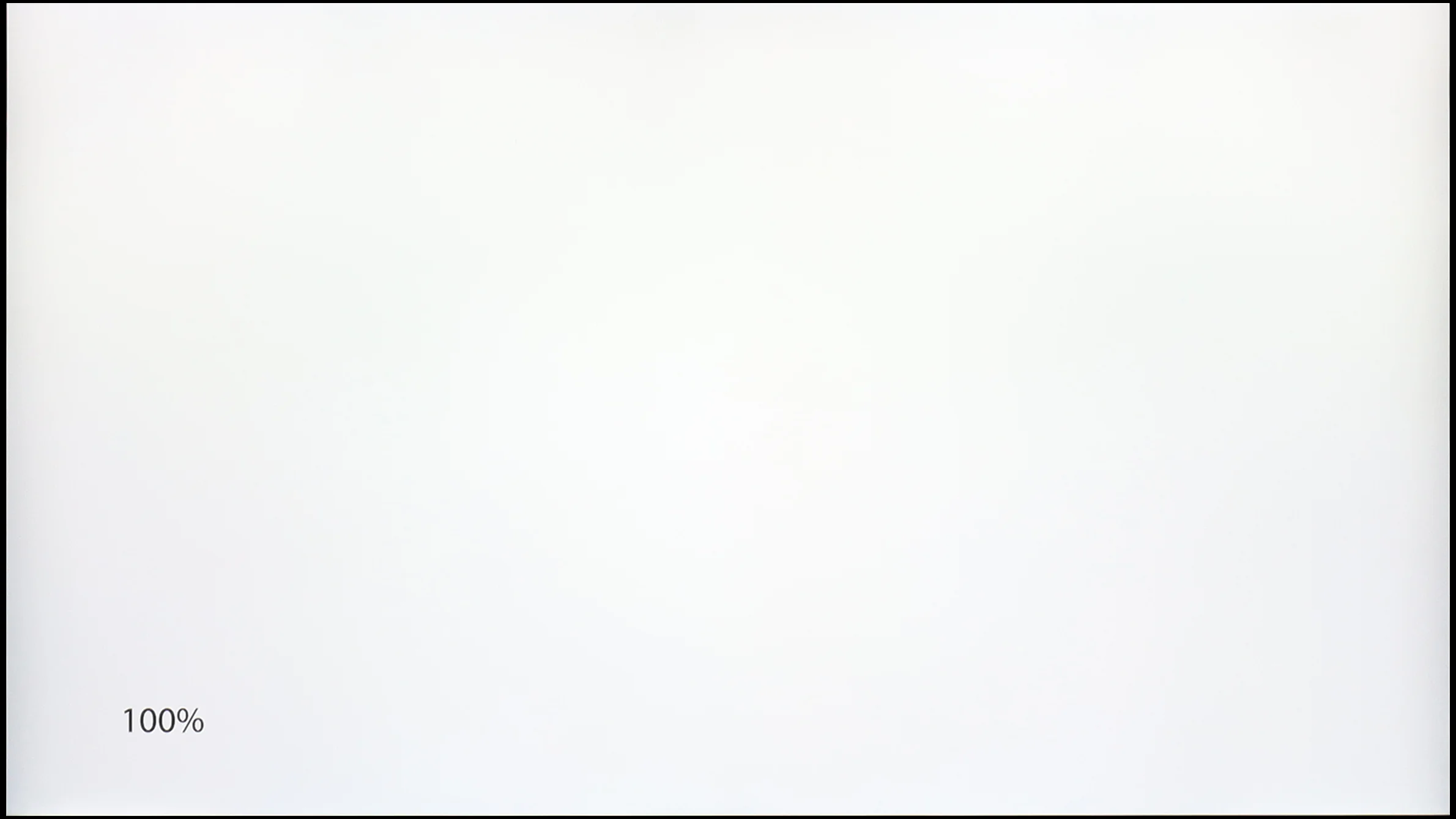
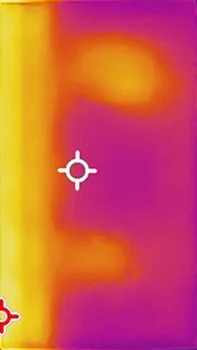
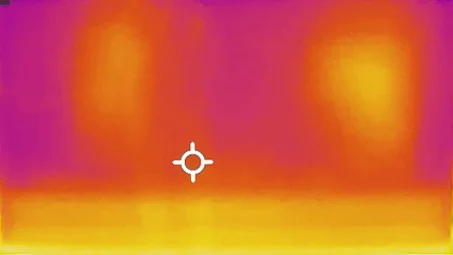
Panel uniformity and thermal imaging:

Review Samsung Q8F TV Panel details
Review LG QNED80A6A (VA) TV Panel details
Review Samsung Q8F TV Panel details
Review LG QNED80A6A (VA) TV Panel details

Samsung Q8F

LG QNED80A6A (VA)

TV features

7.3/10

6.8/10

  • System
    Tizen
    WebOS
  • System performance
    Good
    Good
  • HDMI inputs
    3 x HDMI 2.0, 0 x HDMI 2.1
    3 x HDMI 2.0, 0 x HDMI 2.1
  • Outputs
    Toslink (Optical audio), eARC (HDMI), ARC (HDMI)
    Toslink (Optical audio), eARC (HDMI), ARC (HDMI)
  • Network Interfaces
    Wi-Fi 2.4GHz, Wi-Fi 5GHz, Ethernet (LAN) 100Mbps
    Wi-Fi 2.4GHz, Wi-Fi 5GHz, Ethernet (LAN) 100Mbps
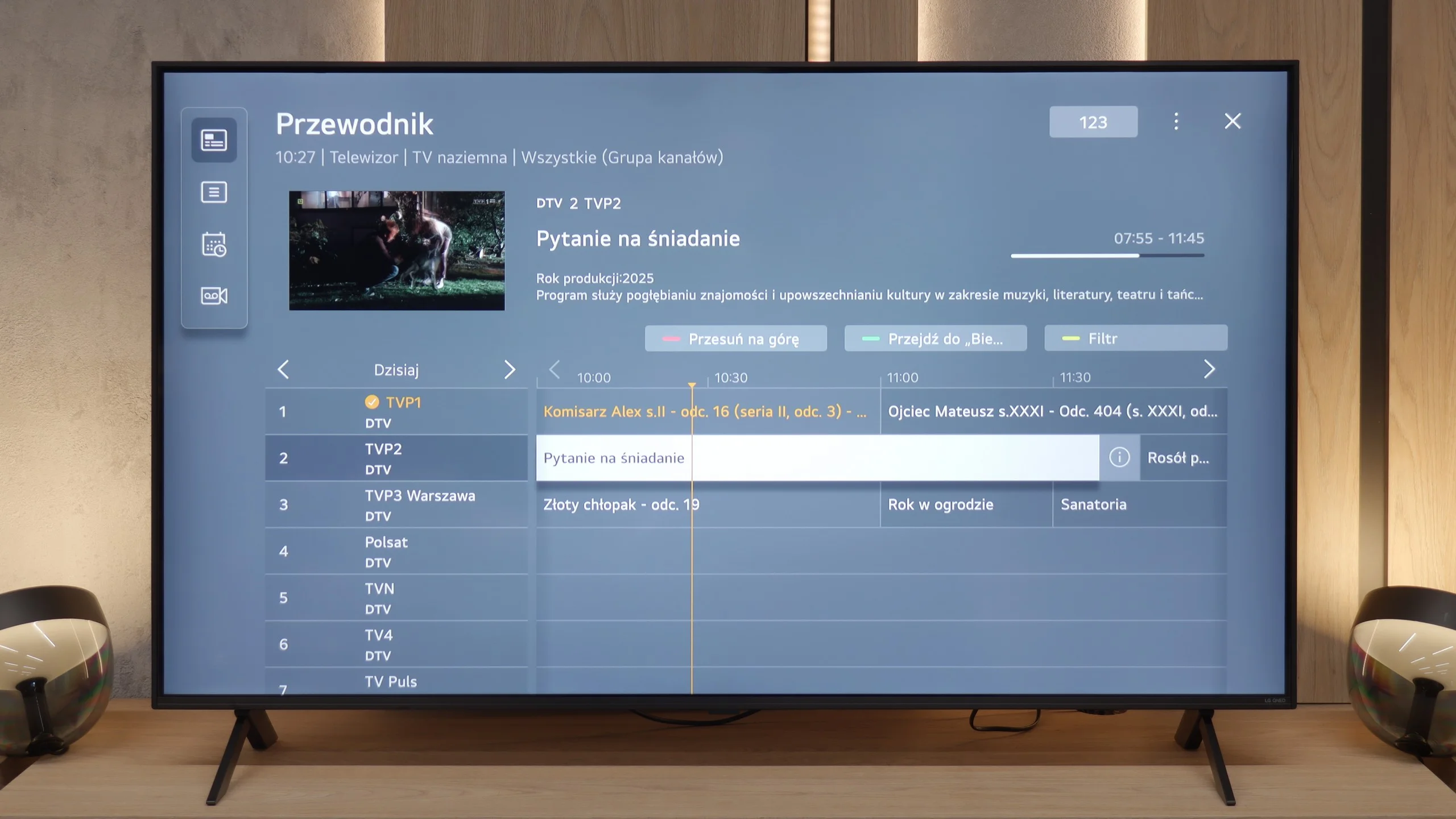
  • TV reception
    DVB-T, DVB-T2, DVB-S, DVB-S2, DVB-C
    DVB-T, DVB-T2, DVB-S, DVB-S2, DVB-C

Classic features:

  • Recording to USB (terrestrial TV)
    No
    No
  • Recording programming
    No
    No
  • Picture in Picture (PiP)
    No
    No
  • RF remote control (no need to aim)
    Yes
    Yes
  • Backlit remote control
    No
    No
  • Teletext
    Yes
    Yes
  • Audio only mode
    Yes
    Yes
  • Bluetooth headphones support
    Yes
    Yes
  • Simultaneous Bluetooth headphones & TV audio
    Yes
    Yes

Smart features:

  • AirPlay
    Yes
    Yes
  • Screen mirroring (Windows Miracast)
    Yes
    Yes
  • Voice search
    Yes
    Yes
  • Voice search in native language
    Yes
    Yes
  • Ability to connect a keyboard and mouse
    Yes
    Yes
Review Samsung Q8F TV features
Review LG QNED80A6A (VA) TV features

Sound connection options

  • HDMI audio
    eARC (HDMI), ARC (HDMI)
    eARC (HDMI), ARC (HDMI)
  • Other audio outputs
    Toslink (Optical audio)
    Toslink (Optical audio)
  • Wireless audio
    Bluetooth, Samsung Q-Symphony (Speaker extension)
    Bluetooth, Samsung Q-Symphony (Speaker extension)

Supported audio formats (external HDMI eARC audio):

  • Dolby Digital Plus 7.1
    Yes
    Yes
  • Dolby True HD 7.1
    Yes
    No
  • Dolby Atmos in Dolby Digital Plus (JOC)
    Yes
    Yes
  • Dolby Atmos in Dolby True HD
    Yes
    No
  • DTS:X in DTS-HD MA
    No
    No
  • DTS-HD Master Audio
    No
    No

Senior accessibility

  • Numeric keyboard on TV
    No
    No
  • Font size adjustment
    Yes
    No
  • Audio description
    Yes
    Yes

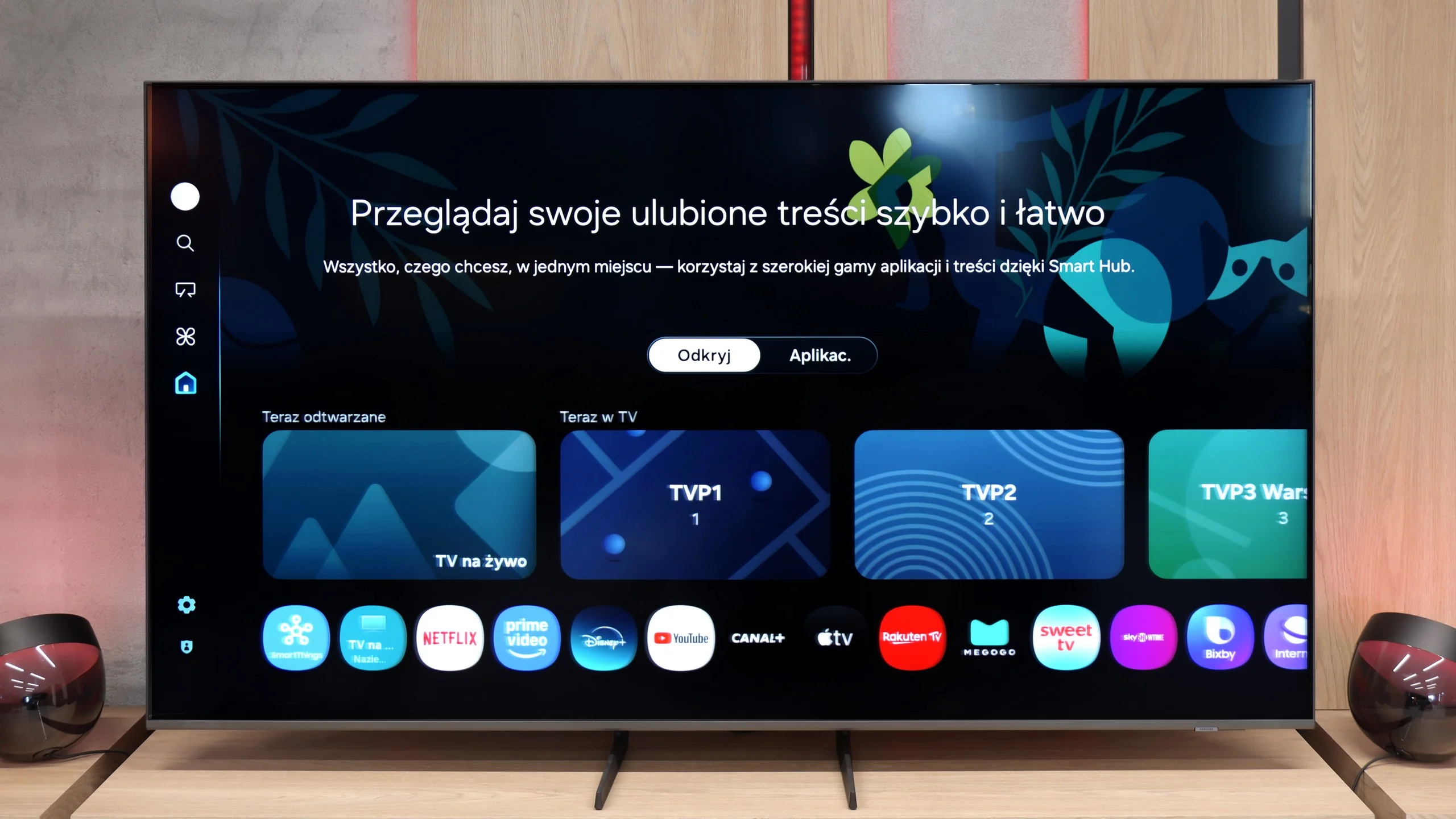
SmartTV Features: Tizen

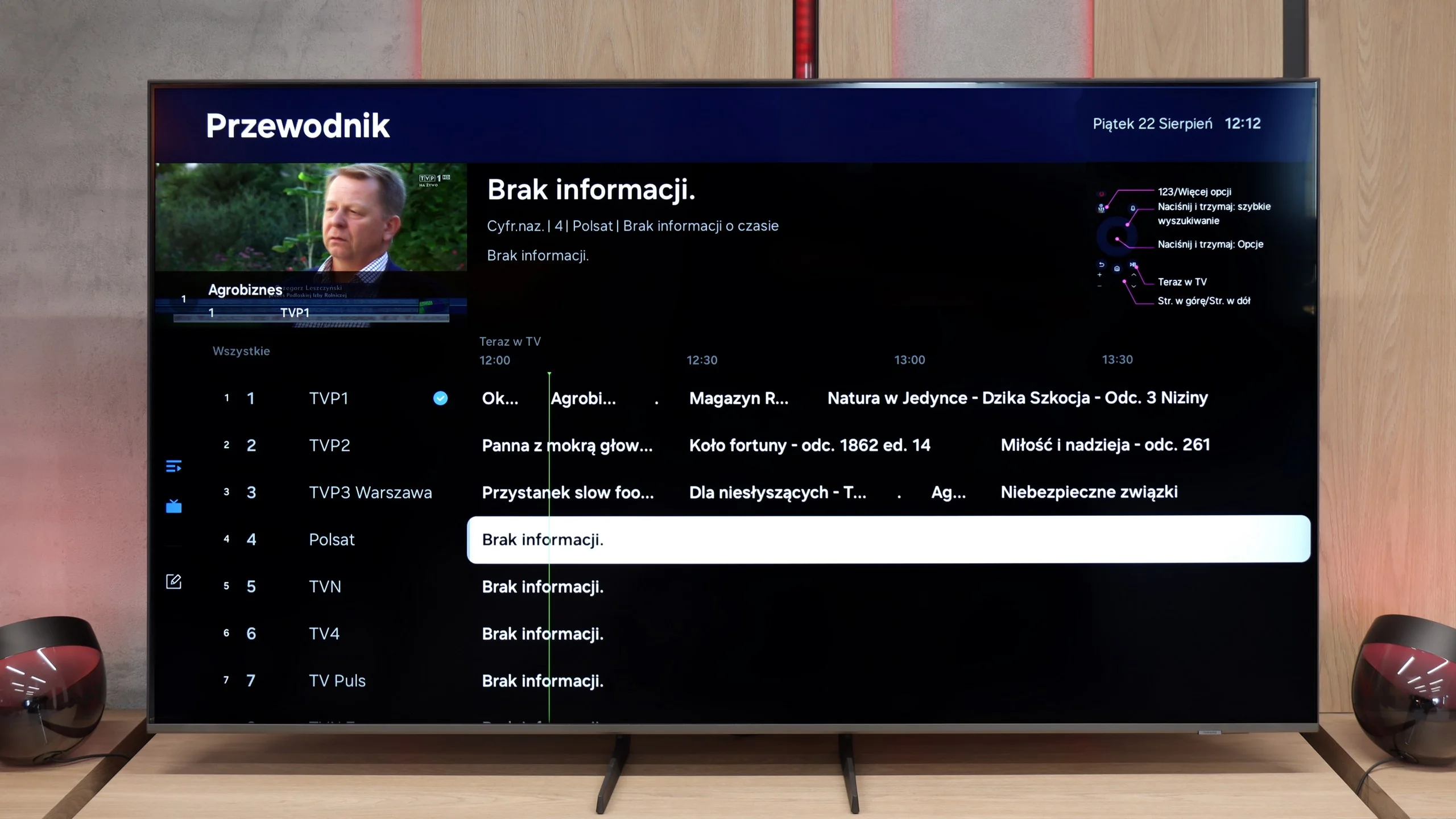
In terms of smart features, the Q8F is right up there with what Samsung has made us accustomed to. It comes with the Tizen system – fast, intuitive, and well integrated with other devices. AirPlay, screen mirroring, and simple voice commands work seamlessly, so the basics are ticked off perfectly. Added to this is SmartThings, an app that turns the TV into the hub of a home ecosystem. You can connect a washing machine, vacuum cleaner, light bulbs, or speakers and control everything from one place, including the TV. There are also plenty of apps in Tizen for watching movies and series – Netflix, YouTube, Disney+, and Prime Video are all readily available. However, it should be noted that Tizen is a closed system, so if someone is hoping to install less popular programs, they might be disappointed.

Traditional Television

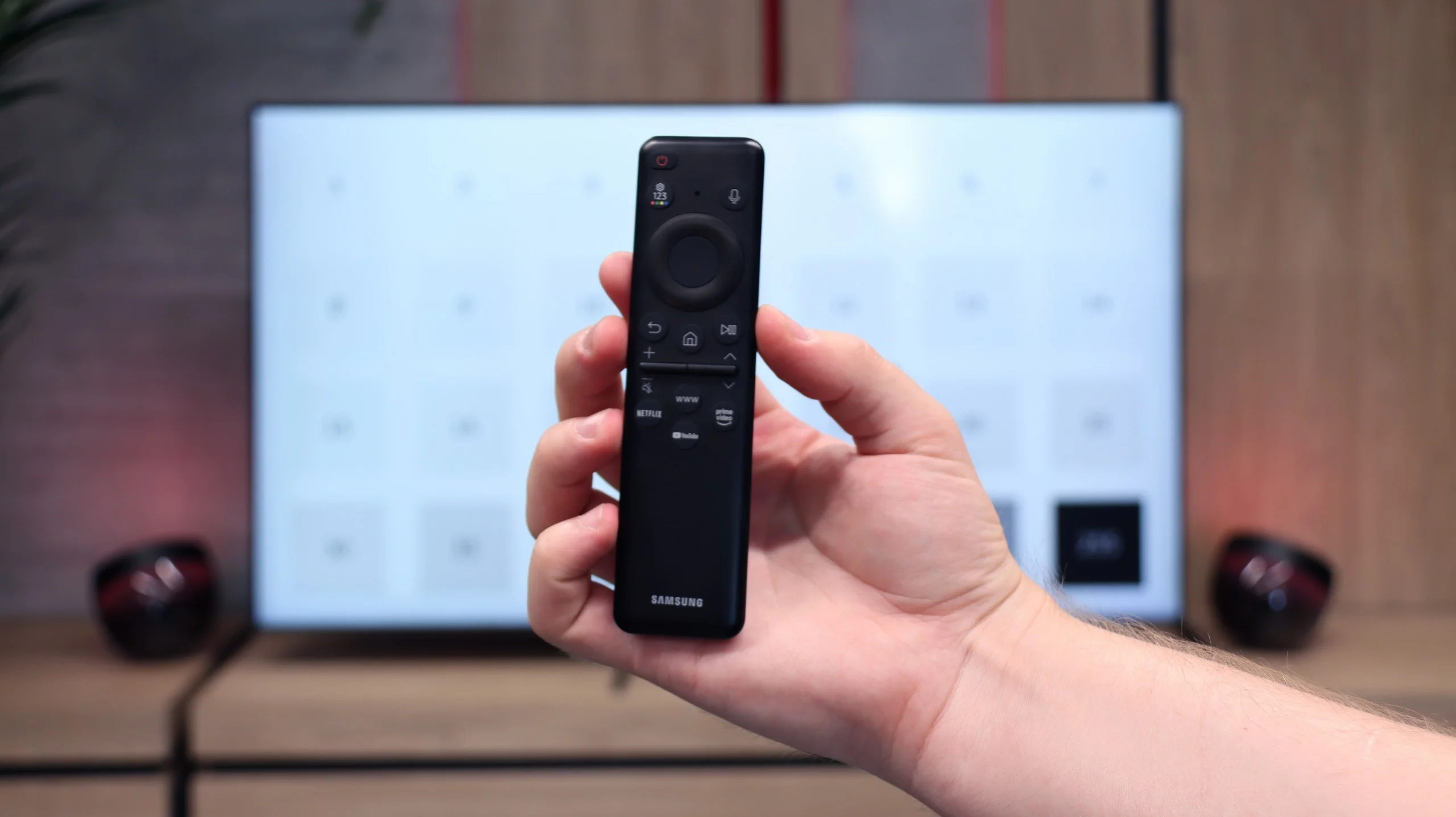
Traditional television falls short. The Q8F simply serves as a screen here – it will display the picture, but additional features like USB recording or PiP mode are absent. The remote is small and very minimalist. It looks modern and can be charged via solar batteries on the back cover or through USB-C, but it's worth noting that it might not suit everyone – particularly older users may miss traditional buttons. However, it's fair to say that Samsung has been consistently steering its TVs (and competitors who are copying some of their ideas) towards the smart home direction rather than towards devices "for grandma and grandpa". Given the enormous popularity of the brand, one can assume that most users, even the older ones, have already gotten used to the fact that the era of remotes with a whole range of rubber buttons is slowly coming to an end.
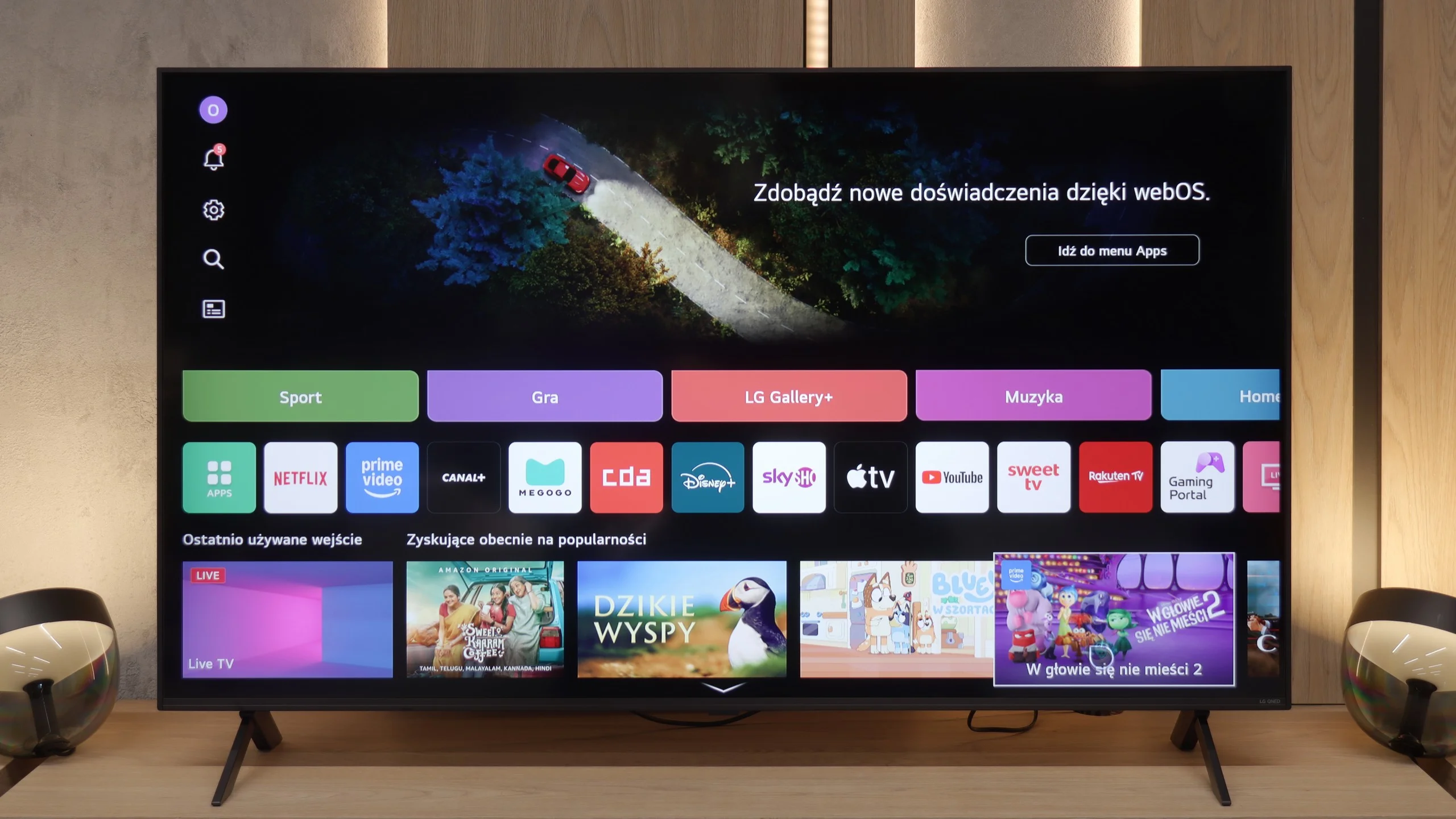
Smart TV System and WebOS

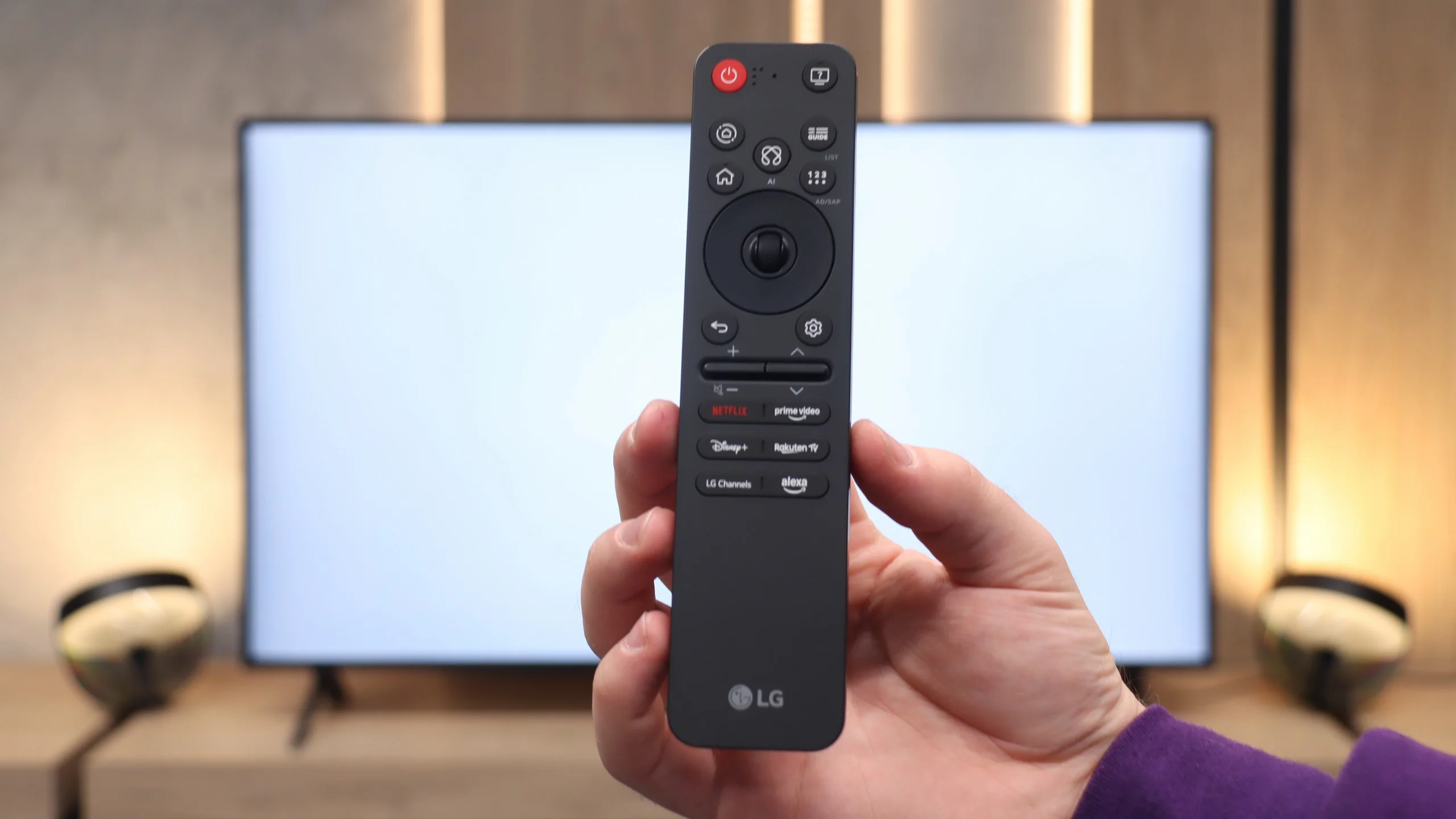
A major plus for LG TVs – even those in the lower or mid-price range – is that the manufacturer does not treat them "shabbily" regarding software. The QNED80A runs on the latest version of the WebOS system, which performed excellently during our tests. The interface operated smoothly, responded quickly to commands, and most importantly – was very intuitive. Much of the credit goes to the famous Magic Remote control, which acts like a computer mouse – we control the cursor on the screen with wrist movements. However, there’s a surprise in store for you. In the 2025 model, the controller underwent quite a drastic transformation. It has been minimised and slimmed down. Modern users are likely to appreciate this change, as the remote fits nicely in the hand and looks more "premium". However, traditionalists may feel disappointed – miniaturisation has come at a cost, including the removal of the classic numerical keypad, which may make quickly selecting channels more difficult.

Classic Functions and Multimedia

When it comes to so-called classic functions, the QNED80A does not attempt to be a revolutionary device. It is simply solid equipment that does what it was designed to do. There are no hidden "gizmos" here, but we also didn’t feel like anything was missing. The traditional Teletext works flawlessly, and the wireless connectivity modules (like Bluetooth and Wi-Fi) are stable and quickly pair with external devices, such as headphones or a soundbar. In this regard, the TV doesn’t throw any obstacles in our way – it functions as we expect, not standing out in any particular way from the competition, but also not giving us any reasons to complain.

Apps

9.3/10

9.1/10

OK
Disney_Plus
OK
Amazon_Prime_Video
OK
Player_TVN
OK
Polsat_Box_Go
OK
Canal_Plus_Online
OK
TVP_VOD
OK
Apple_TV_Plus
OK
SkyShowtime
OK
Rakuten
OK
CDA_Premium_Browser
OK
Spotify
No
Tidal
OK
Netflix
OK
YouTube
OK
HBO_MAX
No
Kodi
OK
Apple_music
OK
Eleven_sports
OK
Xbox Game Pass
OK
GeForce NOW
OK
Amazon Luna
OK
Boosteroid
No
Steam Link
OK
Disney_Plus
OK
Amazon_Prime_Video
No
Player_TVN
OK
Polsat_Box_Go
OK
Canal_Plus_Online
OK
TVP_VOD
OK
Apple_TV_Plus
OK
SkyShowtime
OK
Rakuten
OK
CDA_Premium_Browser
OK
Spotify
OK
Tidal
OK
Netflix
OK
YouTube
OK
HBO_MAX
No
Kodi
OK
Apple_music
No
Eleven_sports
OK
Xbox Game Pass
OK
GeForce NOW
OK
Amazon Luna
OK
Boosteroid
No
Steam Link

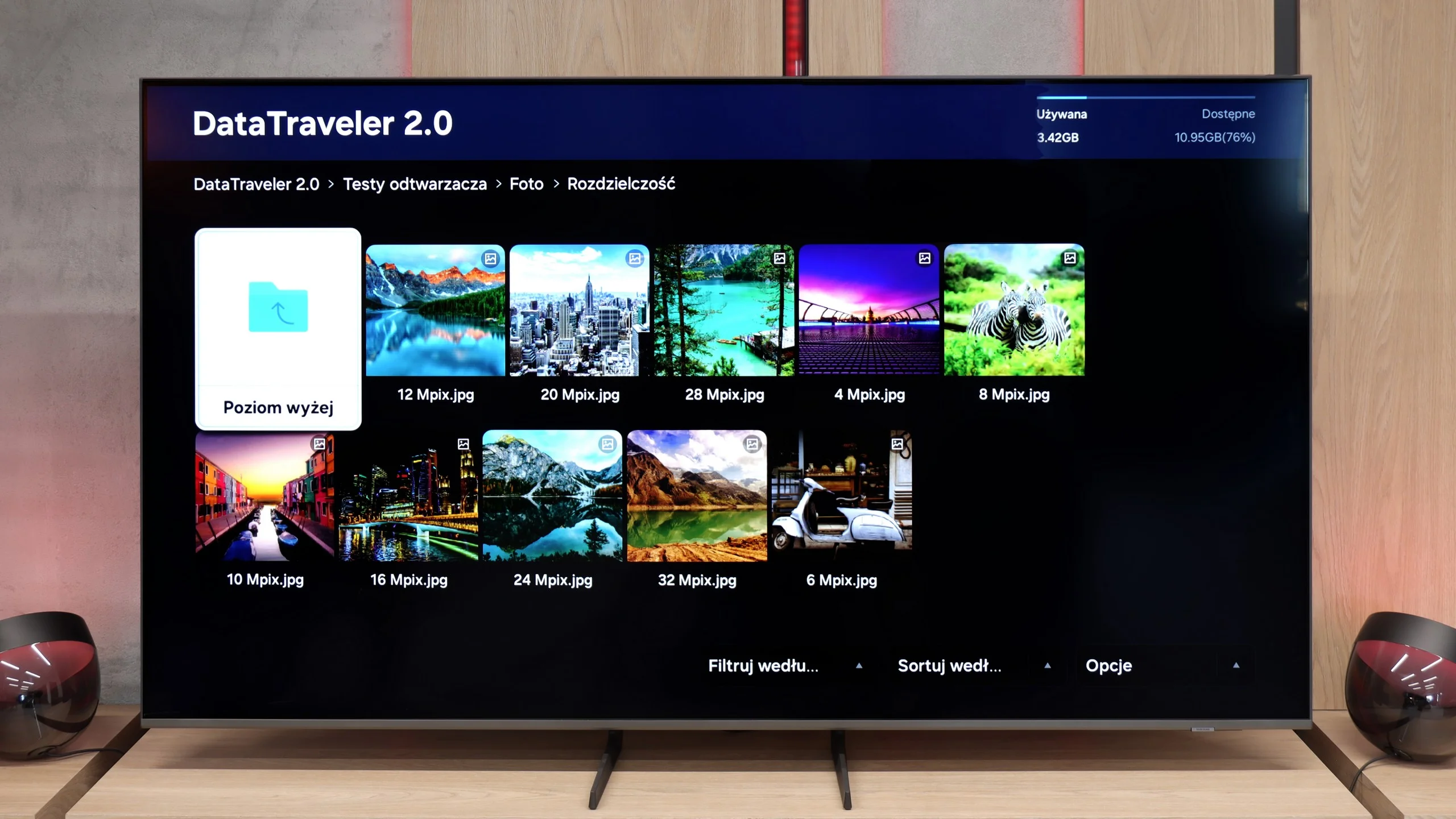
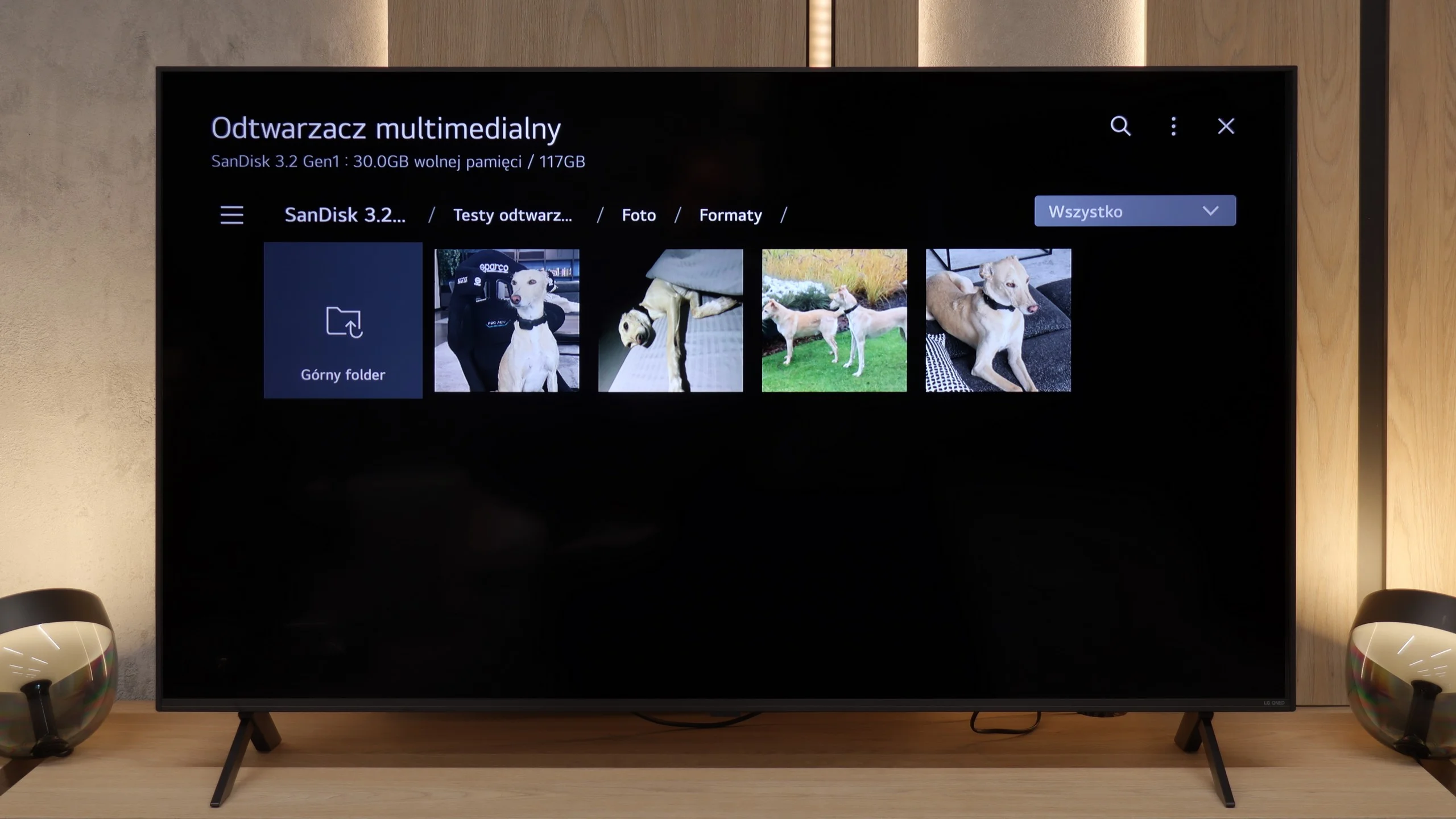
Playing files from USB

9.1/10

8.2/10

Supported photo formats:

JPEG
Yes
Yes
HEIC
No
No
PNG
Yes
Yes
GIF
No
No
WebP
No
No
TIFF
No
No
BMP
Yes
Yes
SVG
No
No

Maximum photo resolution:

4 Mpix
Yes
Yes
6 Mpix
Yes
Yes
8 Mpix
Yes
Yes
10 Mpix
Yes
Yes
12 Mpix
Yes
Yes
16 Mpix
Yes
Yes
20 Mpix
Yes
No
24 Mpix
Yes
No
28 Mpix
Yes
No
32 Mpix
Yes
Yes

Samsung Q8F handles playback of files from USB quite efficiently. It supports almost all popular video formats as well as photos, so you can easily load a holiday movie or a family album. There are occasional exceptions with less popular photo formats, but the essential JPEG works flawlessly, which will be crucial for most users. It's a shame that Tizen doesn't allow the installation of alternative players, such as VLC. Then even less popular formats wouldn't pose any problem.

How does the QNED80A perform as a home multimedia centre? After connecting an external drive or USB stick, the television effortlessly recognises and plays the vast majority of popular video and audio formats. One can confidently say that in everyday use, you will rarely encounter a file that refuses to play. However, we must point out a certain catch resulting from the software architecture. WebOS is a closed system. What does this mean for you? It means that if the built-in player cannot handle some exotic format, we do not have a "lifebuoy." We cannot just go to the store and download an external application like VLC that "plays everything," as is the case with Android or Google TV. The specific shortcomings we managed to identify mainly concern graphic files. The television does not support the HEIC format, which is a standard in Apple devices (iPhone/iPad). Photos with very high resolution (in the range of 20-28 Mpix) also proved problematic – when trying to open them, the system often faltered. It is worth keeping this in mind if you plan to view holiday photos directly from the drive.

Sound

6/10

6/10

  • Maximum volume
    84dB
    81dB
  • Dolby Digital Plus 7.1
    Yes
    Yes
  • Dolby True HD 7.1
    No
    No
  • Dolby Atmos in Dolby Digital Plus (JOC)
    No
    Yes
  • Dolby Atmos in Dolby True HD
    No
    No
  • DTS:X in DTS-HD MA
    No
    No
  • DTS-HD Master Audio
    No
    No

The sound on the Q8F can be described as acceptable. You can hear a slightly defined bass, but it's really minimal – the slim design of the television simply doesn't allow the pair of 2 × 10 W speakers to spread their wings. This is a typical scenario for most televisions: if someone cares about truly cinematic experiences, it's worth considering a soundbar. Samsung has a really wide range in this category across different budgets, so it's easy to find something suitable. The television itself is fine for watching traditional TV and series occasionally, but you wouldn't expect much in terms of audio excitement.

When it comes to audio, the LG QNED80A doesn't try to enchant us. It simply performs like... a typical flat-screen TV. The built-in speaker system with a total power of 20W isn't the strongest aspect of this set. If you're expecting a cinematic punch or depth known from pricier models equipped with subwoofers, you'll feel a bit shortchanged. There's simply a lack of bass here, and the sound is quite flat. However, we must give this model credit in one aspect: clarity of transmission. When scenes based on conversations appear on the screen, the QNED80A handles it quite well. Dialogues are clear, separated, and – importantly – undistorted. There’s no crackling effect at higher volumes. It's sufficient for everyday TV, but for films, we definitely recommend purchasing at least a basic soundbar.

Sound Quality Test

No sound test video

Acoustic Measurements

84dBC (Max)

75dBC

81dBC (Max)

75dBC