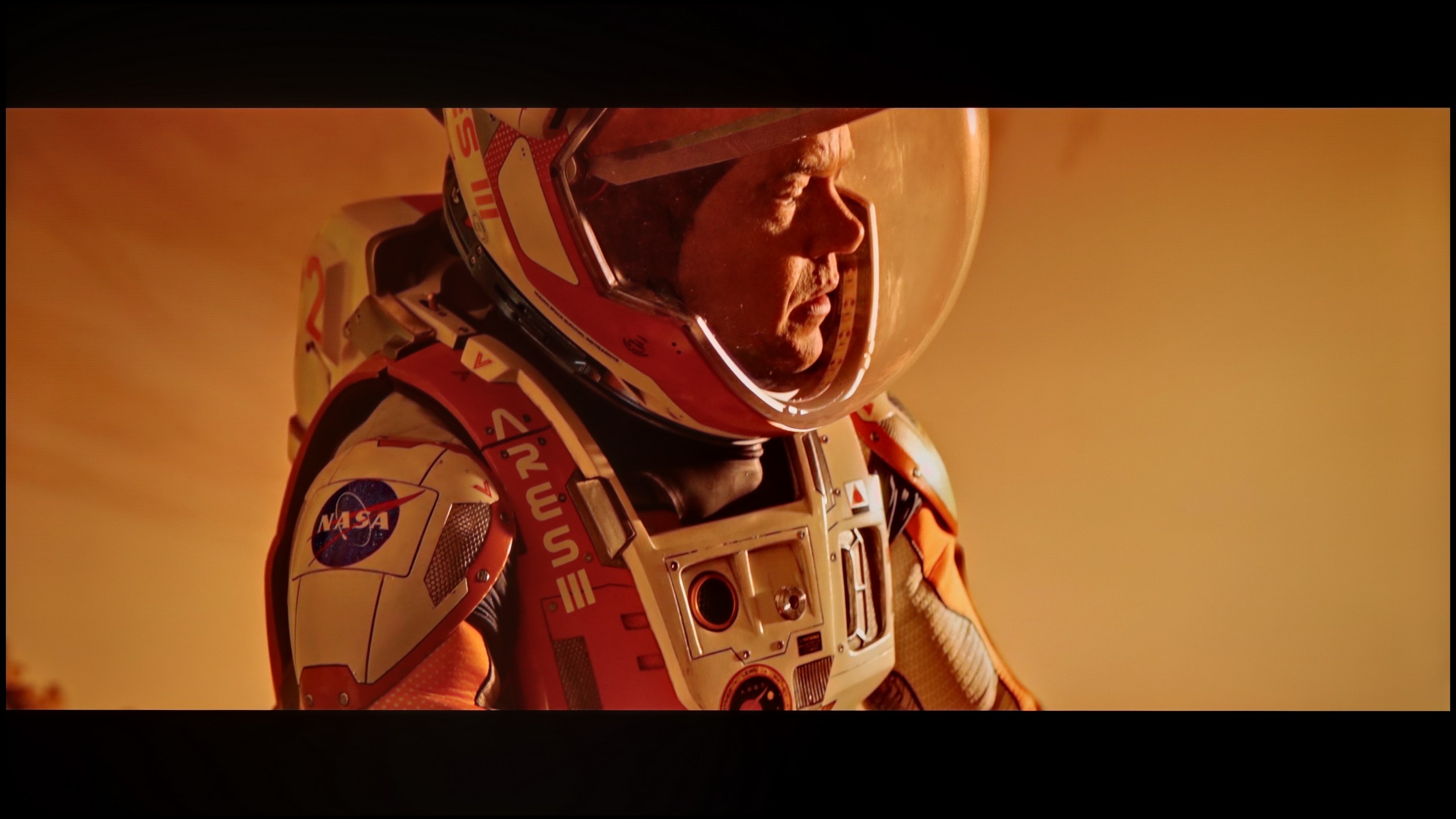
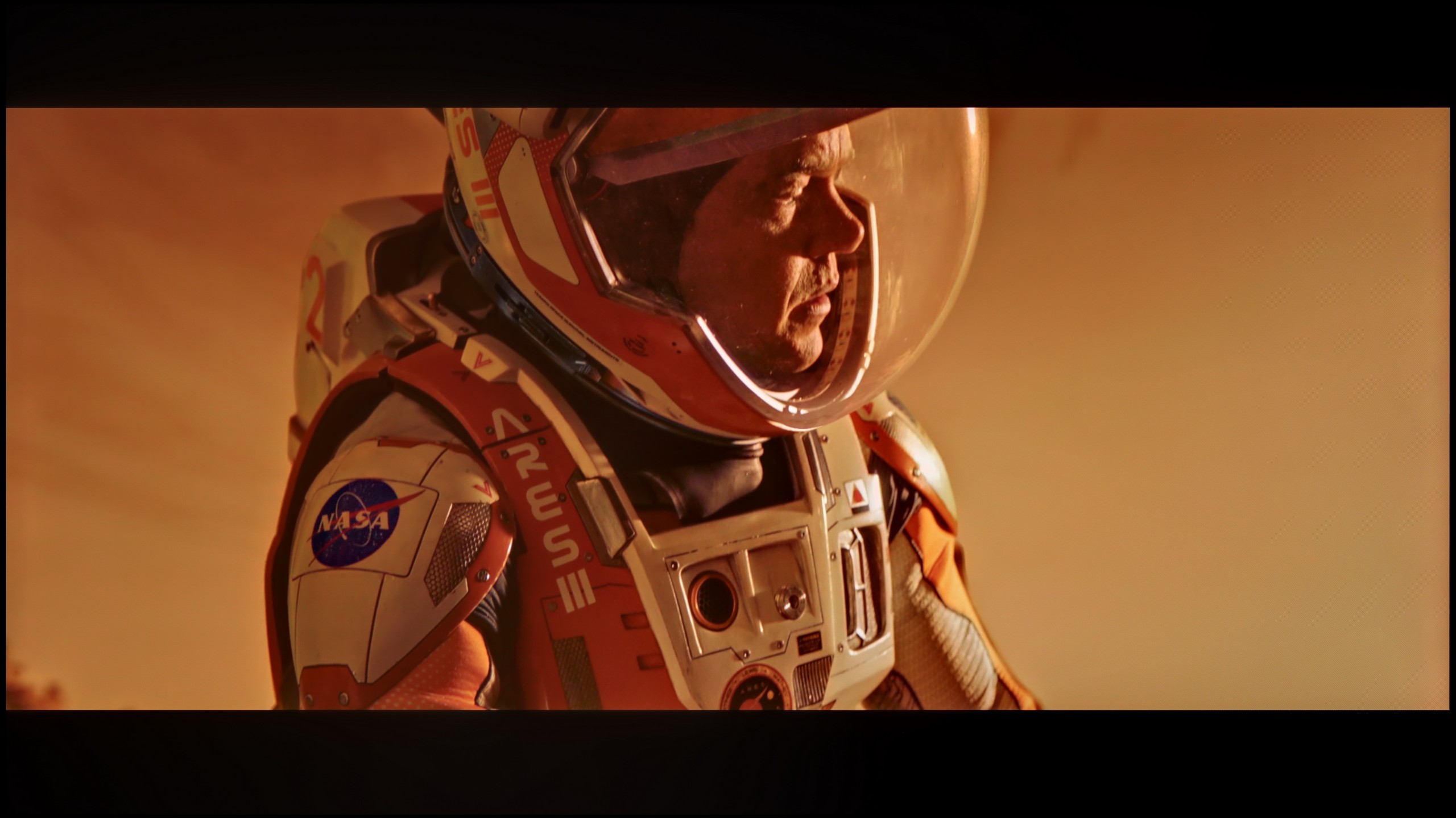
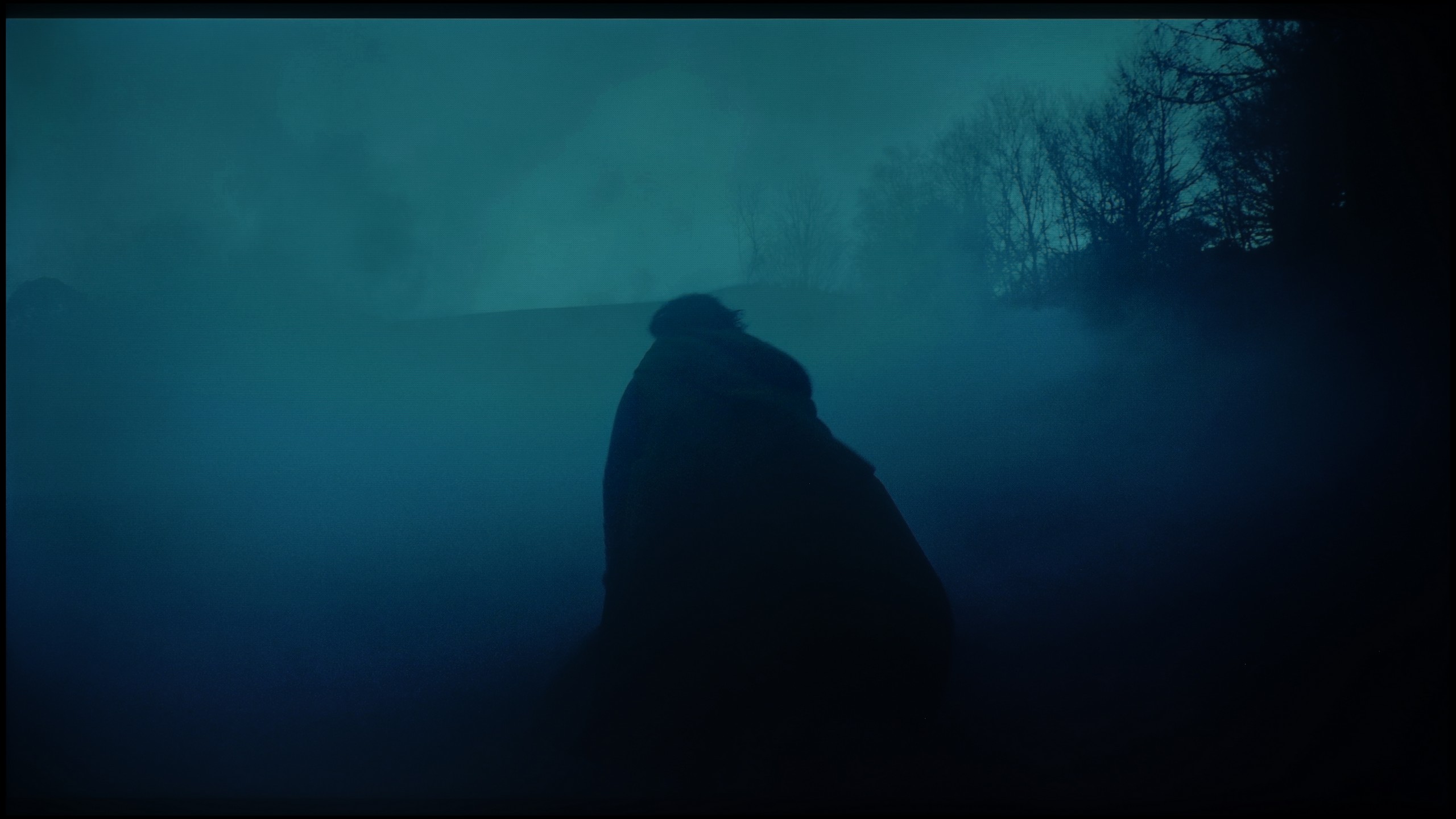
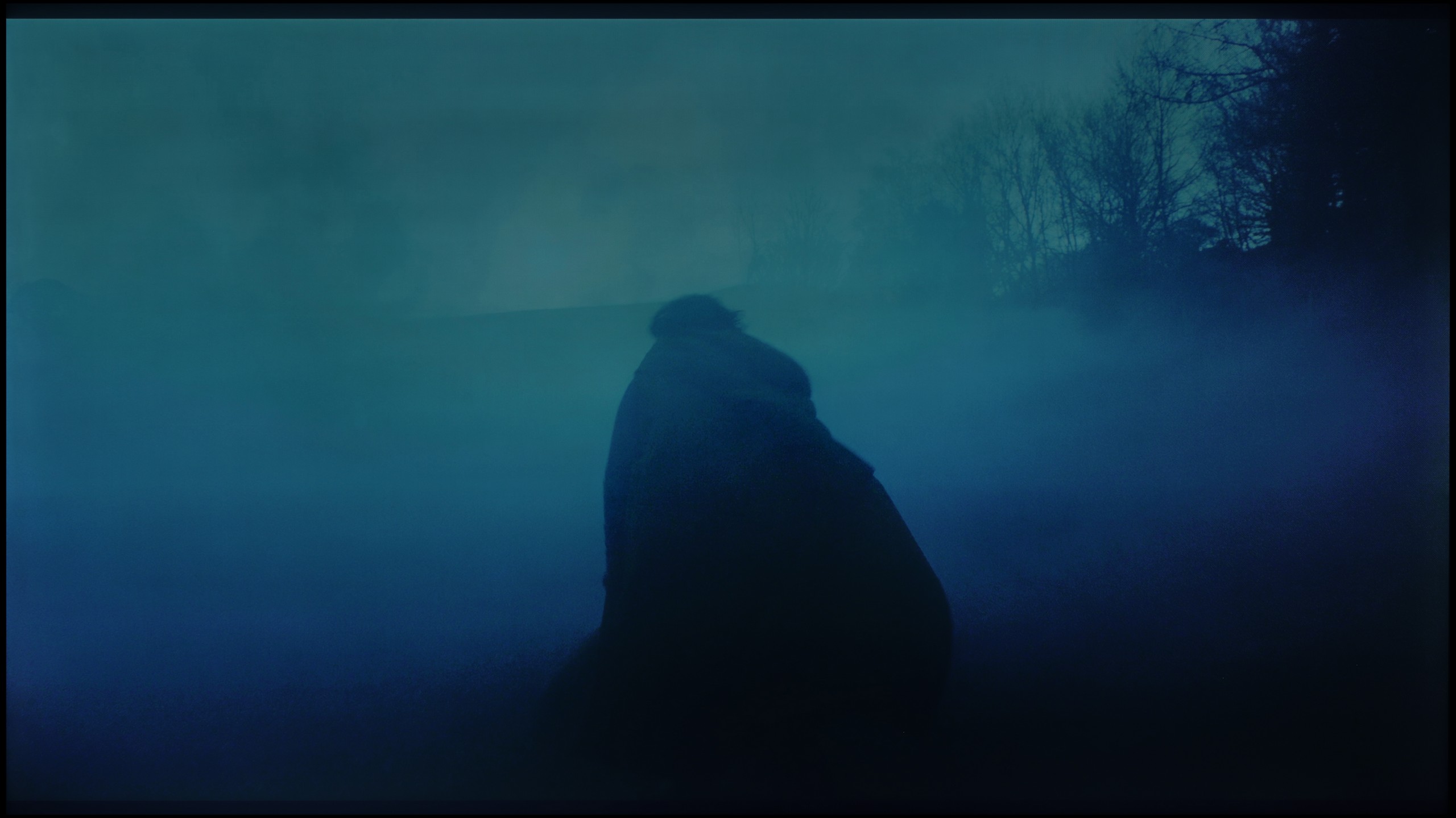
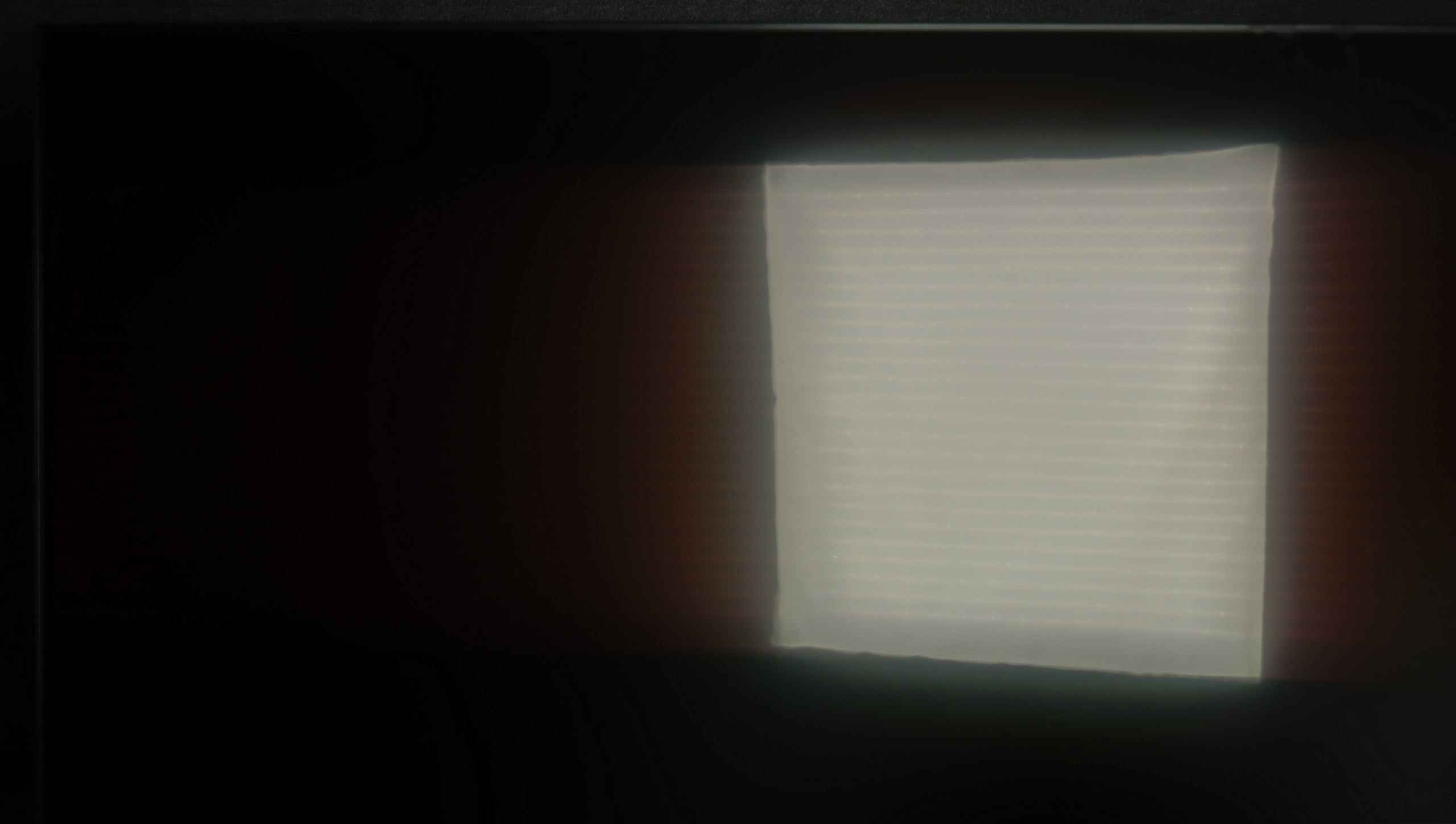
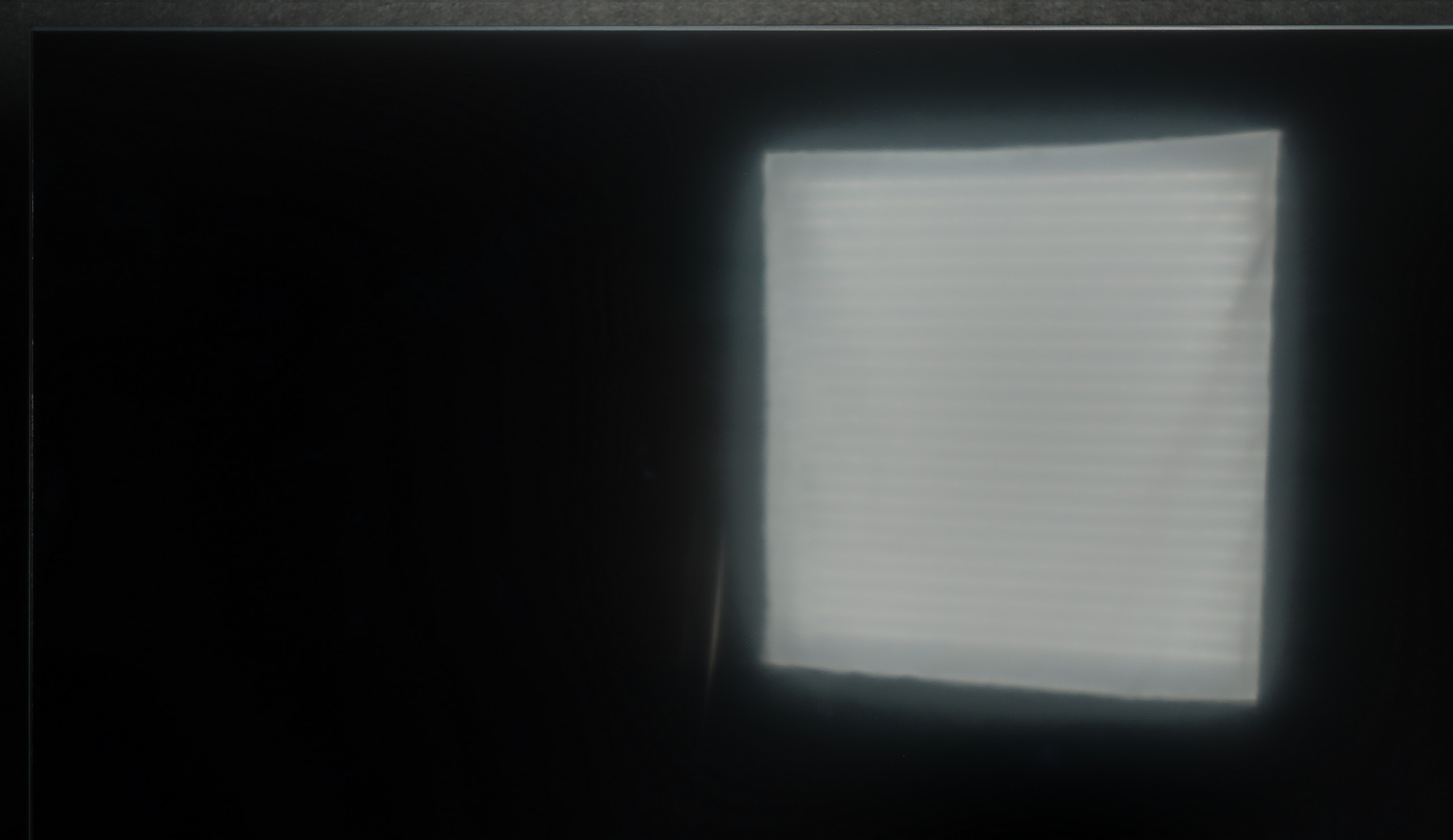
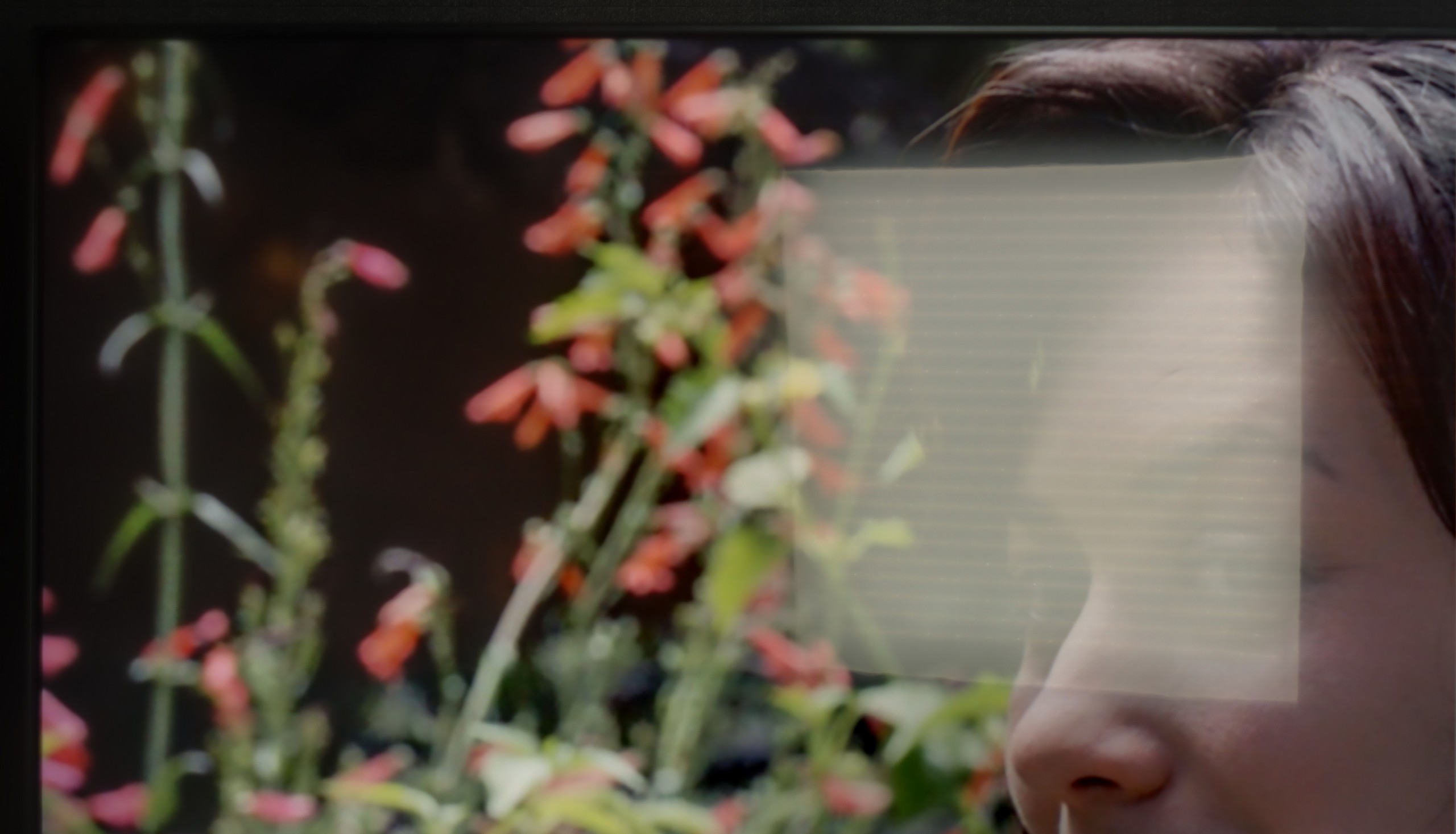
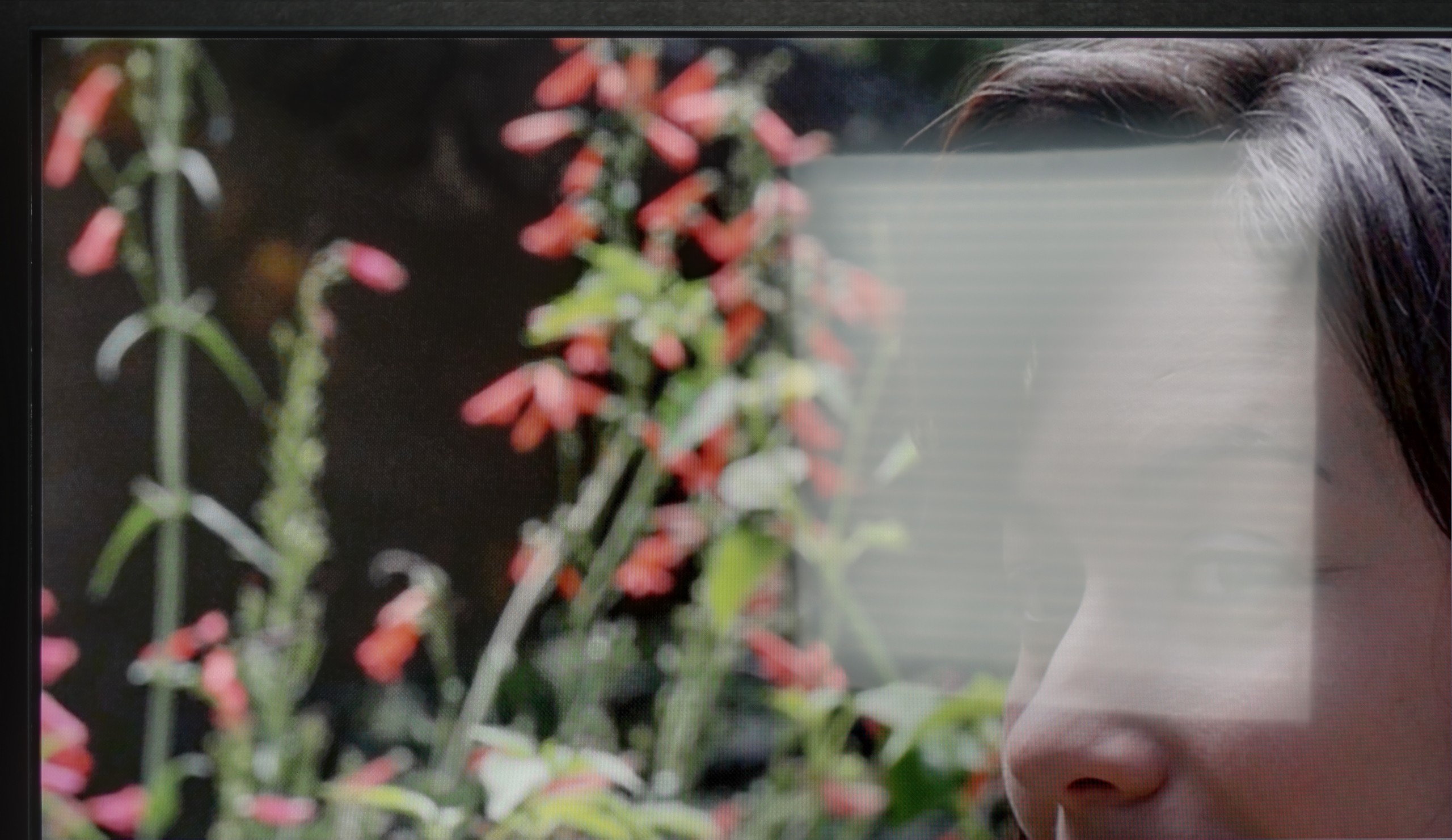
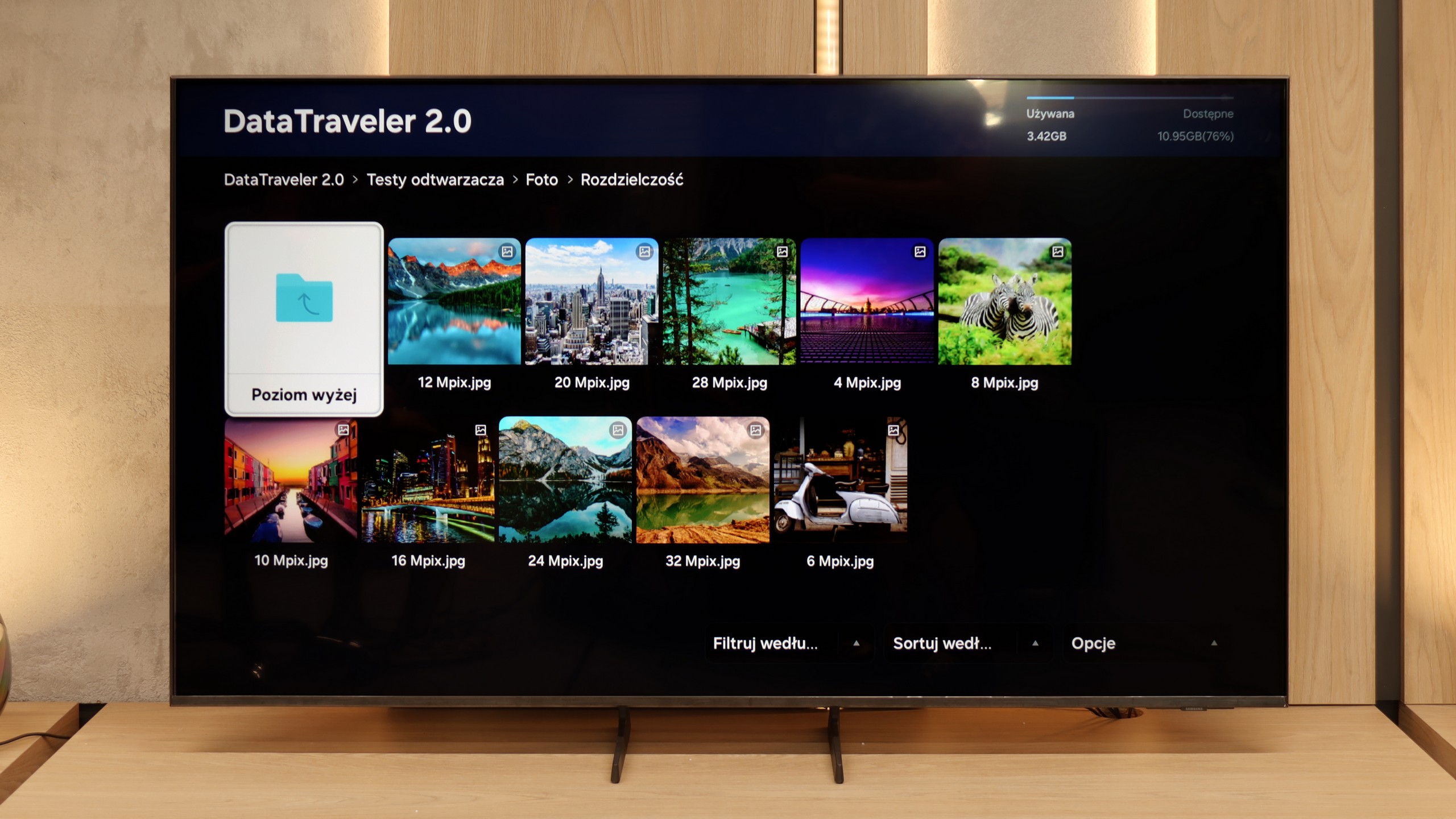
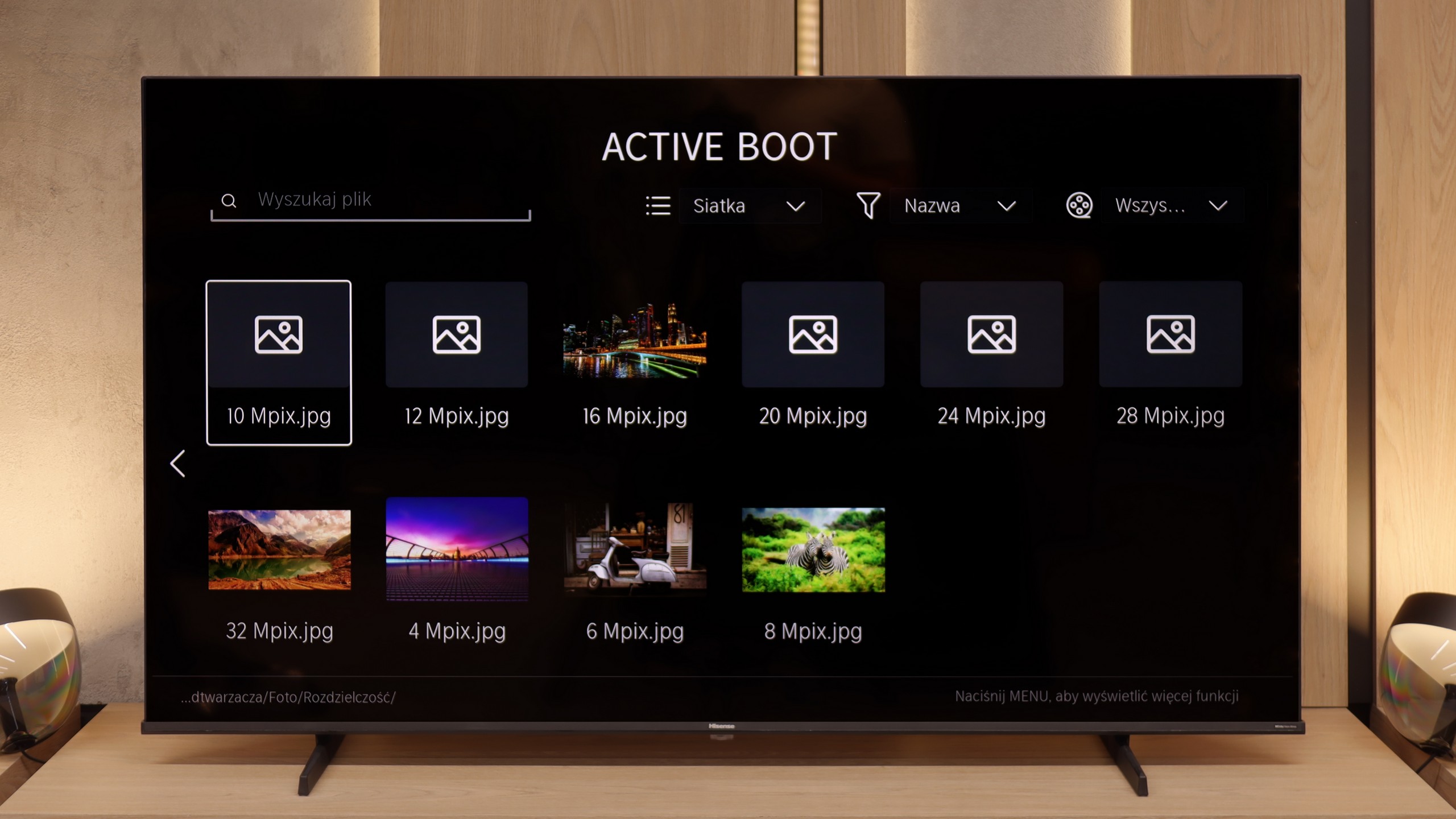
Direct comparison
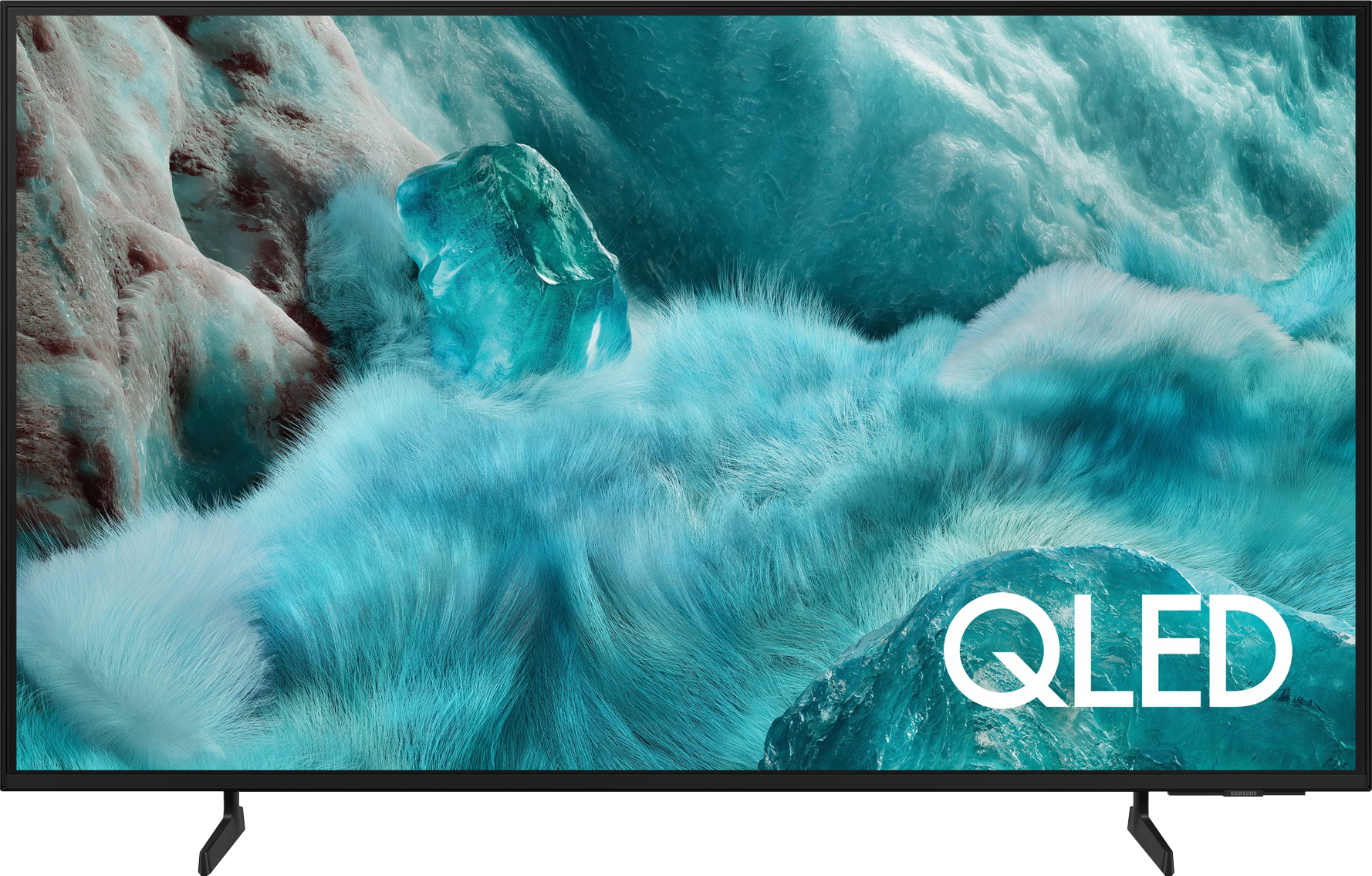


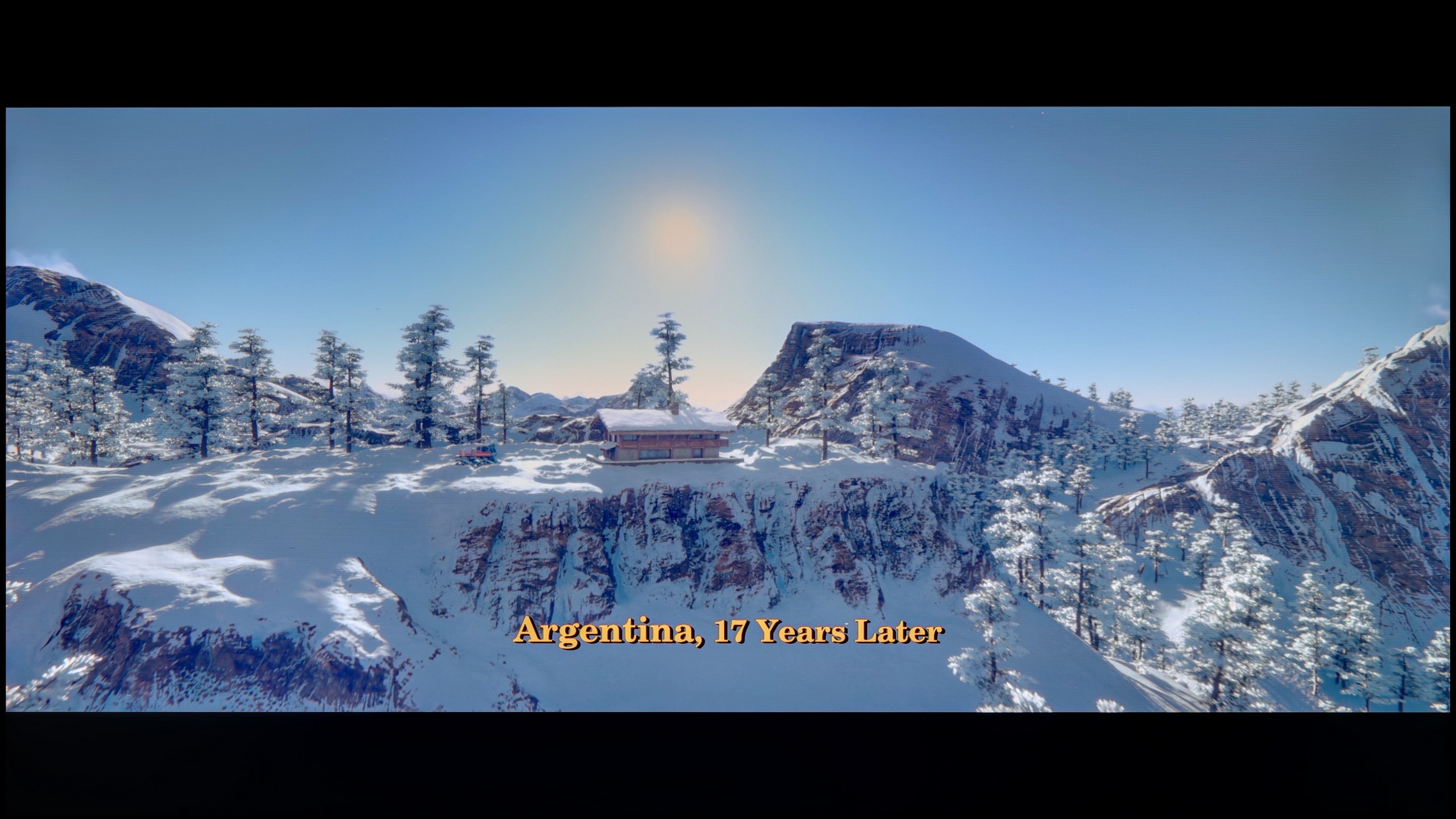
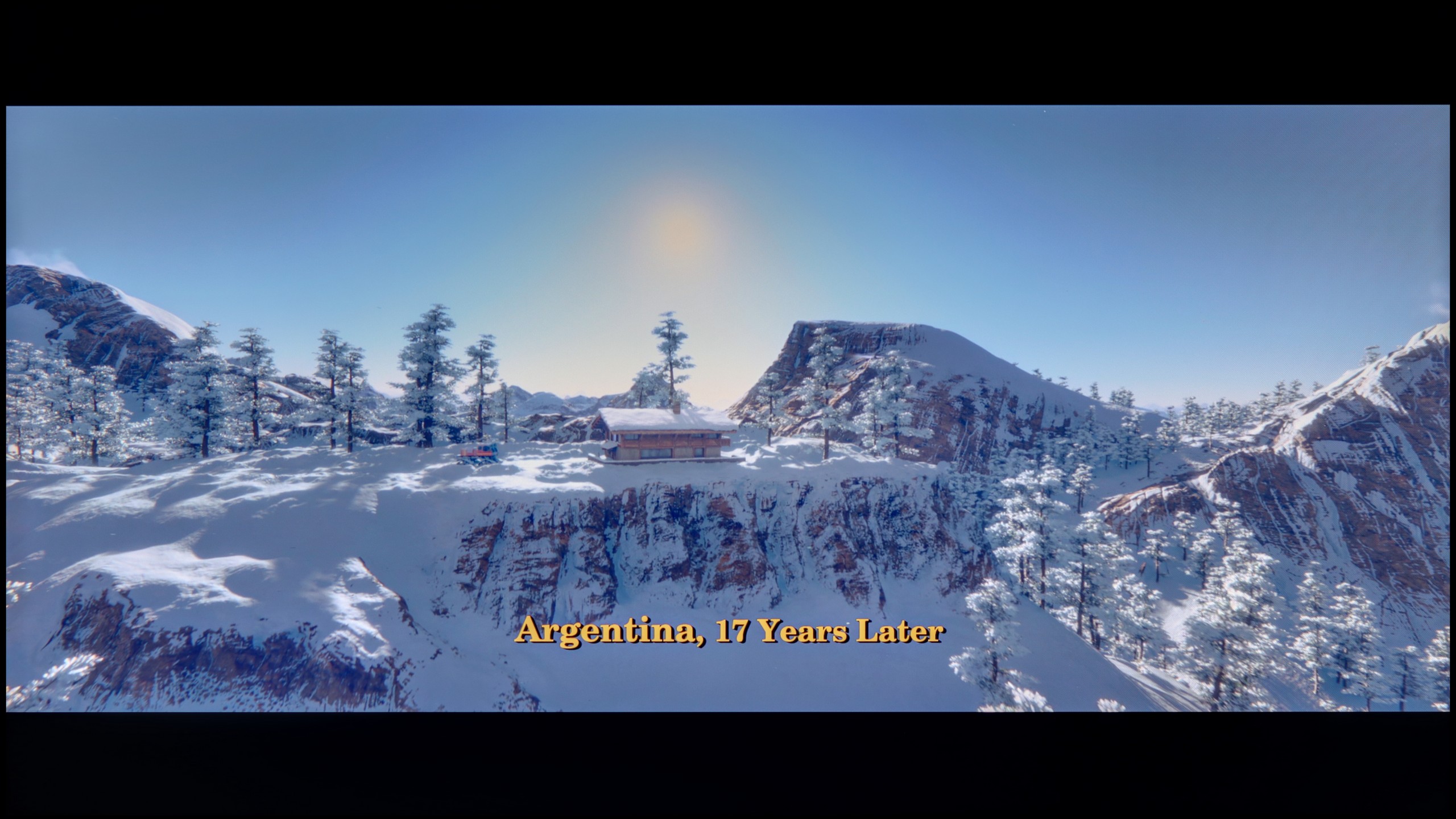
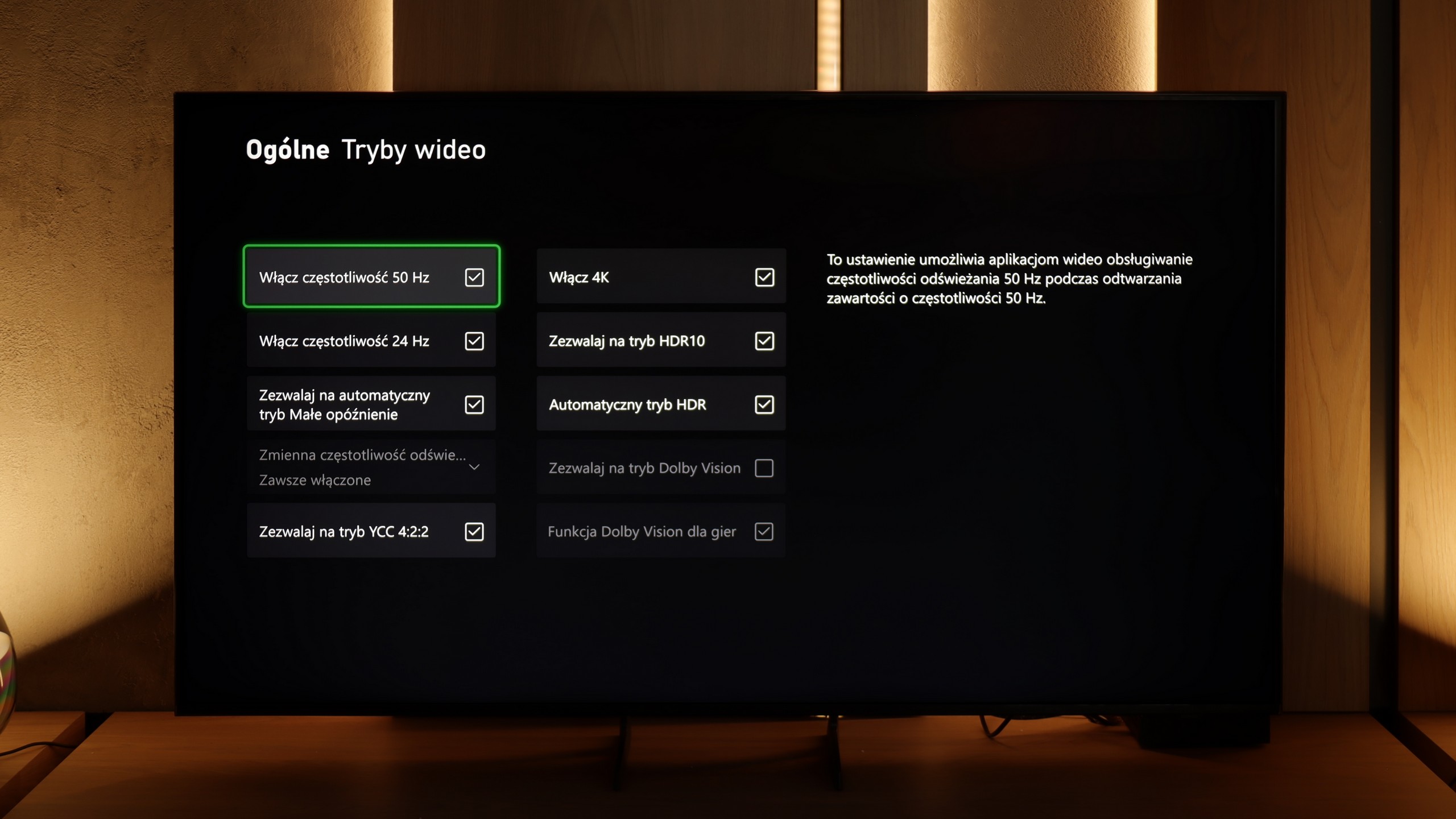
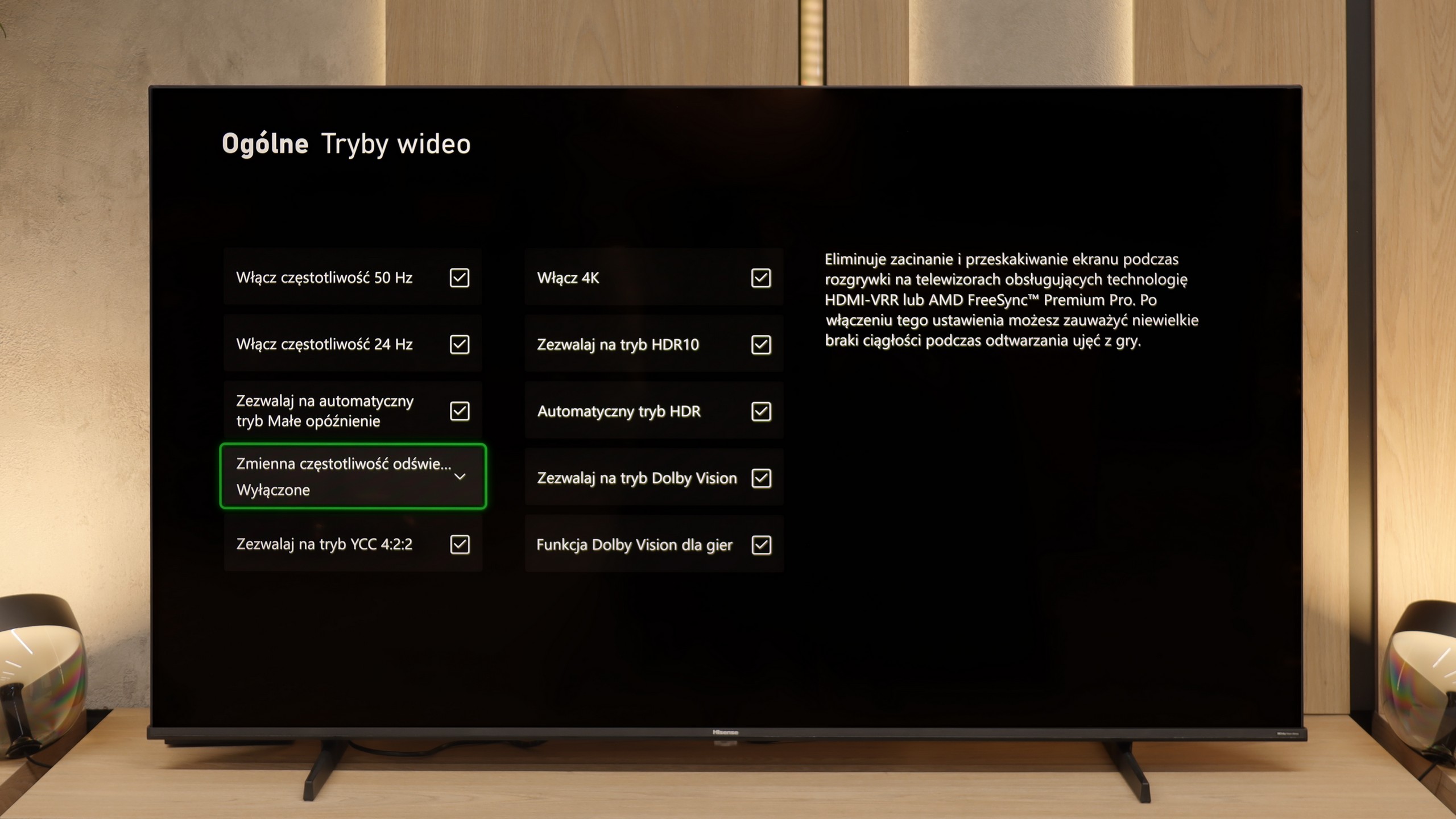
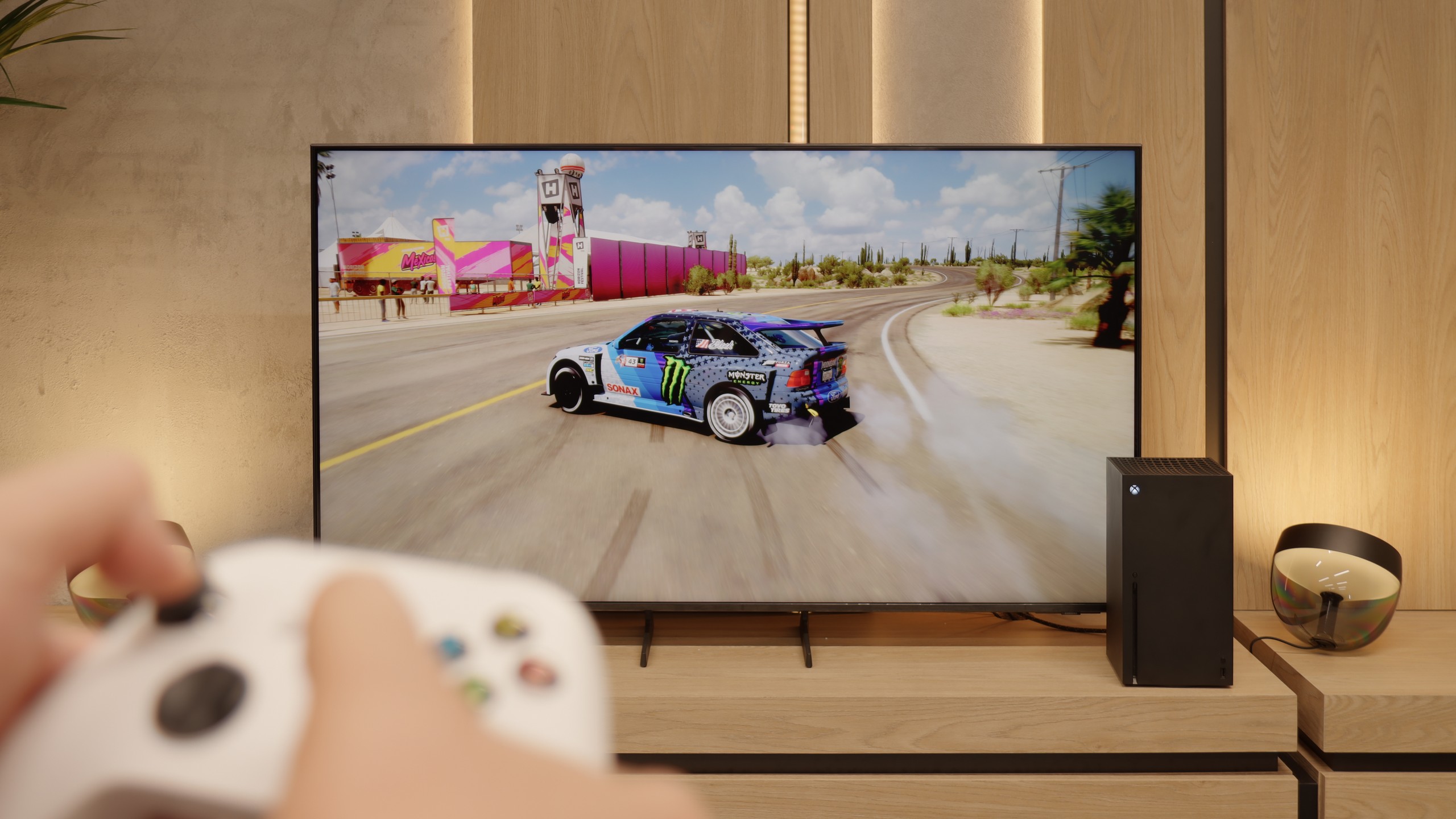
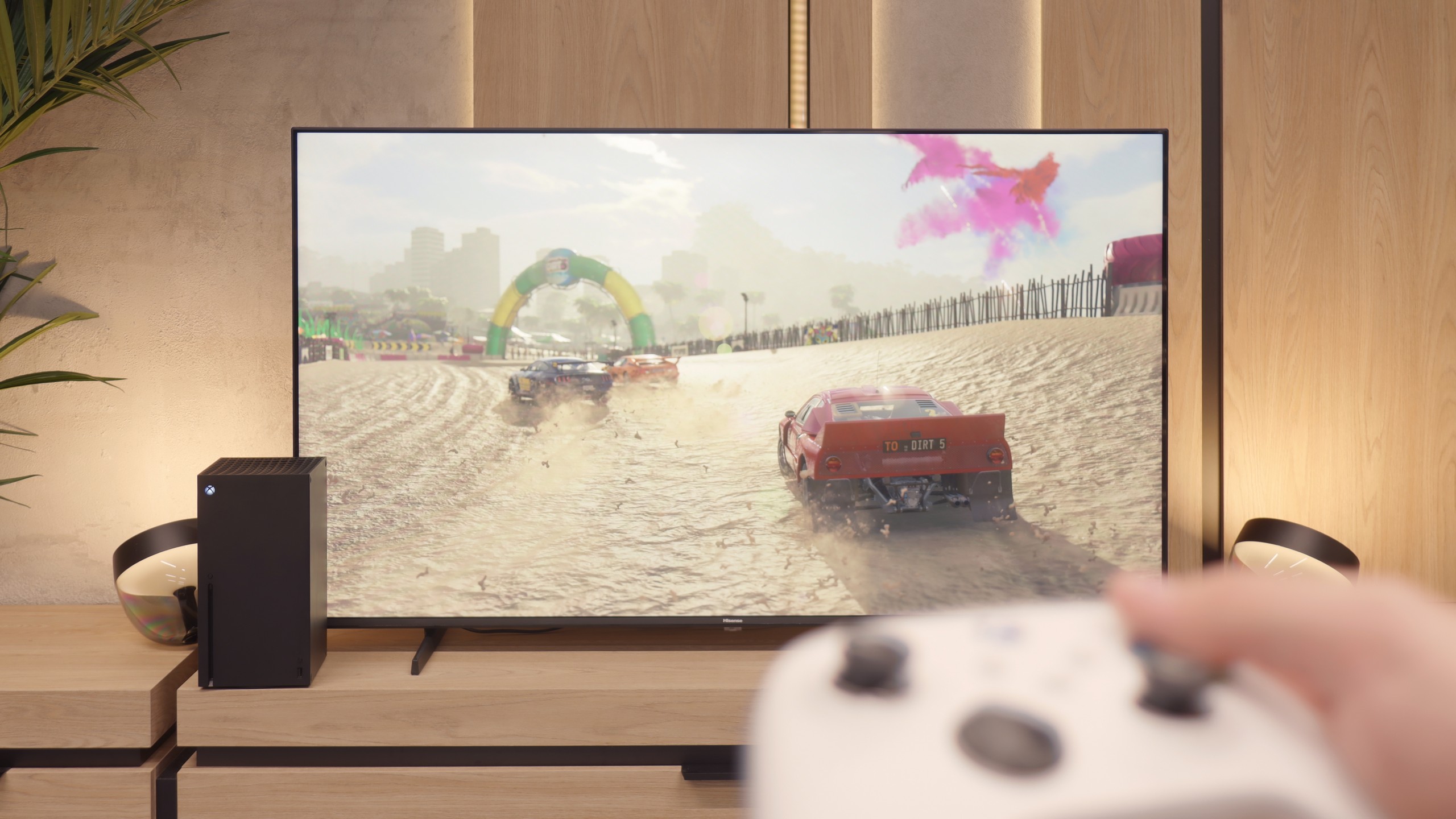
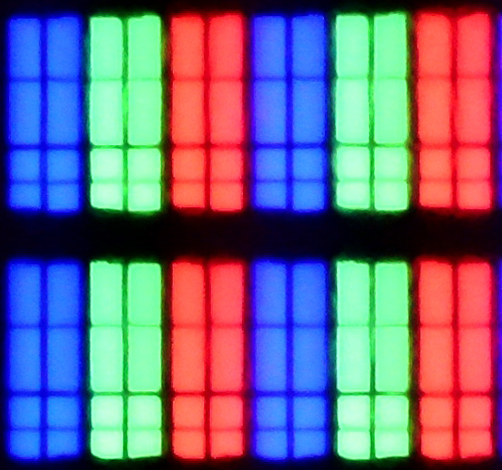
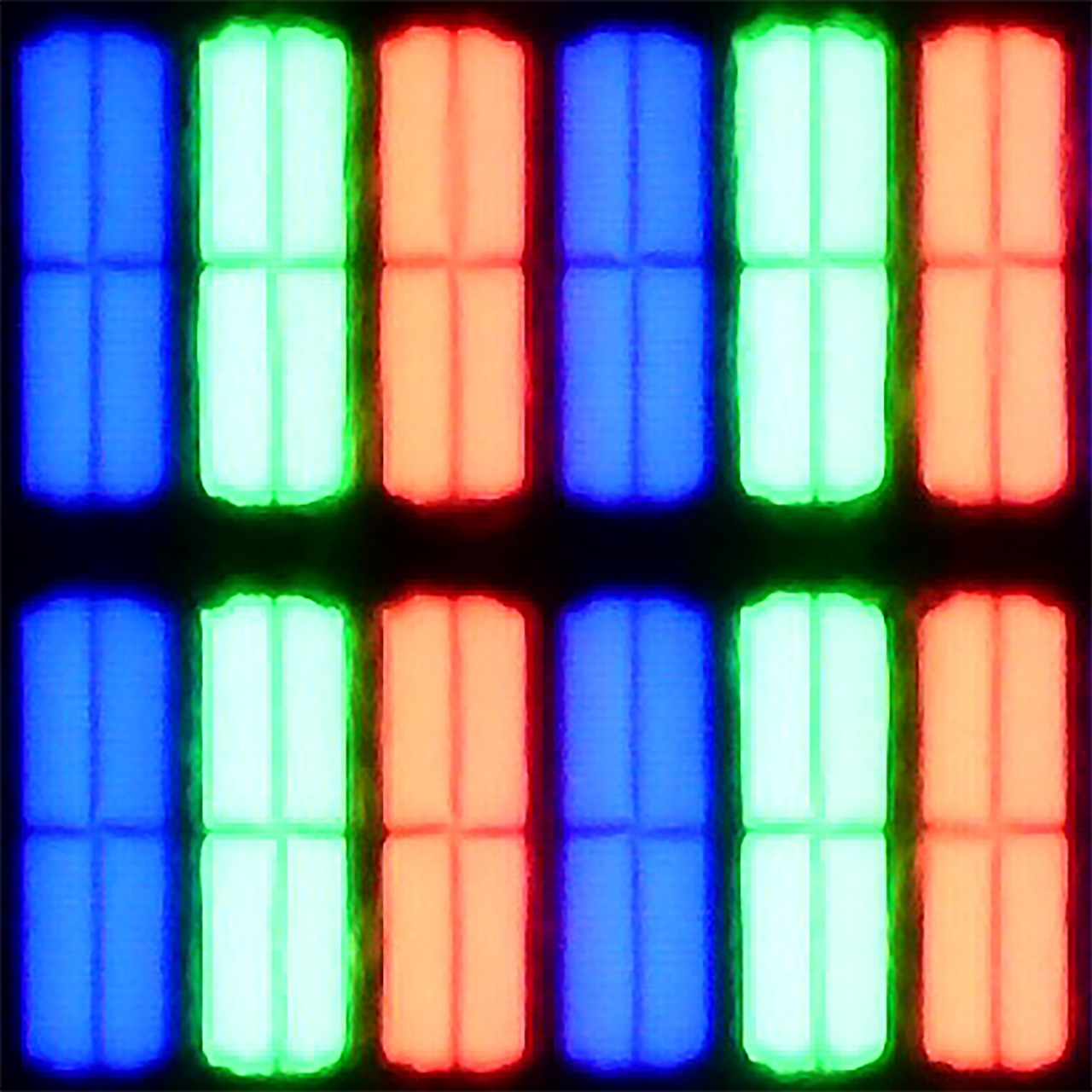
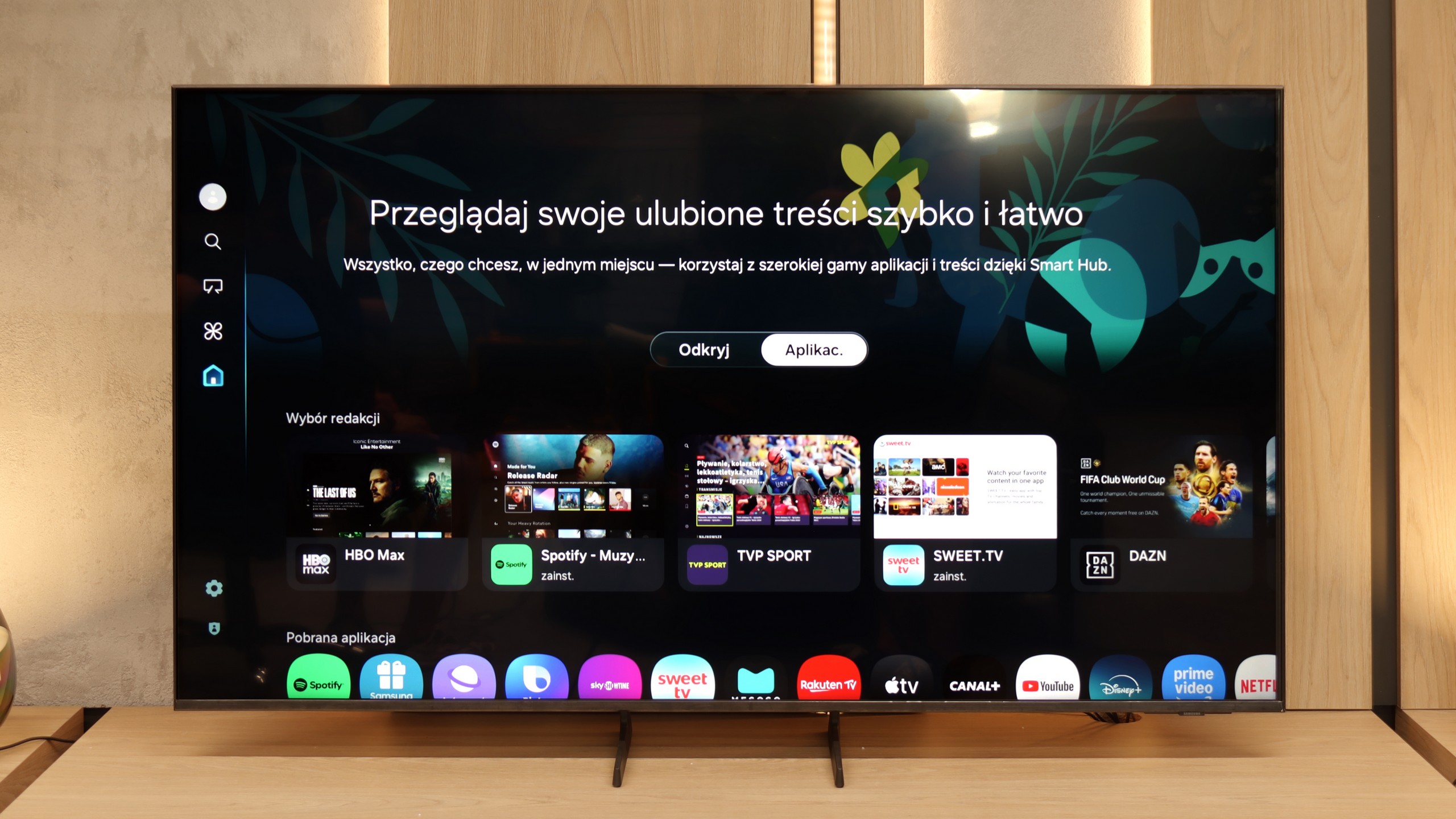
Samsung Q7F is the cheapest model from the manufacturer’s QLED line, and it must be said that several advantages can be pointed out here without any problem. After calibration, the colours look really good, and the additional QLED filter makes the colours more saturated than in typical budget LCD televisions. It also features a VA panel, which offers quite decent native contrast. This is definitely not at the level of top models, but it performs well for everyday viewing. However, the biggest plus is the Tizen system, which is Samsung's flagship platform. It runs smoothly, is feature-rich, provides access to a wealth of applications and add-ons, and allows easy connection of the television to the SmartThings ecosystem to control other devices in the home. Essentially, this is where the list of pros ends, because the longer you use the Q7F, the more apparent it becomes that this is a product that is quite underdeveloped. It’s not just about the panel with its low brightness and average picture quality in HDR films, but also about the lack of features that usually work flawlessly in Samsung models. The manufacturer claims that VRR and HGiG are present, but in practice, there is no benefit from them, making it difficult to recommend the television even to casual gamers. It also doesn’t perform the best with regular television, as the digital image processing is at best average, and the feature designed to improve tonal transitions, which usually works well in Samsung TVs, practically doesn’t operate here. The Q7F is equipment that can only be recommended to those looking for a television with two phrases on the box: “QLED” and “good Smart TV”. The rest get a rather bland product, which lacks a lot to compete even with other more budget-friendly options. It’s a shame, as usually the word "QLED" in Samsung meant something more than just an ordinary television.
[UPDATE] We have updated our tests of Samsung televisions from the 2025 model year due to the release of software version 1131, which restored the crucial gaming feature HGiG.