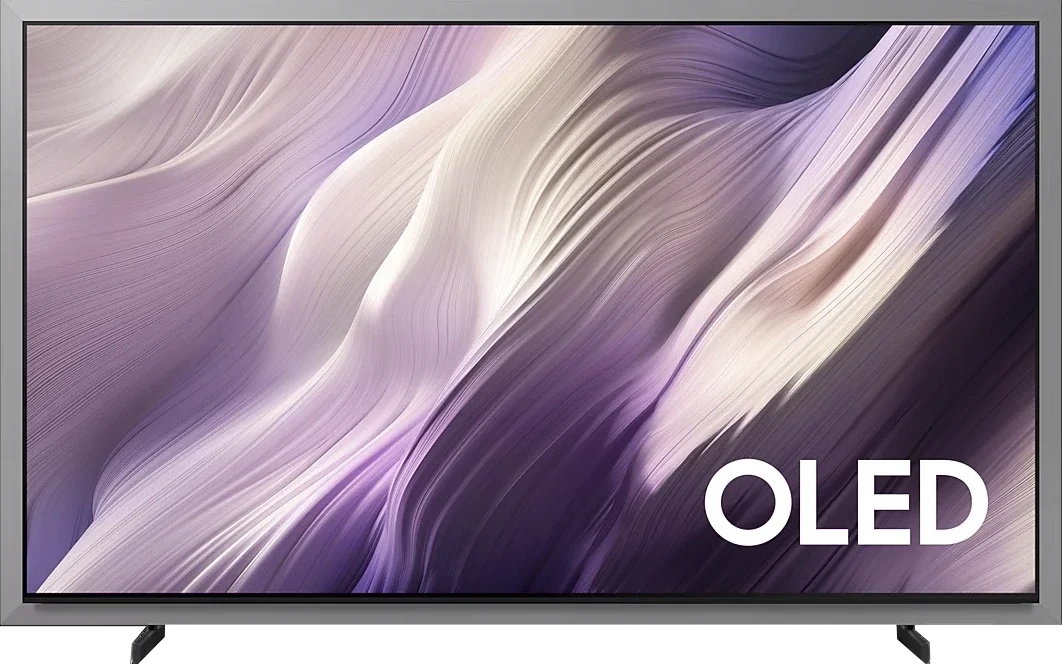
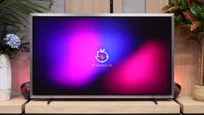
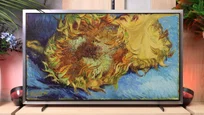
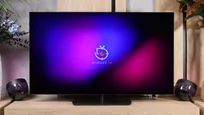
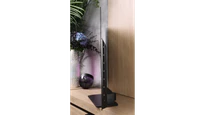
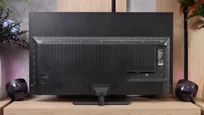
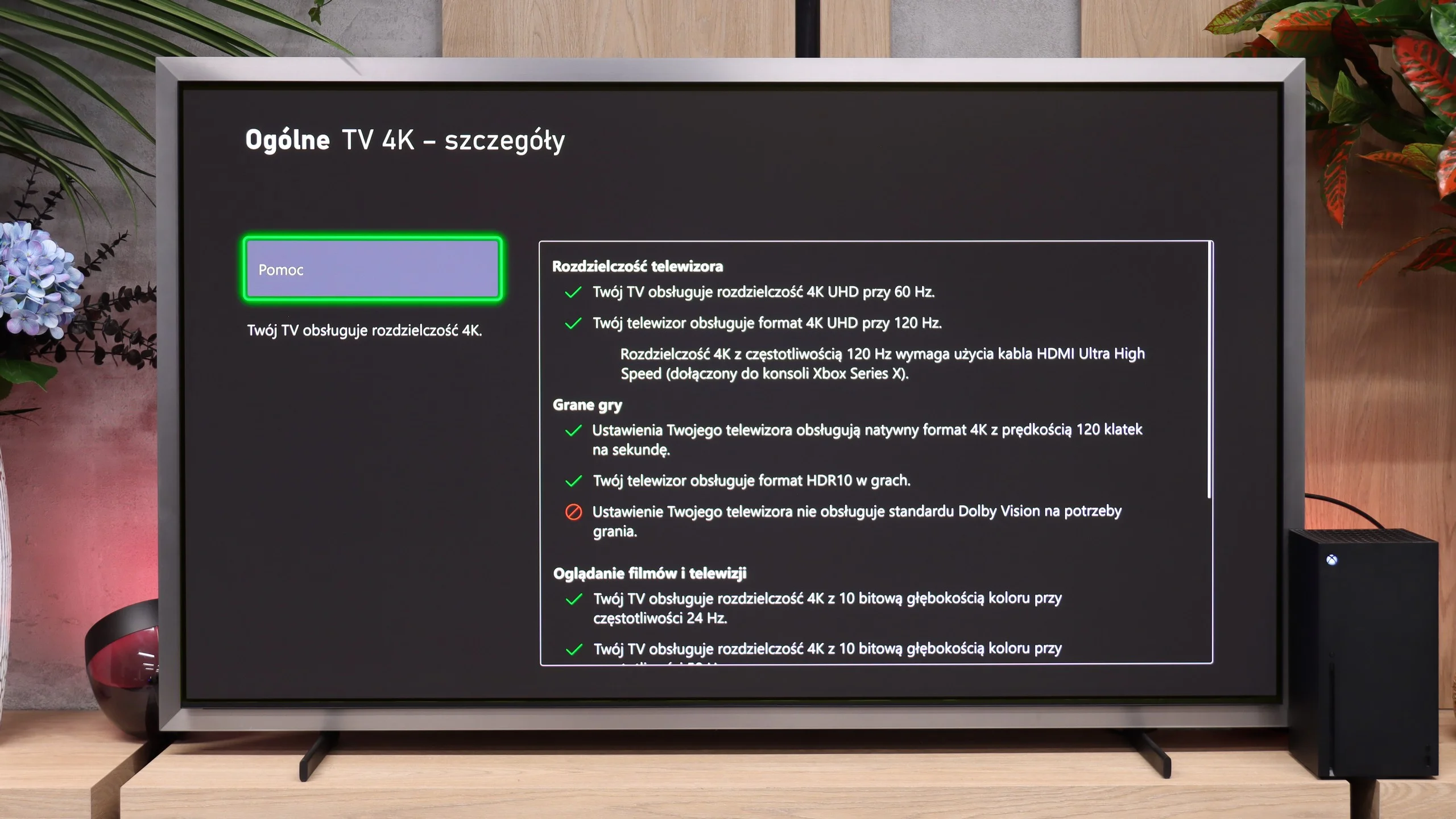
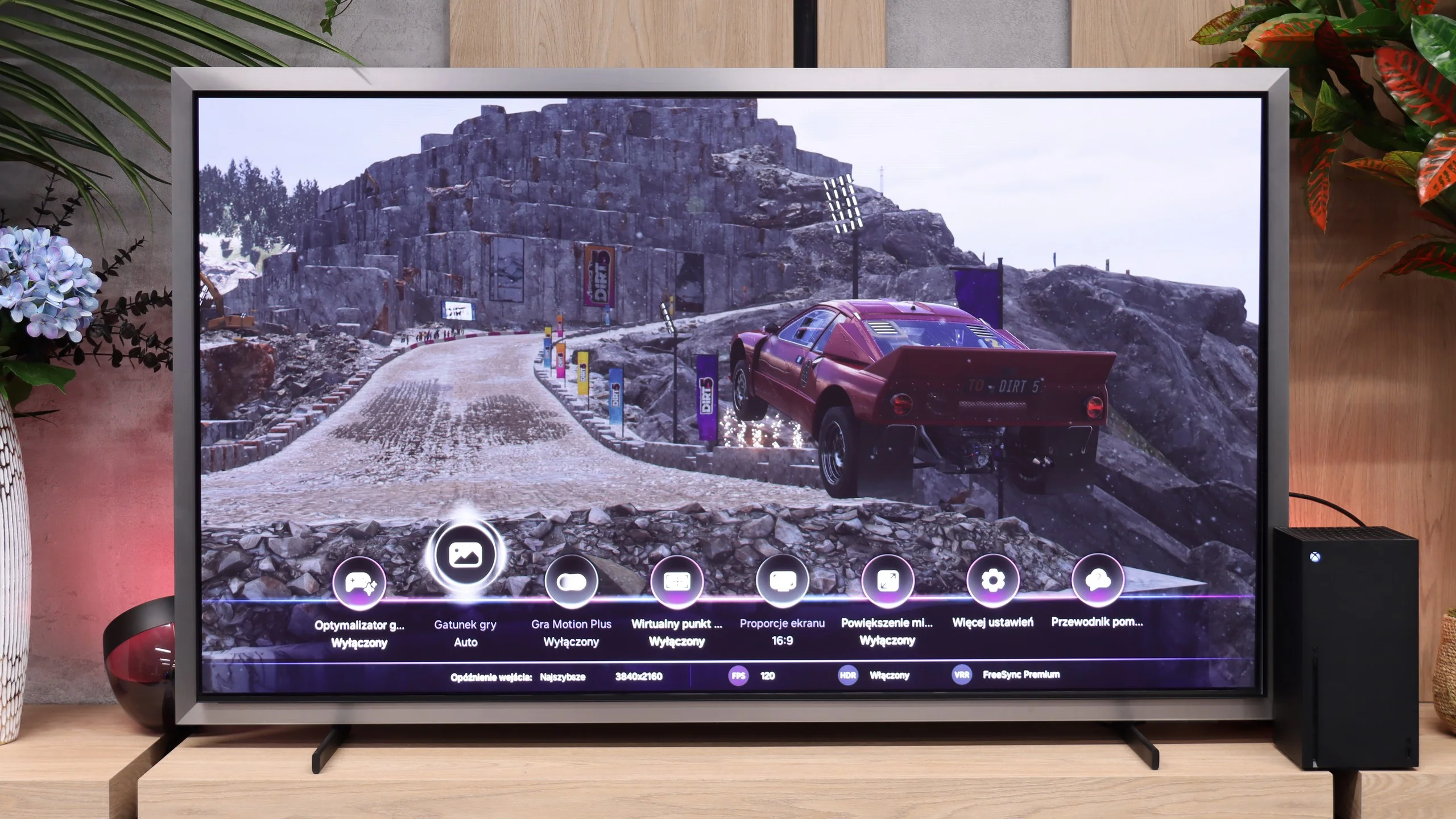
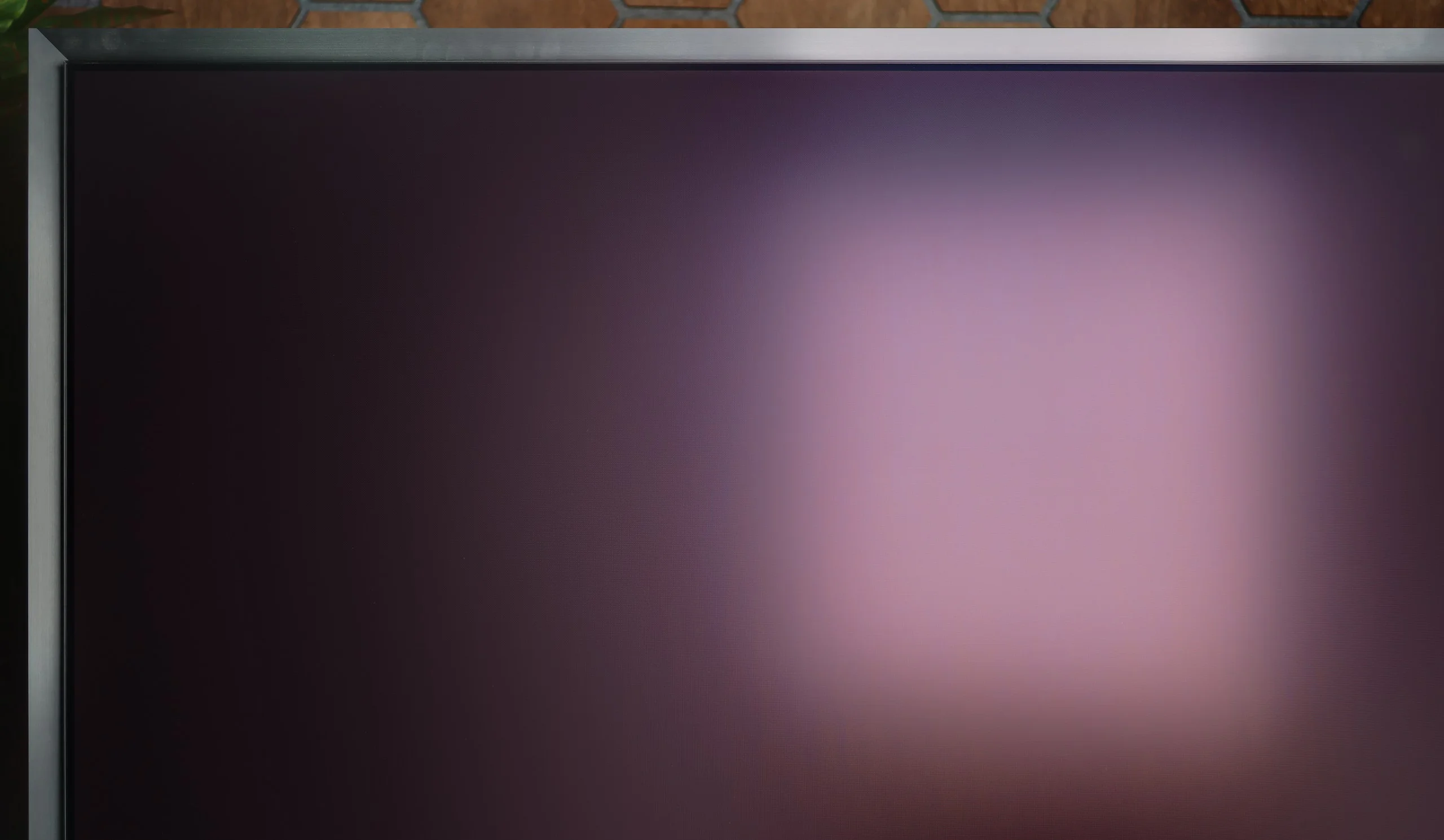
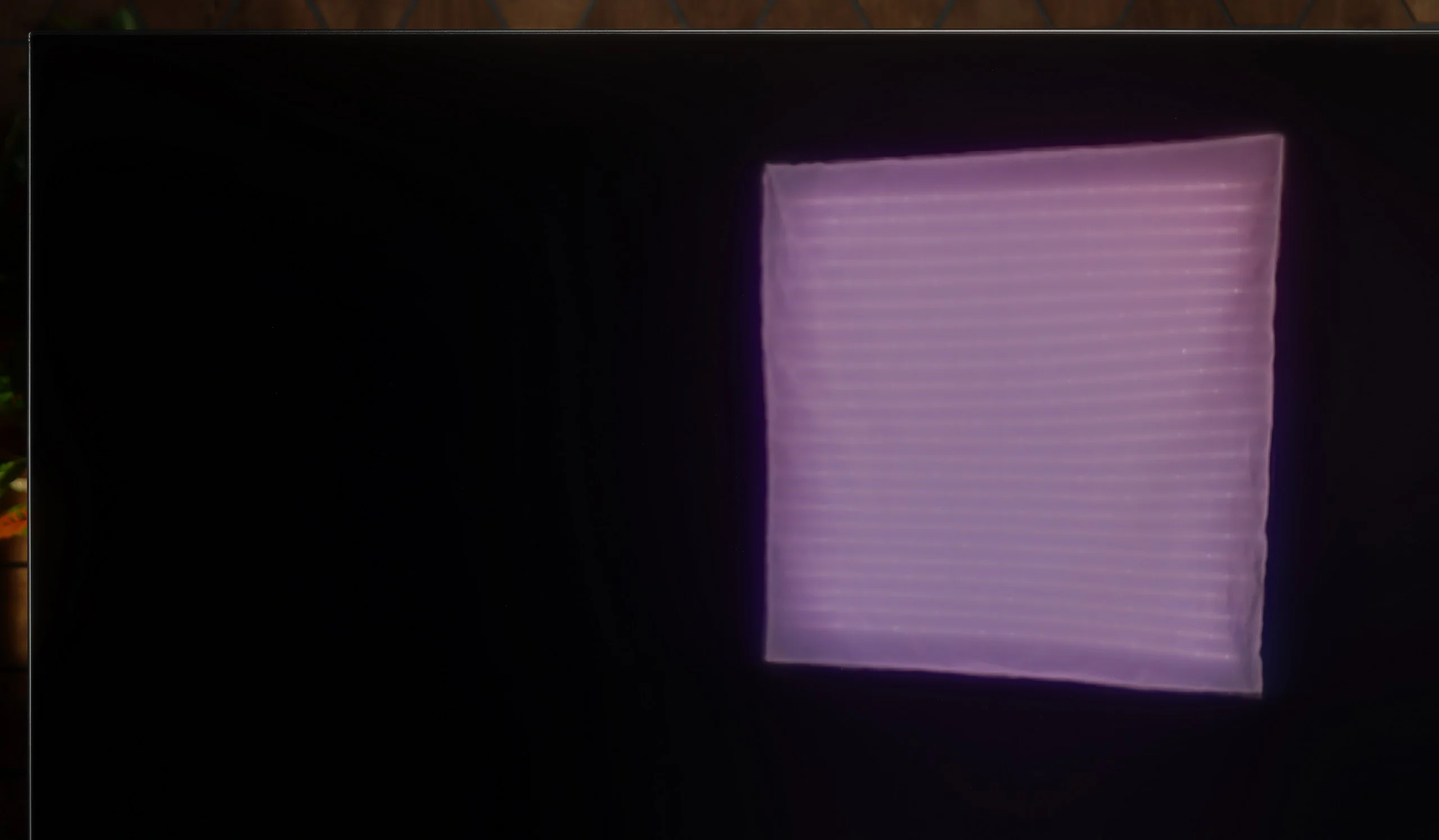
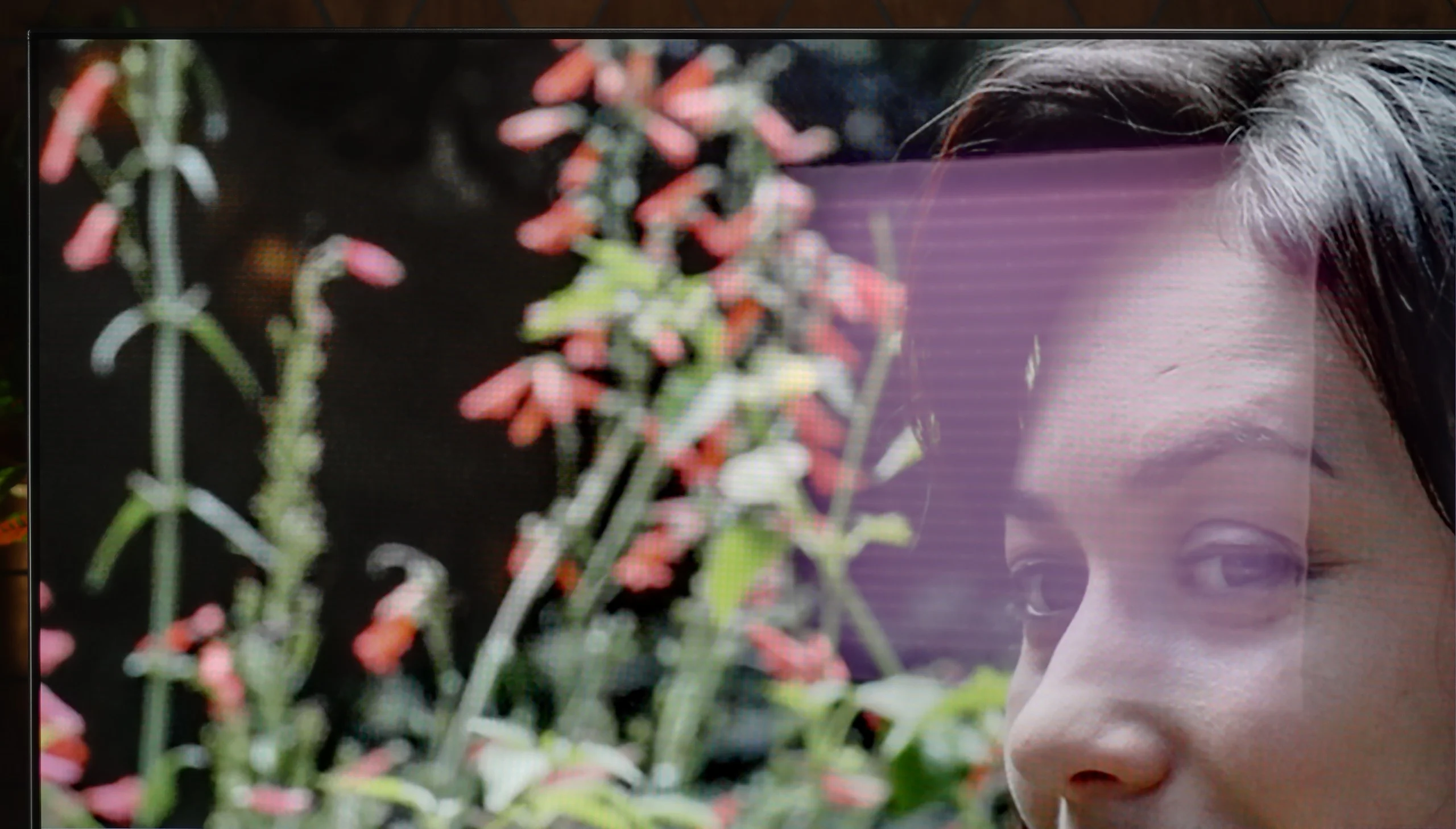
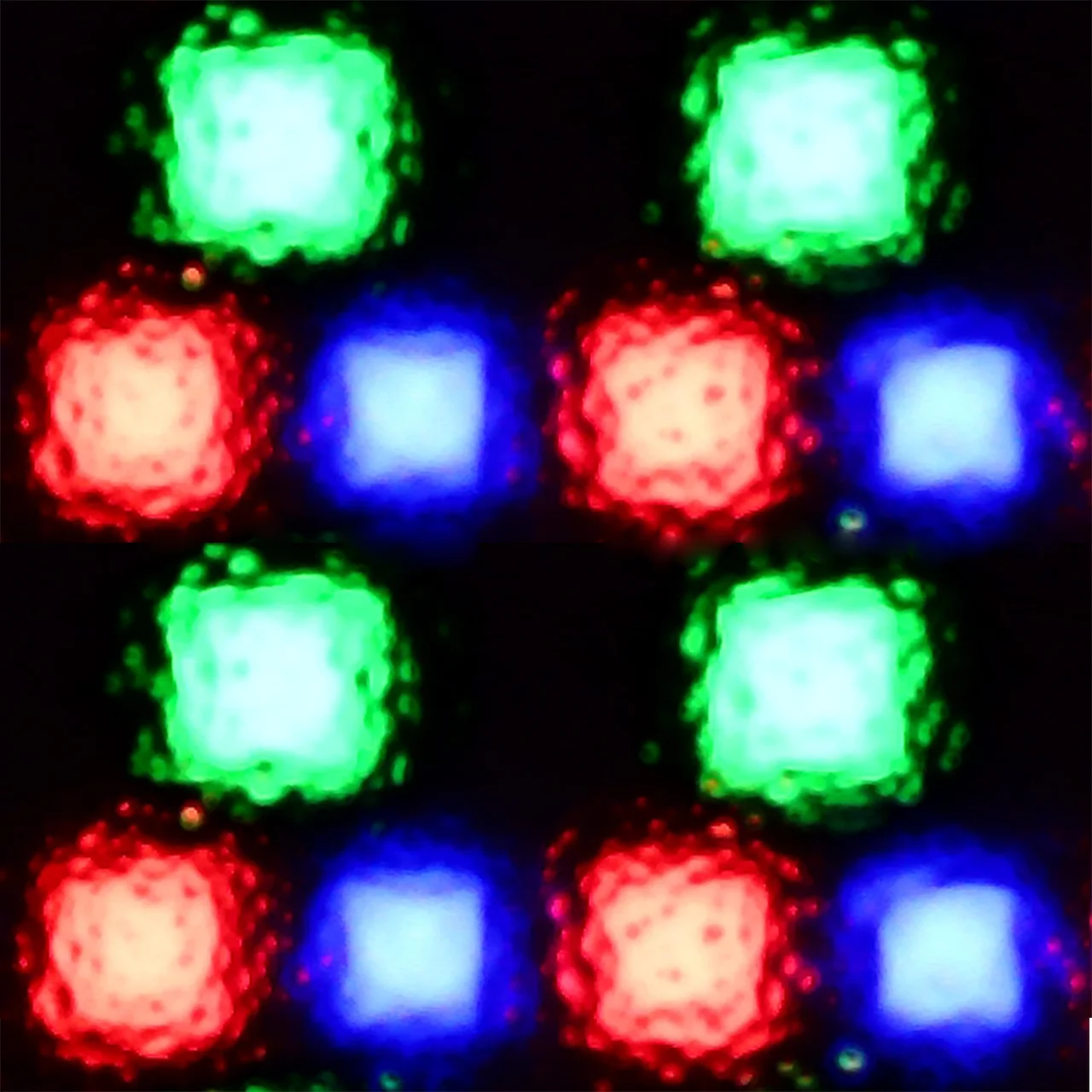
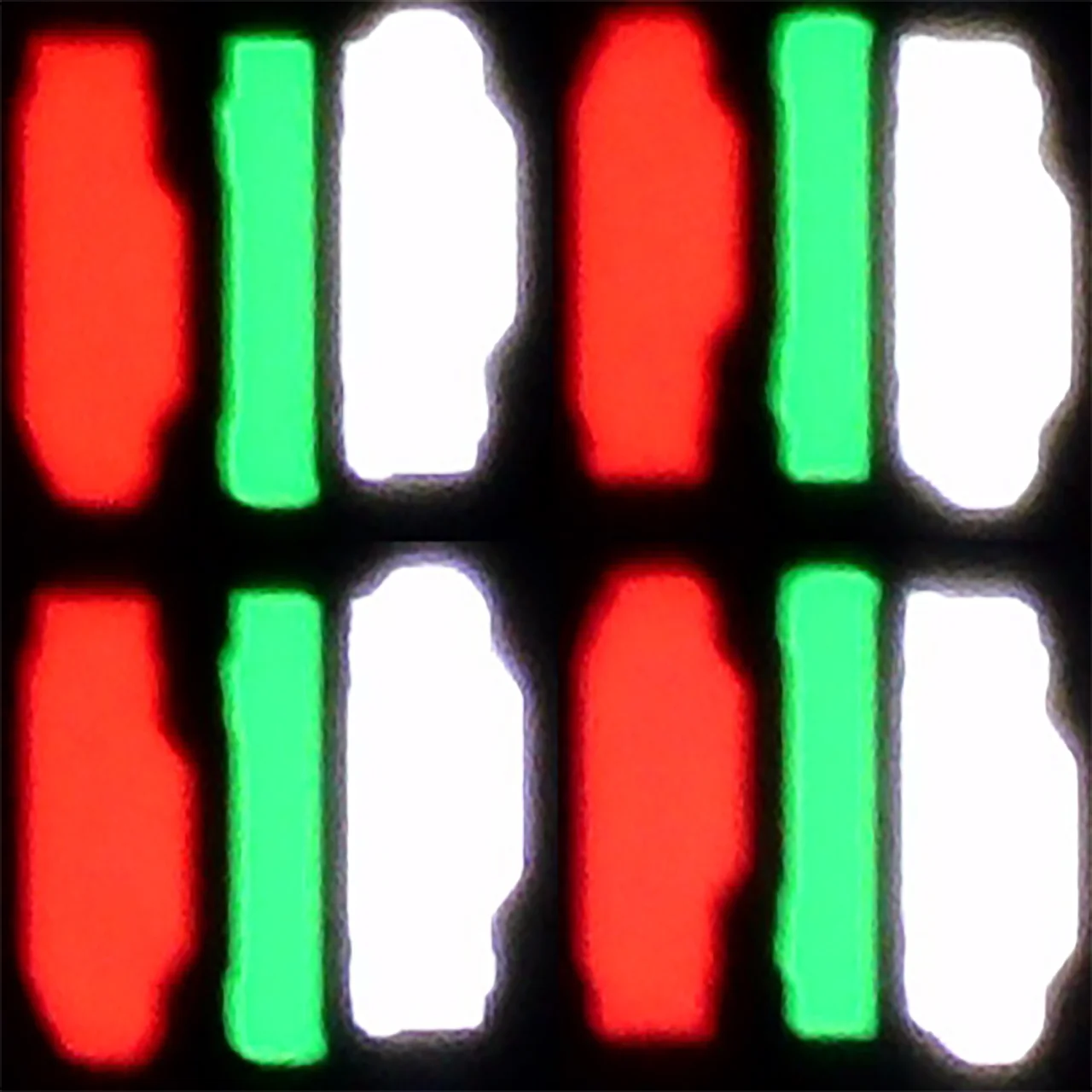
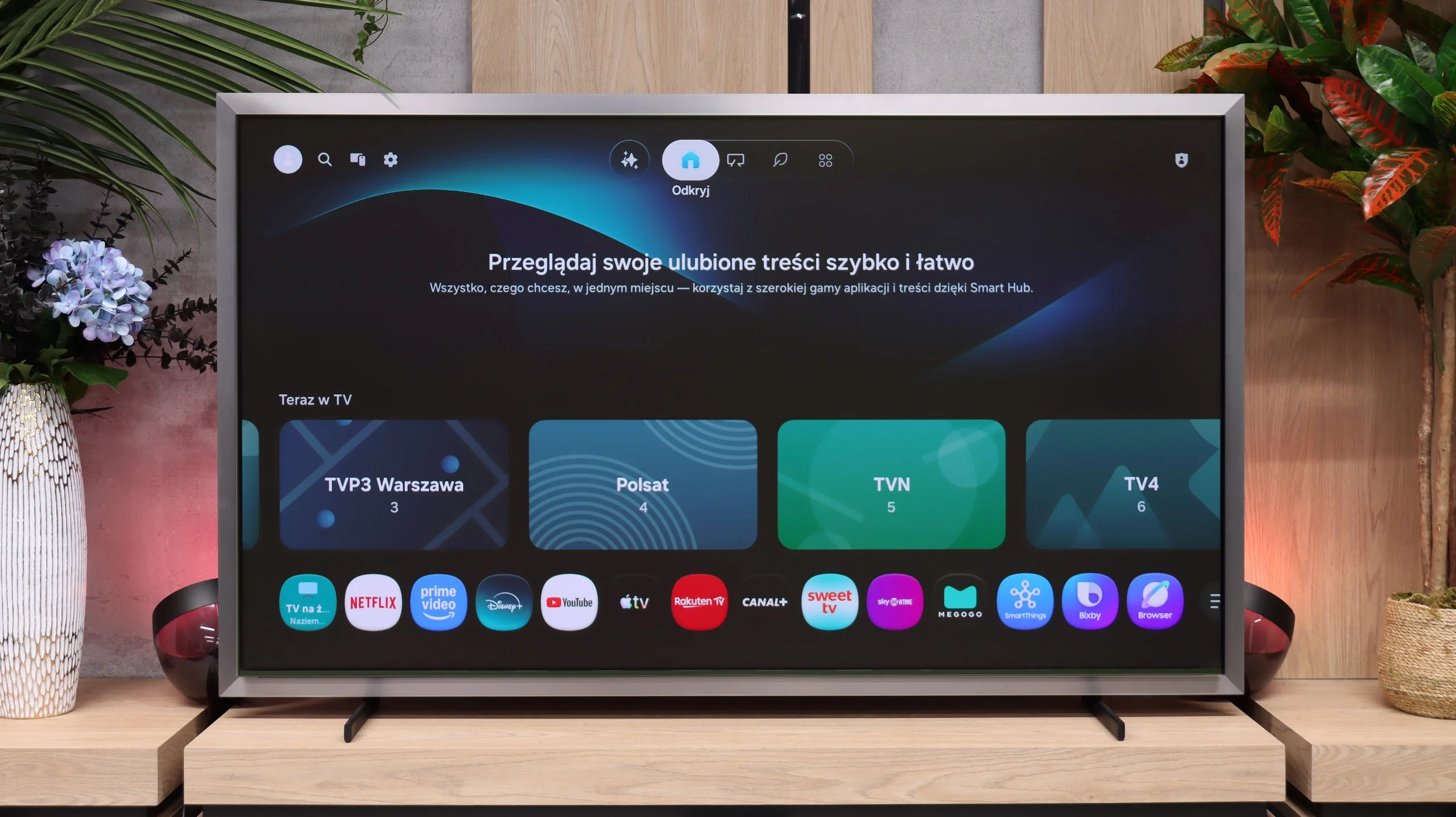
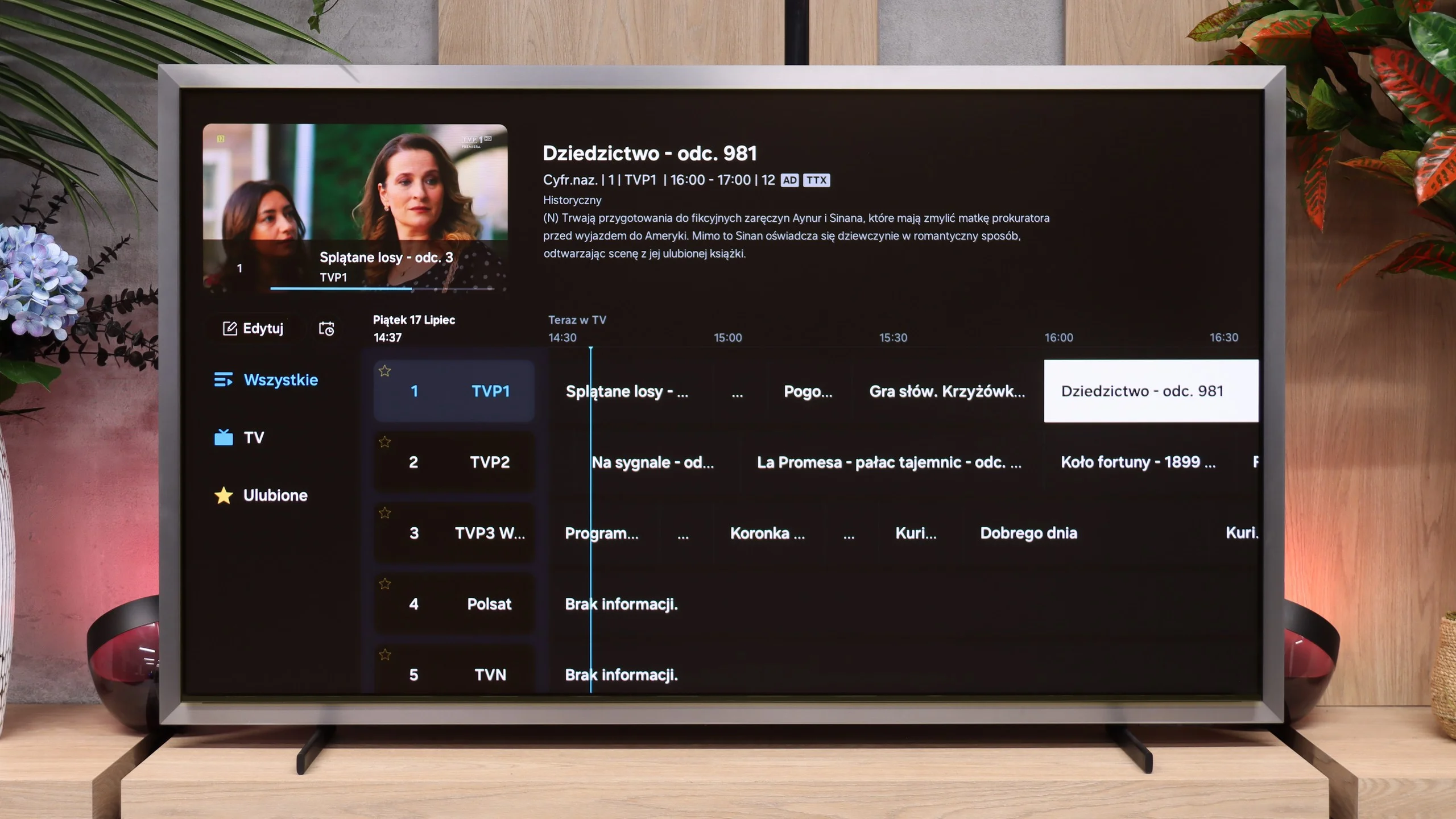
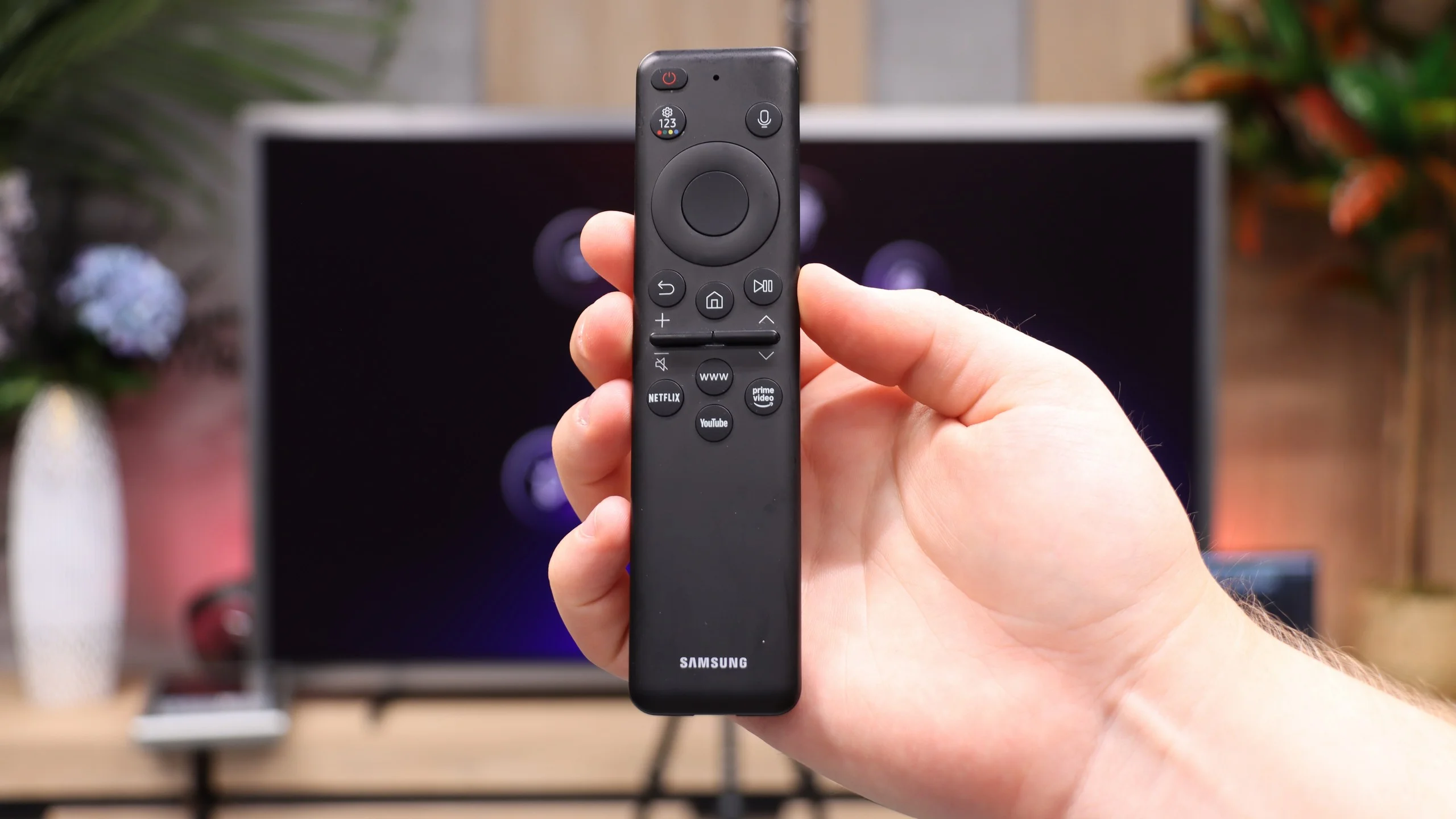
The Samsung S99H is probably the best OLED TV we’ve tested so far, and certainly the best Samsung OLED in years. In terms of picture quality it’s really hard to find a weak spot. Blacks are perfect, as you’d expect from an OLED panel, and the HDR performance impresses with brightness and colour saturation. The use of a QD-OLED panel produces an image that in many scenes looks almost reference-level. Practically every parameter related to display performance is excellent. It’s also simply a pleasure to use day to day. Tizen is fast, gives access to all the major apps and comes with seven years of update support. On top of that there are brilliant gaming features, which translated into one of the highest scores in that category on our site. The S99H will therefore perform well in virtually any situation, whether you’re watching movies in the evening, following regular TV in a bright living room, or spending several hours on a console.
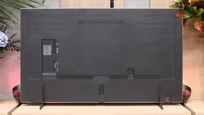
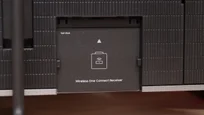
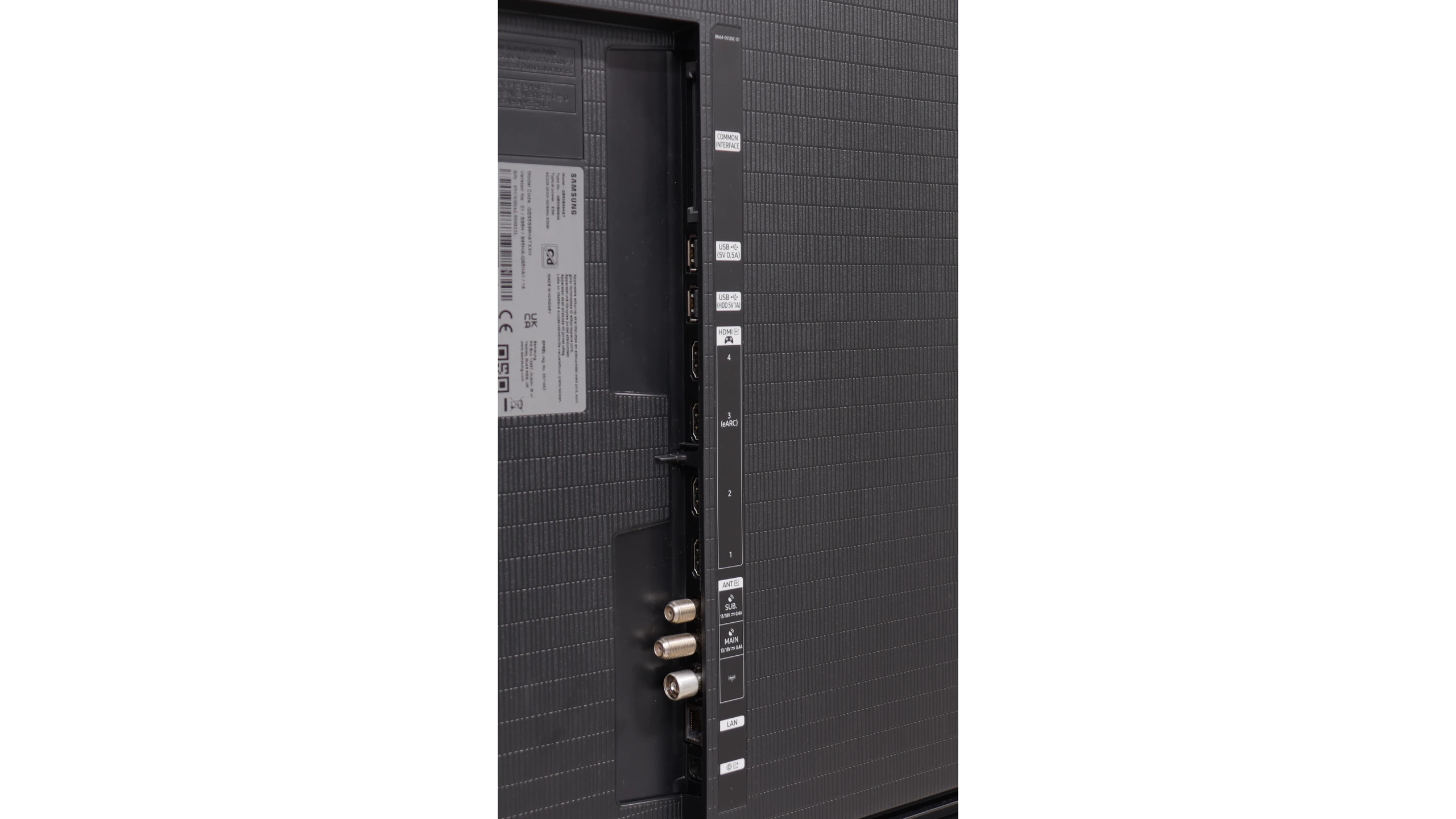
So is it the perfect TV? Not quite. The most controversial aspect is, of course, the design. Its unique look with a wide bezel means you’ll either love it straight away or be put off completely — and that’s purely a matter of taste. We can, however, judge the equipment, and in that respect Samsung left something to be desired. In a model designed primarily for wall mounting there’s no dedicated wall bracket and no One Connect module. Samsung does allow you to buy the wireless version, Wireless One Connect, but for a product at this price point those two items should, in our view, be included.
These are not faults that should rule out the model. The Samsung S99H stands on its picture above all else, and that picture is simply phenomenal. If you like the way it looks and are after the very best TV, it’s hard to point to a better choice today. At the moment the Samsung S99H is the strongest contender for the title of best TV of 2026.
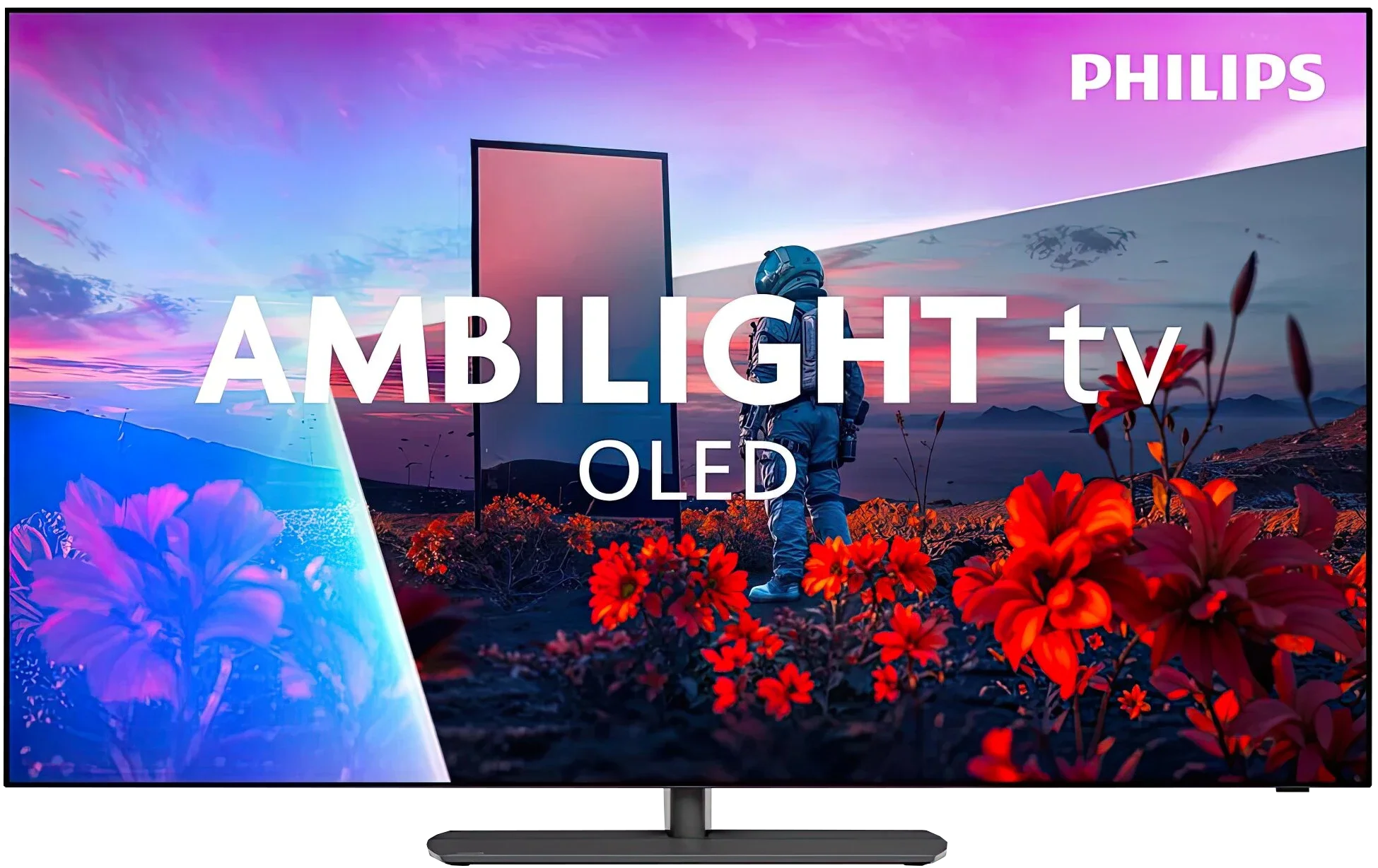
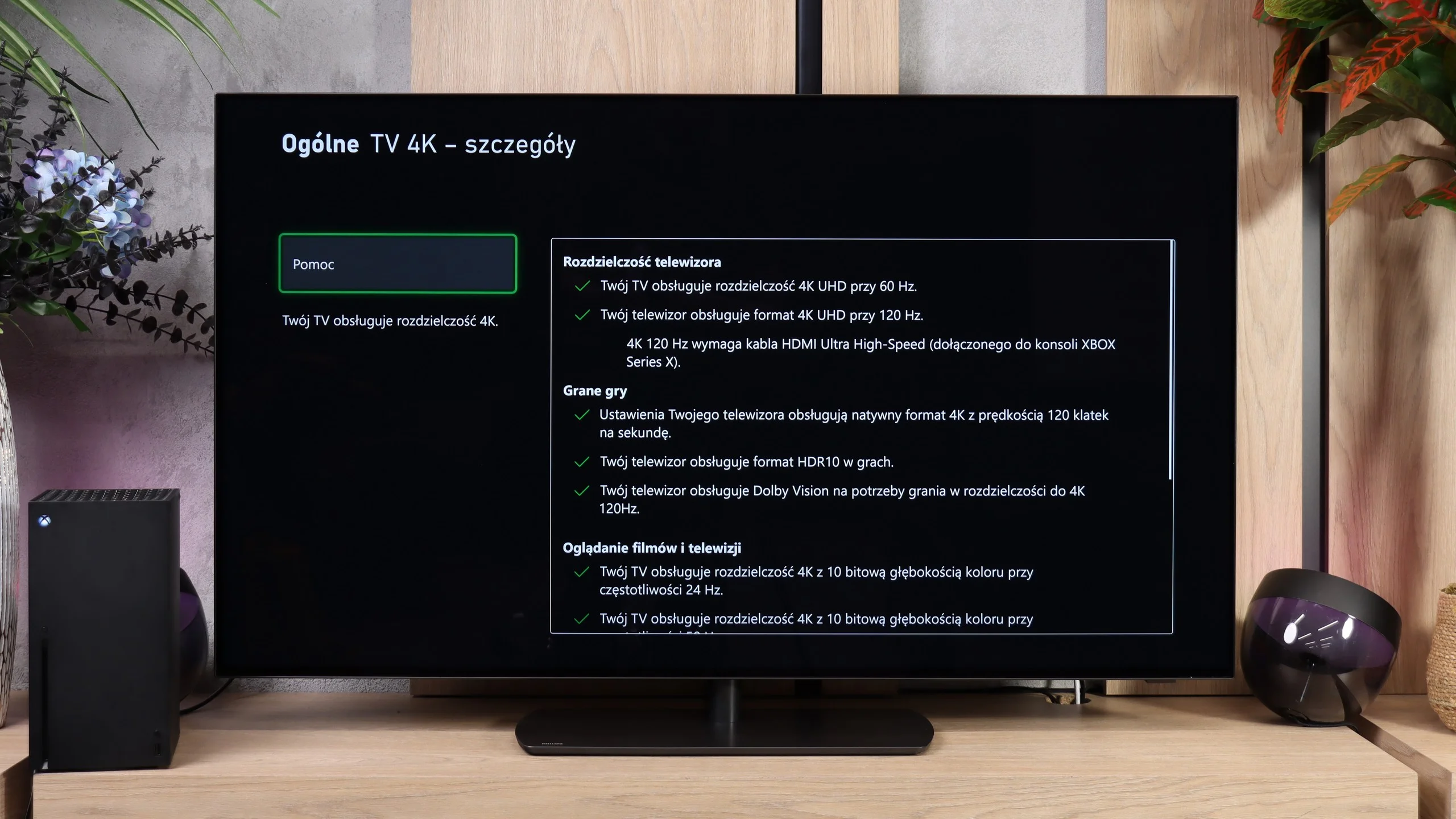
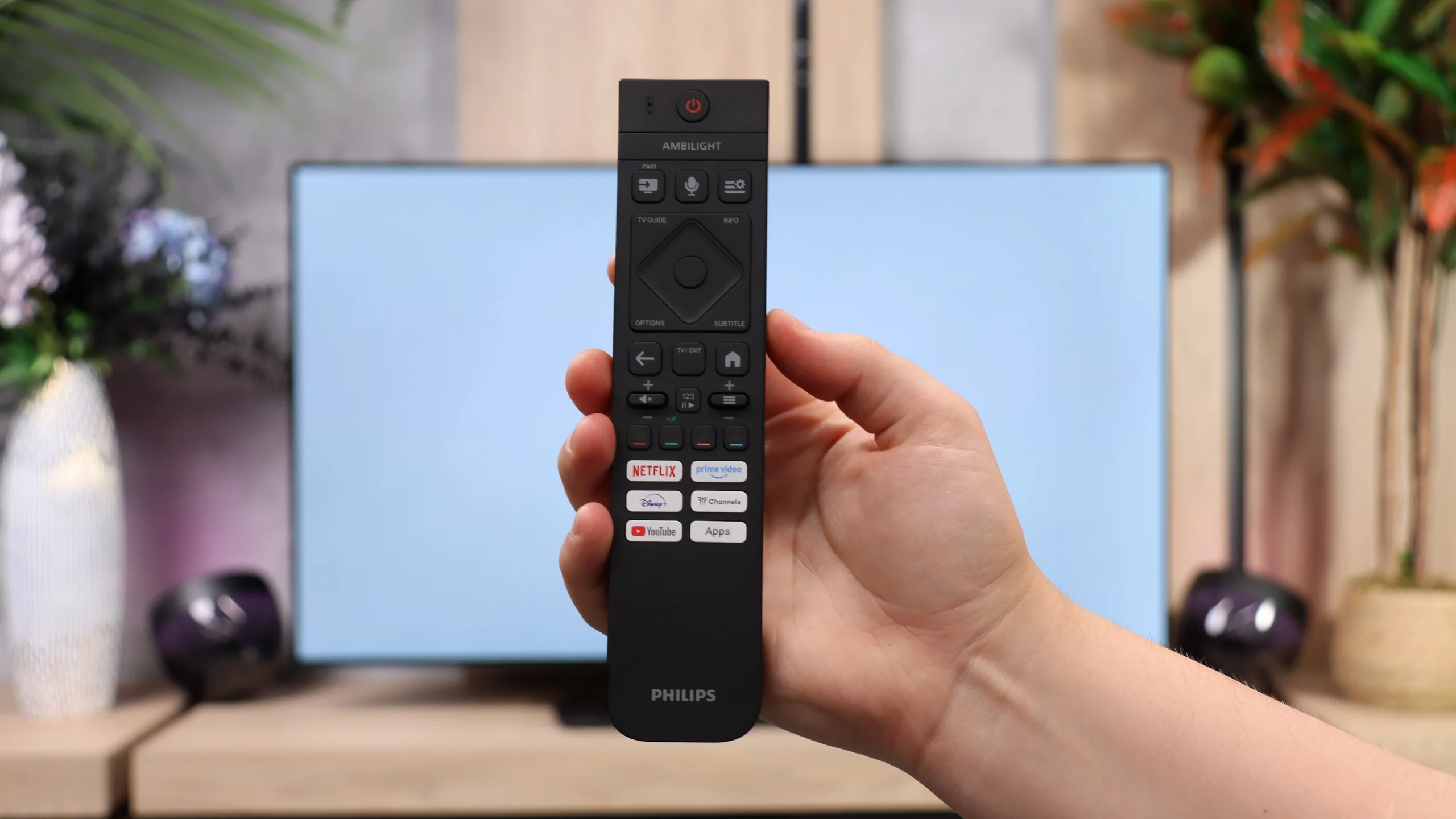
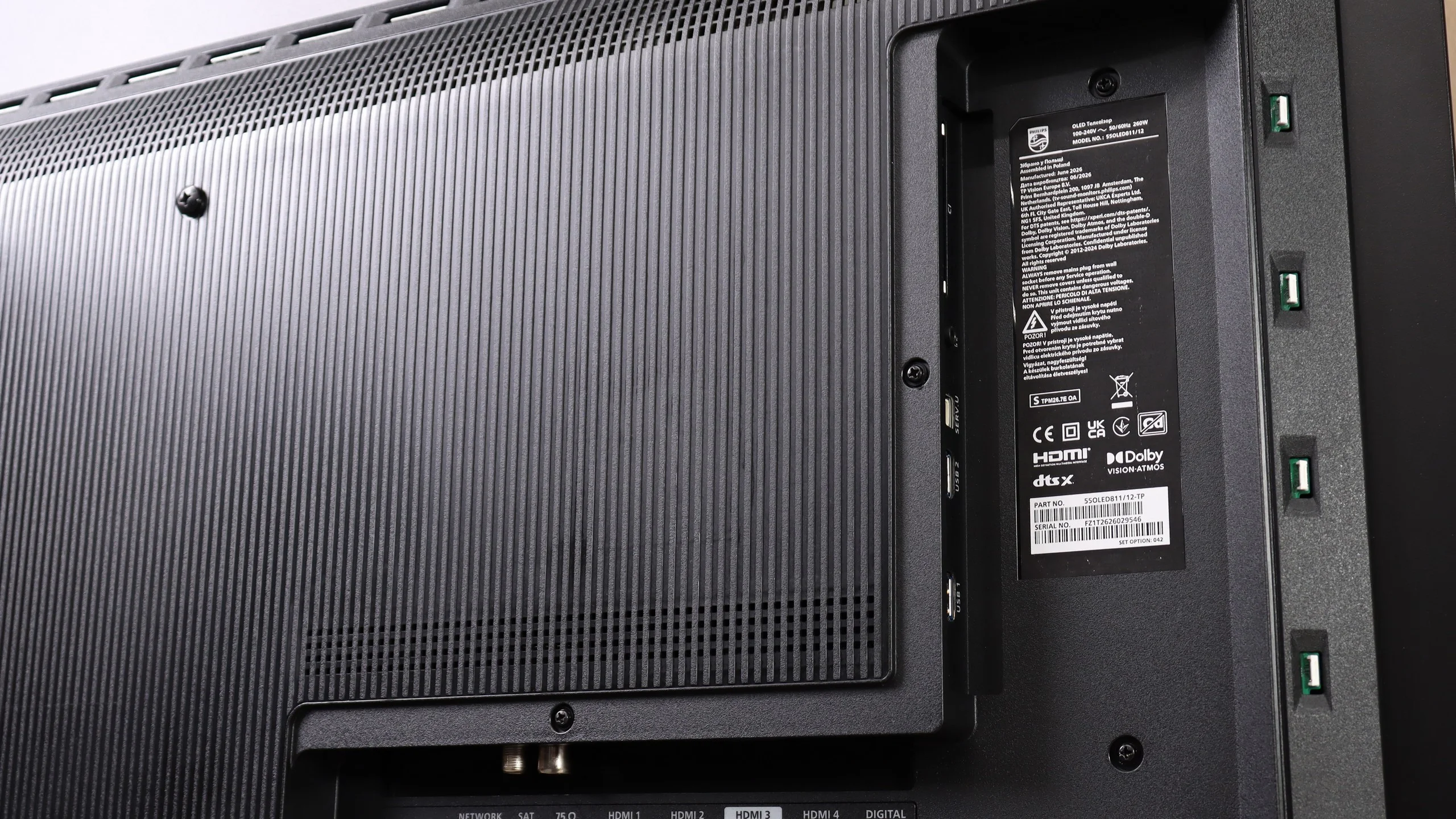
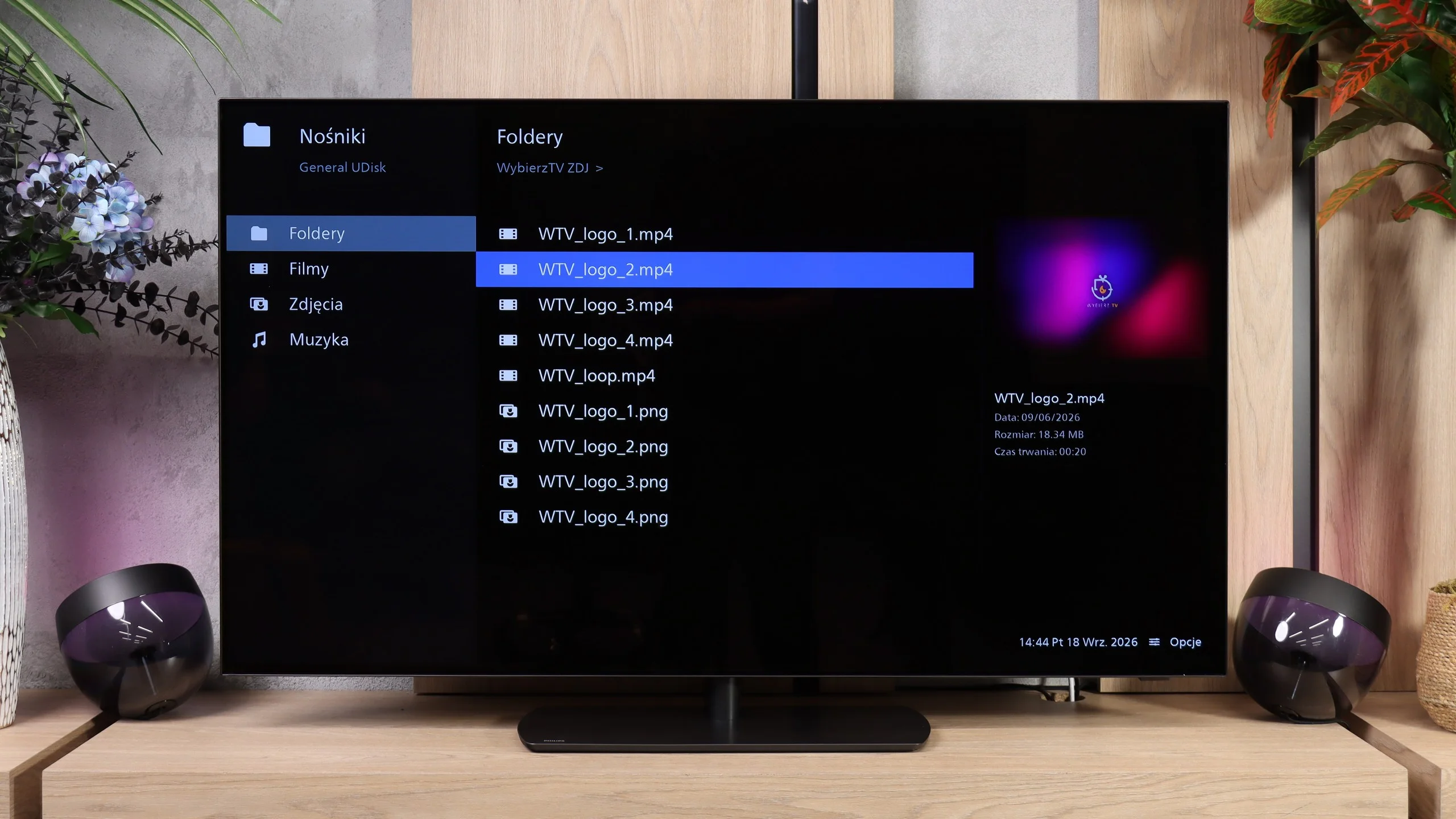
Philips OLED811 is a mid-range OLED for 2026 that stands out from its biggest rivals mainly for one thing: Ambilight. The light that follows the picture and spreads across the wall can change the mood of the whole viewing experience. In the evening the screen seems to extend beyond its frame and watching gains an extra bit of charm. For some it will be a pleasant extra, for others a decisive reason to pick Philips again. The picture itself is very comparable to what models like the LG C6 or Samsung S90H offer when using the same panel type. You get deep, perfect blacks that make bright elements really pop. The OLED811 can deliver strong HDR and, importantly, after calibration the picture is close to the reference. There’s no big advantage over the competition, but there’s also no sense that by choosing Philips for Ambilight you’re sacrificing image quality.
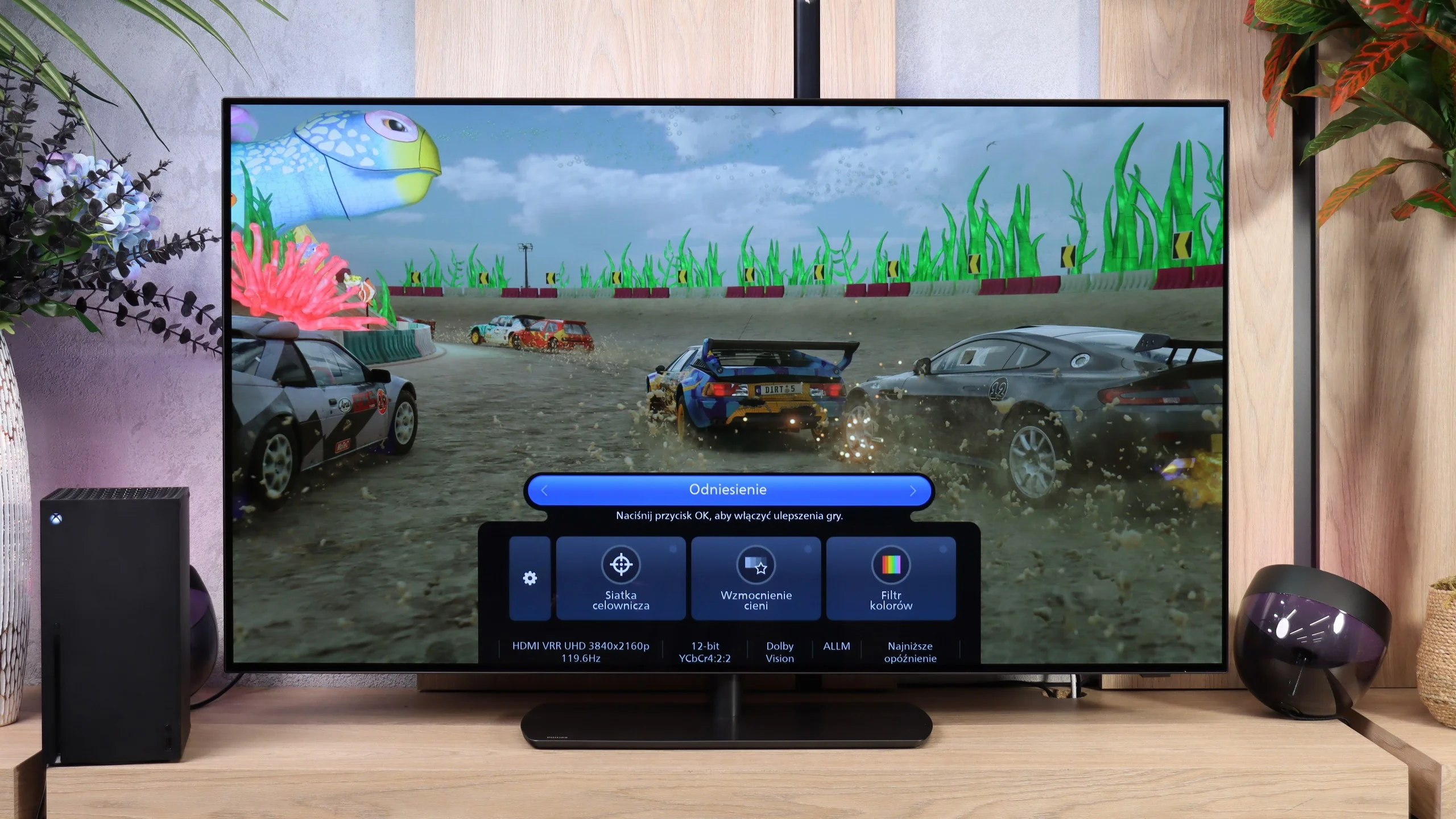
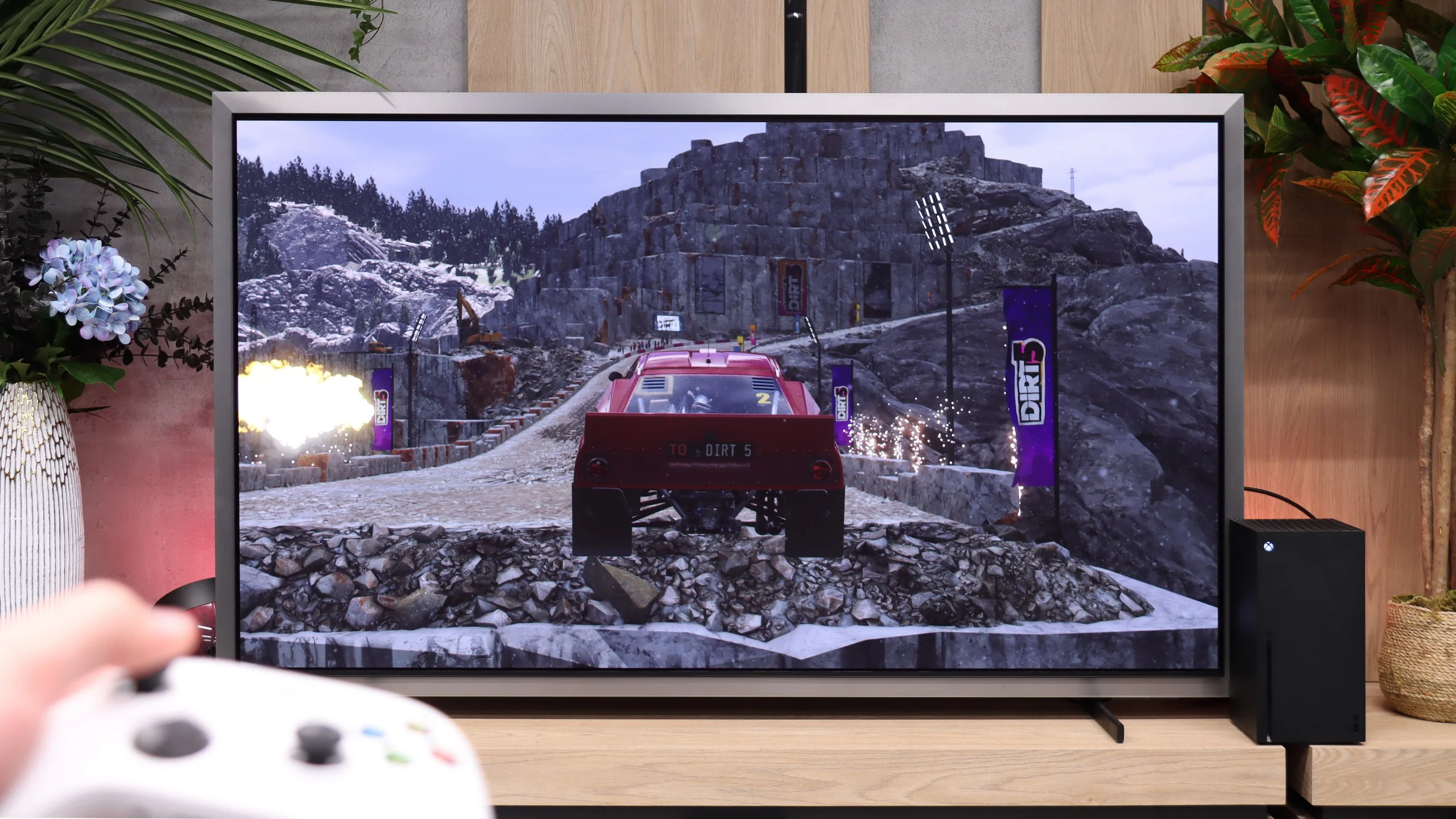
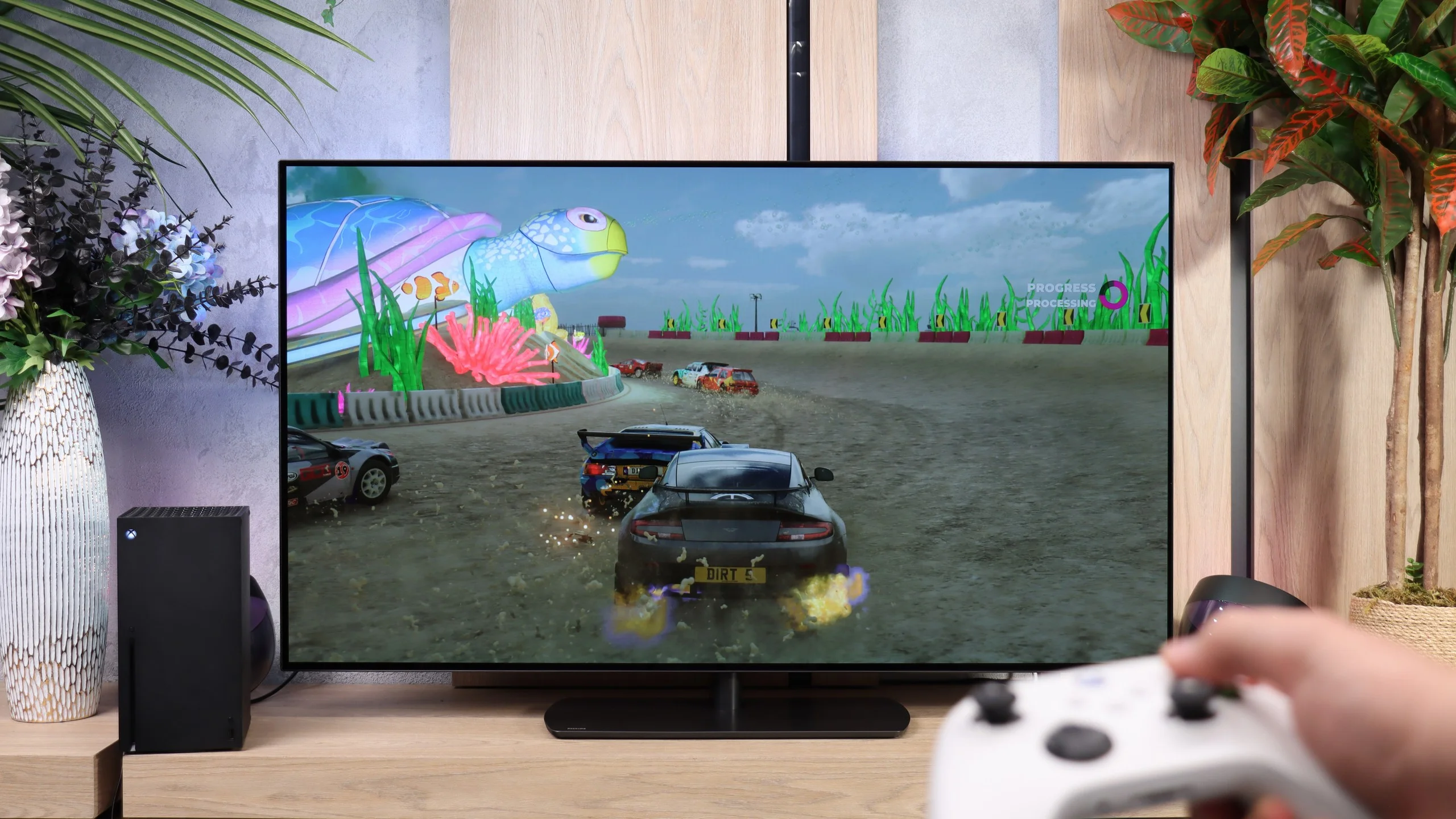
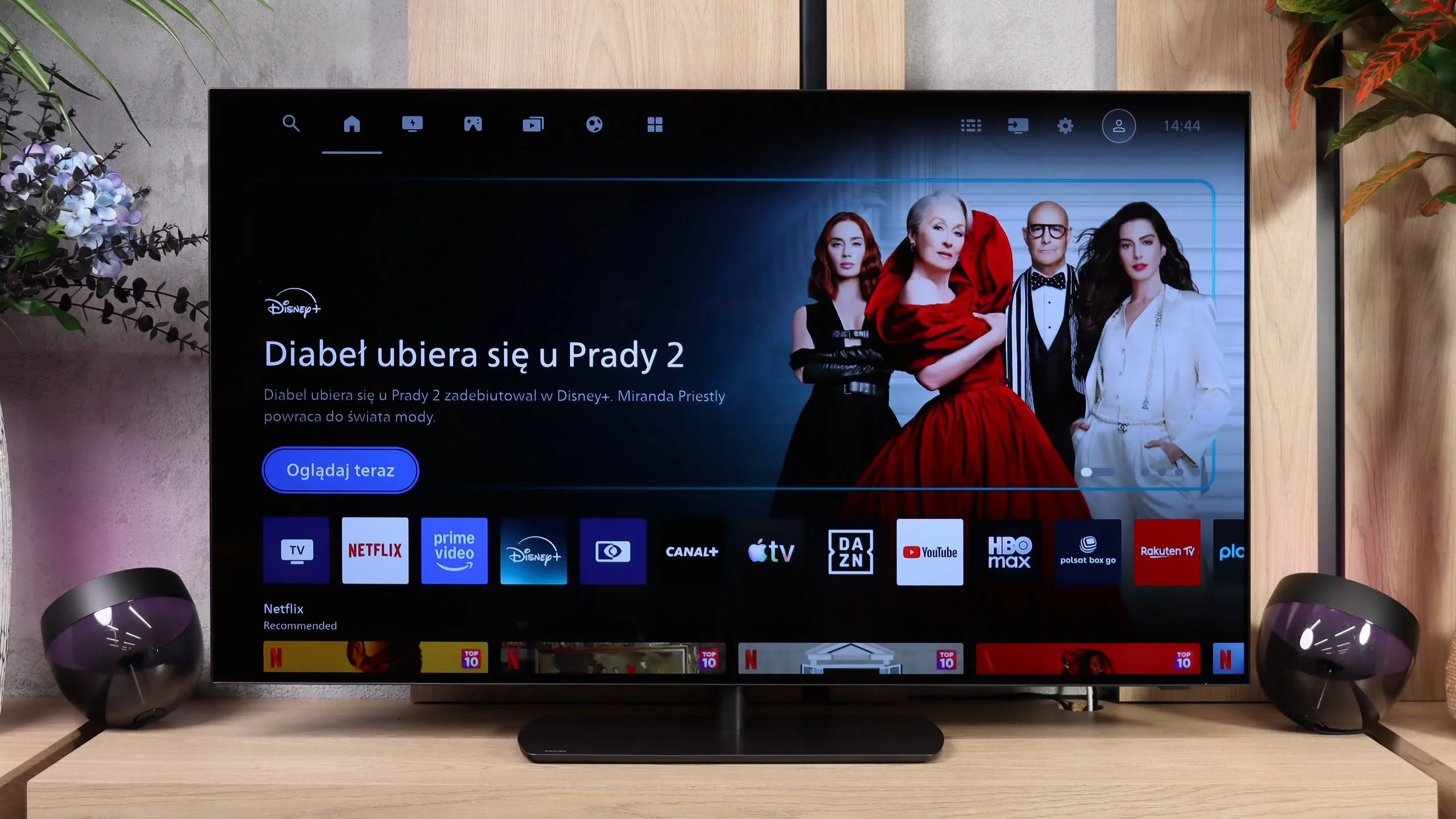
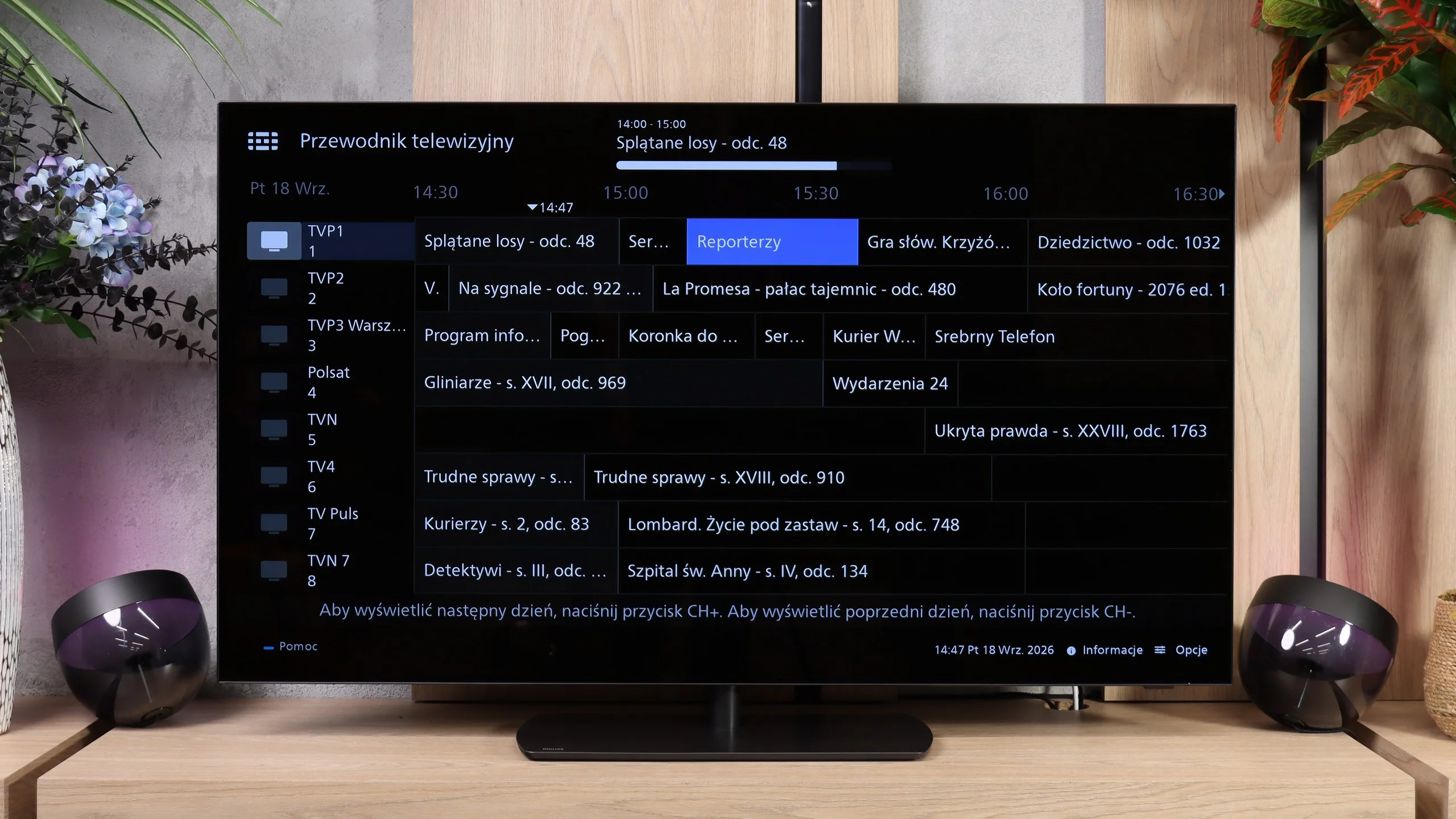
Gamers also get a few solid upgrades over last year’s model. Thanks to the MediaTek Pentonic 800 chipset we finally have four HDMI 2.1 ports, so connecting several devices, for example consoles, a PC and a soundbar, no longer means you have to decide which one gets the full capabilities of the port. Gaming itself is very enjoyable — the TV responds quickly, supports variable refresh rate, and from a PC it allows gaming in 4K at 165 Hz. It’s a pity the new processor’s capabilities haven’t been put to equally good use when processing lower-quality sources. The biggest doubts, however, concern the operating system. Titan OS replaced the popular Google TV and, although it has clearly developed over the past year, it’s still hard to call the change a good one. True, the system runs more smoothly, has more useful features, and its library already includes most popular streaming services. Still, the choice of apps is much smaller than Google’s (or the competition’s), and in our view that remains the OLED811’s biggest drawback. People using less popular services may feel that difference particularly strongly.
Is it worth buying? Yes, if Titan OS meets your needs. In terms of picture and the gaming features, the OLED811 has as much to offer as its rivals, but Ambilight gives it something others don’t. Philips therefore gives and takes a bit. It adds a unique viewing atmosphere but limits freedom of app choice. If the services you use are available, this compromise may be worth accepting.
 Direct comparison