Samsung QN95D instantly impressed us. Right from the start, we felt that the Tizen system is intuitive and quick. Quick access to streaming apps like PrimeVideo, Netflix, or MAX, along with the ability to integrate with the SmartThings ecosystem, makes using the television simply convenient. The solar remote is a clever solution – eco-friendly and practical as it allows control of other devices like a decoder (e.g. Canal+) or a soundbar. While watching movies and series, we quickly noticed the significant difference made by MiniLED technology. Thanks to the precisely functioning backlight zones, the image gained incredible depth – as confirmed by our contrast tests. The blacks are truly deep, and bright scenes using HDR stand out with excellent detail despite the absence of Dolby Vision. Additionally, high brightness combined with an anti-reflective coating enables comfortable viewing even in a sunlit room. When we played on this television, we immediately appreciated the low input lag and smooth image. The 144 Hz panel and HDMI 2.1 support guaranteed dynamic and responsive gameplay, regardless of the game. All these features made every gaming session pure pleasure, especially in dynamic titles where precision and lack of delays matter. In terms of design – worth mentioning for this television – the QN95D looks simply fantastic. The slim body, solid central stand, and Ambient Mode, which allows the screen to blend into the room's decor, lend it elegance. The included camera is an interesting addition that can be useful during video calls or when using interactive apps – like personal training through the Daily+ tab. However, let's be honest, for such an expensive piece of equipment, it wasn't without a few downsides. The lack of a recording function and support for DTS:X audio format may be a problem for users looking for that feature. Nevertheless, the Samsung QN95D is a television that combines exceptional picture quality, functionality, and elegant design. The MiniLED backlight makes a real difference here, especially if we care about deep blacks, high contrast, and excellent brightness. This device is suitable for film screenings, dynamic gameplay, and everyday TV watching.
- Matching (Score) |
- Our verdict |
- TV appearance |
- Where to buy |
- Contrast and black detail |
- HDR effect quality |
- Factory color reproduction |
- Color reproduction after calibration |
- Smoothness of tonal transitions |
- Image scaling and smoothness of tonal transitions |
- Blur and motion smoothness |
- Console compatibility and gaming features |
- Input lag |
- Compatibility with PC |
- Viewing angles |
- Daytime performance |
- Panel details |
- TV features |
- Apps |
- Playing files from USB |
- Sound
Samsung Neo QLED QN95D vs Philips PUS7000
 Direct comparison
Neo QLED / QN95


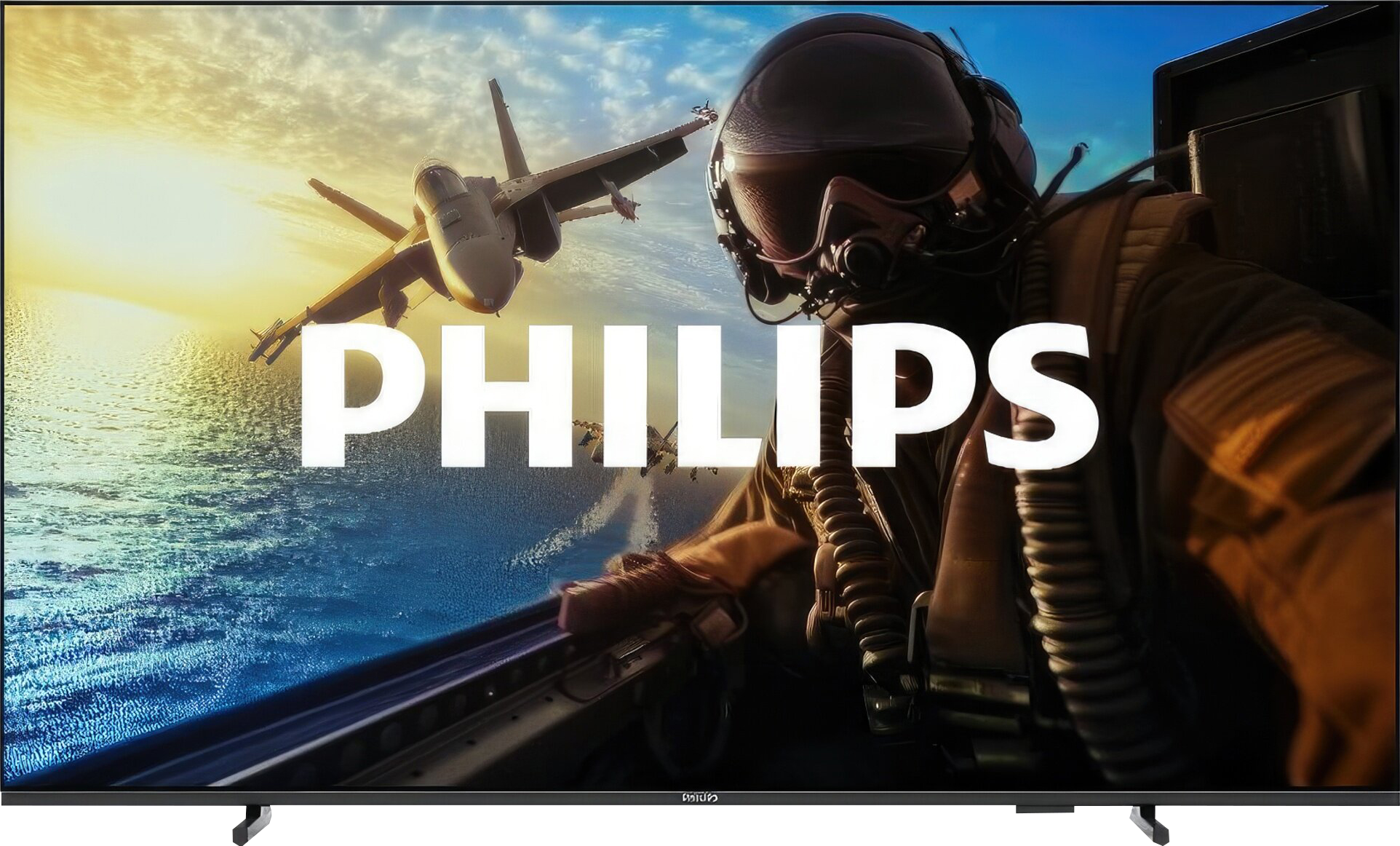
Panel type: LCD VA (wide viewing angle)
Resolution: 3840x2160
System: Tizen
Model year: 2024
Complete the survey to find out the result
Panel type: LCD VA
Resolution: 3840x2160
System: Titan OS
Model year: 2025
Complete the survey to find out the result
Overall rating
7.8
5.3
 Movies and series in UHD quality
 8.0
4.8
 Classic TV, YouTube
 8.1
5.7
 Sports broadcasts (TV and apps)
 7.7
4.9
 Gaming on console
 9.2
6.5
 TV as a computer monitor
 8.6
5.8
 Watching in bright light
 6.5
3.5
 Utility functions
 6.7
5.0
 Apps
Apps 9.3
6.7
 Sound quality
 7.0
5.8
Complete the survey to find out what fits your preferences
Advantages

Excellent brightness - great for HDR content
Very good contrast
Fantastic choice for gamers (HDMI 2.1 4K@144Hz, low input lag)
Wide viewing angles - unusual for this type of panel
Modern design
Camera included
Attractive price
High contrast VA panel
Very low input lag
Gaming features – presence of VRR, ALLM, and a dedicated Game Bar
Supports HDR10+
Quite decent image processing (for such a cheap TV)
Good readability of fonts – suitable as a large monitor
Backlit remote with numeric keypad
Disadvantages

No recording support
No DTS format support - may pose a problem for Blu-ray users
Very low brightness – 200 nits
No Ambilight
Lack of any features to improve fluidity makes the image feel very "raw"
Titan OS system – the interface is slow, lacking many popular applications
The remote works on infrared
Our verdict
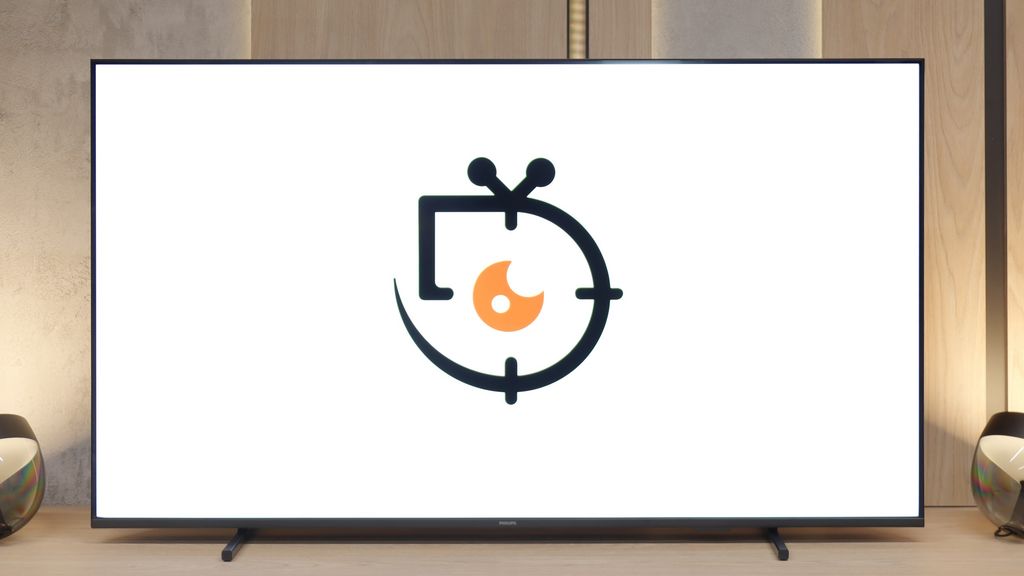
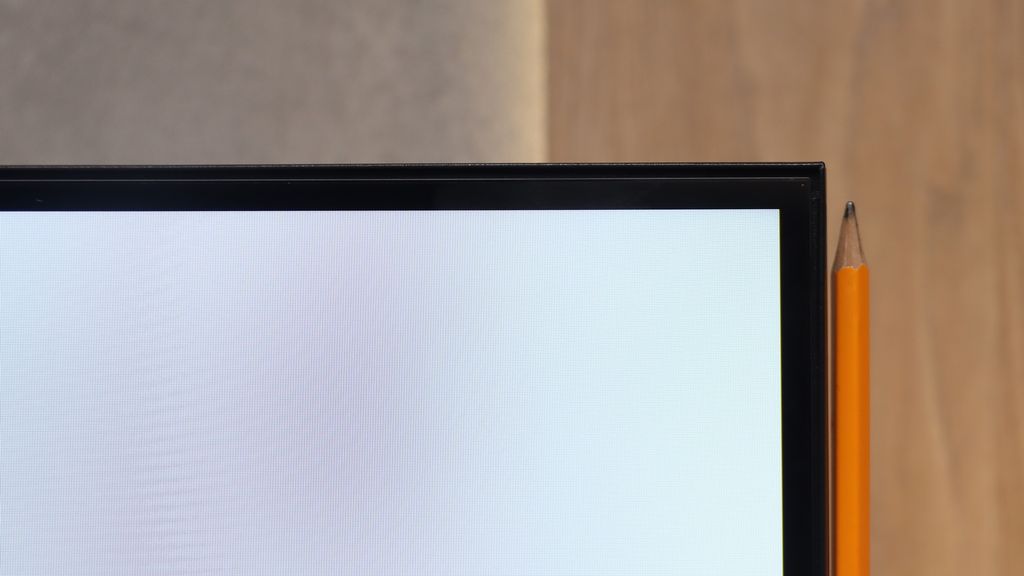
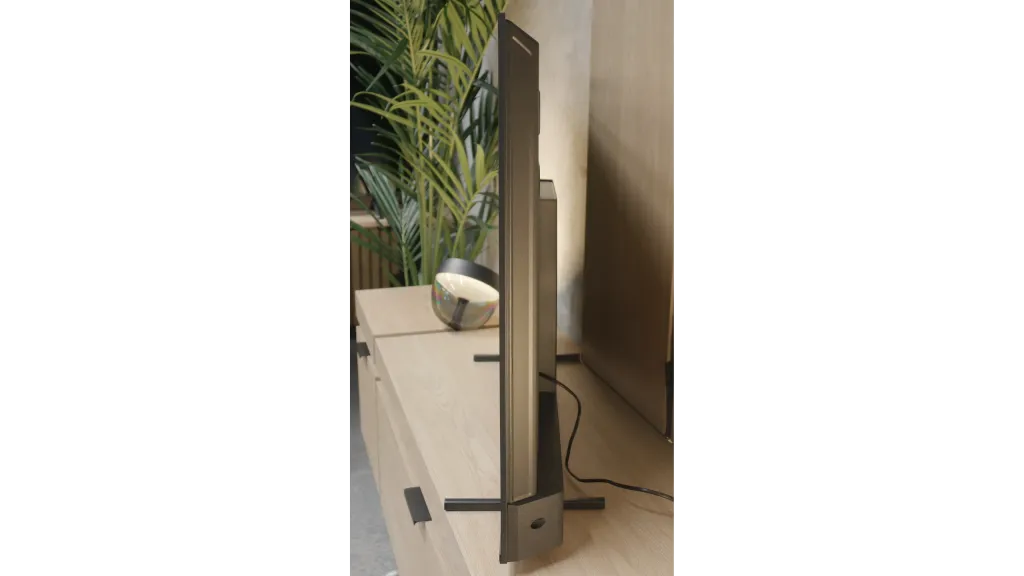
If you're looking for a specific reason to buy the Philips PUS7000, the price is pretty much it. This model is primarily meant to be cheap, and it fulfills that role perfectly. It could be a decent choice for someone who is still using an old Full HD screen and wants to finally upgrade to 4K without emptying the wallet. Interestingly, even though this is a "budget 60 Hz" model, Philips hasn't forgotten about gamers. We get VRR and ALLM, which realistically improve the gaming experience when connected to a console and make everything quite responsive. But... indeed. The biggest problem with this TV is its brightness, or rather the lack thereof. 200 nits is a figure that makes the PUS7000 simply capitulate on a sunny day. The picture will be pale and not very clear despite the fact that it features a high-contrast VA panel. HDR is essentially just a label on the box here. With such a dim panel, HDR materials look artificial and simply lack the necessary punch, so it's better to forget about them and stick to standard SDR. Is it worth buying? At this price, every manufacturer makes similar compromises, so the PUS7000 doesn’t drastically stand out from the other budget screens. The question is whether you'll get along with the Titan OS system, which is still a bit raw and lacks many apps that are standard with competitors. Given today's prices, where Chinese brands like TCL and Hisense are churning out QLEDs and Mini-LEDs like there’s no tomorrow, the Philips PUS7000 faces a really tough battle. If you value the logo of a well-known brand and a low price: you can go ahead. However, if you’re looking for picture quality... it’s better to double-check your budget before making a purchase.
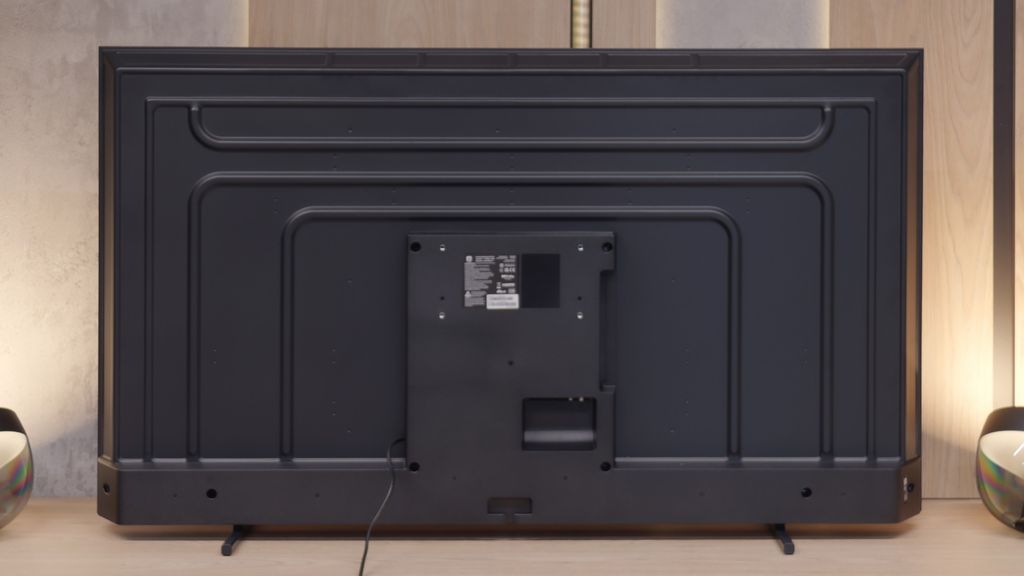
TV appearance



Contrast and black detail
8.3/10
5.9/10
Local dimming function: Yes, number of zones: 1344 (24 x 56)
Local dimming function: No
Contrast:


Result
∞:1

Result
218,000:1

Result
61,000:1

Result
10,500:1

Result
4,900:1
Result
5,950:1
Result
4,950:1
Result
5,500:1
Result
5,550:1
Result
5,150:1
Halo effect and black detail visibility:

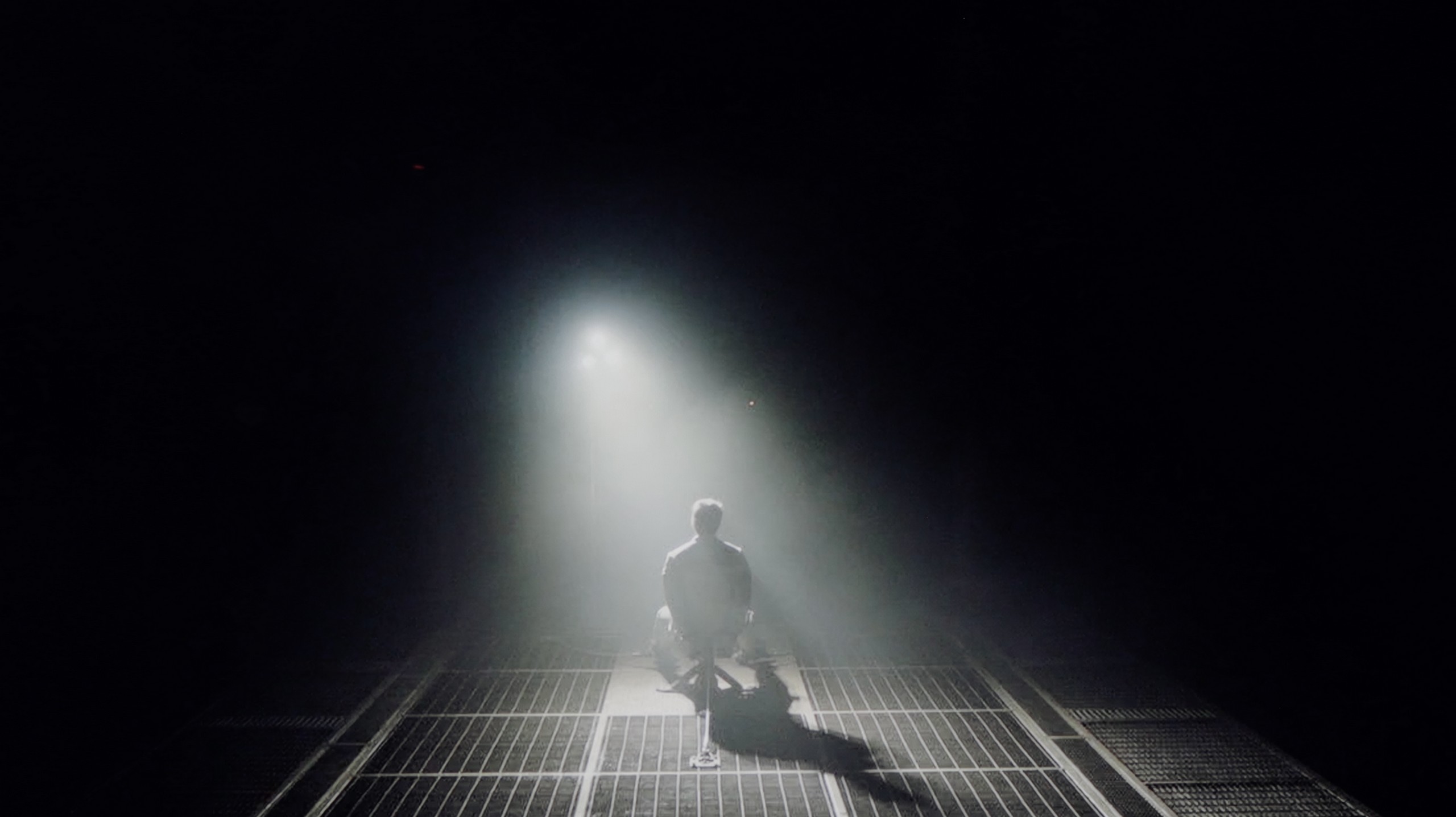
Check the visibility of bright lights on a dark background. Mini-LEDs often struggle with this. The photo does not compare black levels – that’s what the video below is for.
The video accurately shows differences in contrast and black levels between TVs, as well as potential issues: halo around bright objects or Mini-LED zone operation visible as brightness jumps.
Samsung QN95D is a television that certainly catches the eye thanks to its use of a VA panel and innovative Mini LED backlighting. This model stands out with an impressive count of 1344 local dimming zones, providing an exceptional level of contrast and depth of black. It's worth noting that the number of backlighting zones can vary depending on the screen size — in larger models, these zones naturally increase, allowing for even better performance in terms of contrast and black levels. Mini LED, with smaller diodes, allows for more precise backlight control, significantly enhancing the quality of the displayed image. The tested 55-inch model excels at reproducing details, and its ability to adjust brightness in different parts of the screen results in a phenomenal visual effect. During our tests, Samsung QN95D on the test pattern from the film "Oblivion" surprised us with results that could compete with OLED televisions, offering nearly reference-level contrast. However, how does the television perform in more challenging conditions? In more demanding scenes, the local dimming algorithm may exhibit certain imperfections. In some cases, small bright elements on a dark background may lose a lot of brightness, which we noticed during tests with the Pioneer Kuro test disc. Additionally, when we take a closer look (e.g., a scene from the film Sicario 2), certain flaws become apparent. The television sometimes struggles with brightness optimisation — in some scenes, it dims elements too much, while in others, it brightens the screen too intensely. These phenomena can be noticeable enough to draw the viewer's attention, especially in demanding night scenes. However, if we do not pay too much attention to the mentioned imperfections, Samsung QN95D proves to be one of the best choices in terms of black depth among displays with MiniLED technology.
The model PUS7000 we tested, measuring 55 inches, is equipped with a VA panel. This is crucial for black quality, as in such budget constructions, we won't find local dimming systems that could assist the screen in dark scenes. Therefore, all the work relies on the panel itself, which, thanks to its characteristics, offers decent contrast at a level of 6000:1. In practice, this translates to significantly better experiences during evening viewings compared to competing TVs with IPS panels. The blacks here are better separated from bright elements, so dark parts of the image don’t appear washed out, and details in the shadows remain visible. However, it’s worth noting that with completely turned off lights, the black may slightly lean towards shades of navy blue and won't be as perfectly “pitch-black” as in more expensive models. To mitigate this effect and improve the perception of depth, it’s advisable to watch the TV with some light, additional illumination in the room. Usually, this problem was somewhat resolved by the well-known Ambilight system in Philips TVs, which optically increases contrast through the glow on the wall. Unfortunately, in the PUS7000 model, the manufacturer opted to seek savings, which is why we won’t find this lighting system here, which is standard in higher series like PUS8000.
HDR effect quality
6.7/10
3.3/10
Luminance measurements in HDR:

Result
1798 nit

Result
542 nit

Result
805 nit

Result
269 nit

Result
1528 nit
Result
193 nit
Result
202 nit
Result
197 nit
Result
209 nit
Result
230 nit
Scene from the movie “Pan” (about 2800 nits)


Scene from the movie “Billy Lynn” (about 1100 nits)


The photos show two HDR10 movies. 'Pan' is one of the brightest productions ever made, while 'Billy Lynn' (soldier) has brightness typical of streaming (Netflix, Prime, HBO MAX). Notice the intensity of effects and detail in whites.
Static HDR10


The photos present the visibility of white details in various HDR formats. They do not show brightness differences between TVs (these can be compared in the previous gallery).
Dynamic: HDR10+
Dynamic: HDR10+


The photos present the visibility of white details in various HDR formats. They do not show brightness differences between TVs (these can be compared in the previous gallery).
HDR luminance chart:
Philips PUS7000
Samsung Neo QLED QN95D
Samsung QN95D handles HDR exceptionally well, achieving peak brightness around 2000 nits. In tested movie scenes where the screen is fully illuminated, the TV delivers intense and realistic HDR content reproduction, significantly enhancing the quality of visual experiences. However, similar to the contrast, the dimming algorithm can sometimes exhibit limitations. Despite a significant number of Mini LED zones, the TV won’t amaze users with incredible lighting. For example, in scenes from "Life of Pi," where a bright moon appears against a dark background, and in segments of "Sicario 2," featuring intense lighting effects on a dark backdrop, the TV shows very poor performance. During such moments, the TV attempts to reduce the halo effect by dimming the image to a level reminiscent of SDR quality. This results in deep and uniform blacks, but at the cost of losing some details in bright areas. It’s a compromise aimed at maintaining the best possible black quality, although it does make the image lose some of its dynamism. Despite some flaws in the local dimming algorithm's performance, this TV deserves praise for its wide coverage of the DCI-P3 colour gamut. This is made possible by the use of a quantum dot coating, also known as QLED technology, which allows for vibrant and rich colours.
Unfortunately, the PUS7000 is not suitable for watching HDR content. This screen is simply too dark. A brightness level of 200 nits is insufficient to display this format correctly. Even if a HDR signal message appears on the screen, the image will resemble a standard SDR recording. Therefore, it’s better to stick with the latter format to avoid errors in displaying bright scenes, as you will read below. The situation is worsened by the fact that this is a classic LCD model without additional layers that improve colours, such as QLED or PFS. As a result, colours in HDR may seem washed out. Ultimately, this provides a worse effect than in the standard SDR format, which is simply better suited to the capabilities of this panel.
Factory color reproduction
5.9/10
5.3/10


This gallery shows how colors change after professional TV calibration. If you notice the difference, we recommend ordering this service at SkalibrujTV.com.
Factory Mode
After calibration


This gallery shows how colors change after professional TV calibration. If you notice the difference, we recommend ordering this service at SkalibrujTV.com.
Factory Mode
After calibration
In the category of factory colour reproduction, the Samsung QN95D television has been tested in Filmmaker mode, which offers the best settings from the manufacturer. However, it is not entirely free of flaws. For HD content, there is a significant colour discrepancy, particularly in the white balance, where the red colour clearly dominates the graph. The situation improves with 4K HDR content, but there are still significant drops in blue colour reproduction. These effects can be observed in a scene from the film "Star Wars," where the main character is rendered in overly warm tones.
In terms of contrast, the gamma graph shows a large initial spike, indicating that the television effectively highlights the brighter parts of the image. However, at the end of the graph, we notice a significant drop, which may mean that details may be lost in darker tones. This shape of the gamma curve can affect how users perceive dark scenes, where some details may become too blurred or too dark, causing the image to lose clarity. It's also worth noting the curve corresponding to brightness (EOTF), which is quite correct, except for the initial drop.
Although the Samsung QN95D boasts impressive specifications and advanced technologies to earn the title of one of the best televisions on the market, it requires some improvements in colour reproduction and contrast to fully realise its potential.
We tested the television in movie mode, which theoretically should provide the best and most natural colours. And indeed, this mode is quite correct; however, when we connected the calibration equipment, its biggest flaw became apparent. The PUS7000 has significant shortcomings in displaying reds. Poorly tuned white balance and too low saturation of this colour cause the image to appear too cool. As a result, one might get the impression that the displayed content lacks vibrant colours. The situation is worsened by the fact that both SDR and HDR content are excessively brightened. This is confirmed by the gamma curve and EOTF graphs, which show that the television displays the image brighter than it should. This causes scenes to lose their depth and can make them seem slightly washed out. Fortunately, in the Philips menu, we find plenty of features to improve these aspects, so we immediately proceeded to calibration to see what we could extract from this screen.
Color reproduction after calibration
8.9/10
7/10


The photos show how movies look on the TV. Pay attention to black detail visibility, colors, and shadow tint.


The photos show how movies look on the TV. Pay attention to black detail visibility, colors, and shadow tint.
After calibration, the picture on the Samsung QN95D television achieves truly impressive results. The white balance is perfectly balanced, and error readings rarely exceed a value of 2, which means that colours are displayed very accurately. Most samples from the Color Checker test fall within an acceptable error range, confirming that the television reproduces colours excellently. The contrast has also improved significantly, and the gamma curve is more stable, leading to better visibility of details in dark and bright scenes. However, it is worth noting the EOTF (Electro-Optical Transfer Function) curve, which shows some discrepancies in film tests. Although the television performs well in most scenes, in more extreme cases, details in black can still be lost - this is due to an aggressive dimming algorithm.
Nevertheless, these minor imperfections do not diminish the overall picture quality. After calibration, the Samsung QN95D delights with its visual quality, offering an exceptional experience that will certainly please anyone looking for a top-of-the-line television.
After professional calibration, it’s evident that the PUS7000 responds well to image adjustments. In this price range, that’s not a given. The effects are best evaluated in two scenarios, depending on the content we plan to watch. SDR performs the best. After our adjustments, the image looks really good. Most colour errors have dropped below level 3, which is the threshold at which discrepancies usually become visible to the naked eye. Movies, series, sports, and regular television present naturally, without unpleasant deviations. If someone mainly watches classic channels or streams in HD quality, the difference after calibration will be noticeable straight away. However, it must be said clearly that the PUS7000 is still not a television suited for proper HDR, and calibration doesn't change much in this regard. The reason lies in the hardware: colours remain too unsaturated. The television lacks solutions that widen the colour gamut, such as PFS filters or a quantum dot layer, so the panel simply cannot display the intense colours required by HDR. This is most evident in reds, which still look washed out. This limitation cannot be circumvented through menu settings, as it stems from the design of the backlighting and the panel itself.
Smoothness of tonal transitions
9.1/10
6/10


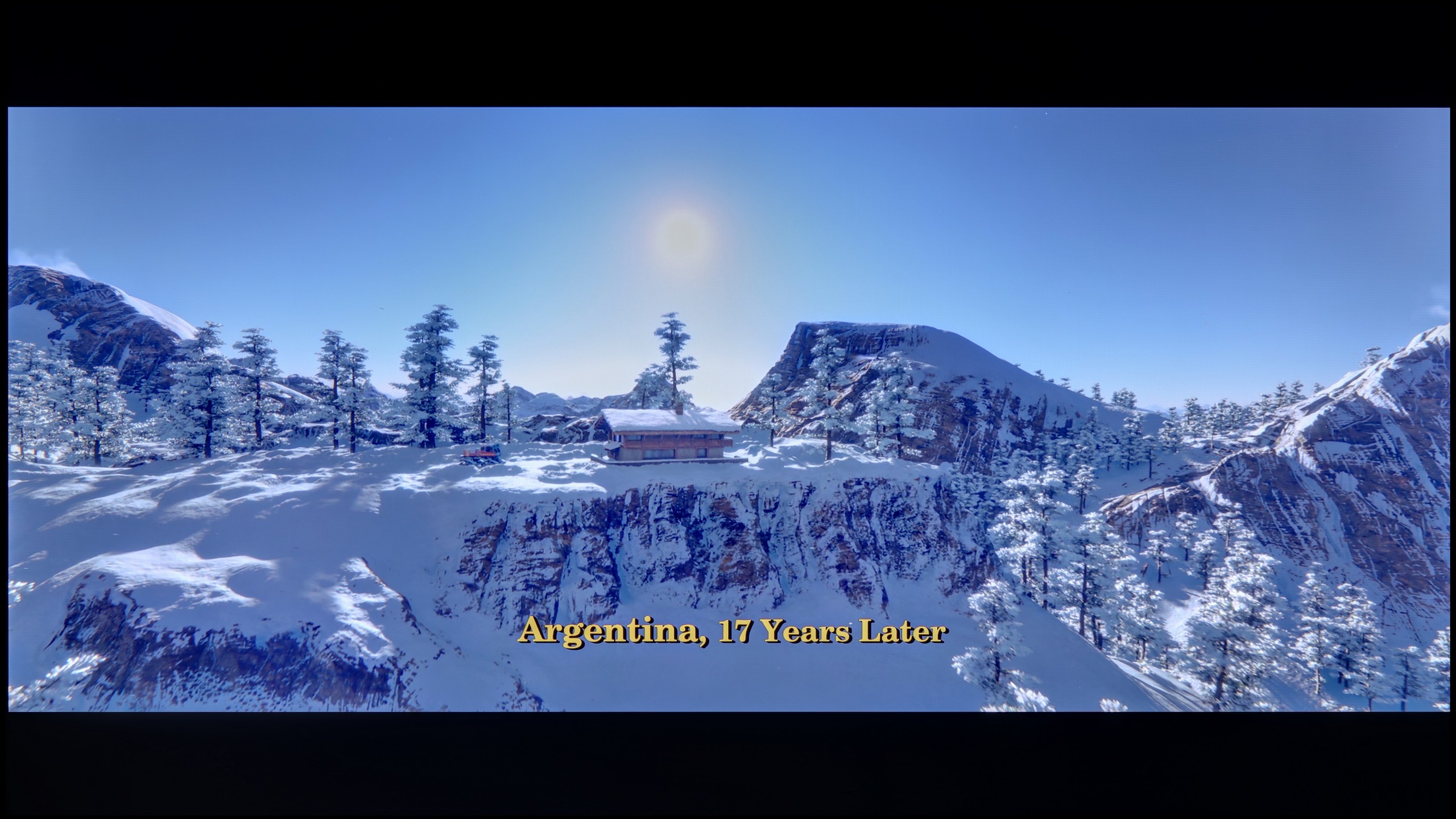
These are selected scenes that show smooth tonal transitions from one color to another. If you see distinct banding, it’s the TV panel’s fault.

These are selected scenes that show smooth tonal transitions from one color to another. If you see distinct banding, it’s the TV panel’s fault.

These are selected scenes that show smooth tonal transitions from one color to another. If you see distinct banding, it’s the TV panel’s fault.

These are selected scenes that show smooth tonal transitions from one color to another. If you see distinct banding, it’s the TV panel’s fault.
The smoothness of tonal transitions is one of the strongest aspects of the Samsung QN95D television, which received a very high rating in this category. Such results are rarely found in televisions that offer such high brightness. Thanks to the precise operation of the matrix, tonal transitions are exceptionally smooth and natural. The only noticeable shortcomings may be minor flaws in the black areas; however, they are subtle enough that most users will likely not notice them. This makes the Samsung QN95D an excellent choice for those who value image quality and detail, especially in scenes with complex lighting.
When it comes to colour gradation in bright scenes, the PUS7000 model performs surprisingly well. It's hard to have any major complaints here. The colour transitions are natural and smooth, which means there are no disturbing bands or jumps between shades on a bright background. During the viewing of cheerful scenes, nothing should distract your attention from the screen. However, the situation changes dramatically when darker shades of grey or simply very dark colours appear on the screen. Unfortunately, quite strong "banding" of colours becomes noticeable then. Instead of smooth transitions, we get distinct breaks between the individual tones. In dark, atmospheric films, this can be quite annoying and detract from the viewing experience, as the tonal transitions are not as clean as in the bright areas of the image.
Image scaling and smoothness of tonal transitions
7.2/10
6.5/10


Smooth transition function

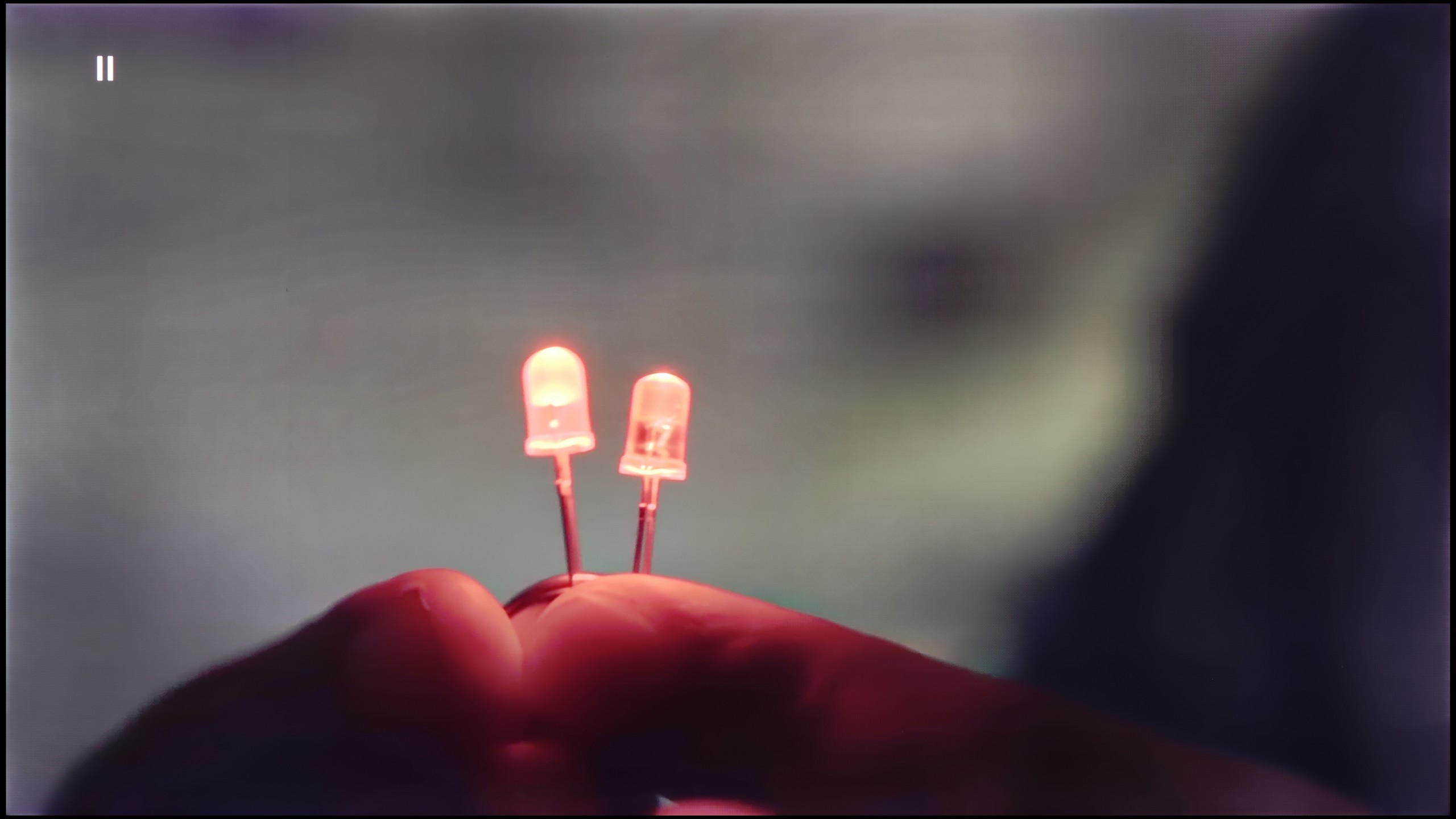
The match photo shows how the TV smooths weak tonal transitions in low-quality video.
Image scaling SD (576i)


The model photo shows how it handles upscaling of SD material.
The Samsung QN95D television handles tonal transitions well, even in lower-quality materials, thanks to the noise reduction feature, which acts like a gentle gradient. This feature is incredibly effective, smoothly rendering the image and eliminating unwanted noise while significantly improving the quality of the displayed content. However, as is often the case, excessive effectiveness can lead to unintended side effects. In some materials, this feature can also blur elements that should remain sharp, such as film grain.
Despite this, the television performs well in terms of image scaling, eliminating larger jaggedness in the picture. In a scene where branches are visible, they are not overly artificially sharpened, which allows for a natural appearance, and the model does not have an artificial outline. Overall, this means that even in more challenging conditions, the film material presents itself satisfactorily on the Samsung QN95D. The only downside when watching HD/SD content (like regular terrestrial television) is that we have a slightly cropped image - this is caused by the so-called overscan, which cannot be turned off.
The PUS7000 handles digital image processing quite well. The distortion reduction feature deserves praise, as it effectively smooths unwanted tonal transitions even at a low setting. However, it has its downside: with too aggressive operation, it can introduce undesirable artifacts on the screen. It would be a good idea to experiment with this setting to find the golden mean between a smooth image and the clarity of details.
The upscaling, or enhancing the quality of lower materials to 4K, is decent. The image after processing is very "soft," which is typical of almost all Philips TVs. The edges are plastic and smooth, making the image look cohesive. If someone finds it too soft, it can always be adjusted with the sharpness slider in the menu for a more pronounced effect.
Blur and motion smoothness
7.5/10
3.9/10

Blur (native resolution, maximum refresh rate):





Blur (BFI function enabled):
Image flickers in this mode


The panel in Samsung QN95 performs very well in terms of motion blur and fluidity. With a refresh rate of 120 Hz and features that reduce blur and jitter, users can adjust the picture settings to their personal preferences, whether for watching films or dynamic sports broadcasts. Users have the ability to customise the motion smoothness on a 10-point scale – from a more frame-like appearance, reminiscent of traditional film, to a smooth, almost theatrical effect that works especially well in sports broadcasts.
In this regard, we actually have no good news. It might seem that the biggest downside is the lack of a 120 Hz panel, but in this price range, that's actually the norm, and it's hard to expect more. However, the worst part is that the television has no motion smoothing features. There are no supporting systems in place for either movies or sports. We have to come to terms with the fact that the image on the PUS7000 is processed "raw." This means that during dynamic scenes or fast camera movements, motion can appear choppy or unclear. We have no option to enable any smoothers that could alleviate this effect.
Console compatibility and gaming features
9.5/10
4.7/10
- ALLM
- VRR
- VRR range48 - 144Hz48 - 60Hz
- Dolby Vision Game Mode
- Correct implementation of HGIG
- 1080p@120Hz
- 1440p@120Hz
- 4K@120Hz
- Game bar

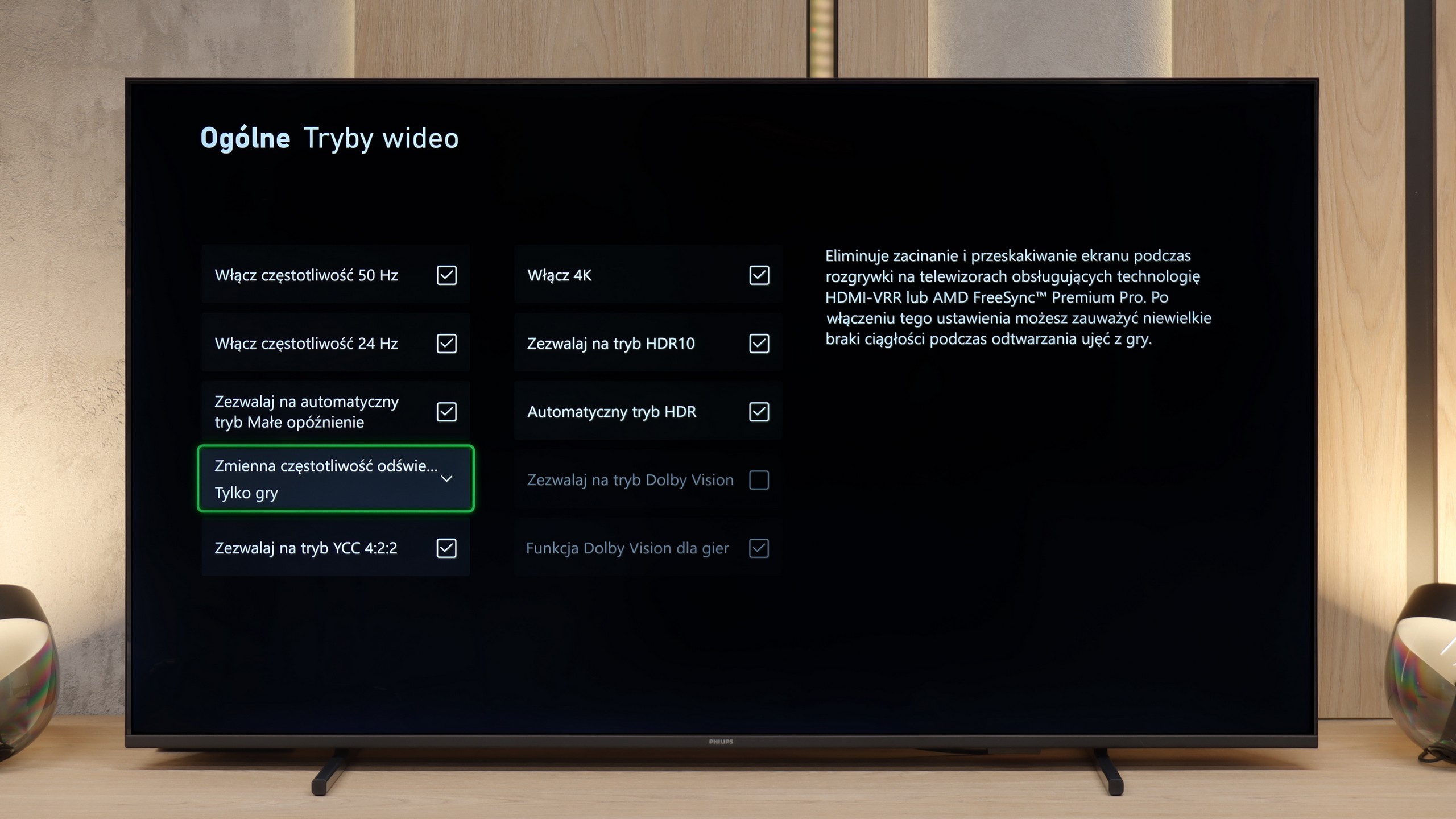

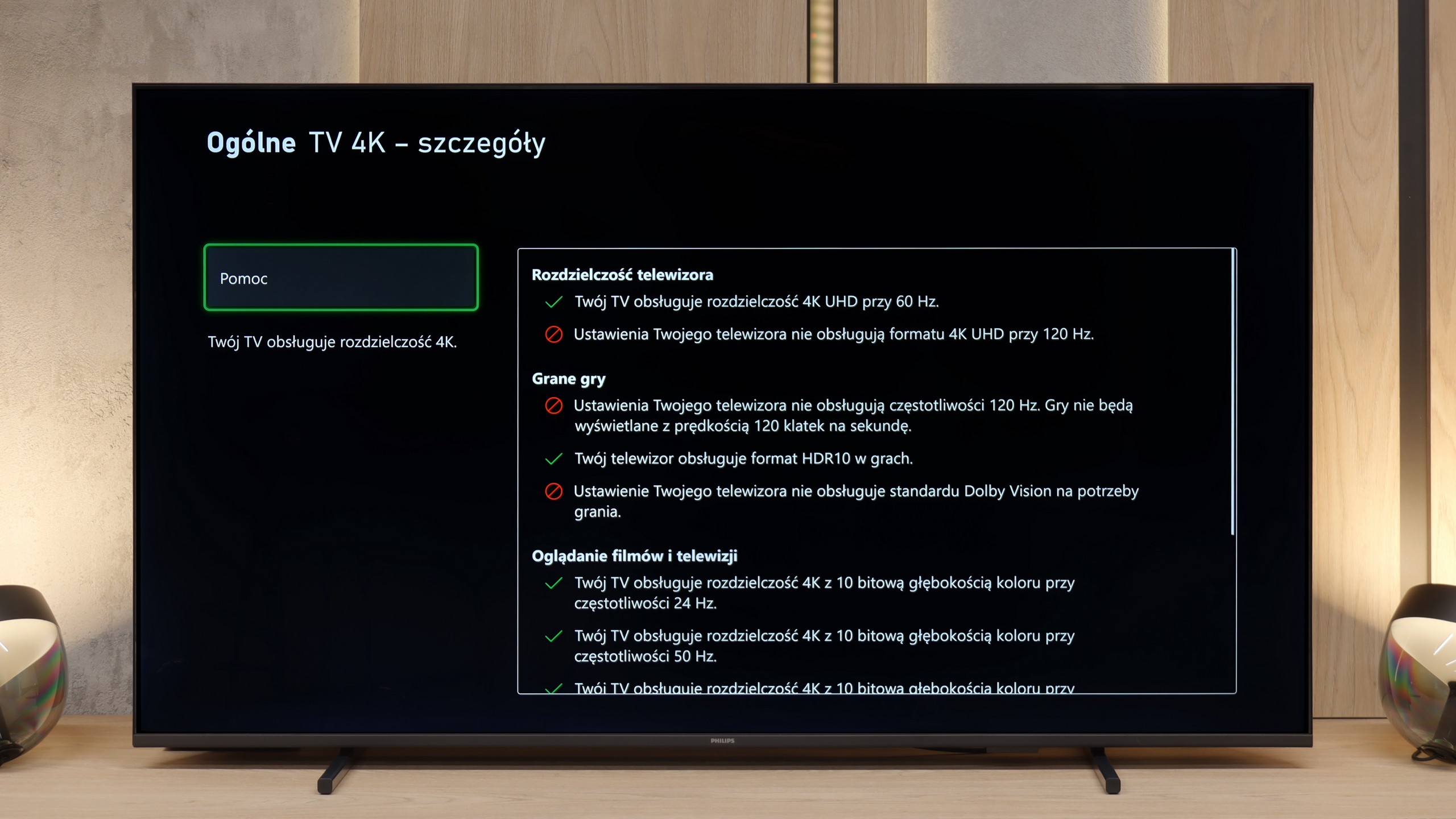

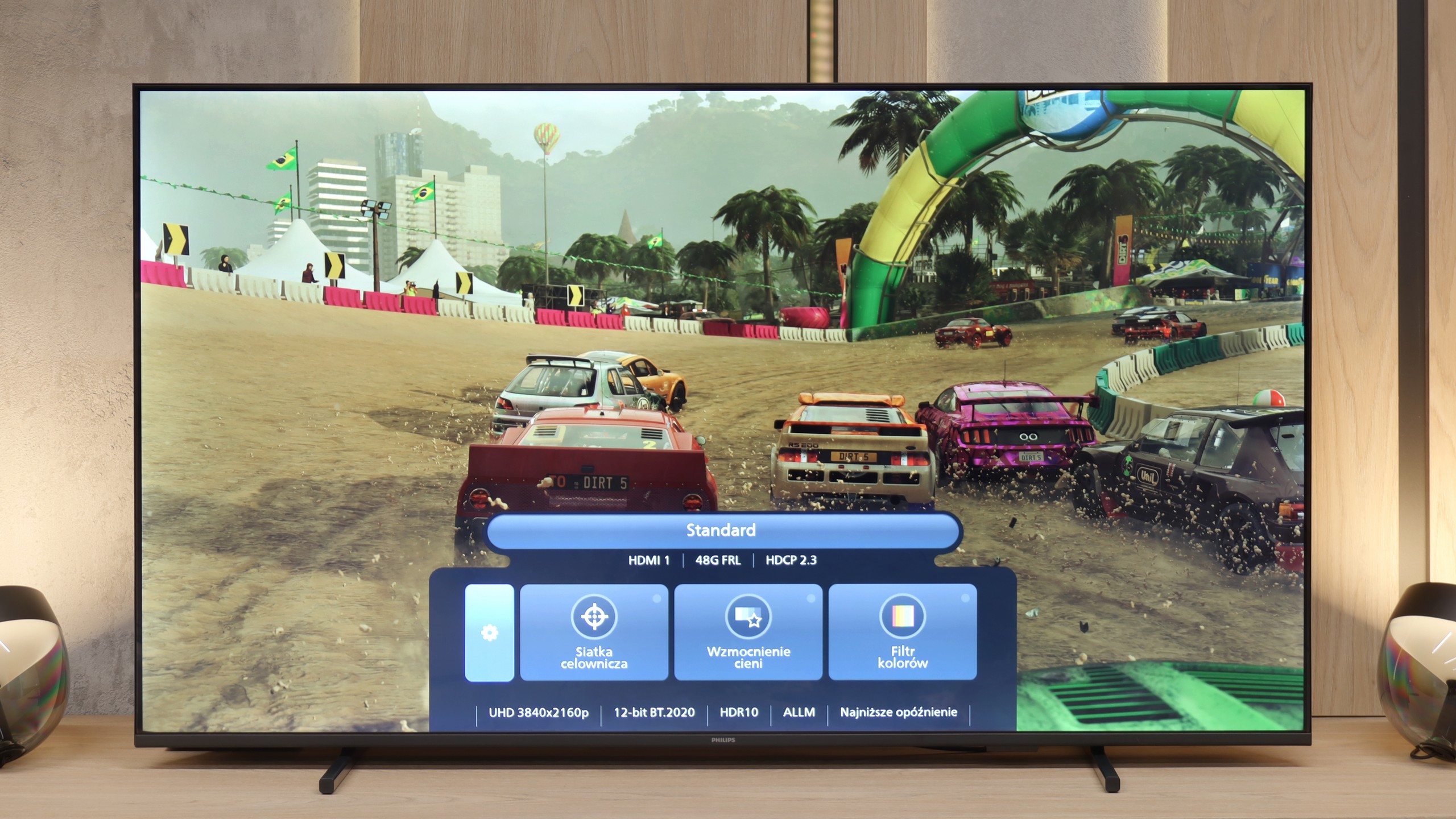

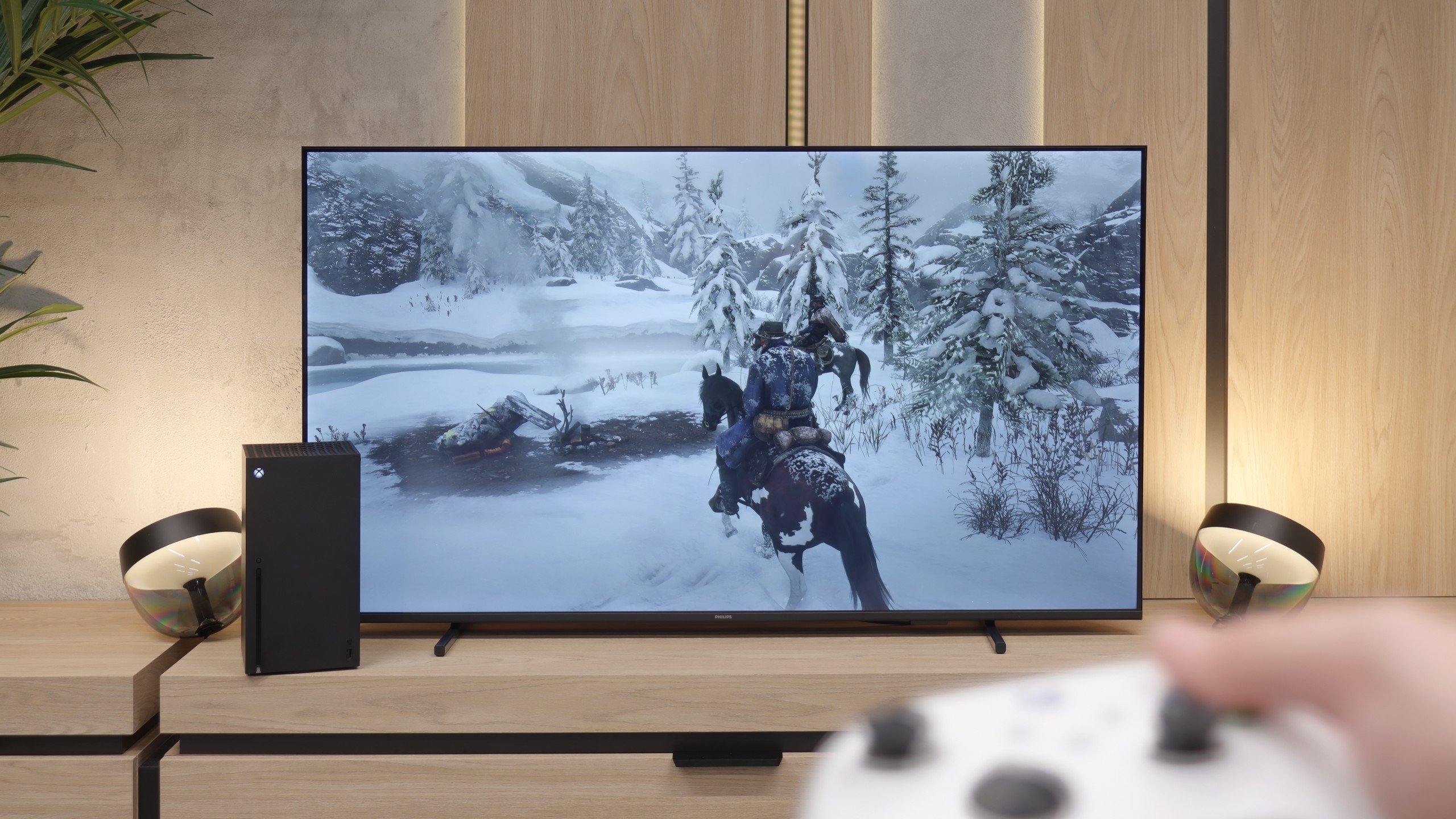
Samsung QN95D offers a fair bit of features that gamers will appreciate. First and foremost, the television supports Variable Refresh Rate (VRR), which allows for smoother gameplay by eliminating screen tearing issues, especially during dynamic scenes. There's also the Auto Low Latency Mode (ALLM), which automatically switches the TV to low latency mode when it detects a connected console or computer, providing more responsive control.
Additionally, the QN95D Samsung has a gaming mode that reduces input lag to a very low level, which is crucial in games where reflexes play an important role. With a high refresh rate of 120 Hz, the image is exceptionally smooth, significantly impacting the experience of dynamic action games and sports productions. The television also supports G-Sync and FreeSync technologies, which further enhance gameplay smoothness and improve user comfort. An interesting addition is the 'Game Bar' – a special menu that provides quick access to all game-related settings, allowing easy adjustment of the image and parameters to the user's preferences without the need to pause the gameplay.
Although the Samsung QN95D does not support Dolby Vision – which is quite obvious for Samsung TVs – it does offer the HGiG feature, which ensures appropriate image quality in HDR games, in line with the creators' vision.
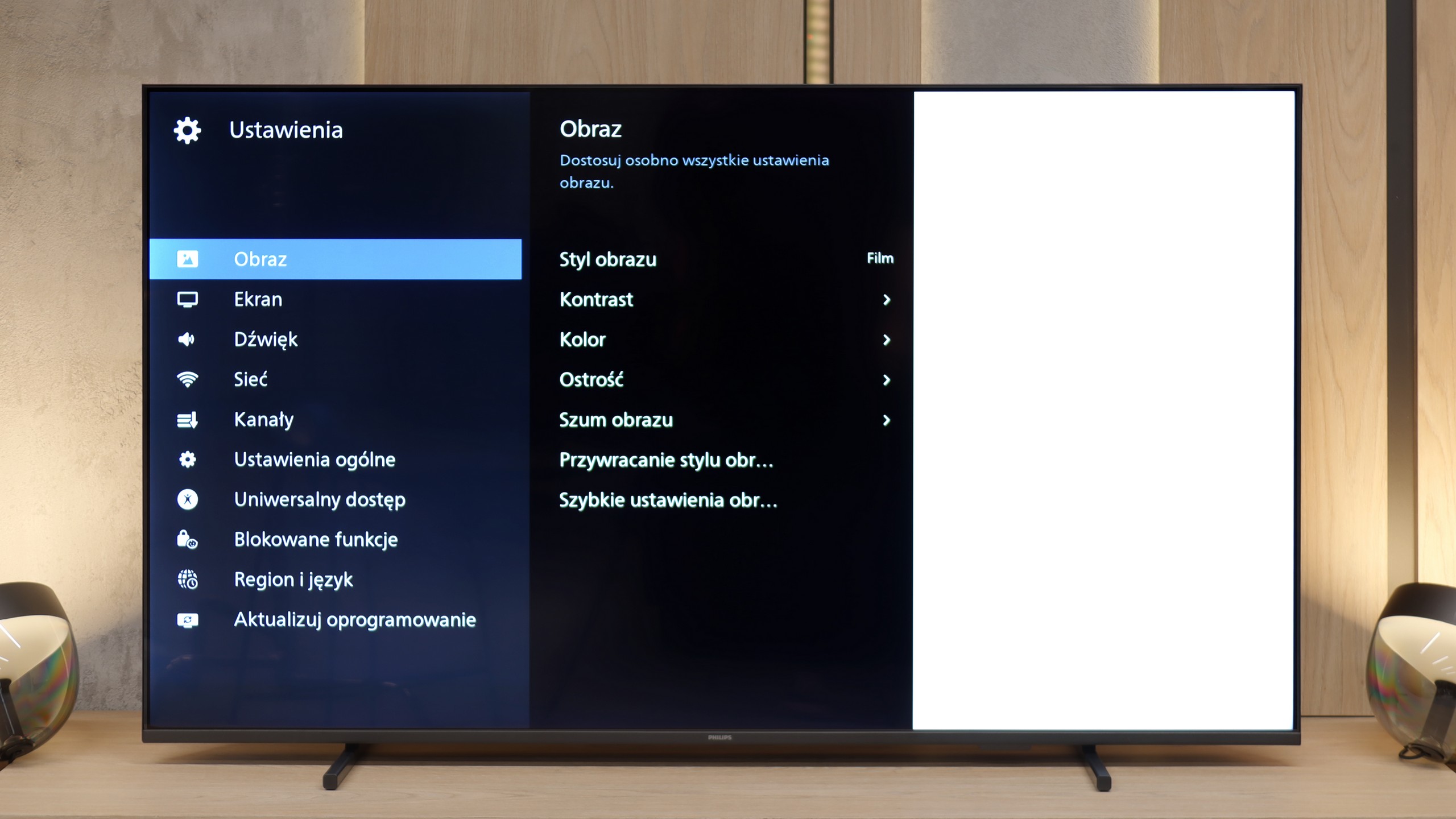
Even though the PUS7000 isn’t marketed as a gaming TV, it doesn't perform as poorly in this category as one might expect. True, it doesn't support 120 Hz refresh rates, which is understandable at this price point, but the manufacturer has included several important features that significantly improve the console gaming experience. The most important of these are VRR and ALLM technologies. VRR is responsible for synchronising the screen with the number of frames generated by the console. This means the image doesn't "tear" and remains consistent even during sudden drops in frame rates while playing. On the other hand, ALLM is a solution that automatically switches the TV to a mode with the lowest latency immediately after detecting a signal from the console. All these parameters are easily accessible thanks to the Game Bar feature. This is a special control panel for gamers that can be brought up on the screen at any time. It allows for a quick view of current settings and connection status without interrupting gameplay, which is a very convenient solution.
Input lag
9.8/10
10/10
SDR
HDR
Dolby Vision
QN95D Samsung stands out with excellent results in terms of input lag, achieving values below 15 ms. This is an impressive result that is independent of resolution or refresh rate. With such low latency, gamers can enjoy the lightning-fast response of the television to their commands, which is crucial in dynamic games. Whether playing 4K titles at 120 Hz or games at a lower resolution, the QN95D provides exceptional gameplay fluidity and precise motion rendering. This level of responsiveness makes the television an ideal choice for any avid gamer.
Another plus for gamers is the very low input lag at around 12 ms. In this price range, the result is impressive. The delay is so minimal that the response to controller movements feels instantaneous, and in practice, it’s hard to notice at all. Gaming remains comfortable even in fast, dynamic titles where every millisecond counts. In this respect, the PUS7000 can keep up with much more expensive televisions.
Compatibility with PC
8.6/10
5.8/10

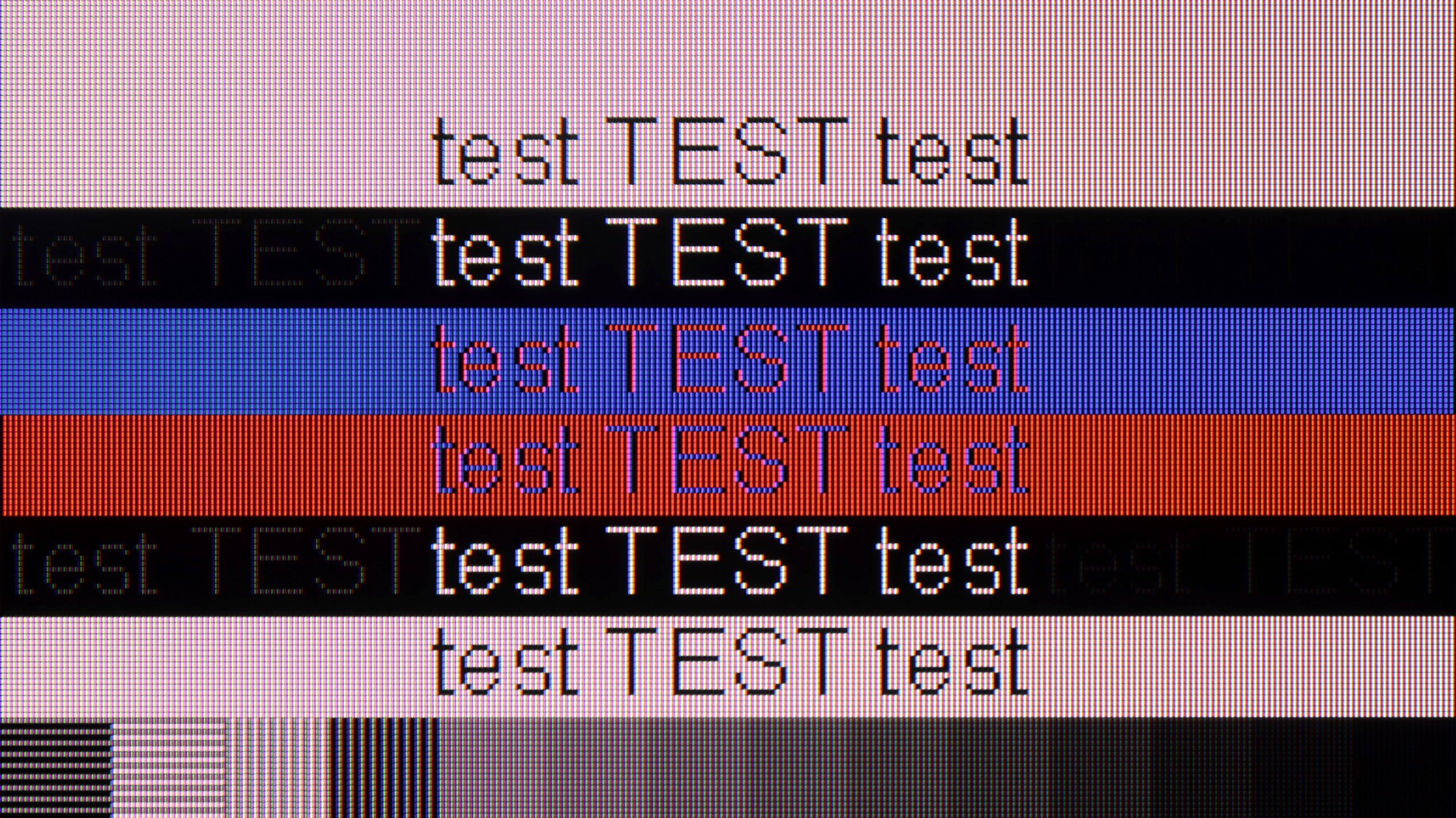
The photo shows the legibility of small fonts. Ideally, lines should be the same thickness on both light and dark text, with minimal pixel gaps.
In the category of PC collaboration, the Samsung QN95D TV stands out with high performance, offering 4:4:4 chroma support and impressively low input lag. With these features, users can enjoy fluidity and responsiveness, making it an ideal choice for office work or everyday applications. However, one noticeable issue is the poor visibility of horizontal lines on a dark background. On the test board to the right, you can see how the letters resemble vertical lines, which can be somewhat frustrating. Nevertheless, the TV generally provides good collaboration with computers, and users can expect comfortable handling with daily tasks.
When it comes to connecting a computer, the possibilities for gaming are quite limited. The screen supports a maximum of 60 Hz and does not offer G-Sync technology, so it’s not equipment for demanding PC gamers. However, the PUS7000 surprisingly performs well for text work. The readability of fonts is at a very high level. The television correctly handles 4:4:4 chroma subsampling. This means that each letter, regardless of its size or colour, is displayed sharply and without any distortion on the edges. As a result, office work or browsing the internet on this screen is simply comfortable and doesn’t strain the eyes like some cheap panels that struggle with clean font rendering.
Viewing angles
7.1/10
3.1/10
In the case of TVs with VA panels, you can usually expect limited viewing angles; however, QN95D Samsung surprises in this category. Thanks to the applied coating that widens the viewing angles, the TV offers truly good performance, which is rarely seen in devices with this type of panels. Although VA panels are not usually the best in this regard, in this model, the image remains clear and vibrant even when viewed from the side, making it a great choice for larger rooms and group viewing.
The viewing angles on this model are weak, which is directly due to the use of a VA-type panel. Although this panel provides decent contrast, as I mentioned earlier, it has one major flaw: it requires you to sit directly in front of the screen. Just shifting slightly to the side is enough for the colours to start losing saturation, and the image becomes noticeably worse.
Daytime performance
6.5/10
3.5/10

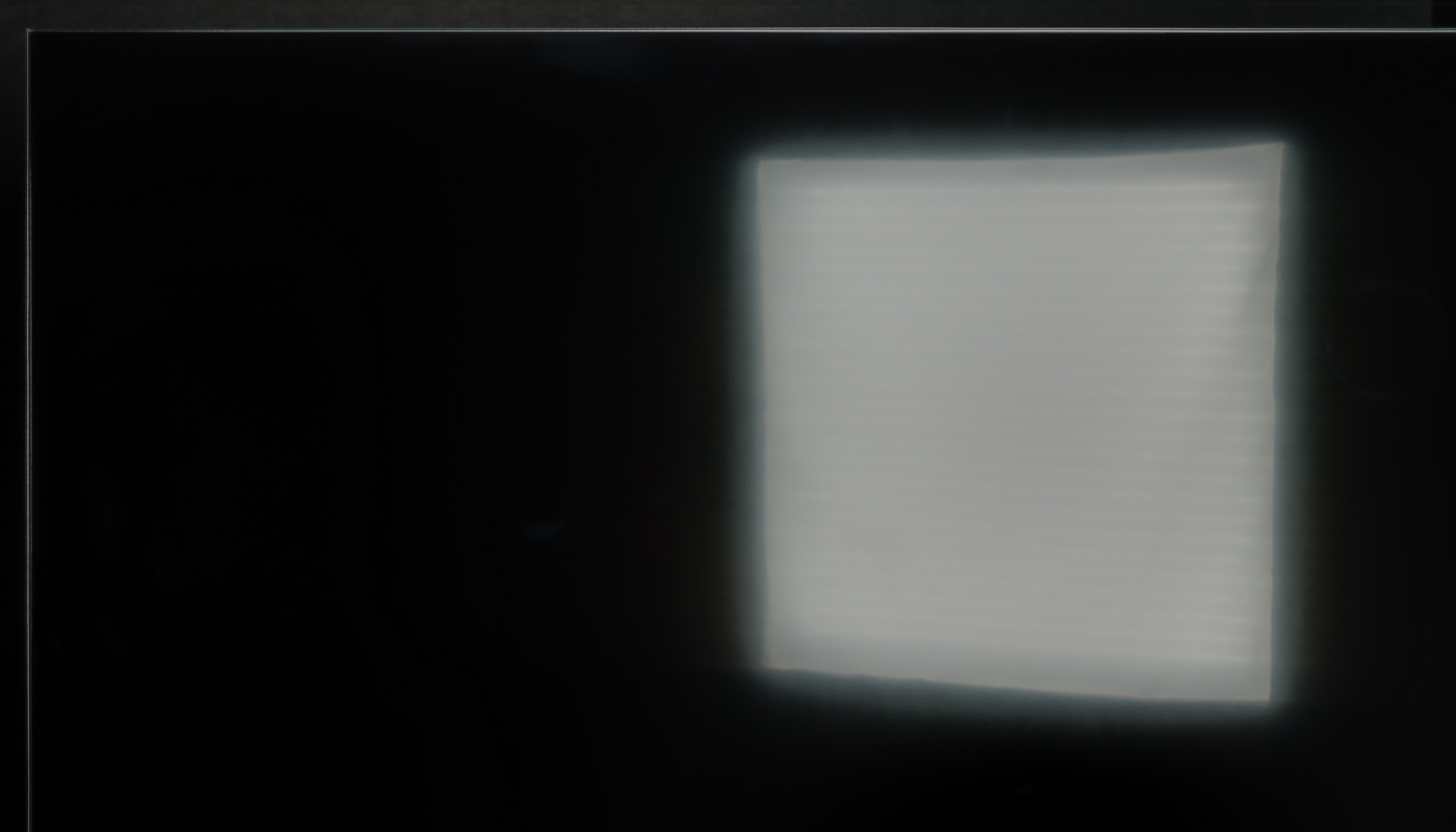

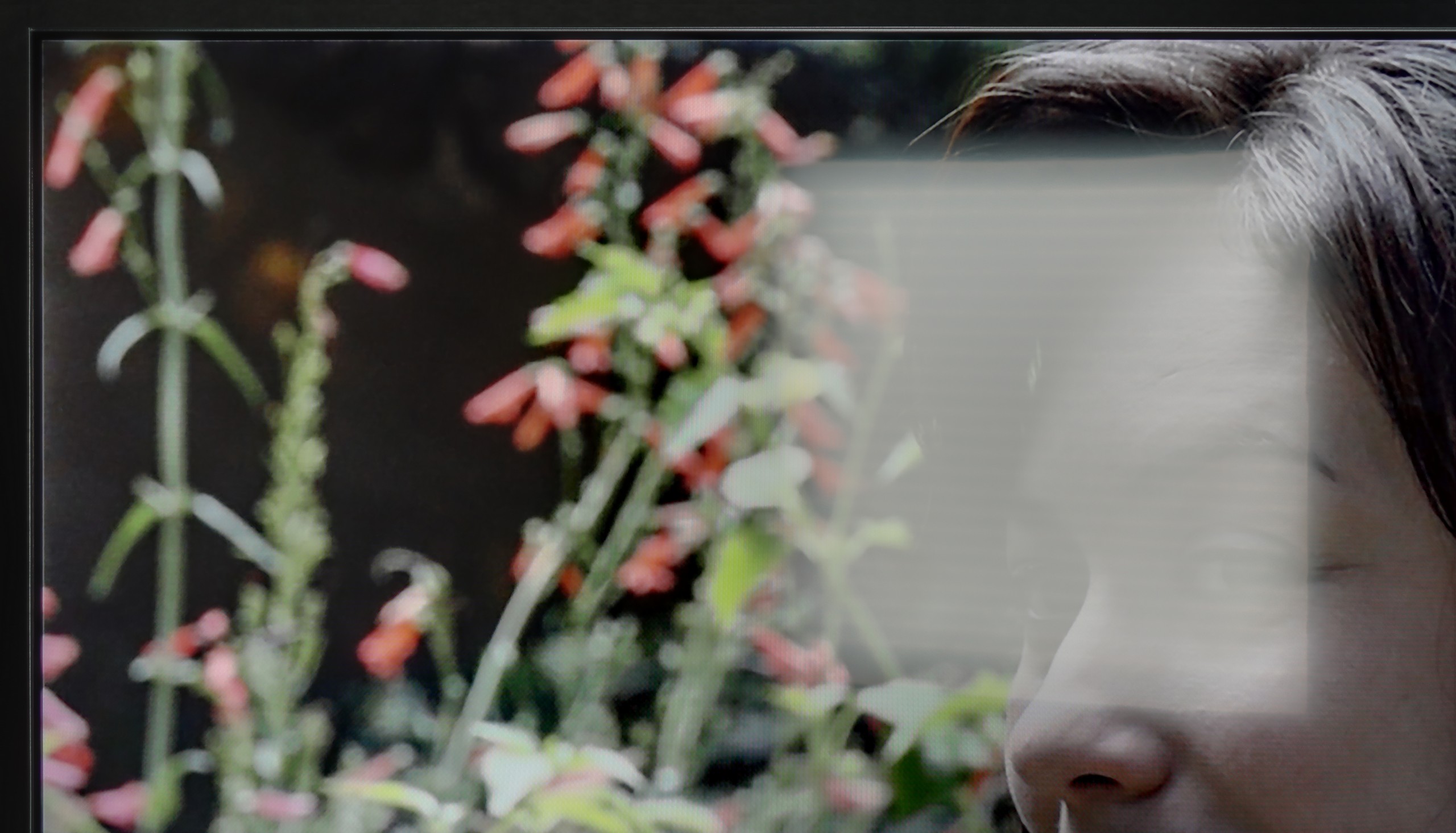
Panel brightness
Philips PUS7000: 202 cd/m2
Samsung Neo QLED QN95D: 655 cd/m2
In the category of daytime performance, QN95D Samsung, despite using a glossy panel, may struggle with highly visible reflections on the screen. As seen in the picture on the right, the lamp disperses to the left and right, which is a result of the anti-reflective coating. However, overall this coating performs very well when the television displays any colours outside of black, where reflections become more noticeable. It's worth emphasising that the television achieves very high brightness for SDR material, exceeding 650 nits, which ensures comfortable viewing even in bright rooms.
In a sunny room, the PUS7000 performs poorly. This is due to the fact that the display is simply too dim. A brightness level of 200 nits is very low, which does not allow for comfortable viewing in a lot of daylight. On the plus side, the satin screen coating does a decent job of reducing reflections. Thanks to this, reflections are not overly noticeable on the display, but it's not enough to save the situation. The brightness of this model is too low to cut through strong sunlight, so in very bright rooms, the image will simply be quite unclear.
Panel details
Subpixel Structure:

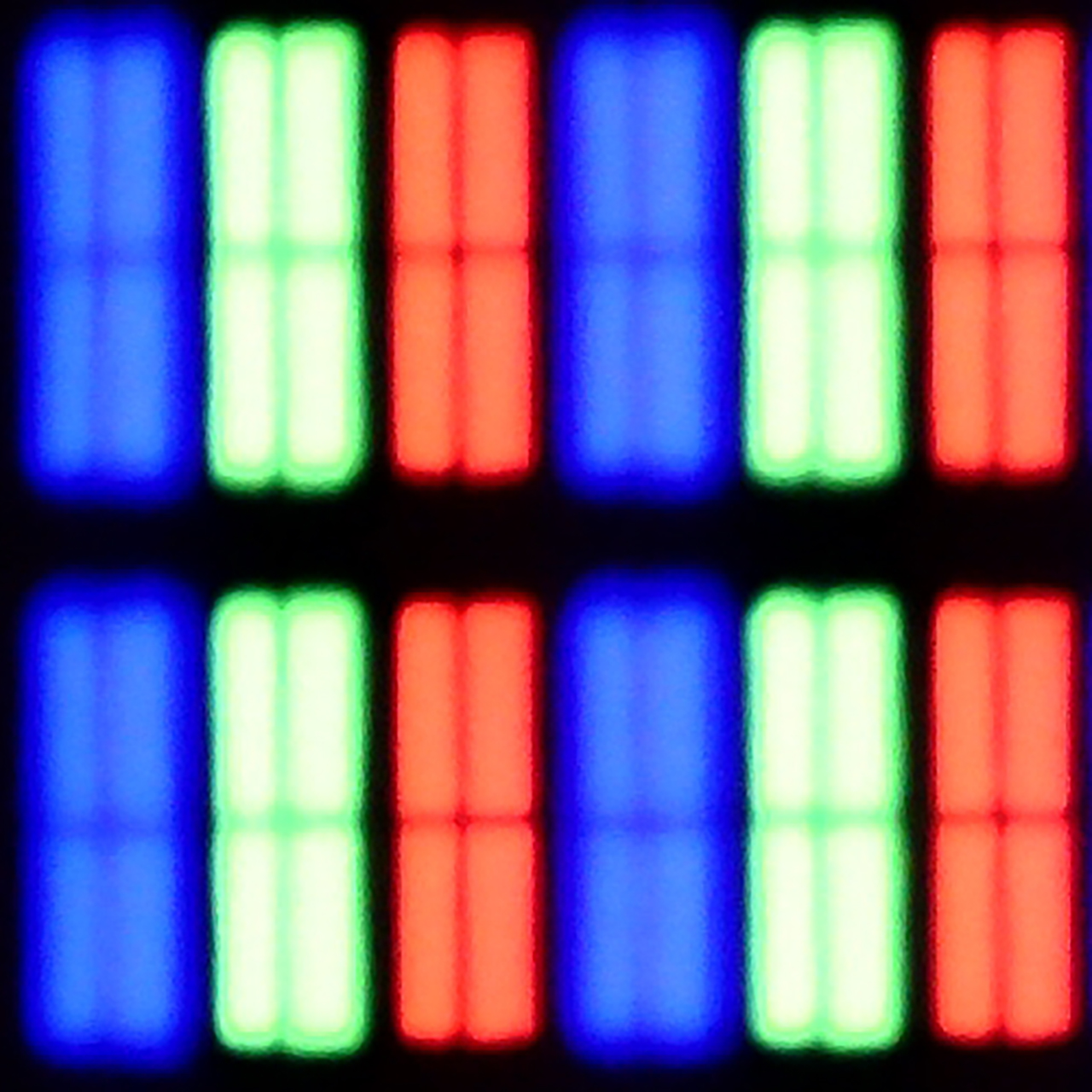
Panel uniformity and thermal imaging:


Samsung Neo QLED QN95D
Philips PUS7000
TV features
6.7/10
5/10
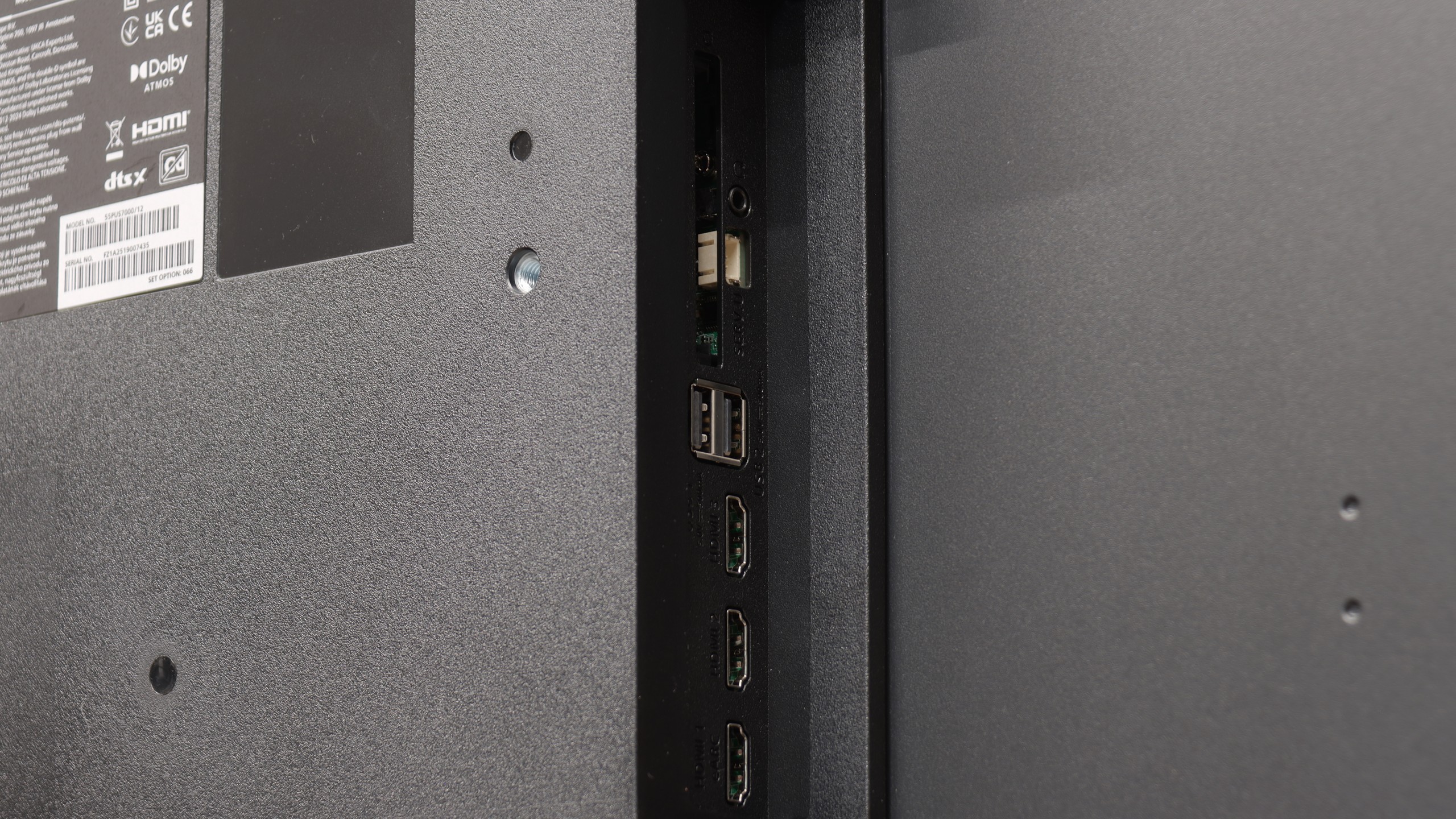
- HDMI inputs0 x HDMI 2.0, 4 x HDMI 2.1 48Gbps3 x HDMI 2.0, 0 x HDMI 2.1
- OutputsToslink (Optical audio), eARC (HDMI), ARC (HDMI)Toslink (Optical audio), eARC (HDMI), ARC (HDMI), Mini-Jack (Headphones)
- Network InterfacesWi-Fi 2.4GHz, Wi-Fi 5GHz, Ethernet (LAN) 100MbpsWi-Fi 2.4GHz, Wi-Fi 5GHz, Ethernet (LAN) 100Mbps
- TV receptionDVB-T, DVB-T2, DVB-S, DVB-S2, DVB-CDVB-T, DVB-T2, DVB-S, DVB-S2, DVB-C
Classic features:
- Recording to USB (terrestrial TV)
- Recording programming
- Picture in Picture (PiP)
- RF remote control (no need to aim)
- Backlit remote control
- Teletext
- Audio only mode
- Bluetooth headphones support
- Simultaneous Bluetooth headphones & TV audio
Smart features:
- AirPlay
- Screen mirroring (Windows Miracast)
- Voice search
- Voice search in native language
- Ability to connect a keyboard and mouse


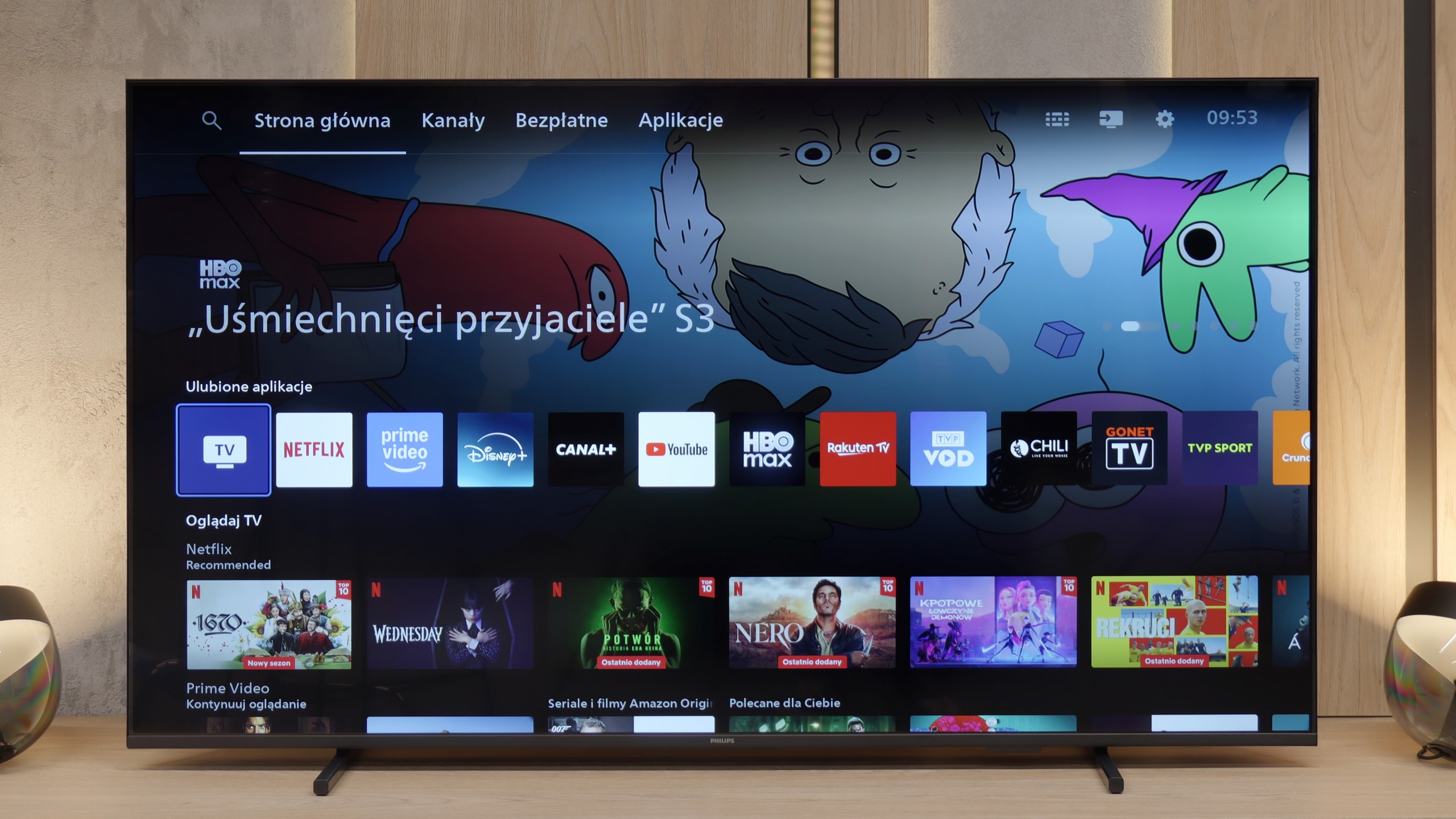

The Tizen system in Samsung televisions is characterised by its simplicity and speed of operation. The central point of the interface is the "Smart Hub", which allows quick access to the most important apps and recommended content, such as Netflix, YouTube, and Prime Video. Tizen also supports the Multi View feature, allowing simultaneous viewing of multiple image sources. Integration with AirPlay enables easy content sharing from Apple devices, as well as voice control in Polish. Users can control the television, search for content, and perform other operations using voice commands, which significantly simplifies everyday use of the device. One of the standout features of Samsung QN95D is the included Slim Fit camera, which offers functionality that goes beyond the standards of other models currently on the market. Thanks to the applied "POGO" connection, the camera can be easily connected directly to the television. It provides the opportunity to use video calls and personal training functions using the camera. This innovative approach opens up new possibilities for users in terms of interacting with their television.
It is also worth mentioning the solar remote, which is an eco-friendly solution – it does not require battery replacement as it charges with solar energy. This remote is also universal, allowing control of other devices, such as the Canal+ decoder, without the need for additional remotes. This is a significant convenience that enhances user comfort. Features dedicated to users of traditional television include picture-in-picture (PIP), which allows simultaneous viewing of two programs. However, the lack of a recording feature may be a disappointment for some users, as it could be considered a drawback.
Titan OS System
Titan OS is still a fairly new operating system, and unfortunately, this is noticeable in everyday use. The whole system operates sluggishly, at times even clumsily. The response to commands from the remote is slow, which is further complicated by the fact that the device uses infrared connectivity instead of Bluetooth / RF. This means we need to aim the remote fairly precisely at the television for the system to respond at all. During testing, we again failed to launch the screen mirroring feature with computers running Windows. Fortunately, transmitting video from Apple devices via AirPlay worked without any issues. Another downside of Titan OS is its very modest app library. The selection is much smaller than in systems like webOS or Tizen, not to mention Google TV, where the choice of programs is almost unlimited.
Classic Features
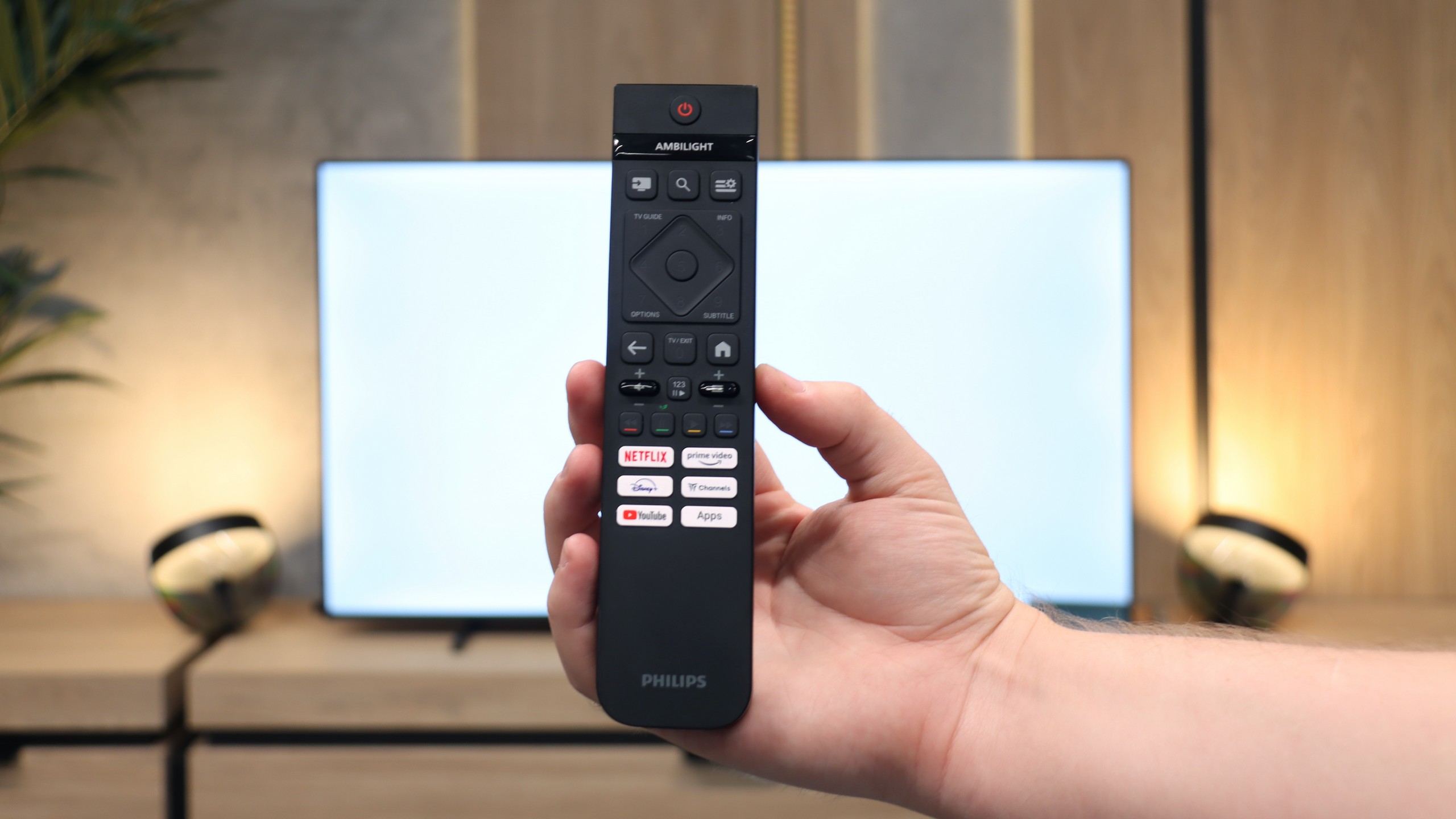
On the other hand, the PUS7000 might be a good choice for people who primarily watch traditional television. Here, we find a properly functioning teletext and a clear EPG interface, which is an electronic program guide. The remote included is backlit, which makes it very handy to use after dark, and it features standard numeric buttons for quick channel selection. An interesting addition is the presence of a classic jack headphone input. This is a rarely seen feature in new televisions, allowing for the connection of older home theatre systems or wired headphones without the need to purchase adapters.
Apps
9.3/10
6.7/10






















Playing files from USB
9.1/10
8.2/10
Supported photo formats:
Maximum photo resolution:

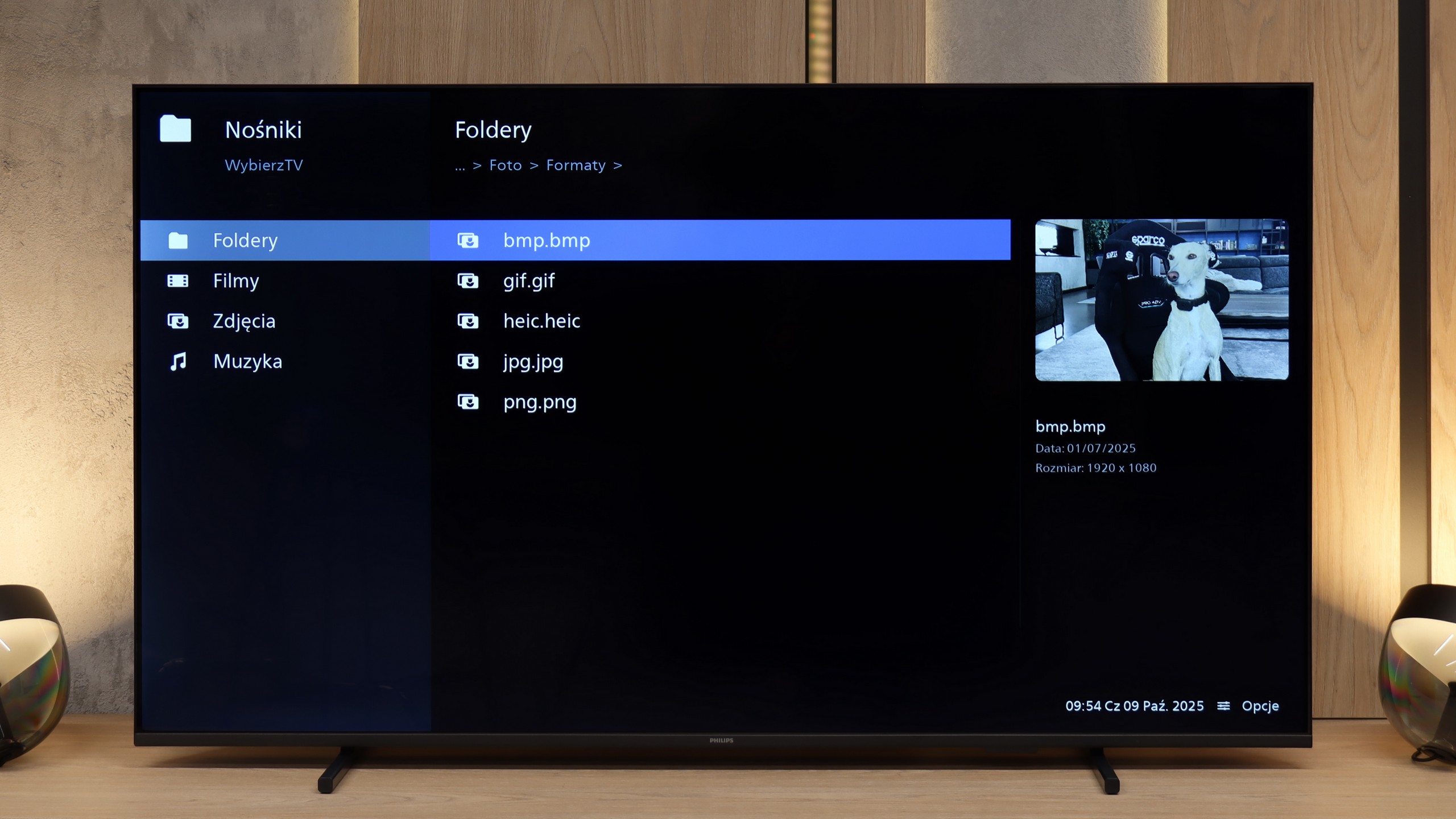
The built-in player in the Samsung QN95D television is undoubtedly one of its stronger points. It handles almost all video and audio file formats we've tested exceptionally well. The exception is the lack of support for Dolby Vision, which aligns with Samsung's policy, as well as for less popular codecs. A big plus is the support for Polish characters in subtitles and the ability to customise font colours, which significantly improves the viewing comfort for content with subtitles. A downside may be the limited support for photo formats – the TV mainly supports JPEG, and lacks support for more advanced formats such as PNG or Apple HEIC.
The built-in media player works quite well and handles most popular video formats without any major issues. The television easily reads subtitles from files and manages various audio formats, so those who keep movies on a drive or USB shouldn't feel restricted. The only hitch concerns the photo browser – not everything worked properly, and some files, especially in selected resolutions, did not open at all.
Sound
7/10
5.8/10
- Maximum volume-81dB
- Dolby Digital Plus 7.1
- Dolby True HD 7.1
- Dolby Atmos in Dolby Digital Plus (JOC)
- Dolby Atmos in Dolby True HD
- DTS:X in DTS-HD MA
- DTS-HD Master Audio
The sound on the Samsung QN95D is at a very good level thanks to the 4.2.2 system with a power of 70W. It delivers clear, crisp audio, and the bass is well balanced, making it suitable for both watching movies and gaming. The Dolby Atmos support adds a spatial effect, allowing for a fuller audio experience. However, it lacks support for DTS, which is a typical feature for Samsung TVs, but may be a downside for those attached to that format. Overall, the sound performs very well and should meet the needs of most users.
The sound is pretty much at a budget level. It's sufficient for news and talk shows, but with films and music, it quickly lacks depth and bass. At this price, it's hard to expect much more, so if we’re after better experiences, it’s worth considering a soundbar or connecting external audio, even just through the headphone jack.
Sound Quality Test
No sound test video
Acoustic Measurements
No acoustic data
81dBC (Max)
75dBC