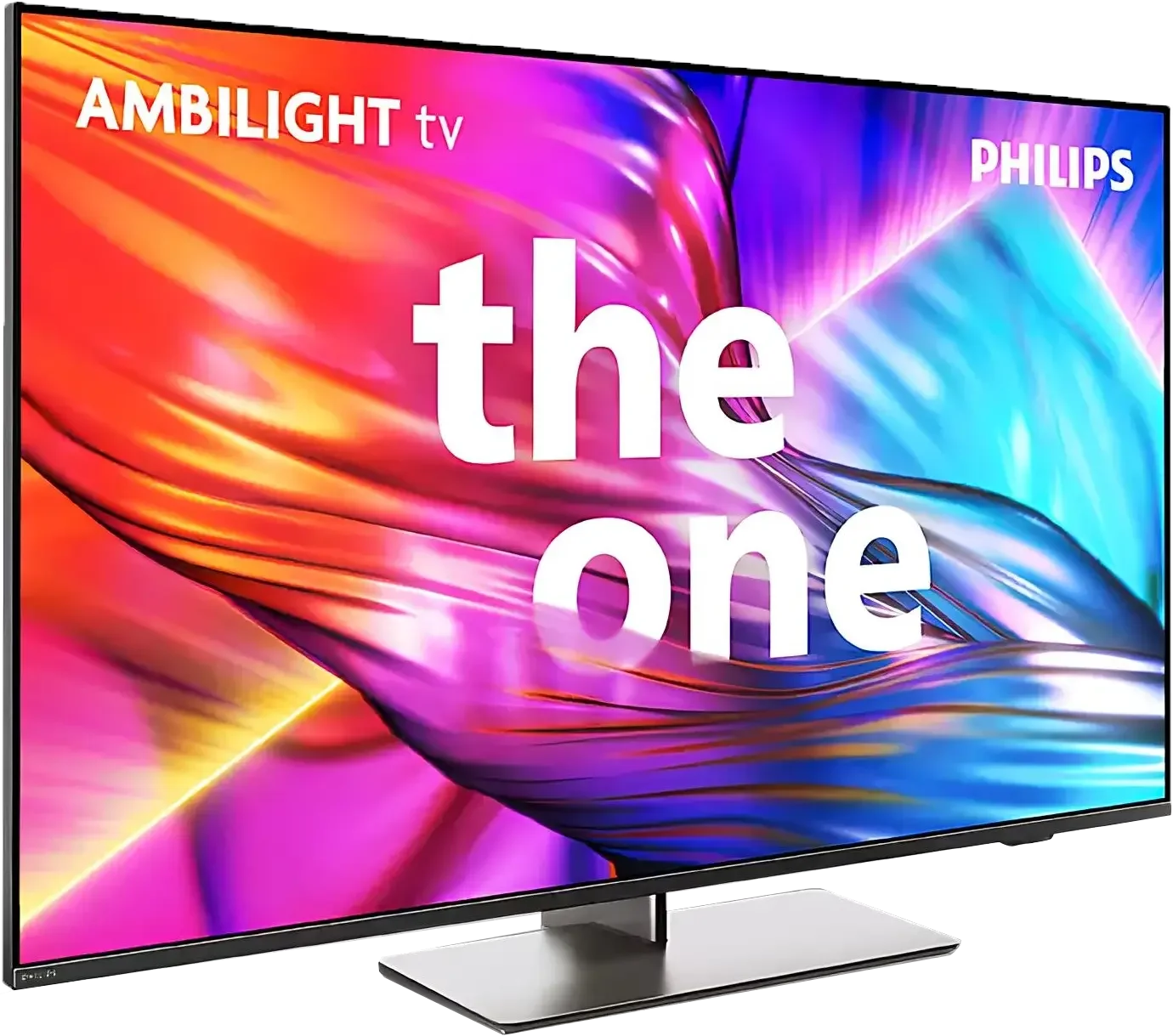
Philips PUS8959, also known by other designations under the abbreviation PUS89 (depending on the retail network), is a model from the popular series The One. Its biggest standout feature is the Ambilight system, which continues to make a great impression. The three-sided backlighting adjusts to the image on the screen, making films, series or games literally extend beyond the edges of the TV. The One is also a good option for gamers. The 120 Hz panel and low input lag make games run smoothly, and the motion on screen is clear. We tested several dynamic titles on the console, and the TV handled them without any issues – no stuttering or delays. Additionally, support for HGiG allows for better rendering of HDR effects in games. This is a great solution if we care about matching the image with what the creators intended. The picture quality is good, particularly during the day. With a brightness level of 550 nits, The One performs well even in well-lit rooms, and Dolby Vision in HDR movies delivers vivid colours and sharp details. However, the ADS panel has its limitations – black in dark scenes more resembles a grey shade, which can be noticeable when watching in a darkened room. When we watched movies with the lights off, the lack of depth in the blacks was somewhat striking. The Titan OS operating system is something that still needs refinement. It’s fast, but the limited number of applications can be frustrating for those used to more extensive platforms like GoogleTV. In daily use of Netflix or YouTube, it works flawlessly, but if we're counting on more advanced features, the system may not meet expectations. Overall, the Philips The One is a good choice in its price range. The Ambilight system impresses and significantly enhances the viewing experience, especially in the evening. It’s also a solid option for gamers, thanks to the smooth image and low input lag. Although the black level isn't perfect, and the operating system needs improvement, the TV excels in everyday use. For fans of unique solutions like Ambilight, this is a proposal that definitely deserves attention.
- Matching (Score) |
- Our verdict |
- TV appearance |
- Where to buy |
- Contrast and black detail |
- HDR effect quality |
- Factory color reproduction |
- Color reproduction after calibration |
- Smoothness of tonal transitions |
- Image scaling and smoothness of tonal transitions |
- Blur and motion smoothness |
- Console compatibility and gaming features |
- Input lag |
- Compatibility with PC |
- Viewing angles |
- Daytime performance |
- Panel details |
- TV features |
- Apps |
- Playing files from USB |
- Sound
Philips The One (PUS8959 / PUS8919 / PUS8909 / PUS8949 vs TCL C7K / QM7K
 Direct comparison
PUS8959 / PUS8919 / The One / PUS8909 / PUS8949

C7K / Q7C / MQLED85K / C79K / C71K / QM7K
Available screen sizes: 50”
Panel type: LCD IPS
Resolution: 3840x2160
System: Titan OS
Model year: 2024
Complete the survey to find out the result
Panel type: LCD VA
Resolution: 3840x2160
System: Google TV
Model year: 2025
Complete the survey to find out the result
Overall rating
6.9
7.2
 Movies and series in UHD quality
 6.6
6.7
 Classic TV, YouTube
 6.3
6.5
 Sports broadcasts (TV and apps)
 7.2
6.7
 Gaming on console
 8.5
8.5
 TV as a computer monitor
 8.0
8.4
 Watching in bright light
 6.1
6.1
 Utility functions
 6.1
7.3
 Apps
Apps 6.7
9.6
 Sound quality
 6.4
7.0
Complete the survey to find out what fits your preferences
Advantages

Ambilight System: Three-sided backlighting
120Hz Panel - smooth image
Extra features for gamers
Satisfactory brightness level that works well during the day
Wide viewing angles
Very good black - VA panel with a large number of Mini-LED zones
High brightness in HDR - over 1000 nits
Great for gamers - HDMI 2.1, low input lag, VRR, ALLM etc.
Good motion fluidity - 144Hz panel
Support for multiple HDR formats: HDR10, HDR10+, Dolby Vision
Google TV operating system with access to a huge app base
Pleasant sound from built-in speakers
Disadvantages

Poor black quality
Annoying "hybrid" remote
Titan OS: Still in development, with a limited number of apps and not very functional compared to more advanced platforms
Google TV can have minor stutters
No USB recording and PiP function
Our verdict
There are TVs that come for testing, and you immediately think: "oh, just another average one, probably like many others." And essentially... that's true. The TCL C7K doesn't try to dethrone OLEDs, nor does it scream "revolution!" from the box. And yet, after a few days of testing, it's hard not to think: "wow, this is really good gear." And that's exactly what the C7K is. The biggest advantage of the C7K is the decent picture at a reasonable price – MiniLED and quantum dots do their job here. The colours are vibrant, the brightness is satisfactory, the contrast impresses, and with the right settings, you can truly enjoy viewing in the best quality. The second strong point is motion smoothness – both in sports and gaming. Support for HDMI 2.1, variable refresh rate, 144 Hz, and a whole heap of other features makes gaming on this TV a pure pleasure. On top of that, there's Google TV, which – despite some minor shortcomings – offers access to almost an endless library of apps. Voice control, quick access to YouTube, Netflix, AirPlay support – it has everything you need for daily use. Are there downsides? Of course. The Google TV system can have moments of "hesitation," and MiniLED – like any MiniLED – can stumble on very challenging movie scenes. But these are details. After all, the C7K is a mid-range model – and in this class, it performs remarkably well. So if you’re looking for a reasonably priced, modern TV with Google TV that looks good, works well, and sounds pretty decent without breaking the bank – the TCL C7K definitely deserves your attention.
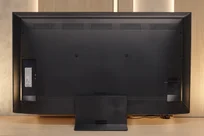
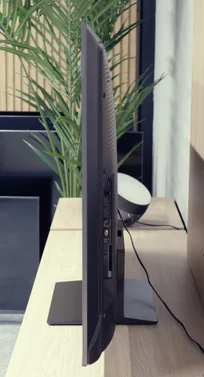
TV appearance

Contrast and black detail
4.3/10
7.1/10
Local dimming function: No
Local dimming function: Yes, number of zones: 336 (14 x 24)
Contrast:


Result
2,350:1

Result
2,400:1

Result
2,600:1

Result
2,550:1

Result
2,200:1
Result
161,000:1
Result
18,750:1
Result
13,150:1
Result
6,300:1
Result
4,200:1
Halo effect and black detail visibility:
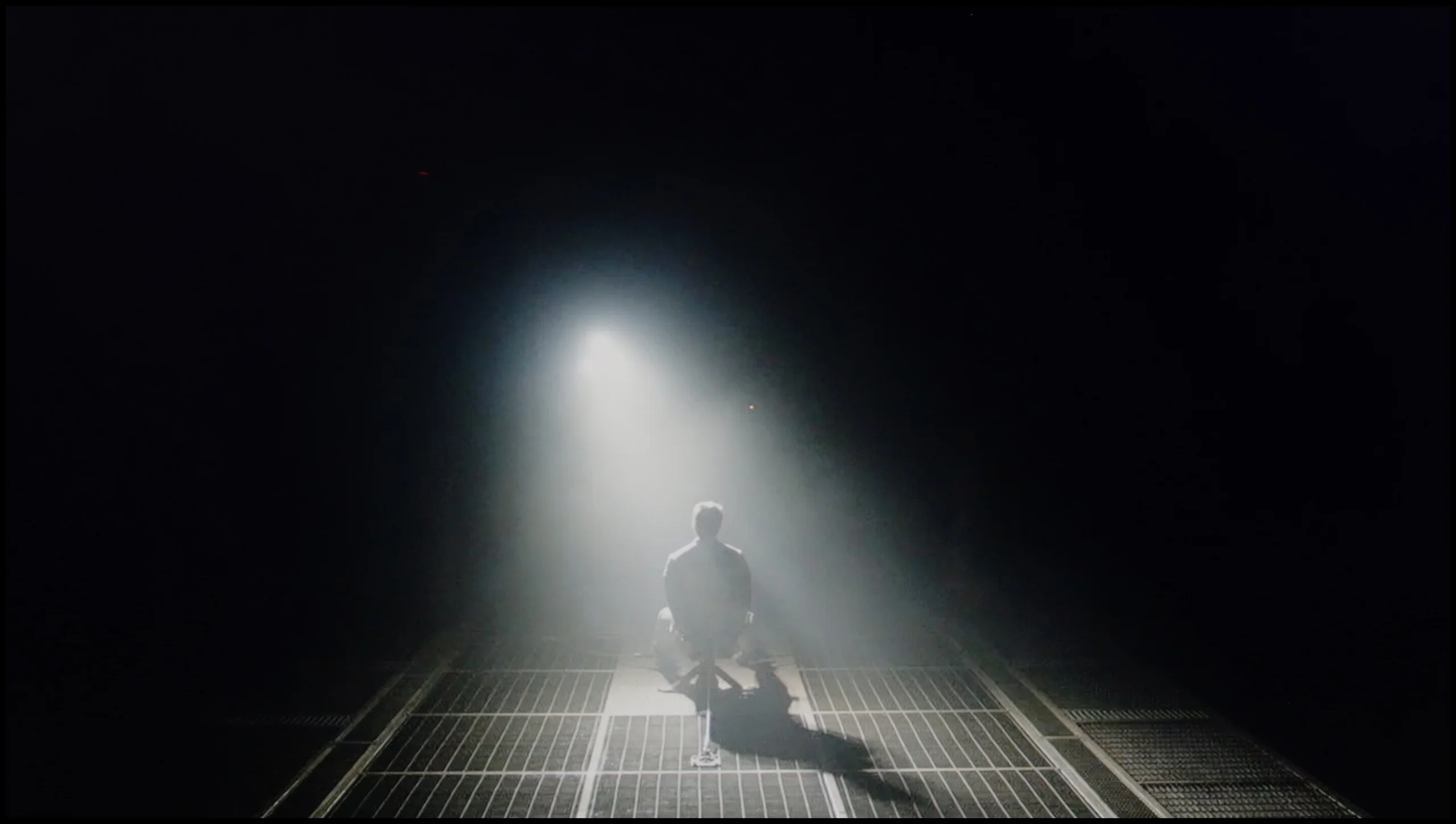
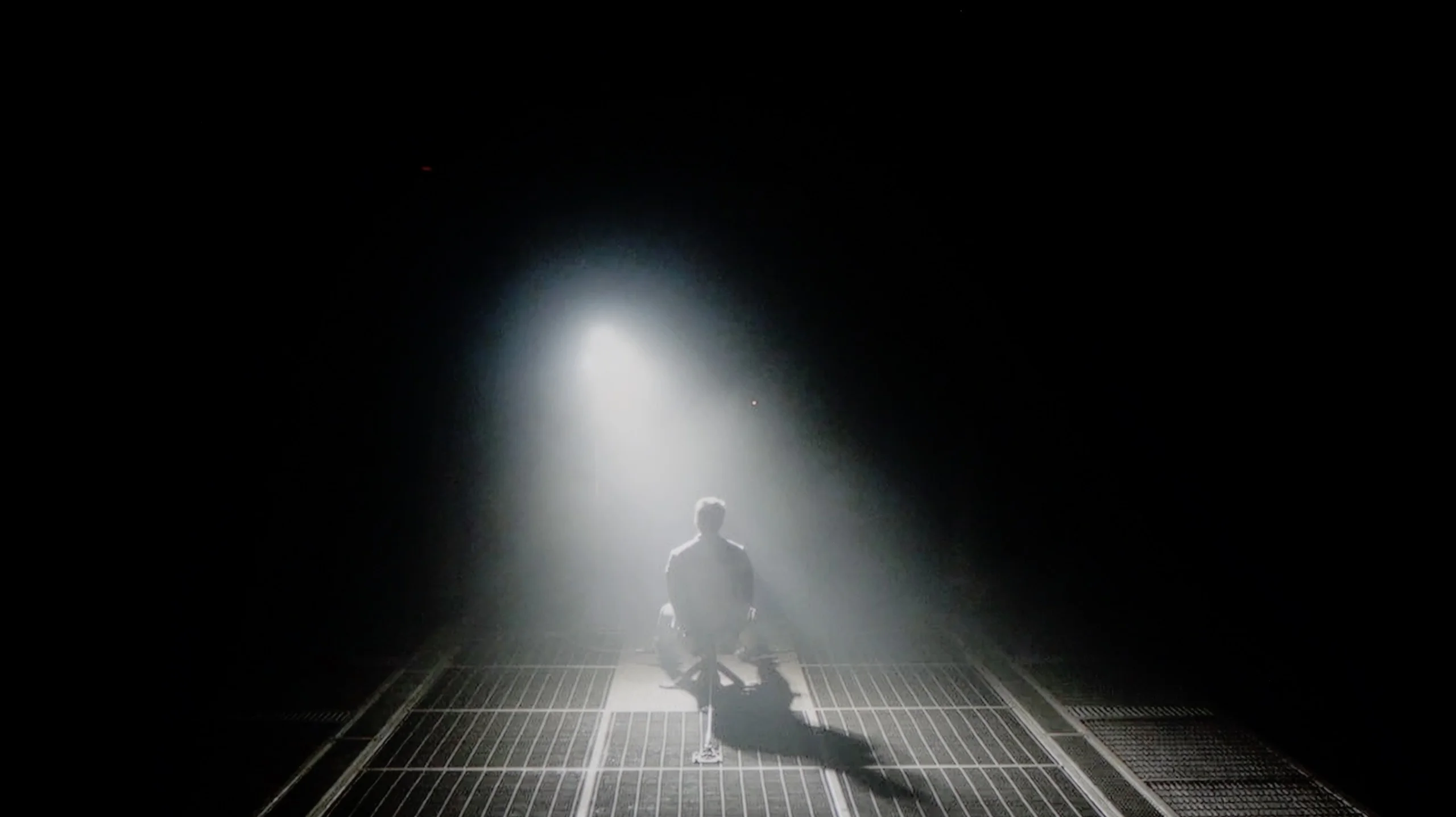
Check the visibility of bright lights on a dark background. Mini-LEDs often struggle with this. The photo does not compare black levels – that’s what the video below is for.
The video accurately shows differences in contrast and black levels between TVs, as well as potential issues: halo around bright objects or Mini-LED zone operation visible as brightness jumps.
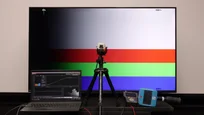
The television Philips PUS8959 is based on an ADS panel, which offers slightly different parameters compared to the popular VA panels. In the tested screens, the contrast was around 2000:1, making the black level far from ideal. ADS panels are known for their weaker contrast compared to VA panels, which in practice means that instead of deep black, we see more navy or grey shades. However, the ADS panel is still better than the standard IPS panel, which cannot achieve such a level of contrast. Additionally, the Philips PUS8959 is not equipped with local dimming technology, which could improve these parameters. The absence of this function exacerbates the effect of shallow blacks, particularly noticeable in dark scenes, such as those in the movie "Sicario 2". Instead of intense black, the screen generates a silvery glow, which can be bothersome, especially when watching in darker conditions. All of this leads to a visual experience that lacks depth, and details in dark scenes are not as well visible as one might expect from higher-end screens. Despite the lack of local dimming, the television is equipped with what is known as Global Dimming. The television is capable of completely dimming the panel to achieve higher contrast, but at the cost of details that may blend together, for example, lights in the test screen from the movie Oblivion. It’s worth noting that the model we received for testing has quite noticeable blobs resulting from uneven backlighting, although this isn't a dealbreaker; one should consider when purchasing that we might receive a similar piece.
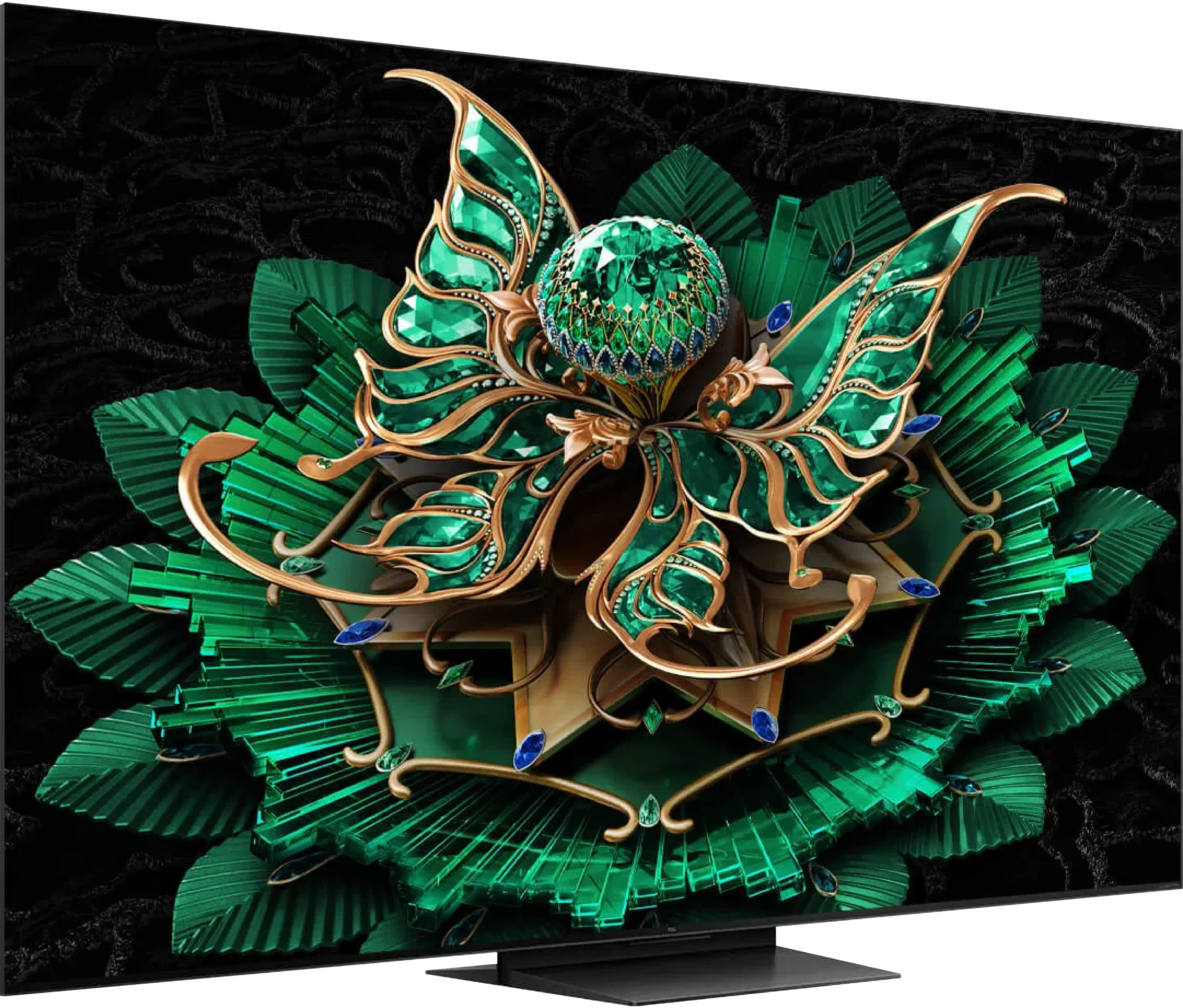
The 50-inch TCL C7K we tested surprised us right from the start – it's the smallest model in the series, yet it's equipped with a VA panel with MiniLED backlighting and – get this – as many as 336 dimming zones. By comparison, many far larger TVs from higher tiers would be happy to boast such a number. Here we have it in a 50-inch version. Sounds promising, right? So how does this translate into real viewing experiences? In the overwhelming majority of tested scenes – very well. The contrast was high enough that in measurements it reached even six-figure values, which in practice means very deep blacks and well-separated highlights. In scenes from films like The Revenant or Oblivion, the effect was impressive, matching the best LCD screens in this class.
Not everything, however, went perfectly. Despite the impressive number of zones, managing them wasn't always exemplary. In more complex scenes, where small light sources or a high level of detail appear, the TV had issues with the so-called halo effect (a glowing aura around bright objects) or overly aggressive dimming of the image. In such situations, contrast could either collapse due to overexposure of some zones or, conversely – details in bright areas vanished because the zones were suppressing light too much. Nevertheless, it's worth emphasising that in the vast majority of scenes the contrast was more than satisfactory. And considering the size of the TV and the price, the final effect will satisfy not only average users.
HDR effect quality
5.9/10
5.4/10
Luminance measurements in HDR:

Result
501 nit

Result
514 nit

Result
553 nit

Result
544 nit

Result
569 nit
Result
1051 nit
Result
185 nit
Result
454 nit
Result
200 nit
Result
836 nit
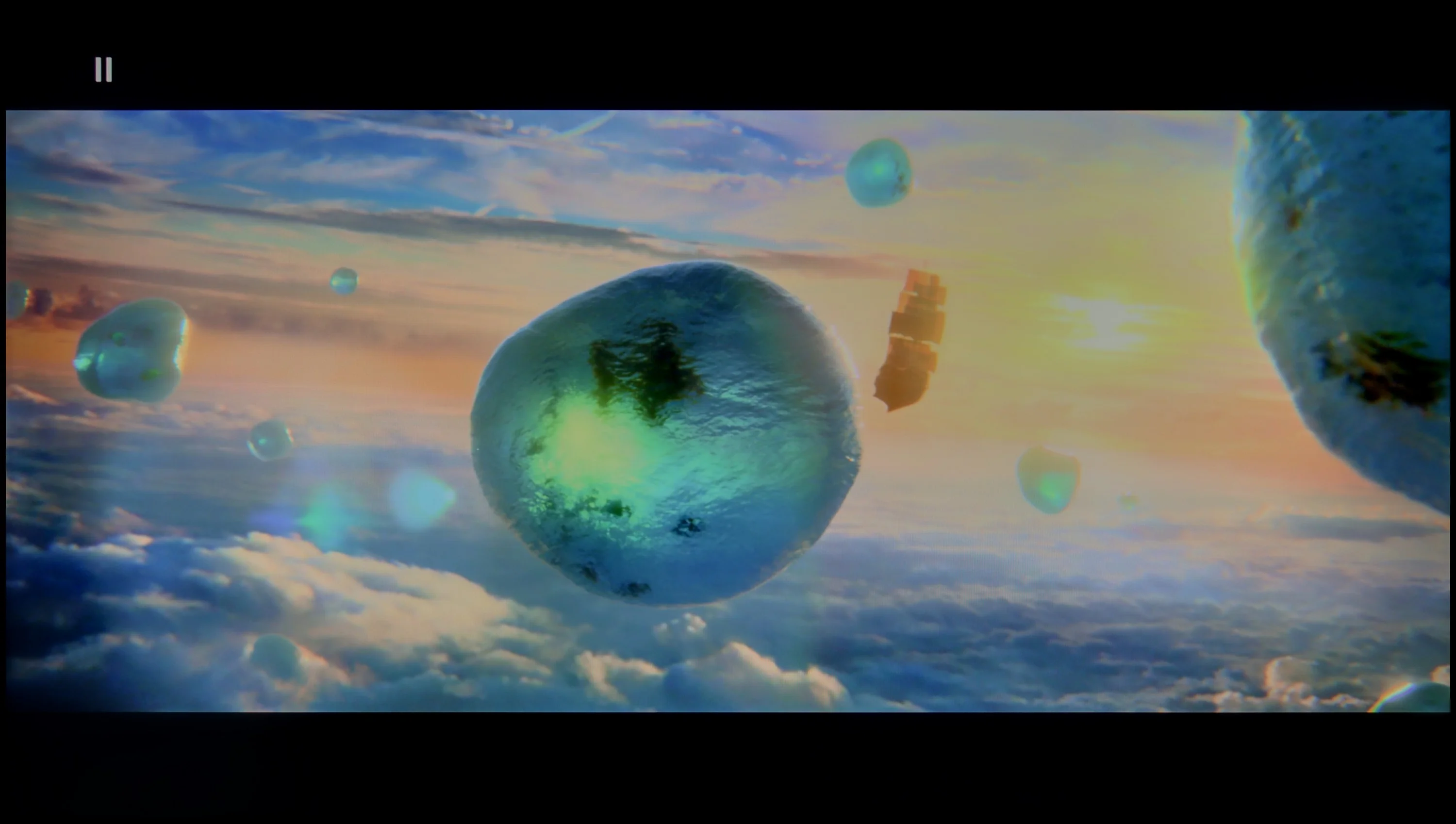
Scene from the movie “Pan” (about 2800 nits)

Scene from the movie “Billy Lynn” (about 1100 nits)
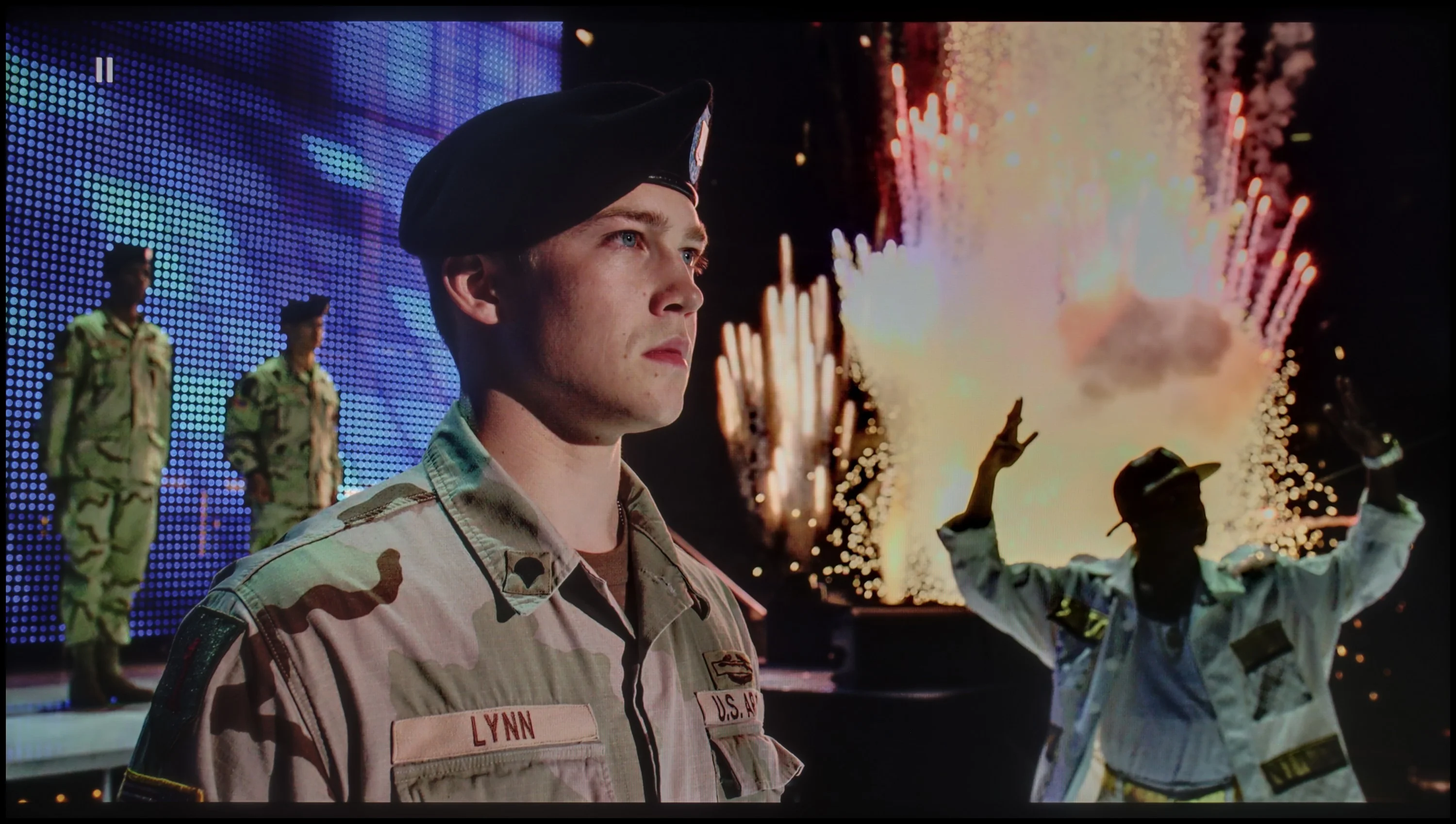
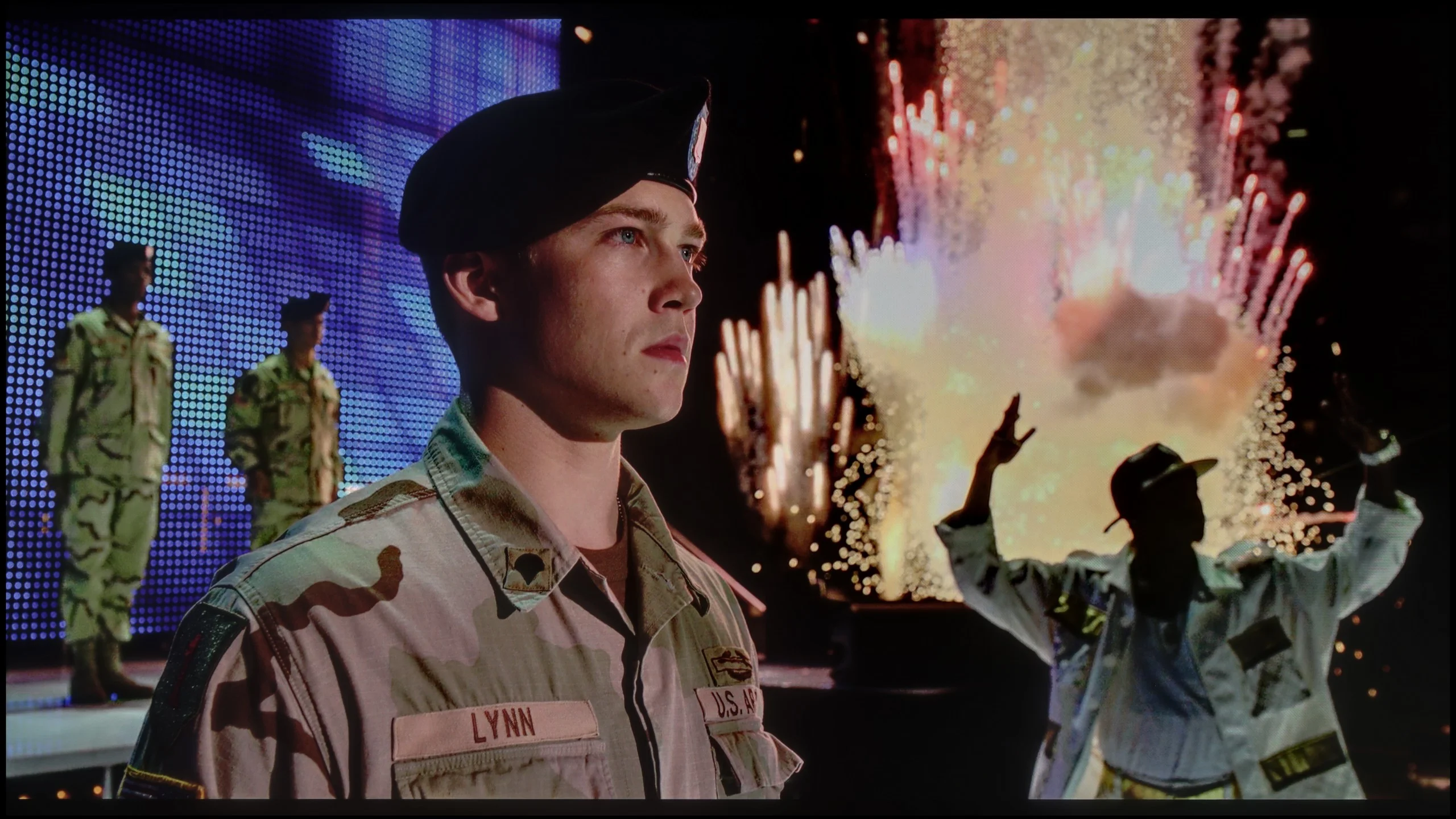
The photos show two HDR10 movies. 'Pan' is one of the brightest productions ever made, while 'Billy Lynn' (soldier) has brightness typical of streaming (Netflix, Prime, HBO MAX). Notice the intensity of effects and detail in whites.
Static HDR10


The photos present the visibility of white details in various HDR formats. They do not show brightness differences between TVs (these can be compared in the previous gallery).
Dynamic: Dolby Vision
Dynamic: Dolby Vision


The photos present the visibility of white details in various HDR formats. They do not show brightness differences between TVs (these can be compared in the previous gallery).
HDR luminance chart:
TCL C7K / QM7K
Philips The One (PUS8959 / PUS8919 / PUS8909 / PUS8949
The luminance graph for Philips PUS8959 shows that the television can achieve around 550 nits of brightness, which can be considered a satisfactory level. Such brightness allows you to feel the effects of HDR, which stand out particularly in more demanding scenes. In the tested patterns, the television performed quite well, even in challenging sequences like those from "Sicario 2". Due to the lack of local dimming, the television does not dim small bright elements, and they shine at the full "power" of the television but at the cost of silvery blacks, which we mentioned in the paragraph about black levels. It’s also worth praising Philips PUS8959 for its good coverage of the DCI-P3 colour palette, which is around 94.5%. This ensures that the colours are vivid and close to the creators' intentions, which further enhances the quality of HDR effects and the experience of watching high dynamic range content.
TCL C7K is one of the brightest MiniLED TVs in its price class. Under optimal testing conditions, the screen can achieve over 1200 nits, resulting in impressive, at times dazzlingly bright scenes. And most importantly – this isn’t just a theory from measurements. In practice, even the brightest moments in movies can shine with true cinematic grandeur. Home HDR cinema fans should be really pleased.
The impression is fantastic, especially in scenes with large areas of brightness – a white sky, explosions, sun reflections, or magical sunsets can surprise with an intensity of light that rarely appears in this price range.
However, things get a bit worse when more challenging scenarios appear on the screen, previously described in terms of contrast – that is, images full of details, with small bright elements on a dark background. In such cases, the C7K often opts to preserve black at the expense of brightness. An example? Scenes from movies like Sicario 2 or Life of Pi, where small light sources (like a distant lantern) may become less visible, and details in the lights are simply dimmed or blend into the background.
For many viewers, this may be an acceptable compromise – as we achieve deep blacks and pleasant image depth. Nevertheless, it’s important to recognise that the visibility of small details in bright areas is not this model's strong suit. It’s simply a technological limitation that still exists – even with over 300 zones.
Factory color reproduction
4.1/10
6/10


This gallery shows how colors change after professional TV calibration. If you notice the difference, we recommend ordering this service at SkalibrujTV.com.
Factory Mode
After calibration
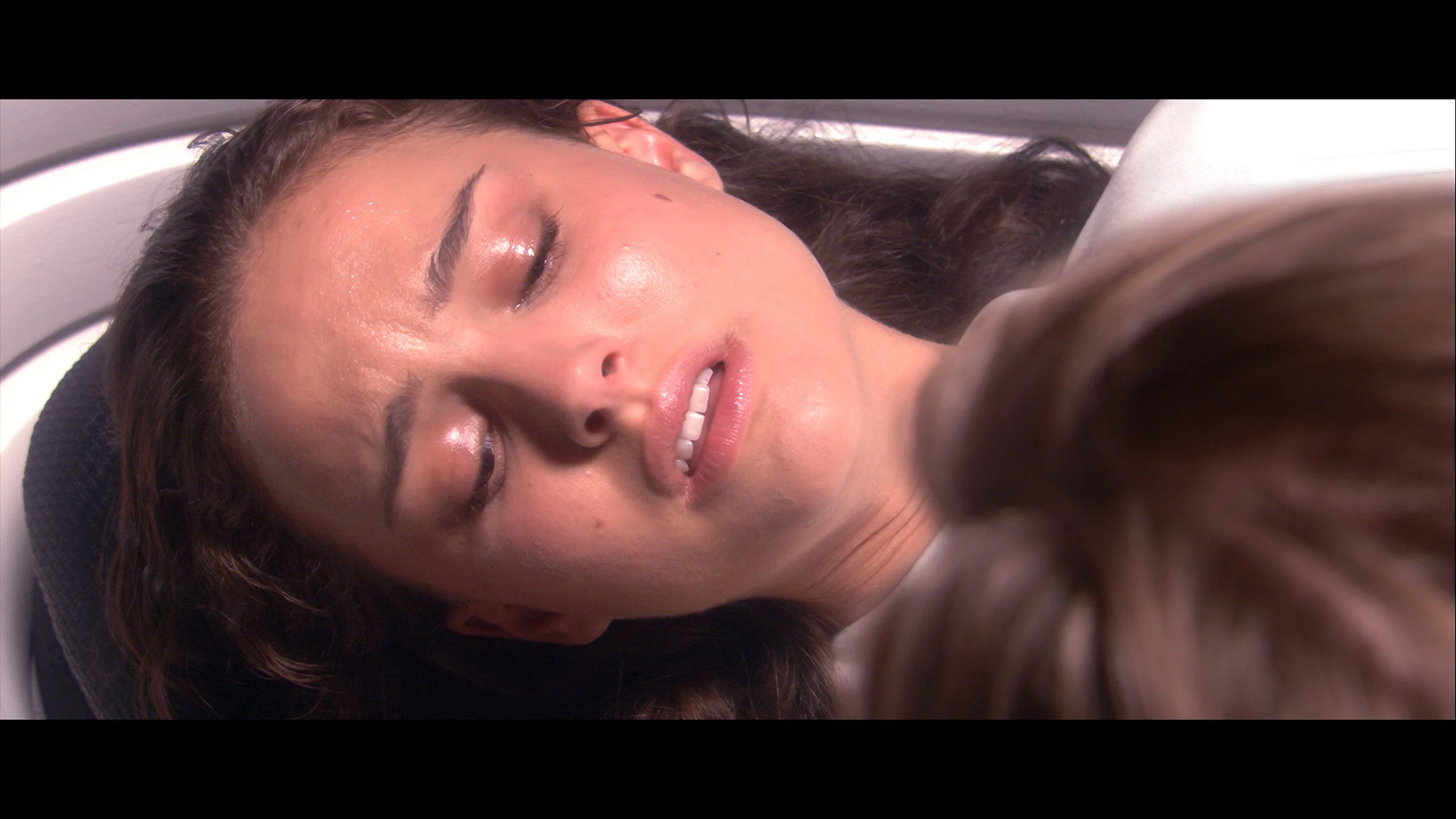
This gallery shows how colors change after professional TV calibration. If you notice the difference, we recommend ordering this service at SkalibrujTV.com.
Factory Mode
After calibration
The television Philips PUS8959 has been tested in the best, theoretically most precise picture mode – Filmmaker. Although the name suggests film quality, it unfortunately falls short of perfection. The biggest issue in this mode is the white balance, both in HD and 4K content. It is characterised by a significant dominance of the red colour and drops in the green levels, resulting in unnatural colour reproduction. For example, white elements of the image have a noticeable pink hue, and the green is less intense, which diminishes the overall naturalness and colour balance. The ColorChecker test confirms these errors – it is clearly visible how the colour samples "deviate" from the proper values, which can best be observed on the sample squares that should precisely reproduce the colours. The lack of accuracy in this regard affects the realism and fidelity of the image, which is particularly undesirable in Filmmaker mode.
As for the brightness characteristics, the gamma graph resembles a roller coaster – with small elements displayed on the screen, the brightness is excessive, causing details to become overly exposed. Conversely, at higher gamma values, the image loses contrast and becomes too dark, making the whole appear lacking in dynamism. Similar problems can be observed in the EOTF characteristics – the television is unable to accurately reproduce the brightness levels, negatively impacting the overall picture quality.
A new feature in TCL televisions for 2025 is the long-awaited Filmmaker mode, which until now has been found in most competing brands. This is great news, as this mode is considered the most faithful to the original vision of the creators and is often recommended by enthusiasts of quality visuals. Unfortunately – as is often the case – the mere presence of it does not guarantee perfection. The Filmmaker mode in the TCL C7K is not without its faults. There are issues with inaccurate white balance, particularly a slight blue tint that resulted in cool, somewhat greyish skin tones. But that wasn’t the biggest problem. The main complaint was excessive brightness exposure, which is clearly visible on gamma and EOTF charts. The image was simply too bright, at times even blown out, which affected not only the texture of scenes but also the overall viewing experience. Some details were just lost, and the entire image looked as if someone had overdone the brightness slider. As always, we decided to see what could be squeezed out of it after calibration. And this is where things started to get really interesting…
Color reproduction after calibration
8.1/10
7.5/10
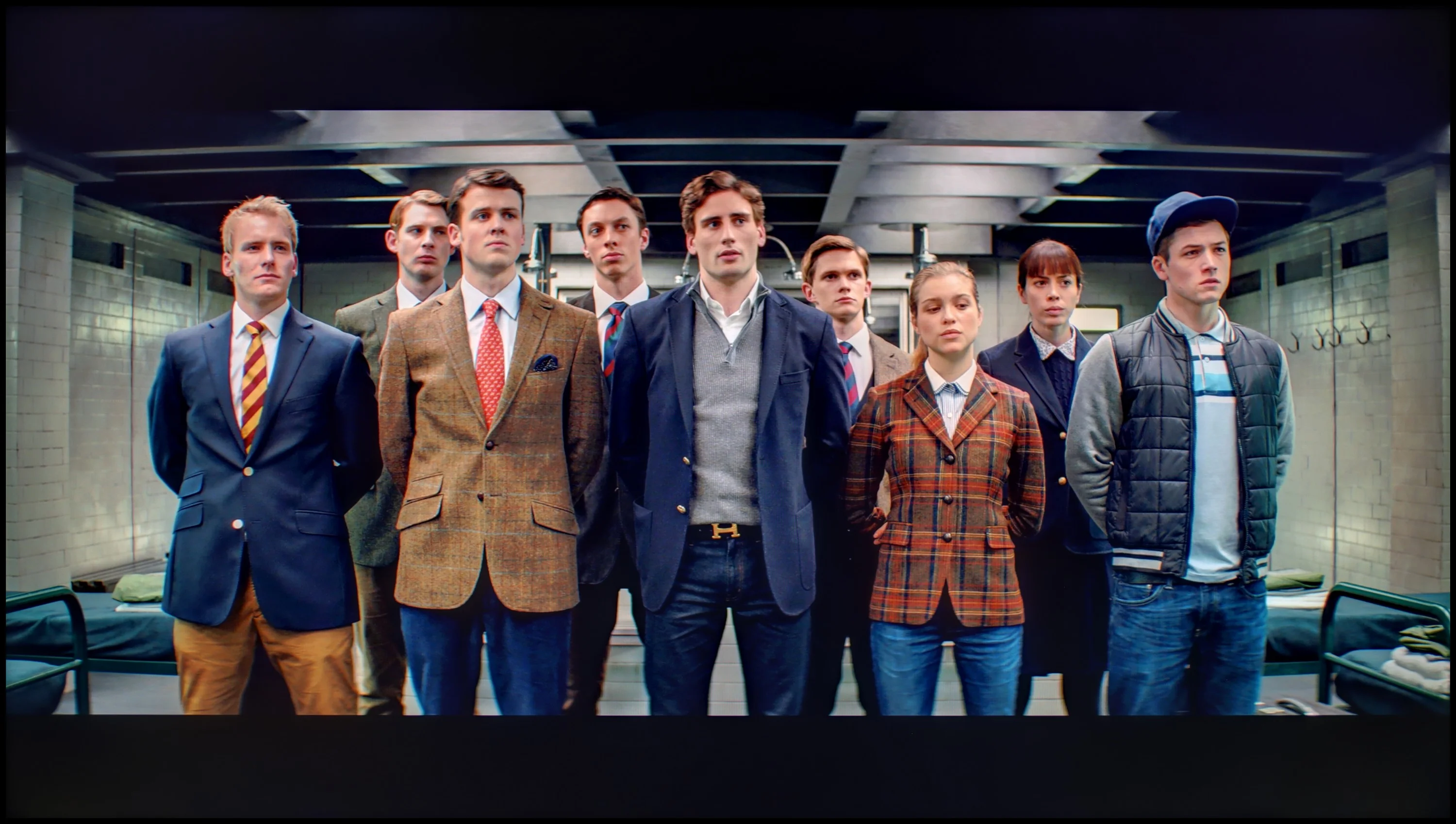
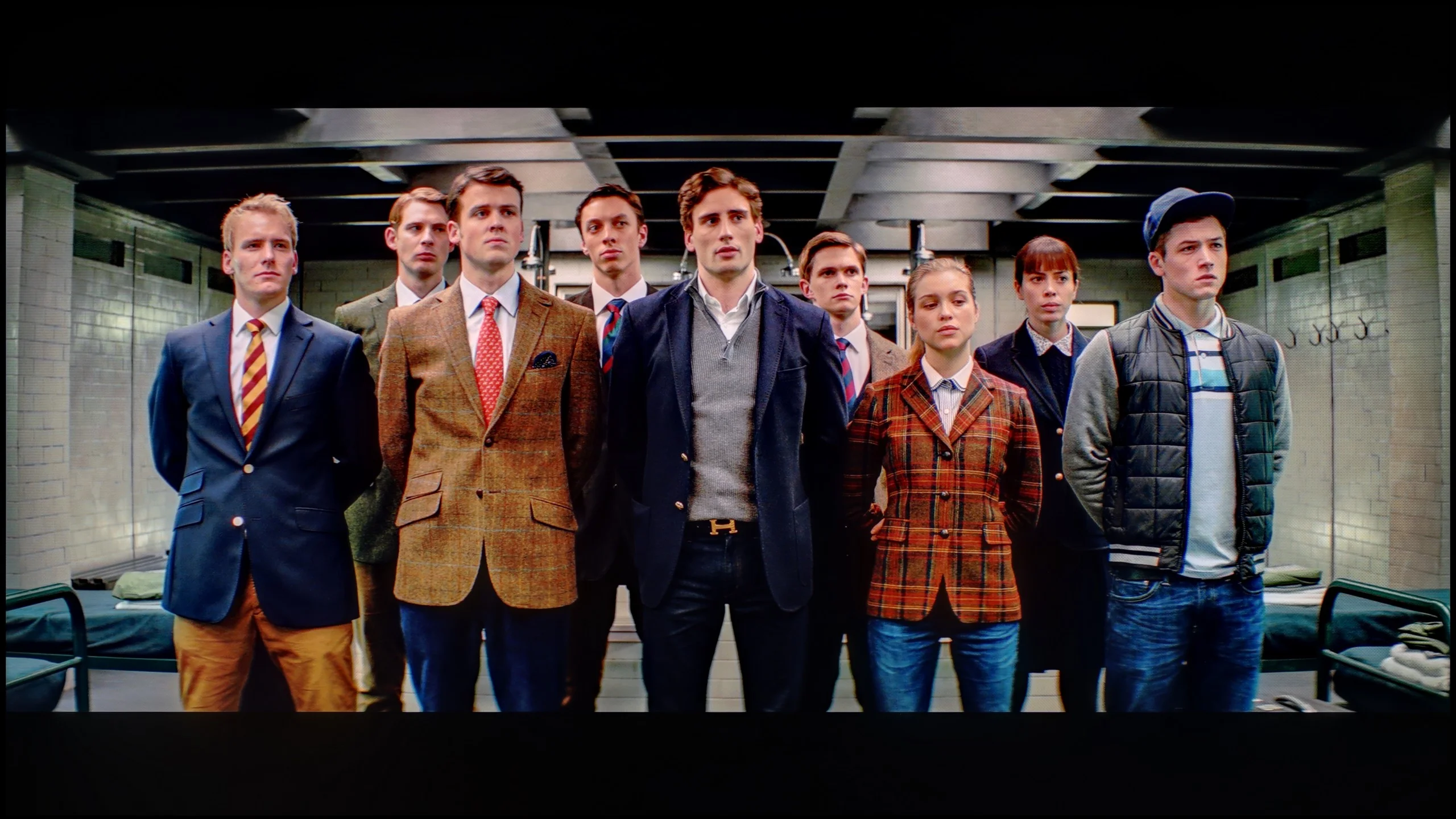
The photos show how movies look on the TV. Pay attention to black detail visibility, colors, and shadow tint.


The photos show how movies look on the TV. Pay attention to black detail visibility, colors, and shadow tint.
After calibration, the Philips PUS8959 shows a significant improvement in colour reproduction, especially in HD content. The white balance is exceptionally even, and the Delta E error values are below 1, which can be regarded as an outstanding result. Additionally, the gamma, which affects brightness in lower quality materials, performs very well, maintaining a stable level at 2.4, leading to an appropriate balance between bright and dark areas of the image.
When it comes to 4K HDR materials, there is also a noticeable improvement. The white balance, although not as perfect as in HD content, no longer suffers from excessive red exposure, making the image appear more natural and harmonious. Unfortunately, regarding the EOTF characteristic, it’s difficult to speak of any significant improvement, which stems from the structural limitations of the television that prevent substantial enhancement in this aspect.
Nevertheless, overall, it looks much better after calibration, making the Philips PUS8959 one of those televisions where it's truly worth investing time in precise calibration to achieve satisfactory image quality.
After calibration, the TCL C7K showed itself in a really good light, especially when it comes to SDR content. We managed to precisely tune the white balance, colour gamut, and brightness characteristics so that the colour errors on the ColorChecker palette fell below a value of 2. For the uninitiated – this is nearly a perfect result, which means that the image is very close to what the creators intended. Unfortunately, it was a different story with 4K HDR content. While we were able to slightly calm down the white balance and correct its earlier errors, it was still evident that the TV has some "MiniLED traits", particularly in brightness management. When we checked how the C7K handled the EOTF curve on real film scenes, rather than just on synthetic test patterns, it turned out that the screen still had a tendency to slightly brighten the entire image. This affects the overall experience – the black loses some depth, and the image becomes less contrasty than it should be. Despite these minor issues with HDR content, the overall reception of materials – especially in SDR – is really very good. After calibration, the C7K can display an image that can successfully compete with much more expensive models. Good colour tuning, natural skin tones, and pleasant brightness make movie watching and everyday content viewing more than satisfactory.
Smoothness of tonal transitions
8.9/10
8.6/10
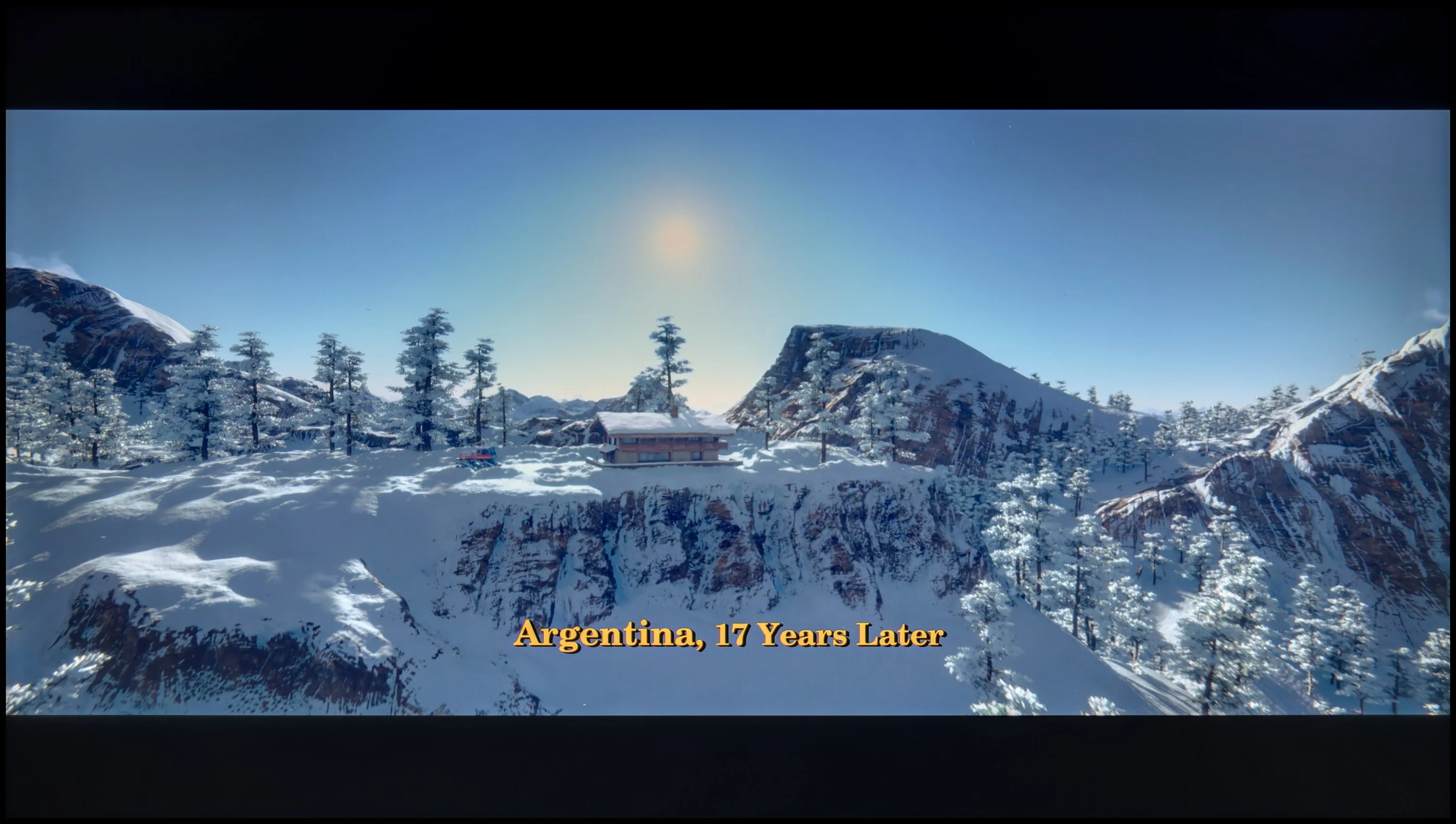

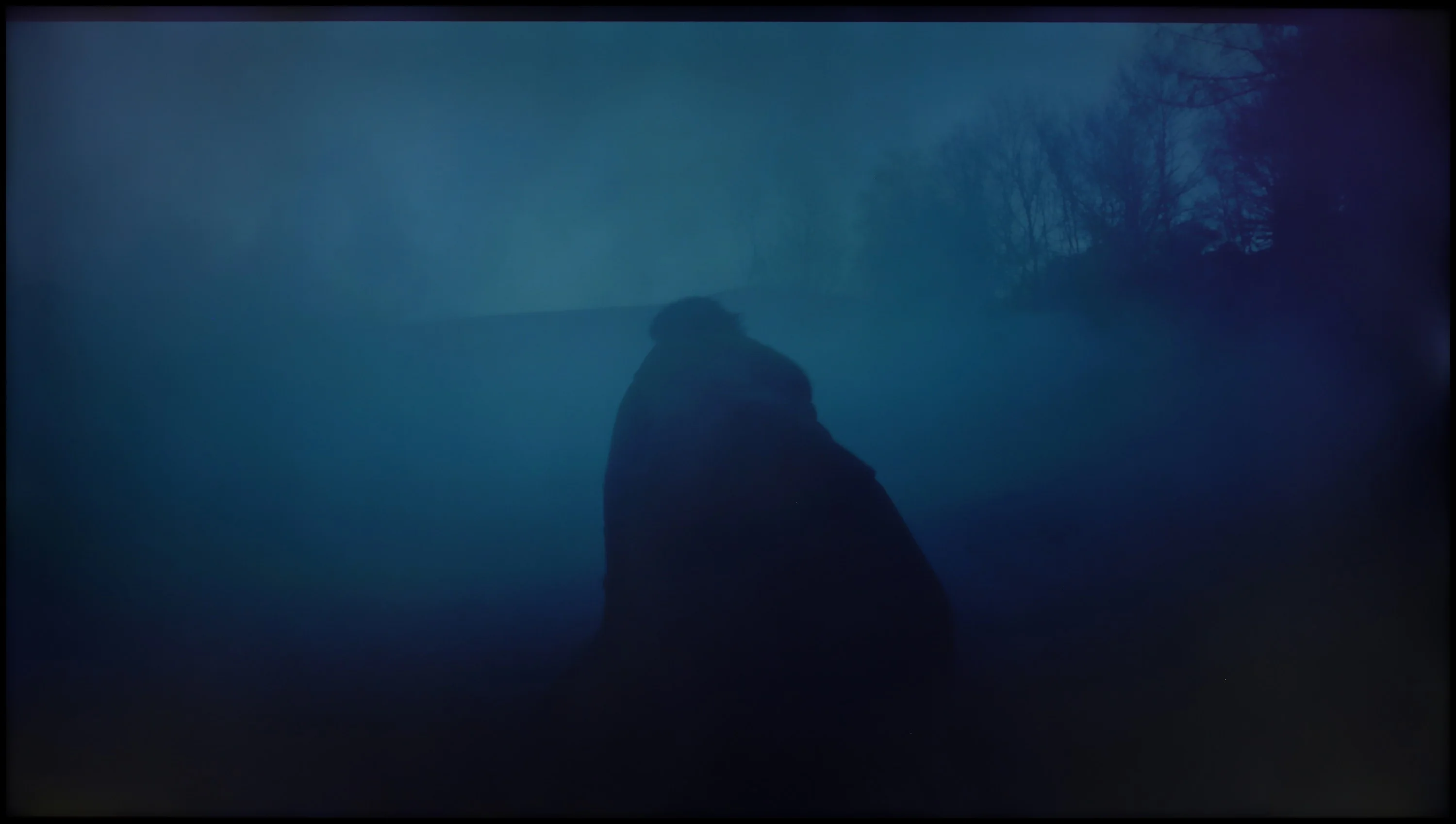
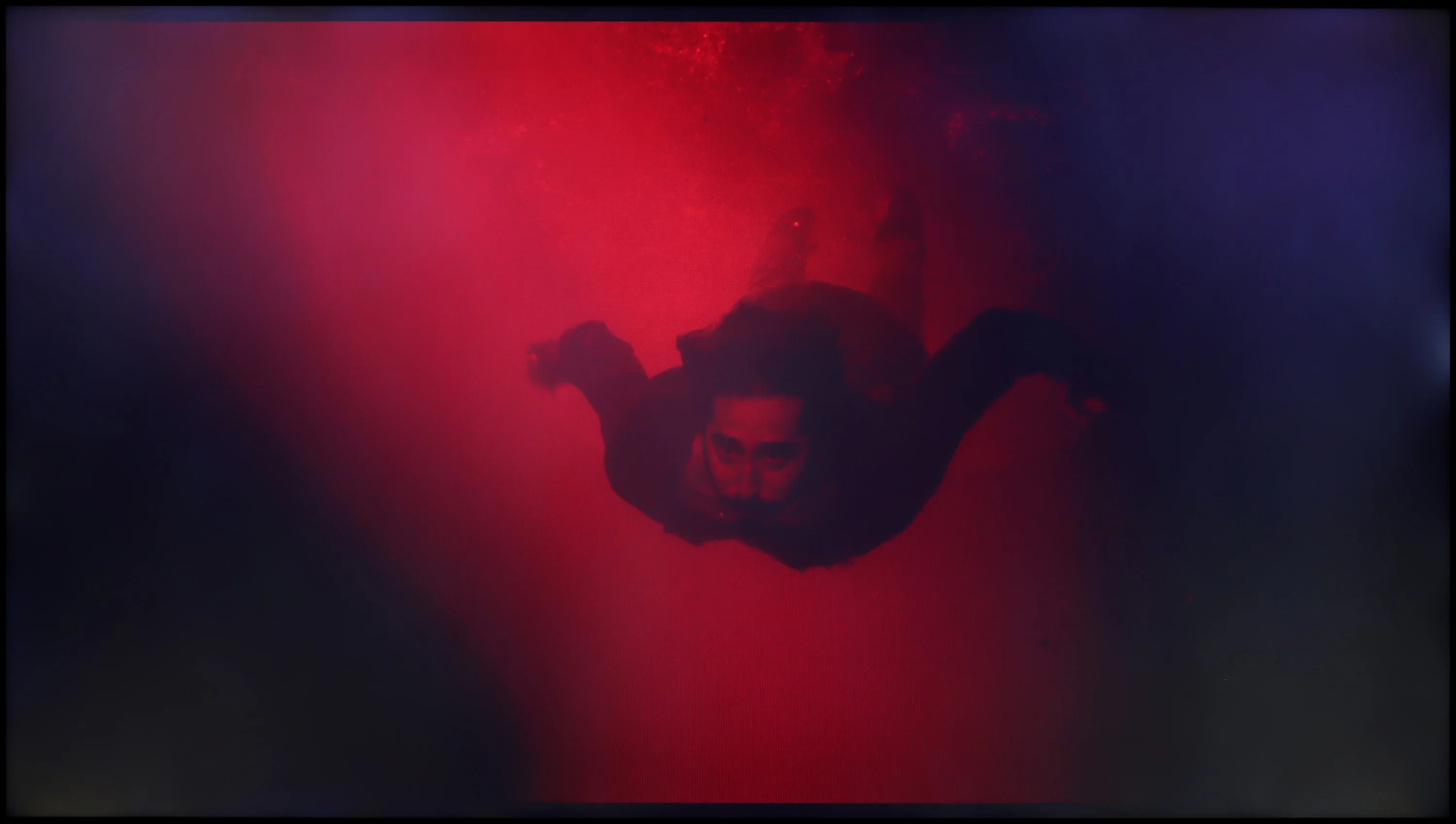
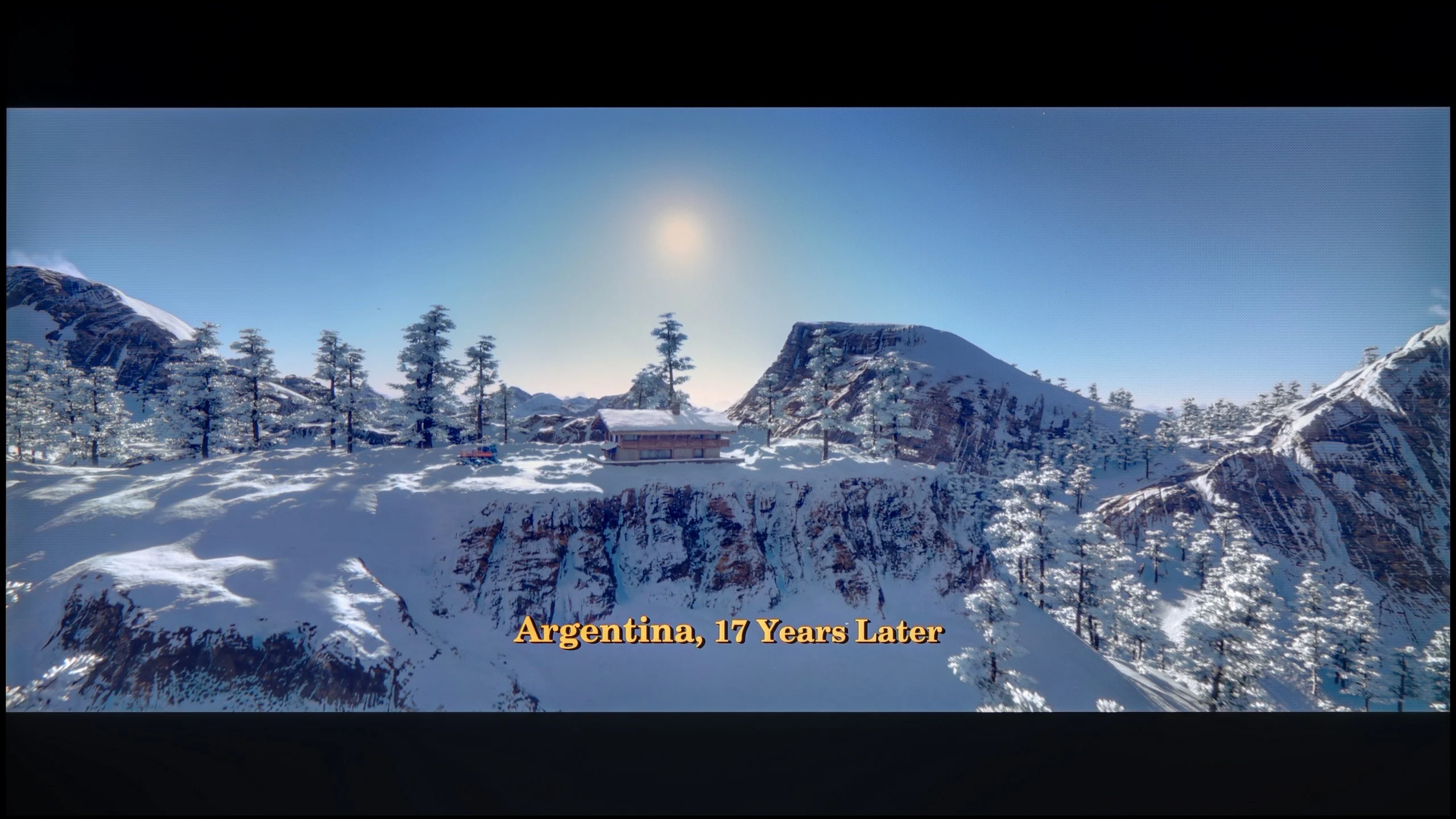
These are selected scenes that show smooth tonal transitions from one color to another. If you see distinct banding, it’s the TV panel’s fault.

These are selected scenes that show smooth tonal transitions from one color to another. If you see distinct banding, it’s the TV panel’s fault.
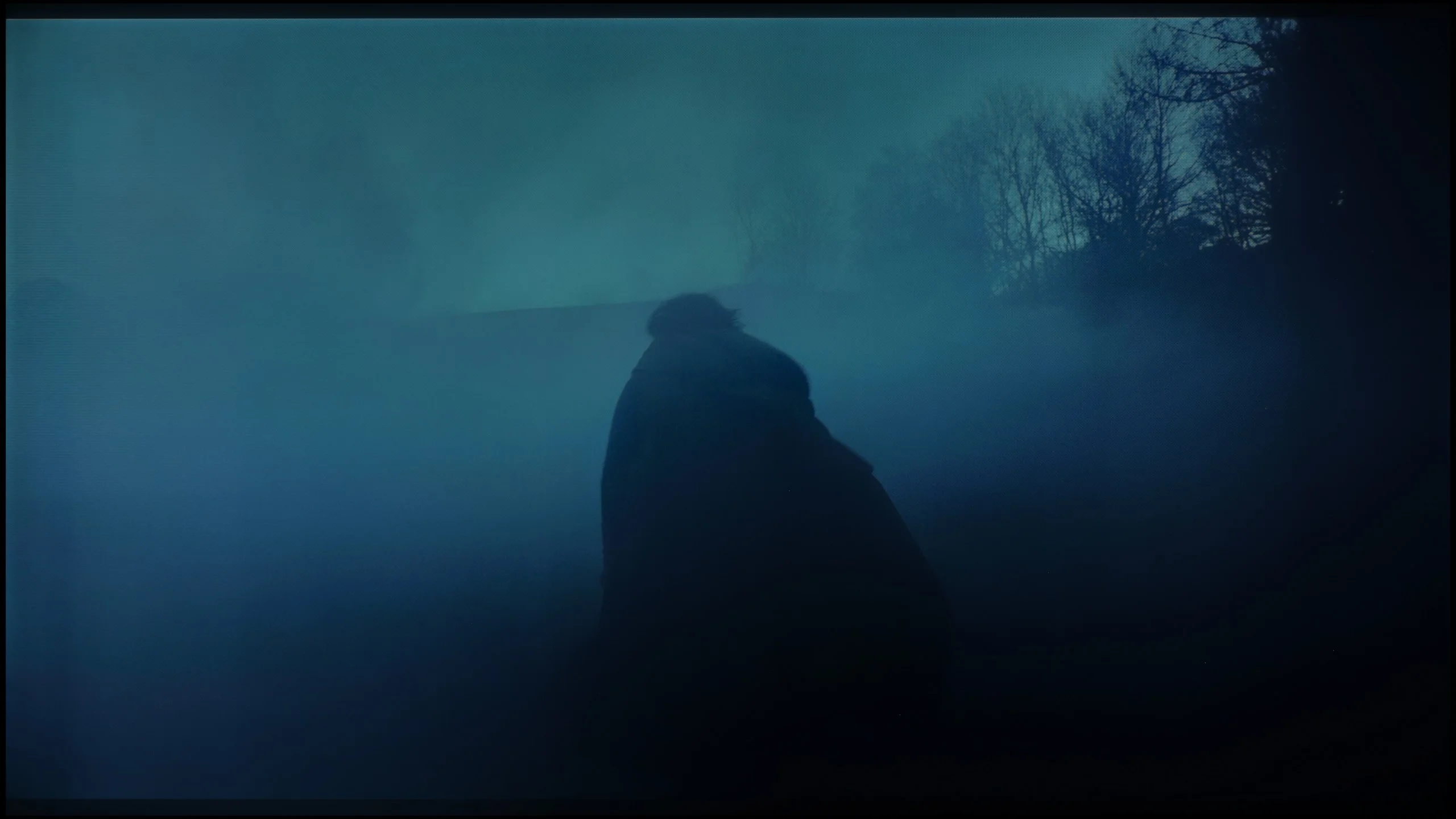
These are selected scenes that show smooth tonal transitions from one color to another. If you see distinct banding, it’s the TV panel’s fault.
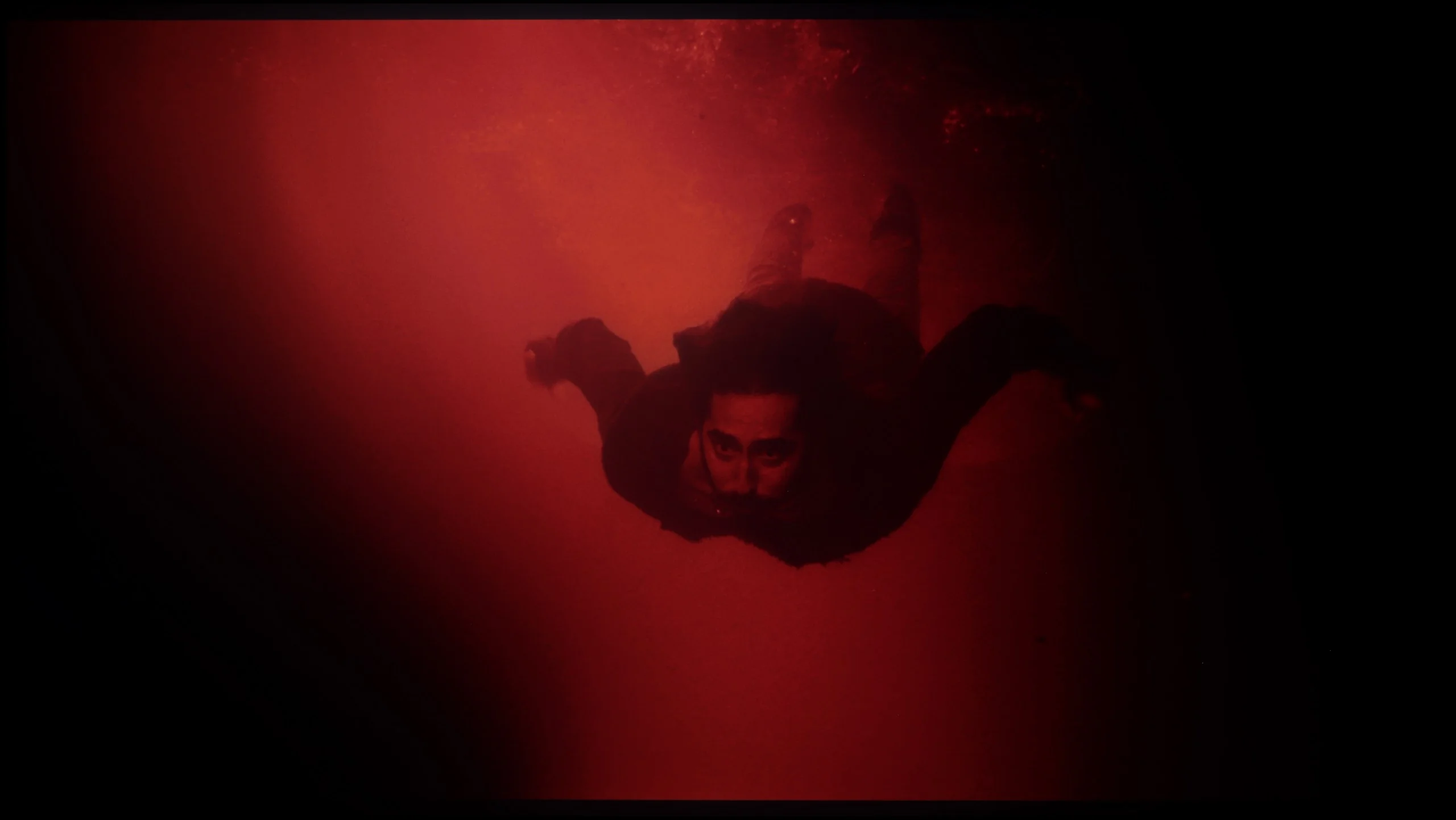
These are selected scenes that show smooth tonal transitions from one color to another. If you see distinct banding, it’s the TV panel’s fault.
The gradation on the Philips PUS8959 television looks very good, offering smooth tonal transitions in most scenes. Occasionally, minor issues can be detected, especially in transitions between certain colours, where subtle inconsistencies are noticeable. However, these imperfections are subtle enough that they do not significantly impact the overall viewing experience and can be considered completely acceptable. In everyday use, the television provides good enough gradation quality to satisfy even more demanding users, maintaining the naturalness of the image and a lack of glaring tonal distortions.
The TCL C7K performs very well with colour gradation – in most of the scenes tested, tonal transitions were smooth, and colours blended together without visible outlines or the artificial effect of "blotches". In everyday use, it's hard to find any faults – the picture looks natural, without jarring transitions or digital artifacts. Certain limitations only appear in very dark tones – especially in a heavily muted grey palette, where the television may struggle to reproduce the ideal gradation. But that’s absolutely understandable, as even many significantly more expensive models in this range simply can't cope. Fortunately, these situations are rare and don’t really affect the overall perception.
Image scaling and smoothness of tonal transitions
6.5/10
5.5/10

Smooth transition function
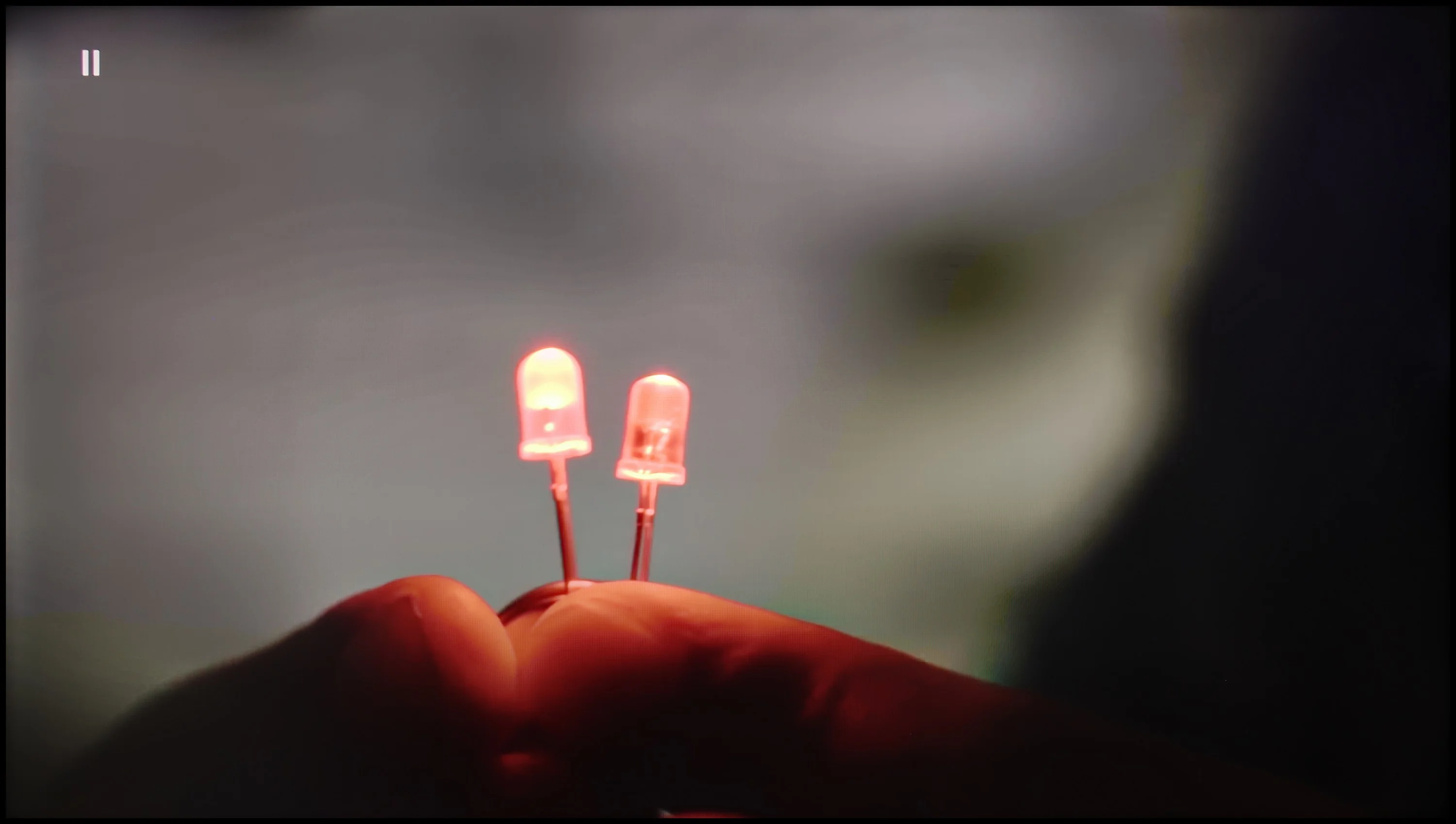
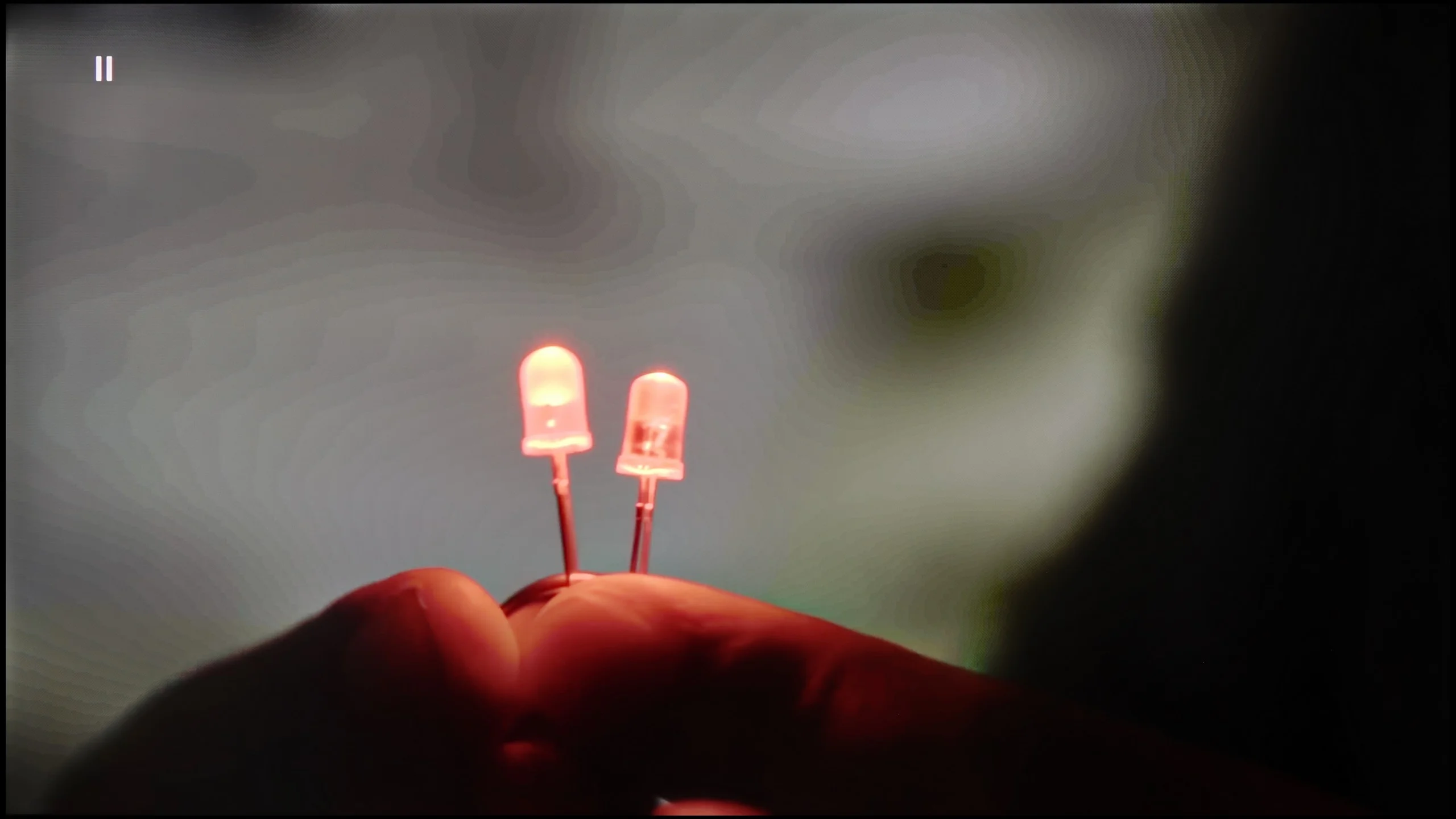
The match photo shows how the TV smooths weak tonal transitions in low-quality video.
Image scaling SD (576i)


The model photo shows how it handles upscaling of SD material.
When it comes to smoothing tonal transitions, the "Distortion Reduction" function in the minimum position performs quite well, effectively smoothing tonal transitions without excessive impact on other elements of the image. In testing, I did not notice that the reduction negatively affected the structure of the image, such as film grain or details of objects – everything remains in its place, which is a big plus for users who value the natural look of film material.
As for digital processing, the image looks pretty good, although it features very softened contours, giving it an almost "leafy" character. This effect may evoke mixed feelings – some users will appreciate the fluidity and delicacy of this type of presentation, while others may find it too gentle, losing detail. It is a matter of individual preference, but it must be admitted that Philips PUS8959 provides quite subtle yet effective tools for improving tonal transitions without excessive interference with the natural character of the image.
TCL C7K has a feature that, according to the manufacturer, is meant to smooth out undesirable colour transitions – something like a rescue for less successful tonal shifts. It's called "Gradual Smoothing," and... well, it sounds ambitious, but in practice, it works very poorly. Regardless of whether we set it to low or high, the difference is minimal. Worse still – the feature can cut out elements from the image that should remain. Fortunately, film grain remains untouched, so at least it doesn't smooth everything indiscriminately, but even so – it's better to simply turn this option off.
When it comes to upscaling lower resolution content, it's already better. SD and HD materials look quite decent, although at times we had the impression that the image loses sharpness and becomes too soft – as if something took away its clarity. Fortunately, with very low sources (e.g., 576p), there was no overscan effect, meaning the image wasn't artificially cropped – everything fit on the screen as it should.
Blur and motion smoothness
8/10
8.1/10
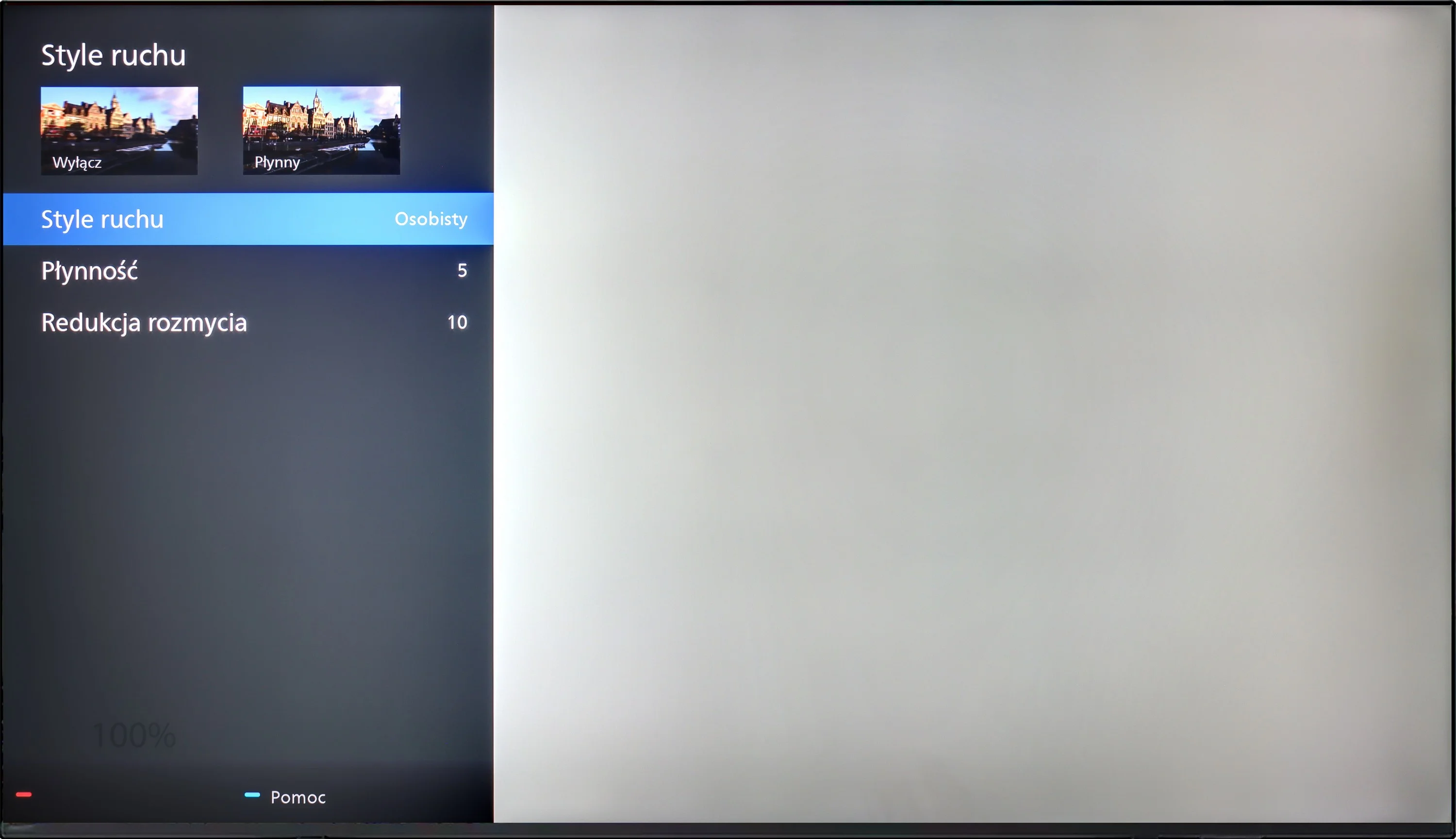
Blur (native resolution, maximum refresh rate):


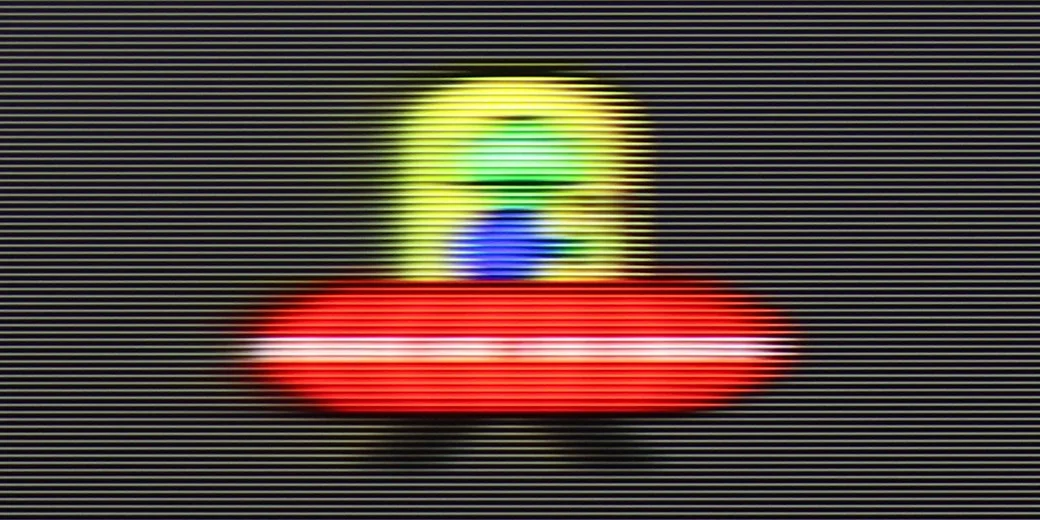
Blur (BFI function enabled):


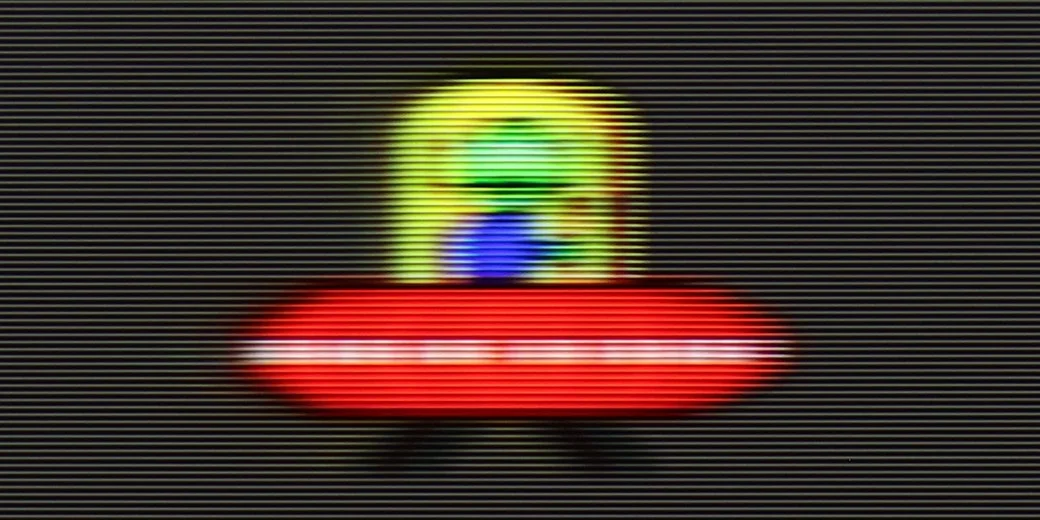
Blur ():
Blur (4K 144Hz):



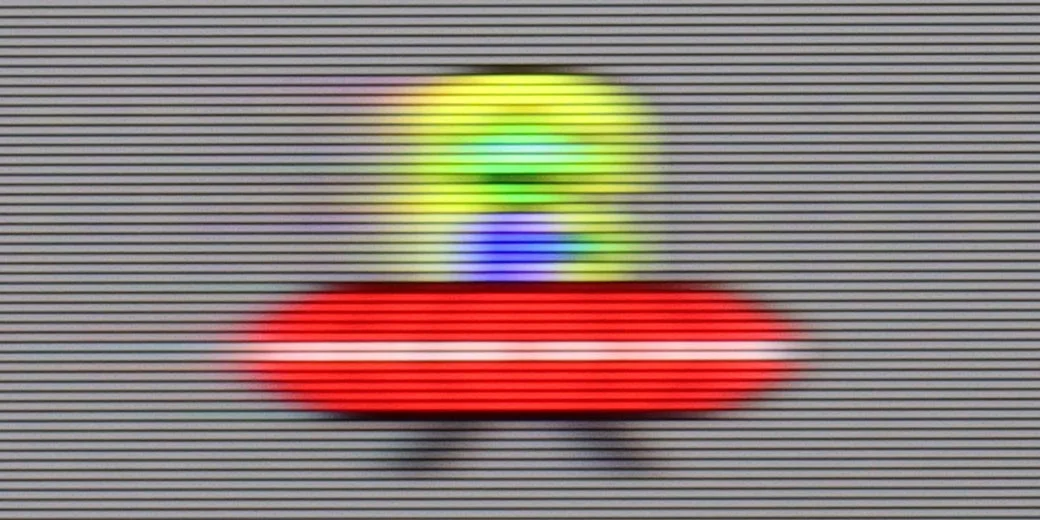
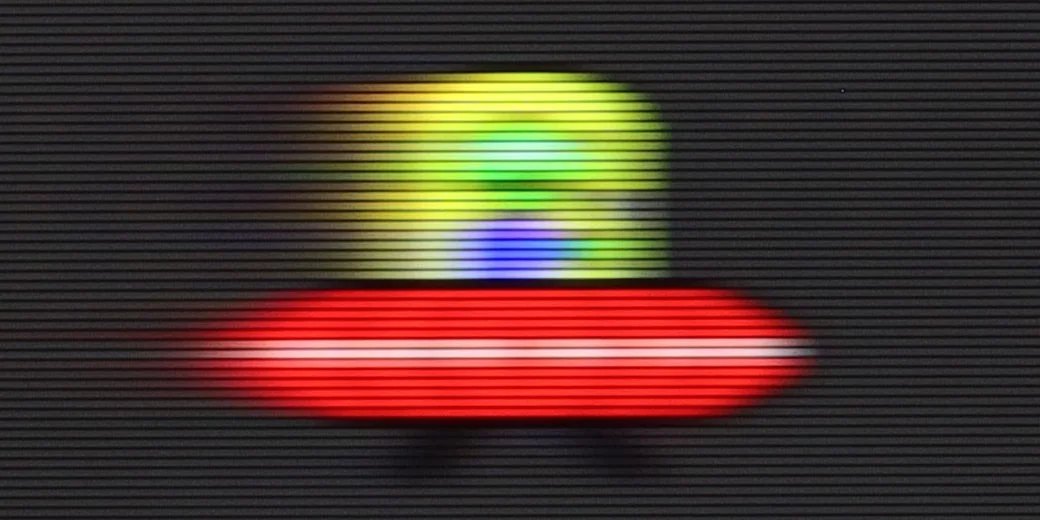
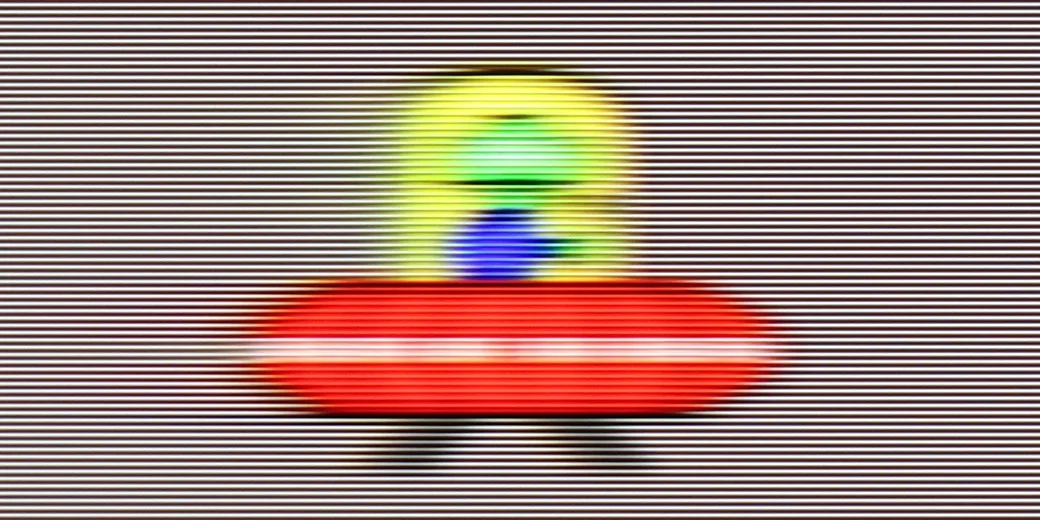
Philips PUS8959 TV is equipped with a 120 Hz panel, which should satisfy more demanding users, especially those who love watching dynamic sports broadcasts or playing games. Such a high refresh rate allows for significantly smoother images, being a key aspect during dynamic scenes and fast actions.
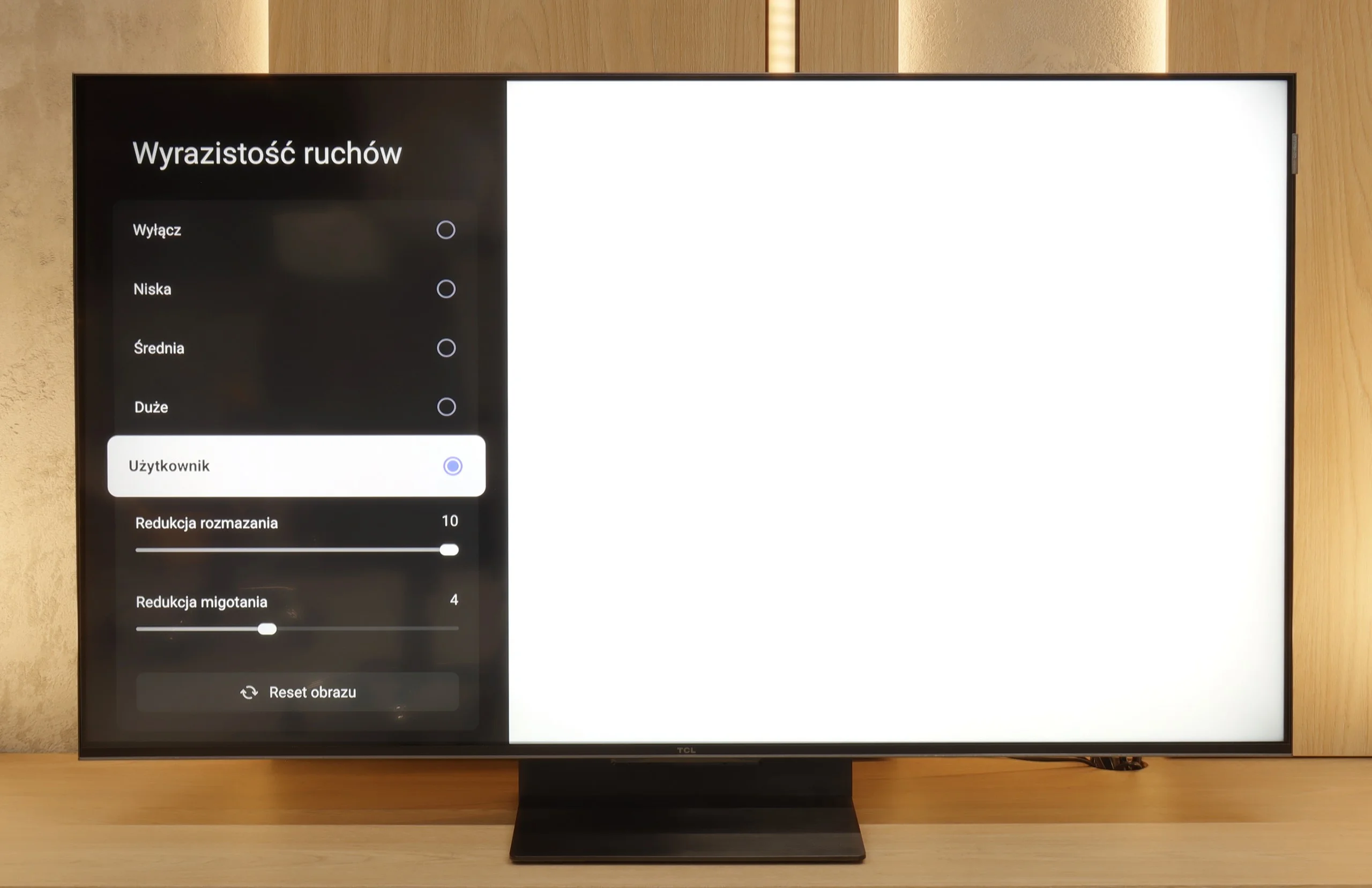
For those who prefer watching movies, the TV offers an additional motion smoother that allows adjustment of the frame rate according to personal preferences. The Philips PUS8959 features a 10-step adjustment for functions called "Smoothness" and "Motion Blur Reduction". The "Smoothness" function increases the number of frames through interpolation, making movement on the screen smoother, reminiscent of the so-called "soap opera effect". Meanwhile, "Motion Blur Reduction" focuses on minimising streaking and improving motion clarity, which is particularly noticeable in dynamic sequences such as action scenes or fast sports shots.
TCL C7K handles motion fluidity really well. The panel it uses offers a refresh rate of 144 Hz, which suggests that this TV is more than just a standard "60 Hz" panel. Furthermore, if we connect the C7K to a computer and set the resolution to Full HD. But we will write more about this in the paragraph on gamers and PC compatibility. Returning to everyday use – both sports and movies look very good here. Thanks to the fast panel and the well-functioning motion smoother, the C7K is great for watching matches, but also for movie screenings. In the menu, we find two sliders – motion blur reduction and flicker reduction – that allow you to adjust the fluidity effect to your own preferences. At lower settings, we get a more cinematic effect, with slight judder. At higher settings – the image becomes more theatrical, fluid to the point of excess. Whatever your preference – everyone can set it their own way.
Console compatibility and gaming features
9.8/10
9.8/10
- ALLM
- VRR
- VRR range48 - 144Hz48 - 144Hz
- Dolby Vision Game Mode
- Correct implementation of HGIG
- 1080p@120Hz
- 1440p@120Hz
- 4K@120Hz
- Game bar
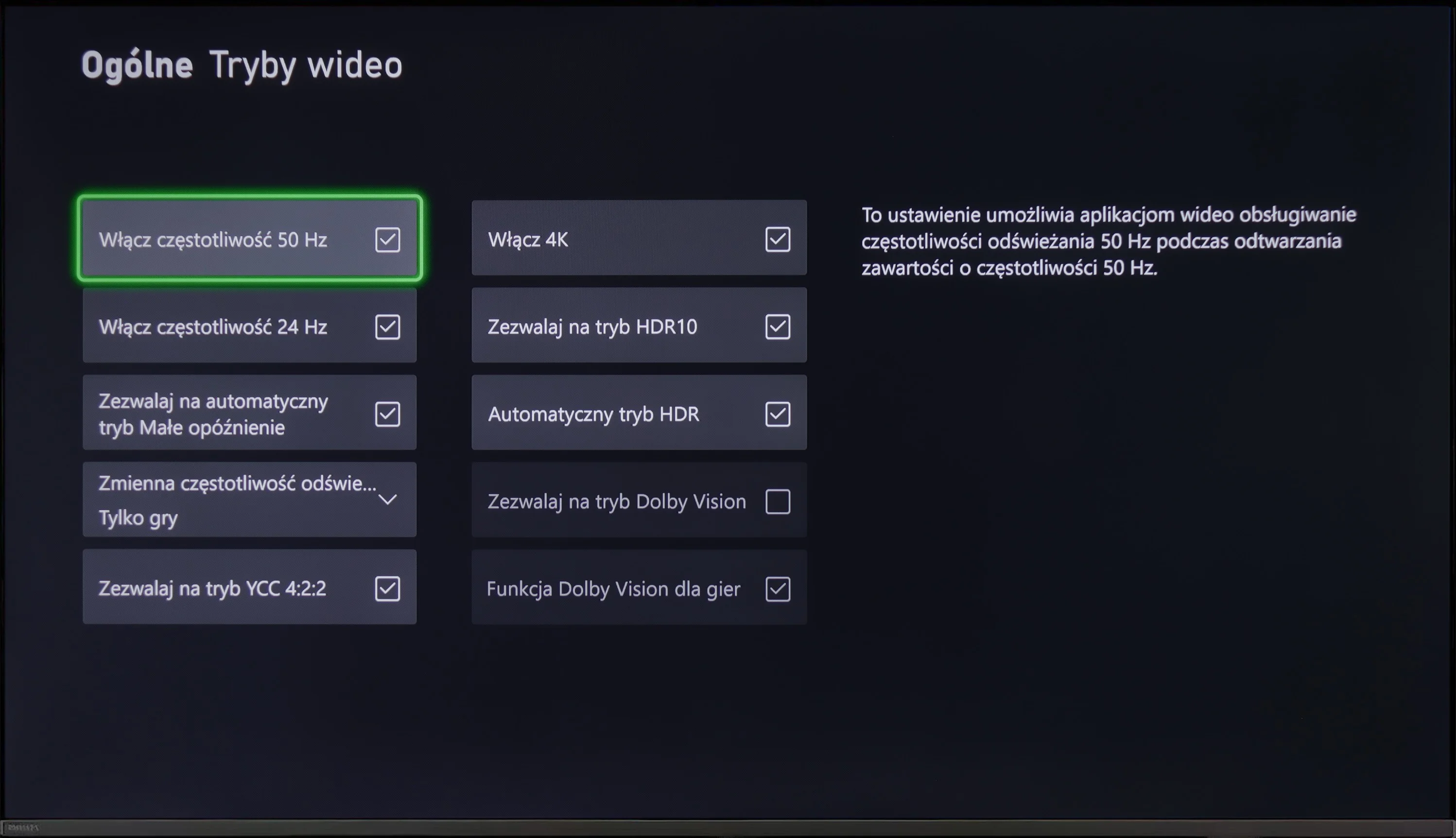
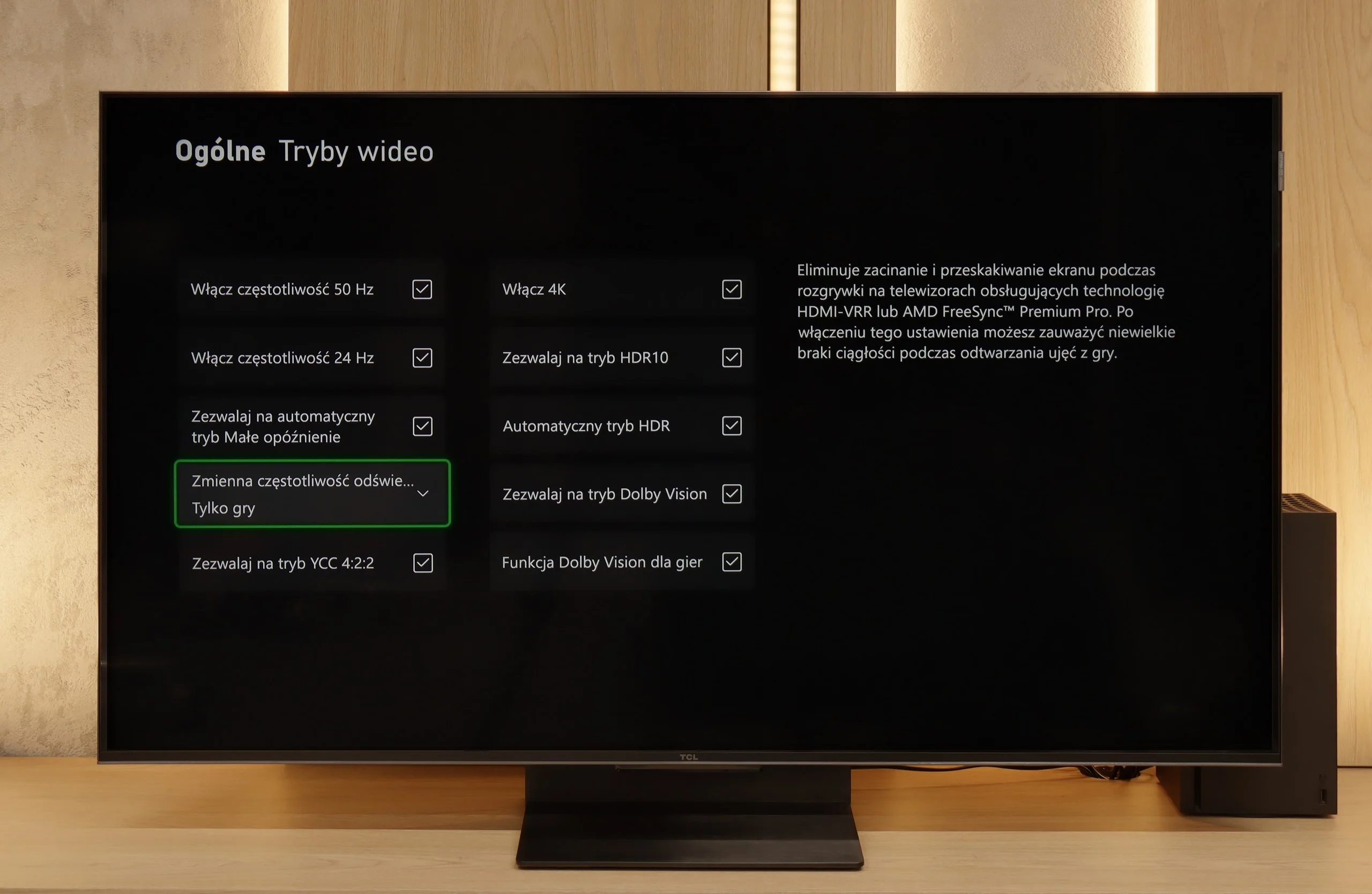
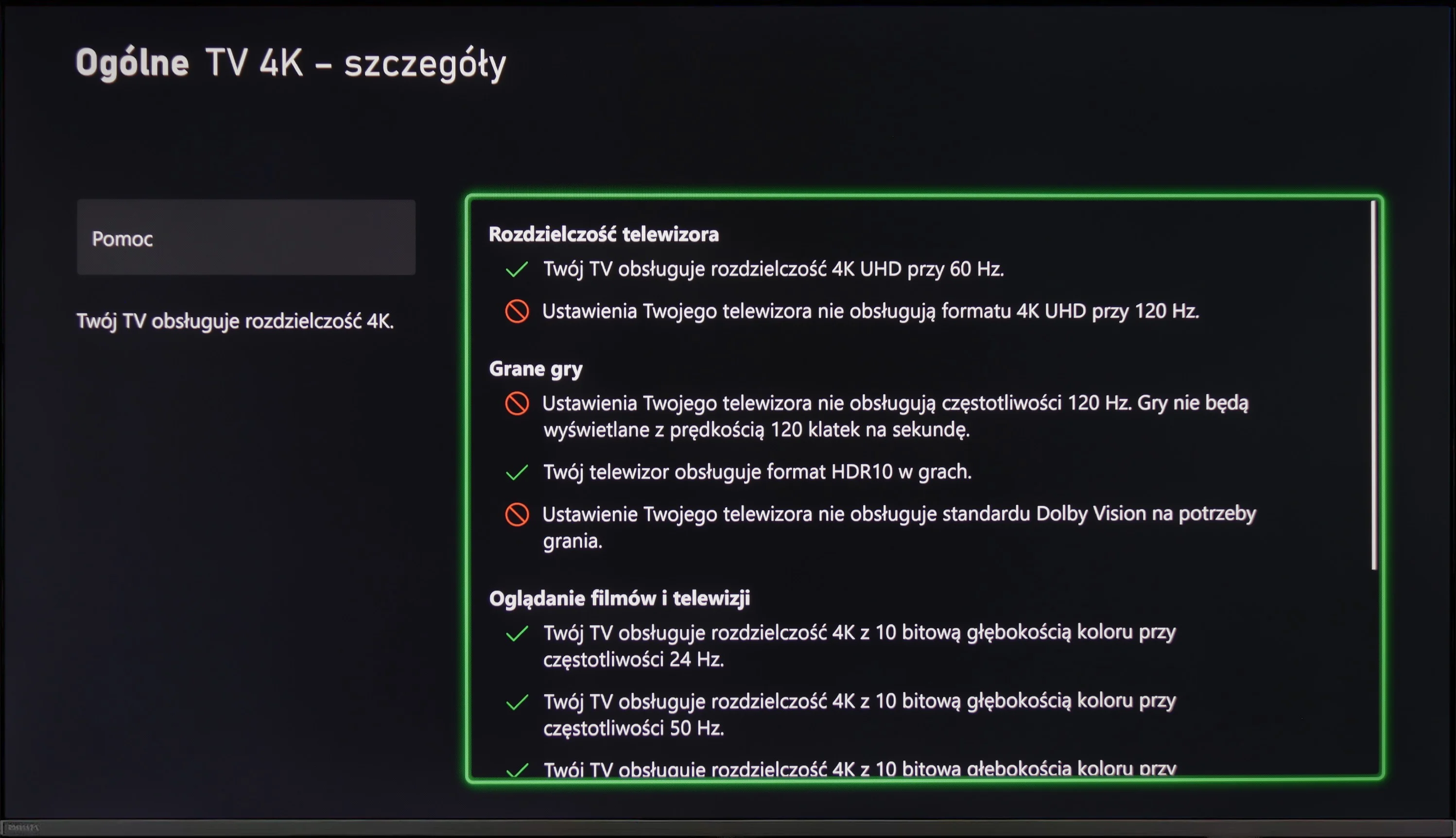
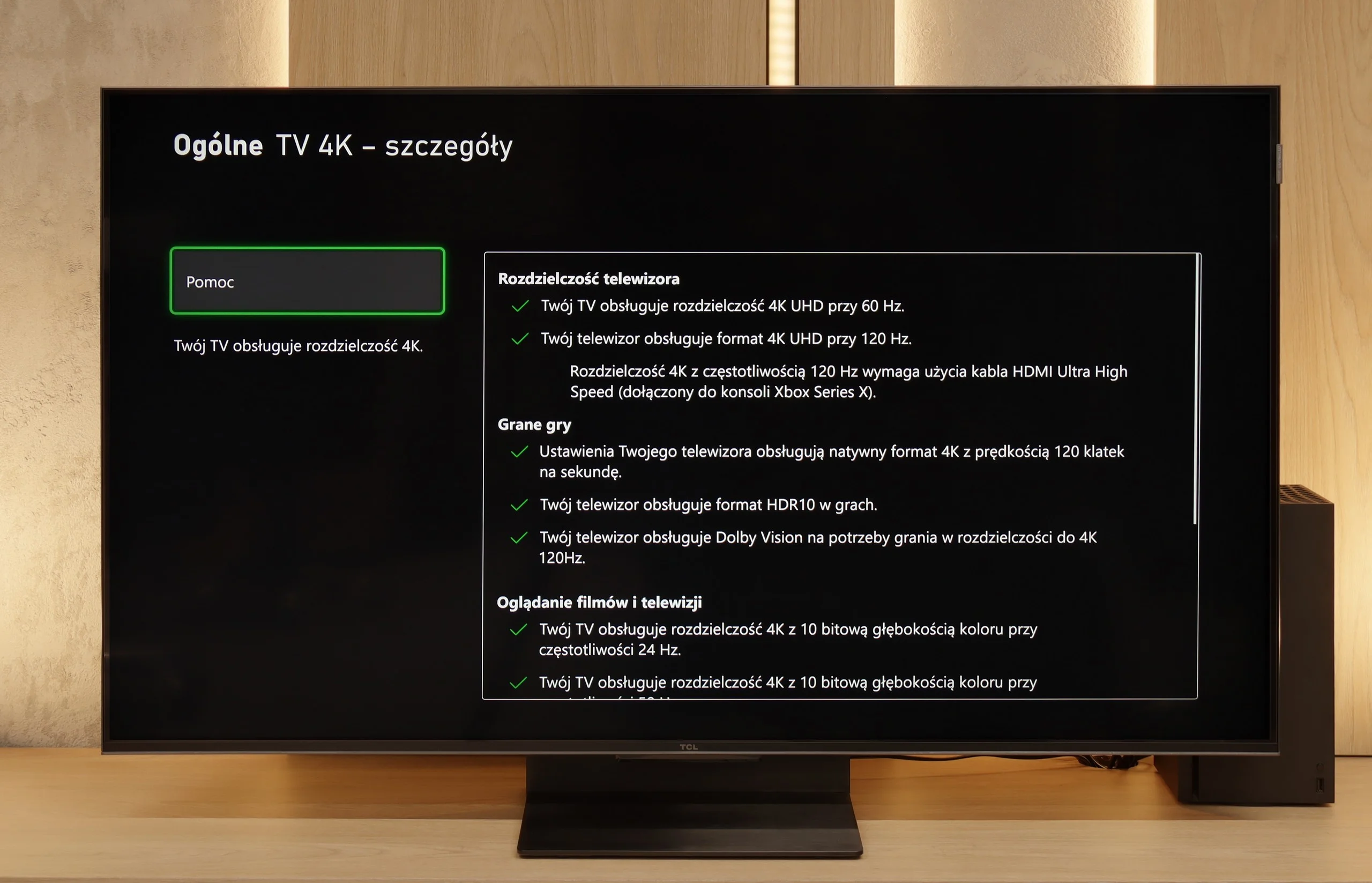
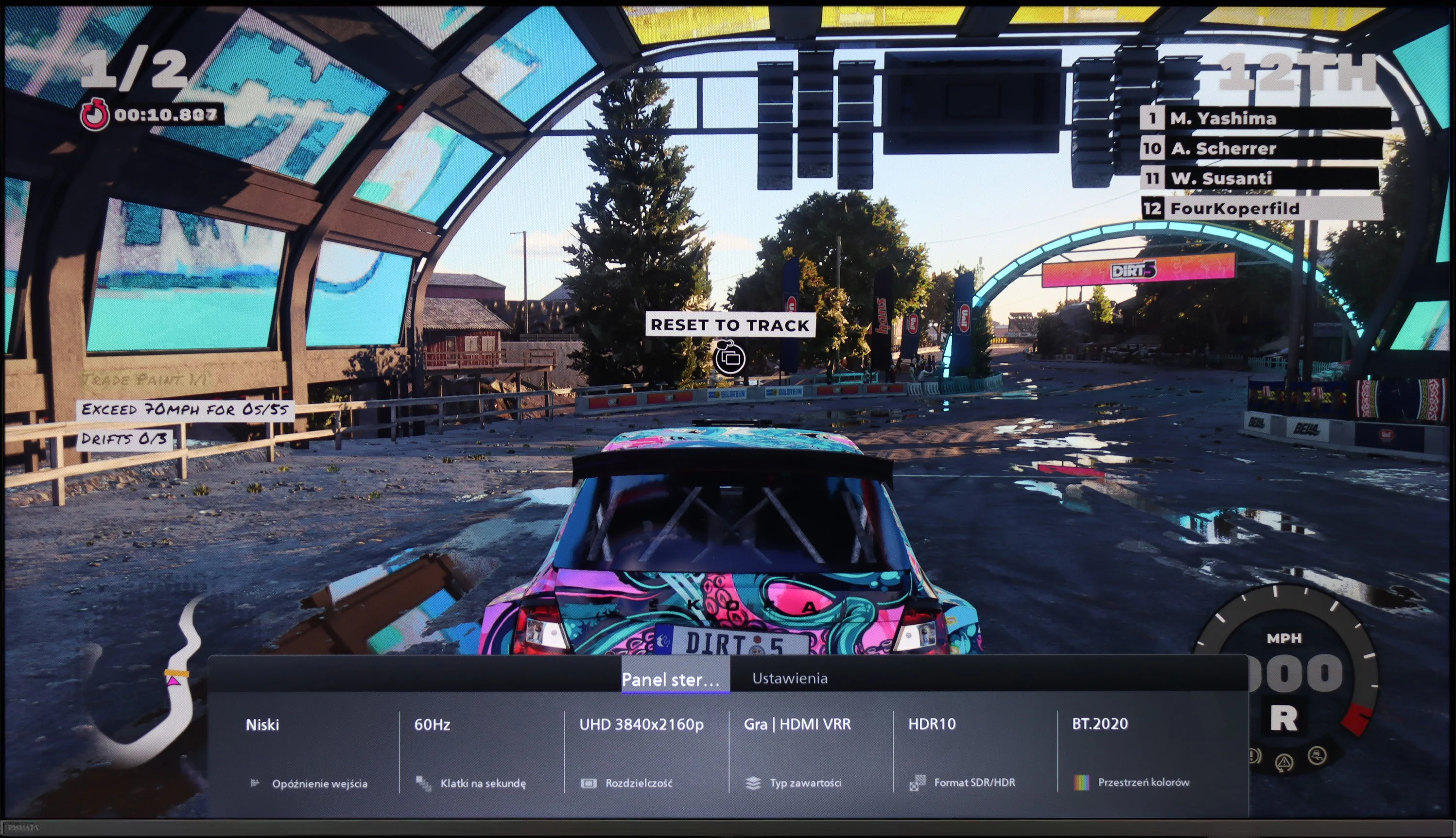
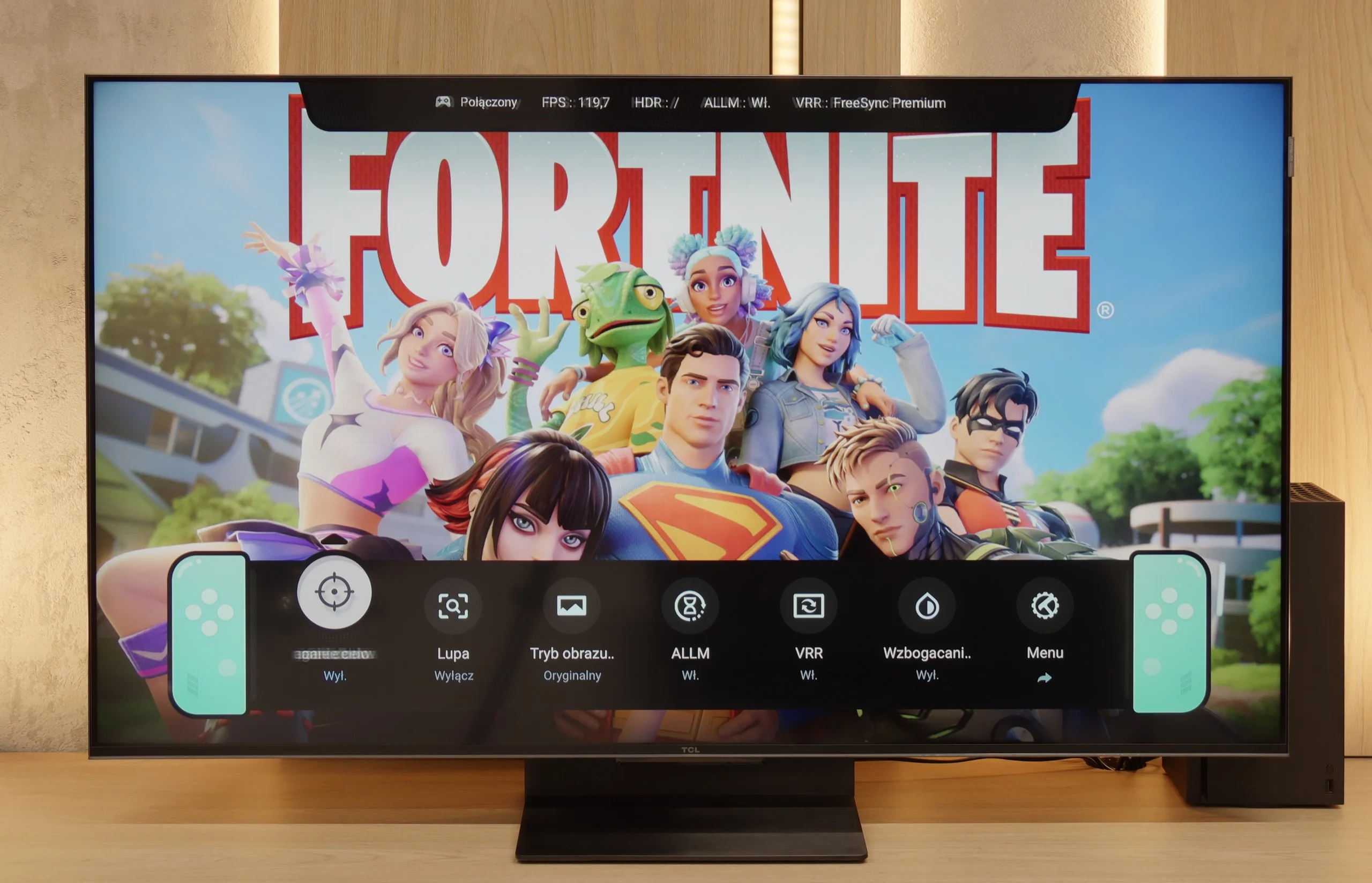
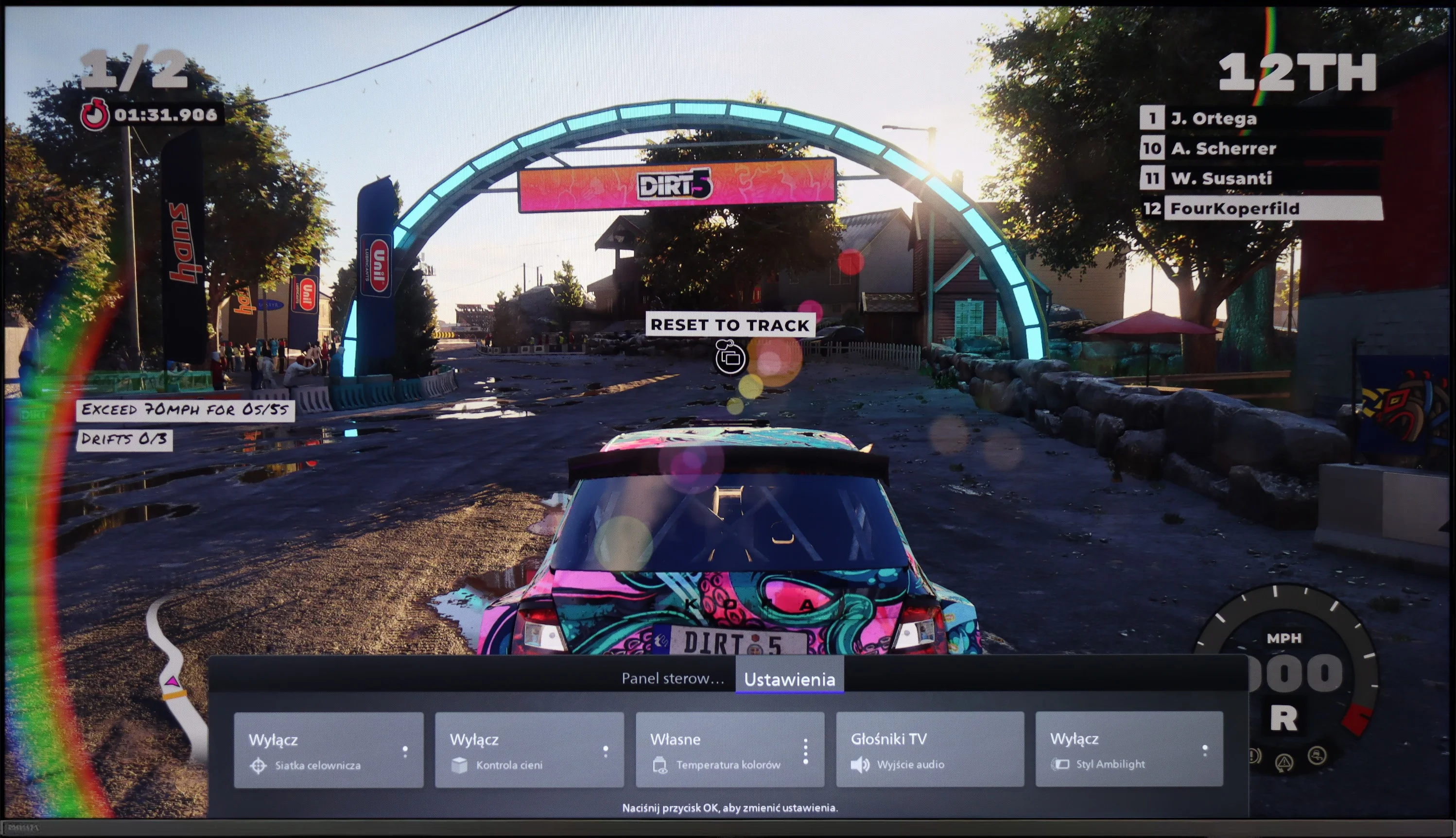
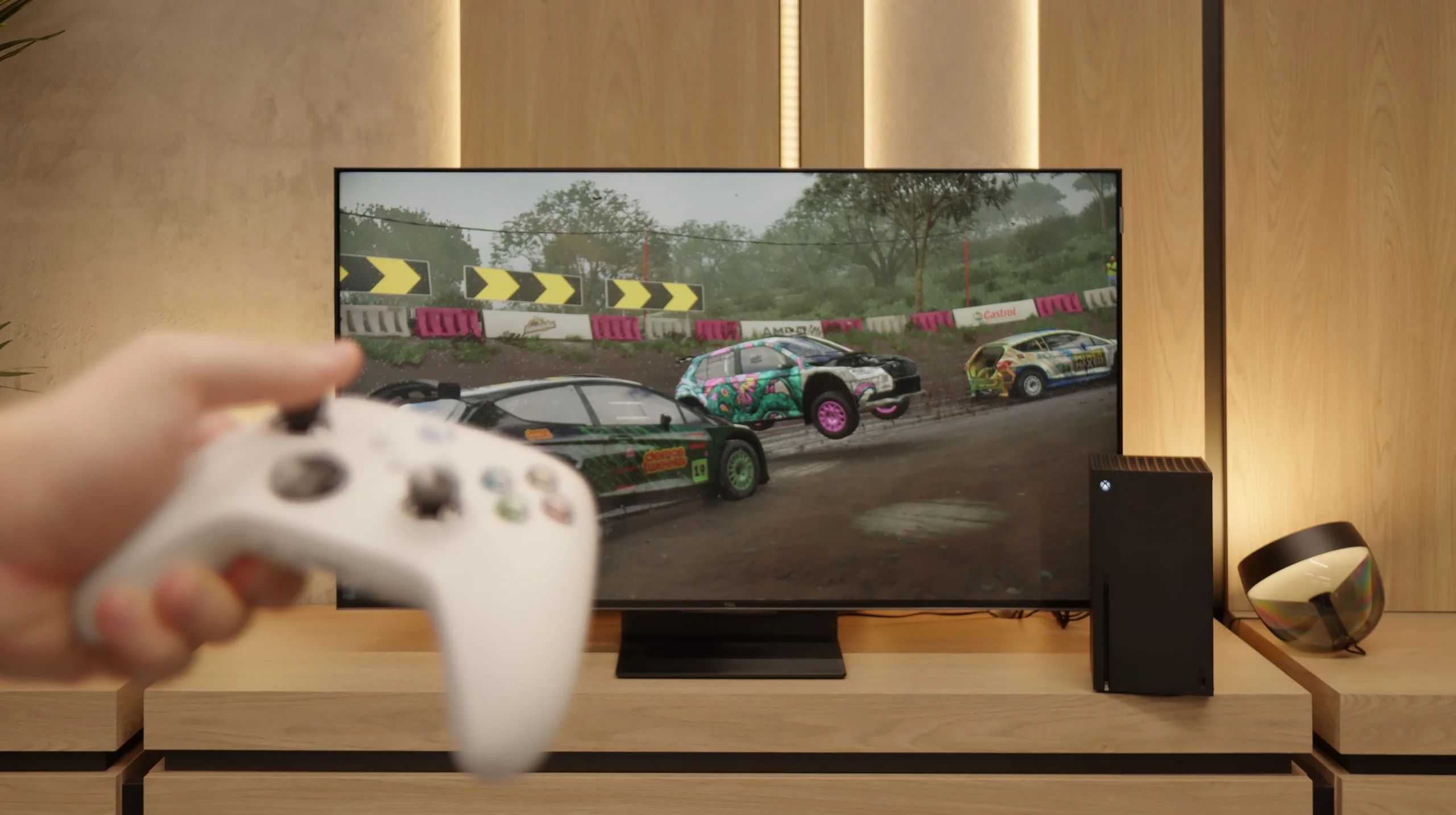
Philips PUS8959 is a television that will surely please gaming enthusiasts. It supports most modern technologies useful during gameplay, such as HGiG, allowing for better representation of HDR effects in games. As a result, the image is more aligned with what the game developers intended to achieve.
The television also supports displaying images at 120 Hz, ensuring smoothness and dynamism, particularly important during action games and sports broadcasts. The Game Bar feature provides quick access to game settings, making it easier to adjust the image according to user preferences without interrupting gameplay.
Unfortunately, the Dolby Vision mode does not offer low input lag, which may be noticeable during dynamic scenes. Nevertheless, thanks to the HGiG feature and high refresh rate, the Philips PUS8959 remains an attractive choice for gamers, offering good image quality and suitable smoothness during gameplay.
TCL C7K is a television that on paper looks like the perfect equipment for gamers – and most importantly, it performs well in practice too. Here's some good news: we have two full-bandwidth HDMI 2.1 ports, so we can easily connect both a console and a computer, using all their capabilities. The panel itself supports a refresh rate of 144 Hz, which provides a significant advantage in dynamic games. Additionally, it comes with a full set of gaming features: VRR (variable refresh rate), ALLM (automatic low latency mode), and support for Dolby Vision in games. There's also an HGiG mode that allows for HDR effects that align with the creators' intentions. GameBar, which is an information bar for gamers. It operates quickly, looks clear (like a Nintendo console👌), and shows what's most important: the current frame rate, VRR status, and even HDR parameters.
Input lag
9.7/10
9.7/10
SDR
HDR
Dolby Vision
Philips PUS8959 TV offers impressive results in terms of input lag, making it a great choice for gamers. For 120 Hz content, the lag is less than 6 ms, which is an absolutely excellent result and allows for immediate response in games, especially in dynamic titles. For 60 Hz content, the input lag is 15 ms, which is also an outstanding result and ensures comfortable gameplay in most cases.
Unfortunately, the Dolby Vision mode does not perform as well, as the input lag increases to 31 ms. While such a result may be acceptable for less dynamic content, for demanding gamers it may prove insufficient, impacting precision and reaction speed. Nonetheless, in standard modes, Philips PUS8959 still offers remarkable performance, making it a competitive choice in the TV market for gamers.
When it comes to delays, the C7K gives no reasons to complain. In games at 120 Hz, the input lag is around 10 ms, which means that the TV responds really quickly. Interestingly, even in Dolby Vision mode, the result is very similar, which isn't always the case. Good job, TCL. At 60 Hz, the lag does increase a bit, but that's completely normal and applies to pretty much every TV with a refresh rate of 120Hz and above. The most important thing is that everything still runs smoothly and there's no feeling that something isn't responding to our actions.
Compatibility with PC
8/10
8.4/10
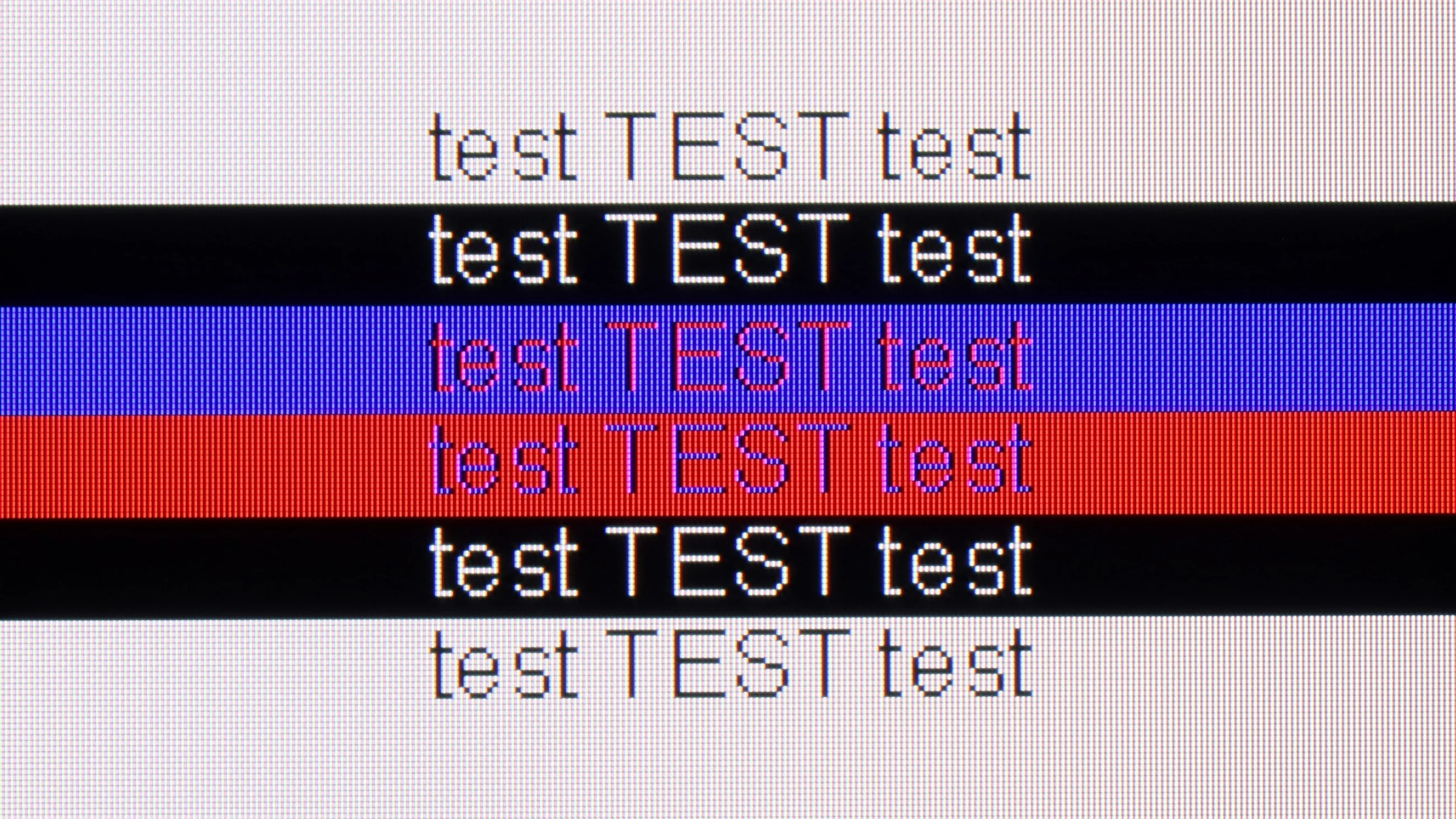
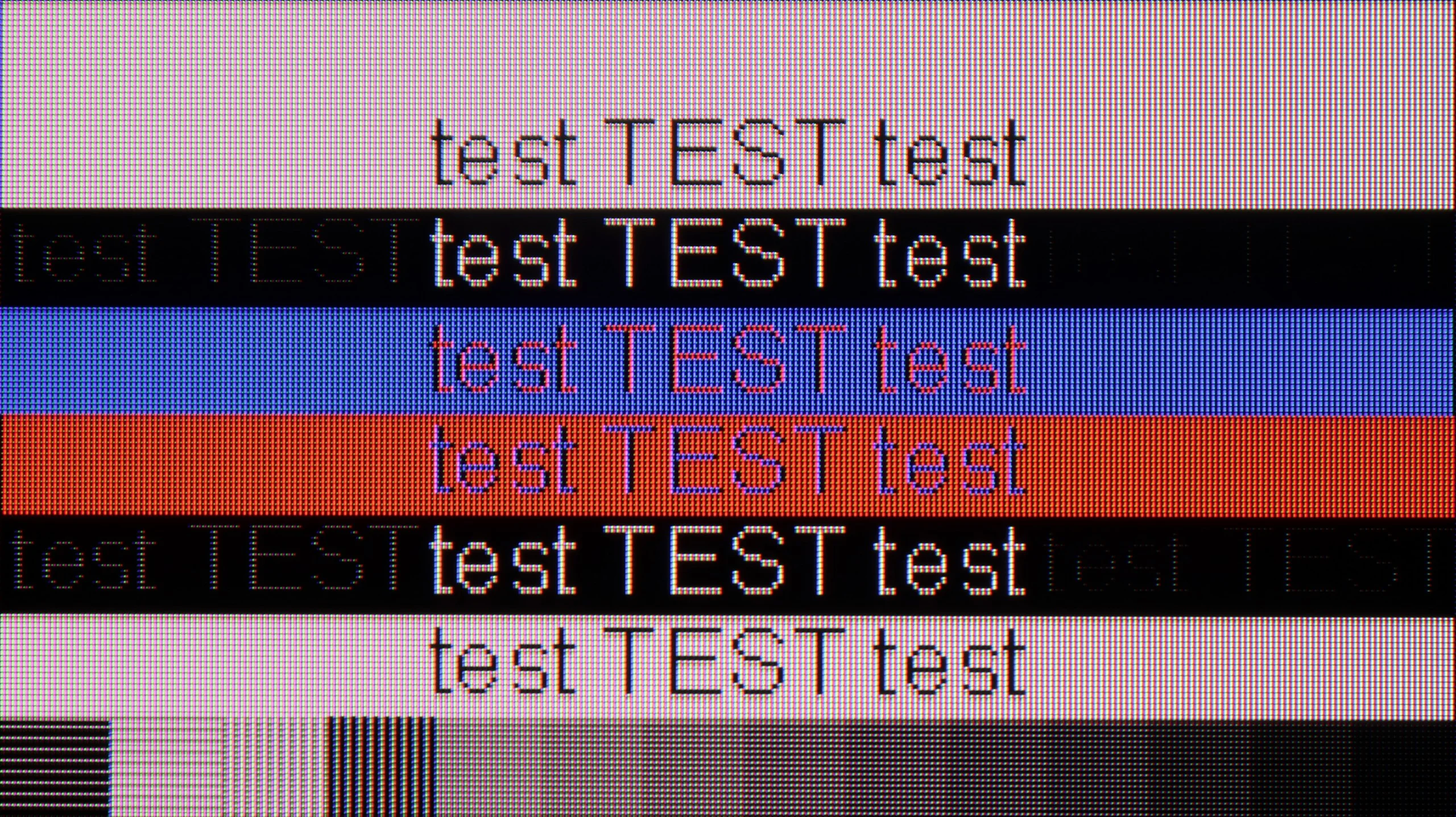
The photo shows the legibility of small fonts. Ideally, lines should be the same thickness on both light and dark text, with minimal pixel gaps.
Philips PUS8959 works excellently as a monitor for use with a PC. With support for chroma 4:4:4, it provides full colour clarity, which is crucial for text work – fonts are sharp and readable, regardless of the background they are on. This makes using office applications, browsing the internet, and graphic editing comfortable and precise.
Additionally, the low input lag provided by the television ensures smooth and responsive operation, which is important both during everyday tasks and in more dynamic applications, such as gaming or multimedia editing. Philips PUS8959 is an excellent choice for users looking for a television that also functions as a PC monitor, offering high image quality and user comfort.
If we plan to connect the C7K to a computer – especially for gaming – there's definitely a lot to play with. We have 4K at 144 Hz, which already sounds great, but if we drop the resolution, the TV can even display 280 Hz. In e-sports, where every split second counts, this really makes a difference. On top of that, it supports G-Sync and FreeSync, so no matter what graphics card we have – the image will be smooth, with no stuttering or tearing.
But if we plan to put the C7K on a desk and use it like a monitor, it's a bit less "rosy." Sure, it supports chroma 4:4:4, so fonts should be sharp, but with very dark letters, you can notice slight blurriness and edge dimming. It's not something that immediately stands out during gaming or watching, but when working with text – it can be distracting. In everyday use – relatively worry-free, but if we plan to have a 50-inch screen a metre from our face, it's worth keeping this in mind.
Viewing angles
6.9/10
3.2/10
Philips PUS8959, equipped with an ADS panel, offers quite decent viewing angles, definitely better than those found in VA panels. The image retains its quality even when viewing from a wider angle – colours are vivid, and contrast does not deteriorate as much as in VA panel televisions. Because of this, watching the television from different spots in the room still allows for enjoyment of well-saturated colours and overall image quality, which makes Philips PUS8959 perfect for larger rooms and during shared viewing with family or friends.
There's no surprise here – the C7K has classic viewing angles for a VA panel. That is: we sit directly in front – it's excellent. Colours look good, contrast is strong, everything is in place. But just shifting slightly to the side starts to make things worse – the image loses saturation, the blacks turn grey, and the overall impression diminishes a bit. So if we plan to watch together with a few people or have a sofa that takes up half the lounge – it’s worth seating everyone more centrally. You can watch from the side, but don’t expect miracles – it’s simply a characteristic of the VA panel.
Daytime performance
6.1/10
6.1/10
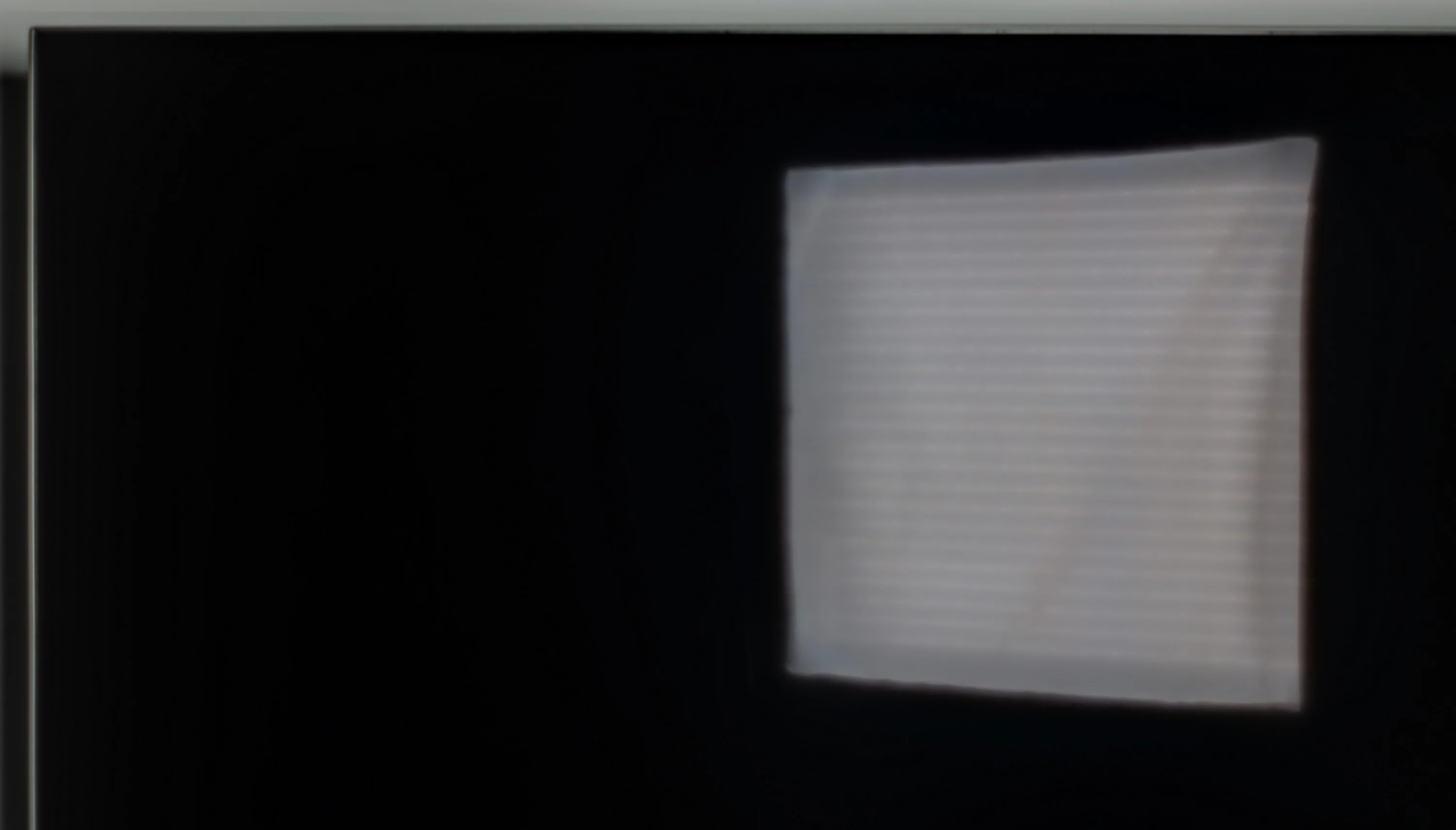
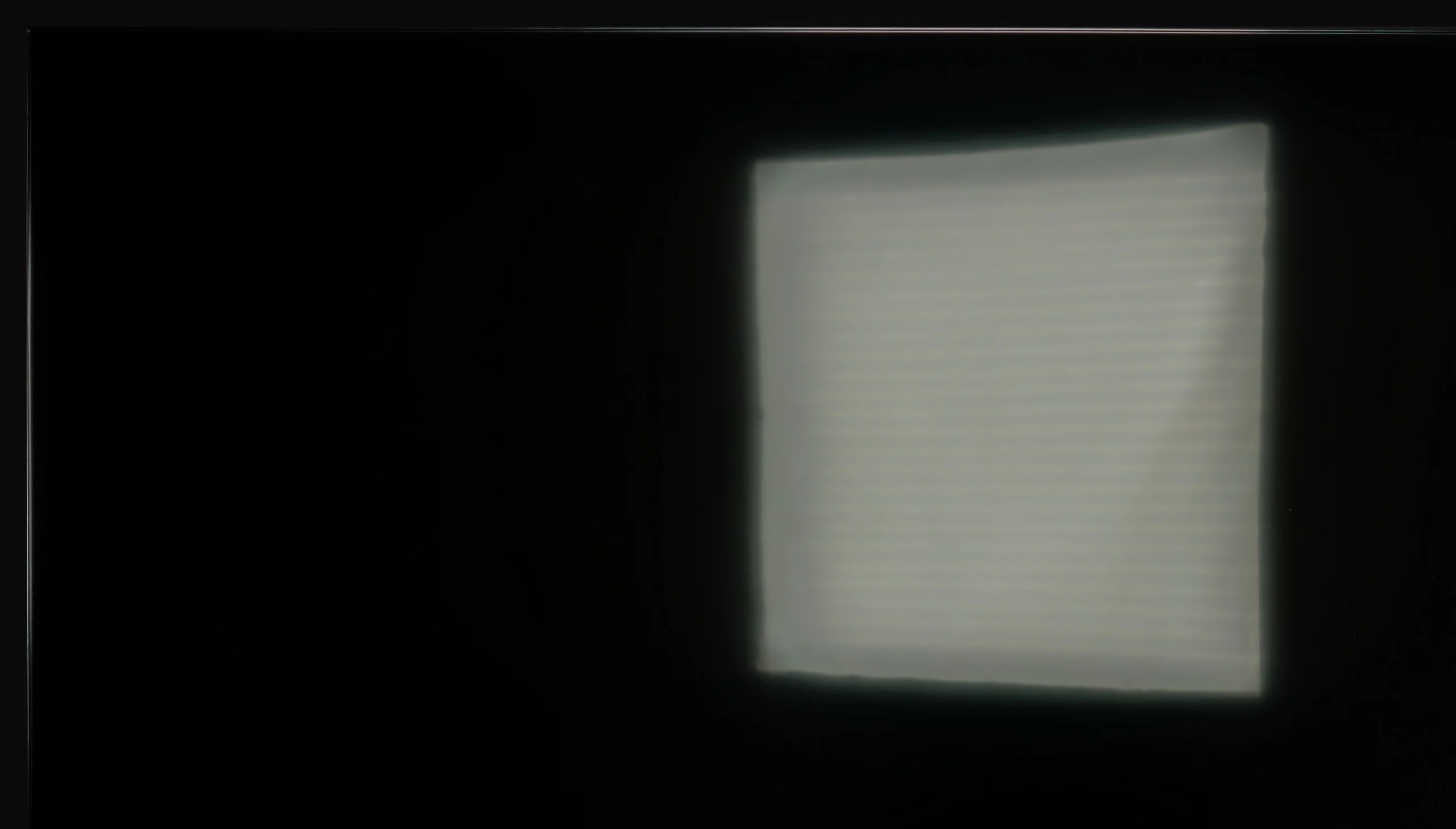
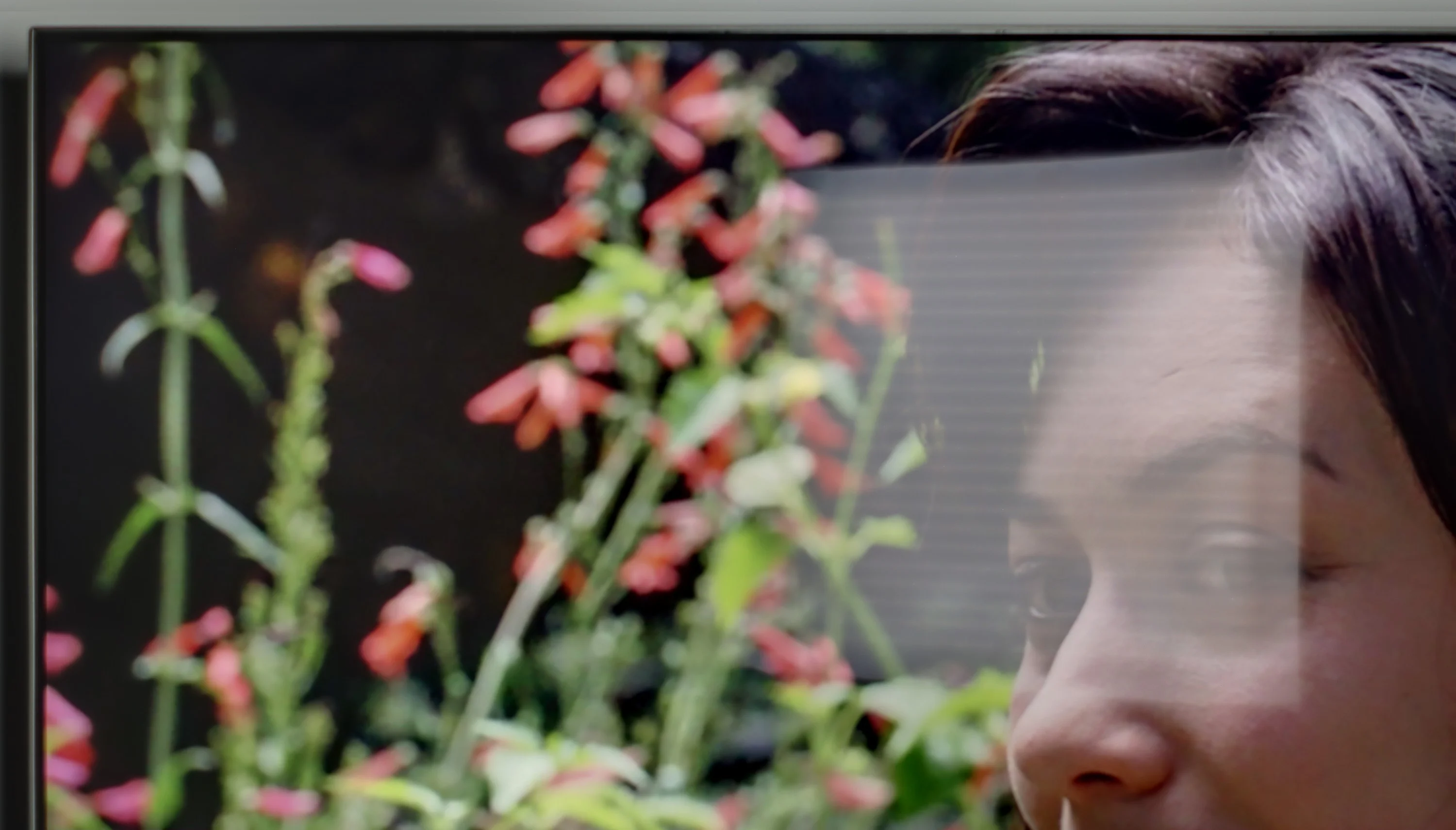
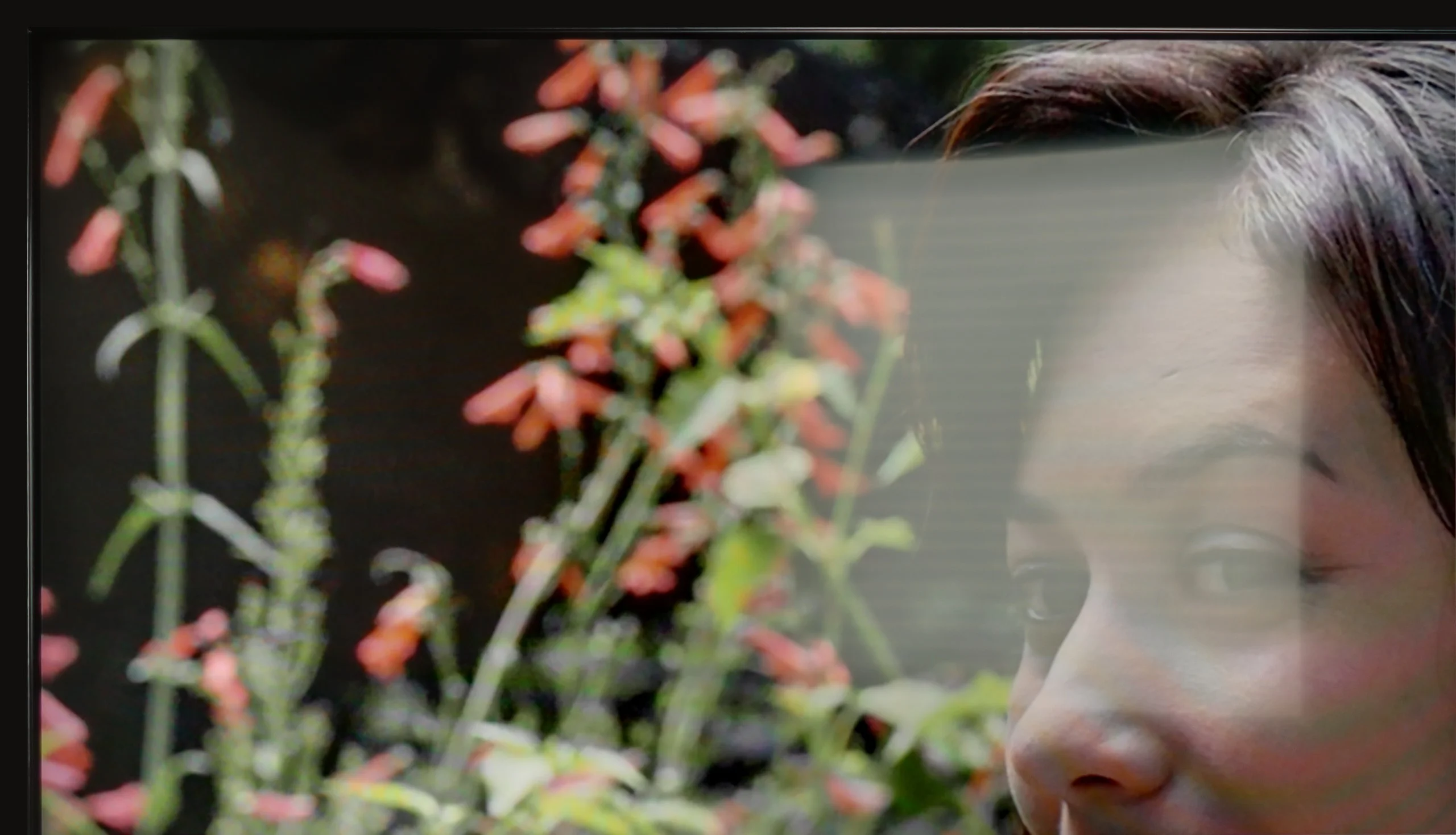
Panel brightness
TCL C7K / QM7K: 475 cd/m2
Philips The One (PUS8959 / PUS8919 / PUS8909 / PUS8949: 562 cd/m2
Philips PUS8959 features a satin finish on the panel that effectively dampens light reflections, which is beneficial when using the television in bright daytime conditions. However, such a finish causes blacks to take on shades of grey during the day, losing their depth and intensity, which impacts the perception of the image in darker scenes.
A brightness level of 562 cd/m² allows for comfortable television use during the day, even in well-lit rooms. The image is bright enough to cut through daylight, and the reduction of reflections ensures decent visibility of content, making Philips PUS8959 a good choice for rooms where the lighting level cannot always be controlled.
Luckily, the TCL C7K performs quite well in bright rooms. The applied panel has a satin finish that effectively reduces reflections, so even on sunny days we don't have to worry about reflections from lamps or windows. Importantly, the colours maintain their intensity and don't wash out, as can happen with weaker matte panels. As for brightness, the average for content like YouTube or regular television reaches just below 500 nits. It's not a record result – for example, the MQLED85 (C765) performs better in this regard. However, for everyday viewing during the day, it should work without major issues, as long as we don't plan to place it opposite a south-facing window without curtains.
Panel details
Subpixel Structure:
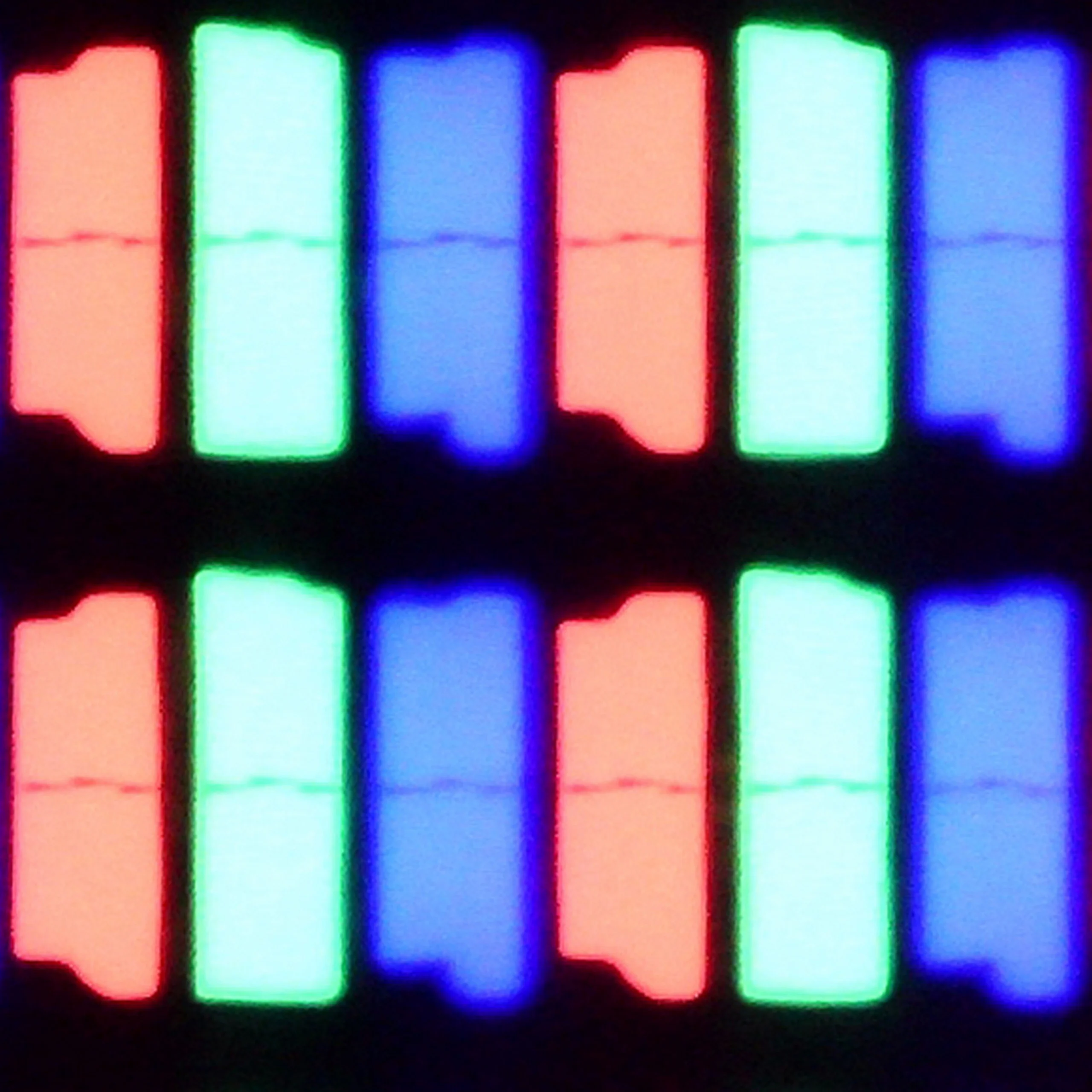
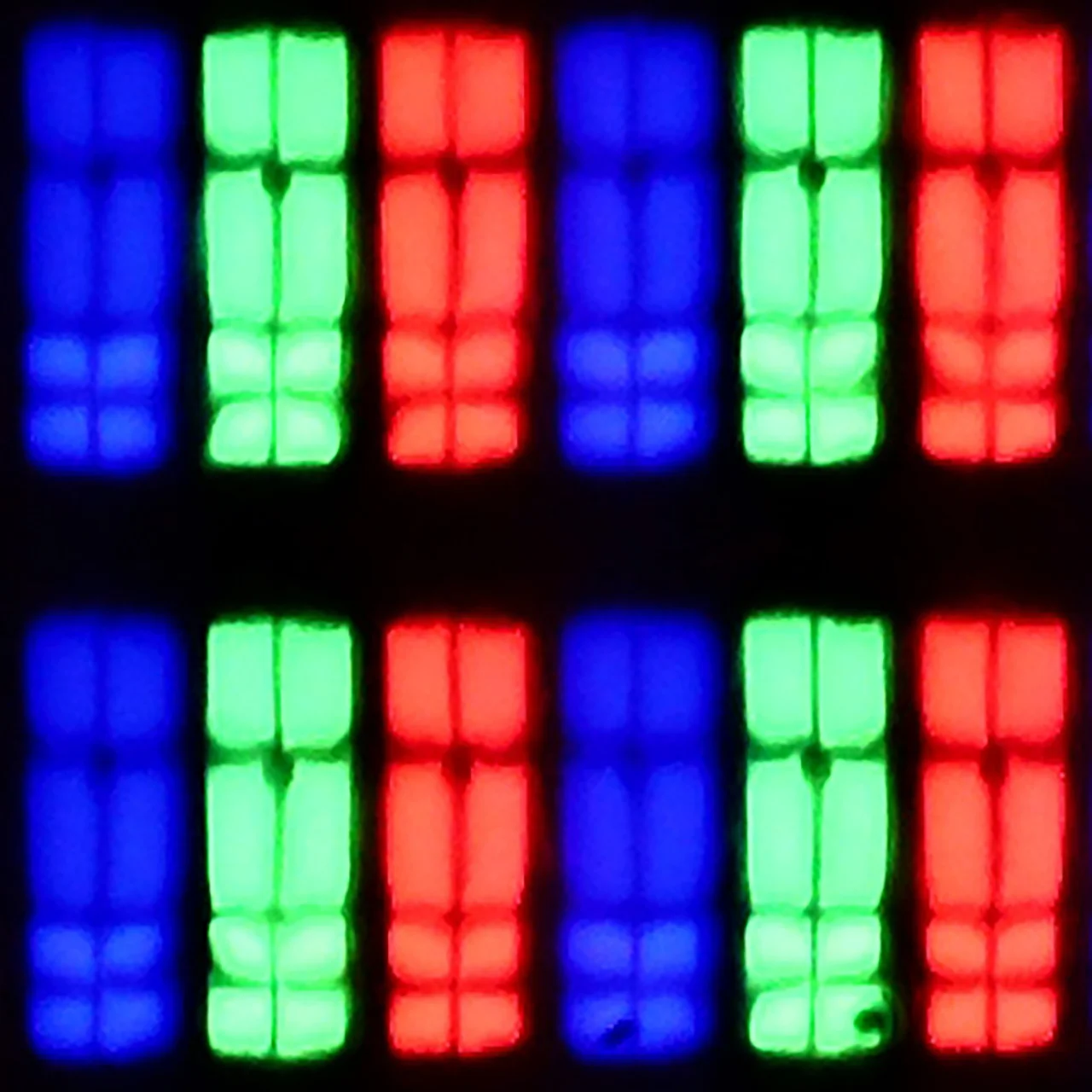
Panel uniformity and thermal imaging:


Philips The One (PUS8959 / PUS8919 / PUS8909 / PUS8949
TCL C7K / QM7K
TV features
6.1/10
7.3/10
- SystemTitan OSGoogle TV
- System performanceDecentGood
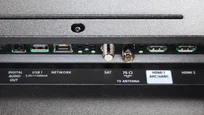
- HDMI inputs0 x HDMI 2.0, 0 x HDMI 2.1 48Gbps2 x HDMI 2.0, 2 x HDMI 2.1 48Gbps
- OutputsToslink (Optical audio), eARC (HDMI), ARC (HDMI), Mini-Jack (Headphones)Toslink (Optical audio), eARC (HDMI), ARC (HDMI)
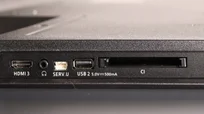
- Network InterfacesWi-Fi 2.4GHz, Wi-Fi 5GHz, Ethernet (LAN) 100MbpsWi-Fi 2.4GHz, Wi-Fi 5GHz, Ethernet (LAN) 100Mbps
- TV receptionDVB-T, DVB-T2, DVB-S, DVB-S2, DVB-CDVB-T, DVB-T2, DVB-S, DVB-S2, DVB-C
Classic features:
- Recording to USB (terrestrial TV)

- Recording programming
- Picture in Picture (PiP)
- RF remote control (no need to aim)
- Backlit remote control
- Teletext
- Audio only mode
- Bluetooth headphones support
- Simultaneous Bluetooth headphones & TV audio
Smart features:
- AirPlay
- Screen mirroring (Windows Miracast)
- Voice search
- Voice search in native language
- Ability to connect a keyboard and mouse
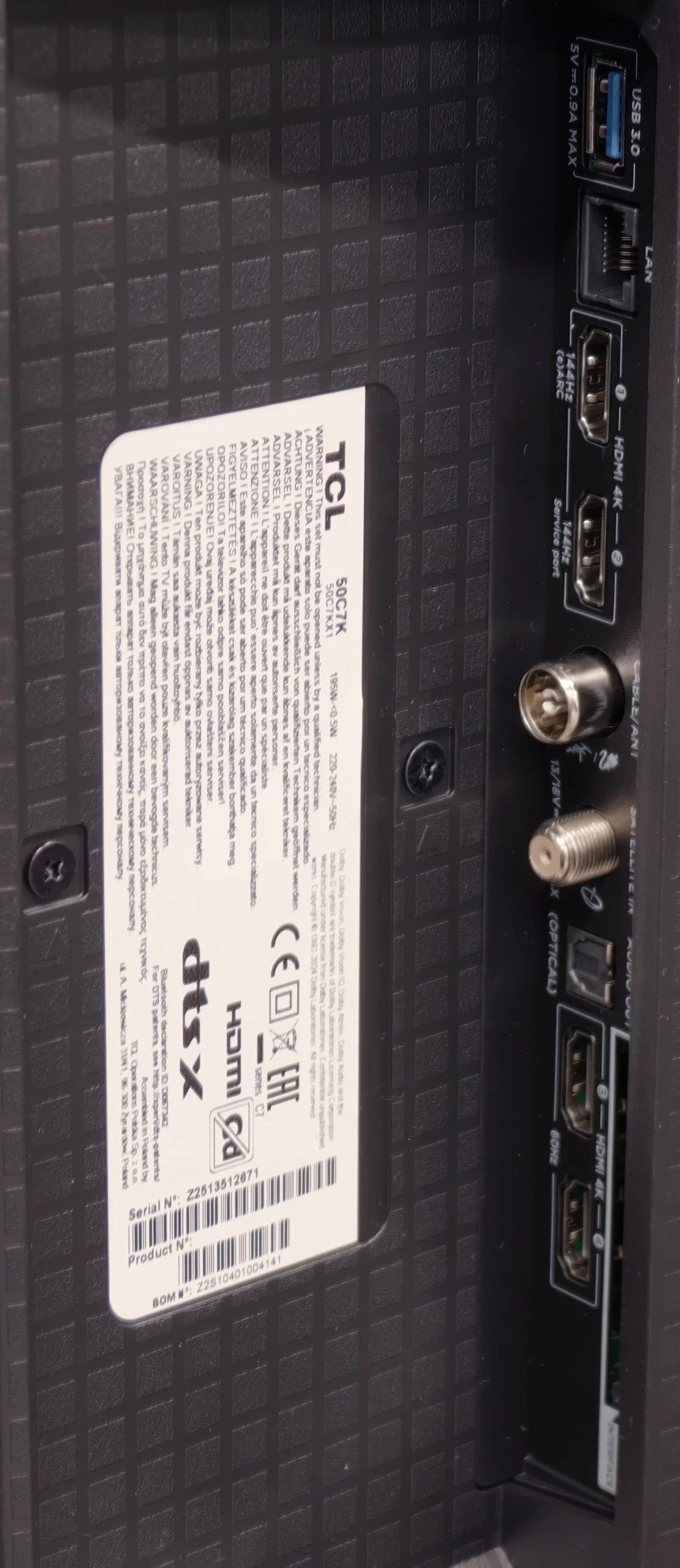
Sound connection options
- HDMI audioeARC (HDMI), ARC (HDMI)eARC (HDMI), ARC (HDMI)
- Other audio outputsToslink (Optical audio), Mini-Jack (Headphones)Toslink (Optical audio)
- Wireless audioBluetoothBluetooth
Supported audio formats (external HDMI eARC audio):
- Dolby Digital Plus 7.1
- Dolby True HD 7.1
- Dolby Atmos in Dolby Digital Plus (JOC)
- Dolby Atmos in Dolby True HD
- DTS:X in DTS-HD MA
- DTS-HD Master Audio
Senior accessibility
- Numeric keyboard on TV
- Font size adjustment
- Audio description
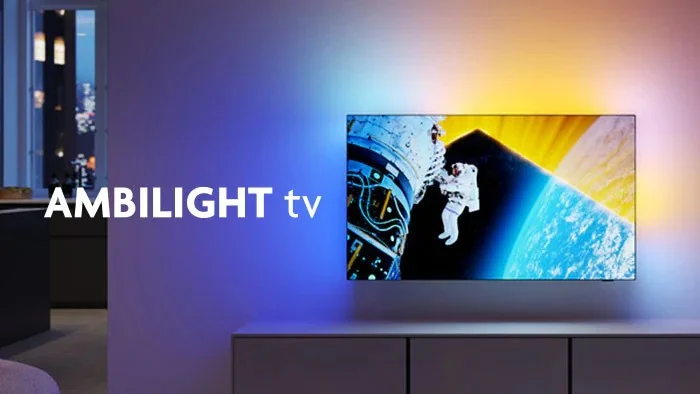
Philips PUS8959 is equipped with a three-sided Ambilight system – a flagship patent of this brand, which has been enjoyed by a dedicated group of fans for years. Ambilight is based on dynamic lighting of the wall behind the television, adapting to the content displayed on the screen, significantly enhancing the viewing experience, especially in a darkened room. This effect is unique and adds a certain kind of "magic" to watching, making many users choose Philips specifically for this feature.
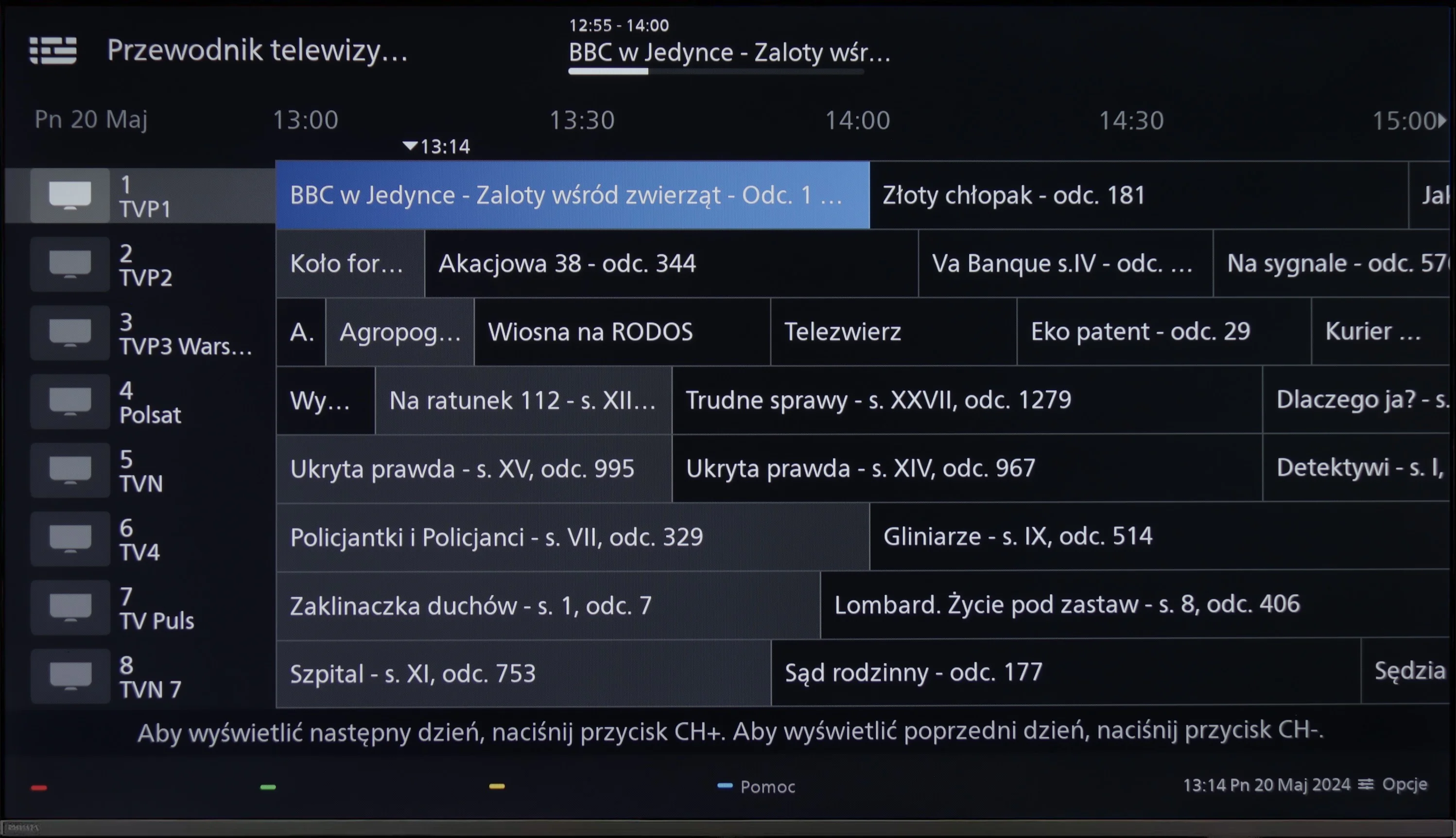
When it comes to the operating system, Philips PUS8959 uses Titan OS – a system that is still in the early stages of development. There are visible growing pains, especially since Philips has moved away from Android in most of its models. Titan OS has a limited number of available applications. This is frustrating for those accustomed to a broader ecosystem like GoogleTV. Additionally, the television does not have AirPlay functionality, which limits its compatibility with Apple devices and may be a drawback for users looking for a flexible way to stream content.
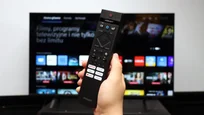
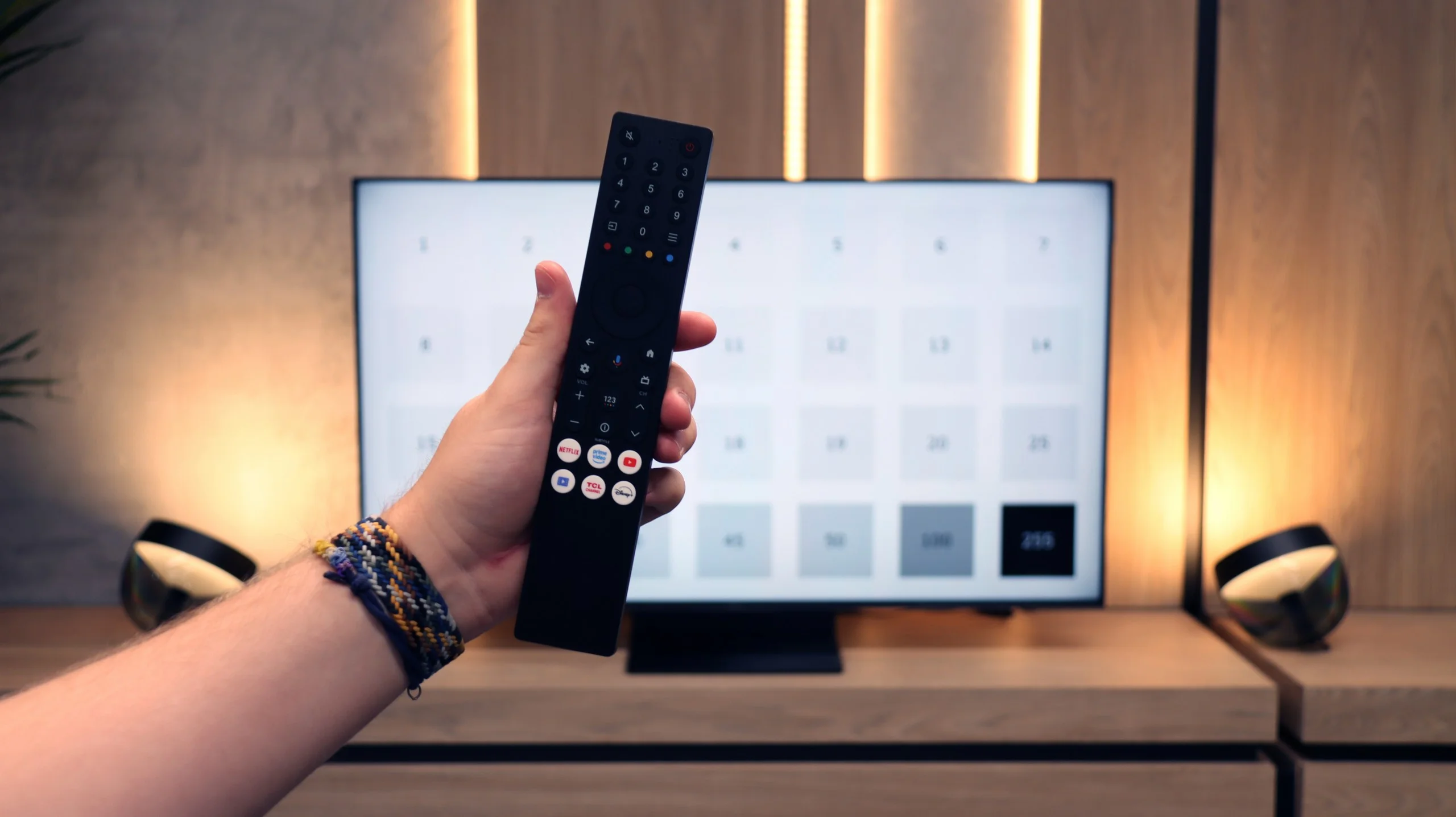
The user features of Philips PUS8959 are a mix of pros and cons. The remote control that comes with the television is quite annoying – it requires aiming directly at the screen, which can be inconvenient. On the other hand, the voice function works without the need to aim, but it only supports English. On the plus side, the remote is backlit, making it easier to use in the dark. The television lacks PiP (Picture-in-Picture) functionality and the ability to record programs, which is a significant omission. However, the television is equipped with Bluetooth, allowing users to connect headphones or a keyboard, which can be useful – especially given the limited number of available applications, which may encourage the use of the built-in web browser.
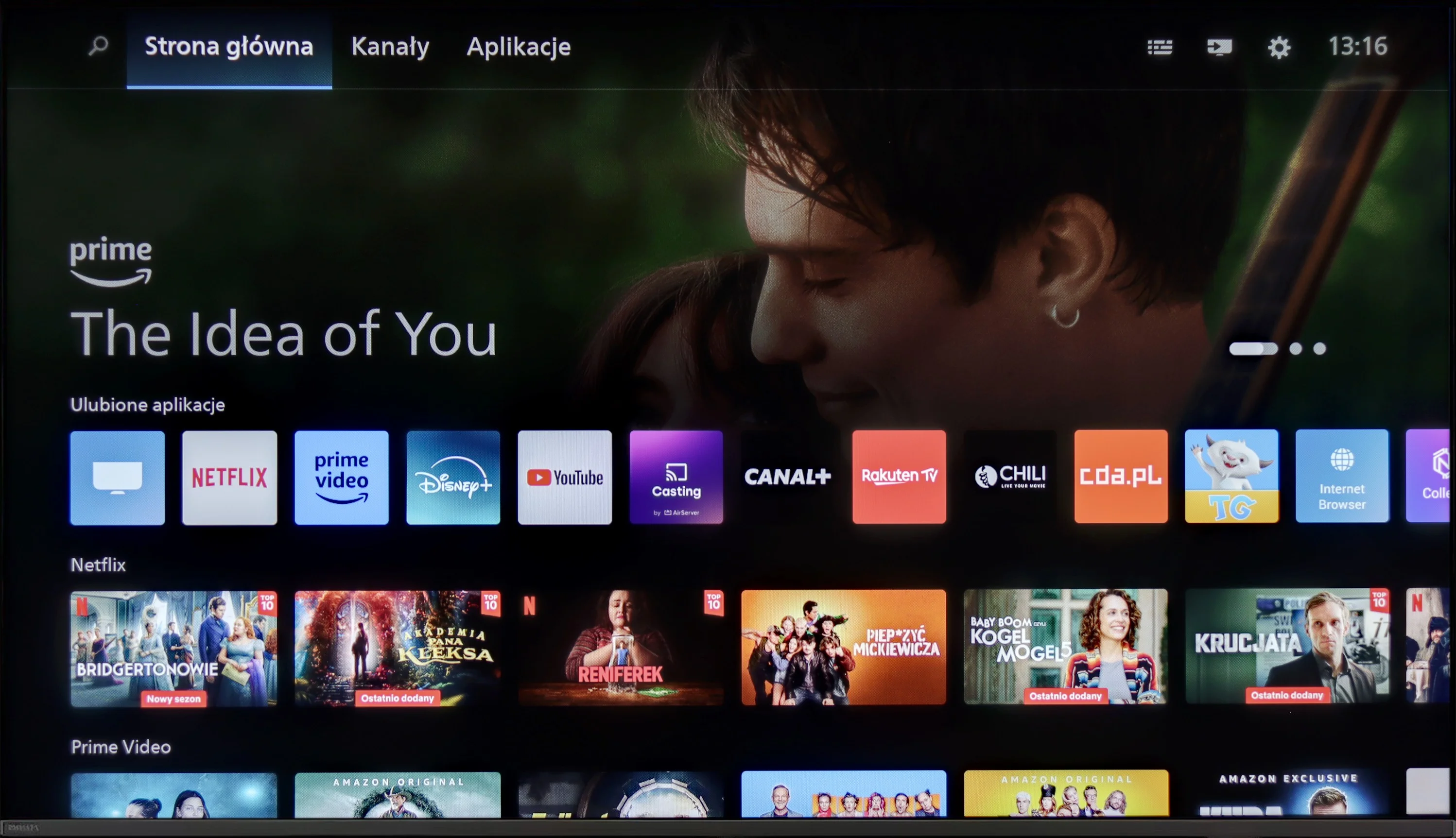
SmartTV: GoogleTV
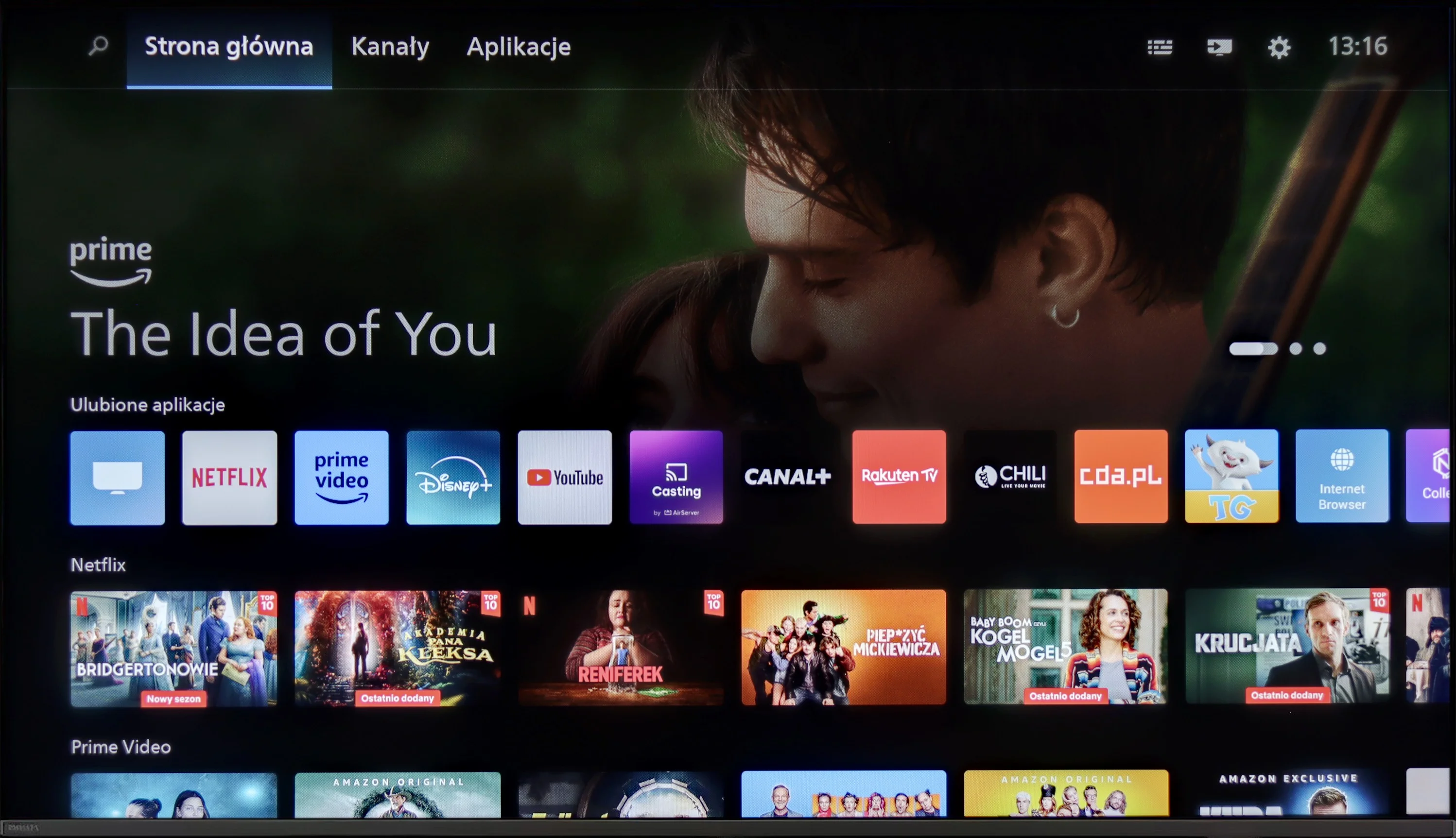
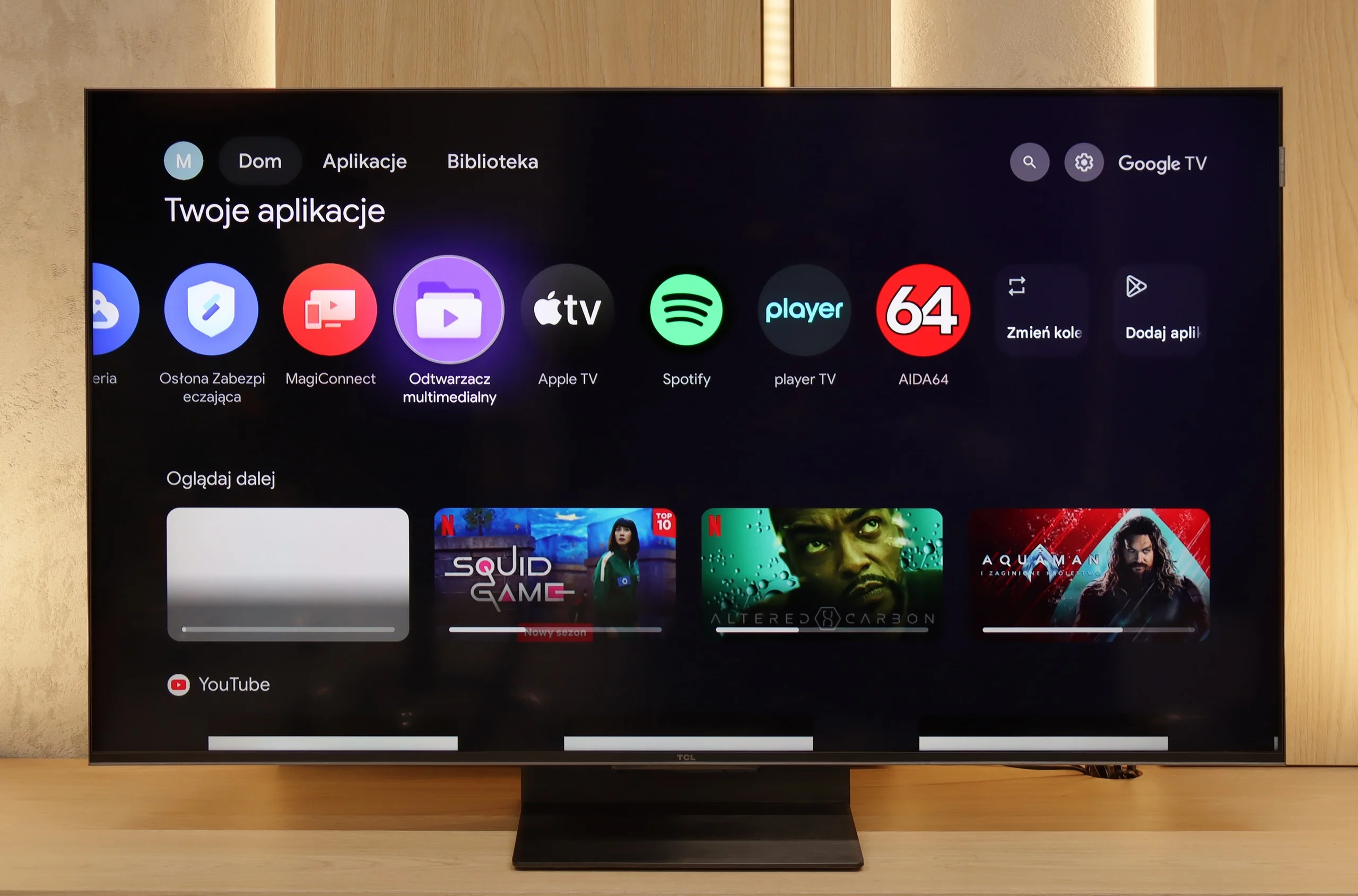
The biggest strength of the TCL C7K in everyday use is undoubtedly the Google TV system. It is thanks to this that we have access to an almost endless library of applications, including some more niche ones that are often unavailable on other platforms. The built-in Google Assistant understands Polish, so we can easily ask what is on TV, what the weather is like, and even give a few voice commands to control the television. The presence of Chromecast and AirPlay, which work smoothly and make life easier, is also a plus.
Usability Features
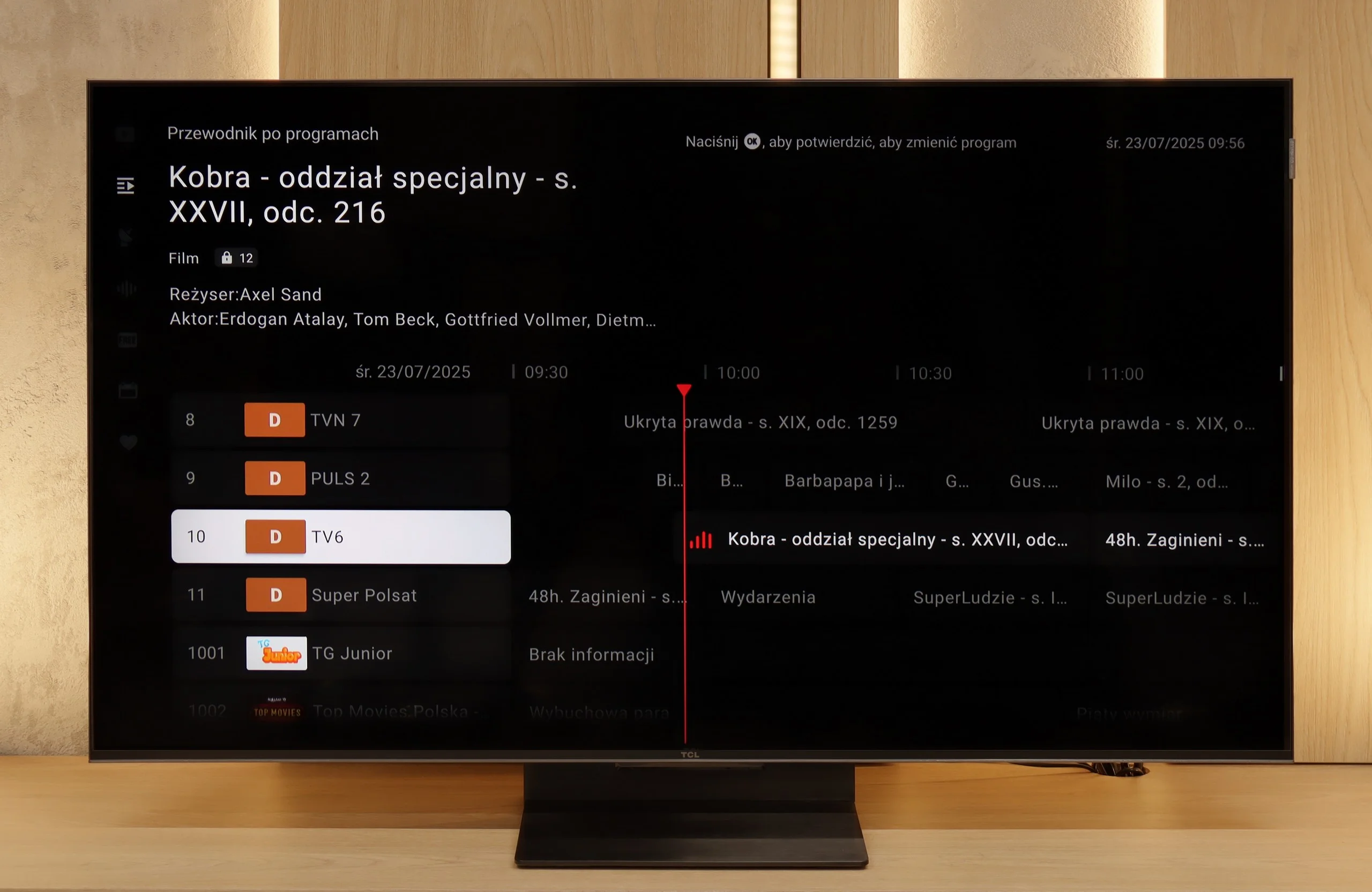
However, the traditional functions are a bit lacking. Of course, we have the basics – teletext, EPG, or the ability to connect headphones – but that’s pretty much where it ends. There's a lack of USB recording features or picture-in-picture (PiP) mode, which can still be found among competitors. It's also worth remembering that Google TV in the TCL version sometimes has strangely translated menu sections or minor interface errors. These aren’t issues that hinder daily use, but detail-oriented individuals may notice them.
Apps
6.7/10
9.6/10






















Playing files from USB
8.2/10
9.2/10
Supported photo formats:
Maximum photo resolution:
Although the Titan OS system on the Philips PUS8959 TV is still in its early stages, it deserves praise for supporting Polish subtitles embedded in films, which is a significant convenience for users dealing with external files. If we want to play a film from a connected USB device, the TV will do this without any major issues, providing a comfortable viewing experience without the need for additional subtitle configuration.
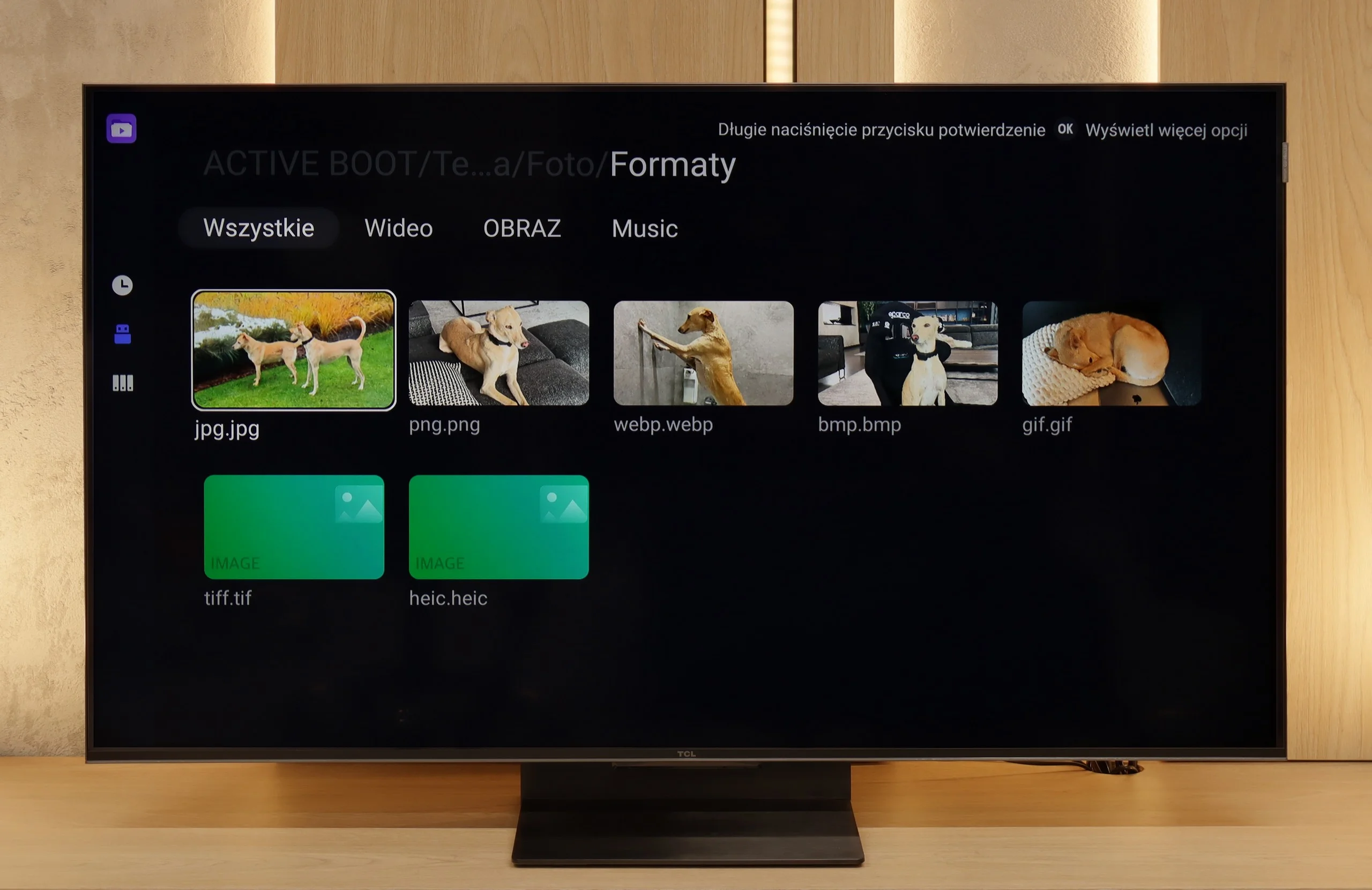
As for photos, the TV should have no major difficulties playing them. It supports most popular formats, although there is a lack of support for less common standards, such as HEIC used in Apple devices. This means that some photos, especially from newer Apple devices, may require prior conversion to a more standard format in order to be played on the Philips screen.
The built-in file player in the TCL C7K performs really well. It supports most popular audio and video formats, so if we want to quickly plug in something from a USB drive and get it going – there shouldn't be any problem. Of course, as is often the case, you can find some minor shortcomings – not every exotic codec will work (Apple's HEIC), not all subtitles will be perfectly synchronised (txt.). However, the biggest advantage of this television comes to the rescue, which is Google TV. With access to the Google Play Store, we can easily install an alternative player, such as VLC, and then no files will frighten us.
Sound
6.4/10
7/10
- Maximum volume-76dB
- Dolby Digital Plus 7.1
- Dolby True HD 7.1
- Dolby Atmos in Dolby Digital Plus (JOC)
- Dolby Atmos in Dolby True HD
- DTS:X in DTS-HD MA
- DTS-HD Master Audio
The sound on the Philips PUS8959 unfortunately leaves a lot to be desired. While you can hear low frequencies in the playback, the bass is very weak, which results in overall unsatisfactory sound quality. The television performs averagely, especially when compared to more advanced sound systems available on the market.
Despite the average quality of the speakers, the television supports all essential audio codecs, which may please users utilizing external home theatre systems. Thanks to compatibility with various audio formats, the Philips PUS8959 can offer a good audio experience when connected to the right external speakers or amplifier, providing a fuller, more cinematic sound.
To be honest, we didn't expect much from the sound of the 50-inch version of the C7K model. Usually, in such sizes, it's hard to find anything more than thin, flat sound. But here – a pleasant surprise. The sound turned out to be really enjoyable, with good clarity and even a subtly noticeable bass. This is probably linked to TCL's new collaboration with the Bang & Olufsen brand, which is a novelty for 2025. Whether the C7K actually contains original drivers from the Danish premium brand – we can't confirm that. But the end result still deserves a thumbs up. For a TV without a soundbar – it sounds quite nice.
Acoustic Measurements
No acoustic data
76dBC (Max)
75dBC
Reader comments
Comments are provided by the external service Disqus (Zeta Global). Once loaded, Disqus may set cookies and process data about your activity.
We will remember your choice on this device. Provider's privacy policy