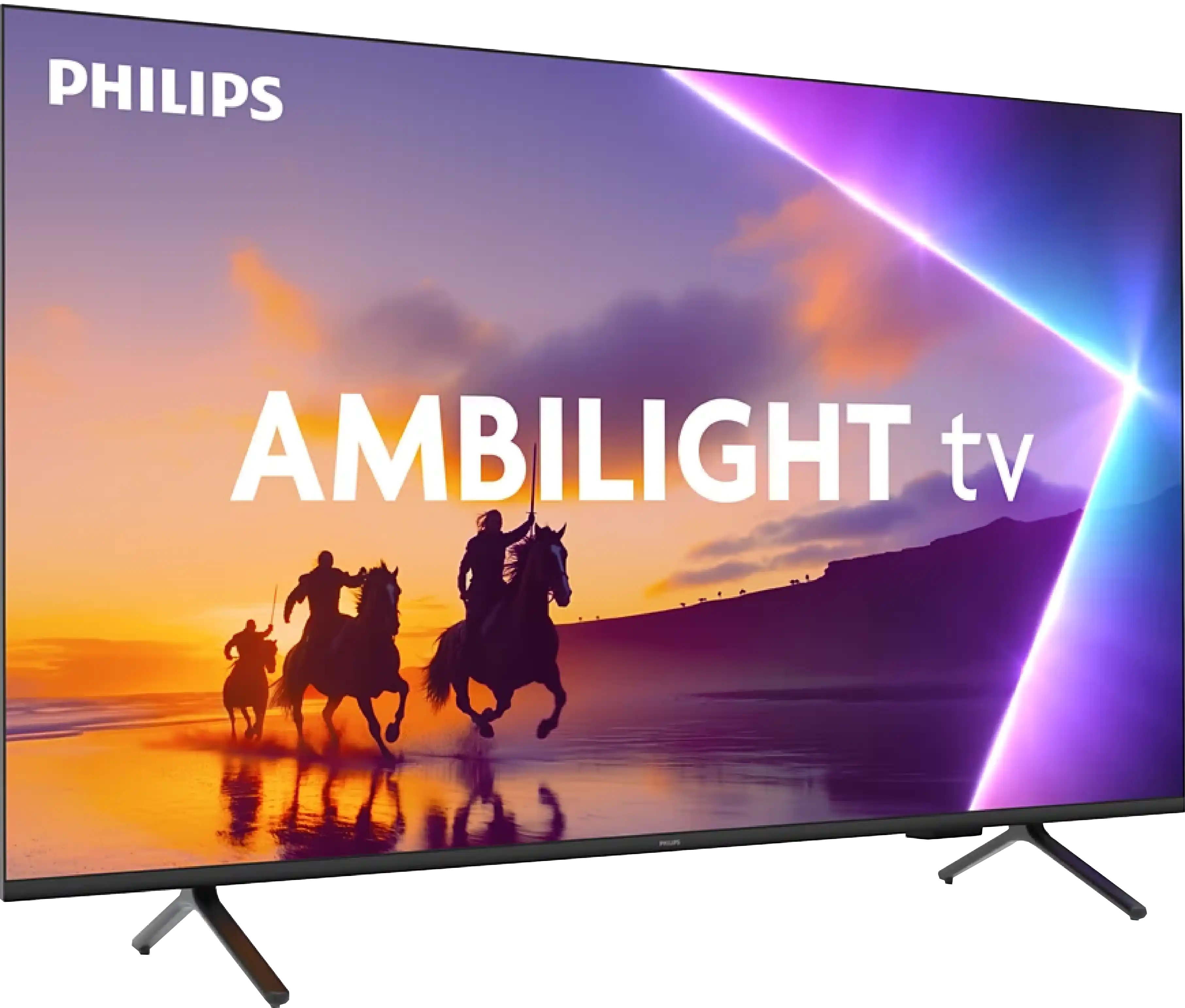
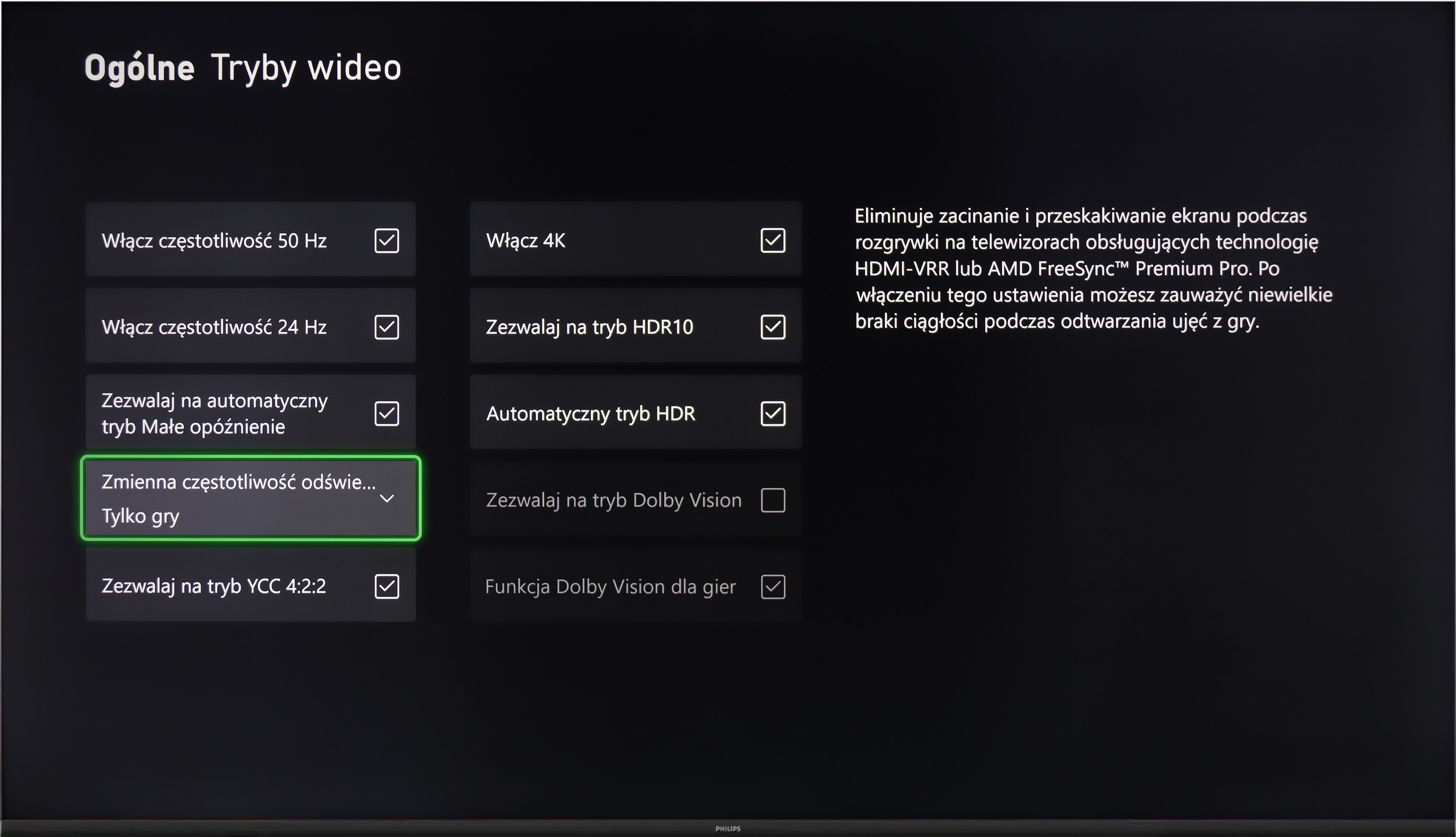
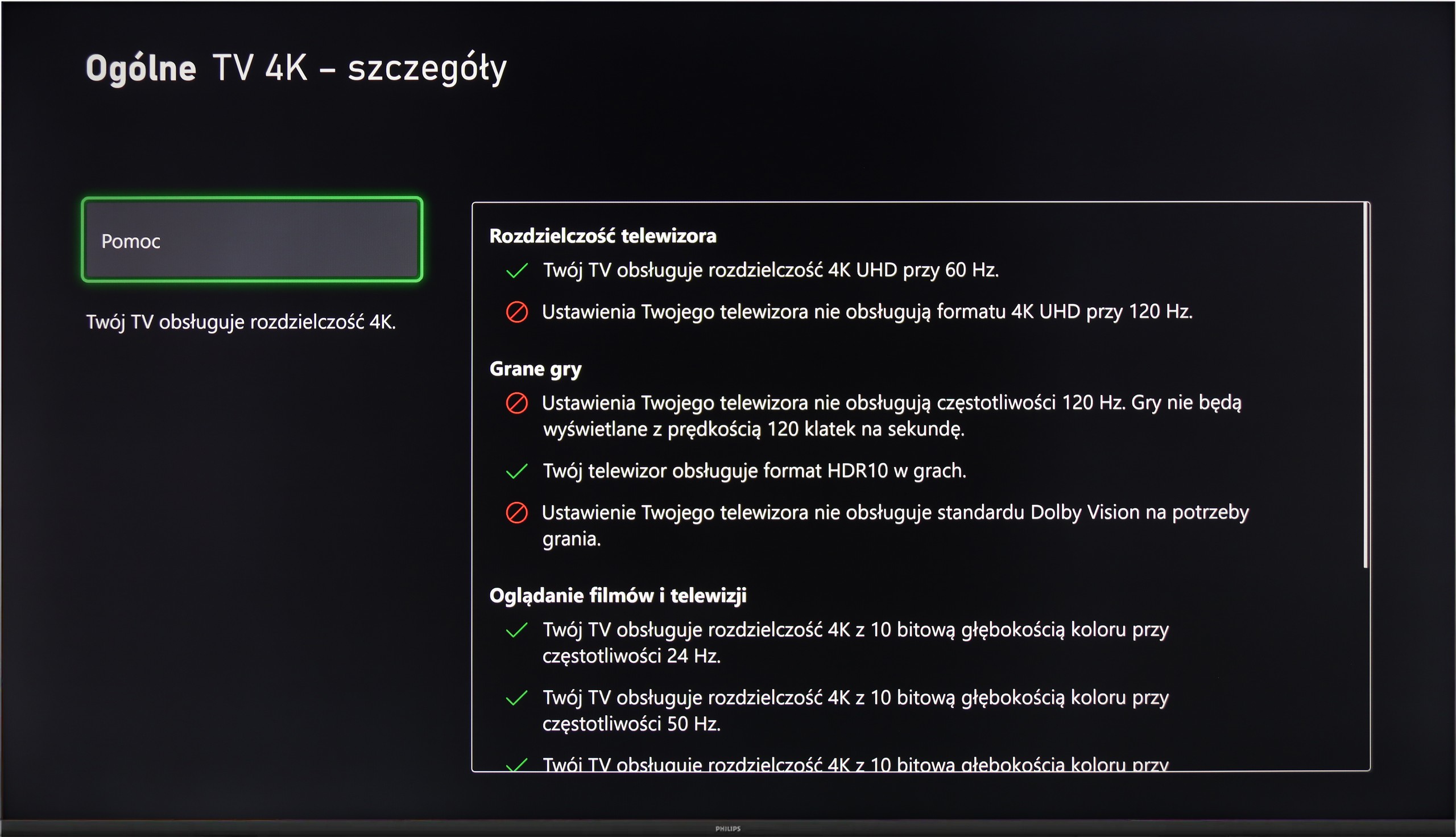
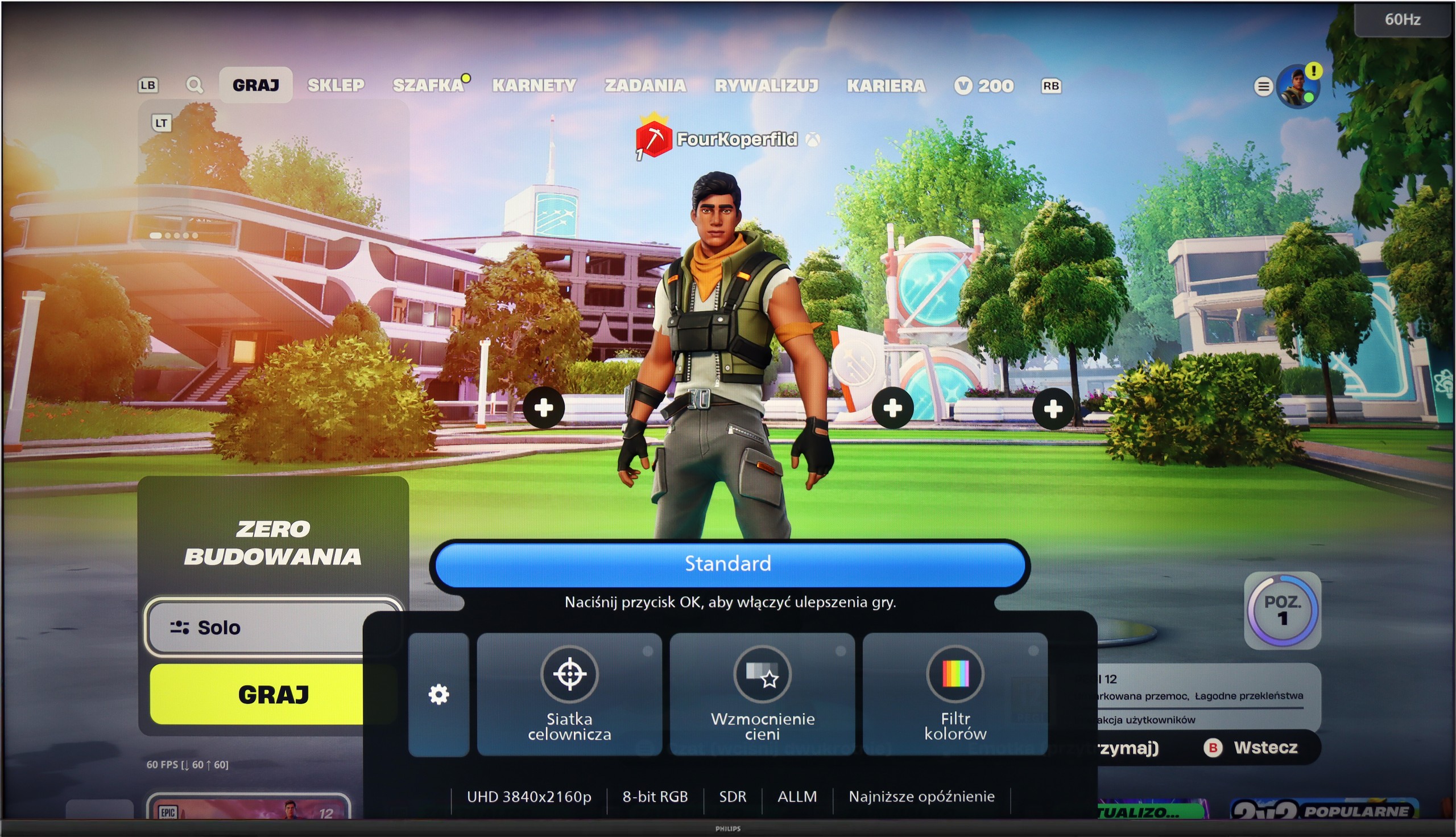
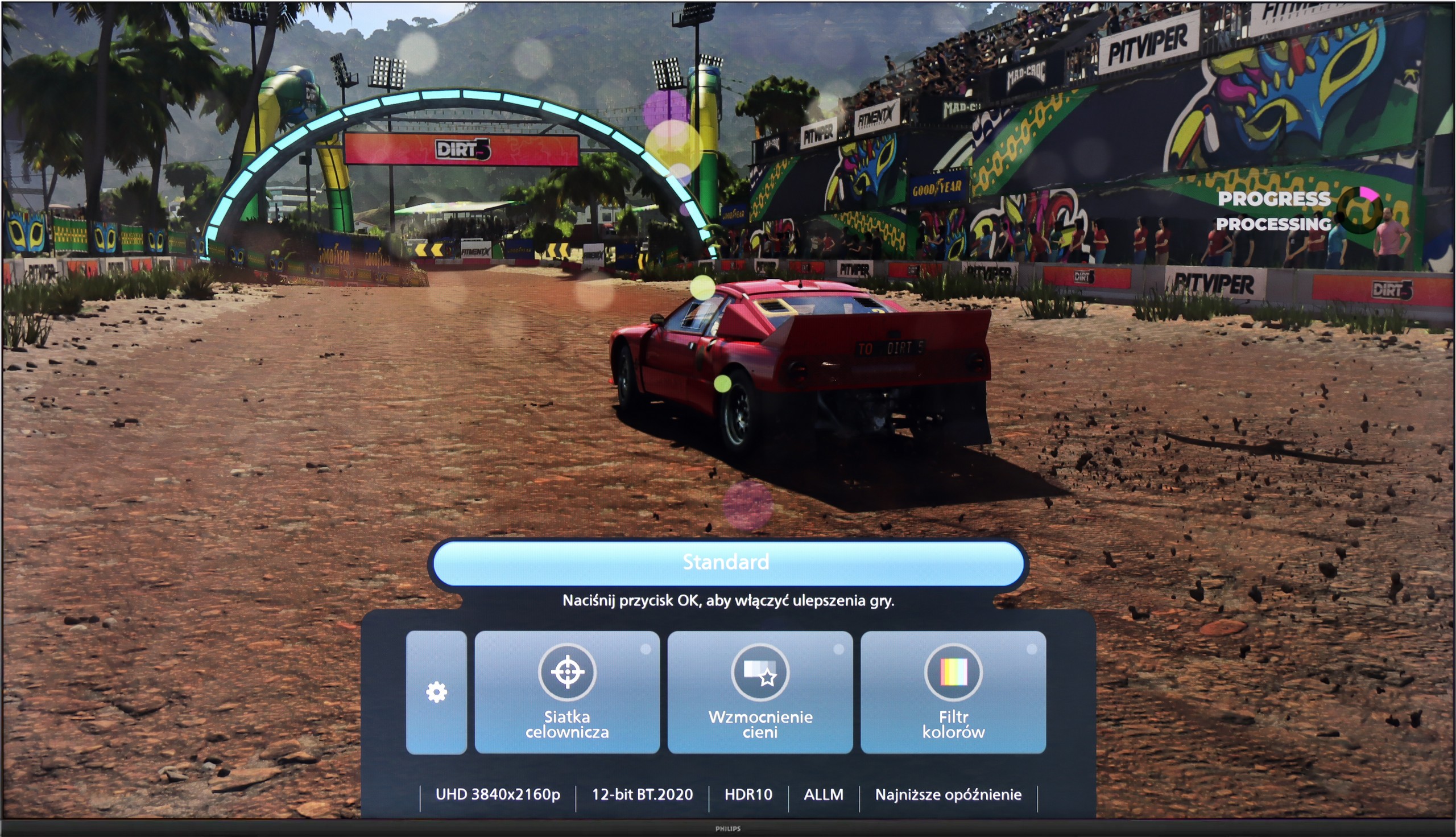
Ambilight because that's exactly where we need to start, it's the biggest reason to buy the PUS8500. The three-sided backlighting on the TV looks fantastic, especially in the evening. It creates atmosphere, masks contrast imperfections, and makes viewing simply more enjoyable. Even if the black isn’t perfect here, at high contrast the native VA panel is just good. On top of that, there’s really decent input lag and several gaming features like ALLM and VRR. Although there’s no HDMI 2.1 or 120Hz panel, casual gaming should be a pleasure. Especially since it plays responsively and without delays. Let’s add full support for audio formats – it includes both Dolby Atmos and DTS, so soundbar owners also have something to be happy about.
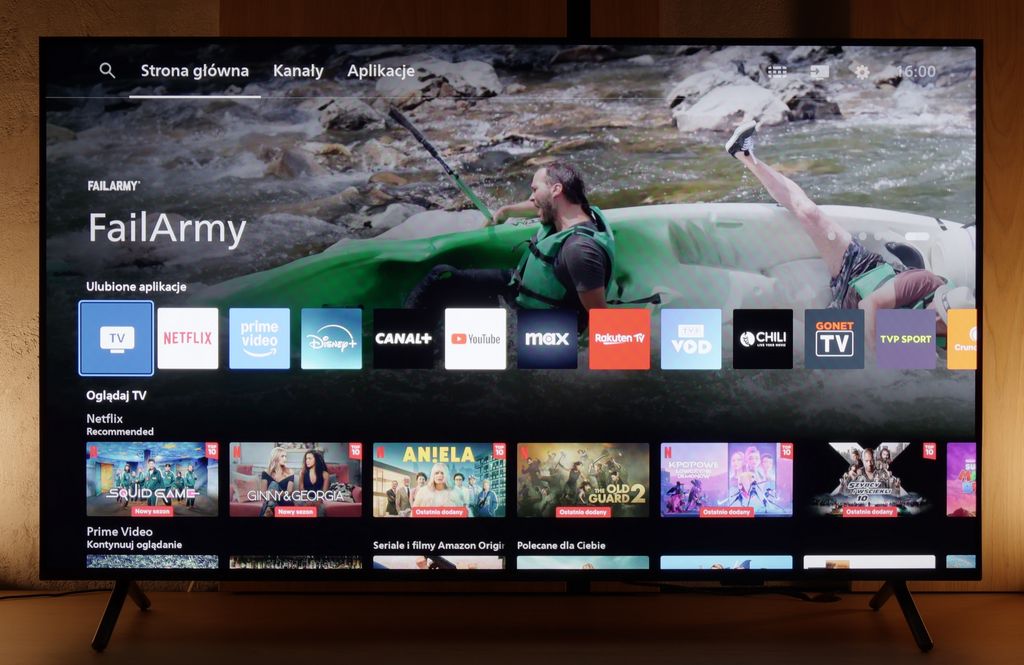
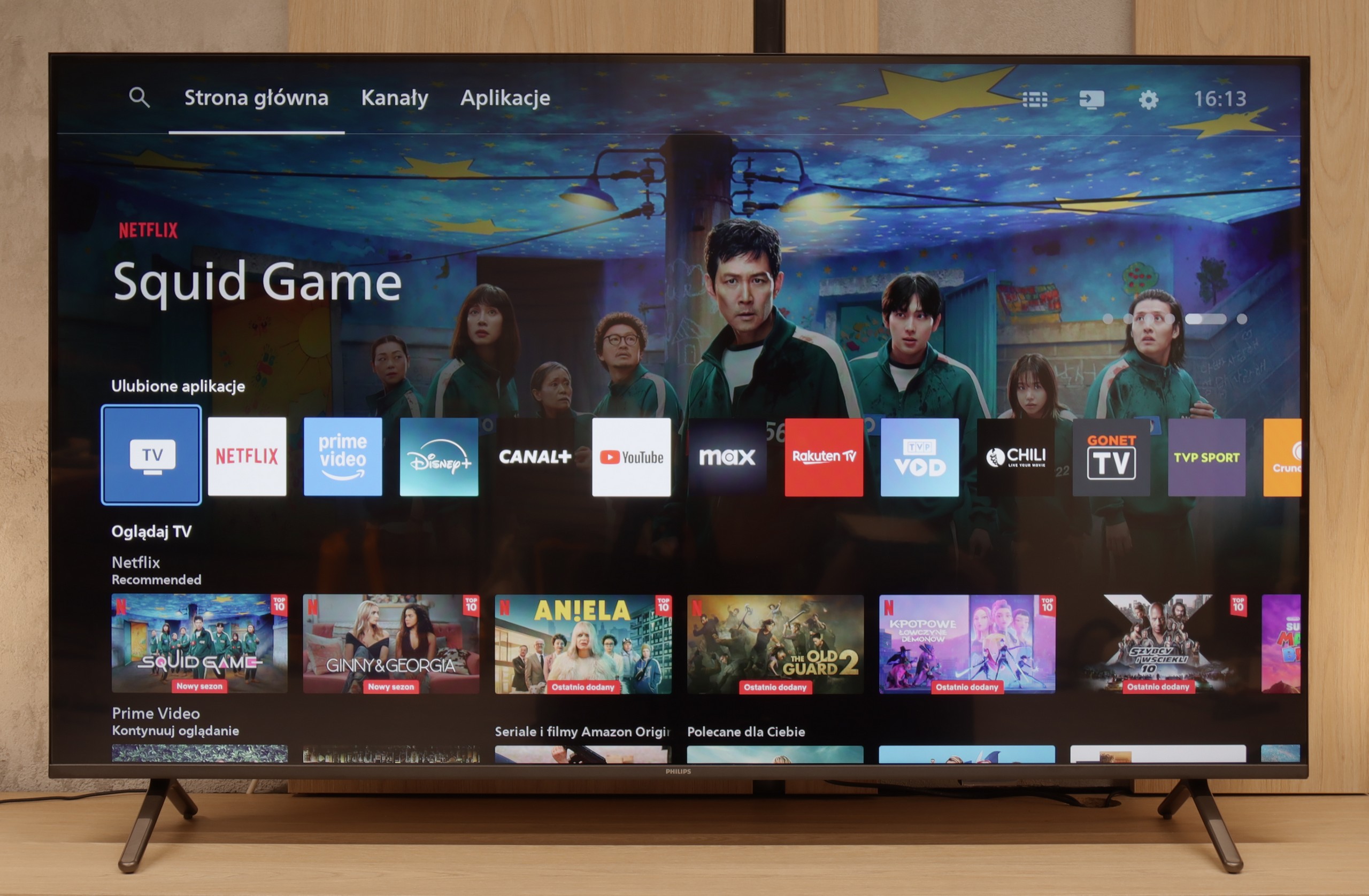
But let’s not kid ourselves – this is still a budget TV, and at times that’s quite obvious. Brightness is average – not so weak that you can't watch anything, but if you hit an exceptionally sunny day, watching under such conditions without blinds can be problematic. However, in our opinion, the biggest disappointment with the PUS8560 is the Titan OS operating system. Despite the fact that the system debuted some time ago, some things just didn’t work – for example, screen mirroring from a phone despite the manufacturer stating that this feature is present. There are fewer apps than the competition, and the system itself feels a bit clunky. Generally, it seems to do something already, but it clearly lacks refinement.
Of course, this isn’t a TV meant to compete with top models. But if someone is looking for something simple, with the cool atmosphere that the Ambilight system provides, it’s quite a fair proposition. You just need to know what to expect and accept the compromises, of which there are plenty here.
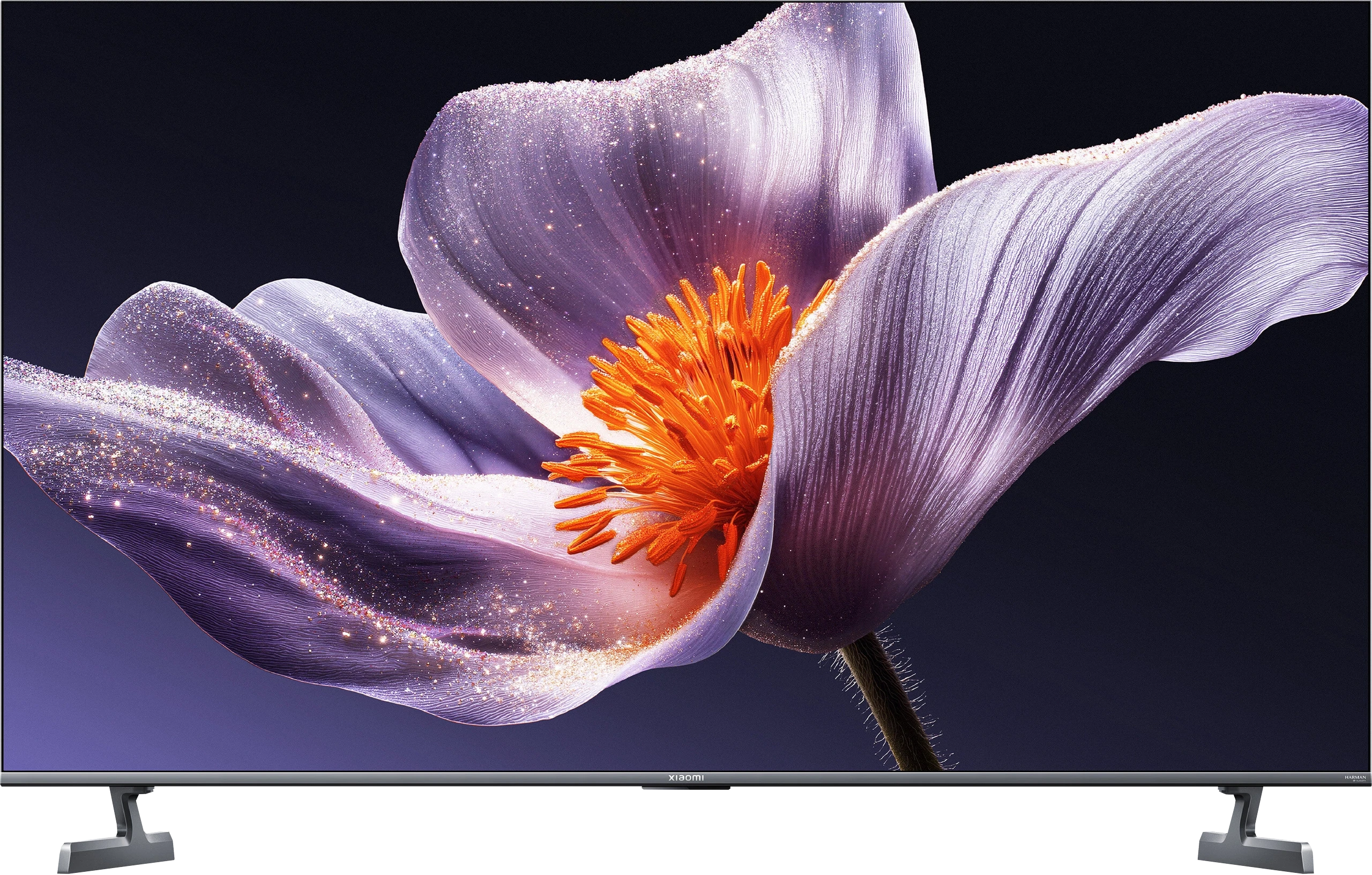
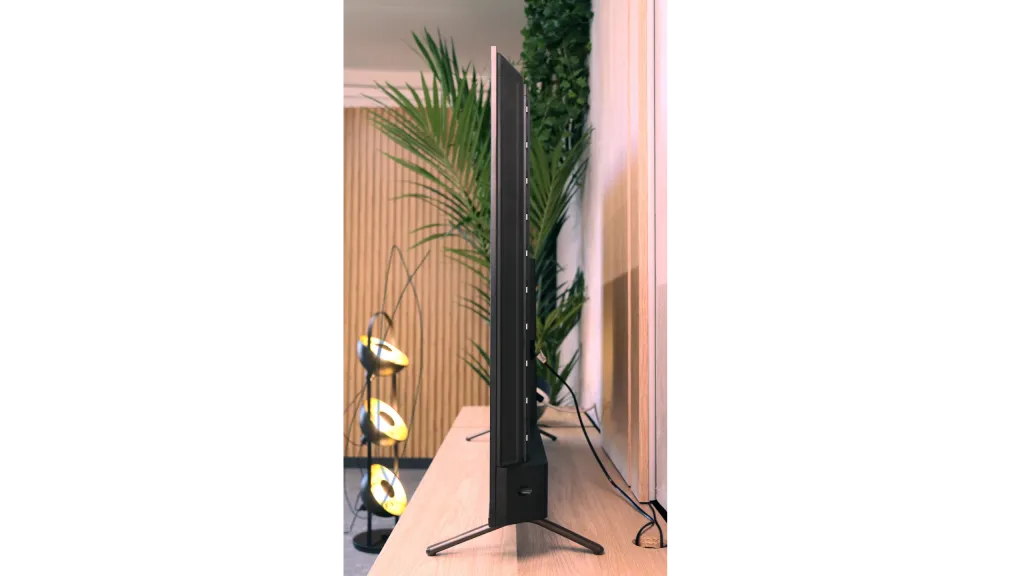
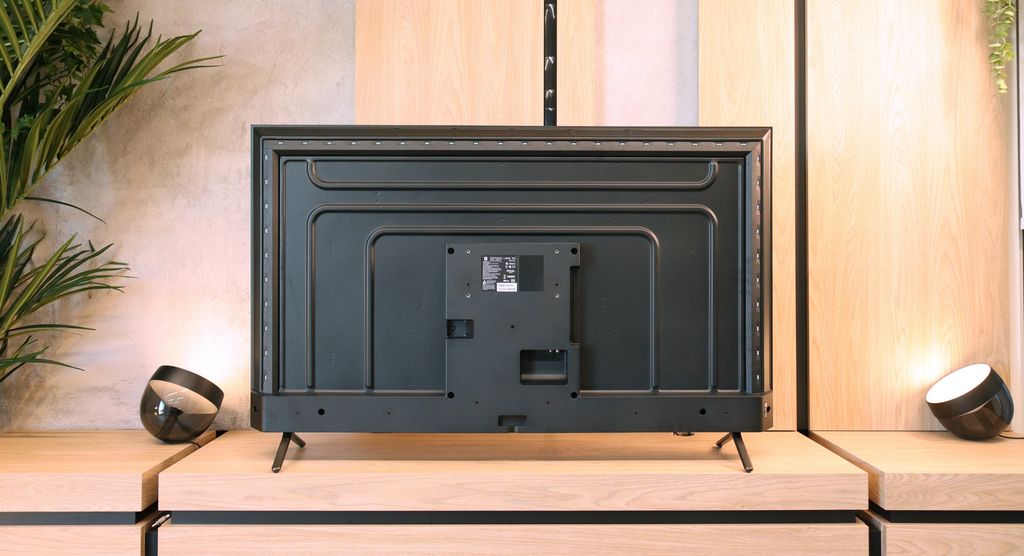
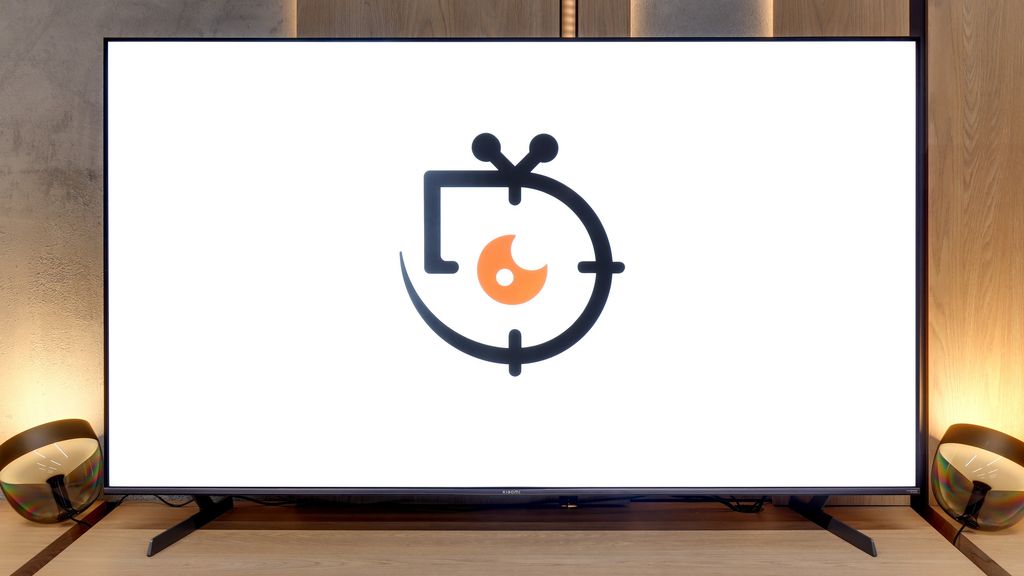
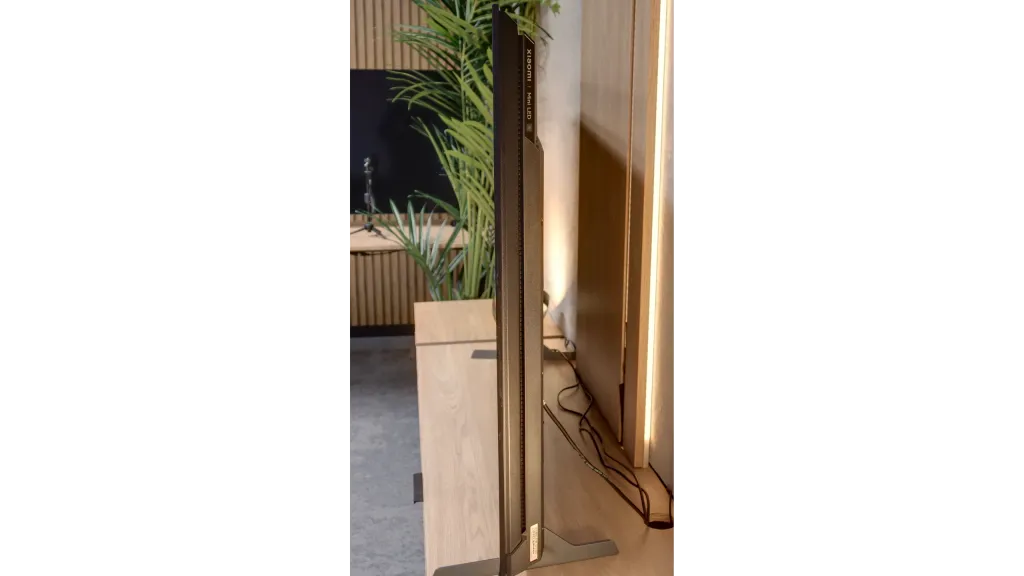
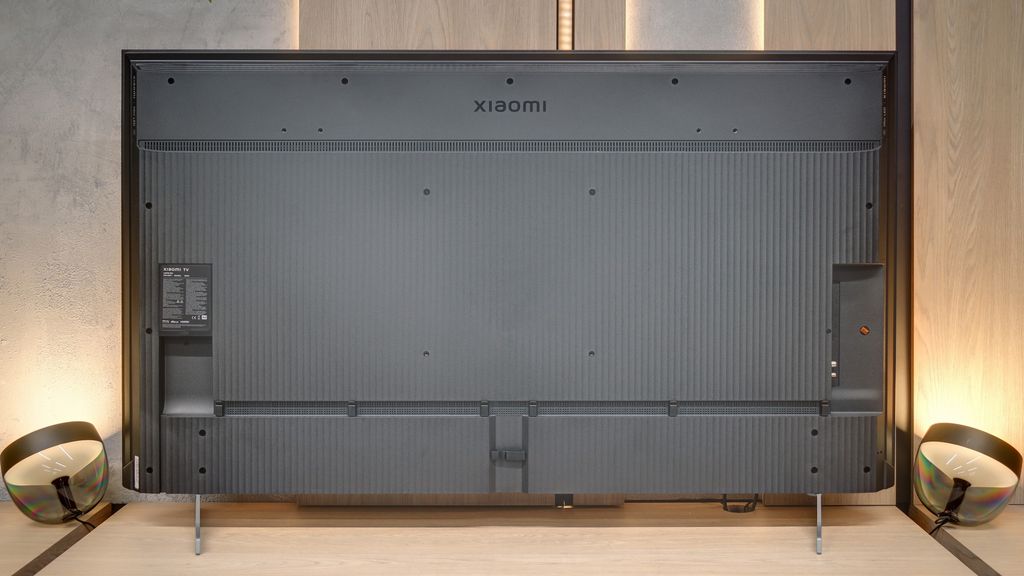
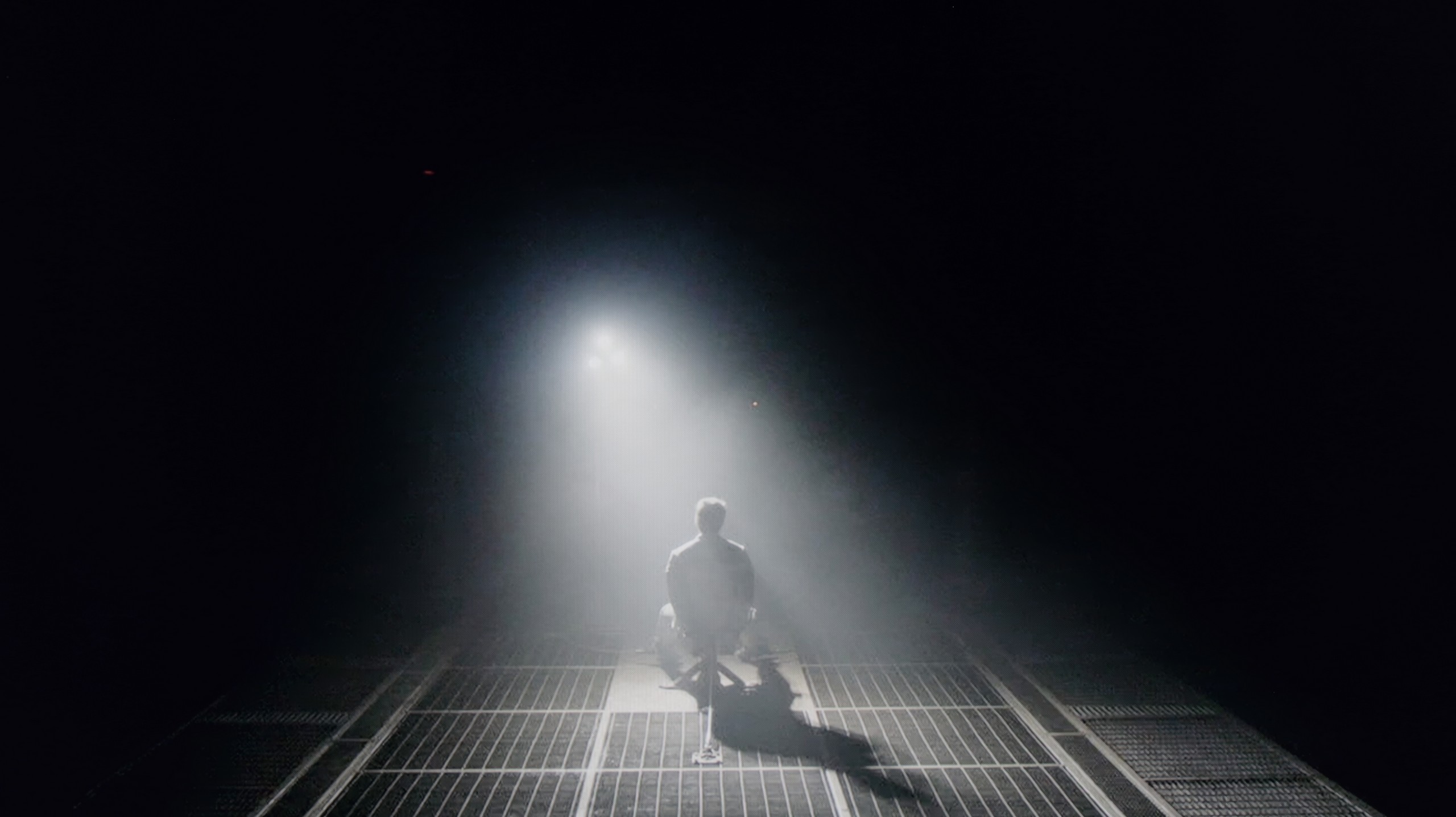
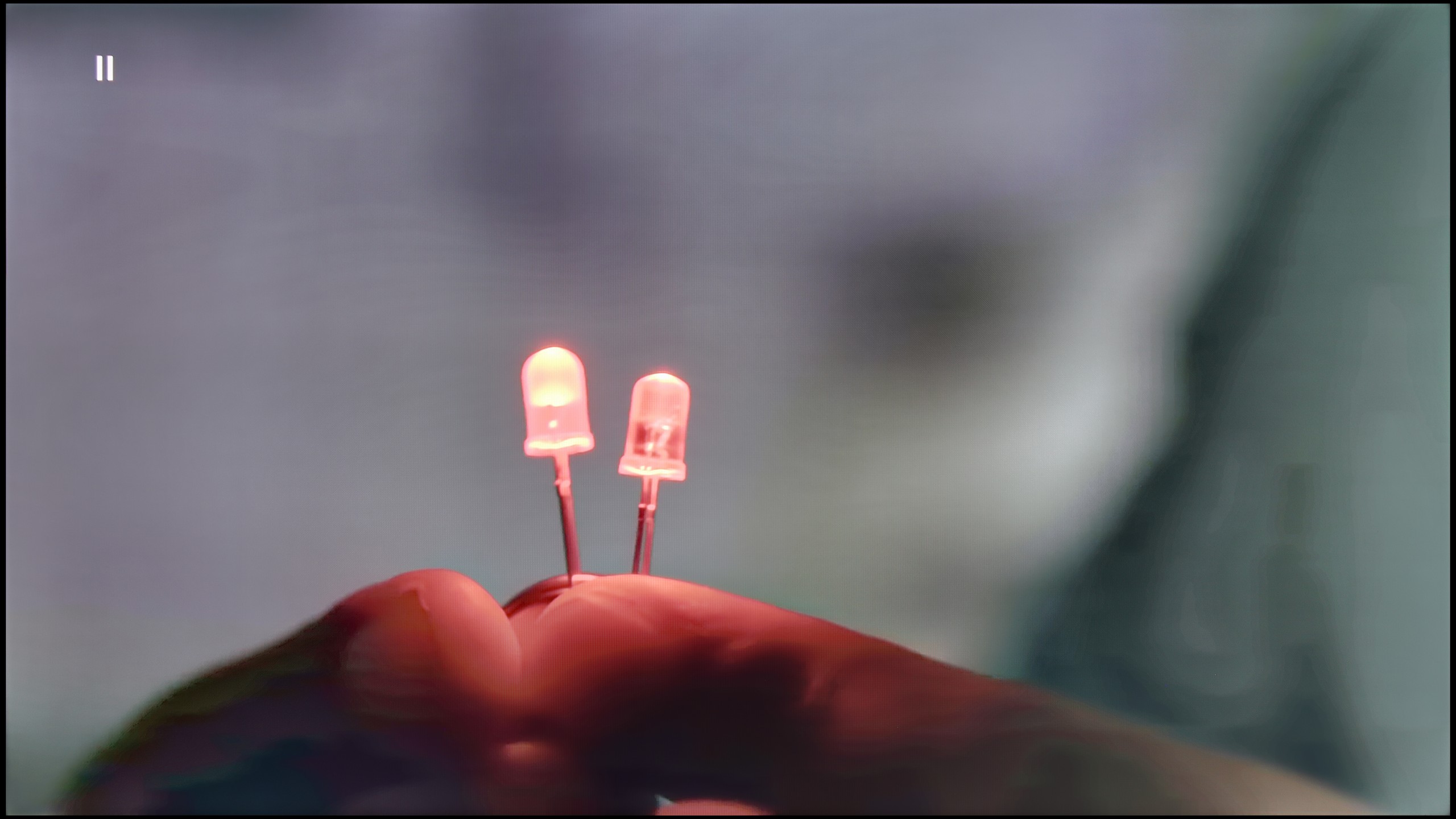
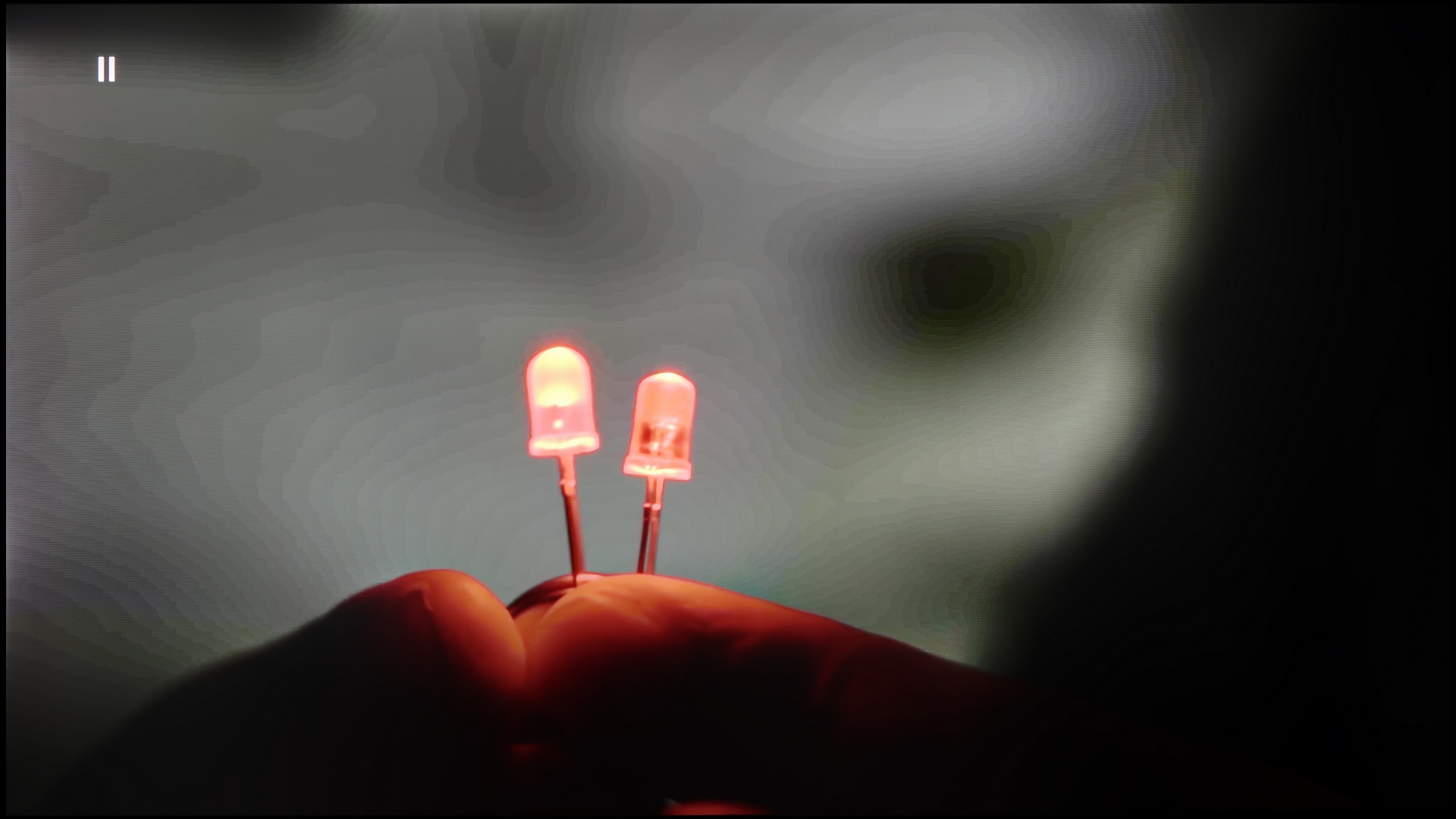
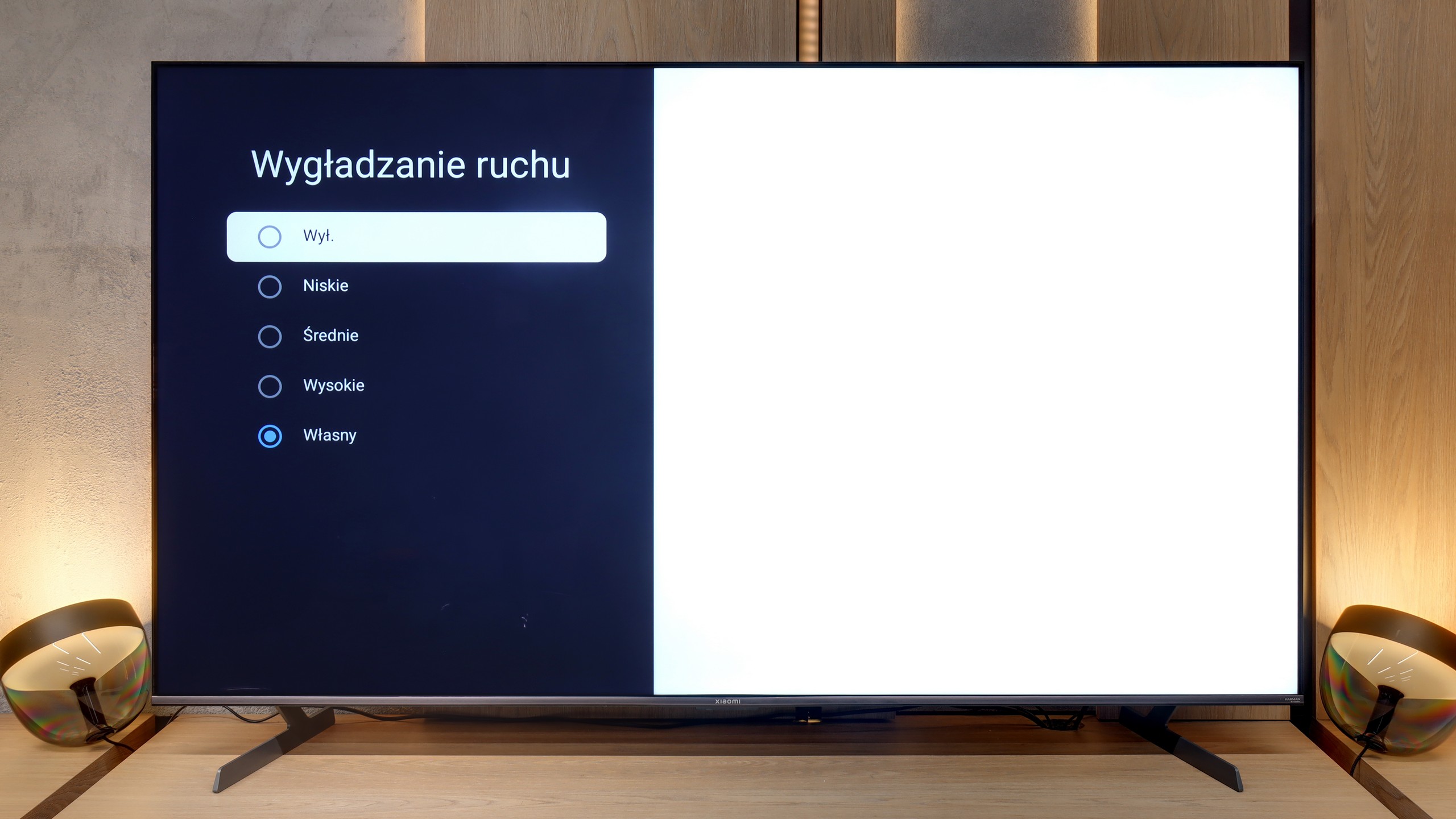
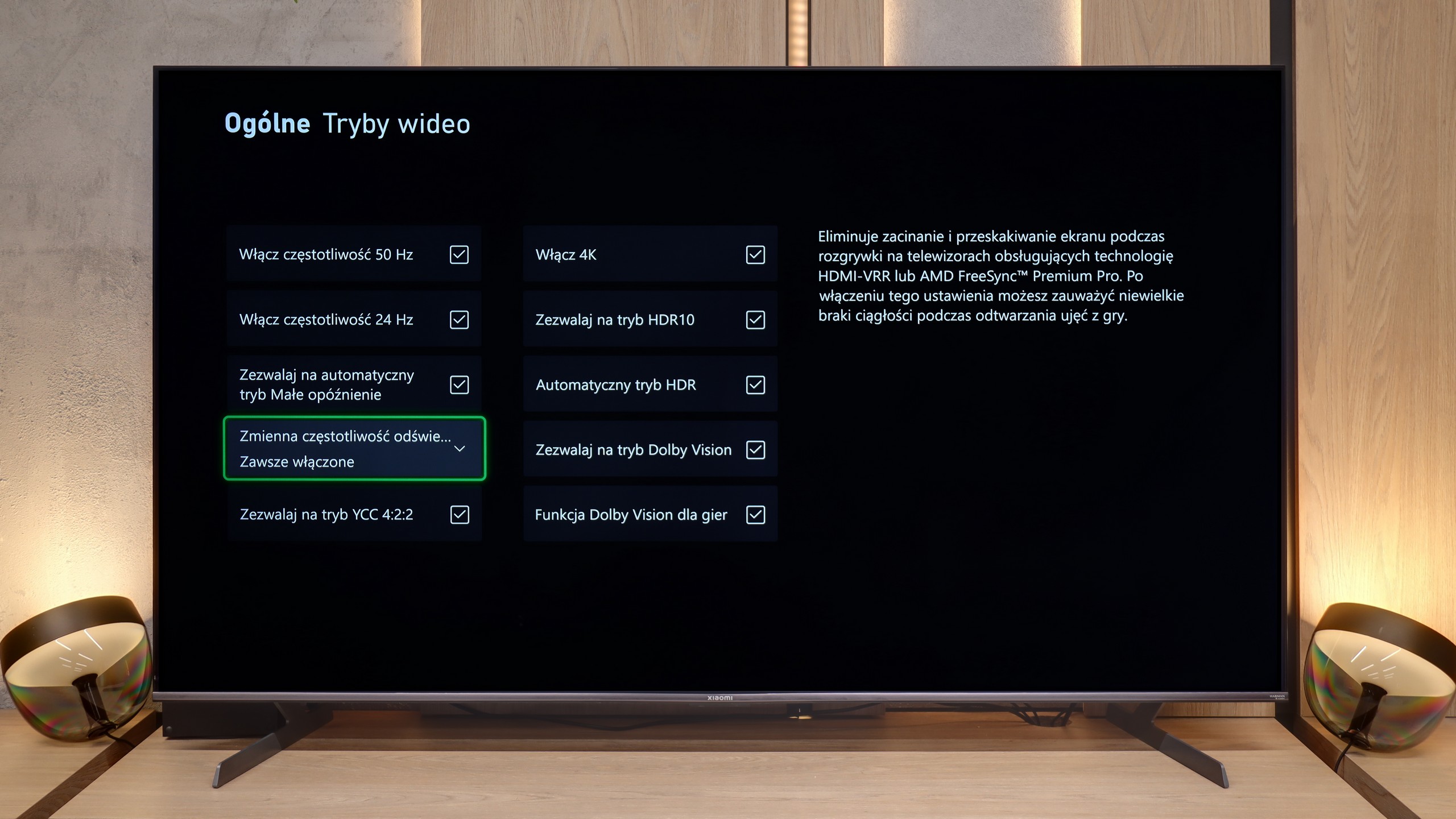
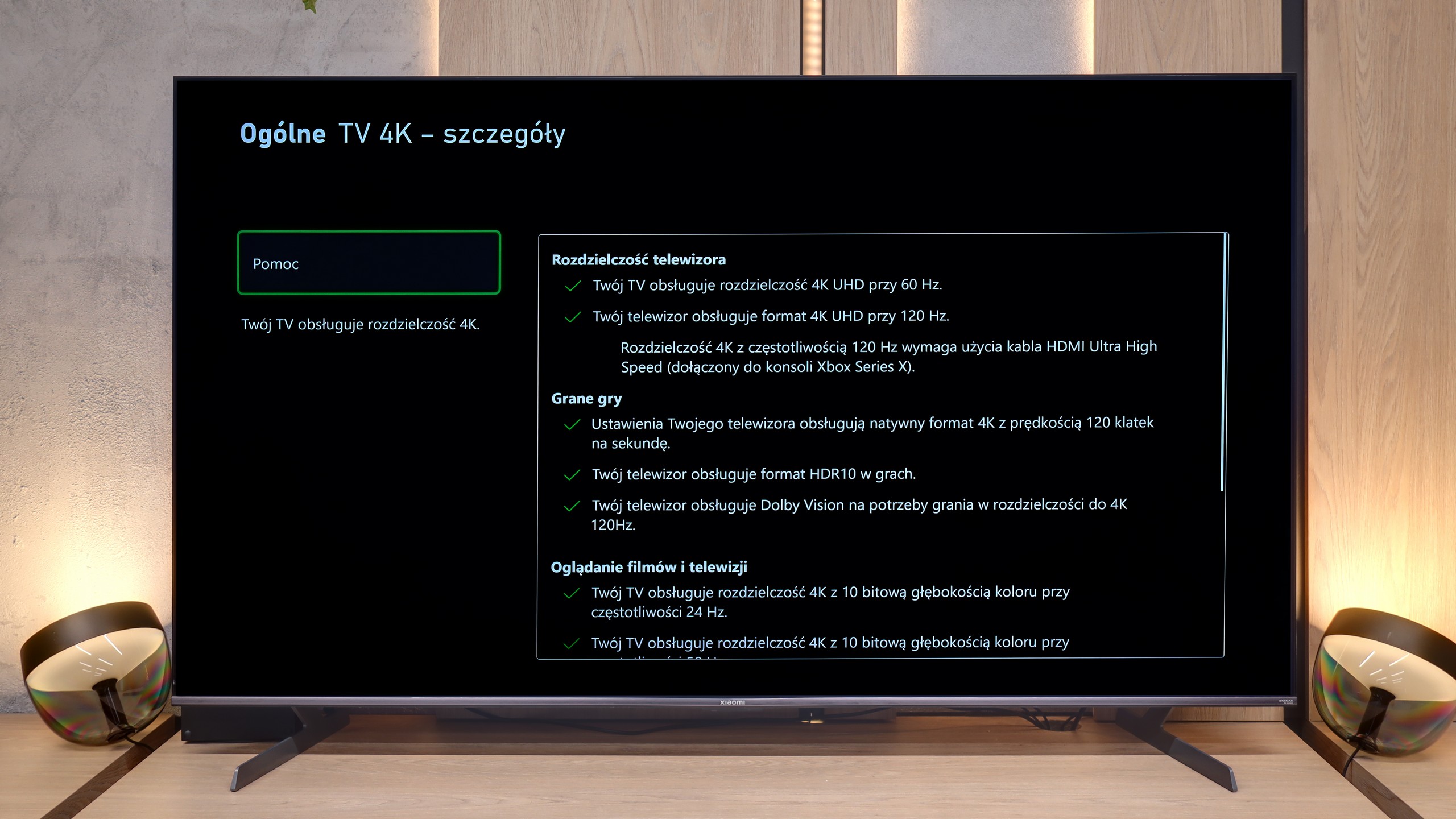
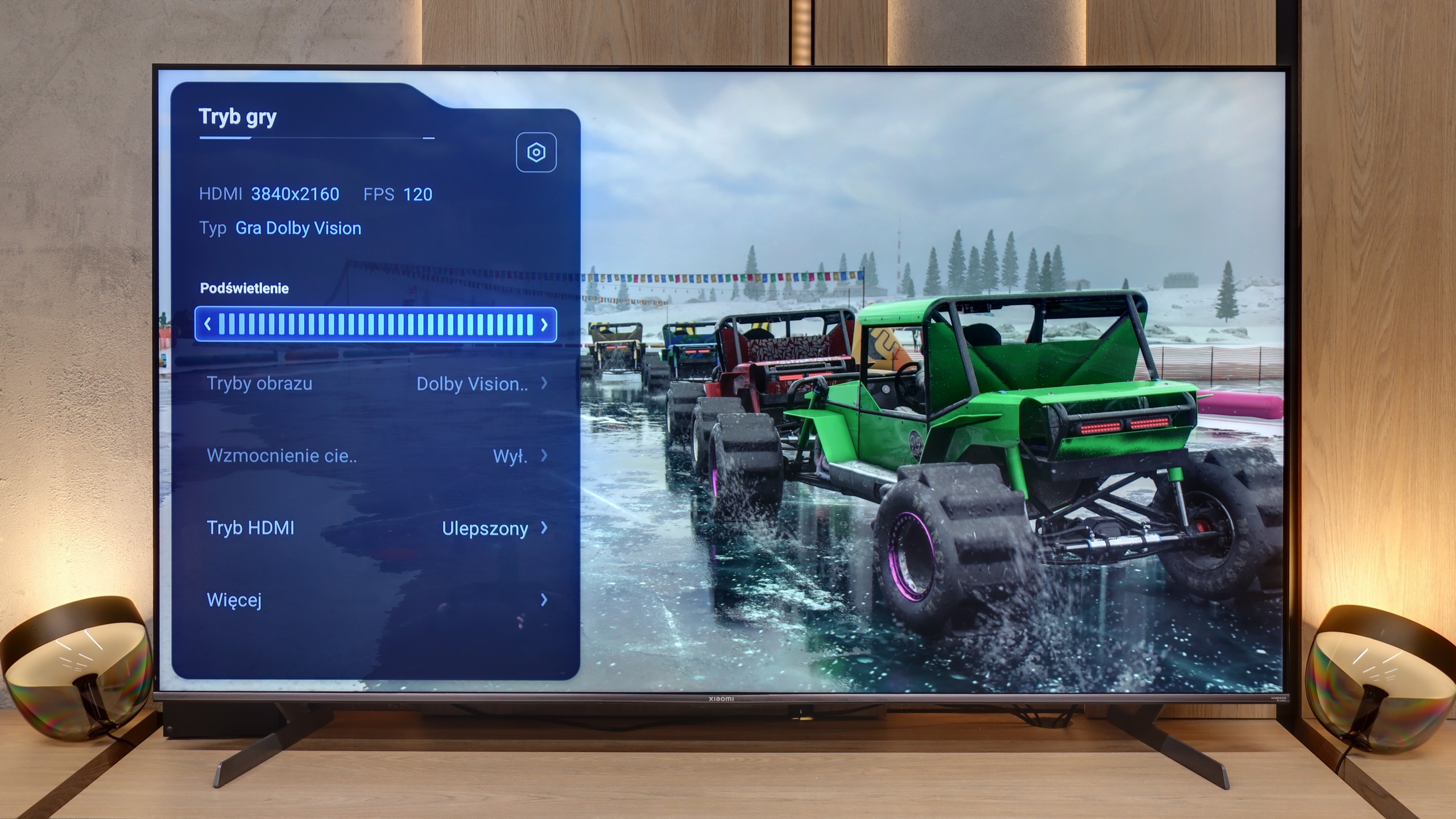
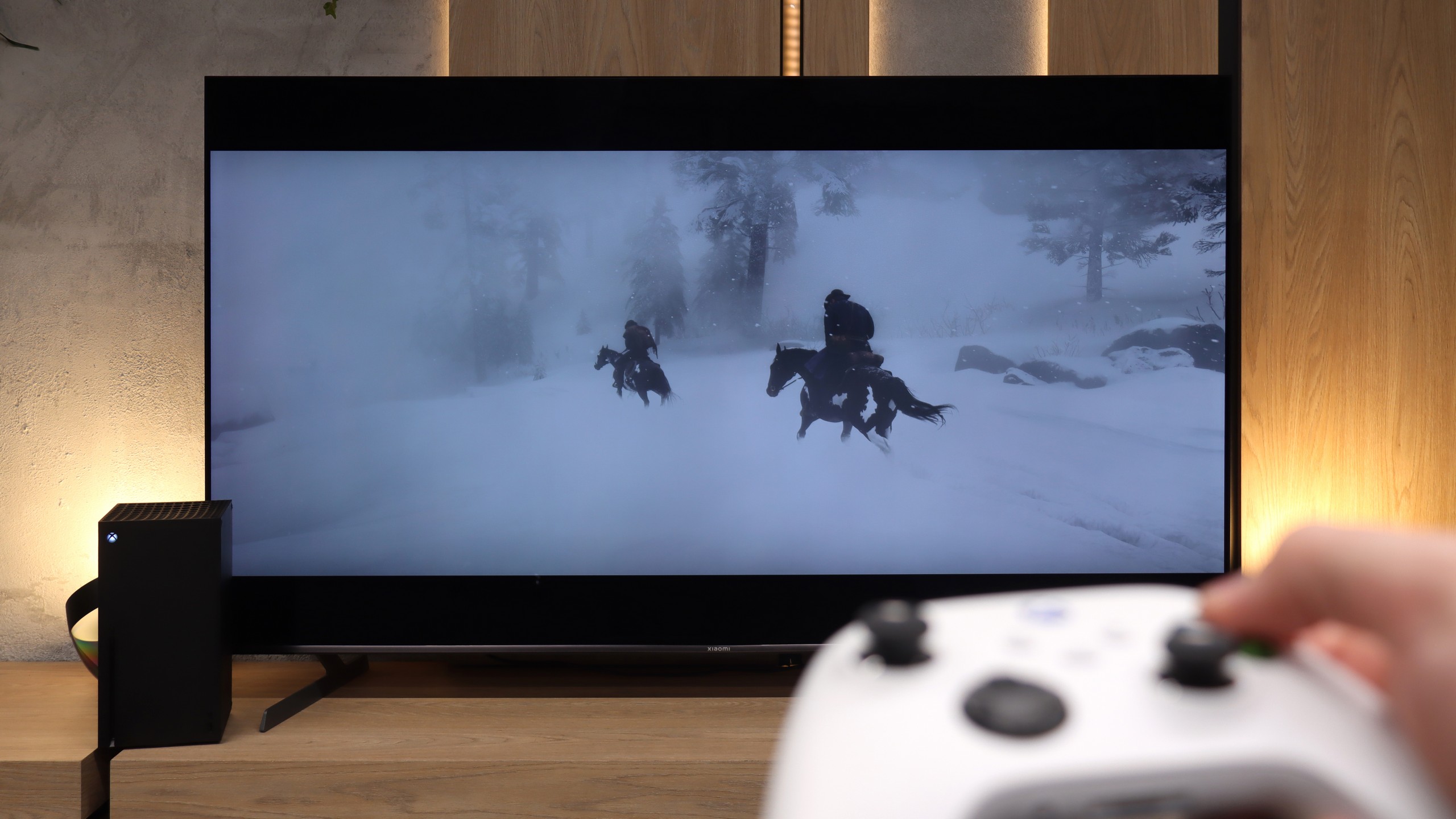
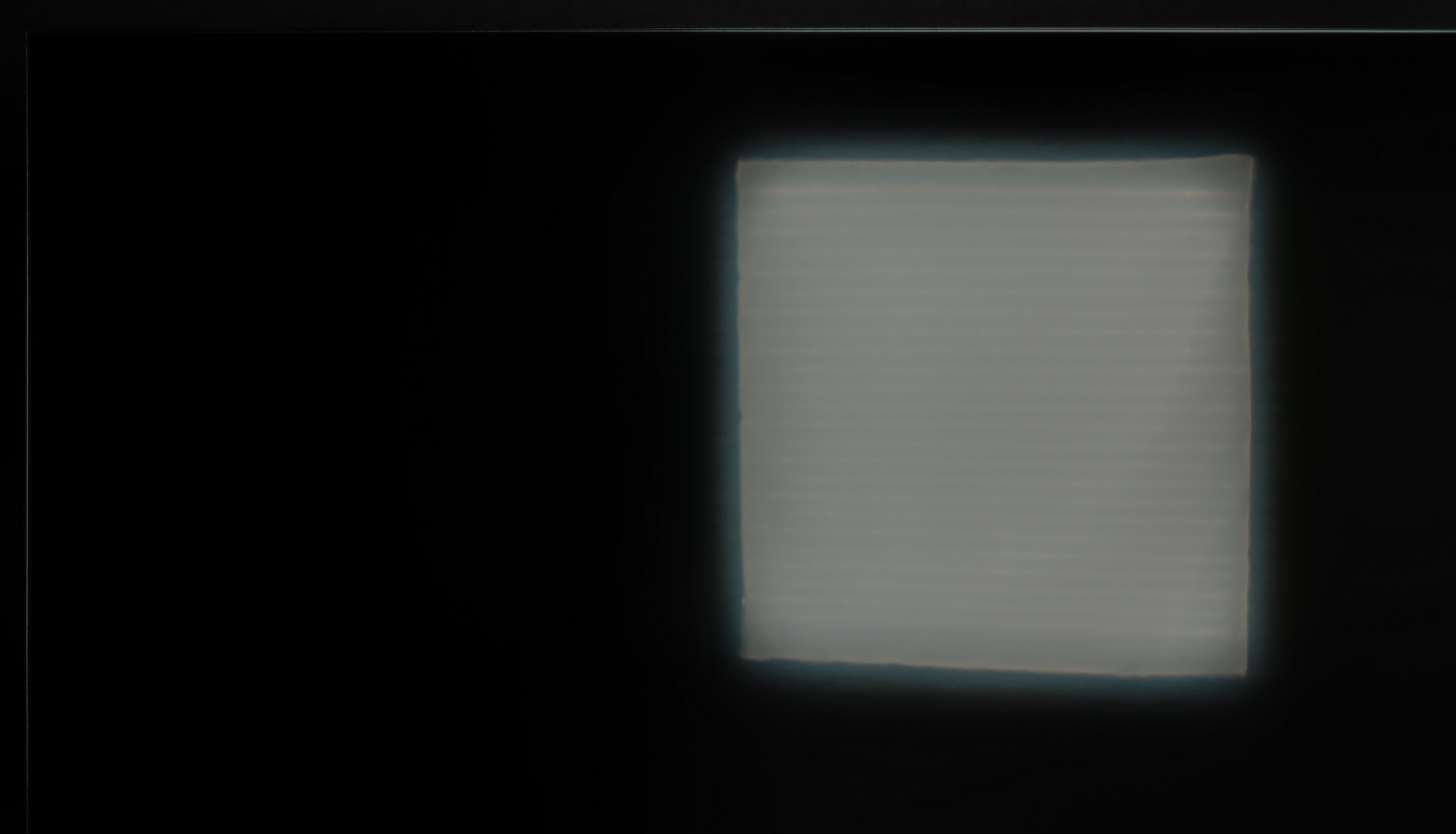
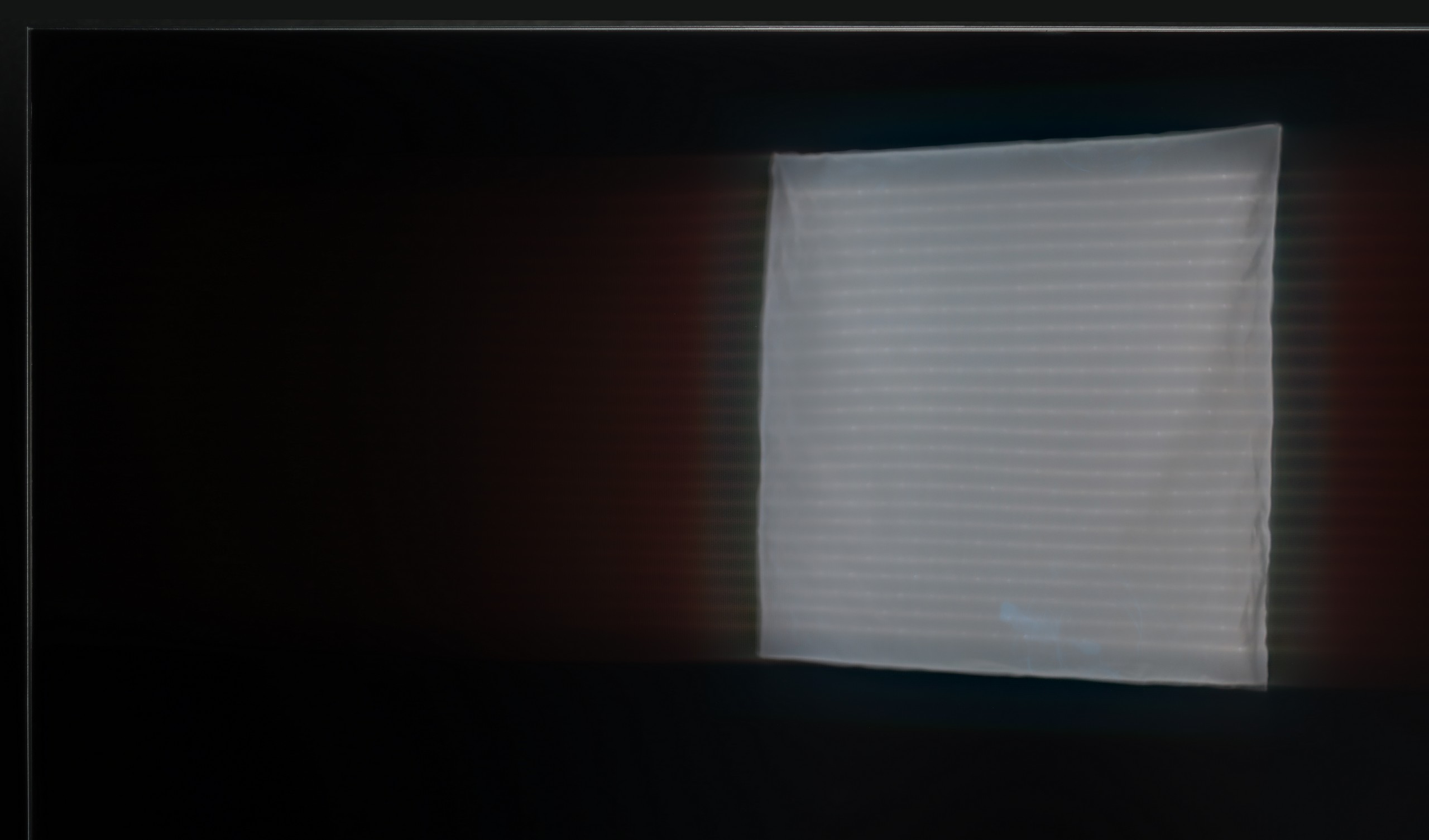
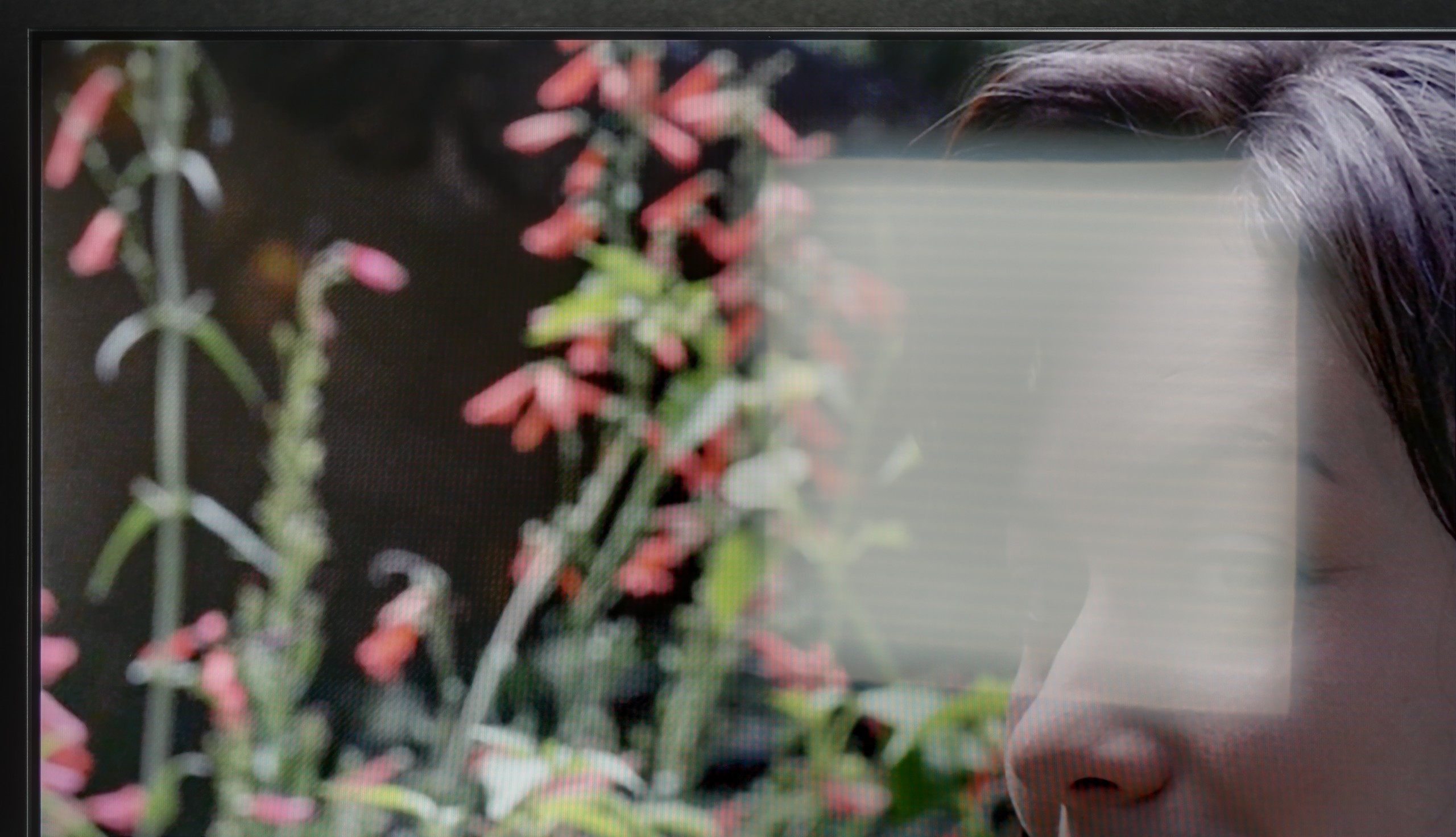
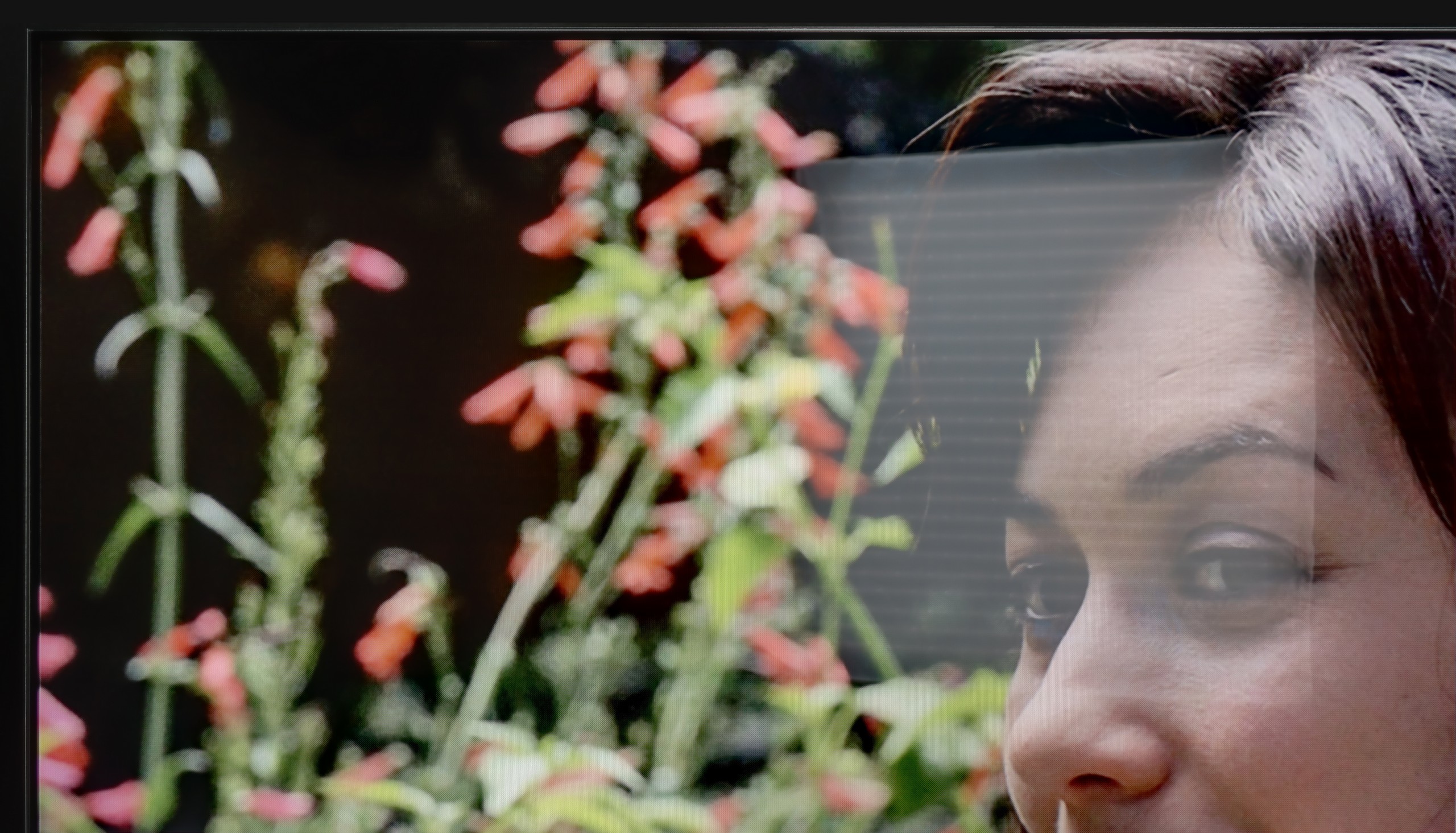
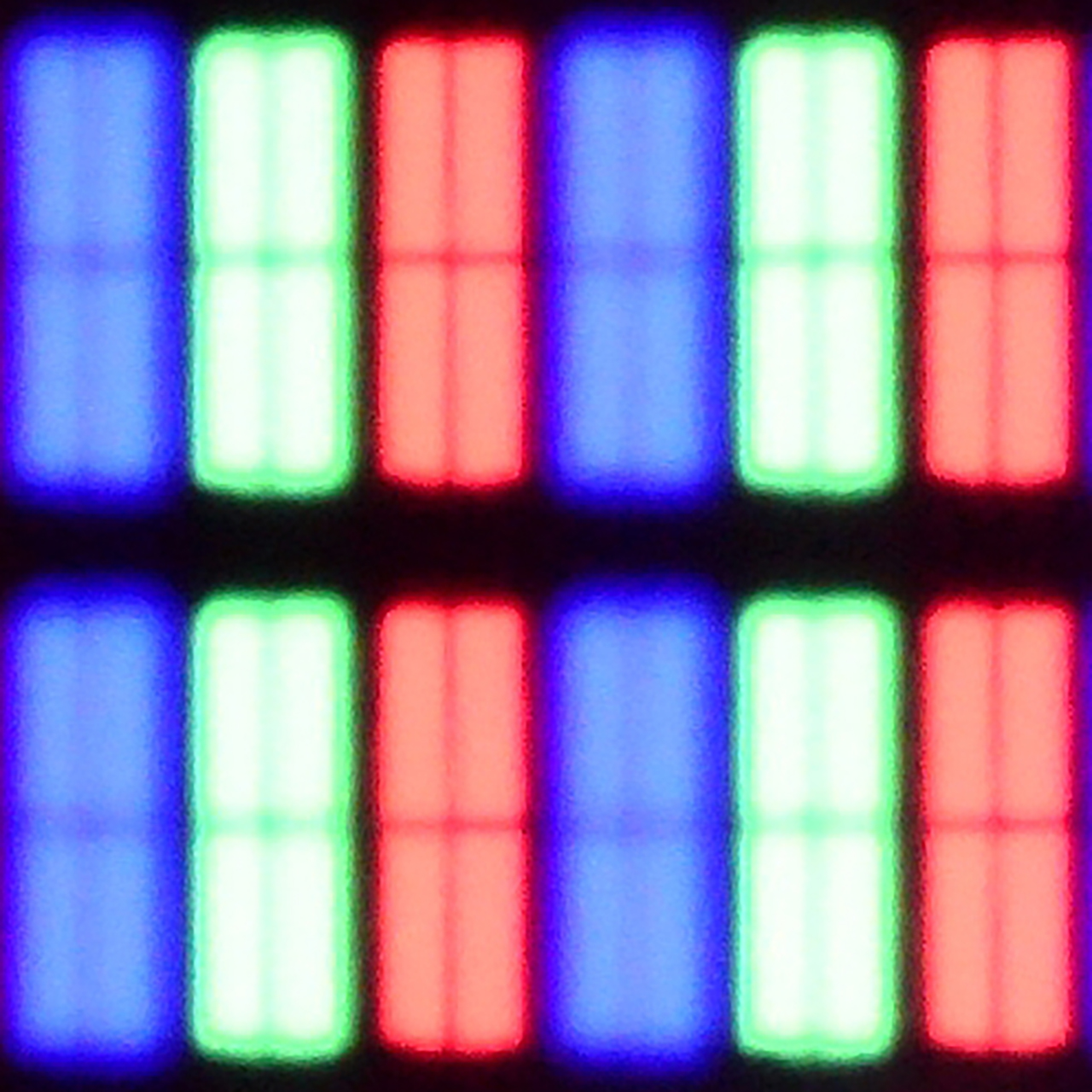
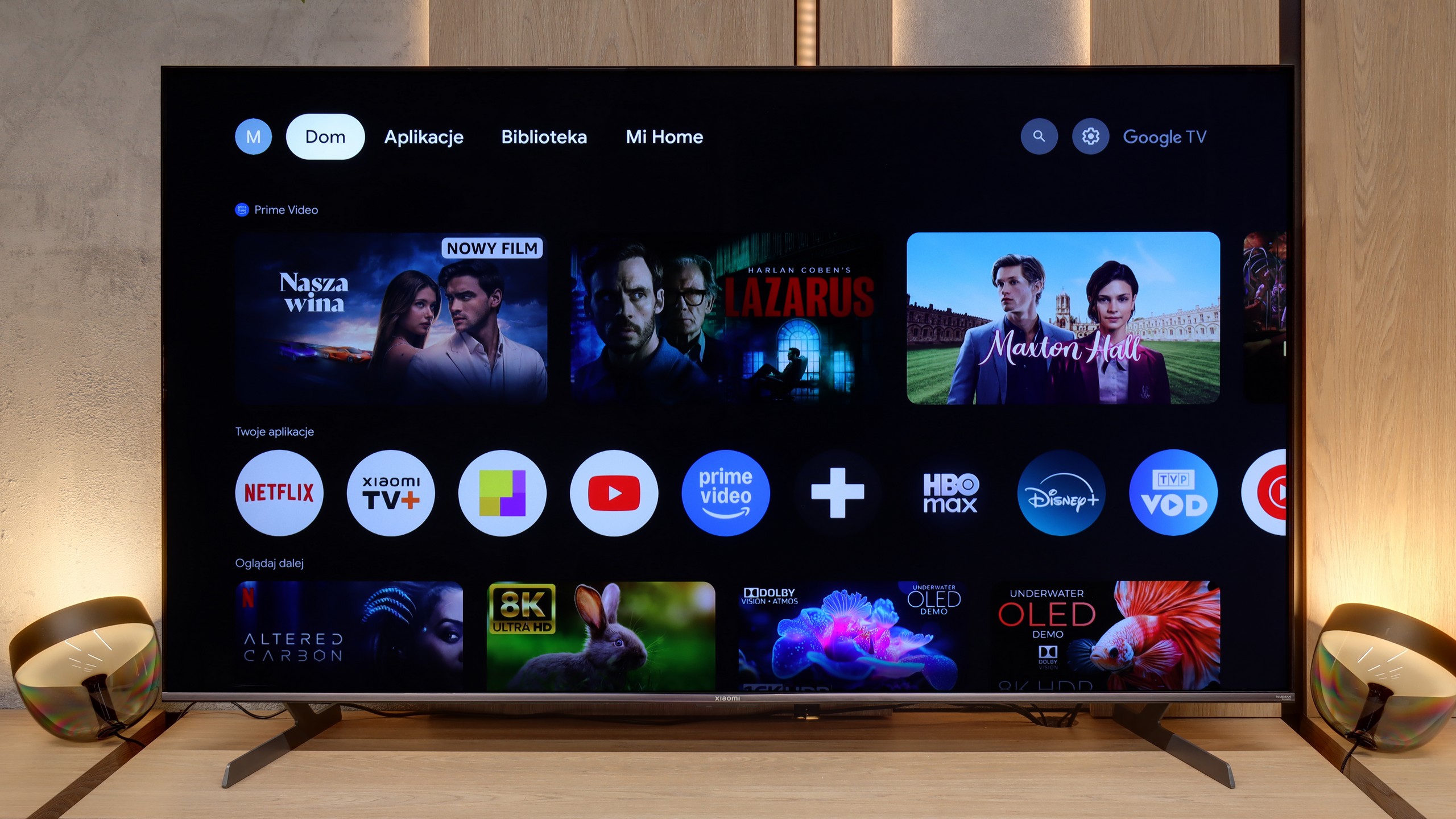
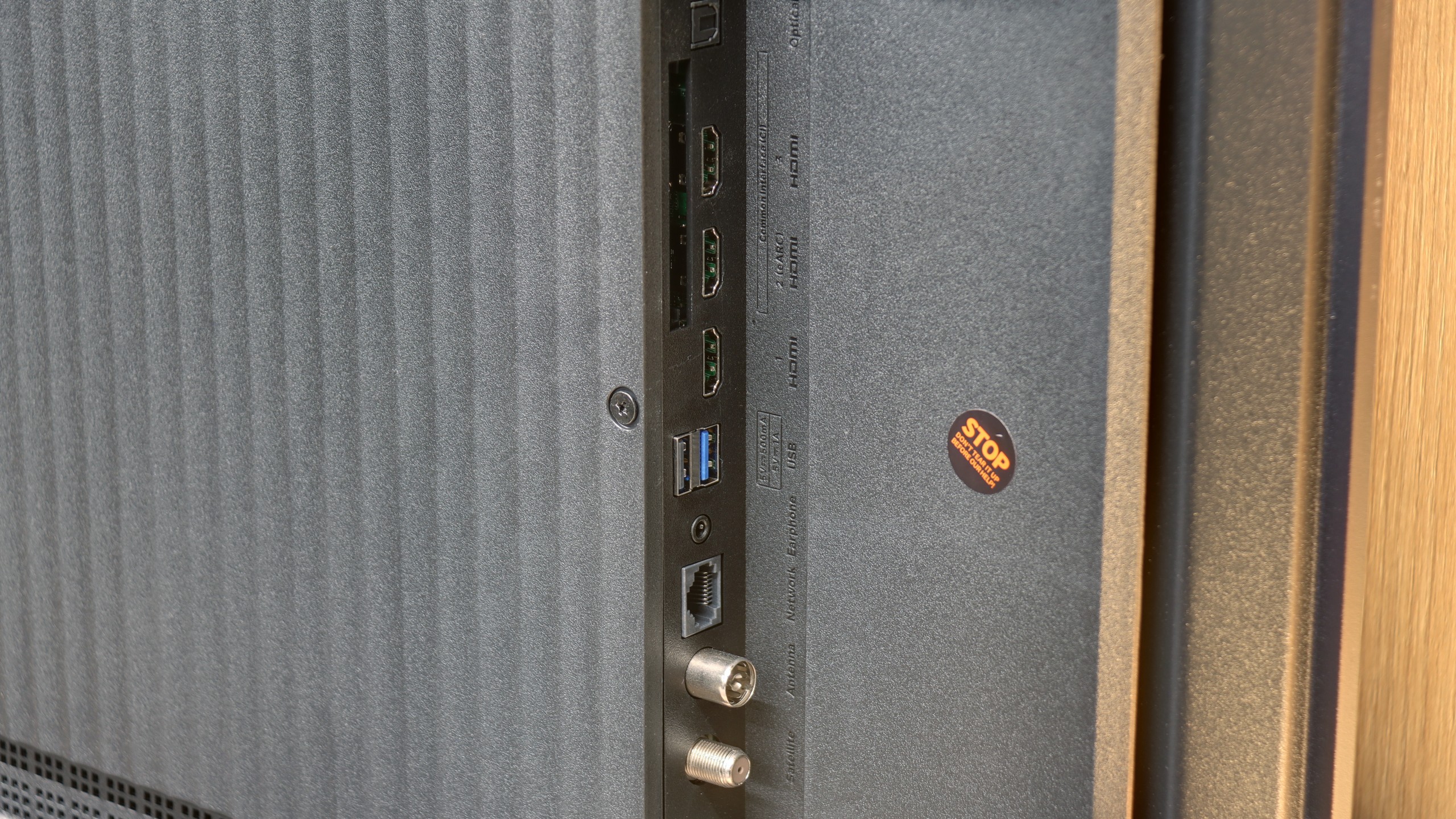
Is it worth buying the Xiaomi S Pro 2026? The answer to this question is quite complicated. Let's start with what is really great about this TV. First of all, the Xiaomi S Pro 2026 has an outstanding price-to-performance ratio. It features a Mini LED panel with very high brightness, which performs excellently in a sunlit living room. Additionally, it has a fast 144 Hz (or even 288 Hz) panel and a full gaming package: two HDMI 2.1 ports, support for VRR, and impressively low input lag (below 10 ms). If you mainly watch 'regular' content and play games, this is a fantastic screen. Even the built-in 30W speakers are surprisingly good and support Dolby Atmos. Unfortunately, there is also a second, very problematic side to this model. In short: the software. We have the impression that Xiaomi has given us great 'parts', but hasn't managed to make them work together properly. The biggest issue is the HDR mode – the main reason why people buy TVs today. For unknown reasons, the TV in HDR mode (HDR10, Dolby Vision) does not manage its dimming zones well. As a result, blacks that should be deep become grey or navy blue, like in a regular LCD TV. On top of that, there are other software issues such as the terrible implementation of HGiG or the fact that the Dolby Vision mode for gamers is unusable due to immense input lag (100 ms). Additionally, the TV's capability to process image digitally is very poor. So how can we summarise this in terms of price? In its price range, the Xiaomi S Pro 2026 crushes the competition in terms of specifications. Other TVs for this money are usually basic LCD models without dimming, and often only have a 60 Hz panel. The question then is: what is more important to you? If you're simply looking for a very bright and affordable TV for watching during the day and gaming, and you're willing to calibrate it – you will be very pleased with it. However, if you're looking for a TV to enjoy impressive HDR in movies and games straight out of the box, you will be terribly disappointed with this model. In that case, in our opinion, it's better to pay a bit more for a basic OLED TV or a more refined Mini-LED model from the competition.
 Direct comparison