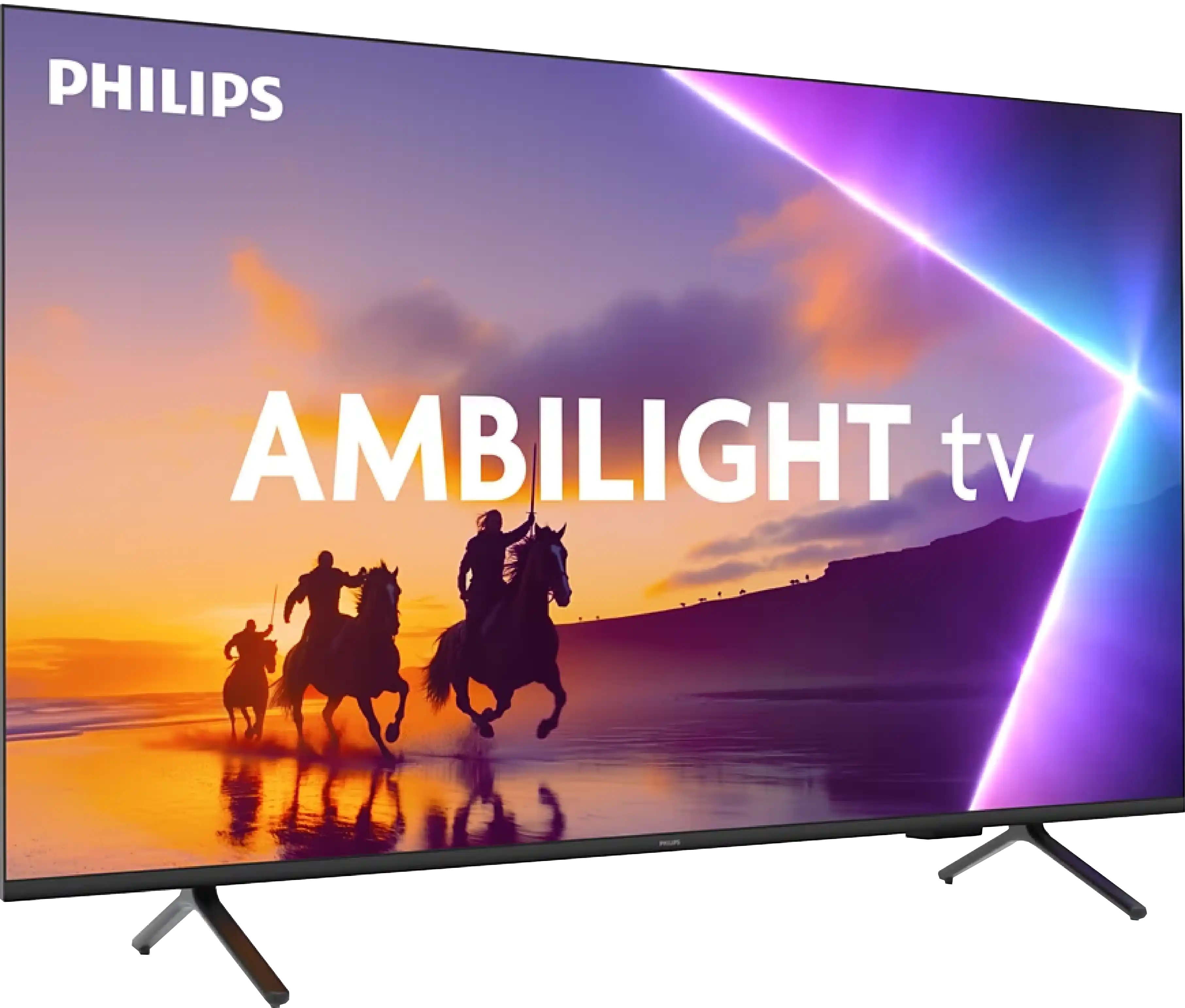
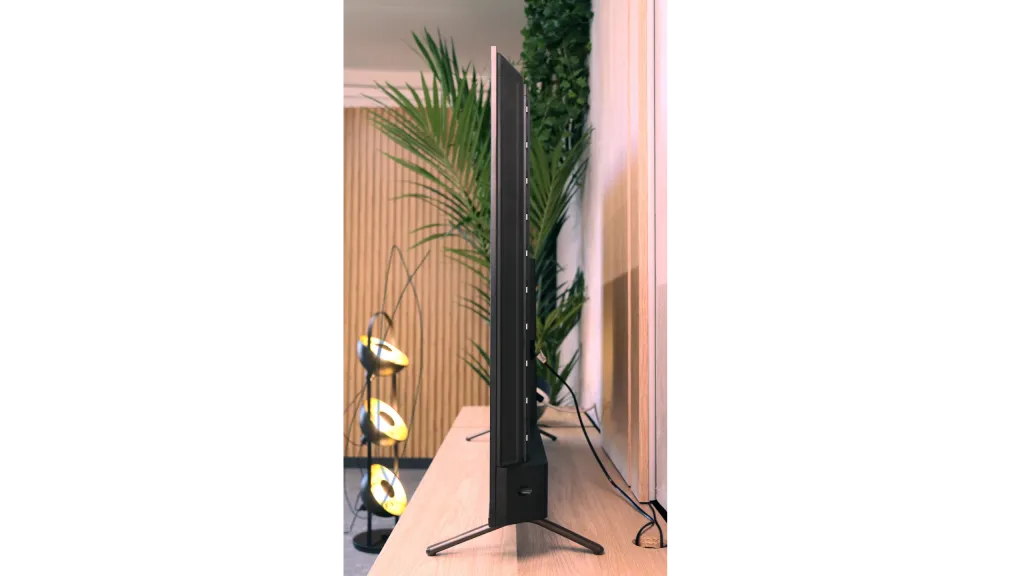
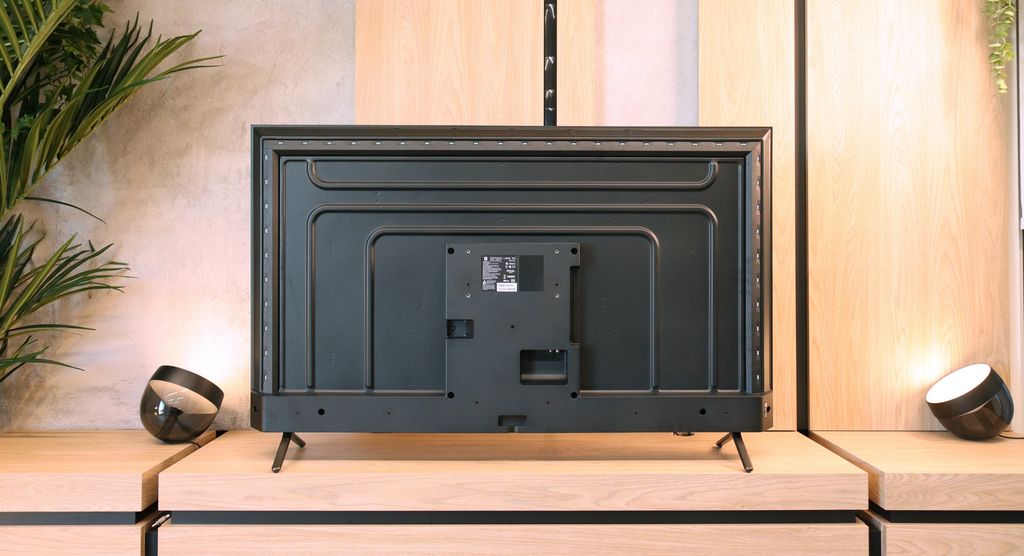
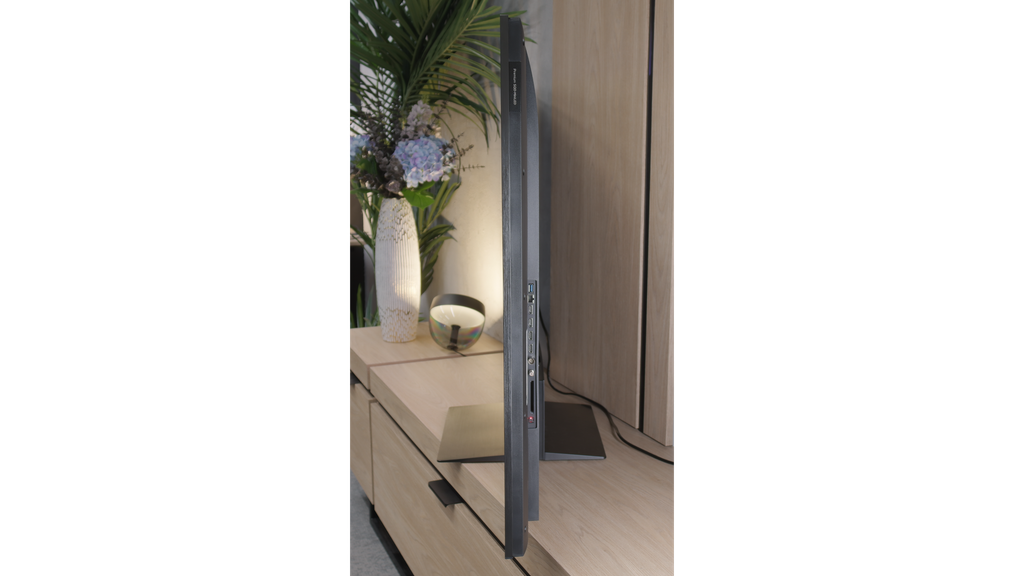
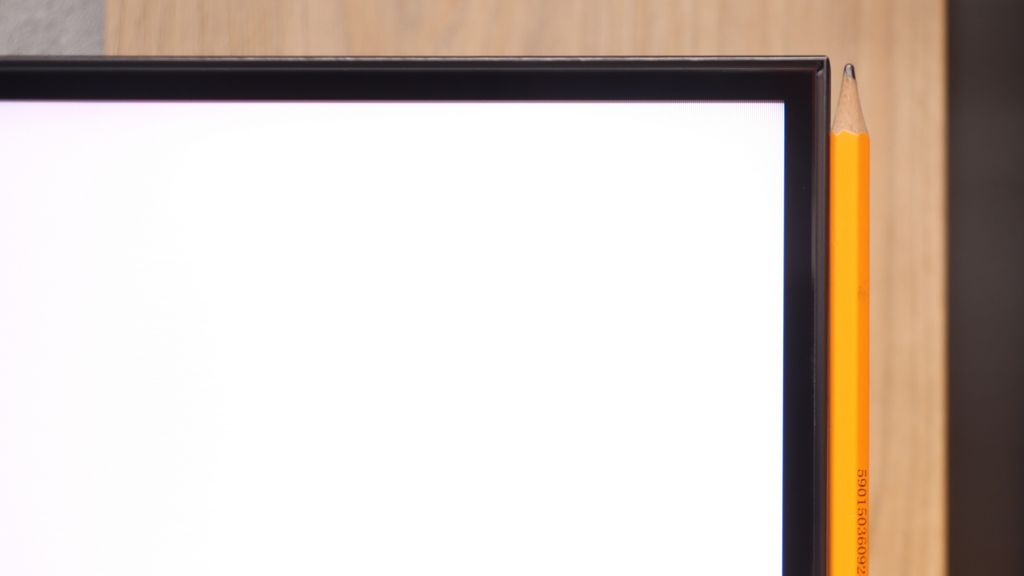
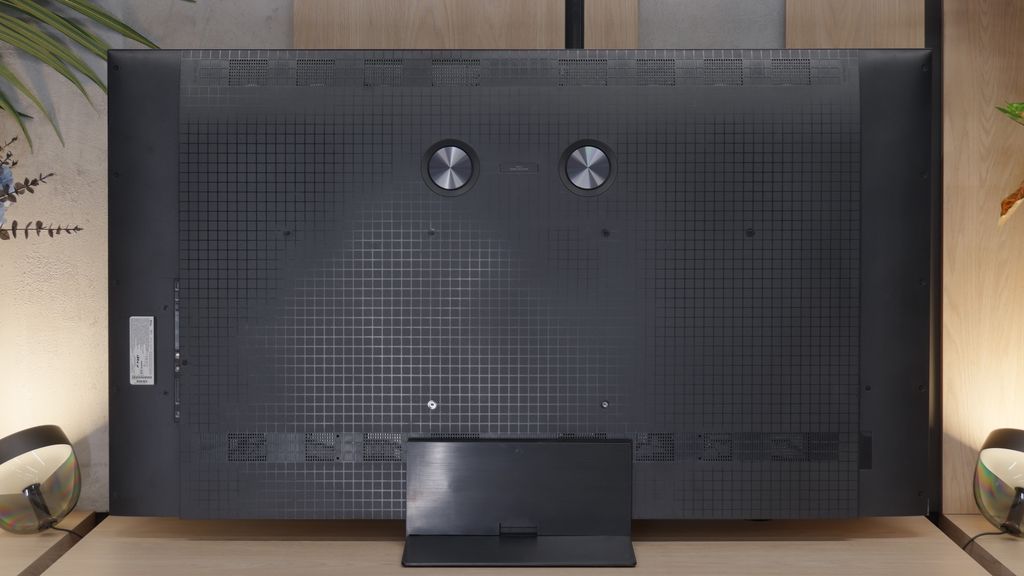
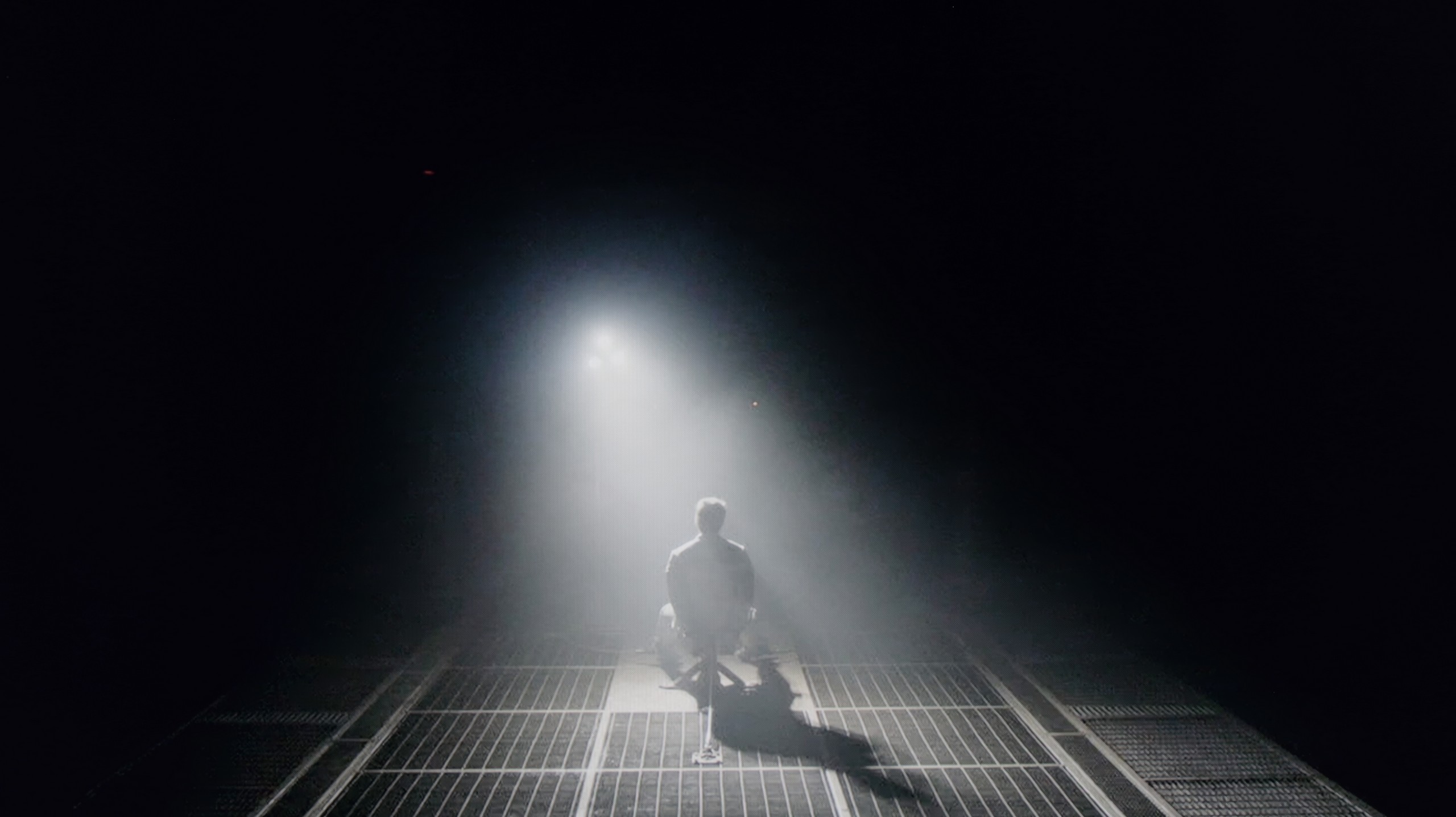
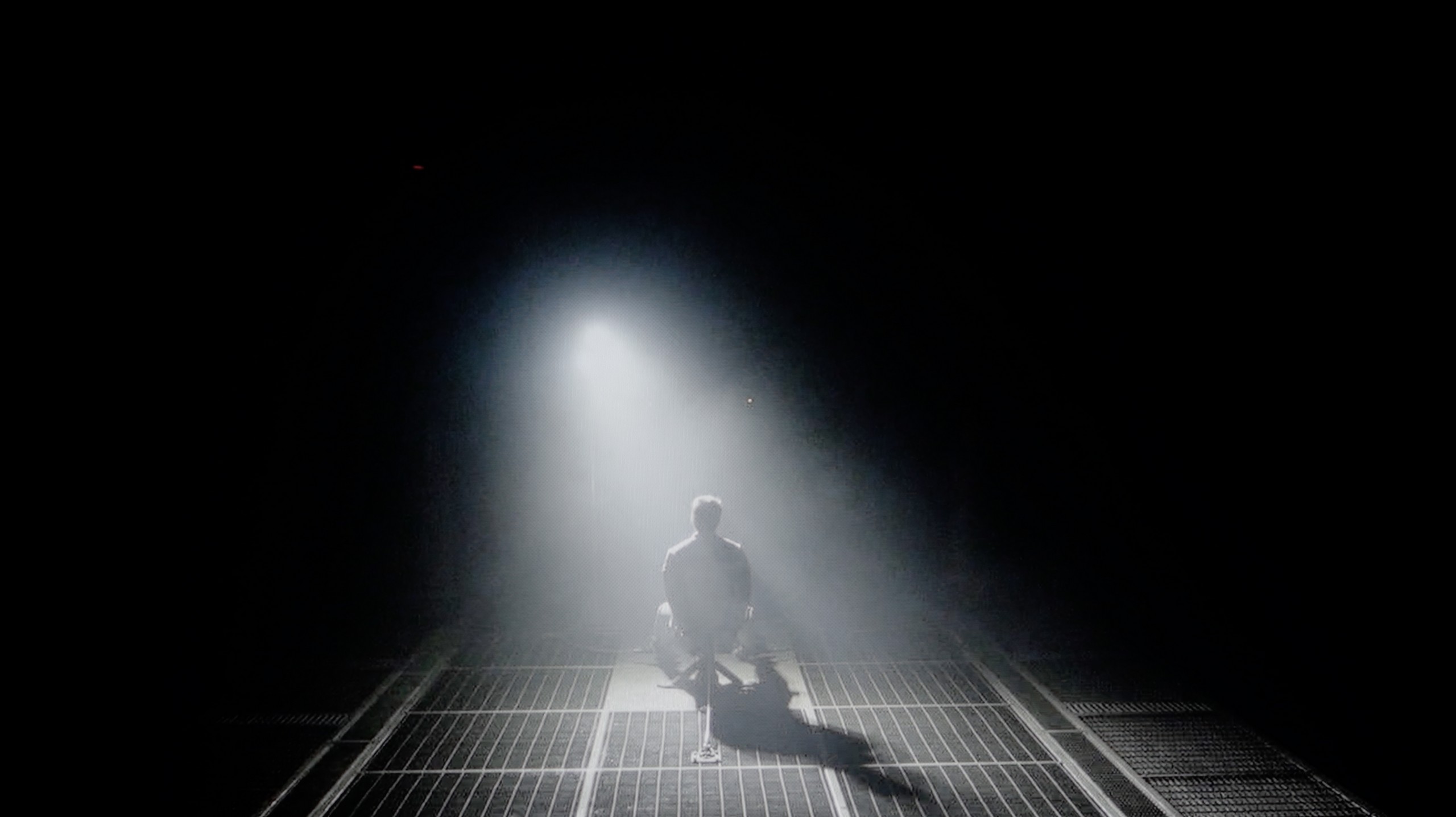
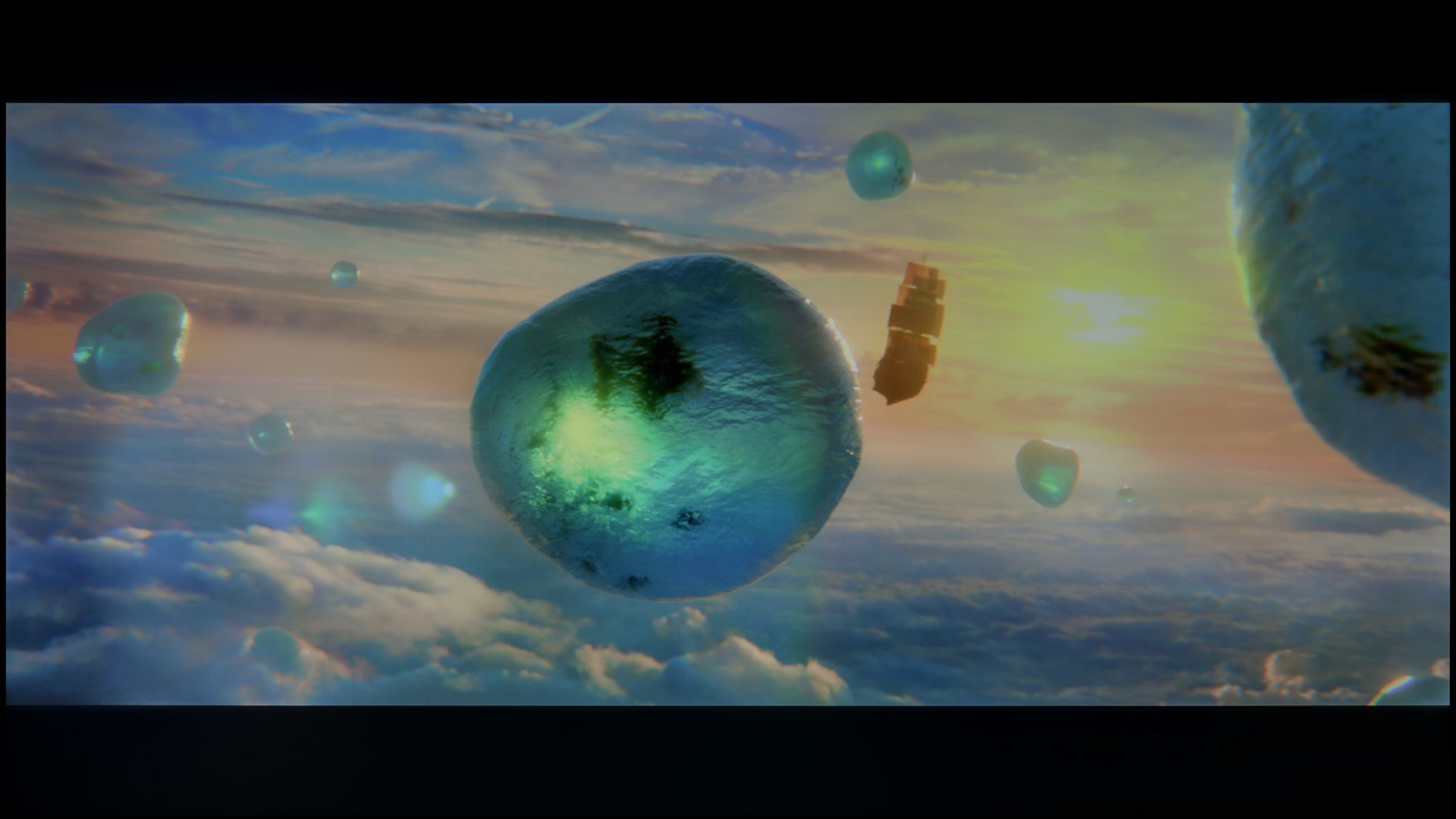
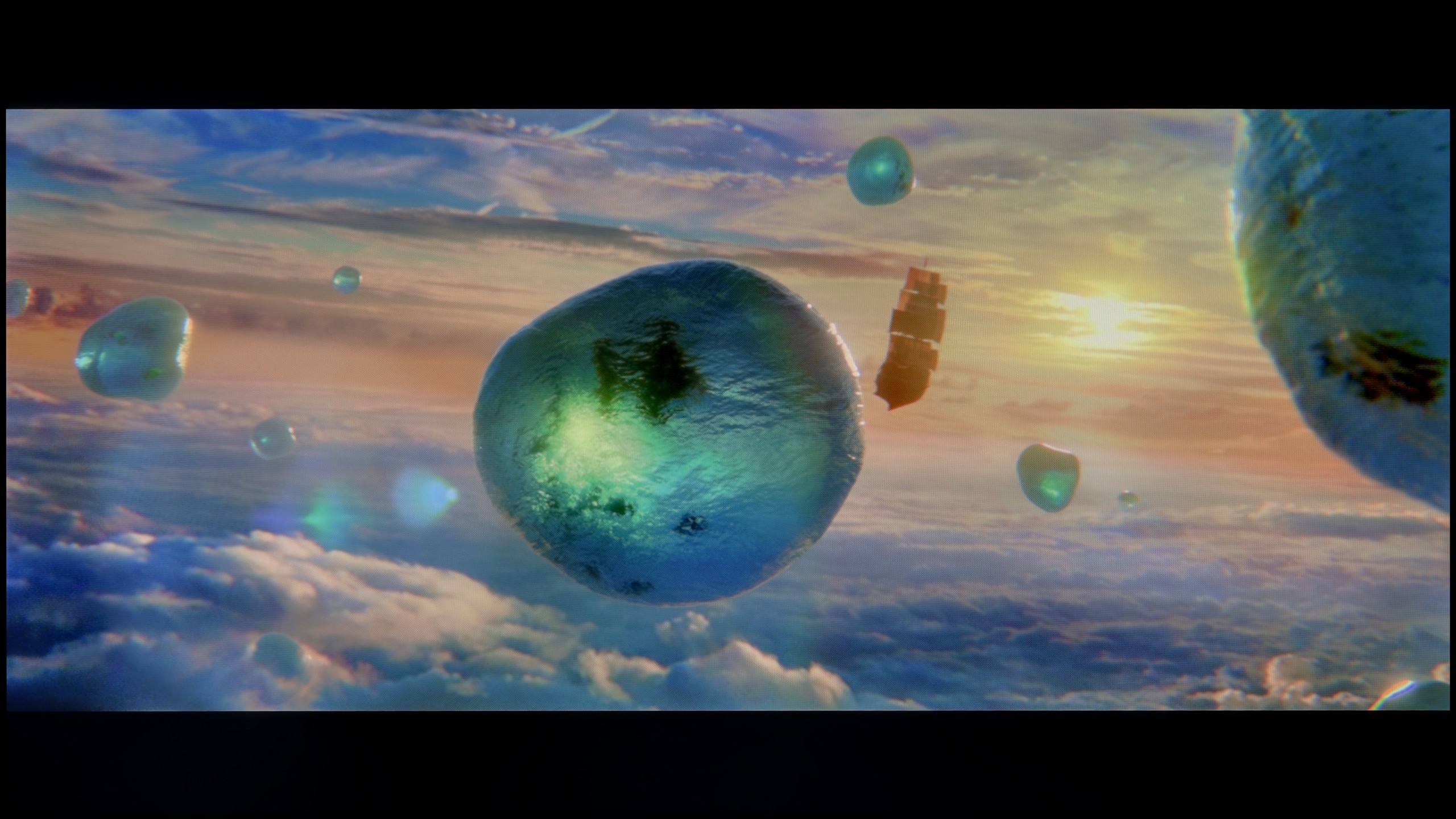
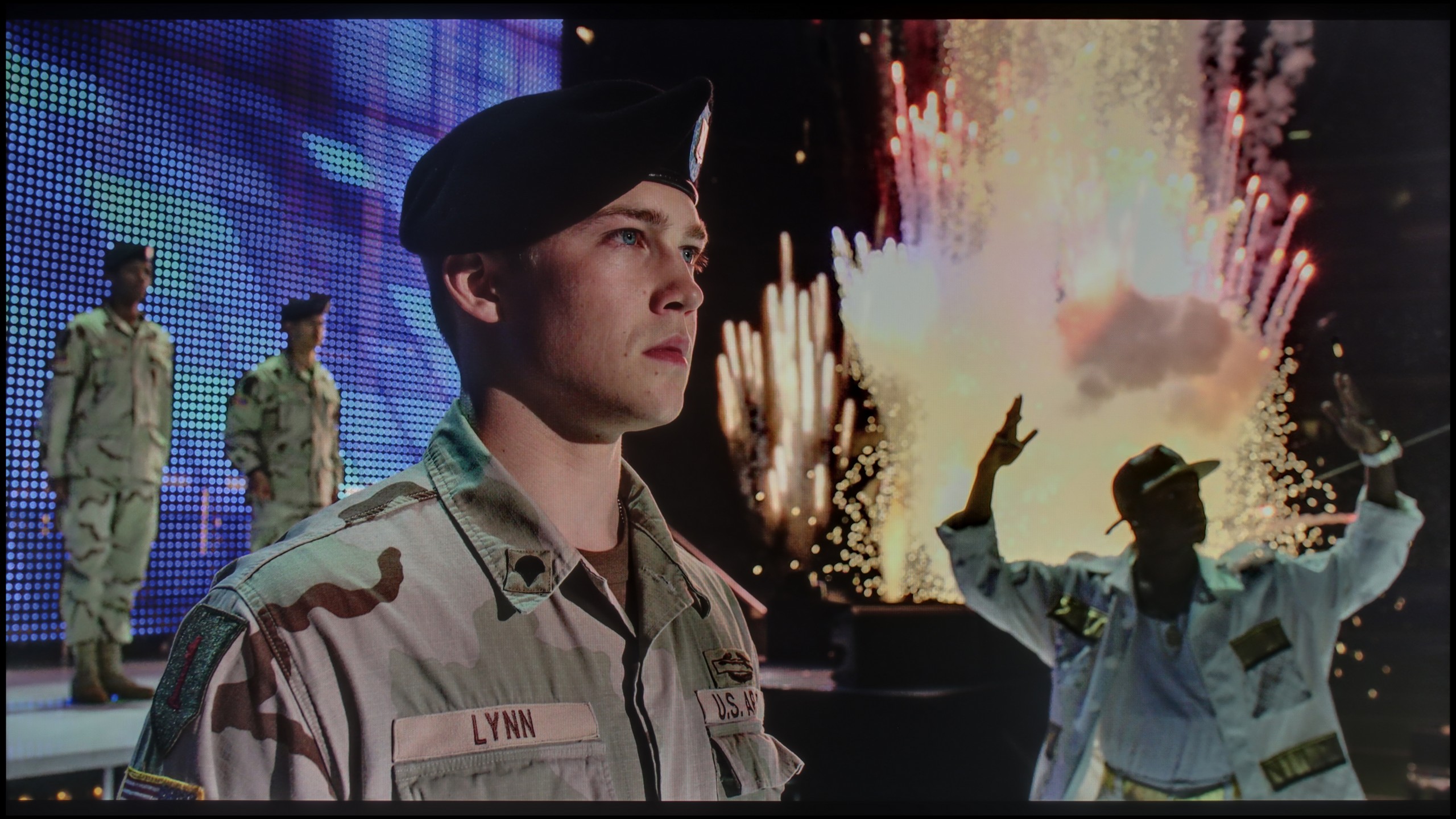
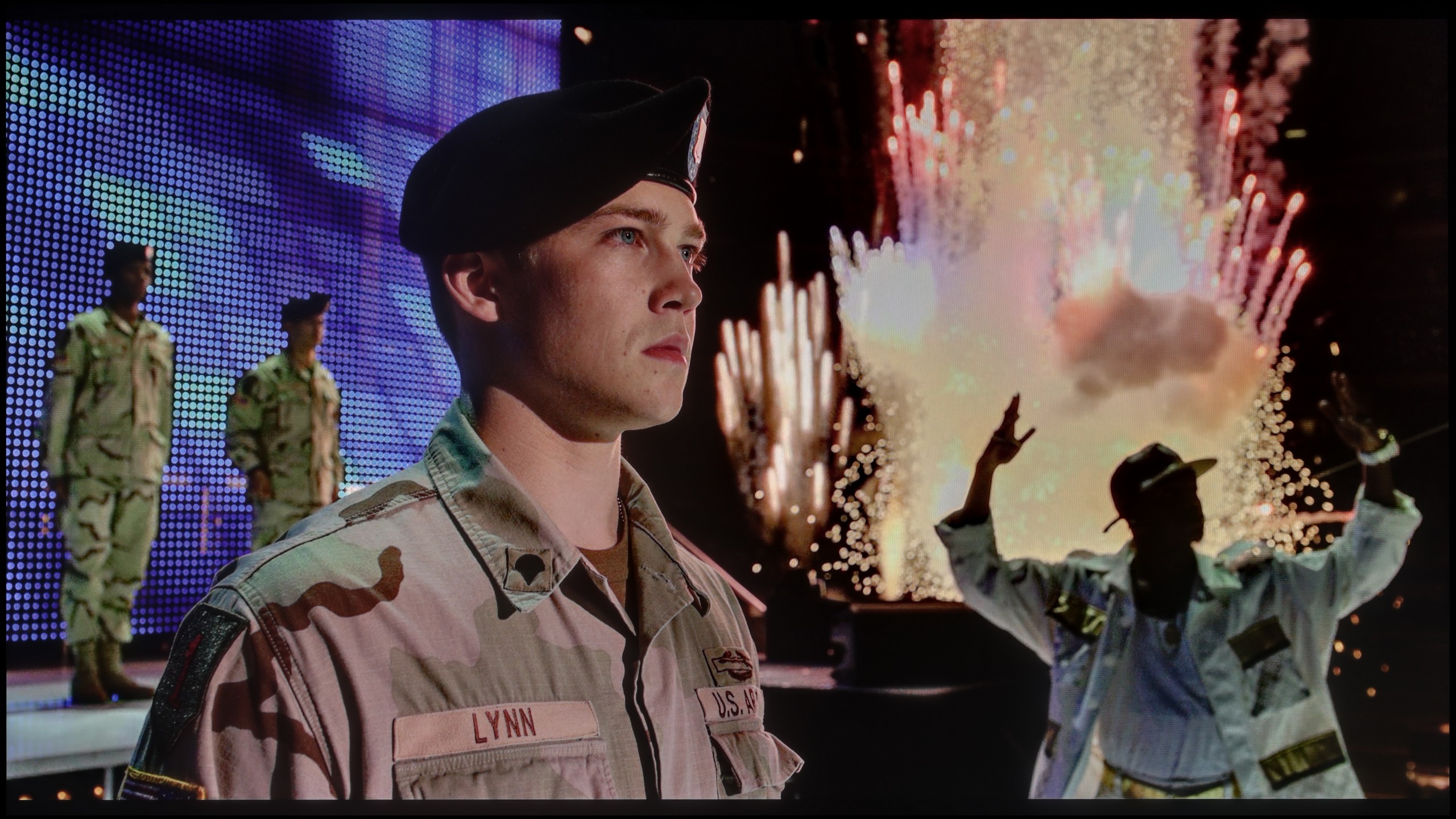
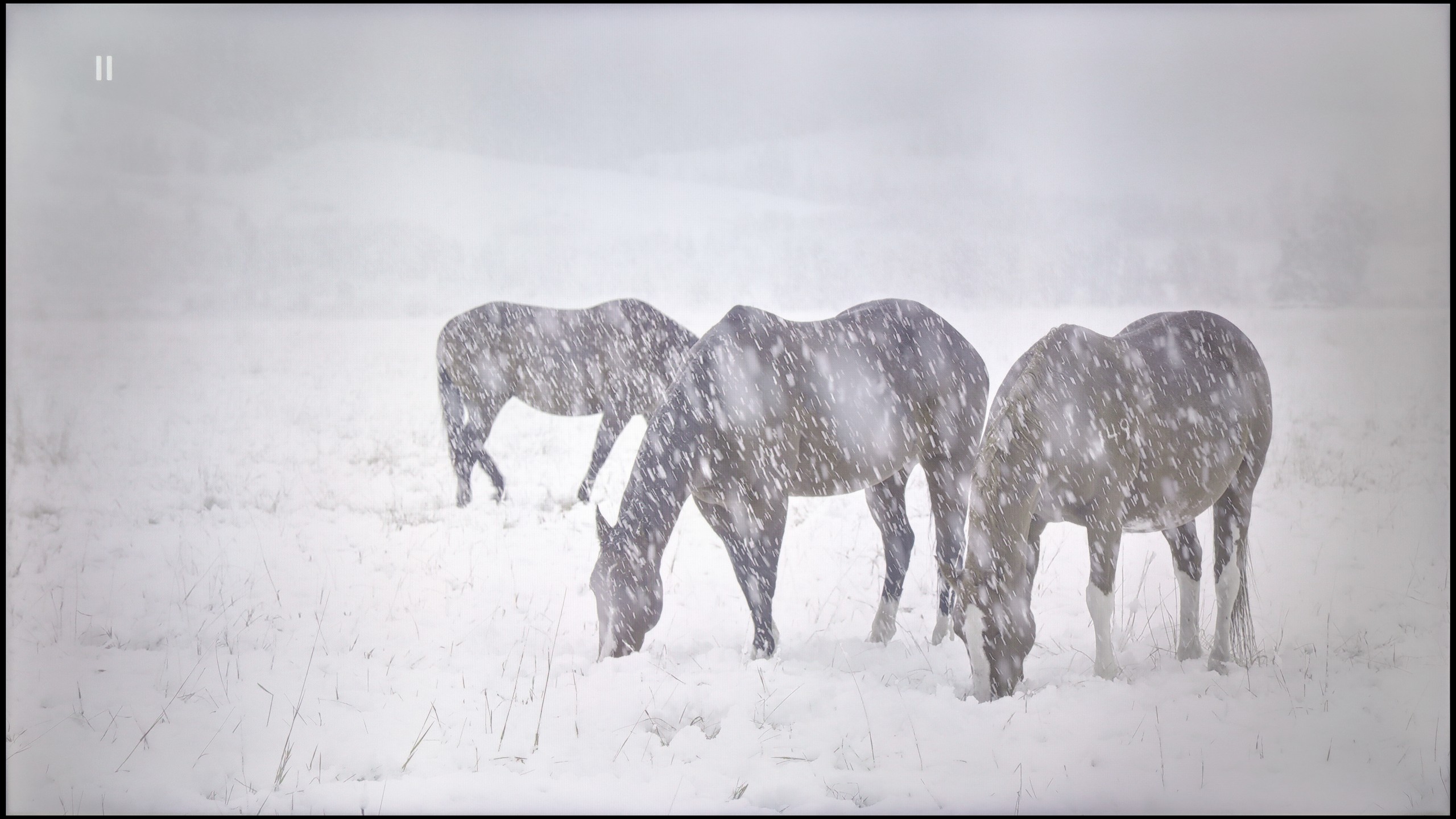
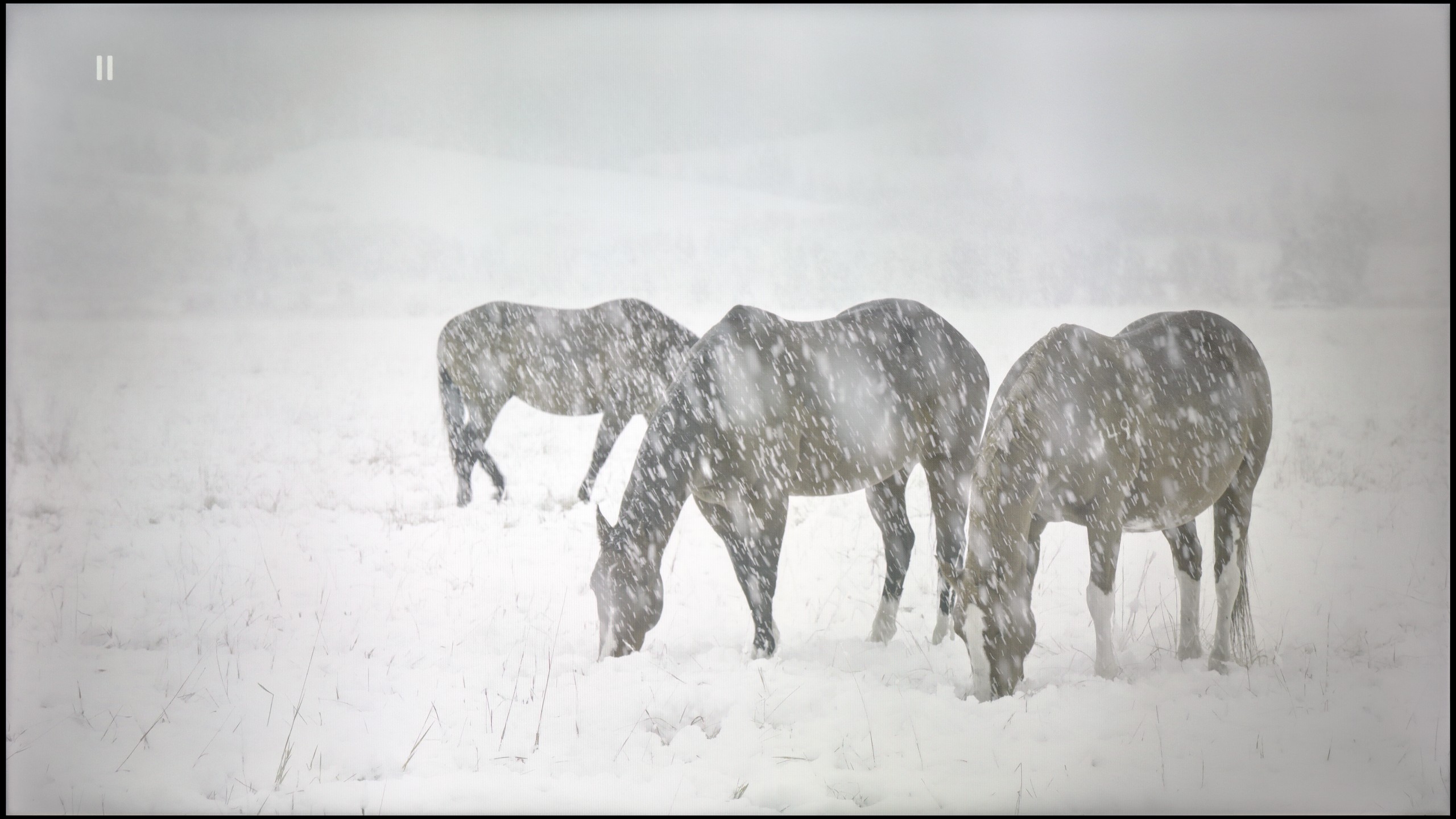
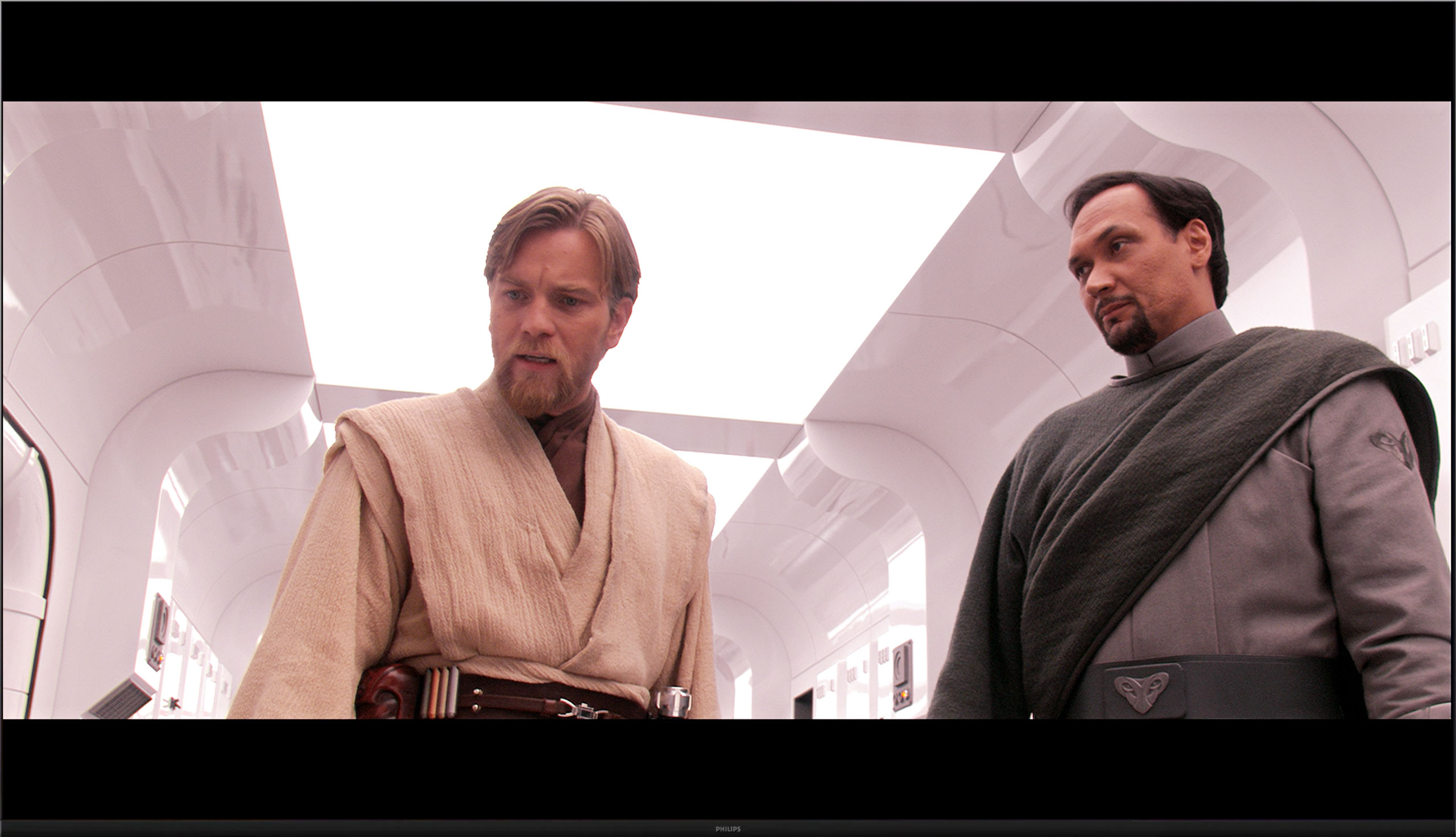
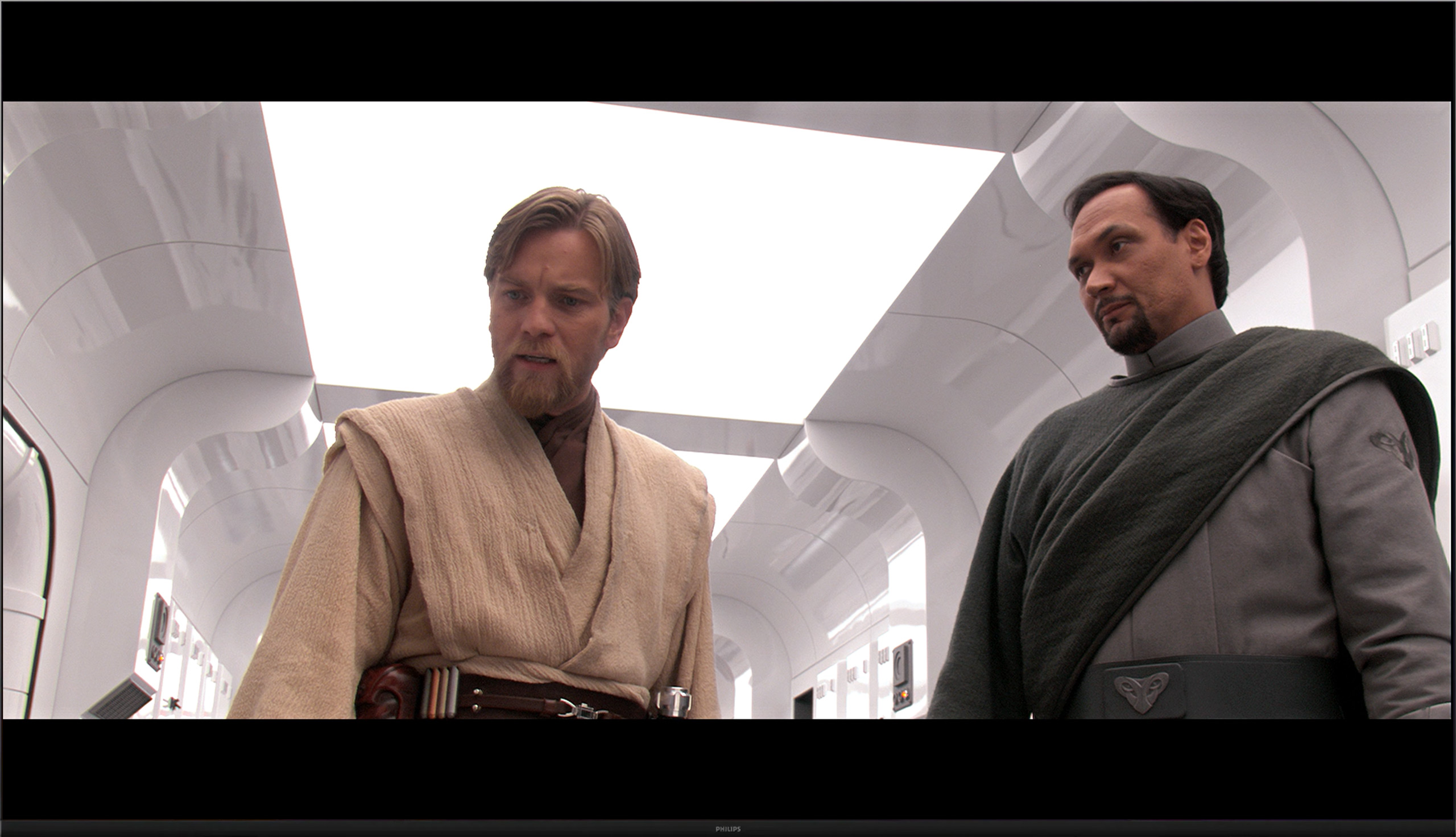
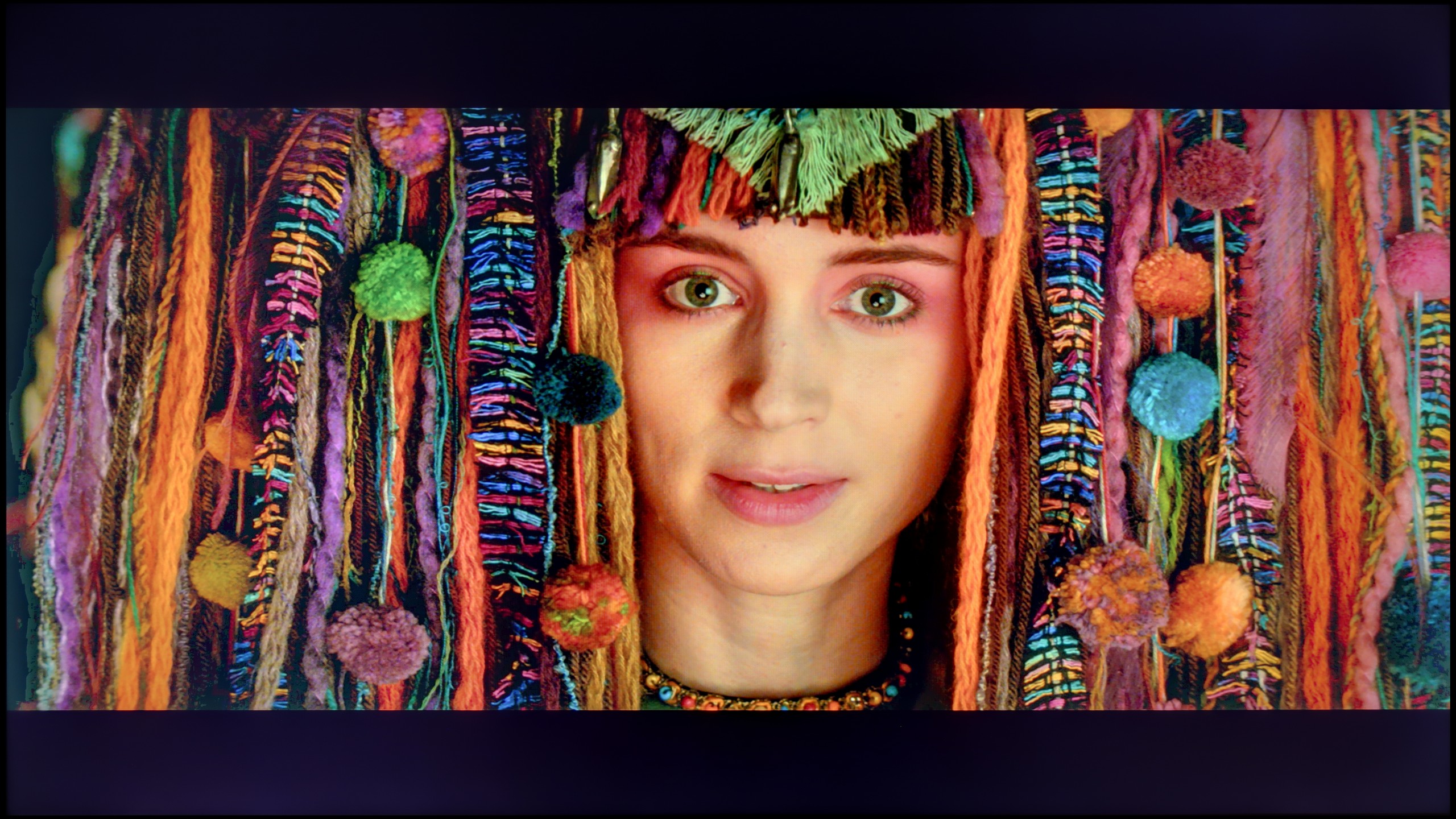
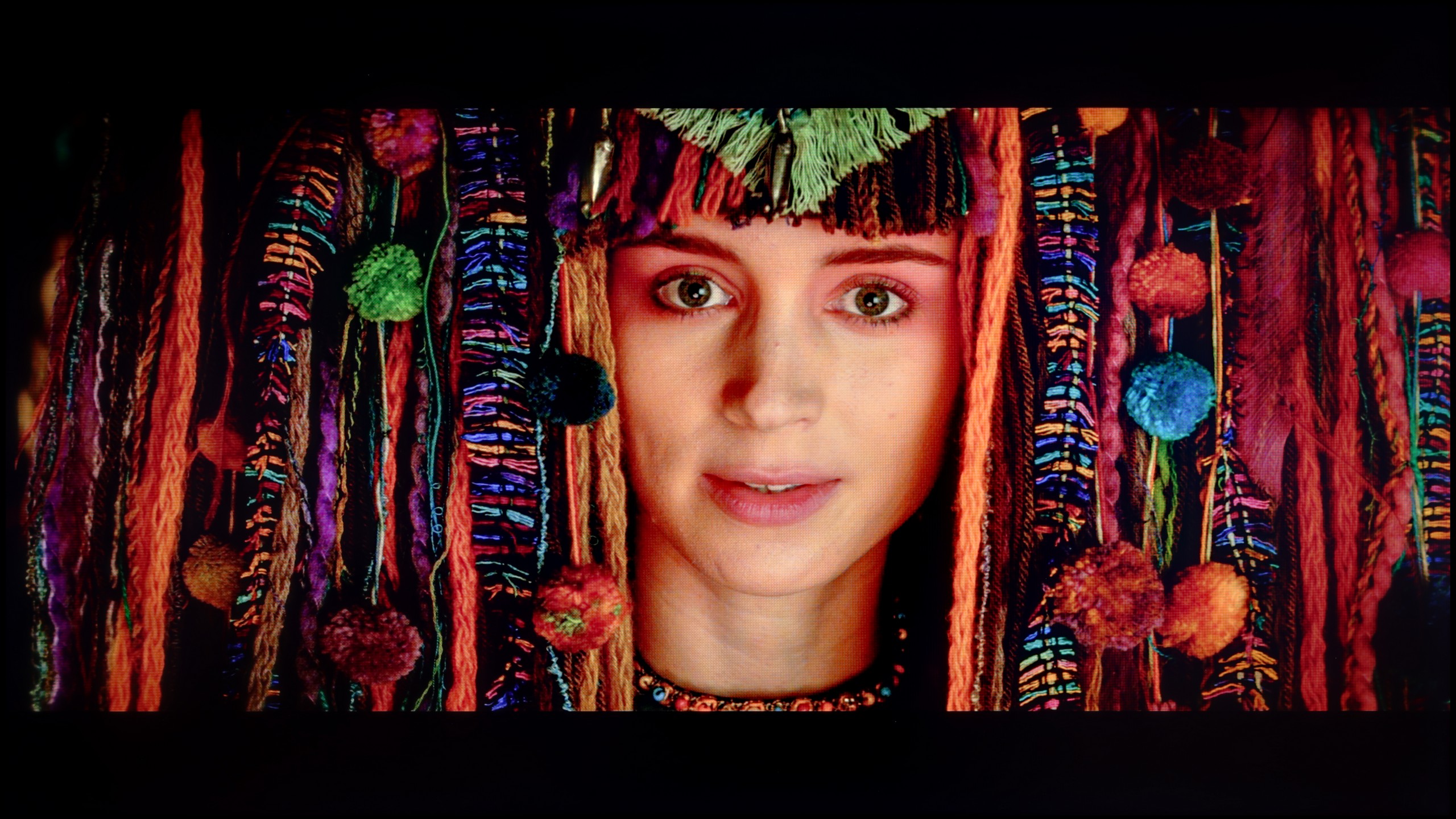
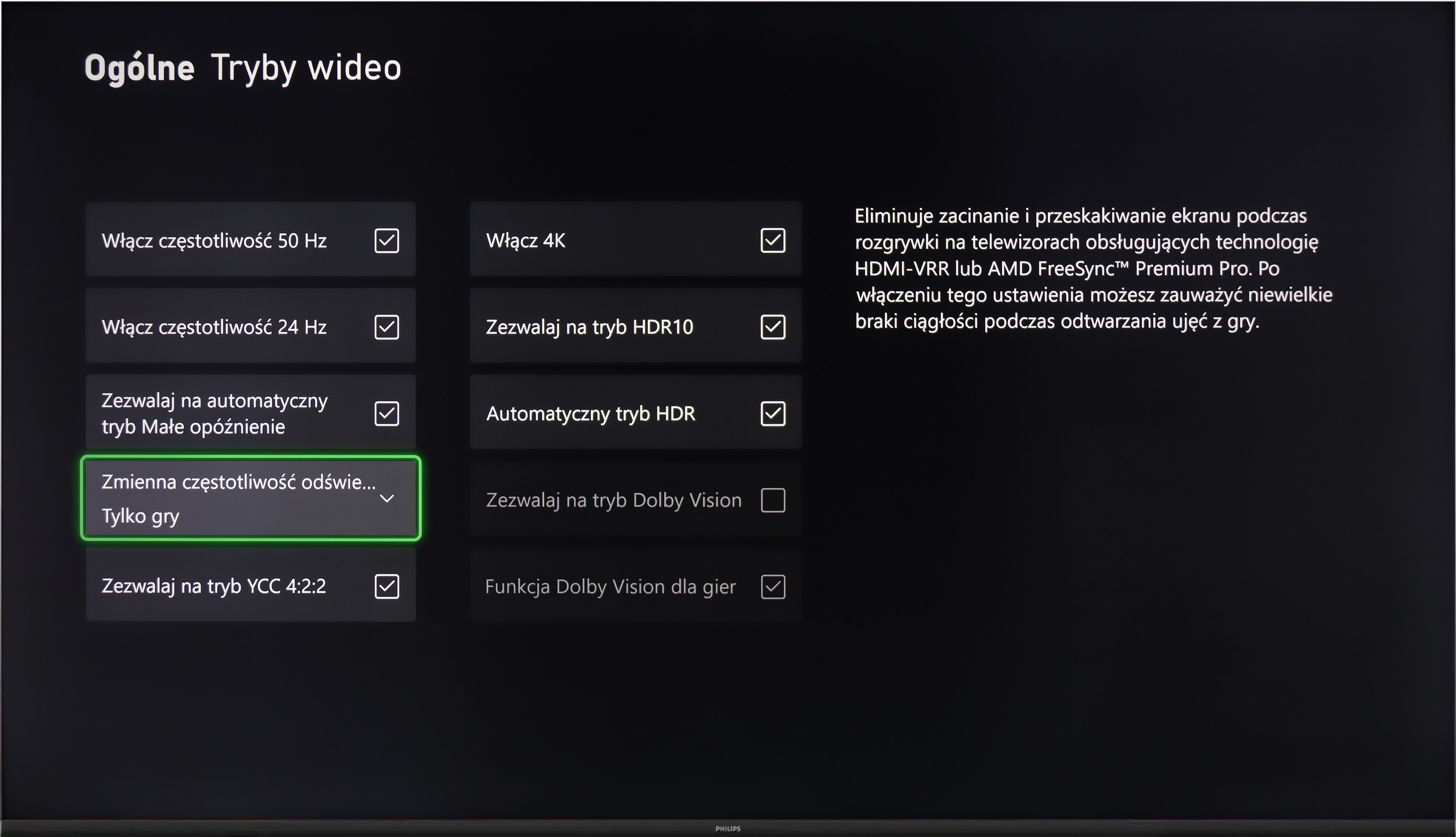
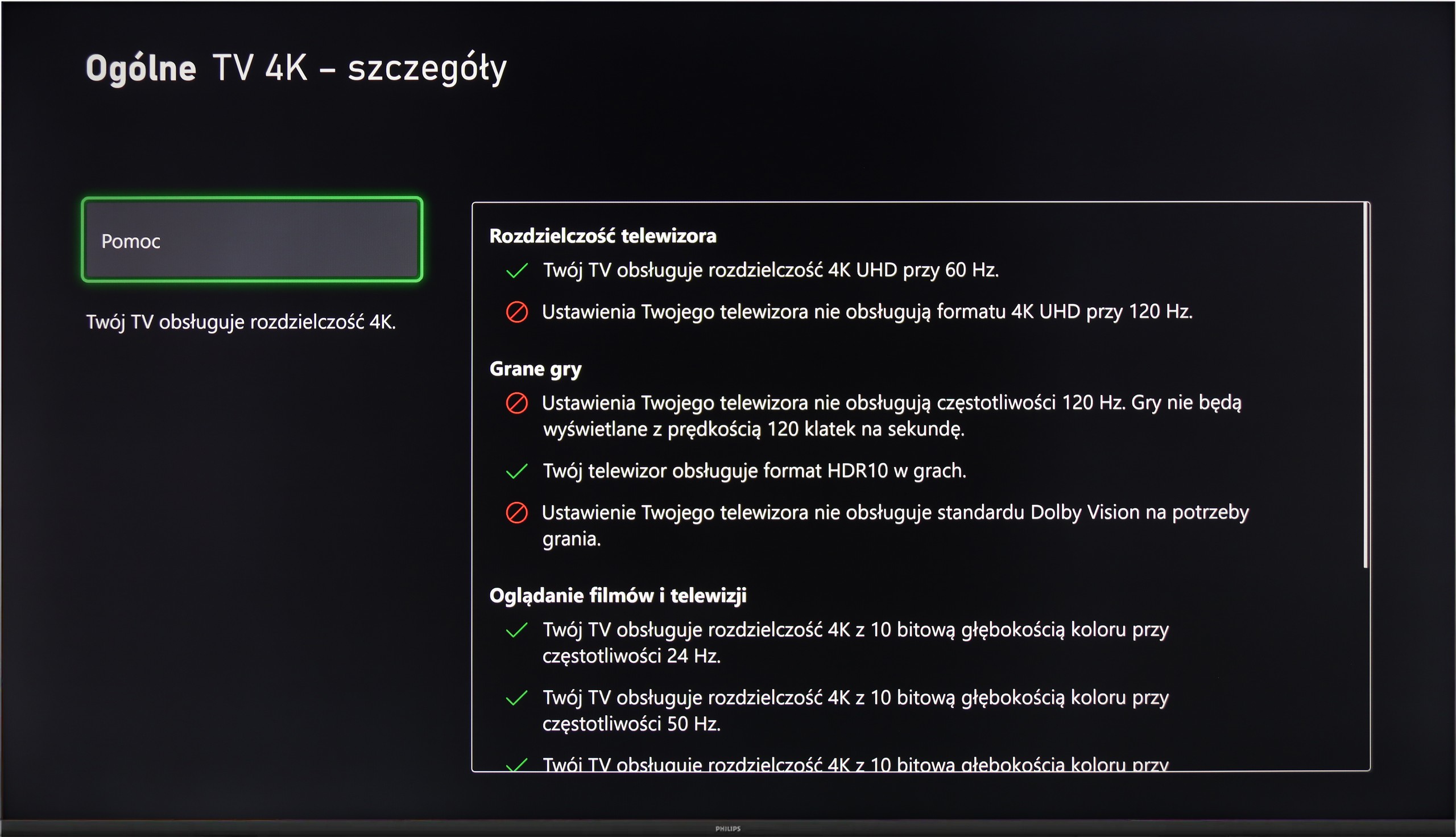
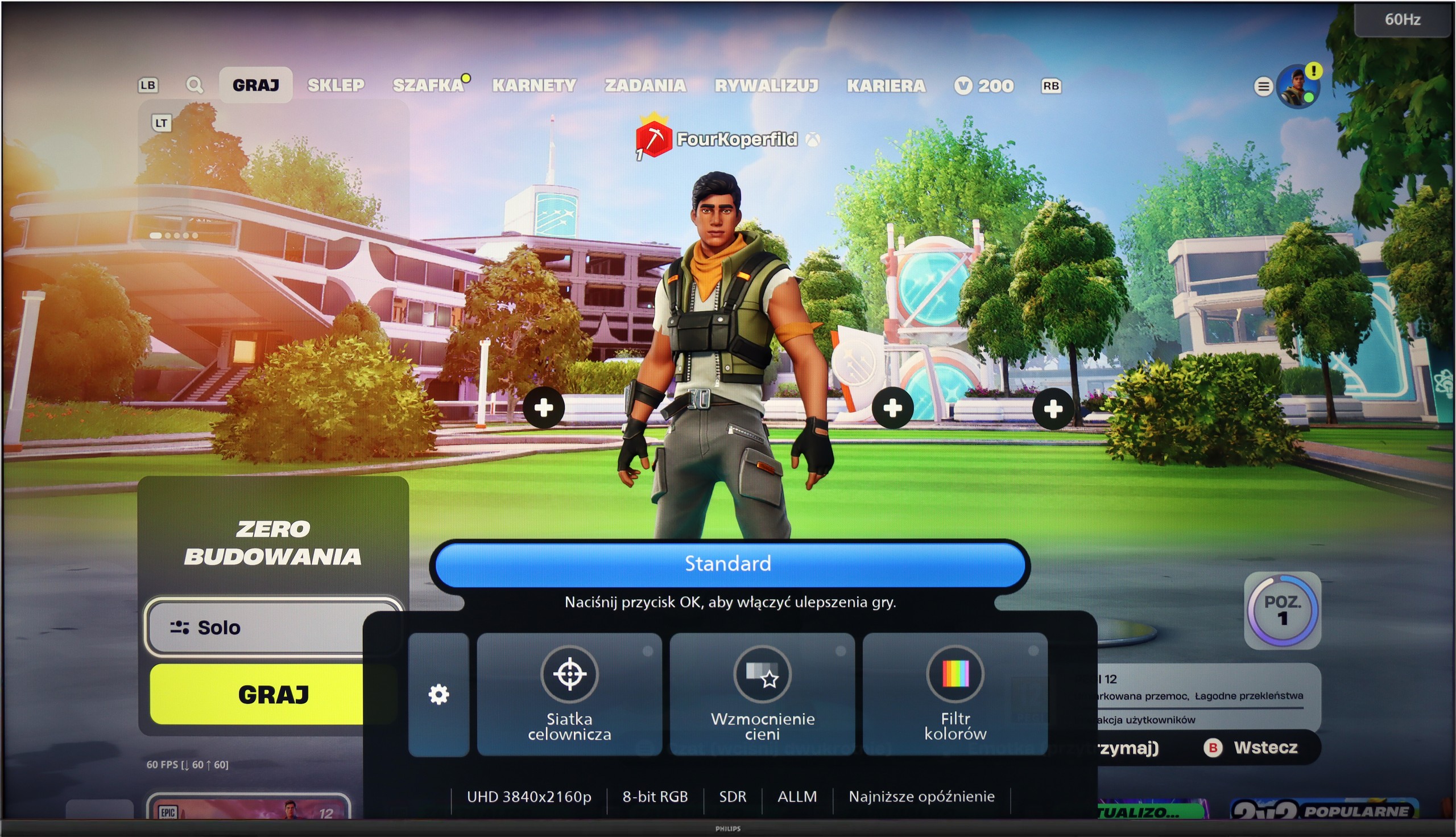
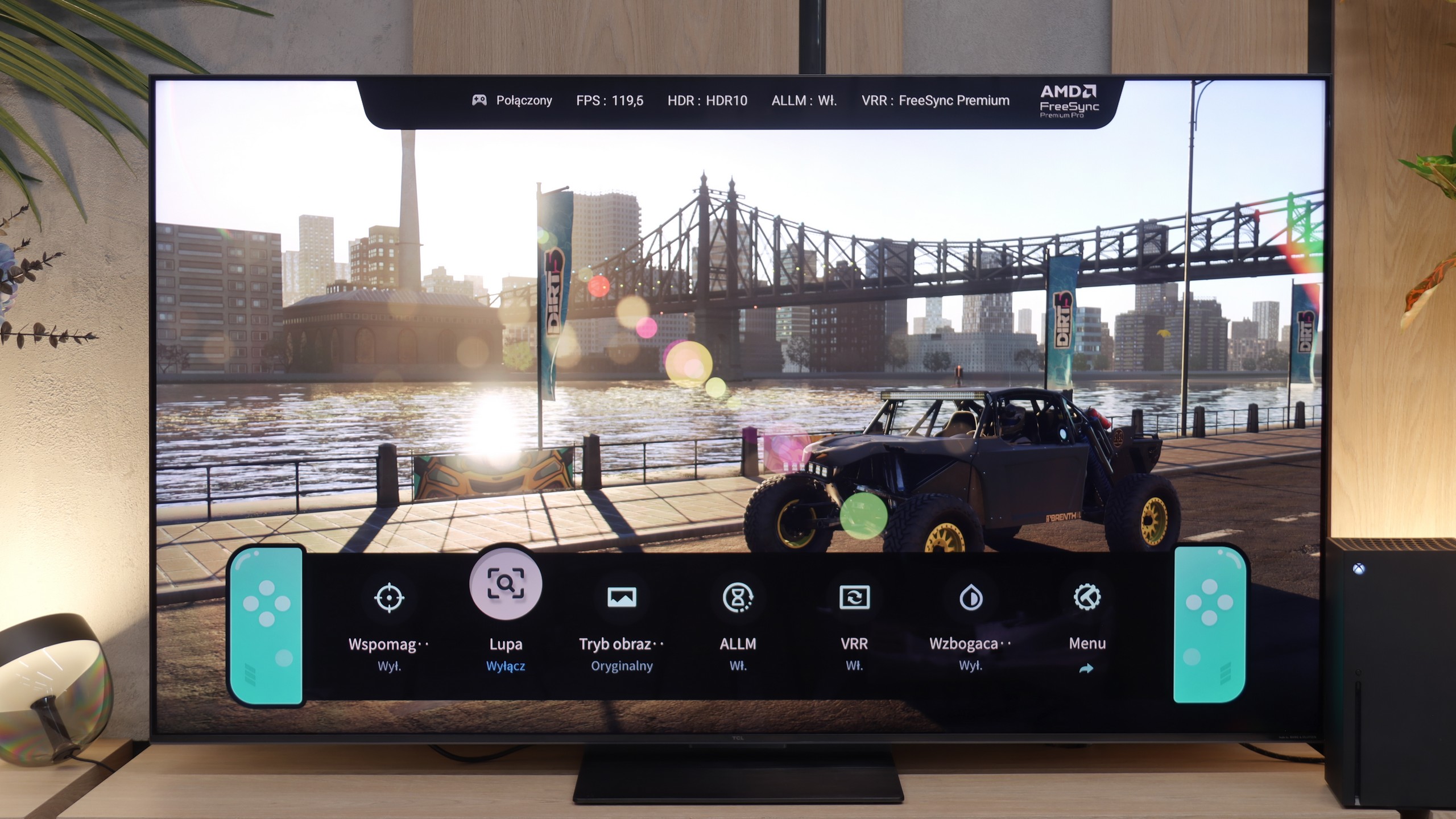
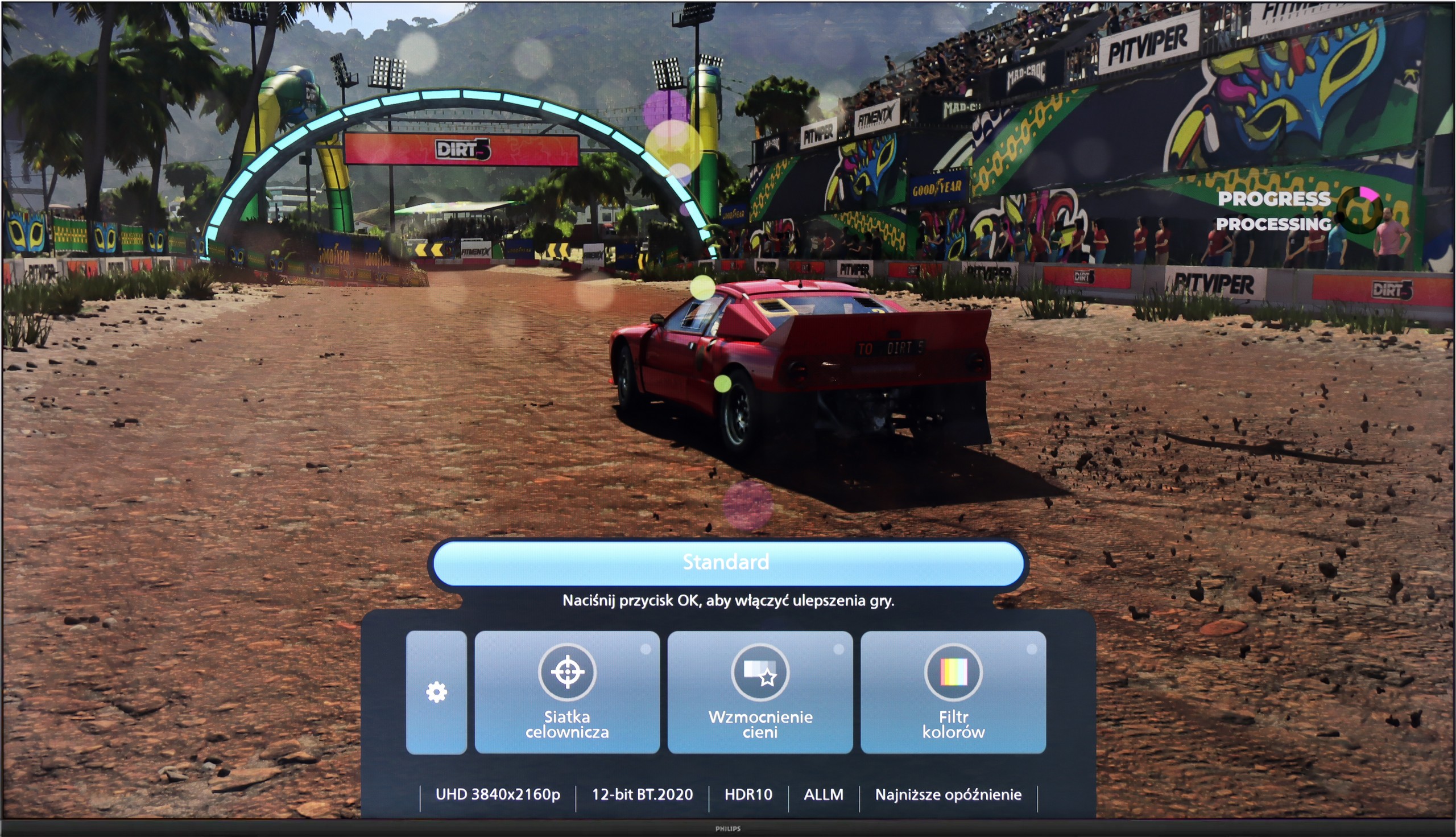
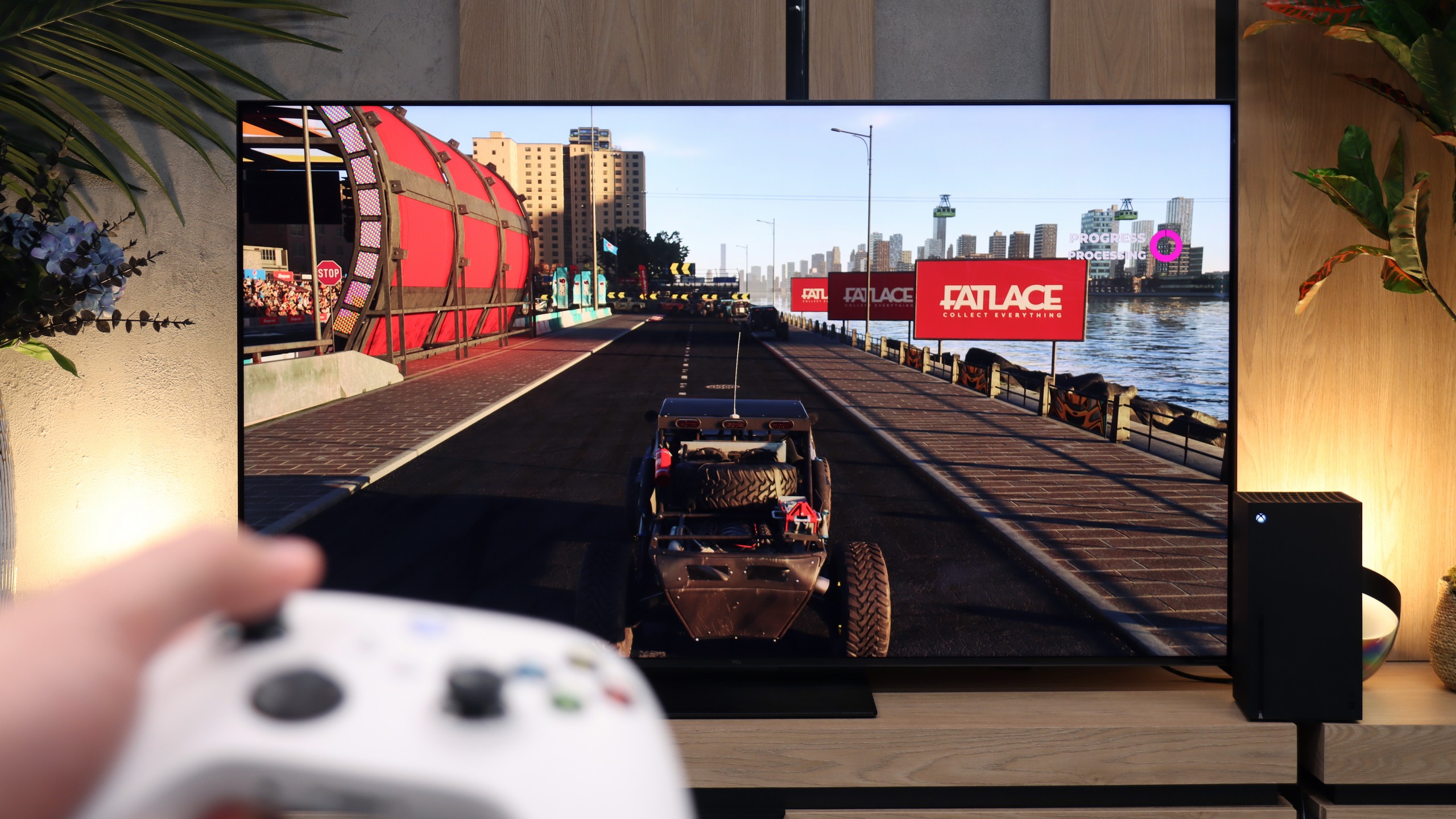
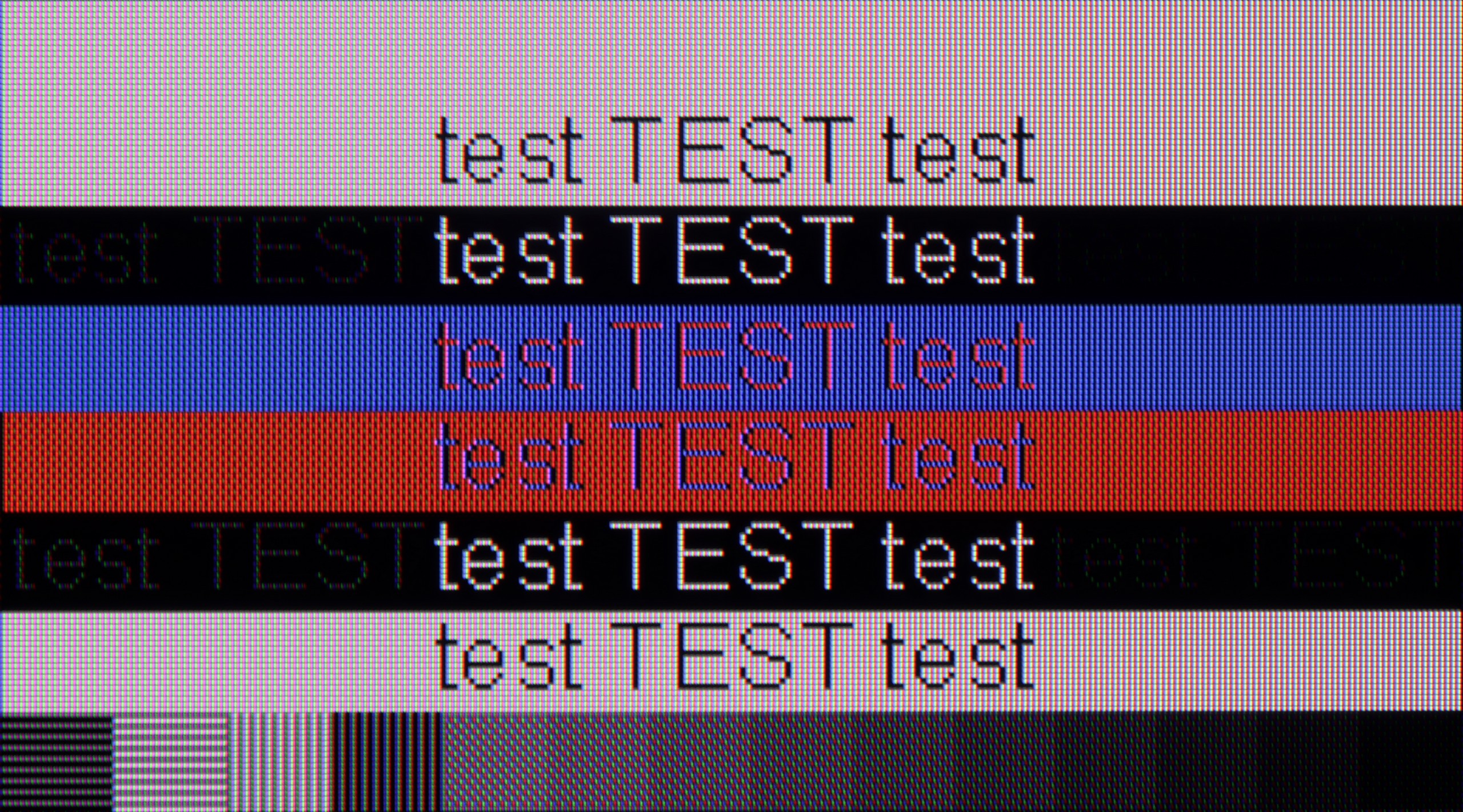
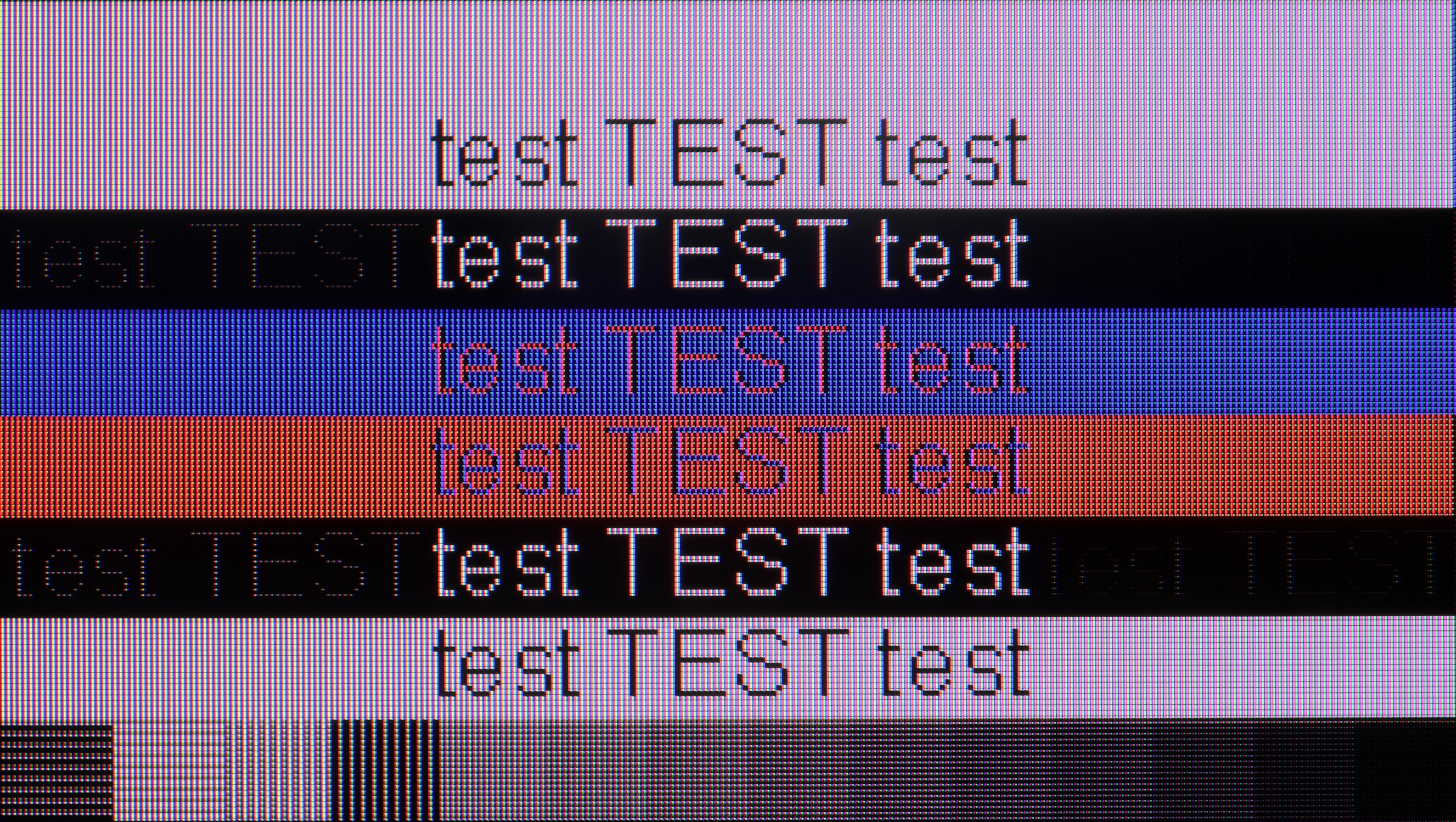
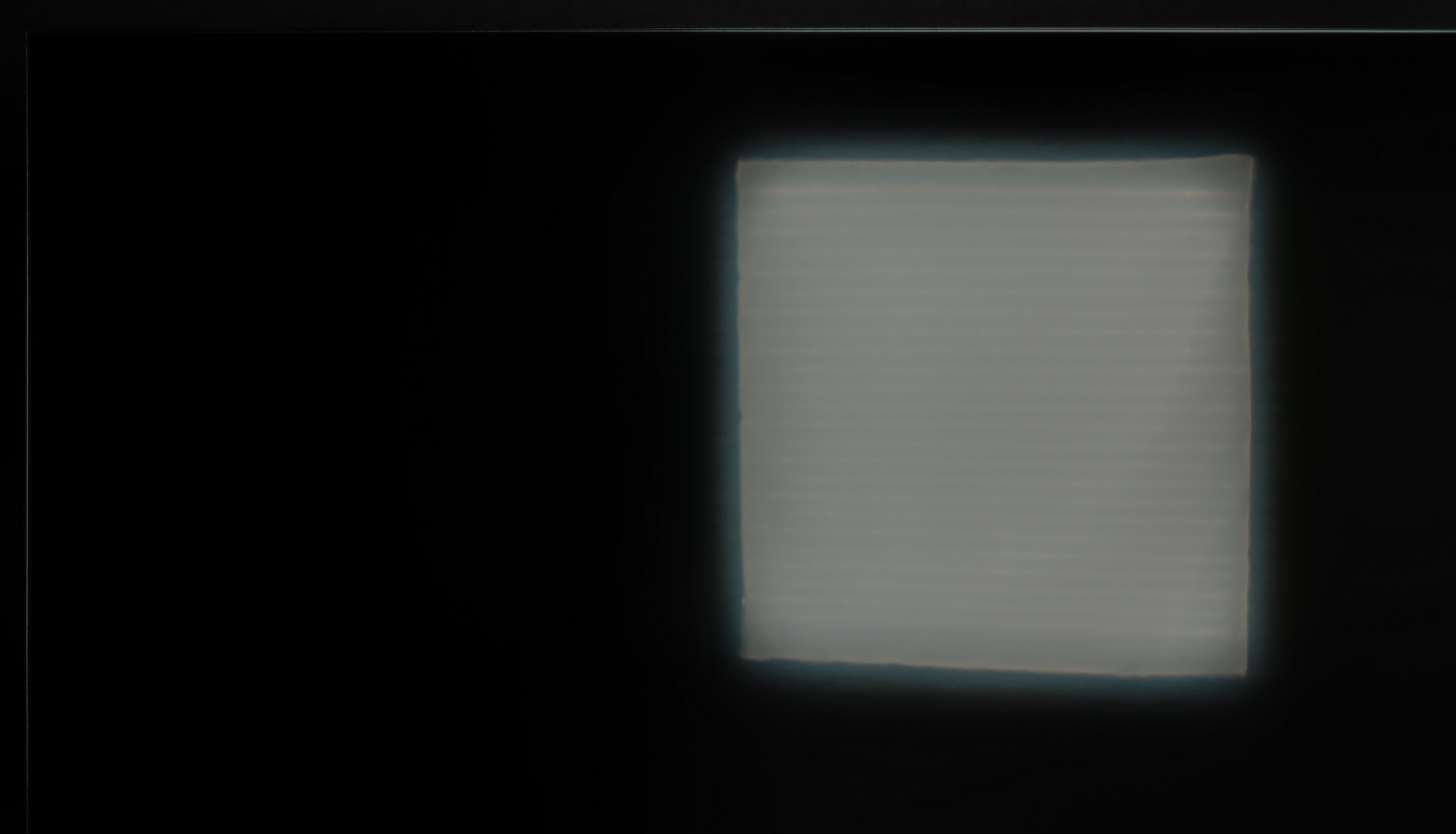
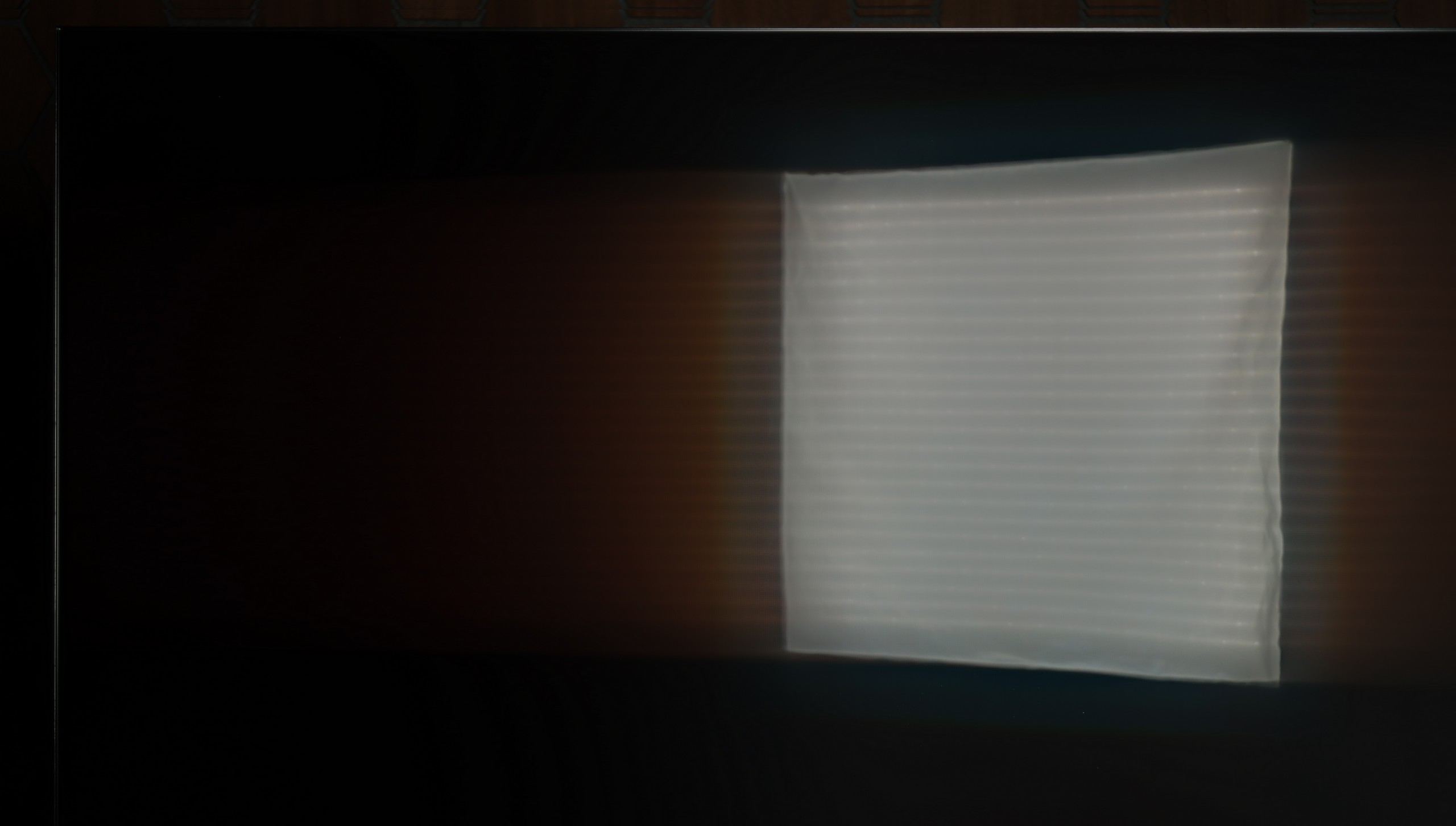
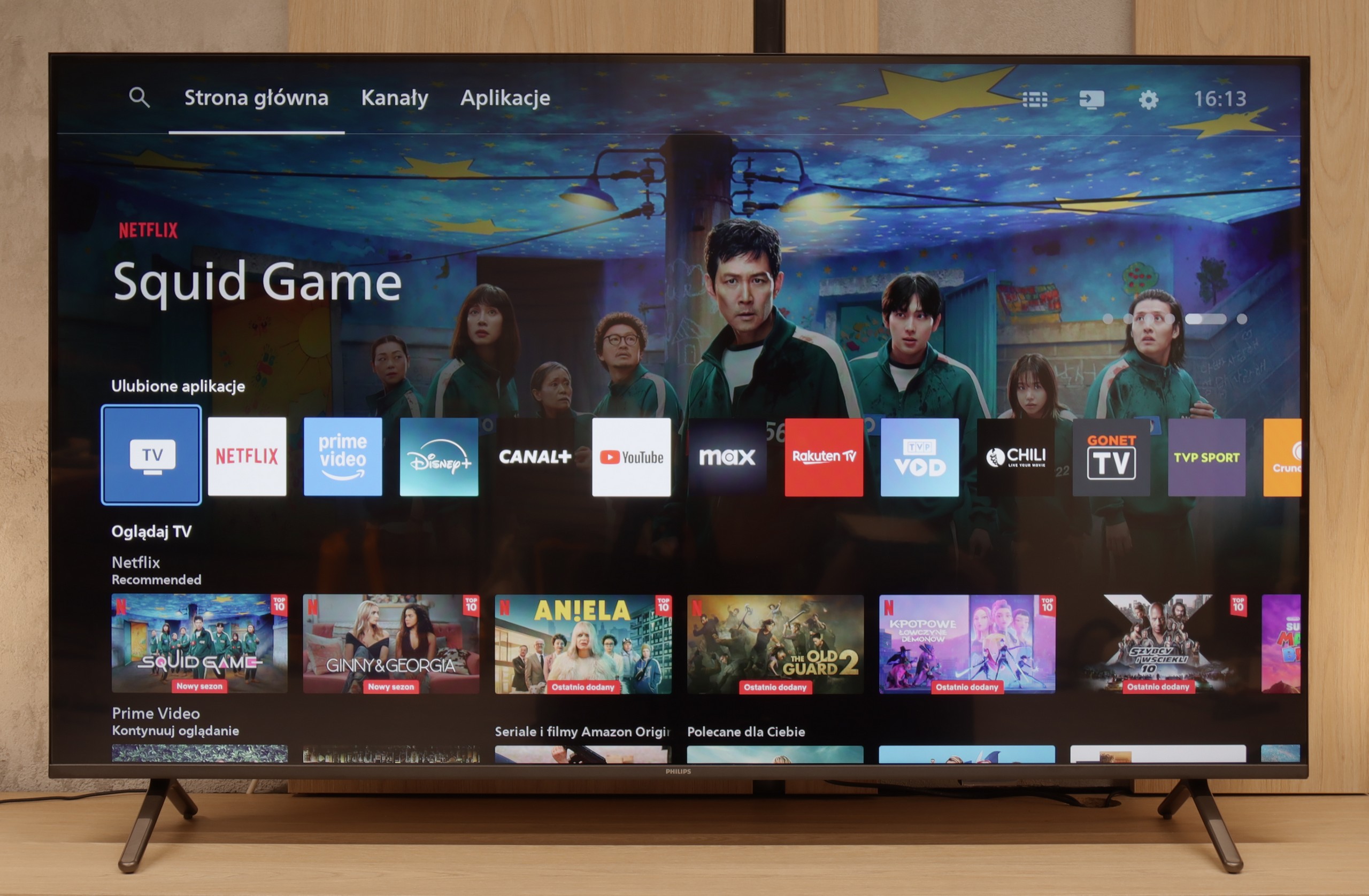
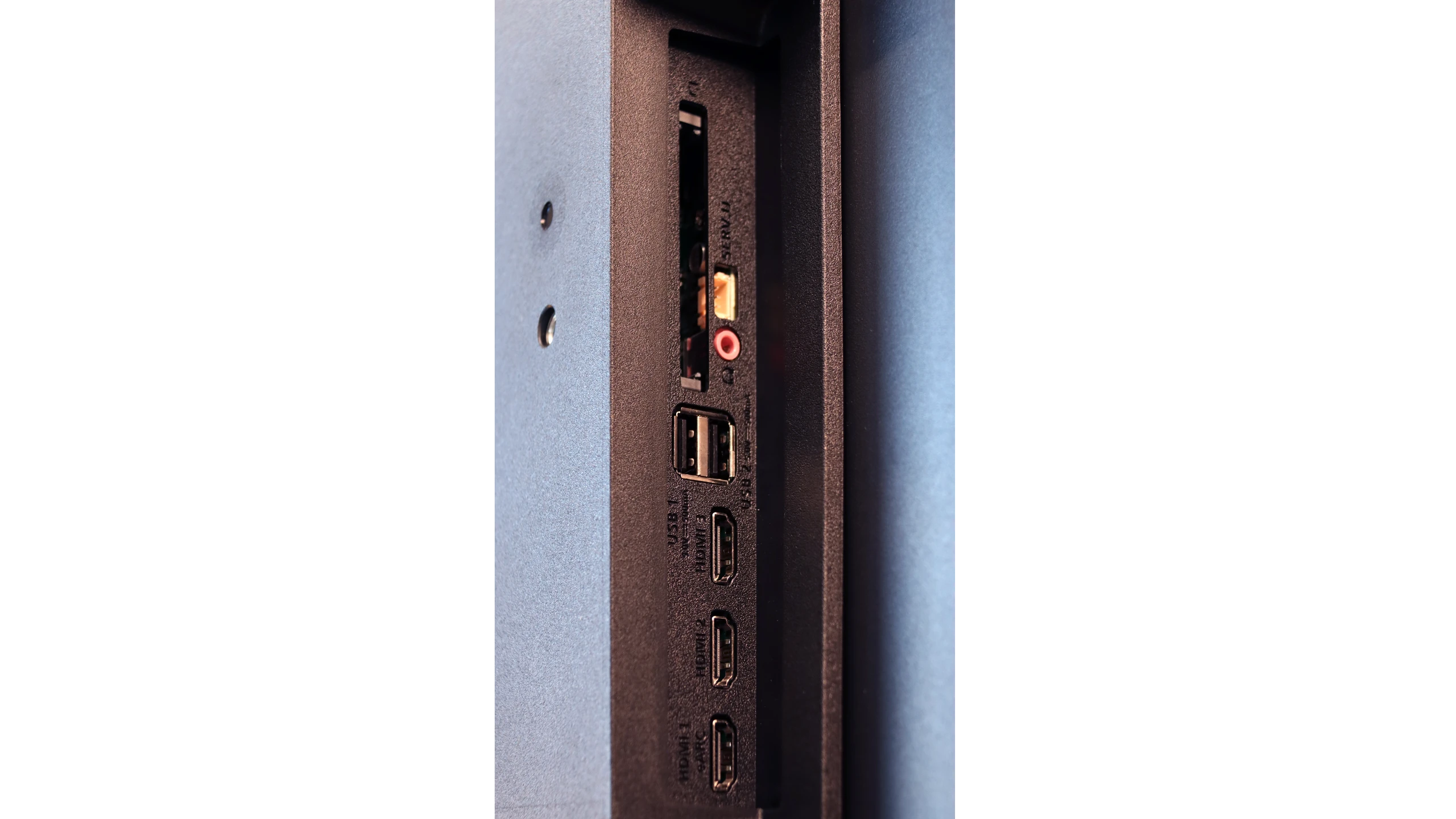
Ambilight because that's exactly where we need to start, it's the biggest reason to buy the PUS8500. The three-sided backlighting on the TV looks fantastic, especially in the evening. It creates atmosphere, masks contrast imperfections, and makes viewing simply more enjoyable. Even if the black isn’t perfect here, at high contrast the native VA panel is just good. On top of that, there’s really decent input lag and several gaming features like ALLM and VRR. Although there’s no HDMI 2.1 or 120Hz panel, casual gaming should be a pleasure. Especially since it plays responsively and without delays. Let’s add full support for audio formats – it includes both Dolby Atmos and DTS, so soundbar owners also have something to be happy about.
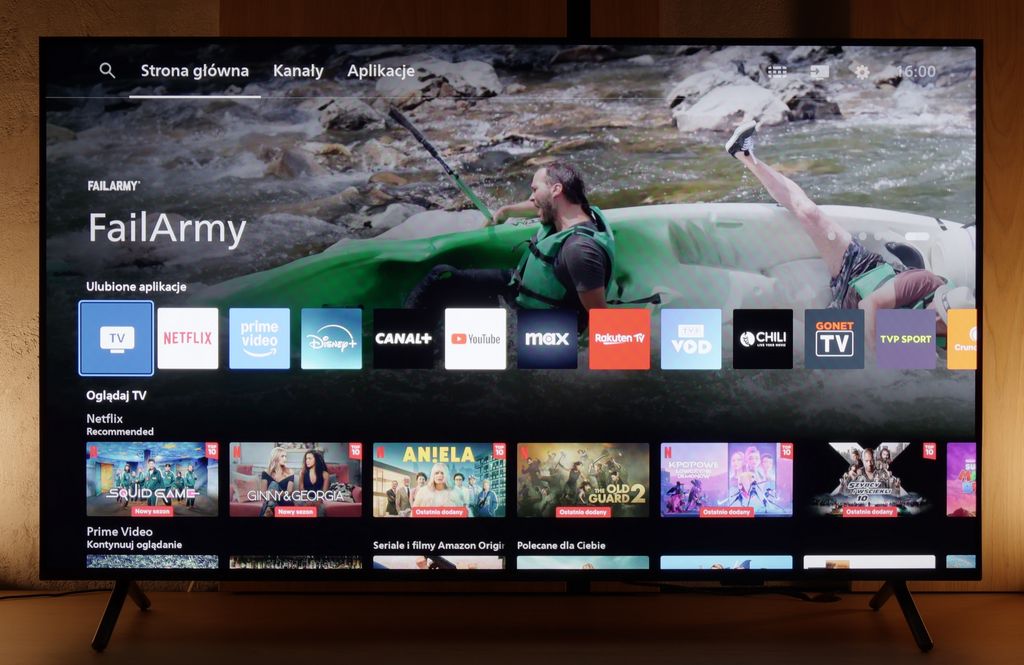
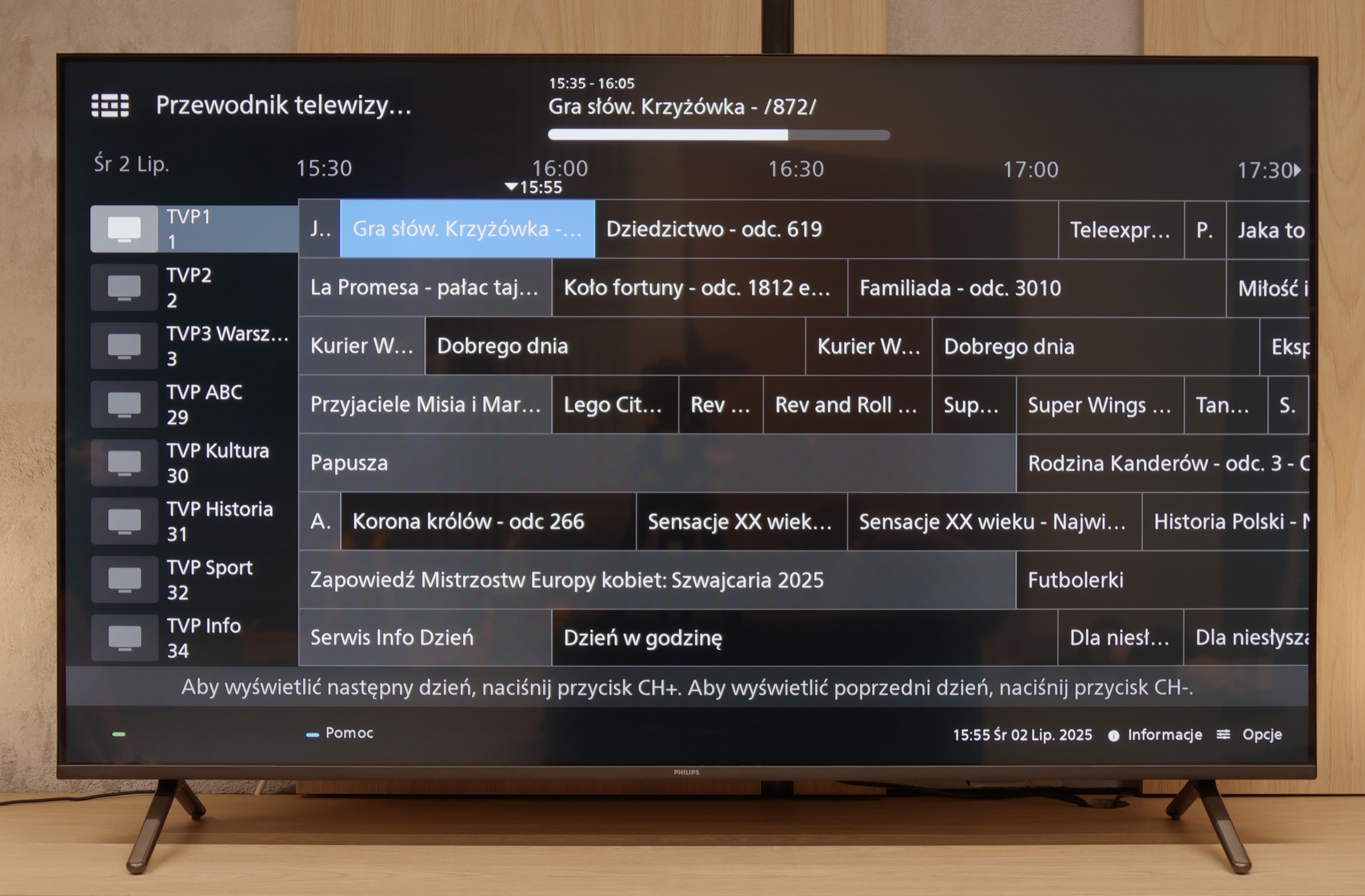
But let’s not kid ourselves – this is still a budget TV, and at times that’s quite obvious. Brightness is average – not so weak that you can't watch anything, but if you hit an exceptionally sunny day, watching under such conditions without blinds can be problematic. However, in our opinion, the biggest disappointment with the PUS8560 is the Titan OS operating system. Despite the fact that the system debuted some time ago, some things just didn’t work – for example, screen mirroring from a phone despite the manufacturer stating that this feature is present. There are fewer apps than the competition, and the system itself feels a bit clunky. Generally, it seems to do something already, but it clearly lacks refinement.
Of course, this isn’t a TV meant to compete with top models. But if someone is looking for something simple, with the cool atmosphere that the Ambilight system provides, it’s quite a fair proposition. You just need to know what to expect and accept the compromises, of which there are plenty here.
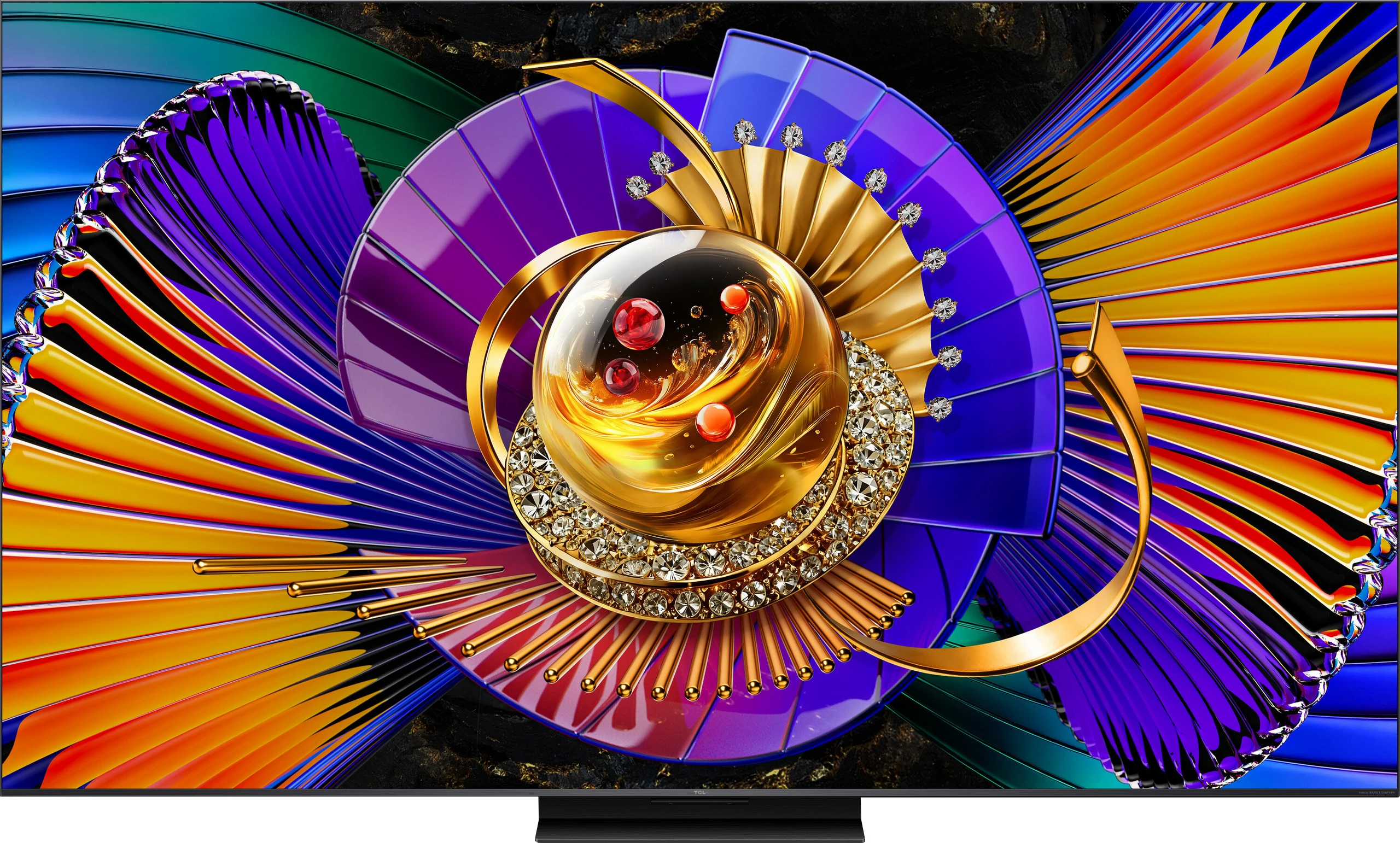
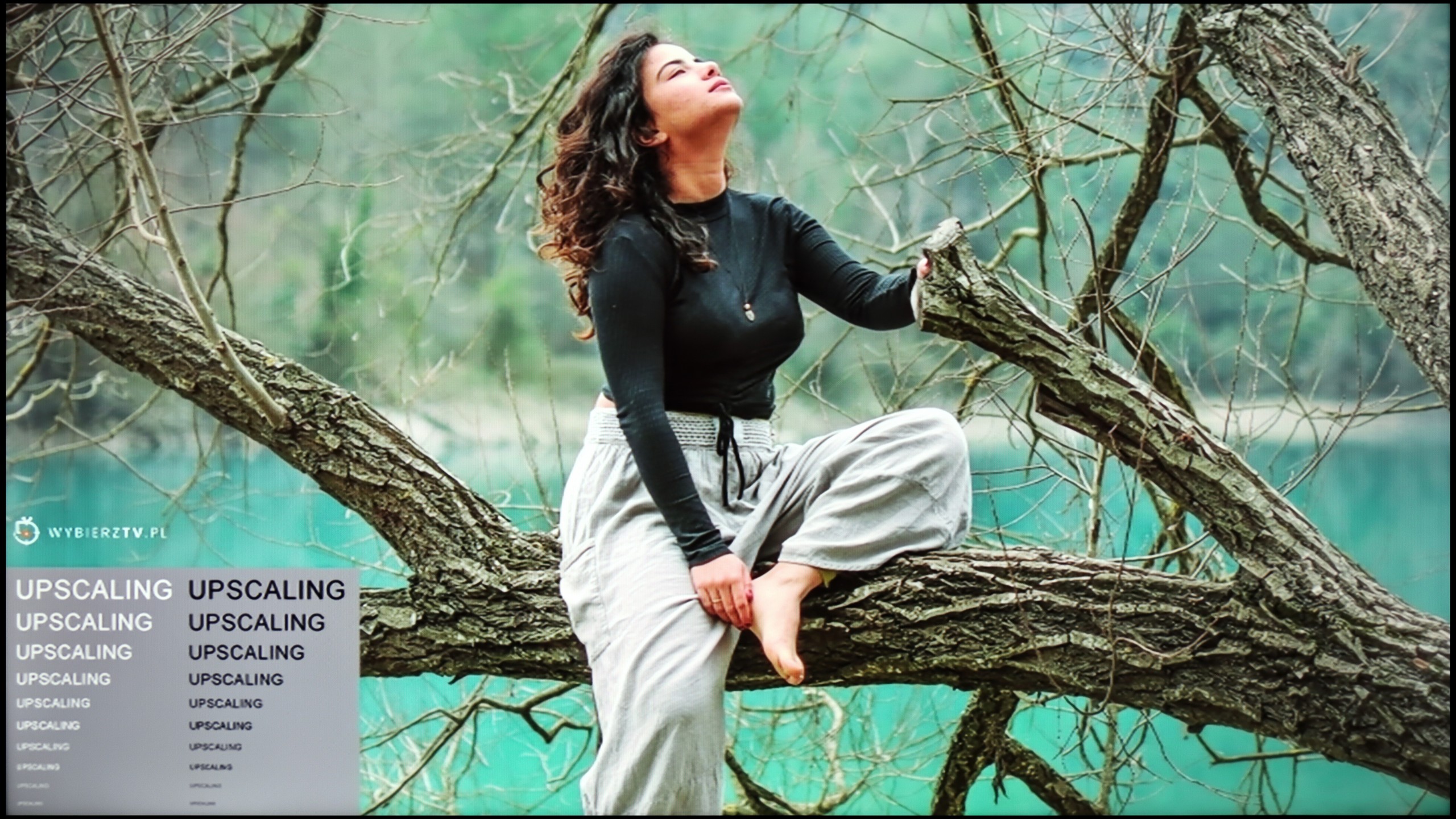
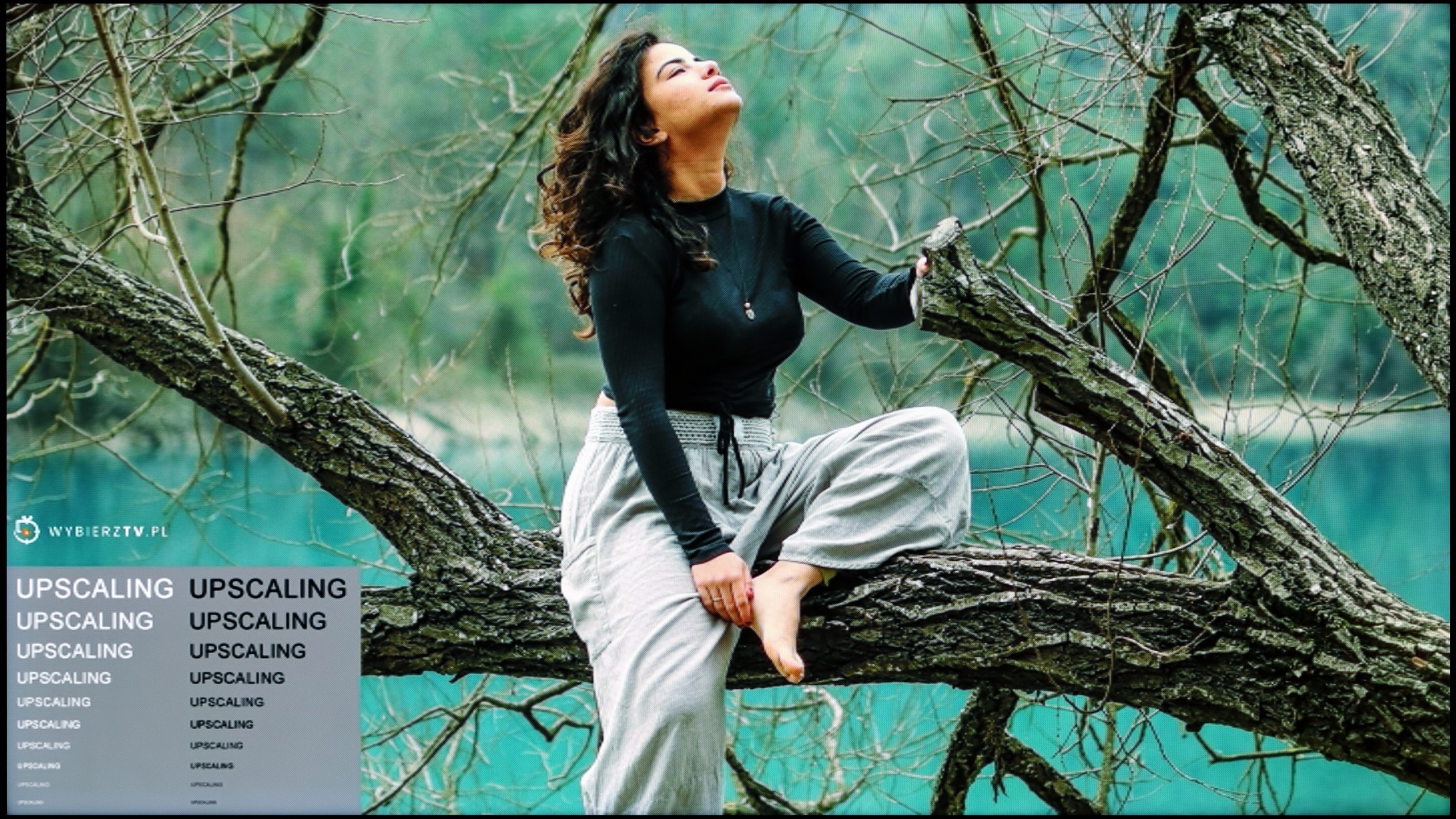
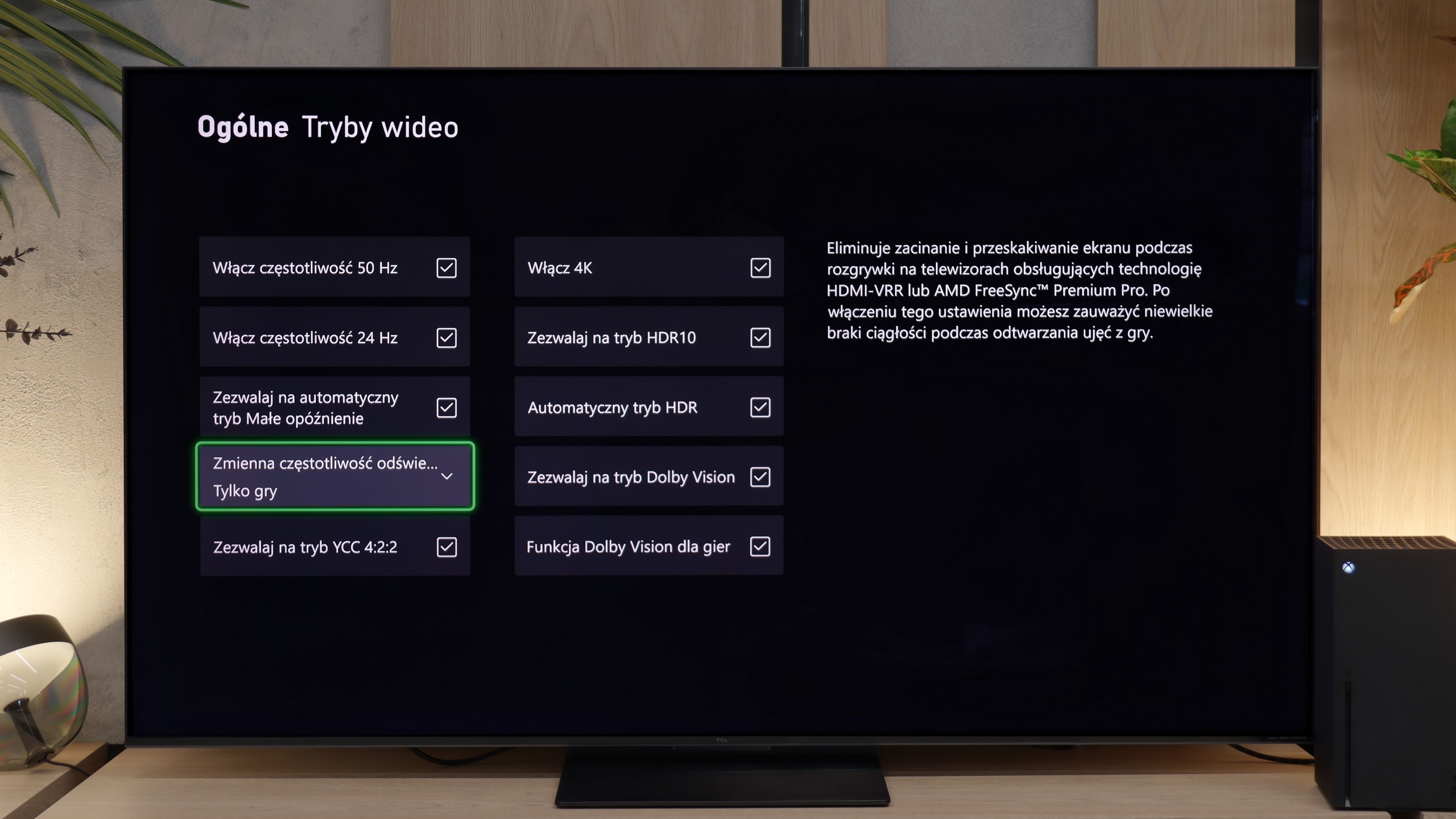
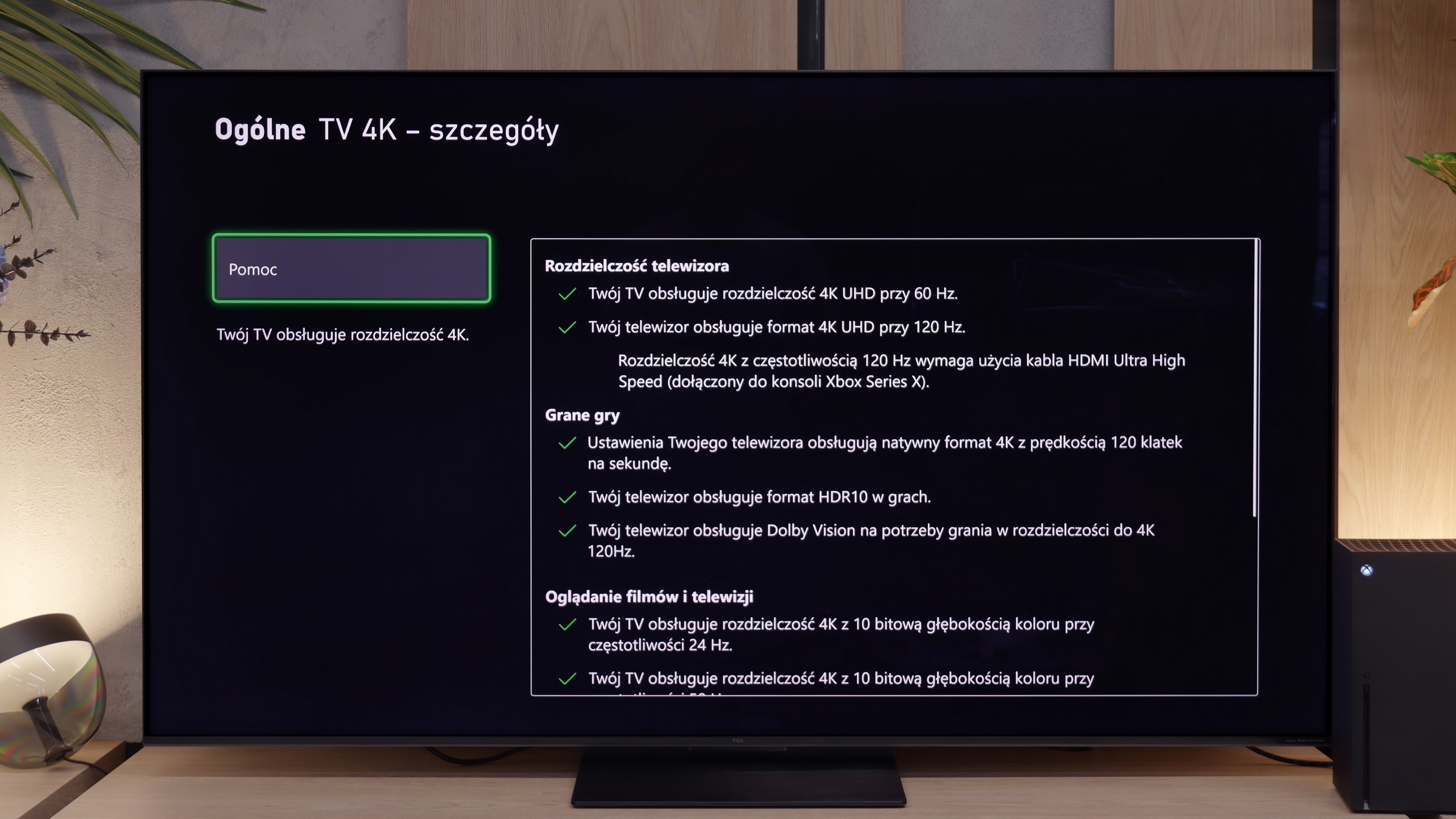
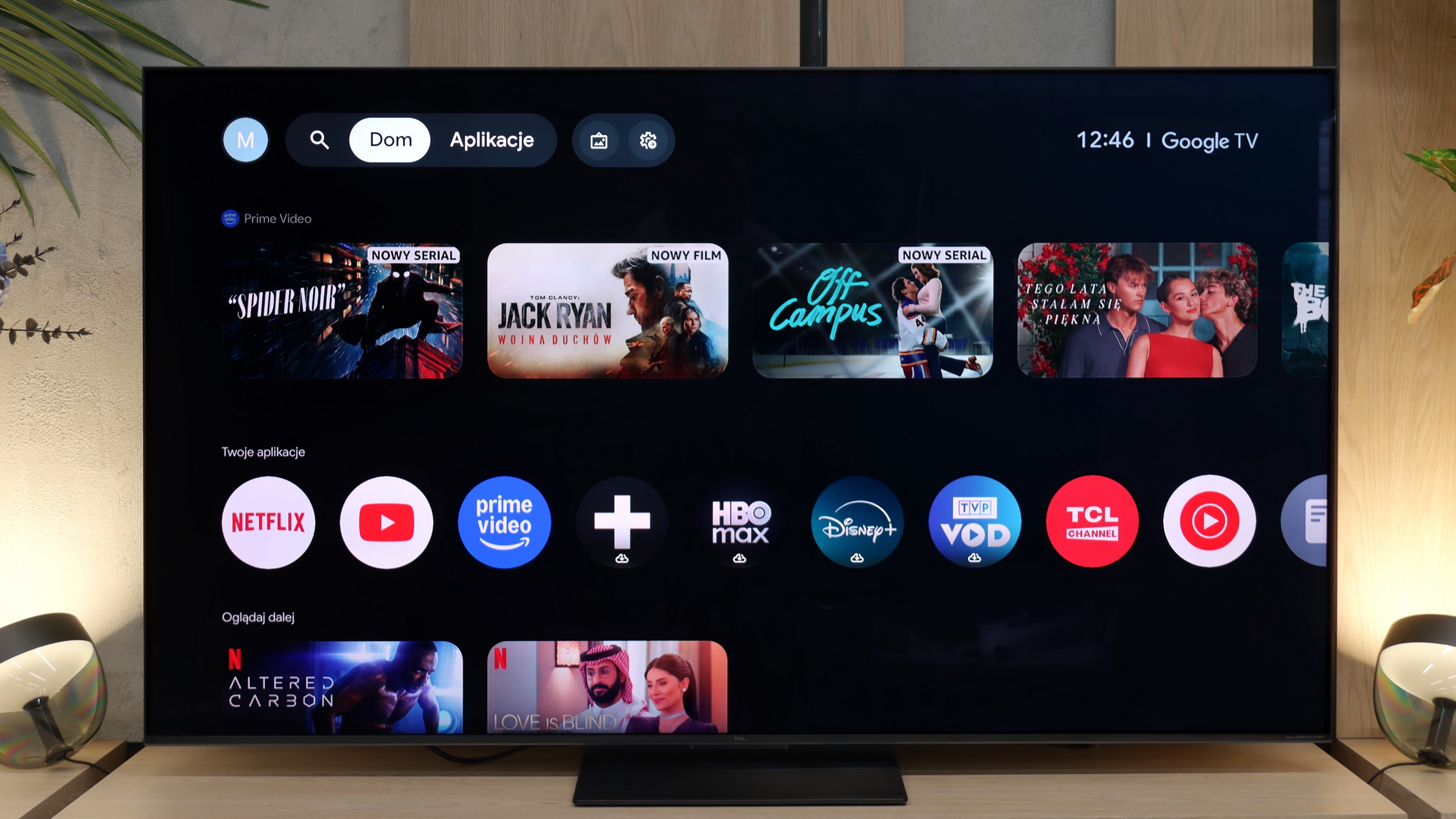
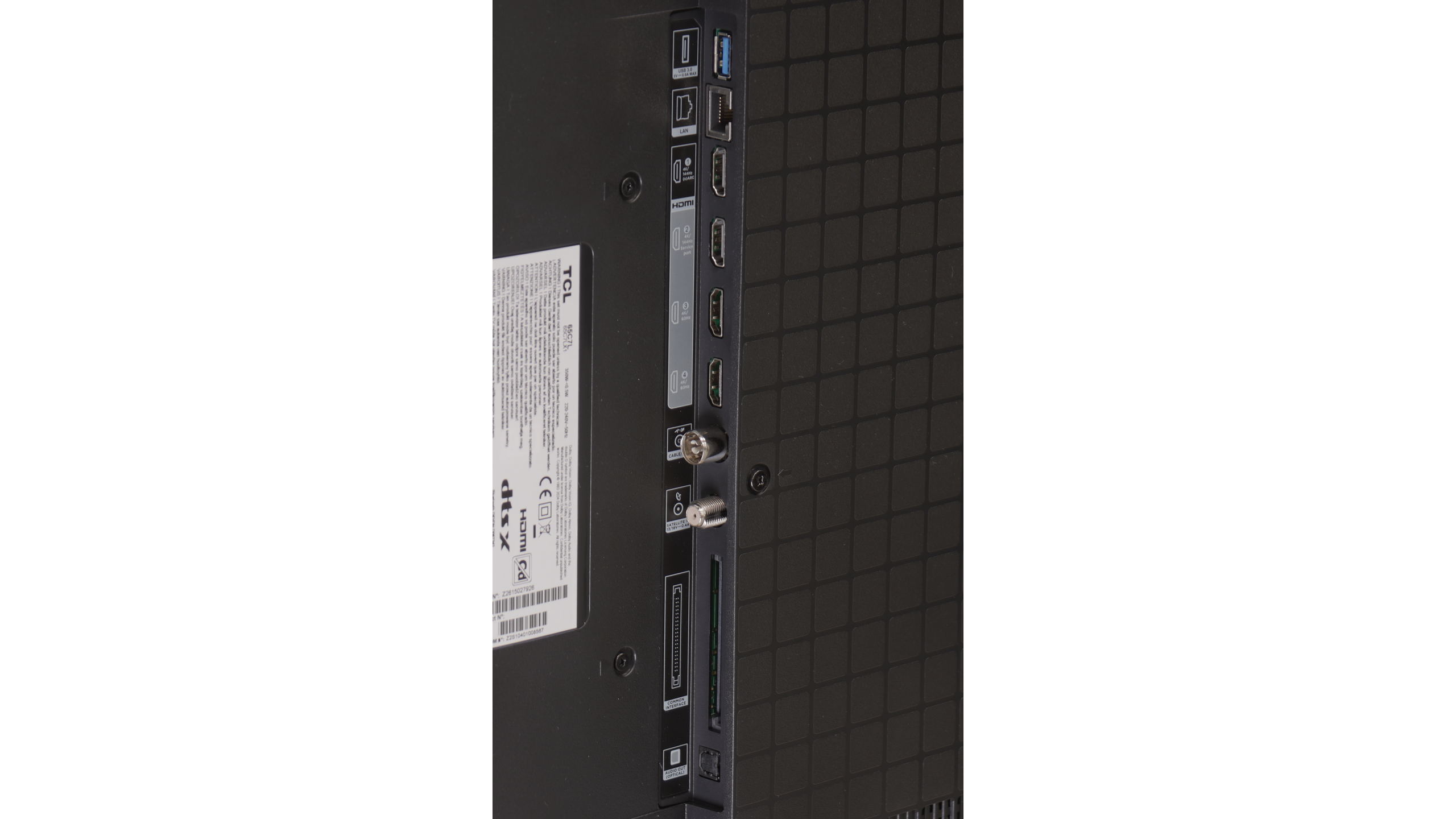
TCL C7L is an incredibly successful Mini-LED television and a fully deserved successor to the hit model C7K. The list of advantages of this device is really long. At the top is the extremely high brightness of the panel. Thanks to this, the television handles brightly lit living rooms without any problems, offering a fantastic and dynamic image in HDR format. Huge applause is also due for the use of the new Super QLED coating – after professional calibration, the colours can be not only natural but also incredibly vibrant. The best part is that the screen does this regardless of what scene is displayed on the screen, which is often not the case for all TVs with RGB backlighting. C7L is also an excellent piece of hardware for gamers; you could even say it’s a true "multimedia powerhouse." It fully supports consoles and PCs, refresh rates up to 288 Hz, G-Sync, and low input lag that doesn’t increase even when enabling very demanding modes like Dolby Vision Gaming. The whole package is tied together by a well-optimised Google TV system, which in this generation of TCL devices runs noticeably smoother and more efficiently (at least that’s the impression we got during our tests). Of course, C7L is not a perfect device, and the manufacturer had to make certain compromises in this model. The biggest flaw of the C7L is the use of a less powerful image processor. Unfortunately, this translates to fairly mediocre digital processing and another construction limitation in the form of only two HDMI 2.1 ports. A more powerful setup has been reserved this year for the higher series, such as C8L. From a business perspective, this is fully understandable. Why? Because if TCL had put a better processor here, most people would probably see no sense in paying extra for the higher model. So even if some compromises exist here, the C7L series promises once again to be one of the most cost-effective Mini-LED televisions of the year. If you’re looking for a versatile, incredibly bright screen for movies, series, TV, or games – literally for everything – and at the same time don’t want to overpay for the top series, then yes... C7L is a brilliant choice that we can definitely recommend to you.
 Direct comparison