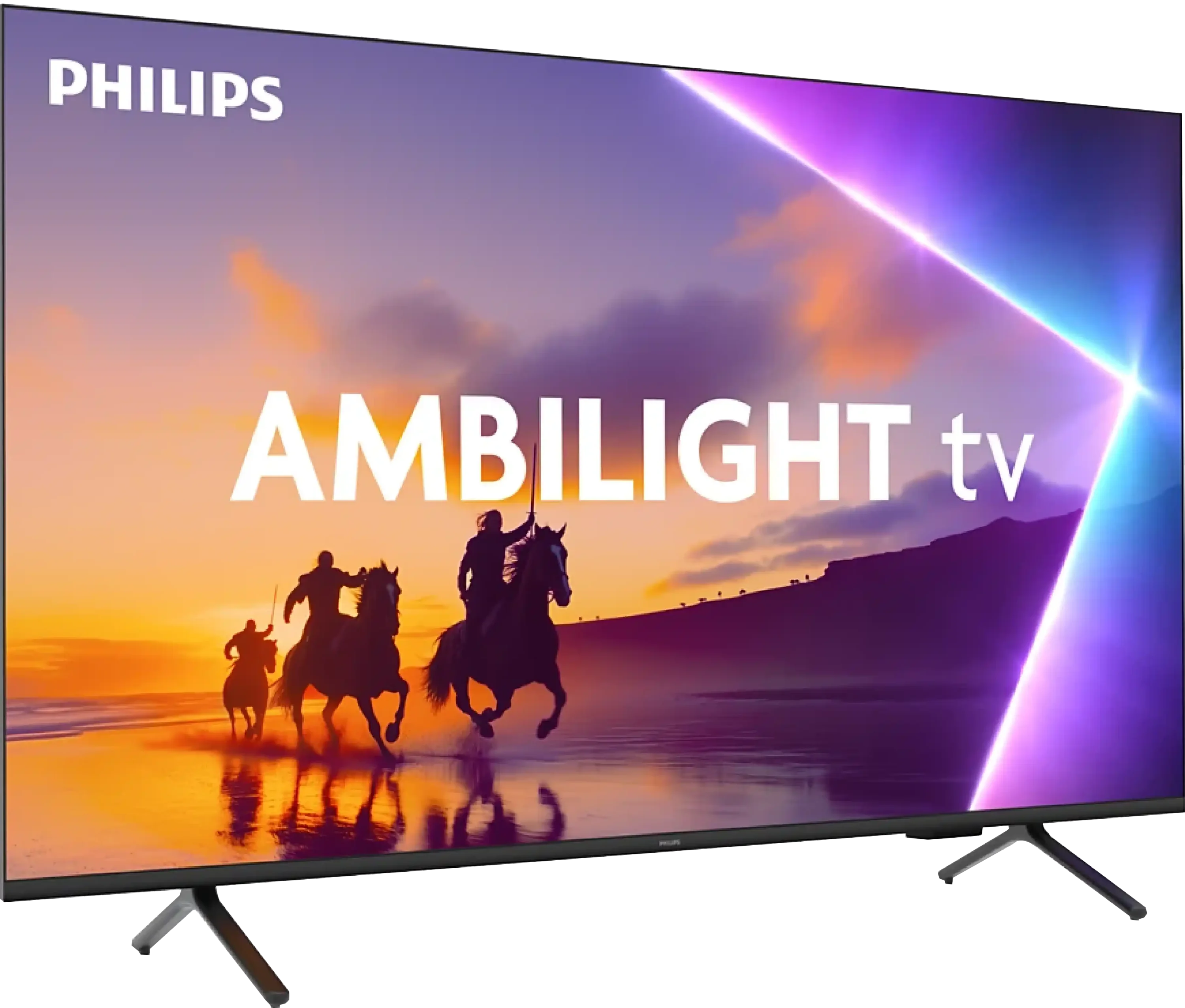
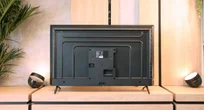
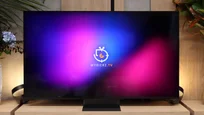
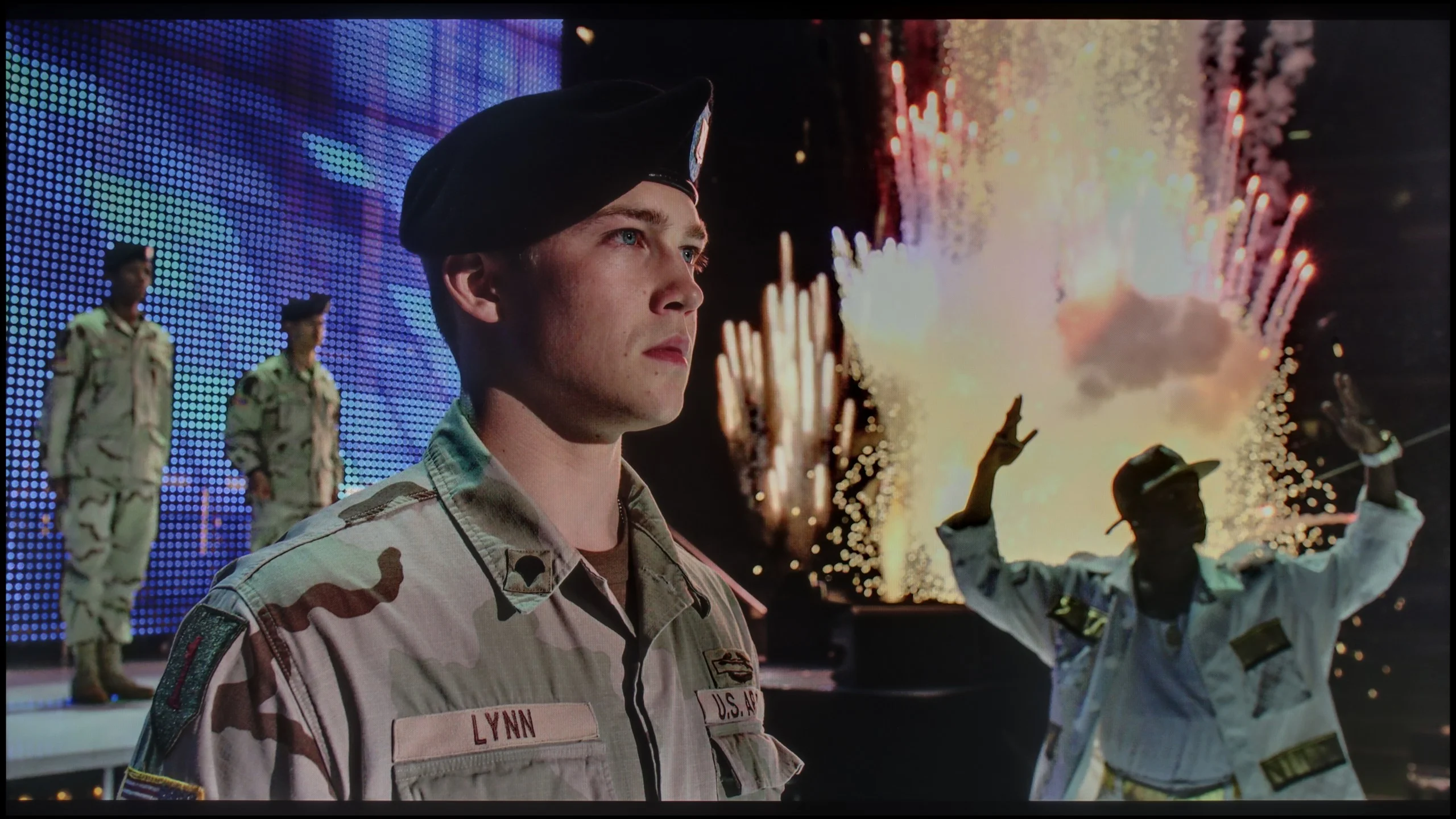
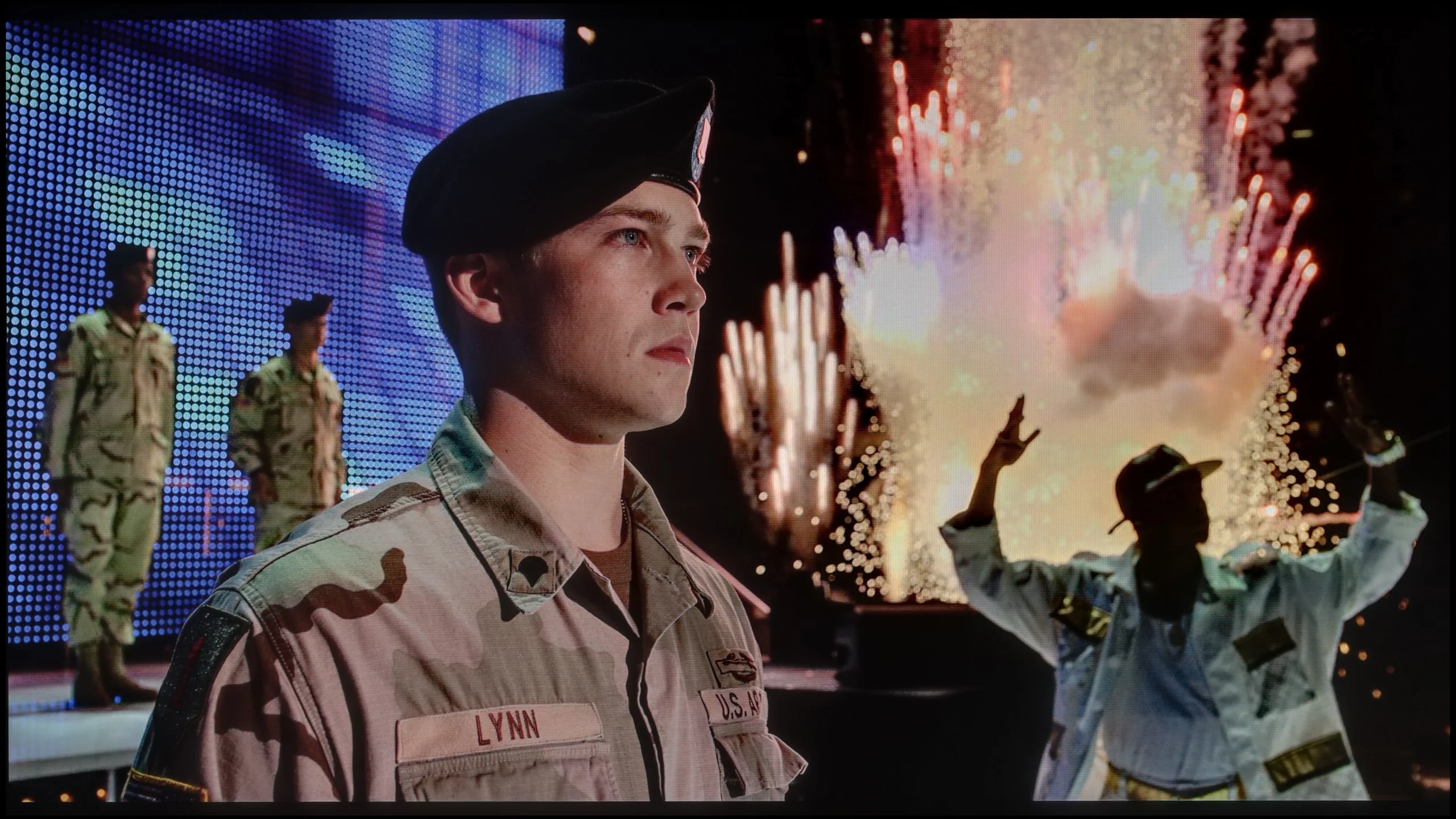
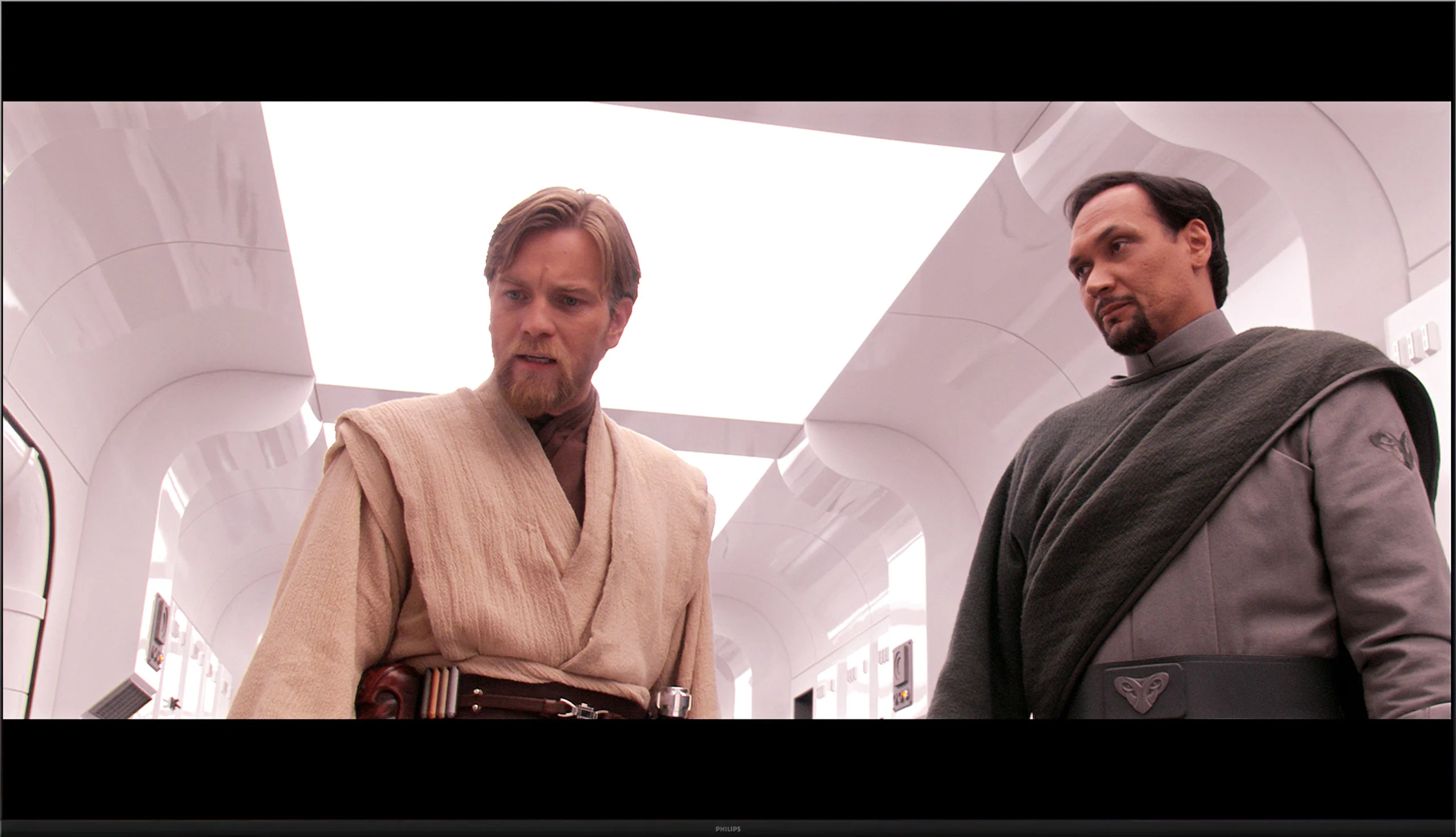
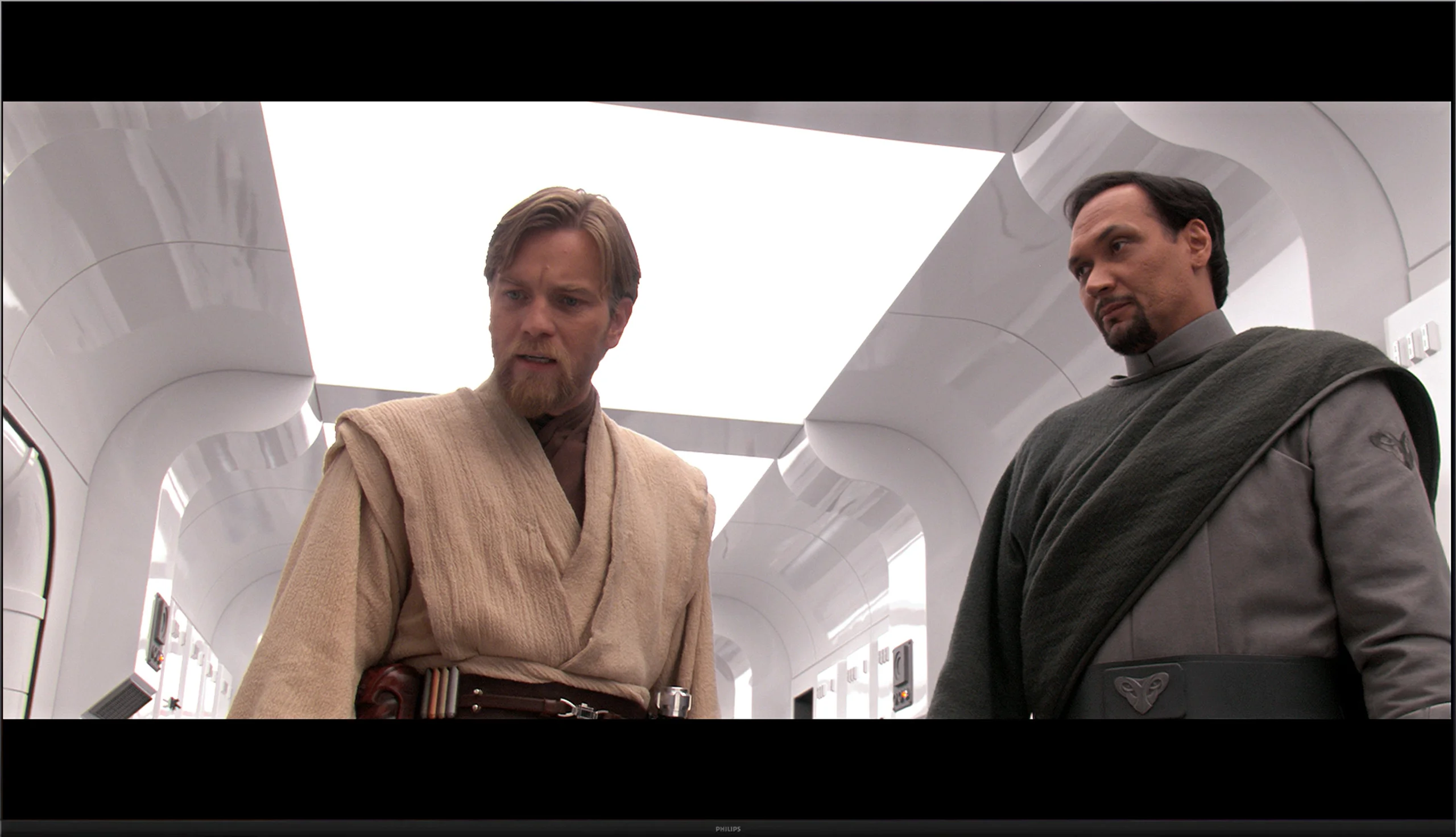
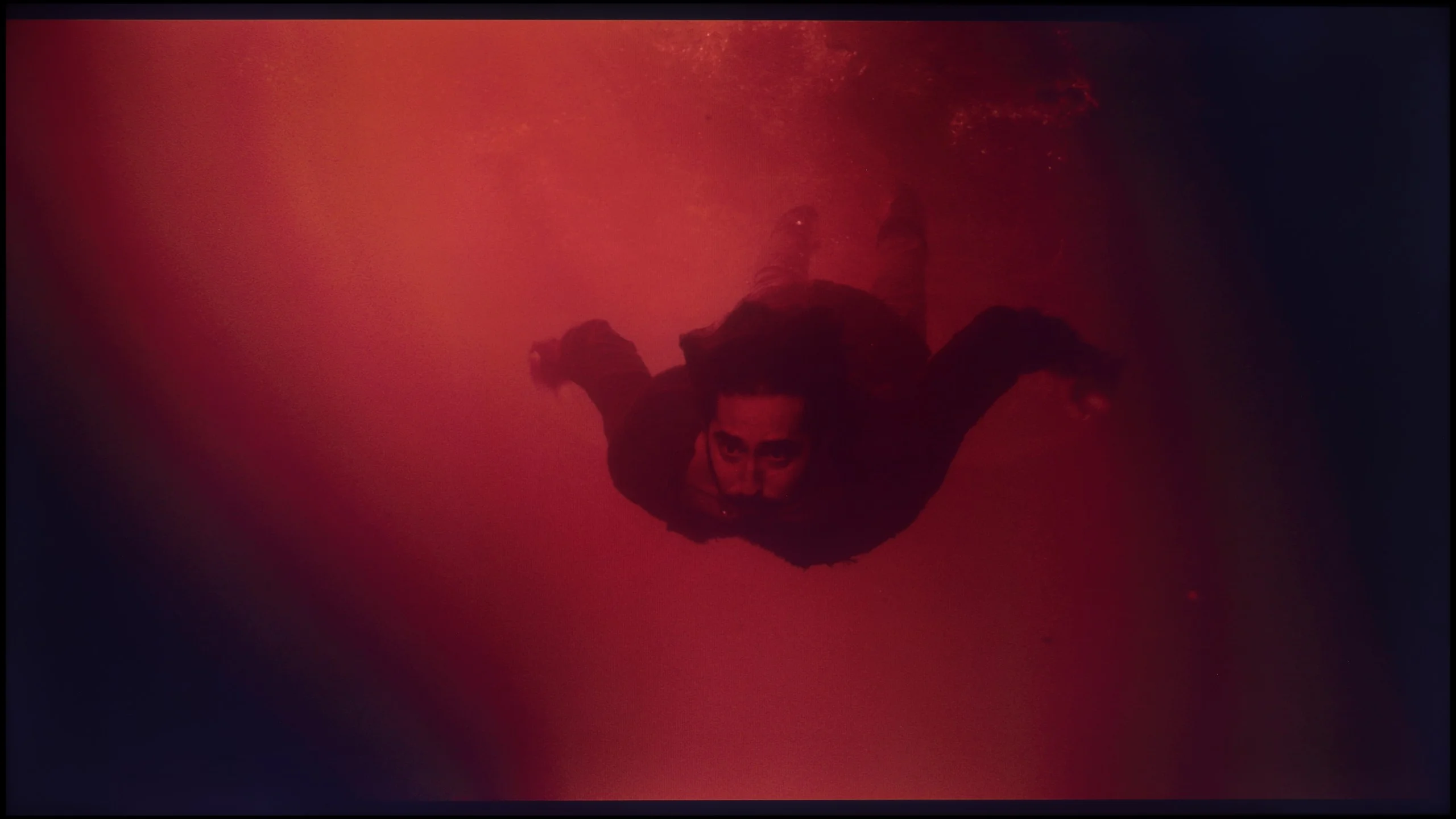
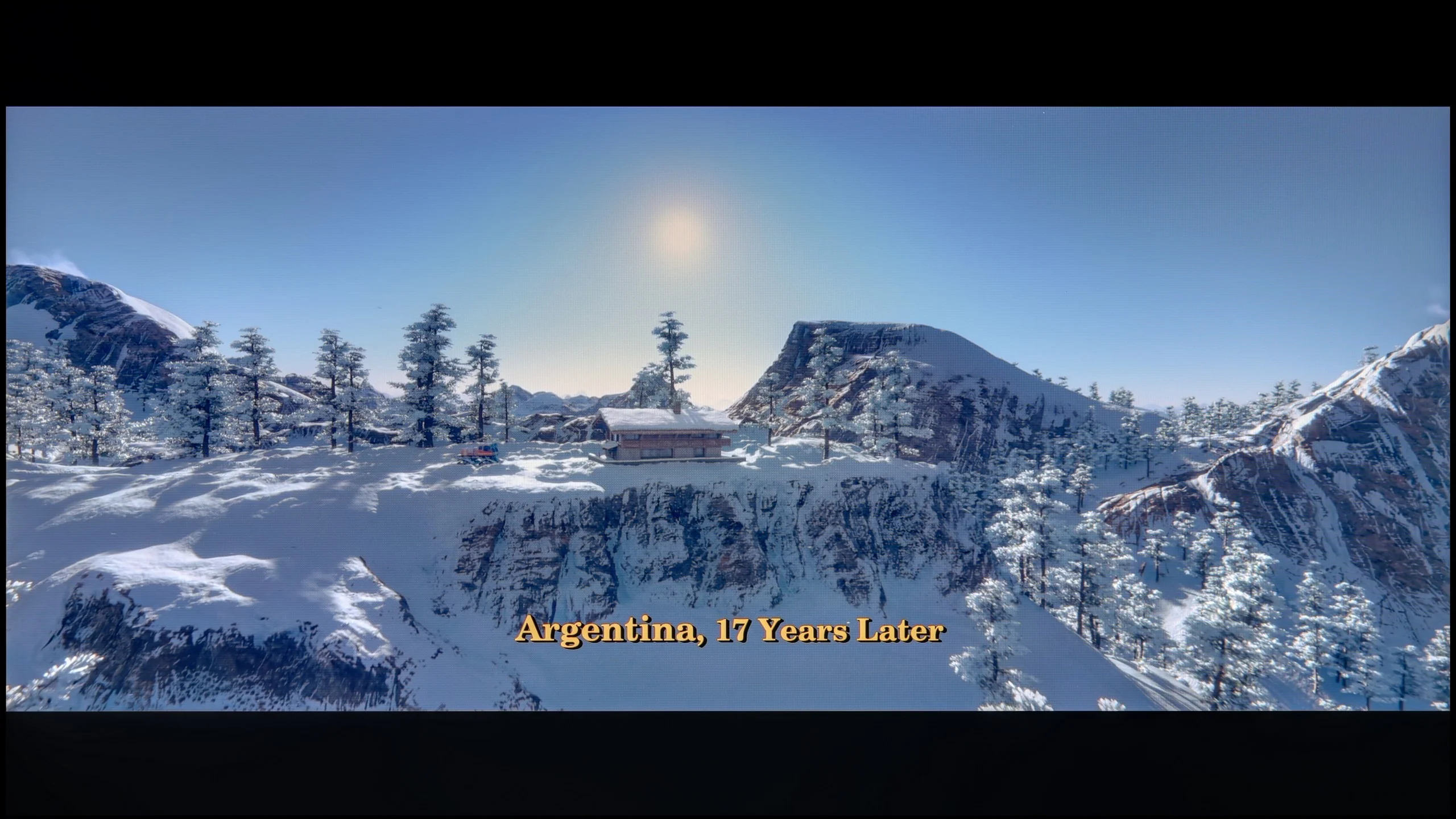
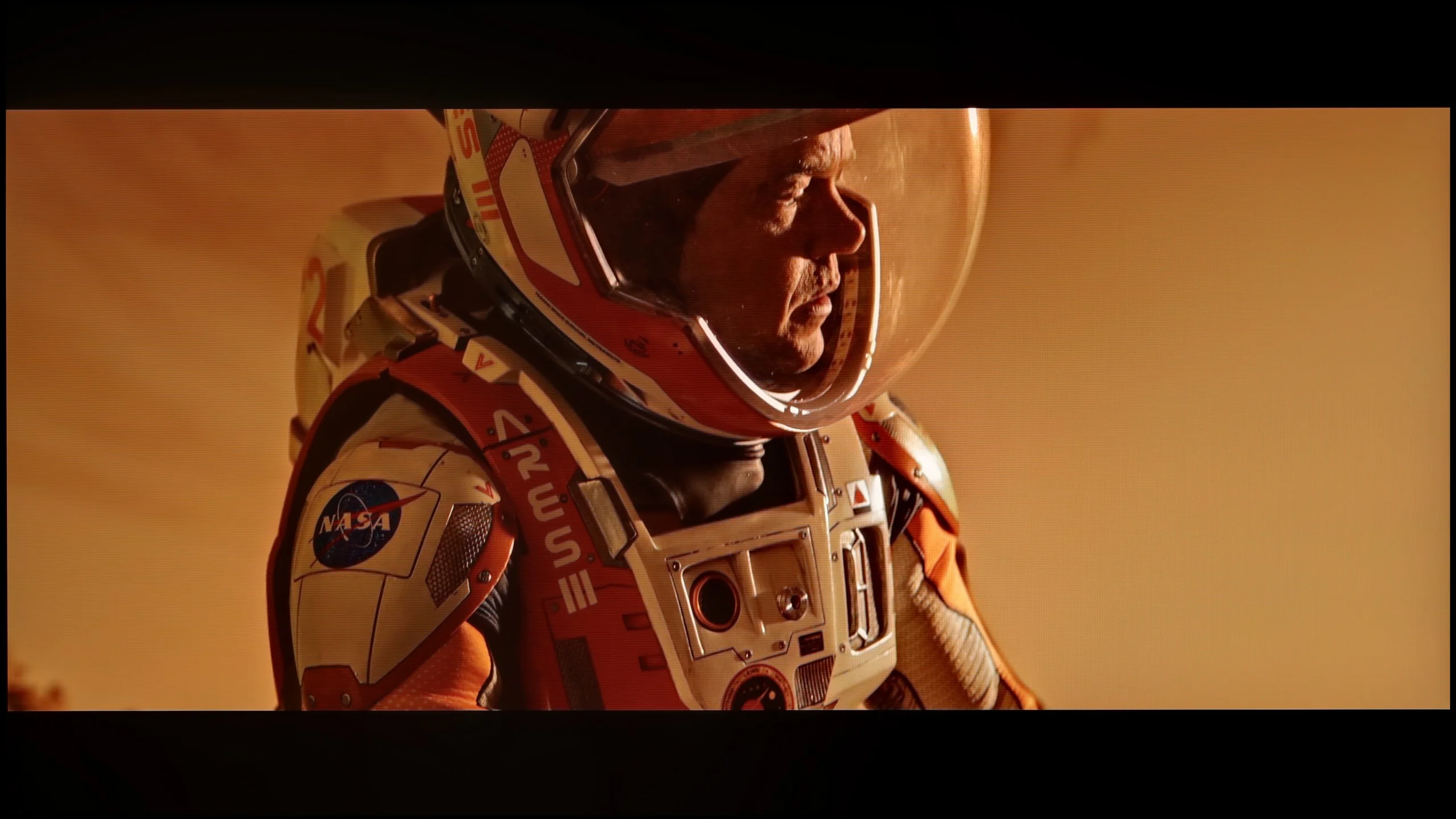
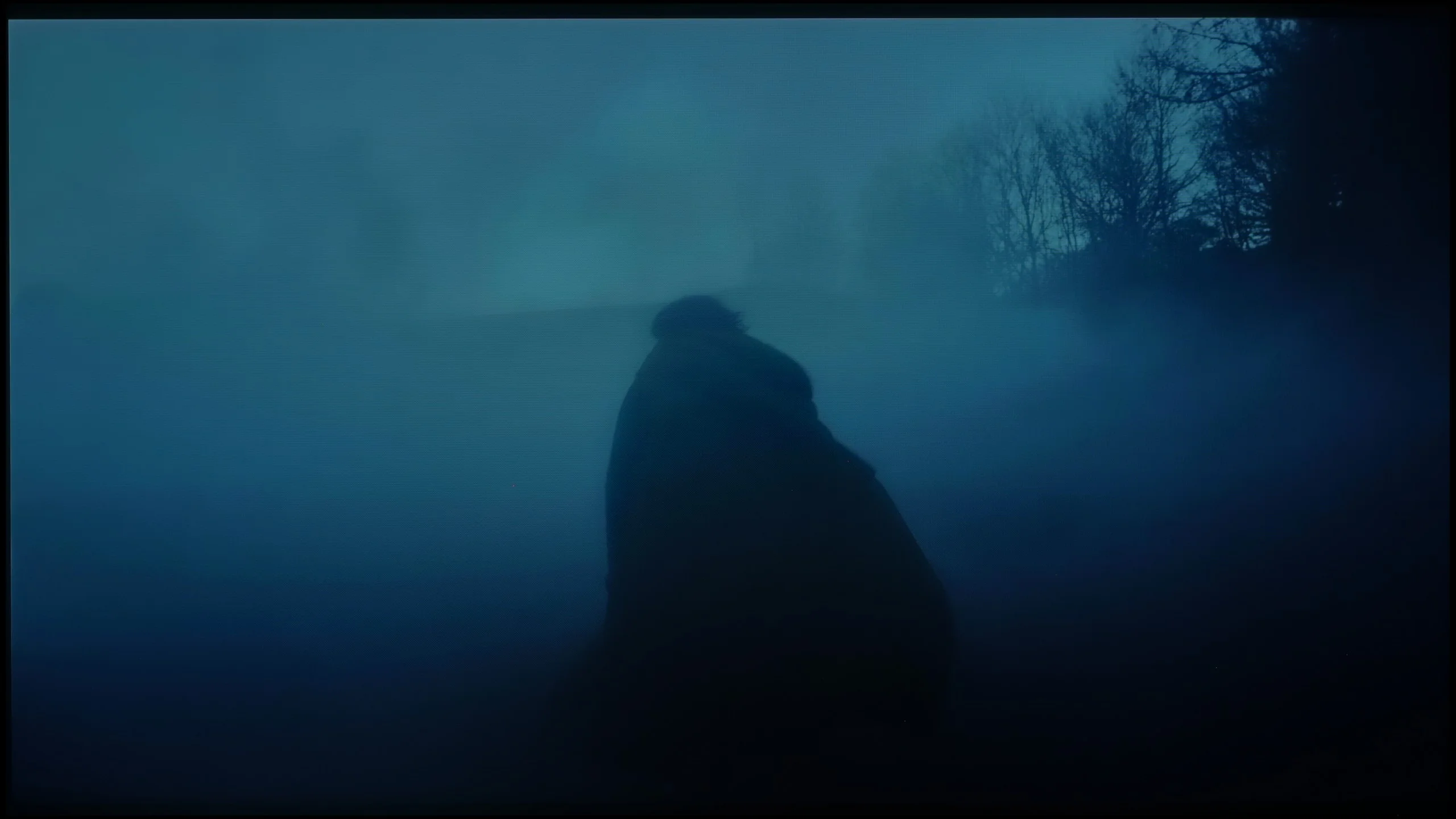
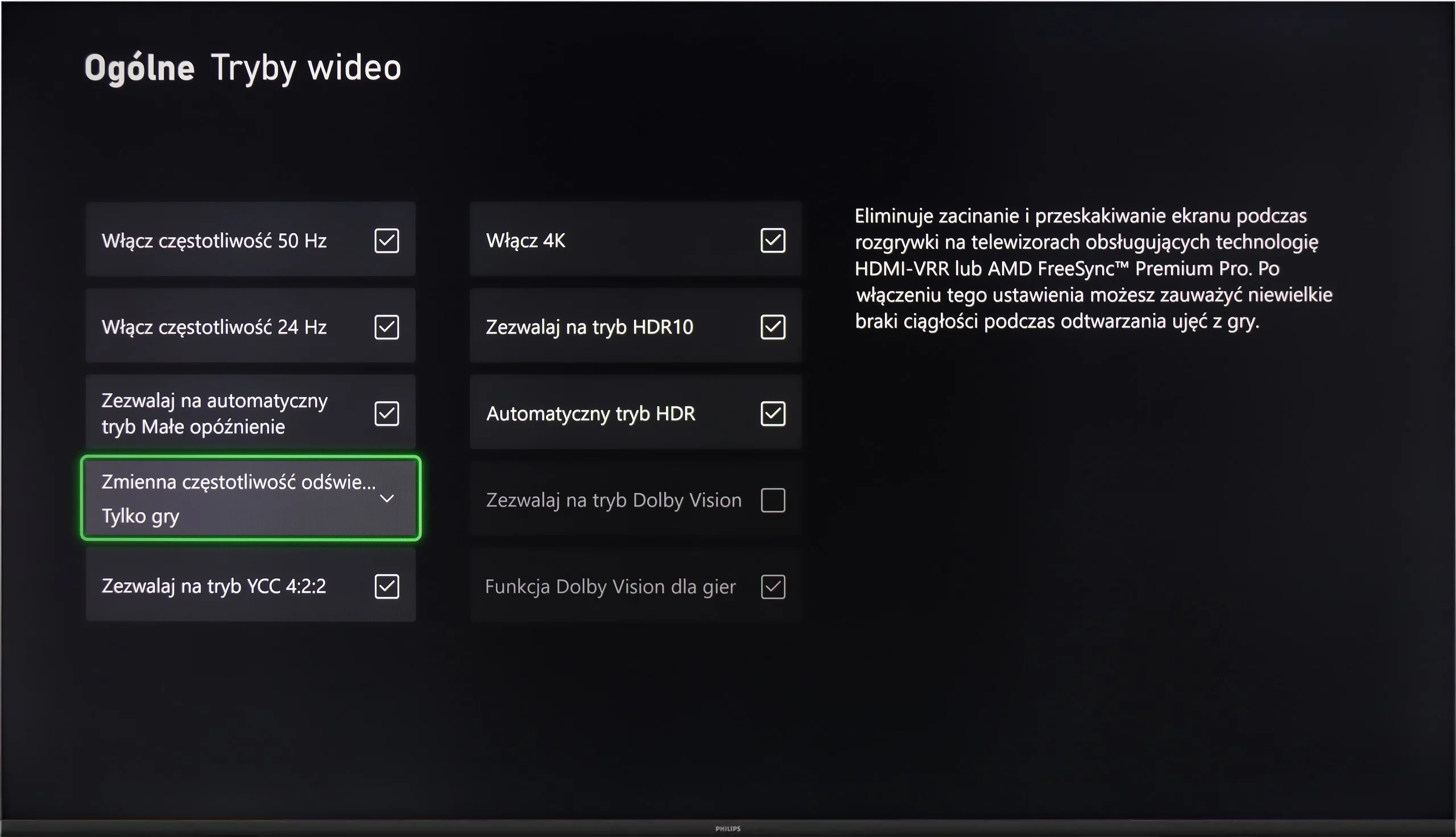
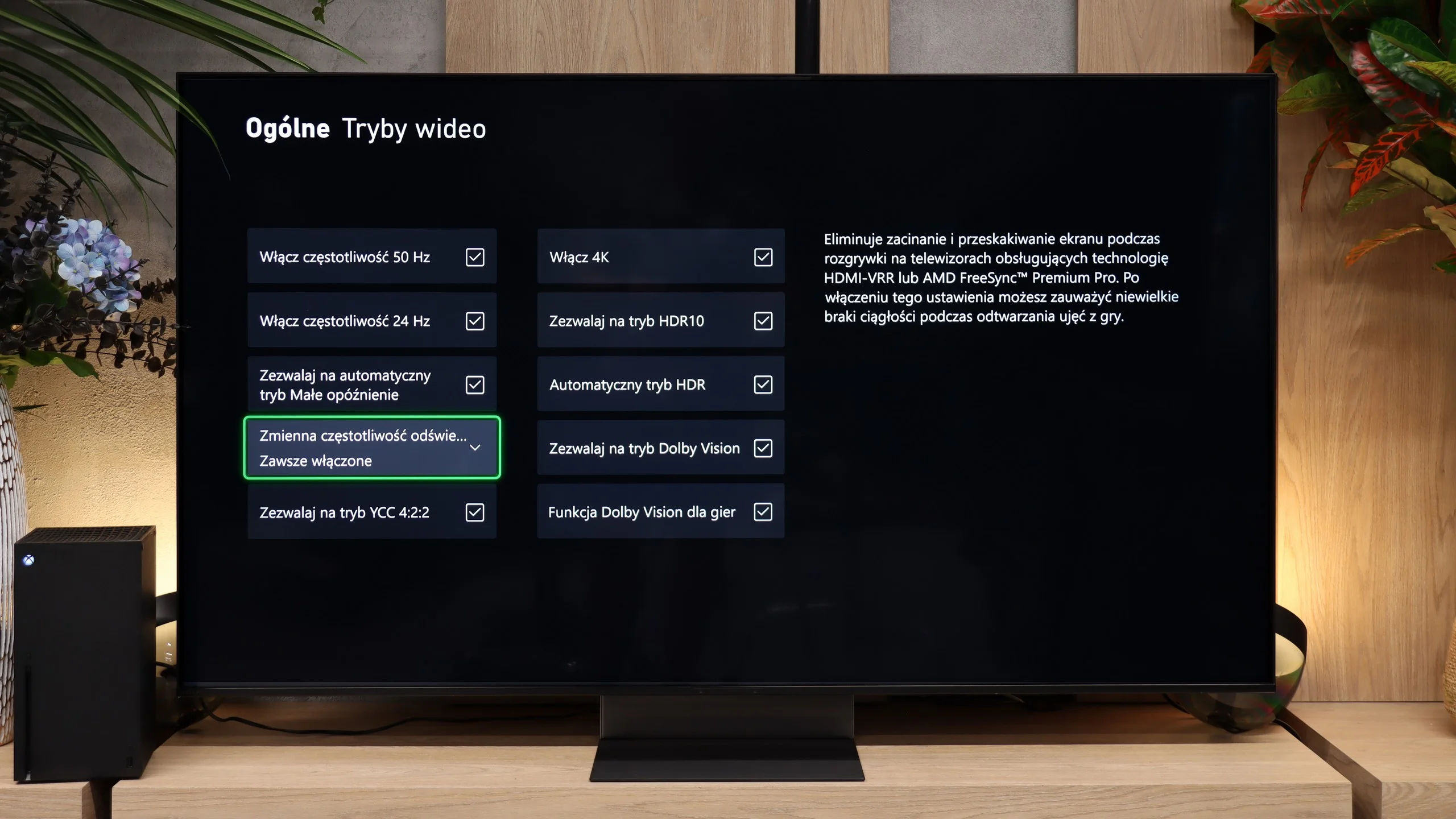
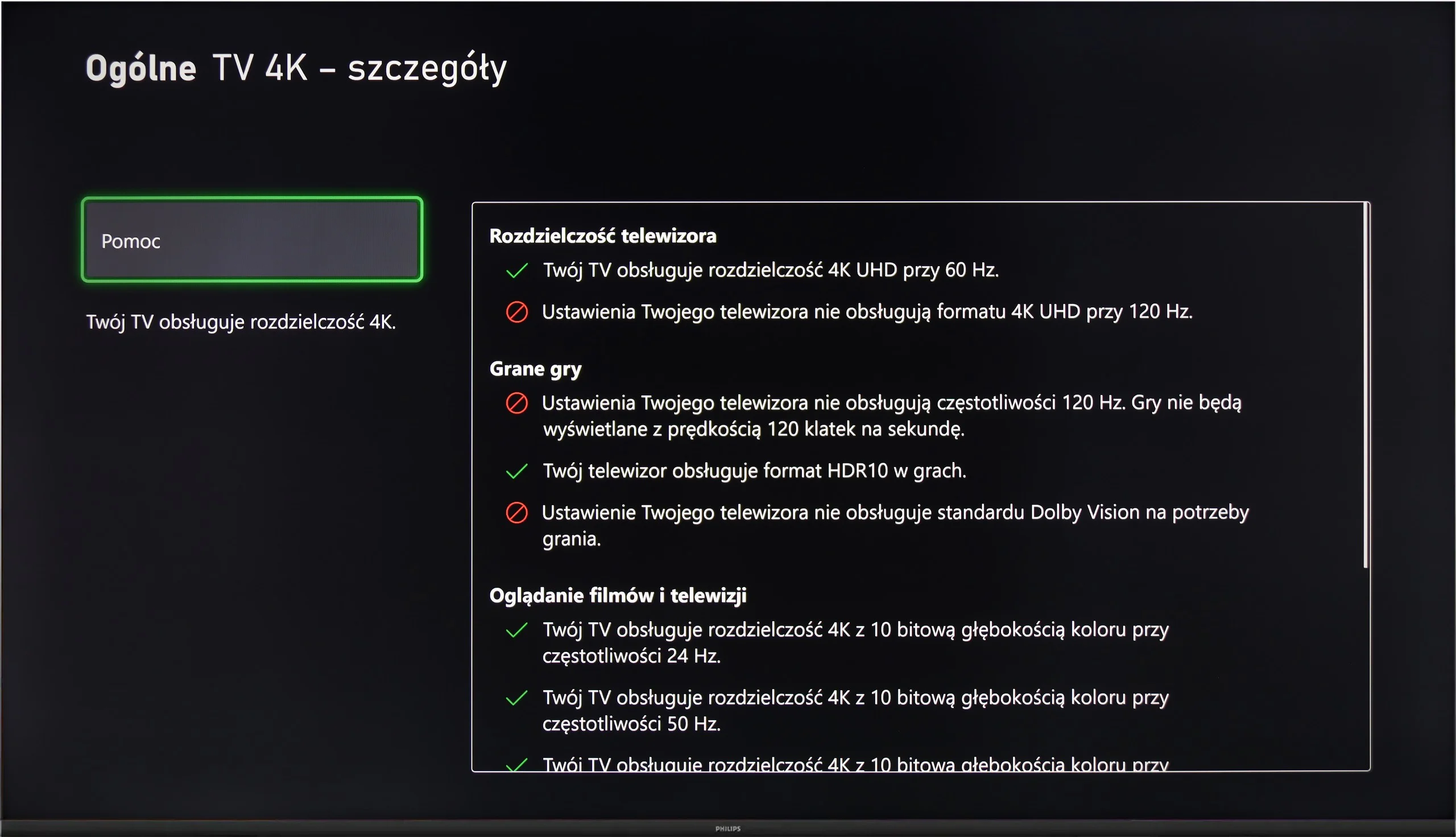
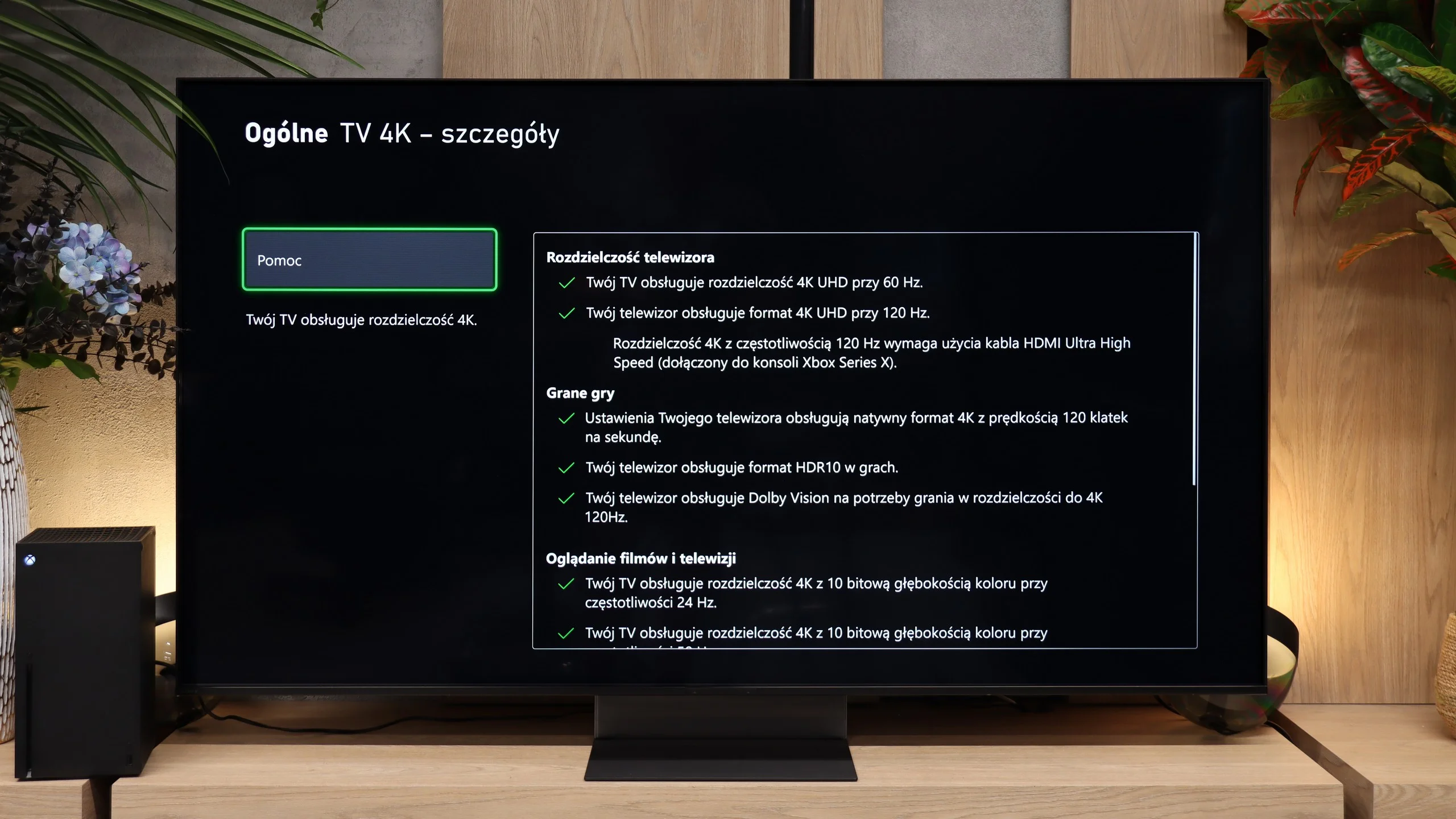
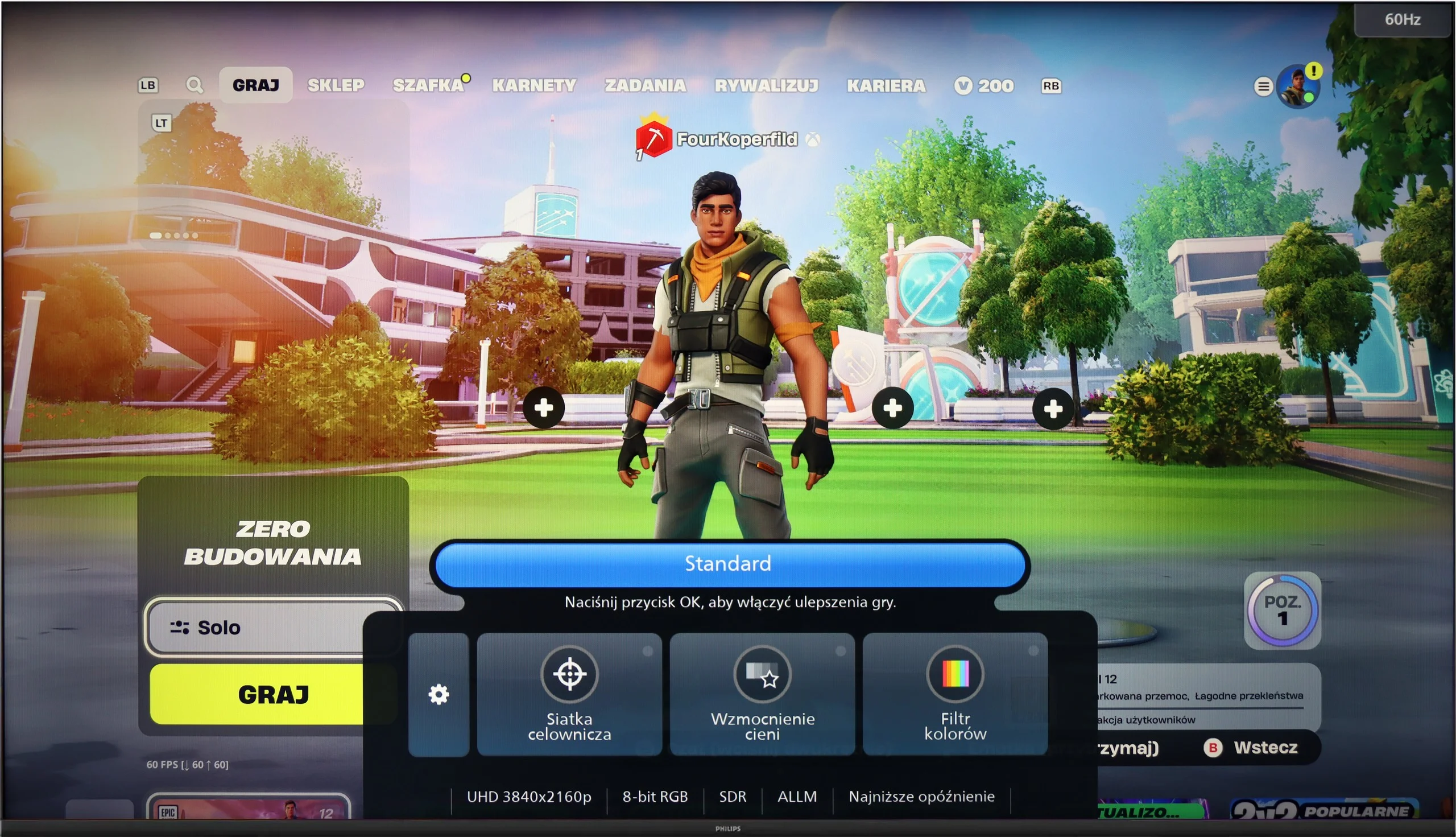
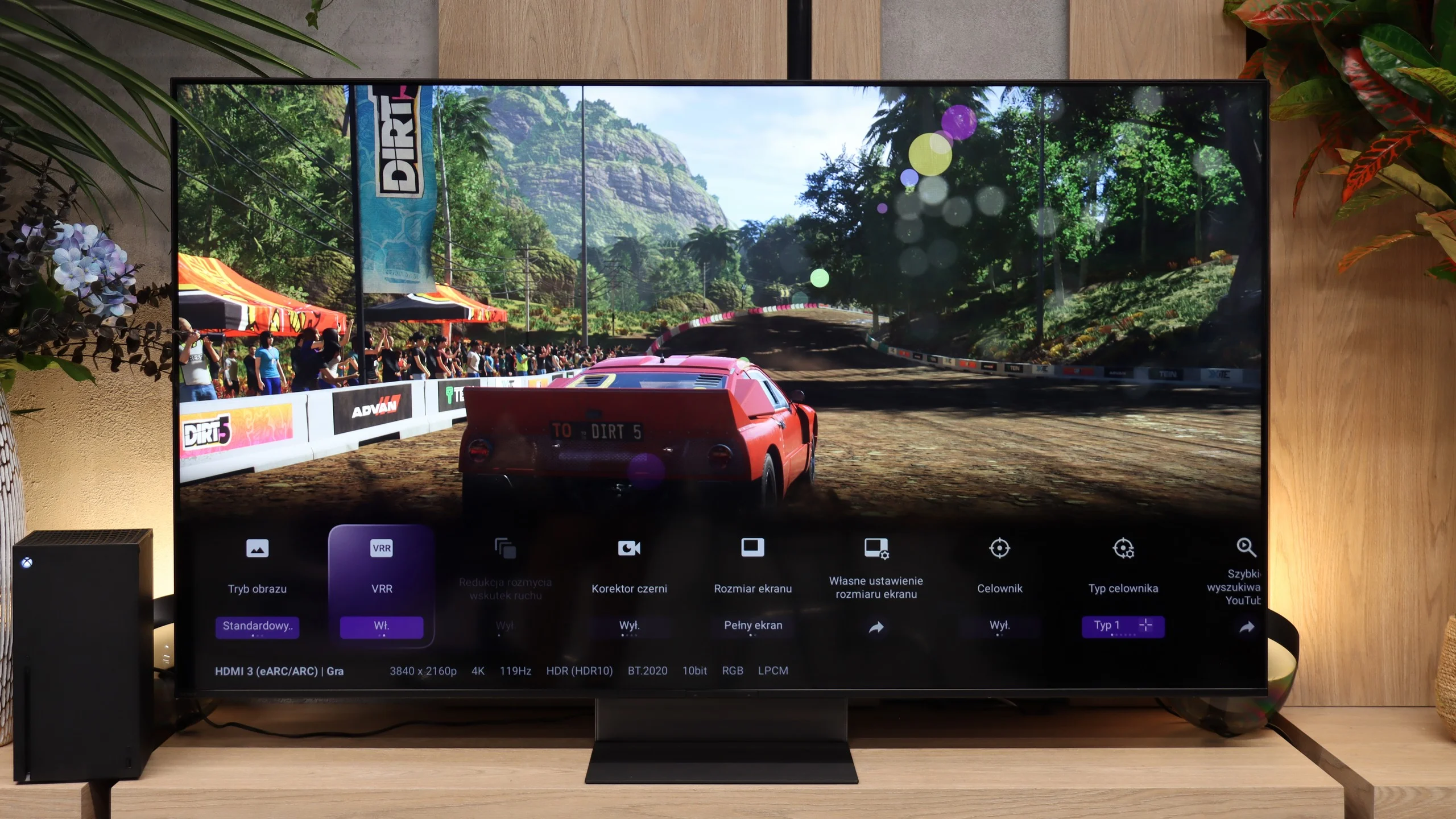
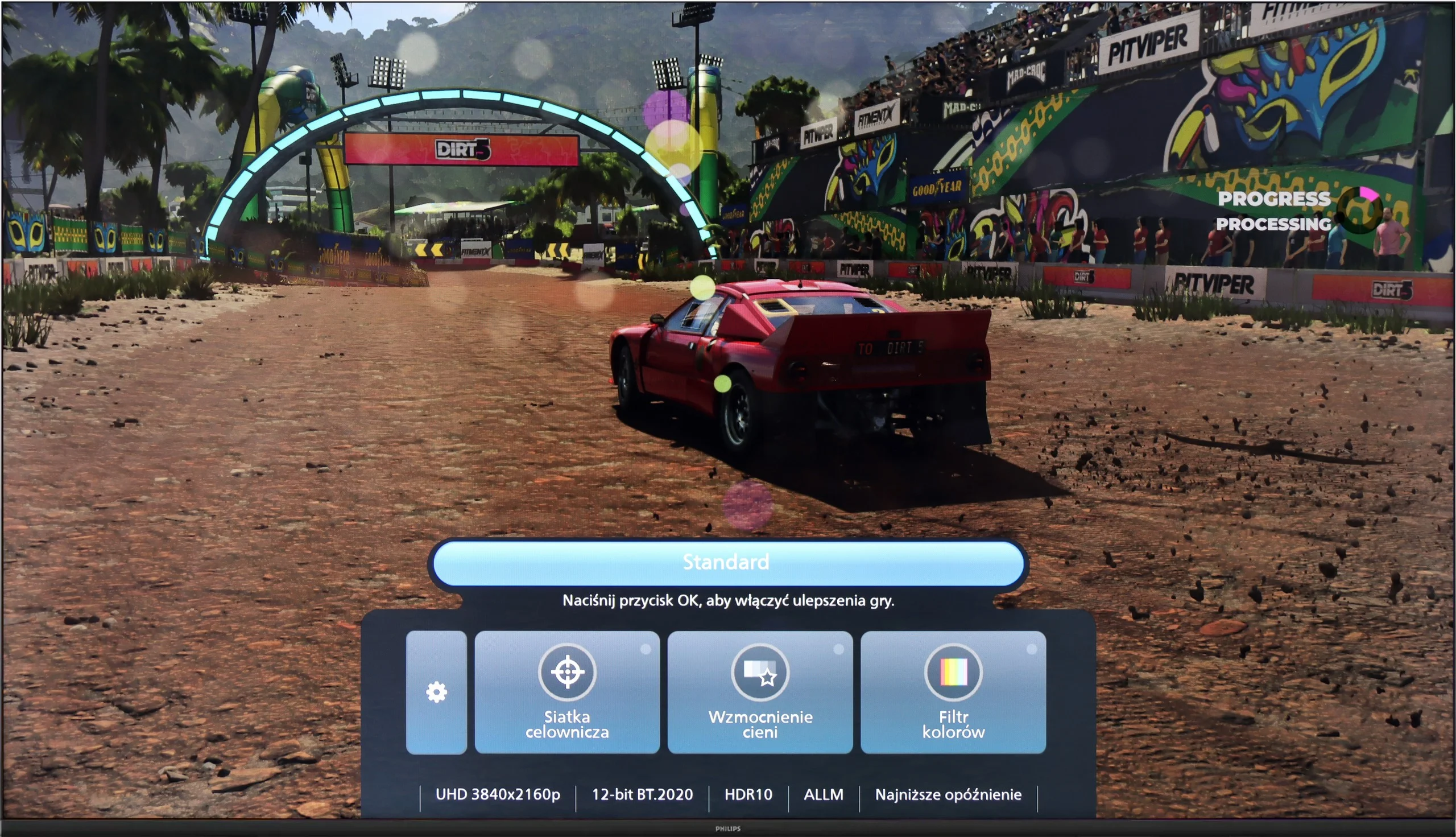
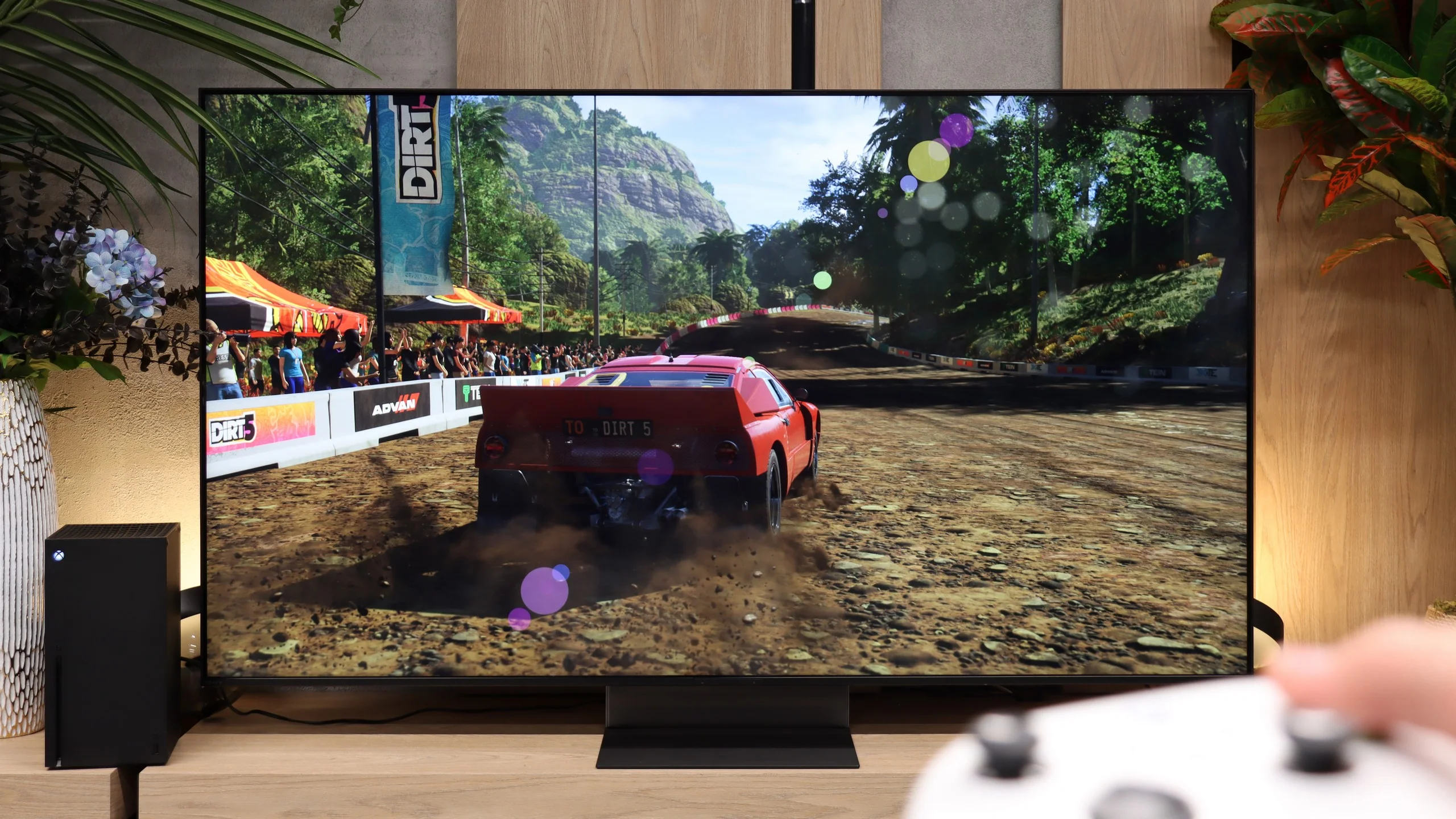
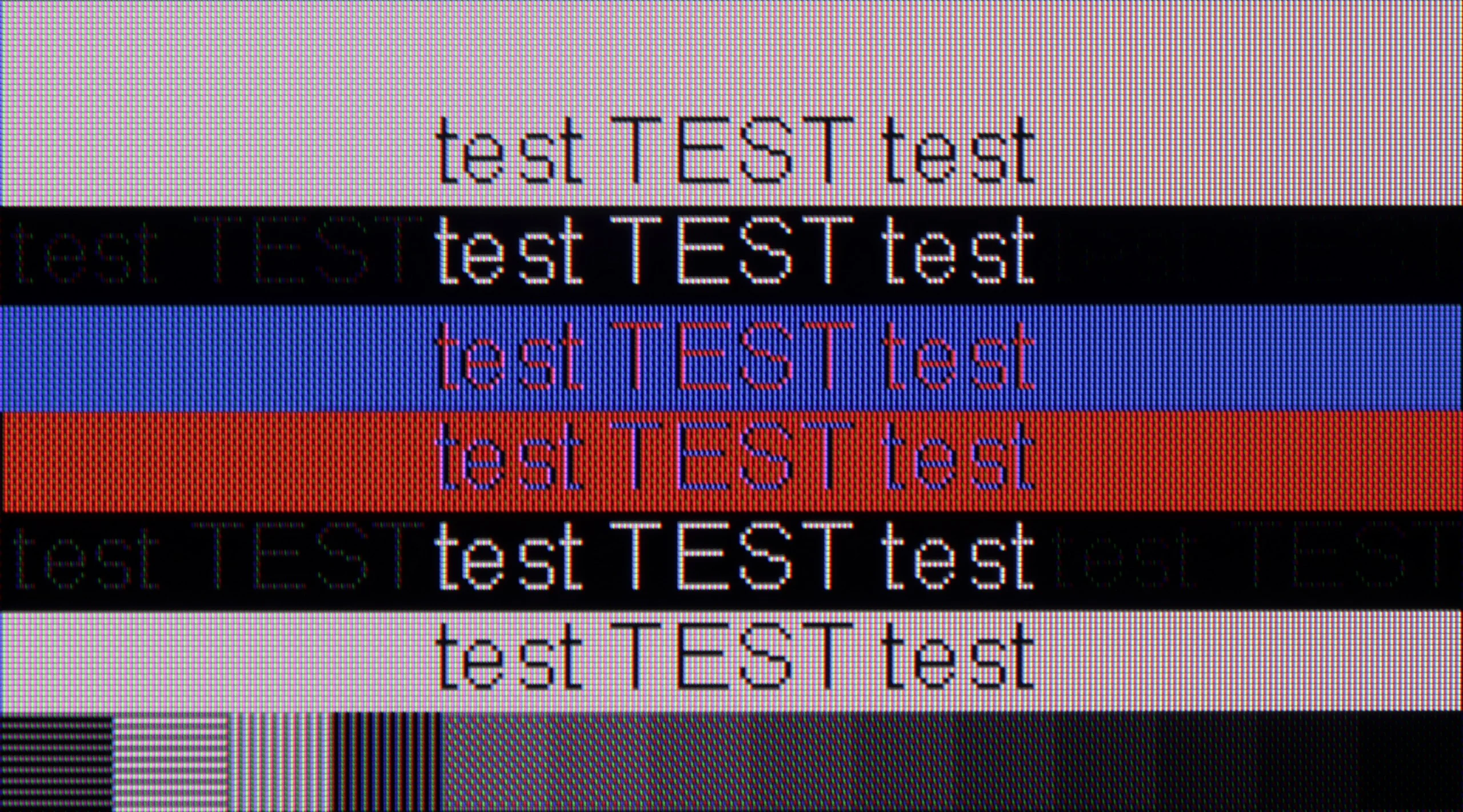
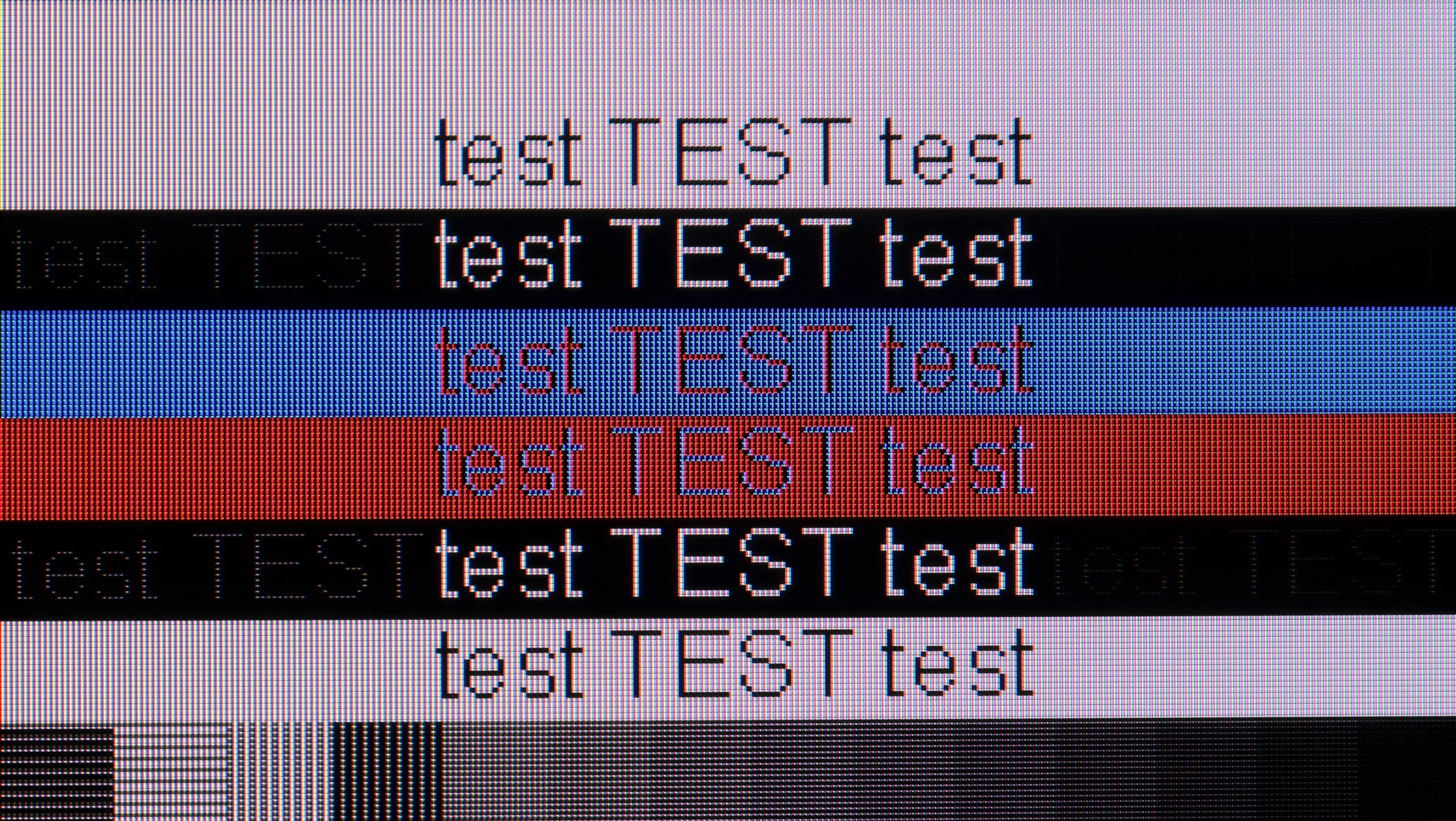
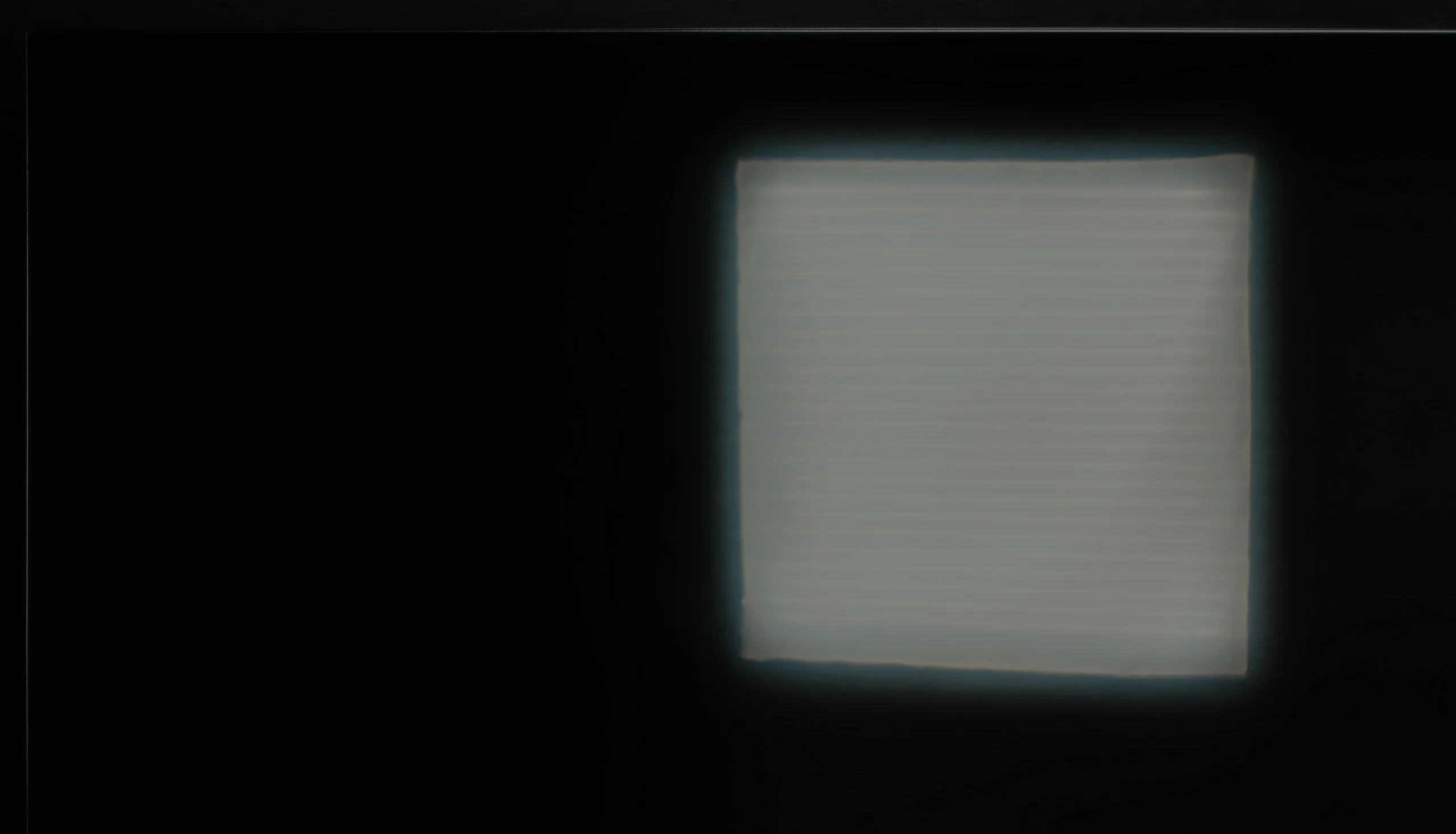
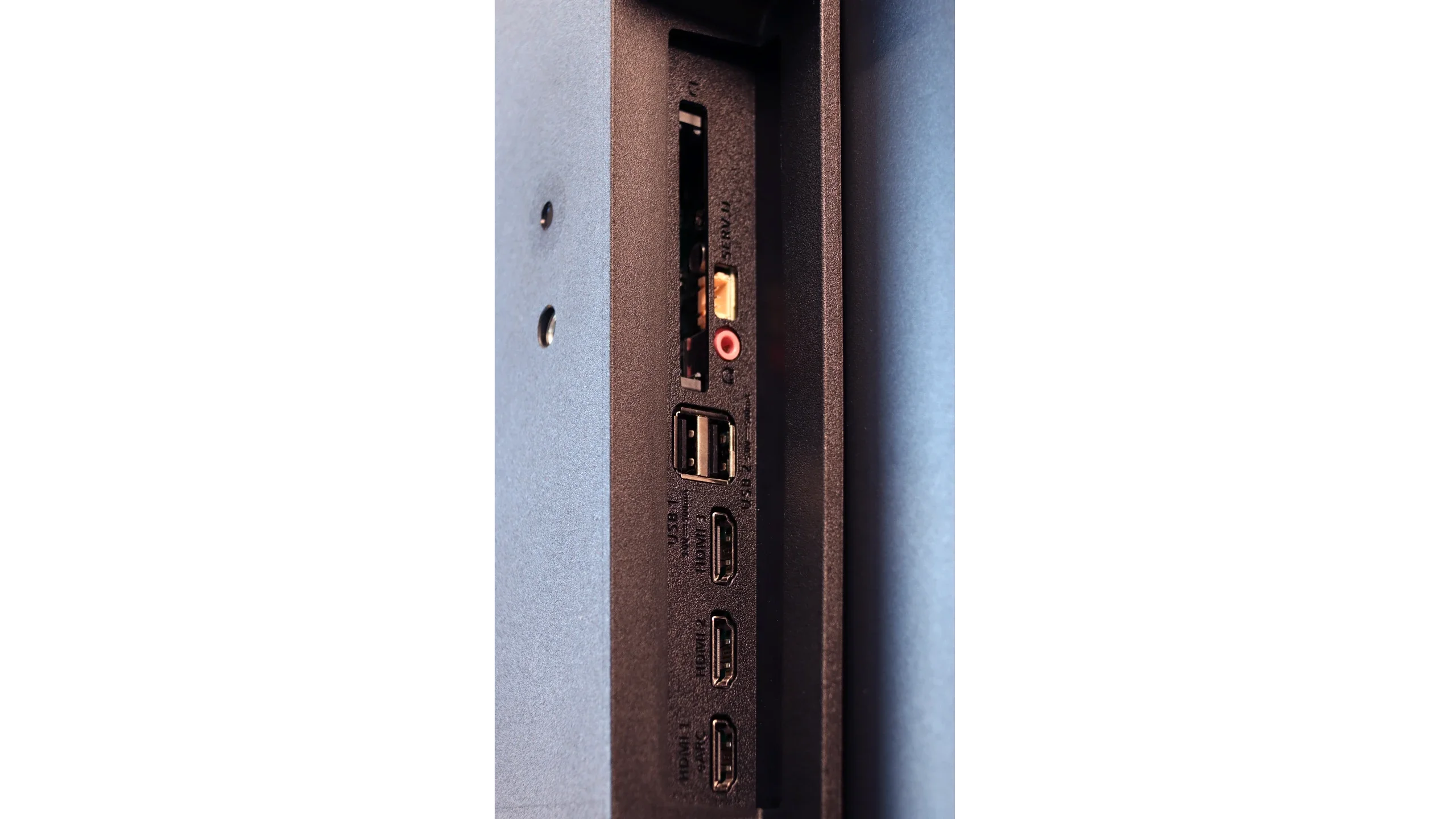
Ambilight because that's exactly where we need to start, it's the biggest reason to buy the PUS8500. The three-sided backlighting on the TV looks fantastic, especially in the evening. It creates atmosphere, masks contrast imperfections, and makes viewing simply more enjoyable. Even if the black isn’t perfect here, at high contrast the native VA panel is just good. On top of that, there’s really decent input lag and several gaming features like ALLM and VRR. Although there’s no HDMI 2.1 or 120Hz panel, casual gaming should be a pleasure. Especially since it plays responsively and without delays. Let’s add full support for audio formats – it includes both Dolby Atmos and DTS, so soundbar owners also have something to be happy about.
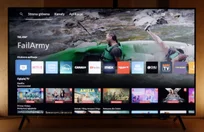
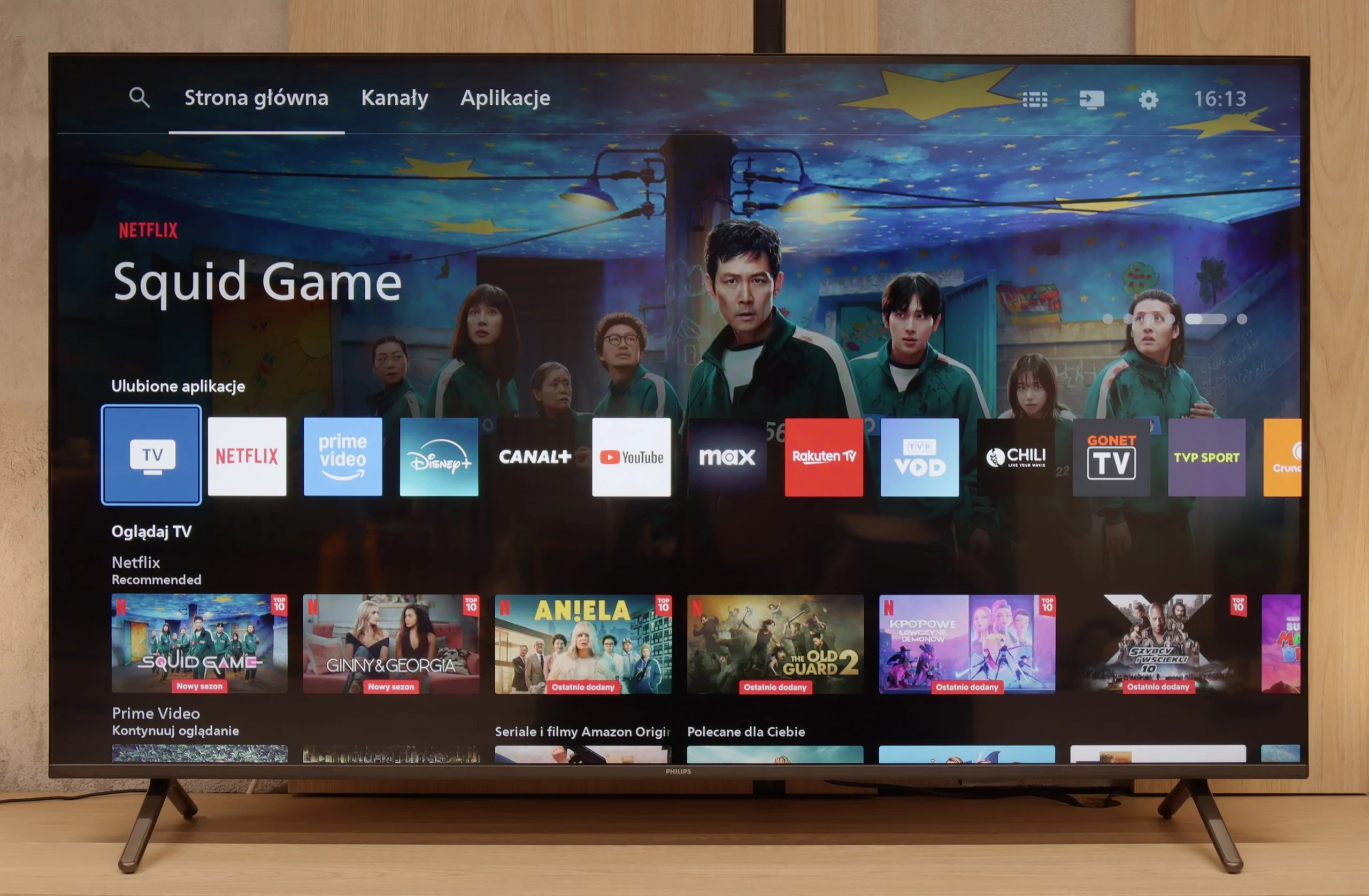
But let’s not kid ourselves – this is still a budget TV, and at times that’s quite obvious. Brightness is average – not so weak that you can't watch anything, but if you hit an exceptionally sunny day, watching under such conditions without blinds can be problematic. However, in our opinion, the biggest disappointment with the PUS8560 is the Titan OS operating system. Despite the fact that the system debuted some time ago, some things just didn’t work – for example, screen mirroring from a phone despite the manufacturer stating that this feature is present. There are fewer apps than the competition, and the system itself feels a bit clunky. Generally, it seems to do something already, but it clearly lacks refinement.
Of course, this isn’t a TV meant to compete with top models. But if someone is looking for something simple, with the cool atmosphere that the Ambilight system provides, it’s quite a fair proposition. You just need to know what to expect and accept the compromises, of which there are plenty here.
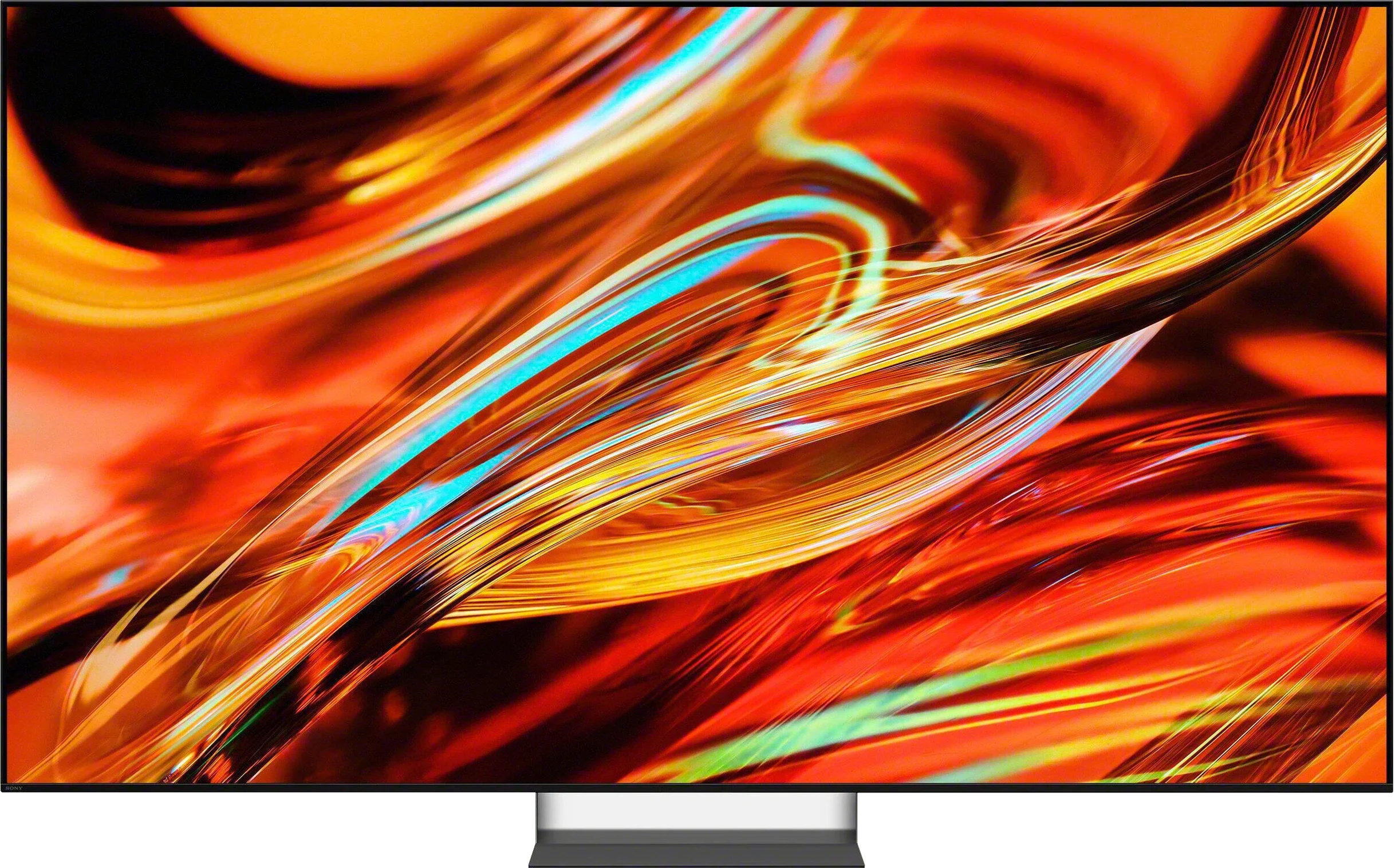
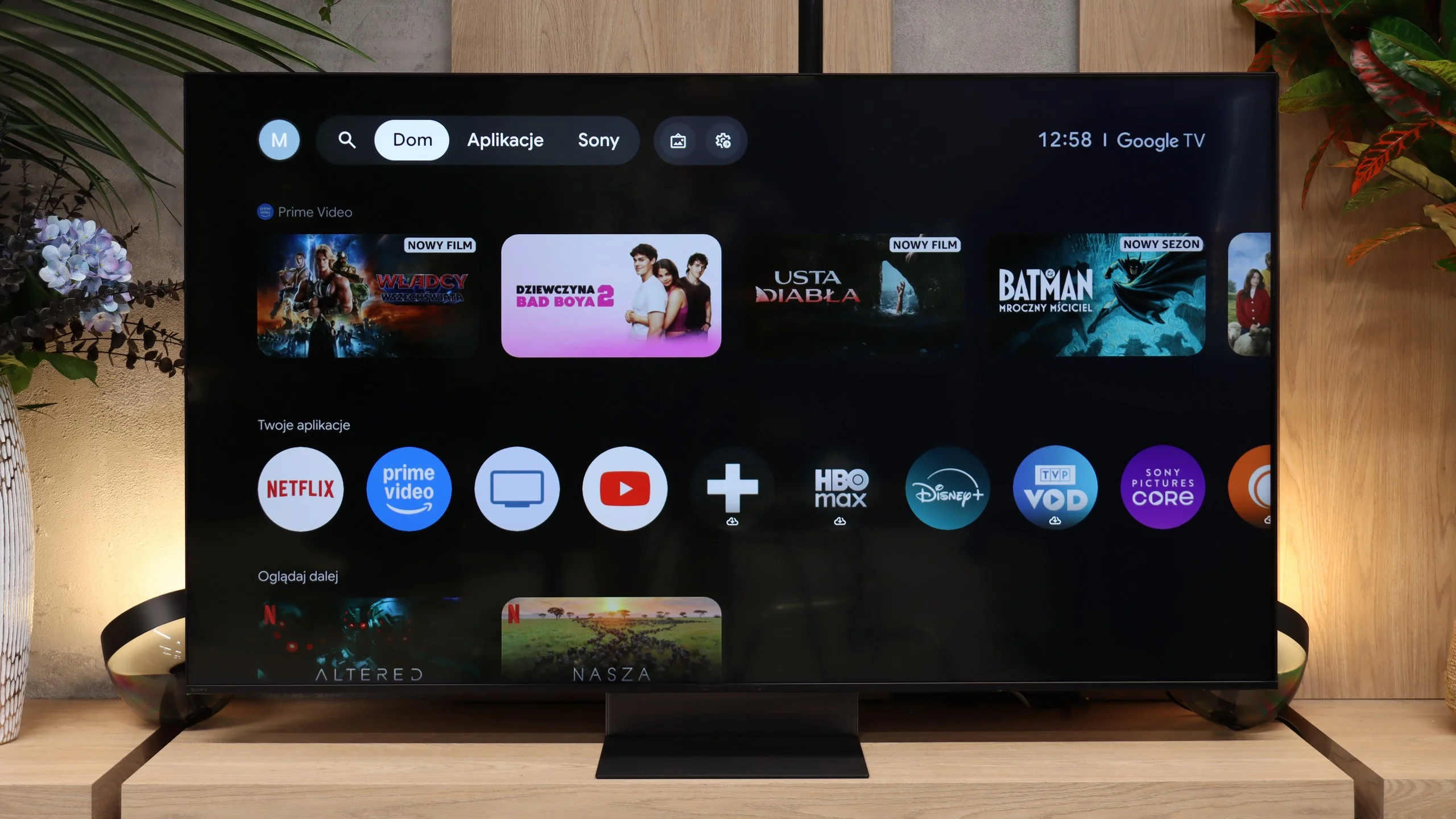
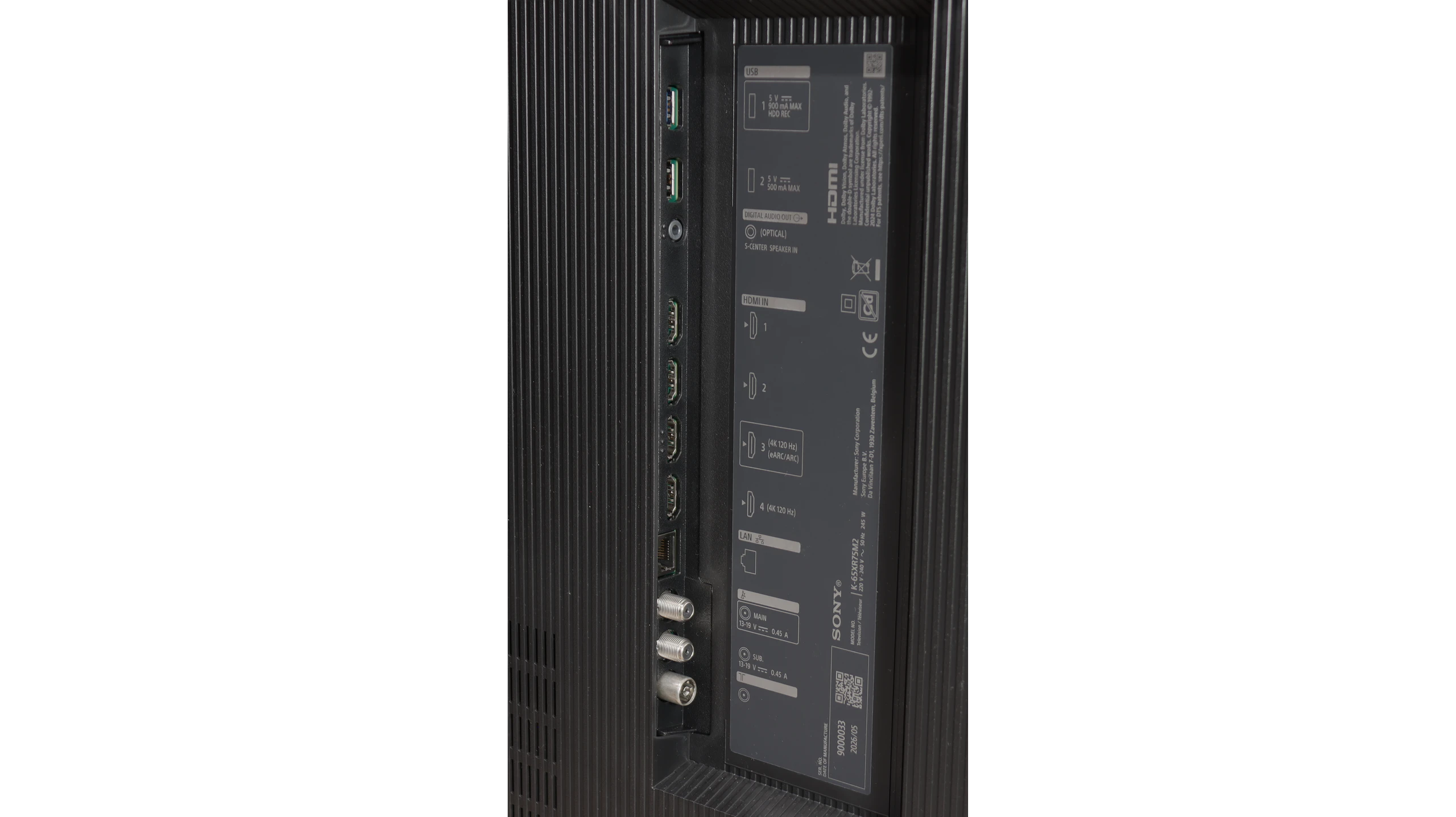
Sony Bravia 7 II is a TV that shows RGB Mini-LED doesn't have to be reserved only for the wealthiest buyers. And although in a few places it’s clear it sits below the Bravia 9 II, in everyday use it doesn't feel like a heavily stripped-down model. The biggest thing here is the combination of very good black levels, high brightness and Sony's excellent algorithms. That makes the picture dramatic, while still staying true to how a movie should look. HDR is particularly strong, with the Bravia able to deliver a lot of brightness without losing detail. The True RGB backlight also has its advantages. It gives the TV a wide colour gamut and improves viewing angles, which for a VA panel are really good. That doesn't mean RGB Mini-LED suddenly solves all the limitations of LCD TVs. You can still see haloing around small bright objects, and the backlight's colour capabilities aren't used fully in every scene. Even so, Sony manages all of this very well, and the way it controls the image is one of the Bravia 7 II's biggest strengths. Image processing remains a major advantage over many rivals. Upscaling, smoothing weaker tonal transitions and HDR mapping are among this model's strengths. Add Google TV, decent kit, very low input lag and a practically complete set of gaming features. But there are things that are hard to understand in a TV of this class. The most annoying is the presence of only two HDMI 2.1 ports, one of which doubles as eARC. Sony also sticks with 120 Hz, while competitors increasingly offer 144, 165 or 180 Hz. In the end, the Bravia 7 II mainly stands as a very complete TV. It doesn't try to win on a specs sheet and in some areas the competition will offer more. Sony makes up for that where specs don't tell the whole story, with image processing, very good HDR tuning, backlight control and overall picture quality for movies. That's what makes the Bravia 7 II one of the more interesting Mini-LEDs of 2026, especially for people after a bright, versatile TV for movies, TV, sport and gaming, but who don't necessarily want to go for an OLED.
 Direct comparison