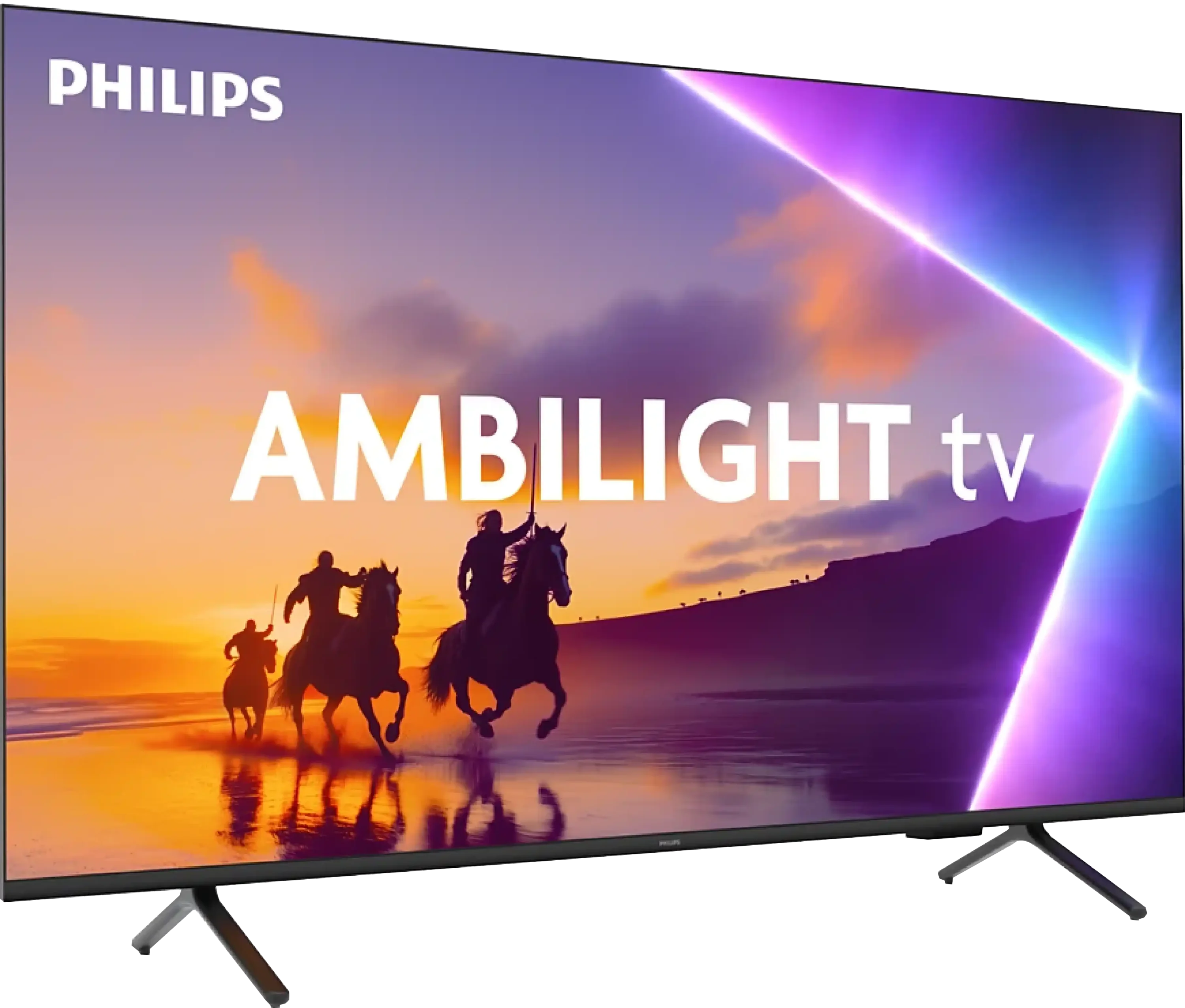
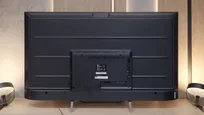
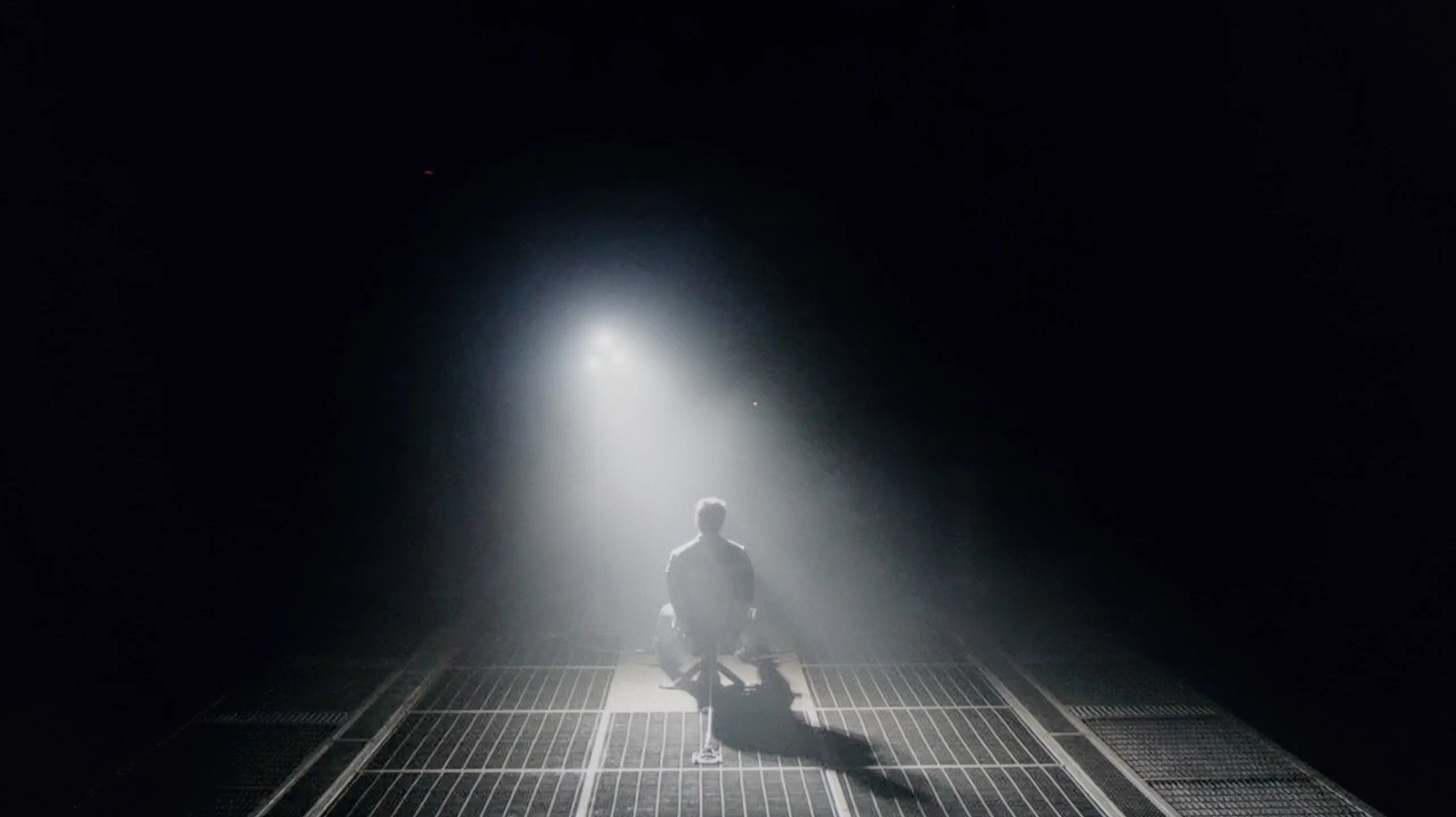
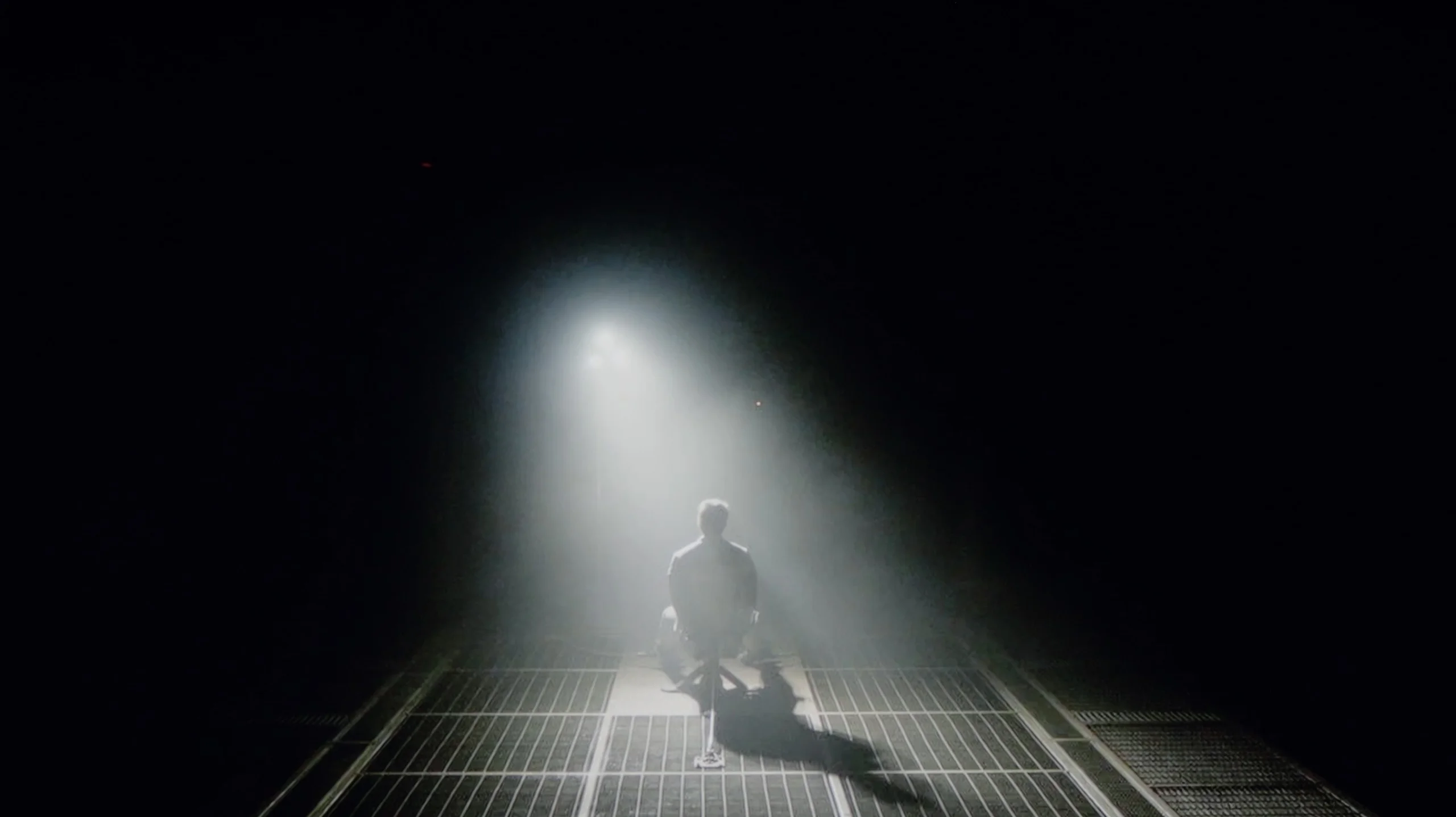
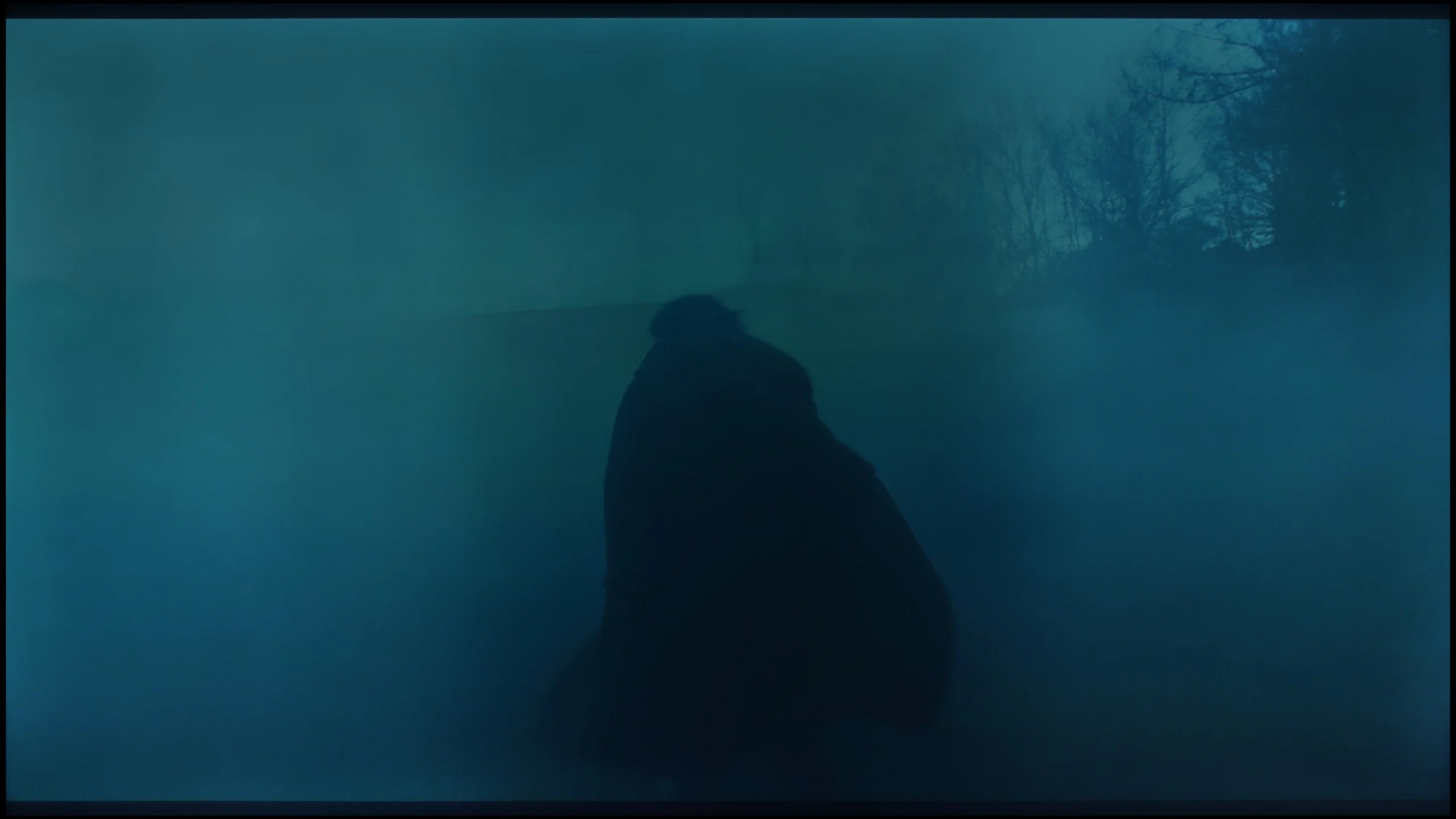
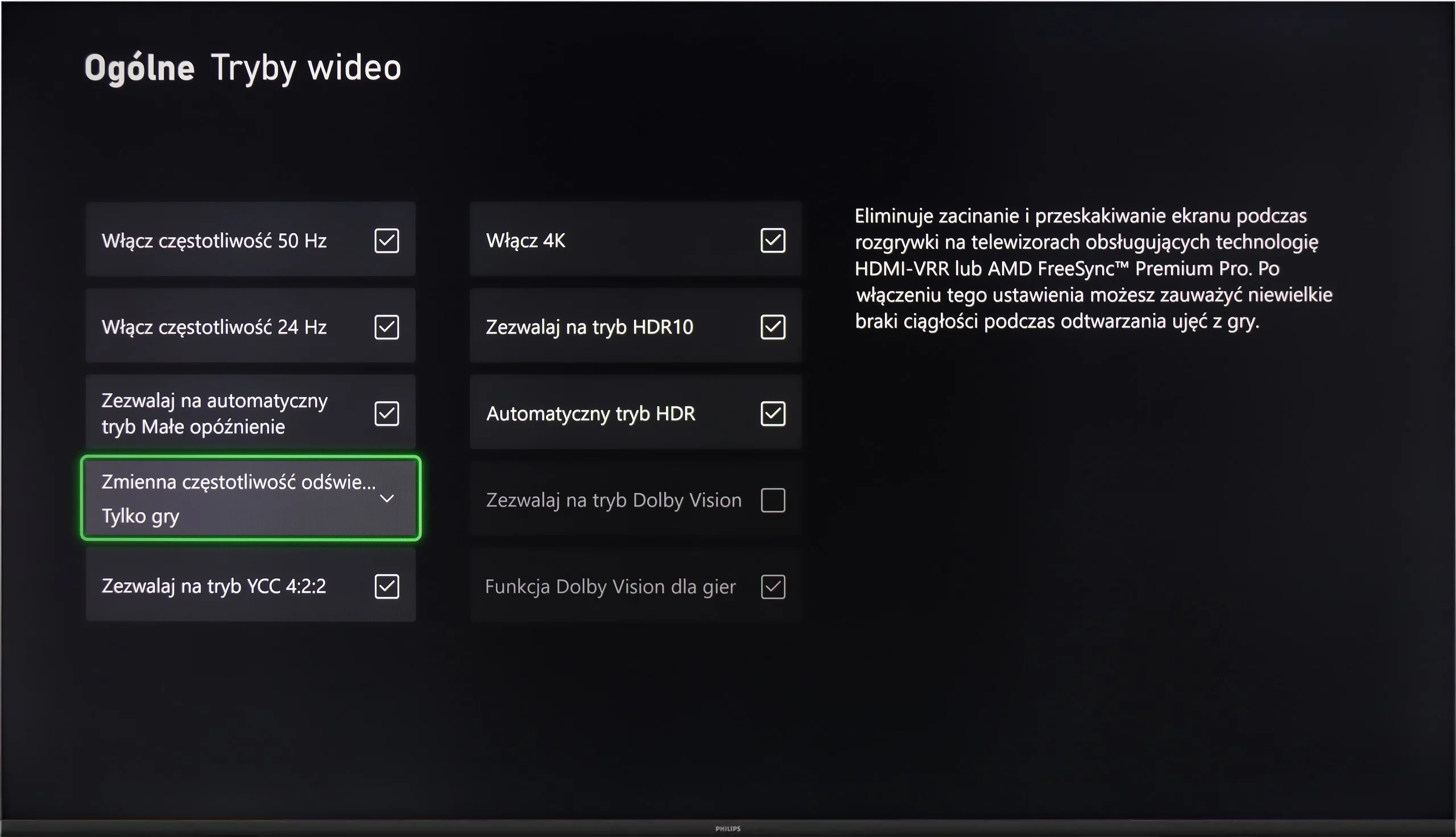
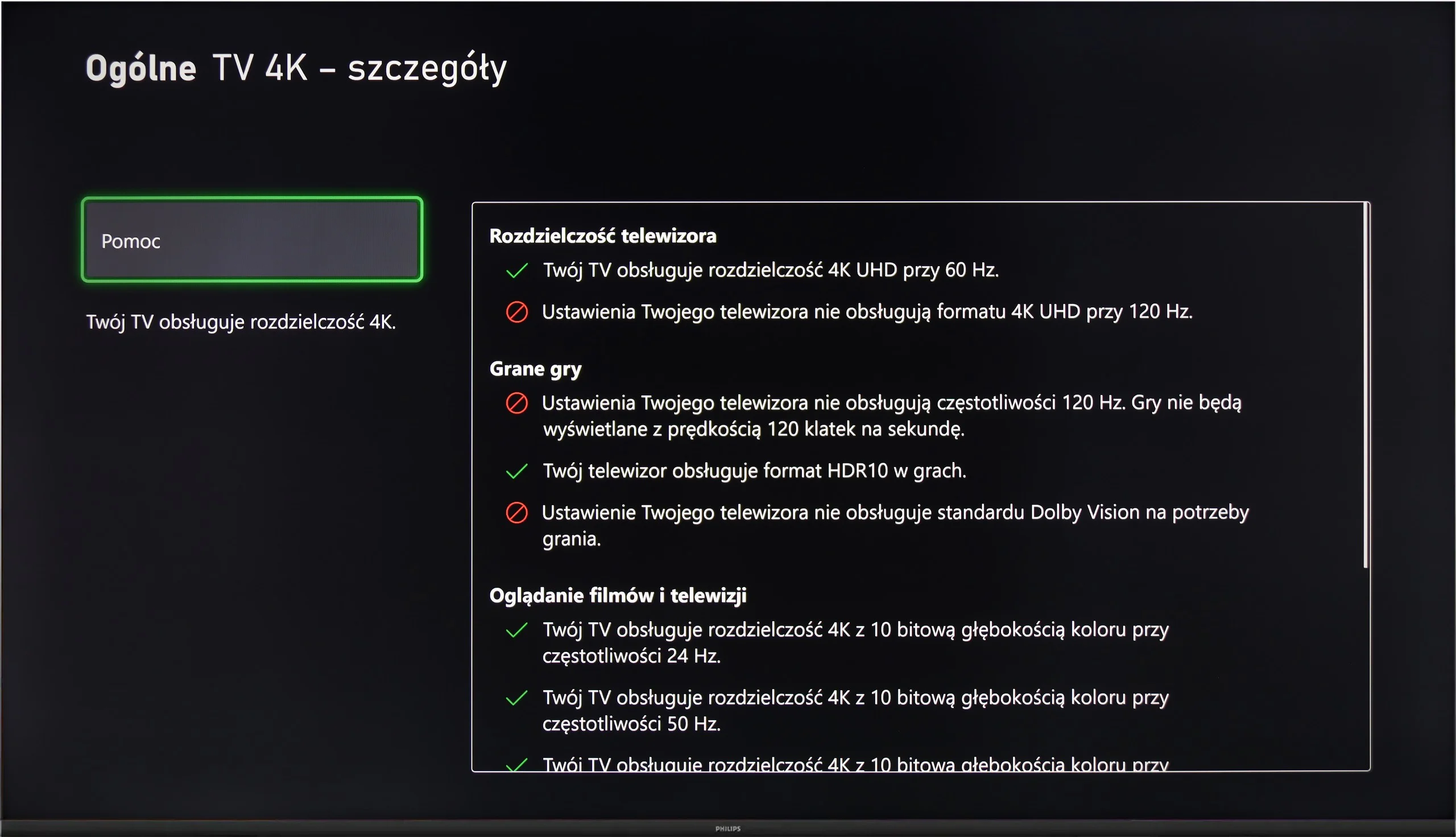
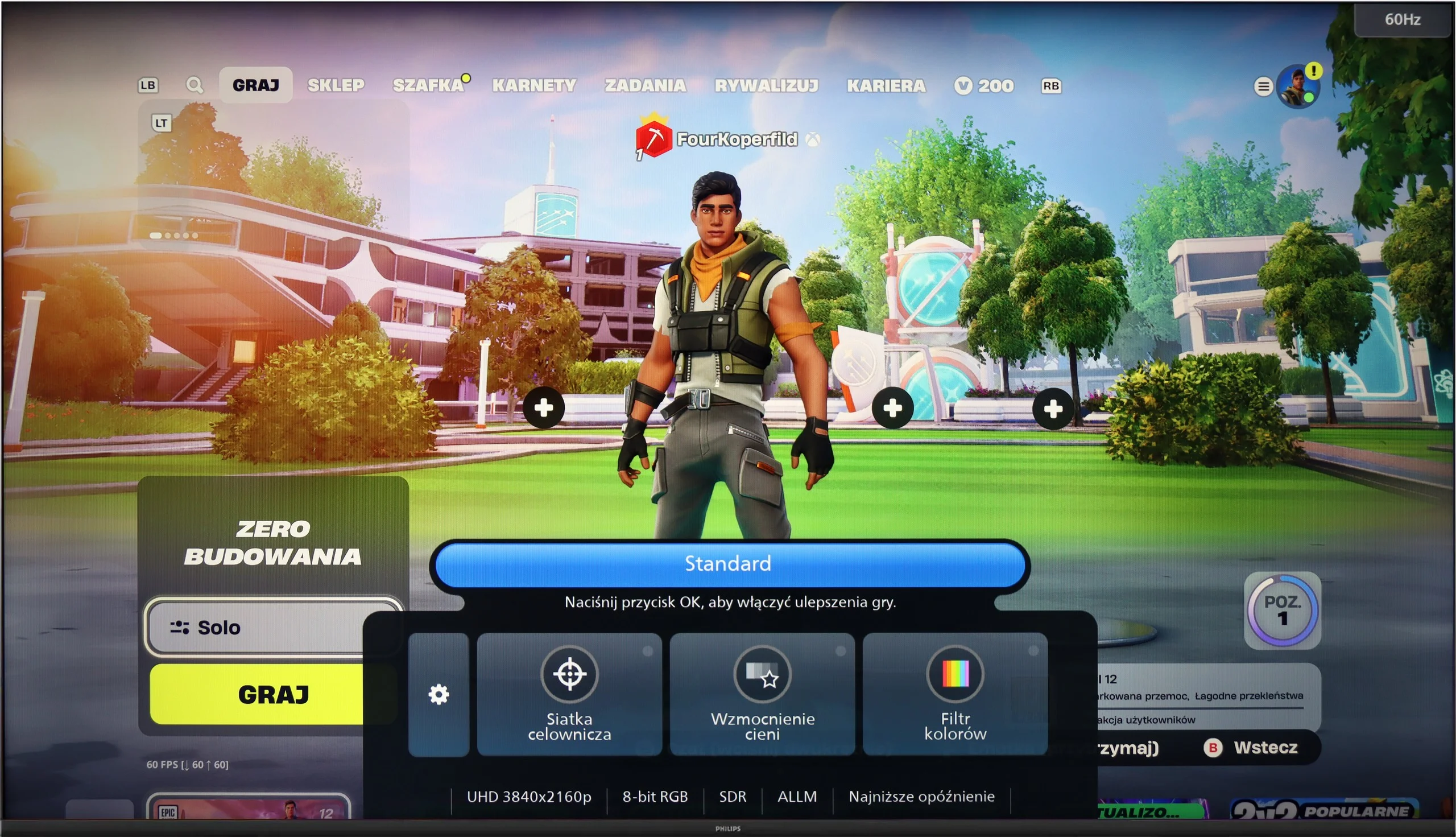
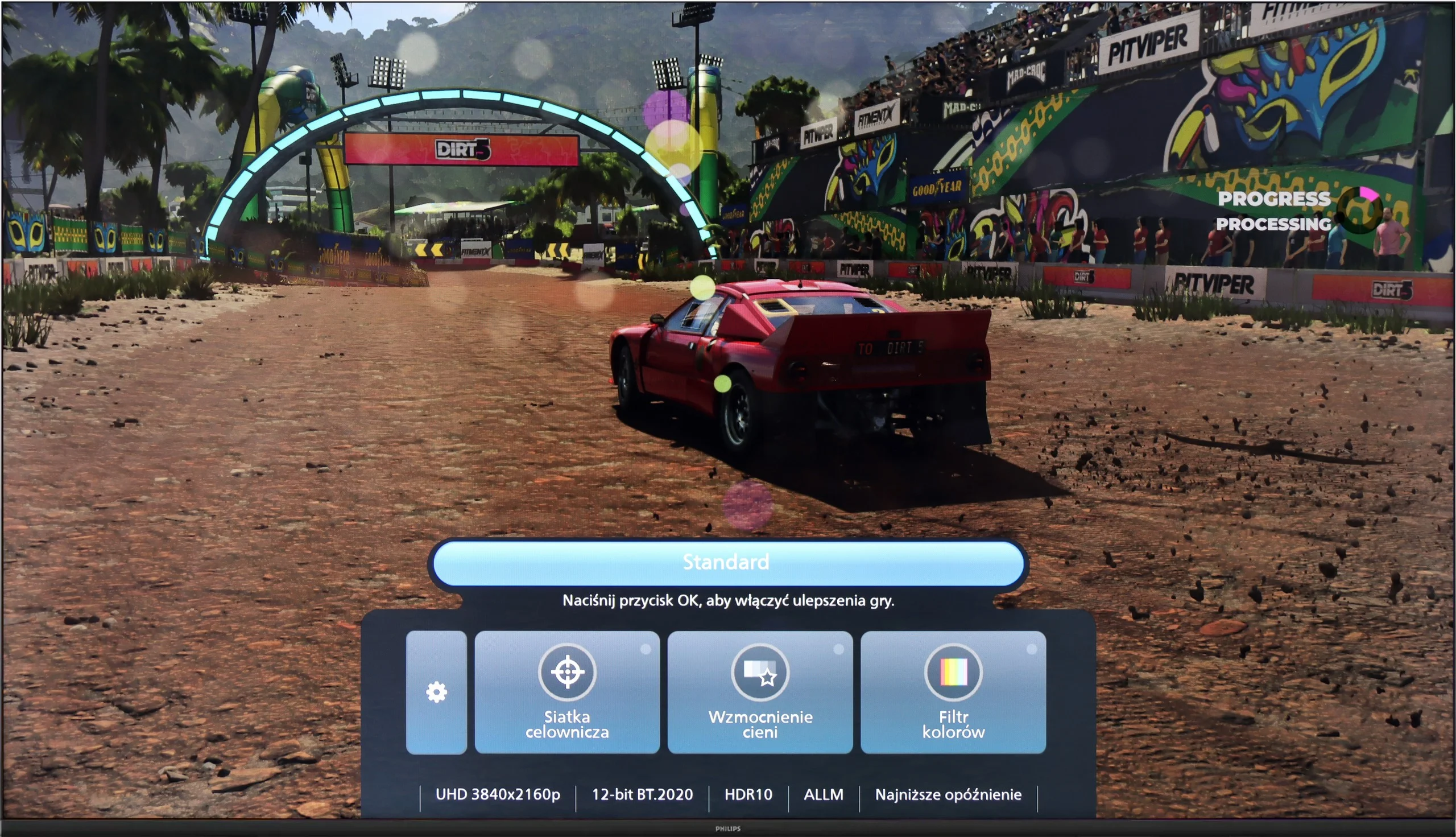
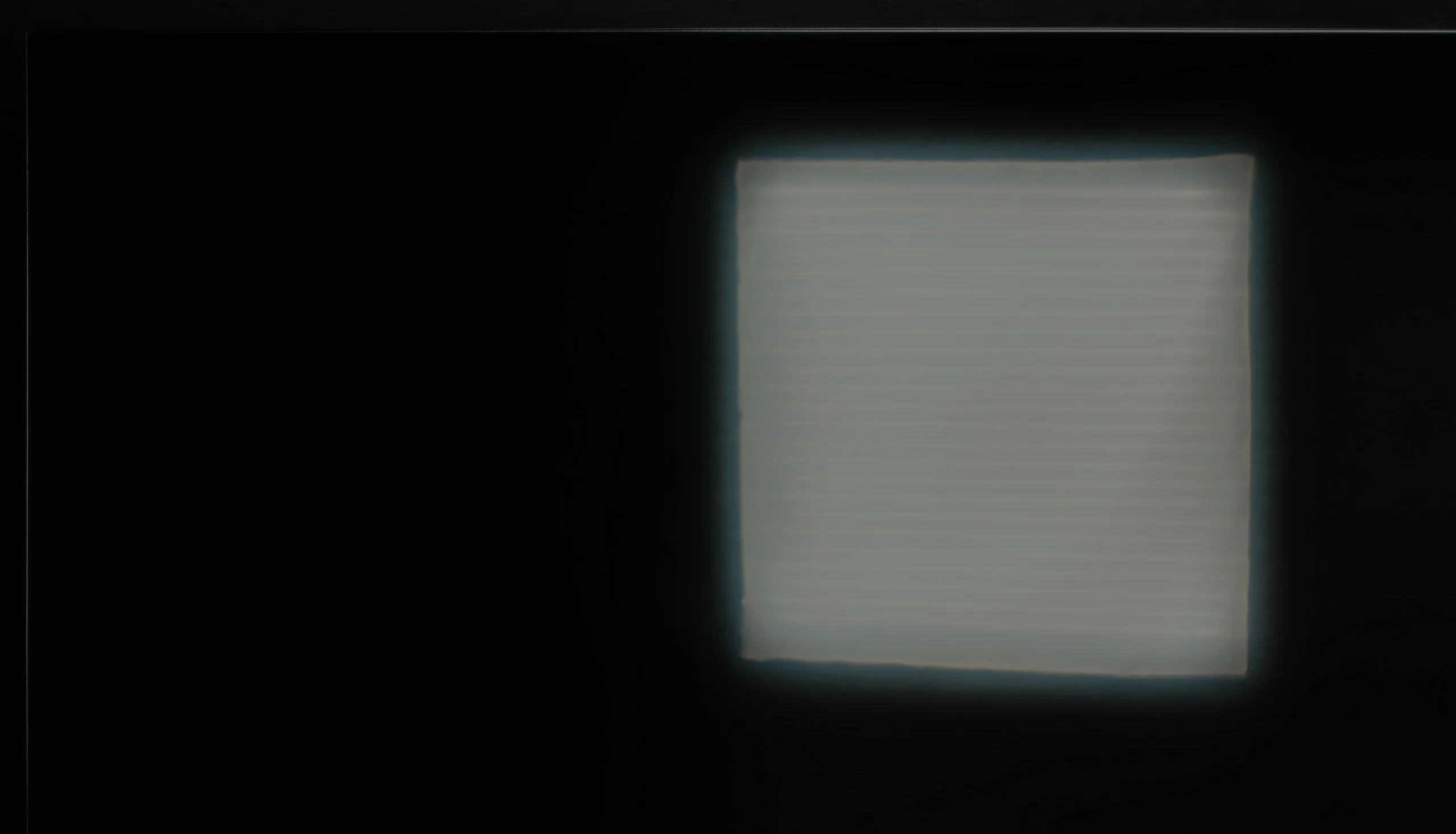
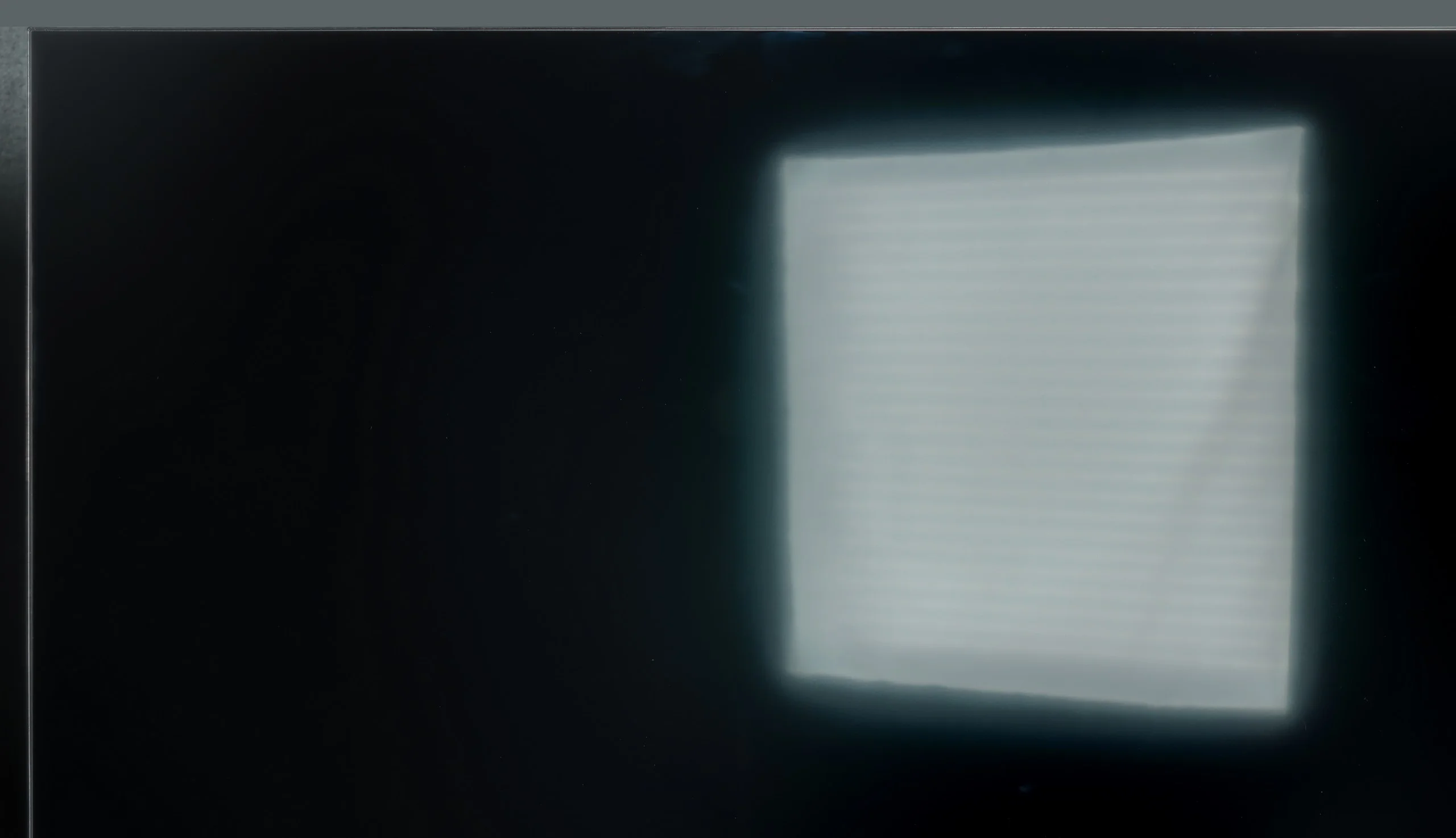
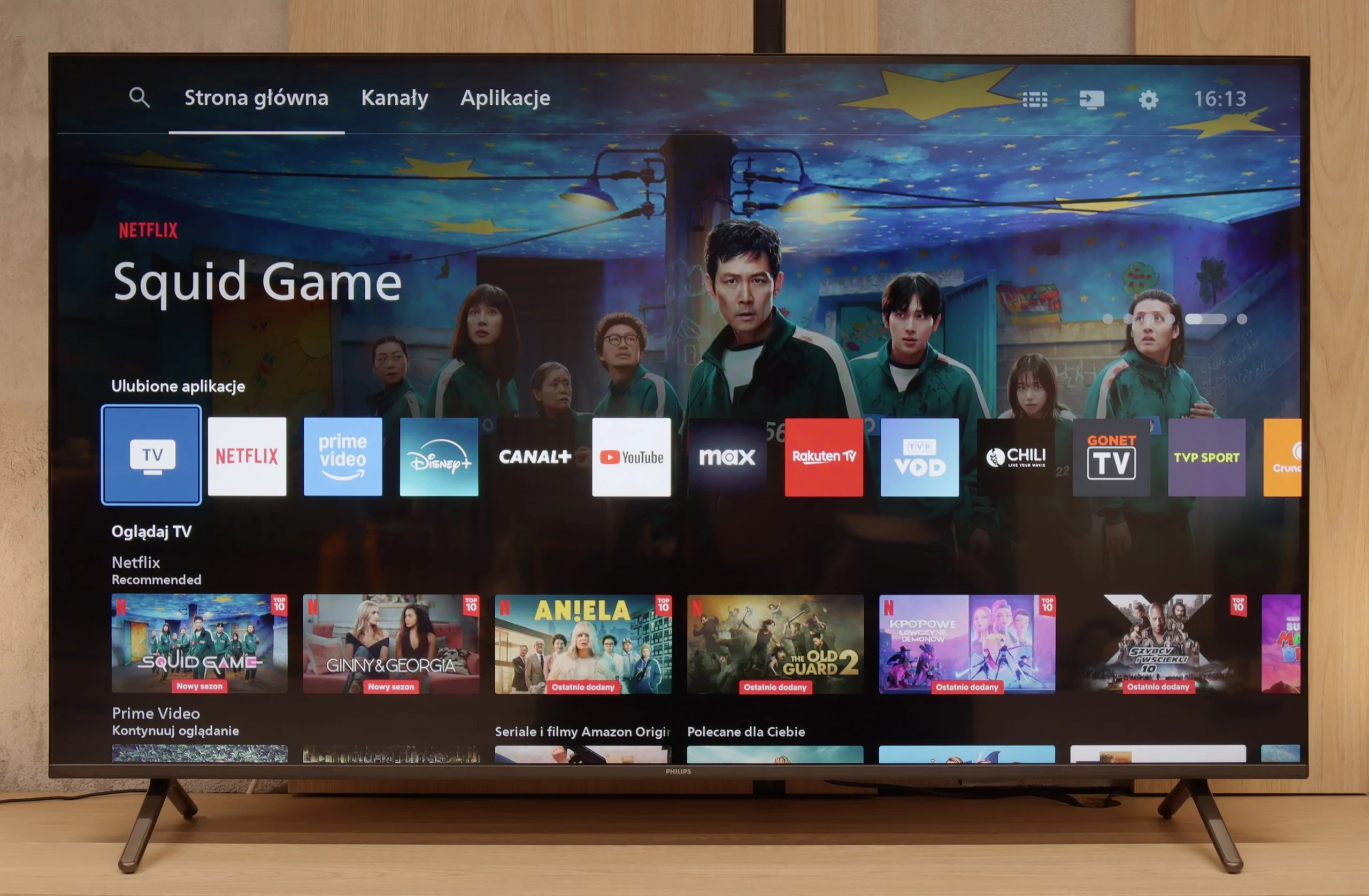
Ambilight because that's exactly where we need to start, it's the biggest reason to buy the PUS8500. The three-sided backlighting on the TV looks fantastic, especially in the evening. It creates atmosphere, masks contrast imperfections, and makes viewing simply more enjoyable. Even if the black isn’t perfect here, at high contrast the native VA panel is just good. On top of that, there’s really decent input lag and several gaming features like ALLM and VRR. Although there’s no HDMI 2.1 or 120Hz panel, casual gaming should be a pleasure. Especially since it plays responsively and without delays. Let’s add full support for audio formats – it includes both Dolby Atmos and DTS, so soundbar owners also have something to be happy about.
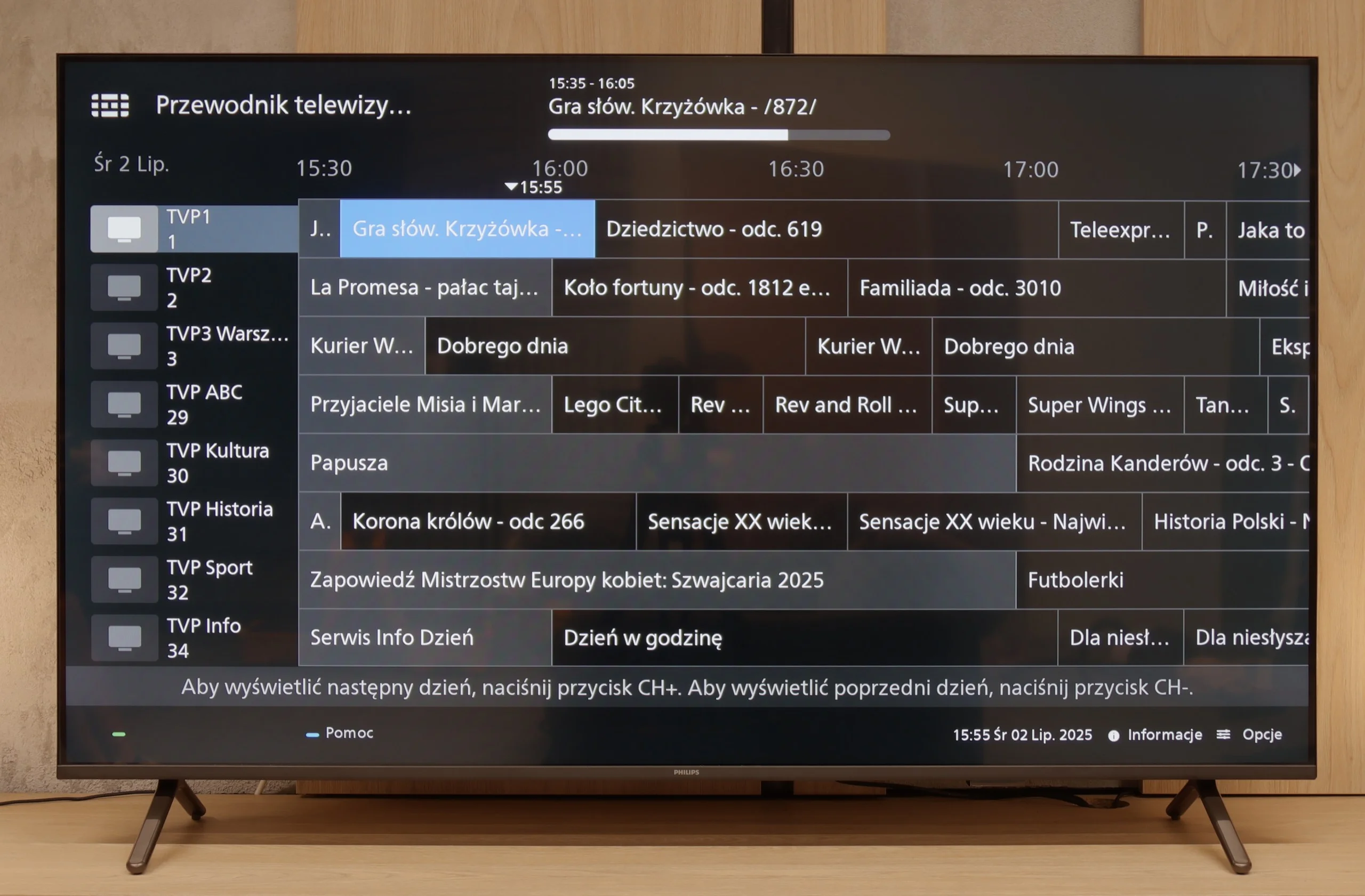
But let’s not kid ourselves – this is still a budget TV, and at times that’s quite obvious. Brightness is average – not so weak that you can't watch anything, but if you hit an exceptionally sunny day, watching under such conditions without blinds can be problematic. However, in our opinion, the biggest disappointment with the PUS8560 is the Titan OS operating system. Despite the fact that the system debuted some time ago, some things just didn’t work – for example, screen mirroring from a phone despite the manufacturer stating that this feature is present. There are fewer apps than the competition, and the system itself feels a bit clunky. Generally, it seems to do something already, but it clearly lacks refinement.
Of course, this isn’t a TV meant to compete with top models. But if someone is looking for something simple, with the cool atmosphere that the Ambilight system provides, it’s quite a fair proposition. You just need to know what to expect and accept the compromises, of which there are plenty here.
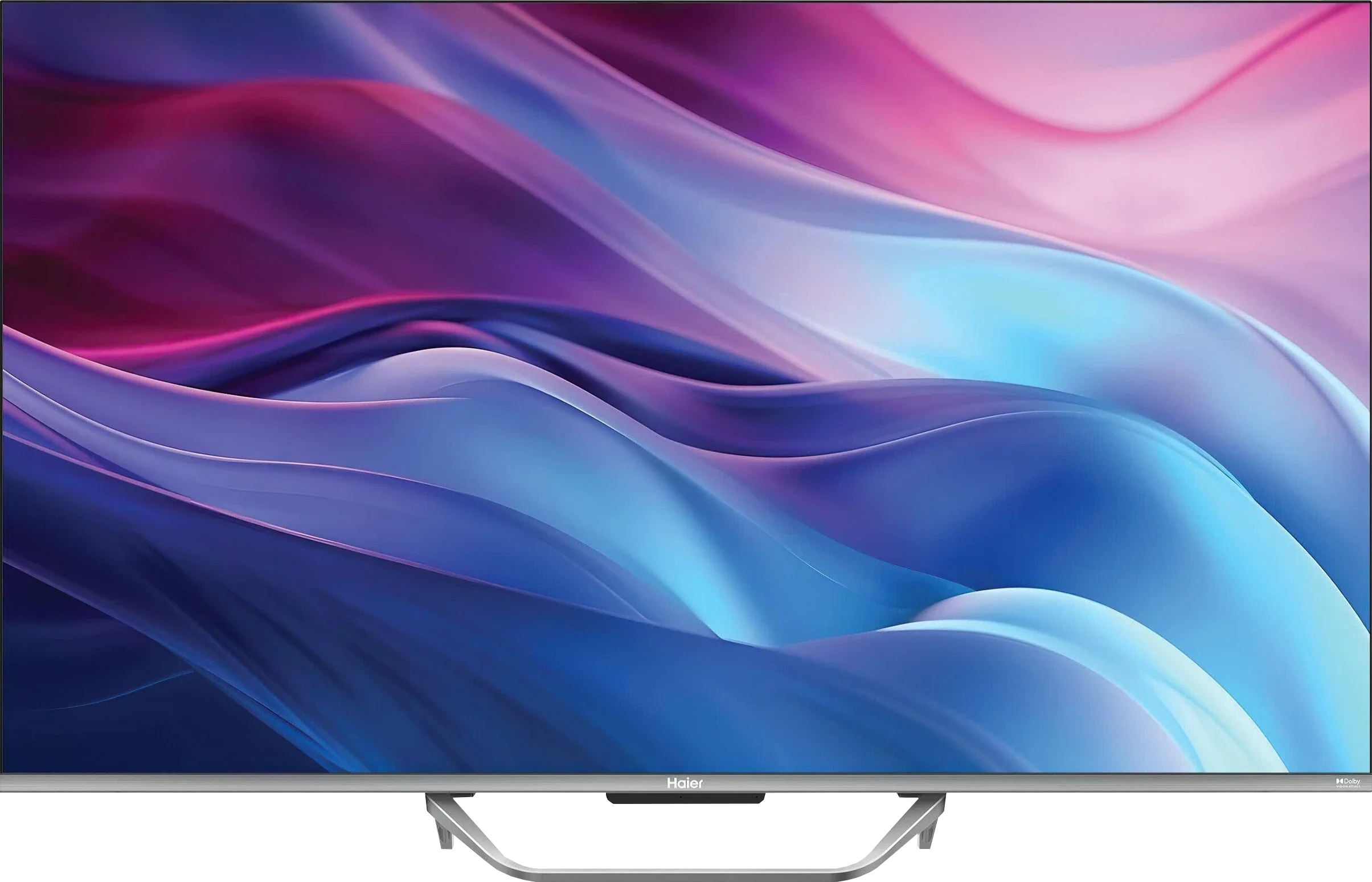
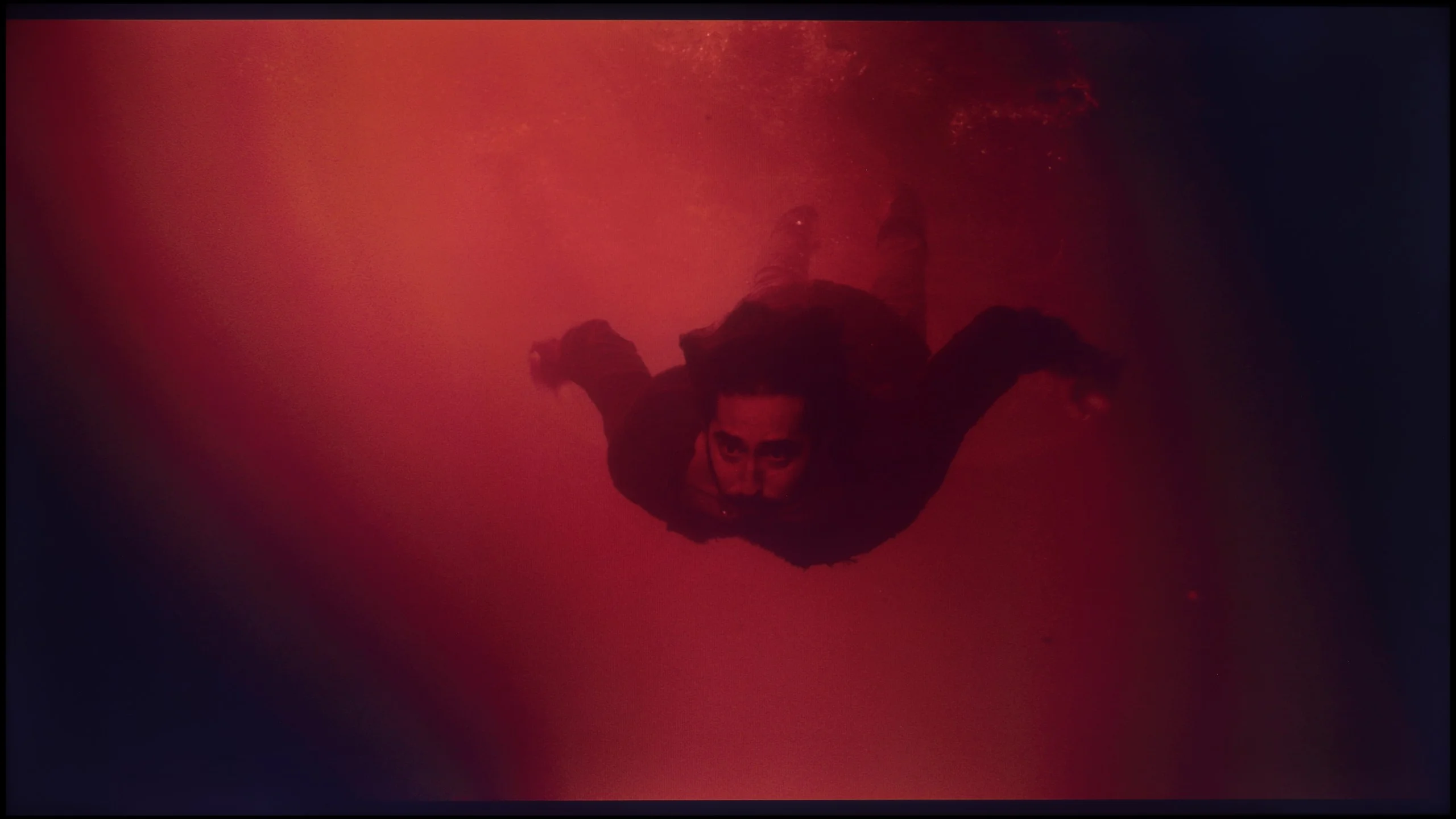
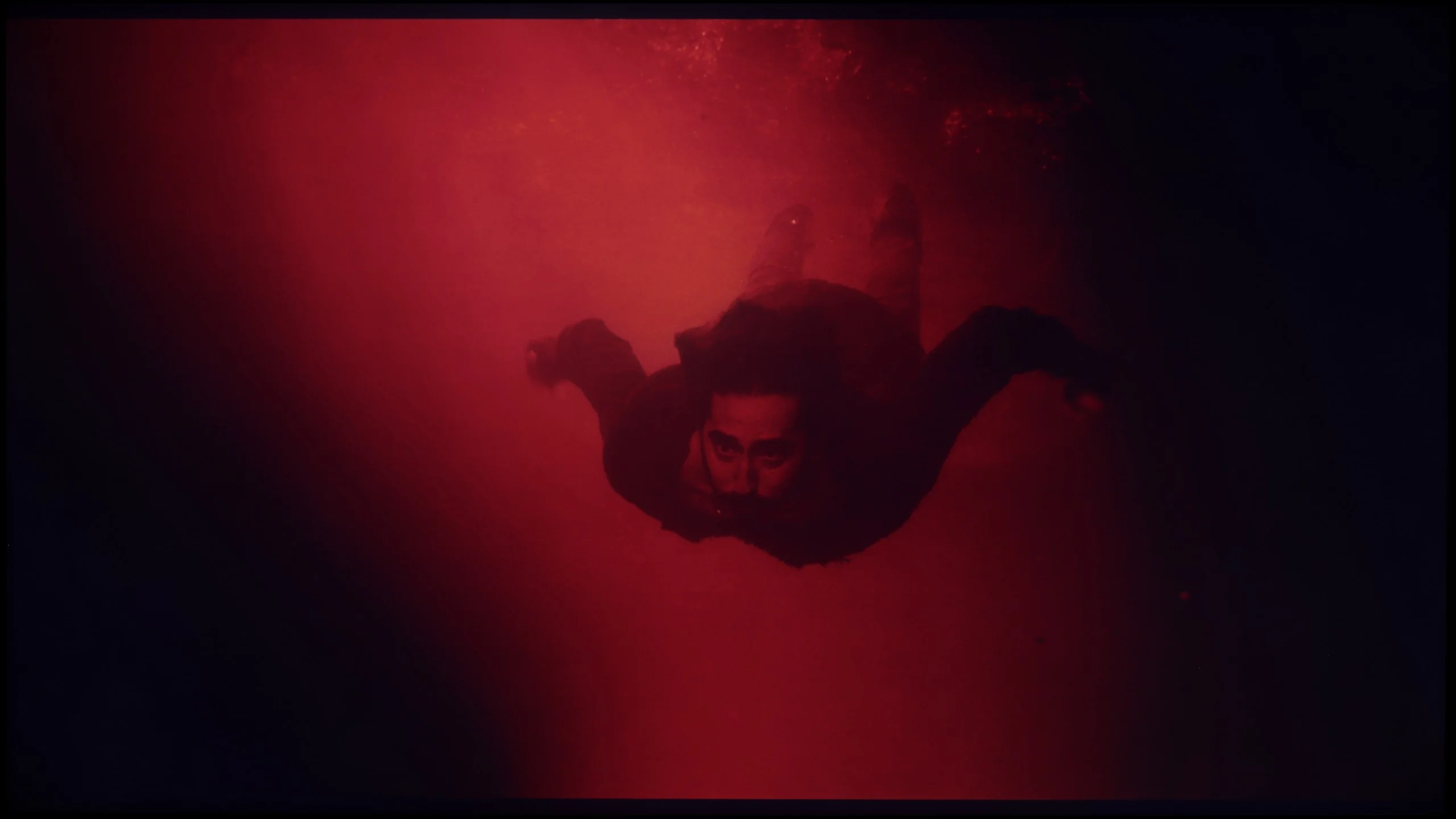
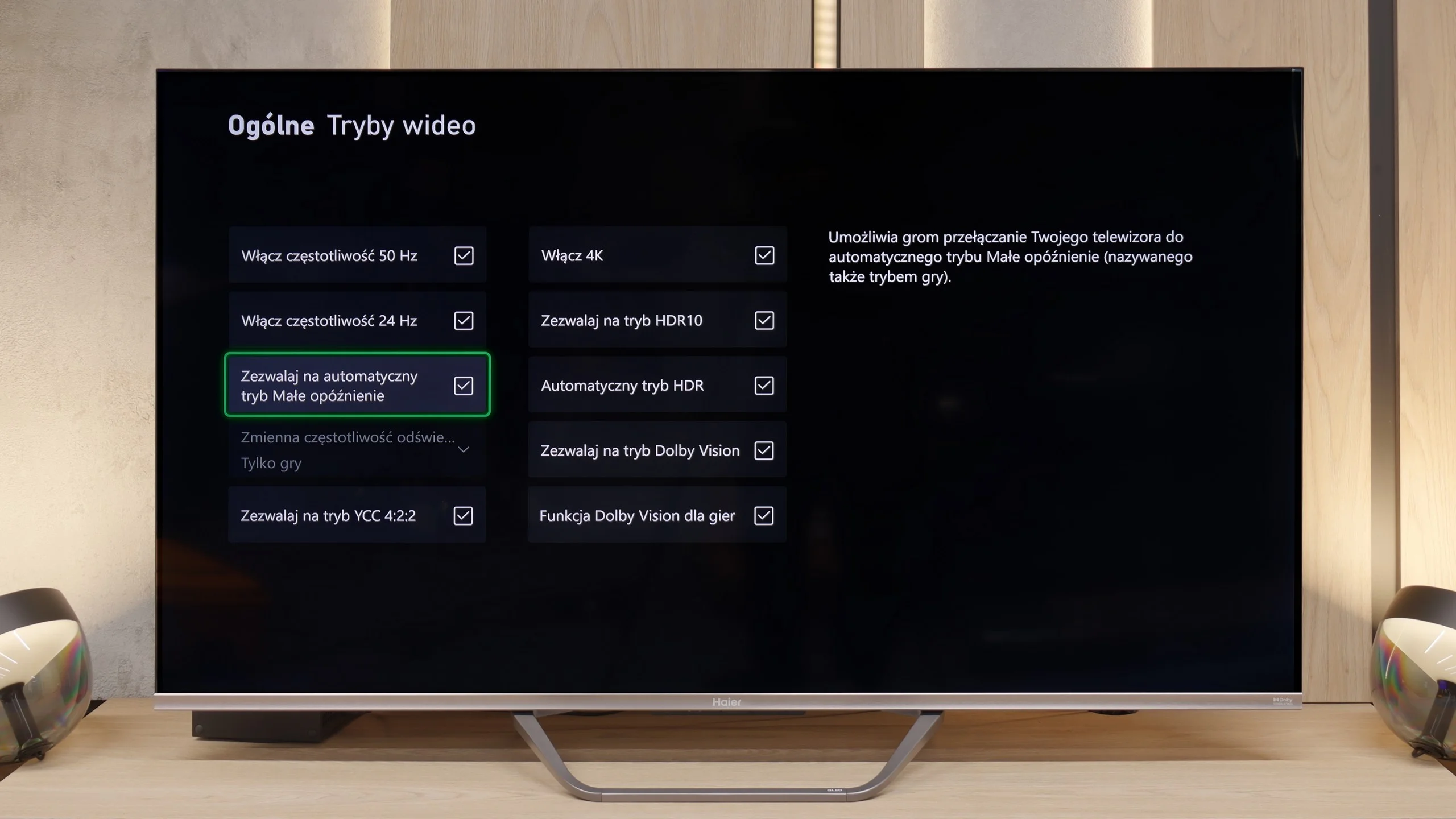
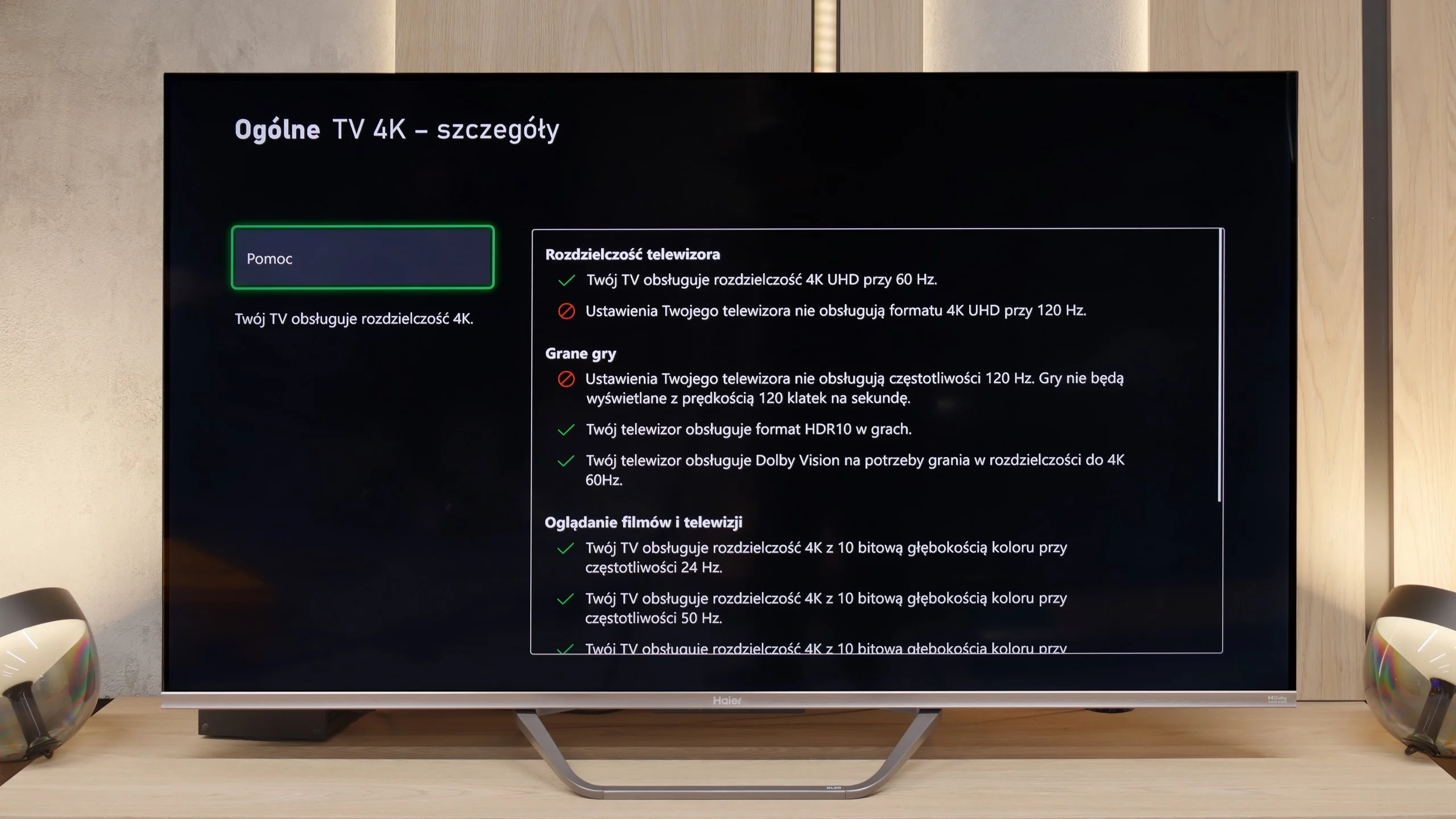
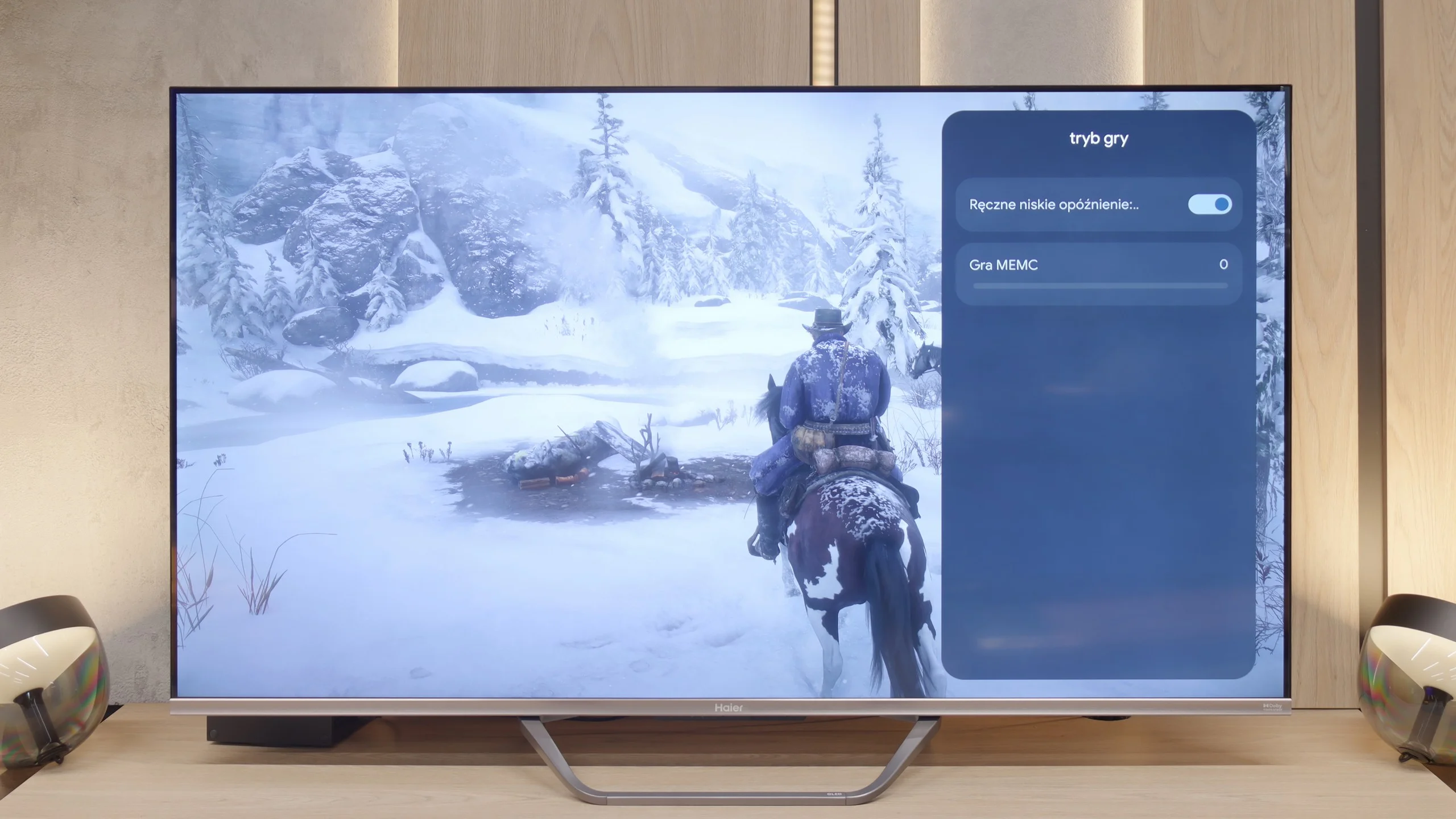
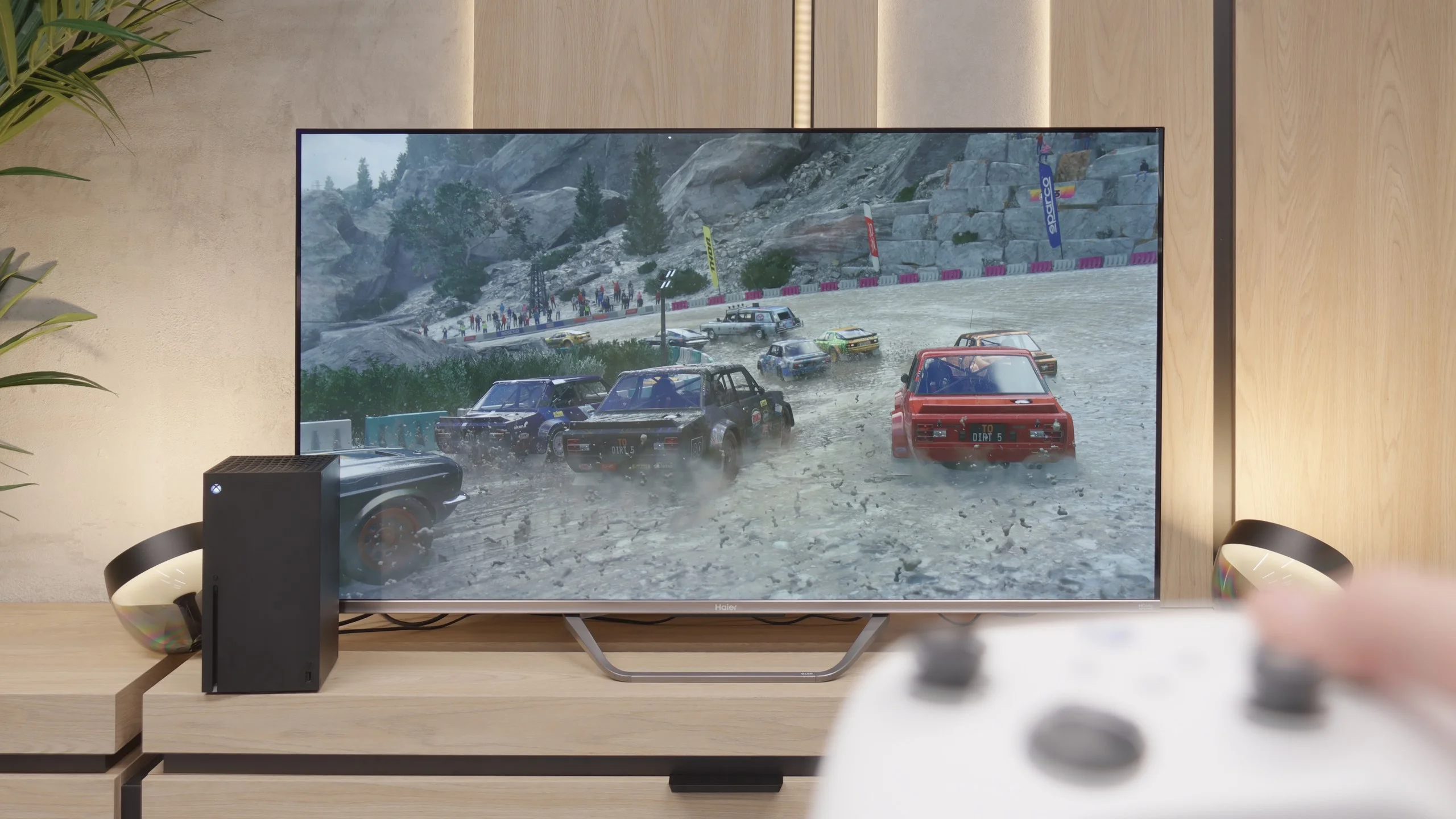
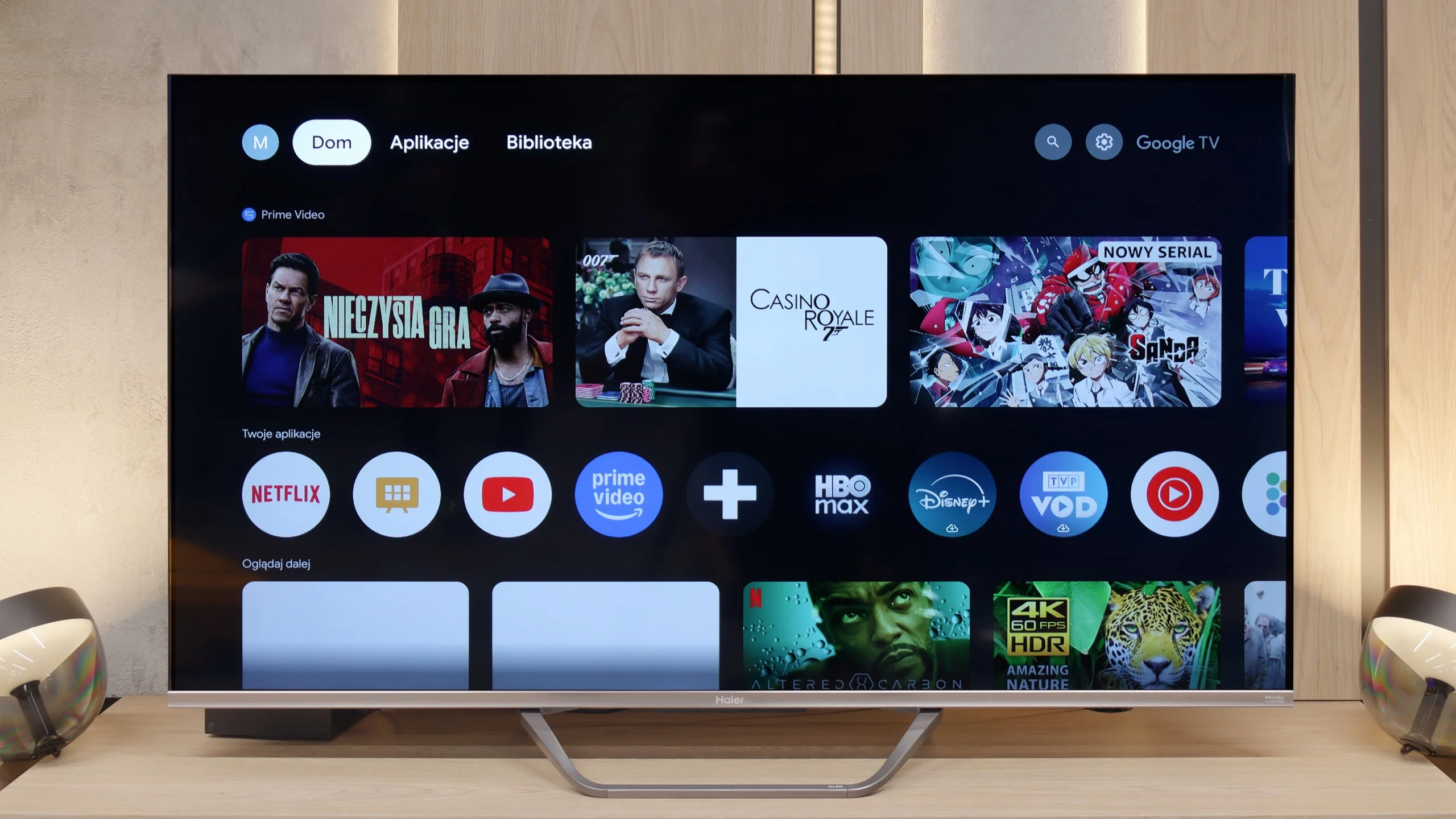
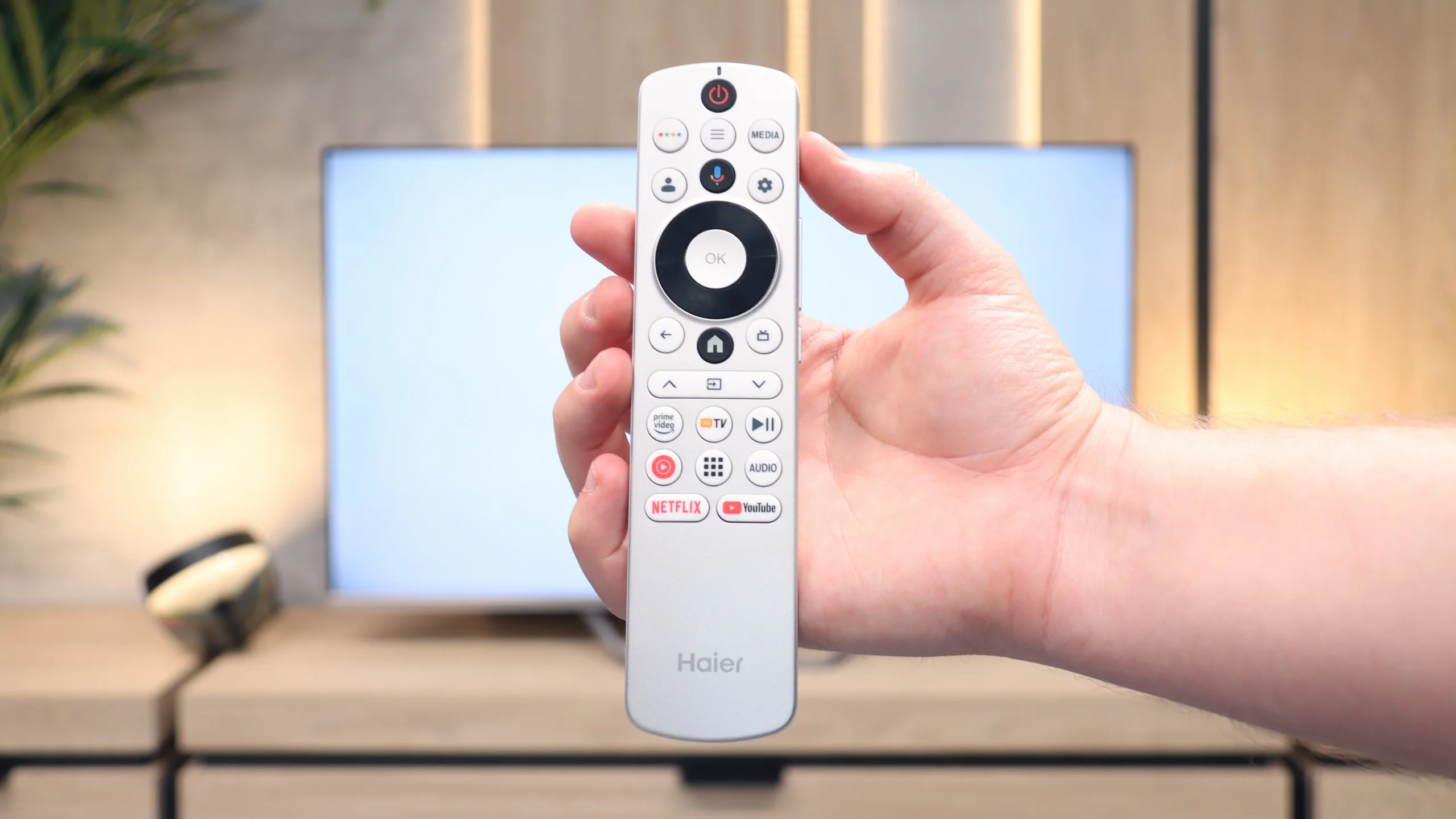
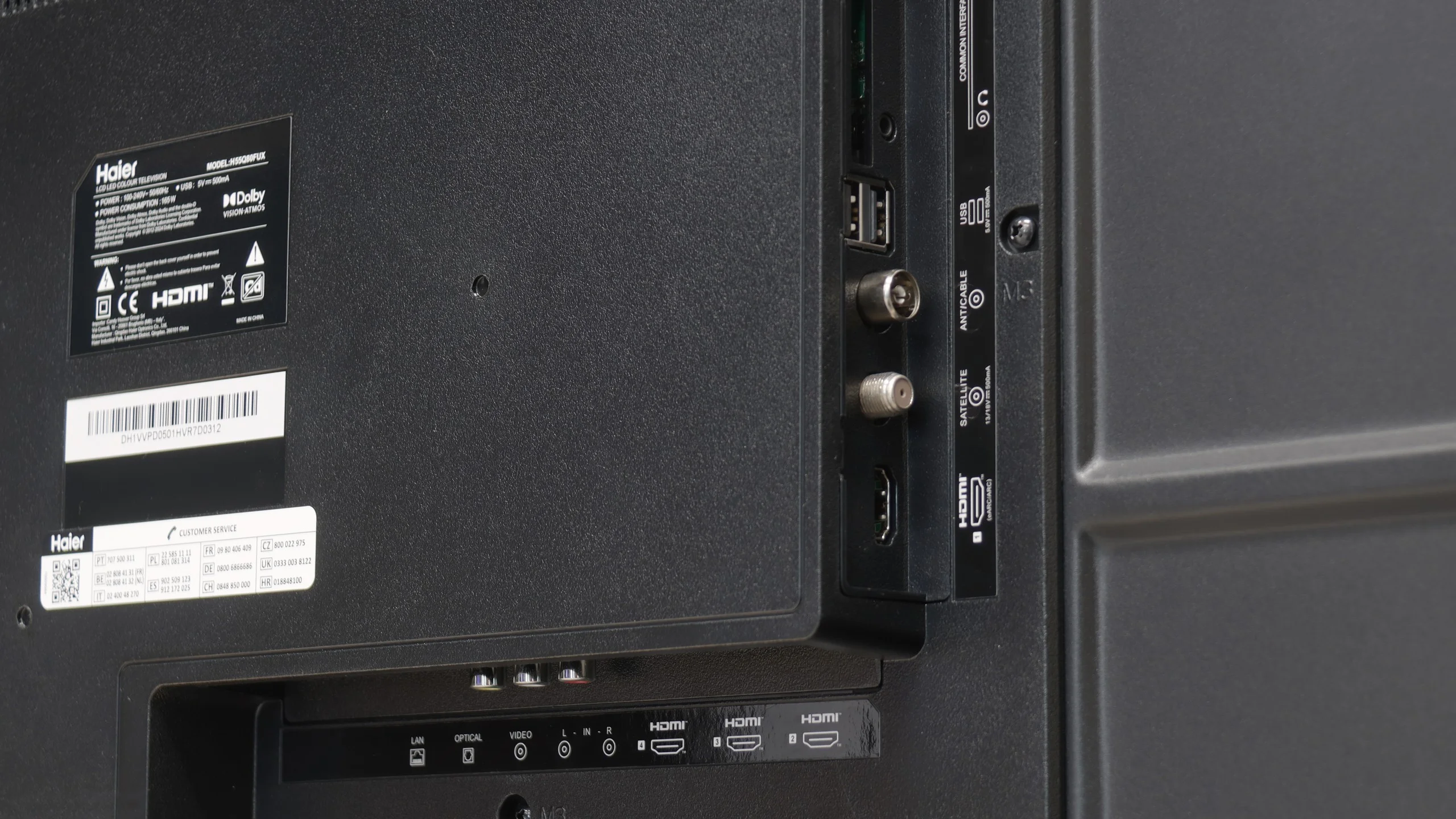
The Haier Q80FUX television is one of the most schizophrenic propositions we have had in our editorial office for a long time. On one hand, we have a solid piece of equipment: a VA panel guaranteeing deep blacks, as expected for this segment, and a QLED quantum filter that can indeed generate juicy, eye-catching colours. This is the foundation on which a truly competitive mid-range receiver could have been built. Unfortunately, all this potential of the matrix is systematically undermined by the software, which is a real anchor for this model. The biggest Achilles' heel of the Q80FUX is its total capitulation in dealing with HDR10 materials. The electronics seem to completely misunderstand how to interpret the signal, resulting in it consistently blowing out the brightest parts of the image, turning them into a flat, milky spot. Adding to this is the Google TV system, which – while functional – is unstable, full of bugs and annoying oversights, giving us an image of a raw product that clearly reveals the producer's lack of experience. Just when we were about to write this model off, we discovered its surprising niche. After connecting a console, the Q80FUX undergoes a transformation. It turns out that this television offers remarkably low input lag, fully supports VRR, and can handle a 120Hz signal in Full HD resolution. In the gaming world, where responsiveness is everything, these parameters put it in a very good light. So we are dealing with a device of very narrow specialization. It is not a universal living room television – it lacks stability and, above all, any correctness in handling films. It is rather a budget, large-format monitor for gamers, who can consciously forgive it all the software flaws in exchange for those few key attributes for console/PC at a relatively affordable price.
 Direct comparison