During the Panasonic Z95A tests, we felt like we were holding a television that deserves to be called one of the best on the market. When it comes to picture quality, it is absolutely fantastic! OLED with infinite contrast, perfect blacks, and incredible brightness makes watching movies a pure pleasure. The micro-lens technology (MLA) has really made a difference. Thanks to it, the picture has gained not only brightness, achieving a spectacular 1500 nits in HDR content, but viewing angles have also improved – which are already quite good in regular WOLED panels. As a result, every scene looked so realistic that we felt as if we were part of it. We also checked how it performed in various lighting conditions – it dazzled without exception in both dark and bright rooms. We also couldn't complain about the sound. The built-in soundbar with Dolby Atmos surprised us with its spaciousness and dynamics, which is usually lacking in speakers integrated with the television. It's really solid support for cinematic experiences. The Panasonic Z95A also does not disappoint gamers. We tried out its gaming features – support for ALLM, VRR, a 144 Hz panel, and playing in Dolby Vision at 120 Hz is something every avid gamer will appreciate. Additionally, there are practical extras, such as the ability to record onto an external drive and a PiP function, which make everyday use of the television more enjoyable. Of course, we also noticed some downsides. Amazon's Fire TV operating system, while better than in older models, still has its flaws. The lack of some popular apps, such as Player.pl or TVP VOD, and poorly executed translations in the interface can sometimes be irritating, especially in a television of this price range. The Panasonic Z95A is a television with a capital "P" for premium. It impresses with its picture quality, sound, and functionality. However, its high price may deter some, especially when there are devices on the market offering similar capabilities at a much lower price. If, however, the budget is not an issue, the Z95A is a television that delivers cinematic experiences at absolutely the highest level.
- Matching (Score) |
- Our verdict |
- TV appearance |
- Where to buy |
- Contrast and black detail |
- HDR effect quality |
- Factory color reproduction |
- Color reproduction after calibration |
- Smoothness of tonal transitions |
- Image scaling and smoothness of tonal transitions |
- Blur and motion smoothness |
- Console compatibility and gaming features |
- Input lag |
- Compatibility with PC |
- Viewing angles |
- Daytime performance |
- Panel details |
- TV features |
- Apps |
- Playing files from USB |
- Sound
Panasonic Z95A vs Samsung OLED S90F (QD-OLED)
 Direct comparison
Z95A
S90F / FAT / FAE

Available screen sizes: 65”
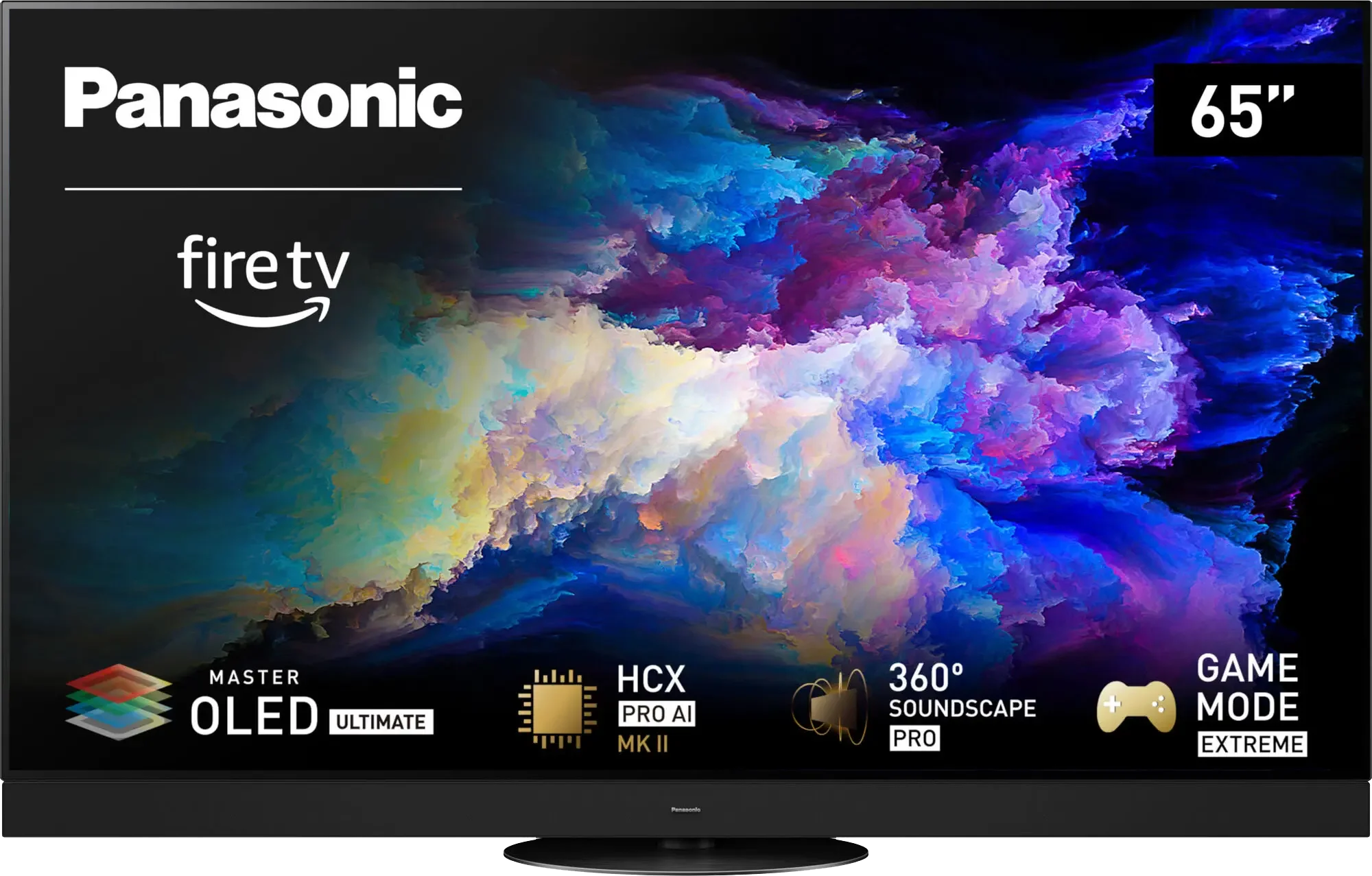
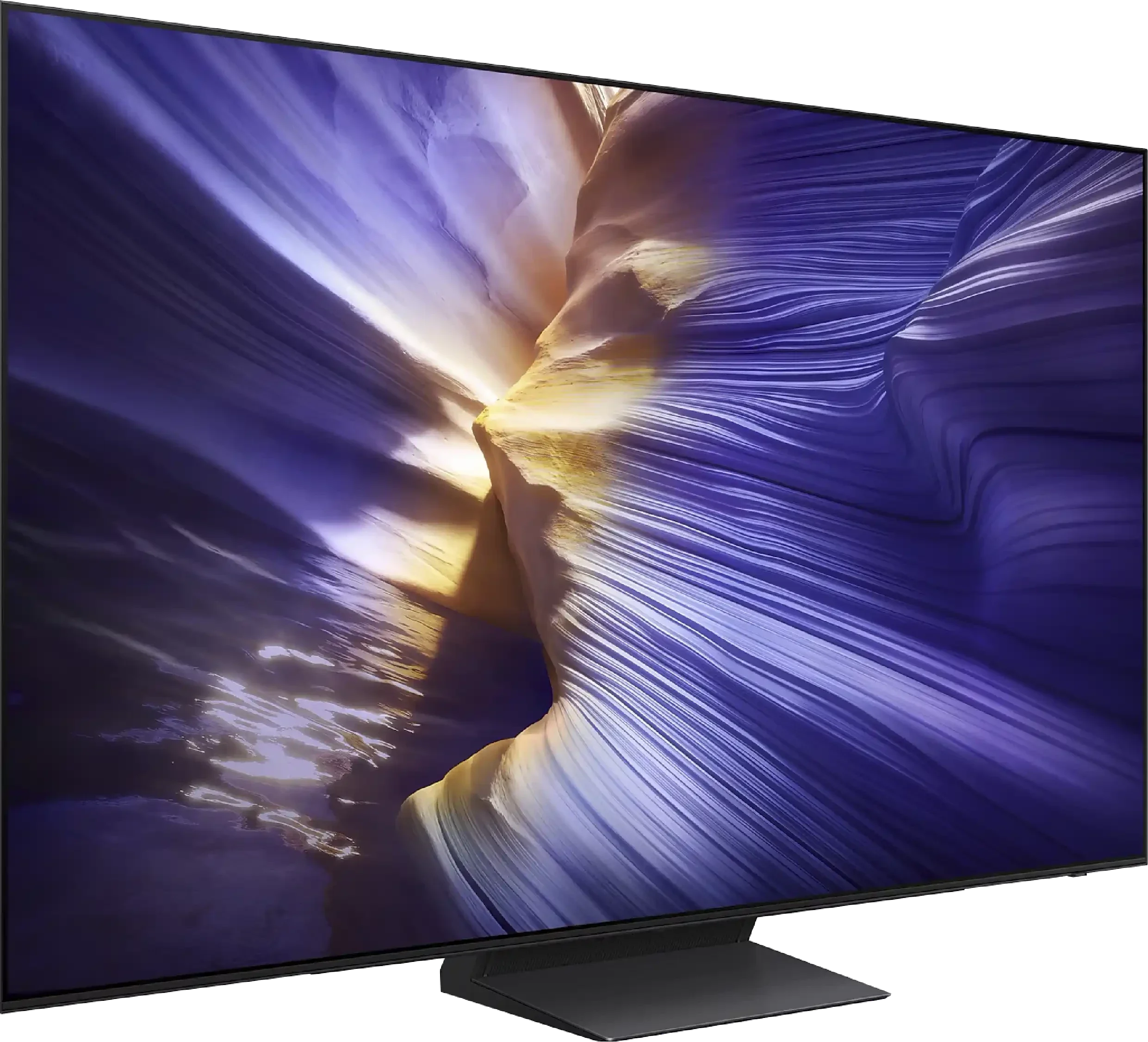
Panel type: WRGB OLED
Resolution: 3840x2160
System: Amazon FireTV
Model year: 2024
Complete the survey to find out the result
Panel type: QD-OLED
Resolution: 3840x2160
System: Tizen
Model year: 2025
Complete the survey to find out the result
Overall rating
8.3
8.4
 Movies and series in UHD quality
8.7
9.0
 Classic TV, YouTube
9.0
9.3
 Sports broadcasts (TV and apps)
8.9
8.9
 Gaming on console
9.6
9.8
 TV as a computer monitor
8.6
8.6
 Watching in bright light
6.2
5.7
 Utility functions
7.0
7.7
 Apps
6.1
9.3
 Sound quality
8.7
7.4
Complete the survey to find out what fits your preferences
Advantages

Great picture quality: Thanks to OLED technology with MLA, the image offers deep blacks and infinite contrast
Impressive HDR: Brightness of 1760 nits, support for Dolby Vision and HDR10+
Colour reproduction after calibration is truly reference quality
Excellent viewing angles
144 Hz and gaming features: Support for ALLM, VRR
Low input lag
Built-in soundbar with Dolby Atmos: Delivers spatial and dynamic sound
Support for user functions: USB recording, AirPlay, PiP and Miracast
QD-OLED panel with exceptional black levels and contrast
Very high brightness for an OLED in this segment (around 1700 nits)
Great HDR effect and wide colour gamut coverage thanks to the use of quantum dots
Perfect viewing angles – the picture looks great even from the side
Effectively reduces reflections in bright living rooms
Outstanding motion smoothness – OLED panel at 144Hz
Complete set for gamers: HDMI 2.1, ALLM, VRR, Game Bar, low input lag
Intuitive and fast Tizen system with a large app base
Good sound quality for a TV + support for Dolby Atmos
High build quality and slim design
Disadvantages

In very bright daylight, black can take on a navy tint (characteristic of QD-OLED panels)
No support for DTS:X (a problem for Blu-ray disc fans)
No USB recording functionality from built-in tuners
Why can't we find such a panel in all sizes?!
Our verdict
The Samsung S90F in the 65-inch version is a television that demonstrates the significant quality leap that can come from using a QD-OLED panel in a mid-range model. Compared to other variants, the S90F stands out as the best – it offers not only perfect blacks and infinite contrast like other versions with WOLED panels, but also noticeably higher brightness and a wider colour gamut. This translates to more impressive HDR, deeper colours, and smoother tonal transitions, making a strong impression in both cinematic productions and in gaming or sports. In everyday use, this television is incredibly versatile: it seamlessly takes on the role of an entertainment centre in the living room, a large monitor for PC gamers, or simply a screen for evening movie sessions. The Tizen system operates instantaneously, providing a wide selection of applications and integration with SmartThings, which will please those who enjoy having a smart home under control. Gamers receive a full set of modern solutions: four full HDMI 2.1 ports, VRR, ALLM, Game Bar with additional enhancements and, most importantly, remarkably low input lag. Moreover, the characteristic pixel response speed of OLEDs ensures that sports and games look absolutely stunning. The S90F also impresses in terms of design: slim bezels, aesthetic finishing and a panel that looks like a glass sheet do their job. The only significant limitation to keep in mind is the retention of blacks in difficult, heavily sunlit conditions. In such situations, it can slightly “heat up,” resembling a dark cherry colour rather than true black. However, in the evening, when most of us settle down for movies or series – the problem disappears entirely. It is then that the S90F showcases its full potential, delivering an image that can confidently be compared to televisions twice its price. That’s why the Samsung S90F in the 65-inch version can be called the most cost-effective OLED of 2025. It’s a model that combines outstanding picture quality, versatility, and an affordable price point in the upper mid-range segment. If you’re looking for a television that performs well in movies, gaming, sports, and everyday viewing, while not wanting to spend a fortune on top-tier models – it’s hard to find a better choice today.
TV appearance
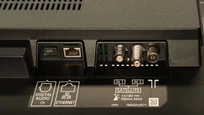
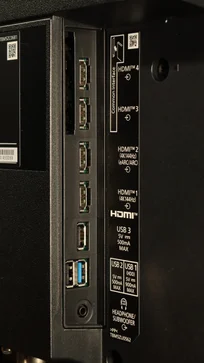


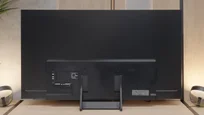

Contrast and black detail
10/10
10/10
Contrast:


Result
∞:1

Result
∞:1

Result
∞:1

Result
∞:1

Result
∞:1
Result
∞:1
Result
∞:1
Result
∞:1
Result
∞:1
Result
∞:1
Halo effect and black detail visibility:
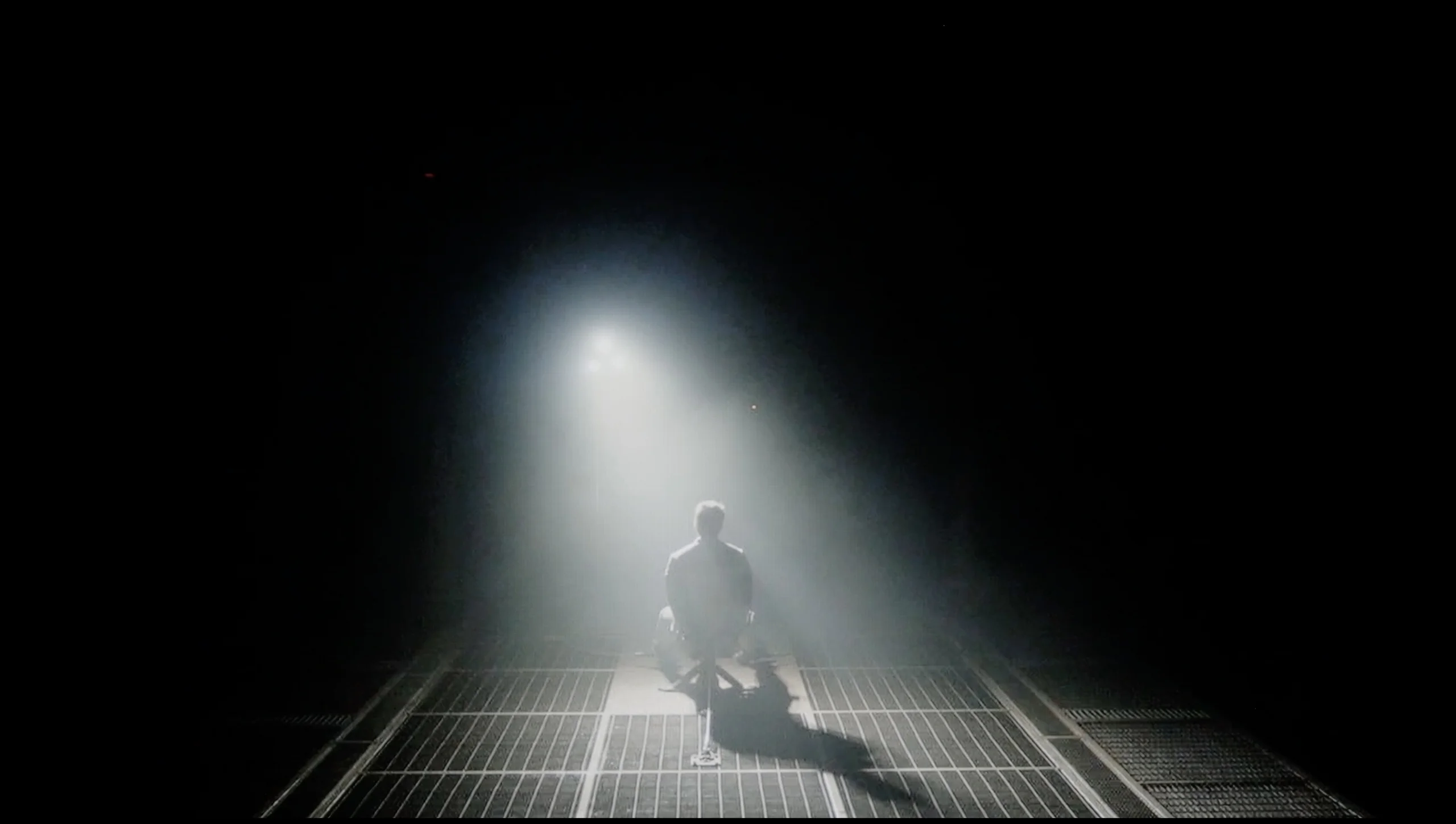
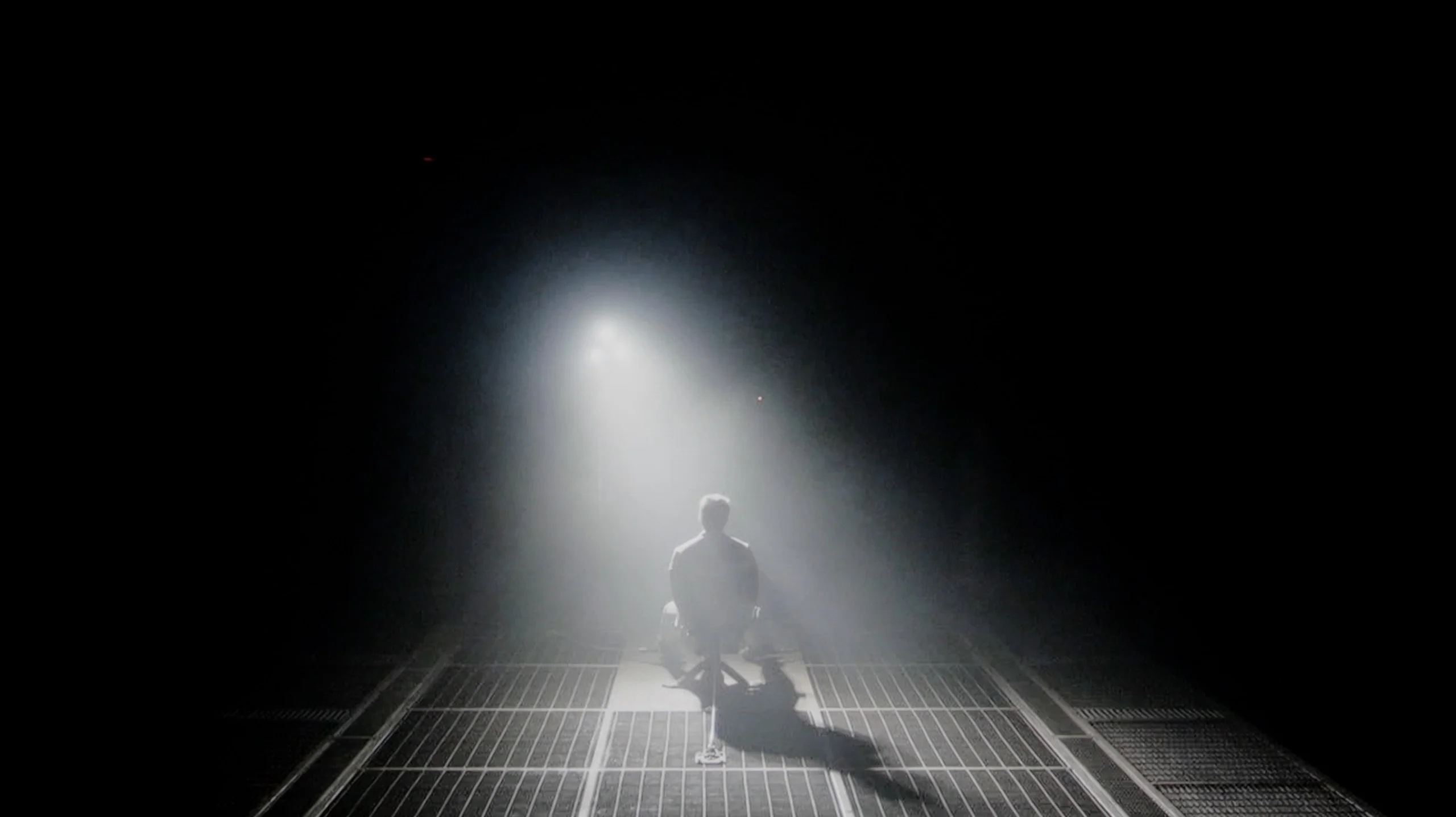
Check the visibility of bright lights on a dark background. Mini-LEDs often struggle with this. The photo does not compare black levels – that’s what the video below is for.
The video accurately shows differences in contrast and black levels between TVs, as well as potential issues: halo around bright objects or Mini-LED zone operation visible as brightness jumps.
The contrast and black levels in the television Panasonic Z95A are at a level that captures the attention of even the most discerning viewers. The Z95A, as befits an OLED, delivers outstanding performance in this area. In every test scene, the contrast is practically infinite, resulting in excellent image quality under real-world conditions. During the screening of the film Oblivion, you can see how light sources, such as lamps, fall on the actor, creating an incredibly realistic effect. The Z95A Panasonic reproduces these details in black with impressive precision, ensuring that even subtle differences in brightness and lighting are clear. This gives viewers a sense of depth and naturalness in the picture, which is hard to find in LED televisions that often offer various compromises.
In terms of black levels and contrast, the S90F makes no difference whether we choose the version with a WOLED panel or QD-OLED. In both cases, the effect in typical cinema conditions remains the same, and we can always count on perfect black levels. This impresses not only when watching movies but also ordinary TV shows. For someone who has never experienced an organic panel, the first encounter with such a television can be truly stunning. It makes no difference whether we are watching less demanding scenes, like those from the movie Oblivion, or segments where only a few details remain on screen, such as stars in the sky in the film Star Wars – in every case, the image remains clear, and details are perfectly separated from the background. This is one of the biggest advantages of OLED, as each pixel is controlled independently and functions like a separate zone. This means there's no need to worry about compromises in the visibility of details in bright areas, which can disappear even in the best LCD TVs. It is in cinematic conditions that the S90F shows its full potential and can truly amaze. Here, OLED technology – including the QD-OLED panel – performs flawlessly and delivers an effect that is hard to fault.
HDR effect quality
8.3/10
7.8/10
Luminance measurements in HDR:

Result
1667 nit

Result
1738 nit

Result
1792 nit

Result
1798 nit

Result
999 nit
Result
1416 nit
Result
1585 nit
Result
1449 nit
Result
1379 nit
Result
808 nit
Scene from the movie “Pan” (about 2800 nits)


Scene from the movie “Billy Lynn” (about 1100 nits)


The photos show two HDR10 movies. 'Pan' is one of the brightest productions ever made, while 'Billy Lynn' (soldier) has brightness typical of streaming (Netflix, Prime, HBO MAX). Notice the intensity of effects and detail in whites.
Static HDR10


The photos present the visibility of white details in various HDR formats. They do not show brightness differences between TVs (these can be compared in the previous gallery).
Dynamic: Dolby Vision
Dynamic: HDR10+


The photos present the visibility of white details in various HDR formats. They do not show brightness differences between TVs (these can be compared in the previous gallery).
HDR luminance chart:
Samsung OLED S90F (QD-OLED)
Panasonic Z95A
Luminance of RGB colors
Panasonic Z95A shows class when it comes to HDR performance. In luminance tests, it achieves a level of 1800 nits, which has a real impact on movie watching. Scenes from Life of Pi or Gemini Man look fantastic – the television effortlessly reproduces details and the intensity of bright spots, making a strong impression with its power. In more demanding moments, like the final scene from The Meg, you can see how bright light floods the screen. In such moments, brightness drops, which is typical for organic panels. Nevertheless, a result around 1000 nits can still be considered excellent, still providing very good picture quality. Additionally, the television offers great coverage of wide colour gamuts – up to 98.6% for DCI-P3 and 74.5% for BT.2020. This means that colours are not only vibrant but also deeply saturated, allowing full appreciation of the richness of details, especially in HDR scenes. Such coverage makes colours look more realistic, and the HDR effect gains intensity and accuracy. All this impressive HDR effect is thanks to MLA technology, which enables such high luminance and excellent image detail. With it, the Panasonic Z95A offers HDR at a level that truly makes a difference.
The biggest difference between the 65-inch S90F and the other versions is brightness. The QD-OLED panel can reach up to 1700 nits in laboratory tests, which is over 500 nits more than the version with a WOLED matrix. This translates to a significantly stronger and more immersive HDR effect. In most scenes, the bright parts of the image look stunning, and we must admit that we were positively surprised, as we expected results closer to the WOLED version, but what we got is an effect that impresses even in films. As with every OLED, there are moments when the panel must reduce brightness a bit. This mainly concerns full-screen, very demanding scenes – for instance, in the last test scene from the movie “The Meg,” brightness drops to around 800 nits. However, it's hard to consider this a flaw because it's still an excellent result, unprecedented in OLED TVs in this price range. Everything suggests that the 65-inch S90F could be one of the best choices this year for those looking for a strong OLED at a reasonable price. Another advantage of the QD-OLED matrix in HDR content is its colour gamut coverage. Thanks to quantum dots, the television achieves nearly 100% of the DCI-P3 gamut and almost 90% of the BT.2020 gamut. These are values that place it alongside much more expensive models and make it exceptional in its class.
Factory color reproduction
8.3/10
7/10


This gallery shows how colors change after professional TV calibration. If you notice the difference, we recommend ordering this service at SkalibrujTV.com.
Factory Mode
After calibration


This gallery shows how colors change after professional TV calibration. If you notice the difference, we recommend ordering this service at SkalibrujTV.com.
Factory Mode
After calibration
The best picture mode on the Panasonic Z95A is undoubtedly the Filmmaker mode. This mode offers quite good image reproduction, but it is not without certain flaws that need addressing. Primarily, the white balance, for both 4K and HD content, tends to be dominated by red and blue hues. This leads to a slight pink tint in the image, particularly noticeable in bright, white scenes. Such discrepancies can be seen in the comparative image below, which illustrates the issue well. The Colour Checker test also confirms these inaccuracies, showing slight shifts of dots towards the mentioned shades.
In terms of gamma brightness characteristics, it performs very well, with only minor issues when brightening small details. A greater challenge arises with the EOTF curve, which is responsible for controlling brightness in 4K HDR content. Here, there is a slight boost in brightness above the reference value, which sometimes makes the image overly bright, especially in more demanding scenes. While the Filmmaker mode is definitely the best choice on the Z95A, these aspects require refinement to fully harness the television's potential.
Samsung S90F, like most modern televisions, offers several picture modes, but in keeping with our tradition, we checked it in the most important one, which is Filmmaker. This setting makes the picture look much more natural than in the default, often oversaturated modes. It is neither overly vivid nor artificially dimmed – just closer to what you should actually see. However, this doesn’t mean it’s perfect. The S90F had noticeable shortcomings in white balance, particularly in the blue range, which created a slightly yellowish filter effect on most scenes. One might argue that it looks more “cinematic” because it’s warmer, but let’s not kid ourselves – George Lucas didn’t shoot Star Wars in sepia 😉 (you’ll find a comparison with a scene as always below). In HDR materials, there was also an issue with brightness management. The EOTF curve clearly showed that the television brightens the image more than it should, which led to some effects looking too intense and deviating from the reference. Fortunately, many of these flaws can be eliminated through professional calibration – we will discuss the effects of this procedure later in the test.
Color reproduction after calibration
9.4/10
9.3/10


The photos show how movies look on the TV. Pay attention to black detail visibility, colors, and shadow tint.


The photos show how movies look on the TV. Pay attention to black detail visibility, colors, and shadow tint.
After calibration, Panasonic Z95A showcases its full potential, delivering an almost perfect image. The television offers extensive adjustment capabilities, which we have fully utilised. The white balance post-calibration is absolutely flawless, and the errors in SDR content at 0.5 are at an exceptionally reference standard. The same goes for 4K HDR content – the screen tint has been completely eliminated, and the white balance is now exemplary.
The colour palette and Colour Checker test confirm the excellence of the calibration. Errors below 2 are a result that will satisfy both professional calibrators and cinema-quality image enthusiasts. Significant changes have also occurred in the brightness characteristics – the EOTF curve has been aligned, eliminating previous issues with excessive brightness. Additionally, a small error in gamma has been reduced.
Before calibration, the image was acceptable, but now it's in a completely different league. It's a true feast for the eyes, and the quality is hard to compare to anything else. Once fine-tuned, the Panasonic Z95A becomes a true master of colour reproduction.
Calibration quickly revealed that the S90F has a significant reserve of capabilities. The image in SDR immediately gained a natural quality – classic films no longer looked like someone was applying a yellowish filter, and the colours regained their proper character. It's a return to the atmosphere of the original, without the impression that someone tried to "age" it forcefully. In HDR content, the difference was even more pronounced. The EOTF curve was managed to nearly reference level, and any deviations are so subtle that most viewers wouldn't even notice them. In practice, the S90F shows an image very close to ideal post-calibration. Compared to the WOLED version, it even performs better – mainly due to a wider coverage of the colour palette, which makes the colours look fuller and more vibrant.
Smoothness of tonal transitions
6.5/10
8.8/10
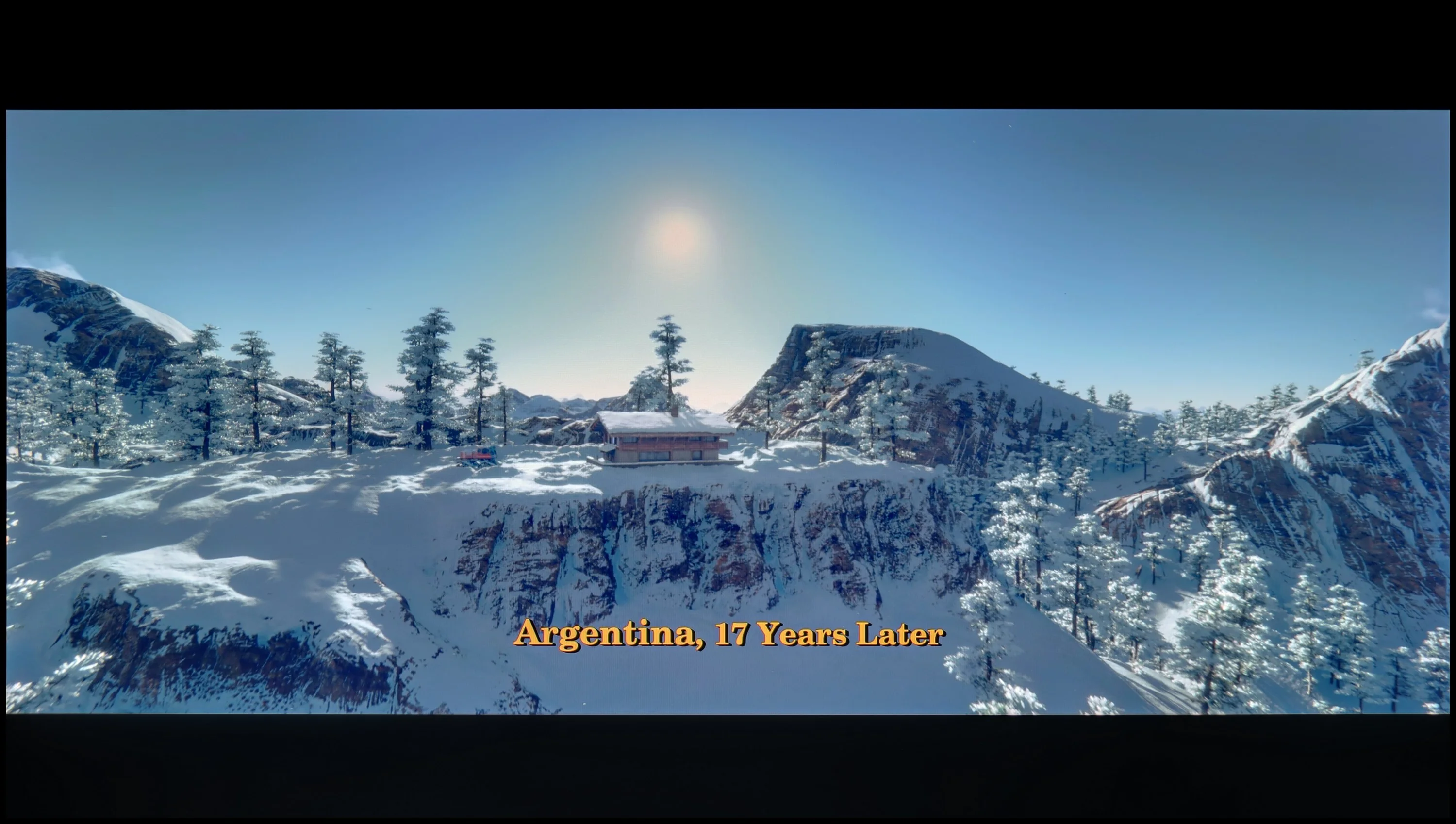



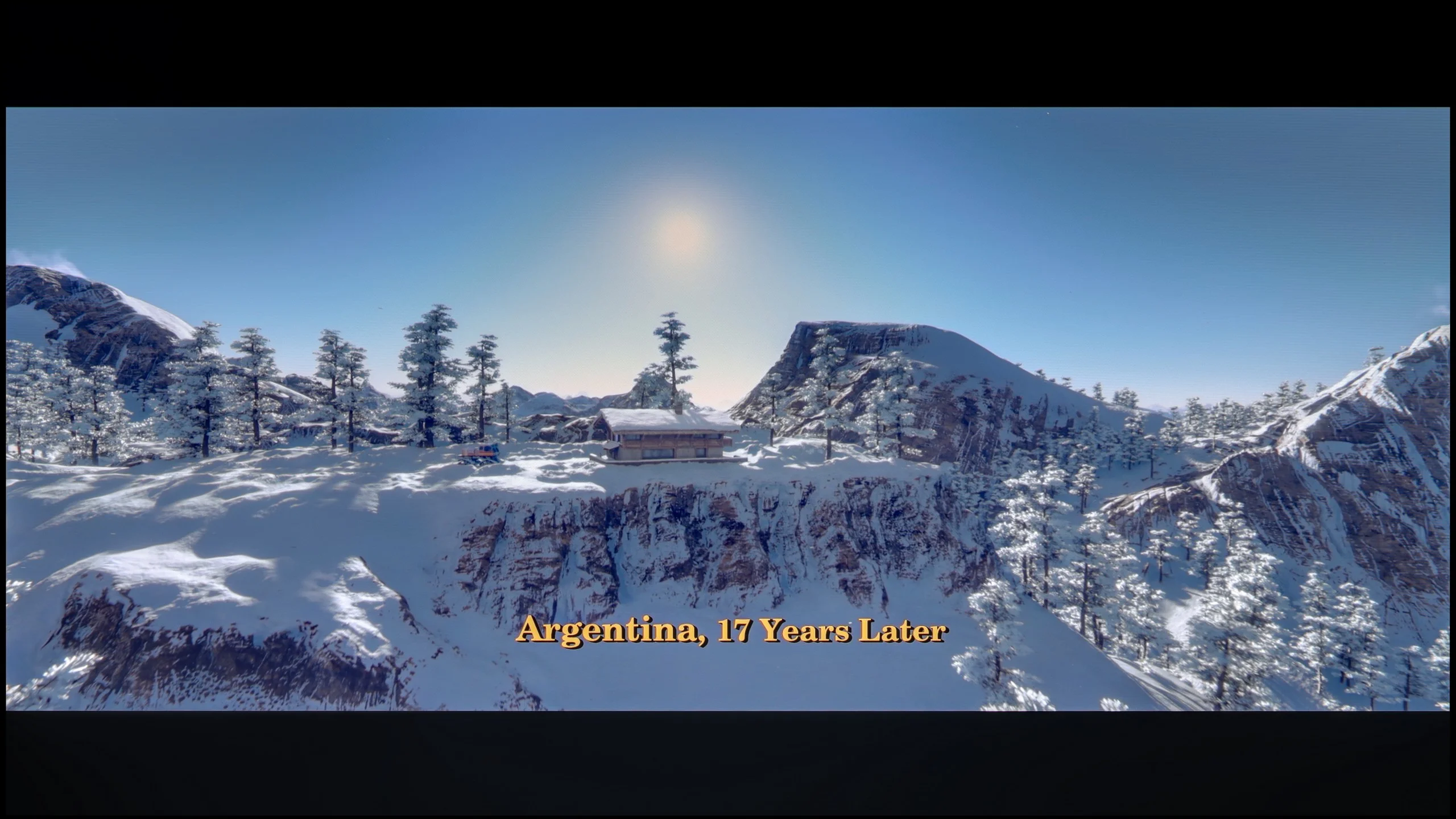
These are selected scenes that show smooth tonal transitions from one color to another. If you see distinct banding, it’s the TV panel’s fault.

These are selected scenes that show smooth tonal transitions from one color to another. If you see distinct banding, it’s the TV panel’s fault.

These are selected scenes that show smooth tonal transitions from one color to another. If you see distinct banding, it’s the TV panel’s fault.

These are selected scenes that show smooth tonal transitions from one color to another. If you see distinct banding, it’s the TV panel’s fault.
The tonal transitions in Panasonic Z95A are not terrible, but in this class of devices, you can expect more. The television struggles with smoothly blending colours, both in dark and light shades. In more demanding scenes, minor imperfections are noticeable, which can affect the visual experience, especially for more discerning users. While this is not a disqualifying factor, it is an aspect that requires improvement, especially considering the price and aspirations of this model.
QD-OLED panels, thanks to their very wide colour gamut, simply have a greater number of colours, making it easier to seamlessly blend one shade into another. This was clearly evident in the S90F – compared to the classic version with the WOLED panel, we noticed a distinct improvement. Most transitions were smooth and practically invisible, and the image in most scenes felt exceptionally cohesive. In very bright sections, some minor imperfections can still be perceived, but they are cosmetic enough not to distract the viewer.
Image scaling and smoothness of tonal transitions
7.4/10
7.5/10


Smooth transition function


The match photo shows how the TV smooths weak tonal transitions in low-quality video.
Image scaling SD (576i)


The model photo shows how it handles upscaling of SD material.
In the case of lower quality materials, the "Gradation Smoothing" function is responsible for smoothing tonal transitions. The best results are achieved with an intermediate setting – while they are not spectacular, the function works correctly and does not introduce unwanted effects into the image. It can be evaluated as average, but sufficient for improving the quality of tonal transitions.
As for digital processing, or upscaling, the picture looks surprisingly good. It is flexible and pleasant to the eye, which makes lower quality content, such as standard television or YouTube, look quite decent. However, minor issues can be observed, such as "aliasing" on edges, e.g. branches in the background. Nevertheless, this does not significantly affect the overall viewing experience, and the television handles these materials in an acceptable manner.
S90F performs really well here, although there are some points that are common across most Samsung TVs. The noise reduction feature can effectively smooth out unwanted colour transitions in lower-quality materials like television or YouTube, making them look simply better. However, it should be noted that it works quite aggressively and can also soften elements that we wouldn’t want to alter, such as facial details. Therefore, if we want to use it, it’s best to use it in the "medium" setting and be aware of the compromise it brings. The upscaling itself is of a high standard – low-quality materials are pulled towards an image resembling 4K. The only caveat is that the S90F can still have issues with so-called overscan, meaning slight trimming of the edges in very low-quality materials such as 576p and lower.
Blur and motion smoothness
8.5/10
8.5/10
Blur (native resolution, maximum refresh rate):






Blur (BFI function enabled):
Image flickers in this mode



Image flickers in this mode



Blur ():
Blur (4K@144Hz):



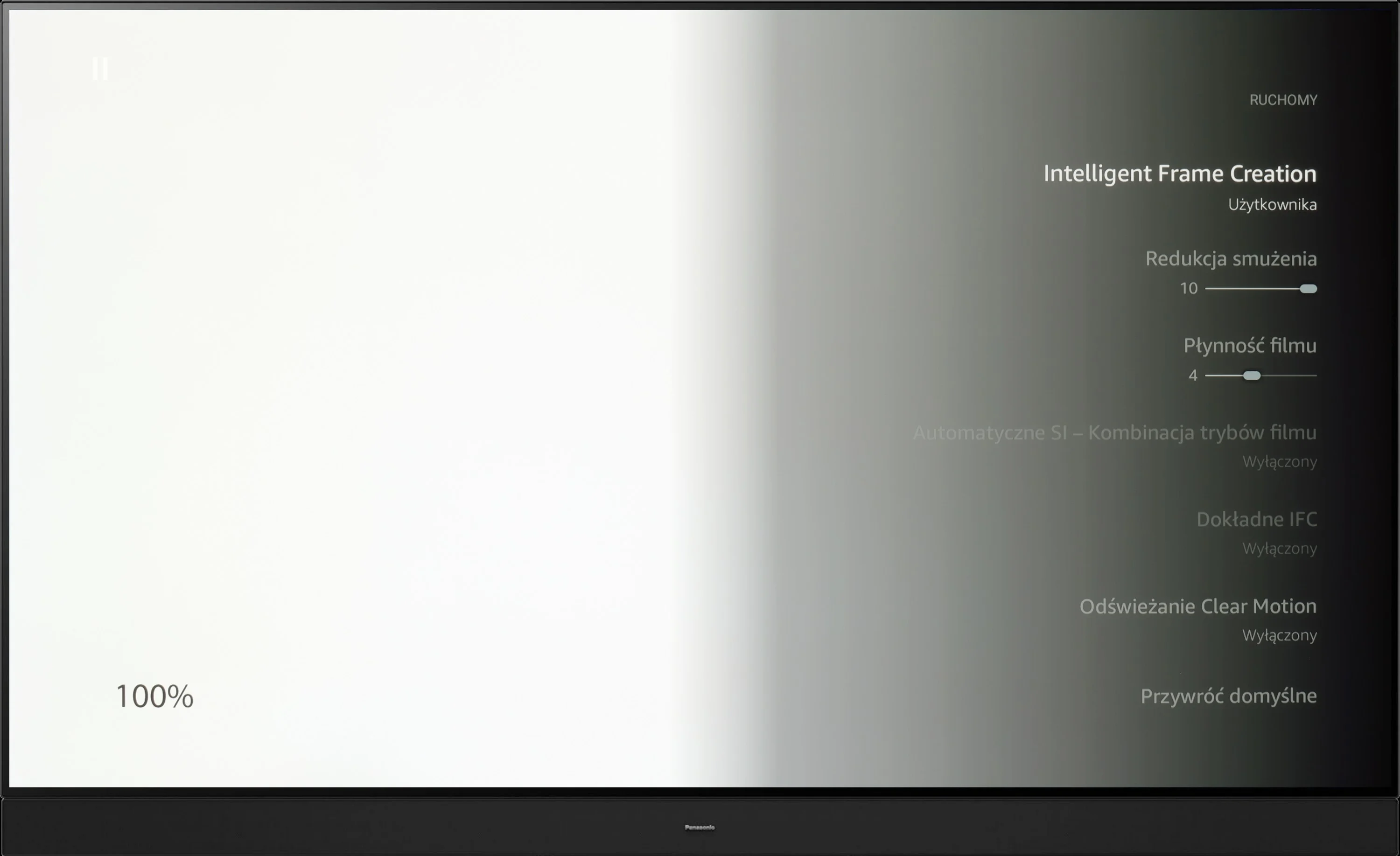
Panasonic Z95A, with a 144 Hz panel, offers excellent image smoothness. For movies, there is an "Intelligent Frame Creation" feature that allows for improved smoothness and reduction of blurring. Users have two sliders at their disposal: "Motion Blur Reduction" – responsible for clearer and sharper details in fast-moving scenes. "Film Smoothness" – adds smoothness by creating additional frames between the originals, making motion appear more fluid and natural with the effect of "soap opera"
As a result, viewers can adjust the settings to their own preferences. Movies and less dynamic content look smooth and natural, which should satisfy most users.
S90F is an OLED with a refresh rate of 144 Hz, but in practice, what matters most is how it performs at 120 Hz, as this frequency is the most important when watching sports. The QD-OLED panel is no different in this regard from WOLED panels – the pixel response is nearly instantaneous, so motion is rendered with surgical precision. The effect is easy to predict. The image is practically free of motion blur, making gaming on consoles, matches, or other sports broadcasts a tremendous pleasure on the S90F.
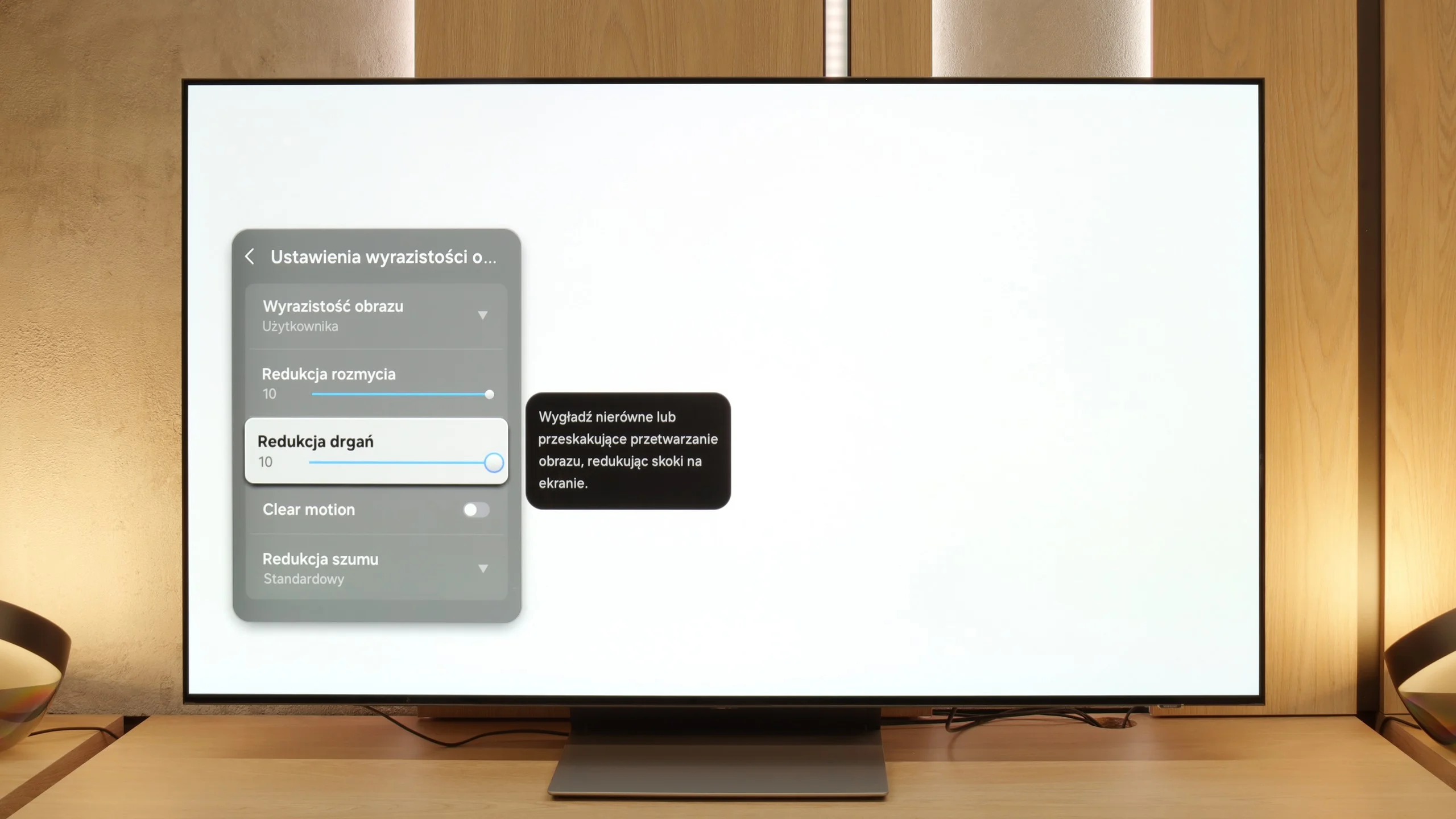
Fans of movies and series have not been forgotten either. Like every Samsung television with a refresh rate of 120 Hz and above, the S90F is equipped with a proprietary motion smoother called “Picture Clarity.” Here, we find two sliders – blur reduction and judder reduction – which allow you to improve the smoothness of content recorded at 24 frames and tailor the effect to your own preferences.
Console compatibility and gaming features
10/10
9.6/10
- ALLM
- VRR
- VRR range40 - 144Hz48 - 144Hz
- Dolby Vision Game Mode
- Correct implementation of HGIG
- 1080p@120Hz
- 1440p@120Hz
- 4K@120Hz
- Game bar
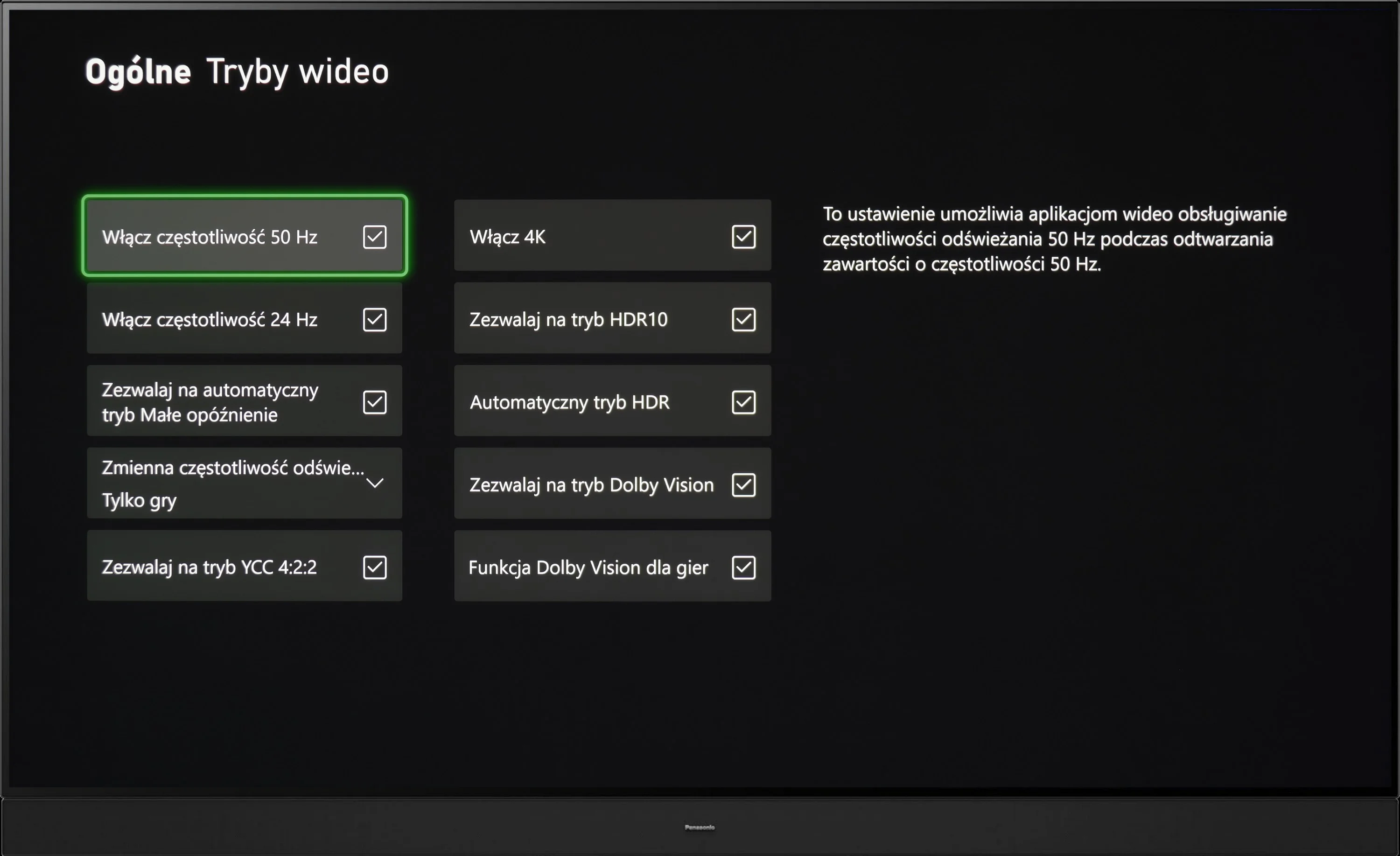
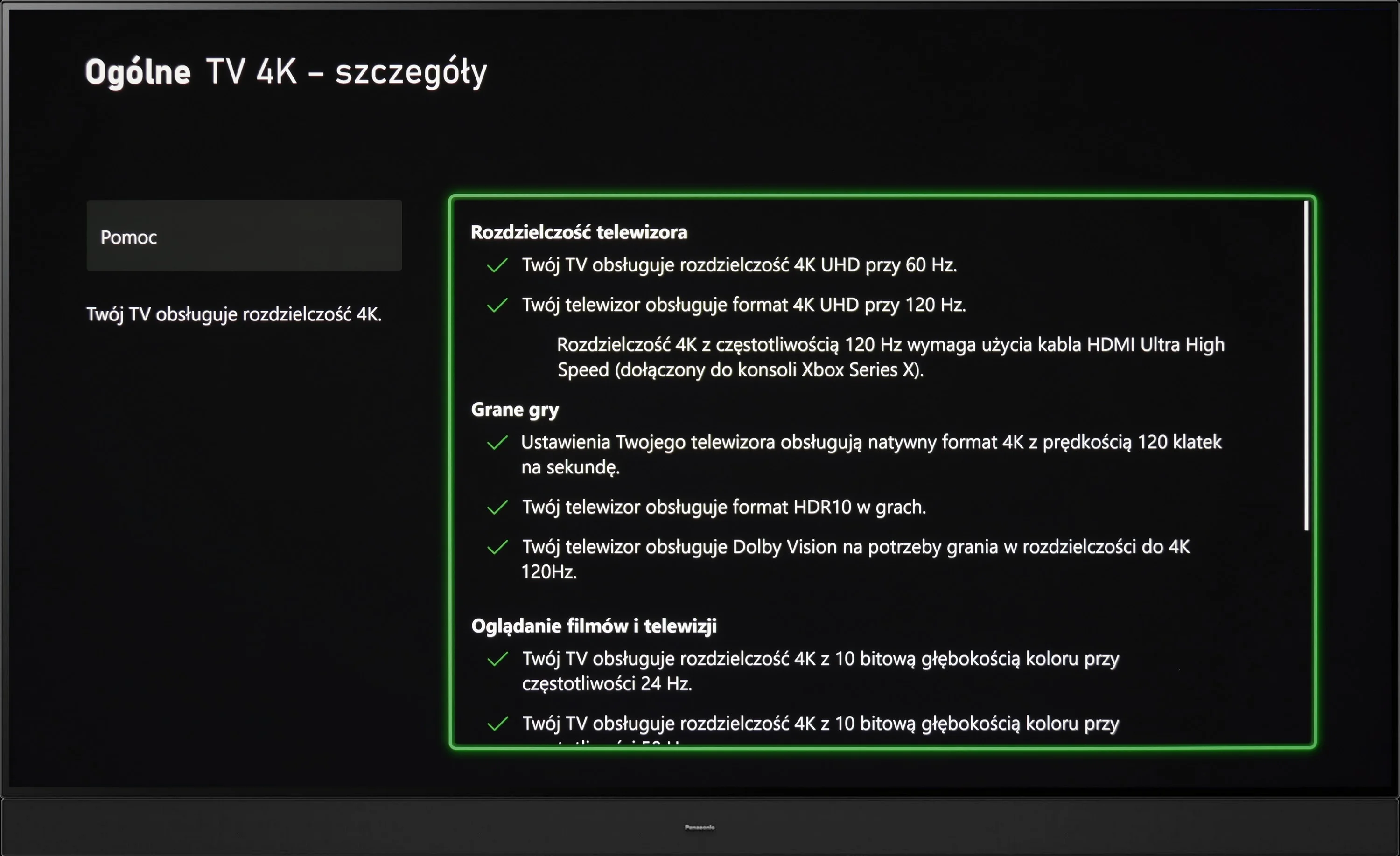
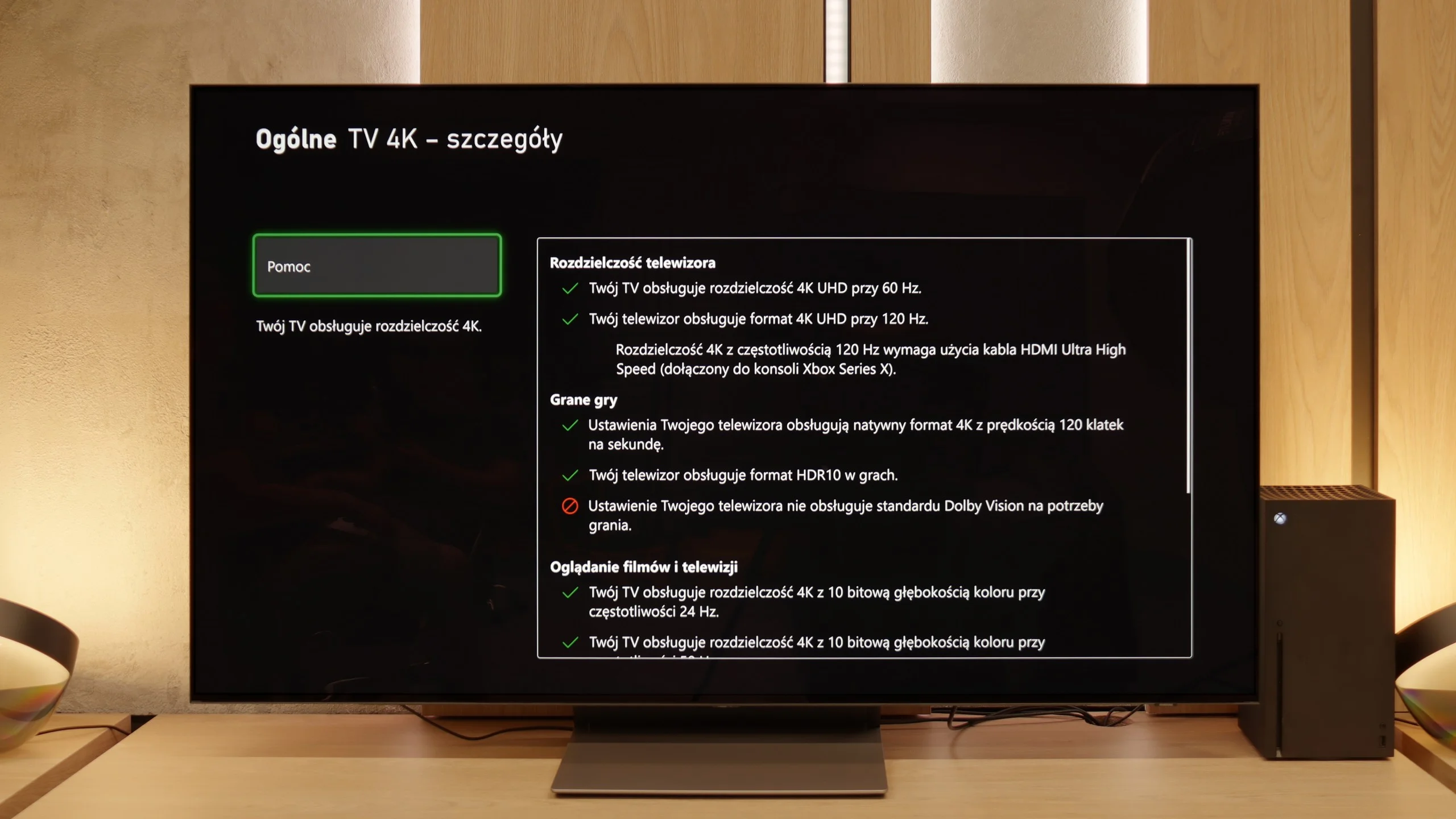
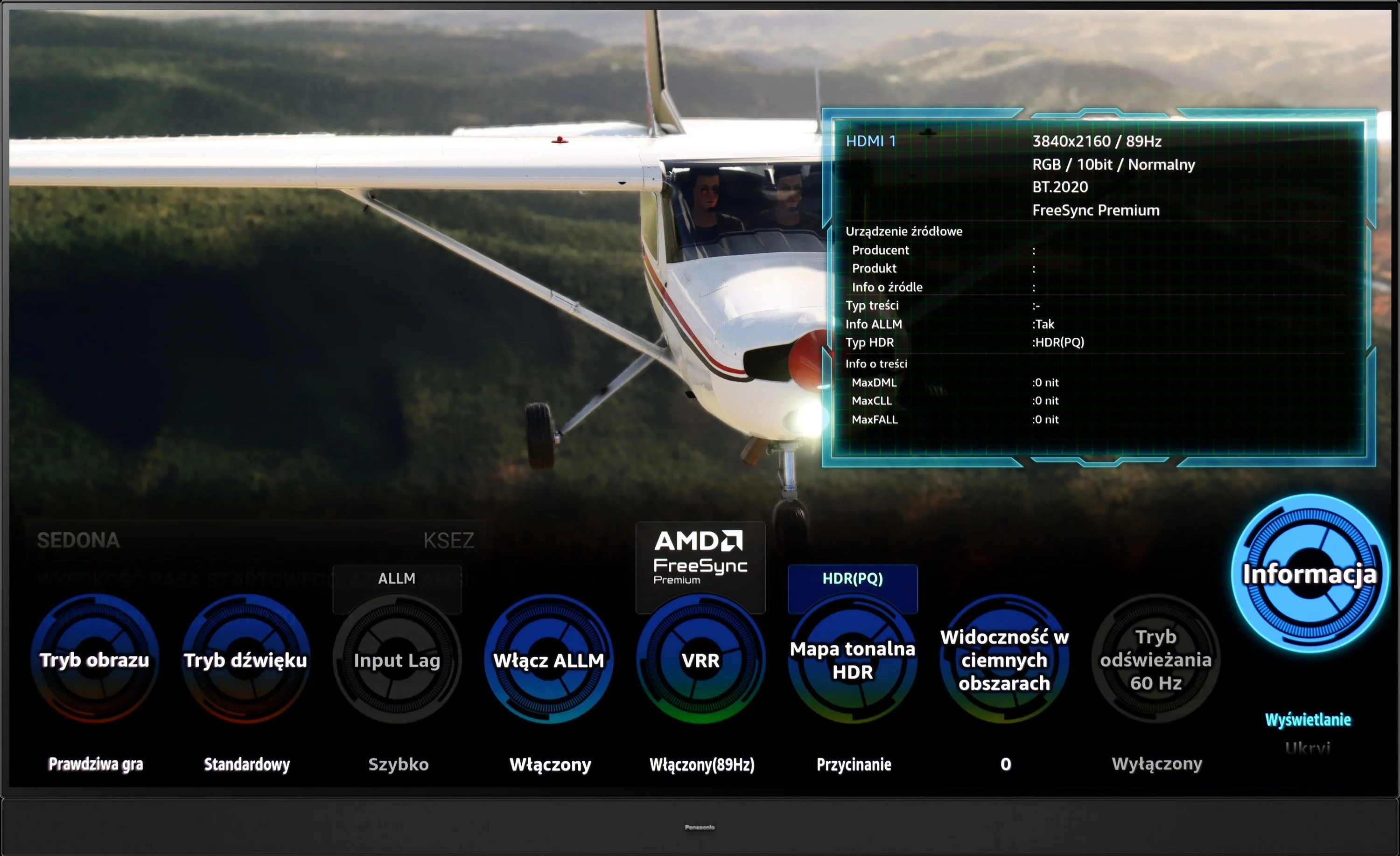
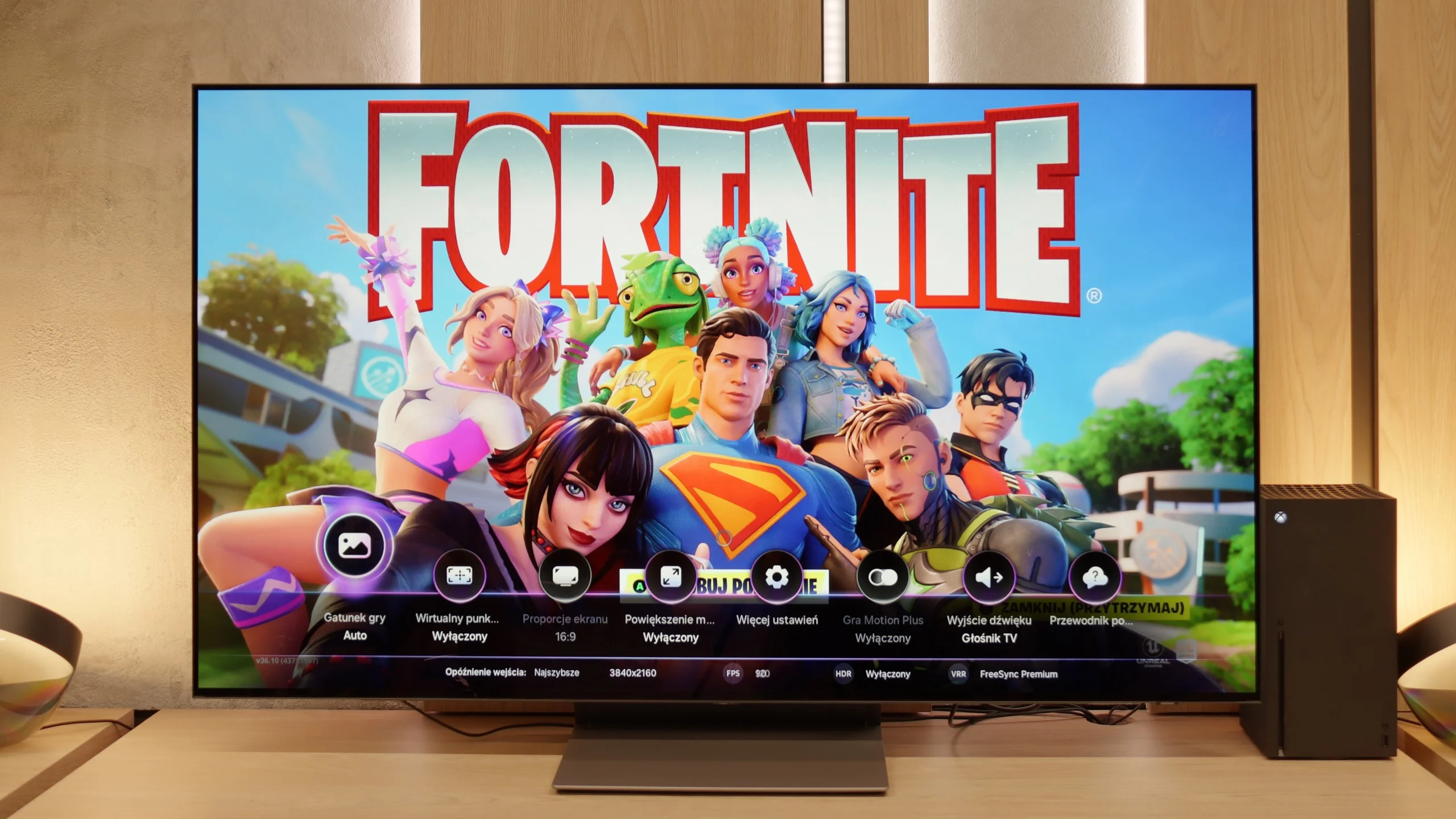
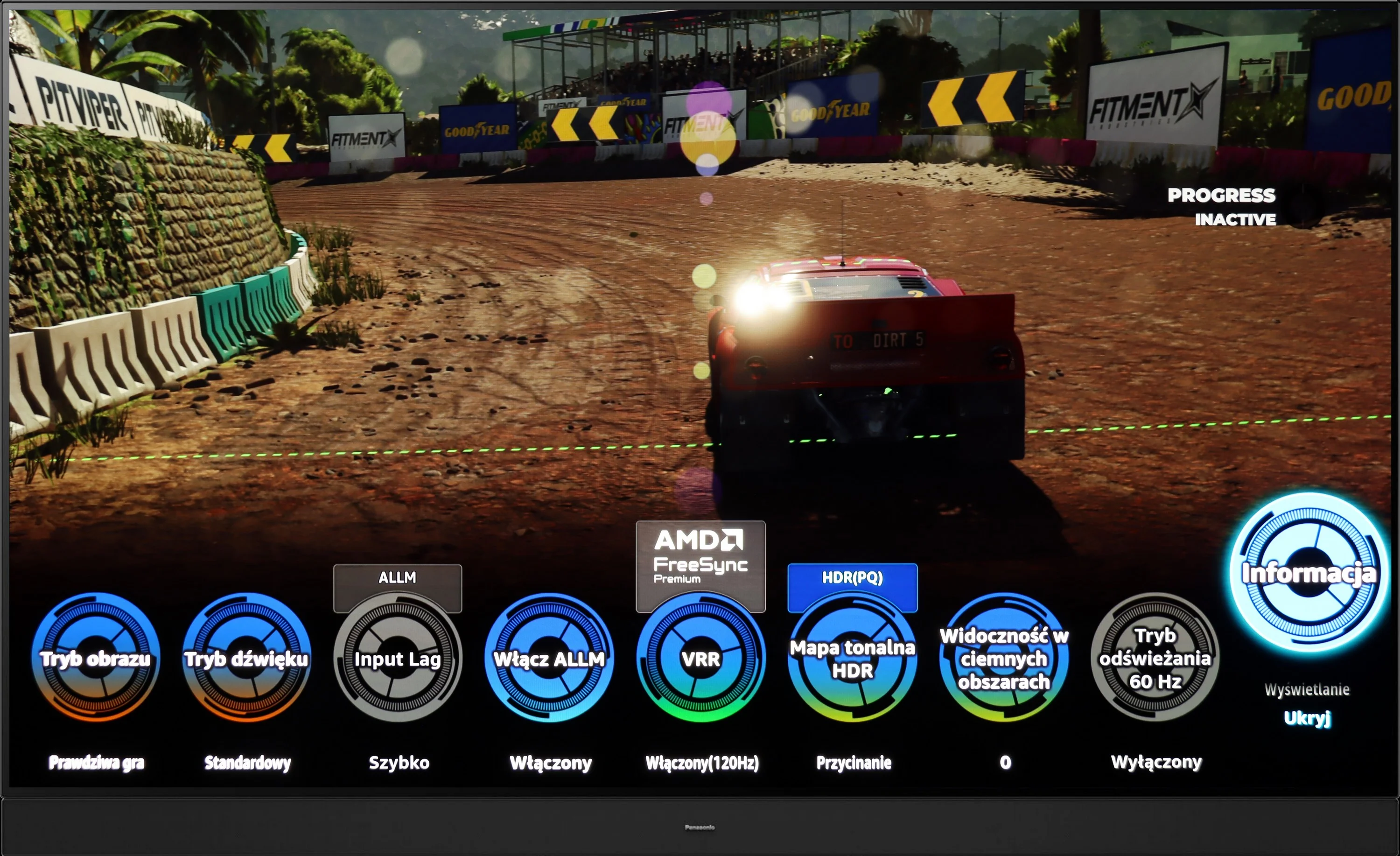
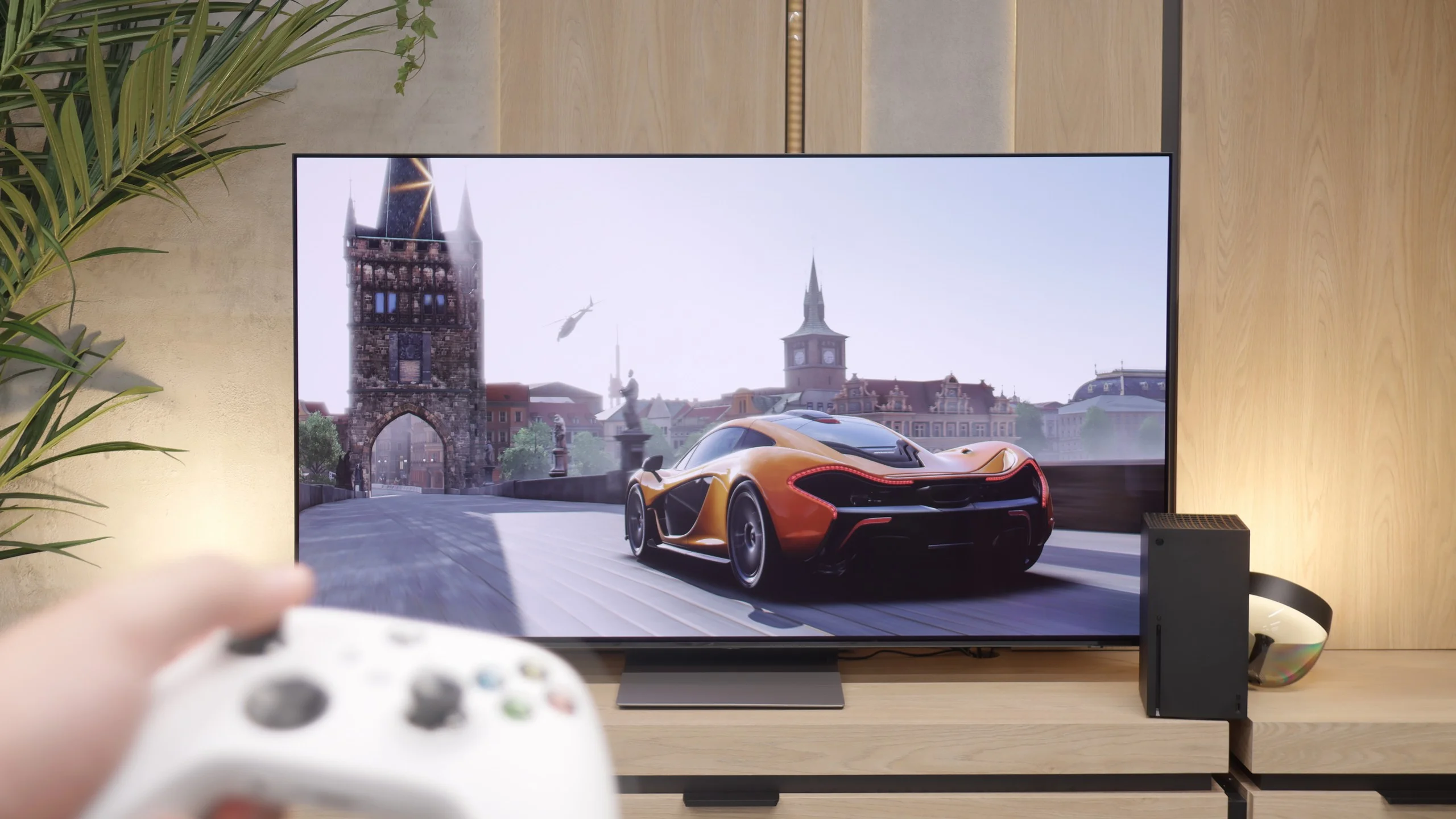
Panasonic Z95A this year shows that the manufacturer has made a huge leap forward in support for gamers. The television offers practically everything you can expect from a device in this range. Support for ALLM (Auto Low Latency Mode) and VRR (Variable Refresh Rate) ensures smoothness and no tearing in dynamic games. The 144 Hz panel allows for incredible fluidity, and the additional support for resolutions other than 4K provides greater flexibility, which is a big plus for gamers using various configurations.
Also noteworthy is the unique and rather specific "Game Bar." Its bubble interface stands out from the competition and allows quick adjustment of key settings such as VRR, brightness level, or picture mode, without the need to interrupt gameplay.
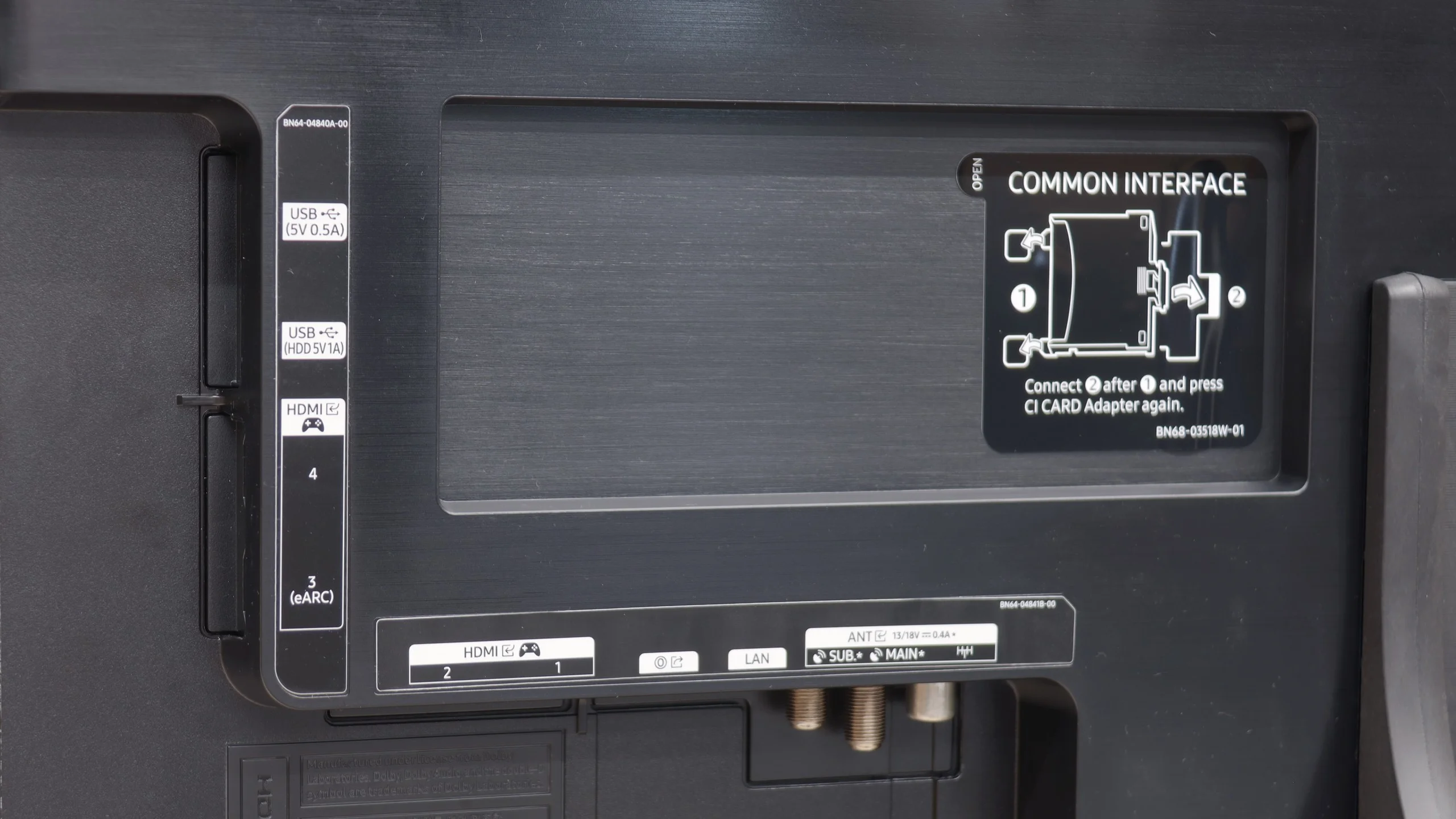
However, in this class of devices, there has been a slight disappointment – Panasonic Z95A only offers two HDMI 2.1 ports instead of four. This is definitely too few for a premium television, especially in times when many people have more than one device requiring full HDMI 2.1 support, such as a next-gen console or a high-end computer. In this category, it's hard to accept, especially given the high aspirations of this model. Despite this, the television is an excellent choice for gamers, offering versatility and functionality at the highest level.
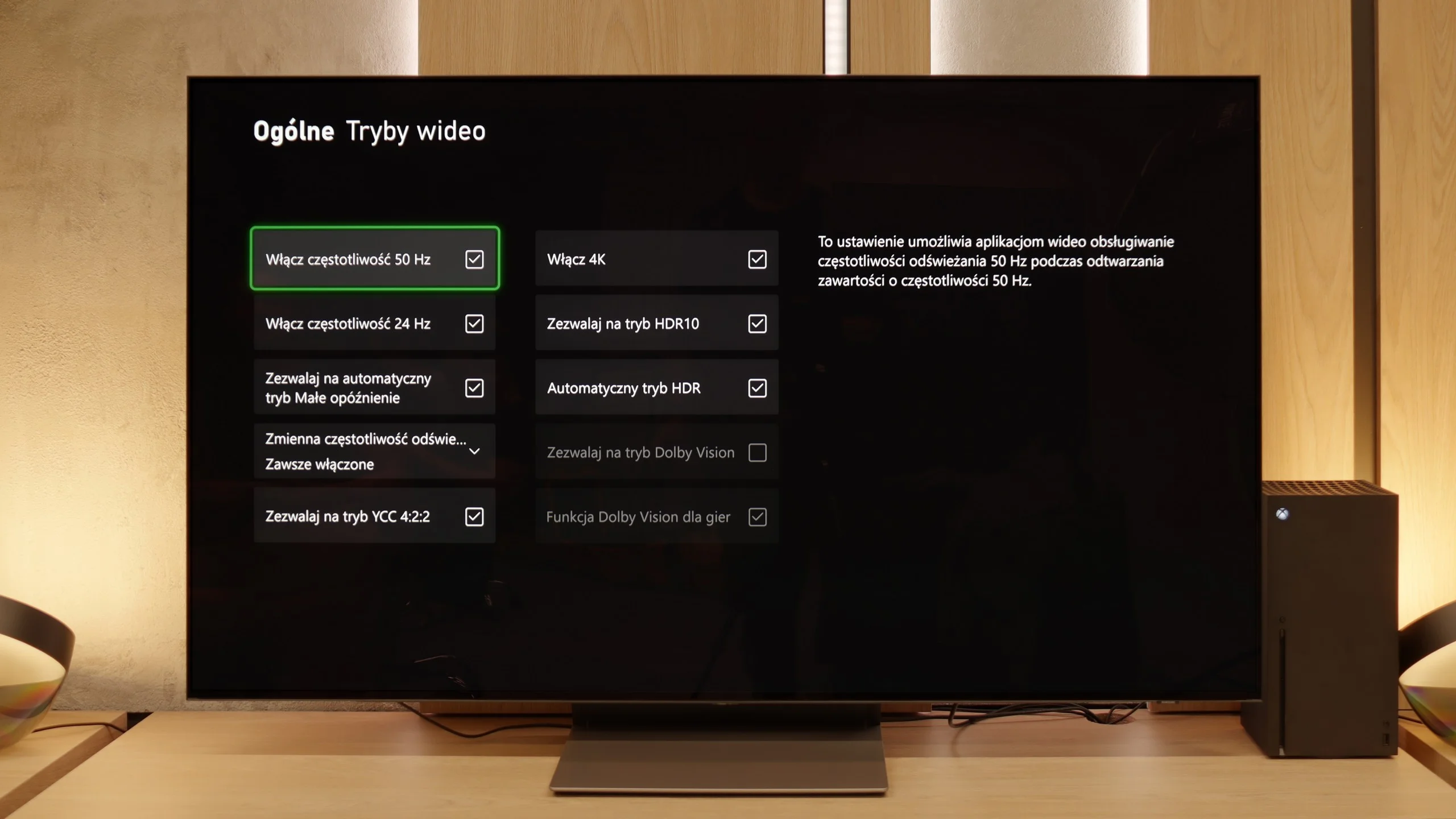
The S90F is a television that genuinely brings a lot of joy when gaming. To start with, we get four proper HDMI 2.1 ports, which means you can connect all consoles and PCs without having to figure out which device takes priority. This is a convenient and practical solution, which is not at all a given with other manufacturers. Additionally, there are key features such as: automatic game mode (ALLM), which automatically switches the screen to low latency settings, and VRR frame synchronization that operates over a wide range from 48 to 144 Hz. This ensures the picture remains smooth, whether we're playing fast-paced online shooters or more relaxed narrative titles. The Game Bar also deserves attention – a panel that allows quick access to several handy extras. For example, you can turn on an extra crosshair in the middle of the screen, enlarge the minimap, or, in the case of PC, change the aspect ratio. Finally, there's also Samsung's unique Game Motion Plus mode. Its task is to smooth out older or poorly optimized titles, and it actually works quite well. With this mode, even less polished games can look better and provide more enjoyment than on other televisions that theoretically offer the same technical parameters.
Input lag
10/10
10/10
SDR
HDR
Dolby Vision
Panasonic Z95A impresses with an outstanding level of input lag, making it one of the best choices for gamers in its class. Regardless of the mode, the television achieves results of around 13 ms at 60 Hz and just 5 ms at 120 Hz, ensuring an incredibly smooth and responsive gaming experience. Moreover, Panasonic allows gaming in Dolby Vision mode without significant delays. Well done!
In terms of delay, the S90F performs exceptionally well. With content at 120 Hz, it’s around 5 ms, and at 60 Hz, it’s about 10 ms. In practice, this means an immediate response to the gamepad, mouse, or keyboard – without the feeling that anything is slowing down the gameplay!
Compatibility with PC
8.6/10
8.6/10
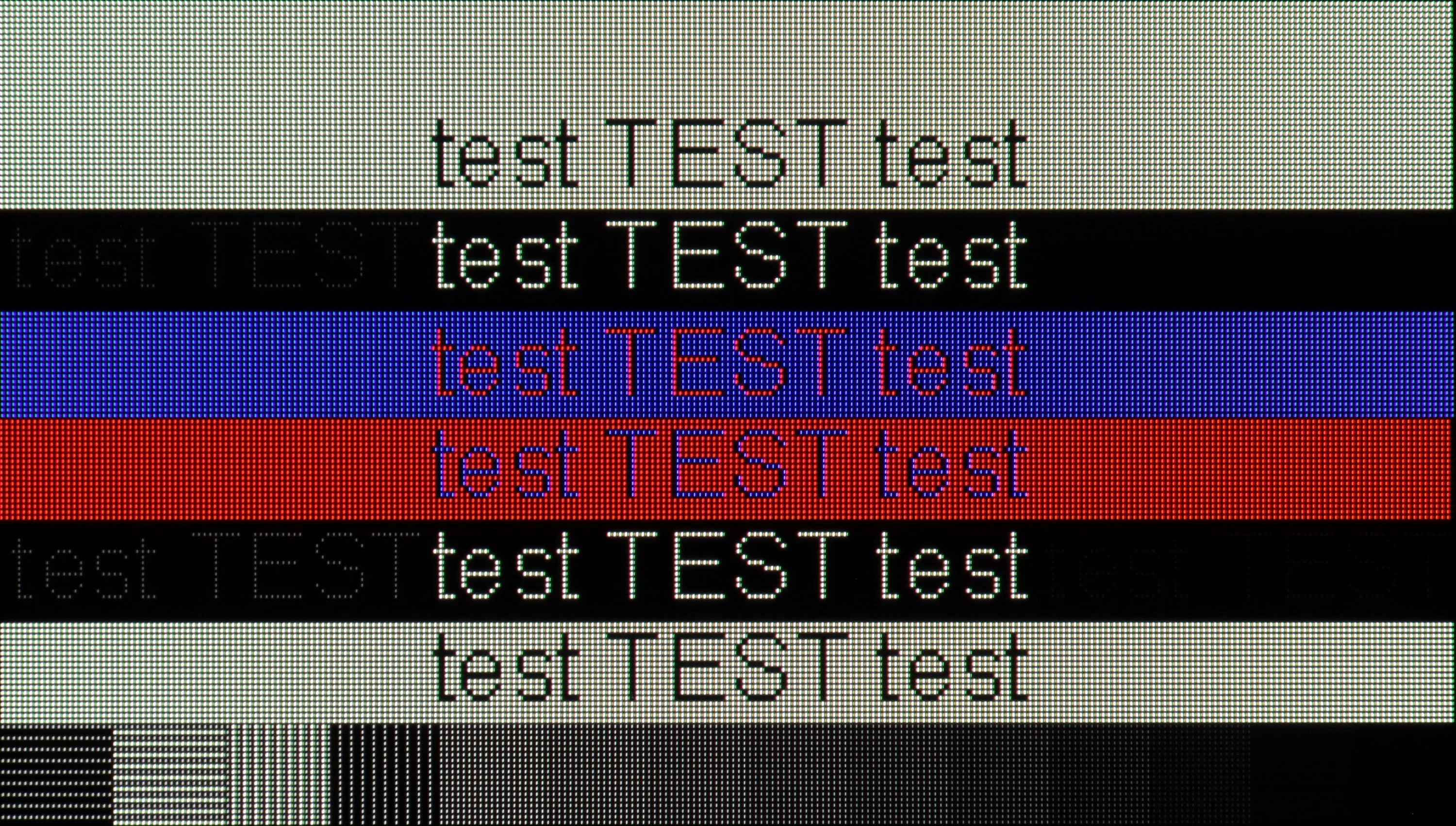
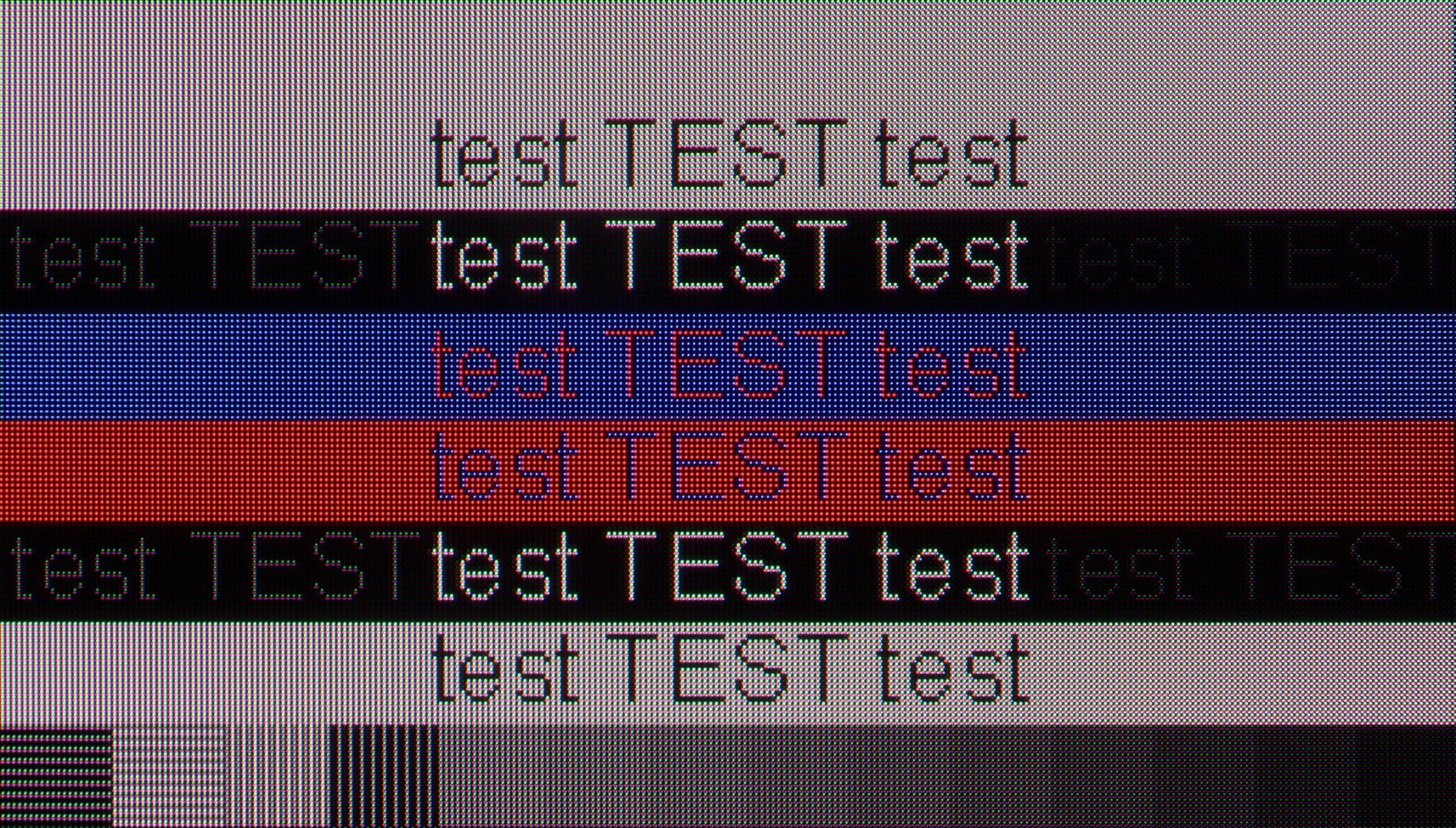
The photo shows the legibility of small fonts. Ideally, lines should be the same thickness on both light and dark text, with minimal pixel gaps.
Panasonic Z95A works brilliantly with computers, offering full support for chroma 4:4:4, which translates to very good font readability. However, it’s important to keep in mind the characteristic display method of WOLED panels with a white subpixel, which can be noticeable during prolonged work with documents or while browsing websites. This is something to consider if the television is to be used as a monitor for work.
Additionally, the support for G-Sync technology is a great bonus for gamers using NVIDIA graphics cards. As a result, the Z95A provides smooth gameplay without tearing and delays, making it a versatile device for both work and play.
S90F, even in the 65-inch variant, performs excellently as a large PC monitor. The most user-friendly features are, of course, for gamers – the television supports refresh rates of up to 144 Hz, as well as frame synchronisation with Nvidia (G-SYNC) and AMD (FreeSync) graphics cards. The difference compared to WOLED panels lies in the characteristic 'diamond' pixel arrangement in QD-OLED. In practice, this may affect the display of fine text – some letters at the edges may have slightly jagged shapes. On the other hand, in WOLED matrices with a four subpixel arrangement, text can be less precise, so each variant has its specific nuances. In both cases, however, the television is very well suited for both gaming and occasional computer work.
Viewing angles
9.7/10
9.8/10
The viewing angles on the Panasonic Z95A are outstanding, thanks to the use of an OLED panel with MLA technology. This means the image remains sharp, full of detail, and free from visible colour shifts even at steep angles. In practice, this means that regardless of where we are watching the TV from, the picture quality stays at the highest level.
In this regard, the Z95A ranks among the very best, competing for the title of leader with TVs based on QD-OLED panels (Samsung and Sony). It's hard to find anything better on the market, making this model an ideal choice for larger rooms or movie nights with family and friends, where everyone can enjoy a perfect picture.
One of the things that immediately impresses in the S90F is its viewing angles. This is the huge advantage of QD-OLED matrices – even if we're not sitting directly in front of the television, the image hardly changes. Colours remain vibrant, contrast is strong, and details are just as clear as when we're looking from a central position. So you can comfortably watch a film with several people, spreading out across the living room, without worrying that someone will get a washed-out version of the image. OLEDs have always performed well in this category, and this is one of their main advantages over classic LCDs. However, with QD-OLED, the difference is even more noticeable – the image holds its quality even at a steep angle, where on WOLED panels you can already notice a slight loss of colour intensity. Here, that's practically non-existent.
Daytime performance
6.2/10
5.7/10
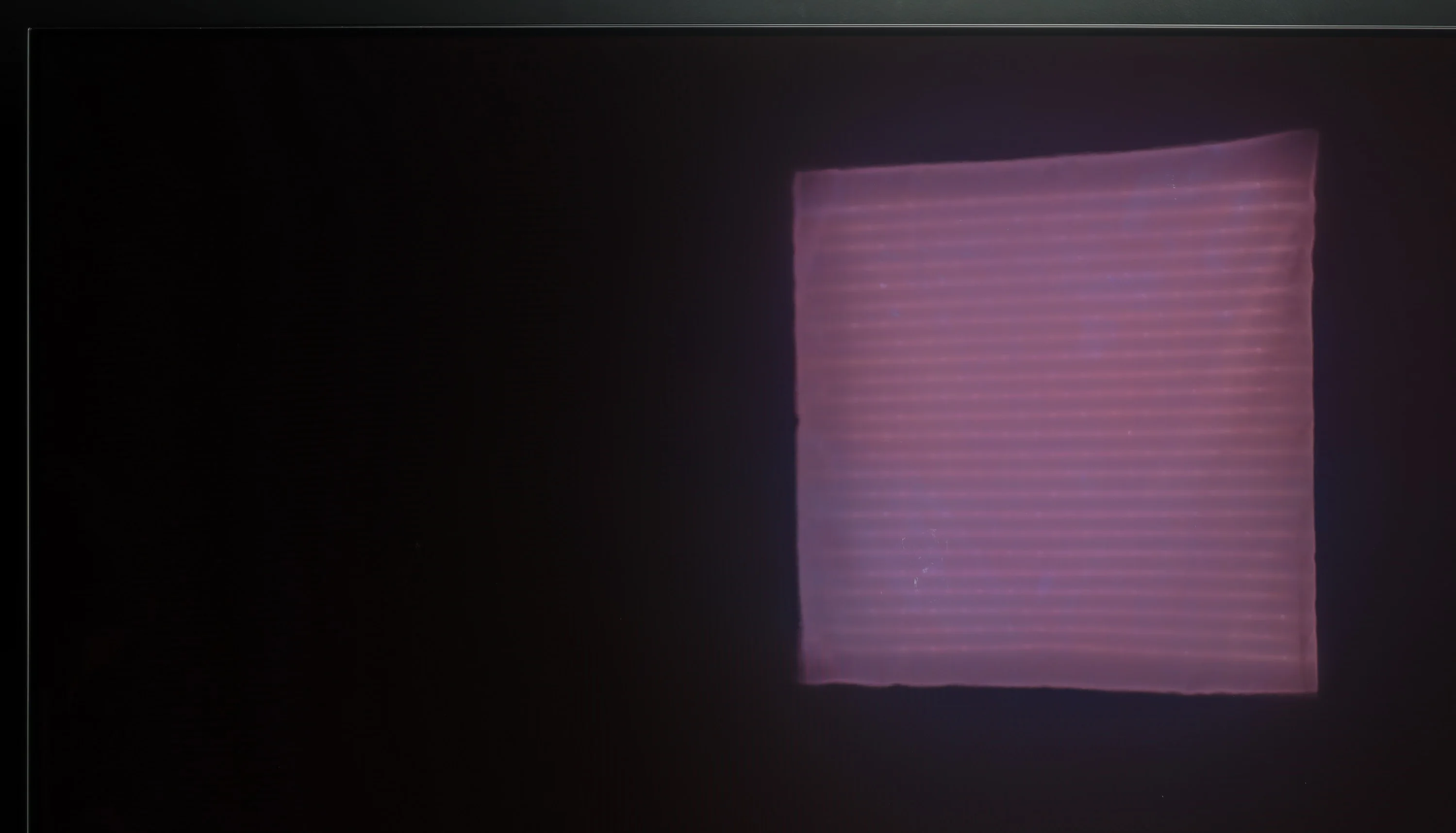
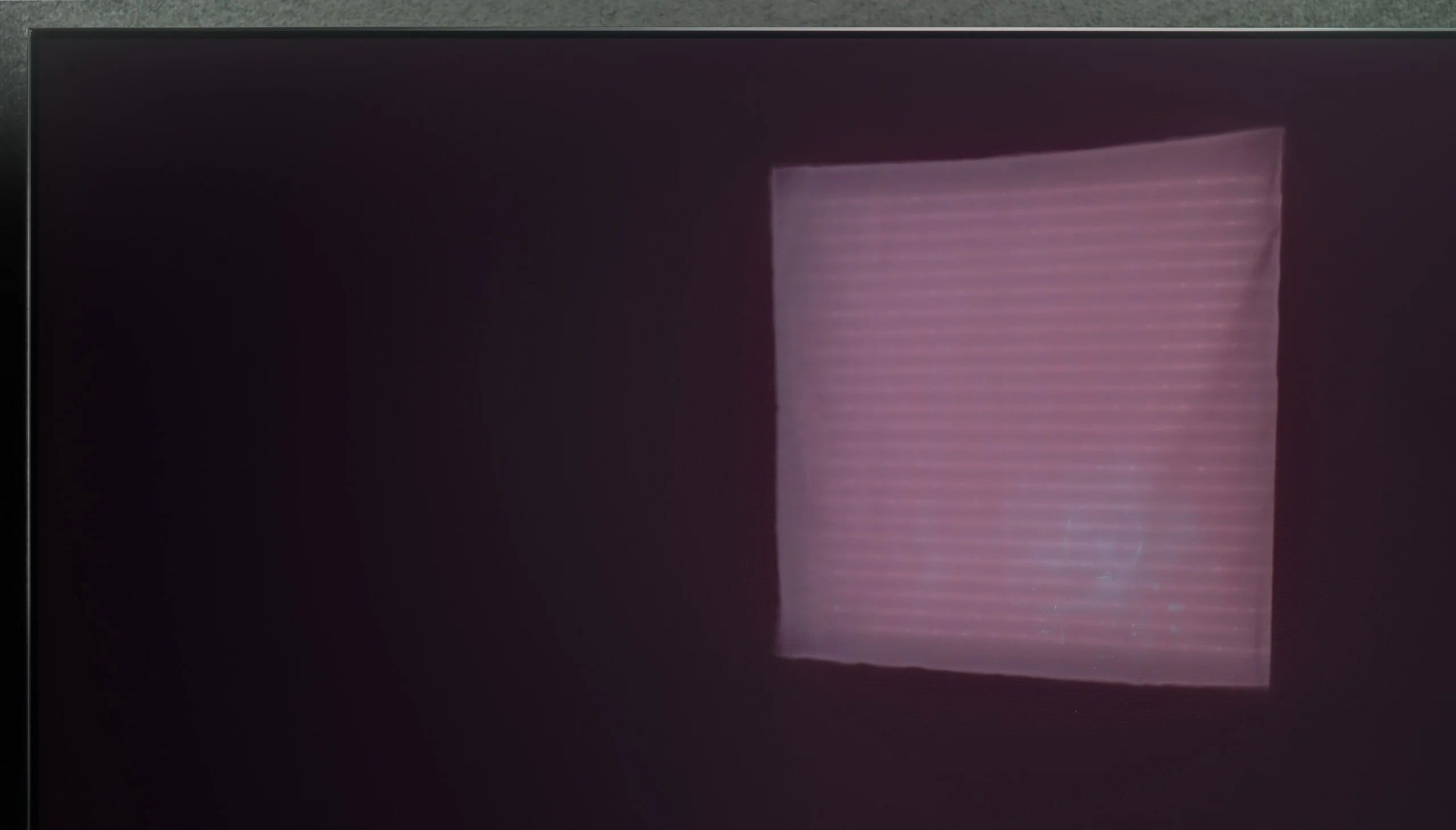
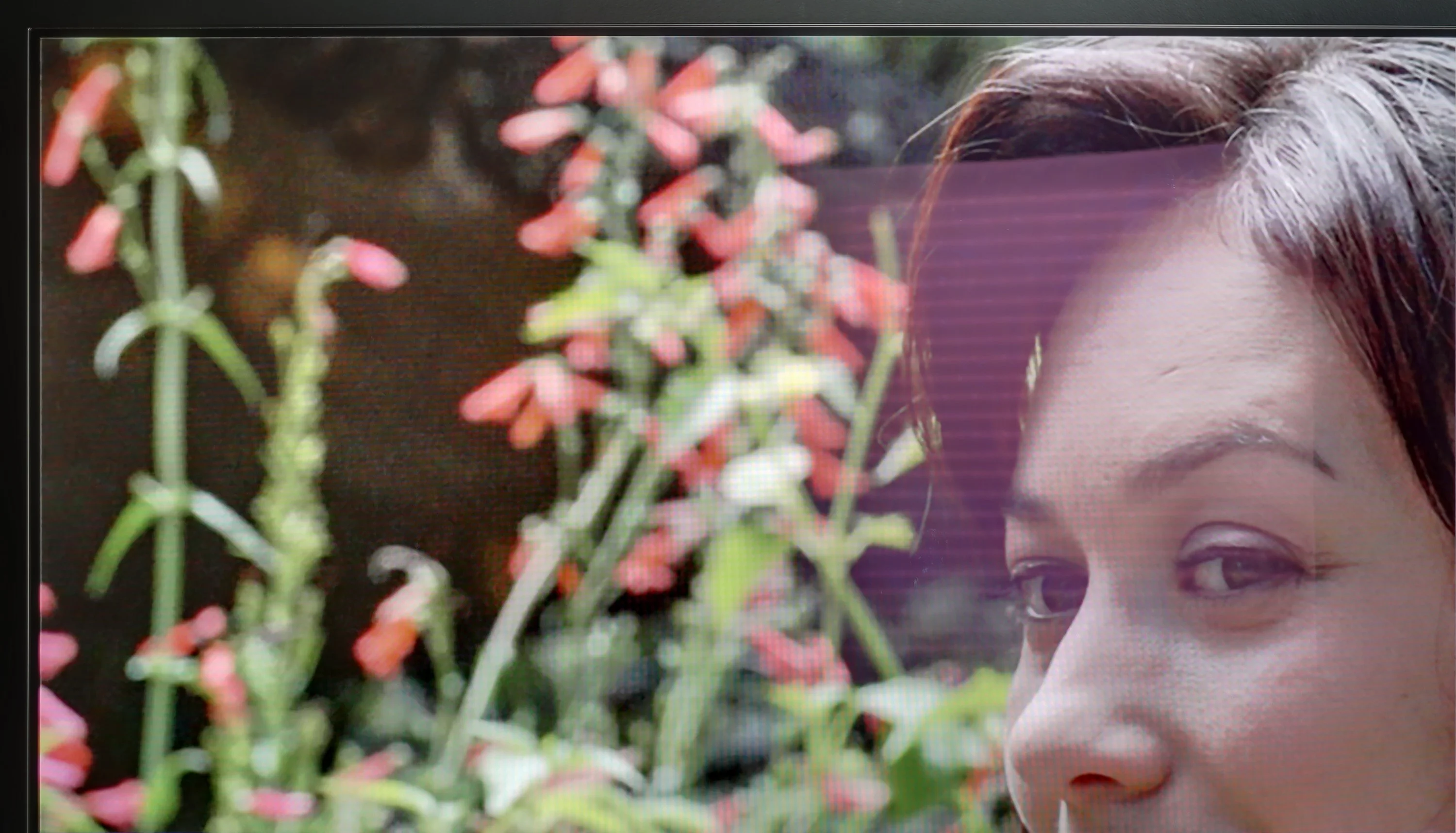
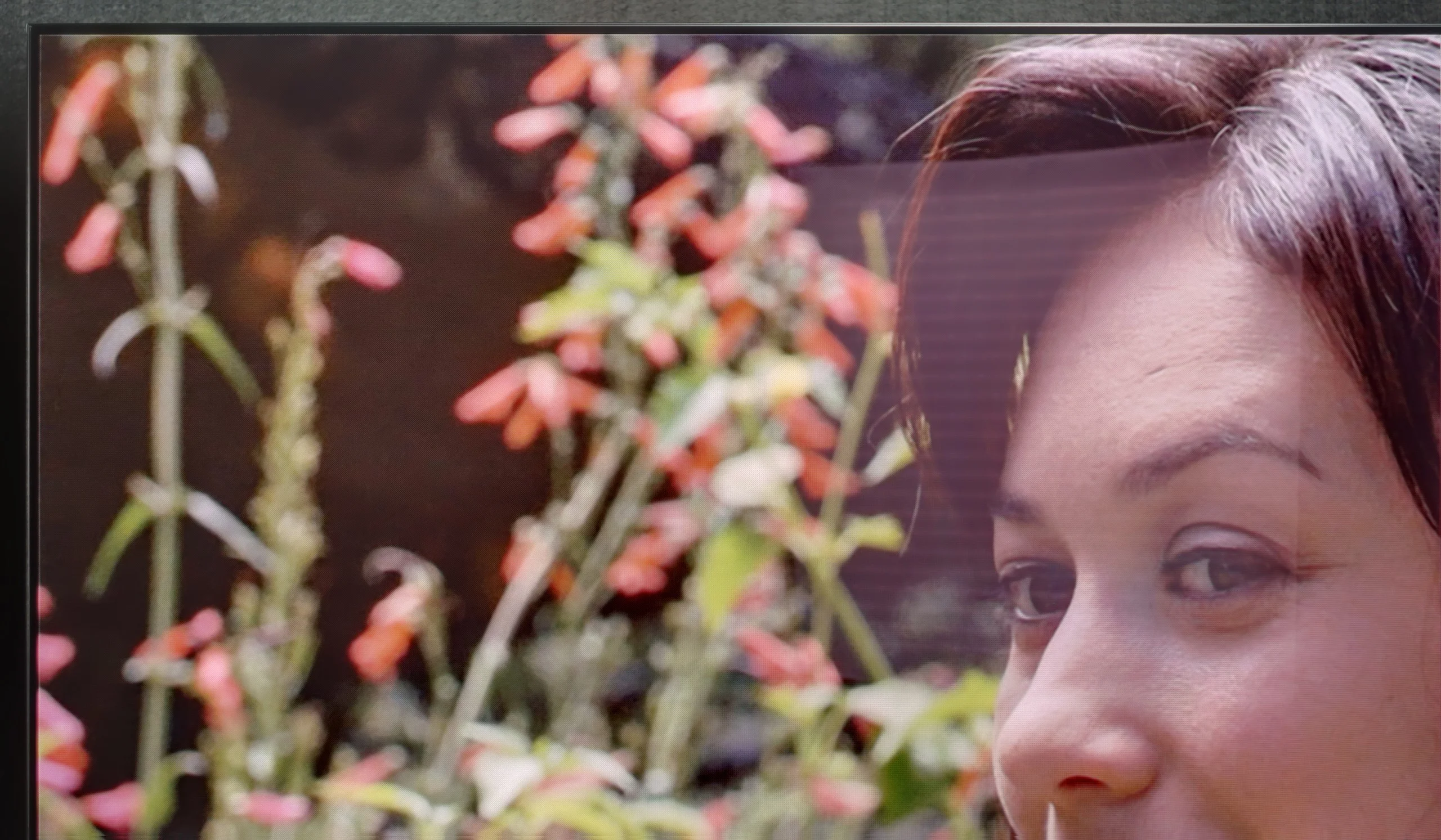
Panel brightness
Samsung OLED S90F (QD-OLED): 431 cd/m2
Panasonic Z95A: 493 cd/m2
Panasonic Z95A is equipped with a glossy panel that does quite well at reducing reflections. However, due to the use of micro lens array (MLA) technology, black levels in bright environments can take on a slightly cherry hue, which is particularly noticeable in heavily lit rooms. In terms of brightness, the average SDR value is around 500 cd/m², which comfortably allows for enjoyable TV viewing in most living rooms. It should be noted, however, that in very sunlit conditions or under intense artificial lighting, this brightness may prove inadequate to completely eliminate reflections and maintain ideal contrast. Nevertheless, in typical home conditions, the Z95A performs very well.
QD-OLED displays have their Achilles' heel – it's the reproduction of black in brightly lit rooms. The glossy coating used here handles reflections really well, definitely better than in the WOLED panels we had the opportunity to test. The problem is that in very intense daylight, blacks can take on a dark navy hue and lose their depth. Fortunately, in the evenings this phenomenon disappears completely and the television shows an image that we expect from an OLED – with perfect contrast and true blacks. As for the brightness itself, the S90F performs quite well for a mid-range OLED. In typical conditions, it will handle without any issues, and the screen will look attractive even in a well-lit lounge. Only in really extreme conditions, when the sun is shining directly on the screen, can it be more difficult, but this is a common issue for all OLEDs in this price segment. On the other hand, better reflection suppression means that for many people, QD-OLED will prove more convenient for everyday viewing than classic WOLEDs, even though blacks don’t always look perfect on it.
Panel details
Subpixel Structure:
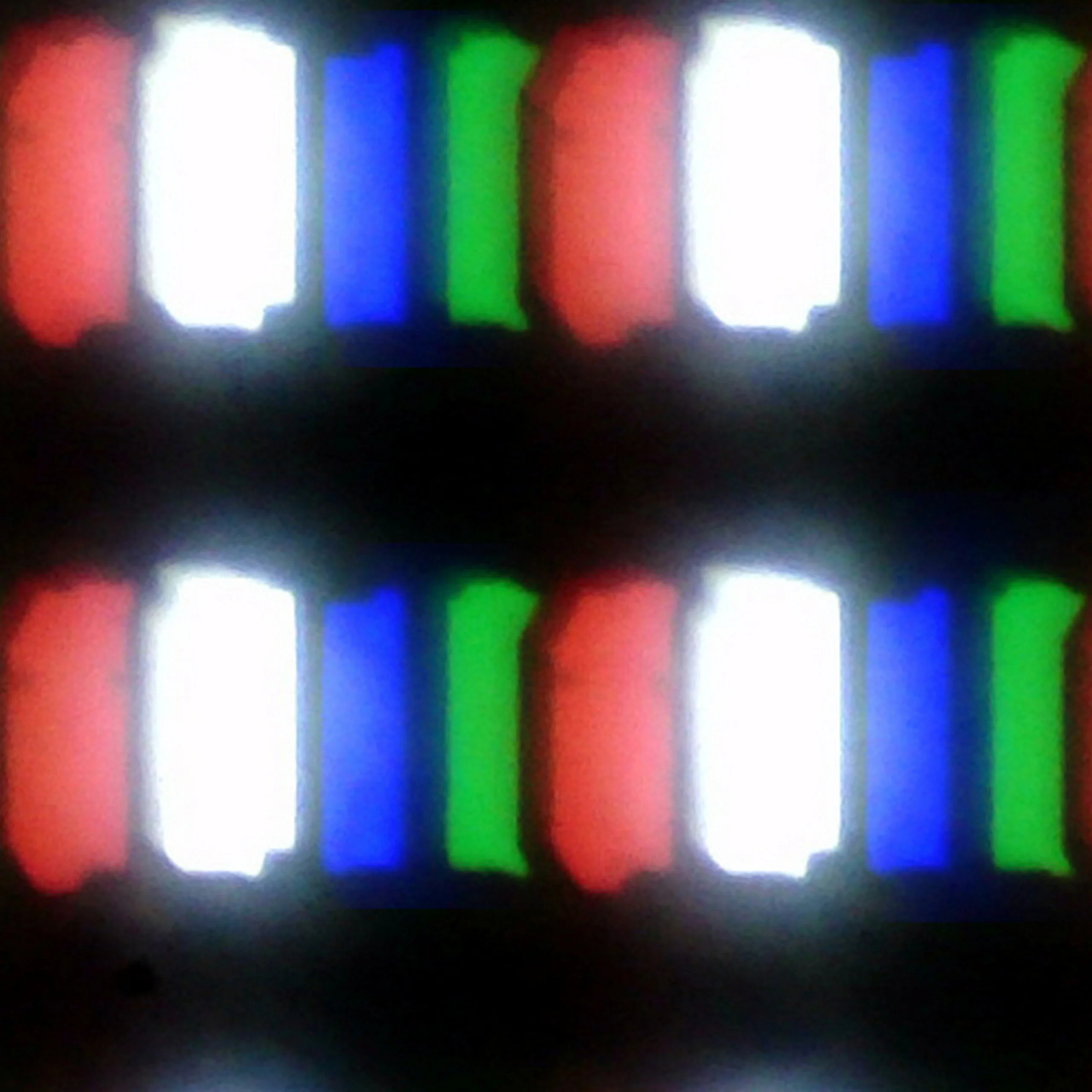
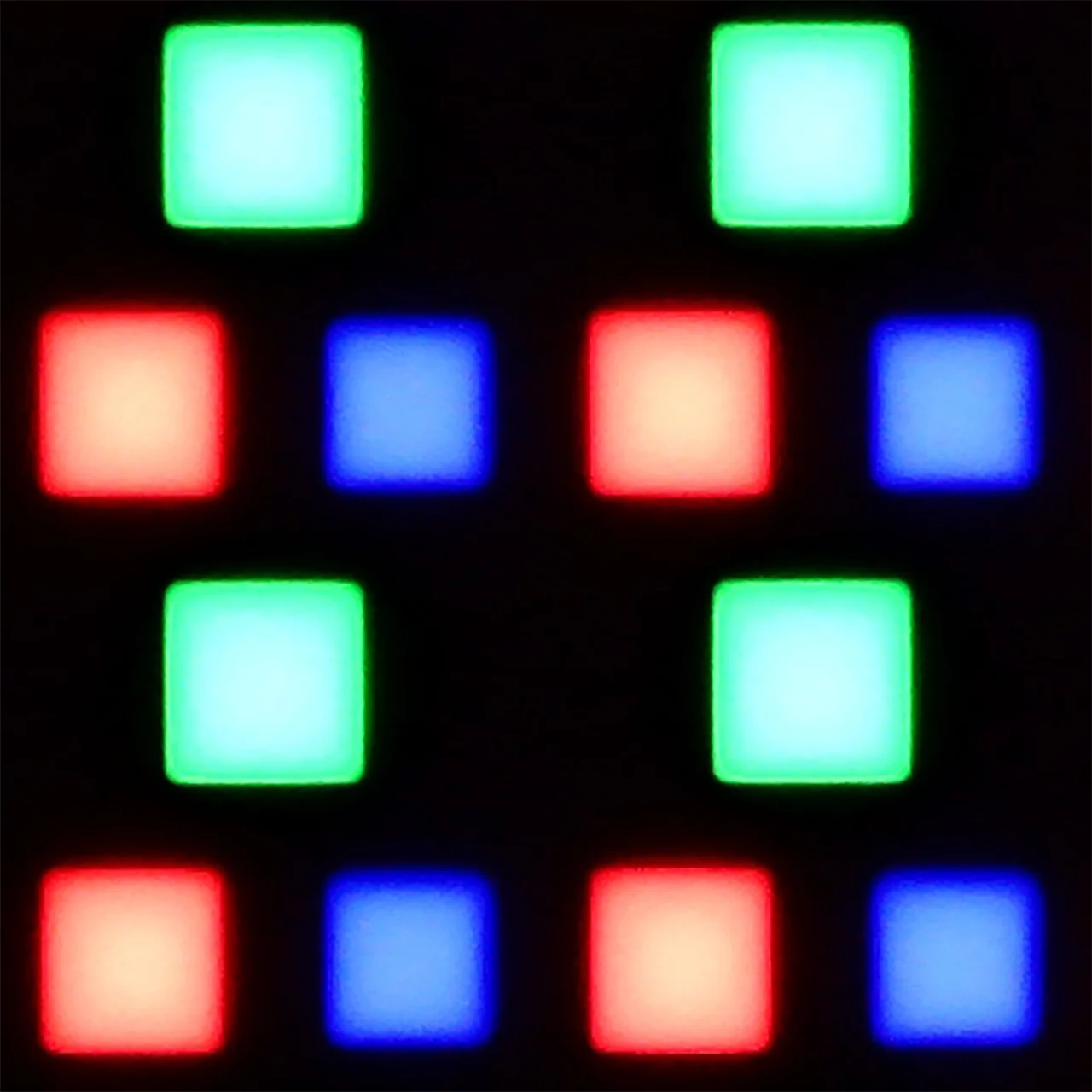
Panel uniformity and thermal imaging:


Panasonic Z95A
Samsung OLED S90F (QD-OLED)
TV features
7/10
7.7/10
- SystemAmazon FireTVTizen
- System performanceDecentVery good
- HDMI inputs2 x HDMI 2.0, 2 x HDMI 2.1 48Gbps0 x HDMI 2.0, 4 x HDMI 2.1 48Gbps
- Other inputsToslink (Optical audio), IR (remote)
- OutputsToslink (Optical audio), eARC (HDMI), ARC (HDMI)Toslink (Optical audio), eARC (HDMI), ARC (HDMI)
- Network InterfacesWi-Fi 2.4GHz, Wi-Fi 5GHz, Ethernet (LAN) 100MbpsWi-Fi 2.4GHz, Wi-Fi 5GHz, Ethernet (LAN) 100Mbps
- TV receptionDVB-T, DVB-T2, DVB-S, DVB-S2, DVB-CDVB-T, DVB-T2, DVB-S, DVB-S2, DVB-C
Classic features:
- Recording to USB (terrestrial TV)
- Recording programming
- Picture in Picture (PiP)
- RF remote control (no need to aim)
- Backlit remote control
- Teletext
- Audio only mode
- Bluetooth headphones support
- Simultaneous Bluetooth headphones & TV audio
Smart features:
- AirPlay
- Screen mirroring (Windows Miracast)
- Voice search
- Voice search in native language
- Ability to connect a keyboard and mouse
Sound connection options
- HDMI audioeARC (HDMI), ARC (HDMI)eARC (HDMI), ARC (HDMI)
- Other audio outputsToslink (Optical audio)Toslink (Optical audio)
- Wireless audioBluetoothBluetooth
Supported audio formats (external HDMI eARC audio):
- Dolby Digital Plus 7.1
- Dolby True HD 7.1
- Dolby Atmos in Dolby Digital Plus (JOC)
- Dolby Atmos in Dolby True HD
- DTS:X in DTS-HD MA
- DTS-HD Master Audio
Senior accessibility
- Numeric keyboard on TV
- Font size adjustment
- Audio description
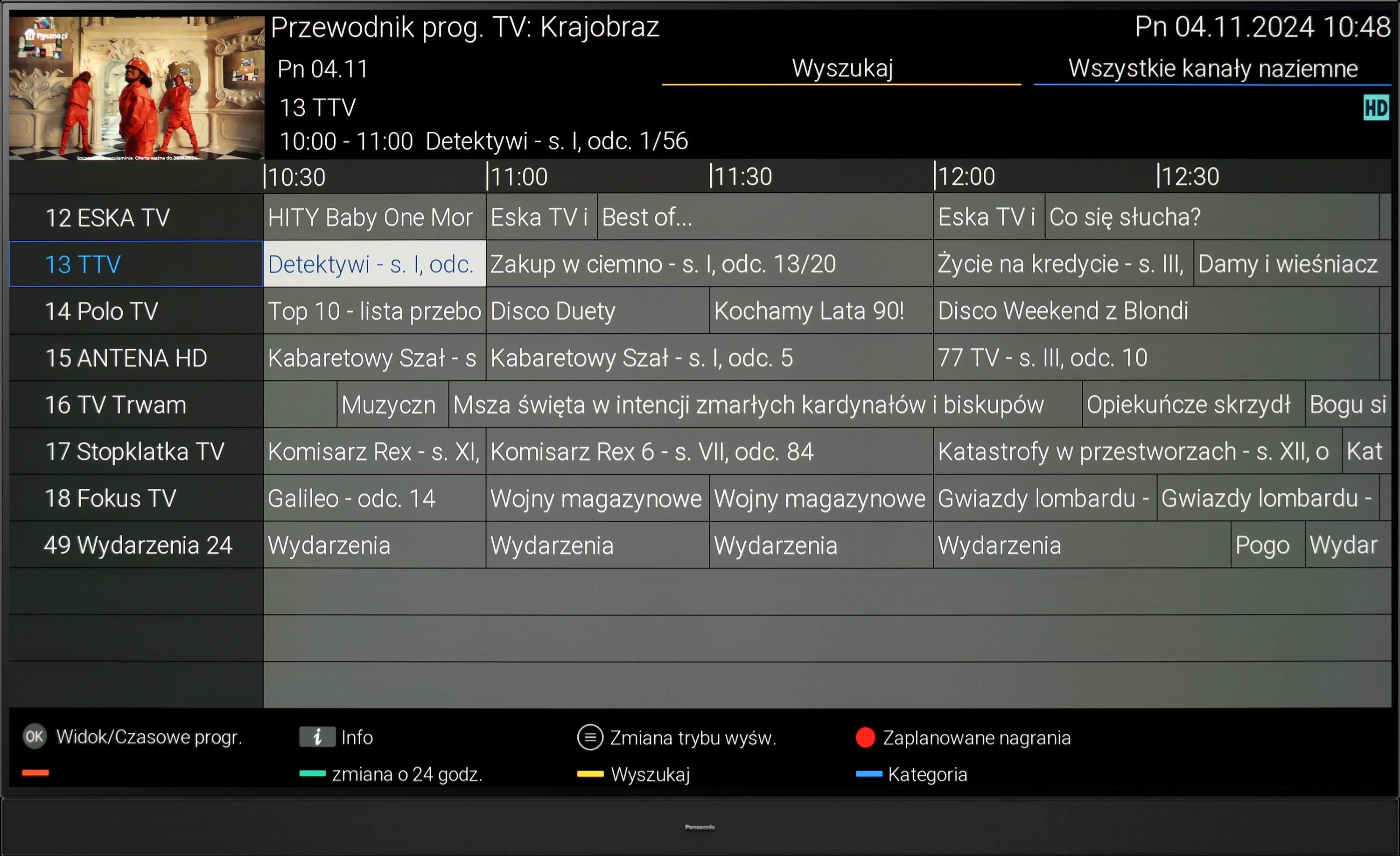
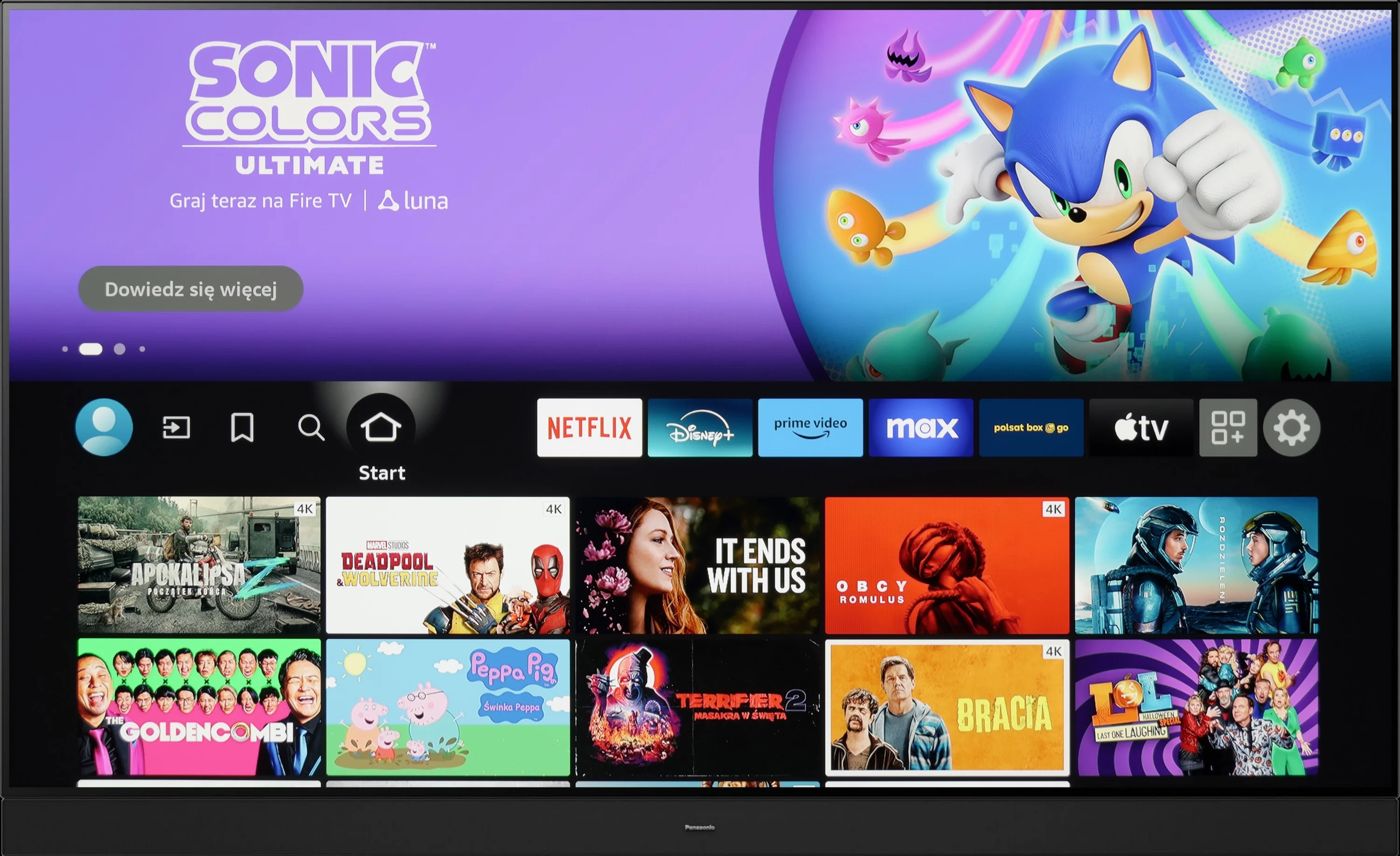
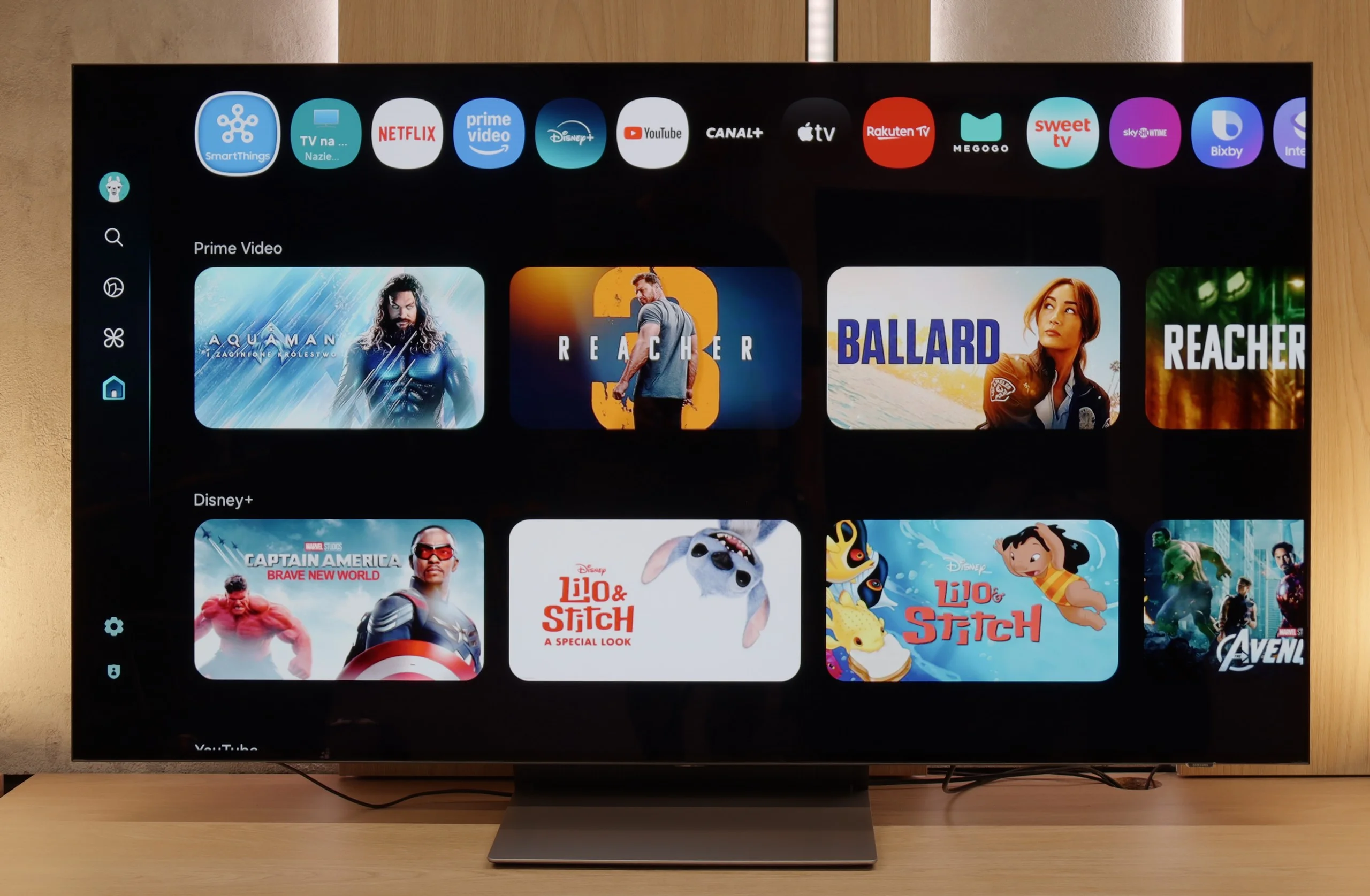
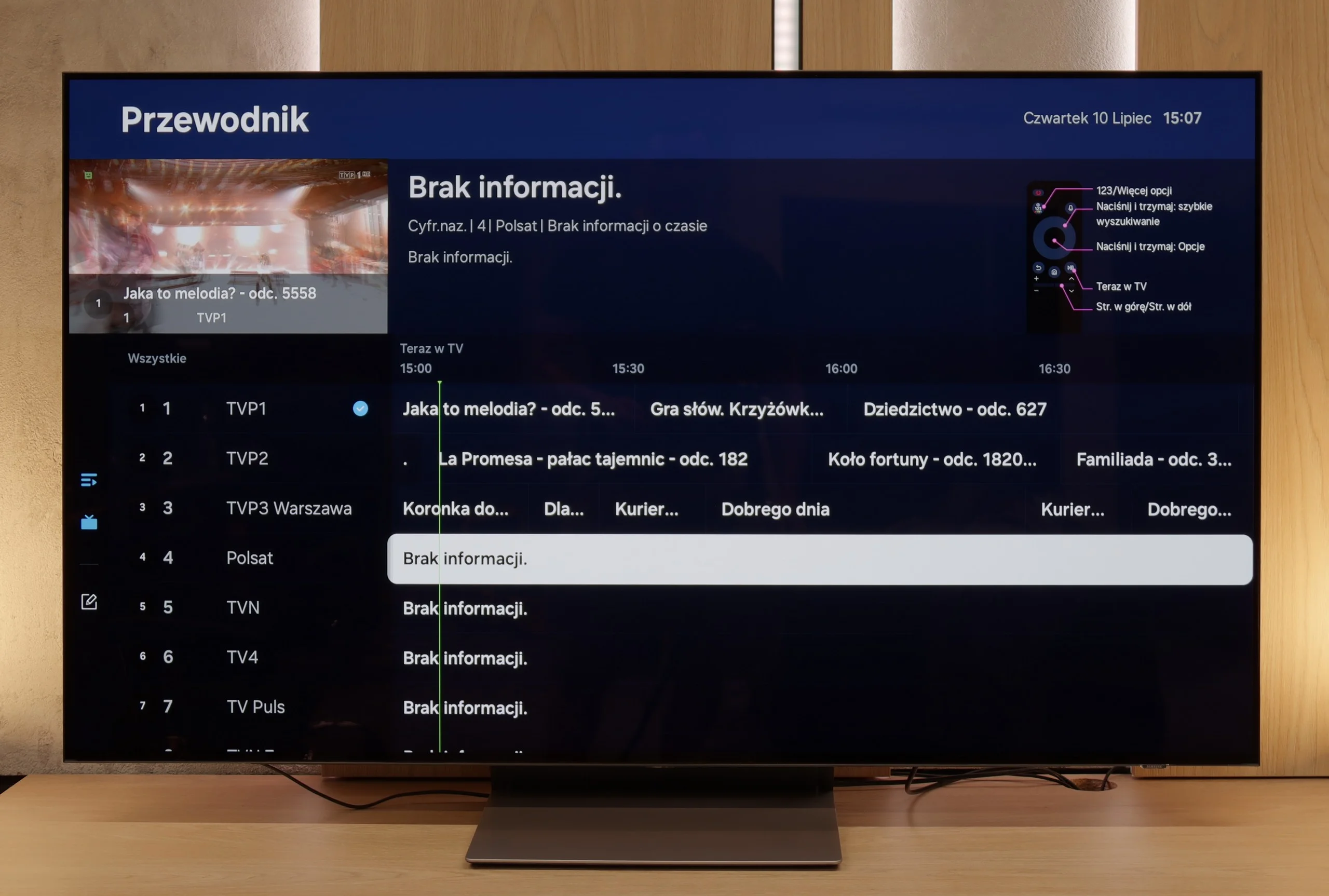
Panasonic Z95A introduces a new operating system, which we think is a very good move compared to last year's MZ2000 model. The system is called Fire TV and was created by Amazon. It is a novelty in the Australian market, standing out for its fluidity and responsiveness, providing comfortable navigation and quick performance in everyday use.
Despite numerous advantages, the system still has a few shortcomings. Some popular applications, such as SkyShowtime, as well as Australian streaming services like Player.pl or TVP VOD, are not available. Another drawback is the quality of the interface translation – many functions have been translated in a rather imprecise way, giving the impression that the translation was done "on the fly." Some names are unclear, especially for those who have not previously interacted with other televisions, which may hinder the use of the device.
In terms of user functionality, the Z95A performs very well. It includes options such as USB recording, support for PiP (picture in picture), AirPlay, and Miracast. Because of this, the television offers versatility and meets most demands of modern users, although the Fire TV system still requires refinement to fully compete with more established solutions on the market.
SmartTV Features: Tizen.
A major advantage of the S90F in everyday use is the Tizen operating system. It is one of the fastest systems on the market and has been exceptionally efficient on Samsung televisions for years, and on higher-end models like this one, it responds almost instantaneously. The menu reacts without delays, switching between applications is smooth, and the whole experience is intuitive enough that even someone encountering a Smart TV for the first time will find their way around it. In the app store, we can find practically everything we need – from Netflix to HBO Max and even less obvious services. While it may not have GoogleTV, there is really no sense of missing anything. A big plus is the integration with SmartThings. This is a solution for those who like to have their entire home controlled from one app. The television can be part of the IoT device ecosystem and will seamlessly communicate with the washing machine, air conditioning, or lighting if everything is on the same network.
Classic Functional Features
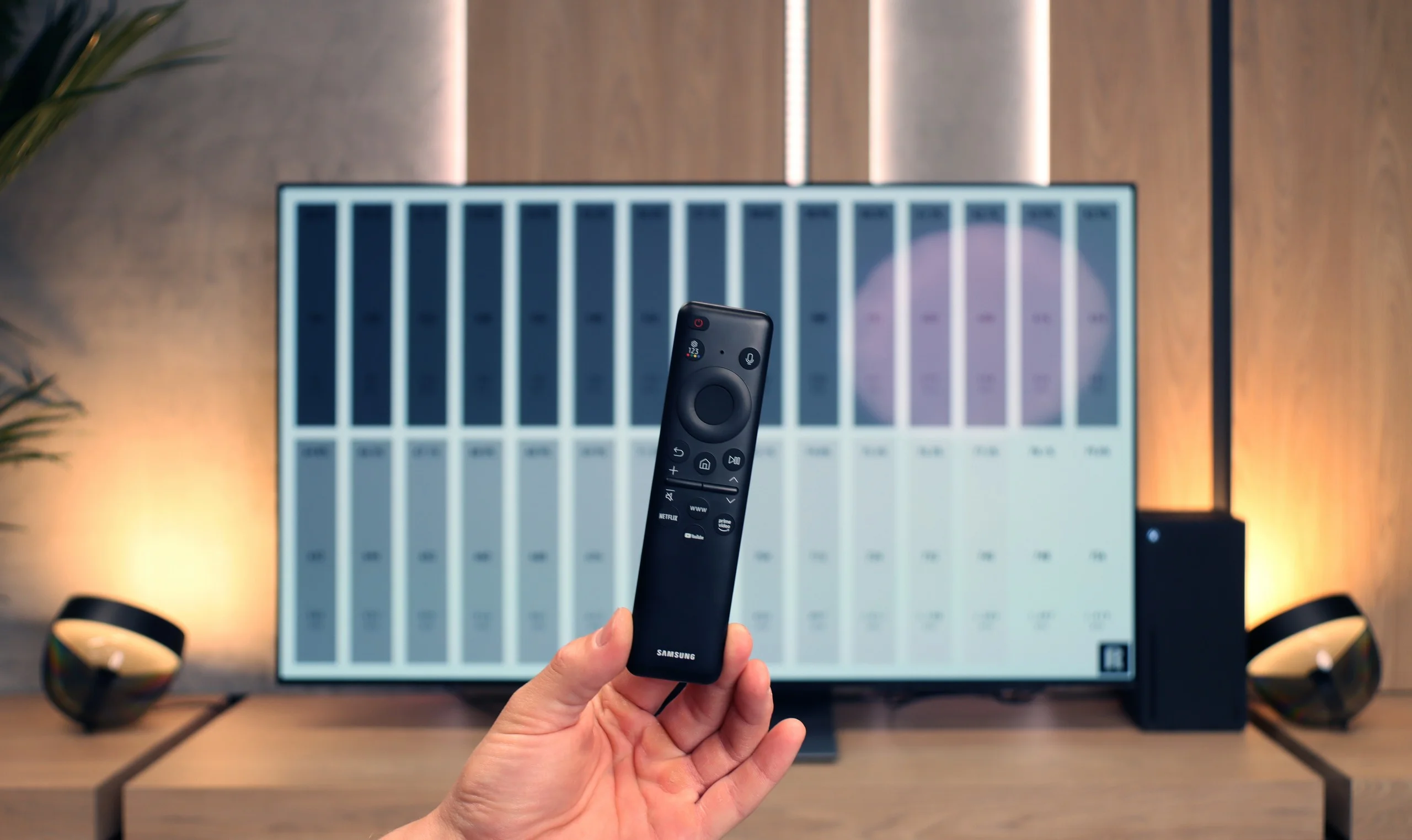
When it comes to classic features, it has everything one might expect: support for HDMI 2.1, USB inputs, optical output, and connectivity via Wi-Fi and Bluetooth. The only thing that more conservative cinema fans might find lacking is support for DTS:X audio formats – especially if someone watches films on physical media. The remote control may initially seem a bit strange, as it lacks traditional number buttons. But this is already standard in today's television world, and most users get used to it very quickly. A plus is that it works entirely wirelessly. The point is that you don't need to aim at the screen; simply pressing a button on the remote from anywhere (even in another room) will make the television respond to our actions.
Apps
6.1/10
9.3/10






















Playing files from USB
3.1/10
9.1/10
Supported photo formats:
Maximum photo resolution:
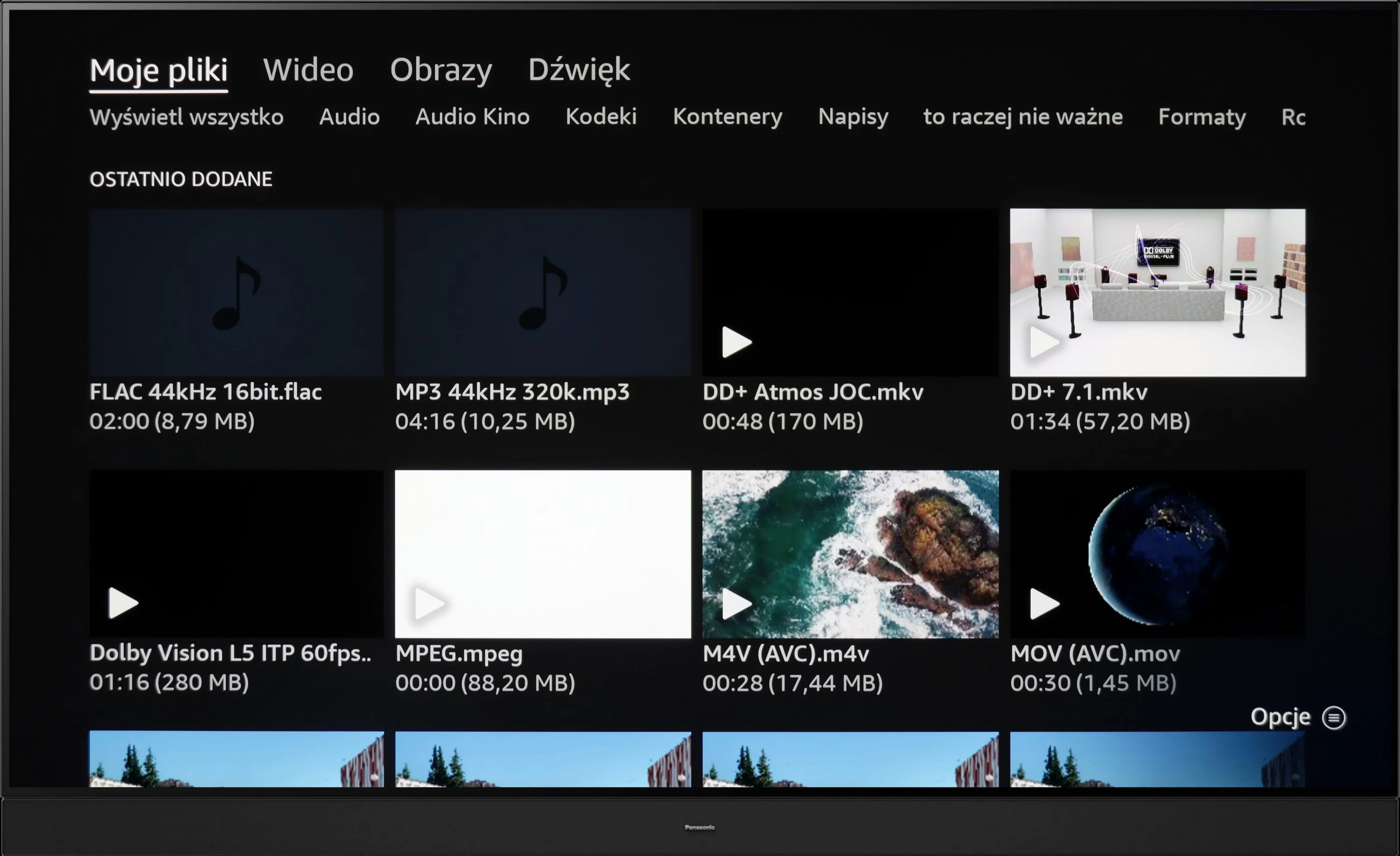
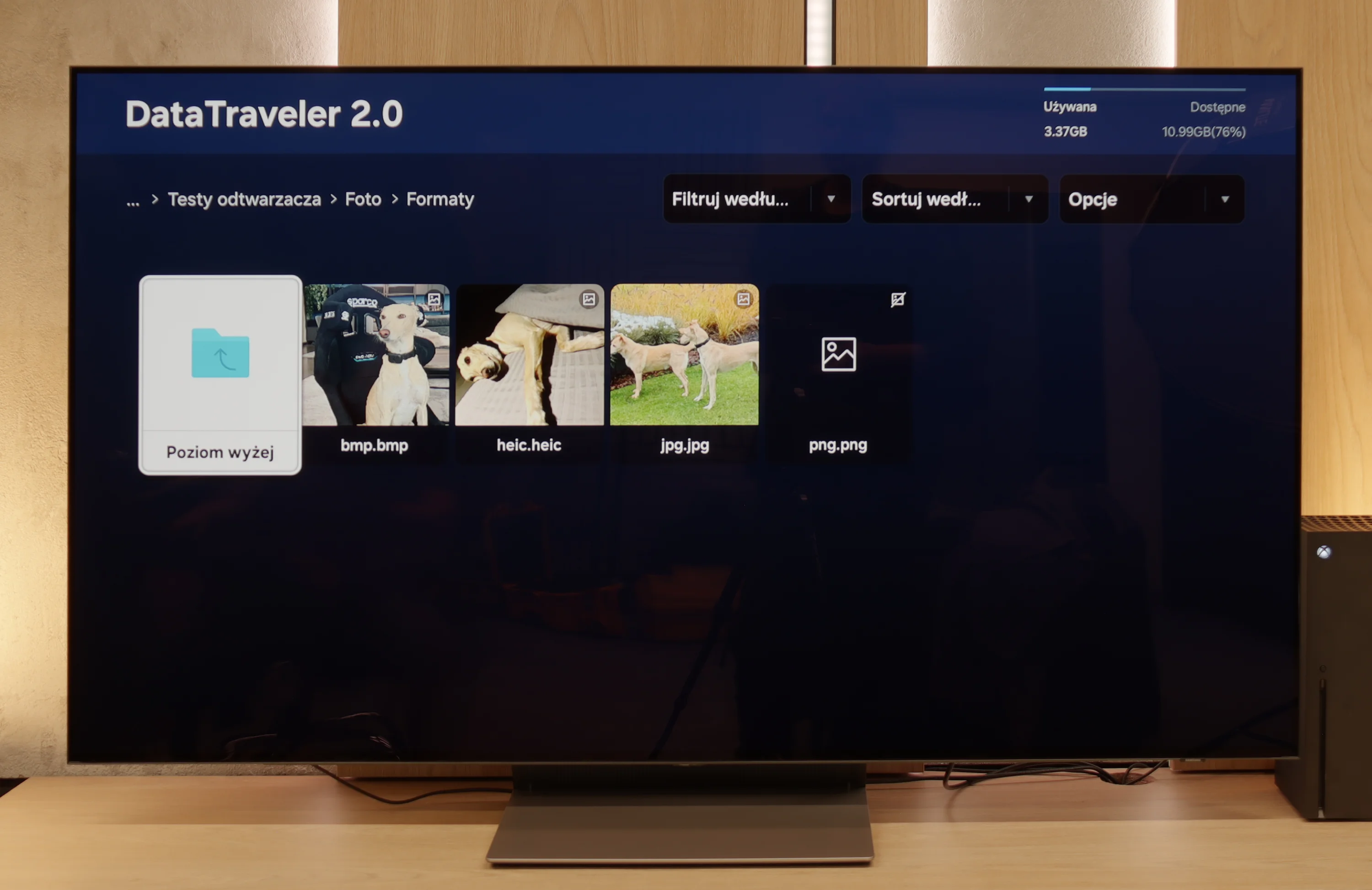
As we mentioned earlier, the Fire TV system in the Panasonic Z95A has some issues with supporting the Polish language, which unfortunately is also noticeable when playing files from a USB memory. The built-in media player does not allow for the correct display of Polish characters, such as "ź", "ć" or "ł", which can be burdensome for users relying on local subtitles for movies. If correct display of Polish characters is important to the user, it may be necessary to use an external application available in the Amazon store or to stream content through other devices.
The built-in player in the S90F works really well and is more than sufficient for most users. It easily opens movies or music loaded onto a USB drive or portable hard drive and handles most popular formats. The only "more serious" issue we encountered was the lack of support for HEIC photos – the ones that can be saved by an iPhone. (Although we suspect that 90% of people use the JPEG format anyway).
Sound
8.7/10
7.4/10
- Maximum volume-84dB
- Dolby Digital Plus 7.1
- Dolby True HD 7.1
- Dolby Atmos in Dolby Digital Plus (JOC)
- Dolby Atmos in Dolby True HD
- DTS:X in DTS-HD MA
- DTS-HD Master Audio
The sound in Panasonic Z95A is one of its strong points, mainly due to the built-in soundbar that provides impressive audio experiences. Support for Dolby Atmos makes the sound spacious and full of depth, perfectly fitting into the cinematic experiences. Both dialogues and sound effects sound clear and dynamic, which will satisfy even the most demanding users. Unfortunately, there is a lack of support for the DTS format, which may be disappointing for those using movies or content that require it. Nevertheless, the overall sound quality in Z95A is at a very high level and successfully replaces external audio systems (at a reasonable price) in most home applications.
The S90F really plays nicely for a TV – the bass is noticeable, the dialogues sound clear, and the overall dynamic is quite good. Dolby Atmos also does its job well, as it can give the sound some space, making the movie experience better than with most basic built-in setups in other TVs. However, it must be said plainly: no TV, even one of this class, can replace a separate sound system. If someone truly wants to feel like they're in a cinema, the best solution would be to buy a soundbar or a full audio set. Especially since, as is typical with Samsung, there's a lack of support for DTS:X – so fans of Blu-ray discs and high-quality soundtracks will still need to reach for external equipment connected directly to the source.
Sound Quality Test
No sound test video
Acoustic Measurements
No acoustic data
84dBC (Max)
75dBC
Reader comments
Comments are provided by the external service Disqus (Zeta Global). Once loaded, Disqus may set cookies and process data about your activity.
We will remember your choice on this device. Provider's privacy policy