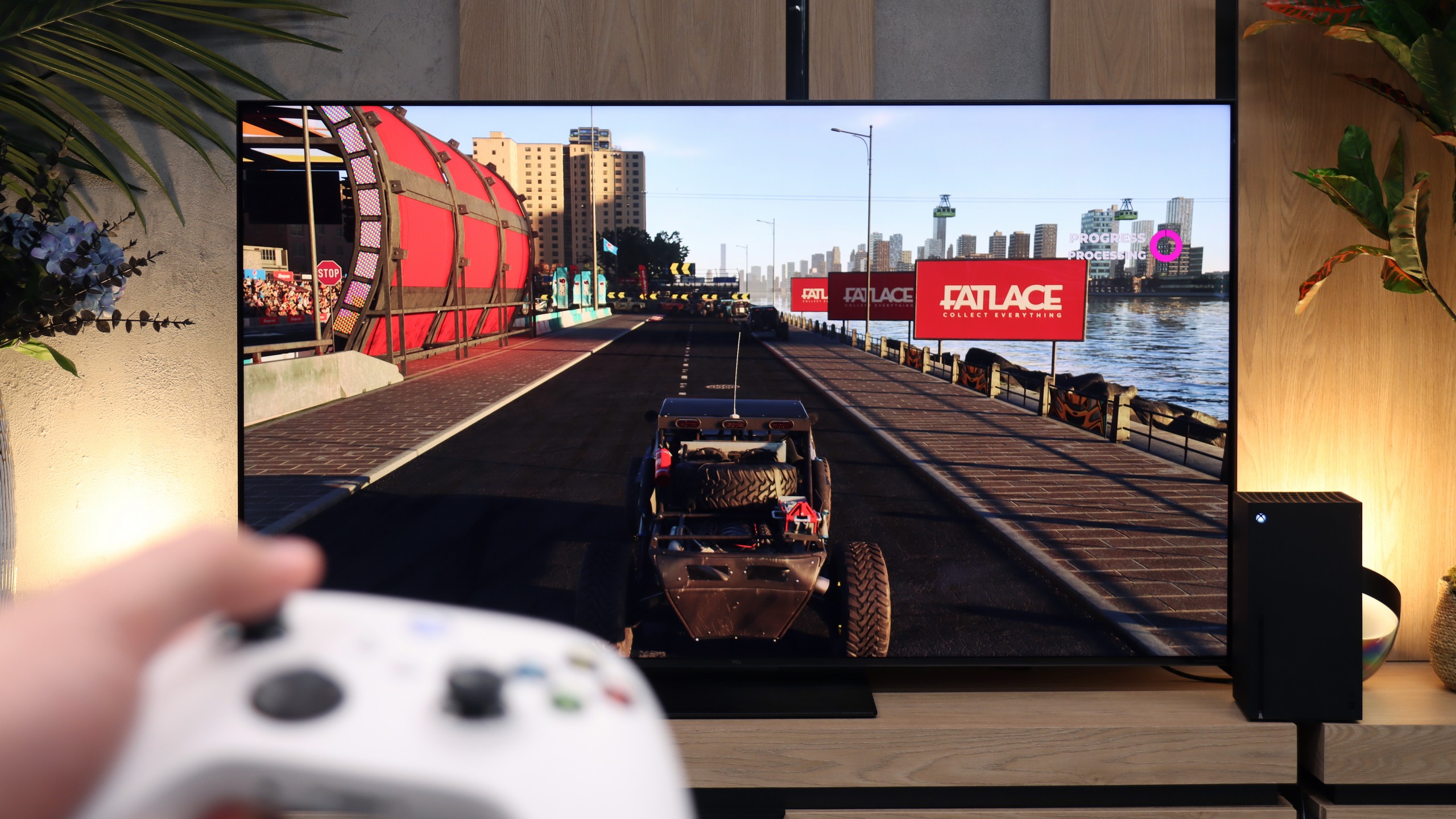
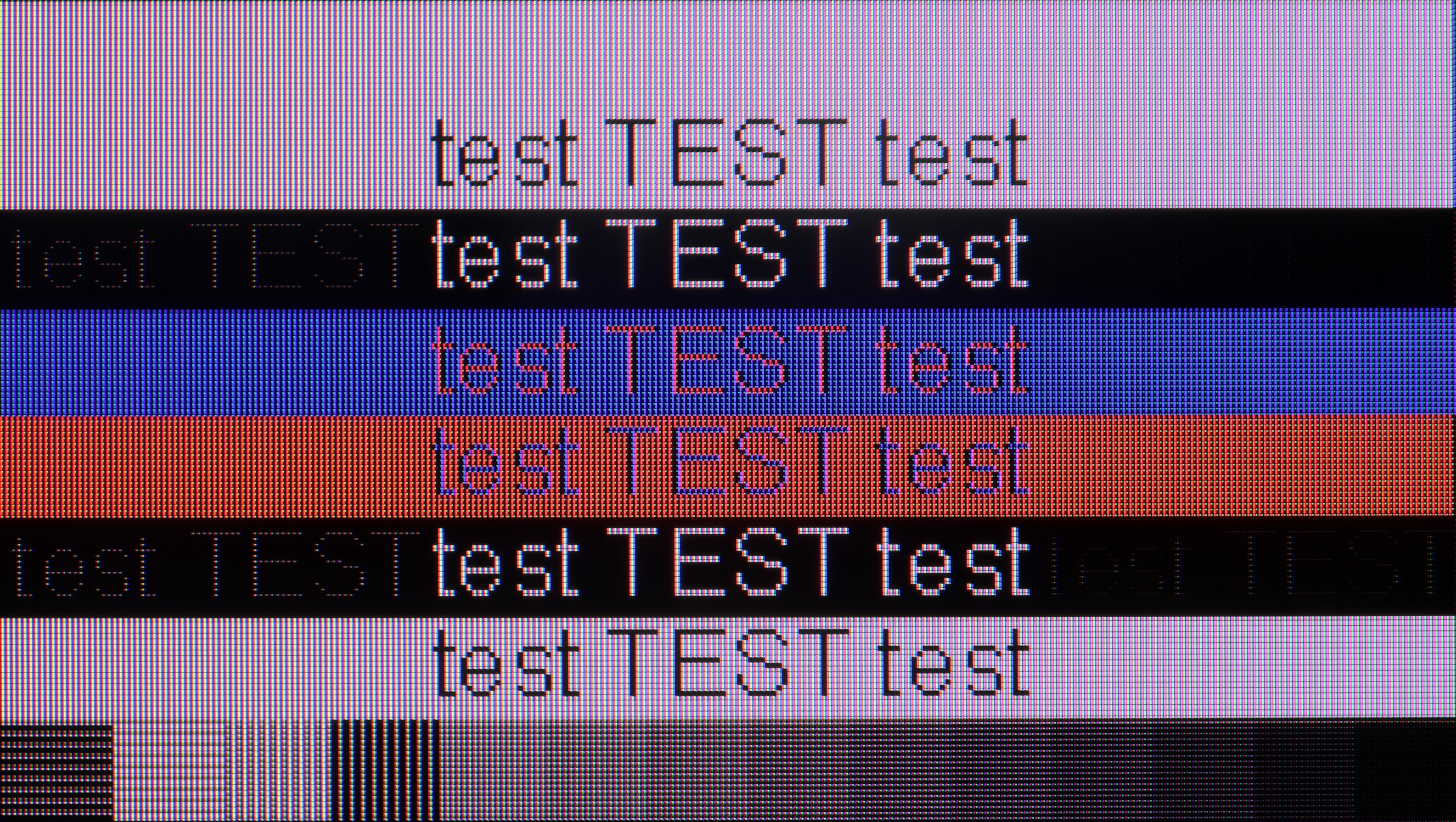
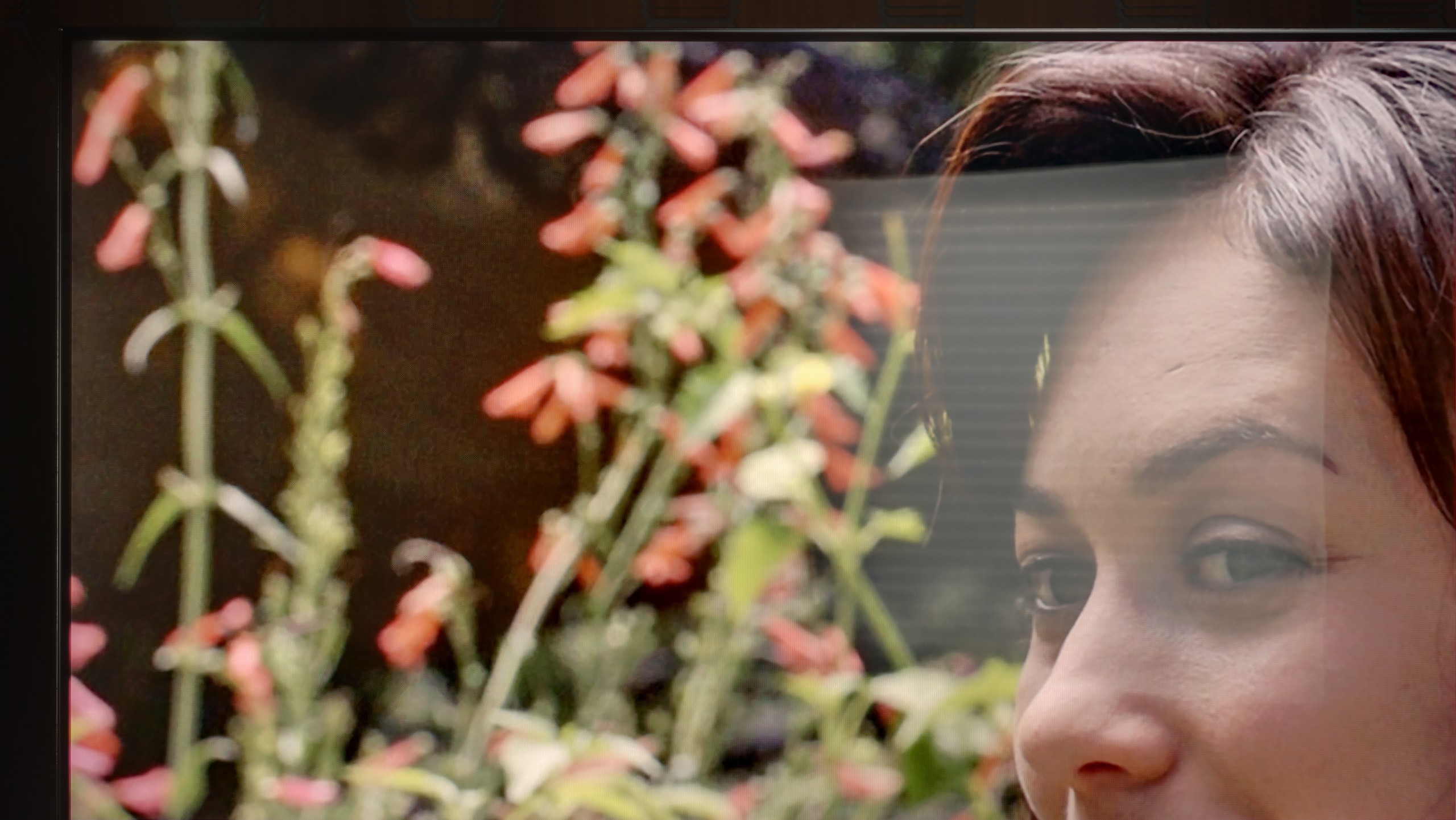
The Panasonic W70A draws attention primarily because of its advanced Google TV operating system, which gives us access to a multitude of popular applications (YouTube, Netflix, Disney+, HBO Max, etc.). In terms of picture quality, the IPS panel offers wide viewing angles, so colours do not lose their intensity even when you watch a film from an angle. Gamers will also not be disappointed, as it features VRR and ALLM, along with low input lag (around 12 ms) – all of this translates to pleasant experiences during occasional gaming, despite the standard 60 Hz refresh rate.
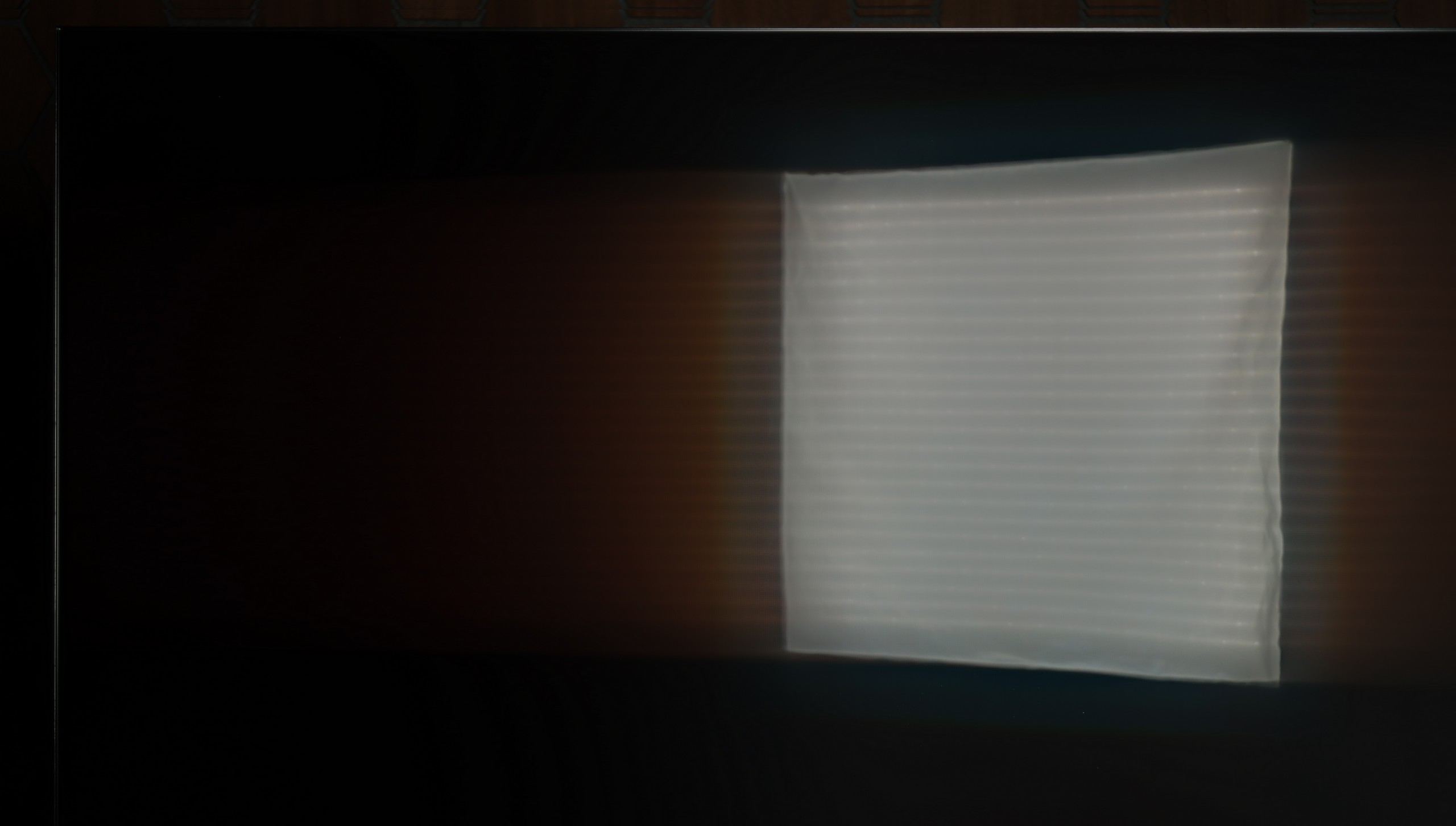
However, it's worth noting that this is rather a basic model and has its limitations. The contrast and blacks are simply weak, which is a typical phenomenon for IPS panels, especially in dark rooms. A brightness level of around 270 cd/m² is also insufficient in heavily sunlit rooms, so the picture can seem washed out. Certain shortcomings in the software itself cannot be overlooked either. Google TV is a great foundation, but sometimes settings are scattered in surprising places, and the quality of translations leaves a lot to be desired.
It must be considered that the competition is offering more and more in a similar (or slightly higher) price range. Can the Panasonic W70A hold its own in such an environment? On one hand, it tempts with a rich app base and decent support for gamers, but on the other – the market is flooded with more polished TVs equipped with better specifications. However, if wide viewing angles and straightforward access to Google TV services are priorities, we can give it a chance. In other cases, it’s worth exploring among competitive models that often offer better blacks, higher brightness, and fewer annoying issues in the menu at a similar price.
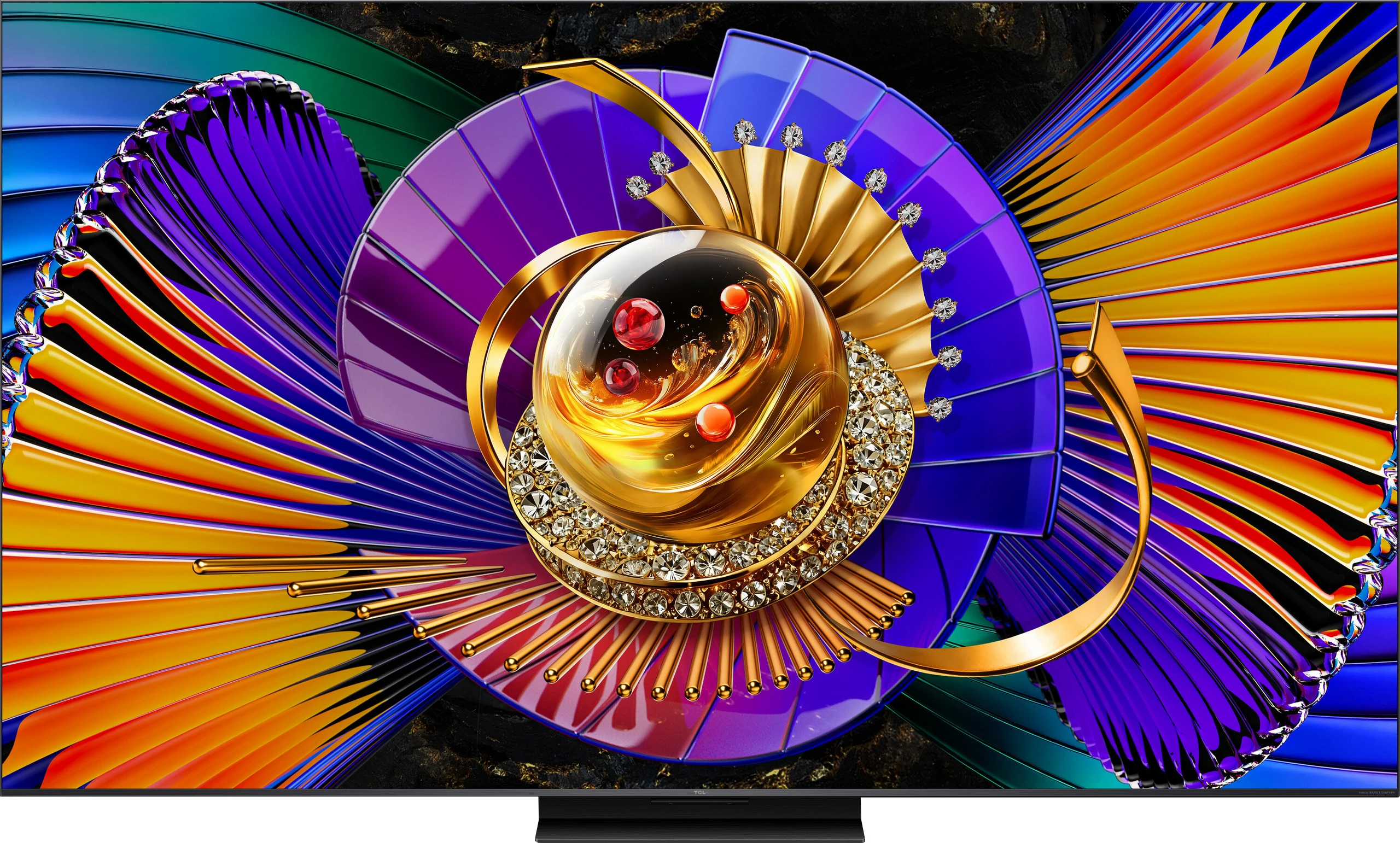
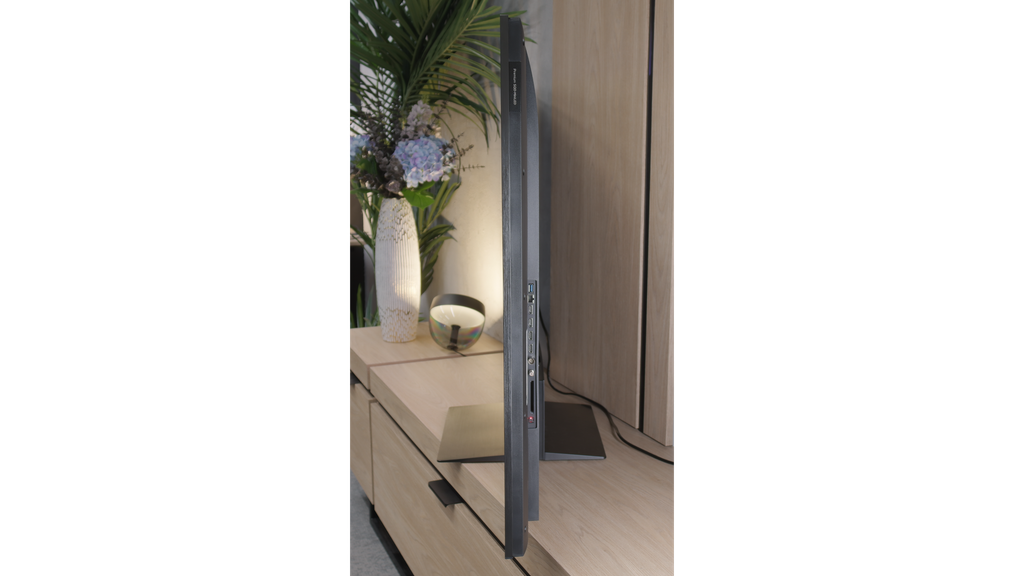
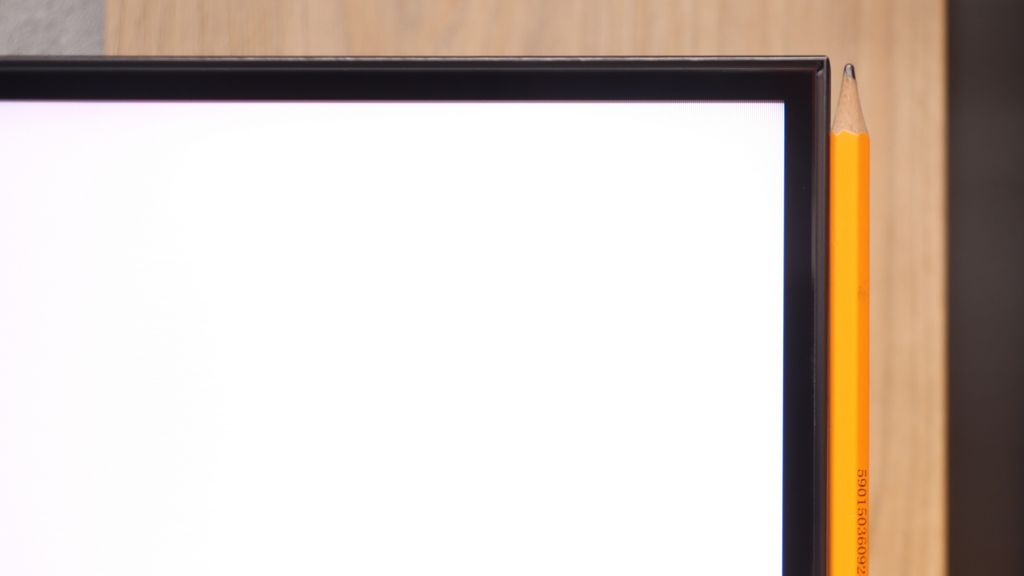
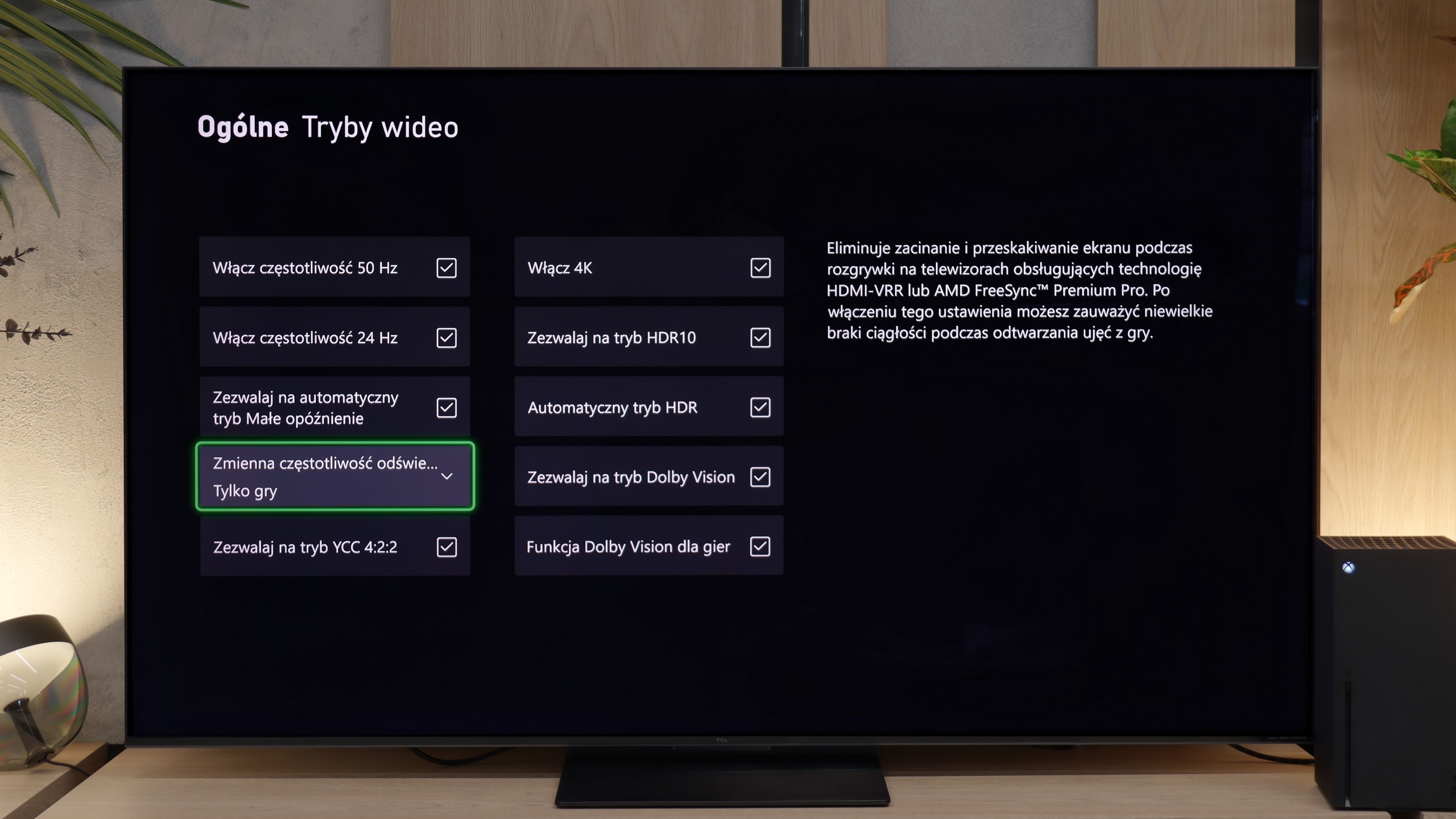
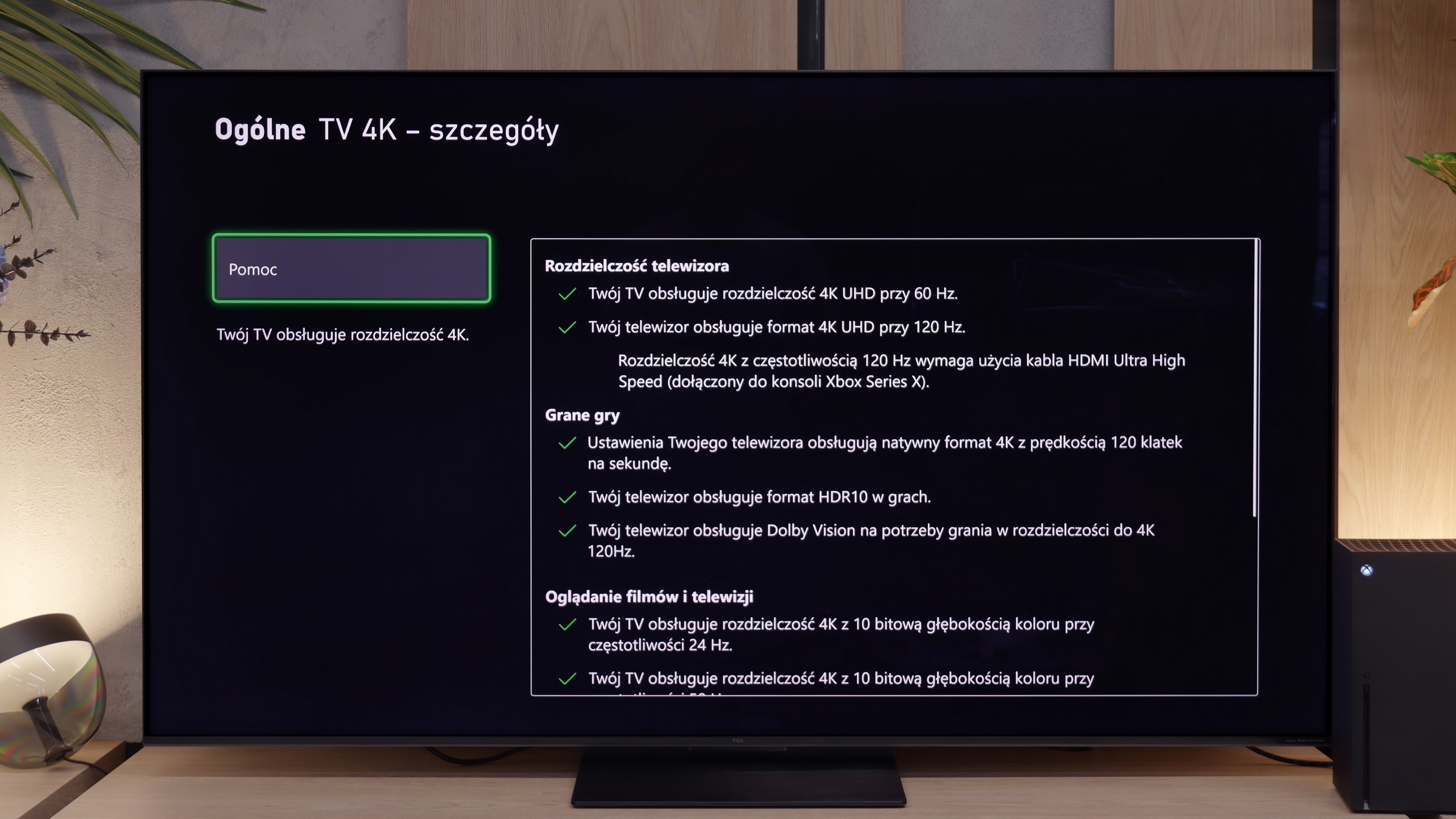
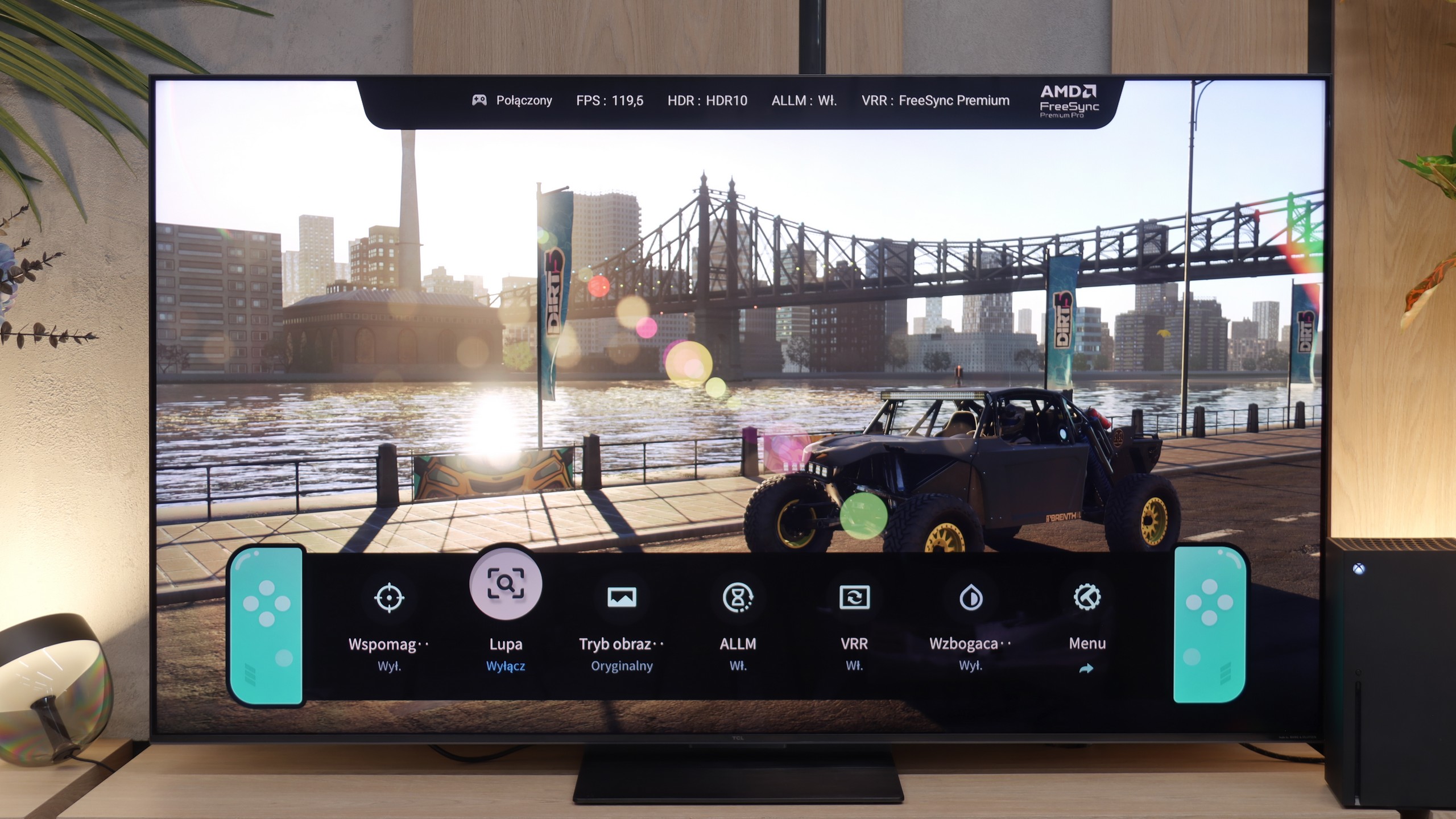
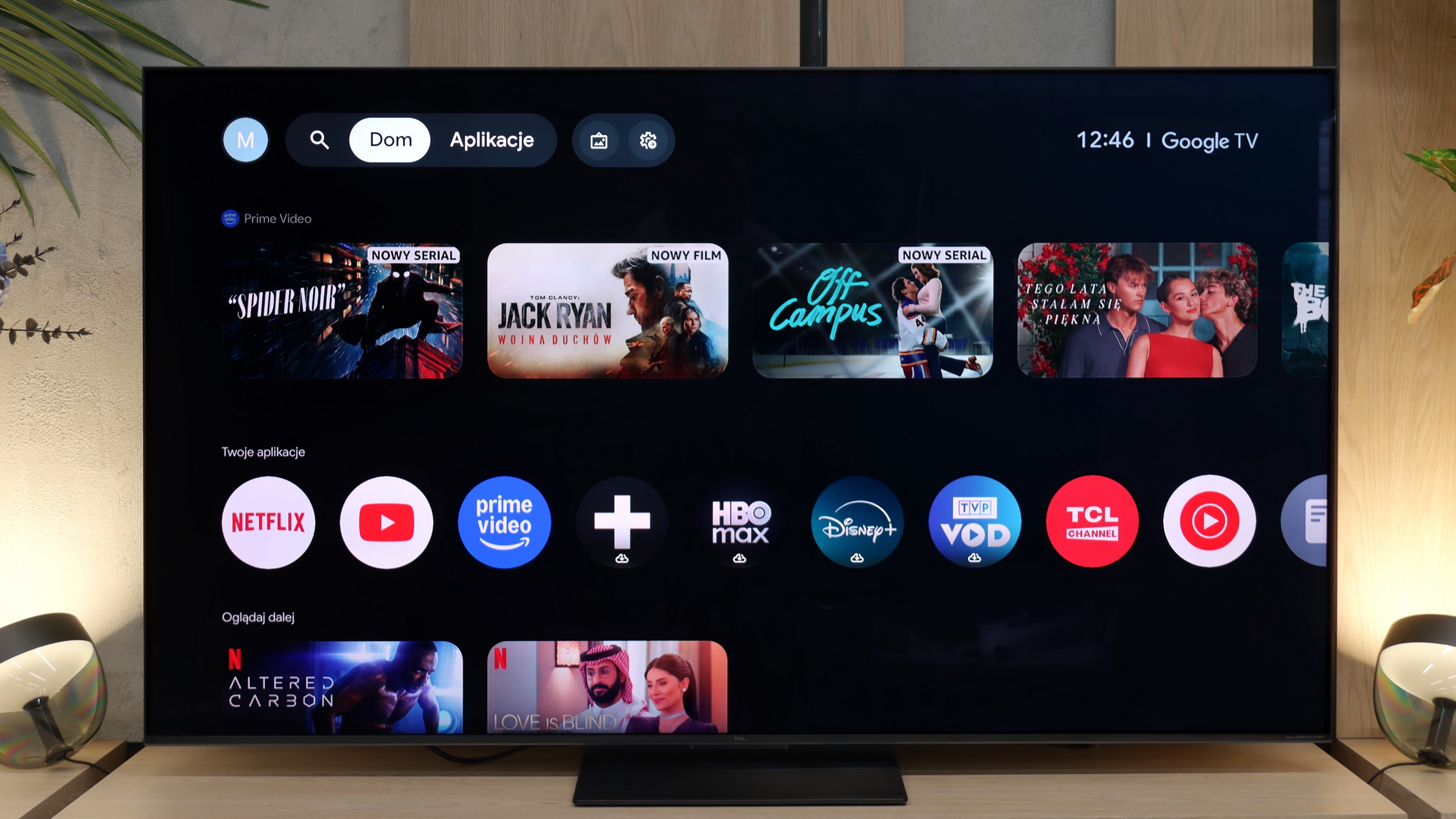
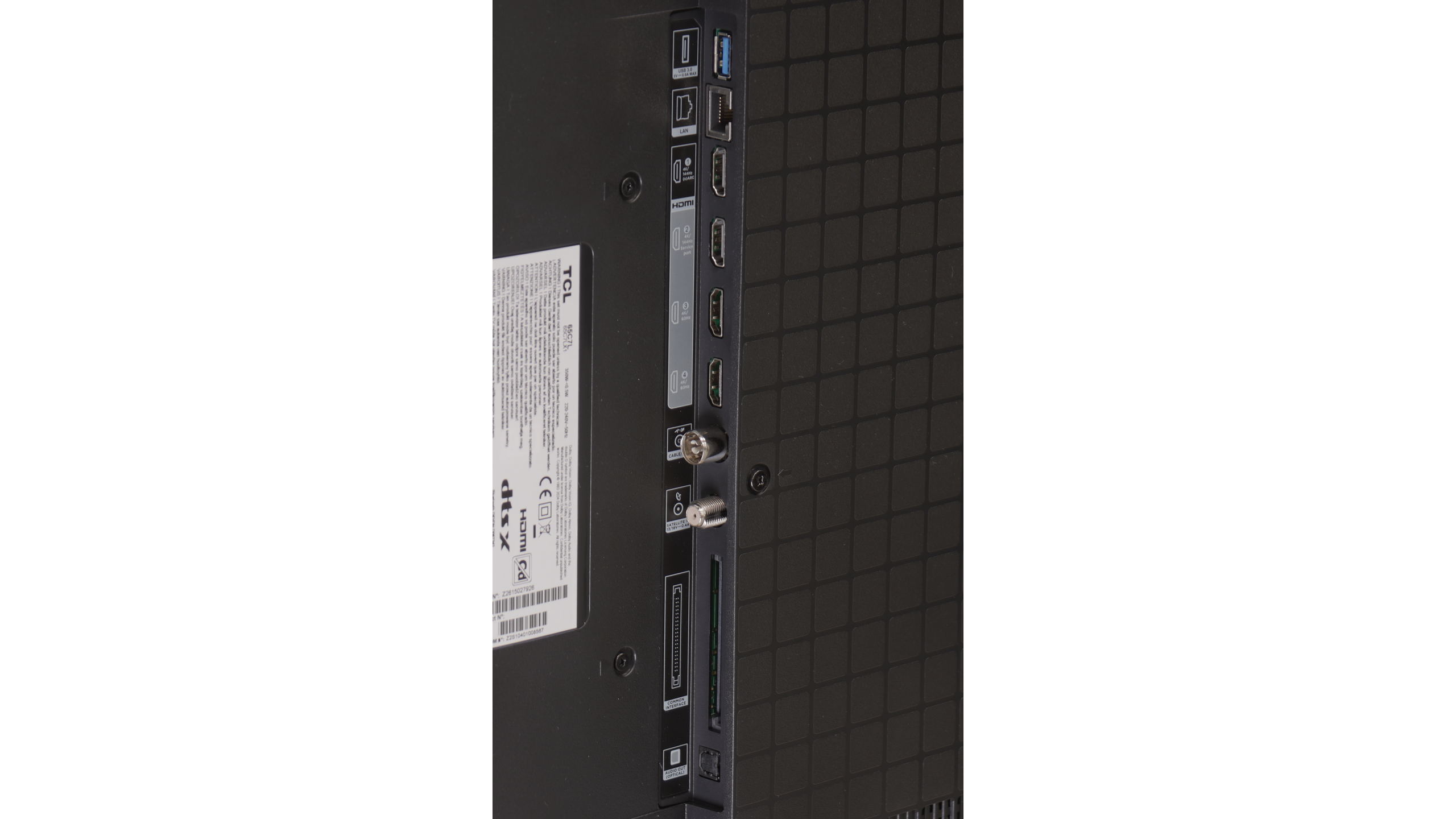
TCL C7L is an incredibly successful Mini-LED television and a fully deserved successor to the hit model C7K. The list of advantages of this device is really long. At the top is the extremely high brightness of the panel. Thanks to this, the television handles brightly lit living rooms without any problems, offering a fantastic and dynamic image in HDR format. Huge applause is also due for the use of the new Super QLED coating – after professional calibration, the colours can be not only natural but also incredibly vibrant. The best part is that the screen does this regardless of what scene is displayed on the screen, which is often not the case for all TVs with RGB backlighting. C7L is also an excellent piece of hardware for gamers; you could even say it’s a true "multimedia powerhouse." It fully supports consoles and PCs, refresh rates up to 288 Hz, G-Sync, and low input lag that doesn’t increase even when enabling very demanding modes like Dolby Vision Gaming. The whole package is tied together by a well-optimised Google TV system, which in this generation of TCL devices runs noticeably smoother and more efficiently (at least that’s the impression we got during our tests). Of course, C7L is not a perfect device, and the manufacturer had to make certain compromises in this model. The biggest flaw of the C7L is the use of a less powerful image processor. Unfortunately, this translates to fairly mediocre digital processing and another construction limitation in the form of only two HDMI 2.1 ports. A more powerful setup has been reserved this year for the higher series, such as C8L. From a business perspective, this is fully understandable. Why? Because if TCL had put a better processor here, most people would probably see no sense in paying extra for the higher model. So even if some compromises exist here, the C7L series promises once again to be one of the most cost-effective Mini-LED televisions of the year. If you’re looking for a versatile, incredibly bright screen for movies, series, TV, or games – literally for everything – and at the same time don’t want to overpay for the top series, then yes... C7L is a brilliant choice that we can definitely recommend to you.
 Direct comparison