LG QNED87T is a television that definitely stands out. It's a bit unconventional – it doesn't try to forcefully compete with top OLED models, but it makes up for it with modern features and user-friendly operation. It's equipment that works great for those who value comfort and versatility. The 120 Hz panel, VRR, and ALLM make the television perform well with dynamic content. Games run smoothly, the picture is sharp, and the responses are quick. If we spend time on a console, we will appreciate the lack of lag or blurring. When watching sports, quick actions are clear, without stutters. On a daily basis, LG QNED87T is simply comfortable. WebOS operates intuitively, apps launch quickly, and the Magic Remote control significantly eases operation. Voice control saves time, especially when searching for movies or series. Features like USB recording or Bluetooth provide more options, enhancing its versatility. The IPS panel is a big advantage regarding viewing angles. No matter where we sit in the room, the picture looks good. It's a great solution in larger spaces where not everyone has a direct view of the screen. Older films or standard television from built-in tuners also present quite well – the improvement in the quality of lower resolution materials works surprisingly well. However, there are certain things that can be eye-catching. The contrast is simply terrible. In dark scenes, there are no details at all. In the evening, in a darkened room, this is very noticeable. During the day, these imperfections are less felt, so LG QNED87T performs better in well-lit places. LG QNED87T is a television that has its strengths. It handles dynamic materials well, is easy to use, and is excellent for bright rooms. It's not the ideal model for evening viewings in darkness, but in everyday use, it definitely stands out. It's a universal device worth considering when choosing a new television.
- Matching (Score) |
- Our verdict |
- TV appearance |
- Where to buy |
- Contrast and black detail |
- HDR effect quality |
- Factory color reproduction |
- Color reproduction after calibration |
- Smoothness of tonal transitions |
- Image scaling and smoothness of tonal transitions |
- Blur and motion smoothness |
- Console compatibility and gaming features |
- Input lag |
- Compatibility with PC |
- Viewing angles |
- Daytime performance |
- Panel details |
- TV features |
- Apps |
- Playing files from USB |
- Sound
LG QNED87T6B vs SONY BRAVIA 3 II (XR35M2)
 Direct comparison
BRAVIA 3 II / XR35M2
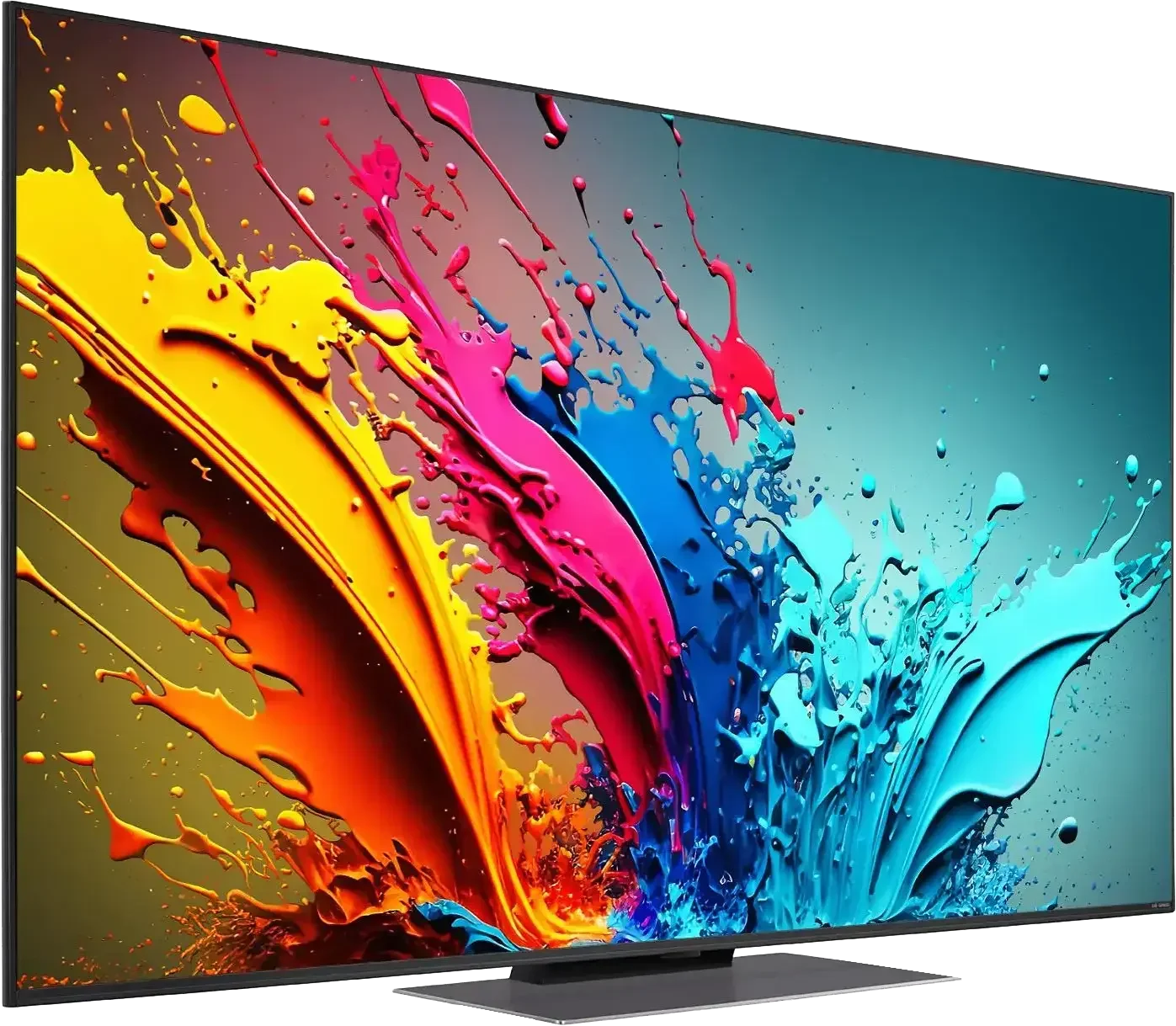
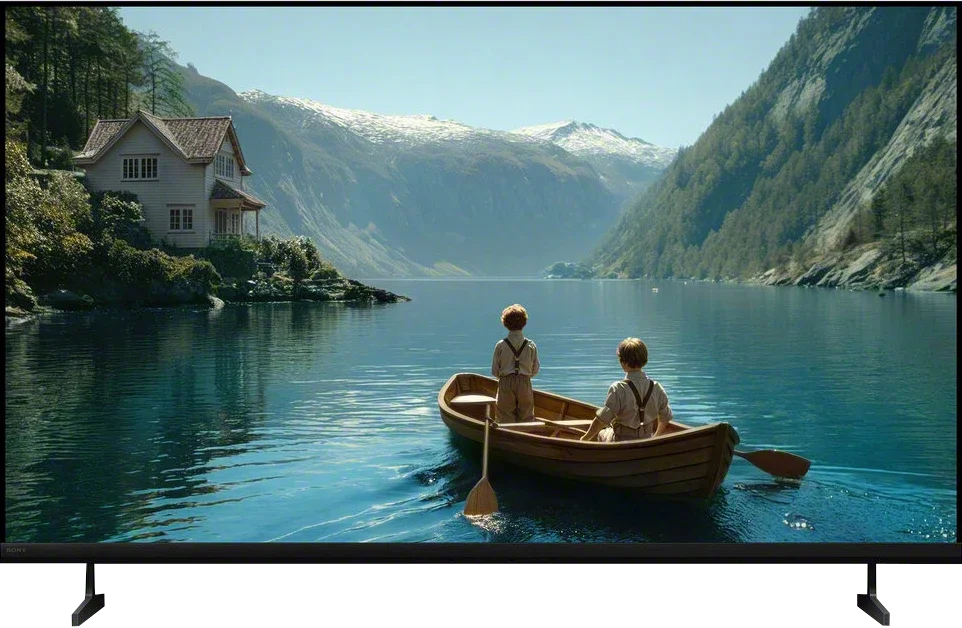
Panel type: LCD IPS
Resolution: 3840x2160
System: WebOS
Model year: 2024
Complete the survey to find out the result
Panel type: LCD VA
Resolution: 3840x2160
System: Google TV
Model year: 2026
Complete the survey to find out the result
Overall rating
6.8
7.0
 Movies and series in UHD quality
 6.1
6.5
 Classic TV, YouTube
 6.1
6.3
 Sports broadcasts (TV and apps)
 7.2
6.7
 Gaming on console
 8.2
8.1
 TV as a computer monitor
 7.6
7.2
 Watching in bright light
 4.8
5.8
 Utility functions
 8.8
7.9
 Apps
Apps 8.3
9.6
 Sound quality
 6.0
6.8
Complete the survey to find out what fits your preferences
Advantages

Fantastic for gamers and sport - 120hz, HDMI 2.1
Wide viewing angles
Good choice for regular TV - excellent digital processing and extensive user features
One of the better choices as a PC monitor
Remote with cursor - Magic
Very good motion clarity and exceptionally low motion blur for a 120Hz LCD TV
Finally, 4 × HDMI 2.1 48 Gb/s!
Lots of gaming features: VRR, ALLM, low input lag
Wide colour gamut: QLED (PFS)
Dolby Vision support
Google TV with a wide range of apps and features
Broad audio format support: Dolby Atmos and DTS
Record programmes to USB
Two remotes included
Disadvantages

Tragic contrast
Missing Dolby Vision, HDR 10+
High price for what it offers; for only a little more you can buy the much better BRAVIA 5 model
No local dimming
No proper HGiG support
Average processing of lower-quality source material
Our verdict
The Sony Bravia 3 II is a TV where you can quickly see what the manufacturer had in mind for this model. It’s meant above all to be a sensible Bravia for gaming, and in that respect the changes are quite significant. Sony has finally fixed one of the biggest headaches of its TVs, namely having only two full HDMI 2.1 ports. This one has four, and that alone makes the Bravia 3 II a much more convenient choice for anyone who wants to connect a lot of gaming gear. Fortunately it’s not limited to gaming. The 120 Hz panel performs very well for motion, motion blur is minimal, and the motion-enhancing systems work surprisingly effectively, at times even better than on Sony’s top sets. That makes sport another use case where the Bravia 3 II feels right at home. Add Google TV with its full suite of apps and features, and in terms of everyday use it’s just the Sony we’ve known for years.
The biggest problem with this model, however, isn’t the TV itself but its current price. The Bravia 3 II is today dangerously close in price to the Bravia 5, and when the extra cost for the higher model is just a few percent, choosing the lower series starts to make less sense. The Bravia 5 already offers a full Mini-LED backlight with local dimming, which is exactly what the Bravia 3 II most lacks for evening viewing and HDR. That’s why we look at this model mainly through the lens of price. The Bravia 3 II itself is a very successful lower-mid-range TV and, at the right price, could easily be one of the more interesting choices for a gamer or sports fan. However, if the gap to the Bravia 5 remains small, it will be hard to recommend it wholeheartedly.
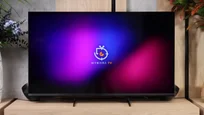
TV appearance
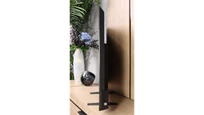
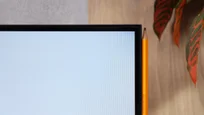
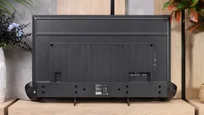

Contrast and black detail
3.3/10
5.6/10
Local dimming function: Yes, number of zones: 6 (6 x 1)
Local dimming function: No
Contrast:


Result
2,350:1

Result
1,250:1

Result
2,500:1

Result
1,450:1

Result
1,050:1
Result
3,050:1
Result
4,650:1
Result
5,850:1
Result
6,400:1
Result
4,350:1
Halo effect and black detail visibility:
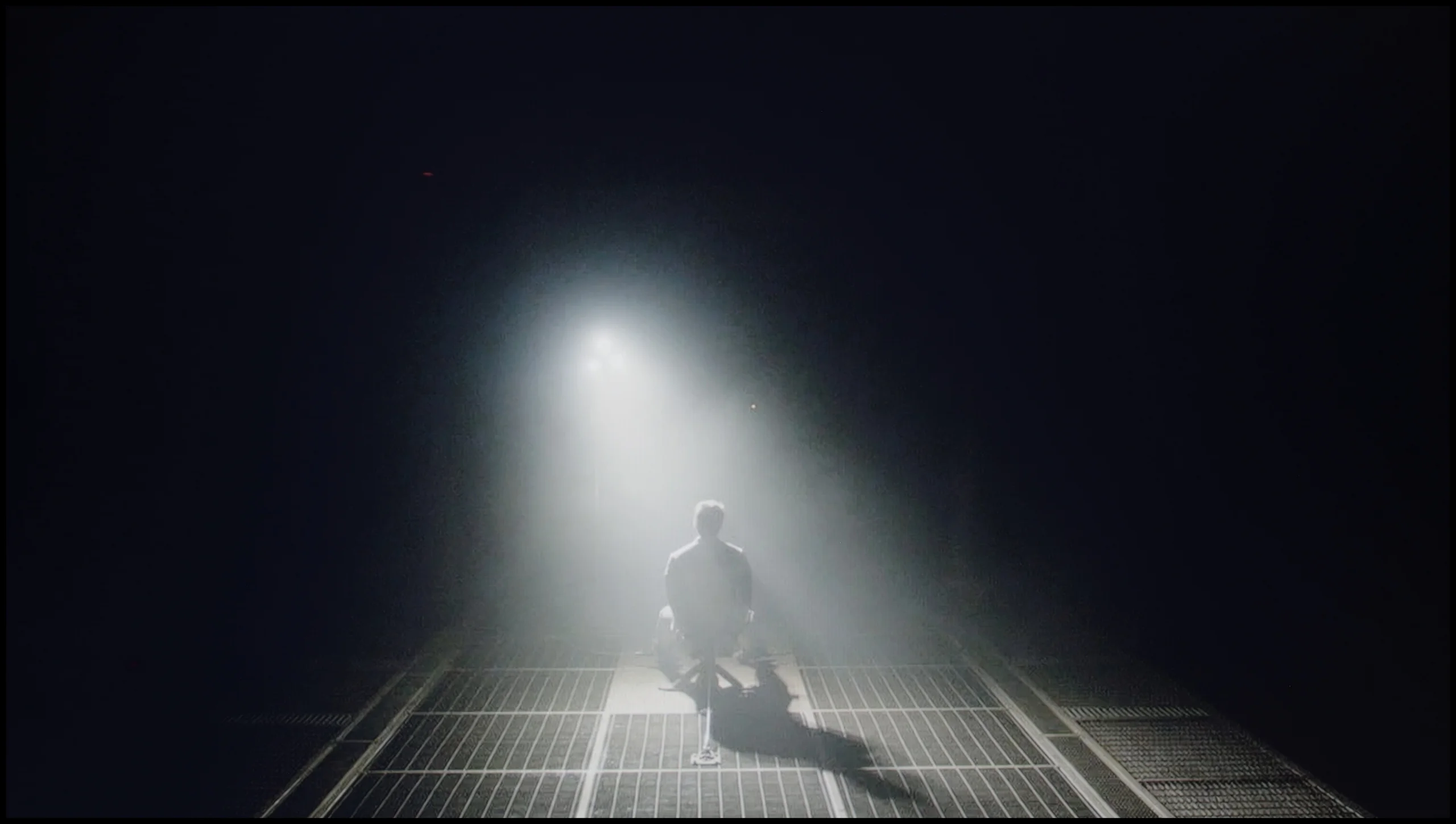
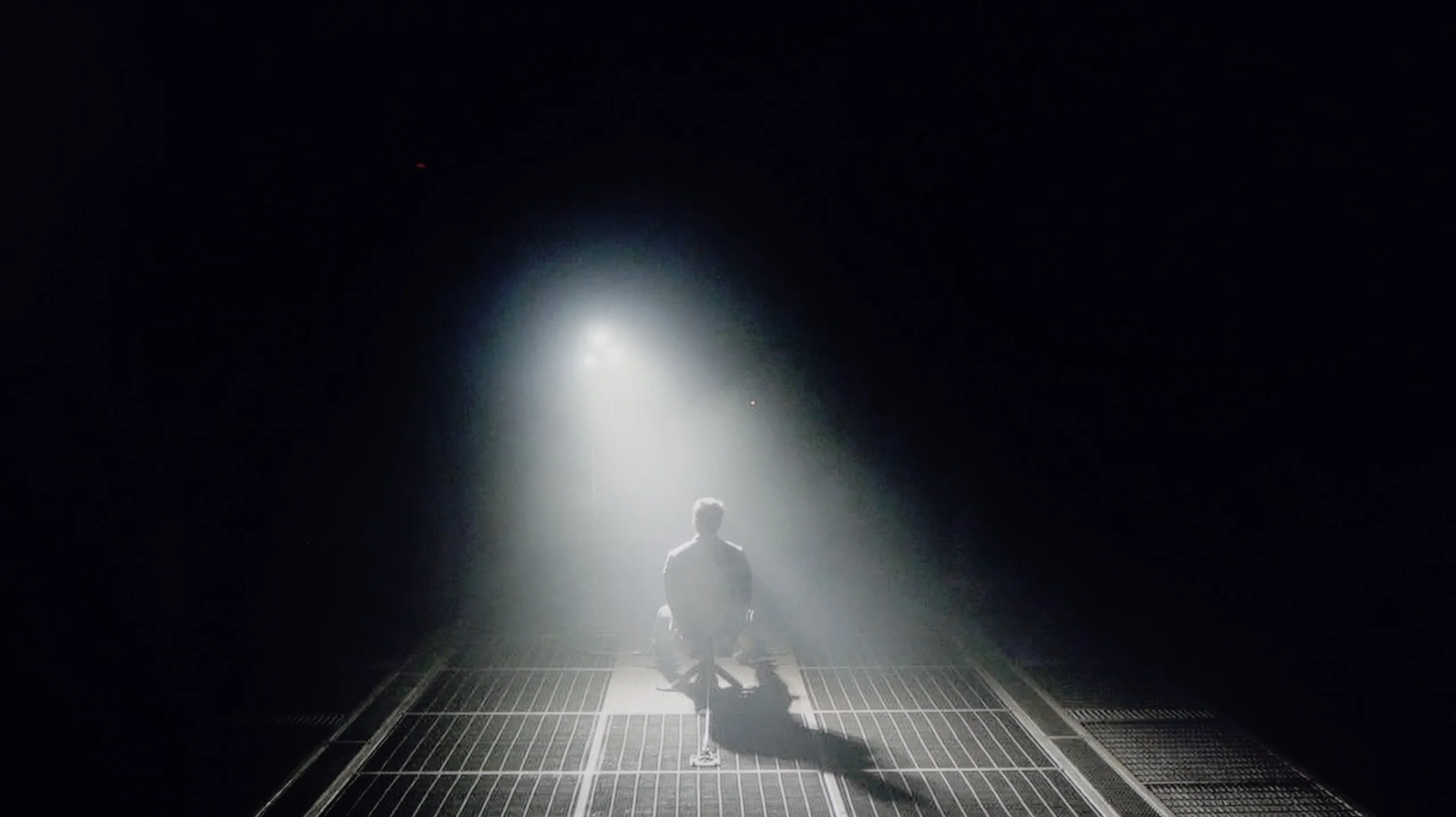
Check the visibility of bright lights on a dark background. Mini-LEDs often struggle with this. The photo does not compare black levels – that’s what the video below is for.
The video accurately shows differences in contrast and black levels between TVs, as well as potential issues: halo around bright objects or Mini-LED zone operation visible as brightness jumps.
In the category of black levels and contrast, the television LG QNED87T6B faces some challenges. Equipped with an IPS panel, it doesn't match the VA panel models in terms of performance in this area. Additionally, edge-lit dimming affects its poor results in this category. It's worth mentioning that the exception is the 50-inch variant, which has a VA panel and is not subject to this test.
Despite the manufacturer offering a dimming control option, the effects remain relatively weak. Test patterns show that the contrast is really poor, and in the test clip from the film "Sicario 2," it's clear to see how the television struggles with the backlighting, illuminating a large portion of the screen from below. This indicates that in more demanding scenes, the television has difficulties maintaining an appropriate level of contrast and black levels, which negatively impacts the overall visual experience.
Bravia 3 II uses a VA panel, a solution that by nature delivers significantly better contrast than IPS or ADS panels. In our unit the native contrast ratio was around 5000:1 and, for a TV without local dimming, that's a pretty good result. In practice that means in a lightly lit room blacks can look genuinely decent. Dark parts of the image do not immediately go grey, and night scenes have noticeably more depth than on many TVs with IPS panels. The poorer black performance becomes visible, however, when you turn the lights off. The Bravia 3 II does not have local dimming, so the entire backlight operates in a similar way regardless of what is happening in a given area of the image. In a dark room it is easy to notice that black is no longer truly black but starts to shift towards a dark navy. It is not a level that severely spoils the film, but during an evening viewing the difference compared with Mini-LED, and even more so with an OLED TV, becomes very clear.
HDR effect quality
5.3/10
5.3/10
Luminance measurements in HDR:

Result
409 nit

Result
486 nit

Result
574 nit

Result
464 nit

Result
439 nit
Result
408 nit
Result
430 nit
Result
449 nit
Result
457 nit
Result
455 nit
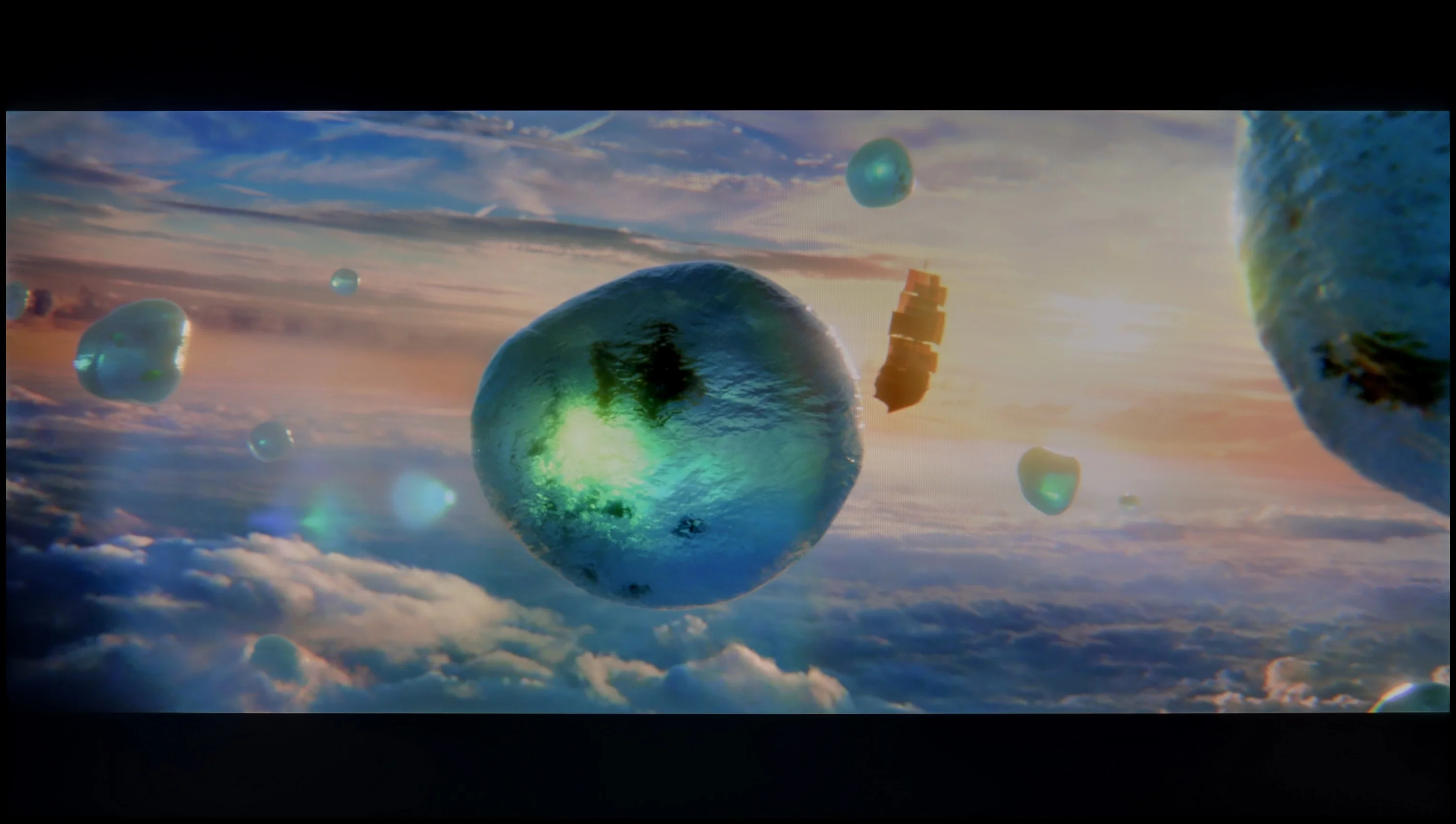
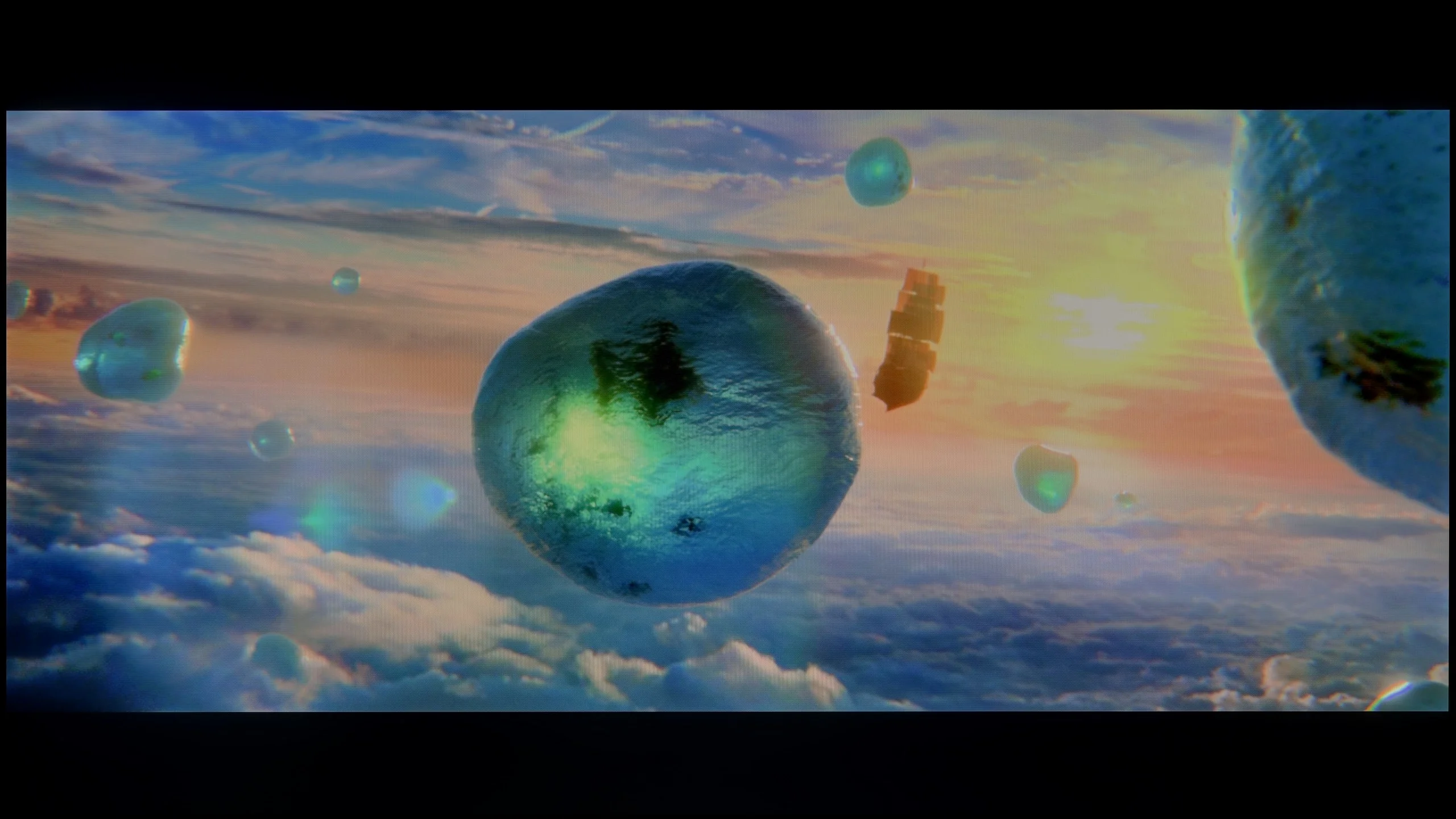
Scene from the movie “Pan” (about 2800 nits)
Scene from the movie “Billy Lynn” (about 1100 nits)
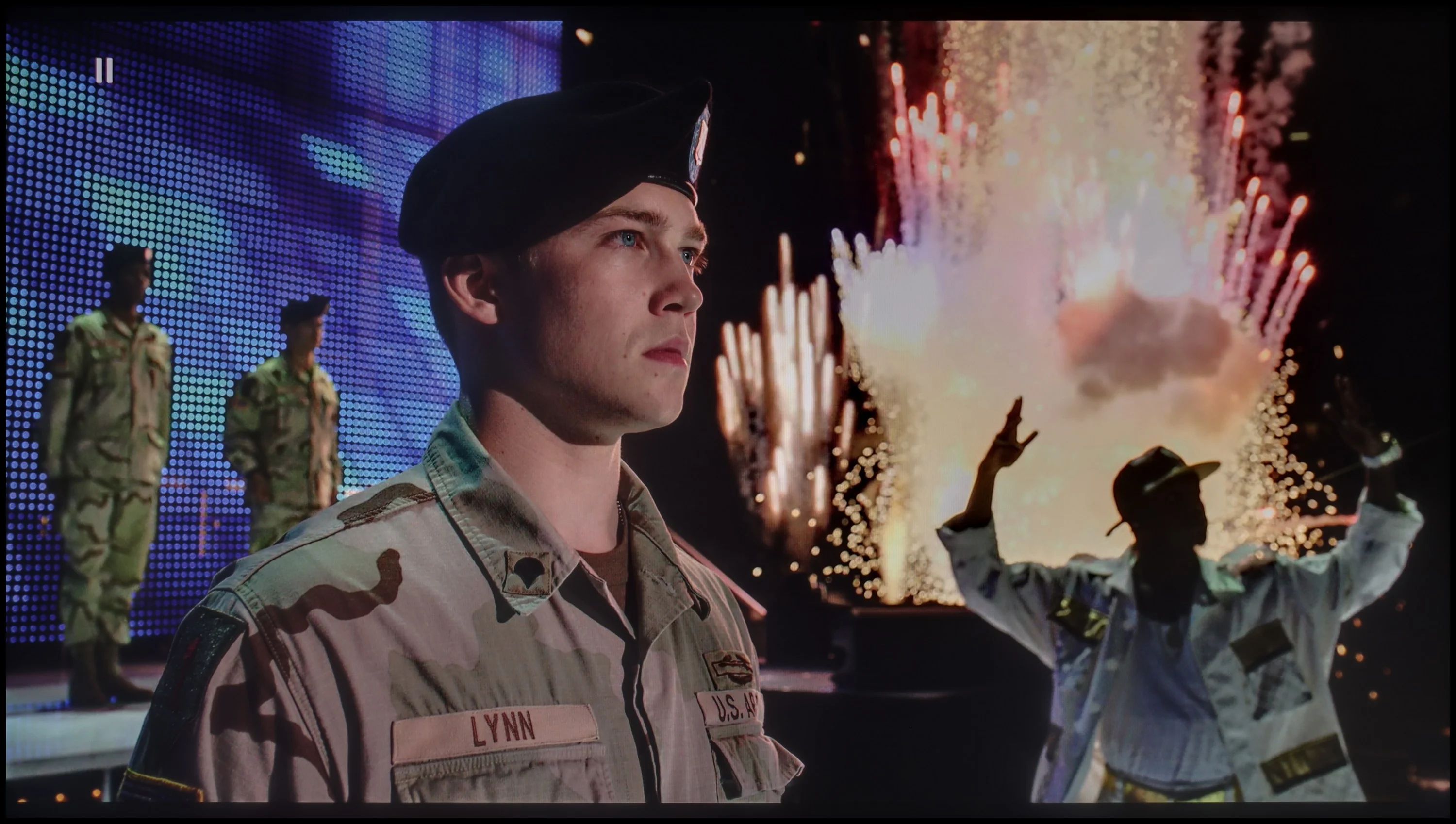
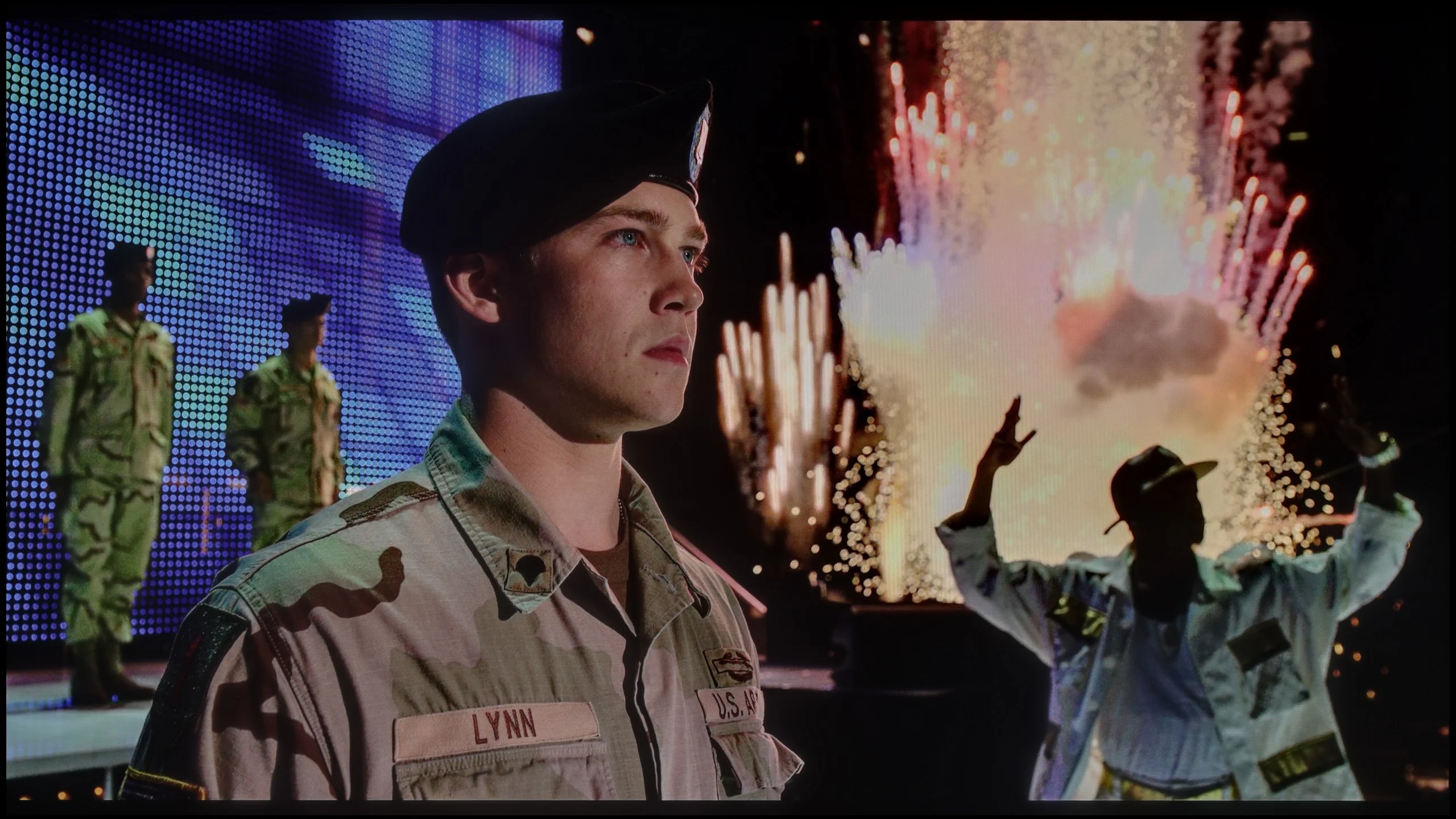
The photos show two HDR10 movies. 'Pan' is one of the brightest productions ever made, while 'Billy Lynn' (soldier) has brightness typical of streaming (Netflix, Prime, HBO MAX). Notice the intensity of effects and detail in whites.
Static HDR10


The photos present the visibility of white details in various HDR formats. They do not show brightness differences between TVs (these can be compared in the previous gallery).
HDR luminance chart:
SONY BRAVIA 3 II (XR35M2)
LG QNED87T6B
LG QNED87T6B delivers truly decent visual experiences when it comes to HDR. During our tests on test patterns, the television achieved brightness close to 500 nits, which is a satisfactory result and allows for good visibility of details in high dynamic range scenes. Support for basic HDR formats such as HDR10 and HLG ensures proper image quality. Unfortunately, the television does not support more advanced standards such as Dolby Vision or HDR10+, which are particularly important at this screen brightness. The lack of support for dynamic metadata means that in certain scenes, the television may struggle to fully reproduce details, especially in very bright areas – this is precisely when dynamic metadata could significantly improve image quality. Nevertheless, it is worth noting the excellent coverage of the wide DCI-P3 colour gamut, reaching as much as 96.4%. As a result, the colours displayed by the QNED87T6B model are more vivid and natural, enhancing the quality of 4K content viewed with a wide colour palette.
The Bravia 3 II isn't exactly a TV that tries to impress with brightness. In our measurements it reached around 450 nits, so it's well short of the brightest models on the market. That doesn't mean HDR is just a paper feature here. Compared with standard SDR material, the brightest parts of the image can already punch through noticeably, and highlights, light sources and stronger exposures have a bit more energy and stand out better from the rest of the scene. You can see this best in simpler shots where the screen contains lots of bright elements. Then the Bravia 3 II can give a taste of a higher-dynamic-range picture. The problem only starts with more demanding content, where much greater brightness headroom is needed. There the TV quickly shows its limits and instead of bold, spectacular HDR we’re left with a merely competent picture.
Colours
The Bravia 3 II uses a QLED panel, although technically it doesn't employ a traditional quantum-dot layer. Instead Sony has used a PFS phosphor-based solution, which performs a very similar role: it allows for more saturated reds and greens, and thus reproduces a much wider colour gamut. In our measurements coverage of the DCI-P3 gamut was about 94%, and of the very wide BT.2020 around 74.4%. Those are good results for this class of hardware, which means the Bravia 3 II has no problem showing suitably saturated colours in HDR material. Colours don't look washed out, and the more intense hues can look really attractive.
Factory color reproduction
5.4/10
6.3/10


This gallery shows how colors change after professional TV calibration. If you notice the difference, we recommend ordering this service at SkalibrujTV.com.
Factory Mode
After calibration
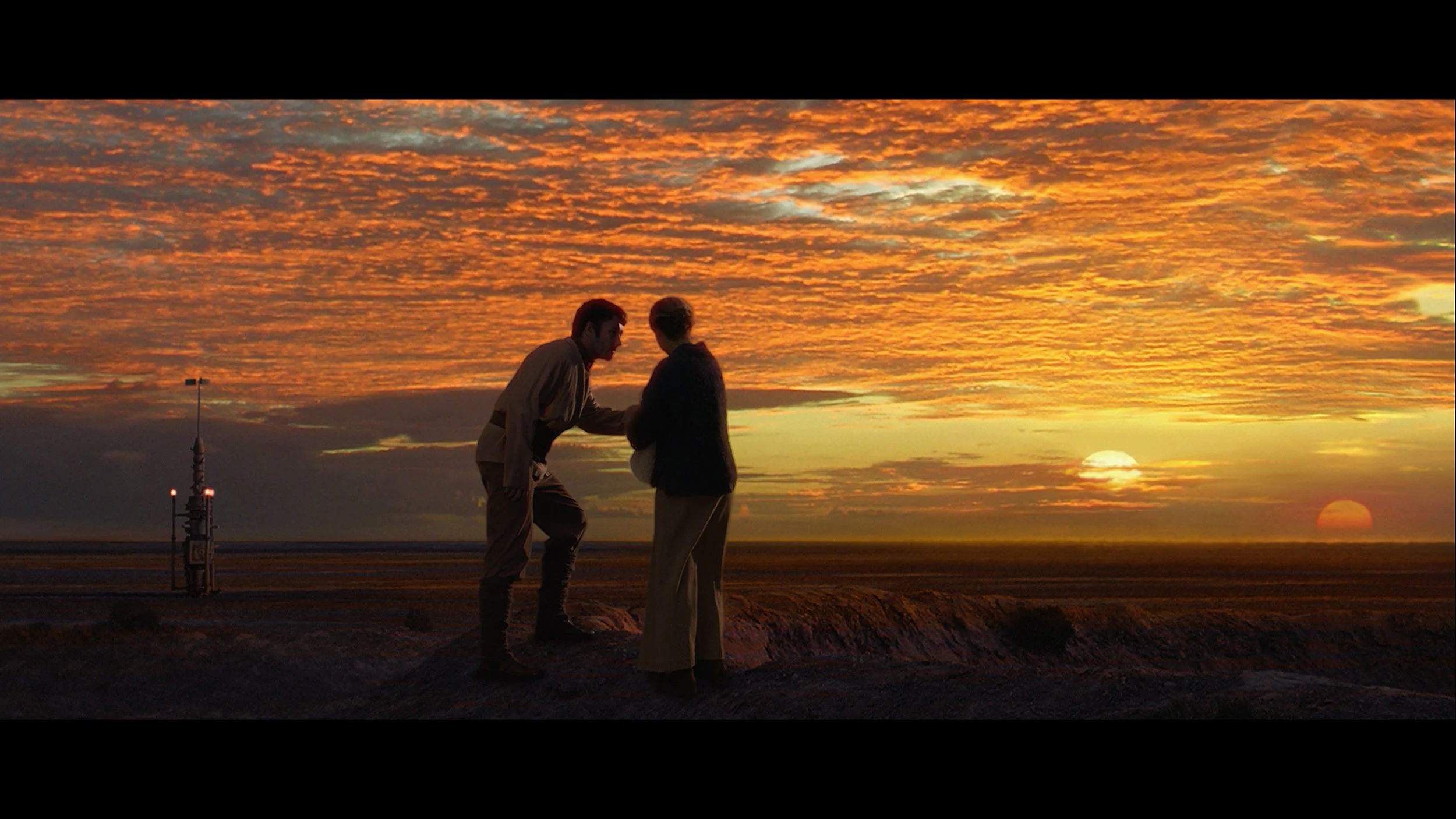
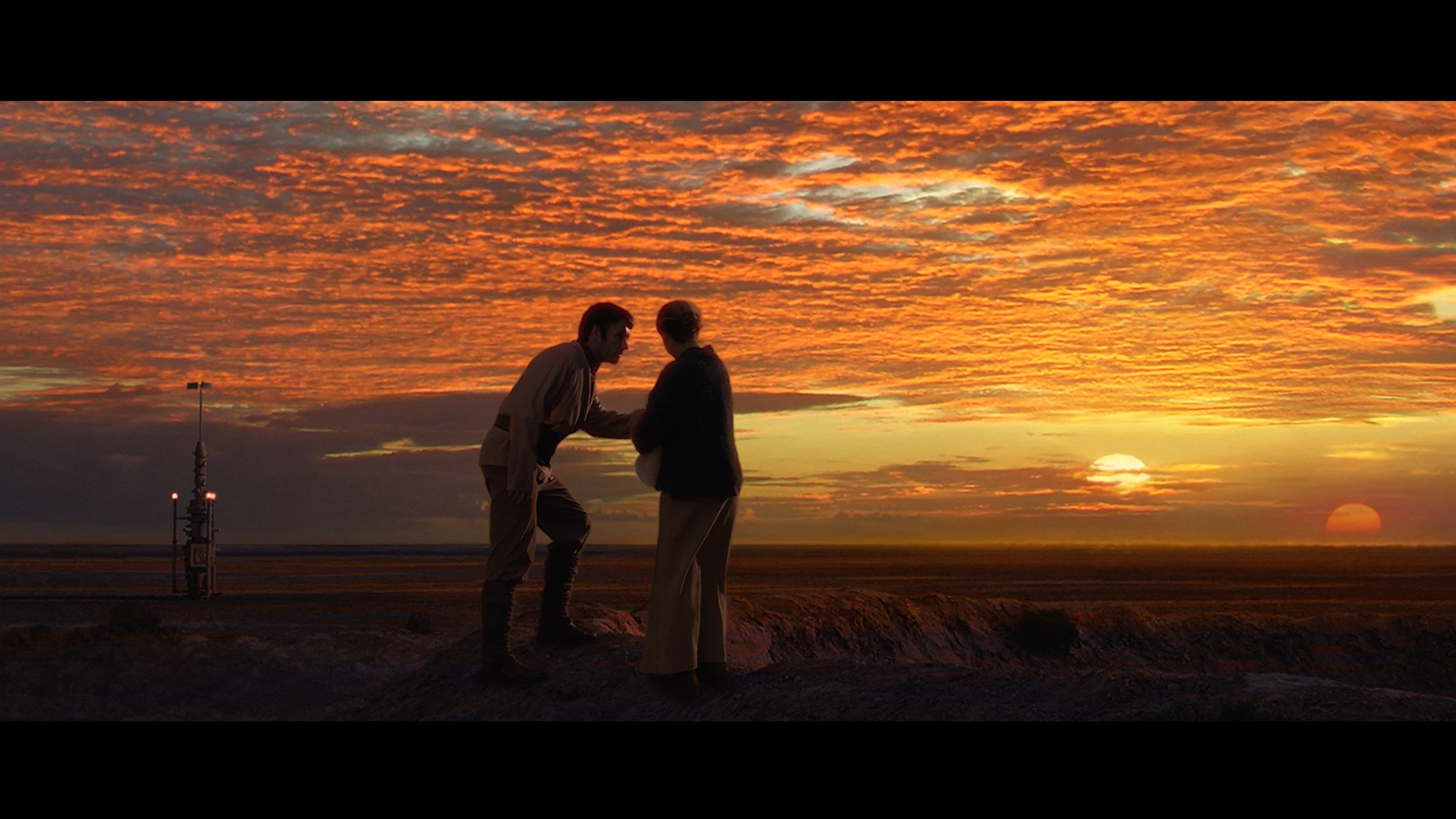
This gallery shows how colors change after professional TV calibration. If you notice the difference, we recommend ordering this service at SkalibrujTV.com.
Factory Mode
After calibration
The colour accuracy in the LG QNED, even in Filmmaker Mode, which is the best factory setting, is not without its flaws. The main issue is white balance – we noticed that the level of blue on the graph tends to drop. This results in a shift in colours towards yellow, making the image have a warmer tone than it should. This deviation affects the naturalness of colour reproduction, especially in scenes with a white or neutral background. The Color Checker test confirmed that some colours are distorted and deviate from reality. Such distortion can make film scenes appear less realistic, and details are presented in incorrect colours, negatively impacting the overall image quality.
Regarding contrast, the gamma graph analysis showed significant drops, while the optimal value should be 2.4. This means that the television may display darker parts of the image brighter in some scenes, which reduces their depth and dynamics. Additionally, on the EOTF curve, which is responsible for brightness reproduction, an unnatural drop was noted at the beginning. This phenomenon can result in less accuracy in reproducing dark scenes, which in turn affects the overall image quality. The television may not convey full black depth, causing more demanding scenes to lose realism and detail. As a result, viewers may notice that details in the darker parts of the image become less distinct.
In Professional mode the Bravia 3 II delivers a fairly good level of colour reproduction straight out of the box. In SDR the most noticeable issue is a slightly low gamma, which makes the midtones a little brighter. The white balance isn't perfect either; as brightness increases a bit of blue and red drops away, so whites can sometimes appear a touch warmer with a faint greenish tint. These aren't mistakes that immediately jump out when watching a film. Average error values hover around 3, so the factory setup can be considered quite good. The situation in HDR is similar. Here too there's a slight lack of blue, so the picture is marginally warmer than the reference, but the difference isn't large enough to be distracting during normal viewing.
Color reproduction after calibration
7.8/10
8/10
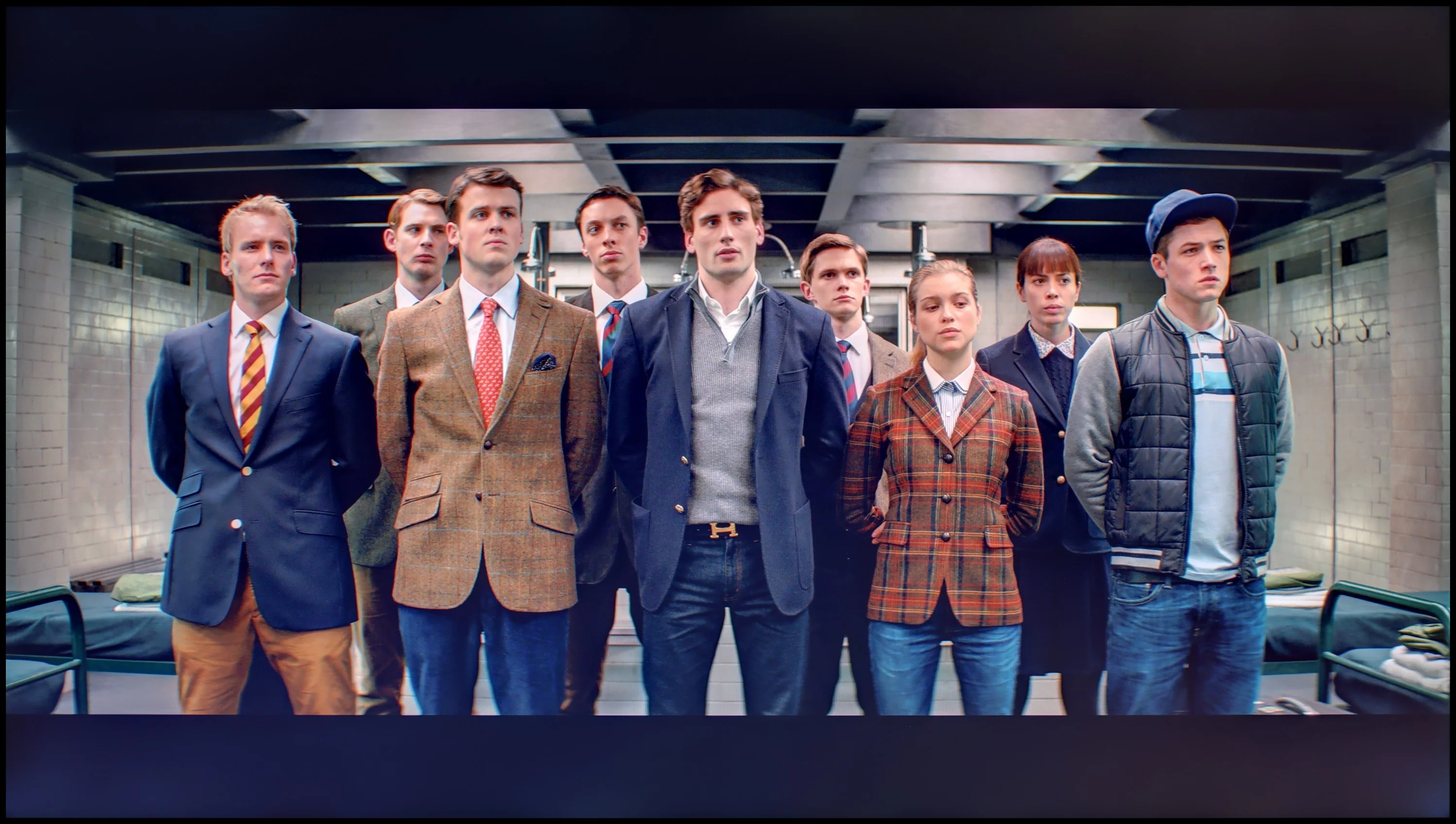
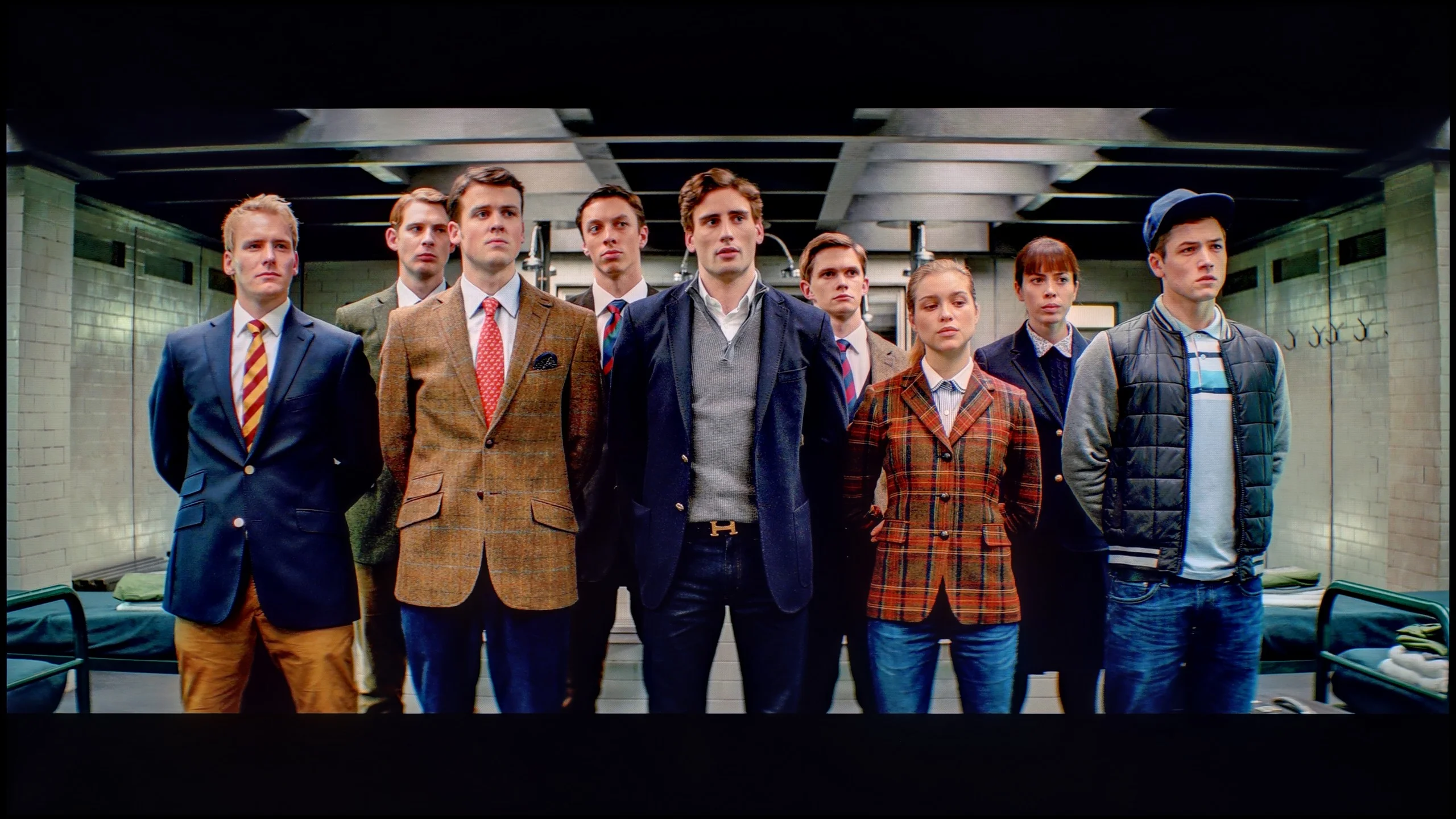
The photos show how movies look on the TV. Pay attention to black detail visibility, colors, and shadow tint.
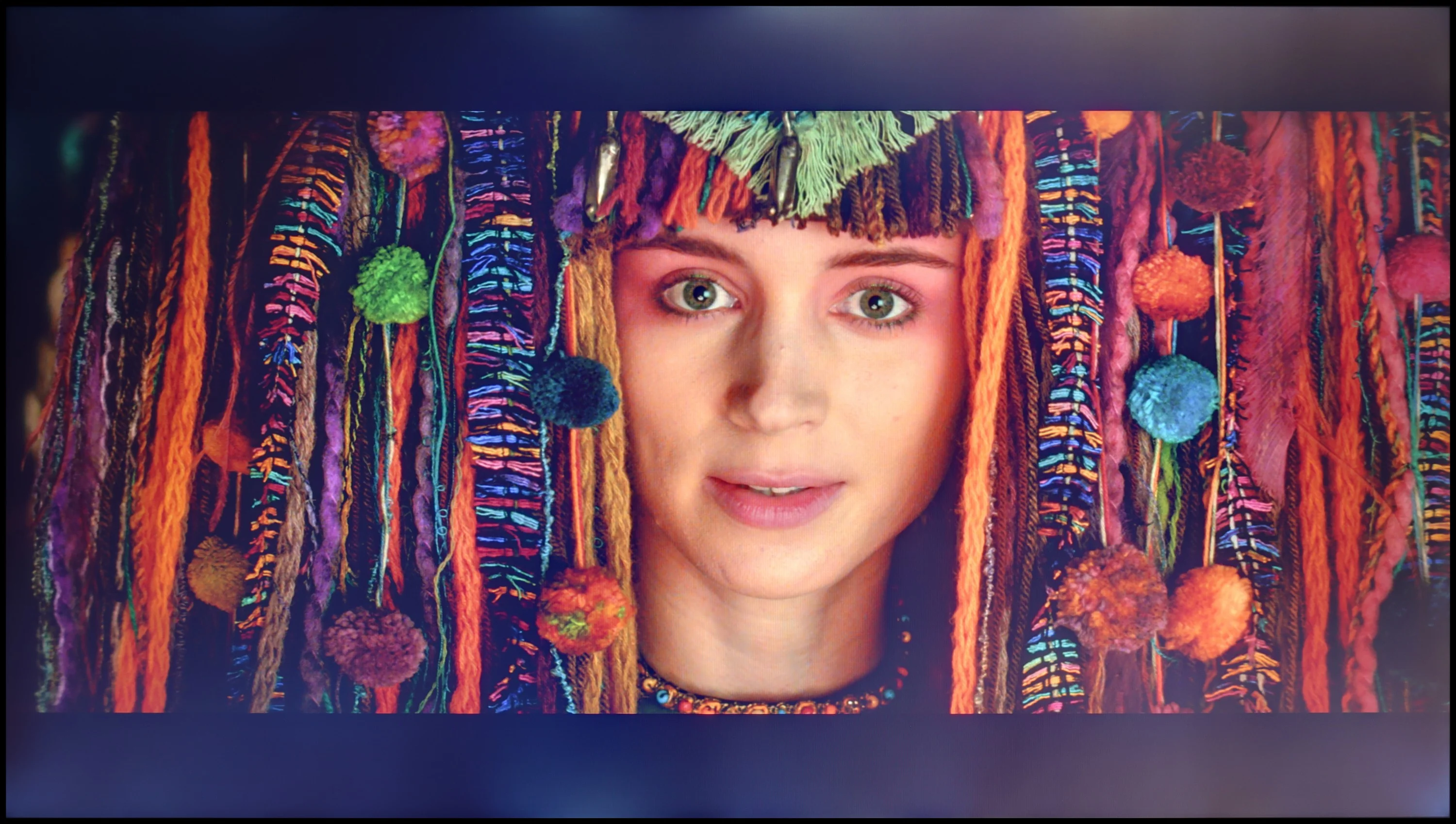
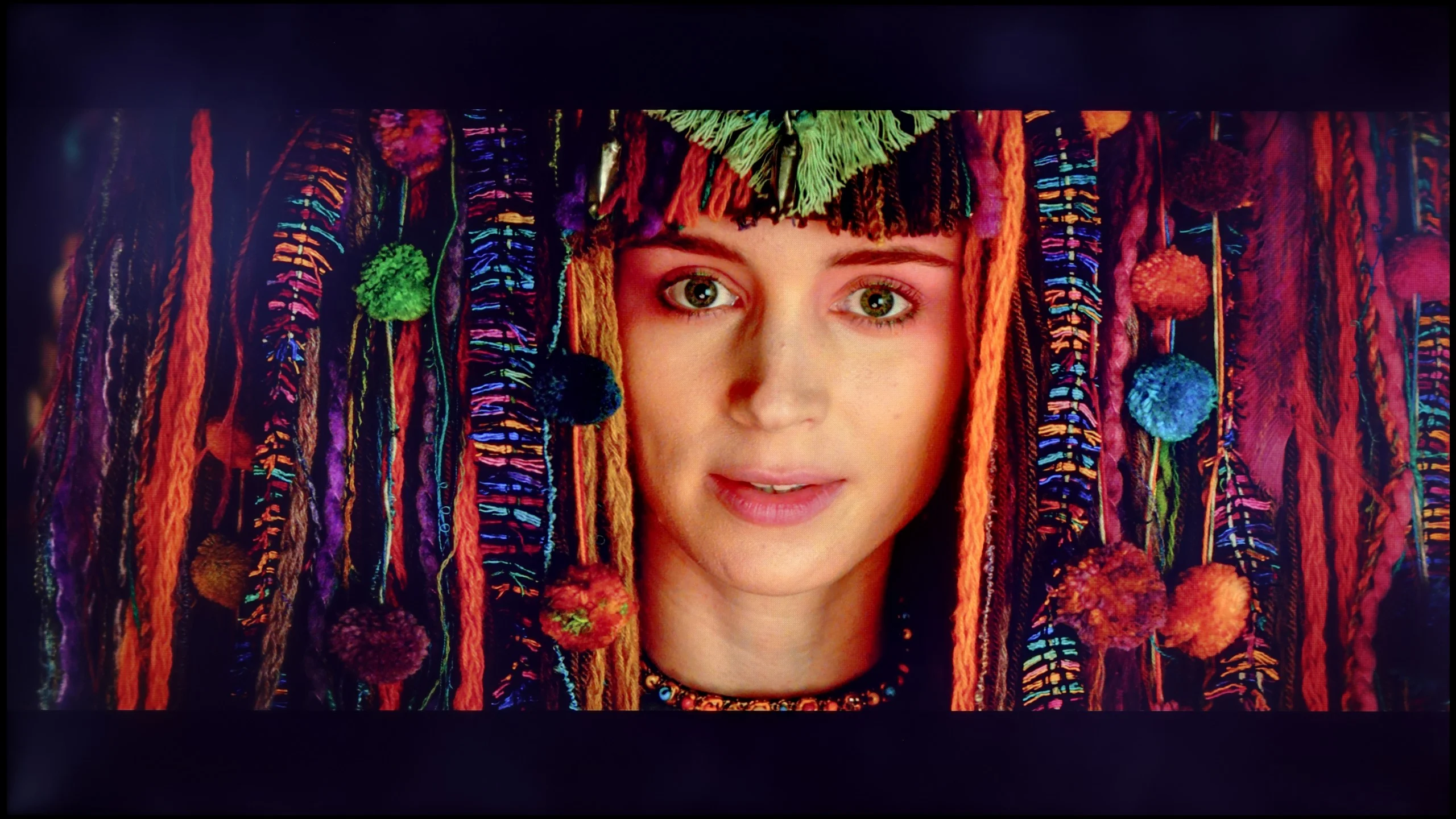
The photos show how movies look on the TV. Pay attention to black detail visibility, colors, and shadow tint.
After calibration, the colours in SDR content look very good. The improved white balance translates to natural and harmonious shades in various scenes. Thanks to precise gamma tuning, details in shadows and bright areas of the image are accurately reproduced. The television performs excellently in everyday use, offering vibrant, well-balanced images and solid colour quality in HD. The biggest beneficiary here is also contrast. The gamma graph has been stripped of significant errors, giving the television a new dimension.
As for the white balance in 4K HDR, it has also been significantly improved. However, some errors still appear at the end of the graph. This may be due to the television's overly aggressive local dimming, which in some scenes affects the inaccurate reproduction of colours. It's difficult to talk about an improvement in brightness represented by the EOTF curve. The television, due to its construction limitations, has some drawbacks, and we can't overlook them. The Color Checker test confirms the issue with colour saturation – even though the television offers a wide colour palette, it fails to fully convey the director's intent.
Despite these shortcomings, the overall picture quality after calibration is significantly better than before. Adjustments in white balance and gamma tuning make the images more vivid and the colours closer to reality.
After calibration you can get a lot out of SDR material. The white balance was set almost perfectly, gamma practically matches the reference value, and average colour errors fell from around 3 to about 1. That’s already the level at which differences from the reference image are very hard to spot in practice. The Bravia 3 II therefore shows that despite its place in Sony’s range it has quite a bit of potential for precise picture tuning. Improvement is also visible in HDR, although here you can’t avoid all the limitations of the TV itself. Once the colours are evened out it’s easier to notice that the EOTF curve in film material runs slightly below the reference value in places, meaning the Bravia 3 II gently darkens parts of the image. That isn’t ideal from a reference point of view, but in this particular TV it also has an advantage. With no local dimming and average black levels this behaviour slightly reduces the visibility of the backlight in darker scenes and helps preserve a stronger sense of contrast. You could say Sony is partly masking the limitations of the panel this way, rather than trying at all costs to stick to the reference brightness.
Smoothness of tonal transitions
8.6/10
9.5/10
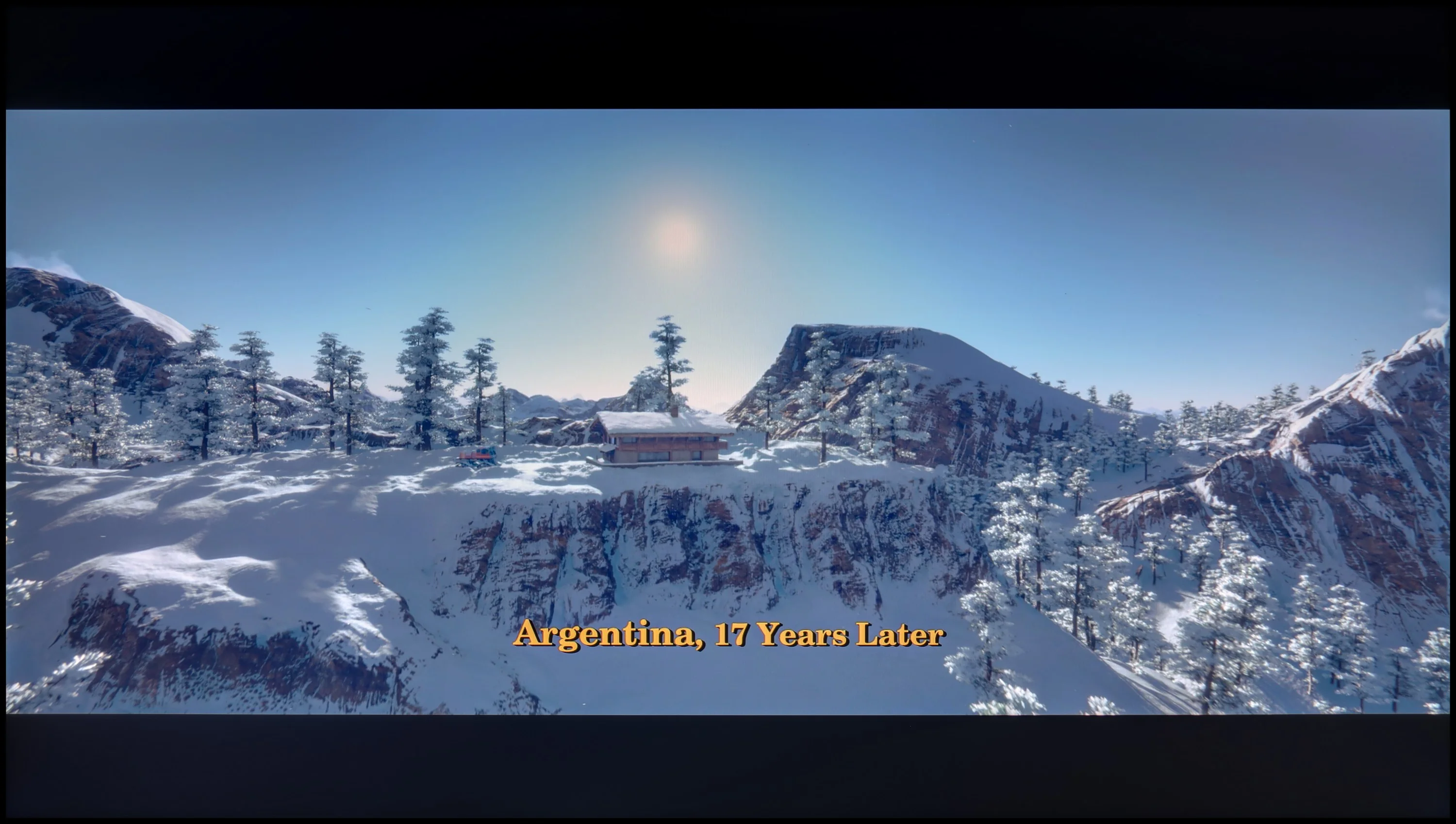
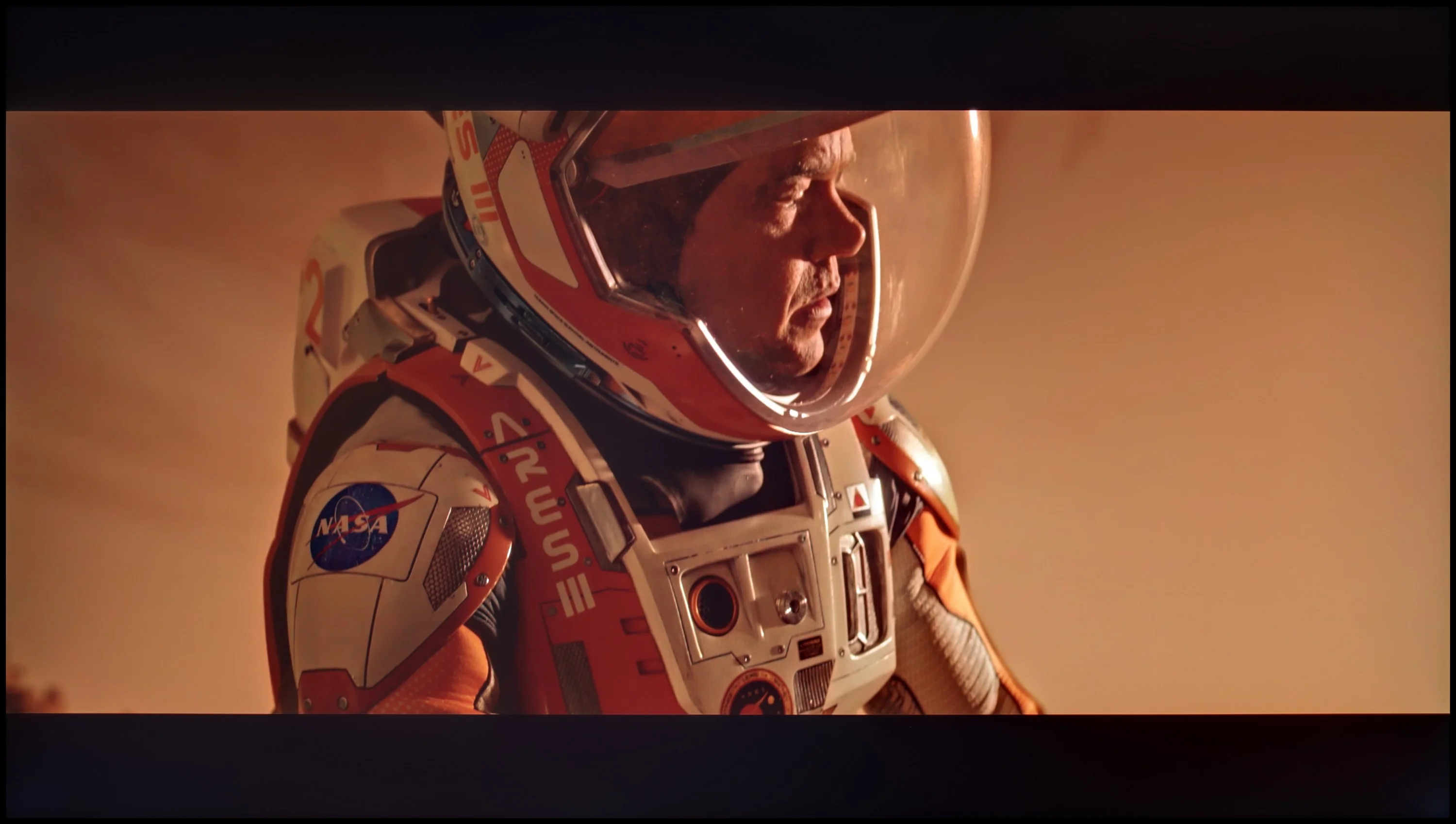
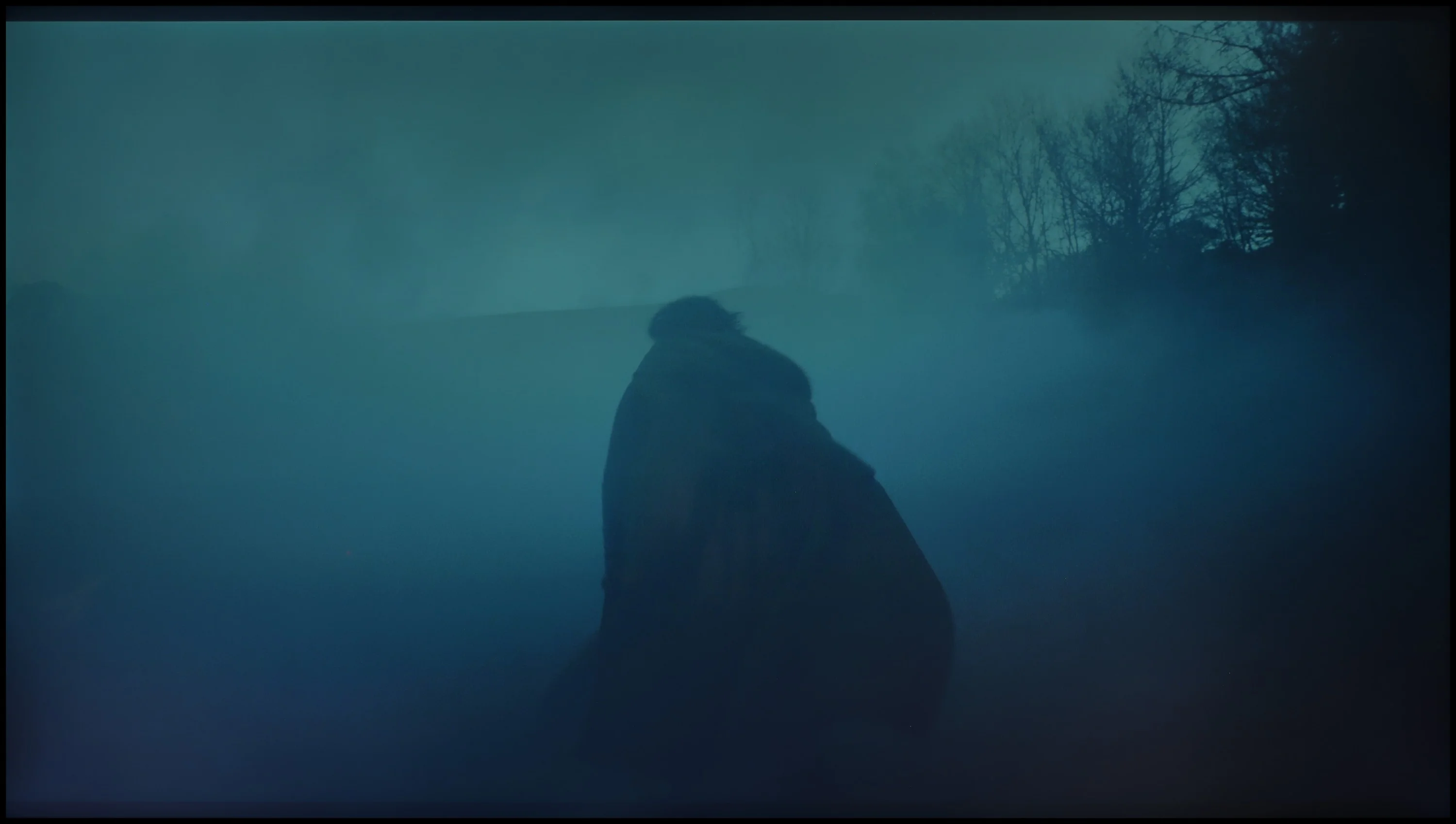
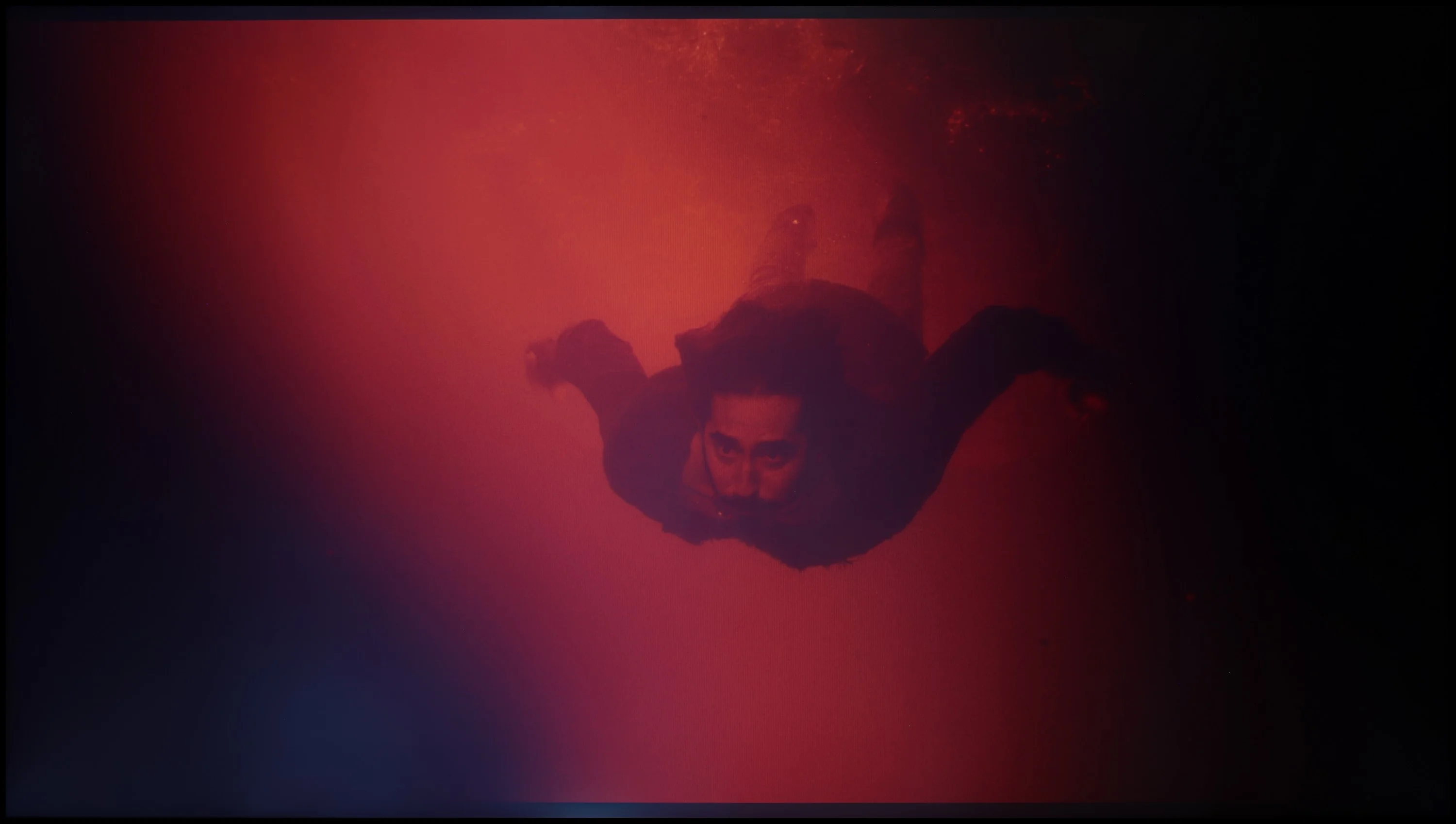
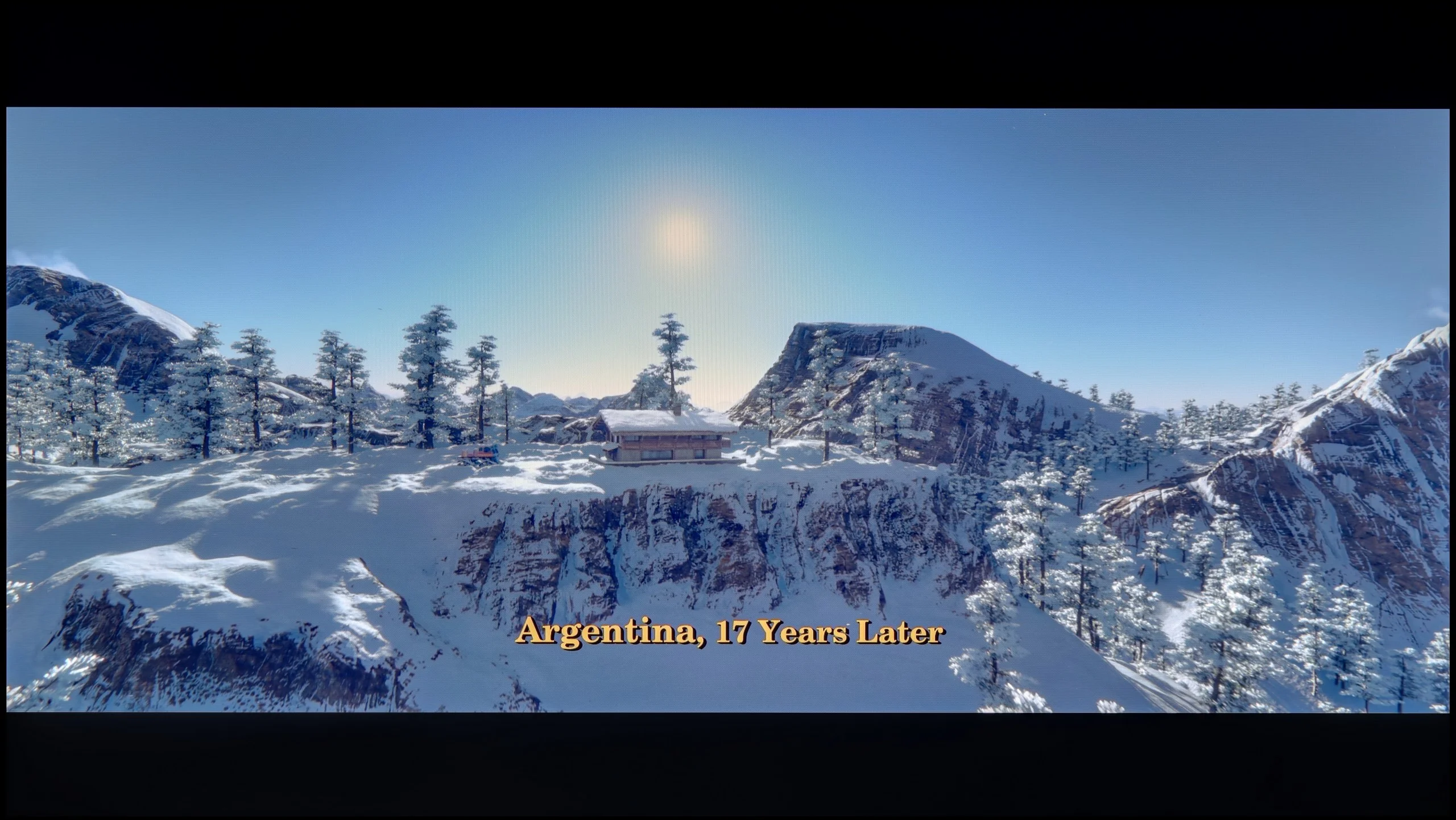
These are selected scenes that show smooth tonal transitions from one color to another. If you see distinct banding, it’s the TV panel’s fault.
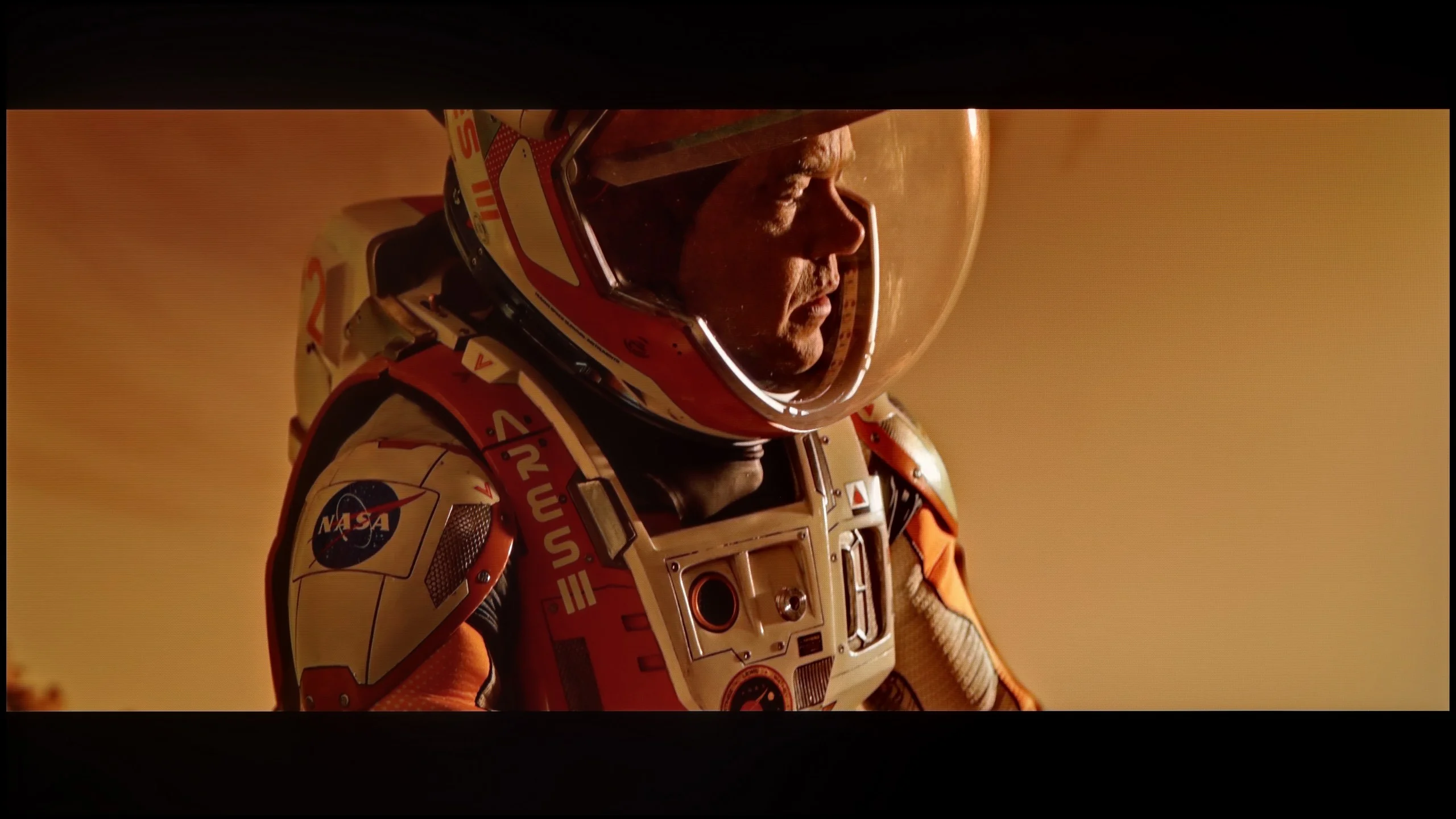
These are selected scenes that show smooth tonal transitions from one color to another. If you see distinct banding, it’s the TV panel’s fault.
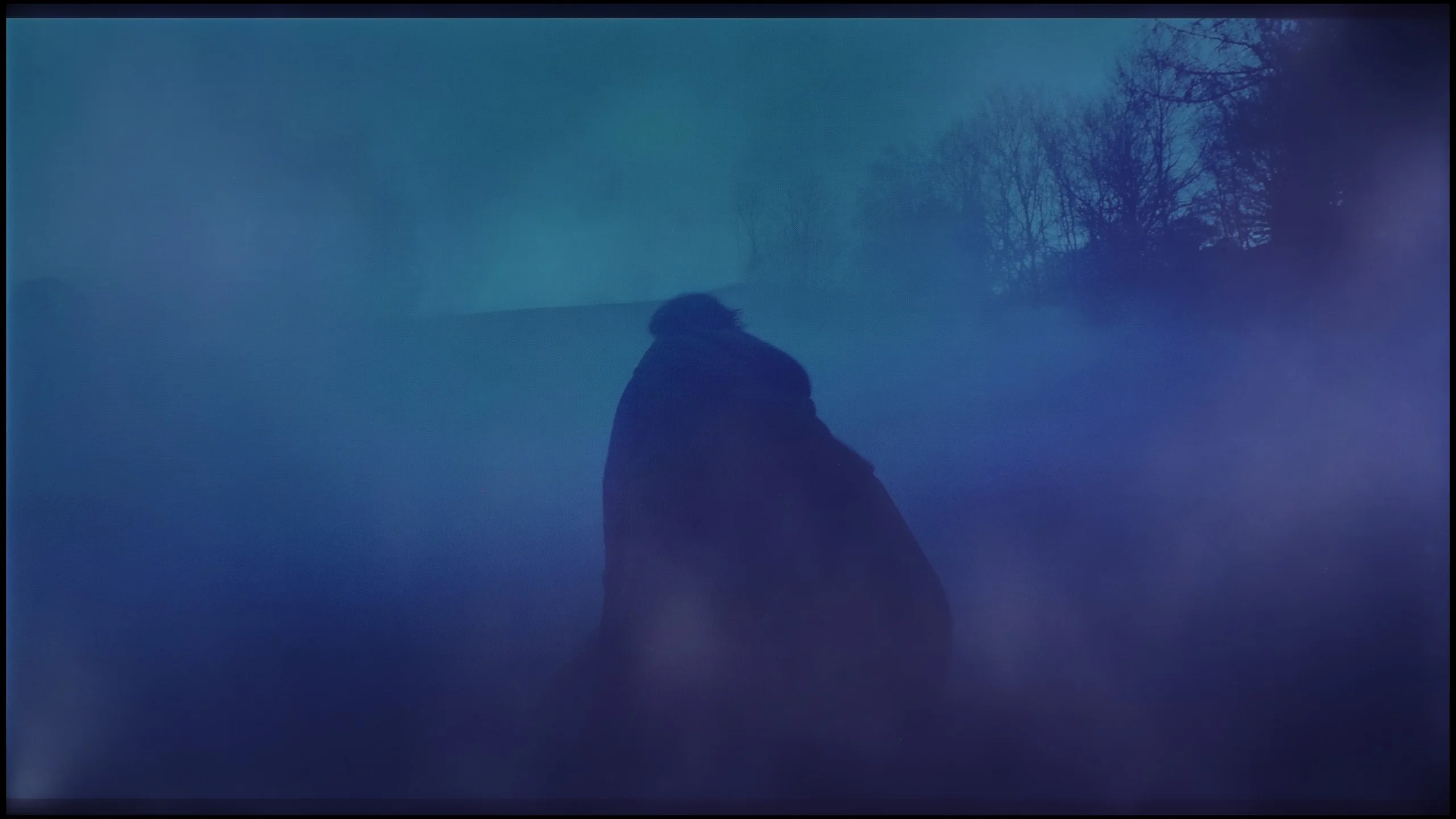
These are selected scenes that show smooth tonal transitions from one color to another. If you see distinct banding, it’s the TV panel’s fault.
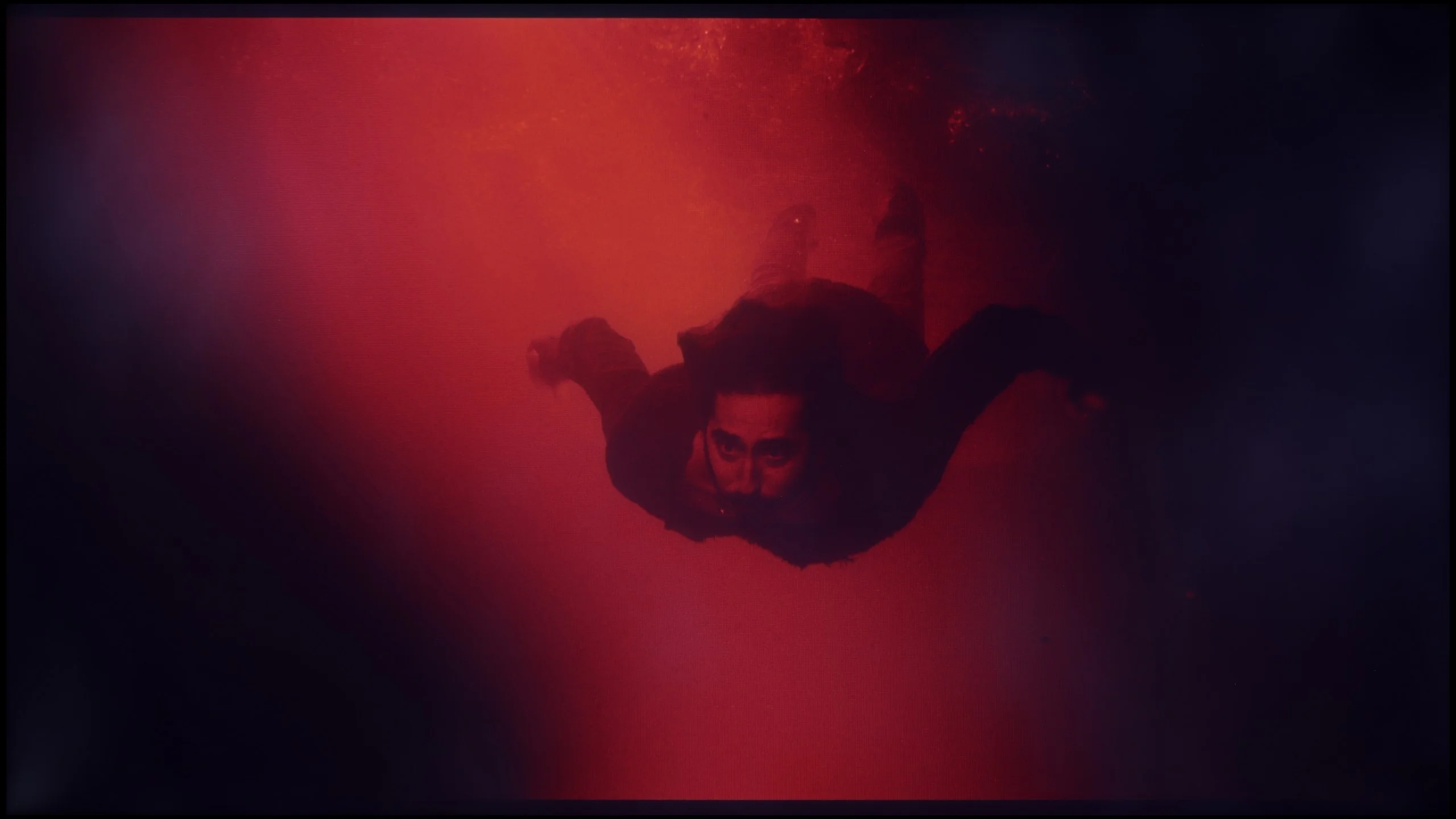
These are selected scenes that show smooth tonal transitions from one color to another. If you see distinct banding, it’s the TV panel’s fault.
The gradation in LG QNED is quite good, despite minor issues on the colourful dark sky. These small drawbacks do not detract from the fact that the gradation is one of the positive aspects of this model. Overall, the television handles smooth colour transitions well.
In terms of the smoothness of tonal transitions, the Bravia 3 II performs very well. In most of the scenes we watched it was hard to notice any problems with the blending of individual shades. Gradients remain smooth both in the bright parts of the image, such as skies or sunsets, and in much more challenging dark shots. The only thing that may stand out in our photos, particularly in the very darkest scenes, is the unevenness of the backlight itself. However, this is not related to colour gradation; it is rather a consequence of using a backlight without local dimming.
Image scaling and smoothness of tonal transitions
8/10
6/10

Smooth transition function
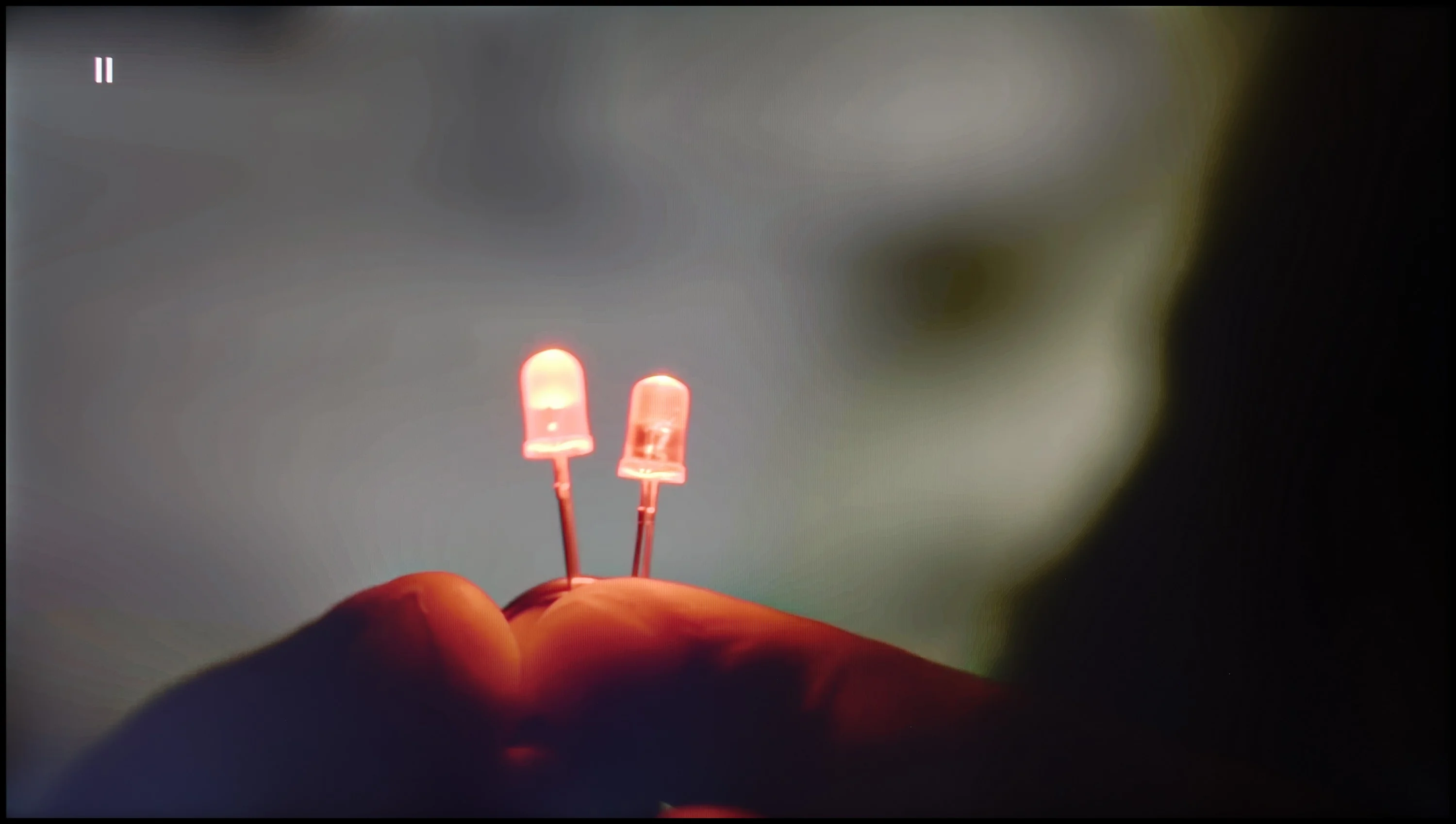
The match photo shows how the TV smooths weak tonal transitions in low-quality video.
Image scaling SD (576i)


The model photo shows how it handles upscaling of SD material.
When it comes to lower quality materials, the gradation looks really good. The feature called "Smooth Gradation" effectively smooths out the most problematic parts of the image, while not negatively affecting the film grain. For the best effect, it’s worth setting it to a low level. This solution significantly improves the quality of the displayed content, making the viewing of lower resolution materials more enjoyable and smoother.
In terms of digital processing, the image is displayed without cropping, known as overscan. Although slight fraying of the branches can be noticed against the model's background, everything looks very good. Users should be satisfied with the image quality when watching low-quality materials like standard television. The TV handles this task exceptionally well, providing a satisfying visual experience, even with lower quality content.
Bravia 3 II is Sony's first TV to use the new MediaTek Pentonic 800 chip, and you can see a few changes in the image processing. Starting with the basics: the upscaling itself is decent. The TV can sensibly upscale lower-resolution material and doesn't have a strong tendency to over‑emphasise jagged edges or other source imperfections. With regular broadcast TV or lower-quality streaming material the picture therefore remains quite attractive.
We have more reservations about the digital image processing. In this model Sony has replaced the well-known "Smooth Gradation" function with a new setting called "Digital Noise Reduction". Its job is basically the same: to smooth out ugly tonal transitions and artifacts caused by heavy compression. Unfortunately, this function performs noticeably worse than before. At the "Large" setting (the only one that had any visible effect) the TV can smooth away too many image elements at once, which causes film grain to disappear and object textures or even skin to start looking unnatural. Worse still, the effect is not particularly stable. When there's more motion in a scene, the function's effect noticeably weakens and at times it looks as if the TV stops intervening in the image altogether. So for everyday viewing we wouldn't recommend using it at a high level. It can help on static shots, but the trade-off is often too much loss of detail.
Blur and motion smoothness
7.8/10
8.2/10
Blur (native resolution, maximum refresh rate):
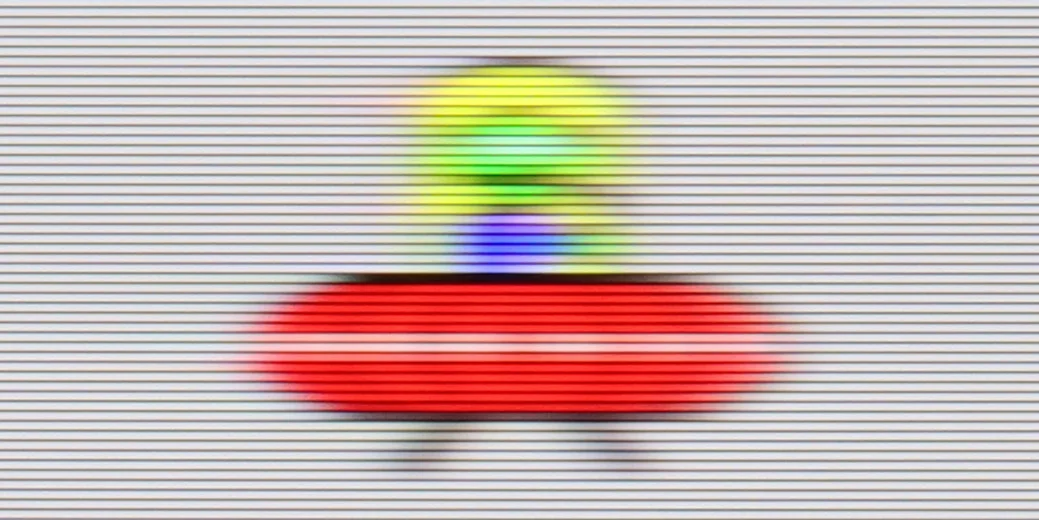
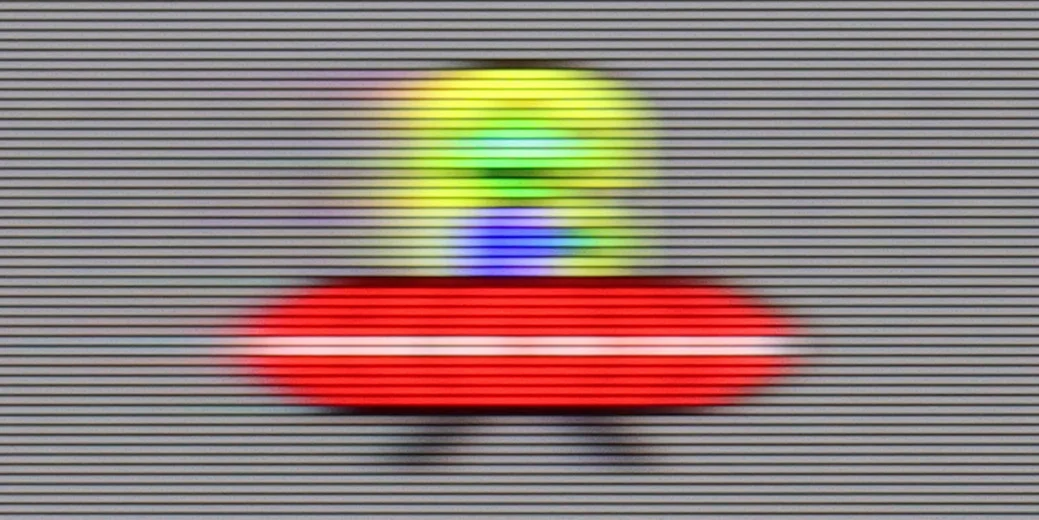
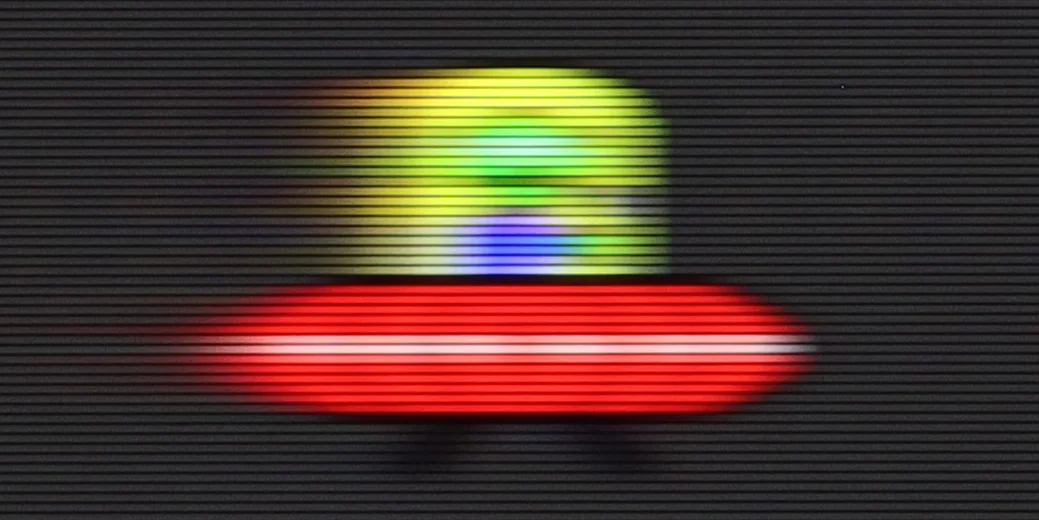
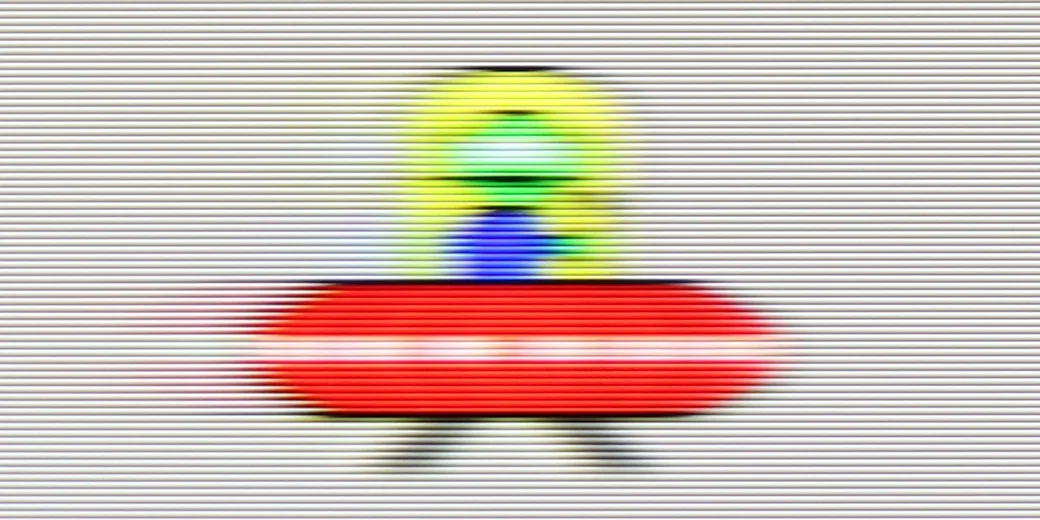
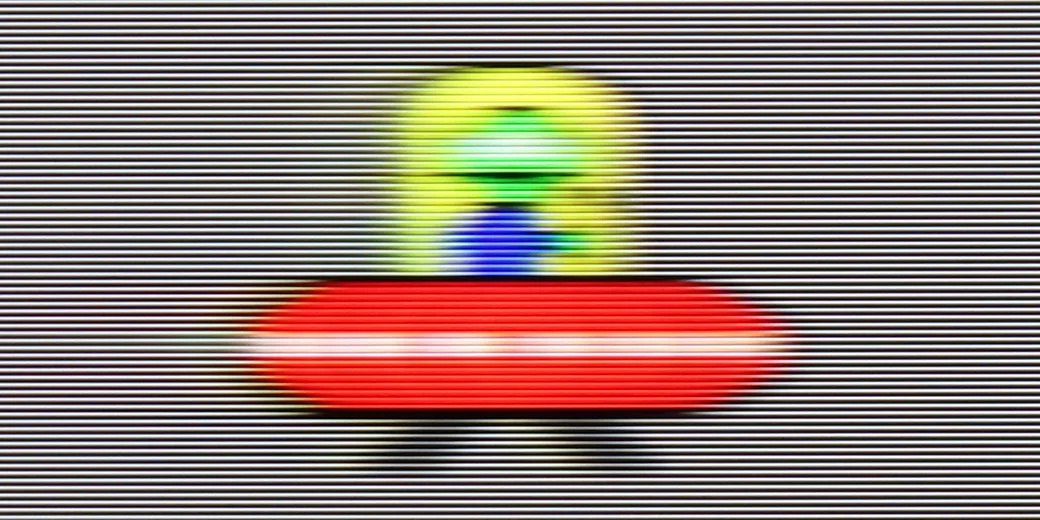
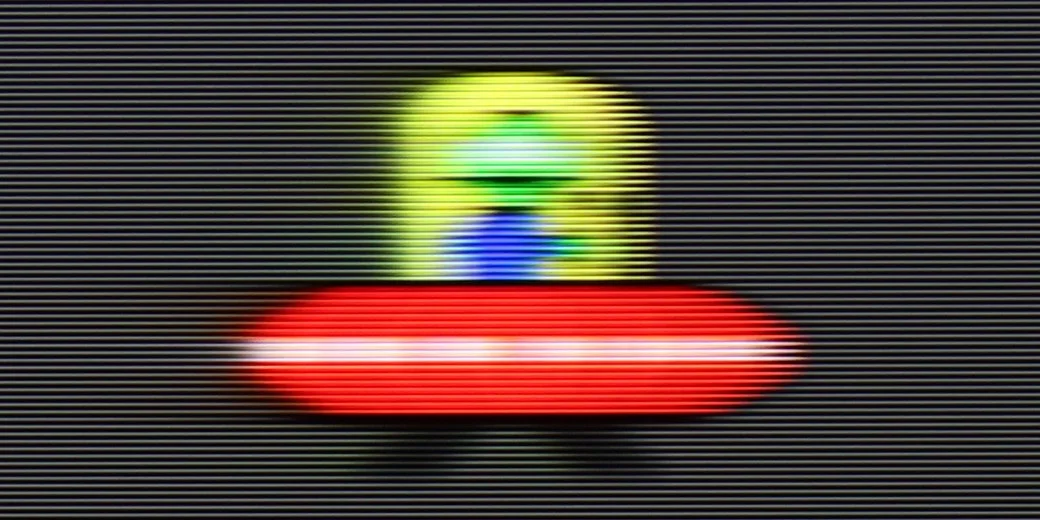
Blur (BFI function enabled):
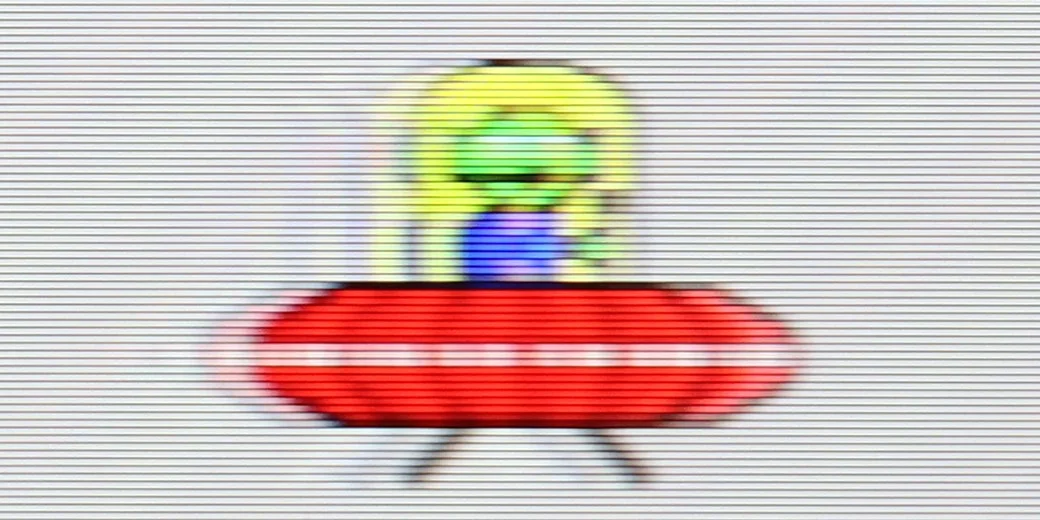
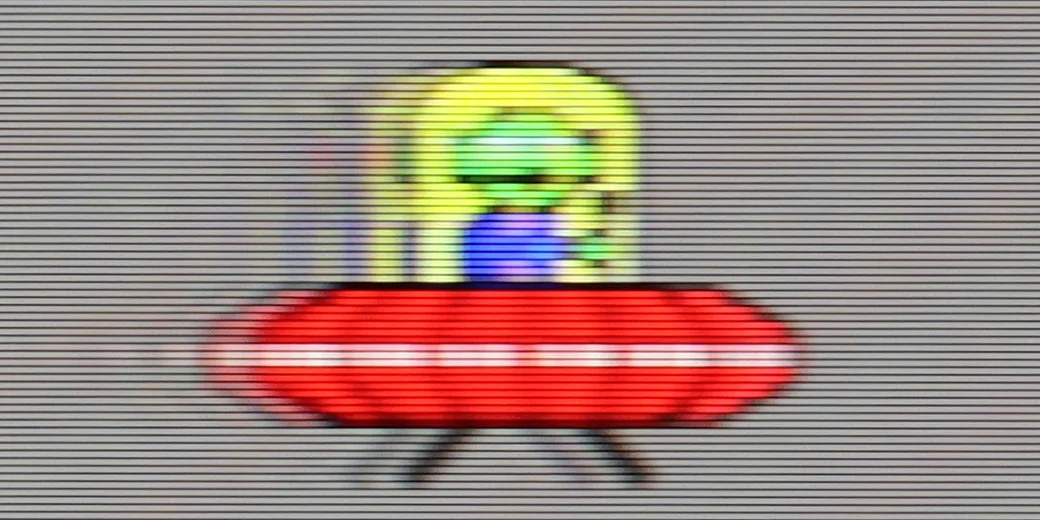
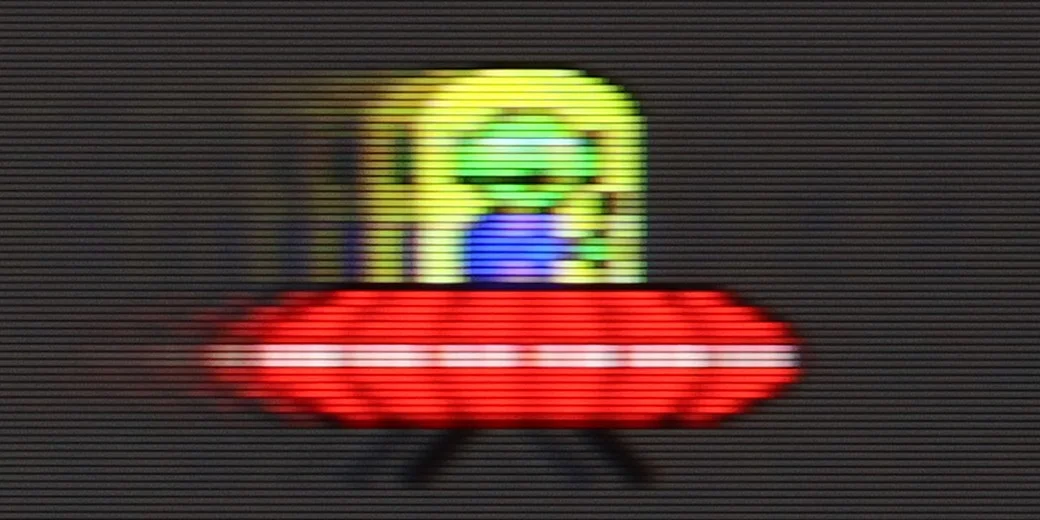

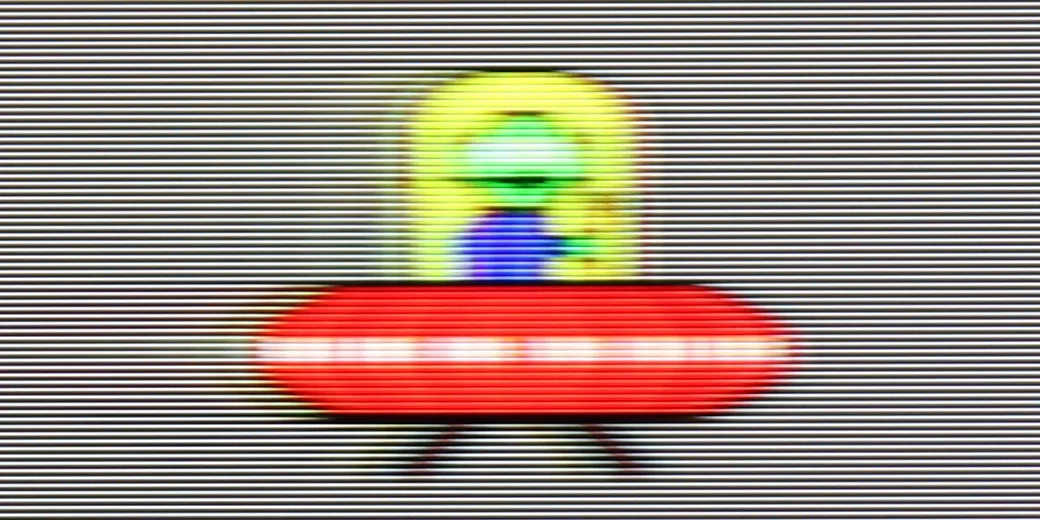
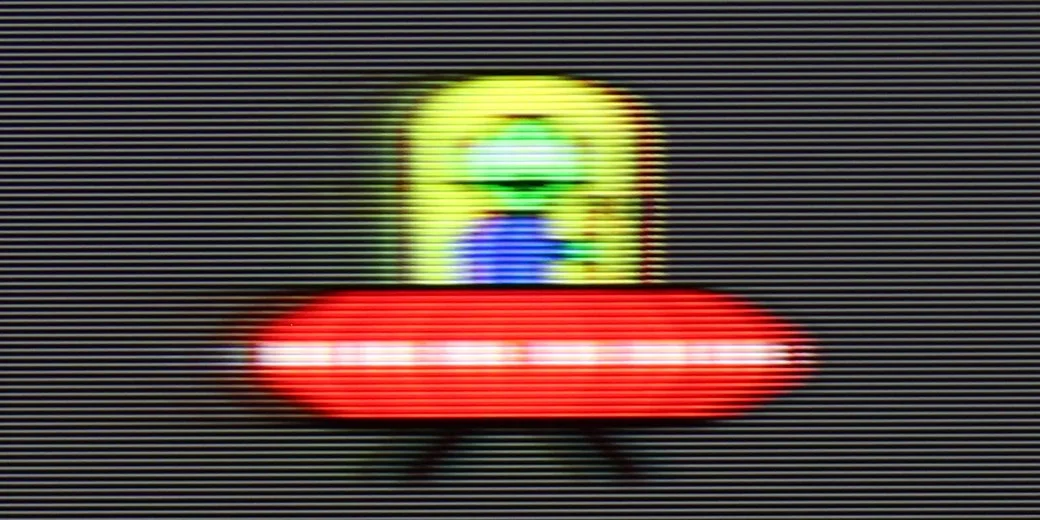
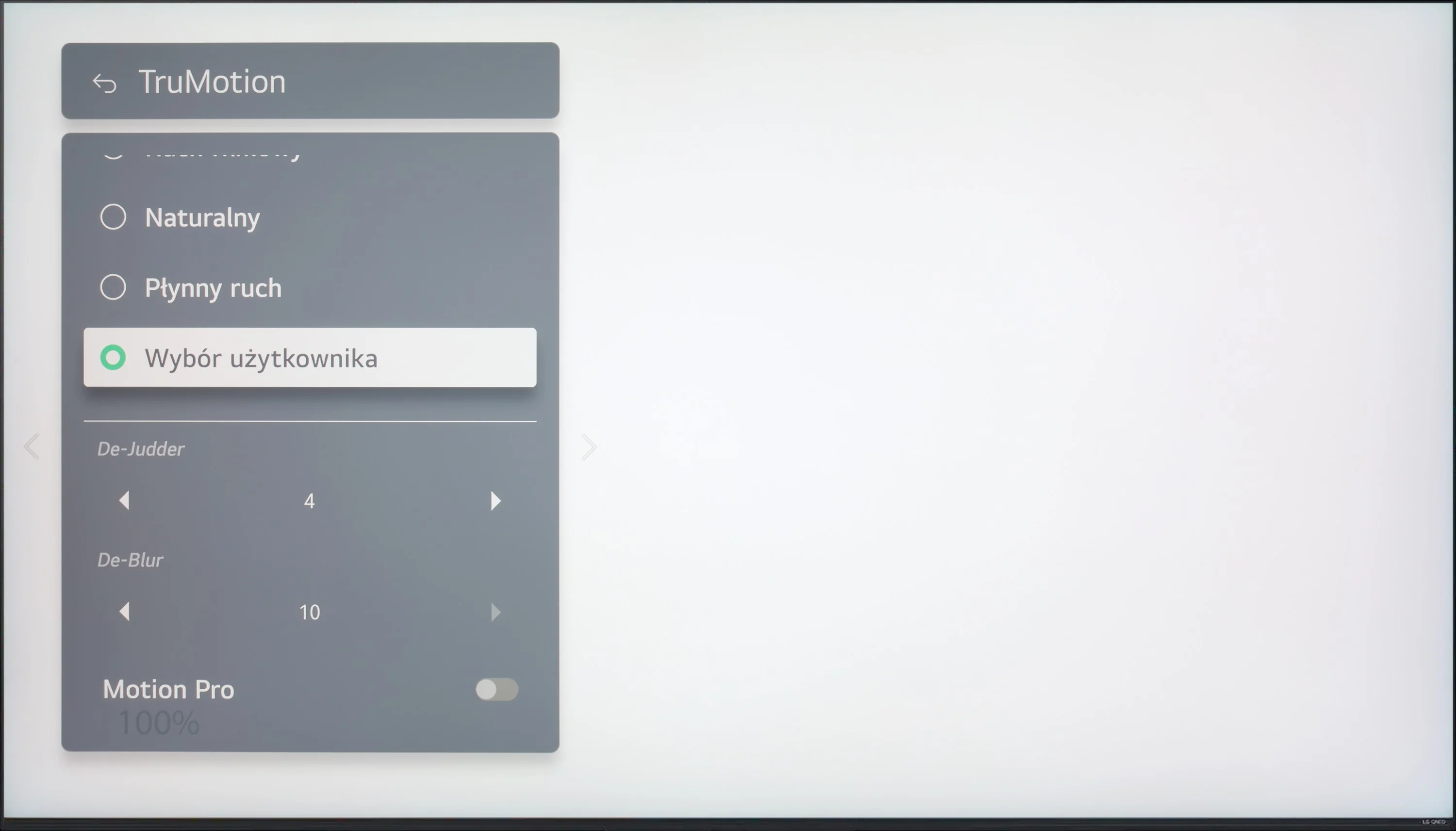
The television provides decent smoothness when watching movies, thanks to the “Tru Motion” feature, which allows adjustment of motion smoothing from 0 to 10. De-Judder regulates motion smoothness, while De-Blur adjusts motion sharpness. Users have the option to choose between a traditional cinematic effect with subtle juddering motion (lower settings) and a smoother, theatrical image. Although the latter deviates slightly from the cinematic standard, it may be appealing to many viewers.
As for gamers and sports fans, the LG QNED87 television with a 120Hz panel will surely not disappoint. And with the use of an IPS panel, the response time is typically better than that of VA panels available at a similar price. This ensures smoother gameplay and dynamic experiences when watching sports events.
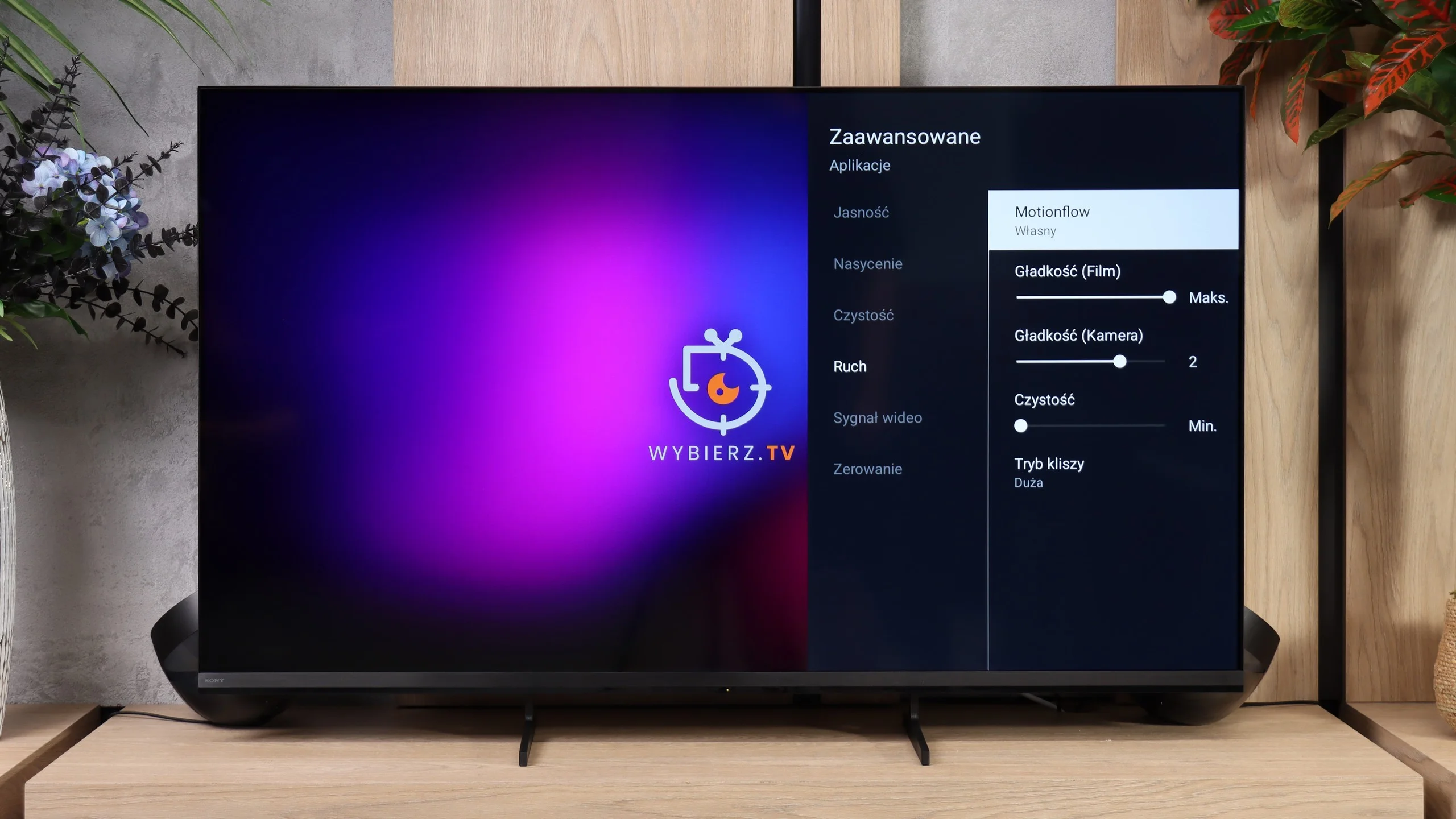
Motion handling is definitely one of the Bravia 3 II's strongest points. The TV uses a 120 Hz VA panel, a solution that by nature, despite the high refresh rate, doesn't always cope well with motion blur. Sony has, however, managed that issue very well here. Fast-moving objects remain sharp, and the characteristic motion trails and blur are reduced to a very low level, if not to zero. It's one of the least motion-blur-prone LCD TVs we've had the chance to test. Interestingly, in this respect the Bravia 3 II can even outperform the much more expensive flagship True RGB series, the Bravia 9 II.
Console compatibility and gaming features
9.2/10
8.1/10
- ALLM
- VRR
- VRR range48 - 120Hz48 - 120Hz
- Dolby Vision Game Mode

- Correct implementation of HGIG
- 1080p@120Hz
- 1440p@120Hz
- 4K@120Hz
- Game bar
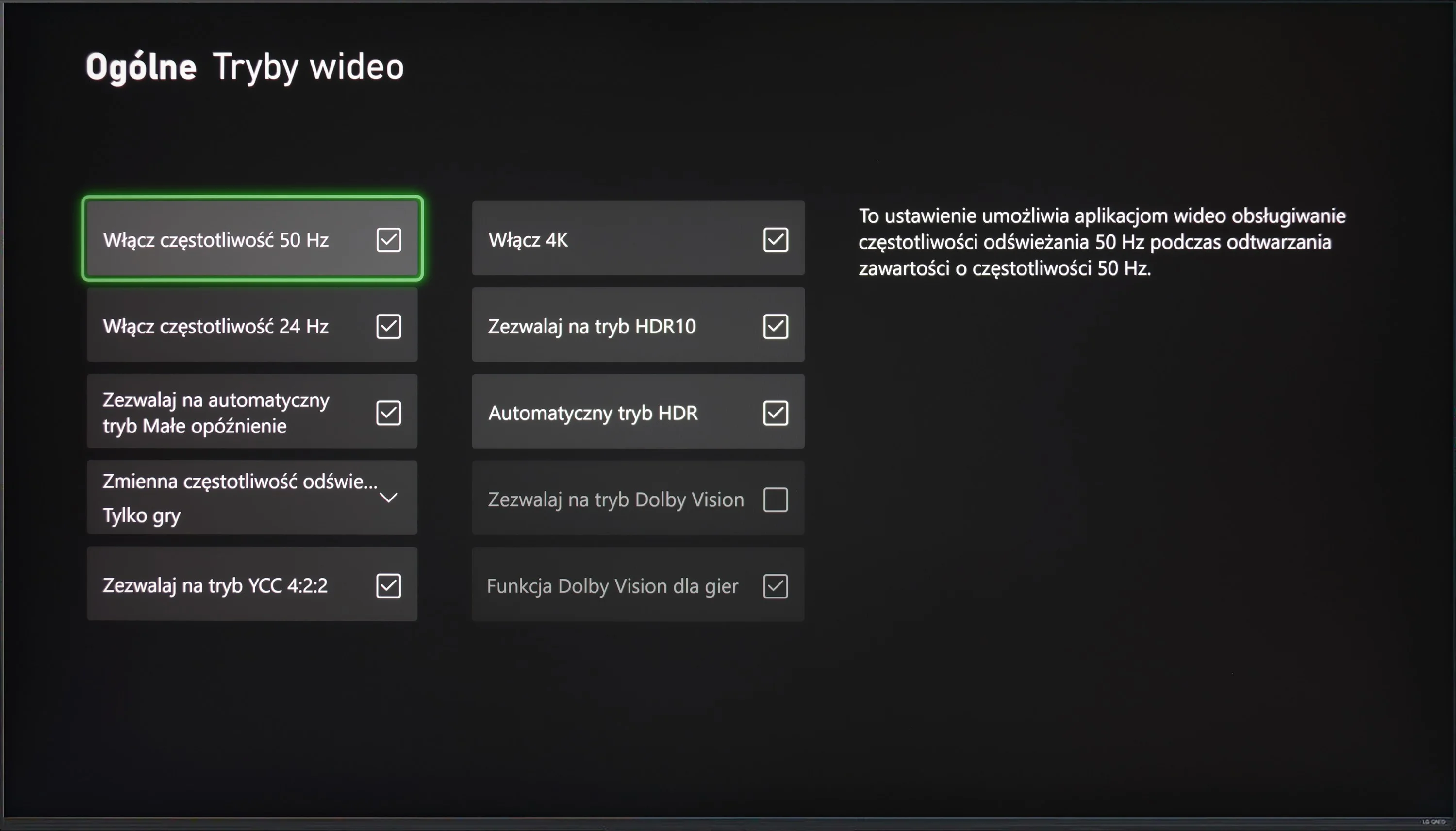
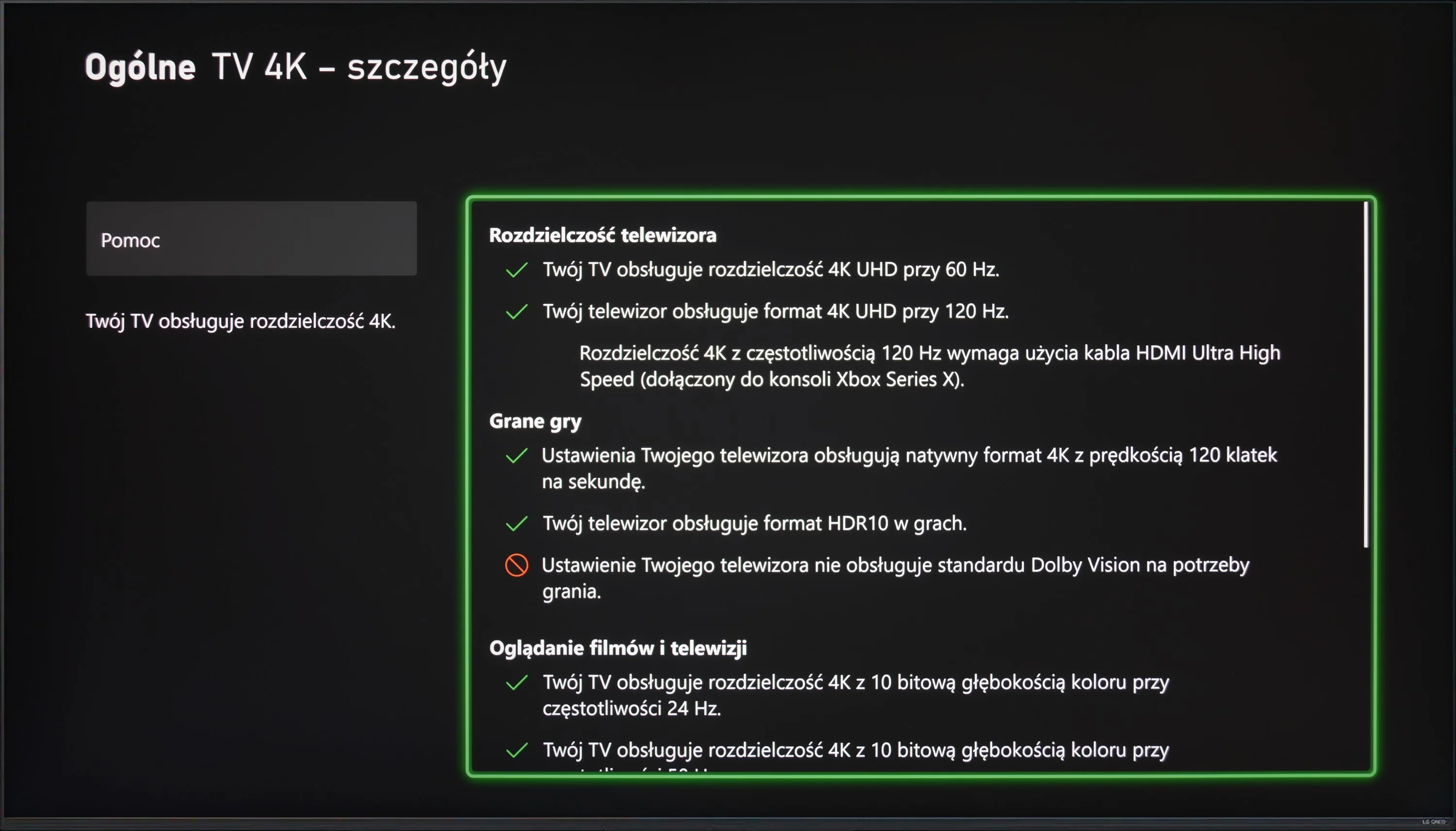
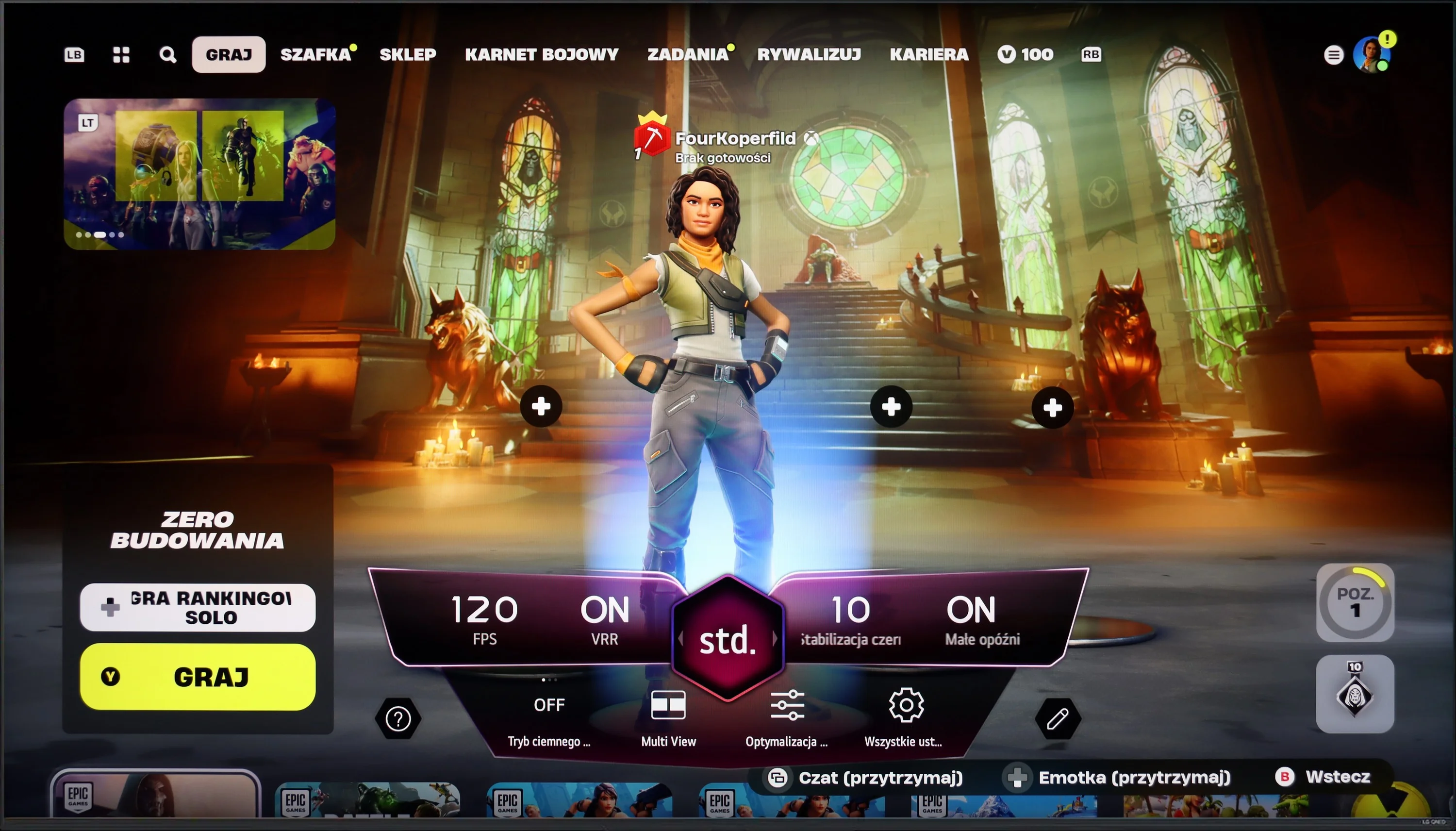
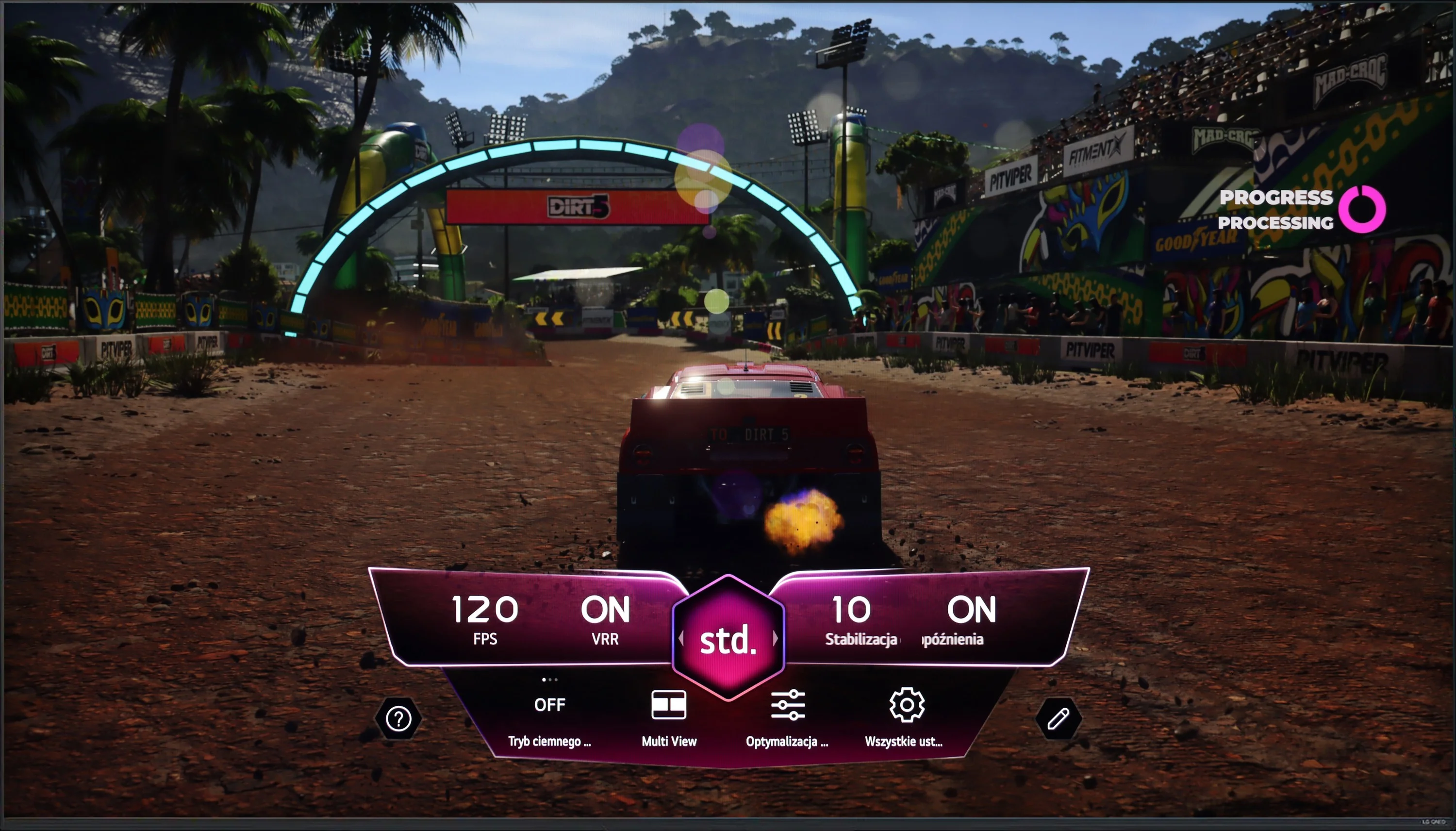
LG QNED offers a range of features that make it an excellent choice for gamers looking for a high-performance television. The TV is equipped with four HDMI 2.1 ports, allowing connection to the latest consoles like PlayStation 5 and Xbox Series X, utilising full functionality including Variable Refresh Rate (VRR) and Auto Low Latency Mode (ALLM). Thanks to the Game Bar feature, gamers can quickly and easily manage all game settings without needing to navigate complex menus. Parameters such as VRR, ALLM, Multi View, and frame rate monitoring can be adjusted. The TV also supports G-Sync and FreeSync technologies, which is particularly important for owners of Nvidia and AMD graphics cards. G-Sync and FreeSync synchronise the TV's refresh rate with the graphics card. The 120Hz panel guarantees incredible motion smoothness and image clarity. Combined with the Black Frame Insertion (BFI) feature, which is available at 60Hz and 120Hz, gamers can enjoy an even sharper and smoother picture. LG QNED87 is a television that meets the expectations of even the most demanding gamers, offering modern technologies and features that significantly enhance comfort and satisfaction during gaming.
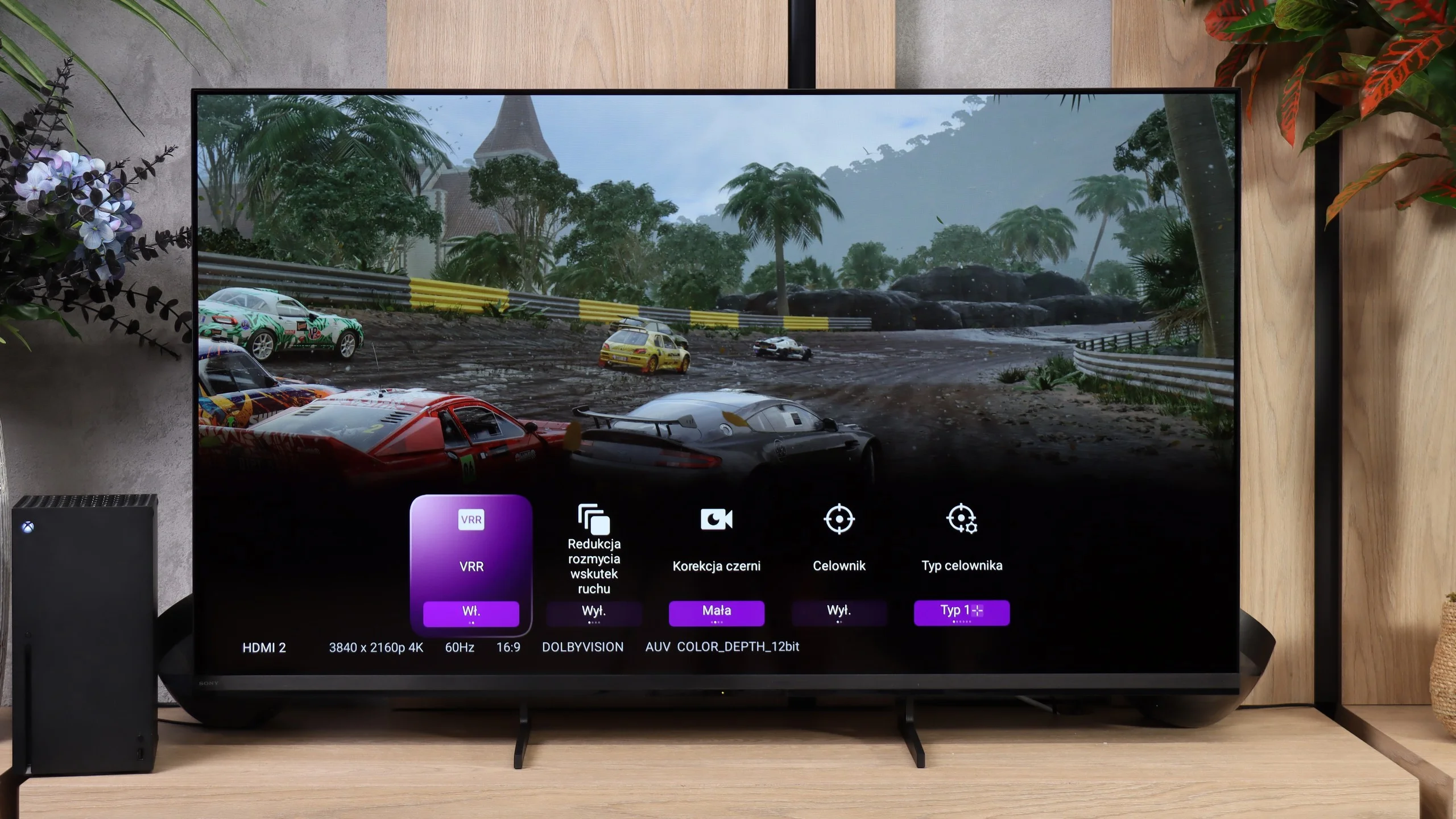
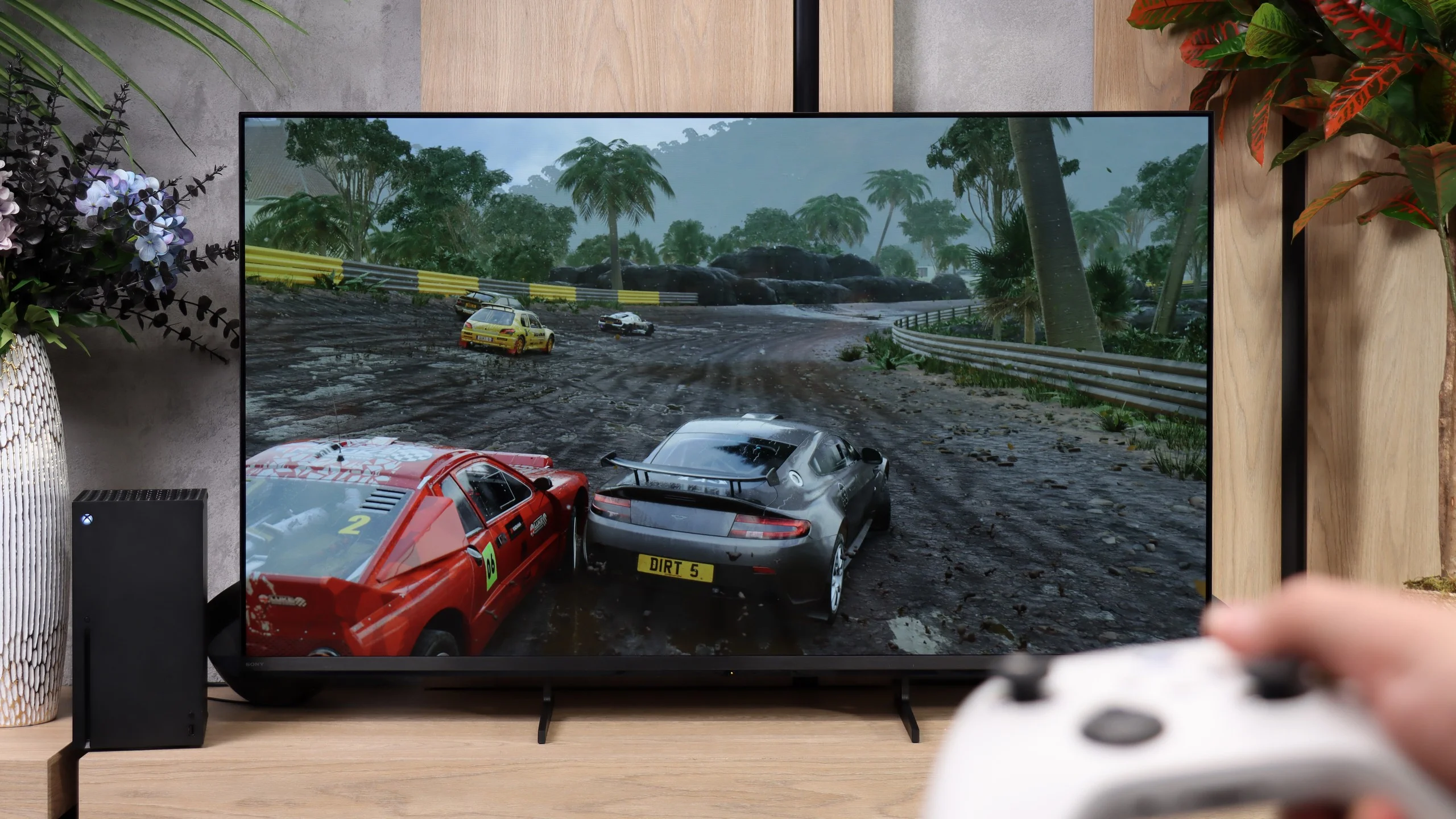
The Sony Bravia 3 II is a very good TV for gamers, although not everything has been solved the way we’d like. The biggest change concerns the connectors. For the first time in a Sony TV we get four full HDMI 2.1 ports with 48 Gb/s bandwidth, thanks to the new MediaTek Pentonic 800 chipset. That removes one of the problems that has hung over this manufacturer’s TVs for years. You can connect several devices at once and on each input use the device’s full capabilities, including VRR and ALLM. There’s also a simple Game Bar that lets you check the key signal parameters and change a few useful settings, such as black level, when you want to improve visibility in darker parts of a game.
There are, however, two limitations worth knowing. The first is the lack of support for 1440p at 120 Hz. That won’t be an issue for everyone, but people using that resolution on a console or PC—for example to get higher frame rates in certain games—will have to choose 1080p. We have more reservations about HGiG support. Sony doesn’t let you disable tone mapping on the Bravia 3 II, so the TV keeps processing HDR even when you’d prefer to leave that task to the console. It’s easiest to spot during HDR setup—the checkerboard test pattern doesn’t disappear at the point where it should based on the TV’s actual capabilities. That doesn’t mean HDR in games will look bad. You just need to set up a little differently and, rather than relying on the pattern, manually set the peak brightness to about 450 nits. So the issue can be worked around, but you should know about it before you start configuring your console.
Input lag
9.9/10
9.9/10
SDR
HDR
Dolby Vision
The LG QNED stands out with an extremely low input lag, which is crucial for smooth and responsive gaming. For a refresh rate of 120Hz, the input lag values do not exceed 6 ms, while at 60Hz, the input lag is a maximum of 15 ms. These are truly impressive results that ensure a player's reactions are almost instantaneously reflected on the screen.
In terms of input lag, the Bravia 3 II performs very well. With a 120 Hz signal latency is about 8 ms, while at 60 Hz it rises to around 14 ms, so in both cases the response to controls is very quick and during normal gameplay you’d be unlikely to notice any delay. It’s also worth noting the TV’s behaviour in Dolby Vision Gaming mode on Xbox. Input lag then remains practically just as low, and until recently Sony used to have a noticeable problem with this.
Compatibility with PC
7.6/10
7.2/10
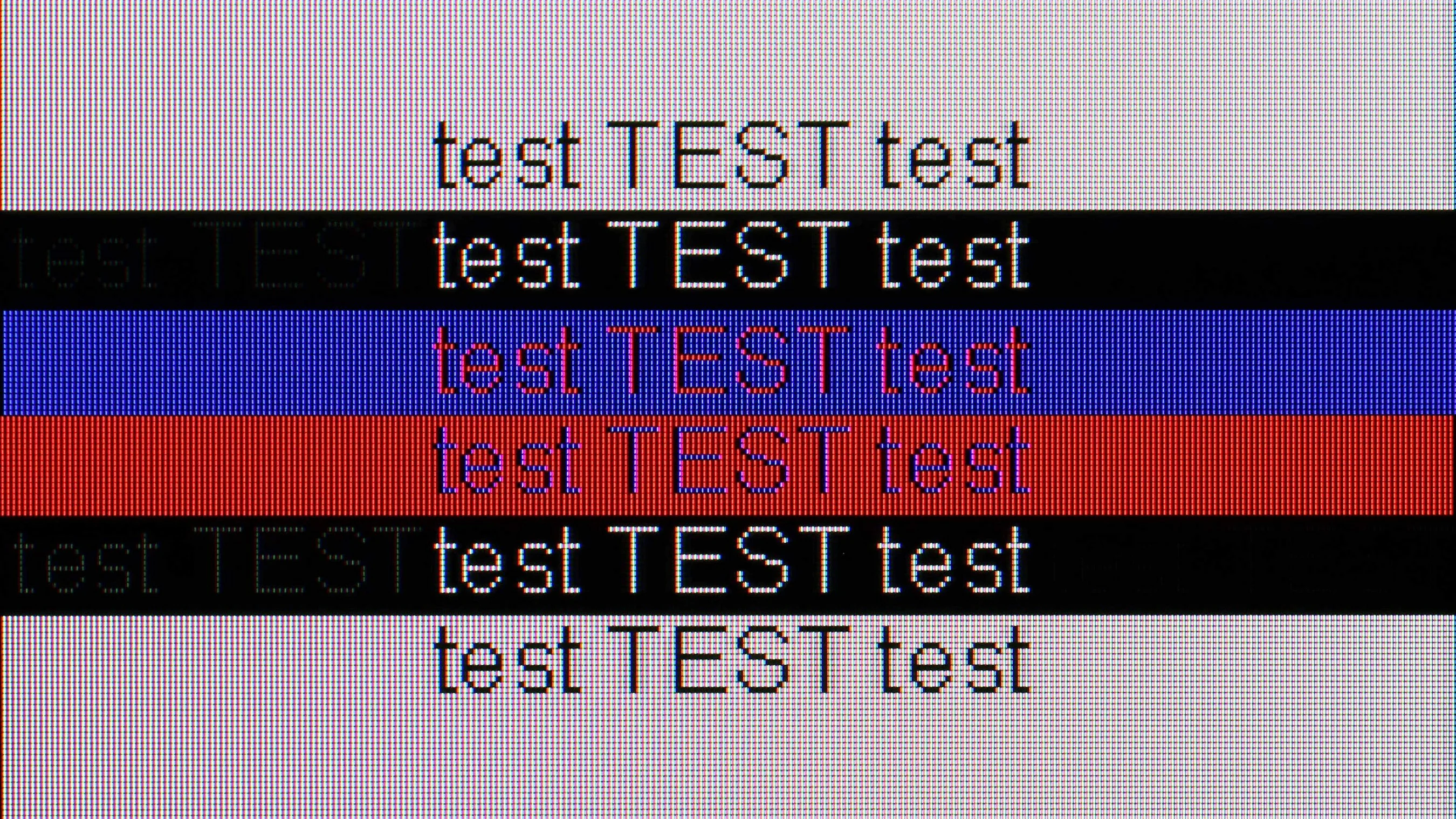
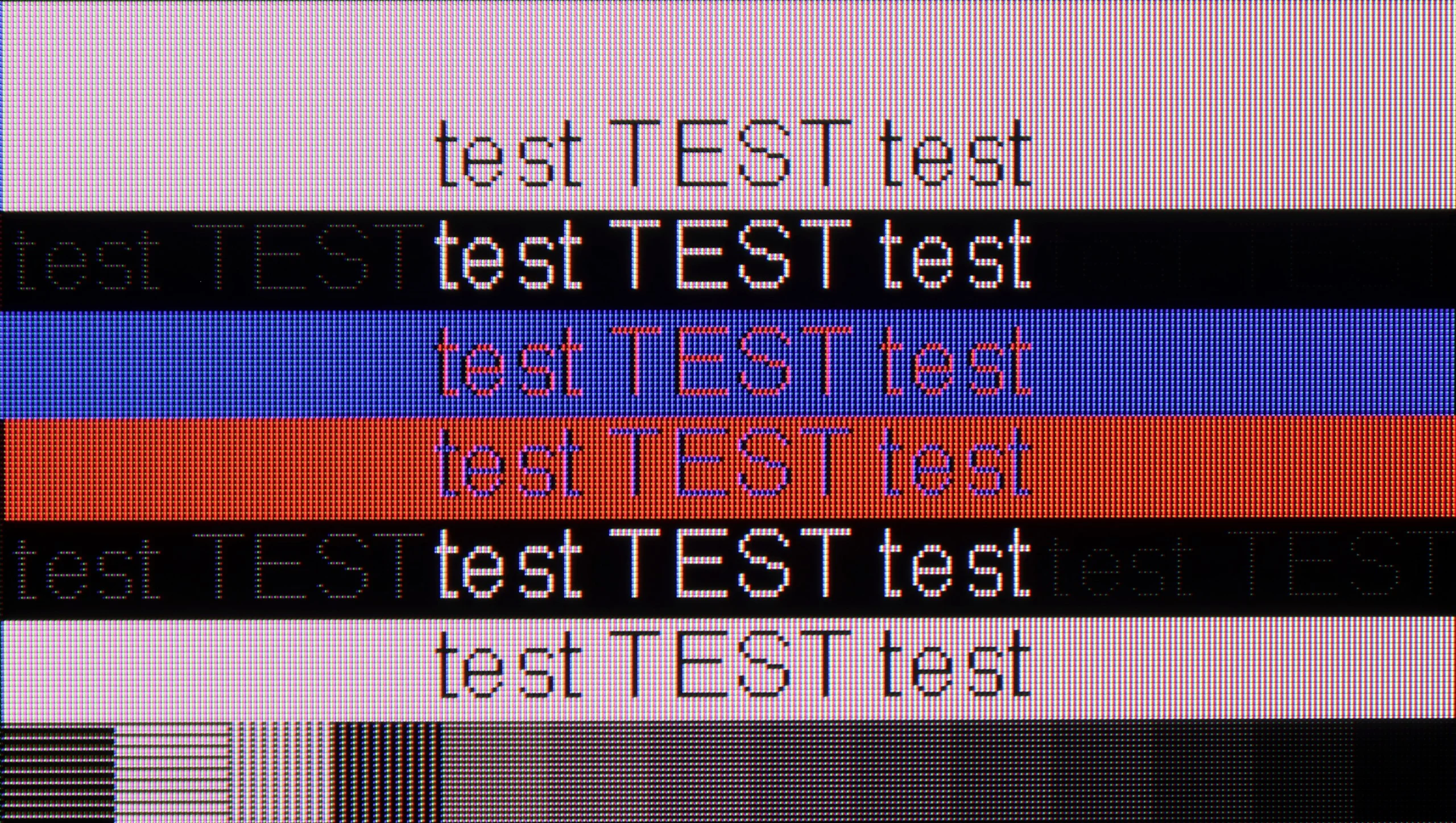
The photo shows the legibility of small fonts. Ideally, lines should be the same thickness on both light and dark text, with minimal pixel gaps.
The LG QNED television works perfectly with a computer, offering very good font readability. This makes working and browsing content exceptionally comfortable. The high refresh rate of 120Hz provides a smooth and vivid image. It combines a large workspace with performance, making it a genuine pleasure to use. However, for more demanding users, it may be disappointing that the TV has issues displaying fonts on a dark background. Instead of white letters, they take on a greenish hue.
Working with a computer is generally good, although, again, not without a few caveats. The Bravia 3 II correctly handles chroma 4:4:4, so in typical use text and the system interface look sharp and legible. However, grey fonts can draw attention, since their vertical edges may be noticeably brighter than the horizontal ones. On the larger screen this isn't particularly bothersome, but if someone is considering the smaller Bravia 3 II as a monitor for text work, it's worth keeping in mind.
What bothers us more, though, is the lack of additional modes with increased refresh rates. It's not even about 144 or 165 Hz at 4K, but rather the option to get higher smoothness at Full HD. This solution is increasingly appearing in rival TVs (DLG 240Hz), while Sony still does not offer it, even in its pricier models. For most users, 4K at 120 Hz will of course be perfectly sufficient, especially for consoles. But those who also use the TV as a PC gaming monitor may feel somewhat disappointed.
Viewing angles
7.1/10
3.3/10
When it comes to viewing angles, LG QNED87 performs really well. Thanks to its IPS panel, it offers wide viewing angles compared to VA panels. This means that the picture remains clear and does not lose quality even at an angle. While it may not achieve the perfect results of OLED TVs, which maintain colours and brightness regardless of the viewing angle, in terms of LCD QNED87 screens, it stands out positively. This makes it a great choice for larger rooms where viewers often watch at an angle.
Viewing angles are fairly typical for a VA panel, meaning simply average and, for some, probably poor. The Bravia 3 II looks best when you're sitting directly in front of the screen. As you move to the side, colours start to lose saturation and blacks become greyer. That's unfortunately the price we pay for this panel's high native contrast. Watching with two or three people shouldn't be much of an issue, but with a wide sofa those sitting at the ends will notice a clearly worse image.
Daytime performance
4.8/10
5.8/10
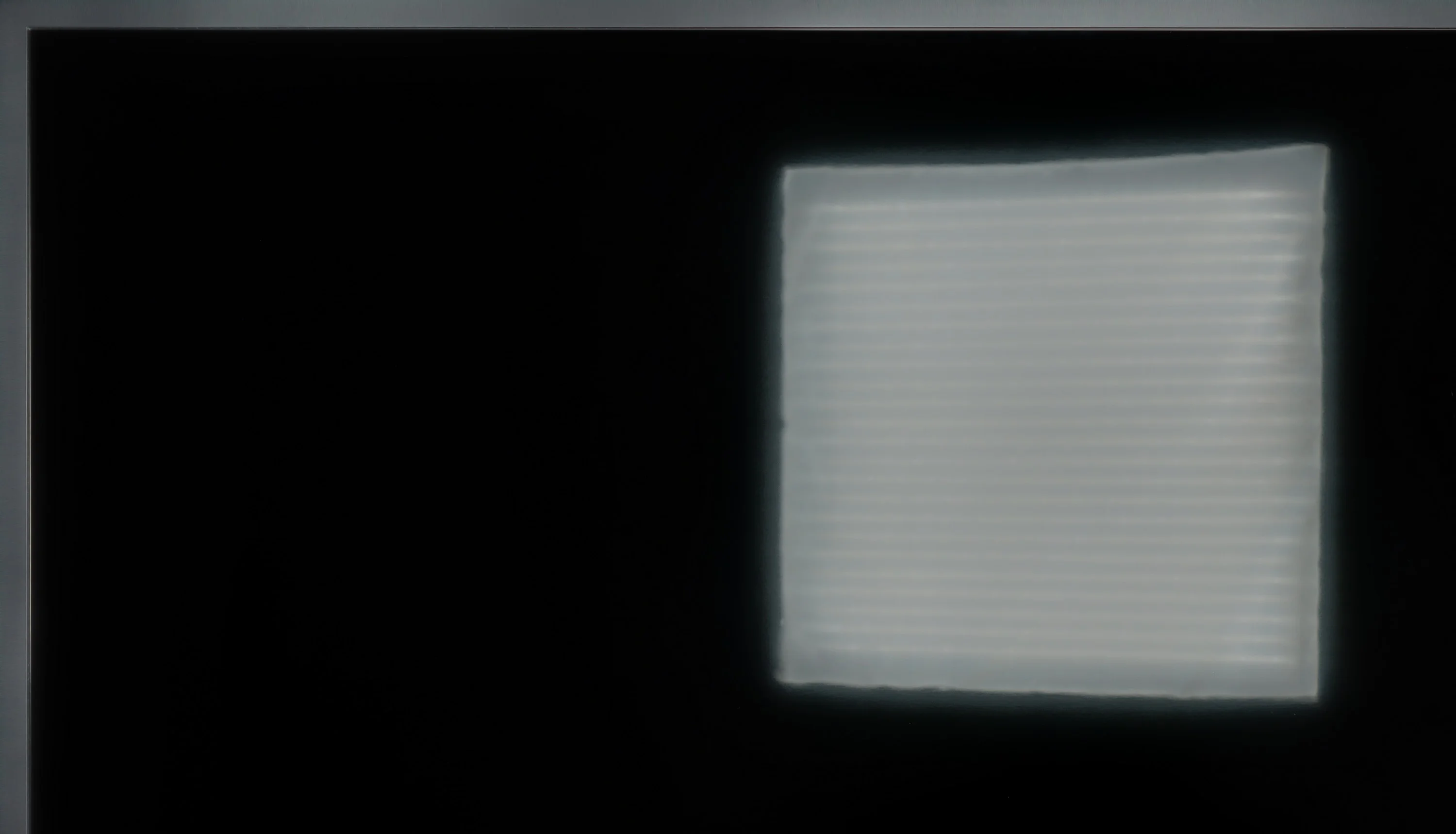
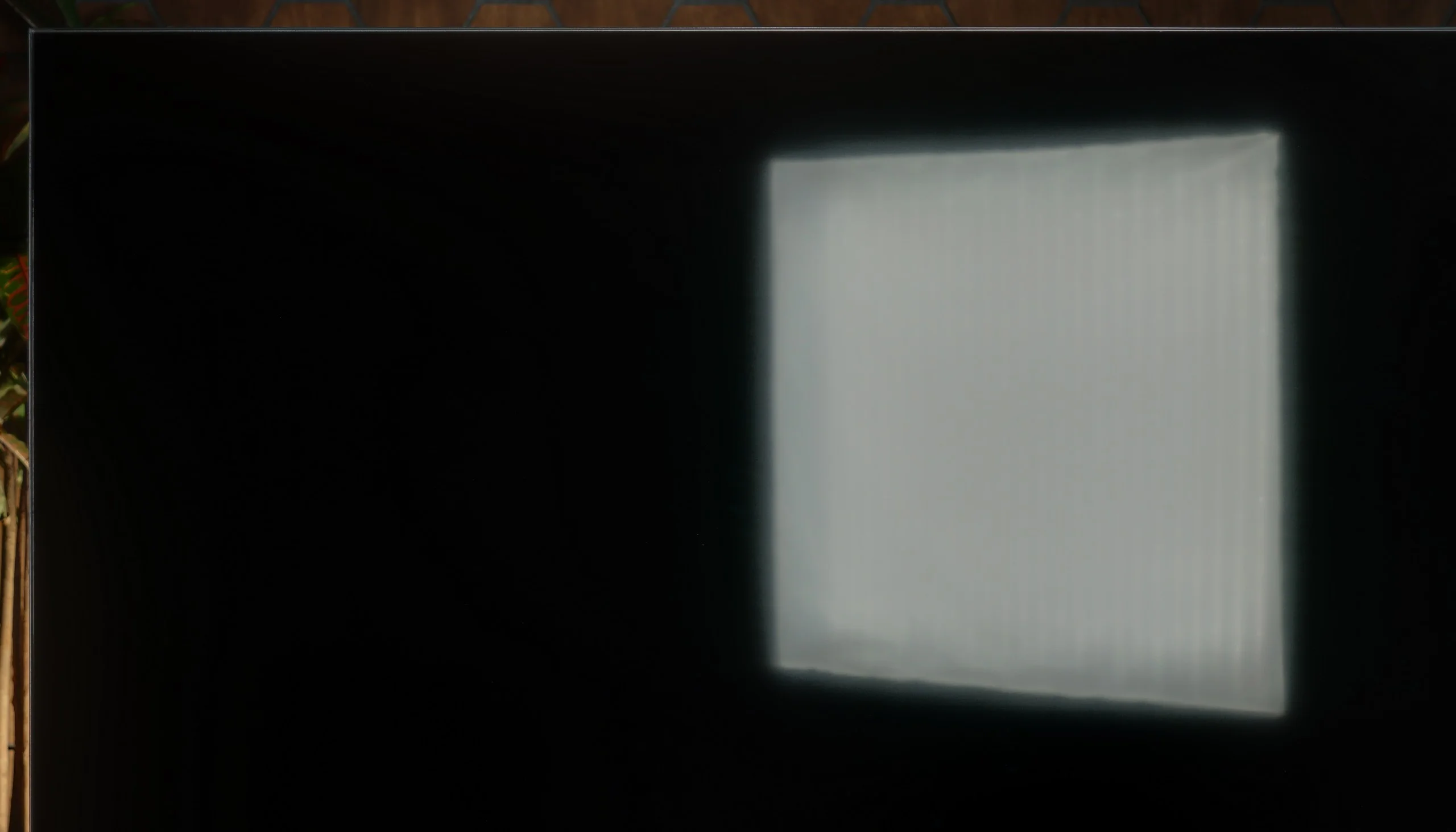
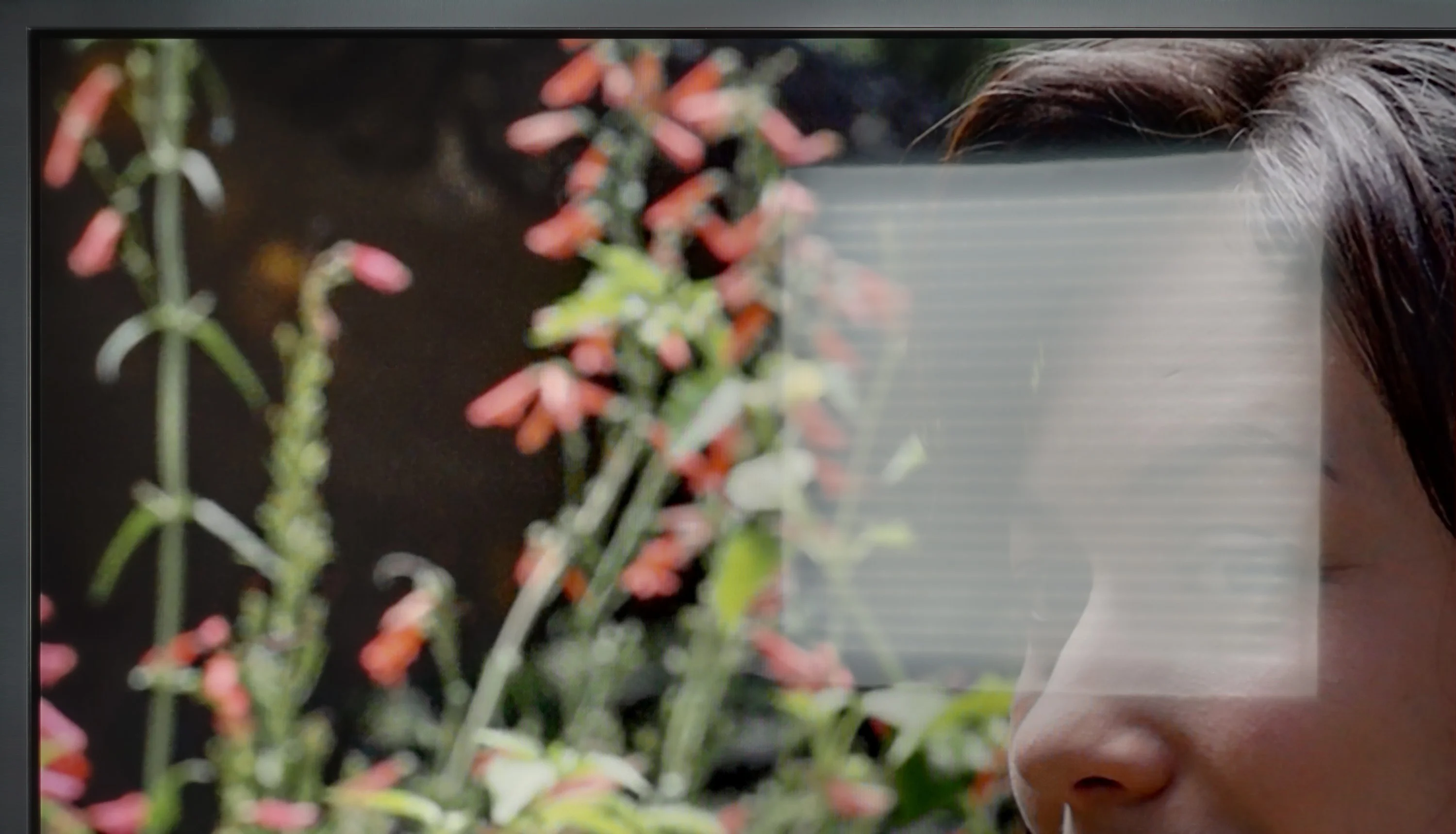
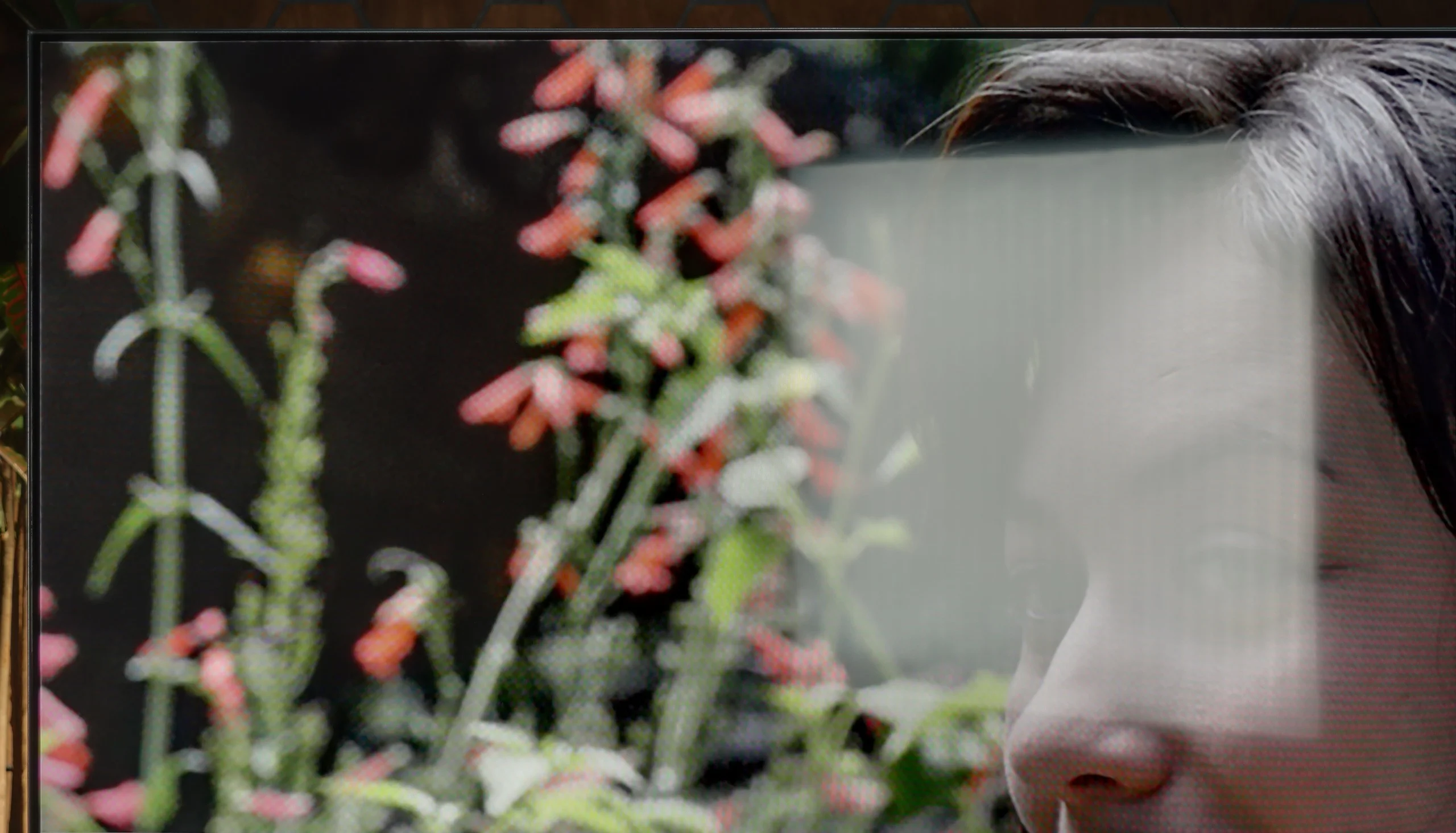
Panel brightness
SONY BRAVIA 3 II (XR35M2): 447 cd/m2
LG QNED87T6B: 428 cd/m2
During the day, the LG QNED television performs adequately. It has a satin finish that doesn’t suppress reflections the best, which can be noticeable in bright rooms. Nevertheless, with quite good brightness at 430 nits, the image remains visible and clear. Although reflections may be somewhat bothersome, the brightness of the television allows for comfortable use during the day.
During the day the Bravia 3 II performs quite well, although a lot depends on where you place the TV. The satin finish handles reflections reasonably — it doesn't act like a mirror, but strong light sources, particularly a window opposite the screen, can interfere with viewing. On the plus side, the VA panel keeps blacks fairly deep in daylight, so the image doesn't immediately look grey or washed out. The brightness of around 450 nits also helps, and the Bravia 3 II can sustain that regardless of how many bright elements are on-screen. That's more than enough for a typical living room and the picture remains readable during the day. However, if the TV will be placed in a very bright room with large windows and a lot of direct light, you can find models with noticeably more effective coatings and greater brightness headroom.
Panel details
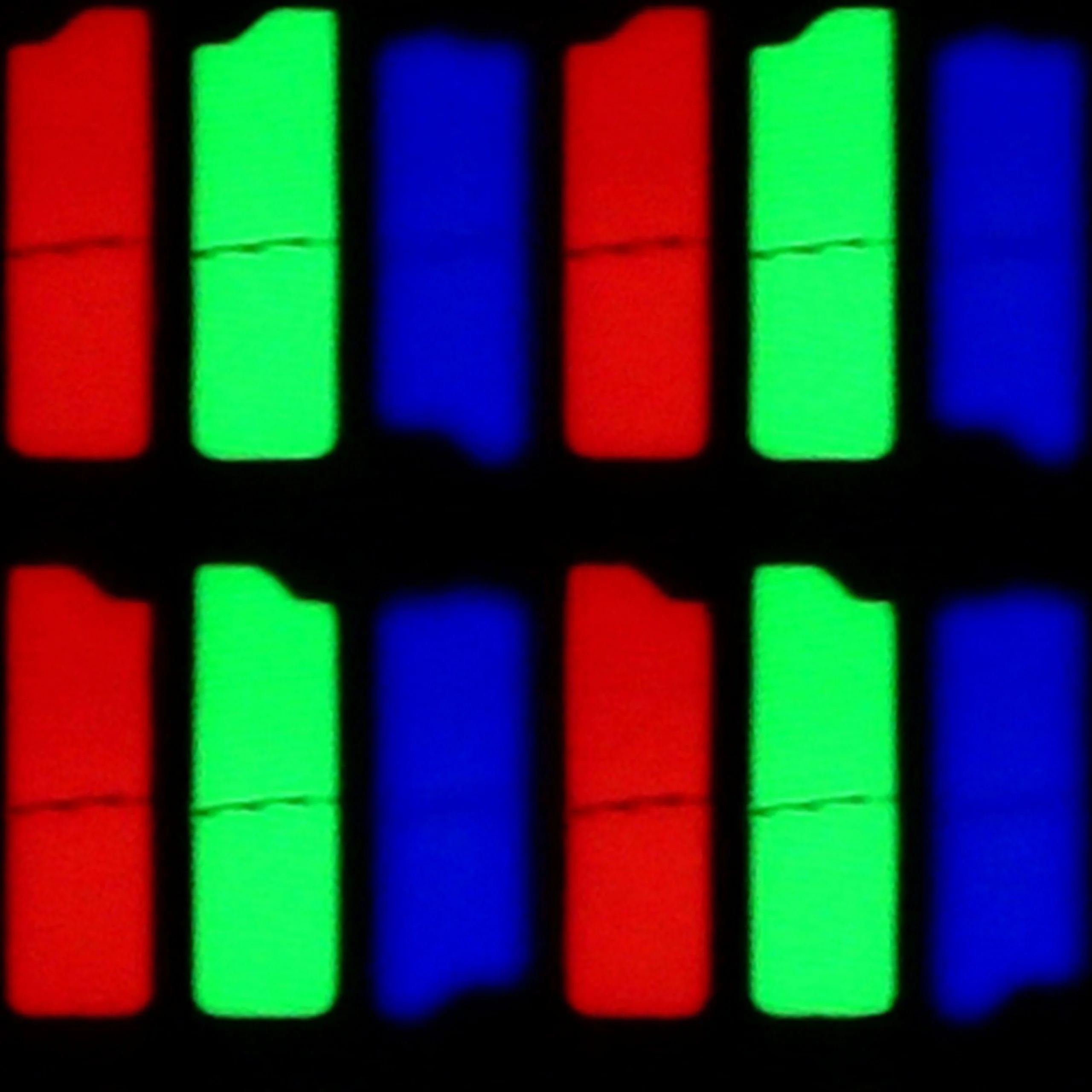
Subpixel Structure:
Panel uniformity and thermal imaging:

LG QNED87T6B
SONY BRAVIA 3 II (XR35M2)
TV features
8.8/10
7.9/10
- SystemWebOSGoogle TV
- System performanceGoodGood
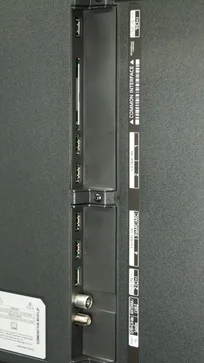
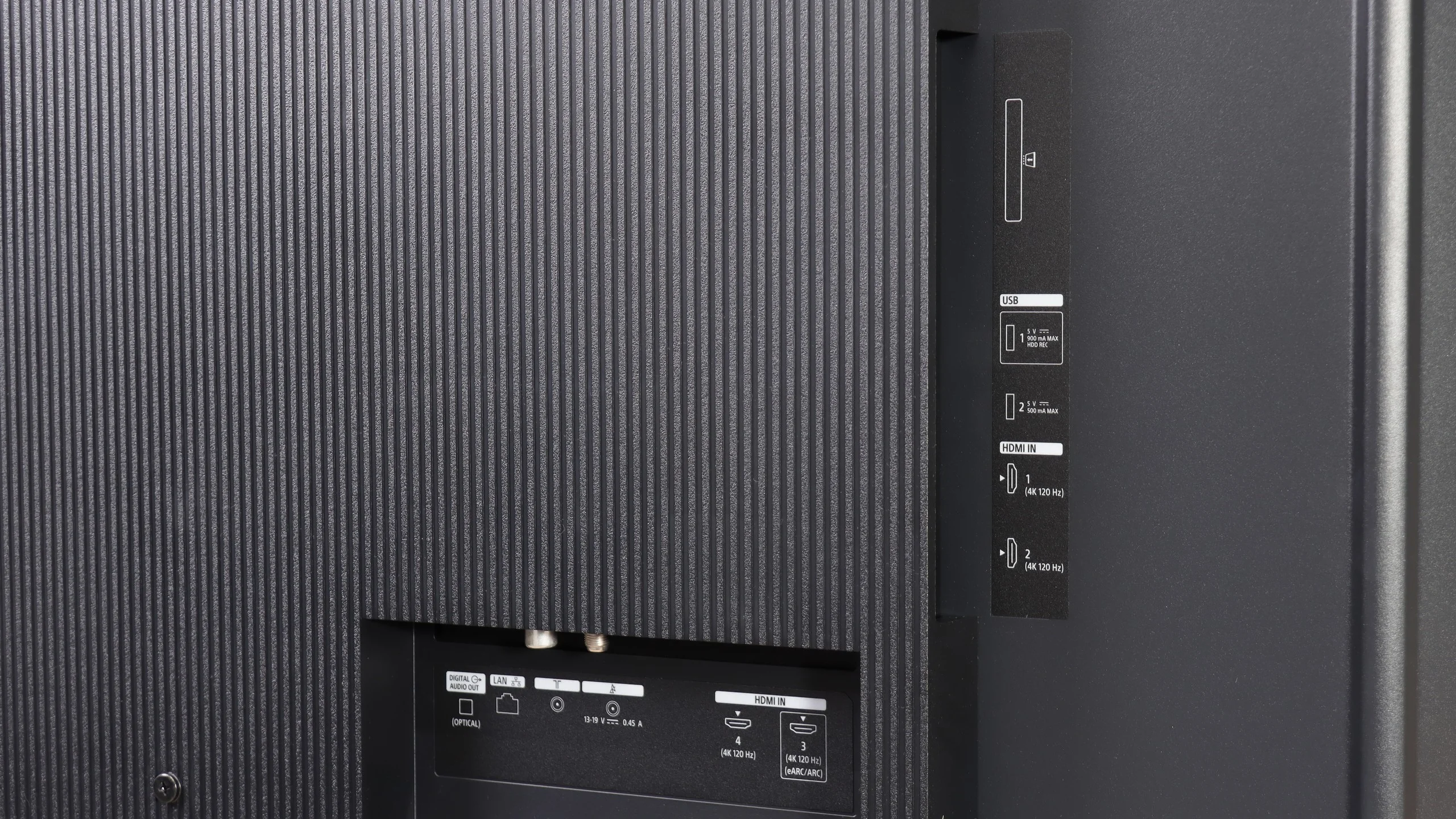
- HDMI inputs0 x HDMI 2.0, 4 x HDMI 2.1 48Gbps0 x HDMI 2.0, 4 x HDMI 2.1 48Gbps
- OutputsToslink (Optical audio), eARC (HDMI), ARC (HDMI)Toslink (Optical audio), eARC (HDMI), ARC (HDMI)
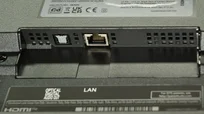
- Network InterfacesWi-Fi 2.4GHz, Wi-Fi 5GHz, Ethernet (LAN) 100MbpsWi-Fi 2.4GHz, Wi-Fi 5GHz, Ethernet (LAN) 100Mbps
- TV receptionDVB-T, DVB-T2, DVB-S, DVB-S2, DVB-CDVB-T, DVB-T2, DVB-S, DVB-S2, DVB-C
Classic features:
- Recording to USB (terrestrial TV)
- Recording programming
- Picture in Picture (PiP)
- RF remote control (no need to aim)
- Backlit remote control
- Teletext
- Audio only mode
- Bluetooth headphones support
- Simultaneous Bluetooth headphones & TV audio
Smart features:
- AirPlay
- Screen mirroring (Windows Miracast)
- Voice search
- Voice search in native language
- Ability to connect a keyboard and mouse
Sound connection options
- HDMI audioeARC (HDMI), ARC (HDMI)eARC (HDMI), ARC (HDMI)
- Other audio outputsToslink (Optical audio)Toslink (Optical audio)
- Wireless audioBluetoothBluetooth
Supported audio formats (external HDMI eARC audio):
- Dolby Digital Plus 7.1
- Dolby True HD 7.1
- Dolby Atmos in Dolby Digital Plus (JOC)
- Dolby Atmos in Dolby True HD
- DTS:X in DTS-HD MA
- DTS-HD Master Audio
Senior accessibility
- Numeric keyboard on TV
- Font size adjustment
- Audio description
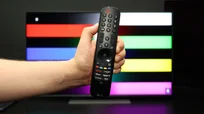
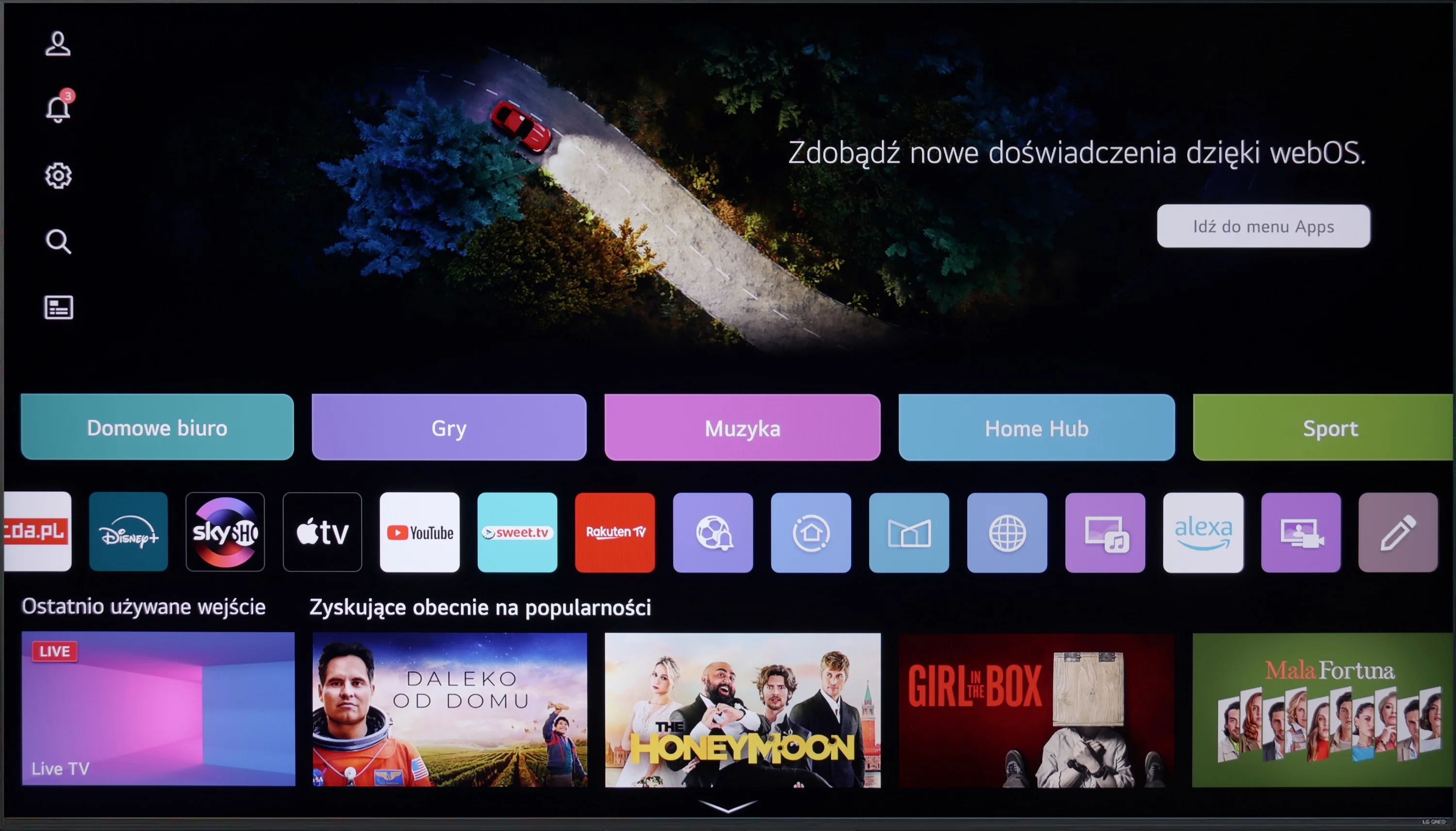
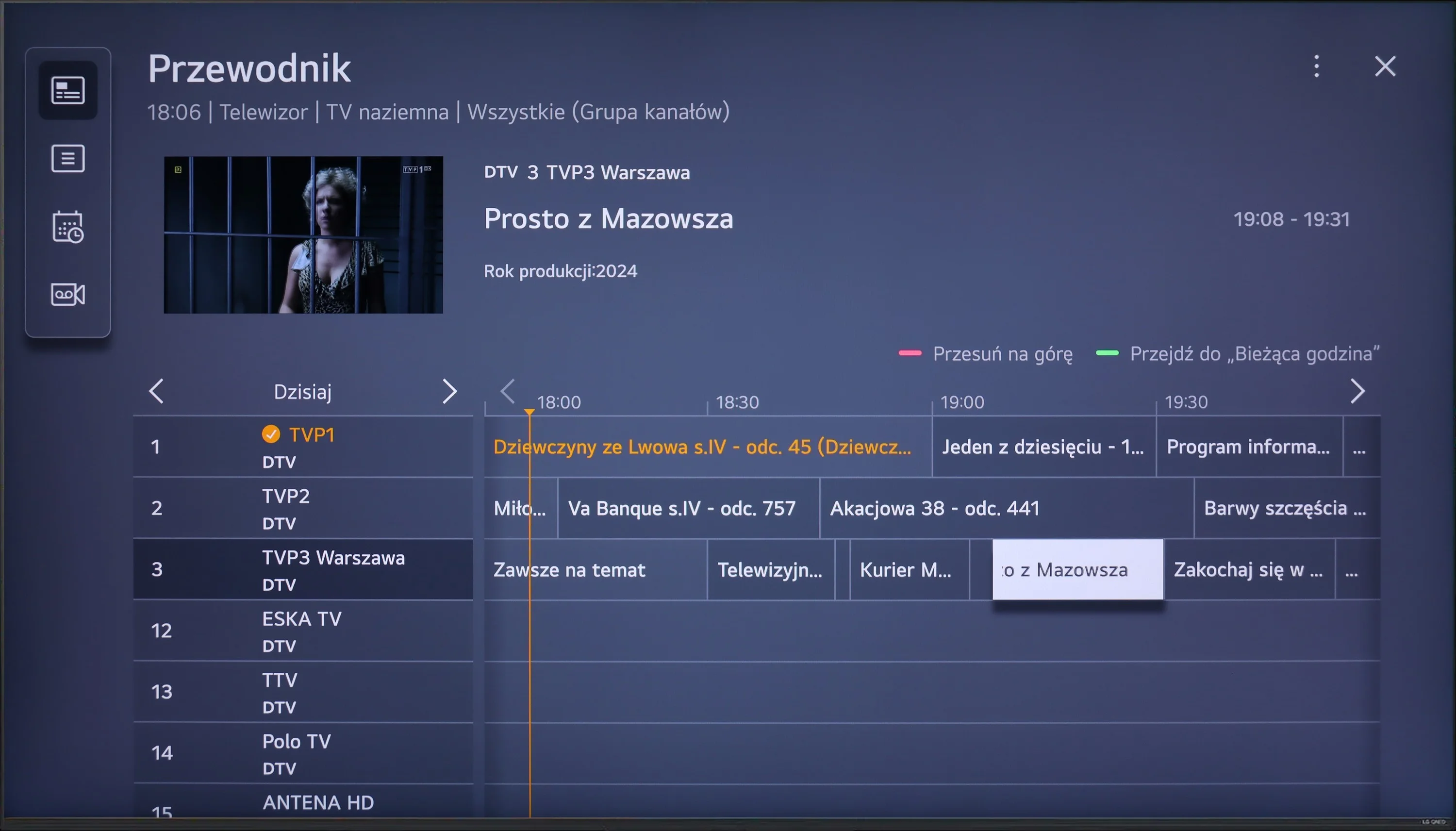
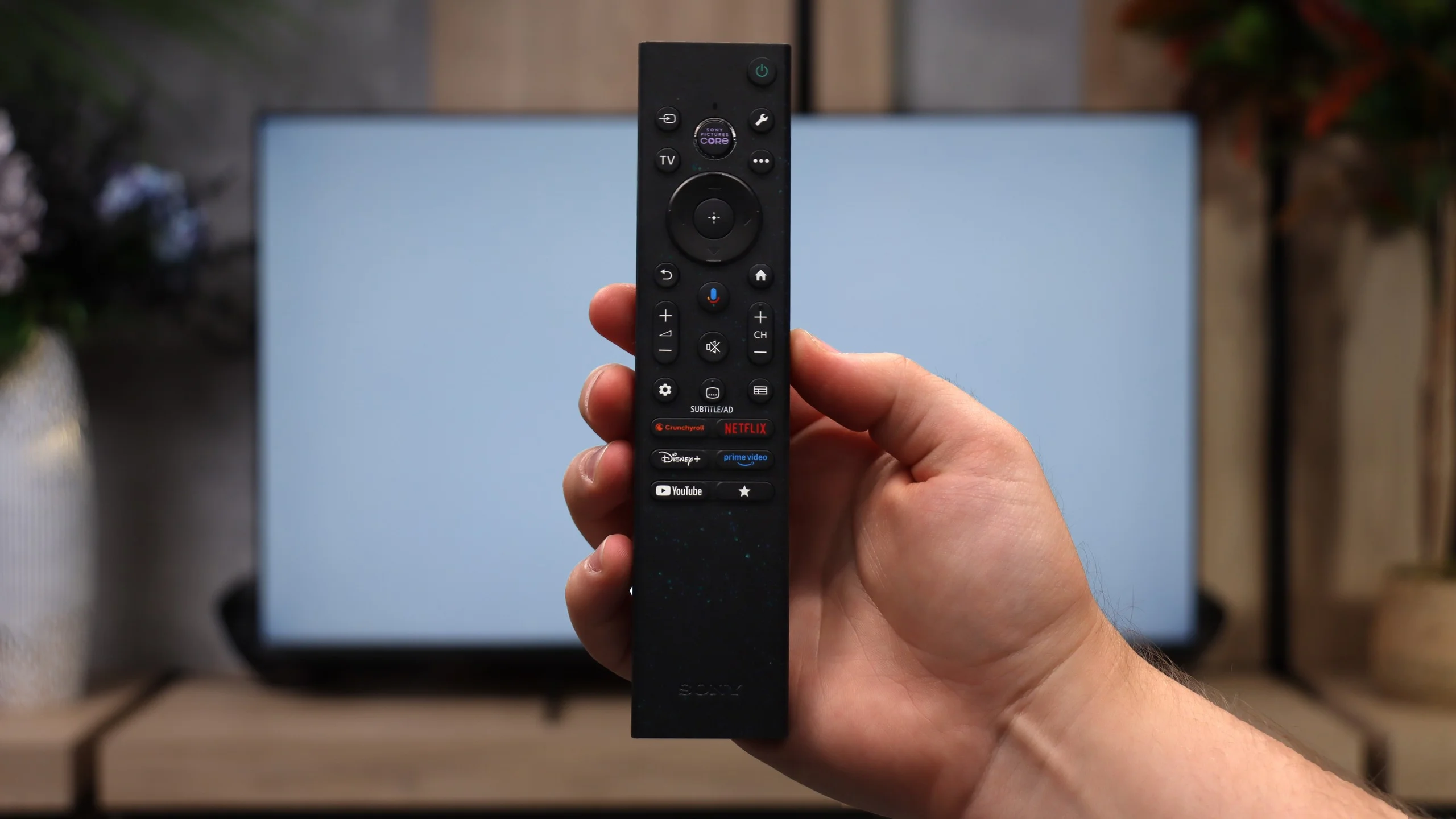
LG QNED87 TV offers a multitude of features that significantly enhance user comfort. Let's start with the WebOS system, which we believe has the most user-friendly interface among all TVs available on the market. One of its greatest advantages is the remote control with a built-in gyroscope, known as the Magic Remote. Thanks to this, navigation is intuitive and quick, making TV usage a pleasure. WebOS also supports a range of smart features that greatly simplify everyday use of the television. Among them is AirPlay, which allows easy content sharing from Apple devices such as iPhone or iPad. Additionally, the TV supports a wide range of streaming applications, such as Netflix, YouTube, Amazon Prime Video, and many others, providing access to favourite movies and series in one place. When it comes to everyday use, LG QNED87 does not disappoint. The TV offers a USB recording feature, which is becoming increasingly rare in modern models. This allows users to record their favourite programs and watch them at any time. Furthermore, the TV has a Picture-in-Picture (PIP) function, although only for one tuner, enabling the viewing of two programs simultaneously. Connecting additional devices via Bluetooth is simple and hassle-free. The TV supports various Bluetooth devices, such as mice, keyboards, and headphones, increasing its versatility and allowing easy personalisation of the user experience. With all these features, the LG QNED87 TV is a versatile and convenient device that meets the expectations of even the most demanding users.
Smart TV features: Google TV
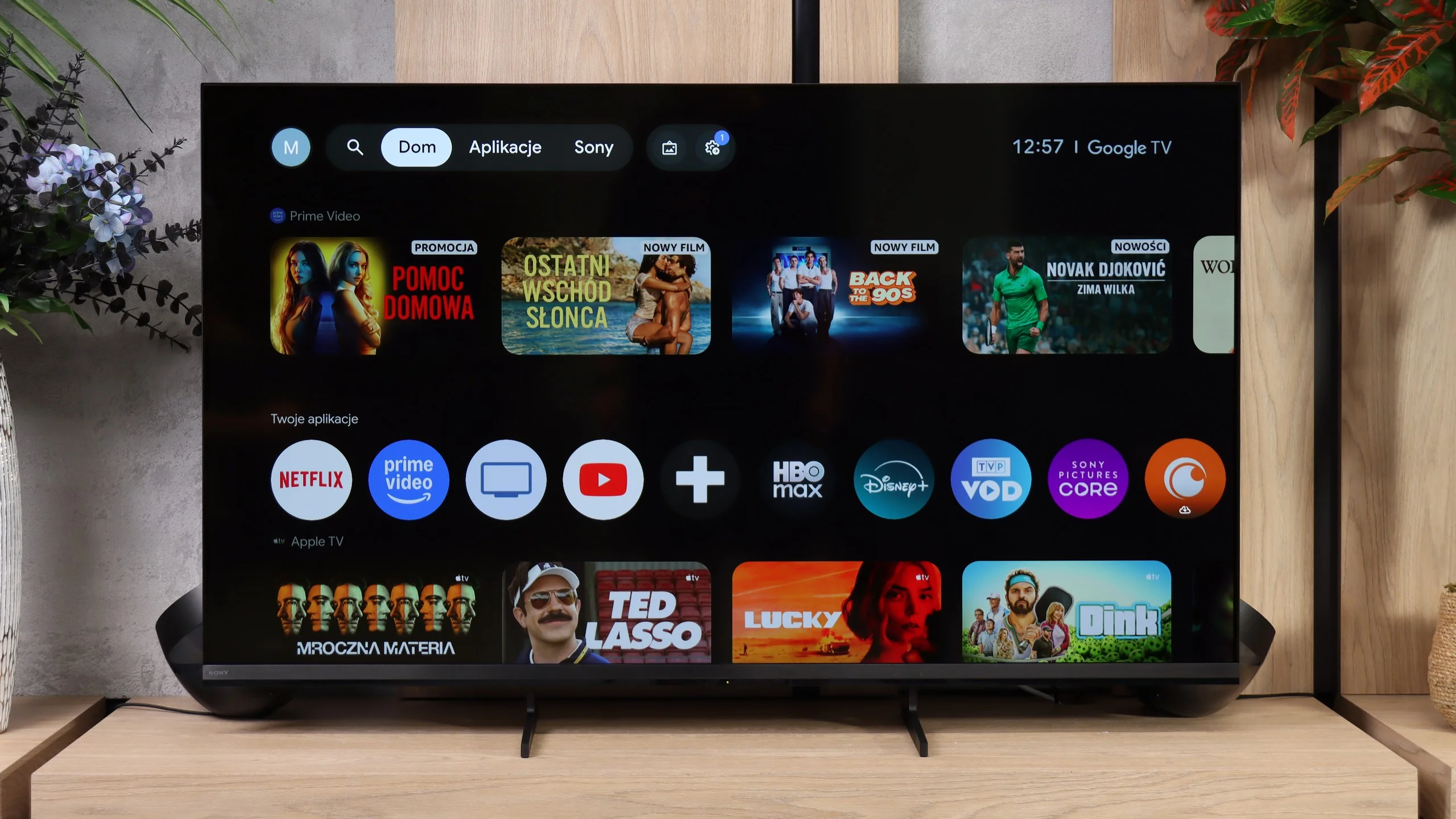
Bravia 3 II runs Google TV and, in terms of capabilities, it’s one of the more fully featured systems you’ll find in TVs today. First and foremost, you get access to a very large number of apps, so beyond the most popular streaming platforms you’ll also find plenty of less obvious services. Sony also supports AirPlay and Chromecast, making it very convenient to cast content from a smartphone. Voice search is good too, powered by Gemini, which handles commands in many languages and can genuinely make using the TV easier. During our tests we did encounter one issue: Bravia 3 II wouldn’t reliably receive a picture from a Windows 11 PC over Miracast. So if you want to use the TV as a secondary screen for a computer, the most reliable solution remains a connection via HDMI.
Traditional TV features
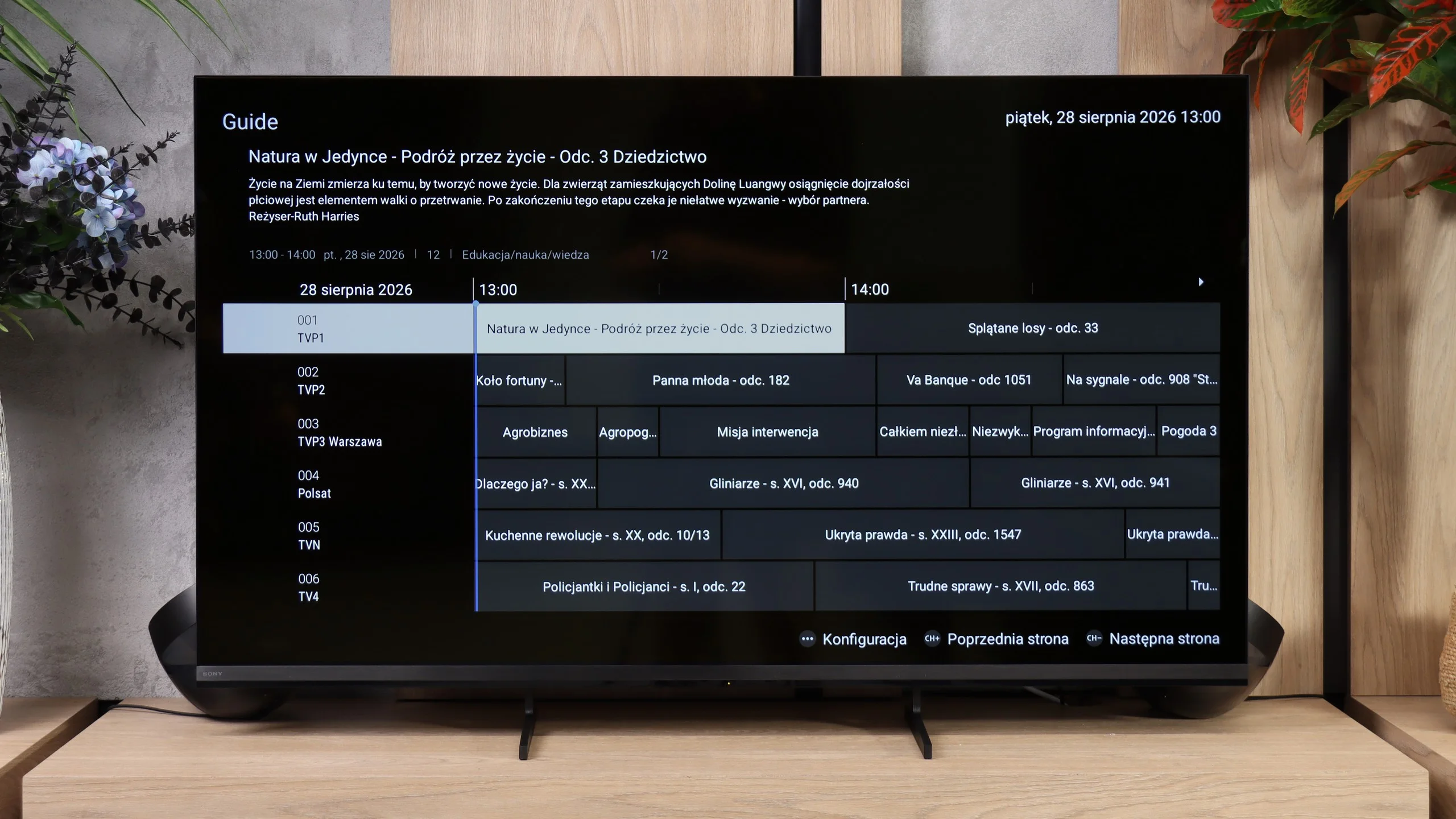
Sony hasn’t forgotten people who still mainly watch regular television. Bravia 3 II supports recording programmes to USB with the ability to schedule them in advance via PVR, which is rare nowadays, especially in cheaper models. There’s also teletext and a clear channel guide, so in terms of basic TV functions we weren’t really missing anything, maybe apart from picture-in-picture (PiP). A curiosity is the two remotes included in the set. The first is modern and pared-back (non-backlit), while the other is a classic design with a full numeric keypad. Although it may look a little old-fashioned, viewers who watch a lot of traditional TV might actually find it more convenient, for example when entering channel numbers.
Apps
8.3/10
9.6/10






















Playing files from USB
8.2/10
9.3/10
Supported photo formats:
Maximum photo resolution:
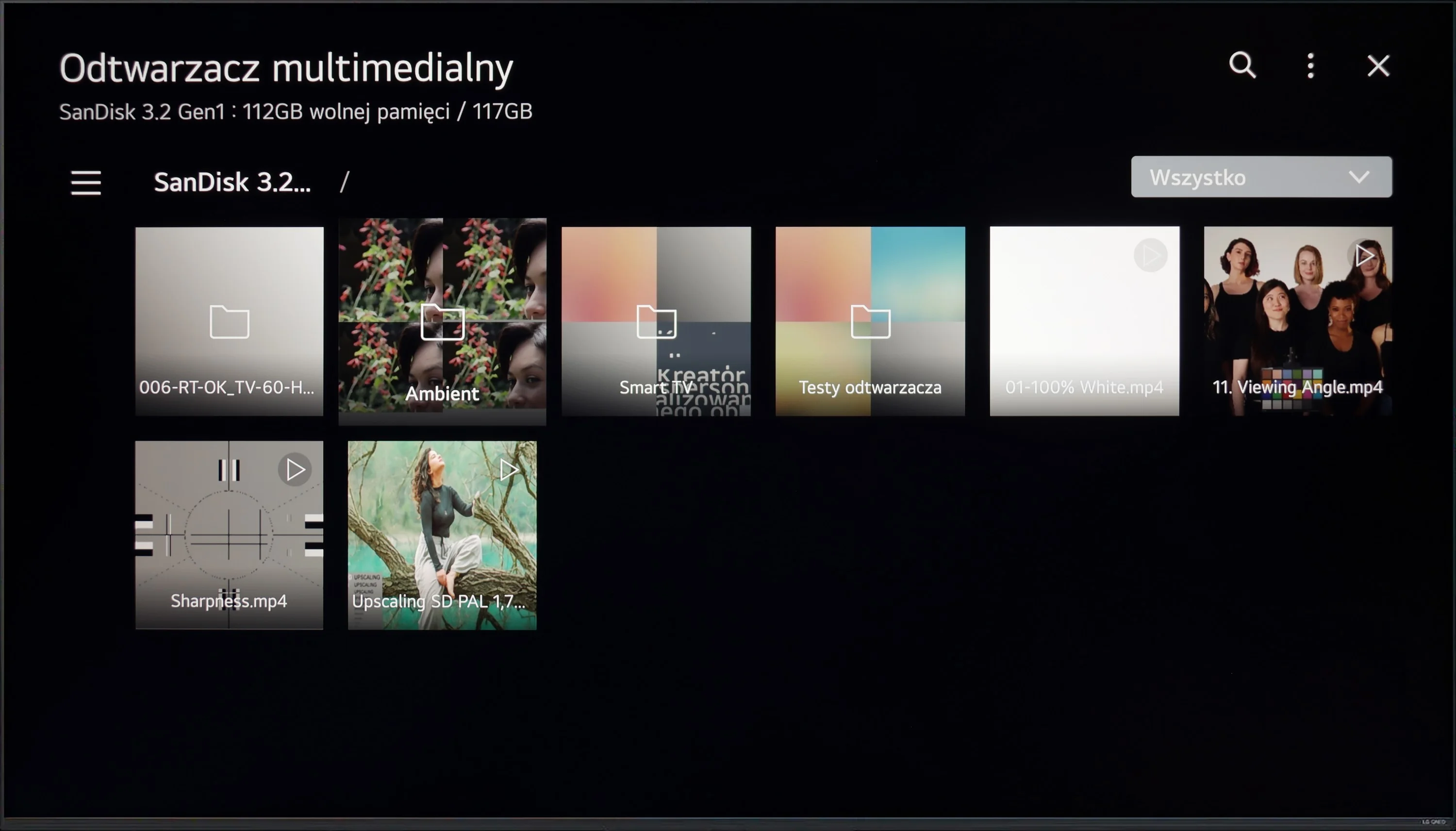
The built-in media player in the LG QNED87 television should not disappoint anyone. It offers rich capabilities when it comes to playing video and audio files. It supports many popular formats, ensuring versatility and user convenience. The only drawback might be the limited number of supported photo formats. However, this mainly concerns those less popular formats, so most users should be satisfied with the player's functionality. For everyday use and typical multimedia formats, the player performs very well.
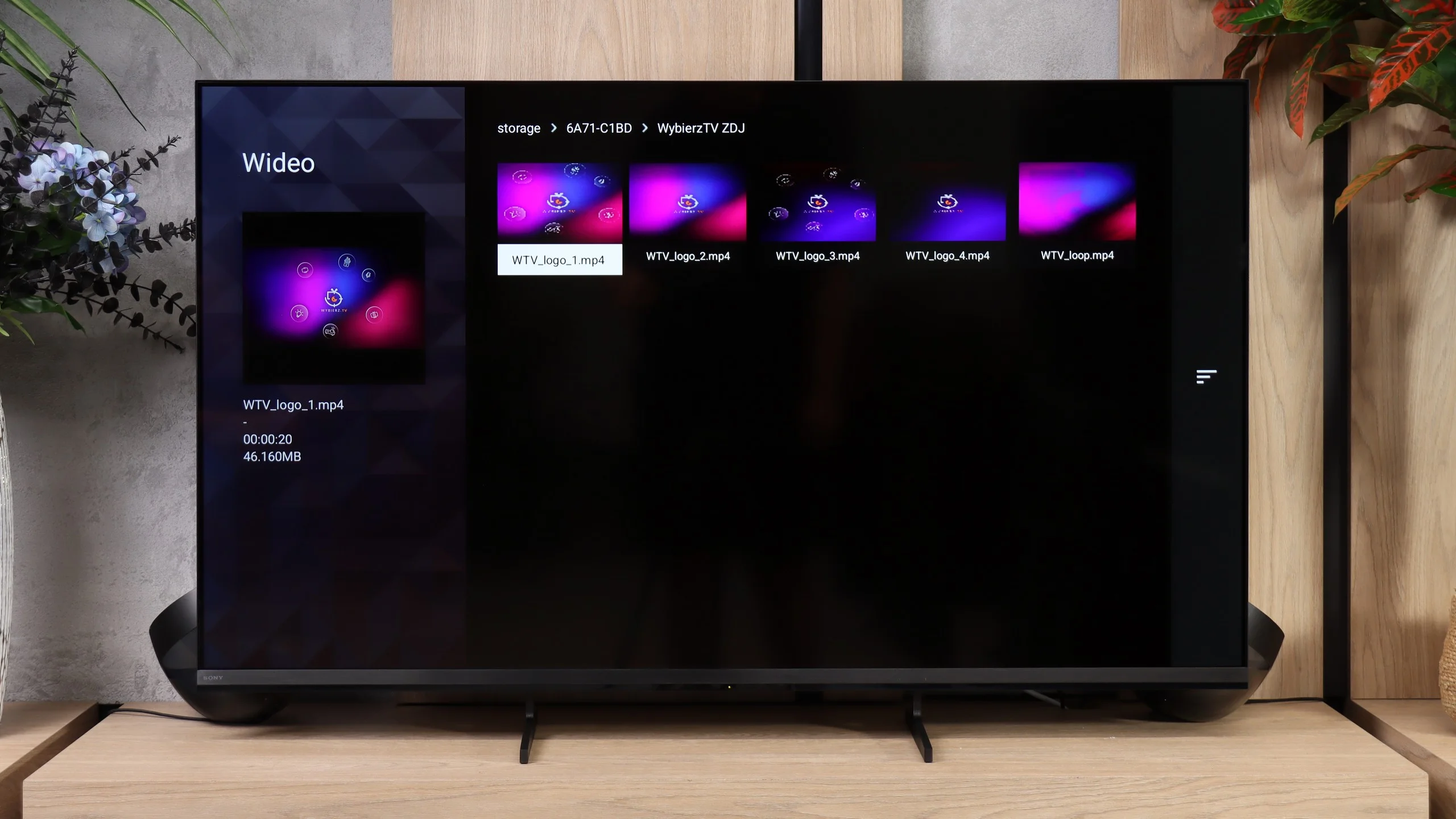
The Bravia 3 II's built-in player works really well and, during our tests, handled most popular video and audio formats with no trouble. Basically, there's little that would make us install an additional player or use an external device. The only exception might be videos with subtitles saved in .txt format, which the TV doesn't support, but let's be honest, at this point that would be nitpicking.
Sound
6/10
6.8/10
- Maximum volume-87dB
- Dolby Digital Plus 7.1
- Dolby True HD 7.1
- Dolby Atmos in Dolby Digital Plus (JOC)
- Dolby Atmos in Dolby True HD
- DTS:X in DTS-HD MA
- DTS-HD Master Audio
When it comes to sound, it can be said that it's moderately pleasant. There's a lack of pronounced bass, and the mid tones seem a bit unclear. This isn't an ideal situation for audiophiles, but it's worth noting that the television plays DTS files without any issues. This is a feature that's missing in many other televisions, so the LG QNED87 deserves praise for this support.
Pod względem dźwięku Bravia 3 II wypada poprawnie, ale trudno powiedzieć o niej coś znacznie więcej. Głośniki dobrze radzą sobie z dialogami i zwykłą telewizją, natomiast zdecydowanie brakuje im niższych częstotliwości. Bas zaczyna szybko tracić energię, przez co przy muzyce, filmach akcji czy grach dźwięk jest dość lekki i brakuje mu uderzenia. Nie jest to oczywiście nic niezwykłego w telewizorach tej klasy, ale jeśli zależy nam na bardziej efektownym brzmieniu, soundbar będzie tutaj bardzo wskazanym dodatkiem.
Znacznie lepiej wygląda kwestia obsługiwanych formatów audio. Bravia 3 II radzi sobie praktycznie ze wszystkim, czego możemy potrzebować, włącznie z Dolby TrueHD, DTS-HD Master Audio czy DTS:X, a więc formatami coraz częściej pomijanymi przez innych producentów. Telewizor może również przesłać je dalej do zewnętrznego zestawu audio. Wyjątkiem jest Dolby Atmos zapisany w Dolby TrueHD, którego wbudowane głośniki nie odtworzą bezpośrednio, ale przy korzystaniu z odpowiedniego soundbara lub amplitunera nie powinno stanowić to większego problemu.
Sound Quality Test
No sound test video
Acoustic Measurements
No acoustic data
87dBC (Max)
75dBC
Reader comments
Comments are provided by the external service Disqus (Zeta Global). Once loaded, Disqus may set cookies and process data about your activity.
We will remember your choice on this device. Provider's privacy policy