QNED86A6A is a television that really does a great job in its price class when it comes to sports, gaming, and everyday TV viewing. The 120 Hz panel makes the image smooth, and the motion sharp, which will be appreciated by both fans and gamers. Additionally, it has low input lag along with a full suite of gaming features such as HGiG, VRR, and ALLM. The television works just as well with a computer as it does with a console, so in the office or on a desk in the 43” version, it will serve excellently as a work monitor. Another strong point is the webOS system. It’s a fast, stable, and app-rich operating system that paired with the Magic Remote provides very convenient operation. The new version of the remote is slimmer and fits better in the hand, and the on-screen cursor is a feature that many competitors lack. On top of that, there are classic features – USB recording, Bluetooth for headphones, and a full set of HDMI 2.1 with eARC and Dolby Atmos support. This makes the televisions from the QNED85 series some of the most "multimedia" televisions in their class. But there’s no point in sugar-coating it; this model also has some significant drawbacks. Its biggest disadvantage is undoubtedly the contrast, or rather the lack thereof. The IPS panel combined with the edge-lit “mini-LED” is just a very bad idea. The screen simply isn’t suitable for watching movies in a dark living room. Blacks are a greyish-blue, and local dimming can create strips of light reminiscent of lasers, which effectively ruins the viewing experience. For home cinema, it’s not a choice that can be recommended with full conviction. The second issue may not be directly related to the television itself but rather its sales. It concerns chaos in the naming conventions and differences in derivative versions. The same model, even with the same designation, can have a different colour frame or stand depending on the store. This can really be frustrating for the buyer and evoke a sense of confusion. To summarise briefly: LG QNED86A6A is a great television for sports, gaming, and everyday TV, with a convenient system and high functionality. But if you’re looking for a screen strictly for movies or series and require deep blacks, it’s better to look towards televisions that can actually be confidently referred to as Mini-LEDs.
- Matching (Score) |
- Our verdict |
- TV appearance |
- Where to buy |
- Contrast and black detail |
- HDR effect quality |
- Factory color reproduction |
- Color reproduction after calibration |
- Smoothness of tonal transitions |
- Image scaling and smoothness of tonal transitions |
- Blur and motion smoothness |
- Console compatibility and gaming features |
- Input lag |
- Compatibility with PC |
- Viewing angles |
- Daytime performance |
- Panel details |
- TV features |
- Apps |
- Playing files from USB |
- Sound
LG QNED86A / QNED85A / QNED87A vs LG UA75006LA (VA)
 Direct comparison
QNED85A / QNED86A / QNED87A / A6A / A6B / A6C

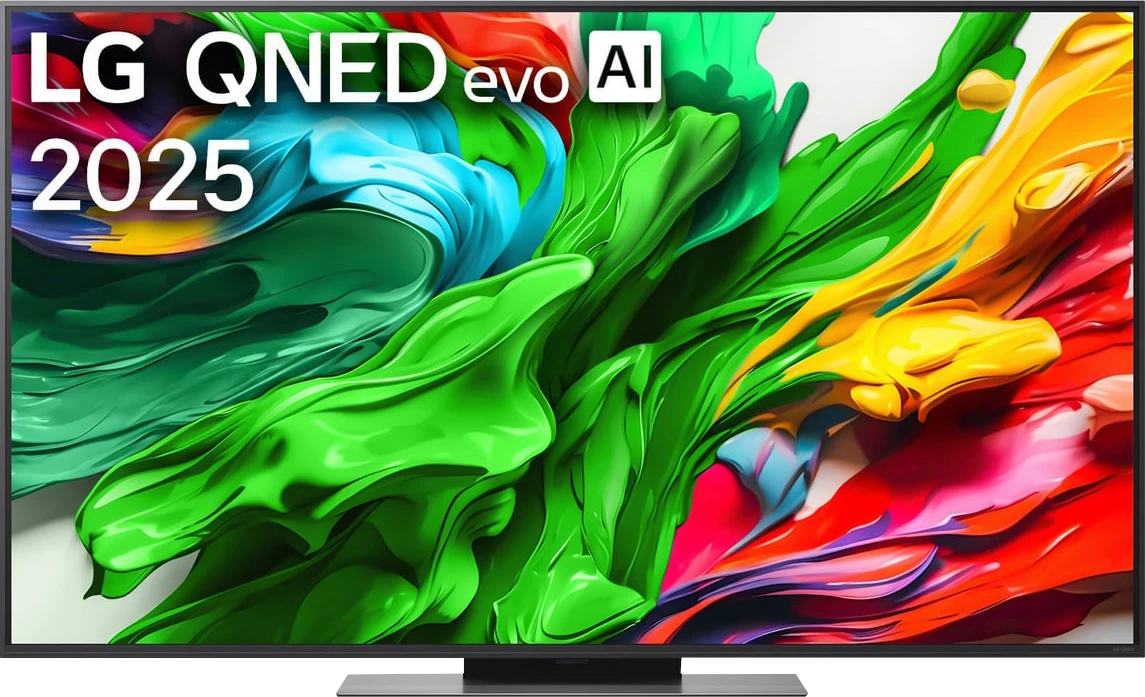
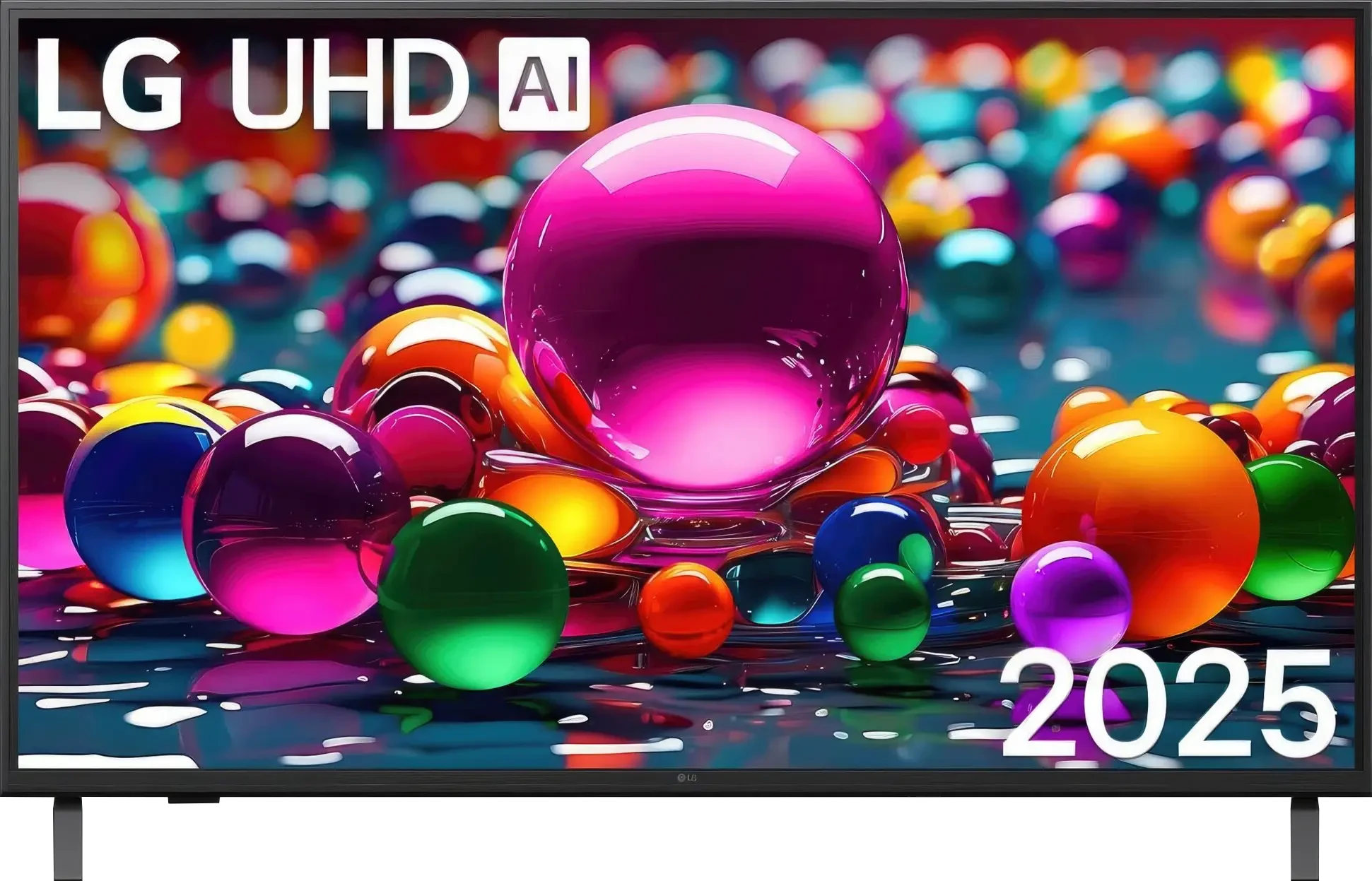
Panel type: LCD IPS
Resolution: 3840x2160
System: WebOS
Model year: 2025
Complete the survey to find out the result
Panel type: LCD VA
Resolution: 3840x2160
System: WebOS
Model year: 2025
Complete the survey to find out the result
Overall rating
7.0
6.0
 Movies and series in UHD quality
 6.4
6.0
 Classic TV, YouTube
 6.1
6.1
 Sports broadcasts (TV and apps)
 7.1
5.0
 Gaming on console
 8.3
6.9
 TV as a computer monitor
 8.0
5.4
 Watching in bright light
 5.8
4.6
 Utility functions
 8.4
7.0
 Apps
Apps 9.1
9.1
 Sound quality
 6.0
6.0
Complete the survey to find out what fits your preferences
Advantages

120 Hz panel, great for sports and gaming
Very low input lag
Excellent for gamers (VRR, ALLM, HGiG etc.)
Full set of HDMI 2.1 ports
Good compatibility with PC (great font readability)
Bright picture (about 700 nits in HDR), suitable for moderately bright rooms
Good viewing angles (IPS)
Support for Dolby Vision
User-friendly webOS operating system with Magic Remote control featuring voice assistant
Ability to record programs to USB
High native contrast (VA panel), better black levels, less "flattened" image in evening screenings
Proper upscaling and decent tonal gradient transitions
webOS system with a rich app base and support for AirPlay
Ability to record to USB from built-in tuners
Low input lag (below 10 ms)
Friendly for the "Sunday gamer": ALLM, VRR (48–60 Hz), Game Bar, HGiG
Disadvantages

Very poor black levels and contrast due to the IPS panel
Lack of the advertised 144 Hz in PC mode
Aggressive “light stripes” when local dimming is turned on (edge local dimming ruins evening movie sessions)
Confusion in model names and versions – even TVs with the same name in different stores can have different stands (central or two legs) or frame colours, which can be quite misleading when making a purchase.
Limited colour gamut coverage (approx. 80% DCI-P3), HDR rather symbolic
No dynamic HDR formats (Dolby Vision, HDR10+)
Typical viewing angle issues for VA panels
Quite a plastic casing and no Magic remote included
Our verdict
LG UA7500 in the VA panel variant is a television designed for daily watching of TV, YouTube or streaming platforms, where SDR content still dominates. It performs this role very well – it has decent digital image processing, respectable upscaling and quite consistent tonal transitions. The biggest advantage remains the webOS system, full of applications and features, such as USB recording, AirPlay support, and screen mirroring. For many people, this is enough to consider it a "daily television". It also works reasonably well as a screen for the casual gamer – even though it only has a 60 Hz panel, it includes ALLM, VRR in the range of 48–60 Hz, and a convenient Game Bar, which are usually reserved for more expensive models. Downsides? Primarily the viewing angles – as is typical with VA panels, the image quickly loses quality from the side. There are also no dynamic HDR formats, and the limited colour gamut means that cinematic "HDR effects" come off quite insignificantly. On the other hand, this is an affordable television that is likely to see attractive discounts, so if someone doesn’t want to spend a fortune and accepts its limitations, they get a solid "everyday model" with a good system. It’s just a pity that the manufacturer didn’t include the Magic remote in the package.
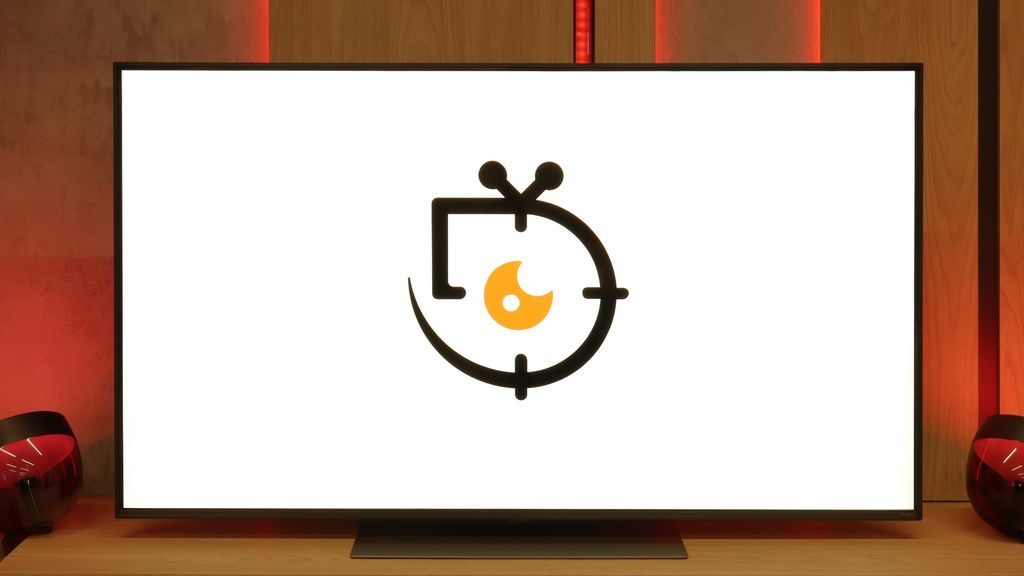
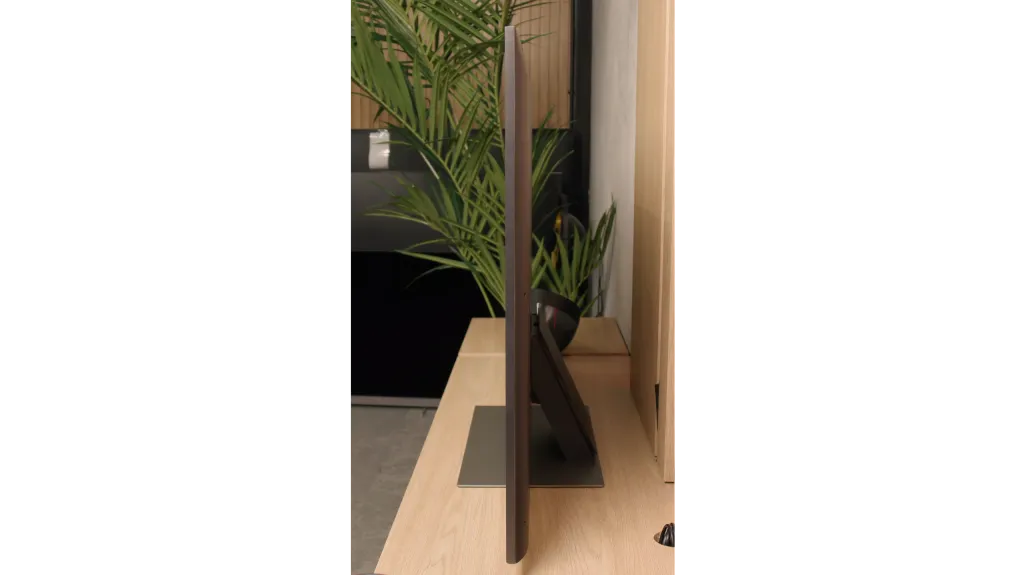
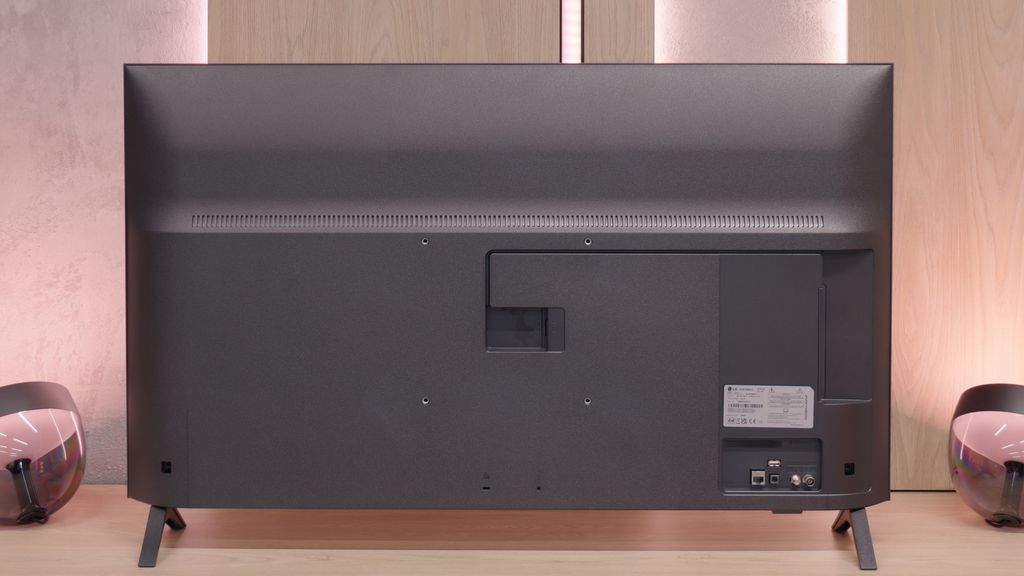
TV appearance
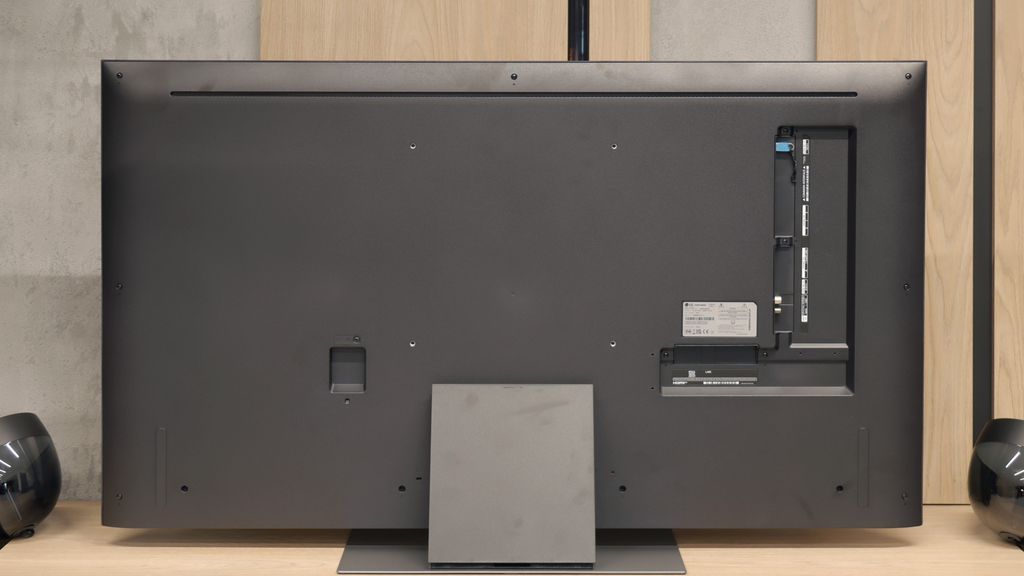
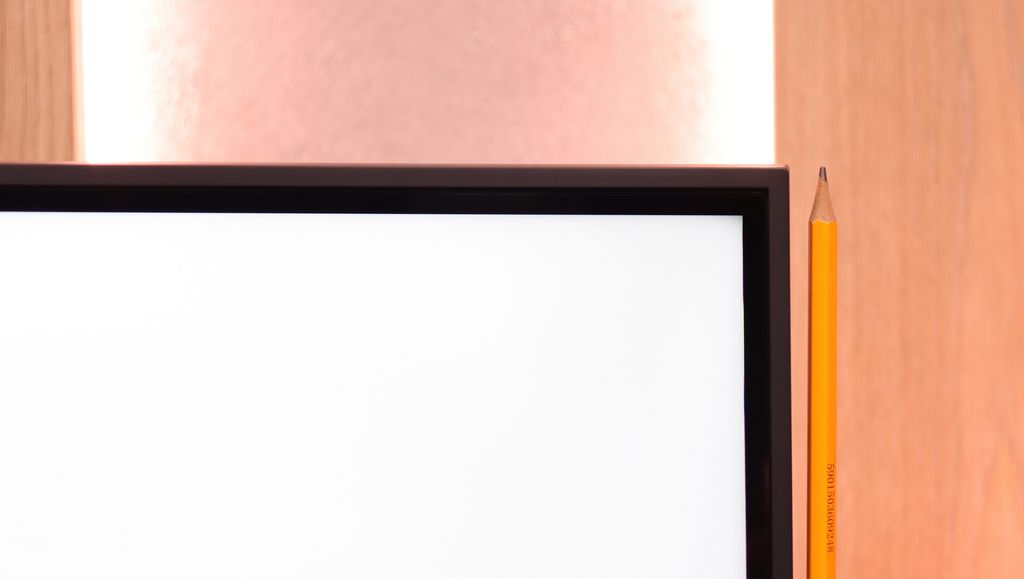
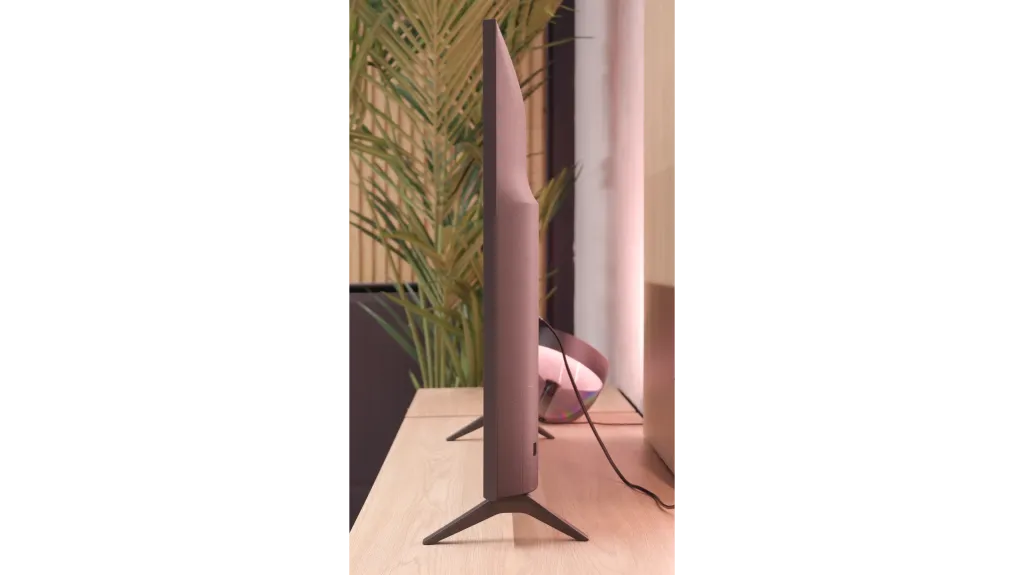

Contrast and black detail
3.5/10
5.8/10
Local dimming function: Yes, number of zones: 6 (1 x 6)
Local dimming function: No
Contrast:


Result
4,050:1

Result
1,750:1

Result
4,800:1

Result
1,850:1

Result
1,350:1
Result
6,350:1
Result
5,800:1
Result
4,350:1
Result
4,500:1
Result
4,900:1
Halo effect and black detail visibility:
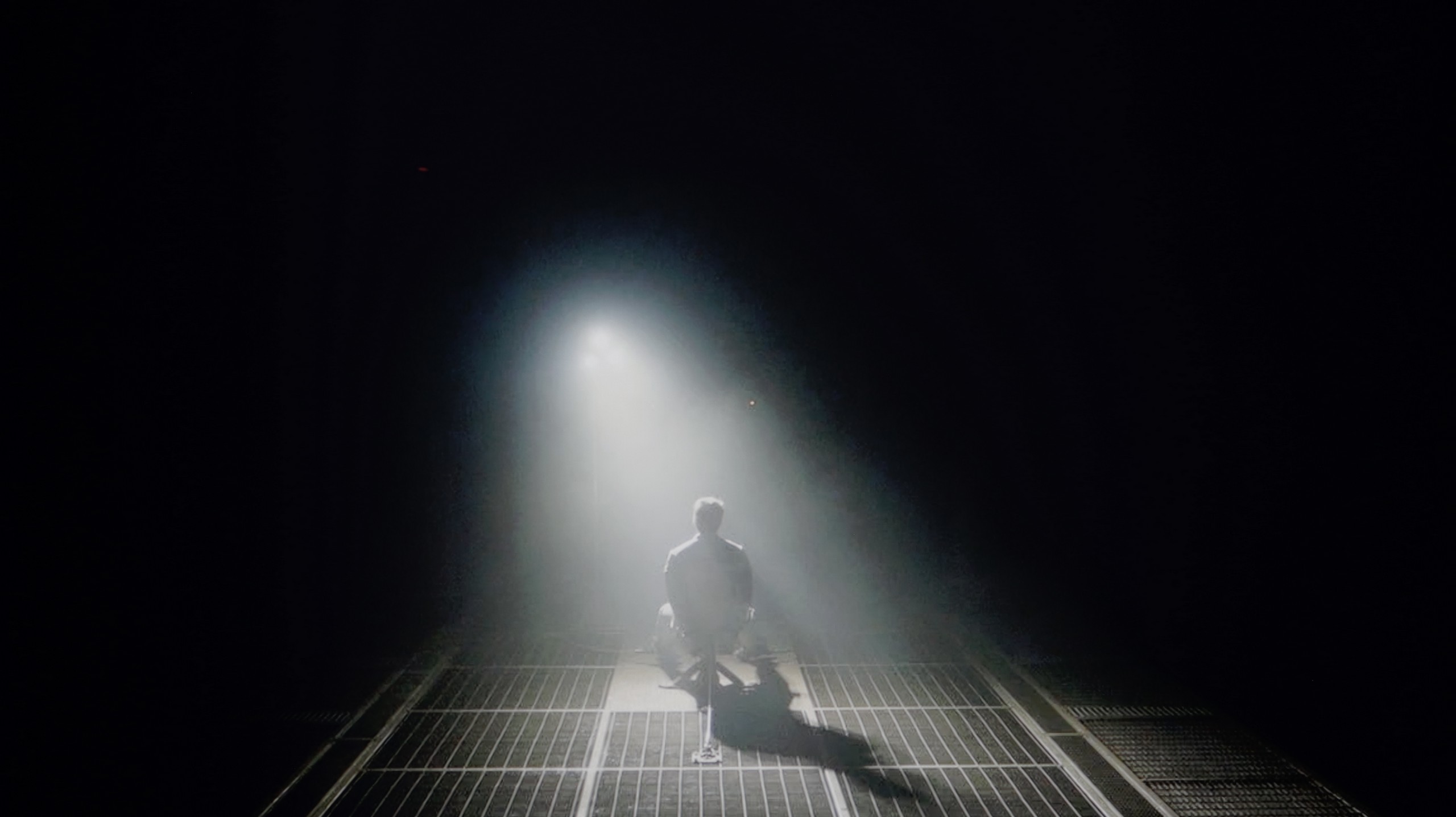
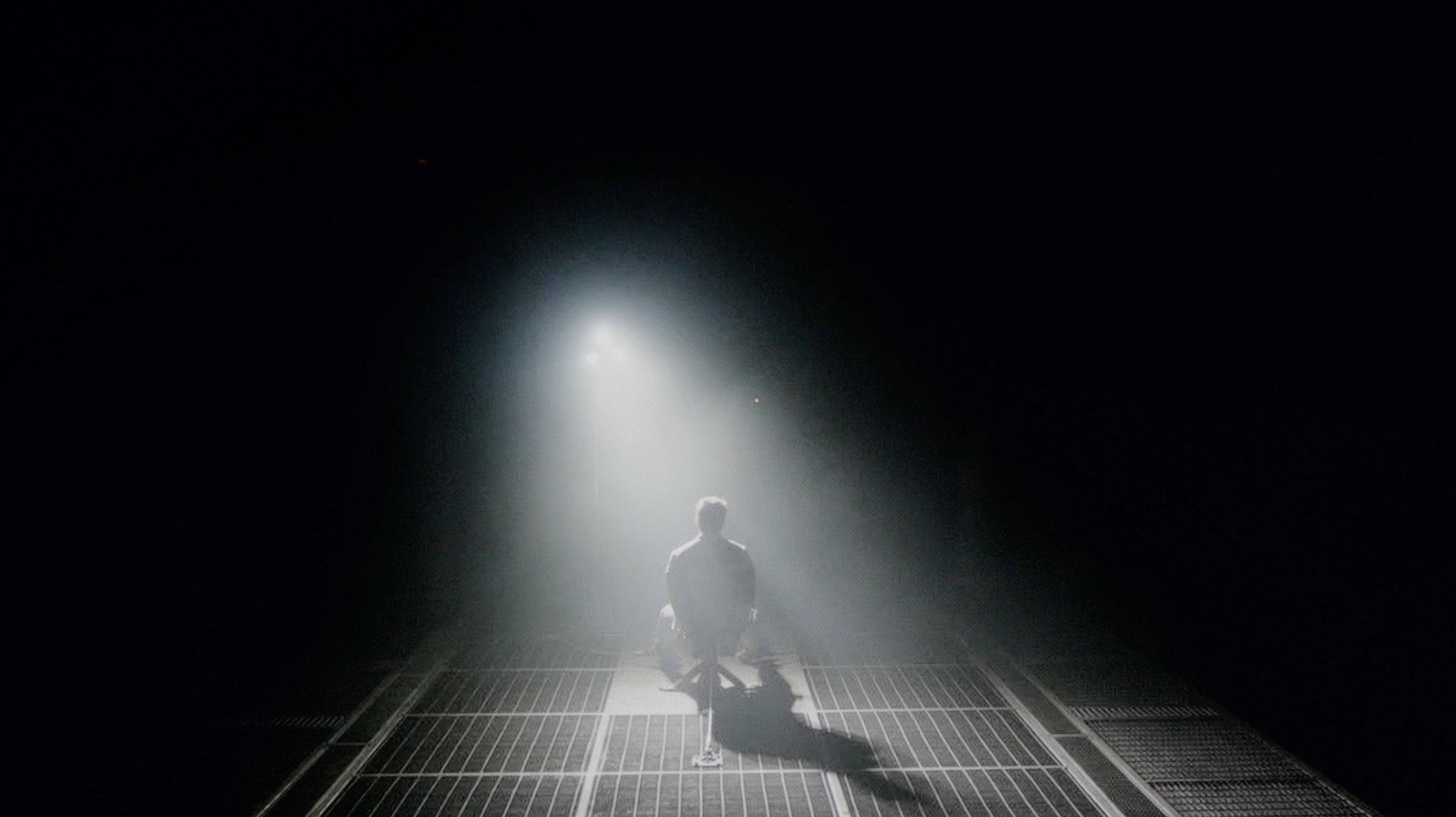
Check the visibility of bright lights on a dark background. Mini-LEDs often struggle with this. The photo does not compare black levels – that’s what the video below is for.
The video accurately shows differences in contrast and black levels between TVs, as well as potential issues: halo around bright objects or Mini-LED zone operation visible as brightness jumps.
While the manufacturer describes the QNED86A as a Mini-LED television, there’s no sign of the multi-zone local dimming system known from pricier models. In practice, we have a classic edge lighting system, which only allows for dimming horizontal strips of the screen from top to bottom. Combined with a low-contrast IPS/ADS panel, the effect is simply poor. If we choose to leave local dimming on, a problem arises - the television can illuminate selected areas in such a way that it looks like “flying lasers” crossing the screen. This is very distracting and in such conditions, it’s hard to talk about truly cinematic experiences. Therefore, in our opinion, it's better to turn this function off. However, one must reckon with the fact that the contrast then drops to around 1500:1, but at least the image doesn’t irritate with artificial flashes.
This is where the biggest advantage of the VA panel version begins. A contrast ratio of around 6000:1 means that during evening viewing, the picture gains depth, and darker scenes in films appear natural and do not fade into grey. It's clear that the blacks are much better than in the IPS panel variant, and this difference is what defines the character of the television. Of course, it's important to remember that the UA7500 does not have local dimming, so one shouldn't expect miracles. The darkest shots won't match those of more expensive televisions, but at least the contrast is stable and sufficient for convincing evening viewing.
HDR effect quality
6/10
4.3/10
Luminance measurements in HDR:

Result
602 nit

Result
524 nit

Result
690 nit

Result
512 nit

Result
500 nit
Result
300 nit
Result
263 nit
Result
366 nit
Result
218 nit
Result
351 nit
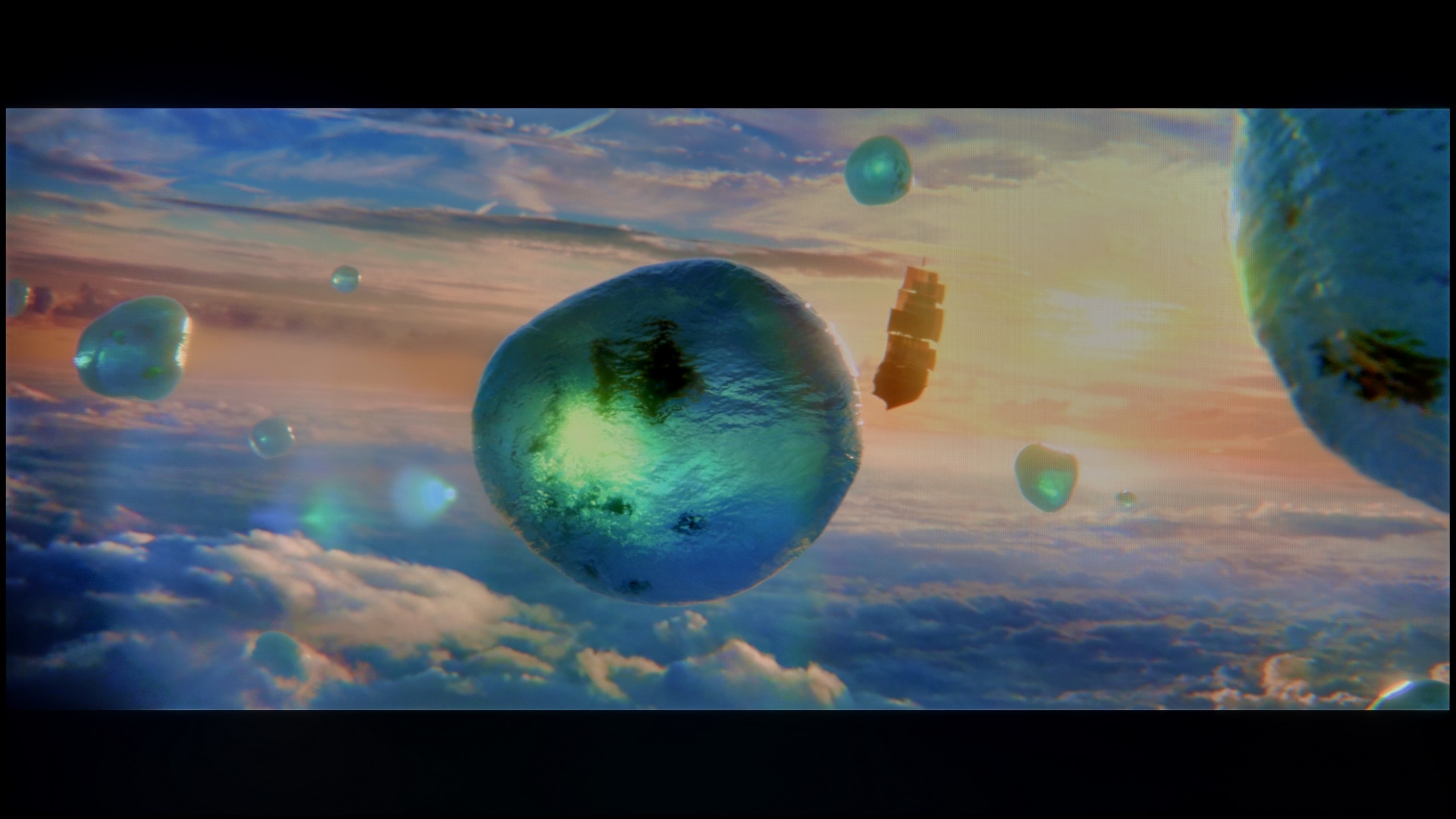
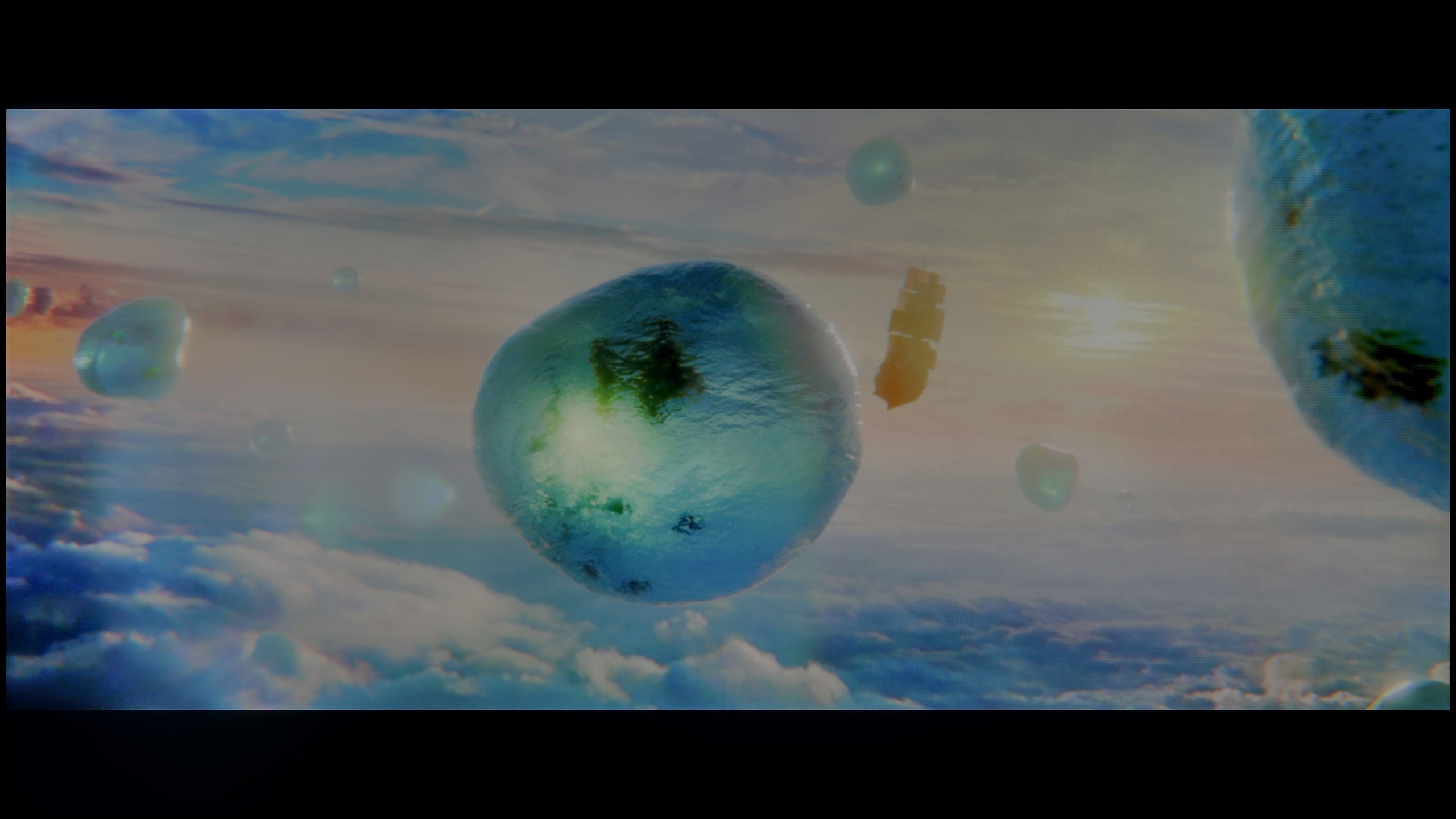
Scene from the movie “Pan” (about 2800 nits)
Scene from the movie “Billy Lynn” (about 1100 nits)
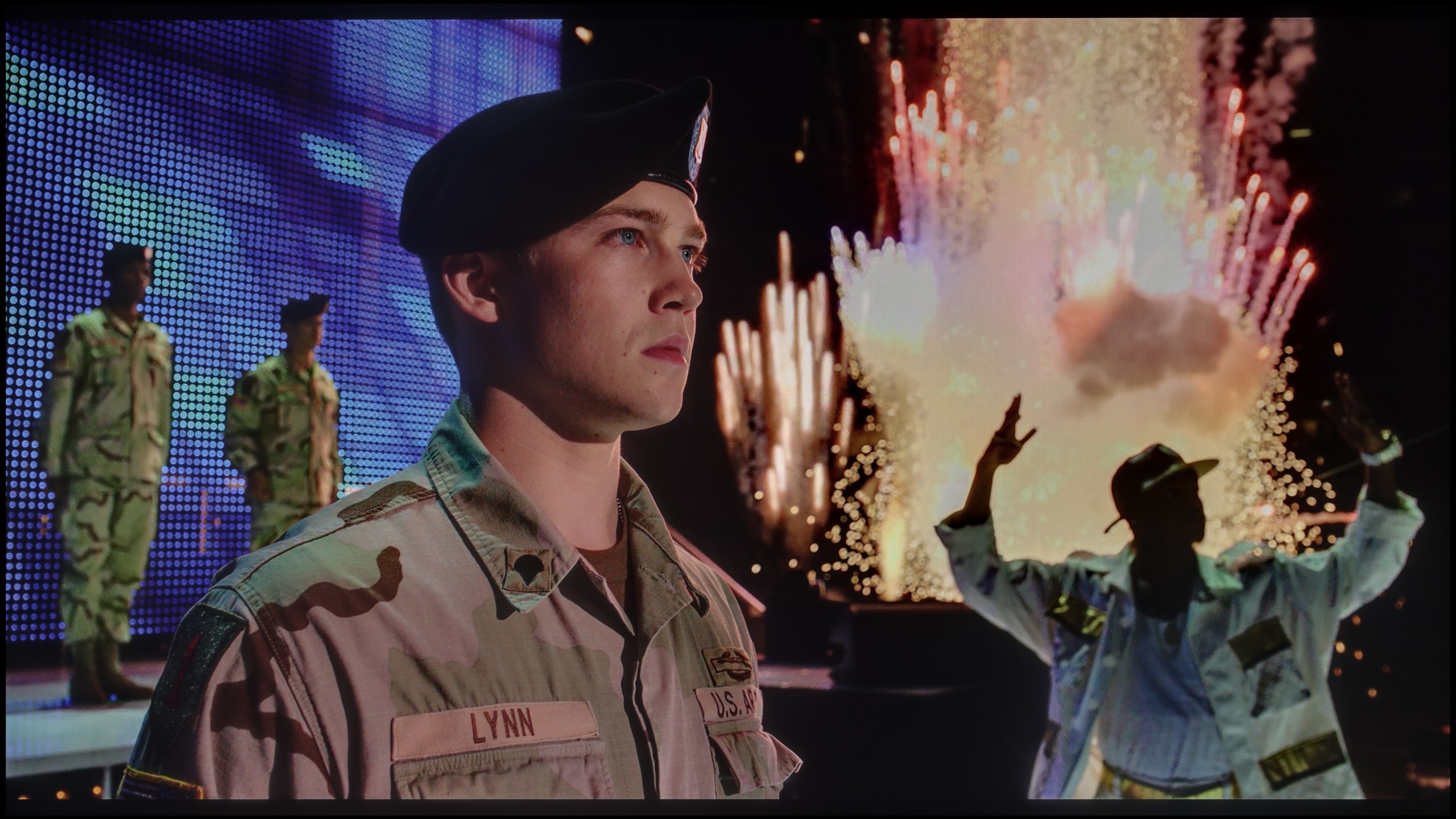
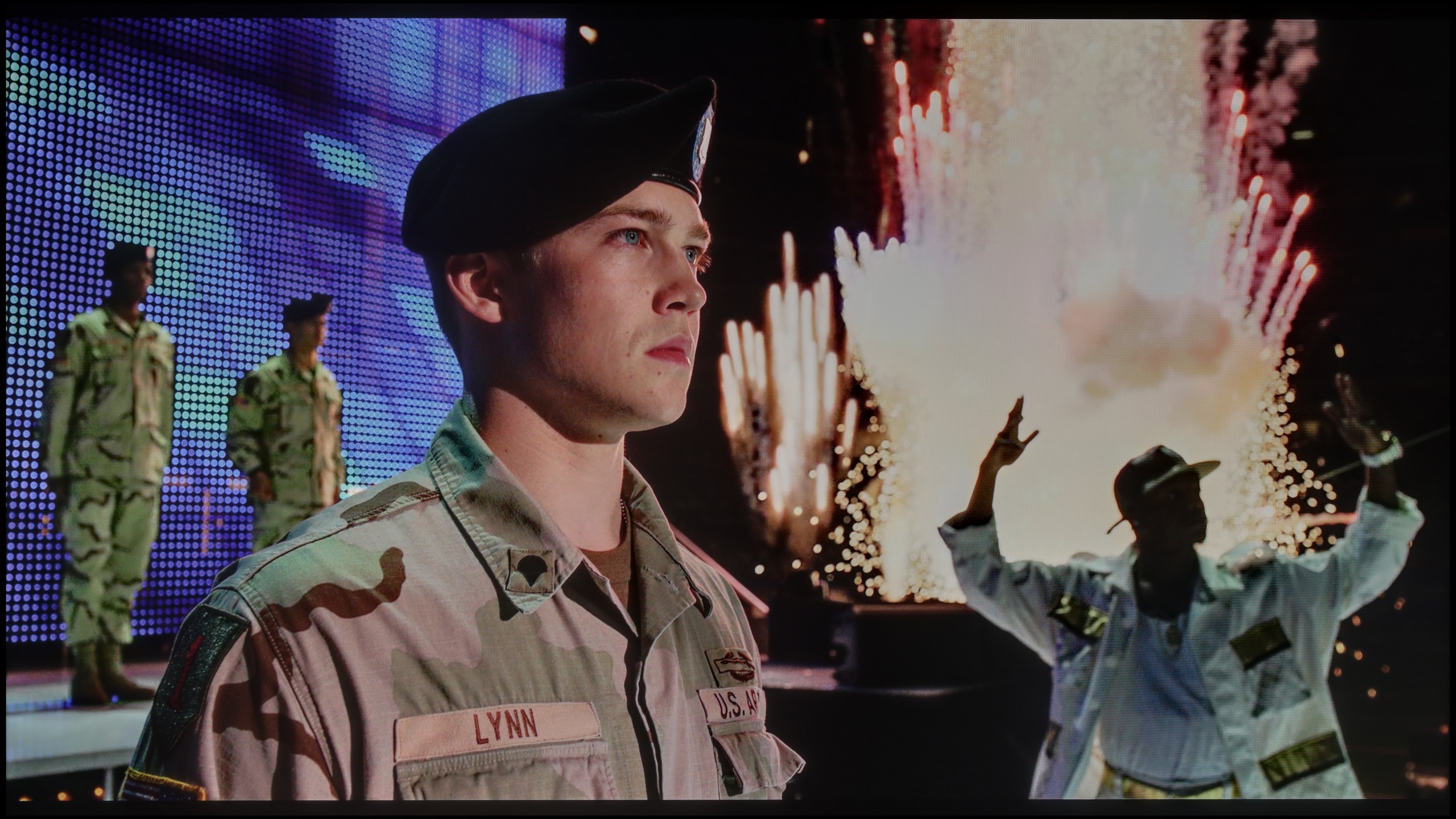
The photos show two HDR10 movies. 'Pan' is one of the brightest productions ever made, while 'Billy Lynn' (soldier) has brightness typical of streaming (Netflix, Prime, HBO MAX). Notice the intensity of effects and detail in whites.
Static HDR10
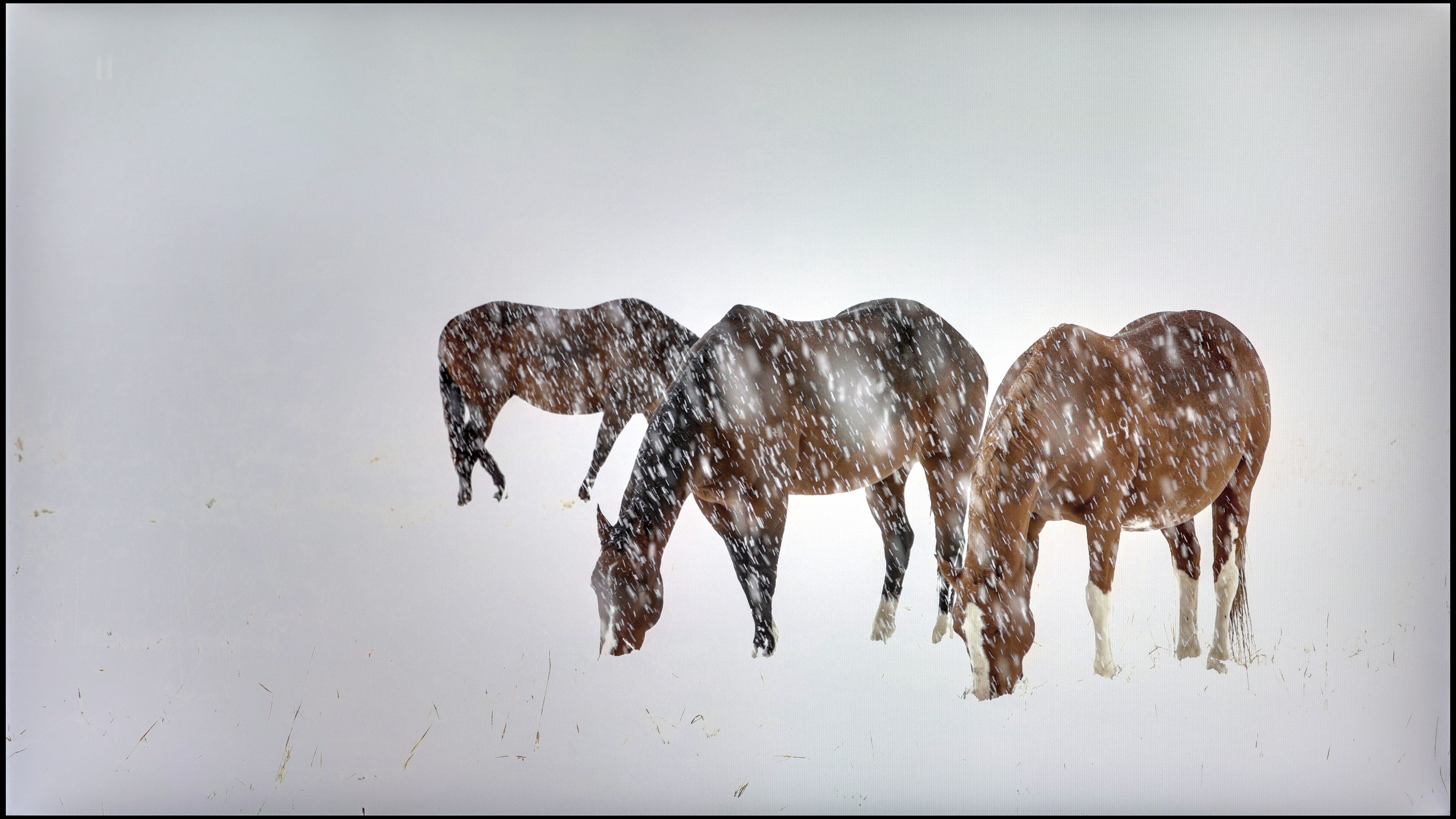

The photos present the visibility of white details in various HDR formats. They do not show brightness differences between TVs (these can be compared in the previous gallery).
HDR luminance chart:
LG UA75006LA (VA)
LG QNED86A / QNED85A / QNED87A
Against the backdrop of contrast and black, the brightness of the QNED86A and the overall HDR effect fare much better. It's a television that can achieve around 700 nits under the best conditions, so in terms of luminance alone, there’s nothing to be ashamed of. As a result, scenes with strong lights, explosions, flashes, or bright parts of the landscape – look clear and can make an impression. Interestingly, even in tougher moments with small, contrasting elements on the screen, the television does well with backlighting and details are quite visible. The problem arises when there are many dark tones. The lack of effective local dimming means that black virtually disappears, and instead, we get a grey glow spreading across the entire screen. This kills the depth effect and causes the image to appear flat, as if it lacks cinematic character. In bright animations or family films with vibrant colours, this won't be an issue, as the colours and bright light dominate. But in horror films or productions set in darkness, these limitations are strongly felt. As a consolation, it’s worth noting that the QNED86A is essentially a QLED television with an LED PFS filter, which gives it very good coverage of wide colour gamuts. Both the DCI-P3 palette and the wider BT.2020 perform solidly here. This means that colours in HDR films are saturated, juicy, and have the right depth – even if the black itself is disappointing, the colours can save the viewing experience and make the image look appealing.
LG UA7500 with a VA panel has brightness peaking around 350 nits, which, by today's standards, isn't very impressive. It's hard to talk about a true HDR experience here – most content looks more like classic SDR with a slight attempt to boost highlights. One advantage is that regardless of the test content, the effect remained relatively stable. However, we noticed that in very extreme scenes with a lot of fine details, the television can slightly dim the image in order to achieve better blacks, but this comes at the expense of the visibility of bright effects. On the downside, it should be noted that the UA7500 is not equipped with any additional technologies to expand the colours. It's neither a QLED panel nor PFS LED, which means the coverage of the DCI-P3 colour gamut is just 80%, making many HDR films look flat and failing to capture the full diversity of colours.
Factory color reproduction
5.6/10
5.6/10
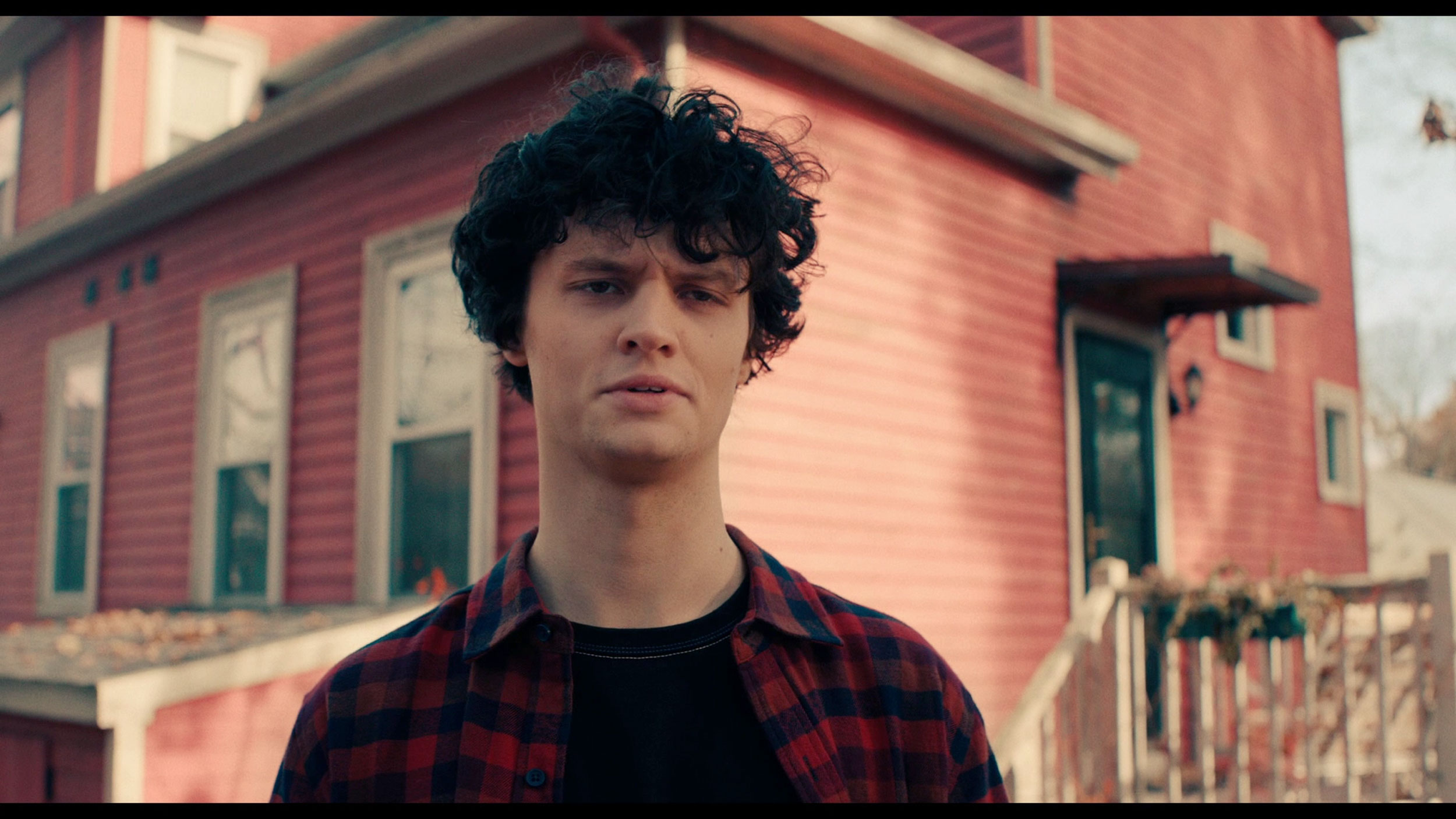
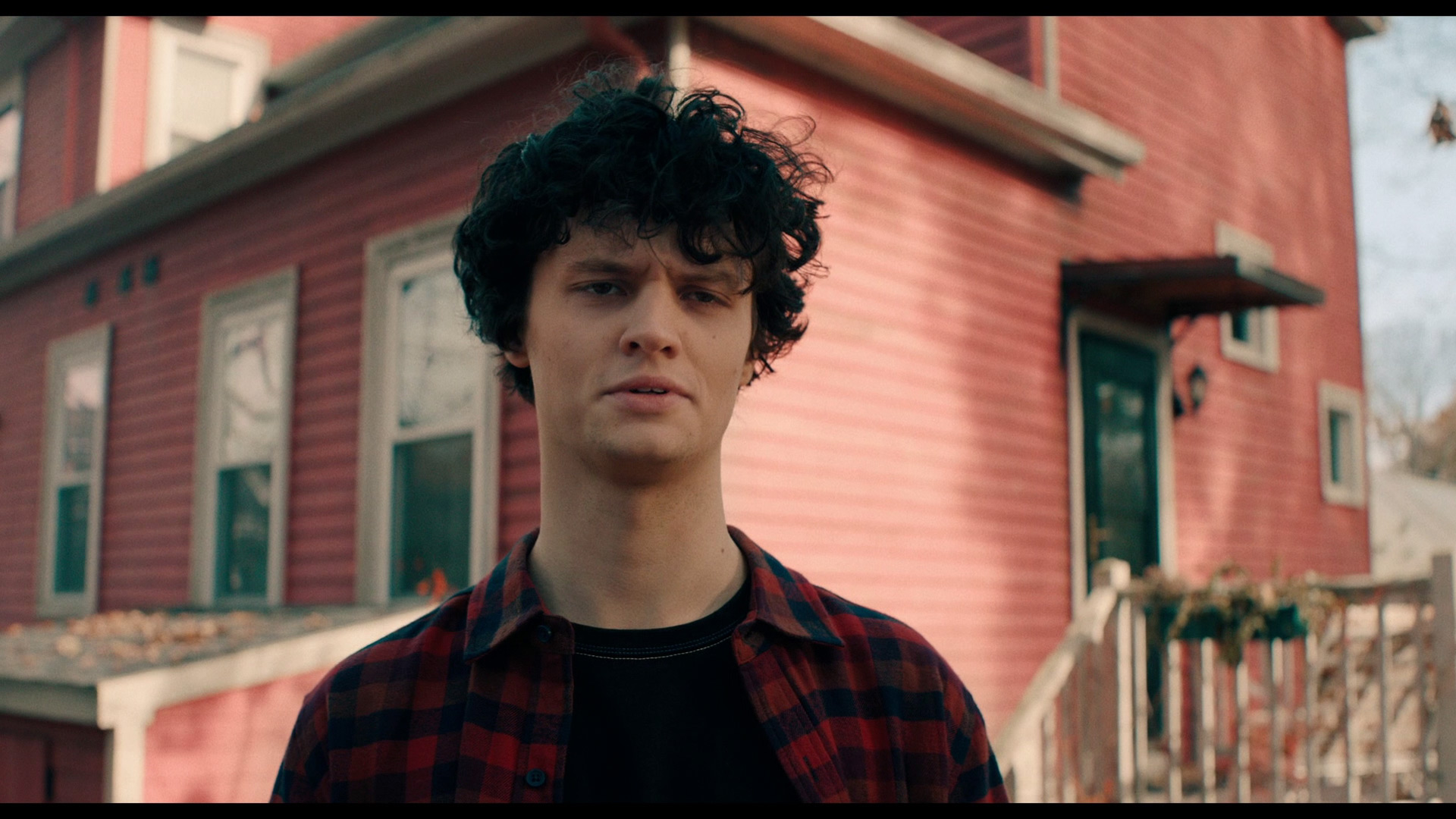
This gallery shows how colors change after professional TV calibration. If you notice the difference, we recommend ordering this service at SkalibrujTV.com.
Factory Mode
After calibration
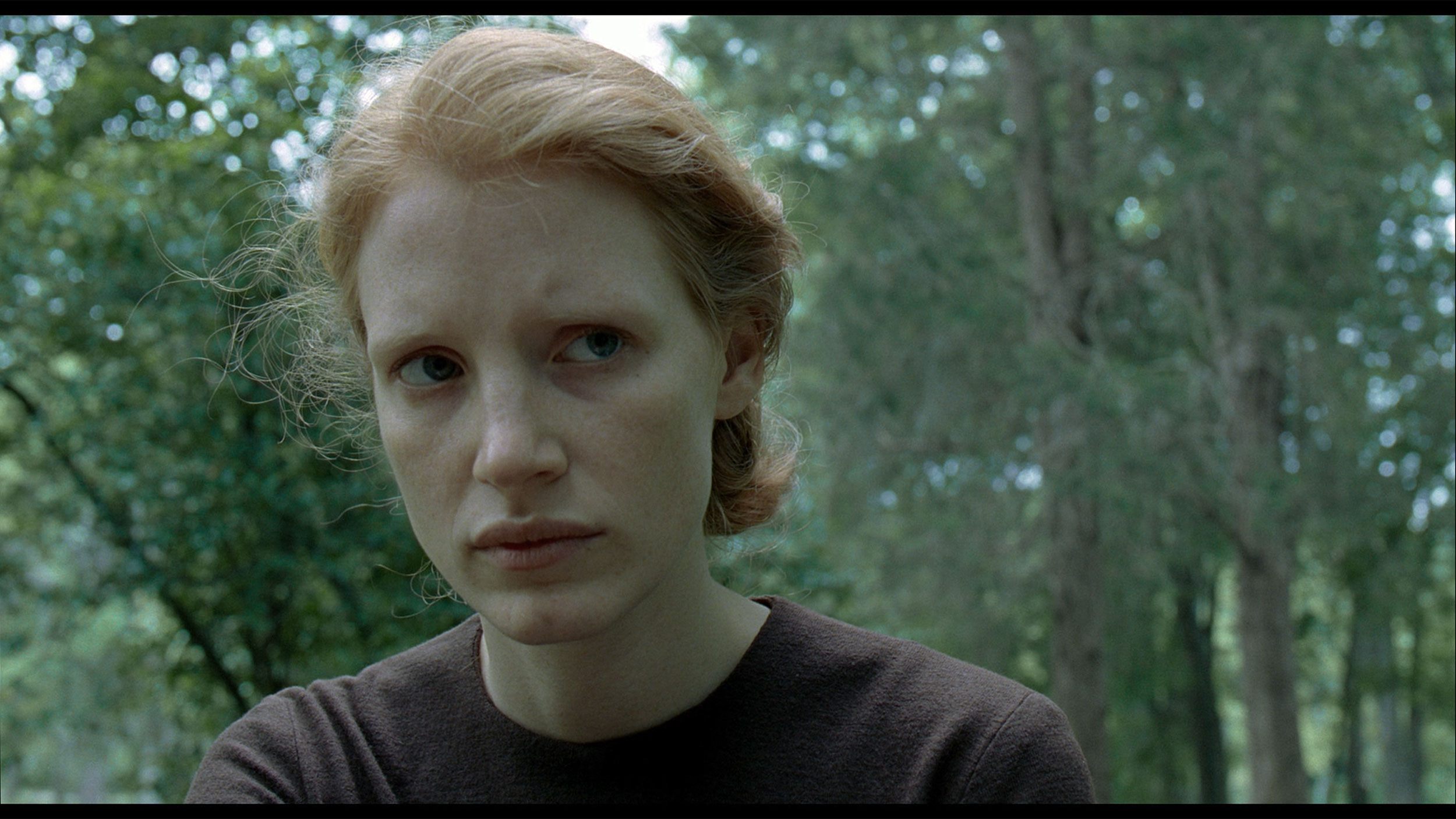
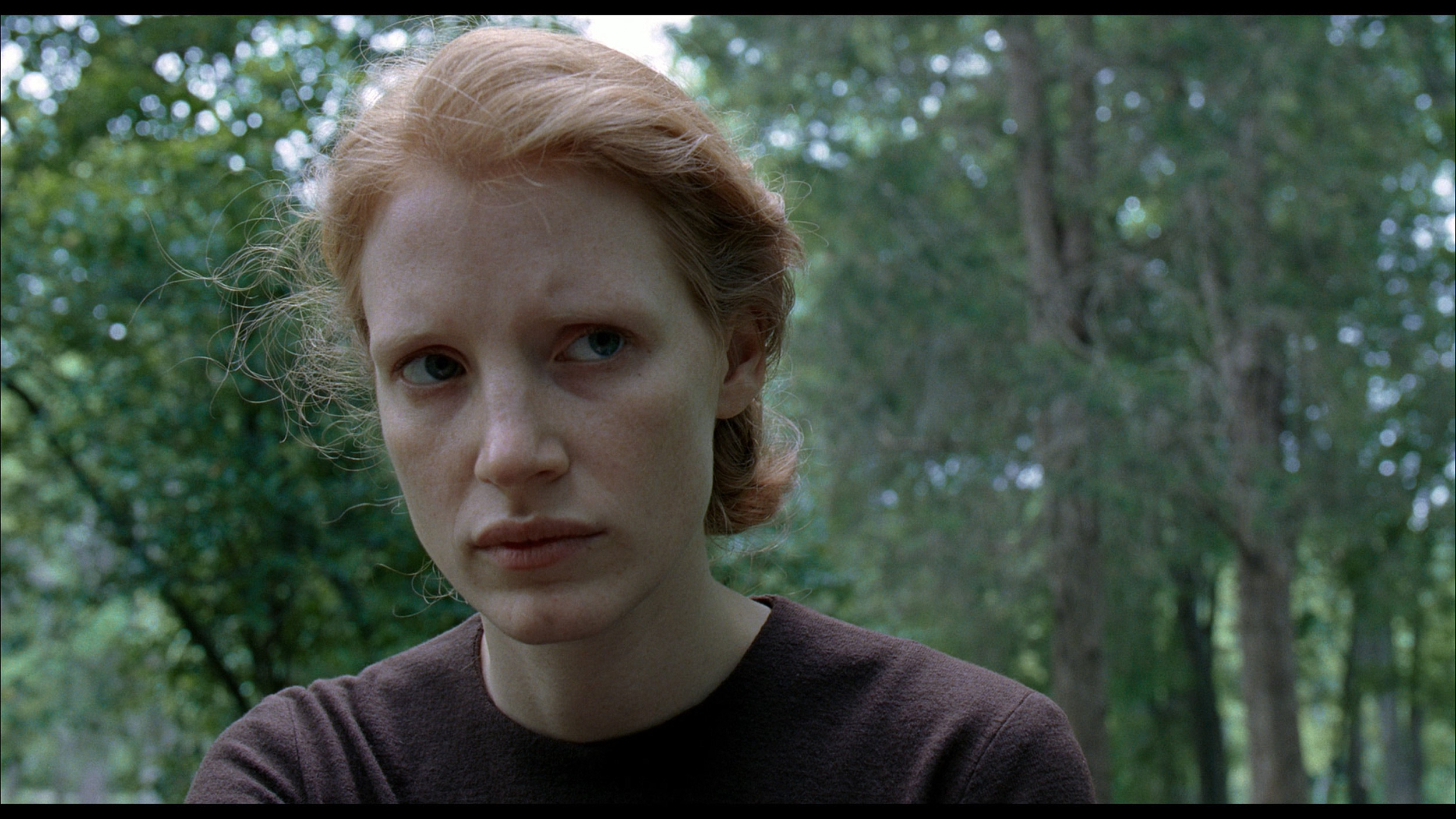
This gallery shows how colors change after professional TV calibration. If you notice the difference, we recommend ordering this service at SkalibrujTV.com.
Factory Mode
After calibration
We primarily tested the QNED86A in Filmmaker mode, which is designed to provide the most faithful picture. Unfortunately, right out of the box, there were quite a few shortcomings. The most glaring issue was the poorly calibrated white balance – there was a lack of blue, which caused the overall image to take on a slightly yellowish, and sometimes even an orange hue. An even bigger problem was the way the television manages brightness. Due to its technical limitations – that is, local dimming functioning only along the edges of the screen – the QNED86A has a tendency to oversaturate entire scenes. This is where the flattening of the image that we mentioned earlier comes from. Instead of clear depth and contrast, we get something akin to "boosted brightness," which, in the long run, can strain the eyes.
The Filmmaker Mode on the LG UA7500 performs better than one might expect from such a budget TV, but let's not get carried away with the praise. The image is reasonably well put together and at first glance doesn't irritate, however, its weaknesses quickly start to emerge. This is most apparent in scenes with bright points – lamps in the background or reflections of light on the skin are clearly exaggerated. Faces of characters often look unnatural, as if they have been "burned out." Additionally, the default gamma setting brightens the smallest details and causes the image to lose subtlety in the darker areas. That said, for its price range, the UA7500 in factory mode offers a pretty decent starting point. However, it is clear that without additional adjustments, these issues cannot be avoided, which is why – similar to other TVs – we decided to check what could be achieved after calibration.
Color reproduction after calibration
7.6/10
7/10
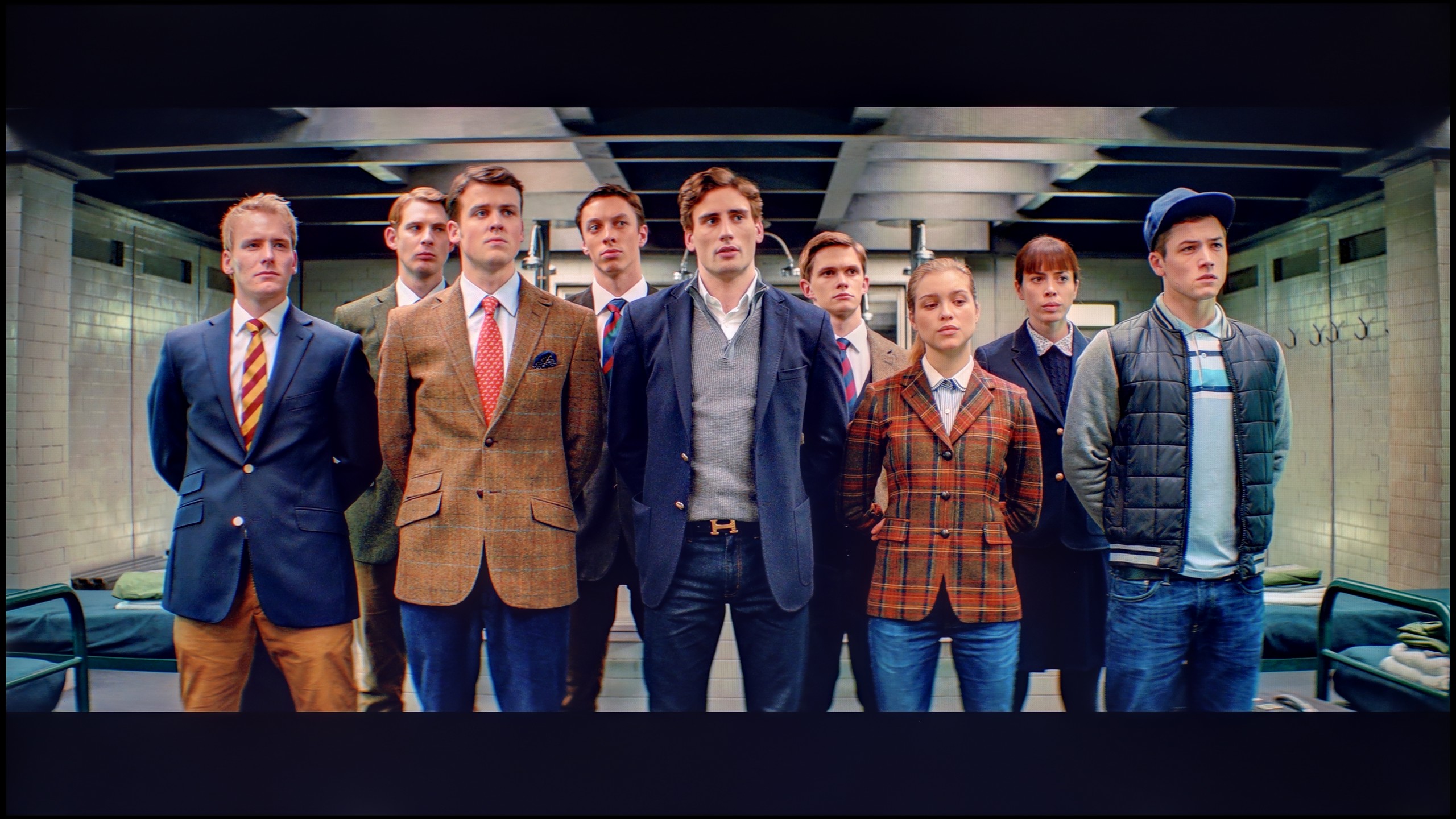
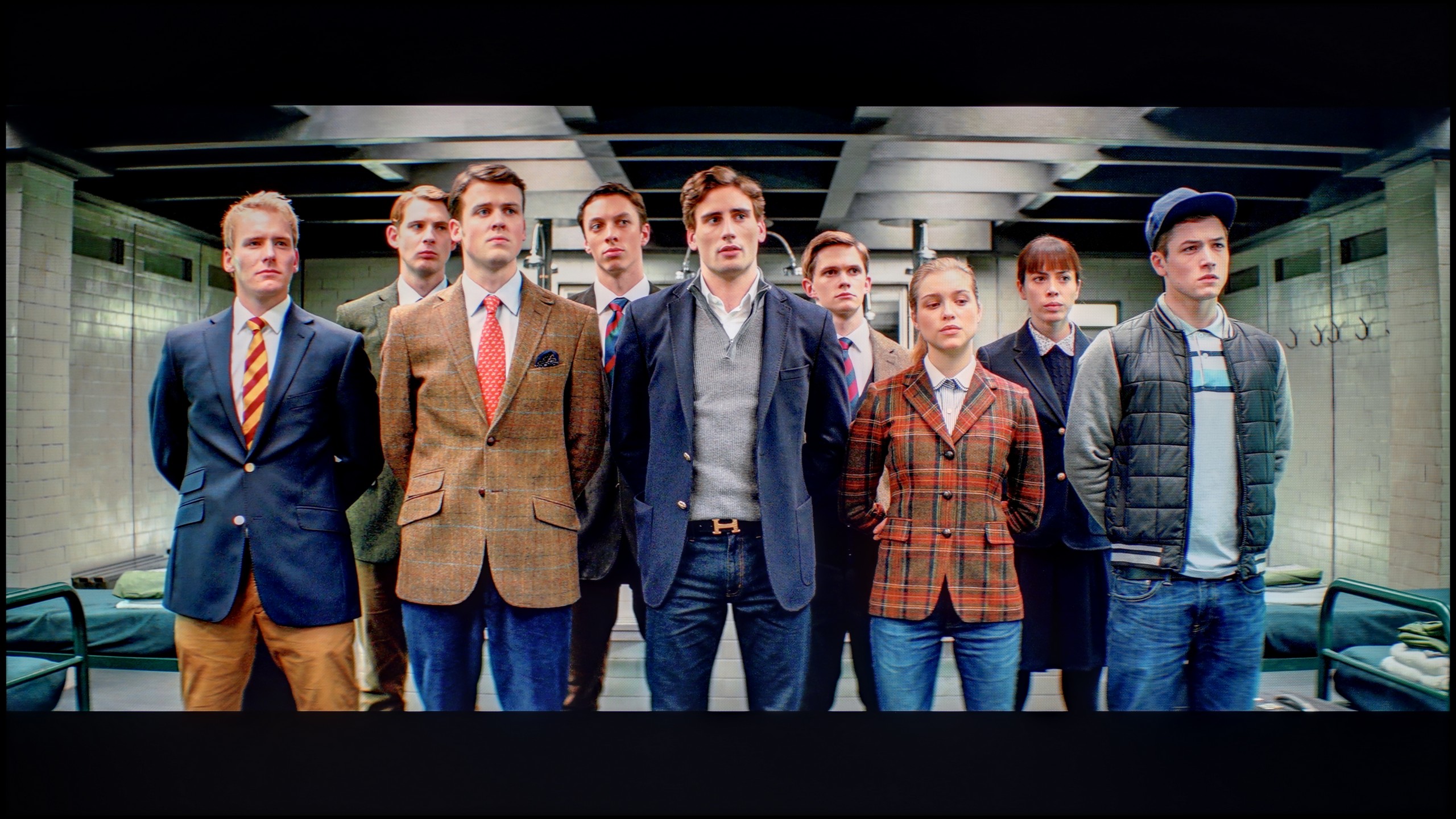
The photos show how movies look on the TV. Pay attention to black detail visibility, colors, and shadow tint.
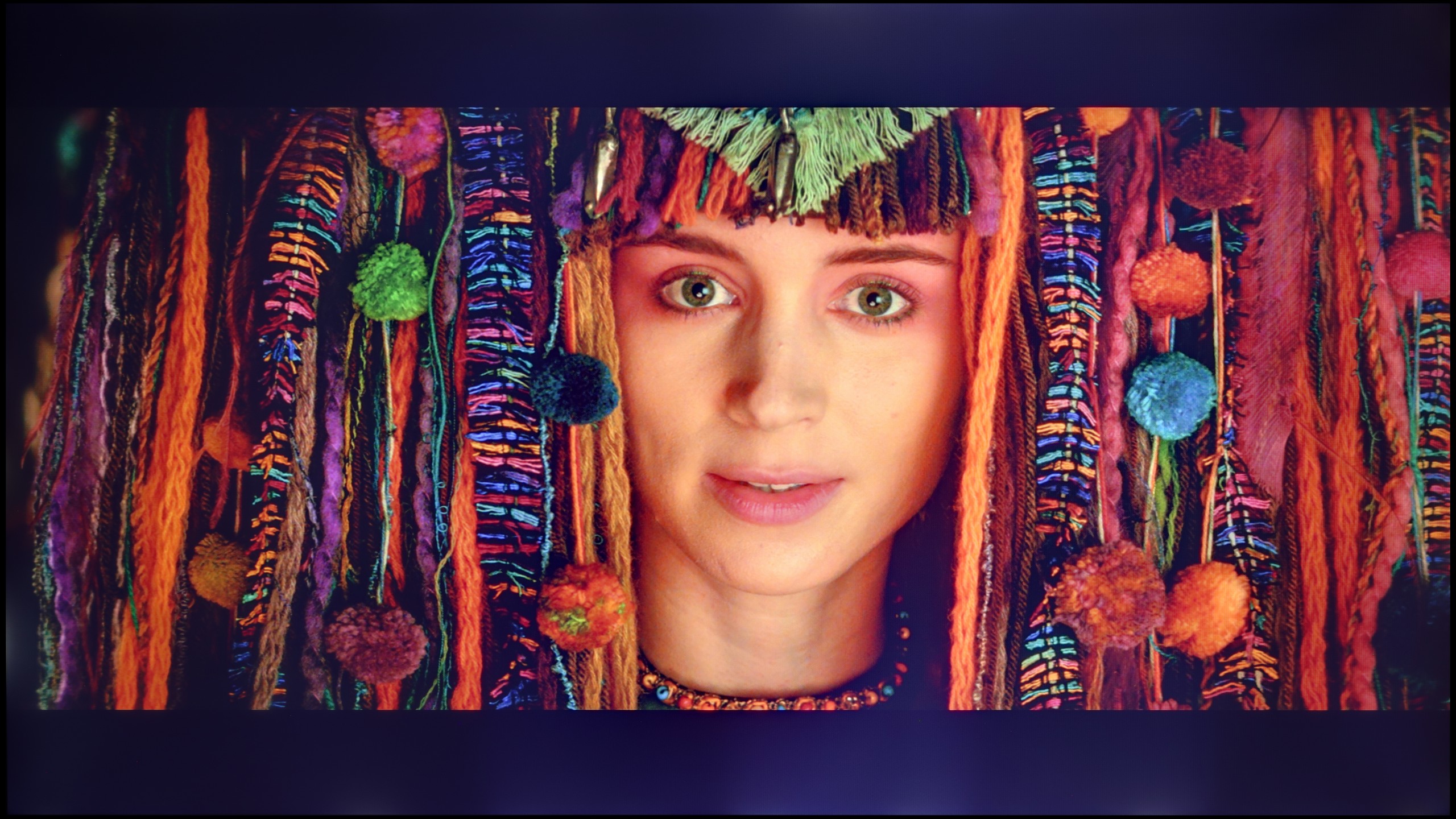
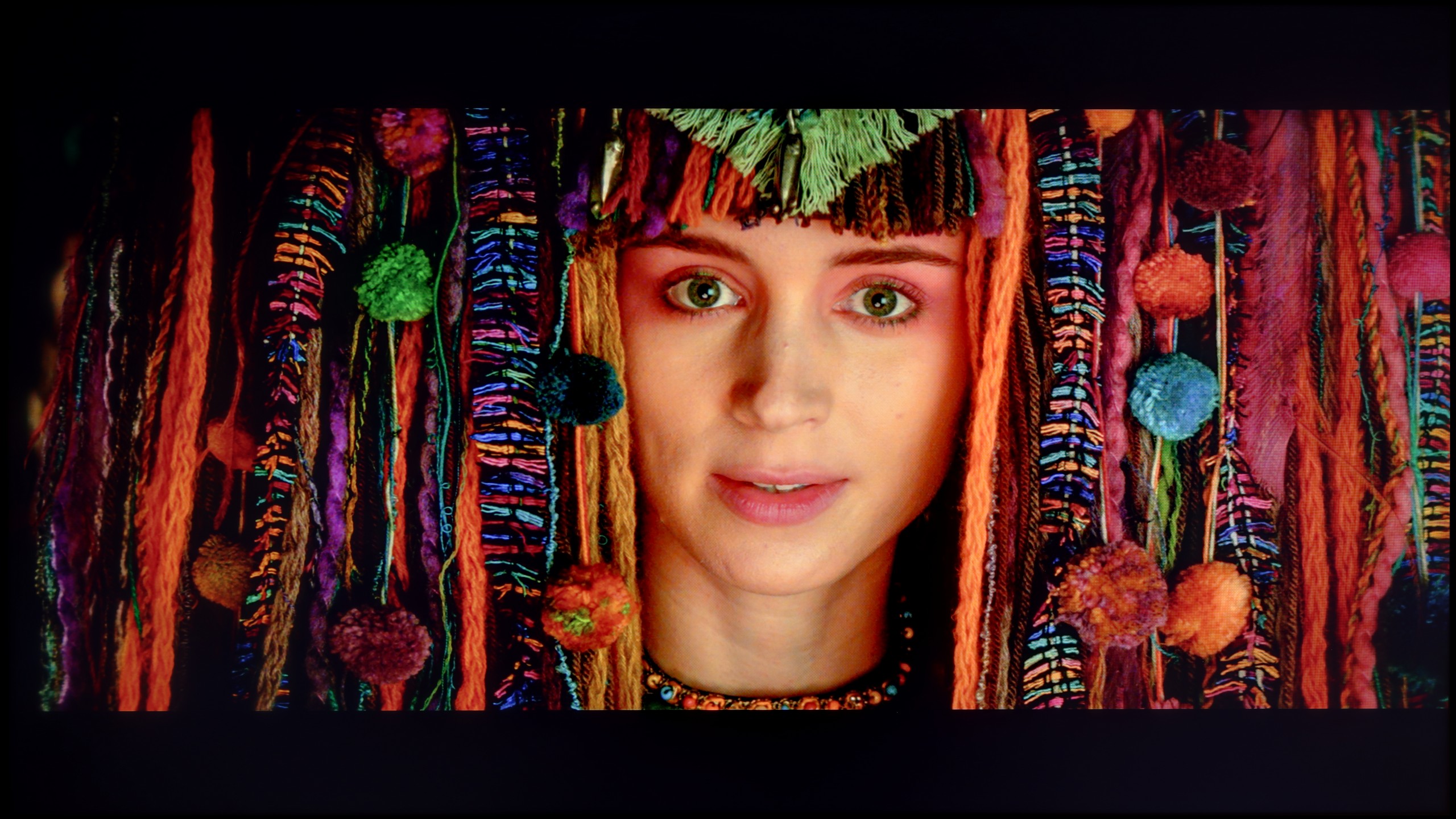
The photos show how movies look on the TV. Pay attention to black detail visibility, colors, and shadow tint.
What was saved in the QNED86A6A is undoubtedly the colours. After calibration, the white balance was set with great precision, ensuring that deviations on the Colour Checker palette mostly did not exceed the visibility threshold for the human eye. In other words – the colours finally looked natural, without strange yellow or orange tones that had previously marred the perception. Unfortunately, even the best calibration cannot overcome structural limitations. The already mentioned very modest number of local dimming zones and their unfortunate placement meant that the analysis of the EOTF curve in films still showed noticeable scene over-exposures. The image tended to flatten, lacking cinematic depth. Fortunately, this effect is not as visible in older productions or in SDR content. There, calibration really does its job and allows the QNED to be tamed so the image can be pleasing. However, the specifics of this construction – especially the contrast issues – cannot be completely bypassed.
The biggest improvement we noticed was while calibrating the mode designed for daily SDR content. We managed to smooth out the white balance in an acceptable manner and tackle the issue of excessive brightening of small elements due to the gamma characteristic. As a result, the image gained the consistency and naturalness that was lacking in the factory settings. After such correction, we can confidently state that for everyday TV content, programs, or materials from YouTube, the LG UA7500 performs really well – especially after professional calibration. The situation looks a bit different for HDR content. Here, calibration helped to tame the white balance and slightly improved brightness management, but the limitations of the design are immediately apparent. The lack of additional filters to expand the colour palette means that the most vivid colors appear flat, and the image lacks the intensity we would expect from good HDR. So, in SDR, the UA7500 performs quite well, but in HDR – despite corrections – it remains far behind, and this is a characteristic that one must accept when choosing this television.
Smoothness of tonal transitions
8.9/10
8.8/10
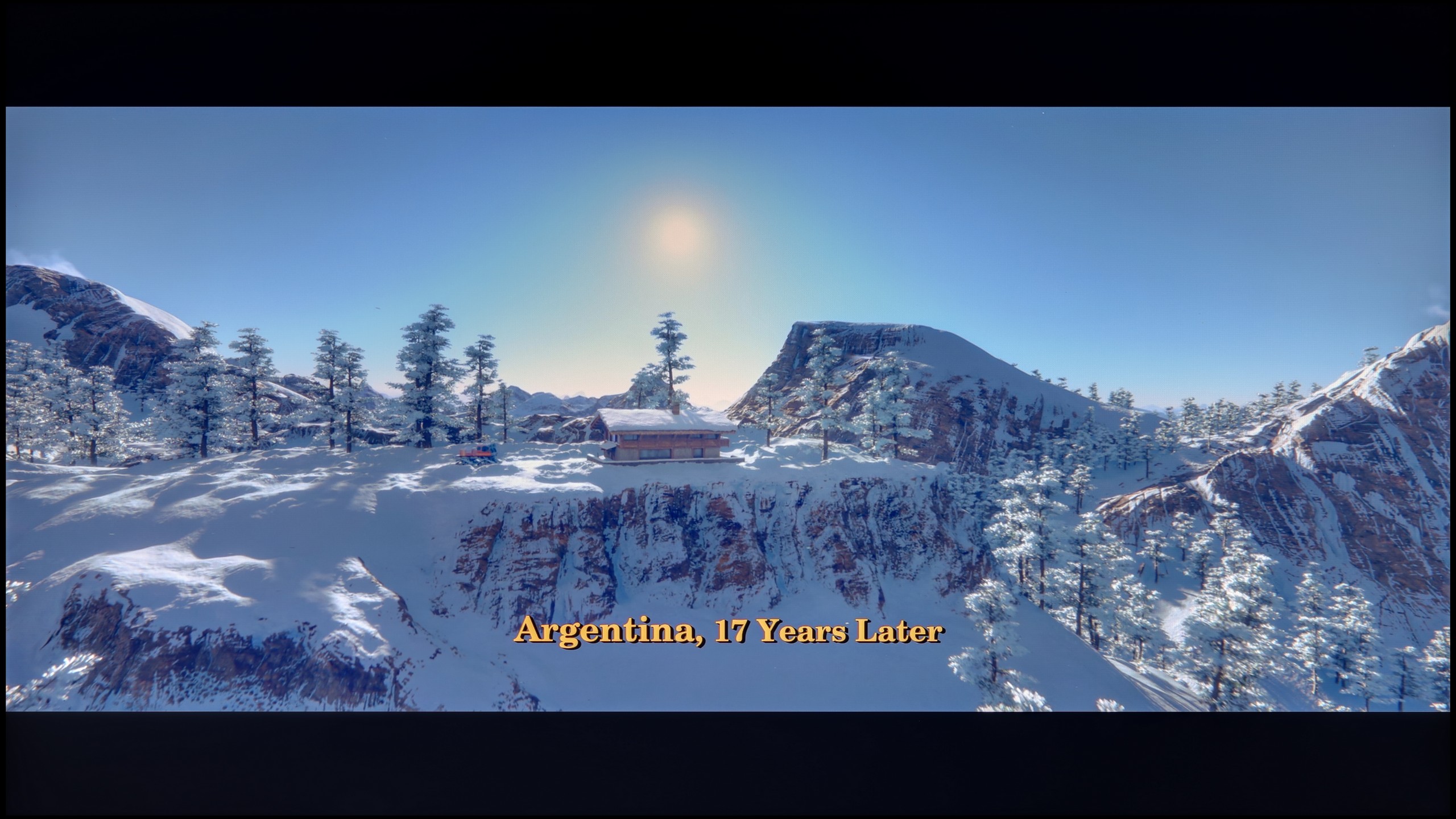
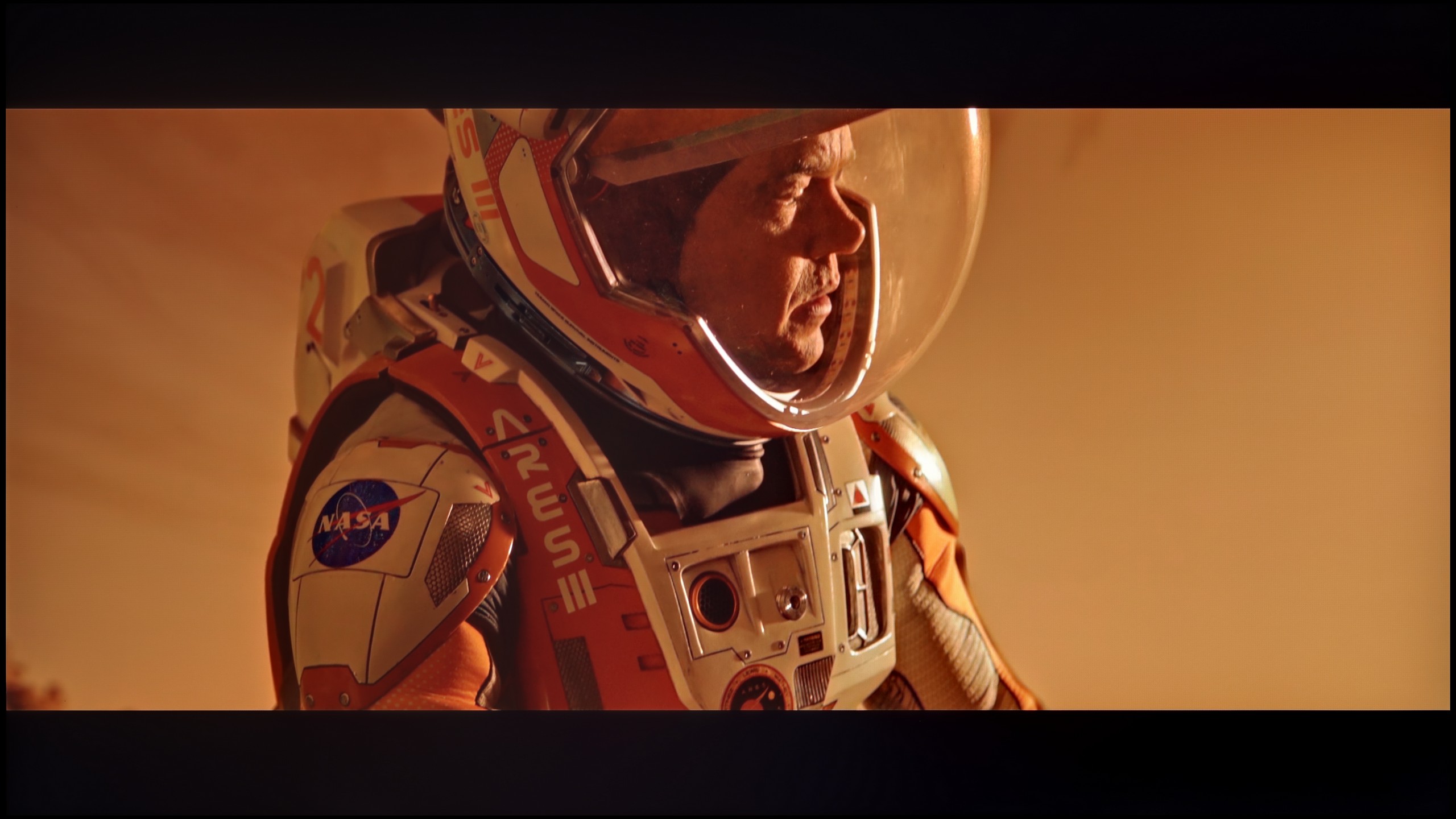
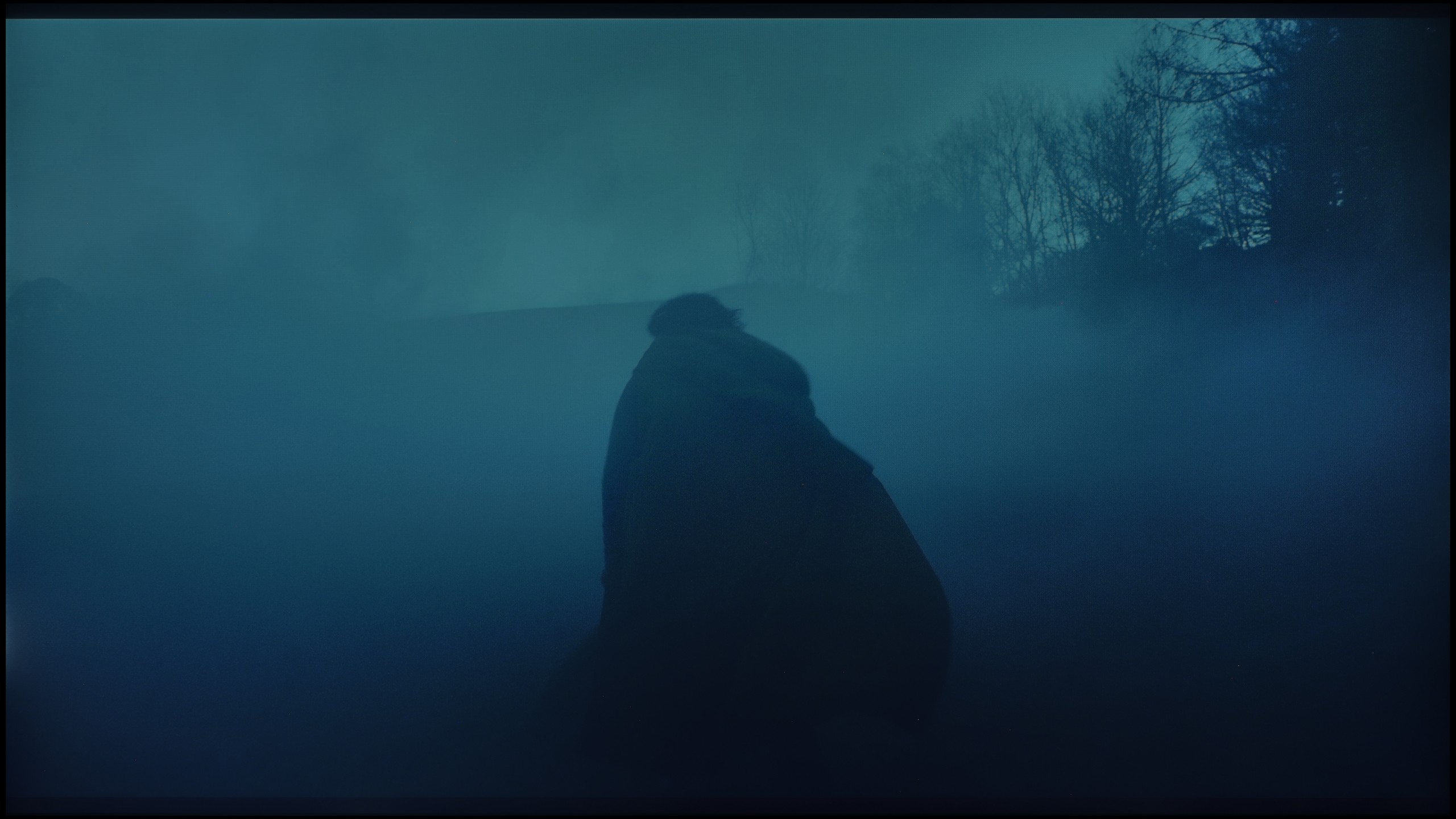
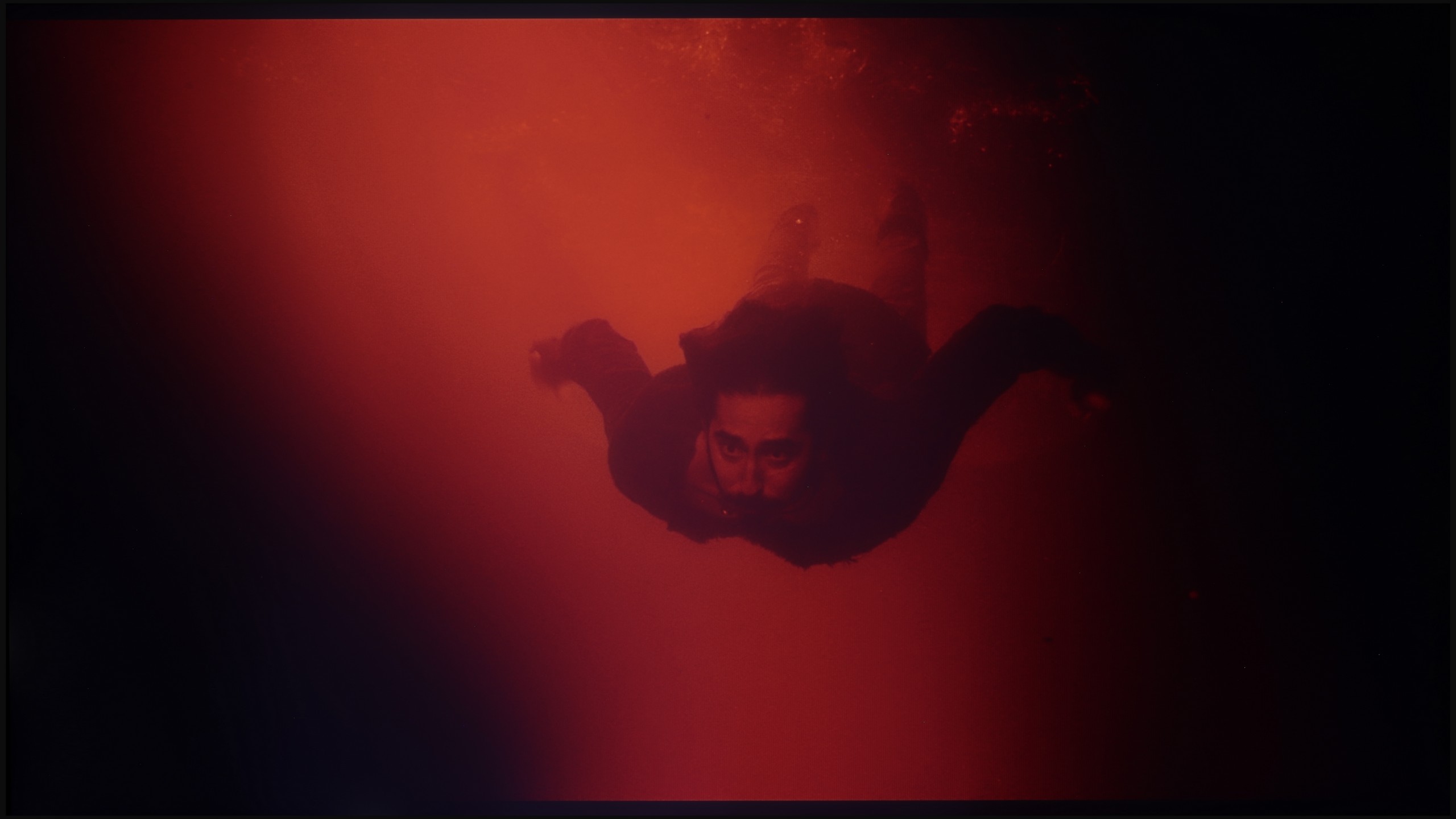
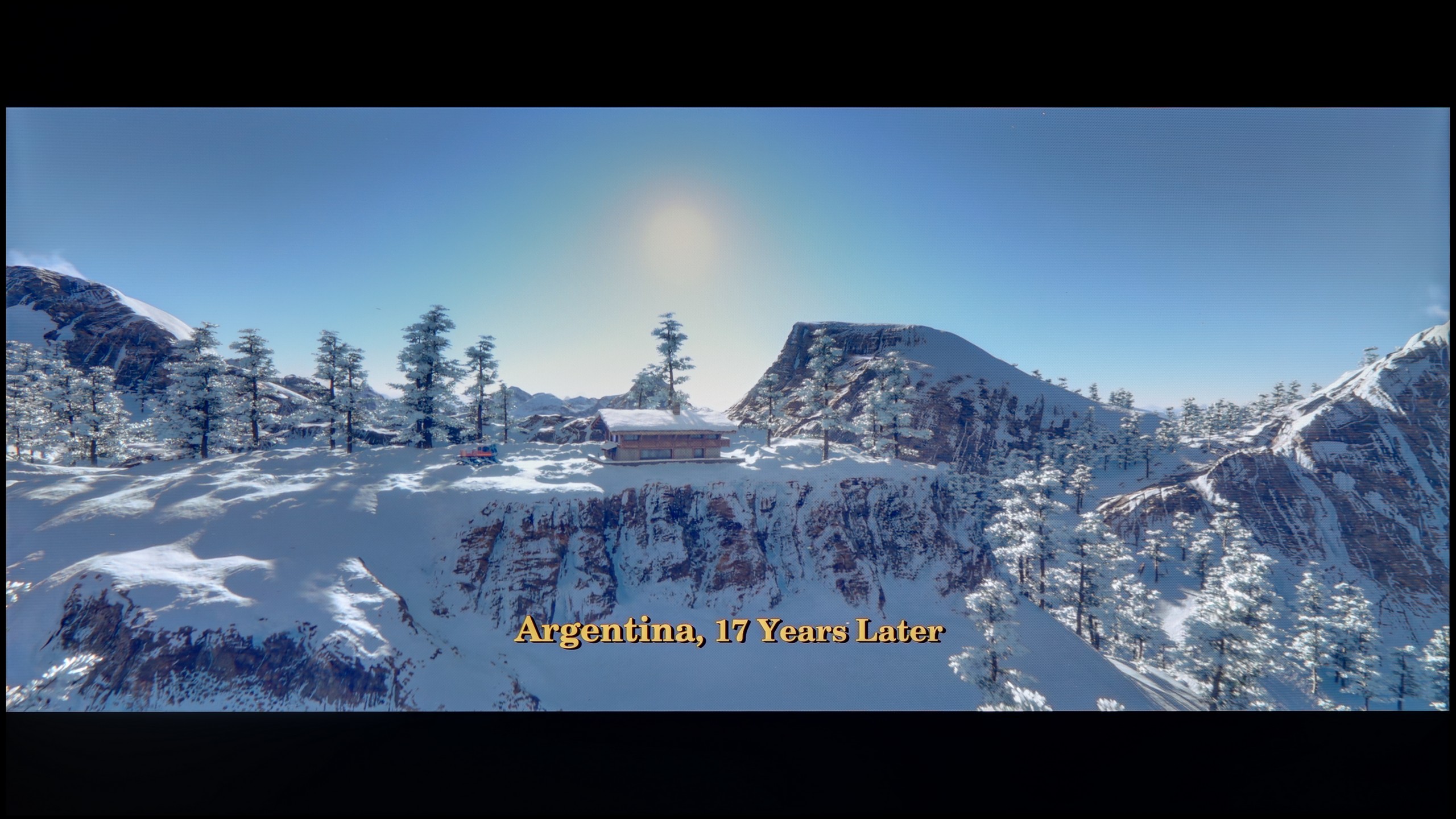
These are selected scenes that show smooth tonal transitions from one color to another. If you see distinct banding, it’s the TV panel’s fault.
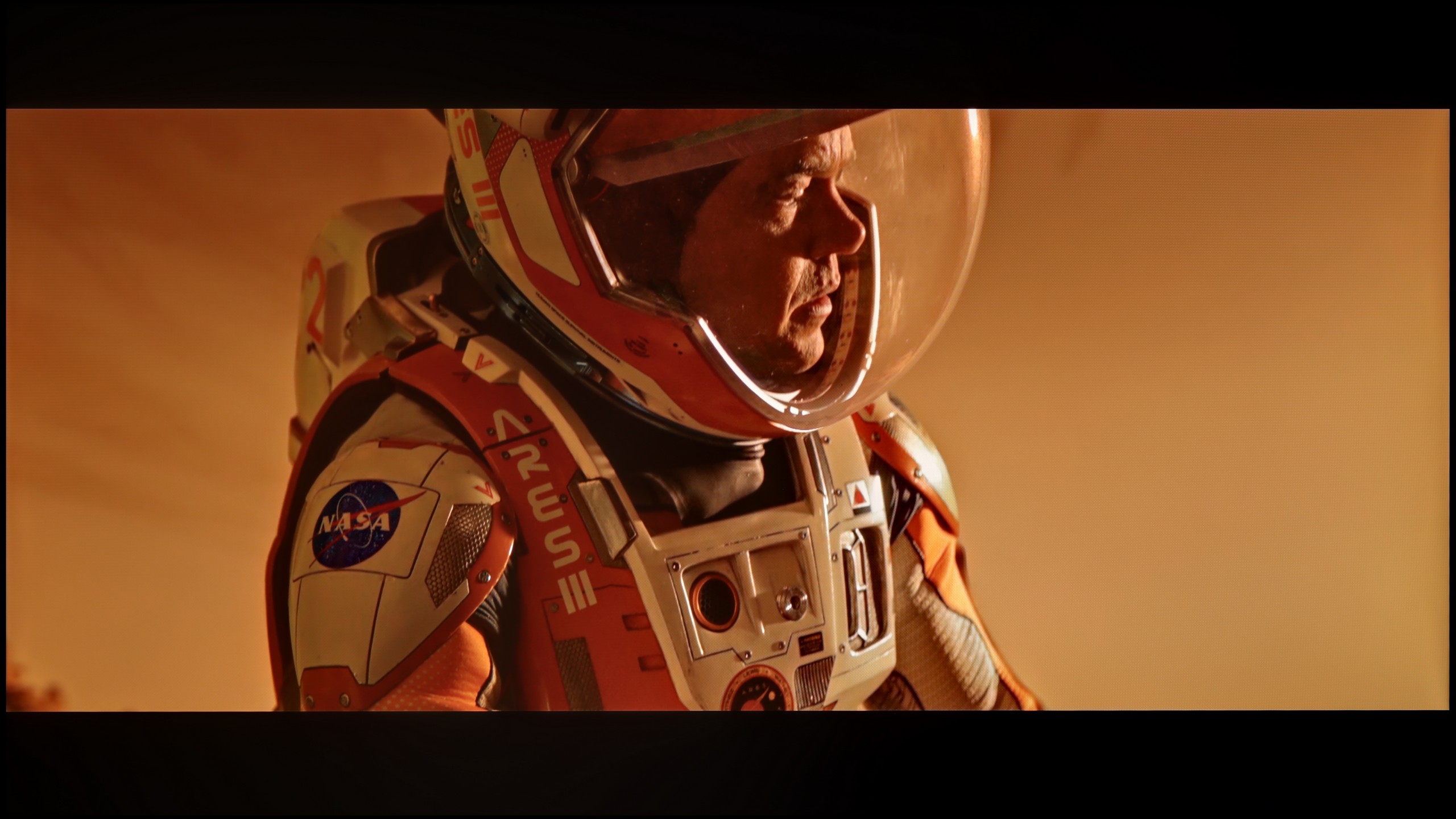
These are selected scenes that show smooth tonal transitions from one color to another. If you see distinct banding, it’s the TV panel’s fault.
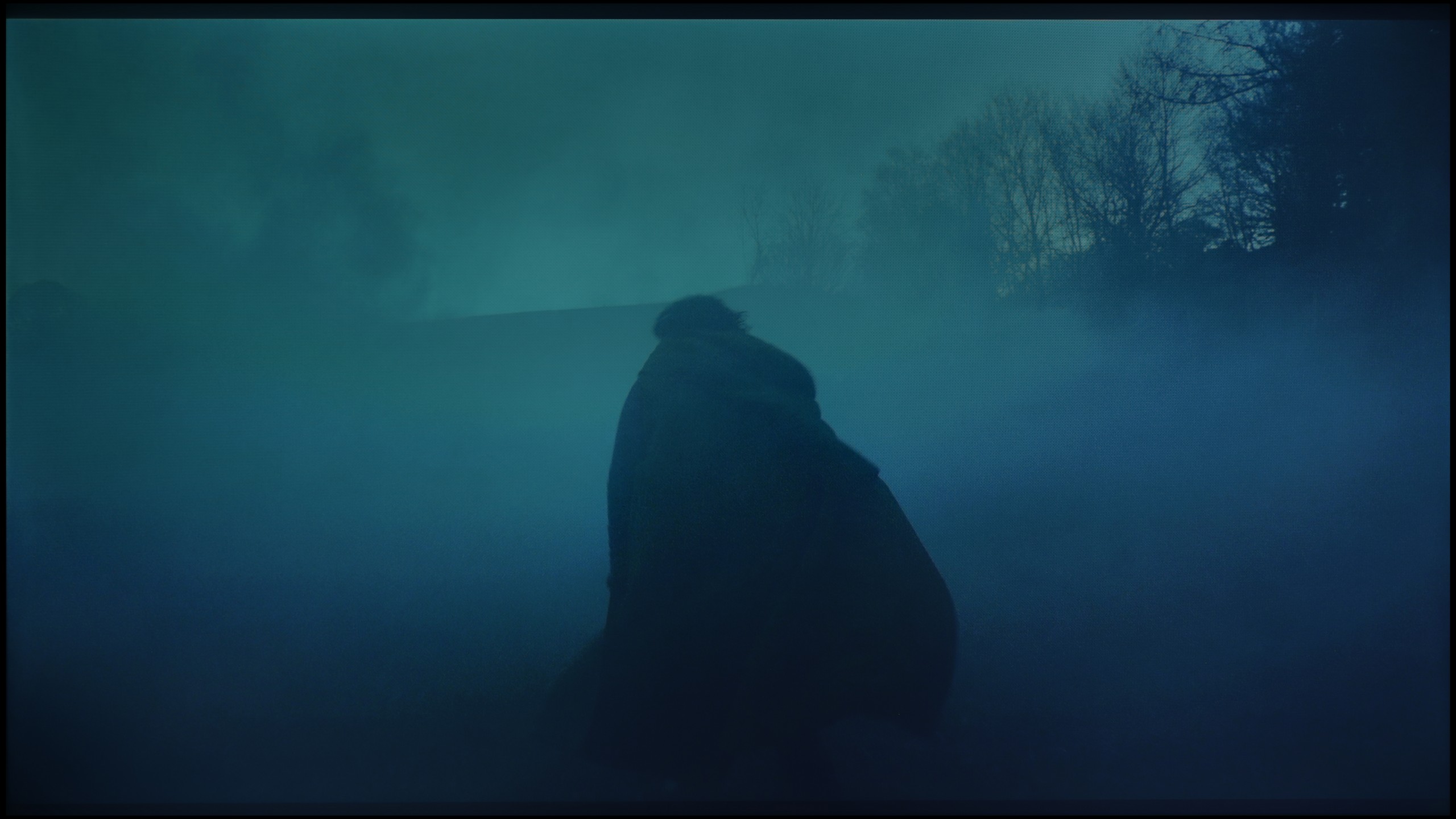
These are selected scenes that show smooth tonal transitions from one color to another. If you see distinct banding, it’s the TV panel’s fault.
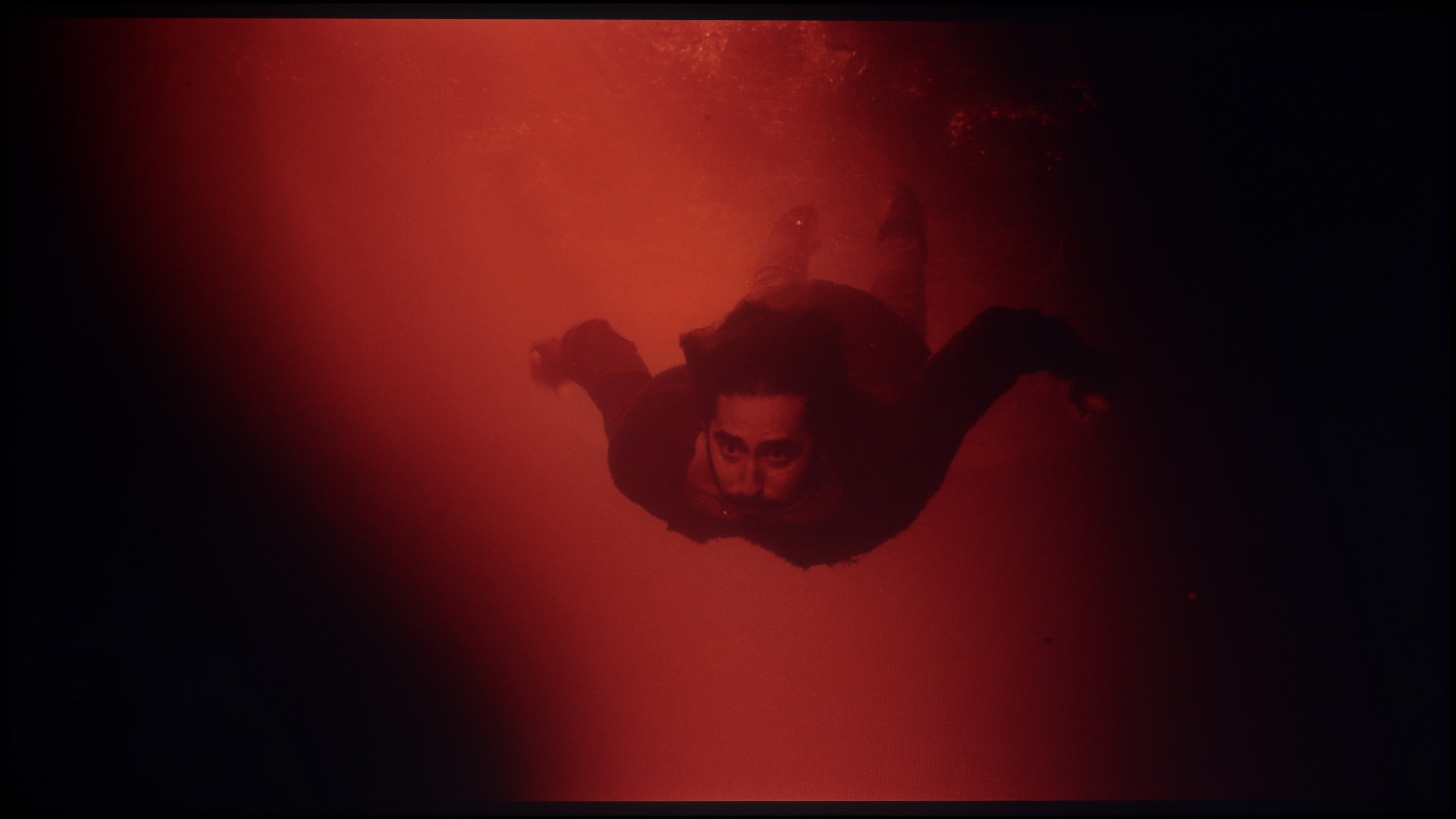
These are selected scenes that show smooth tonal transitions from one color to another. If you see distinct banding, it’s the TV panel’s fault.
Colour gradation is one of the strong points of the QNED86A. In everyday viewing, the picture looks really smooth, without noticeable "steps" or sudden transitions between colours. The TV handles colour blending quite naturally, so with most content, it’s hard to spot any issues with gradation. Any imperfections only appear in extreme conditions – for example, in the darkest parts of films, where even much more expensive TVs can have problems. There, you might notice slight banding or characteristic stripes, but these are marginal situations that shouldn’t be a bother during regular use. Overall, the QNED86A performs well in this category and has nothing to be ashamed of compared to the competition.
The colour transitions in most scenes were smooth and difficult for the average viewer to notice. However, the VA panel variant offered something more – in the darker parts of the image, it was possible to see many more shades, as the higher contrast allowed them to stand out better. As a result, the image did not appear flat and looked more natural. The transitions between colours were generally quite good and did not distract from the content.
Image scaling and smoothness of tonal transitions
7.8/10
7/10

Smooth transition function
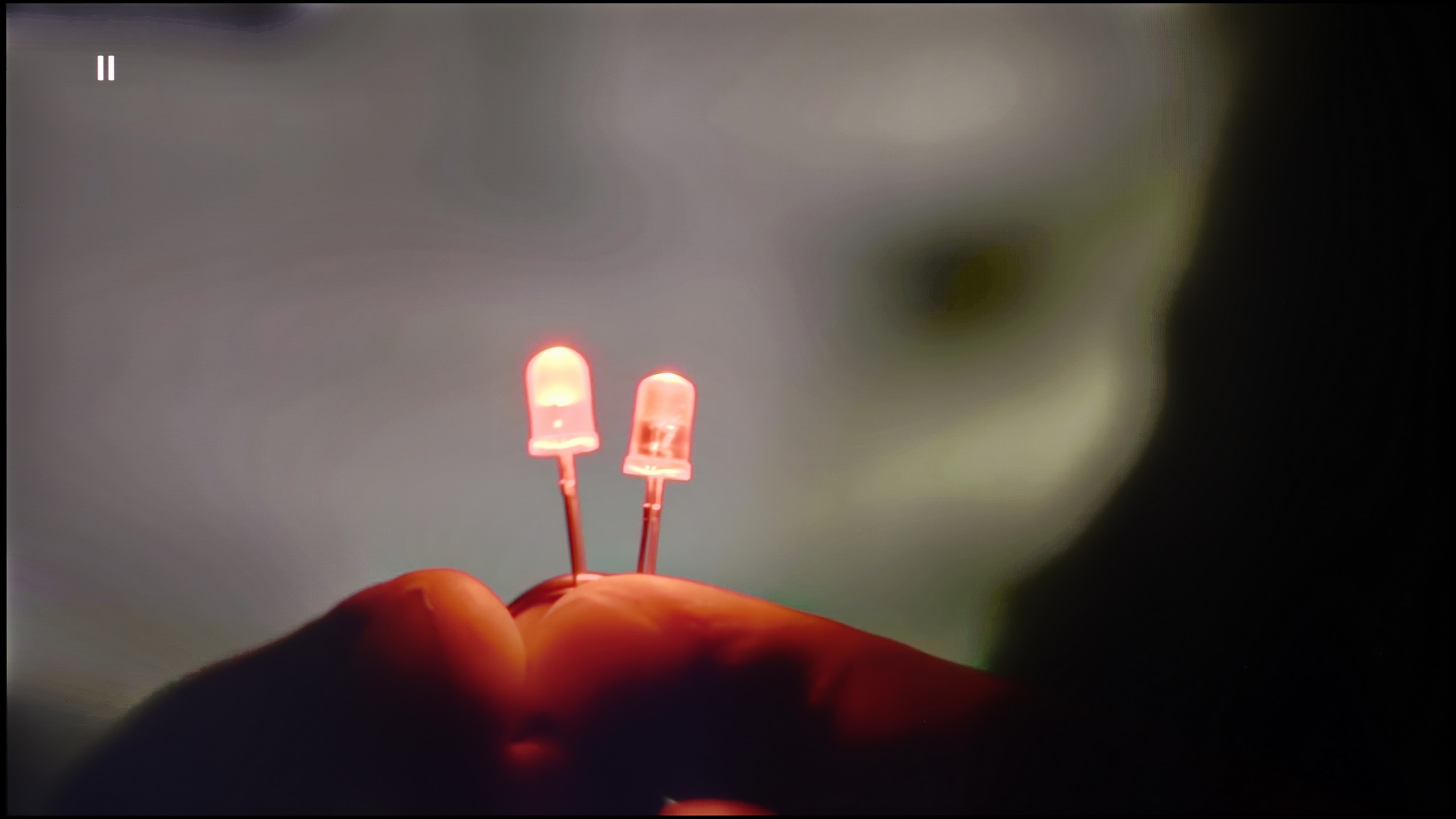
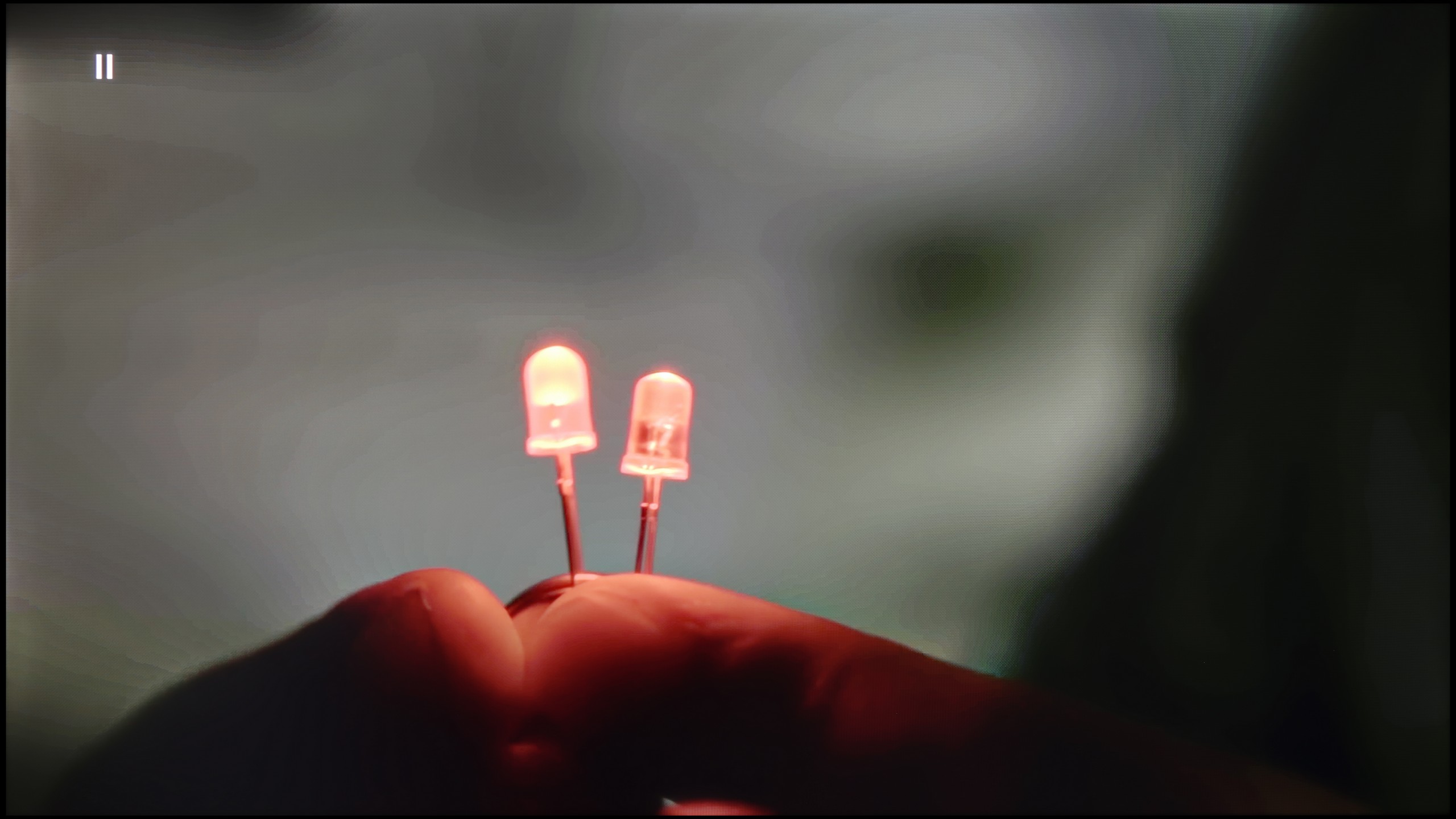
The match photo shows how the TV smooths weak tonal transitions in low-quality video.
Image scaling SD (576i)


The model photo shows how it handles upscaling of SD material.
If someone is worried about potential "steps" when blending colours, the QNED86A has a simple solution for that. Just turn on the feature called Smooth Gradation and set it to the medium level. Then the TV really smooths out all those unwanted transitions – especially in older productions – and it does so in a way that the film grain doesn’t disappear, nor do any strange artefacts appear. In other words, you can use it without any worries.
The upscaling itself also turns out quite well. Of course, there are no miracles here – with poorer quality sources, you can notice characteristic jagged edges. Fortunately, there is a sharpness slider in the menu, and if someone prefers a more "soft" image, it can be quickly adjusted to their own taste.
LG UA7500 with a VA panel has shown itself in this category in a really good light. Image scaling from Full HD or even SD materials was surprisingly smooth. The picture looked smooth, edges were not overly jagged, and the television maintained a good amount of detail, ensuring that even older films did not lose their character. It particularly excelled with faces – there were no artificial contours or "mask" effects, which often occur in cheaper models. The way the television handled tonal transitions in lower quality materials is also noteworthy. Thanks to digital processing, colours did not bleed into one another, and gradients looked natural and smooth. There was no question of intrusive smoothing of the image or loss of cinematic grain. This makes the UA7500 great for everyday content – from free-to-air television, to sports matches, all the way to YouTube, where we often watch materials in various resolutions.
Blur and motion smoothness
7.8/10
4/10

Blur (native resolution, maximum refresh rate):
Blur (BFI function enabled):
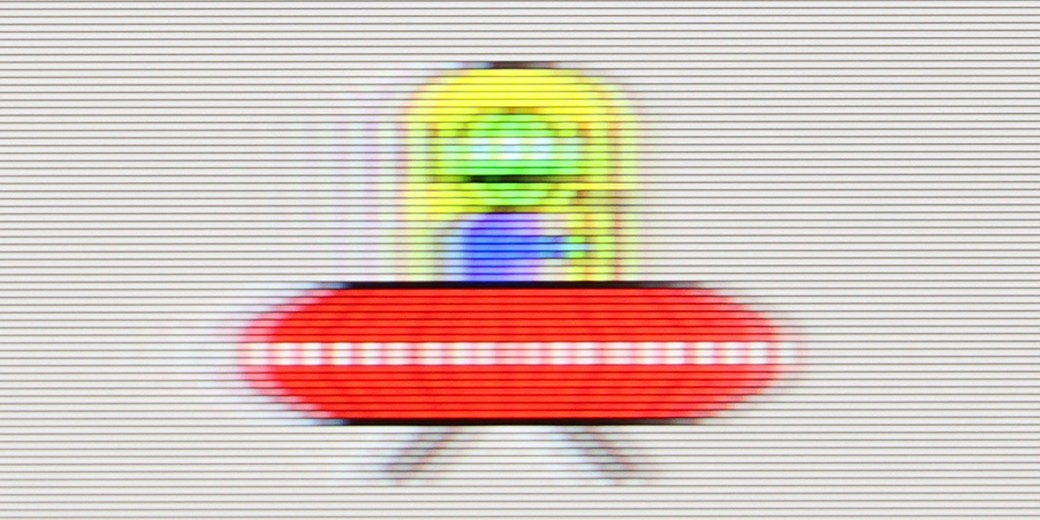
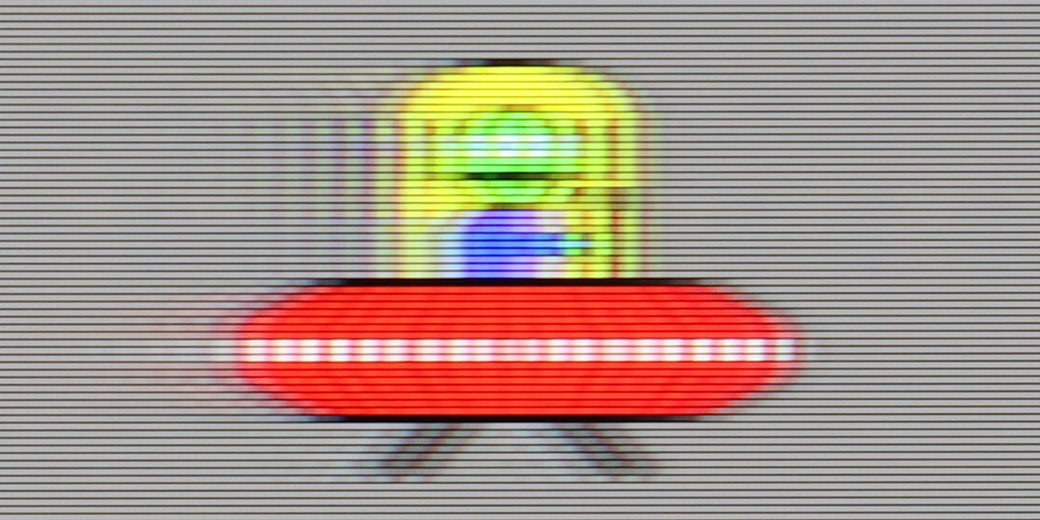
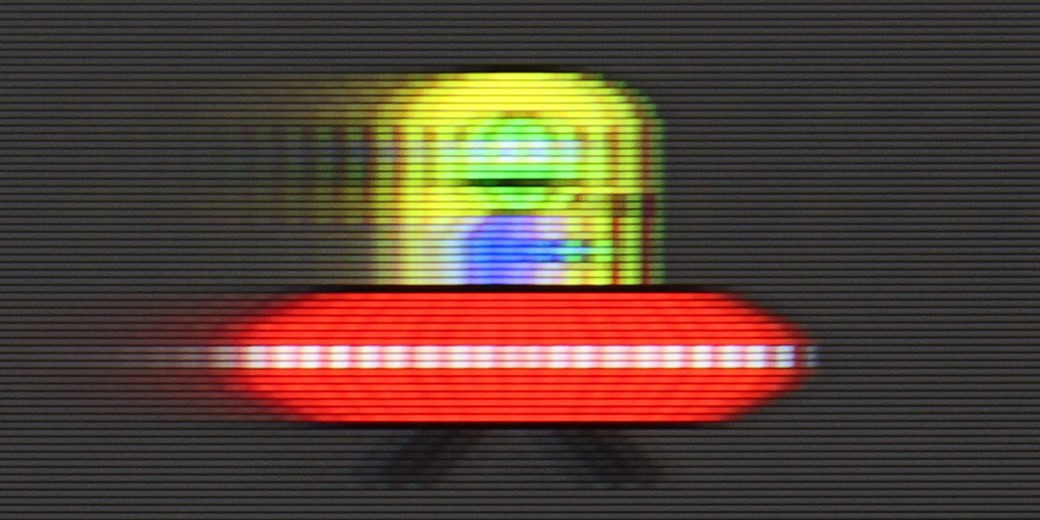
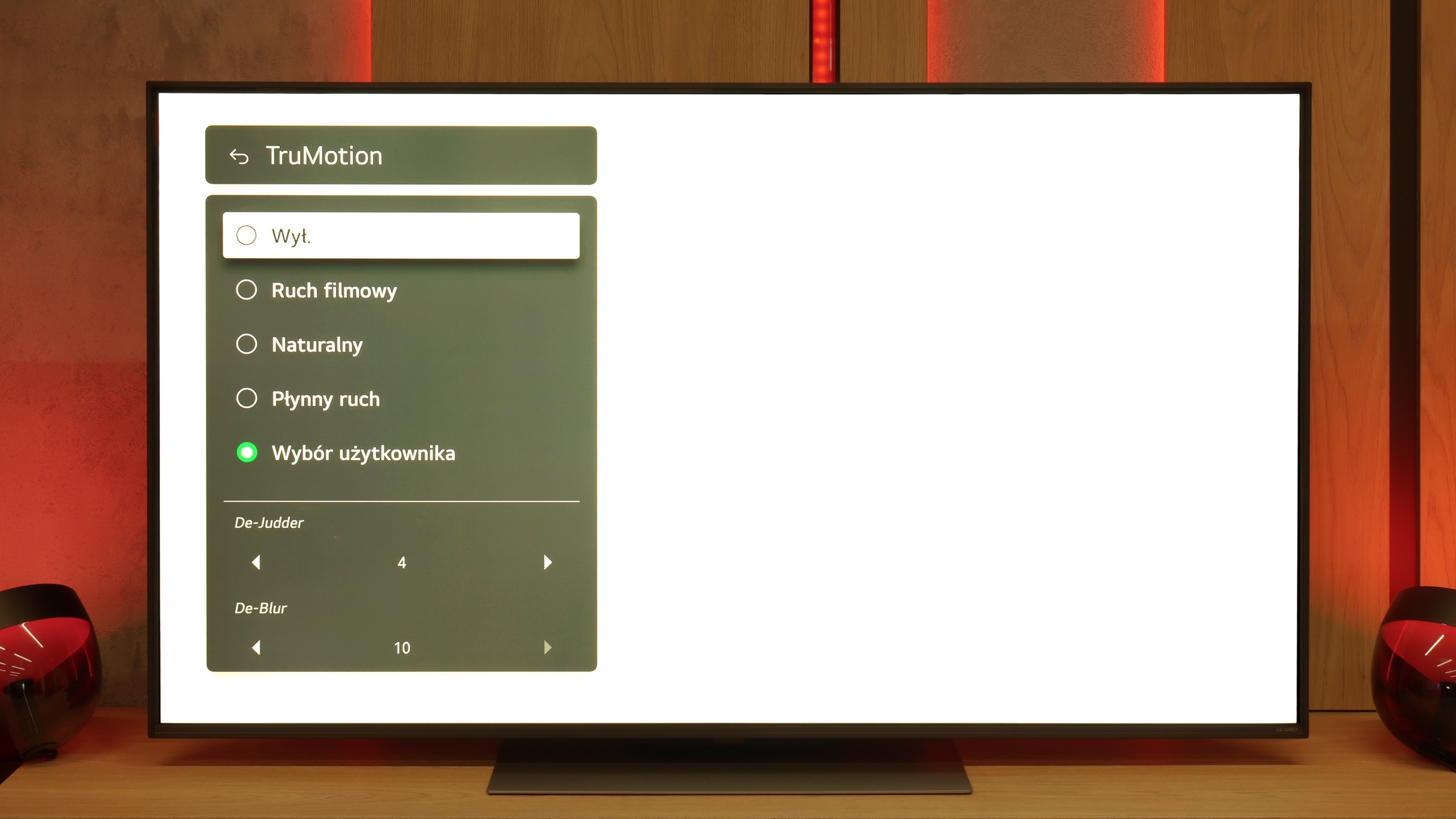
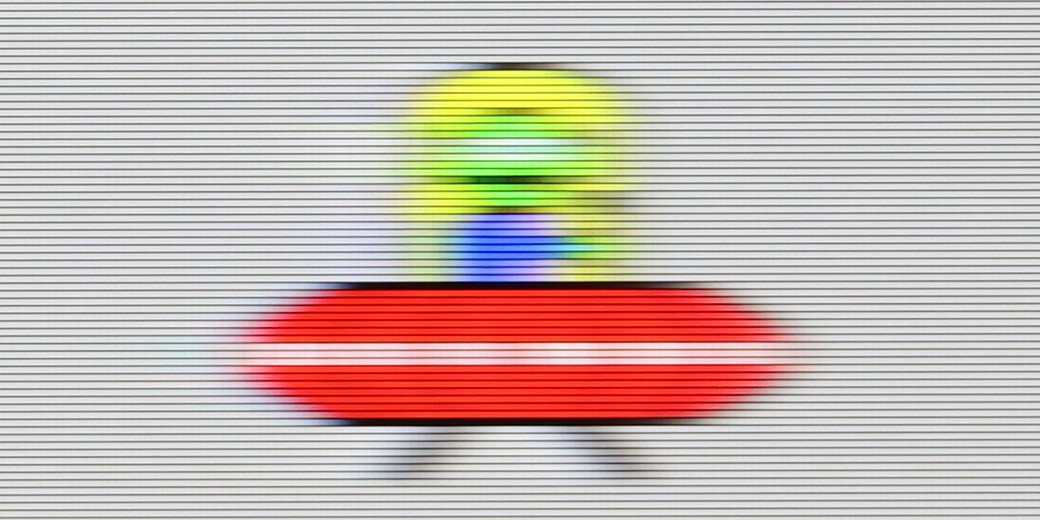
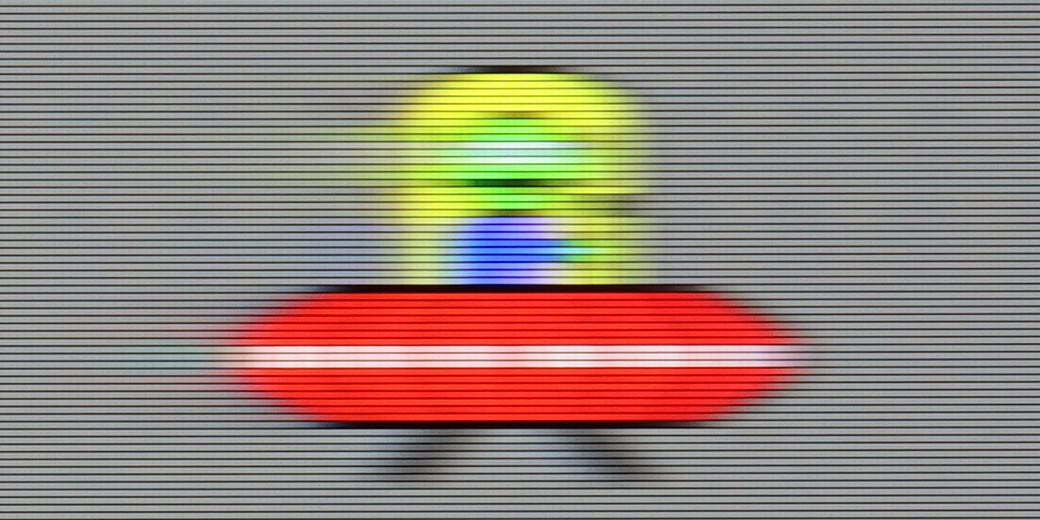
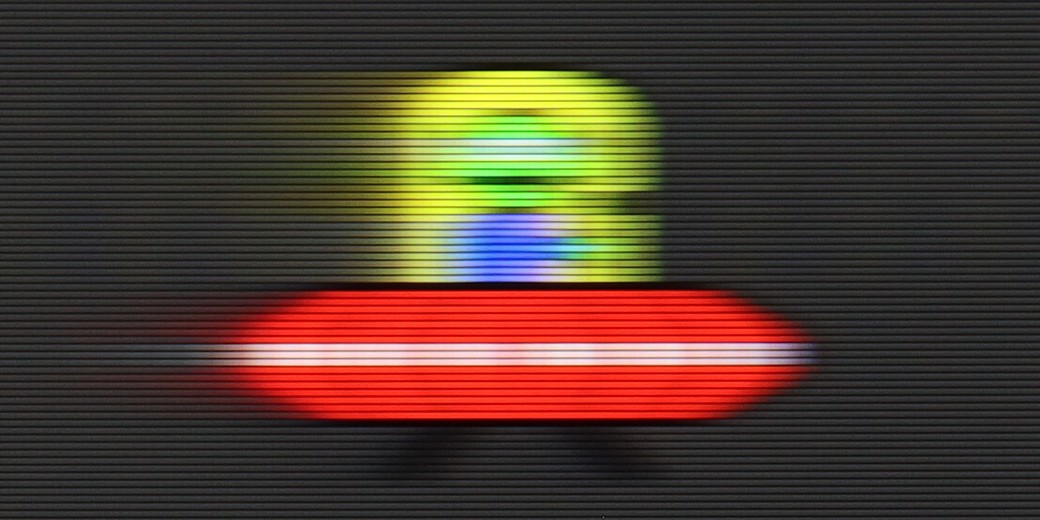
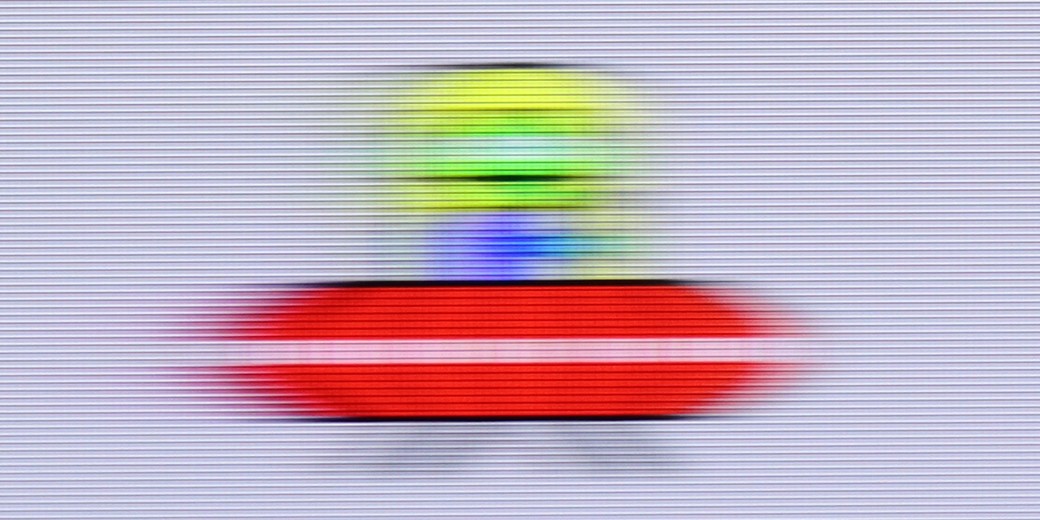
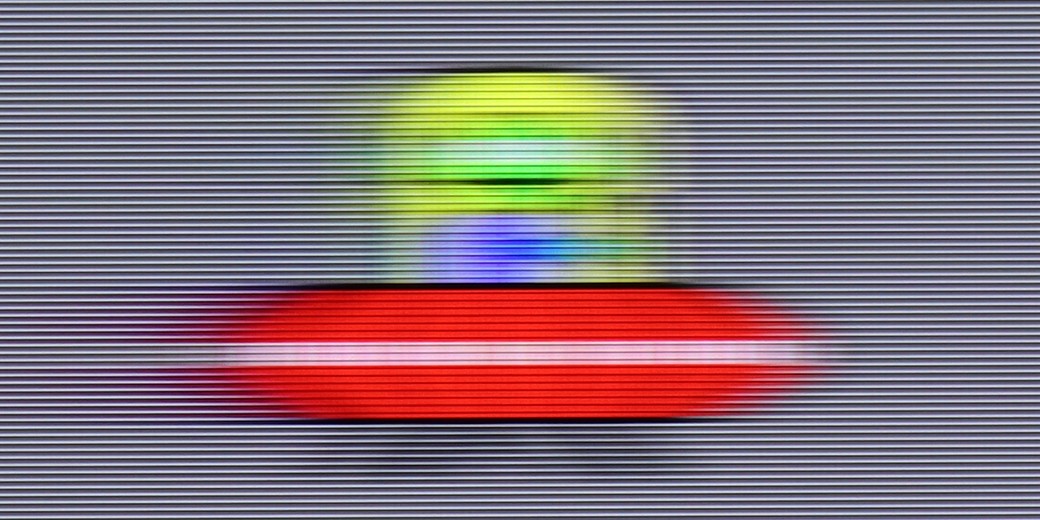
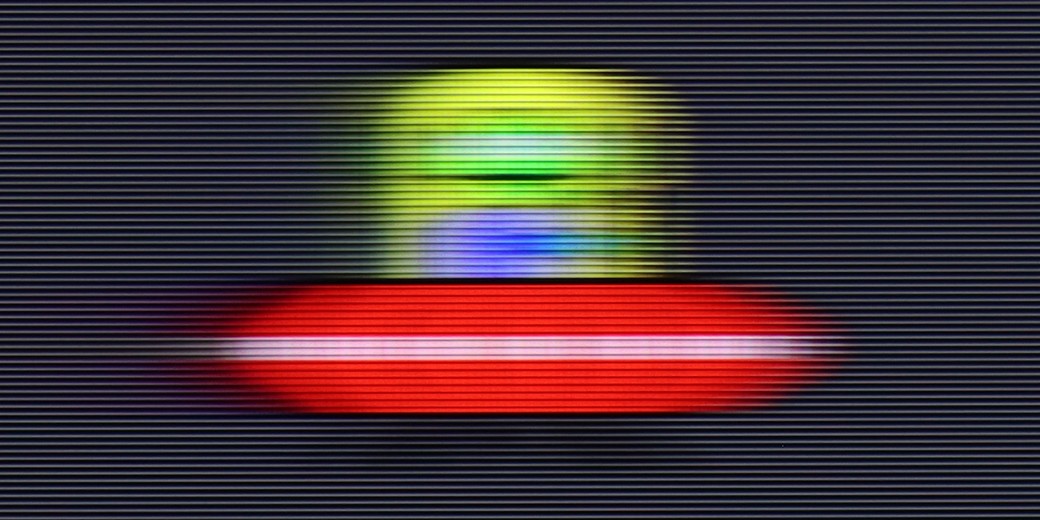
QNED86A has been equipped with a 120 Hz refresh rate panel, so right from the start, it can be said to be suitable for both sports and gaming. And indeed it is – the picture looks smooth, and motion blur isn’t too much of an issue. IPS panels have always had a bit of a problem with this, and here too you can sometimes notice slight blurring, especially in very dynamic scenes, but it’s not something that ruins watching a match or a fast-paced game. For cinema and sports fans, LG has included the traditional TruMotion smoothing feature. In the menu, we have two sliders – one for movies (De-Judder), and the other for sports (De-Blur). The first adds missing frames and allows you to adjust the character of motion – from raw, cinematic to a more fluid, “theatrical” feel. The second improves sharpness during dynamic actions, so it’s worth turning it up a bit if you watch a lot of sports.
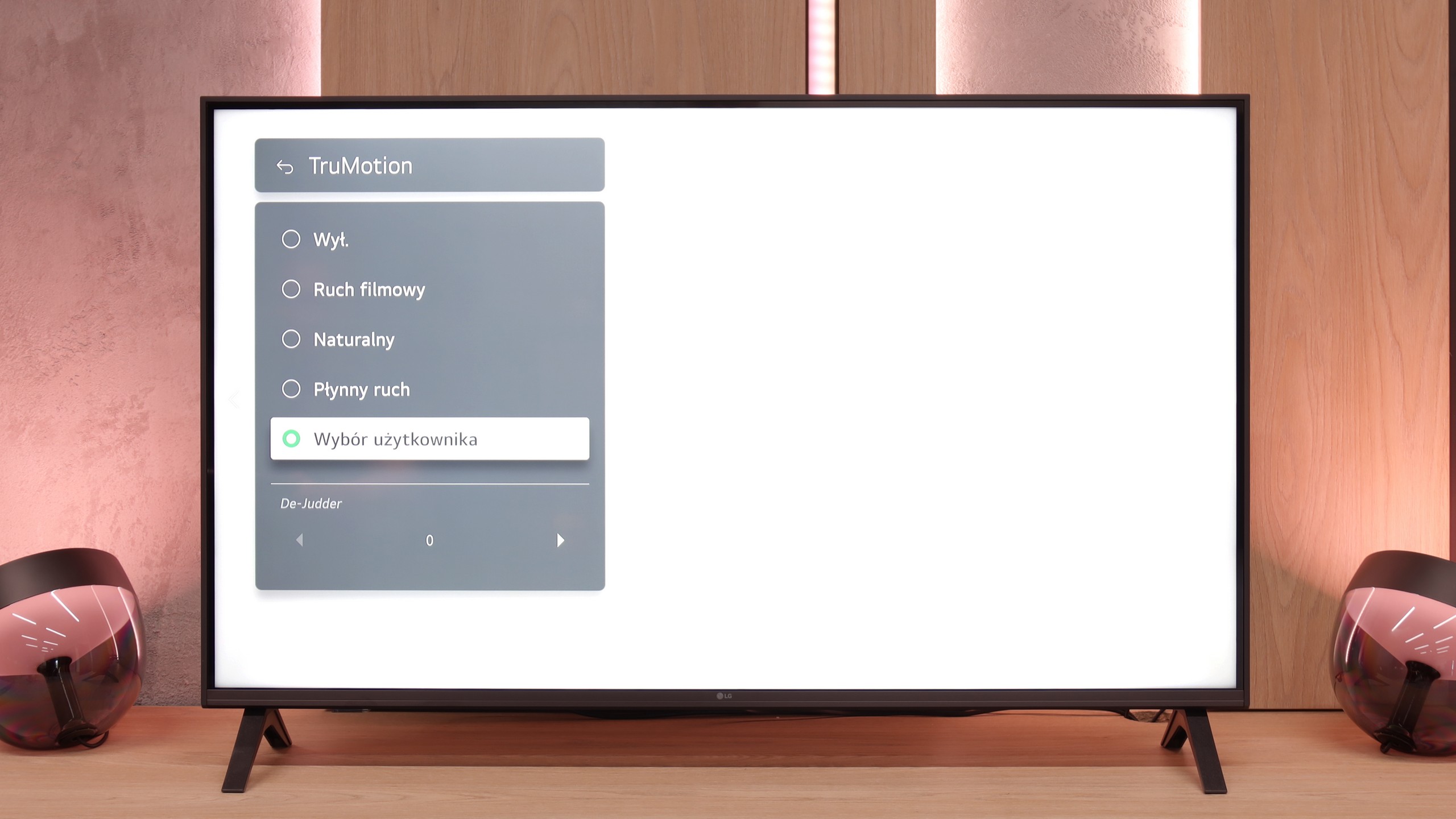
LG UA7500 is a TV with a 60 Hz panel, so it’s hard to expect any raving reviews in this category. It’s more of a screen meant for everyday content or an evening movie session rather than for following dynamic sporting events or playing action games. It's evident that the manufacturer targeted this model precisely at this group of consumers – and in that regard, it performs adequately. We get the TruMotion function, which is a motion smoother. It’s simple, has only one slider, but it can make a noticeable difference. In the lower range, the image looks more raw and cinematic, while at higher values, the motion becomes smoother and more pleasant to the eye.
Console compatibility and gaming features
9.8/10
6/10
- ALLM
- VRR
- VRR range48 - 120Hz48 - 60Hz
- Dolby Vision Game Mode
- Correct implementation of HGIG
- 1080p@120Hz
- 1440p@120Hz
- 4K@120Hz
- Game bar
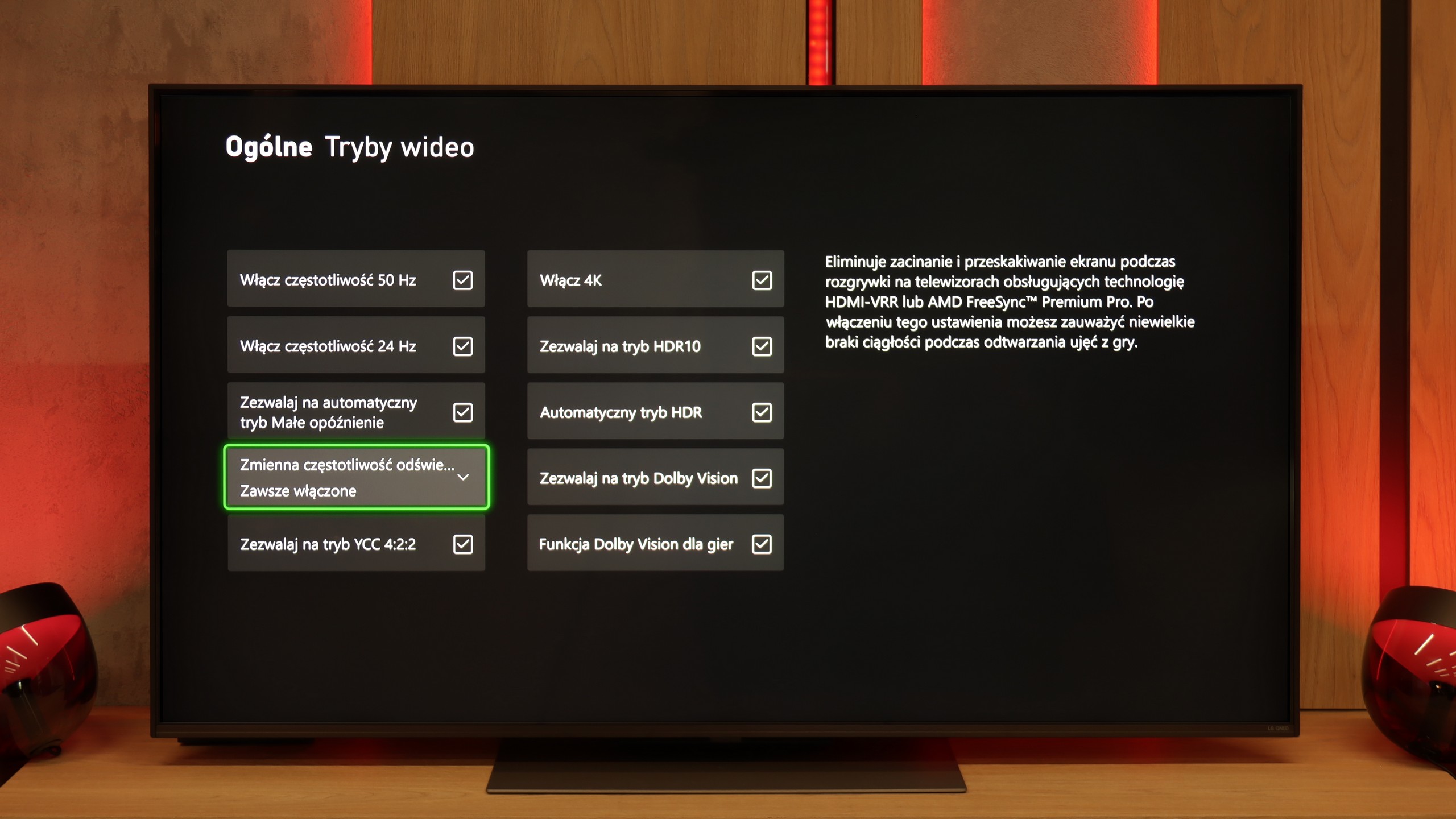
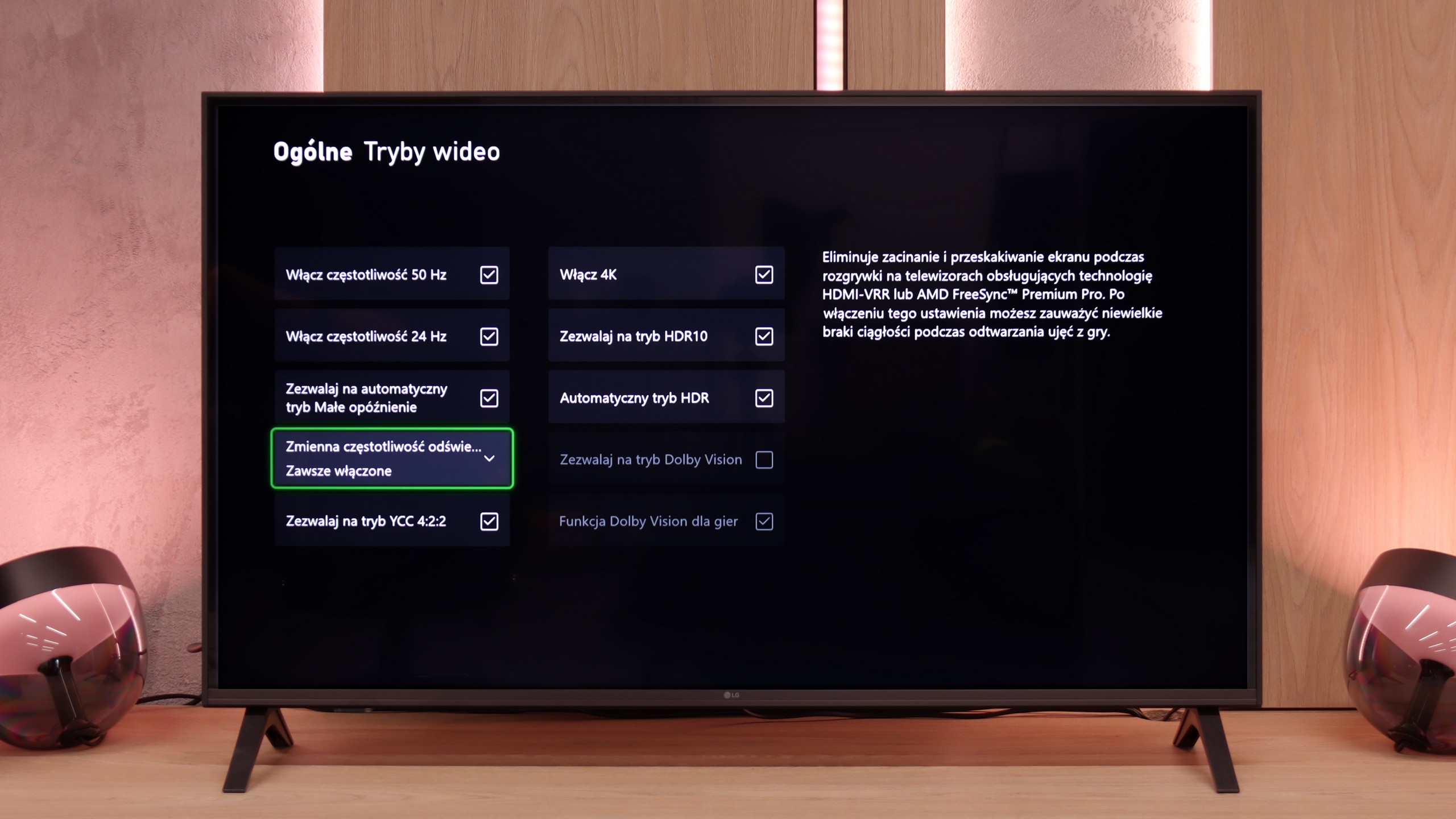
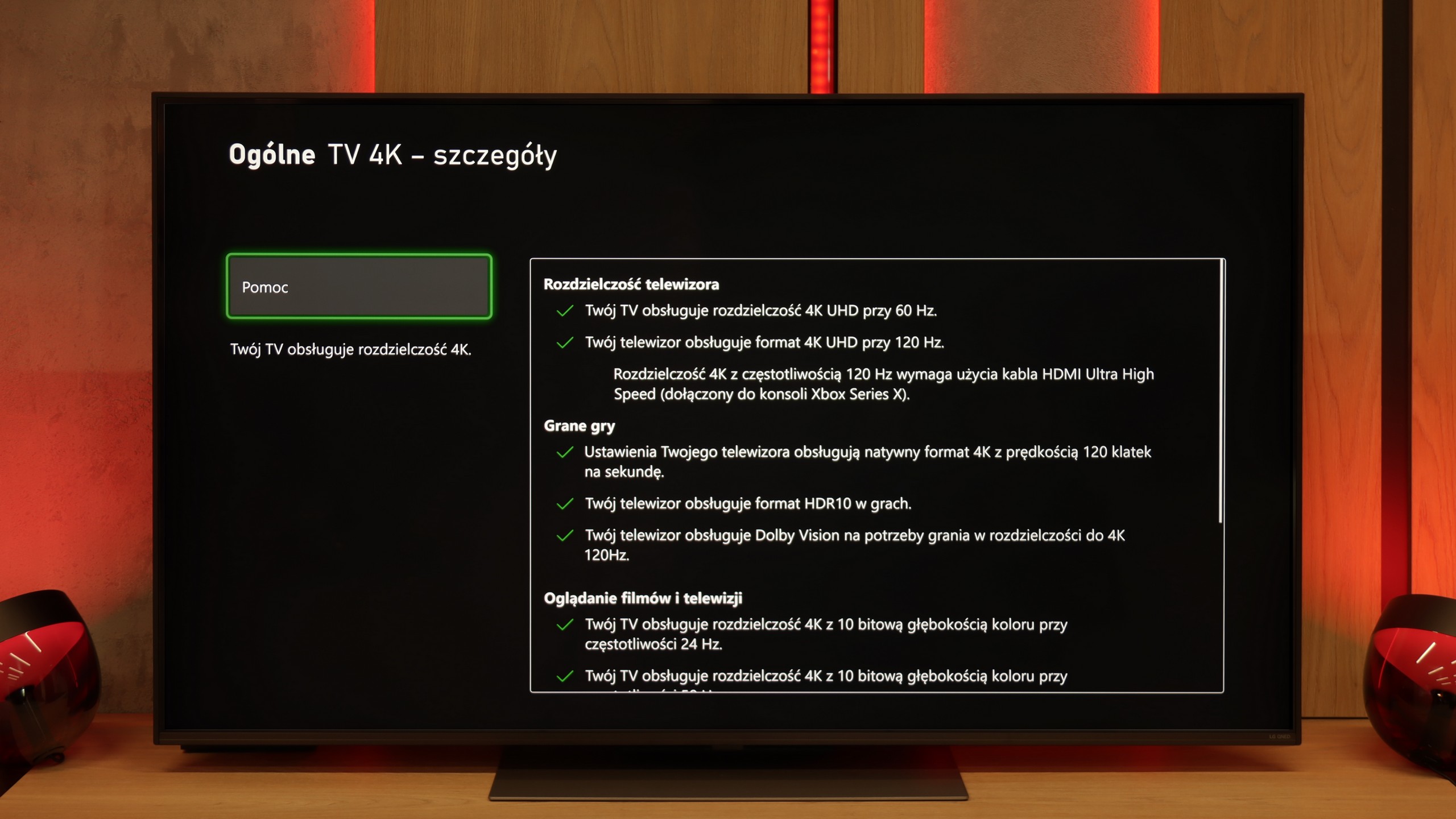
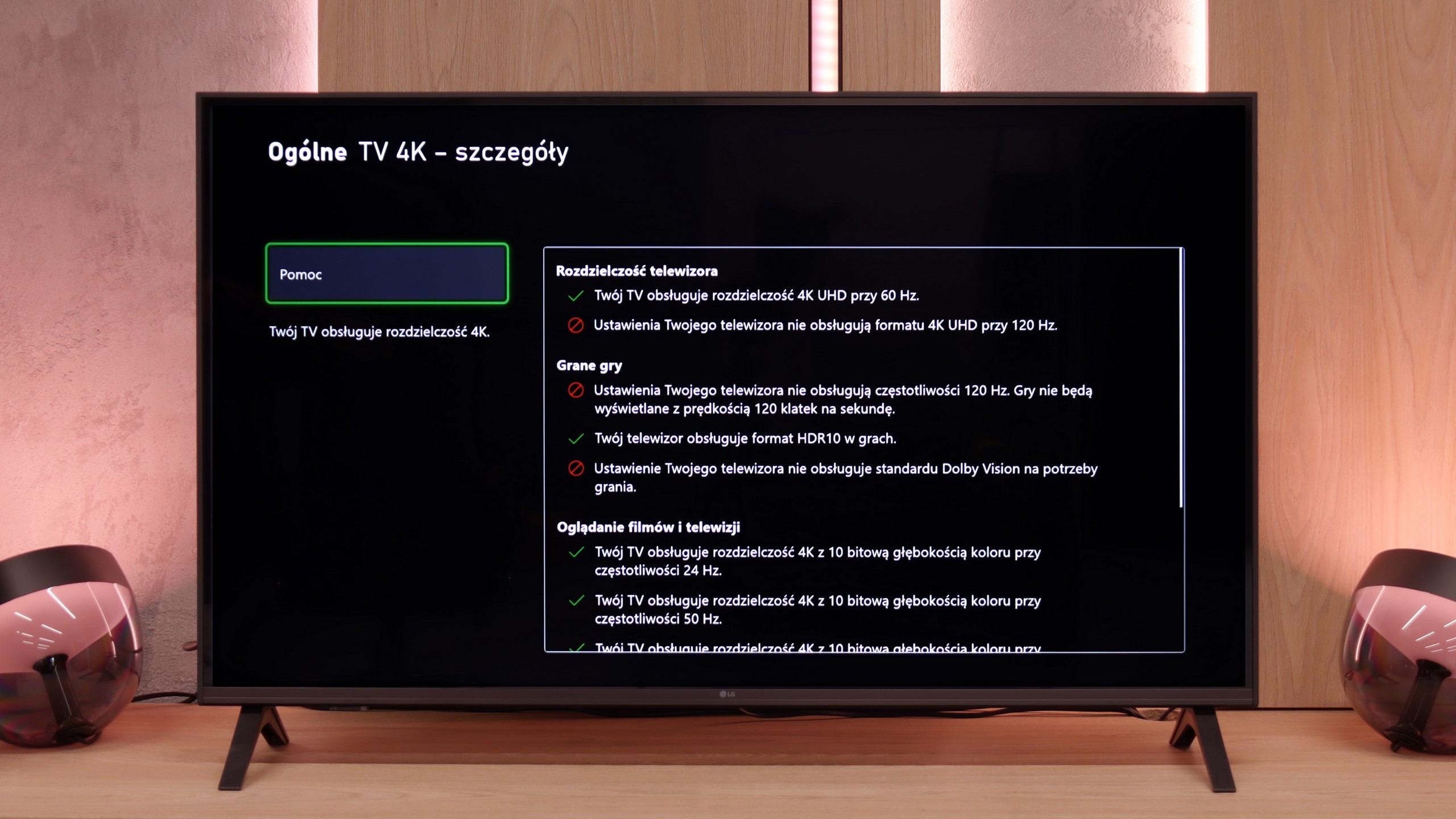
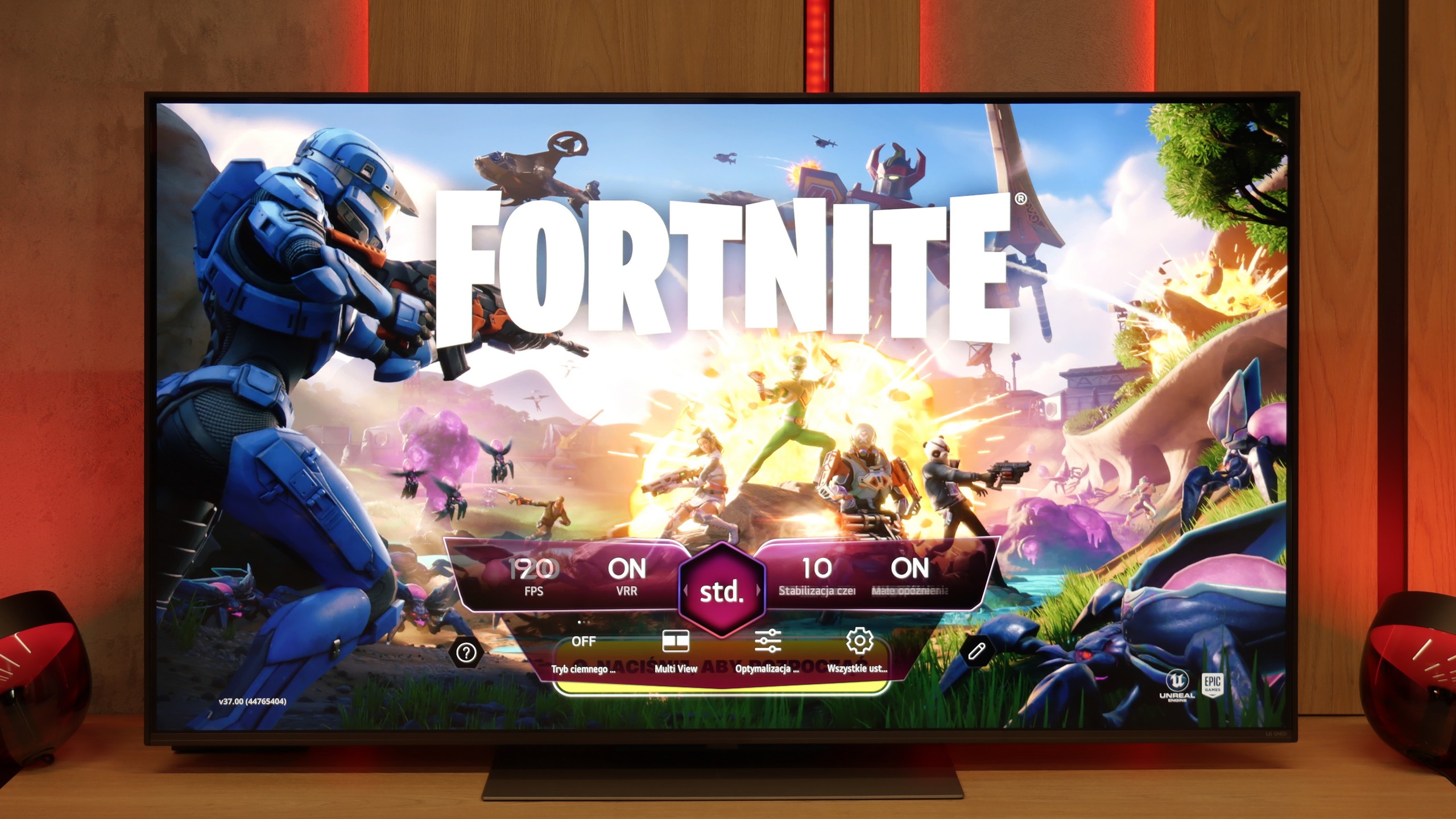
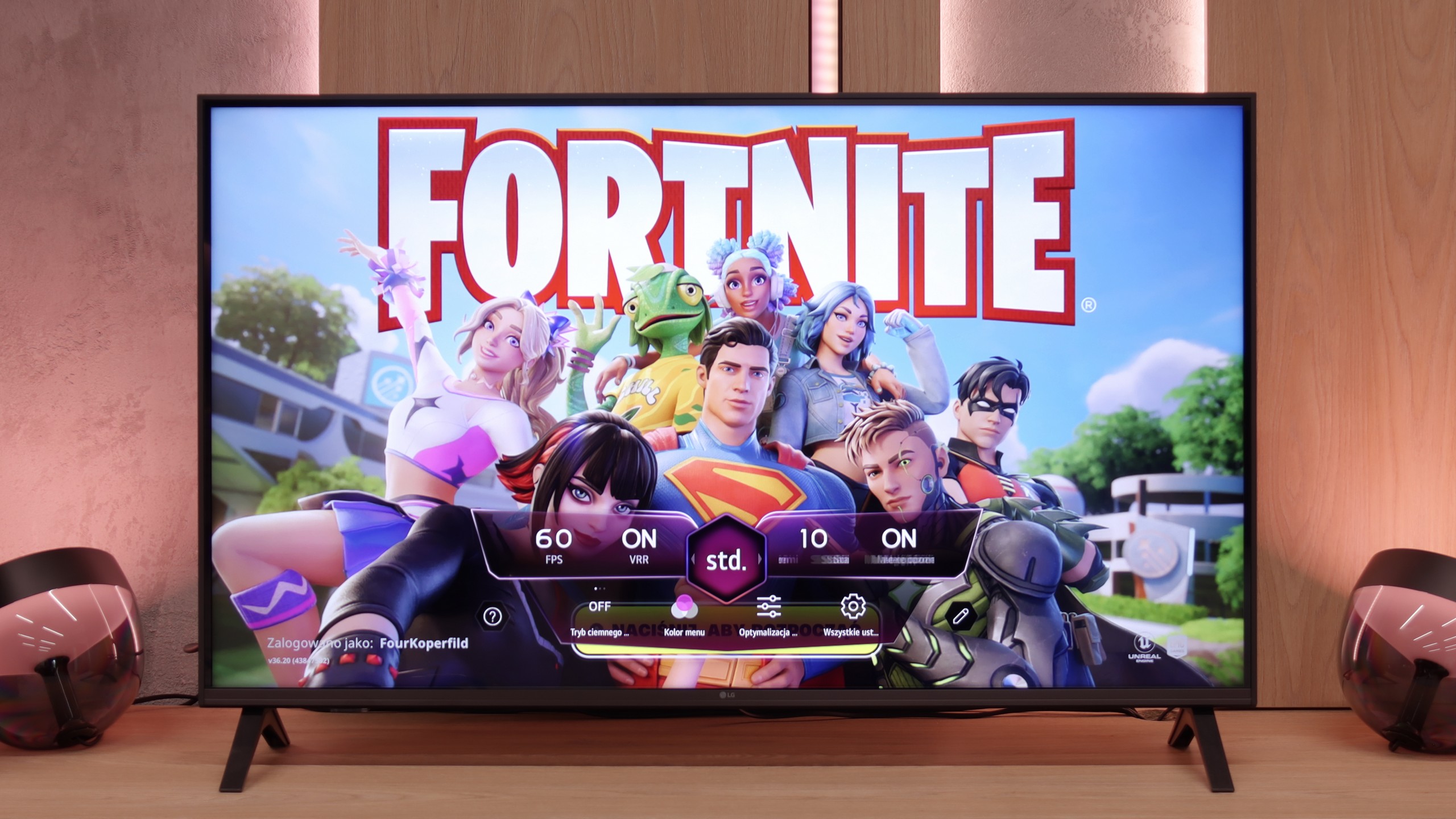
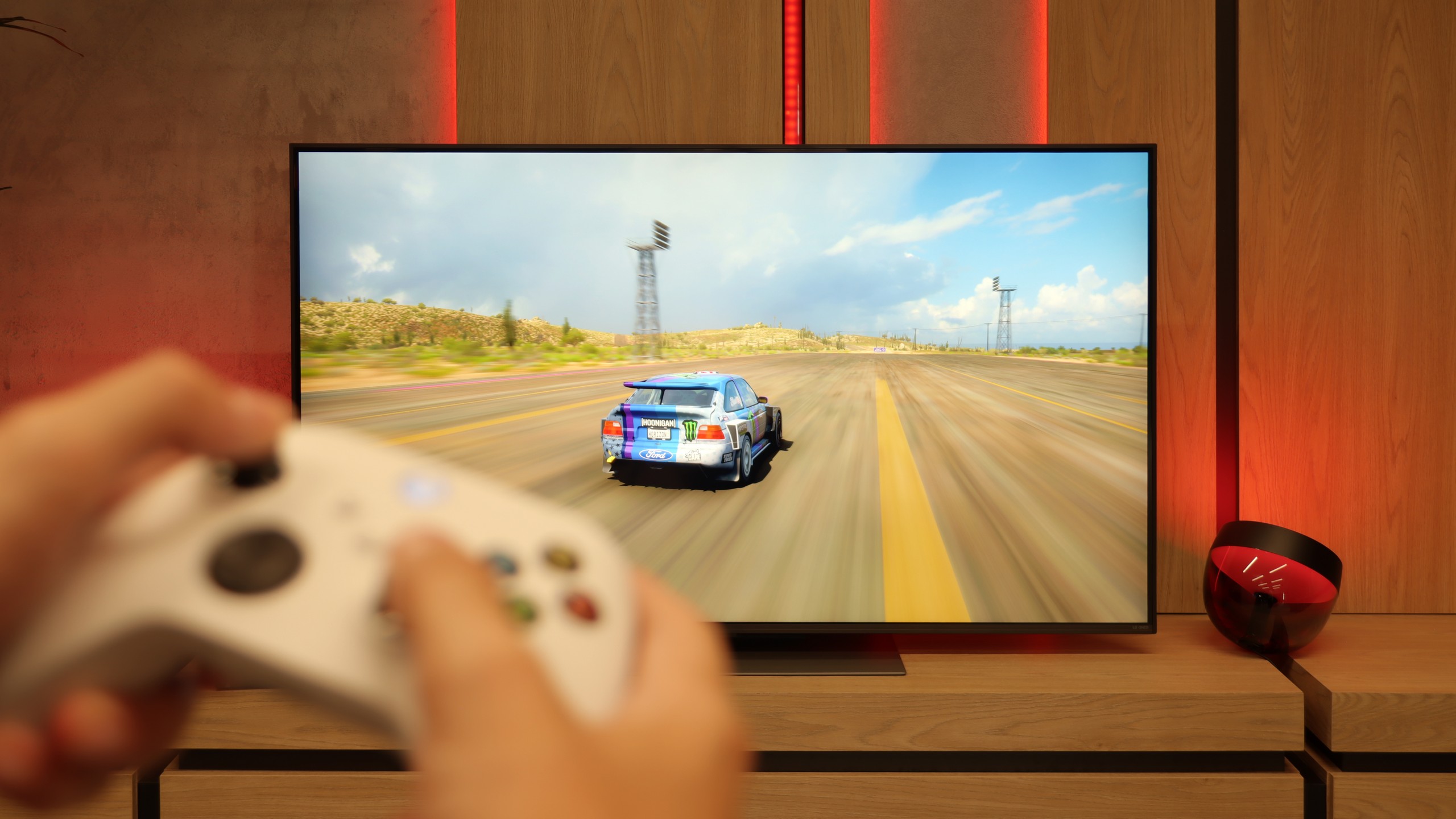
When it comes to gaming, the LG QNED86A6A is a complete tool. It features four HDMI 2.1 ports with a full bandwidth of 48 Gb/s, which means that whether you connect a PlayStation 5, an Xbox Series X, or a powerful PC – everything will work in full 4K at 120 Hz with support for all functions. This is a significant advantage, as some competitors still only feature two such ports, which can be troublesome when dealing with multiple devices. It also includes VRR, or variable refresh rate, which eliminates screen tearing, and ALLM, which automatically activates game mode when the console powers on. Dolby Vision Gaming is included as well, alongside proper implementation of the HGiG format, so titles that support these formats look livelier and more detailed. Additionally, there's the Game Optimizer – a kind of control centre for gamers. From this interface, you can view image parameters in real time, quickly switch modes, activate additional features, or adjust picture settings to your own preferences. The LG QNED86A6A has basically everything you would expect from a modern gaming television.
LG UA7500 is a TV that can be comfortably recommended to "Sunday" gamers. While it doesn't feature a 120 Hz panel or HDMI 2.1 ports, meaning it can't fully utilise the potential of modern consoles, the manufacturer has included a few extras that can enhance the gaming experience. The Game Bar deserves a special mention – a very nicely designed panel where you can quickly view and change the most important settings. From this interface, we have access to features like ALLM (Automatic Low Latency Mode) and frame synchronization, also known as VRR. The range of VRR is limited – working from 48 to 60 Hz – but the mere presence of this feature in such an affordable TV is impressive.
Additionally, it supports HGiG, which is a mode for HDR calibration for gaming. It sounds good, but from our testing experience, we know that for the UA7500, this option isn't very practical. The TV doesn't handle HDR very well, so ironically, we achieved better results with this mode turned off. This is another indication that the UA7500 is more of a screen for casual gamers who value simplicity and convenience, rather than for those seeking a full experience with the latest consoles.
Input lag
9.9/10
10/10
SDR
HDR
Dolby Vision
There’s really nothing to complain about here. The QNED86A6A achieves excellent results – around 5 ms with 120 Hz content and about 15 ms with 60 Hz. These values will comfortably satisfy both console gamers and those who connect a PC to the TV. The response to movements is instantaneous, so you can forget about delays between the image and the action on the pad.
A delay of less than 10 ms is a result that more expensive models would envy. This makes games run exceptionally responsively, and every action on the controller is instantly visible on the screen. This is one of the strongest points of this television, especially for those who like to fire up the console from time to time.
Compatibility with PC
8/10
5.4/10
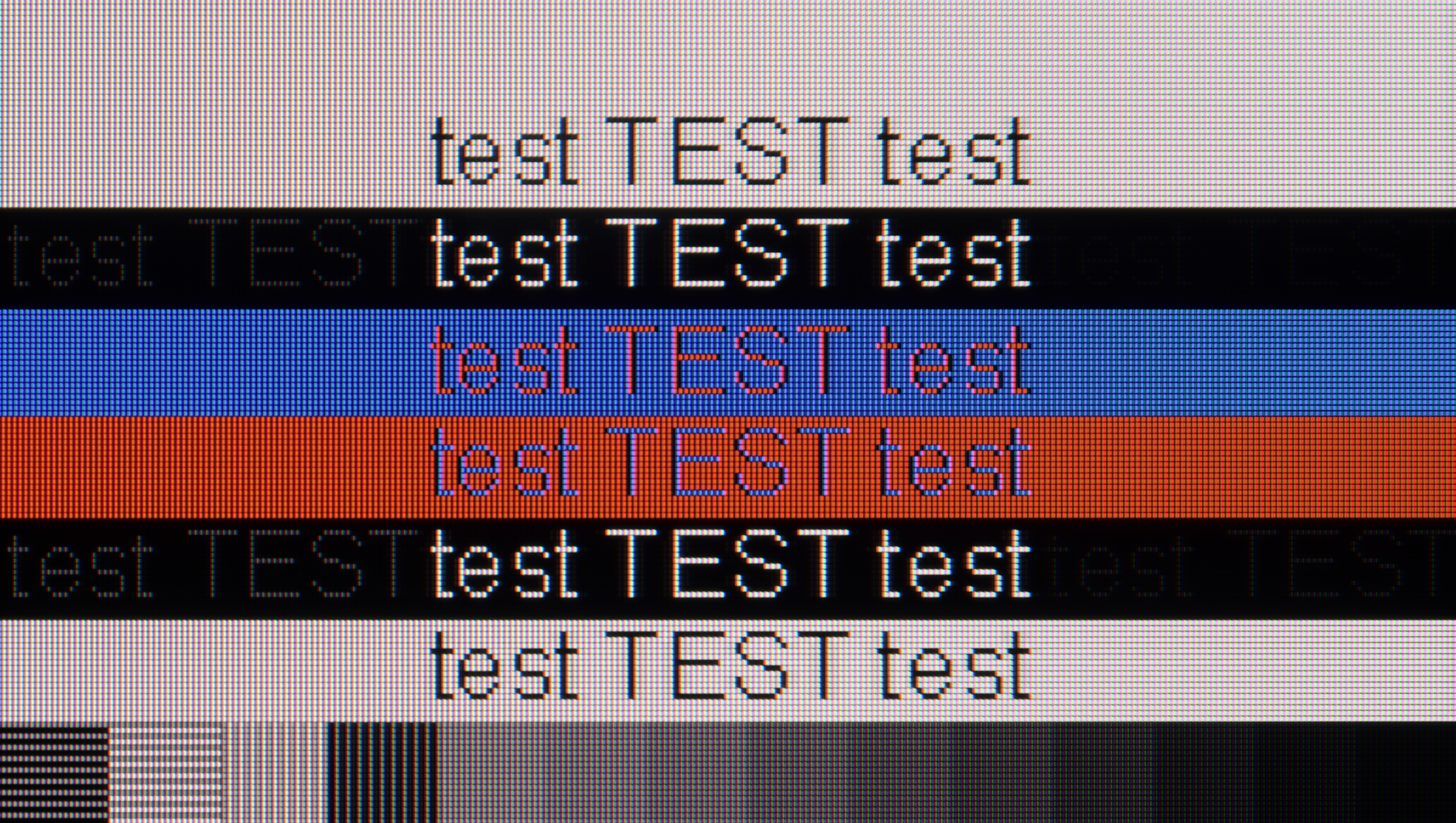
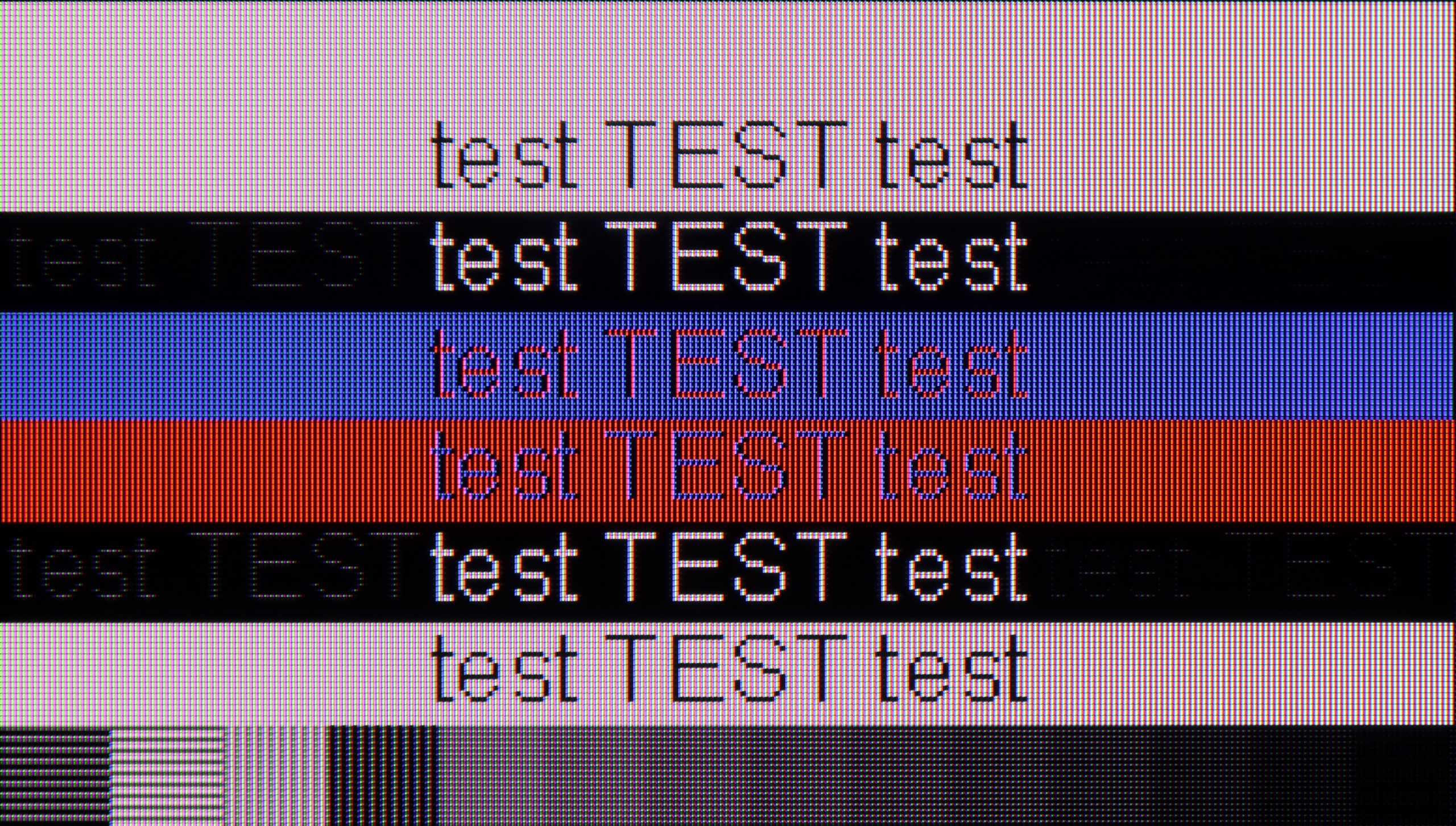
The photo shows the legibility of small fonts. Ideally, lines should be the same thickness on both light and dark text, with minimal pixel gaps.
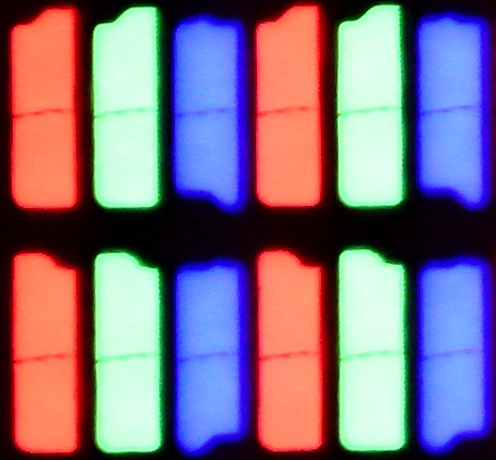
LG QNED86A, with its IPS panel, full RGB subpixel layout, and proper implementation of chroma 4:4:4, makes text look fantastic on the QNED86A6A. The text is sharp, clear, and readable, making the TV ideal for office work. This is important as this year the model also debuts in a 43" size, which can easily sit on a desk and serve as a large monitor. Of course, some users opting for the 43" will be gamers, and here too there are no complaints. The TV supports 4K at 120 Hz, so gameplay is smooth and enjoyable. It's a bit of a shame that there wasn't a mode with a higher refresh rate, such as the 144Hz claimed by the manufacturer, as PC gamers would definitely appreciate that. Despite this, the QNED86A6A performs really well as a monitor for gaming and work.
LG UA7500 with a VA panel performs somewhat worse in this regard. The fonts aren't quite as crystal clear as in an IPS, and after extended use, you may notice a difference in readability. Chroma 4:4:4 support is, of course, available, so colours look correct, but overall it doesn't provide such a comfortable effect. In everyday use, the differences may not be significant, but for working with text and graphics, IPS proves to be a much better choice. The VA version is more suited as a versatile TV with PC connection options, rather than a fully-fledged office tool.
Viewing angles
6.9/10
3.1/10
QNED86A6A performs very well in this regard. The IPS panel used here ensures that the image retains its brightness and colour saturation even when viewed at an angle. There is no fading effect here, which often occurs in cheaper TVs with VA panels. Of course – it’s not worth comparing it to the level offered by organic panels, where colours and contrast hold perfectly at almost any angle. But as far as LCD TVs go, this is definitely one of the better results and is more than sufficient for watching movies or sports together on the couch with a larger group.
The VA panel version presents a completely different approach. Straight on, the screen looks significantly better – the contrast is higher, blacks are deeper, and colours more saturated than with IPS. The problem begins when we move away from the axis. Just sitting slightly off to the side causes the colours to start losing their intensity, and the image becomes noticeably washed out. Blacks quickly turn grey, and the overall character is lost. Therefore, the UA7500 in the VA version works best in a typically "cinematic" setup – with a sofa or armchair positioned centrally in front of the screen. Then the television can provide a much better experience than IPS, but when watching with a larger group from various spots in the room, the limited viewing angles become its biggest drawback.
Daytime performance
5.8/10
4.6/10
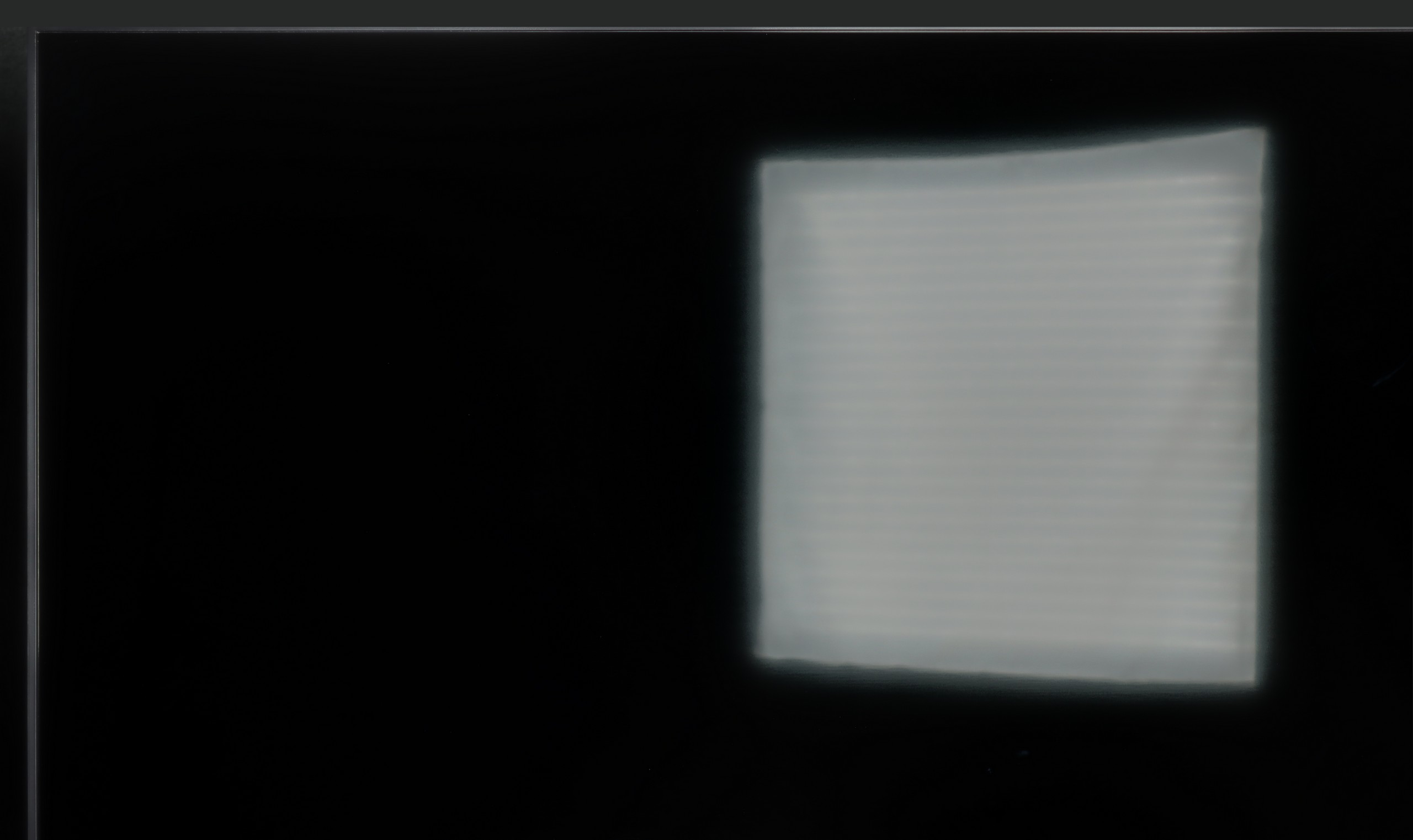
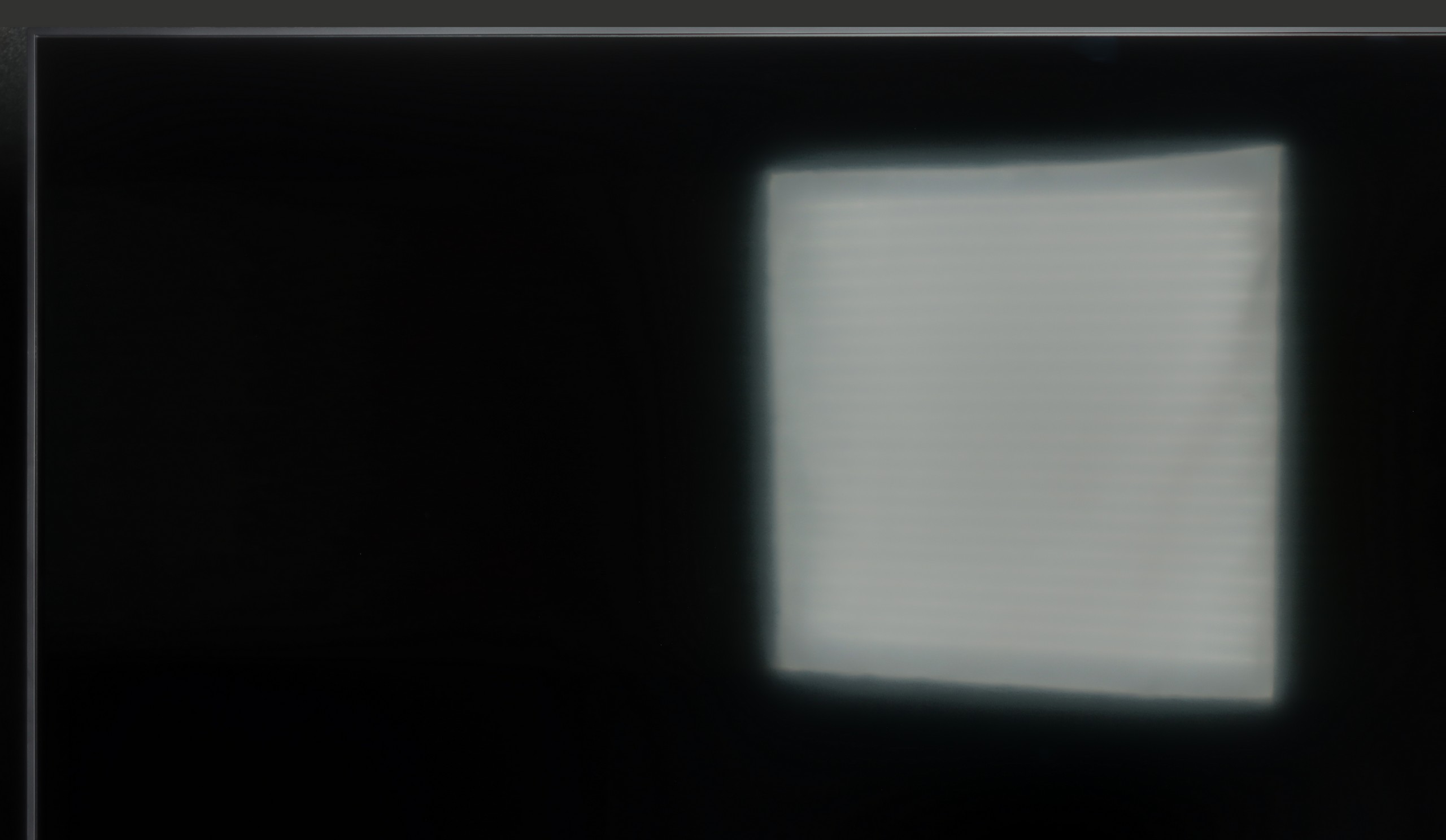
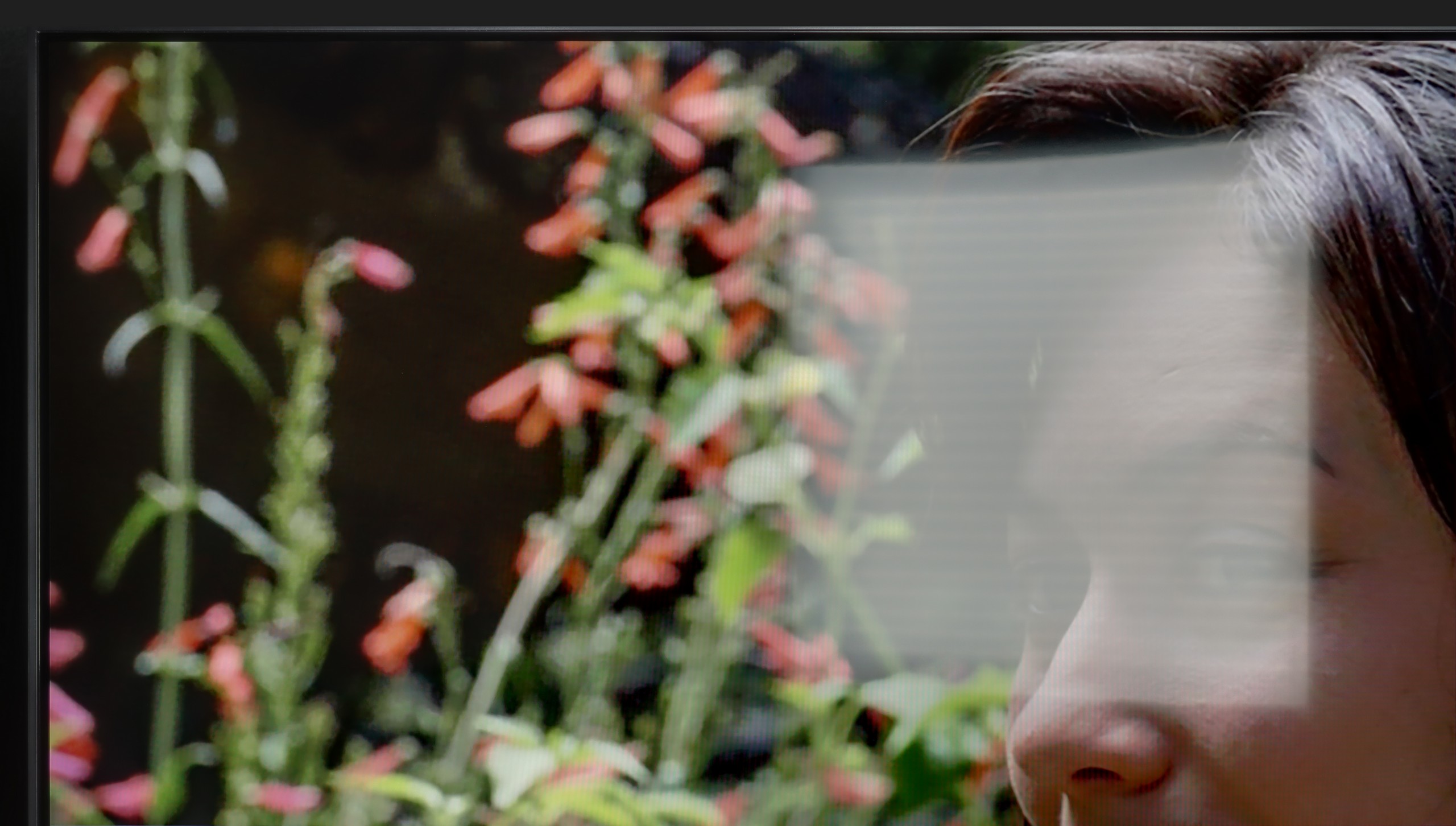
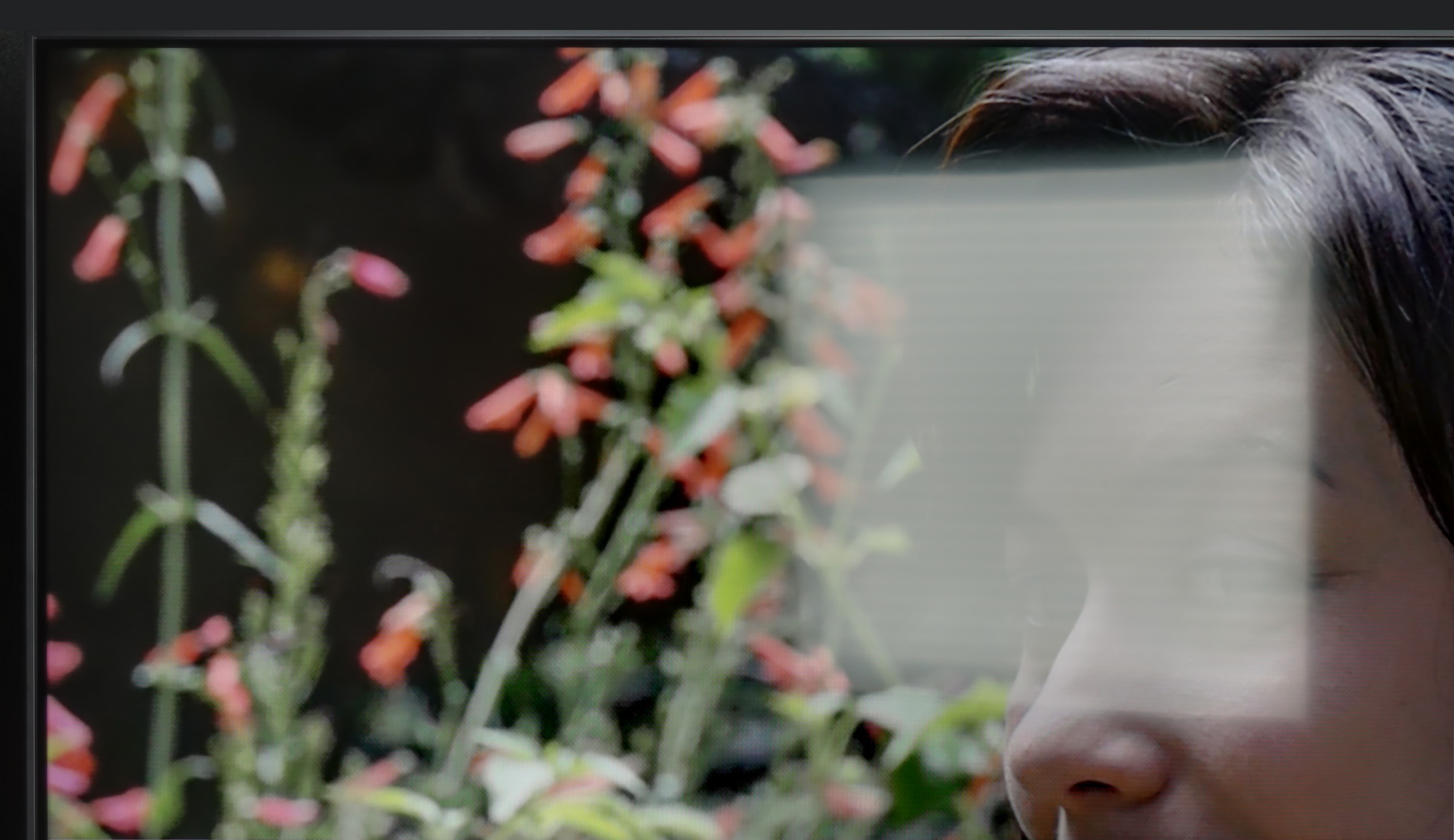
Panel brightness
LG UA75006LA (VA): 302 cd/m2
LG QNED86A / QNED85A / QNED87A: 462 cd/m2
QNED86A6A is not a master of brightness, but it manages adequately. Thanks to the moderately high brightness of the panel and quite decent glare reduction, the TV performs well in typical, moderately lit living rooms. The picture remains clear, and the colours do not lose their intensity in daylight. However, let's not kid ourselves, this is not a screen that will handle extremely bright conditions, where sunlight floods in through large windows and strongly saturates the room.
LG UA7500 with a VA panel performed slightly better when it comes to watching in a bright room. The applied coating handles reflections moderately well – it doesn’t completely eliminate them but softens them enough so that you can watch TV during the day without much discomfort. A plus is that the TV retains quite decent colour saturation, making the picture not look washed out even with incoming light. The brightness itself is also a bit higher than in the IPS variant, reaching around 300 nits, so the screen is somewhat more resistant to difficult lighting conditions. Of course, this level won’t provide comfort in very sunlit living rooms, but in typical home conditions, it holds its own.
Panel details
Subpixel Structure:
Panel uniformity and thermal imaging:
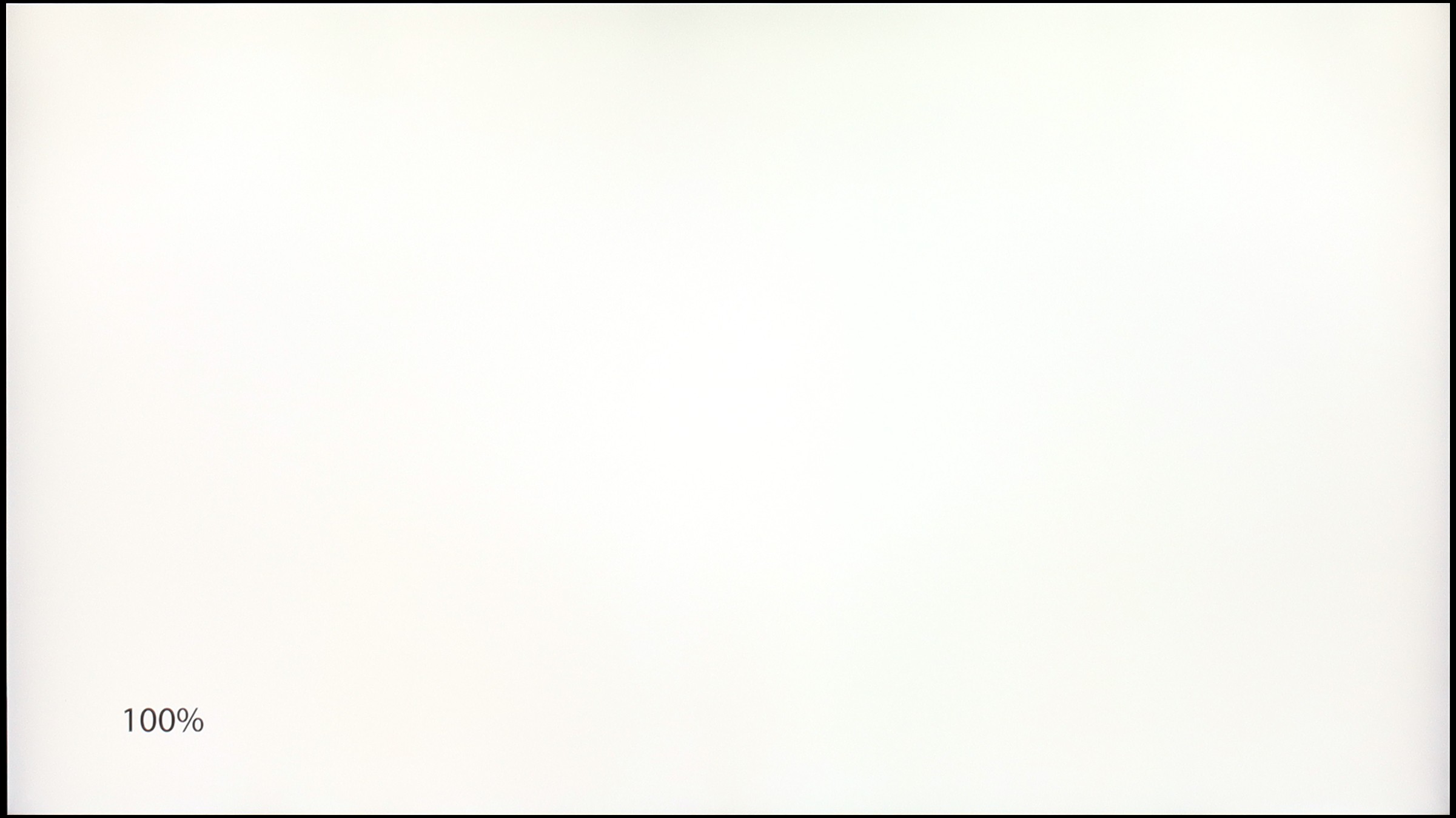
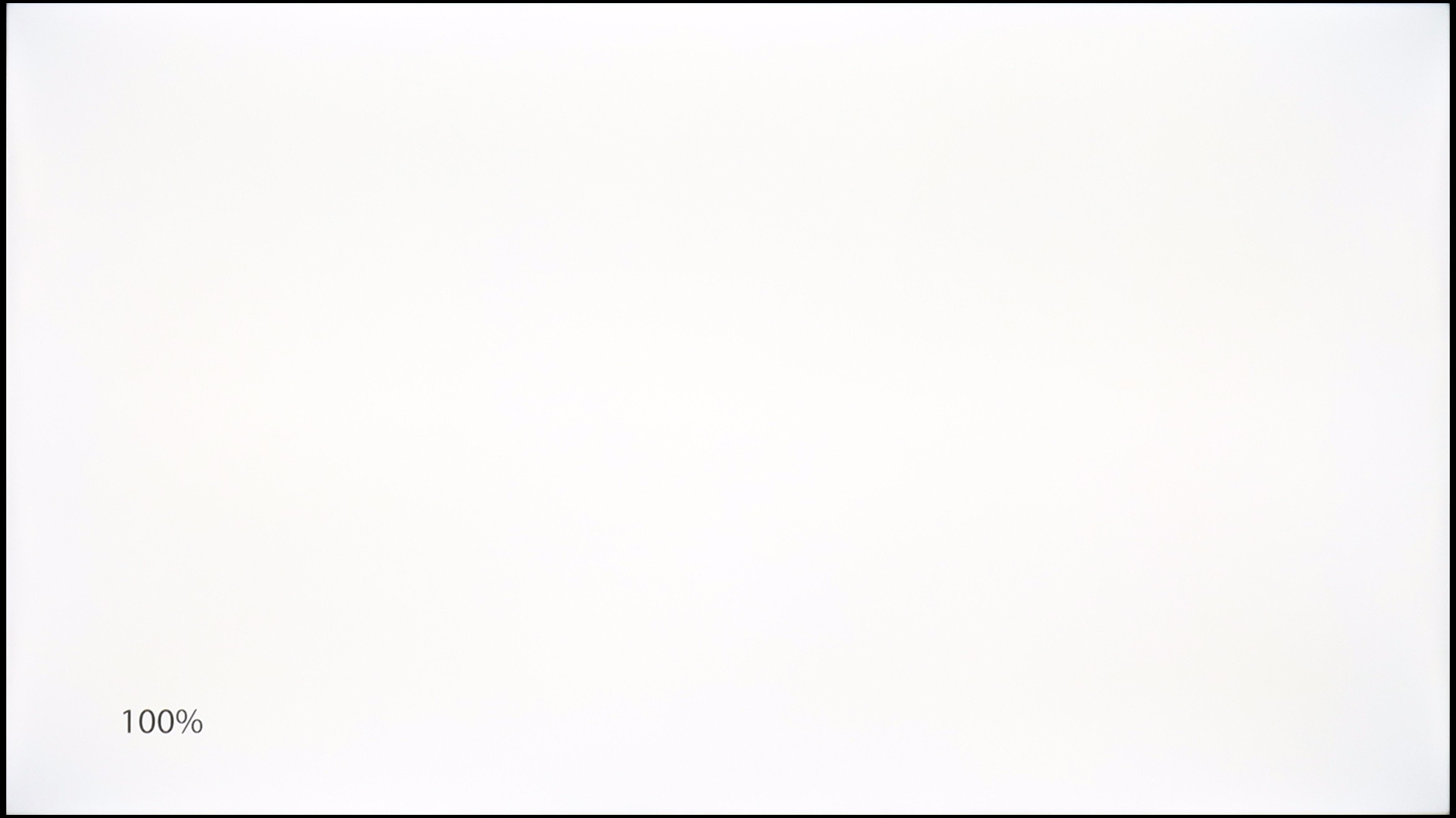
LG QNED86A / QNED85A / QNED87A
LG UA75006LA (VA)
TV features
8.4/10
7/10
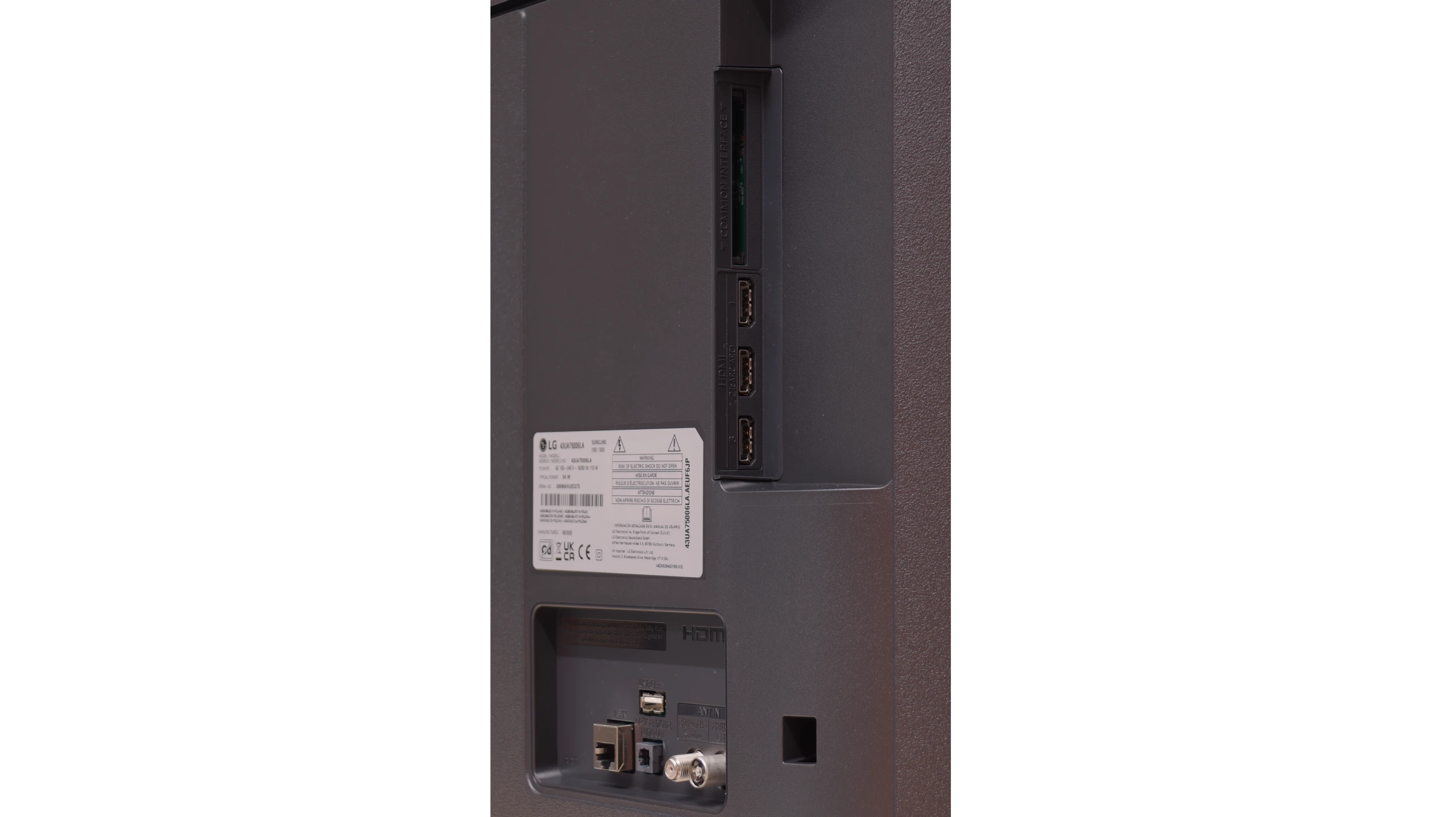
- HDMI inputs0 x HDMI 2.0, 4 x HDMI 2.1 48Gbps3 x HDMI 2.0, 0 x HDMI 2.1
- OutputsToslink (Optical audio), eARC (HDMI), ARC (HDMI)Toslink (Optical audio), eARC (HDMI), ARC (HDMI)
- Network InterfacesWi-Fi 2.4GHz, Wi-Fi 5GHz, Ethernet (LAN) 100MbpsWi-Fi 2.4GHz, Wi-Fi 5GHz, Ethernet (LAN) 100Mbps
- TV receptionDVB-T, DVB-T2, DVB-S, DVB-S2, DVB-CDVB-T, DVB-T2, DVB-S, DVB-S2, DVB-C
Classic features:
- Recording to USB (terrestrial TV)
- Recording programming
- Picture in Picture (PiP)
- RF remote control (no need to aim)
- Backlit remote control
- Teletext
- Audio only mode
- Bluetooth headphones support
- Simultaneous Bluetooth headphones & TV audio
Smart features:
- AirPlay
- Screen mirroring (Windows Miracast)
- Voice search
- Voice search in native language
- Ability to connect a keyboard and mouse
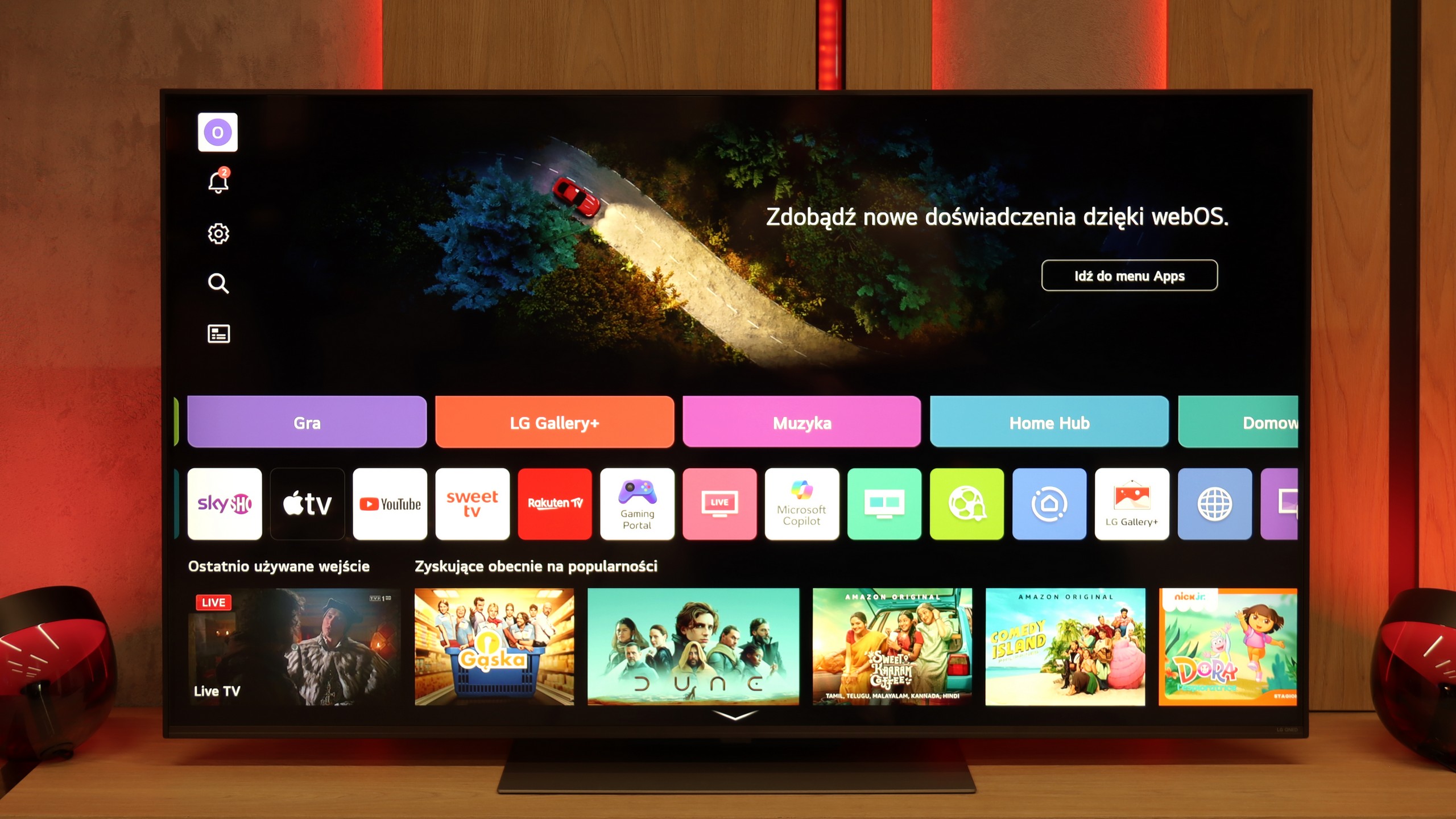
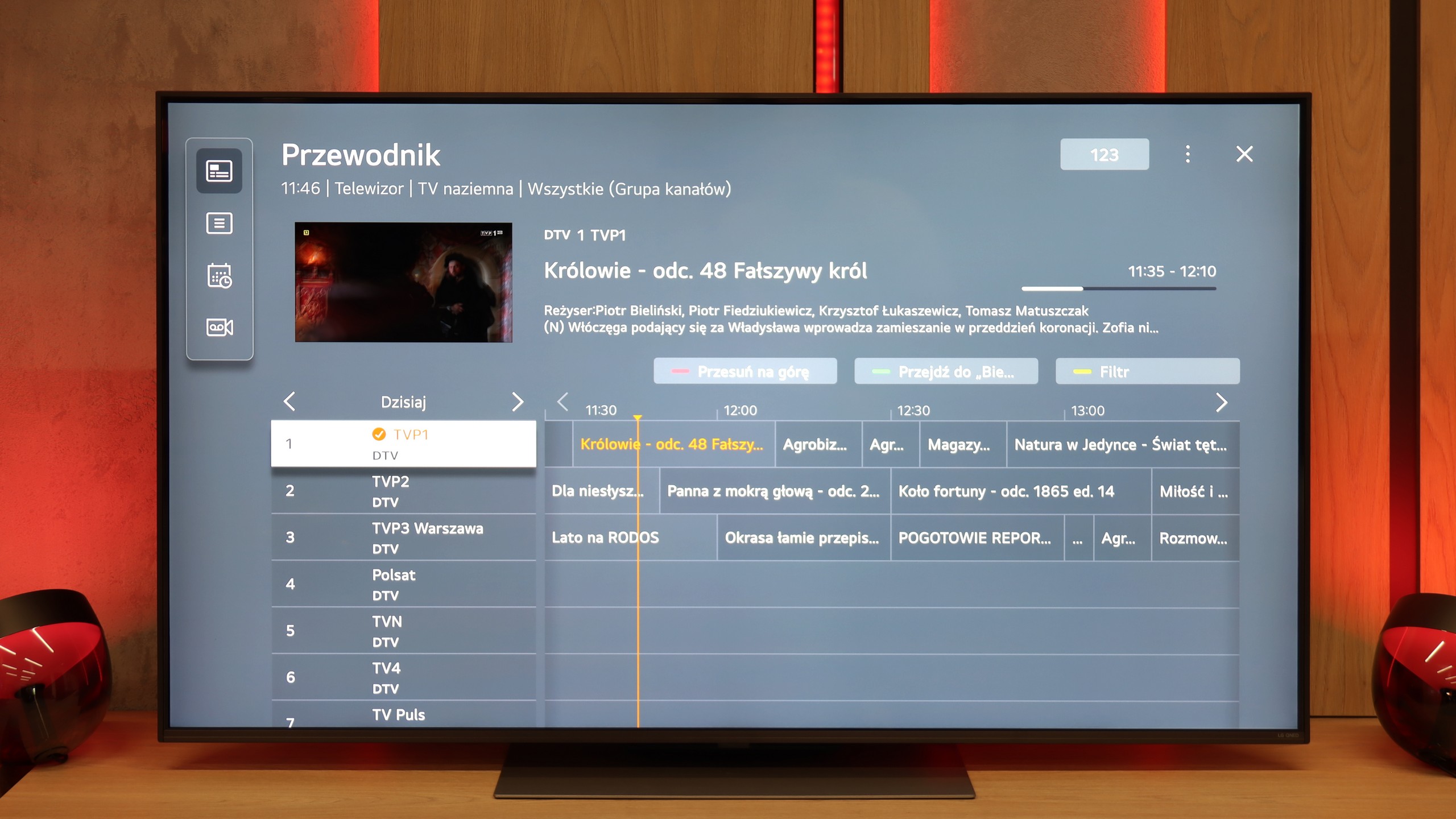
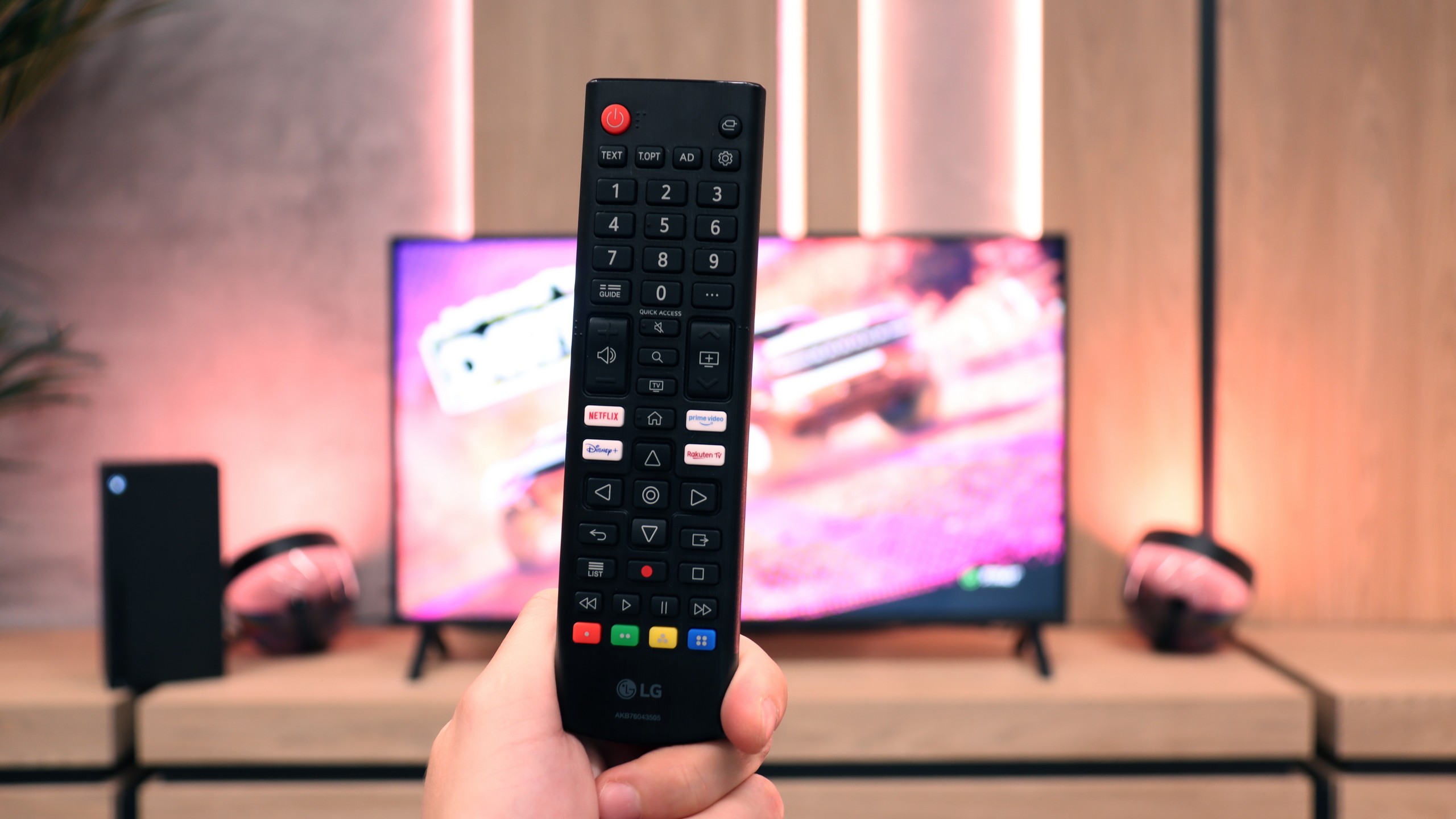
Smart Features: webOS
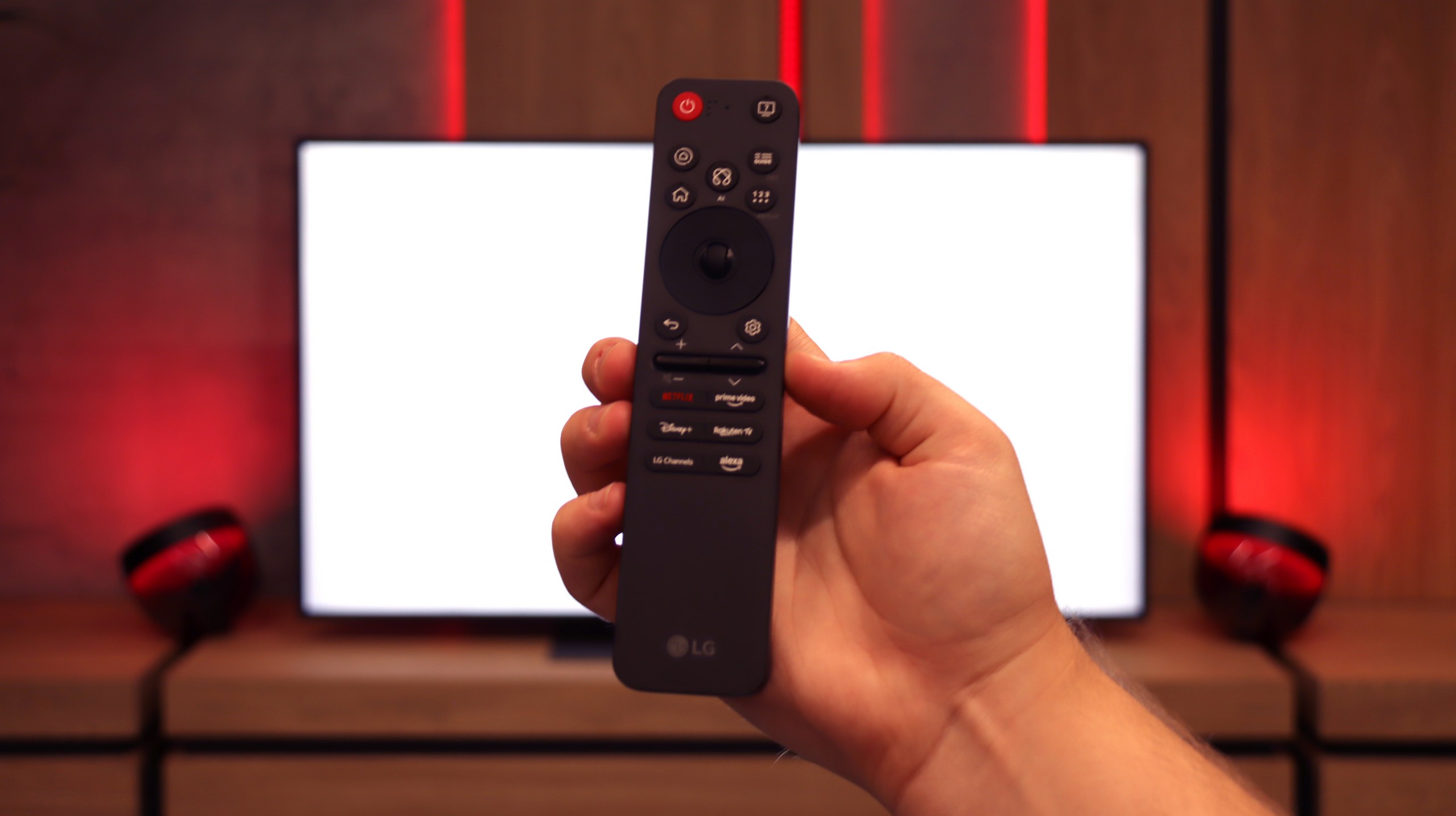
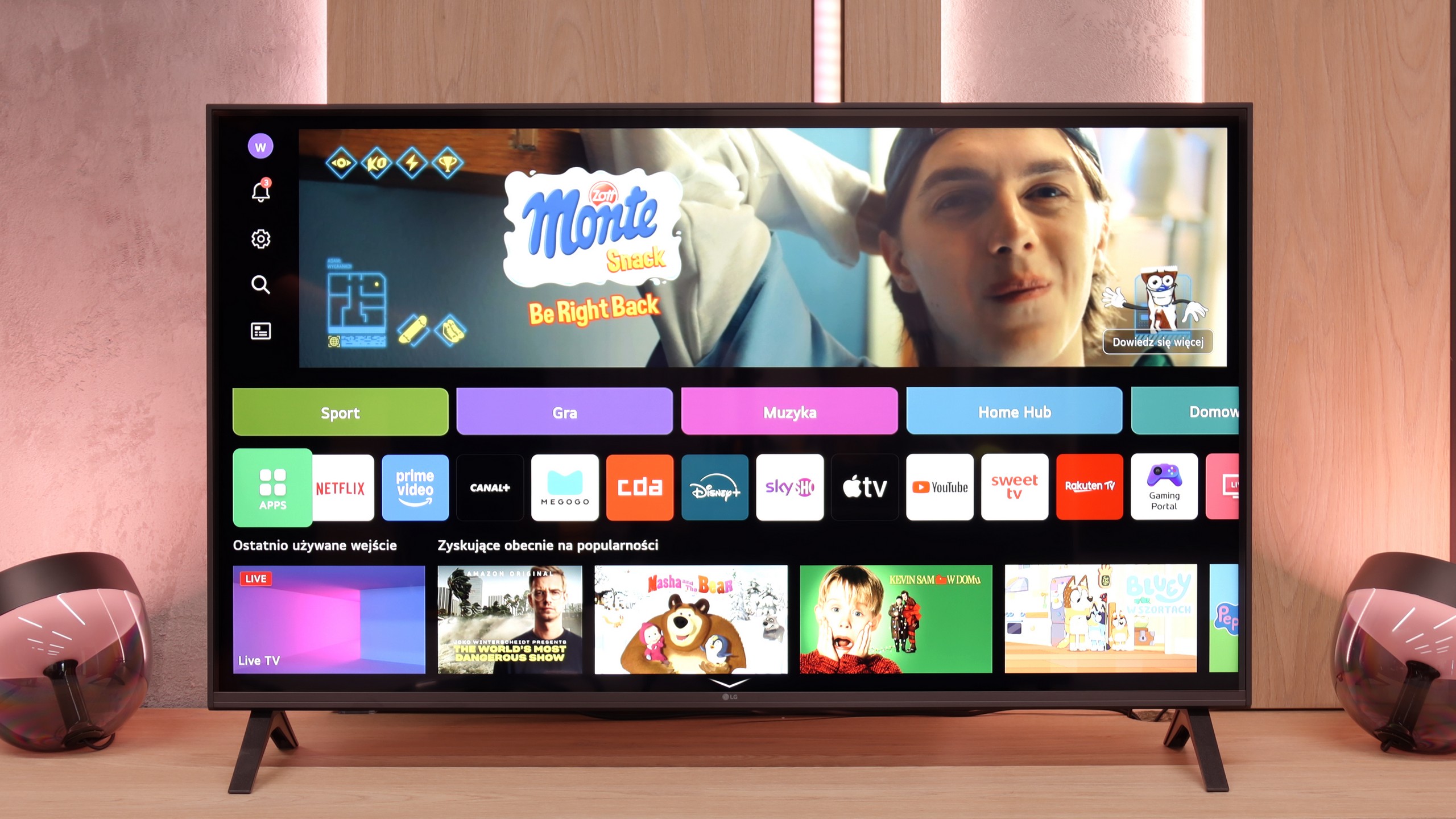
QNED86A6A runs on the well-known webOS – a system that has been a strong point of LG TVs for years. Everything operates quickly and smoothly, applications launch without significant delays, although the interface can sometimes feel a bit overloaded with ads. Fortunately, day to day, the convenience outweighs the shortcomings. A significant advantage is the Magic Remote, which allows you to control the cursor like a mouse – it's one of those solutions that you quickly get used to and later find hard to give up. In the new version, the remote is slimmer, as it has been stripped of the numeric keypad. Some will appreciate the simplicity, while others will miss the classic set of buttons; it’s more a matter of habit.
Classic Features
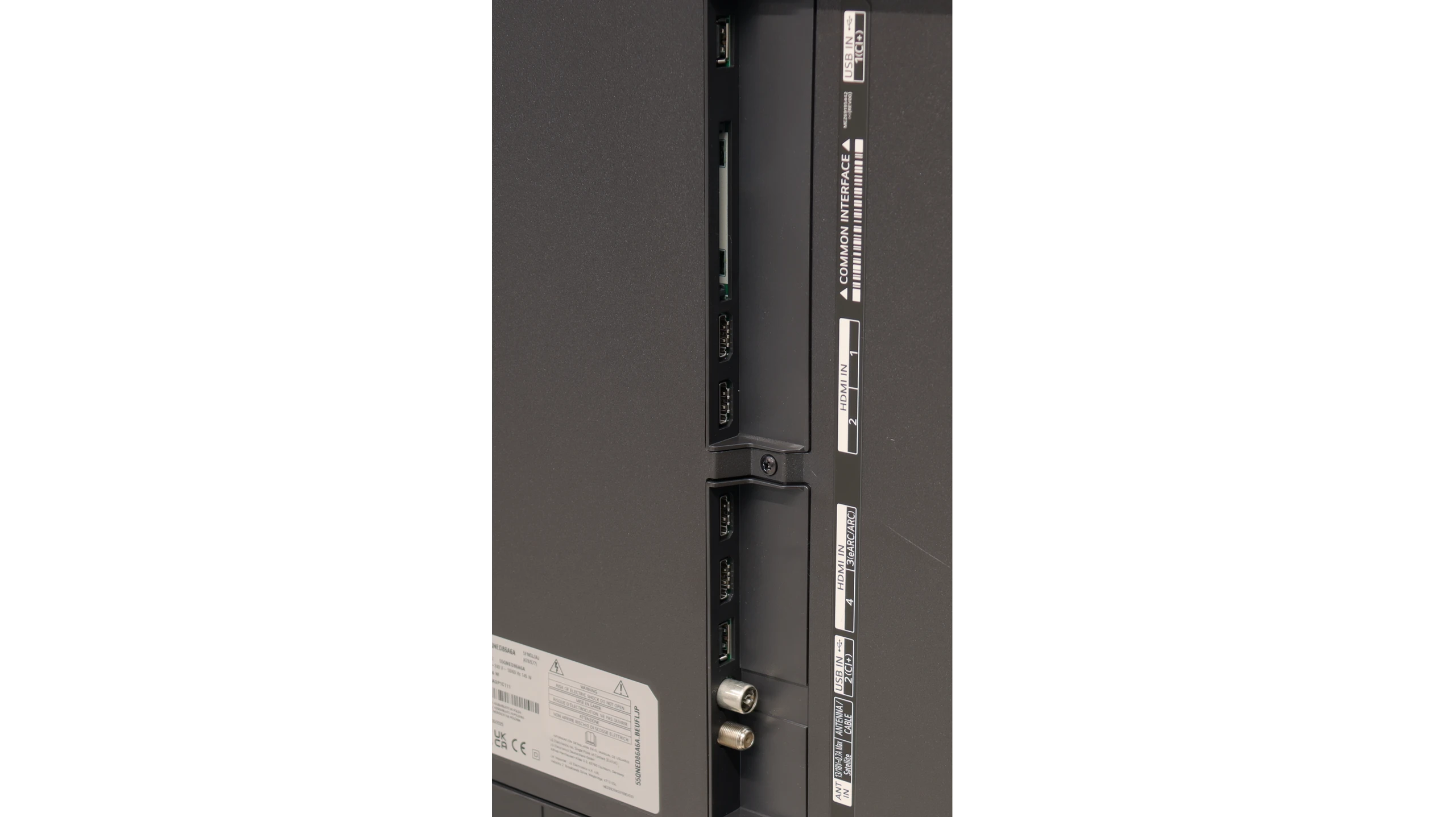
On board, we also find some solutions that in 2025 are not always obvious. There is the option to record programs from the built-in DVB-T2 tuners to USB, so you can easily return to a match or series at any time. In the evening, Bluetooth headphone support is handy – especially if someone in the house falls asleep quicker than we do. Additionally, there’s a full set of HDMI 2.1 ports with eARC support and audio formats such as Dolby Digital or Dolby Atmos.
Smart Features: WebOS
A major plus for the LG UA7500 is the use of the webOS system. We gain access to a rich library of applications, support for AirPlay, screen mirroring, and many additional features that allow us to use the television in a really convenient way. It is easy to connect a smartphone, watch something from streaming services, or use music applications. However, the downside is that webOS remains quite a "heavy" system, and on the UA7500 it does not operate as smoothly as in more expensive models. The situation is not improved by the fact that the manufacturer has not equipped us here with a Magic remote with a cursor, which significantly speeds up operation. We get a regular infrared remote, lacking that "magic" wand. Of course, it can be purchased separately, but considering the cost, it often makes more sense to pay extra for a higher LG model that already comes with such a remote.
Classic Features
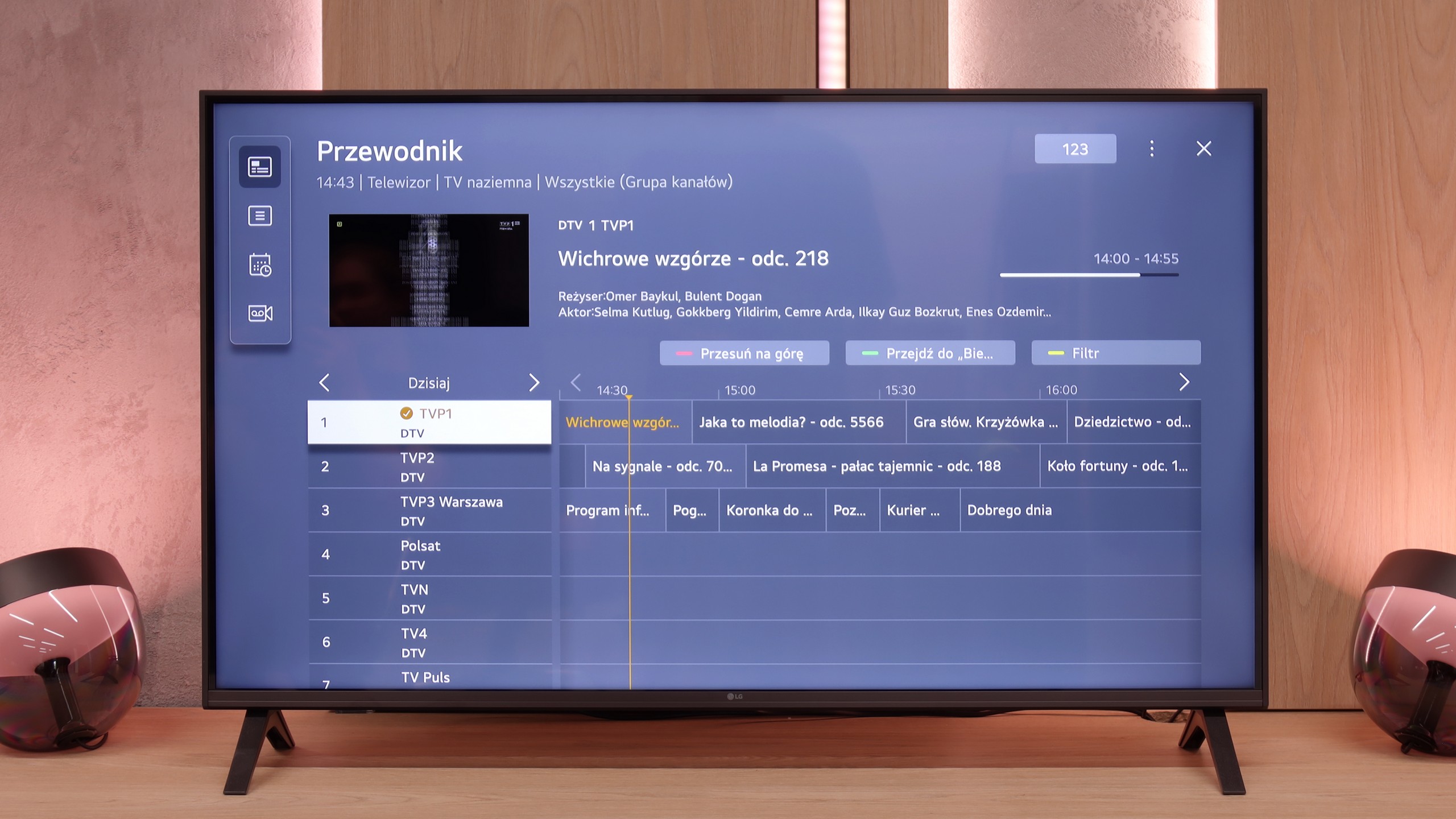
In more traditional use, the LG UA7500 also does not disappoint. The remote is equipped with a numeric keypad and a fair number of buttons, which will definitely be appreciated by users accustomed to older solutions. Additionally, there is the option to record programs to USB from the built-in tuners and a fairly readable EPG interface, which makes planning a viewing session easier. The downside remains the fact that the remote always requires pointing at the screen – but we believe that most more traditional users will be able to forgive this, treating it as a familiar and trusted tool.
Apps
9.1/10
9.1/10






















Playing files from USB
8.9/10
8.2/10
Supported photo formats:
Maximum photo resolution:
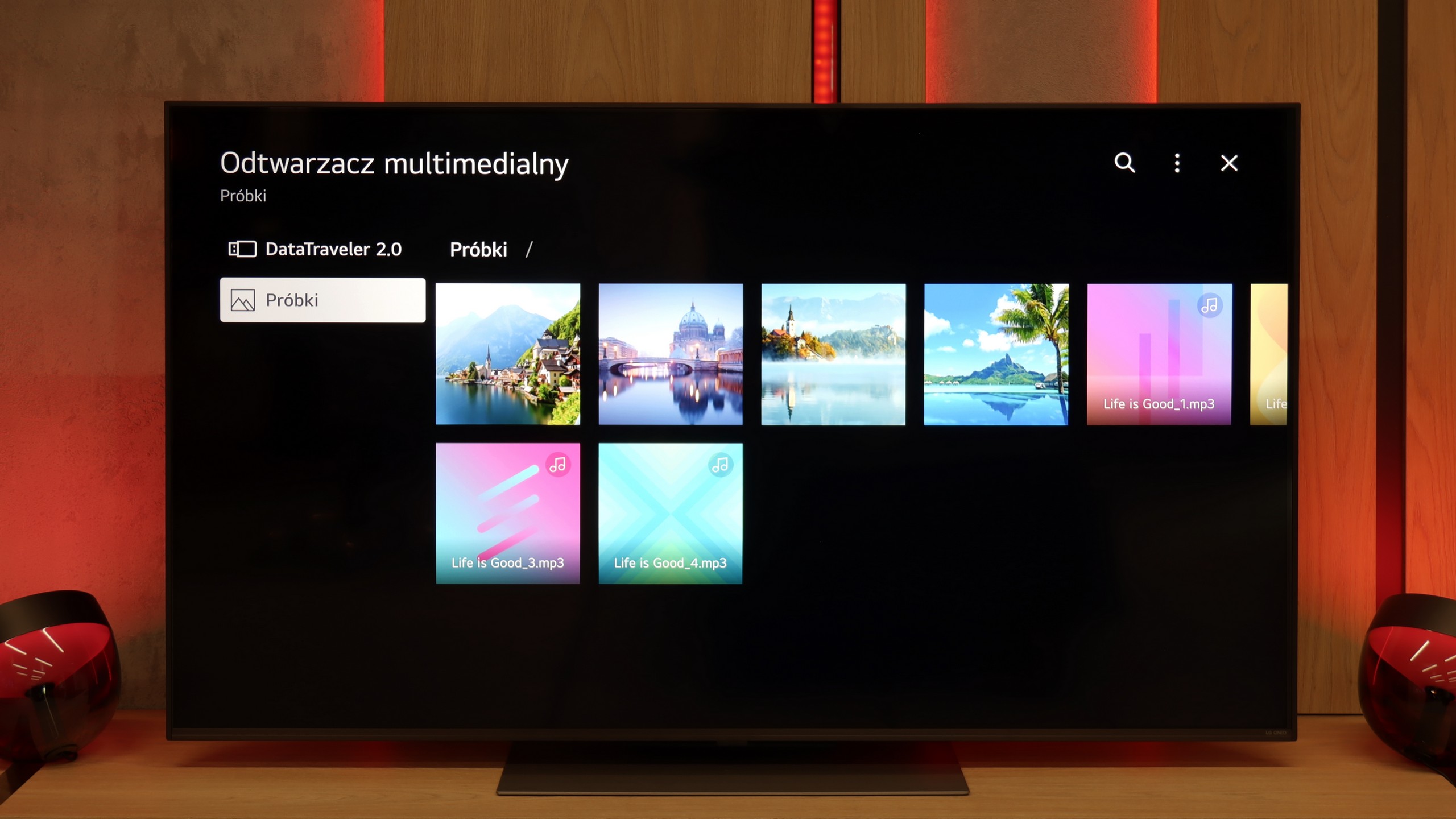
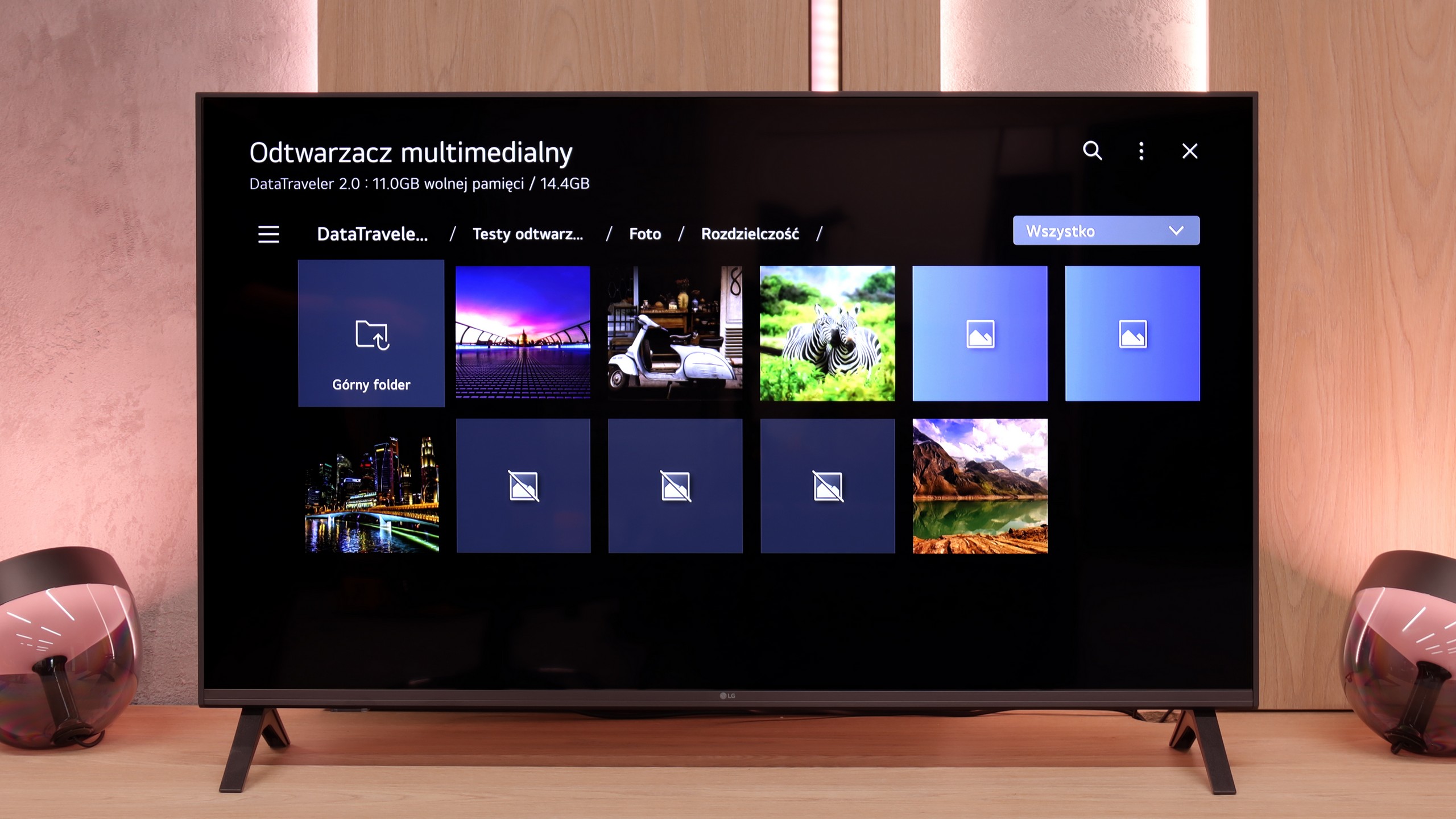
The built-in media player in the QNED86A6A handles the most popular audio and video formats quite well. During testing, we had no issues playing MP4, MKV, or MP3 files; everything played smoothly and without hiccups. The TV also managed most images, although here we encountered a common barrier for many manufacturers – the lack of full support for the HEIC format from Apple. So, if you regularly use an iPhone and store photos in this standard, you'll need to convert them beforehand or, better yet, transfer them using AirPlay. Other than that, it's hard to find fault; as far as built-in solutions go, it's really decent.
The multimedia player in the UA7500 works fine – movies or music start up without major issues and this should be sufficient for most people. However, one thing caught our attention: the television does not play all photo formats. In practice, this means that if we upload photos straight from a smartphone to a USB drive, some may simply not open. It’s a minor detail, but it’s worth keeping in mind. Fortunately, you can always use wireless image transmission to display photos on the screen in another way.
Sound
6/10
6/10
- Maximum volume84dB81dB
- Dolby Digital Plus 7.1
- Dolby True HD 7.1
- Dolby Atmos in Dolby Digital Plus (JOC)
- Dolby Atmos in Dolby True HD
- DTS:X in DTS-HD MA
- DTS-HD Master Audio
In terms of sound, the QNED86A6A performs quite decently, but let's not kid ourselves – it’s not a level that will impress home cinema enthusiasts. The sound is clear and distinct, dialogues are easily heard, but overall it sounds rather flat and definitely lacks solid bass tones. For everyday TV watching, streaming services, or news, it’s an acceptable level, however, if you're planning to watch movies or play games more often, even a basic soundbar will make a significant difference.
In terms of sound, the LG UA7500 doesn't surprise with powerful bass or maximum volume, but it performs surprisingly well. Our impression was that it fares better than most of the cheapest budget TVs and for everyday use, it really does the job quite nicely. It will be just right for news, programs, or series.
Sound Quality Test
No sound test video
Acoustic Measurements
84dBC (Max)
75dBC
81dBC (Max)
75dBC