LG G5 is a television that not only continues but also expands on what we loved about the previous models in the G series. Instead of following the conventional path, LG opted for a new Tandem OLED panel – and it hit the mark. Picture brightness? Simply, F E N O M E N A L. HDR effect? Close to reference. Colours after calibration? Nearly perfect. Motion smoothness, low latency, and features for gamers? At absolutely top-notch level. The G5 performs well in both movies and games, day and night, with a decoder, console, PC, or even just the remote. Of course – it’s not a product without flaws. It's a shame there’s no support for DTS, viewing angles have worsened compared to its predecessor, and the remote may vary depending on the version. But when we look at the overall picture, it's hard not to get the impression that this is one of the best OLED televisions available on the market, and perhaps even the best. Definitely, when it comes to its versatility and picture quality without the need to resort to extremely expensive models from competitors. If you're looking for a television for everything – for cinema, gaming, a bright lounge, streaming internet content, or connecting a computer – the LG G5 is gear that simply delivers on every front without compromise.
- Matching (Score) |
- Our verdict |
- TV appearance |
- Where to buy |
- Contrast and black detail |
- HDR effect quality |
- Factory color reproduction |
- Color reproduction after calibration |
- Smoothness of tonal transitions |
- Image scaling and smoothness of tonal transitions |
- Blur and motion smoothness |
- Console compatibility and gaming features |
- Input lag |
- Compatibility with PC |
- Viewing angles |
- Daytime performance |
- Panel details |
- TV features |
- Apps |
- Playing files from USB |
- Sound
LG OLED G5 vs Sony Bravia 8 MK2
 Direct comparison

Check the best price offer:
Sony Bravia 8 MK2G54 / G51 / G55 / LW / LS

Bravia 8 II / XR8M
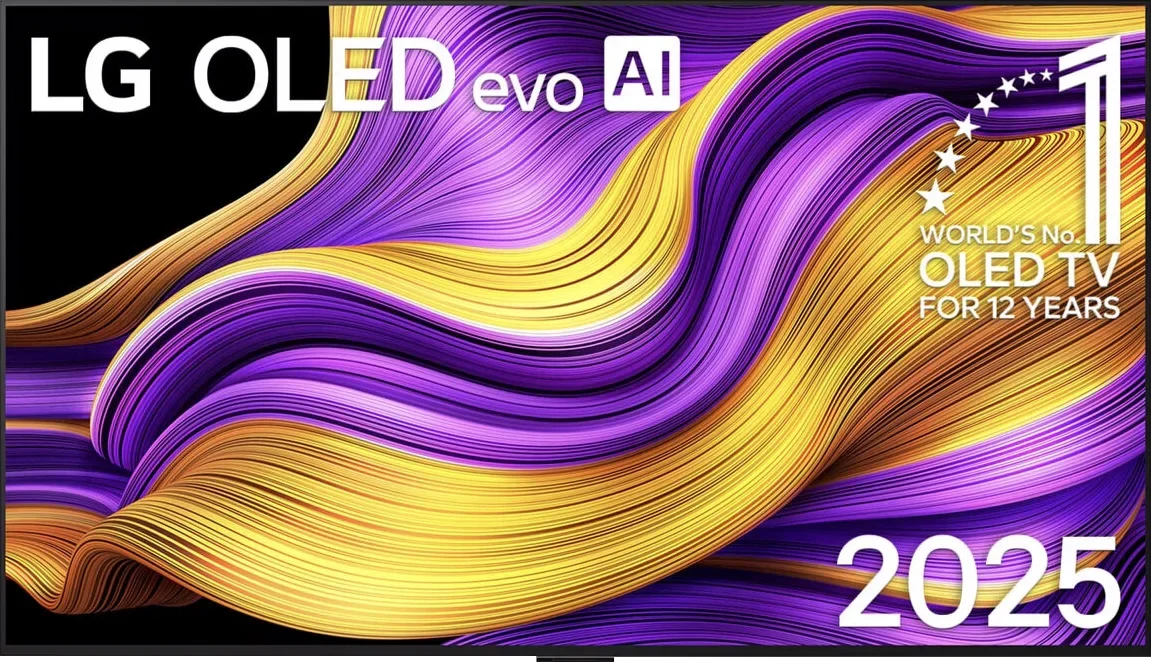
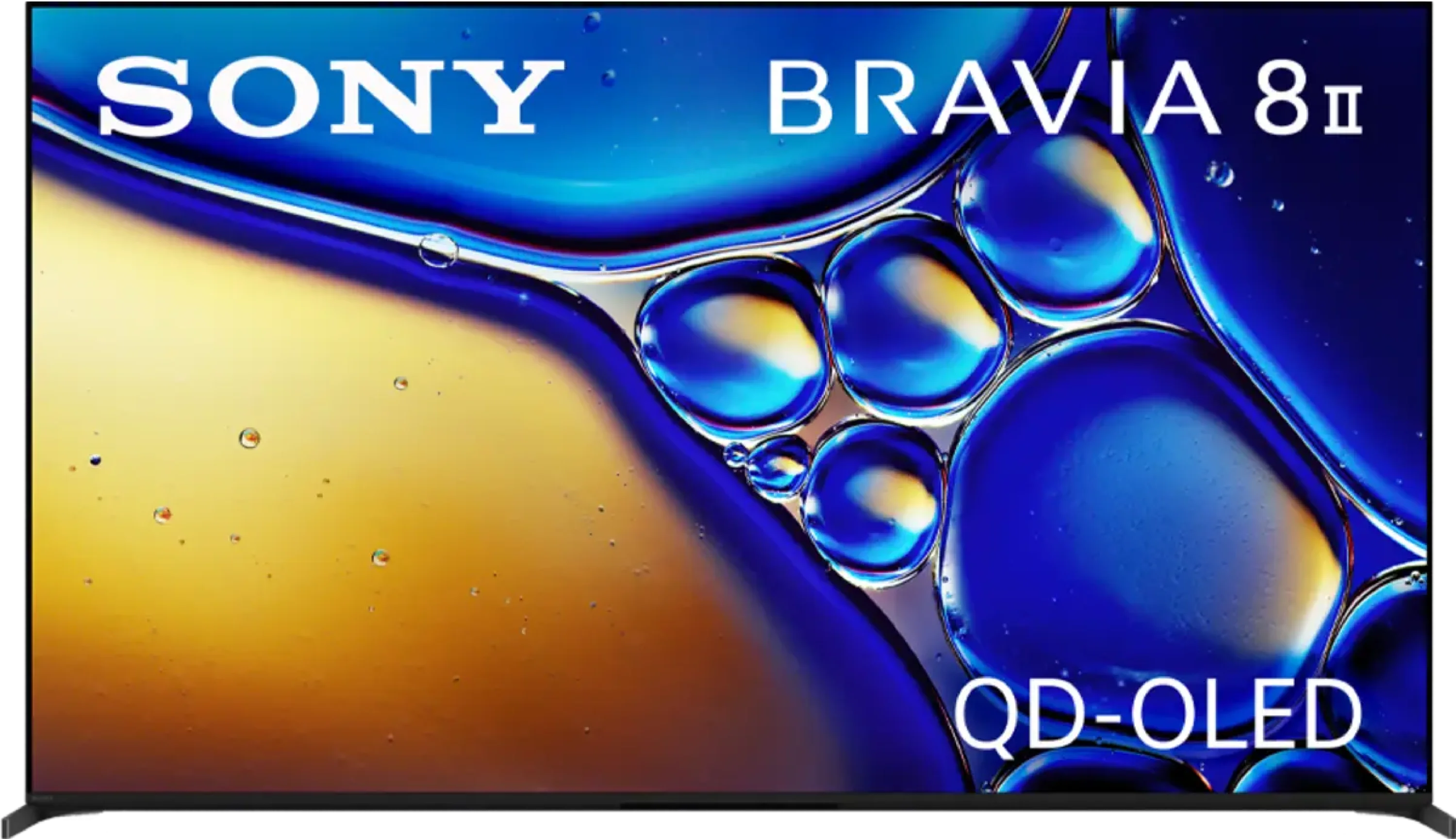
Panel type: WRGB OLED
Resolution: 3840x2160
System: WebOS
Model year: 2025
Complete the survey to find out the result
Panel type: QD-OLED
Resolution: 3840x2160
System: Google TV
Model year: 2025
Complete the survey to find out the result
Overall rating
8.9
8.5
 Movies and series in UHD quality
 9.2
9.1
 Classic TV, YouTube
 9.2
9.4
 Sports broadcasts (TV and apps)
 8.8
9.0
 Gaming on console
 9.5
9.3
 TV as a computer monitor
 8.8
7.6
 Watching in bright light
 8.0
5.6
 Utility functions
 8.5
8.9
 Apps
Apps 9.1
9.6
 Sound quality
 8.7
8.5
Complete the survey to find out what fits your preferences
Advantages

Amazing black and contrast
Reference colour reproduction after calibration
Very high brightness in HDR content
Excellent compatibility with consoles and computers
Great motion smoothness - OLED panel 165Hz
Many features for gamers: VRR, ALLM, HGIG, low input lag
Great WebOS operating system with many applications
Superb control with the Magic remote featuring a "cursor" function
Amazing Contrast And Deep Blacks
High Brightness For HDR Content
Excellent Motion Handling: 120Hz QD-OLED Panel
Many Gaming Features: VRR, ALLM, HGIG, GameBar
Top Quality Digital Image Processing (XR Processor)
A Wide Selection Of Apps On Google TV
Two Remotes Included
Phenomenal Sound With DTS And Dolby Atmos Support
Disadvantages

No support for DTS audio format
Inferior (though still good) viewing angles compared to the predecessor G4
Different remote versions in derivative models – hard to predict which version we will get
Only two HDMI 2.1 ports: one is used for eARC (soundbar)
Cherry-black effect in bright light: the QD-OLED panel causes blacks to lose depth under strong light
Average brightness in SDR mode (the competition at this price can do a lot more)
No additional motion-smoothing modes for PC gamers
Our verdict
Sony Bravia 8 II is without doubt a worthy successor to the A95L — refined, extremely versatile and with several clear improvements over its predecessor. Picture quality, sound and the overall user experience place this model among the top premium TVs of 2025. It’s a set that can wow both film buffs and demanding gamers. One of its biggest strengths is an almost perfect image, where the XR processor subtly but effectively enhances detail and smoothness without overprocessing the source material. Add to that the phenomenal Acoustic Surface sound, which makes dialogue and effects seem to come straight from the screen. Google TV runs very smoothly and offers a huge selection of apps, while extra features — like cloud gaming on PlayStation and access to Bravia Core — boost the device’s appeal. There’s also low input lag, variable refresh rate support and full compatibility with modern HDR formats. That said, there are a few sour notes. No refresh rates above 120 Hz, only two HDMI 2.1 ports and average daylight performance are shortcomings that shouldn’t exist on a TV of this class in 2025. And while for many these won’t be deal-breakers, the super-premium segment is becoming increasingly strong and uncompromising. Will these flaws make it harder for the Bravia 8 II to win customers’ wallets? We’ll leave that to your judgement, the market… and the sales figures. Regardless, the Bravia 8 II is a phenomenal product that’s genuinely hard not to recommend.
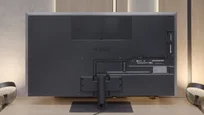
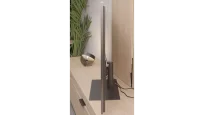
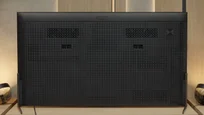
TV appearance
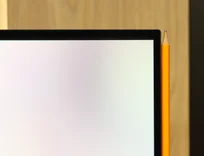
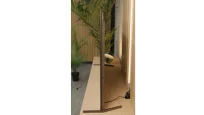

Contrast and black detail
10/10
10/10
Contrast:


Result
∞:1

Result
∞:1

Result
∞:1

Result
∞:1

Result
∞:1
Result
∞:1
Result
∞:1
Result
∞:1
Result
∞:1
Result
∞:1
Halo effect and black detail visibility:
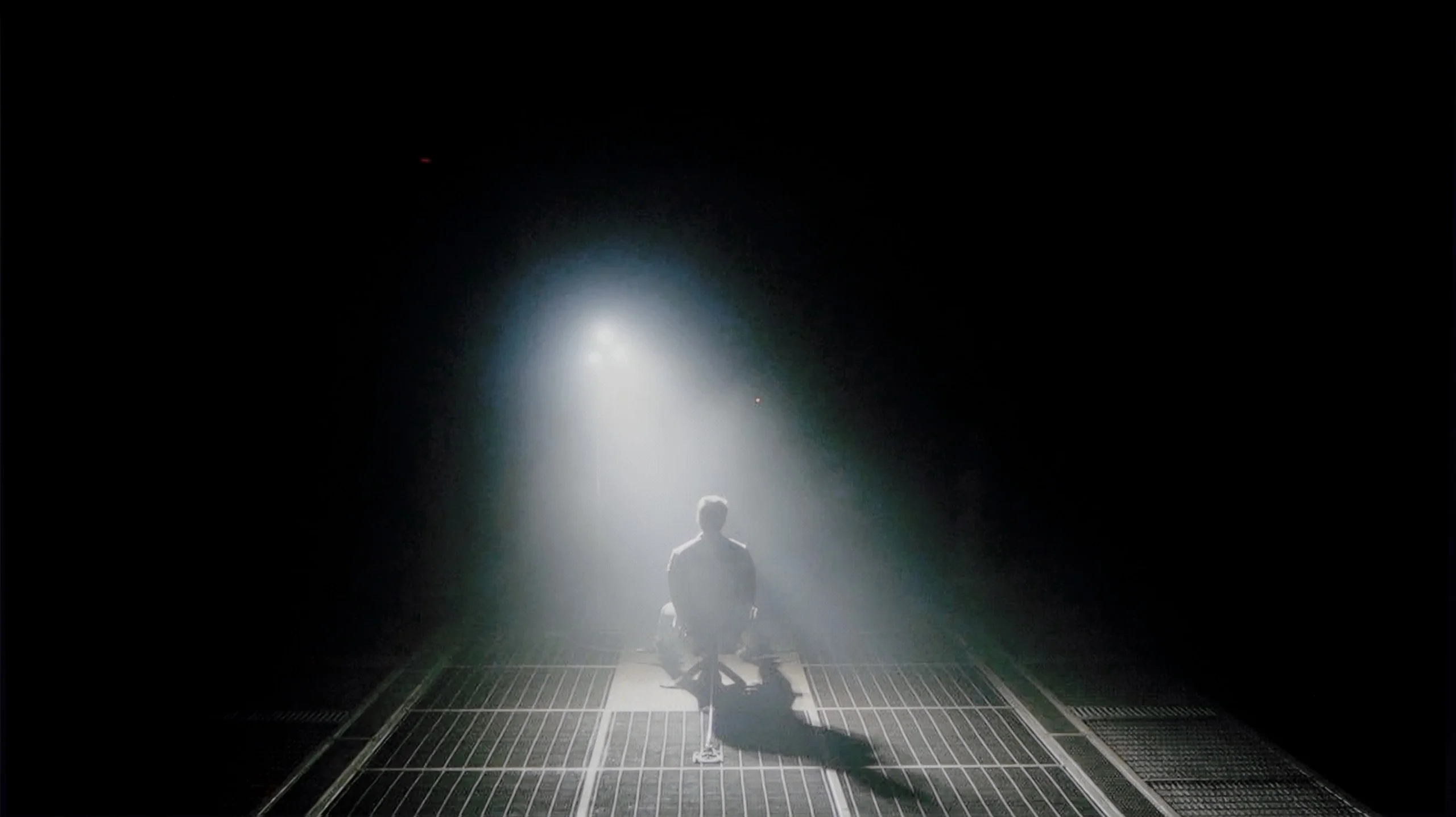
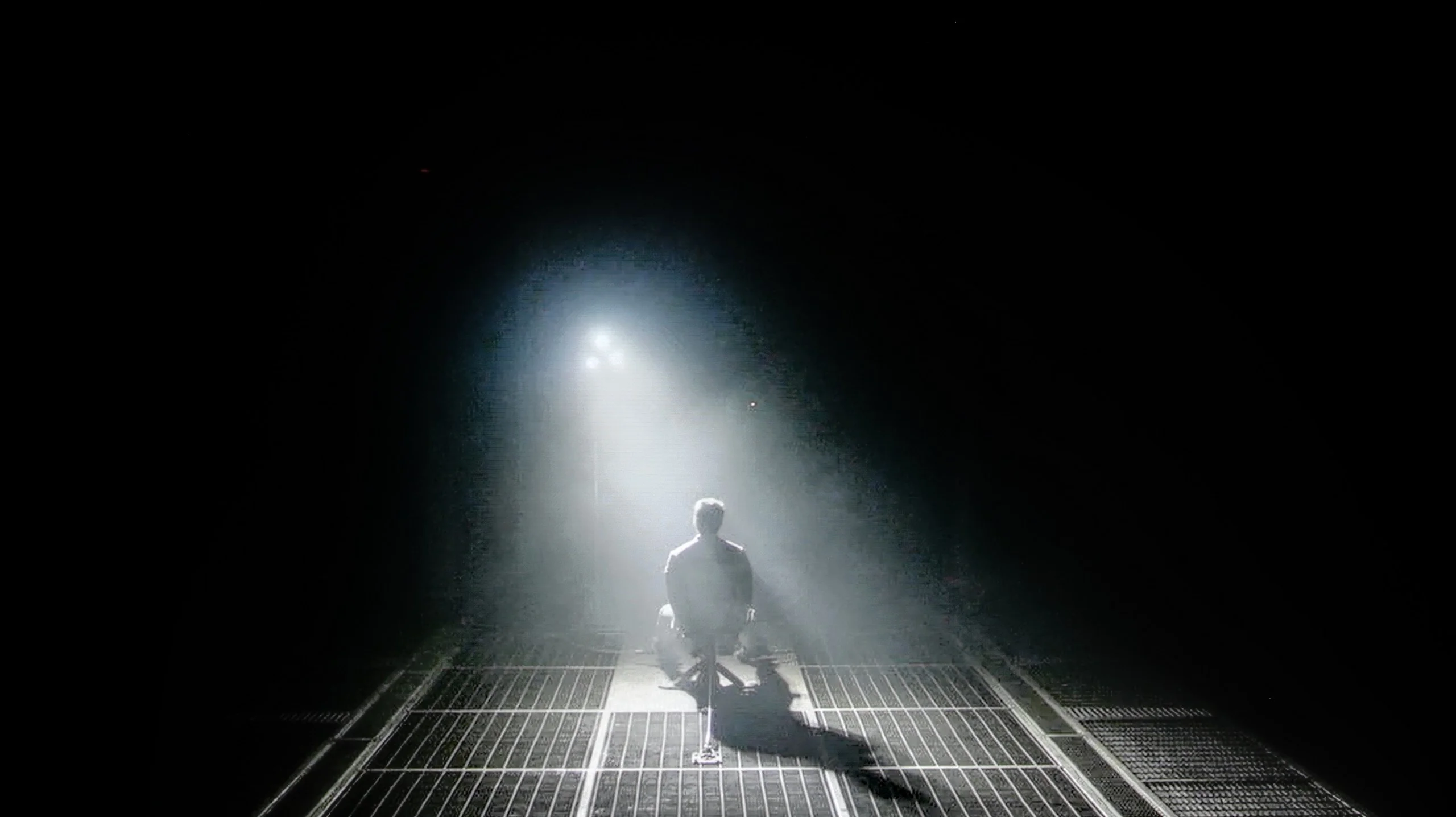
Check the visibility of bright lights on a dark background. Mini-LEDs often struggle with this. The photo does not compare black levels – that’s what the video below is for.
The video accurately shows differences in contrast and black levels between TVs, as well as potential issues: halo around bright objects or Mini-LED zone operation visible as brightness jumps.
LG G5, as expected from an OLED television, impresses with its contrast and black levels. In scenes with a lot of dark areas, the screen presents itself almost perfectly, offering deep, absolute black and infinite contrast – an effect that still cannot be achieved on any LCD television. The new Tandem OLED matrix does not introduce any negative changes compared to previous generations – blacks are perfect regardless of the content. Watching scenes from movies like The Revenant or Oblivion, the excellent separation of lights is clearly visible, without blooming or lightening of dark parts. In this category, LG G5 deserves the highest rating.
When it comes to black levels and contrast, the Sony Bravia 8 II is absolute elite in every sense. It uses a QD-OLED panel that naturally delivers near-infinite contrast. That means each pixel can switch off completely, so black areas of the picture are truly black rather than dark grey or navy. The effect is particularly striking in cinematic conditions when the room lights are dimmed, giving the image genuine depth and a film-like quality. The Bravia 8 II also impresses with separation of light in challenging scenes. Test clips from films like Oblivion show how precisely the TV can isolate small light sources from the surrounding darkness without the halo or bloom that still occurs on the best LCD TVs, even the Bravia 9. Add to that that bright elements retain full intensity even against absolute black. That not only makes a strong visual impact but also translates to better detail reproduction in high-contrast scenes, which matters especially for HDR content.
HDR effect quality
9.1/10
8.4/10
Luminance measurements in HDR:

Result
2346 nit

Result
2353 nit

Result
2399 nit

Result
2353 nit

Result
2012 nit
Result
1922 nit
Result
2034 nit
Result
1999 nit
Result
2026 nit
Result
770 nit
Scene from the movie “Pan” (about 2800 nits)


Scene from the movie “Billy Lynn” (about 1100 nits)
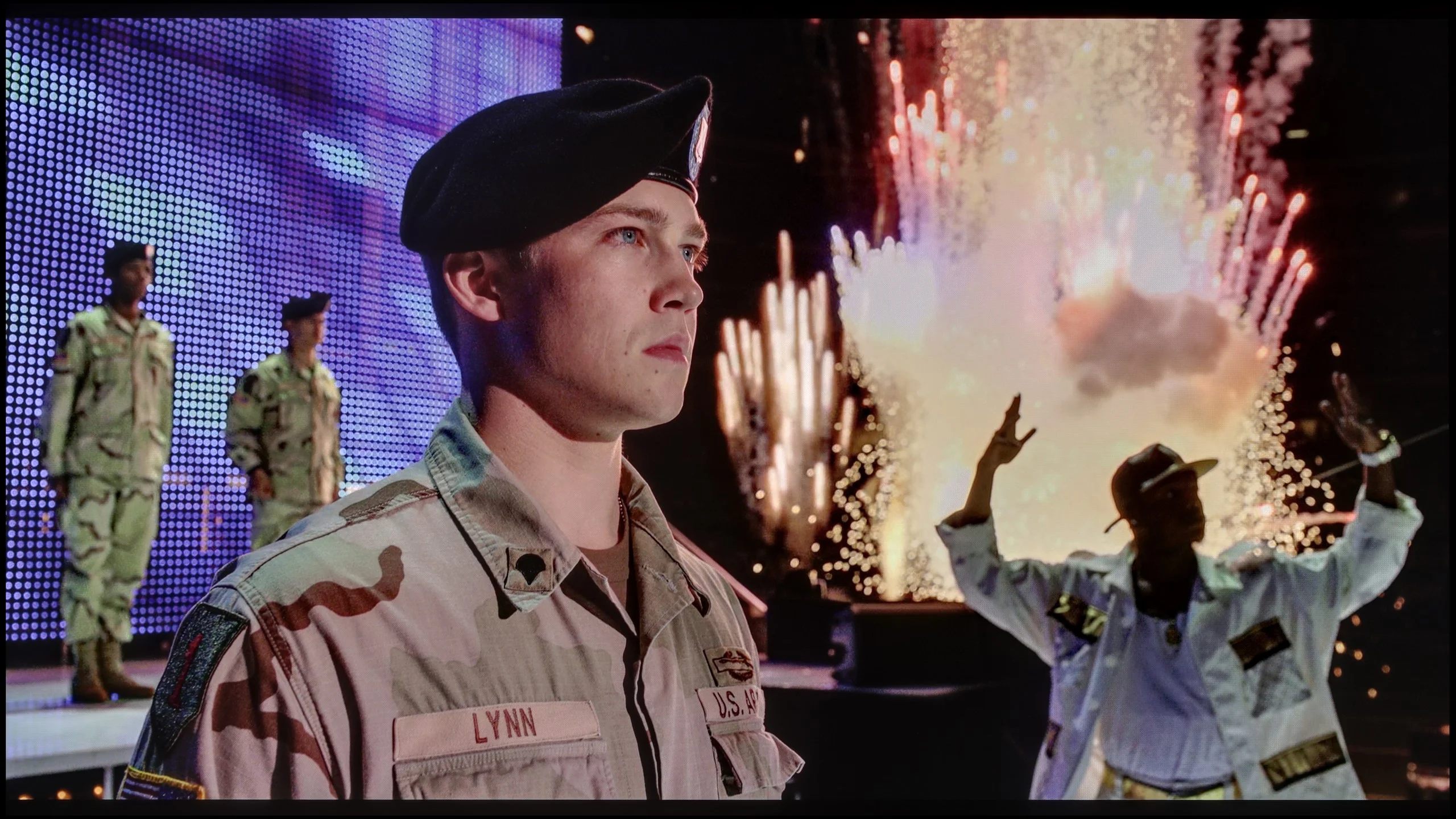
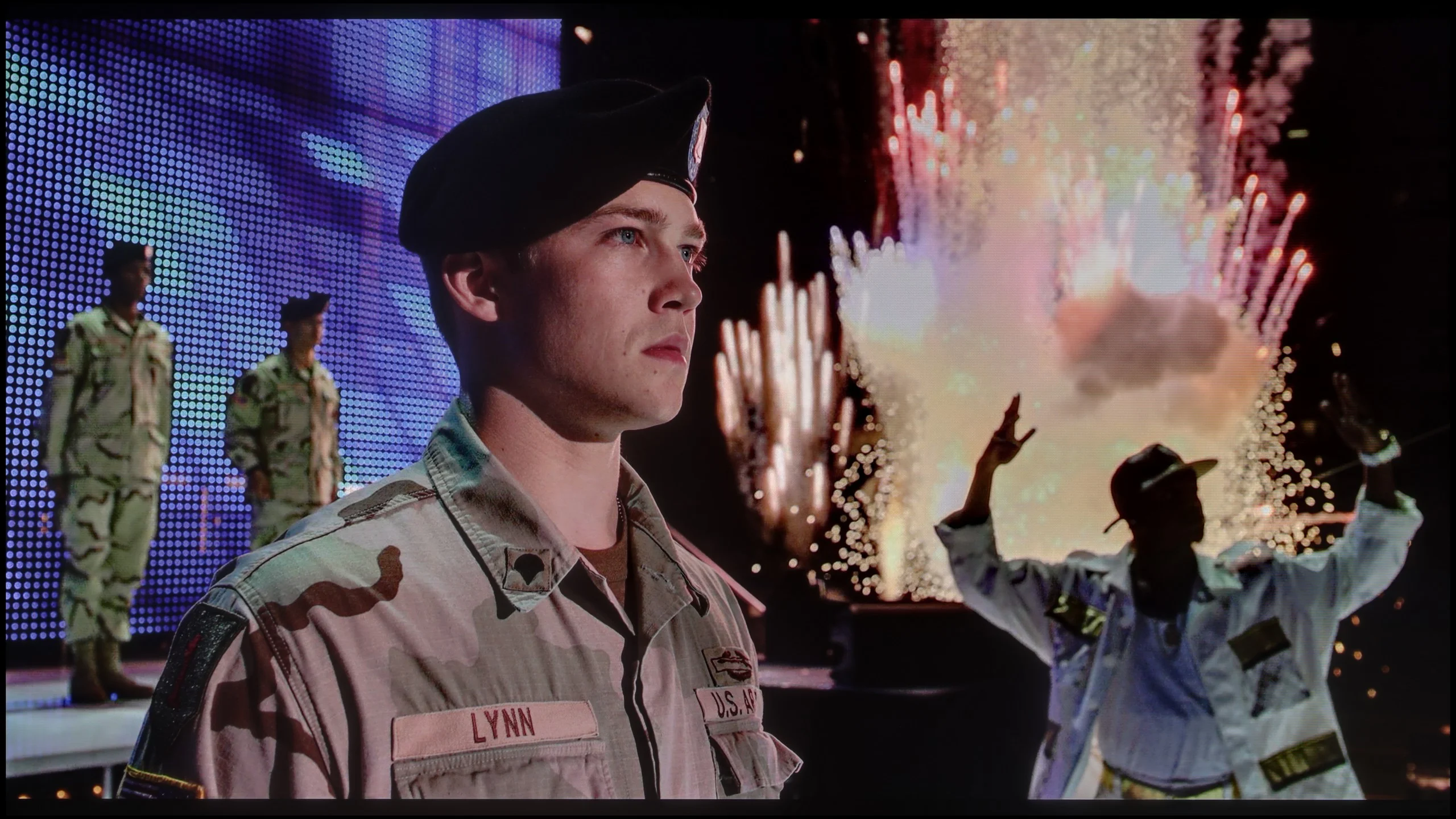
The photos show two HDR10 movies. 'Pan' is one of the brightest productions ever made, while 'Billy Lynn' (soldier) has brightness typical of streaming (Netflix, Prime, HBO MAX). Notice the intensity of effects and detail in whites.
Static HDR10


The photos present the visibility of white details in various HDR formats. They do not show brightness differences between TVs (these can be compared in the previous gallery).
Dynamic: Dolby Vision
Dynamic: Dolby Vision


The photos present the visibility of white details in various HDR formats. They do not show brightness differences between TVs (these can be compared in the previous gallery).
HDR luminance chart:
Sony Bravia 8 MK2
LG OLED G5
Luminance of RGB colors
LG G5 with its new Tandem OLED panel brings the biggest change in terms of TV brightness. And it’s substantial. This is a truly astronomically bright OLED. In every scene tested – whether it's point lights or full-screen whites from the movie The Meg – brightness on the G5 exceeded 2000 nits. Just a year ago, such values on an OLED were simply unimaginable. And here we are – the G5 is approaching, and at times even surpassing, the best Mini-LEDs on the market. A novelty in the Tandem OLED panel is also the expanded colour gamut coverage – and here the LG G5 performs almost perfectly. DCI-P3 achieves a full 100%, while BT.2020 hovers around 83%. These are some of the highest values currently available on the market – it's hard to find any other TV that comes close to such results, unless we're talking about the best displays with QD-OLED panels. The G5 has almost reference-level HDR quality – both in terms of brightness and colour saturation. This is an OLED that can truly shine – and not just metaphorically.
Thanks to its new QD-OLED panel, the Sony Bravia 8 II can reach an astronomically high peak brightness of around 2000 nits, which translates to near-reference quality for films and series mastered in HDR. In test material such as Life of Pi or Sicario 2 the effect is simply stunning – detail in bright areas remains perfectly visible, and night scenes impress with depth and contrast. It's not perfect, though. Compared with its fiercest rivals the Bravia 8 II shows a noticeable drop in brightness on full-screen, very bright frames. If you compare peak point luminance with the 100% white level in HDR, the Bravia 8 II can be two to three times dimmer than the LG G5 or Samsung S95F. This was particularly clear in a scene from The Meg – the screen became noticeably darker than the competitors' TVs. Despite this drawback the Bravia 8 II still ranks among the market leaders. Credit is due for the absolutely top-tier coverage of colour gamuts – DCI-P3 at almost 100% and BT.2020 close to 90%. Those are the specs that let HDR content reach its full potential and deliver a cinema-like experience at home.
Factory color reproduction
7.8/10
8/10


This gallery shows how colors change after professional TV calibration. If you notice the difference, we recommend ordering this service at SkalibrujTV.com.
Factory Mode
After calibration


This gallery shows how colors change after professional TV calibration. If you notice the difference, we recommend ordering this service at SkalibrujTV.com.
Factory Mode
After calibration
Our test unit LG G5 had some issues in the factory Filmmaker mode. While the picture might have seemed fine to most people, we knew this TV could do much more. This mode had a noticeable excess of blue tint in the white balance, resulting in a strongly cooled image – especially in HDR modes, where there was additionally a lack of red. The image appeared cold, and its sharpness was artificially boosted and unnatural. Another significant problem was the brightness characteristics. In SDR content, the situation wasn't the worst, aside from a slight dimming of the entire image. However, it fared much worse in HDR materials – due to improper brightness management, the smallest details could completely disappear from the image, while larger, bright elements looked overexposed and lacking in gradation. Fortunately, the G5 supports calibration using 3D LUT (a professional tool for colour calibration), so we decided to take advantage of its professional capabilities and see what it was really capable of. Because while it wasn't terrible even before calibration, the potential of this TV definitely deserved more.
Straight out of the box, the Bravia 8 II performs very well. In its best IMAX® Enhanced mode the TV renders colours pleasantly and naturally, though "good" here doesn't mean "best in class". The white balance definitely needs adjustment — skin tones tend to lean slightly pinkish to cool, in both SDR and HDR material. We also noticed that the EOTF curve shows a tendency to brighten the darkest parts of the image. This likely stems from the manufacturer's desire to reveal as much detail as possible, even in deep shadow. Is that a good approach? It's hard to say definitively, but one thing's certain: it's not an ideal solution.
Color reproduction after calibration
9.8/10
9.2/10
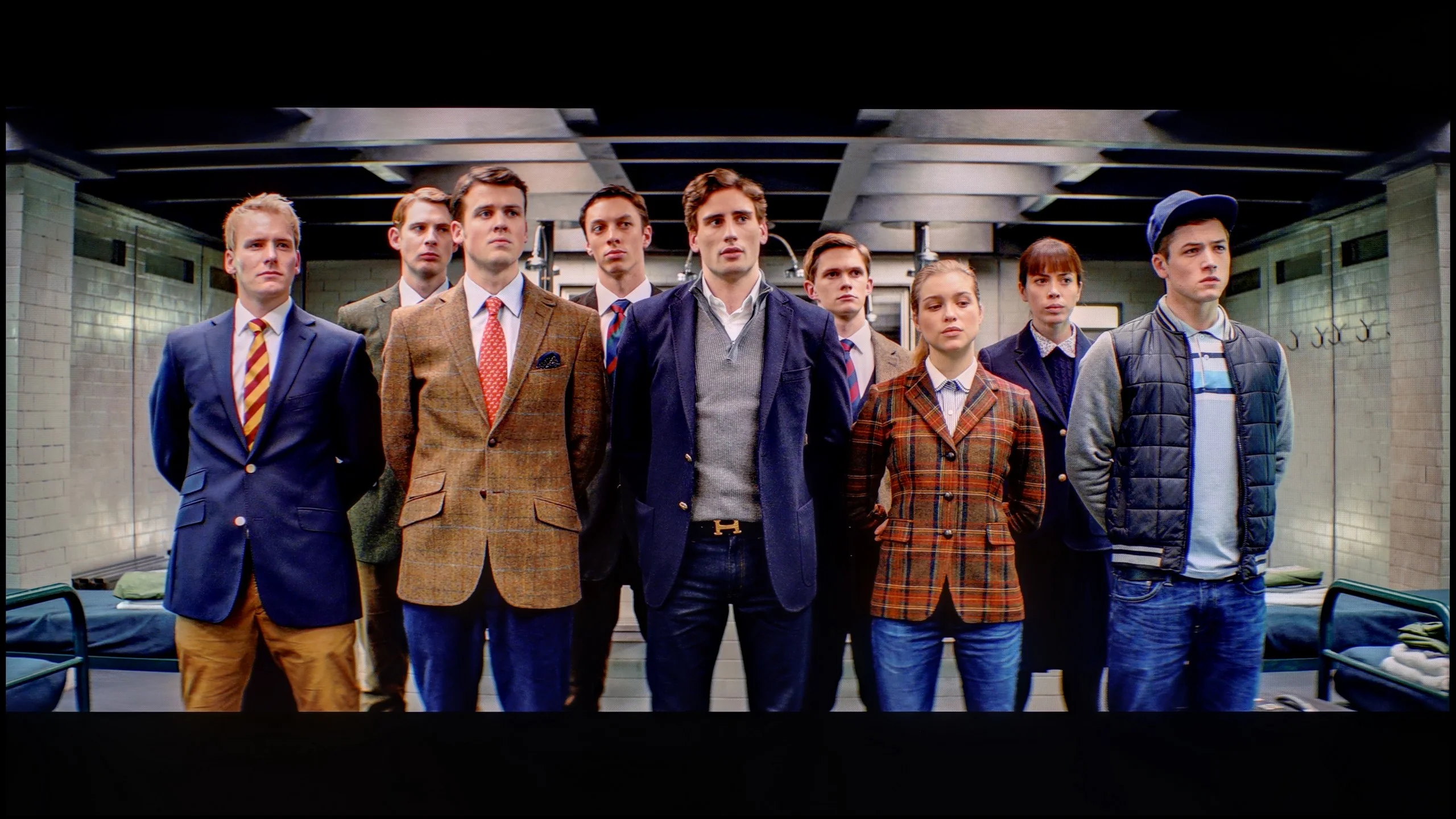
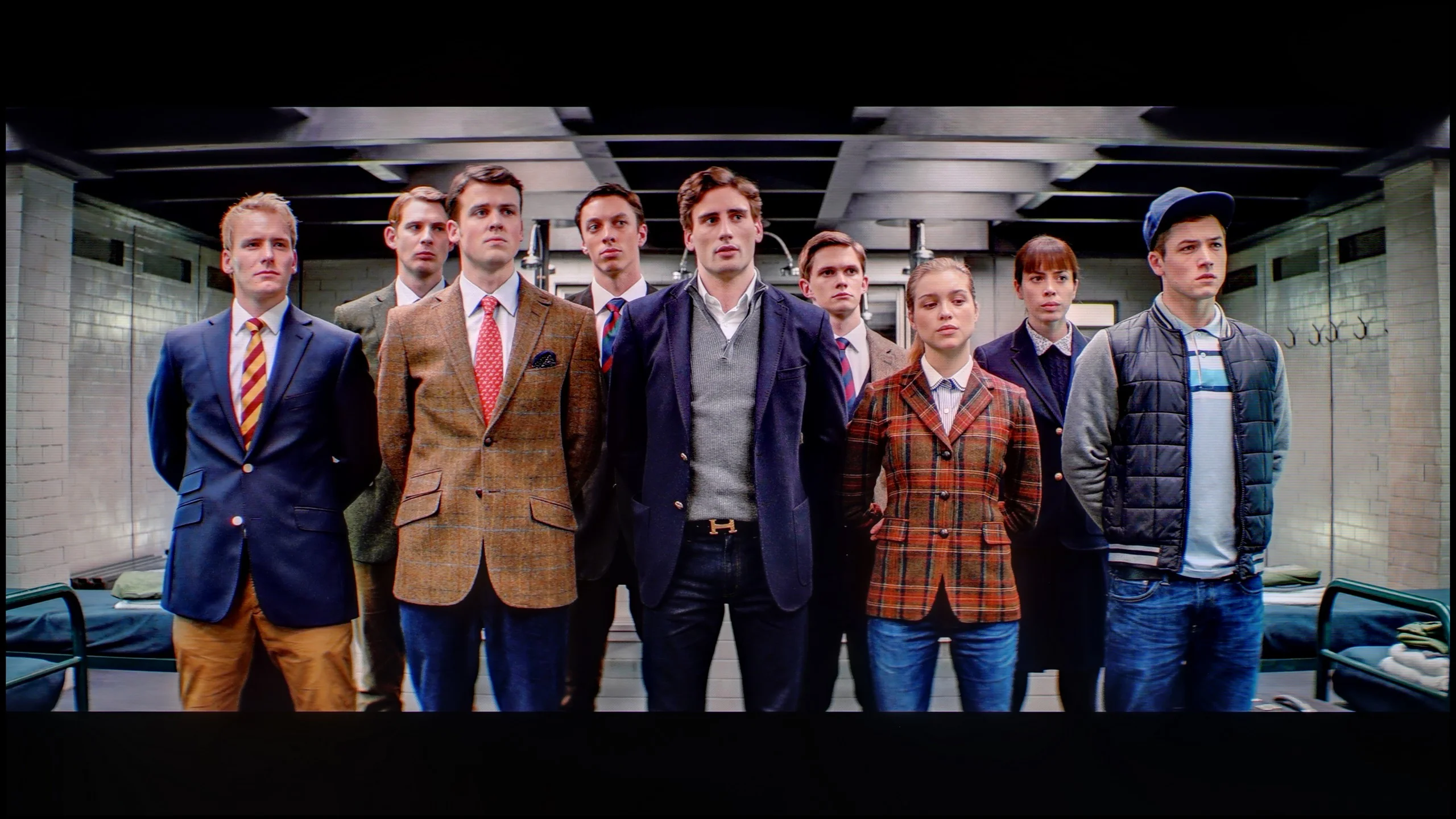
The photos show how movies look on the TV. Pay attention to black detail visibility, colors, and shadow tint.


The photos show how movies look on the TV. Pay attention to black detail visibility, colors, and shadow tint.
After completing the calibration process with professional tools, we can confidently state this – the LG G5 offers almost reference-quality image. Most of the errors related to white balance and the ColorChecker test are below a value of 2, which is a phenomenal result, practically imperceptible to the human eye. And while one could still nitpick that in HDR films the TV still has a tendency to slightly dim the smallest elements of the image, in practice this does not negatively affect the overall reception. Hats off to LG, as once again they provide users with enormous display settings options – and this, combined with very good parameters of the panel itself, results in an image that is truly hard to beat.
After calibration we were mainly able to eliminate the excessive coolness of the picture caused by an overly strong boost to the blue channel. Reds became deeper and skin tones took on a natural, healthy look. Actors who previously seemed 'cold' now appear much livelier and more convincing on screen. One thing hasn't changed: analysis of the EOTF curve still shows the Bravia 8 II tends to brighten the darkest parts of the image. It's hard to tell whether this is an intentional choice by the manufacturer or an effect of the panel design and software. In practice this means scenes that creators intended to remain in deep shadow can reveal more detail than intended. Despite this, the picture after calibration is clearly better, with warm, natural colours and realistic skin tones making viewing on the Bravia 8 II simply more pleasant to the eye.
Smoothness of tonal transitions
8.5/10
8.5/10
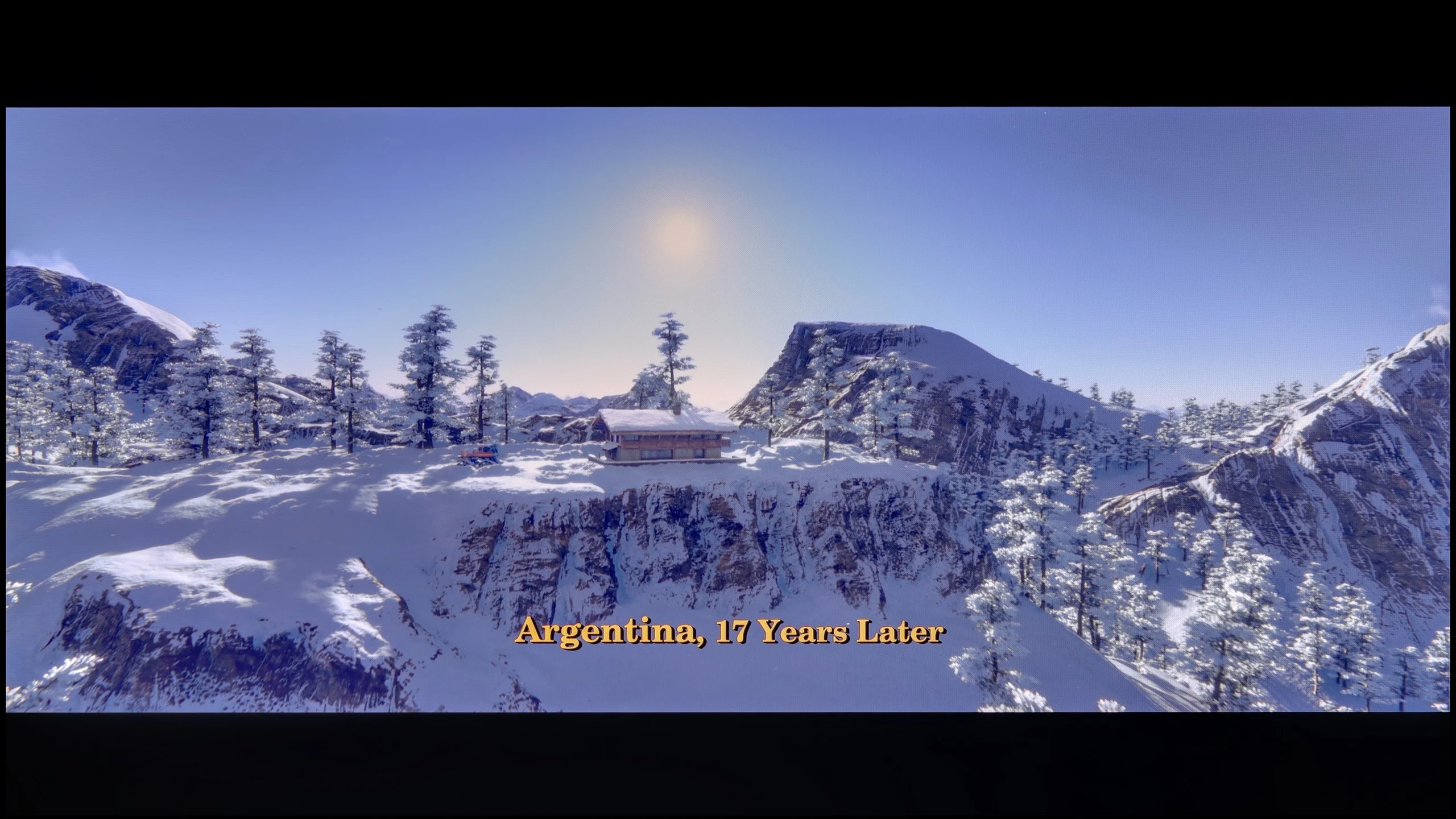

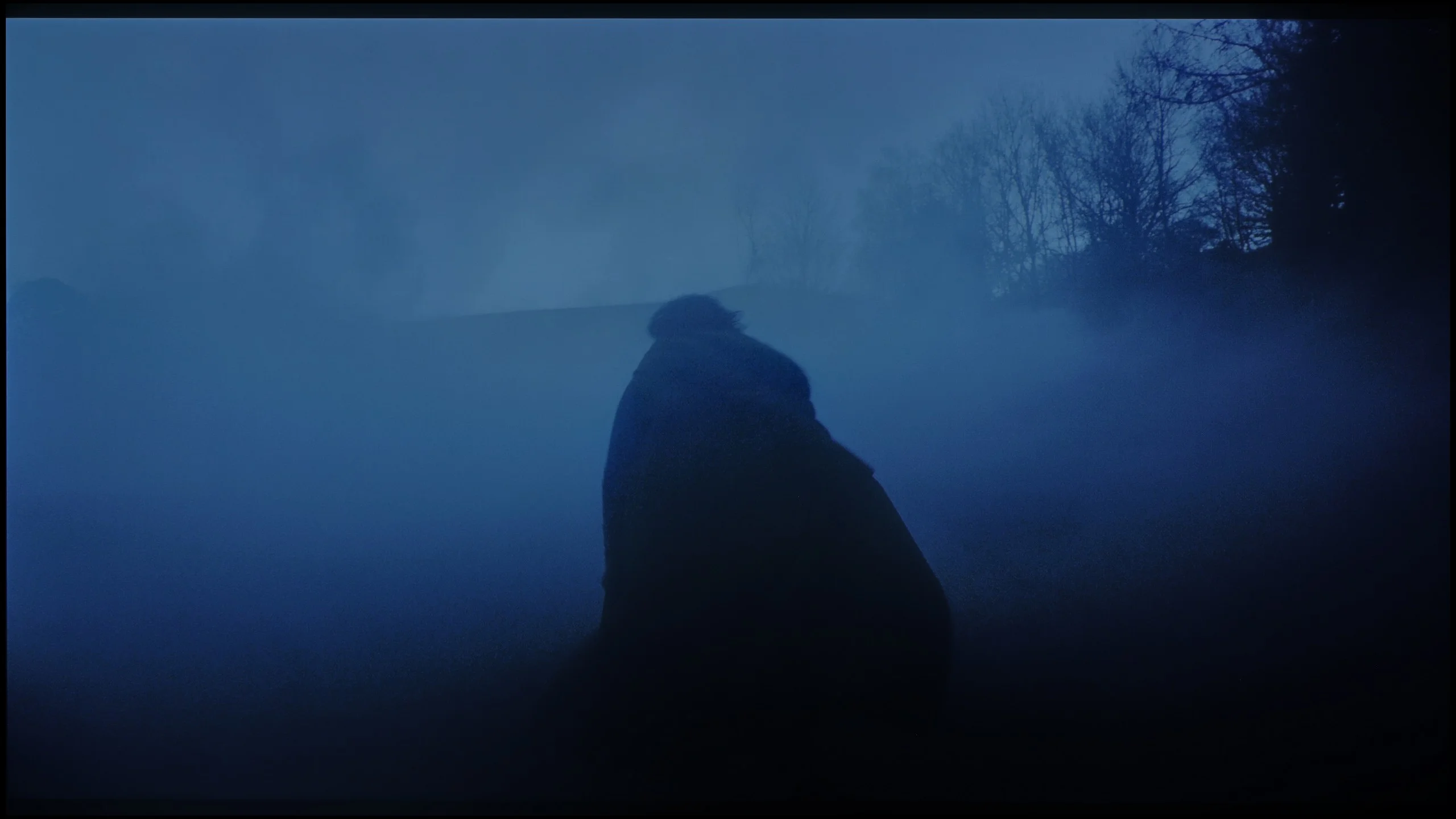
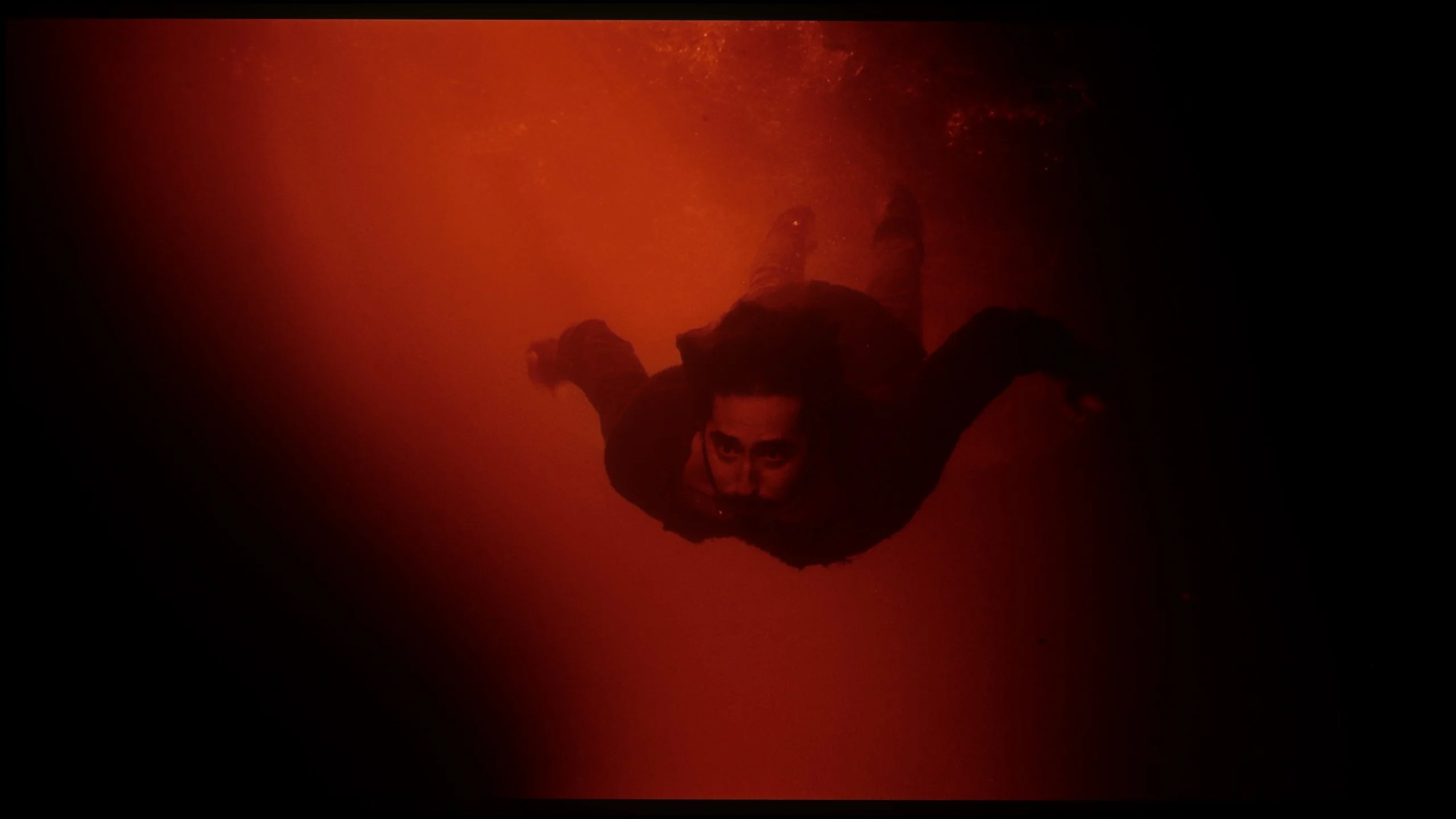
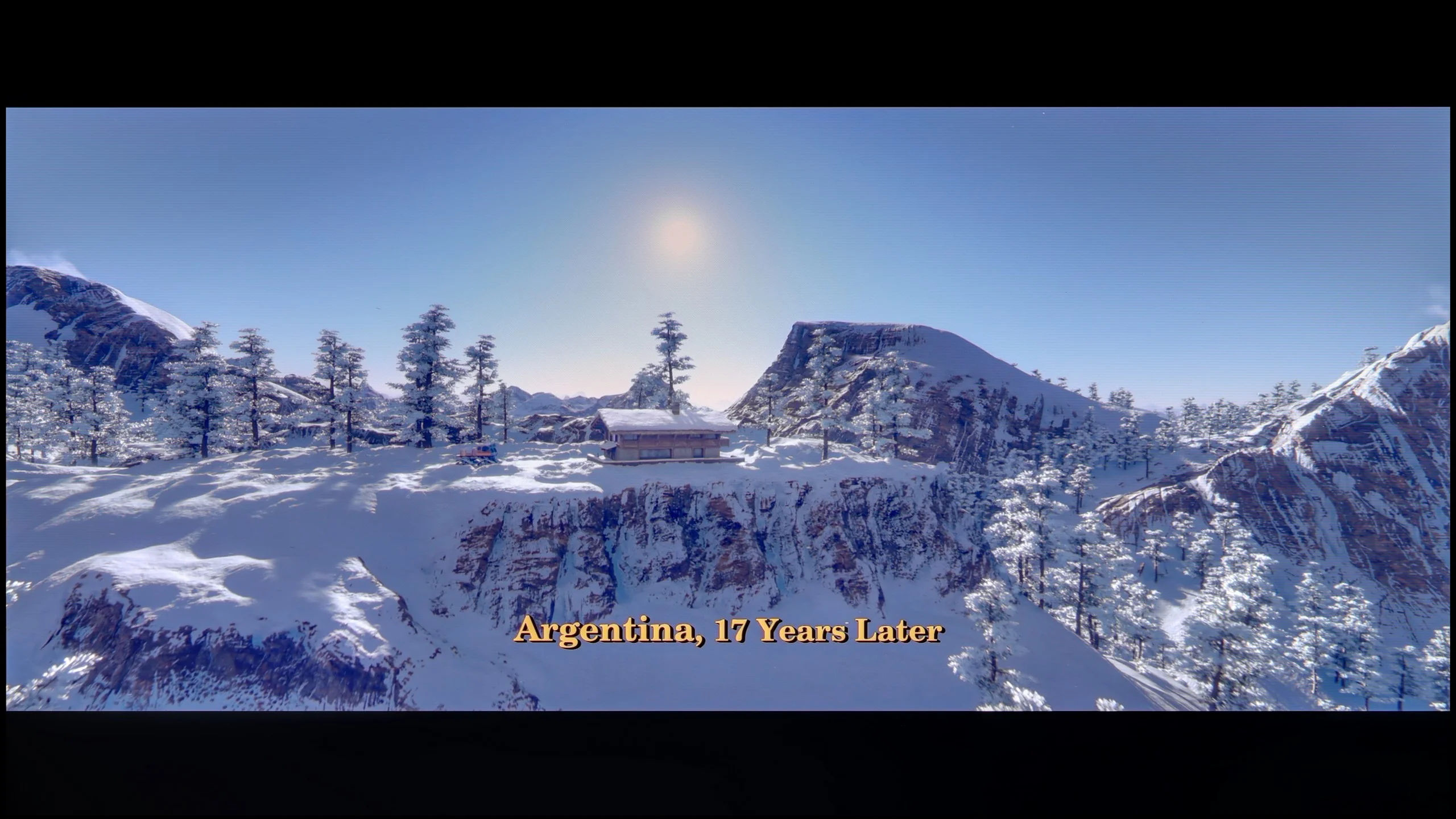
These are selected scenes that show smooth tonal transitions from one color to another. If you see distinct banding, it’s the TV panel’s fault.

These are selected scenes that show smooth tonal transitions from one color to another. If you see distinct banding, it’s the TV panel’s fault.
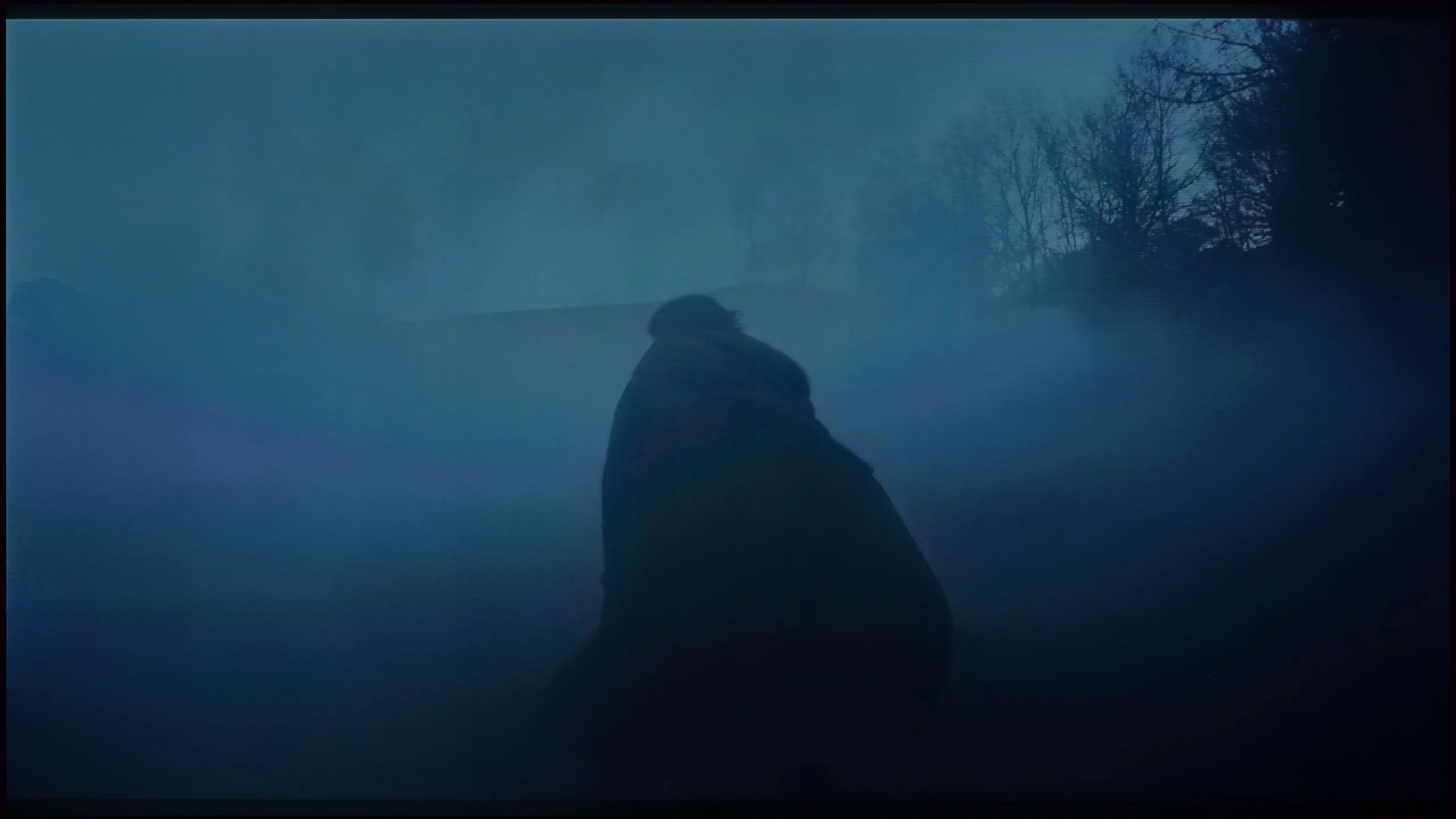
These are selected scenes that show smooth tonal transitions from one color to another. If you see distinct banding, it’s the TV panel’s fault.
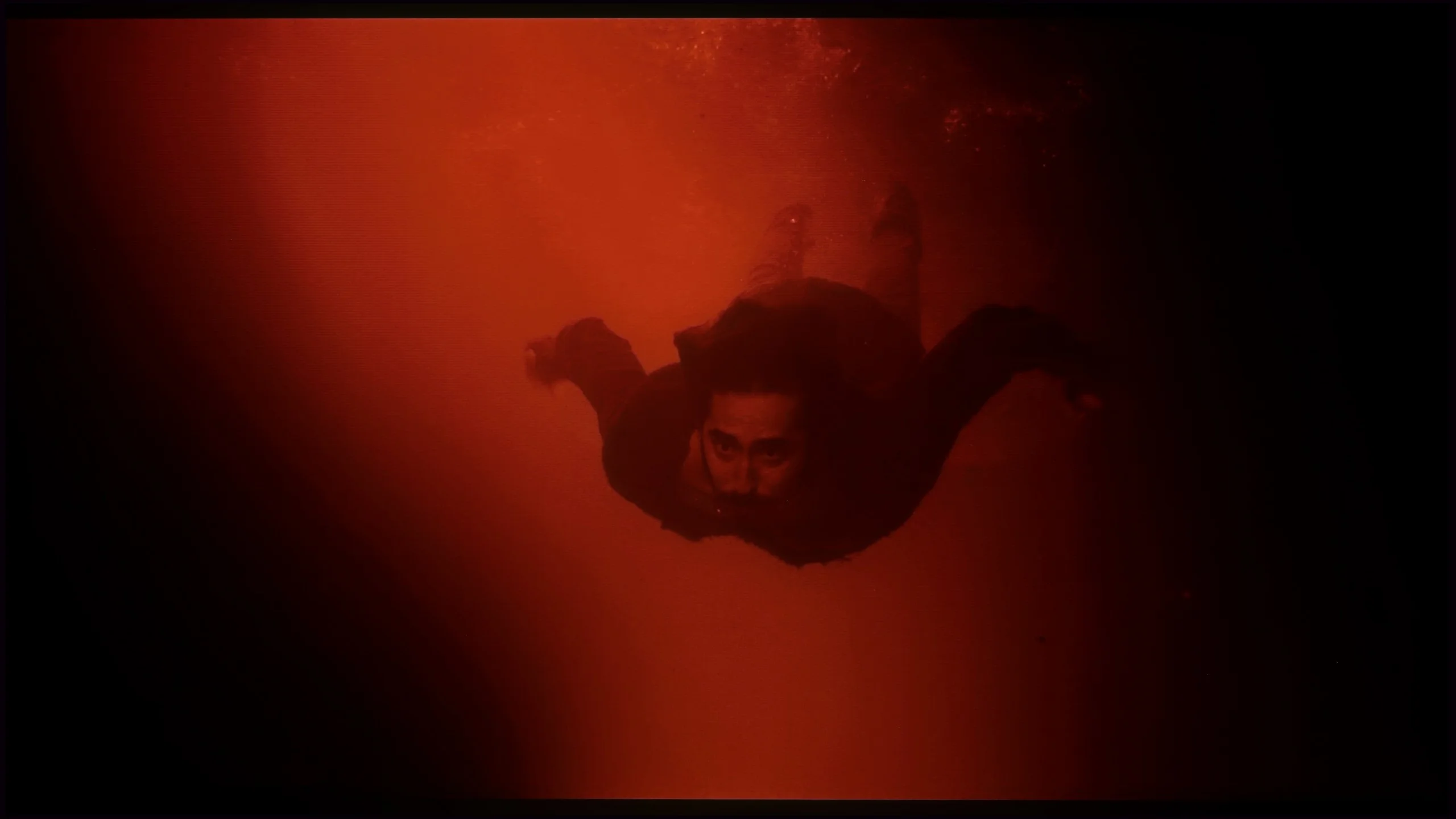
These are selected scenes that show smooth tonal transitions from one color to another. If you see distinct banding, it’s the TV panel’s fault.
The fluidity of tonal transitions in the LG G5 is a clear step forward compared to last year's model. Not only has brightness improved, but also the way colours blend, which the G4 sometimes struggled with. In the vast majority of scenes, the G5 has no issues with tonal transitions – there’s no typical banding associated with WOLED technology nor any ugly breaks between colours. Of course, in very dark areas of the image and with shades of grey, small imperfections can still be noticed, but these are things that the average viewer wouldn't even register. In short – it's really good.
The smoothness of tonal transitions on the Sony Bravia 8 II can be described as very good, although there is a clear distinction between bright and dark material. In high-luminance scenes the TV performs almost flawlessly, with smooth gradation free of visible banding or artefacts and subtle colour transitions remaining fully consistent. This is particularly noticeable with HDR content, where a bright sky or well-lit shots look nearly perfect — here the rating could comfortably be 9.5/10. The situation is a little different in darker sequences. In night scenes or heavily shadowed shots, especially in test material, you can spot slight issues with gradation smoothness, as transitions become less subtle. While this is not at a level that ruins the viewing experience, a more sensitive eye will notice the difference, especially compared with the absolute top models on the market. In this category the score sits around 7.5/10.
Image scaling and smoothness of tonal transitions
8.7/10
8.5/10

Smooth transition function
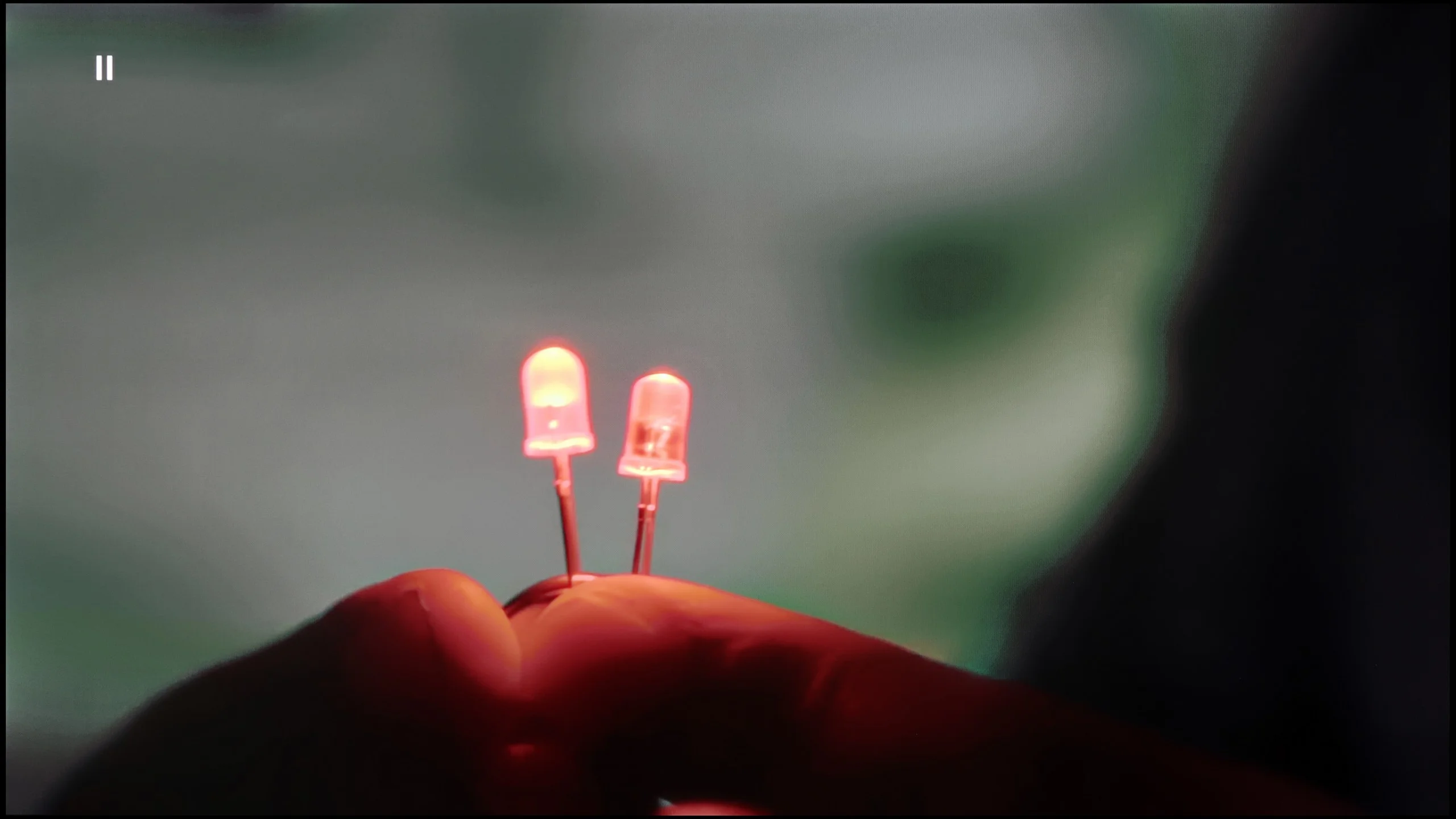
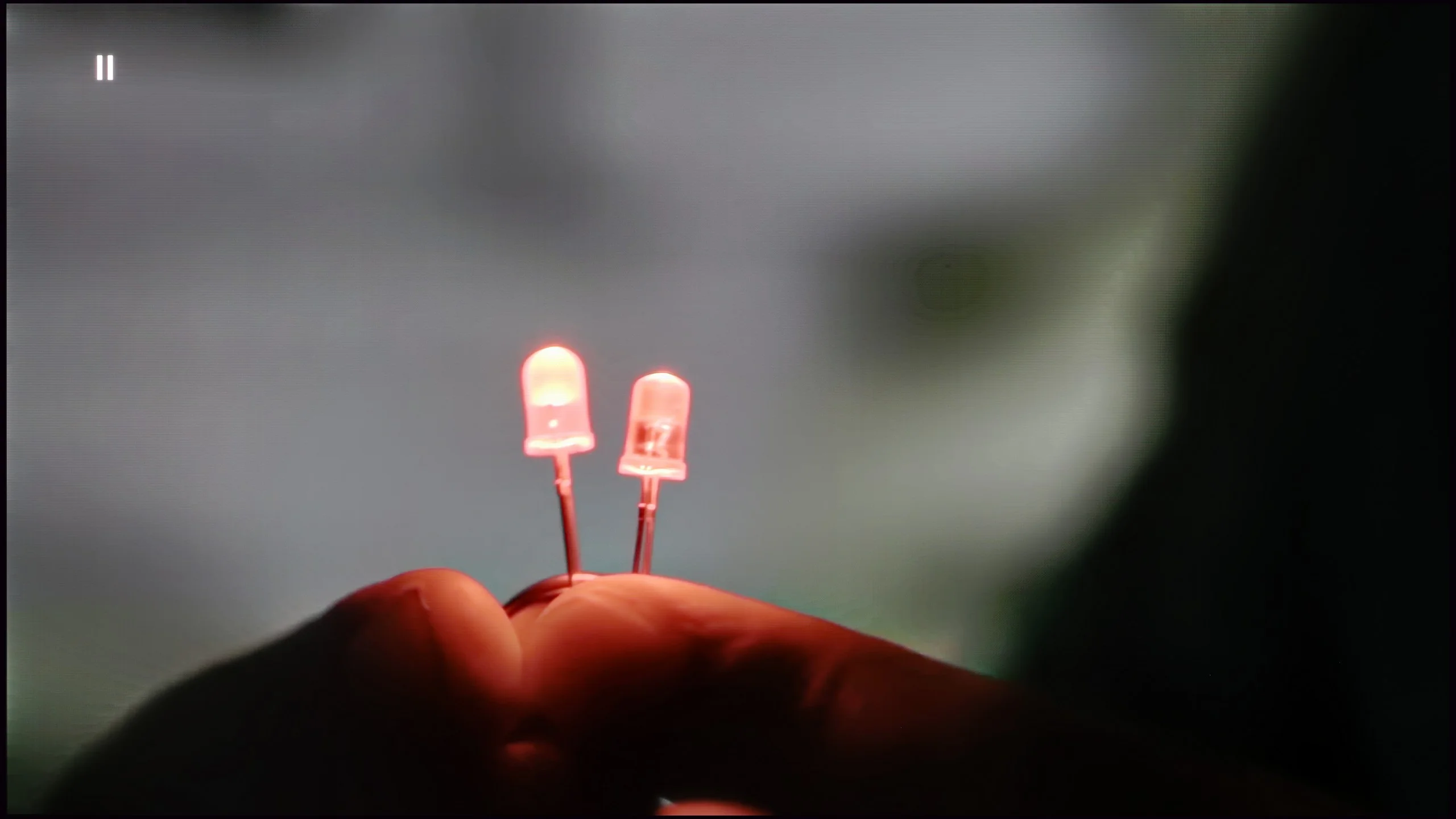
The match photo shows how the TV smooths weak tonal transitions in low-quality video.
Image scaling SD (576i)


The model photo shows how it handles upscaling of SD material.
Upscaling and digital image processing in the LG G5 performs very well. The television handles lower quality content excellently, especially when the "Smooth Gradation" feature is set to a low level. In this mode, it effectively removes undesirable artifacts and issues with visible tonal transitions. It may also slightly smooth out some desirable details, like the subtle texture of clothing or skin, but importantly – it does not remove film grain, so it's hard to talk about a serious compromise here. This is one of those options that is actually worth turning on.
The G5 also does well with upscaling, which is improving the quality of older materials. The test image with the model looked really solid – slight jaggedness was visible, but that's an effect that can't be completely avoided. On the plus side, there were no overscan issues, which – contrary to appearances – is not obvious, even in 2025.
Upscaling and digital image processing are a real showcase for the Bravii 8 II. Sony has long been seen as a master in this area and this only confirms its reputation. The proprietary XR processor can extract almost the maximum from lower-resolution sources – whether it's broadcast TV or an old DVD movie, the picture looks crisper, with more detail and better depth. Of course, if you feed it exceptionally poor-quality material (like our archival shot of the Model), don't expect miracles, but in everyday viewing there's little to complain about.
The smooth gradation function also performs very well. On the "Medium" setting it effectively smooths tonal transitions, removing banding in colour and grey gradients, while not destroying film grain or fine image detail. It's this balance between subtlety and effectiveness that keeps Sony TVs among the best on the market in this category.
Blur and motion smoothness
8.5/10
8.5/10
Blur (native resolution, maximum refresh rate):






Blur (BFI function enabled):
Image flickers in this mode






Blur (4K 165Hz):



Blur (MotionFlow 120Hz):



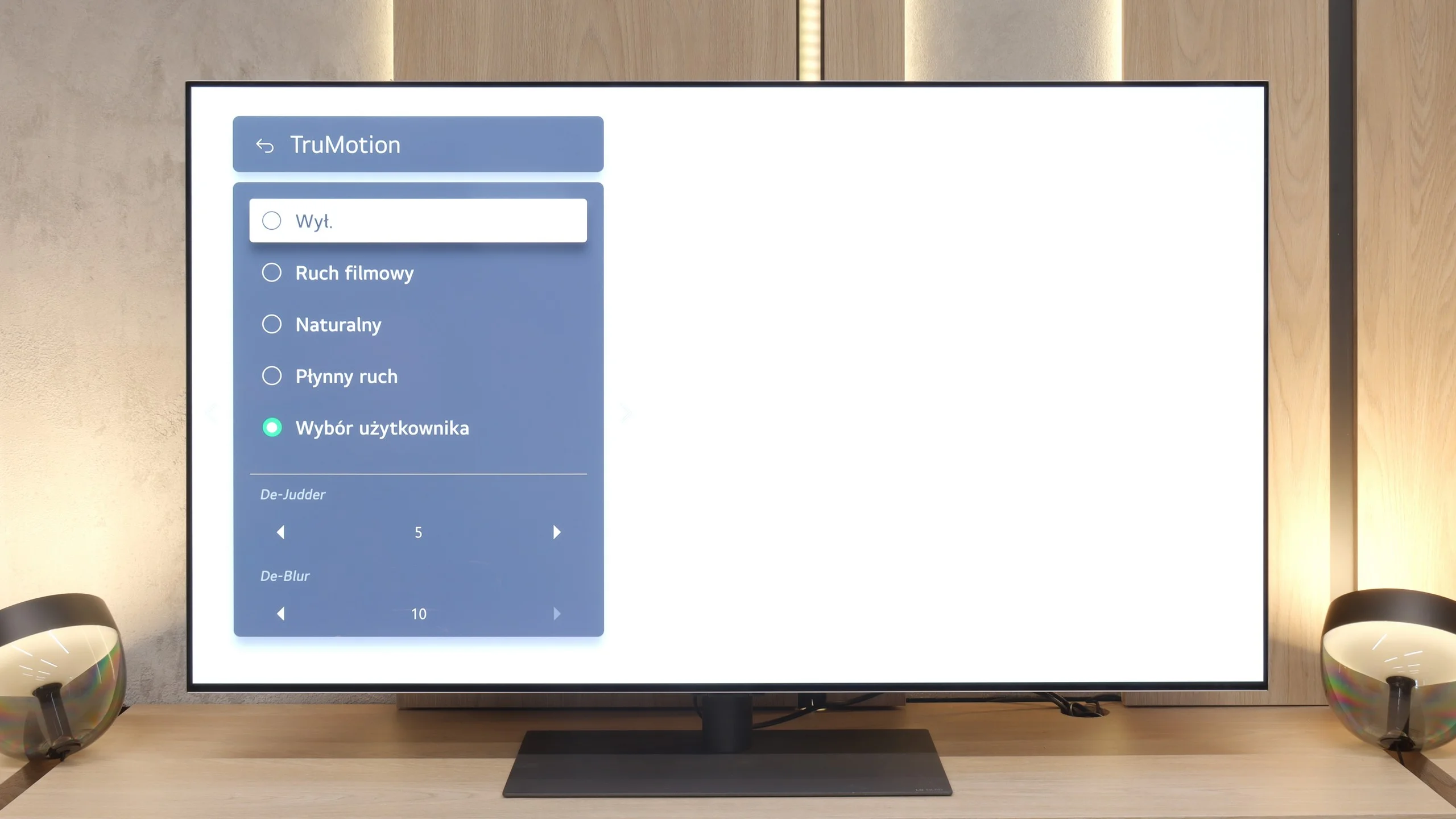
The motion smoothness on the LG G5 is simply phenomenal. The television is equipped with a panel featuring a 165 Hz refresh rate, and this combined with the instantaneous response time of the OLED matrix delivers incredible results. The image doesn’t judder or blur like on traditional LCD televisions. Like most LG models, the G5 comes with a motion smoother, which can be handy when watching movies – we’re talking about the TruMotion mode, of course. With the “De-Blur” and “De-Judder” sliders, we can adjust the smoothness of older materials according to our own preferences, whether we want to maintain the characteristic film jitter or lean towards a more fluid, television-like effect.
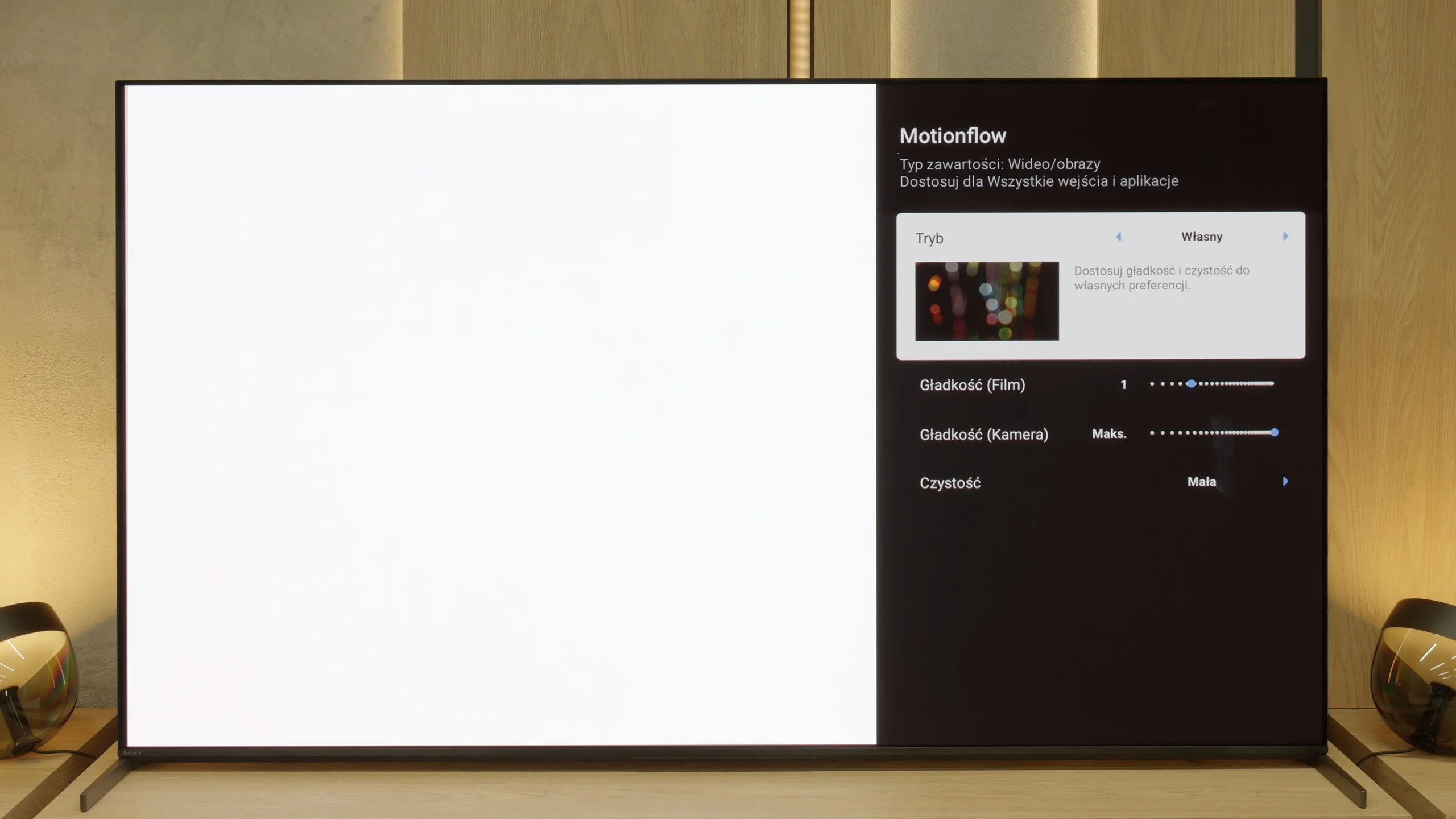
Motion handling is essentially sorted on the Bravia 8 II. The OLED panel with a 120 Hz refresh rate naturally delivers a very clean, sharp picture in fast-moving scenes, so there's little to complain about. What really deserves praise, though, are its motion smoothing systems, among the best on the market. They let you precisely tailor film motion to your preferences, from subtle smoothing to an almost "soap-opera" effect, without the risk of artificial stutter, frame tearing or annoying artefacts. It's one of those features you'll appreciate both during film sessions and when watching sport.
Console compatibility and gaming features
10/10
9.4/10
- ALLM
- VRR
- VRR range40 - 165Hz48 - 120Hz
- Dolby Vision Game Mode
- Correct implementation of HGIG
- 1080p@120Hz
- 1440p@120Hz

- 4K@120Hz
- Game bar
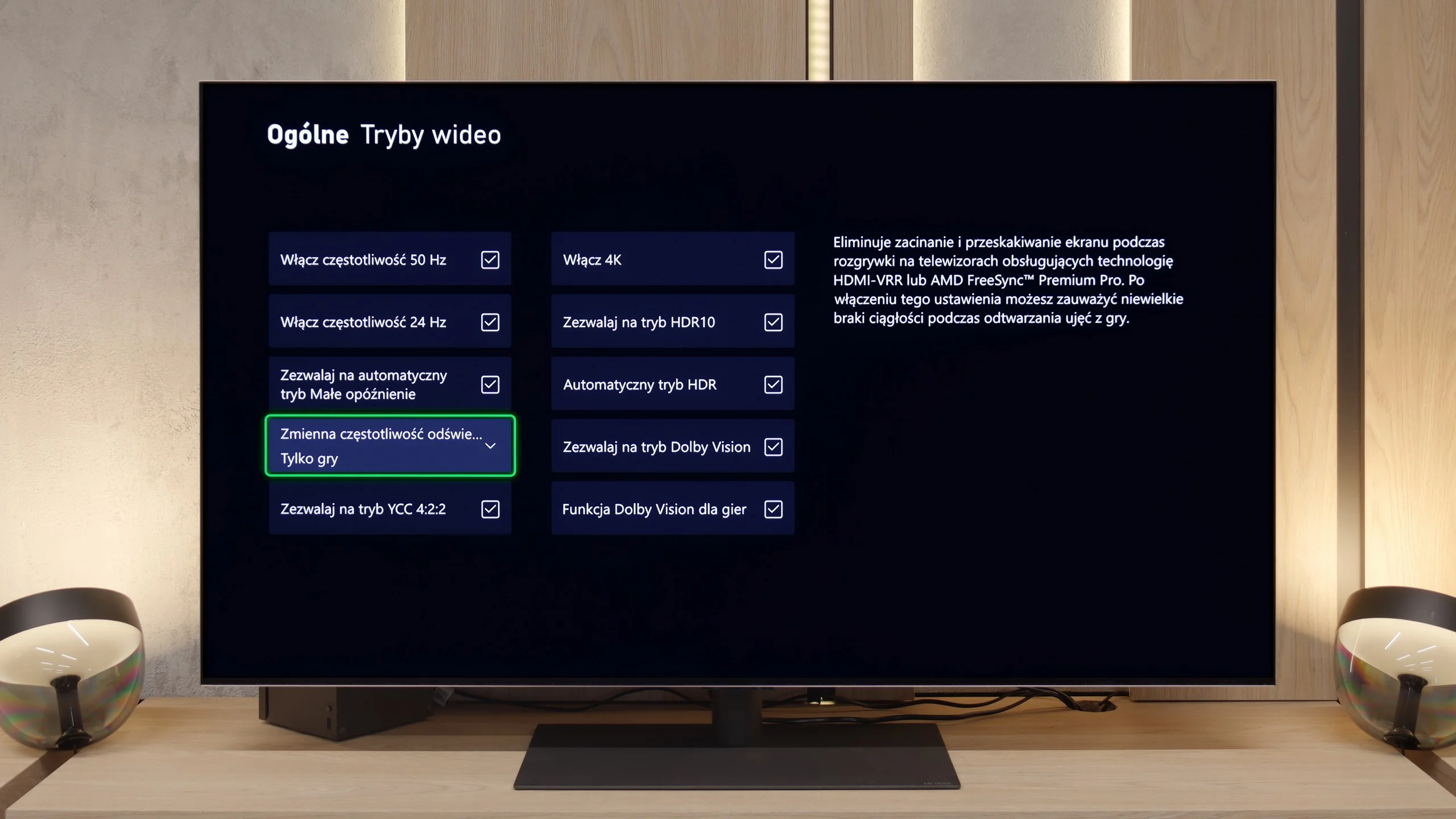
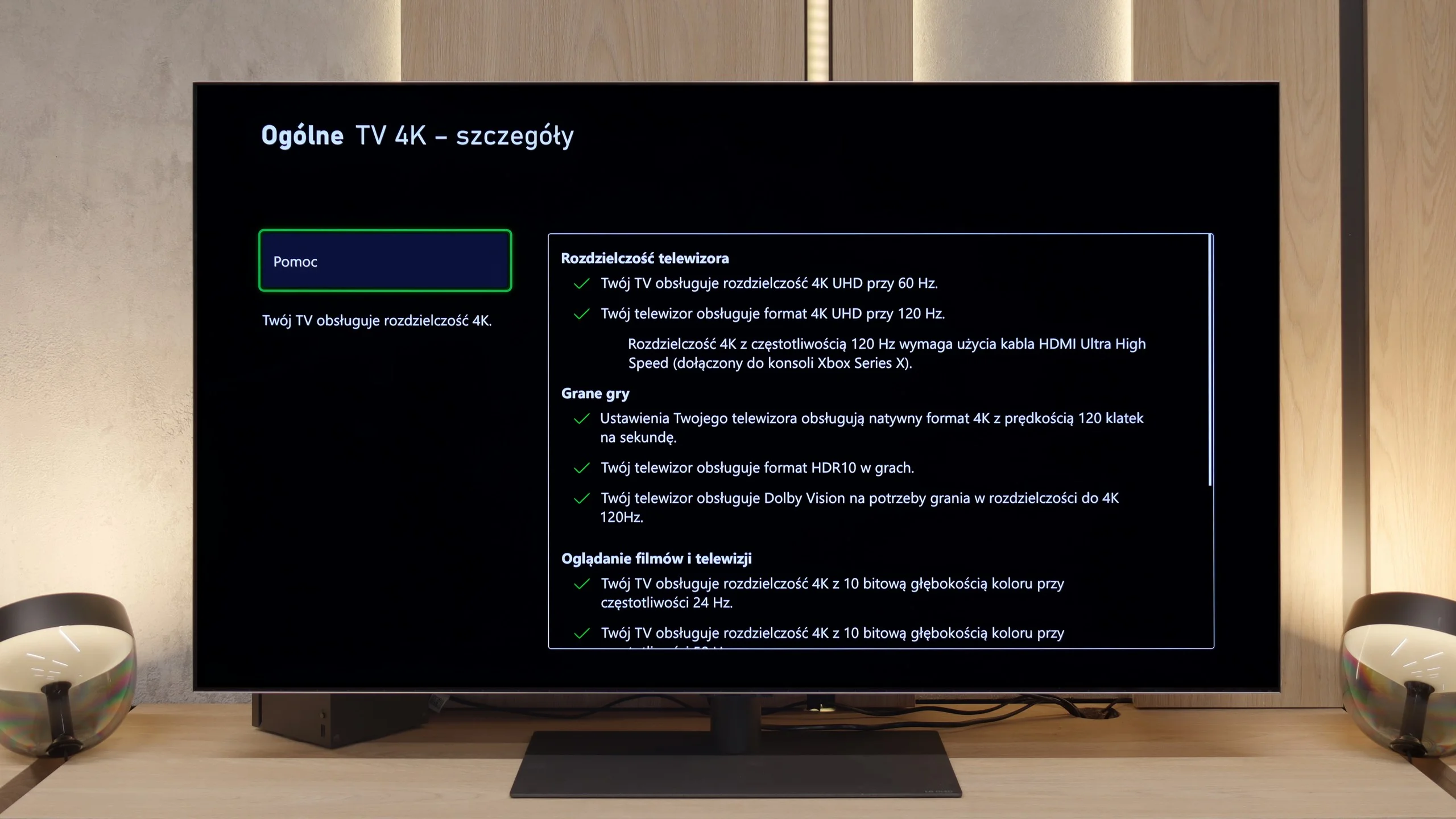
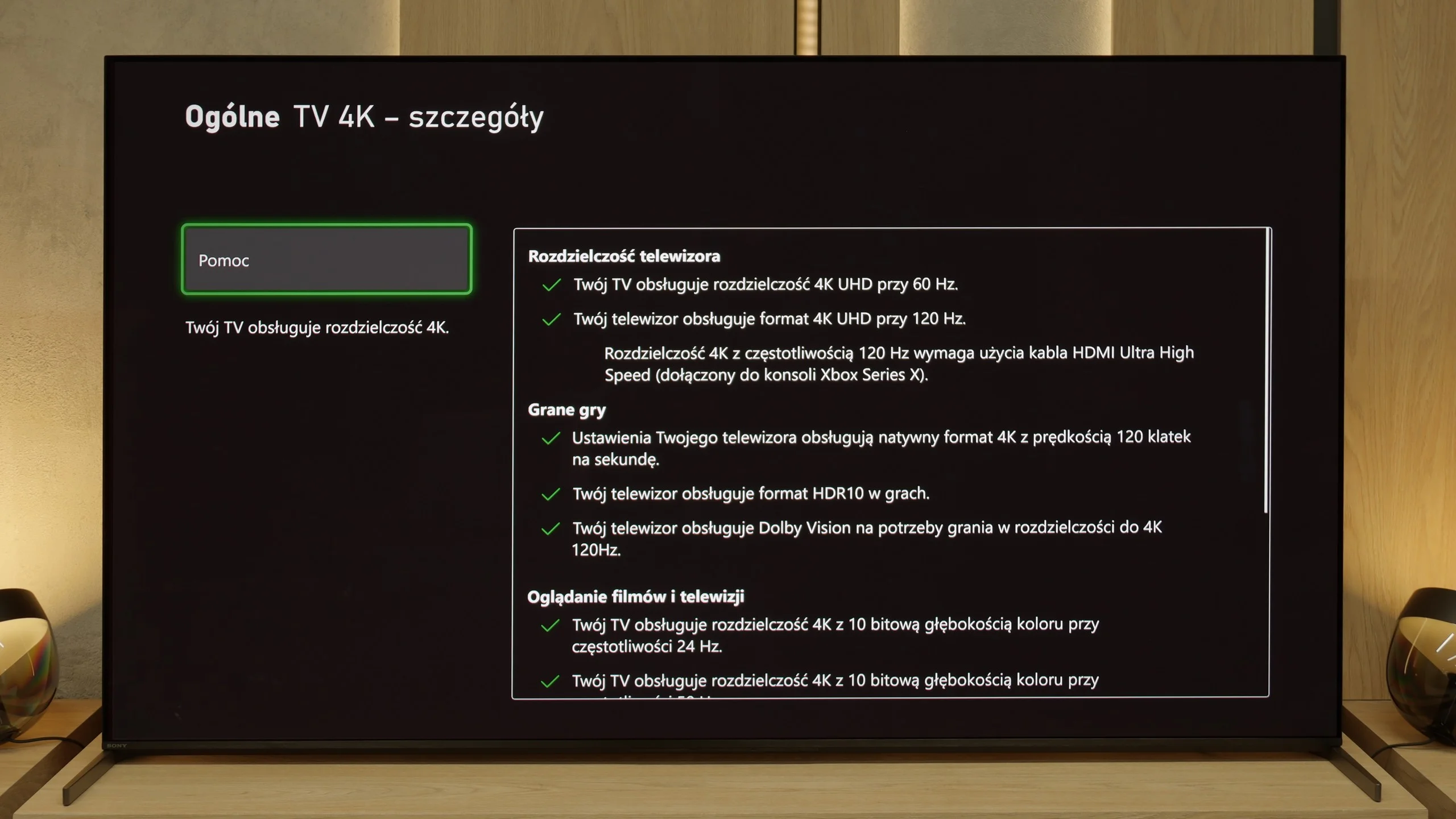
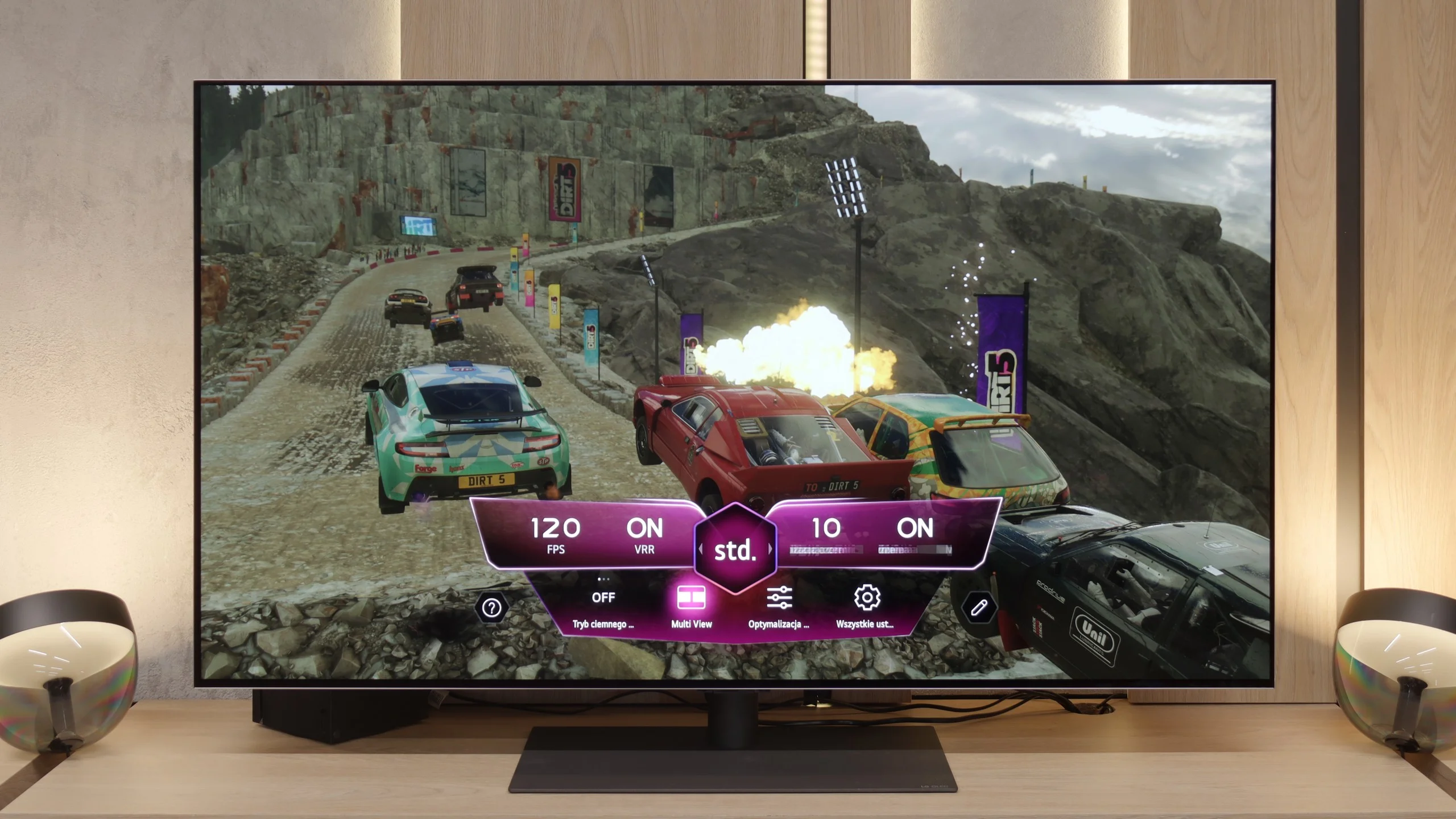
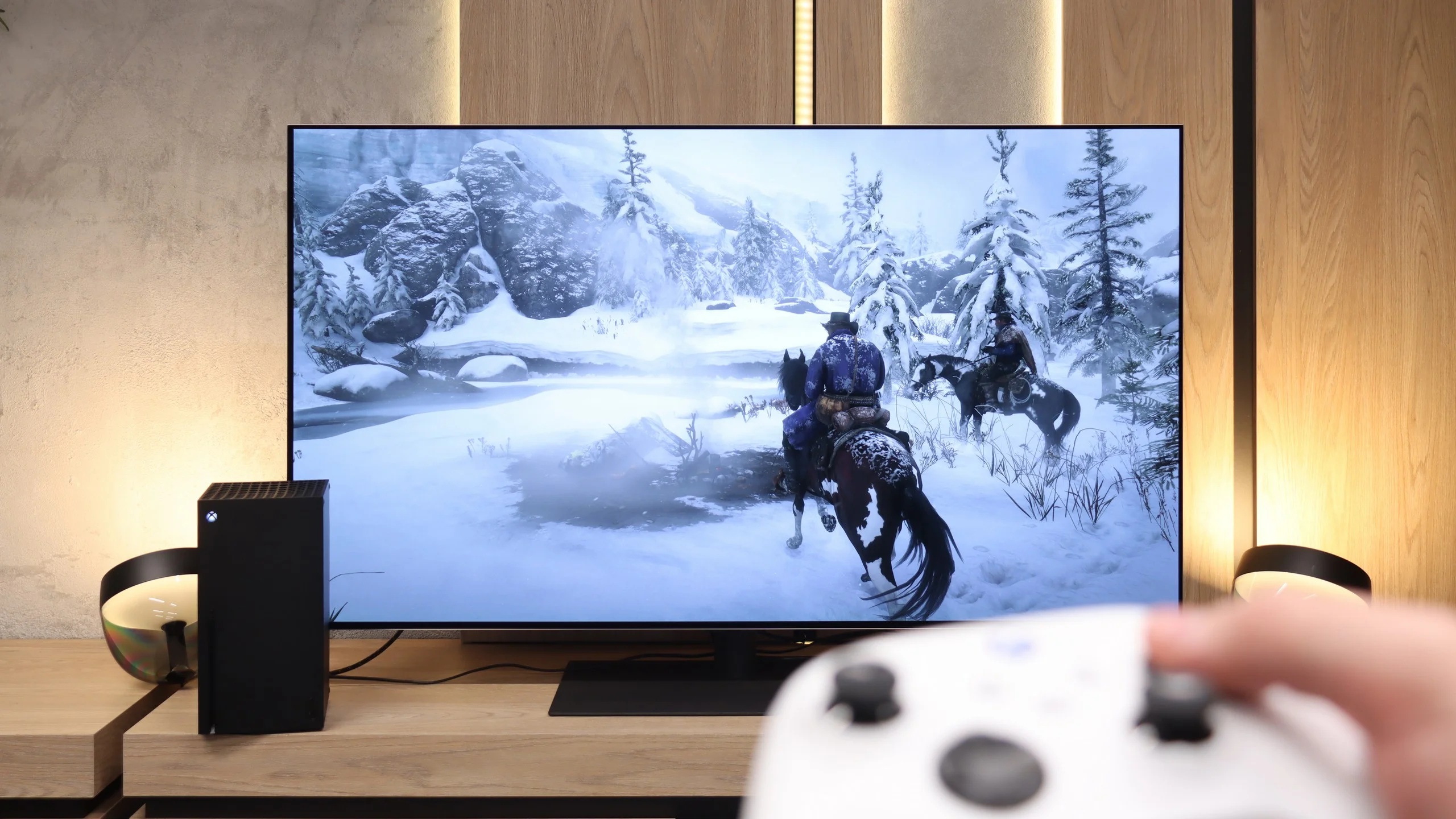
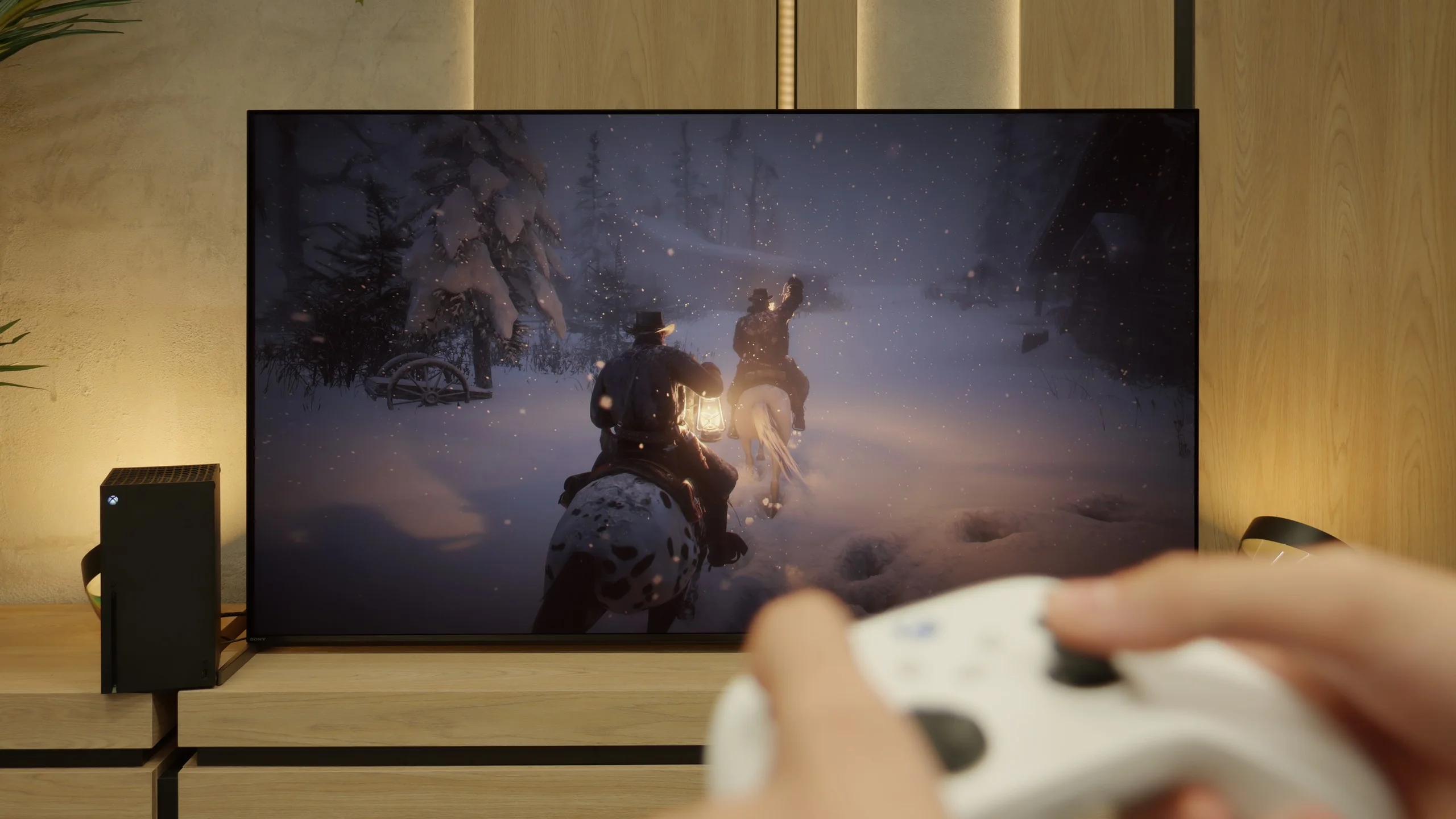
Features for gamers? Perfect. That should be enough for you to know what level we’re dealing with here. The G5 is a TV designed for gamers, so you'll find literally everything you might expect from a gaming screen. There's Game Bar, support for high resolutions with high refresh rates - that is, 4K at 120 Hz, and even more, as the panel has a refresh rate of 165 Hz (which PC gamers will benefit from). The TV supports variable refresh rate (VRR), automatic low latency mode (ALLM), and also properly handles HDR in games thanks to the HGiG feature. All of this adds up to one of the best gaming feature sets available on the market. Well done, LG.
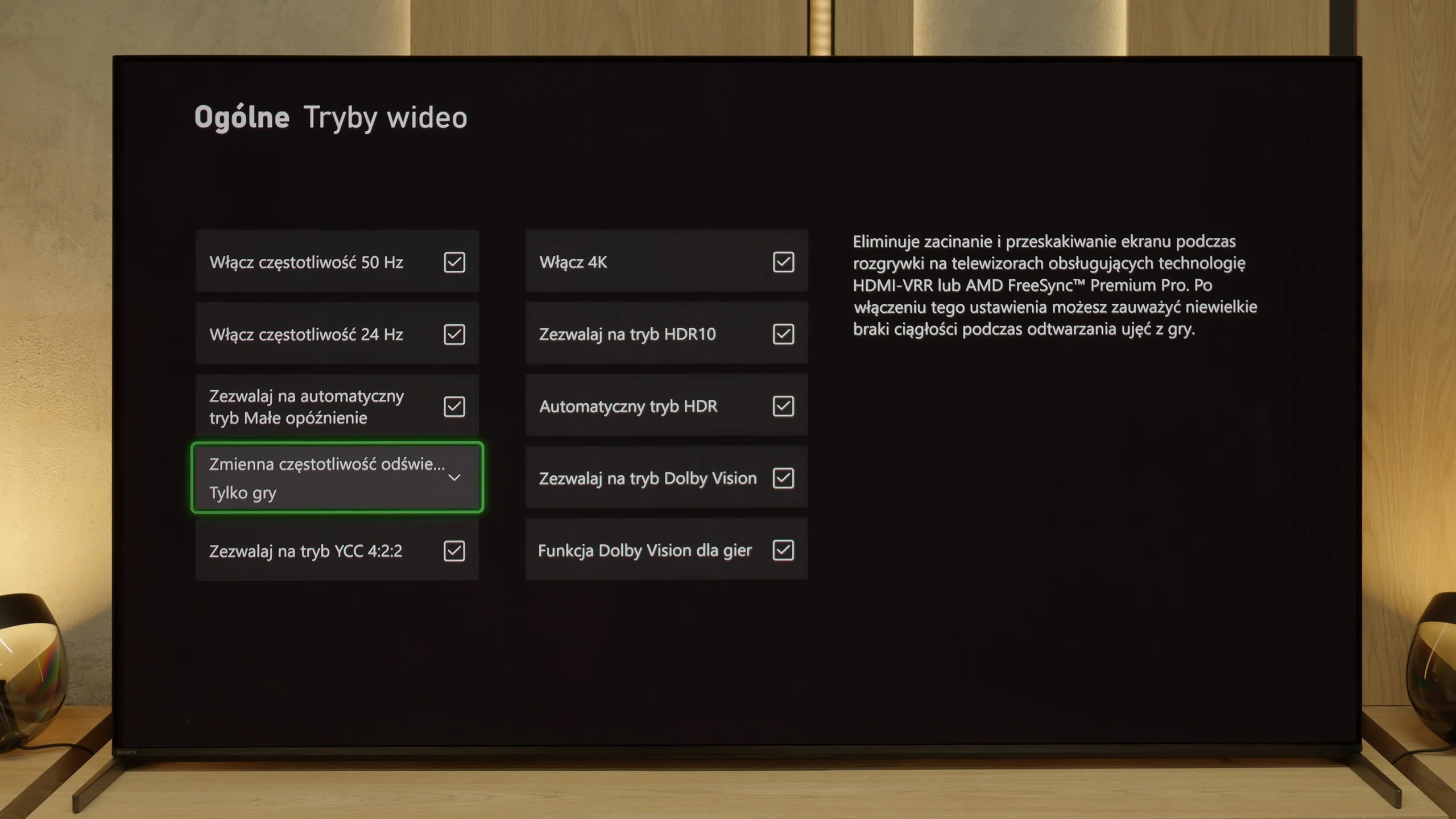
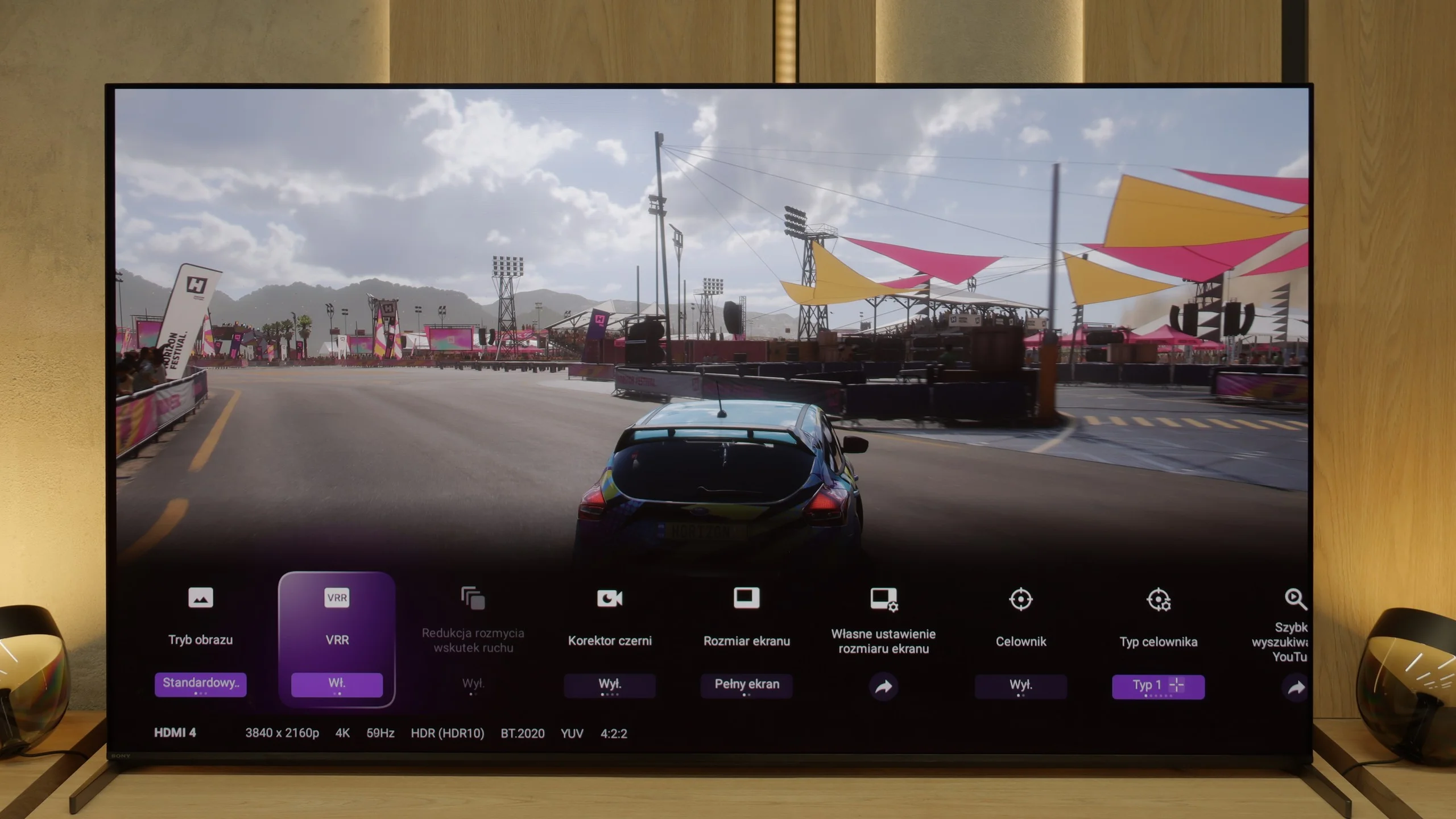
Sony has really done its homework and with the Bravia 8 II put together a package of features for gamers that’s hard to call anything other than 'almost perfect'. It has everything you expect in gear of this class – VRR, ALLM, a Dolby Vision Gaming mode, HGiG, and even a handy Game Bar that lets you quickly check parameters and change settings without leaving the game. It’s also a plus how smoothly and hassle-free these features run, with no latency and no odd stutters. You just fire up a game and everything looks as it should. Unfortunately, there are a few caveats. The maker still gives us only two full-bandwidth HDMI ports, so if you have a console, a PC and another device, for example a soundbar on eARC, you end up having to swap cables. It’s also surprising there’s no support for 1440p at 120 Hz, which is particularly important for Xbox gamers. Overall though, it’s one of those TVs you can confidently put at the centre of your gaming living room and enjoy gameplay without major compromises.
Input lag
9.9/10
9.8/10
SDR
HDR
Dolby Vision
The input lag on the LG G5 is incredibly low. The response time to our actions – whether we're gaming with a controller, keyboard, or mouse – is nearly perfect. The controls are instantaneous, and the game reacts exactly when we expect it to. The Dolby Vision Gaming mode does introduce slightly higher latencies, but even then, it's hard to complain about anything – in the worst case, the values hover around 20 ms, which will still be virtually unnoticeable for most gamers.
Input lag in the Bravia 8 II is a strong point that every gamer will appreciate. With 120 Hz content the values hover around 10 ms, which puts this TV among the leaders. The response is almost instantaneous and controls in fast-paced games remain fully predictable. At 60 Hz the latency naturally doubles, but still stays at a level that could be described as exemplary. Importantly, Sony has done a great job handling Dolby Vision in games, and it works here exceptionally smoothly and quickly. It's a big change compared with past years, when Dolby Vision Gaming on TVs from this brand could introduce extra delays or minor stuttering. Now it's clear the manufacturer has refined this element to perfection.
Compatibility with PC
8.8/10
7.6/10
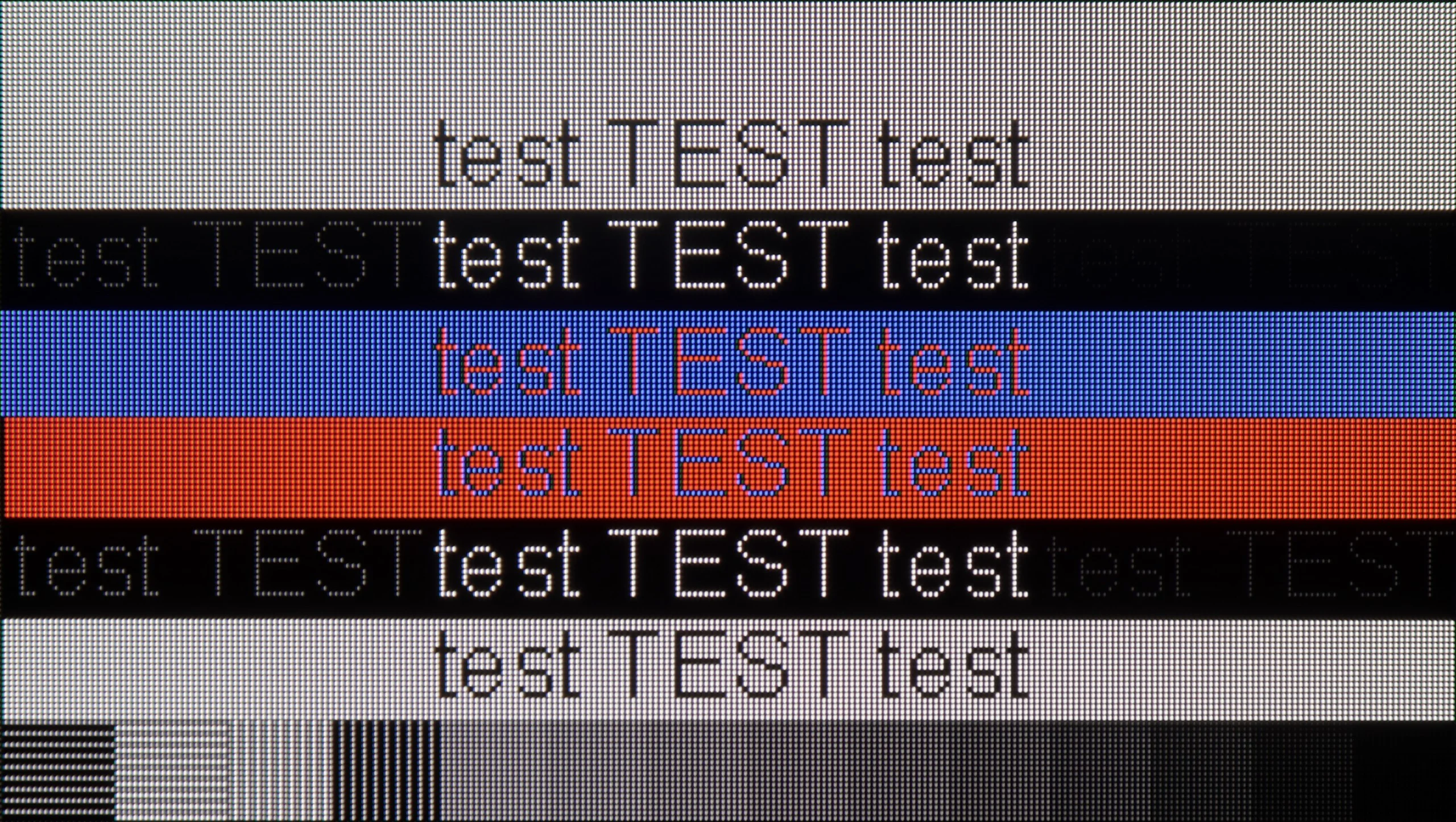
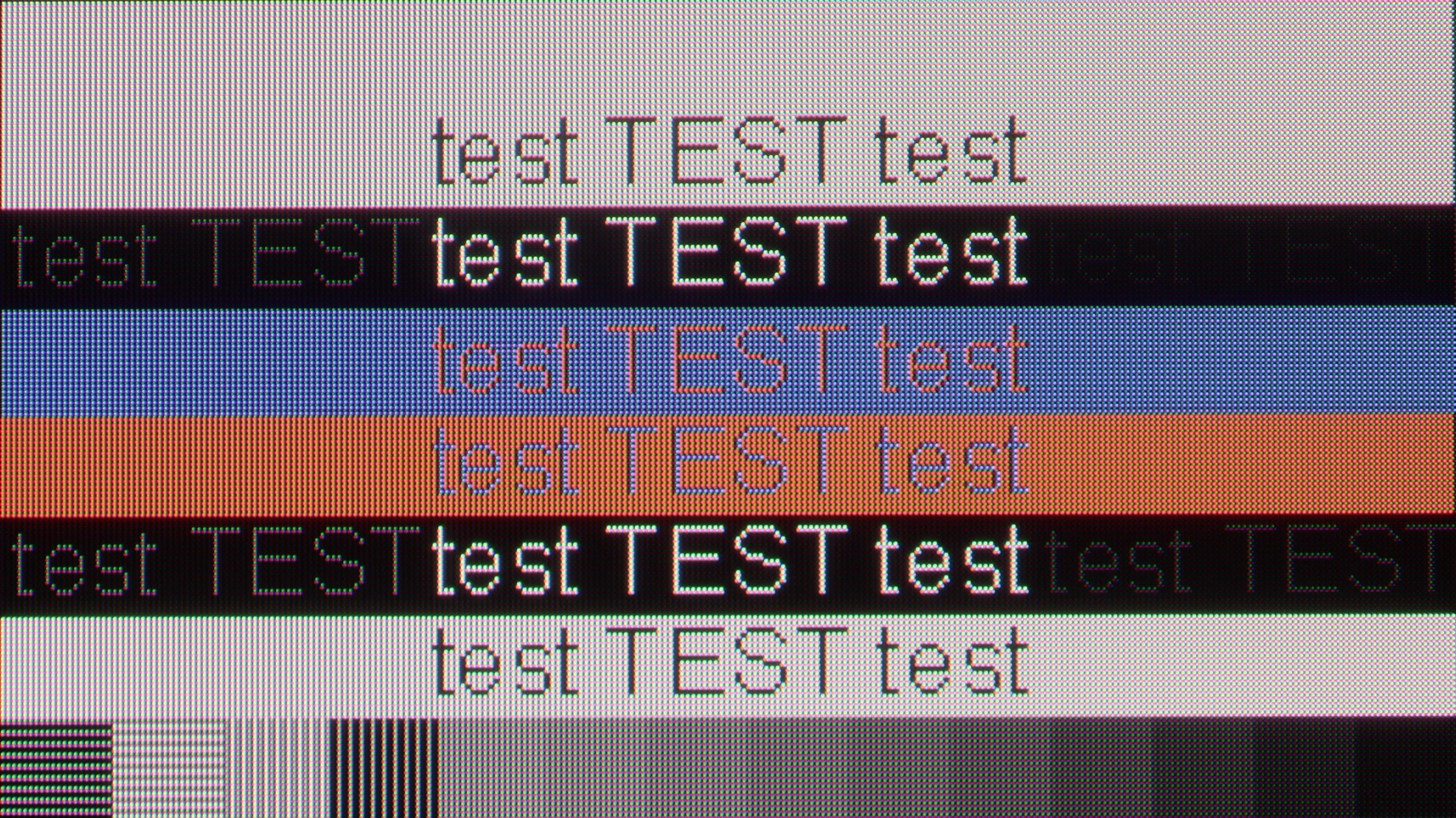
The photo shows the legibility of small fonts. Ideally, lines should be the same thickness on both light and dark text, with minimal pixel gaps.
Cooperation with a PC? Almost perfect. The television, as mentioned earlier, has great features for gamers – including those using a PC. Onboard, we find full G-Sync certification, a 165 Hz panel, and super-fast input lag at around 5 ms. Thanks to proper implementation of chroma 4:4:4, fonts are very readable – both the smallest and the largest. Although due to the WRGB subpixel layout, there may be slight shadows around the characters, for most users this effect will be practically unnoticeable. The G5 performs excellently as a screen for work, entertainment, and gaming – also from a computer.
Compared with last year's A95L, the Bravia 8 II has taken a big step forward when it comes to working with PCs. Chroma 4:4:4 support works flawlessly, so text, both normal and very small, stays sharp and clear. That means working on documents, spreadsheets or even editing photos isn't tiring for the eyes and doesn't require fiddling with the settings.
There is, however, some disappointment. In a TV of this class you might expect an extra gaming mode with refresh rates above 120 Hz. After all, in this price segment, and even lower ones, you increasingly see 165 Hz and even 240 Hz. That option is missing here, which may be a slight letdown for some PC enthusiasts. Fortunately, thanks to low input lag and G-Sync support, the Bravia 8 II can still draw you into PC gameplay without any feeling of delay or stutter. It's gear that works not only in the living room but also on a gamer's desk.
Viewing angles
7.5/10
9.8/10
The viewing angles on the LG G5 are very good, primarily due to the use of a WOLED panel. It's hard to find fault here – the picture doesn't significantly lose brightness or quality even when viewed from the side. However, it must be noted honestly that there has been some regression compared to the G4 model. The predecessor used an MLA panel with micro-lenses, which offered slightly better light distribution. Also, compared to QD-OLED panels, the angles are worse. Nevertheless, the overall viewing experience at an angle remains very good and shouldn't be an issue for everyday use.
In this regard the Bravia 8 II is at the absolute forefront of the market. Thanks to its QD-OLED panel, the TV retains full colour depth and high contrast even when viewed at wide angles. That's a clear advantage over WOLED-based sets, which can slightly lose saturation and detail with more extreme viewing positions. Like its rival, the Samsung S95F, the Bravia 8 II performs in this category almost flawlessly. Whether you're watching a film from the couch, the armchair next to it, or standing in the corner of the room, the picture remains faithful to the original.
Daytime performance
8/10
5.6/10
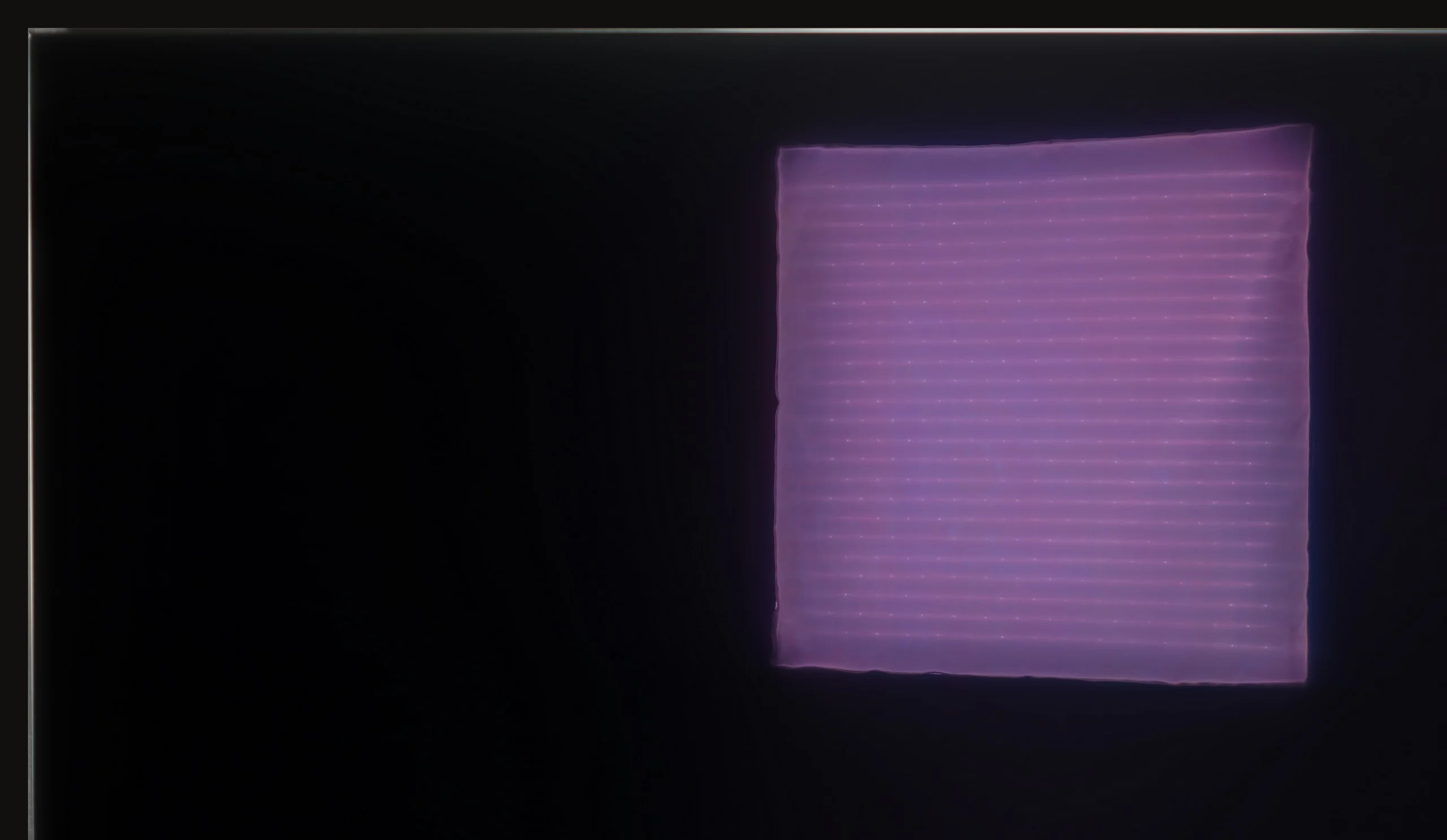
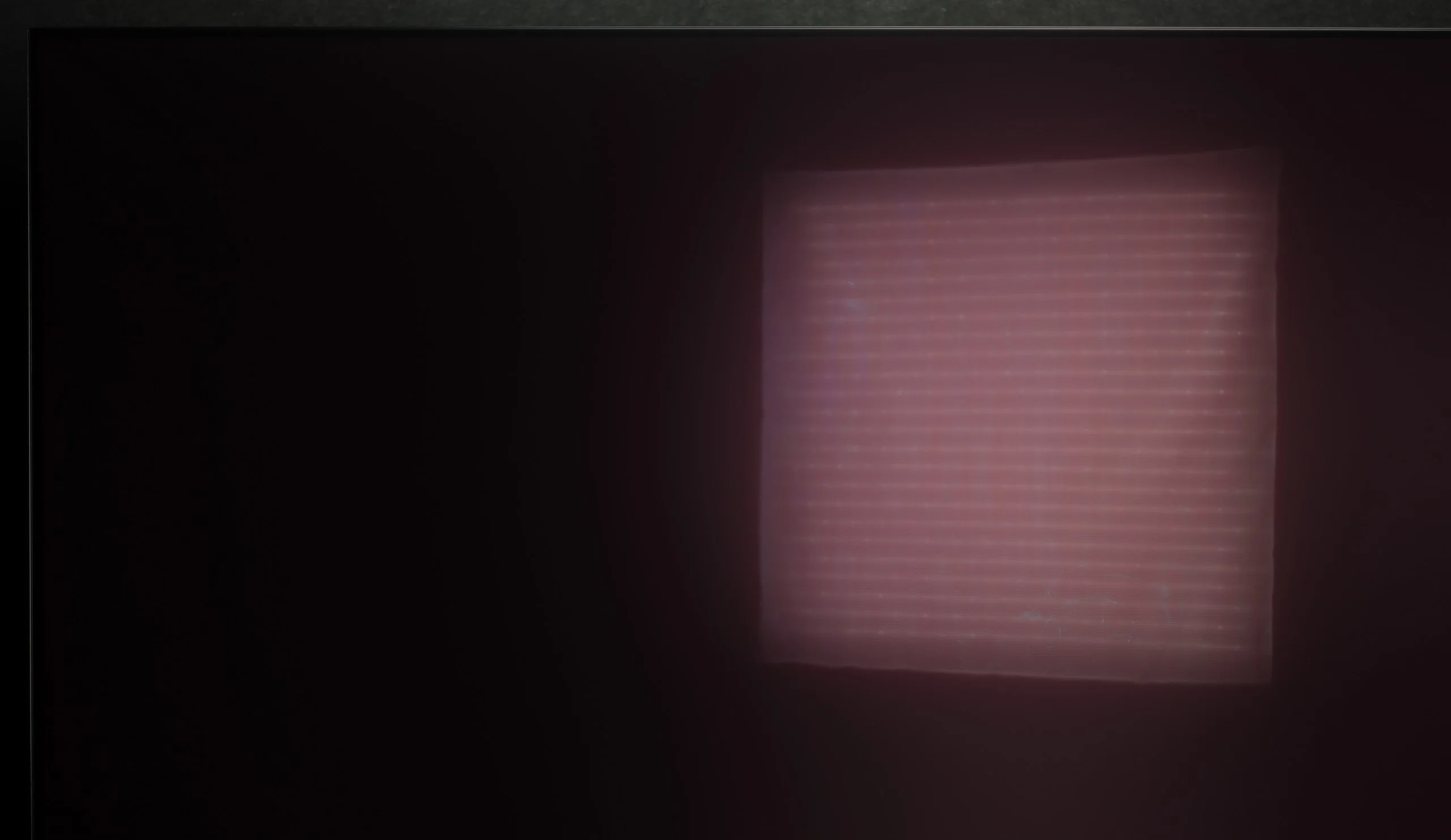
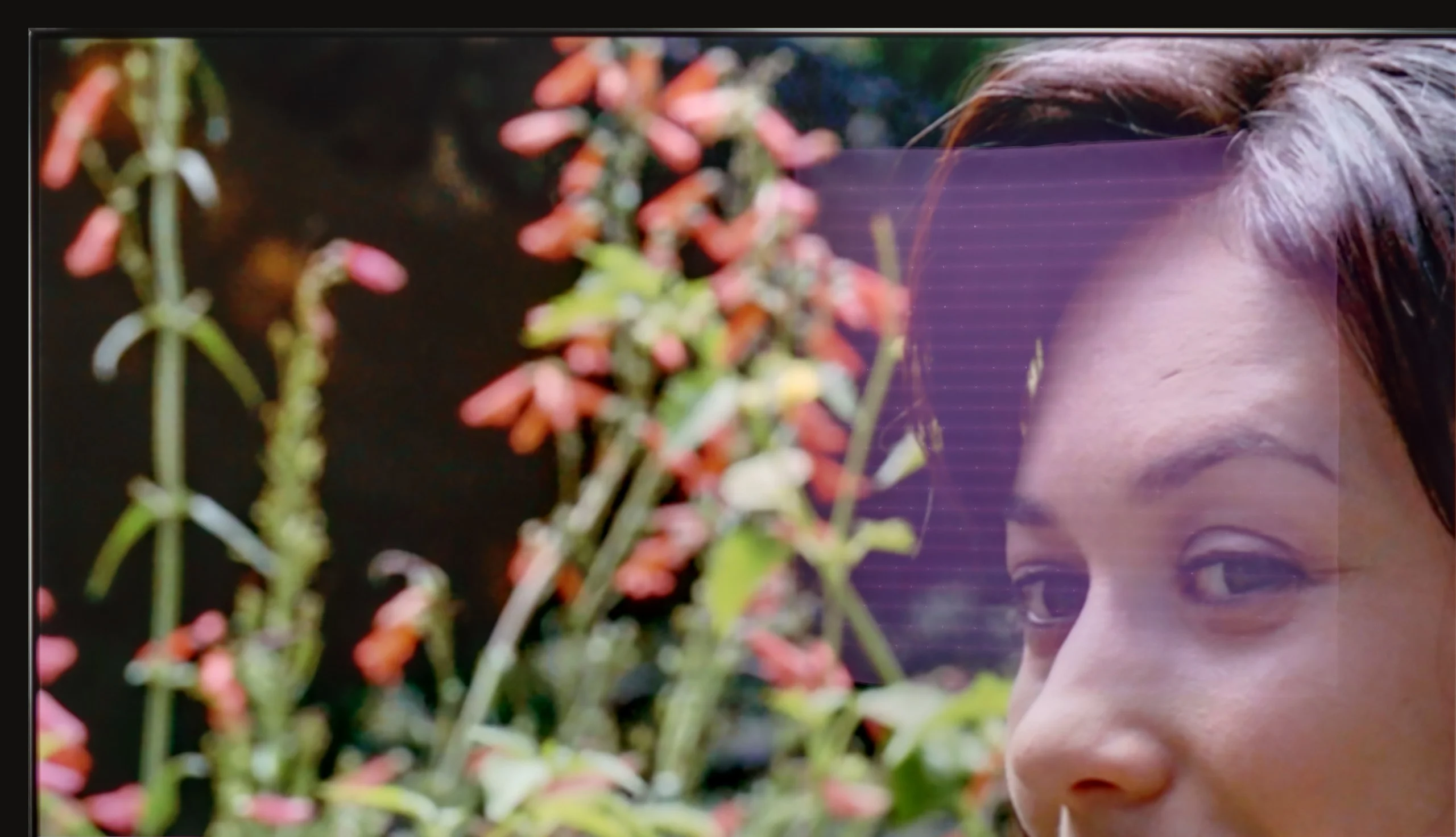
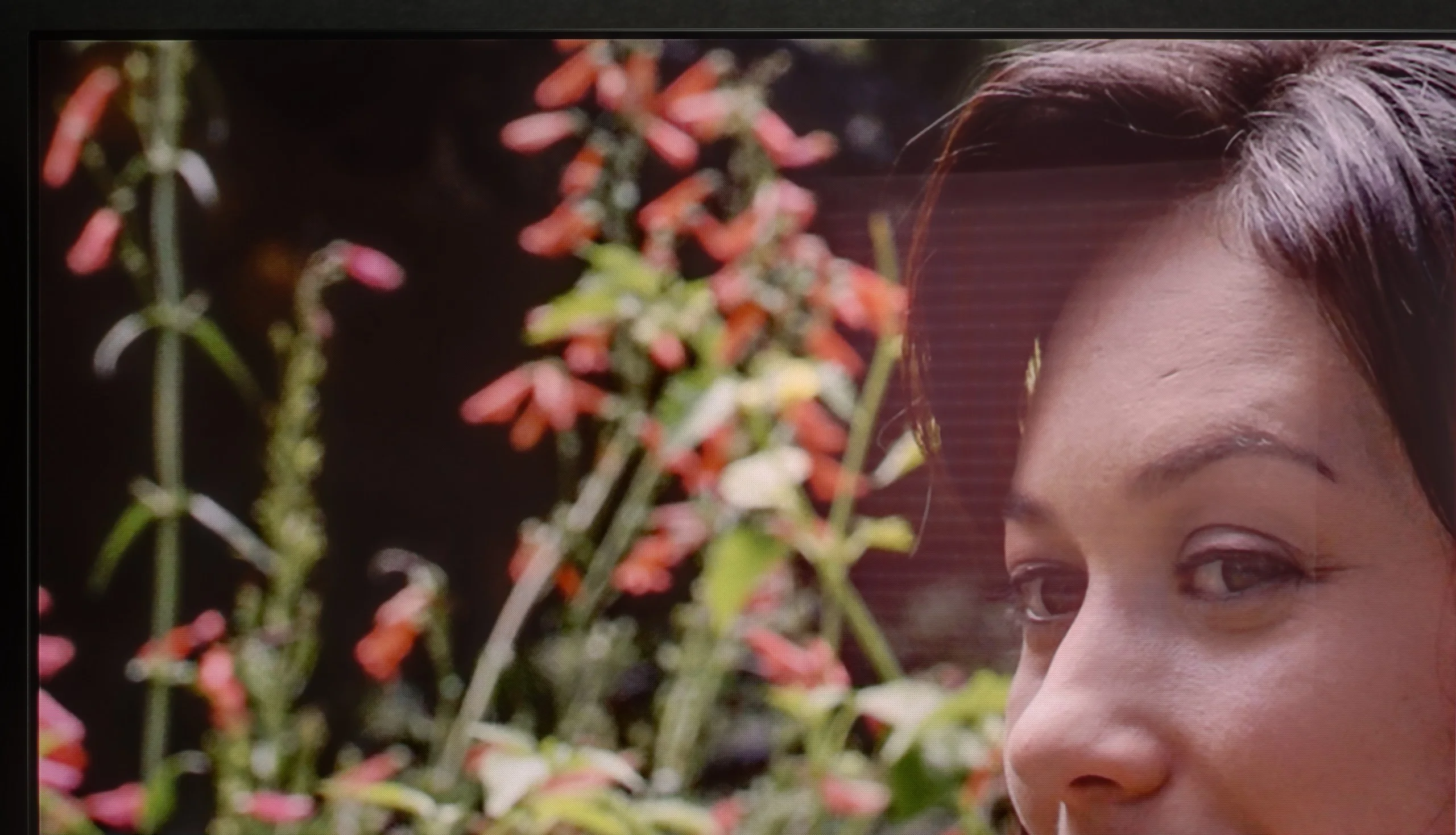
Panel brightness
Sony Bravia 8 MK2: 419 cd/m2
LG OLED G5: 810 cd/m2
LG G5, with its very high brightness, performs excellently in bright rooms. Even with SDR content, the average brightness is around 800 nits, significantly more than standard televisions. It will handle a bright living room with ease. Although the panel moderately reduces reflections, it still maintains much better blacks and colours during the day than QD-OLED panels or those with a matte finish. The G5 will work effortlessly in very sunny rooms – unless you really can’t stand reflections on the screen. In that case, you’ll need to use blinds or consider purchasing a television with a matte panel.
For a TV of this class, we expected a better result. An average SDR brightness of around 400 nits is definitely too low to speak of excellent visibility in a sunlit living room. In very demanding lighting conditions we'll have to pull the blinds or move the TV elsewhere. As with every QD-OLED panel, blacks in daylight are not perfectly black, taking on a slight cherry hue. Fortunately, this technology also has advantages over WOLED panels, as it suppresses reflections much more effectively, so direct glare is less bothersome. Despite that plus, overall the Bravia 8 II's performance in a bright room should be judged as average, especially for a high-end model.
Panel details
Subpixel Structure:
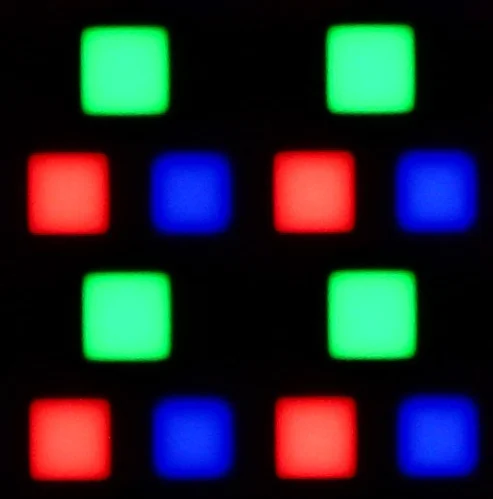
Panel uniformity and thermal imaging:


TV features
8.5/10
8.9/10
- SystemWebOSGoogle TV
- System performanceVery goodGood
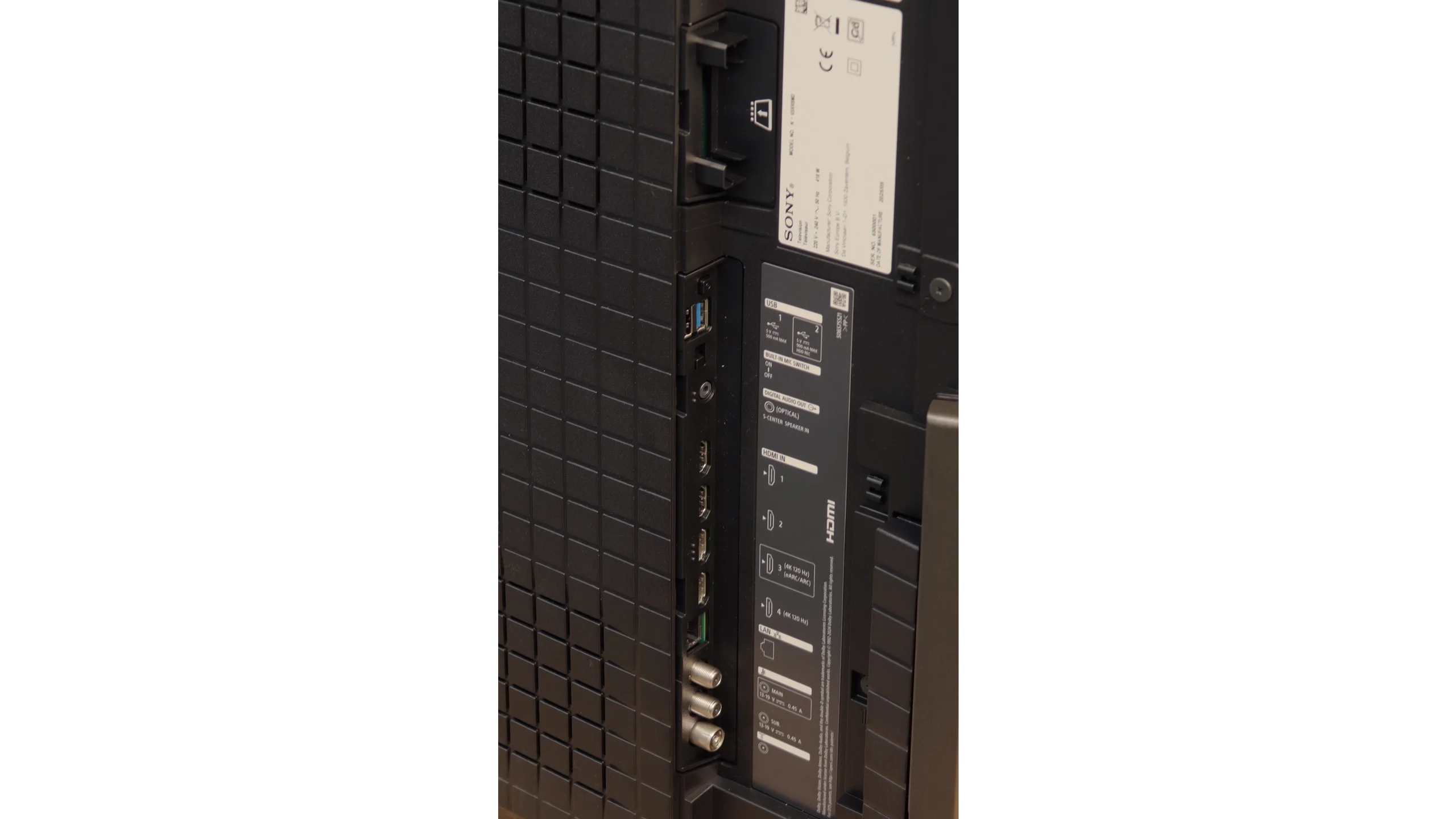
- HDMI inputs0 x HDMI 2.0, 4 x HDMI 2.1 48Gbps2 x HDMI 2.0, 2 x HDMI 2.1 48Gbps
- Other inputsIR (remote)
- OutputsToslink (Optical audio), eARC (HDMI), ARC (HDMI)Toslink (Optical audio), eARC (HDMI), ARC (HDMI)
- Network InterfacesWi-Fi 2.4GHz, Wi-Fi 5GHz, Ethernet (LAN) 100MbpsWi-Fi 2.4GHz, Wi-Fi 5GHz, Ethernet (LAN) 100Mbps
- TV receptionDVB-T, DVB-T2, DVB-S, DVB-S2, DVB-CDVB-T, DVB-T2, DVB-S, DVB-S2, DVB-C
Classic features:
- Recording to USB (terrestrial TV)
- Recording programming
- Picture in Picture (PiP)
- RF remote control (no need to aim)
- Backlit remote control
- Teletext
- Audio only mode
- Bluetooth headphones support
- Simultaneous Bluetooth headphones & TV audio
Smart features:
- AirPlay
- Screen mirroring (Windows Miracast)
- Voice search
- Voice search in native language
- Ability to connect a keyboard and mouse
Sound connection options
- HDMI audioeARC (HDMI), ARC (HDMI)eARC (HDMI), ARC (HDMI)
- Other audio outputsToslink (Optical audio)Toslink (Optical audio)
- Wireless audioBluetoothBluetooth
Supported audio formats (external HDMI eARC audio):
- Dolby Digital Plus 7.1
- Dolby True HD 7.1
- Dolby Atmos in Dolby Digital Plus (JOC)
- Dolby Atmos in Dolby True HD
- DTS:X in DTS-HD MA
- DTS-HD Master Audio
Senior accessibility
- Numeric keyboard on TV
- Font size adjustment
- Audio description
Classic Features
LG G5 has a lot to offer when it comes to classic television features. Apart from the lack of the ability to watch two sources (PIP), the TV performs excellently for everyday use. There are no issues with connecting external Bluetooth devices like headphones, and the EPG interface is very clear and understandable – even for those who are not particularly tech-savvy.
Smart TV Features
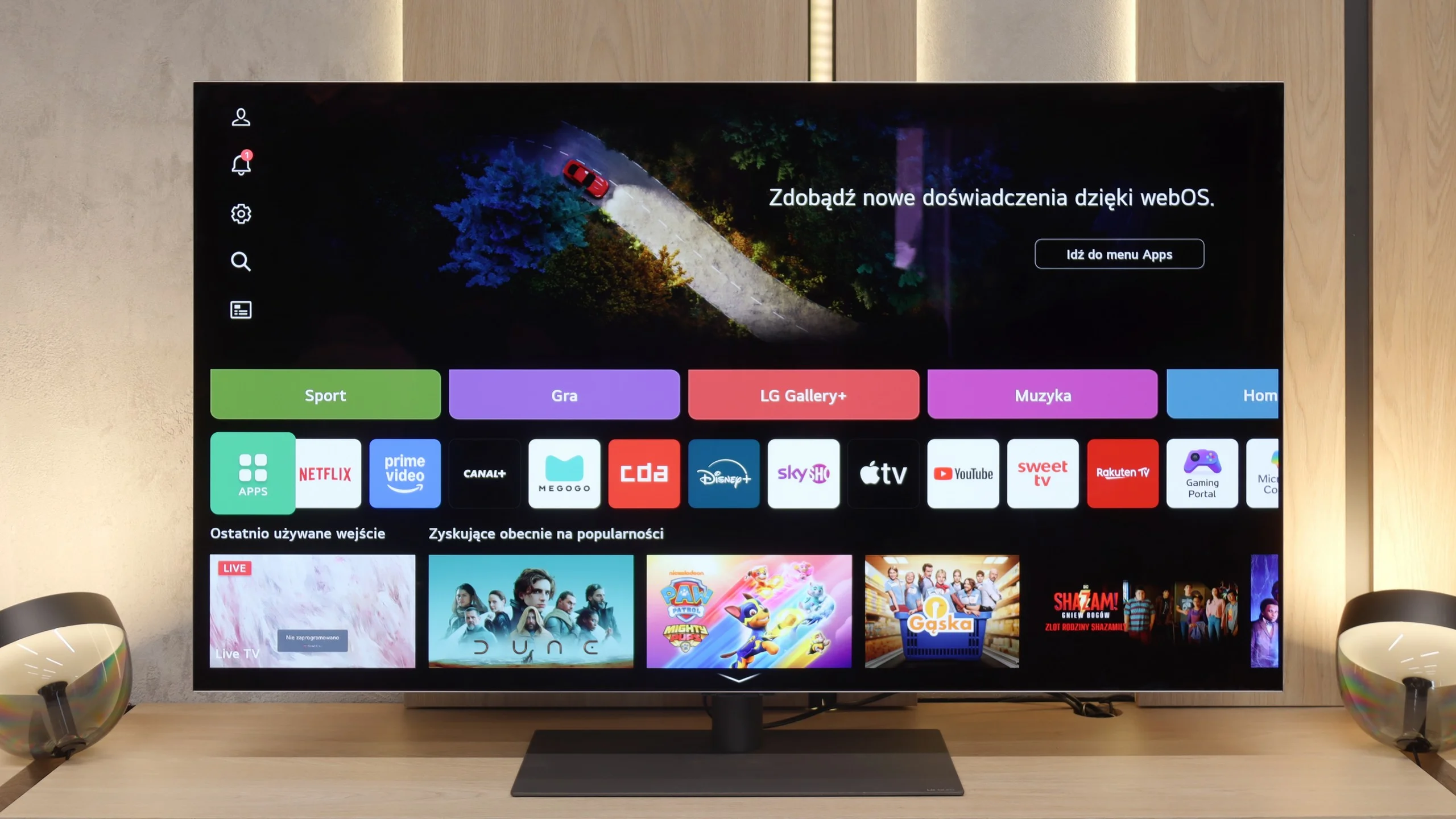
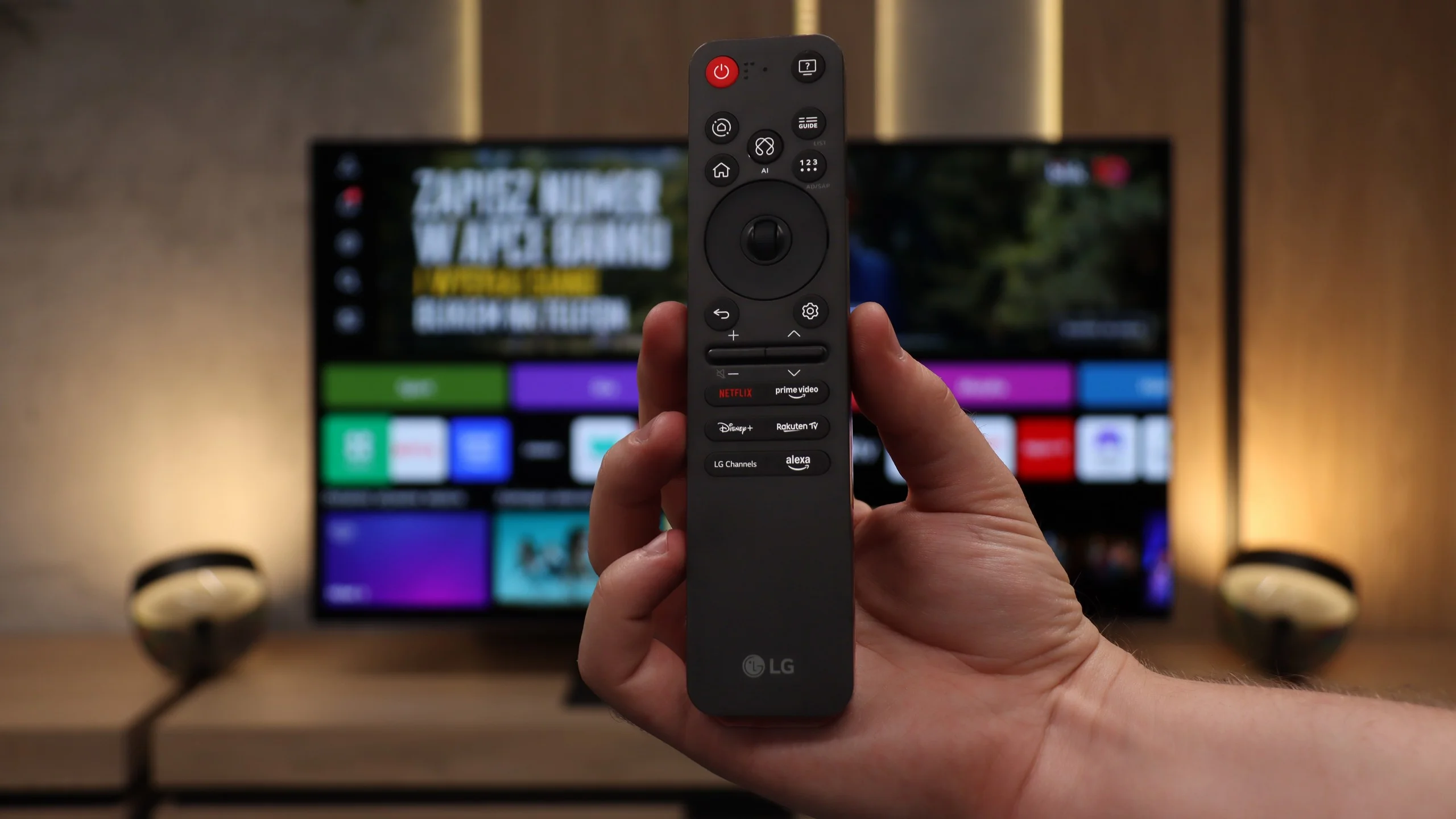
The Smart TV in the G5 operates on the WebOS system – it is the heart and brain of the entire television. With the Magic remote, using the G5 is truly enjoyable. We control the cursor on the screen with wrist movements, which resembles using a mouse in the air. The system itself is very sophisticated and offers everything one could expect: AirPlay, screen mirroring, voice search, and voice commands – all of which work smoothly and without delays. There’s no doubt it’s one of the best operating systems in TVs on the market.
Note:
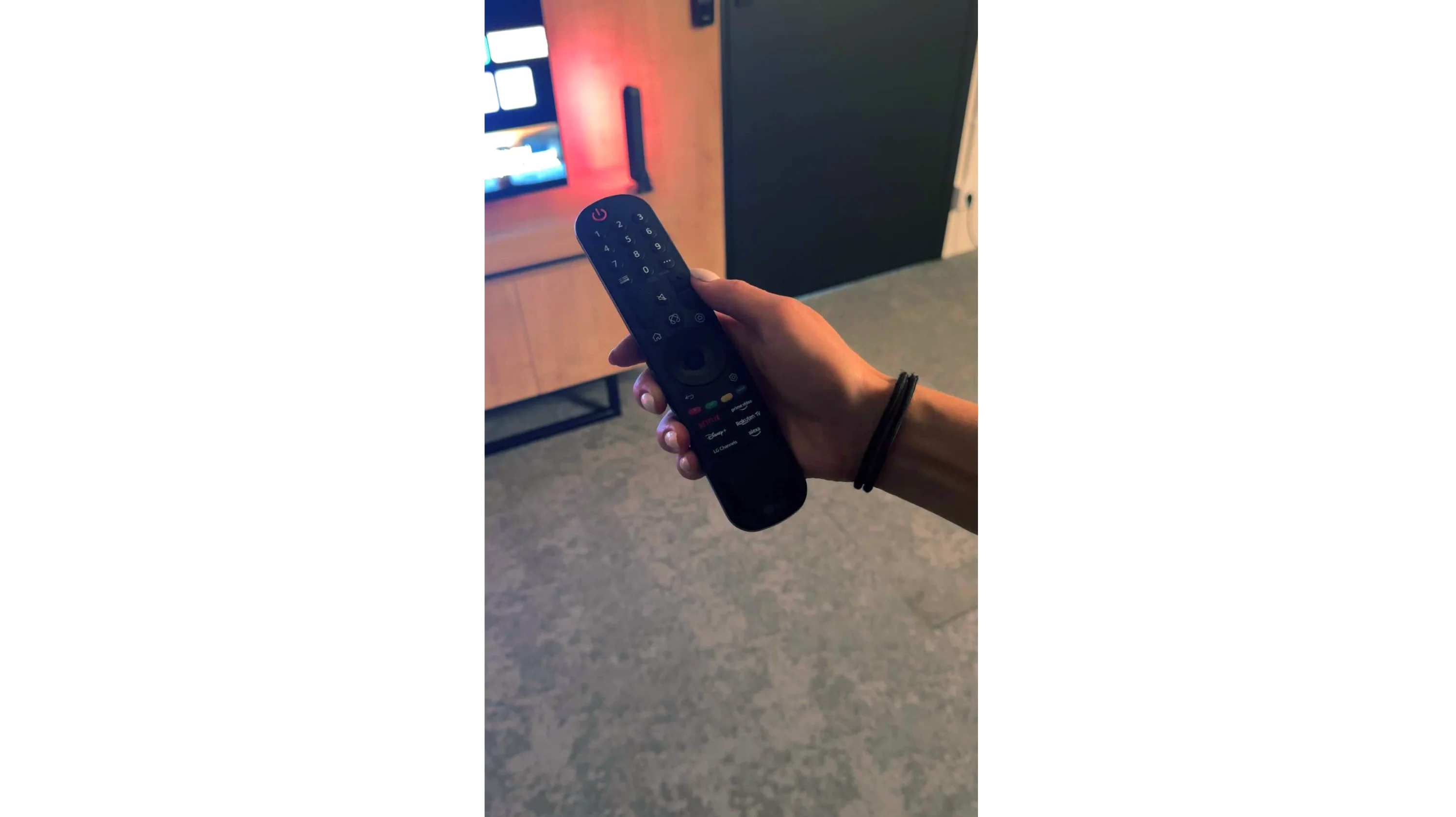
During our tests, we had almost nothing to complain about – maybe aside from one exception: the confusion surrounding the remote. Depending on the market and the specific version of the model, you may encounter the new, minimalist Magic remote (without a numeric keypad), or the older version with a full set of buttons. We tested the G54LW model, which had the new Magic remote, but it’s hard to say how the situation looks in other variants. It may be a similar situation to the LG C5 series, where the remote attachment also depends on the specific market.
SONY Bravia 8 II – TV features
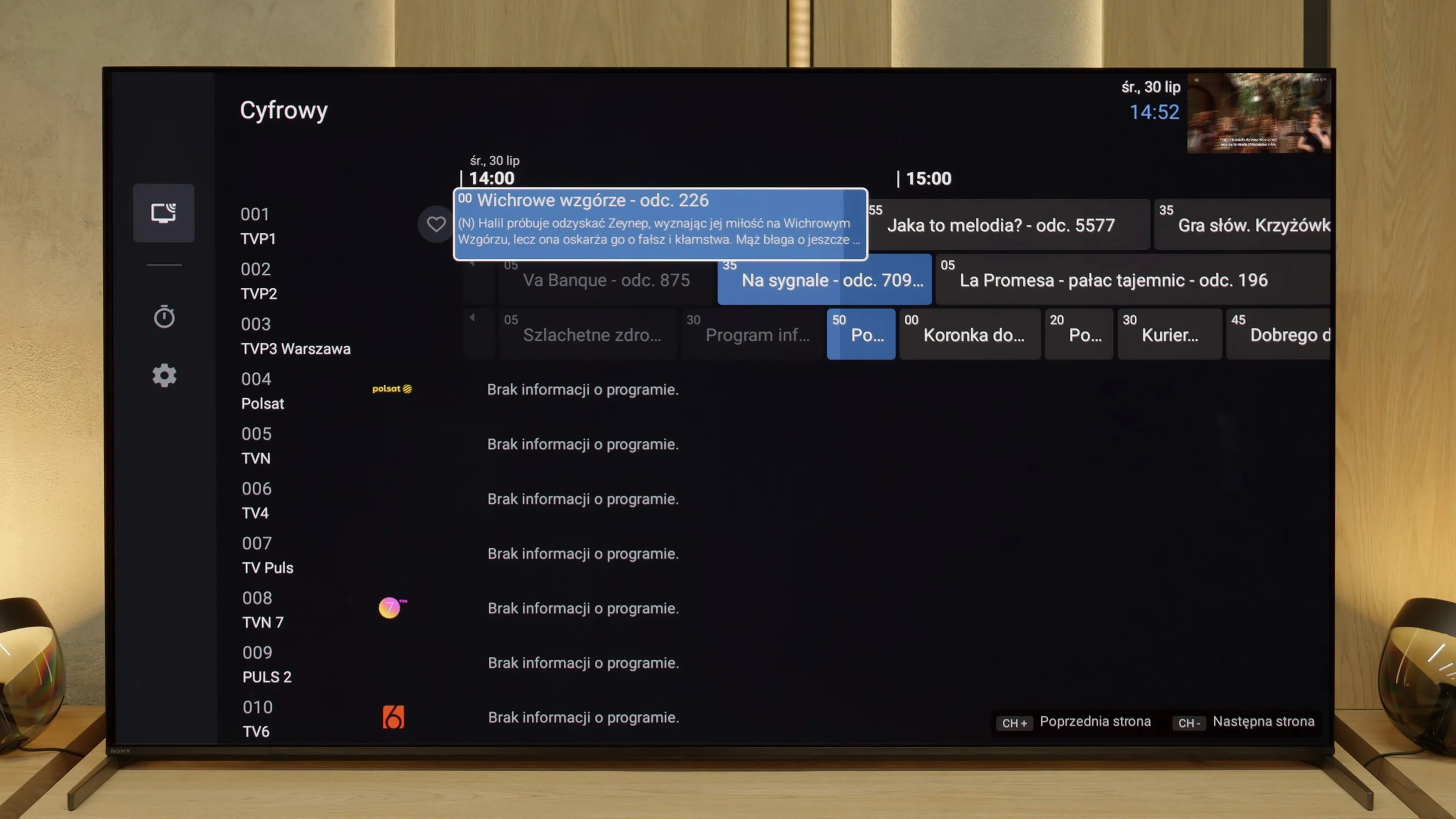
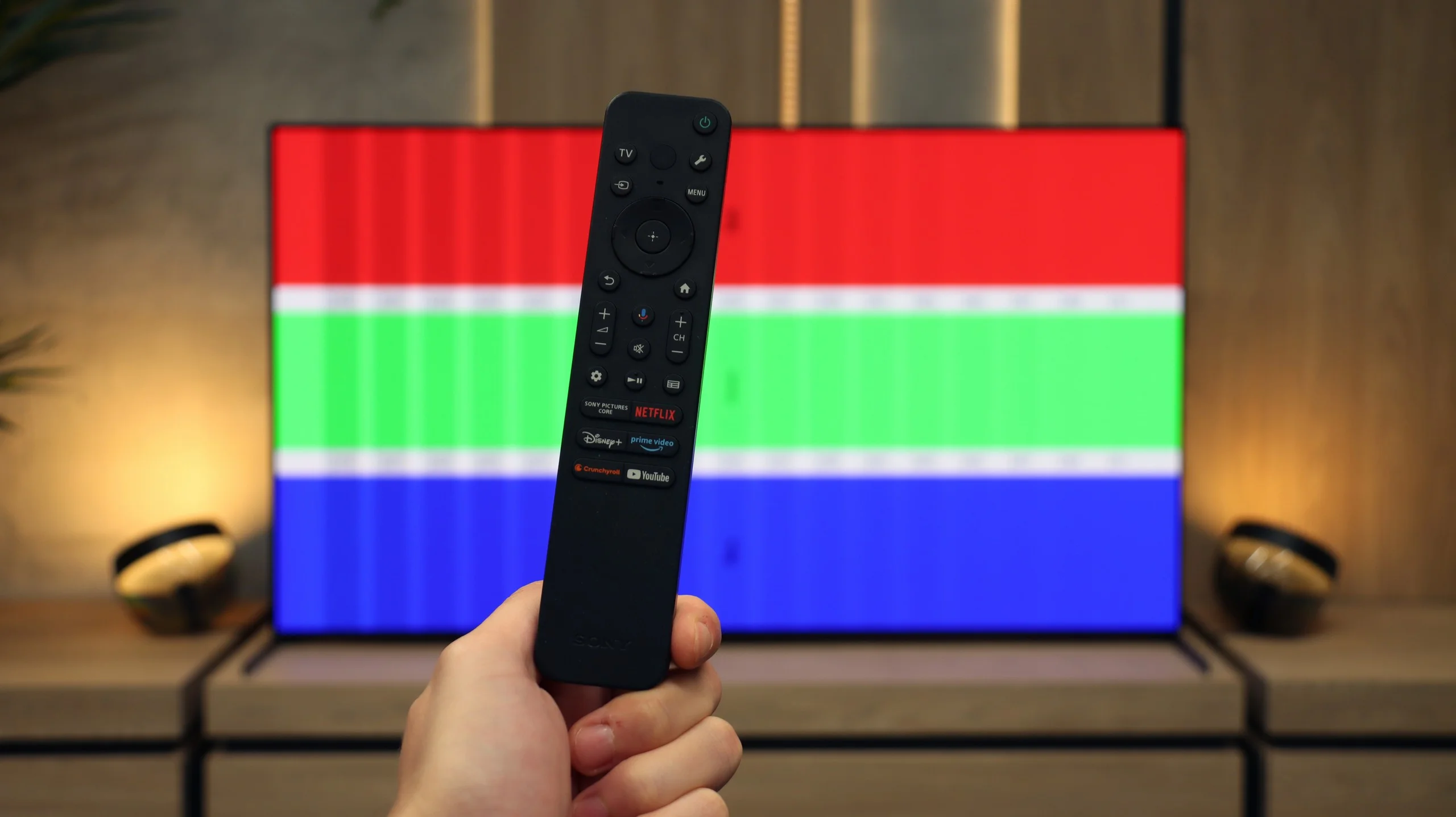
The Bravia 8 II has plenty to offer people who use their TV in a classic way. The box includes two remotes: one modern, minimalist "smart" remote, and a second traditional numeric remote made for those who just treat their TV... like a TV 😉. Sony also lets you schedule and record TV programmes to external storage, such as a USB stick. Features like EPG or teletext need no mention — they're a given.
SONY Bravia 8 II – Google TV
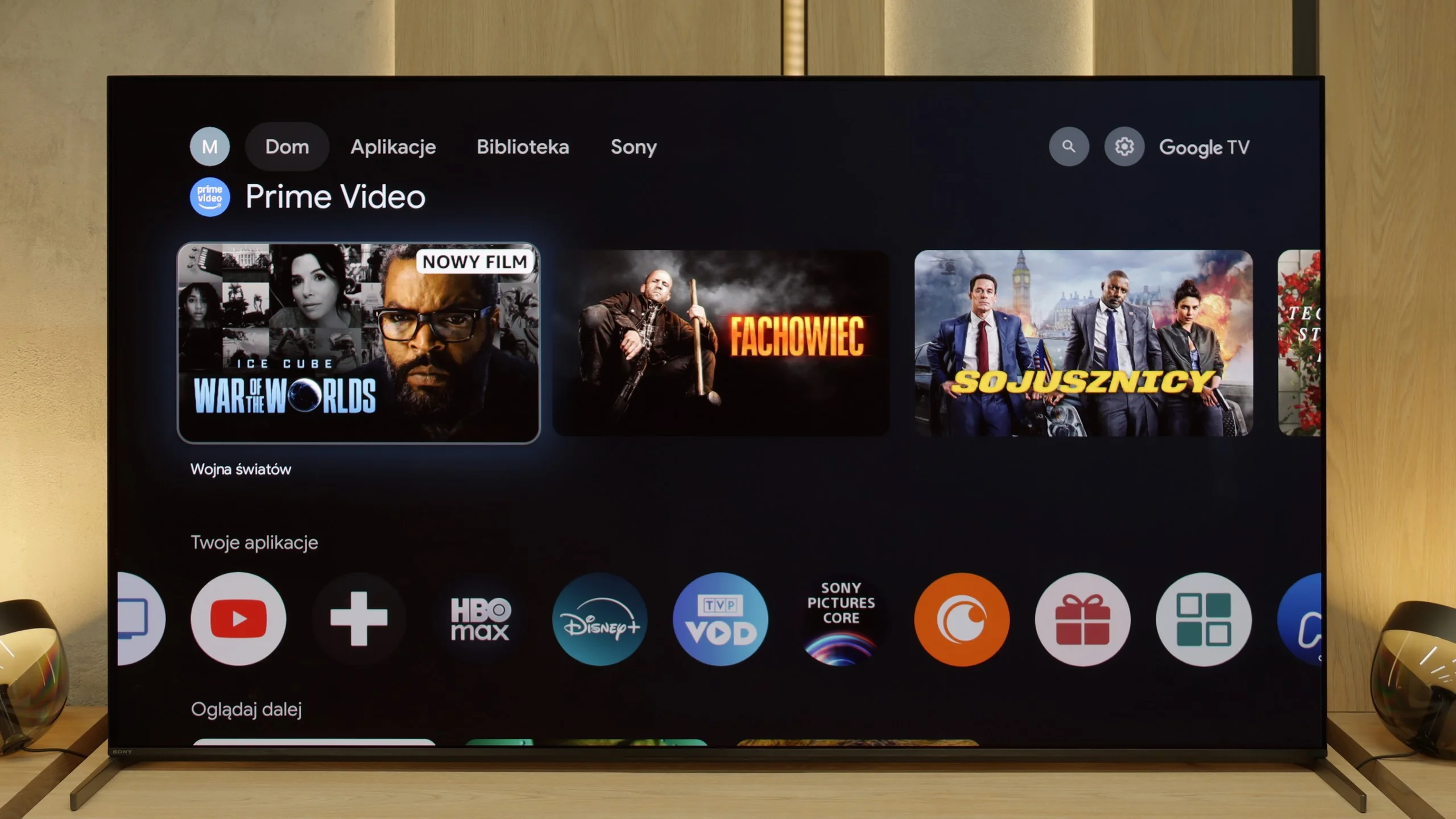
When it comes to smart features, the biggest advantage is Google TV, which, in our view, Sony has refined better than other manufacturers on the market. Although the system can be demanding on hardware, it runs very smoothly on the Bravia 8 II. Google TV also offers a huge selection of apps, which is another strong point. There are exclusive features you won't find with competitors, including the ability to remote-play from your own PlayStation console and access to the Bravia Core film library, available only on Sony TVs. In short, the complete package.
Apps
9.1/10
9.6/10






















Playing files from USB
9/10
8.9/10
Supported photo formats:
Maximum photo resolution:
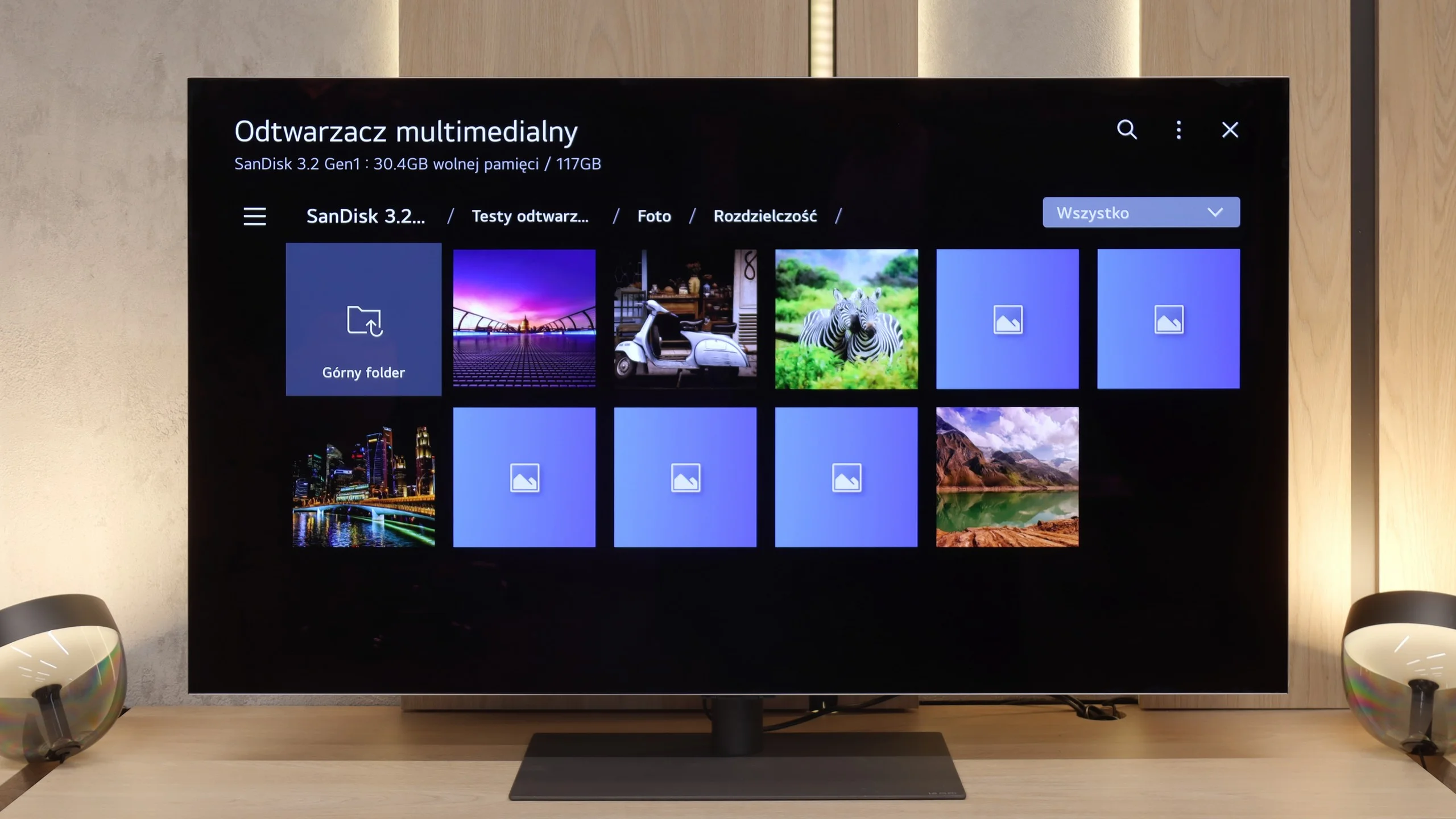
The built-in media player in the LG G5 is really quite good. It supports virtually everything you can expect from a modern television – most popular formats work without any issues, and the app's performance is fast. Our only disappointment was the lack of support for very high-bitrate HEVC files at 85 Mbit/s – similar to the C5 and B5 models. Interestingly, the same file played flawlessly on last year's LG OLEDs, so it's hard to say what has caused this change. Nevertheless, in everyday use, the G5 will handle the vast majority of materials, and there will be no need to connect any external devices for media playback.
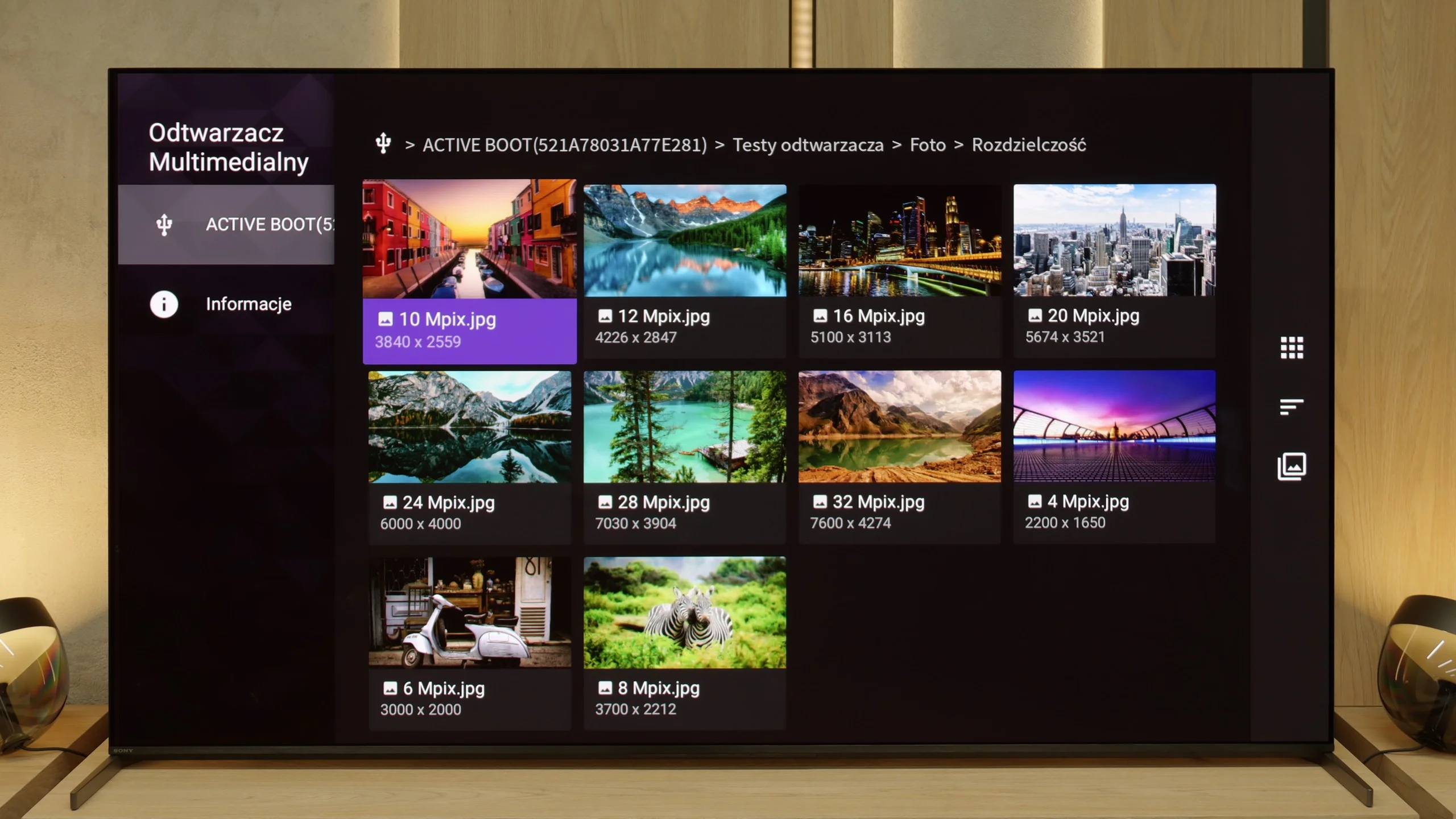
Bravia 8 II handles media playback very well. The built-in player plays practically everything you'd expect. Admittedly, there are a few formats it doesn't support, but that's not a major issue. The real advantage is that, thanks to Google TV, we're not limited to the default player. At any time we can install an alternative app that will cope with files the built-in Sony software struggles with. That makes the TV a universal media centre, ready to handle almost any format.
Sound
8.7/10
8.5/10
- Maximum volume84dB86dB
- Dolby Digital Plus 7.1
- Dolby True HD 7.1
- Dolby Atmos in Dolby Digital Plus (JOC)
- Dolby Atmos in Dolby True HD
- DTS:X in DTS-HD MA
- DTS-HD Master Audio
The sound on the LG G5, considering its slim design, is truly phenomenal. When listening to music, you can sense a light, pleasant bass, and in films, the dialogue is clear and easy to hear – it doesn’t get lost even in dynamic scenes. Unfortunately, a bit of a disappointment is the lack of support for the DTS format, which LG used in its older models. It's a shame, as many home theatre enthusiasts might see this as a step backwards.
In terms of sound, the Bravia 8 II is absolutely top-tier in the TV world. Sony once again proves that its Acoustic Surface technology isn't a marketing gimmick but a real asset, with the speakers hidden behind the screen turning the whole panel into a diaphragm. The soundstage is wide, the dialogue sounds exceptionally clear, and the sound follows the on-screen action precisely. It's one of the few TVs where you can genuinely skip an extra soundbar (the basic kind, of course). On top of that, Sony hasn't forgotten the formats the competition is slowly dropping; full DTS support is a nod to cinephiles who want to get the most out of films and series recorded on physical media.
Sound Quality Test
Acoustic Measurements
84dBC (Max)
75dBC
86dBC (Max)
75dBC
Reader comments
Comments are provided by the external service Disqus (Zeta Global). Once loaded, Disqus may set cookies and process data about your activity.
We will remember your choice on this device. Provider's privacy policy