LG G4 is a strong contender for being the best television of 2024. Thanks to the combination of OLED black and MLA technology, we will get an incredibly dynamic and vibrant image that will surely captivate us completely. LG G4 is also proof that televisions equipped with an OLED panel supported by MLA technology are indeed suitable for viewing in bright rooms. The operating system, while not as open as the competition, allows for many possibilities. Its greatest advantage is the well-known remote with a cursor, which makes controlling the unit (in our opinion) one of the most convenient on the market. Factory colour reproduction, although not at a high level, after undergoing calibration, can be considered almost reference-quality, providing a truly cinematic image. No wonder post-production studios choose televisions from this manufacturer. They uniquely offer such a deep capability to adjust the image, thanks to 3D LUT calibration. It seems that the biggest (and perhaps only) drawback of this television is the tonal transitions, which, while far from perfect, cannot be said to detract from the viewing experience. The remedy is provided by the manufacturer themselves, and enabling the "Smooth Gradation" function will remove the vast majority of any choppiness. LG G4 also performs exceptionally well when watching all kinds of sports or other dynamic scenes. The motion smoother is incredibly advanced and allows for adjustment of smoothness to suit individual needs. Thanks to HDMI 2.1 ports with full functionality and the manufacturer's attention, the tested television will find its place in the homes of many passionate gamers. Each of the essential features works flawlessly, and the low input lag in every mode is very pleasing. In summary, LG G4 is an incredibly versatile television, allowing for entertainment in excellent quality both at night and during the day.
- Matching (Score) |
- Our verdict |
- TV appearance |
- Where to buy |
- Contrast and black detail |
- HDR effect quality |
- Factory color reproduction |
- Color reproduction after calibration |
- Smoothness of tonal transitions |
- Image scaling and smoothness of tonal transitions |
- Blur and motion smoothness |
- Console compatibility and gaming features |
- Input lag |
- Compatibility with PC |
- Viewing angles |
- Daytime performance |
- Panel details |
- TV features |
- Apps |
- Playing files from USB |
- Sound
LG OLED G4 vs Xiaomi S Pro 2026
 Direct comparison
G45 / G42


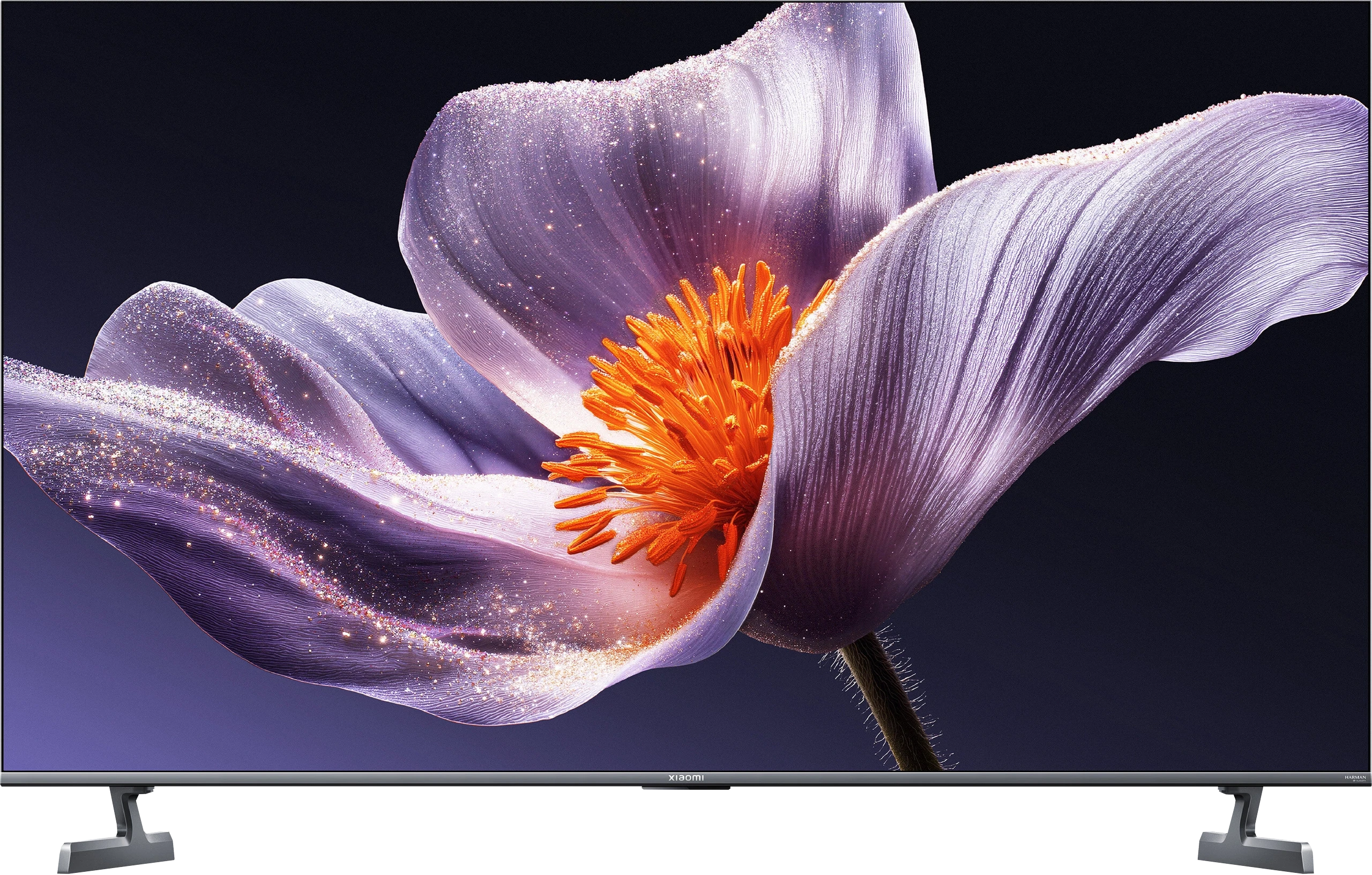
Panel type: WRGB OLED
Resolution: 3840x2160
System: WebOS
Model year: 2024
Complete the survey to find out the result
Resolution: 3840x2160
System: Google TV
Model year: 2025
Complete the survey to find out the result
Overall rating
8.5
7.2
 Movies and series in UHD quality
 8.6
6.7
 Classic TV, YouTube
 9.1
6.3
 Sports broadcasts (TV and apps)
 9.0
6.4
 Gaming on console
 9.5
7.7
 TV as a computer monitor
 8.6
8.6
 Watching in bright light
 5.8
7.4
 Utility functions
 9.0
7.2
 Apps
Apps 9.1
9.6
 Sound quality
 8.6
7.1
Complete the survey to find out what fits your preferences
Advantages

Phenomenal image fidelity to the director's intent
Reference colour reproduction post-calibration
Very high brightness in HDR content
Outstanding compatibility with consoles and computers
The panel effectively suppresses light reflections
Perfect viewing angles
Good black and contrast (SDR)
Very high peak brightness (great for a bright lounge)
Complete package for gamers (144 Hz panel, HDMI 2.1, VRR)
Extremely low input lag in SDR mode (below 10 ms)
Surprisingly good, strong sound (branded by Harman Kardon)
Support for Dolby Atmos and DTS:X
Rich Google TV system (with AirPlay and Chromecast)
Proper compatibility with PC (clear fonts and 288Hz mode)
Excellent price-to-specification ratio
Disadvantages

Visible tonal transitions
Sound of the built-in audio system - it could be better in this class of television
Local dimming algorithms practically don't work in HDR content
Useless Dolby Vision Gaming mode (input lag approx. 100 ms)
Poorly implemented HGiG mode
Strongly visible banding (colour stepping) in dark scenes
Very weak upscaling and digital image processing
Google TV system can "lag behind"
Our verdict
Is it worth buying the Xiaomi S Pro 2026? The answer to this question is quite complicated. Let's start with what is really great about this TV. First of all, the Xiaomi S Pro 2026 has an outstanding price-to-performance ratio. It features a Mini LED panel with very high brightness, which performs excellently in a sunlit living room. Additionally, it has a fast 144 Hz (or even 288 Hz) panel and a full gaming package: two HDMI 2.1 ports, support for VRR, and impressively low input lag (below 10 ms). If you mainly watch 'regular' content and play games, this is a fantastic screen. Even the built-in 30W speakers are surprisingly good and support Dolby Atmos. Unfortunately, there is also a second, very problematic side to this model. In short: the software. We have the impression that Xiaomi has given us great 'parts', but hasn't managed to make them work together properly. The biggest issue is the HDR mode – the main reason why people buy TVs today. For unknown reasons, the TV in HDR mode (HDR10, Dolby Vision) does not manage its dimming zones well. As a result, blacks that should be deep become grey or navy blue, like in a regular LCD TV. On top of that, there are other software issues such as the terrible implementation of HGiG or the fact that the Dolby Vision mode for gamers is unusable due to immense input lag (100 ms). Additionally, the TV's capability to process image digitally is very poor. So how can we summarise this in terms of price? In its price range, the Xiaomi S Pro 2026 crushes the competition in terms of specifications. Other TVs for this money are usually basic LCD models without dimming, and often only have a 60 Hz panel. The question then is: what is more important to you? If you're simply looking for a very bright and affordable TV for watching during the day and gaming, and you're willing to calibrate it – you will be very pleased with it. However, if you're looking for a TV to enjoy impressive HDR in movies and games straight out of the box, you will be terribly disappointed with this model. In that case, in our opinion, it's better to pay a bit more for a basic OLED TV or a more refined Mini-LED model from the competition.
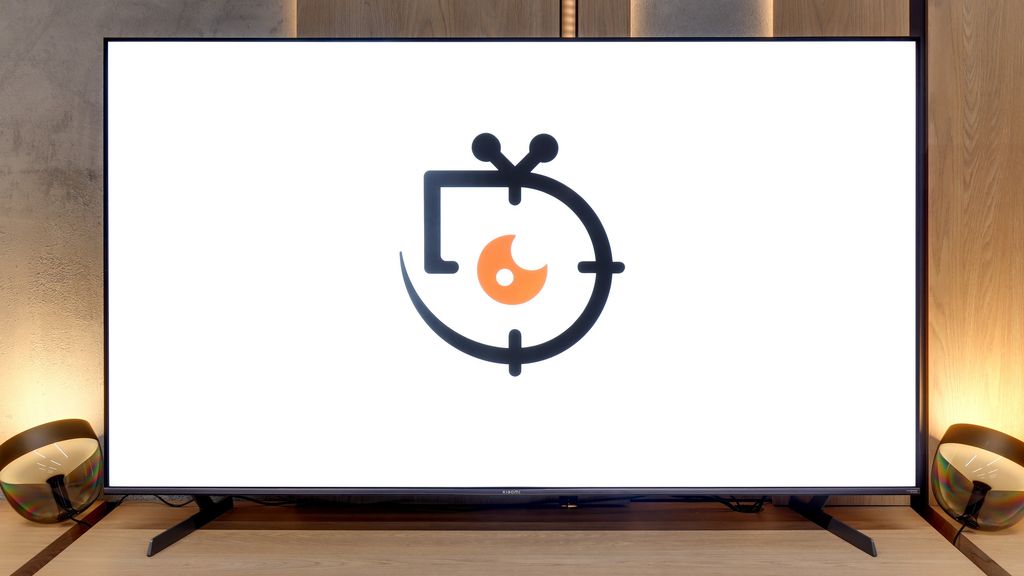
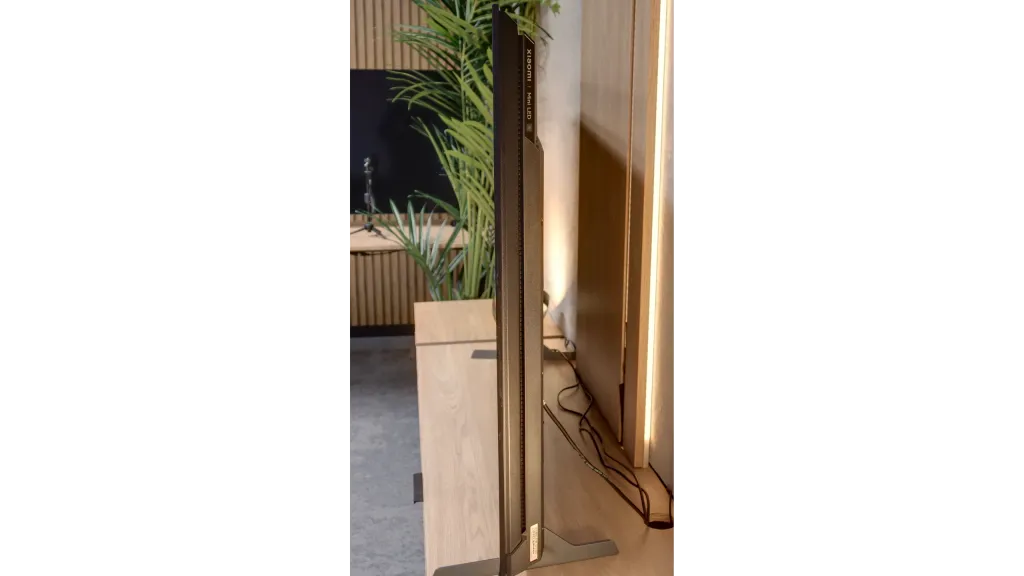
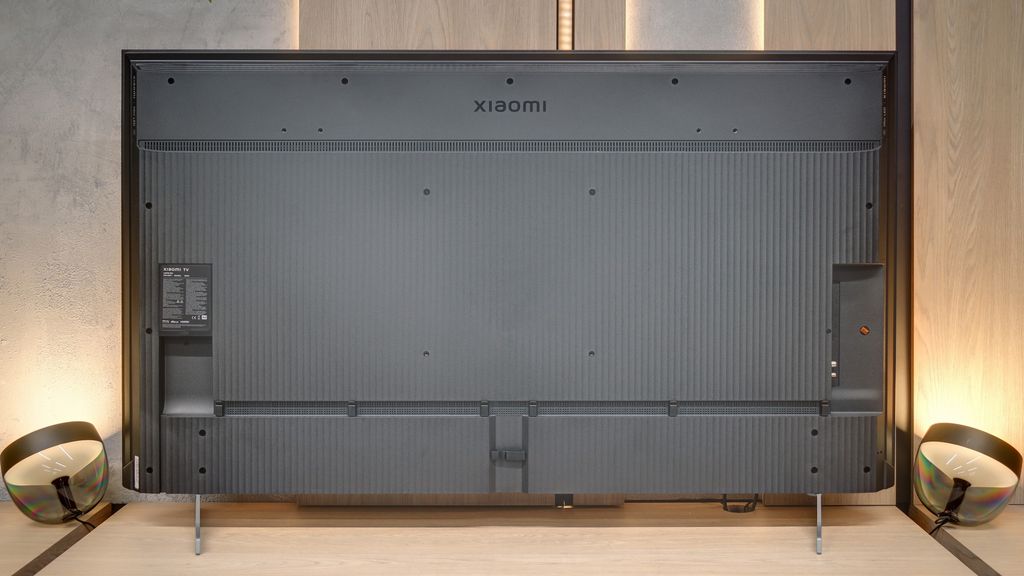
TV appearance




Contrast and black detail
10/10
7.4/10
Local dimming function: Yes, number of zones: 532 (28 x 19)
Contrast:


Result
∞:1

Result
∞:1

Result
∞:1

Result
∞:1

Result
∞:1
Result
1,001,650:1
Result
52,600:1
Result
17,900:1
Result
17,200:1
Result
10,150:1
Halo effect and black detail visibility:

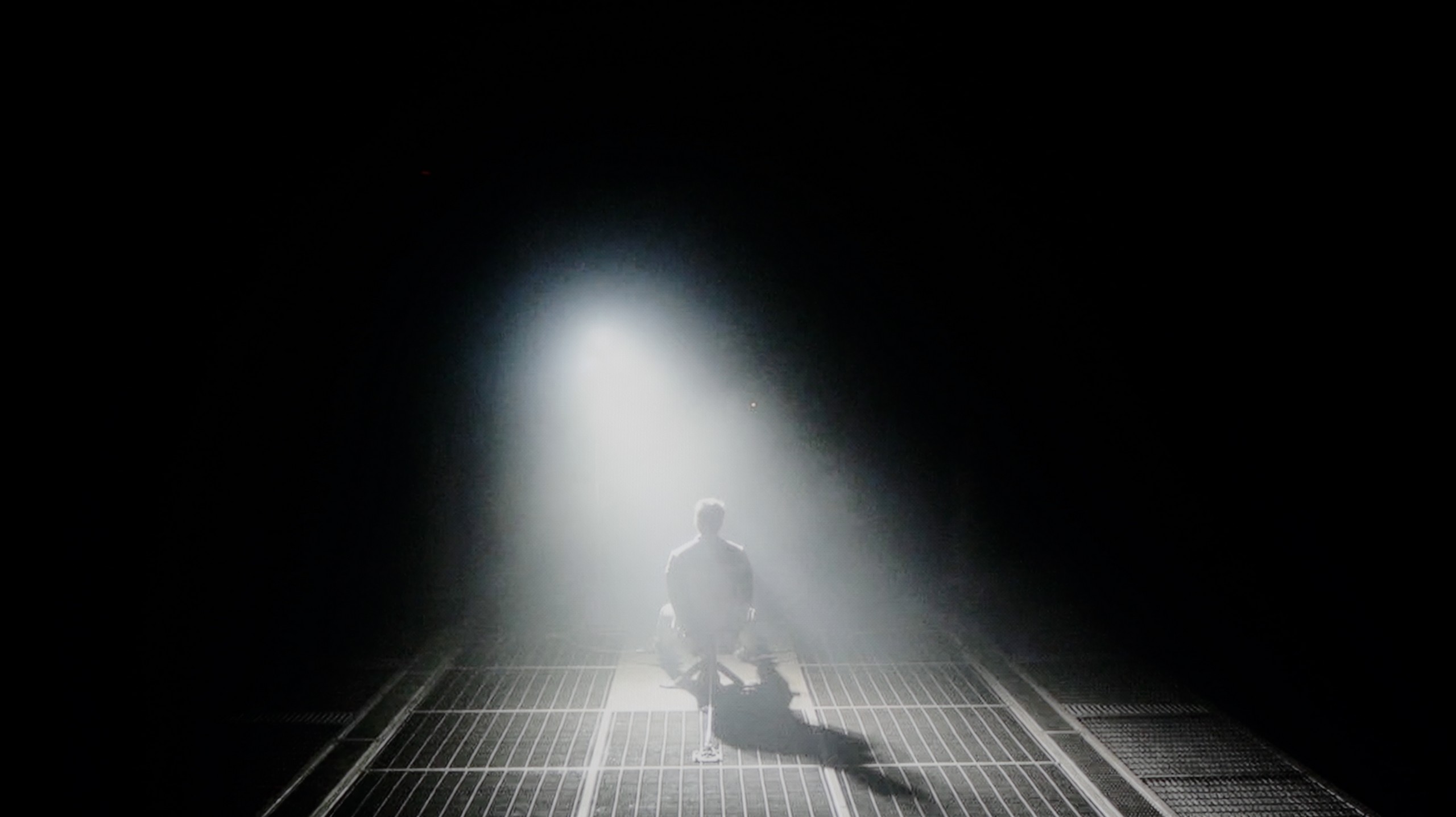
Check the visibility of bright lights on a dark background. Mini-LEDs often struggle with this. The photo does not compare black levels – that’s what the video below is for.
The video accurately shows differences in contrast and black levels between TVs, as well as potential issues: halo around bright objects or Mini-LED zone operation visible as brightness jumps.
LG G4, with its OLED panels produced for over 10 years, delivers perfect contrast, black levels, and detail reproduction in the darkest scenes. It's worth noting that the panel itself is equipped with MLA (Micro Lens Array) technology, which LG showcased just a year ago with the launch of its predecessor. The use of an organic panel not only allows for achieving pitch-black blacks but also provides extraordinary immersion and a three-dimensional effect in the image, which is hard to find even in the best Mini LED TVs. Such image quality is closely linked to OLED panel technology, as each pixel is controlled by an electrical impulse rather than shading filters on the panel. Therefore, if we want to achieve black, the pixel is simply turned off. This is very evident in test images, where the spotlight provides high brightness while being perfectly separated from each other. The situation remains unchanged in the challenging scene from "Sicario 2," where no imperfections from zone dimming can be seen, which we might encounter in LCD TVs.
Let's get to the point, which is what’s most important in the Mini LED panel: blacks and contrast. The Xiaomi S Pro 2026 is built on a VA matrix, which right off the bat promises deep blacks. On top of that, it features Mini LED backlighting with a very large number of local dimming zones. In the 65-inch variant we tested, we counted as many as 532. That’s a solid figure that should provide precise control over the backlighting. It should be noted that this number is proportional to size – opting for the smaller 55-inch variant will have fewer zones, while larger models will have more.
So, how does the black level perform on the S Pro 2026? The answer is complex.
Overall, it’s really not bad, and we see a clear improvement compared to the problematic model from 2025. As you can see on our measurement charts, the results are occasionally spectacular. In the majority of the film scenes we measured in SDR (standard dynamic range), the contrast could easily be called very good and even comparable to constructions three times more expensive. Well, it could be... and this brings us to the paradox of this model. The problem is how the television manages zones in scenarios other than SDR. As soon as we feed the TV a higher-quality signal, such as an HDR series or Dolby Vision from streaming platforms (Netflix, HBO Max, or Disney+), something strange happens. We have an irresistible impression that the TV suddenly... forgets it was equipped with local dimming zones at all. As shown in our video below, black levels in such scenes resemble more dark gray or navy shades. To this is added a slight flickering of the entire screen. This is a level we would expect from televisions completely lacking local dimming systems. It seems that Xiaomi, over the course of a year, chose to fix one key issue from last year’s 2025 model. And they succeeded – there’s no more annoying “zone disco”, the image is stable. It’s just a shame that when consuming high-quality content (HDR), this entire advanced system becomes completely useless.
HDR effect quality
7.9/10
6.3/10
Luminance measurements in HDR:

Result
1474 nit

Result
1467 nit

Result
1403 nit

Result
1441 nit

Result
850 nit
Result
809 nit
Result
526 nit
Result
1033 nit
Result
469 nit
Result
718 nit
Scene from the movie “Pan” (about 2800 nits)


Scene from the movie “Billy Lynn” (about 1100 nits)


The photos show two HDR10 movies. 'Pan' is one of the brightest productions ever made, while 'Billy Lynn' (soldier) has brightness typical of streaming (Netflix, Prime, HBO MAX). Notice the intensity of effects and detail in whites.
Static HDR10


The photos present the visibility of white details in various HDR formats. They do not show brightness differences between TVs (these can be compared in the previous gallery).
Dynamic: Dolby Vision
Dynamic: Dolby Vision


The photos present the visibility of white details in various HDR formats. They do not show brightness differences between TVs (these can be compared in the previous gallery).
HDR luminance chart:
Xiaomi S Pro 2026
LG OLED G4
Luminance of RGB colors
LG G4 guarantees an incredibly vibrant HDR effect, placing the television firmly at the top of the rankings. The highest model in the manufacturer's 2024 portfolio, equipped with the second generation of microlens technology (MLA), has achieved a maximum brightness level of 1474 nits in real scenes. The only area where the product of the Korean manufacturer may fall short compared to LCD televisions with Mini LED backlighting is during a full-screen scene featuring a lot of white. If we were to disregard the latter scene, the average result would be even higher. It's also worth mentioning scenes with very fine details, where each one shone at full intensity, which is not as evident in non-OLED televisions. The combination of such brightness and wide coverage of the DCI-P3 color space ensures that HDR materials are more engaging than ever before.
When it comes to HDR quality, the Xiaomi S Pro 2026 is undoubtedly a very bright television. On our synthetic measurement patterns, we were able to achieve peak brightness of around 1400 nits. This result is not only very good but quite spectacular, considering the price of this model. However, as we always say, our editorial team values measurements and the viewing experience of content that people watch on a daily basis – from movies to series. So let’s analyse how Xiaomi performs with film material. The result is, unfortunately, quite mixed. When very bright scenes appear on screen, the S Pro 2026 truly shows its full capabilities and can achieve a real 800-1000 nits on bright elements. Moreover, even smaller objects can "burn" the eyes – in scenes from the movie Sicario 2, small metallic parts of the helicopter were really vivid. The problem is – and here the story comes full circle, returning to our contrast assessment – that in such scenes, we can’t count on absolutely cinematic black. In our opinion, this compromise is too significant; the high visibility of details in bright sections should not come at the expense of such a substantial drop in blacks. And even though the HDR effect can create a stunning impression here, it’s important to remember that when very challenging, mixed scenes appear on screen, we may feel a slight disappointment. Precisely the one we mentioned in the previous paragraph regarding issues with dimming in HDR mode. As a consolation, it’s worth adding that the S Pro 2026 is equipped with an additional PFS filter (similar in function to a QLED layer), which effectively broadens the colour gamut coverage. As a result, measurements showed DCI-P3 coverage reaching 94%. This gives us confidence that in most colourful scenes, the image will look rich and properly saturated.
Factory color reproduction
8.4/10
4.1/10


This gallery shows how colors change after professional TV calibration. If you notice the difference, we recommend ordering this service at SkalibrujTV.com.
Factory Mode
After calibration


This gallery shows how colors change after professional TV calibration. If you notice the difference, we recommend ordering this service at SkalibrujTV.com.
Factory Mode
After calibration
The best factory mode in terms of colour reproduction was "Filmmaker". This is the one we used during our tests. Let's check how its characteristics looked before the calibration process. Taking a closer look at the white balance first, we can notice a significant dominance of red and green colour. As a result, the image had a warm yellow tint. This is the kind of characteristic we usually observe in "Cinema", "Filmmaker", or similarly named modes. The effect of such a colour balance was clearly visible in both SDR and HDR content, which, after switching from "Standard" mode, was distinctly yellowed. Now let's move on to two graphs that are responsible for brightness characteristics, and consequently, image contrast. The first one (Gamma), representing materials with a standard colour palette, performed decently. For most of the time, the midtones and bright whites were represented very accurately, however, it noticeably lost the darkest details which blended into a black patch. On the other hand, HDR materials, represented by the EOTF curve graph, exhibited a significant drop in contrast due to a strong boost in brightness. There was also an issue with the colours themselves as seen on the "ColorChecker" graph since they were noticeably undersaturated.
Of course, all our measurements were conducted in "Film" mode, which is typically the best and most faithful choice we get straight after taking the TV out of the box. And to put it bluntly: while this is the best mode, it is still very far from perfect. Above all, the TV has a clear tendency to give the picture a cool, blueish tint – this is due to poorly set colour balance. Additionally, there is the issue of how the S Pro 2026 manages its brightness straight out of the box, which results in an over-saturated image. These two flaws contribute to really significant colourimetric errors (Delta E). In HDR content, they could double exceed our expected error scale of "10" (i.e. reaching values close to 20). Just to remind you – the threshold of perceivable error by the human eye is a Delta E value of around 3. Results at the level of 20 mean that the image significantly deviates from what the director intended.
Color reproduction after calibration
9.5/10
7.2/10

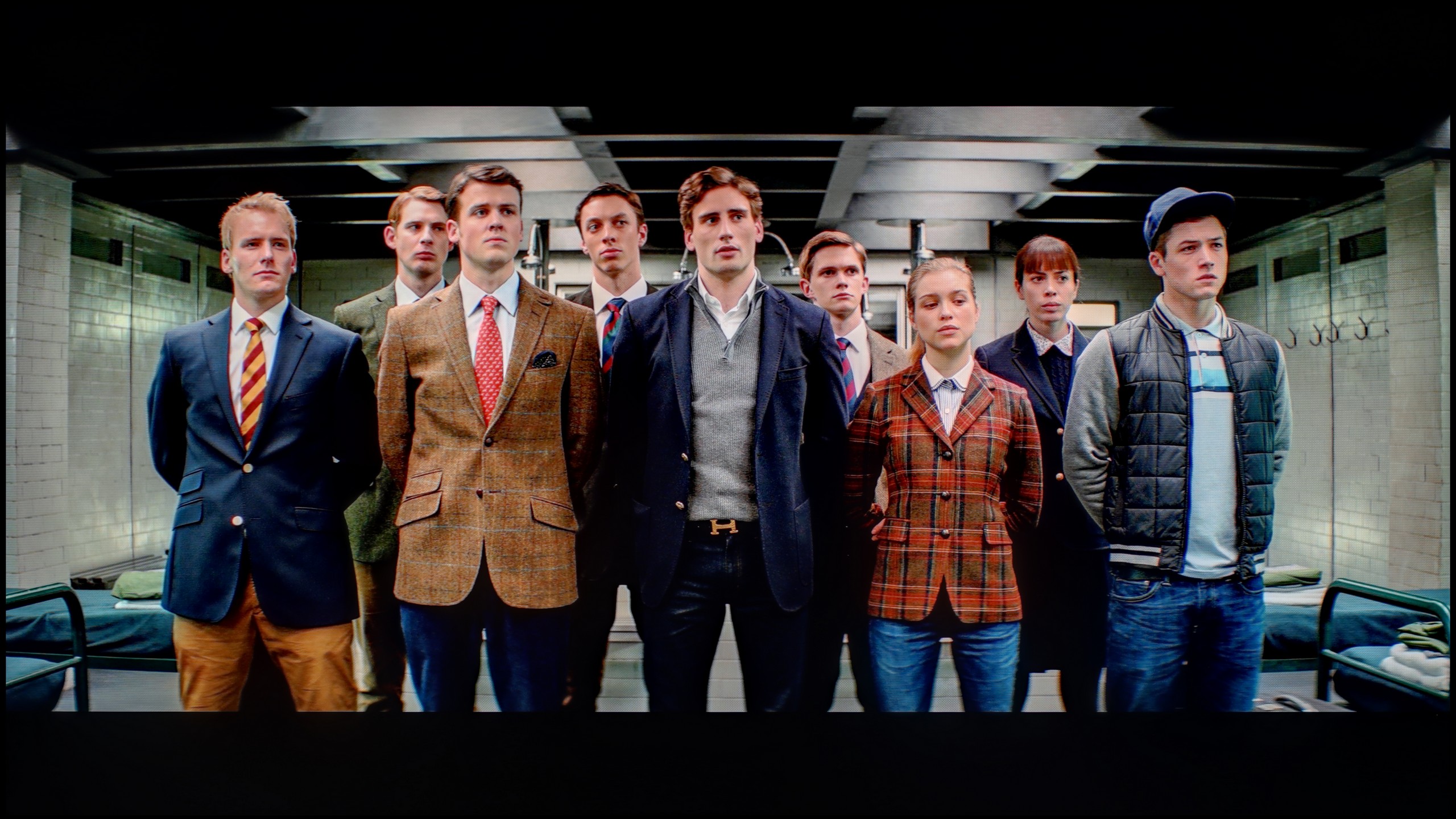
The photos show how movies look on the TV. Pay attention to black detail visibility, colors, and shadow tint.


The photos show how movies look on the TV. Pay attention to black detail visibility, colors, and shadow tint.
The manufacturer has been implementing extensive support for the calibration process in their LG televisions for many years. Therefore, we used 2- and 20-point grey scale adjustments along with an advanced CMS (Color Management System) and got to work. As you can see, thanks to the procedure carried out, each of the parameters has significantly improved. The use of tools has resulted in extremely beneficial effects, which include: studio colour reproduction, recovery of details in dark areas of the image, appropriate brightness characteristics, and proper colour saturation. Thus, we have maximised our approach to the reference image, or the one that the film director saw on the preview monitor. It is worth noting that the LG G4 televisions are the only ones that allow for even deeper intervention in image quality due to the capability to calibrate with 3D LUT matrices. However, this solution is recommended only for post-production or graphic studios.
So how does the S Pro 2026 perform after our calibration process? We must admit that after calibration, the TV becomes a really enjoyable device for watching everyday content. As you can see in the charts, in HD (SDR) material, both white balance and gamma values have been brought to nearly perfection. Most importantly, colourimetric errors have become practically invisible to the human eye. In this scenario, the S Pro 2026 is simply a great TV that, after professional calibration, can provide a lot of joy from viewing. However, it is worth noting clearly – our efforts did little to help in 4K HDR mode. Despite the calibration, the TV still interprets the image quite strongly in its "own way," which is clearly evident in the measurement of the EOTF curve (brightness tracking). It's a bit of a shame because it shows that the problem lies not with the panel itself, but with the software. Poorly refined image management algorithms in HDR content can, unfortunately, rule this TV out for many more discerning users.
Smoothness of tonal transitions
6.2/10
6.9/10


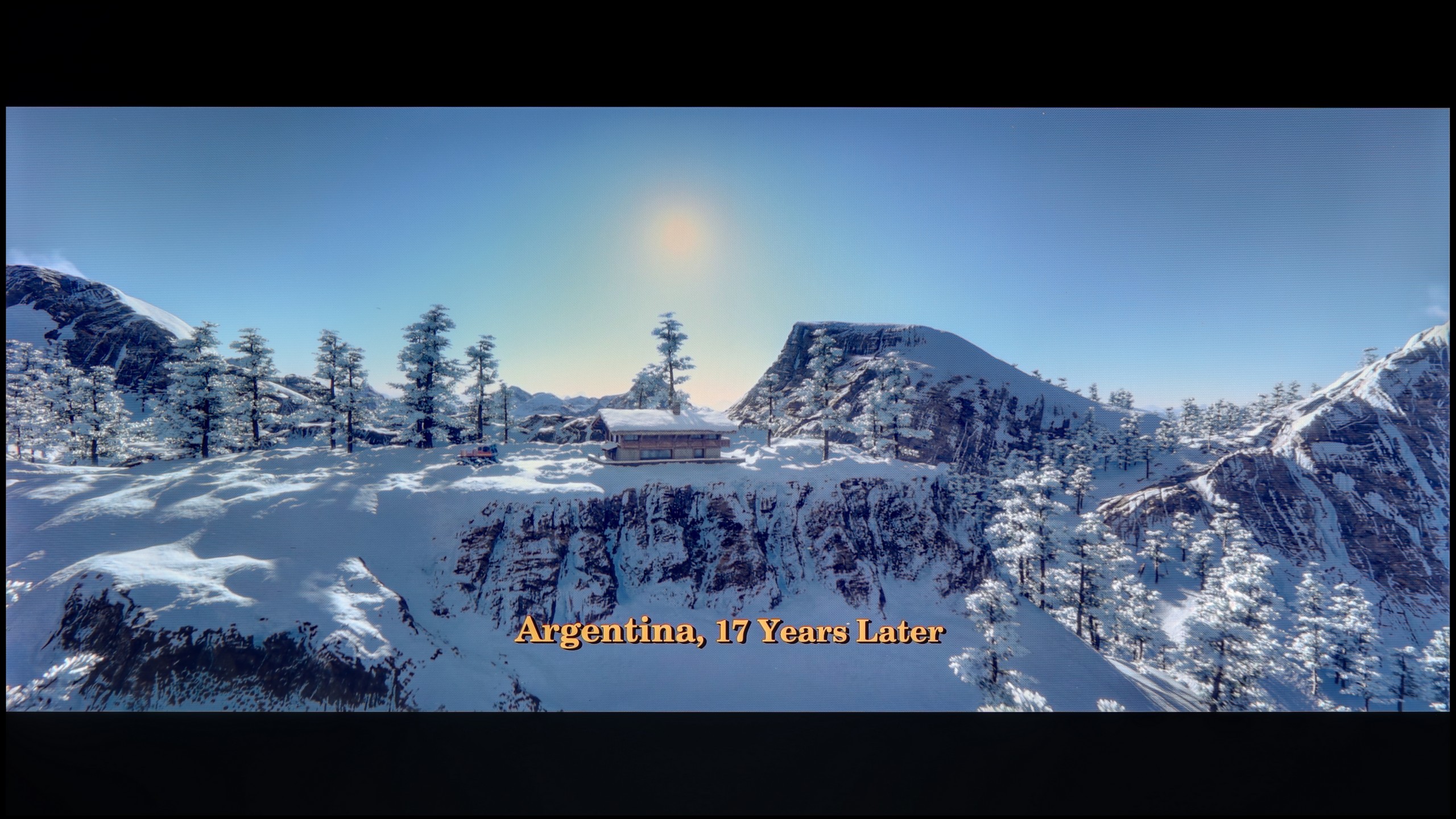
These are selected scenes that show smooth tonal transitions from one color to another. If you see distinct banding, it’s the TV panel’s fault.

These are selected scenes that show smooth tonal transitions from one color to another. If you see distinct banding, it’s the TV panel’s fault.
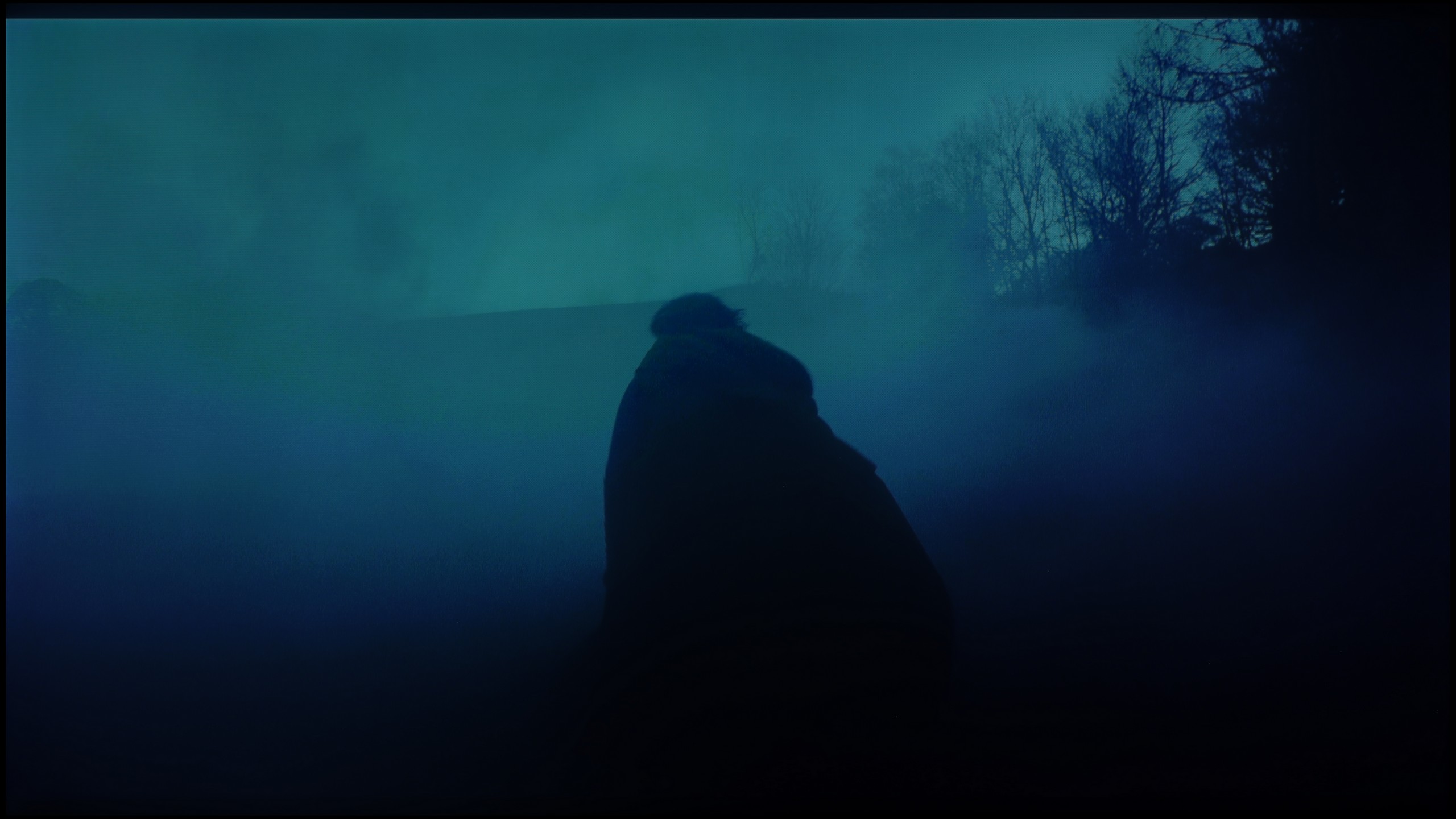
These are selected scenes that show smooth tonal transitions from one color to another. If you see distinct banding, it’s the TV panel’s fault.

These are selected scenes that show smooth tonal transitions from one color to another. If you see distinct banding, it’s the TV panel’s fault.
The tonal transitions presented on LG G4 are not among the top performers. Each scene played from a BluRay disc with 10-bit HDR exhibited noticeable choppiness in the colour transitions. This was particularly evident in the case of the film "The Green Knight," where issues related to posterisation were especially pronounced. This effect could also be observed in films with moderate to high brightness, such as "The Martian" or "Kingsman," which is rarely seen in televisions (especially of this class), which took us by surprise. Such results suggest that in scenes with low luminance and a lot of black, this issue will be troublesome, even for a layman.
Now, let’s move on to the analysis of tonal transitions, which refers to the fluidity with which the television can render transitions between closely related shades. In the case of the Xiaomi S Pro 2026, the image that emerges is extremely dualistic. On one hand, we have bright gradations. When scenes with a blue sky or other smooth transitions appear in the bright parts of the image, the S Pro 2026 handles them excellently. They look perfectly smooth, without any visible artifacts.
Unfortunately, the situation changes dramatically as soon as dark scenes take over the screen. To put it bluntly – they look really poor. Instead of a smooth tonal transition in the darkness, the screen clearly shows colour banding and unsightly "stepping" of gradients. This is very noticeable in darker films or games and can effectively ruin the viewing experience.
Image scaling and smoothness of tonal transitions
8.2/10
4.5/10


Smooth transition function

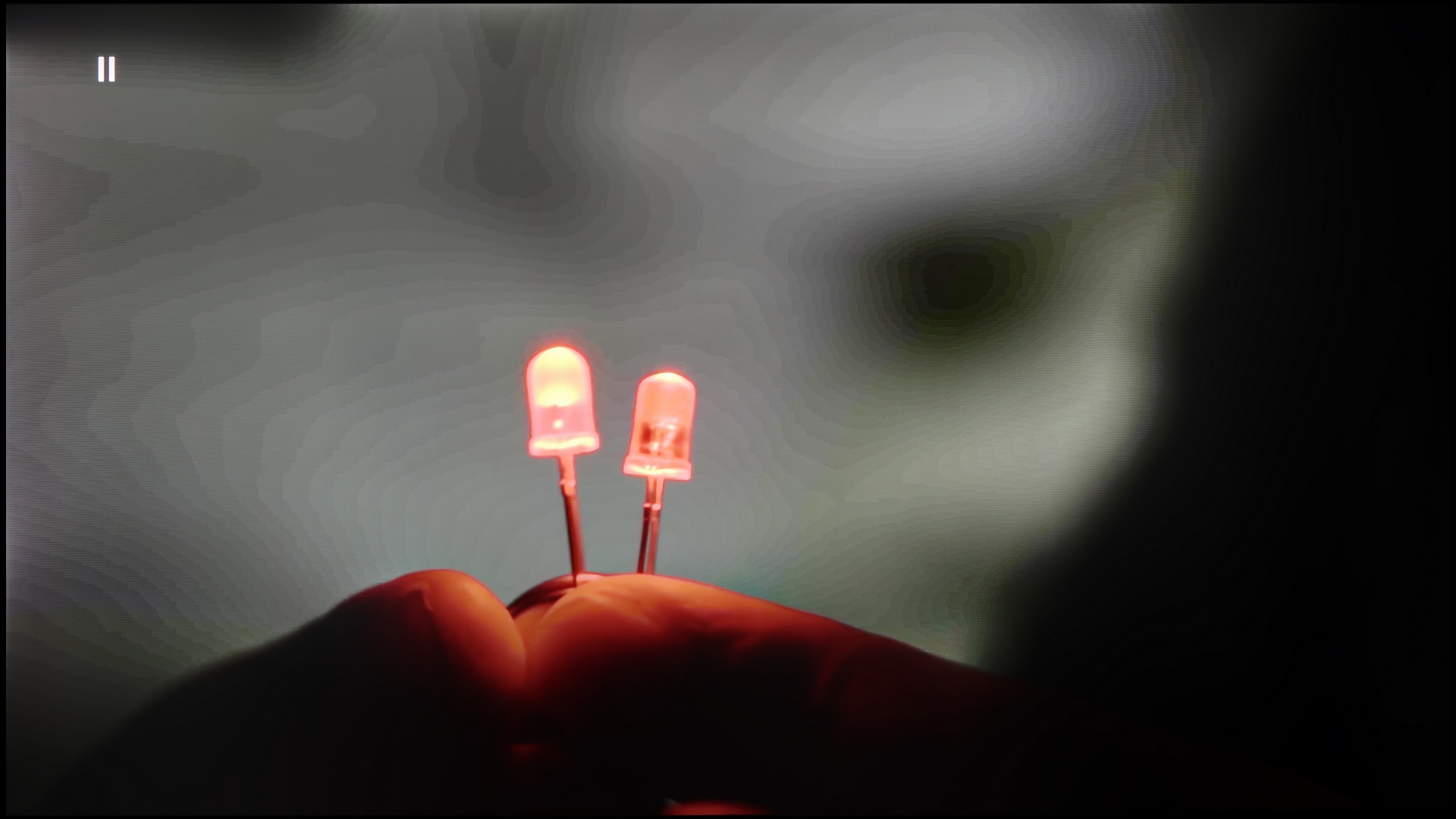
The match photo shows how the TV smooths weak tonal transitions in low-quality video.
Image scaling SD (576i)


The model photo shows how it handles upscaling of SD material.
The tested television did not perform well with content rich in tonal transitions, resulting in a strong posterisation effect. However, there is a partial remedy for this ailment. The manufacturer has equipped the LG G4 with a smoothing system called "Gentle Gradation," which we can apply at three levels: Low, Medium, and High. Each of these options guarantees quite high smoothing effectiveness on bright colours, though low on darker ones. We recommend primarily using the first one due to the fact that the other two interfere with directorial intentions, removing film grain.
When watching lower-quality content, the efficiency of the television during upscaling is extremely important. The image from the tested television is sharp and clear. However, attention should be paid to the jagged edges of fine details and minor issues around characters, such as the creation of a halo effect, which occurs due to the sharpening imposed by the LG G4 even when the slider is set to the lowest value, which is 0. It is worth noting that this is a change in relation to the LG G3, which did not impose such strong image sharpening, even when the appropriate slider was set to position 0.
Let's start with the issue we raised in the previous paragraph: can a TV even fix the problem of terrible tonal transitions in dark scenes? Theoretically yes – in the menu, we find a feature with the promising name "Colour Contour Removal." Well, "theoretically." Unfortunately, in practice, this setting – regardless of which of the three power levels is chosen – yielded absolutely no real results. So we are dealing with a feature that practically only exists in the menu. Moving on to the quality of upscaling (scaling from a lower resolution to 4K), unfortunately, we have more bad news for you. The S Pro 2026 handles this task very poorly. Interestingly, the phenomenon of "overscan" (slight image cropping) is not a major issue here. The problem is that the TV simply shows a very raw, unprocessed image. Its attempt to boost the signal to a higher resolution looks simply dull and lacks any "intelligent" enhancement. There's no denying it – the entire digital image processing is the true Achilles' heel of this model.
Blur and motion smoothness
8.5/10
7.5/10

Blur (native resolution, maximum refresh rate):


Blur (BFI function enabled):
Image flickers in this mode


Blur ():
Blur (1080p@288Hz):

The maximum refresh rate that we can set on the LG G4 is 144 Hz. Naturally, this is only possible by connecting the LG G4 to a very powerful PC. Otherwise, we will be operating at a maximum refresh rate of 120 Hz, which is recommended if we primarily want to watch sports or content with high motion dynamics. For those who require high fluidity of image, the manufacturer has implemented a multi-level motion smoother called "TrueMotion". It has been divided into two separate sliders that adjust the sharpness of moving images (De-Blur) and judder (De-Judder). Both sliders can be set in the range from 0 to 10, with each increment affecting the degree of smoothing, so everyone can find their sweet spot.
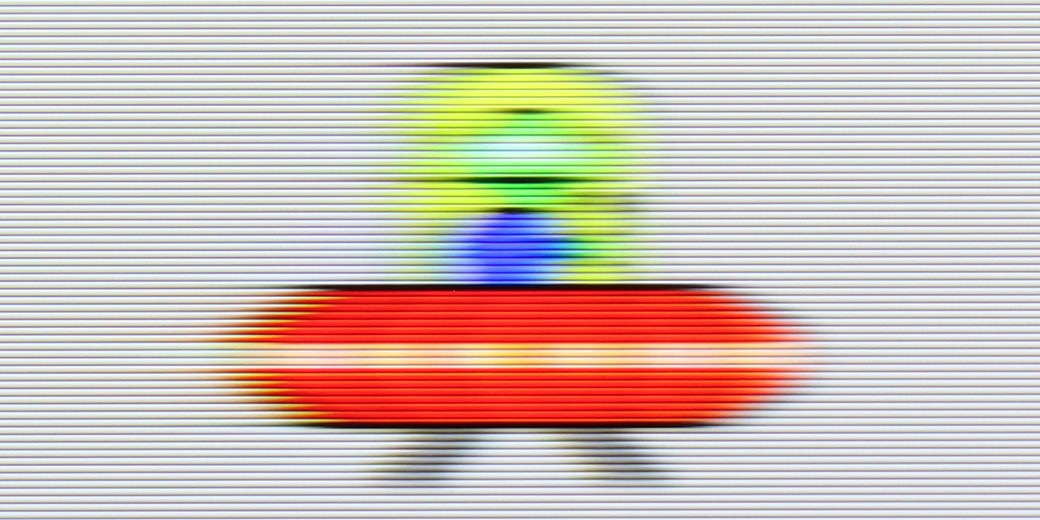
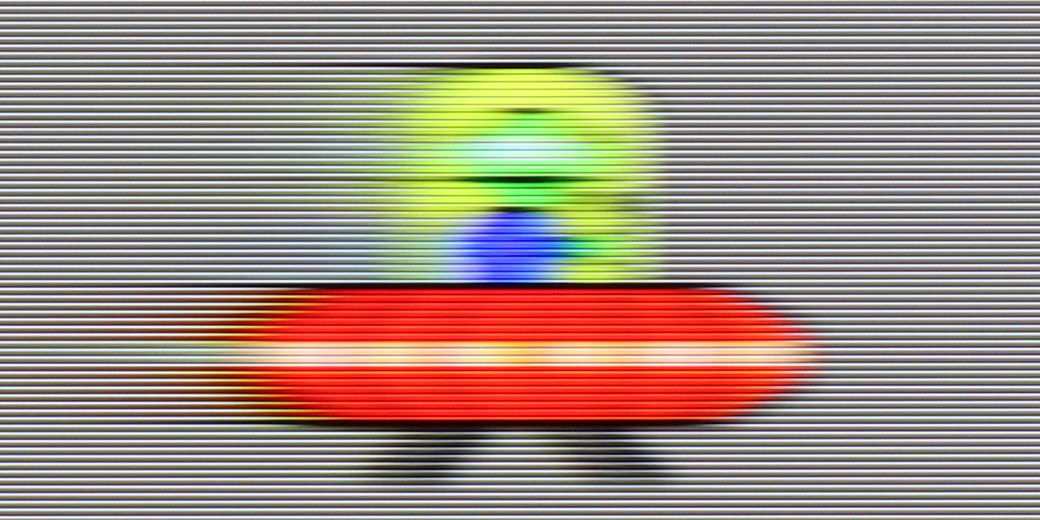
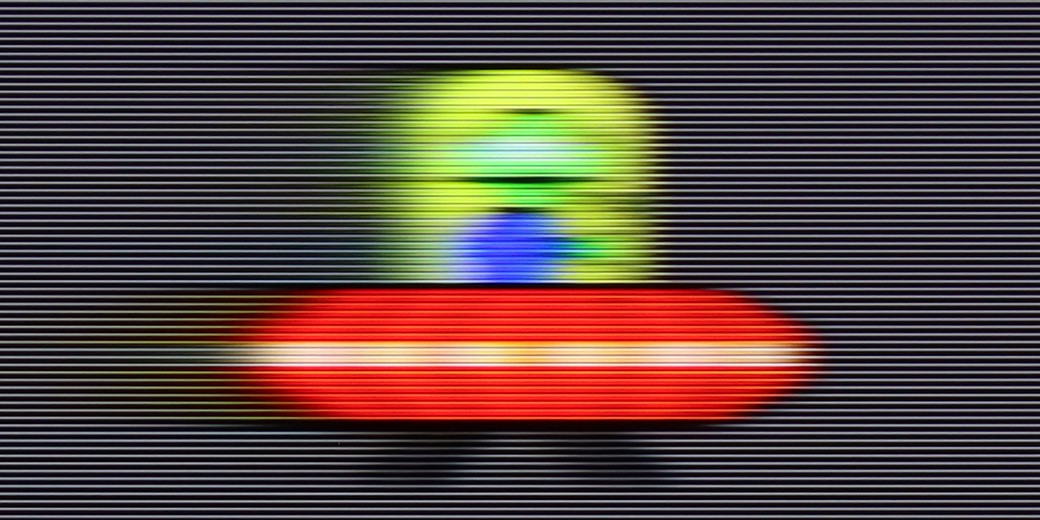
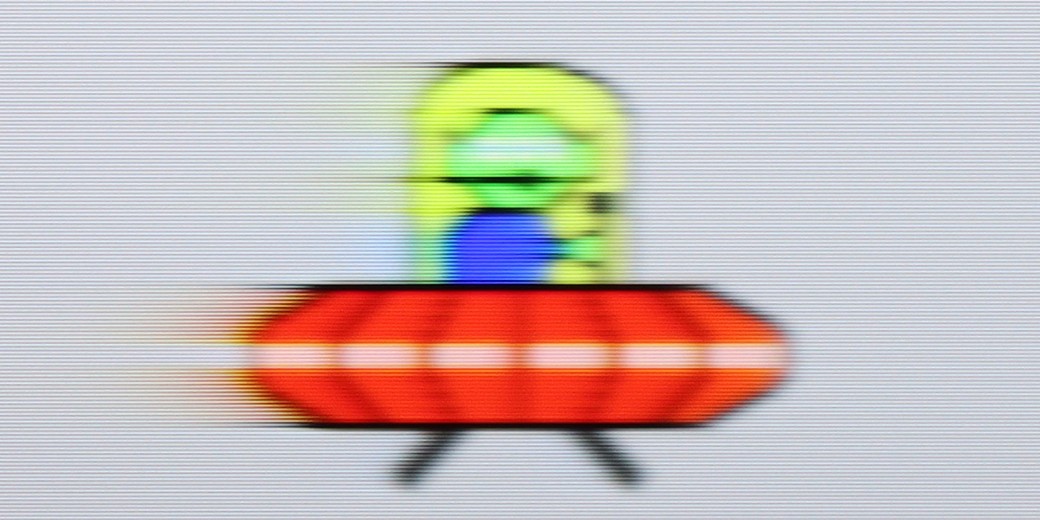
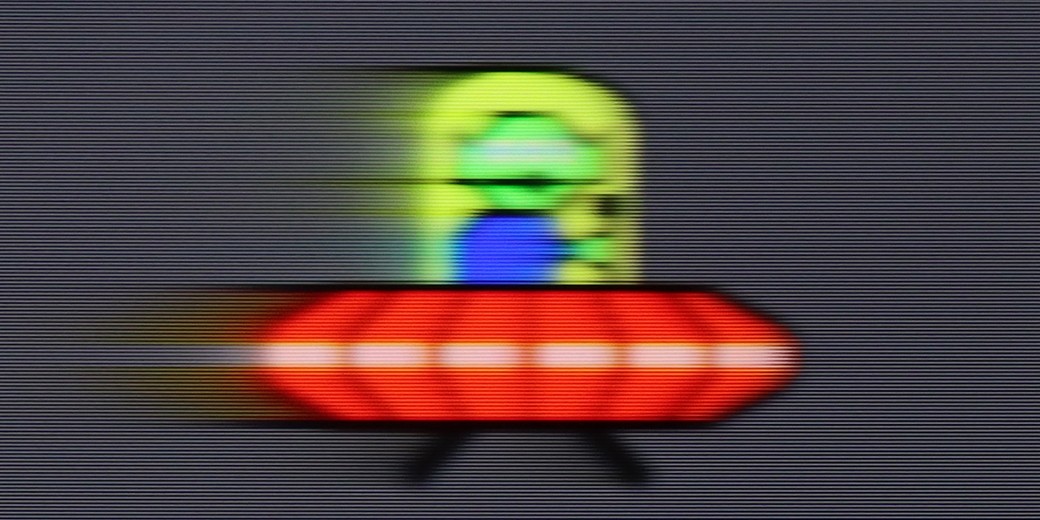
The LG OLED G4 panel features an average response time of 0.78 ms (which directly results from our measurements), allowing for an incredibly clear image, unattainable by LCD televisions, which have response times of even several milliseconds. This is clearly visible in the "UFO Test" images, showing the absence of any trailing blur behind the object. Furthermore, the LG OLED G4 test showed that the television offers the ability to precisely adjust motion smoothing functionality, allowing users to choose the ideal level of image interpolation. We particularly appreciated this during fast-paced action in video games, where the LG G4 performed exceptionally well, minimising any blurriness. Thanks to OLED technology, this model eliminates so-called ghosting, ensuring that the image remains sharp even in the most dynamic sports or movie scenes.
On paper, the specifications of the S Pro 2026 look impressive. The television is equipped with a native 144 Hz panel, capable of displaying images at up to 288 Hz in a dedicated gaming mode. These are incredible results, but what we were most interested in, in the context of everyday use, was how the TV handles motion blur and how the picture looks at 120 Hz. After all, this is the frequency used today by consoles such as the PlayStation 5, Xbox Series X/S, and it is desirable for sports fans. Generally, the panel "holds up". The matrix is quick enough to meet these challenges, and objects displayed at a native smoothness of 120 Hz are rendered correctly. When it comes to software, the TV is equipped with motion smoothing technology, but with a key caveat – it only works for input signals up to 60 Hz. This means it's mainly suitable for traditional TV, movies, and series. With it, we can adjust the smoothness of the picture to our own preferences – ranging from a very smooth, "theatrical" approach, to setting the slider at "zero" and maintaining a fully cinematic character.
Console compatibility and gaming features
10/10
8.2/10
- ALLM
- VRR
- VRR range40 - 144Hz48 - 144Hz
- Dolby Vision Game Mode
 Yes, high input lag
 - Correct implementation of HGIG
- 1080p@120Hz
- 1440p@120Hz
- 4K@120Hz
- Game bar


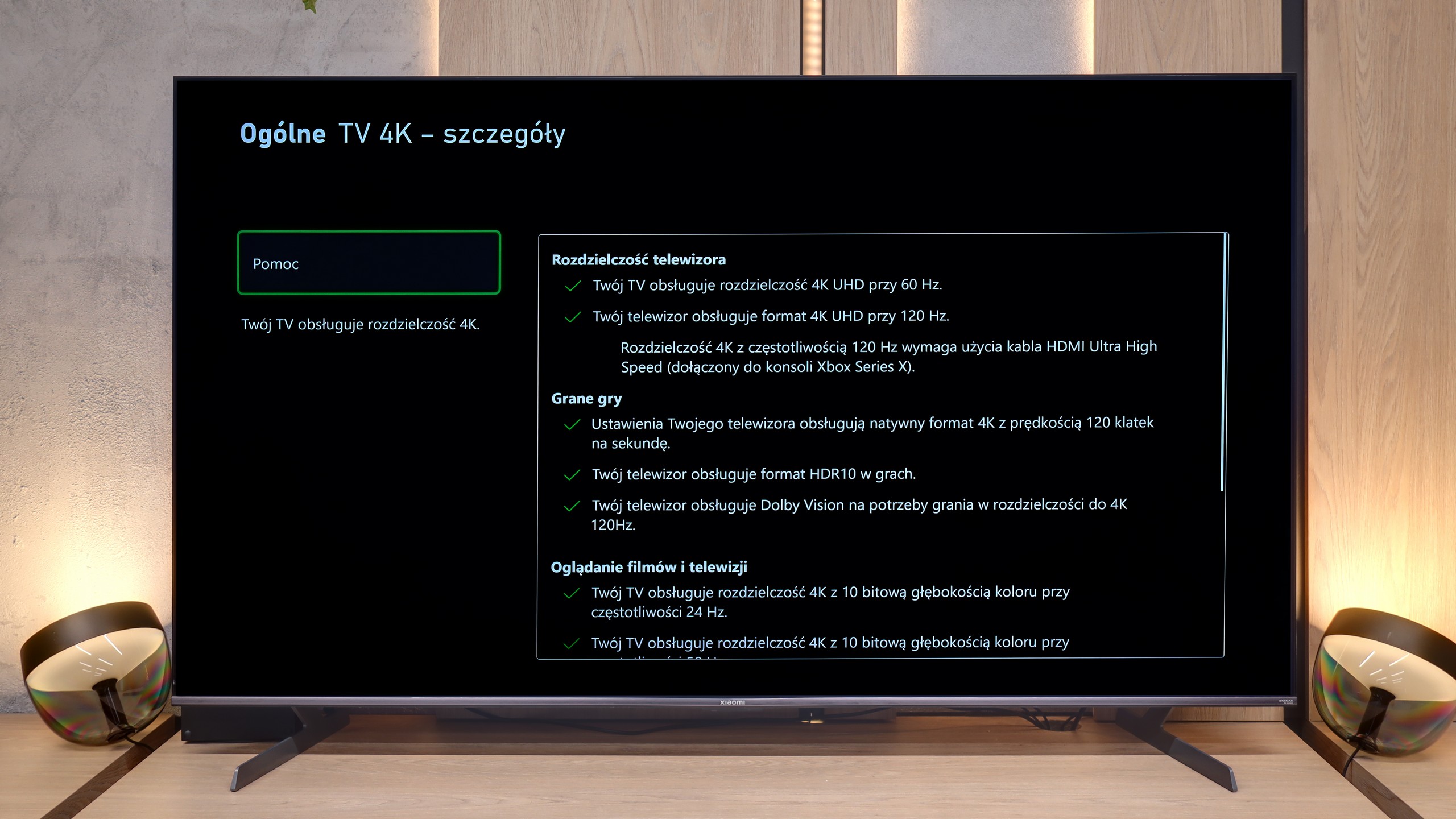

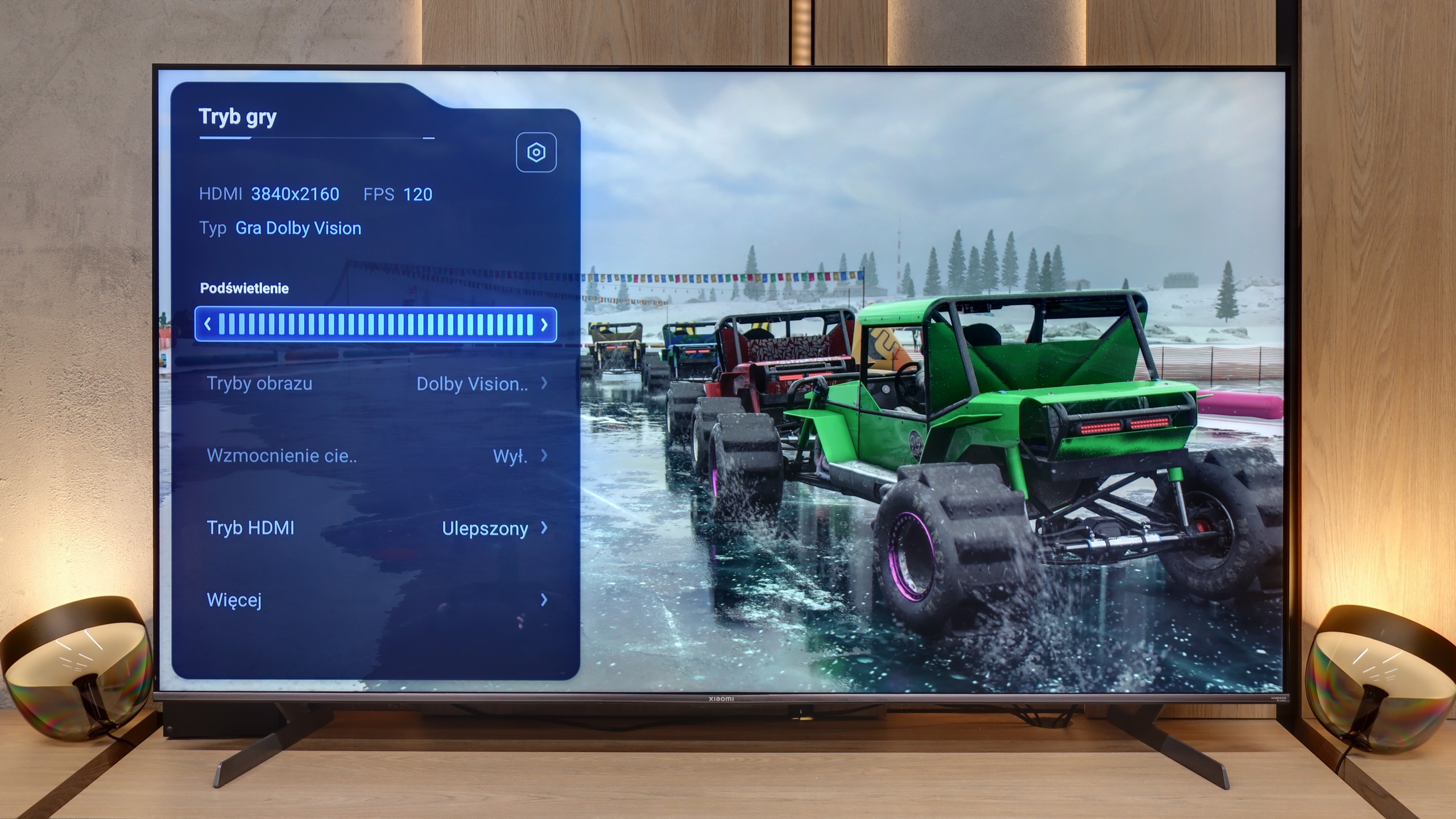

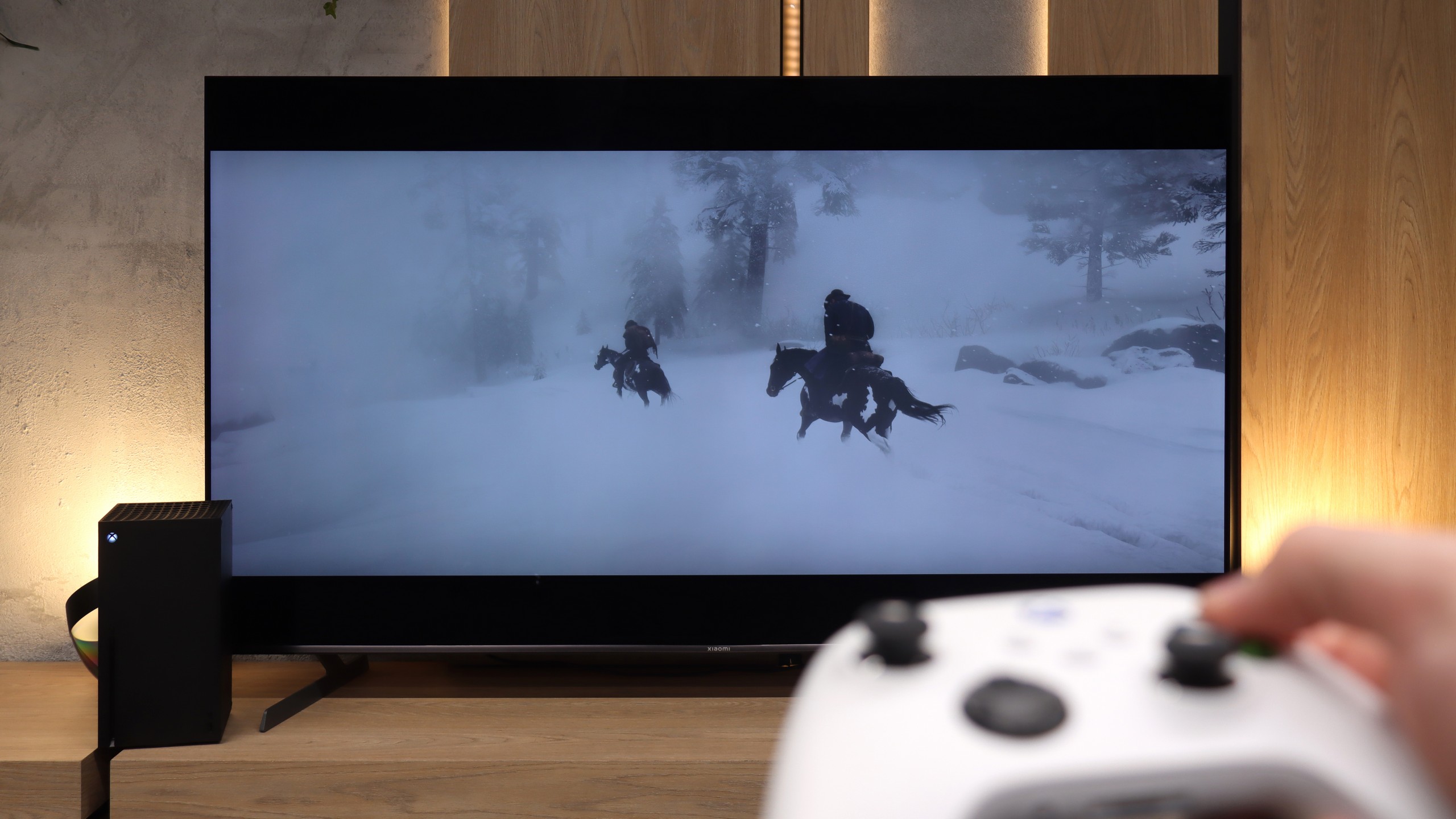
The LG G4 television supports all features that make up the HDMI 2.1 standard. During testing, each feature activated without any issues, which allows us to consider the television as designed for gaming. Its performance will certainly be appreciated by both console users and those connecting the LG G4 to a computer. It’s also worth mentioning the proper implementation of the HGIG (HDR Gaming Interest Group) mode, which ensures that games mastered to brightness levels beyond the maximum luminance of the LG G4 will correctly map tones, keeping the game image true to the original.
A nice touch is the presence of a special GameBar that we can bring up at any moment to check game parameters, but most importantly, to change them quickly. More importantly, turning on VRR technology does not degrade contrast, which is often a problem in televisions with local dimming or Mini LED backlighting. Of course, this is thanks to the OLED panel itself, characterised by pixel self-emissiveness. As a journalistic note, we will only mention a slight grey flicker, which, however, is somewhat normal when VRR is enabled.
In summary, the LG G4, like practically all OLED televisions, is an ideal product for all kinds of gaming and online competitions. With full HDMI 2.1 ports with a complete bandwidth of 48 Gbit, features such as VRR, ALLM, G-Sync, FreeSync, or HDR Dolby Vision gameplay will bring a lot of joy.
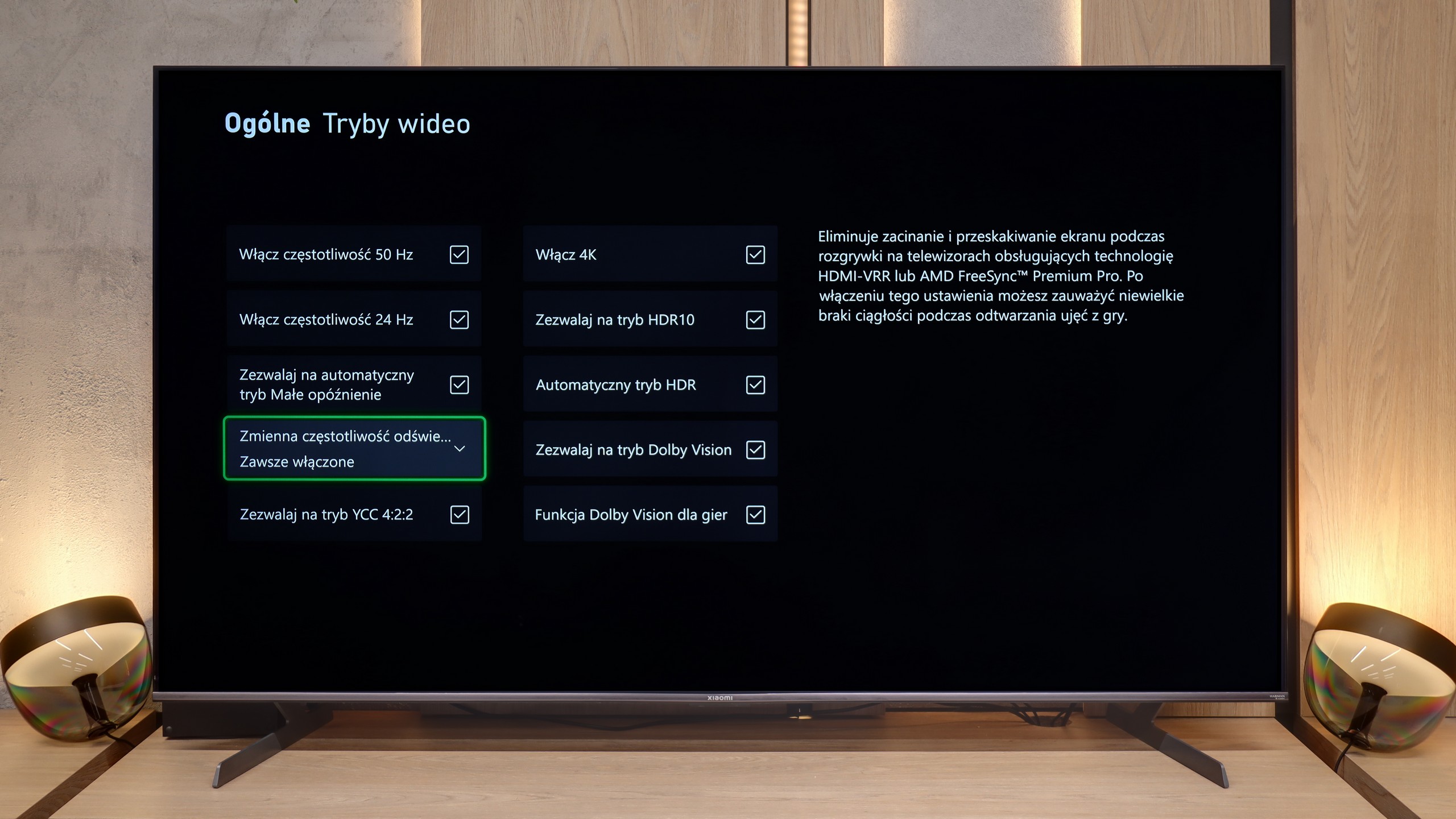
For gamers, the Xiaomi S Pro 2026 is on paper an almost perfect proposition. It has been equipped with two HDMI 2.1 ports, which allow us to unlock (although these options are somewhat hidden in the menu) the full suite of features: ALLM, VRR, and, crucially, the ability to operate in 4K at 144 Hz. This last feature should particularly please owners of powerful PCs. The TV also has something resembling a gamer panel – and while it’s hard to call it a full-fledged "Gamebar," it does its job by displaying key information. It’s just a shame that in its default form, it covers a relatively large part of the screen.
The biggest problem we have with this model, however, concerns how the S Pro 2026 handles games in HDR mode. To put it bluntly: it doesn’t handle it well. Due to the poorly implemented HGiG feature (the HDR tone mapping standard for games), during the initial HDR calibration on the console, it’s very easy to "blow out" the image. If someone is unaware of this software flaw and follows the on-screen instructions, they will simply set the picture incorrectly, with burnt-out details in bright areas. Another significant issue is the Dolby Vision mode for games. While it works, it generates such a high input lag that it becomes noticeable in dynamic titles. (You can check all our lag measurements in the paragraph below). In summary: Generally, this is a really very good screen for gamers, but with one small caveat. We would rather avoid HDR mode on it – unless we decide to manually set the brightness slider on the console "by eye," completely ignoring the tips from the console's pictogram.
Input lag
10/10
8.5/10
SDR
HDR
Dolby Vision
The input lag of the LG G4 is impressively low in every scenario. Even the most dedicated gamers will surely appreciate the very low input lag at demanding 4K 120 Hz settings with HDR, which is just 5 ms. It's also worth noting that the lag at the same settings, but with Dolby Vision HDR enabled, remains unchanged, which is not as obvious with the competition. Therefore, it deserves the highest rating and recommendation.
We’re moving on to one of the most important measurements for gamers, which is signal delay (input lag). Overall, the Xiaomi S Pro 2026 performs excellently here. Generally, in game mode, the lag is very low. With 120 Hz content (from consoles or PC), we easily achieved results below 10 ms. These are truly outstanding results and, in practice, absolutely unnoticeable for most people, even those who are very sensitive. Unfortunately, there is one "but," which constitutes the biggest drawback of this model for gaming. We're talking about Dolby Vision Gaming mode. When this mode is activated, the input lag rises to an astronomical level of about 100 ms. At such a value, the delay between our movements on the controller (we tested on an Xbox console) and what is displayed on the screen becomes really very large and annoying. Therefore, our recommendation is simple: we absolutely do not recommend using Dolby Vision Gaming mode on this television.
Compatibility with PC
8.6/10
8.6/10

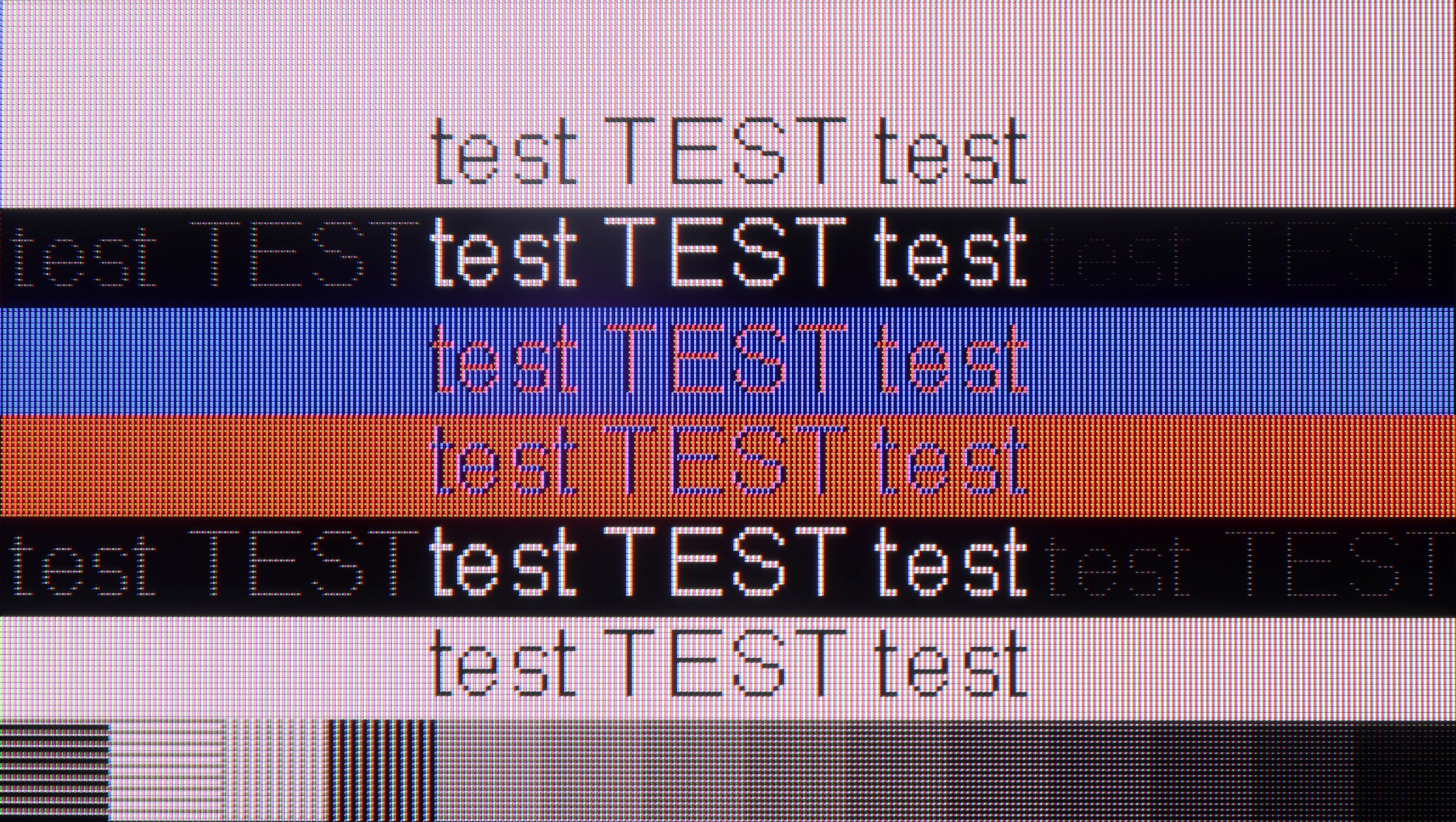
The photo shows the legibility of small fonts. Ideally, lines should be the same thickness on both light and dark text, with minimal pixel gaps.
LG G4 paired with a PC performs excellently, thanks to an incredibly low latency of just 5 ms, which is practically instantaneous response between the mouse, eye, and screen. A crucial aspect while working on the screen is the readability of text, which is very good in the case of the tested television.
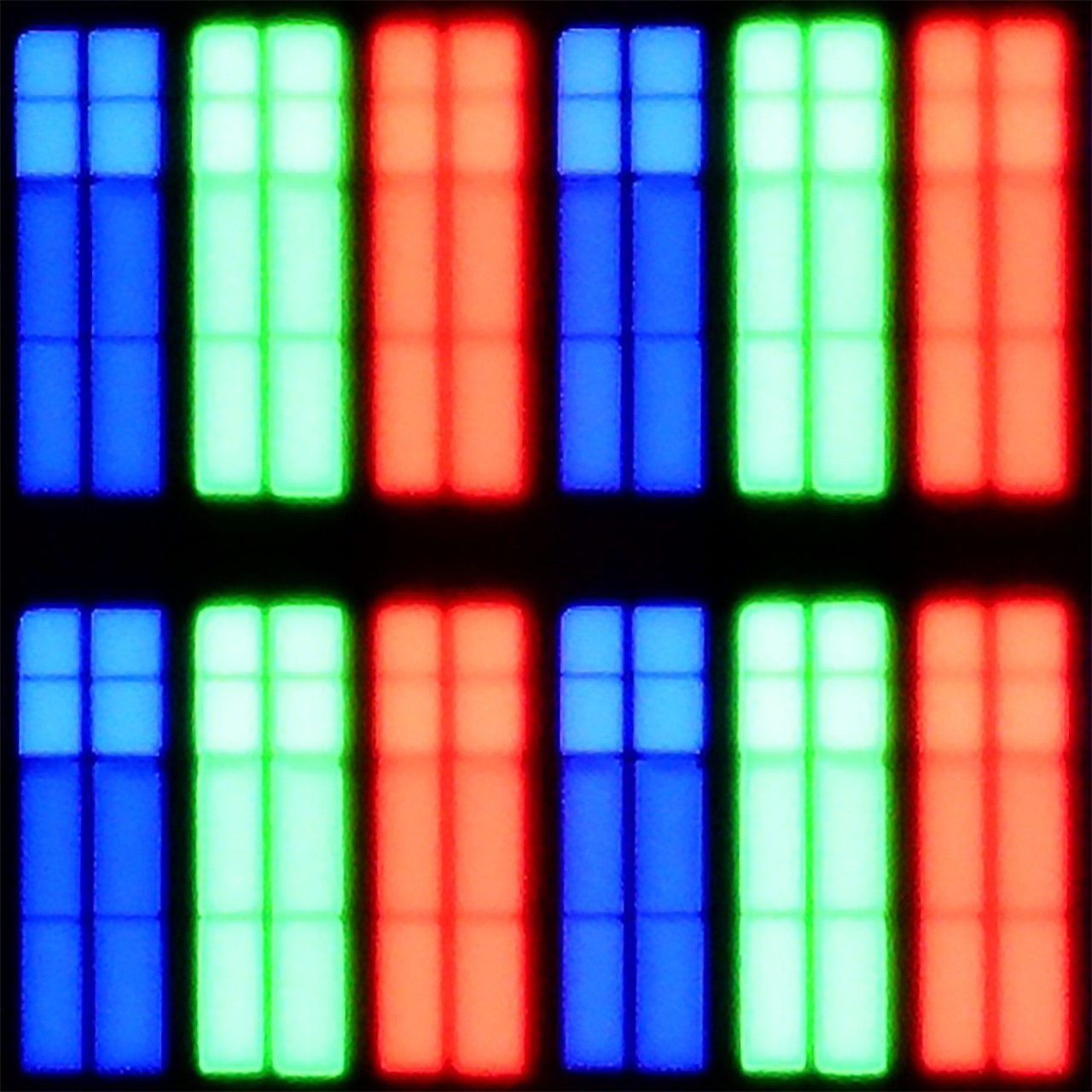
The RWBG pixel arrangement has no significant impact on the display of fonts or letters, which is a considerable advantage over Samsung's QD-OLED matrices. Users of both Windows-based PCs and macOS will surely be pleased with the performance on the tested LG G4 television.
Generally, when it comes to gaming, the S Pro 2026 is a great screen for PC owners. It offers a refresh rate of up to 288 Hz at Full HD resolution or a full 144 Hz at 4K. All of this, supported by technologies like AMD FreeSync and G-Sync, really means a lot for very demanding gamers. And what about "desktop" work? Here we have good news. Although the displayed font may not be perfectly sharp (like on a dedicated PC monitor with an IPS panel), it is presented in a really pleasant and readable way. This is due to the correct implementation of Chroma 4:4:4 sampling, which ensures that the text is clear and there are no issues with colour fringing.
Viewing angles
9.7/10
3.7/10
The undisputed advantage of OLED screens equipped with MLA technology is their performance when viewing from various angles. To the naked eye, there are no noticeable changes, regardless of where we are watching from. This type of screen maintains consistent brightness, saturation, and white hue, unlike LCD matrices or OLEDs without micro-lens technology (MLA). The only matrices that can match them are those produced by Samsung Displays, using quantum dots, namely QD-OLED.
As for a TV equipped with a VA panel, we must admit that the drop in brightness when deviating from the screen's axis is relatively minor on the Xiaomi S Pro 2026. However, it is important to remember the second, crucial aspect – colour saturation degrades significantly at an angle. This is typical behaviour for TVs with VA panels that lack additional coatings to widen viewing angles. Is this a disadvantage of this TV? Not really. It's simply a characteristic, the price we have to pay for the key benefits of a VA panel in terms of its high native contrast.
Daytime performance
5.8/10
7.4/10


Panel brightness
Xiaomi S Pro 2026: 771 cd/m2
LG OLED G4: 482 cd/m2
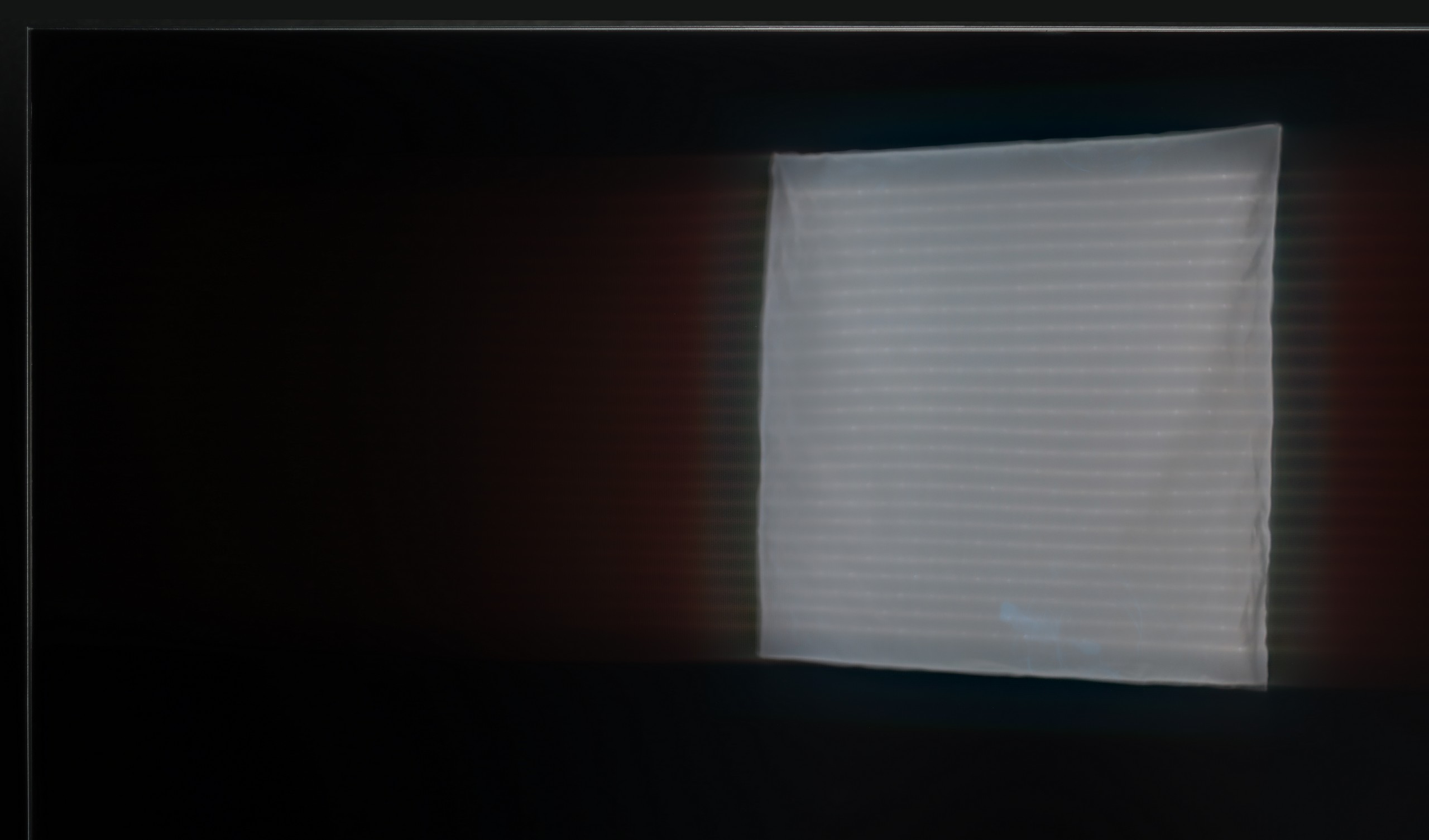
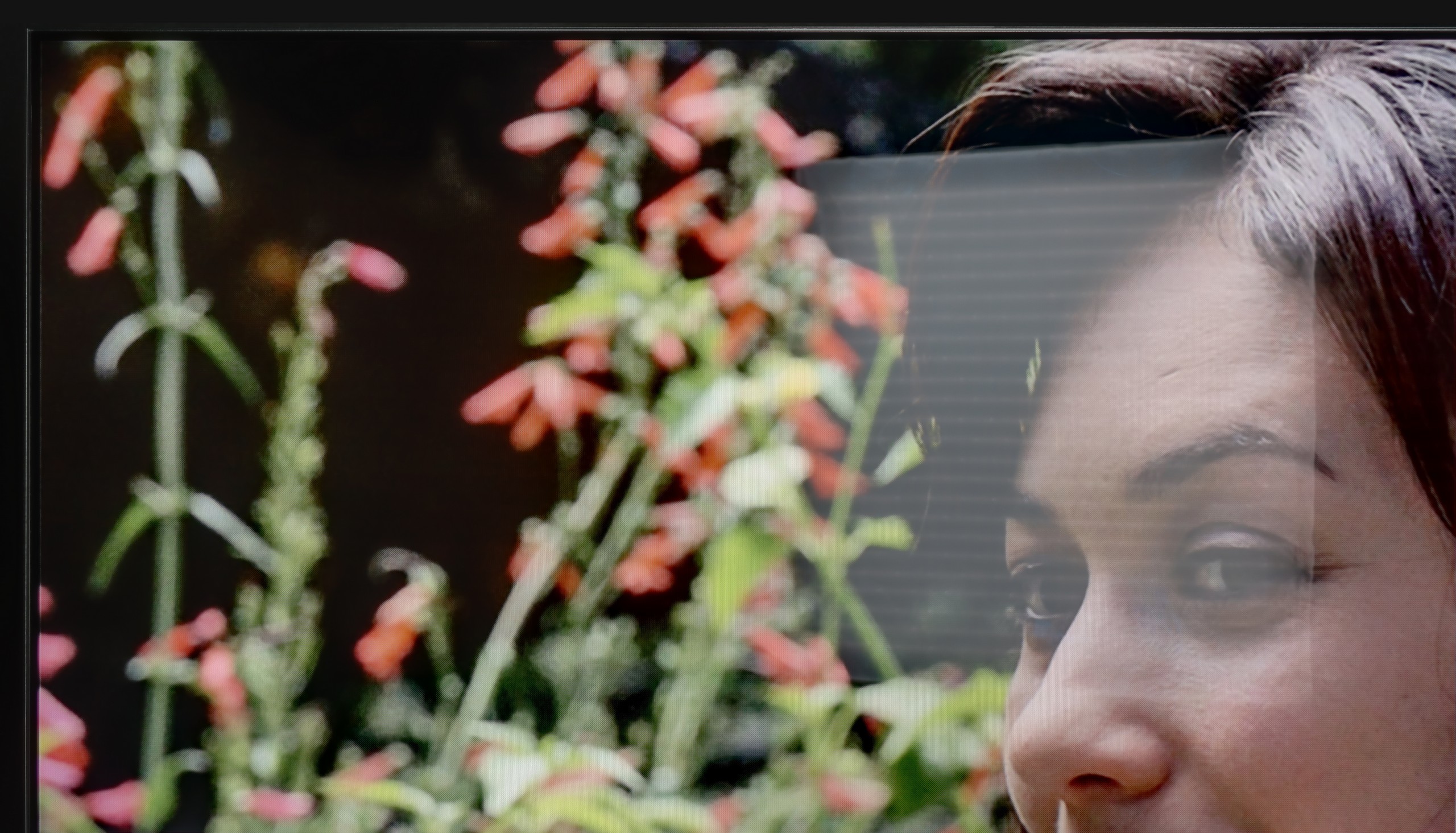
The glossy coating of the display in LG G4, although it may sound like a downside, is actually quite the opposite. Thanks to it, the LG G4 television maintains very high efficiency and effectively suppresses all reflections, "holding" them only at their source. It's also worth mentioning the quality of black during the day, which in the case of WRGB displays produced by LG Displays is outstanding. OLED MLA displays, despite their many advantages, are somewhat inferior in this case, but still better in the context of competition from Samsung, whose QD-OLED displays fade under light. The combination of brightness at around 500 nits and the glossy coating allows for daytime viewing of the television, unless the user has a living room with large glazing.
Due to its extremely high peak brightness, the Xiaomi S Pro 2026 performs really well in bright, sunlit rooms. In most scenarios, it's able to "break through" even very strong lighting in the room. However, it's worth noting that the matrix used here does a fairly average job of suppressing reflections. This means that in darker areas of the image, or when the TV is displaying a dark scene, direct reflections (e.g., window or lamp reflections) can be irritating. Nevertheless, the S Pro 2026, as a TV for a bright living room, excels really well thanks to its powerful brightness.
Panel details
Subpixel Structure:

Panel uniformity and thermal imaging:

LG OLED G4
Xiaomi S Pro 2026
TV features
9/10
7.2/10
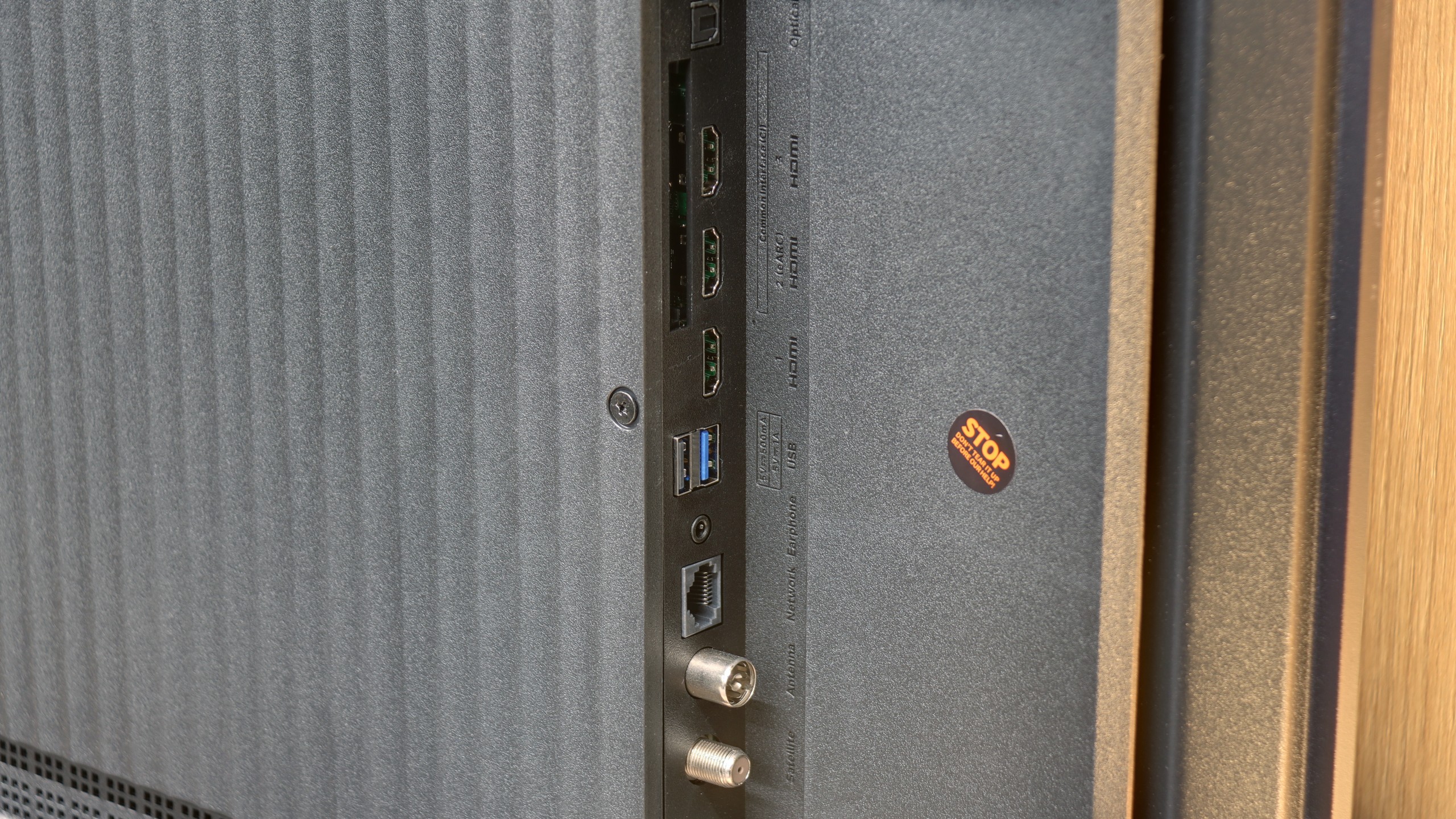
- HDMI inputs0 x HDMI 2.0, 4 x HDMI 2.1 48Gbps1 x HDMI 2.0, 2 x HDMI 2.1 48Gbps
- OutputsToslink (Optical audio), eARC (HDMI), ARC (HDMI)Toslink (Optical audio), eARC (HDMI), ARC (HDMI), Mini-Jack (Headphones)
- Network InterfacesWi-Fi 2.4GHz, Wi-Fi 5GHz, Ethernet (LAN) 100MbpsWi-Fi 2.4GHz, Wi-Fi 5GHz, Ethernet (LAN) 100Mbps
- TV receptionDVB-T, DVB-T2, DVB-S, DVB-S2, DVB-CDVB-T, DVB-T2, DVB-S, DVB-S2, DVB-C
Classic features:
- Recording to USB (terrestrial TV)
- Recording programming
- Picture in Picture (PiP)
- RF remote control (no need to aim)
- Backlit remote control
- Teletext
- Audio only mode
- Bluetooth headphones support
- Simultaneous Bluetooth headphones & TV audio
Smart features:
- AirPlay
- Screen mirroring (Windows Miracast)
- Voice search
- Voice search in native language
- Ability to connect a keyboard and mouse


LG uses the well-known proprietary system WebOS, which has been around for many years. The system offers virtually all the essential applications, and those that are missing can be counted on one hand, such as CDA or KODI.
WebOS also provides the highly valued ability to perform operations using a cursor that appears when the remote control is moved. The convenience of such a feature is invaluable when entering queries or passwords for portals. WebOS, like most systems, also supports functions such as screen mirroring, AirPlay, voice search in Polish, and the ability to connect headphones via Bluetooth. On a more practical note, WebOS allows us to use both headphones and the TV speaker LG G4 simultaneously, which will certainly be a significant advantage for those with hearing disabilities. Among the more interesting features, particularly appreciated by sports fans, is the option to enable an alert for upcoming matches, ensuring that we never miss a broadcast. The home panel also deserves praise, allowing for control of all smart devices connected to the home network. For example, the end of a laundry cycle will be signalled by a notification in the top right corner.
In summary, the WebOS system, although less known and with some limitations compared to Android TV, offers stable and fast operation and supports most features that users might need. It is a solid solution for those looking for a simple and effective operating system in a television.
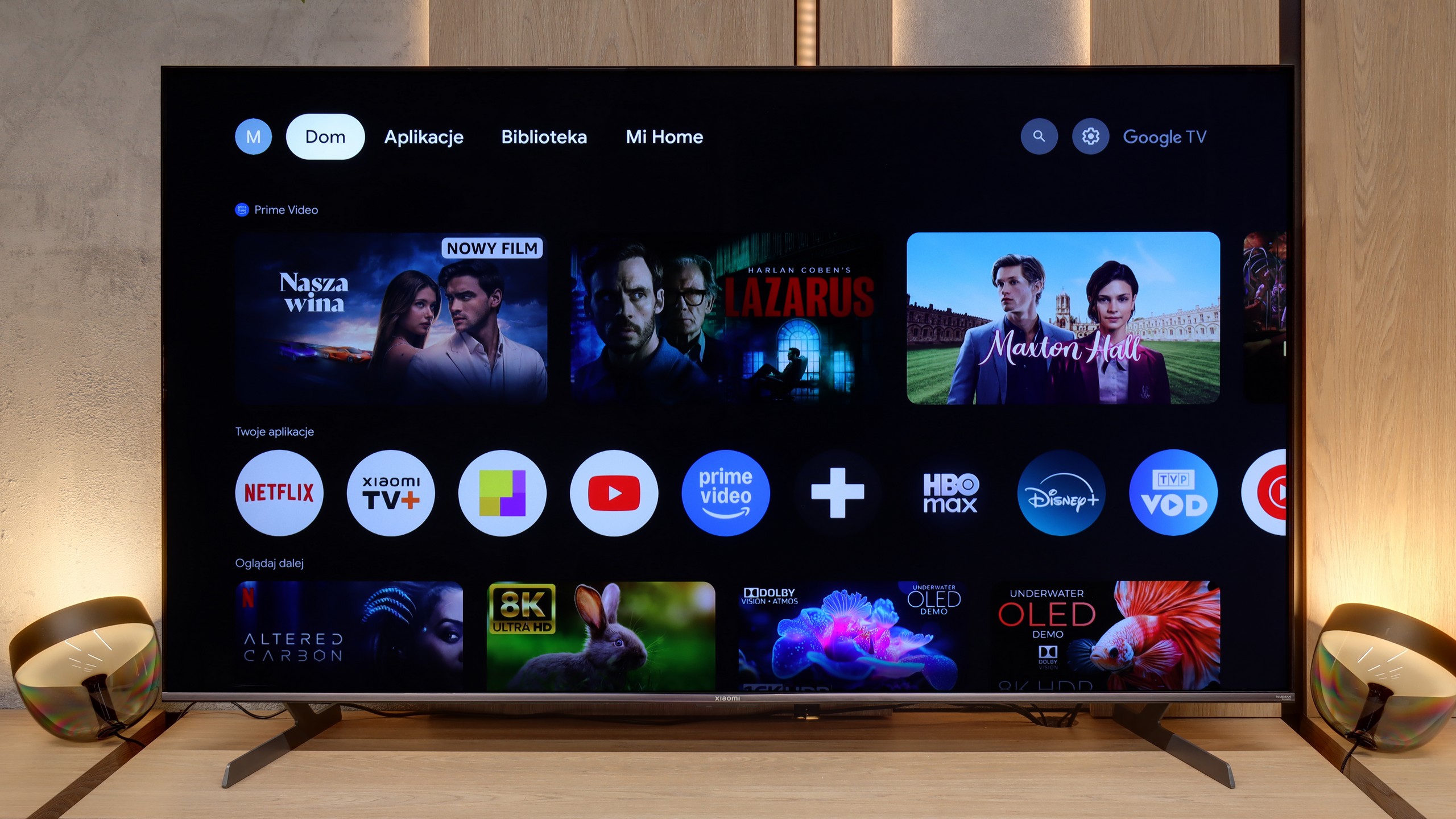
Operating System (Google TV)
An enormous advantage of the Xiaomi S Pro 2026 is undoubtedly the presence of the Google TV system. This gives us access to a gigantic library of apps – we can literally find everything here, from leading VOD platforms to niche players. The system also offers plenty of useful features, such as built-in Chromecast, support for AirPlay and Screen Mirroring, and efficiently functioning voice search. The Google TV system itself is great, but Xiaomi's implementation needs a little adjustment. During our tests, it occasionally experienced a proverbial "breathlessness." Animations would stutter slightly, and the response to commands was not immediate. This is certainly not the level of fluidity we know from top-tier, significantly more expensive models equipped with more powerful processors.
TV Features and Connectivity
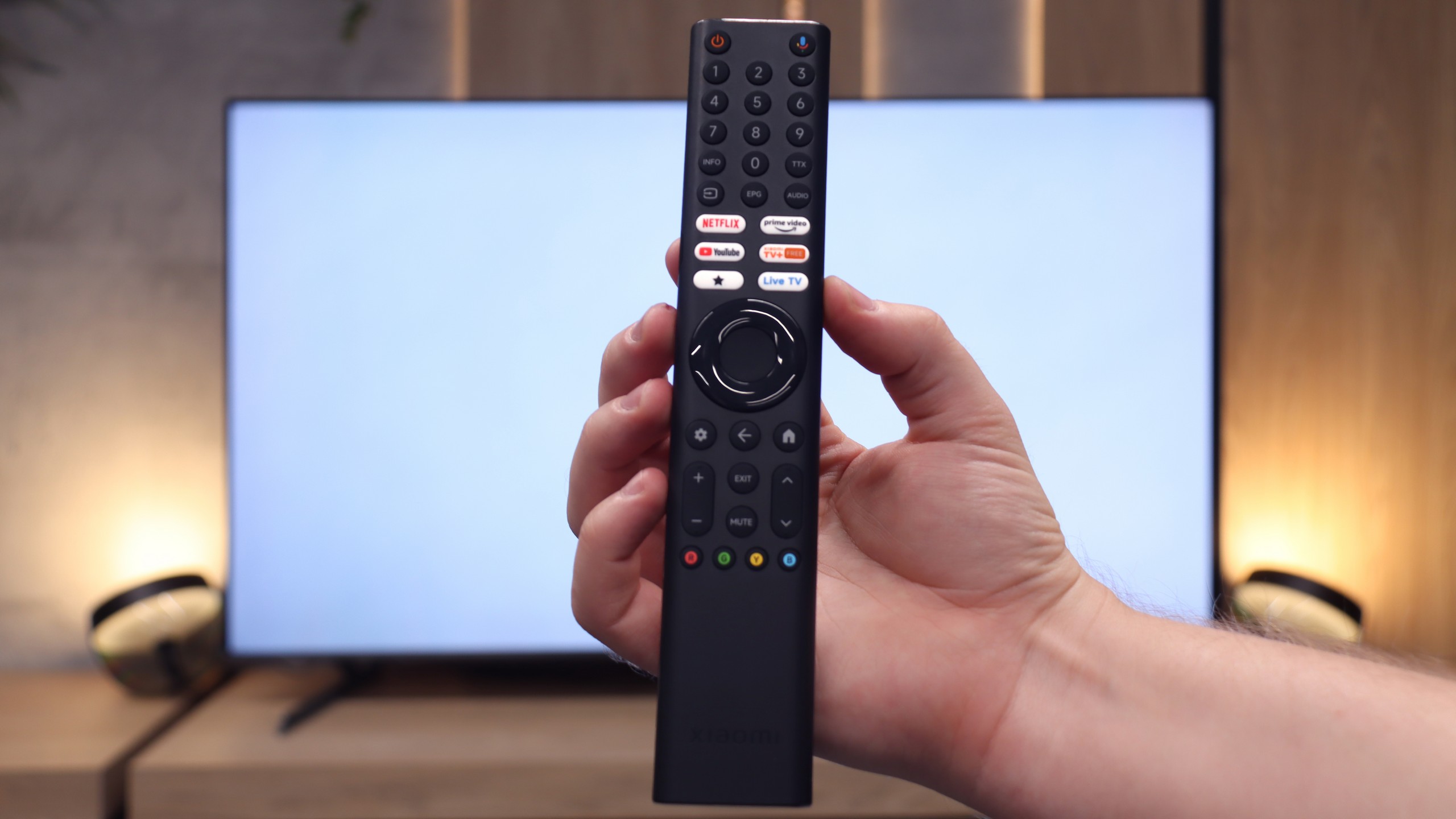
So how does the S Pro 2026 perform as a "regular" television? Unfortunately, we have less good news here. In terms of traditional television viewing, we can mainly praise this model for having a convenient remote with a numeric keypad – which (surprisingly) is no longer a standard today. However, this is where the conveniences end. We won’t find either USB recording functionality (PVR) or PiP (Picture-in-Picture) options. On the plus side, we acknowledge the extensive Bluetooth connectivity options. We were able to connect external devices to the TV without any problems, such as wireless headphones, a keyboard, or a mouse, which significantly eases operation.
Apps
9.1/10
9.6/10






















Playing files from USB
8.5/10
6.8/10
Supported photo formats:
Maximum photo resolution:

The default file player on the LG G4 performs quite well with most photos, although it's surprising to find a lack of several equally popular ones. It can successfully play videos recorded in virtually all the most popular formats, including Dolby Vision. The only codec that the G4 cannot play is H.266 VVC, although this is currently quite rarely used. However, it's important to note the supported photo formats, of which there are only two: JPEG and PNG. Users of Apple phones may feel disappointed by the lack of support for the HEIC format, which is the default format when taking photos. The remedy for this is to use the built-in AirPlay feature. Lastly, we should also mention the lack of support for TXT subtitles.
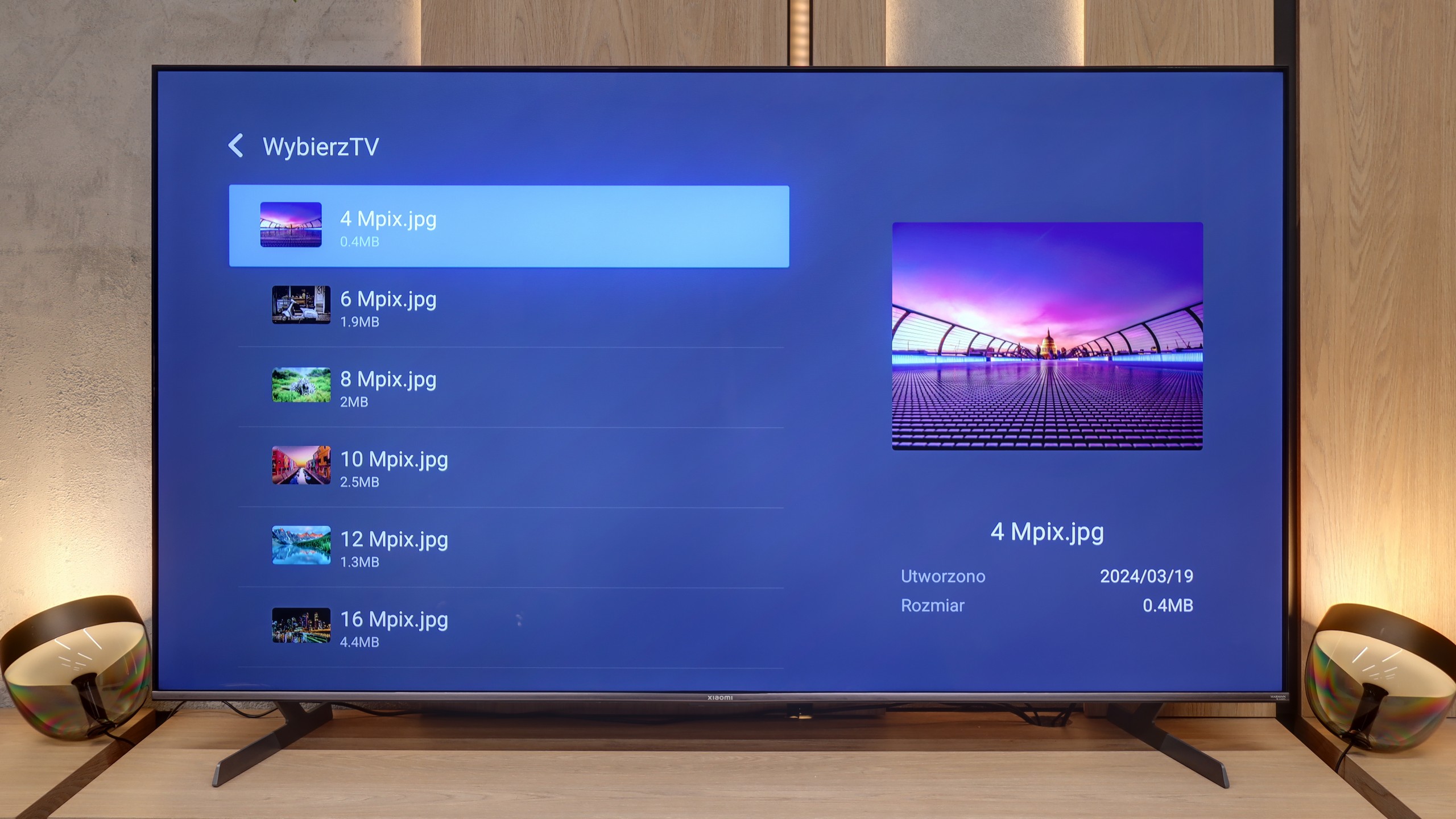
The built-in, default media player in the Xiaomi S Pro 2026 is – considering the capabilities of the Google TV system – simply poor. Its biggest disadvantage is that it does not support characters beyond those from the standard alphabet. Consequently, it does not display, among other things, Polish fonts in subtitles or file names. Fortunately, as we mentioned earlier, the heart of the television is Google TV. This system allows for the quick installation of an external player, which is significantly better, such as VLC or Kodi. For this television, we recommend installing an alternative player immediately after the first startup.
Sound
8.6/10
7.1/10
- Maximum volume-82dB
- Dolby Digital Plus 7.1
- Dolby True HD 7.1
- Dolby Atmos in Dolby Digital Plus (JOC)
- Dolby Atmos in Dolby True HD
- DTS:X in DTS-HD MA
- DTS-HD Master Audio
The assessment of sound quality is always subjective. However, we must give credit to LG G4 for maintaining a fairly good level of sound clarity. The biggest drawback of the built-in audio system in the television is the low bass range. However, it’s important to look at this from a different perspective — anyone opting for this television will likely have a home theatre system. The key in this case will be broad support for audio codecs, including DTS-HD Master Audio and Dolby Atmos.
We have to admit that the S Pro 2026 really surprised us in a positive way. The television is equipped with a 30W speaker system, which, for its class, sounds really very good. There’s even a perceivable hint of bass, and the mids and highs are quite well balanced. Of course, all this is within the capabilities of the television's speakers, but it’s a level we didn't expect from such a relatively cheap model. A huge plus is also the support for top audio technologies. The television is able to decode not only the very popular Dolby Atmos format but also the recently rather rare DTS:X, which we mainly find on Blu-ray discs.
Sound Quality Test
No sound test video
Acoustic Measurements
No acoustic data
82dBC (Max)
75dBC