LG C4 is a television that will likely have no competition in its price range for many users. Thanks to the wide options for purchase, it will appeal to those looking for a TV strictly for movies and series, as well as for gaming. The advanced WebOS system and a remote that works like a mouse will certainly make everyday use much easier and ensure that we will likely stick with this brand for a much longer time. The OLED panel implemented by the manufacturer, resulting from over 10 years of history, shows that it has not yet said its last word. Brightness results in HDR material are very solid and can display an incredibly dynamic and deep image. Here, it’s worth mentioning the excellently implemented dynamic tone mapping feature, which makes HDR10 images look almost as good as Dolby Vision. And if we’re talking about fidelity to artistic vision, we can't forget about how calibratable LG TVs are, allowing for a great deal of freedom for the calibrator and classic calibration for home users, as well as 3D LUT for professionals. However, if we are looking for a gaming TV, then the LG C4, like most of the manufacturer’s OLED TVs, will be the ideal choice. With the implementation of HDMI 2.1 ports and the full use of their potential, we can enjoy extremely smooth gameplay with all the benefits, such as VRR, ALLM, FreeSync, or G-Sync. Of course, the panel, which has a maximum refresh rate of 144 Hz and an advanced smoothing technology, will also allow for very smooth and sharp images during broadcasts of various sporting events. It’s hard not to give a high rating to LG OLED C4, as it's difficult to find a TV in a similar price range with such advanced features among the competition.
- Matching (Score) |
- Our verdict |
- TV appearance |
- Where to buy |
- Contrast and black detail |
- HDR effect quality |
- Factory color reproduction |
- Color reproduction after calibration |
- Smoothness of tonal transitions |
- Image scaling and smoothness of tonal transitions |
- Blur and motion smoothness |
- Console compatibility and gaming features |
- Input lag |
- Compatibility with PC |
- Viewing angles |
- Daytime performance |
- Panel details |
- TV features |
- Apps |
- Playing files from USB |
- Sound
LG OLED C4 vs Sony BRAVIA 2 II (S25M2)
 Direct comparison
C45 / C41

BRAVIA 2 II / S25M2
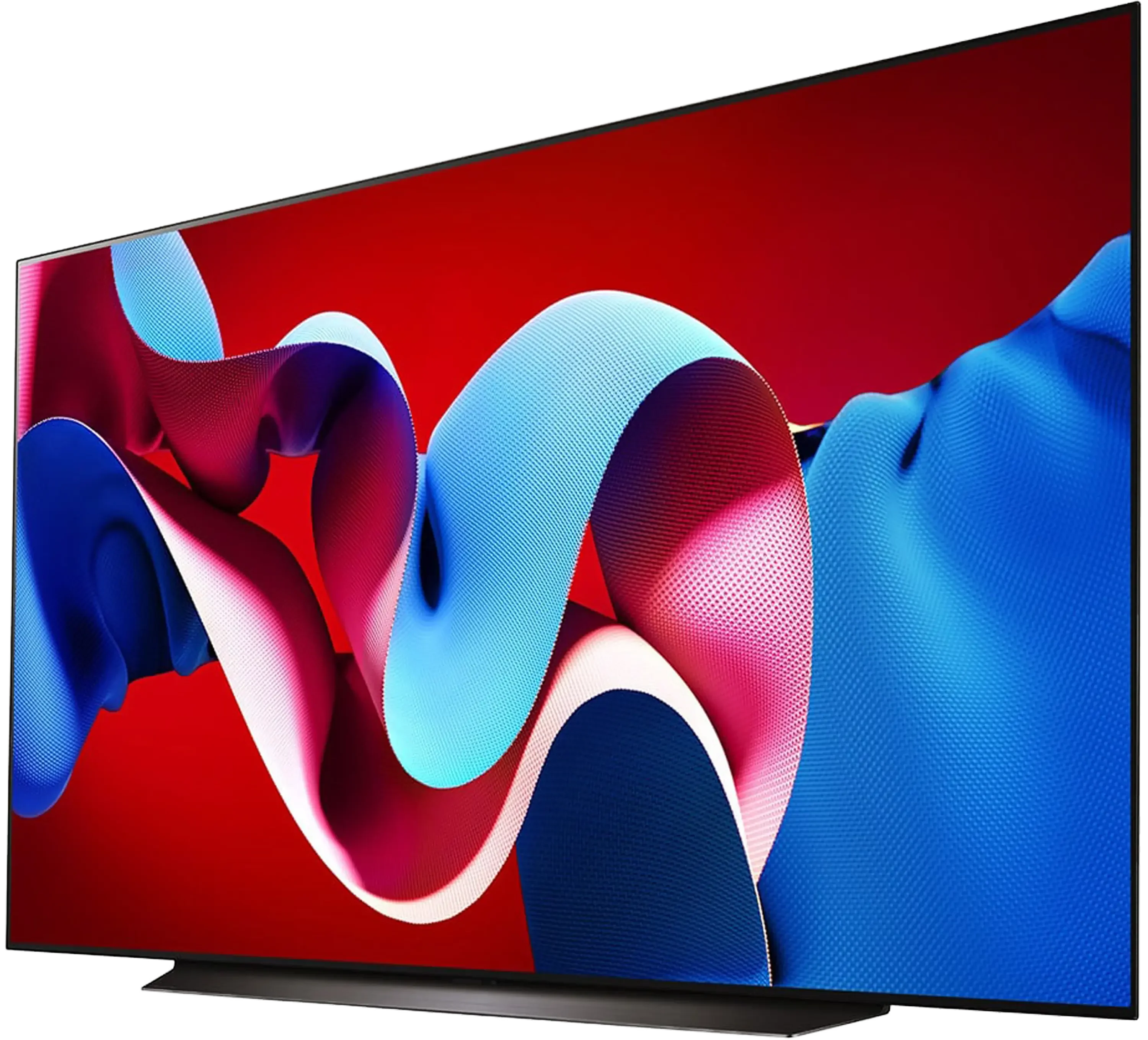
Panel type: WRGB OLED
Resolution: 3840x2160
System: WebOS
Model year: 2024
Complete the survey to find out the result
Panel type: LCD IPS
Resolution: 3840x2160
System: Google TV
Model year: 2026
Complete the survey to find out the result
Overall rating
8.2
5.8
 Movies and series in UHD quality
8.2
5.2
 Classic TV, YouTube
8.8
5.2
 Sports broadcasts (TV and apps)
8.6
5.5
 Gaming on console
9.3
6.2
 TV as a computer monitor
8.6
6.0
 Watching in bright light
5.7
4.8
 Utility functions
8.9
6.6
 Apps
9.1
9.6
 Sound quality
7.5
6.1
Complete the survey to find out what fits your preferences
Advantages

High efficiency in HDR materials
Very good colour reproduction after calibration
Faithfulness of image with directorial vision
Excellent collaboration with consoles and PCs - low input lag, multitude of conveniences
Advanced motion smoothing system
Very good viewing angles (IPS panel)
Google TV with a huge selection of apps
Chromecast and AirPlay
Low input lag
Very good USB file player
Supports audio formats: Dolby (Atmos, TrueHD, Digital), DTS (X, HD)
Two remotes included
Disadvantages

Sometimes visible tonal transitions
Too expensive for what it offers!
Very poor black levels and low contrast (IPS panel)
Low brightness of around 320 nits
No support for dynamic HDR formats (Dolby Vision, HDR10+)
Panel limited to 60 Hz
Very limited gaming capabilities
Our verdict
The Sony Bravia 2 II is a TV that’s best suited to simple, everyday use. And we suspect many people will pick it mainly for Google TV. The system gives access to a huge number of apps and streaming services, and you also get Chromecast, AirPlay and convenient voice search. The TV itself may not run as fast as pricier Sony models, but in terms of functionality there’s little to complain about. Importantly, for regular viewing the picture quality is quite decent. The Bravia 2 II handles SDR material especially well — ordinary broadcast TV, YouTube and a lot of older films and series. The out-of-the-box Cinema mode is sensibly tuned, colours look natural and, without much fiddling with the settings, you can just start watching. And that’s where the Bravia 2 II shows its strengths — as a simple smart TV for daily use, rather than a set that aims to dazzle with panel performance.
However, you have to remember that the “Bravia” badge on the case doesn’t automatically mean great picture quality. The Bravia 2 II uses an IPS panel with very low contrast, and that’s its biggest problem. In daylight it’s not so noticeable, but turn the lights off in the evening and black starts to look more like dark grey. Of course, in return you get good viewing angles, so if the TV sits in a large living room and several people watch from different spots, IPS has an advantage. But that comes at the cost of weak blacks. This TV isn’t designed for HDR impact or for more demanding gamers either. Around 300 nits of brightness and a narrow colour gamut mean HDR content doesn’t show much more than SDR. A 60 Hz panel and the lack of broader gaming features also make it clear that gaming isn’t a priority for this model.
And that wouldn’t be a major issue, because we expected that from an entry-level Sony. The biggest problem for the Bravia 2 II, though, is the price. For similar money you can easily find competitor TVs, especially Korean and Chinese brands, that already offer a lot more, ranging from 120 Hz panels to Mini-LED backlights with local dimming. So the Bravia 2 II isn’t a bad TV in itself. It’s simply too expensive for what it offers. If its price were noticeably lower, it would make much more sense as a basic TV for everyday viewing.
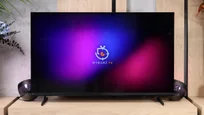
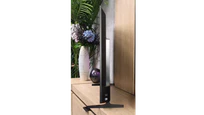
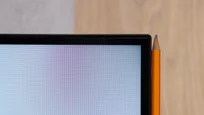
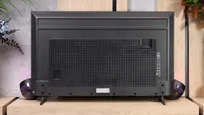
TV appearance

Contrast and black detail
10/10
2.7/10
Local dimming function: No
Contrast:


Result
∞:1

Result
∞:1

Result
∞:1

Result
∞:1

Result
∞:1
Result
1,150:1
Result
1,200:1
Result
1,450:1
Result
1,400:1
Result
1,100:1
Halo effect and black detail visibility:
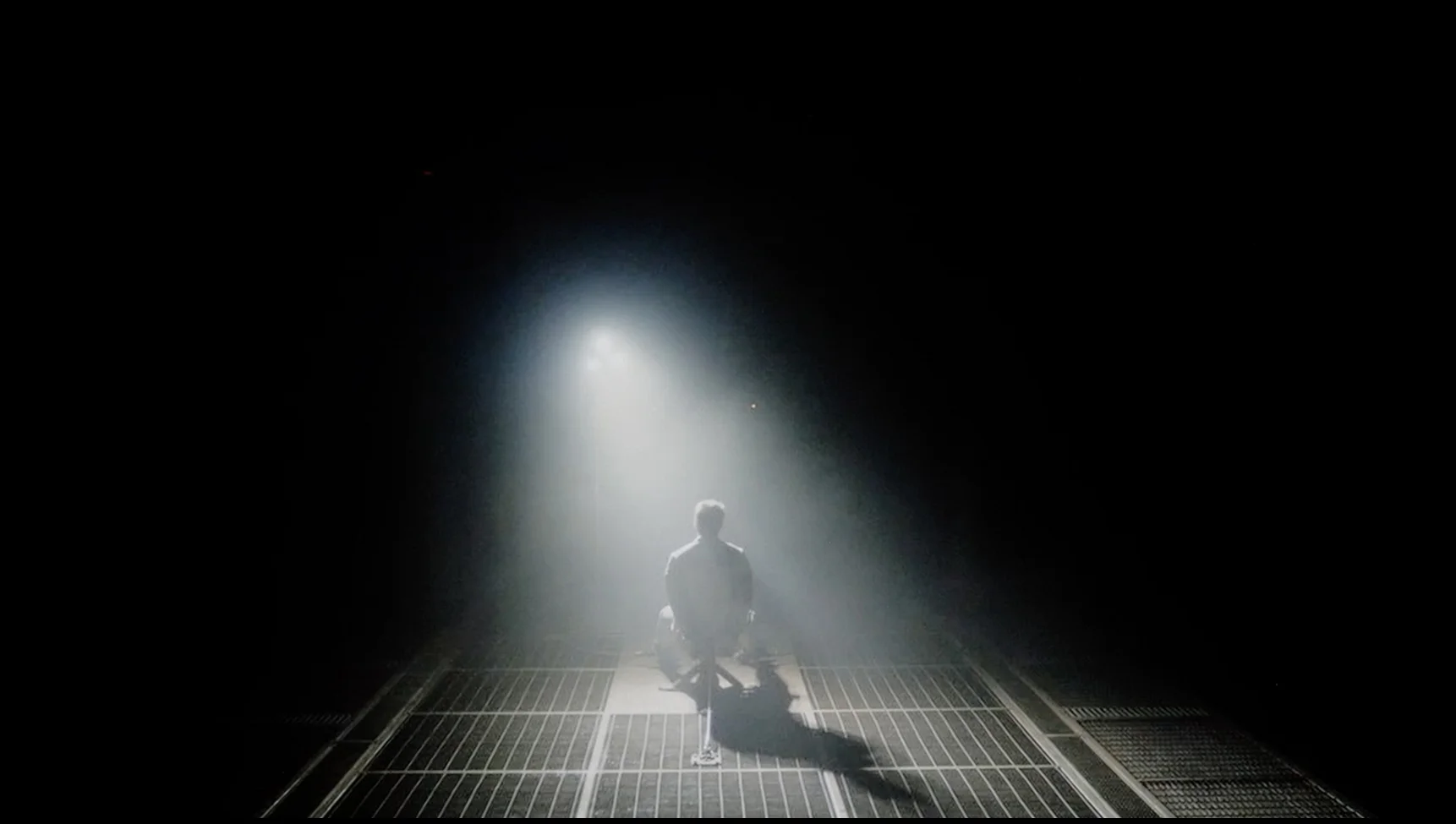
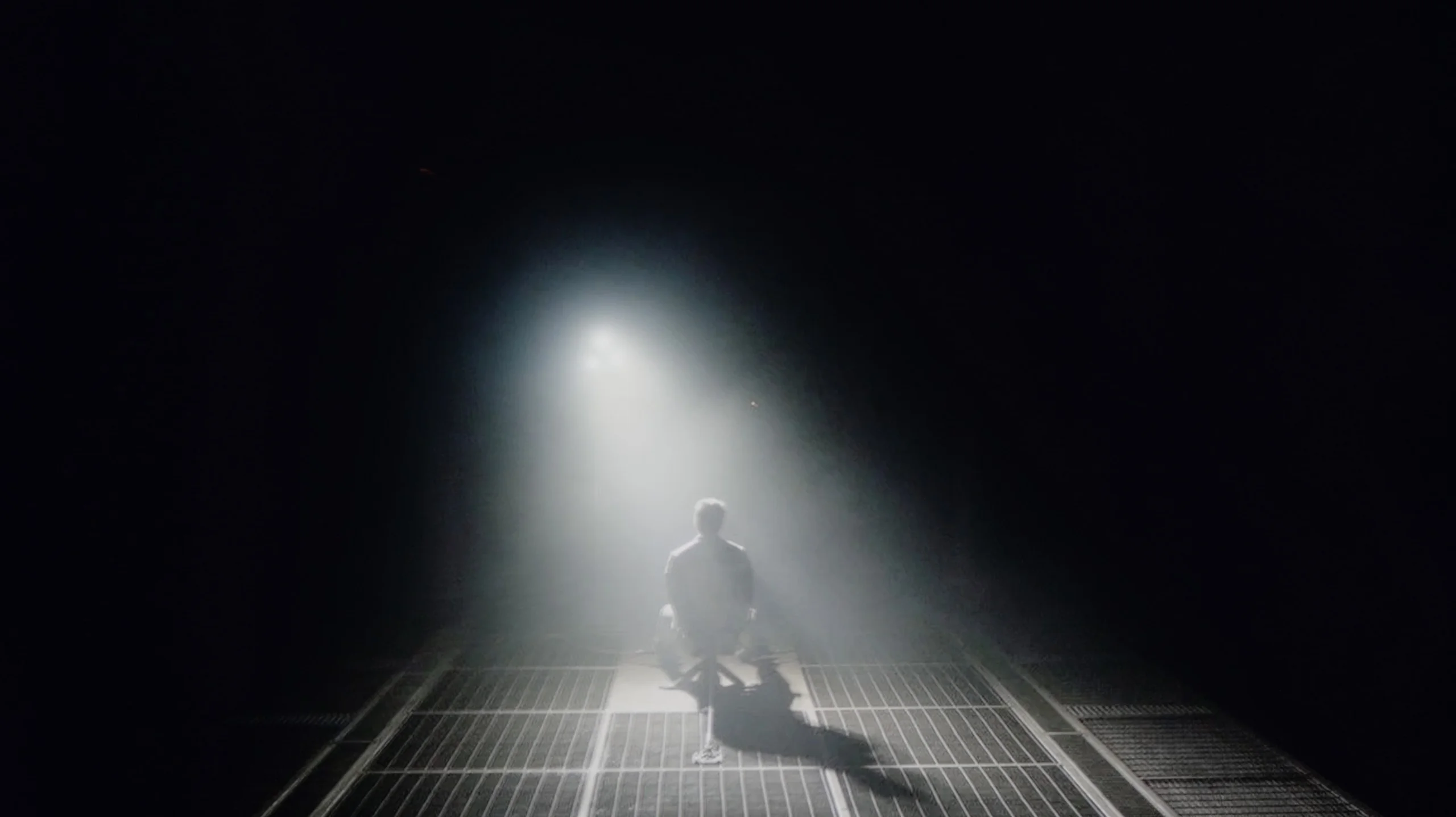
Check the visibility of bright lights on a dark background. Mini-LEDs often struggle with this. The photo does not compare black levels – that’s what the video below is for.
The video accurately shows differences in contrast and black levels between TVs, as well as potential issues: halo around bright objects or Mini-LED zone operation visible as brightness jumps.
LG OLED C4, as the name suggests, uses an organic panel of its own production. This series definitely belongs to one of the most recognisable on the market. Over 10 years of experience in building self-emissive panels has allowed for the refinement of each subsequent design, with the models from the 2024 range being the quintessence of this process. Of course, the use of this type of screen enables the achievement of flawless contrast and blacks, allowing viewers to immerse themselves in the world created by the director. This is possible thanks to the OLED panel, characterised by the absence of conventional backlighting, which instead allows current to pass through organic pixels. This permits super-accurate image control, thereby eliminating issues such as dimming of delicate fine details or the halo/blooming effect. Looking at both of our test scenes, we can notice two things: perfect light separation and a plethora of details in the movie "Sicario 2".
When it comes to black levels, the Bravia 2 II unfortunately doesn't have much going for it. Sony has used an IPS panel here, which offers one of the lowest native contrasts among LCD panels. In our measurements we saw figures around 1,100:1 to 1,450:1, and unfortunately that's very noticeable when watching. Additionally, the TV lacks any local dimming, so it can't darken only the parts of the screen that should remain dark. In practice, this means that once the lights go out, blacks very quickly shift toward grey and navy. In scenes such as Oblivion or Sicario 2, instead of a deep background we get a noticeably brightened image, which takes away a lot of the atmosphere from evening viewing. Of course an IPS panel also has the advantage of better viewing angles, but in this respect it's hard to call that sufficient compensation. If you're looking for a TV primarily for watching films at night, the Bravia 2 II simply isn't a model we could recommend.
HDR effect quality
6.8/10
4/10
Luminance measurements in HDR:

Result
796 nit

Result
772 nit

Result
869 nit

Result
837 nit

Result
604 nit
Result
294 nit
Result
307 nit
Result
329 nit
Result
330 nit
Result
325 nit
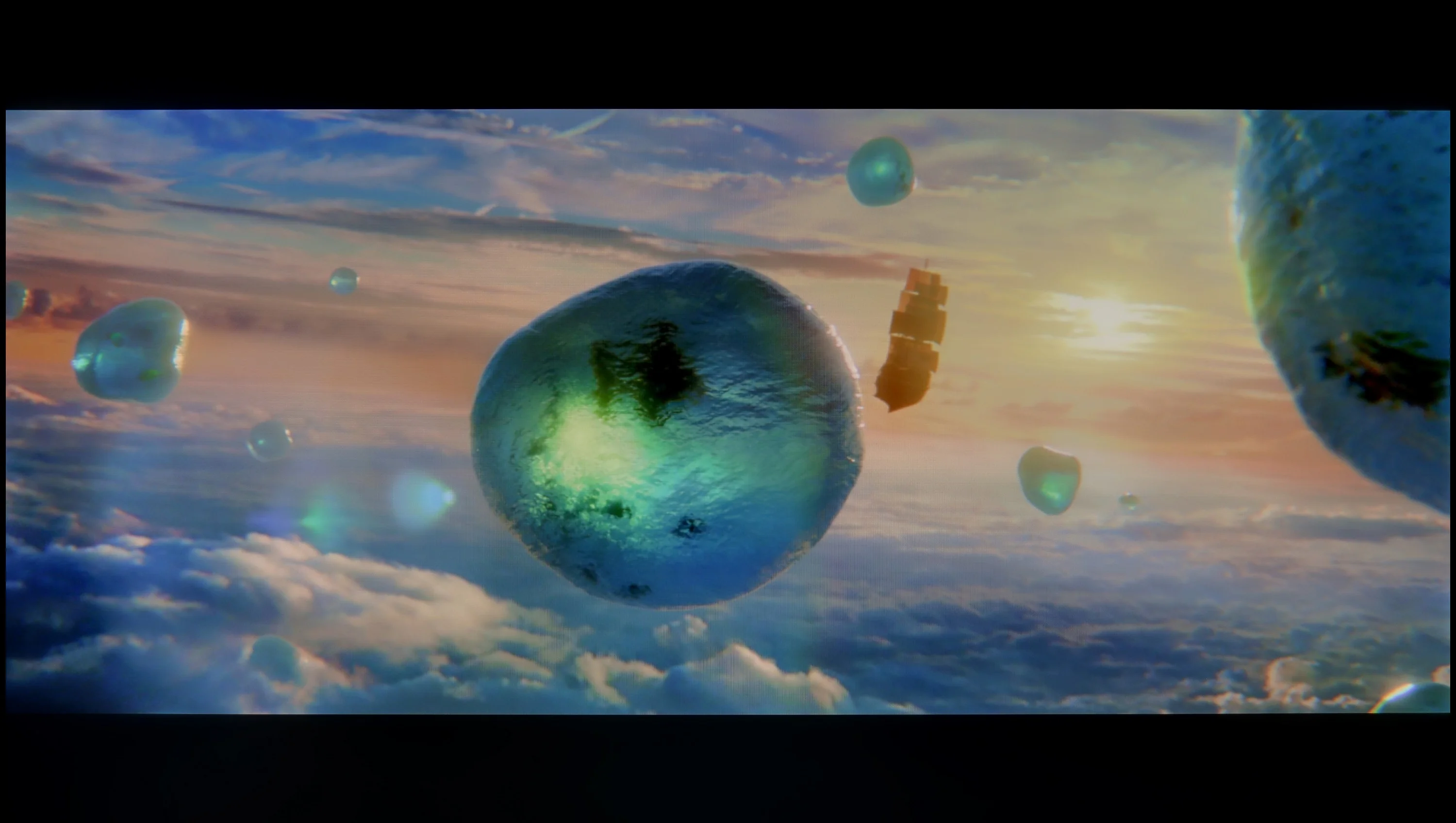
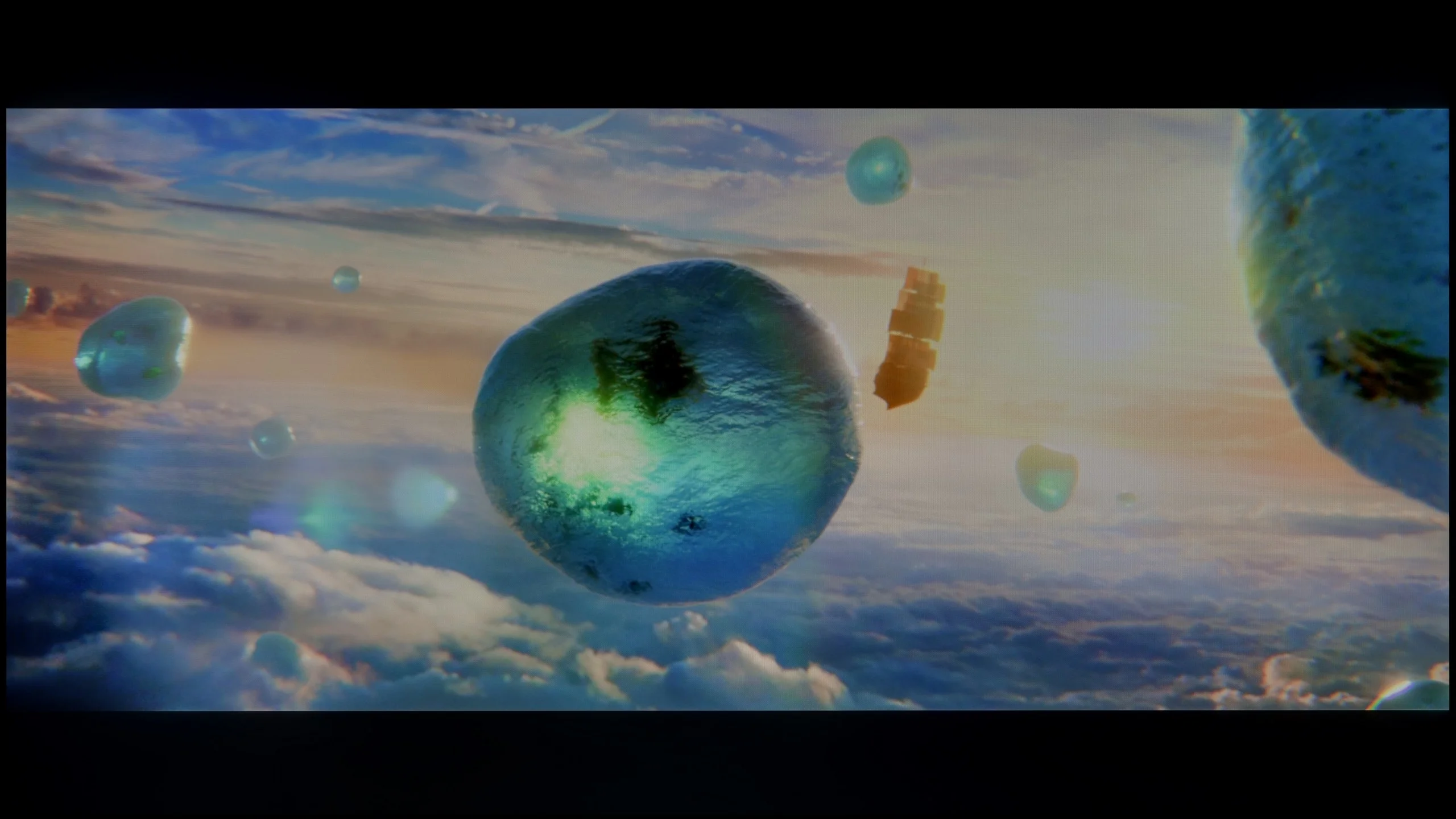
Scene from the movie “Pan” (about 2800 nits)
Scene from the movie “Billy Lynn” (about 1100 nits)
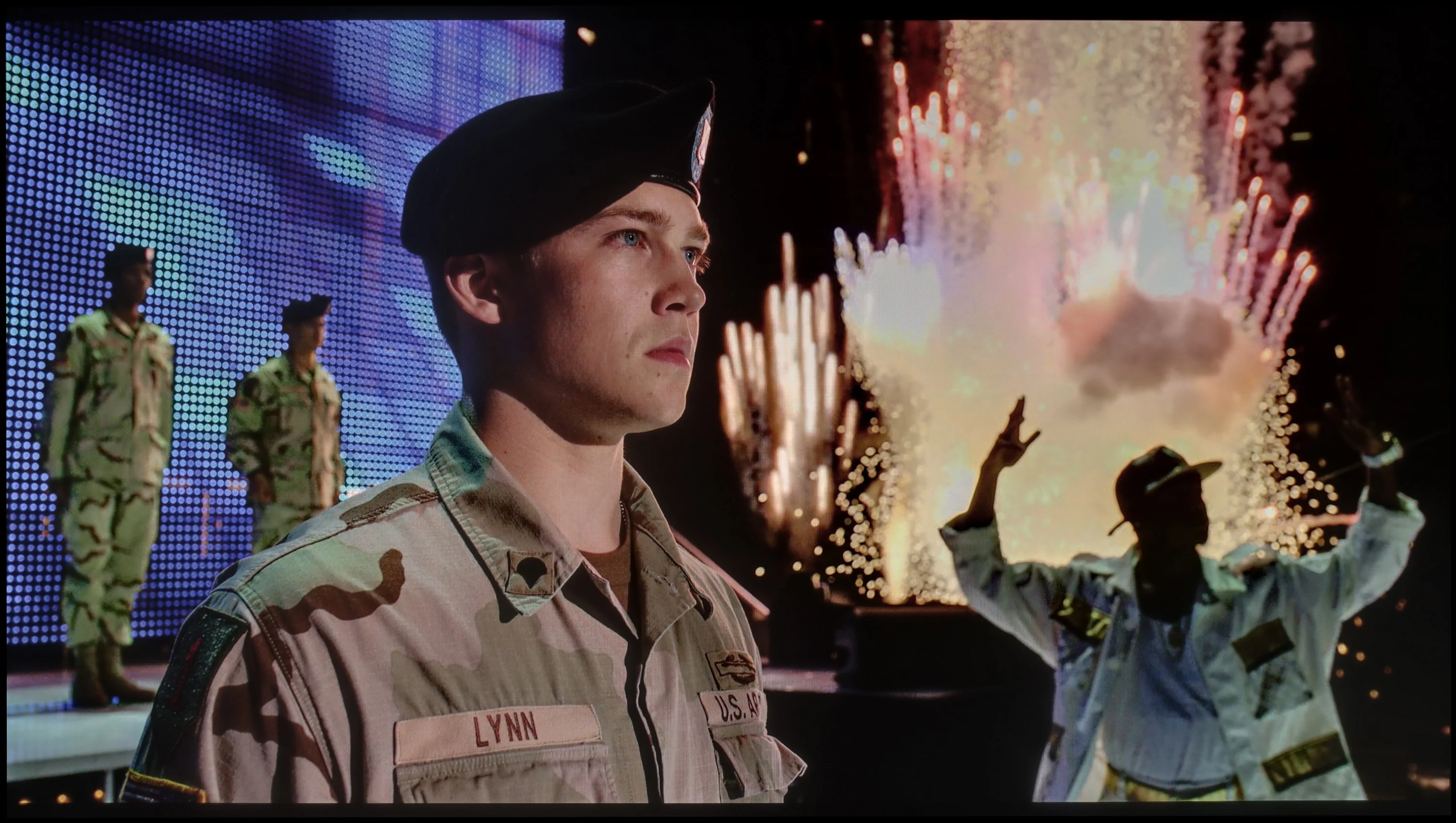
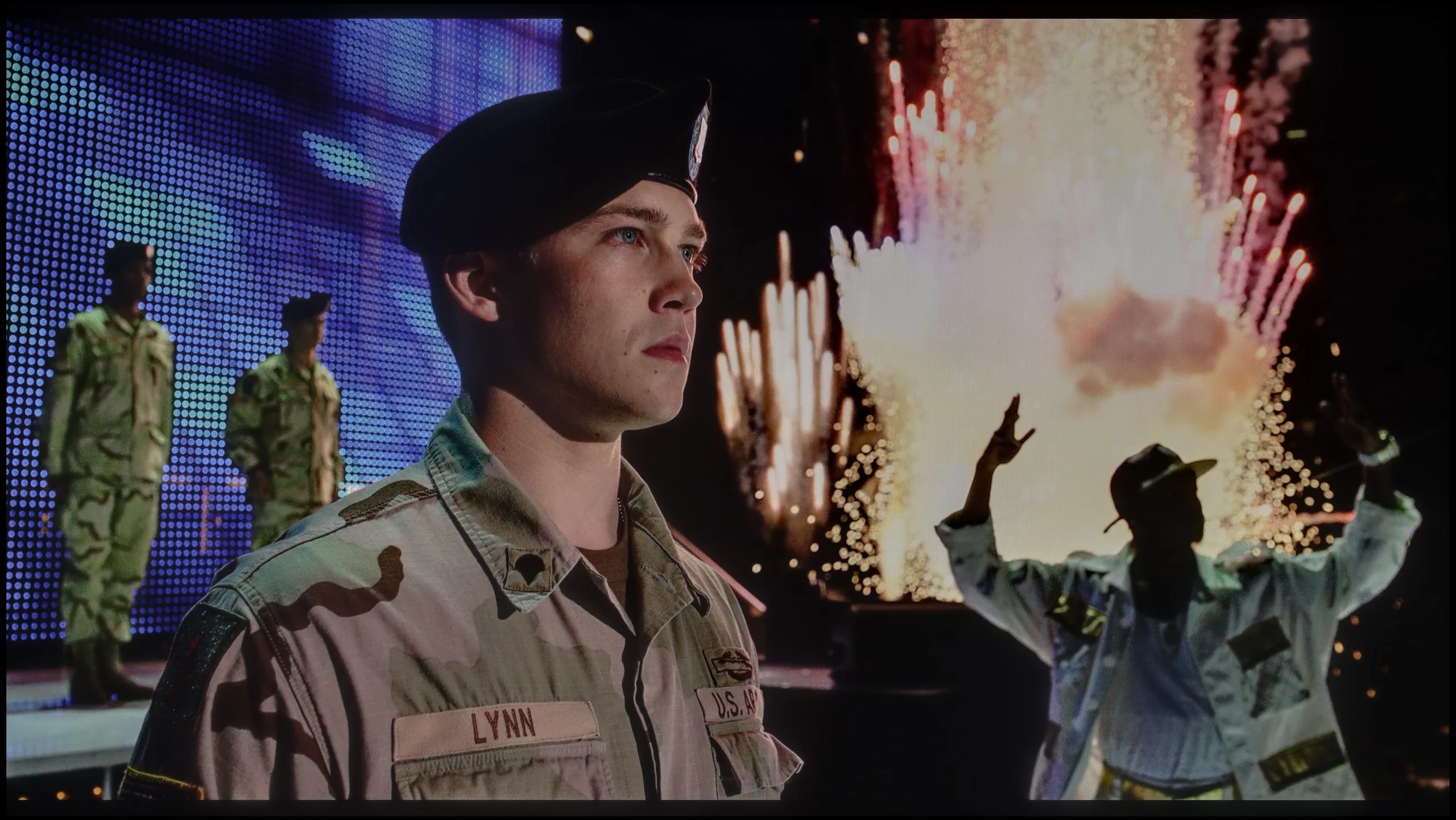
The photos show two HDR10 movies. 'Pan' is one of the brightest productions ever made, while 'Billy Lynn' (soldier) has brightness typical of streaming (Netflix, Prime, HBO MAX). Notice the intensity of effects and detail in whites.
Static HDR10


The photos present the visibility of white details in various HDR formats. They do not show brightness differences between TVs (these can be compared in the previous gallery).
HDR luminance chart:
Sony BRAVIA 2 II (S25M2)
LG OLED C4
Luminance of RGB colors
The results of HDR materials are definitely among the better ones. Practically every film significantly exceeds the 700 nits barrier, which allows for a very realistic image. Of course, none of them surpasses the magical thousand, however, the combination of such results along with unlimited contrast and black effectively boosts the visual outcome. The last of the scenes, featuring a fullscreen sun burst, is indeed less bright than the others, although it still represents a respectable level. It's also worth mentioning the excellent coverage of the DCI-P3 colour palette, which will enable the achievement of exceptionally vivid colours.
Sony Bravia 2 II isn't a particularly bright TV and unfortunately that's immediately obvious in HDR. In our measurements brightness stayed around 300 to 330 nits, which is far too low for the brightest parts of the image to look truly impactful. In practice HDR here doesn't differ that much from regular SDR. Bright highlights, the sun or lamps are of course visible, but they lack the intensity you'd expect from HDR content. The Bravia 2 II is therefore much better suited to standard SDR material, where its limited brightness will be least noticeable.
Colour gamut coverage
The Sony Bravia 2 II also doesn't impress when it comes to colour. The TV doesn't use any extra gamut-expanding filter, such as the quantum dots found in QLED sets or a PFS phosphor layer. In our measurements it covered about 78% of the DCI-P3 gamut and roughly 57% of the very wide BT.2020. That's definitely too little to deliver truly saturated colours in HDR material. More intense reds, greens or turquoises will simply be less striking than on TVs with an expanded colour gamut. The Bravia 2 II is much better matched to the standard Rec.709 gamut used for films, series and SDR broadcast.
Factory color reproduction
8.1/10
5.3/10


This gallery shows how colors change after professional TV calibration. If you notice the difference, we recommend ordering this service at SkalibrujTV.com.
Factory Mode
After calibration
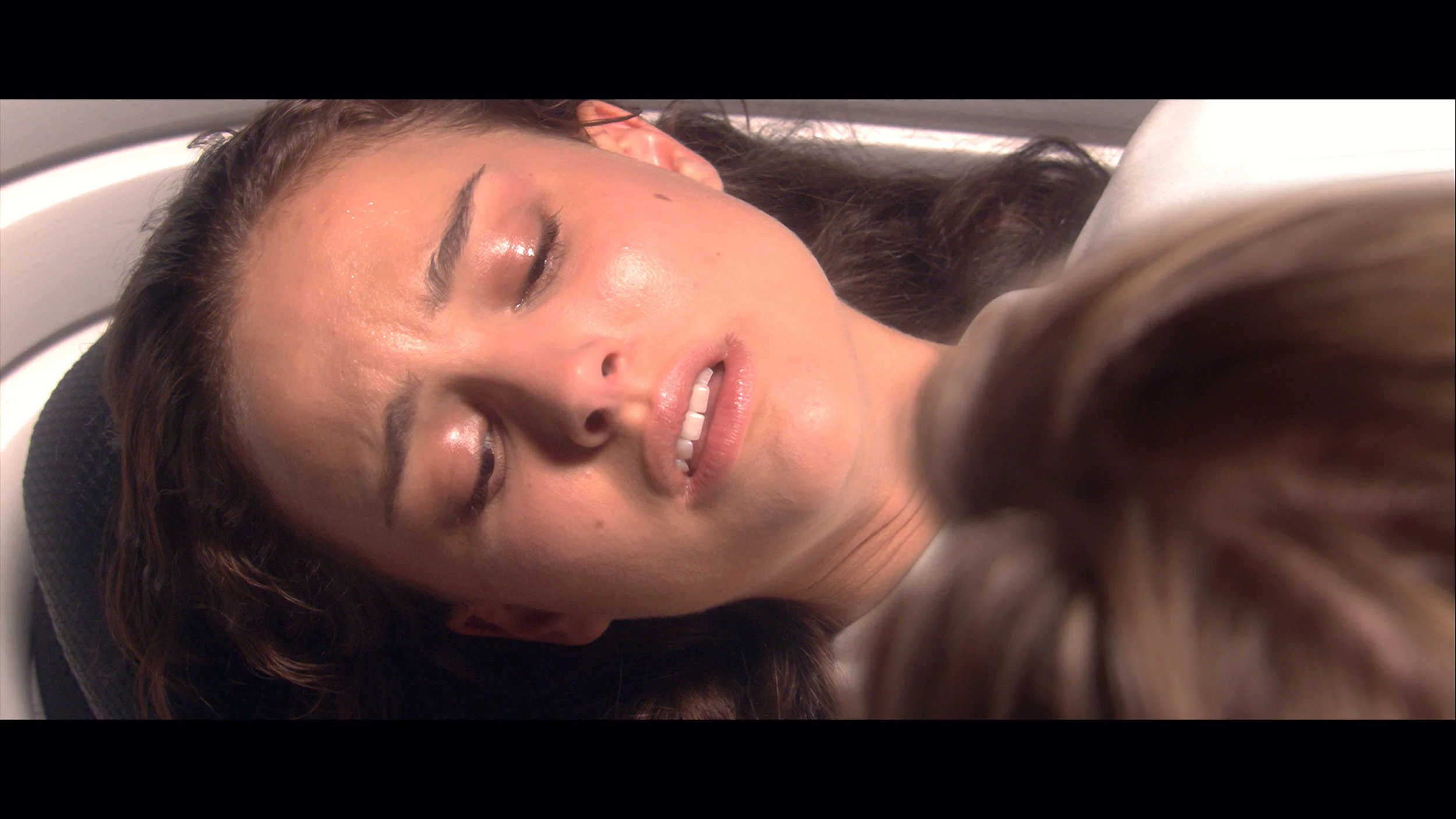
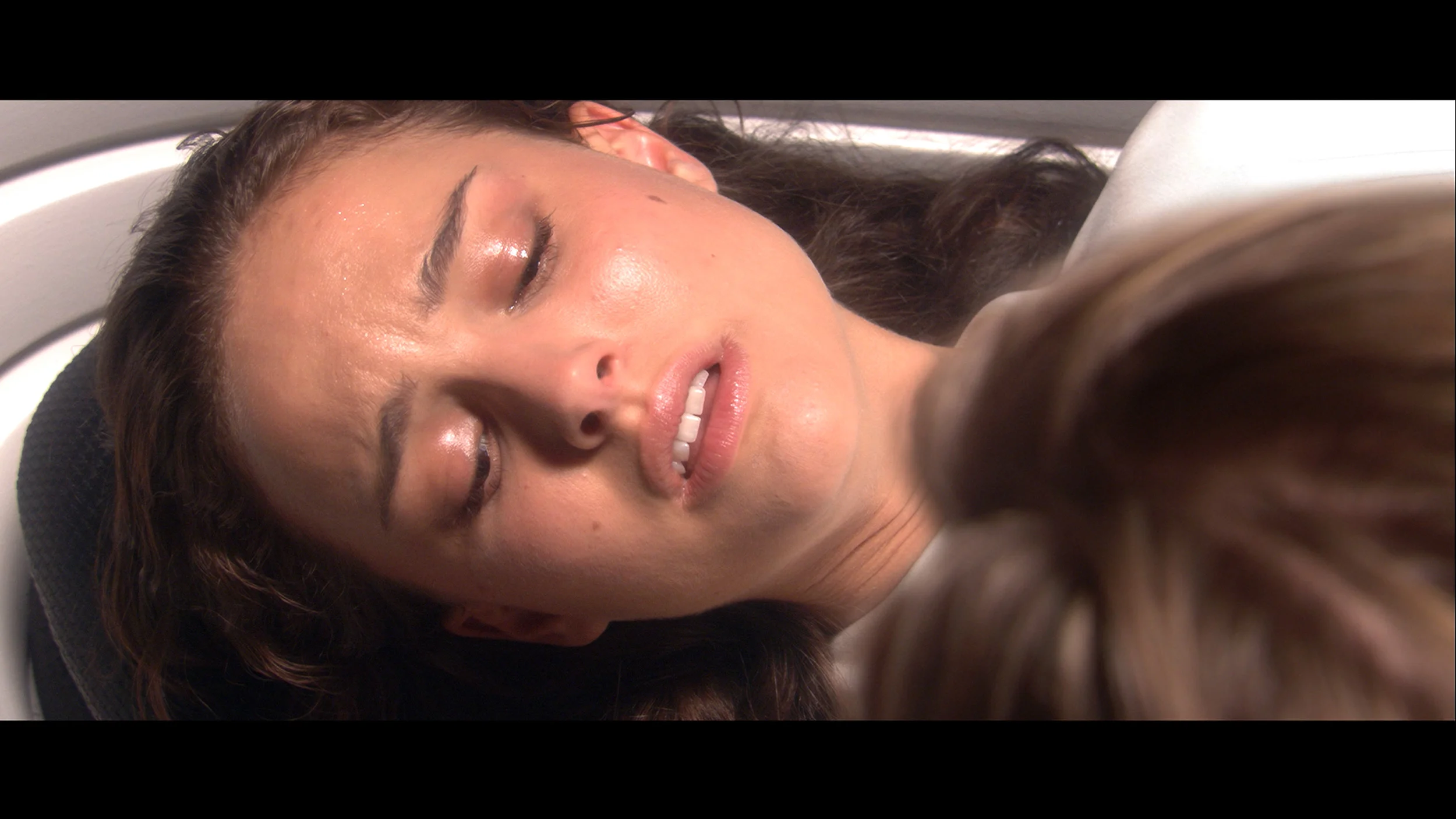
This gallery shows how colors change after professional TV calibration. If you notice the difference, we recommend ordering this service at SkalibrujTV.com.
Factory Mode
After calibration
The best factory mode implemented in the tested television was "Filmmaker". That was the one we used during all tests. This mode, in terms of colour reproduction, turned out to be quite decent, although other flaws effectively detracted from the enjoyment of the viewing experience. Starting with the most basic one, which is white balance, it was easy to notice that this was marked by a dominance of red, which completely altered the characteristics of the picture. We could see a strong yellowing of the whites and a shift of all colours to warmer tones. The gamma, which is a graph as equally important, if not more so, was quite severely reduced, resulting in a significant drop in contrast, except for the start of the graph, where the television insidiously lost details. That’s all regarding SDR materials. Looking closely at films with a wide dynamic range, we can observe exactly the same phenomenon of white balance yellowing as in films with a standard colour palette. The EOTF curve, which replaces the gamma chart for us, is practically perfect and cannot be faulted.
The out-of-the-box colour reproduction in Kino mode was really quite good, at least for ordinary SDR material. The Bravia 2 II had a slight tendency to boost reds, which made some colours lean a bit warmer, at times with a faint pinkish tint. That wasn't a major fault and during normal viewing the picture still looked fairly natural. There was a bit more going on with image brightness. Looking at the gamma curve, Sony doesn't stick perfectly to the reference value. The darkest areas are slightly lifted, while as brightness increases the gamma gradually rises and a large part of the image becomes darker than it should. However, the difference isn't big enough to seriously bother during everyday watching. Overall, SDR straight out of the box performs quite decently.
The situation is much worse in HDR. We've already mentioned the limited colour gamut, but on top of that the Bravia 2 II quite aggressively manipulates image brightness. The EOTF curve sits below the reference for much of the range, which means the TV renders most mid and brighter parts of the scene darker than the source material intends. Only towards the very end of the range does the curve flatten out, as the panel reaches the limits of its capabilities. Combined with a peak brightness of around 300 nits, this gives HDR that not only lacks much punch but can simply look too dark.
Color reproduction after calibration
9.5/10
7/10
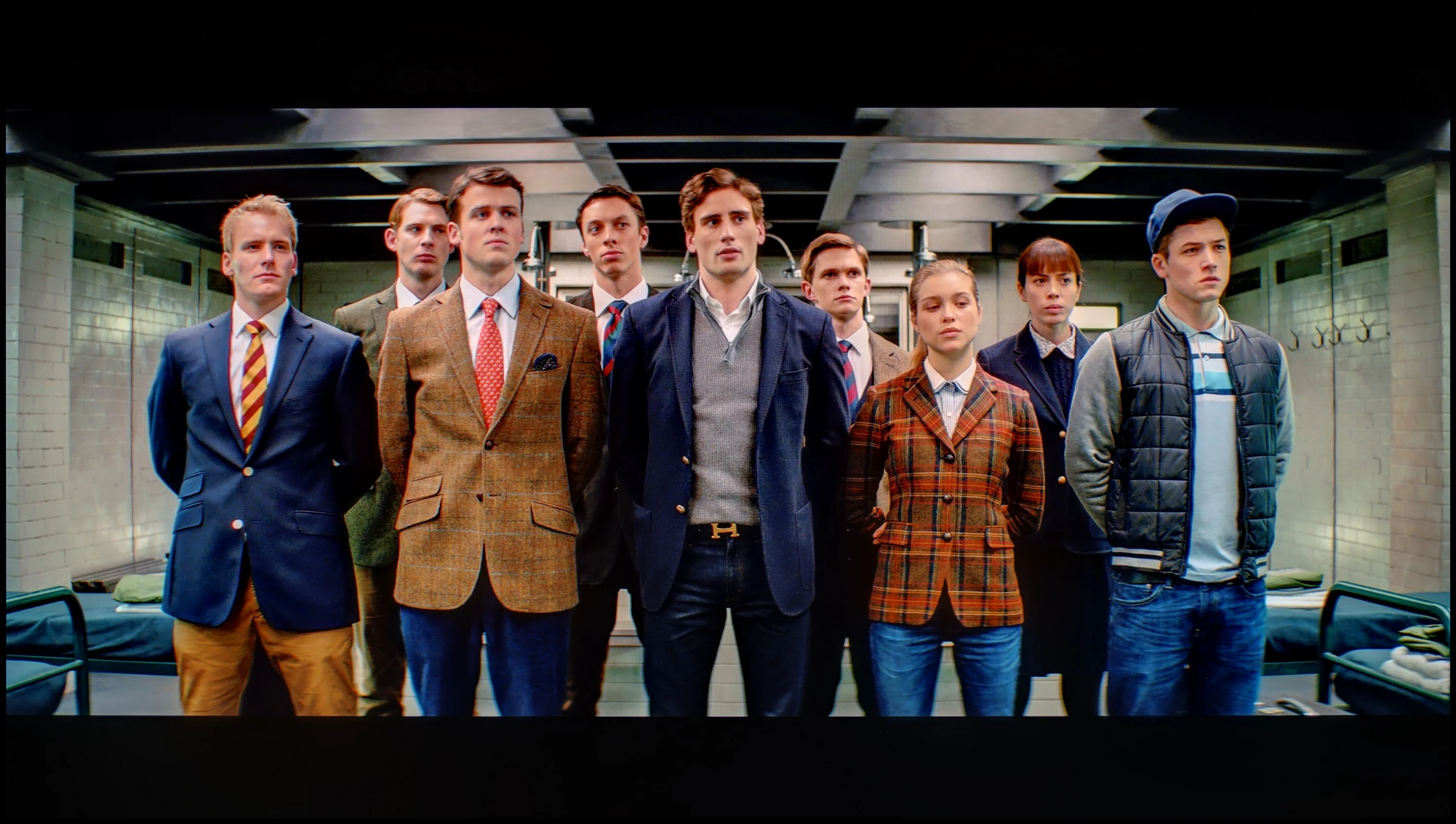
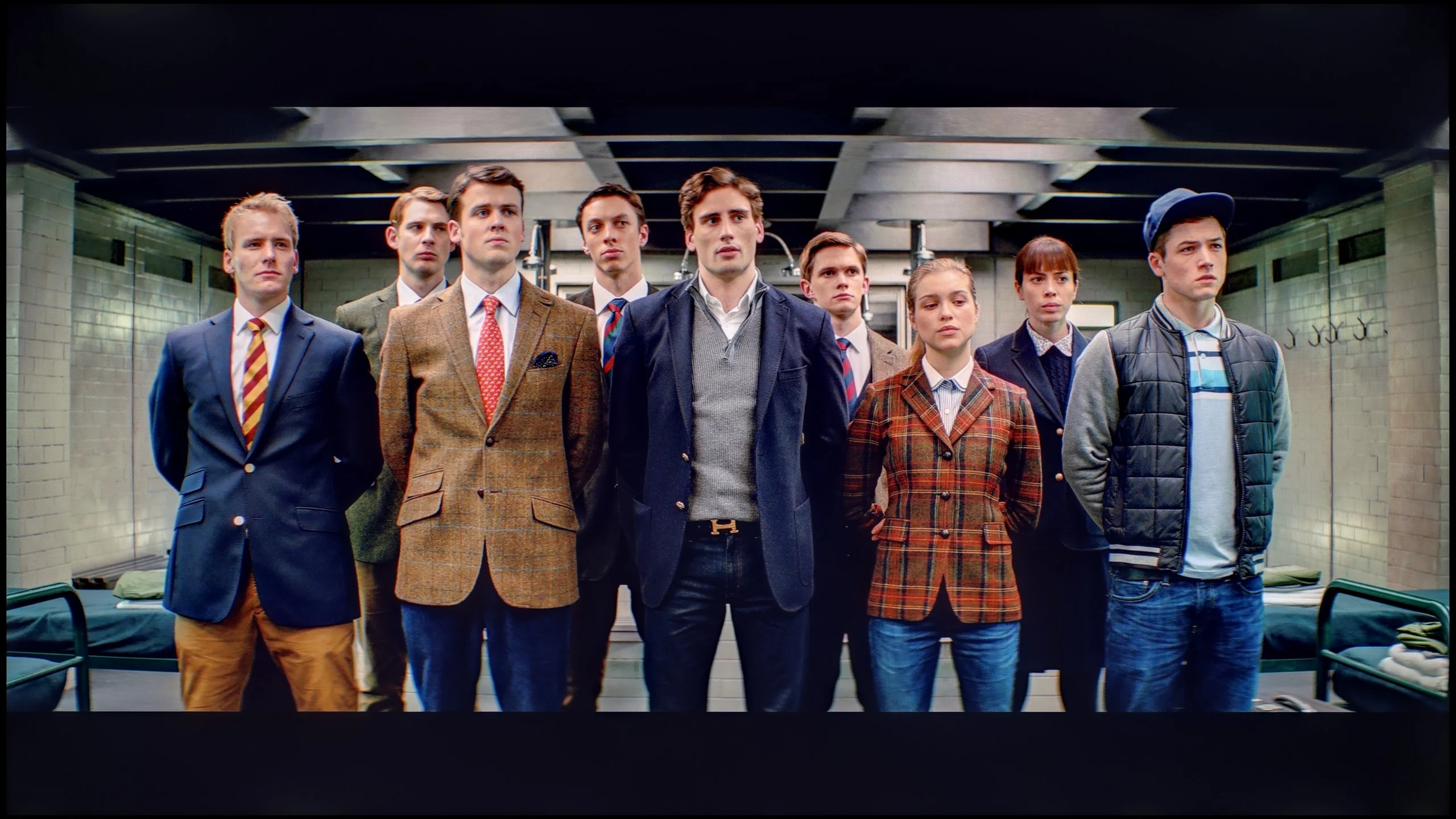
The photos show how movies look on the TV. Pay attention to black detail visibility, colors, and shadow tint.
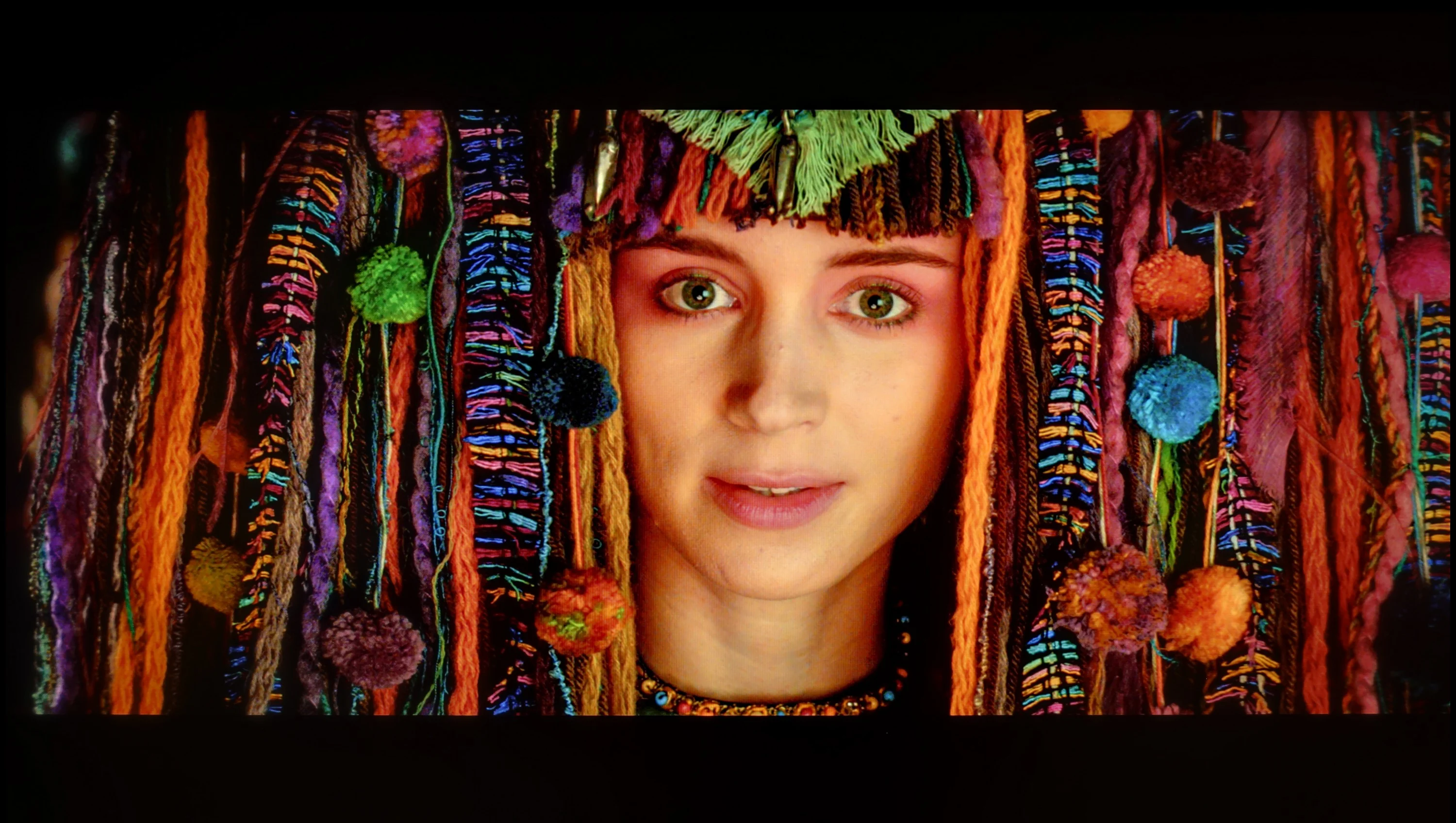

The photos show how movies look on the TV. Pay attention to black detail visibility, colors, and shadow tint.
As we mentioned earlier, LG televisions are equipped with advanced tools for carrying out the calibration process. We used them to model the picture in line with what the director envisioned. And without modesty, we must admit that we achieved this phenomenally. Both SDR and HDR materials present a level that clearly indicates this is how a film should look. It's worth taking a look at the colour errors on the "ColorChecker" palette, where practically none of them exceed "1", except for two samples.
Calibration did a lot for the Bravia 2 II, especially with SDR content. Above all, we managed to even out the white balance and tidy up the gamma, which now stays much closer to the reference value. As a result, the image no longer has the earlier pink cast, and the brightness across different areas is much better organised. You can also see it in the colour errors, which after calibration dropped to a very low level (with only minor issues in the most saturated reds).
We also partly managed to rein in the Bravia 2 II in HDR, especially in the way the TV handles image brightness. However, there is one thing no calibration can fix: the panel's capabilities. A narrow colour gamut means the TV physically can't reproduce the most saturated colours recorded in HDR content. On top of that, the low contrast of the IPS panel causes darker scenes to be covered in a grey haze, which robs colours of some of their depth. So we can improve how the Bravia 2 II uses its capabilities, but we can't overcome the panel's inherent limitations.
Smoothness of tonal transitions
7.1/10
8/10
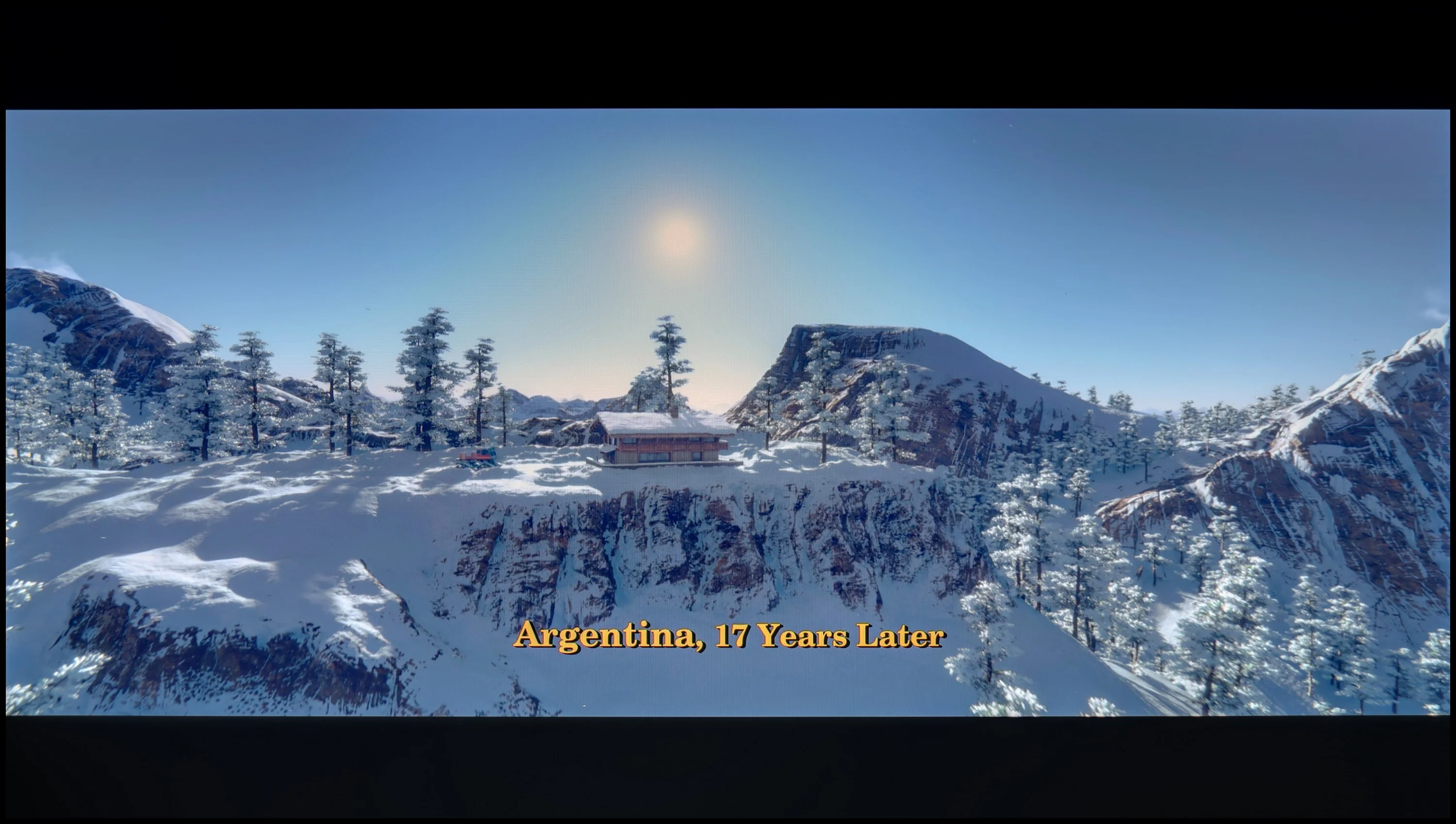

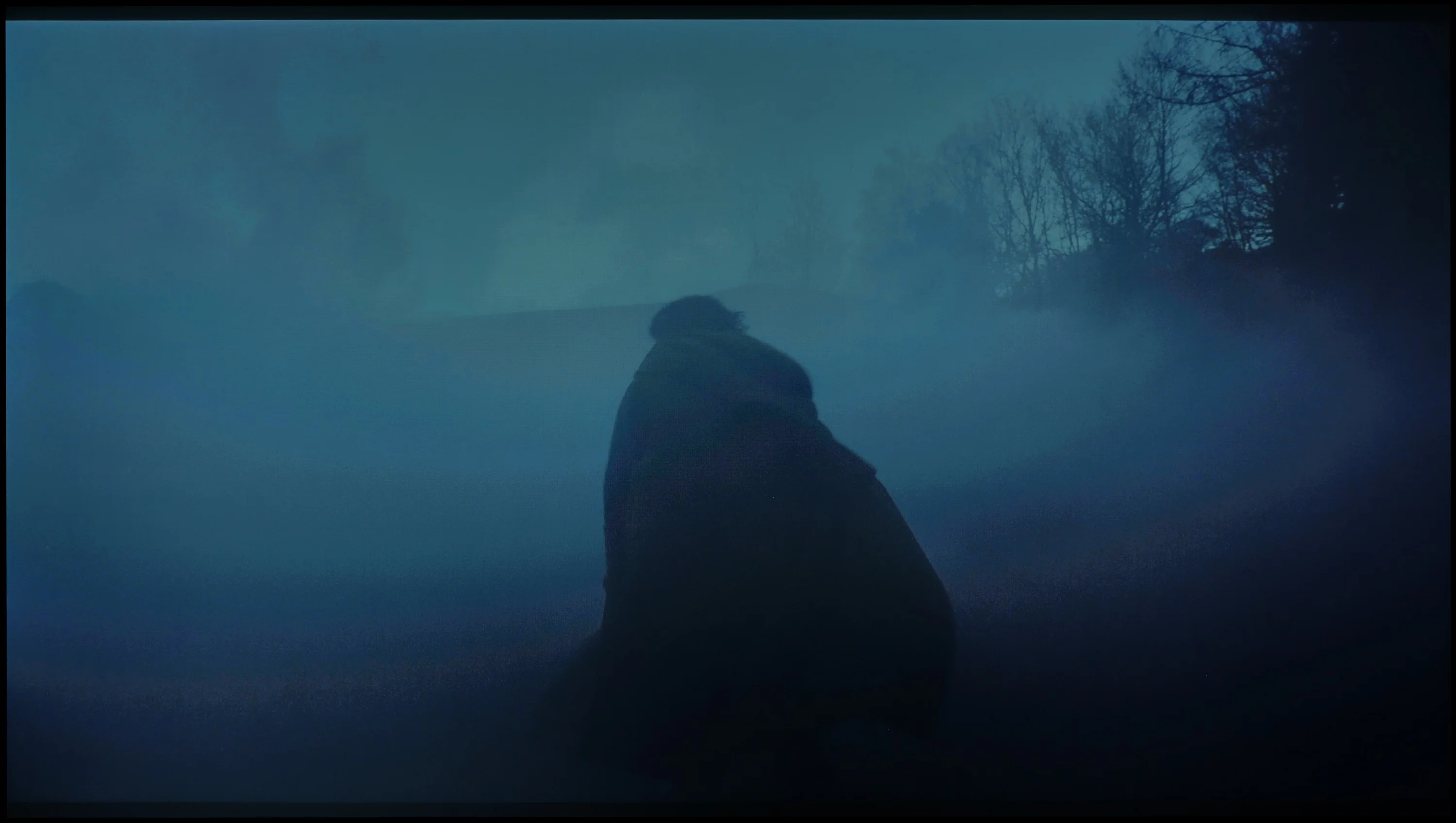
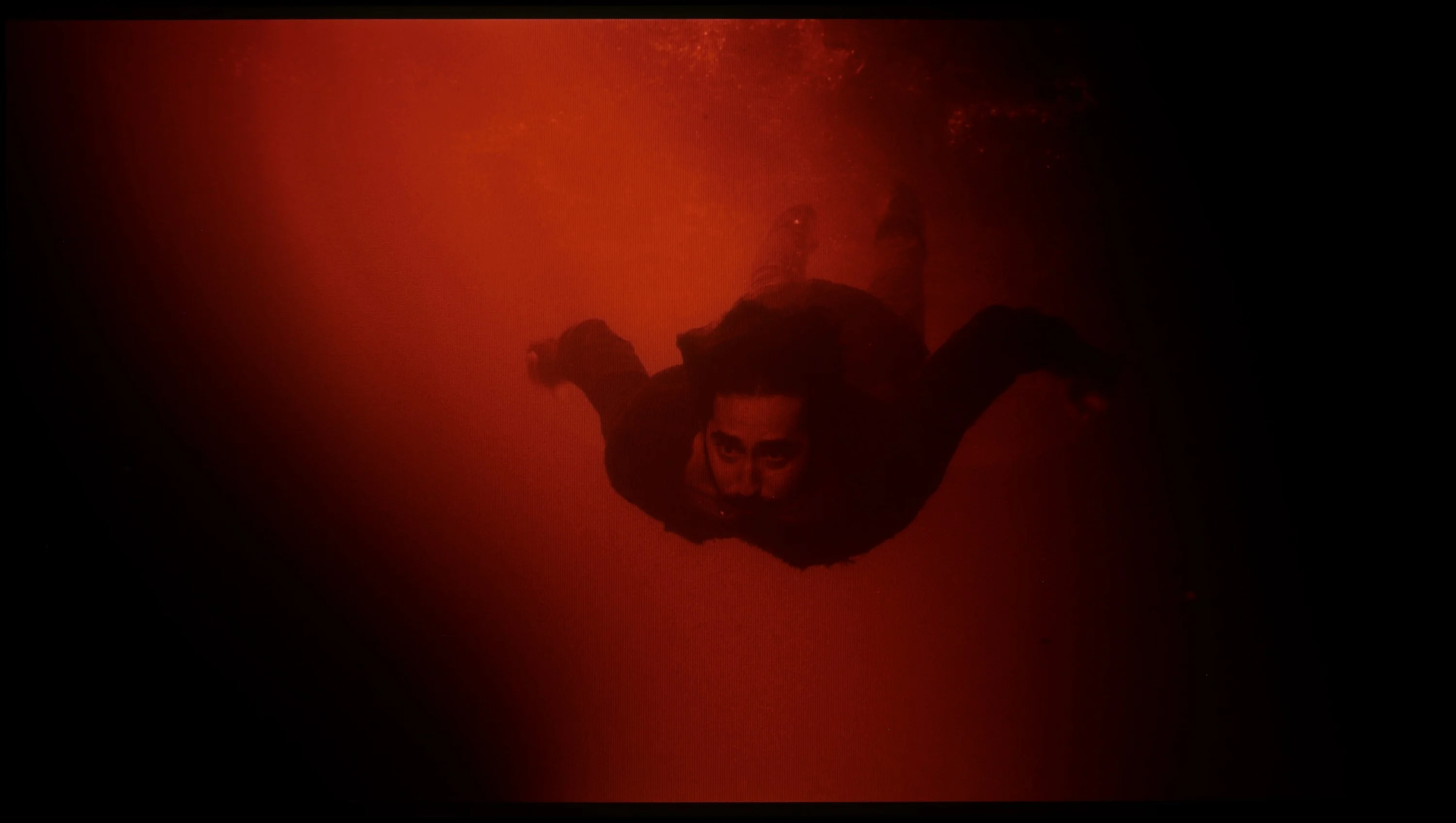
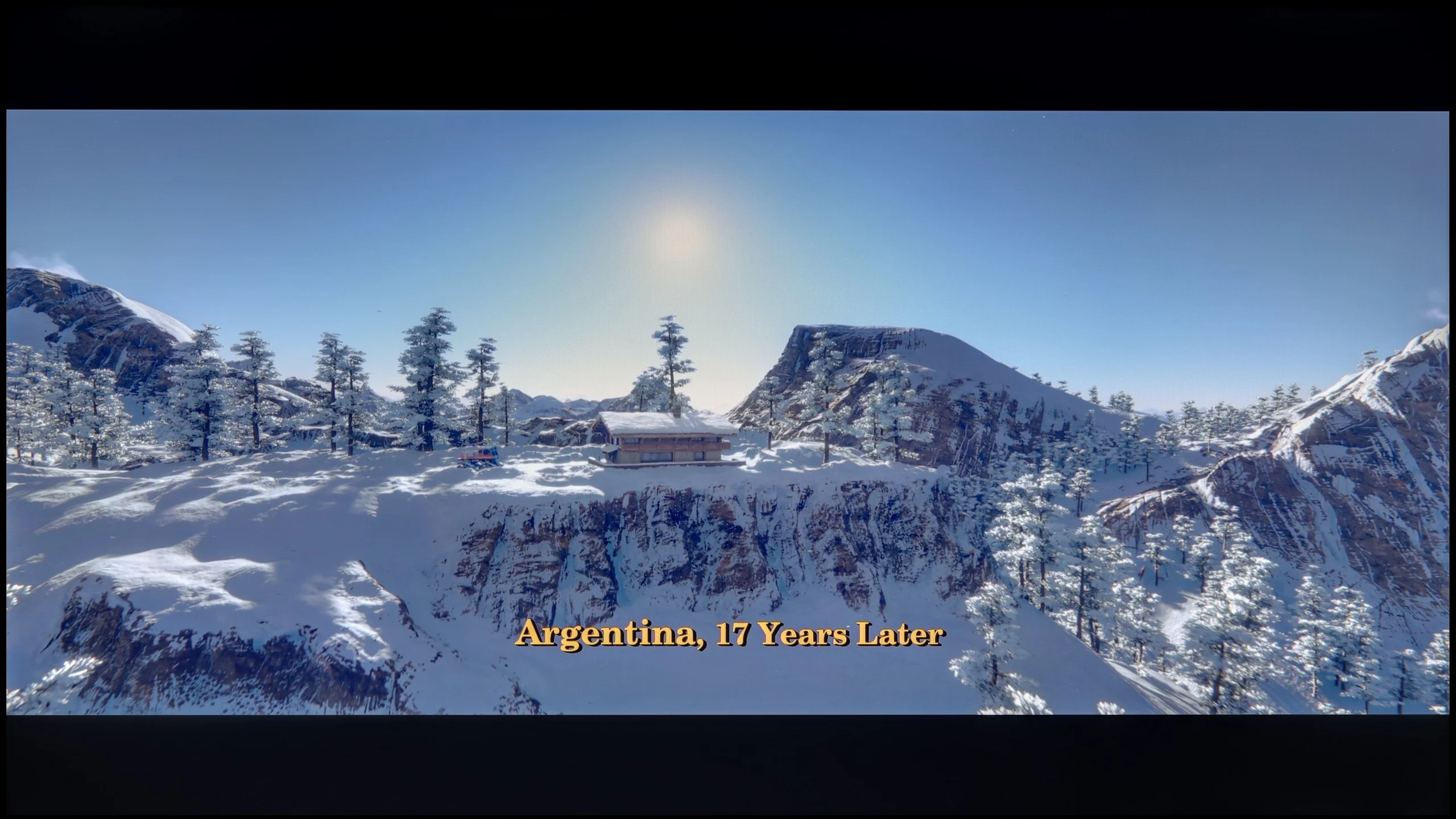
These are selected scenes that show smooth tonal transitions from one color to another. If you see distinct banding, it’s the TV panel’s fault.
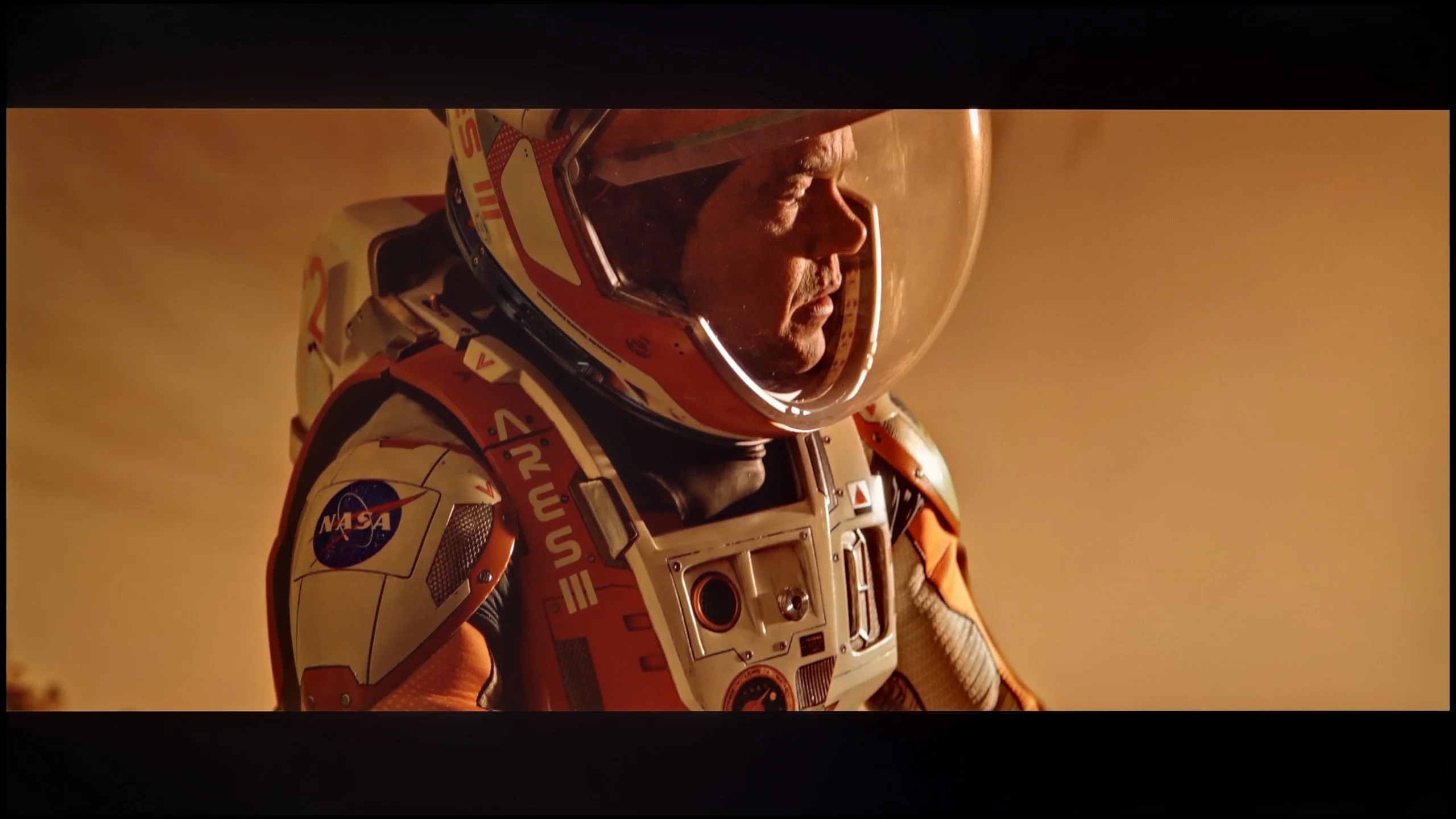
These are selected scenes that show smooth tonal transitions from one color to another. If you see distinct banding, it’s the TV panel’s fault.
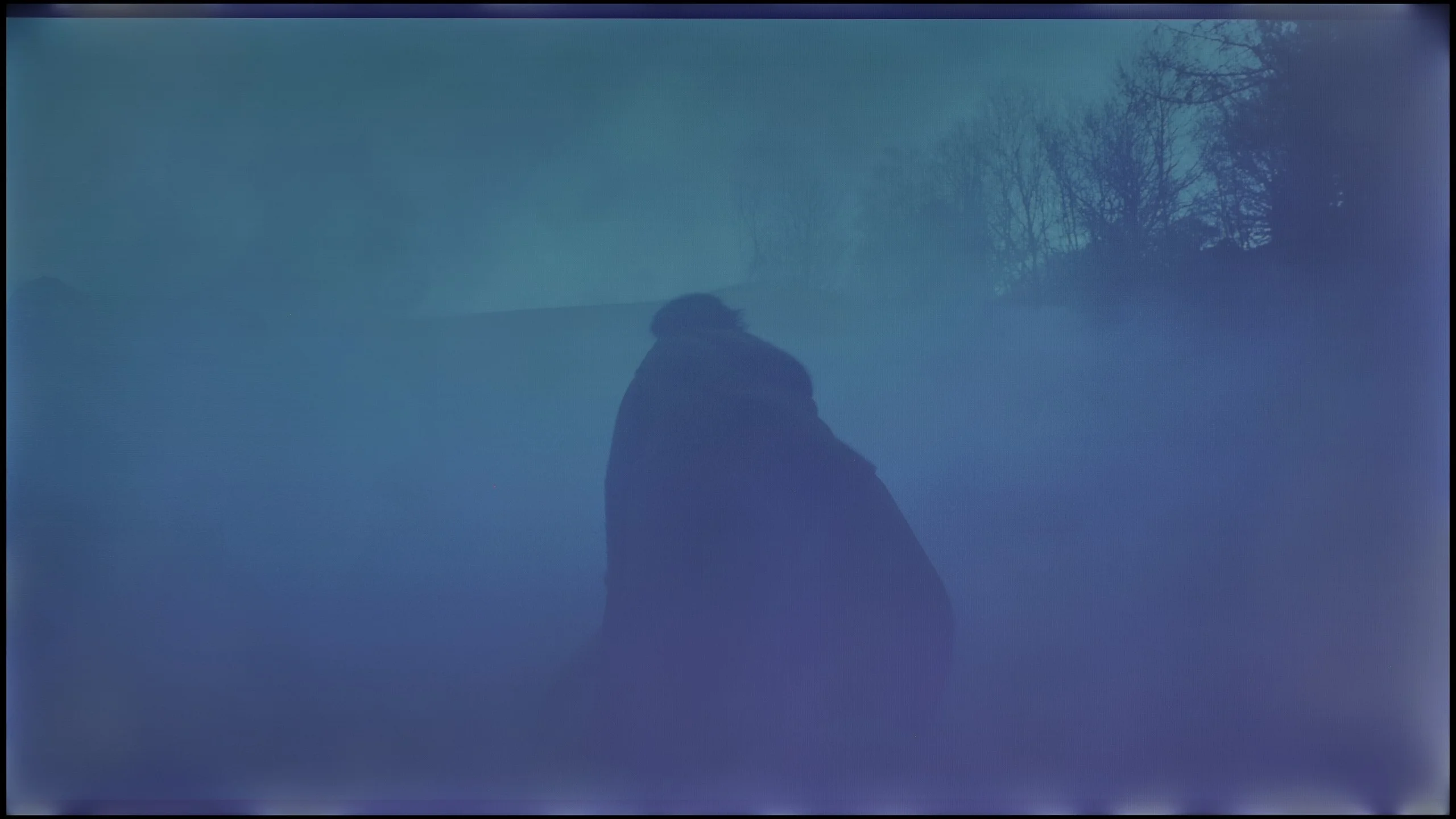
These are selected scenes that show smooth tonal transitions from one color to another. If you see distinct banding, it’s the TV panel’s fault.
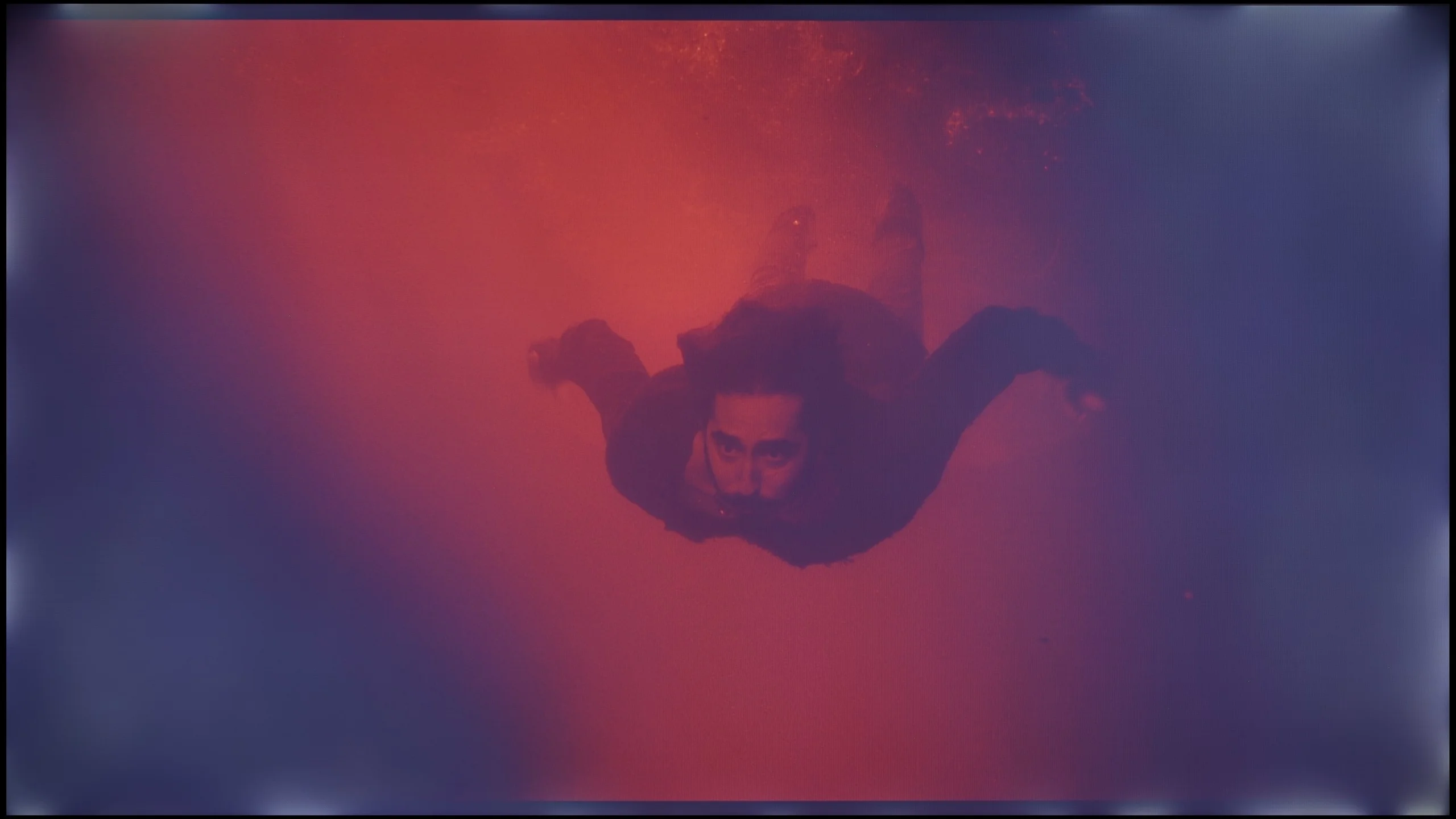
These are selected scenes that show smooth tonal transitions from one color to another. If you see distinct banding, it’s the TV panel’s fault.
The fluidity of tonal transitions in LG televisions has always been a rather sensitive issue, as the manufacturer, despite impeccable performance in other areas, has almost always struggled to get this right. The evaluation results for the fluidity of tonal transitions in the tested television were quite good, with issues mainly visible in darker scenes, such as the last two scenes. Interestingly, this is a significantly better result than the highest model from the manufacturer, namely the LG G4.
The smoothness of tonal transitions on the Bravia 2 II is pretty good, though it depends a lot on the scene. In brighter parts of the picture the gradation is smooth and it's hard to spot any major issues. It gets worse in very dark shots. In scenes with many dark tones you can already see distinct banding between successive shades. So it's not perfect, but with most everyday content the issue shouldn't be particularly noticeable.
Image scaling and smoothness of tonal transitions
8/10
6/10

Smooth transition function
The match photo shows how the TV smooths weak tonal transitions in low-quality video.
Image scaling SD (576i)


The model photo shows how it handles upscaling of SD material.
Once again, we will take a look at the feature responsible for gentle gradation, but we will also address the one that aims to enhance the quality of lower-quality materials. The default smoothing of tonal transitions, as we could see, was not the worst, but it can be improved further. The function has a slider that allows us to adjust its intensity. We recommend using the former, as it produces very good results and does not blur important details.
Image scaling on LG C4 is quite good, however, it cannot be said to be without flaws. The image is slightly sharper by default, although not in a very noticeable way. While jagged edges of trees can be seen, it is not a major issue when compared to other manufacturers.
Upscaling on the Bravia 2 II performs quite well and the TV maintains the standard we've come to expect from Sony. Lower-resolution material is sensibly upscaled to 4K, and the image is slightly smoothed without excessive edge sharpening. It's less successful at dealing with content that shows visible compression artefacts. That's down to the "Digital Noise Reduction" function, which on the "High" setting can smooth some ugly banding. The problem is it does so quite aggressively and, along with the imperfections, removes a lot of fine detail, including natural film grain. What's more, when there's more motion on screen its effectiveness drops considerably and the improvement is minimal. For that reason we generally didn't use this feature for everyday viewing.
Blur and motion smoothness
8.5/10
5/10

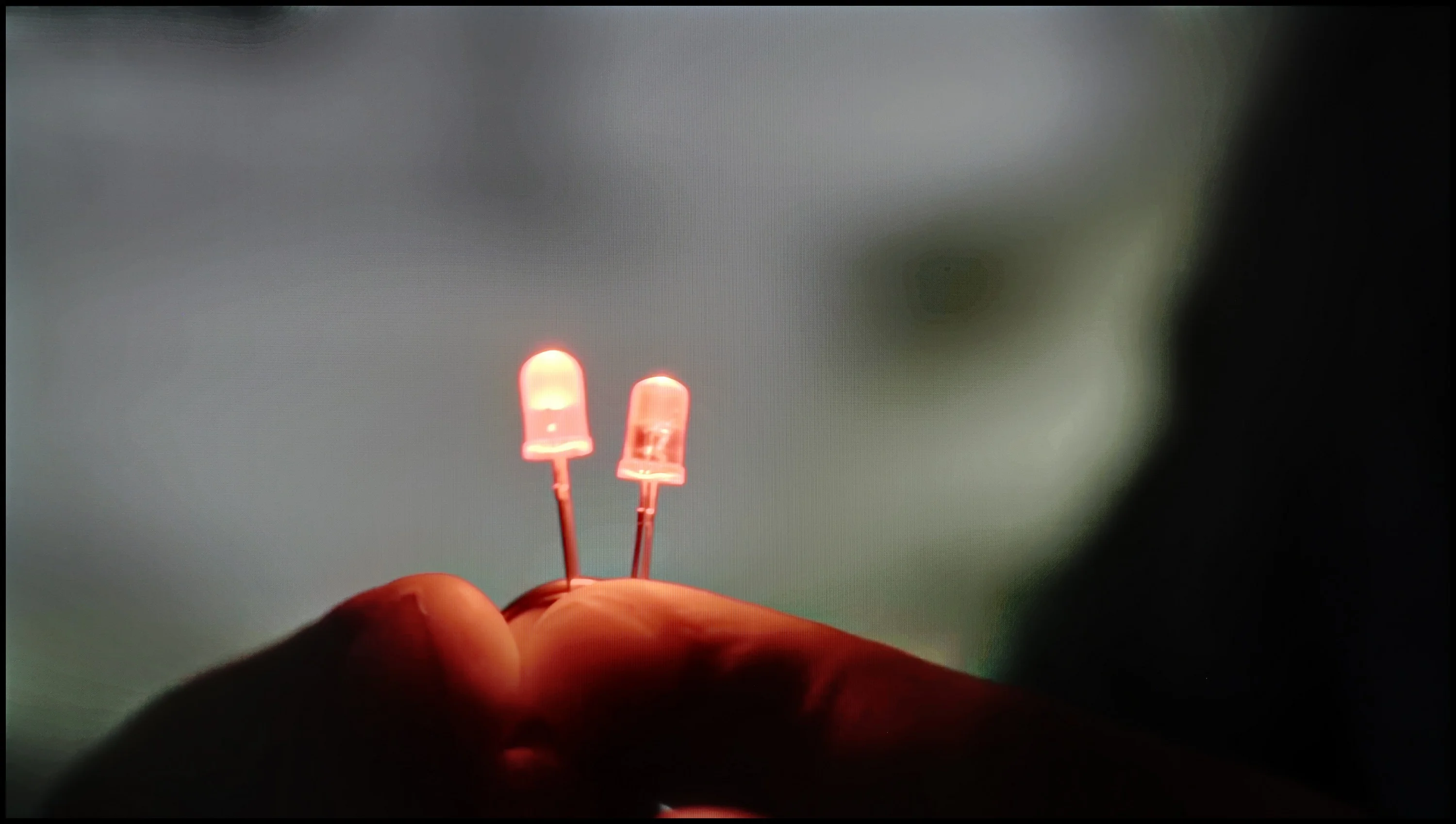
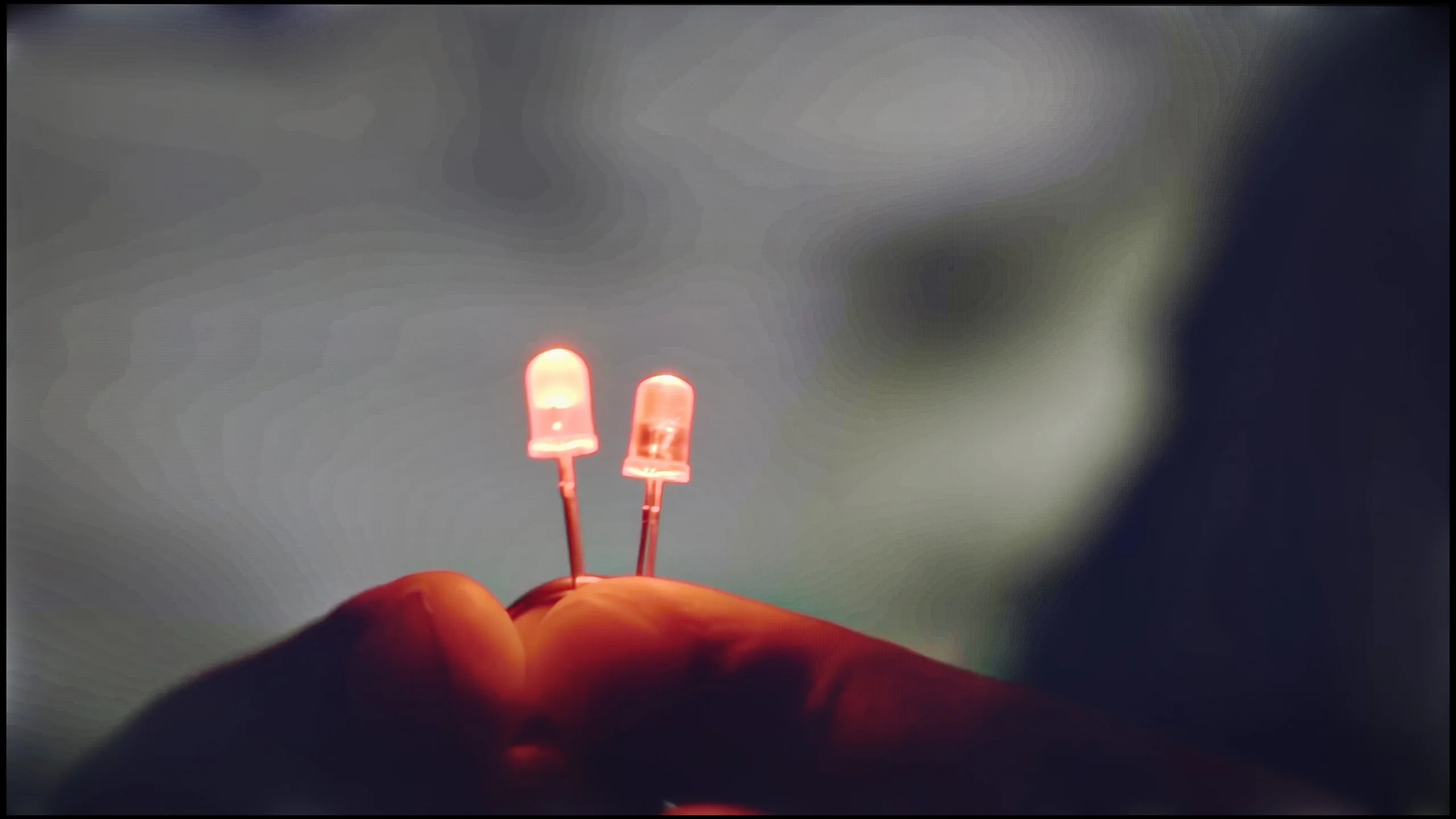
Blur (native resolution, maximum refresh rate):


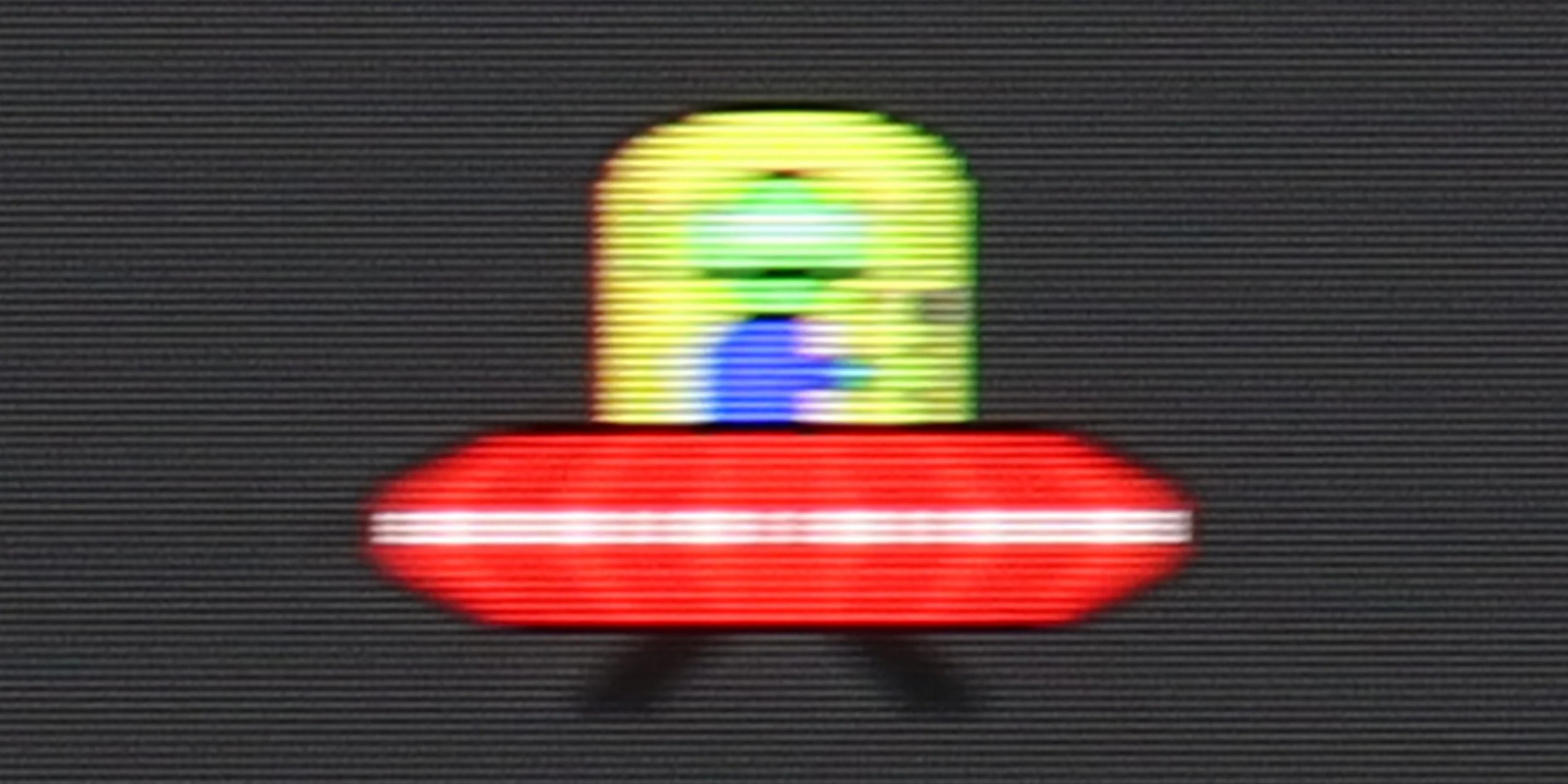
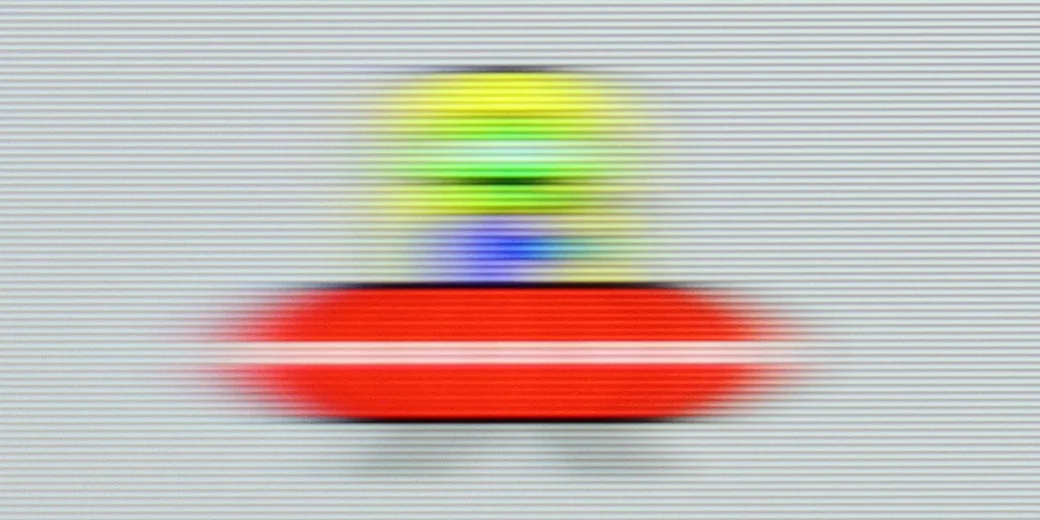
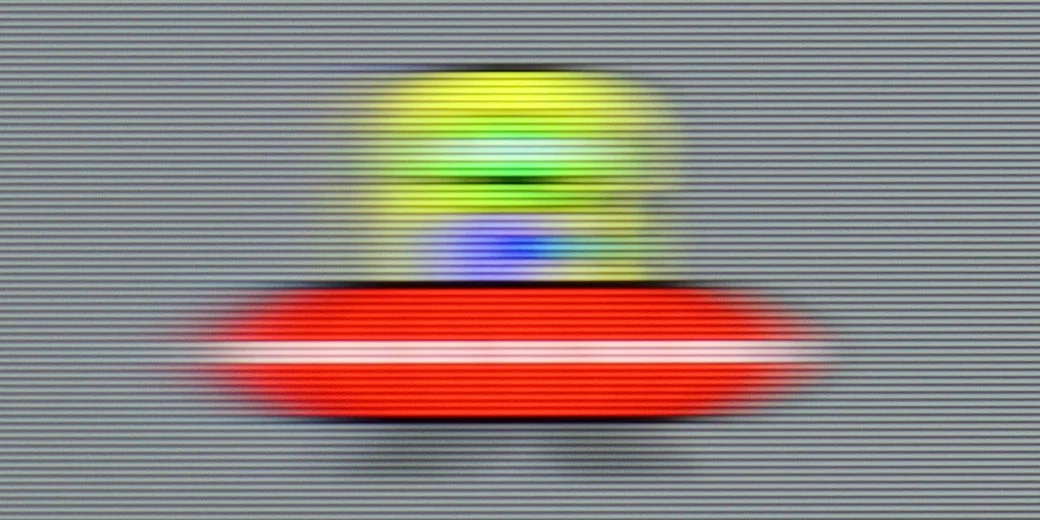
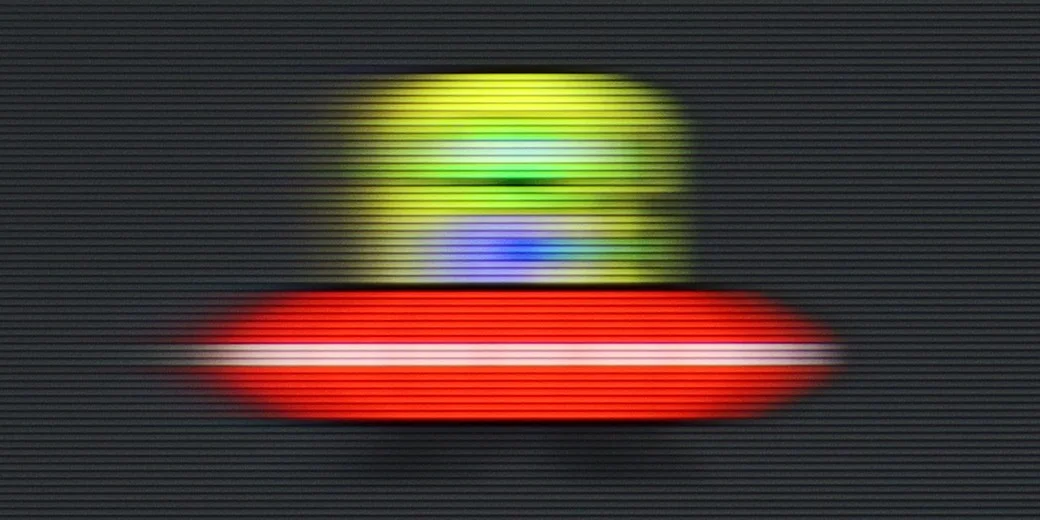
Blur (BFI function enabled):
Image flickers in this mode

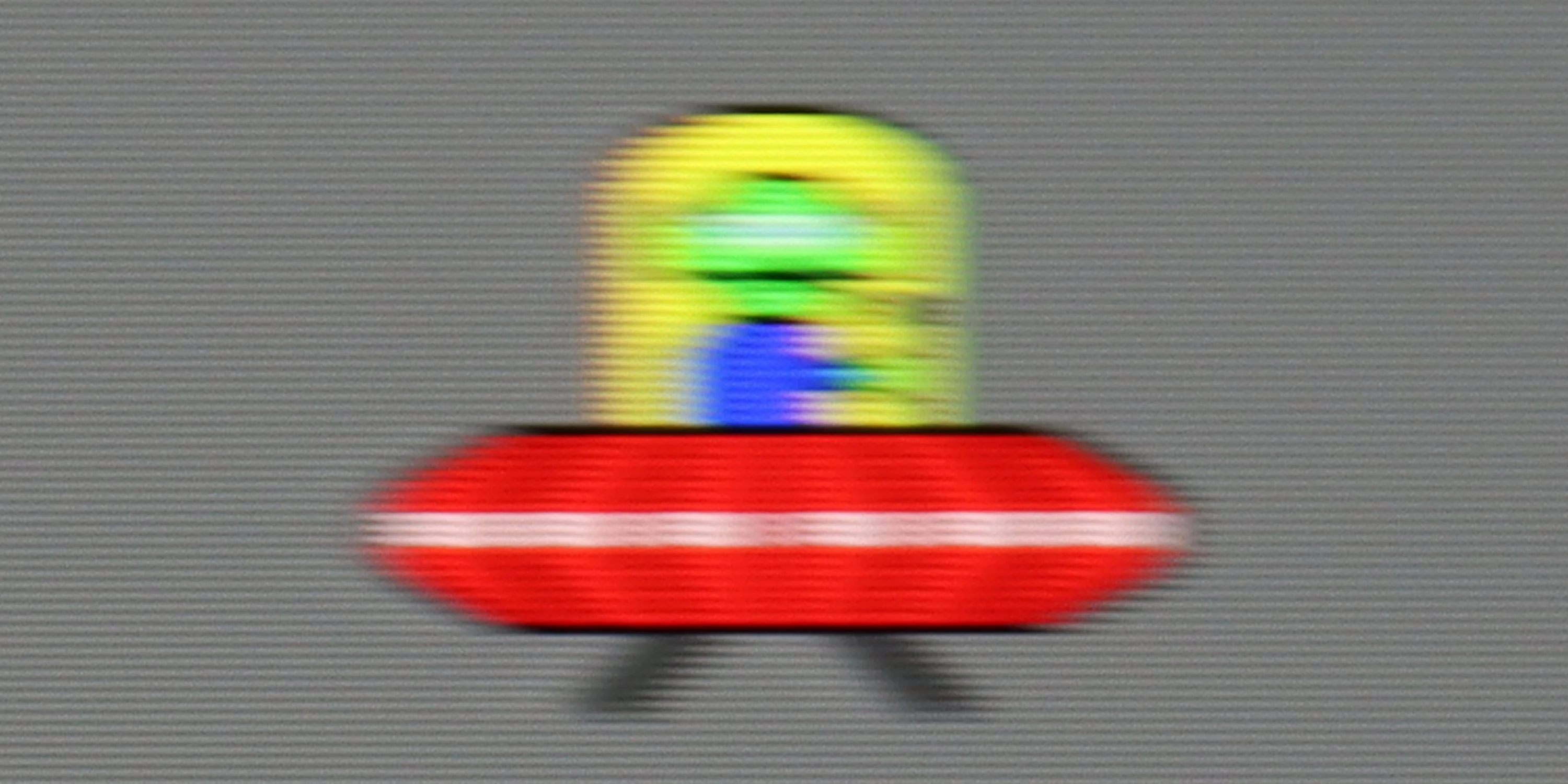
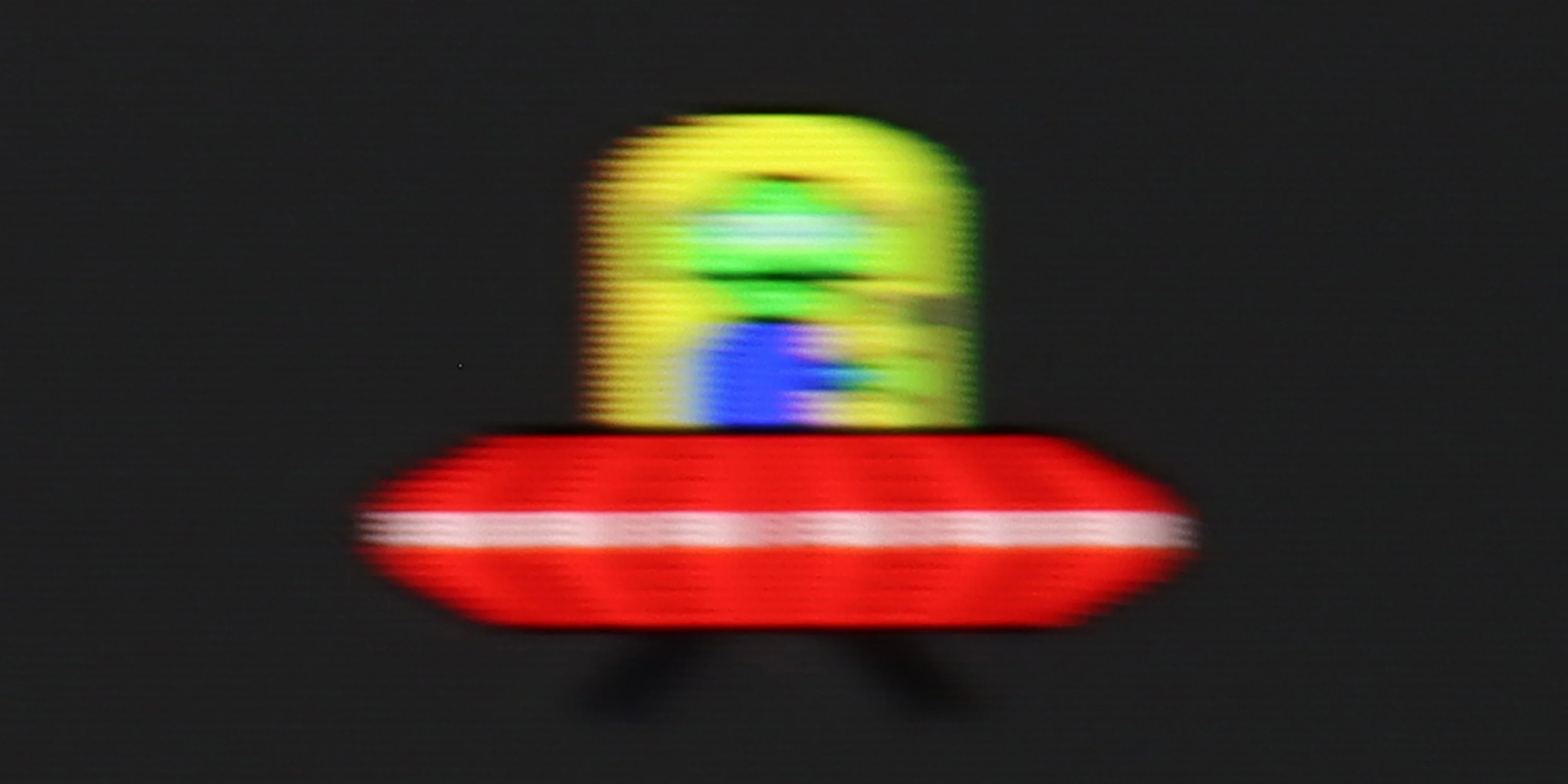
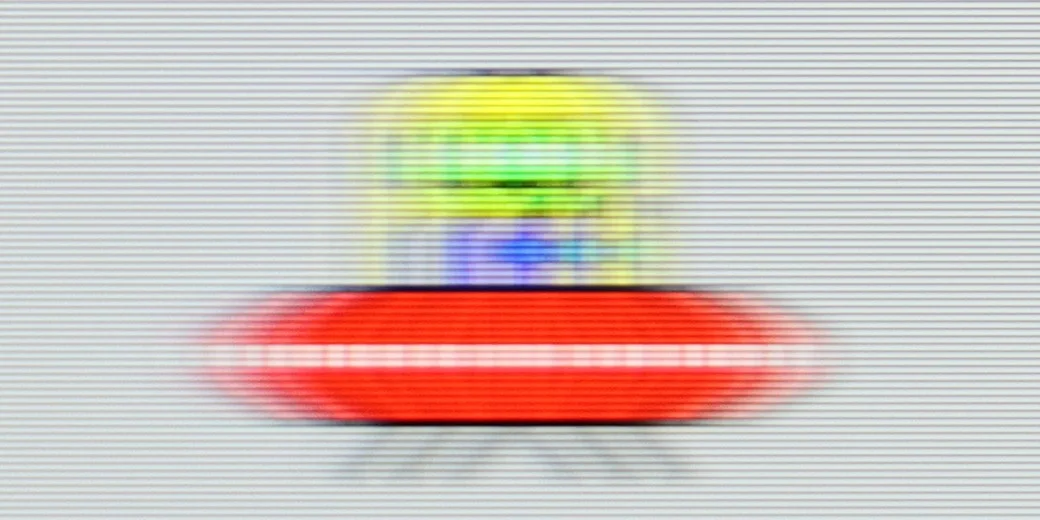
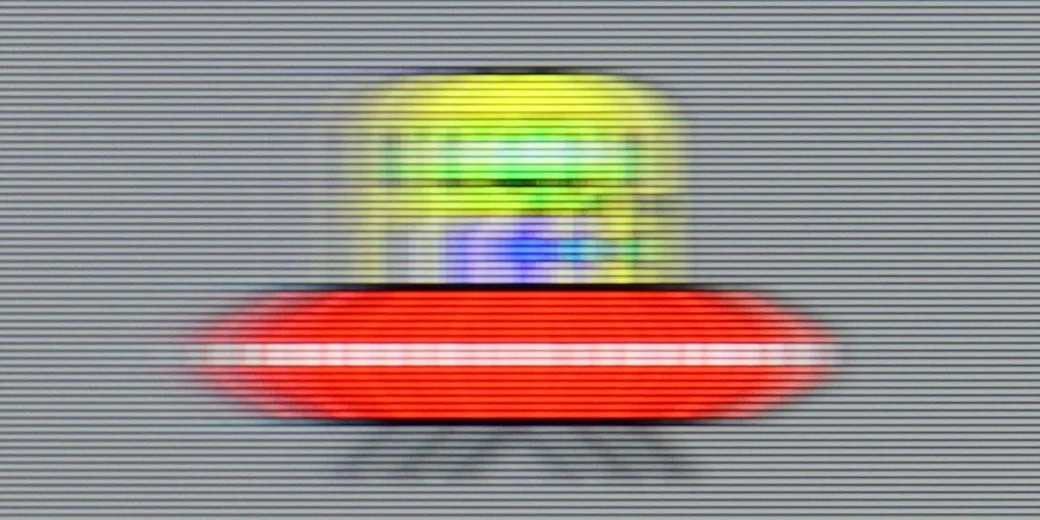
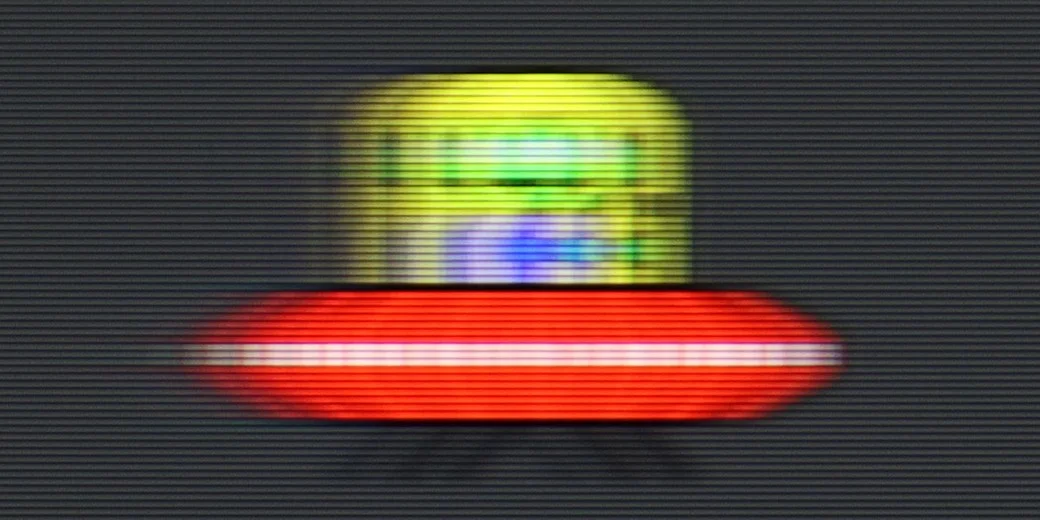
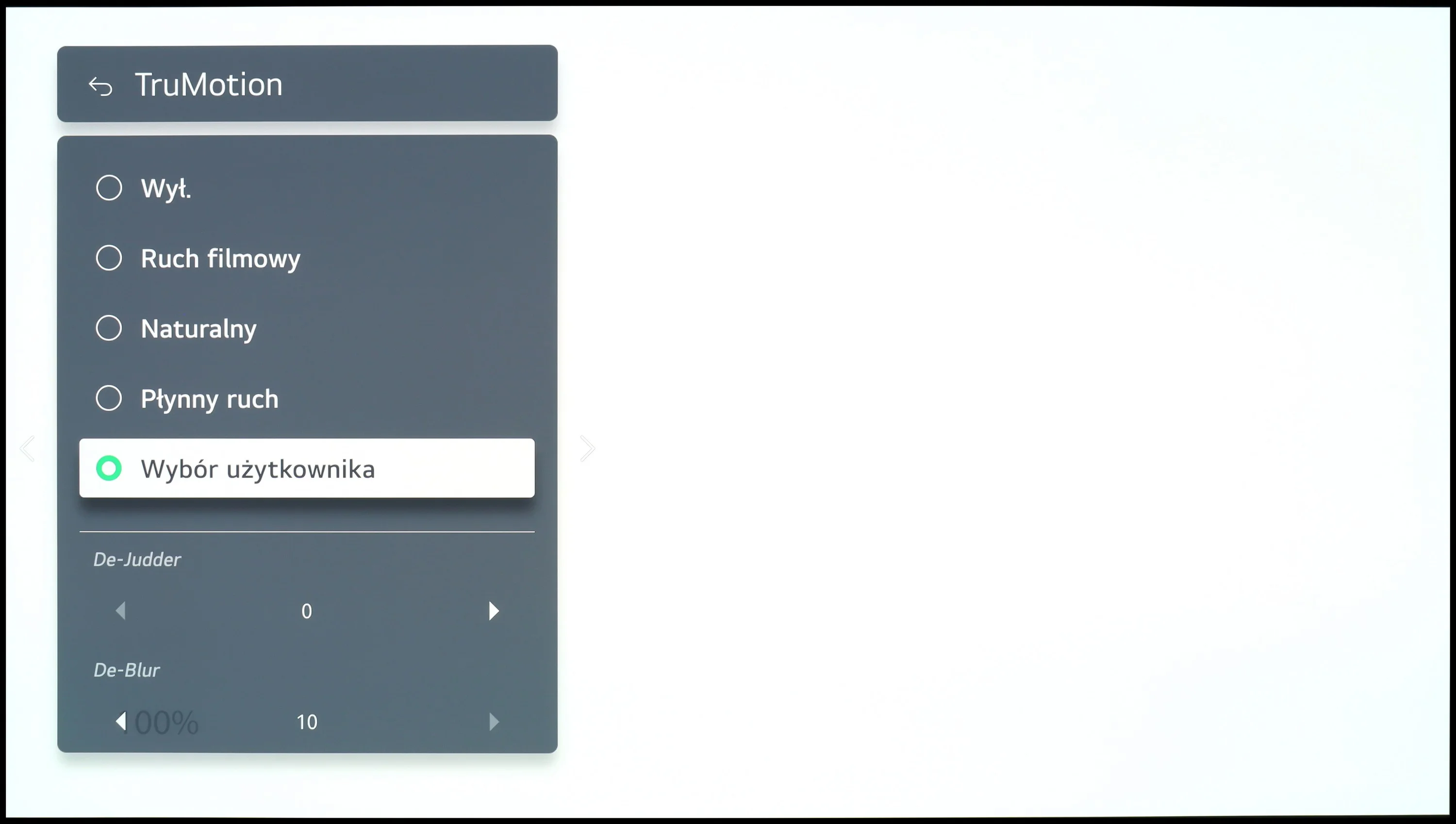
The maximum refresh rate we can set on the LG G4 is 144 Hz. Naturally, this is only possible when connecting the TV to a very powerful PC. Otherwise, we will operate at a maximum refresh rate of 120 Hz, which is recommended if we primarily want to watch sports or content with a lot of motion dynamics. For those who require high fluidity of the image, the manufacturer has implemented a multi-level motion smoother called "TrueMotion". It has been divided into two separate sliders that adjust the sharpness of moving images (De-Blur) and judder (De-Judder). Both sliders can be set in the range of 0 to 10, with each degree affecting the level of smoothing, allowing everyone to find their sweet spot.
The panel of the LG OLED C4 features an average response time of less than 1 ms (which directly results from our measurements), enabling the achievement of an extremely clear image, unattainable for LCD TVs, which can have response times of up to several milliseconds. This is clearly evident in the images from the "UFO Test," which show no trailing blur behind the object.
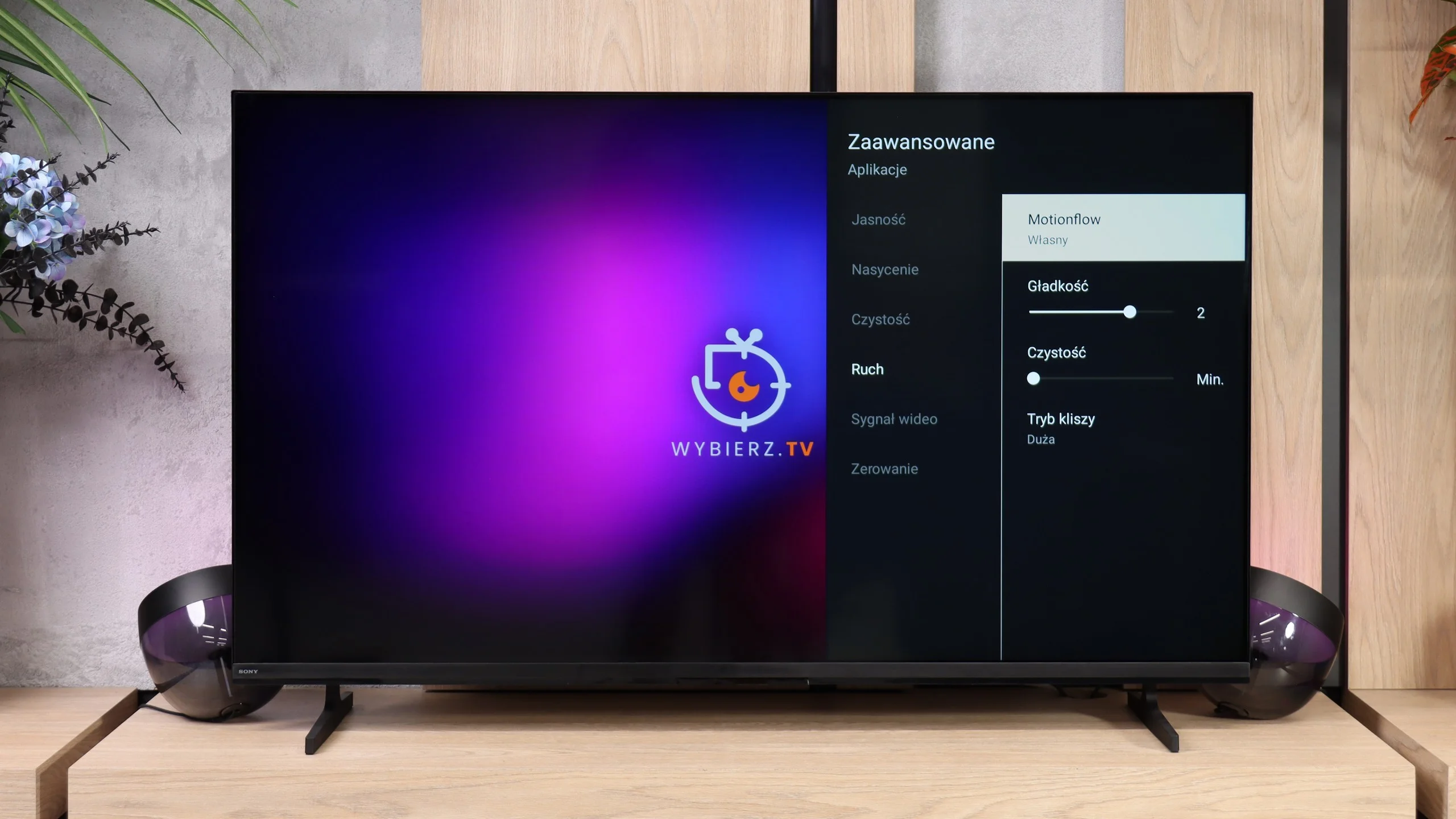
Bravia 2 II uses a 60 Hz panel and, for what it is, handles motion quite well. However, bear in mind it’s an entry-level panel and its limitations are especially noticeable with sports. The TV can’t interpolate 50/60 fps material to a higher refresh rate, so it can’t further improve the sharpness of fast-moving objects. For films and series there’s a conventional motion-smoothing feature that can reduce the judder typical of 24 fps material.
Console compatibility and gaming features
10/10
3.3/10
- ALLM
- VRR
- VRR range40 - 144Hz
- Dolby Vision Game Mode
- Correct implementation of HGIG
- 1080p@120Hz
- 1440p@120Hz
- 4K@120Hz
- Game bar
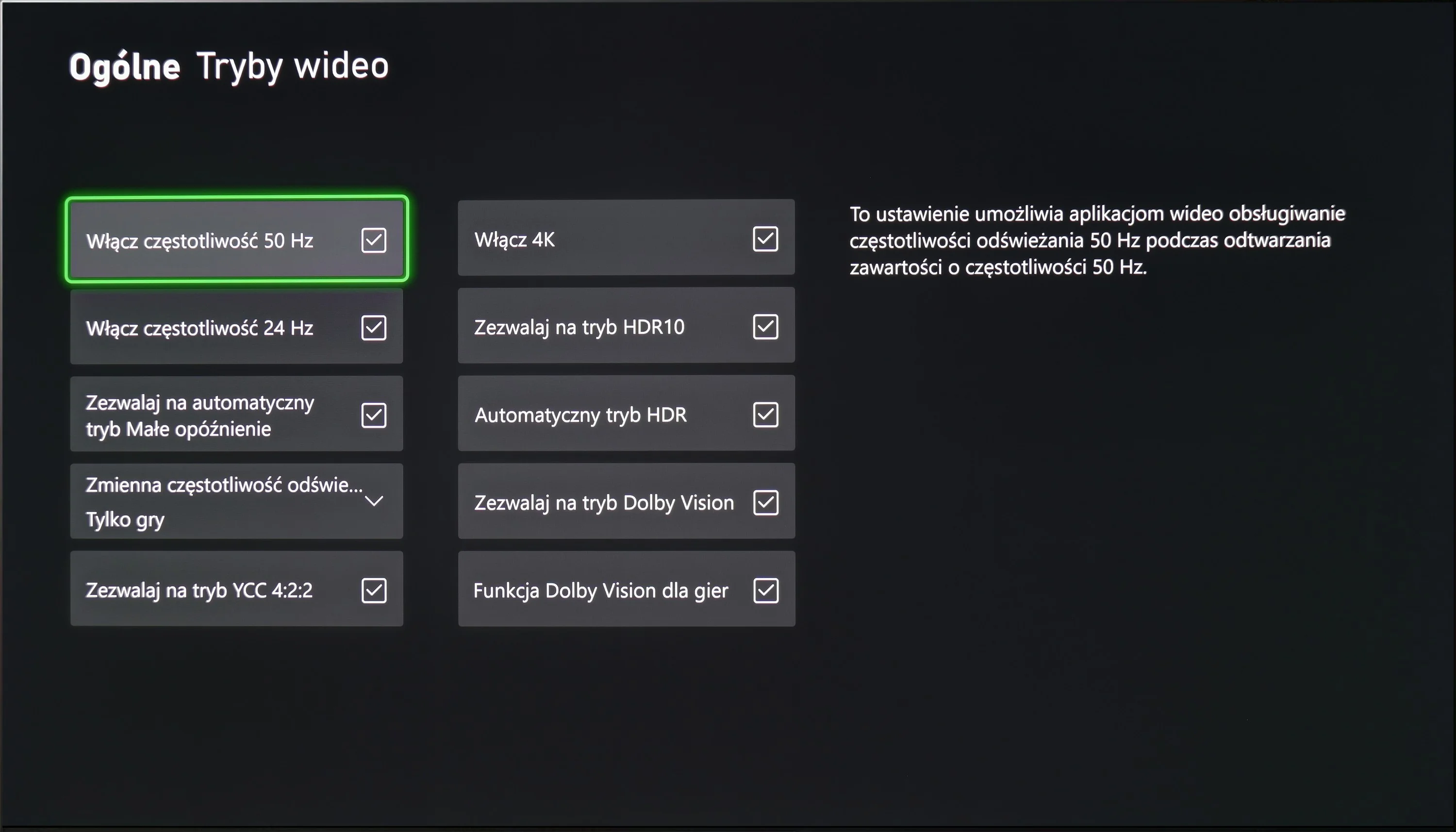
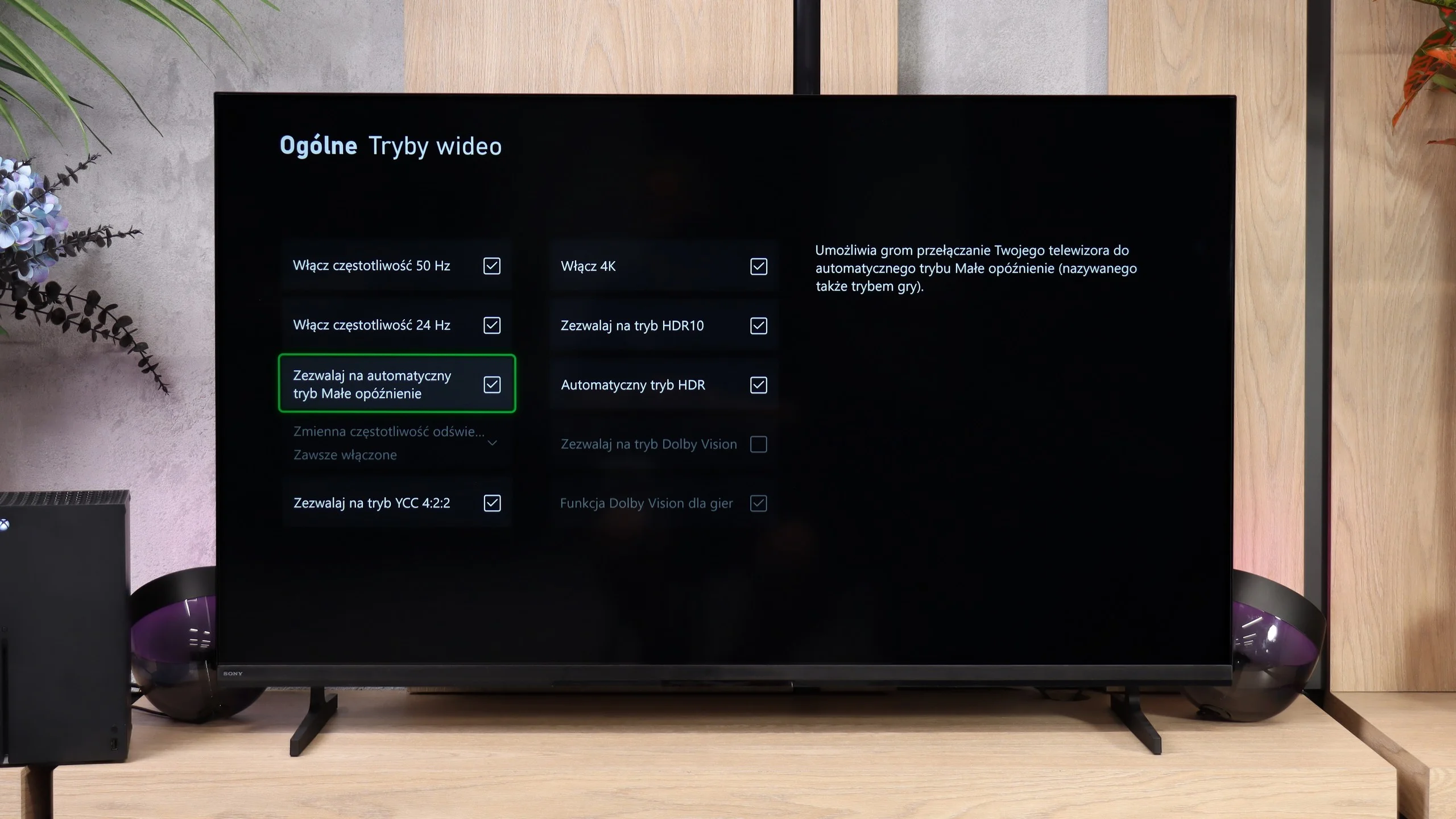
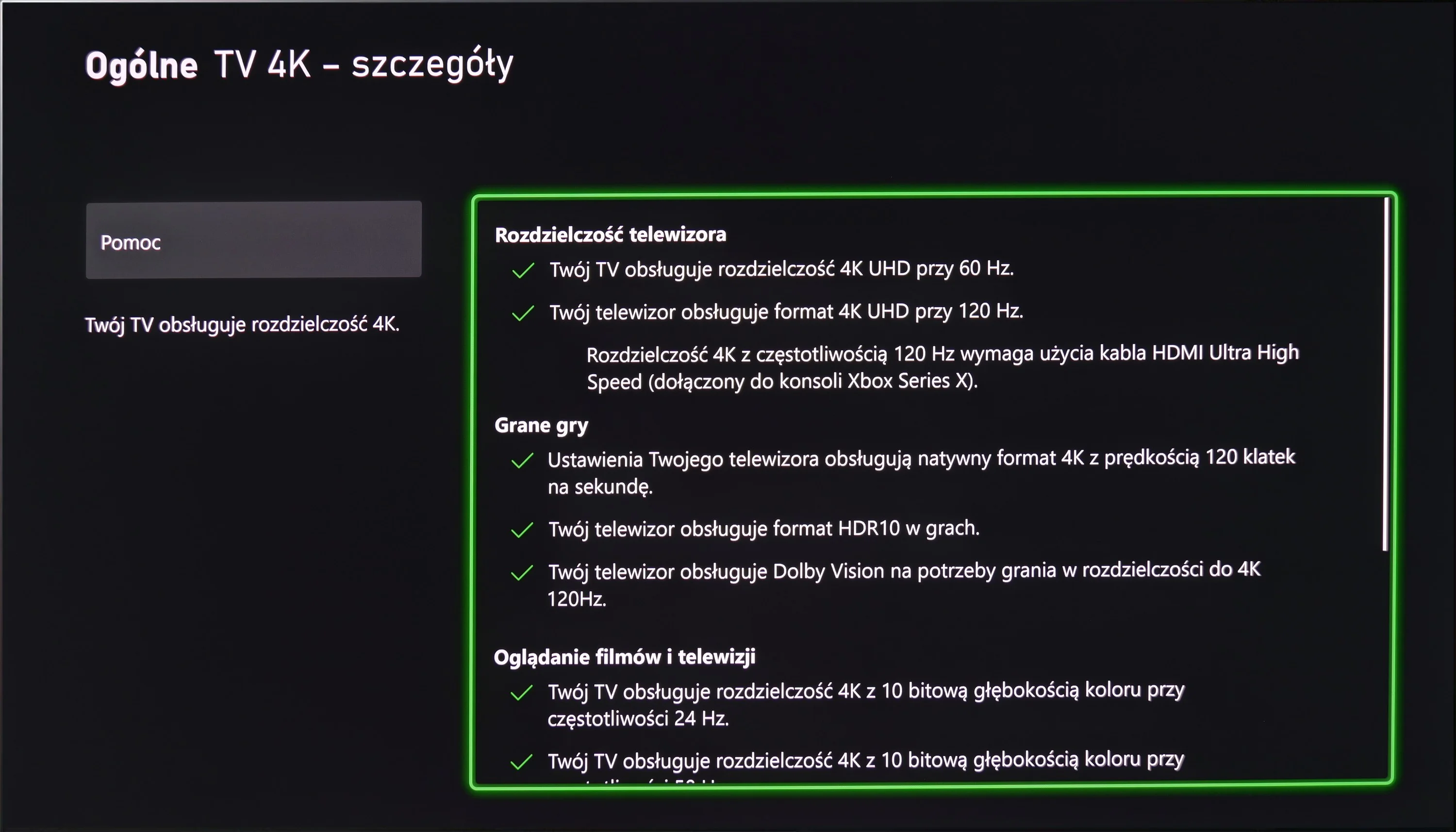
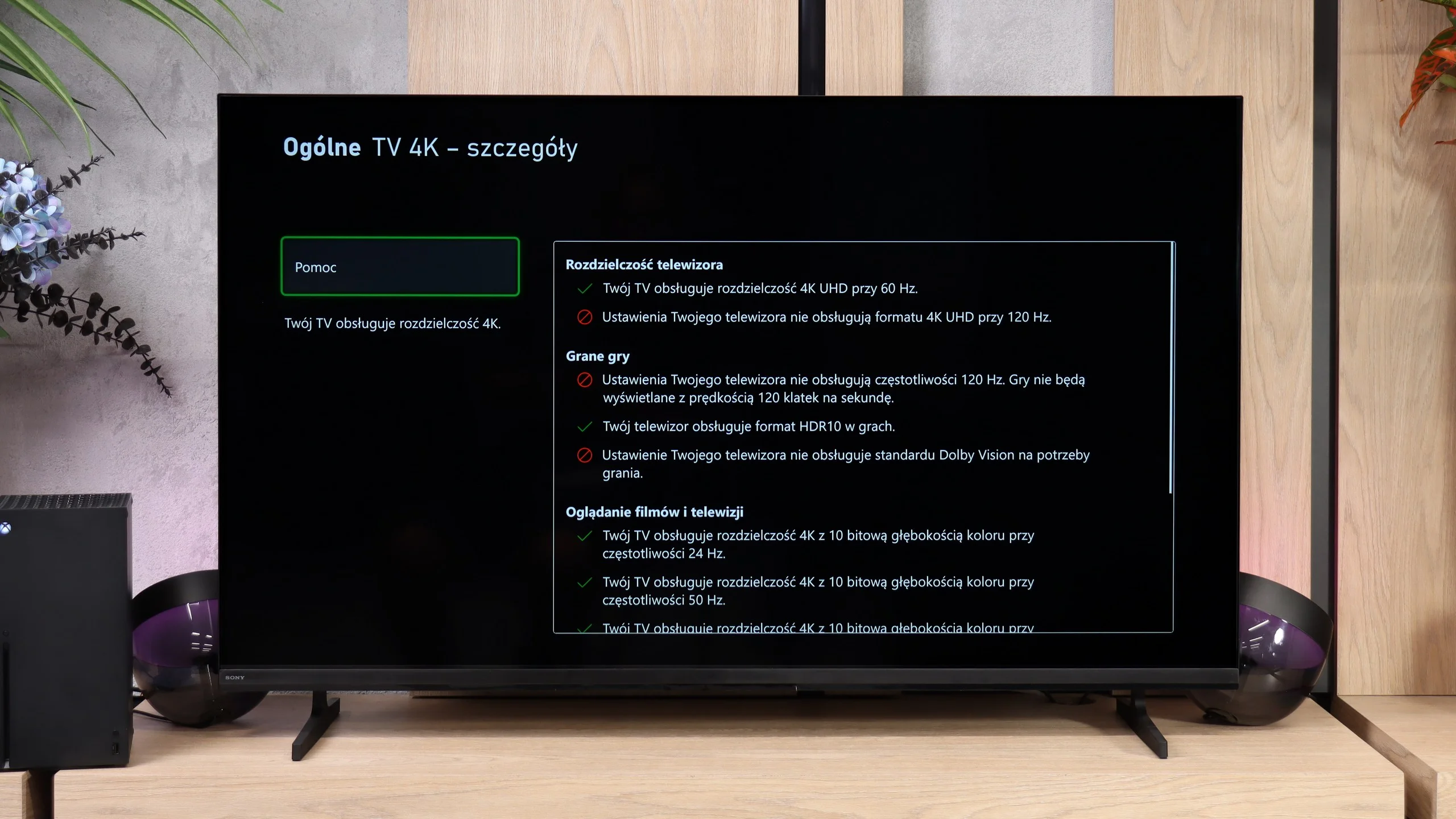
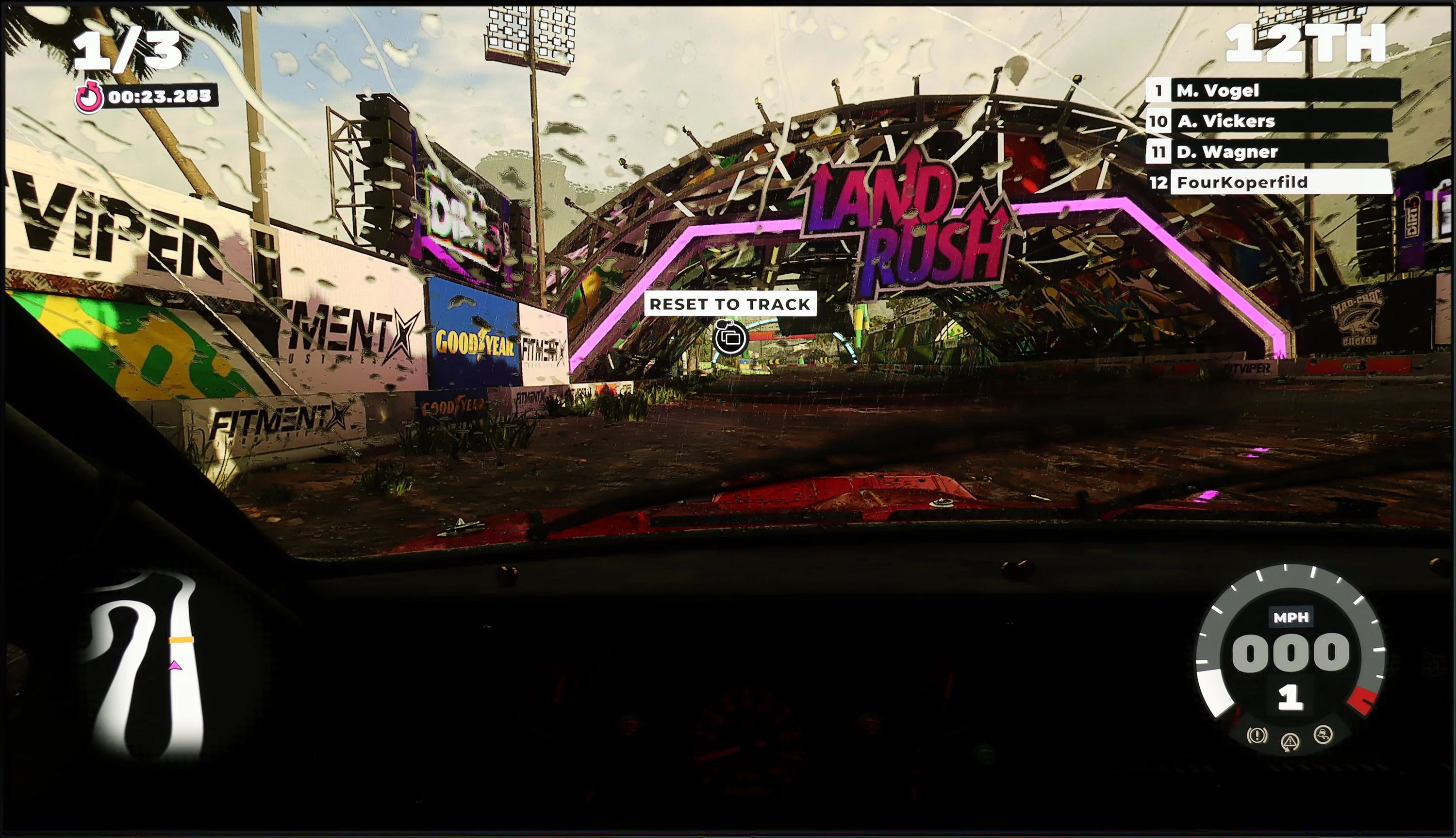
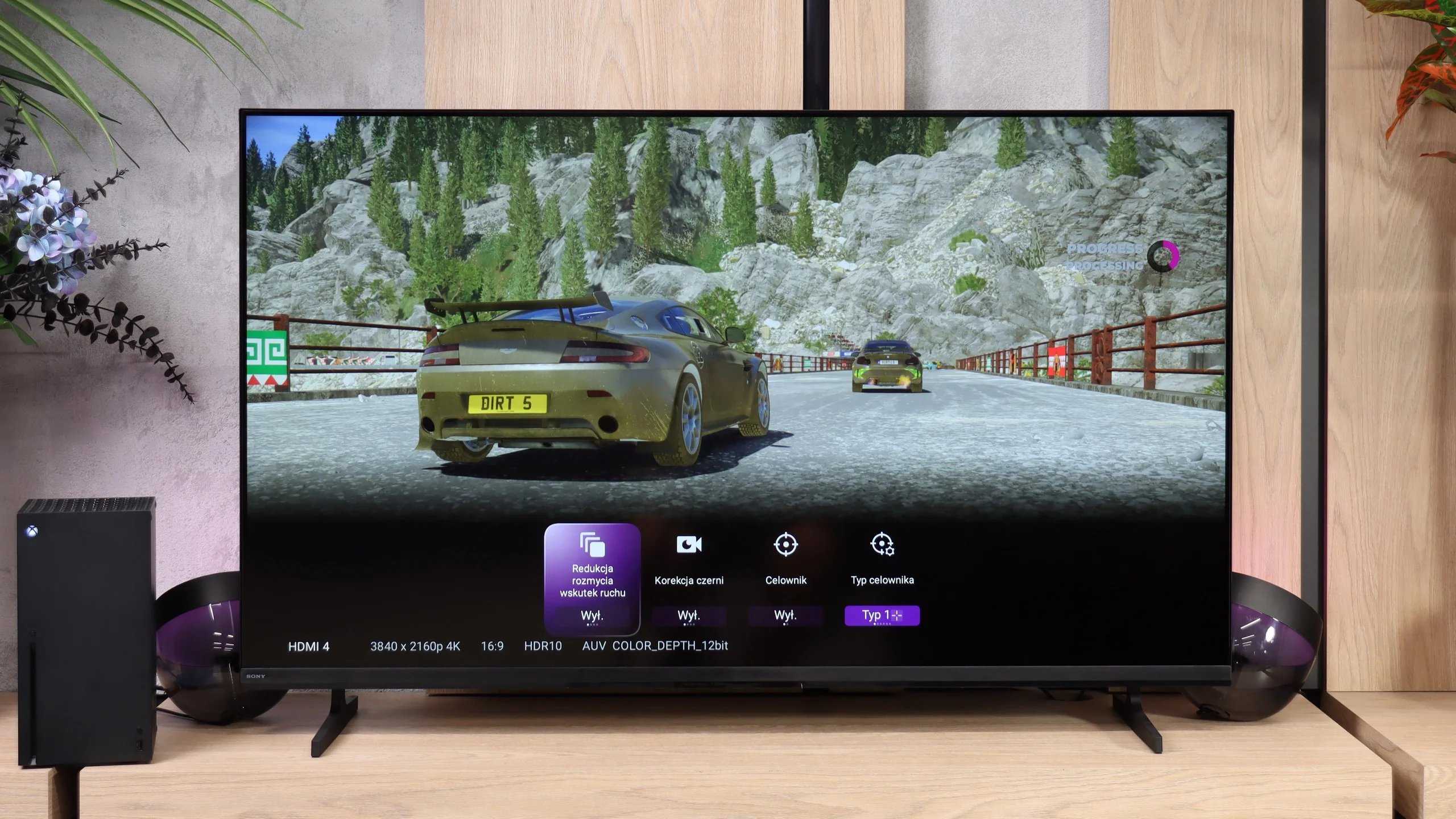
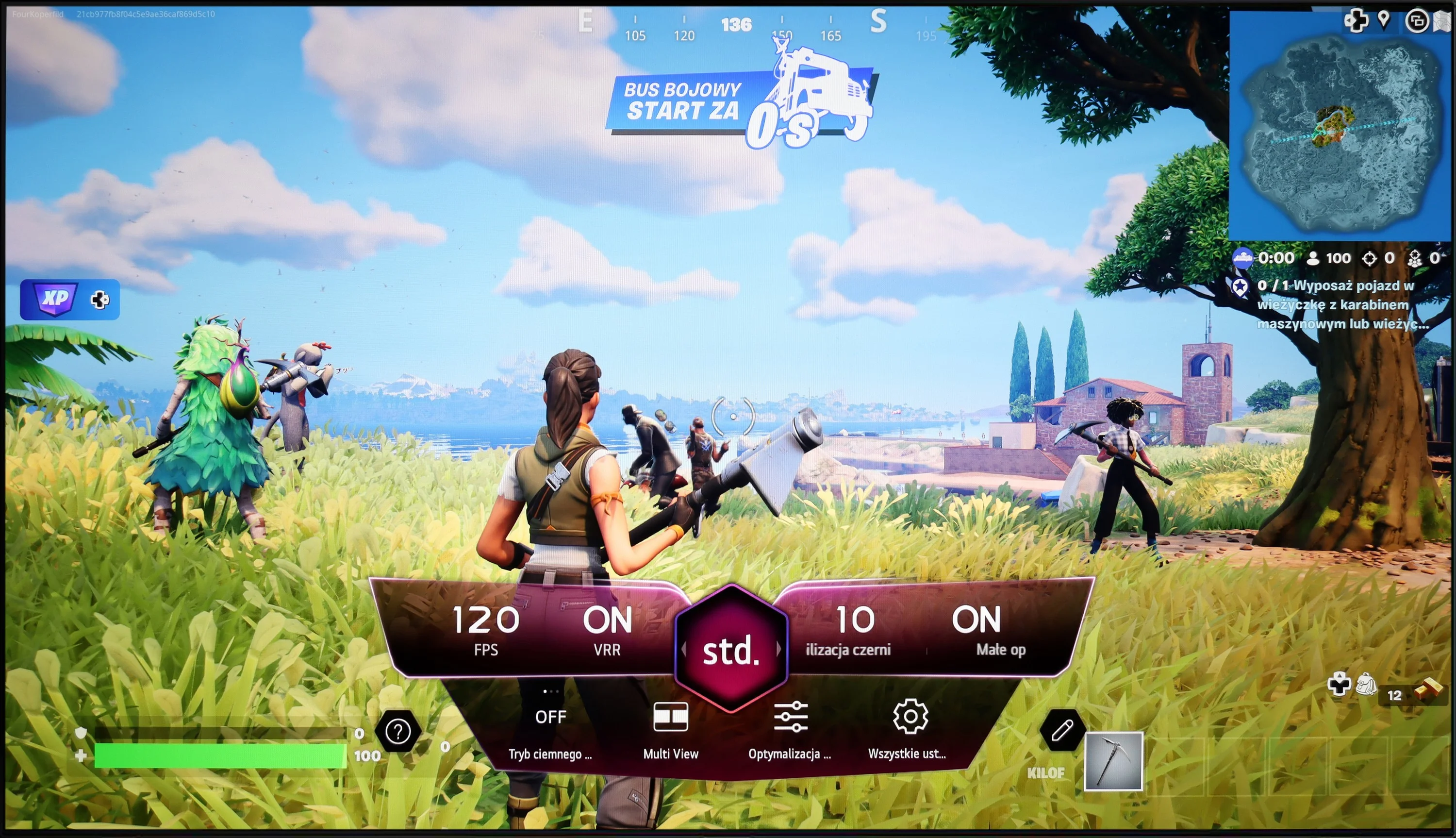
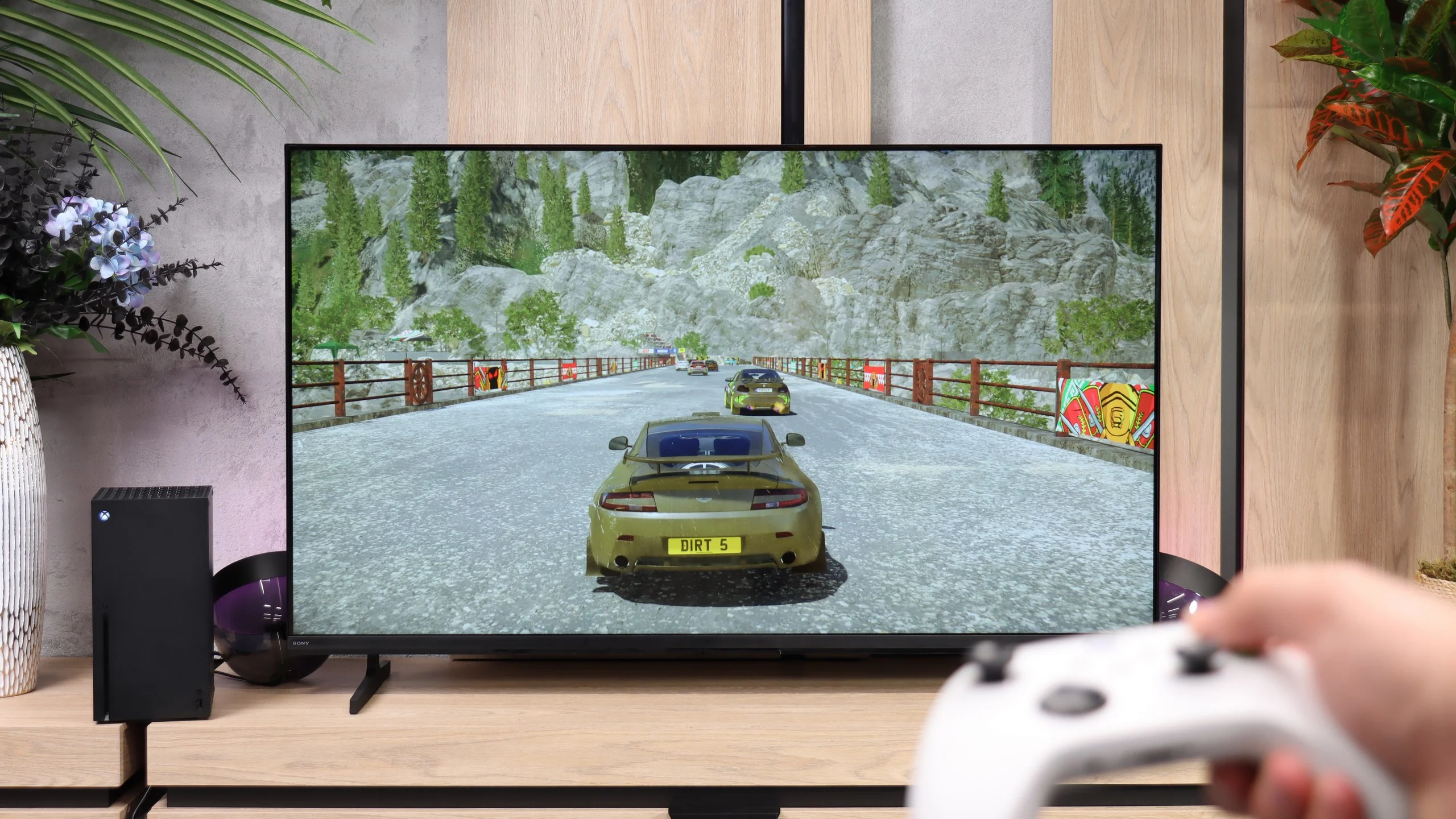
We can now say that LG C4, like practically every OLED television from the manufacturer, is exceptionally good in terms of cooperation with consoles and PCs. Thanks to the implementation of four full-bandwidth HDMI 2.1 ports at 48 Gbps, the manufacturer has embedded all the features that enhance gaming comfort, including simultaneous support for FreeSync and G-Sync technologies. With such a tandem, players with graphics cards from AMD or nVidia can safely choose C4. However, what should please gamers demanding the highest possible quality the most is the simultaneous implementation of HDR Dolby Vision and HGIG mode. The former is particularly important as it operates with extremely low input lag in all settings.
A standard feature in televisions from the Korean manufacturer is also the implementation of GameBar, allowing for quick adjustments of settings "on the fly," without the need to exit the game. It also allows for image adjustments for people with visual impairments, which is an incredibly nice touch. Another important piece of information is that when VRR technology is enabled, we won’t experience a drop in contrast. This is, of course, due to the design of the panel and the absence of conventional backlighting. It is, however, normal for shades of grey to flicker slightly, although this is a characteristic feature of this function regardless of the manufacturer and television.
In summary: LG C4, just like all the manufacturer's OLEDs equipped with high-refresh-rate panels and HDMI 2.1 connections, creates a harmonious whole with consoles. In practice, it is a complete television, and if we expect the highest possible efficiency in gaming, C4 will be an ideal choice.
The Bravia 2 II isn’t a TV that’s particularly suited to gaming, and the feature list makes that clear pretty quickly. You basically only get automatic low-latency ALLM and a simple Game Bar where you can view basic signal info and change a few settings. That’s where the positives end. The TV doesn’t support VRR or 120 Hz (not even at lower resolutions) and on top of that it has problems correctly implementing HDR HGIG. It’s fine for occasional console play and, thanks to low input lag, the controls remain responsive, but if you’re after a TV primarily for gaming the Bravia 2 II is a significantly limited choice.
Input lag
10/10
10/10
SDR
HDR
Dolby Vision
The latency time of LG C4 is remarkably low in every scenario. Even the most avid gamers will surely appreciate the very low input lag at demanding 4K 120 Hz settings with HDR, which is only 5 ms. It's also worth noting that the lag at these same settings, but with Dolby Vision HDR enabled, remains unchanged, which is not so obvious with the competition. Therefore, it deserves the highest rating and recommendation.
Here the Bravia 2 II performs considerably better. The input lag is only about 11 ms, low enough that you’ll hardly notice any delay while gaming. So even with a modest set of gaming features, the TV will handle regular console gaming without any major issues.
Compatibility with PC
8.6/10
6/10
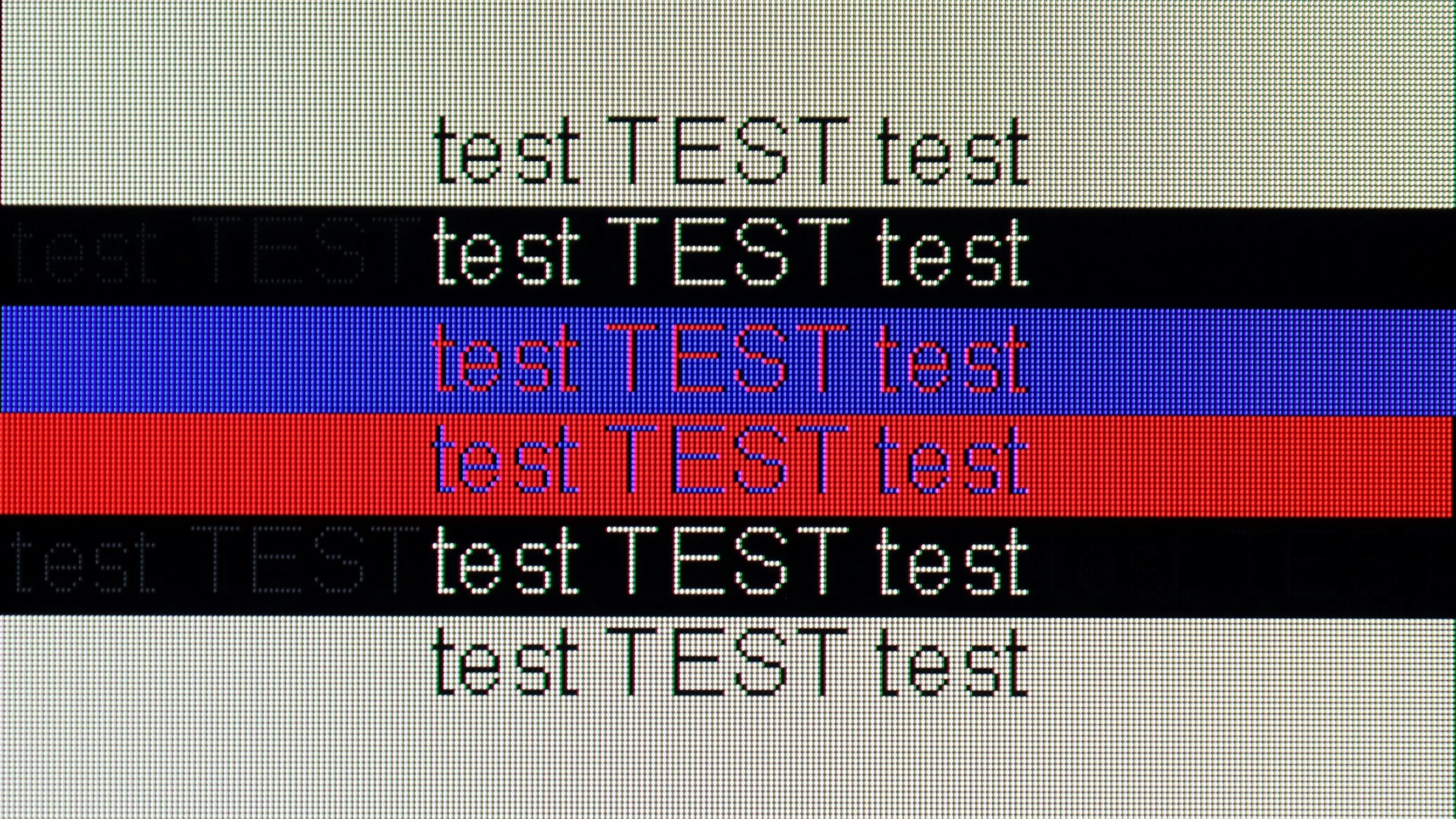
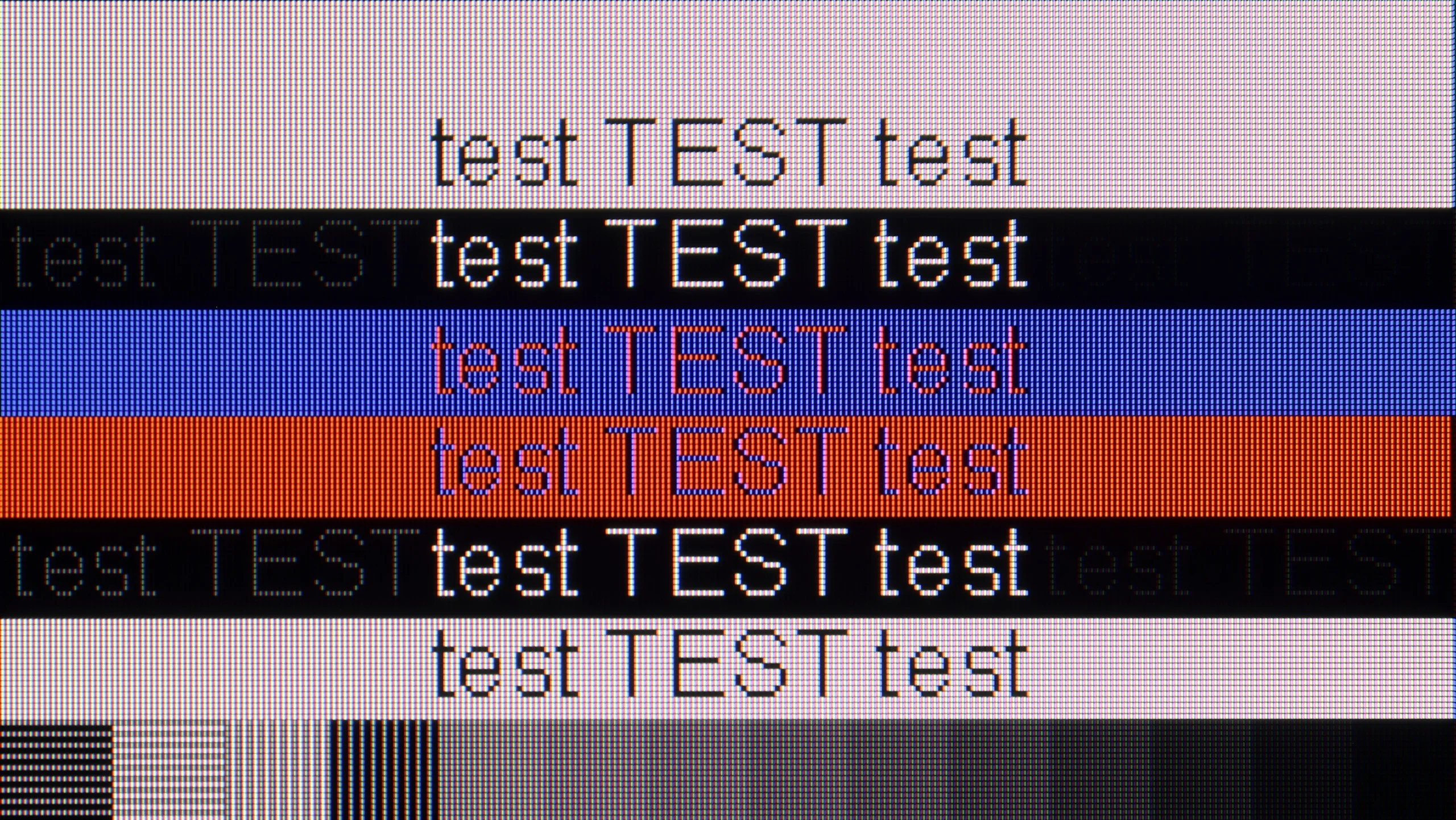
The photo shows the legibility of small fonts. Ideally, lines should be the same thickness on both light and dark text, with minimal pixel gaps.
LG C4 combined with a PC works wonderfully, thanks to its very low latency of just 13.5 ms, which is practically instantaneous feedback between the mouse, eye, and screen. An extremely important aspect when working on a screen is the readability of text, which in the case of the tested TV is very good. However, it is worth noting that to achieve sharp fonts, you need to enable the passthrough option in the settings.
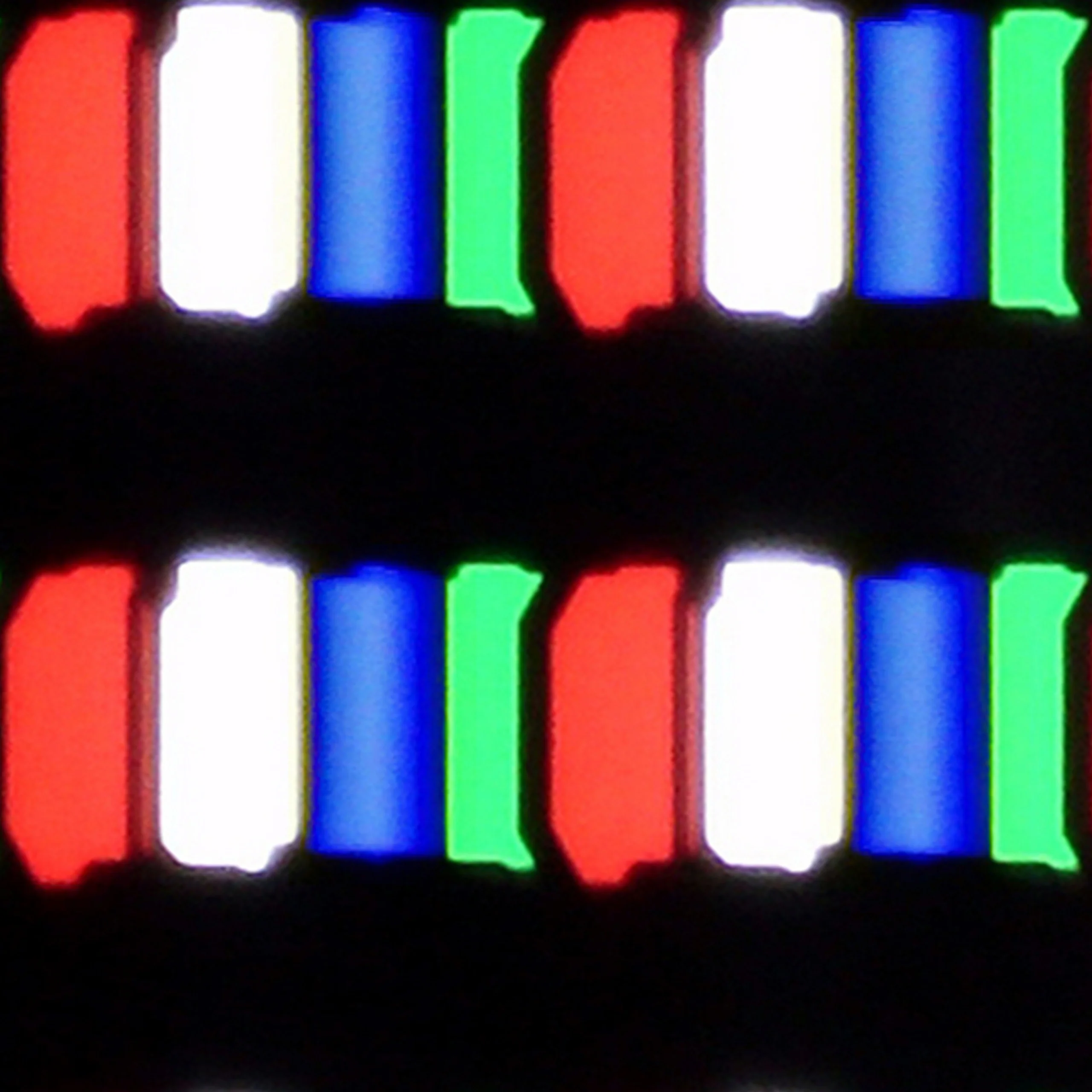
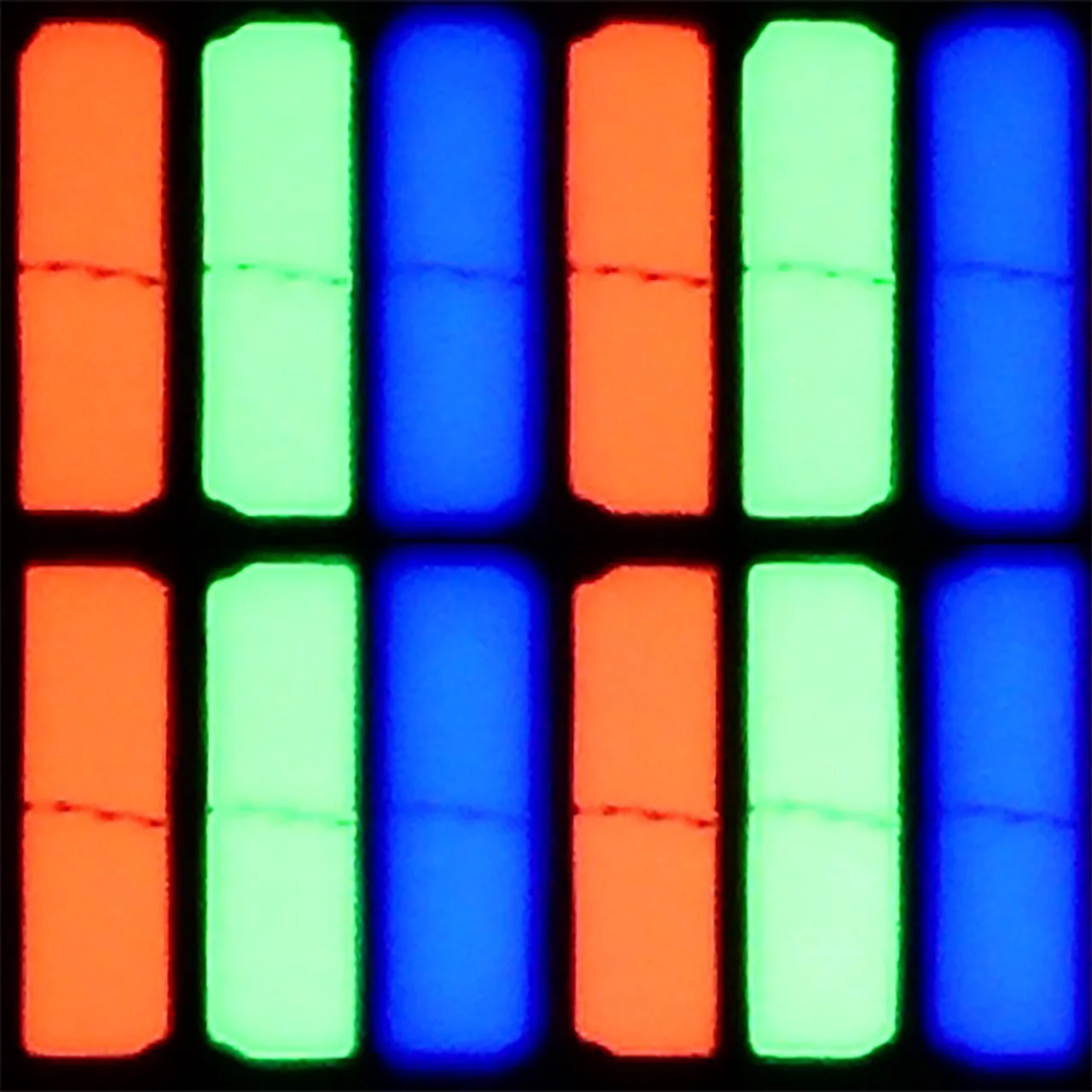
The RWBG pixel layout does not significantly affect the display of fonts or letters, which is a significant advantage over Samsung's QD-OLED panels. Users of both Windows-based PCs and macOS will surely be pleased with their experience on the tested TV screen.
Bravia 2 II handles a computer very well, at least if you think of it as a screen for work. Thanks to its IPS panel and accurate 4:4:4 chroma reproduction, fonts are sharp and readable regardless of their size, shape or colour. That’s particularly good news for people considering the smaller variant and placing it on a desk instead of a classic monitor. It looks much worse, however, from a gaming perspective. The TV doesn’t offer 120 Hz, VRR or other features that would interest more demanding PC gamers. So it’s very good for office work or watching content from a computer, but as a gaming screen it has quite a few limitations.
Viewing angles
7.5/10
6.5/10
The undisputed advantage of OLED panels is their efficiency in the context of group viewing, meaning from various angles. LG C4 maintains very good contrast, colour saturation, and fidelity. Although this isn't a result of organic TVs supported by MLA technology, it's fair to say that anyone who purchased the device was satisfied with the results obtained. However, it should be noted that at sharp angles a slight greenish tint can be observed. This is a characteristic feature of WRGB panels from LG, without the aforementioned micro-lens technology, and unfortunately, there's nothing that can be done about it.
Viewing angles are one of the Bravia 2 II's stronger points. Thanks to the IPS panel, colours and brightness remain accurate for quite a while even when we’re not sitting directly in front of the TV. In this area Sony regains some of the points it lost earlier on black levels and contrast. As a result, the Bravia 2 II may be better suited to a larger living room or a room where some people watch the TV from the side, especially if it will mainly be used for everyday TV.
Daytime performance
5.7/10
4.8/10
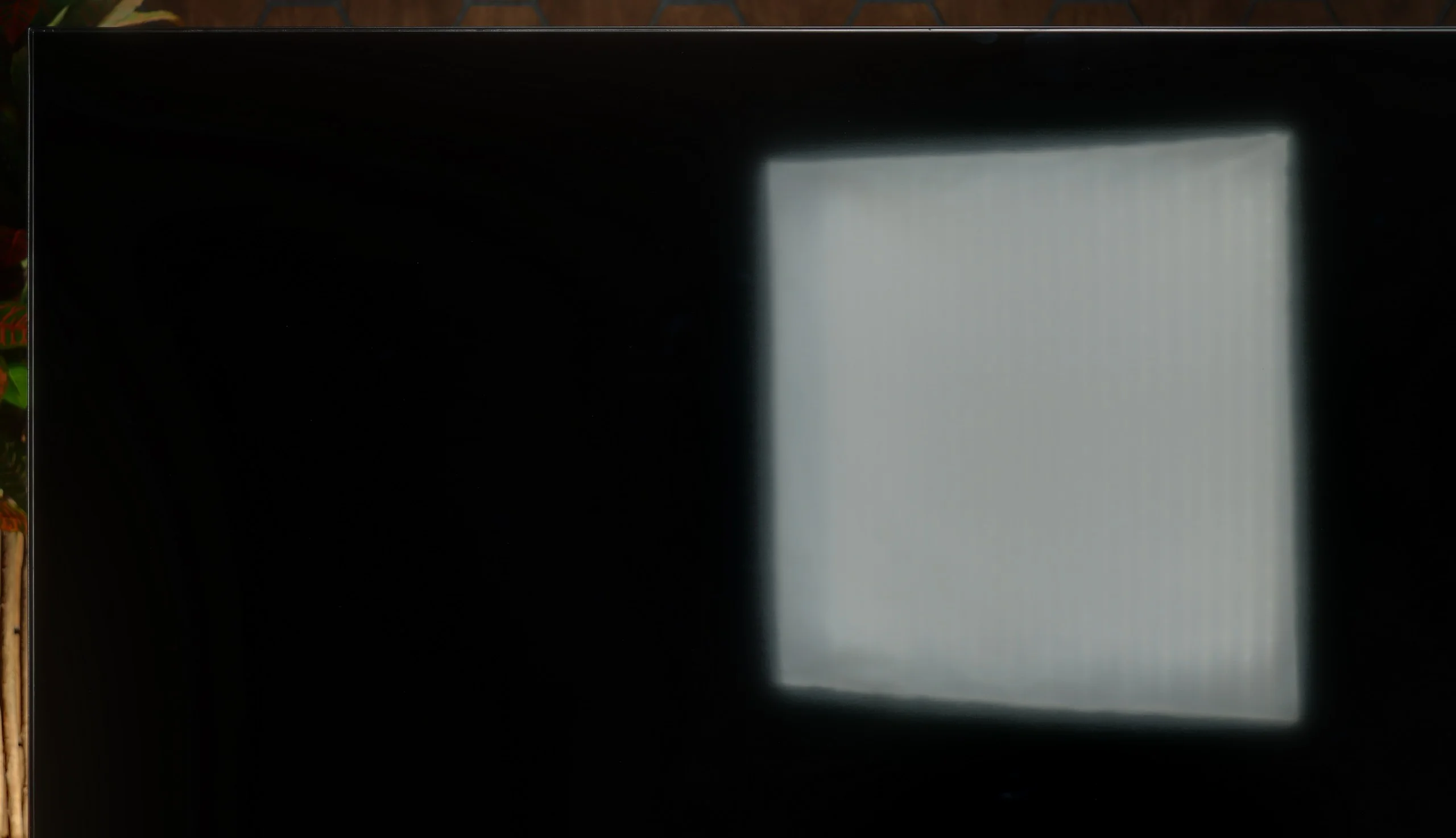
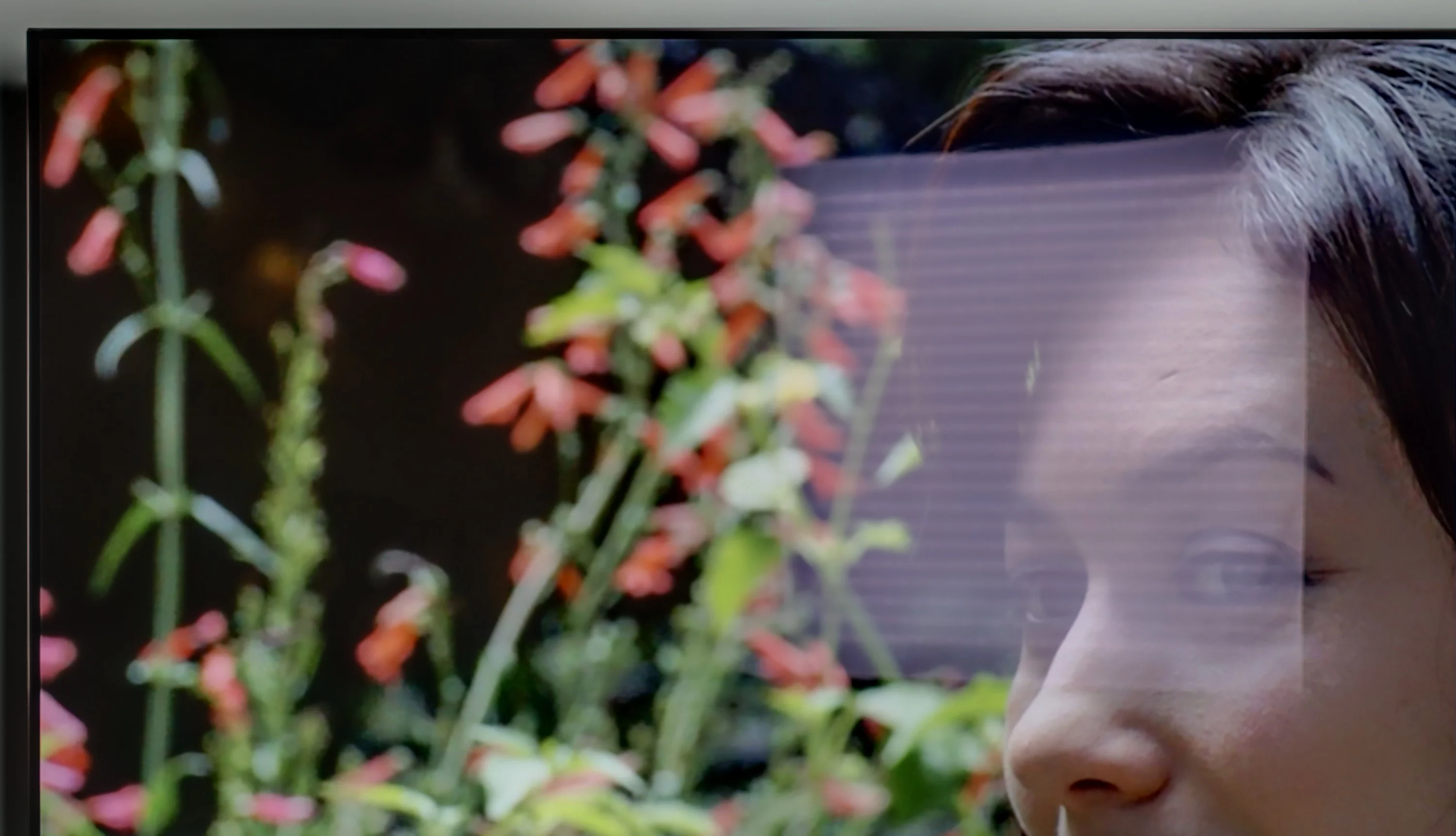
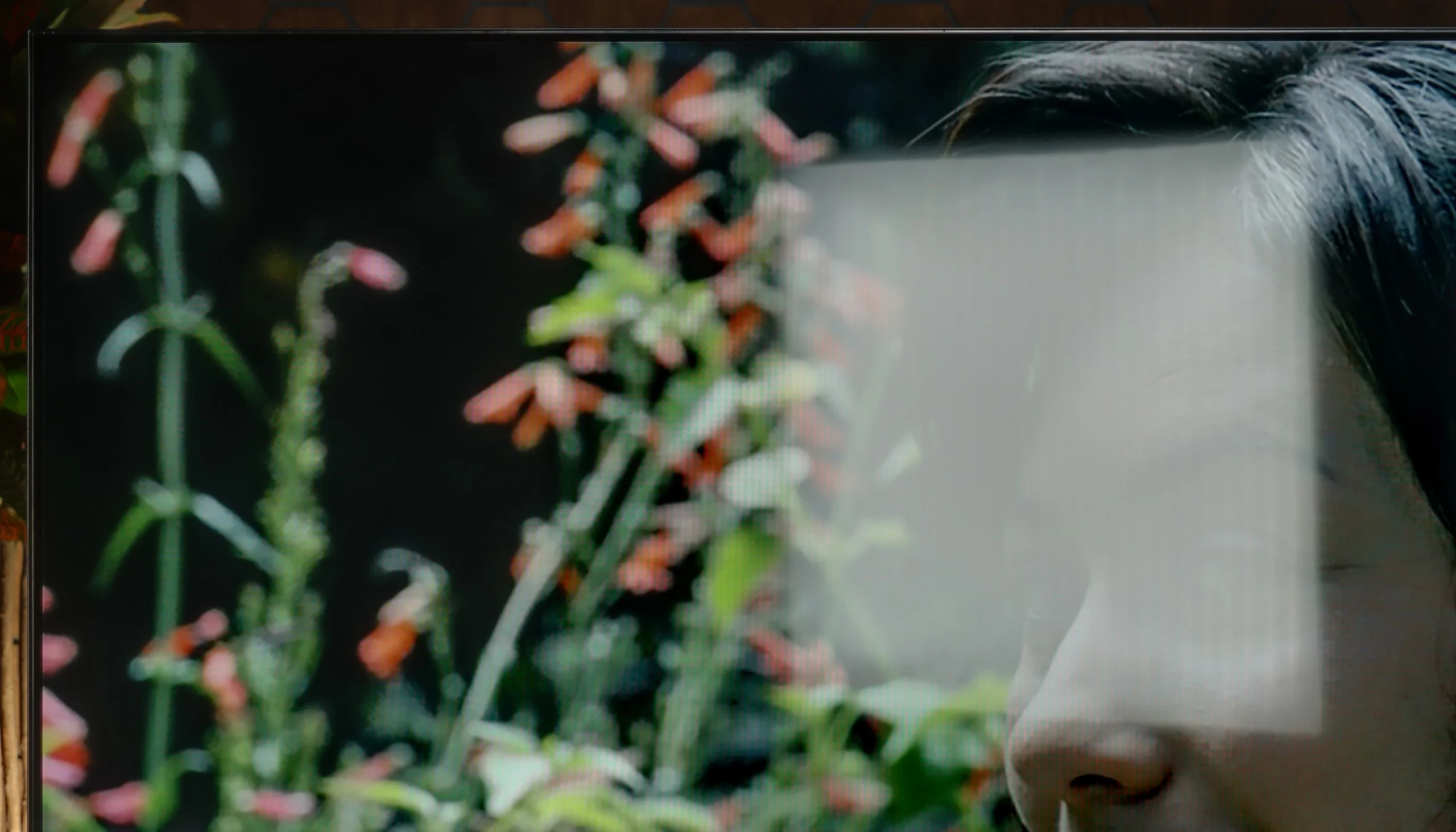
Panel brightness
Sony BRAVIA 2 II (S25M2): 319 cd/m2
LG OLED C4: 367 cd/m2
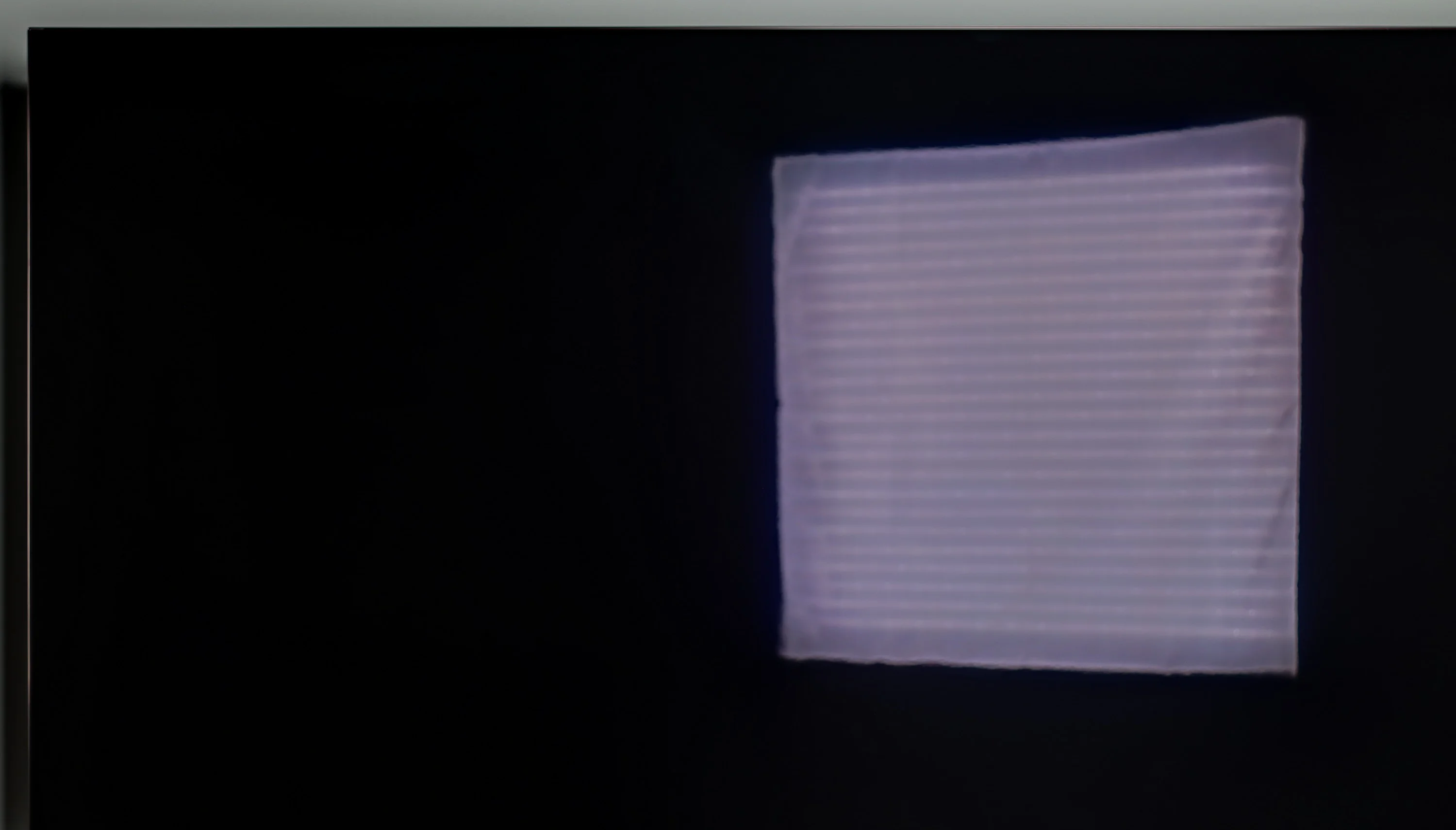
The maximum brightness of the television in SDR materials is 367 nits. For an OLED television, this is a very good result and allows for quite comfortable viewing during the day. It's worth noting two things. Thanks to the glossy coating of the panel, the light reflections are well held in place and do not spill over the rest of the panel. The second issue is the brightness of the screen when fully filled with white, oscillating around 220 nits, which is a remarkable result, as until recently, OLED televisions in this category could only boast brightness half as much. As a result, the conditions for watching, for example, winter sports will be very good.
In daylight the Bravia 2 II performs rather average. Brightness of around 320 nits doesn’t leave much headroom, but in a typical, moderately bright living room it’s still enough to keep the picture readable. The screen’s matte coating does a decent job of reducing reflections, though it can’t eliminate them entirely. With strong light falling directly on the screen, there’s simply not enough brightness to effectively cut through the glare. So it will be fine for ordinary daytime viewing, but in a very bright room with lots of windows you may start to notice the limitations of this model.
Panel details
Subpixel Structure:
Panel uniformity and thermal imaging:

LG OLED C4
Sony BRAVIA 2 II (S25M2)
TV features
8.9/10
6.6/10
- SystemWebOSGoogle TV
- System performanceVery goodDecent
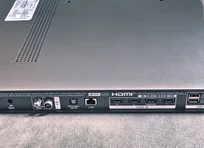
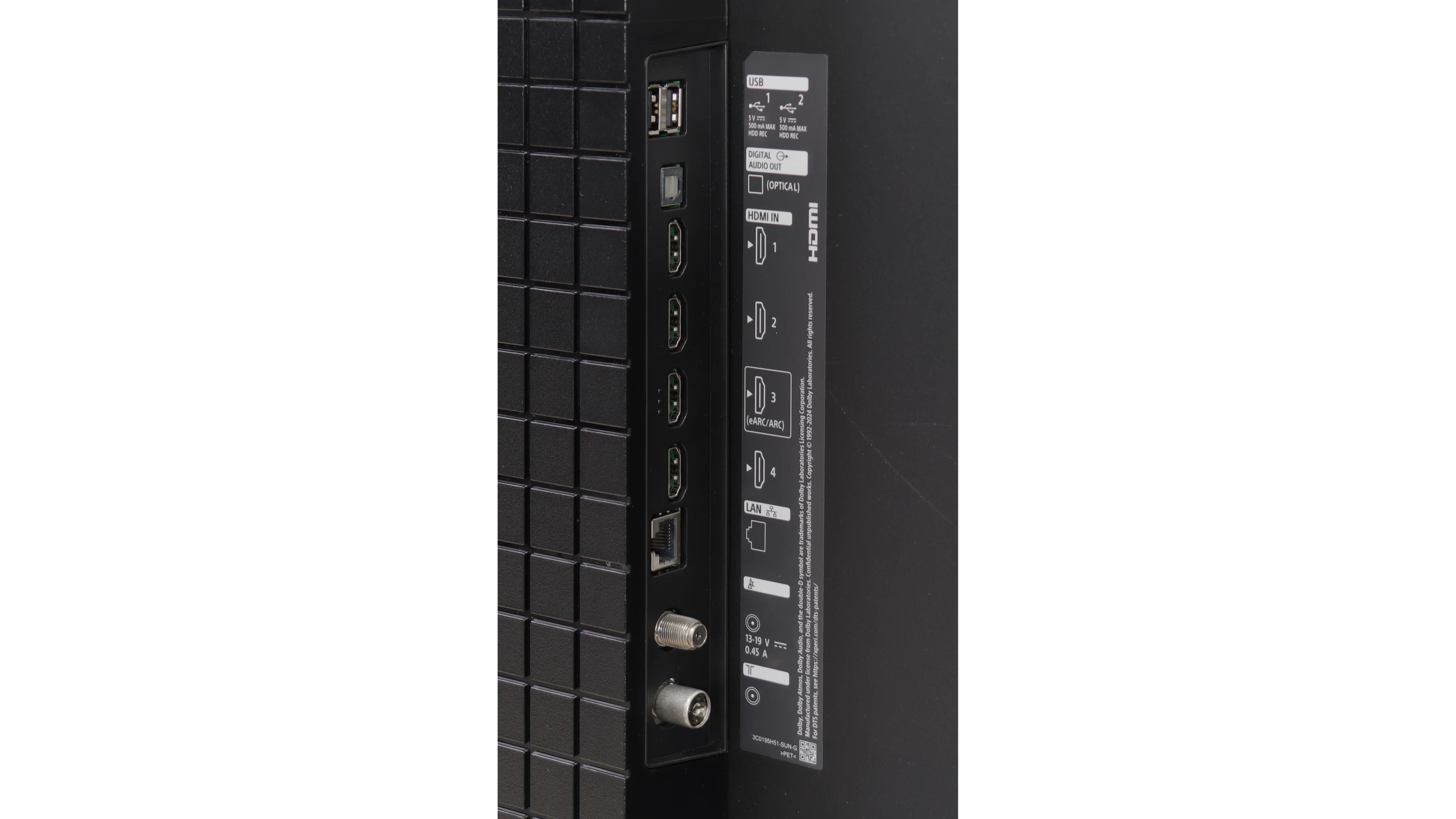
- HDMI inputs0 x HDMI 2.0, 4 x HDMI 2.1 48Gbps4 x HDMI 2.0, 0 x HDMI 2.1
- OutputsToslink (Optical audio), eARC (HDMI), ARC (HDMI)Toslink (Optical audio), eARC (HDMI), ARC (HDMI)
- Network InterfacesWi-Fi 2.4GHz, Wi-Fi 5GHz, Ethernet (LAN) 100MbpsWi-Fi 2.4GHz, Wi-Fi 5GHz, Ethernet (LAN) 100Mbps
- TV receptionDVB-T, DVB-T2, DVB-S, DVB-S2, DVB-CDVB-T, DVB-T2, DVB-S, DVB-S2, DVB-C
Classic features:
- Recording to USB (terrestrial TV)
- Recording programming
- Picture in Picture (PiP)
- RF remote control (no need to aim)
- Backlit remote control
- Teletext
- Audio only mode
- Bluetooth headphones support
- Simultaneous Bluetooth headphones & TV audio
Smart features:
- AirPlay
- Screen mirroring (Windows Miracast)
- Voice search
- Voice search in native language
- Ability to connect a keyboard and mouse
Sound connection options
- HDMI audioeARC (HDMI), ARC (HDMI)eARC (HDMI), ARC (HDMI)
- Other audio outputsToslink (Optical audio)Toslink (Optical audio)
- Wireless audioBluetoothBluetooth
Supported audio formats (external HDMI eARC audio):
- Dolby Digital Plus 7.1
- Dolby True HD 7.1
- Dolby Atmos in Dolby Digital Plus (JOC)
- Dolby Atmos in Dolby True HD
- DTS:X in DTS-HD MA
- DTS-HD Master Audio
Senior accessibility
- Numeric keyboard on TV
- Font size adjustment
- Audio description
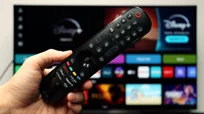
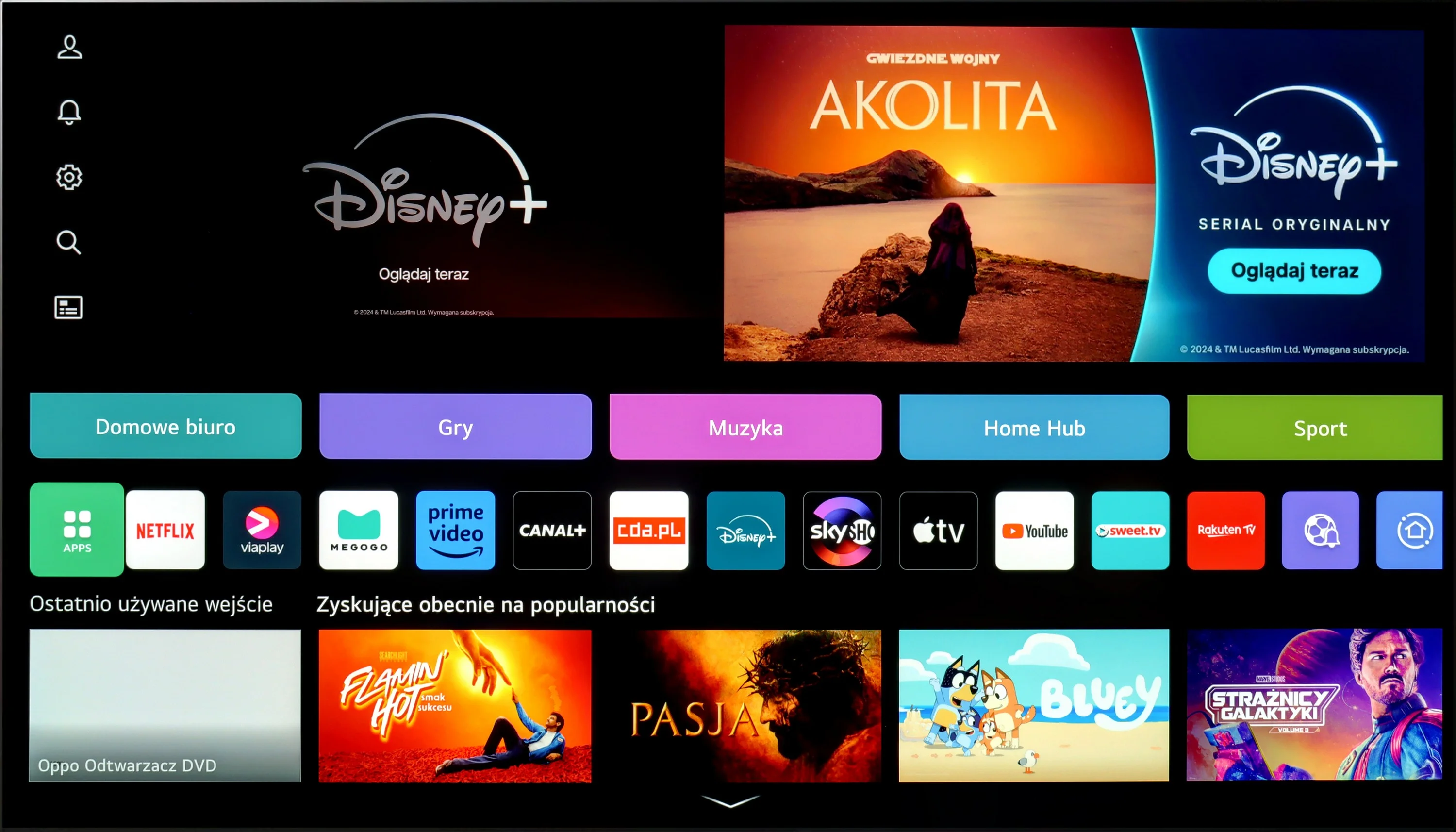
LG uses the well-known proprietary WebOS system that has been around for many years. The system offers virtually all the major apps, and the few that are missing can be counted on one hand, such as CDA or KODI. It's also worth noting that the modern web browser and the remote with a built-in mouse allow for convenient access to streaming services in this way, if there isn't a built-in app.
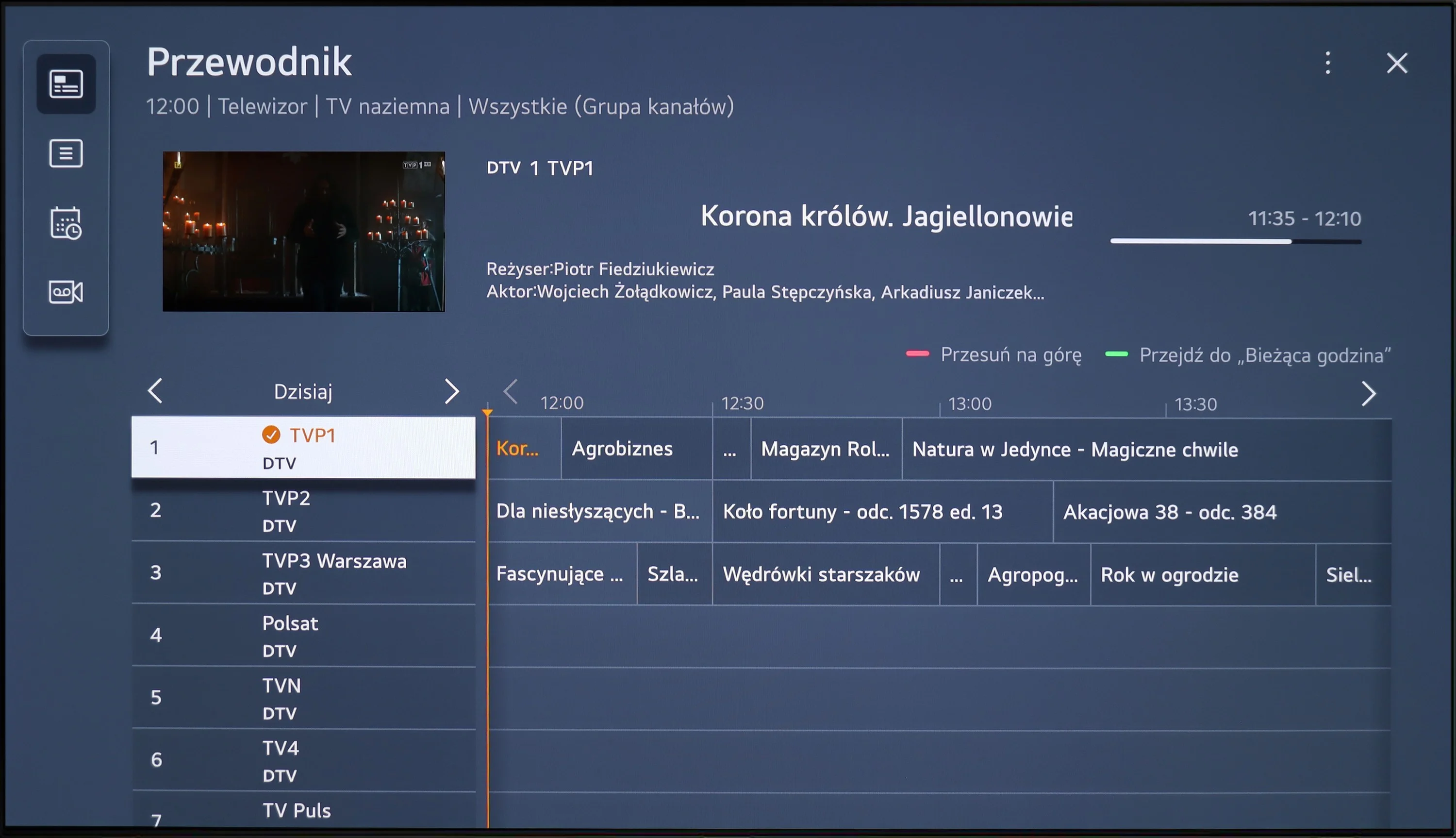
WebOS also features a highly praised ability to perform operations using a cursor that appears when the remote is moved. The convenience of this function is invaluable when entering queries or passwords for portals. WebOS, like most systems, also supports features such as screen mirroring, AirPlay, voice searching in Polish, and the ability to connect headphones via Bluetooth. On a more practical note, WebOS allows simultaneous use of headphones and the television speaker, which will certainly be a significant help for those with hearing impairments. One of the more interesting features, particularly appreciated by sports fans, is the ability to turn on an alert for an upcoming match, ensuring that we never miss a broadcast. The home panel also deserves praise, allowing for control of all smart devices connected to the home network. For example, the end of a wash cycle will be signalled by a notification in the top right corner.
In summary, the WebOS system, although less known and with certain limitations compared to Android TV, offers stable and quick performance and supports most functions that users may need. It is a solid solution for those looking for a simple and effective operating system in their television.
Google TV
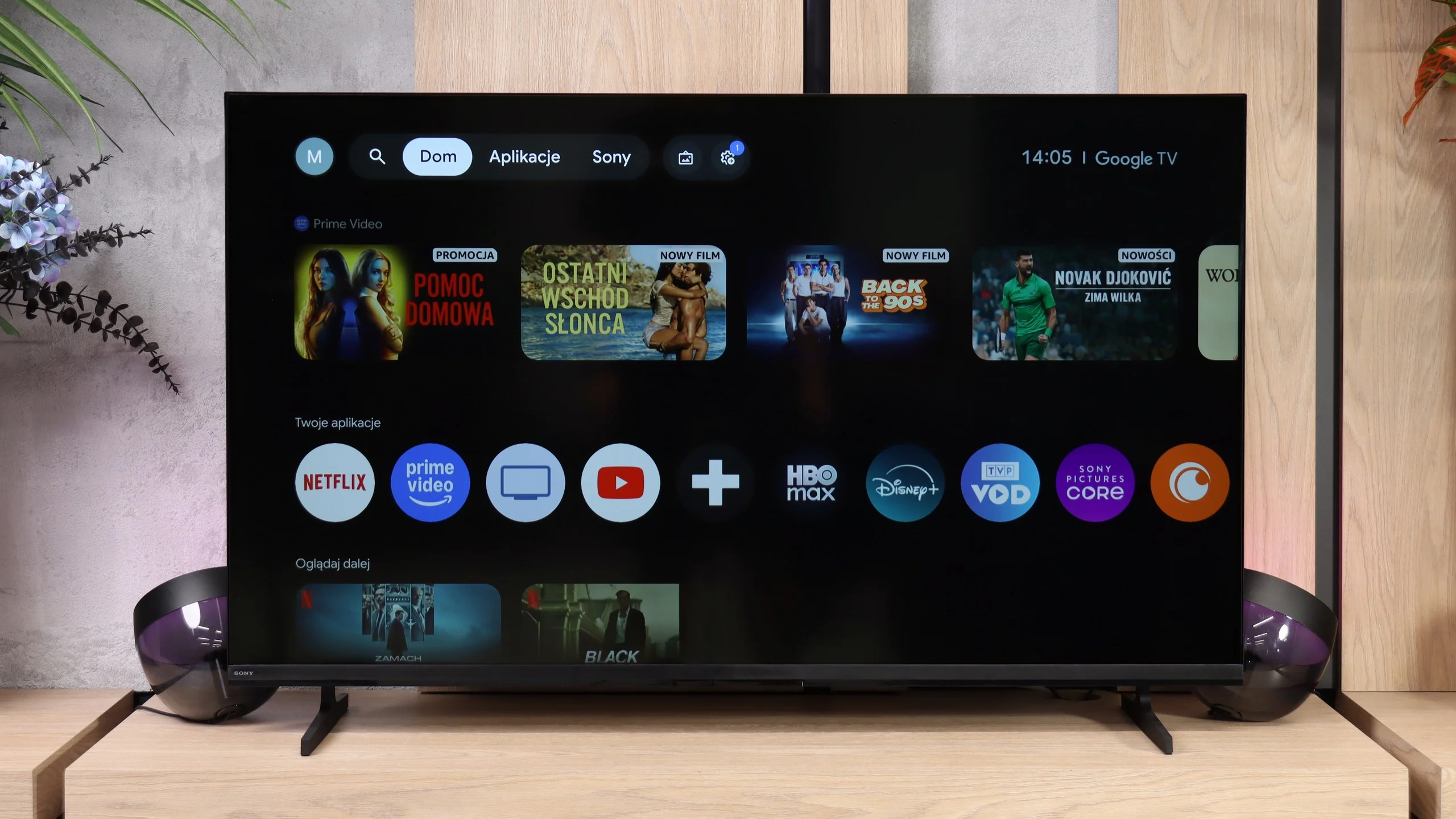
Bravia 2 II runs Google TV, which is definitely one of this model's stronger points. First and foremost, you get a huge range of apps, so accessing popular streaming services is no problem. It also has Chromecast and AirPlay, making it easy to cast content from your phone or other devices. Voice search with Google Assistant/Gemini works very well, including in Polish. The system itself isn't the fastest version of Google TV we've used, and you sometimes have to wait a moment for a response, but overall it performs decently. In terms of features it's hard to complain — especially for one of Sony's more affordable TVs.
Funkcje telewizyjne
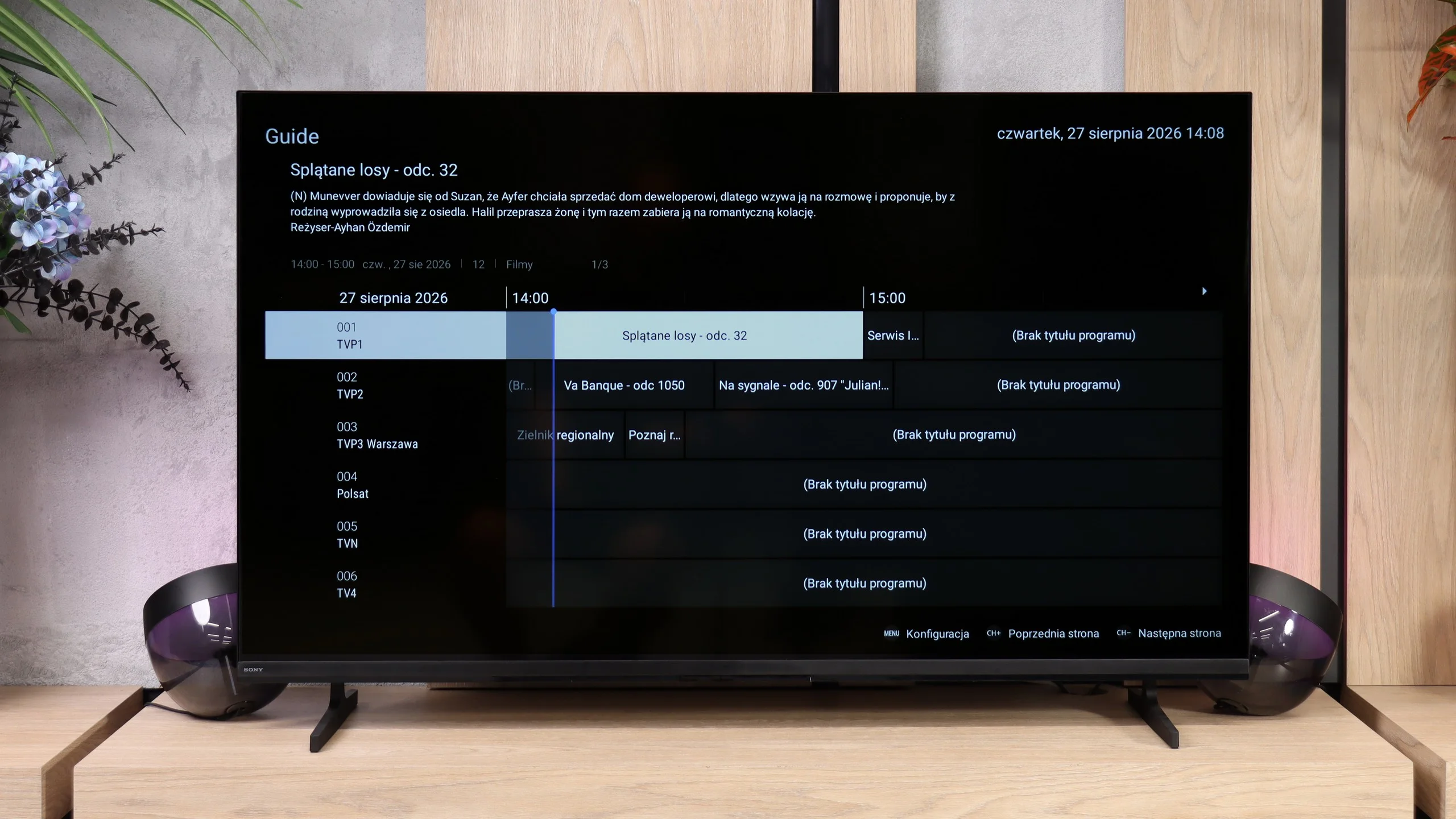
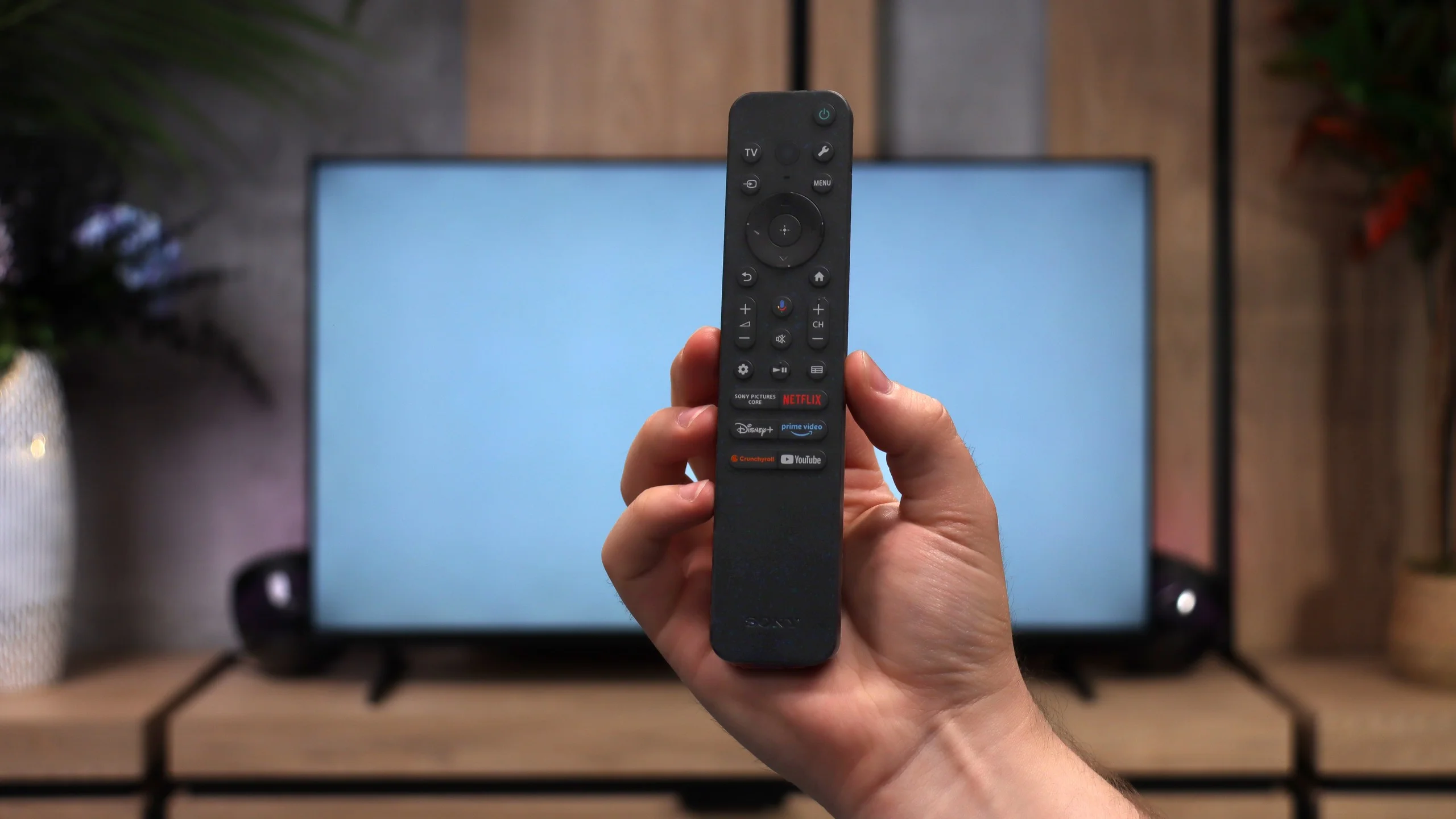
When it comes to traditional TV features, the Bravia 2 II is rather modest. For example, there's no recording to USB or other more advanced extras, so in that respect it's fairly basic. A plus is the inclusion of two remotes. One is modern and simpler, mainly for using the Smart TV, while the other is a classic remote with more buttons, which may be more convenient for people who often watch regular TV. The smaller one works via radio, so you don't have to point it directly at the screen, which is simply more convenient in everyday use.
Apps
9.1/10
9.6/10






















Playing files from USB
9.3/10
9.4/10
Supported photo formats:
Maximum photo resolution:
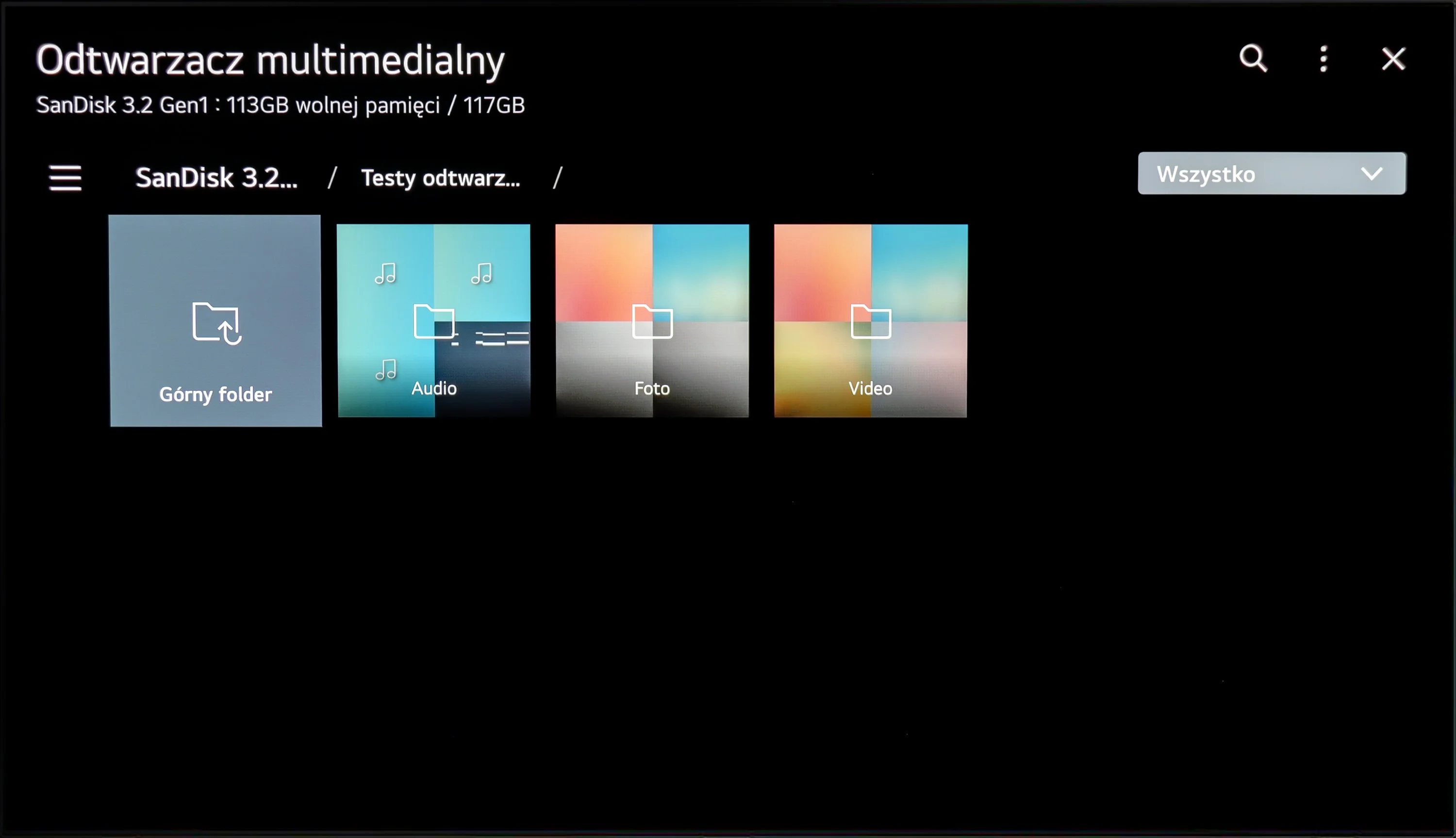
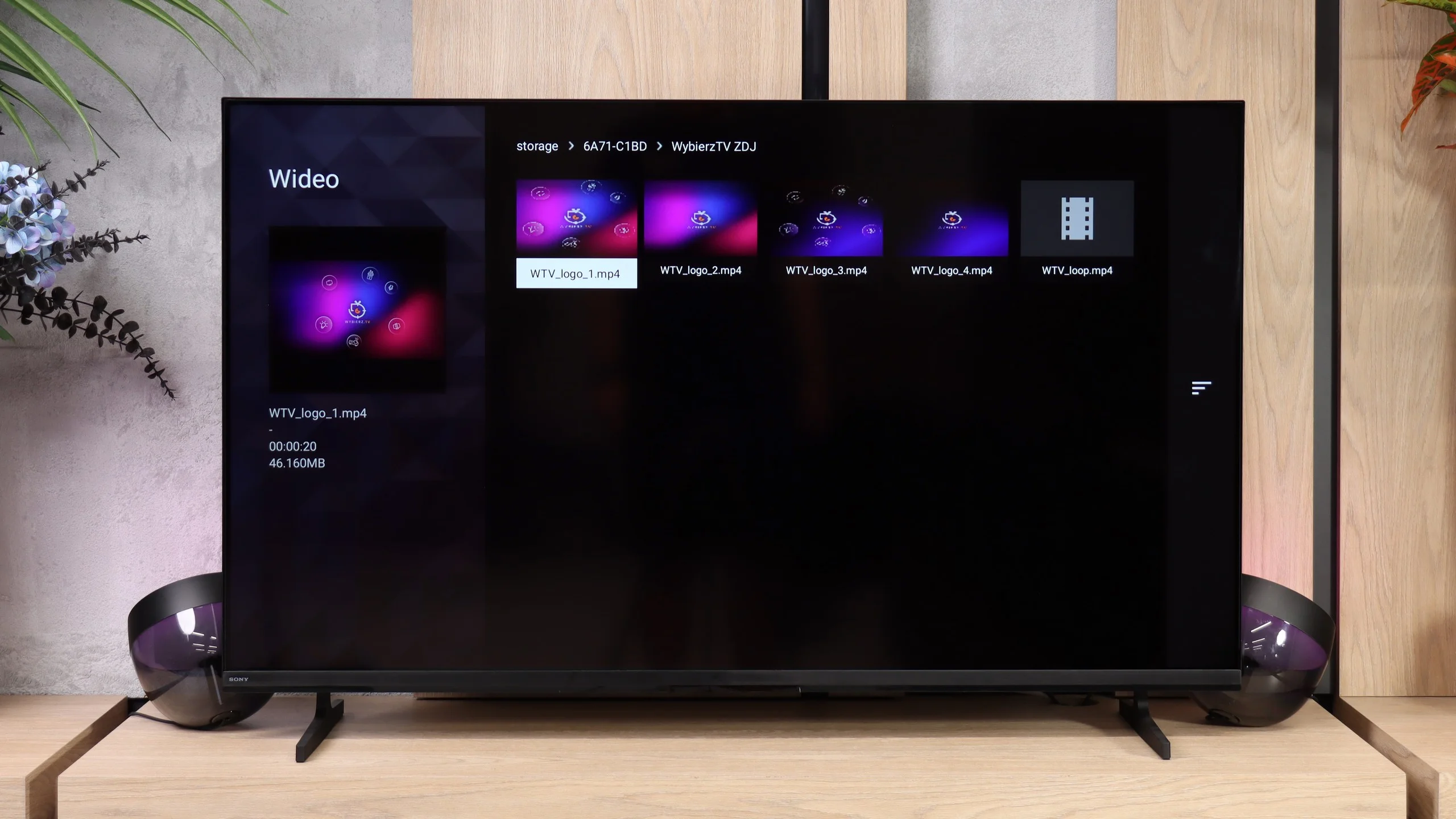
The default file player on LG C4 handles all photo resolutions exceptionally well. It successfully plays videos recorded in practically all the most popular formats, including Dolby Vision. The only codec that the C4 won't play is H.266 VVC, although this is currently rather uncommon. It's a pity that subtitles in .txt format are not supported. Attention should be paid to the supported photo formats, of which there are only three: JPEG, PNG, and, importantly for Apple phone users - HEIC. However, the tested television cannot be faulted for a lack of variety in audio files, which can be played without a compatibility warning.
The built-in file player performs very well. The Bravia 2 II opens almost everything you throw at it, from common video files and subtitles to photos and music. Importantly, it also handles more demanding 4K material encoded in HEVC or AV1. Of course, there are a few isolated formats the TV doesn’t support, such as VVC or some less common audio and image files. These are things few people will try to play directly on the TV.
Sound
7.5/10
6.1/10
- Maximum volume-92dB
- Dolby Digital Plus 7.1
- Dolby True HD 7.1
- Dolby Atmos in Dolby Digital Plus (JOC)
- Dolby Atmos in Dolby True HD
- DTS:X in DTS-HD MA
- DTS-HD Master Audio
The audio system implemented in LG C4 is very well tuned, allowing us to experience strong bass as well as balanced mid and high tones. We can confidently say that in its price range, it's one of the better sounding televisions. However, we believe that those deciding to purchase the C4 will already have a dedicated audio set. The presence of DTS-HD Master Audio and Dolby Atmos codecs will also be significant.
Sound in the Bravia 2 II is simply adequate for an entry-level TV. It’s more than enough for watching regular TV, like the news, but as with this type of design it mainly lacks bass. You notice it quite quickly with music and even more in action films, where explosions and other heavy effects lack real weight. Sony does deserve praise for its audio format support. When you connect a soundbar or a home theatre system, the TV will pass the key formats over eARC with no trouble, including Dolby Atmos, Dolby TrueHD, DTS-HD Master Audio and DTS:X. It’s especially welcome to see DTS included, which can’t always be taken for granted on rival TVs, even the pricier models.
Sound Quality Test
No sound test video
Acoustic Measurements
No acoustic data
92dBC (Max)
75dBC
Reader comments
Comments are provided by the external service Disqus (Zeta Global). Once loaded, Disqus may set cookies and process data about your activity.
We will remember your choice on this device. Provider's privacy policy