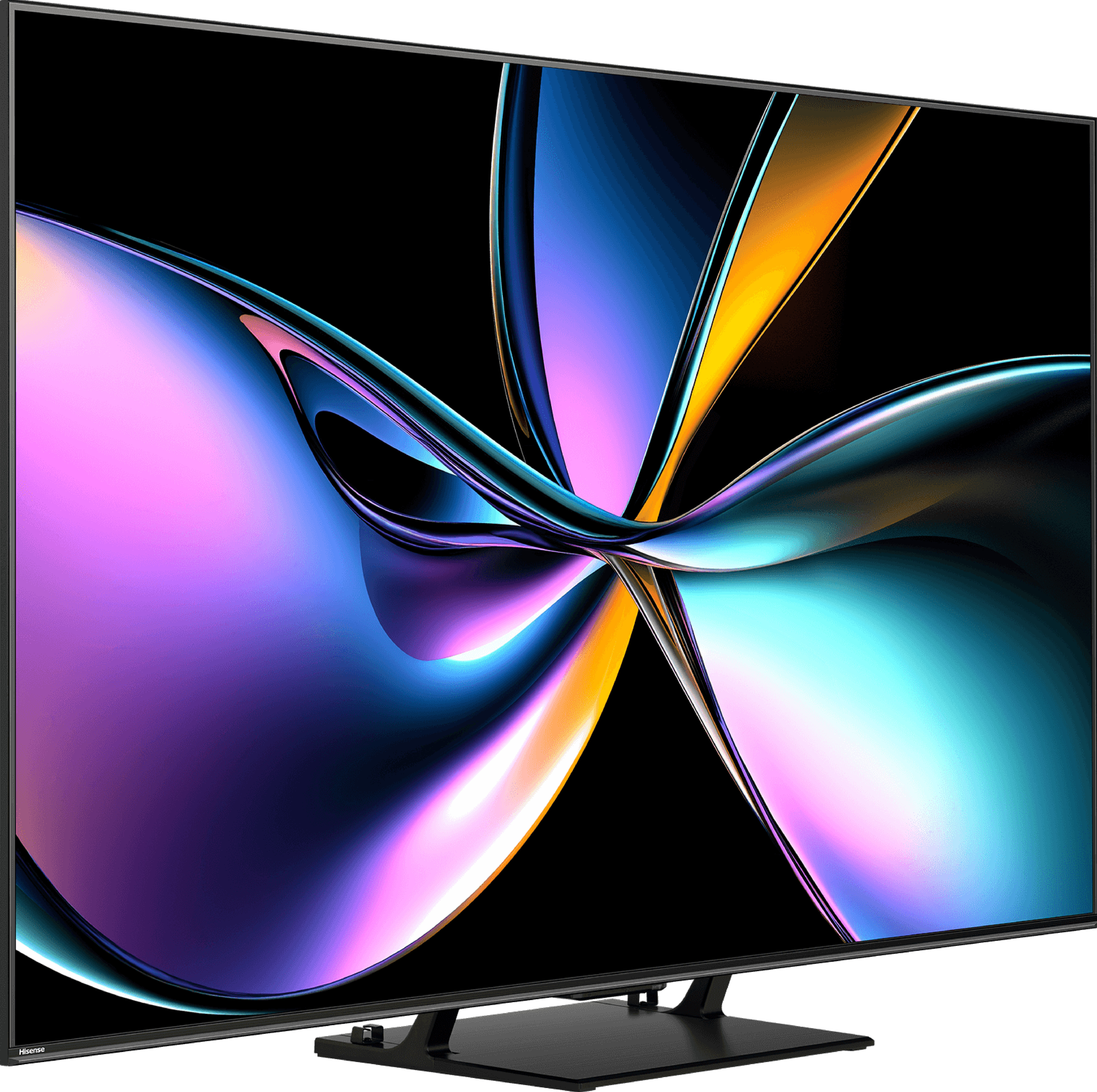
The U7Q PRO is a TV that makes it clear within minutes: "speed is what matters here". Hisense has surprised us with how much they’ve packed into a device that doesn’t cost a fortune. A refresh rate of 165 Hz in 4K, and even 288 Hz in Full HD – not long ago, such figures were reserved exclusively for top-end gaming monitors. And here we have a mid-range TV with almost a full suite of features for gamers, confidently throwing down the gauntlet to much pricier competitors. But it doesn’t stop at speed. The U7Q PRO also boasts a very bright screen, peaking at an impressive 1500 nits. Like every Mini-LED, it has its typical "moods", occasionally exaggerating the image, but the overall visual effect remains very positive – especially in HDR content. It’s also worth mentioning the Vidaa operating system – fast, intuitive and equipped with features like AirPlay, a voice assistant, and a web browser. While it doesn’t offer the full range of apps found on Android, in everyday use the system performs exceptionally well. So, why is it “almost” perfect for gamers? It just lacks the HGiG feature, which allows for precise adjustment of brightness levels in HDR games. It’s a minor drawback, but it can be significant for console purists. Nevertheless, the U7Q PRO remains a very solid proposition – and a testament to the fact that Chinese manufacturers have not only caught up with competitors from Korea and Japan, but in some aspects have even begun to overtake them.
- Matching (Score) |
- Our verdict |
- TV appearance |
- Where to buy |
- Contrast and black detail |
- HDR effect quality |
- Factory color reproduction |
- Color reproduction after calibration |
- Smoothness of tonal transitions |
- Image scaling and smoothness of tonal transitions |
- Blur and motion smoothness |
- Console compatibility and gaming features |
- Input lag |
- Compatibility with PC |
- Viewing angles |
- Daytime performance |
- Panel details |
- TV features |
- Apps |
- Playing files from USB |
- Sound
Hisense U7Q PRO vs SAMSUNG OLED S95F (QD-OLED)
 Direct comparison
U7Q PRO / U78Q PRO

S95F / FAT / FAE
Panel type: LCD VA
Resolution: 3840x2160
System: VIDAA
Model year: 2025
Complete the survey to find out the result
Panel type: QD-OLED
Resolution: 3840x2160
System: Tizen
Model year: 2025
Complete the survey to find out the result
Overall rating
7.4
8.8
 Movies and series in UHD quality
 7.2
9.3
 Classic TV, YouTube
 7.2
9.3
 Sports broadcasts (TV and apps)
 6.7
8.9
 Gaming on console
 8.2
9.9
 TV as a computer monitor
 8.2
8.8
 Watching in bright light
 6.2
7.1
 Utility functions
 9.4
7.9
 Apps
Apps 7.7
9.3
 Sound quality
 7.8
8.0
Complete the survey to find out what fits your preferences
Advantages

Excellent contrast and black - true Mini-LED backlighting with VA panel (65")
Very good motion fluency - 4K@165 Hz panel
Very high HDR brightness - even above 1500 nits
Perfect for gaming - Low input lag, VRR, ALLM, 4x HDMI 2.1, 288Hz at 1080p.
Vidaa operating system has many features like Airplay, USB recording
Outstanding quality of tonal transitions
Perfect black and outstanding contrast
High brightness of the image
Amazing image quality after calibration
Ultra-fast QD-OLED 165 Hz panel
Best choice for gamers – full support for HDMI 2.1, VRR, ALLM, and HGiG, with input lag of just 5 ms (highest rating on the portal!)
Best reflection suppression thanks to the matte screen finish
Wide viewing angles without loss of quality – top level thanks to the QD-OLED panel
Intuitive and fast Tizen operating system with a rich set of features
Modern and elegant design
One Connect module for easy and aesthetic cable management
Disadvantages

No support for HGiG
Average viewing angles
Missing apps on the VIDAA platform
No support for DTS:X (home theatre)
No USB recording from built-in tuners
Cherry black effect in very difficult lighting conditions
Our verdict
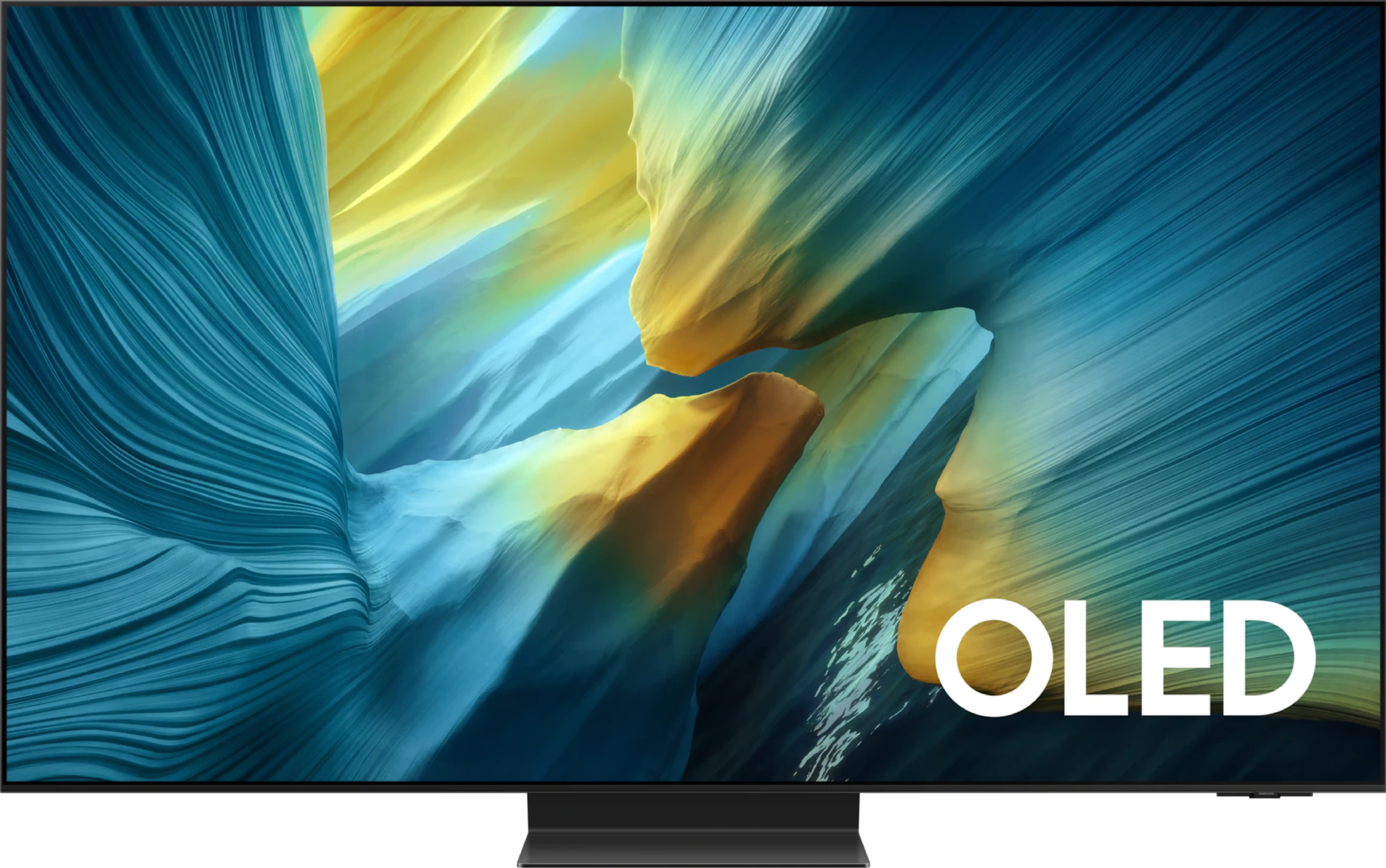
Samsung S95F is an excellent continuation and an improvement on last year's S95D model. Thanks to the QD-OLED panel, we receive a picture that captivates from the first minutes of viewing. The blacks are deep and natural, without any traces of backlighting, and the brightness of the new generation panel reaches levels that not long ago seemed beyond the reach of OLEDs. These values are high enough that the S95F can confidently be compared with the best Mini-LED screens – both in terms of HDR effect and in everyday use in strong daylight. After a slight adjustment of settings, the TV can offer reference image quality, creating a cohesive and cinematic experience. However, it is not just a screen for movie lovers, but also one of the absolute favourites for gamers. The 165 Hz panel with rapid response, input lag of just a few milliseconds, a full suite of gaming features – including VRR, ALLM and excellently implemented HGiG – along with four HDMI 2.1 ports make the S95F effortlessly meet the requirements of both next-gen console owners and PC gamers. It offers a range of capabilities that make the S95F one of the best gaming TVs on the market. Samsung has also taken care of practical details. The matte screen coating effectively eliminates reflections, ensuring that even in a bright living room, the picture remains clear and comfortable. The One Connect module organizes the cables, moving all connections to a separate box, which will be appreciated by anyone who likes to regularly juggle connected devices. The design of the TV is slim, elegant and well thought out – it is evident that this is a Super Premium class product that looks great in any interior. Of course, like any equipment, the S95F has its minor compromises, but at this level and completeness, it is easy to forget about them.
This is a TV that combines the best image quality with functionality and user comfort. Undoubtedly, it competes with the strongest rivals, and can confidently be regarded as one of the main contenders for the title of TV of the Year 2025.
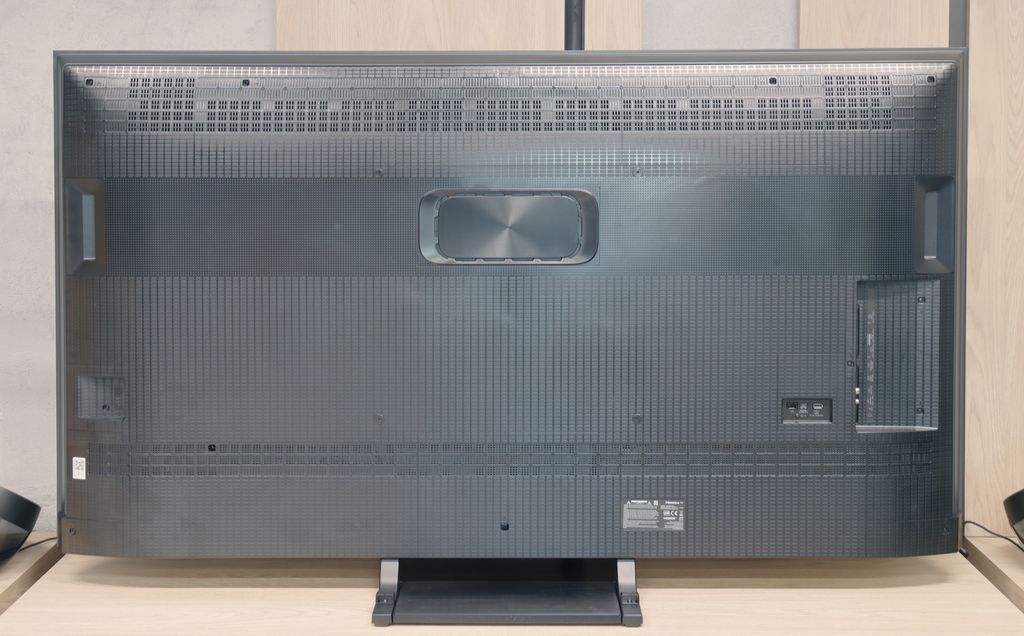
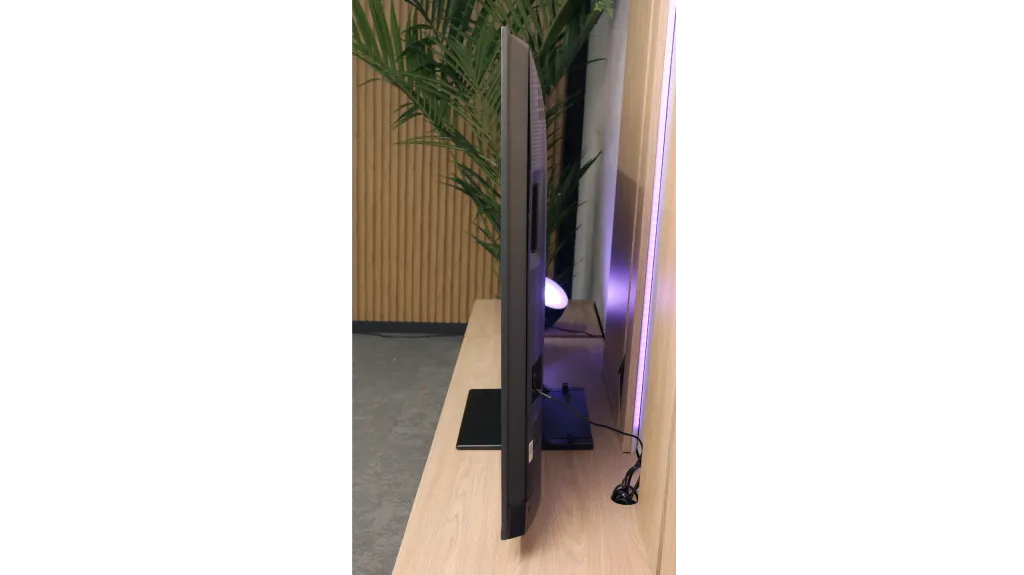
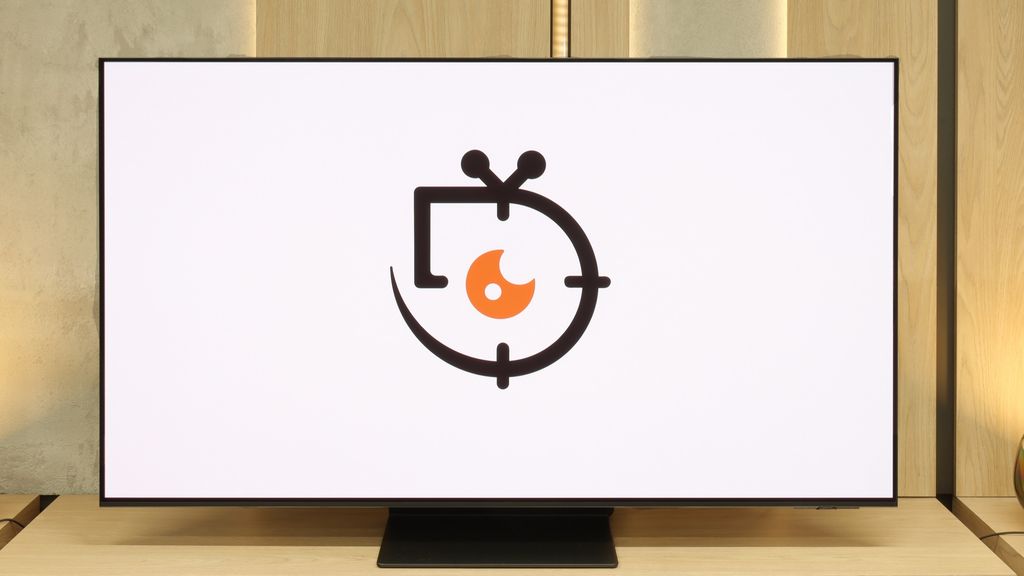
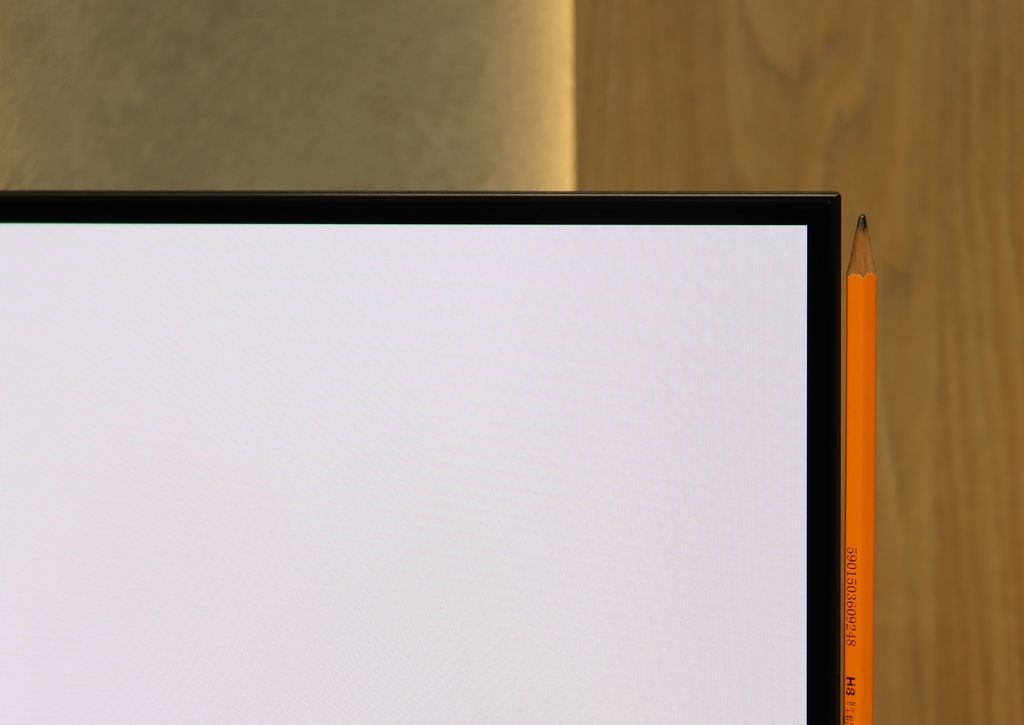
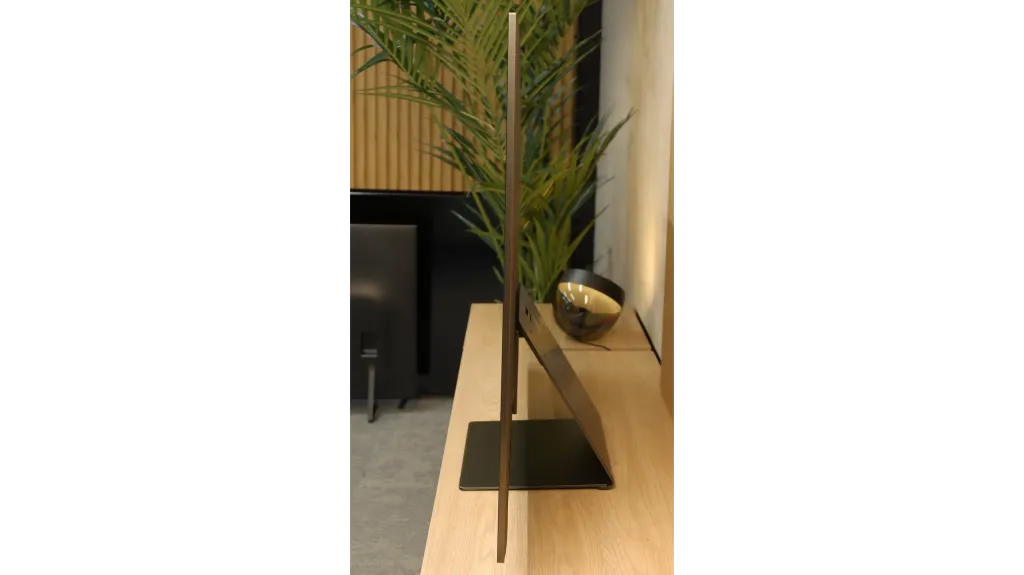
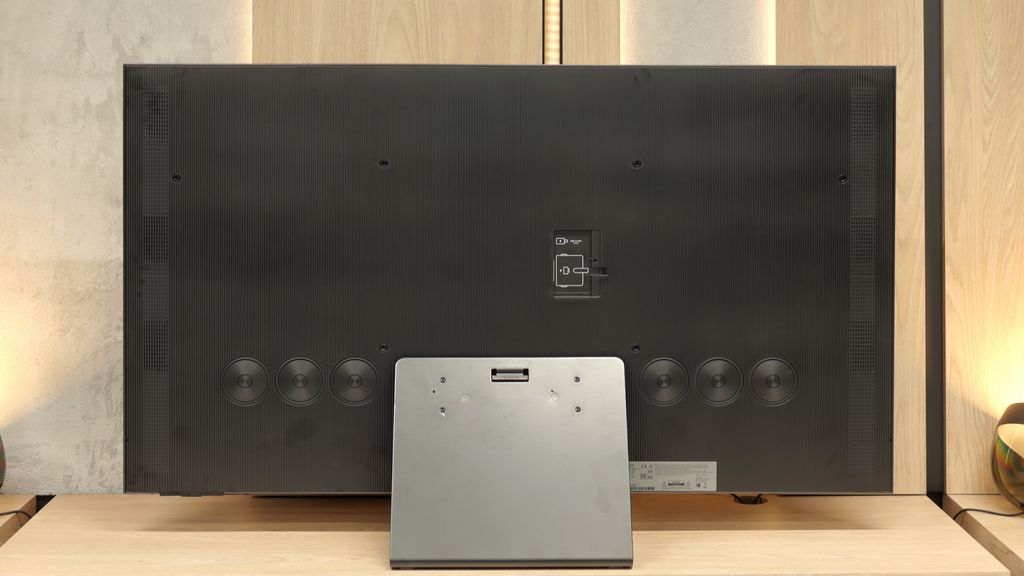
TV appearance

Contrast and black detail
8/10
10/10
Local dimming function: Yes, number of zones: 560 (20 x 28)
Contrast:


Result
340,000:1

Result
62,850:1

Result
42,000:1

Result
11,100:1

Result
7,500:1
Result
∞:1
Result
∞:1
Result
∞:1
Result
∞:1
Result
∞:1
Halo effect and black detail visibility:
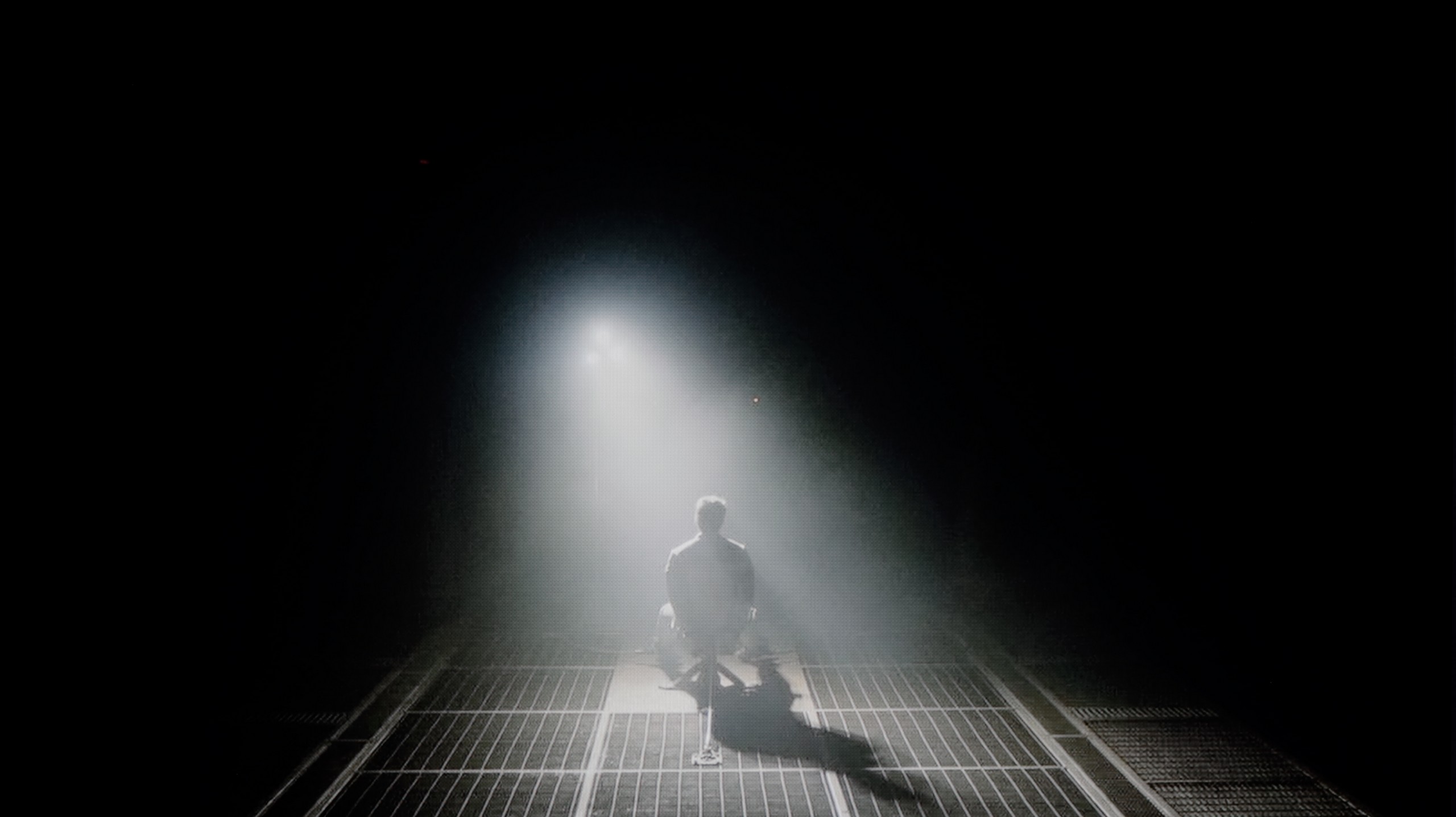
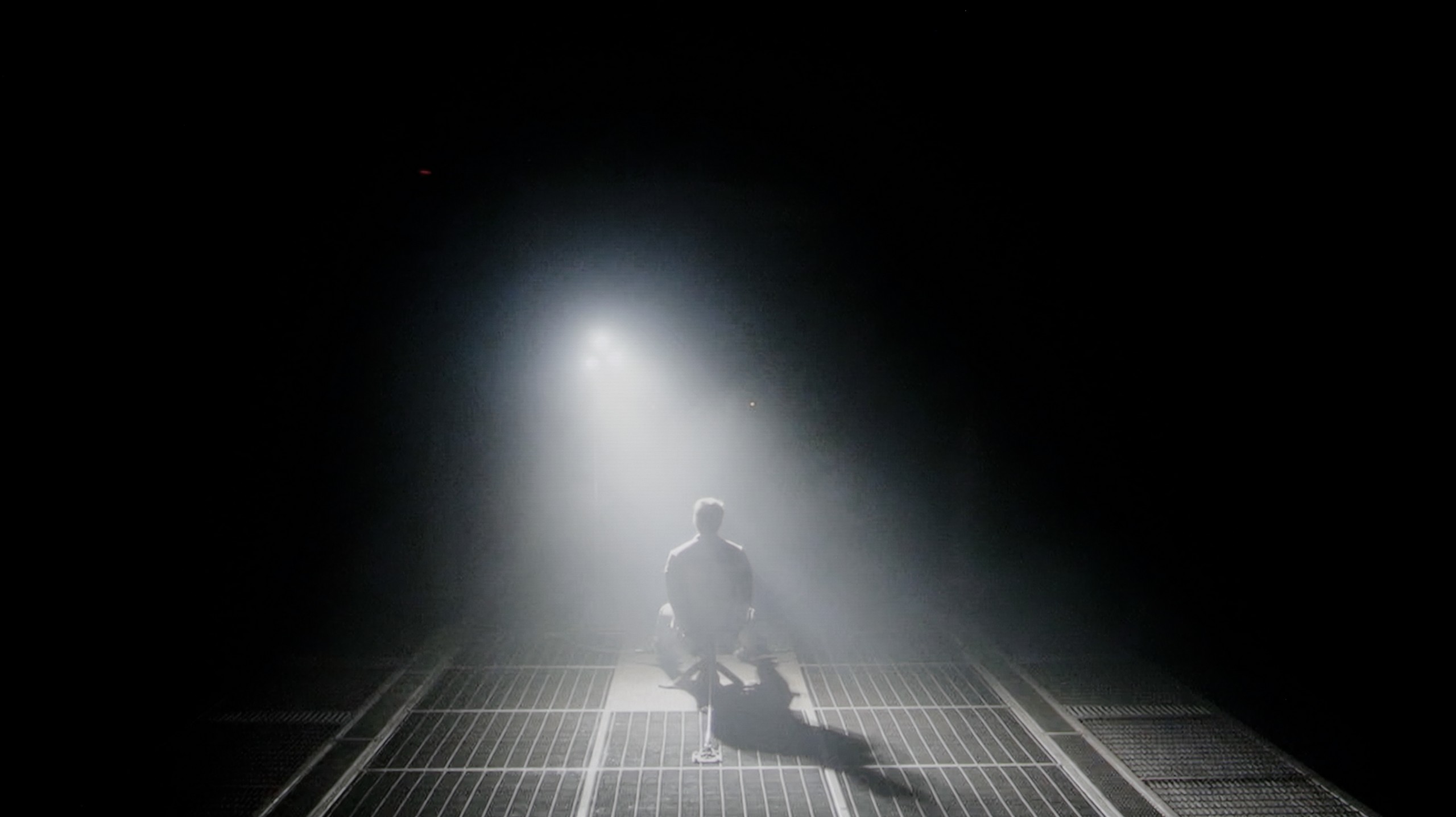
Check the visibility of bright lights on a dark background. Mini-LEDs often struggle with this. The photo does not compare black levels – that’s what the video below is for.
The video accurately shows differences in contrast and black levels between TVs, as well as potential issues: halo around bright objects or Mini-LED zone operation visible as brightness jumps.
Hisense U7Q PRO is a mini-LED television with a VA panel and – in the version we tested, 65 inches – 560 local dimming zones. It's worth noting straight away that this number varies depending on the size – larger diagonals get more zones, while smaller ones get fewer accordingly. But regardless, the dimming system itself works really solidly here.
The contrast is genuinely very good for the price range in which this model is placed. In optimal conditions, the U7Q PRO can achieve results close to six-figure values, which until recently was reserved for much higher-end equipment. In practice – in scenes like the one from the film Oblivion – the picture looks stunning. With the lights on in the room, it's hard at first glance to distinguish this TV from organic screens. Of course, it’s still an LCD with local dimming, so compromises are unavoidable. In more challenging scenes, where there are many small light sources, the U7Q PRO tends to dim too aggressively. Instead of a slight degradation of black – some details that should be visible disappear. This is a side effect of the algorithm, which firmly adheres to the principle of “black should be black,” even at the expense of subtle elements in the picture.
But nonetheless – contrast is one of the stronger points of this model.
The Samsung S95F with a QD-OLED panel shows that when it comes to blacks and contrast, it's hard to find anything better. Even the first test scenes prove that this television can achieve absolute black, while simultaneously delivering the tiniest points of light flawlessly. The effect is stunning – a star-filled sky looks as if it’s been directly transported from an observatory, and the film's darkness takes on depth and drama. Details in the shadows are preserved with reference-level accuracy, making home cinema viewing gain a new dimension.
HDR effect quality
6/10
8.7/10
Luminance measurements in HDR:

Result
1129 nit

Result
323 nit

Result
721 nit

Result
267 nit

Result
736 nit
Result
2044 nit
Result
2159 nit
Result
2167 nit
Result
2180 nit
Result
1427 nit
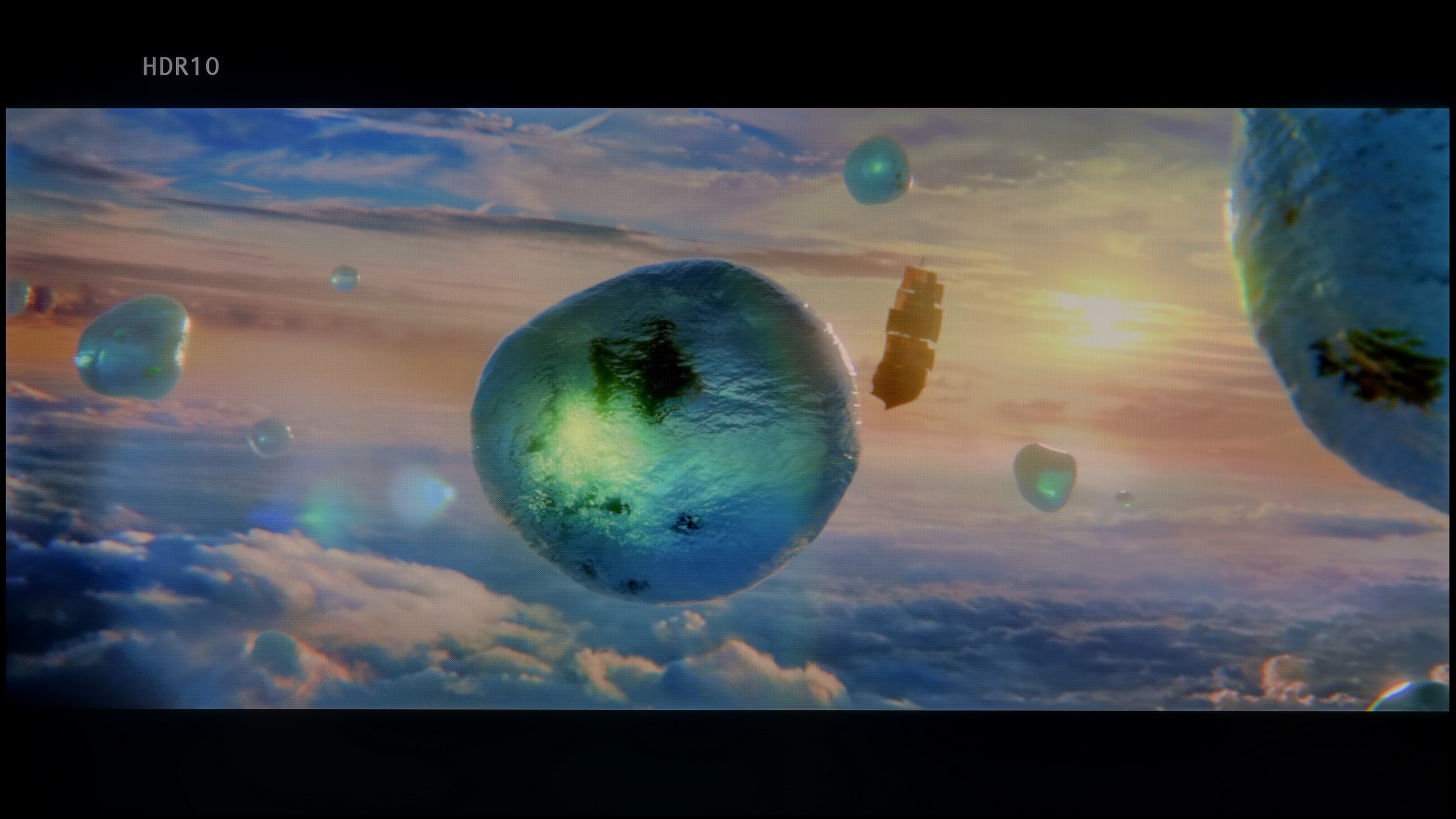
Scene from the movie “Pan” (about 2800 nits)

Scene from the movie “Billy Lynn” (about 1100 nits)


The photos show two HDR10 movies. 'Pan' is one of the brightest productions ever made, while 'Billy Lynn' (soldier) has brightness typical of streaming (Netflix, Prime, HBO MAX). Notice the intensity of effects and detail in whites.
Static HDR10


The photos present the visibility of white details in various HDR formats. They do not show brightness differences between TVs (these can be compared in the previous gallery).
Dynamic: Dolby Vision
Dynamic: HDR10+


The photos present the visibility of white details in various HDR formats. They do not show brightness differences between TVs (these can be compared in the previous gallery).
HDR luminance chart:
SAMSUNG OLED S95F (QD-OLED)
Hisense U7Q PRO
U7Q PRO is truly a bright television. In synthetic tests, it achieved over 1500 nits, which is an outstanding result for this price bracket. Such brightness – at least in theory – allows it to display HDR content as intended by the creators, even in more demanding scenes with strong lighting. In practice, it performs very well, but not always perfectly. In bright scenes with large areas – like the test screen with intense sunlight from the film "Pan" – the U7Q PRO makes a huge impression. It can even dazzle with its light, which is definitely an advantage in the context of HDR content. Unfortunately, it doesn’t always manage to maintain this when there are many small bright details on a dark background. In such moments, the local dimming algorithms tend to dim some bright elements to maintain good blacks – and the side effect is that some details simply vanish from the frame. This is a classic compromise in mini-LED televisions – and the U7Q PRO is no exception. With such a large number of dimming zones, however, one could have hoped for a slightly more mature algorithm responsible for their control. Fortunately, the overall perception of HDR content is very positive. The U7Q PRO is not only bright but also colourful, thanks to the PFS LED (QLED) coating, the coverage of the DCI-P3 colour palette is at 95%, and BT.2020 around 73%.
The new generation of QD-OLED panels in Samsung's S95F showcases its full potential, and the brightness results are simply astounding. In test film scenes, such as “Life of Pi” or “Sicario 2”, where smaller light elements appear – stars, the moon, or spotlights – the television managed to achieve over 2000 nits of brightness. This is a result that surpasses even most top Mini-LED models.
The secret lies in the technology itself – instead of a limited number of dimming zones like in Mini-LED televisions, here we have millions of glowing pixels, allowing the television to fully demonstrate its power without technological compromises. Of course, since it is still an organic panel, in scenes that are full-screen and flooded with white – like in the final sequence from The Meg – brightness drops to around 1400 nits. Nevertheless, the result remains excellent and definitely exceeds what any OLEDs, both QD-OLED and WOLED, have offered so far. The colour reproduction is also particularly noteworthy. Thanks to QD-OLED technology, the television achieves almost 100% coverage of the DCI-P3 colour space and around 80% in BT.2020. These values make HDR images not only dazzling in brightness but also stunning in their range of colours.
Factory color reproduction
6.2/10
6/10


This gallery shows how colors change after professional TV calibration. If you notice the difference, we recommend ordering this service at SkalibrujTV.com.
Factory Mode
After calibration


This gallery shows how colors change after professional TV calibration. If you notice the difference, we recommend ordering this service at SkalibrujTV.com.
Factory Mode
After calibration
We tested the U7Q PRO in the best possible picture mode that this model offers – Filmmaker Mode. And indeed, this mode performs the best in terms of colour reproduction. But that doesn’t mean it’s perfect. In our test unit, both in SDR and HDR content, the image had a slightly cooler tone. The white balance was shifted towards blue, which made the overall image feel a bit "cooler." It may not be glaring, but it is definitely noticeable – particularly on white backgrounds, which instead of being neutral, seemed slightly bluish. Additionally – as we mentioned earlier – the television has a tendency to slightly brighten and oversaturate the image, which is also confirmed by the gamma and EOTF charts. All of this together means that without calibration, the image may appear somewhat unnatural – too cool, with slightly exaggerated dynamics. That’s why we decided to perform our own calibration – and you can see its effects and charts below.
The best picture mode straight out of the box is undoubtedly Filmmaker Mode – a mode that Samsung has been using for several years and which is intended to faithfully convey the creators' vision. In SDR content, its implementation is not bad, although some imperfections can be noticed. The image is slightly dimmed, and the screen has a subtle pinkish hue resulting from an excess of red and blue in the white balance. Colour errors remained at a level of 3–4 ΔE units – and for the uninitiated: a value above 3 is the threshold where the average human eye starts to notice differences.
Much bigger problems arise in HDR content, however. Here, the white balance was not as much of an issue – a slight excess of blue did not significantly hinder things. The problem became brightness management. In practice, the TV "blows out" the image too much, causing details in the blacks to completely disappear. The final effect was far from what was expected, and the colour errors in this mode became quite significant. It’s hard to say why such a design decision was made, but it was clear that the factory HDR settings do not allow this TV to showcase its full potential.
Color reproduction after calibration
7.5/10
9.4/10

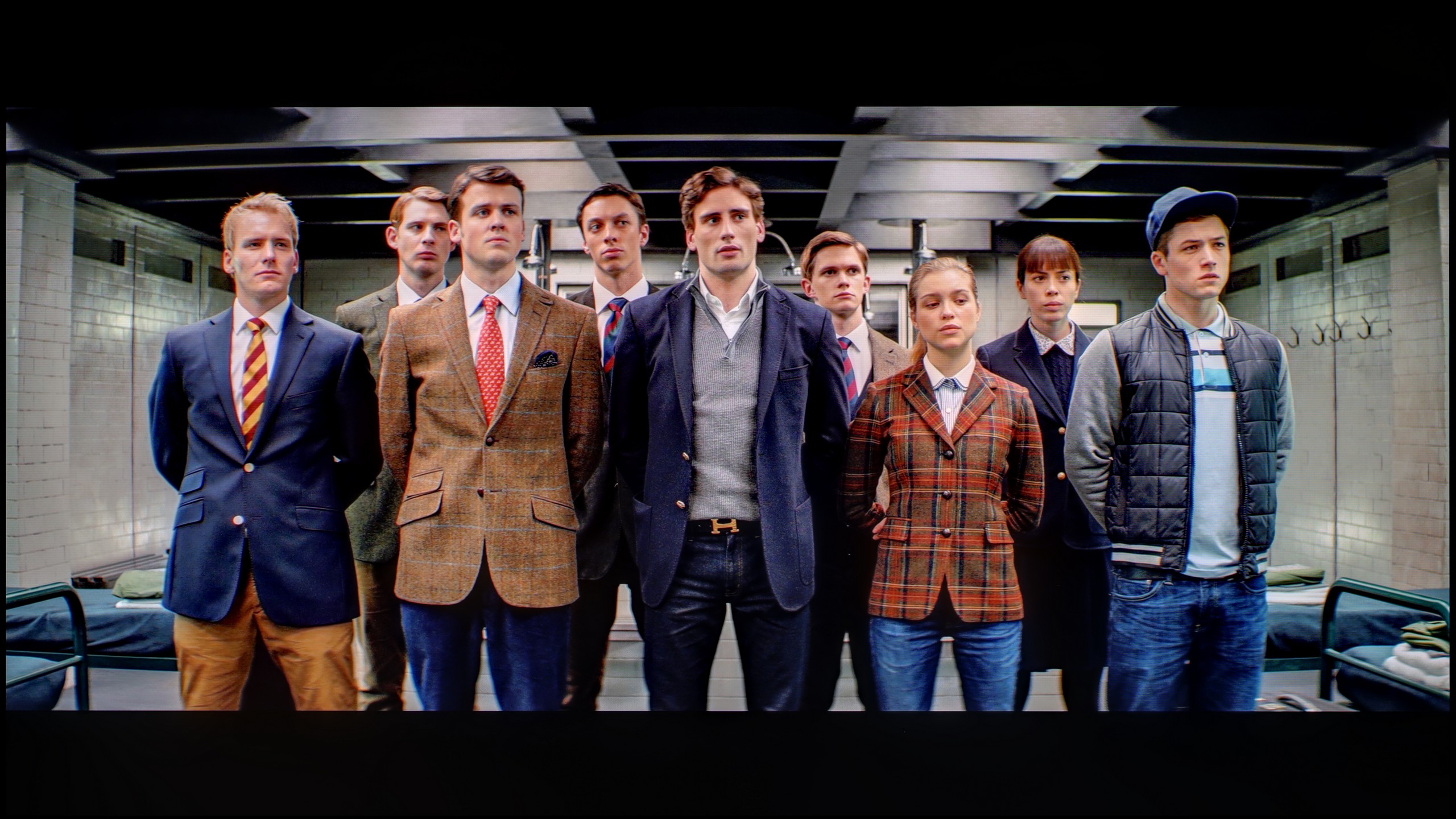
The photos show how movies look on the TV. Pay attention to black detail visibility, colors, and shadow tint.


The photos show how movies look on the TV. Pay attention to black detail visibility, colors, and shadow tint.
Thanks to calibration, we've managed to tame the white balance in SDR and HDR content. For SDR material, the effect is really quite good – the image becomes neutral, cohesive, and simply pleasant to watch. Everything looks the way it should.
HDR performs a bit worse. Although the white balance looks correct and overall the image gains naturalness, unfortunately, the delta E errors are still noticeable. Why? Because Hisense's U7Q PRO model does not give us full control over how the television manages brightness in HDR mode. And this is where the limitation arises. When we look at the EOTF curve for HDR content, it clearly shows what we mentioned earlier – at the beginning of the graph, there’s a noticeable drop, meaning the television darkens the smallest portions more than it should. On the other hand, those brightest elements can be overly bright. As a result, some details are lost, others are too aggressive, and overall control over brightness doesn't always align with what we’re trying to achieve during calibration.
Does the image look better after calibration? Definitely, yes, in terms of colour. But when it comes to brightness management in HDR, one must accept that the Hisense U7Q PRO will still do it in its own way.
After calibration, it was possible to make subtle adjustments to the white balance and significantly improve the image characteristics. In SDR content, the quality has become practically reference-level – most colour errors have dropped below a ΔE value of 1, which is the level at which the human eye can no longer perceive differences. This is a result that places the S95F among the absolute top TV models available on the market.
In HDR material, calibration also brought a significant improvement. The tendency of the TV to blow out the image was managed, as confirmed by the analysis of the EOTF curve. There is still a slight tendency to brighten the entire scene or occasional loss of detail in the blacks, but this does not significantly affect the overall perception. After calibration, the S95F shows its full potential and can be regarded as one of the best TVs on the market!
Smoothness of tonal transitions
9.5/10
8.9/10
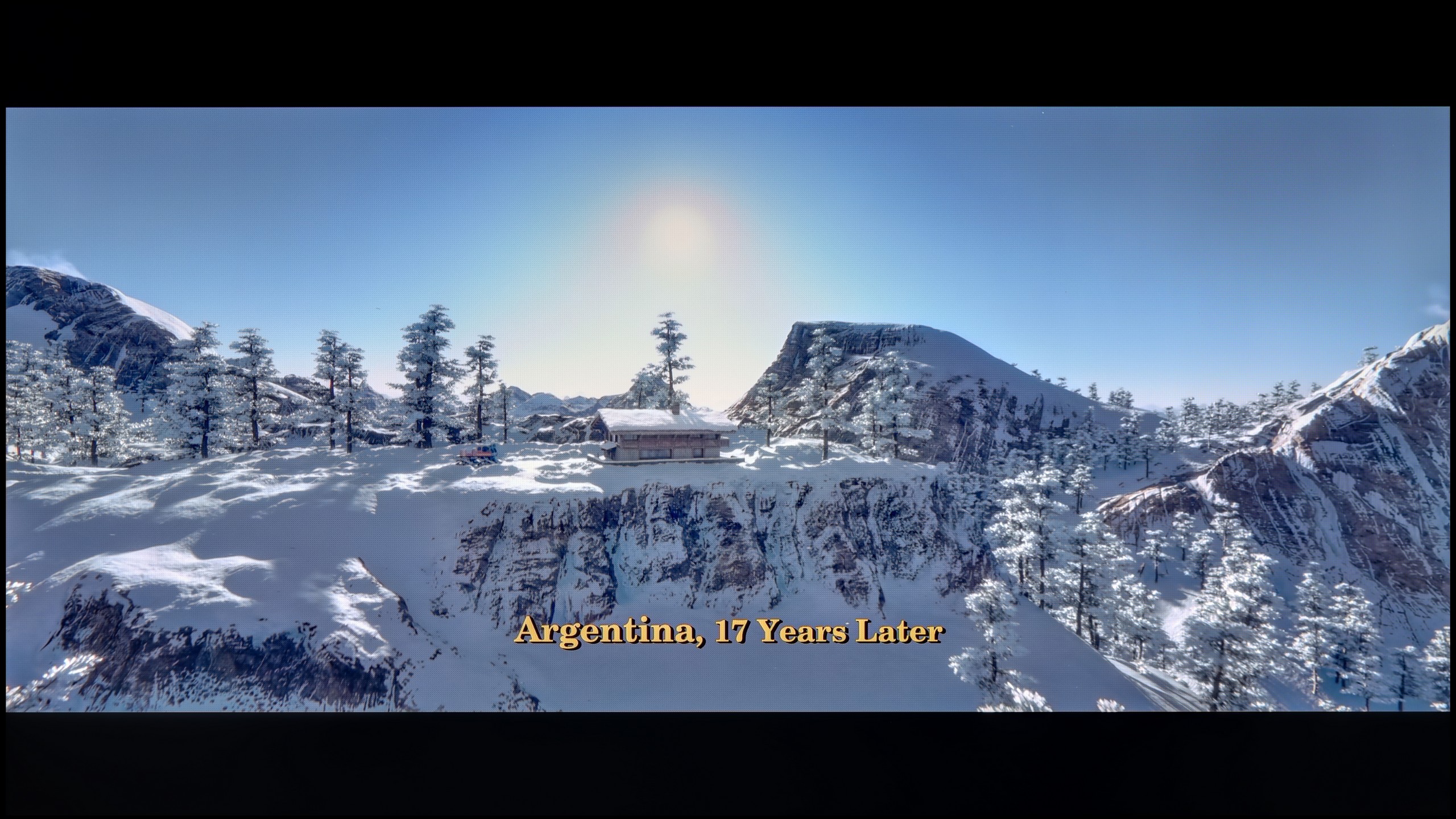

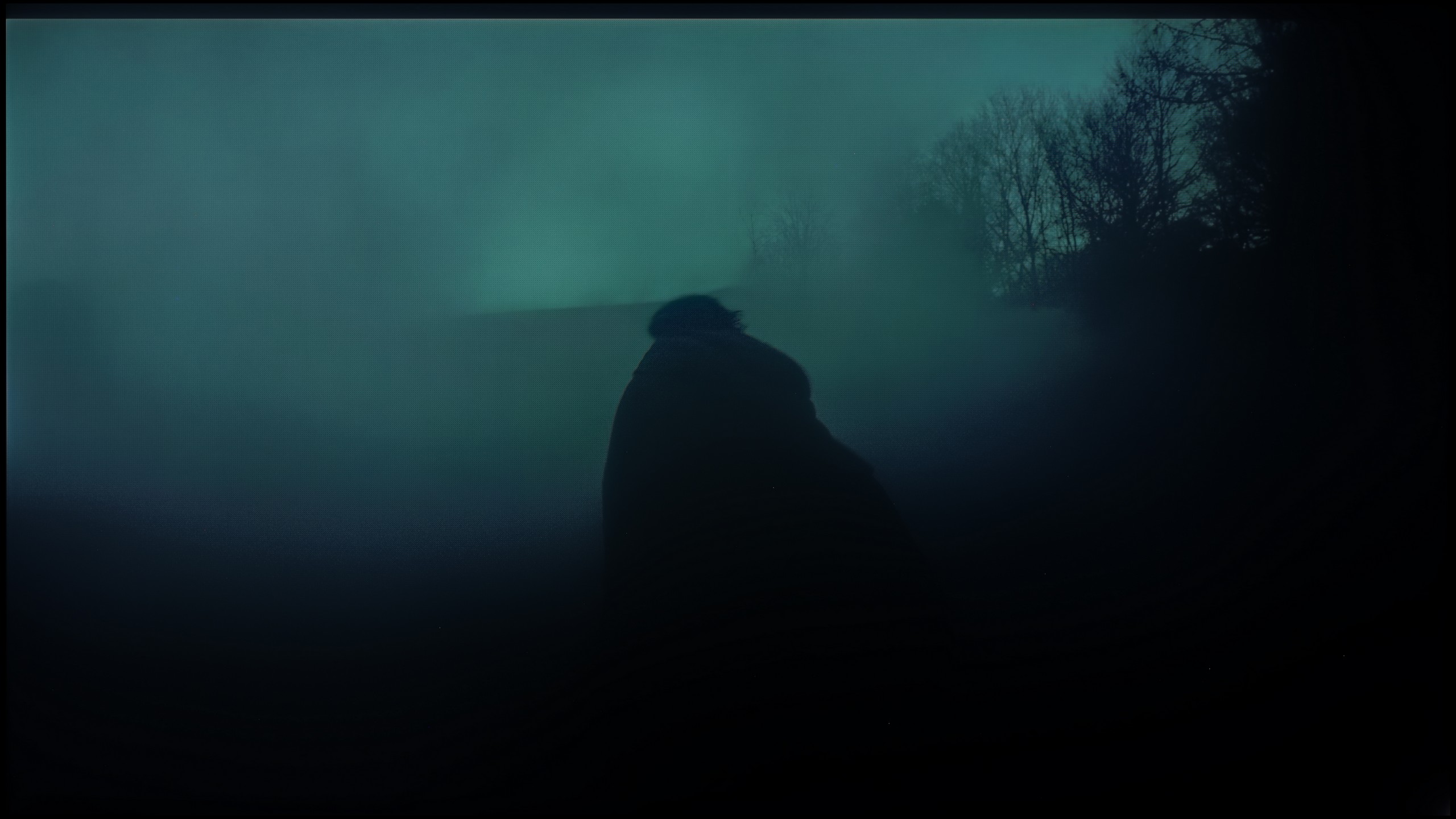

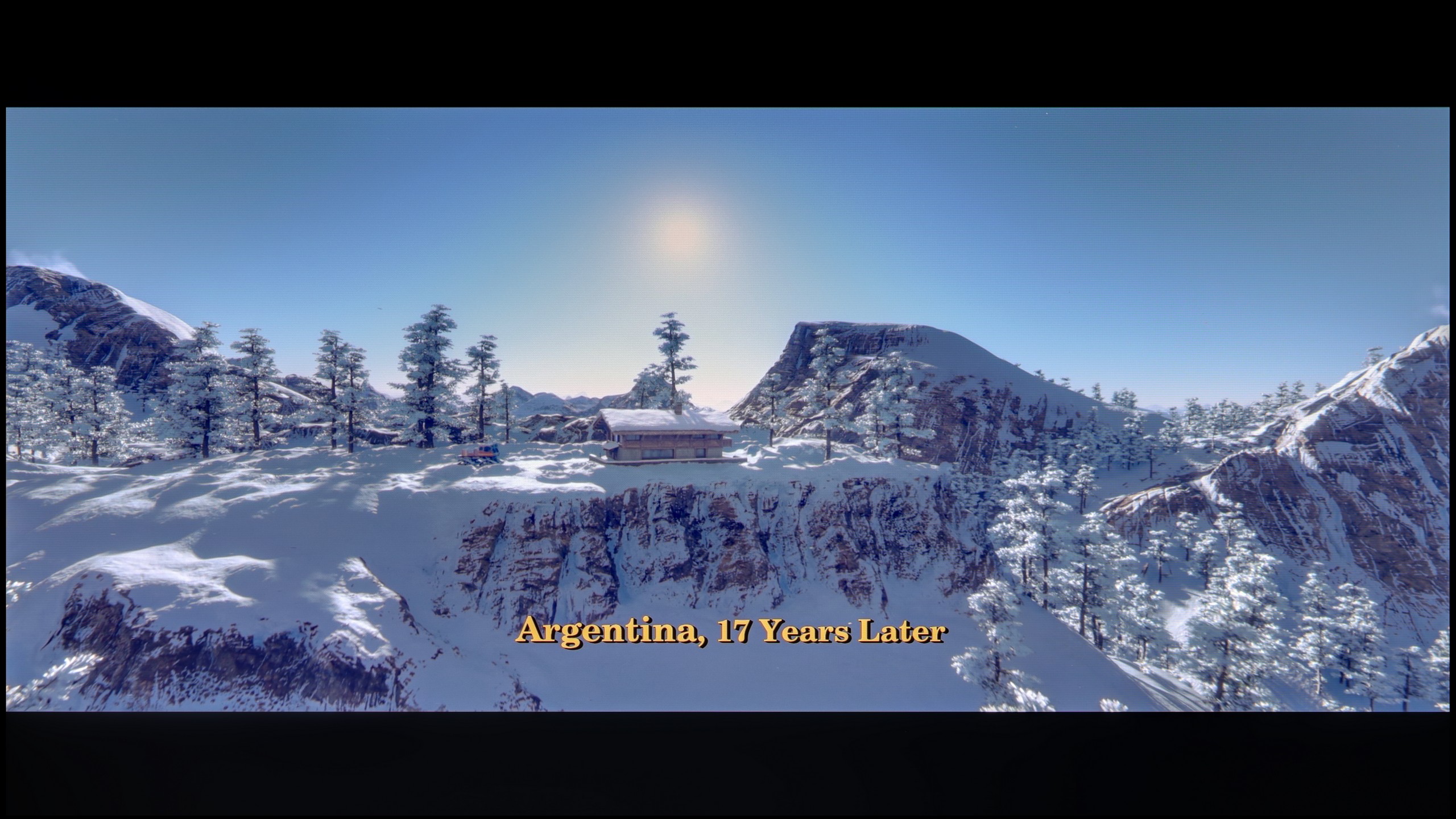
These are selected scenes that show smooth tonal transitions from one color to another. If you see distinct banding, it’s the TV panel’s fault.

These are selected scenes that show smooth tonal transitions from one color to another. If you see distinct banding, it’s the TV panel’s fault.
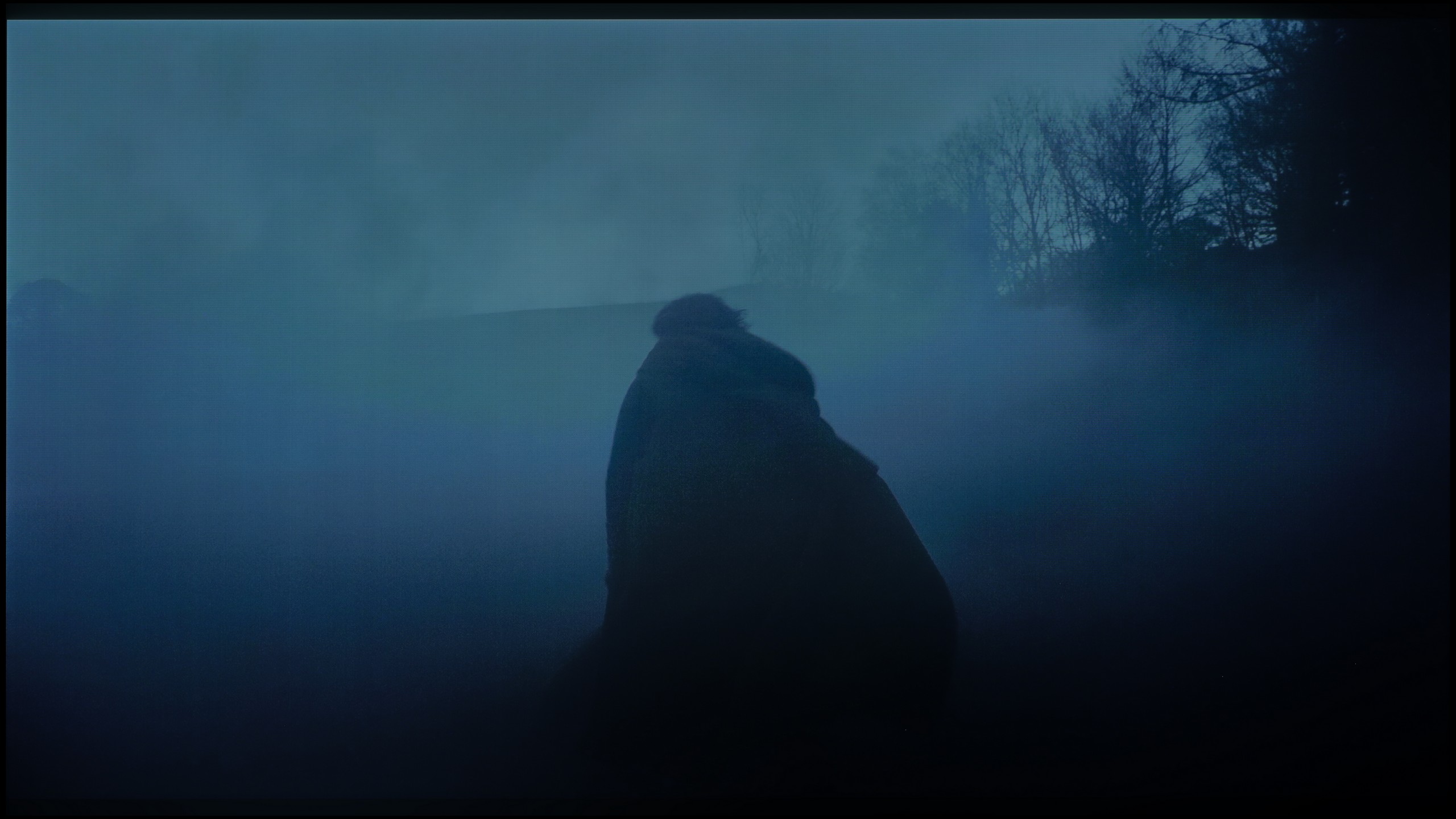
These are selected scenes that show smooth tonal transitions from one color to another. If you see distinct banding, it’s the TV panel’s fault.
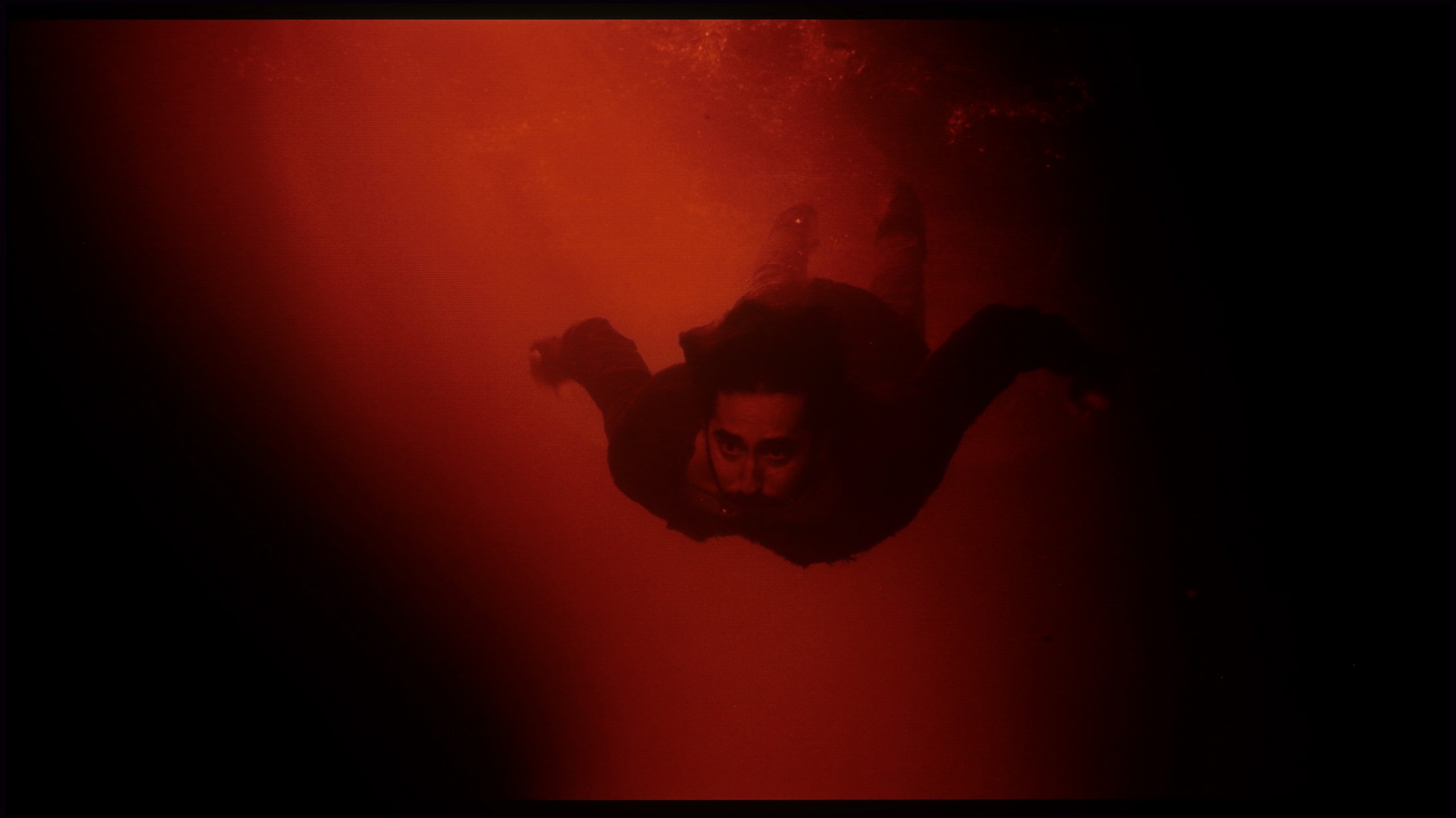
These are selected scenes that show smooth tonal transitions from one color to another. If you see distinct banding, it’s the TV panel’s fault.
The U7Q PRO handles tonal transitions really well. Colours blend smoothly, with no banding, stripes, or strange artefacts. Even in tougher scenes that typically expose any imperfections – there was nothing to criticise here. The picture simply looks clean. The gradients – both colour and grey – are fluid, nothing tears, nothing distracts. It's one of those elements you don't notice while watching… certainly not with the U7Q PRO.
The Samsung S95F with a QD-OLED panel handles tonal transitions really well. It's hard to find any serious issues here – the colour gradation is smooth, and the image looks natural. Only in very dark scenes and shades close to black can you notice some slight imperfections, but they don't matter much during everyday viewing. The overall impression is that the fluidity of transitions is at a very high level and doesn't distract the viewer's attention.
Image scaling and smoothness of tonal transitions
7.8/10
7.5/10


Smooth transition function
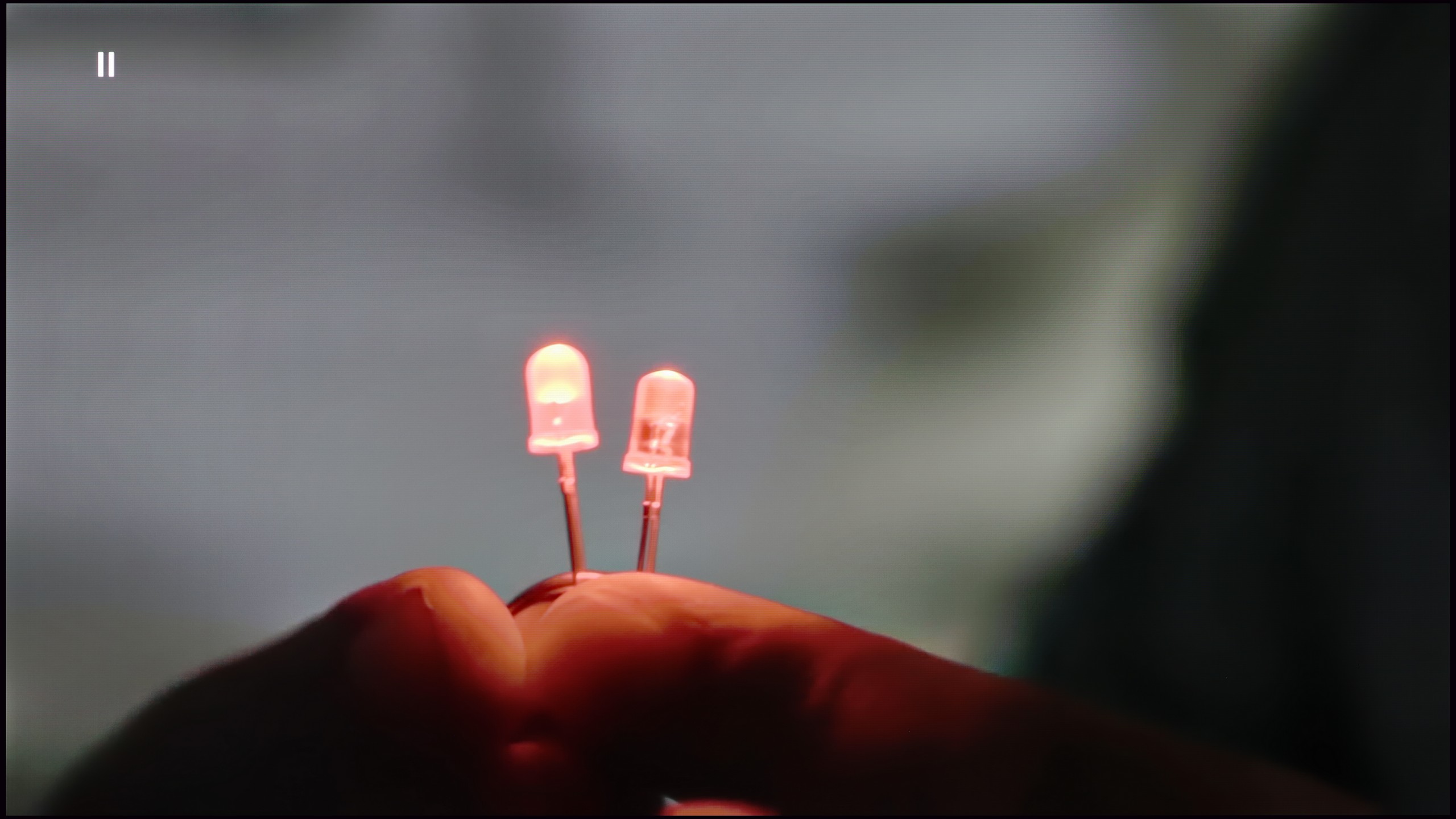
The match photo shows how the TV smooths weak tonal transitions in low-quality video.
Image scaling SD (576i)


The model photo shows how it handles upscaling of SD material.
If someone happens to come across older materials where the banding issue arises – Hisense has a solution for that. In the U7Q PRO, we find a feature called "Smooth and Gradient Picture". Set to the "Medium" level, it works really well – eliminating most gradient problems without smoothing the entire image like a blur in Photoshop. 😉 Film grain remains, details don't disappear – that's exactly how it should work. Well done on the implementation!
As for scaling weaker materials, it's simply good. It's not at the level of the most expensive TVs with advanced upscaling, but older content looks good. There is some minor banding at very low resolutions, but that's perfectly normal and hard to avoid. On the plus side – even with the oldest materials, there is no overscan effect, the image isn't cropped or artificially stretched.
Samsung S95F offers a noise reduction feature that smooths tonal transitions. It works very effectively, but in practice, it can be too aggressive. Materials of lower quality – e.g. older recordings or videos from YouTube – become soft and plastic when it is enabled, resembling an image digitally smoothed in graphic software. Unfortunately, the natural film grain, which often adds authenticity to the image, disappears in the process. Fortunately, the television does not lose too much fine detail, e.g. in skin textures or environmental elements. Therefore, this feature is best used judiciously – depending on preferences, one can achieve a smooth but less natural image or one that is truer to the original. In our opinion, the most universal choice is the “Standard” setting.
Image scaling performs significantly better. The television handles lower resolution materials well – even 576p content looks quite decent, though slight blockiness can be observed. Overall, the effect is very good, although it slightly trails behind what Sony Bravia 8 (II) or LG G5 can achieve. It’s also worth mentioning a small imperfection of the S95F – in older materials, overscan may occur, causing a slight trimming of the left edge of the image.
Blur and motion smoothness
7.1/10
8.5/10
Blur (native resolution, maximum refresh rate):




Blur (BFI function enabled):


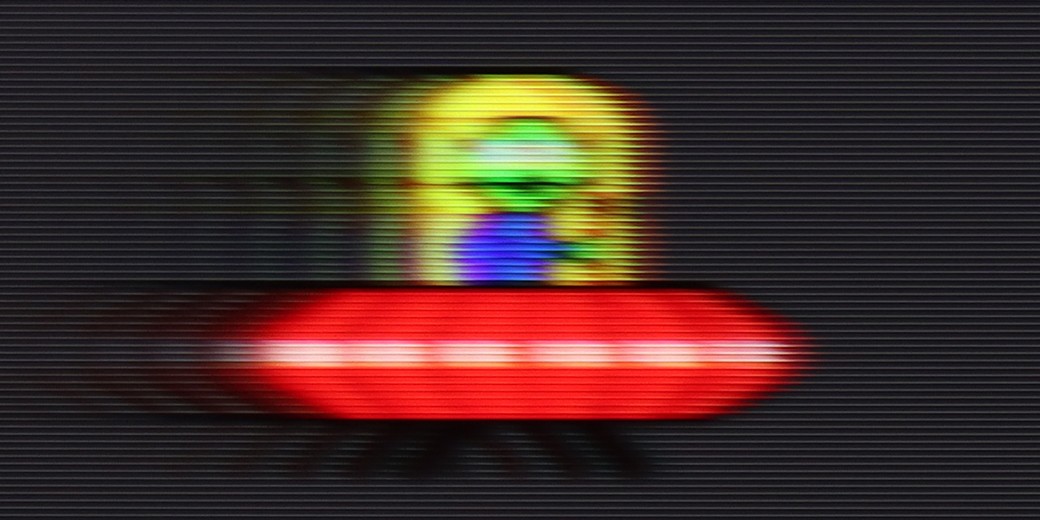
Image flickers in this mode



Blur (1080p 288Hz):


Blur (4K@165Hz):



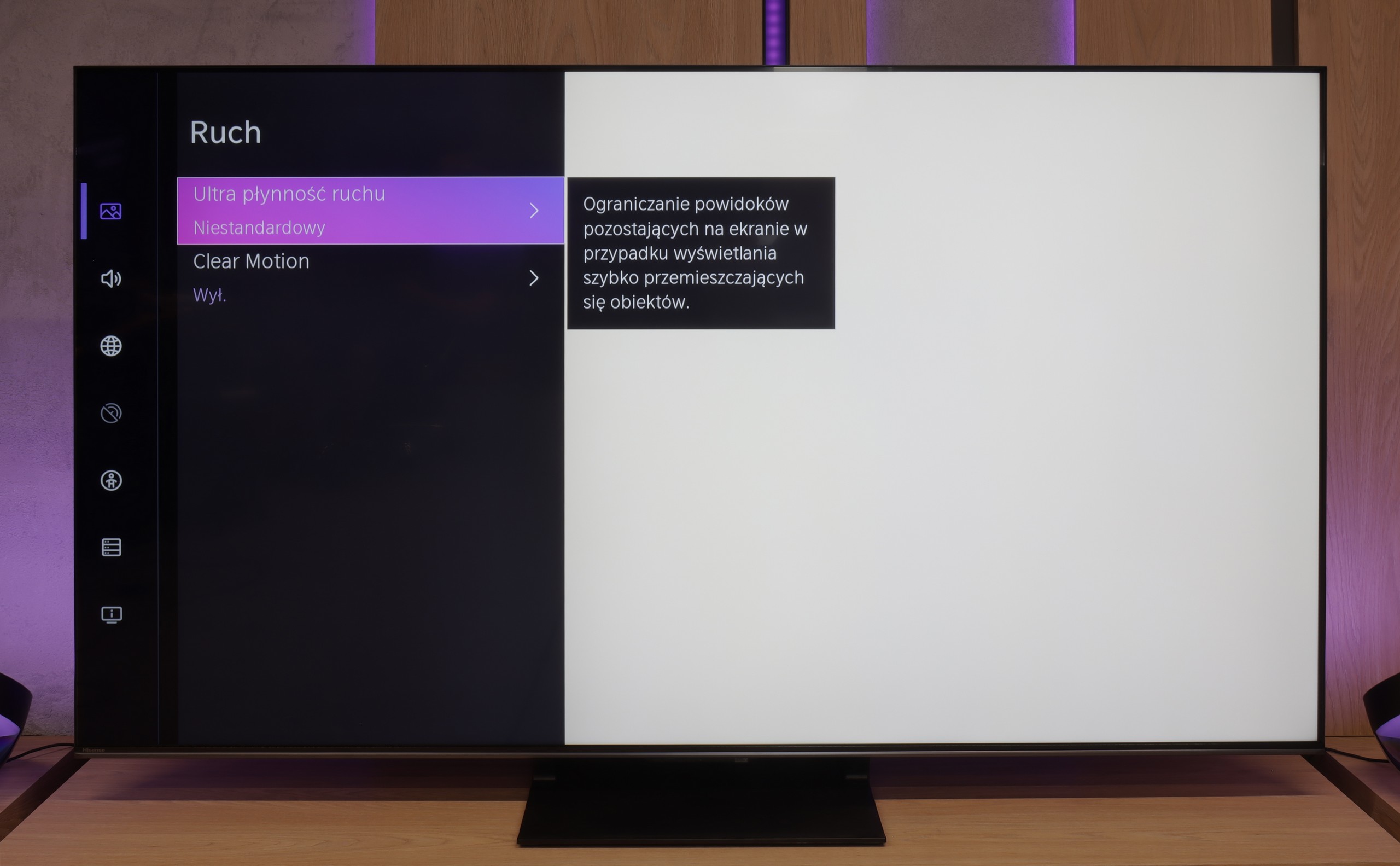
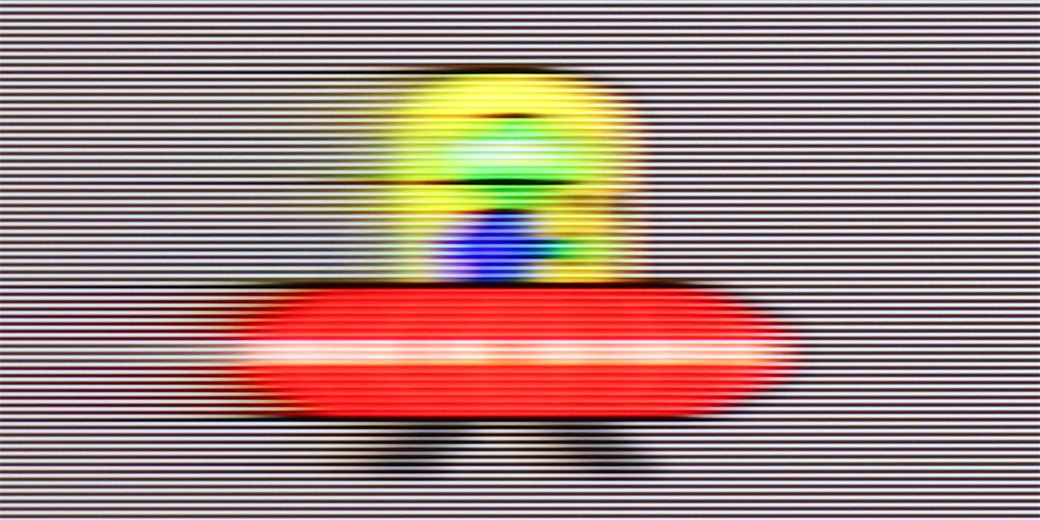
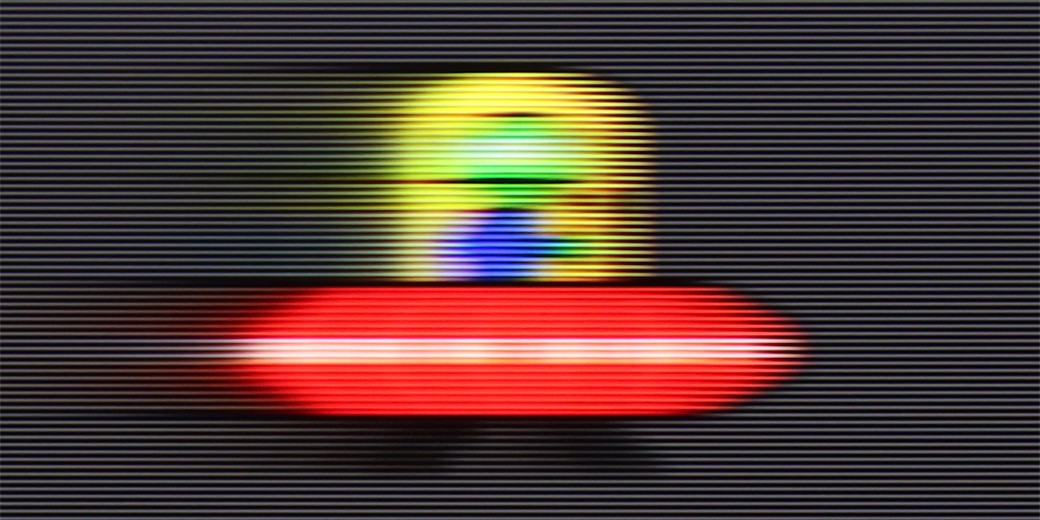
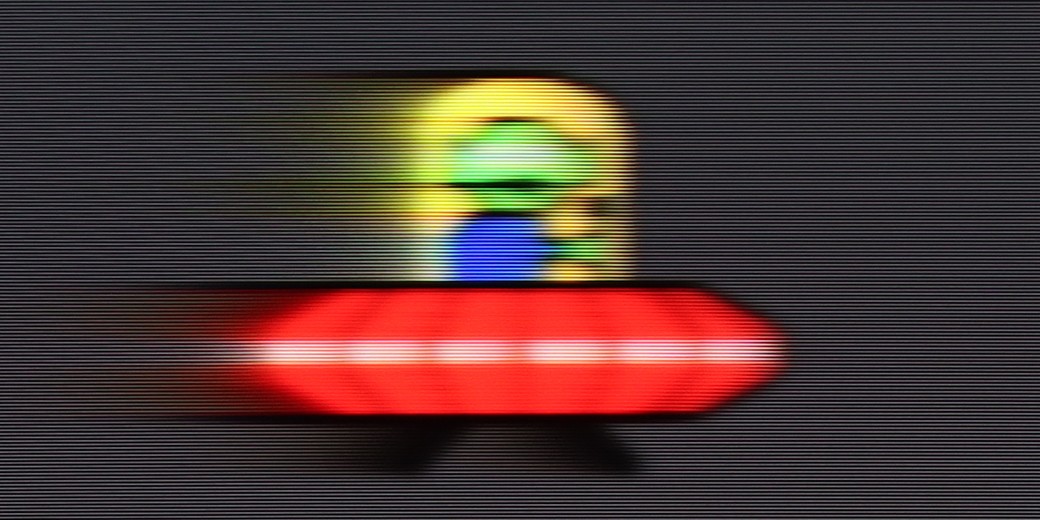
“Speed” – this word was most frequently mentioned during our tests of the U7Q PRO. The television is equipped with a 165 Hz panel, which in itself is impressive – especially considering we’re talking about a mid-range model. Of course, PC gamers will benefit the most from its full capabilities, but even during everyday viewing, it’s clear that this is a fast and efficient panel. Like most modern televisions, the U7Q PRO can also enhance the smoothness of films that were originally recorded at 24 frames. In the menu, we find a slider that allows us to adjust the effect to our own preferences – from a more cinematic feel, with subtle motion, to a stronger smoothing with the characteristic “soap opera effect.”
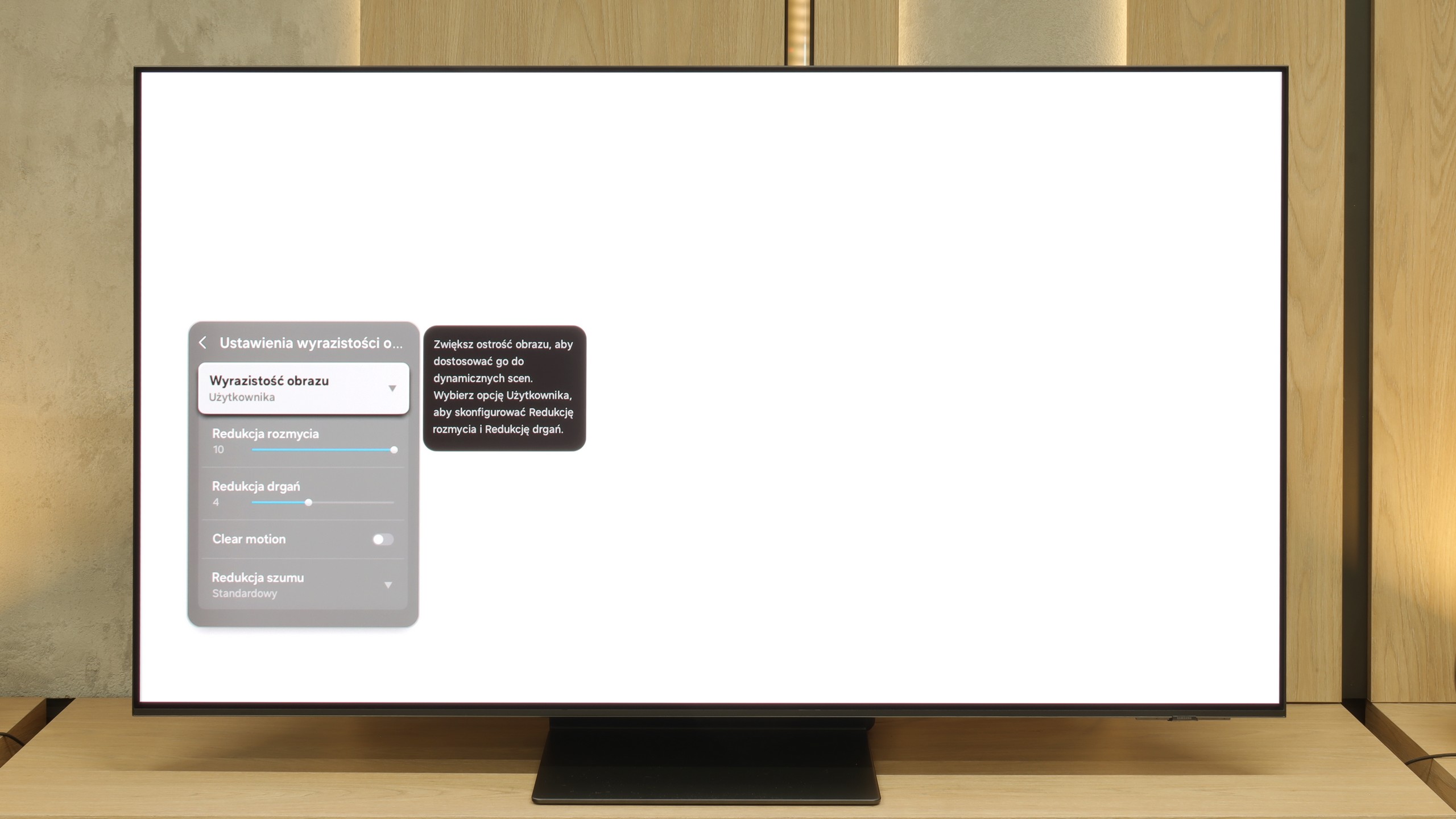
The Samsung S95F excels in motion fluidity, presenting phenomenal performance. The panel operates at a native resolution of 4K with a refresh rate of up to 165 Hz, and when combined with QD-OLED organic technology, it delivers incredible results. Sports and games look sensational – the picture is fast, dynamic, and very natural. Additionally, the built-in motion smoother and blur reduction system allow you to customise the character of the image to your own preferences. You can opt for a more 'framey' effect with visible film texture or a smooth, cinematic spectacle. Every viewer will find a setting that suits them.
Console compatibility and gaming features
8.5/10
9.6/10
- ALLM
- VRR
- VRR range48 - 288Hz48 - 165Hz
- Dolby Vision Game Mode
- Correct implementation of HGIG
- 1080p@120Hz
- 1440p@120Hz
- 4K@120Hz
- Game bar
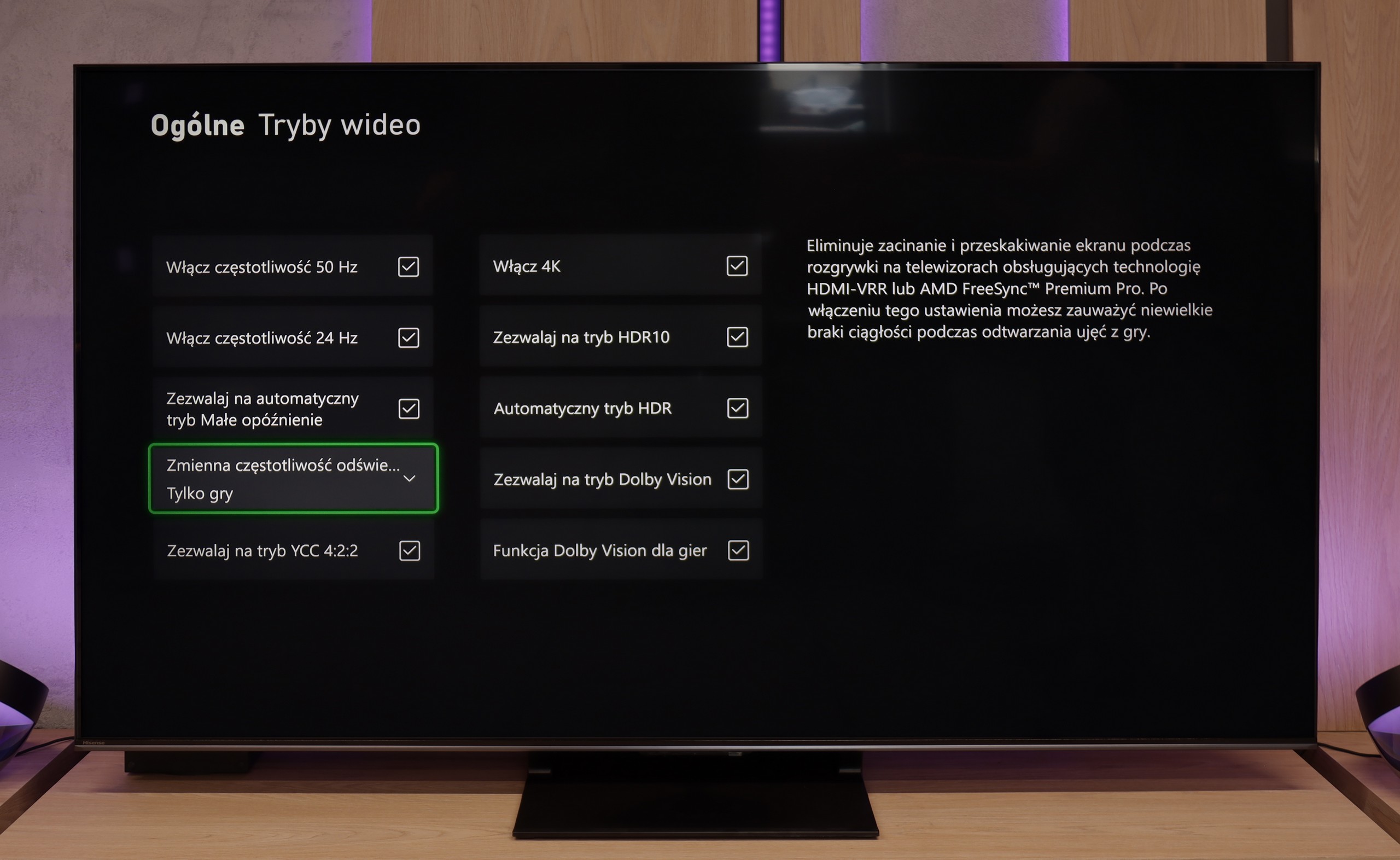
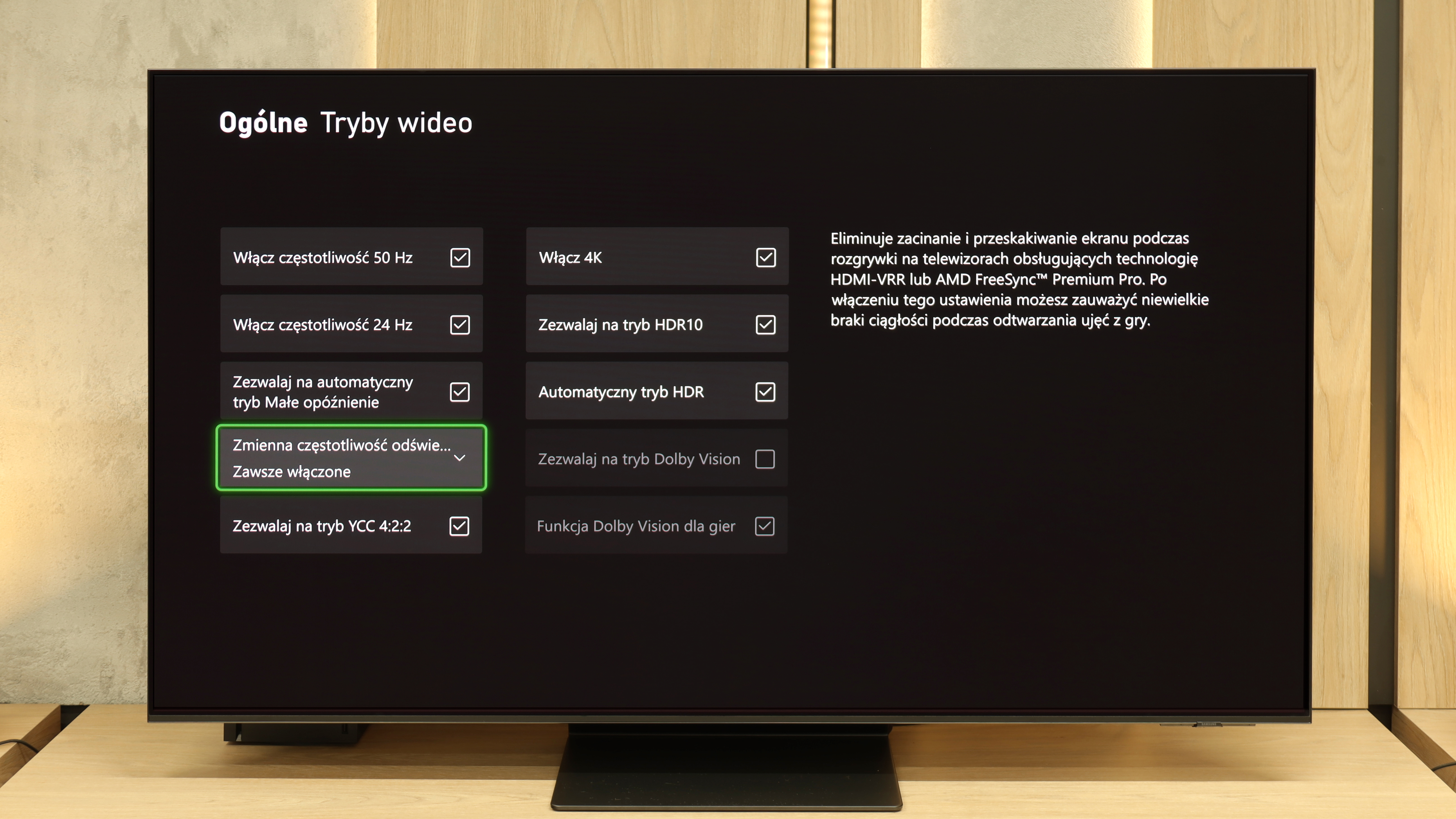
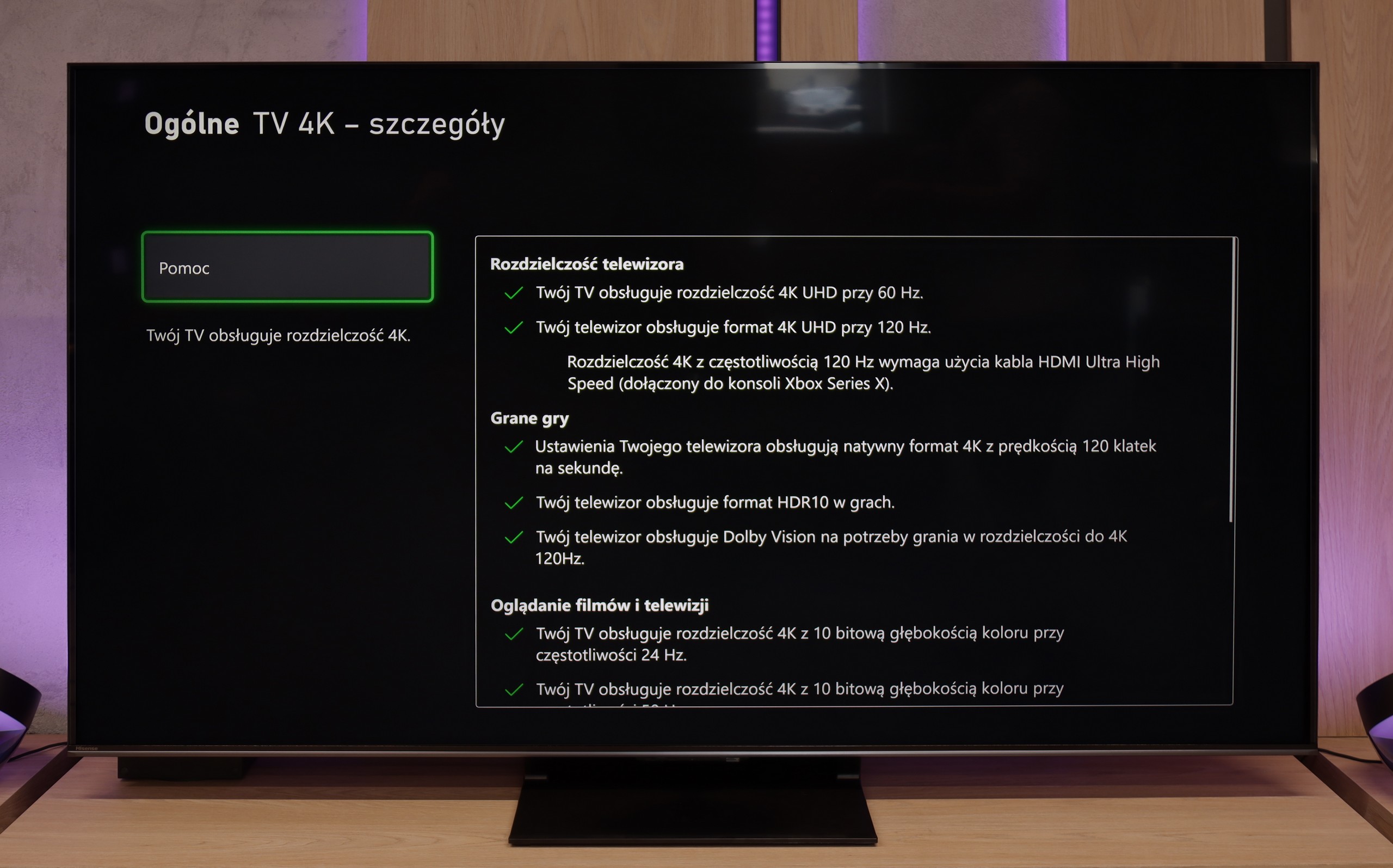
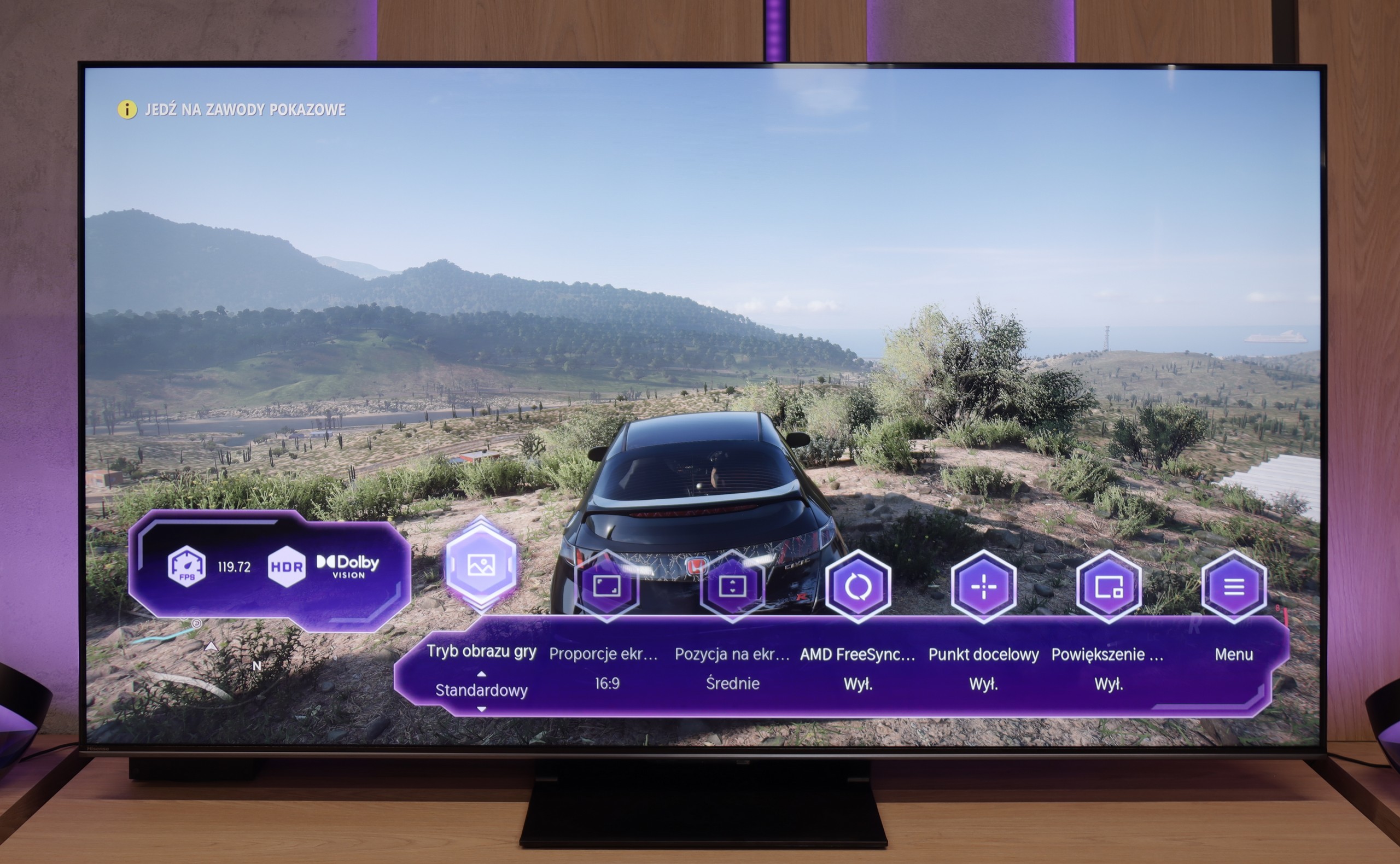
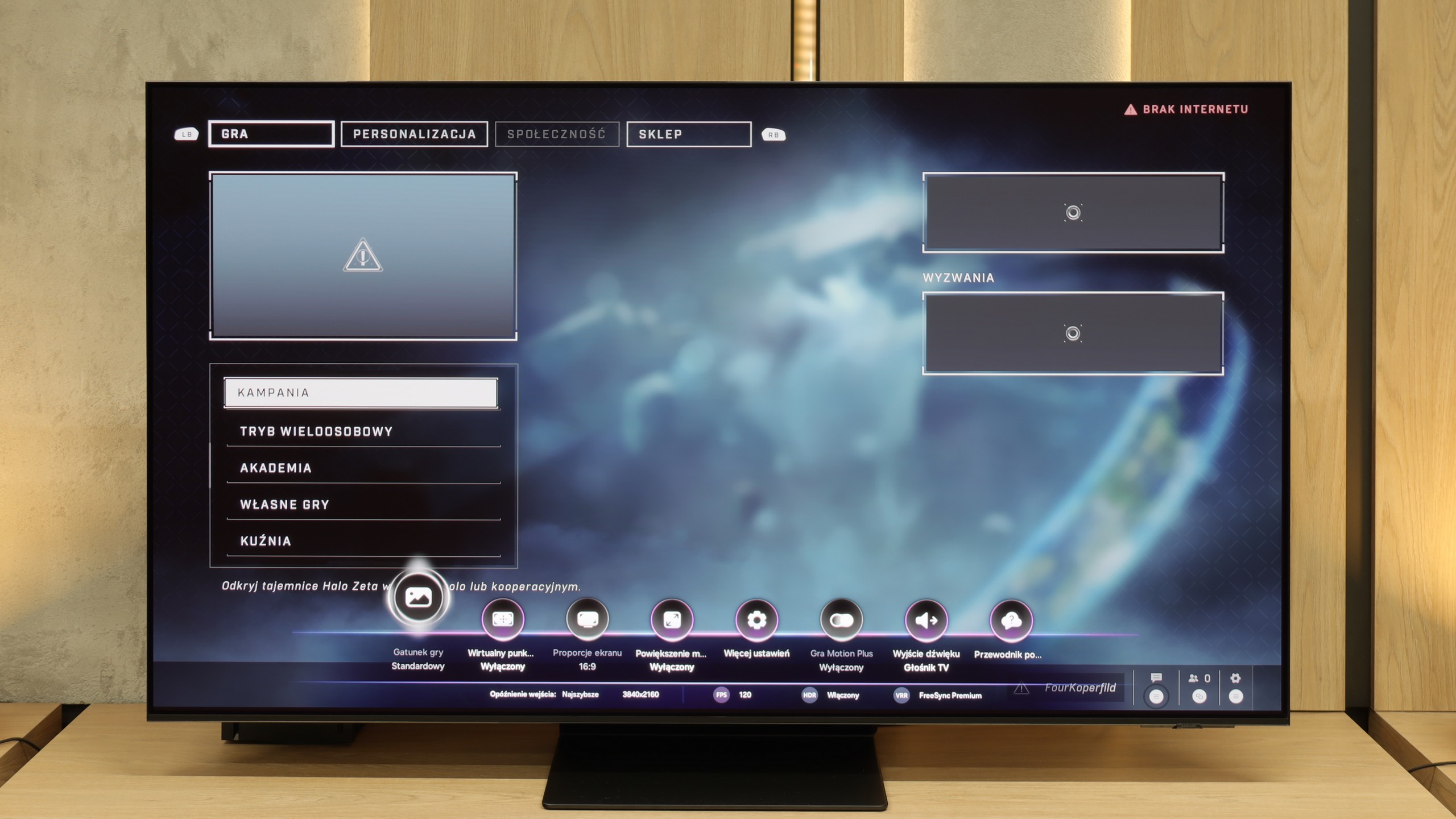
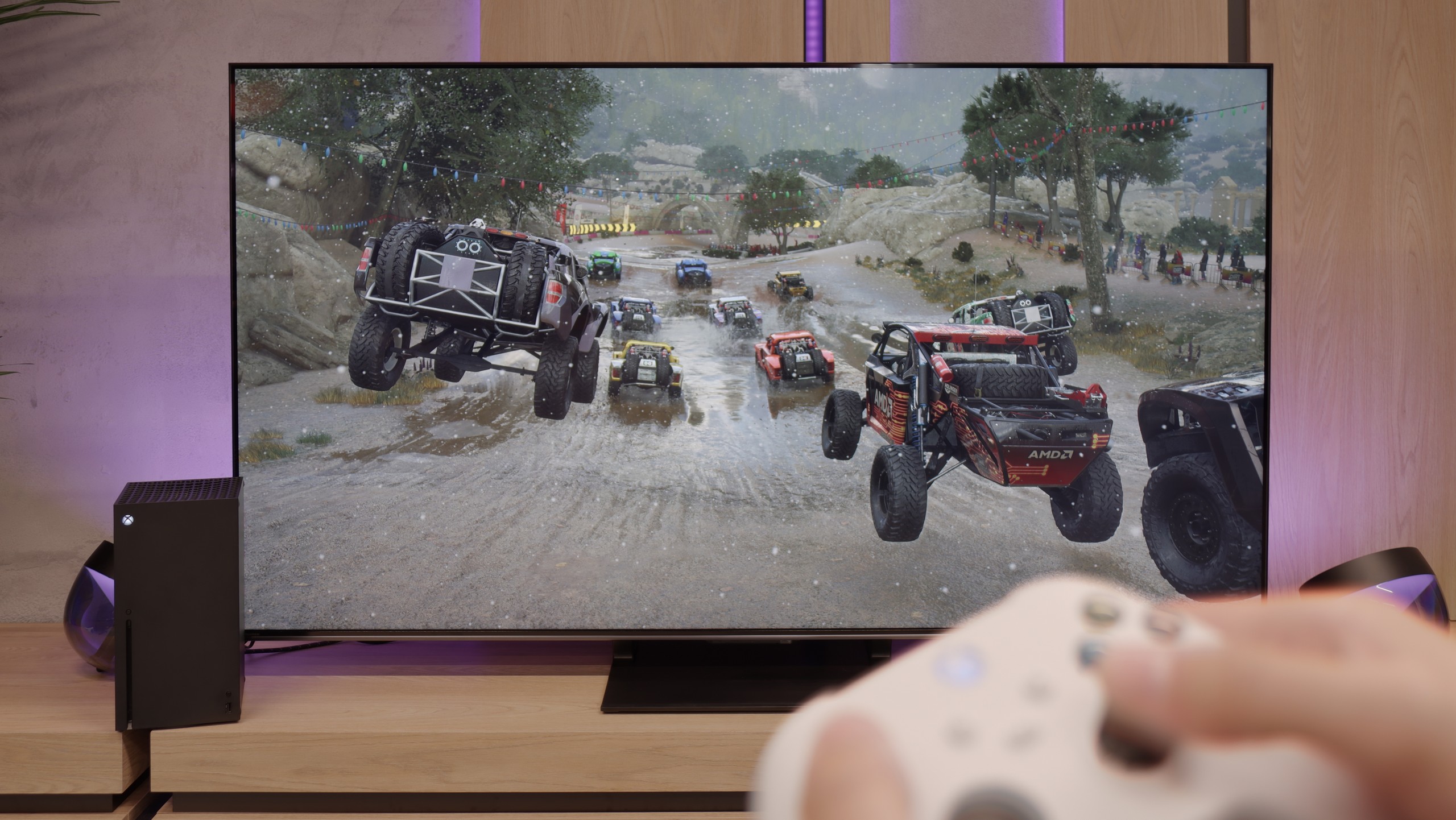
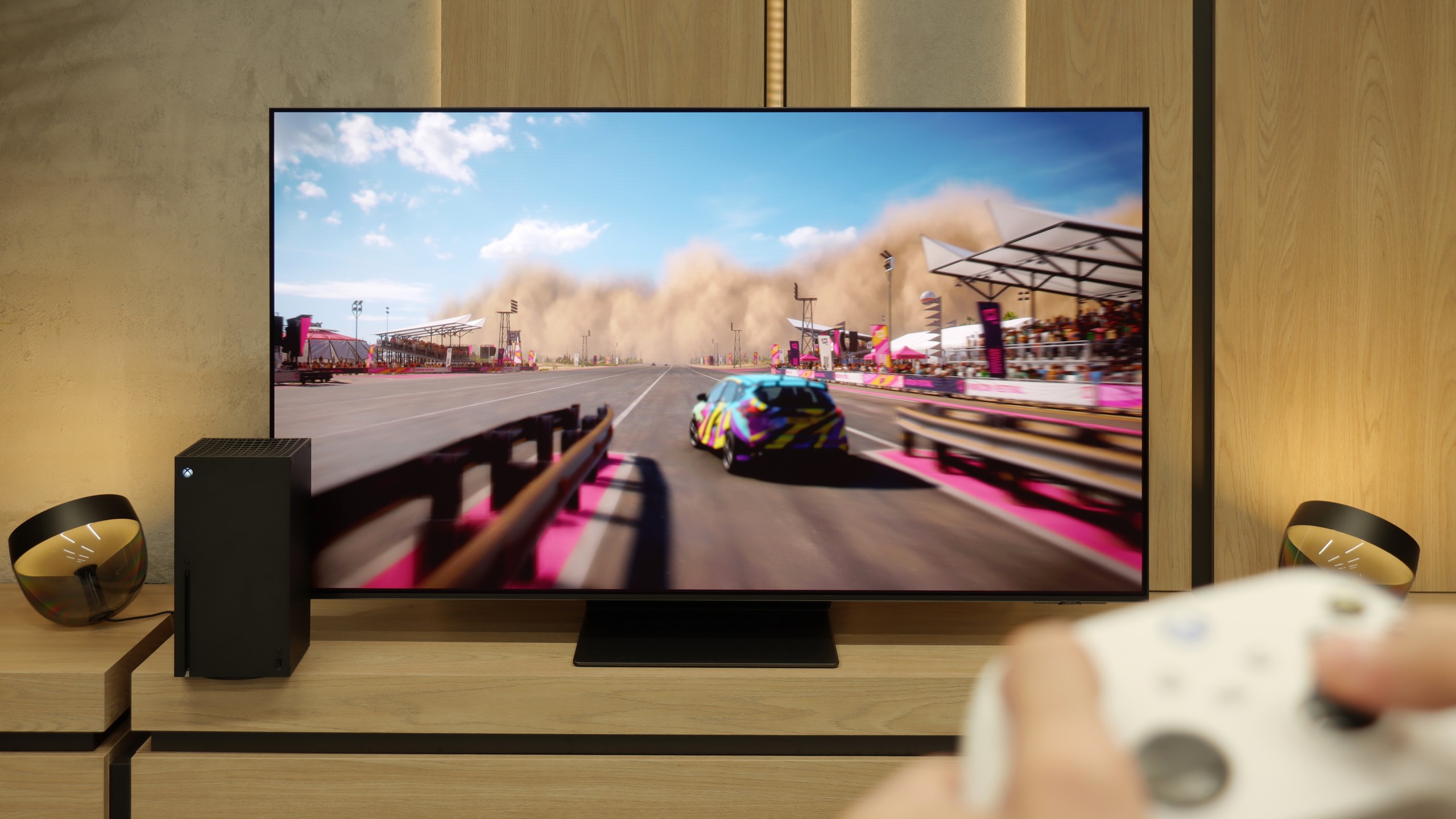
Hisense U7Q PRO is a TV that seems to have been designed with gamers in mind. We have practically everything that can be expected from a gaming screen: variable refresh rate (VRR), automatic mode (ALLM), and as many as four HDMI 2.1b ports with full bandwidth of 48 Gb/s. Additionally, there’s a clear and quite functional Game Bar, as well as a well-implemented Dolby Vision GAMING mode that works seamlessly with Xbox Series S and X consoles.
Sounds like the ideal? Well, almost. Unfortunately, Hisense has still not implemented the HGiG feature, which is the system's tone mapping limitation on the TV's end. This means that when configuring HDR brightness on the console, we do it “by eye” or look for settings in online guides, as the screen does not display its actual brightness range. It’s a shame – because HGiG makes it easier to match the console to the TV and helps avoid overexposed or too dark scenes in HDR games.
Fortunately, the other elements work very well. Input lag is low, responsiveness is excellent, and the handling of other features is faultless. And although not everything worked perfectly, the U7Q PRO can still be confidently recommended to gamers.
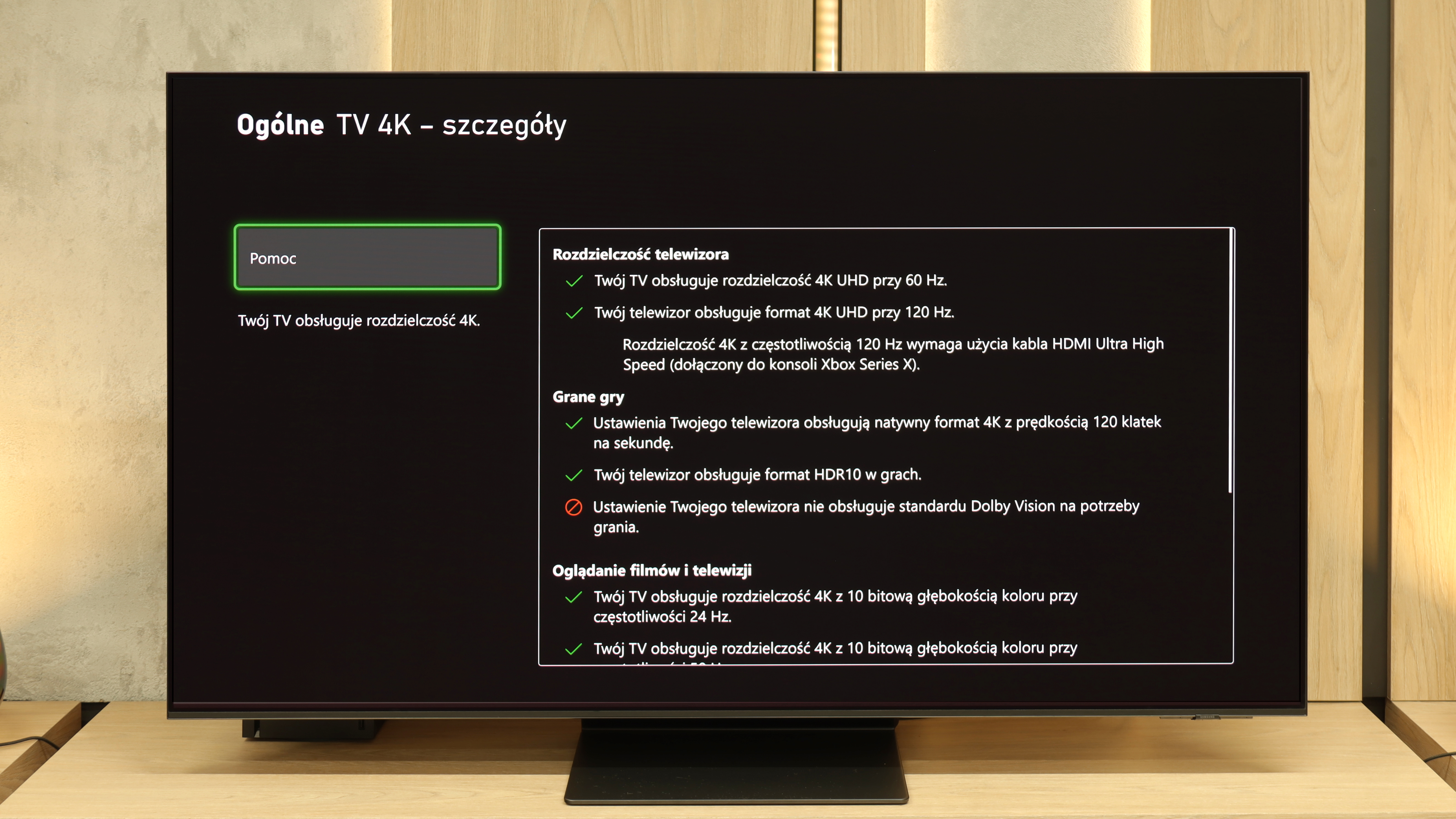
The same advantages of low motion blur and excellent motion fluidity characteristic of OLED panels are just the beginning, as the Samsung S95F has been designed with gamers in mind. The manufacturer has equipped it with four HDMI 2.1 ports – though limited to a bandwidth of 40 Gb/s, in practice, this has no impact on compatibility with consoles or PCs. We get a full package of gaming features: variable refresh rate (VRR), automatic game mode (ALLM), as well as a very well-implemented HGiG standard, ensuring that HDR titles look as the creators intended. This is complemented by Game Bar – a clear settings hub, where with one motion, we can preview and change all key image parameters. The proprietary motion smoother Game Motion Plus also deserves praise, as it can smooth out animation, which is especially useful in productions running at 60 frames, where stability is not always exemplary. While there is no support for Dolby Vision in games, it’s hard to consider this a serious drawback – Samsung compensates with other solutions. This is one of the best, if not the best, gaming TVs available on the market today.
Input lag
9.8/10
10/10
SDR
HDR
Dolby Vision
In terms of signal delay, the Hisense U7Q PRO performs exceptionally well. For 120 Hz content, the input lag stays below 10 ms, which translates to a lightning-fast response – the screen almost instantly reacts to our movements, something console and PC gamers will particularly appreciate. With 60 Hz content, the situation looks a bit worse, as the response time doubles – this is natural and applies to virtually all televisions. Nevertheless, it still remains below 20 ms, which can be confidently regarded as a very good result, almost close to perfection – and in practice, it’s hard to feel this during gaming.
The input lag on the S95F is at a level where it’s hard to even talk about lag. 5 ms at 120 Hz content means there’s no space for hesitation between pressing a button and the response on the screen. It’s pure immediacy. And if someone’s worried about the 60 Hz mode – don’t stress, there we’re talking about 10 ms, which is still a figure that places the TV in the absolute top tier and gives no reason for complaints.
Compatibility with PC
8.2/10
8.8/10
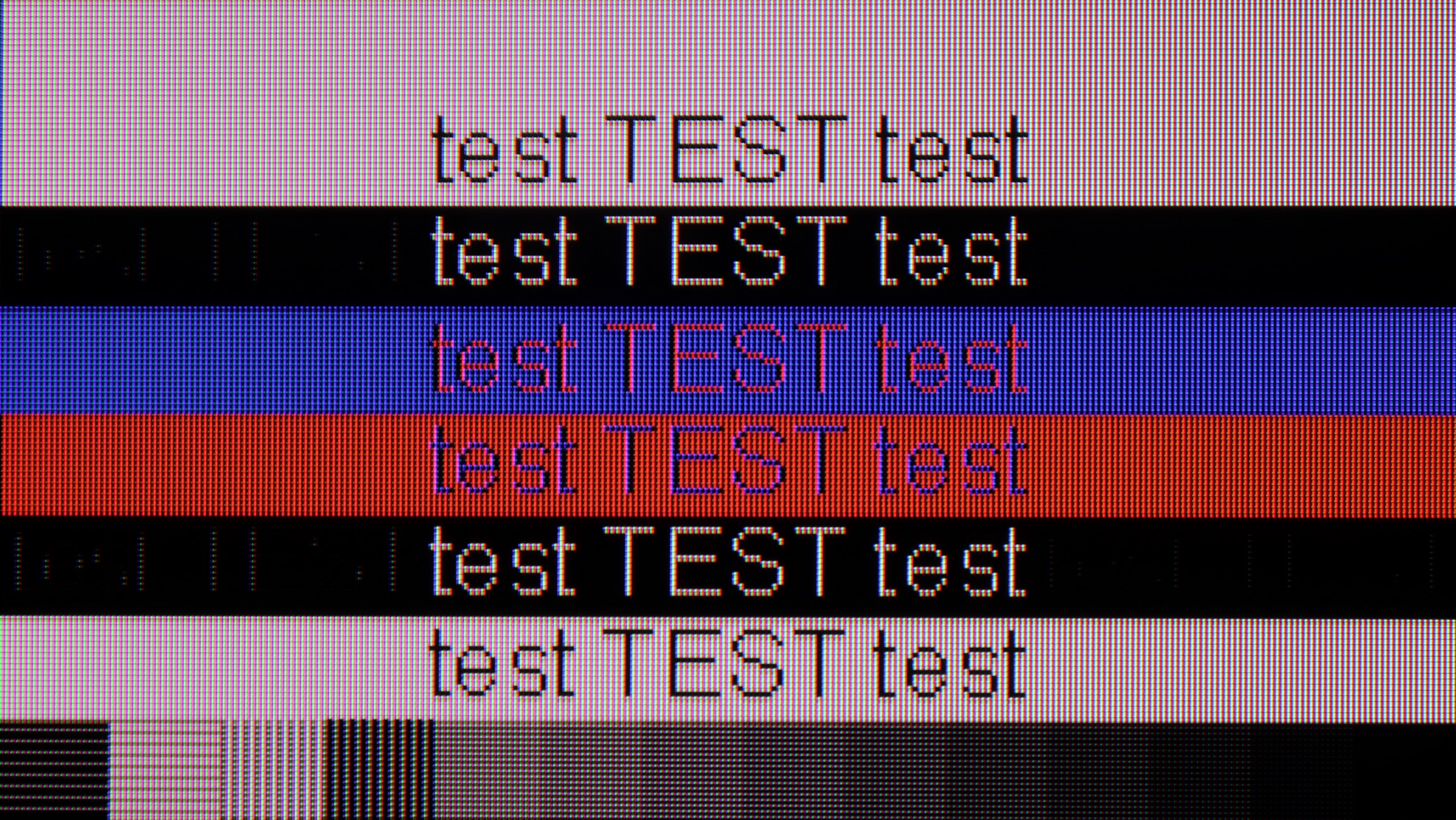
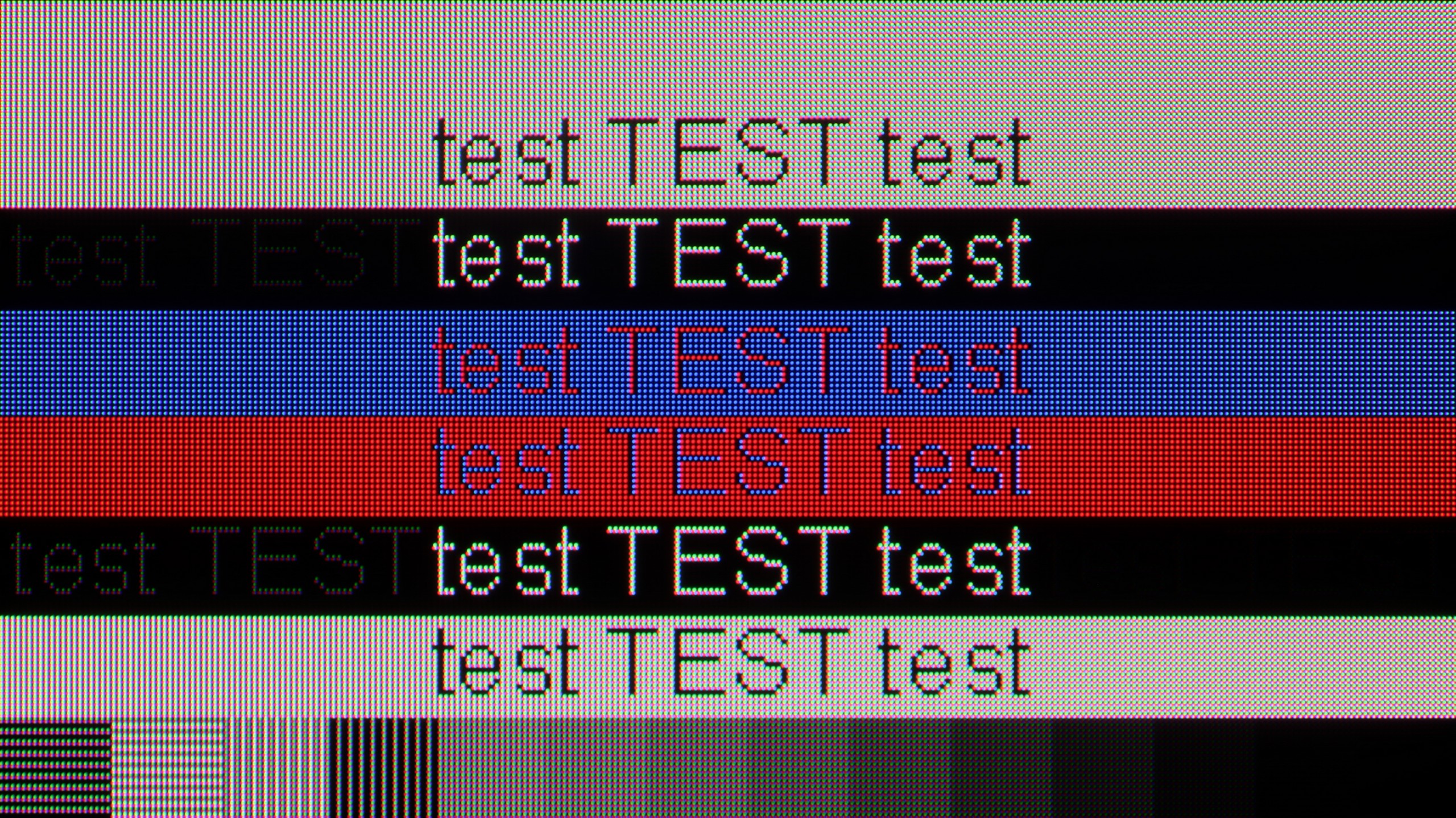
The photo shows the legibility of small fonts. Ideally, lines should be the same thickness on both light and dark text, with minimal pixel gaps.
Playing on a PC with the Hisense U7Q PRO is pure fun. Low input lag, a full 165 Hz in 4K and even 288 Hz in Full HD – these are numbers we wouldn't expect from a TV at this price. In this regard, it's really hard to nitpick. If someone is looking for a large screen for gaming from a PC – the U7Q PRO can confidently serve as a monitor. It performs a bit worse for everyday text work. Although chroma 4:4:4 is present, so theoretically, everything should look good. But in practice, grey text on a dark background looks strange – vertical lines are sharp, but horizontal ones can blur, disappear, or look slightly dimmed. However, it's fair to add that if you use the TV as usual – that is, from a few metres away – you're unlikely to notice this. The issue only becomes apparent when someone places the U7Q PRO on a desk, a metre from their face, and starts working with text or spreadsheets. If you plan to use it in this way – it’s worth keeping this in mind.
S95F with a QD-OLED panel is a true magnet for PC gamers. The 165 Hz refresh rate combined with virtually negligible input lag and full support for G-Sync and FreeSync means the TV functions like a top-tier monitor. Dynamic action games, shooters, and racing games gain fluidity and responsiveness that are hard to find in competing models. When working with text, you may notice a subtle rainbow halo around letters, characteristic of the sub-pixel layout of QD-OLED, but thanks to proper handling of chroma 4:4:4, everything remains readable and does not interfere with everyday use.
Viewing angles
3/10
9.8/10
In this regard, the U7Q PRO performs averagely. The television is equipped with a VA panel, which is not known for its wide viewing angles. When you start looking at the screen at an angle, the image clearly loses brightness and the colours start to fade. This is a completely normal phenomenon in VA panels without additional coatings to widen the angles – so if you plan to watch from the side or with a larger group, it's worth keeping this in mind. On the other hand, head-on – the image looks great, with deep blacks and very good contrast, much better than on IPS/ADS panels.
Samsung S95F with a QD-OLED panel currently offers some of the best viewing angles on the market. Whether we're sitting directly in front or off to the side of the couch, the picture remains consistent – colours don't lose their intensity, and contrast doesn't degrade. It's a screen that's hard to find a weak point in this category.
Daytime performance
6.2/10
7.1/10
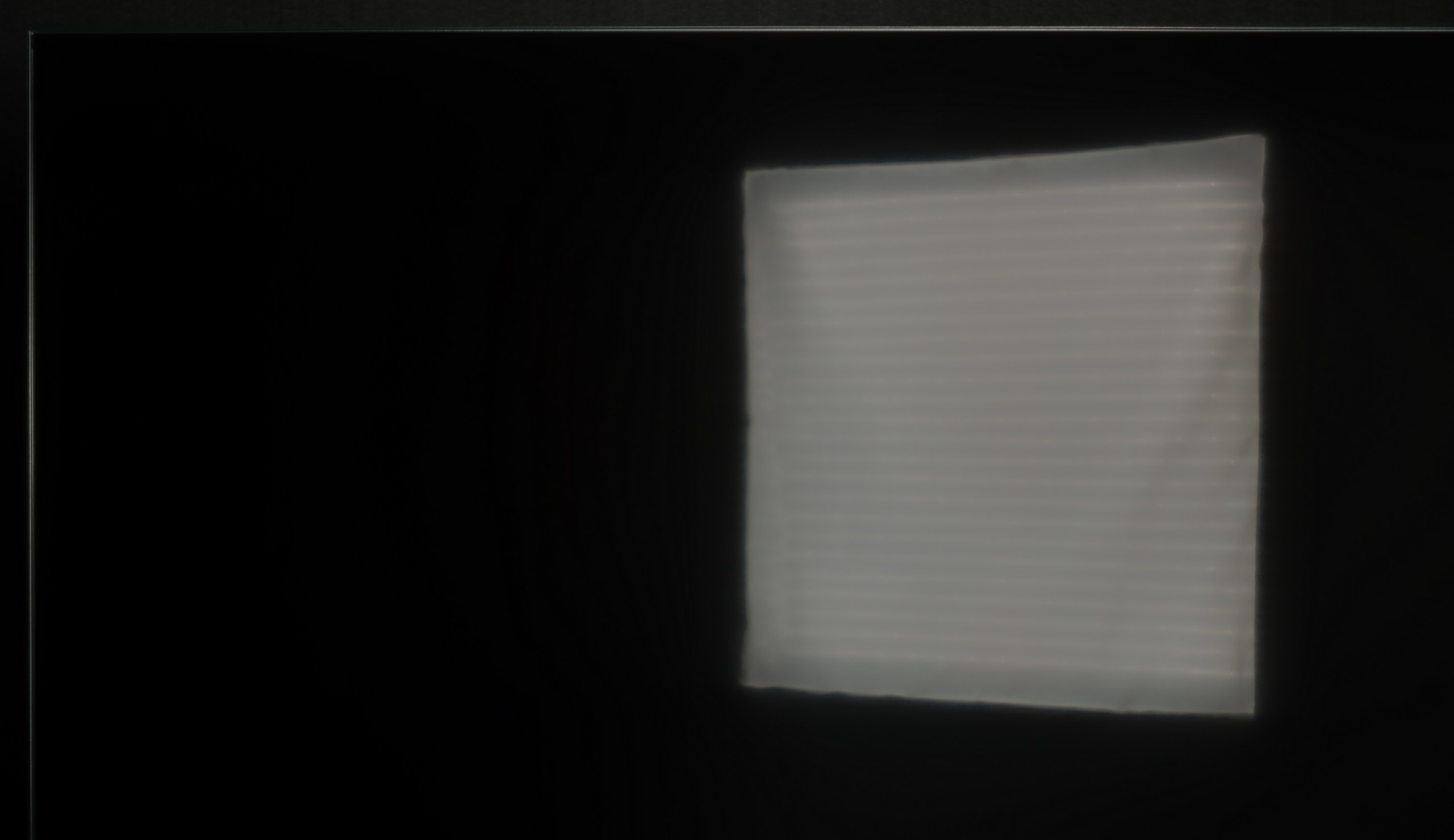
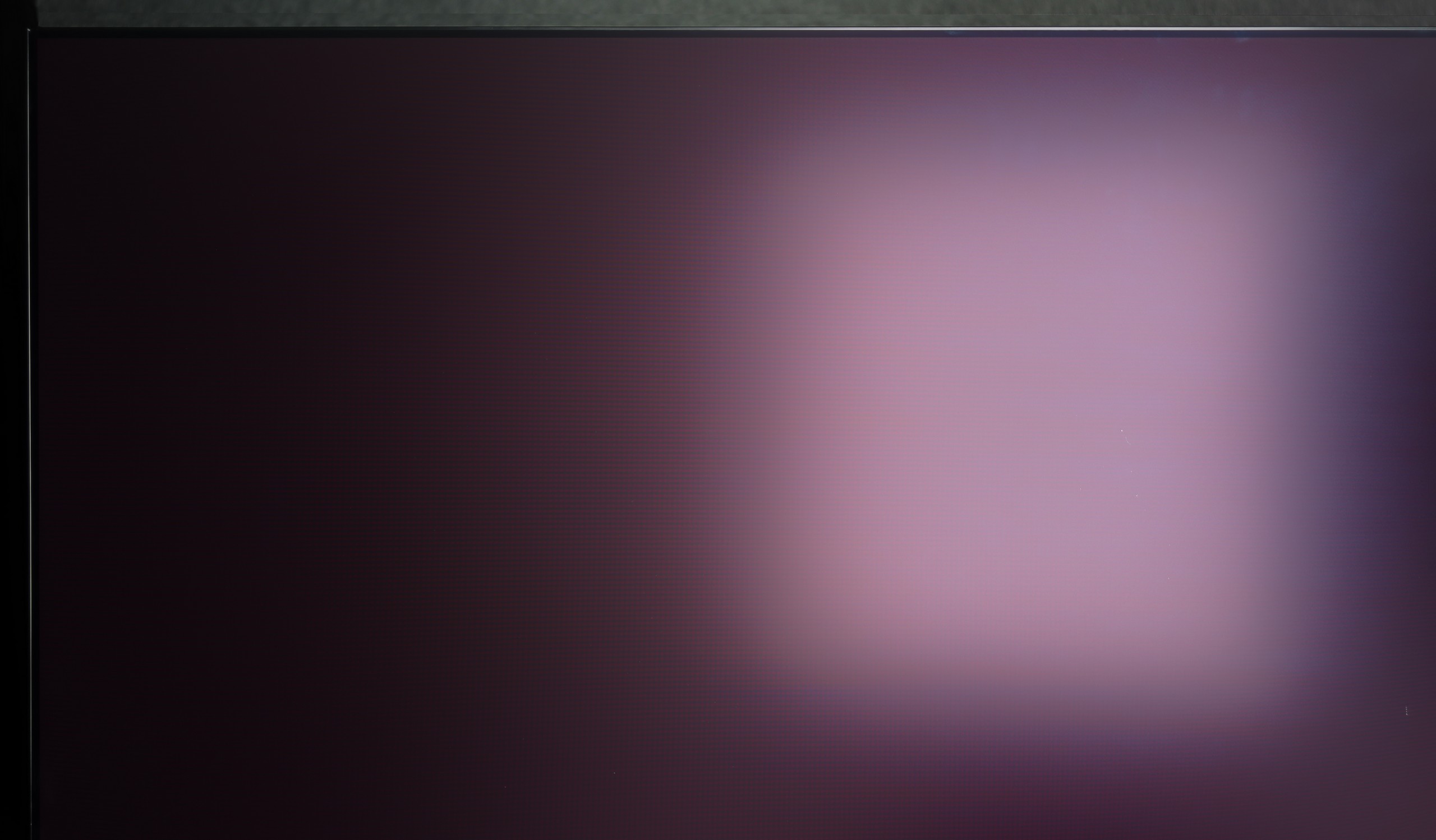
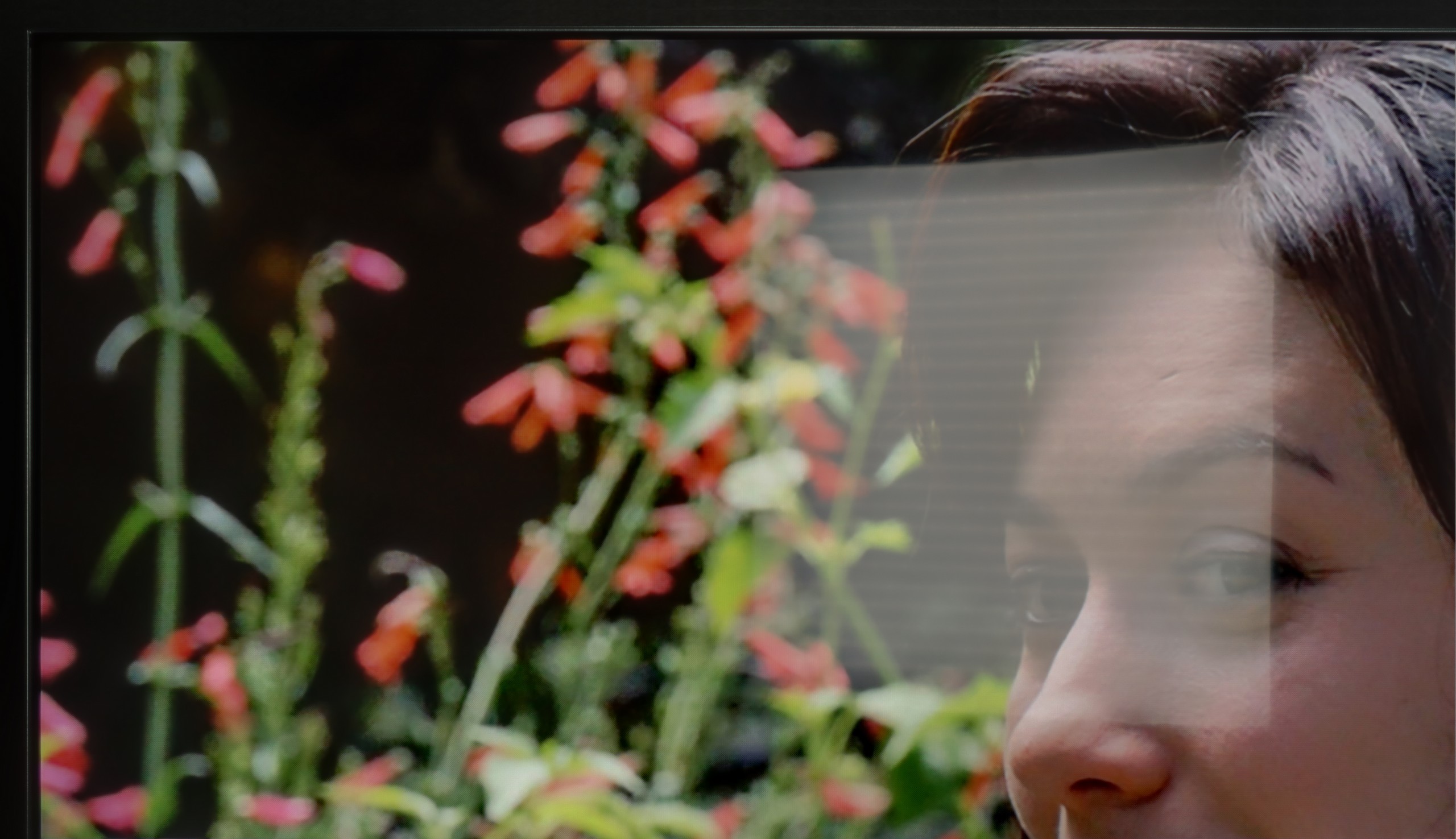
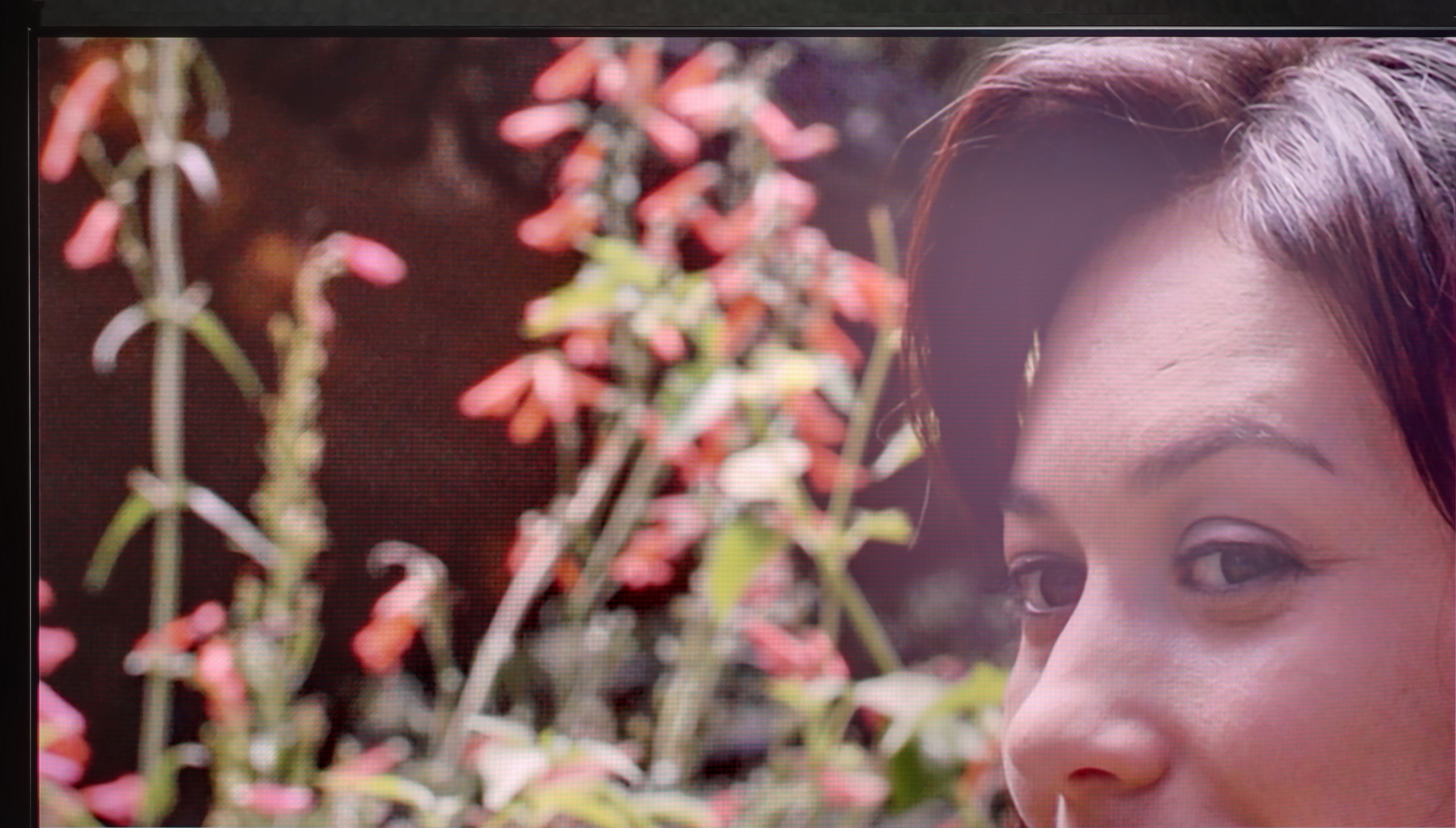
Panel brightness
SAMSUNG OLED S95F (QD-OLED): 671 cd/m2
Hisense U7Q PRO: 472 cd/m2
As we mentioned earlier – the U7Q PRO is a really bright TV, especially when it comes to HDR content. For SDR materials, the TV dims a bit, but an average brightness level of around 500 nits is still a very solid result. This means you can easily watch TV or movies even in quite a bright room. Only under very extreme lighting – like direct strong sunlight on the screen – can visibility suffer a bit. Fortunately, Hisense has applied a satin anti-reflective coating that effectively reduces reflections, and the blacks maintain their depth even during the day. This makes a difference and allows for comfortable use of the TV in various lighting conditions.
One of the biggest distinguishing features of the Samsung S95F compared to its competitors is the matte screen coating. This solution performs best on the market in terms of reducing reflections and glare – the image remains clear even in a brightly lit living room. However, it’s important to keep in mind that the characteristics of the QD-OLED panel come with a certain compromise. Under intense lighting, black can brighten, taking on a cherry black hue, which affects color saturation. On the other hand, the brightness of the panel, reaching around 700 nits in SDR mode, is fully sufficient for the TV to perform flawlessly in typical daylight conditions.
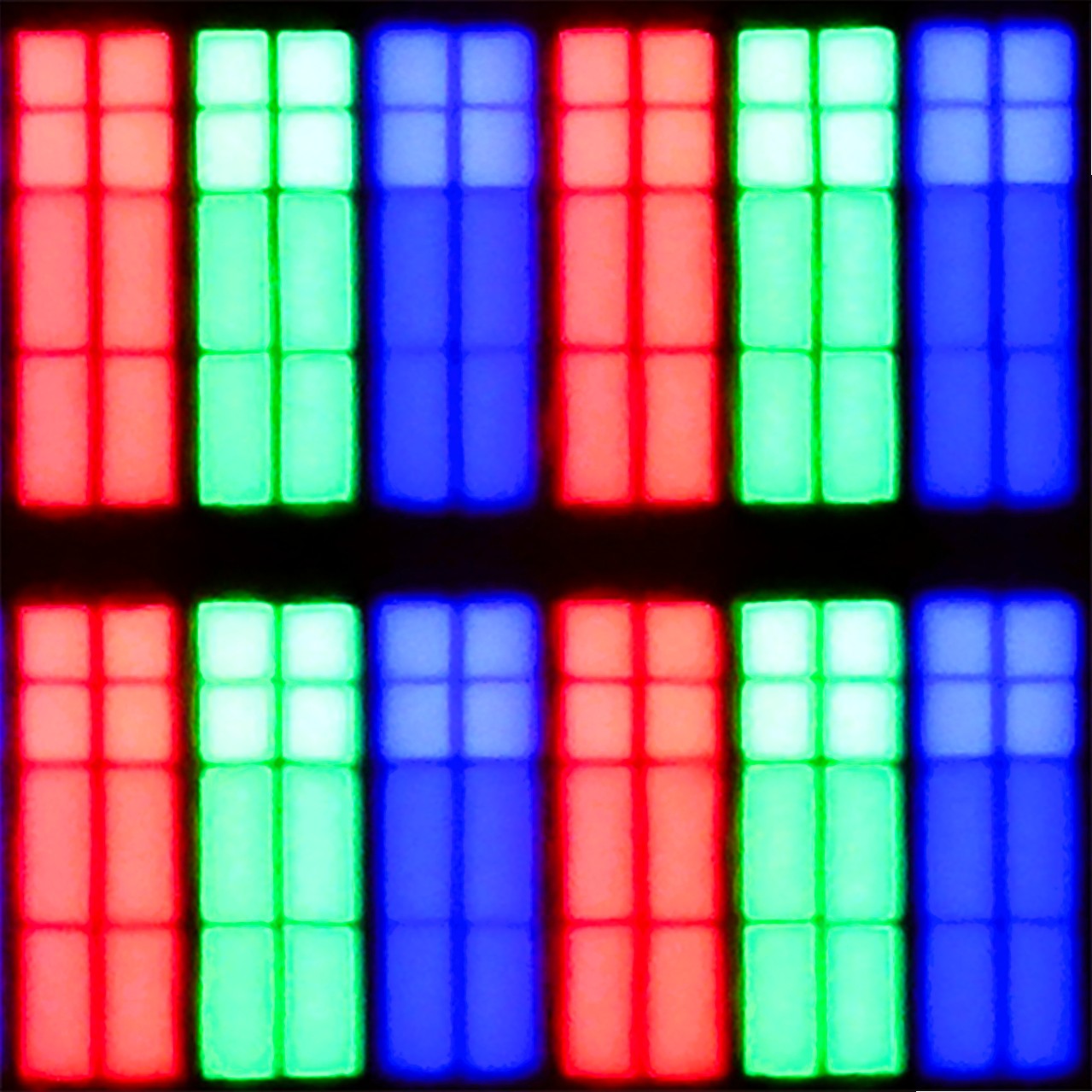
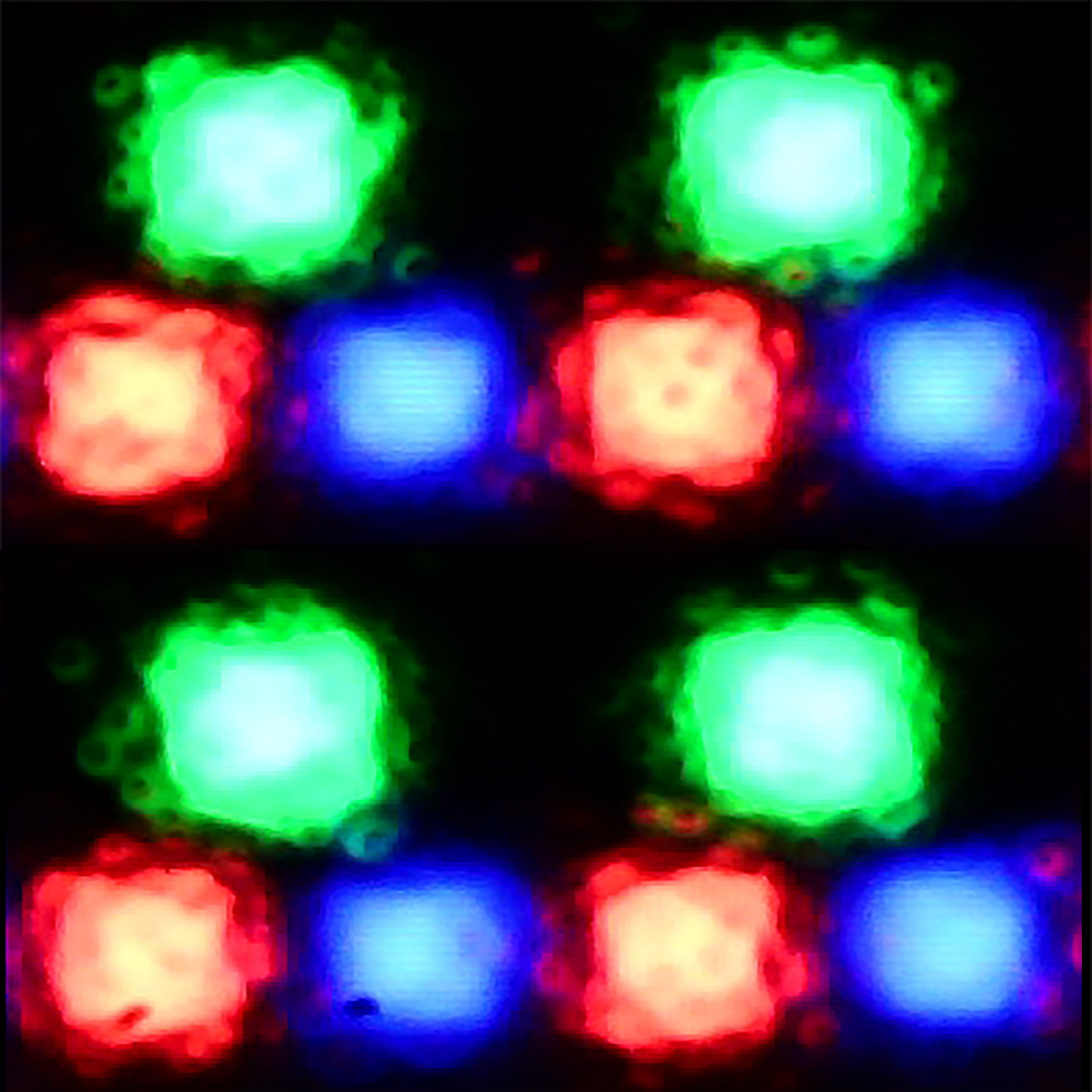
Panel details
Subpixel Structure:
Panel uniformity and thermal imaging:


Hisense U7Q PRO
SAMSUNG OLED S95F (QD-OLED)
TV features
9.4/10
7.9/10
- SystemVIDAATizen
- System performanceGoodVery good
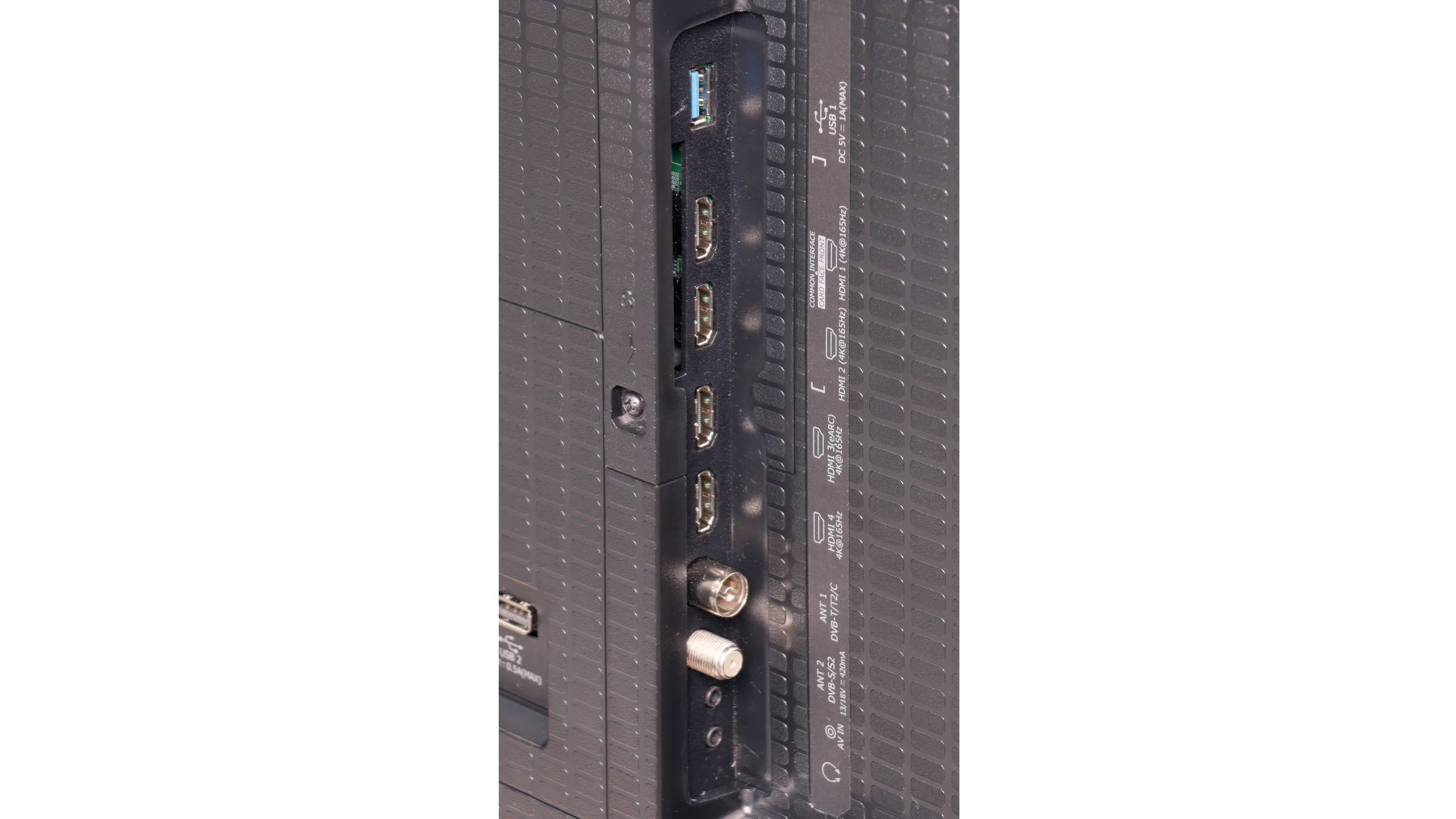
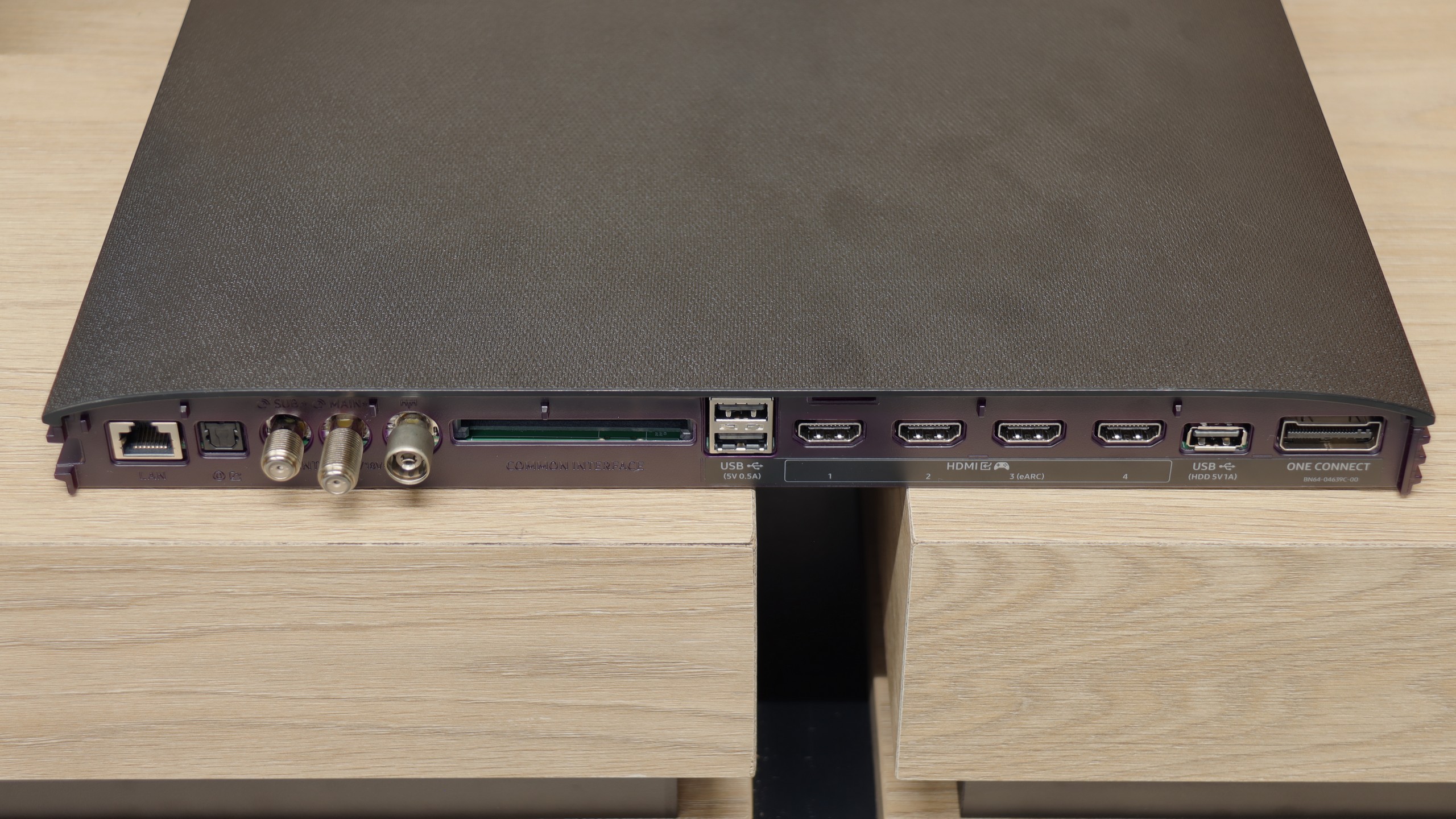
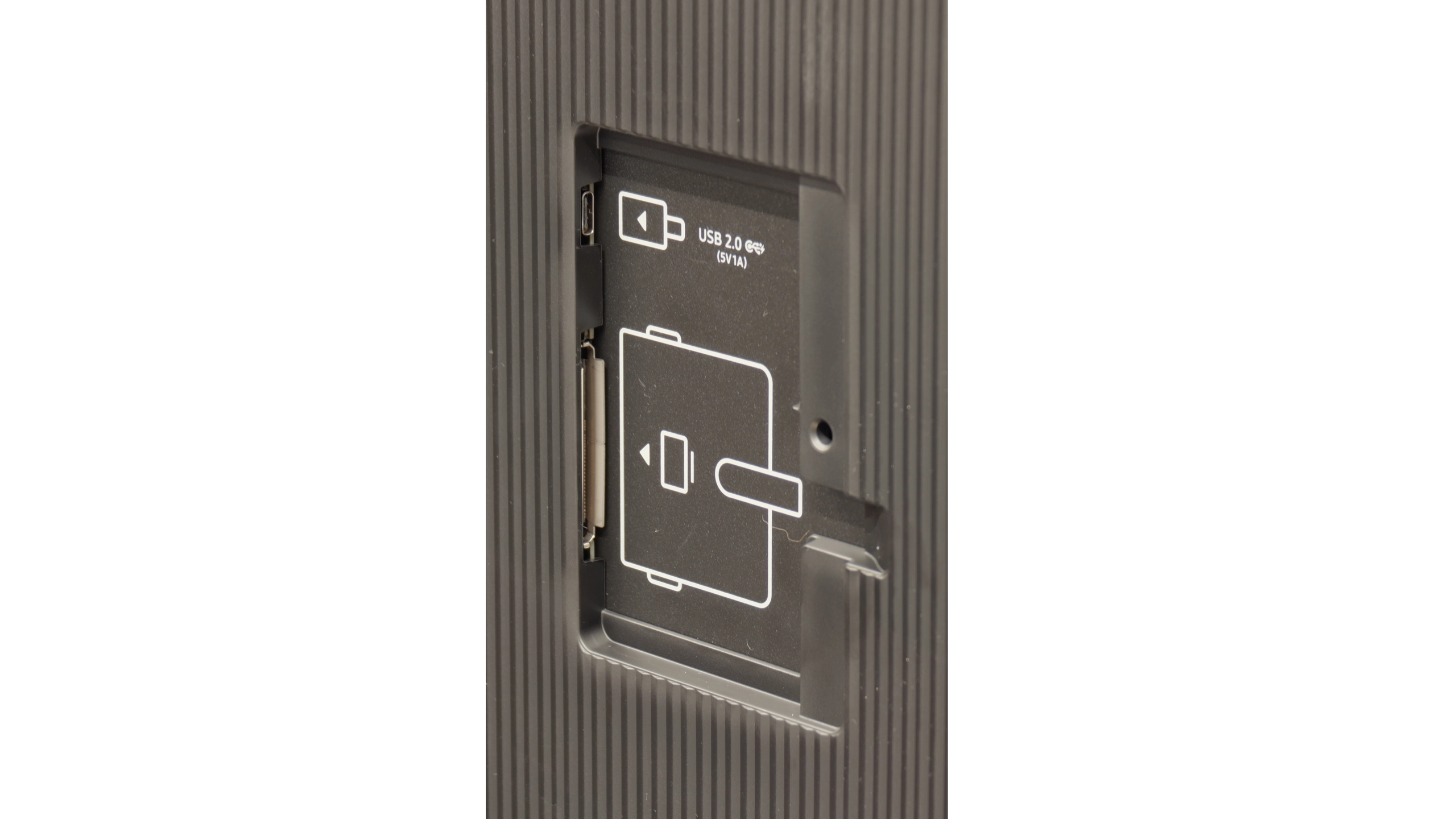
- HDMI inputs0 x HDMI 2.0, 4 x HDMI 2.1 48Gbps0 x HDMI 2.0, 4 x HDMI 2.1 40Gbps
- Other inputsRCA (Chinch)
- OutputsToslink (Optical audio), eARC (HDMI), ARC (HDMI), Mini-Jack (Headphones)Toslink (Optical audio), eARC (HDMI), ARC (HDMI)
- Network InterfacesWi-Fi 2.4GHz, Wi-Fi 5GHz, Ethernet (LAN) 100MbpsWi-Fi 2.4GHz, Wi-Fi 5GHz, Ethernet (LAN) 100Mbps
- TV receptionDVB-T, DVB-T2, DVB-S, DVB-S2, DVB-CDVB-T, DVB-T2, DVB-S, DVB-S2, DVB-C
Classic features:
- Recording to USB (terrestrial TV)
- Recording programming
- Picture in Picture (PiP)
- RF remote control (no need to aim)
- Backlit remote control
- Teletext
- Audio only mode
- Bluetooth headphones support
- Simultaneous Bluetooth headphones & TV audio
Smart features:
- AirPlay
- Screen mirroring (Windows Miracast)
- Voice search
- Voice search in native language
- Ability to connect a keyboard and mouse
Sound connection options
- HDMI audioeARC (HDMI), ARC (HDMI)eARC (HDMI), ARC (HDMI)
- Other audio outputsToslink (Optical audio), Mini-Jack (Headphones)Toslink (Optical audio)
- Wireless audioBluetoothBluetooth
Supported audio formats (external HDMI eARC audio):
- Dolby Digital Plus 7.1
- Dolby True HD 7.1
- Dolby Atmos in Dolby Digital Plus (JOC)
- Dolby Atmos in Dolby True HD
- DTS:X in DTS-HD MA
- DTS-HD Master Audio
Senior accessibility
- Numeric keyboard on TV
- Font size adjustment
- Audio description
Classic features of U7Q PRO
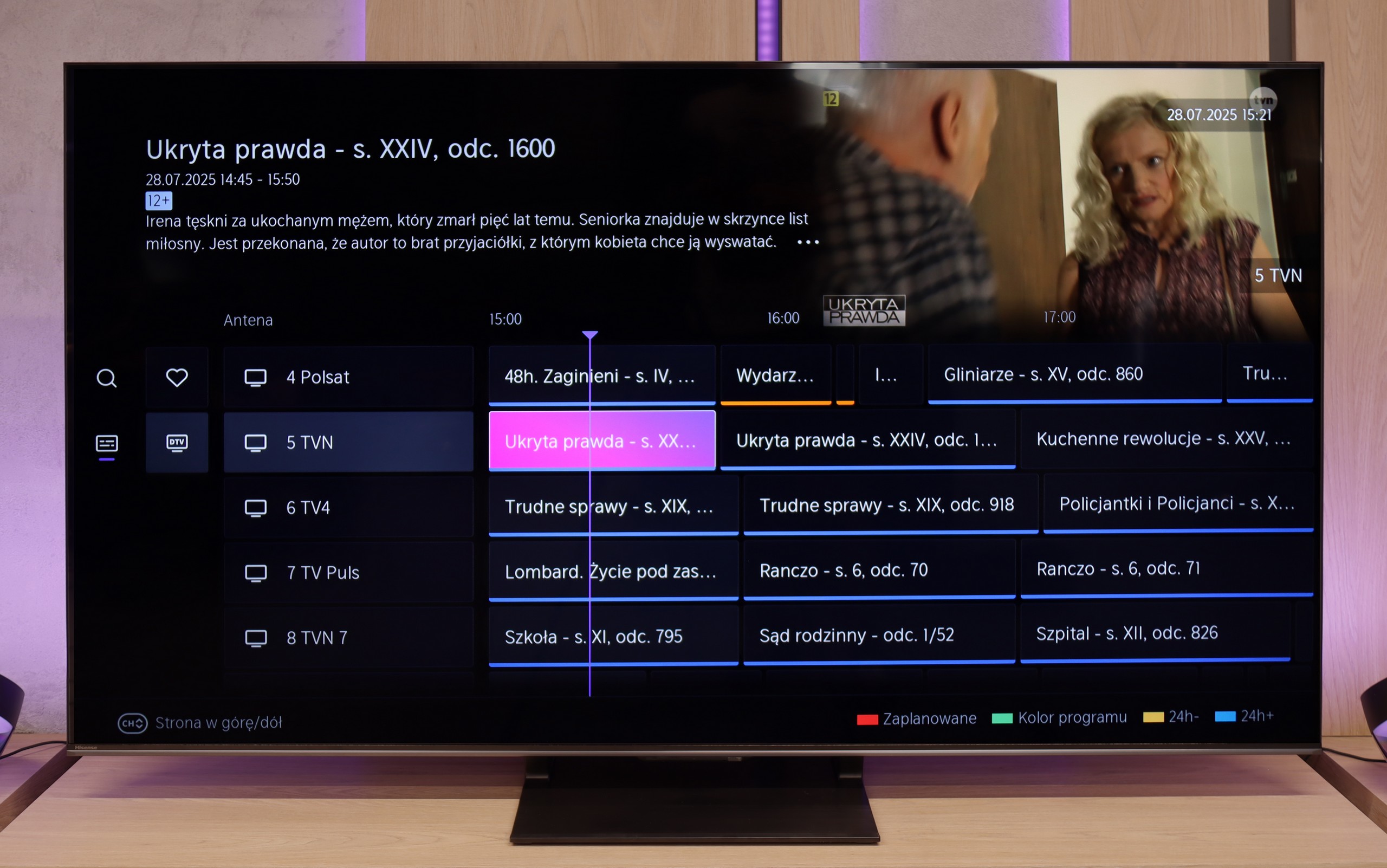
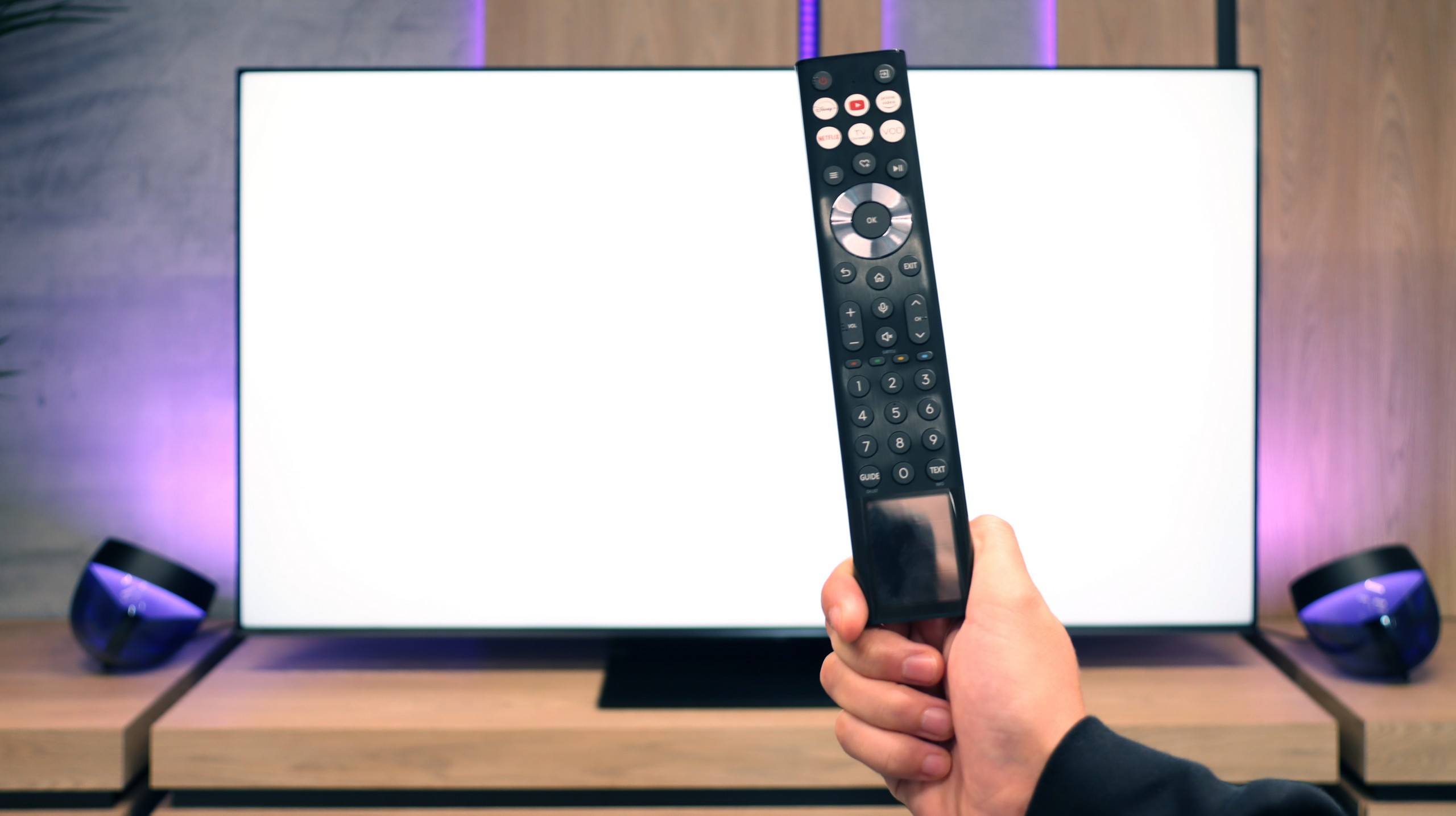
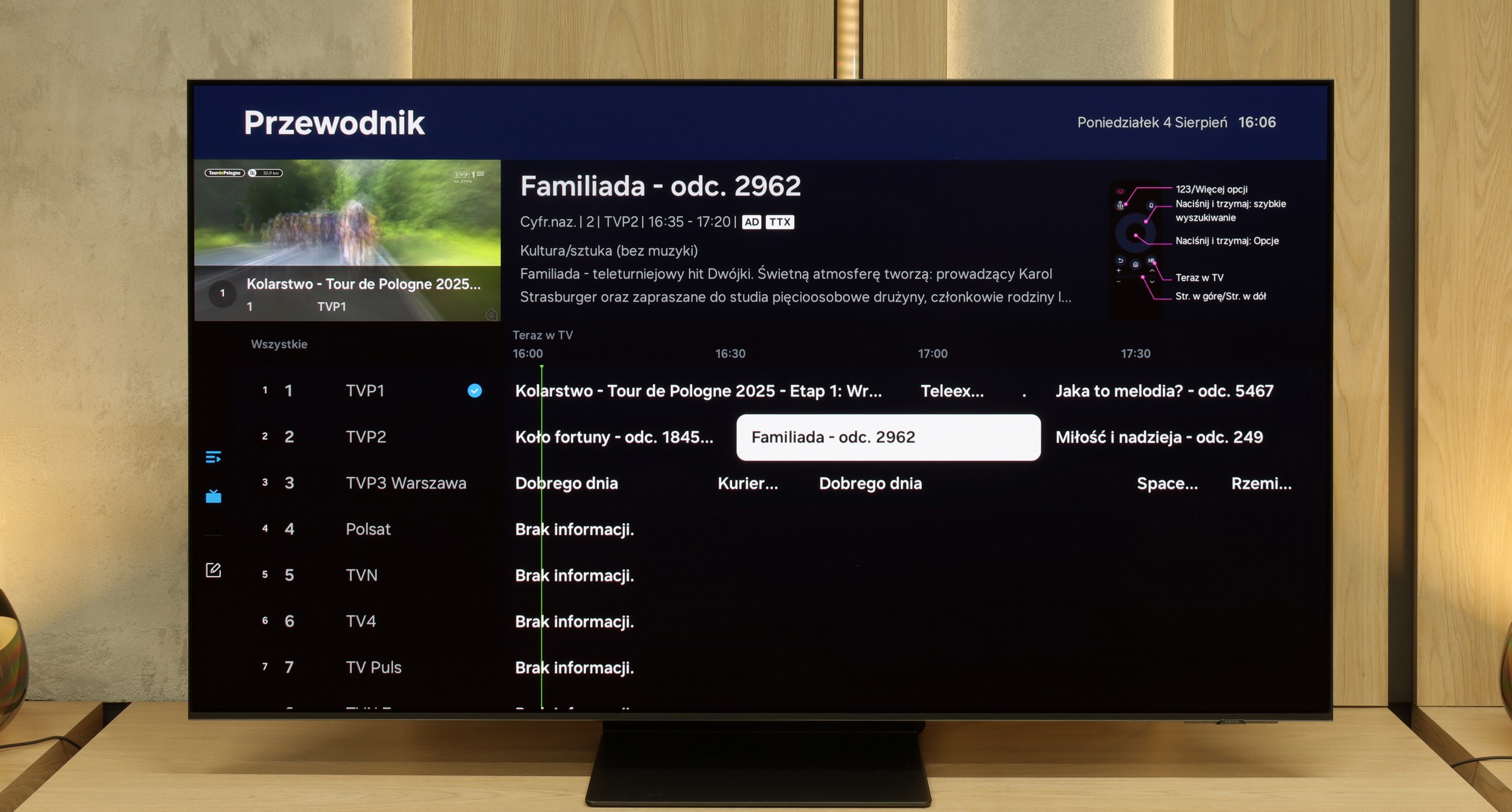
If you plan to use the television in a more "classic" way, that is, for watching daily programs or connecting headphones, the Hisense U7Q PRO has almost everything you could expect. The television easily supports recording to USB, you can connect headphones via Bluetooth, and the remote control is backlit, which is still not standard even in more expensive models. While many people today are foregoing these classic features in favour of streaming apps, it's good to know that the U7Q PRO still does this well and without compromises (aside from the lack of PiP functionality).
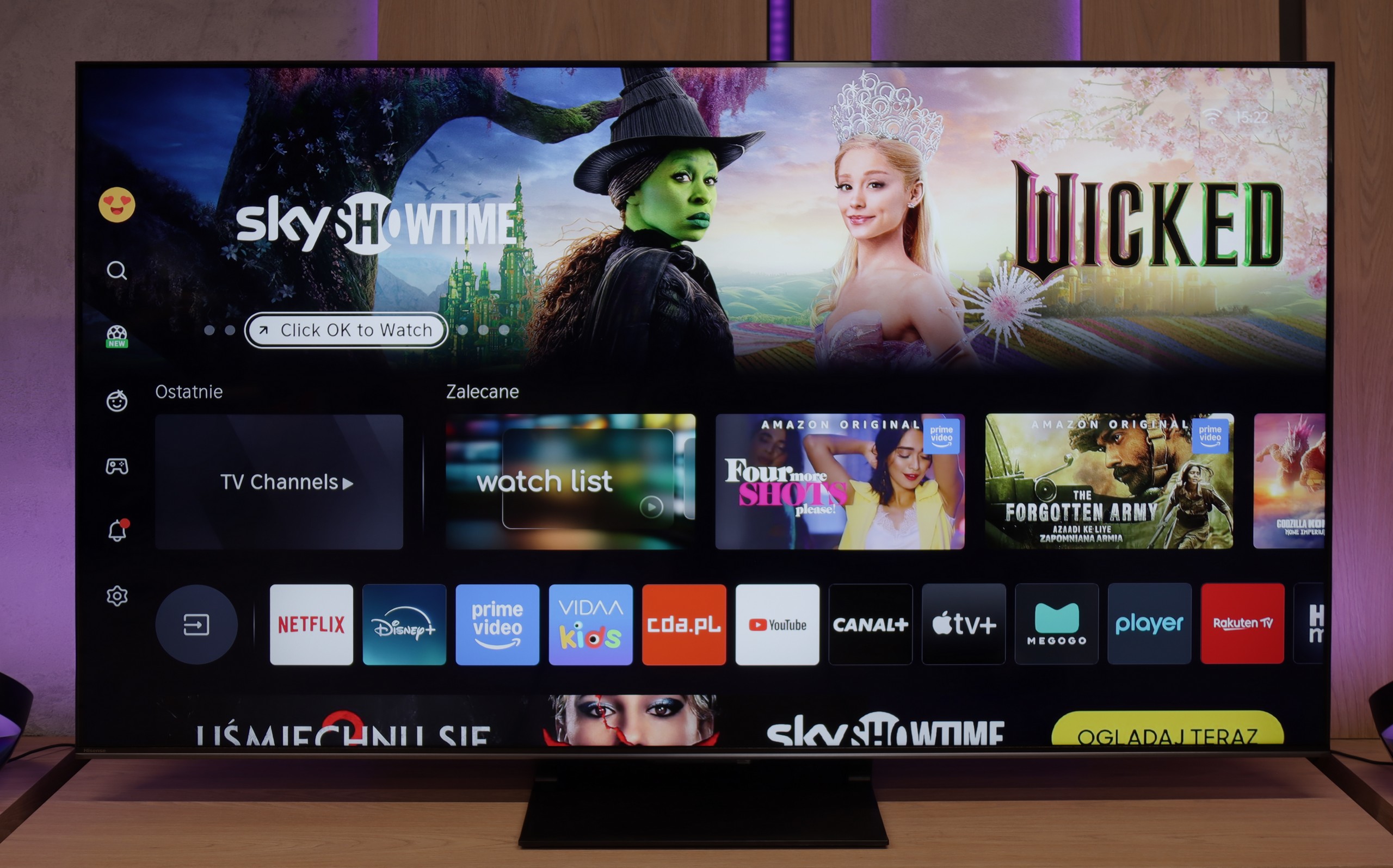
SmartTV System: Vidaa
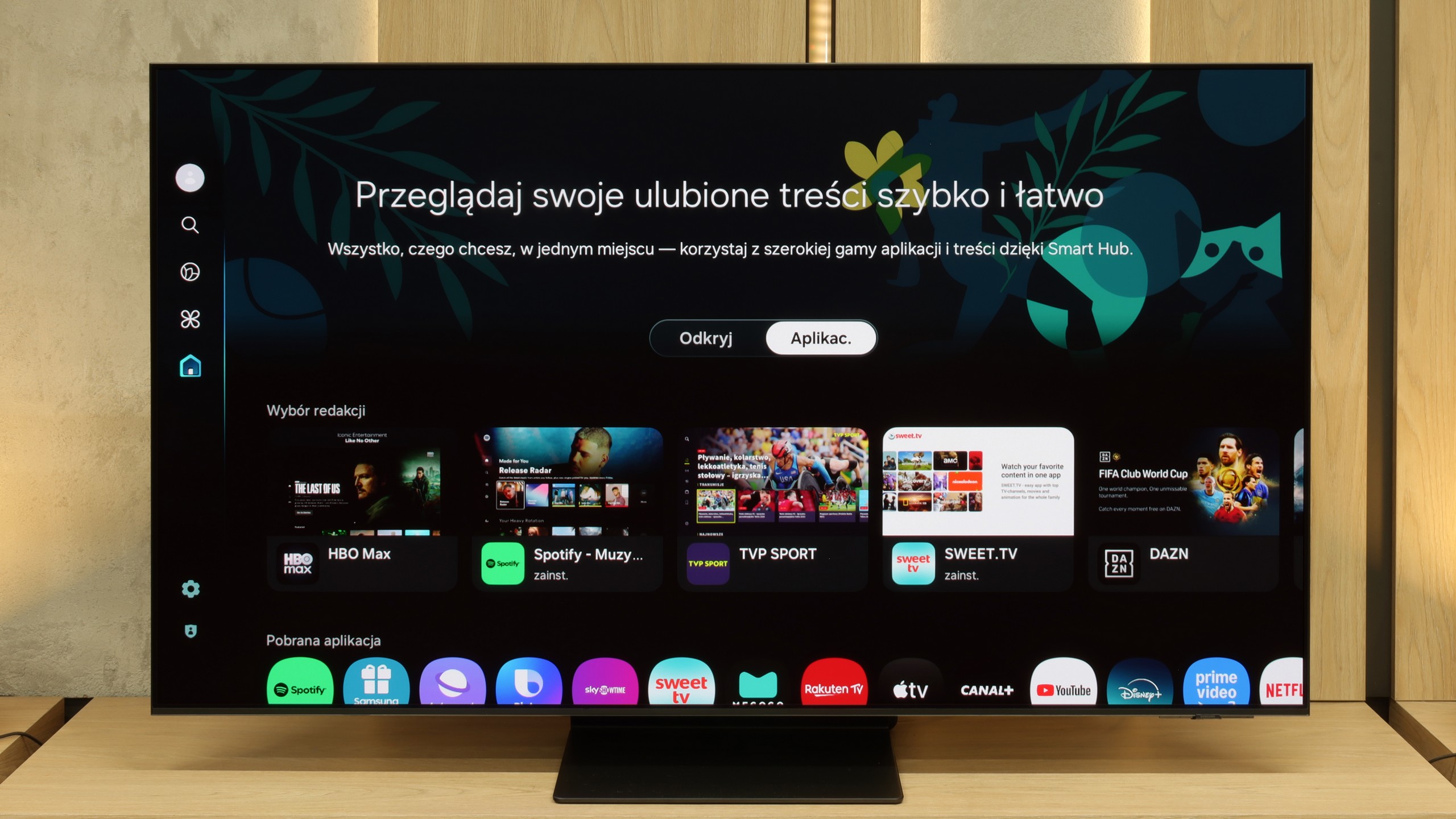
When it comes to smart features, in Europe this model runs on the VIDAA system. The system operates smoothly, has a built-in web browser, supports voice control (also in Polish), and includes AirPlay, which will please users of Apple devices. However, it should be noted that VIDAA is a closed system, so you won't find all the popular apps that we've become accustomed to with Android TV or Google TV. Before purchasing, it's worth checking whether the apps you actually use are available.
SmartTV in S95F: Tizen
Compared to the competition, the Samsung S95F not only shines with its picture quality but also shows that smart features can be really well thought out. Tizen runs very quickly, doesn’t hang up, and gives the impression that everything is at your fingertips – from AirPlay to simple voice search, which works even when the remote goes missing. Admittedly, the system isn't open like Android, but to be honest, very few will notice any shortcomings here – there are plenty of apps, and additional features like integration with SmartThings only enhance the feeling of completeness.
Classic features of S95F
Interestingly, Samsung reminds us that a television is still a television. Therefore, alongside the modern gadgets, we also find the classics – PiP, teletext, and the option to pair headphones via Bluetooth. There’s no recording to USB from DVB-T/T2 tuners, but instead, we get a remote that can also manage the Canal+ decoder and other devices in the living room. And the cherry on top is the One Connect module – all connections in a separate box, making connecting devices no longer an extreme sport.
Apps
7.7/10
9.3/10






















Playing files from USB
8.2/10
9/10
Supported photo formats:
Maximum photo resolution:
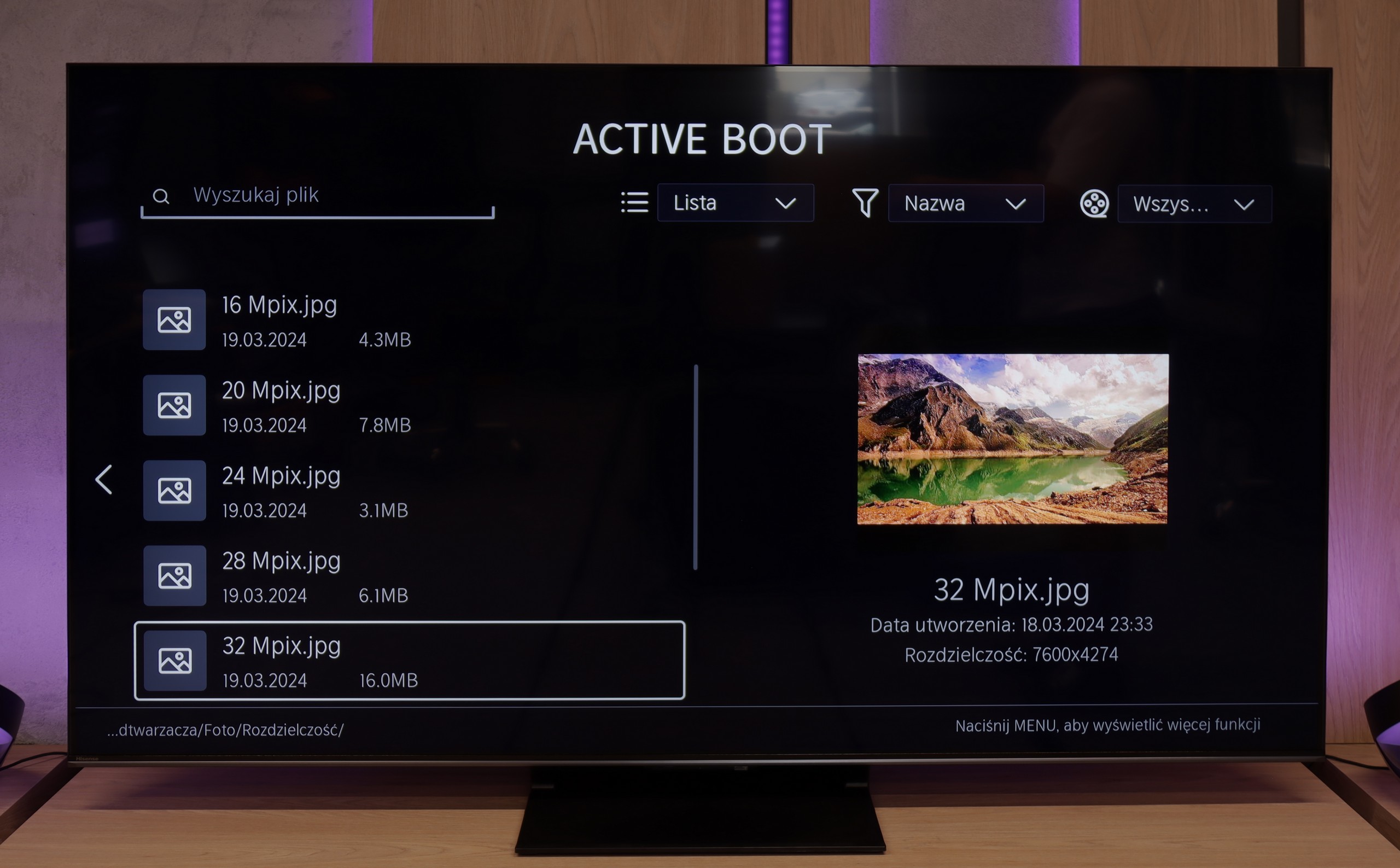
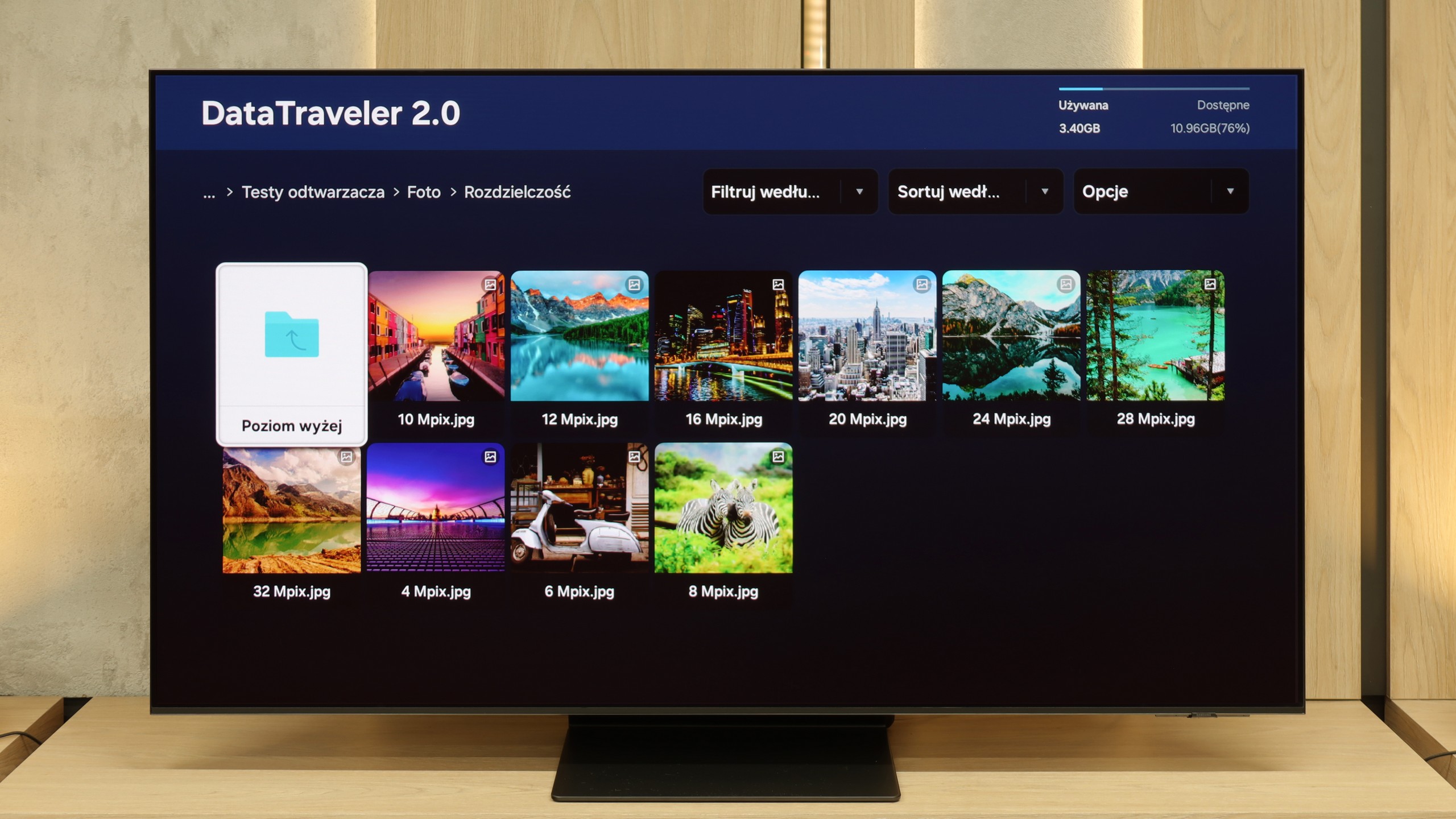
The built-in media player in the VIDAA system worked very efficiently and seamlessly on our U7Q PRO unit. The television had no trouble reading external video and audio files, as well as subtitles, making it convenient to watch movies from a USB drive or external hard drive. Most popular formats worked flawlessly, so there was no need to convert anything. The only complaint is a certain selectiveness in handling high-resolution images – not all of them opened. Therefore, you will find a detailed list of supported image resolutions (Mpix) in our comparison table.
The built-in player in the S95F does the job – movies and music start without a hitch, so it's more than enough for everyday use. The trouble starts when we expect complete compatibility with what the manufacturer claims. Not all photo formats work, and HEIC files simply refuse to cooperate. However, for most people, this won't be an issue – for basic applications, such a player performs flawlessly.
Sound
7.8/10
8/10
- Maximum volume85dB82dB
- Dolby Digital Plus 7.1
- Dolby True HD 7.1
- Dolby Atmos in Dolby Digital Plus (JOC)
- Dolby Atmos in Dolby True HD
- DTS:X in DTS-HD MA
- DTS-HD Master Audio
For built-in TV speakers, the U7Q PRO sounds surprisingly good. The audio is clear, with distinct mid and high tones, and while the bass is somewhat limited, it doesn’t completely disappear. One could say that for "TV speakers," the level is more than satisfactory. However, it’s worth noting that in our test unit, we couldn't play DTS:X audio from local files – the TV simply doesn’t support it. This means that if you’re counting on a cinematic surround effect solely from its built-in speakers, there might be a bit of a letdown. Thankfully, the TV seamlessly transmits DTS signals to an external amplifier, so if you have a home theatre – just connect it up and everything works as it should.
The built-in speakers of the S95F can be surprisingly good – they sound pleasant and clear, and despite the slim design of the TV, it's hard to say the audio is flat. Sure, there could be more bass, but that’s a natural compromise with such a thin casing. For everyday watching of movies or series, the set works excellently. Those who enjoy stronger experiences should consider a soundbar – preferably one with Q-Symphony support. Then the TV speakers and the Samsung soundbar work together.
Sound Quality Test
No sound test video
Acoustic Measurements
85dBC (Max)
75dBC
82dBC (Max)
75dBC