Hisense E8Q is a television that clearly draws heavily from the U7Q model – and that’s a great thing. After all, this is its European version, not another “slimmed down” mutation. After just a few moments with this screen, it’s clear that the E8Q is putting up a fight. And in many areas, it really succeeds. To start with – what impresses is that the blacks are deep, the contrast is high, and the brightness exceeds the threshold that we can simply call satisfactory. Add to that nearly perfect fluidity of tonal transitions, and we have an image that looks very mature, especially for this price segment. In gaming? Just as good. VRR, ALLM support, 144 Hz in 4K, and even 240 Hz in Full HD – it’s hard to find fault here. Well… almost. Because the E8Q has one additional flaw compared to the U7Q – the sound. In our unit, at moderate volume levels, the back of the cabinet began to resonate, producing rather unpleasant crackling noises. This might be a flaw of the test unit, but since the U7Q simply performed better – it’s worth noting. Especially if you find both models at a similar price. We can confidently state that the E8Q is a television that can confidently fight for the attention of those looking for a quality Mini-LED at reasonable prices. If a good price opportunity arises, it’s definitely worth it – because we receive almost the same as in the U7Q. And that means a really solid picture, excellent gaming features, and overall very good equipment that you can stick with for a while.
- Matching (Score) |
- Our verdict |
- TV appearance |
- Where to buy |
- Contrast and black detail |
- HDR effect quality |
- Factory color reproduction |
- Color reproduction after calibration |
- Smoothness of tonal transitions |
- Image scaling and smoothness of tonal transitions |
- Blur and motion smoothness |
- Console compatibility and gaming features |
- Input lag |
- Compatibility with PC |
- Viewing angles |
- Daytime performance |
- Panel details |
- TV features |
- Apps |
- Playing files from USB |
- Sound
Hisense E8Q vs LG QNED93A / QNED90A
 Direct comparison
E8Q

QNED93A / QNED90A
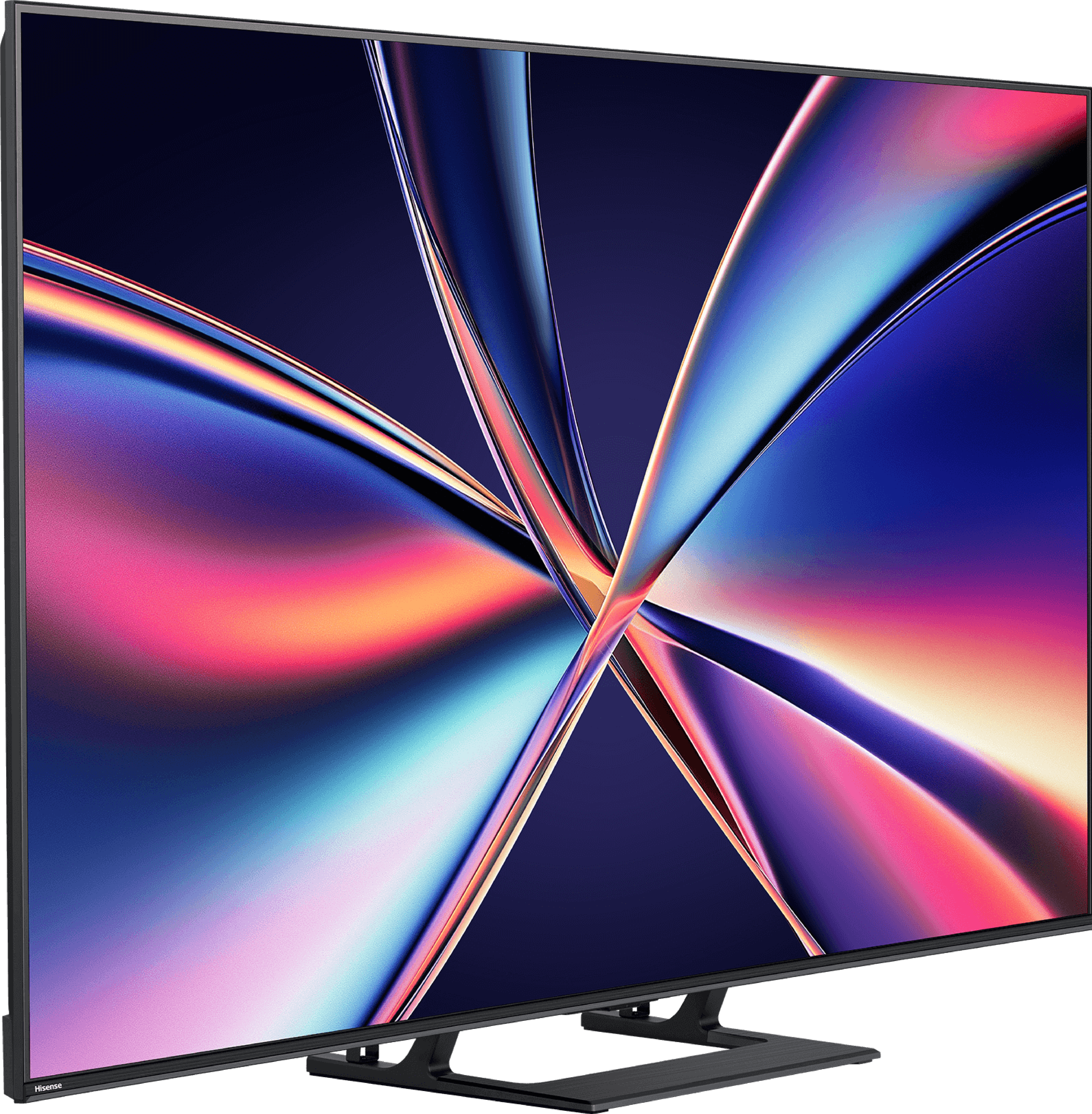
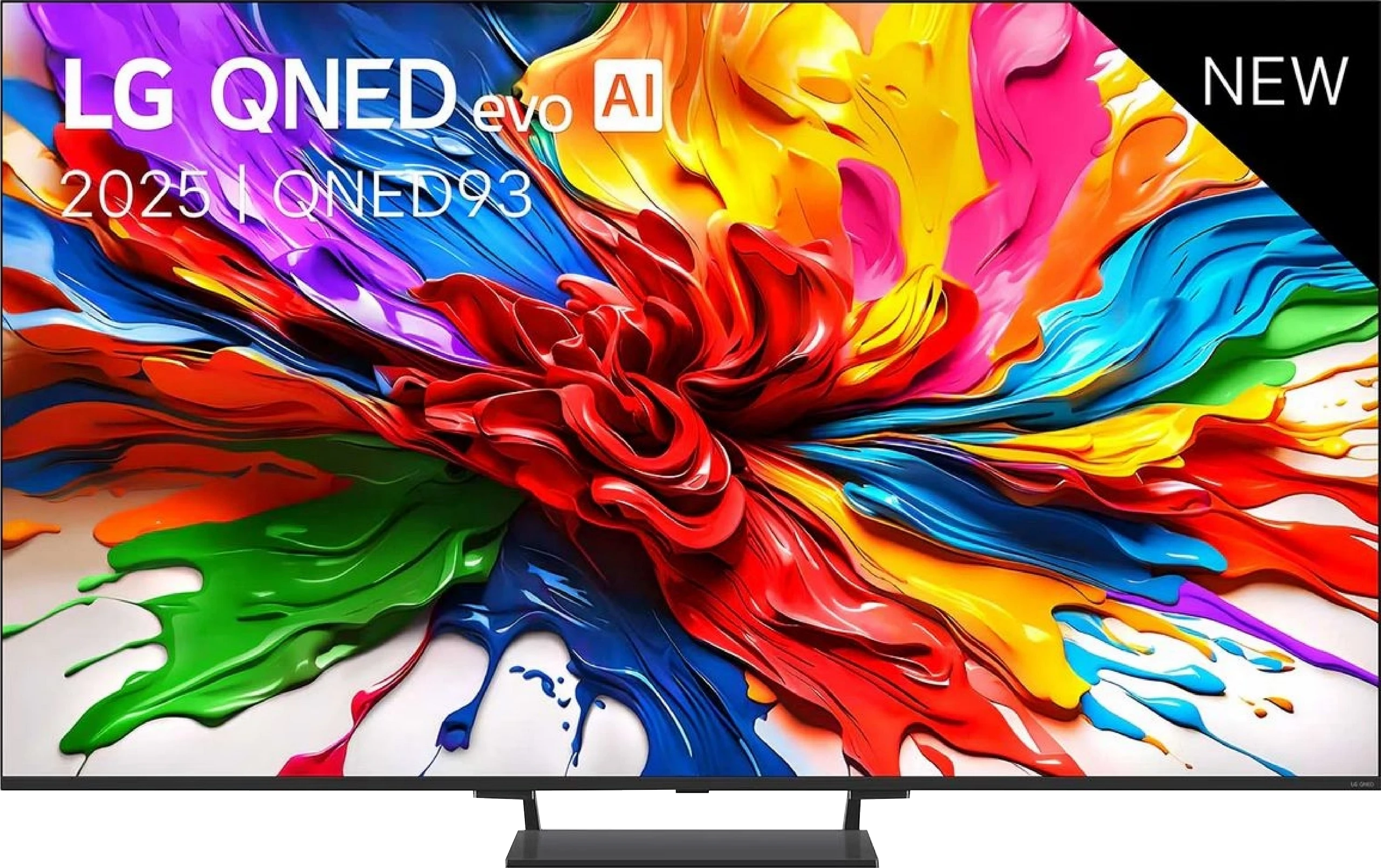
Panel type: LCD VA
Resolution: 3840x2160
System: VIDAA
Model year: 2025
Complete the survey to find out the result
Panel type: LCD VA
Resolution: 3840x2160
System: WebOS
Model year: 2025
Complete the survey to find out the result
Overall rating
7.1
7.3
 Movies and series in UHD quality
 6.7
6.8
 Classic TV, YouTube
 6.8
6.9
 Sports broadcasts (TV and apps)
 6.4
6.8
 Gaming on console
 8.0
8.5
 TV as a computer monitor
 8.6
8.6
 Watching in bright light
 6.2
6.2
 Utility functions
 8.9
8.2
 Apps
Apps 7.7
9.1
 Sound quality
 7.2
6.9
Complete the survey to find out what fits your preferences
Advantages

Great contrast and deep blacks
Very good smoothness of tonal transitions (close to reference level)
High brightness
Supports 4K 144 Hz and even 240 Hz in Full HD
VRR, ALLM, G-SYNC – a full package for gamers
Low input lag
Many classic TV features built into the VIDAA system
Pretty good contrast
High number of dimming zones
Good HDR brightness (around 1400 nits)
Wide colour gamut coverage (around 96% DCI-P3)
144 Hz mode and a full set of features for gamers (HDMI 2.1, VRR, ALLM, G-Sync, FreeSync, HGiG, Game Bar)
Low input lag (7 ms at 120 Hz)
Good compatibility with PC, including 144 Hz and clear fonts
WebOS with a rich selection of apps and voice control
Magic remote
Quite effective upscaling and image processing tools - works great for older content like free-to-air TV or YouTube
Disadvantages

No support for HGiG (makes setting HDR on consoles difficult)
Poor viewing angles – typical for VA panels
Closed VIDAA system – lack of some applications
Inferior sound quality compared to the twin model U7Q
Local dimming algorithms need refinement
Very average viewing angles
Dolby Vision does not bring a noticeable improvement over HDR10
Our verdict
LG QNED93A is a television that at first glance appears to be a solid step forward compared to previous LCD models from this brand. On paper, we get a lot: significantly more dimming zones, 144 Hz refresh rate for gamers, support for all HDR formats, including Dolby Vision, and WebOS with a new Magic remote, which remains one of the most user-friendly control systems. The QNED93A shines most brightly in gaming applications. Four fully-fledged HDMI 2.1 ports allow you to connect consoles and computers without any limitations, and the low input lag is maintained at both 120 and 60 Hz. For PC gamers, an additional advantage will be the 144 Hz mode and full compatibility with G-Sync and FreeSync. So it can confidently be said that in terms of features for gamers, the QNED93A doesn't have any complexes compared to the competition. Another strong point is WebOS. LG's system has been regarded for years as one of the most user-friendly in everyday use, and this is confirmed here. Everything is clear, and the Magic remote allows you to operate the TV like a mouse pointer – quickly and intuitively. Brightness is also a plus. At its peak, it managed to achieve results close to 1400 nits. This is enough for the image to not wash out in brighter rooms and for special effects in movies or games to look convincing. The image processor handles upscaling older content well – television or films in lower resolutions appear clearer and sharper than on many competing screens.
However, it cannot be hidden that the biggest problem with the QNED93A is the local dimming algorithms. In scenes full of blacks, the screen can darken significantly, causing many details to simply vanish. The effect is such that the contrast looks better at first glance, but at the cost of information that should be visible. An additional problem is the Dolby Vision mode, which usually improves certain aspects of screens, but in this case changes very little. The differences between dynamic and static metadata have to be literally searched for with a magnifying glass. This is simply disappointing because the hardware's number of dimming zones and stronger backlighting provide the basis for a better effect. So who is the LG QNED93A for? It is a television that will work excellently as a home entertainment centre, especially if you’re thinking about gaming on consoles or PCs. In everyday watching of TV and films in well-lit conditions, it will also provide a lot of satisfaction thanks to its high brightness and decent image processor. However, one must accept that in scenes with a lot of black and full utilization of HDR, this model does not measure up to its competitors. LG has shown that it can create a very solid LCD screen, but it is also evident that not everything has been refined as it has in their OLED televisions.
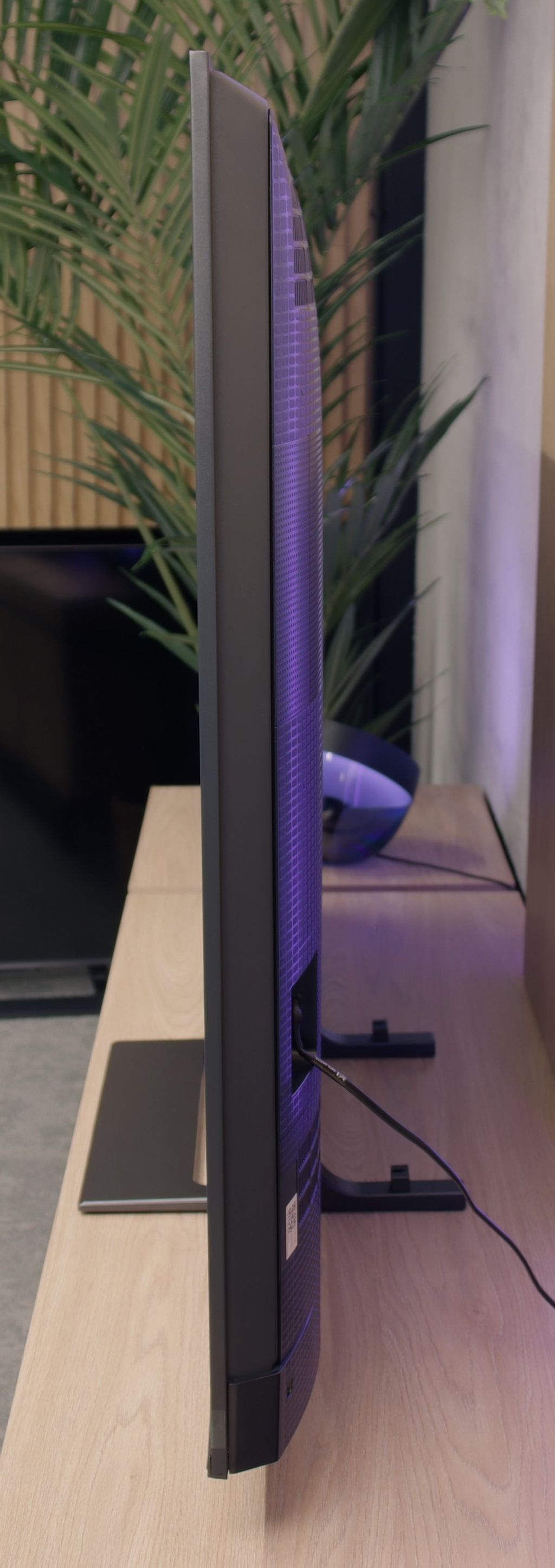
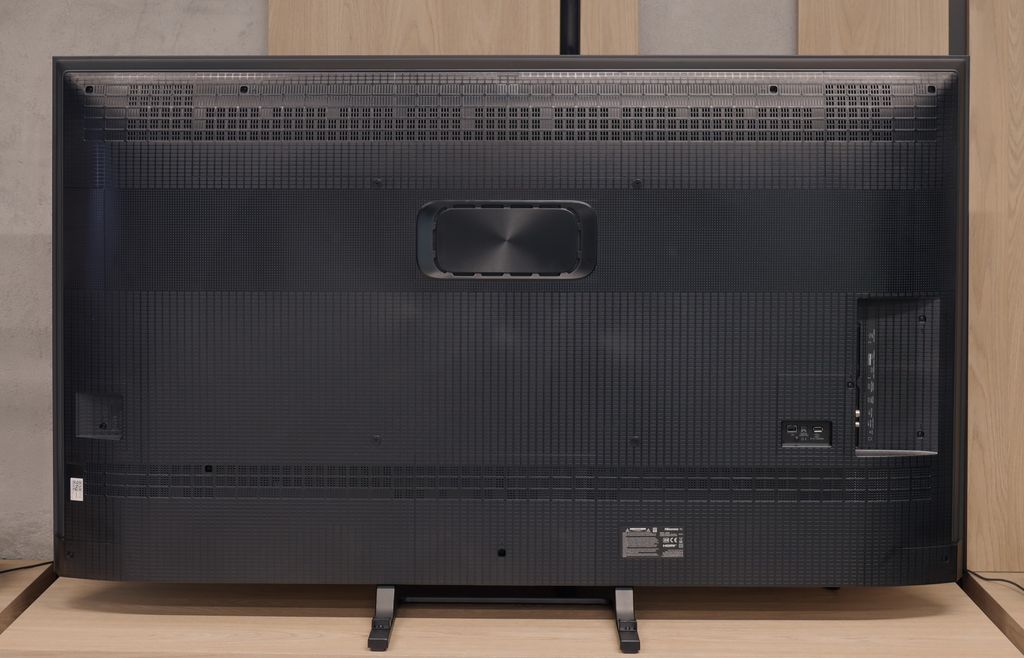
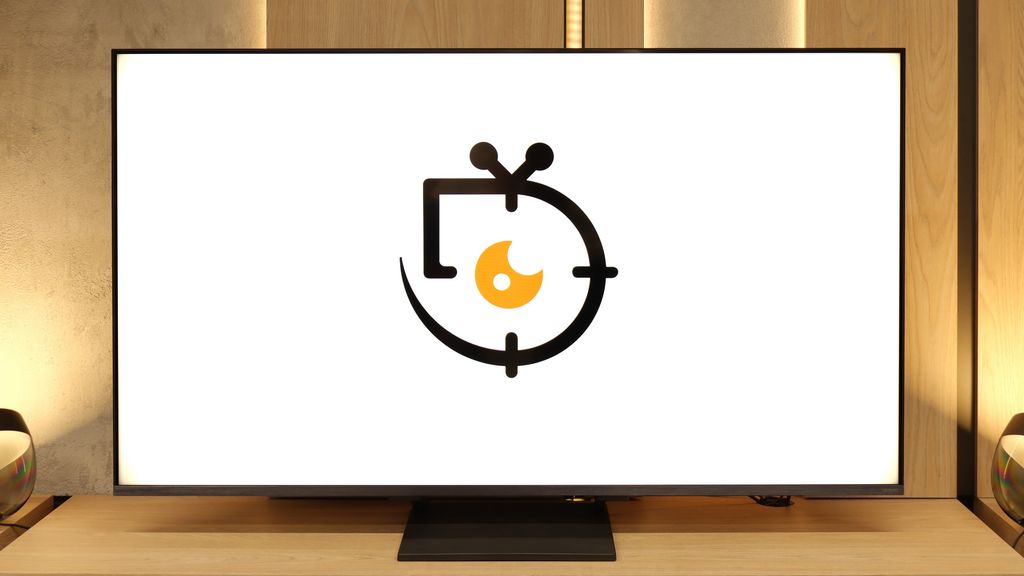
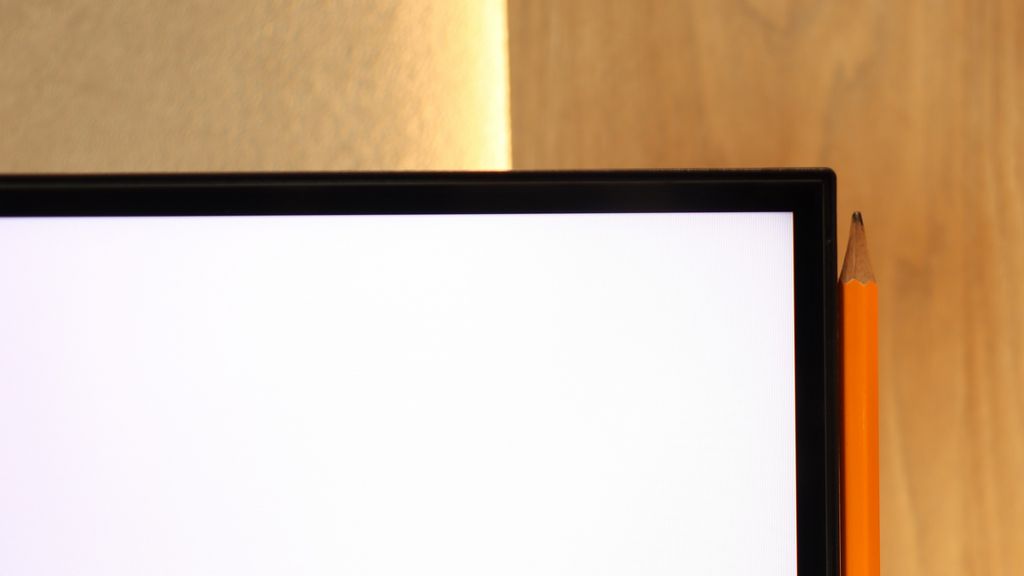
TV appearance
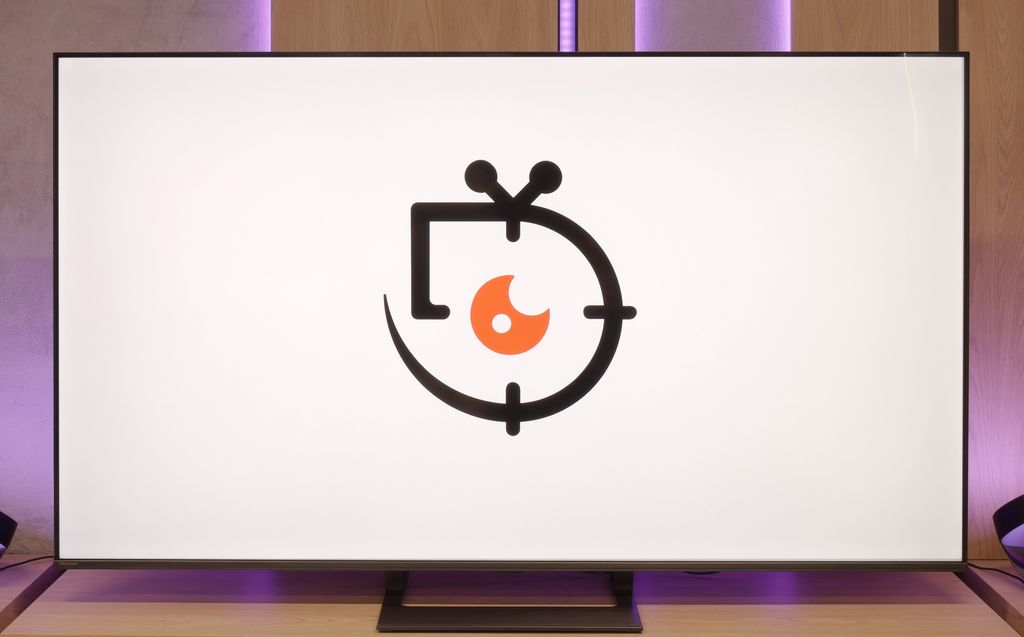
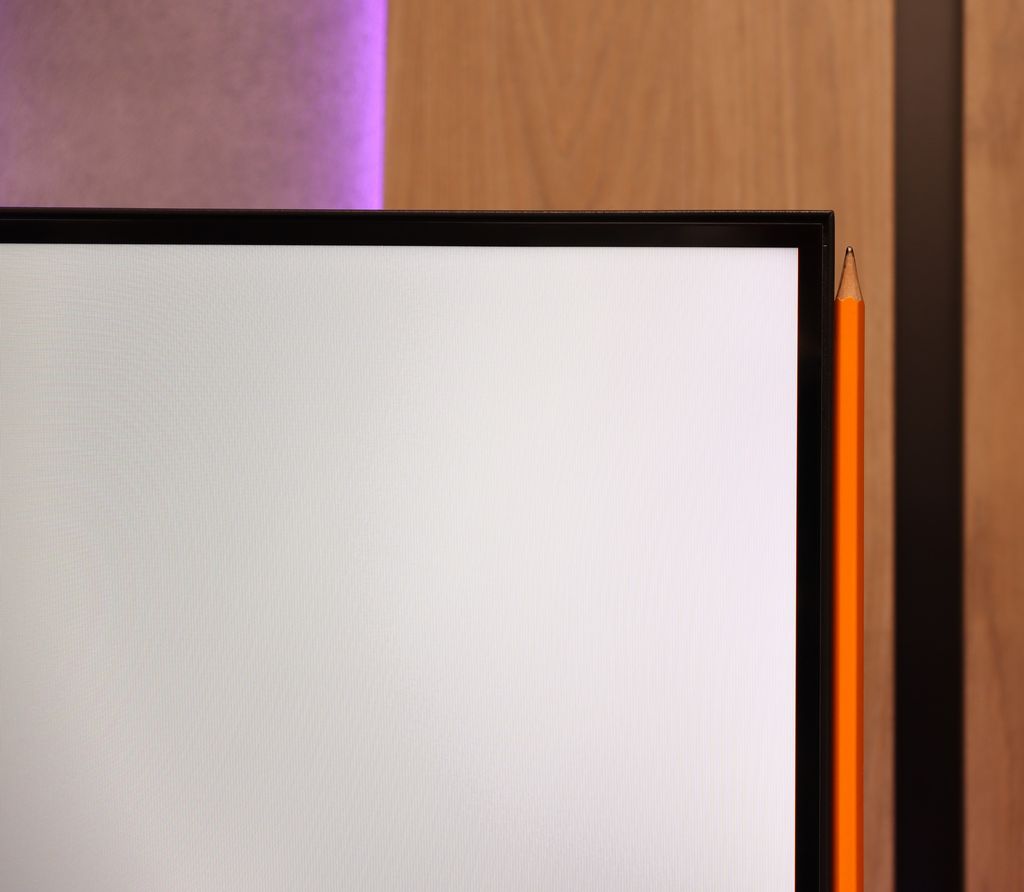
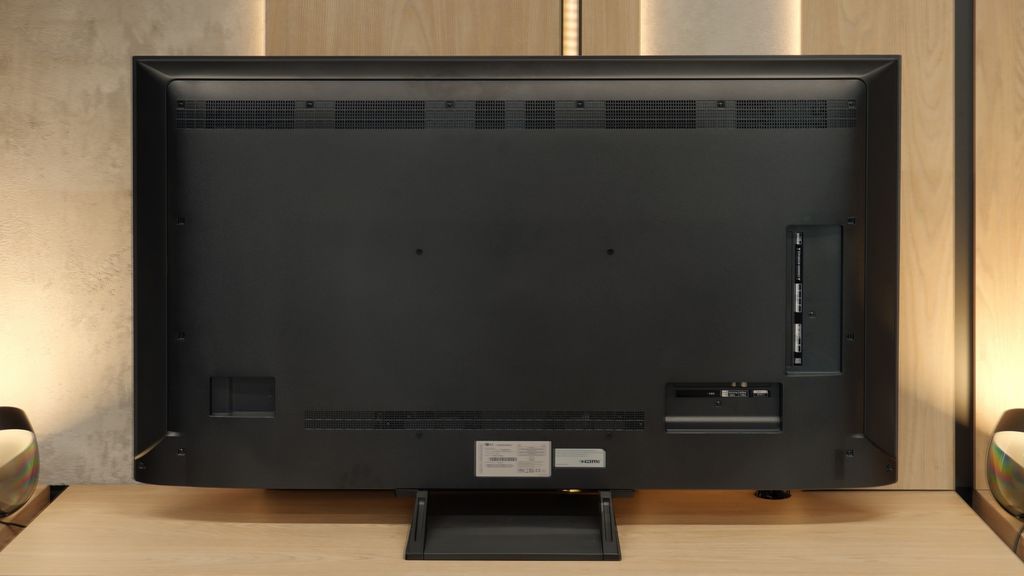
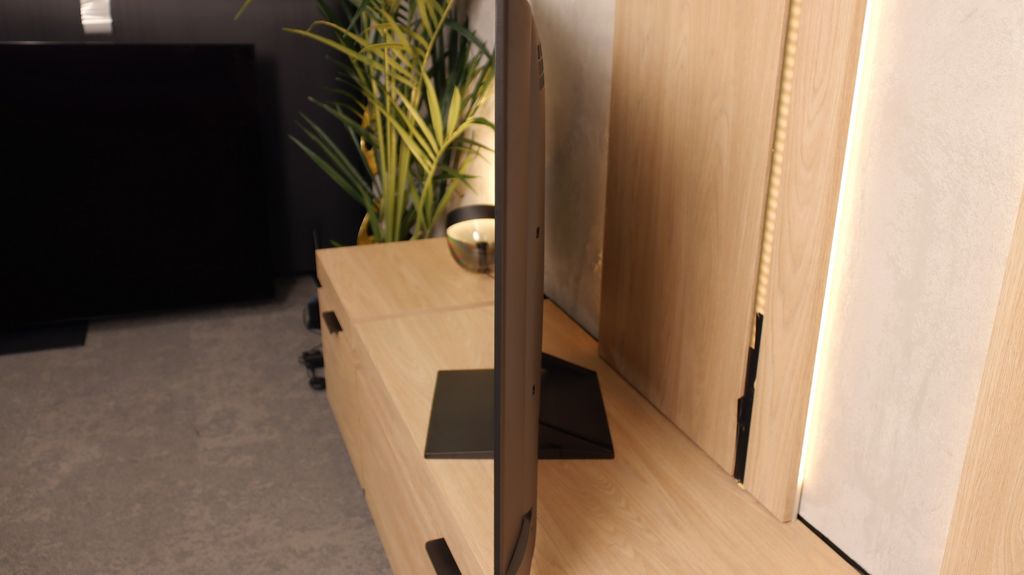

Contrast and black detail
7.6/10
7.3/10
Local dimming function: Yes, number of zones: 220 (10 x 22)
Local dimming function: Yes, number of zones: 308 (14 x 22)
Contrast:


Result
277,000:1

Result
43,700:1

Result
15,750:1

Result
8,850:1

Result
6,350:1
Result
130,500:1
Result
30,950:1
Result
15,250:1
Result
6,750:1
Result
4,600:1
Halo effect and black detail visibility:
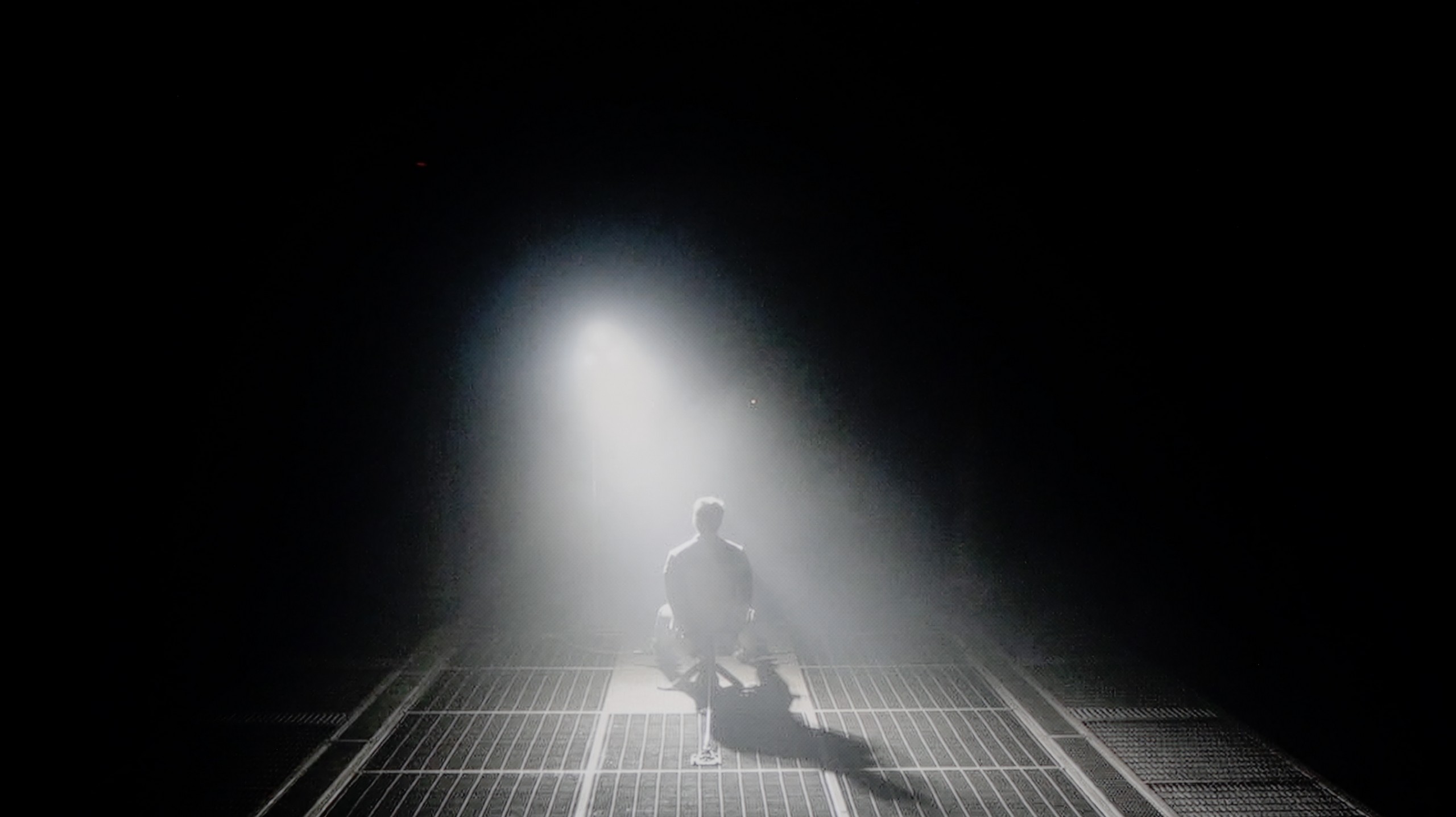
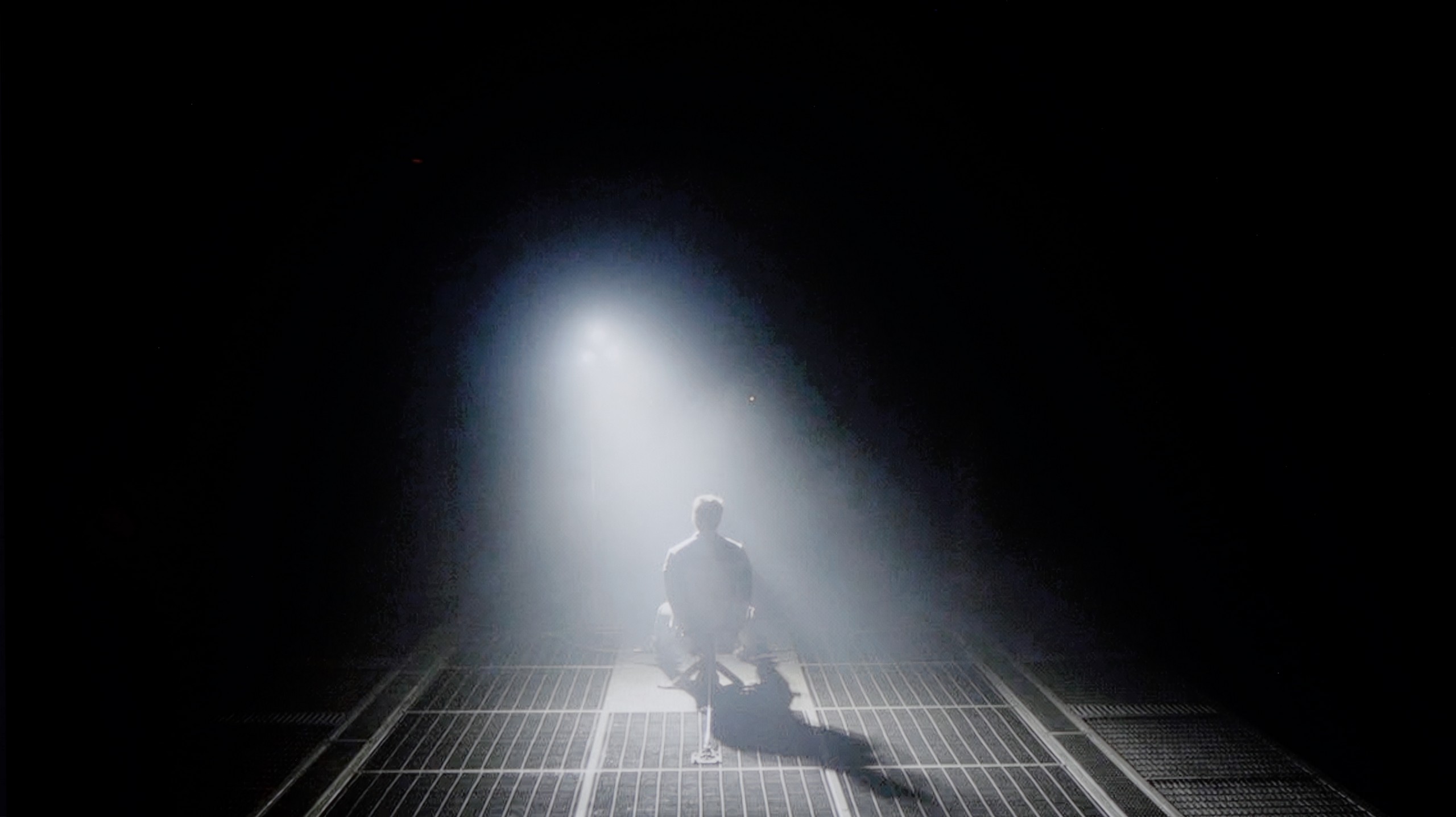
Check the visibility of bright lights on a dark background. Mini-LEDs often struggle with this. The photo does not compare black levels – that’s what the video below is for.
Similar to the U7Q, the E8Q model uses a VA panel and Mini-LED backlighting. The number of dimming zones also remains at a very similar level – in the 65-inch variant we tested, we counted 220 zones, which is exactly the same as in the U7Q. On paper, it looks really good for this price segment, and even better – in practice. The contrast is high, and the black can be really deep. In many scenes, the lights are clearly separated, and the image gains a sense of space. This is one of those cases where Mini-LED shows it can come close to OLED quality – of course, assuming we understand the limitations we have to consider. In very challenging scenes, there may be slight brightening or a minor halo effect around bright objects, but these are phenomena typical of this technology and are not very noticeable. Ultimately – the contrast and blacks in the E8Q are really solid, nearly identical to the U7Q model. It's hard to nitpick, especially when we look at the price of the television.
We took a close look at the 55-inch version of the LG QNED93A, featuring a high-contrast VA panel. However, for Mini-LED TVs, it’s not just the panel itself but primarily the number and performance of the local dimming zones that determine the final effect. In this model, we counted an impressive 308 zones right off the bat. In comparison, last year’s QNED91T in the 65-inch variant had only about 160. The difference is huge and shows that LG has made a significant step forward in this technology. On paper, it looks great, but in practice, enthusiasm quickly cools. The contrast in the QNED93A can indeed be impressive – bright elements are clearly separated from the blacks, and in many scenes, the depth effect is a real delight for the eyes. The problem is that despite such a significant improvement in the backlighting design, the results aren’t much better than last year’s model. The algorithms controlling the dimming can be overly aggressive. This is especially evident in darker sequences, where the screen dims to the point that subtle details vanish from view. Many viewers will appreciate the stronger blacks, but it’s hard to ignore that this comes at the expense of the director's intentions. The most problematic scenes turn out to be those with many small, bright elements. It is precisely then that the typical halo effects, or luminous halos, associated with LCDs and local zone dimming appear around them. While this phenomenon doesn’t completely ruin the experience, it serves as a reminder that even with an increased number of zones, local dimming still has its limitations. Ultimately, the contrast in the QNED93A can be considered good, but we feel that the manufacturer didn’t put in enough effort in optimising the new model in terms of blacks and contrast.
HDR effect quality
4.5/10
5.8/10
Luminance measurements in HDR:

Result
531 nit

Result
148 nit

Result
320 nit

Result
100 nit

Result
625 nit
Result
1330 nit
Result
219 nit
Result
678 nit
Result
160 nit
Result
1016 nit
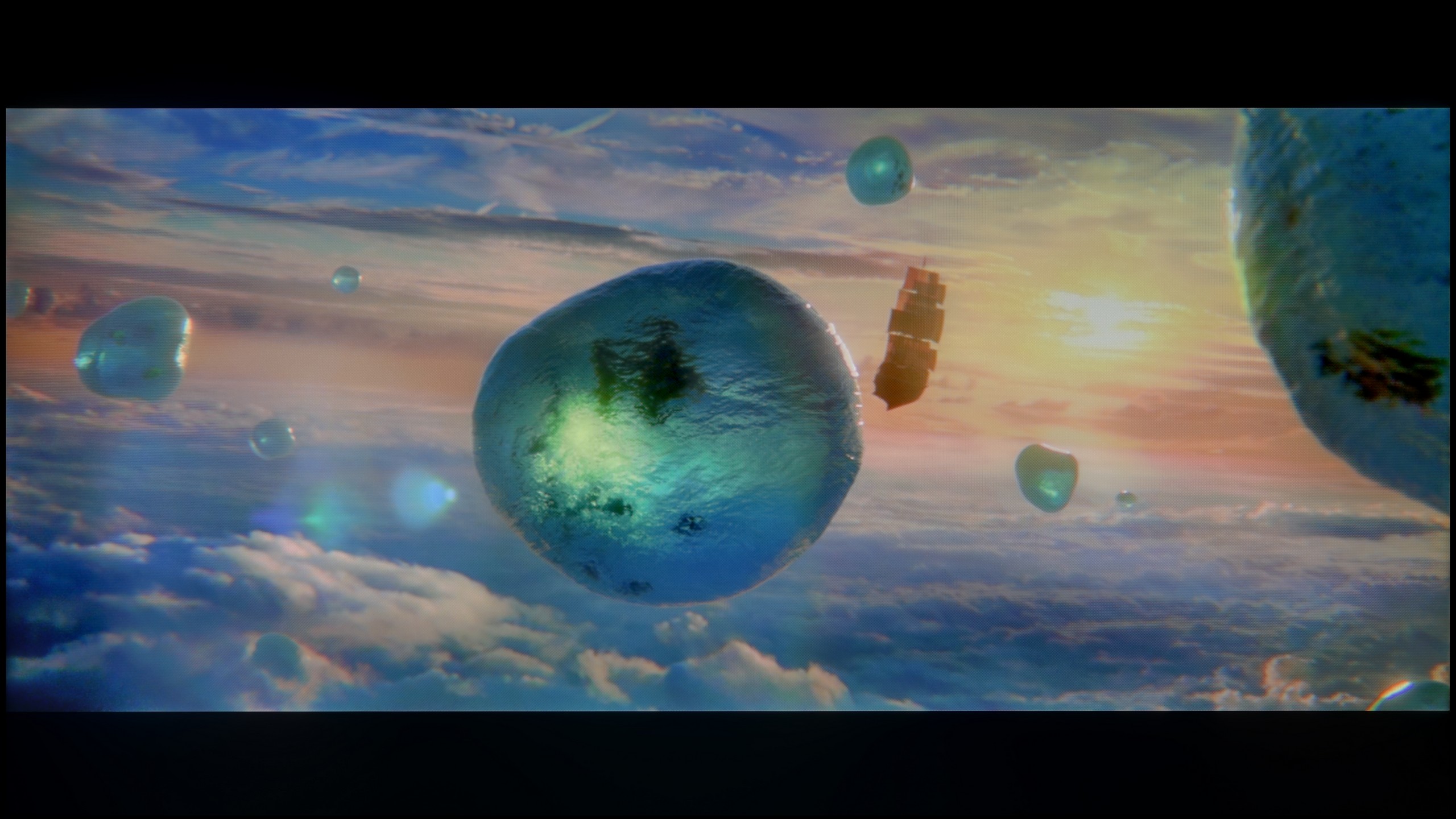
Scene from the movie “Pan” (about 2800 nits)

Scene from the movie “Billy Lynn” (about 1100 nits)
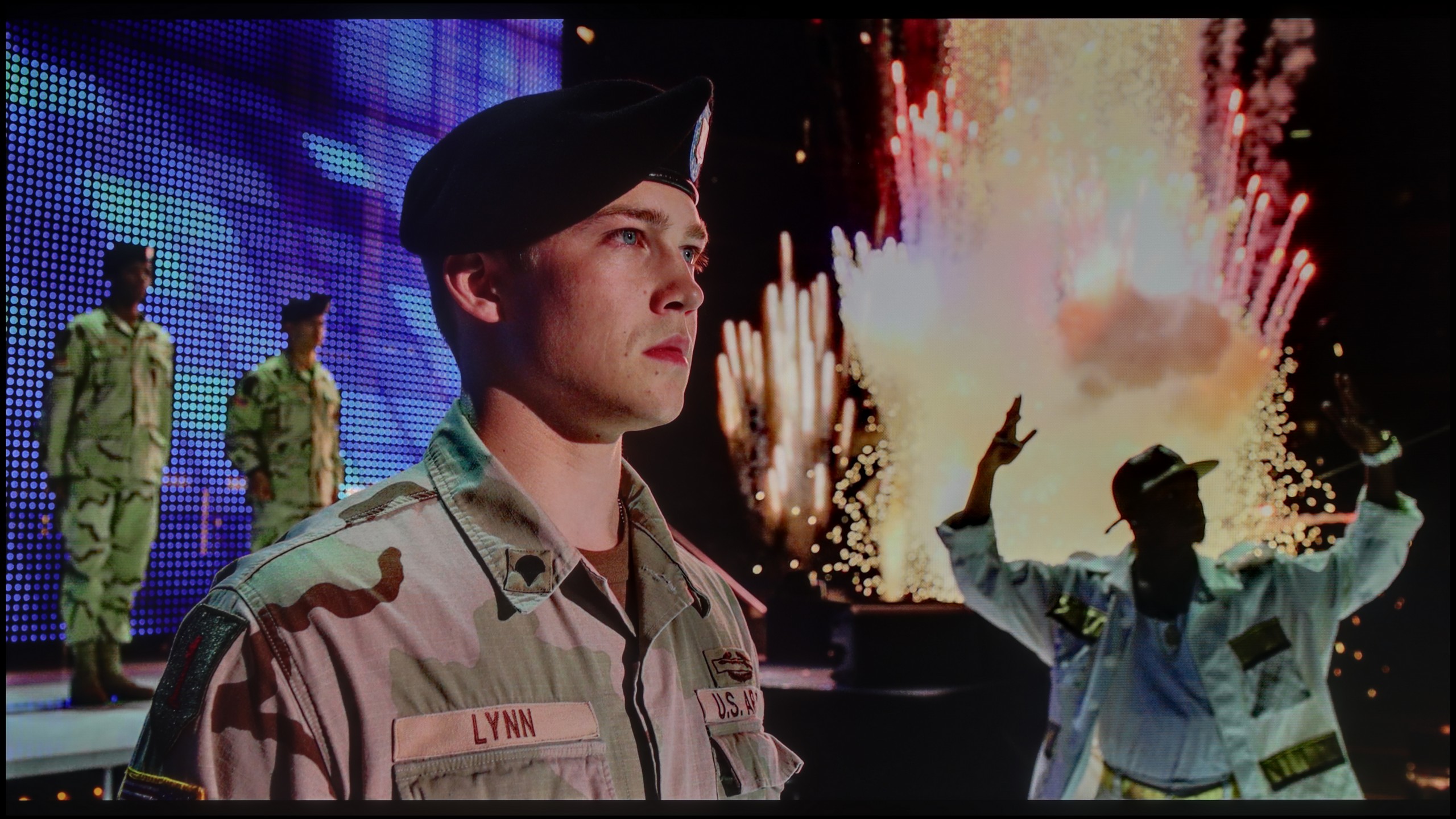
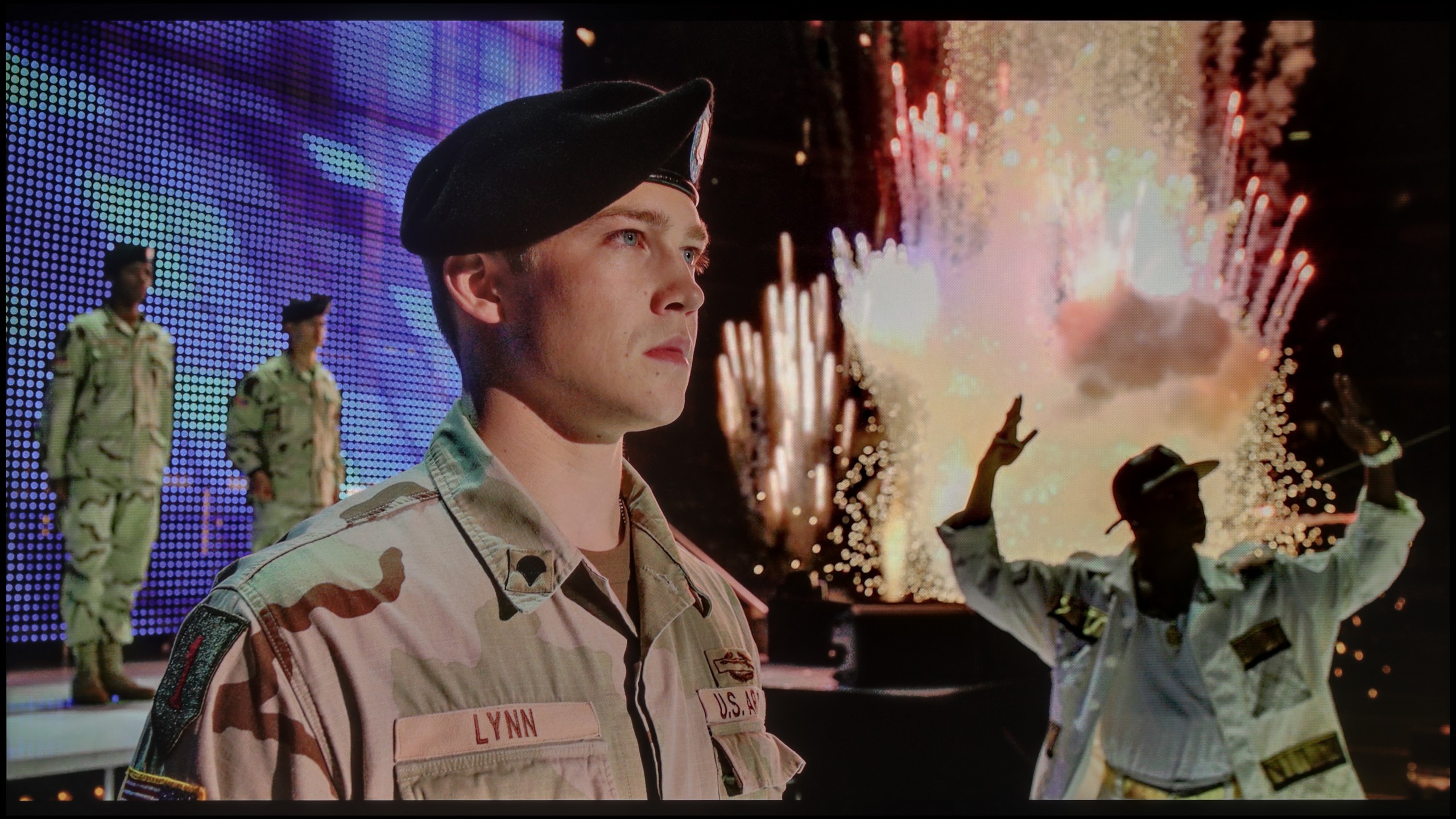
The photos show two HDR10 movies. 'Pan' is one of the brightest productions ever made, while 'Billy Lynn' (soldier) has brightness typical of streaming (Netflix, Prime, HBO MAX). Notice the intensity of effects and detail in whites.
Static HDR10


The photos present the visibility of white details in various HDR formats. They do not show brightness differences between TVs (these can be compared in the previous gallery).
Dynamic: Dolby Vision
Dynamic: Dolby Vision


The photos present the visibility of white details in various HDR formats. They do not show brightness differences between TVs (these can be compared in the previous gallery).
HDR luminance chart:
LG QNED93A / QNED90A
Hisense E8Q
Since the E8Q is a twin of the U7Q, it’s no surprise that the HDR effect quality is almost identical. On paper, it looks promising – a peak brightness of 800 nits can impress in many scenes. Moments like light flashes in “The Meg” or shots of the sun in “Life of Pi” can indeed create a “wow” effect. But the longer we watch, the more we notice the limitations. The problem arises when small, bright details need to be shown against a dark background. In such situations, the dimming algorithms try to protect the contrast, but in the process, they also dim what should shine the brightest. Instead of dazzling details, we get almost invisible points of light. This is typical for Mini-LED in this price segment and is not surprising – but it’s worth knowing that the HDR effect will not always be fully preserved. Fortunately, the colour reproduction provides reasons to be pleased. A coverage of the DCI-P3 palette of about 94% is a very good result, and the quantum dot layer used (more precisely, PFS) does its job – colours are saturated and vibrant, especially with 4K content.
Although the number of local dimming zones in the LG QNED93A hasn’t directly translated to noticeably better contrast, it’s hard to deny this model one thing – it’s brighter than its predecessor. In synthetic tests, we recorded values around 1400-1500 nits, and more importantly, these results are reflected in real film scenes. In full-screen sequences flooded with whites or bright lights, the screen was able to maintain high luminance, providing a truly decent amazing HDR effect. Unfortunately, where the TV could show true class, that is in scenes requiring precision, all the magic dissipates. The dimming algorithms we mentioned earlier operate aggressively enough that small, bright objects – like distant lights, stars, or the moon – can almost completely disappear. Just look at the test scenes from the film Pan or Sicario 2 (screens 2 and 4) to see how subtle details are dimmed to the limits of their visibility. It’s a pity because a greater number of zones could theoretically translate to significantly better performance. Fortunately, there are also strong points. The QNED93A performs well in terms of colour gamut coverage, achieving around 96% of the DCI-P3 standard. As a result, colours in films look rich and full, and the image doesn’t lose intensity even in more demanding scenes. So, it can be said that the HDR in this model is solid, although the underdeveloped local dimming algorithms hinder its full potential.
Factory color reproduction
6.5/10
6/10


This gallery shows how colors change after professional TV calibration. If you notice the difference, we recommend ordering this service at SkalibrujTV.com.
Factory Mode
After calibration
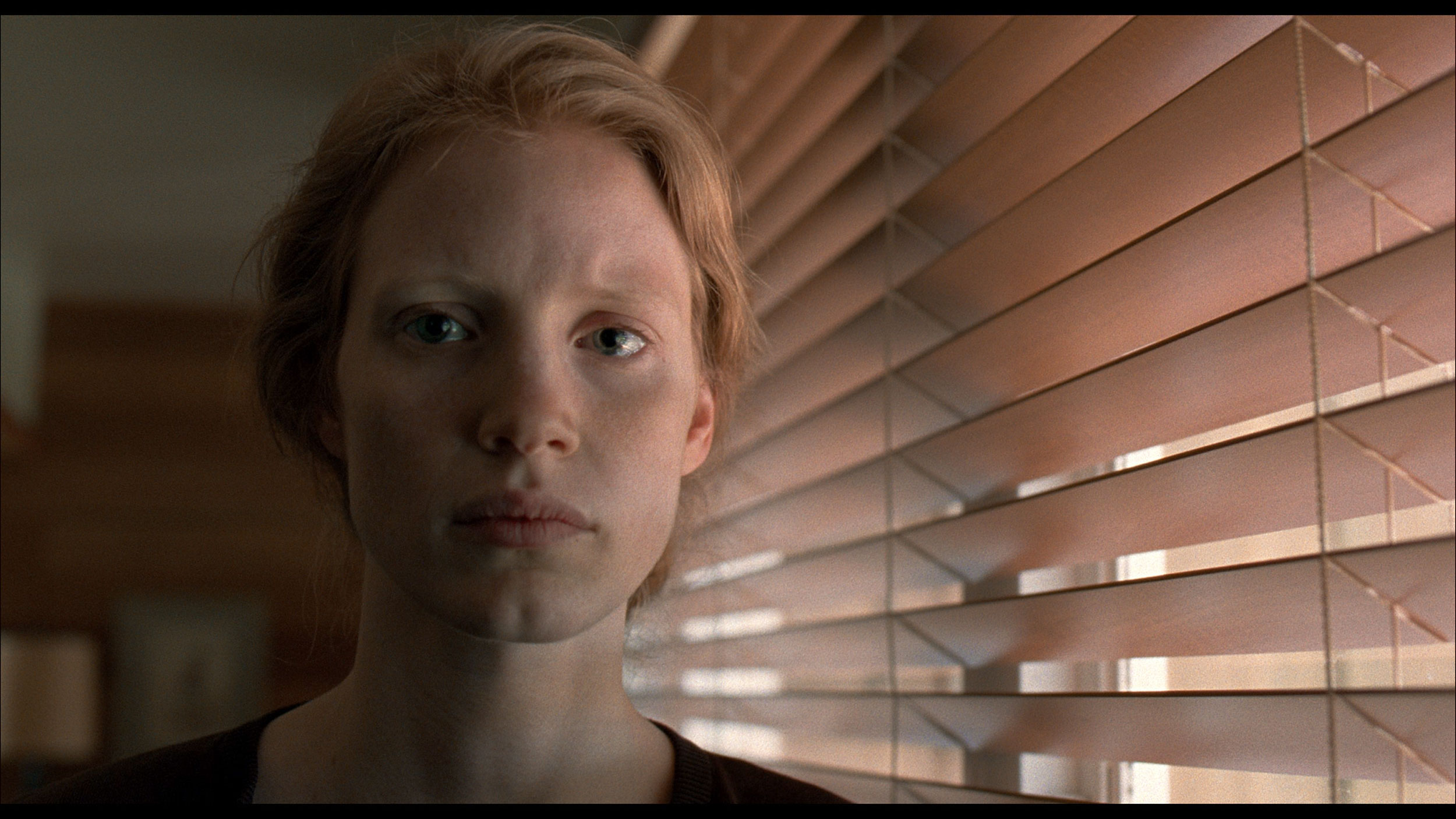
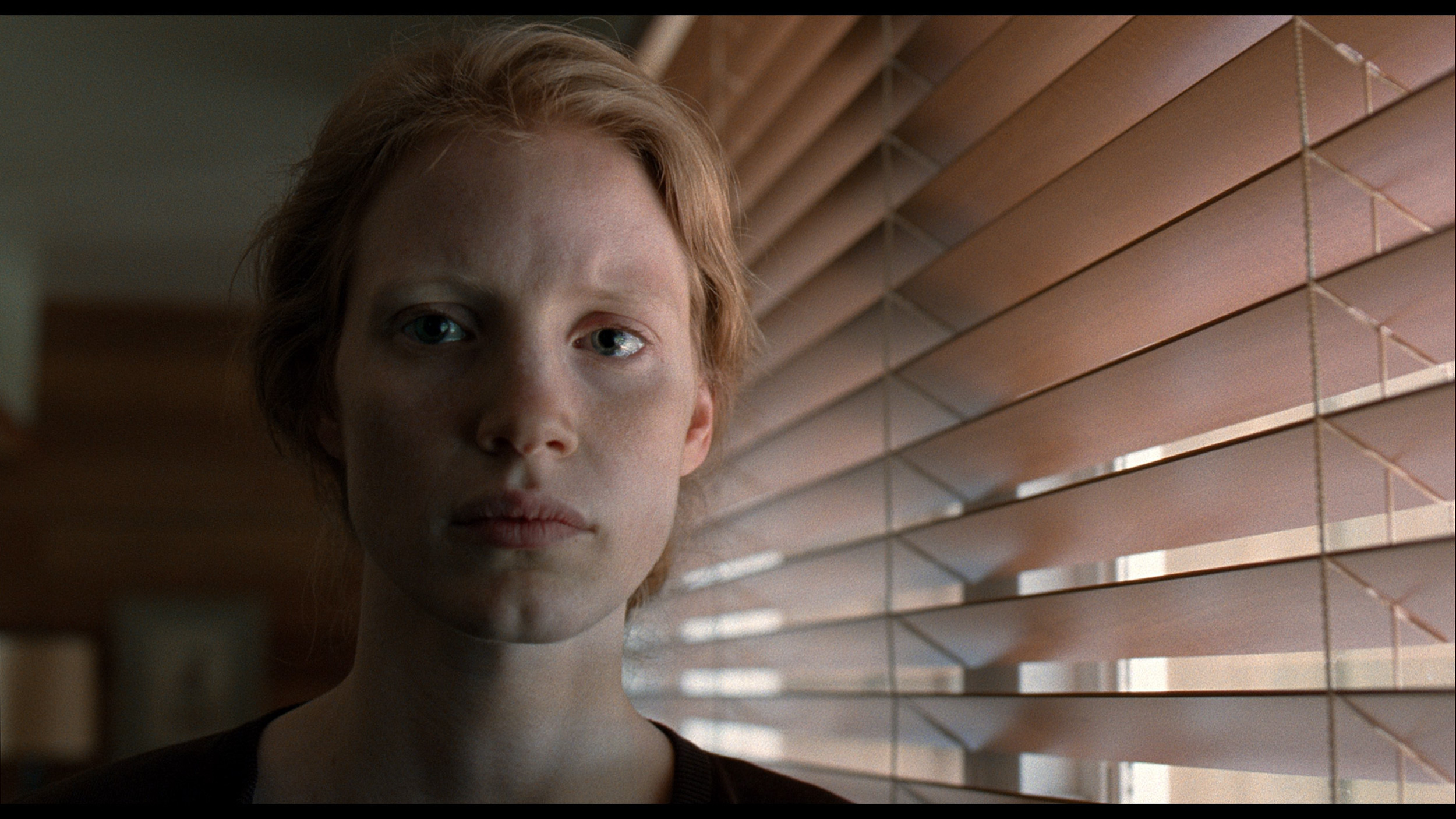
This gallery shows how colors change after professional TV calibration. If you notice the difference, we recommend ordering this service at SkalibrujTV.com.
Factory Mode
After calibration
Testing the Hisense E8Q in Filmmaker mode, we were hoping for a potentially neutral picture resembling the director's vision. Unfortunately – although it doesn't look too bad on paper (the colour reproduction errors aren't significant), in practice the image feels somewhat unnatural. The reason? The blue colour is boosted too strongly and there is a deficiency of red in the white balance. The effect? Scenes appear cool, and the white seems slightly bluish. Alongside the U7Q model, we also noticed a specific approach to brightness management here. The brightness reproduction curve for HDR content (EOTF) shows that the TV can significantly dim small, bright elements on the screen to maintain contrast – but sometimes it goes too far. On the other hand, it can excessively brighten larger, very bright areas, which disrupts tonal balance. It's a compromise that may not suit everyone – especially if you want a potentially faithful picture straight out of the box.
In film mode (more specifically Filmmaker), the colour reproduction in the QNED93A was relatively accurate, although there were some reservations. In SDR content, the white balance leaned towards warmer tones, resulting in a slight yellowing across the entire screen. Gamma, on the other hand, led to a slight lightening of the image, making it look a bit less natural, especially in scenes that required precise shading (this is evident in the comparison photo). This isn't a problem that immediately stands out to every viewer, but more discerning individuals may feel that the image deviates from the intended aesthetic of the filmmakers. In HDR materials, the situation looked a bit different. The white balance here was quite good, ensuring that whites did not take on pink or unwanted green hues. However, the brightness management turned out to be an issue. An analysis of the EOTF curve revealed that at certain moments, the television could be distinctly too dark where it shouldn't be, losing some details and lowering the realism of scenes. This detracted from the HDR effects, which were theoretically meant to be the most impressive. For this reason, we decided to conduct a calibration.
Color reproduction after calibration
7.4/10
7.8/10
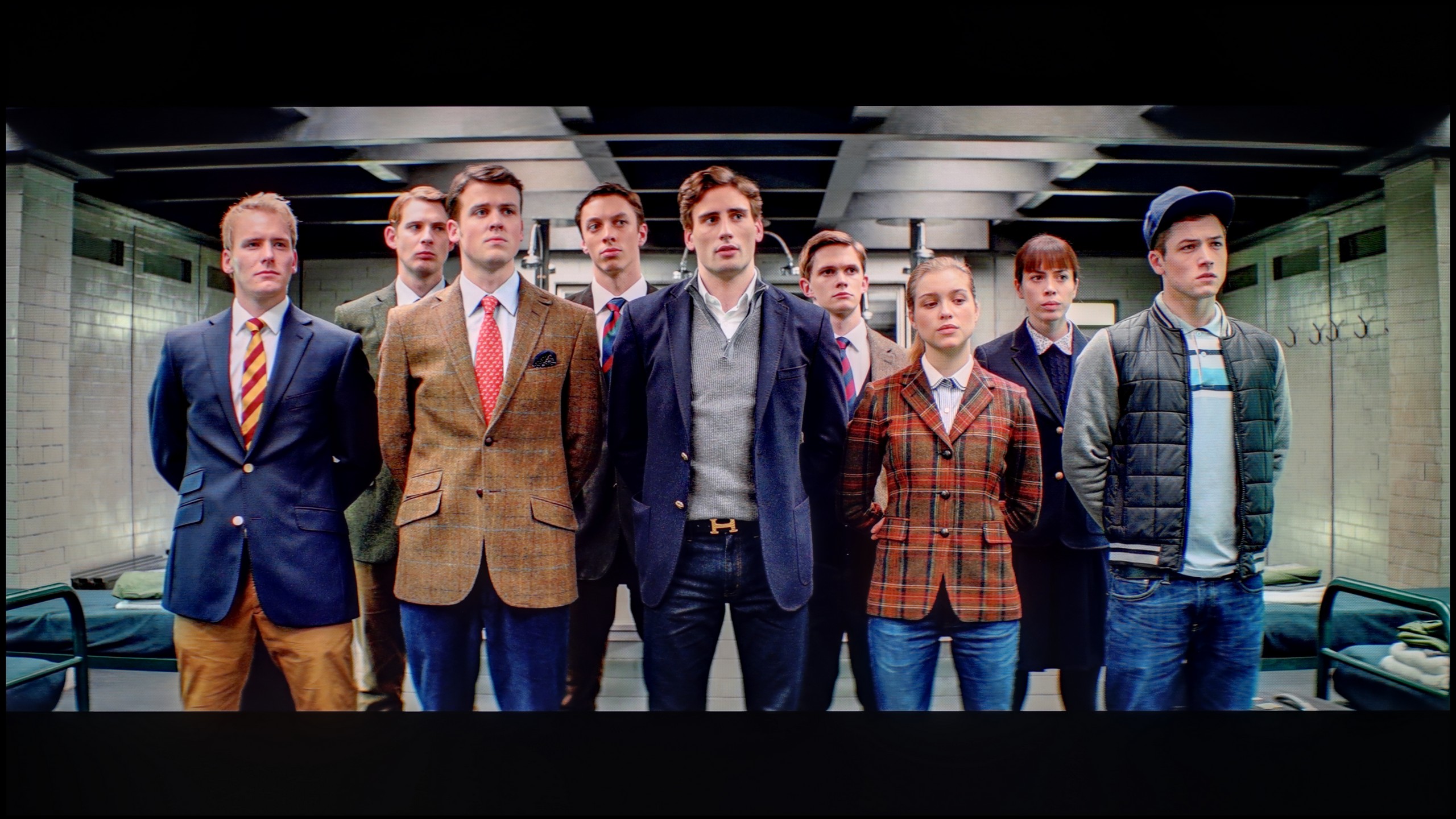
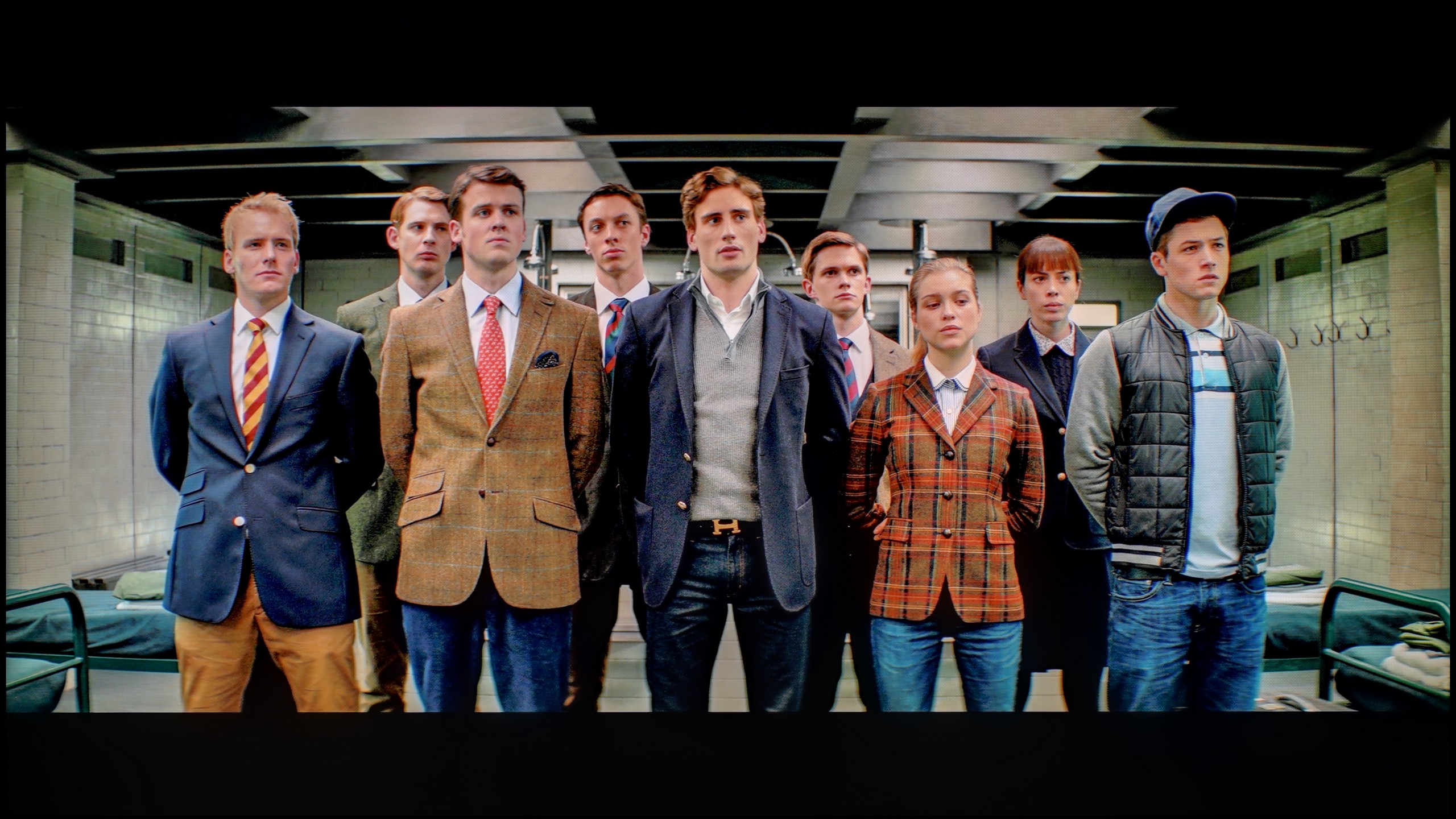
The photos show how movies look on the TV. Pay attention to black detail visibility, colors, and shadow tint.


The photos show how movies look on the TV. Pay attention to black detail visibility, colors, and shadow tint.
Calibration of the Movie mode yielded really good results, especially regarding SDR content. The white balance was successfully adjusted, giving the image a natural look – it appeared almost reference-level. The colours were well-saturated, and the overall experience of the content improved significantly. Unfortunately, when we switched to HDR materials, the familiar issues from the U7Q model returned. The TV still likes to "do its own thing," as seen from the analysis of the EOTF brightness characteristics – despite calibration, the E8Q still darkened small details in the shadows, while brighter parts of the screen were sometimes excessively boosted. In practice, this means that in darker scenes, some of the smallest details could simply disappear. Although it's worth noting that the entire calibration process brought a lot of good, not everything can be bypassed – even with the use of professional tools. The E8Q can impress with its picture, but in HDR content, its construction limitations become apparent, and it's worth keeping this in mind.
After professional calibration, the Filmmaker mode in the QNED93A has improved primarily where it matters most in everyday use. We managed to straighten the white balance and eliminate the yellowish tint in SDR content, which is what we watch most often – television, streaming services, or standard quality movies. As a result, the colours look natural and pleasant, making the overall viewing experience significantly more comfortable. In HDR mode, we also made corrections, but here the biggest issue turned out to be the EOTF curve. Although LG provides some leeway in the settings, the television still controls brightness on its own terms. It's clear that the local dimming algorithms are not fully refined and can ruin the viewing experience by dimming parts of the picture at inappropriate moments. Nevertheless, it’s worth opting for calibration of this model, especially the mode intended for everyday viewing.
Smoothness of tonal transitions
9.9/10
8/10
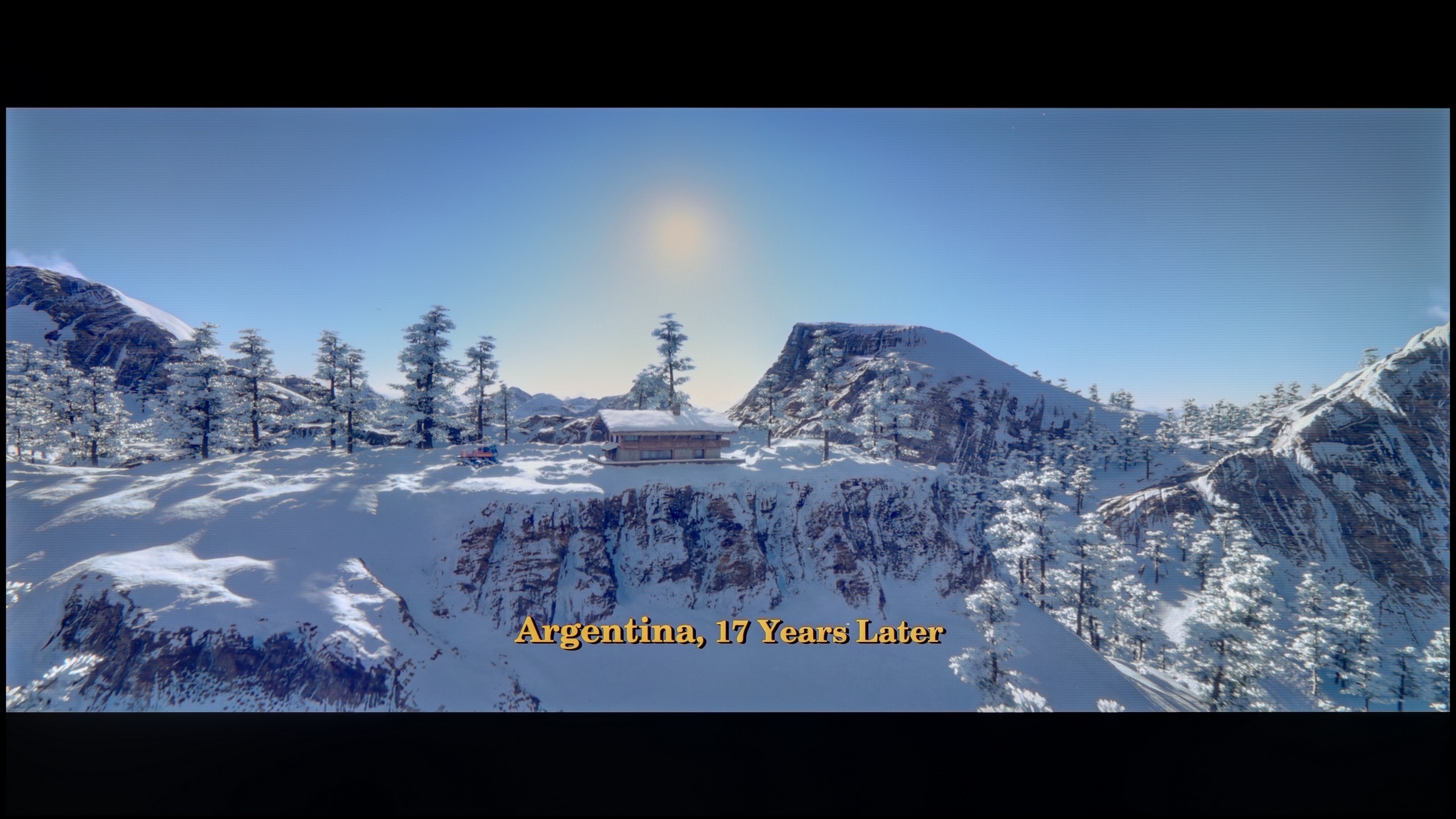

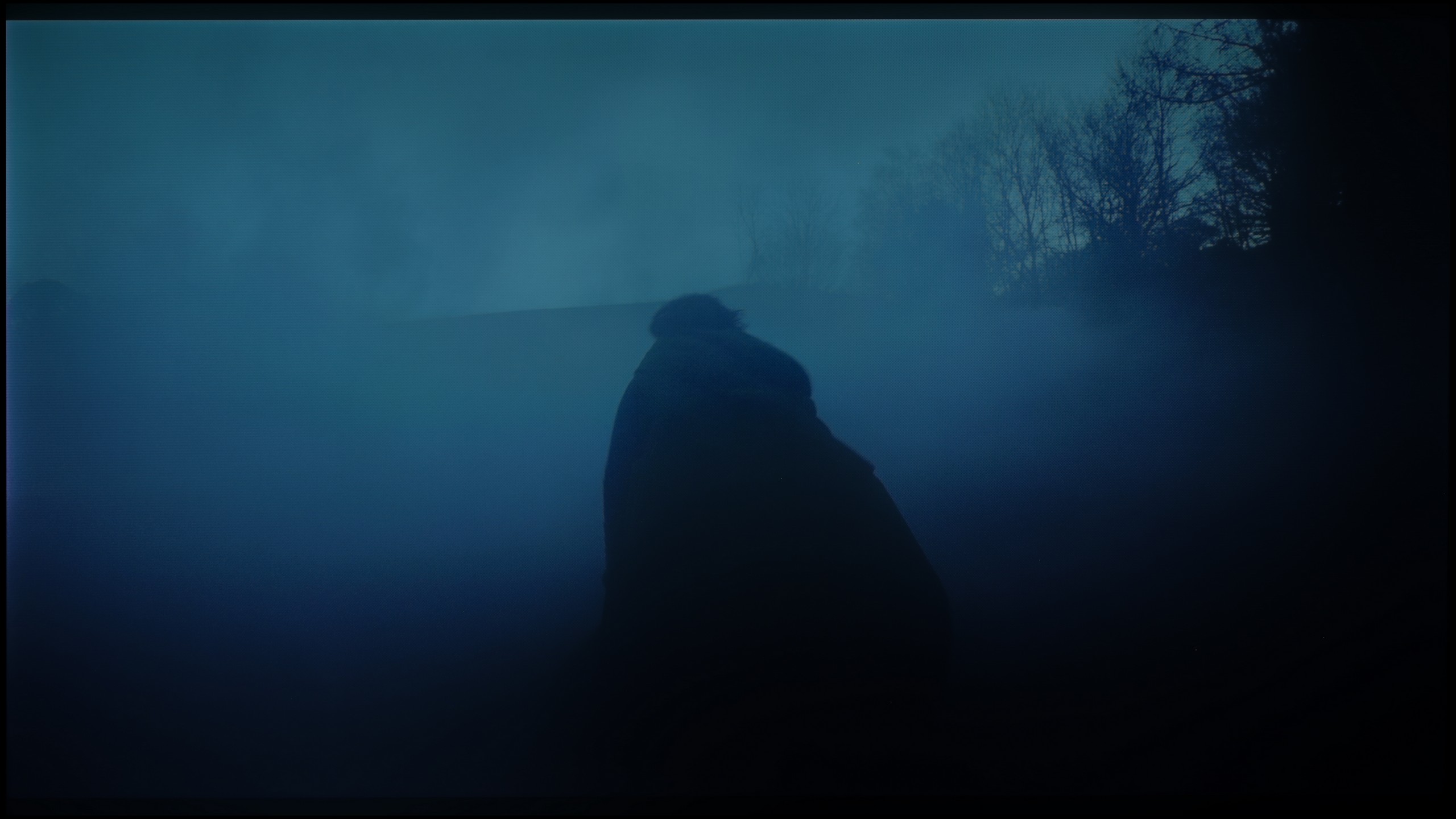
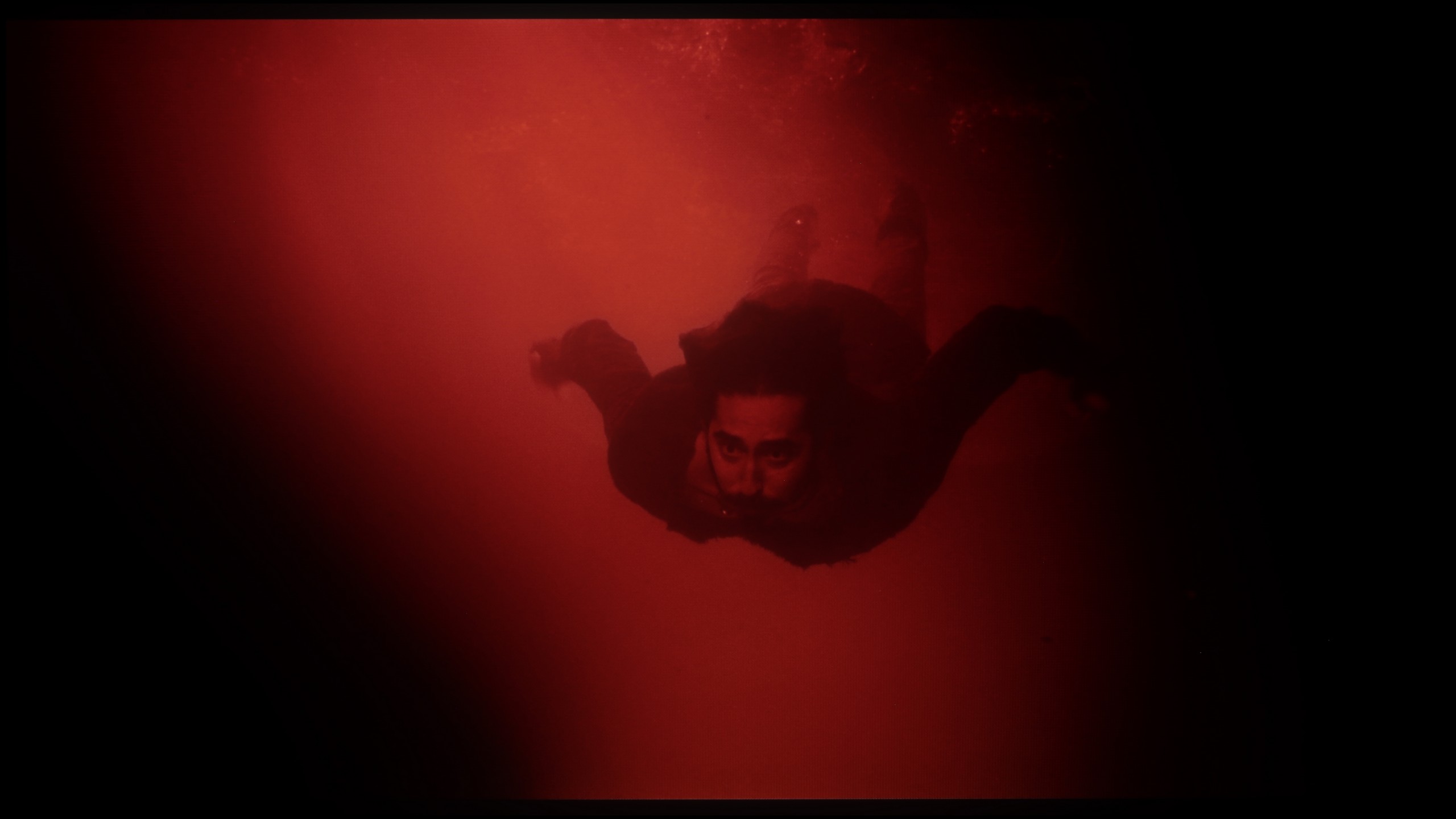
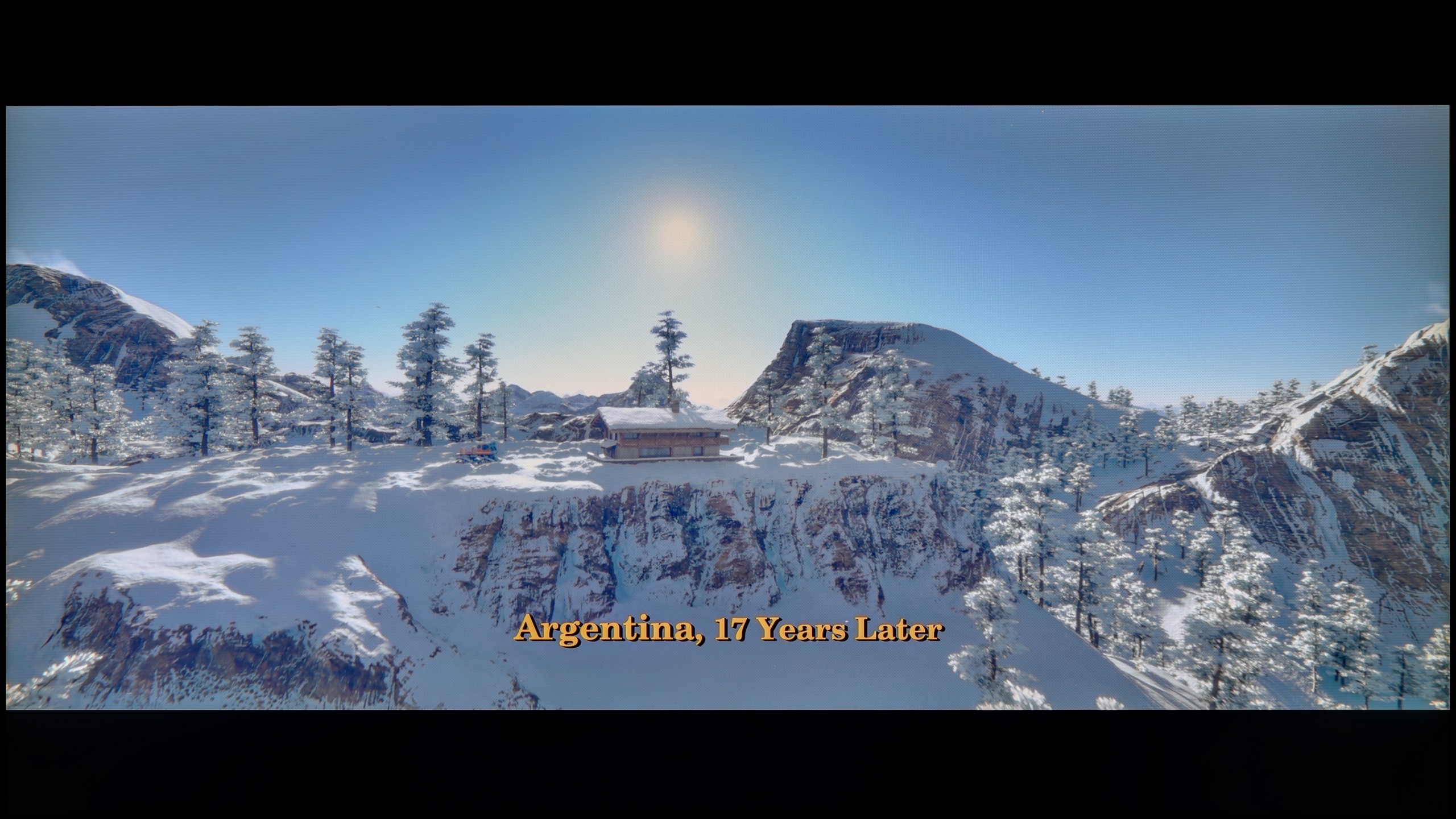
These are selected scenes that show smooth tonal transitions from one color to another. If you see distinct banding, it’s the TV panel’s fault.

These are selected scenes that show smooth tonal transitions from one color to another. If you see distinct banding, it’s the TV panel’s fault.
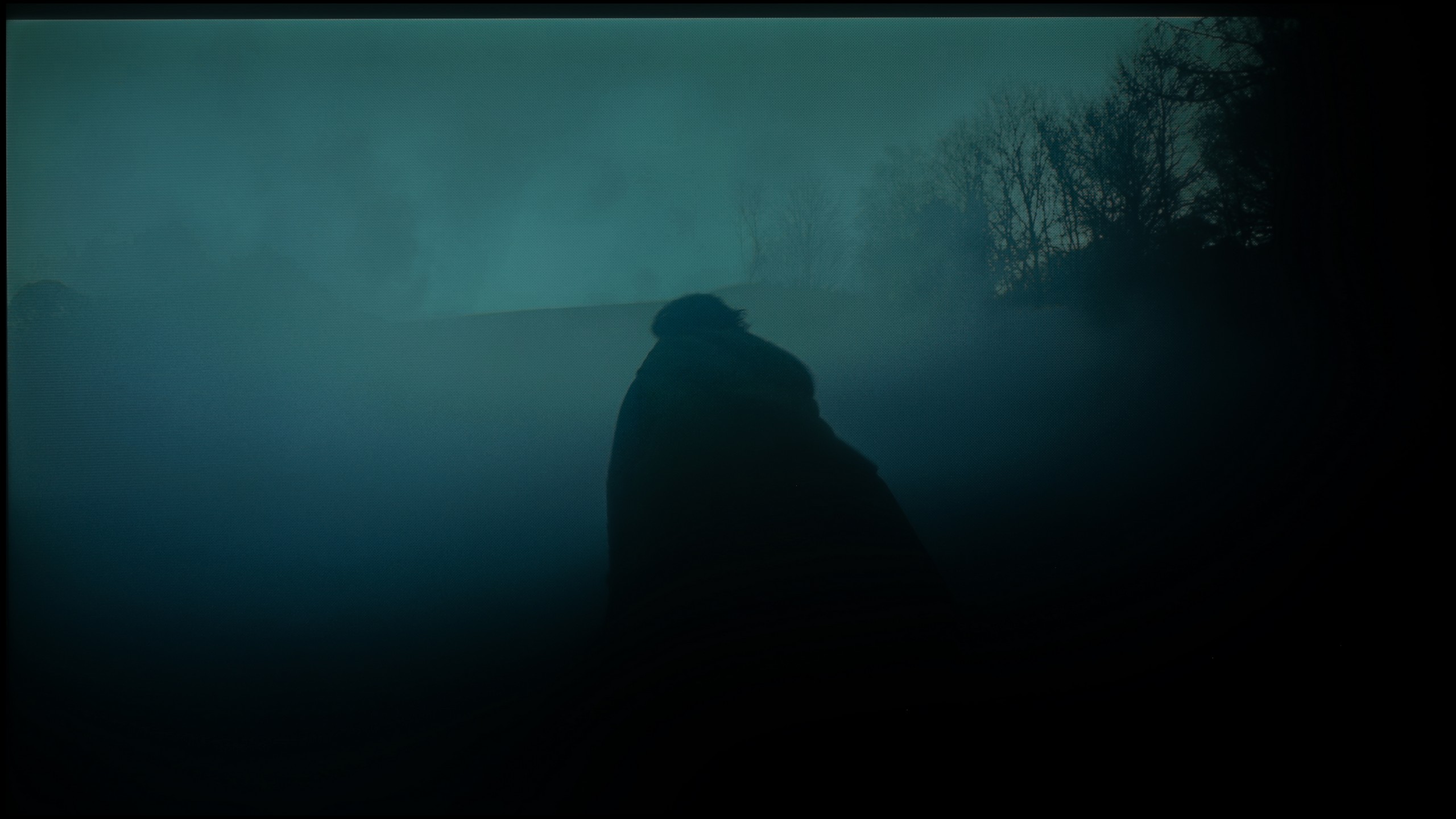
These are selected scenes that show smooth tonal transitions from one color to another. If you see distinct banding, it’s the TV panel’s fault.
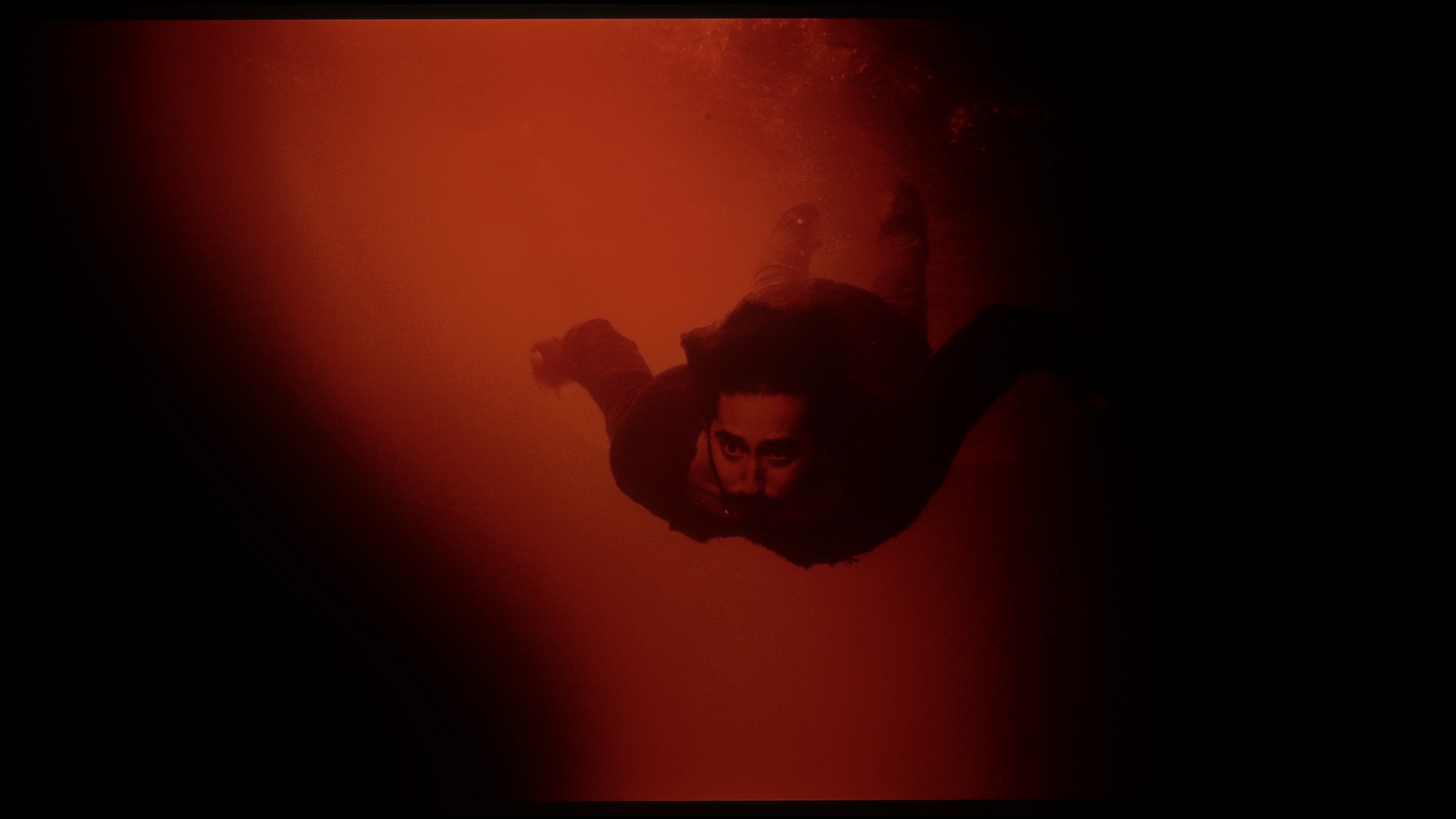
These are selected scenes that show smooth tonal transitions from one color to another. If you see distinct banding, it’s the TV panel’s fault.
In this category, the Hisense E8Q really demonstrates its quality. The transitions between colours are very smooth, without any "steppings" or clear boundaries between tones. The image looks natural, and the colour gradation performs exceptionally well – even in more challenging scenes. If there are any minor imperfections, they are subtle enough not to be noticeable. It's hard to find fault here – it looks almost perfect.
The smoothness of tonal transitions in the LG QNED93A is really impressive. In most scenes, there are no visible artificial colour banding or posterisation effects. Dark scenes, in particular, are surprisingly good – many TVs struggle in these, but here the image remains smooth and consistent. In brighter sections, one can notice some slight colour blending, but it’s not pronounced enough to be distracting. However, during testing, we encountered a noticeable DSE effect, known as “dirty screen.” On our unit, this effect was strong enough that in bright scenes, the corners noticeably darkened, giving the impression of vignetting. This may be a defect of the test unit, but during intensive viewing, it was hard for us to overlook.
Image scaling and smoothness of tonal transitions
6/10
7.8/10

Smooth transition function
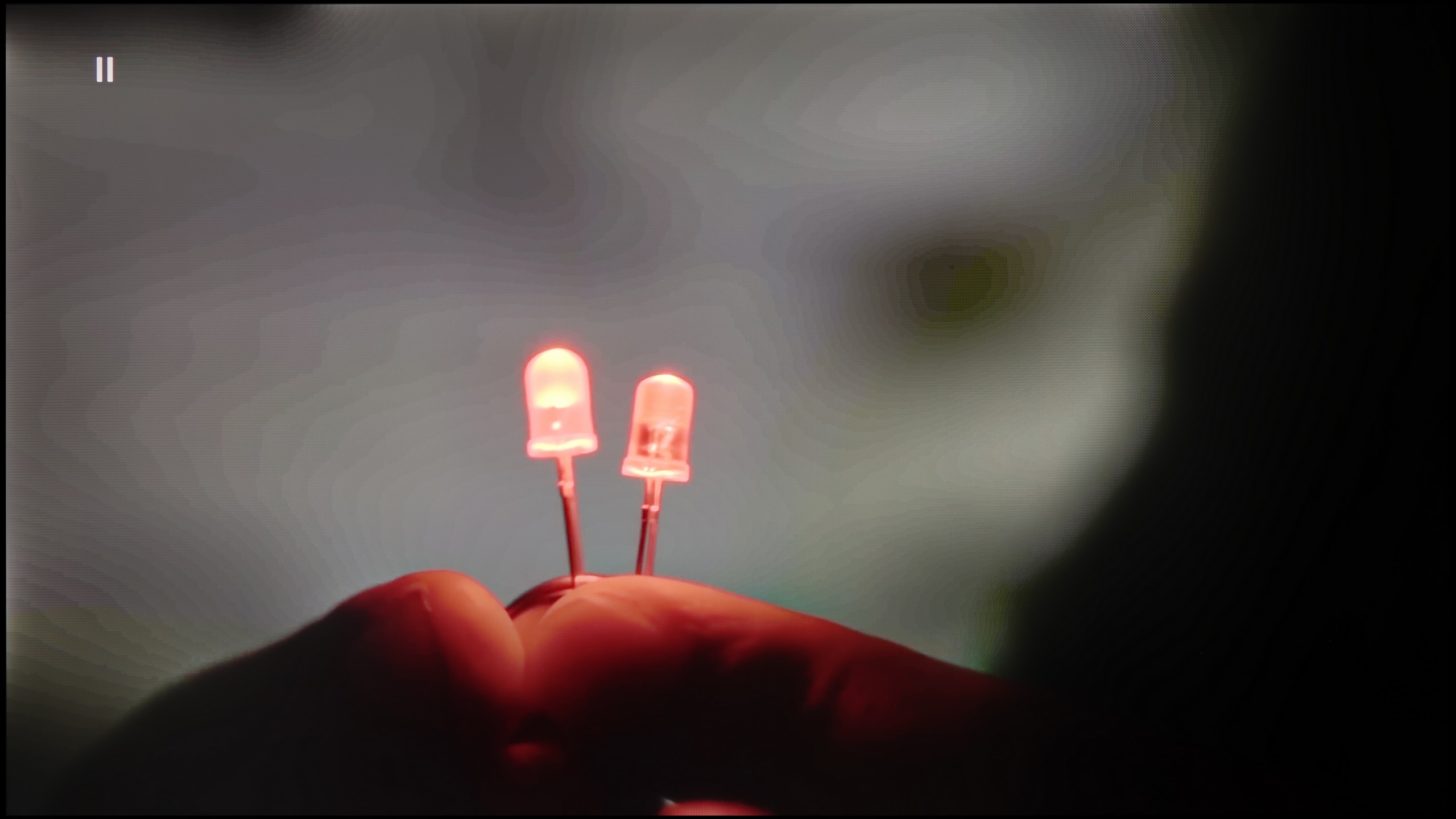
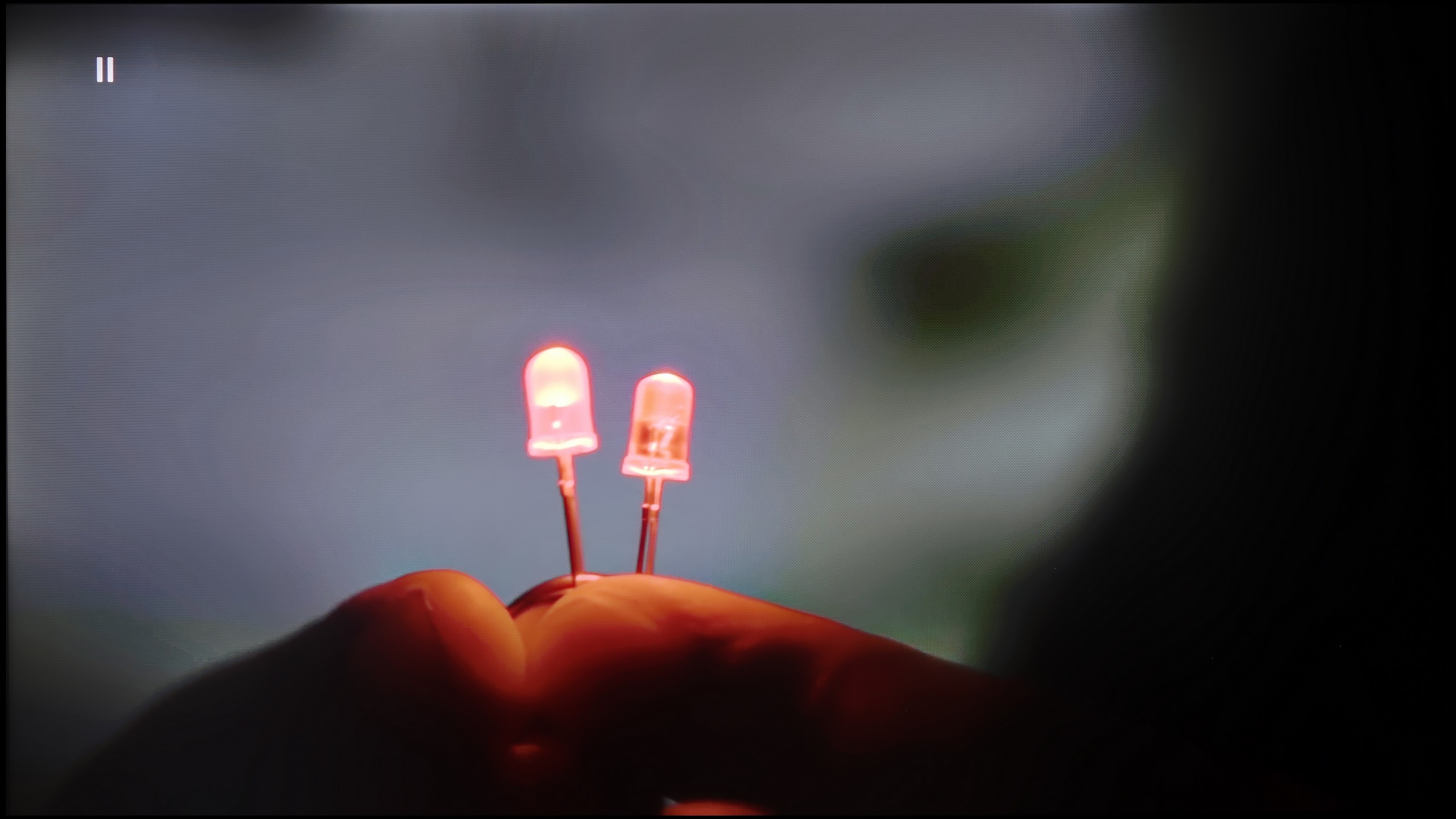
The match photo shows how the TV smooths weak tonal transitions in low-quality video.
Image scaling SD (576i)


The model photo shows how it handles upscaling of SD material.
In the case of older materials of lower quality, gentle smoothing of tonal transitions often comes in handy. The Hisense E8Q, like the U7Q, has a "Smooth and Gradient Picture" feature, but unfortunately, its effectiveness leaves much to be desired. The "Low" setting is nearly invisible in operation, while higher settings blur details instead of improving transitions. The good news is that the feature does not compromise film grain, which means it does not degrade the structure of the image. On the positive side, scaling is commendable. The TV can reasonably convert older content to a higher resolution – without artificially accentuating contours or excessive sharpening. Although it doesn't match the best models in this category, it performs quite well for its class.
The LG QNED93A turns out to be a very solid television for everyday use. Its image processor performs excellently with upscaling, making even older films or free-to-air television sharper and more detailed. During the screening of 'The Godfather,' it’s clearly visible how upscaling brings out additional details from the image – the characters’ faces and the texture of their clothing look significantly clearer than in the original material.
The digital image processing also deserves praise. The television is equipped with a function that reduces unwanted colour banding and screen irregularities. It works best in the 'Medium' setting – subtly smoothing tonal transitions without overly interfering with the image. This way, the natural film grain is preserved, and the screen does not appear artificially smooth. Perhaps in some scenes, slight colour banding can still be noticed, but in practice, the effect is more advantageous than with a stronger intervention from the algorithm.
Blur and motion smoothness
7.1/10
7.6/10

Blur (native resolution, maximum refresh rate):
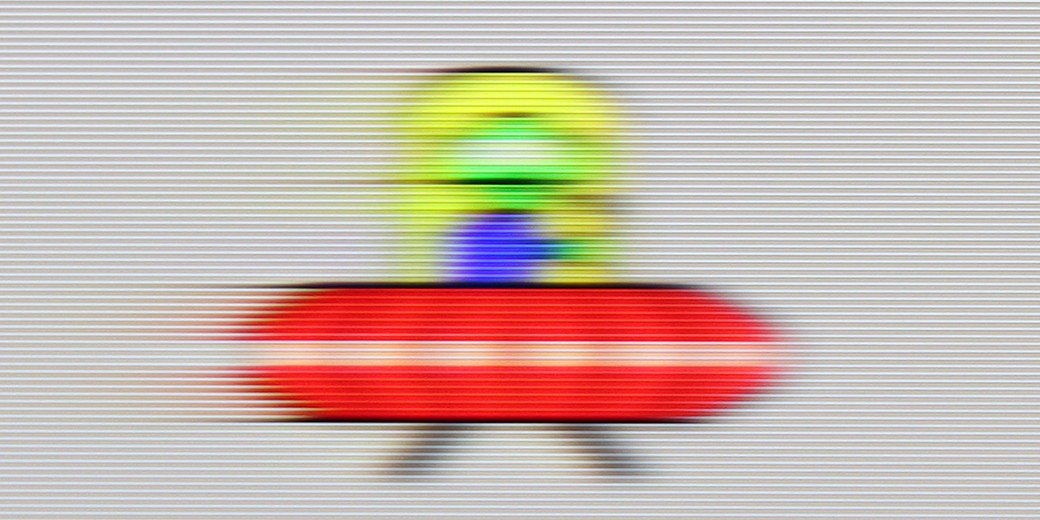
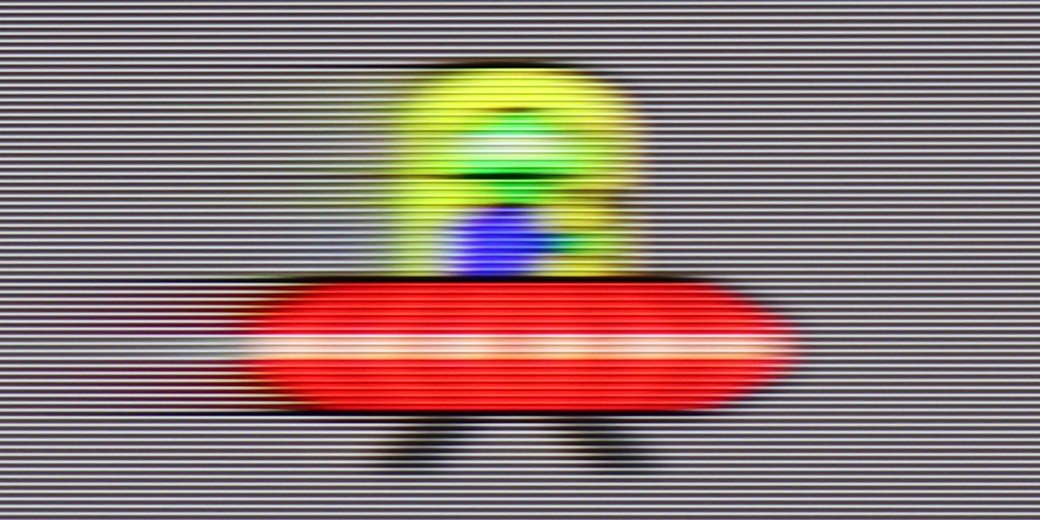
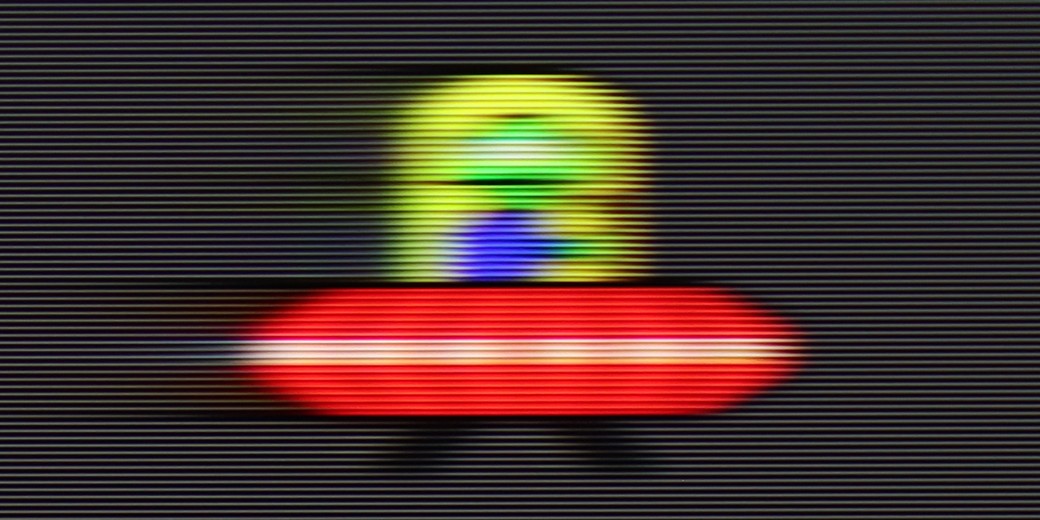

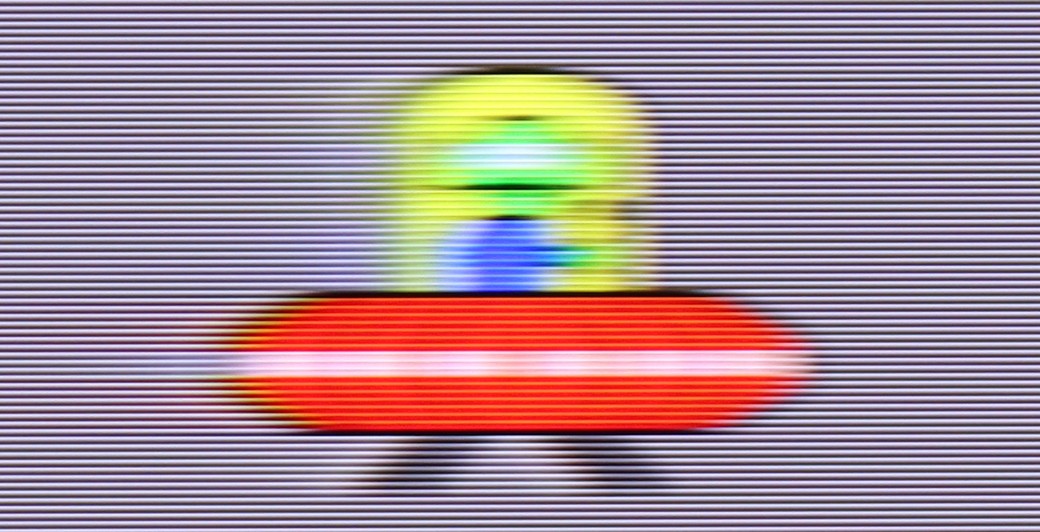
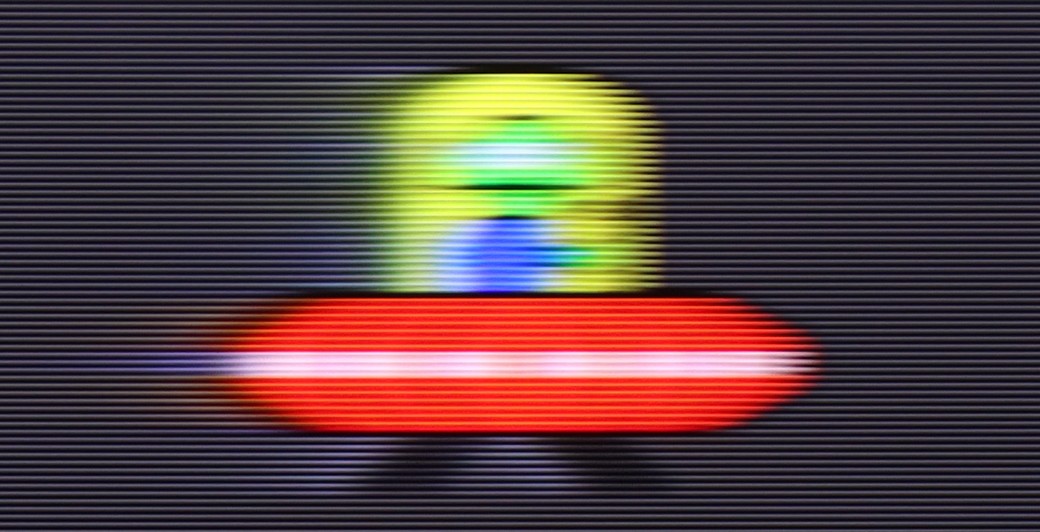
Blur (BFI function enabled):
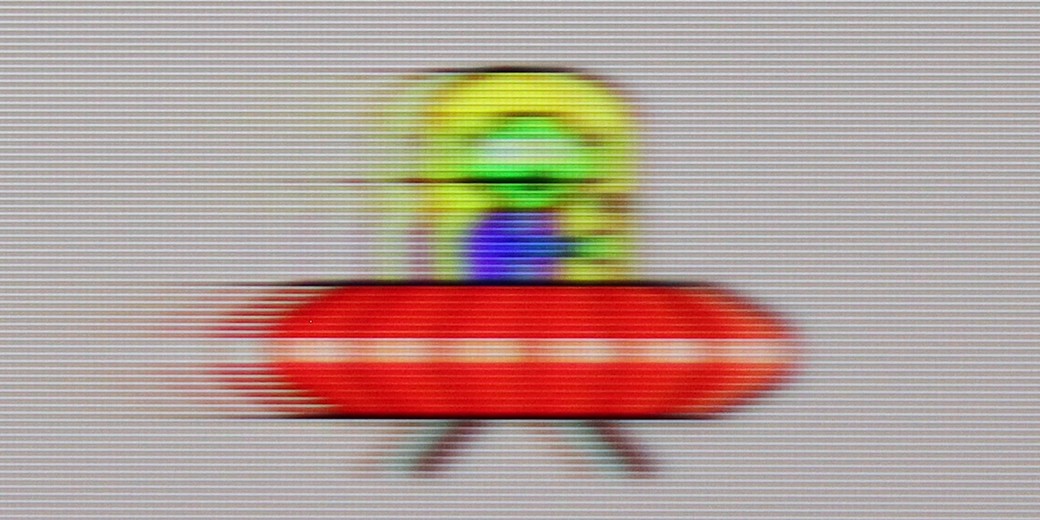
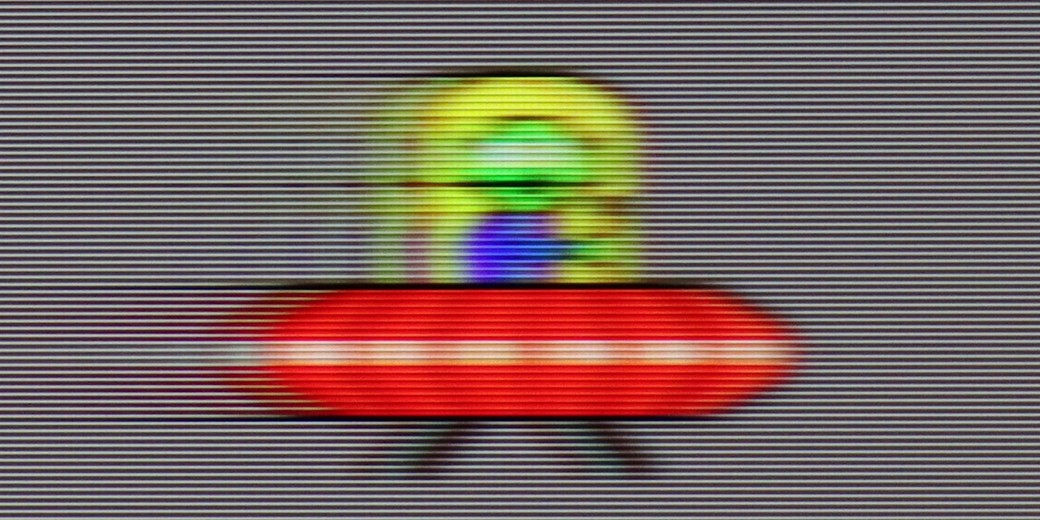
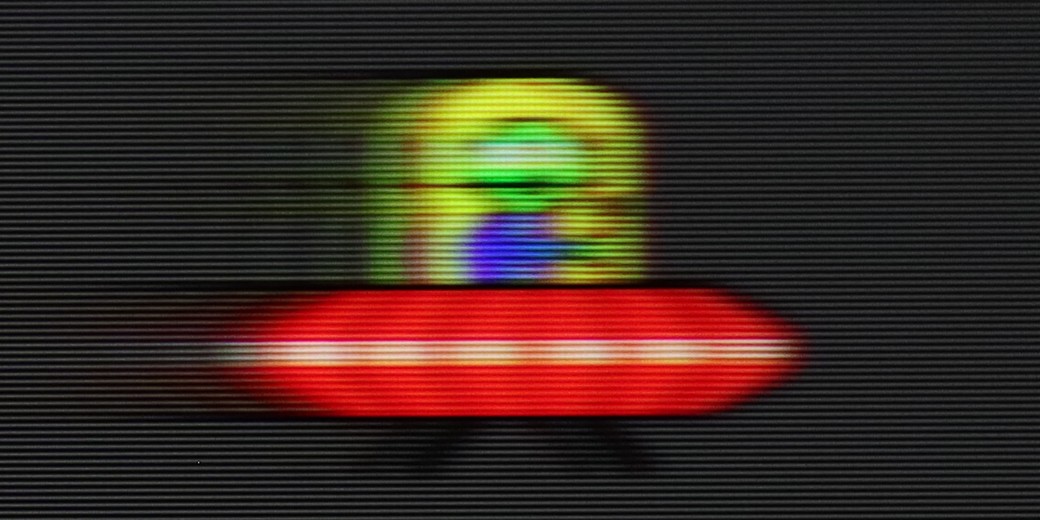
Image flickers in this mode

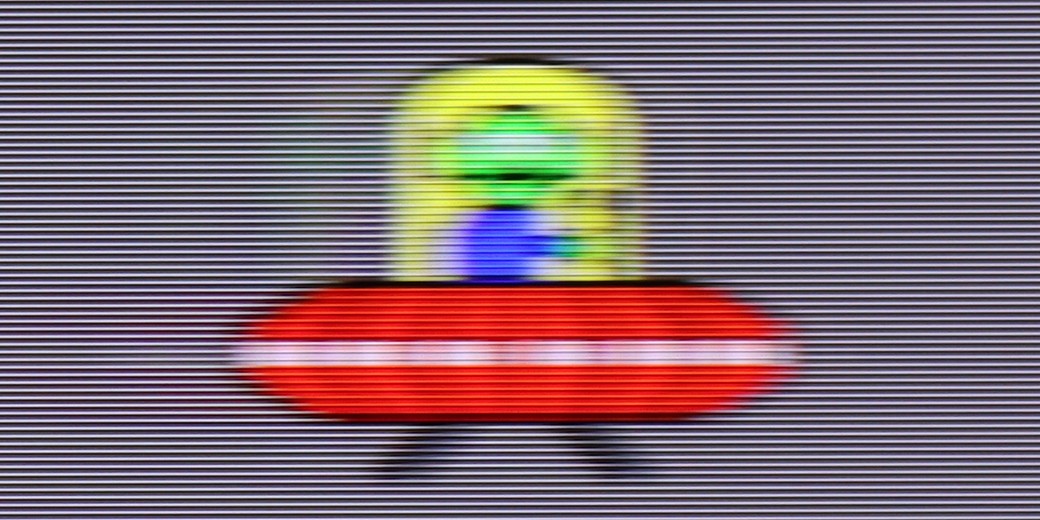
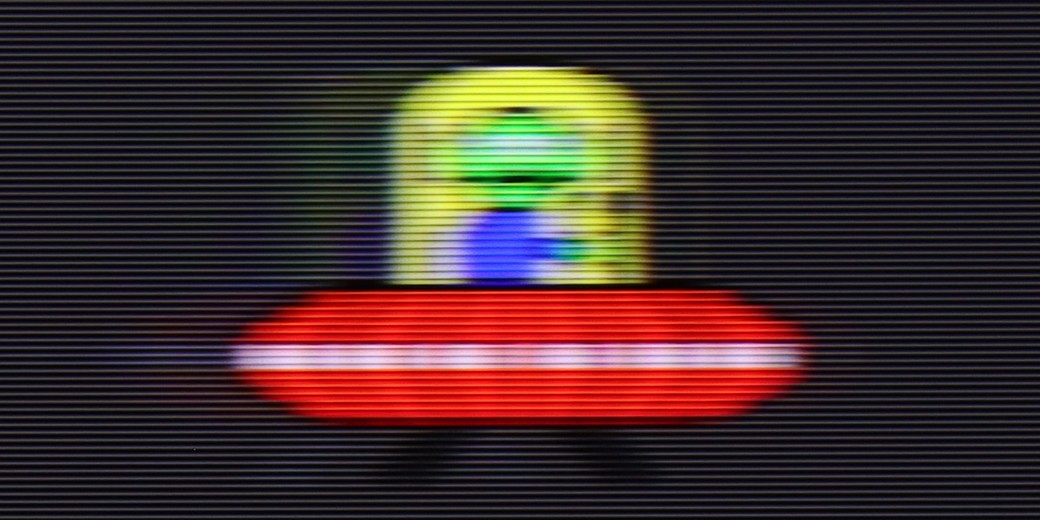
Blur (4K 120Hz):
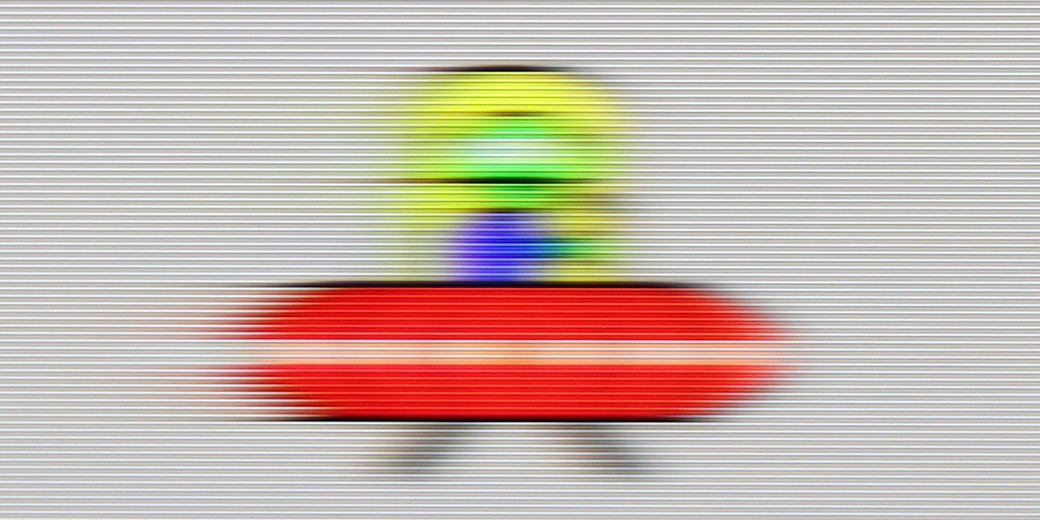
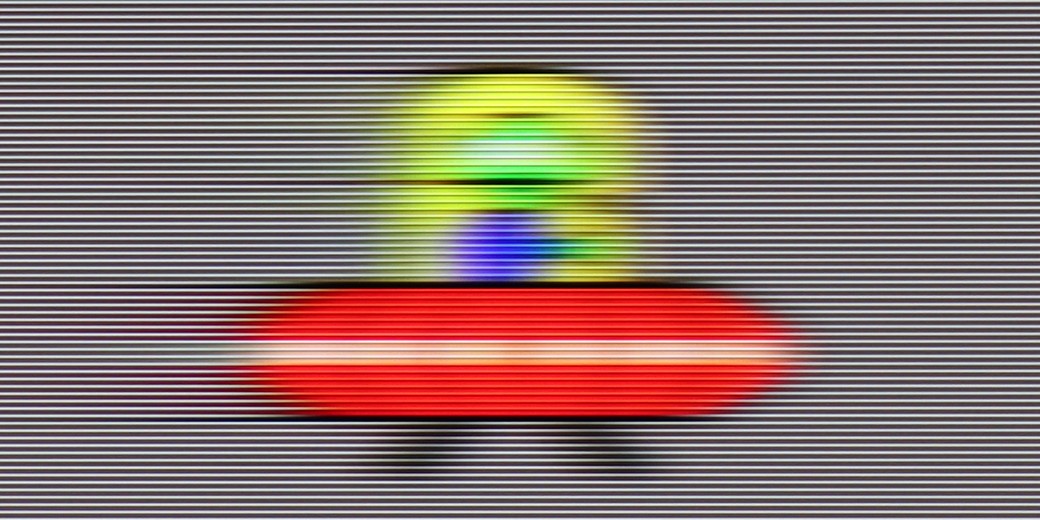
Blur (4K@144Hz):

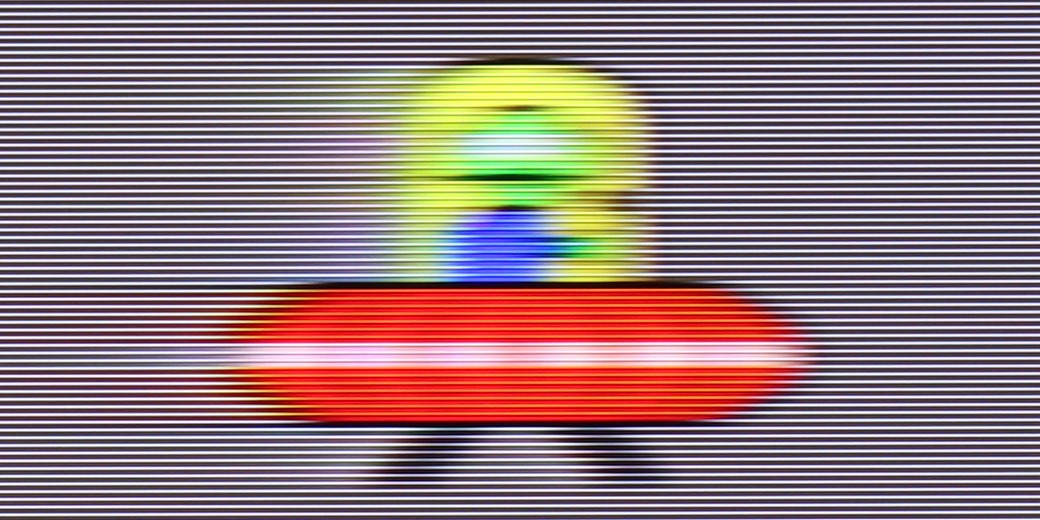
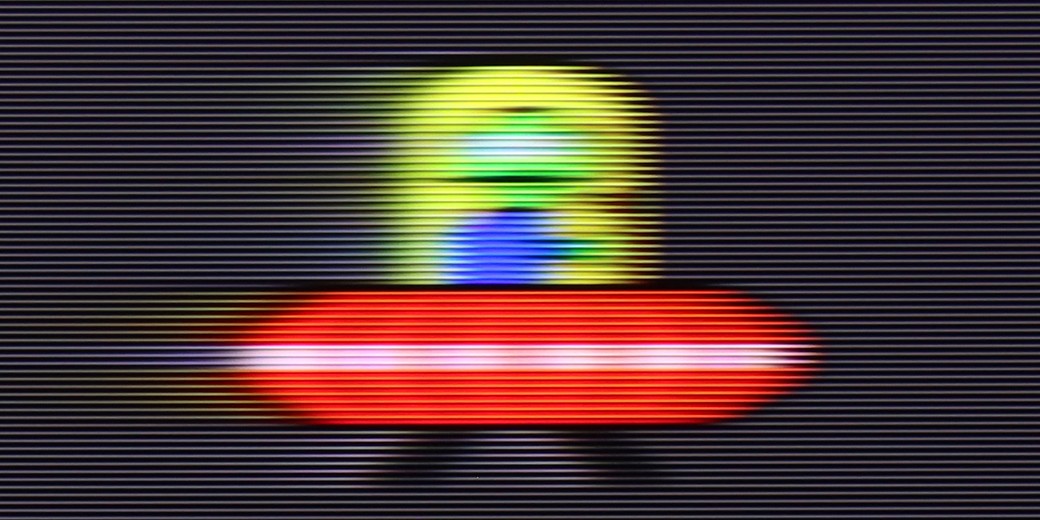
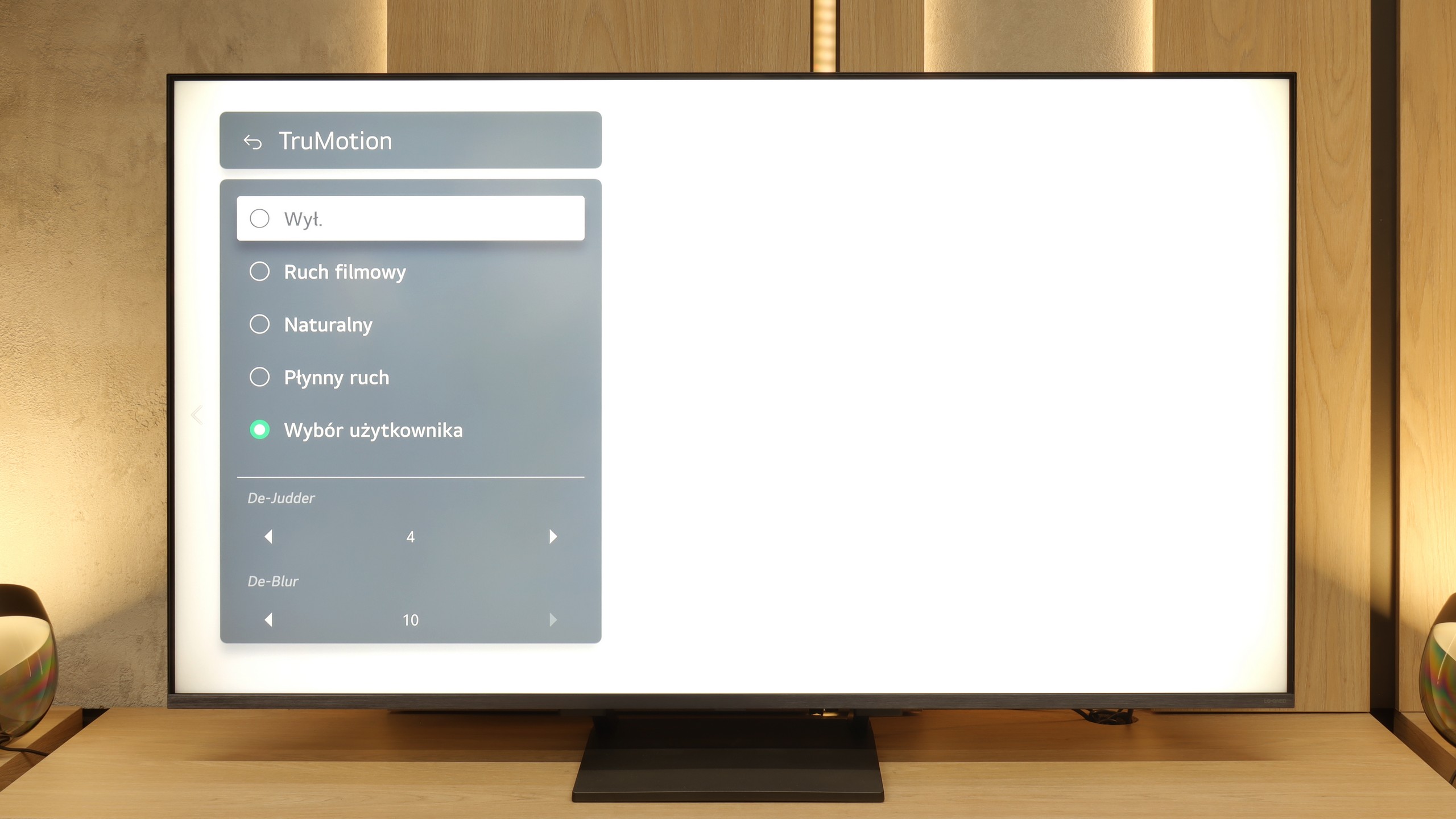
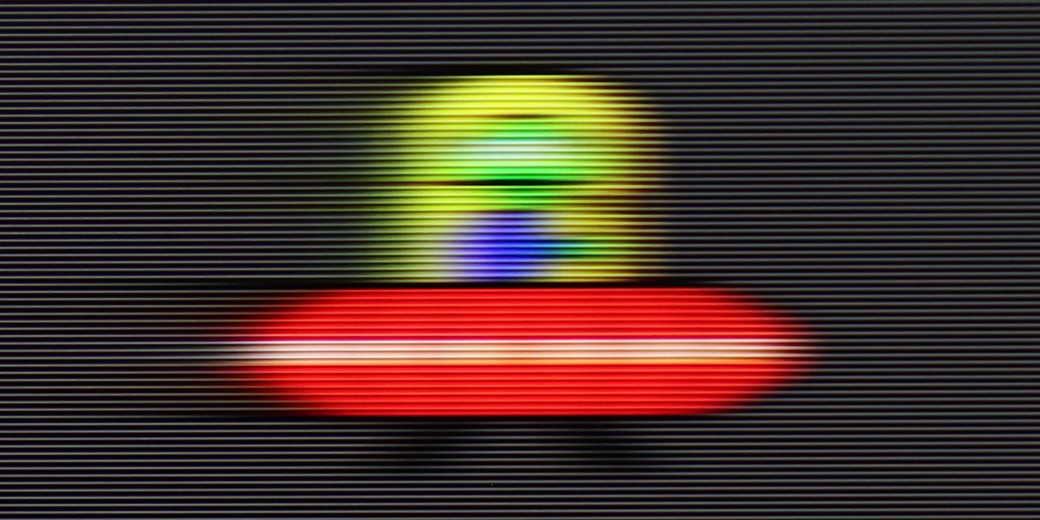
Similar to the U7Q, the E8Q model is a fast television designed with dynamic content in mind. It supports a 144 Hz refresh rate at 4K resolution, and if for some reason someone is still gaming in Full HD – it can even reach 240 Hz. This is a significant advantage, especially for PC users looking for maximum smoothness. In everyday use, the television performs very well. The “Ultra Motion Smoothness” mode gives us two sliders, allowing you to set the picture to your preference – whether it's more cinematic with the film frame preserved or highly smoothed, almost “TV show-like.” It's good that the manufacturer provides a choice here, instead of imposing one style. On sports material, live broadcasts, or in games – motion looks clean and stable. Sure, it’s not at the OLED level, but for this price range, the E8Q does a really good job.
LG QNED93A has been equipped with a 144 Hz panel. This is primarily a nod to gamers, but the fact that higher refresh rates are increasingly appearing in televisions can be viewed positively. In everyday viewing, 120 Hz remains key, and in this regard, the QNED93A performs well. The manufacturer also provides the option to adjust the picture thanks to the TruMotion system – the De-Judder and De-Blur sliders allow you to choose between a cinematic motion feel with visible frames and full smoothing with theatrical motion.
Console compatibility and gaming features
8.5/10
9.8/10
- ALLM
- VRR
- VRR range48 - 240Hz48 - 144Hz
- Dolby Vision Game Mode
- Correct implementation of HGIG

- 1080p@120Hz
- 1440p@120Hz
- 4K@120Hz
- Game bar
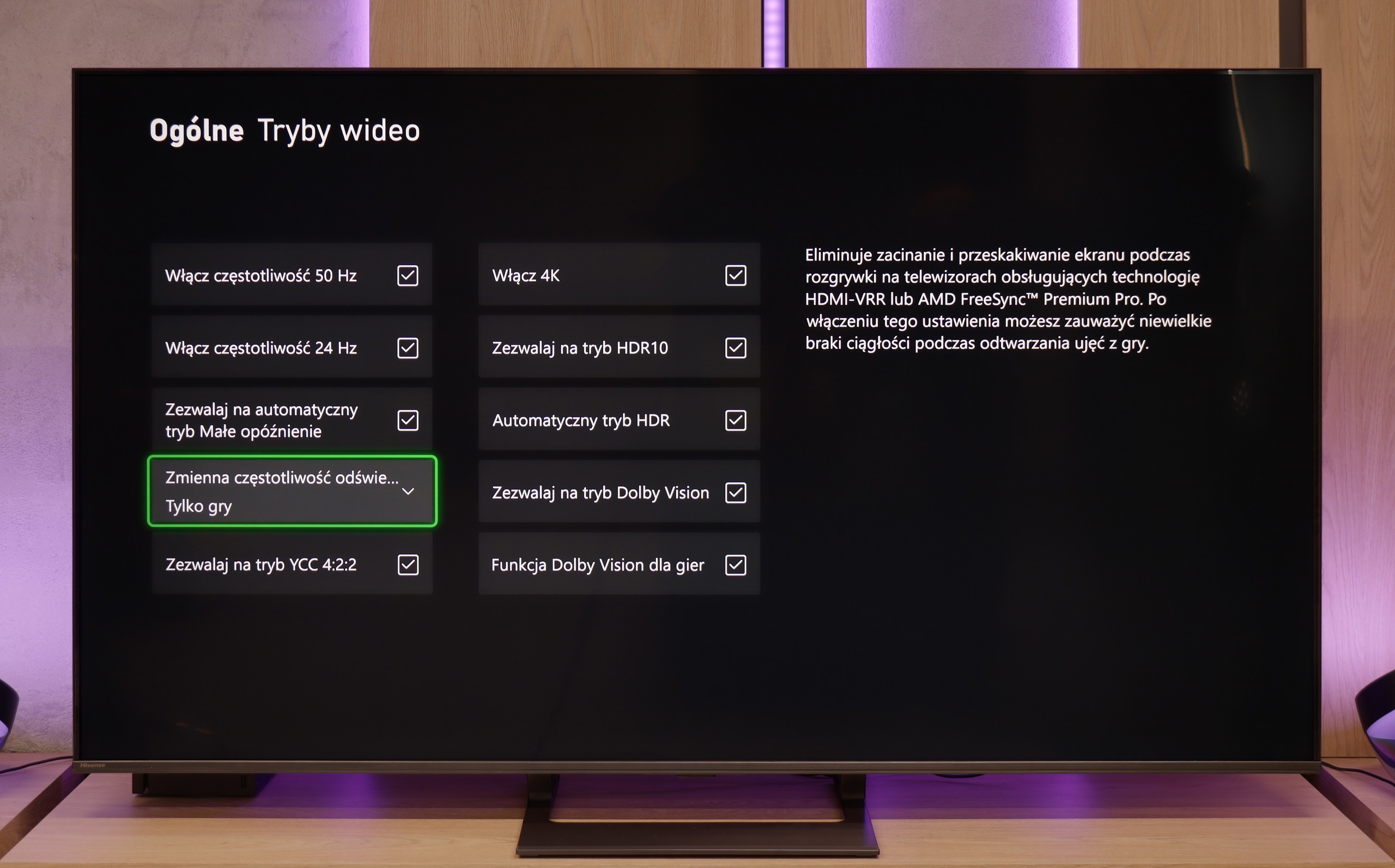
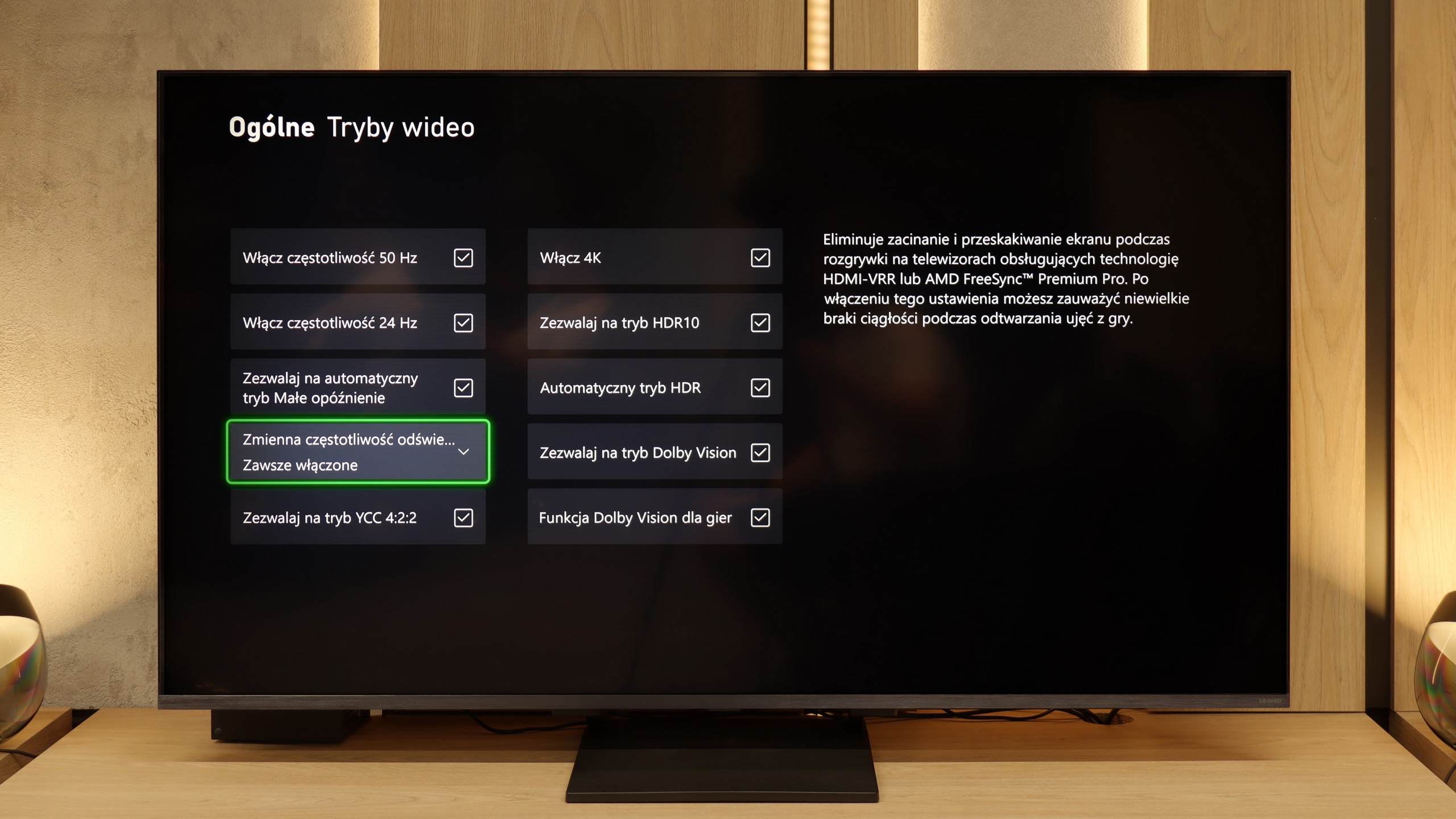
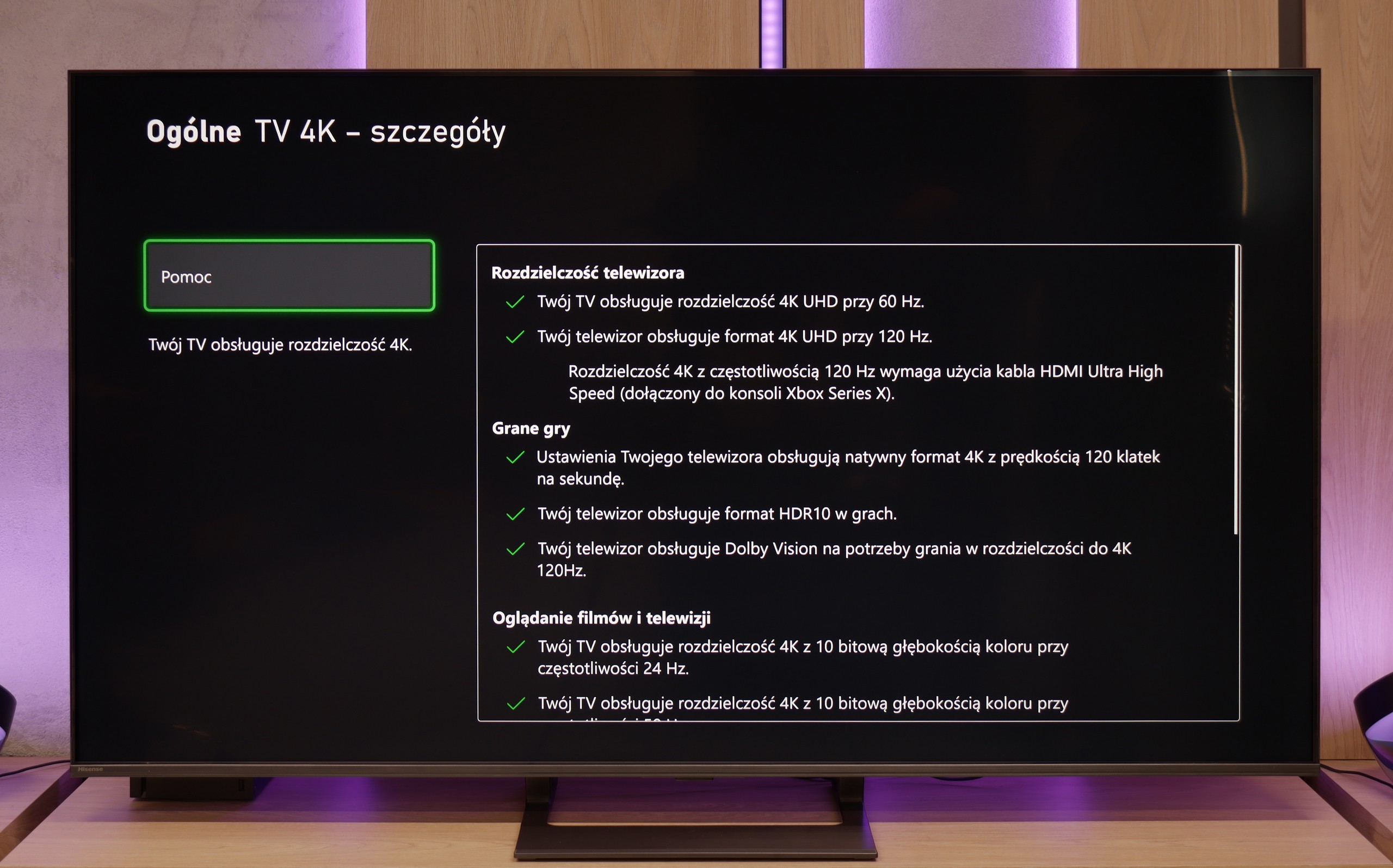
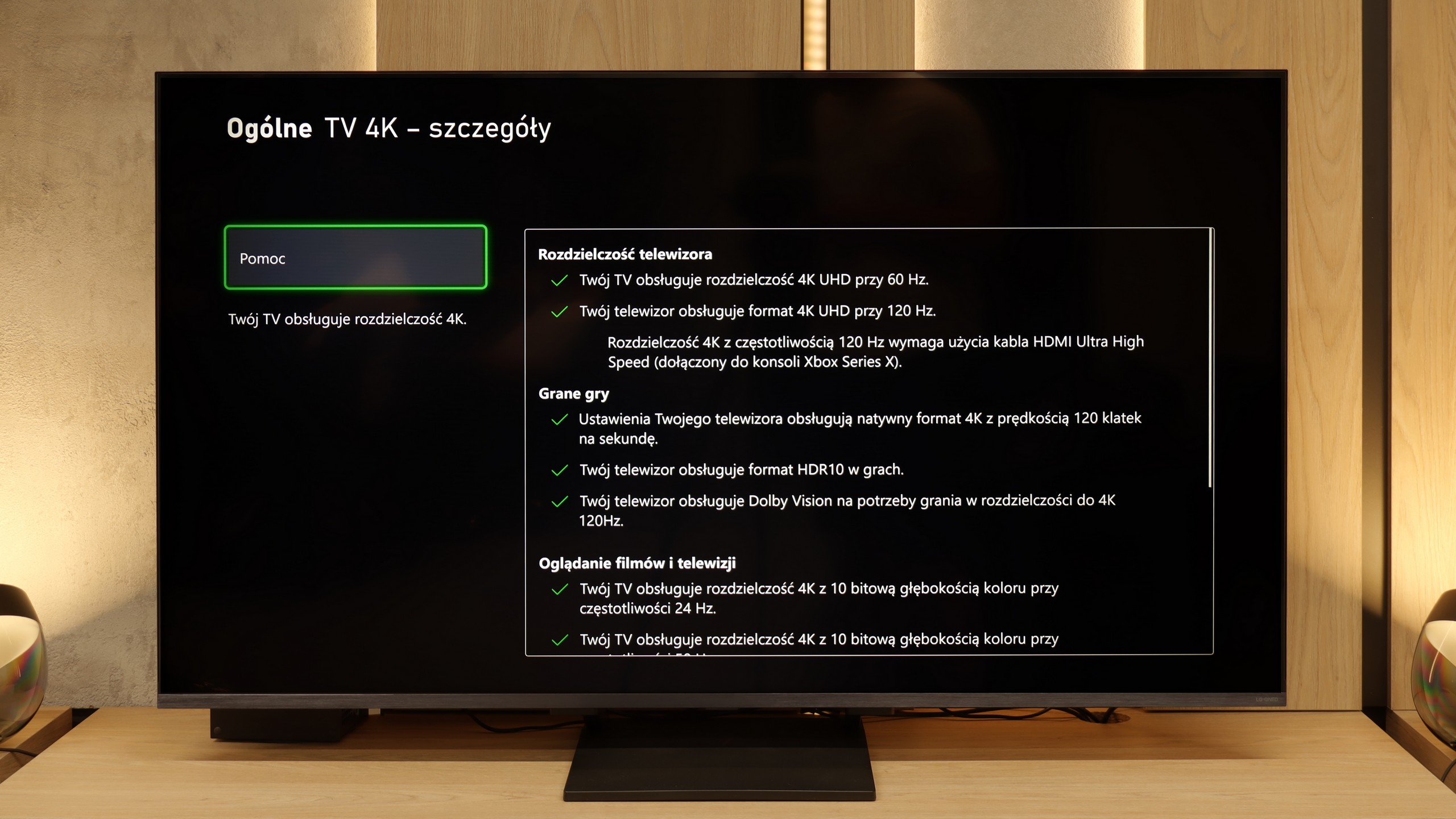
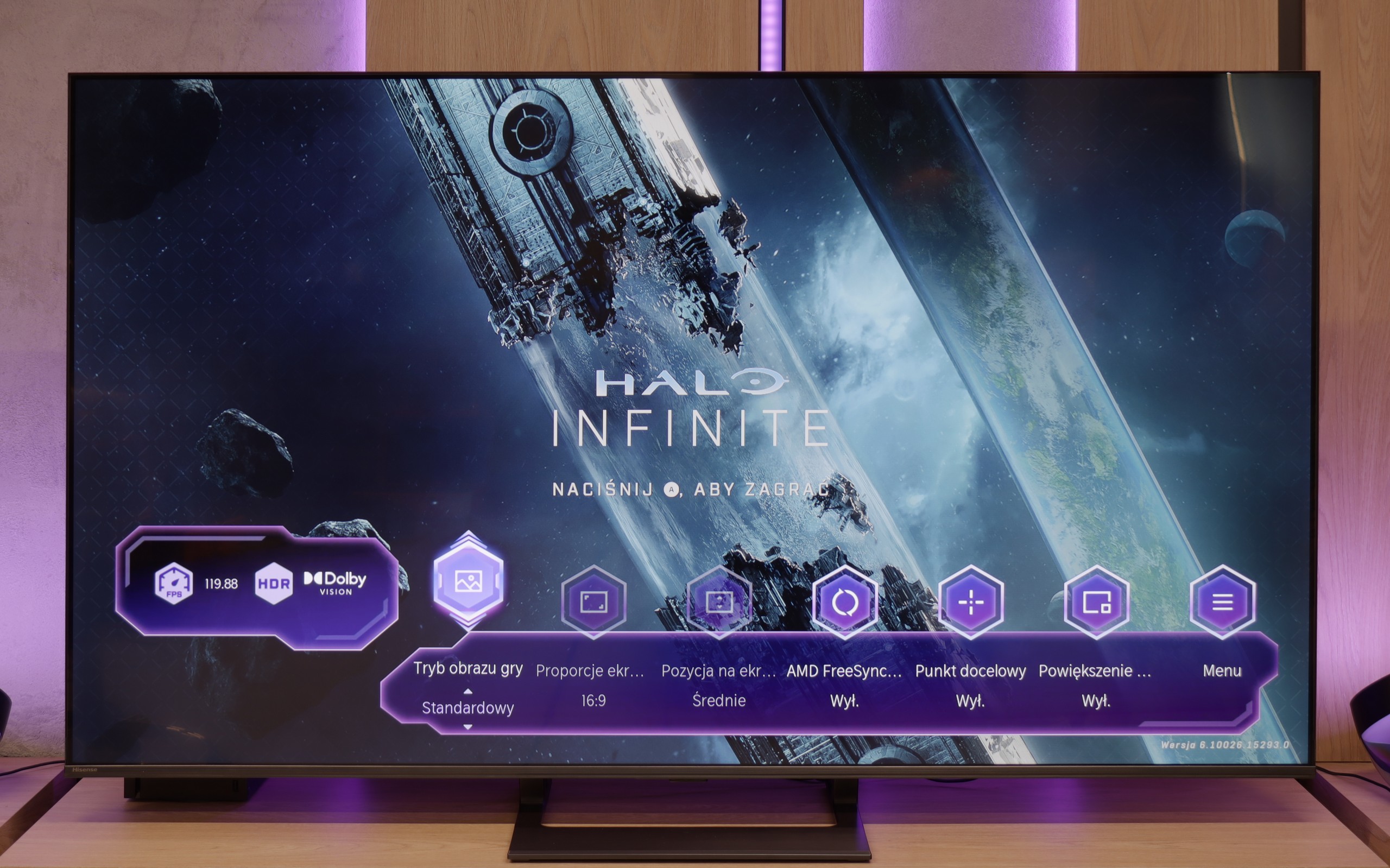
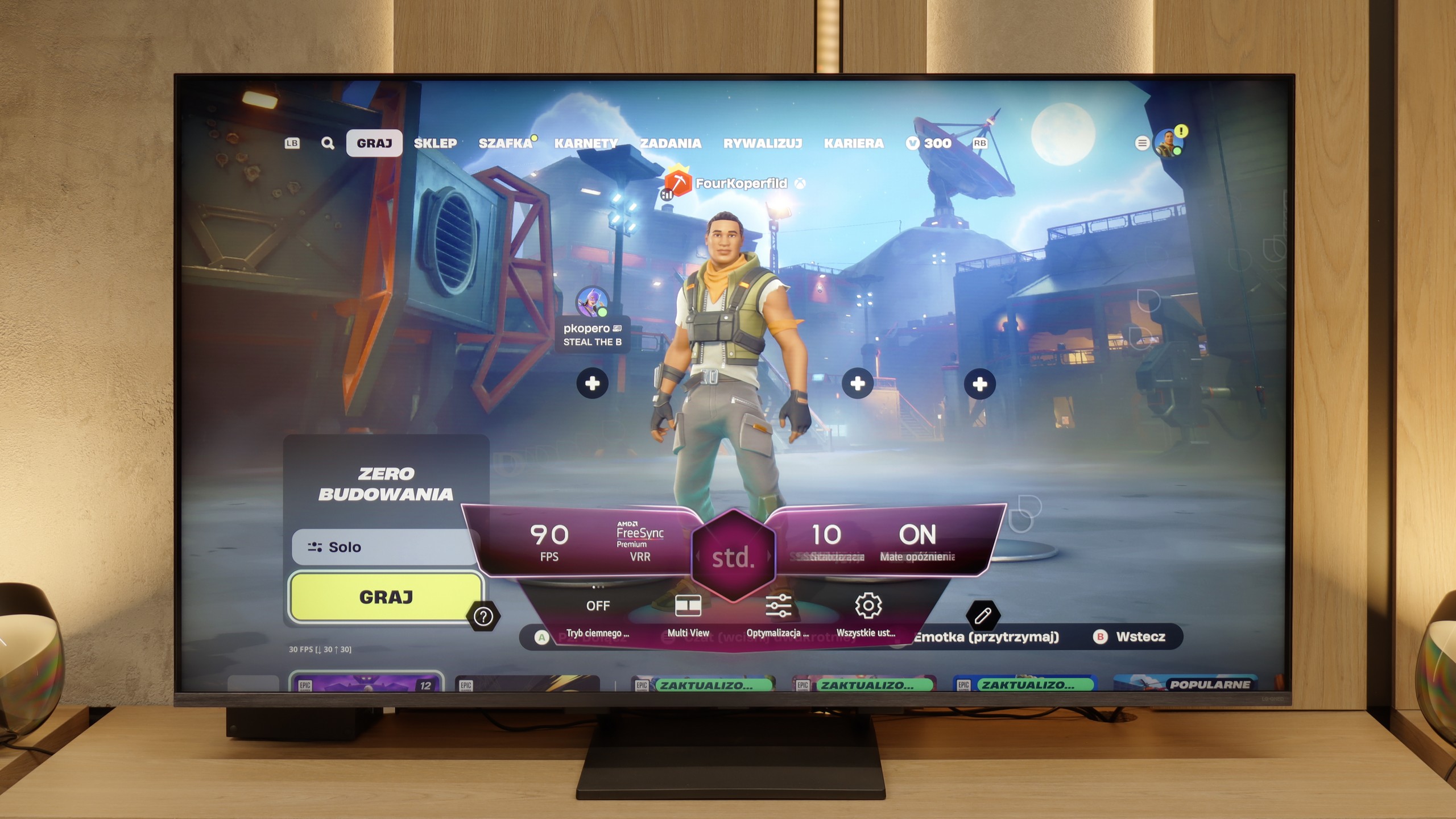
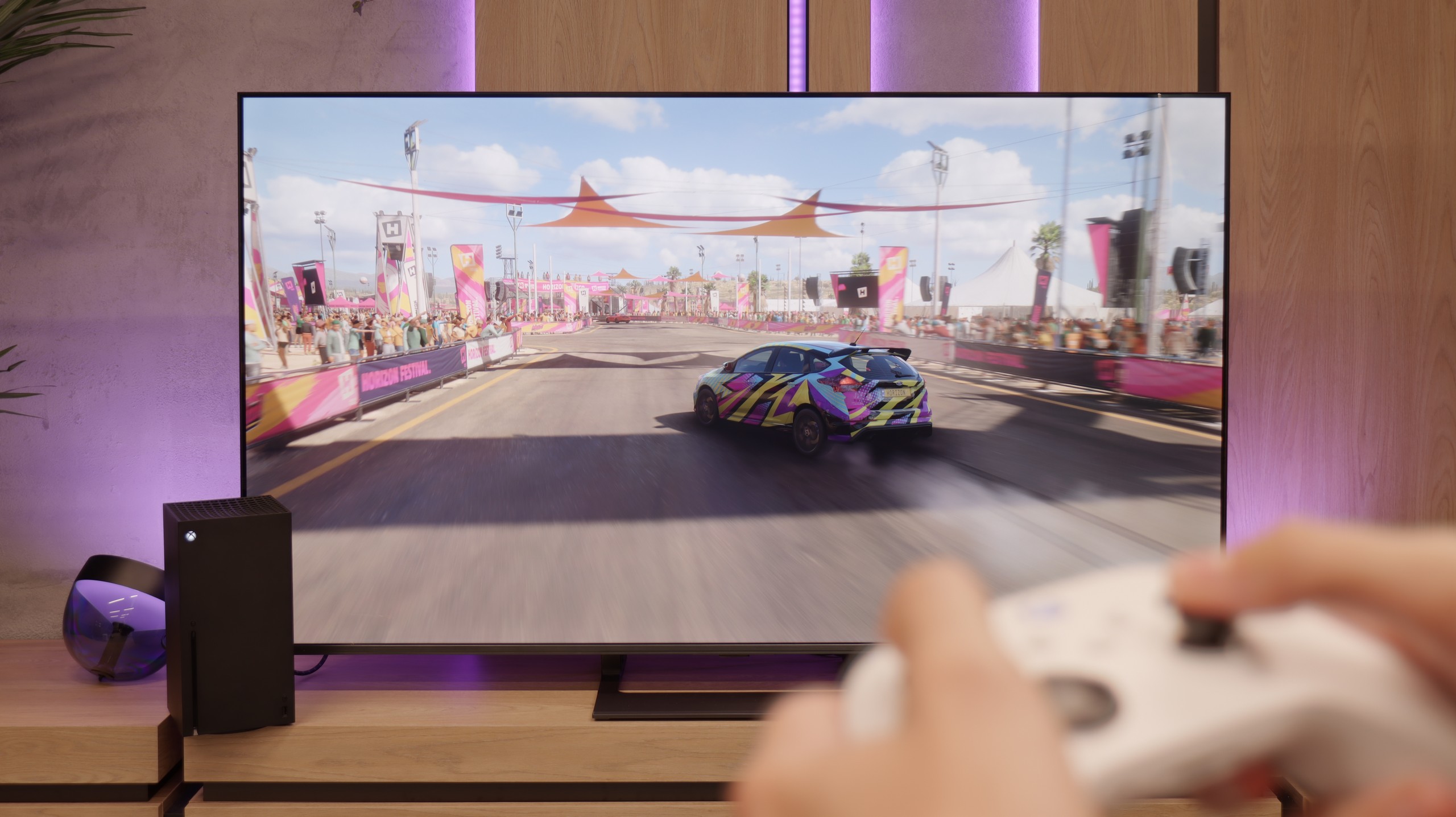
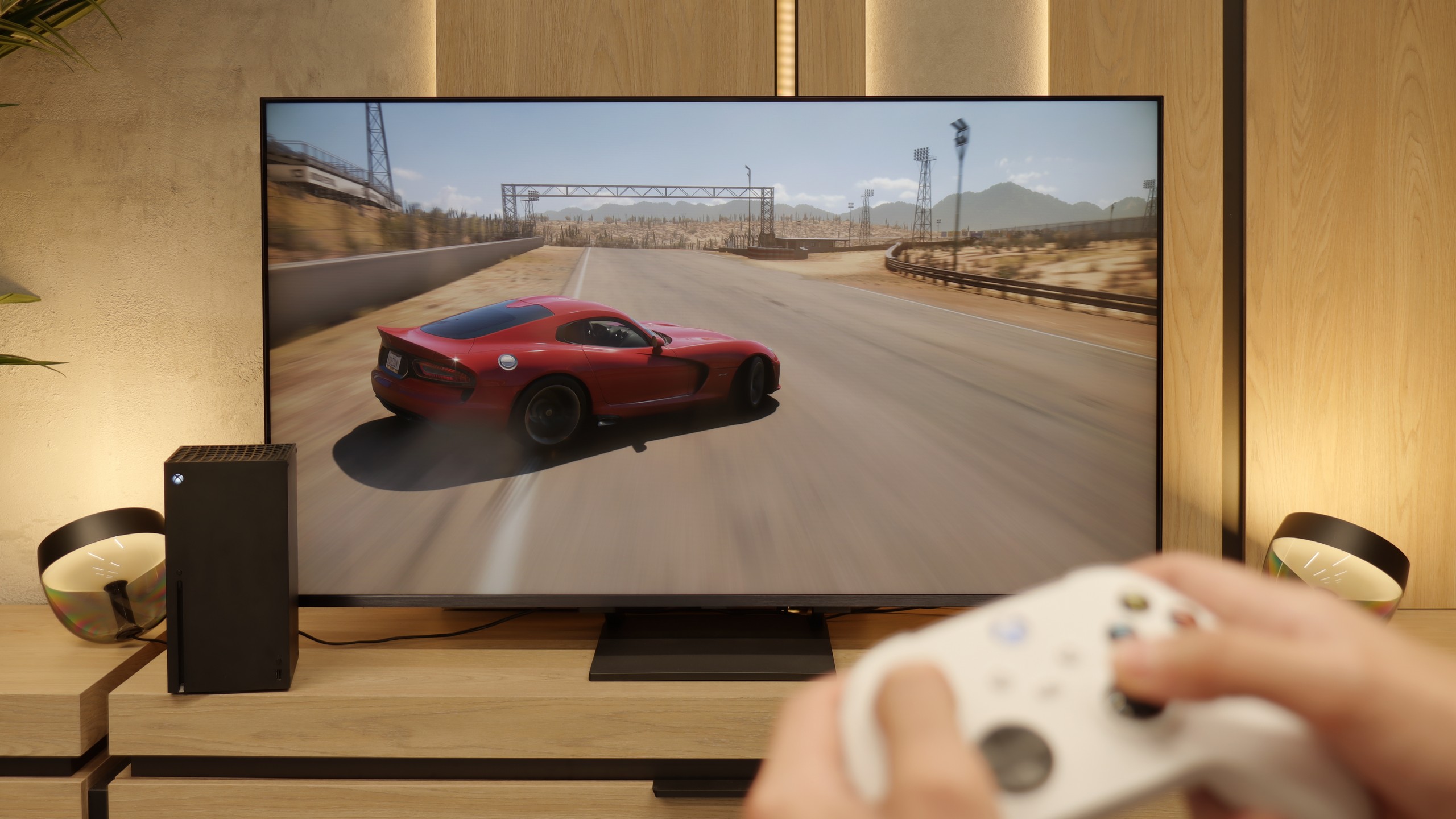
Hisense E8Q does not hide its gaming pedigree. Just the specifications reveal that we are dealing with a television that will perform excellently as a gaming screen. Variable Refresh Rate (VRR)? It's there. Automatic Game Mode switching (ALLM)? That's there too. Additionally, there's impressive refreshment – 120 Hz in 4K or even 240 Hz in Full HD. Such a set is rare in this price segment. Everything runs smoothly and without major surprises. The only missing element – similar to the U7Q – remains support for HGiG. It's a shame because this feature facilitates adjusting the brightness curve to the capabilities of the specific television, enhancing visual fidelity with the intentions of HDR game developers. Without it, manual tweaking of the settings is necessary, which does not always yield a satisfying result.
LG QNED93A is a television that has undoubtedly been designed with gamers in mind. Right from the start, we get a complete package – all four HDMI ports operate in 2.1 standard, so whether we connect a console, a PC, or a receiver, we have full compatibility. This is important because many manufacturers still limit themselves to two ports, and here nothing stands in the way of having maximum capabilities for all the equipment. There’s also an automatic game mode (ALLM), which automatically switches the television to the appropriate settings when the console is turned on, as well as variable refresh rate (VRR). This means the image doesn’t stutter or glitch, even when the frame rate drops – whether in dynamic shooters or during races.
The 144 Hz panel gives an additional advantage in computer games. While 120 Hz is enough for consoles, the QNED93A allows PCs to push even more – every movement, every glance to the side is refreshed faster, which makes a difference especially in e-sports. The manufacturer also considered HDR in games – the television supports HGiG mode, which are guidelines intended to ensure that the lighting effects are exactly as the game developers intended. To top it off, we get Game Bar – a special information bar called up on the screen that shows parameters in real time. You can check the frame rate, active VRR functions, or input lag levels. This solution is useful not only for settings enthusiasts but for anyone who wants to quickly check what mode the television is operating in and whether everything is working as it should.
Input lag
9.7/10
9.8/10
SDR
HDR
Dolby Vision
The E8Q handles delays very well. For 120 Hz content, the input lag is super low – practically imperceptible even for more demanding players. At 60 Hz, the values are slightly higher, but still comfortably within the "placebo" range – there's nothing to complain about. The biggest increase in latency was noted in Dolby Vision Gaming mode. The TV needs more time to process the signal then, but even in this scenario, it doesn't exceed 30 ms. These may not be ideal values, but for most players – especially console gamers – it won't be a problem.
In the delay field, the LG QNED93A has nothing to be ashamed of. The television responds instantly to our actions, which is evident from the first tests with the controller in hand. In 120 Hz mode, the input lag drops to around 7 ms, meaning almost immediate reaction – shots, passes, or precise movements of the stick are instantly reflected on the screen. For 60 Hz content, the result slightly increases to just under 15 ms, but it still remains within the full comfort zone. An interesting feature is the Dolby Vision mode for gaming, which on the QNED93A works with the Xbox Series X console. Here, the lag increases to about 20 ms. In theory, this could be considered a deterioration, but in practice, it's still a very good result. Even with such a demanding picture standard, gameplay remains dynamic, and the differences in control are practically imperceptible.
Compatibility with PC
8.6/10
8.6/10
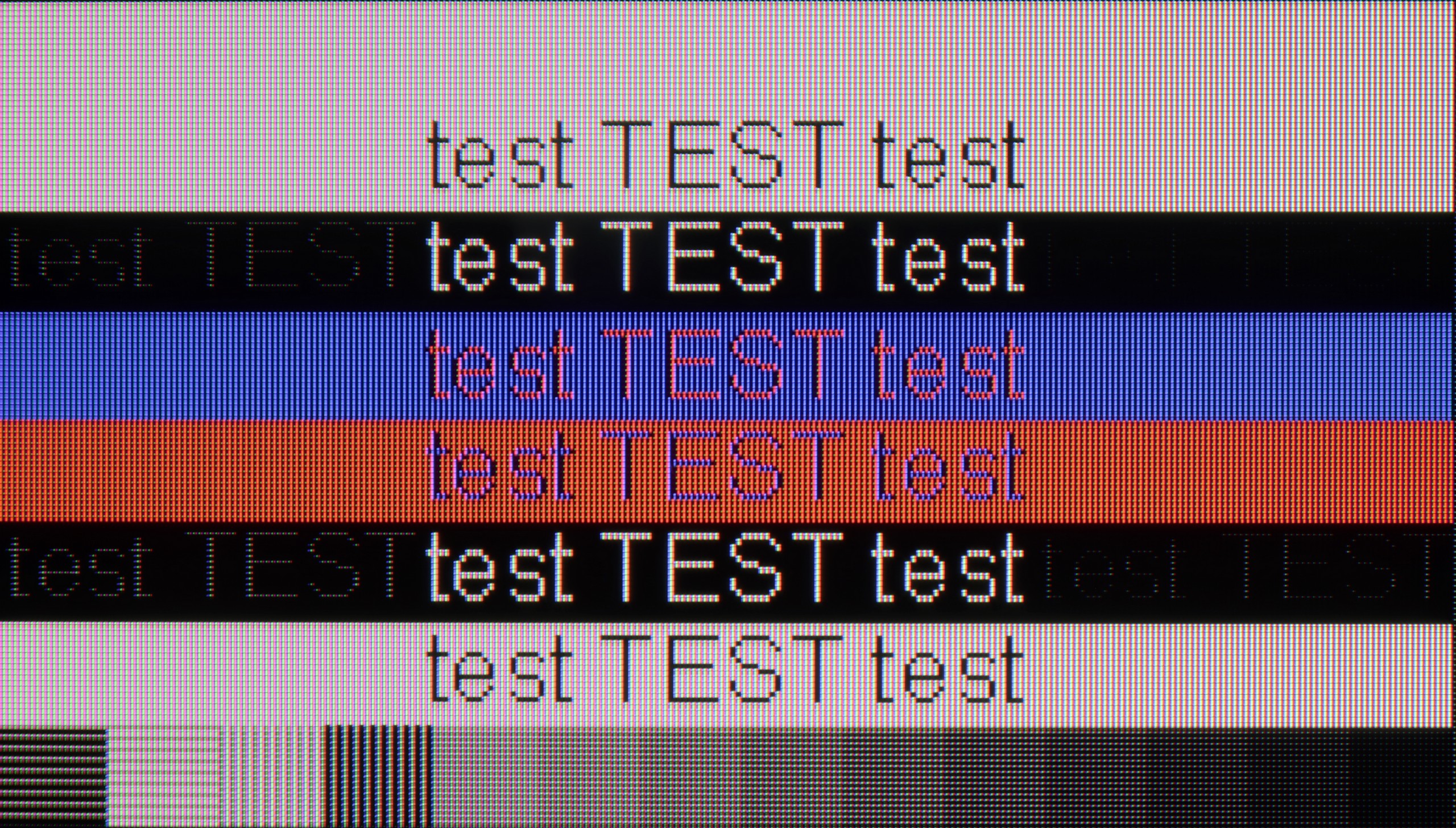
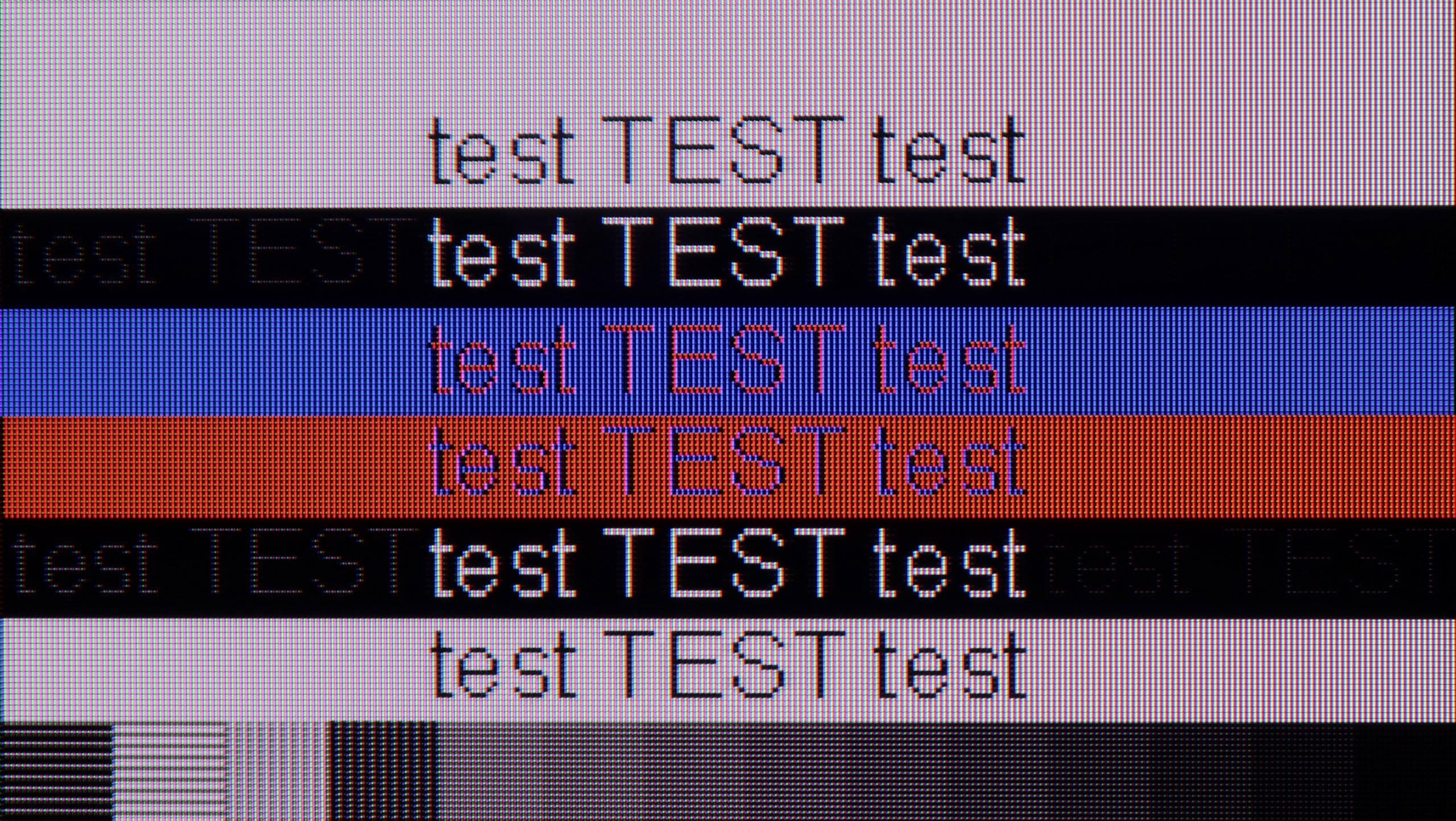
The photo shows the legibility of small fonts. Ideally, lines should be the same thickness on both light and dark text, with minimal pixel gaps.
In terms of collaboration with the computer, the E8Q performs really well. It supports chroma 4:4:4 at full 4K resolution and the highest refresh rates, so the readability of fonts – even the smallest ones – is at a very good level. There are slight blurriness issues with exceptionally thin fonts, but in everyday use, it's hard to consider this a serious problem. A nice addition for PC gamers is the ability to achieve up to 288 Hz at lower resolutions. The E8Q communicates effortlessly with powerful graphics cards, making it an interesting choice not only for movies or consoles but also for gaming on the computer.
A new feature in this year's model is full support for 144 Hz refresh rates, which PC gamers will appreciate. The QNED93A works with both Nvidia graphics cards, offering compatibility with G-Sync, and AMD products, where it operates with FreeSync Premium Pro. Thanks to this, gameplay is smooth, without screen tearing or stuttering, and the panel performs very well in dynamic e-sports titles and demanding AAA games.
Equally important is the clarity of the image for everyday work. The TV supports chroma 4:4:4, so fonts in Windows and apps are sharp and clear. However, we noticed a minor detail – with a dark background and bright letters, subtle horizontal stripes may appear due to the arrangement of subpixels. This is a minor detail that does not affect the comfort of using the TV on a daily basis, but perfectionists may notice it after prolonged text interaction. However, we don’t think anyone would want to work on a 55-inch screen from less than 1 metre away 😉.
Viewing angles
3/10
2.9/10
E8Q, like most TVs with a VA panel, looks best when we're sitting directly in front of the screen. In this position, you can expect deep blacks, good colour saturation, and high contrast. Unfortunately, just shifting a little to the side causes the picture quality to drop – colours start to fade, and blacks become more grey than black. It's not surprising, but it's worth keeping in mind, especially if we plan to watch with a larger group from different spots in the lounge. On the bright side – in return, we get significantly better black levels than in IPS panels.
QNED93A uses a VA panel, and that means one thing: the category of viewing angles becomes its Achilles' heel. Already at a tilt of around 45 degrees, brightness drops by up to 80%, and colours start to noticeably fade. This is the natural price for the high contrast offered by VA panels. There is no additional coating to improve angles, as is found in some more expensive models, so the QNED93A looks best when viewed head-on. If you’re planning a large family viewing, where some viewers will sit further to the side, you need to be aware that the image won't be as attractive as it is in the centre of the screen.
Daytime performance
6.2/10
6.2/10
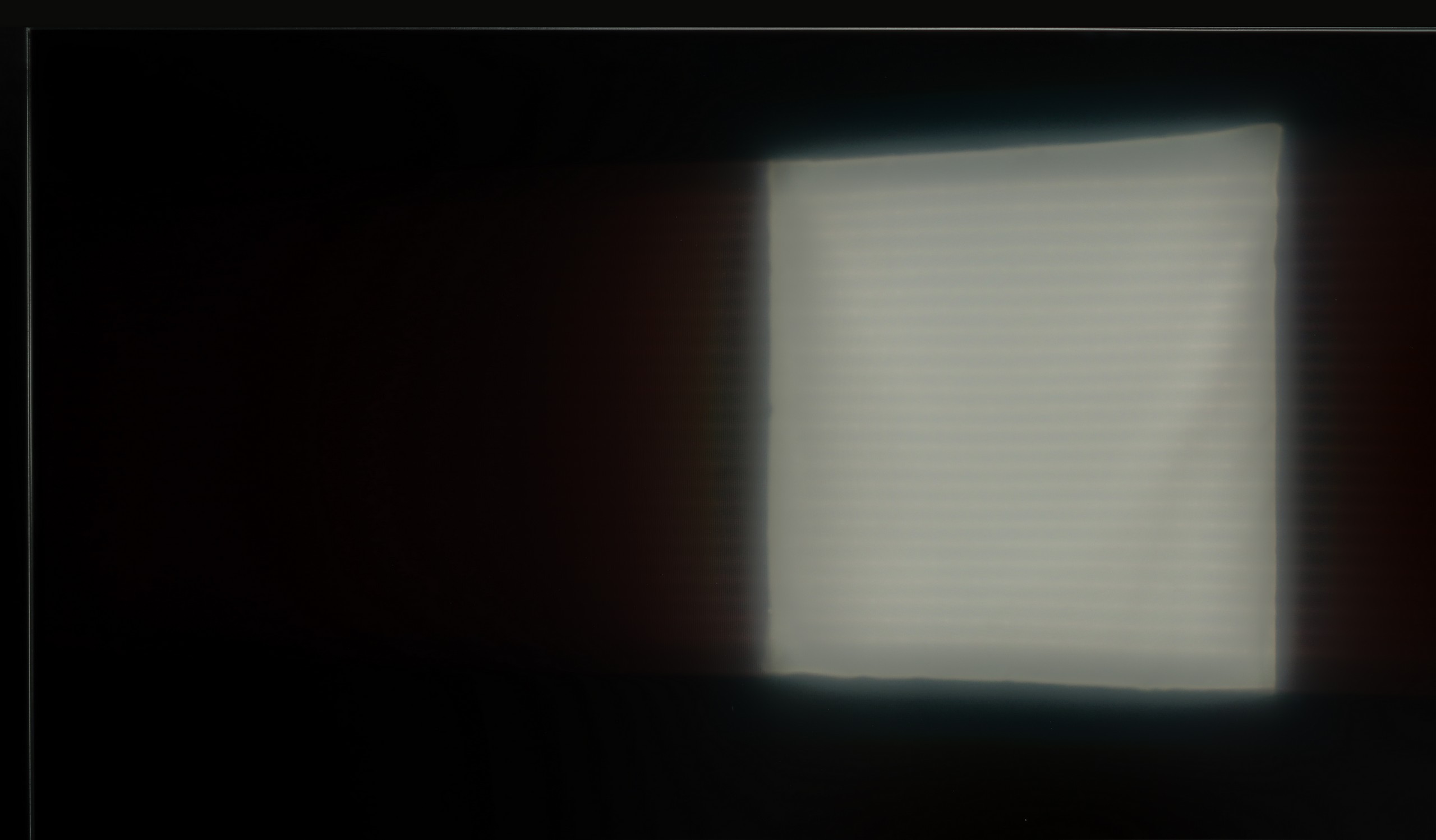
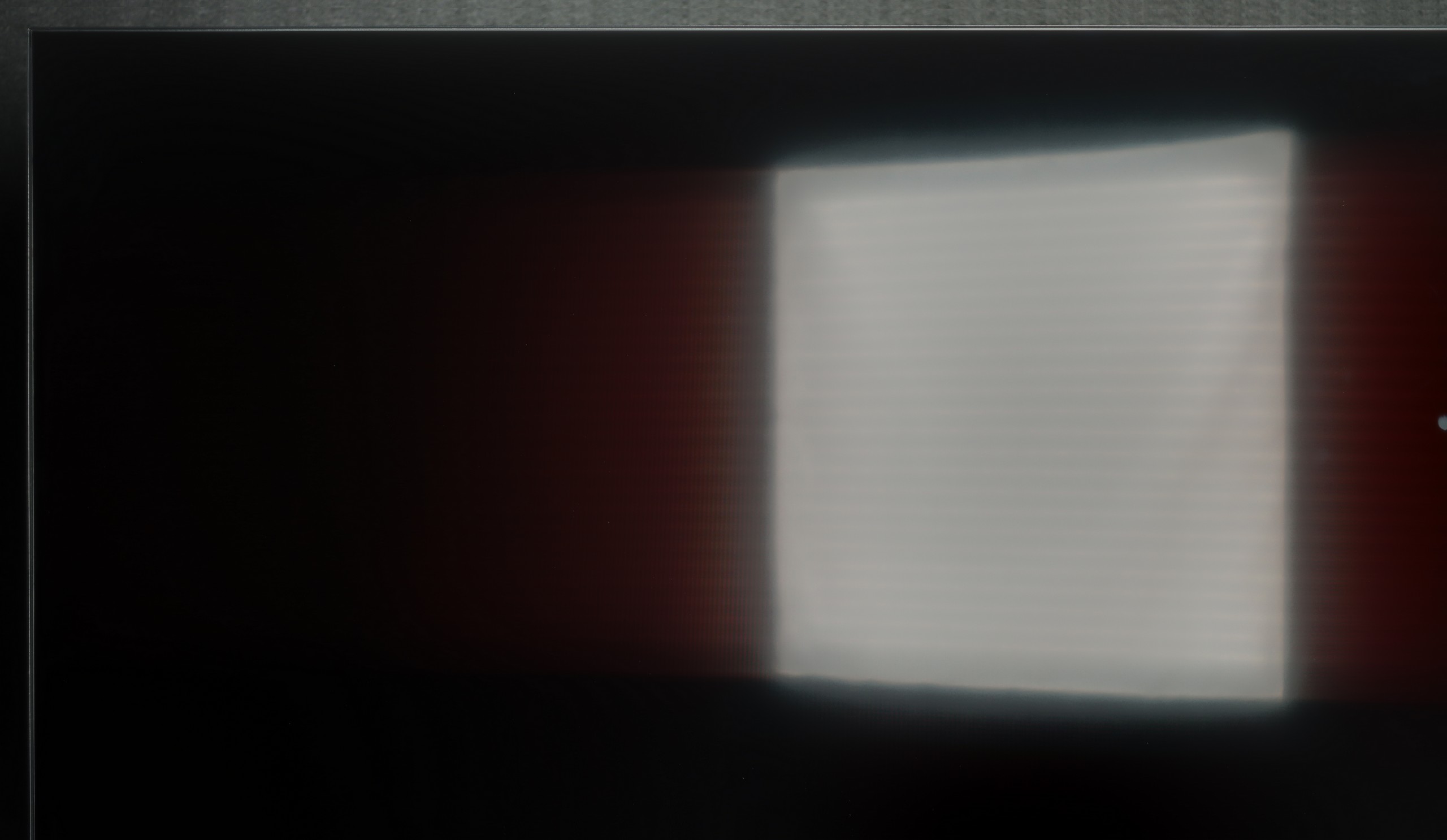
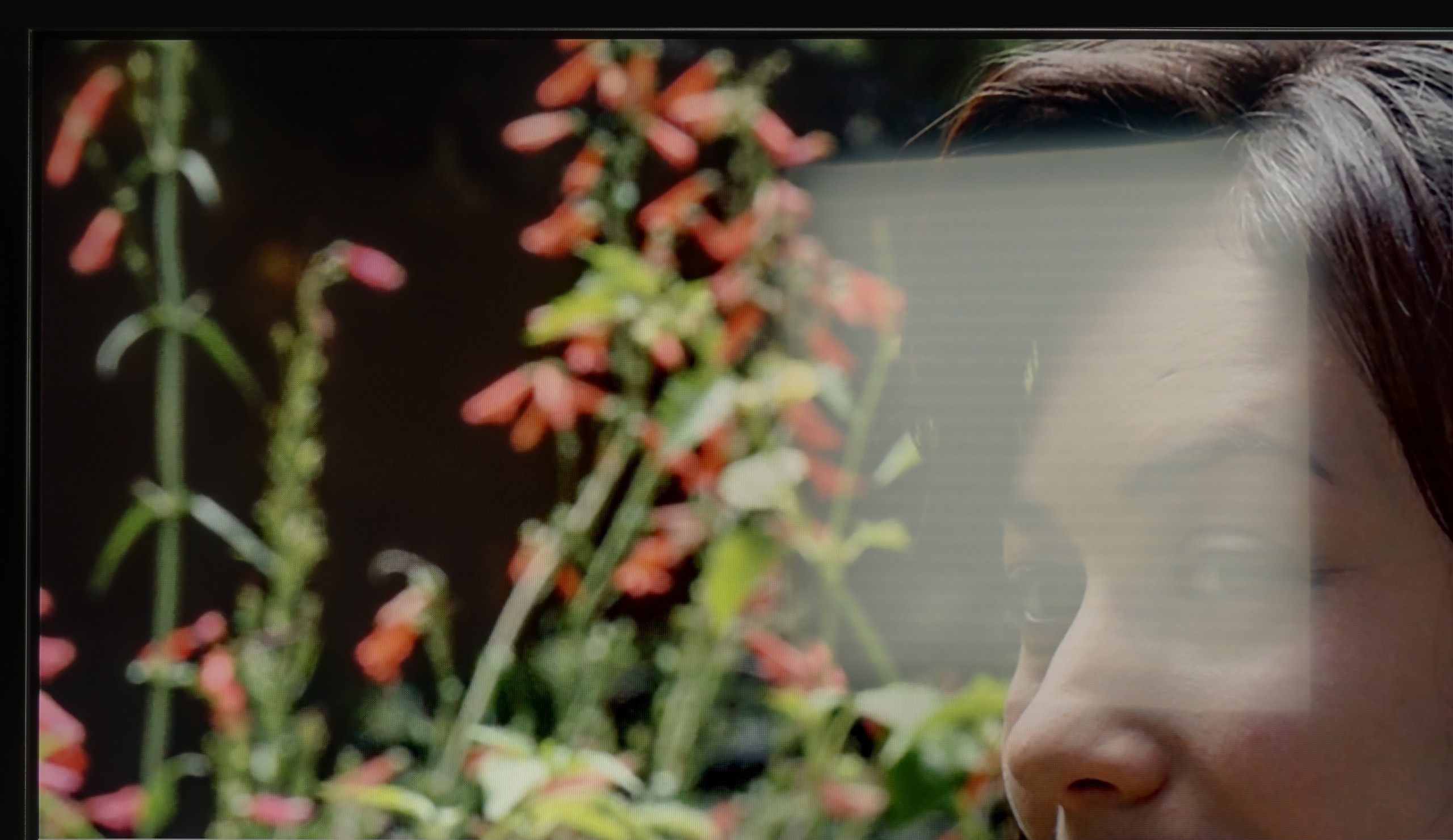
Panel brightness
LG QNED93A / QNED90A: 546 cd/m2
Hisense E8Q: 504 cd/m2
Hisense E8Q isn't afraid of bright interiors. Even when the sun is shining outside, the television can maintain good image readability. With a brightness level of around 500 nits, you can comfortably watch content during the day without feeling like everything is drowning in glare. The satin screen coating also helps to nicely minimise reflections – it doesn't completely eliminate them, but reduces them enough that they don't interfere with everyday viewing.
LG QNED93A uses a satin matrix, which moderately deals with reflection suppression. It is definitely not at the level of matte screens, but it does not have the feeling of a mirrored surface like models with a glossy finish. This means that reflections are not as distracting, and the colours maintain their intensity even when light from the window hits the screen. The brightness is also a plus. The average level in HDR mode hovers around 550–600 nits. This means that the TV performs well in well-lit rooms, and you can enjoy viewing even when watching movies during the day, with only partially closed blinds. As a large screen in the living room, the QNED93A performs really well.
Panel details
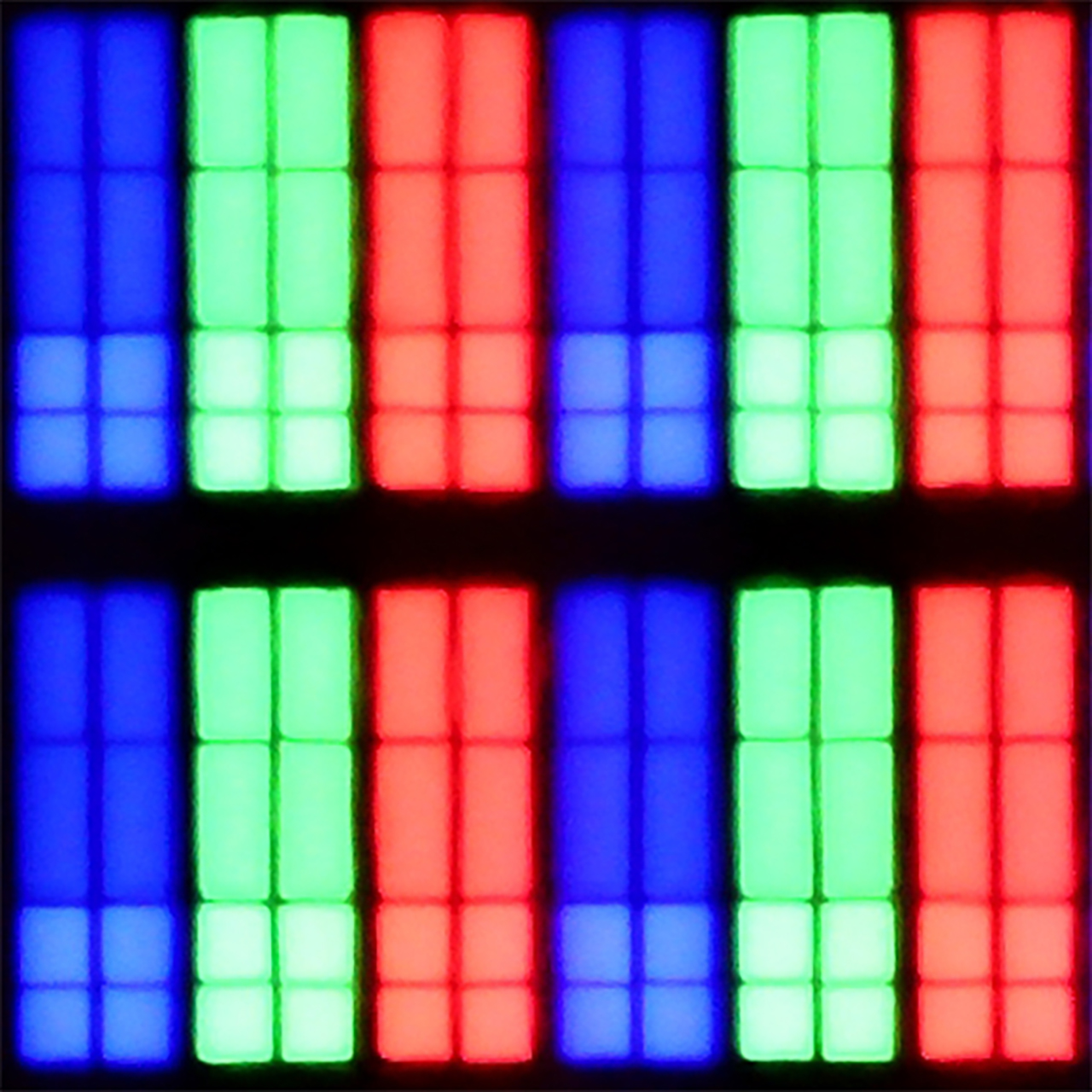
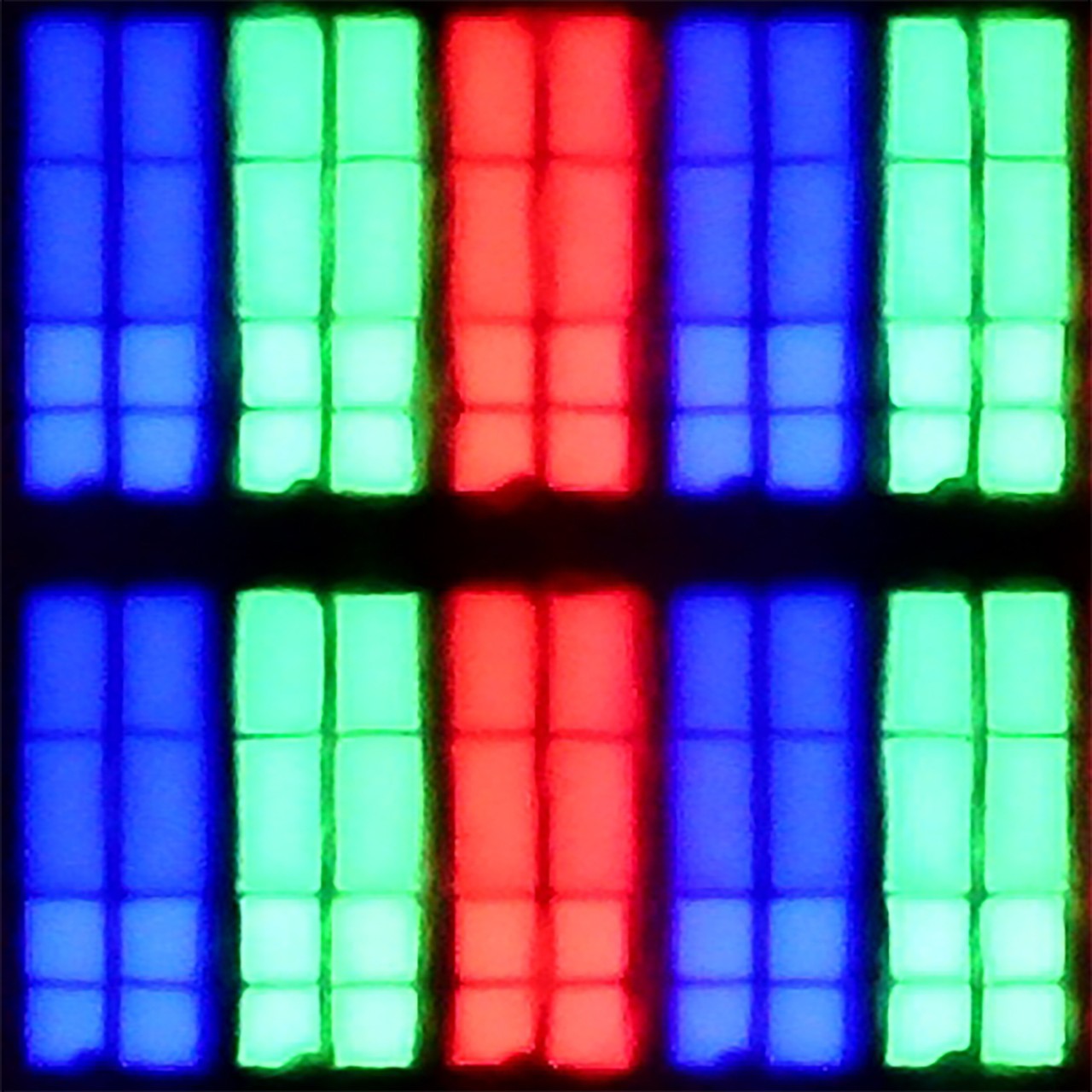
Subpixel Structure:
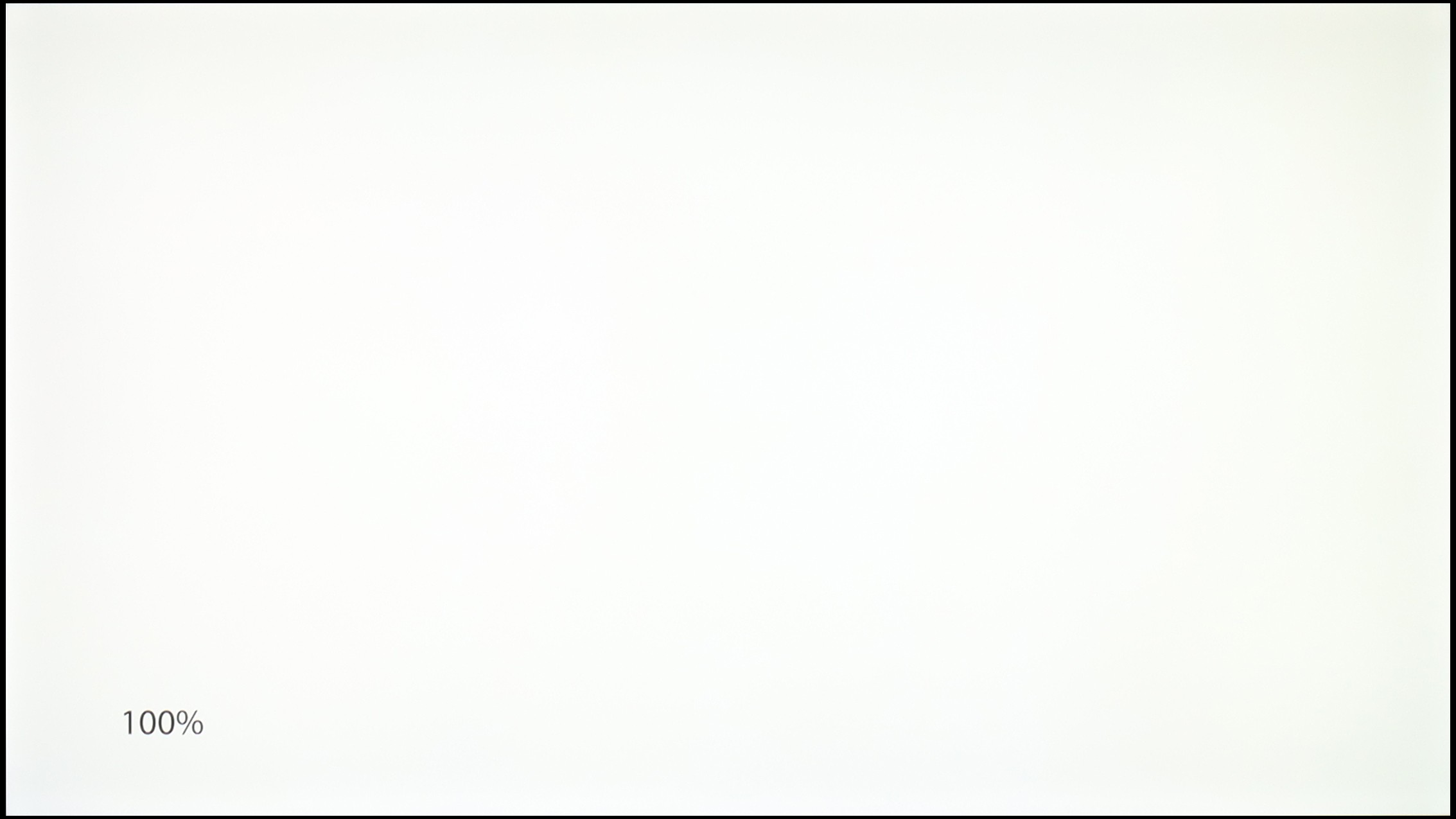
Panel uniformity and thermal imaging:
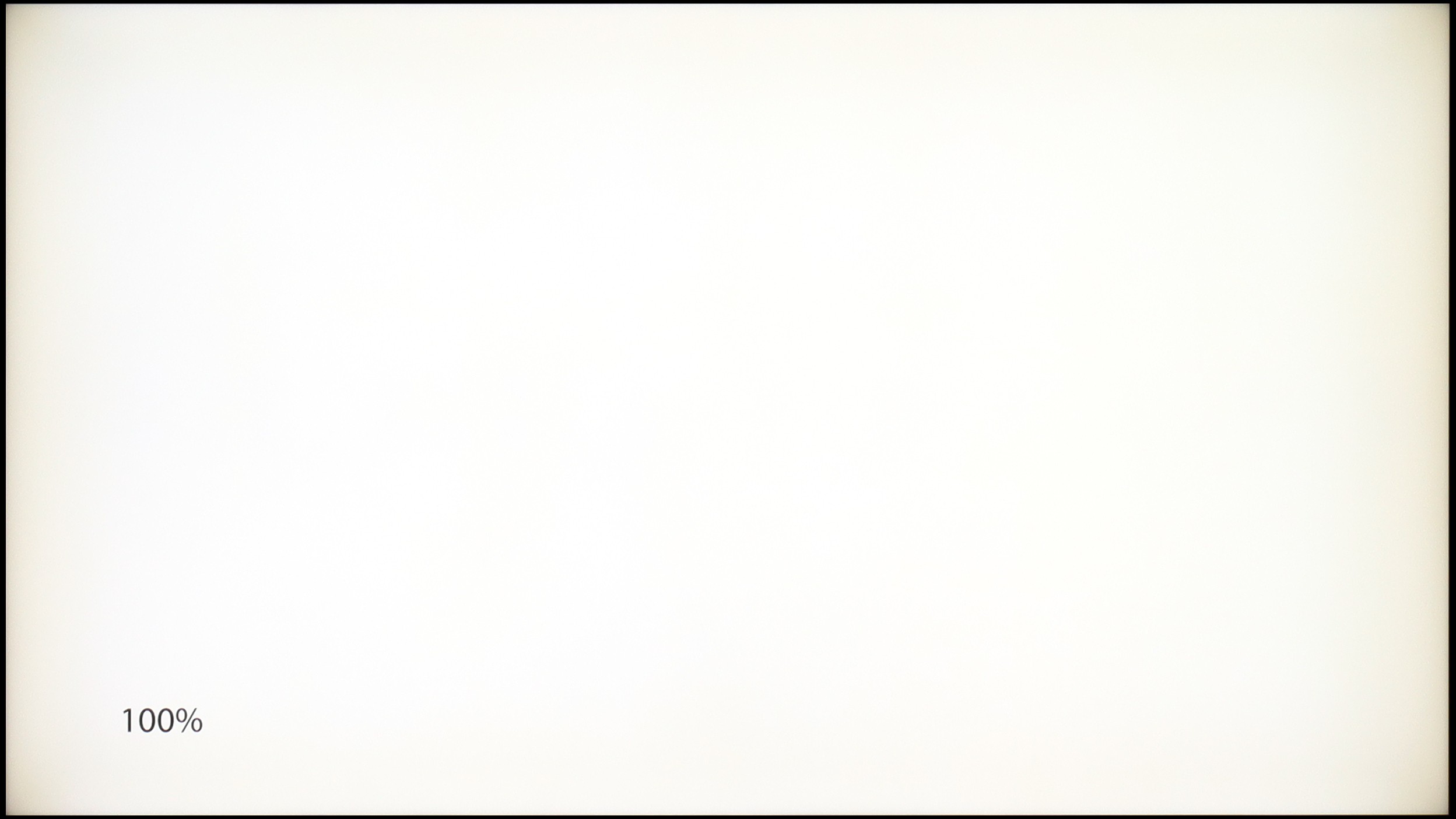
Hisense E8Q
LG QNED93A / QNED90A
TV features
8.9/10
8.2/10
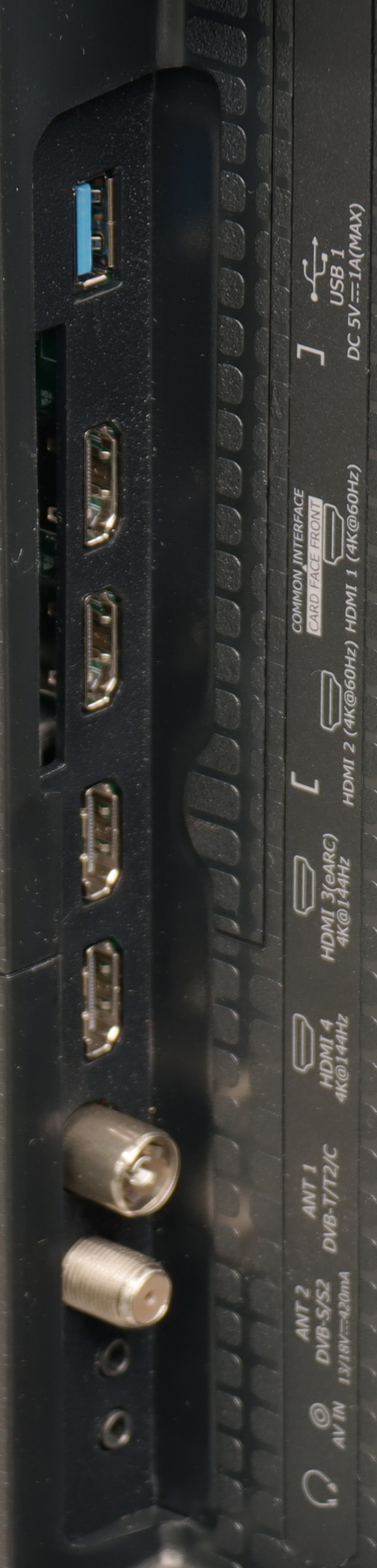
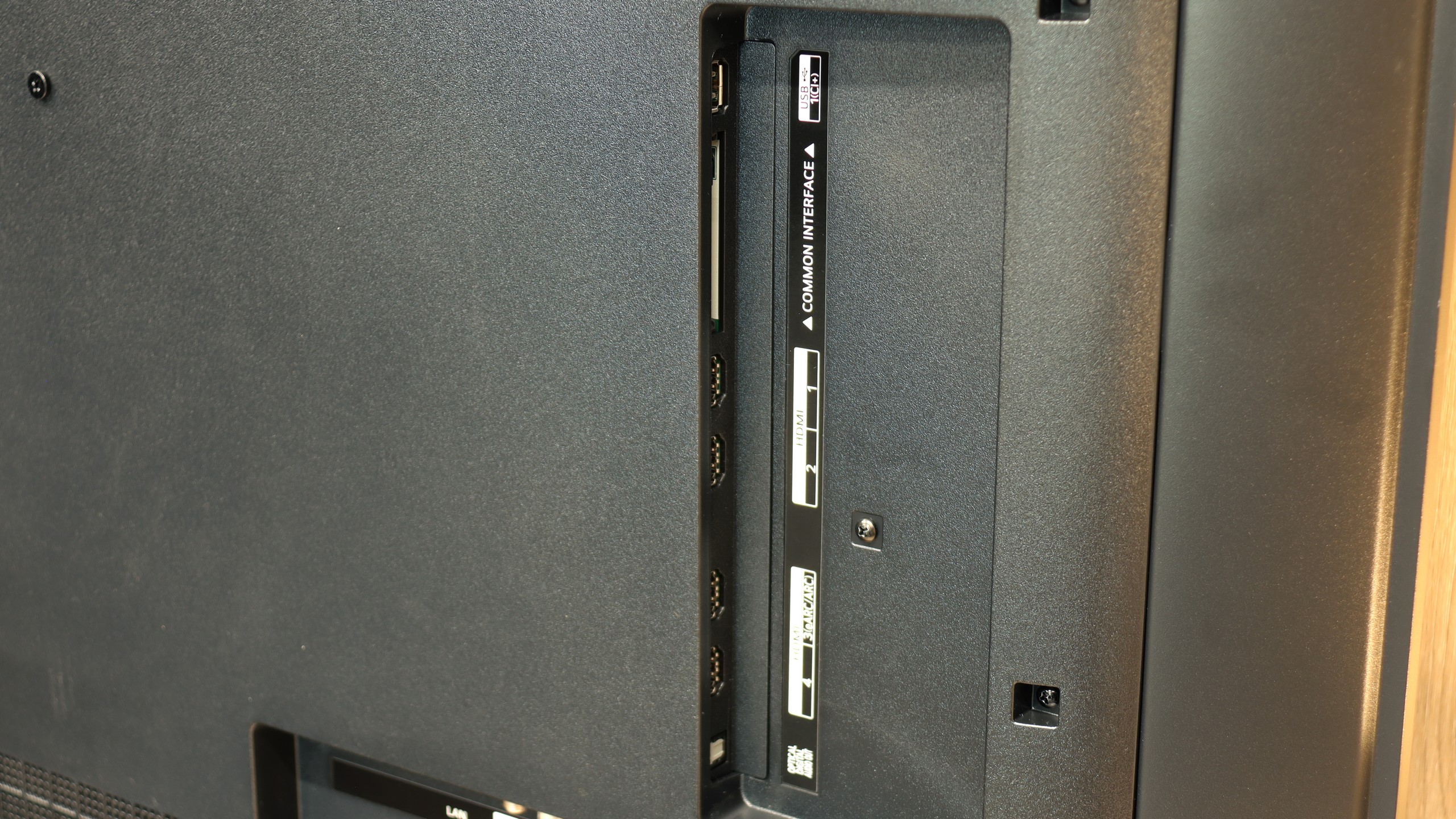
- HDMI inputs2 x HDMI 2.0, 2 x HDMI 2.1 48Gbps0 x HDMI 2.0, 4 x HDMI 2.1 48Gbps
- Other inputsRCA (Chinch)
- OutputsToslink (Optical audio), eARC (HDMI), ARC (HDMI), Mini-Jack (Headphones)Toslink (Optical audio), eARC (HDMI), ARC (HDMI)
- Network InterfacesWi-Fi 2.4GHz, Wi-Fi 5GHz, Ethernet (LAN) 100MbpsWi-Fi 2.4GHz, Wi-Fi 5GHz, Ethernet (LAN) 100Mbps
- TV receptionDVB-T, DVB-T2, DVB-S, DVB-S2, DVB-CDVB-T, DVB-T2, DVB-S, DVB-S2, DVB-C
Classic features:
- Recording to USB (terrestrial TV)
- Recording programming
- Picture in Picture (PiP)
- RF remote control (no need to aim)
- Backlit remote control
- Teletext
- Audio only mode
- Bluetooth headphones support
- Simultaneous Bluetooth headphones & TV audio
Smart features:
- AirPlay
- Screen mirroring (Windows Miracast)
- Voice search
- Voice search in native language
- Ability to connect a keyboard and mouse
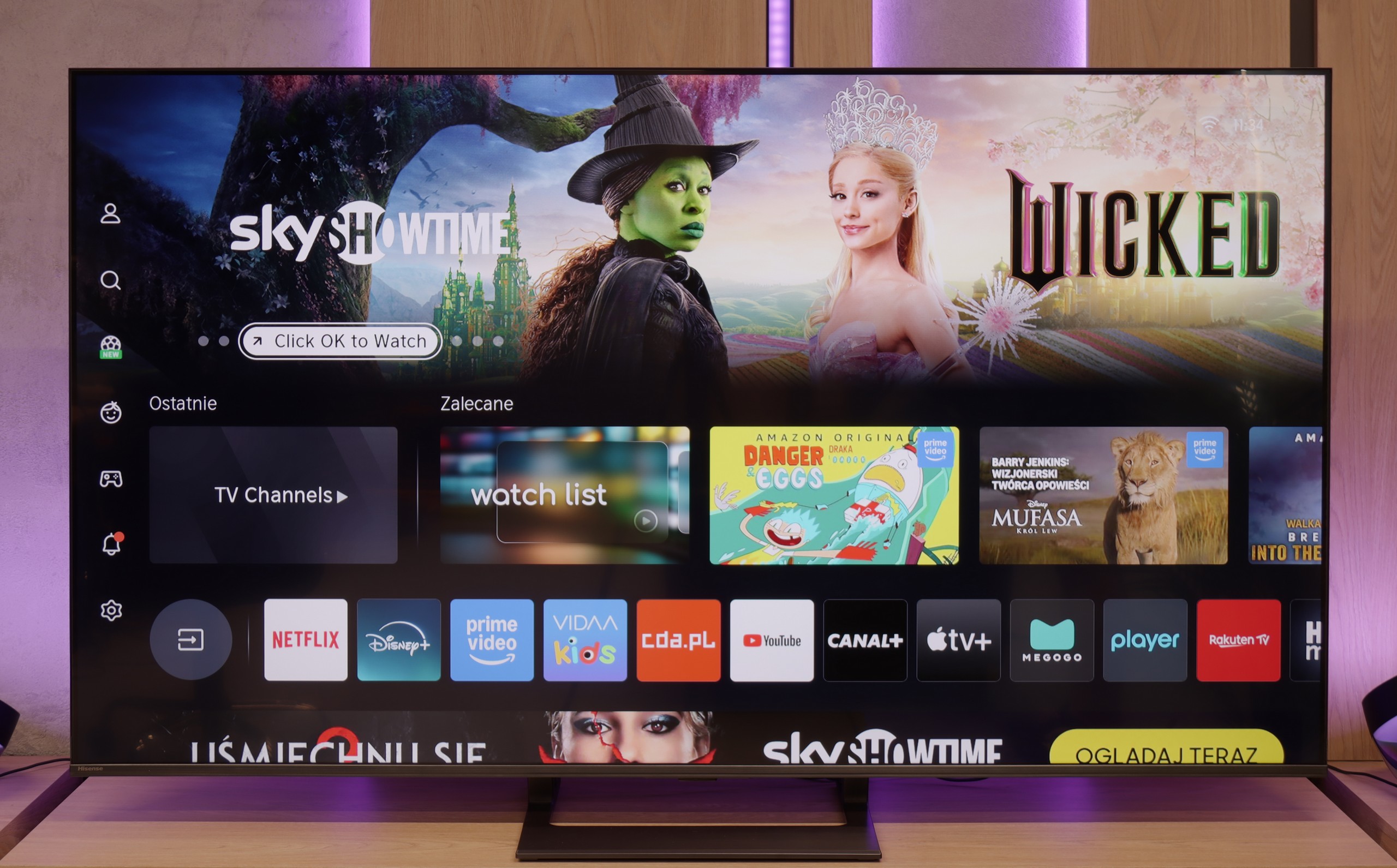
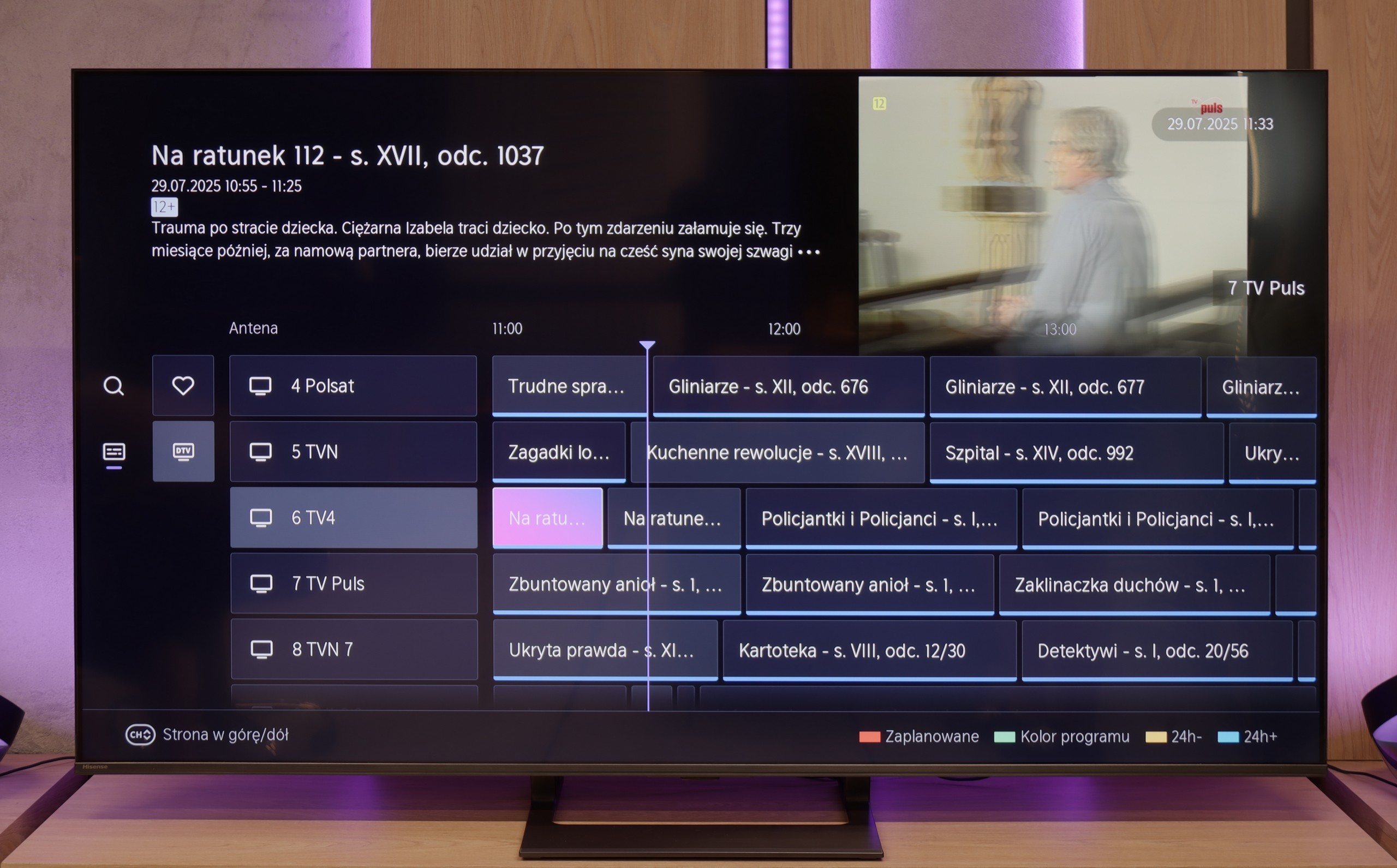
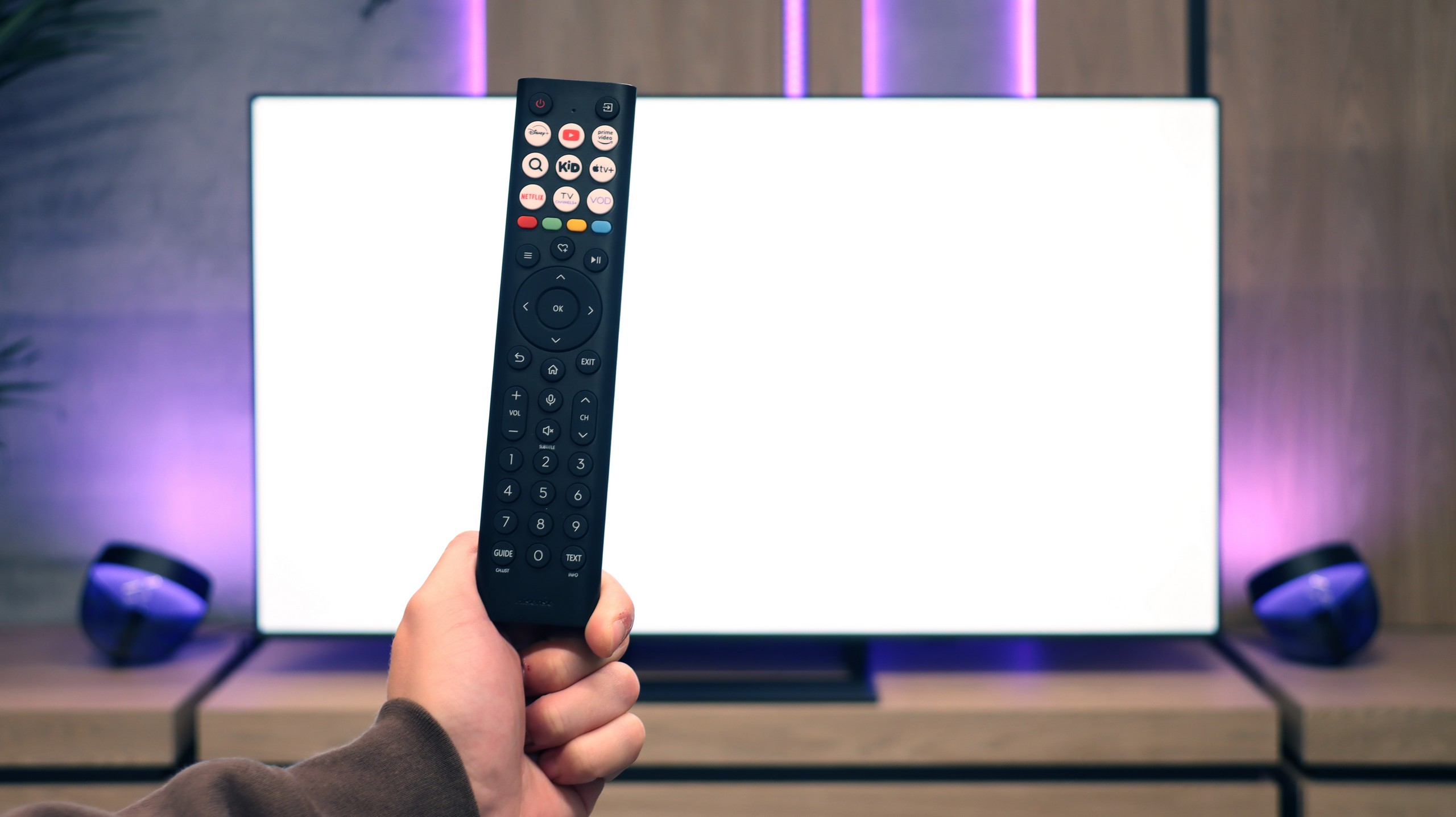
Classic Features – E8Q
The Hisense E8Q is not just equipment for gamers or movie enthusiasts – it can also serve as an everyday TV for the whole family. We can record programs to USB, connect headphones or speakers via Bluetooth, and the entire interface – including the channel guide – is clear and easy to use. It only lacks a PiP function, but besides that, the set of classic features is really complete.
Smart TV – VIDAA System
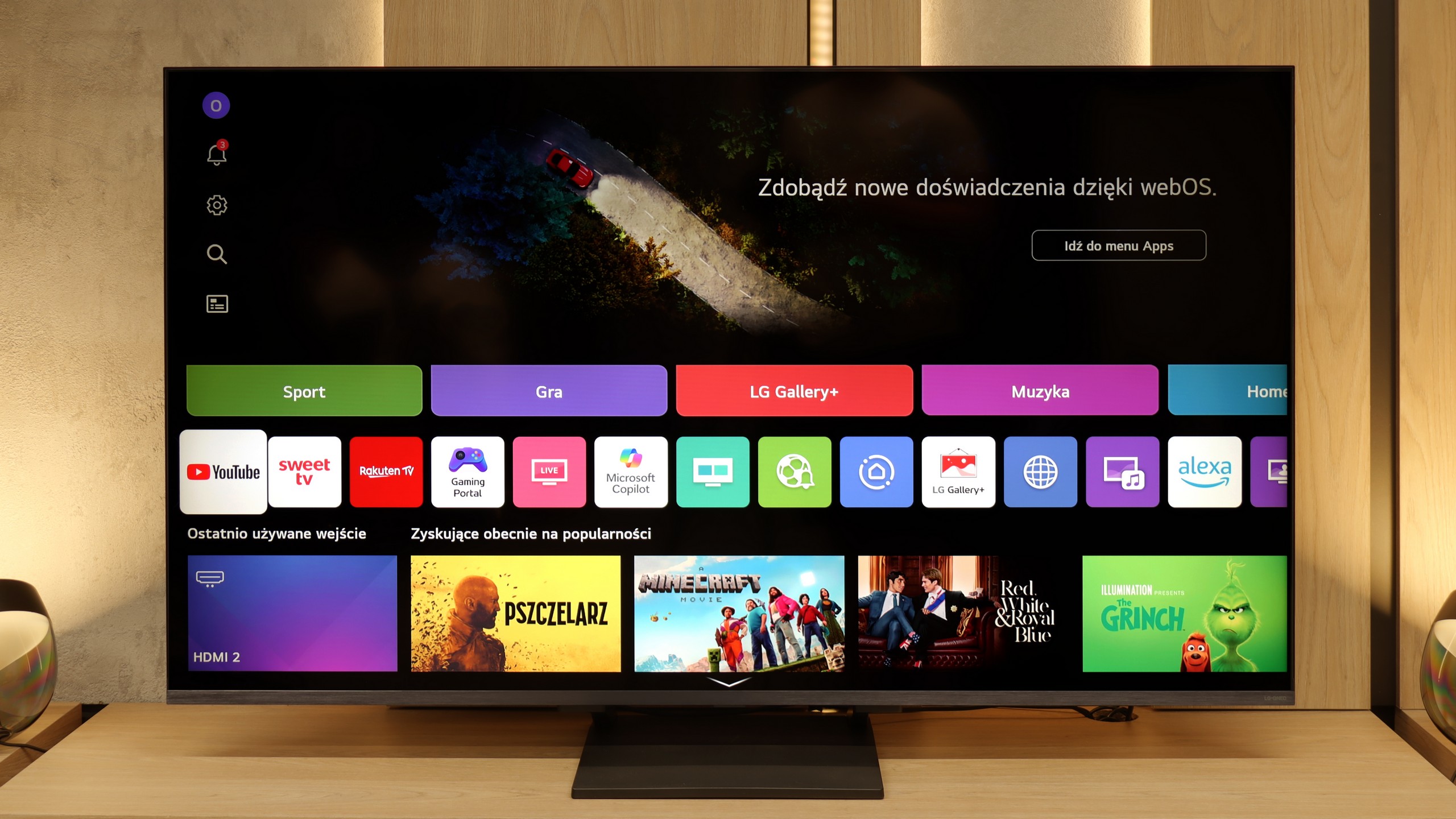
The E8Q runs on the VIDAA system, which is becoming more refined every year. Voice search in Polish works flawlessly, and it's easy to stream content from a phone (AirPlay and screen mirroring). The system itself operates smoothly, without hiccups, although – as is often the case with closed platforms – there may be one or two less popular apps missing. It’s worth checking before purchase whether it has everything we use daily.
Smart Features
QNED93A runs on webOS, one of the most enjoyable Smart TV systems. It comes equipped with AirPlay, Screen Mirroring, Chromecast, and convenient voice control. The platform is fairly intuitive and generally quick, though in the tested unit, there were moments when the response to the remote's touch required a moment of "thought". However, it’s hard to classify this as a serious issue – webOS remains a refined system and will likely receive further updates that will enhance it.
Classic Features
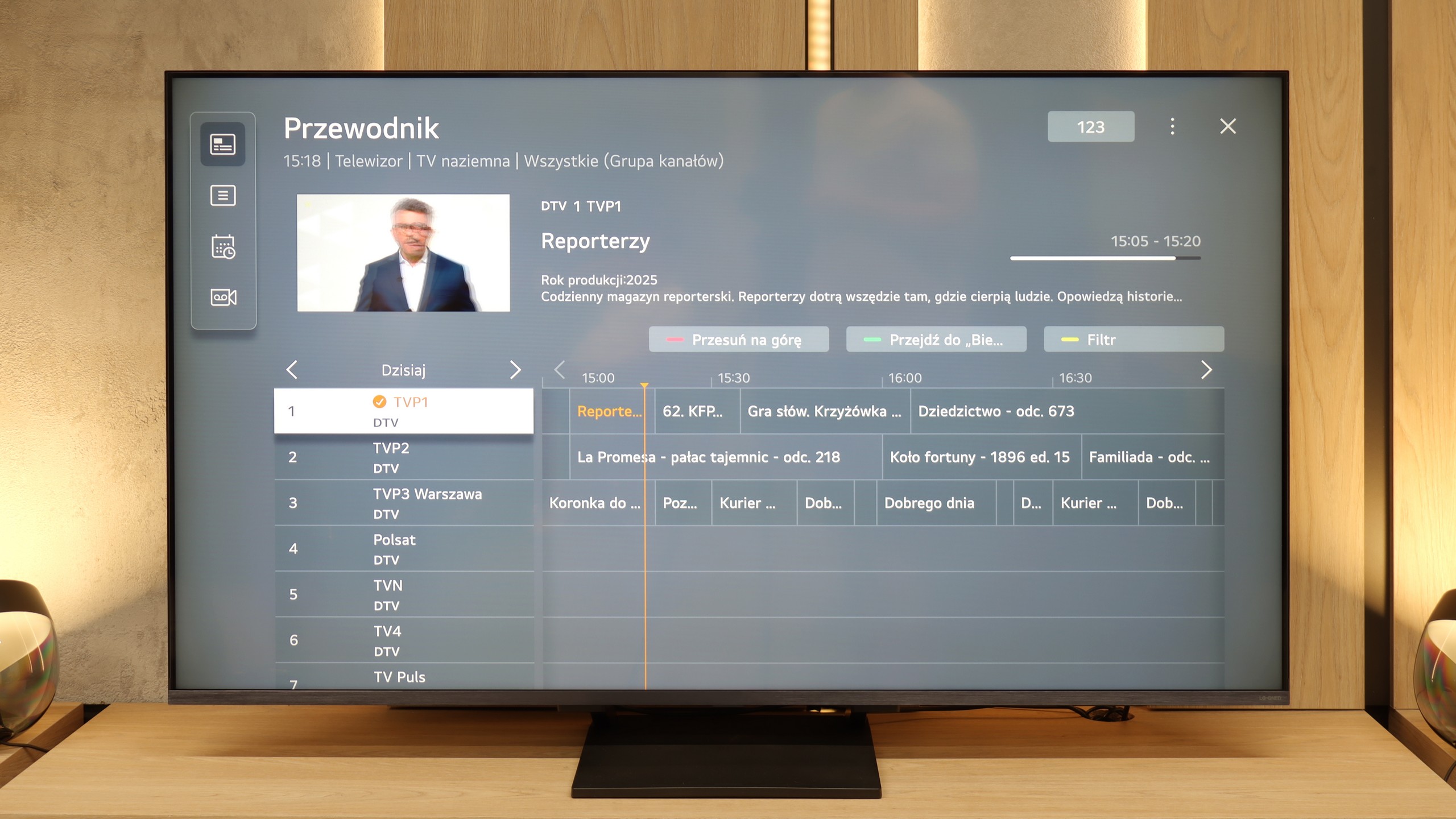
In this model, LG didn't include the old Magic remote with a numeric keypad, but the TV performs excellently as a screen for daily viewing of antenna channels. The EPG interface is clear, the TV offers a TV guide, and we have the option to record programs from the built-in tuners directly to a USB drive. Everything works correctly and intuitively. We just missed the PiP functionality, which is offered by only two manufacturers in 2025.
Magic Remote
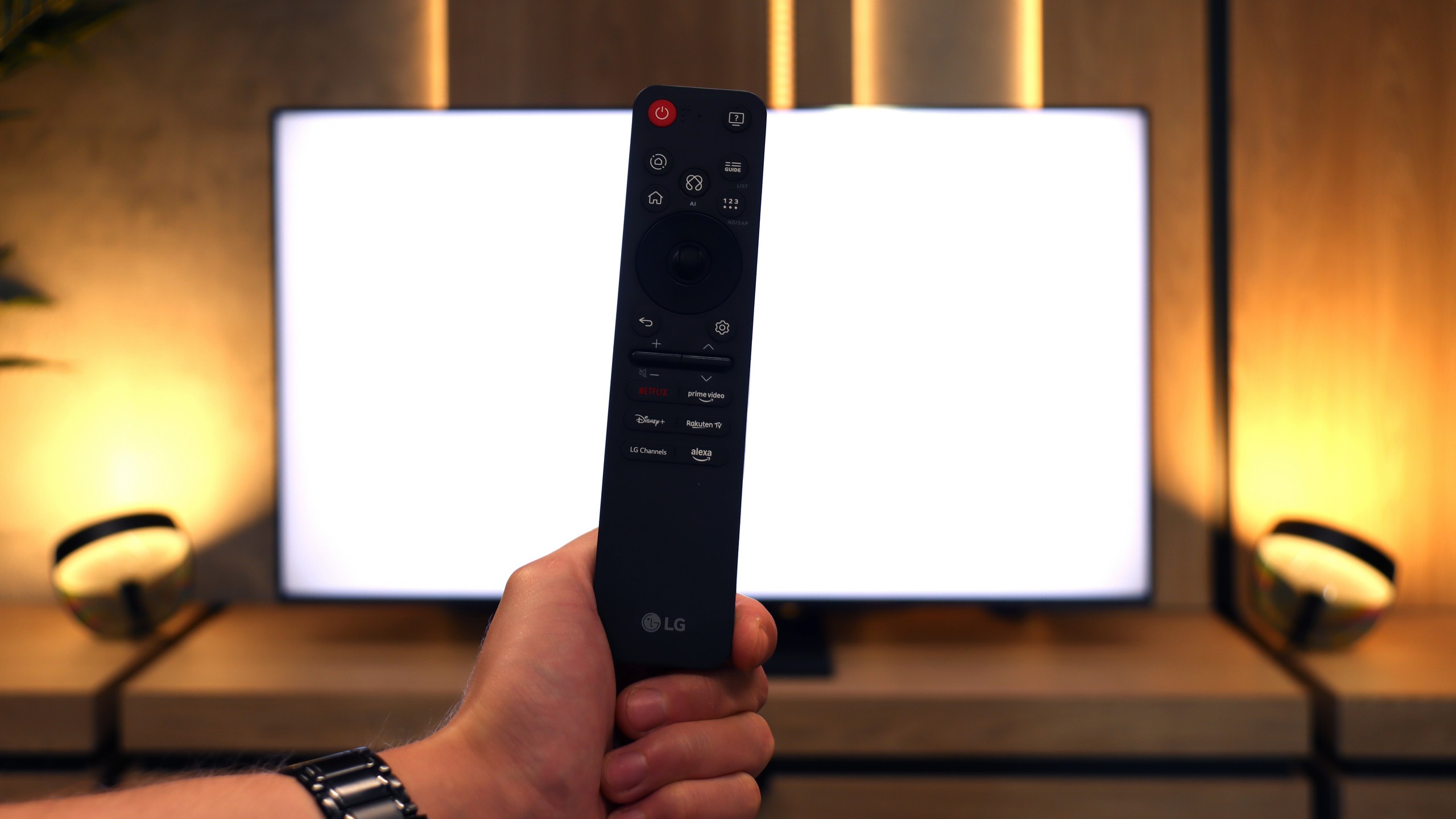
The Magic Remote is still the biggest difference compared to the competition. In 2025, it underwent a slight redesign – it has fewer buttons and resembles some of the minimalist remotes from Samsung. However, the cursor remains key, functioning like a magic wand. Just move your hand, and the pointer on the screen follows your movement. It’s incredibly simple yet very convenient. Navigation in the menu or entering passwords is significantly quicker, and it’s hard to switch back to traditional buttons afterwards.
Apps
7.7/10
9.1/10






















Playing files from USB
8.2/10
8.8/10
Supported photo formats:
Maximum photo resolution:
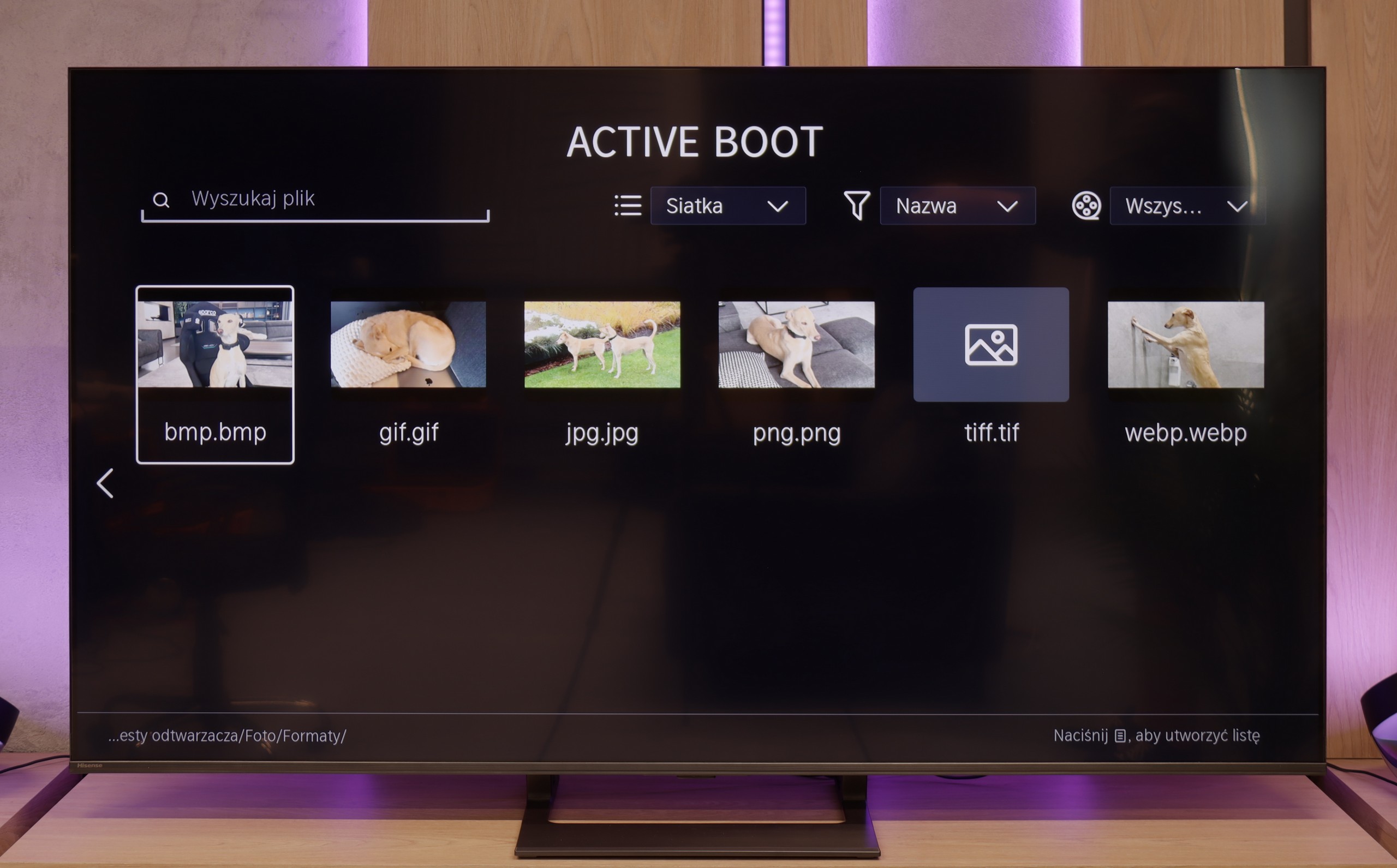
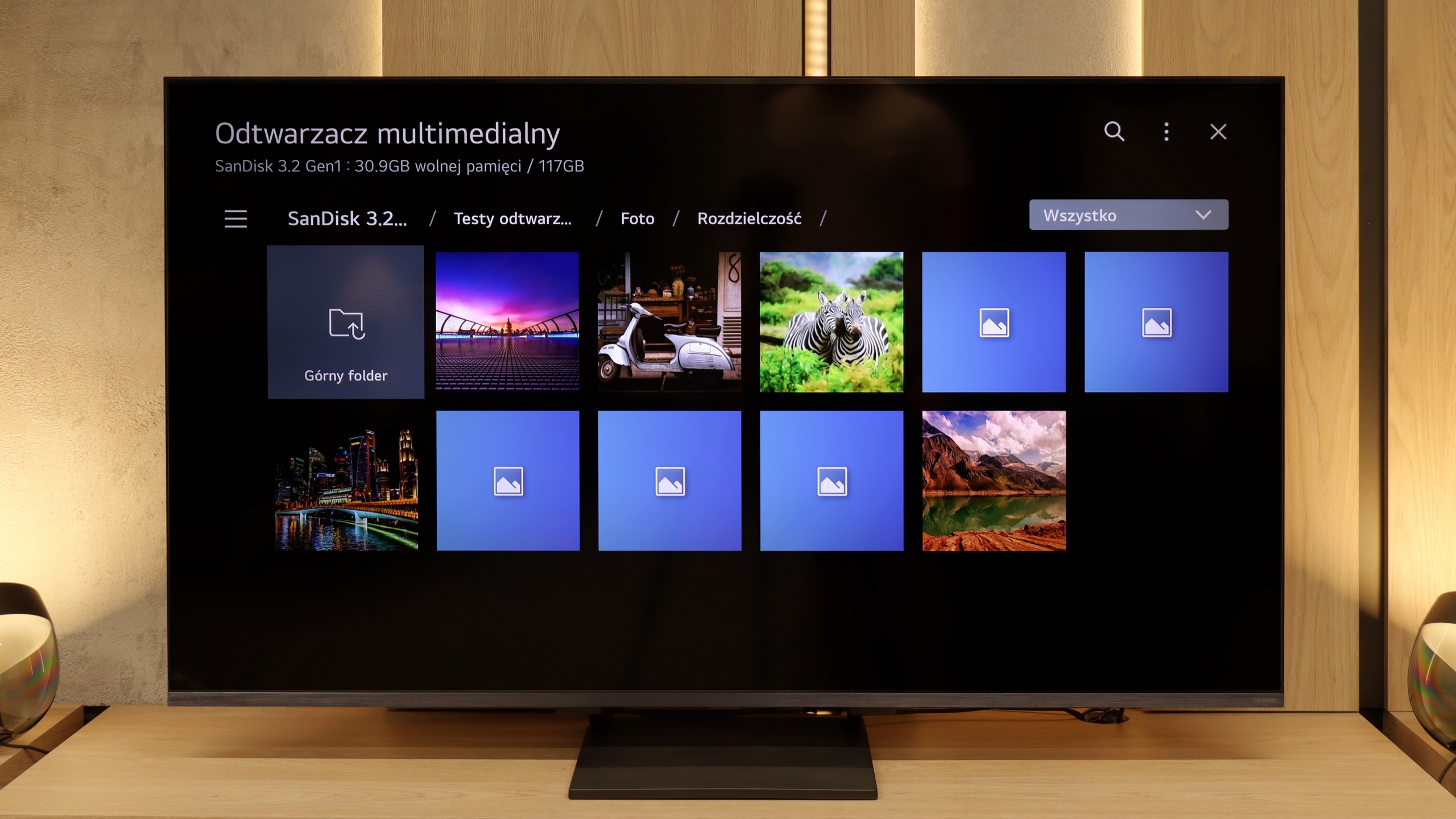
The built-in media player in the E8Q performs quite well. It supports most popular video and audio formats, and files from USB drives or external disks play without major issues. Polish characters? They're supported. Subtitles? They work. The only minor drawback is the occasional problem with displaying high-resolution images – especially those from cameras or smartphones. So if you're planning to show holiday photos on the big screen, it’s worth checking beforehand that they all load correctly from the memory of the disk or USB drive.
The built-in media player in the LG QNED93A handles most popular video and audio formats with ease, so it’s more than sufficient for basic use. However, during testing, we noticed two minor hiccups. The first is the lack of support for HEIC files, which are Apple’s photo format. The manufacturer claims that the TV should open them, but we couldn't confirm this in practice. The second issue concerned text files with subtitles in TXT format. Fortunately, other more common subtitle formats worked without any problems, so it’s hard to consider this a significant limitation in everyday use.
Sound
7.2/10
6.9/10
- Maximum volume85dB81dB
- Dolby Digital Plus 7.1
- Dolby True HD 7.1
- Dolby Atmos in Dolby Digital Plus (JOC)
- Dolby Atmos in Dolby True HD
- DTS:X in DTS-HD MA
- DTS-HD Master Audio
Here unfortunately, the Hisense E8Q didn’t make the best impression on us. Although on paper it has speakers with a power of 40 W (which is just a bit less than 50 W in the U7Q), in practice the difference is significant – and unfortunately not in favour of the E8Q. During testing, it quickly became clear that something wasn’t right. When the volume was turned up above 40–50%, the entire back casing began to resonate, and unpleasant crackling sounds emitted from the TV. Even during regular viewing, it was hard not to notice this, and definitely hard not to hear. In this form, it’s difficult to talk about listening comfort. We don’t rule out that it was a problem with a specific test unit, but still – it’s worth keeping this in mind. If you care about good sound, consider connecting a soundbar or… go for the U7Q, which definitely performs better.
LG QNED93A sounds quite pleasant for built-in speakers in a television. The sound is fairly clear, and at moderate volume levels, vocals and dialogue come through distinctly. The bass, as is often the case in relatively slim designs, isn't the strongest, but its presence is noticeable and is more than sufficient for daily TV show watching. The maximum volume reaches around 81 dB and doesn't lead to significant distortions, although during more demanding cinematic scenes, it's evident that the system has its limitations. Overall, the sound can be described as adequate and not off-putting. It definitely won't compete with a soundbar, but it won't ruin your movie experience either.
Sound Quality Test
No sound test video
Acoustic Measurements
85dBC (Max)
75dBC
81dBC (Max)
75dBC