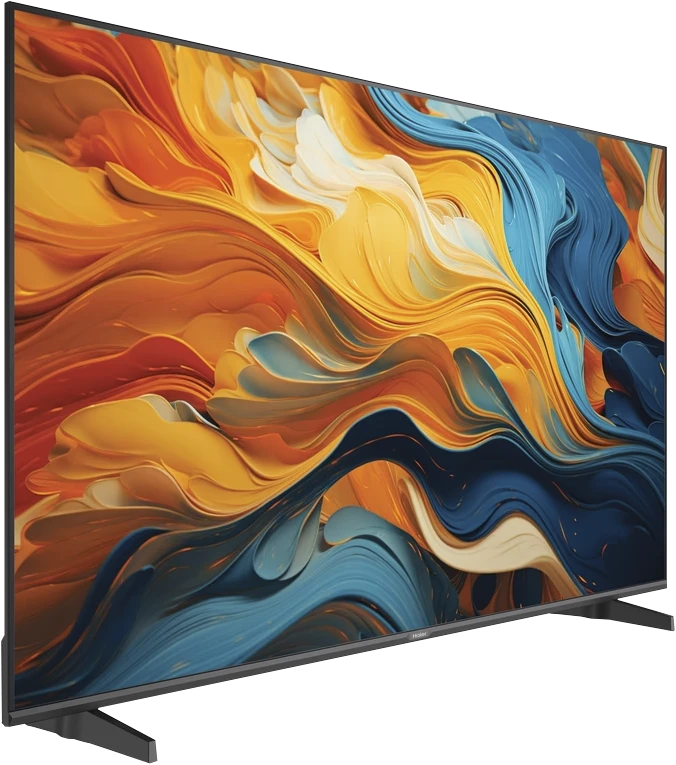
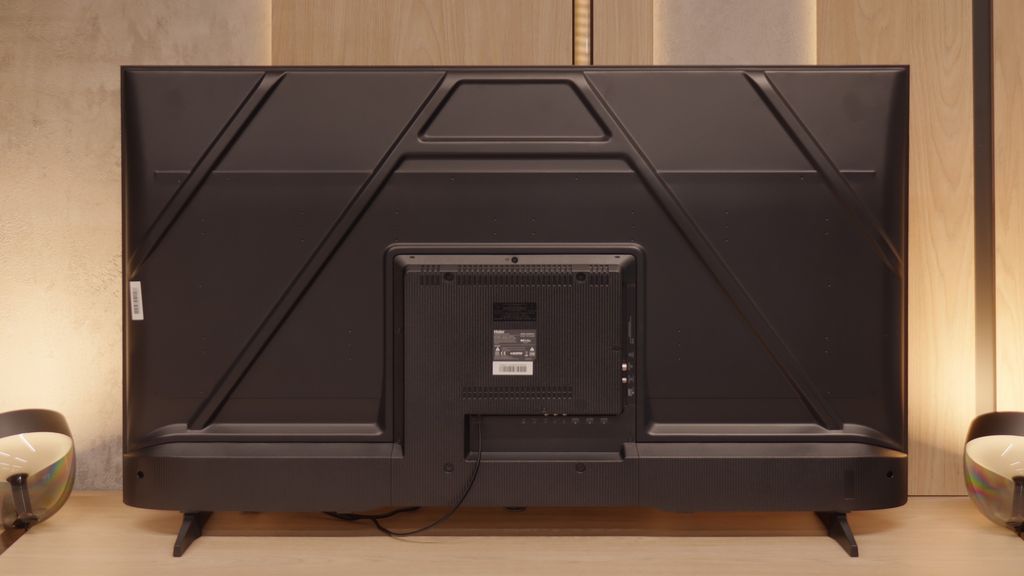
The debut of the Haier brand in the European television market with the K85F model feels quite rushed, and after thorough testing – almost unfinished. Analyzing this product leads to a fundamental conclusion: its biggest problem is not the quality of the panel used. Considering the price segment, it is simply average, with typical VA technology advantages such as high contrast and equally typical disadvantages like poor viewing angles. What truly disqualifies this model as a home entertainment centre is the glaring lack of engineering and, above all, software refinement. The list of shortcomings is long and starts with the first contact with the device. Shoddy assembly, which could have been avoided at the quality control stage, a terribly optimised and poorly translated Google TV system, or annoying issues with basic functions like pairing the remote – all contribute to an impression of a product that seems to have been launched without due diligence. Catastrophic picture quality in HDR mode, resulting not only from low brightness but also from a complete lack of smart adaptation to the signal, only adds to this disappointing picture. However, it turns out that this model has a surprising second face. Just looking at it not through the lens of a home television, but rather as a large and inexpensive display for special tasks, shifts its shortcomings to the background, bringing unexpected strengths to the forefront: a fantastically functioning media player with USB, excellent font readability from a PC, and access to a vast array of applications. In such a role – as a screen in a conference room, hotel lobby or a simple advertising player – the Haier K85F performs surprisingly well. For a typical user searching for a reliable and simply well-functioning television for the living room in 2025, however, the Haier K85F is a proposition that is extremely hard to recommend with a clear conscience. It is a product full of contradictions, which fails in too many areas in its primary, intended function as designed by the manufacturer.
- Matching (Score) |
- Our verdict |
- TV appearance |
- Where to buy |
- Contrast and black detail |
- HDR effect quality |
- Factory color reproduction |
- Color reproduction after calibration |
- Smoothness of tonal transitions |
- Image scaling and smoothness of tonal transitions |
- Blur and motion smoothness |
- Console compatibility and gaming features |
- Input lag |
- Compatibility with PC |
- Viewing angles |
- Daytime performance |
- Panel details |
- TV features |
- Apps |
- Playing files from USB |
- Sound
Haier K85F vs TCL C6KS / C69KS / Q6CS
 Direct comparison
K85F / K85FUX
C6KS / C69KS / Q6CS


Panel type: LCD VA
Resolution: 3840x2160
System: Google TV
Model year: 2025
Complete the survey to find out the result
Panel type: LCD VA
Resolution: 3840x2160
System: Google TV
Model year: 2025
Complete the survey to find out the result
Overall rating
5.4
6.4
 Movies and series in UHD quality
 5.2
5.9
 Classic TV, YouTube
 5.2
6.1
 Sports broadcasts (TV and apps)
 4.6
5.3
 Gaming on console
 6.4
7.7
 TV as a computer monitor
 6.0
1.7
 Watching in bright light
 4.1
6.6
 Utility functions
 5.5
7.0
 Apps
Apps 9.6
9.6
 Sound quality
 4.8
6.5
Complete the survey to find out what fits your preferences
Advantages

Low input lag, great for gaming
Surprisingly good file player from USB
High contrast and decent blacks (VA panel)
Good text readability in PC monitor mode
Presence of features for gamers: ALLM and VRR
Access to many apps thanks to GoogleTV
Very good contrast and black level: VA panel and MINI-LED backlighting
Quite high (around 600 nits)
Many features for gamers: VRR, ALLM, HGiG
Additional gaming mode: 120Hz and 144Hz
Google TV system with a wide selection of applications
Support for multiple HDR formats including Dolby Vision
Support for Dolby Atmos and DTS
Quite pleasant sound from built-in speakers
Disadvantages

Catastrophic image quality in HDR mode
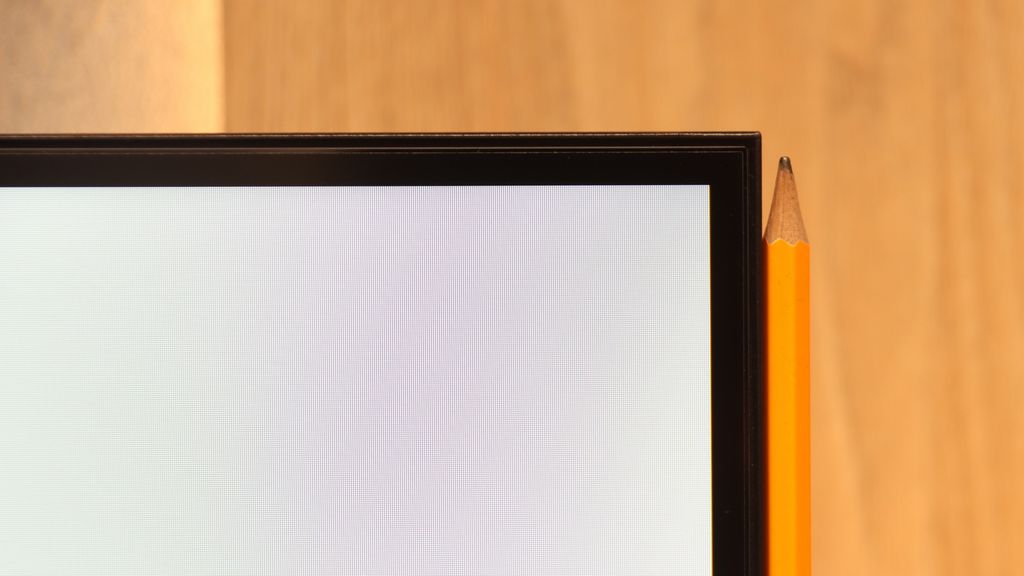
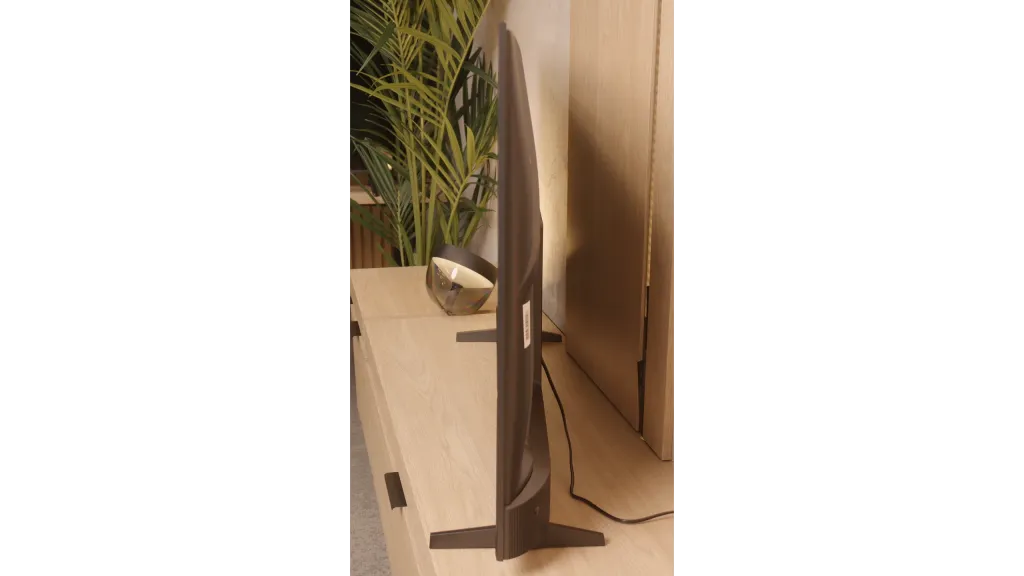
Low quality of workmanship and fit of materials
Slow, glitchy, and poorly translated Google TV system
Very poor sound quality from built-in speakers
Problematic remote (and no batteries included)
Poor viewing angles
Low brightness and weak anti-reflective coating
Low colour gamut coverage
The panel has heavy blooming
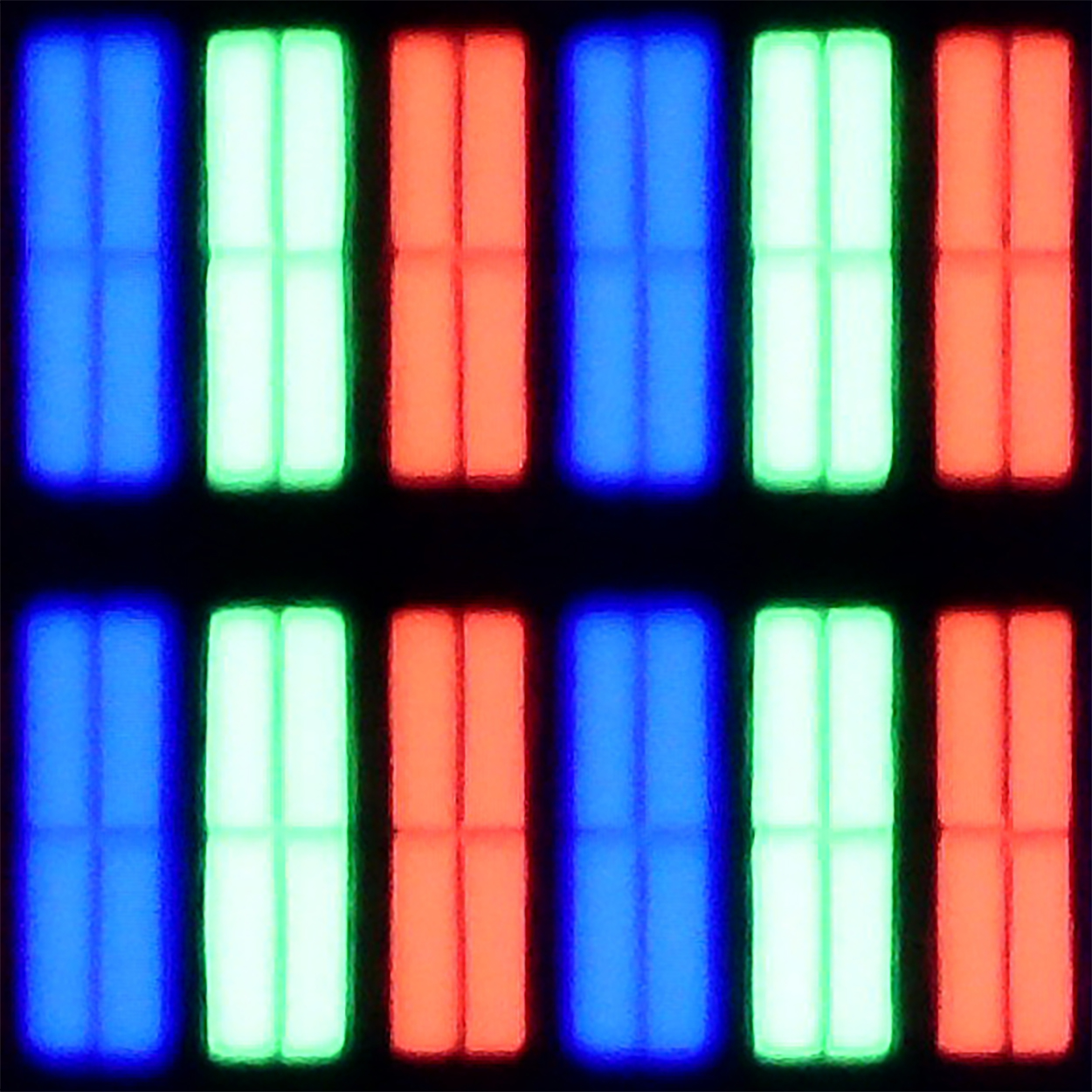
Strong visible dithering (looks like artificial 4K)
Very poor compatibility with PC
Minor system errors
Lots of chaos in naming (many derivative models that are no different)
Our verdict
TCL C6KS (also known as C69KS and Q6CS) is a television that on paper promised to be a hit in the "value for money" category. And indeed, in many respects, it's a successful piece of equipment: thanks to the Mini-LED backlighting, we get good blacks and brightness that rivals more expensive models. In fact, it’s identical to that of the slightly pricier C6K, which we have already tested for you. Additionally, it features the same excellent Google TV system and surprisingly rich features for gamers, which make it enjoyable to play on, even with a 60 Hz panel. Unfortunately, the good impression is marred by the performance of the panel used. The television struggles with noticeable motion blur, and aggressive dithering (digital noise) makes the image often look unnatural and artificial – as if it has been unnaturally sharpened. Ultimately, the biggest problem with the C6KS is not its flaws but its sibling, the C6K. At its current price, this model is in a strange "in-between" position. It costs almost the same (or only slightly less) than the full-fledged TCL C6K, which offers a significantly better 120 Hz panel and is simply a complete construction without those annoying issues. The C6KS is a compromise model that will only become attractive under one condition – if its price drops drastically. For now, the much safer and better choice remains to pay the (often nominal) extra for the C6K model. One could jokingly assert that the letter "S" in the name actually stands for "Slim". However, it's not about an exceptionally slim body, but how much this model has been "slimmed down" in terms of features compared to the fully-fledged C6K.
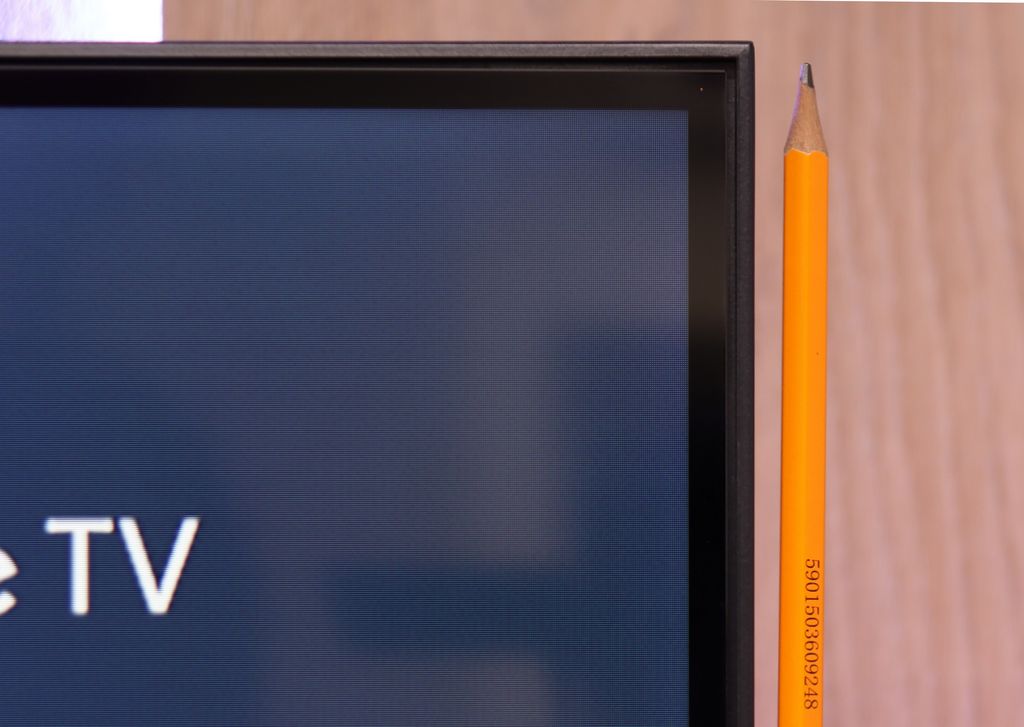
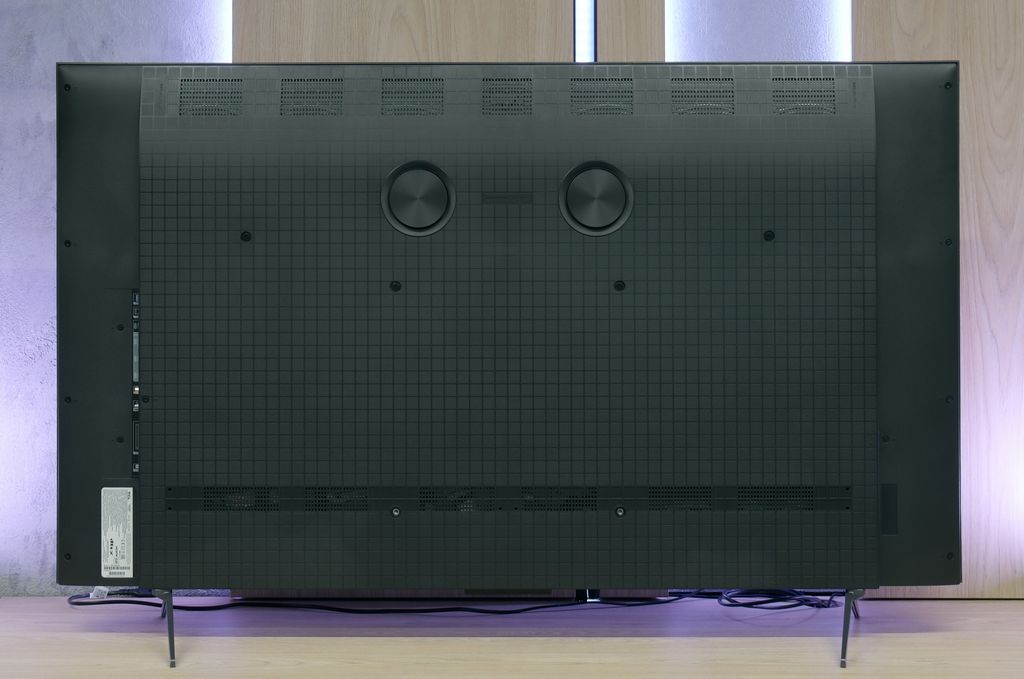
TV appearance


Contrast and black detail
5.6/10
7.5/10
Local dimming function: No
Local dimming function: Yes, number of zones: 180 (10 x 18)
Contrast:


Result
3,550:1

Result
5,200:1

Result
5,350:1

Result
5,400:1

Result
3,500:1
Result
129,650:1
Result
26,650:1
Result
12,900:1
Result
12,600:1
Result
6,250:1
Halo effect and black detail visibility:
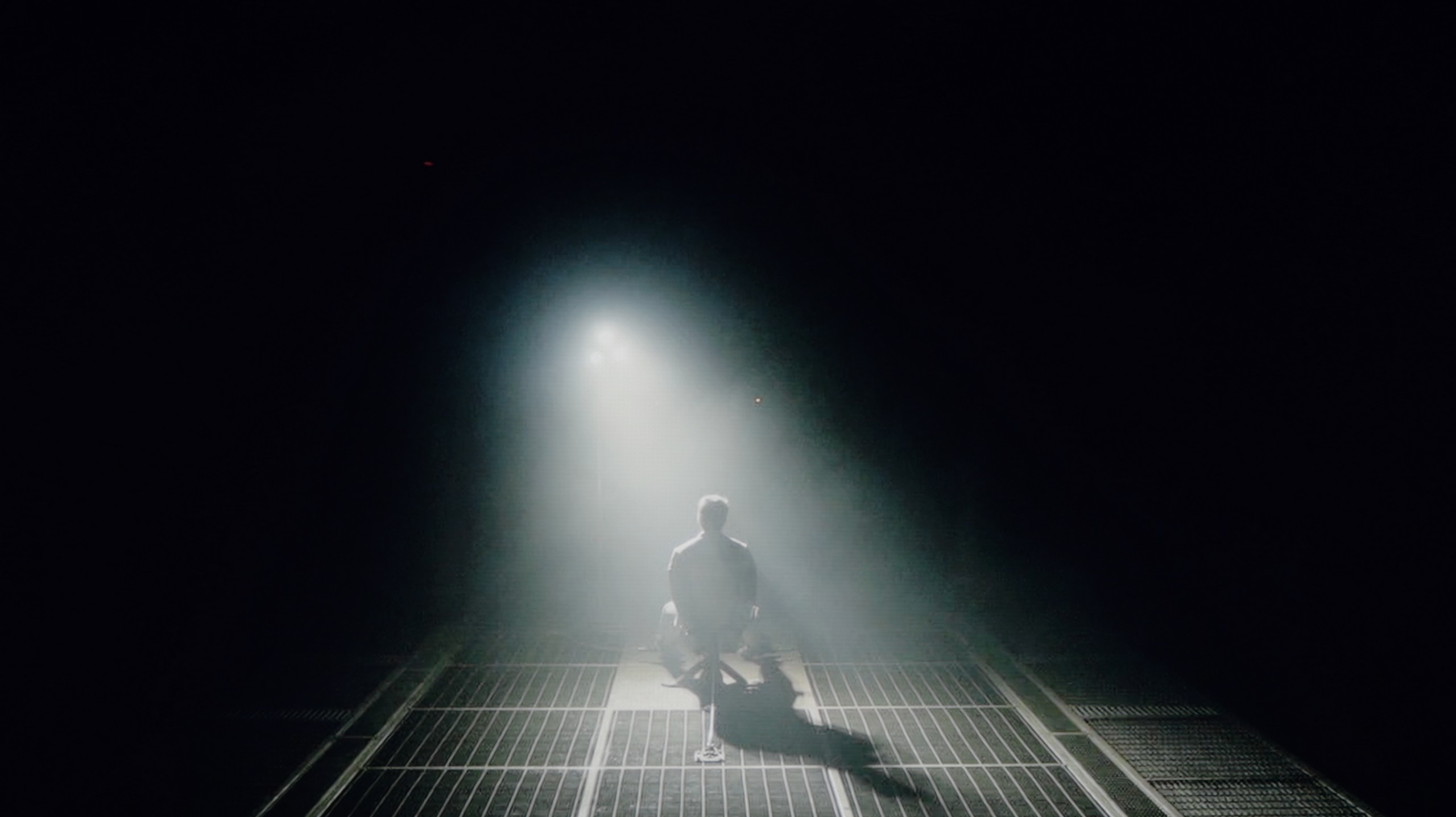
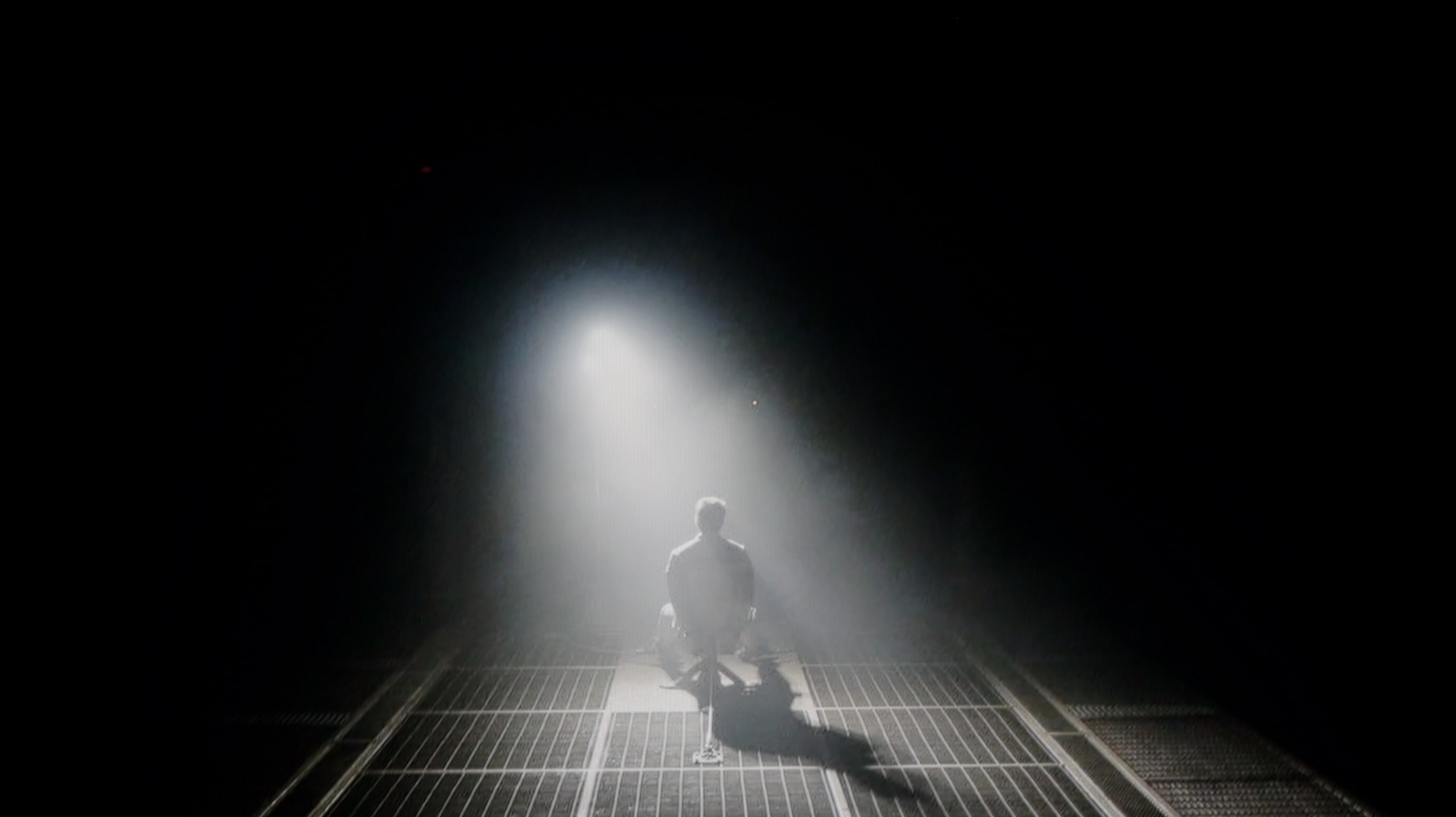
Check the visibility of bright lights on a dark background. Mini-LEDs often struggle with this. The photo does not compare black levels – that’s what the video below is for.
The video accurately shows differences in contrast and black levels between TVs, as well as potential issues: halo around bright objects or Mini-LED zone operation visible as brightness jumps.
Alright, but let's get to the meat of it, that is, how the Haier K85F handles black and contrast. The key information is that the television uses a VA panel, which is crucial for image quality in dark scenes. Thanks to this, the contrast is really solid – our measurements indicated values around 5000:1, which is much better than popular IPS panels.
However, it is important to remember that we're discussing budget equipment. So, we shouldn't expect any advanced technologies like local dimming. The backlighting operates across the entire screen surface at all times. How did it look during viewing? We took the film "Oblivion" with its cosmic landscapes for a test, and we also checked classic black bars in other productions. The effect was quite decent. The black had good depth, but it wasn't perfectly inky – a slight blue glow could be noticed, indicating that the panel's backlighting was still active.
Let's move on to what tigers like best, which is black and contrast. If you were worried that the lower price of the C6KS model (C69KS/Q6CS) was due to drastic cuts in image quality, I have great news for you regarding black levels and contrast. In direct comparison with the more expensive C6K, the tested model is almost on par with it. Just like in the higher series, we find here a VA panel supported by a local dimming system. What’s most interesting – and here’s a big surprise – during the tests we counted exactly the same number of dimming zones (in the same size) in the C6KS as in the more expensive counterpart! The black level is very good. The contrast measurement results speak for themselves – for such a relatively inexpensive television, the black is deep and free from major flaws that often plague budget models without local dimming. Of course, we can't defy physics. One must reckon that in very demanding scenes (e.g., bright text on a black background), we may sometimes notice undesirable effects, such as blooming (the halo effect around bright objects). However, this is not something that disqualifies this television – generally, the black level here is at a very decent, satisfying level.
HDR effect quality
3.4/10
4.9/10
Luminance measurements in HDR:

Result
217 nit

Result
212 nit

Result
278 nit

Result
250 nit

Result
273 nit
Result
602 nit
Result
204 nit
Result
421 nit
Result
152 nit
Result
590 nit
Scene from the movie “Pan” (about 2800 nits)


Scene from the movie “Billy Lynn” (about 1100 nits)
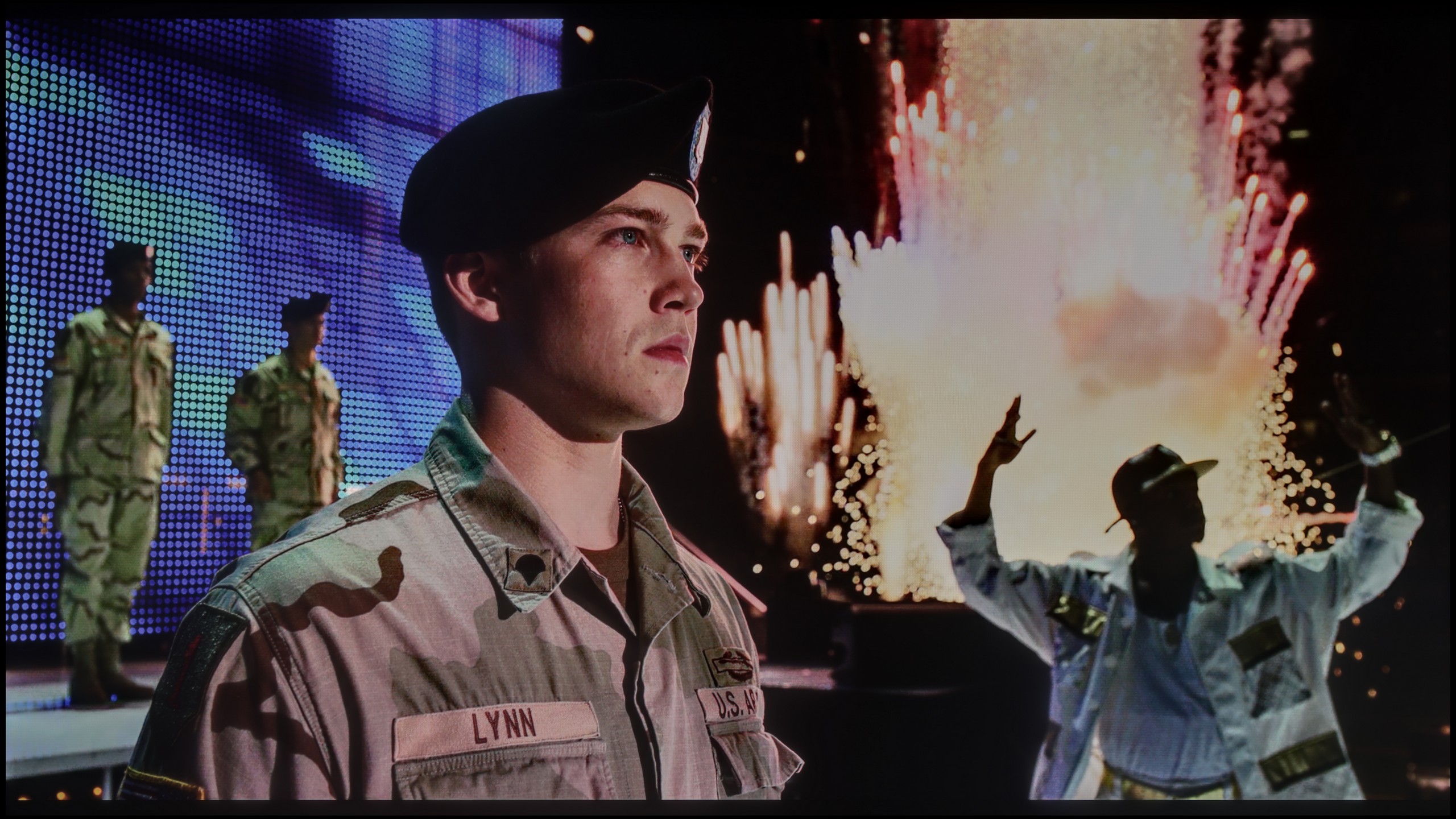
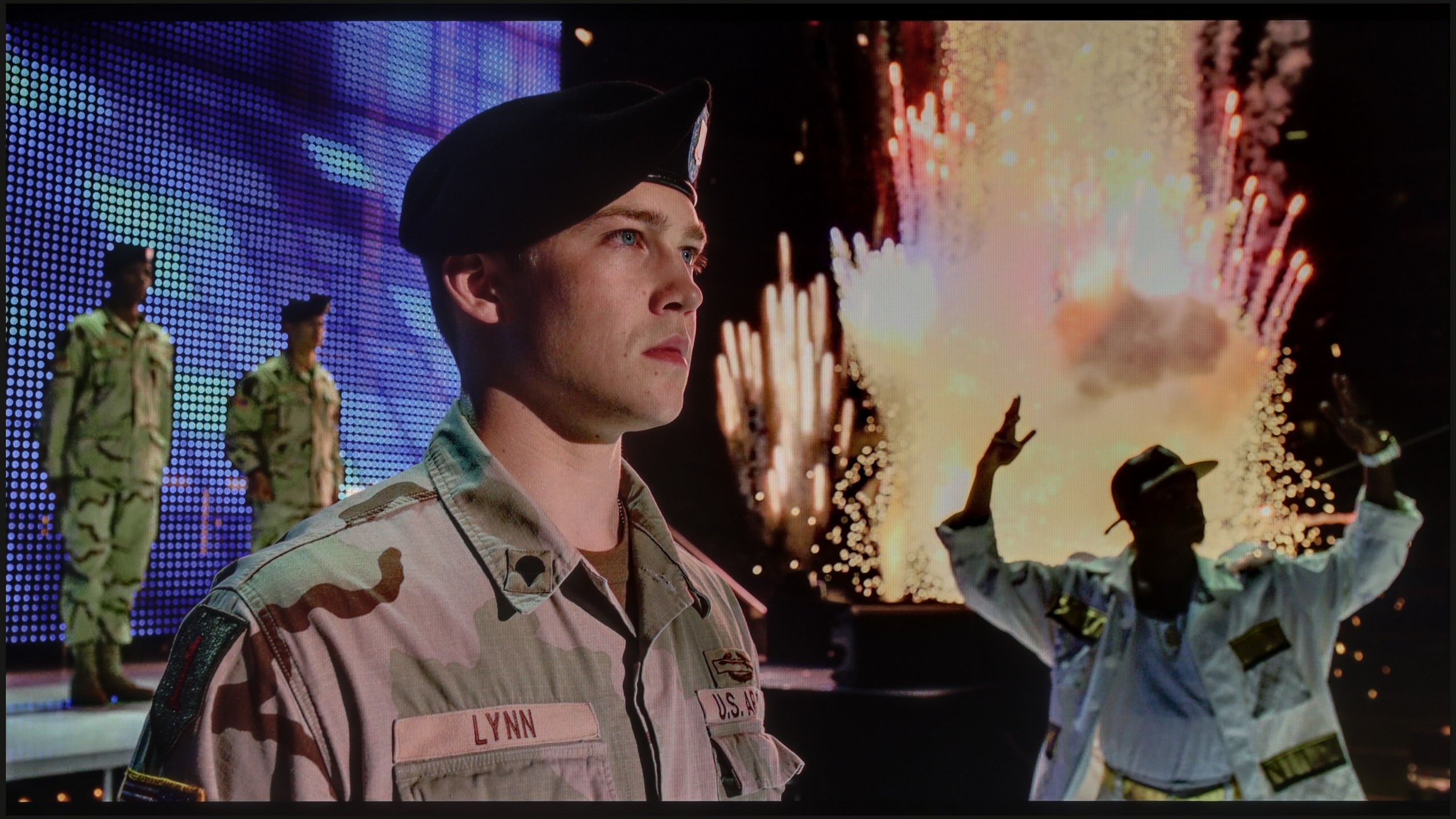
The photos show two HDR10 movies. 'Pan' is one of the brightest productions ever made, while 'Billy Lynn' (soldier) has brightness typical of streaming (Netflix, Prime, HBO MAX). Notice the intensity of effects and detail in whites.
Static HDR10


The photos present the visibility of white details in various HDR formats. They do not show brightness differences between TVs (these can be compared in the previous gallery).
HDR luminance chart:
TCL C6KS / C69KS / Q6CS
Haier K85F
Let’s now move on to one of the hottest topics in the world of televisions, which is the quality of HDR performance. In the case of the Haier K85F model, we unfortunately have to make it clear: if you’re looking for equipment to watch content in a wide dynamic range, you should steer clear of this model. The main issue is its very low peak brightness, which during our tests barely reached 250 nits. To give you a better idea of what that means – this level is fine for watching standard SDR content, but it’s absolutely insufficient to show any real benefits of HDR. The image simply doesn’t have the "power" to generate bright, striking highlights. All of our measurements and tests on specialised test patterns confirmed this. As if that wasn’t enough, the television also struggles with colour reproduction. In this budget build, there are no technologies that broaden the colour gamut, such as quantum dot layers (marketed as "QLED"). As a result, the coverage of the DCI-P3 colour space, which is crucial for HDR content, is only around 80%. In practice, this means that the image will not only be dark but also devoid of the vibrant, saturated colours that the director wanted to show us.
And what about HDR? Here the C6KS performs quite well and – as is becoming the theme of this review – just like in the C6K model. The maximum brightness generated by this television is around 600 nits. In bright scenes, this translates to a really solid, cinematic effect and generally, video materials look good here. However, it's important to keep in mind the specifics of the dimming algorithm in this model. When very small, bright points (e.g. stars) appear on a dark background, the television can quite significantly dim them. The goal is simple: to eliminate blooming and maintain the best possible black. It's a reasonable compromise. Most viewers will definitely appreciate deep, “true black” more than additional microscopic details, the display of which could cause the screen to appear greyed out. Such is the nature of local dimming technology in this price range, and one must be aware of this. It’s also worth noting that the TCL C69KS (C6KS) has an additional PFS coating, which is marketed under the QLED technology slogan. Thanks to this, the colours are saturated and vibrant – our measurements showed that the coverage of a wide colour gamut reaches as much as 92%.
Factory color reproduction
3.8/10
5/10


This gallery shows how colors change after professional TV calibration. If you notice the difference, we recommend ordering this service at SkalibrujTV.com.
Factory Mode
After calibration
Alright, how does the television handle colours straight out of the box, without any intervention from our side? The Haier K85F offers a whole range of picture modes, such as Dynamic or Eco, but for anyone wanting to watch films according to the creators' intentions, there's essentially only one that matters: Film mode. This is where we focused our tests, and unfortunately, its name has little to do with reality. The picture on factory settings is very far from what we could call cinematic fidelity and requires many adjustments. Let's start with the white balance, which has a clear deficiency of red colour. In practice, this means the entire image has a cool, bluish tint. Even worse is the issue of brightness management, that is, the gamma curves (for SDR) and EOTF (for HDR). Their graph resembles a true rollercoaster, which terribly impacts the viewing experience. This results in unnatural dimming of SDR content, causing details in the shadows to be lost, and in the case of HDR – an excessive brightening that further exacerbates the problem of clipping. Such a combination, which consists of too cool white combined with chaotic brightness and too much blue colour saturation, leads to enormous errors in colour reproduction. Our measurements on a specialist ColourChecker chart showed errors (Delta E) regularly reaching and exceeding values of 8-9. To put it simply: errors above the threshold of 3 are easily noticeable to the naked eye, so such a result means that the colours on the screen are simply heavily distorted.
In contrast to the more expensive C6K model, in the tested C6KS we don't find an option in the menu labelled as Filmmaker Mode. Is this a reason to cry? Absolutely not. Our tests showed that in practice, in terms of colour reproduction, the lack of this specific label makes virtually no difference. The best available Film/Cinema mode here offers an almost identical picture profile to the aforementioned Filmmaker in the more expensive model. So we get a very similar image, just under a different name. Therefore, if you were wondering whether paying extra for the C6K would give you better colours – the answer is: no, in both cases the base is the same and requires slight adjustments.
Color reproduction after calibration
6.2/10
7.5/10
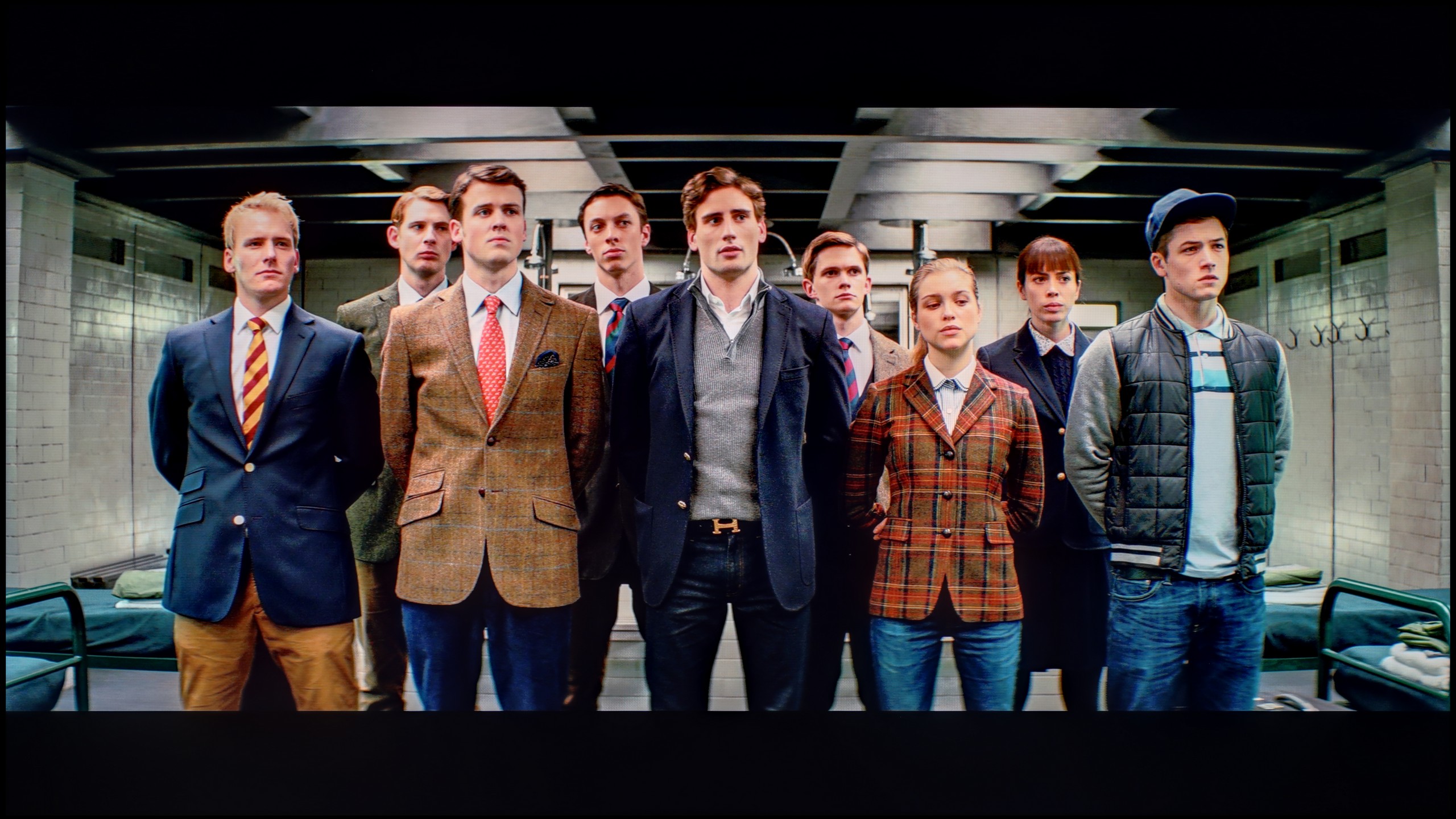
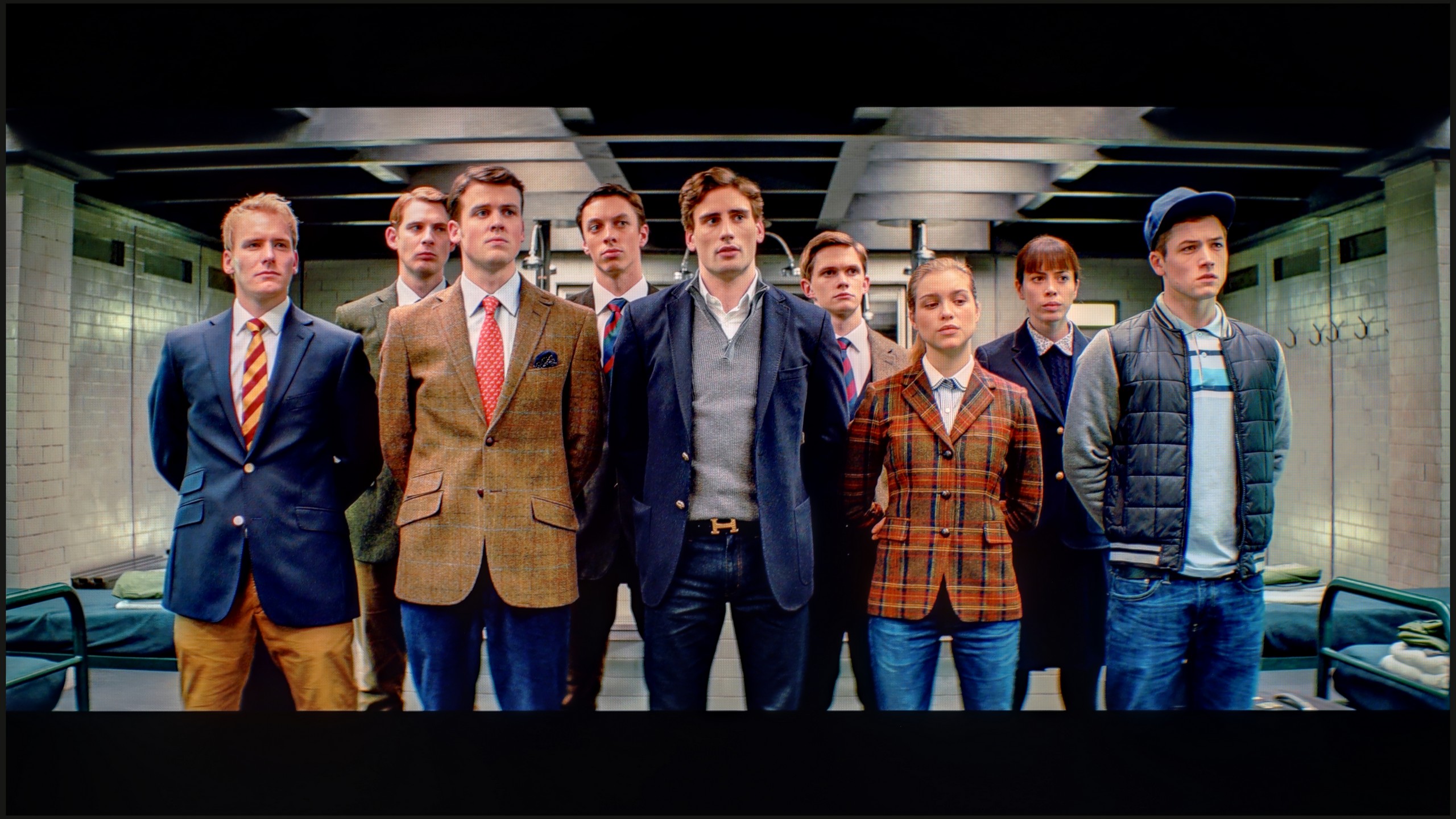
The photos show how movies look on the TV. Pay attention to black detail visibility, colors, and shadow tint.


The photos show how movies look on the TV. Pay attention to black detail visibility, colors, and shadow tint.
No good, but can anything be done about this picture? Is professional calibration able to save the situation? The answer is both yes and no. It needs to be said clearly that there are certain things we cannot overcome. The limitations of the construction itself, namely a poor panel and its narrow colour coverage, mean that you can forget about a sensible HDR effect – we won't be pulling the wool over your eyes on that. The biggest beneficiary of our adjustments is undoubtedly the SDR mode, and it is for watching such content, after calibration, that this television starts to make sense. We managed to tame the white balance in our own way. Although the television only offers basic, 2-point adjustment (rather than precise, 20-point), it's not perfect, but we successfully eliminated that unpleasant, cold "chill" in the picture. Above all, though, we noted a huge improvement in brightness management. The gamma curve, which previously resembled a rollercoaster, looks like an almost perfectly straight line after calibration. This is a sign that the television can finally display an image without artificially dimming or brightening it. The conclusion is simple: even with such a cheap television, professional setting correction can achieve a great deal and extract the maximum potential from it.
Thanks to the white balance adjustment, the C69KS's tendency to distort colours has been effectively limited, leading to a very good final effect. After calibration, we will no longer see excessive warmth in SDR scenes or overly cool tones in HDR. However, it is worth noting the brightness characteristic. In SDR content, there are hardly any objections – the image looks very good, especially in older films, TV shows, or YouTube materials. Evaluating the television's performance in HDR is much more difficult. Analysis of the EOTF curve suggests correct behaviour, but its practical variant shows certain limitations. The C69KS can overly brighten the smallest elements of the frame, while at other times it can dim the entire scene. Calibration has therefore brought clear benefits in terms of colour, but certain limitations resulting from local dimming and the way it is controlled by the C69KS cannot be avoided, which we also observed in the C6K test.
Smoothness of tonal transitions
7.6/10
4.8/10
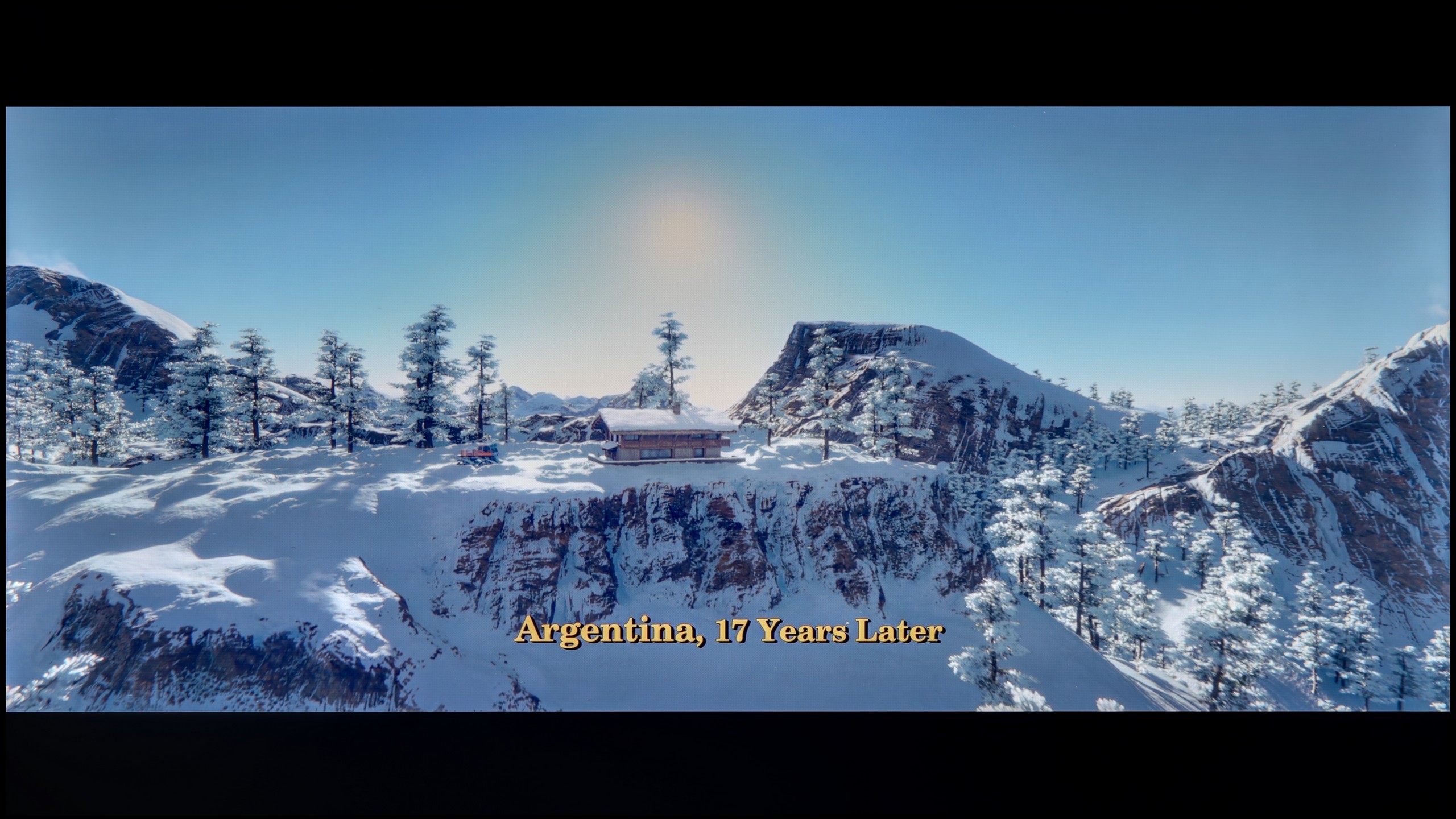

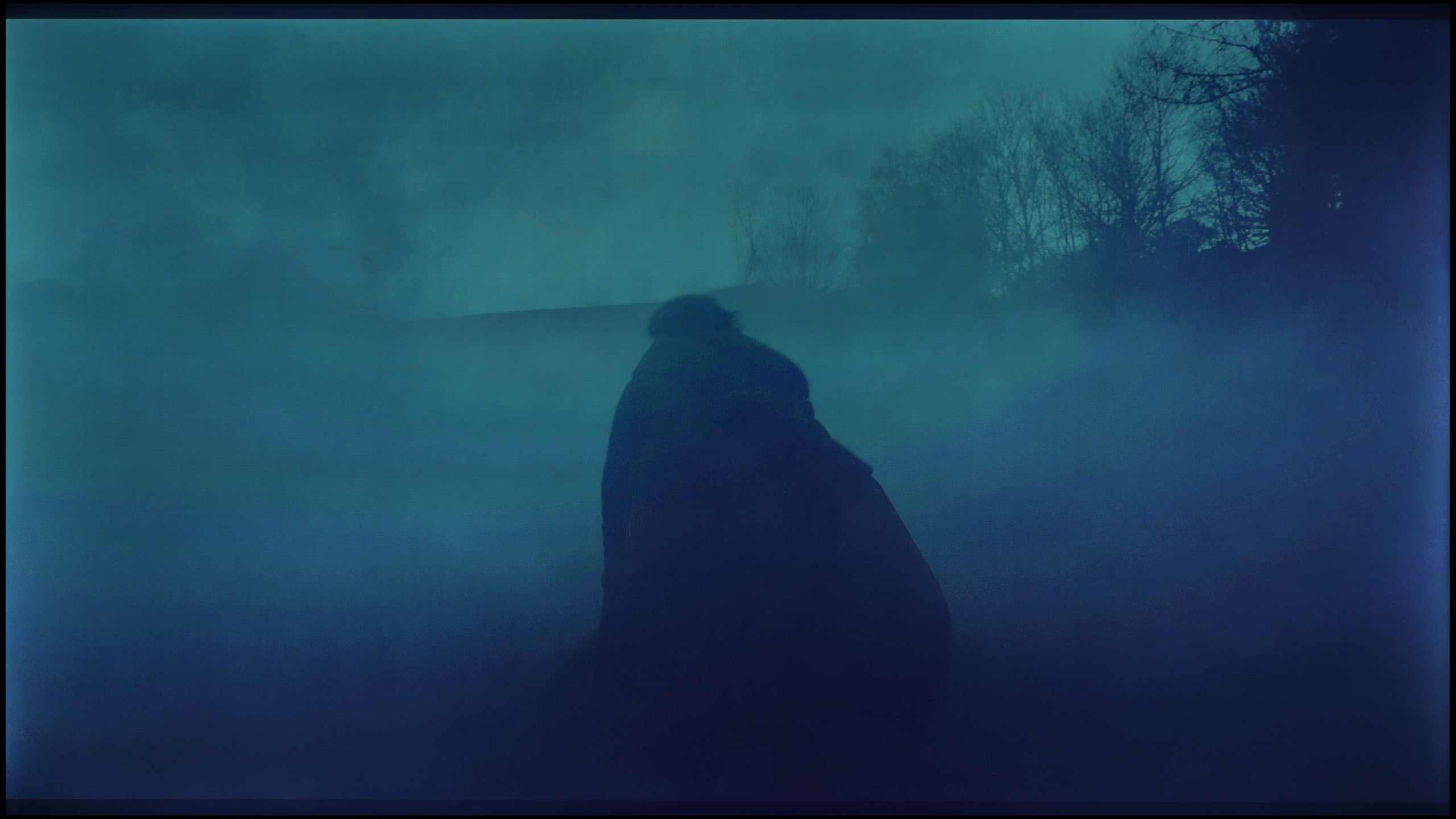

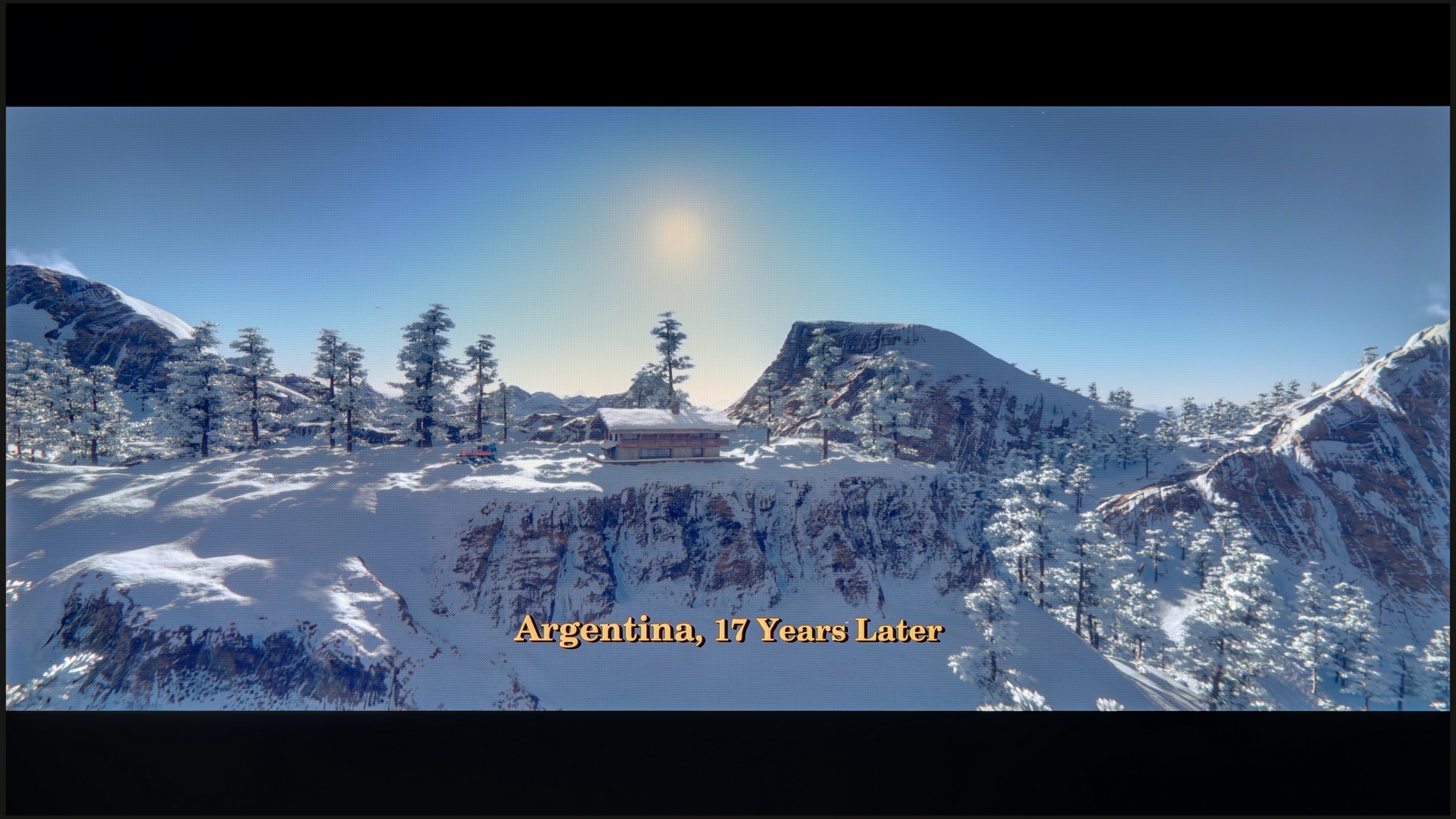
These are selected scenes that show smooth tonal transitions from one color to another. If you see distinct banding, it’s the TV panel’s fault.

These are selected scenes that show smooth tonal transitions from one color to another. If you see distinct banding, it’s the TV panel’s fault.

These are selected scenes that show smooth tonal transitions from one color to another. If you see distinct banding, it’s the TV panel’s fault.
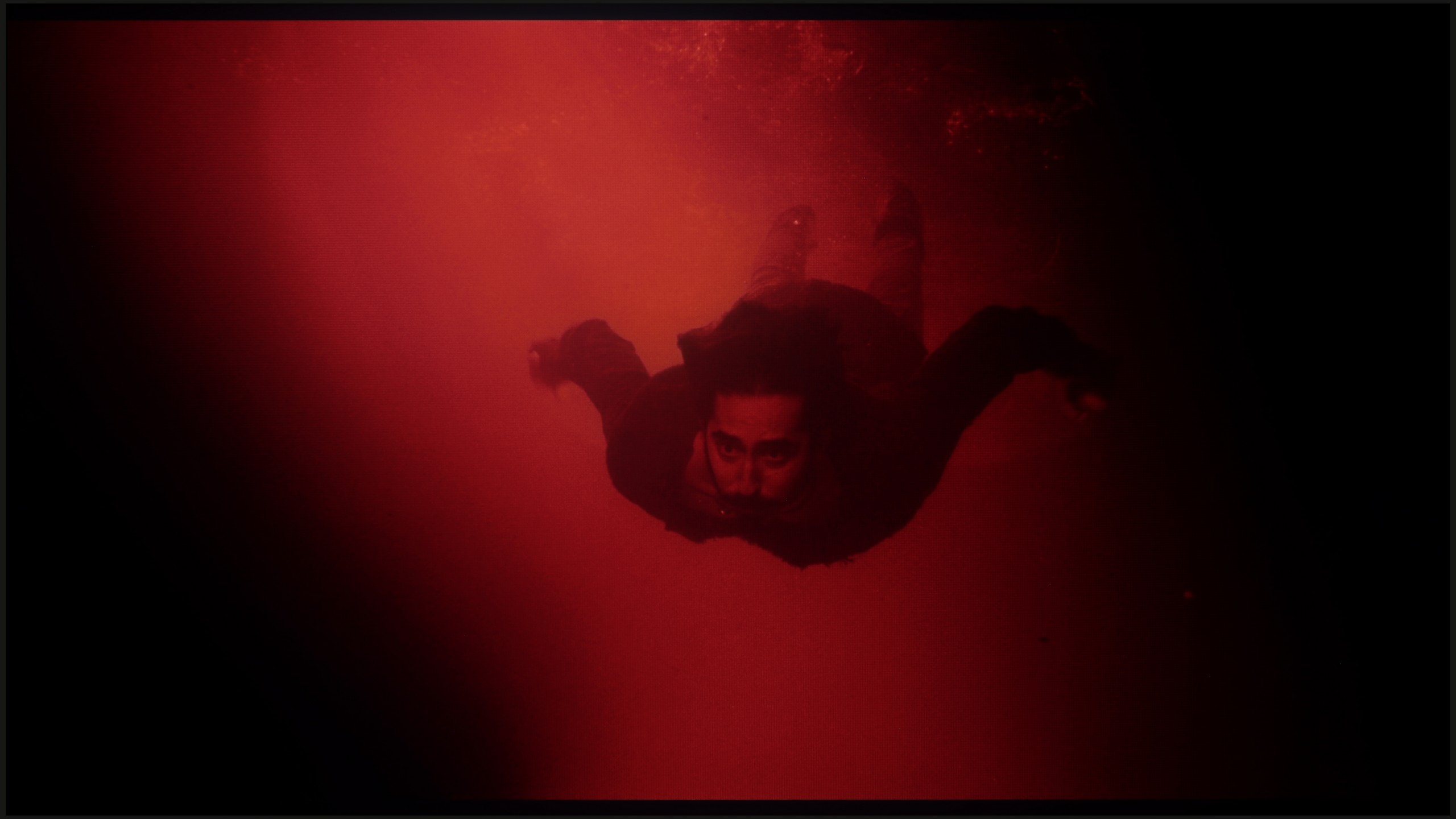
These are selected scenes that show smooth tonal transitions from one color to another. If you see distinct banding, it’s the TV panel’s fault.
It's time to address an issue that is often overlooked by many but can be quite irritating to the discerning (and not just discerning) eye. We're talking about the smoothness of tonal transitions, or how seamlessly the screen displays transitions between very similar shades of one colour – for instance, on a clear blue sky. We have to admit that in this category, the Haier K85F, considering its price, performs quite decently. In bright scenes, such as the aforementioned sky or expansive landscapes in the film "The Martian," there are no stark, contrasting bands. Yes, if we scrutinise closely, we can spot minimal imperfections, but generally, the effect is more than satisfactory. However, the situation changes when darker scenes make an appearance on the screen, such as gloomy corridors in games or nighttime landscapes. Here, banding, or the effect of posterization, becomes much more evident. Transitions in shadows and greys are no longer as smooth and can become quite bothersome to a more sensitive eye. It's not a level that would completely disqualify the television, but it is clear that this is an area where costs were saved.
When looking solely at the fluidity of tonal transitions, the C69KS provides no real reasons for complaint. The gradation of colours is appropriate, and more challenging sequences do not reveal any significant issues. However, you may be surprised by the low rating in this category. This is due to very strong dithering and artificially boosted "resolution," which lead to a grainy and unnatural character of the image. For this reason, the final rating is significantly lower, despite the correct gradation of the tonal transitions themselves.
Image scaling and smoothness of tonal transitions
4/10
5/10


Smooth transition function
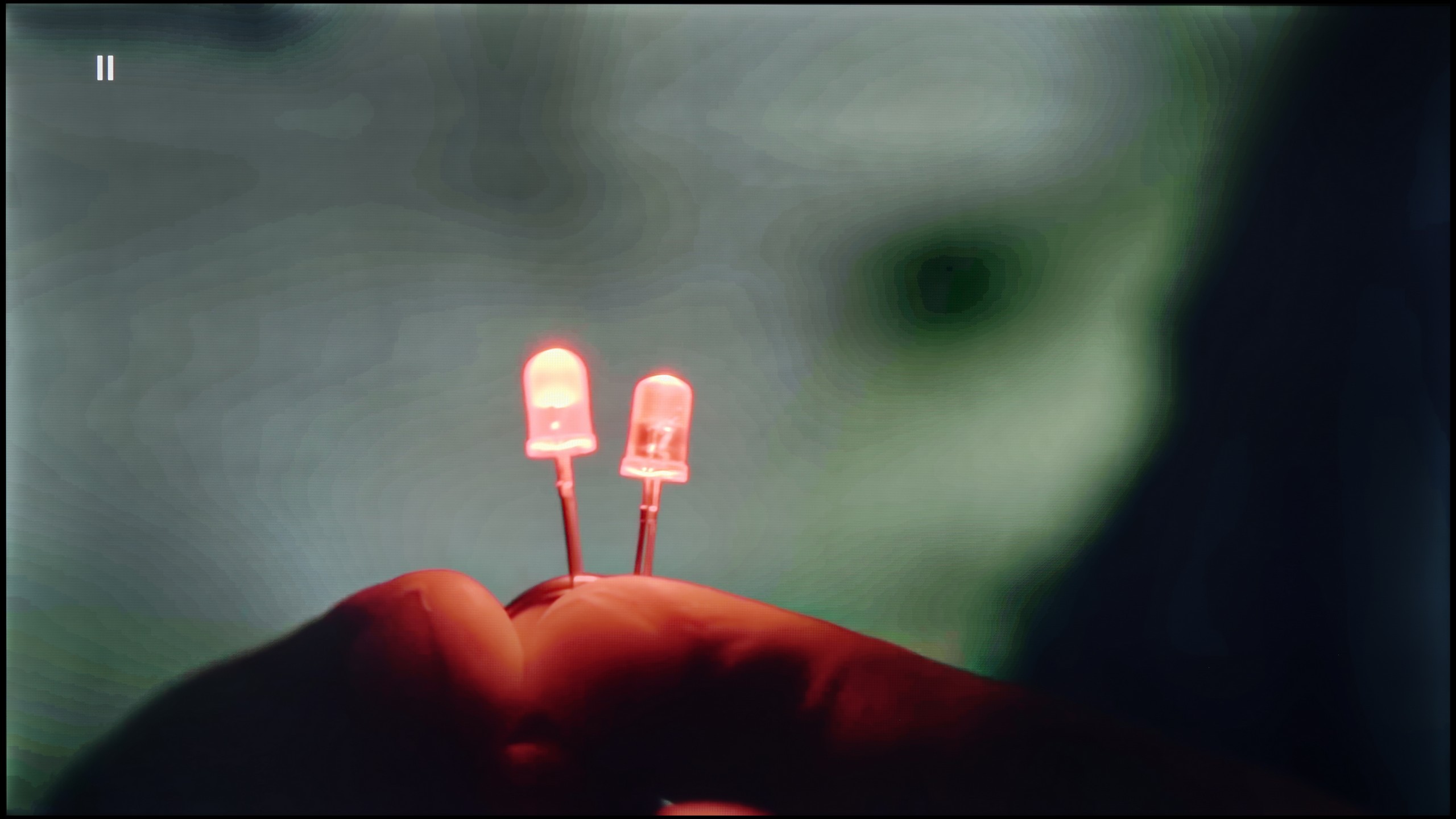
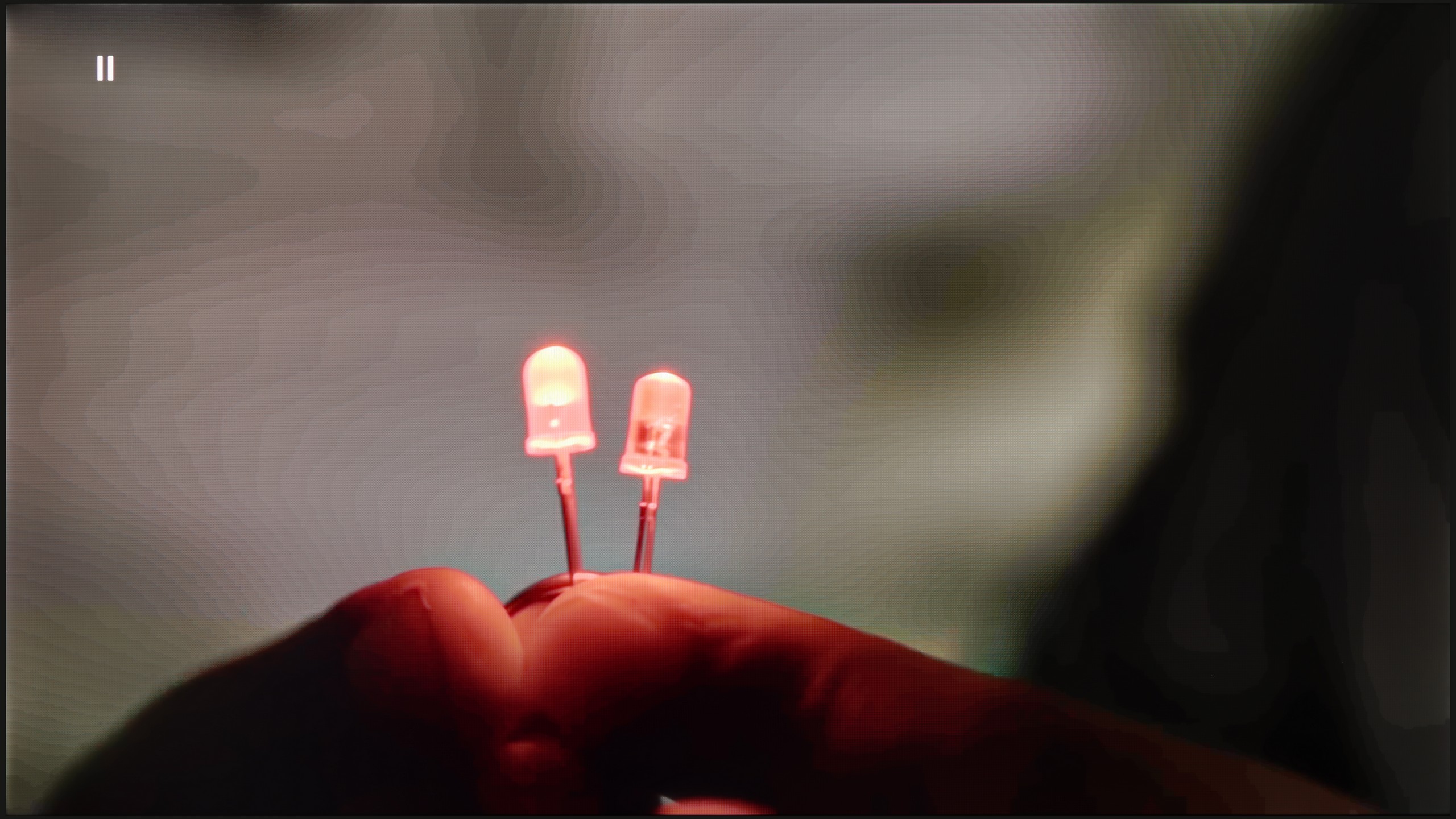
The match photo shows how the TV smooths weak tonal transitions in low-quality video.
Image scaling SD (576i)


The model photo shows how it handles upscaling of SD material.
Let’s move on to digital processing and image scaling, specifically how the Haier K85F handles lower resolution signals, such as from regular television. Right off the bat, we encounter an incredibly annoying and completely incomprehensible issue – the overscan is enabled by default. This means the television artificially enlarges the image, cutting off its edges on every source, even 1080p. To see the full frame, you have to dig into the screen settings each time and manually switch the format to "stretch to 16:9." It's a minor detail, but devilishly frustrating. The scaling of content to 4K resolution can be described in one word: acceptable. And that's about it. The image processor doesn't strip detail from the image, nor does it generate jagged edges or other artifacts. It simply does its job, without any bells and whistles. It’s alright, but nothing more. The most significant and noticeable shortcoming in the digital processing section is, however, the absence of a tone transition smoothing feature. This is an algorithm that could significantly reduce the annoying banding effect we mentioned earlier. Unfortunately, the manufacturer did not foresee such a solution, condemning us to watch the imperfections of the panel and low-quality material in all their glory.
The C69KS handles upscaling quite well. The tested 576p content looks surprisingly decent – a considerable amount of detail is preserved, and the algorithm adds a subtle ‘rounding’ effect to sharp edges, making the image appear more cohesive. However, it doesn't perform as well when it comes to smoothing tonal transitions. The television practically cannot improve them, leaving the image in a rather raw state. With older materials, this can be simply exhausting, as the lack of additional processing highlights all imperfections.
Blur and motion smoothness
4.5/10
4.9/10
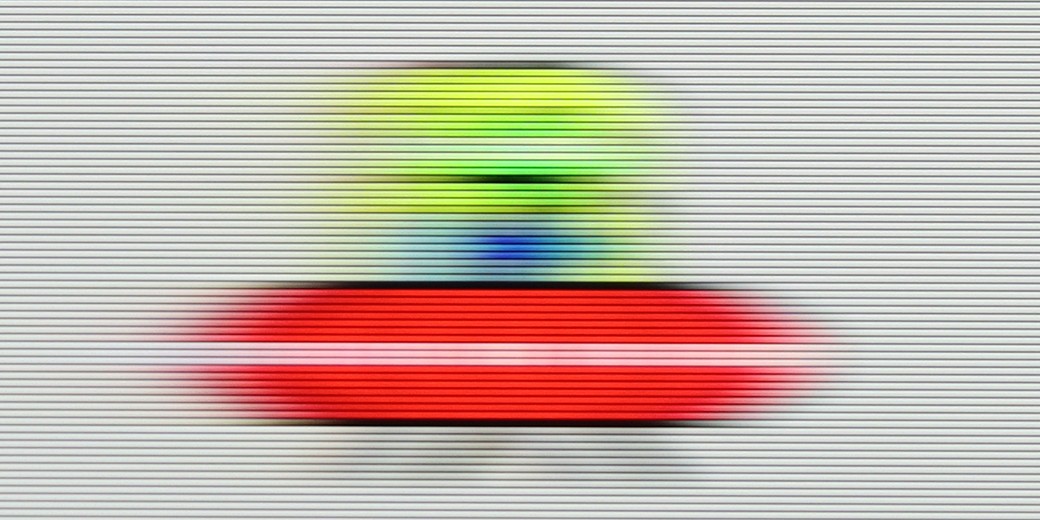
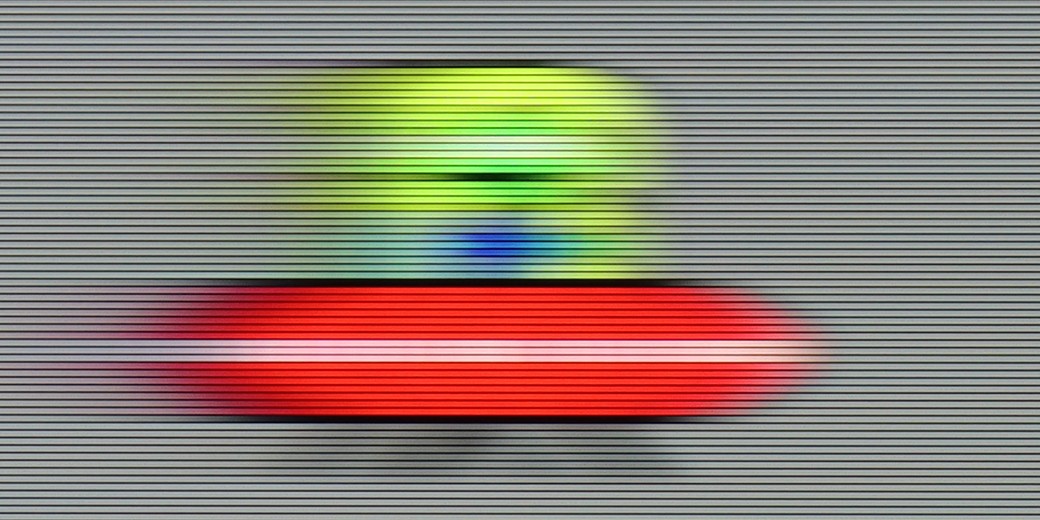
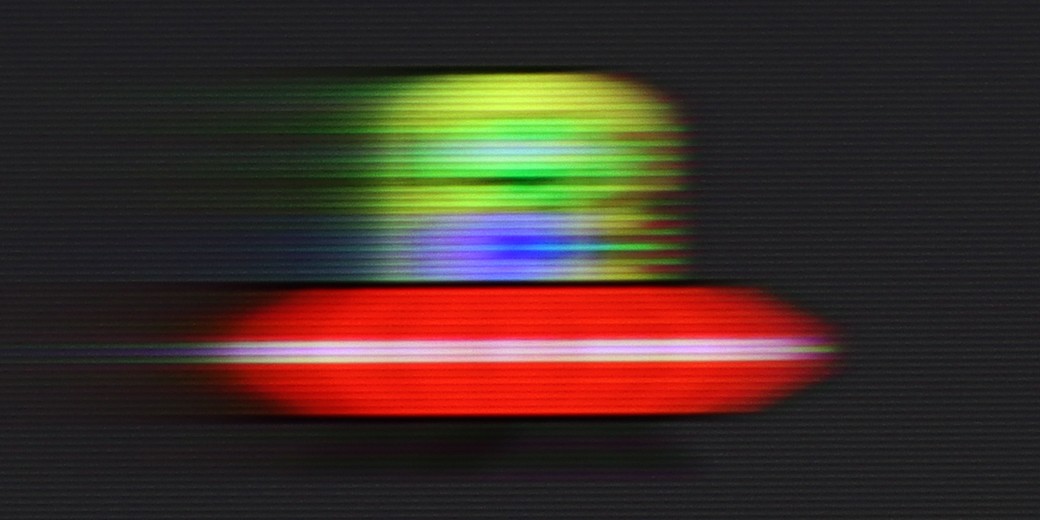
Blur (native resolution, maximum refresh rate):



Blur ():
Blur (4K@144Hz):

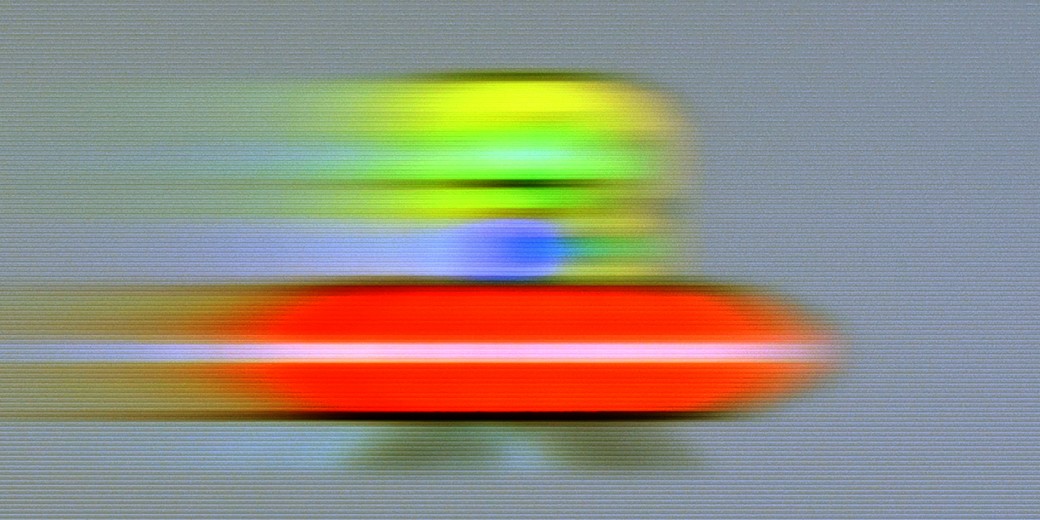
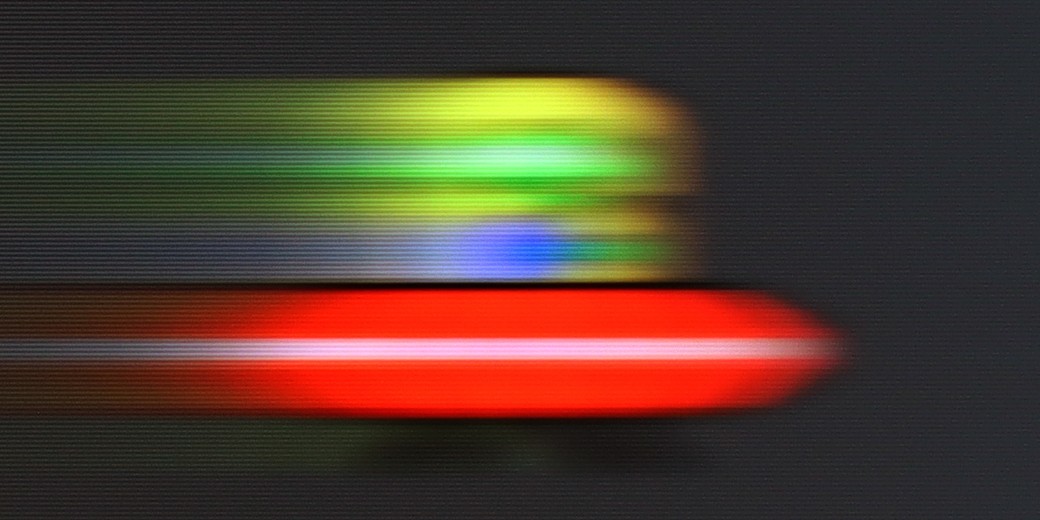
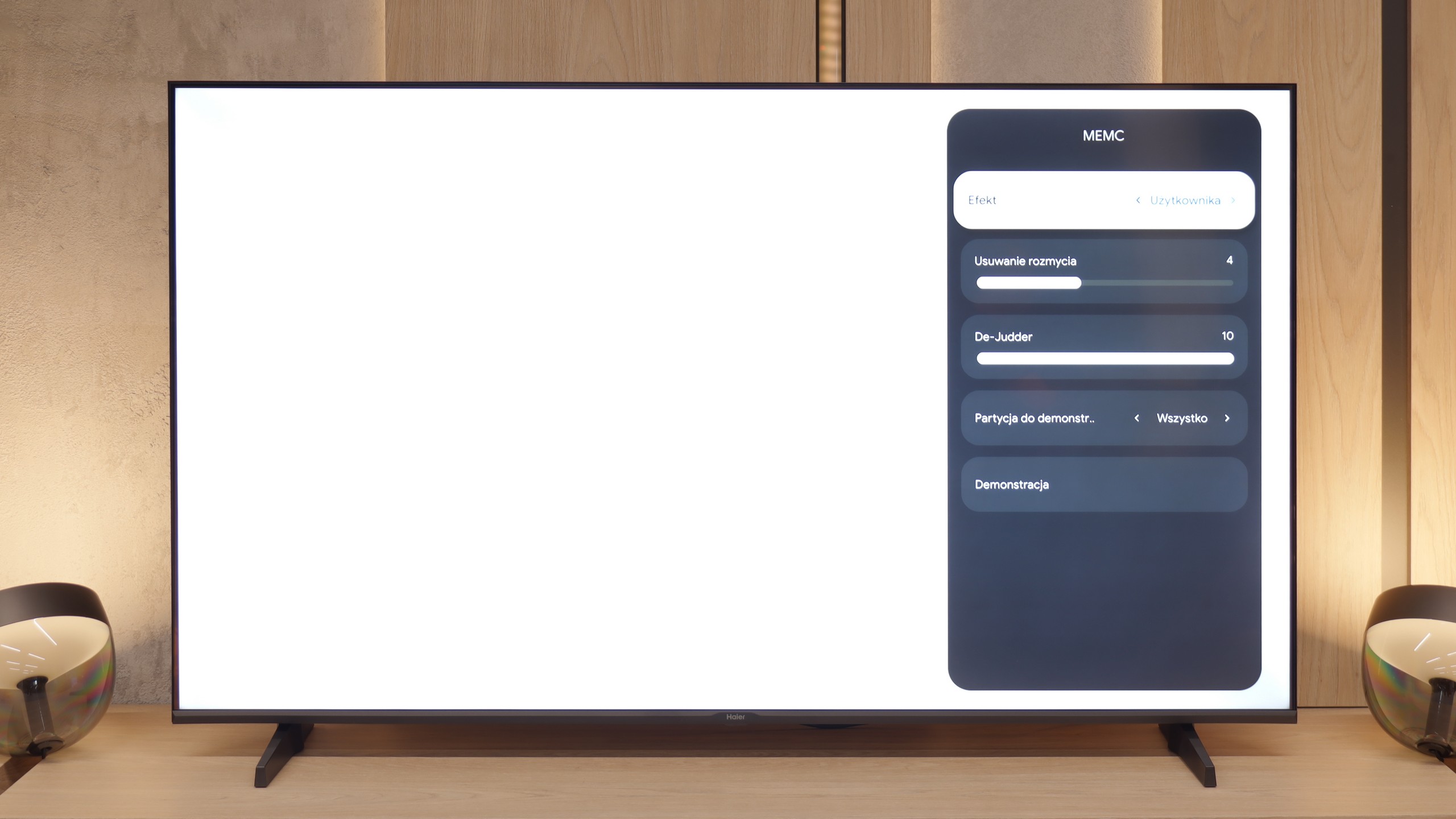
The panel in the K85F model operates at a native refresh rate of 60 Hz, which sets certain expectations for image smoothness right from the start. However, we must admit that we were very positively surprised when we found two separate motion control sliders in the settings menu: one labelled "Motion Blur Reduction" and the other "De-Judder." Such generosity in this price segment is an absolute rarity, as manufacturers usually offer at most one shared option. Unfortunately, our enthusiasm faded as quickly as it appeared. It soon became clear why Haier was so "generous" – the slider responsible for reducing motion blur is simply a decoy. Sliding it makes absolutely no visible difference on the screen, so only one of the two options works.
C69KS offers a simplified motion enhancement panel in movies, allowing users to adjust the intensity of the effect using a slider. This makes it easy to tailor the smoothness to personal preferences. It also deserves credit for the ability to utilise higher refresh rates – even though the panel operates natively in 4K at 60 Hz, by lowering the resolution to 1440p, modes of 120 and 144 Hz can be enabled, on both consoles and PC. This sounds like great news, however, in practice, the image at these settings trails exceptionally badly. The effect is so pronounced that the overall experience simply appears mediocre and loses its appeal in everyday use.
Console compatibility and gaming features
4/10
8/10
- ALLM
- VRR
- VRR range48 - 60Hz48 - 144Hz
- Dolby Vision Game Mode
- Correct implementation of HGIG
- 1080p@120Hz
- 1440p@120Hz
- 4K@120Hz
- Game bar
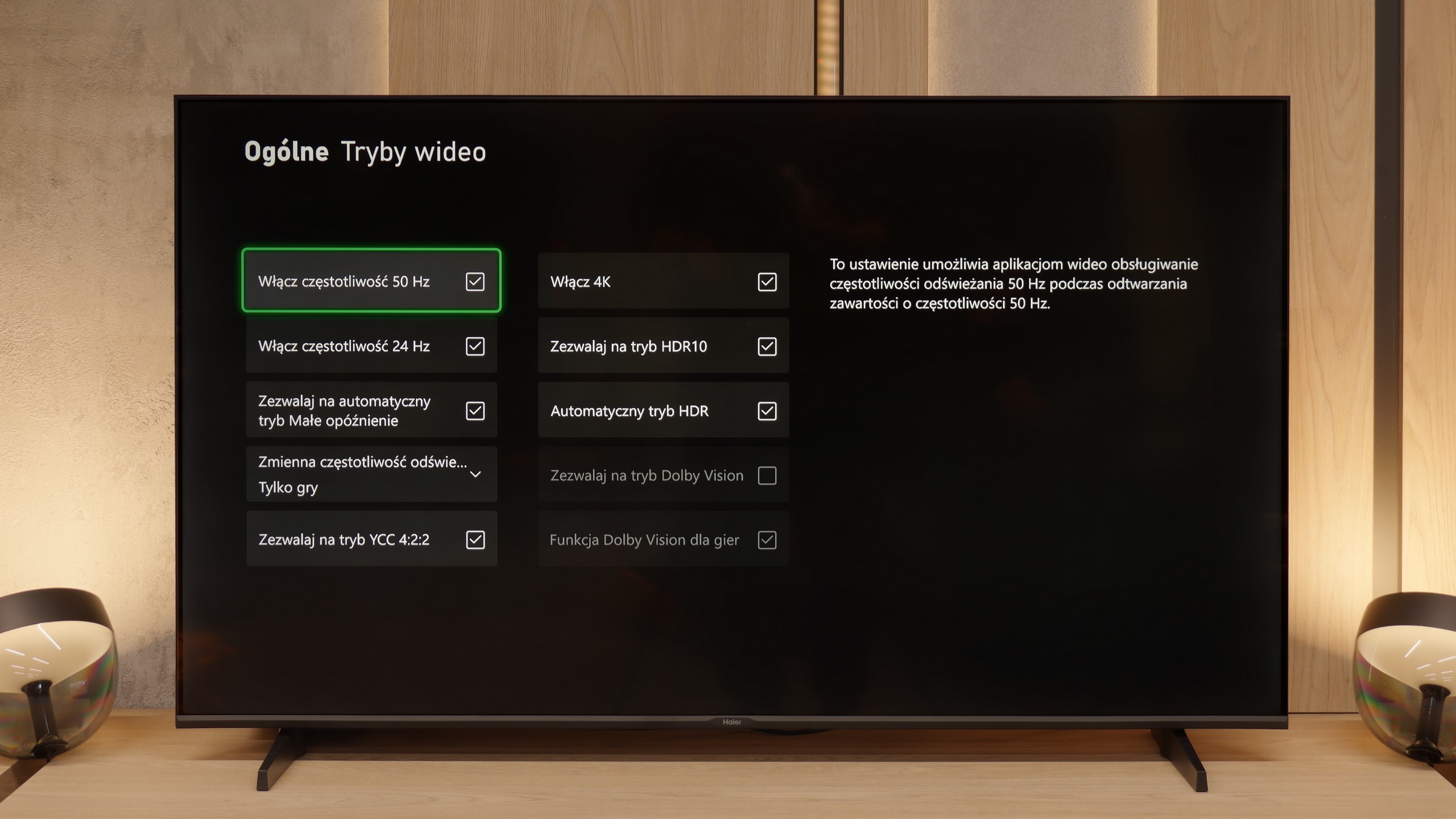

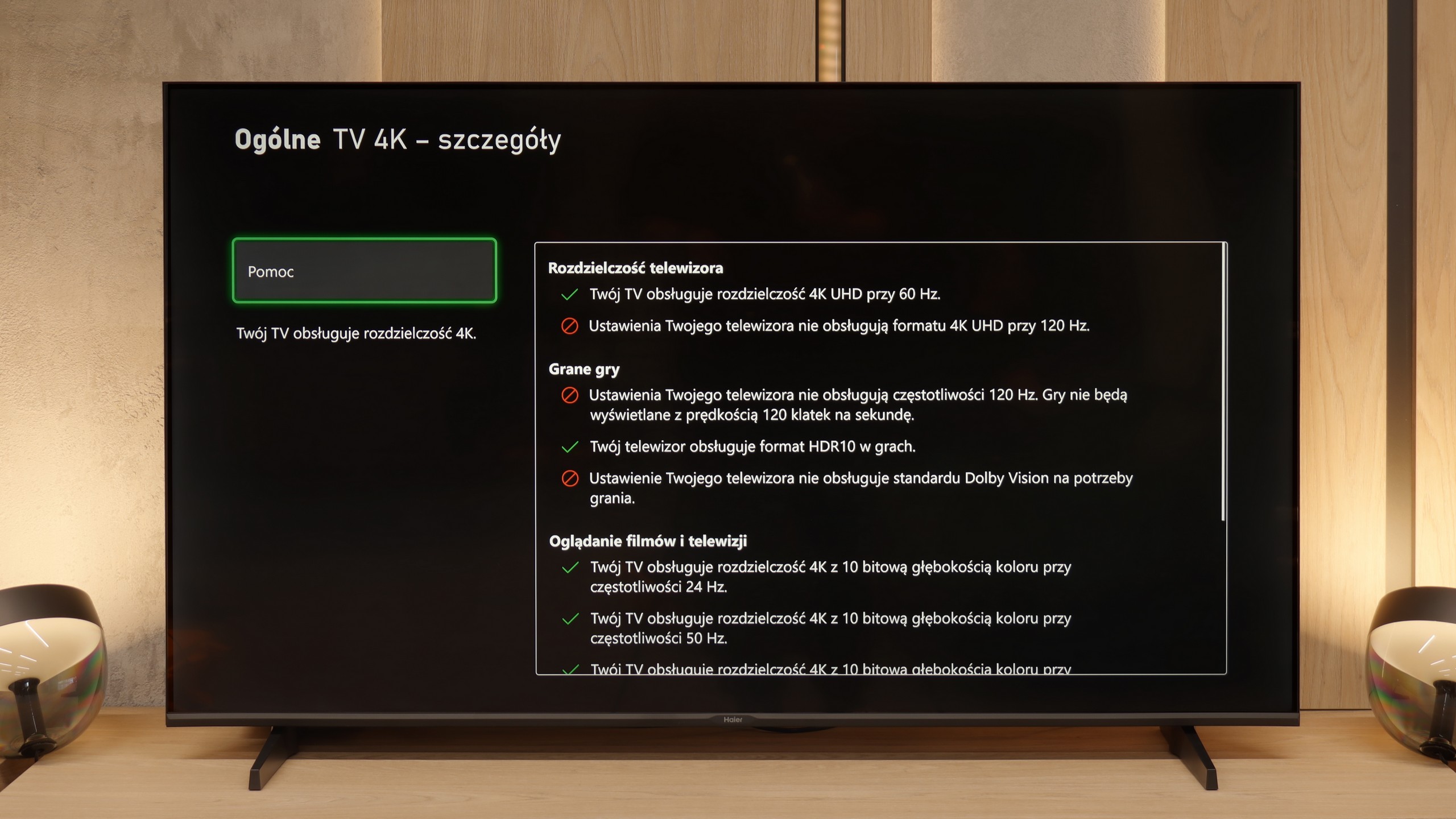
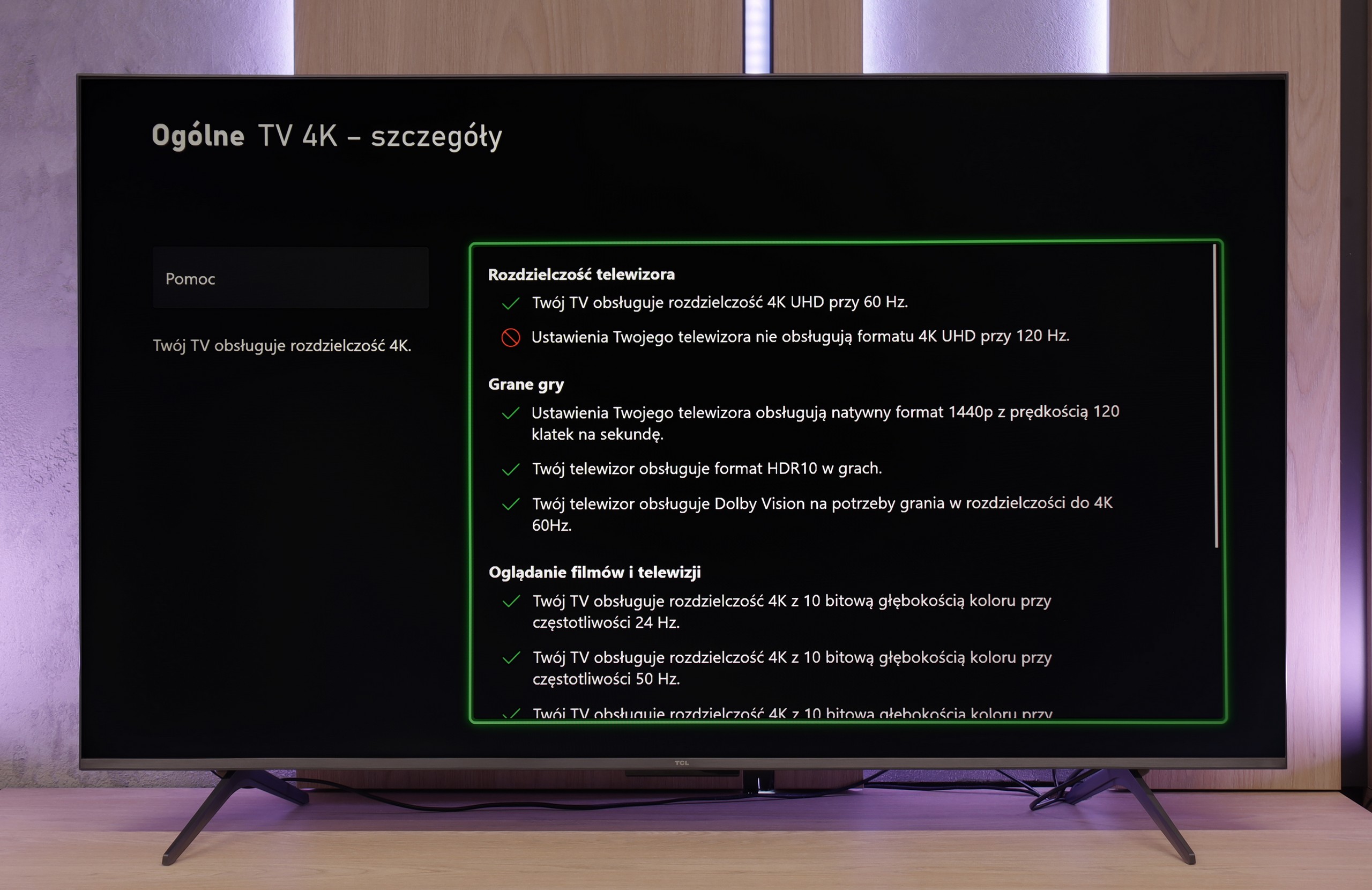
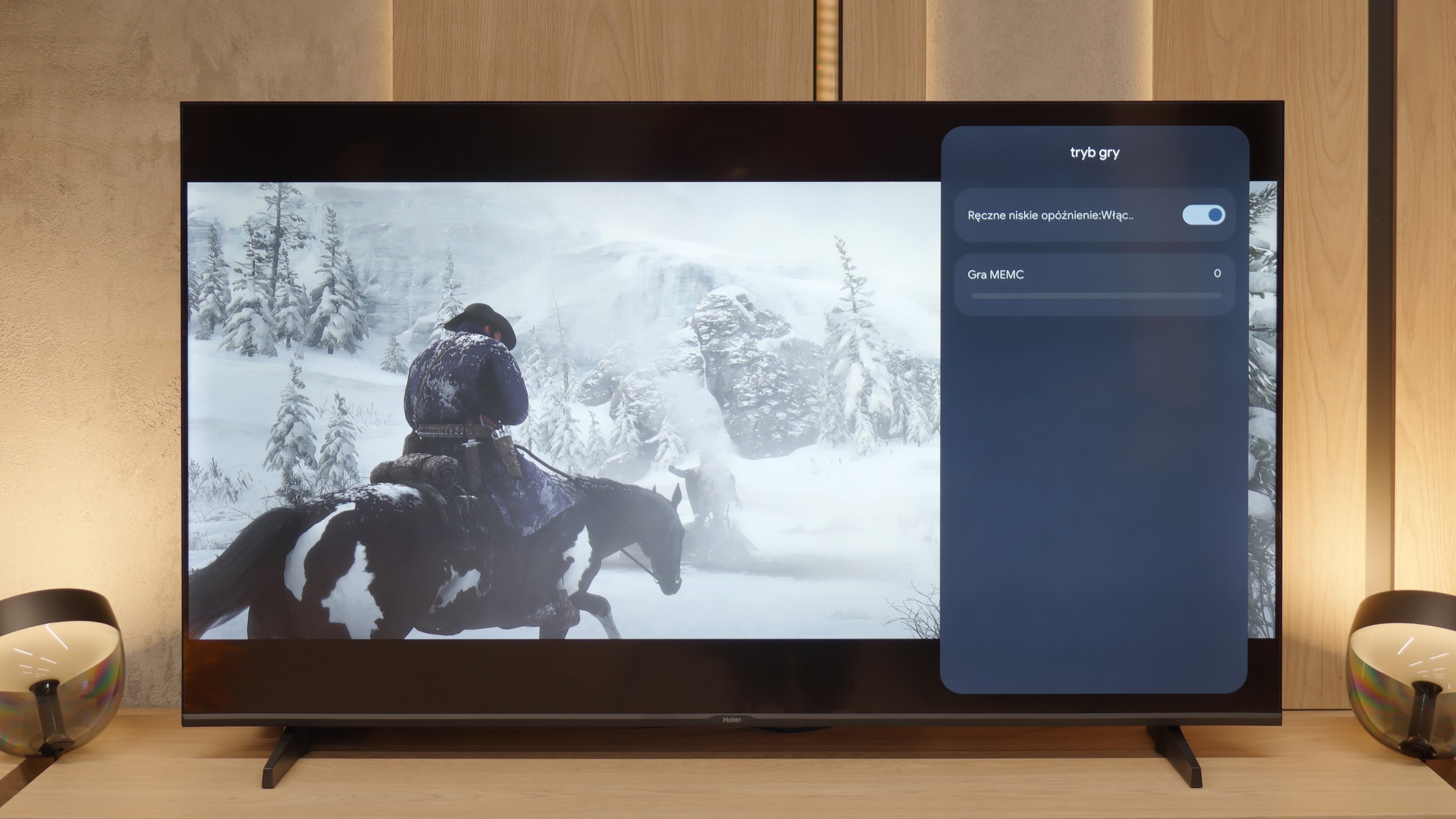

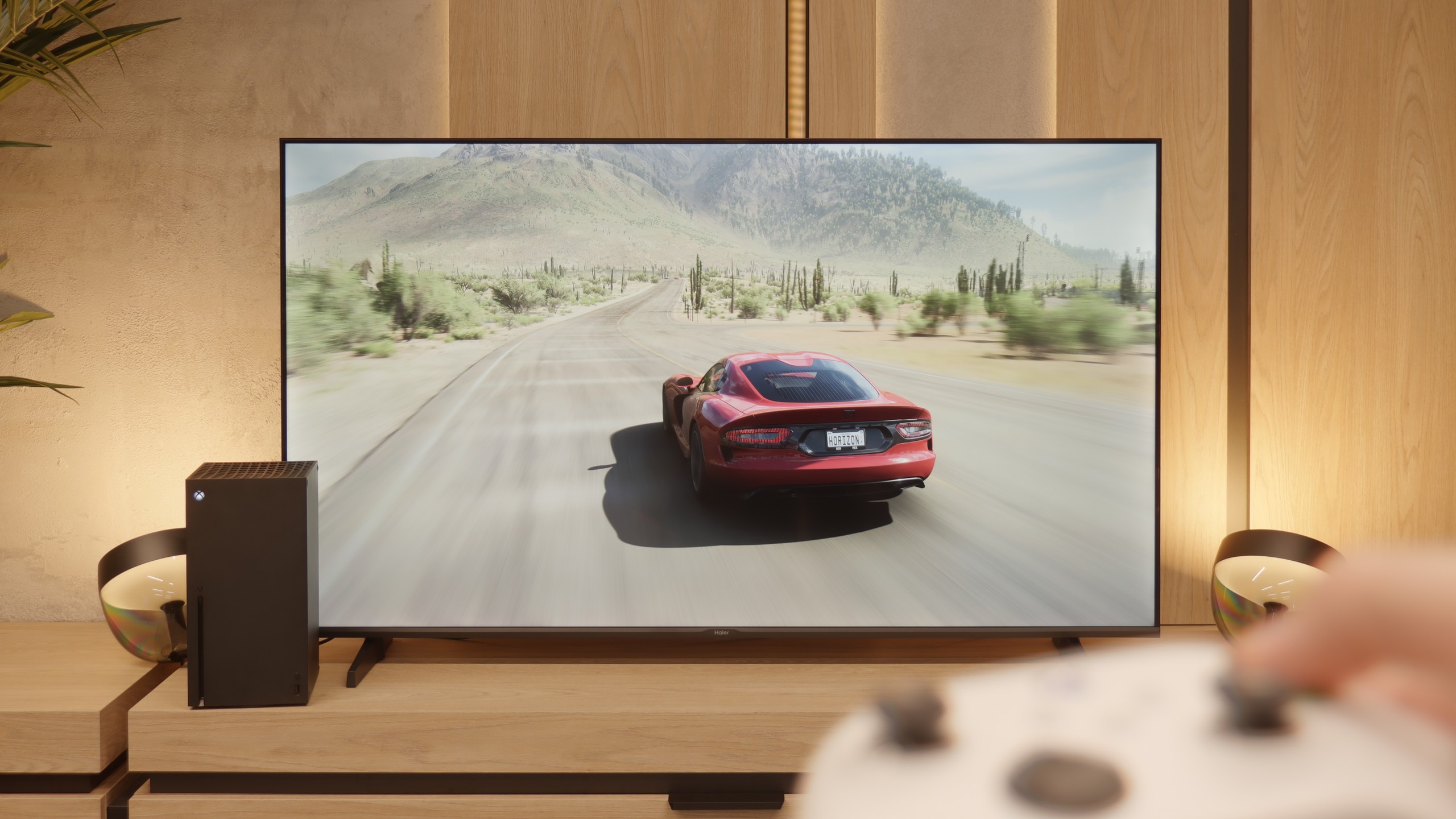

Let’s move on to the features for gamers, although we must point out straight away that this is more of a proposal for the "occasional" ones. The manufacturer does boast in the specifications about having HDMI 2.1 ports, which looks impressive on paper, but in reality, it’s largely a marketing ploy. What good is a modern port when the heart of the television is a panel with a refresh rate of 60 Hz? It physically cannot display a signal at 120 frames per second, even at lower resolutions, which takes away HDMI 2.1’s key advantage. What a shame. (That’s why in our tests we note this as HDMI 2.0 ports). Another odd issue is the TV's response to an attempt to calibrate HDR from the console. Changes to brightness settings result in very unnatural image behaviour, which could suggest incorrect implementation of the HGiG standard. To be honest, one shouldn’t worry too much about this, as we have repeatedly mentioned, we simply do not recommend using any HDR content on this screen. However, to counterbalance the negatives, the Haier K85F does have two big and unexpected advantages. The first is the presence of ALLM, or automatic game mode, which switches the TV to low latency mode as soon as it detects a connected console. The second, even bigger surprise, is support for VRR, or variable refresh rate. While it operates within a very modest range of 48-60 Hz, its mere presence is commendable. Thanks to this, the image in games can “tear” less, which realistically improves the gaming experience.
If we overlook the smudging and lack of native 4K at 120 Hz, the C69KS is impressive in how well it performs for gaming. You get everything you would expect from a gaming TV: Variable Refresh Rate (VRR), Auto Low Latency Mode (ALLM), Dolby Vision Gaming mode, and a consistently functioning HGiG. The TV can also operate at 120 or even 144 Hz at lower resolutions, making gameplay on console or PC smoother. Additionally, there's a clear Game Bar that allows you to quickly check key settings while gaming. As a result — despite a few limitations — the C69KS can be a genuinely successful screen for gamers.
Input lag
10/10
10/10
SDR
HDR
Dolby Vision
We must give credit where it's due – there is one parameter where this television absolutely shines and puts to shame many more expensive models. We're talking about input lag, or signal delay. Our measurements showed a remarkably low result of just 13 ms. This is a huge plus that makes gaming control lightning-fast and incredibly responsive. In this regard, the K85F performs excellently.
TCL C6KS performs very well here — the latency drops below 10 ms, which means responses in games are instantaneous. This is an excellent result in this class and definitely good news for those playing dynamic titles.
Compatibility with PC
6/10
1.7/10
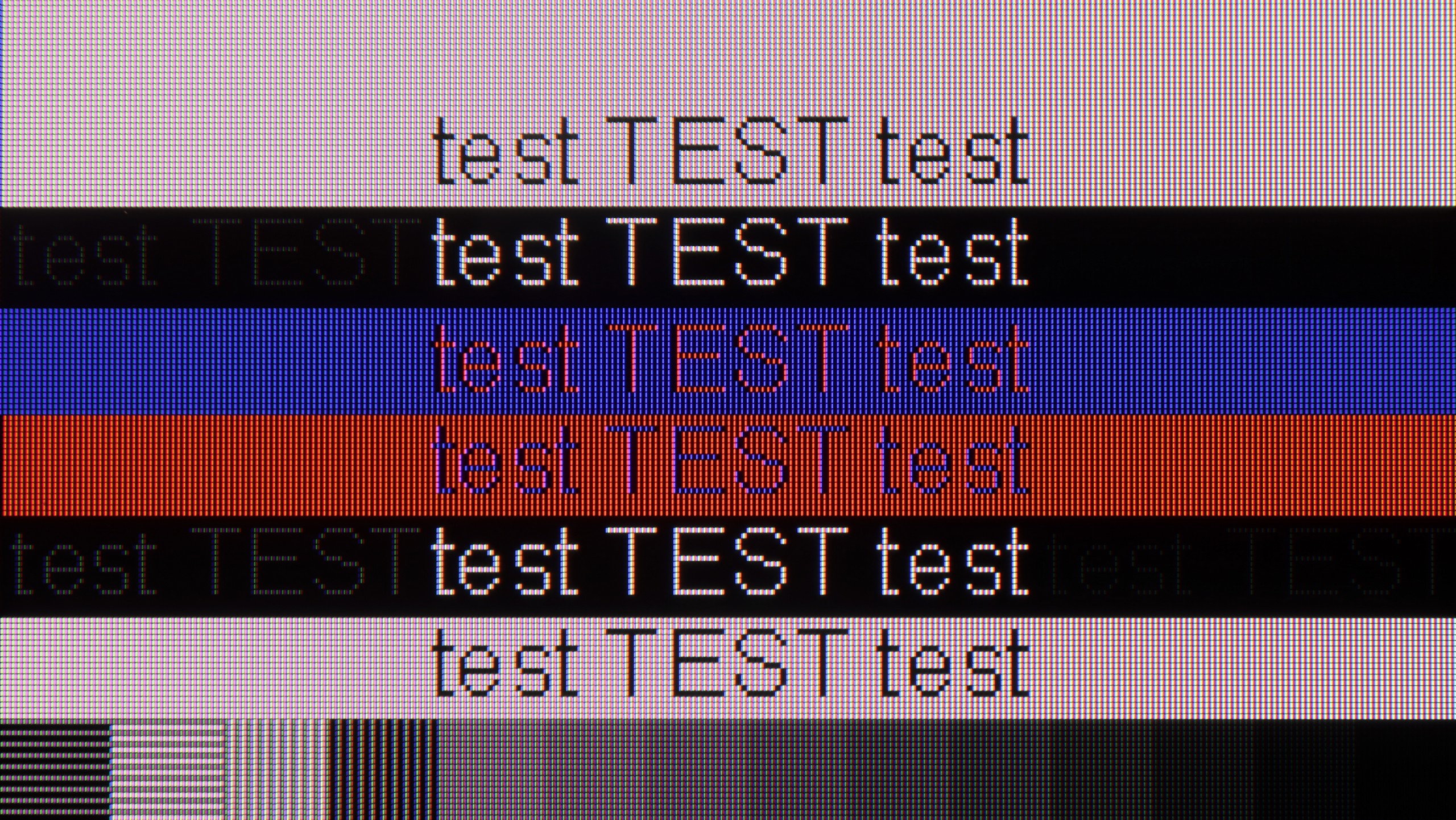
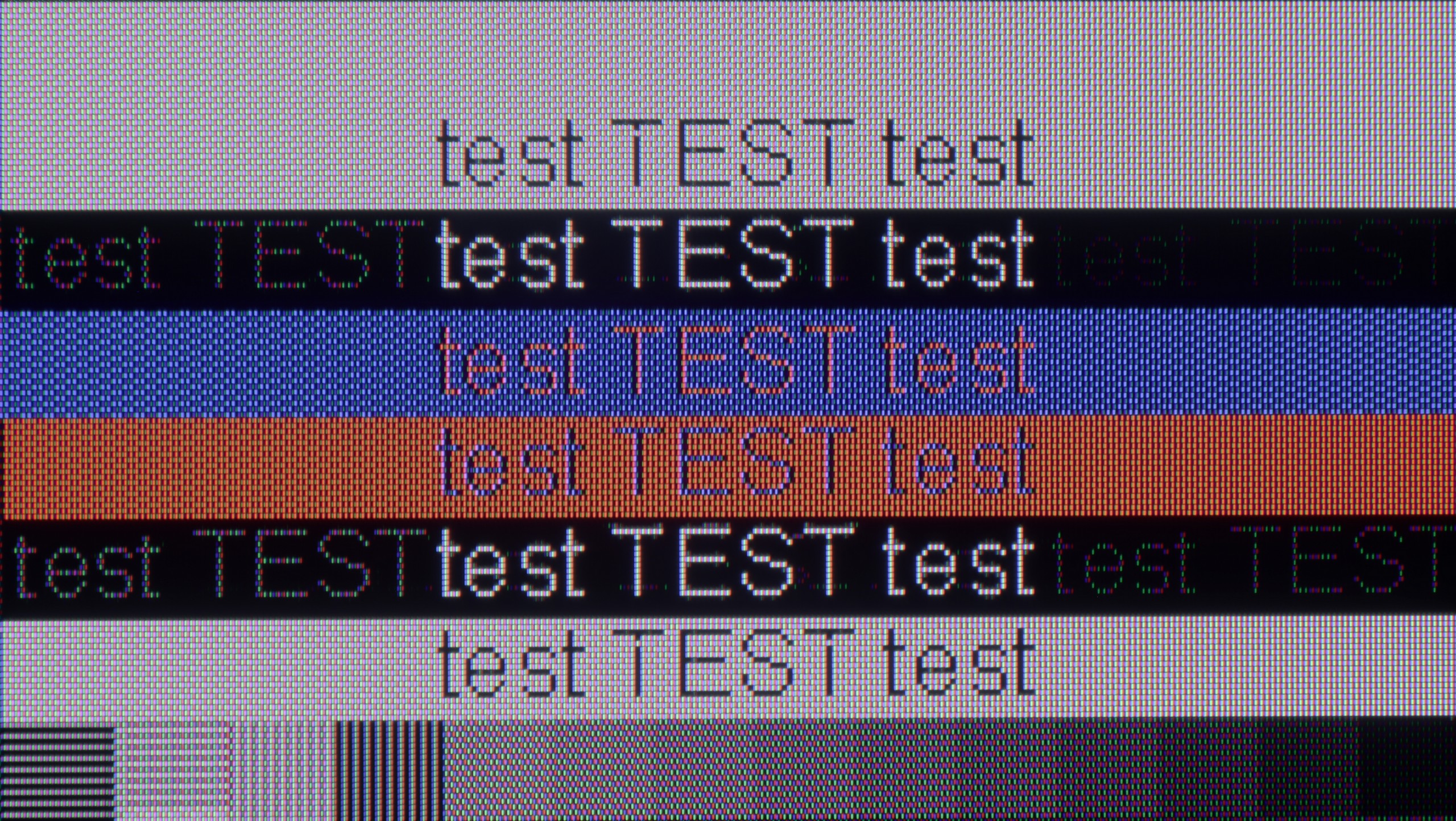
The photo shows the legibility of small fonts. Ideally, lines should be the same thickness on both light and dark text, with minimal pixel gaps.
And what if we tried using this Haier as a computer monitor? Here, what was a big surprise for us was that the television performs exceptionally well. For office work, it’s perfect. All thanks to the fact that it correctly handles the so-called 4:4:4 chroma sampling. To put it simply: every little letter on the screen is sharp, without annoying coloured edges or blurriness. Sure, let’s be frank – this is not equipment for PC gamers. 60 Hz is too low for them. But if you just need a big screen for text work, browsing the internet, coding or displaying presentations, the K85F excels in this role. This is one of its strongest and, let’s face it, most unexpected applications.
Aside from the previously mentioned ability to work at 144 Hz at lower resolutions, the C6KS offers nothing that would encourage its use as a monitor. The fonts look really poor — the darkest ones have a distinct, rainbow halo, and the standard text is surrounded by strange artifacts. The effect is noticeable enough that prolonged work at the computer can be simply tiring.
Viewing angles
2.8/10
2.7/10
At nearly the very end of the evaluation of the panel itself, we left out the viewing angles, which unfortunately are one of its biggest weaknesses. It must be honestly admitted that this is not surprising – it is simply a natural and commonly known feature of VA-type panels. In the unit we tested, interestingly, the brightness of the image did not drop drastically when we moved away from the centre of the screen. However, the real problem lies with the colours, which instantly begin to fade. A slight change in position on the couch is enough for the hues to lose their saturation and become washed out. In this regard, the Haier K85F presents a very average, typical level for this technology.
The viewing angles in the C6KS are very poor, typical of VA panels. It’s a compromise we pay for by choosing high contrast — head-on, the image looks good, but any significant deviation quickly causes drops in brightness and saturation.
Daytime performance
4.1/10
6.6/10
Panel brightness
TCL C6KS / C69KS / Q6CS: 527 cd/m2
Haier K85F: 276 cd/m2
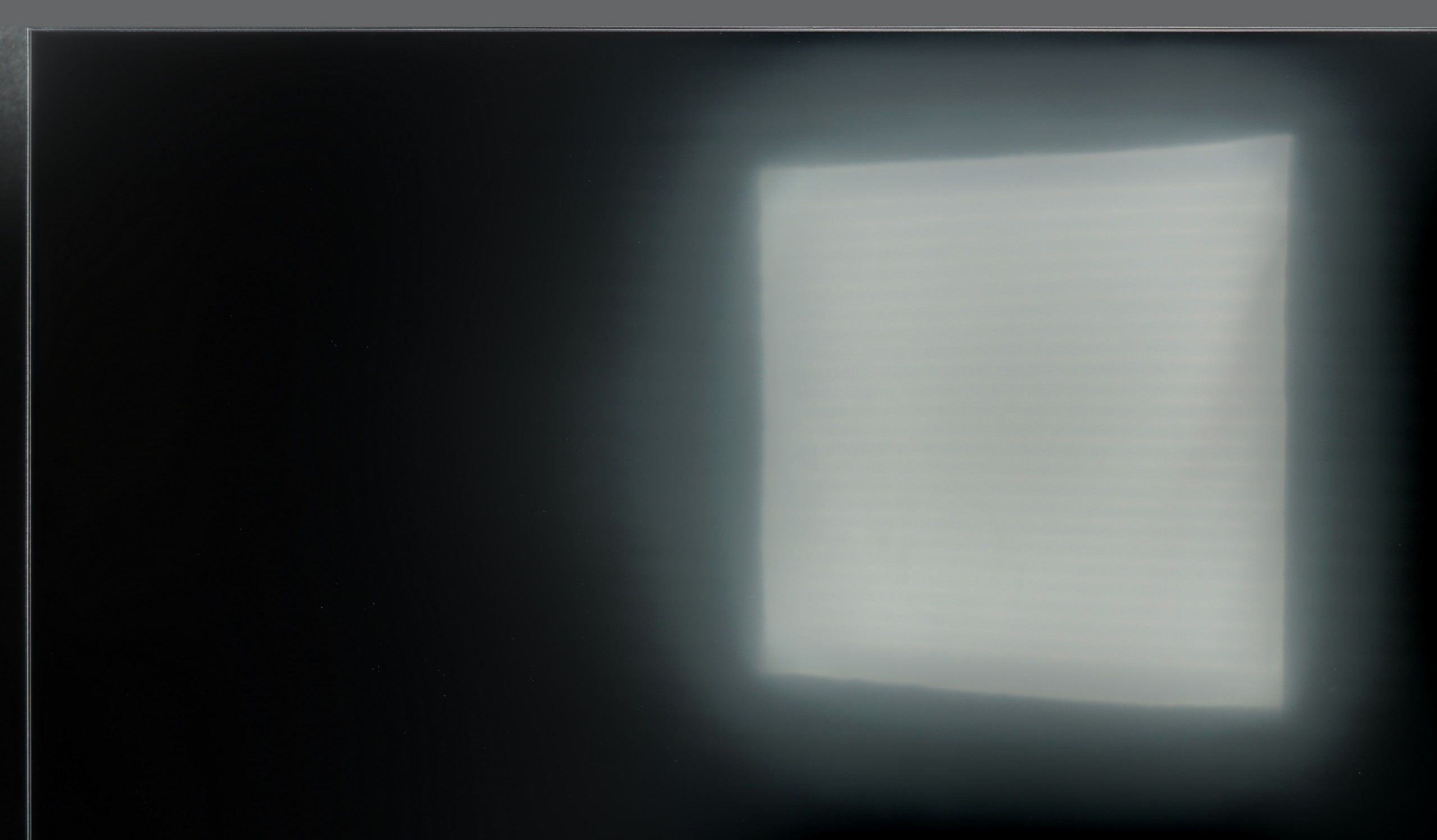
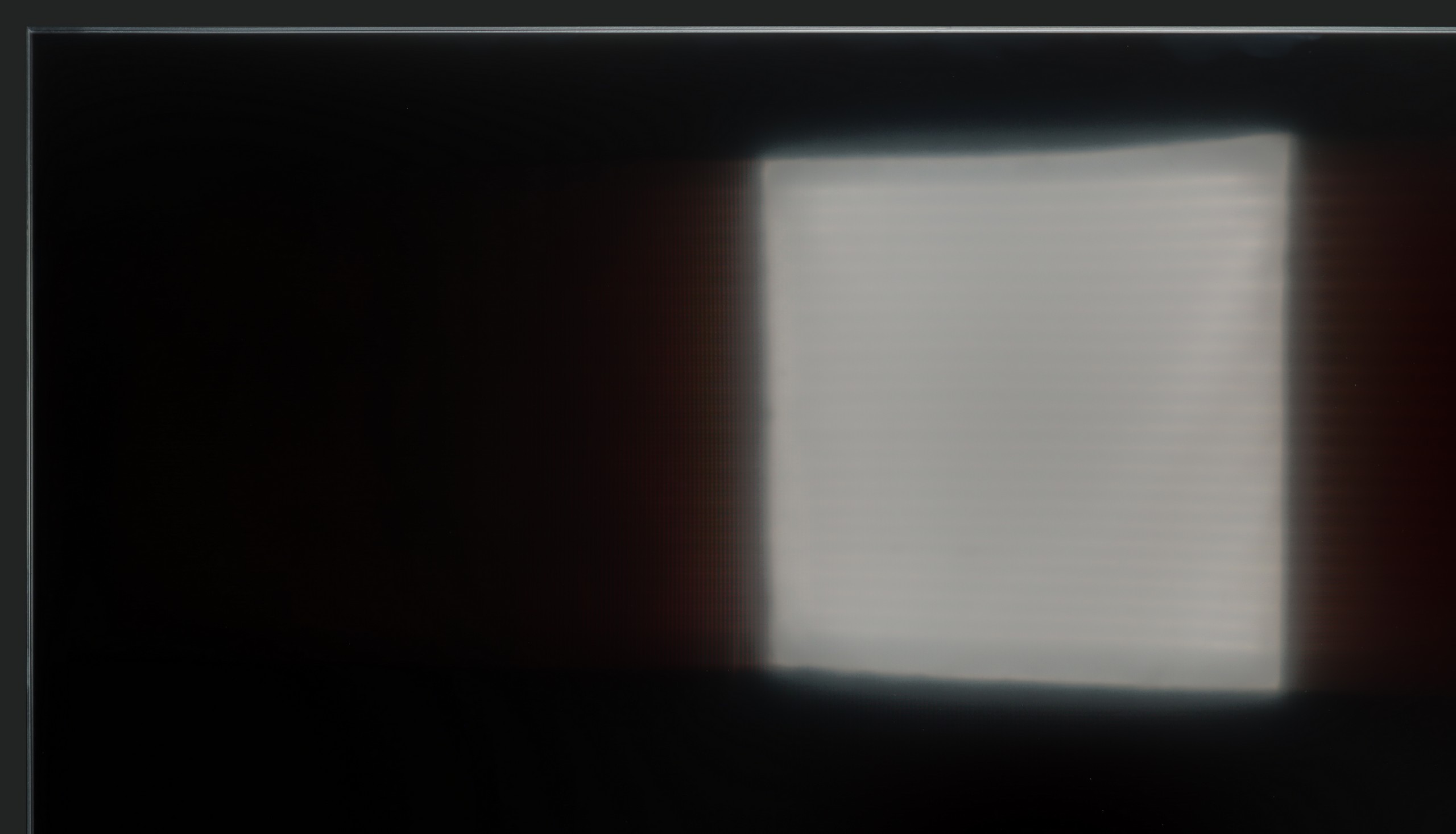
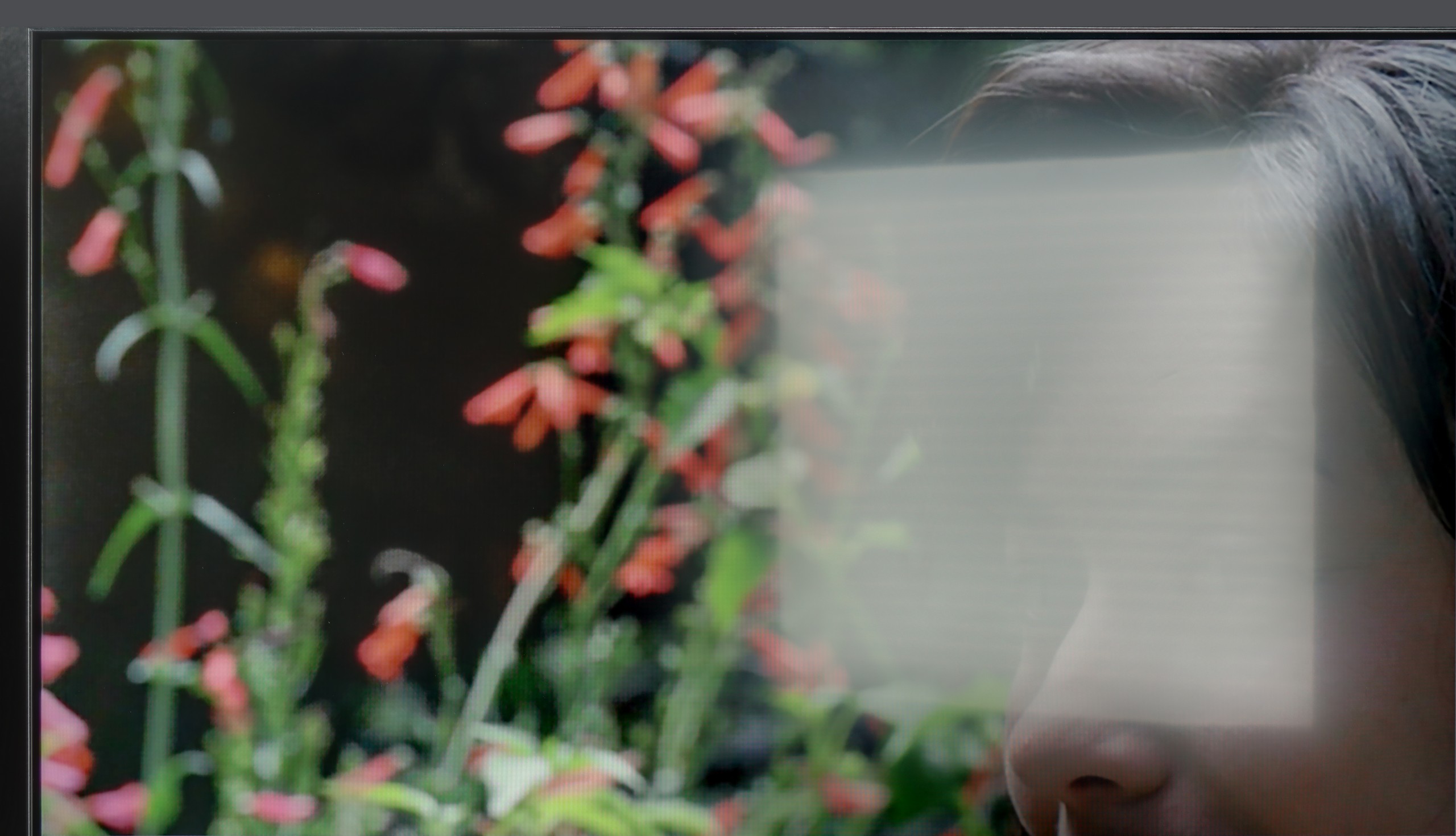
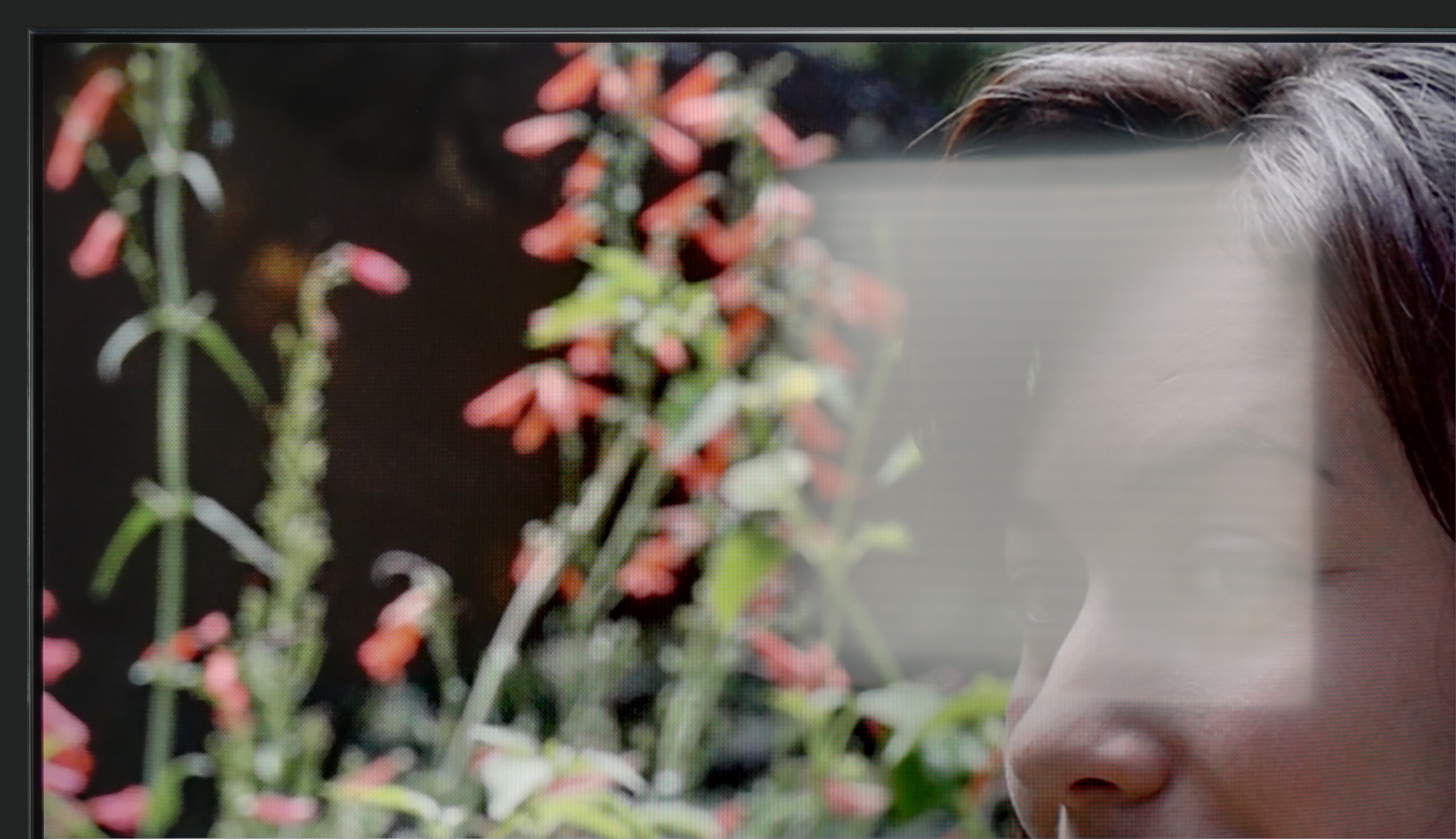
And how does the television perform in confrontation with daylight, for example in a brightly lit living room? Unfortunately, we don't have good news here. As we have established, it is a television with relatively low brightness, which becomes a serious drawback when faced with sunlight. The situation is further worsened by the screen coating used. Instead of effectively suppressing reflections, its satin structure tends to unfavourably scatter them. In practice, this means that the reflection of a window or lamp turns into a large, blurred, milky haze that degrades contrast and effectively hinders viewing. The conclusion is therefore clear: if the television is to be placed in a bright room, the K85F model will not be a good choice.
The C6KS performs really well as a TV screen for daytime viewing. Its brightness of around 500–600 nits easily cuts through challenging lighting conditions. Additionally, it features a satin finish that effectively reduces reflections. As a result, the TV impresses during daytime viewing, even in brighter rooms.
Panel details
Subpixel Structure:
Panel uniformity and thermal imaging:

Haier K85F
TCL C6KS / C69KS / Q6CS
TV features
5.5/10
7/10
- HDMI inputs4 x HDMI 2.0, 0 x HDMI 2.13 x HDMI 2.0, 0 x HDMI 2.1
- Other inputsRCA (Chinch)
- OutputsToslink (Optical audio), eARC (HDMI), ARC (HDMI), Mini-Jack (Headphones)Toslink (Optical audio), eARC (HDMI), ARC (HDMI)
- Network InterfacesWi-Fi 2.4GHz, Wi-Fi 5GHz, Ethernet (LAN) 100MbpsWi-Fi 2.4GHz, Wi-Fi 5GHz, Ethernet (LAN) 100Mbps
- TV receptionDVB-T, DVB-T2, DVB-S, DVB-S2, DVB-CDVB-T, DVB-T2, DVB-S, DVB-S2, DVB-C
Classic features:
- Recording to USB (terrestrial TV)
- Recording programming
- Picture in Picture (PiP)
- RF remote control (no need to aim)
- Backlit remote control
- Teletext
- Audio only mode
- Bluetooth headphones support
- Simultaneous Bluetooth headphones & TV audio
Smart features:
- AirPlay
- Screen mirroring (Windows Miracast)
- Voice search
- Voice search in native language
- Ability to connect a keyboard and mouse
GoogleTV on Haier K85F
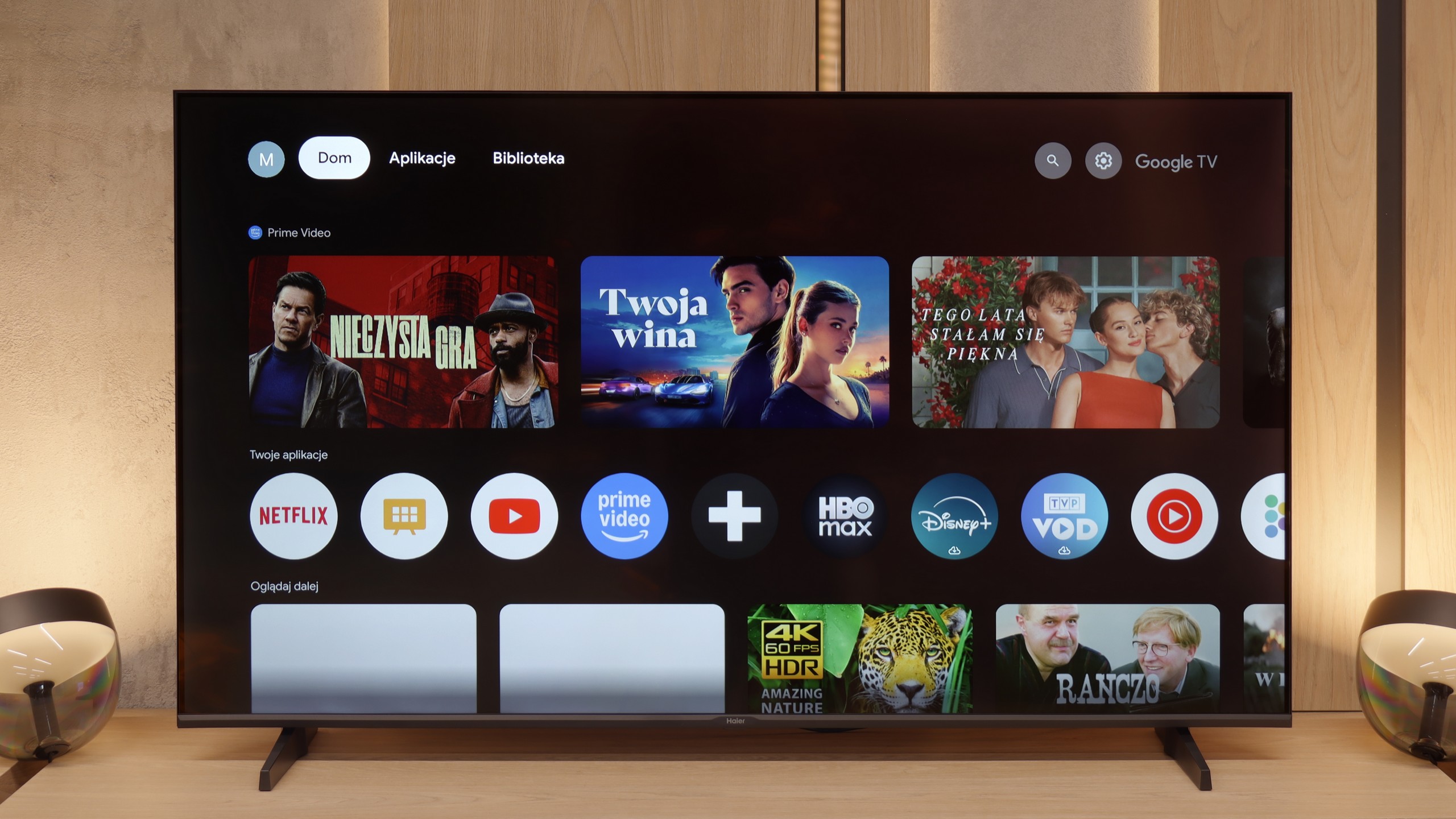
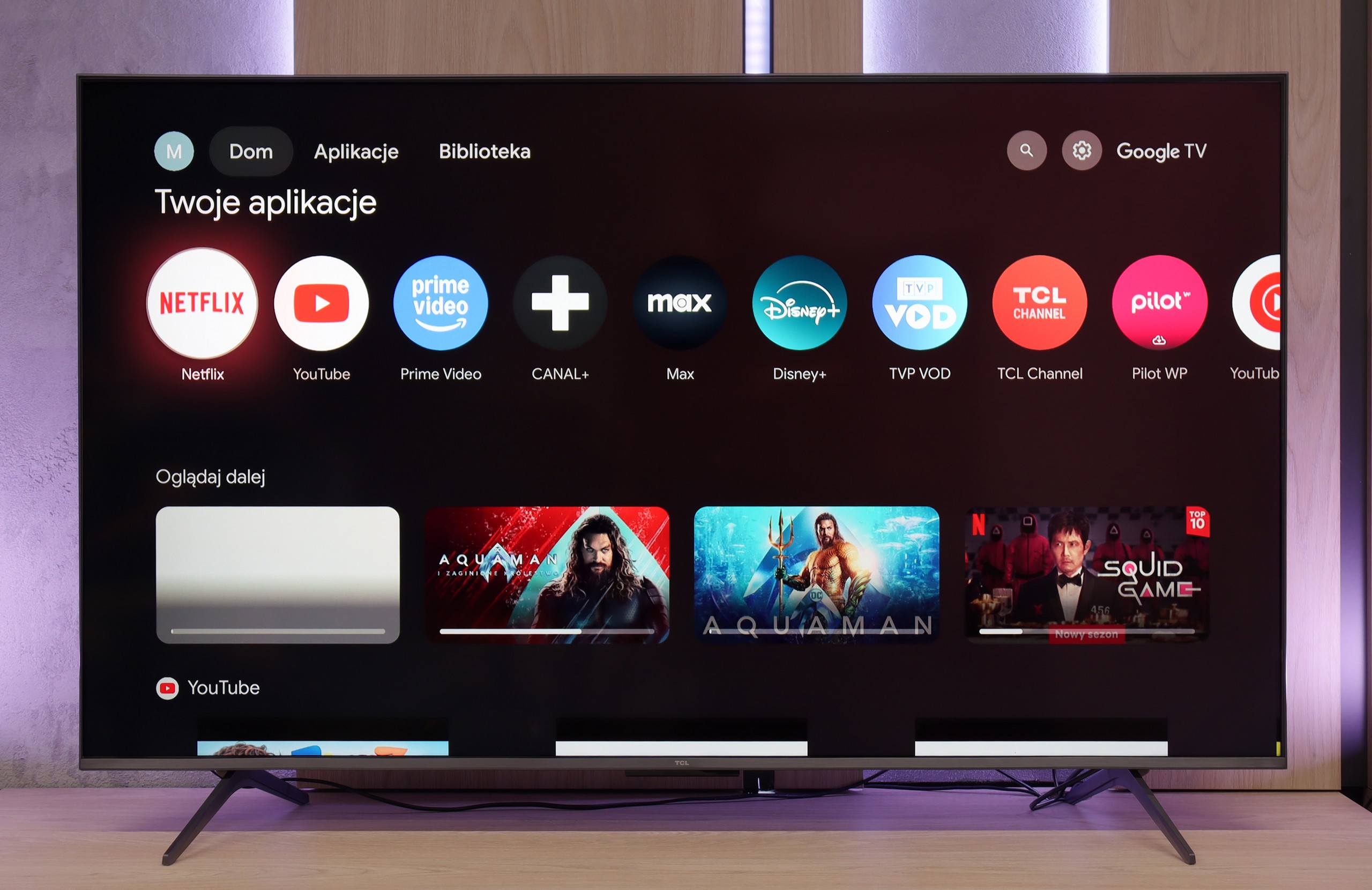
The heart of the television is the Google TV system, which in theory should be a huge advantage. Access to thousands of apps and a wealth of features are promises we are familiar with. Unfortunately, in Haier's execution, this is one of the worst implementations of this software we have encountered. The system operates painfully slowly, and the interface notoriously freezes. However, the real nightmare is the incorrect and often downright comical translations of some menu options, making it difficult to figure out what is being referred to at times. To make matters worse, during our testing, we couldn't get the AirPlay feature to work at all.
Classic Features on Haier K85F
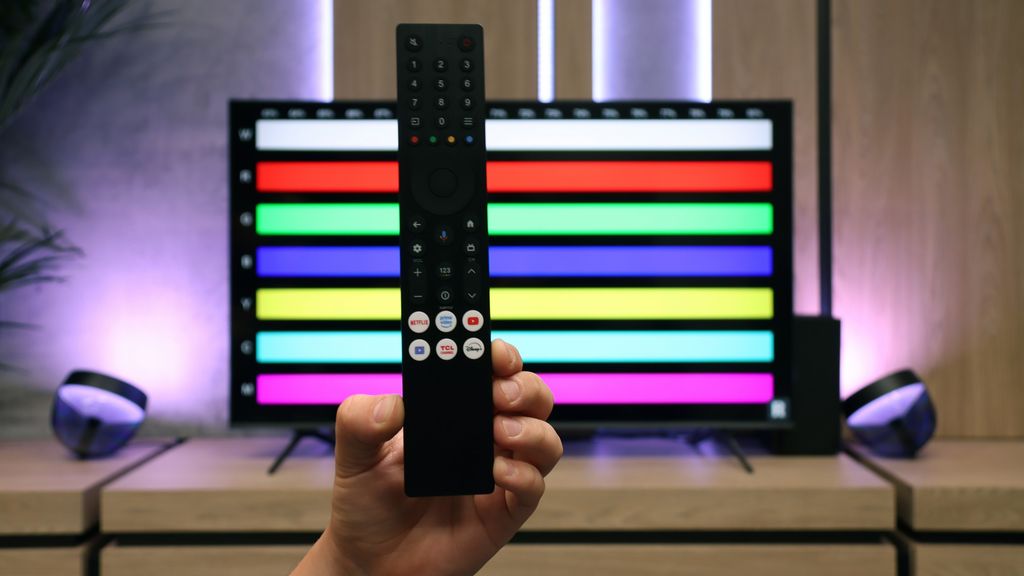
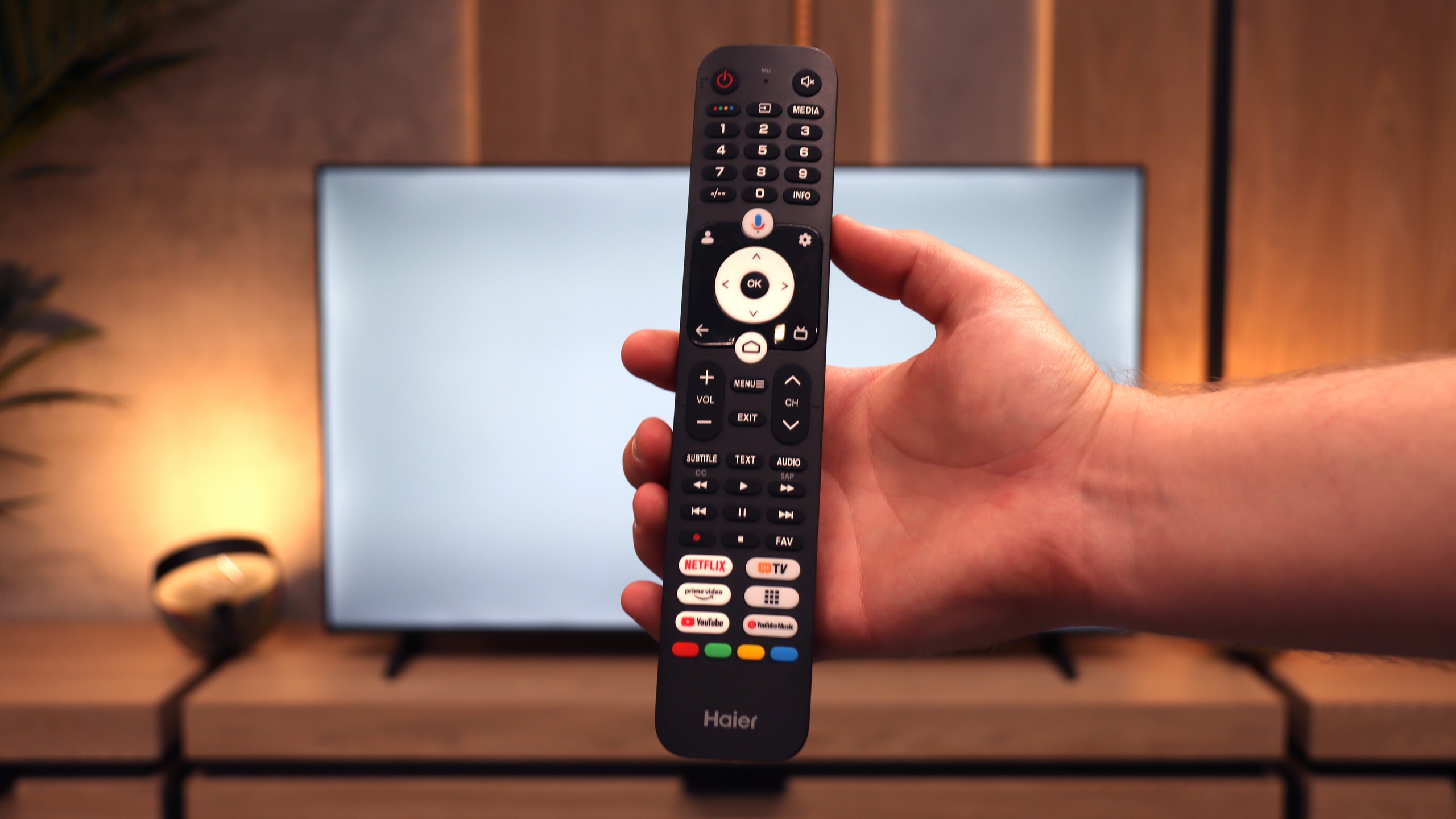
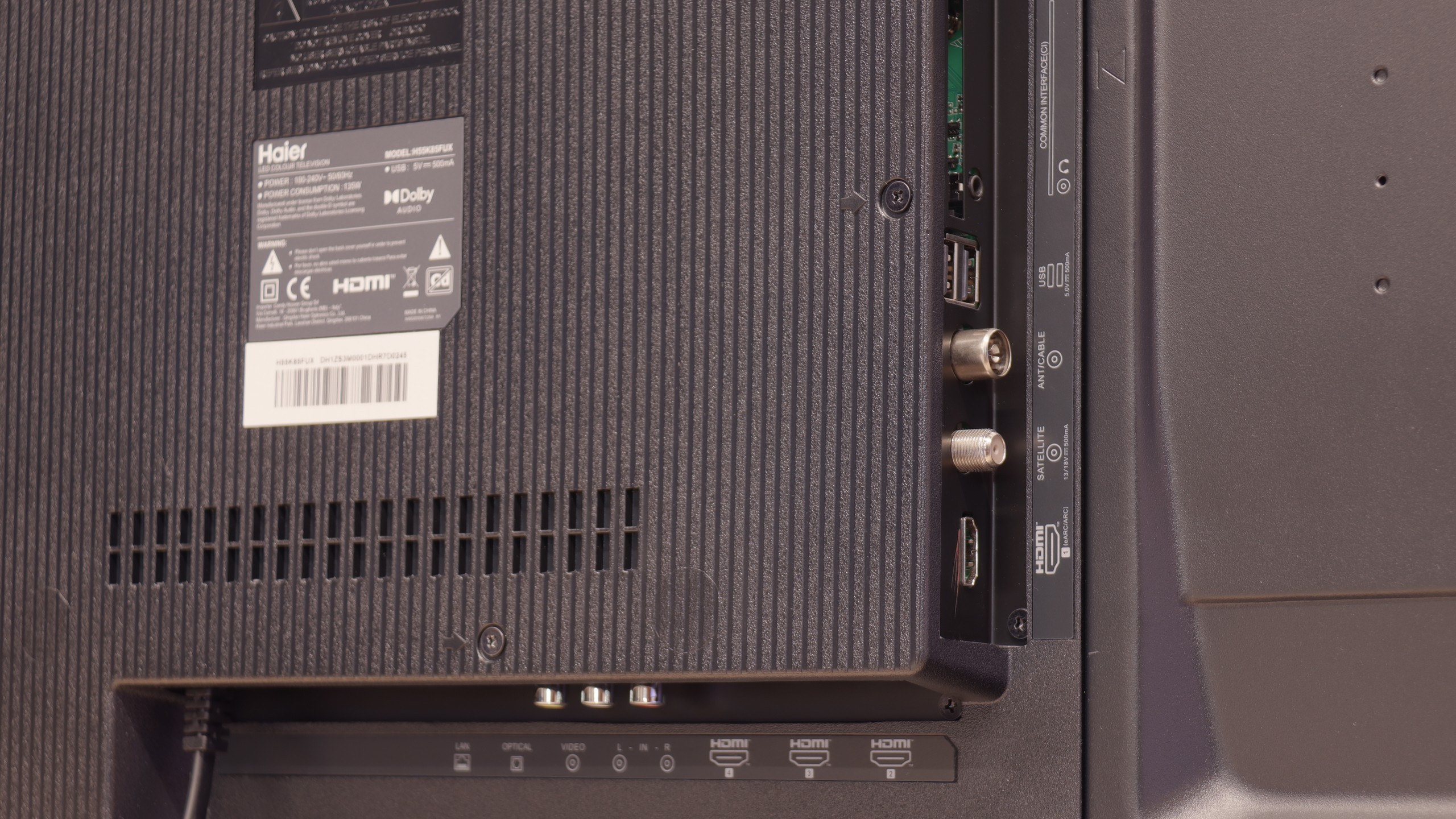
Let's move on to the classic functions and ports, because the story here is even more interesting. A plus is definitely the rich array of ports, including four HDMI connections and the increasingly rare mini-jack headphone output. Unfortunately, the television does not offer either USB recording or Picture-in-Picture mode. However, the real ordeal begins with the remote. Our initial attempts to pair it via Bluetooth to activate radio (RF) control and voice functions ended in total failure. After dozens of attempts, we were convinced it was simply a manufacturing defect. And then the surprise: after a long struggle, we discovered that the remote can be paired, but it must be done from the native Google TV settings, completely bypassing Haier's dysfunctional system overlay. This is a perfect example of how terrible software can ruin basic functionality. Oh, and one more thing. In the box... there weren't even batteries for the remote.
The biggest advantage of the C6KS is the Google TV system. It's an environment that offers a lot — ideal for those who value a wide selection of apps and convenient use of streaming services. AirPlay, screen sharing functionality, and the voice assistant work very well here, making daily use of the television simply convenient.
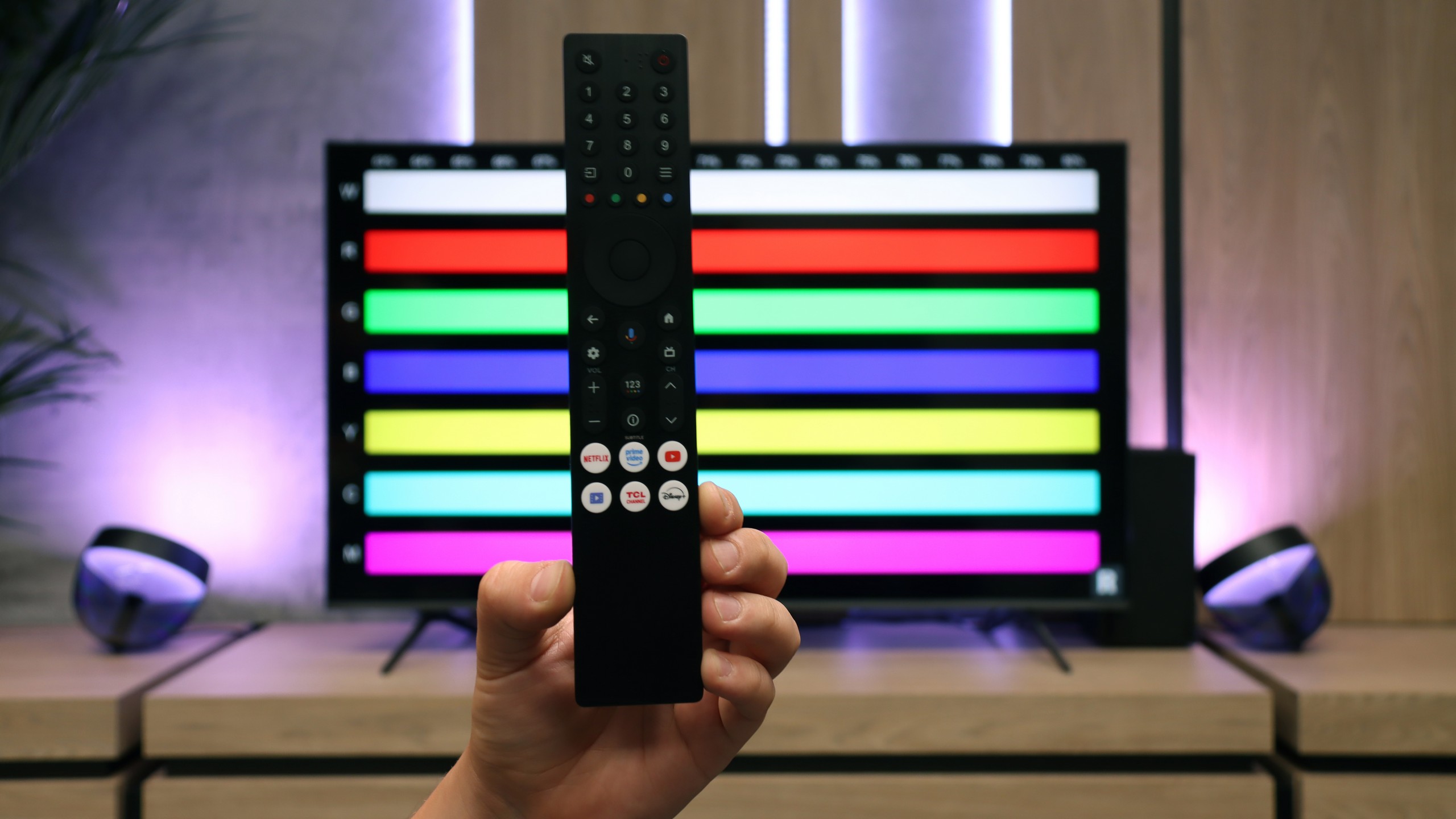
The support for traditional television is somewhat lacking. Users who are counting on extensive "TV" features may feel overlooked. Besides the smoothly functioning Bluetooth remote with a numeric keypad, we won't find conveniences like USB recording or PiP functionality here.
Apps
9.6/10
9.6/10






















Playing files from USB
9.4/10
8.9/10
Supported photo formats:
Maximum photo resolution:
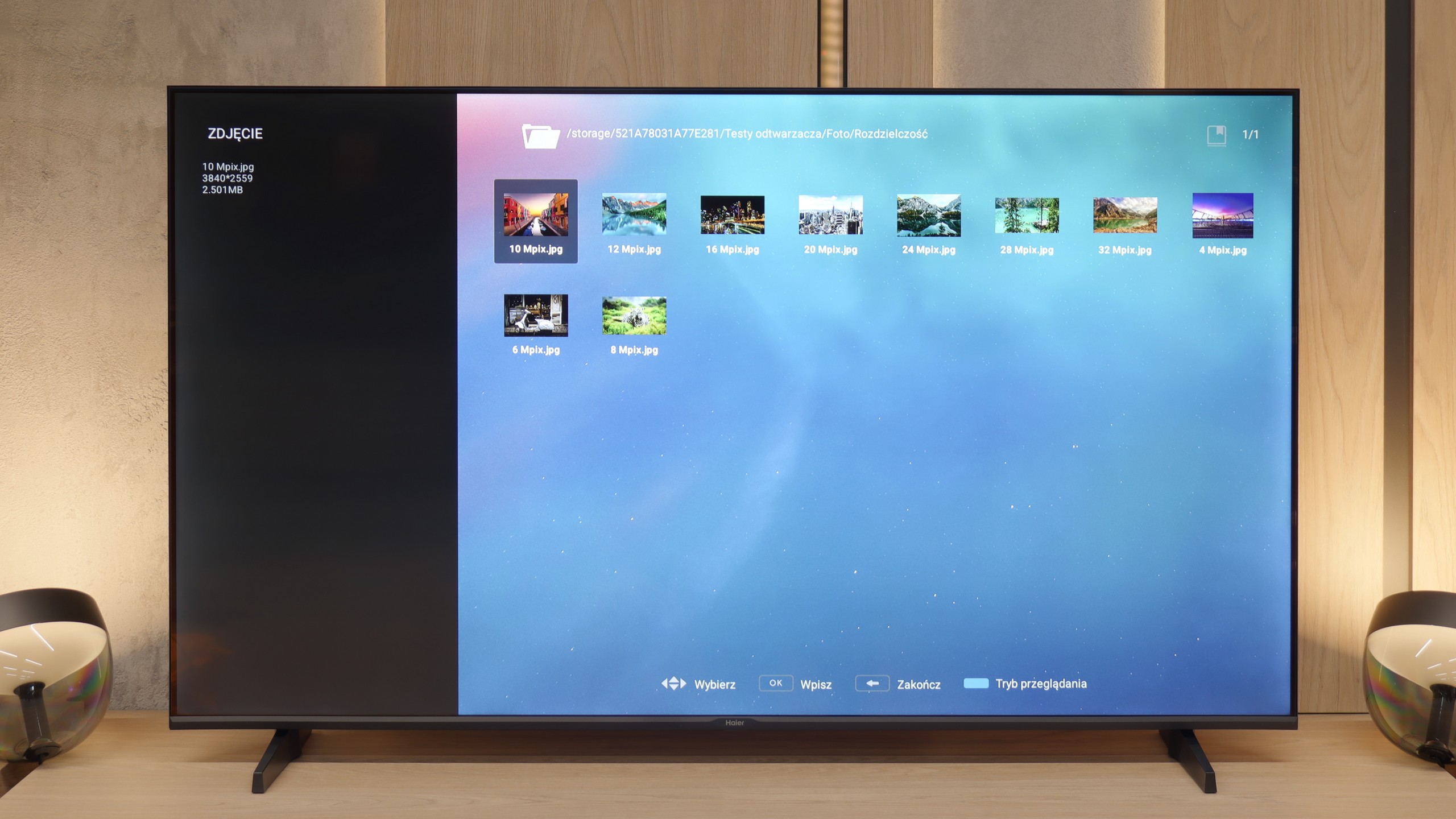
After all our complaints about the unfinished software, the moment came when we were absolutely shocked. It turns out that within this buggy and slow-running system, there is a function that works almost perfectly and puts industry veterans to shame. We are talking about the built-in media player for USB drives. It is a true multimedia powerhouse that played practically every video format we threw at it without the slightest hiccup – from the most popular to the completely niche. Haier, a newcomer to the TV market, has achieved something that many manufacturers with decades of experience have struggled with for years. Who knows, perhaps it was originally intended as a reliable player for conference rooms? Regardless of its origins, the result is outstanding!
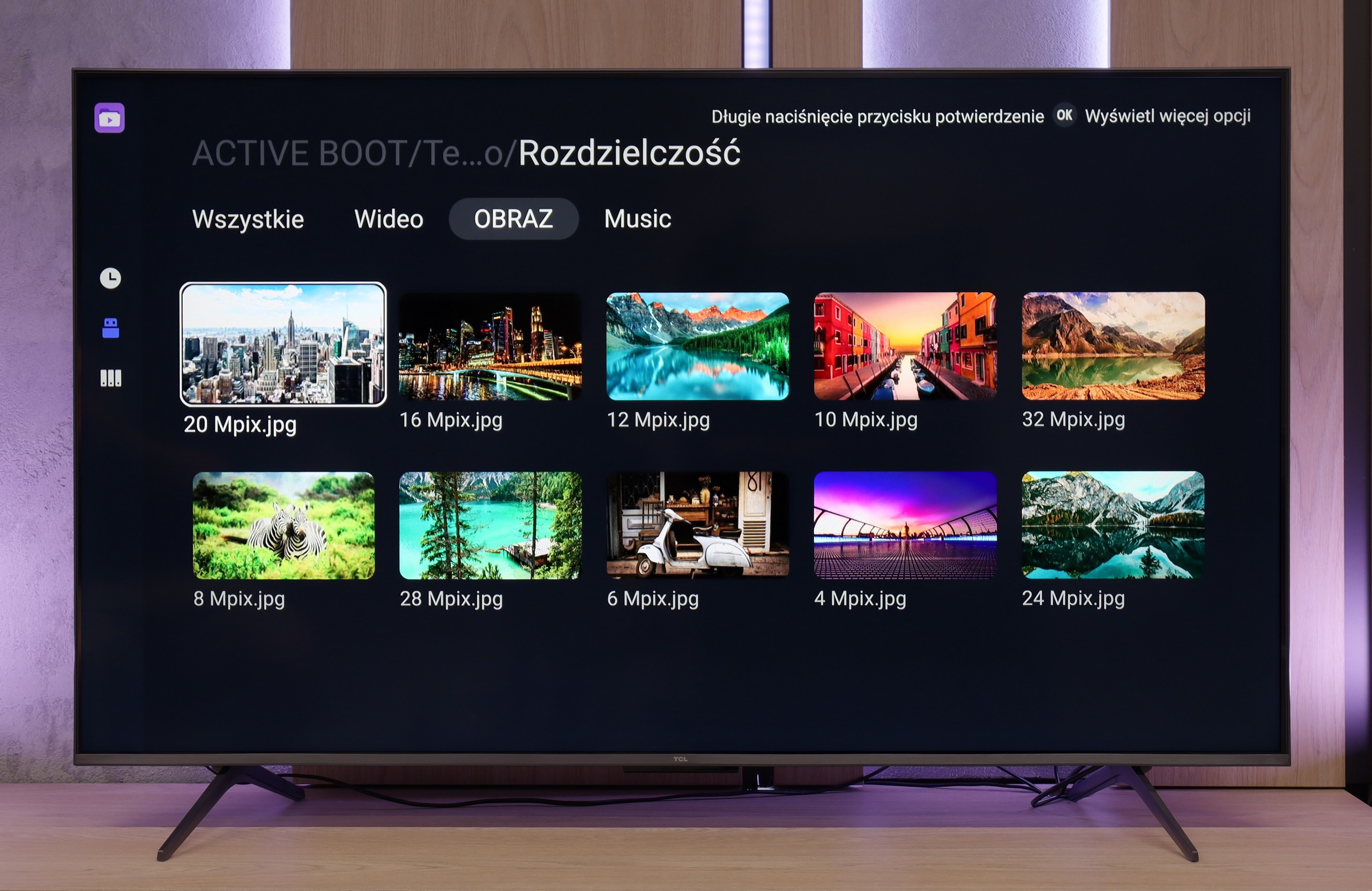
The system player really does a great job and smoothly handles popular formats. The only hiccup appears with files from the Apple ecosystem (e.g., HEIC) – here TCL just gives up. Fortunately, a huge plus of Google TV is that you can install your own app, e.g., VLC. This way, you can quickly patch up the shortcomings of the factory player and play practically any material, customizing the TV to your needs.
Sound
4.8/10
6.5/10
- Maximum volume83dB-
- Dolby Digital Plus 7.1
- Dolby True HD 7.1
- Dolby Atmos in Dolby Digital Plus (JOC)
- Dolby Atmos in Dolby True HD
- DTS:X in DTS-HD MA
- DTS-HD Master Audio
When it comes to sound, the review will unfortunately be very short. The biggest advantage of the built-in speakers of the K85F is that they simply exist and produce sound. Other than that, the sound is completely flat, lacking any bass and just anemic. Yes, on the TV's box we will find the Dolby Atmos logo, but against the physical capabilities of these drivers, it is a feature that exists only on paper. Therefore, the verdict can only be one: when planning to purchase this TV, a soundbar should immediately be added to the budget.
The TCL C6KS performs almost identically to the C6K model, as it uses the same speaker set branded by Onkyo. For a TV of this class, the sound is quite good — you can even feel a slightly defined bass, which is not common in the budget segments. However, it's worth keeping the proper perspective in mind. This bass is decent compared to other TVs, but a home theatre system or even a basic soundbar will offer a much fuller, more dynamic sound. The C6KS will therefore be suitable for regular TV viewing, but if someone is after a stronger sound, additional audio equipment will be the natural choice.
Sound Quality Test
No sound test video
Acoustic Measurements
83dBC (Max)
75dBC
No acoustic data