 Katarzyna Petru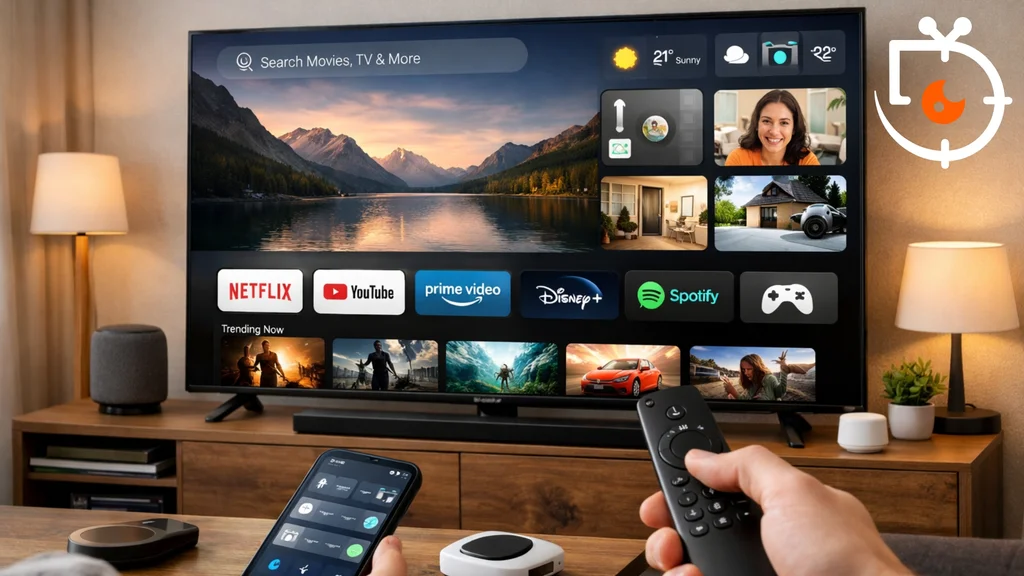
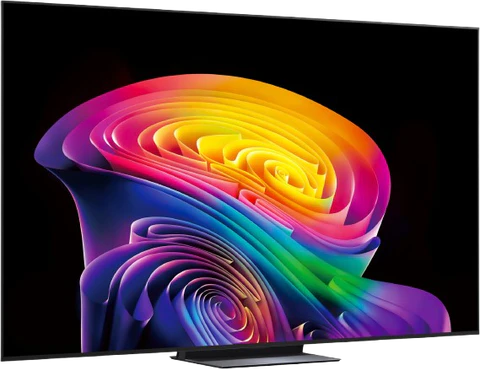
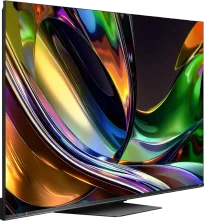
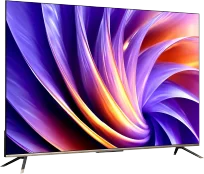
Televisions have been transforming from simple screens for watching TV into comprehensive multimedia centres for several years. Manufacturers such as Samsung, LG, and Sony are increasingly developing smart TV systems and adding new internet features, applications, and integration with other devices in the home. This is primarily due to the changing ways users consume content, as traditional television gradually gives way to streaming platforms such as Netflix, Disney+, and YouTube.
Streaming has changed the way we watch television
Just a dozen or so years ago, televisions were primarily used to receive signals from an antenna or a cable decoder. Today, for many people, it is mainly a screen for watching movies and series from the internet. For this reason, manufacturers strive to ensure that users can access all the most important services without the need to connect additional devices such as set-top boxes or consoles. Modern smart TV systems allow the installation of apps, use of web browsers, watching live broadcasts, or even playing cloud games.
Another reason for the development of smart features is the growing popularity of smart home devices. Modern televisions can work with voice assistants such as Google Assistant or Amazon Alexa, allowing users to control lighting, cameras, or other devices in the home directly from the television. In many cases, the television becomes the central control panel for the entire ecosystem of smart devices.
User data and new revenue sources
Advanced smart TV systems are also beneficial for the manufacturers themselves. Internet-connected televisions allow for the collection of anonymous data on which applications and content are most frequently viewed. As a result, companies can better tailor their content recommendations and develop their own advertising platforms. In recent years, many manufacturers have started to earn not only from hardware sales but also from services and advertisements displayed on smart TV systems.
Competition in the TV Market
The TV market is very competitive, and manufacturers must differentiate their devices not just by image quality. Smart features, integration with streaming services, and voice control capabilities are becoming important elements of marketing. For many customers, the convenience of using a smart TV system is now just as important as screen resolution or display technology.
The development of smart features in televisions is primarily due to the changing way of accessing media. Streaming, smart homes, and new business models mean that the television is no longer just a screen for watching programs. For manufacturers, it's a way to develop additional services, and for users, it's a more convenient way to access movies, series, and applications in one place.
Source: analysis of trends in the television and smart TV market