 Redakcja Choose TV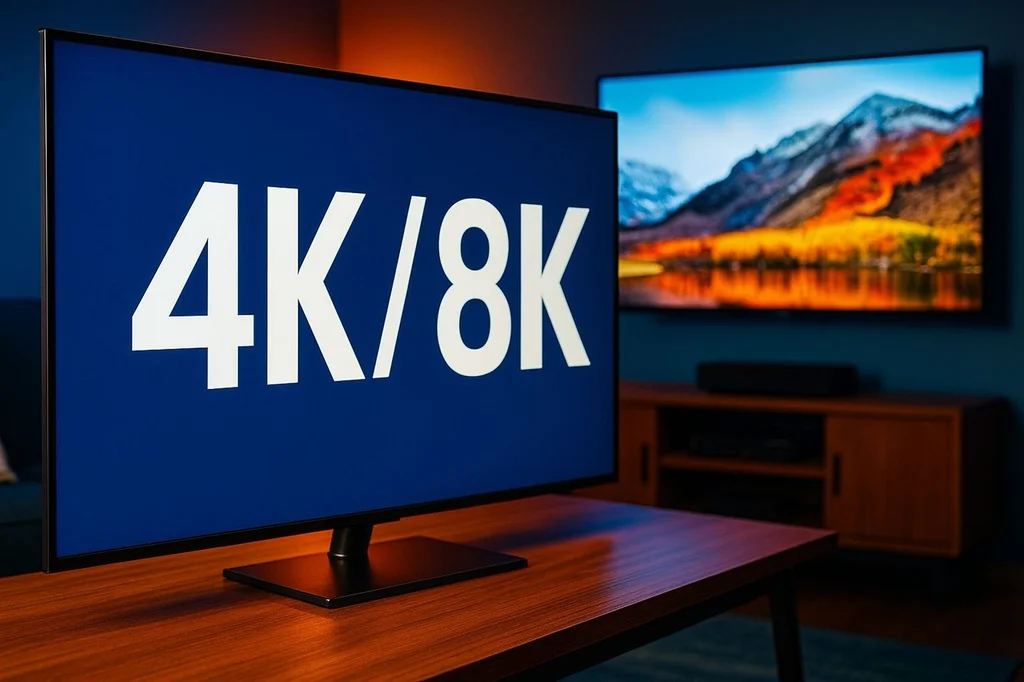
Recent research by scientists from the University of Cambridge debunks one of the biggest myths about screen resolution: that the human eye cannot perceive the difference between 4K and 8K. It turns out that it can — and quite clearly. According to a publication described, among others, by Tom’s Hardware, the average person can discern as much as up to 89 pixels per degree (the so-called pixels per degree), while earlier studies had estimated the limit at around 60 PPD. This is a significant leap that could change the way we view next-generation screens.
8K makes sense — but only if you're sitting really close
Researchers from the University of Cambridge developed a chart showing at what distance and screen size the human eye can actually "see" additional details. The key parameter is PPD (pixels per degree), which defines how many pixels correspond to one degree of the field of view. The average limit of human perception is around 92 PPD.
Practical example:
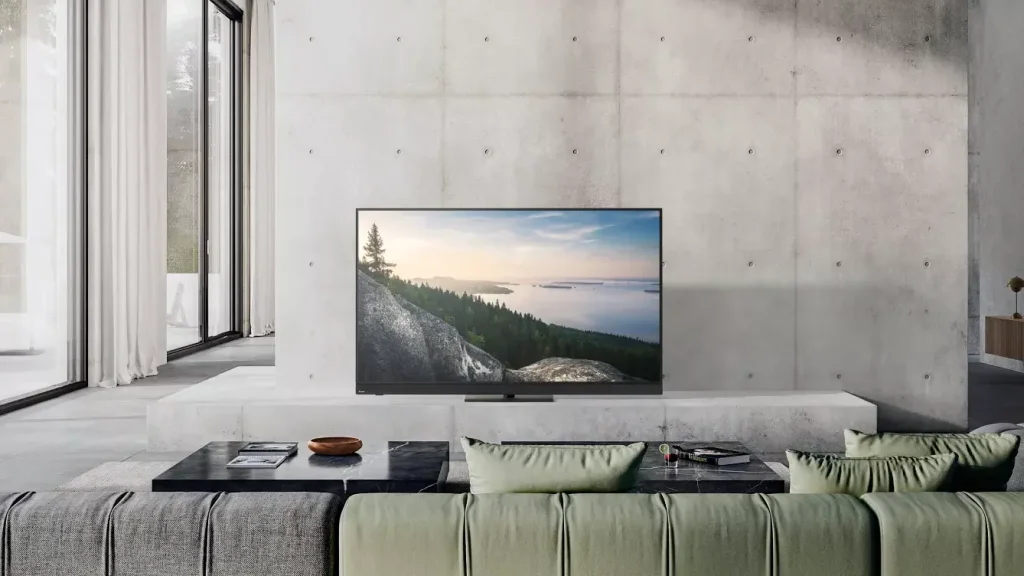
If you have a 50-inch TV and you're sitting 3 meters from the screen, your vision will distinguish a maximum of details corresponding to a resolution of 1440p (QHD). In other words — even a 4K or 8K TV won't show you more real details at that distance. To actually begin to notice the advantage of 4K over Full HD, you need at least a 60-inch screen at a distance of 3 meters.
If you're sitting closer, for example, 2 meters from a 50-inch TV, only then does 4K resolution start to make sense. However, for higher resolutions like 8K, an extremely close position is required — about 1 meter from a 50-inch screen to see the advantage over 4K.
In short — resolution alone is not enough. Only the right combination of screen size, distance, and the acuity of human vision (92 PPD) determines whether additional pixels make sense.
Monitors are a different story
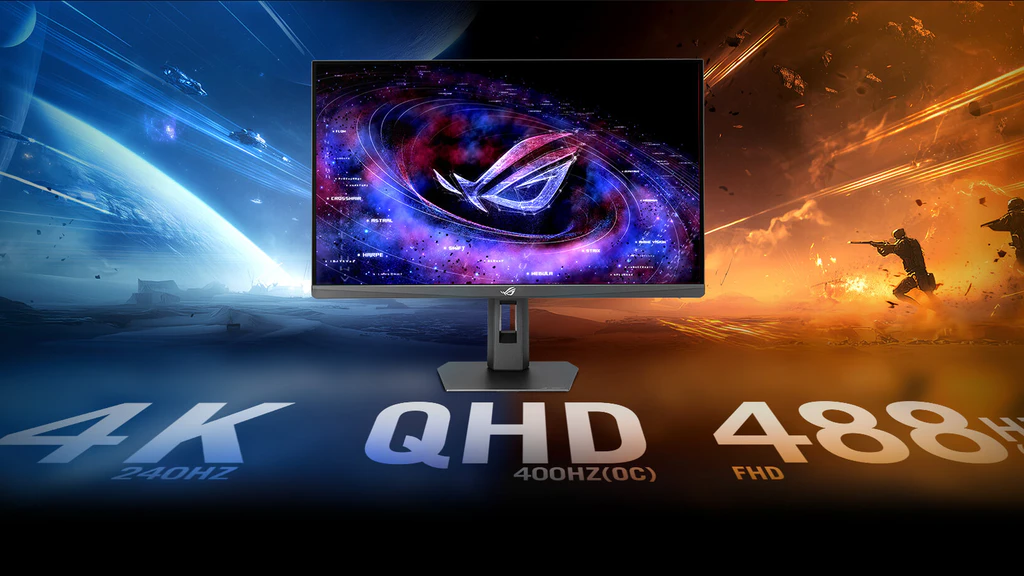
In the case of monitors, the rules change, because we sit much closer — on average 40 cm from the screen.
At such distances, even 8K is not a limit. According to researchers, 16K on 30–40 inches still brings noticeable benefits in sharpness and detail, and for screens over 60 inches, even 32K would make sense. This means that huge panels, such as Acer Predator Z57 (57”, 8K), can actually offer real benefits for gamers and designers who work with graphics or very detailed images.
8K – who is it really significant for?
On the other hand, if you use your monitor mainly for browsing the web, office work or watching films, investing in 8K may be an overkill. The benefits will mainly be seen by:
graphic designers, editors and photographers,
gamers, especially in titles with realistic graphics,
technology enthusiasts and scientists testing new visual standards.
What about TV and VR?
The conclusions from the research are significant not only for monitors.
TVs 100” and larger can indeed benefit from higher resolutions — even above 8K.
VR sets, with the screen right next to the eye, require extreme pixel density – researchers indicate that 16K could provide a noticeable quality leap.
In Summary
A new study from Cambridge makes it clear: the human eye sees more than previously thought.
In a world where many considered 8K to be a marketing gimmick, science says otherwise – the difference exists, you just need to know when it is visible.
The human eye recognises up to 89 pixels per degree.
8K makes sense for monitors and large TVs from the appropriate distance.
16K and 32K are a real future for VR and large screens.