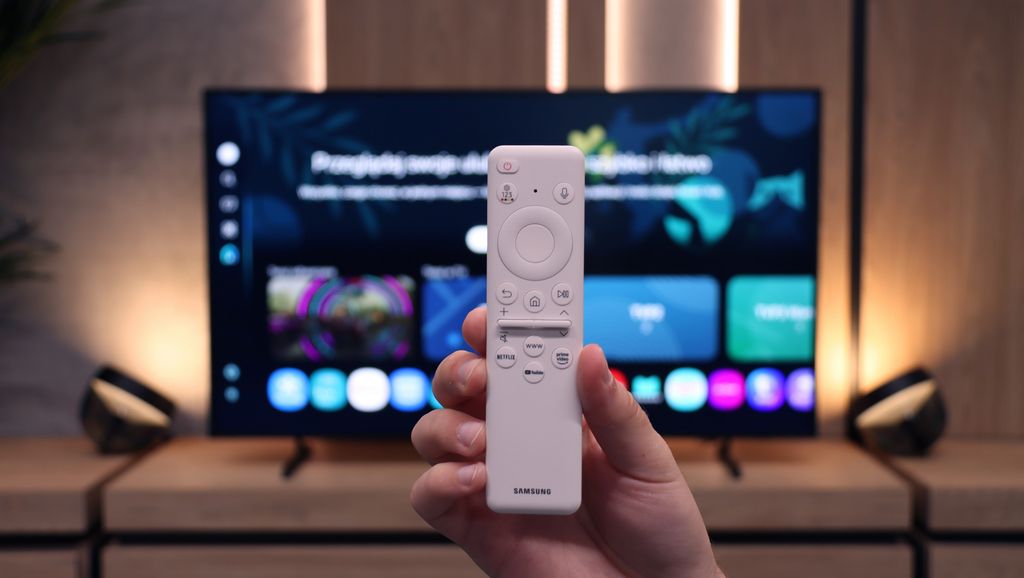
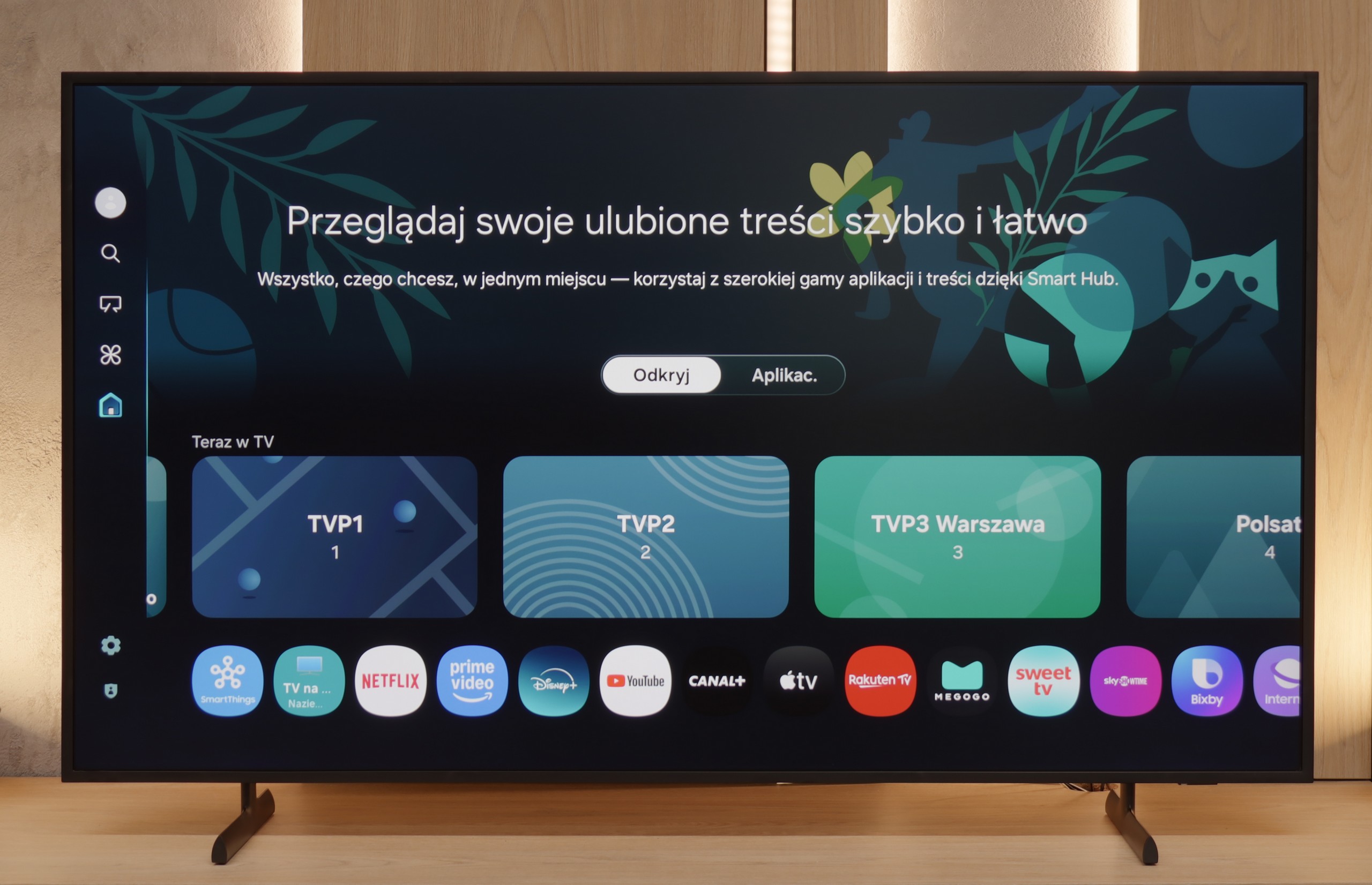
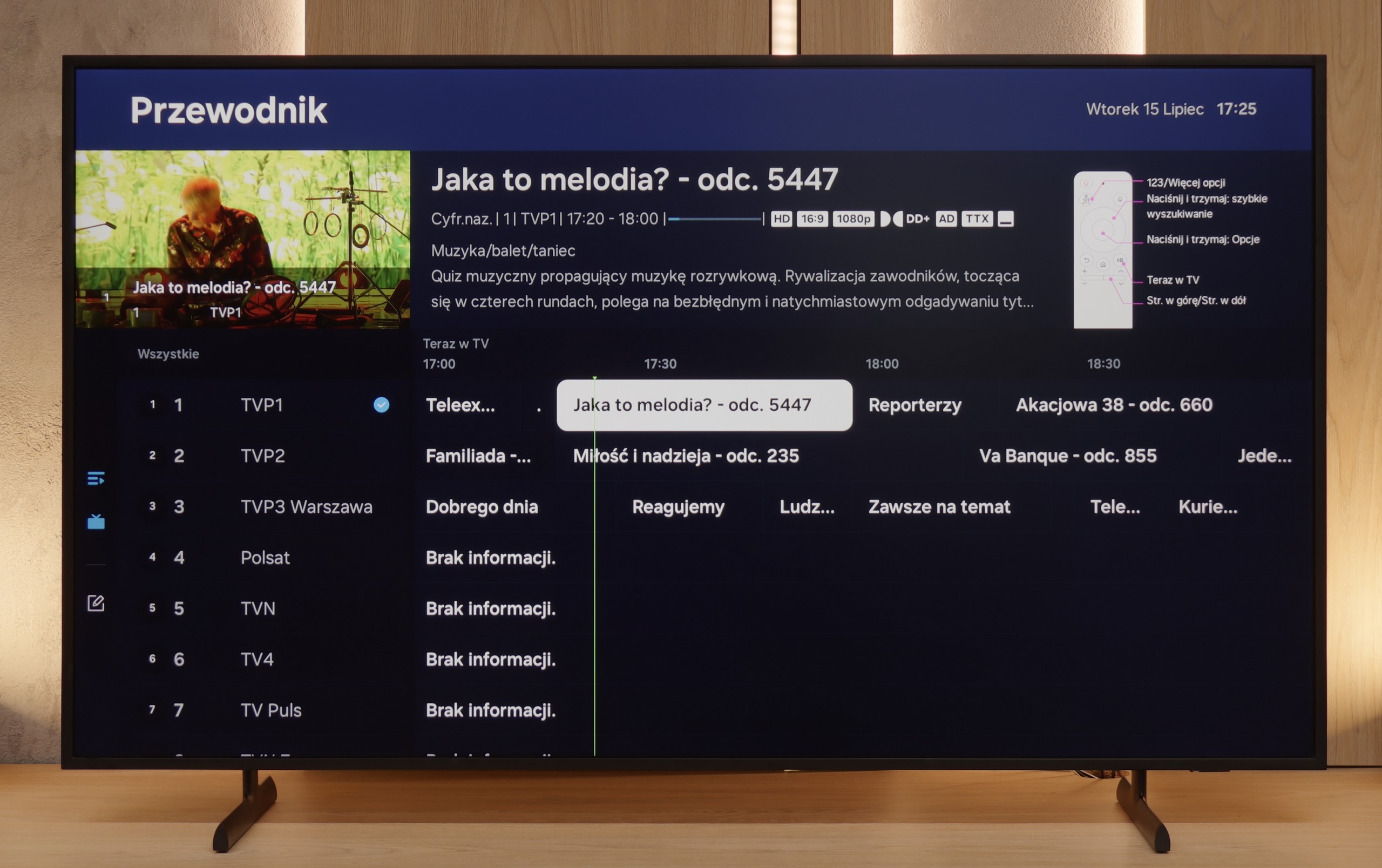
The Xiaomi A Pro 2025 is a device that caters to the needs of many basic users. As one of the most affordable QLED TVs available, it offers a good balance between price and quality. One of its standout features is the Google TV system, which provides seamless access to a variety of apps and multimedia content. The intuitive interface makes it easy to navigate popular streaming platforms such as Netflix and YouTube. Voice control in Polish adds further convenience, allowing users to issue commands without manually navigating menus. The completely wireless remote enhances usability, removing the need to aim directly at the TV.
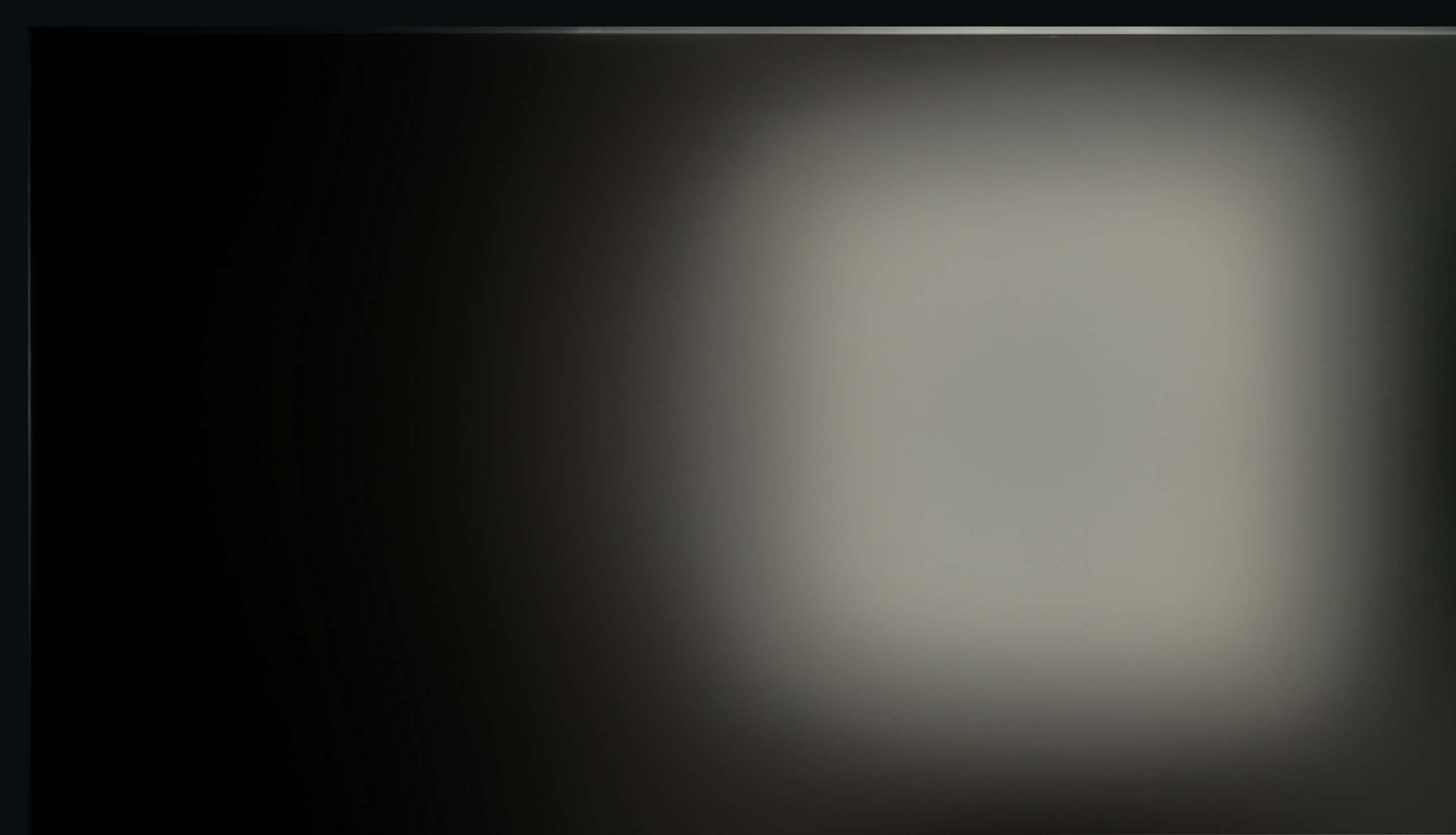
In terms of picture quality, the TV delivers solid performance for everyday viewing. It handles tonal transitions smoothly and processes lower-quality materials effectively, resulting in a pleasing image for standard television programmes. However, its limited brightness may affect performance in brightly lit environments—an expected compromise in this price range. The inclusion of a basic motion smoother allows for adjustable fluidity in movies and series, making it suitable for less demanding viewers in terms of motion handling.
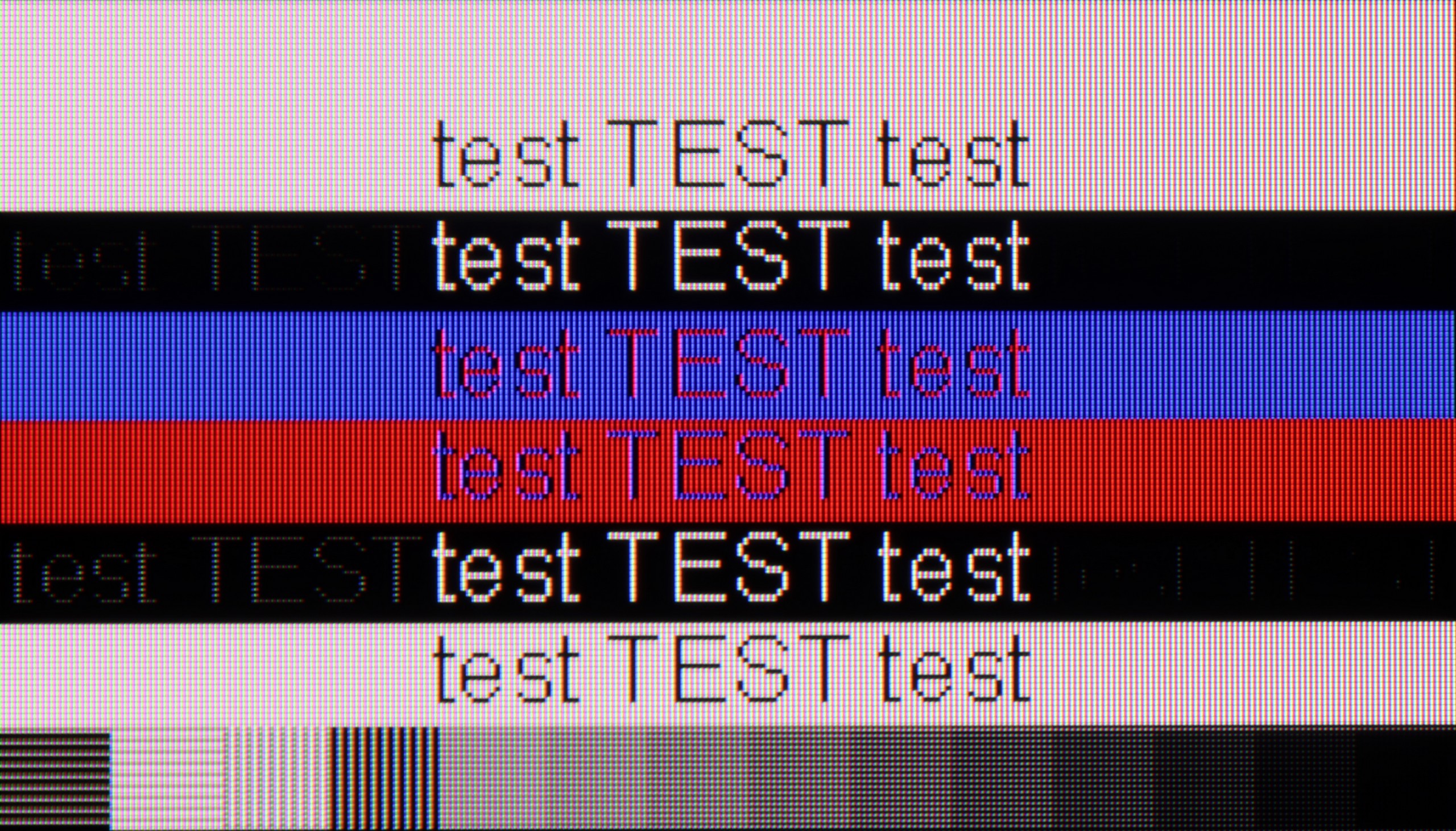
That said, the TV’s 60 Hz panel and lack of advanced features may limit its appeal for those seeking higher performance. Its low input lag will appeal to occasional gamers, but the device falls short for PC connectivity due to poor font clarity, which makes text work less enjoyable. Additionally, while the operating system offers extensive functionality, its responsiveness could be better.
Despite these shortcomings, the Xiaomi A Pro 2025 remains a compelling choice for budget-conscious users seeking an affordable QLED TV with practical features and reliable performance for basic applications.
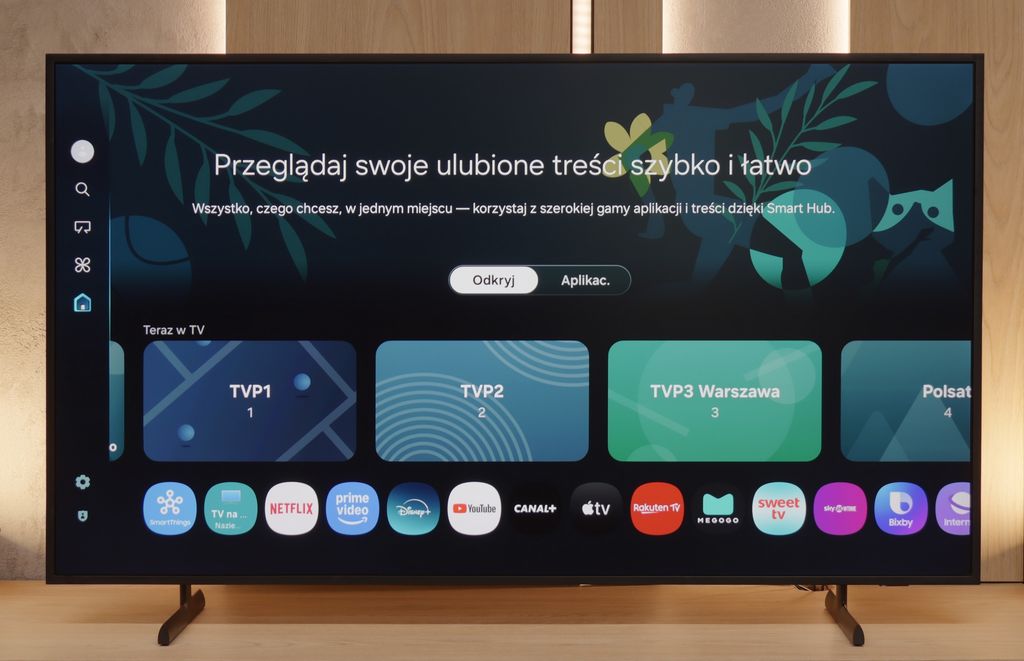
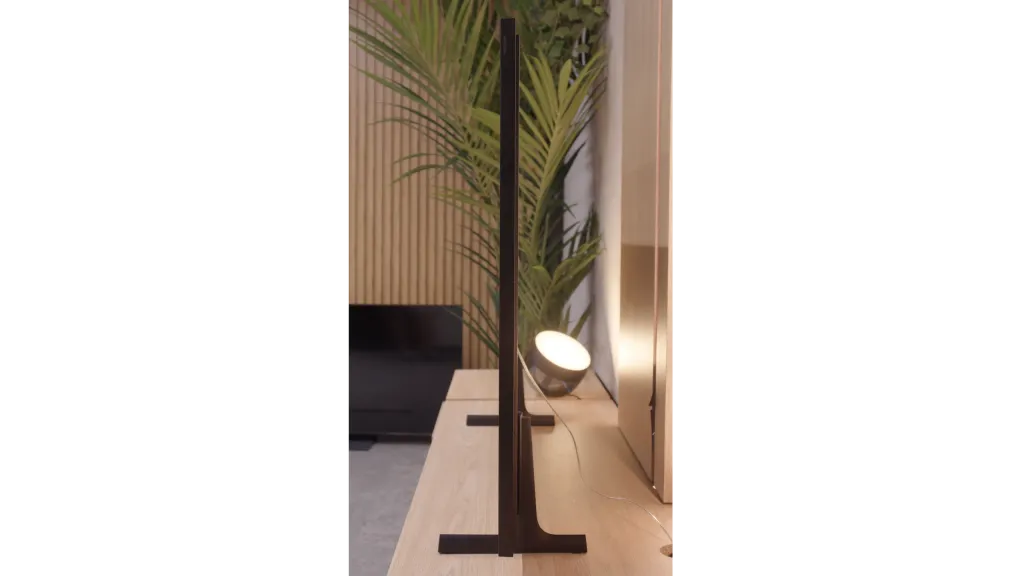
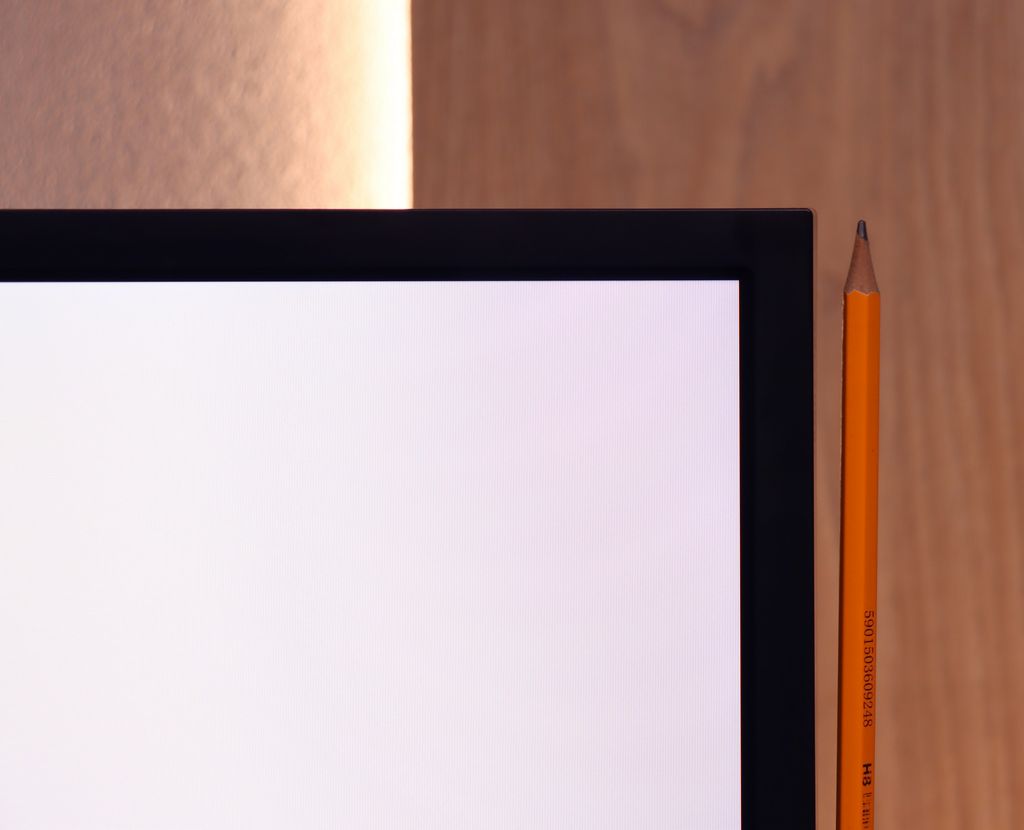
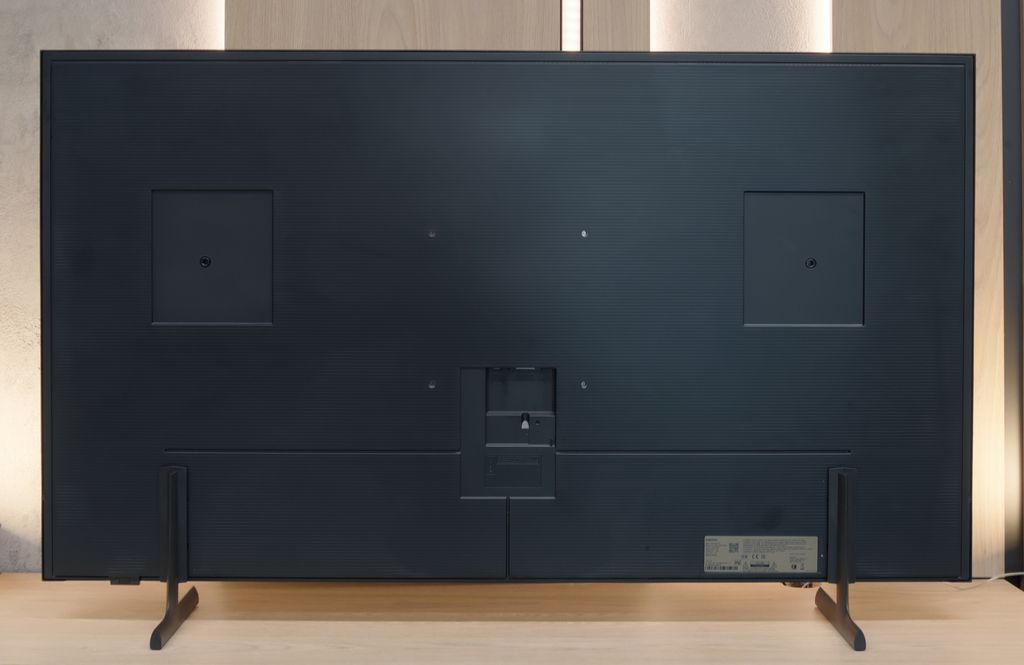
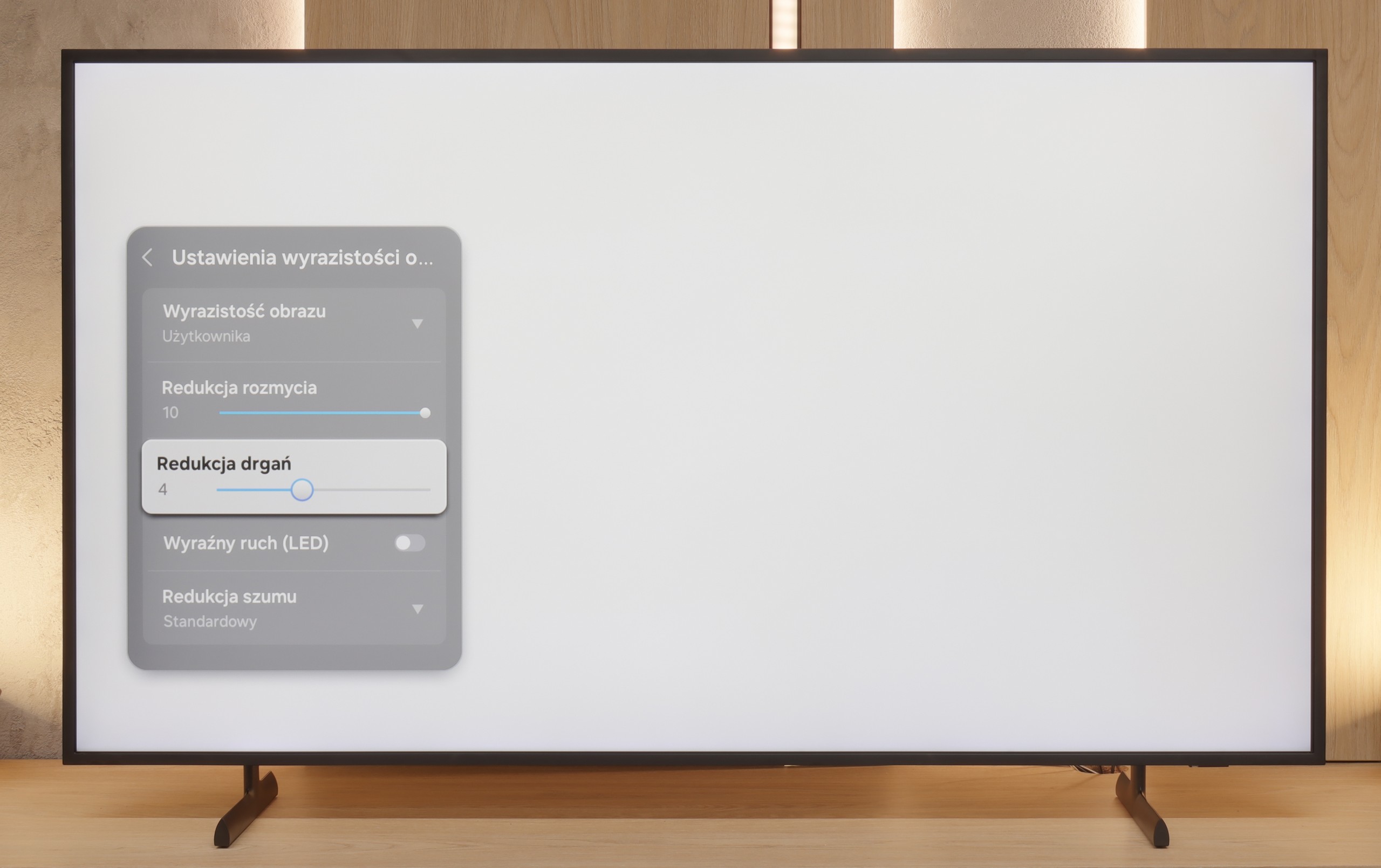
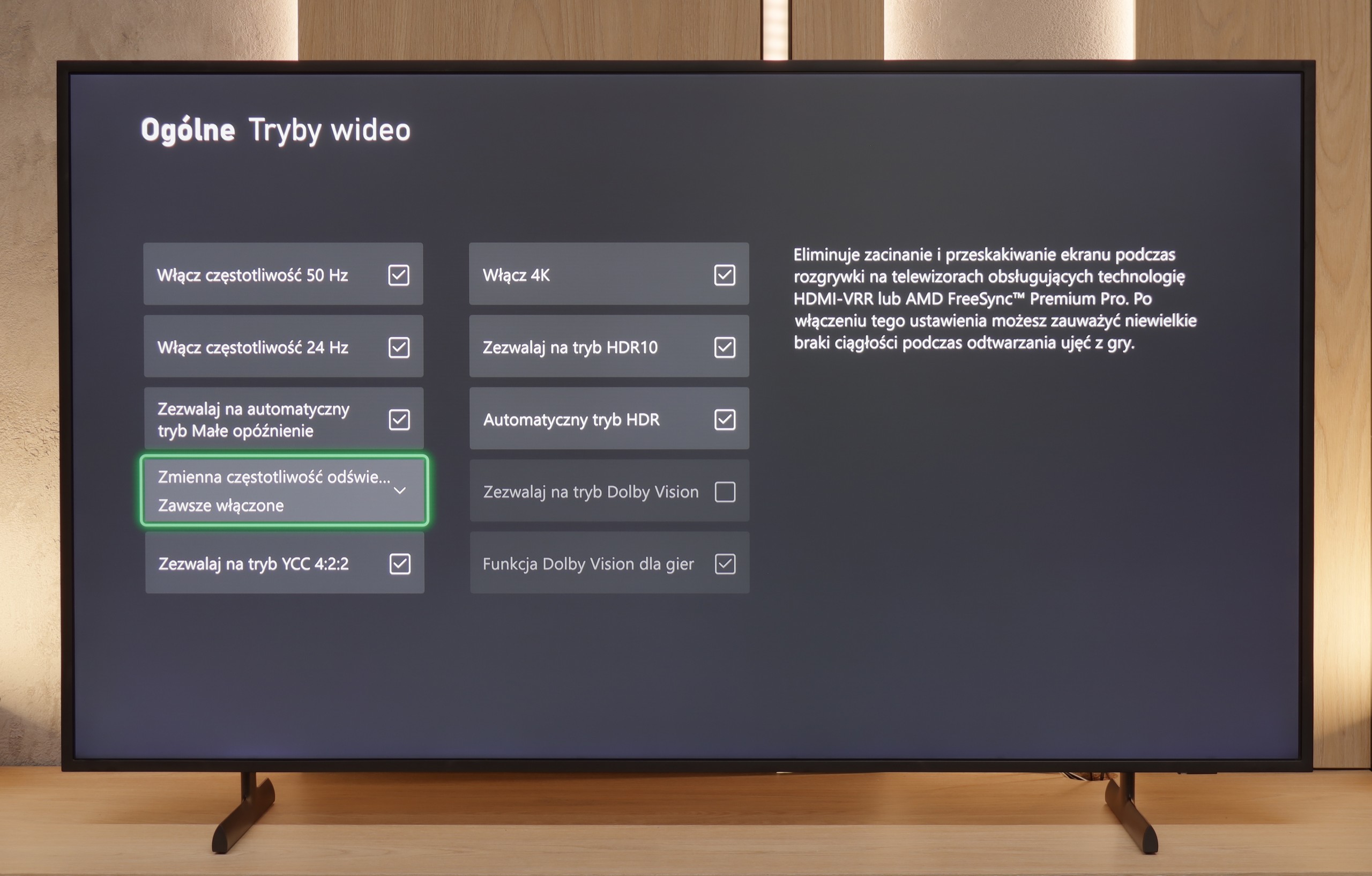
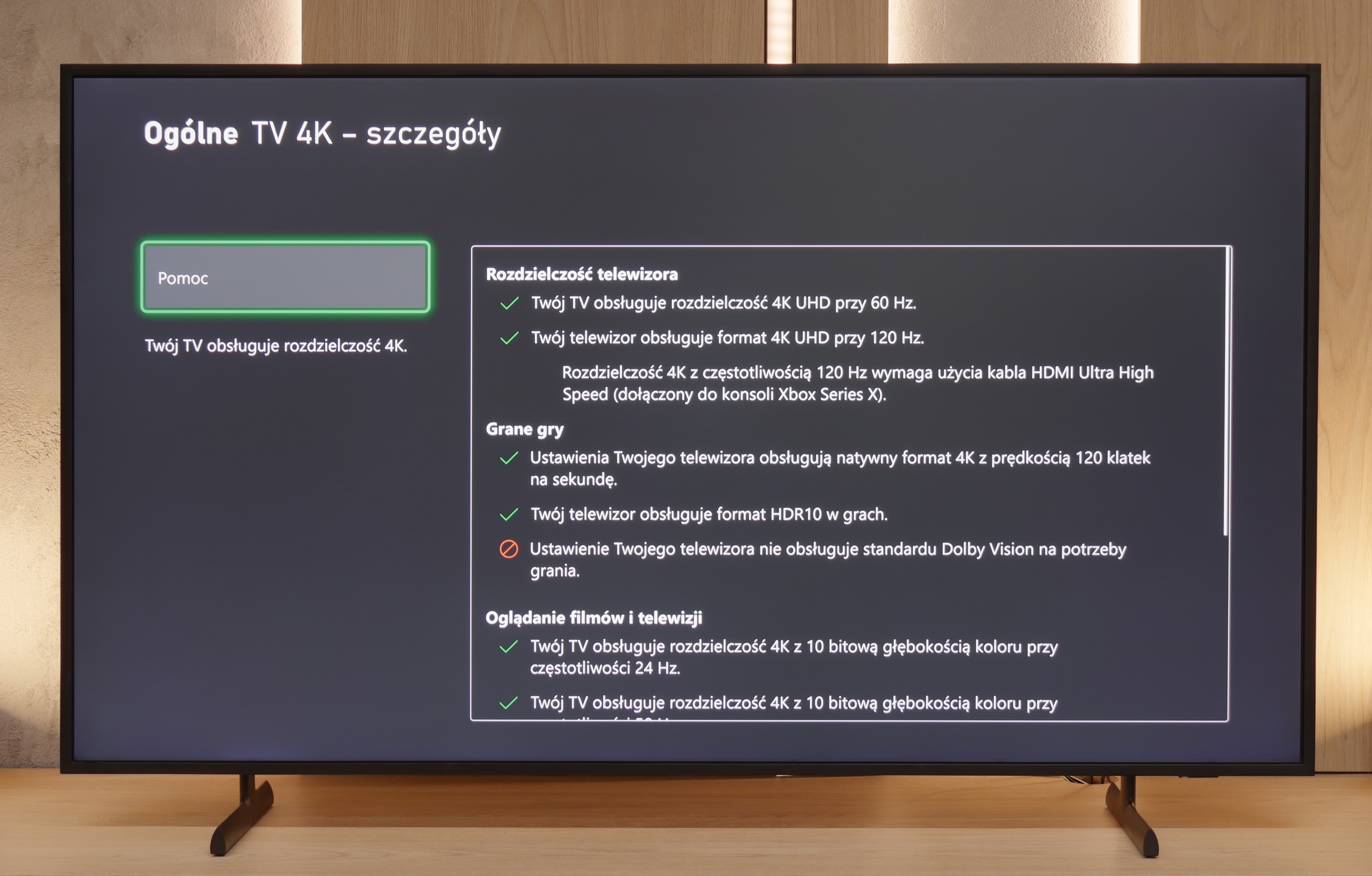
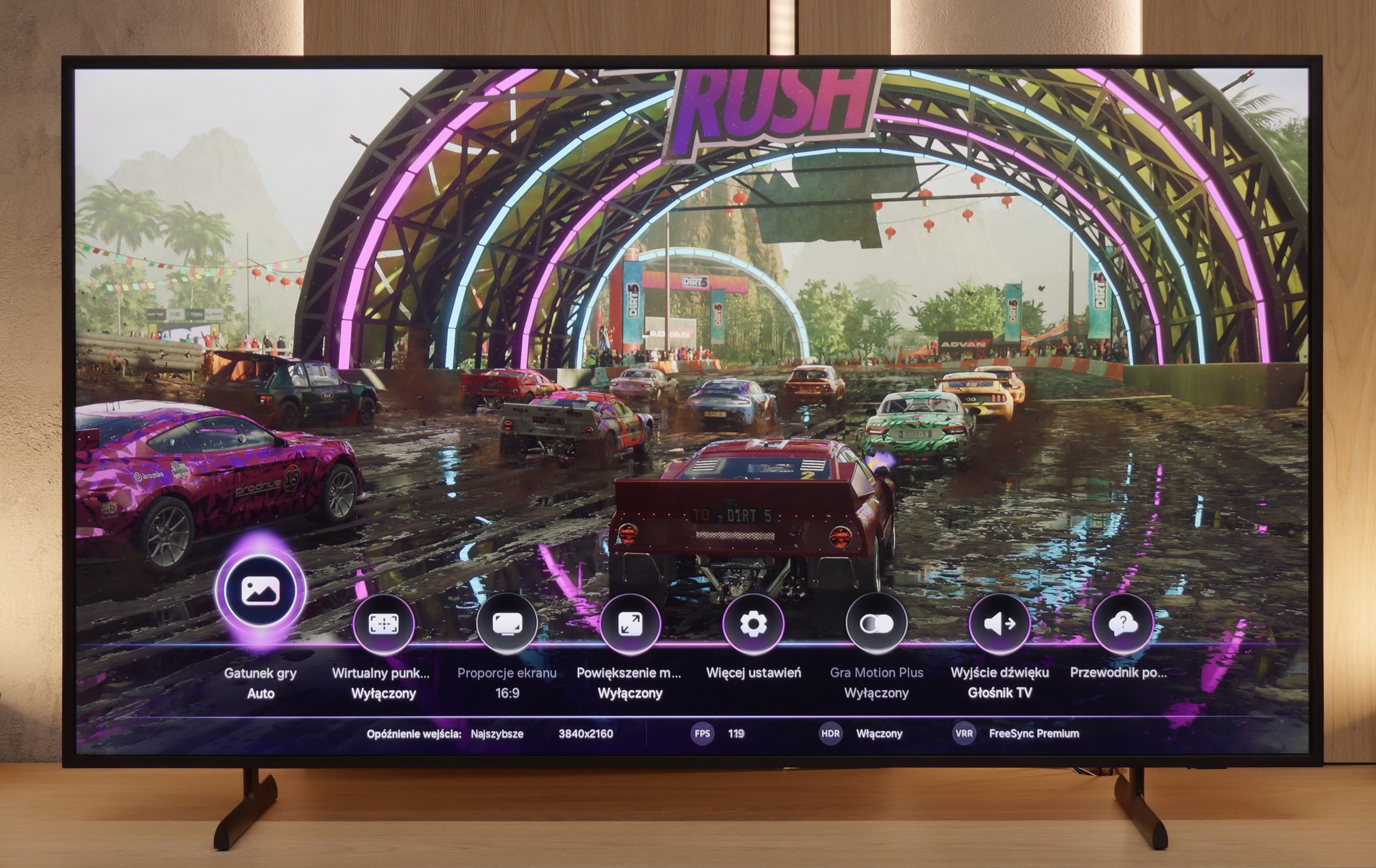
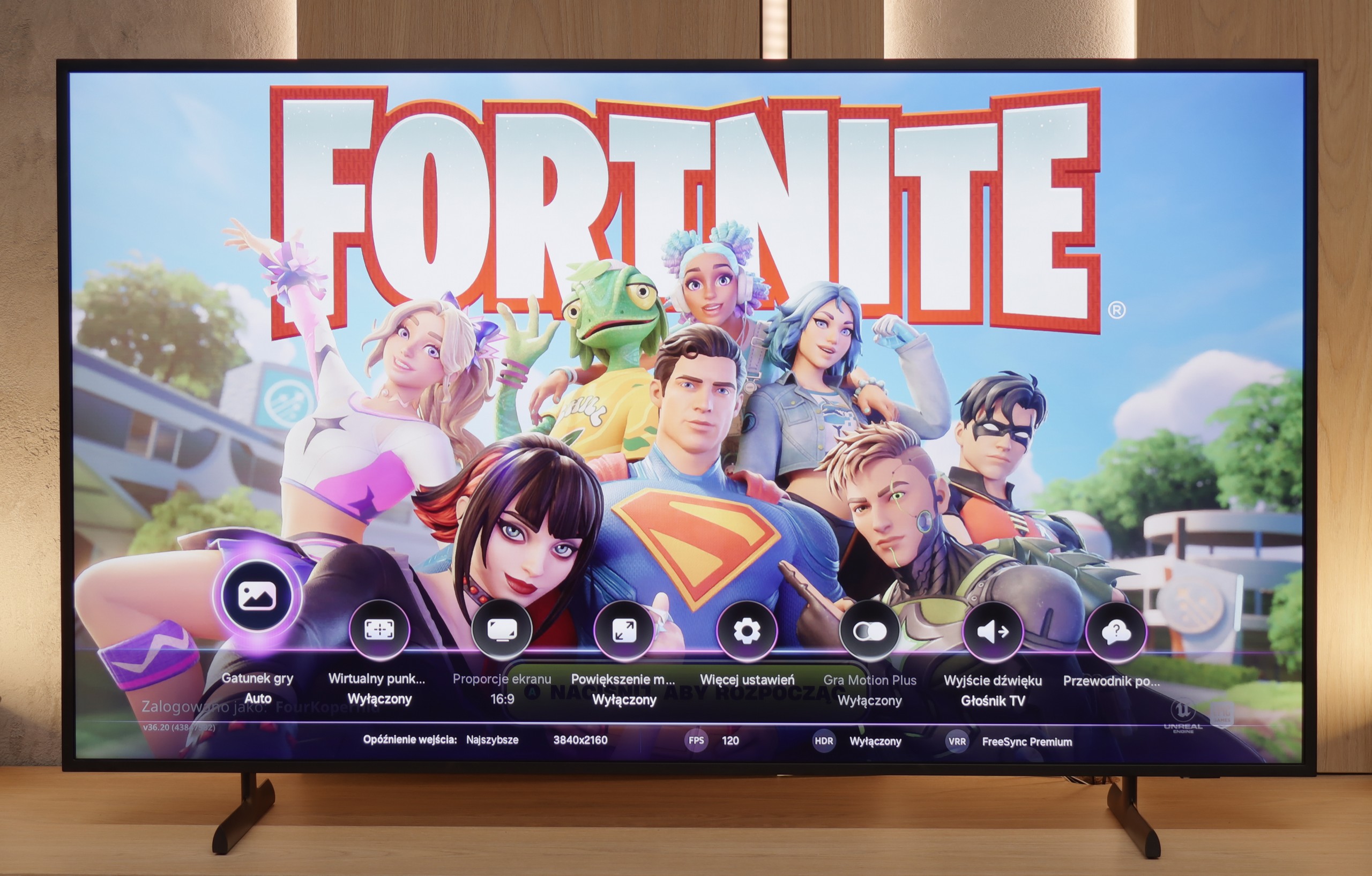
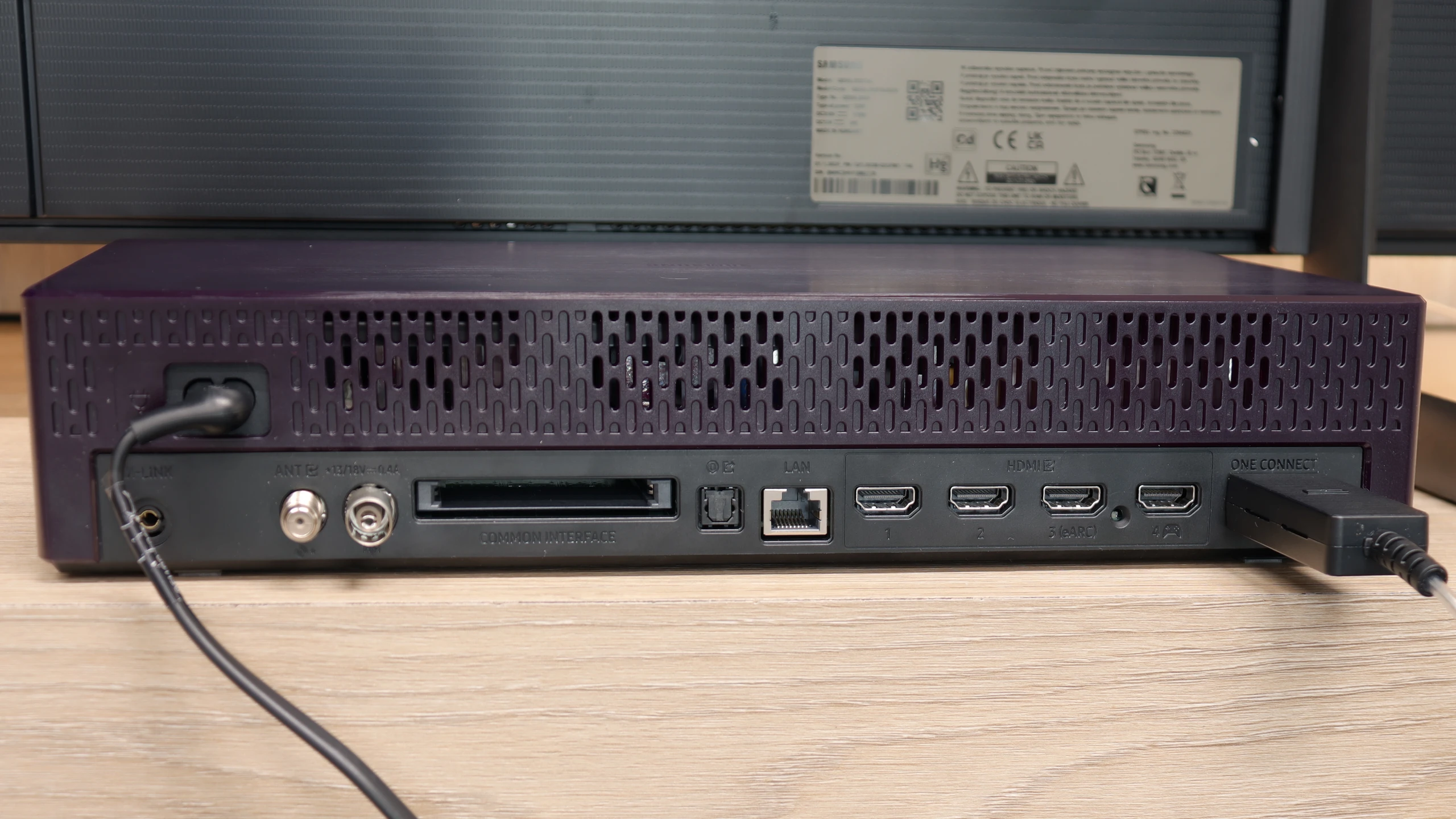
Samsung The Frame 2025 is a TV unlike any other – and even though competition has emerged for it, it still does it best. The matte display, flush mounting to the wall, and one thin cable thanks to the One Connect module make the device look more like a painting than any other screen. The Art Store app still offers the best scanned artwork on the market (even if it's subscription-based), and with interchangeable frames, we can adapt the TV to the interior almost like a piece of furniture. As for the image itself, because we are also talking about a regular TV, there are no significant changes, but also no disappointments compared to last year's model LS03D. The Frame still offers high native contrast and solid brightness at 600 nits, which combined with the matte coating provides very comfortable use during the day. The colors are not as vibrant as on glossy screens, but against the backdrop of competing matte constructions – it performs the best. A novelty is the 144 Hz refresh rate, though in practice, mainly PC gamers will benefit from it. And indeed – in terms of features for gamers, The Frame has almost everything: low input lag, variable refresh rate (VRR) support, automatic game mode (ALLM), Game Bar, and a unique motion smoother designed for gaming. Unfortunately, not everything is as perfect as it might seem. Why? Because the HGiG mode is suddenly missing from the latest version of the Tizen system. And here Samsung really should respond, as for many gamers this is a crucial element of screen selection. And we fully understand that. Although LS03F The Frame 2025 doesn’t bring major revolutions, it is still a unique TV that, apart from its appearance, offers quite a solid picture and extensive gaming features. It’s just a shame that year after year we also encounter new compromises.
 Direct comparison