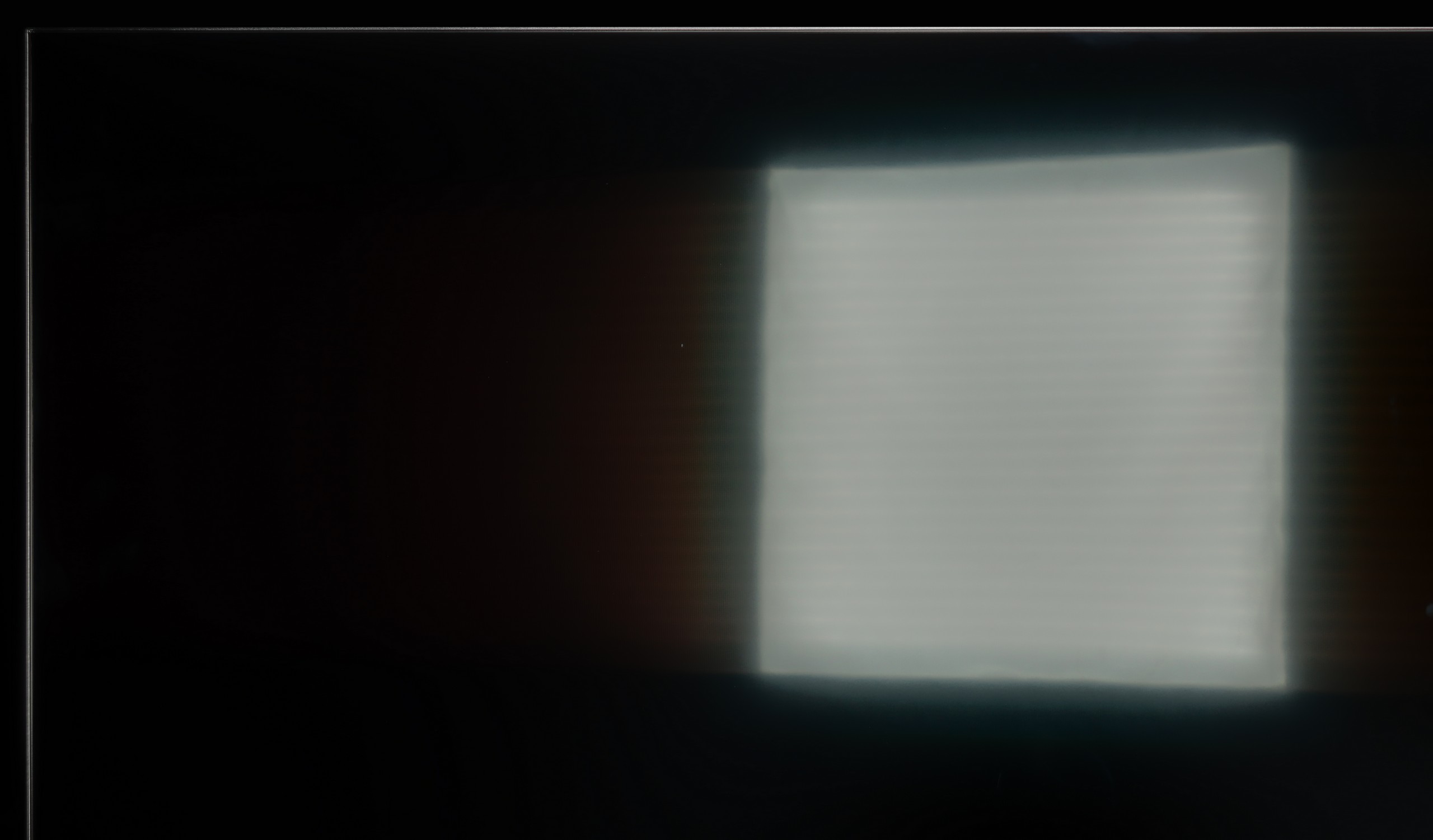
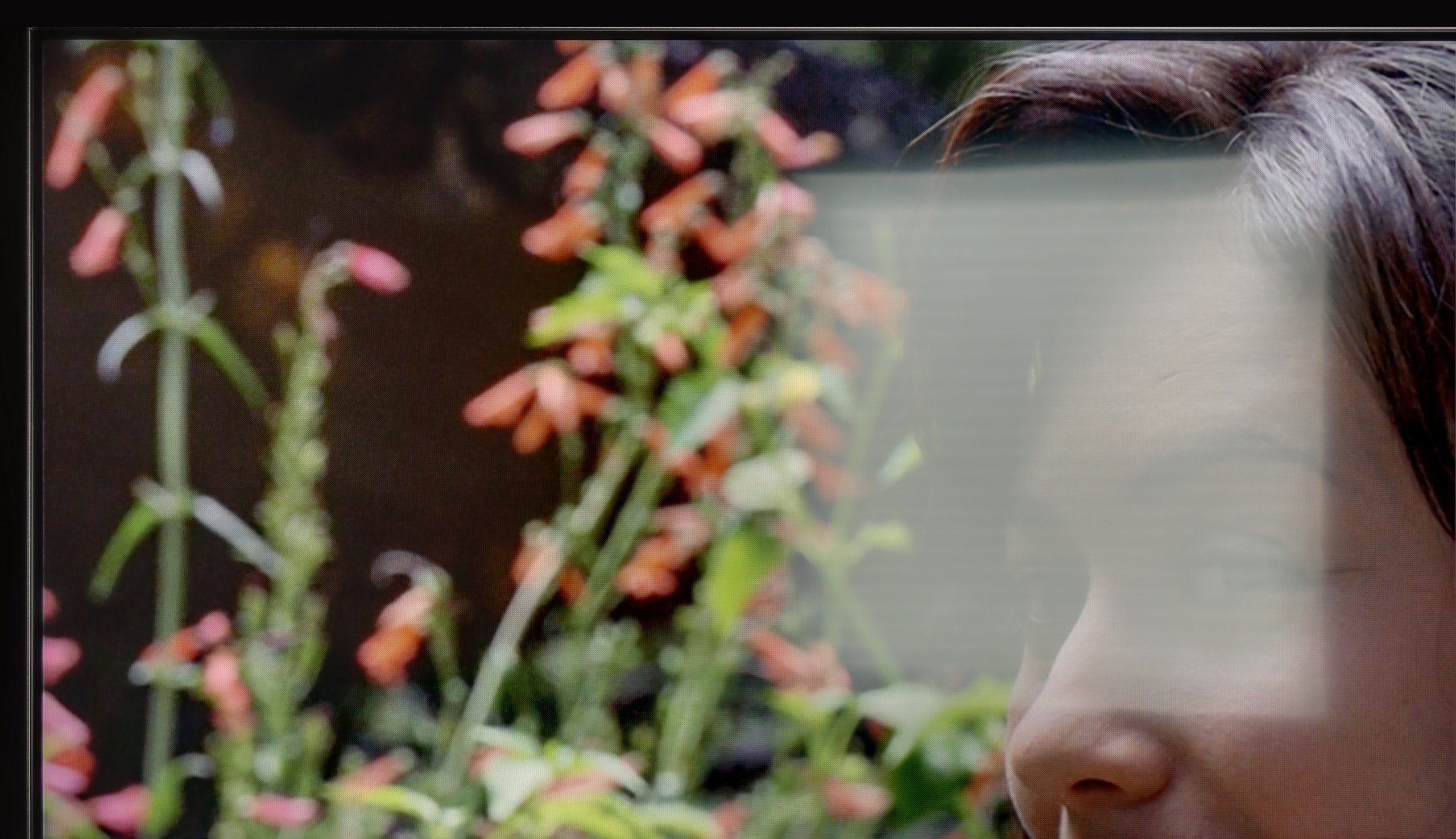
The TCL C855 is a standout television in the TV market, showcasing a versatile performance across various applications and excelling in its price range. With Mini LED backlighting, the TV achieves impressive contrast and black levels, resulting in deep, vivid images. Its algorithm effectively maintains black uniformity, minimizing blooming effects, a significant advantage for viewing HDR content.
While the TCL C855 can reach brightness levels of up to 1800 nits, which is commendable, it is worth noting that brightness can significantly drop to around 200 nits when bright but small elements appear on-screen. Additionally, the mid-tone boost can compromise contrast and reduce fidelity to the director's original vision.
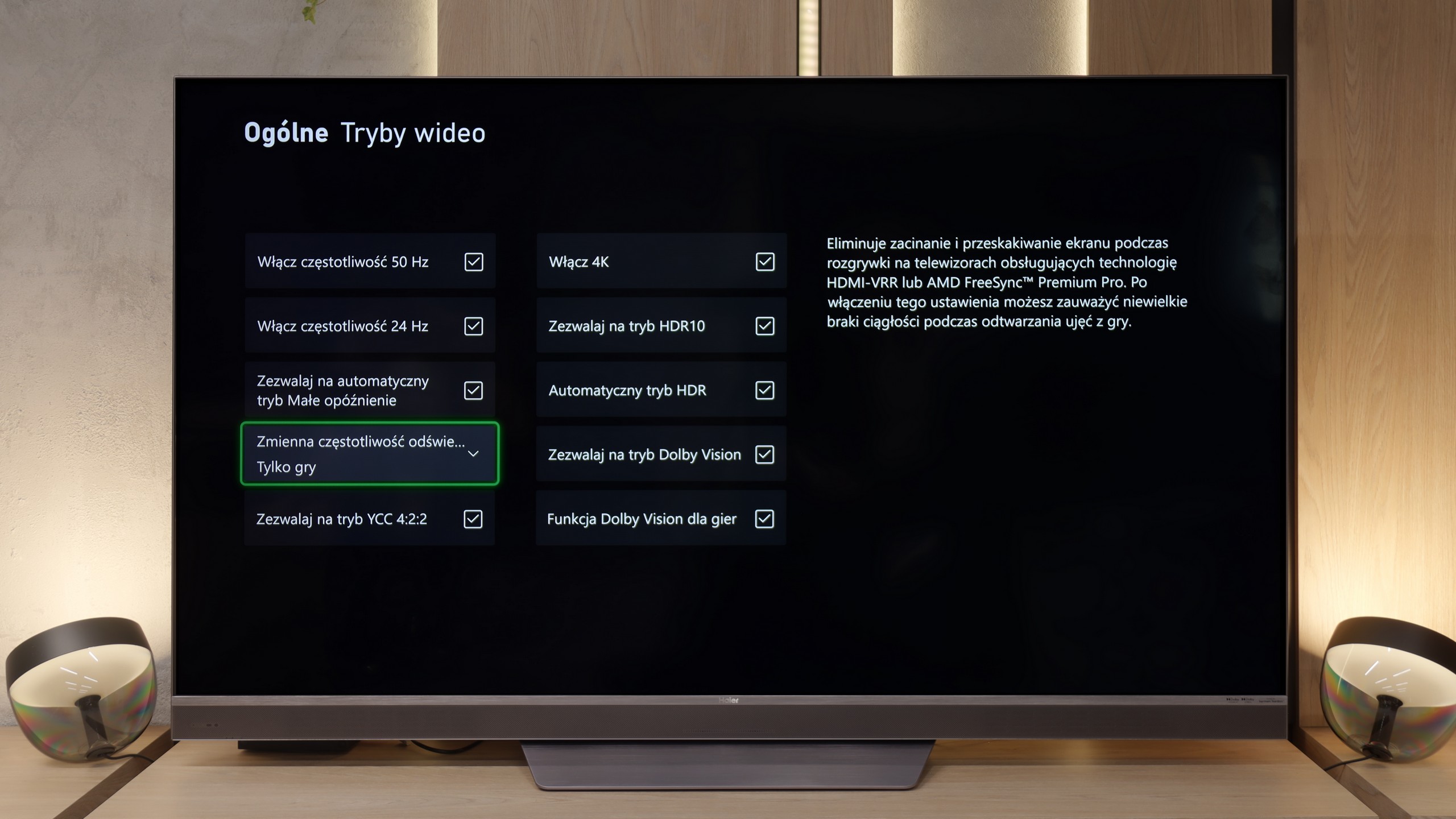
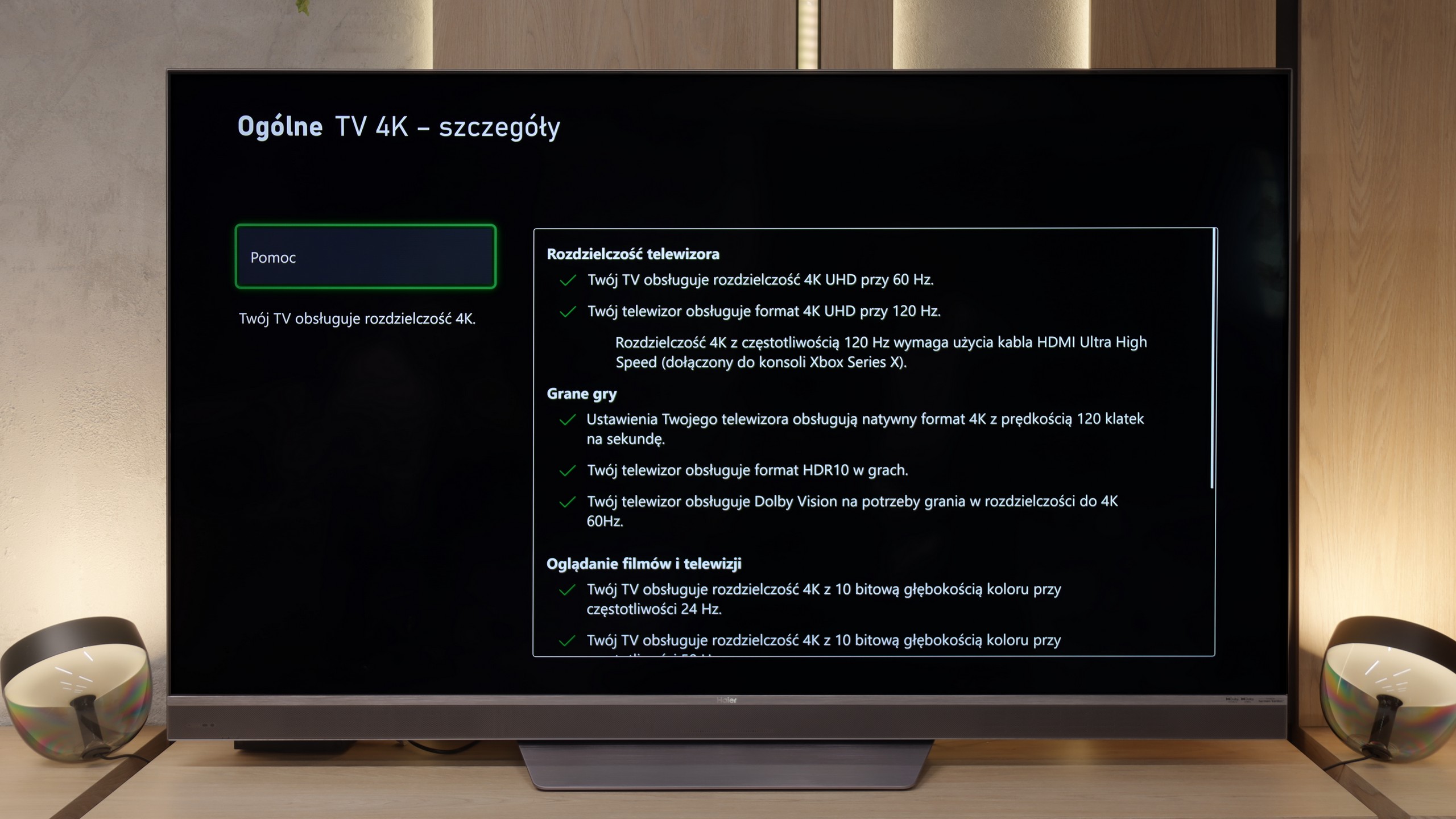
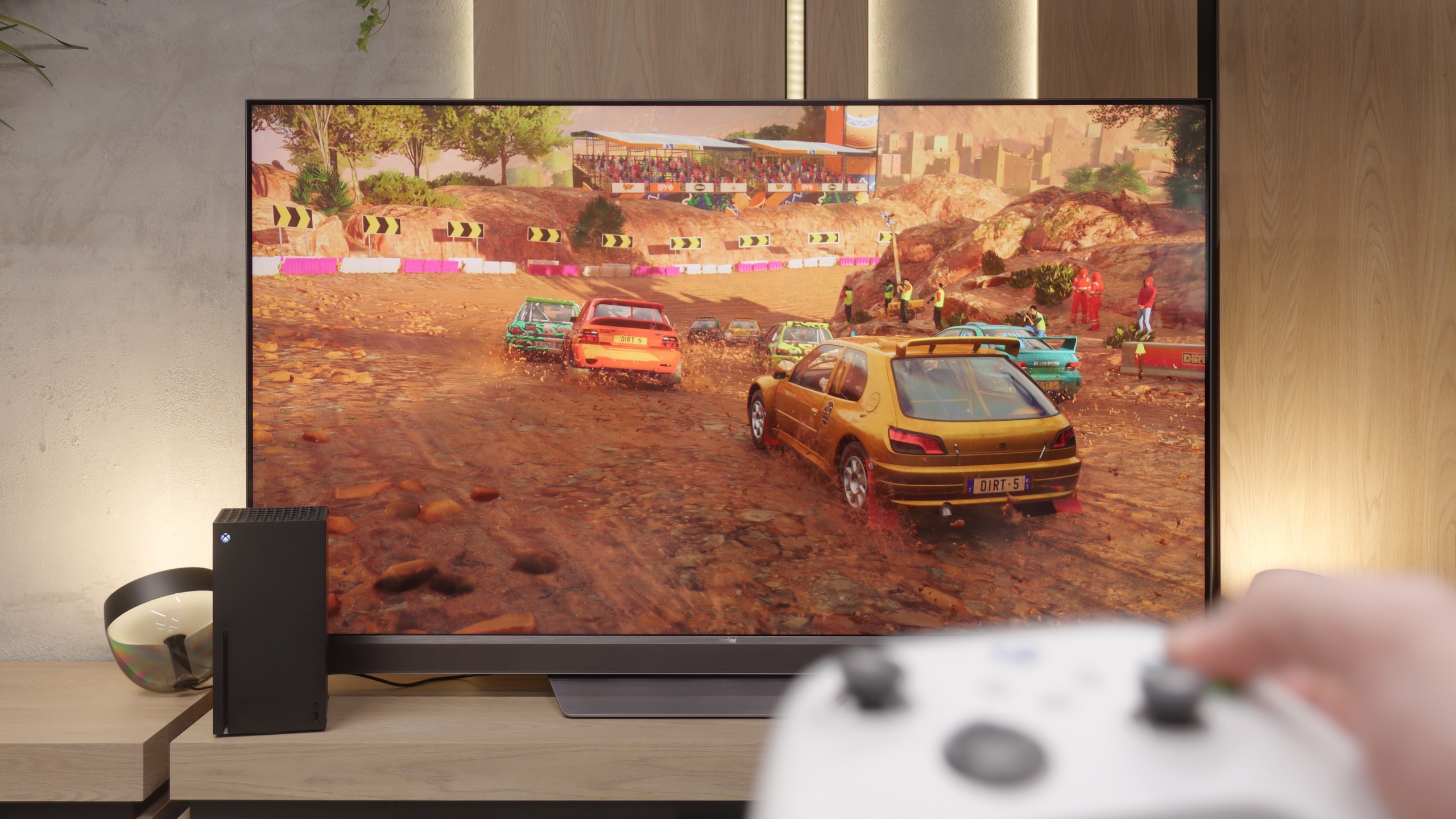
For gamers, the TCL C855 shines brightly, offering extremely low latency and high-quality performance thanks to its full implementation of HDMI 2.1 features. The inclusion of the Google TV operating system adds to its appeal, providing nearly limitless options for application installation, including support for APK files from outside the official store.
The TCL C855 is an excellent choice for those seeking a reliable and versatile television. While it may have some drawbacks, its overall image quality, gaming performance, and advanced operating system make it a strong contender in the market.
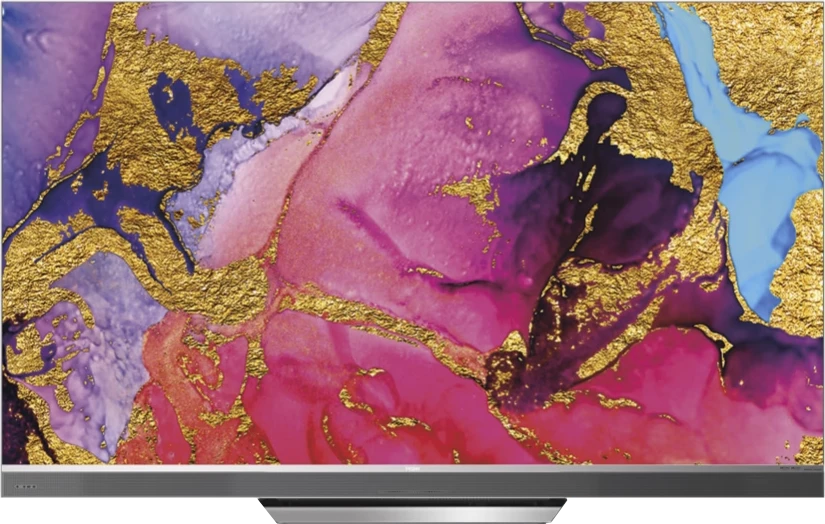
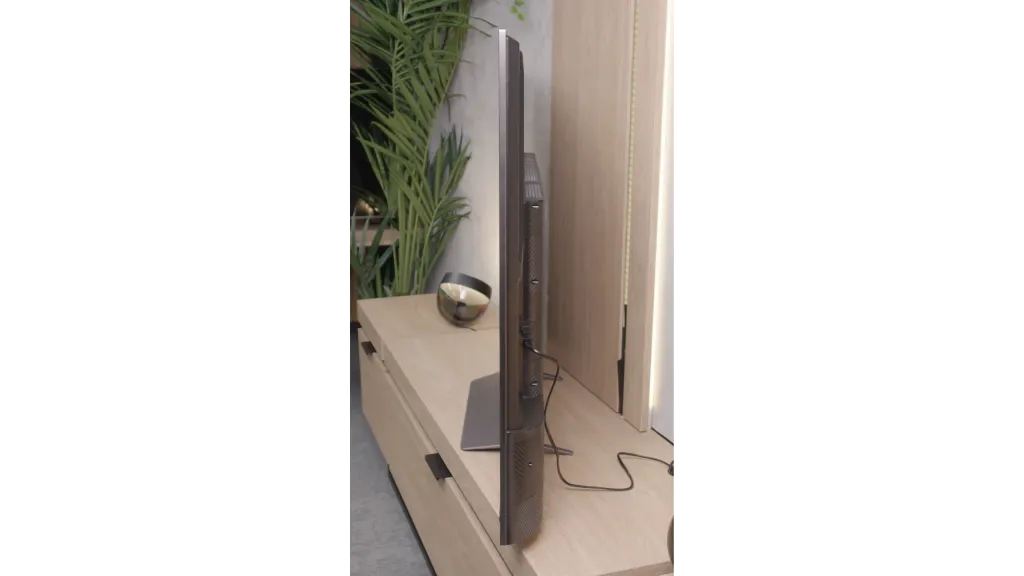
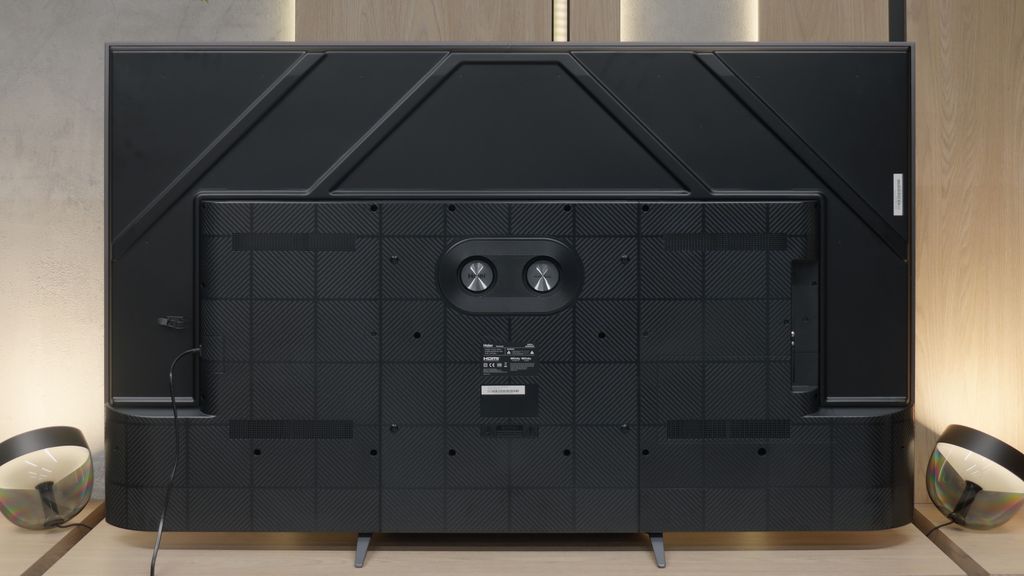
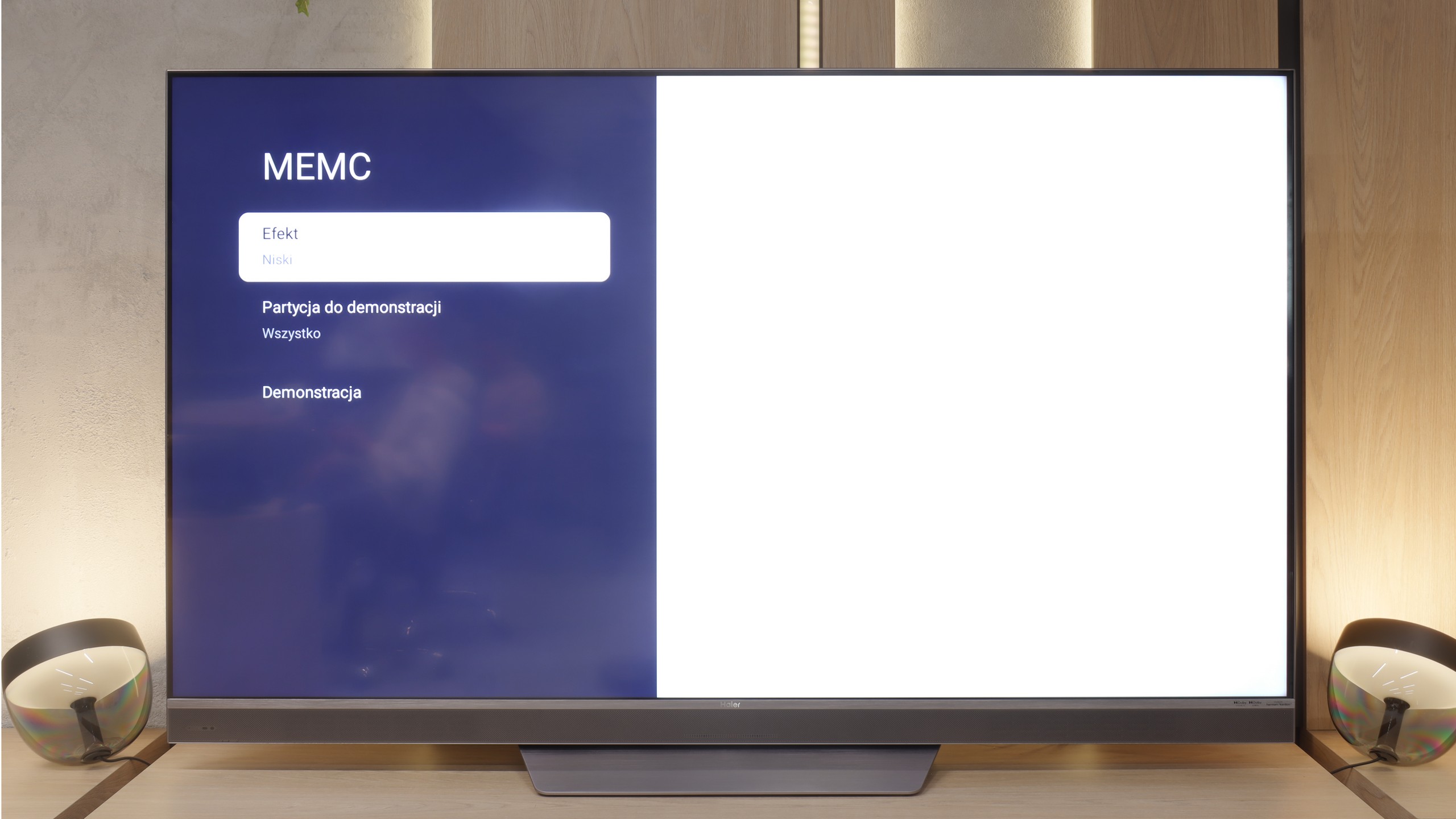
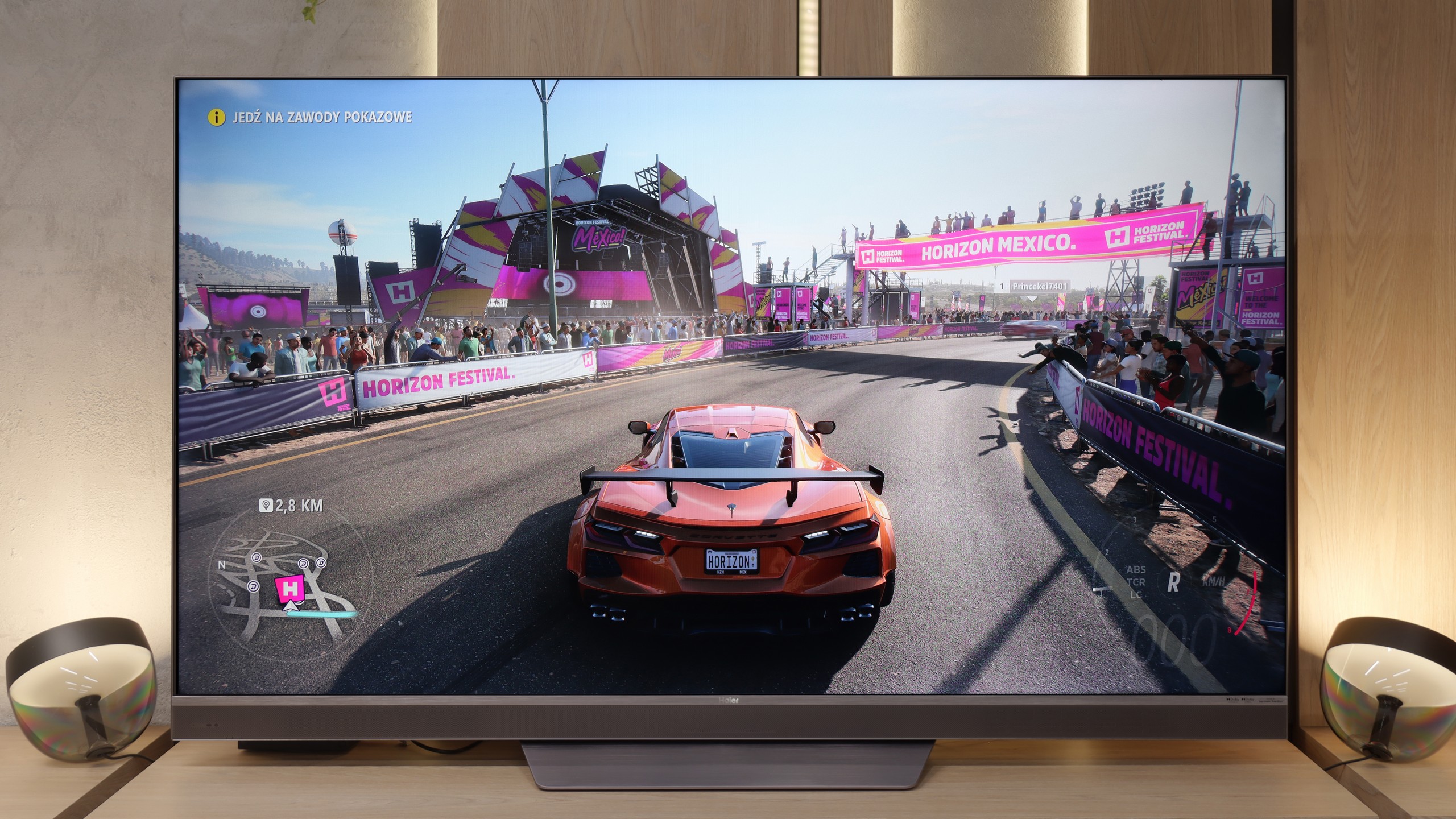
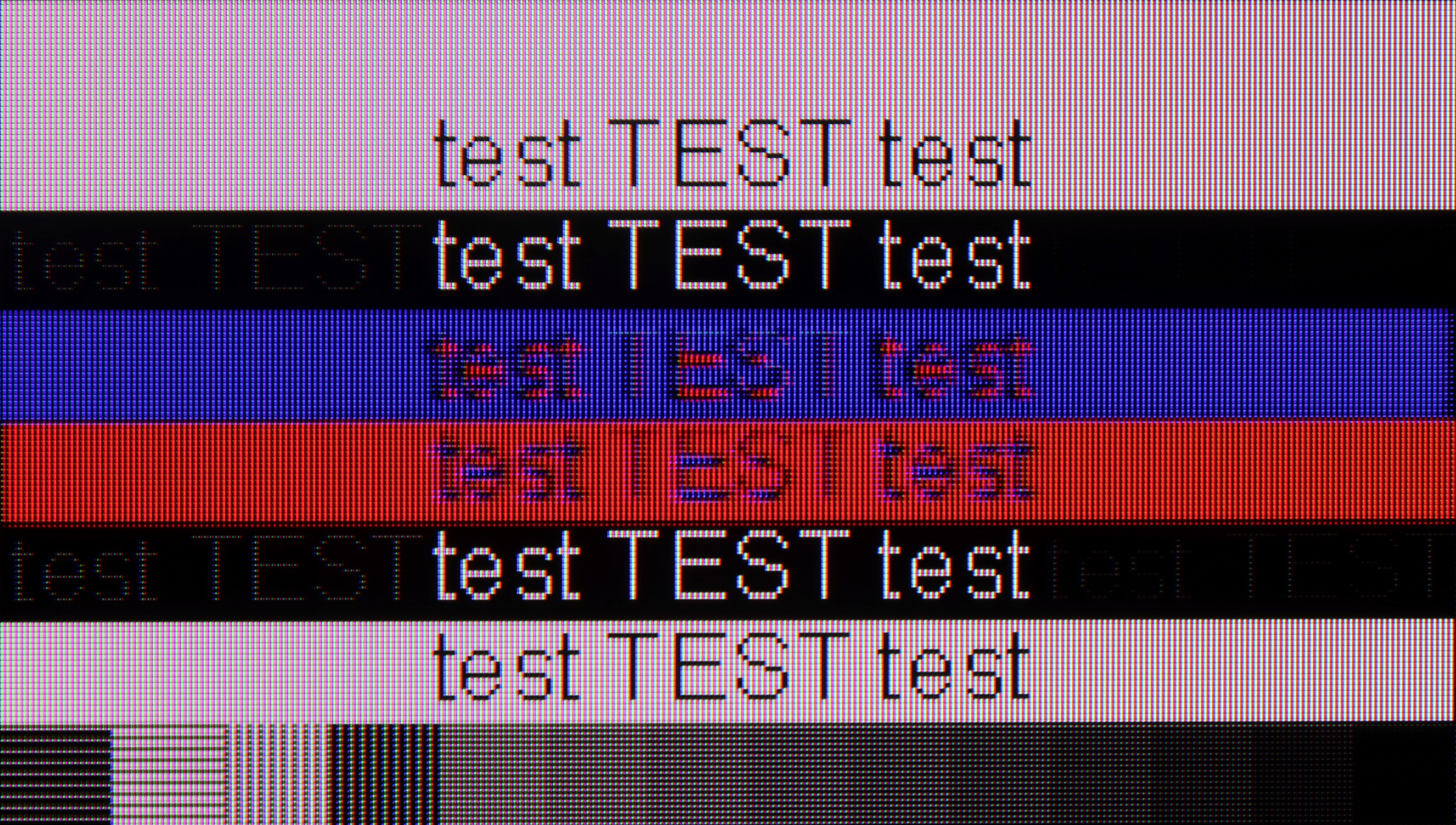
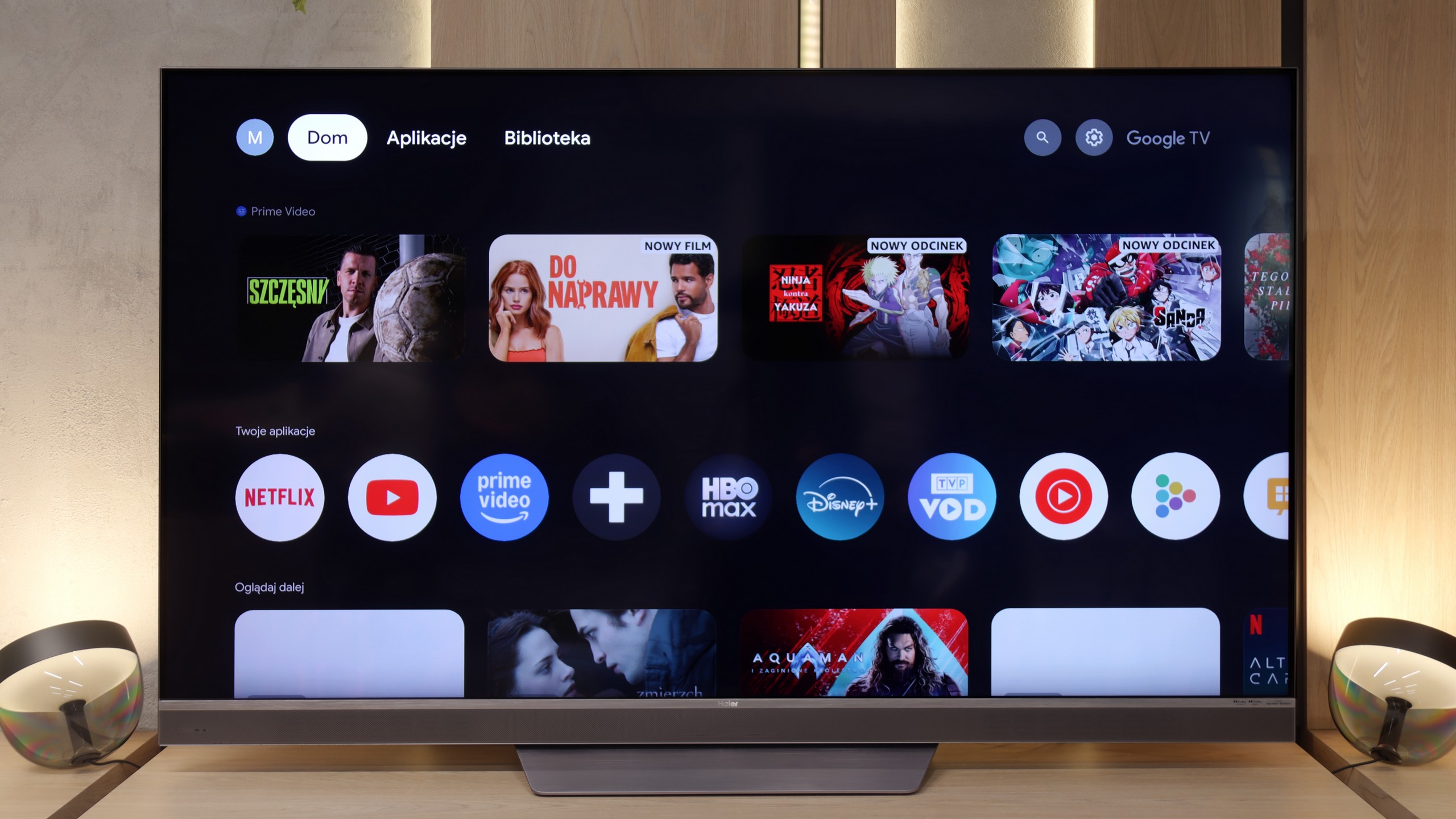
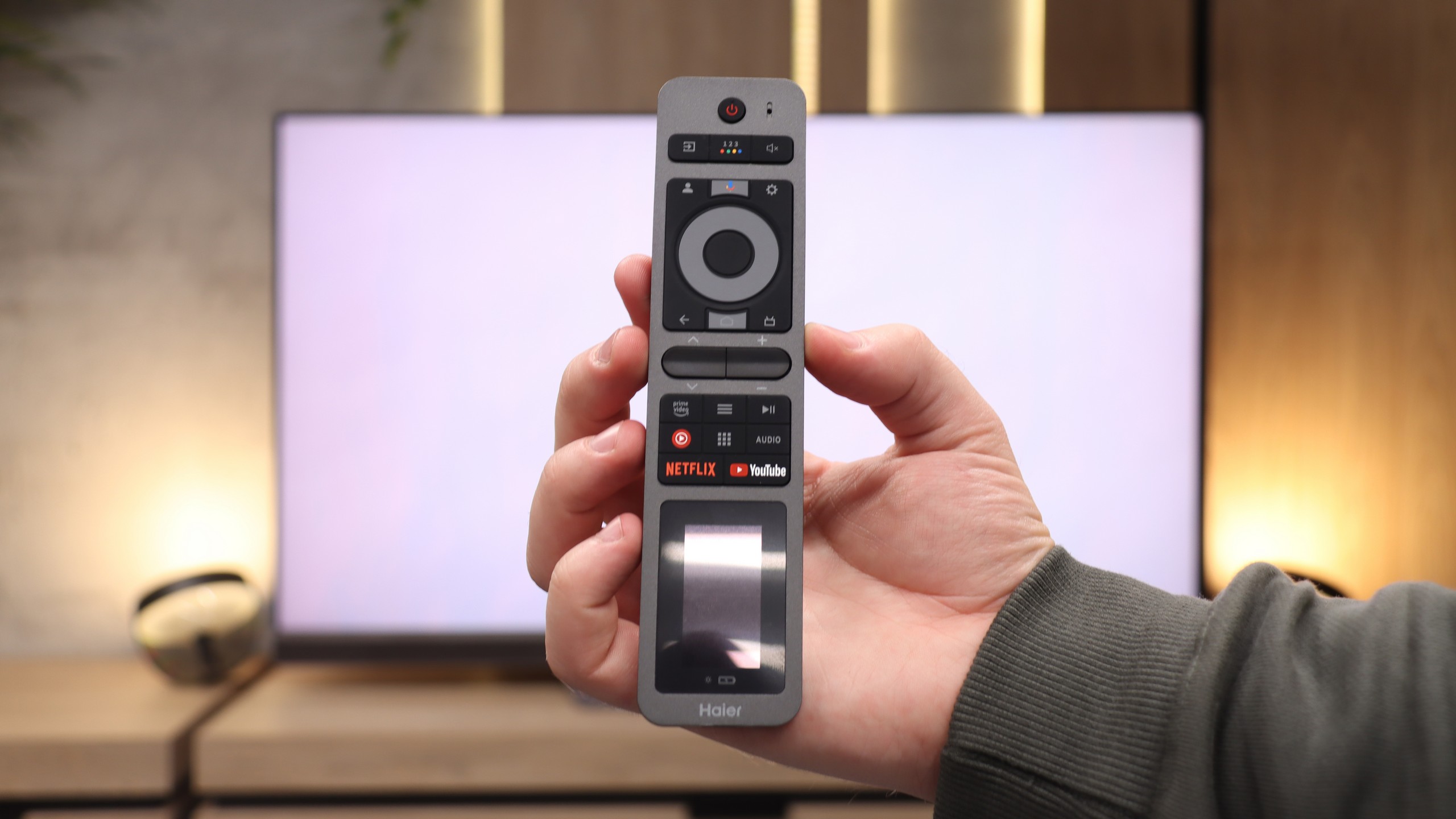
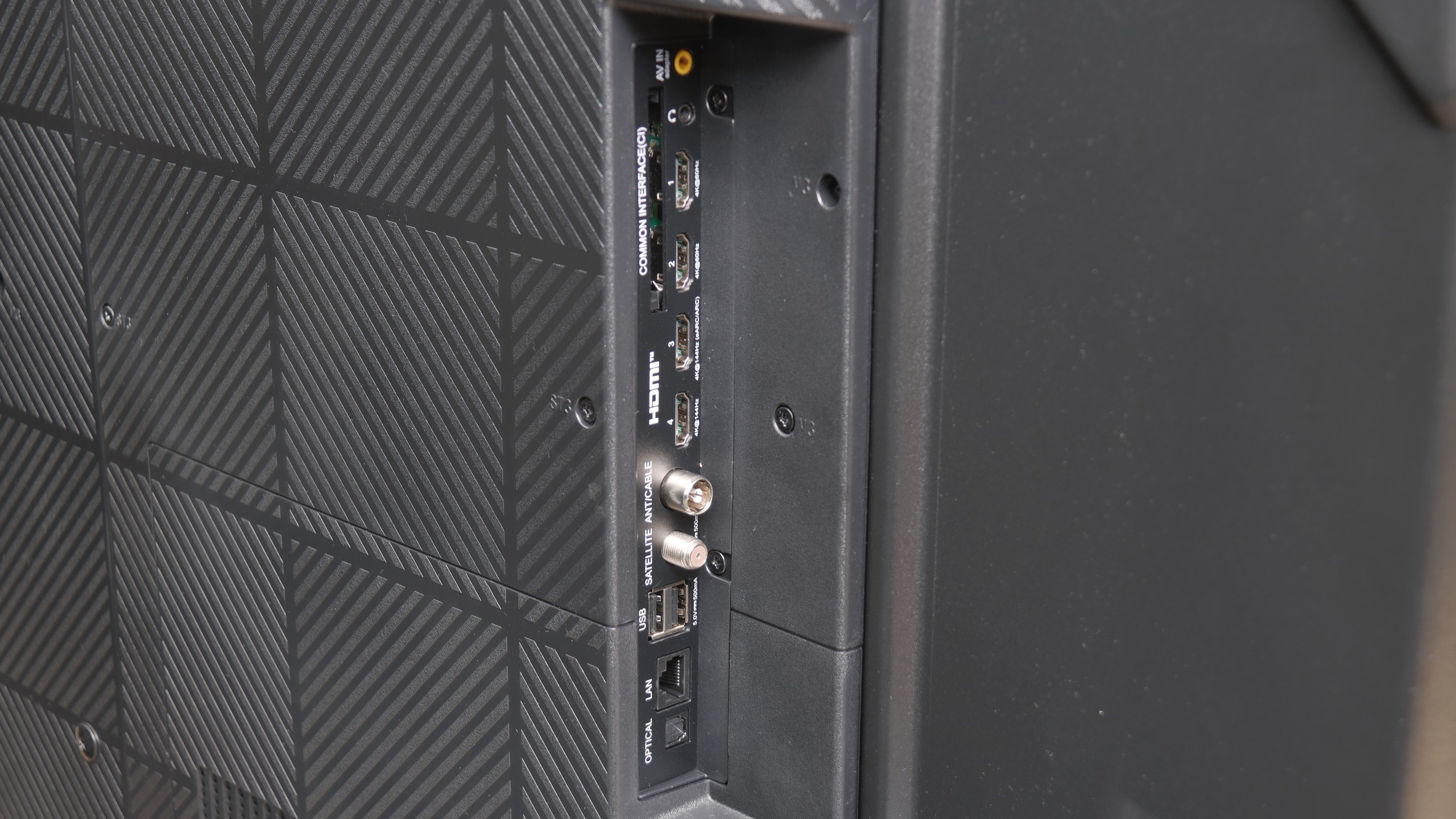
Haier M95E is, on paper, a television that looks like the dream come true for any "bargain hunter." When we look at the specifications – a Mini LED panel with hundreds of zones, powerful brightness exceeding 1500 nits, a QLED 144Hz matrix, phenomenally low input lag, and sound branded by Harman Kardon – everything screams "flagship!" So we are dealing with equipment that theoretically should throw down the gauntlet to the most expensive players on the market. Unfortunately, if you read our review carefully, you’ll need to read it quite closely, because there is one word that appears almost in every paragraph: "but..." And it is this word that perfectly summarizes this model. The M95E is a television of gigantic contradictions and wasted potential, where nearly every advantage is brutally countered by a fundamental software flaw. So we have hundreds of dimming zones, but the algorithms controlling them create a distracting disco on the screen. We have phenomenal HDR brightness, but the television completely struggles with tone mapping and burns details. We have an ultra-fast, non-tearing 144Hz matrix, but motion smoothing systems for movies are virtually non-existent. We have a great package for gamers, but without HGiG and with font display issues. Finally, we have superb sound, but wrapped in a clumsy and frustrating Smart TV system. This is exactly why the Haier M95E is such a frustrating device. It’s a story about fantastic hardware that lacks the final, most crucial polish – refined software.
 Direct comparison