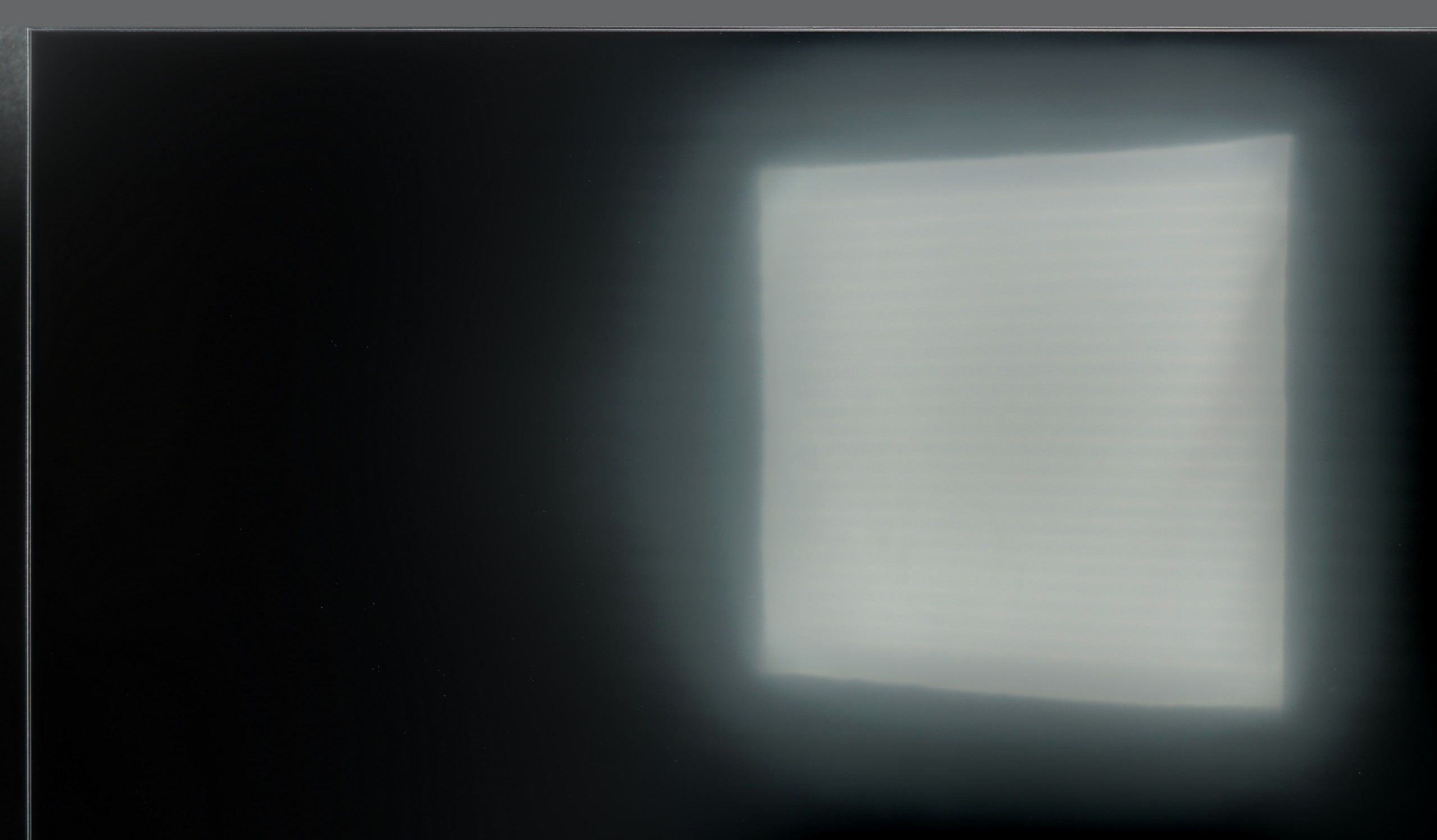
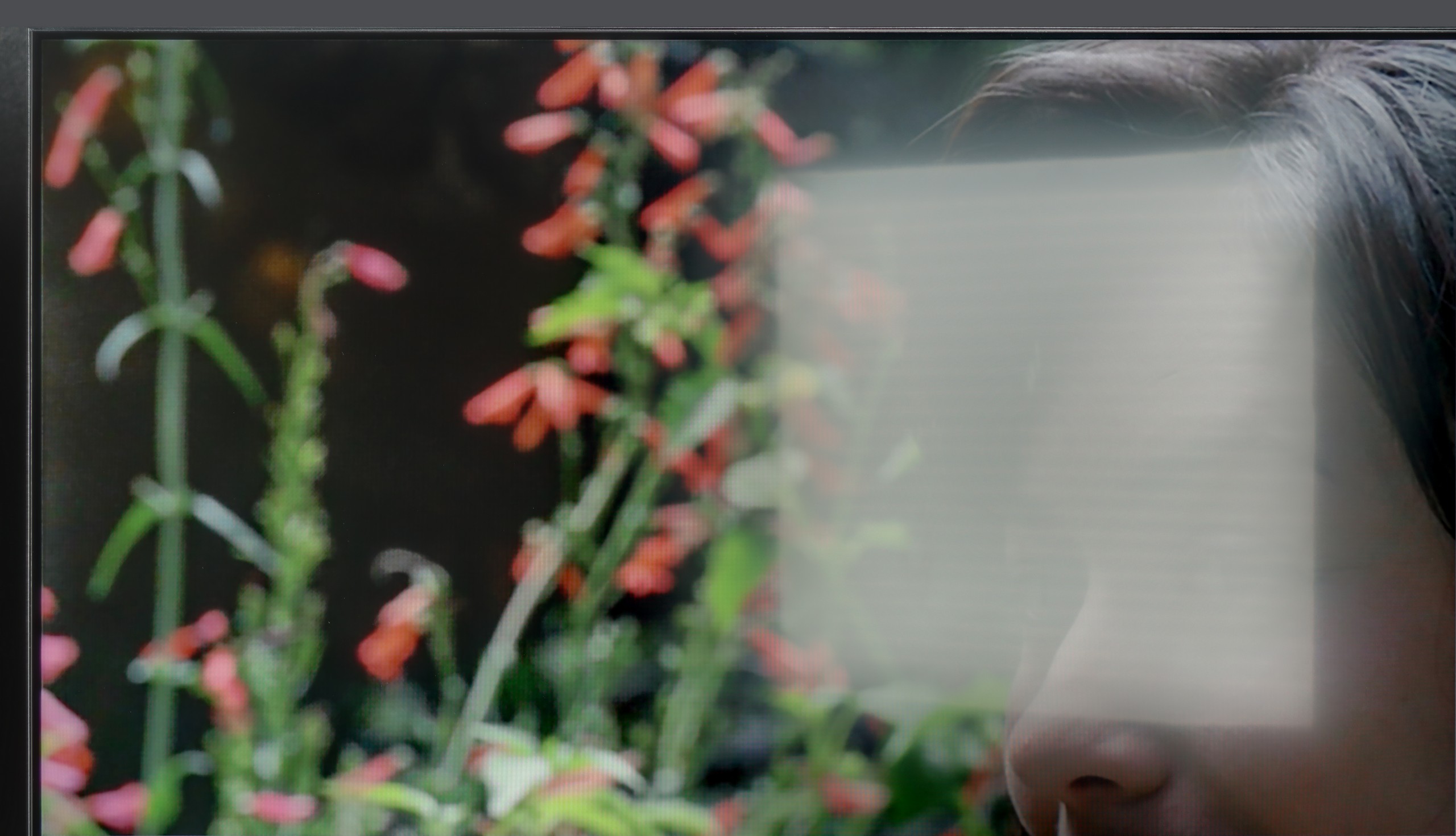
The TCL C855 is a standout television in the TV market, showcasing a versatile performance across various applications and excelling in its price range. With Mini LED backlighting, the TV achieves impressive contrast and black levels, resulting in deep, vivid images. Its algorithm effectively maintains black uniformity, minimizing blooming effects, a significant advantage for viewing HDR content.
While the TCL C855 can reach brightness levels of up to 1800 nits, which is commendable, it is worth noting that brightness can significantly drop to around 200 nits when bright but small elements appear on-screen. Additionally, the mid-tone boost can compromise contrast and reduce fidelity to the director's original vision.
For gamers, the TCL C855 shines brightly, offering extremely low latency and high-quality performance thanks to its full implementation of HDMI 2.1 features. The inclusion of the Google TV operating system adds to its appeal, providing nearly limitless options for application installation, including support for APK files from outside the official store.
The TCL C855 is an excellent choice for those seeking a reliable and versatile television. While it may have some drawbacks, its overall image quality, gaming performance, and advanced operating system make it a strong contender in the market.
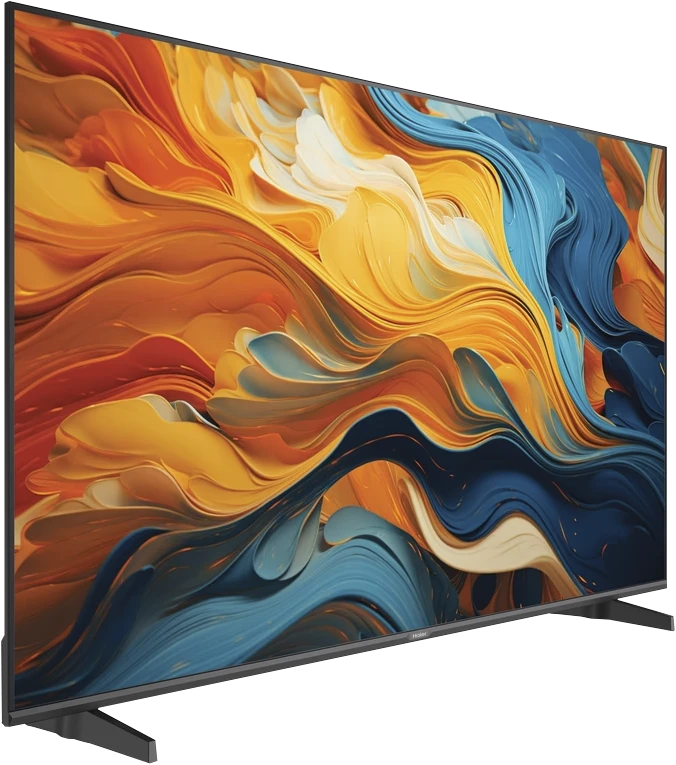
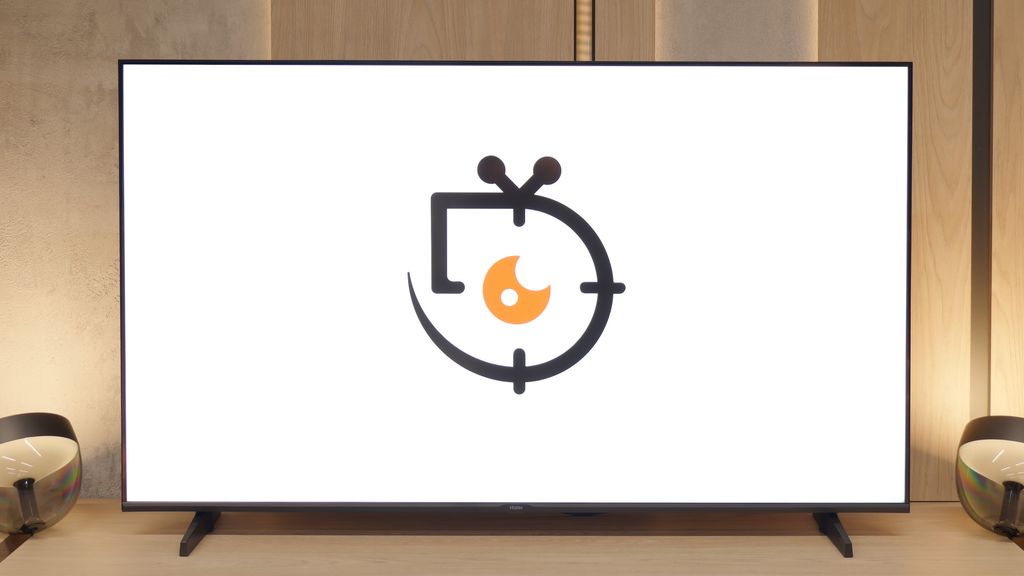
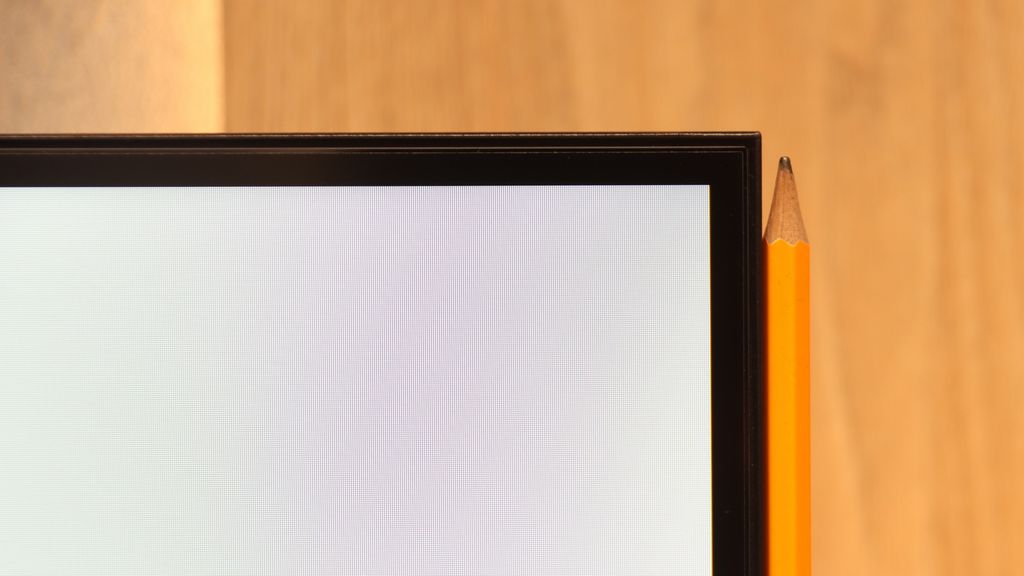
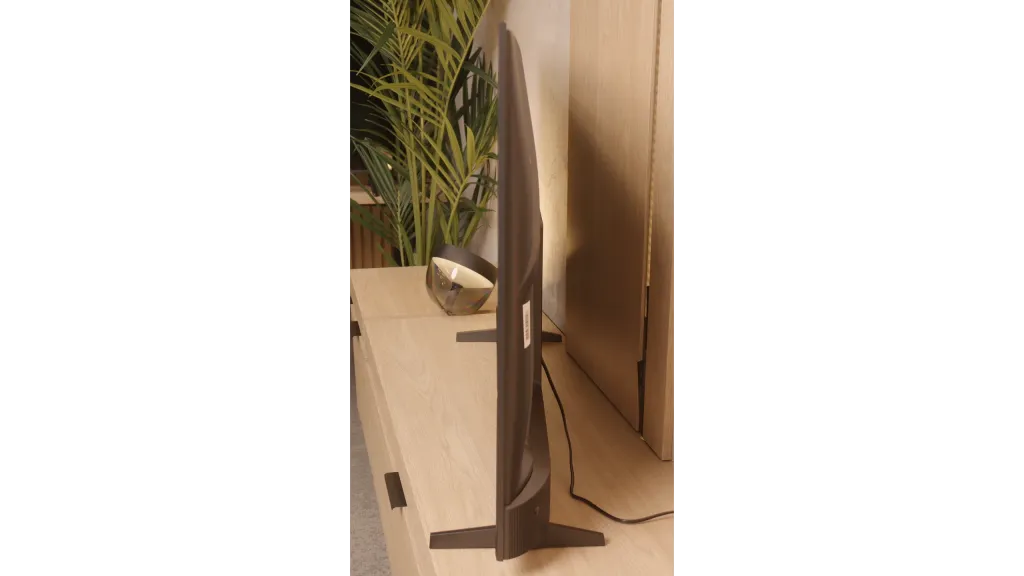
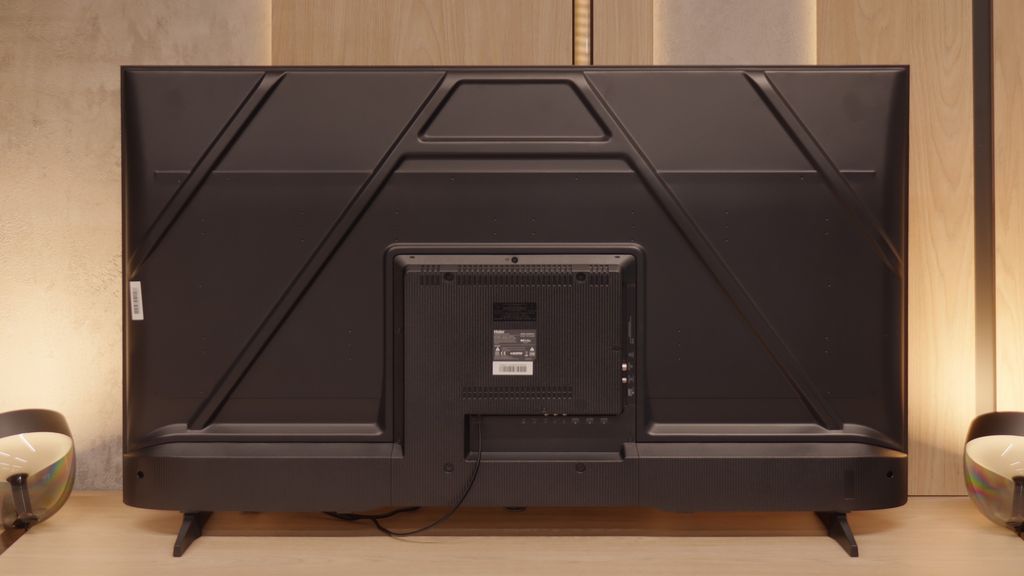
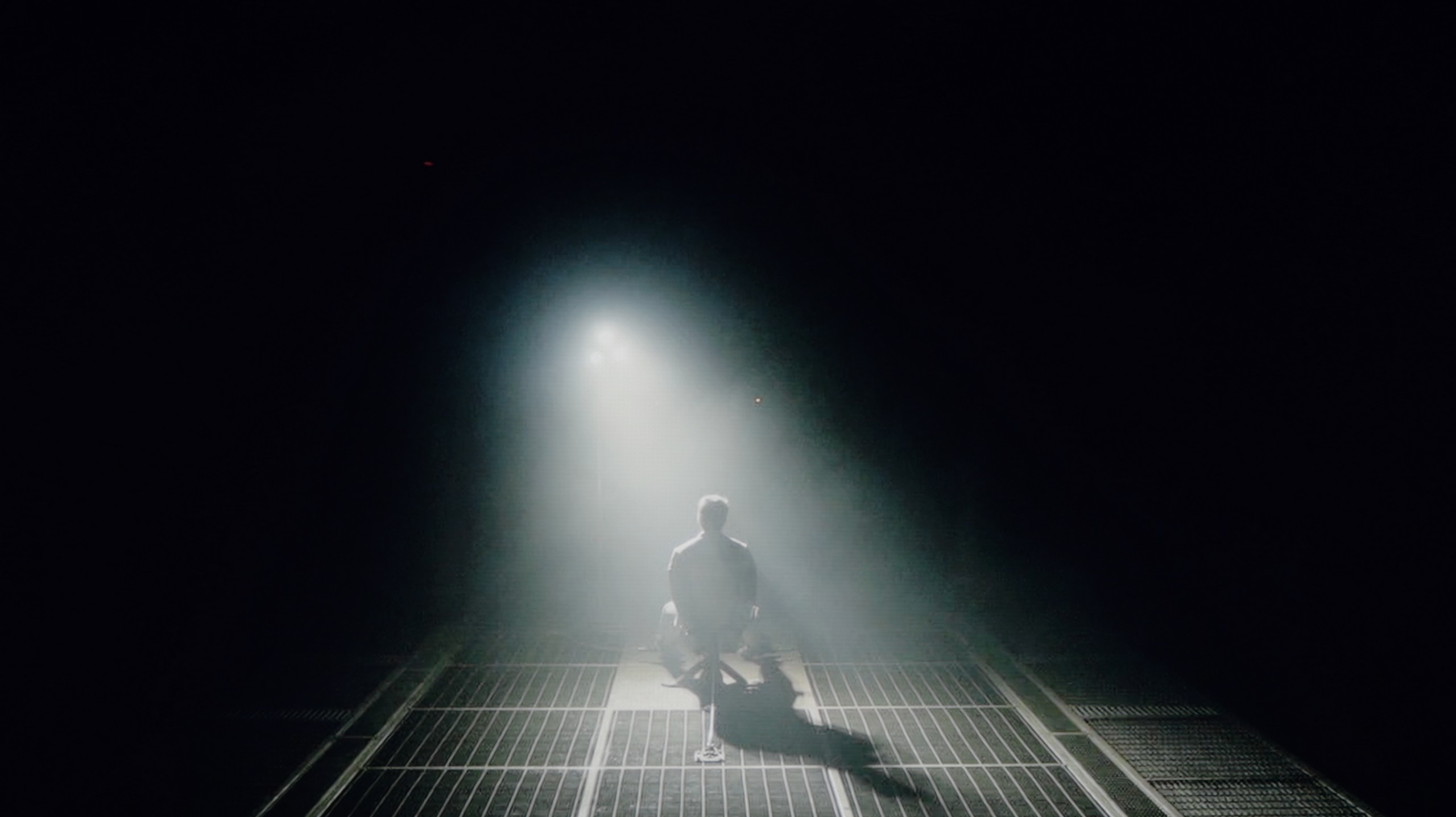
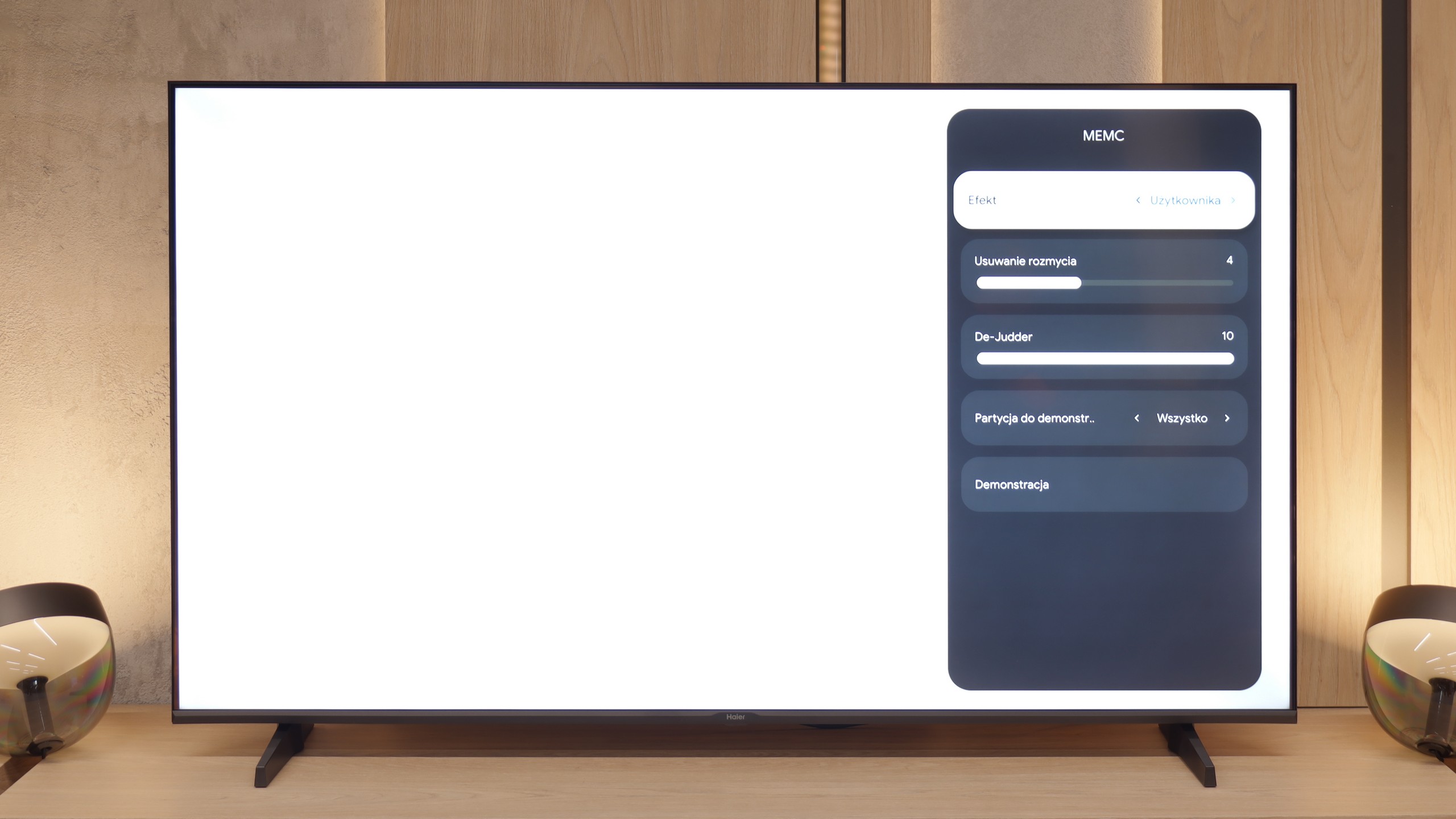
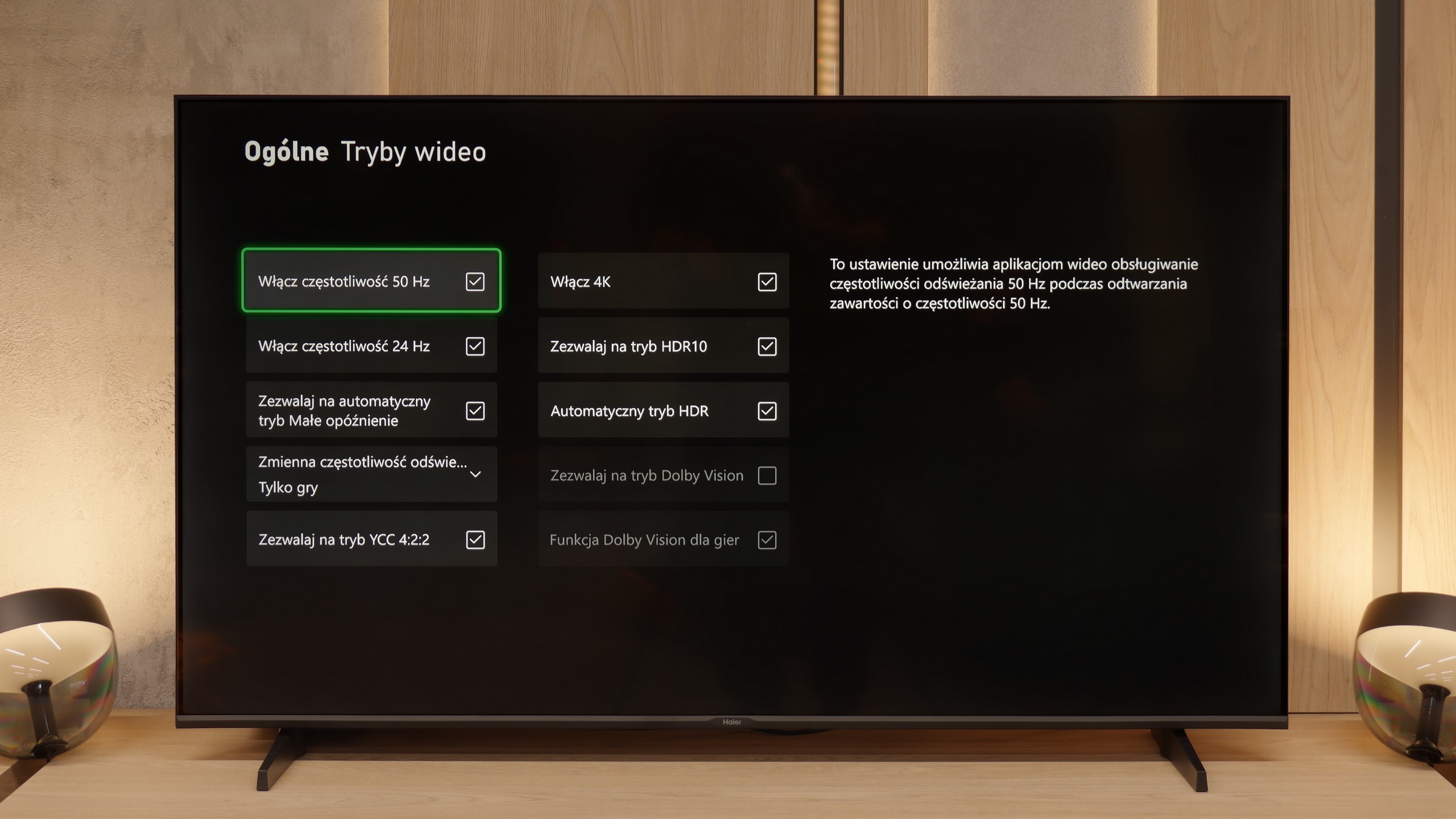
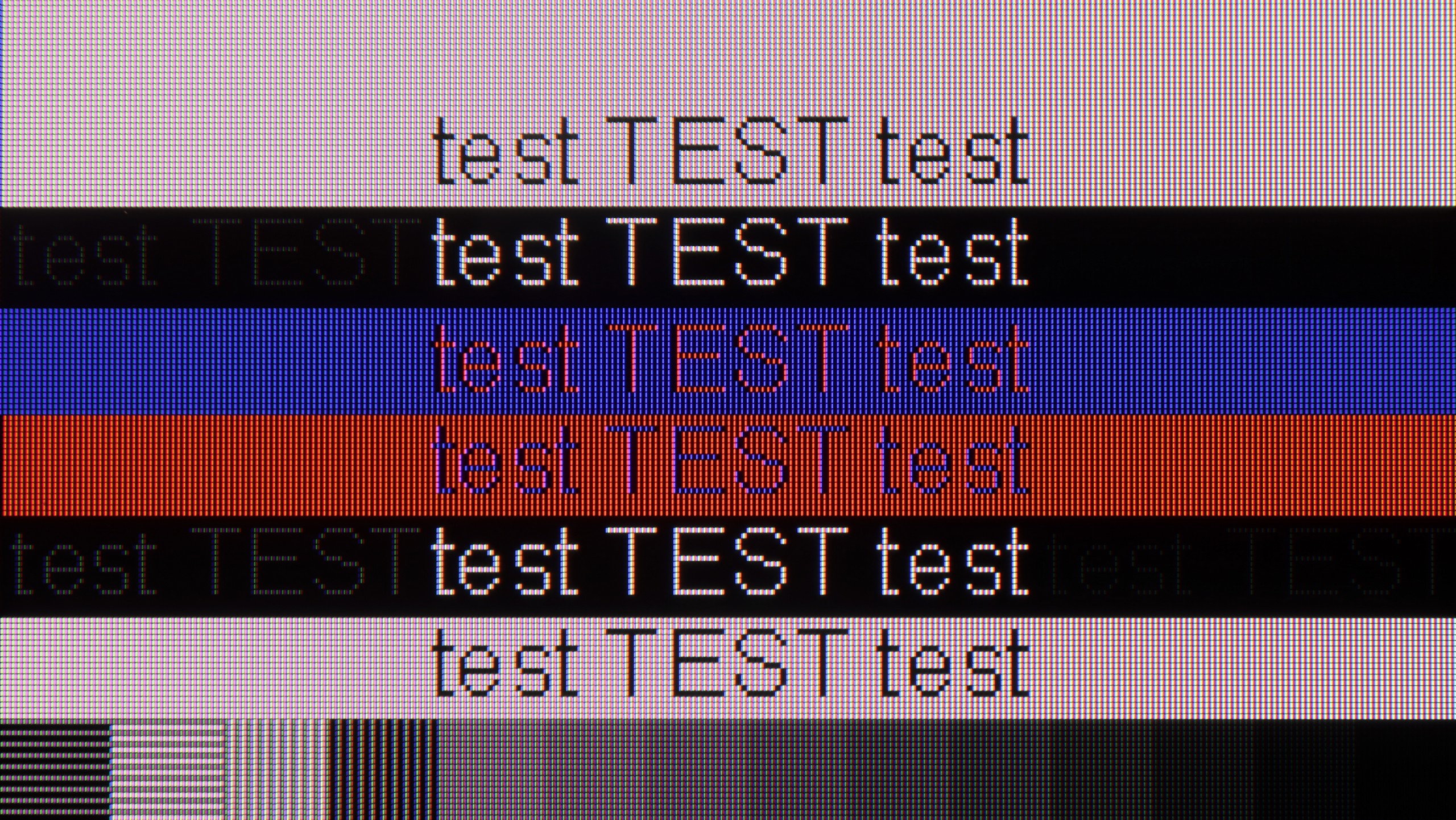
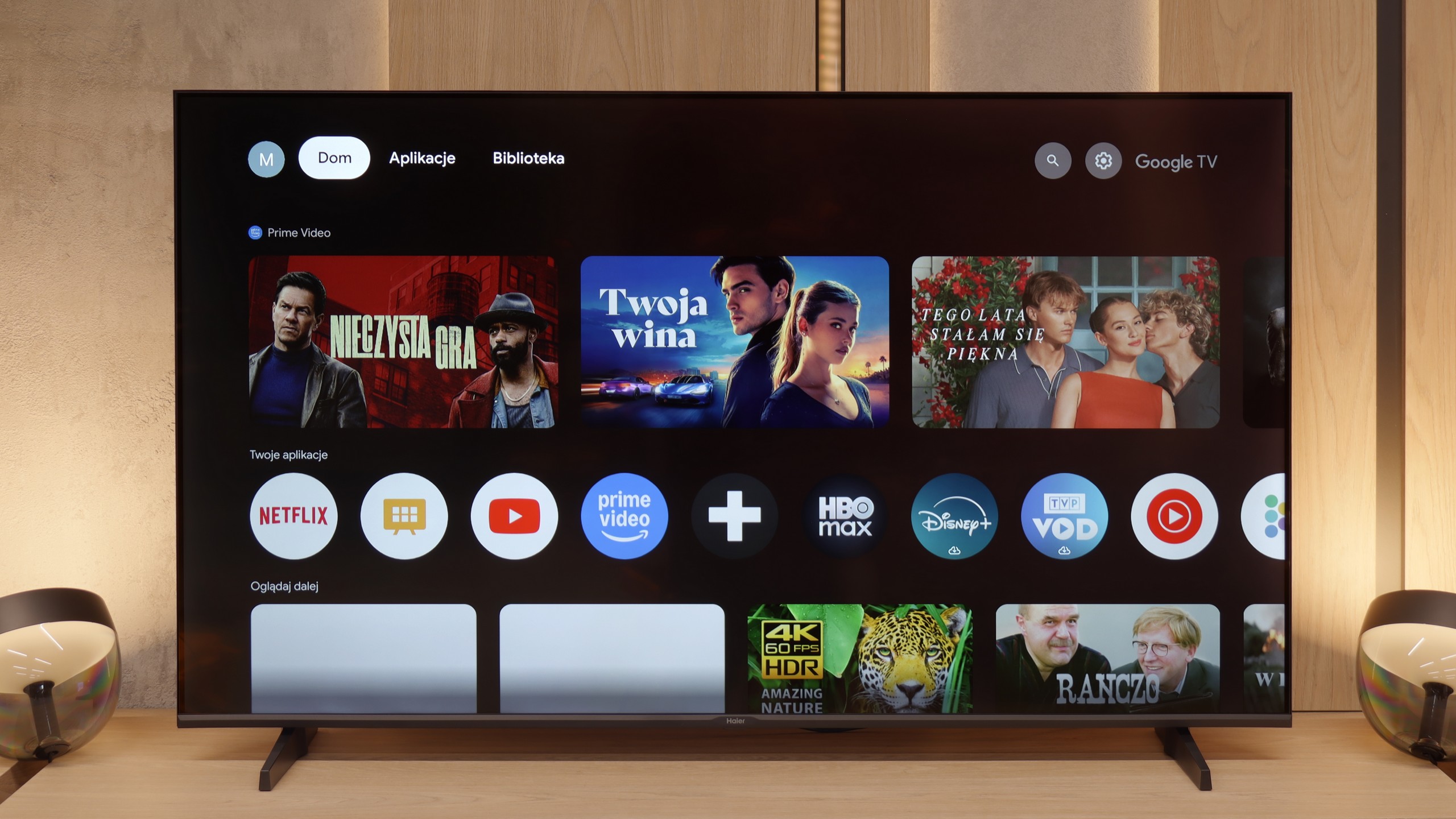
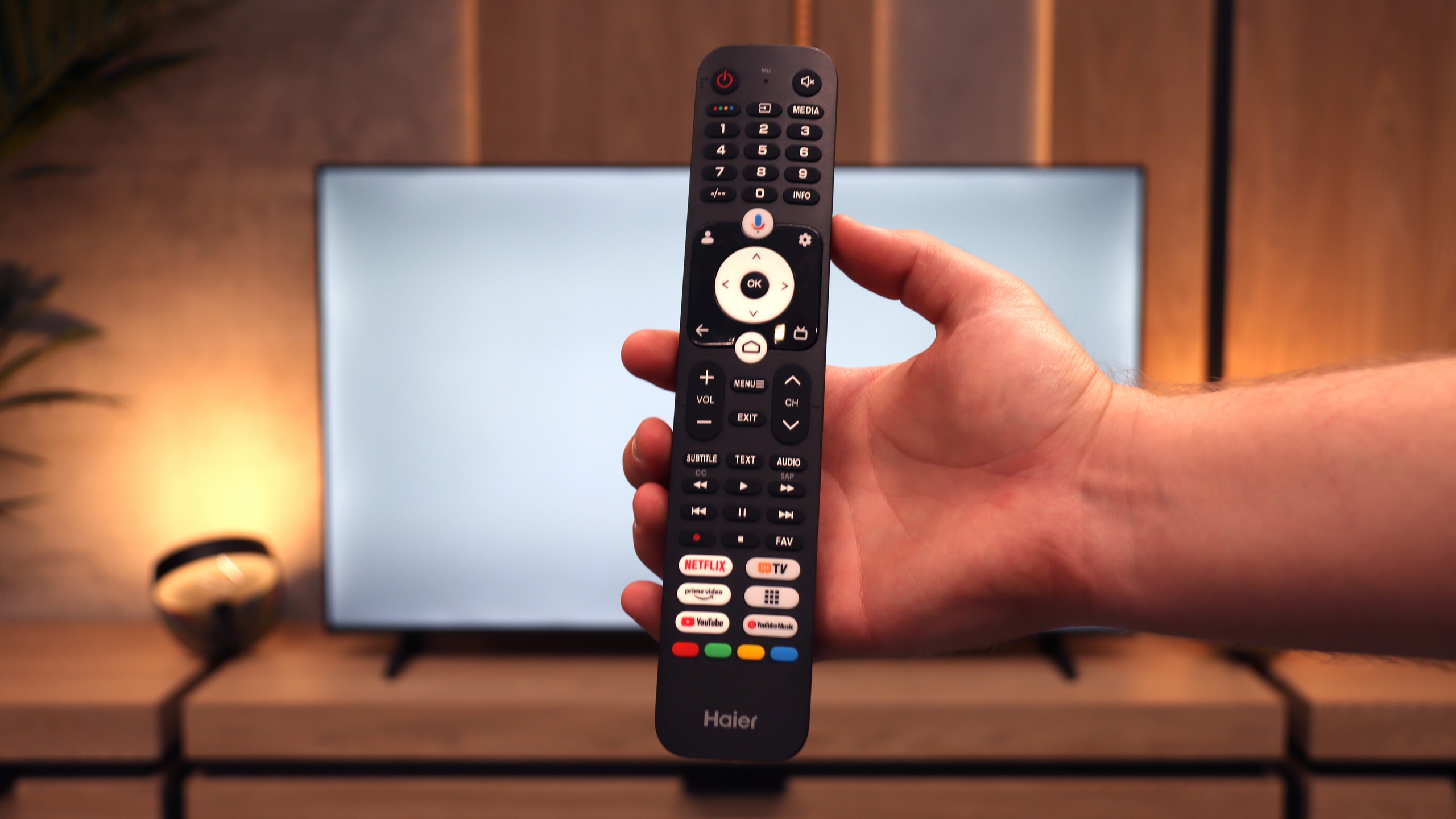
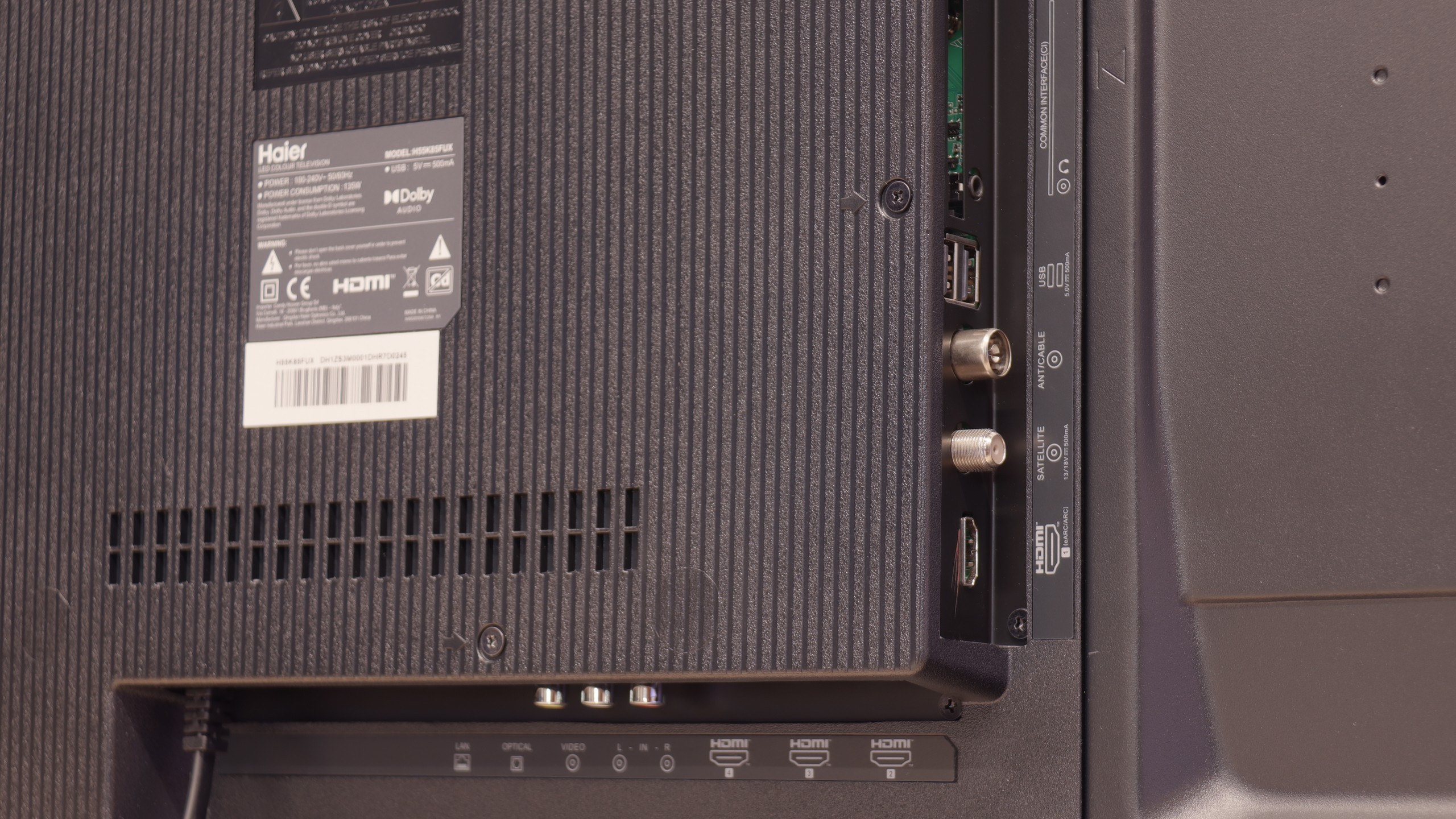
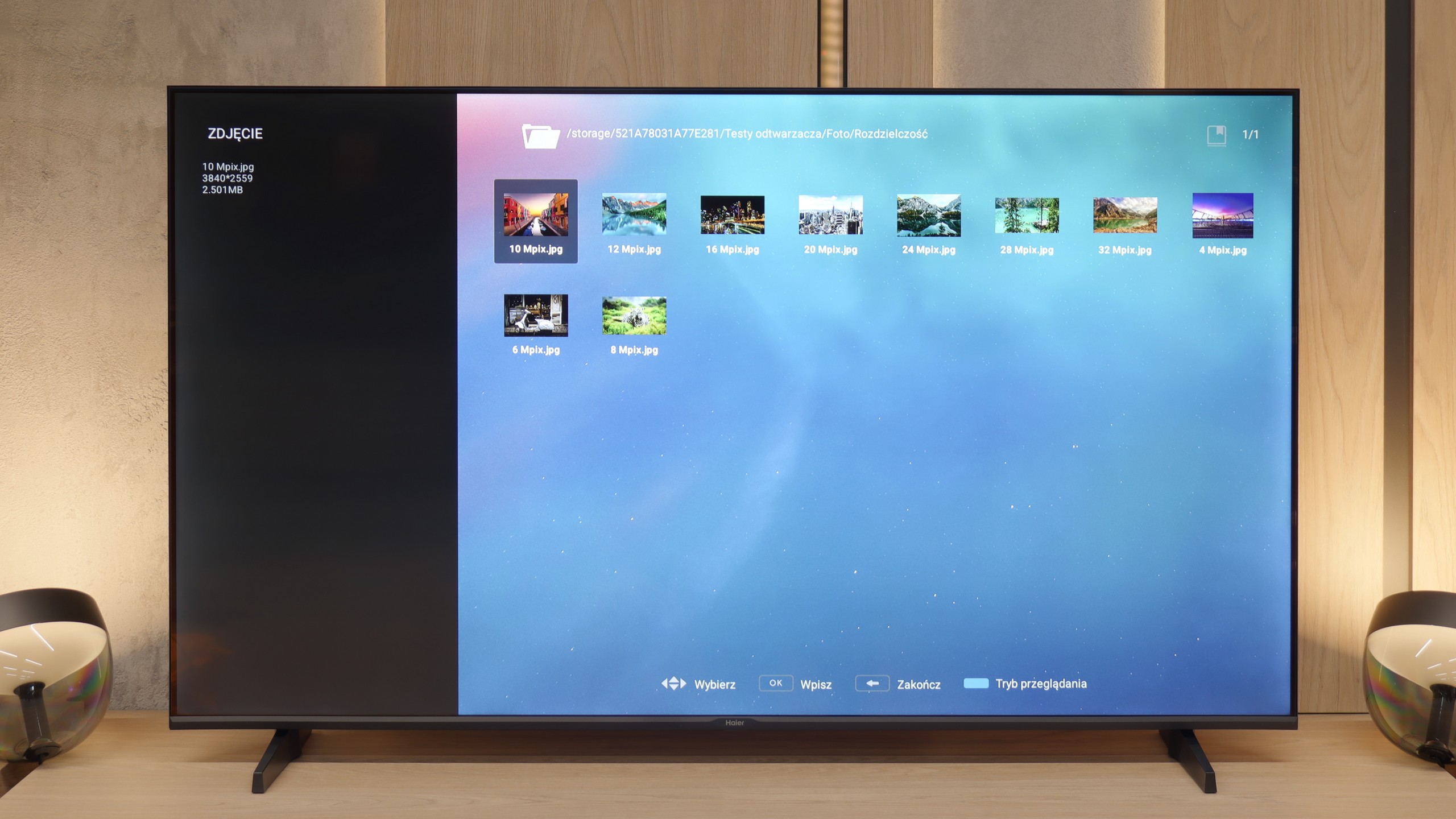
The debut of the Haier brand in the European TV market with the K85F model gives the impression of being rushed, and after thorough testing, it feels almost unfinished. Analyzing this product, we come to a fundamental conclusion: its biggest problem is not the quality of the panel used. Given its price segment, this is simply average, with the typical advantages of VA technology in the form of high contrast and equally typical disadvantages such as poor viewing angles. What actually disqualifies this model as a home entertainment center is the glaring lack of engineering and, above all, software refinement. The list of shortcomings is long and starts from the first contact with the device. Careless assembly, which could have been avoided at the quality control stage, a poorly optimized and poorly translated Google TV system, and annoying issues with such basic functions as pairing the remote—these all contribute to the picture of a product that seems to have been released to market without due diligence. The catastrophic picture quality in HDR mode, resulting not only from low brightness but also from a complete lack of intelligent adaptation to the signal, only adds to this disappointing image. However, it turns out that this model has its second, surprising face. It is enough to look at it not through the prism of a home TV, but rather as a large and cheap display for special tasks. Then its shortcomings take a backseat, and unexpected advantages come to the forefront: an exceptionally well-functioning media player with USB, outstanding font readability from a PC, and access to a huge database of applications. In such a role—as a screen in a conference room, hotel lobby, or simple advertising player—the Haier K85F performs surprisingly well. For the typical user seeking a reliable and simply well-functioning TV for the living room in 2025, however, the Haier K85F is a proposition that is extremely difficult to recommend with a clear conscience. It is a product full of contradictions that fails in its primary function intended by the manufacturer on too many fronts.
 Direct comparison