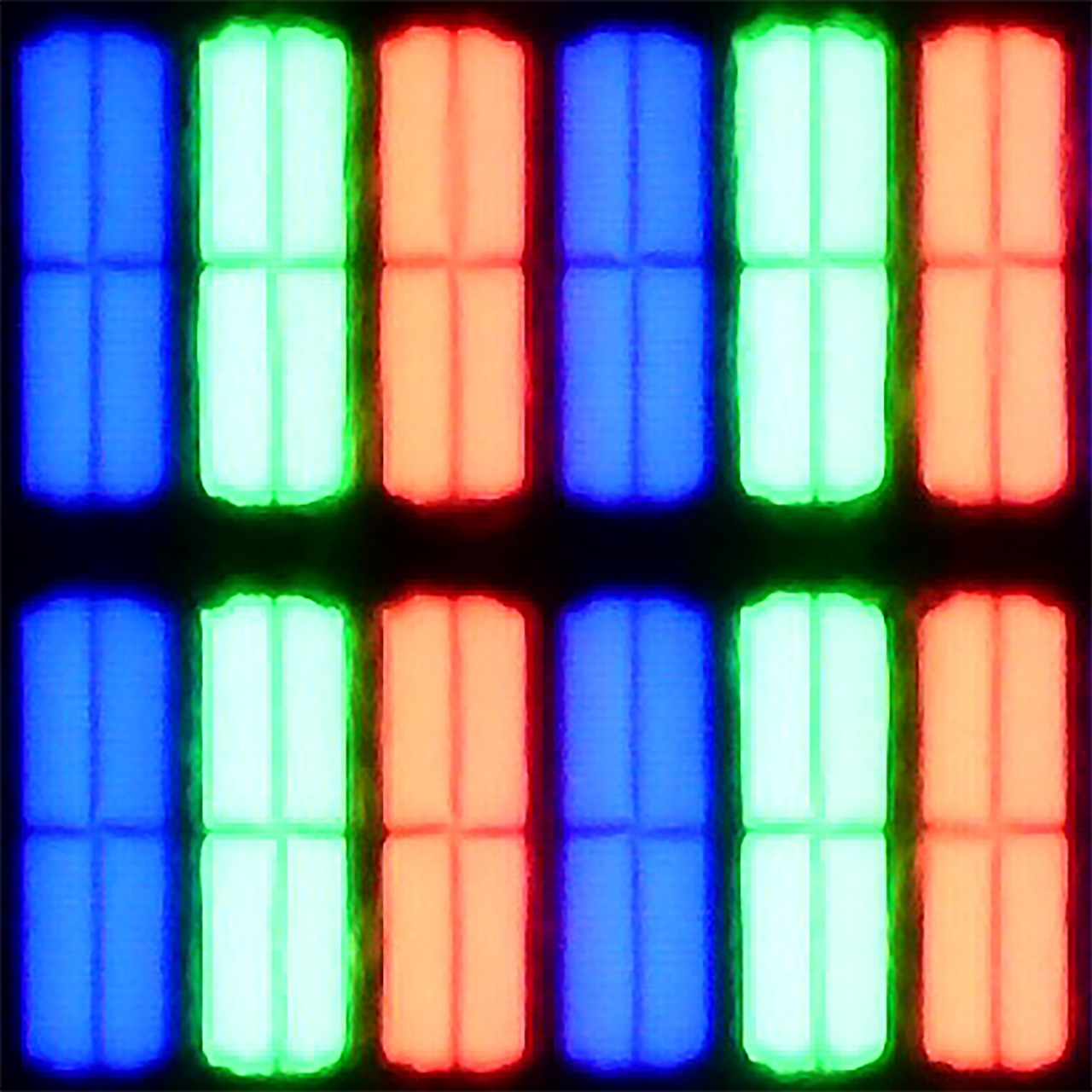
The Panasonic W70A primarily draws attention with its extensive Google TV operating system, which gives us access to a myriad of popular applications (YouTube, Netflix, Disney+, HBO Max, etc.). When it comes to the picture, the IPS matrix offers wide viewing angles, so colors do not lose intensity even when you watch a movie slightly off to the side. Gamers won't be disappointed either; we have VRR and ALLM here, as well as low input lag (around 12 ms) – all of this translates to a pleasant experience for occasional gaming, despite the standard 60 Hz refresh rate.
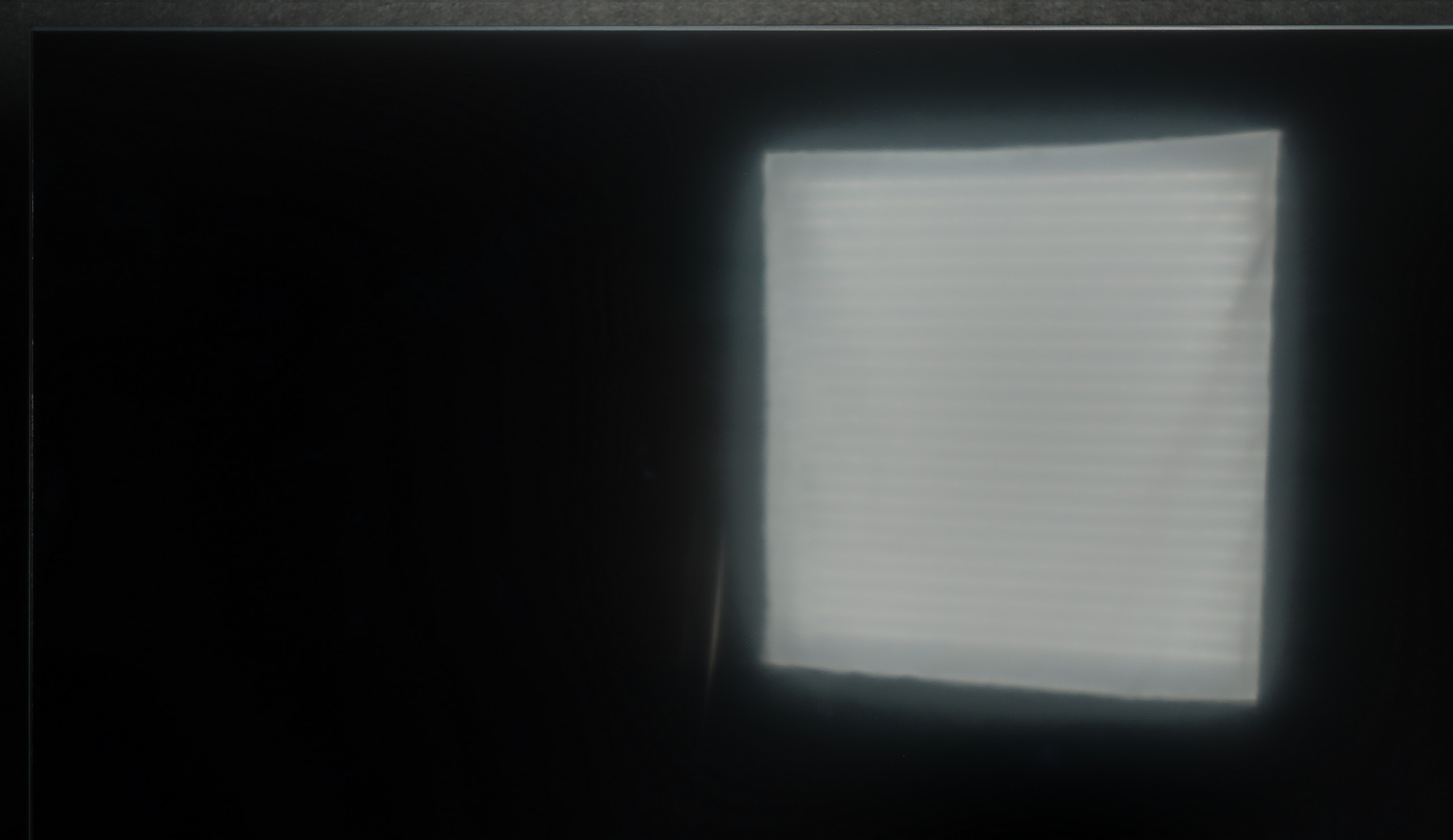
However, it is worth remembering that this is rather a basic model and has its limitations. The contrast and black levels are simply poor, which is a typical phenomenon for IPS matrices, especially in dark rooms. Brightness at around 270 cd/m² is also insufficient in heavily sunlit rooms, so the picture may seem washed out then. Additionally, certain shortcomings in the software cannot be overlooked. Google TV is a great foundation, but some settings are scattered in surprising places, and the quality of translations leaves much to be desired.
One must consider that the competition is offering more and more in a similar (or only slightly higher) price range. Can the Panasonic W70A hold its ground in such an environment? On one hand, it tempts with a rich application base and decent support for gamers, but on the other hand, the market is flooded with more polished TVs equipped with better parameters. However, if wide viewing angles and straightforward access to Google TV services are priorities, we can give it a chance. Otherwise, it is worth exploring competitive models that often offer better black levels, higher brightness, and fewer annoying menu issues for a similar price.
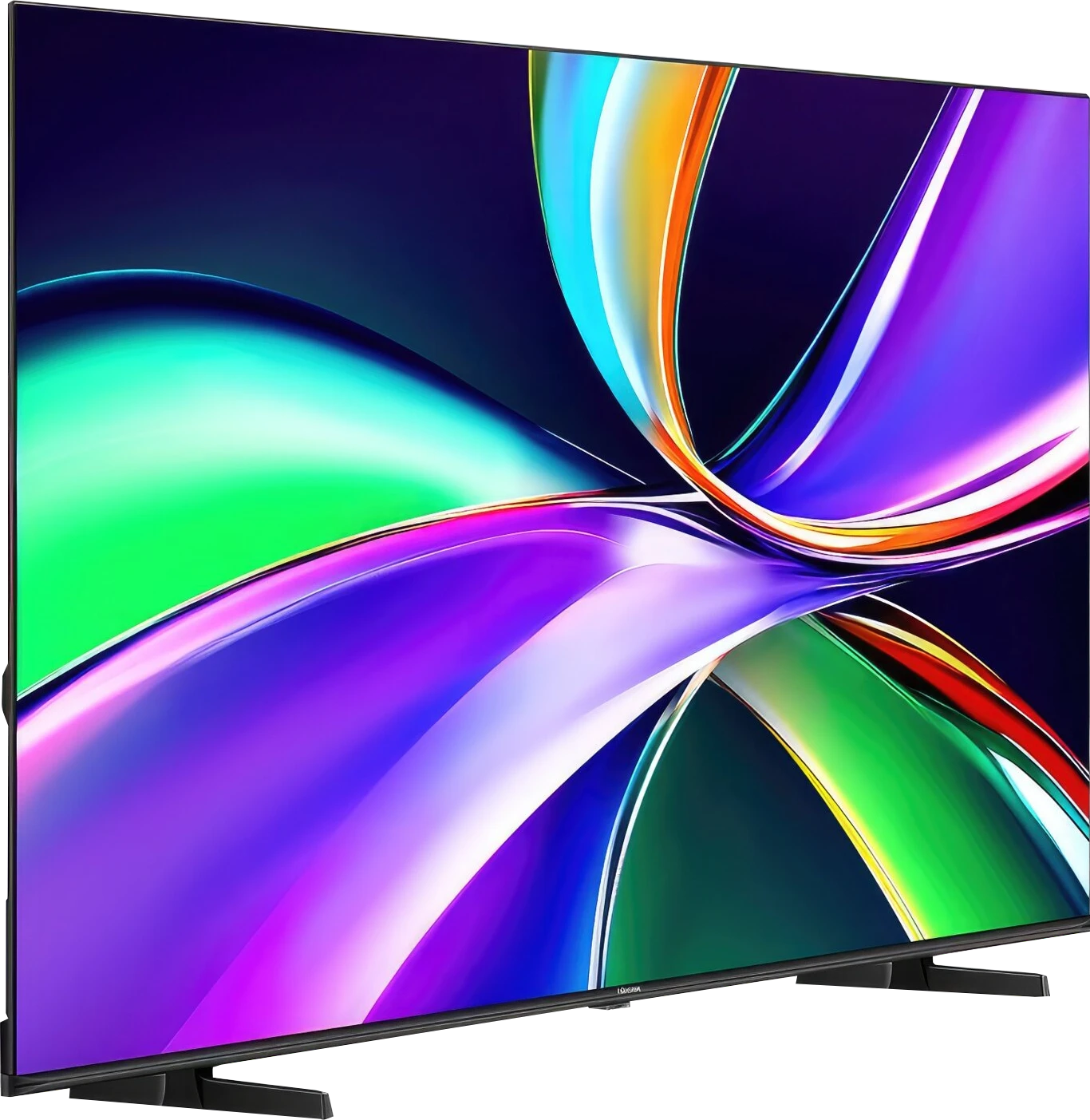
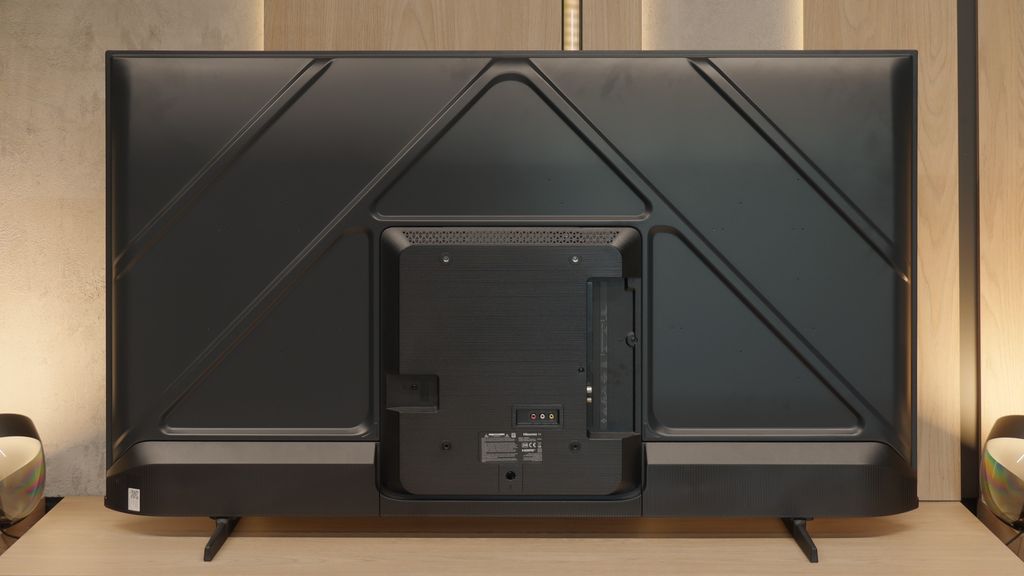
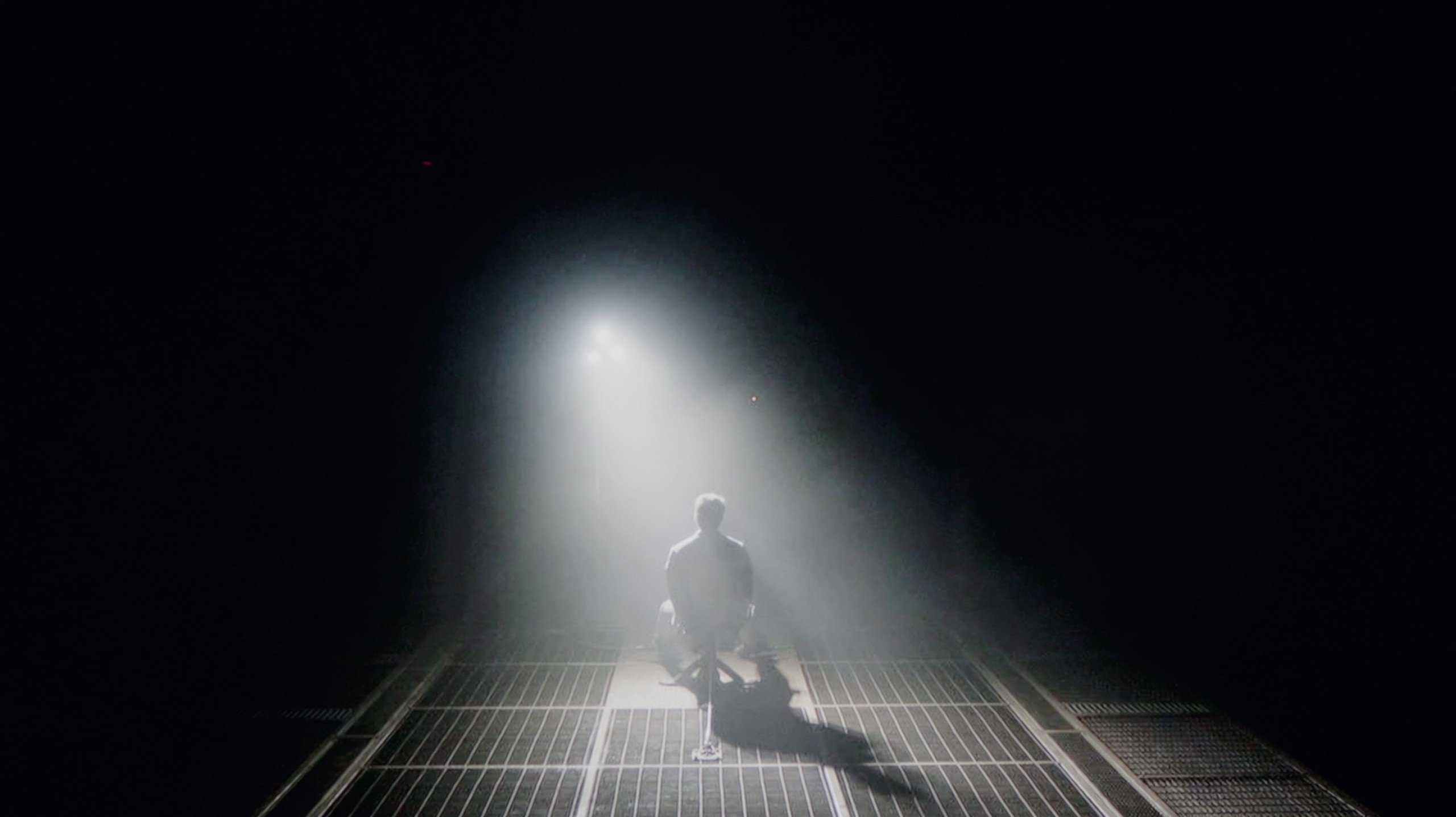
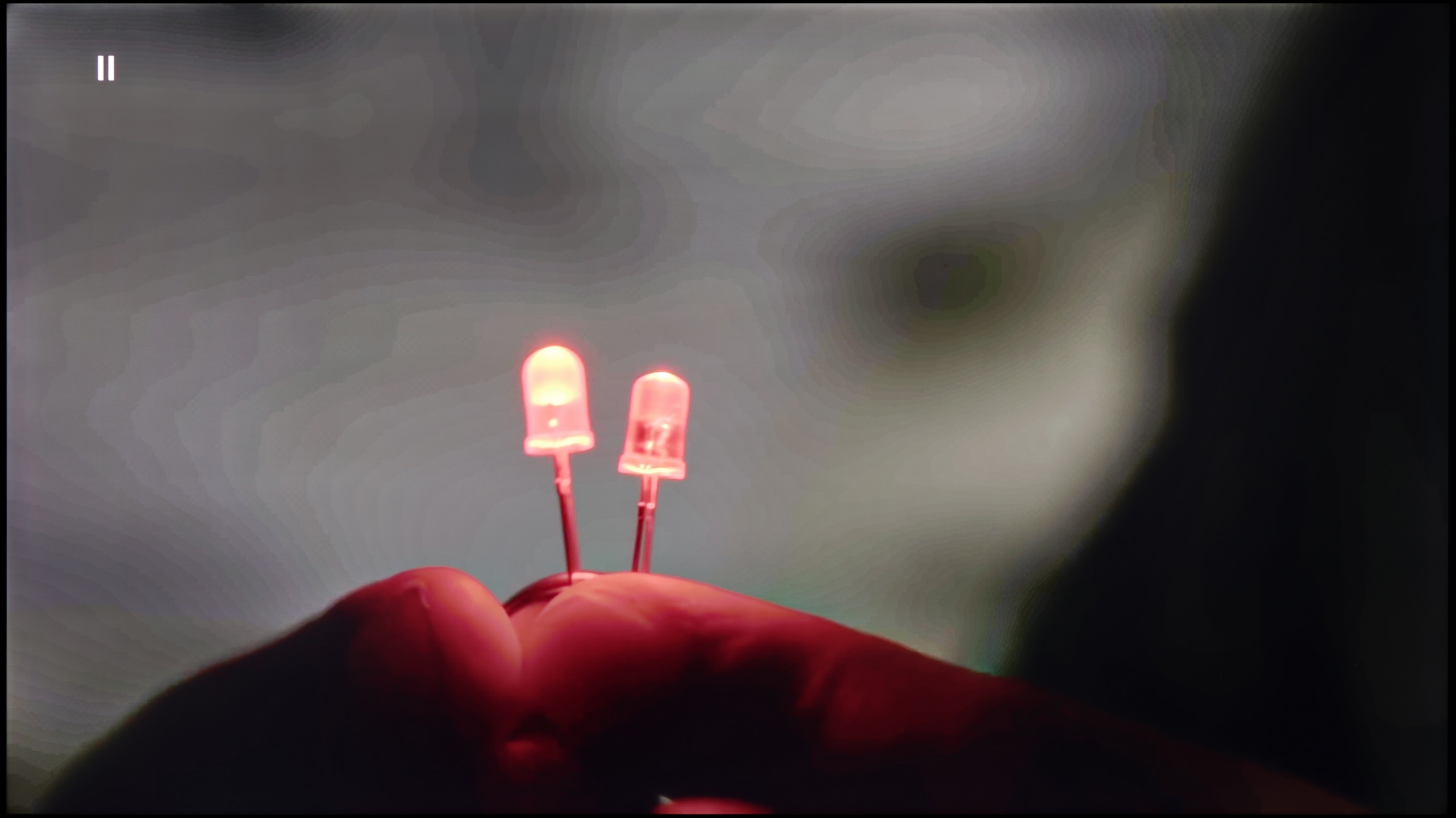
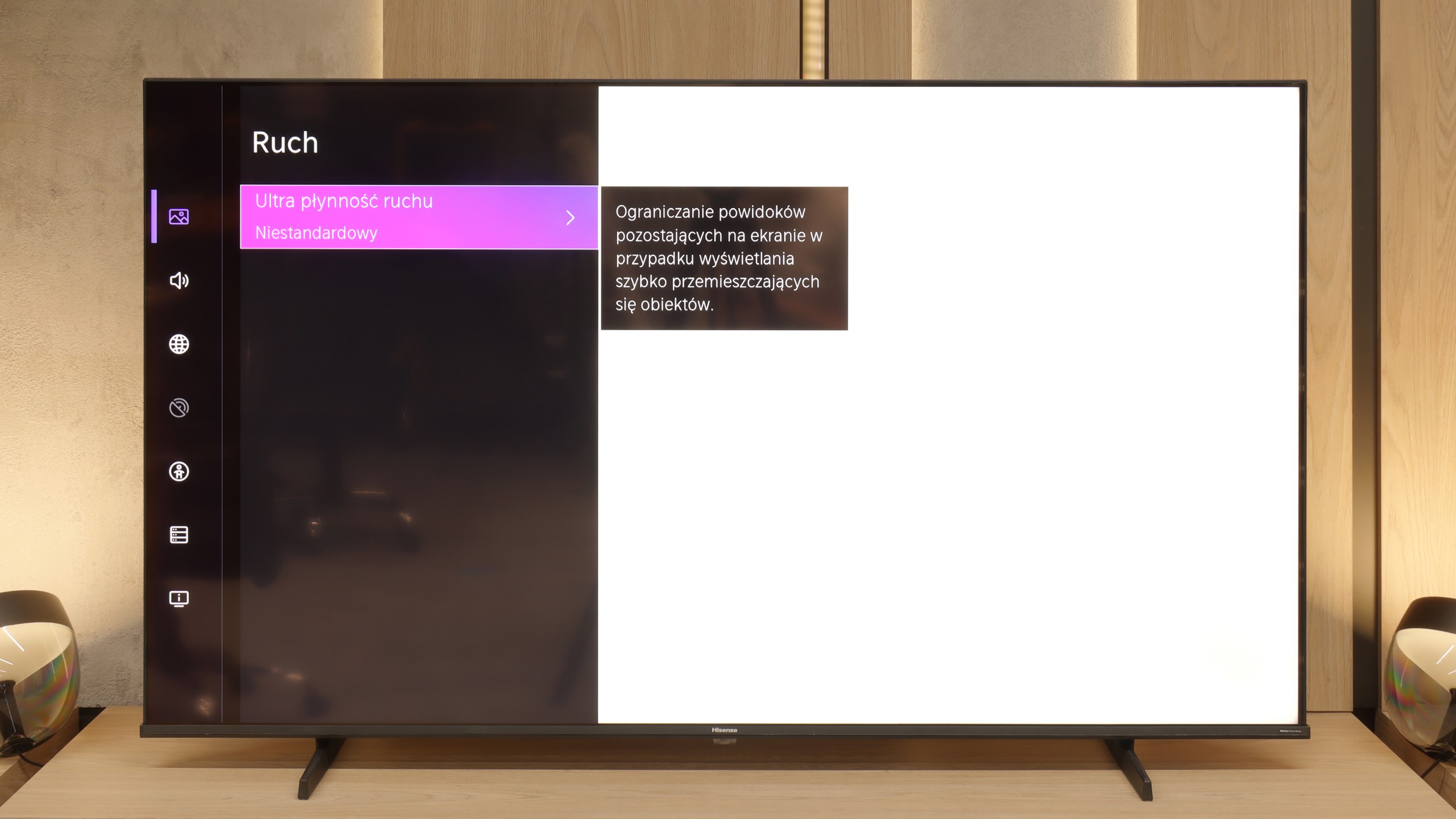
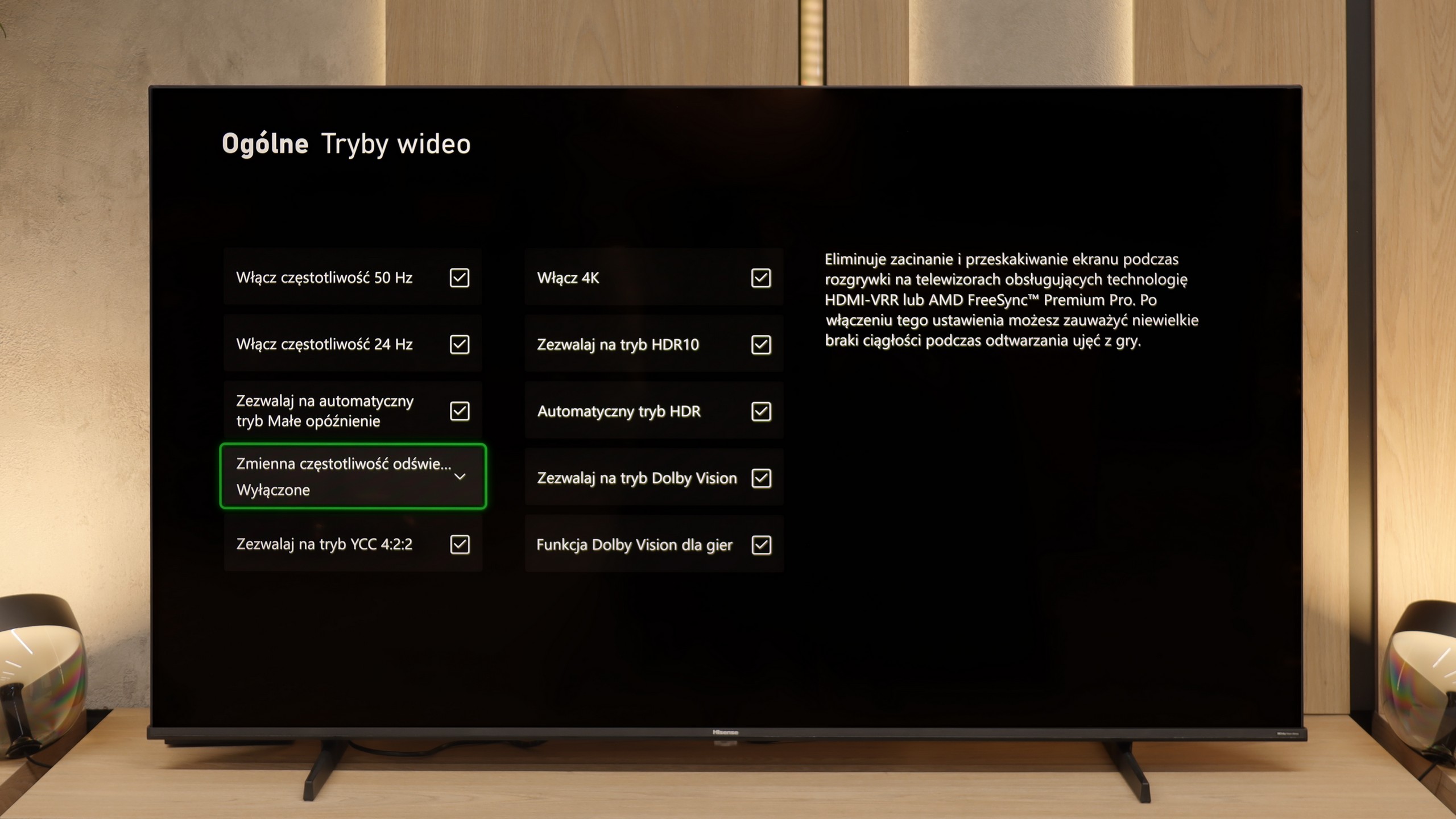
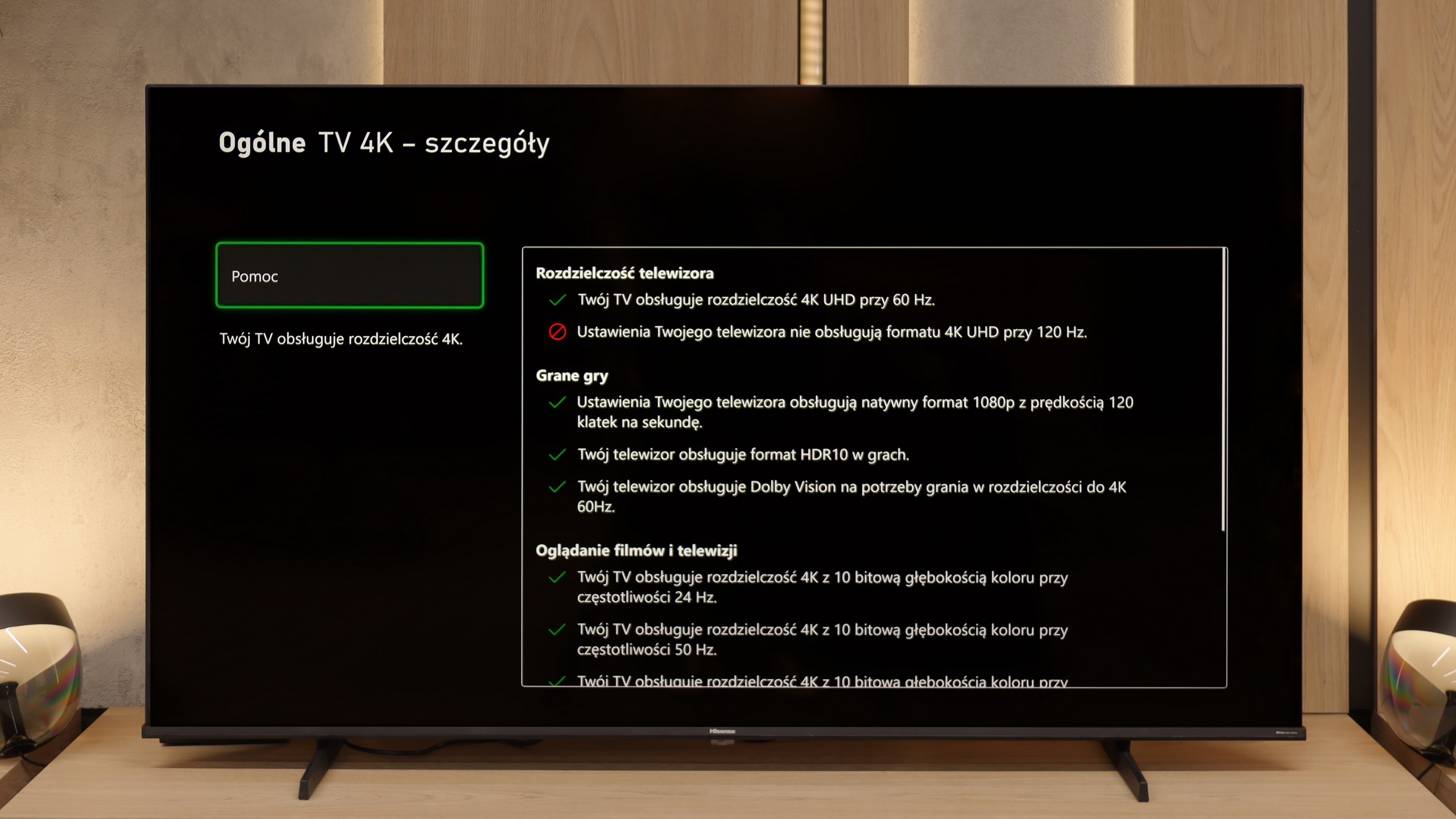
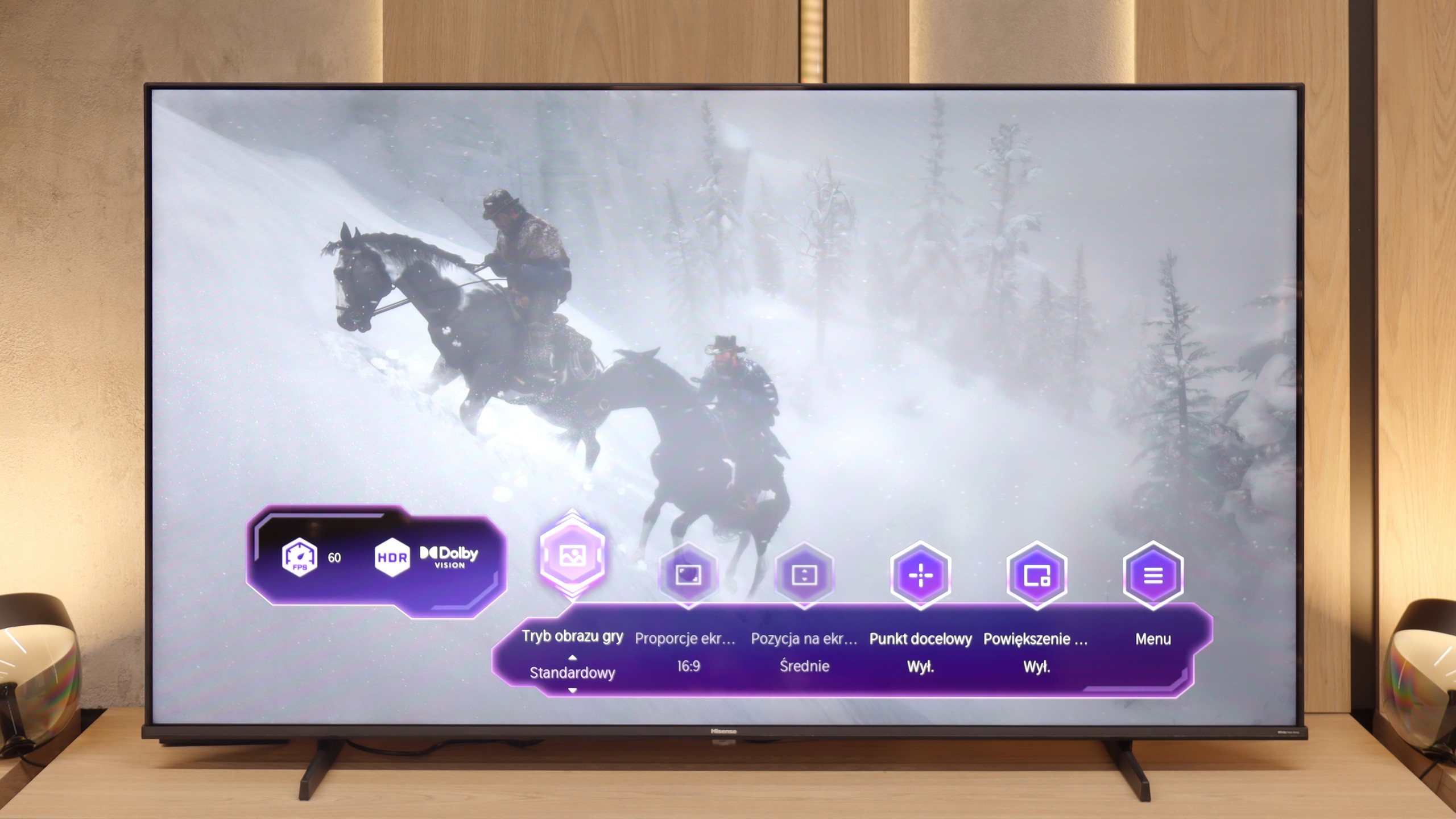
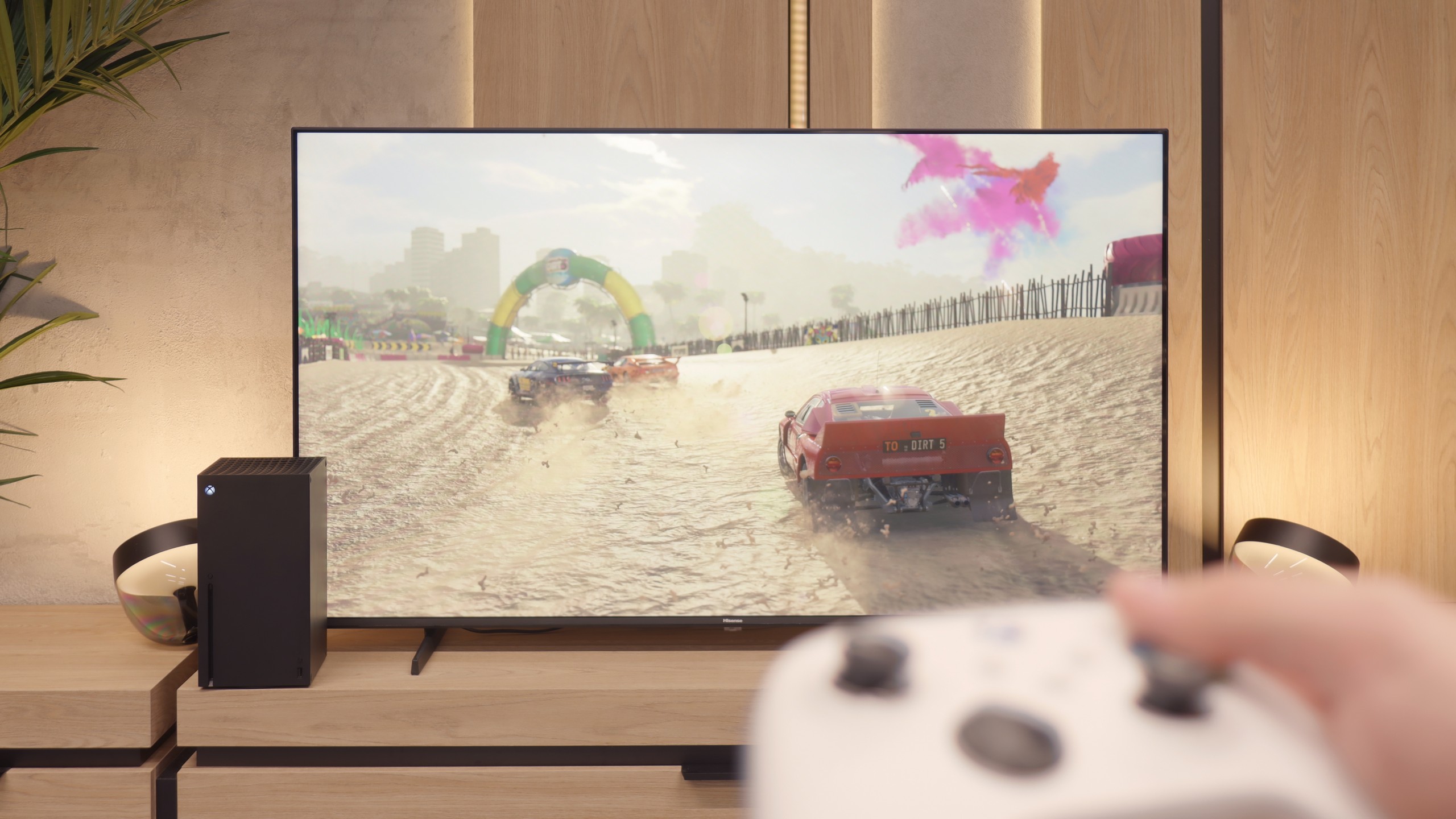
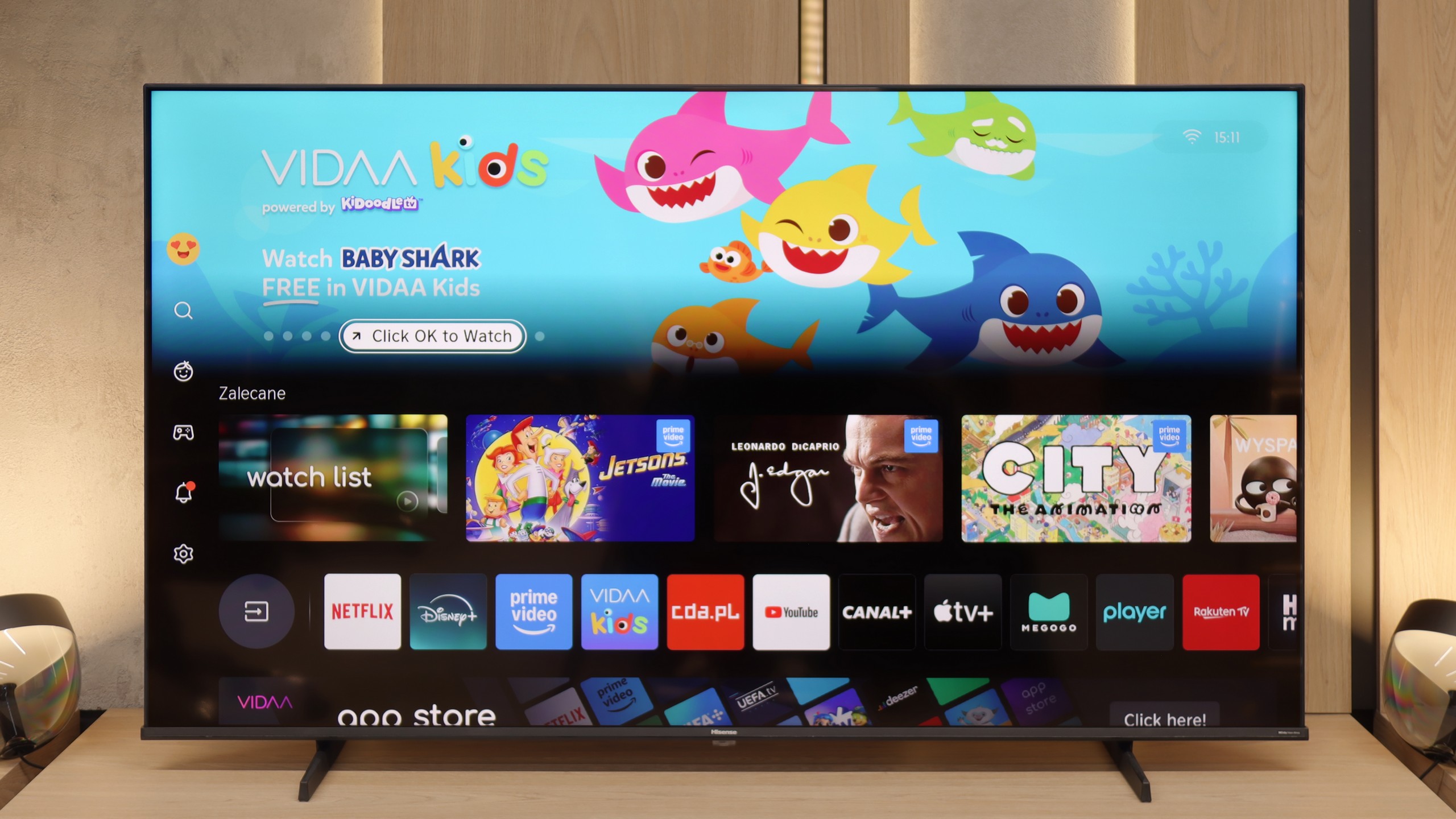
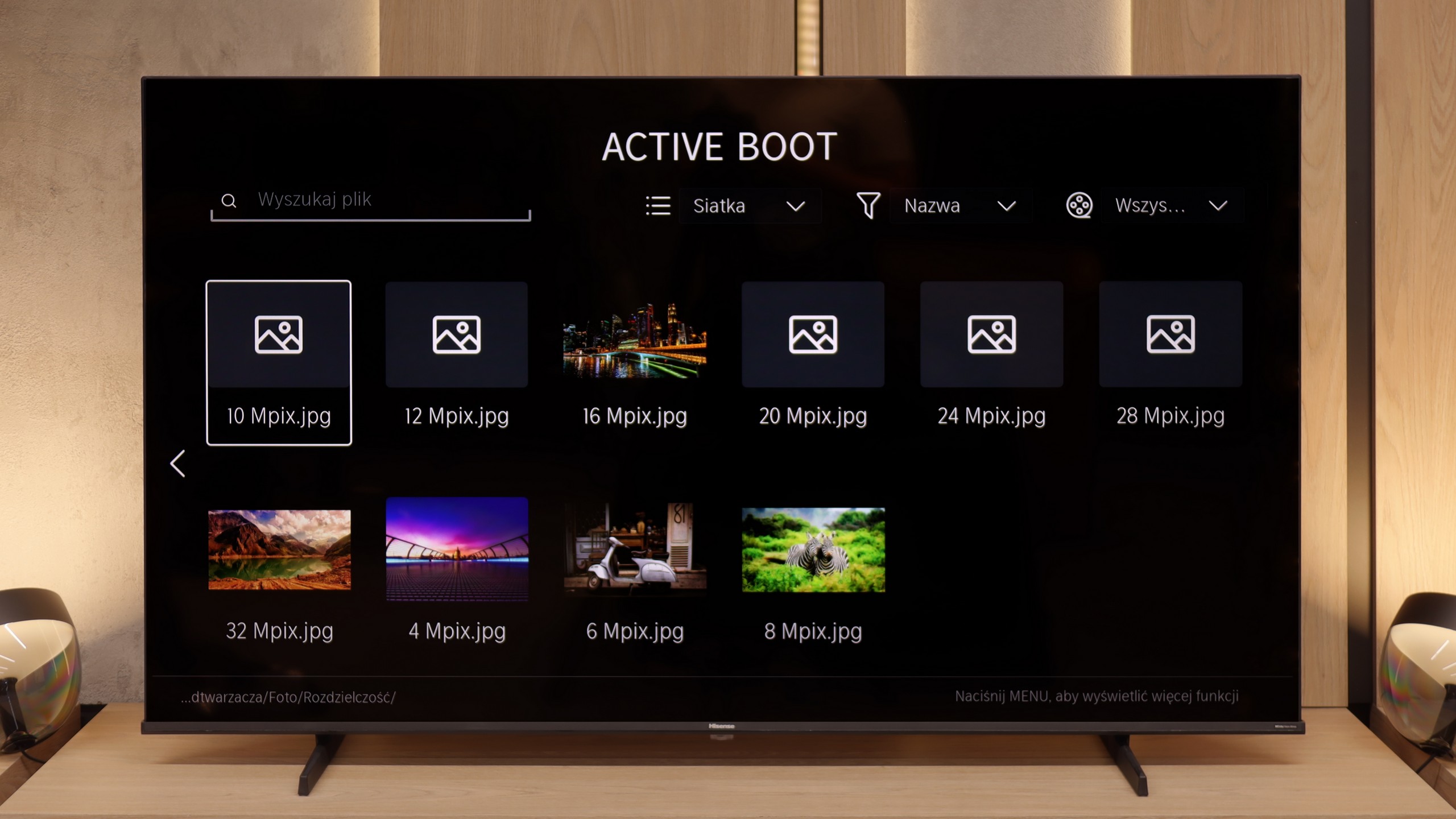
The Hisense E7Q / E79Q is a type of television that doesn't promise miracles – and maybe that's why it can pleasantly surprise. It doesn't try to pretend to be high-end equipment; it simply does its job. If you're looking for a cheap screen for everything that can handle Netflix, a console, and morning YouTube while having coffee, this model makes a lot of sense. The VIDAA system has matured over the past few years, and you can see that the manufacturer is learning from experience. It has AirPlay, screen mirroring, and voice search in Polish – everything works, maybe not at lightning speed, but smoothly enough not to be irritating. You won't find thousands of apps like in Google TV, but the most important ones are readily available. It's a system meant to be simple and practical, not overloaded with unnecessary gimmicks – and in this sense, it really holds up. There’s also something interesting for gamers. The E7Q / E79Q offers low input lag, an automatic low latency mode (ALLM), support for VRR up to 60 Hz, and even a 120 Hz mode in 1080p resolution. It's not a screen for hardcore e-sports enthusiasts, but if you simply enjoy turning on your console in the evening to play a few rounds, this television will get the job done without complaints. And what about picture quality? We won’t deceive you – it’s not exceptional, but there are also no reasons to complain. A brightness of around 350 nits won’t impress anyone, but the contrast thanks to the VA panel can really surprise positively. The black levels are quite deep, and the colors have a pleasant intensity, especially in SDR mode. It's a bit of a shame that Dolby Vision doesn't add much – because if it worked as it should, we would have a television that could confidently be recommended for HDR viewing as well. On the other hand, it's hard to expect that in this price range. It's simply a fair, well-priced screen that doesn’t try to be a star but can deliver solid picture quality and surprisingly good features. And while it’s not perfect, after a few days of use, it's hard not to think: "wow, this cheap Hisense really does the job."
 Direct comparison