The LG UR781 is currently the most affordable model from the Korean manufacturer, offering excellent value for its price. Its standout feature is the WebOS system, which provides an intuitive interface and access to a wide range of streaming platforms, making it a significant advantage for everyday users. The TV delivers satisfactory picture quality for its price range, catering well to the needs of basic users.
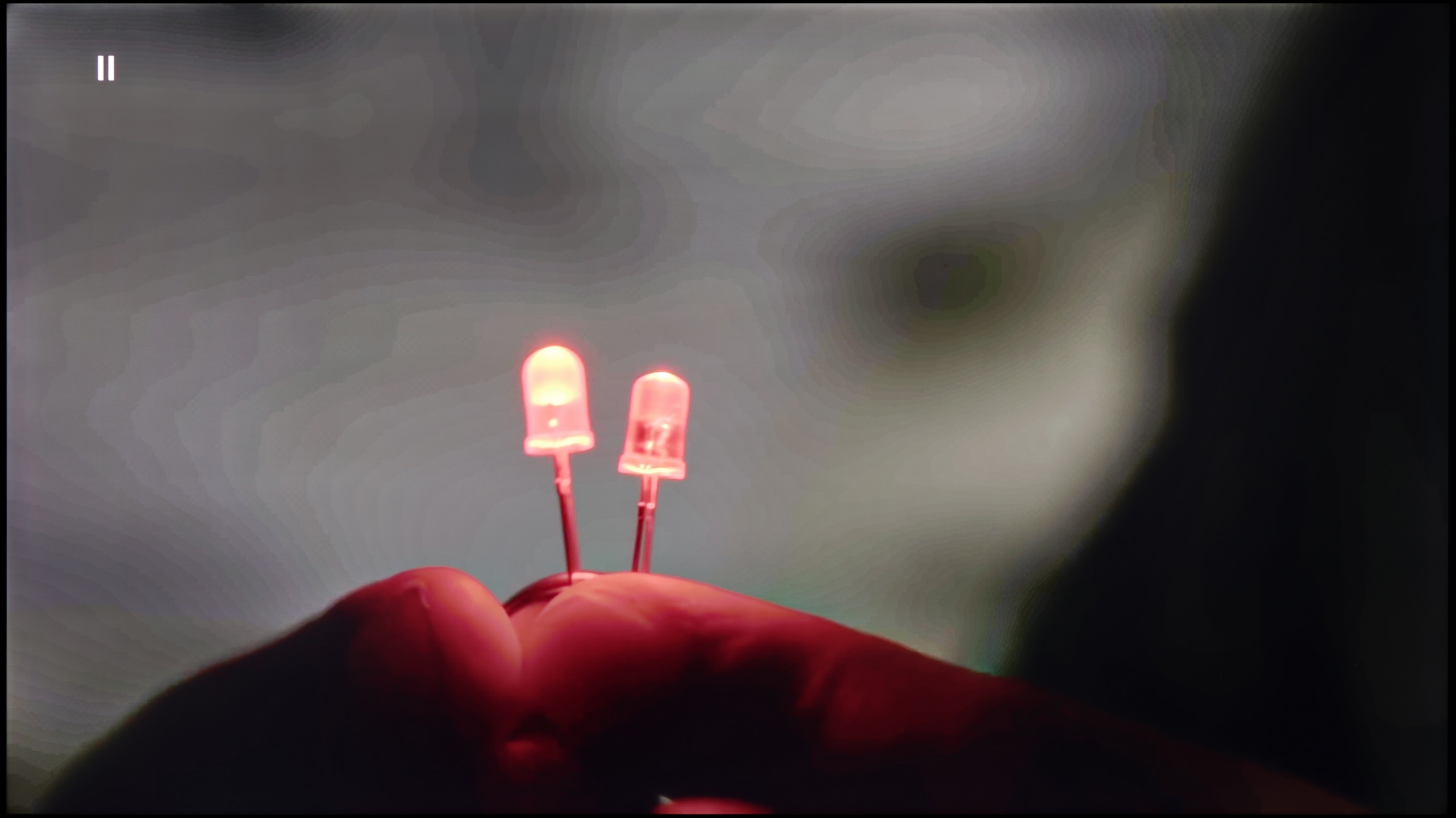
While its HDR capabilities are somewhat restricted due to the absence of Dolby Vision and HDR10+, it does support fundamental formats like HDR10 and HLG. The TV performs admirably with low-quality materials, aided by its smooth tone transition feature that ensures clear and seamless transitions, particularly useful for viewing content from lower-quality sources such as terrestrial television.
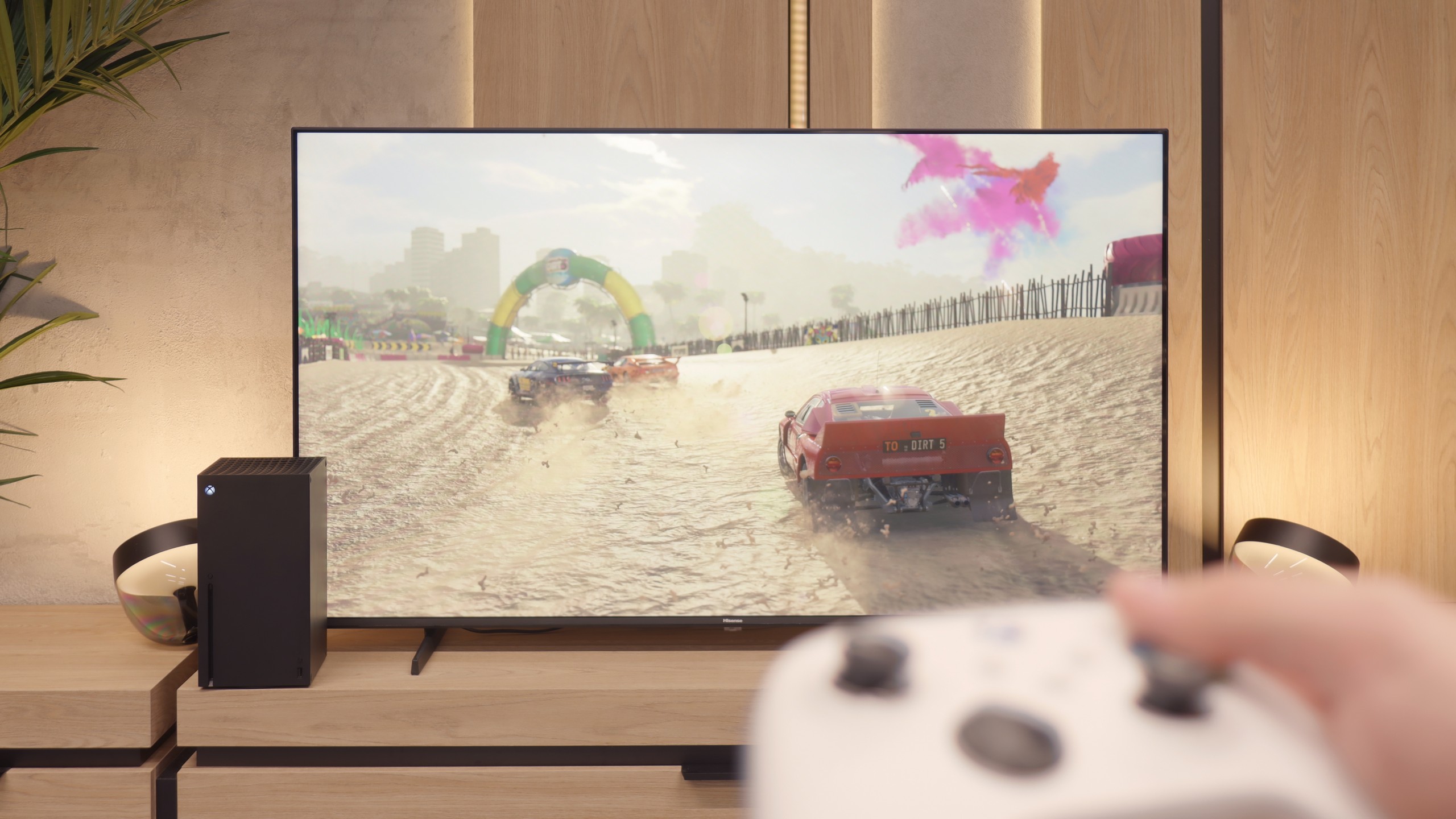
For gaming enthusiasts, the LG UR781 offers very low input lag, an essential criterion for enjoyable gaming. Though it lacks a 120Hz panel, which is a compromise for its budget-friendly pricing, it remains an appealing choice for gamers seeking affordability. Its brightness is slightly lower than competing models, and the colour gamut coverage is limited. However, thanks to dynamic tone mapping, HDR content still appears impressive.
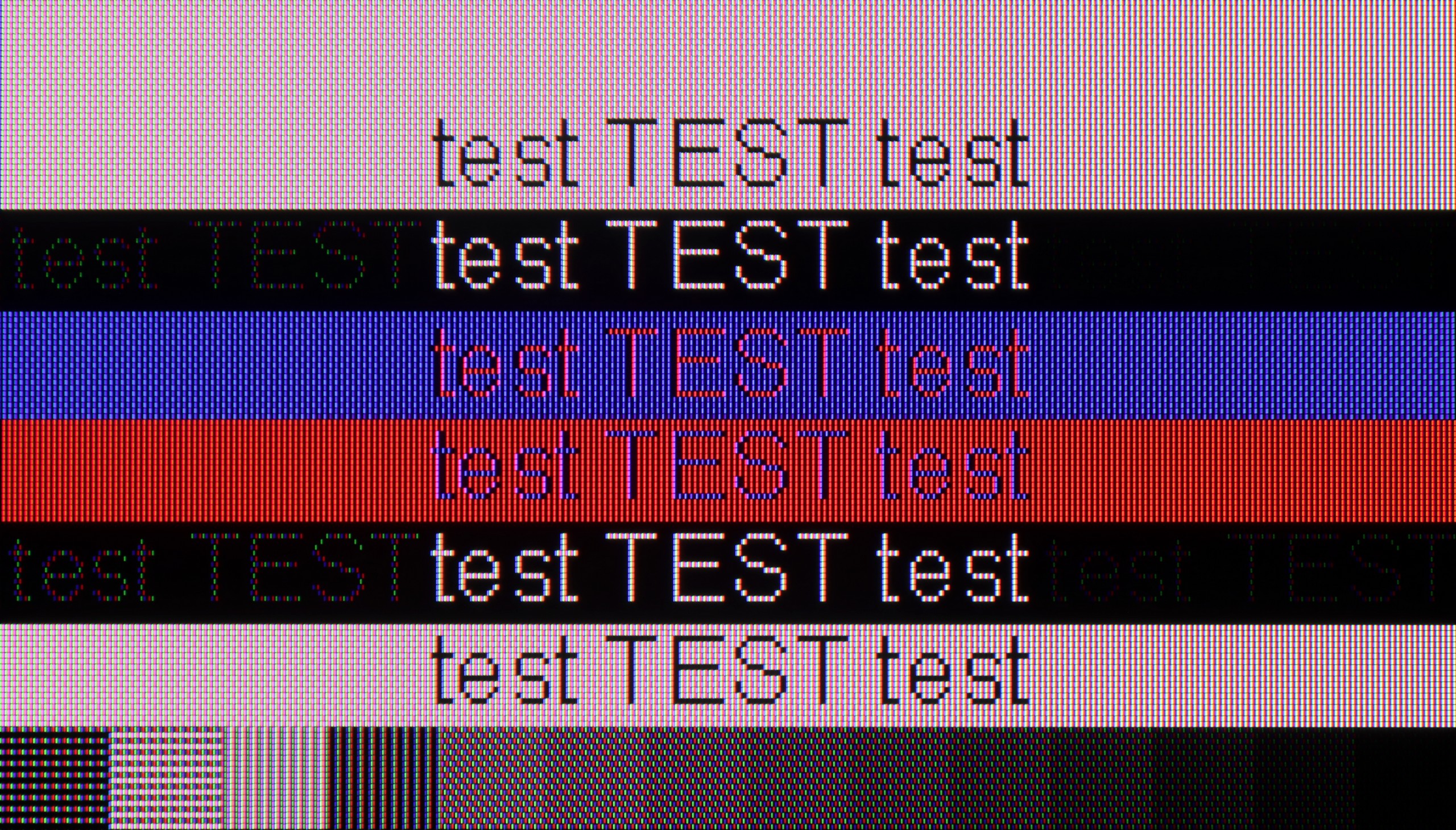
After proper calibration, the TV achieves improved colour accuracy and sharpness, significantly enhancing the viewing experience. For those seeking a budget-friendly option and willing to accept some trade-offs, the LG UR781 is a solid choice.
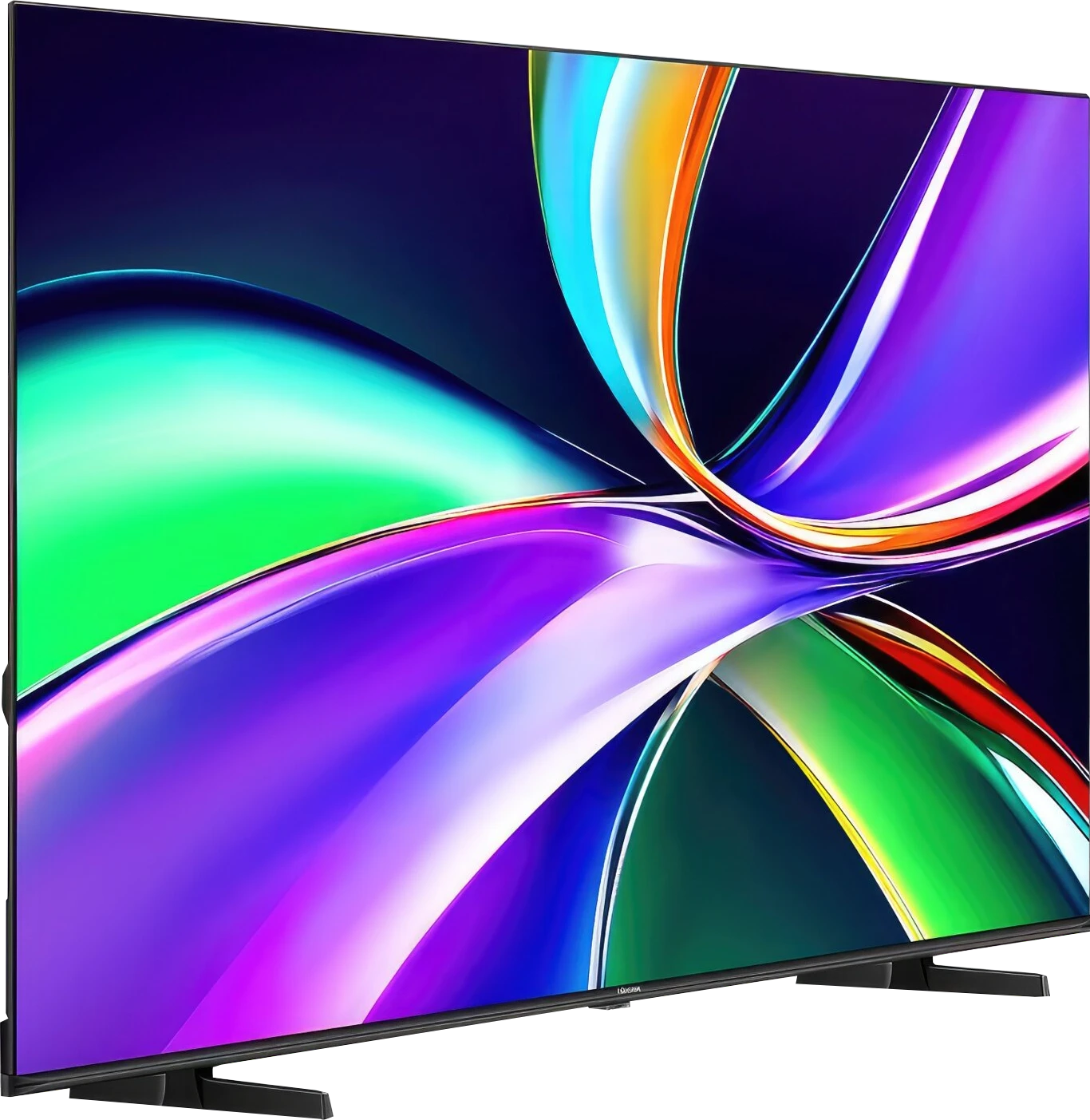
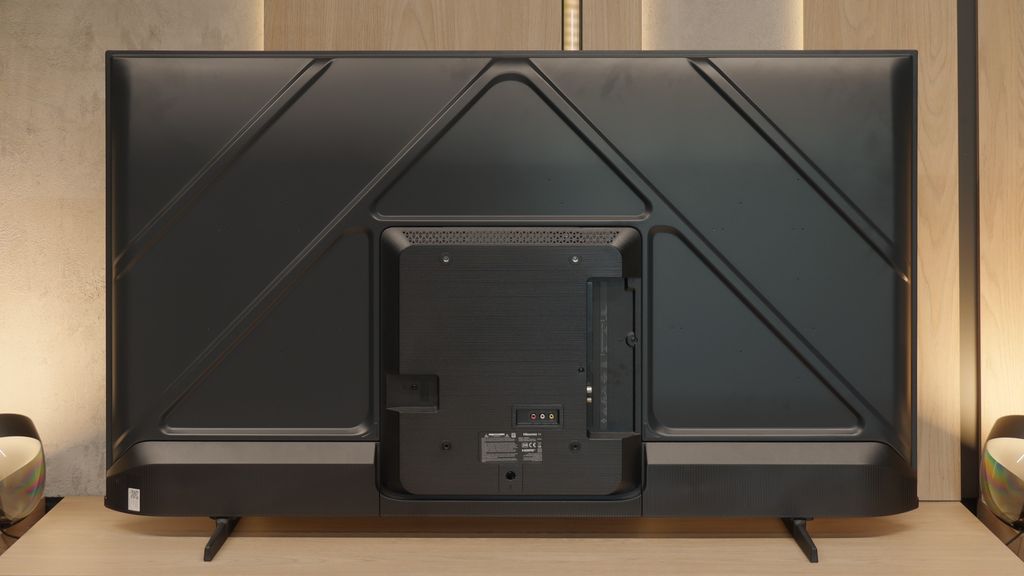
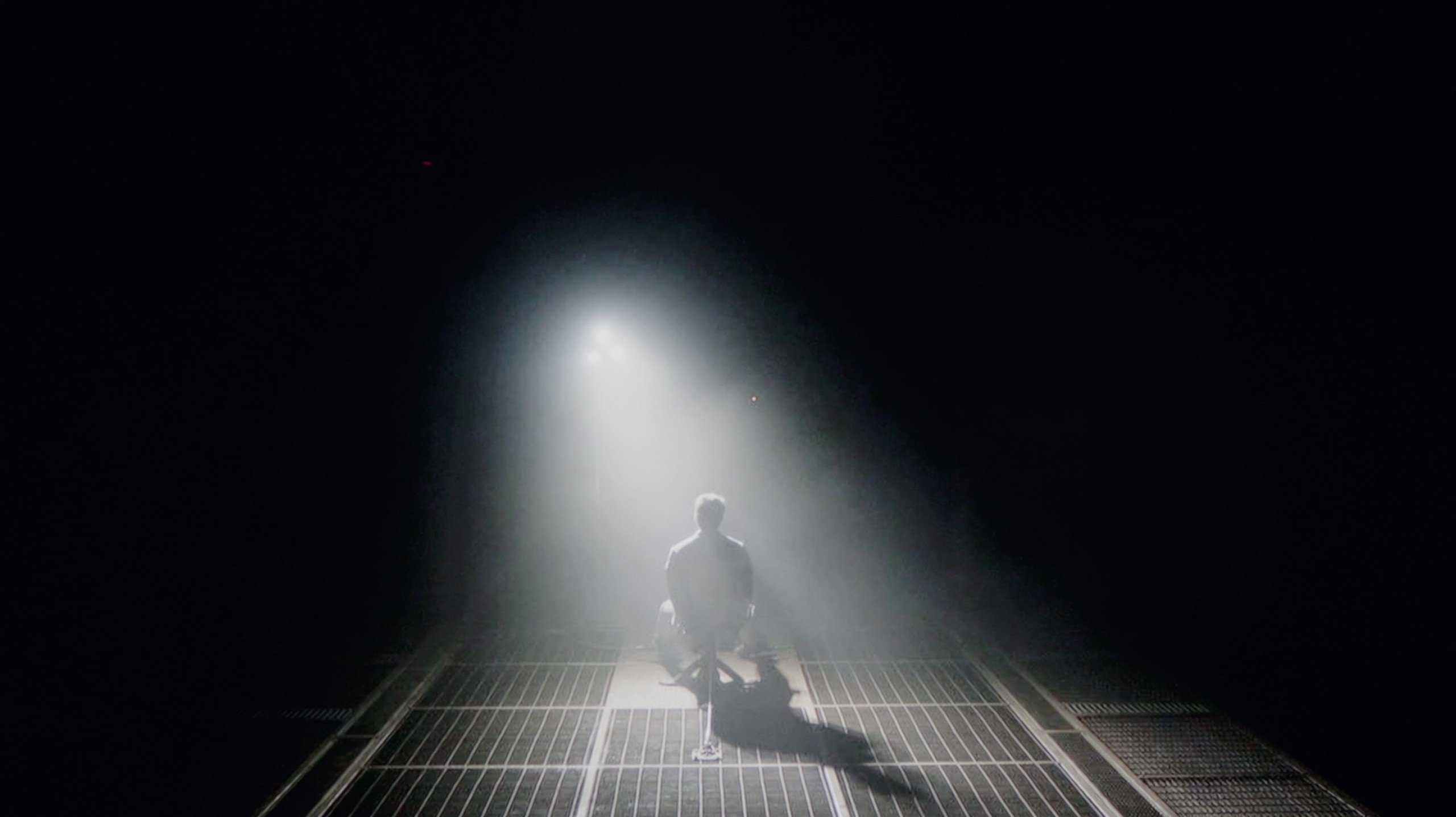
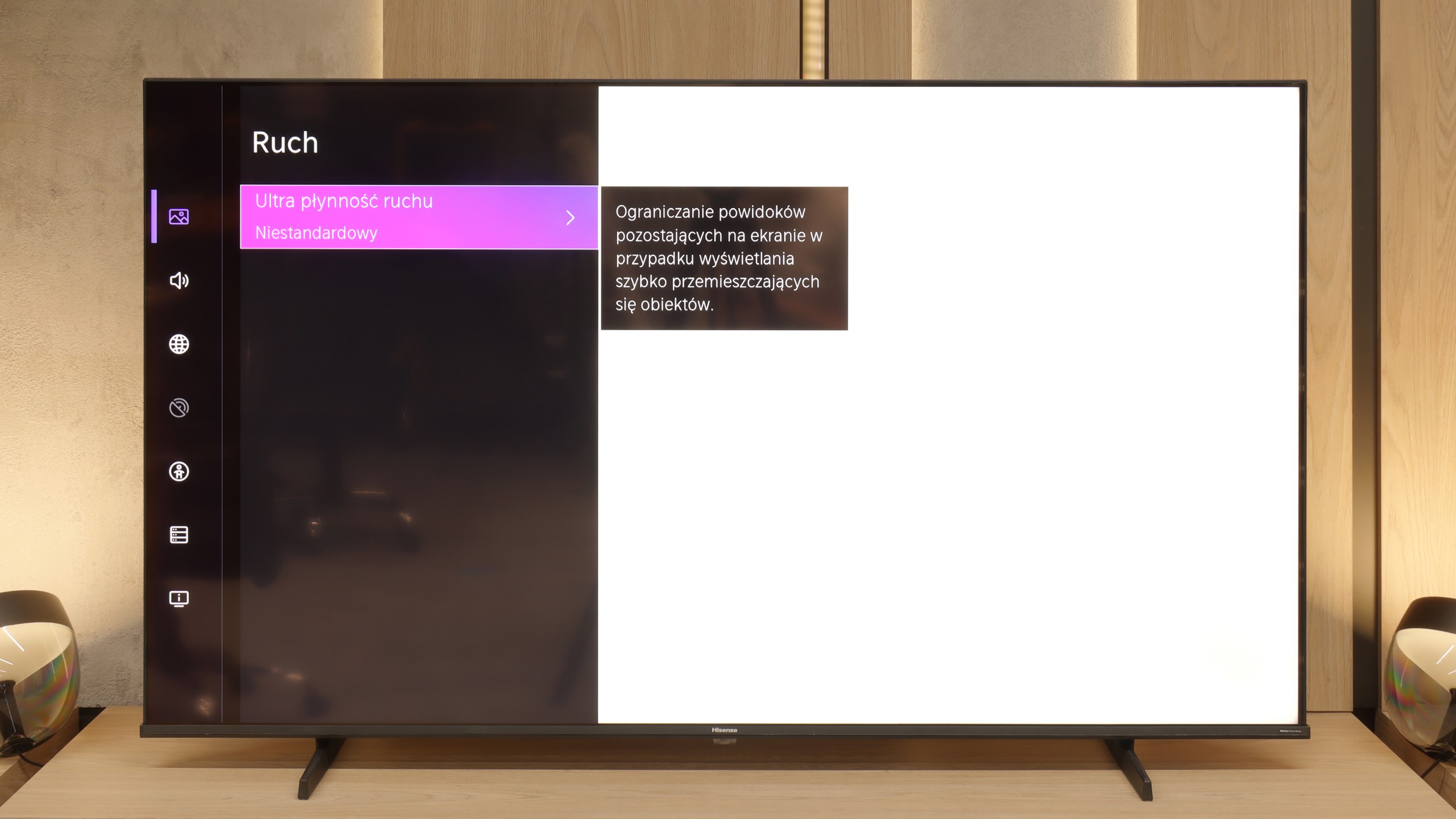
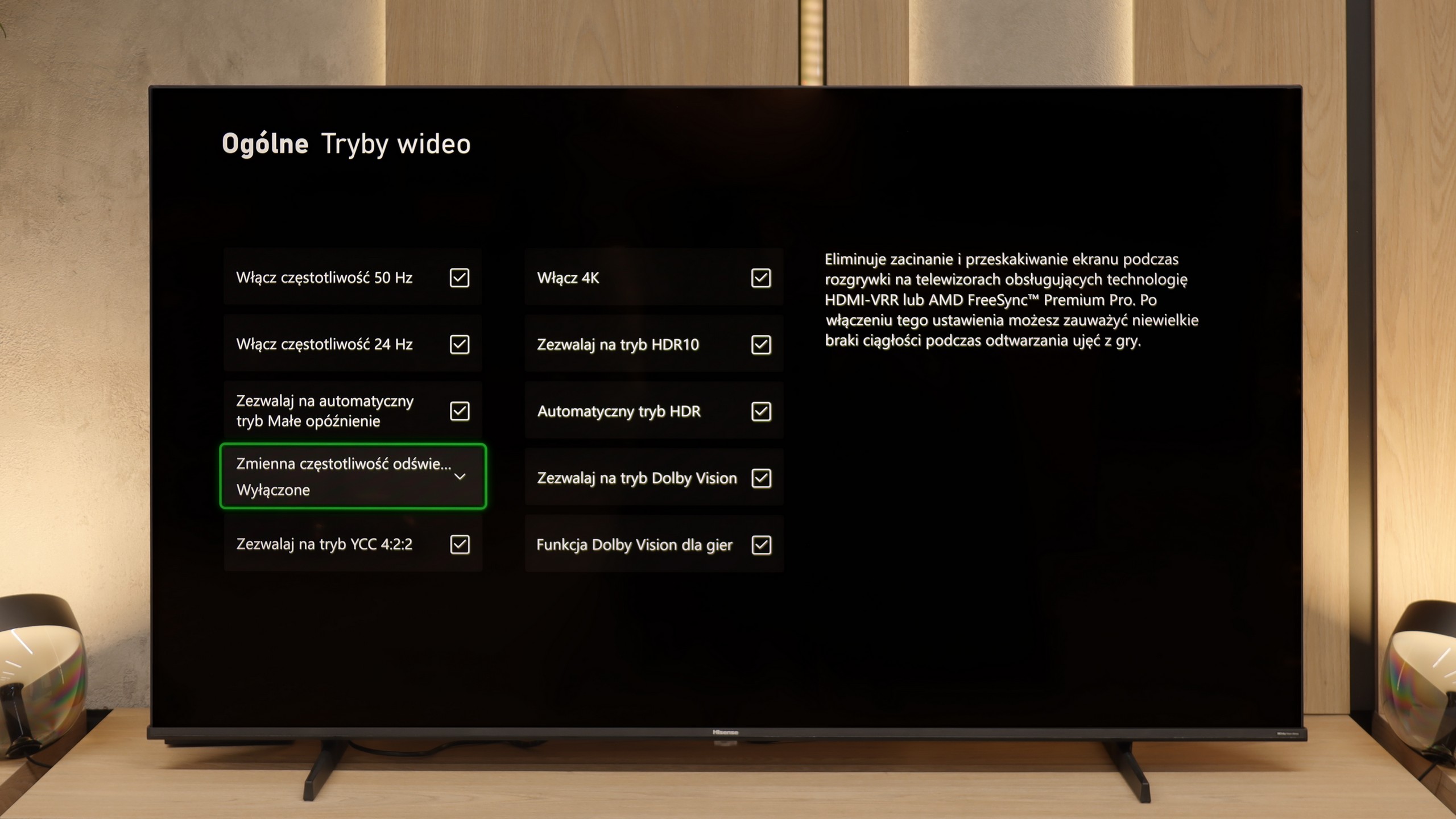
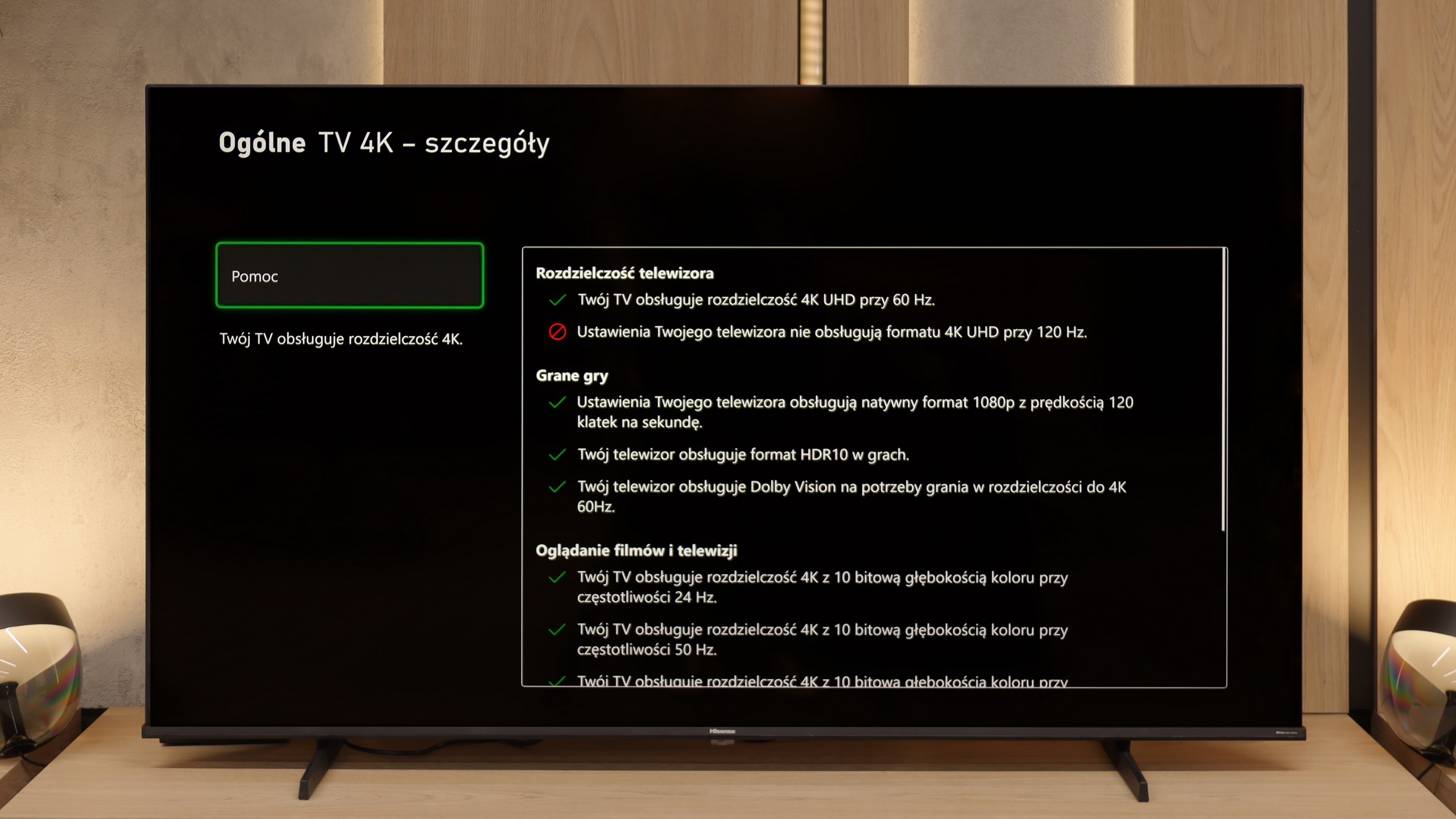
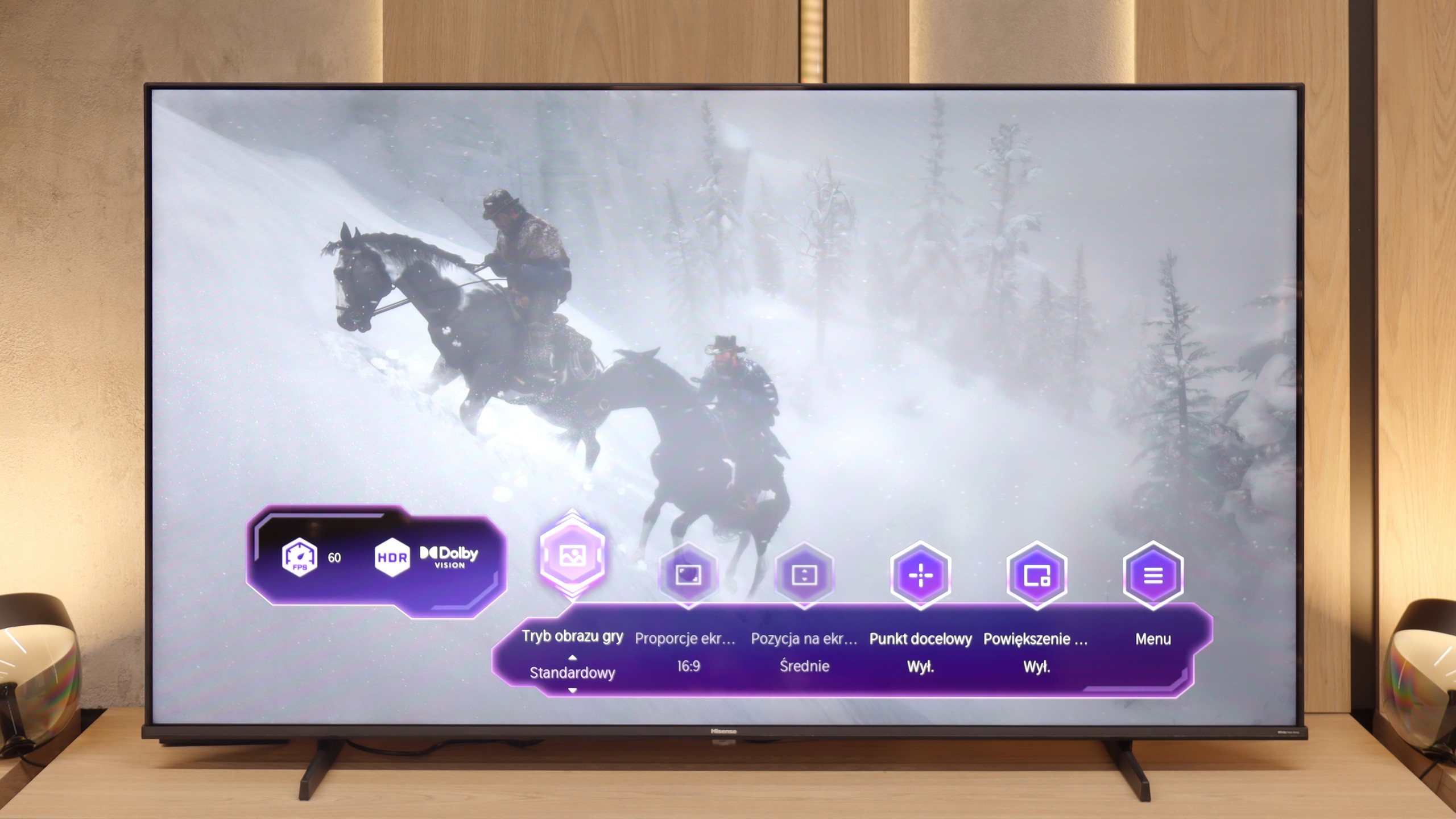
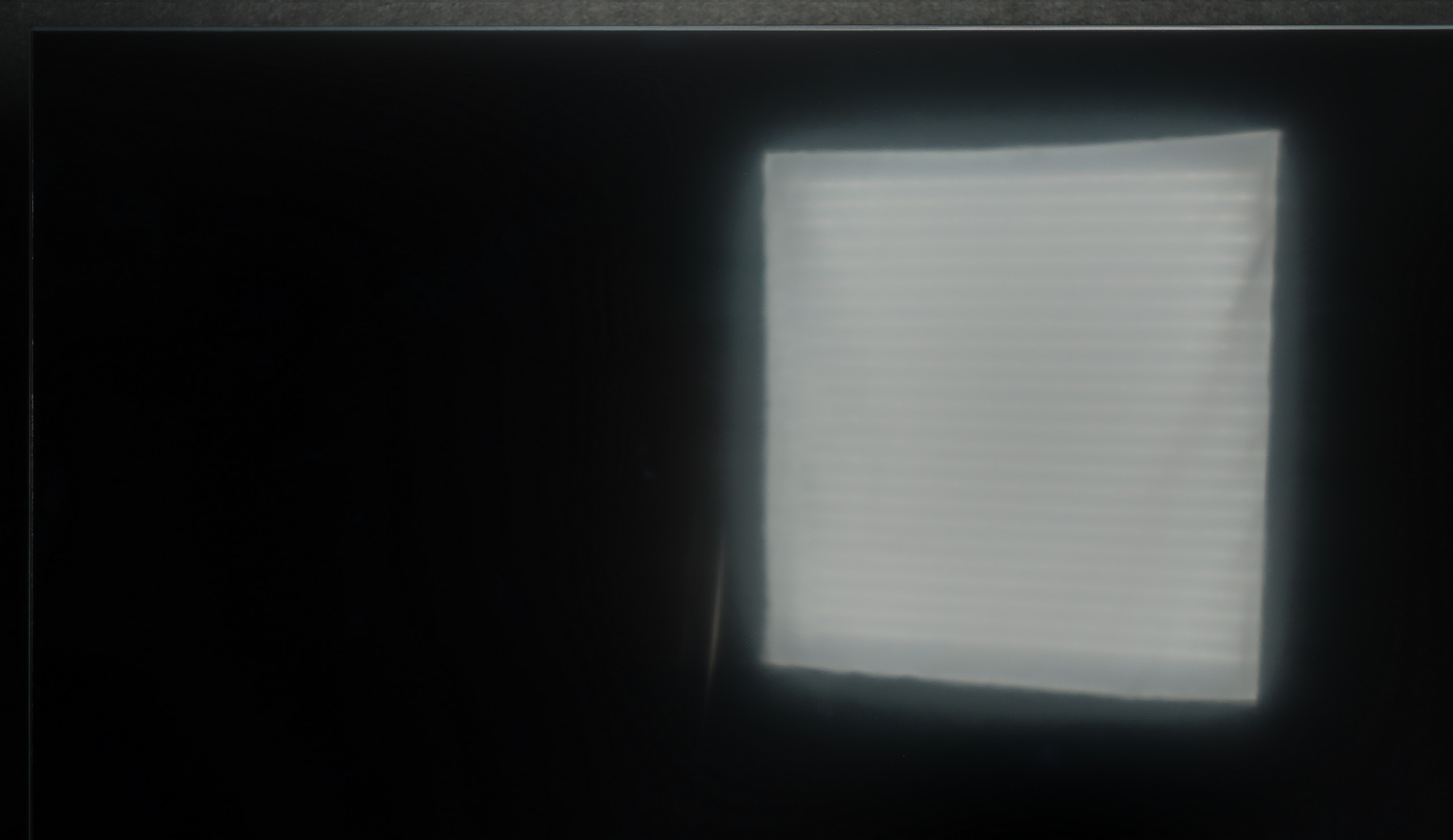
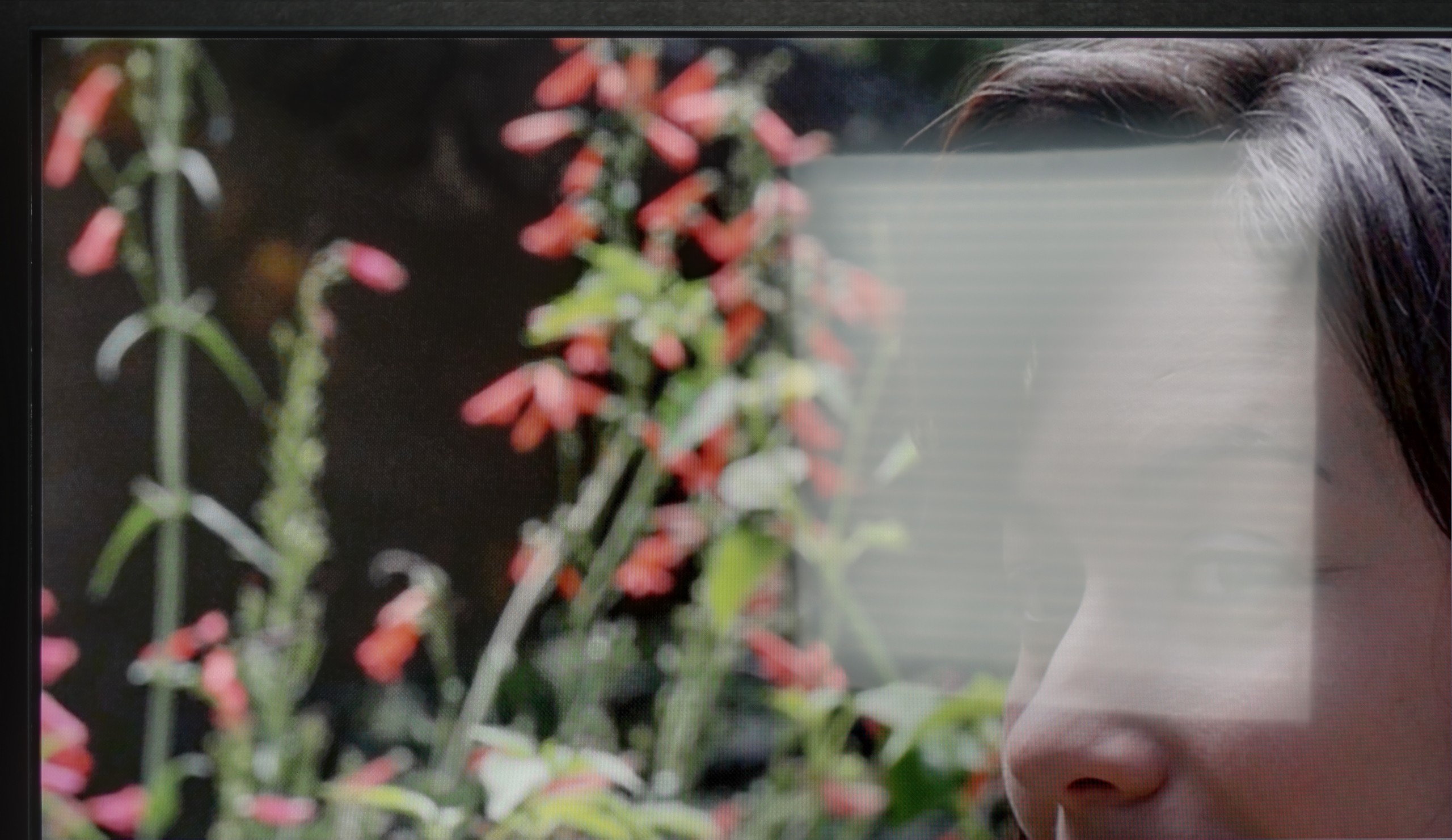
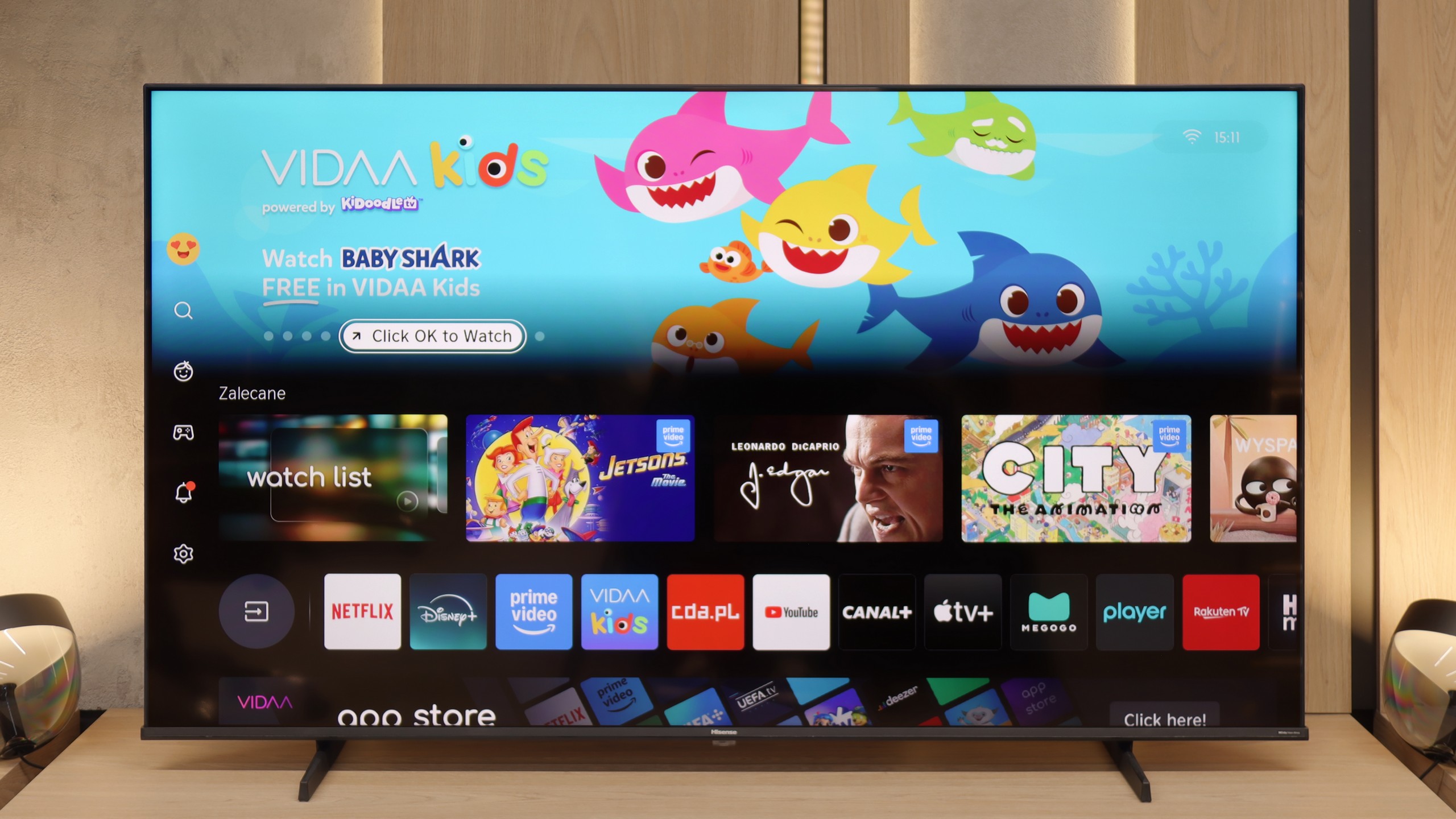
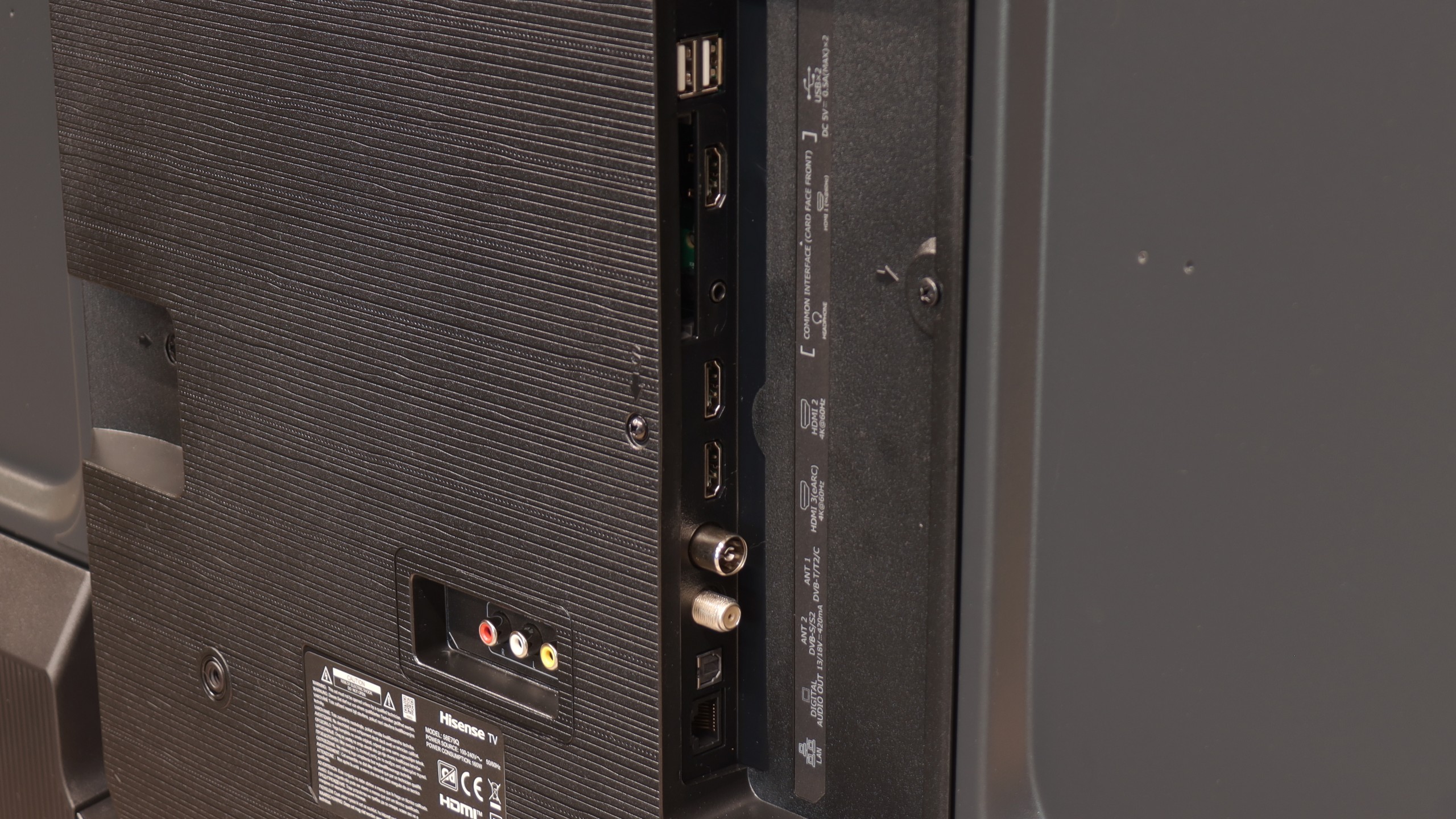
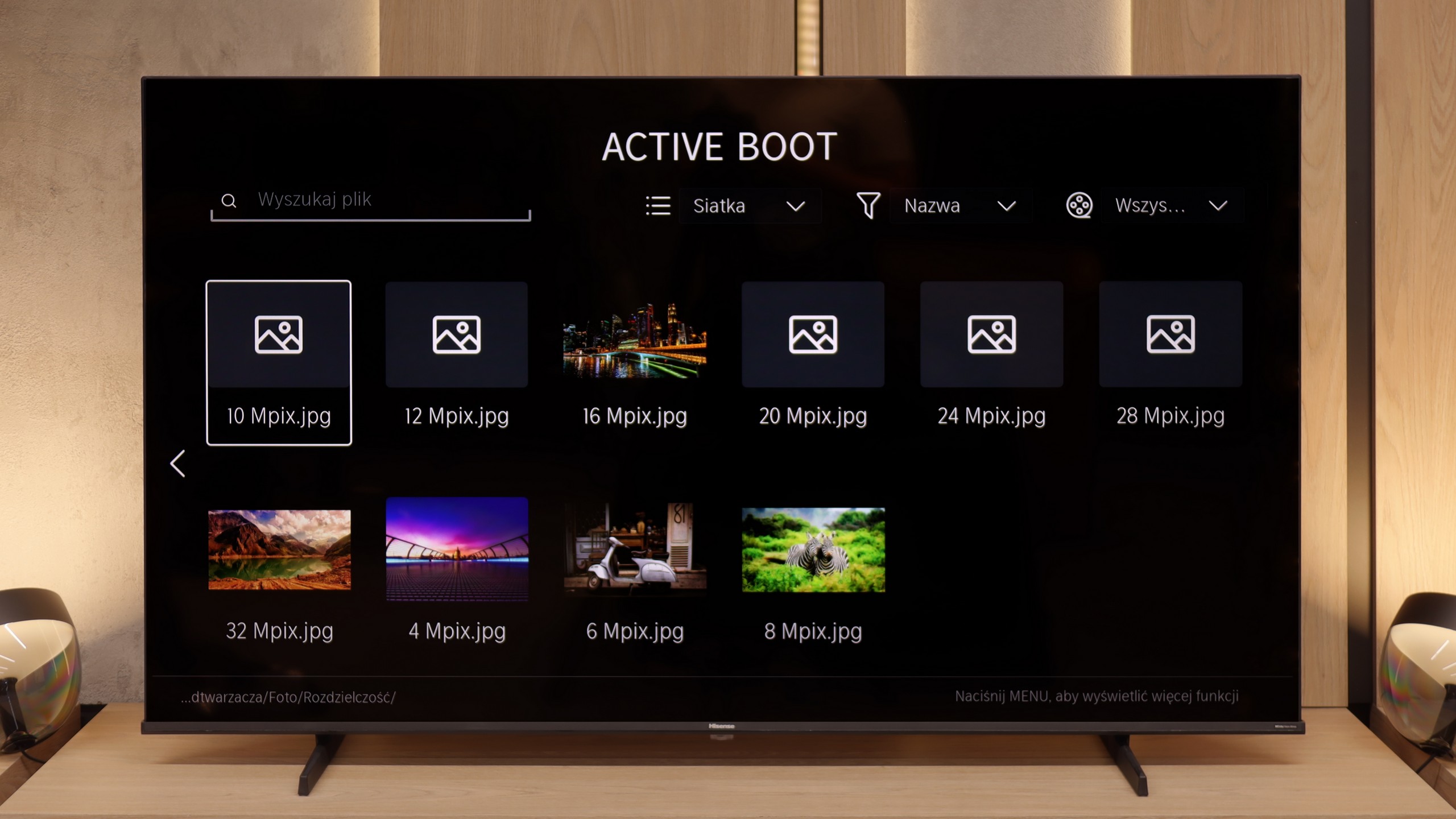
The Hisense E7Q / E79Q is a type of television that doesn't promise miracles – and maybe that's why it can pleasantly surprise. It doesn't try to pretend to be high-end equipment; it simply does its job. If you're looking for a cheap screen for everything that can handle Netflix, a console, and morning YouTube while having coffee, this model makes a lot of sense. The VIDAA system has matured over the past few years, and you can see that the manufacturer is learning from experience. It has AirPlay, screen mirroring, and voice search in Polish – everything works, maybe not at lightning speed, but smoothly enough not to be irritating. You won't find thousands of apps like in Google TV, but the most important ones are readily available. It's a system meant to be simple and practical, not overloaded with unnecessary gimmicks – and in this sense, it really holds up. There’s also something interesting for gamers. The E7Q / E79Q offers low input lag, an automatic low latency mode (ALLM), support for VRR up to 60 Hz, and even a 120 Hz mode in 1080p resolution. It's not a screen for hardcore e-sports enthusiasts, but if you simply enjoy turning on your console in the evening to play a few rounds, this television will get the job done without complaints. And what about picture quality? We won’t deceive you – it’s not exceptional, but there are also no reasons to complain. A brightness of around 350 nits won’t impress anyone, but the contrast thanks to the VA panel can really surprise positively. The black levels are quite deep, and the colors have a pleasant intensity, especially in SDR mode. It's a bit of a shame that Dolby Vision doesn't add much – because if it worked as it should, we would have a television that could confidently be recommended for HDR viewing as well. On the other hand, it's hard to expect that in this price range. It's simply a fair, well-priced screen that doesn’t try to be a star but can deliver solid picture quality and surprisingly good features. And while it’s not perfect, after a few days of use, it's hard not to think: "wow, this cheap Hisense really does the job."
 Direct comparison