Xiaomi A Pro 2025 is an affordable QLED model that works well as a basic television in the home. The Google TV operating system deserves attention. Thanks to it, one can easily use apps like Netflix and YouTube. The interface is clear and user-friendly, and the ability to search by voice in Polish allows for quick access to content of interest. The picture on the A Pro 2025 is sufficient for everyday television watching or film viewing. Smooth tonal transitions and the enhancement of older materials make even lower resolution content look good. However, the screen brightness may disappoint in very sunny rooms – here the television performs mediocrely, but it fares much better in a dimly lit room. The television is rather suitable for occasional gaming. Low input lag ensures quick response, which is important for dynamic games. However, the 60 Hz panel and lack of more advanced features may not appeal to gamers seeking perfect image fluidity. On the other hand, A Pro 2025 may be sufficient for those who play from time to time. Not everything works perfectly. When connecting the television to a computer, the fonts are difficult to read, which can hinder text work. The Google TV system itself can be a bit slow, which sometimes complicates the quick switching of applications. Xiaomi A Pro 2025 is a simple and functional television that is suitable for daily television viewing and using apps. It has its flaws, such as average brightness and font readability issues, but at this price, it offers quite a lot. It is a good choice for those looking for budget equipment for basic uses.
- Matching (Score)
- Our verdict
- TV appearance
- Where to buy
- Contrast and black detail
- HDR effect quality
- Factory color reproduction
- Color reproduction after calibration
- Smoothness of tonal transitions
- Image scaling and smoothness of tonal transitions
- Blur and motion smoothness
- Console compatibility and gaming features
- Input lag
- Compatibility with PC
- Viewing angles
- Daytime performance
- Panel details
- TV features
- Apps
- Playing files from USB
- Sound
XIAOMI A PRO 2025 vs Samsung The Frame 2025 (LS03F)
 Direct comparison
The Frame / LS03FAU



Panel type: LCD VA
Resolution: 3840x2160
System: Google TV
Model year: 2024
Complete the survey to find out the result
Panel type: LCD VA
Resolution: 3840x2160
System: Tizen
Model year: 2025
Complete the survey to find out the result
Overall rating
5.5
7.0
 Movies and series in UHD quality
 5.8
6.8
 Classic TV, YouTube
 6.1
6.5
 Sports broadcasts (TV and apps)
 5.1
6.4
 Gaming on console
 6.2
8.4
 TV as a computer monitor
 1.0
8.2
 Watching in bright light
 3.8
6.3
 Utility functions
 5.5
7.2
 Apps
Apps 9.6
8.7
 Sound quality
 6.0
6.0
Complete the survey to find out what fits your preferences
Advantages

Advanced Google TV operating system
Voice control in Polish
Good image processing
High native contrast
Attractive price
Matte display excellently reduces reflections
Customisation options for the screen thanks to interchangeable frames + art mode
Free accessories in the form of a wall mount + OneConnect module
High native contrast
Decent brightness
High refresh rate - 120/144Hz
Many features for gamers - VRR, ALLM, Gamebar, proprietary motion smoother working in games
Disadvantages

Low brightness
Poor font readability
The system can lag
Missing HGiG mode – makes precise HDR adjustments on the console difficult.
No DTS support – requires additional hardware for some films on Blu-ray discs.
Paid picture mode
Our verdict
Samsung The Frame 2025 is a television unlike any other – and although competition has emerged for it, it still does it best. The matte panel, flush mounting with the wall, and a single thin cable thanks to the One Connect module make the device resemble a picture more than any other screen. The Art Store app continues to offer the best scans of artworks on the market (even if they are subscription-based), and with interchangeable frames, we can adapt the TV to the interior almost like a piece of furniture. As for the picture itself, since we are also talking about an ordinary television, there are no major changes, but there are also no disappointments compared to last year’s model LS03D. The Frame still offers high native contrast and solid brightness at 600 nits, which combined with the matte finish provides very comfortable daytime use. The colours are not as vibrant as in glossy screens, but against the backdrop of competitive matte constructions, they perform the best. A novelty is the 144 Hz refresh rate, although in practice, mainly PC gamers will benefit from it. Indeed, in terms of gaming features, The Frame has nearly everything: low input lag, variable refresh rate (VRR) support, automatic game mode (ALLM), Game Bar, and a unique motion smoother designed for games. Unfortunately, not everything is as perfect as it might seem. Why? Because the HGiG mode is missing, which has suddenly disappeared from the latest version of the Tizen system. Samsung really should respond to this, as for many gamers it is a key element in choosing a screen. And we fully understand that. Even though LS03F The Frame 2025 does not bring greater revolutions, it is still a unique television that, apart from its appearance, offers quite solid picture quality and extensive gaming features. It’s a pity that year after year we also receive new compromises.
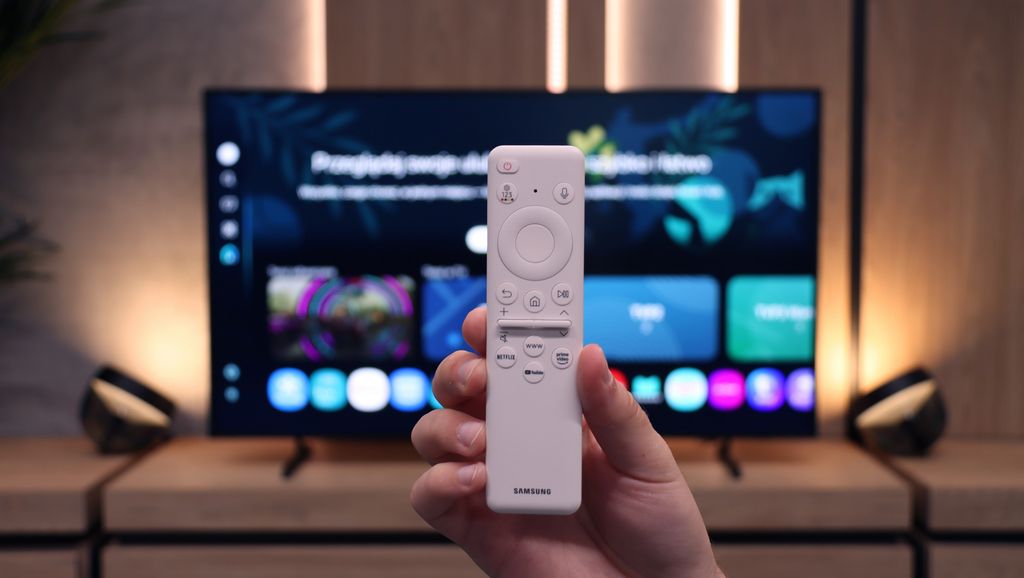
TV appearance


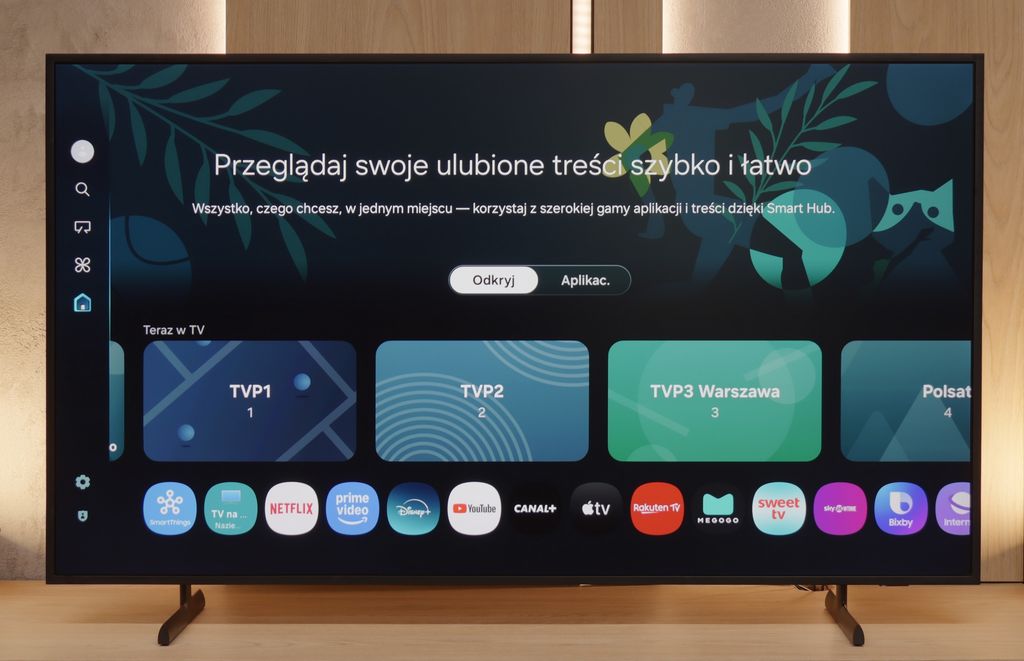
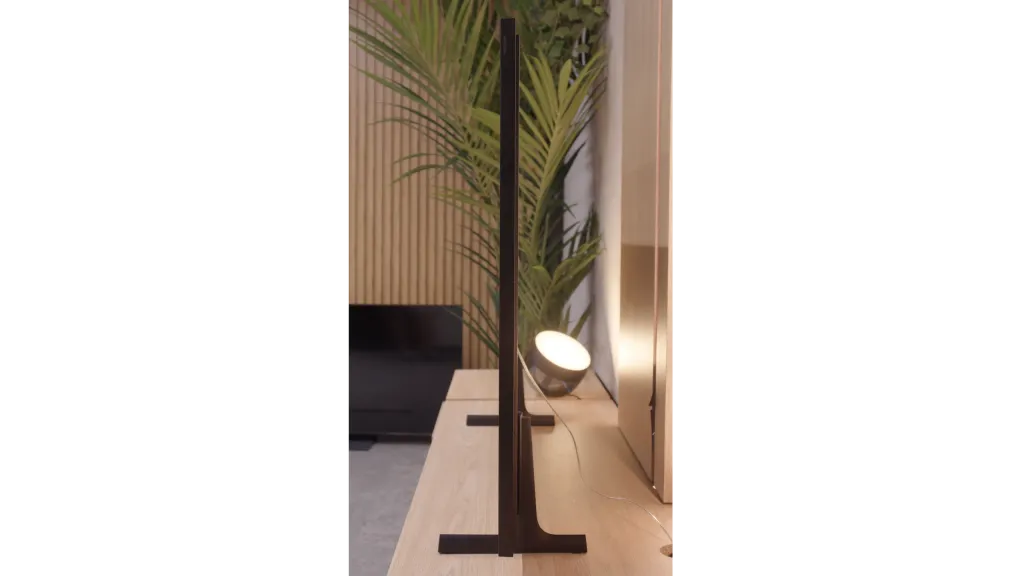
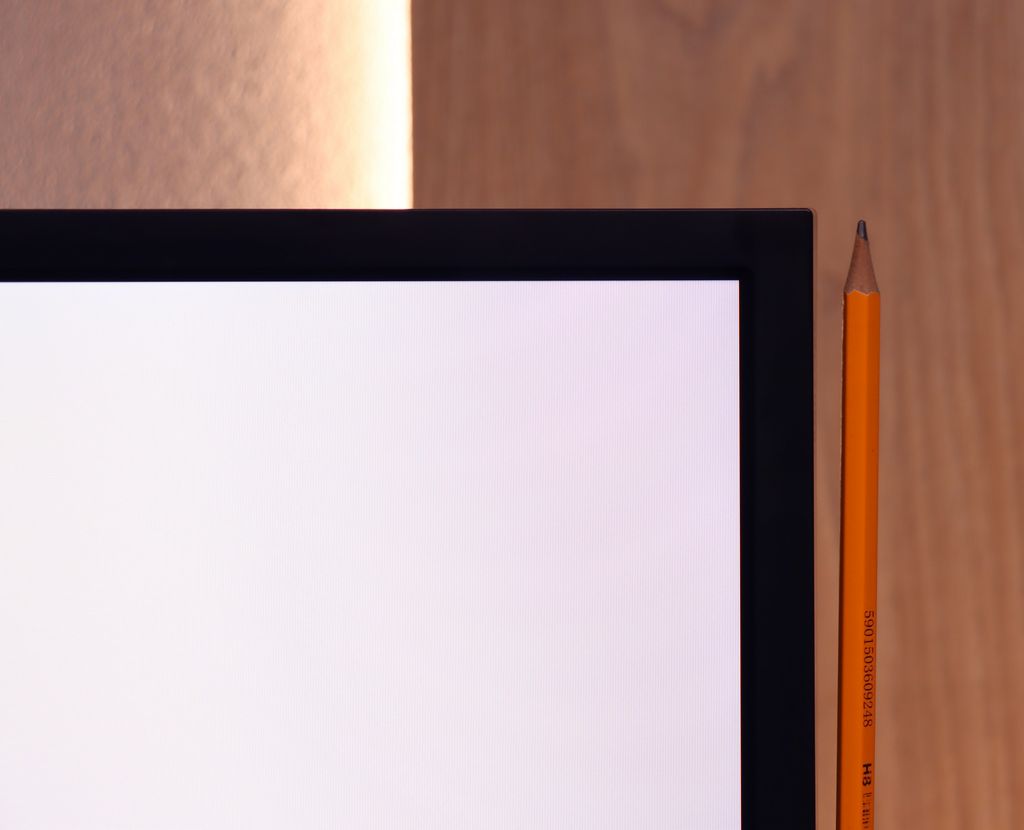
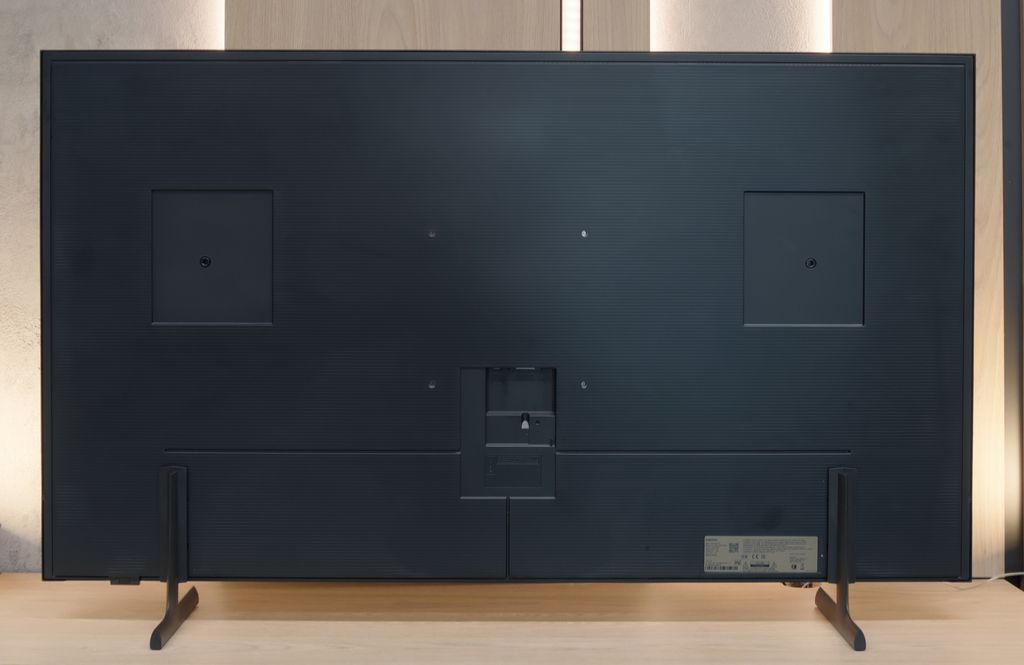

Contrast and black detail
5.9/10
6/10
Local dimming function: No
Local dimming function: No
Contrast:


Result
5,950:1

Result
6,300:1

Result
5,200:1

Result
5,100:1

Result
5,150:1
Result
4,800:1
Result
4,750:1
Result
14,900:1
Result
4,500:1
Result
4,300:1
Halo effect and black detail visibility:

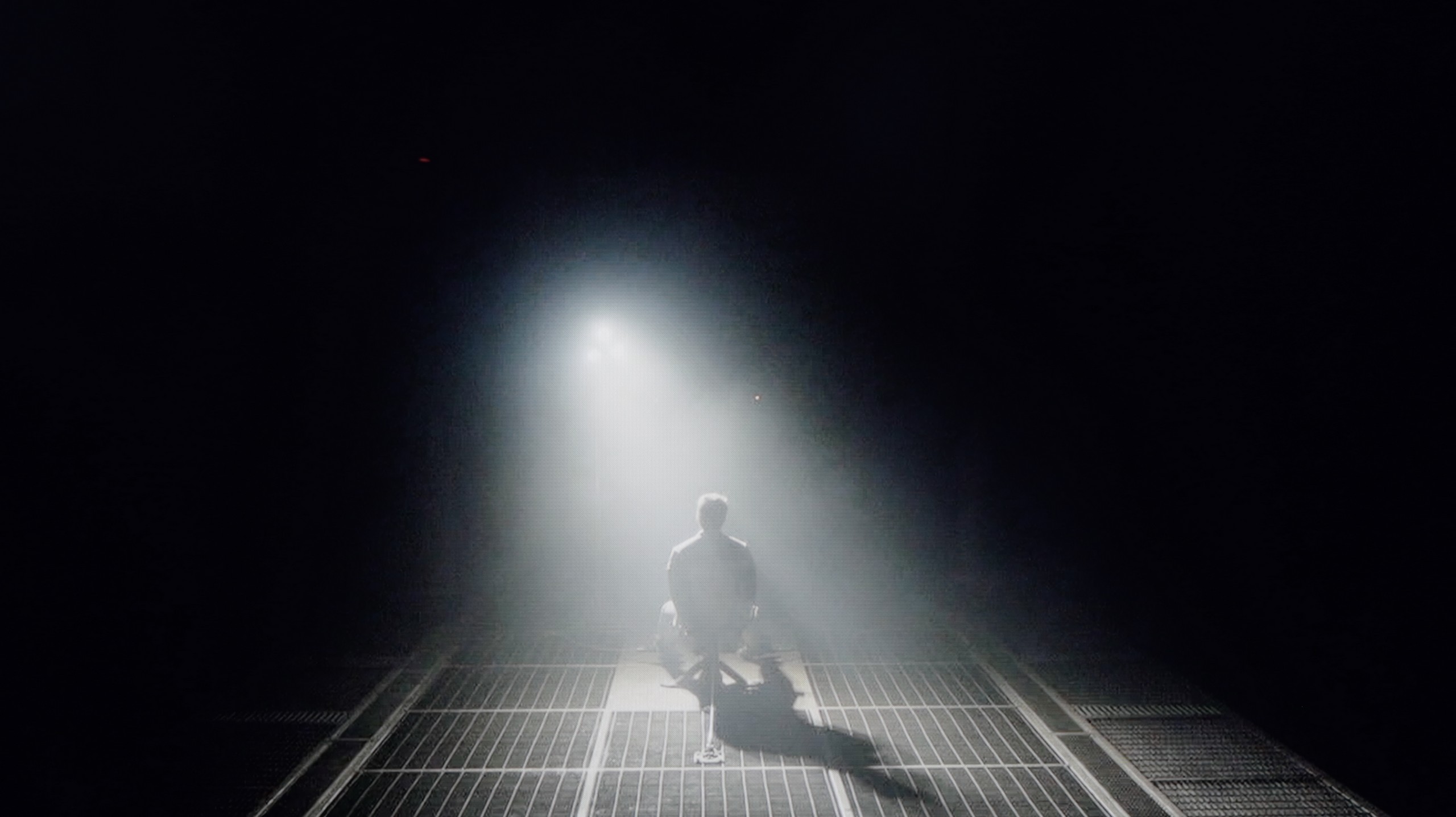
Xiaomi A Pro is equipped with a VA matrix, which inherently offers significantly better black depth and colour intensity compared to IPS panels, especially in dimly lit conditions. Based on the conducted tests, the contrast measurement tool indicated a maximum value of around 6000:1. This is a solid result, ensuring good separation of image elements in darker scenes. An example can be the film Oblivion, where the television performed excellently in separating light and dark areas, enhancing the visual effects. Unfortunately, the television does not support local dimming technology, which is an obvious fact in this price range. This becomes particularly evident in more challenging scenes, such as those from the film Sicario 2. In such moments, the black loses intensity and starts to resemble a rather navy shade. The lack of dynamic dimming of image segments causes details that should be deeply darkened to remain slightly illuminated.
The year 2025 promises to be quite interesting when it comes to lifestyle televisions. Why? Because Samsung has prepared two versions of the iconic model The Frame – one standard and the other with the addition of “Pro”. In this review, we take a look at the version without “Pro”, which – as we shall see shortly – is quite significant. The standard model LS03F lacks any local dimming technology, unlike its more expensive sibling. This is important because it affects not only the overall picture quality but, primarily, how this television handles black levels.
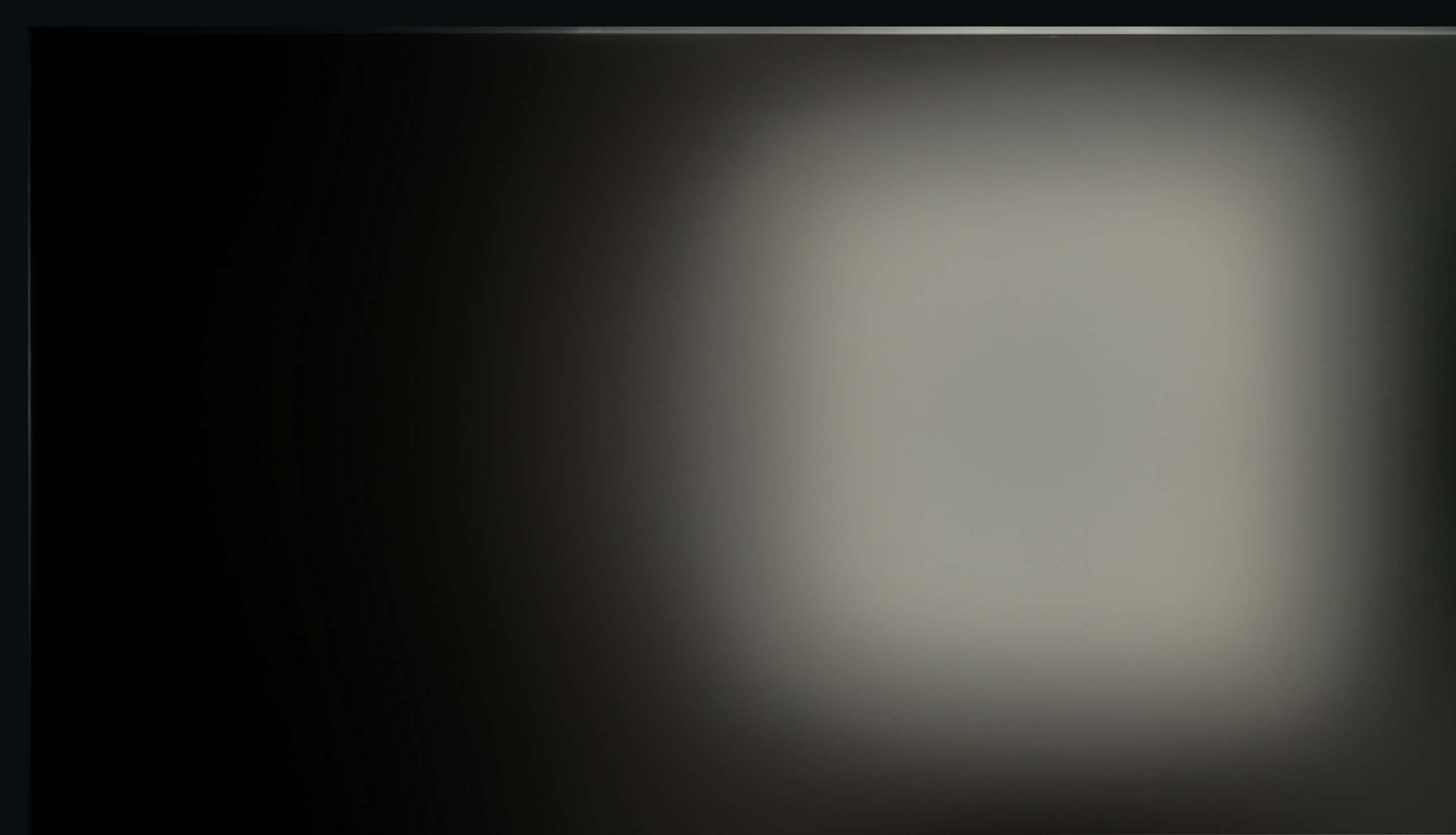
The VA panel used in The Frame 2025 has a high native contrast – and this obviously works to its advantage. In the tested film scenes, details in the dark areas of the image were well visible, nothing blended together, and there was no formation of a uniform black/white blob. For the average viewer, this will be more than sufficient. But of course, not everything is perfect. The absence of local dimming means that the black levels on this television are not perfectly deep – they resemble dark navy rather than tar. Additionally, in our tested unit, we noticed slight blooming in the right part of the screen, but this could simply be the “quirk of the specimen” rather than a rule. Theoretically, one could try to improve the perception of black by backlighting the screen – for example, with an LED strip – but in the case of The Frame, this is rather impossible, as this television is meant to sit flush against the wall like a picture. So to achieve a better black visible to our eyes, we are forced to watch the LS03F with the lights on. That’s the charm of this technology.
HDR effect quality
3.5/10
6/10
Luminance measurements in HDR:

Result
205 nit

Result
220 nit

Result
243 nit

Result
213 nit

Result
237 nit
Result
642 nit
Result
589 nit
Result
574 nit
Result
584 nit
Result
631 nit
Scene from the movie “Pan” (about 2800 nits)


Scene from the movie “Billy Lynn” (about 1100 nits)


Static HDR10


Dynamic: HDR10+
Dynamic: HDR10+


HDR luminance chart:
Samsung The Frame 2025 (LS03F)
HDR luminance
XIAOMI A PRO 2025
HDR luminance
In the HDR category, the television Xiaomi A Pro is, to put it plainly, lacking. Under ideal conditions, it offers brightness at around 250 nits. This is a poor result; however, in this price range, many competing models offer similar or lower values. Such brightness is too low to fully realise the potential of HDR content. In practice, this means that the image does not gain the appropriate depth and intensity expected from high-quality HDR. These values are more characteristic of standard dynamic range (SDR), which means that the true HDR effect remains beyond the reach of this model, and scenes that should stand out with spectacular brightness and contrast seem flat and lacklustre. However, for its price, the television offers good coverage of the DCI-P3 colour gamut at 92%, thanks to the use of quantum dot technology (specifically PFS LED). This results in vibrant and saturated colours, which will appeal particularly to gamers and film enthusiasts who appreciate richer shades and better colour reproduction compared to traditional televisions without this technology.
The Frame LS03F is a television that can surprise with its brightness. The maximum luminance reaches around 650 nits, which already looks impressive on paper. But as we know, laboratory tests are one thing, and real film scenes are quite another. When watching HDR materials in natural conditions, The Frame 2025 maintains very good results. In most film scenes, the peak brightness remained at around 550–650 nits. This is a sufficient value to feel the difference between standard picture quality and that of HDR – bright highlights, reflections on water, or moonlight are presented clearly and spectacularly.
It is also worth remembering that the LS03F is a QLED television, which translates into solid colour saturation. The coverage of the DCI-P3 colour space reaches about 92%, allowing for vibrant, intense colours in HDR content. This is not the level of top premium models, but for a lifestyle screen, the result truly deserves recognition.
Factory color reproduction
5.1/10
7.1/10


Factory Mode
After calibration
Factory Mode
After calibration
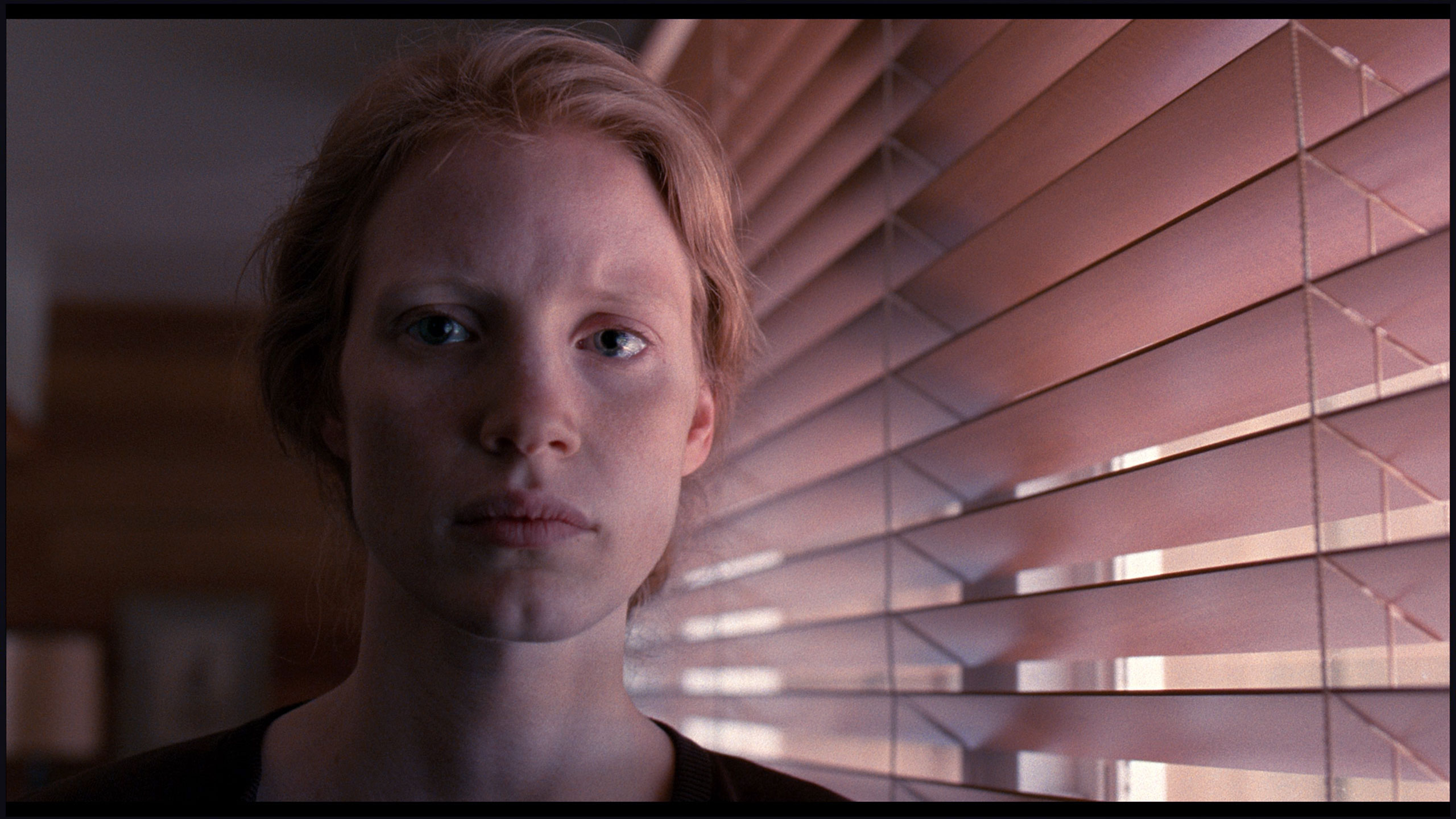
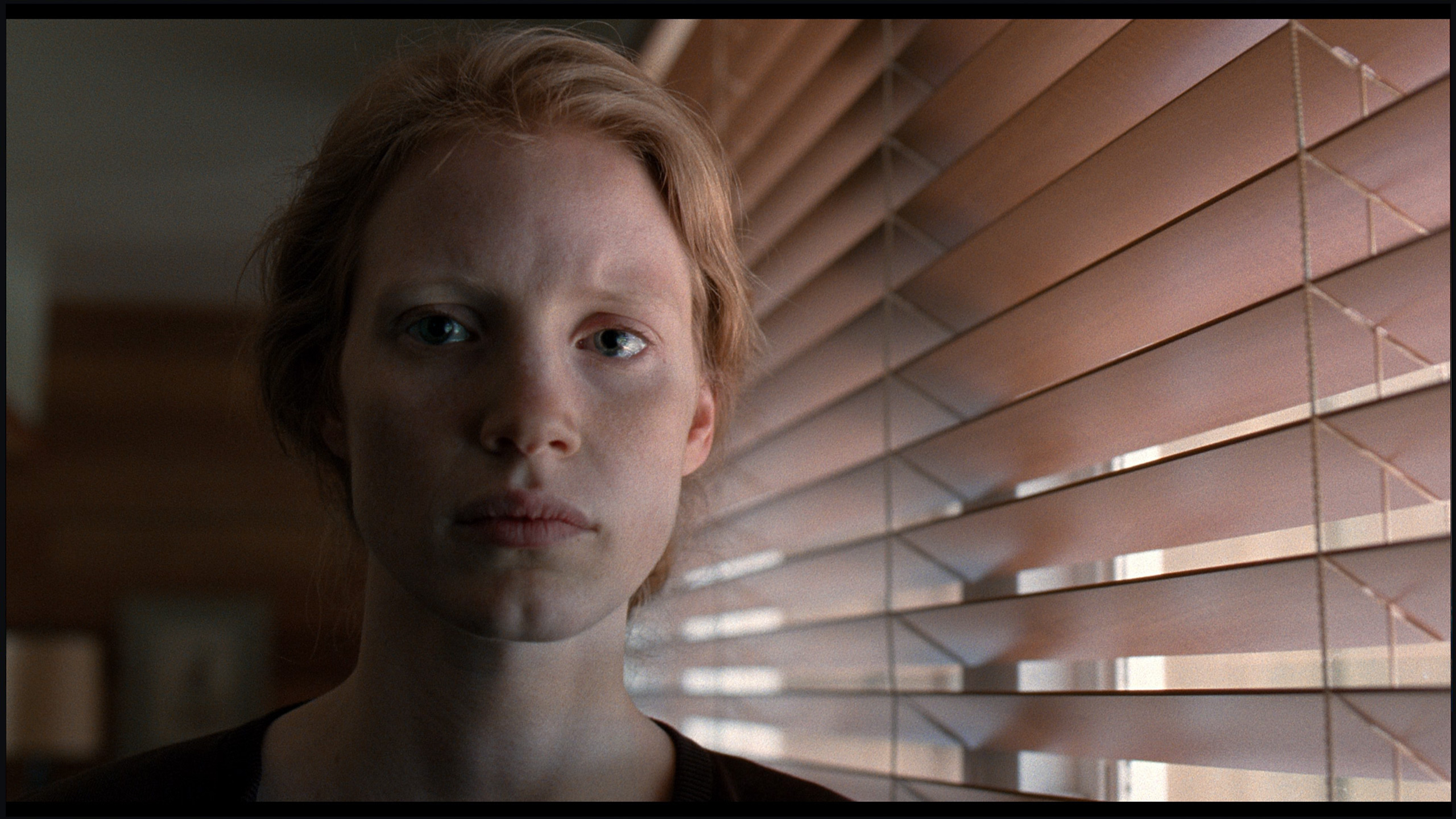
The Xiaomi A Pro 2025 television has been tested in movie mode, which offers the best colour reproduction straight out of the box. However, it is worth noting that it is not free from flaws. Analysing the white balance, it can be observed that the values for green are in the negative. This phenomenon leads to some distortions in the shades of white, and with pure white, the graph shows clear deviations. The over-contrasted image results in inappropriate tonal transitions in red, negatively affecting the quality of colour display. Generally, in the image below, it can be seen that the overall scenery before calibration acquires pink hues. Additionally, when analysing gamma contrast, the graph is significantly below the 2.4 value, suggesting that the television overly emphasises dark tones, and the brighter areas of the image may be less vivid. Furthermore, the EOTF curve shows a strong peak at the beginning, which can lead to a loss of detail in bright scenes and an unpleasant feeling of over-drawing. These aspects indicate a need for further calibration to achieve a more balanced colour reproduction and improve the overall image quality. Users who expect precise colour reproduction may be forced to take measures to adjust the television settings to achieve more realistic and natural visual results. In the xiaomi tv a pro 2025, the factory colour settings in Xiaomi are average and may require calibration. After proper colour adjustment, the image gains a natural and vibrant colour palette, much closer to cinematic standards. It is worth adding that the issue of inaccurate colour reproduction is typical for many televisions in this class, meaning it is not a flaw unique to the Xiaomi A Pro 2025 TV. For those who value perfect colour reproduction, professional calibration will prove to be a key element that enhances the overall image quality.
When it comes to image quality straight out of the box, even in Filmmaker mode, which is supposed to be the closest to reference, there were issues. We noticed clear deviations in white balance in both HD and 4K HDR content. The image was heavily skewed towards red and blue, giving the screen a characteristic pinkish tint. This effect was most noticeable in bright scenes – for example, in shots with a lot of white, where neutral light should naturally dominate. At such moments, the screen clearly took on pink tones, which is also visible in the attached comparison photo. As for the brightness characteristics – it wasn’t as bad as one might expect with such colour inaccuracies. The analysis of the gamma curve and EOTF showed a slight brightening of the image compared to the reference, but not enough to drastically ruin the viewing experience.
Color reproduction after calibration
7/10
8/10

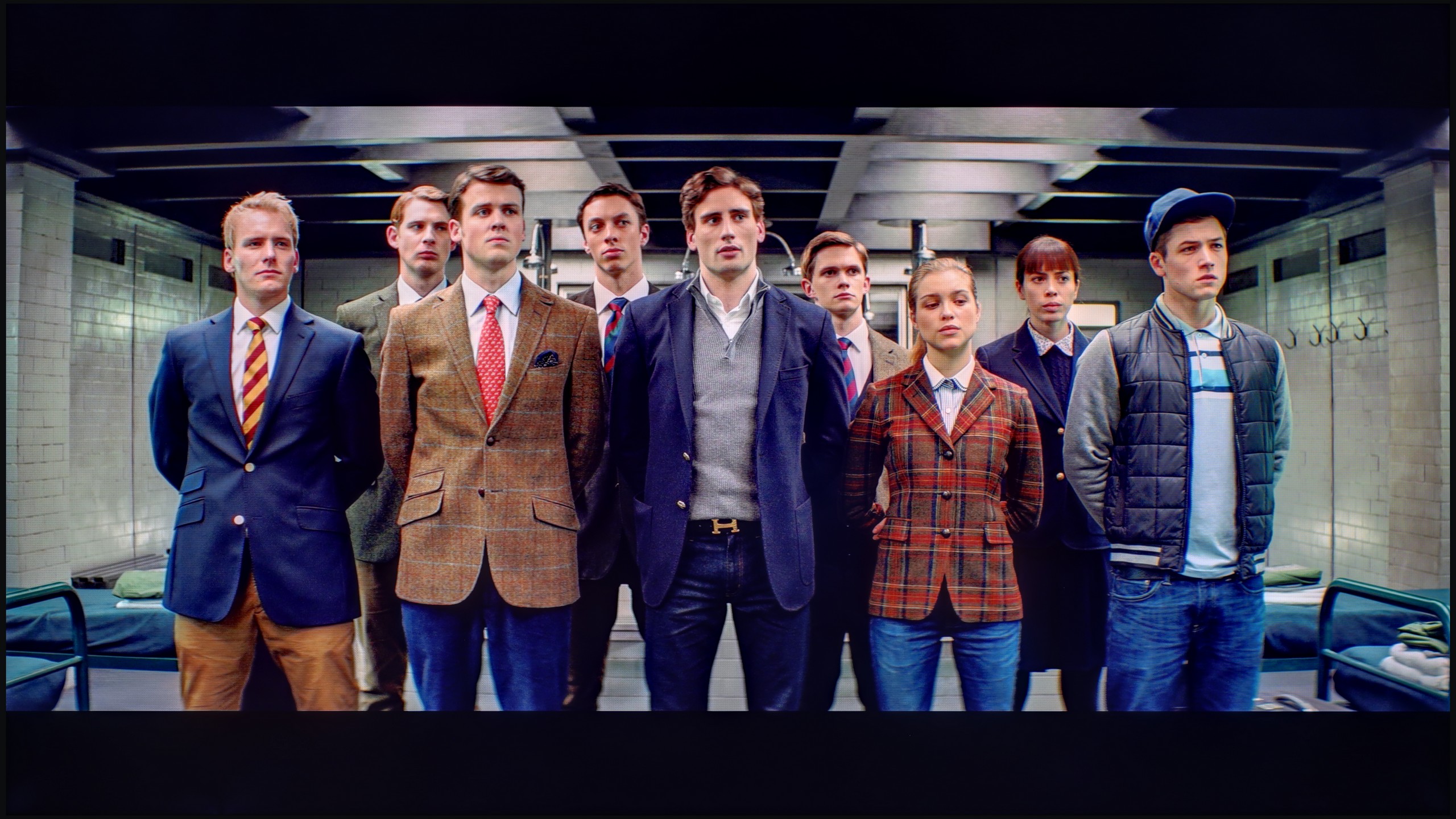


Now it's time to check how the Xiaomi A Pro 2025 television has performed after calibration. The biggest beneficiary of this process is the white balance. After the calibration was conducted, all previous errors were corrected in both HD and 4K content, and most errors no longer fall significantly outside the value of "2". This means a much more balanced and natural colour representation, which certainly affects the viewing comfort. In terms of gamma, the drop was significantly reduced, resulting in a more consistent tonal representation across various scenes. Nevertheless, the EOTF curve has not been significantly improved due to a lack of effective control over dynamic tone mapping. This limitation means that there are still some issues with detail reproduction in bright scenes, which may affect the perception of certain materials. However, despite these minor shortcomings, the overall shape of the image is definitely better after calibration. The television has gained in quality, and the improved white balance along with reduced gamma issues allows users to enjoy a more realistic and pleasant visual experience. Further adjustment of settings may enhance image quality even more, but even now the television demonstrates its capabilities, meeting the expectations of many users.
After calibration, the movie mode has gained a completely new quality. The issue of the pink tint, which had been clearly visible before, especially in bright scenes, has been effectively eliminated. Colours now look much more natural, and the white balance no longer dominates the rest of the image. It is no longer the same exaggerated "box picture" – everything now has coherence and a cinematic character. Additionally, the tendency of the television to slightly brighten scenes, previously visible in the EOTF curve analysis, has been partially corrected. Of course, this is within the limits of what the design allows without local dimming – one cannot speak of perfect brightness management here. Nevertheless, the final effect was definitely closer to what one might expect from a mode called Filmmaker.
Smoothness of tonal transitions
9.3/10
9/10

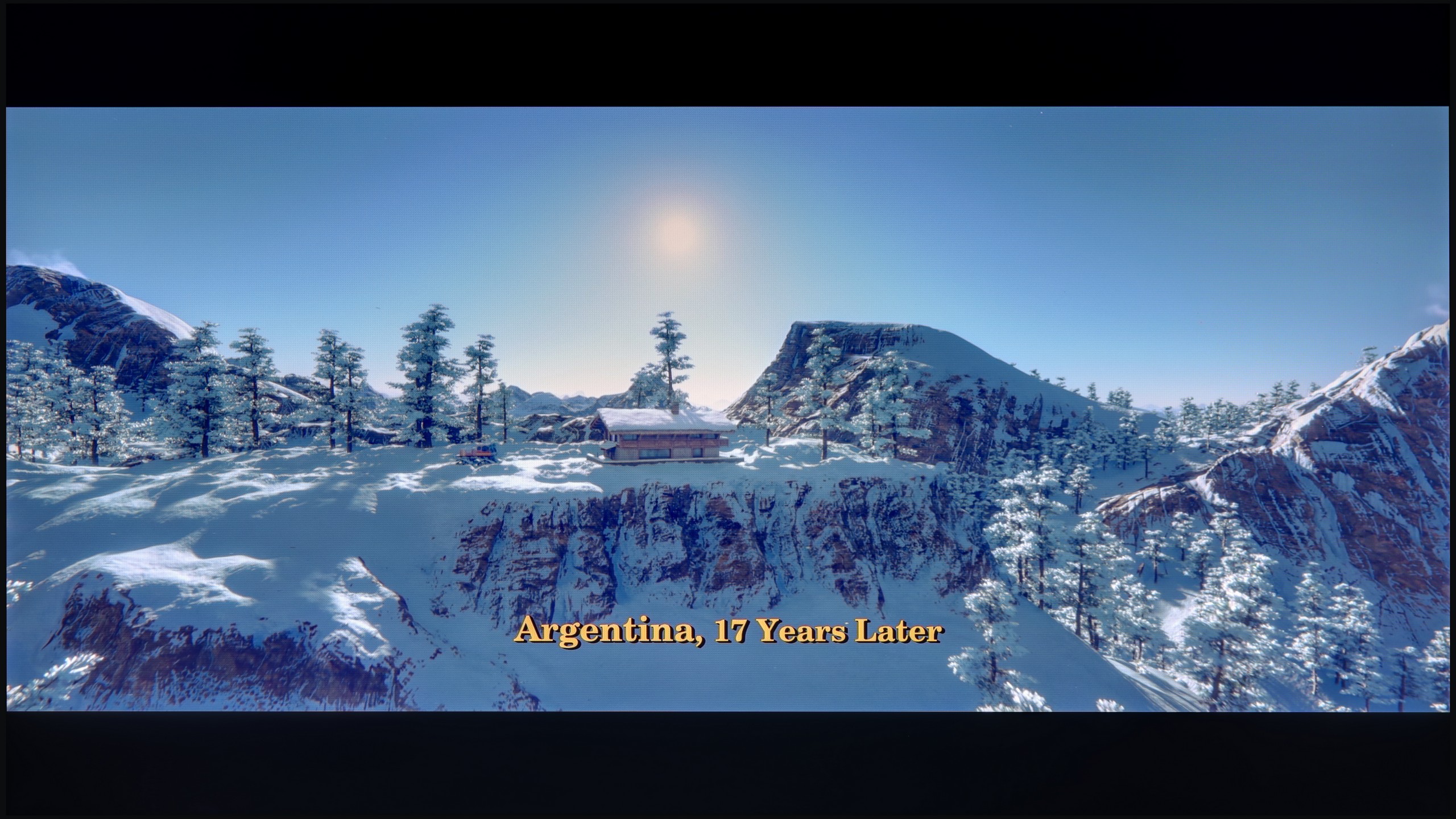



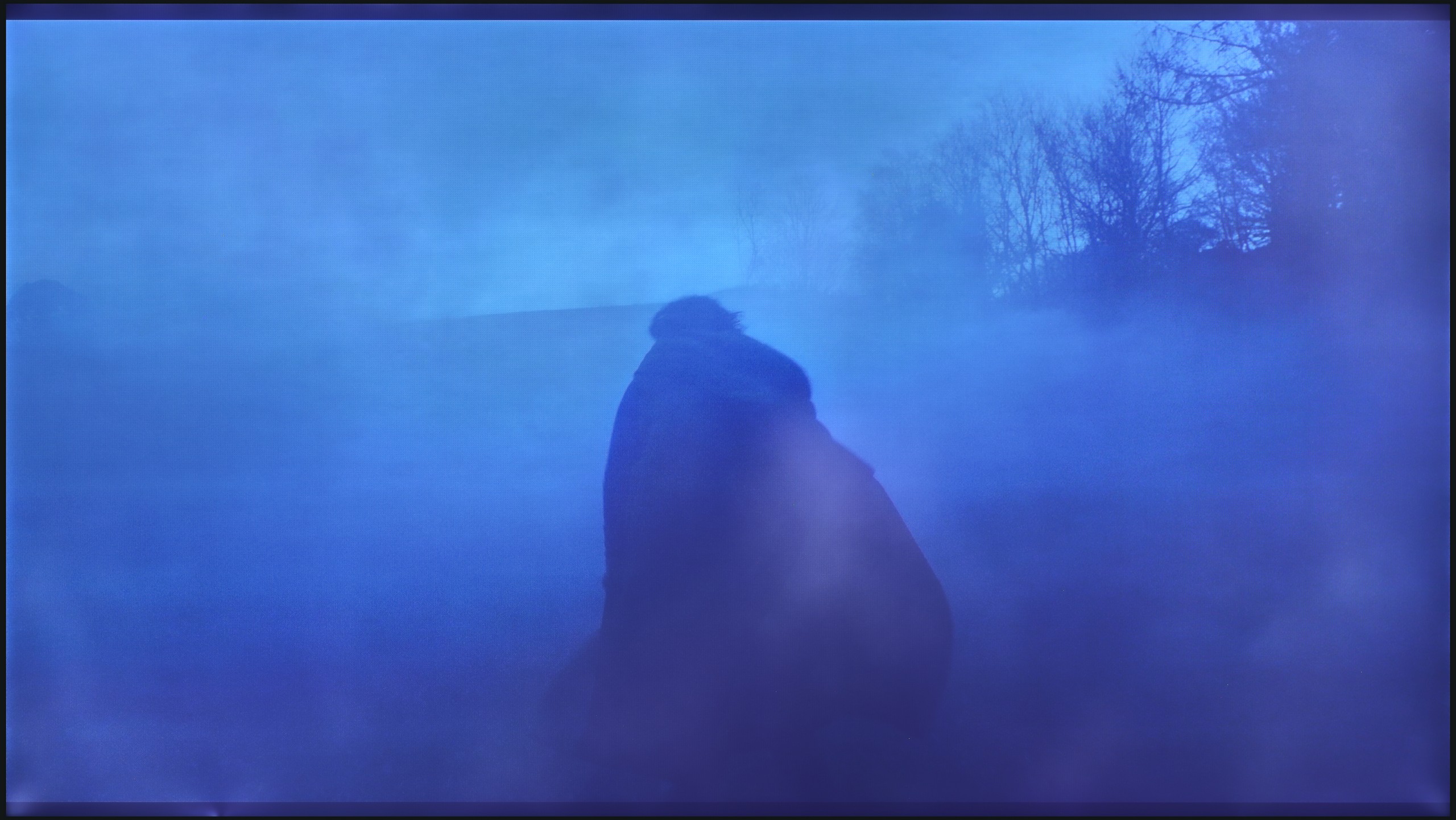


During the fluidity tests of tonal transitions on the Xiaomi A Pro 2025, the gradation proved to be close to perfect. In most of the test sequences, there were no noticeable issues. Only in the scene with red water did very cosmetic imperfections appear, which, however, have little impact on the overall image quality. Both colourful and grey gradients were reproduced with almost perfect precision, making this television model a very good choice for those who pay attention to this particular feature of a TV.
In terms of the smoothness of tonal transitions, the LS03F maintains a high standard – just like last year’s models. The television did not encounter any issues when testing more challenging film scenes, where noticeable transitions between shades of colour can easily occur. The colour gradation is very good here – both in the lighter and darker areas of the image. We did not observe the typical banding effect or other disturbances that could be distracting while watching films. If we were to nitpick, in the most demanding scenes – with subtle transitions and delicate gradients – minor imperfections can be detected. But only if one approaches the screen very closely and begins to analyse the image from a distance not intended by the manufacturer.
Image scaling and smoothness of tonal transitions
6.9/10
6.7/10


Smooth transition function

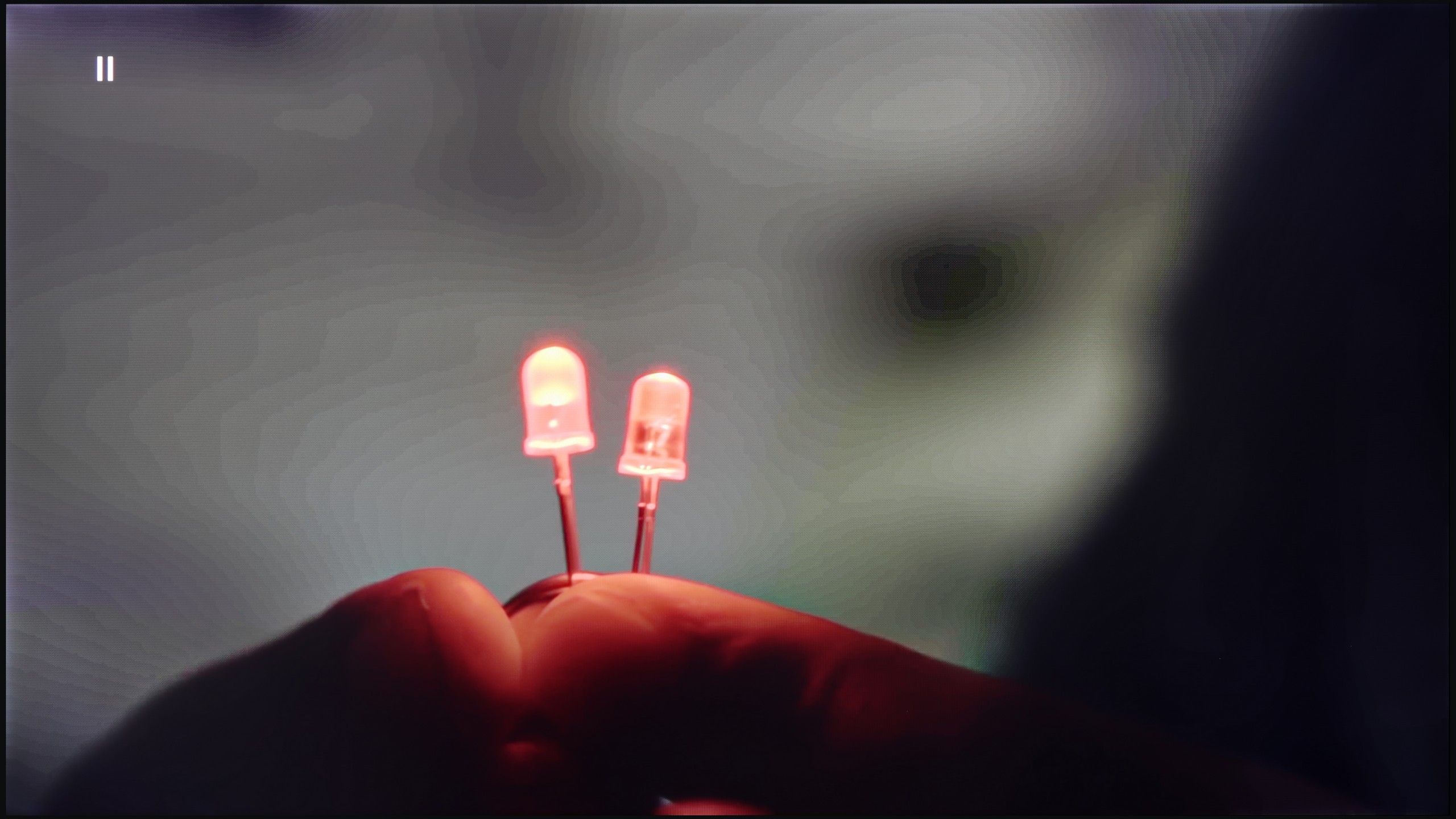
Image without overscan on the SD signal


How does the Xiaomi A Pro 2025 television cope with tonal transitions, especially with lower-quality materials? Thanks to advanced digital processing, the colour contour removal function works surprisingly well. We recommend setting this option to "Medium" – the television significantly improves the fluidity of tonal transitions while avoiding excessive smoothing of other image elements, such as film grain.
In the case of the tested image featuring a model and numerous branches in the background, the Xiaomi A Pro 2025 showcased its capabilities in terms of digital processing. Adding artificial sharpness to this scene made the details of the model more pronounced, and her hair appeared more detailed. However, delicate contours appeared around the branches in the background, which were a result of digital interference. Although this enhances the overall impression of detail, excessive sharpness can make some elements of the image seem unnaturally emphasised.
LS03F has been equipped with the NQ4 processor, which is responsible for improving image quality – particularly in lower quality materials. In practice, this works surprisingly well, especially when it comes to older content and recordings with lower resolution. Activating the "noise reduction" function yields noticeable effects. The TV effectively smooths tonal transitions and removes digital noise that can appear in darker areas of the image. Compared to previous generations, there is a clear advancement – previously, this function often smoothed everything too much, including details that it shouldn't remove. In this year's model, smoothing still occurs, but in a much more acceptable manner. Textures of materials, skin, and fabric details are no longer subdued as strongly as before – the image retains more naturalness. However, this does not change the fact that film grain is still removed by the TV, which may not appeal to everyone. On the other hand, it is no longer as aggressive an intervention as in previous models. It is also worth mentioning that the LS03F may struggle with very weak signals – for example, from VHS tape recordings or low-resolution video. In such cases, we noticed slight clipping of the image at the edges – so-called overscan. This can lead to a situation where a small part of the image (e.g., subtitles at the bottom edge) gets cut off.
Blur and motion smoothness
4.3/10
6.9/10

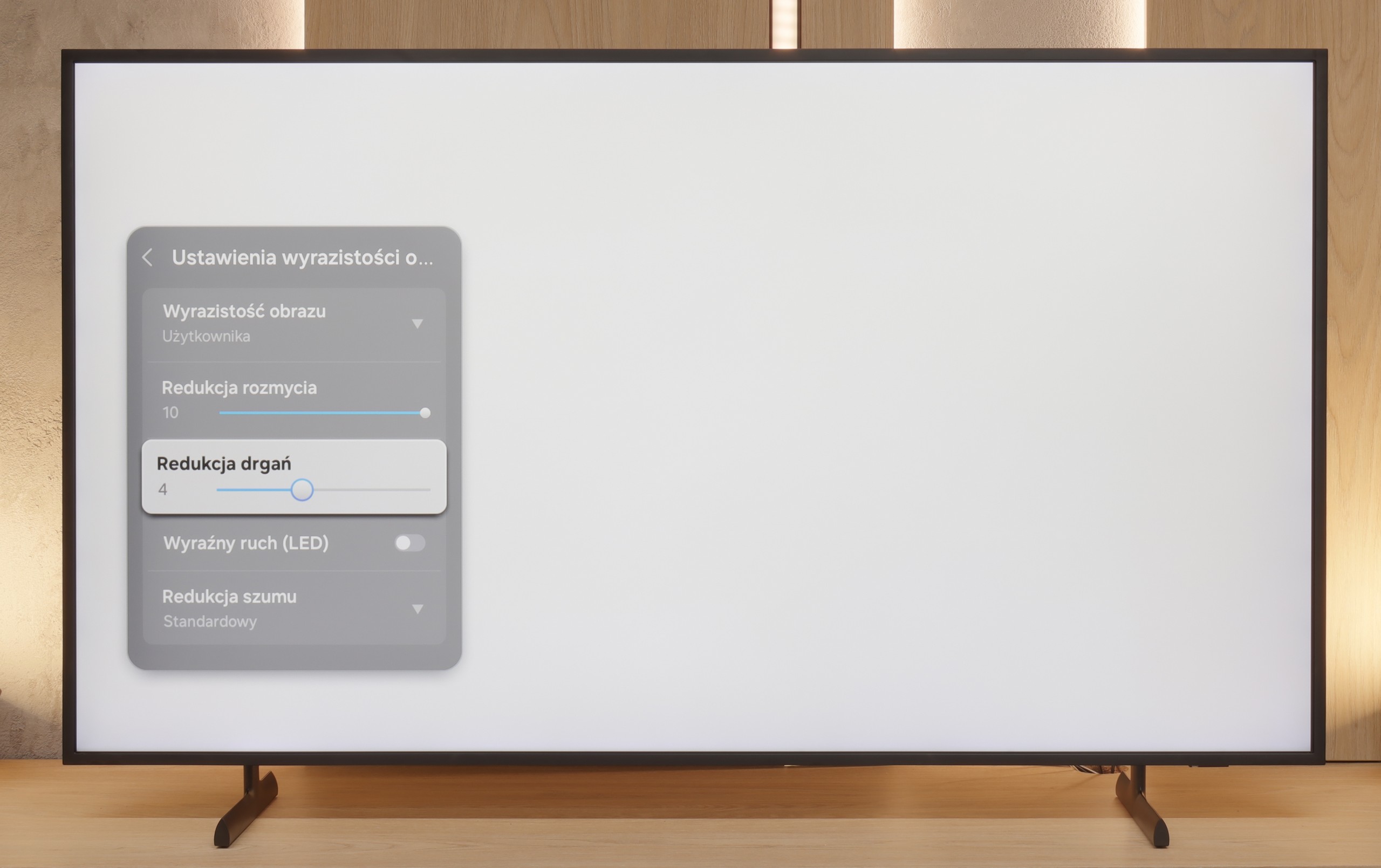
Blur (native resolution, maximum refresh rate):





Blur (BFI function enabled):
Image flickers in this mode



Xiaomi A Pro 2025 offers a motion smoothing feature called "Motion Smoothing," which primarily works in films. It can be adjusted to prefer either a more cinematic, film-like effect with visible frames, or a smoother, theatre-like image. This function should satisfy those who intend to watch mainly films on it. However, gamers and sports fans may feel disappointed. The 60 Hz refresh rate panel, typical in this price range, does not impress. Our "Ufo" test revealed some motion blur. Those expecting better sharpness of moving objects may be slightly let down.
The new feature in The Frame for 2025 is a display with a refresh rate of 144 Hz. Yes – in a television that is mainly associated with displaying works of art, you can now not only watch Van Gogh but also comfortably play on a console or follow dynamic sports events. This is a definite step towards greater versatility. In the case of Samsung films, as usual in models with a display rate of 120 Hz and above, it allows you to adjust motion smoothness according to your preferences. You can set a more cinematic reproduction while maintaining frame rate or opt for full motion smoothing. The range of options is broad, allowing you to tailor the effect to your own taste – whether the viewing experience is meant to resemble classic cinema or a show on a modern theatre screen.
*this part of the test refers to the LS03FAU model in sizes 55 and 65 inches, which is equipped with a 144Hz panel, while sizes 43 and 50 inches have 60Hz displays, and thus perform much worse in terms of motion smoothness.
Console compatibility and gaming features
3.3/10
8.2/10
- ALLM
- VRR
- VRR range 48 - 144Hz
- Dolby Vision Game Mode
- Correct implementation of HGIG
- 1080p@120Hz
- 1440p@120Hz
- 4K@120Hz
- Game bar

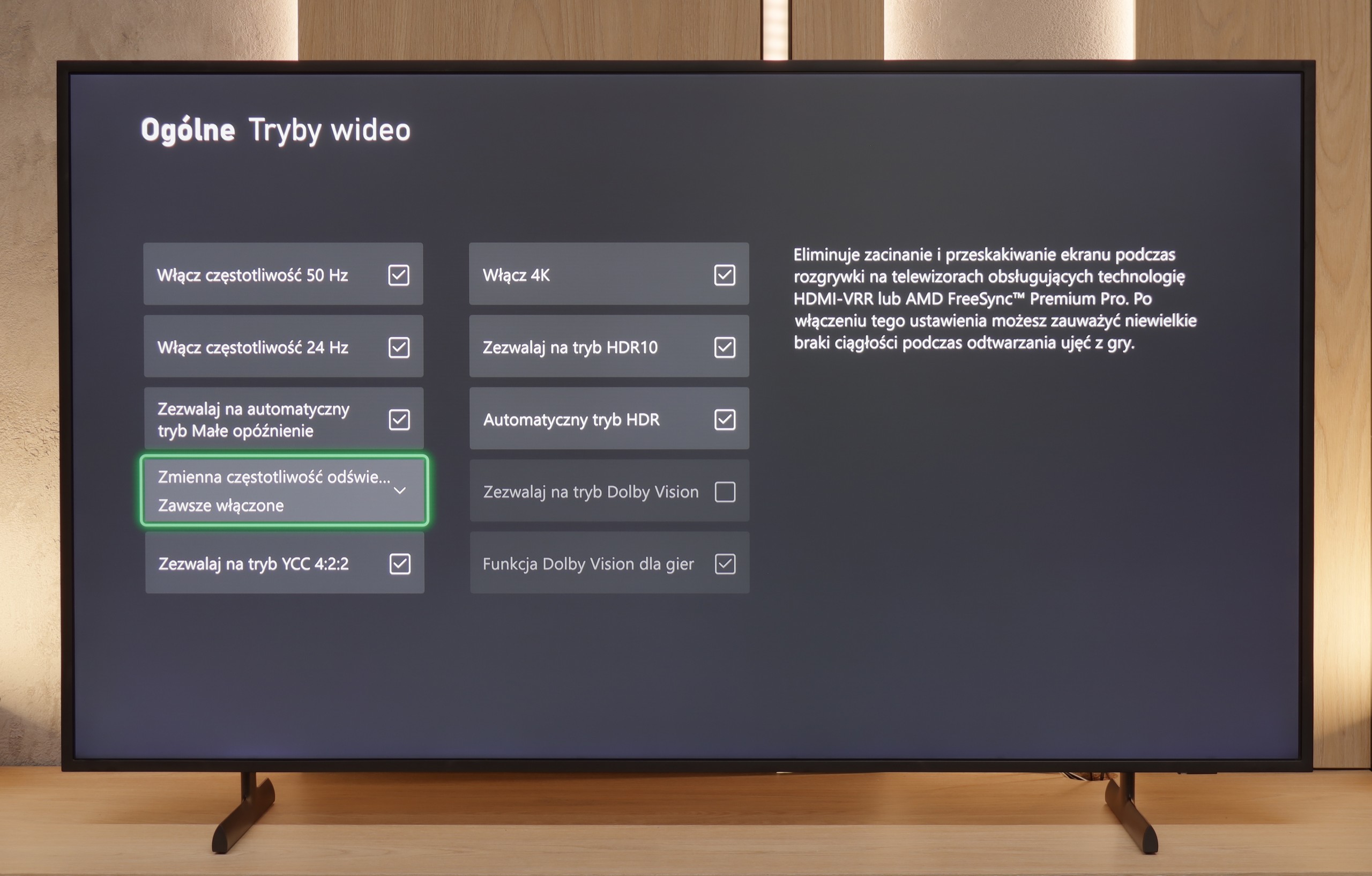

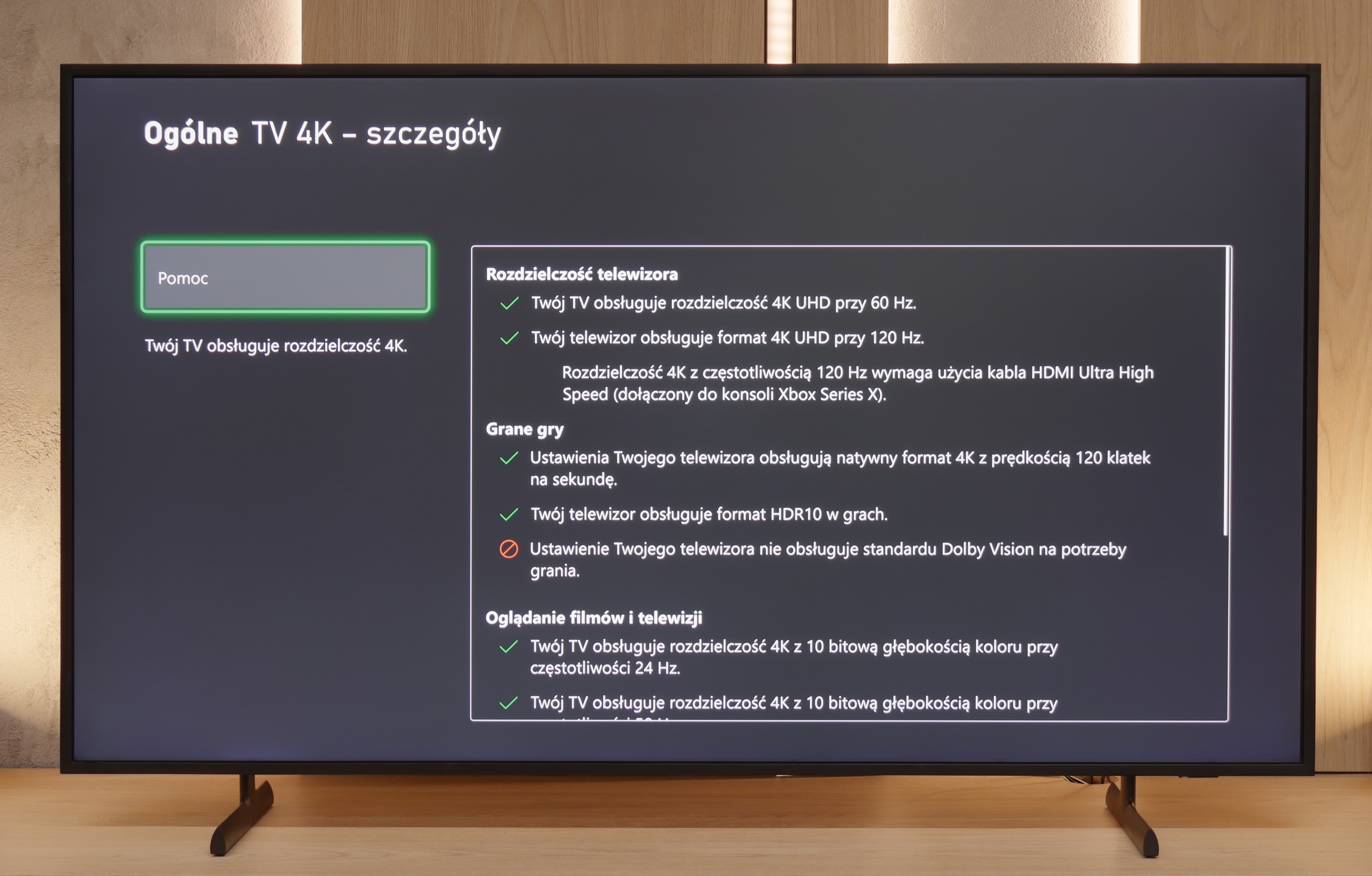

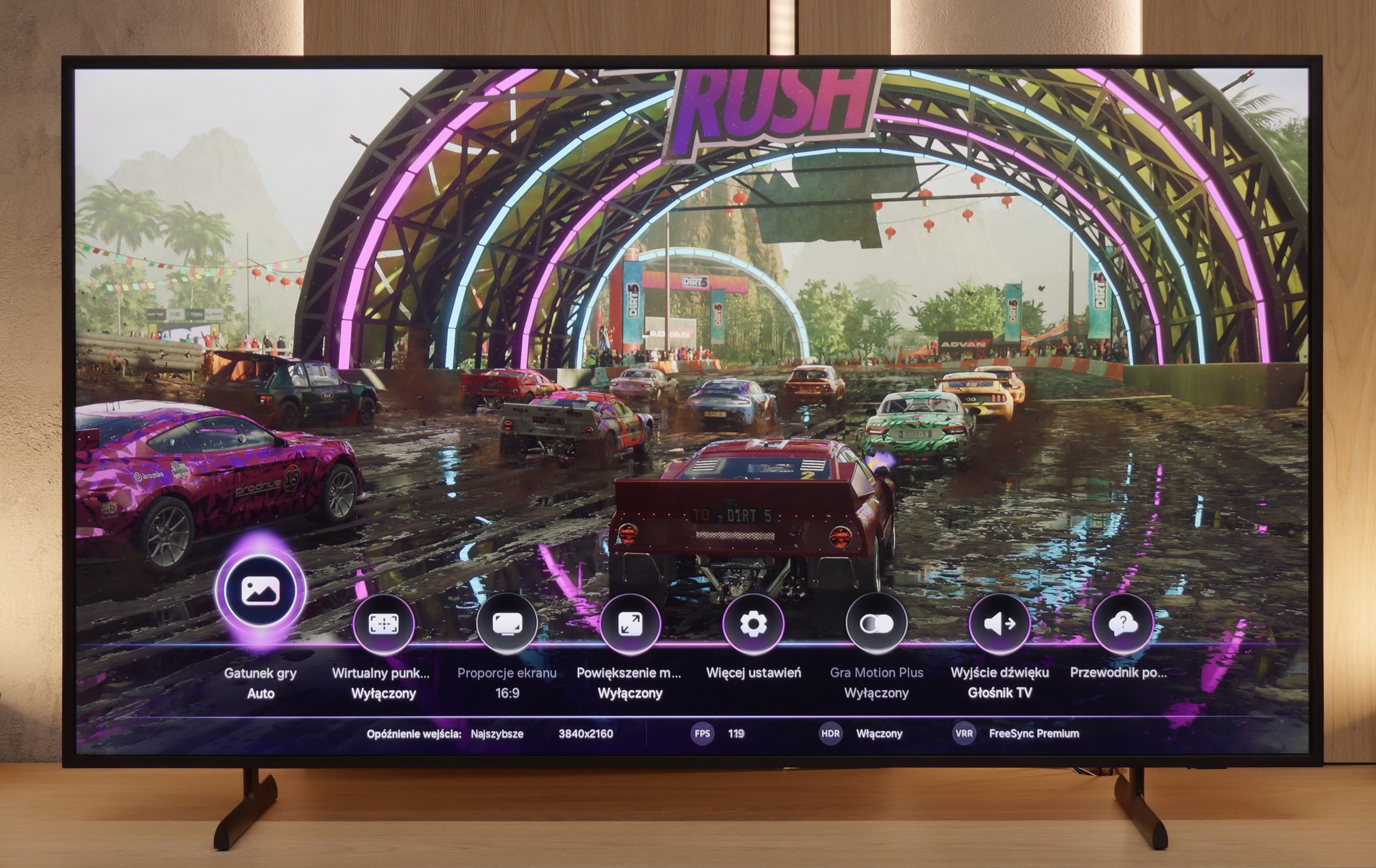

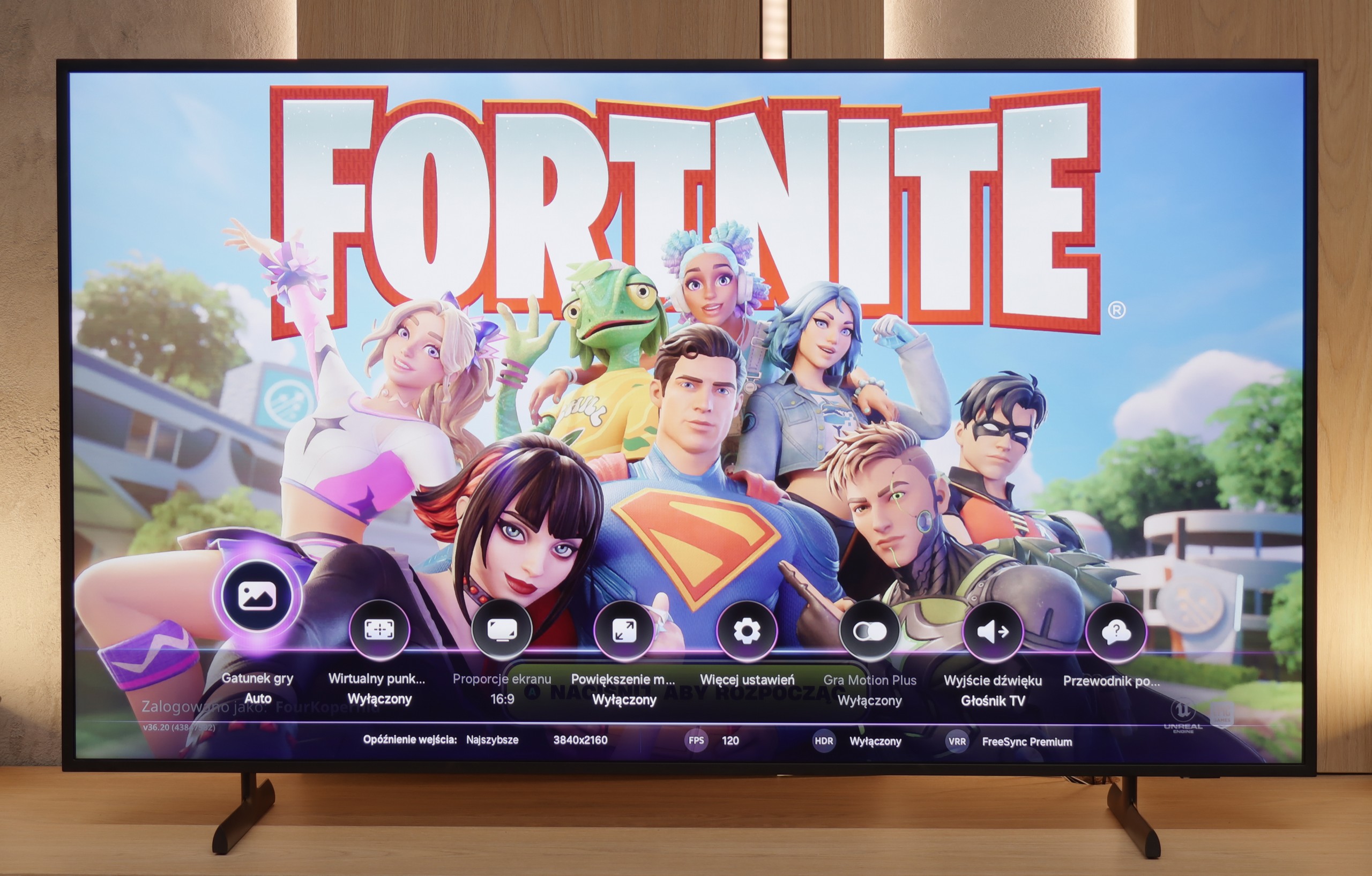
Xiaomi A Pro 2025 offers several features useful for gamers, including Game Bar, which is different from the typical "dashboards" with interfaces found in other manufacturers' products. Thanks to this, users can quickly access game-related settings, which is convenient during intense sessions. The TV also supports Automatic Low Latency Mode (ALLM), meaning it automatically switches to a mode optimised for gaming, reducing signal latency. Unfortunately, it lacks support for HDMI 2.1, limiting its capabilities for connecting the latest gaming consoles that may require higher bandwidth. Additionally, the TV does not support features such as VRR (Variable Refresh Rate) or G-Sync, which are increasingly desired by gamers, as they allow for smoother visuals and eliminate tearing. For these reasons, although Xiaomi A Pro 2025 has some features for gamers, in this price range, better options can be found that offer more advanced solutions dedicated to gamers.
As we mentioned earlier – although The Frame is likely to display images and works of art most of the time, Samsung recognised that a Van Gogh enthusiast could just as easily be an avid gamer. And it must be admitted that The Frame 2025 has almost everything needed to become a full-fledged gaming television.
On board, we find support for ALLM (Automatic Low Latency Mode) and Variable Refresh Rate (VRR) thanks to the implementation of one HDMI 2.1 port. The television handles lower resolutions at higher refresh rates effortlessly and features an advanced Game Bar – already known from other Samsung models – which allows for a quick preview and change of the most important gaming-related settings. For this, it earns extra points from us. The proprietary motion smoother Auto Motion Plus Game is also worth mentioning, which – it is worth emphasising – operates without increasing input lag. Samsung remains the only manufacturer that has managed to implement this feature in a practically invisible manner in terms of delays. The effect? Much better fluidity in games, especially those that struggle to maintain a stable 60 frames per second. This solution can realistically improve the gaming experience in more demanding titles – particularly on consoles, which do not always manage full fluidity, especially in AAA games.
As for the downsides – the lack of Dolby Vision is already considered standard in Samsung televisions, so there is not much to particularly criticise here. However, there is a different issue entirely. In the latest version of the Tizen system, the HGiG option has disappeared. Literally – it is not there. This is a significant hindrance when configuring the console for proper HDR content display in games. It is hard to understand why such a decision was made, but one thing is certain – this should be fixed as soon as possible. We are talking about a brand that has set standards for gaming on televisions for years. If HGiG returns – and we hope it will – The Frame LS03F can confidently aspire to be called a genuine gaming television. Not just as a decoration on the wall, but as equipment that truly provides joy in gaming.
Input lag
9.8/10
10/10
SDR
HDR
Dolby Vision
Xiaomi A Pro 2025 achieves remarkable results, regardless of the resolution or HDR mode. With measurements at just 15 ms, this television ranks among the top in terms of responsiveness.
In terms of input lag, Samsung maintains a high level – and a very high one at that. The LS03F, like most of this year's models from the brand, achieves a score of 8 ms for 4K content, which is practically a reference value. This result allows for gaming even in the most dynamic titles without delays and with full responsiveness. Well done!
Compatibility with PC
1/10
8.2/10

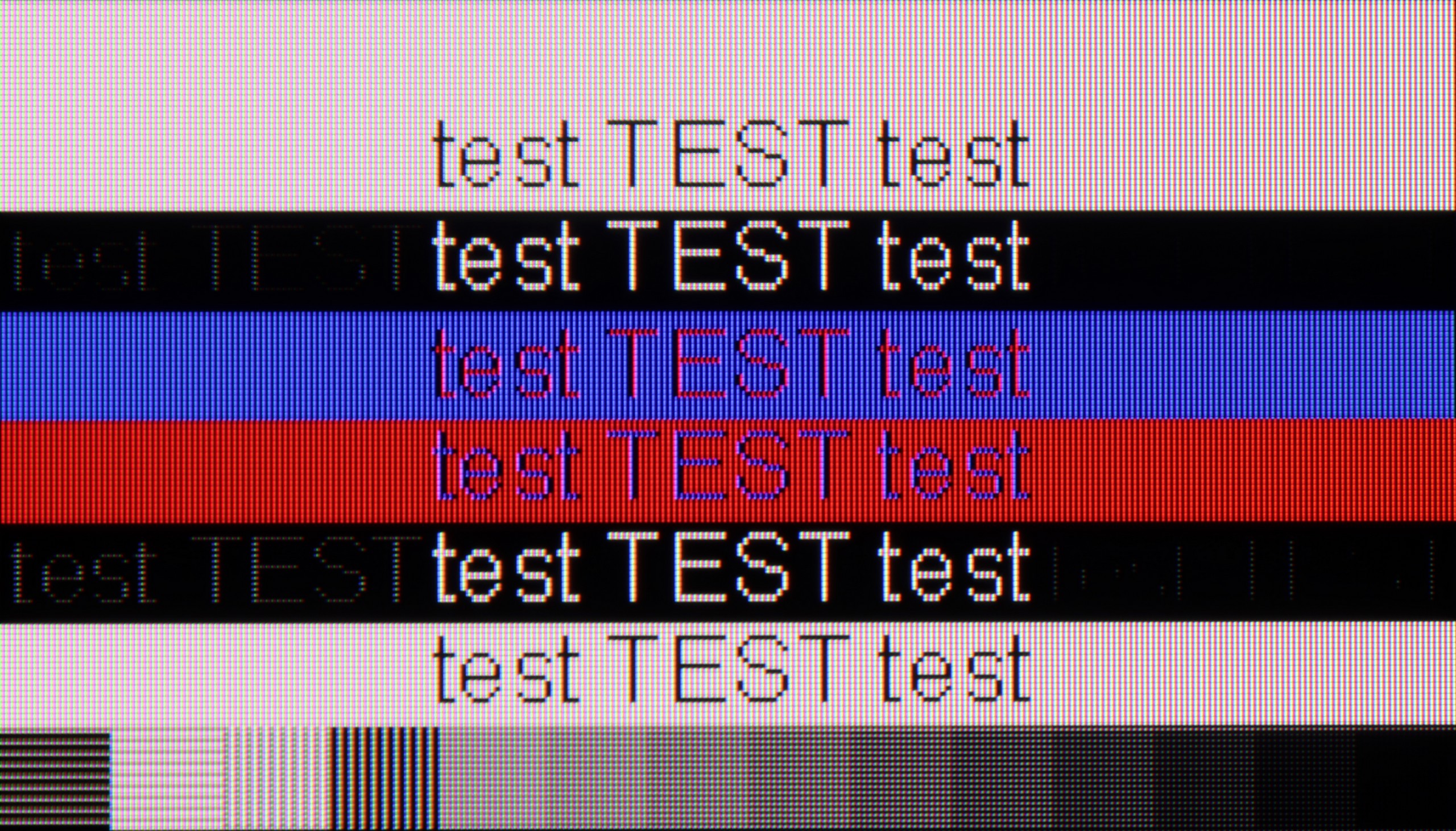
In the category of cooperation with PC, Xiaomi A Pro 2025 performs very poorly. The fonts are of low quality, and their display on the screen is often problematic. Dithering is ubiquitous; when the fonts are enlarged on a dark background, they are displayed in three colours, which is definitely glaring and can significantly hinder comfortable use of the device. Such problems can be a significant downside for users who plan to use the television as a computer monitor.
The collaboration of The Frame 2025 with a computer is not a significant problem. Let's start with gaming, as this is where this model demonstrates its strengths – support for 144 Hz signal, low input lag, and compatibility with G-Sync technology (for NVIDIA cards) make it hard not to regard it as a fully-fledged gaming monitor. It is one of the more interesting "PC gaming" televisions available on the market in this category.
When it comes to everyday work, the situation looks equally good. The Frame handles chroma 4:4:4 without any issues, resulting in good font readability and overall user comfort. We only noticed minor problems with dimming very thin lines and dark details on a light background – this effect may occur especially when working with small interface elements. However, in practice, with a 55-inch diagonal screen and standard office working distance, it will be difficult to realistically notice this problem. Nonetheless, it is worth keeping this in mind if the television is to serve as a monitor not only for entertainment but also for precise work with graphics or text.
Viewing angles
2.6/10
3.5/10
In the category of viewing angles, Xiaomi A Pro 2025 with a VA panel performs quite poorly. Although you can enjoy better blacks when viewed head-on, from side perspectives, the image loses quality. Our specialists noticed during the testing of the television that sitting a metre away from the device, the image on the right side appeared brightened and desaturated. However, moving a bit to the side improves everything, which demonstrates the significant difference in image reception depending on the viewing angle. All of this means that the experience of watching in a larger group may be less satisfying.
As could be expected from a VA panel, the viewing angles on The Frame 2025 are at best mediocre. The image loses saturation and contrast when moved off-axis. It's a pity because we are talking about a model that displays digital artworks in standby mode – and it is precisely in such moments that wide viewing angles would make the most sense, enhancing the experience of engaging with a real image rather than just its screen imitation.
Perhaps in the future, manufacturers will decide to introduce special coatings or modified versions of VA panels that improve this aspect – because for lifestyle televisions, it would have real significance not only in terms of functionality but also aesthetics.
Daytime performance
3.8/10
6.3/10



Panel brightness
Average luminance SDR
Samsung The Frame 2025 (LS03F): 596 cd/m2
XIAOMI A PRO 2025: 249 cd/m2
Xiaomi A Pro 2025 presents itself as average. The panel coating is satin, which may help reduce reflections, but the suppression of glare is average. The brightness of the television is only 250 nits, which is a relatively low result compared to other models on the market. As a result, on sunny days or in brightly lit rooms, the picture quality may suffer, and details may be difficult to perceive.
One of the most characteristic elements of The Frame is its matte display – and it must be said that Samsung has really refined this aspect. From our experience, it is one of the best solutions for suppressing light reflections, especially direct ones. If screen reflections can be irritating, it will be difficult to find a better display in this budget than the matte panel used in Samsung TVs. Of course, this comes with a certain compromise. In very bright sunlight, colours may appear slightly washed out, and the image loses a bit of depth. However, it is something we consciously accept when choosing a matte screen – something for something. In practice, the colours and contrast on Samsung's matte screen are still better than on Chinese designs such as the TCL NXT Vision or Hisense Canvas TV. If effective suppression of reflections and the desire to use the television also as a "digital picture" in bright rooms is a priority, then there is hardly a better choice.
The Frame achieves around 600 nits of brightness, which combined with the matte finish allows the television to perform well in brightly lit daytime conditions. It may not be at the level of flagship models, but in everyday use – in a living room with plenty of light – it handles it without any problems.
Panel details
Subpixel Structure:

Panel uniformity and thermal imaging:

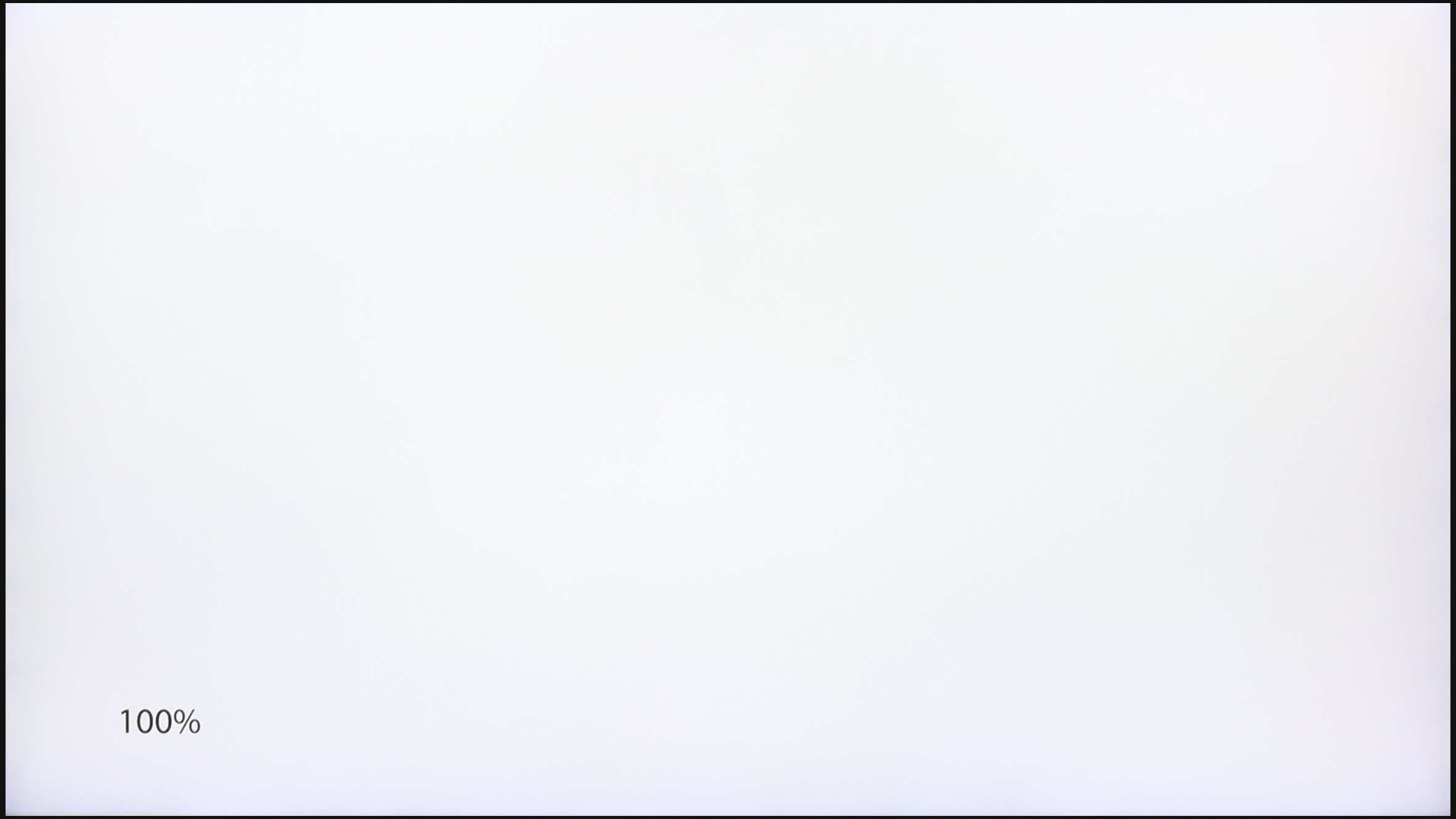
XIAOMI A PRO 2025
Samsung The Frame 2025 (LS03F)
TV features
5.5/10
7.2/10
- HDMI inputs3 x HDMI 2.0, 0 x HDMI 2.13 x HDMI 2.0, 1 x HDMI 2.1 40Gbps
- Other inputsRCA (Chinch)
- OutputsToslink (Optical audio), eARC (HDMI), ARC (HDMI)Toslink (Optical audio), eARC (HDMI), ARC (HDMI)
- Network InterfacesWi-Fi 2.4GHz, Wi-Fi 5GHz, Ethernet (LAN) 100MbpsWi-Fi 2.4GHz, Wi-Fi 5GHz
- TV receptionDVB-T, DVB-T2, DVB-S, DVB-S2, DVB-CDVB-T, DVB-T2, DVB-S, DVB-S2, DVB-C
Classic features:
- Recording to USB (terrestrial TV)
- Recording programming
- Picture in Picture (PiP)
- RF remote control (no need to aim at the screen)
- Backlit remote control
- Teletext
- Audio only mode
- Bluetooth headphones support
- Simultaneous Bluetooth headphones & TV audio
Smart features:
- AirPlay
- Screen mirroring (Windows Miracast)
- Voice search
- Voice search in native language
- Ability to connect a keyboard and mouse


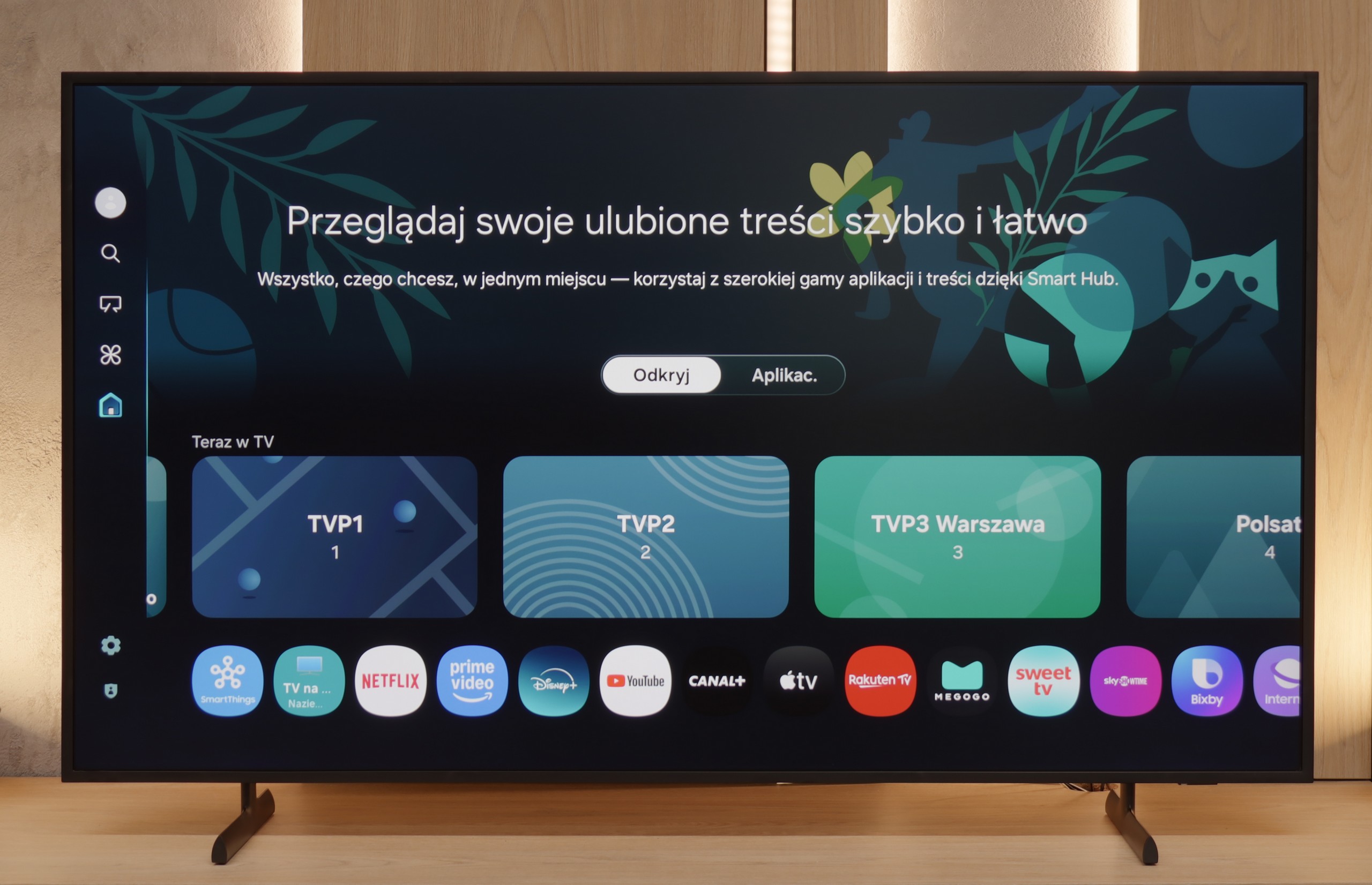
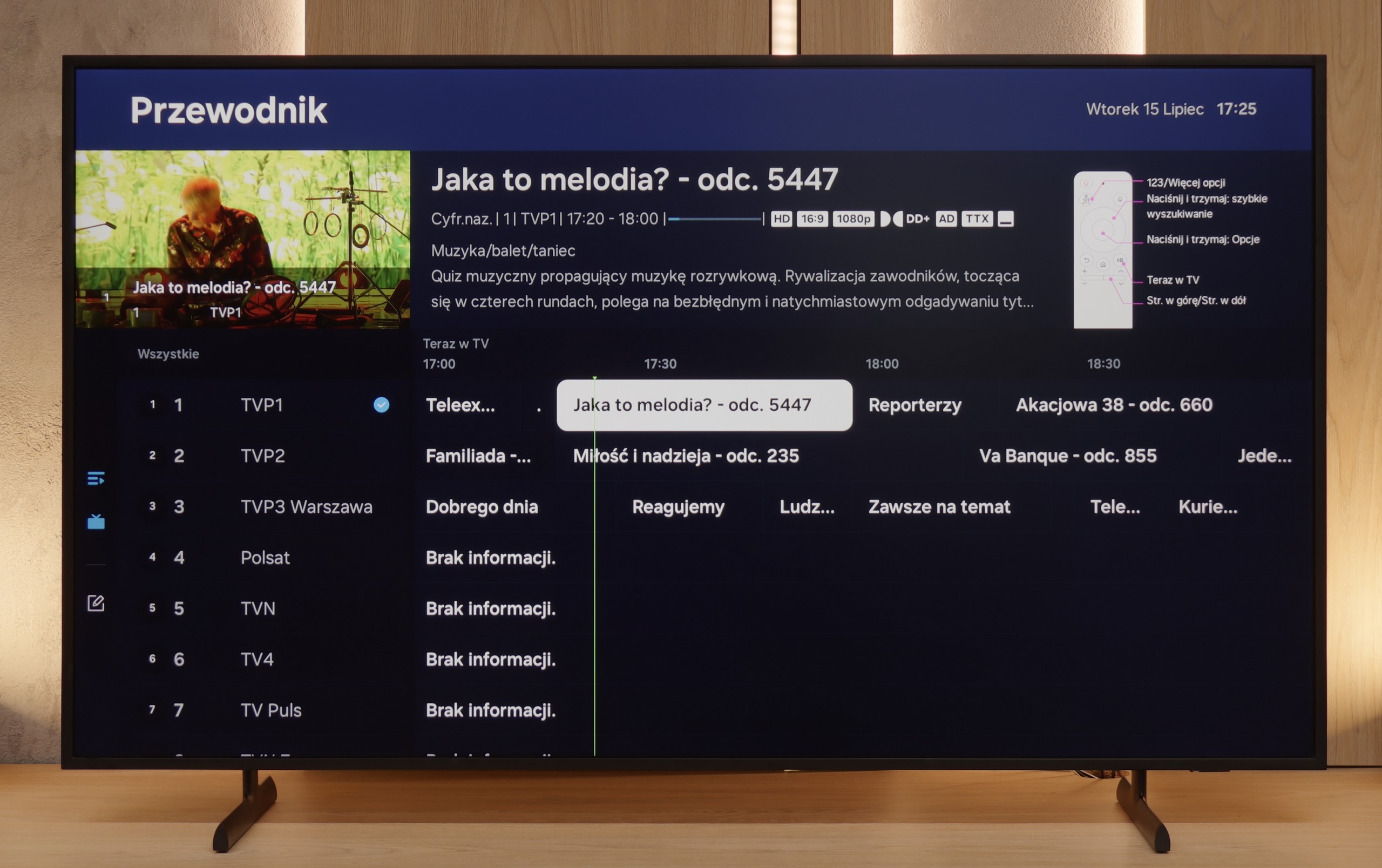
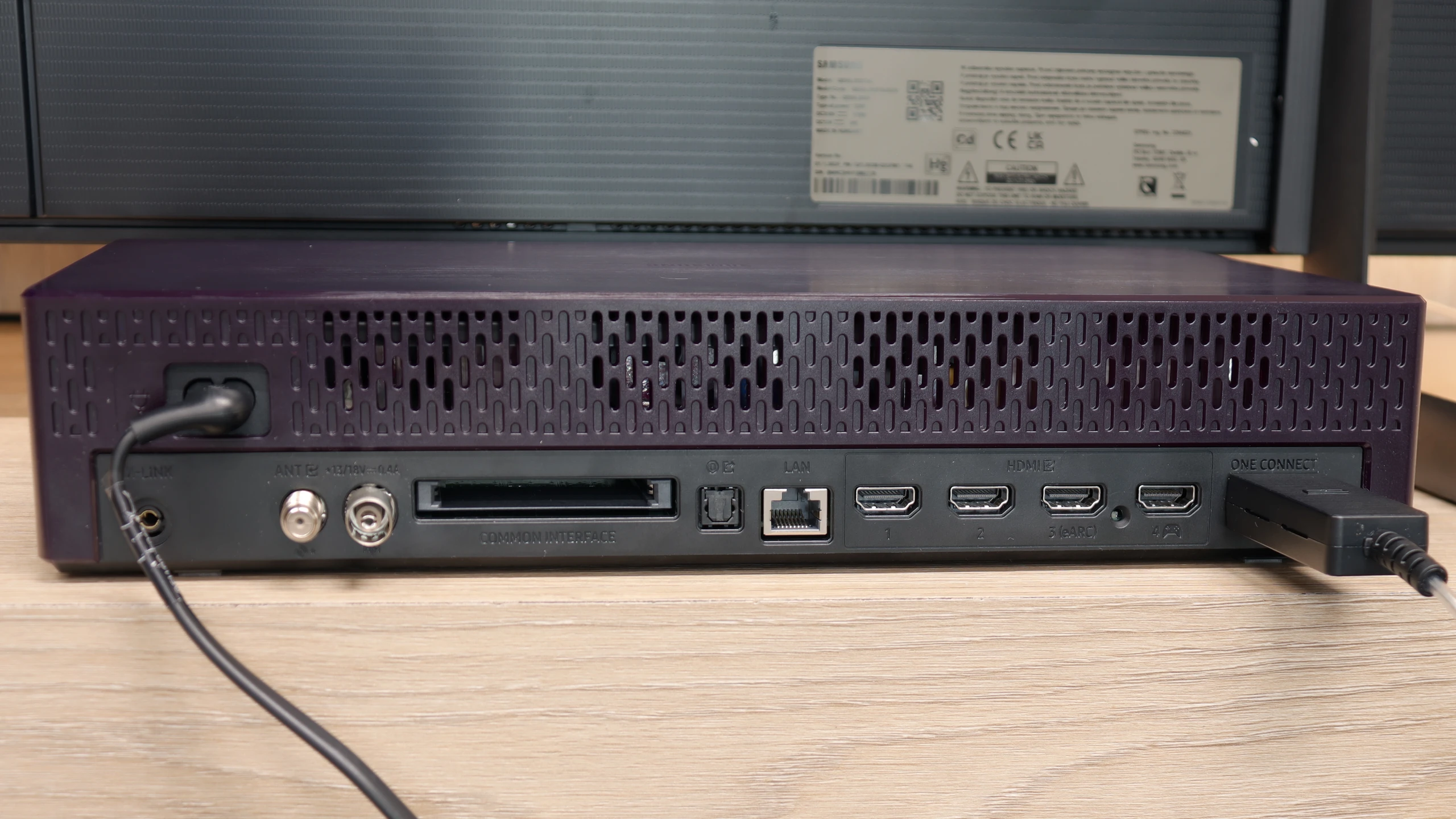
In terms of functionality, Xiaomi A Pro 2025 stands out with the Google TV system, which is one of its biggest advantages. This allows users access to a wide range of apps and streaming services, greatly enhancing the convenience of using the television. The Google TV system also offers a voice assistant that simplifies navigation and allows for quick content searches without the need to browse through menus. One of the key benefits of this system is the ability to download virtually unlimited applications from the Google Play Store, enabling users to personalise the television according to their individual needs. Users can install streaming apps, games, and various tools, making the television a multimedia entertainment hub. However, it is worth noting that this model does not have recording functions or AirPlay, which may be disappointing for some users. Additionally, there are quite significant lags in the operating system, affecting user experience. On the plus side, it is also possible to pair other peripheral devices via Bluetooth, and the remote control does not require aiming at the screen, which significantly improves usability. Despite some shortcomings, Xiaomi A Pro 2025 has the potential to satisfy the needs of users looking for a modern television.
Classic Television Features
In terms of classic features, The Frame does not stand out particularly from the competition. There are no options for recording to USB or PiP (picture-in-picture) functionality, which may be disappointing for some users. On the other hand, the television allows for simultaneous use of speakers and headphones, which can be useful – especially for older users. The EPG, or electronic programme guide, is quite readable, and despite the lack of conventional buttons on the remote, we were able to access teletext. In everyday use, the basic functions operate smoothly and without significant complaints.
Smart System – Tizen and Applications
The Frame 2025 runs on the Tizen system, which has long been regarded as one of the most refined Smart TV solutions on the market. This system is designed with the idea that devices are more than just a television – and it has been constructed with that spirit in mind. Tizen offers full integration with external devices – supporting both Apple AirPlay and Miracast. With the SmartThings app, it is possible to control not only the television but also other devices within the smart home framework. Since last year, Samsung has also been developing its own voice assistant with support for the Polish language, which significantly facilitates operation. However, the greatest strength of the Smart system in The Frame remains the Art Gallery application. Although access to it is paid (in the form of a subscription), it offers the best scans of works of art available on the market – referring to scans, not ordinary photographs. As a result, the effect of a digital painting hanging on the wall is markedly better than in any other lifestyle television.
Playing files from USB
6.8/10
9.1/10
Supported photo formats:
Maximum photo resolution:

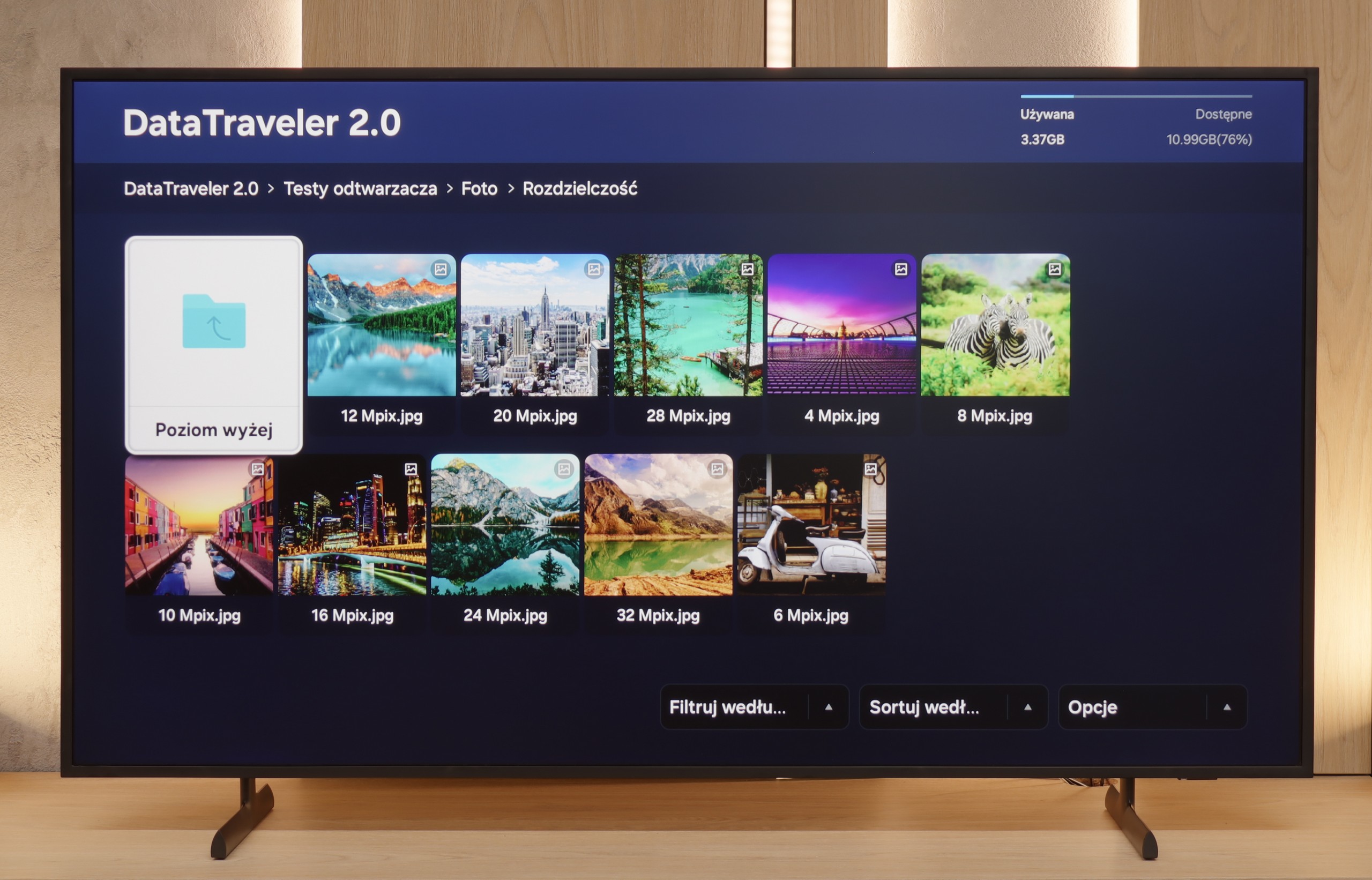
Xiaomi A Pro 2025 offers a decent built-in media player that meets basic user expectations. However, the television has its drawbacks and sometimes encounters issues with playing certain file formats, which can be frustrating. Fortunately, with access to the Google Play Store, users can easily download alternative players that better meet their needs. In our test of the Xiaomi TV A Pro 2025, we demonstrated that its compatibility with applications is high, and additional media playback apps work flawlessly. It is also worth noting that the Xiaomi TV A Pro 2025 is equipped with the Android TV platform, allowing access to a wide range of applications and streaming services. Installing alternative media players improves the overall functionality of the device and eliminates compatibility issues with formats. As a result, the Xiaomi A Pro becomes a more versatile television that can meet the diverse expectations of users, even those with higher demands when it comes to media playback.
During testing, we did not notice any major issues with playing files from a USB memory stick. The television handled both video materials and photos well. Of course, there are some exceptions – for example, a lack of support for the HEIC format (used by Apple devices) – but it is difficult to consider this surprising. One positive aspect is the full support for high-resolution photos – the television displays files with a high number of megapixels without any problems, which may be particularly significant for those looking to treat The Frame as a digital frame as well. However, during testing, we noticed a limitation regarding subtitles – the television only correctly handled files in .txt format. It is worth keeping this in mind and ensuring that the downloaded subtitles for films are saved in this format; otherwise, they may simply not display.
Apps
9.6/10
8.7/10






















Sound
6/10
6/10
- Maximum volume--
- Dolby Digital Plus 7.1
- Dolby True HD 7.1
- Dolby Atmos in Dolby Digital Plus (JOC)
- Dolby Atmos in Dolby True HD
- DTS:X in DTS-HD MA
- DTS-HD Master Audio
When it comes to sound, Xiaomi A Pro 2025 is impressively positive, especially considering its price. The sound quality is truly solid, and the audio does not deviate from what one would expect in this class. Additionally, the television supports DTS audio formats, which are often lacking in much more expensive TVs. It is worth noting that this assessment is subjective and may vary depending on individual preferences.
For such a slim television, the sound is quite good. It is full, sufficient for everyday viewing, but without much excitement – typical for flat constructions. There is little bass, although at times it can be heard. The speakers in a 2.0.2 arrangement have a total power of 40 W (in the 55+ inch version). Unfortunately, the television does not support the DTS format, so for films with that sound, one has to rely on external equipment, such as a home cinema. A soundbar can be connected, and thanks to the Q-Symphony feature, the television plays along with it. Samsung also offers visually matched models for The Frame like S700D or S800D, but they are sold separately. (This shouldn’t surprise anyone😉).