The Samsung S85F in the tested version with a WOLED panel is a television that must be judged primarily in light of its price. True to organic technology, it offers perfect, almost ideal blacks and infinite contrast in cinematic conditions. This feature alone will impress the majority of buyers, especially those upgrading from any LCD television. However, it cannot be denied that in a direct comparison with the 55-inch QD-OLED variant, the WOLED version shows some weaknesses. It is slightly darker, particularly in bright full-screen scenes, and offers noticeably poorer viewing angles. Nonetheless, the other advantages remain intact. Motion fluidity is at a high level—the 120 Hz panel handles both sports and action films excellently. And if someone plans to connect a console to the S85F, they will enjoy a full set of benefits: low input lag, variable refresh rate, Game Bar, and full HDMI 2.1 support. In everyday use, the Tizen system assisted us—closed, yet extremely polished. It responds quickly, offers a rich selection of apps, and features like AirPlay and voice control make it hard to find anything more complete in this category. Indeed, the S85F in the WOLED variant is not a perfect television and yields to its sibling with the QD-OLED panel. However, its biggest weapon is its absurdly low price. The purchase cost is downright laughable in relation to the capabilities offered. It is still a great and, above all, inexpensive OLED that will be one of the best and most cost-effective televisions on the market for a vast array of users.
- Matching (Score)
- Our verdict
- TV appearance
- Where to buy
- Contrast and black detail
- HDR effect quality
- Factory color reproduction
- Color reproduction after calibration
- Smoothness of tonal transitions
- Image scaling and smoothness of tonal transitions
- Blur and motion smoothness
- Console compatibility and gaming features
- Input lag
- Compatibility with PC
- Viewing angles
- Daytime performance
- Panel details
- TV features
- Apps
- Playing files from USB
- Sound
Samsung S85F (WOLED) vs TCL C69K / Q6C
 Direct comparison
S85F / FAU / FAE

C69K / Q6C / C6K
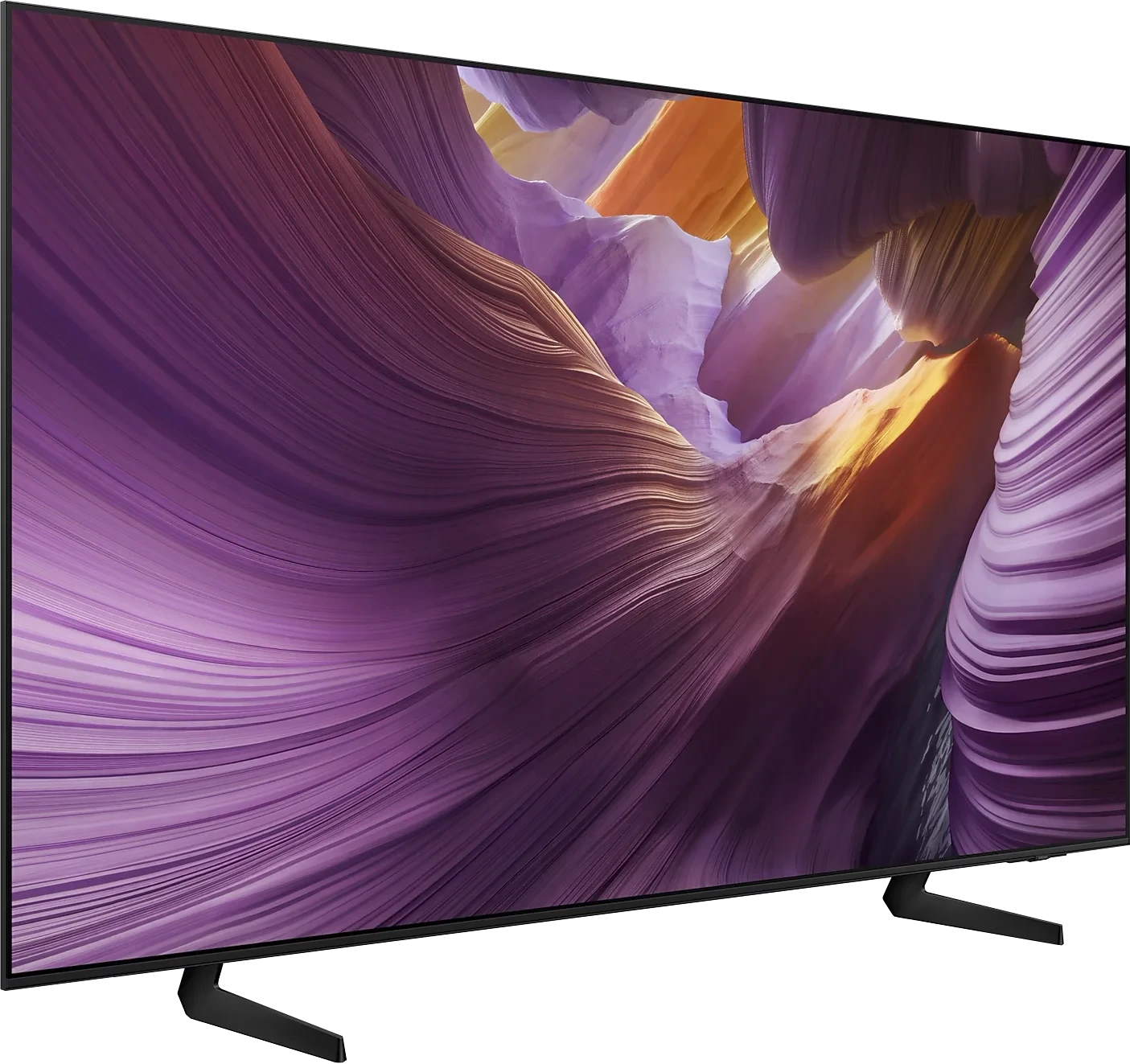
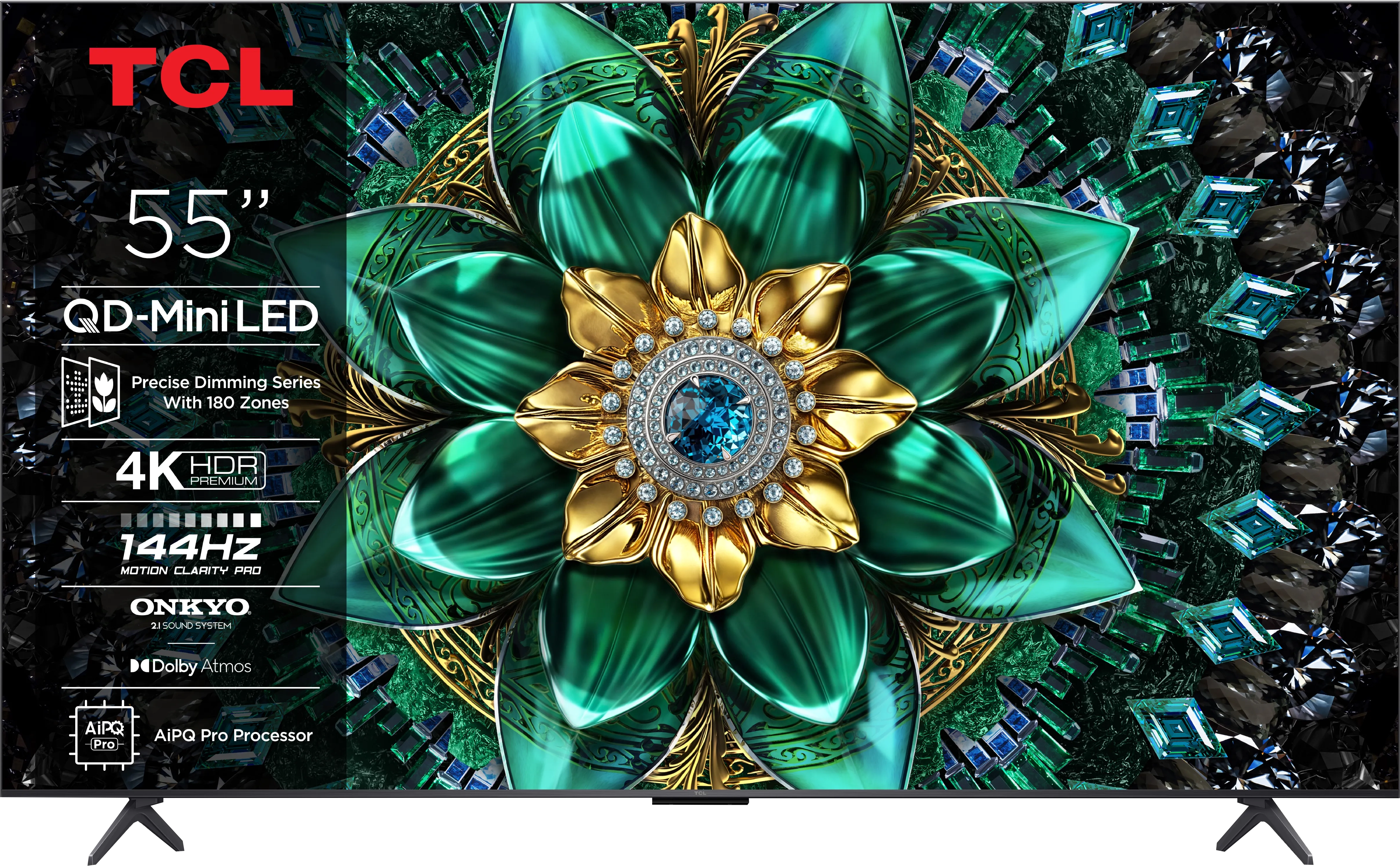
Panel type: WRGB OLED
Resolution: 3840x2160
System: Tizen
Model year: 2025
Complete the survey to find out the result
Panel type: LCD VA
Resolution: 3840x2160
System: Google TV
Model year: 2025
Complete the survey to find out the result
Overall rating
7.7
7.1
 Movies and series in UHD quality
 7.9
6.7
 Classic TV, YouTube
 8.6
6.6
 Sports broadcasts (TV and apps)
 8.5
6.3
 Gaming on console
 8.7
8.4
 TV as a computer monitor
 7.6
8.6
 Watching in bright light
 5.3
6.4
 Utility functions
 7.3
7.0
 Apps
Apps 8.7
9.6
 Sound quality
 7.2
6.5
Complete the survey to find out what fits your preferences
Advantages

Revolutionary black and contrast
Great picture in SDR and HDR content after calibration
Very good motion fluidity – 120 Hz OLED panel
Rich set of features for gamers: VRR, Game Bar, low input lag
4 HDMI 2.1 ports with full bandwidth of 48 Gbps
Advanced and smoothly operating Tizen system
Solar Remote with multiple capabilities
Very good contrast and black: VA panel and MINI-LED backlighting
Good motion smoothness: High refresh rate of 144Hz
Decent panel brightness
Many features for gamers: VRR, ALLM, HDMI 2.1, HGiG
Additional mode for PC gamers: 240Hz
GoogleTV system with a wide selection of applications
Support for multiple HDR formats including Dolby Vision
Support for Dolby Atmos and DTS
Very attractive price
Disadvantages

No recording function on USB and PiP
No Dolby Vision
No HGiG* function
Worse viewing angles, colour gamut coverage and lower brightness than the variant with QD-OLED panel
*This function disappeared with software update 1110.7 – we are monitoring this situation regularly.
Management of backlighting could be more precise
Minor, occasional errors in the system
Slight ghosting visible in dynamic scenes
Great chaos in naming (many derivative models that differ in no way)
Our verdict
The TCL C69K / Q6C is a TV that perfectly targets gamers and movie fans on a reasonable budget. Its biggest strength is the combination of a VA panel with Mini-LED backlighting. Simply put, contrast is high and blacks are deep, making evening movie sessions look truly impressive. Add to that a 144 Hz refresh rate, which does wonders not only for sports but especially for gaming. And for gamers, it’s a full package: HDMI 2.1, VRR, ALLM, HGiG, and even a 240 Hz option for PC. Throw in Dolby Vision, which gives movies a cinematic touch, and you get a picture that’s just pleasing to the eye. On the software side, it runs Google TV with the Gemini AI assistant, so there’s no shortage of apps. The sound system holds up well too — Dolby Atmos and DTS support are nice additions, complemented by branded Onkyo speakers. Of course, it’s not perfect. The local dimming system can sometimes struggle in complex scenes, slightly lifting black levels. And those Polish translations in the menu... let’s just say they could use some work. Still, the C69K / Q6C makes a very strong case for itself. Considering the price, it’s one of the most interesting all-around TVs for both movies and gaming. Definitely worth watching out for during sales — and hoping for TCL’s usual post-launch firmware improvements.
TV appearance
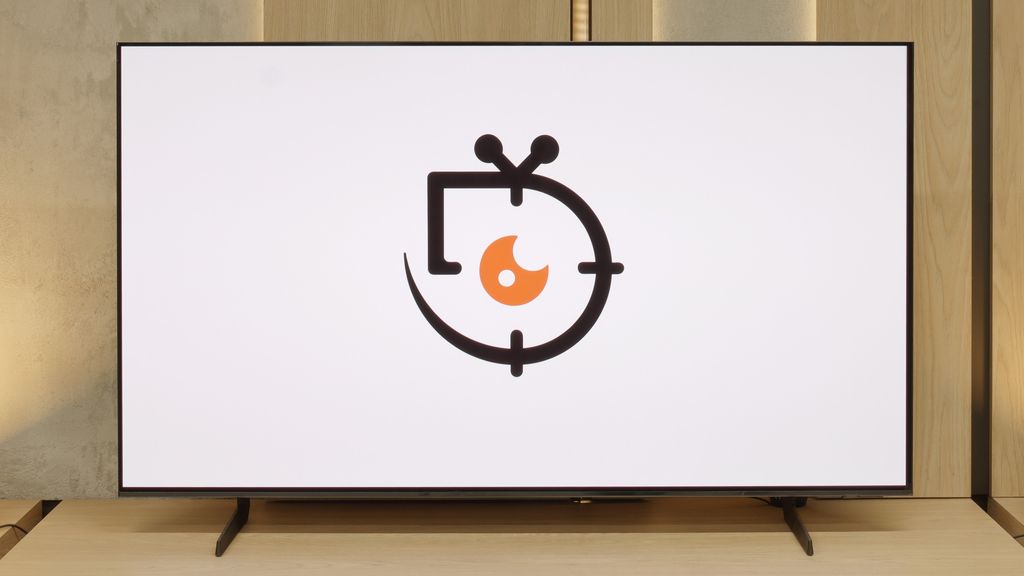
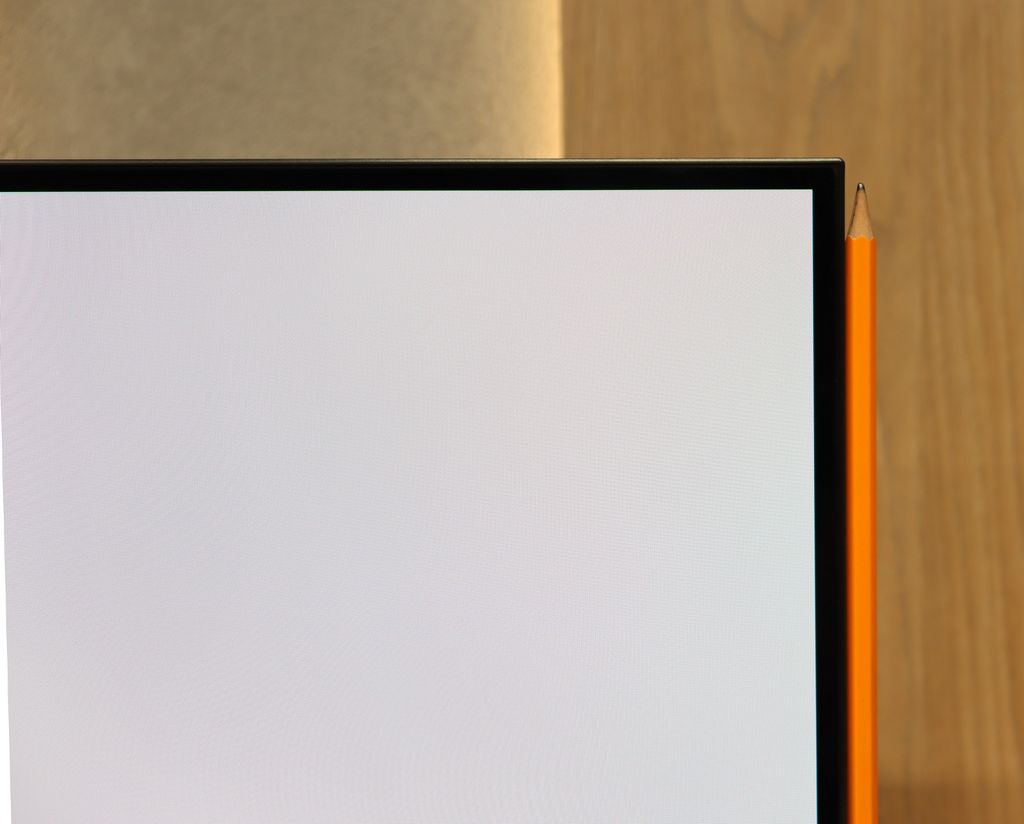
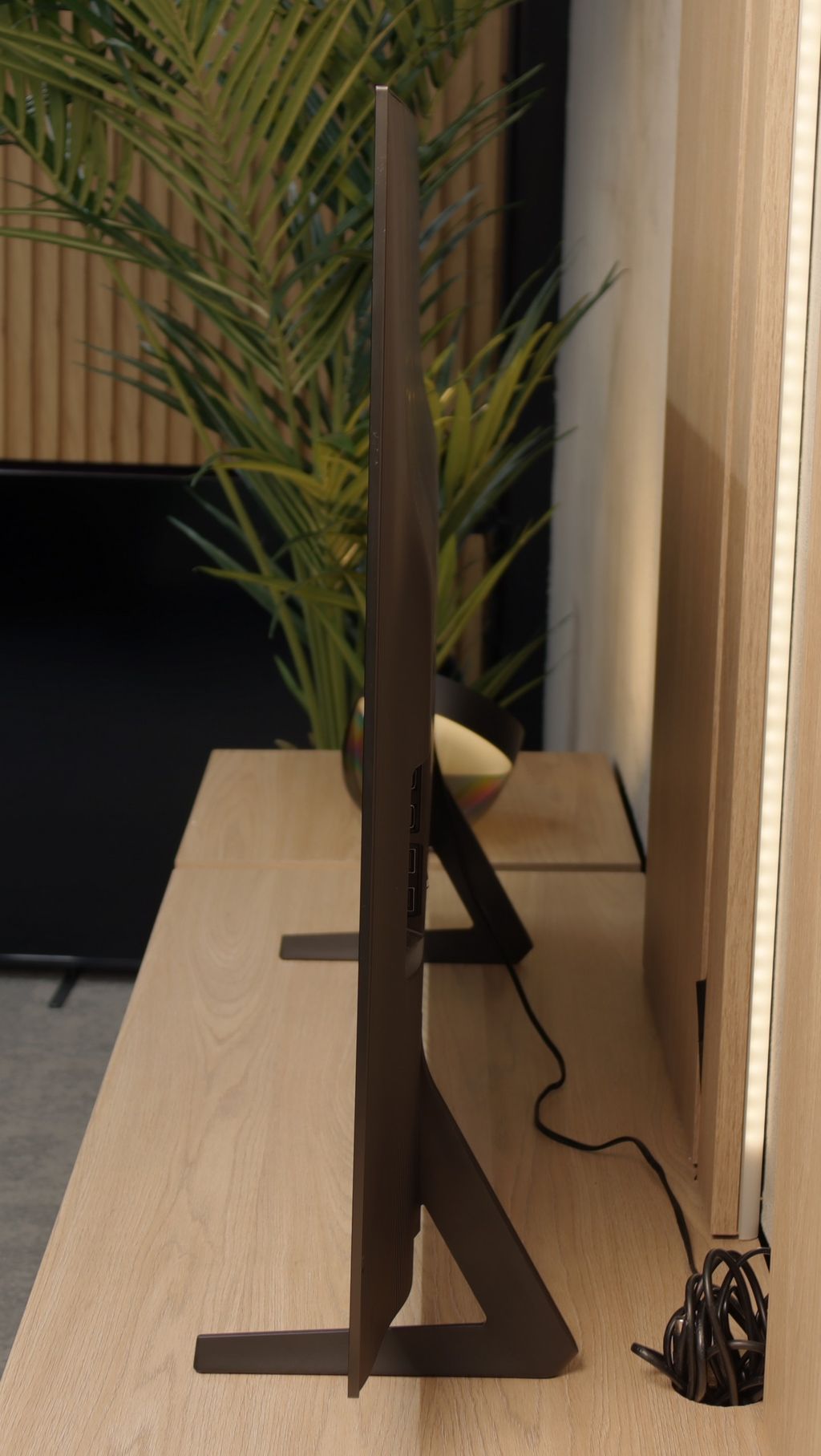
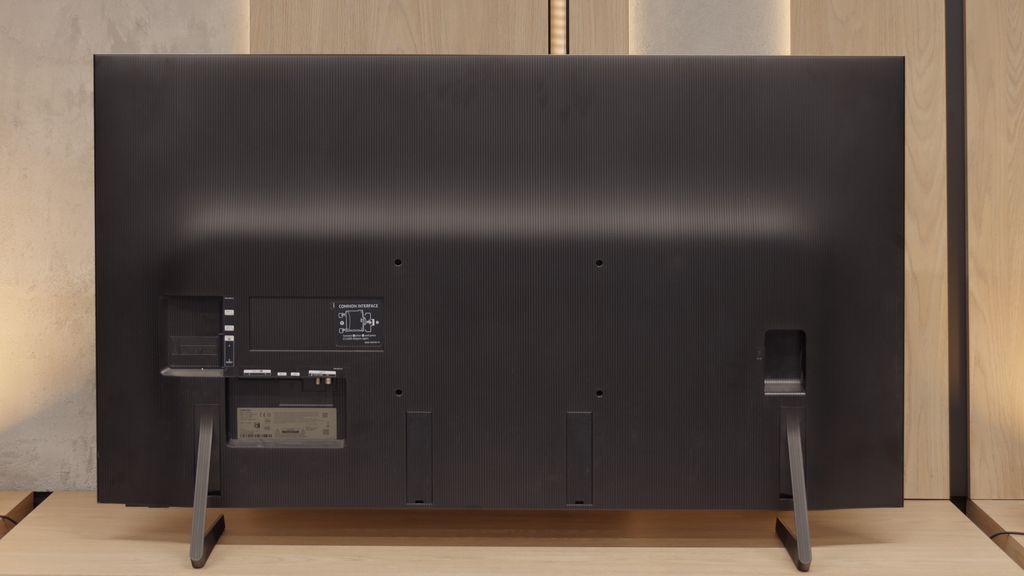
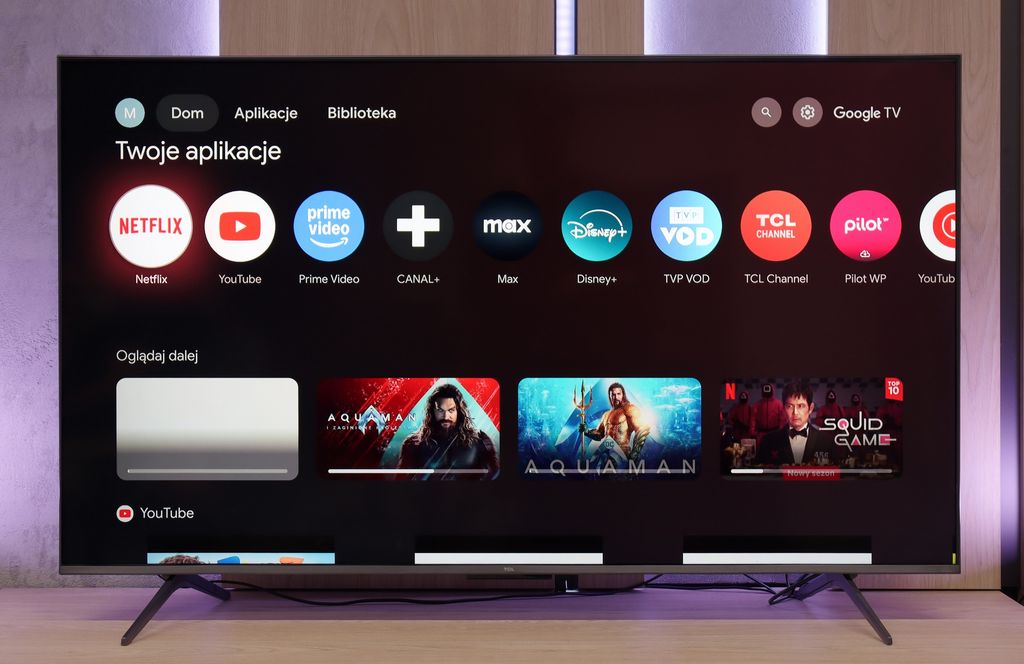
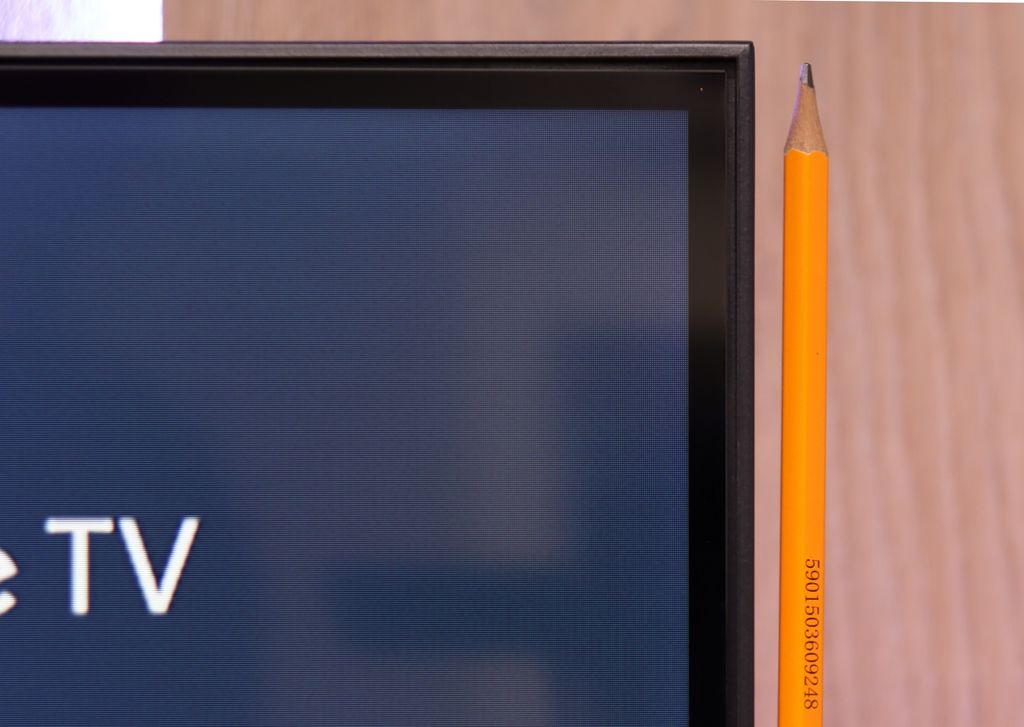
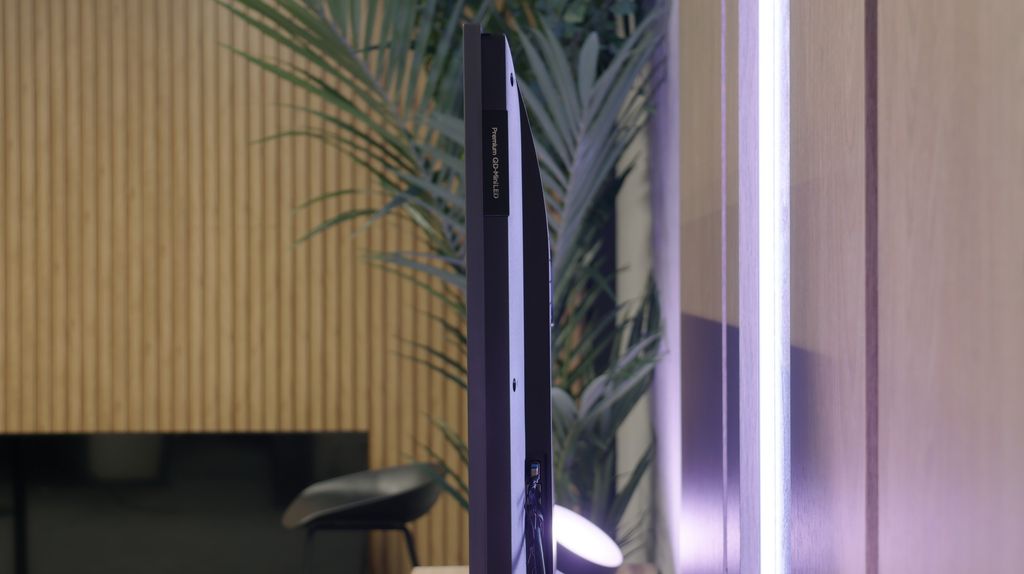
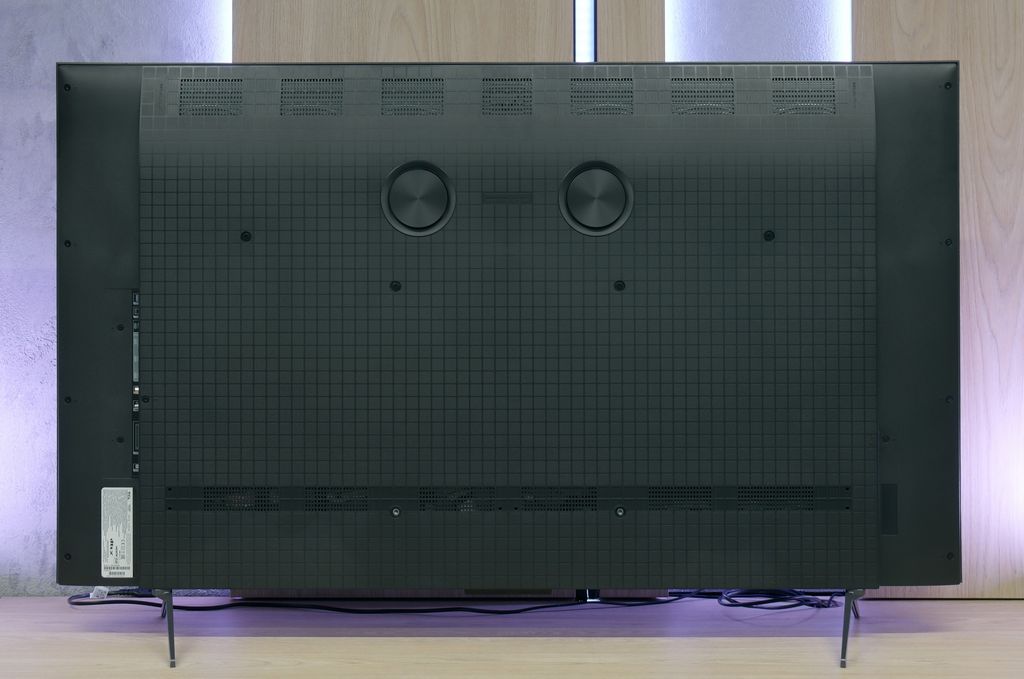

Contrast and black detail
10/10
7.3/10
Local dimming function: Yes, number of zones: 180 (10 x 18)
Contrast:


Result
∞:1

Result
∞:1

Result
∞:1

Result
∞:1

Result
∞:1
Result
113,750:1
Result
17,350:1
Result
16,300:1
Result
9,850:1
Result
4,850:1
Halo effect and black detail visibility:
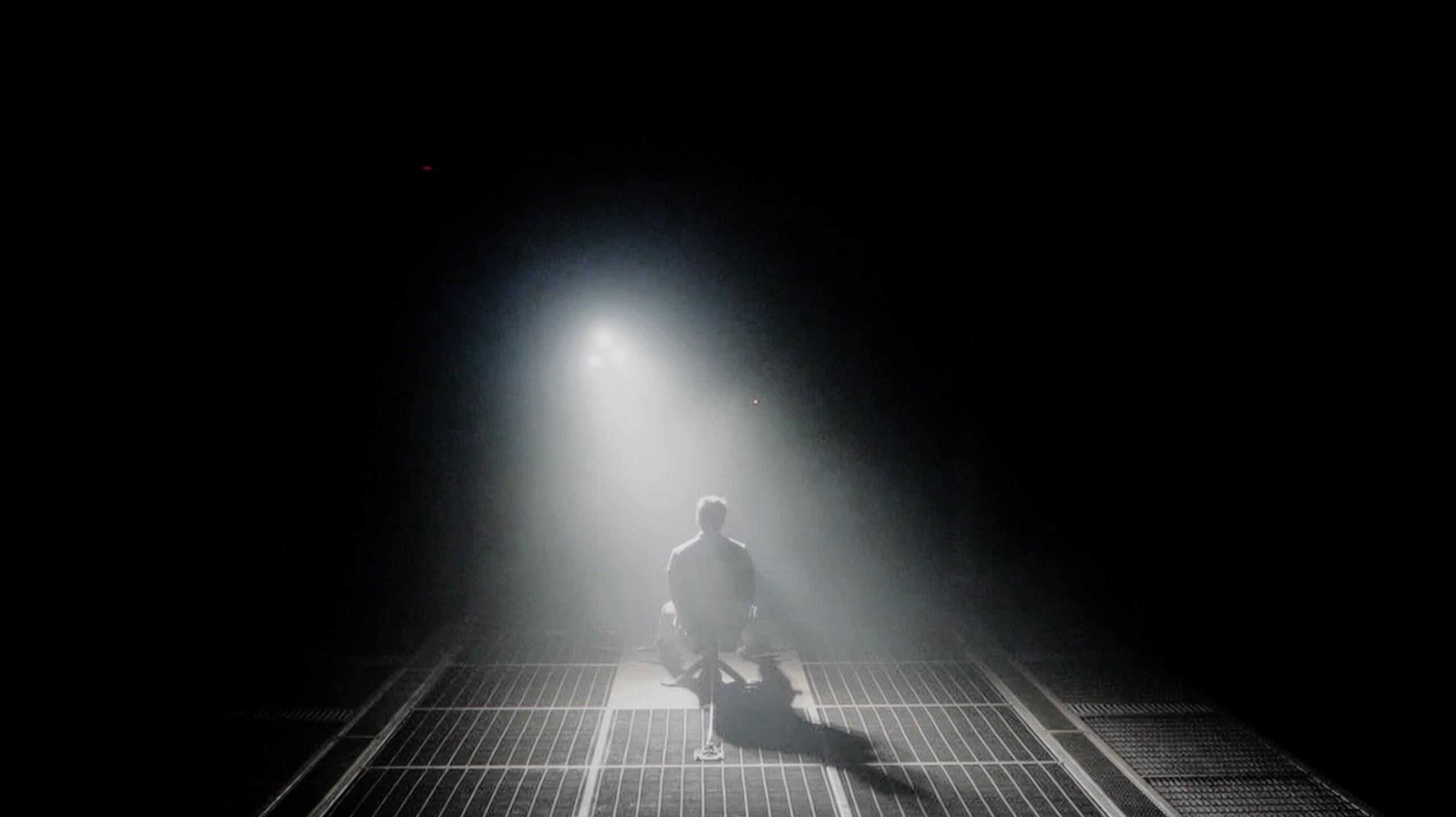
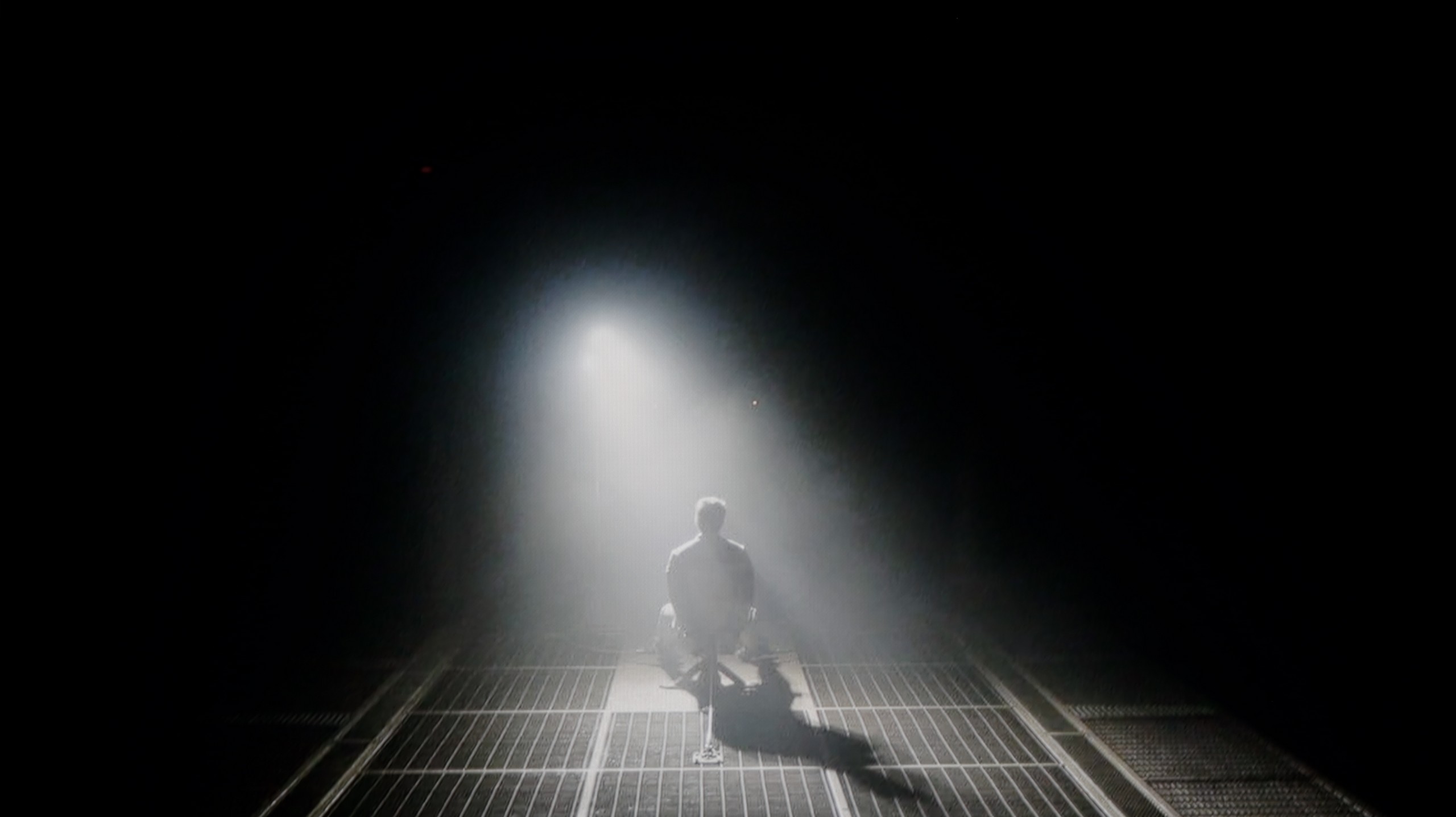
When it comes to blacks and contrast, we must be honest – this is the area where the differences between QD-OLED and WOLED panels are virtually non-existent under typical cinematic conditions. We confirm with full responsibility: the Samsung S85F equipped with a WOLED panel achieves amazing and unparalleled results in this respect. Regardless of the scene being watched – whether it's a dynamic action movie or a dark thriller – we receive infinite contrast and perfect black that we expect from any OLED television. These are results that can impress even the most discerning cinephiles. It is worth emphasizing that such deep, absolute black can only be offered by televisions with organic panels. In cinematic conditions, as we see in our measurements, the level of black luminance is zero. So, if you dream of a screen that can "switch off" the light in a scene just as effectively as an independent cinema in a dark room, we are pleased to state that the S85F, also in the WOLED variant, is one of those televisions.
The heart of the image in TCL C69K / Q6C is the VA panel (specifically HVA from TCL CSOT), which offers a solid native contrast of around 6000–7000:1, even before local dimming is activated. However, the true strength of this model lies in the Mini-LED backlighting with the ability to dim individual zones. In the 55-inch unit we tested, we counted around 180 of them (this value increases with the diagonal size). For this price segment, the contrast is indeed very impressive. In less complex film scenes, for example in segments from "Oblivion," it presents excellently, and shots immersed in black are very striking. Nevertheless, the characteristics of Mini-LED technology mean that we do not always avoid issues – in more demanding frames with many bright details, halo effects or excessive dimming of certain elements may occur (regardless of the selected local dimming settings). All in all, contrast is undoubtedly a strong point of the C69K / Q6C.
HDR effect quality
5.9/10
4.9/10
Luminance measurements in HDR:

Result
672 nit

Result
673 nit

Result
718 nit

Result
670 nit

Result
276 nit
Result
610 nit
Result
204 nit
Result
425 nit
Result
148 nit
Result
589 nit
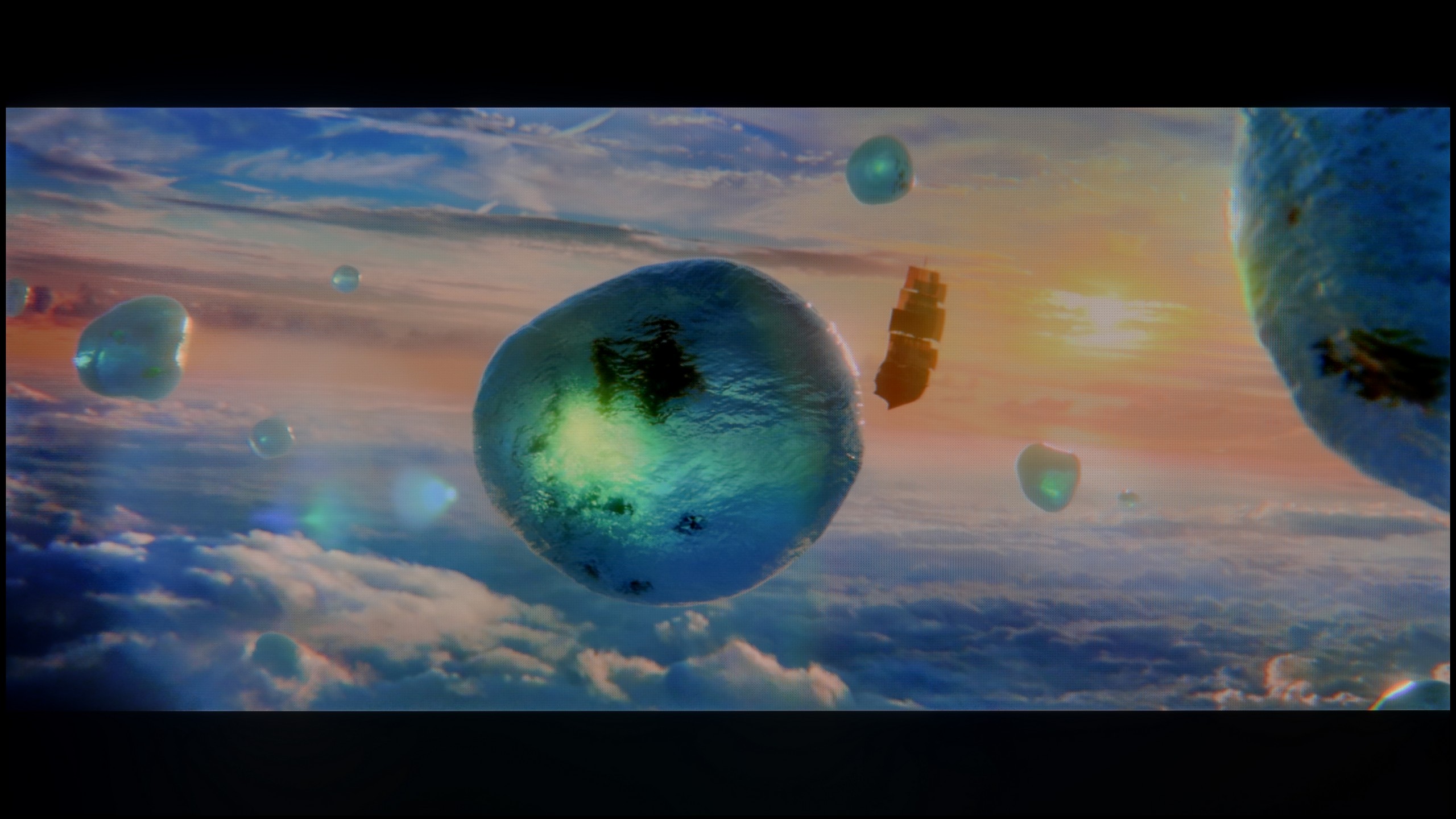
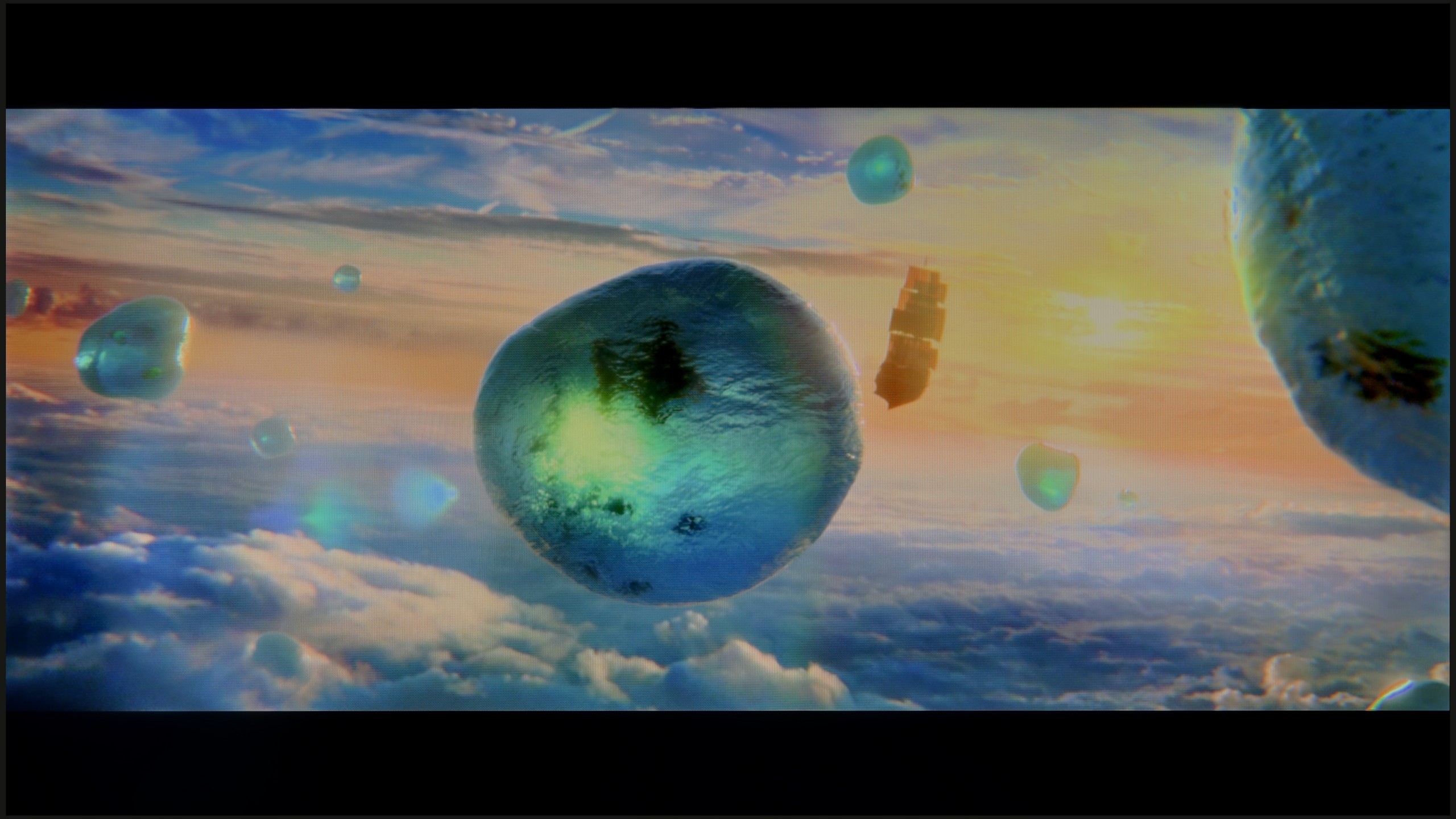
Scene from the movie “Pan” (about 2800 nits)
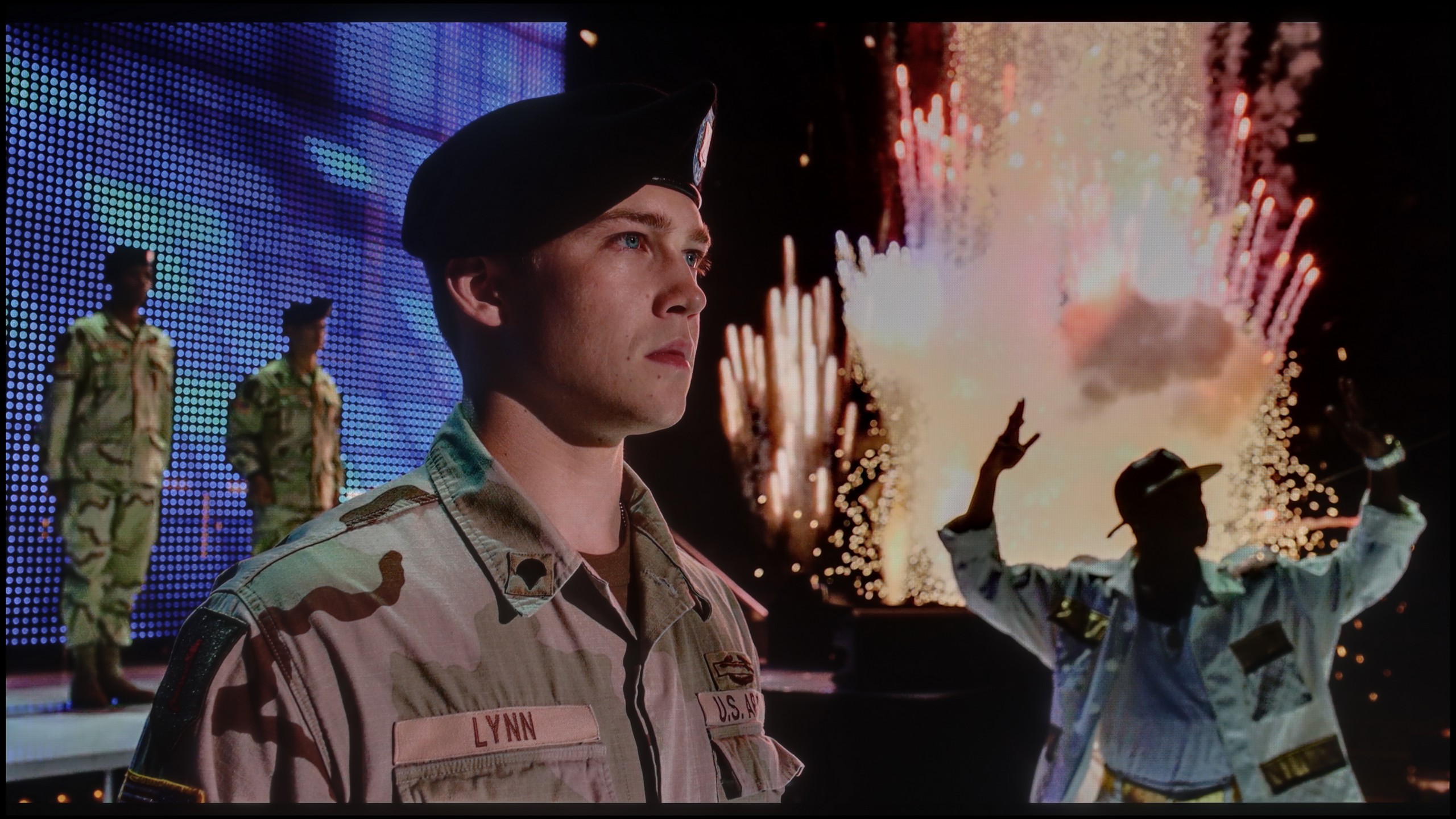
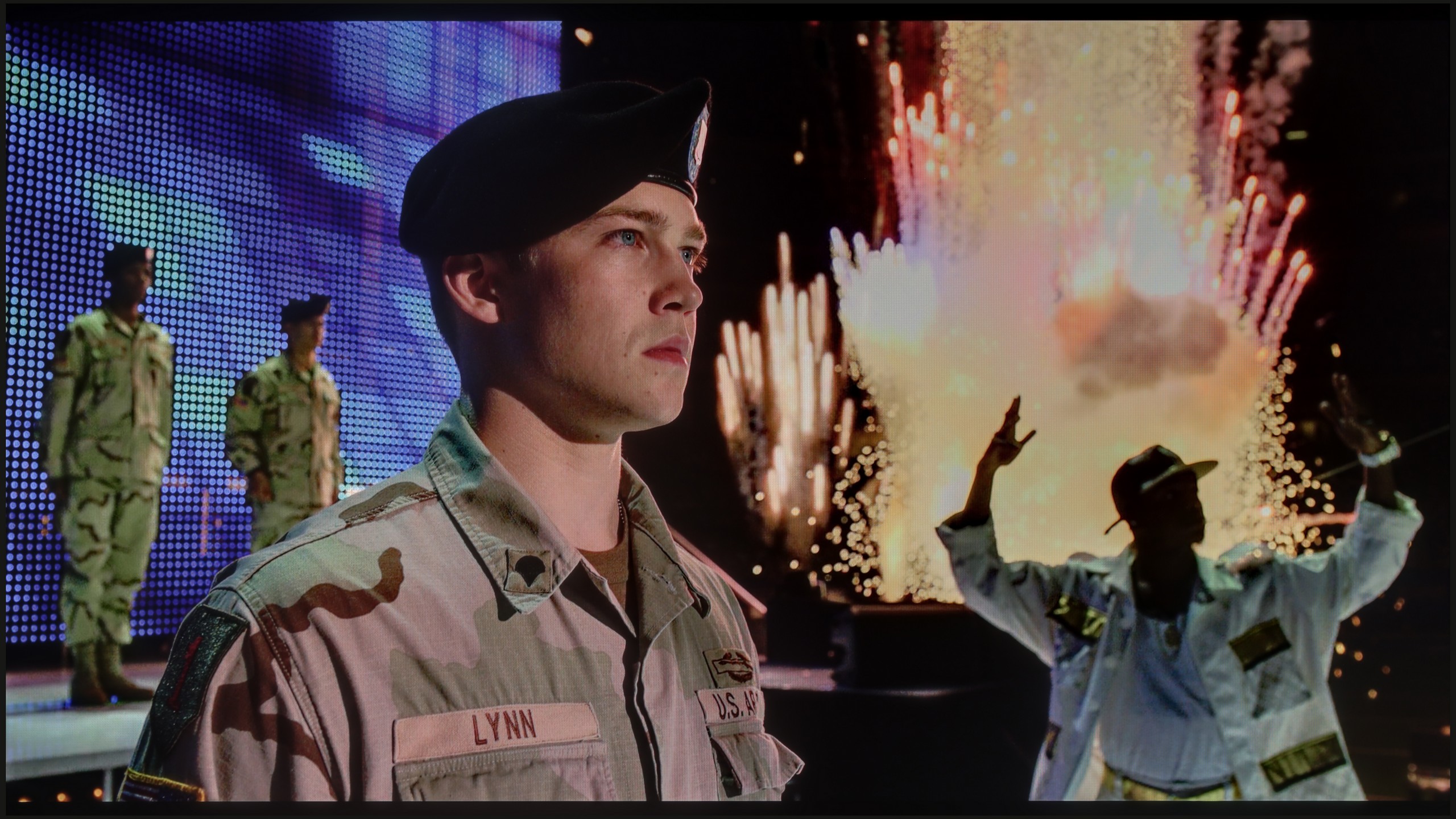
Scene from the movie “Billy Lynn” (about 1100 nits)
Static HDR10

Dynamic: HDR10+
Dynamic: Dolby Vision


HDR luminance chart:
TCL C69K / Q6C
HDR luminance
Samsung S85F (WOLED)
HDR luminance
Luminance of RGB colors
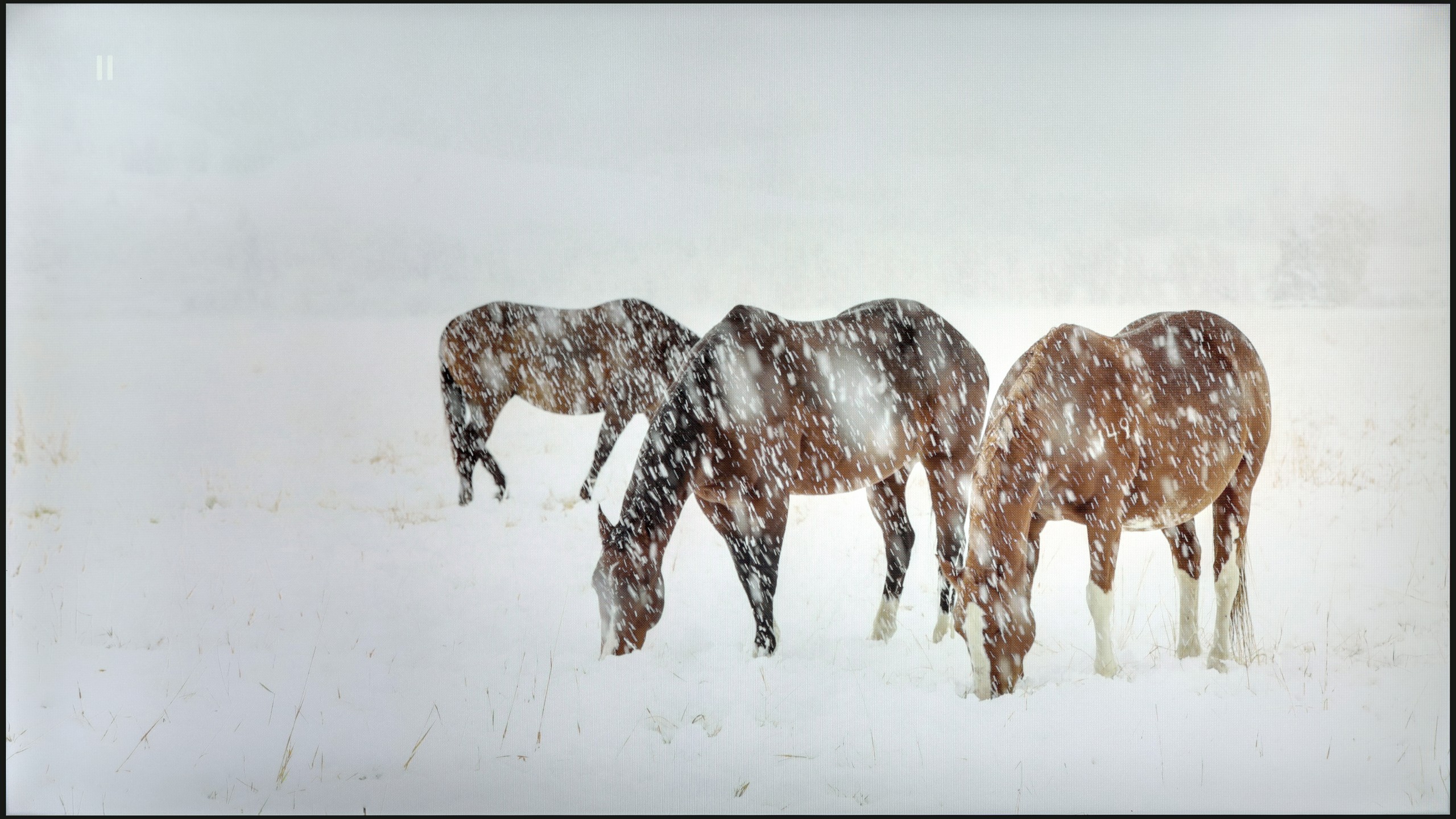
For the majority of the time, let's say in 90% of film scenes, viewers will see virtually no difference between the versions of the S85F. When small, but very bright light points appear on the screen – a lantern in a dark alley, an explosion, the sun breaking through the clouds – this WOLED panel (similar to the smaller S85F) performs exceptionally well. Our measurements indicated a peak brightness of around 750 nits. We can state with full confidence: this is a great result that guarantees fantastic HDR effects. The problem arises in a very specific, uncomfortable situation for any OLED. We're talking about the moment when the entire screen must light up at full power brightly. Examples include a scene with a white background, a skiing scene, or our test sequences (5) from the film The Meg. And here, unfortunately, the results diverge significantly to the detriment of the variant with the WOLED panel. Our measurement equipment was able to register a maximum brightness of around 250 to 300 nits in such conditions. To be clear: the same model with a QD-OLED panel in the same test is nearly twice as bright. The second matter: colours. And here, we also have to be honest – QD-OLED has a structural advantage. Why? It's simple. QD-OLED generates colours from three components (red, green, and blue) and does not require an additional white subpixel. The WOLED panel we are testing here uses that white subpixel mainly to boost overall brightness. The effect is that QD-OLED is able to show a slightly wider colour palette and the colours are somewhat "purer". But to be clear: it's not that the colours on this WOLED panel are bad! On the contrary, they are really very good. The coverage of the DCI-P3 film palette at 97% and 71% for the broader BT.2020 palette is still high-end. We just need to honestly admit that this few percentage points of advantage in colour coverage lies with QD-OLED technology and may be noticeable in very specific moments.
In terms of brightness, TCL C69K / Q6C is a moderate model. In optimal film conditions, it shows its full potential, achieving a maximum of around 600 nits. In scenes with large, intense light sources, the HDR effect can be truly satisfying, providing a cinematic shimmer. However, it should be noted that when managing backlight zones, there are situations where parts of the image become dimmed, and sometimes they are barely visible. This suggests that there is still a lack of proper optimisation of the algorithms; however, considering the technical parameters in this price range, the design itself still presents very well.
Factory color reproduction
5.5/10
5/10


Factory Mode
After calibration
When it comes to factory colour reproduction, our test sample in SDR mode suffered from a slight deficit of red and yellow colours. This resulted in a faint yellowish tint visible in shades of white. However, this is not the biggest problem with the S85F. As with the variant with a QD-OLED panel, the main issue with this model is the way it presents HDR content. When we look at the EOTF curve chart, it is easy to see that the television has quite significant problems with strong image clipping. Such behaviour causes the final image in many scenes to become very unnatural.
The Filmmaker mode, which has made its debut in this year's TCL televisions (including the C69K / Q6C), is definitely the best choice "to start with." This is the mode we recommend for daily film and series viewings. Unfortunately, as is often the case, best does not mean perfect. In SDR material, the image proved to be too warm, with a pronounced red tint in the white balance. We had the opposite impression with HDR content – here the image became cooler than it should, due to an excess of blue. Additionally, there is the characteristic of brightness, which at times resulted in overexposure. In practice, this translated into quite noticeable errors in colour tests, which is difficult to accept in a mode branded as "from the creators."
Color reproduction after calibration
9/10
7.5/10
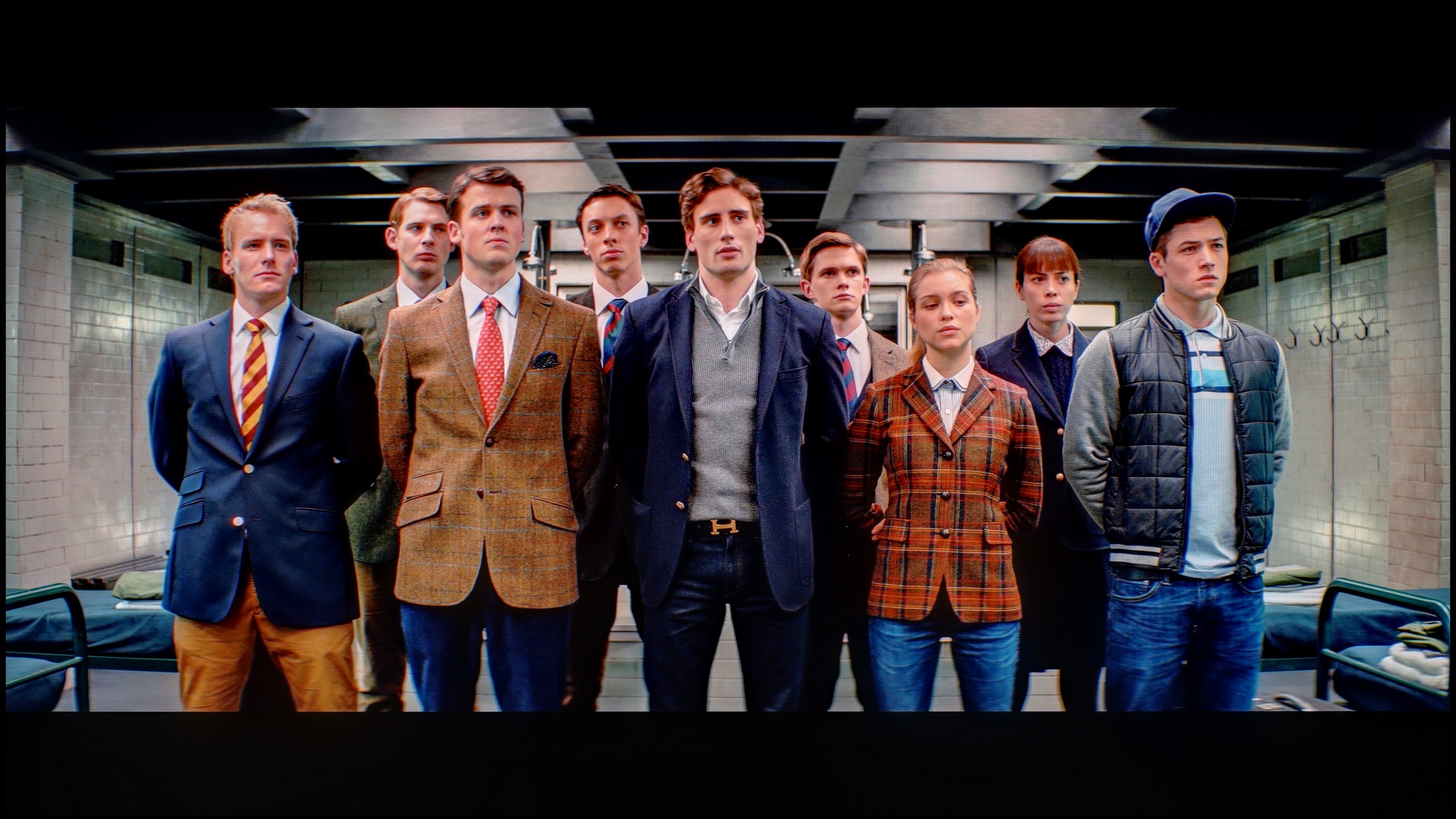
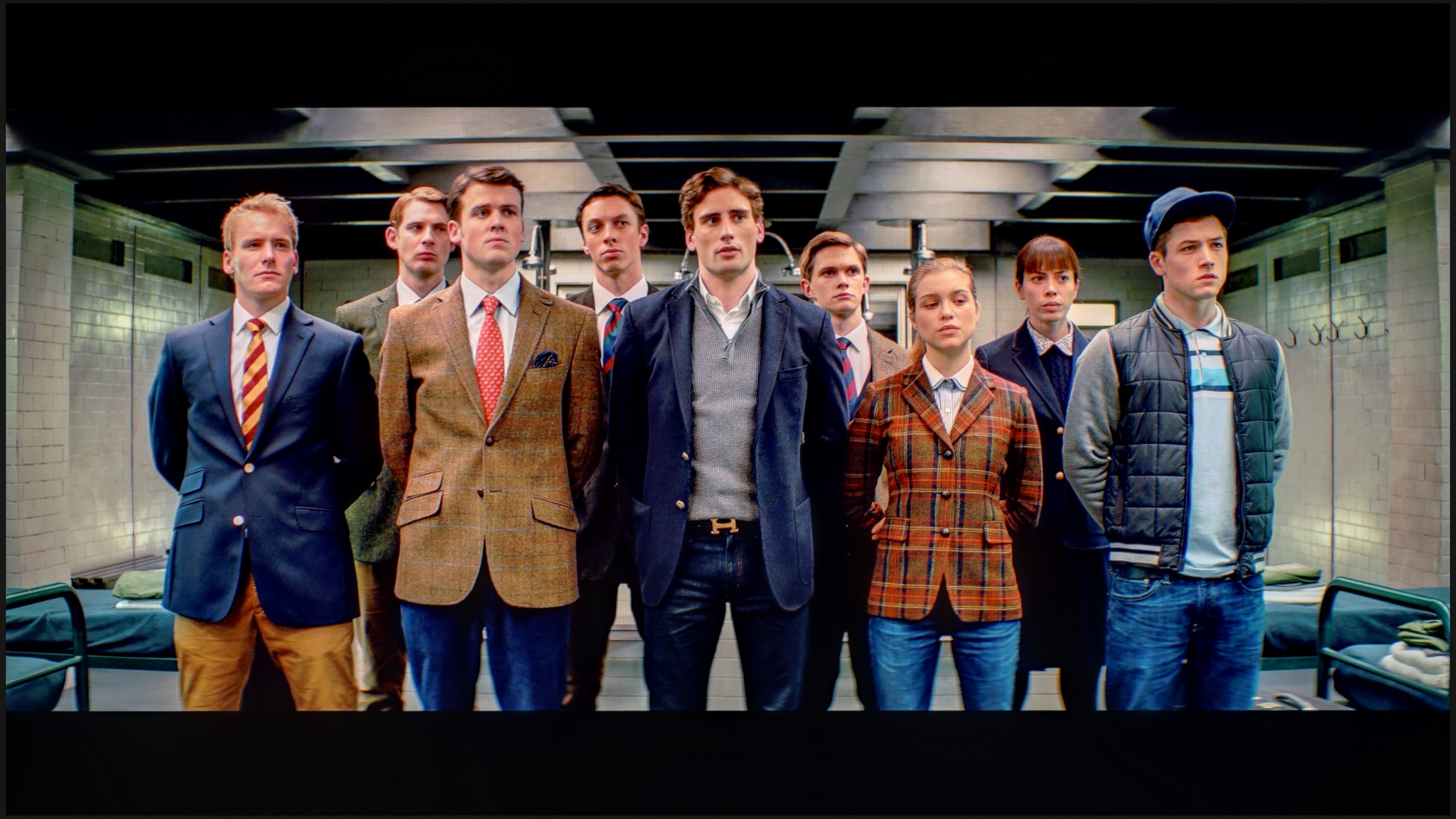


After conducting calibration in Filmmaker mode, we managed to eliminate most of the unwanted effects. In SDR content, the television performs excellently, with its colour reproduction errors not exceeding a value of 2, which is an outstanding result. HDR content looks slightly worse, though still very good. Although we were able to eliminate the significant unnaturalness of the image caused by the excessively high EOTF curve, the most discerning observers may notice that it is not perfectly aligned. It runs slightly below the reference curve, which would suggest that the S85F has minor difficulties in showcasing all the details in the image. We must emphasise here that it is very unlikely that the average viewer will notice any shortcomings in the image. The final effect after calibration is evaluated as exemplary.
Through white balance correction, we were able to significantly reduce the tendency of C69K / Q6C to distort colours, which yielded a very good final result. After calibration, the issue of excessive warming of scenes in SDR and excessive cooling of the image in HDR disappeared. However, it is worth analysing the brightness characteristics more closely. While in SDR content it is hard to have major objections – the image looks really good, especially in older films, TV programmes or on YouTube – it performs significantly worse in the case of HDR content. Analysis of the EOTF curve suggests that everything is fine, yet in practice (EOTF in films) the limitations of the design itself become apparent. This model has a tendency to excessively brighten small parts of the frame, only to overly dim the entire scene in other situations. The effect of calibration is therefore undeniable, and in terms of colour reproduction, C69K / Q6C gains a lot. Unfortunately, certain limitations arising from local dimming management simply cannot be bypassed.
Smoothness of tonal transitions
7.3/10
9.5/10
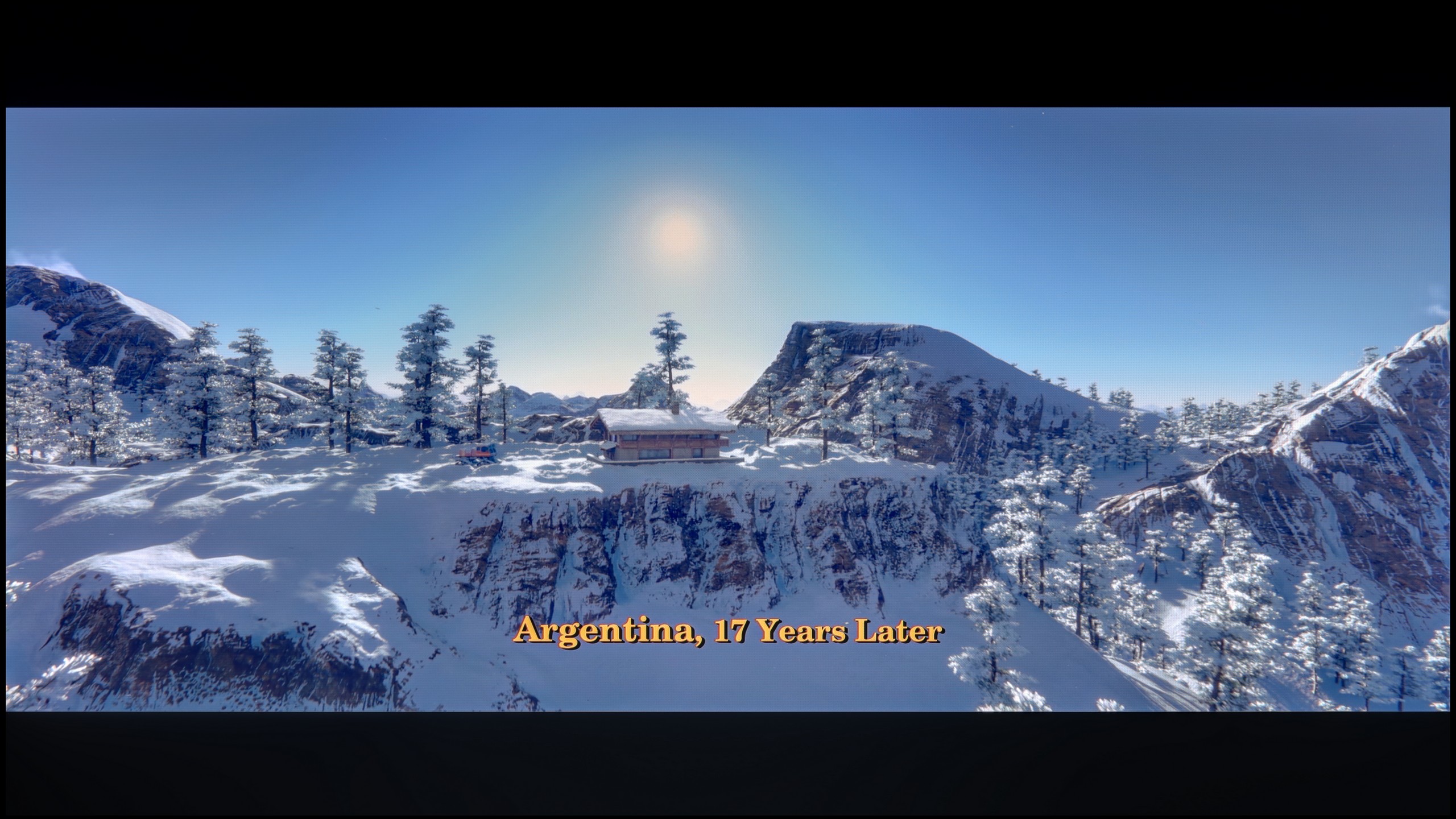
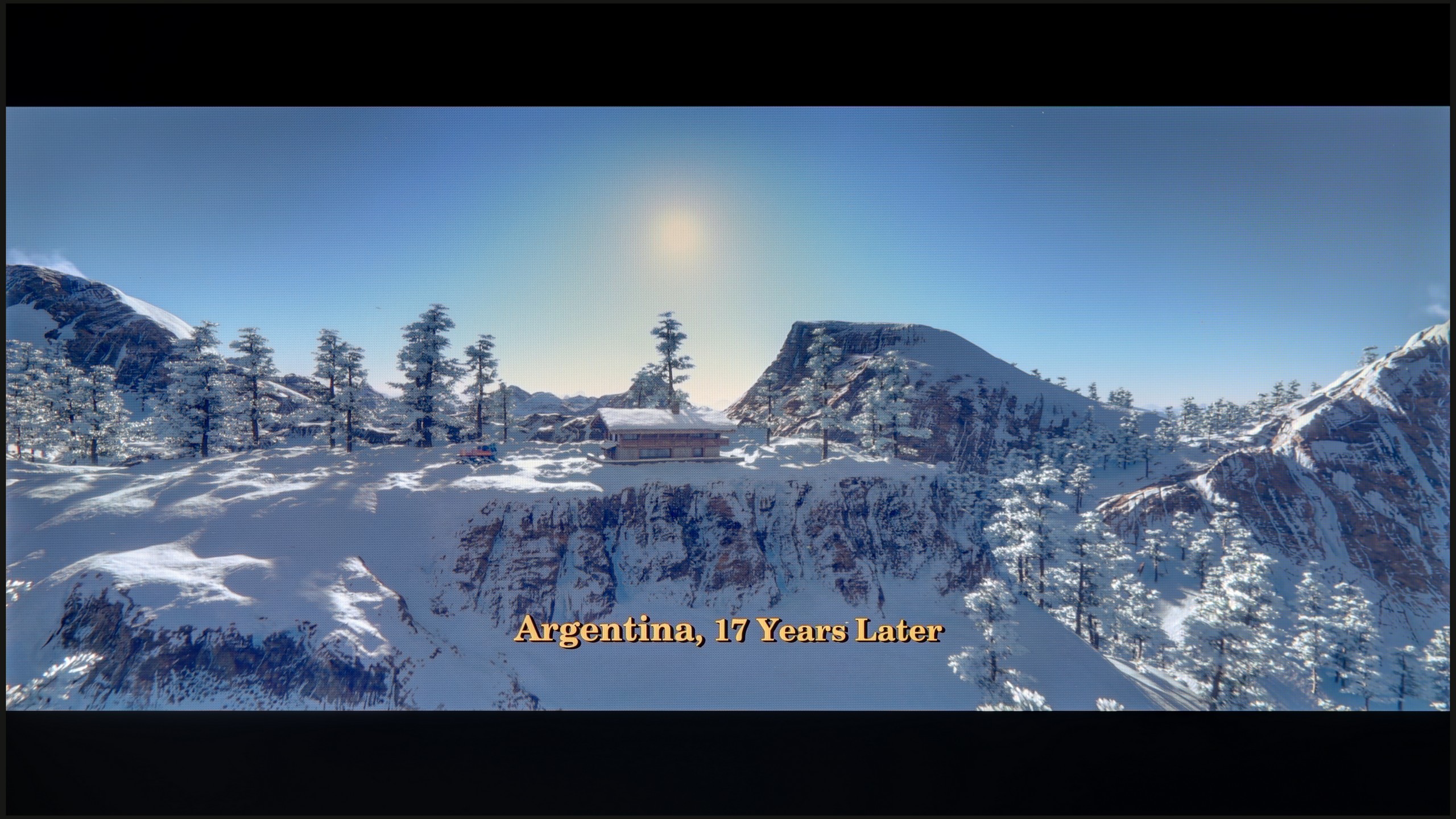
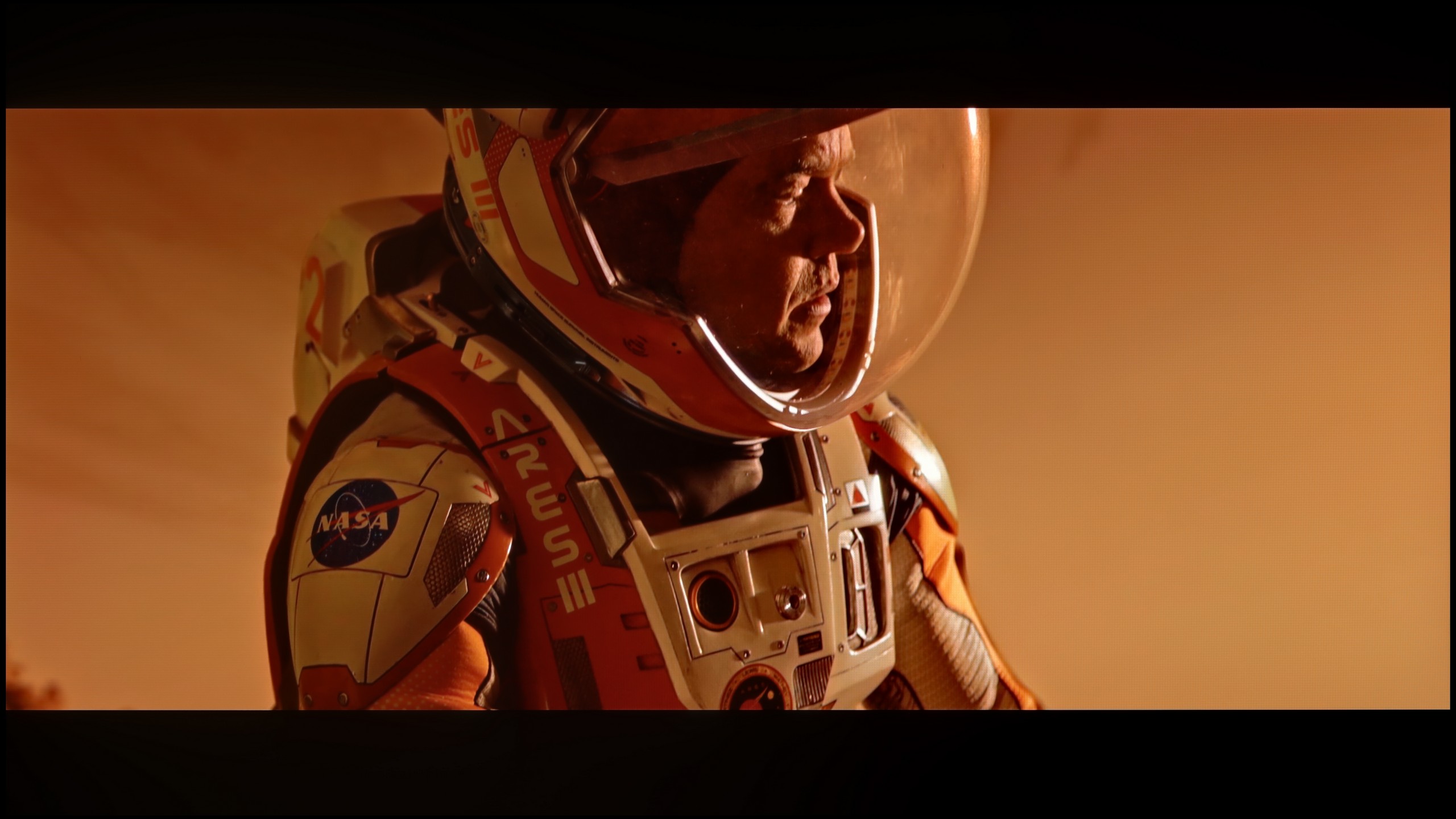
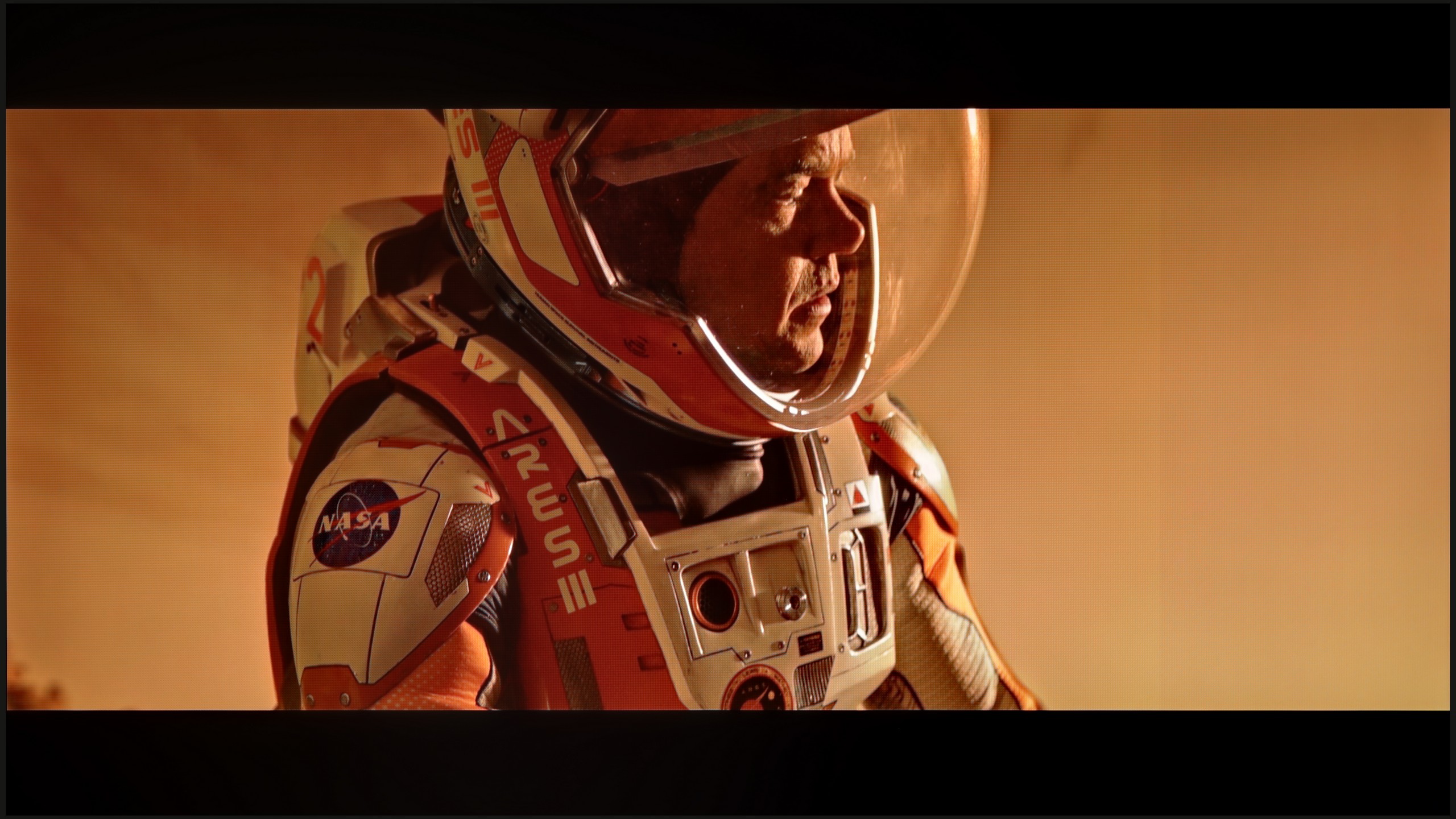
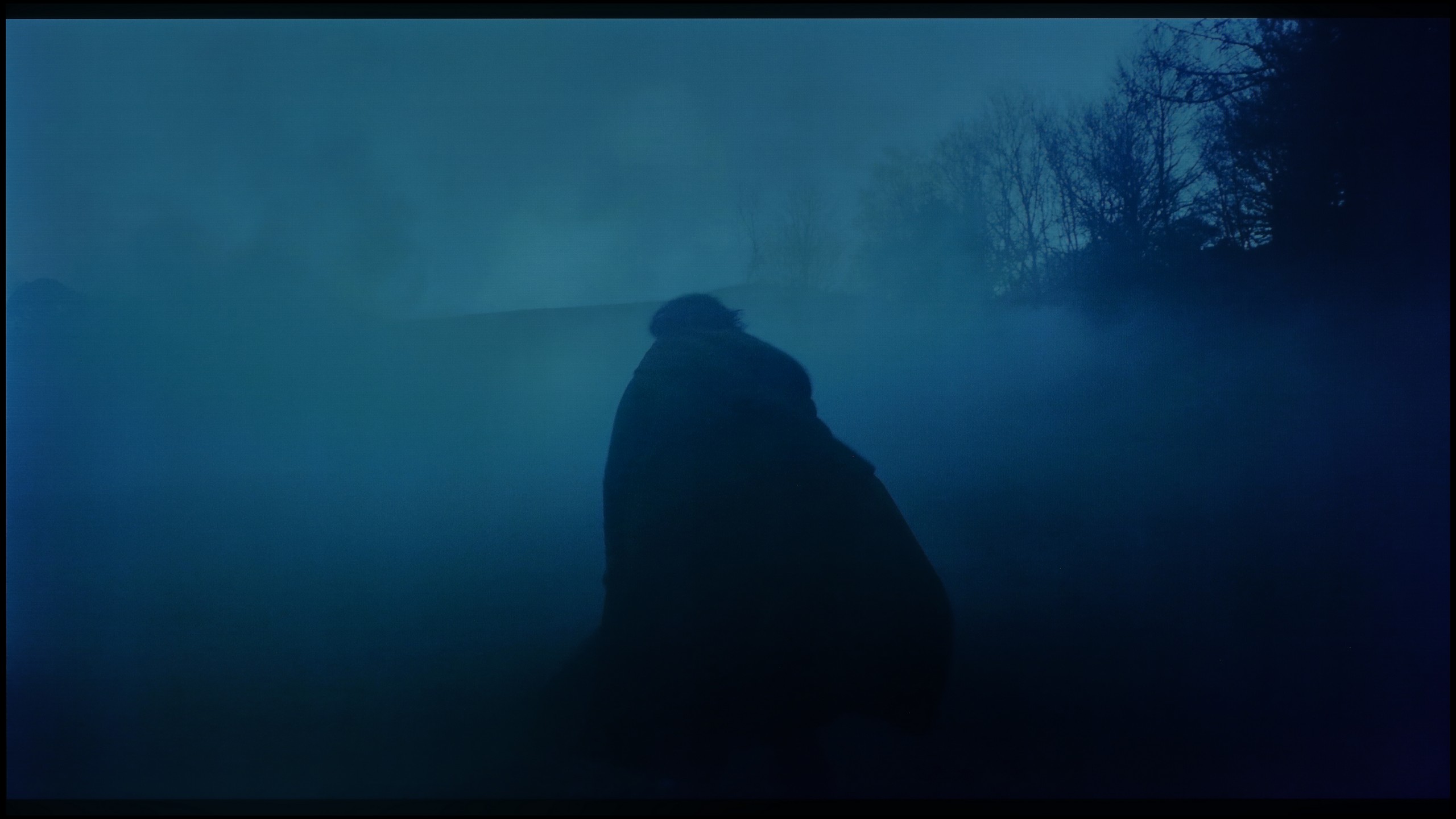
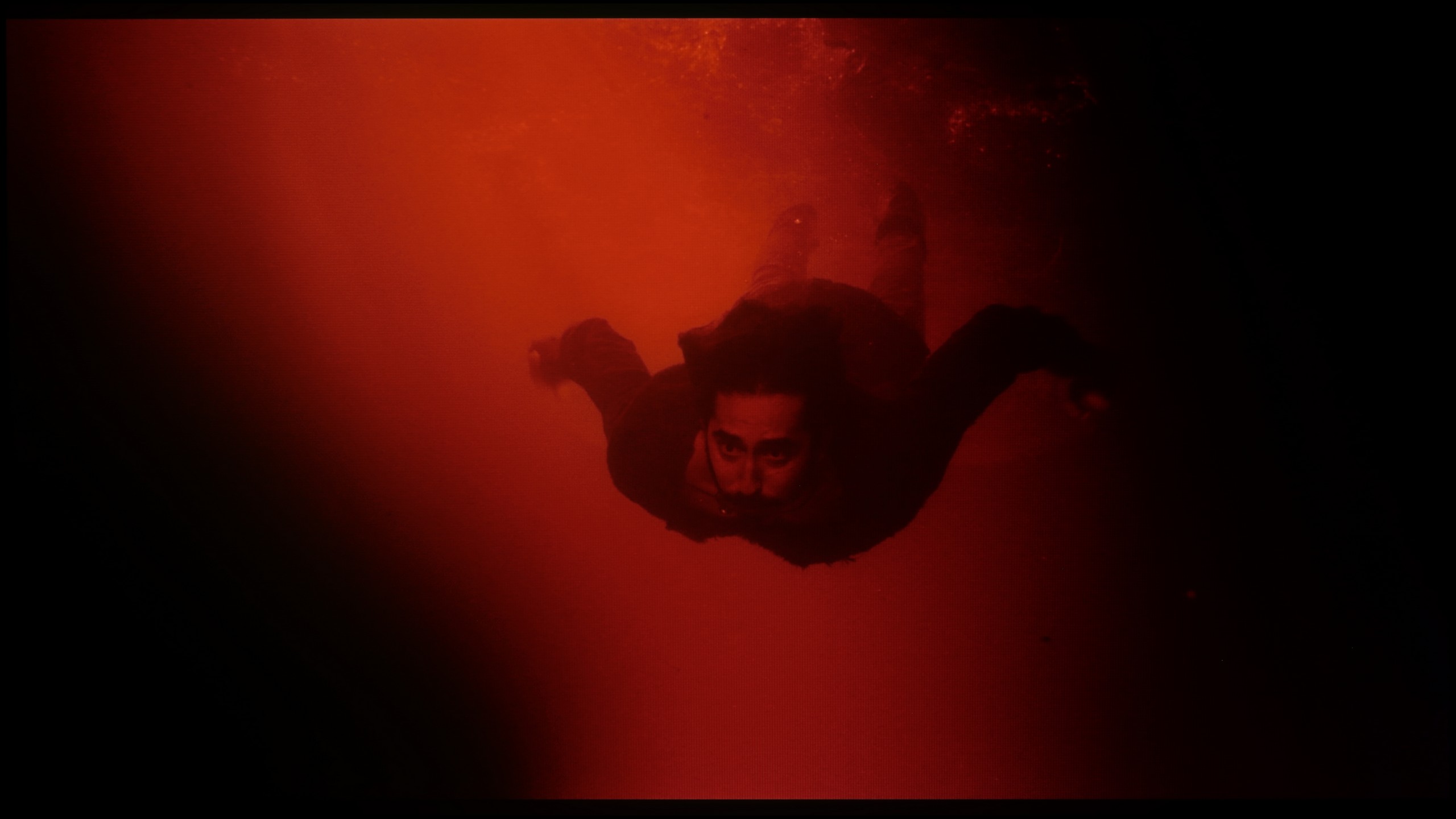
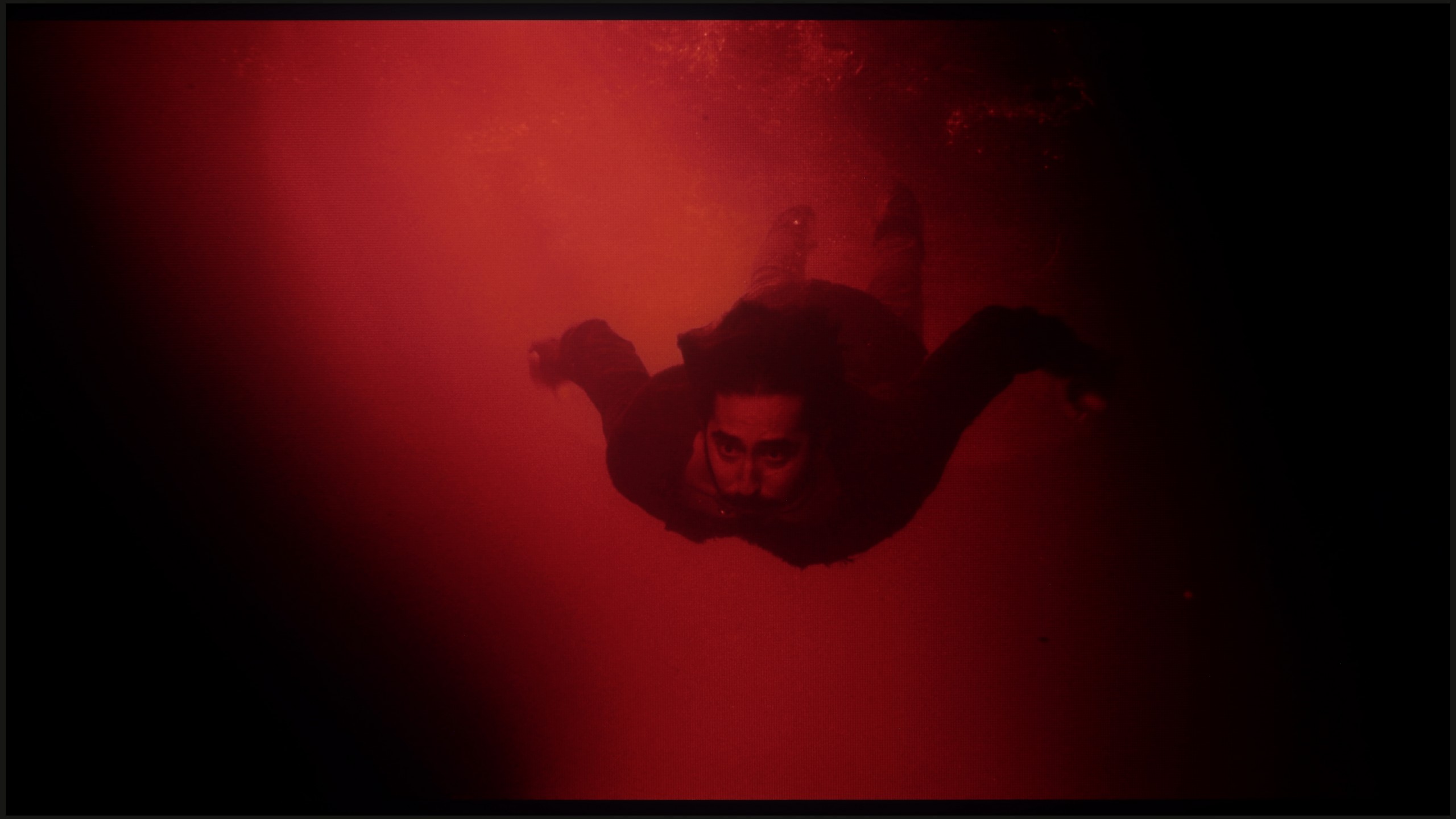
Another drawback of the S85F version with the WOLED panel, noticeable compared to the QD-OLED variant, is the quality of the fluidity of tonal transitions. In very bright moments, it is evident that the colour blending is not perfect, and sometimes it can be spotted with the naked eye. Although the overall quality of gradients is still good, certain issues with the panel produced by LG Displays are apparent, which are not as noticeable in competing panels (QD-OLED).
In the model C69K / Q6C, tonal transitions (between colours) are very smooth, and it is difficult to notice any banding. The image appears natural, and any minor imperfections are only visible on bright test screens, and that requires very careful scrutiny. In everyday viewing, the effect is simply outstanding. It can be confidently stated that in this category, C69K / Q6C performs exceptionally well.
Image scaling and smoothness of tonal transitions
7.5/10
5/10


Smooth transition function
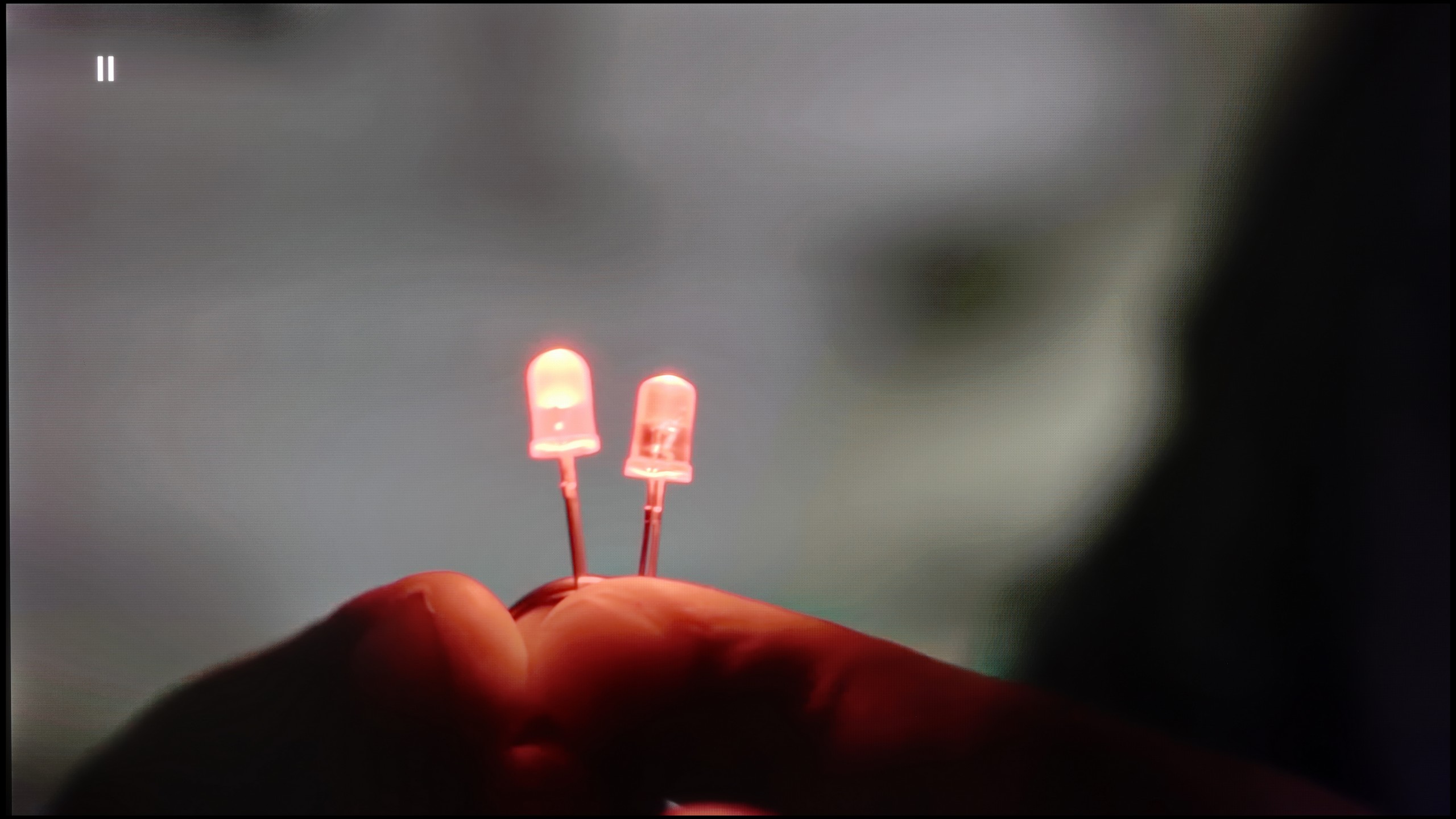
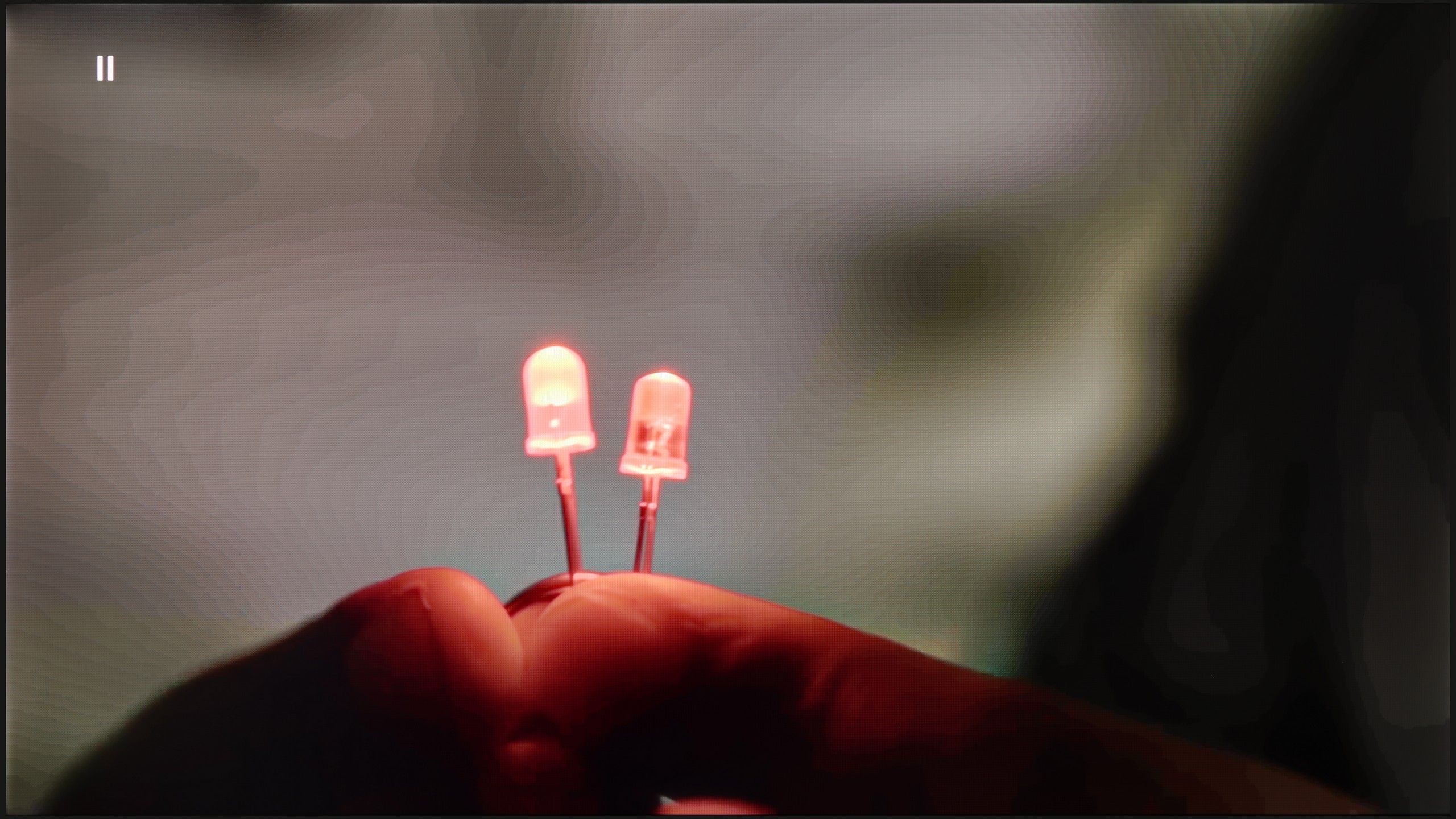
Image without overscan on the SD signal
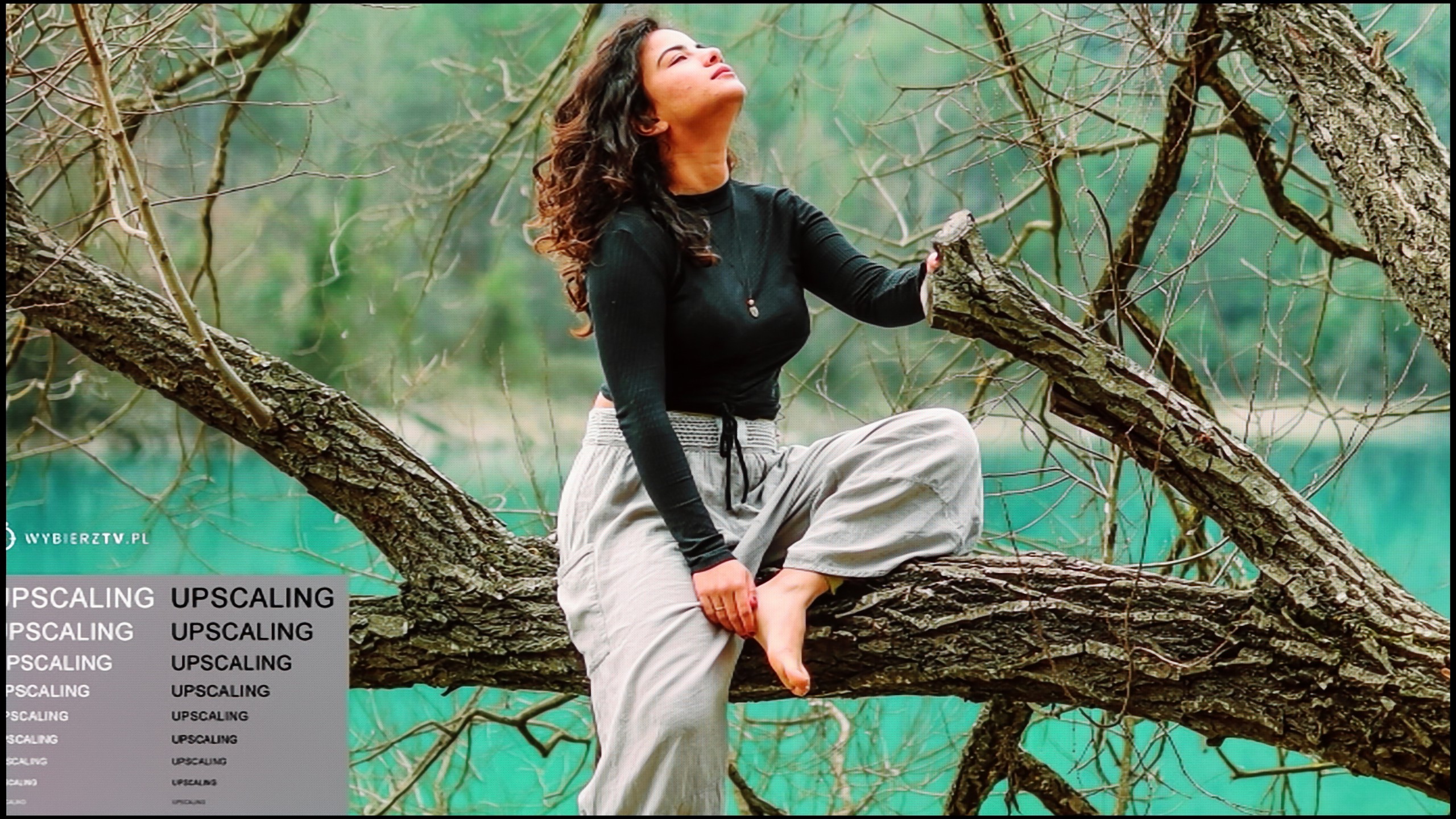
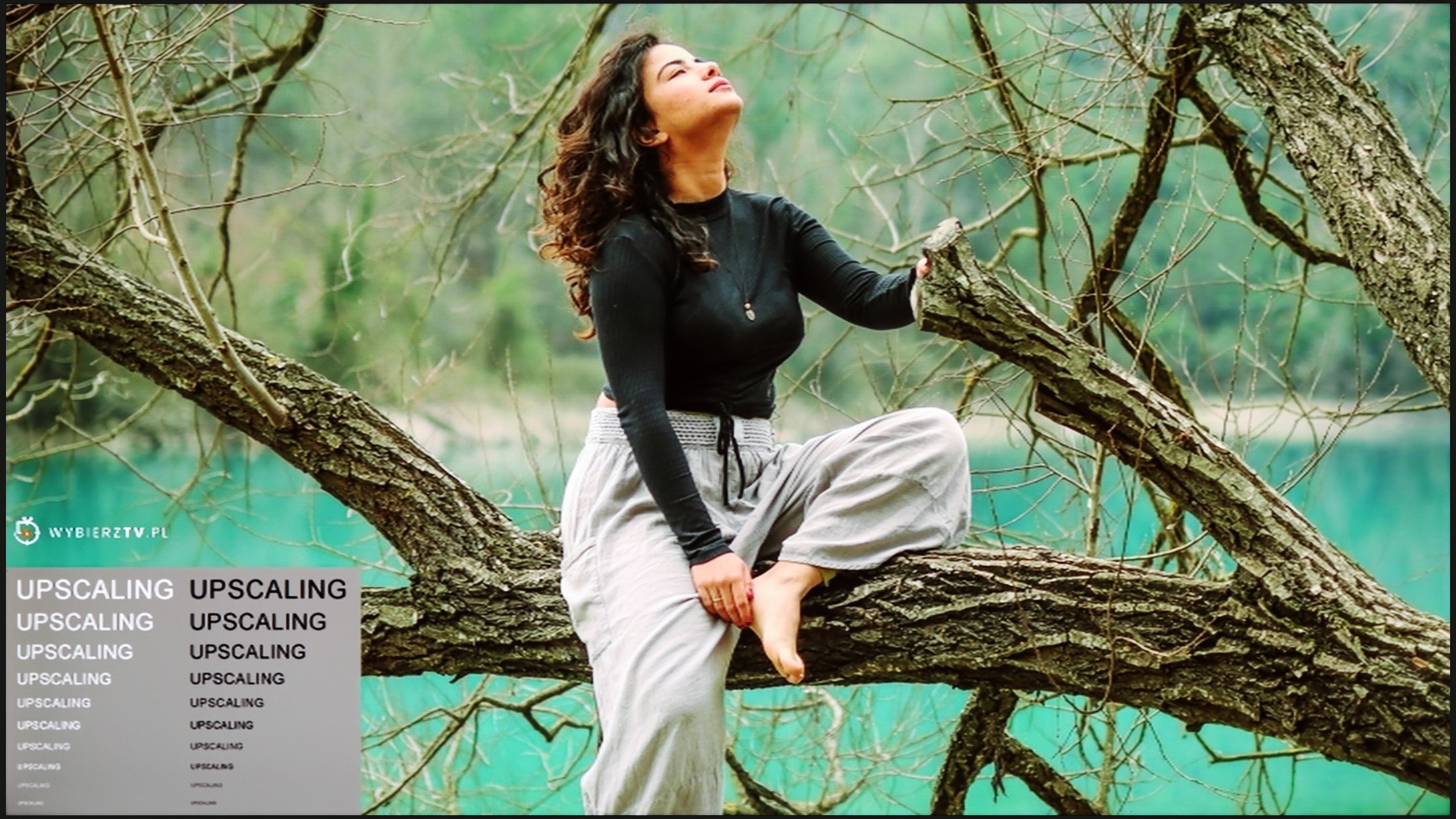
The processing of tonal transitions (gradients) in the S85F is at a high level. The television effectively handles posterisation (the "banding" effect of colours), even with heavily compressed content, e.g., from streaming services. However, using this feature requires a certain compromise. We noticed that the noise reduction algorithm is quite aggressive – even at the lowest setting, it can eliminate natural film grain, which for many viewers is part of the film's aesthetics. The "Standard" setting seems to be a happy medium, not causing a noticeable loss of important details, which is why we can recommend it. However, we advise against using the "High" level, which, in addition to noise, also removes desirable details such as texture or structure of objects on the screen.
The upscaling process of lower resolution content works very well in the S85F. The image is sharpened and clear. The only minor imperfection we managed to observe is occasional, subtle aliasing on the edges. The television still exhibits characteristics typical of this manufacturer, namely active "overscan" (slight image enlargement). It is worth keeping this in mind, especially when watching older content, as it may result in minimal clipping of the original frame.
In terms of image scaling, TCL C69K / Q6C performs quite well. Lower quality content appears acceptable, and thanks to the lack of overscan issues, the image is displayed in full without any cropping. However, one should not expect miracles – very low-quality materials will not gain a second life here, as the image processor has its limitations.
Thin lines and details exhibit characteristic tearing, which reveals the absence of more advanced image enhancement algorithms. It is also a pity that the C69K / Q6C lacks a tone transition smoothing feature. As a result, in older films or video materials, banding of colours can be visible and may become distracting during prolonged viewing.
Blur and motion smoothness
8.5/10
7.3/10
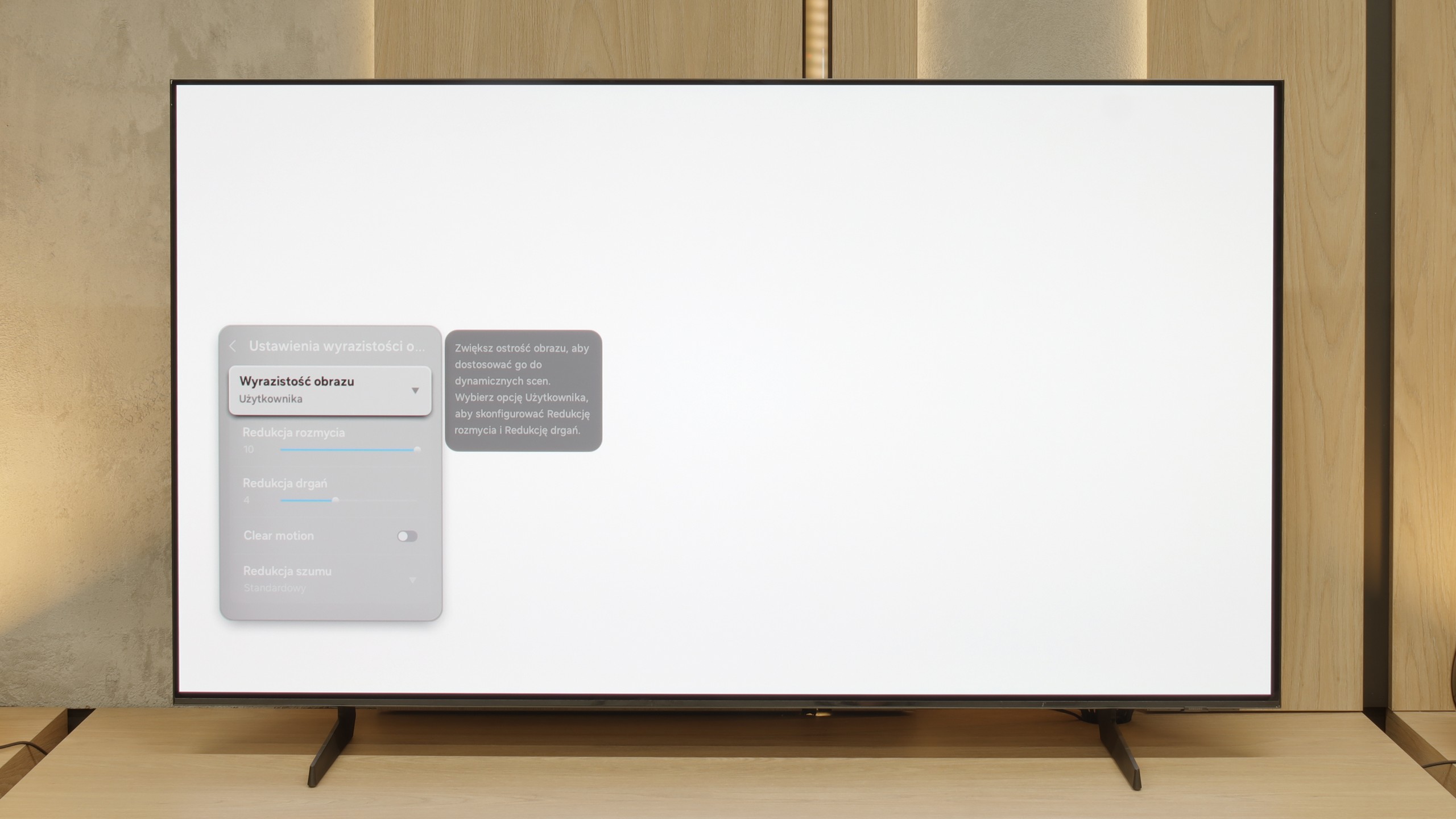
Blur (native resolution, maximum refresh rate):


Blur (BFI function enabled):
Image flickers in this mode


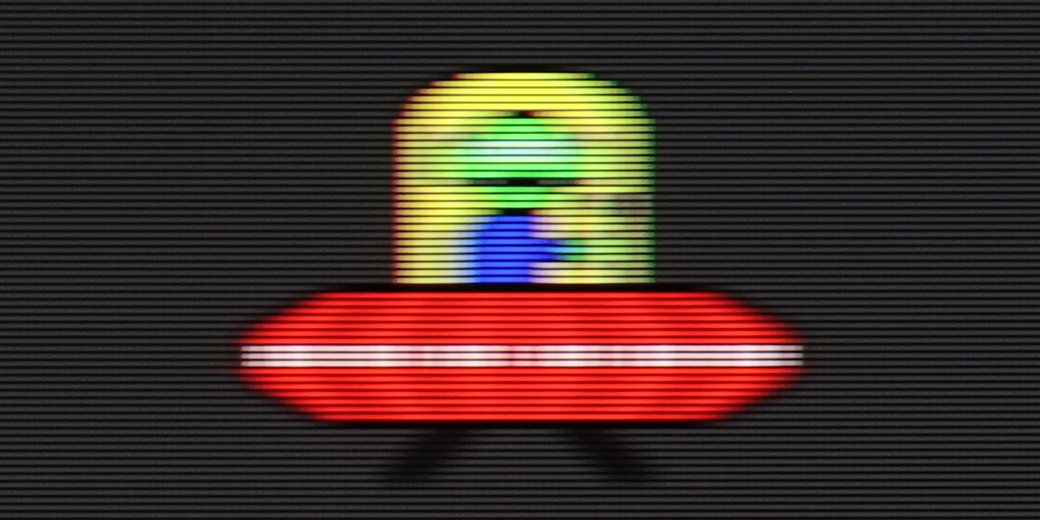

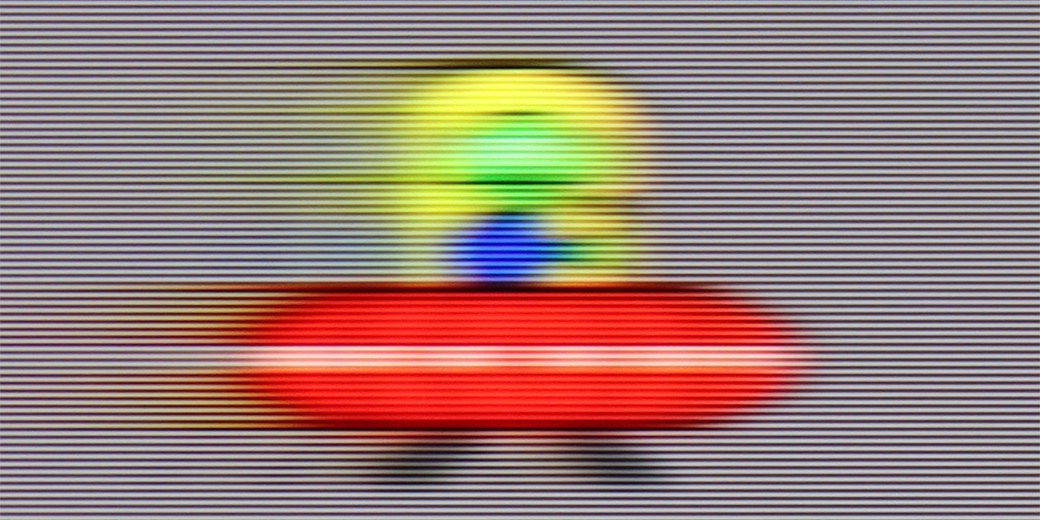
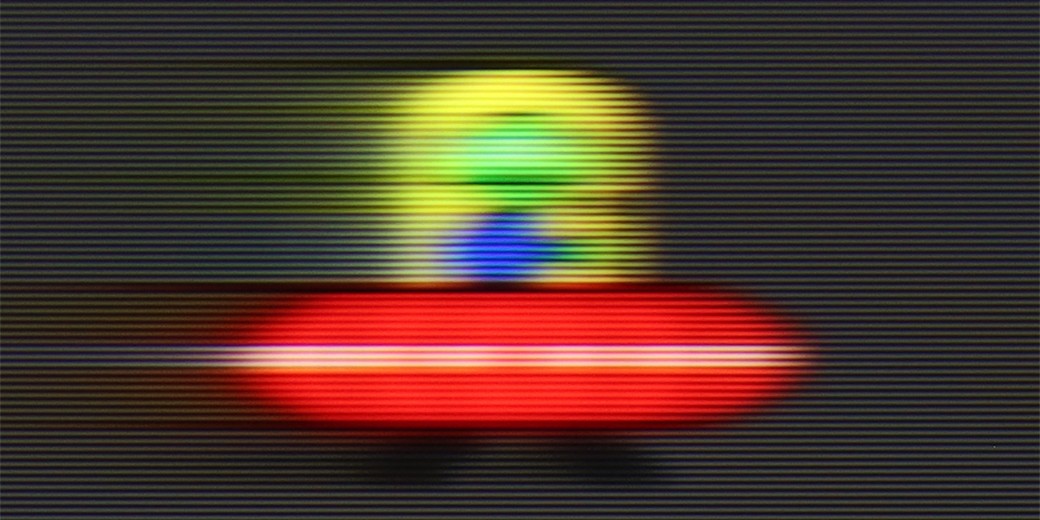
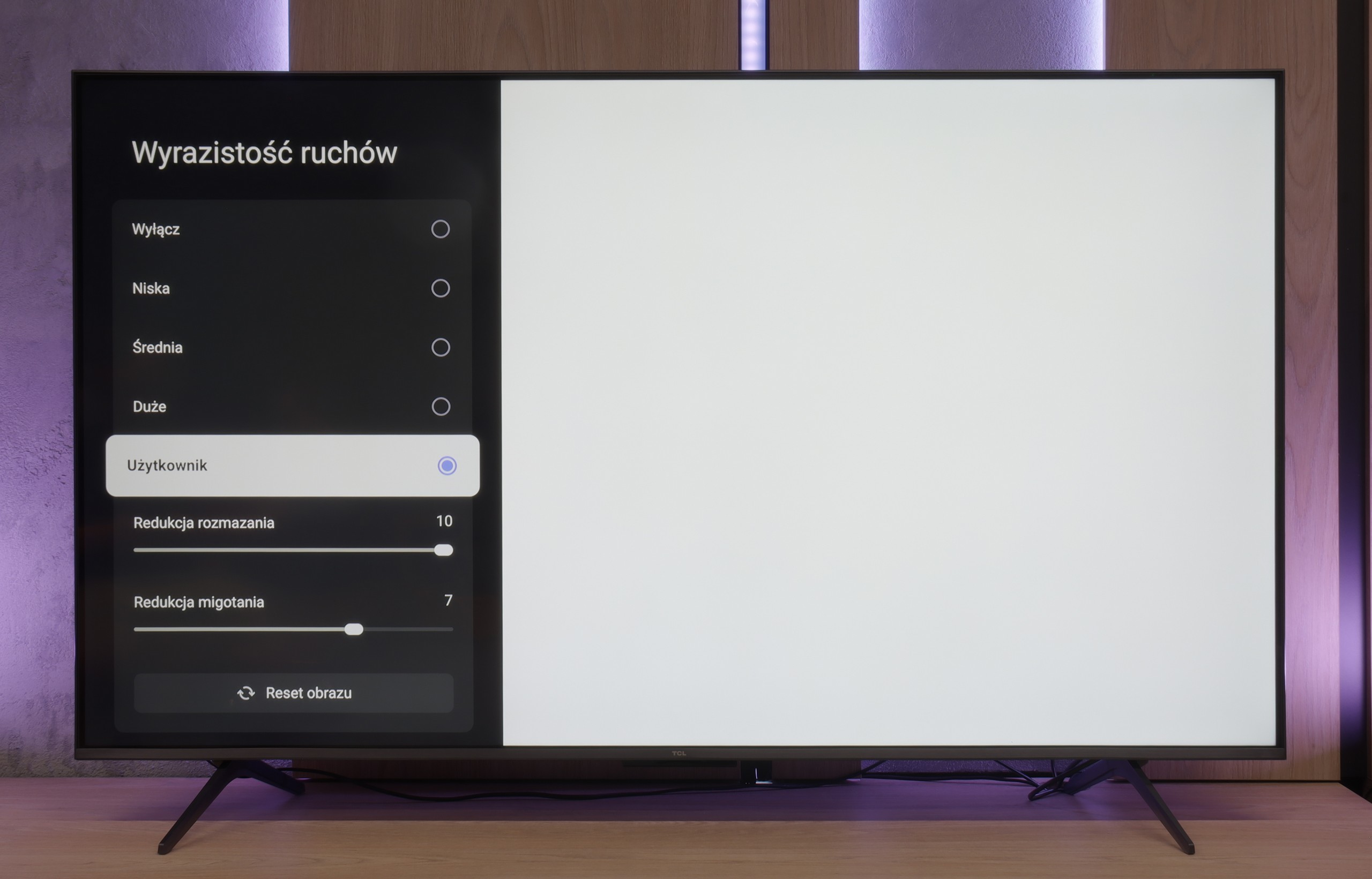
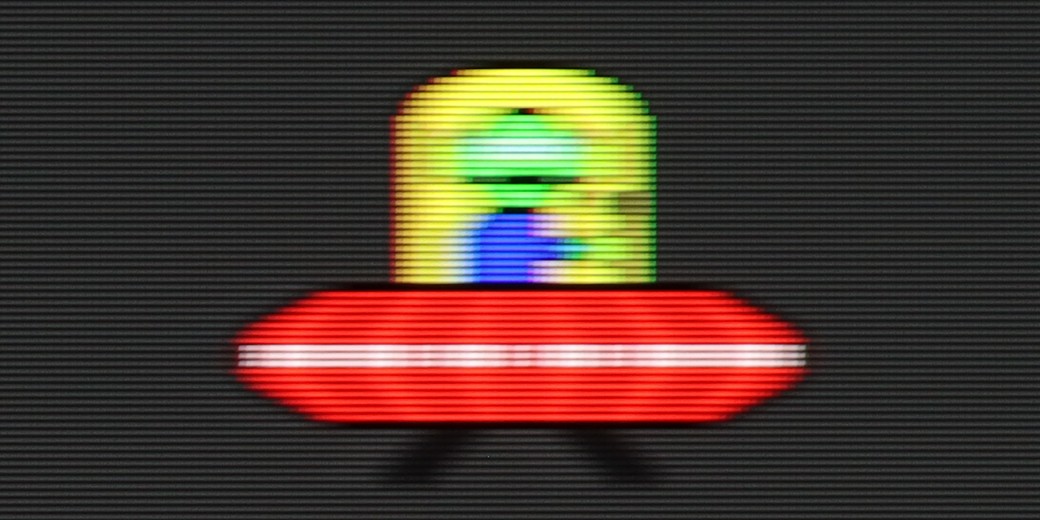
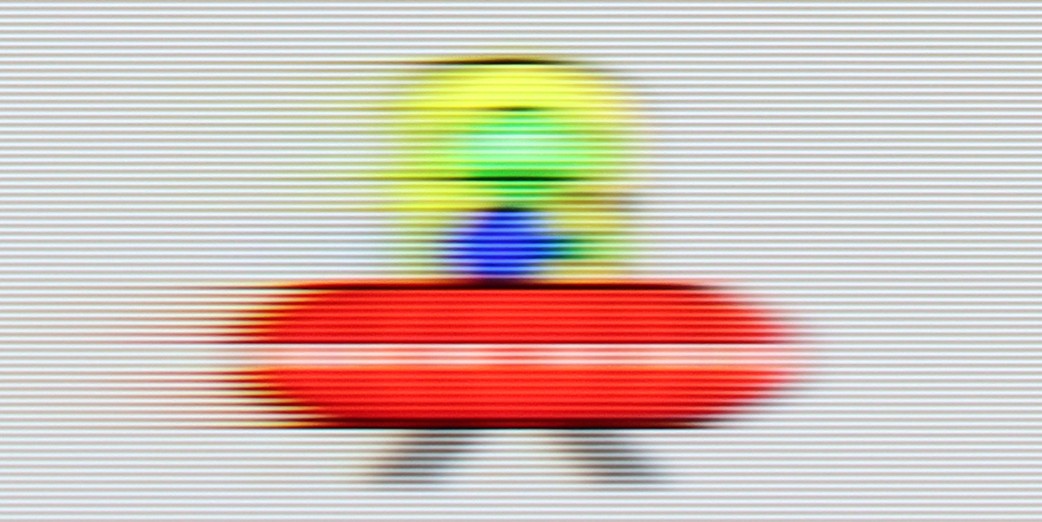
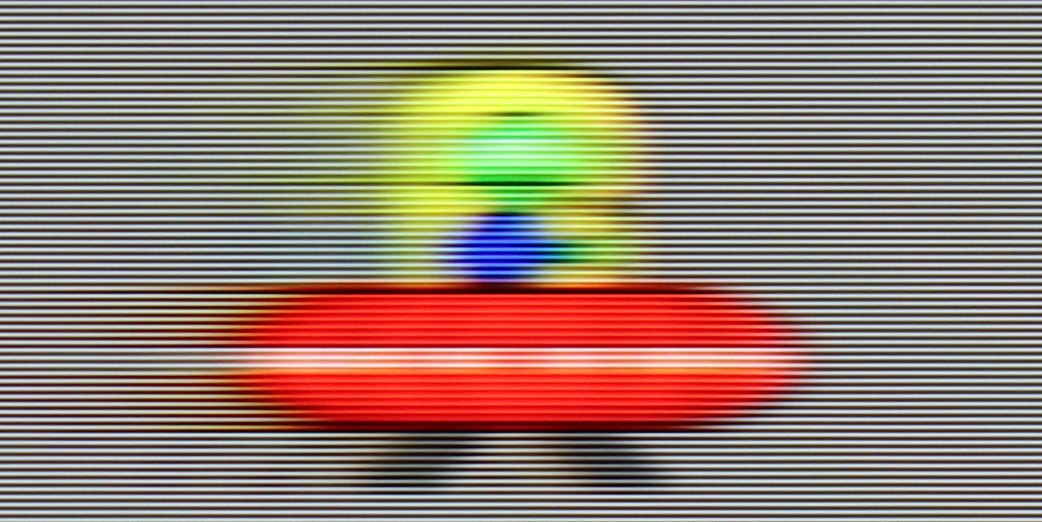
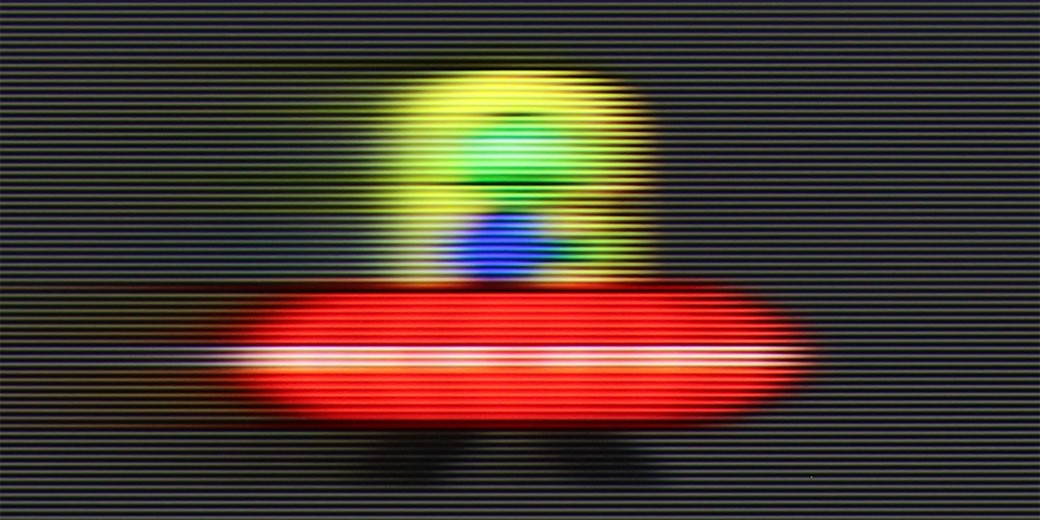
S85F is a model with impressive speed. The use of a 120 Hz OLED panel ensures that dynamic scenes, both in games and during sports broadcasts, meet expectations: smoothly, sharply, and without loss of clarity. A key role here is played by the instant response time of the pixels, which is a natural advantage of OLED technology. Frame transitions are instantaneous, and the image remains clear even during the fastest camera movements. Moving objects, such as a ball on the pitch or a car in a chase scene, are clear and devoid of the characteristic motion blur associated with LCD panels (the so-called "ghosting").
The use of a 144 Hz panel in TCL C69K / Q6C is a significant advantage in this price range. It represents an important step forward compared to its predecessor (C655 PRO), which only offered 60 Hz in 4K. The difference is particularly noticeable when watching sports or playing games – the ball, players, or dynamic action in games are displayed more clearly and without loss of detail. Another interesting feature is the panel's ability to work at 240 Hz (which the manufacturer does not officially mention) – we will return to this topic in relation to the PC gaming mode. TCL has also added a feature for movie fans: “Motion Clarity”. This allows users to adjust the picture to their preferences using two simple sliders. We can either keep the visible film frame or opt for very smooth, "
Console compatibility and gaming features
7.8/10
9.8/10
- ALLM
- VRR
- VRR range48 - 120Hz48 - 240Hz
- Dolby Vision Game Mode
- Correct implementation of HGIG
- 1080p@120Hz
- 1440p@120Hz
- 4K@120Hz
- Game bar
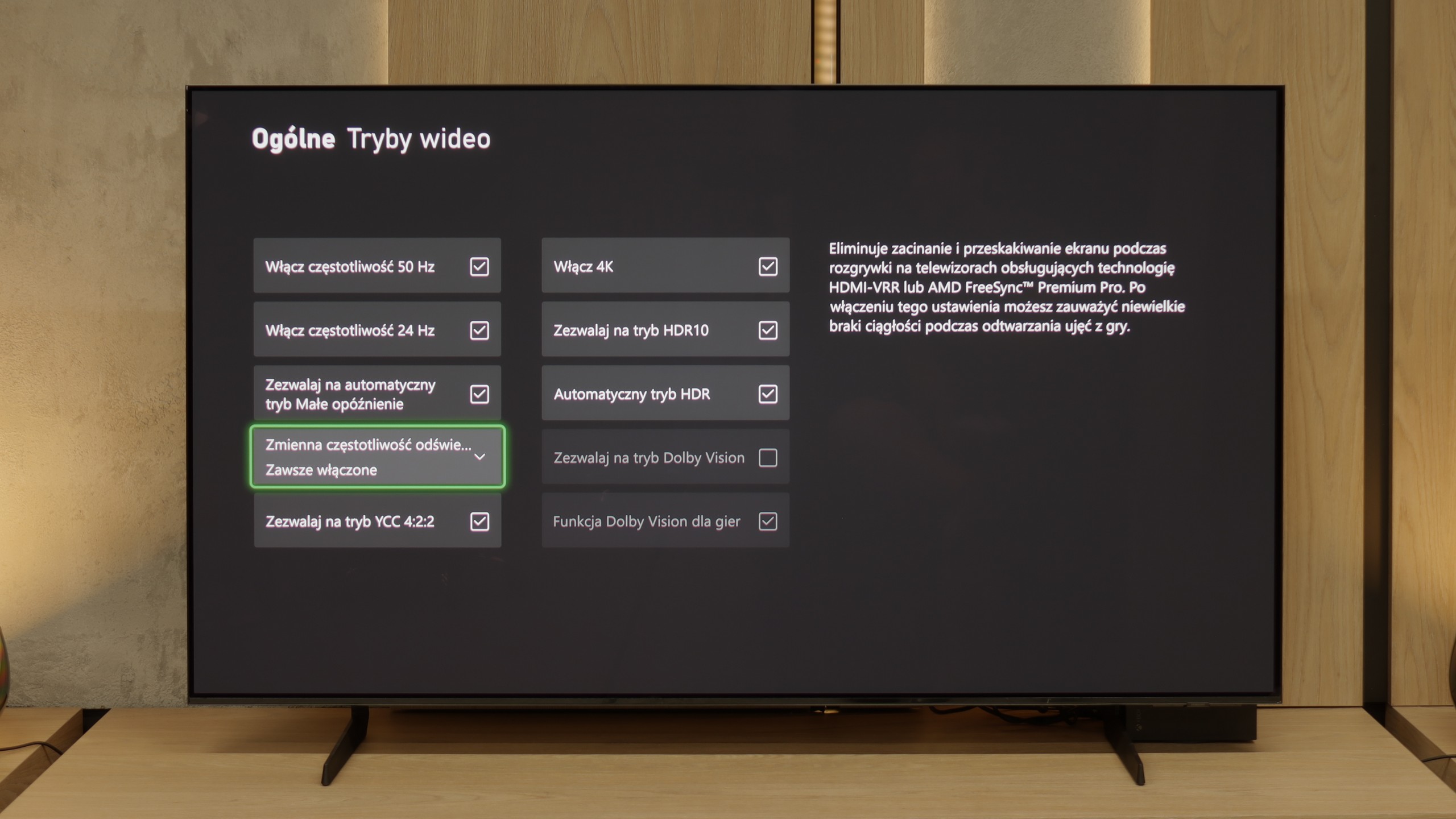
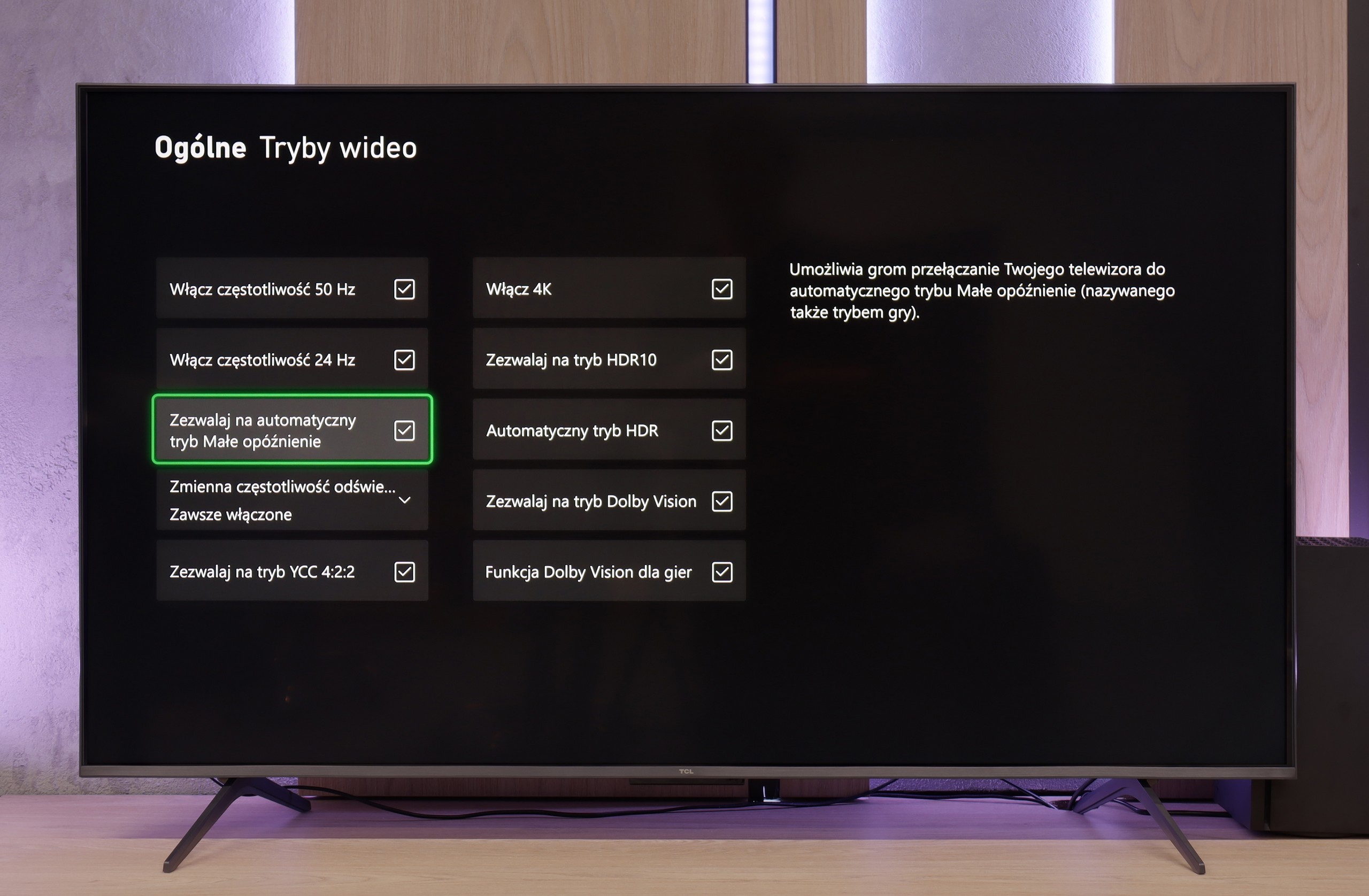
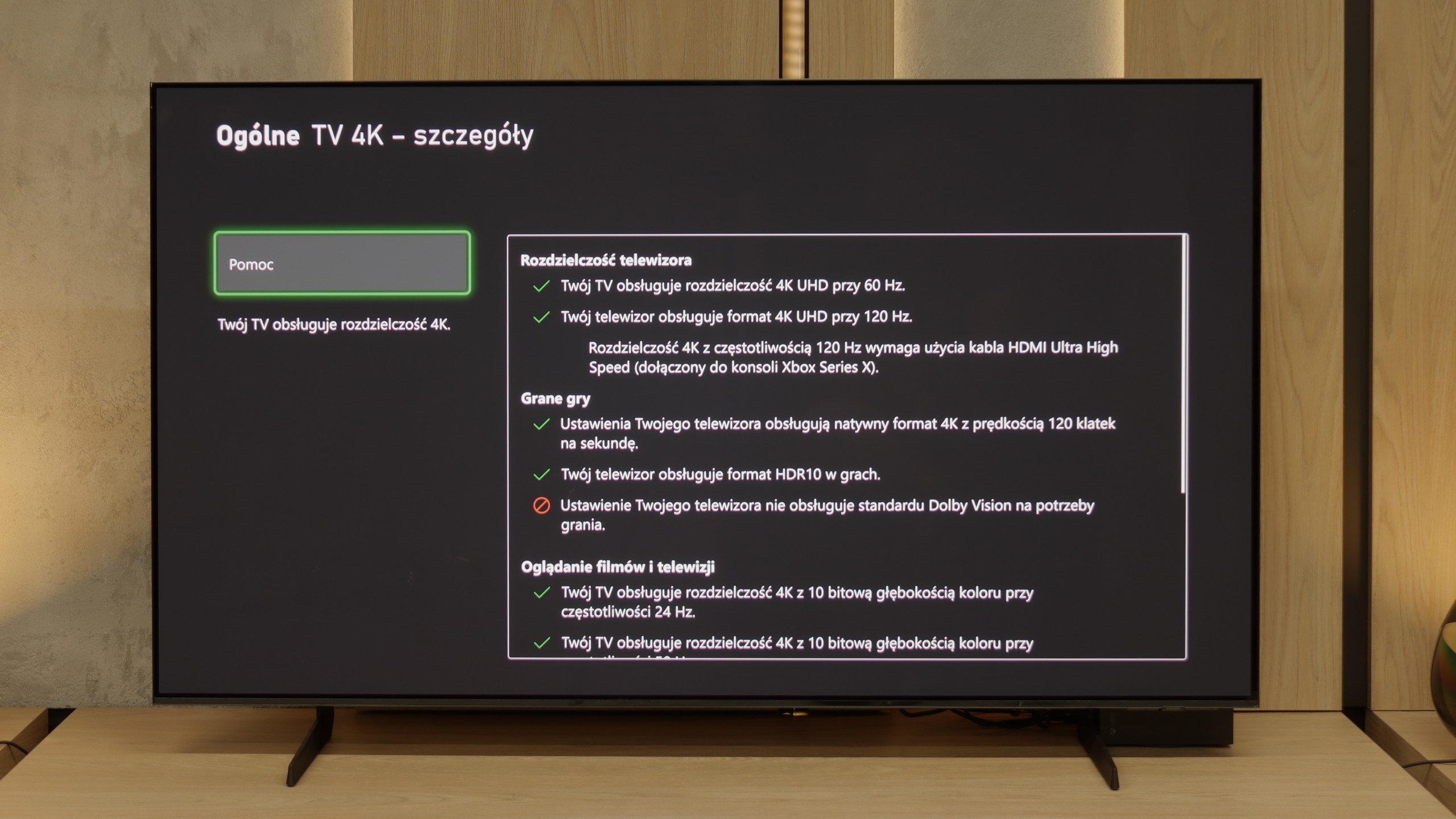
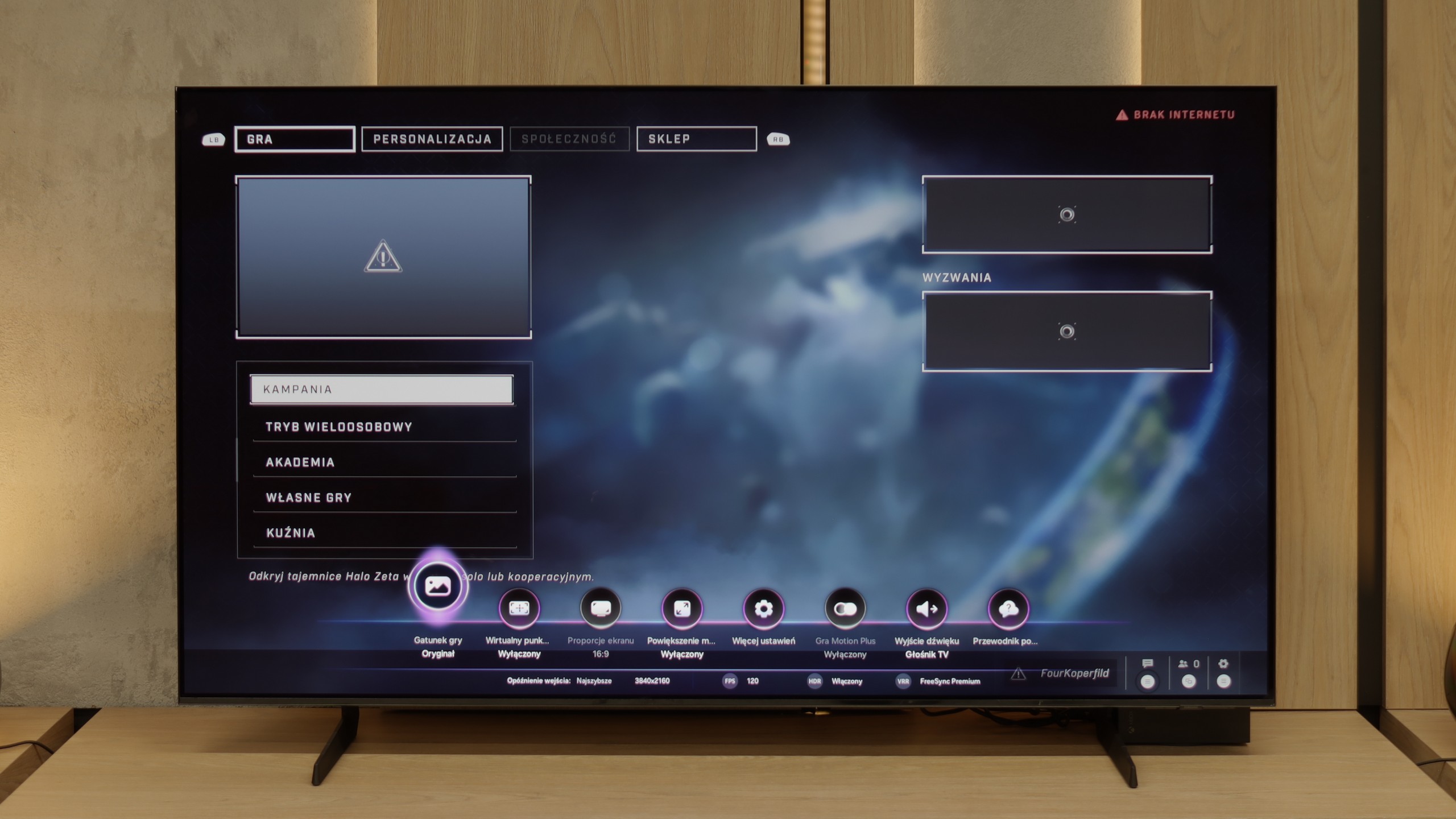
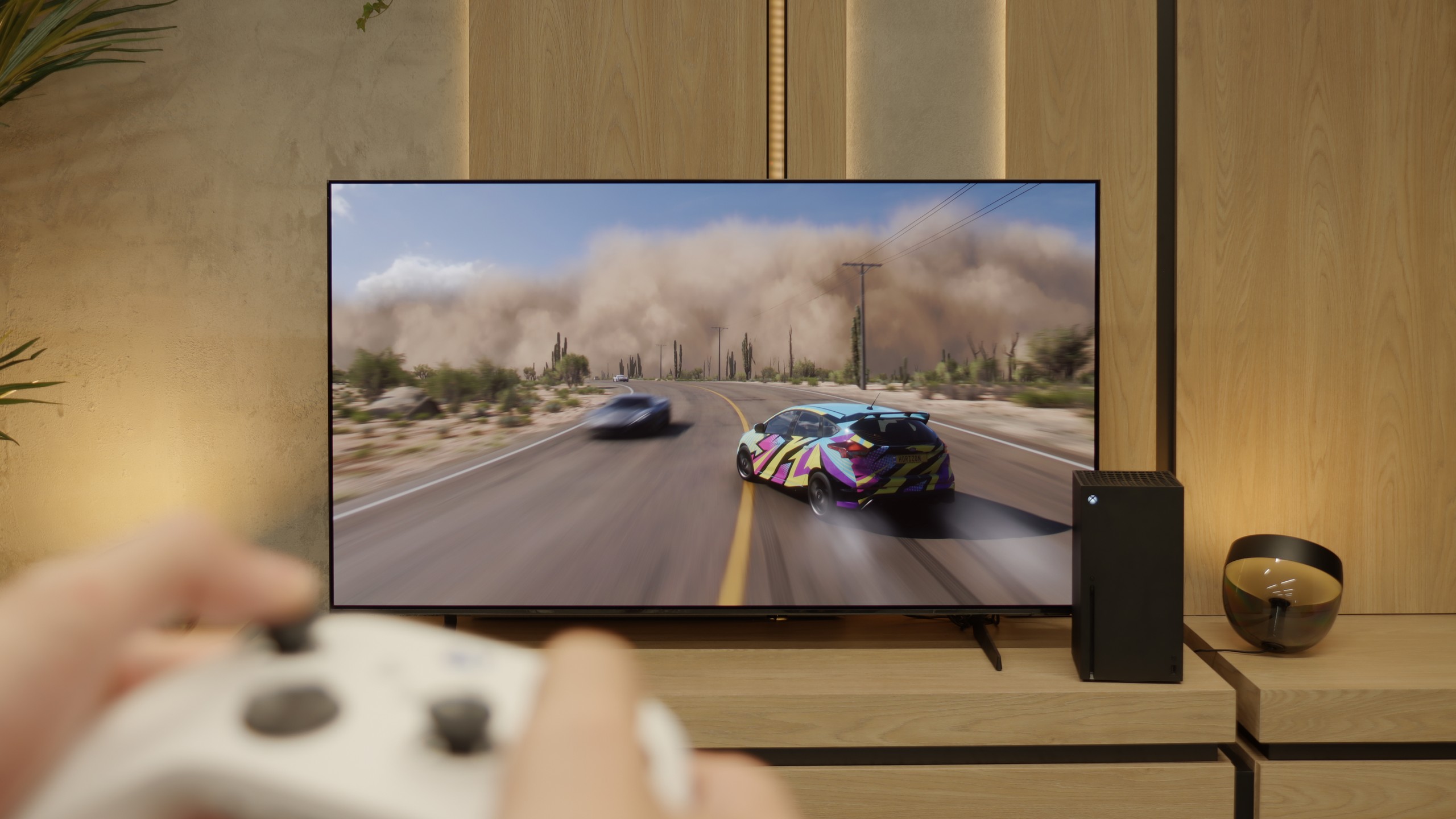
The 85F has practically everything on board to become the dream screen for gaming. It features four full-fledged HDMI 2.1 ports with a bandwidth of 48 Gb/s, support for VRR (Variable Refresh Rate) and ALLM (Auto Low Latency Mode). Additionally, there's a super-detailed Game Bar, which clearly shows all the key parameters. However, the real gem is the Game Motion Plus feature. This motion smoother dedicated to games makes the animation more visually pleasing, while only slightly increasing input lag. This is a rare and well-functioning combination for which Samsung deserves great applause.
Now comes the moment where we must do a bit of complaining. The lack of Dolby Vision in Samsung TVs has become standard, so there's no point in hoping (unless something changes in the future). Unfortunately, it is much harder to explain the disappearance of support for HGiG after one of the software updates. HGiG (HDR Gaming Interest Group) is a key mode that allows for accurate reproduction of brightness in HDR games, according to the creators' intent. Without it, HDR calibration on the console becomes less precise, which can lead to an image that is too dark in the shadows or overly washed out in bright areas. Perhaps Samsung will fix this in the next update – we have high hopes for that. Because if HGiG returns, the S85F will become an almost perfect television for gamers.
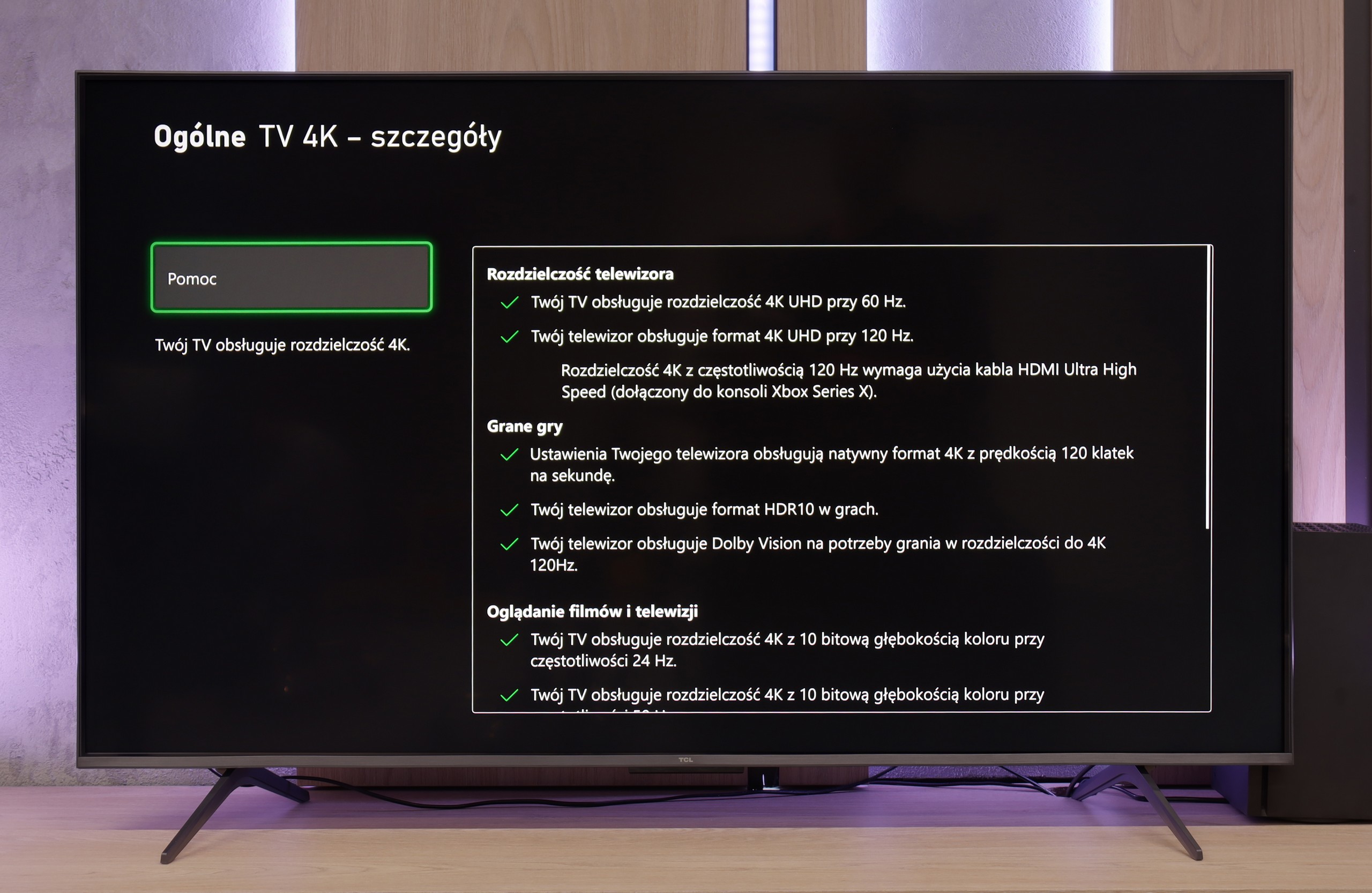
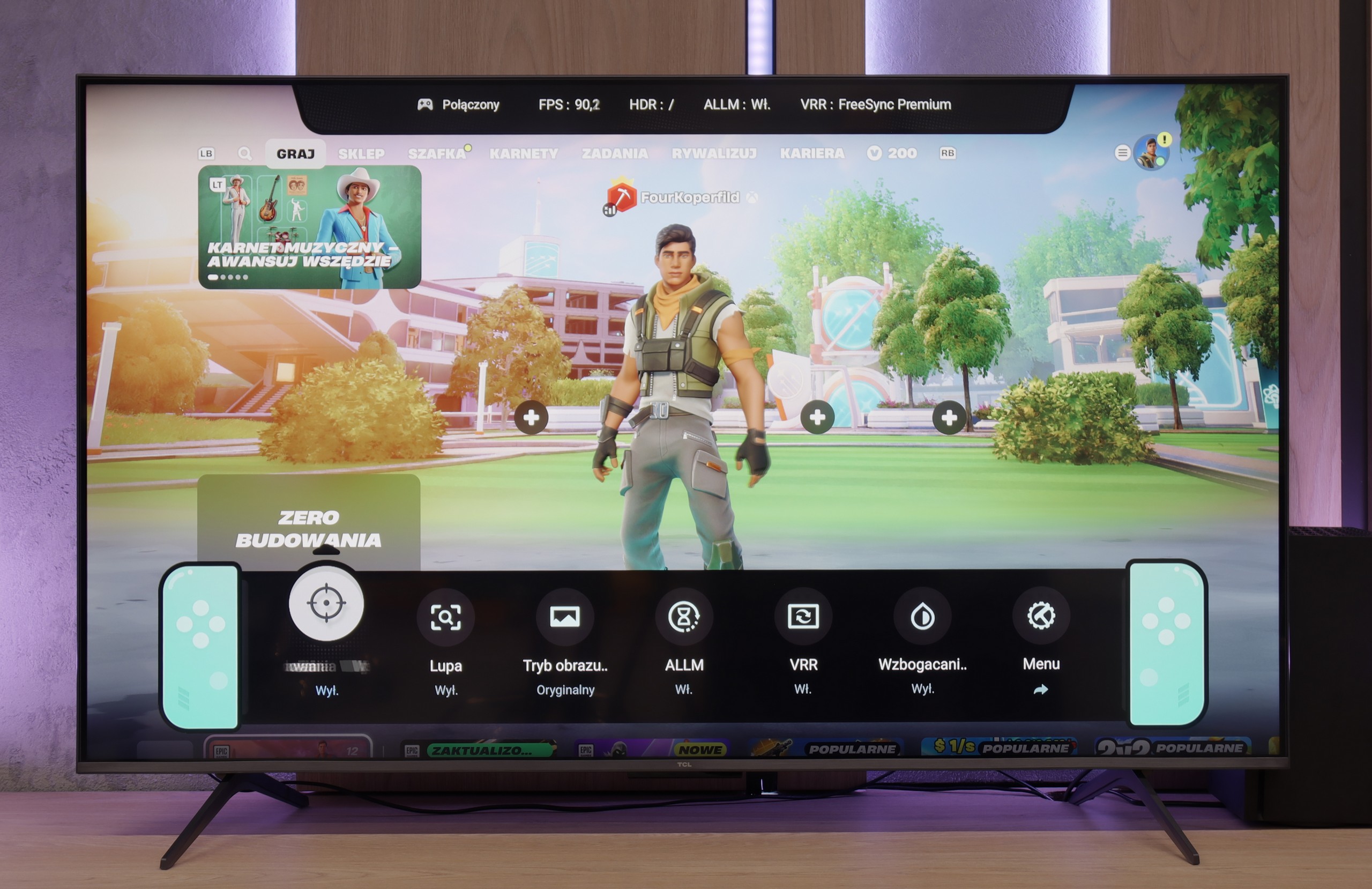
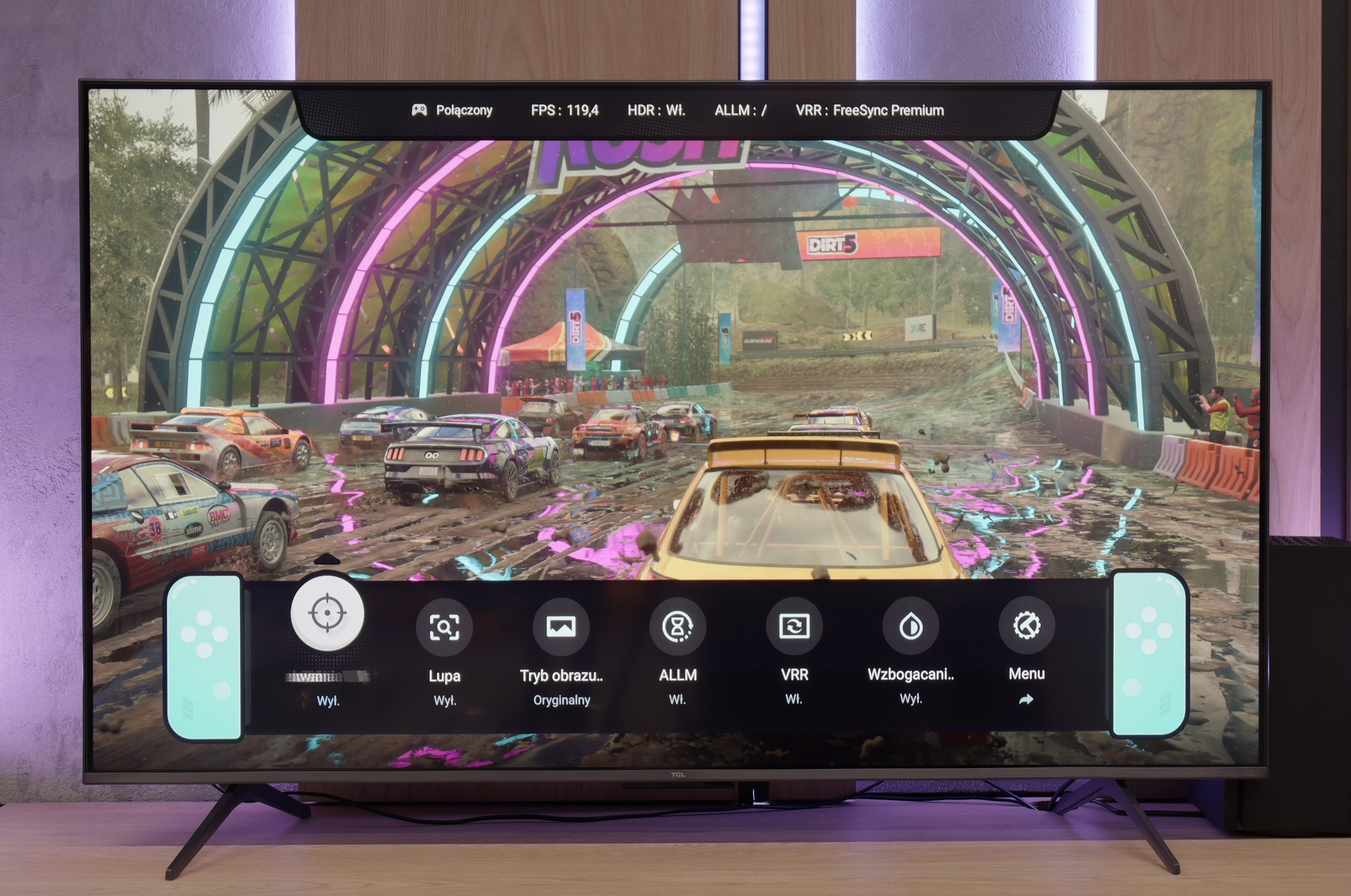
TCL C69K / Q6C is a television that can confidently be described as equipment created with gamers in mind. Here we have 4K at 144 Hz, VRR support, automatic game mode (ALLM), and Dolby Vision Gaming. Additionally, there is a practical Game Bar, which is a panel with the most important settings conveniently at hand – useful when we want to change something quickly during gameplay (e.g. screen aspect ratio: Yes, it can be done!). The wide range of VRR, reaching up to 240 Hz, is particularly noteworthy. However, this option is mainly for PC gamers who will operate below the native 4K resolution. In that case, the television can spread its wings and show additional smoothness, especially in fast-paced e-sports titles. For consoles, we stick to the classic limit of 120 Hz, but even so, the capabilities are truly extensive. The only downside is a slight ghosting that can occasionally be seen in dynamic scenes. Other than that, C69K / Q6C offers everything that gamers expect from a television.
Input lag
10/10
9.7/10
SDR
HDR
Dolby Vision
In this category, the S85F shows its true colours. The values measured by us – 5 ms for 120 Hz content and around 10 ms for 60 Hz – are results that can be described in one word in the world of televisions: phenomenal. This means that the response to a player's movements is practically instantaneous. Pressing a button on the pad results in action on the screen without any noticeable delay. In dynamic games, where a fraction of a second determines victory or defeat, such values make a huge difference. There is no question of a nervous "waiting" for the image to catch up with our commands. The S85F provides a sense of complete control – and that's how it should be in equipment aspiring to be the perfect screen for gamers.
In terms of input lag, TCL C69K / Q6C performs excellently. With 120 Hz content, the delay is about 10 ms, and at times even less. This is a level at which the response is practically instantaneous and difficult to find any objections. For 60 Hz material, the result is around 18 ms – still a very good result, entirely sufficient for comfortable gaming.
Compatibility with PC
7.6/10
8.6/10
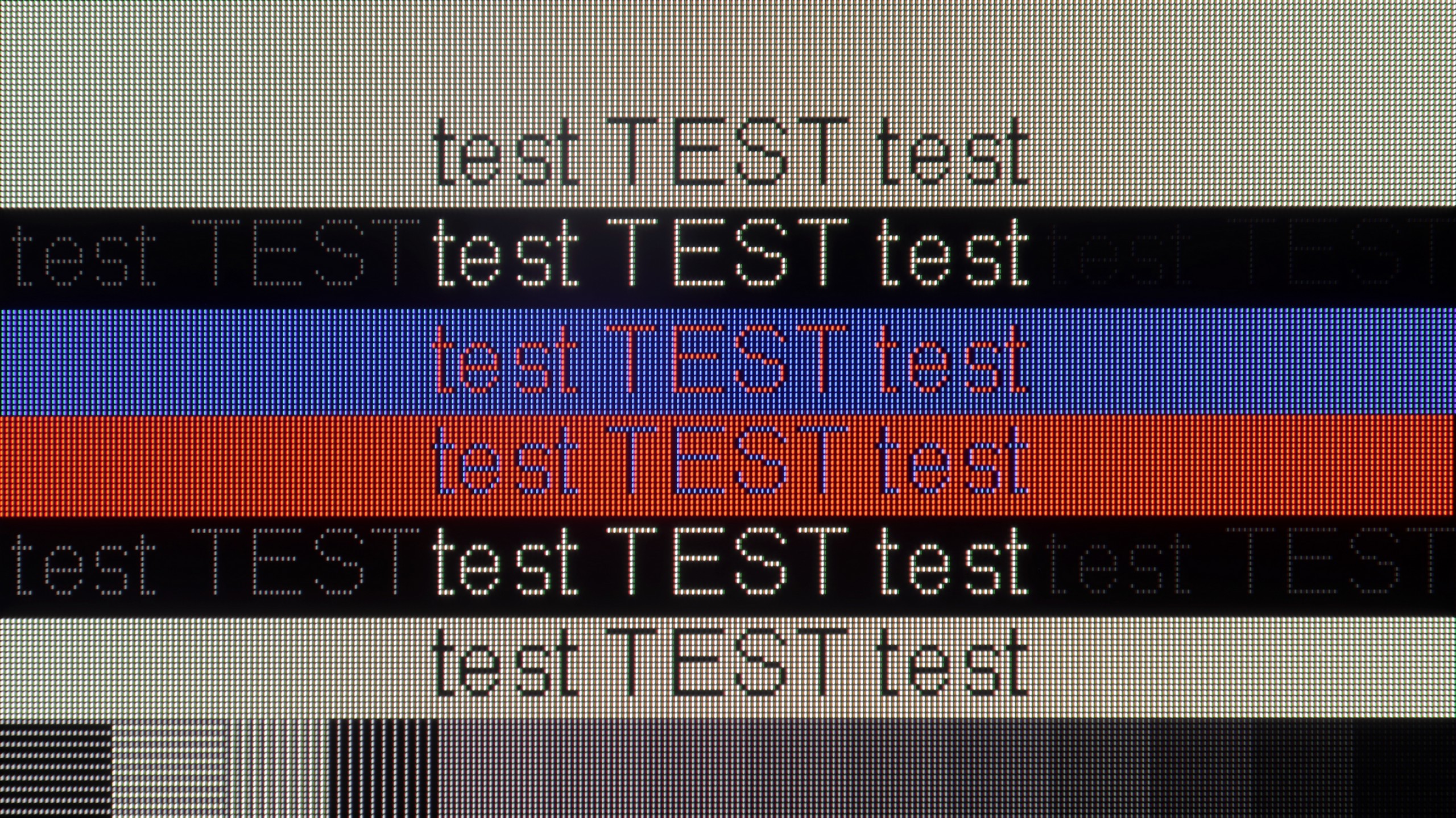
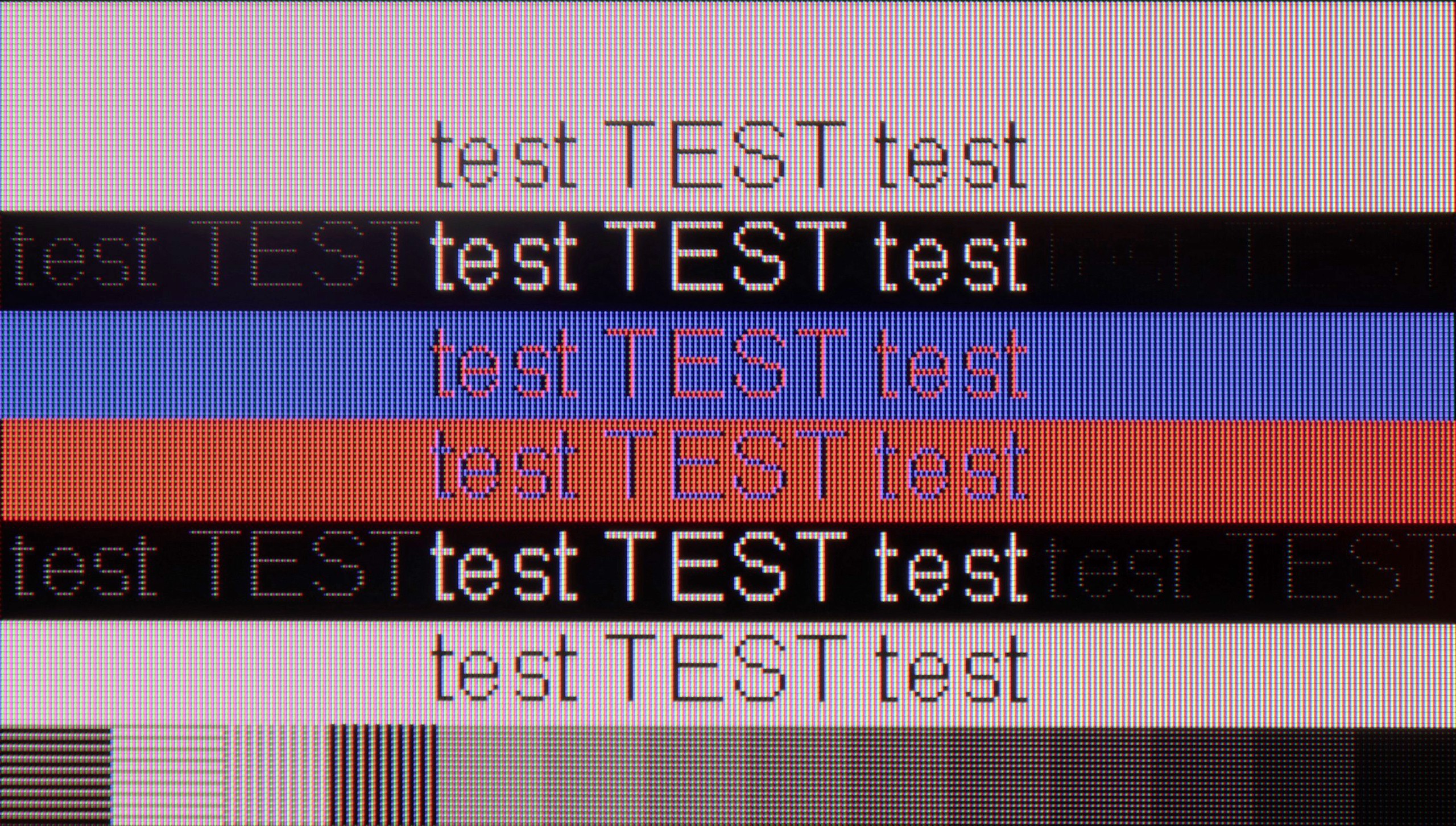
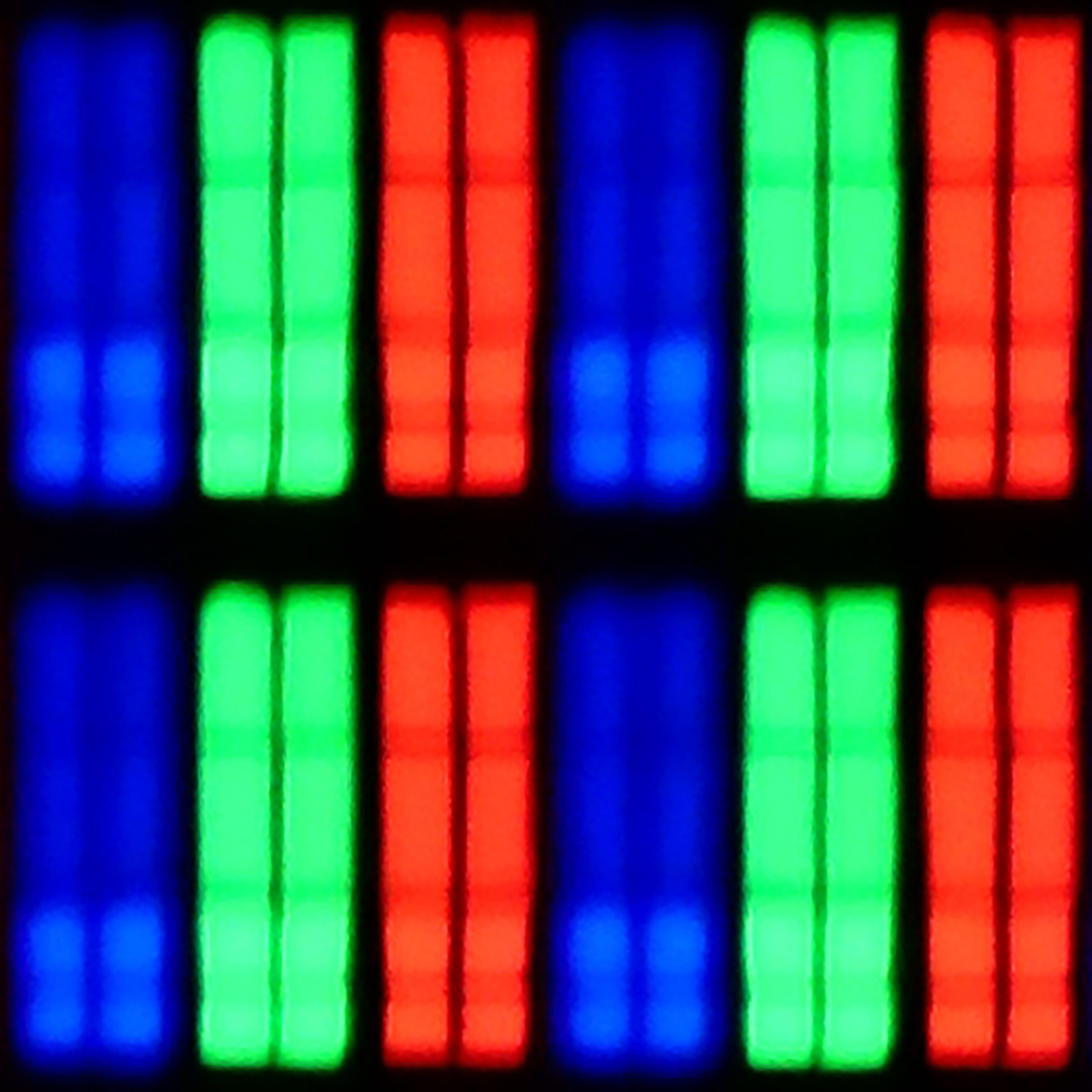
And what about connecting to a computer? We rush to answer: the S85F performs excellently in this regard. The combination of lightning-fast input lag and a 120 Hz panel is the recipe for successful gaming on a PC. Both fast-paced shooters and calmer RPG titles benefit from the instant response and fluidity of animation, which can immerse you for long hours. Of course, it’s not perfect. We must mention the specific construction of the WOLED panel. It consists of four subpixels (WRGB), which is a different structure from the classic RGB known from monitors. As a result, if we sit very close to the screen, we may notice that the fonts are not as perfectly sharp as we would like them to be. However, this is not a major issue and shouldn't interfere with everyday use. Especially since the television correctly supports a 4:4:4 chroma signal.
As a monitor for a computer, TCL C69K / Q6C performs excellently. At its native resolution, we achieve 4K at 144 Hz, and by lowering the resolution, it can reach even 240 Hz. The television also works with Nvidia and AMD graphics cards, supporting both G-Sync and FreeSync. It is also difficult to find any complaints for office work. Thanks to the support for chroma 4:4:4, the fonts are sharp and legible, and any minor imperfections are so small that they remain unnoticed in everyday use.
Viewing angles
7.5/10
3/10
As befits OLED technology, the viewing angles on the S85F are very good. The image retains its properties even when viewed from the side, which is a clear advantage over most LCD televisions. However, we must note that this is not the level known from QD-OLED panels. In the case of the tested WOLED panel, with a significant deviation from the screen axis, a slight decrease in brightness and a subtle change in white tones can be observed. QD-OLED remains unparalleled in this respect, offering an almost perfect picture regardless of the angle from which we view it.
On the TCL C69K / Q6C, the viewing angles are typical for a VA panel. Sitting directly in front, the image looks very good, but any shift to the side results in a noticeable drop in colour saturation and brightness. The difference is particularly evident in colourful scenes – the hues become washed out, and the contrast loses its depth. Compared to IPS panels, this is clearly a weaker performance, although it is compensated by better blacks and higher native contrast.
Daytime performance
5.3/10
6.4/10
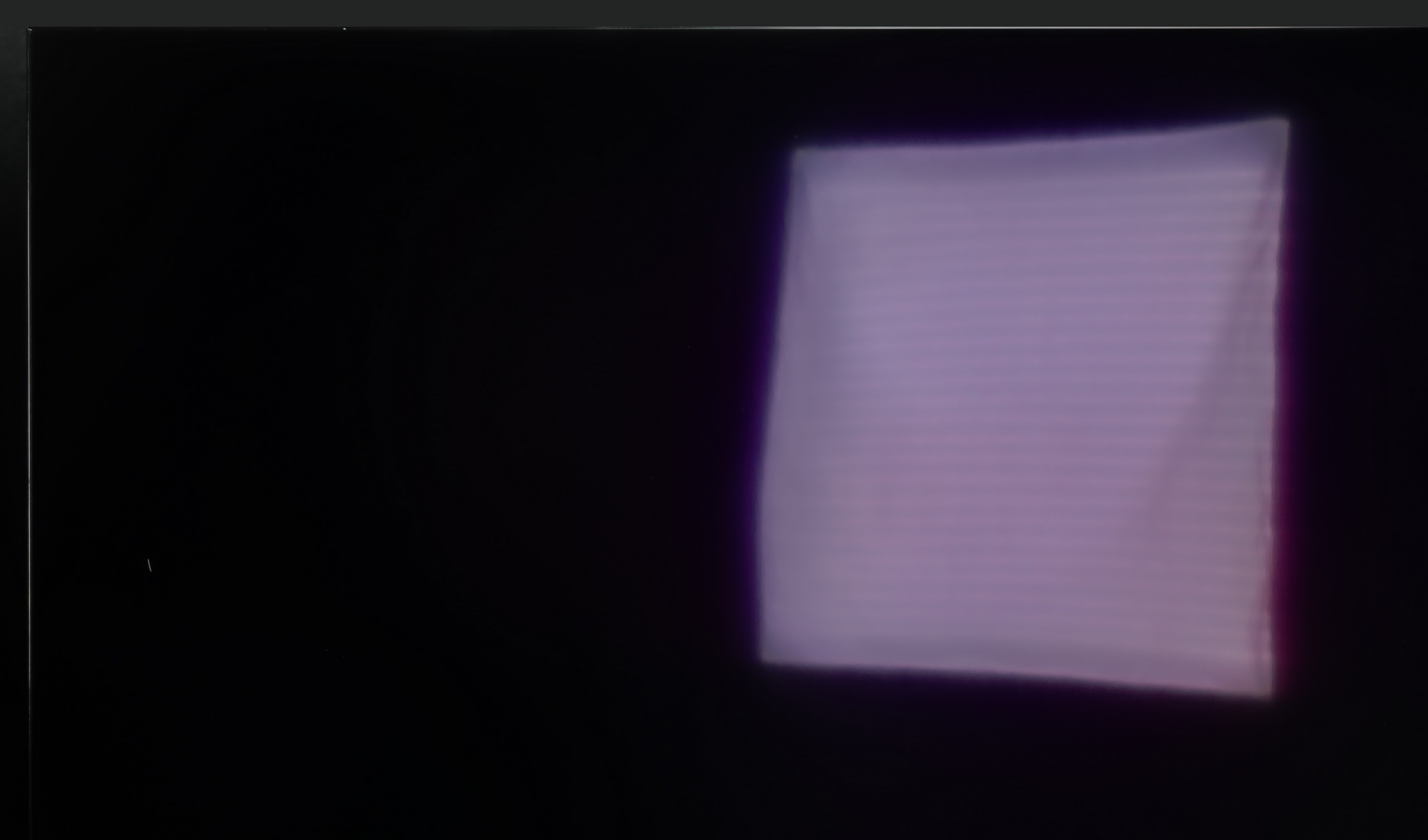
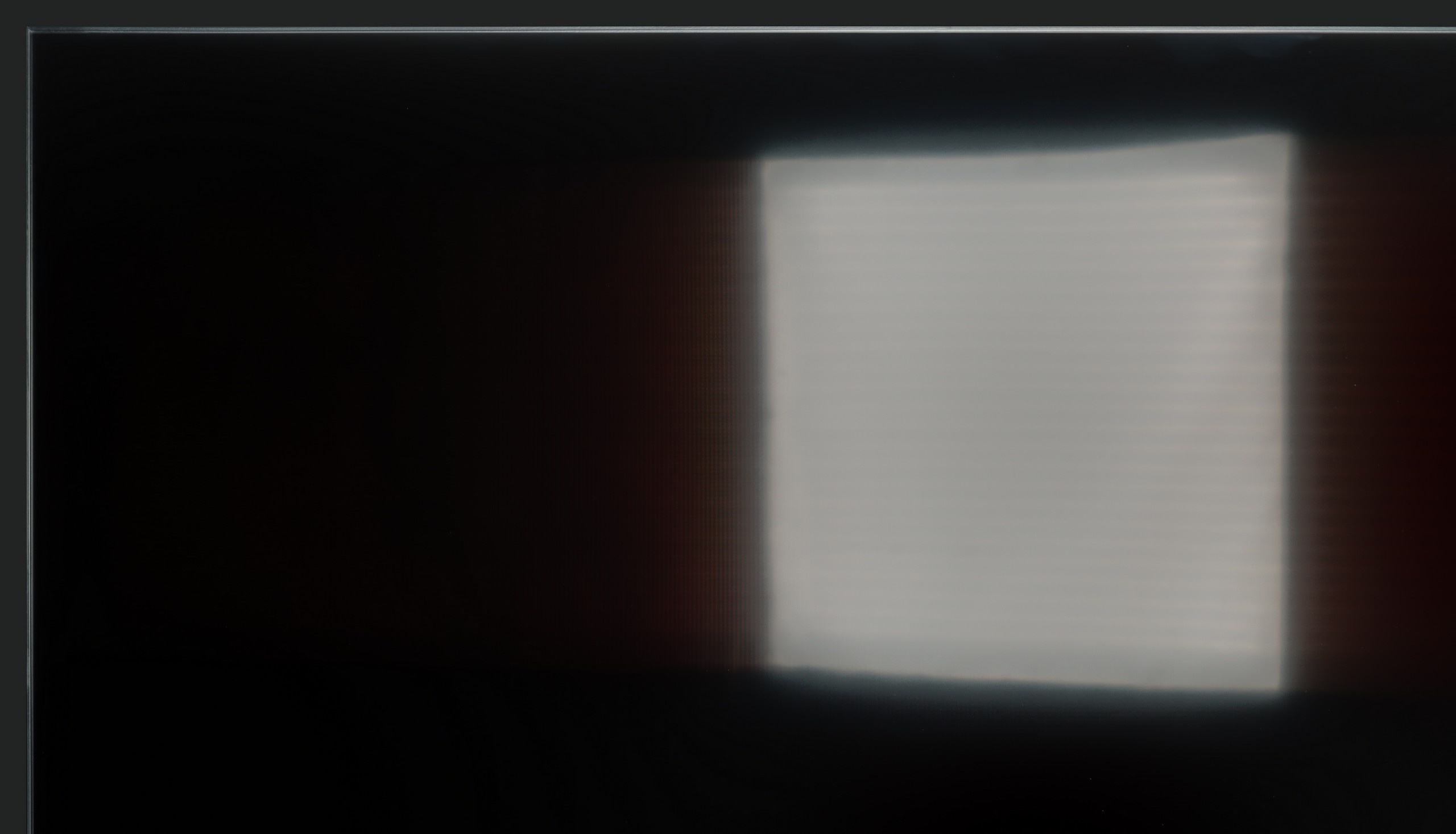
Panel brightness
Average luminance SDR
TCL C69K / Q6C: 532 cd/m2
Samsung S85F (WOLED): 305 cd/m2
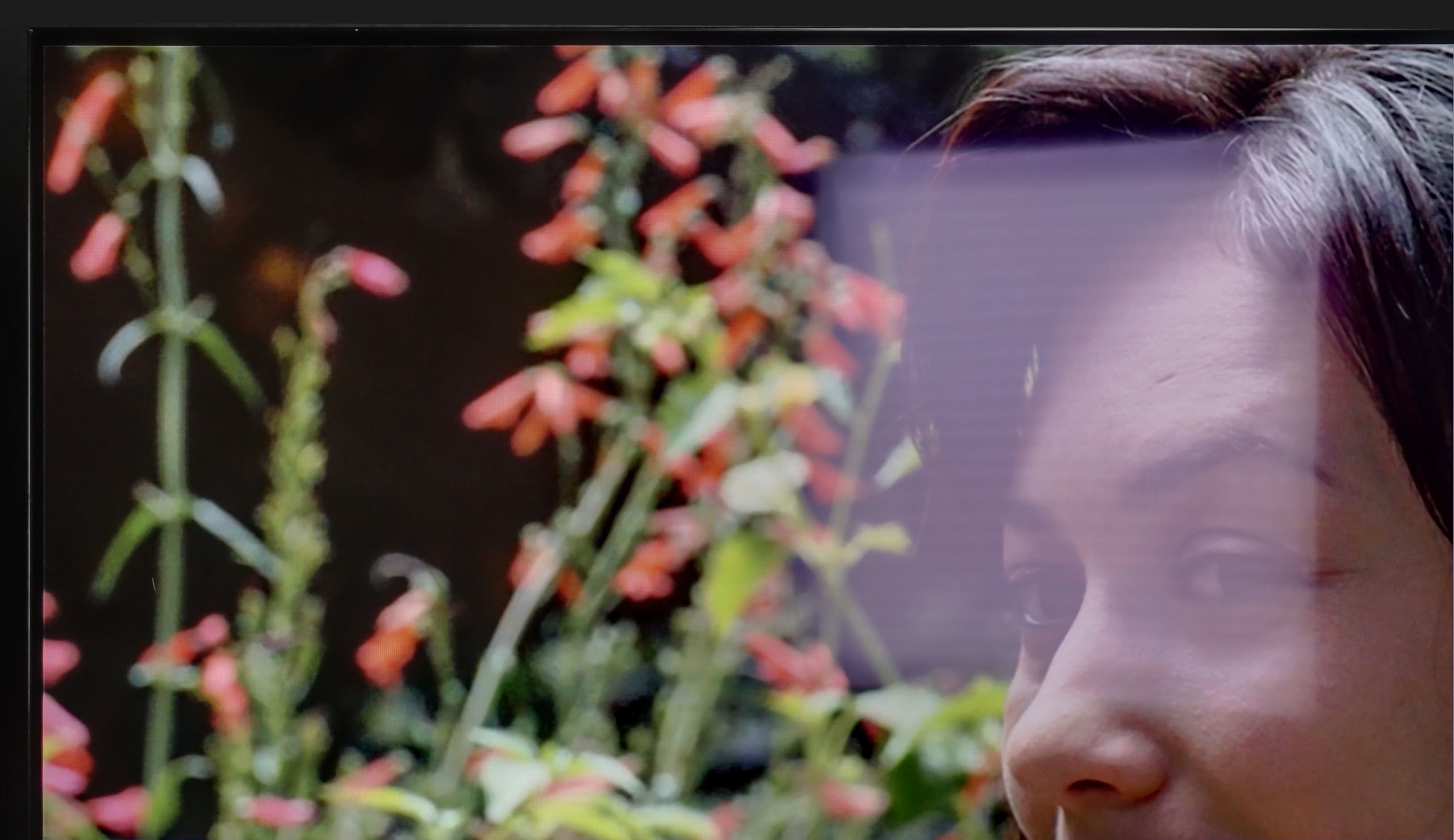
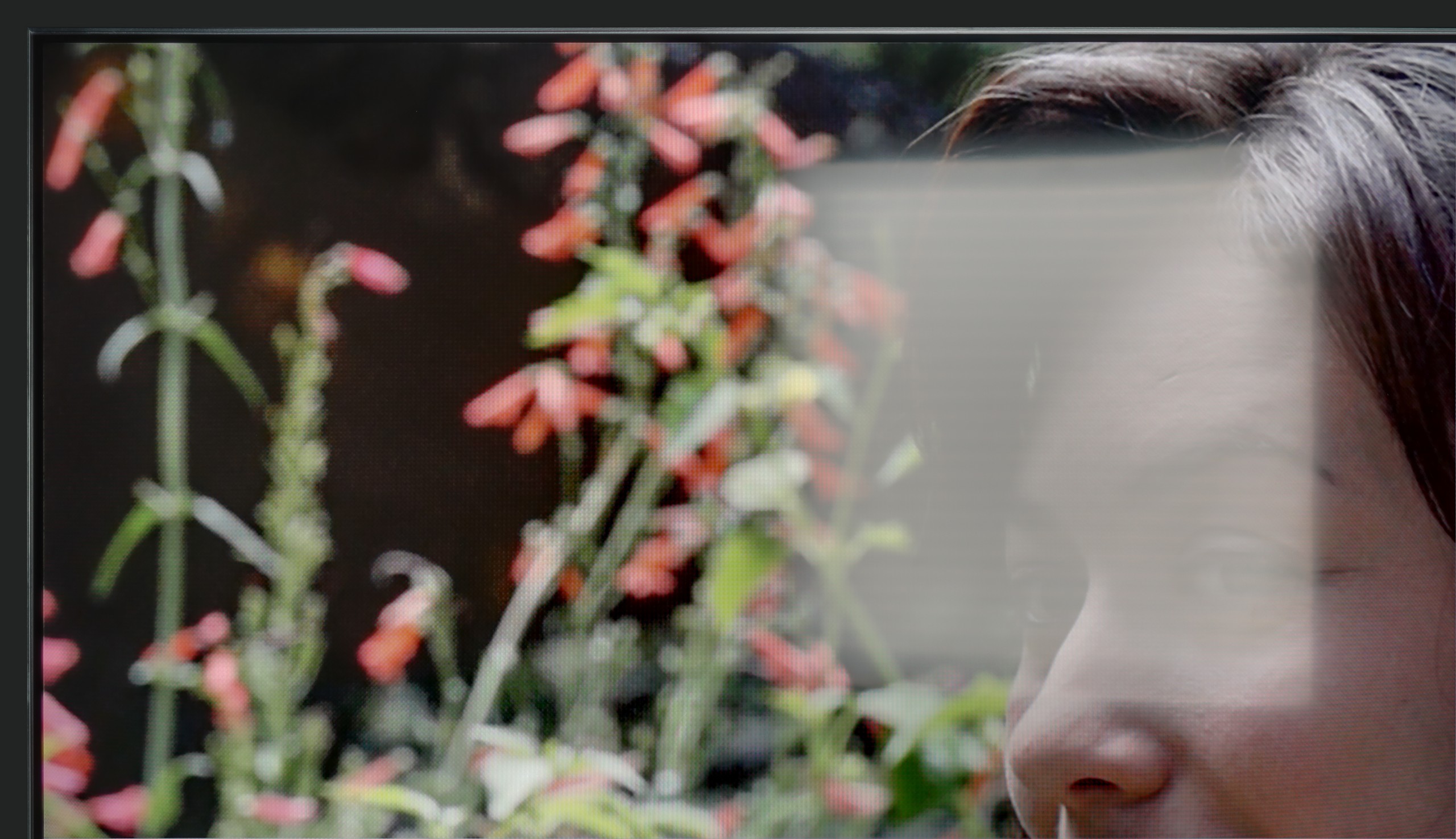
We must state clearly that working in a brightly lit room is not the strong point of the S85F. We are dealing with a rather moderately bright OLED panel here. Our measurements indicated that the average screen brightness in "TV" mode hovers around 300 nits. For some users, this may be a value that is too low, particularly in rooms with a lot of daylight. Of course, this television would be perfect for moderately bright living rooms. However, it is not a model we would recommend for exceptionally bright, heavily sunlit interiors. This problem is exacerbated by the anti-reflective coating applied. We noticed that it does not suppress reflections from the surroundings as effectively as the version with the QD-OLED panel, especially when direct sunlight hits the screen.
In bright lighting conditions, TCL C69K / Q6C performs quite well. The panel offers decent brightness (in SDR content, it reaches around 550 nits), which allows for comfortable TV viewing in an average-lit living room, and even on days when strong light comes through the windows. This means that daytime viewing does not require complete darkening of the room. Another positive aspect is that the screen coating does a fair job of suppressing reflections, so the television does not become a "mirror" even in bright light. However, it is not at the level of top models with more advanced anti-reflective coatings – in very challenging conditions (e.g., with large windows), reflections will be noticeable.
Panel details
Subpixel Structure:
Panel uniformity and thermal imaging:
Samsung S85F (WOLED)
TCL C69K / Q6C
TV features
7.3/10
7/10
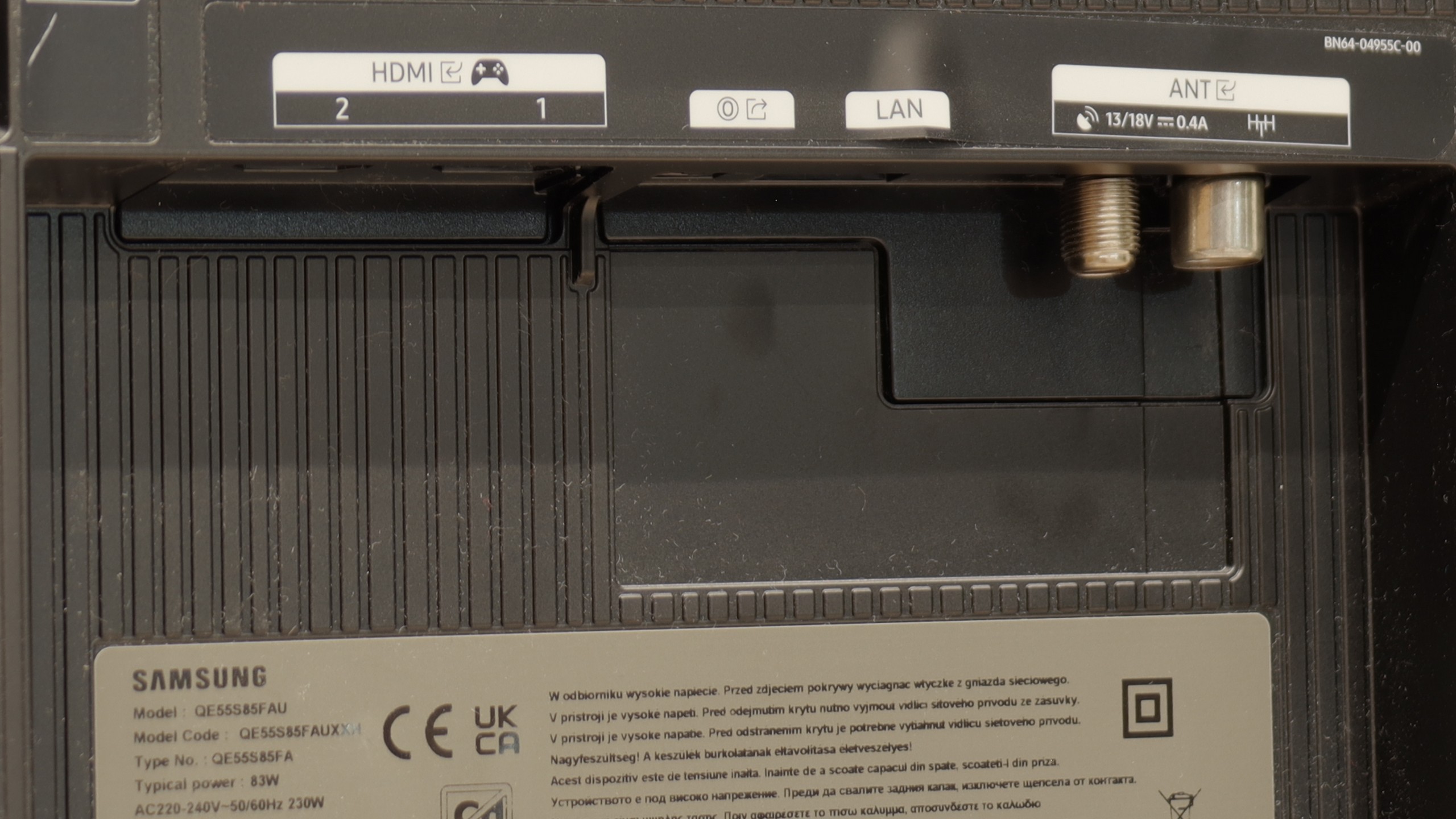
- HDMI inputs0 x HDMI 2.0, 4 x HDMI 2.1 48Gbps2 x HDMI 2.0, 2 x HDMI 2.1 48Gbps
- Other inputsToslink (Optical audio)
- OutputsToslink (Optical audio), eARC (HDMI), ARC (HDMI)Toslink (Optical audio), eARC (HDMI), ARC (HDMI)
- Network InterfacesWi-Fi 2.4GHz, Wi-Fi 5GHz, Ethernet (LAN) 100MbpsWi-Fi 2.4GHz, Wi-Fi 5GHz, Ethernet (LAN) 100Mbps
- TV receptionDVB-T, DVB-T2, DVB-S, DVB-S2, DVB-CDVB-T, DVB-T2, DVB-S, DVB-S2, DVB-C
Classic features:
- Recording to USB (terrestrial TV)
- Recording programming
- Picture in Picture (PiP)
- RF remote control (no need to aim at the screen)
- Backlit remote control
- Teletext
- Audio only mode
- Bluetooth headphones support
- Simultaneous Bluetooth headphones & TV audio
Smart features:
- AirPlay
- Screen mirroring (Windows Miracast)
- Voice search
- Voice search in native language
- Ability to connect a keyboard and mouse
Features of the Classic S85F Television
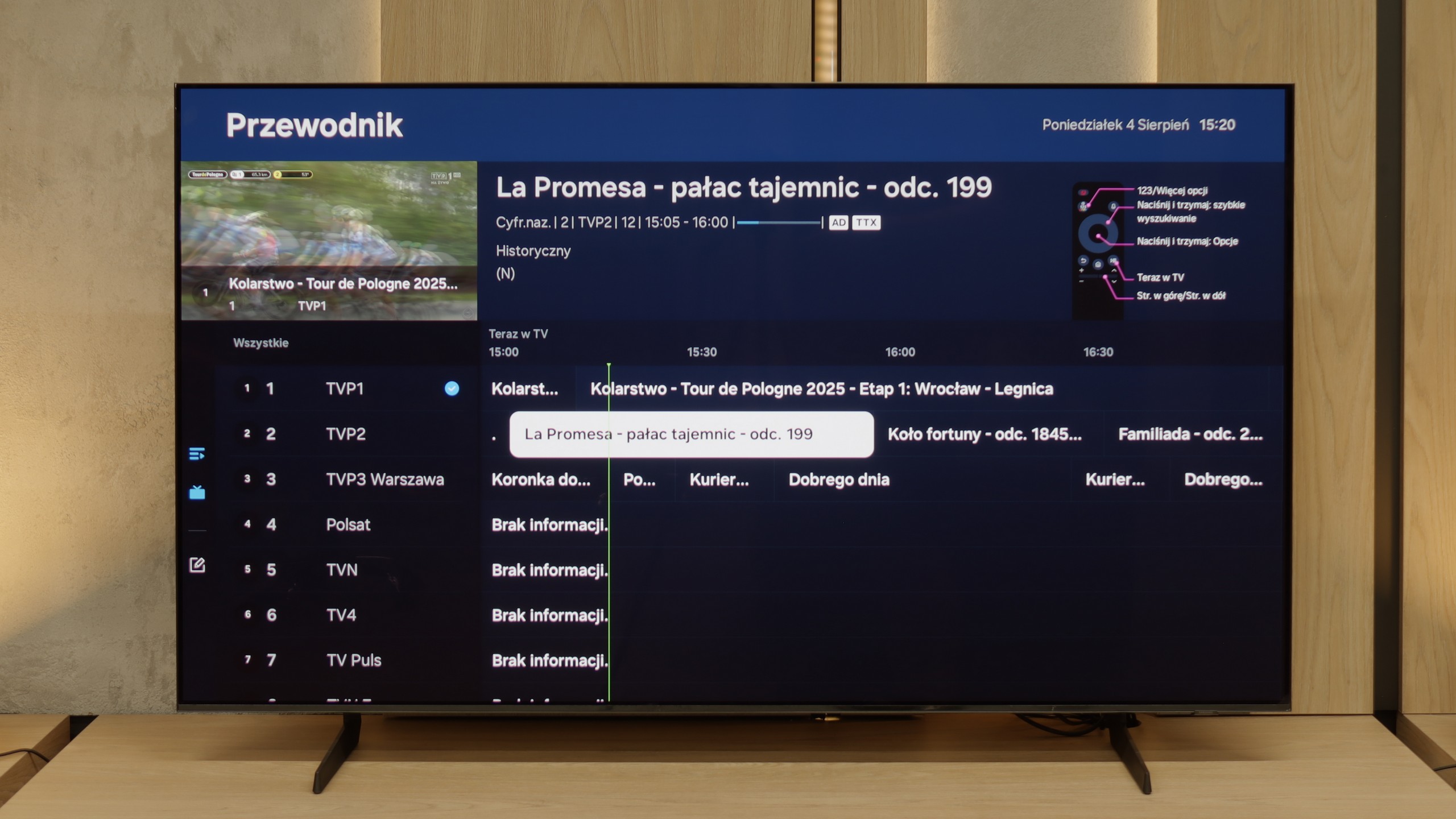
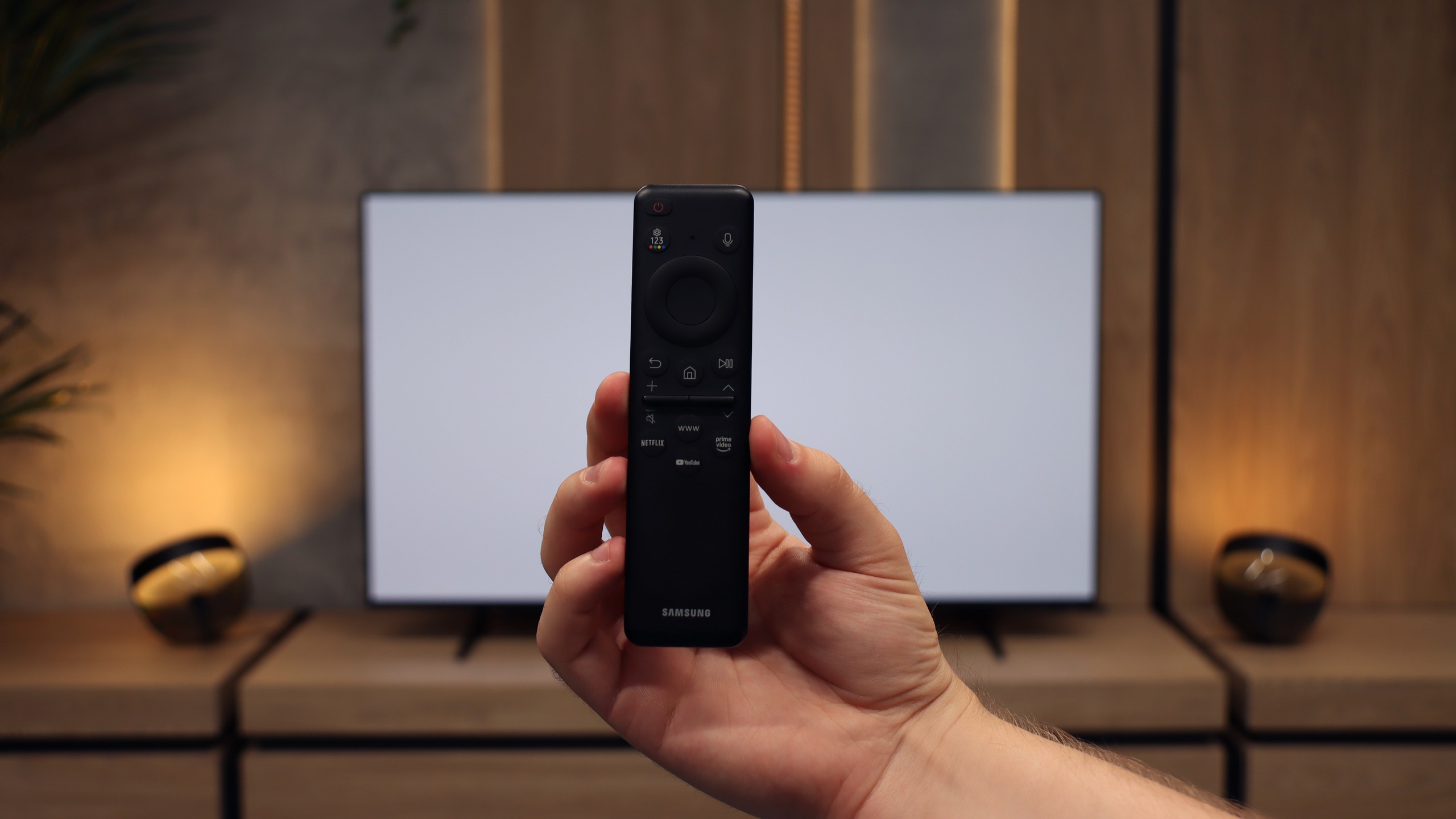
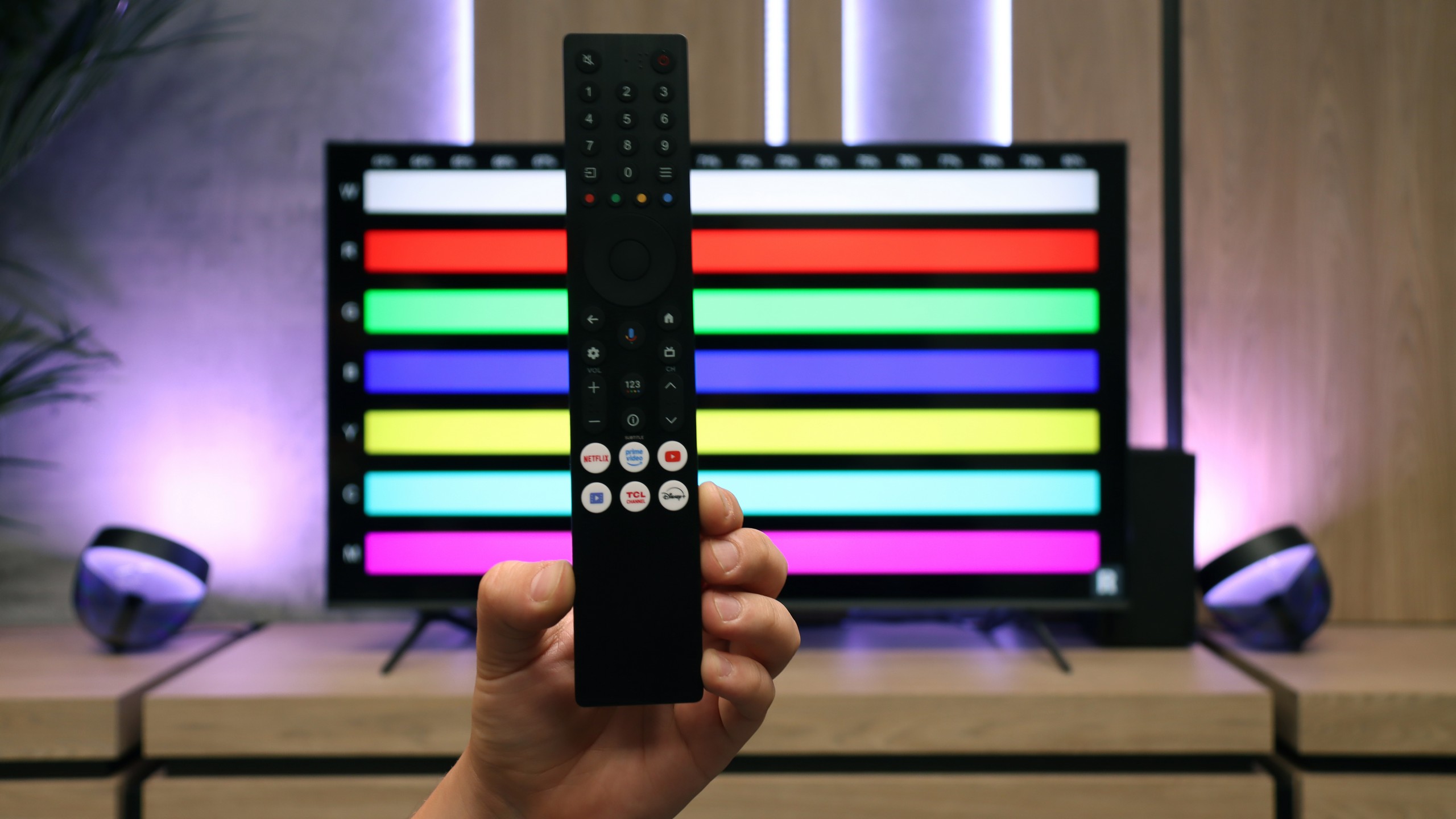
The S85F was not really designed with fans of traditional television in mind. We won’t find the PiP feature here (which is somewhat surprising, as Samsung usually offers it) nor the ability to record programmes onto USB from the built-in tuners. Fortunately, the basics are there – teletext and a clear channel guide – so this is perfectly sufficient for everyday viewing. The included remote, although simple at first glance and lacking a number pad, allows control of multiple devices. This way, when connecting a Canal+ decoder, you won't need to have two remotes on the table – one from the television will suffice.
SmartTV S85F: Tizen
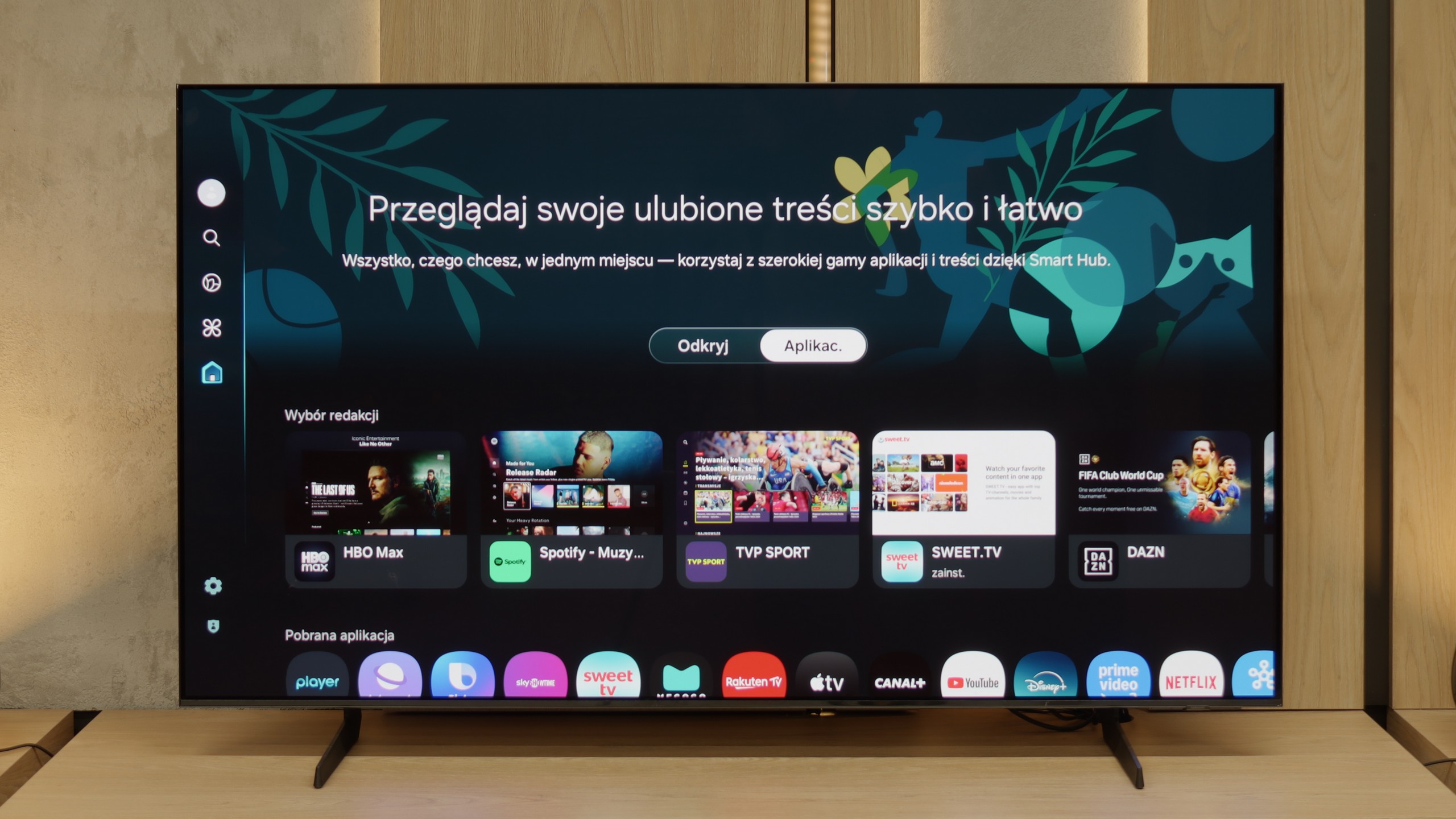
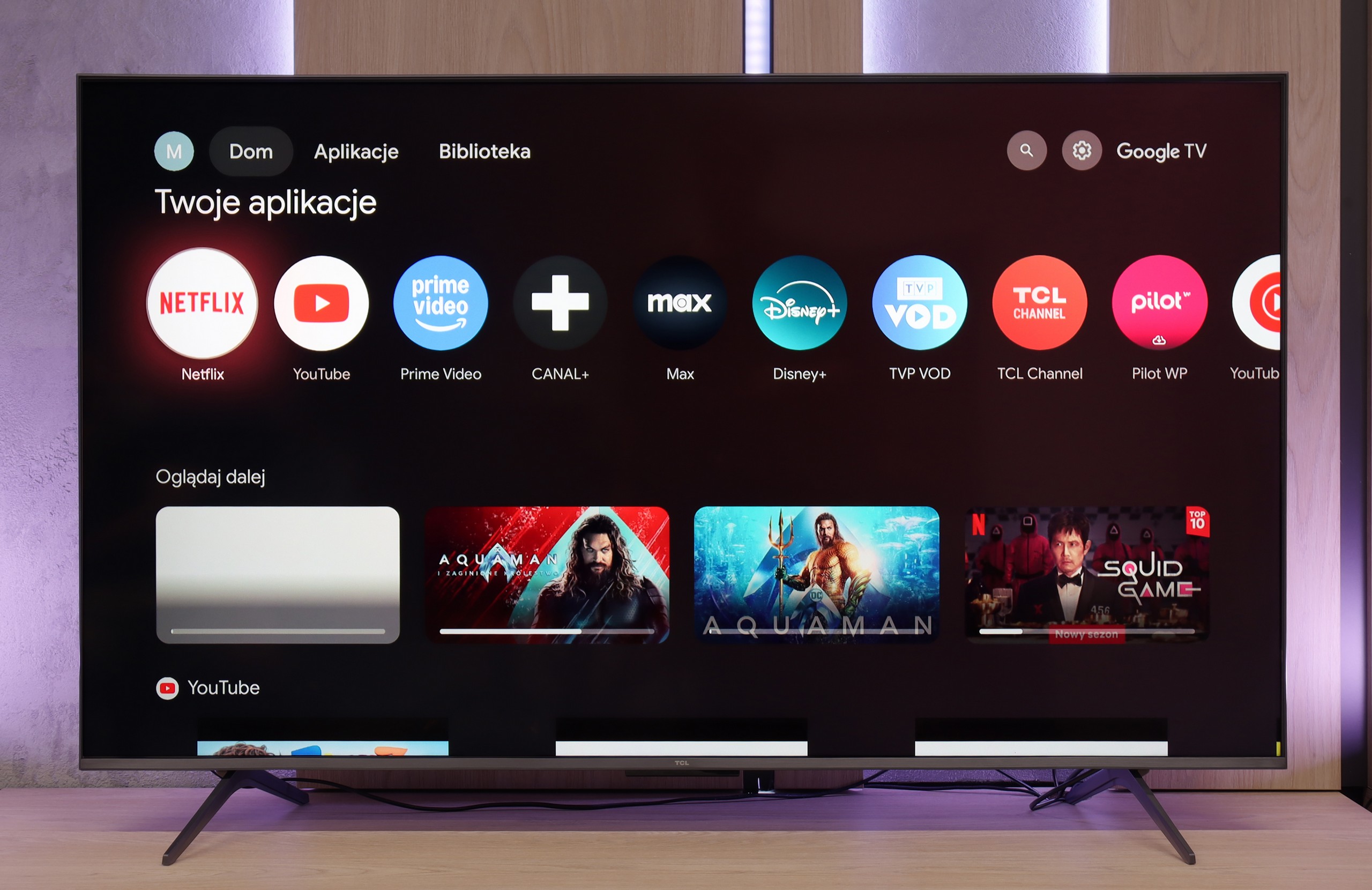
The smart part is a completely different story. Tizen is one of the most advanced operating systems in televisions. It operates smoothly and supports all popular internet features – from screen mirroring, to AirPlay, to voice search. The strongest point of Tizen is its integration with the SmartThings app, which can serve as a control centre for the entire home. Of course, like any closed system, Tizen has its limitations – for example, it has a smaller library of applications than GoogleTV. However, looking at the current list of available applications, it is hard to point out anything that might actually be missing.
Multimedia Features: Google TV
The Google TV system is undoubtedly the strongest user aspect of TCL C69K / Q6C. It gives the television its character and provides an advantage over many competitors. We receive a full package of services: from support for popular streaming applications, through support for screen mirroring, to AirPlay (so that iPhone users feel at home). Additionally, there is the Google Assistant, recently updated to Gemini AI, which not only answers questions but also efficiently executes simple commands (e.g., changing channels or searching for content in VOD). The system itself operates quite responsively. However, one cannot overlook a certain downside: the awkward translations in the Polish menu can elicit a smile but sometimes require a moment's thought to decipher their meaning.
Classic Features
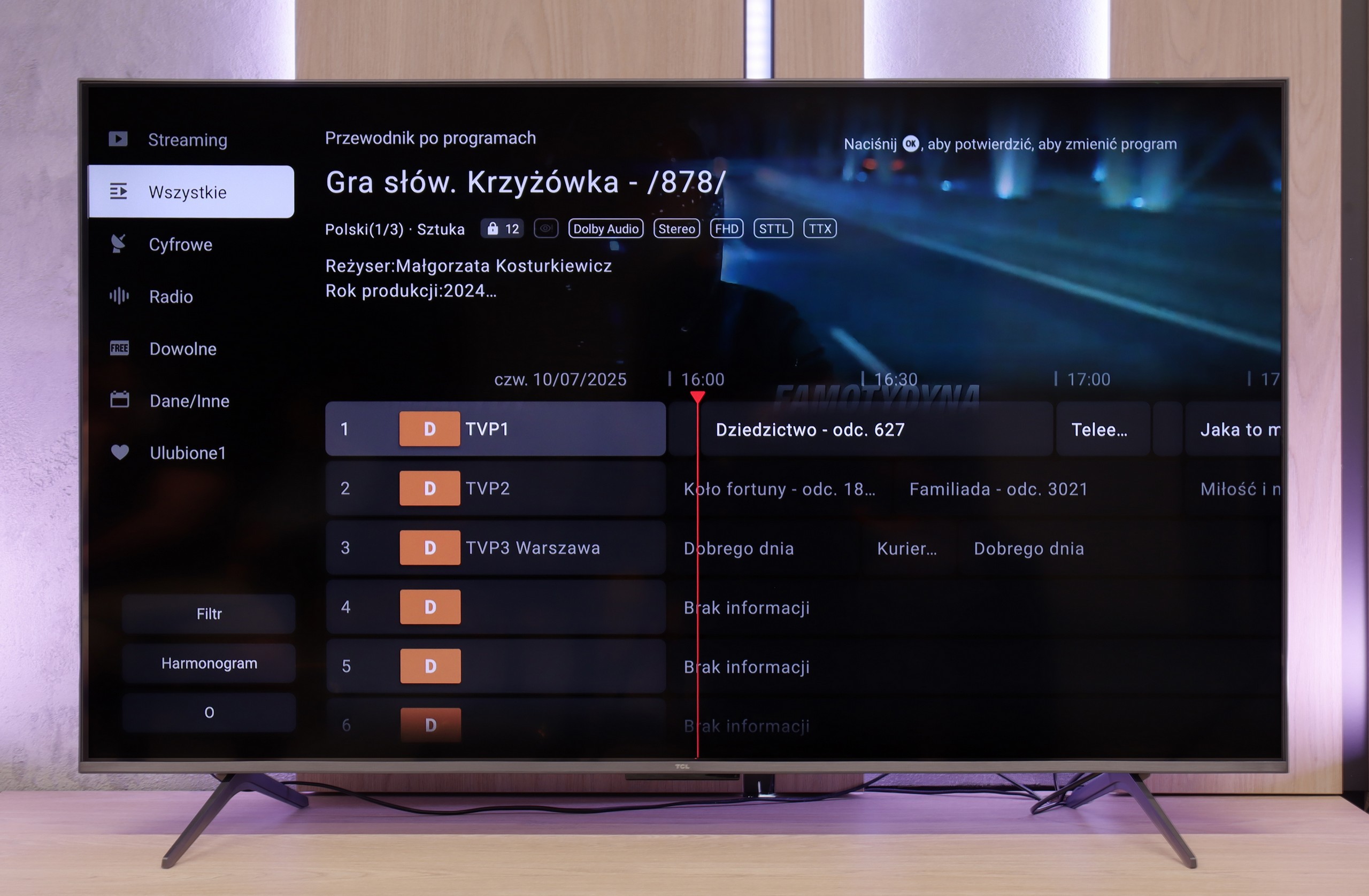
In terms of classic television functions, the TCL C69K / Q6C fares rather average. We will not find USB recording or PiP mode here, which may be disappointing for some users. However, the manufacturer has not forgotten the basics: teletext television and a clear EPG are available, which still matter to certain users. In daily use, the support for external audio devices via Bluetooth is also useful. It’s a simple way to connect, for example, a speaker or headphones, which can be a practical solution for seniors. Beyond that, however, it's hard to find elements that would distinguish C69K / Q6C from its rivals – it is simply a solid but standard package of basic functions.
Playing files from USB
9.1/10
8.9/10
Supported photo formats:
Maximum photo resolution:
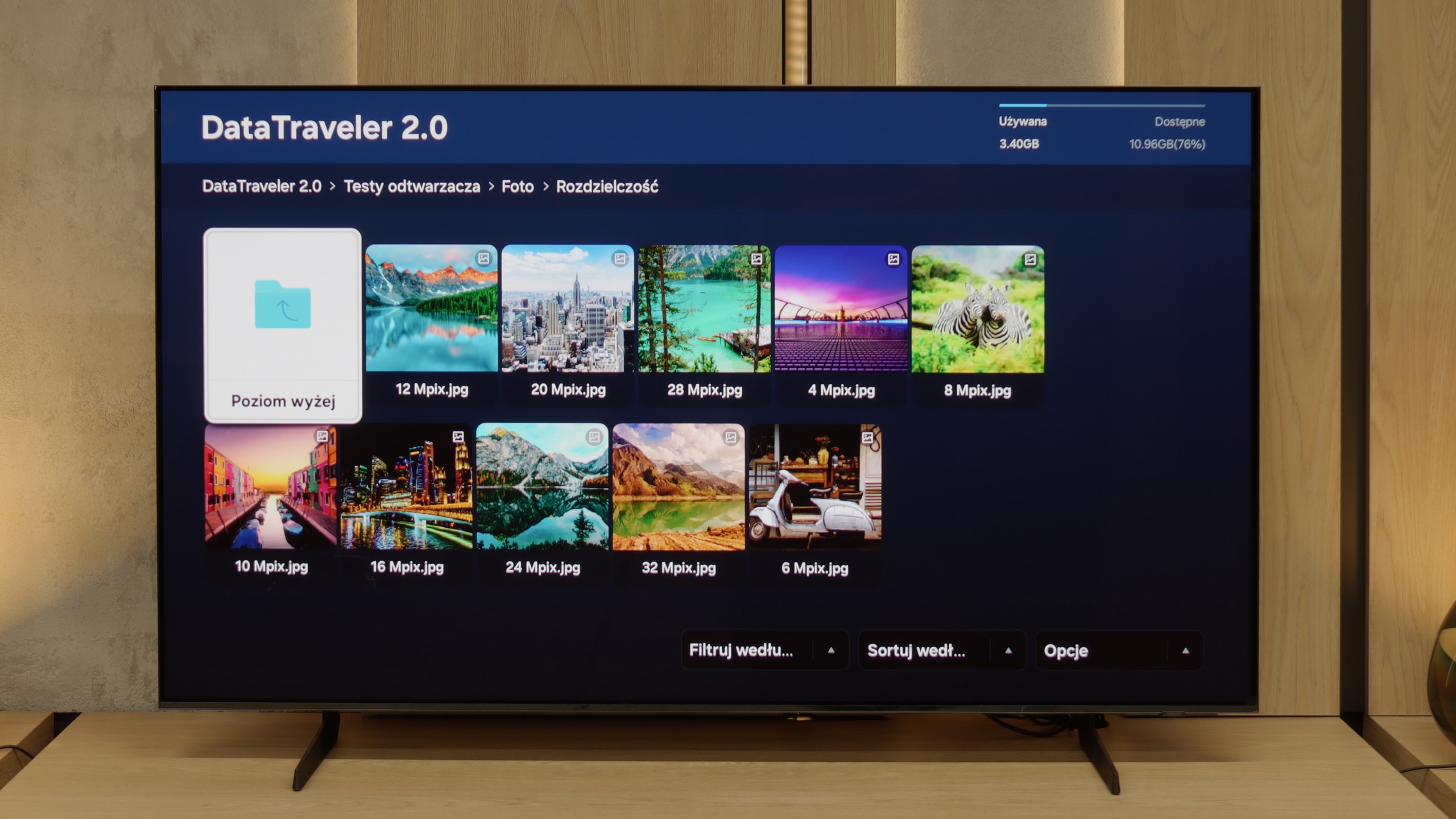
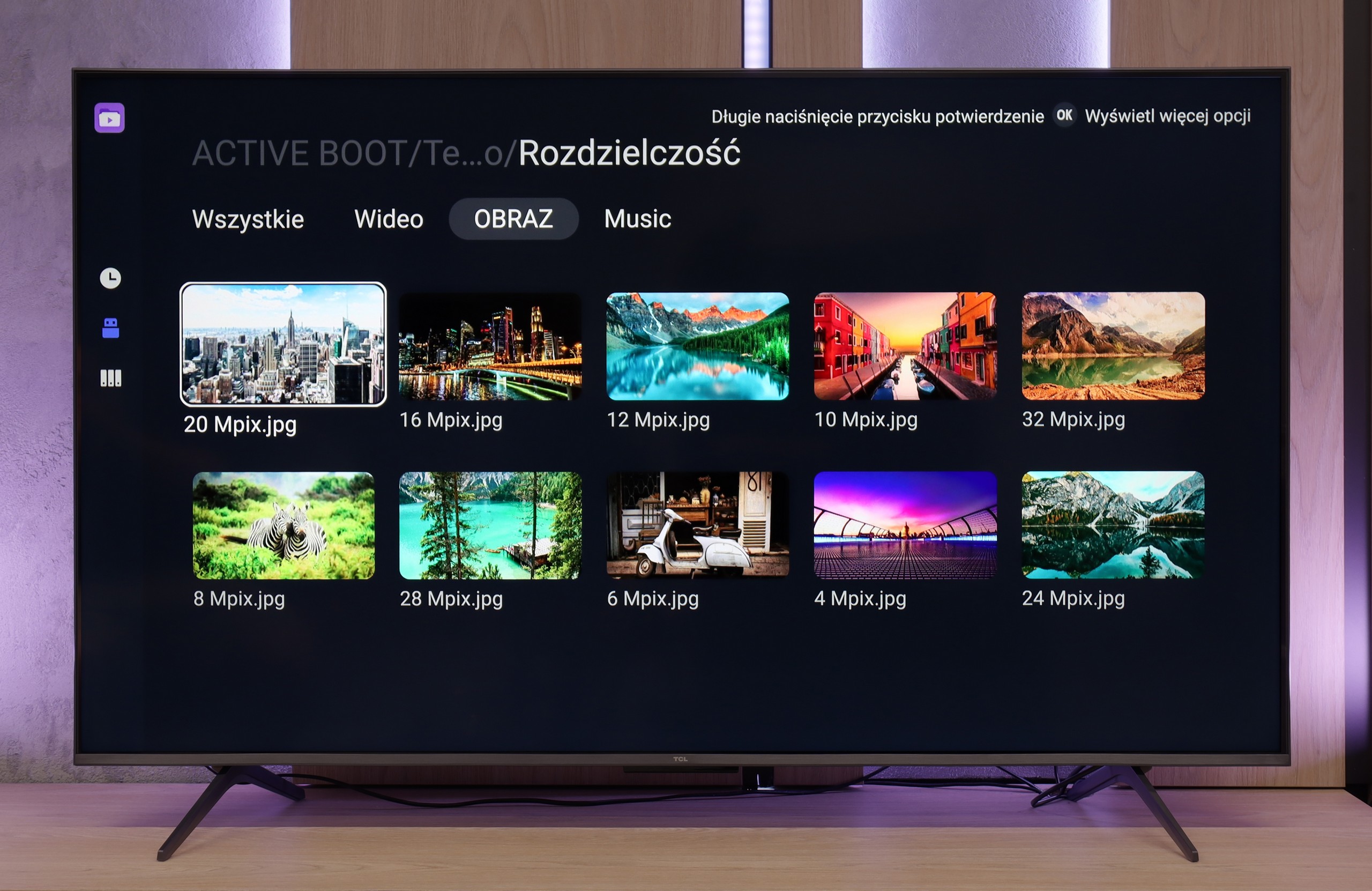
The built-in media player in the S85F performs excellently – practically everything you put on a pendrive or hard drive will be played without the slightest problem. Small shortcomings occur only in the support of some less popular photo formats, but for the vast majority of you, this will be more than sufficient. Therefore, it can be confidently said that the built-in player is more than solid for home use.
The built-in media player in TCL C69K / Q6C performs really well – practically all popular file formats work without major issues. There are indeed minor exceptions, particularly with less common codecs or unusual video file configurations, but in everyday use, this is rarely noticeable. The biggest advantage, however, is that the television runs on Google TV, which provides complete freedom in choosing additional software. If someone encounters a file that the standard player does not support, it's enough to install an alternative – such as VLC – and the problem disappears.
Apps
8.7/10
9.6/10






















Sound
7.2/10
6.5/10
- Maximum volume80dB-
- Dolby Digital Plus 7.1
- Dolby True HD 7.1
- Dolby Atmos in Dolby Digital Plus (JOC)
- Dolby Atmos in Dolby True HD
- DTS:X in DTS-HD MA
- DTS-HD Master Audio
The built-in speakers with 20 W power on paper may not seem impressive, but in practice, the S85F can surprise. It sounds really pleasant, and at times you can even catch a hint of bass, which is not a given in this class of speakers. The television does not support the DTS format, which has unfortunately become the standard for most manufacturers by 2025. A nice surprise, however, is the support for Dolby Atmos. Of course, to talk about "spatial" sound with two speakers placed at the bottom of the casing would be a slight exaggeration, but it is good that Samsung offers such a feature in this model at all.
In terms of audio, TCL C69K / Q6C performs quite well. The manufacturer has been boasting about its collaboration with the Onkyo brand for several years, and it indeed translates into sound quality. The sound is pleasant, with clear mids and a fairly clean top end, and overall it feels well-balanced. Of course, it cannot replace a full-fledged soundbar, especially regarding bass depth, but for built-in speakers in a television of this price range – it is really very good.