The Hisense U7Q is one of the most interesting Mini-LED televisions in its price segment, clearly demonstrating that Hisense is beginning to make a mark in the market not only through its price-to-performance ratio but also due to its increasingly refined picture quality. Let's start with what truly impresses: the contrast and black levels are at a level that not long ago was unattainable in this price range. Combined with smooth tonal transitions, solid brightness, and a fast 144 Hz panel, the U7Q becomes a television that excels in both movies and gaming. Gamers will find almost everything they could expect here – variable refresh rate (VRR) support, automatic low latency mode (ALLM), very low input lag, and even 240 Hz in Full HD. All of this makes the U7Q compatible with both next-gen consoles and PCs. However, there are some weaker points. With HDR content, one might say: "untapped potential" – you might ask why? The television, due to its algorithms, dims small bright elements or over-emphasises them, which can ruin the viewing experience. There is also a lack of support for HGiG, a feature that would allow for better calibration of the console with the television regarding HDR. In summary, briefly – the Hisense U7Q is a very versatile and complete television that has its imperfections but makes up for them in many key aspects. For gamers, for the occasional movie viewer, for someone looking for good equipment for everyday use – it is one of the most cost-effective offerings in 2025. You just need to know what compromises you are signing up for – and then it will be hard to be disappointed.
- Matching (Score)
- Our verdict
- TV appearance
- Where to buy
- Contrast and black detail
- HDR effect quality
- Factory color reproduction
- Color reproduction after calibration
- Smoothness of tonal transitions
- Image scaling and smoothness of tonal transitions
- Blur and motion smoothness
- Console compatibility and gaming features
- Input lag
- Compatibility with PC
- Viewing angles
- Daytime performance
- Panel details
- TV features
- Apps
- Playing files from USB
- Sound
Hisense U7Q vs TCL P89K / TCL P8K
 Direct comparison
U7Q / U78Q

P8K / P89K
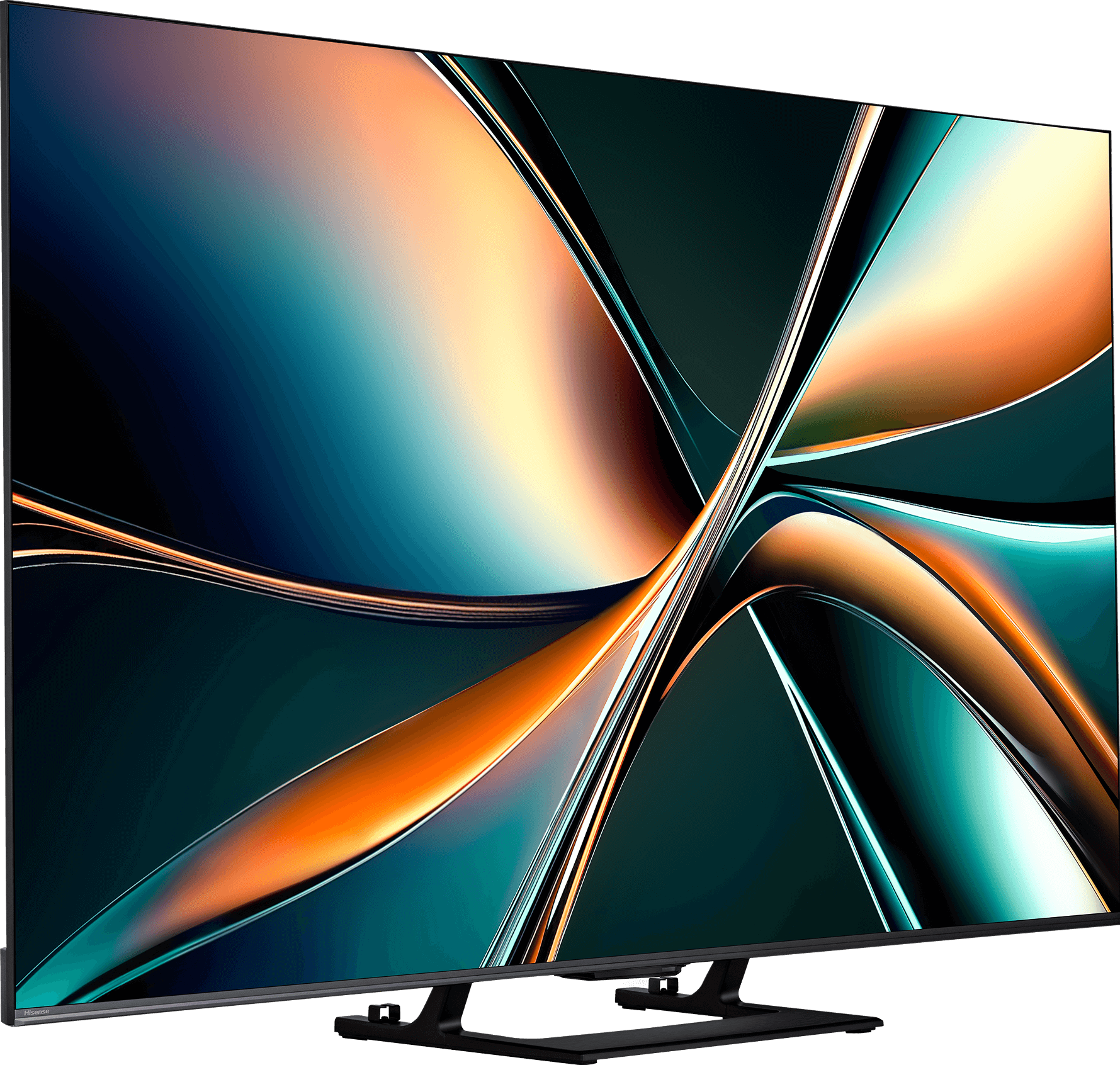
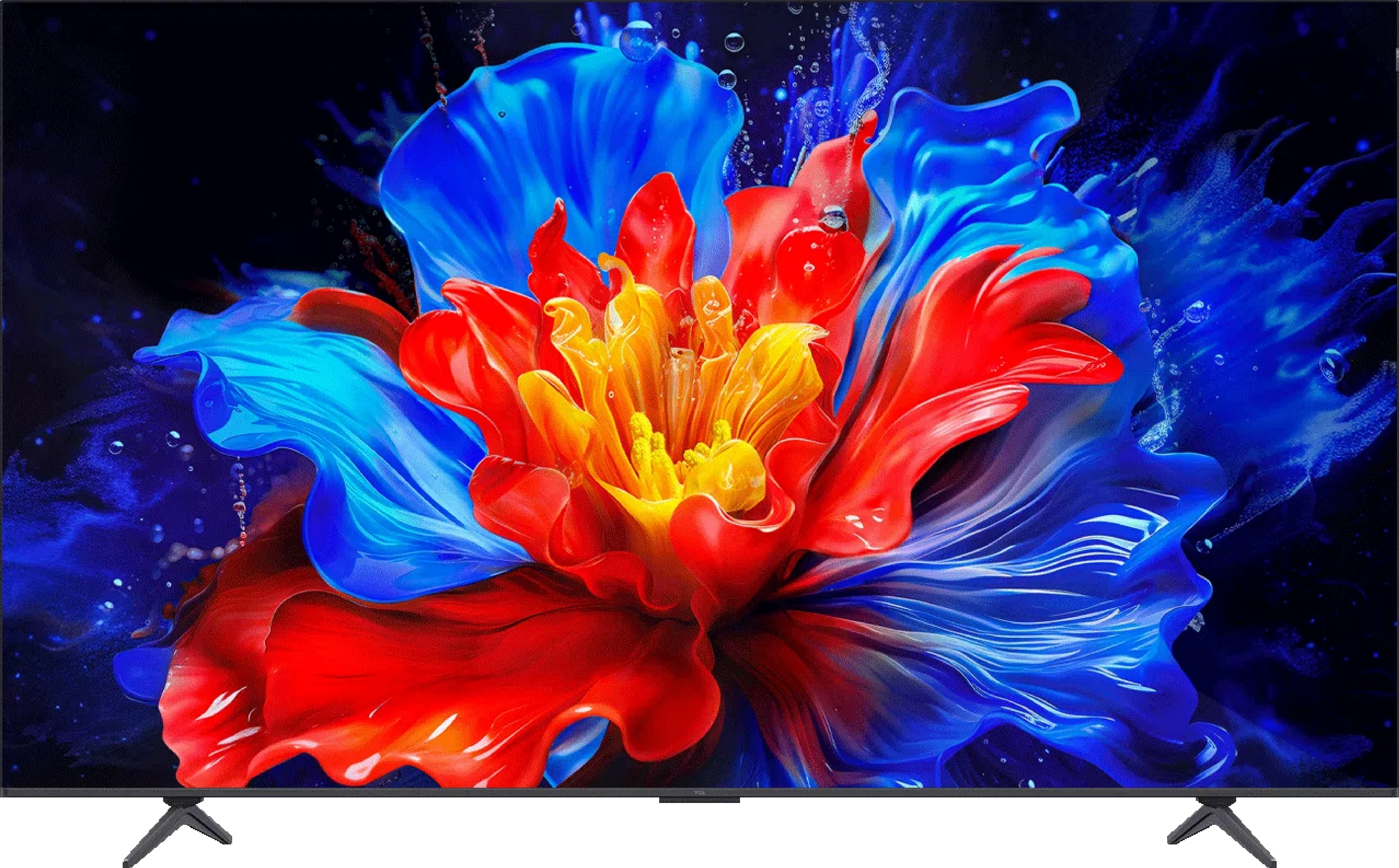
Panel type: LCD VA
Resolution: 3840x2160
System: VIDAA
Model year: 2025
Complete the survey to find out the result
Panel type: LCD VA
Resolution: 3840x2160
System: Google TV
Model year: 2025
Complete the survey to find out the result
Overall rating
7.1
6.6
 Movies and series in UHD quality
 6.7
6.1
 Classic TV, YouTube
 6.8
6.0
 Sports broadcasts (TV and apps)
 6.3
6.1
 Gaming on console
 8.0
8.1
 TV as a computer monitor
 8.6
8.6
 Watching in bright light
 6.2
4.6
 Utility functions
 8.9
7.4
 Apps
Apps 7.7
9.6
 Sound quality
 7.2
6.7
Complete the survey to find out what fits your preferences
Advantages

Great contrast and deep blacks
Very good fluidity of tonal transitions (close to reference level)
High brightness
Support for 4K 144 Hz and even 240 Hz in Full HD
VRR, ALLM, G-SYNC – a complete package for gamers
Low input lag
Pleasant sound with light bass
Many classic TV features built into the VIDAA system
Good contrast thanks to the VA panel
Google TV system with a large number of applications
Good motion fluidity. 144Hz panel
Excellent features for gamers: HDMI 2.1, VRR, 4K@120Hz, HGiG, Dolby Vision in games
Very good colour gamut coverage thanks to the PFS filter (QLED)
Very good compatibility with PC. 240Hz mode
Low input lag – gaming is smooth and responsive
Well-implemented HDR dynamic tone mapping feature. Despite low brightness: HDR content looks surprisingly good.
2.1 sound from Onkyo with a subwoofer – surprisingly good bass
Very attractive price
Disadvantages

No support for HGiG (makes setting HDR on consoles difficult)
Brightness management issues
Poor viewing angles – typical for VA panels
Closed VIDAA system – lack of certain applications
Low brightness – around 250–300 nits
Very poor viewing angles
Average digital image processing
Incorrectly implemented Dolby Vision mode
System errors and glitches occur
Not very loud sound, volume limiter in operation
Our verdict
The TCL P8K is a television that immediately endears itself. It may seem cheap and from a lower range, yet it can surprise. This device demonstrates that you can also get equipment with character at this price – and it's specifically targeted towards a particular group of users. Because let's not kid ourselves, the P8K is a television designed with gamers in mind. With two HDMI 2.1 ports, VRR support, 4K at 120 Hz, HGiG, and even Dolby Vision in games – it sounds like something that was only recently found in much more expensive models. Additionally, it has a 144 Hz panel and the capability to achieve even 240 Hz on PC. At this price? It’s really hard not to smile. Moreover, it comes with Google TV, which has breathed life into this screen. Everything operates intuitively, with access to a vast library of applications and an efficient Google Assistant that actually understands what you say – even when you phrase it in your own way. Of course, this is not a perfect television. A brightness of 250–300 nits isn't overwhelming and probably won't impress in a sunny living room. But just an evening, a film, and a slightly darker environment reveal that this screen can do quite a lot. Thanks to dynamic tone mapping, the P8K performs surprisingly well in HDR, and the colours can look natural. In cinematic scenes, there's no question of a plastic, overexposed image – it's simply pleasant. Let’s not pretend that it competes with Mini LEDs or OLEDs – that’s not the point here. The P8K/P89K is meant to be a television that is simply enjoyable to use. And that is where its strength lies. For someone who wants to play games, watch Netflix, launch YouTube, and have it all in one simple device – it’s a home run. The TCL P8K shows that "cheap" does not have to mean "poor quality". It is a television with character that doesn’t pretend to be premium equipment, yet delivers a lot. And perhaps that's why it’s so easy to like.
TV appearance
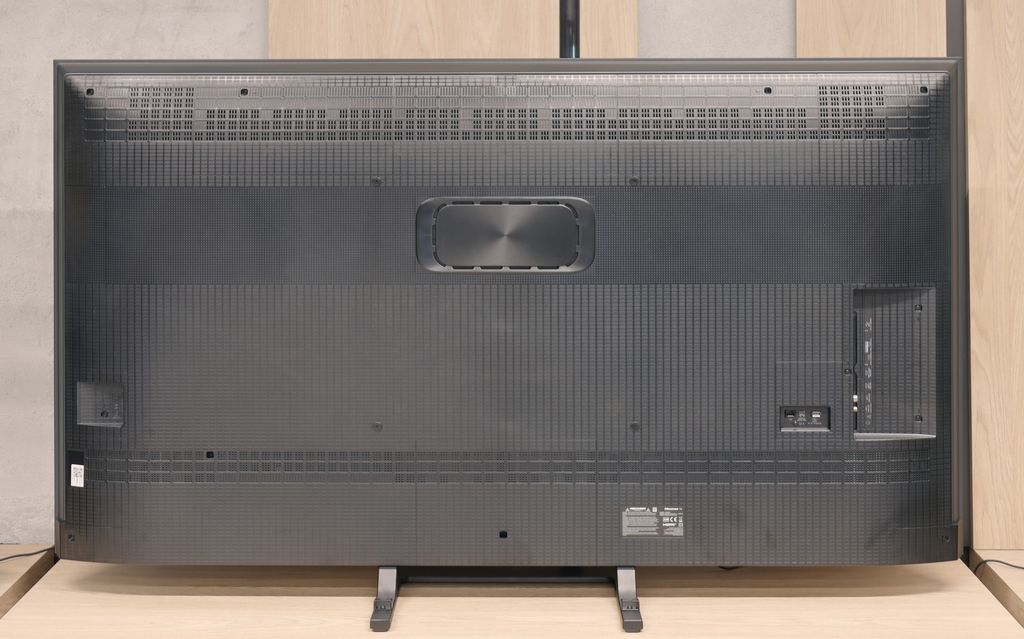
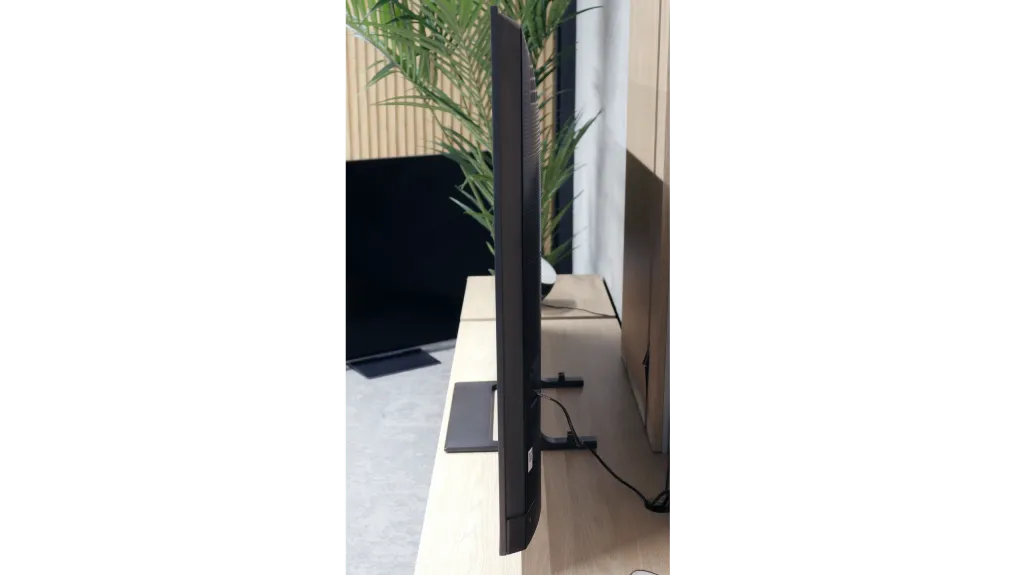
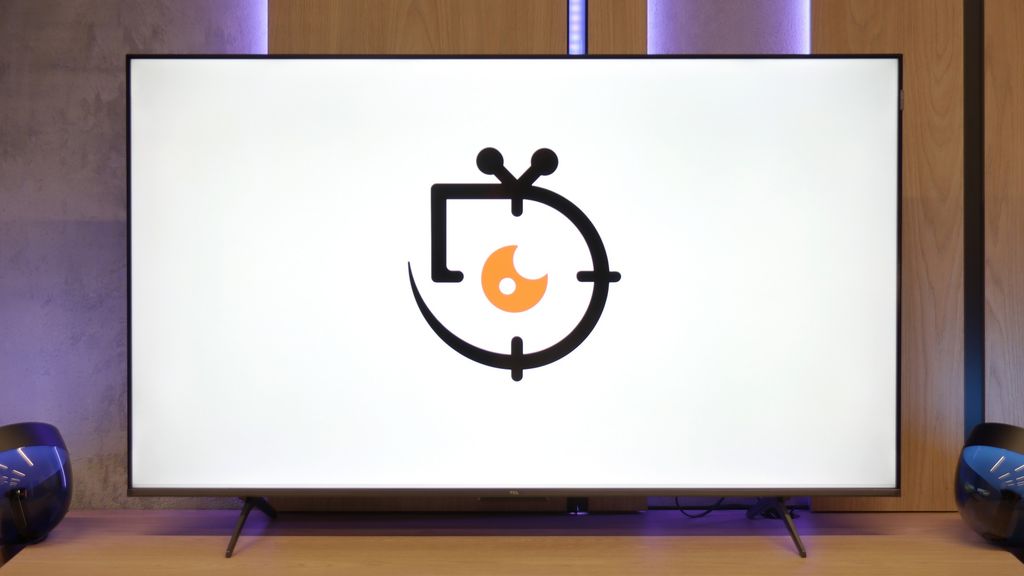
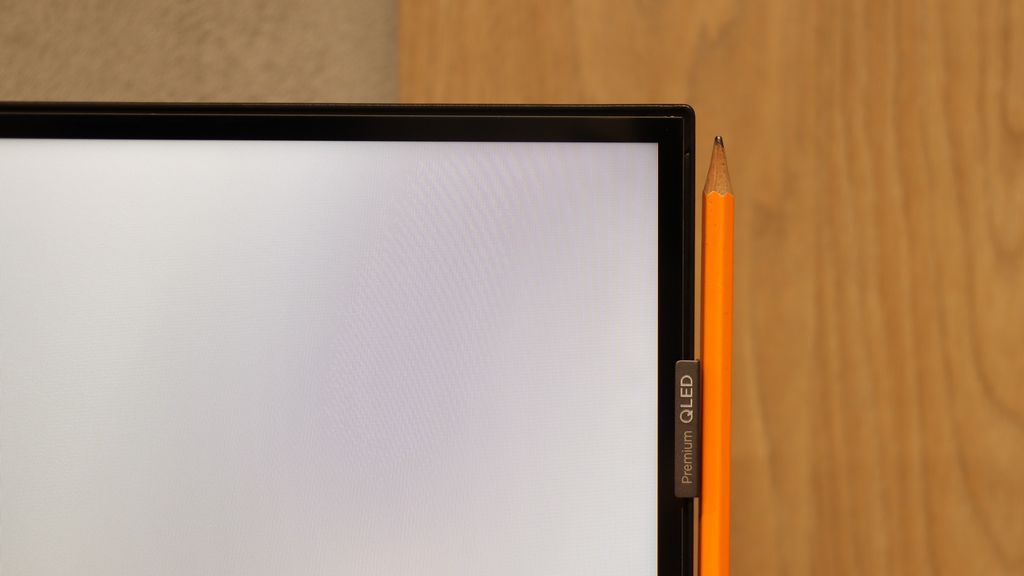
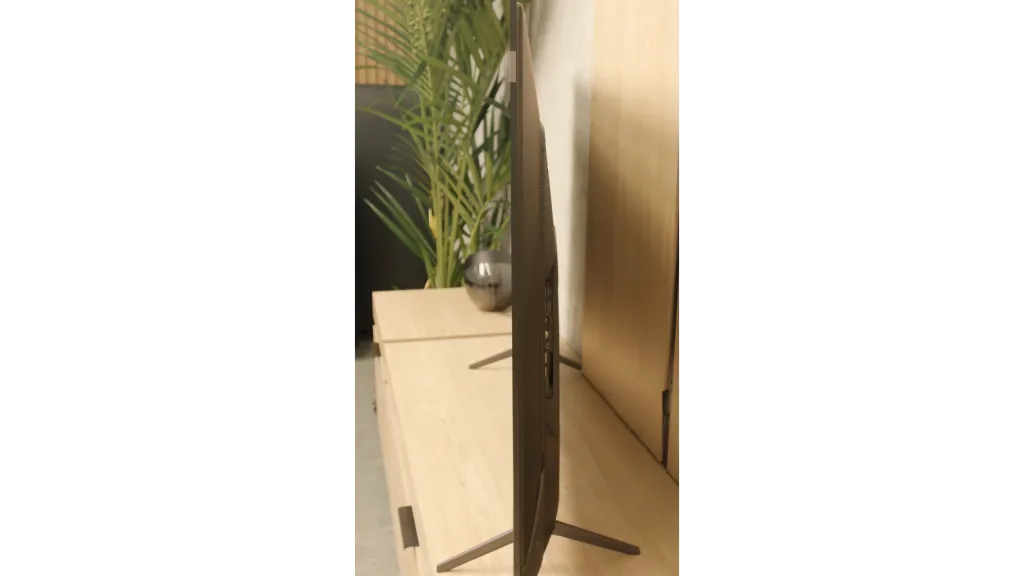
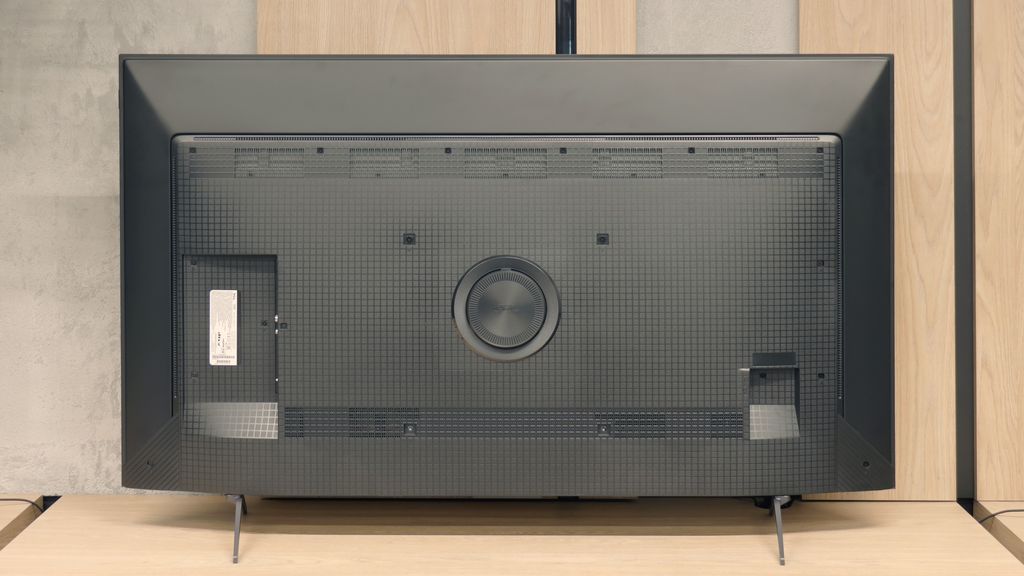

Contrast and black detail
7.5/10
5.5/10
Local dimming function: Yes, number of zones: 220 (10 x 22)
Local dimming function: No
Contrast:


Result
278,000:1

Result
28,800:1

Result
11,100:1

Result
10,800:1

Result
6,250:1
Result
5,650:1
Result
3,950:1
Result
5,700:1
Result
5,450:1
Result
2,600:1
Halo effect and black detail visibility:
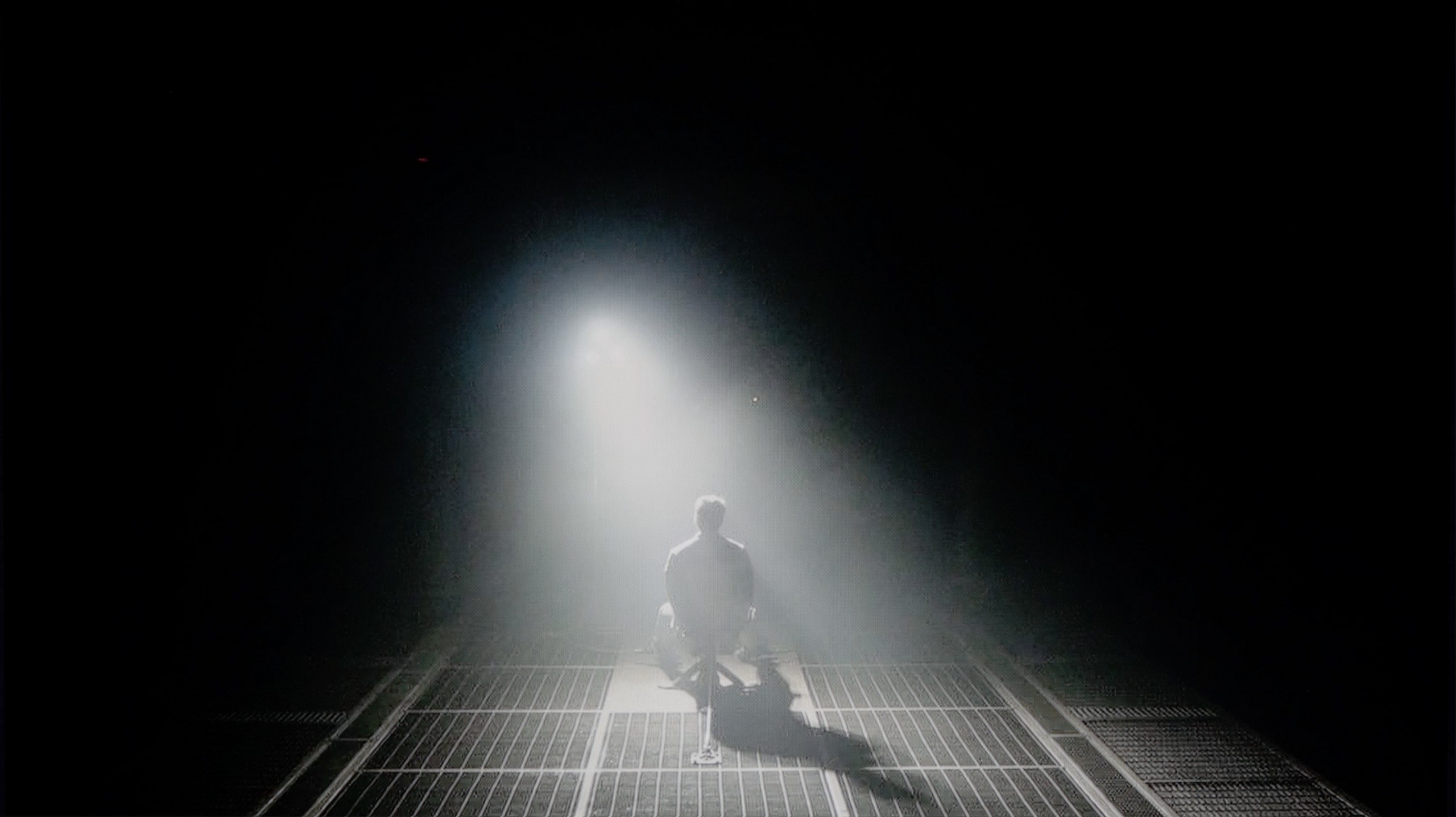
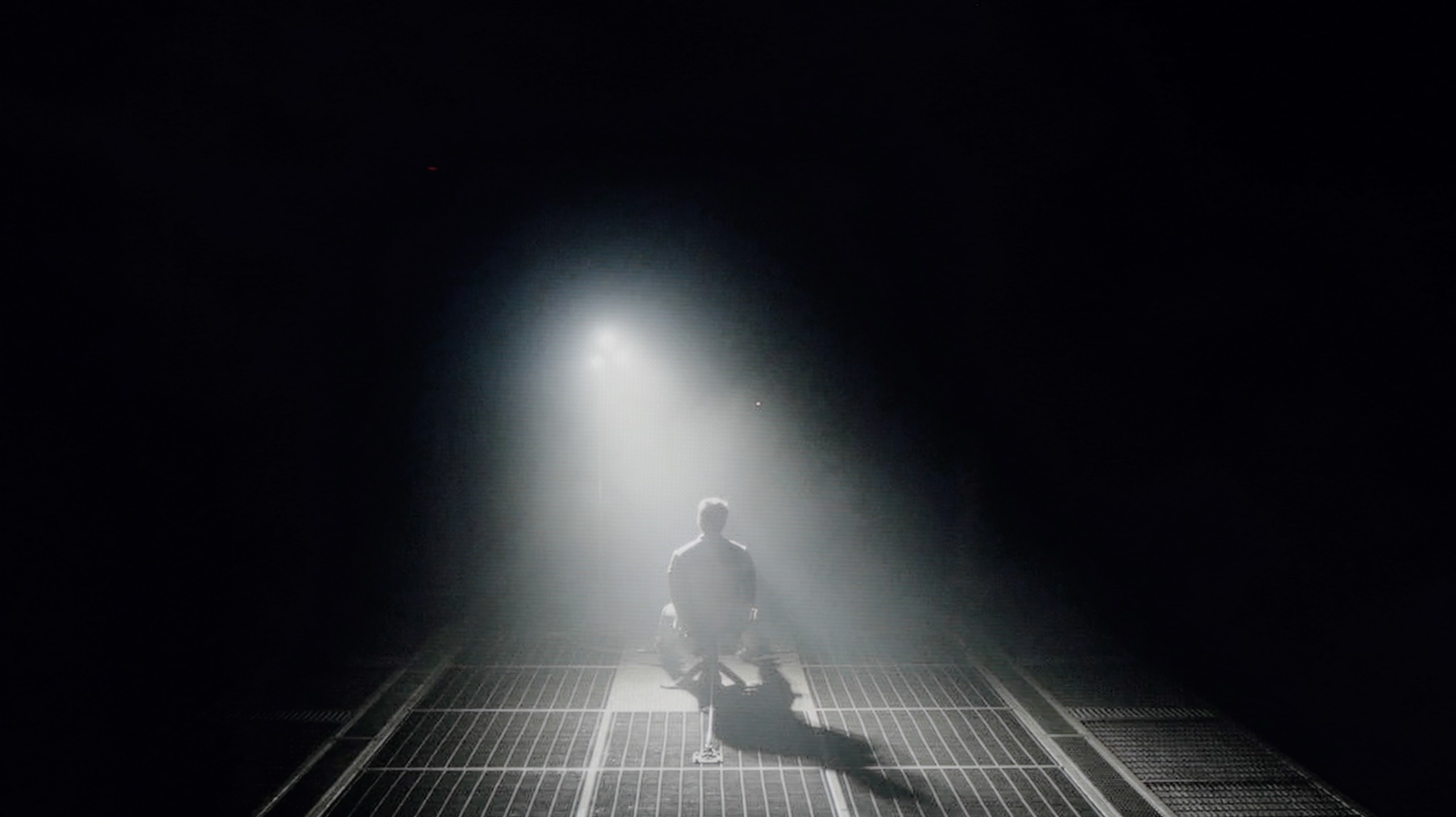
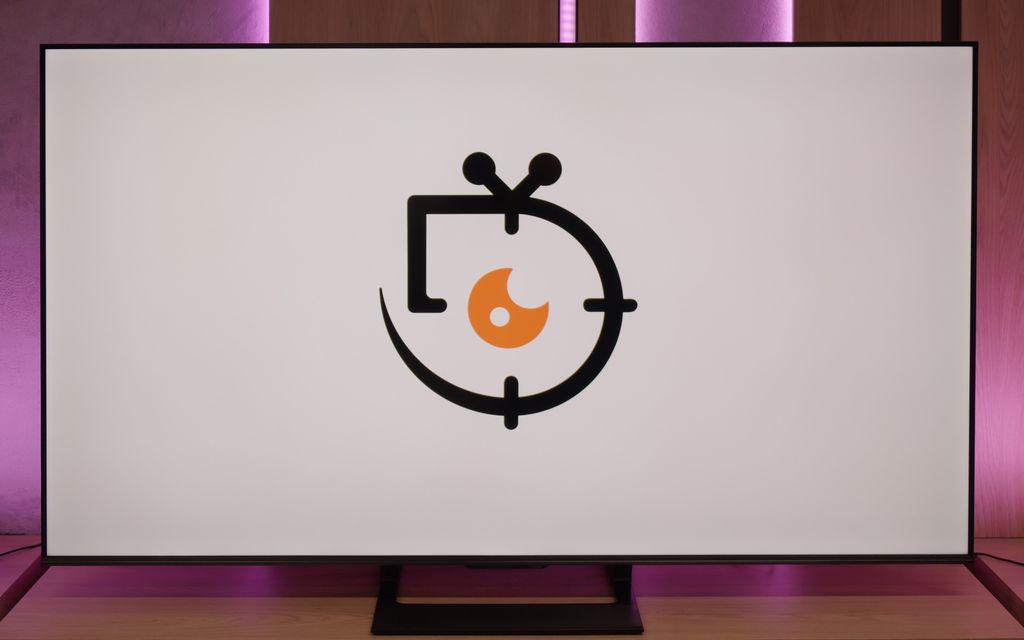
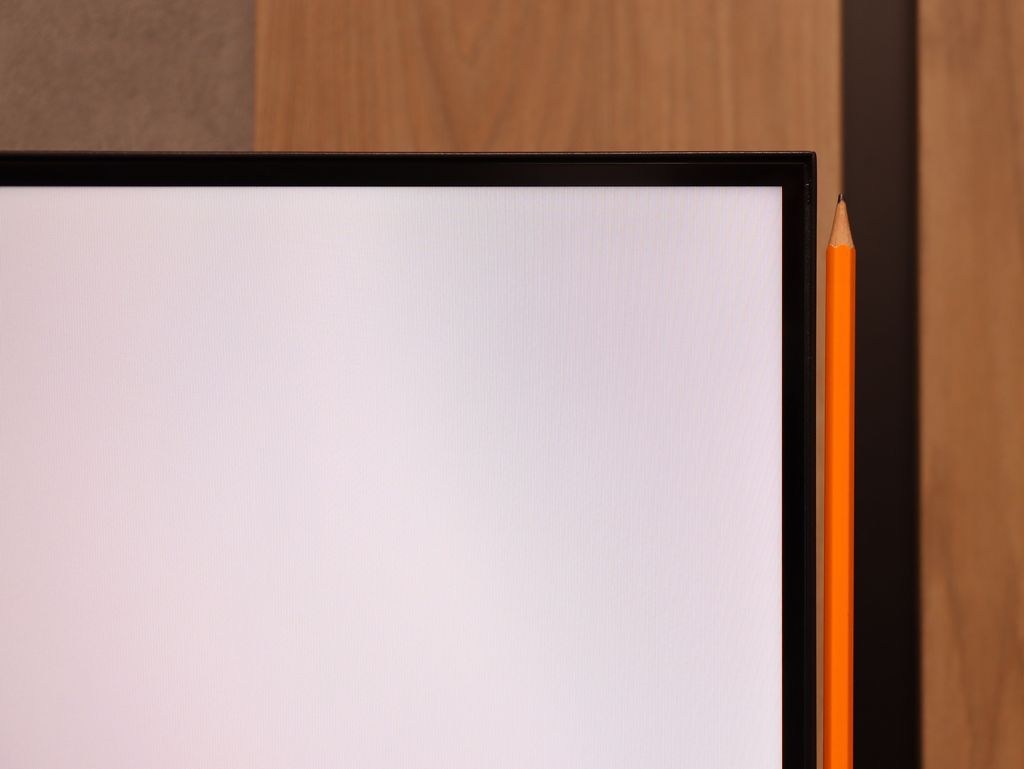
The U7Q is a television with Mini-LED backlighting – just like the PRO version. The difference? The version without the suffix simply has fewer dimming zones. In our 65-inch model with a VA panel, we counted 220 of them. And although this doesn't make as much of an impression as in the U7Q PRO, it still looks very good on paper for this price range. Alright, but how does it perform in practice? Surprisingly well. The contrast in the U7Q can reach as high as 300,000:1, which gives a really solid black effect. In many scenes, it's hard to find fault – the picture has depth, and the highlights are well separated. Of course, Mini-LED is not OLED – so there are certain limitations. In very challenging scenes with a lot of dark details, the television sometimes either "eats" them, leaving a nice black, or slightly brightens the background, which can cause a halo effect. This is normal in this technology, and one must take it into account. Despite these minor drawbacks – the contrast in the U7Q performs really well.
TCL P8K is an example of a television that shows that even in the lower tier, one can still encounter solid contrast. The VA panel does a really good job here – a measurement around 6000:1 may not sound spectacular, but in actual scenes it produces an effect that simply delights the eye. In the darkness of the forest in "The Revenant" or in the futuristic shots of "Oblivion", depth and light separation are visible, which is difficult to expect from equipment at this price. The P8K can render darkness without the feeling that everything is drowning in grey. The Direct LED backlighting also works in its favour. Of course, we do not have any local dimming here, but the system can dim the entire screen when the scene requires it or slightly brighten it to bring out details in bright areas. This is somewhat of an analogue approach to contrast – simple but effective. On the test pattern from the legendary Pioneer Kuro, it was well evident: the television prioritised bright points while the background lost some depth; however, it still maintained a decent appearance. Of course, there is no perfectly inky black here. In a dark room, it is noticeable that the black leans towards blue, but despite this, the overall presentation is simply good. Under normal home conditions, the contrast is entirely sufficient to feel the cinematic atmosphere.
HDR effect quality
4.6/10
4.5/10
Luminance measurements in HDR:

Result
521 nit

Result
160 nit

Result
351 nit

Result
98 nit

Result
674 nit
Result
207 nit
Result
238 nit
Result
313 nit
Result
251 nit
Result
299 nit
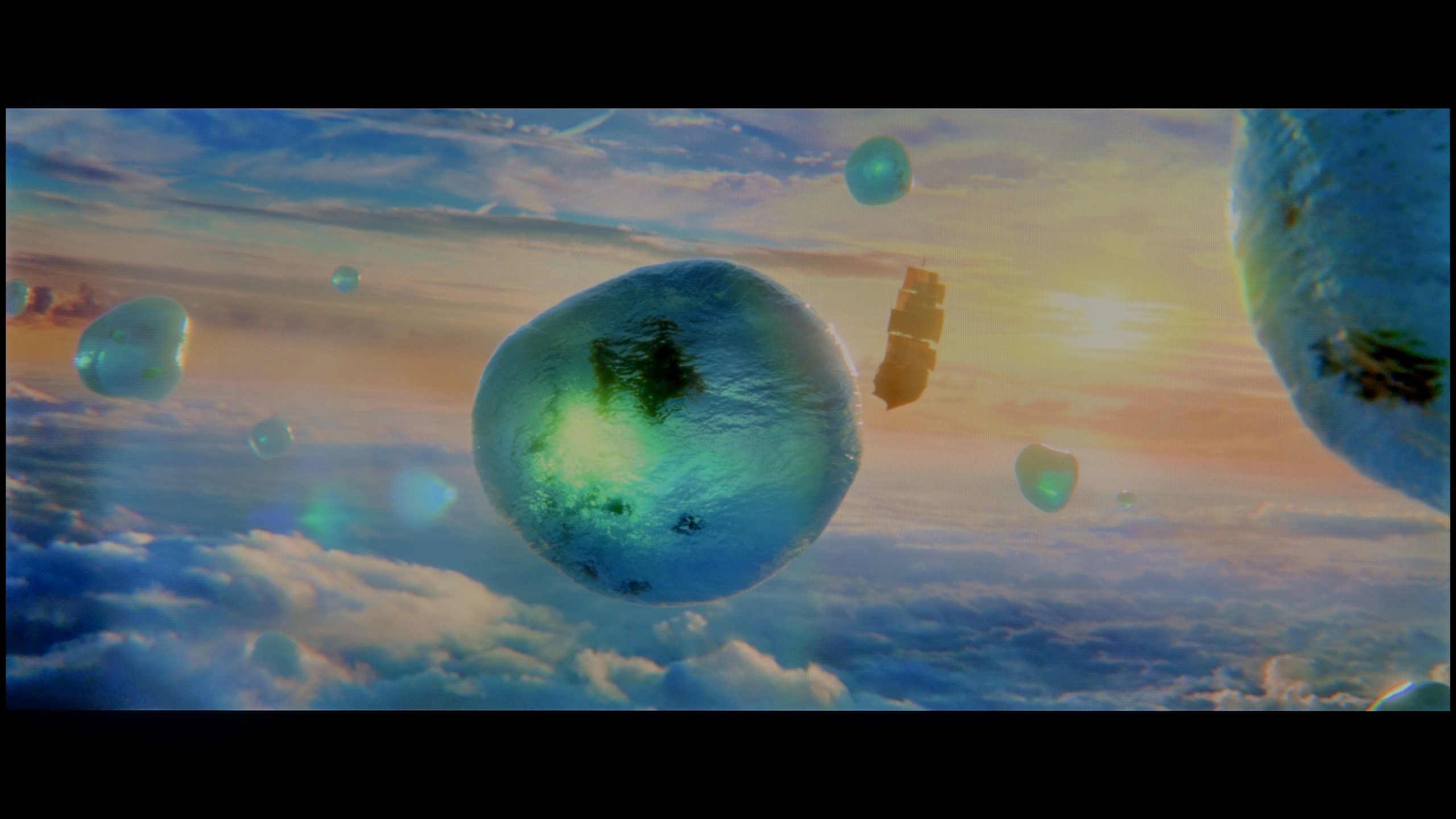
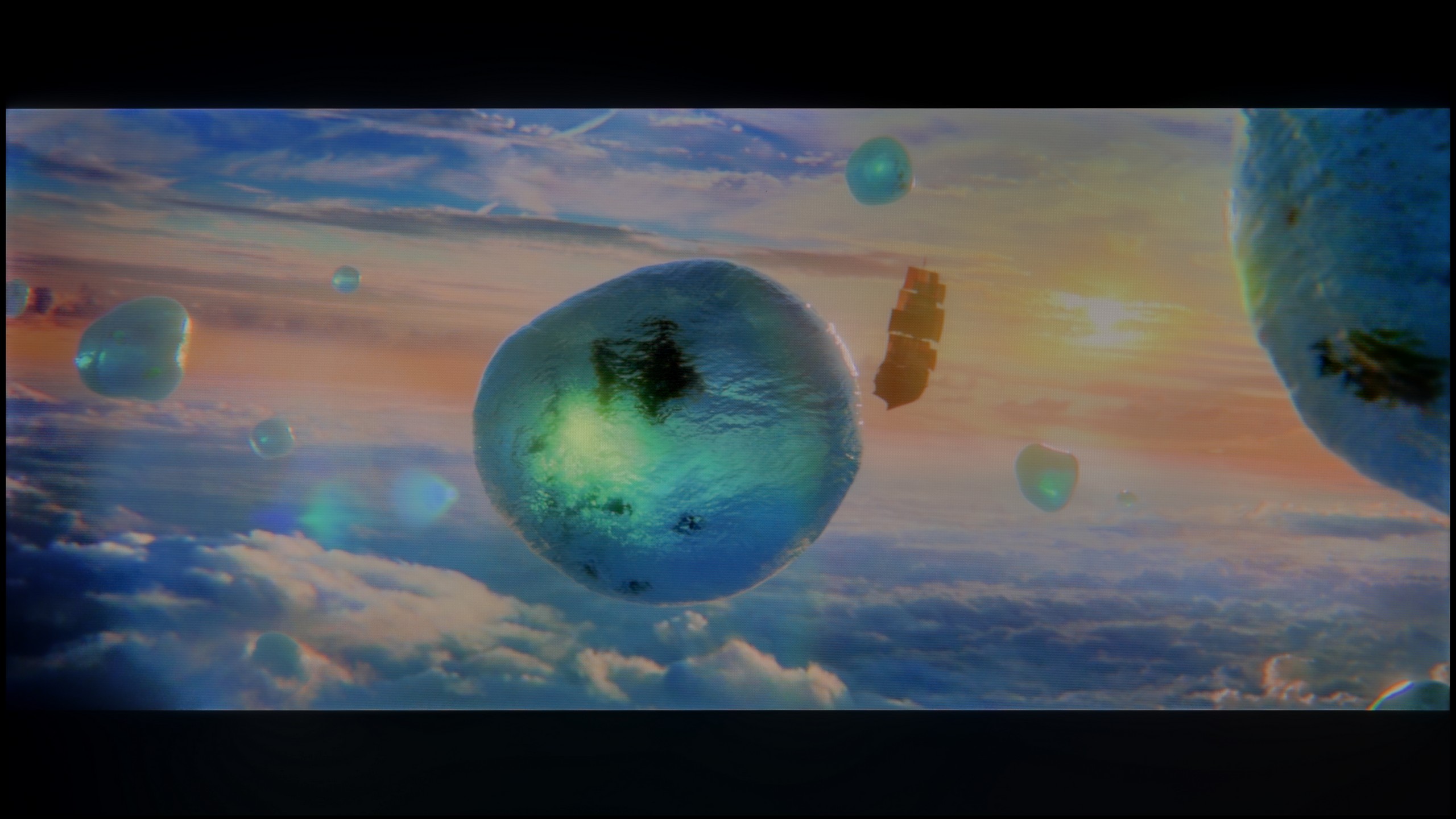
Scene from the movie “Pan” (about 2800 nits)
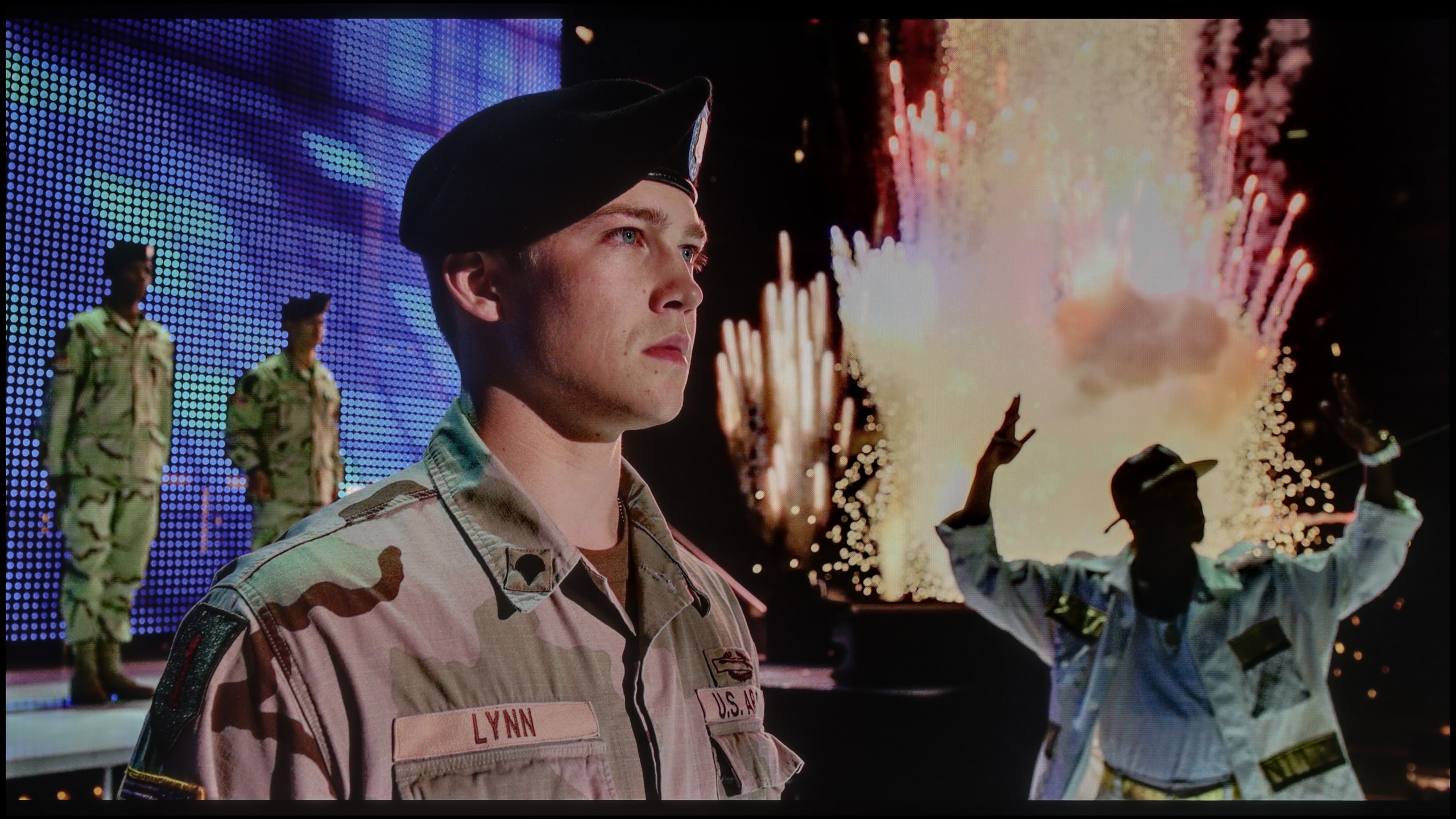
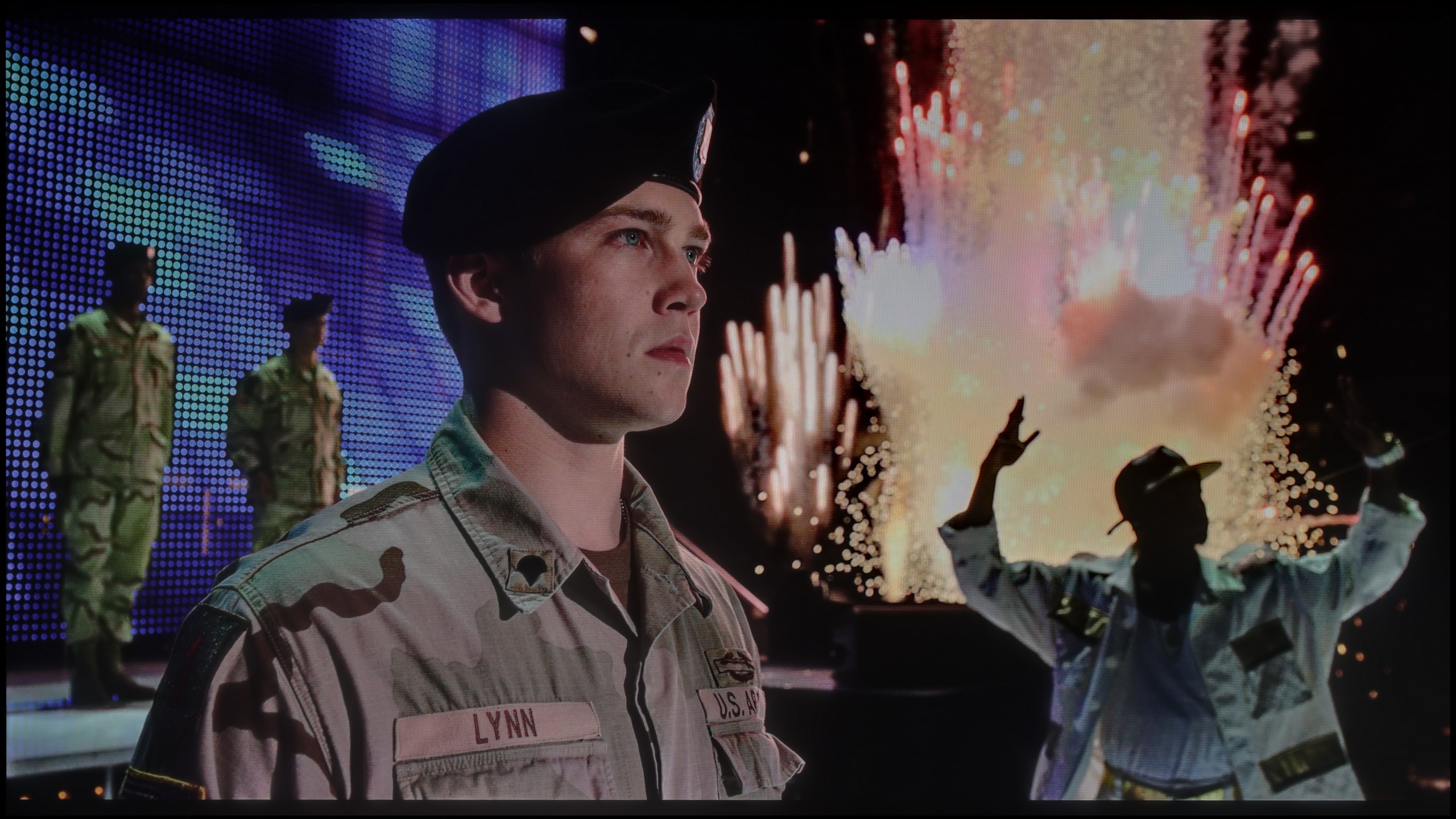
Scene from the movie “Billy Lynn” (about 1100 nits)
Static HDR10


Dynamic: Dolby Vision
Dynamic: Dolby Vision


HDR luminance chart:
TCL P89K / TCL P8K
HDR luminance
Hisense U7Q
HDR luminance
Since the algorithms responsible for blacks are performing quite well, we expected a similarly good effect regarding brightness and overall HDR quality. Unfortunately – here we have to disappoint you a bit.
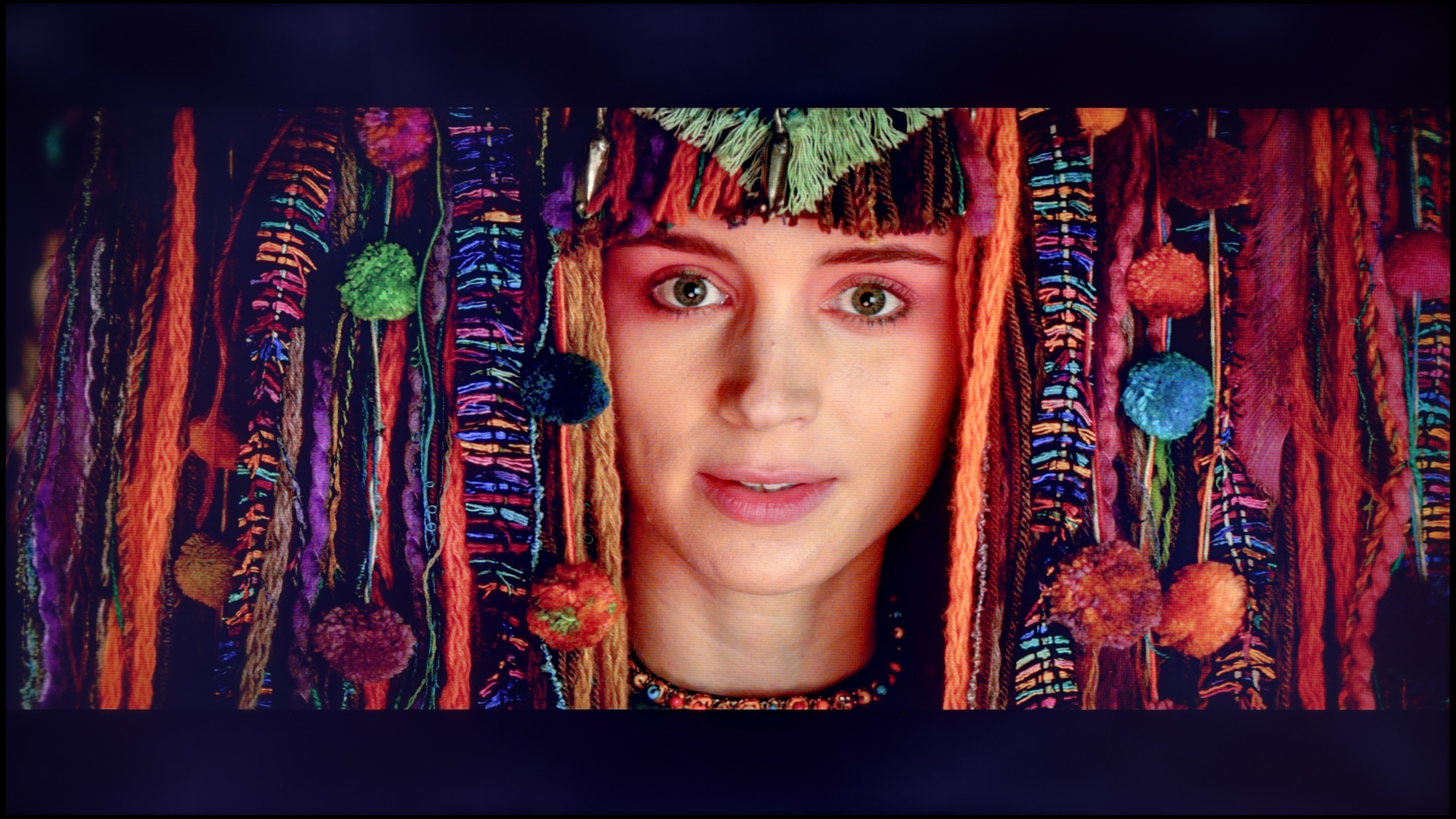
The U7Q is a sufficiently bright television – under the best conditions, it can achieve around 800 nits, which indeed impresses on some scenes, especially in scenes like those from the film The Meg. Bright areas can shine, and the HDR effect is noticeable. The problem arises when there are very small, bright elements on a dark background – for example, in Sicario 2 or in the second scene from the film Life of Pi. In such moments, the dimming algorithms work too aggressively. Yes, the blacks look great then, but the brightest points can almost completely disappear, causing the HDR effect to vanish and the details to be barely visible. It's just the nature of this technology in this price segment.
As a consolation, it's worth mentioning that the U7Q is marketed as QLED (in practice, a PFS layer is used, which works very similarly), and it is indeed capable of displaying a wide colour palette – a DCI-P3 coverage of around 94% is a very good result for this class.
The maximum brightness of the TCL P8K is around 300 nits, although in real film scenes, the television maintains more of a level of about 250 nits. These values cannot be considered sufficient to achieve a full HDR effect – they are closer to a solid base for SDR content. Therefore, we will not see spectacular flashes, bursts of light, or moments in which the screen actually "blinds," as is the case with more expensive models. This makes the image somewhat flat, and the differences between light and shadow are more symbolic than realistic. Fortunately, TCL has a few aces up its sleeve that save the overall reception. One of these is the coverage of the DCI-P3 colour palette at around 93–94%. Thanks to an additional QLED layer (PFS LED), the colours gain depth and intensity, clearly surpassing standard LCD panels. As a result, although there is a lack of the typical "wow effect" associated with HDR brightness, the image itself can impress with its saturation and vibrant tones, making film scenes pulse with colours and not appear strongly washed out.
Factory color reproduction
6.3/10
5.4/10
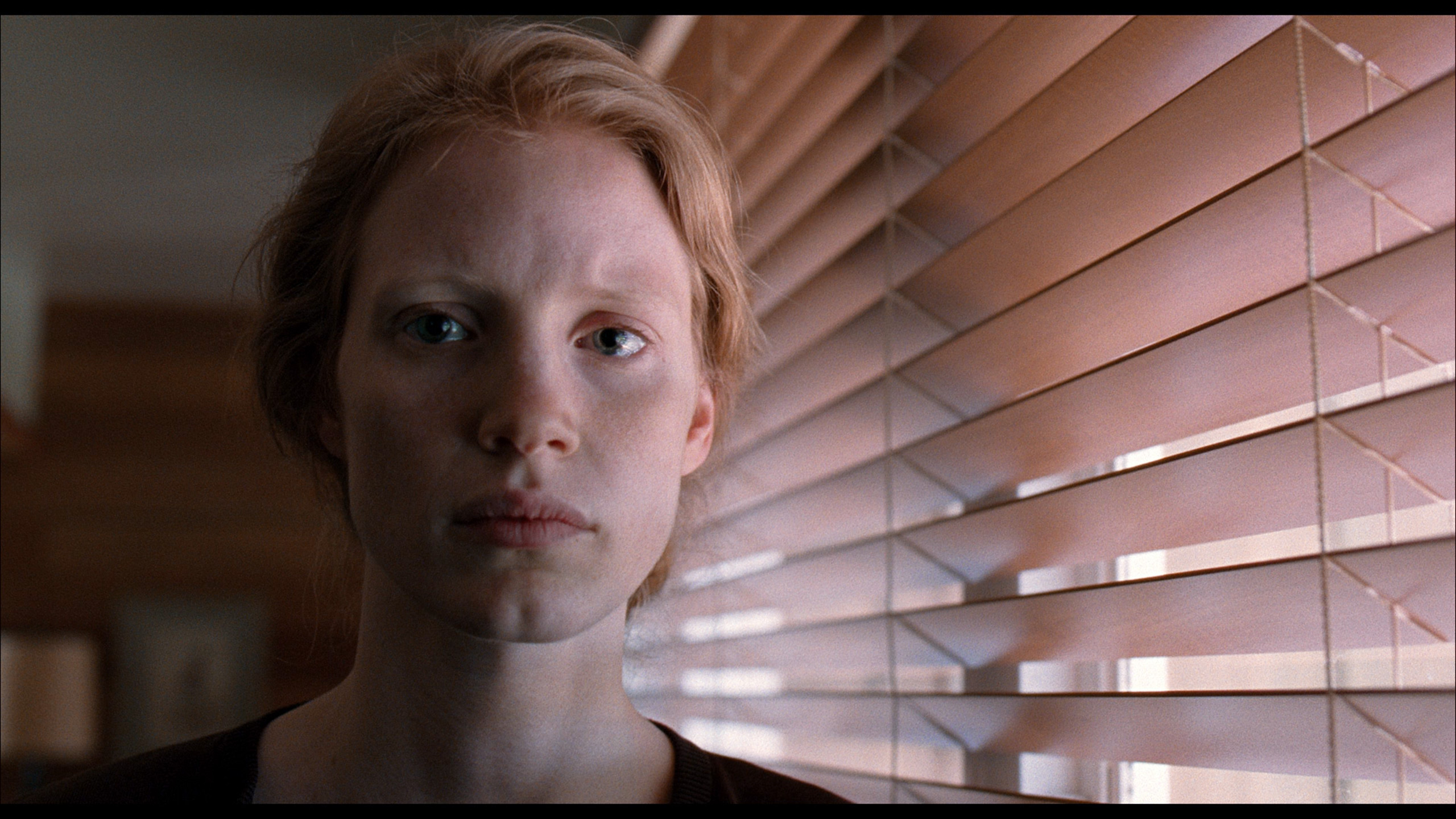
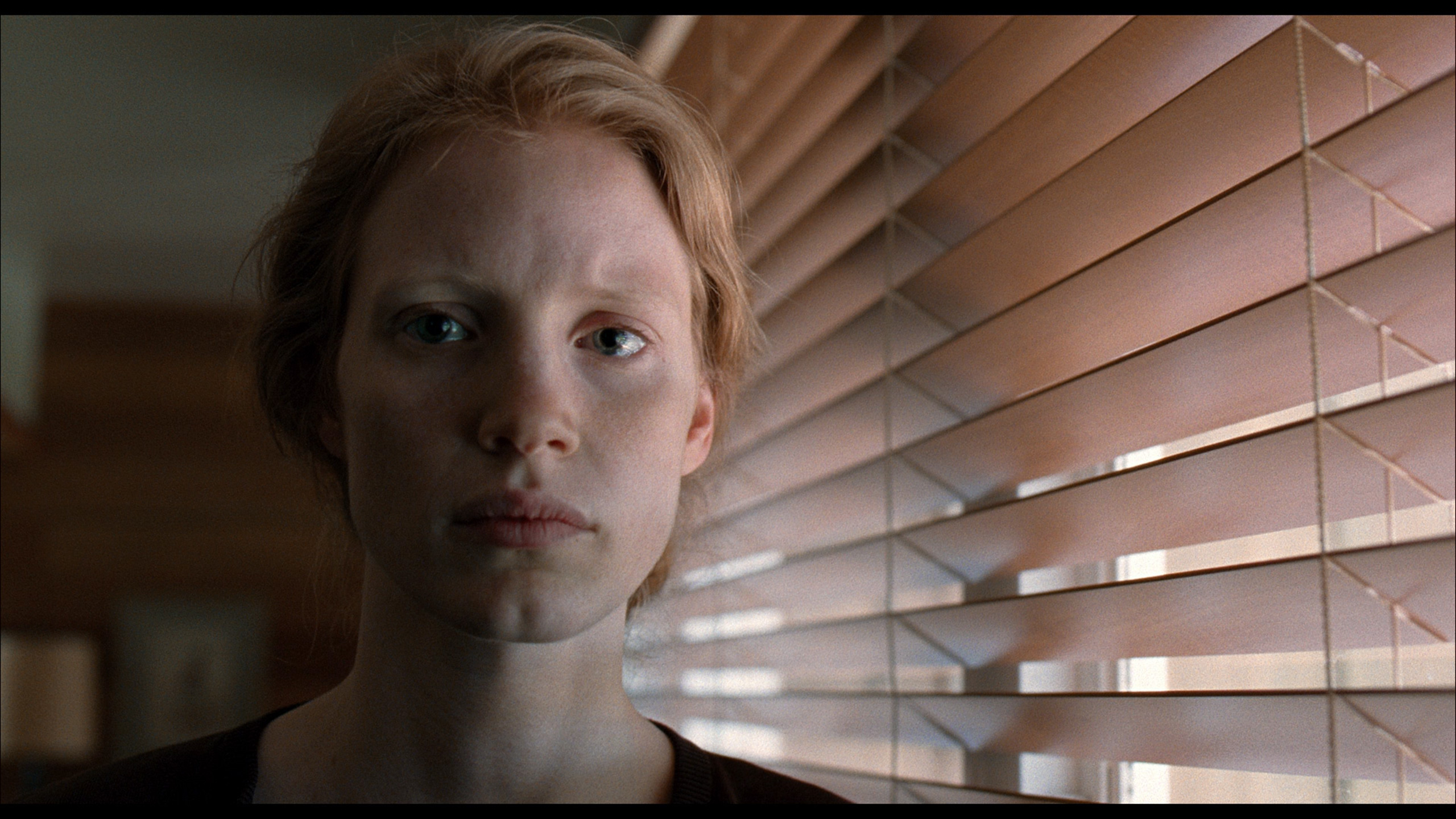
Factory Mode
After calibration
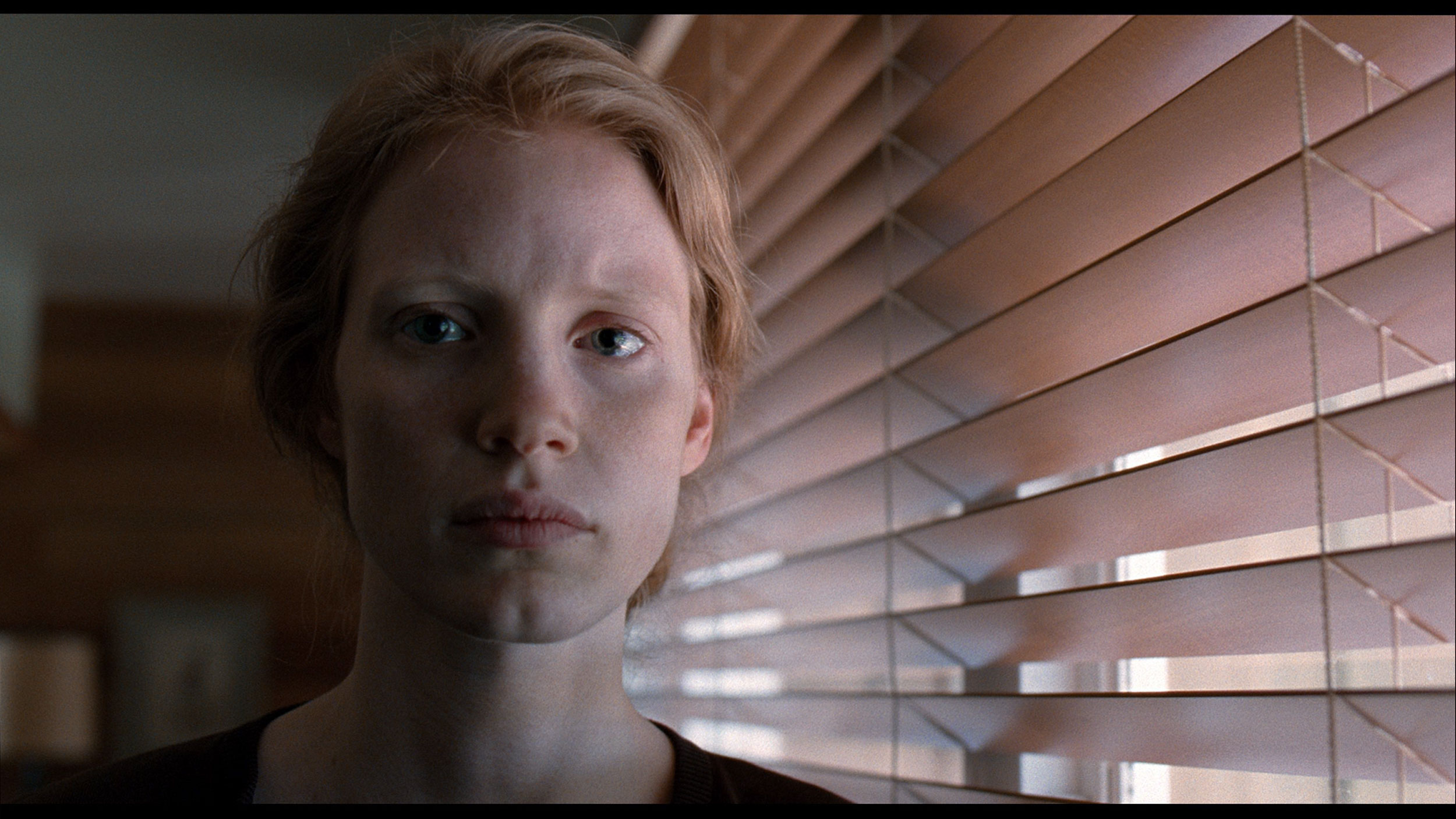
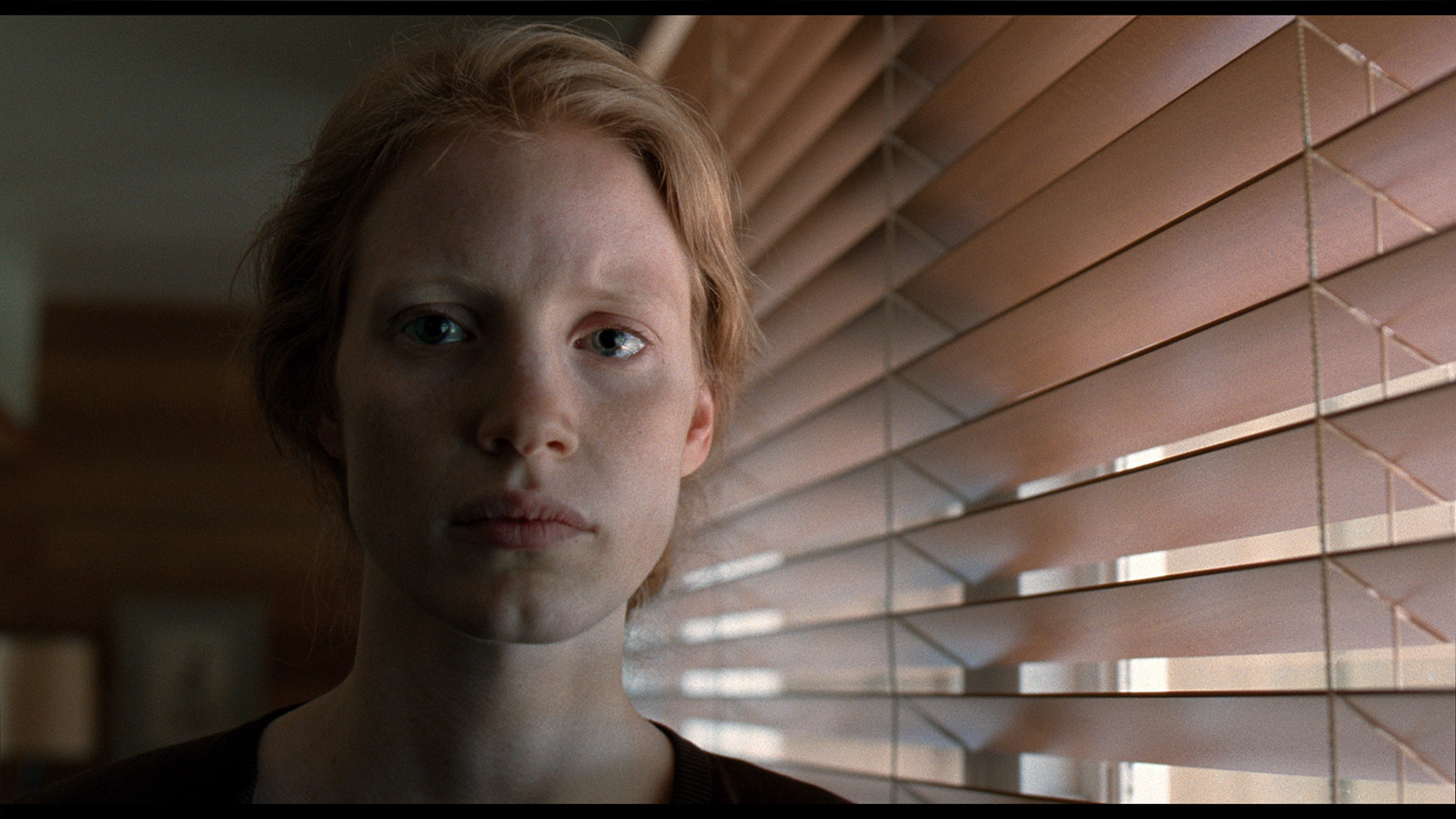
Factory Mode
After calibration
We tested the U7Q in the best possible picture mode, which is Filmmaker Mode. This is the mode that is supposed to provide the most "filmic" and creator-intended experience – right out of the box. Unfortunately… even this professionally sounding name does not guarantee a perfect picture.
In our unit, the problem lay in the incorrectly set white balance. Both in HD and 4K content, the picture had too much blue and red, which caused the screen to take on a slightly rosy tint. It didn't look terrible, but it was noticeable – especially in bright scenes and white backgrounds. This alone could perhaps be forgiven, but the biggest problem is managing brightness in HDR content. The EOTF curve from measurements confirms what we saw earlier during scene tests: the television can overly darken the smallest bright elements, causing them to nearly disappear, or on the contrary – excessively brighten the brightest ones, which affects the naturalness of the picture.
In Filmmaker mode, the TCL P8K revealed certain imperfections in image reproduction from the outset. We noticed that the television had a tendency to slightly brighten scenes – its gamma was somewhat low, causing the image to appear slightly "washed out", lacking depth, as if the contrast had slipped out of control. This was most evident in HDR content, where the EOTF brightness graph clearly deviated from reference values. As a result, darker areas of the image appeared too gloomy, while brighter areas did not always reach the correct level of luminance. Another noticeable issue was a slight overemphasis on blue – the television stubbornly boosted this colour, causing certain parts of the image, especially skin tones and reds, to have a subtle purple tint. This is not a major flaw, but it is noticeable to a trained eye. Fortunately, most of these errors could be corrected during calibration. You can see the results of this adjustment in the graphs and photos below.
Color reproduction after calibration
7.4/10
7.5/10

Thanks to specialised tools, we managed to correct the colour quality in SDR content to nearly perfection. In materials with lower dynamic range, the delta E errors dropped below 0.5, which can be regarded as an almost reference result. The picture on television, YouTube, or classic Full HD looks really very good after calibration. Alright – but where did we not manage to improve the image so easily? Primarily, it concerns HDR quality content. Although we managed to somewhat 'tame' the white balance and eliminate pink tints in most scenes, unfortunately, we no longer had full control over brightness management. We set the local dimming settings according to the best observations – SDR: Medium, HDR: High – but the U7Q still did everything a bit its own way. There were still cases of excessive dimming or brightening of details that calibration simply could not eliminate. And although the overall reception of the content is significantly better, one must reckon that the U7Q will always have something to say at the end with an 'but'.
After calibration, the TCL P8K showed a completely different face. It managed to achieve nearly perfect, even reference-level color reproduction in both SDR and HDR content. The screen no longer had a tendency towards a cool tint, and the white balance was perfectly balanced. The gamma values for SDR material also finally look as they should – the image has the proper depth and no longer appears washed out. The only remark that can still be made about the P8K concerns its "Chinese" traits, known from most TCL models. The TV still likes to manipulate saturation in HDR content in its own way – sometimes slightly boosting it, sometimes smoothing it out, which means the effect is not always fully predictable. Nevertheless, after calibration, the colors look stunning, and their accuracy is truly surprising. In most cases, measurement errors dropped below values of 1-2, which is a result that significantly more expensive models would not be ashamed of.
Smoothness of tonal transitions
9.9/10
9.1/10
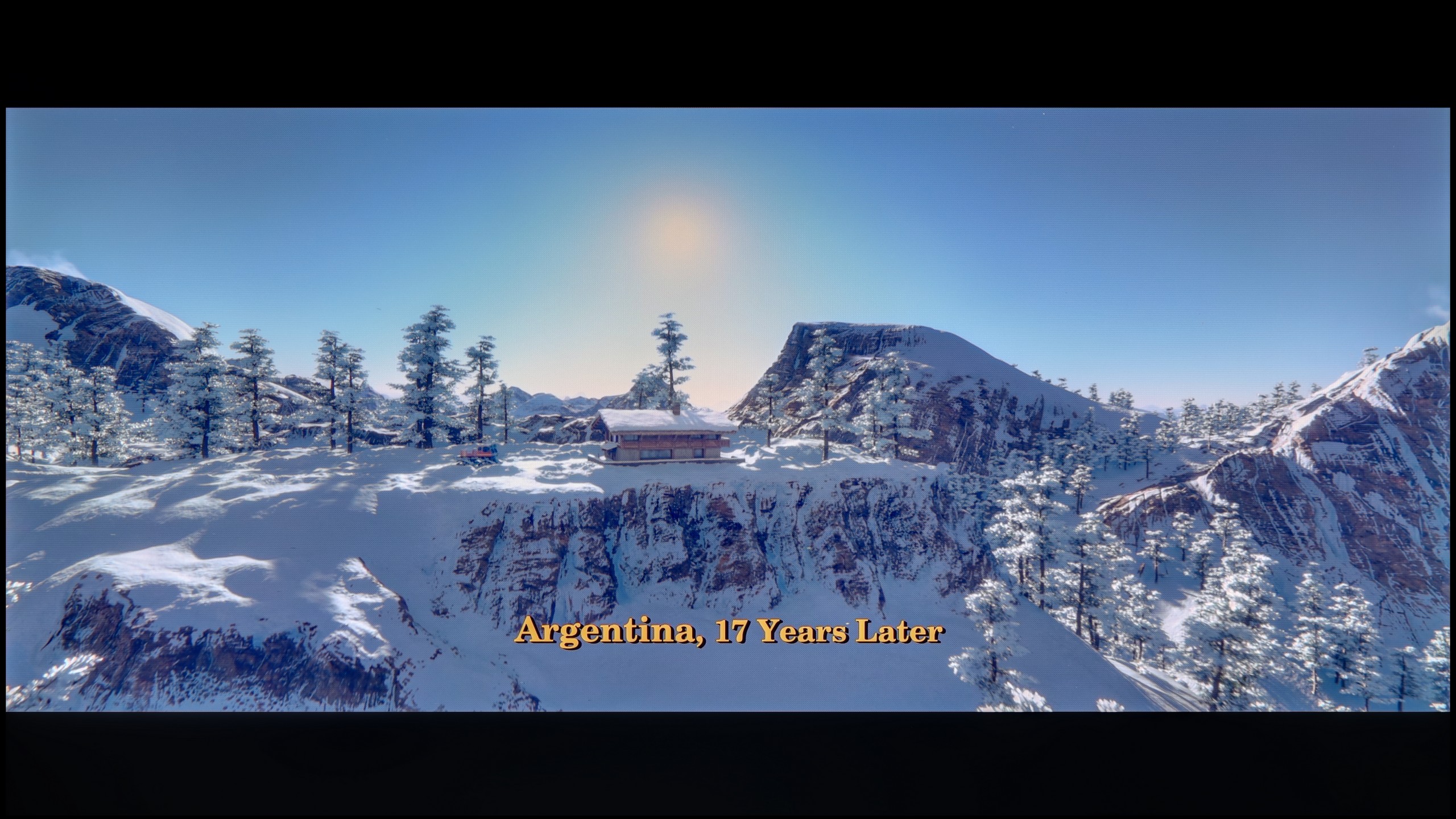
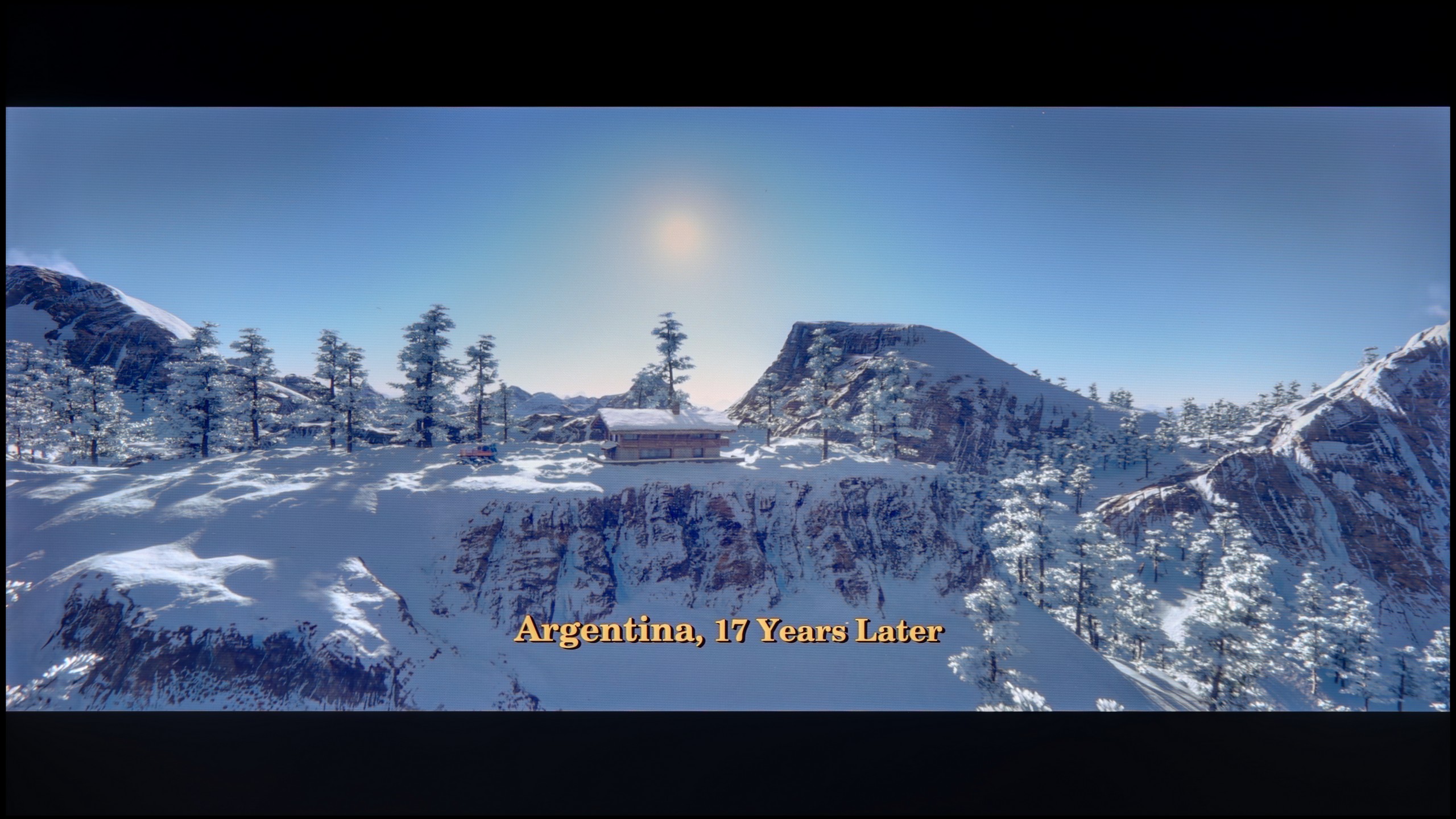


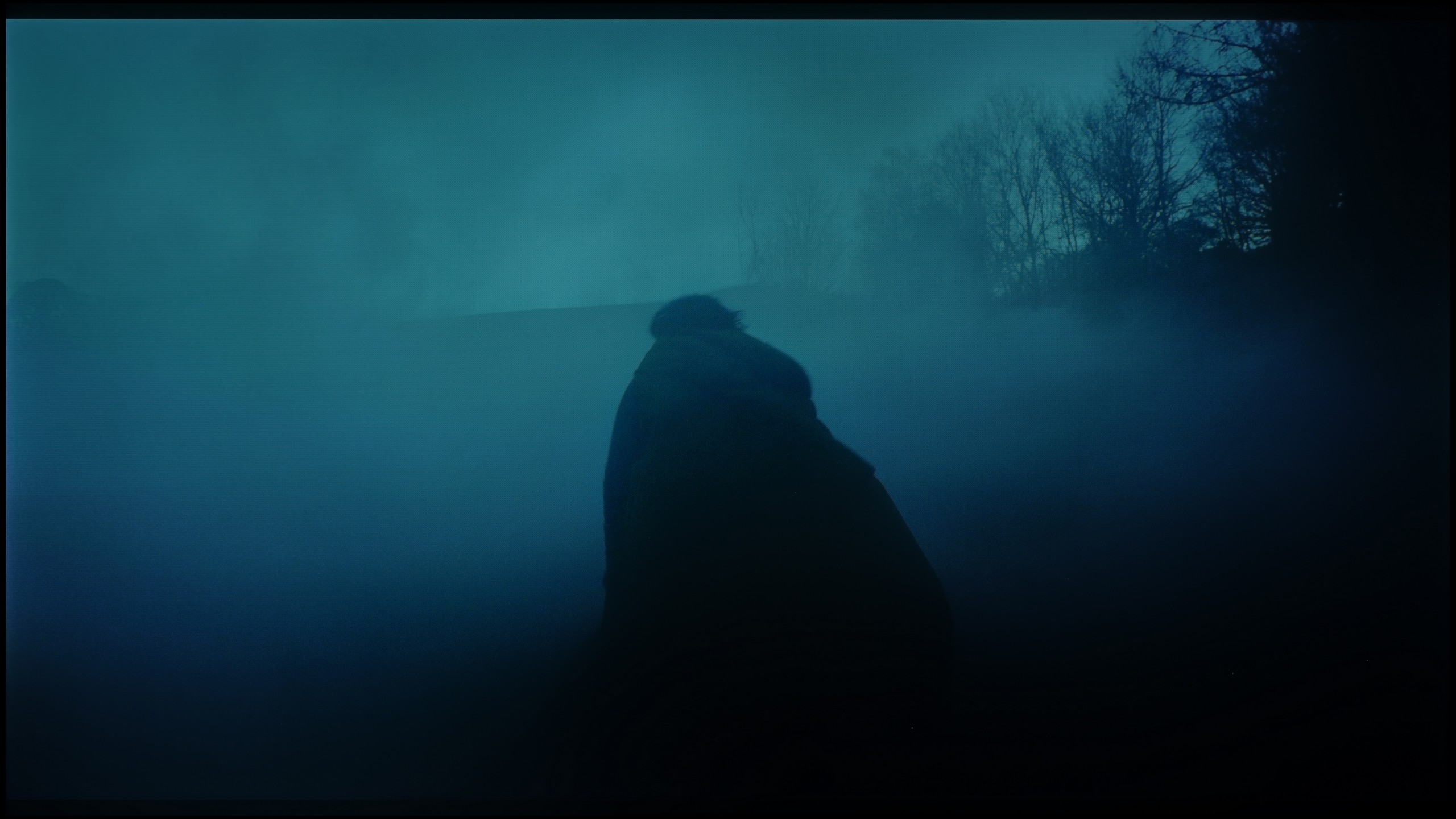
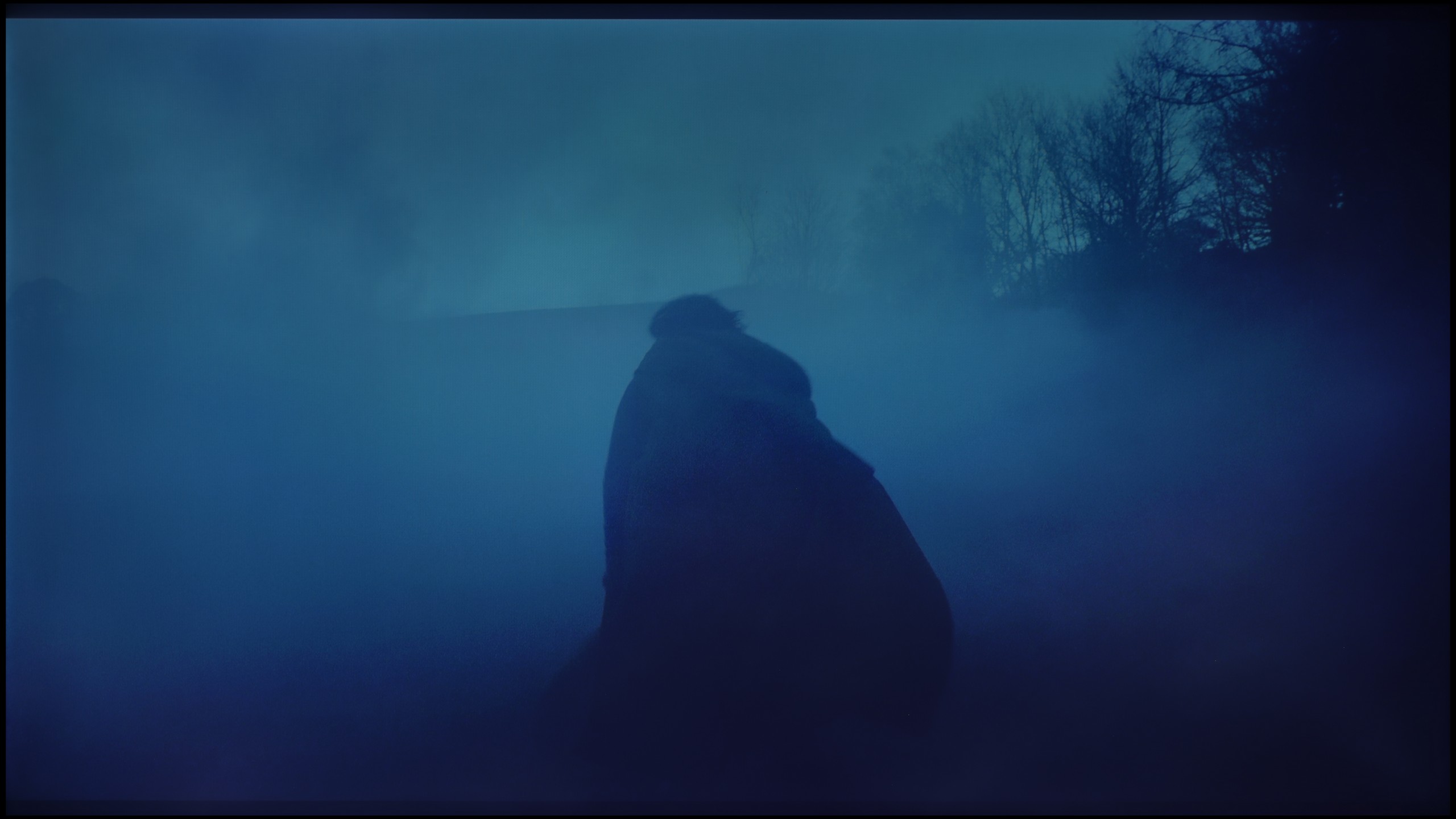
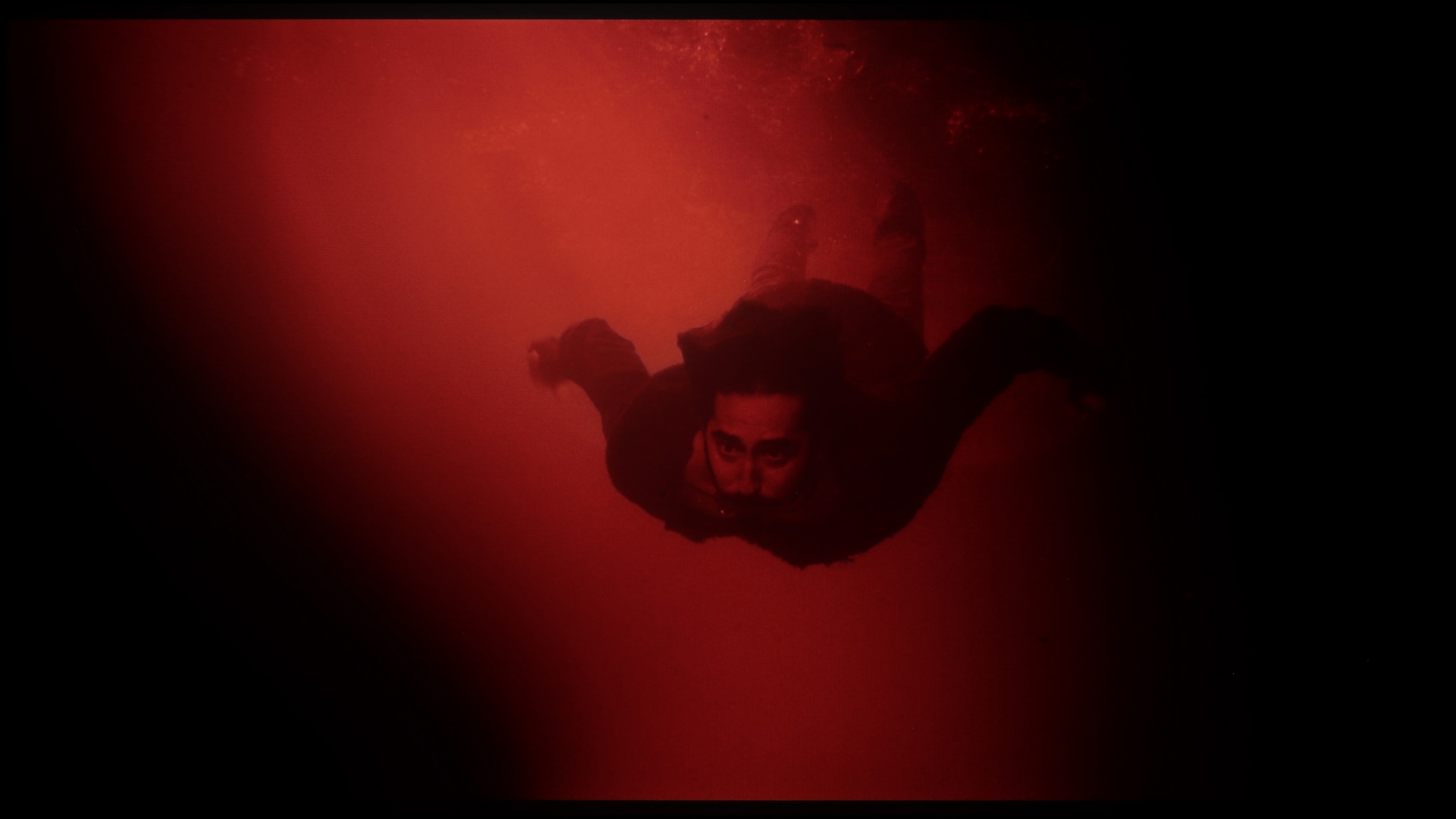
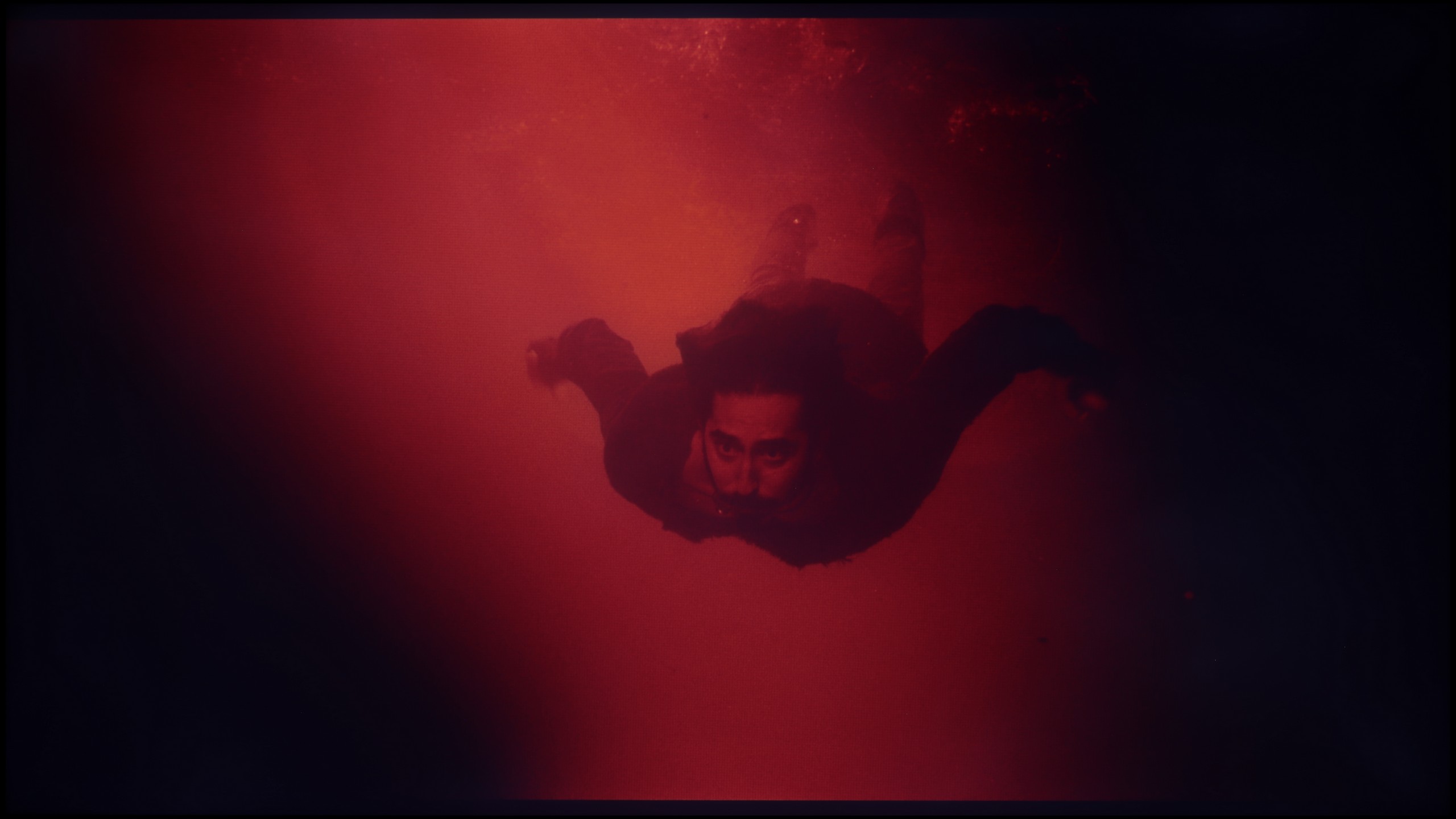
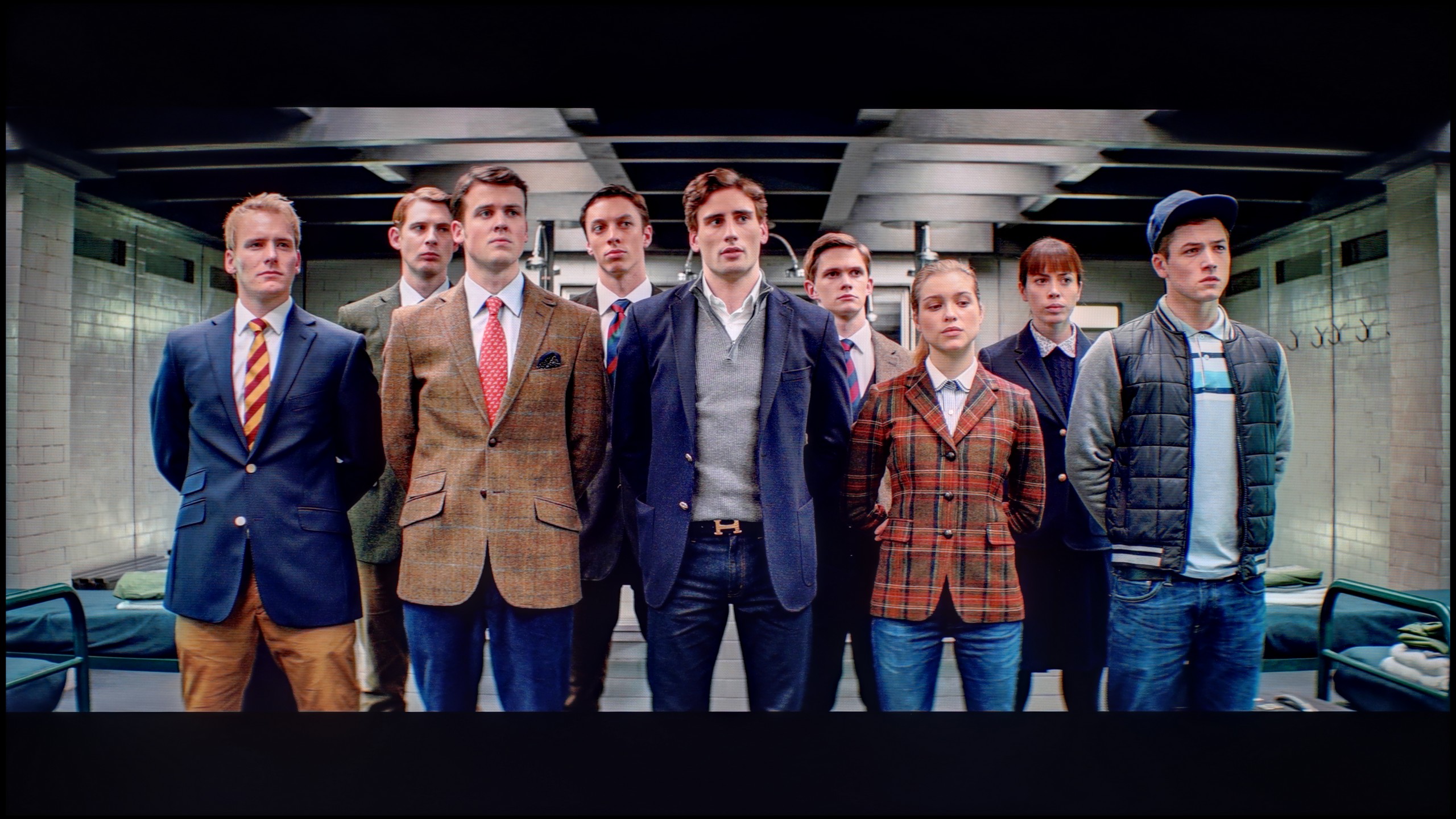
The U7Q performs remarkably well when it comes to tonal transitions – we can confidently say that it is at an almost reference level, which is why this television receives one of the highest possible ratings in this category from us. Colour blending is smooth, clean, and without visible bands. In the majority of scenes, everything looks simply perfect, and any minor imperfections may only appear in very specific shots – although we hardly noticed any during our tests.
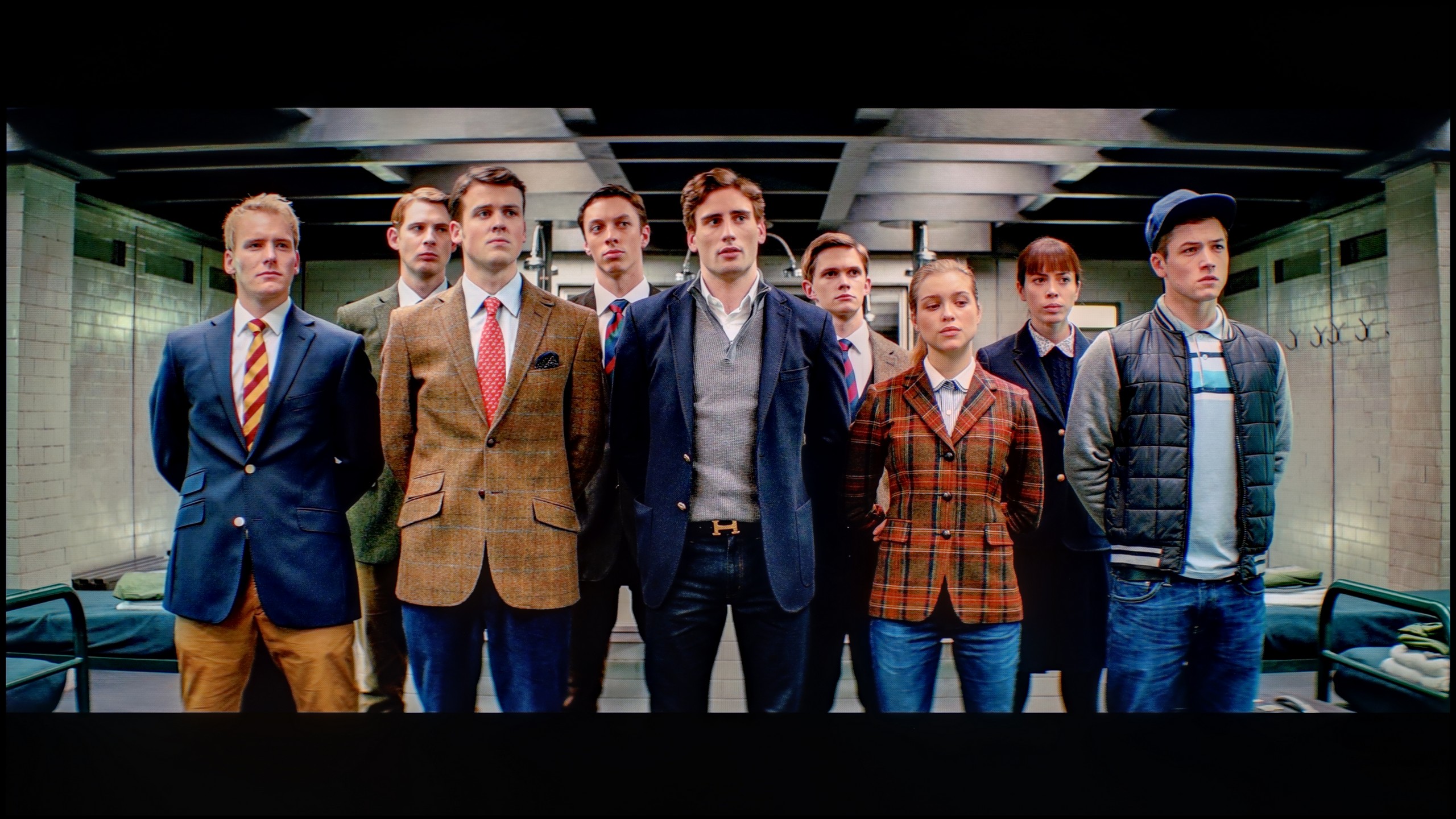
The television performs excellently in colour blending – the gradients are smooth, free from visible bands or unpleasant jumps. This is best seen in classic test scenes, such as shots from the film Kingsman or The Martian, where most televisions reveal their weaknesses. The P8K maintains the consistency and subtlety of colours, creating an image that is pleasing and natural to observe.
Minor imperfections only appear with extremely dark shades or on grey palettes – this is the moment when even significantly more expensive models start to struggle. However, this does not matter in everyday viewing. Overall, the TCL P8K excels in colour blending, offering a smooth, harmonious image free from artifacts.
Image scaling and smoothness of tonal transitions
6/10
6/10

Smooth transition function
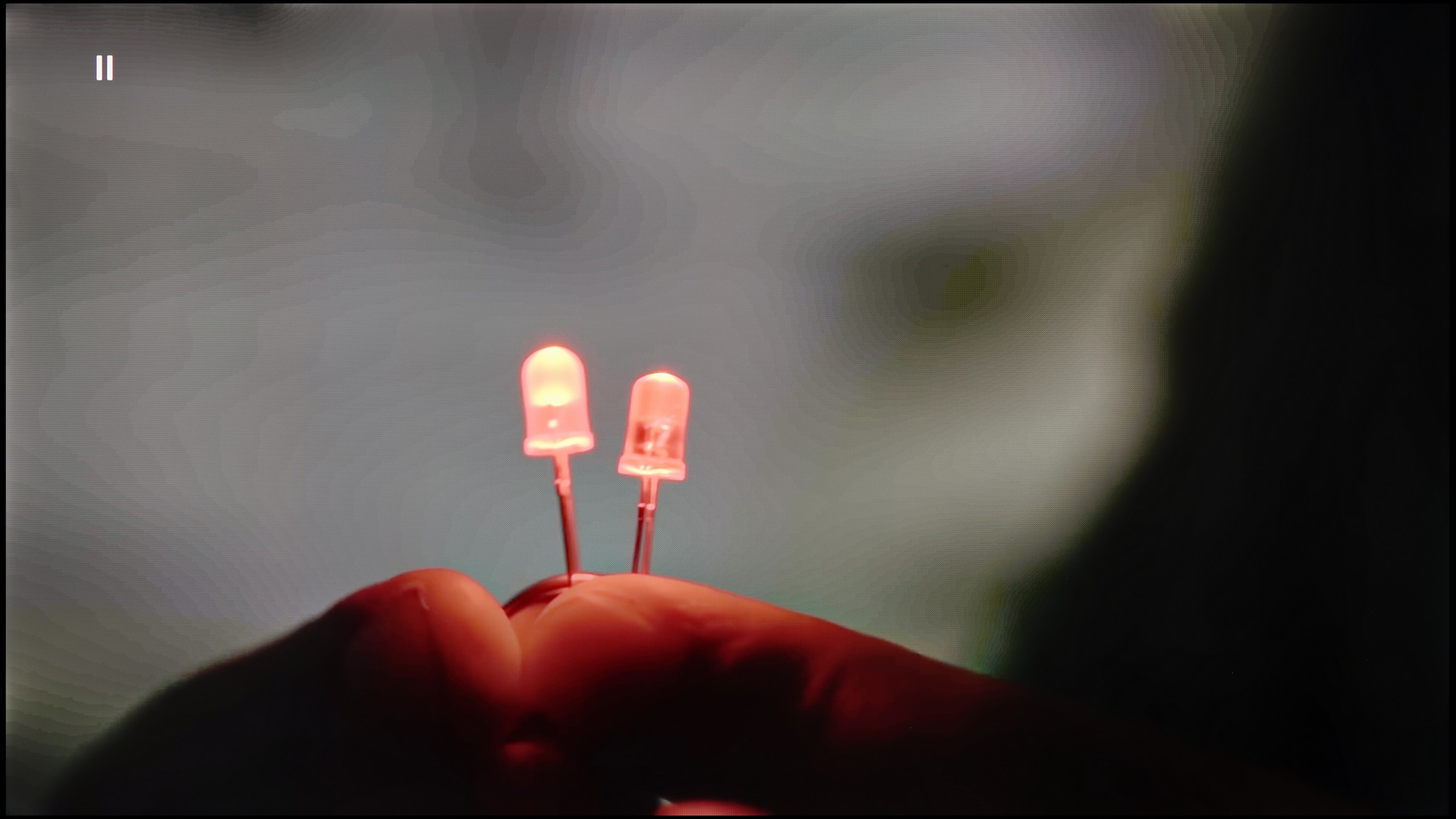
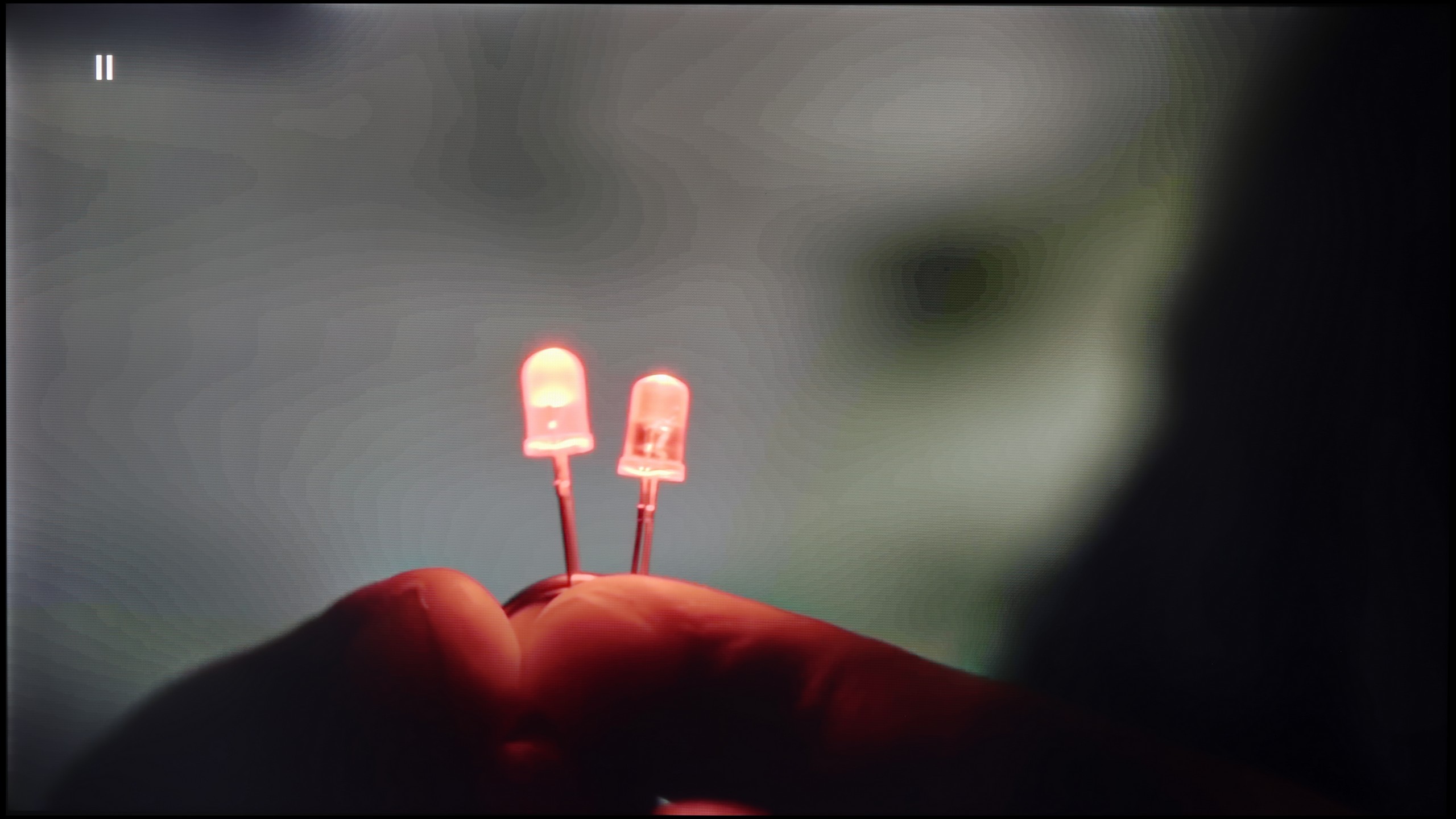
Image without overscan on the SD signal


There are situations where we would like to smooth out tonal transitions a bit, especially in older materials – those with limited source quality. The U7Q is equipped with a feature called "Smooth and Gradient Image," but unfortunately... it works very poorly. In the "Low" option, the effects are practically unnoticeable, and other settings smooth details but do not improve tonal transitions. The only positive aspect is that the feature does not interfere with film grain, so it does not ruin the natural structure of the image.
Fortunately, upscaling content performs quite well. The image is not excessively sharpened, and there is no artificial clarity – and although it is known that this is not the level of high-end televisions, the U7Q handles displaying really old content in a completely acceptable manner without any issues.
The TCL P8K performs somewhat worse when it comes to the fluidity of tonal transitions in lower-quality materials. The television does offer a function to smooth out unwanted bands; however, its effectiveness leaves much to be desired. Even at the highest setting, it's hard to talk about any real improvement – at times the effect is almost the opposite of what is intended, as the function can introduce small artifacts and unnatural blurring on the screen.
On the other hand, upscaling – that is, scaling the image to 4K resolution – looks significantly better. The P8K handles this task surprisingly well – HD content, and even SD, is enhanced in an aesthetically pleasing manner without excessive loss of sharpness. While there are slight "hard" edges typical of this class of equipment, this can be easily adjusted with the sharpness slider to suit personal preferences. The final effect is more than satisfactory, especially considering the price range in which this model is situated.
Blur and motion smoothness
7.1/10
7.1/10
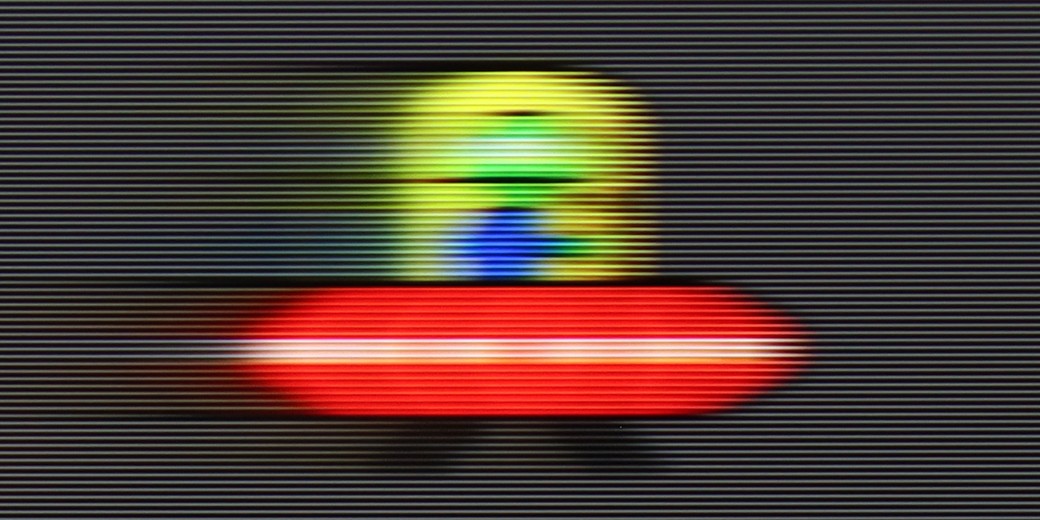
Blur (native resolution, maximum refresh rate):


Blur (BFI function enabled):



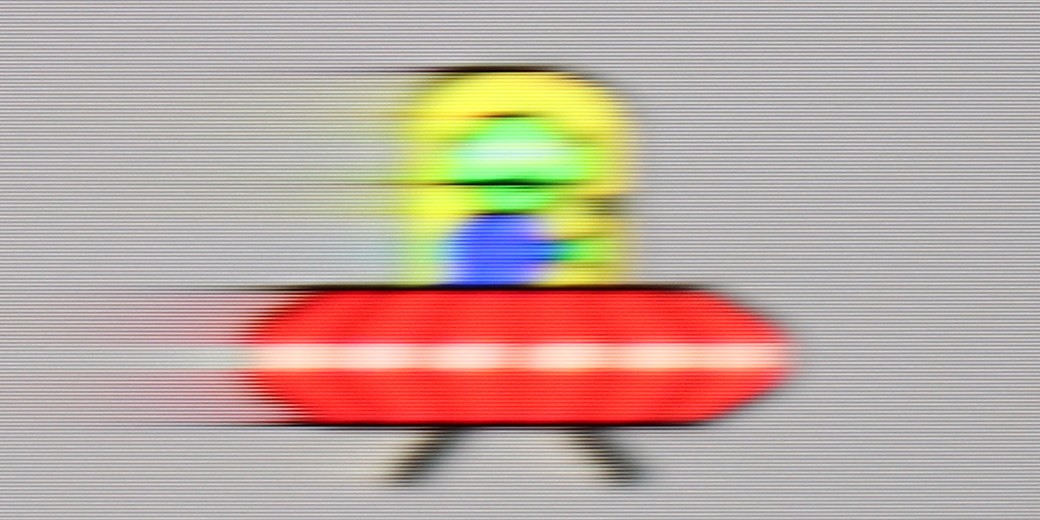
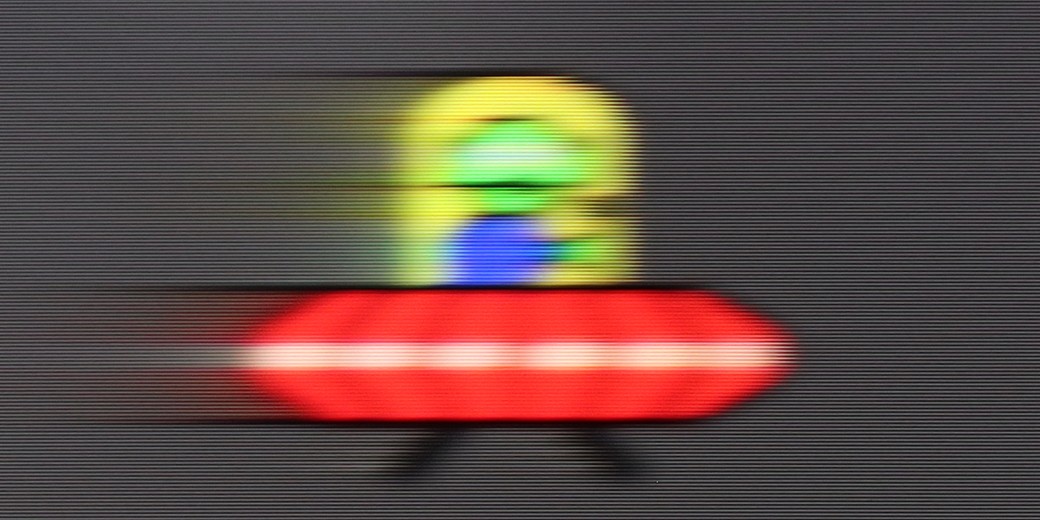
Blur (1080p 240Hz):

Blur (4K@144Hz):

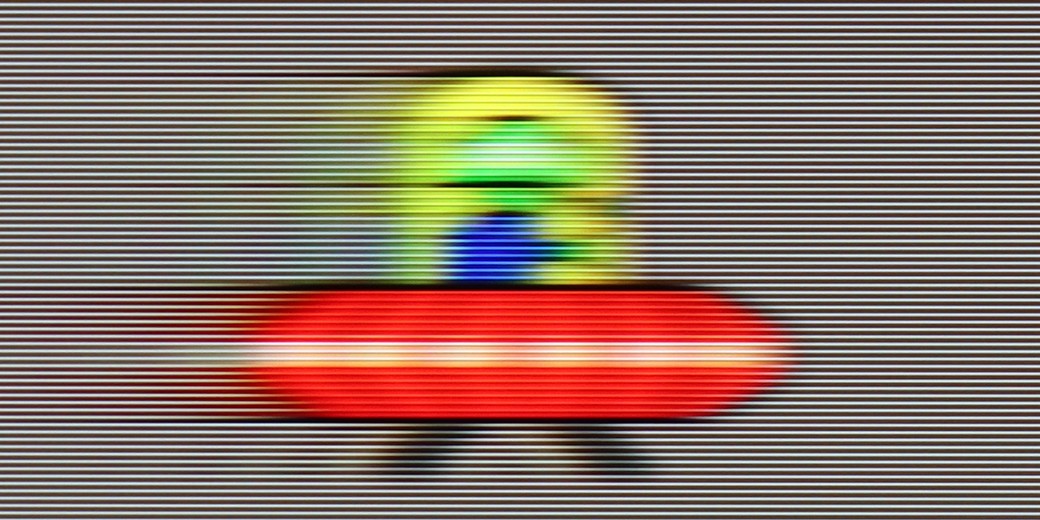
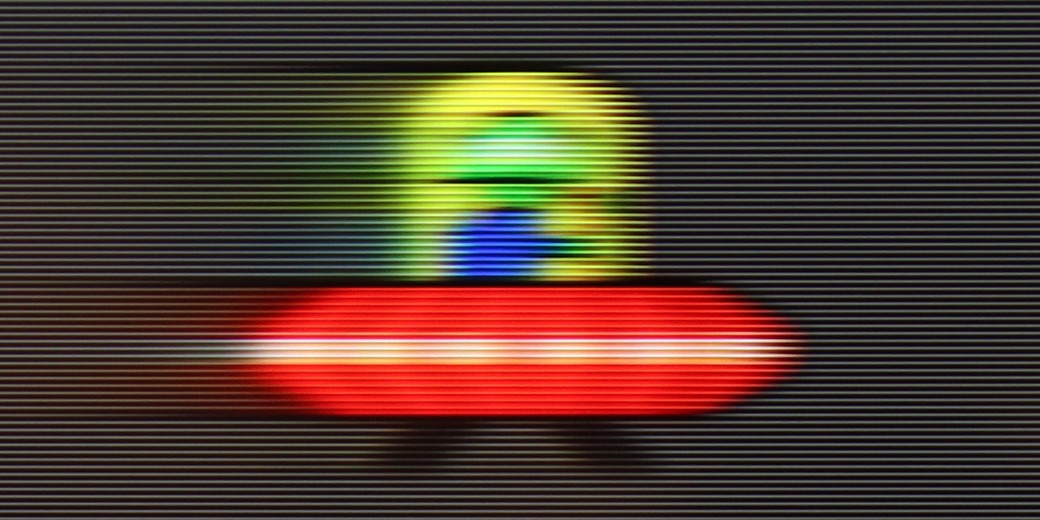
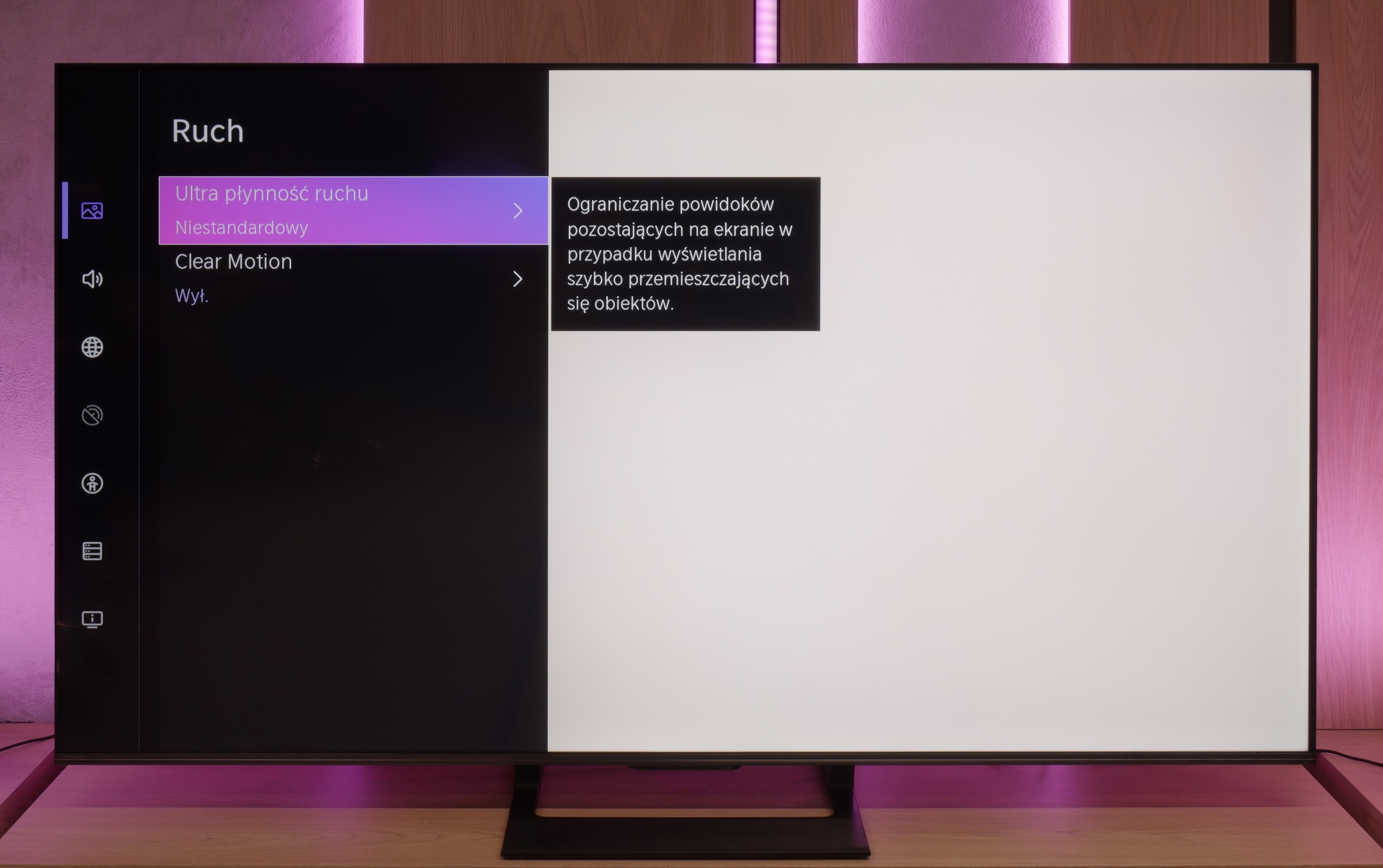
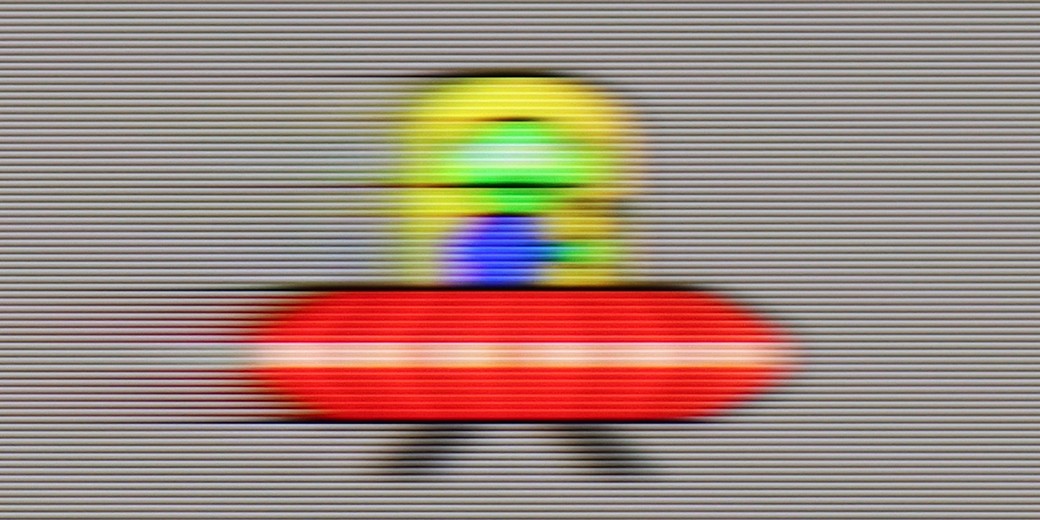
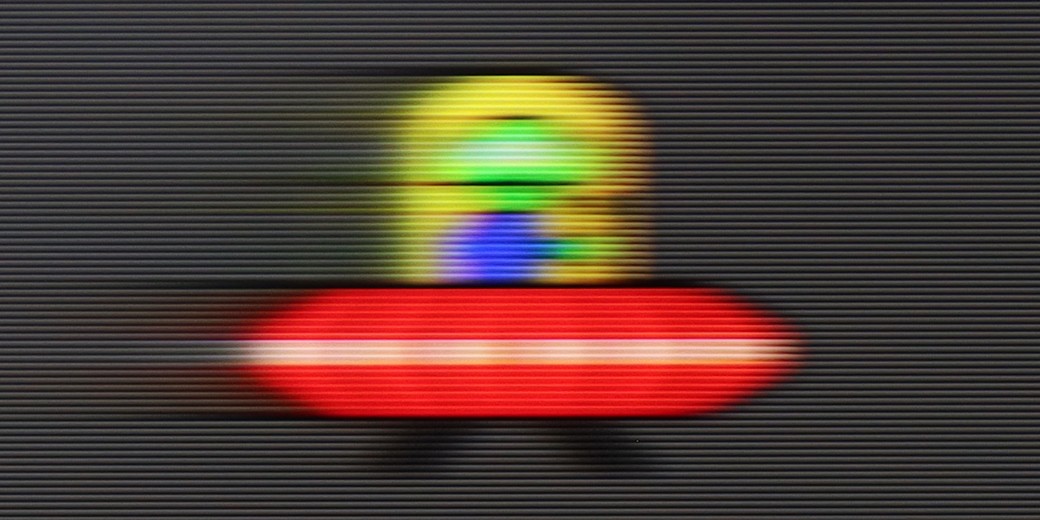
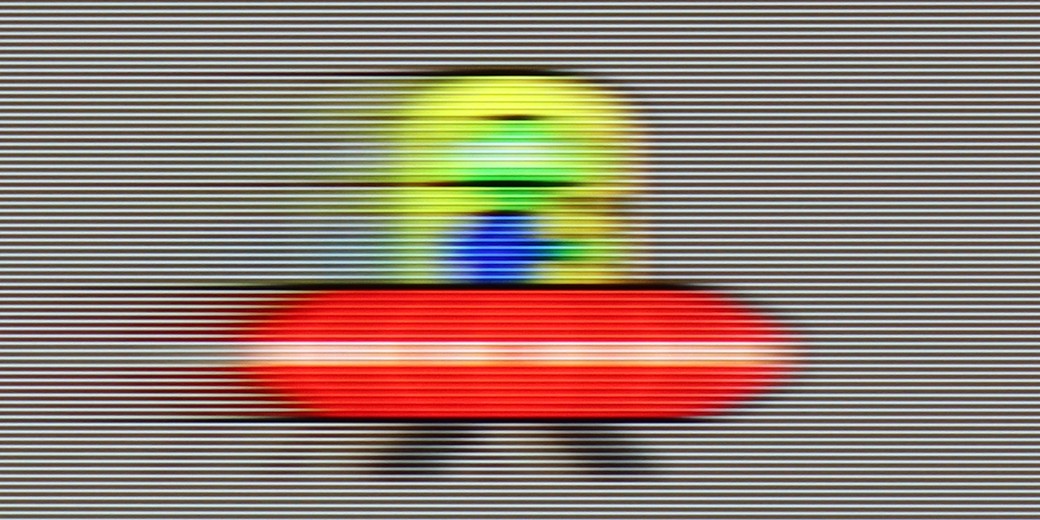
U7Q is indeed a very fast television, just like its more powerful version "PRO". At a resolution of 4K, it supports up to 144 Hz refresh rate, and if someone wants even more – in Full HD, you can achieve up to 240 Hz! This will mainly benefit PC gamers, but it is worth appreciating – it is a rarely seen feature in this price segment. Right from the start, it is clear that the U7Q has been designed with dynamic content in mind, such as games or sport. In films, we are not left "out in the cold" either – the U7Q offers an "Ultra Motion Smoothness" feature, where using two sliders you can adjust whether you prefer a smoother, theatrical image or something closer to a cinematic style with a visible film frame. It is good that, as with most manufacturers, we have a choice here as well and can adjust it to our own preferences.
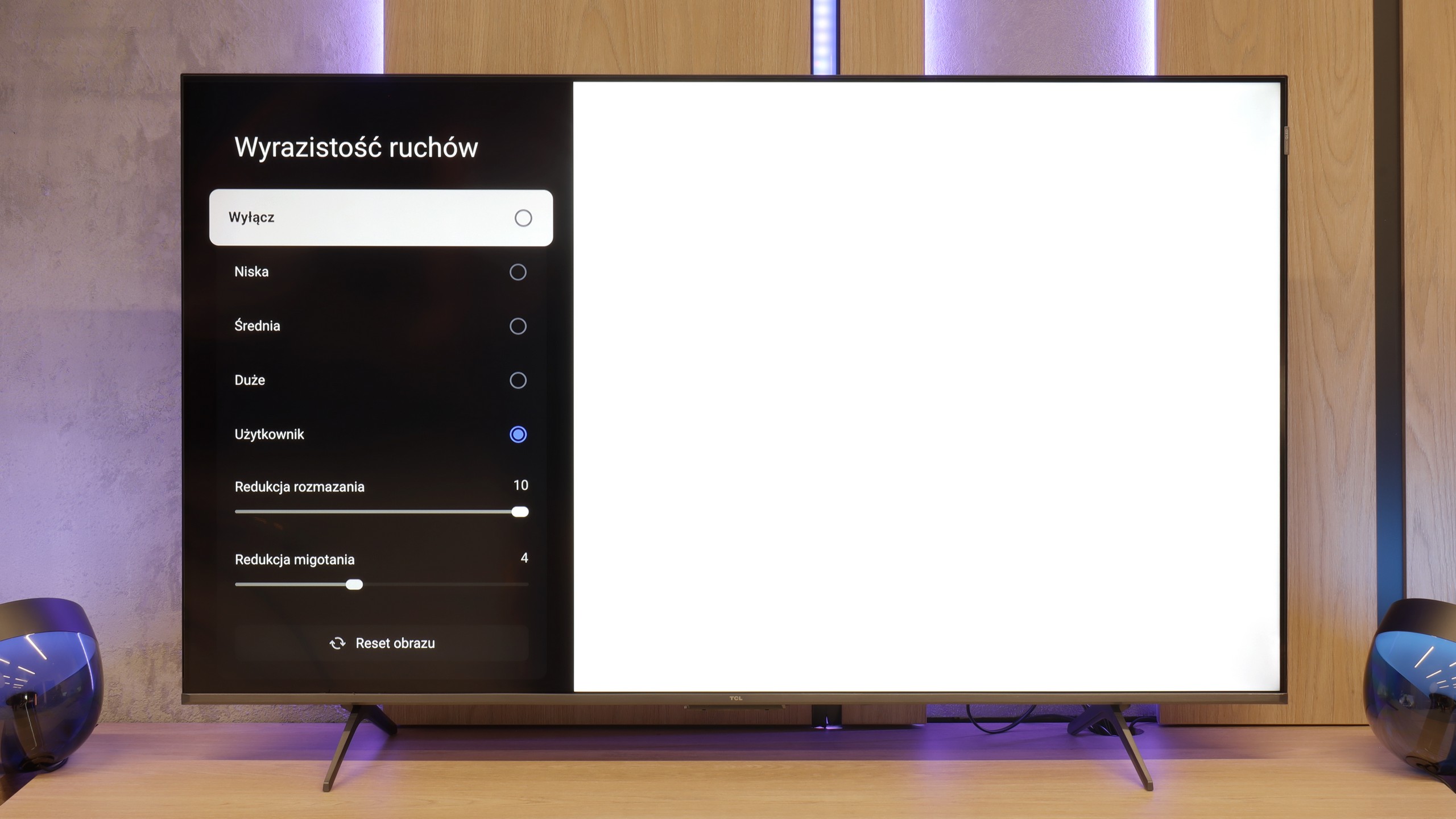
TCL P8K is one of the cheapest televisions offering a refresh rate of 144 Hz, which in itself is quite an advantage in this price segment. Thanks to the fast panel, this model can confidently be recommended to both sports fans and video gamers – the image is smooth, and the movement of the ball or dynamic actions look natural. However, this does not mean that the P8K is suitable solely for sports. On the contrary – it can also maintain appropriate dynamics in films without introducing the artificial effect of "theatricality", as long as we set the parameters wisely. The television is equipped with a motion smoother called "Motion Clarity", which features two sliders: blur reduction and judder reduction. The first is responsible for smoothing the image by generating additional frames, which increases fluidity, but may cause a slight soap opera effect. The latter, on the other hand, reduces judder and improves sharpness during movement, although it can slightly darken the screen. Properly adjusting these two parameters allows for a really good balance between natural motion and fluidity. It has a 60 Hz refresh rate, but it is hard to say that it is a top-tier panel in terms of response speed. It will perform well for dynamic content, although more demanding users will notice that it is not a screen from the highest class in terms of motion clarity.
Console compatibility and gaming features
8.5/10
9.8/10
- ALLM
- VRR
- VRR range48 - 240Hz48 - 240Hz
- Dolby Vision Game Mode
- Correct implementation of HGIG

- 1080p@120Hz
- 1440p@120Hz
- 4K@120Hz
- Game bar
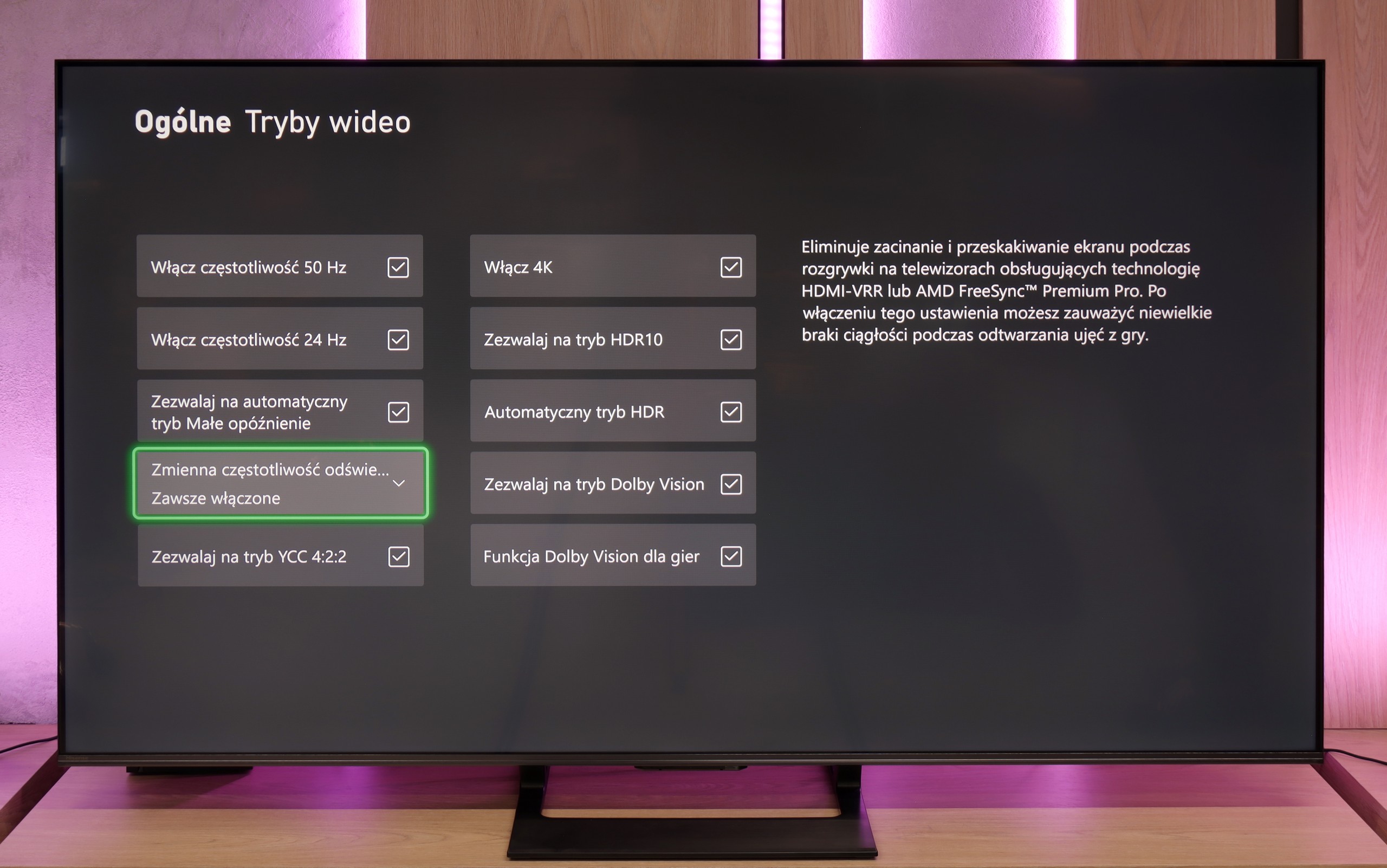
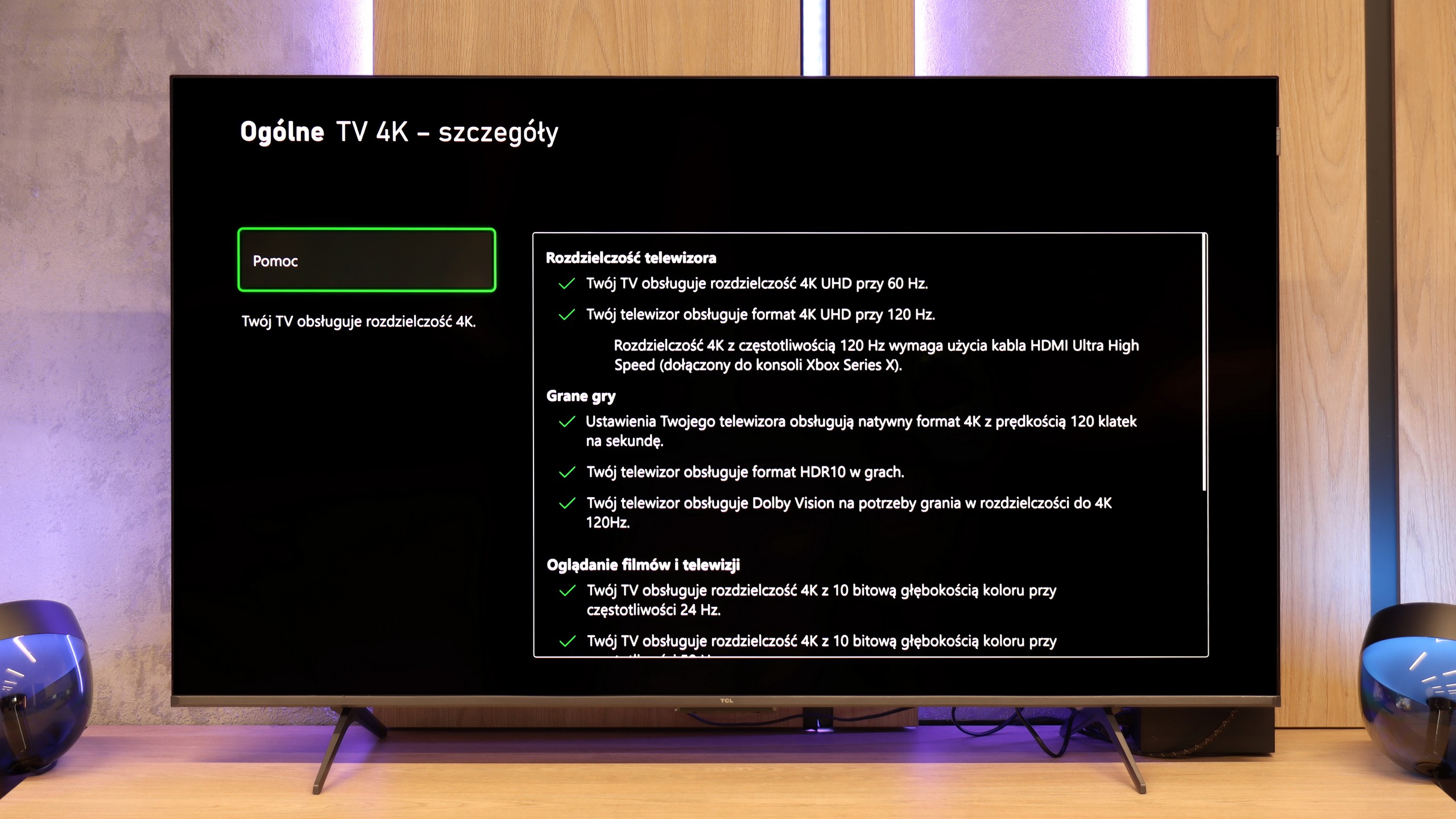
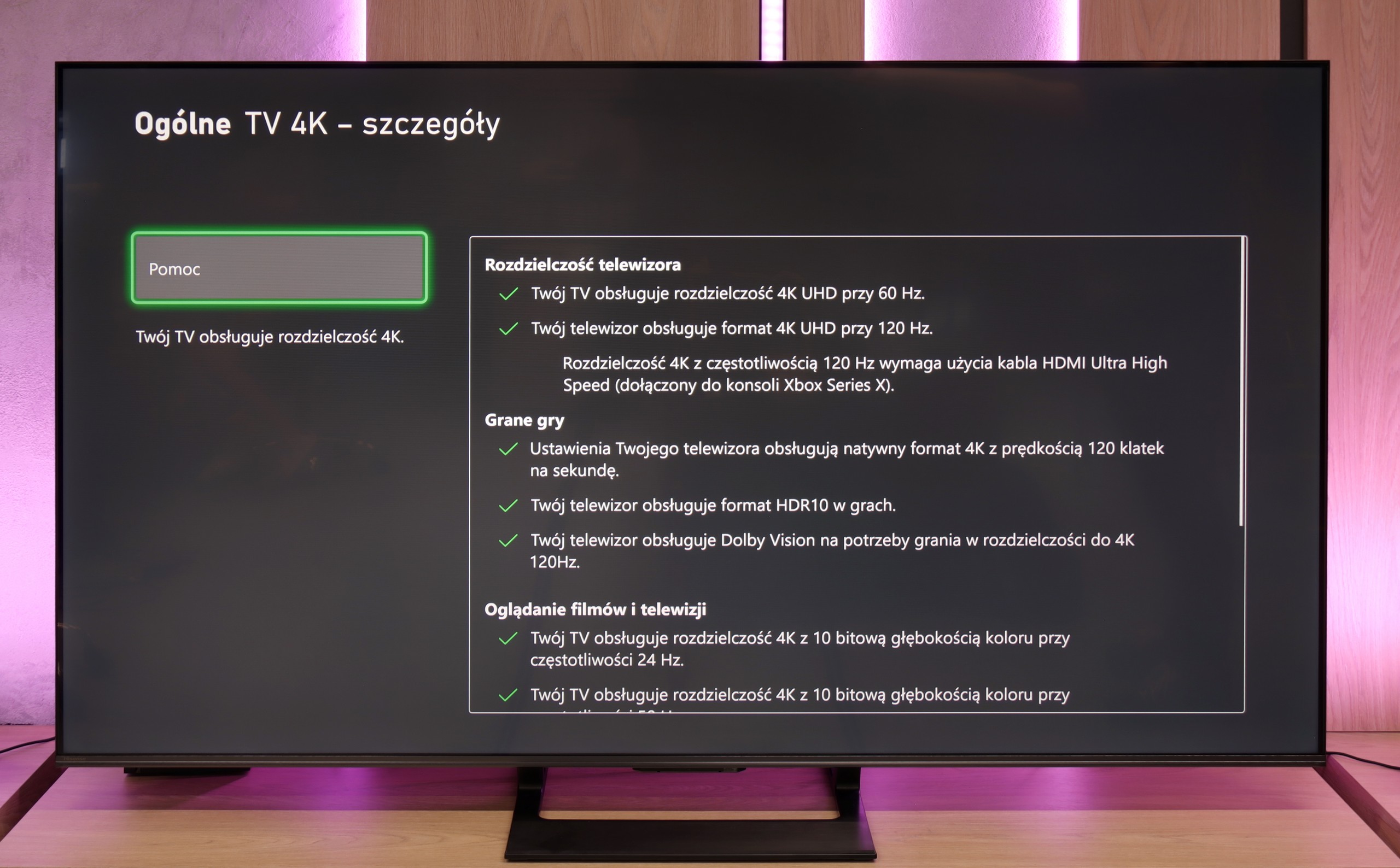
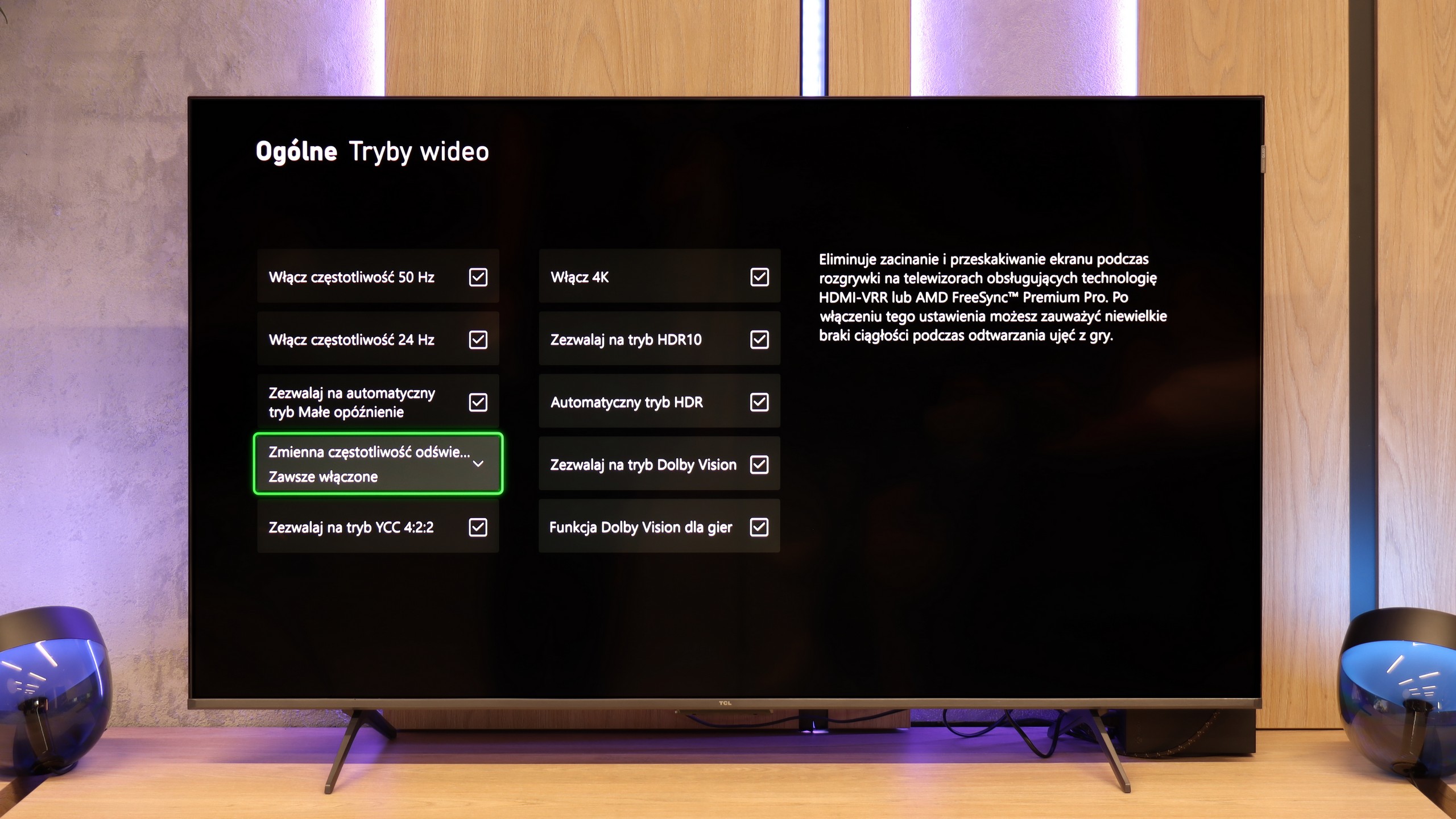
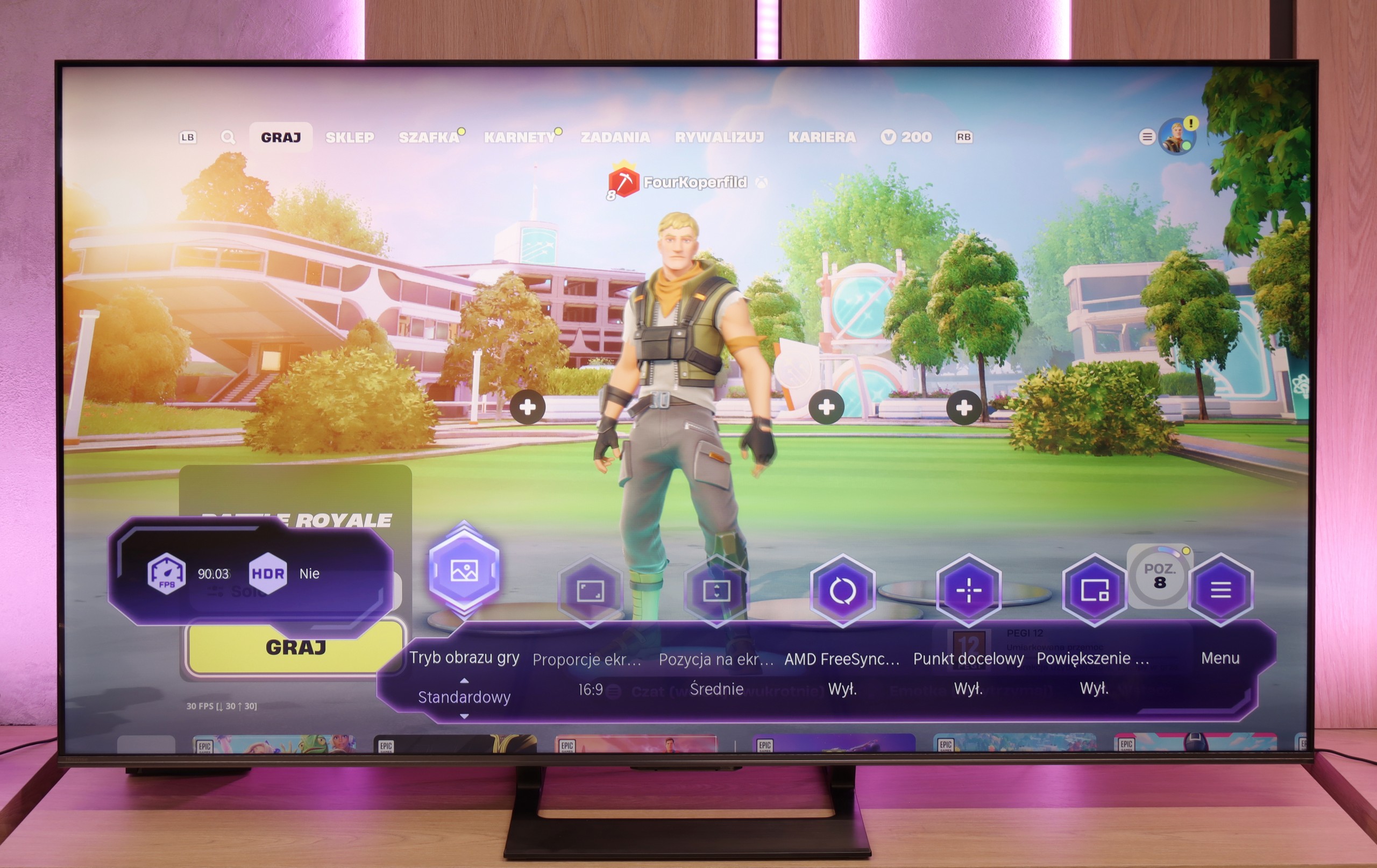
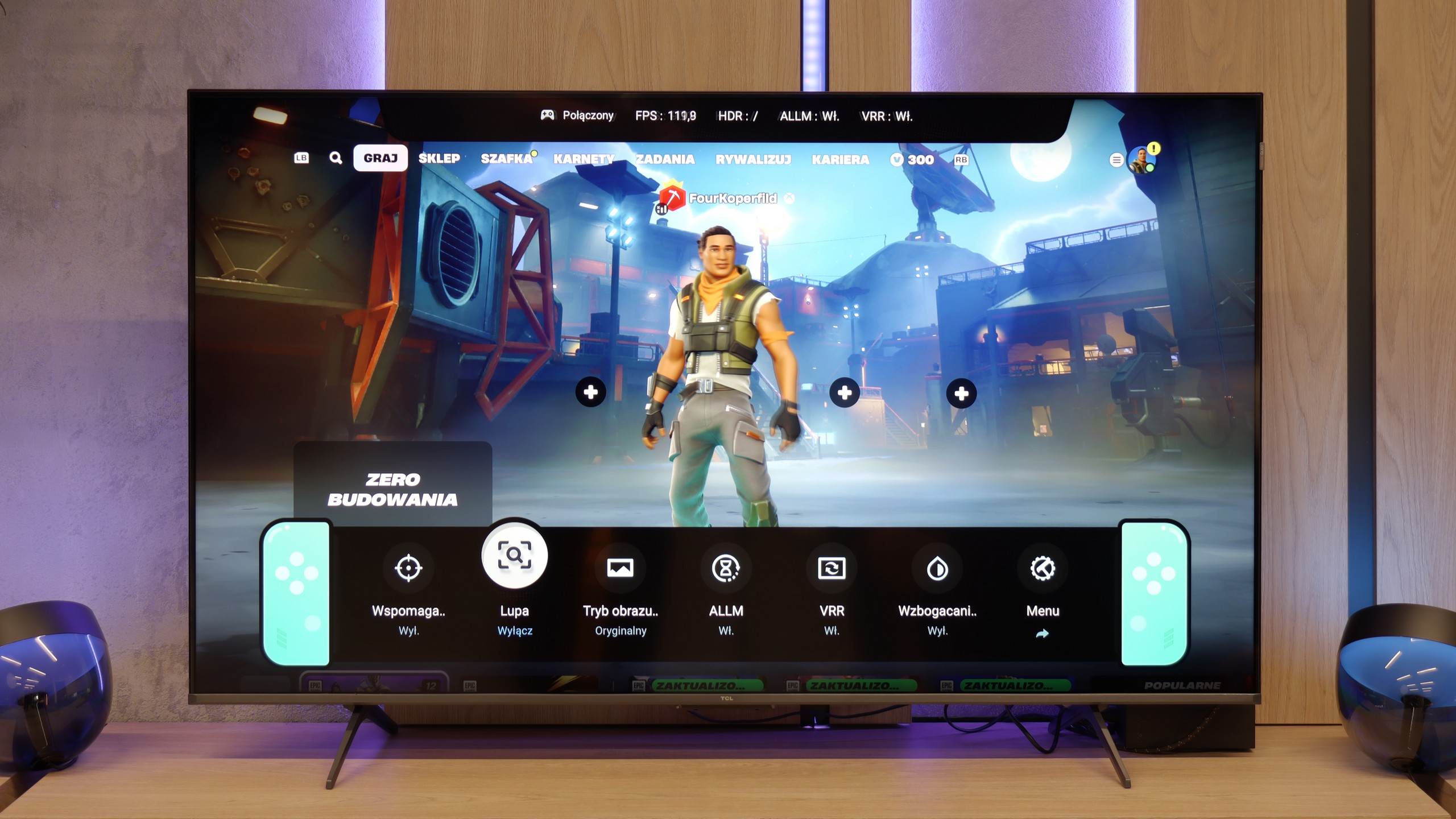
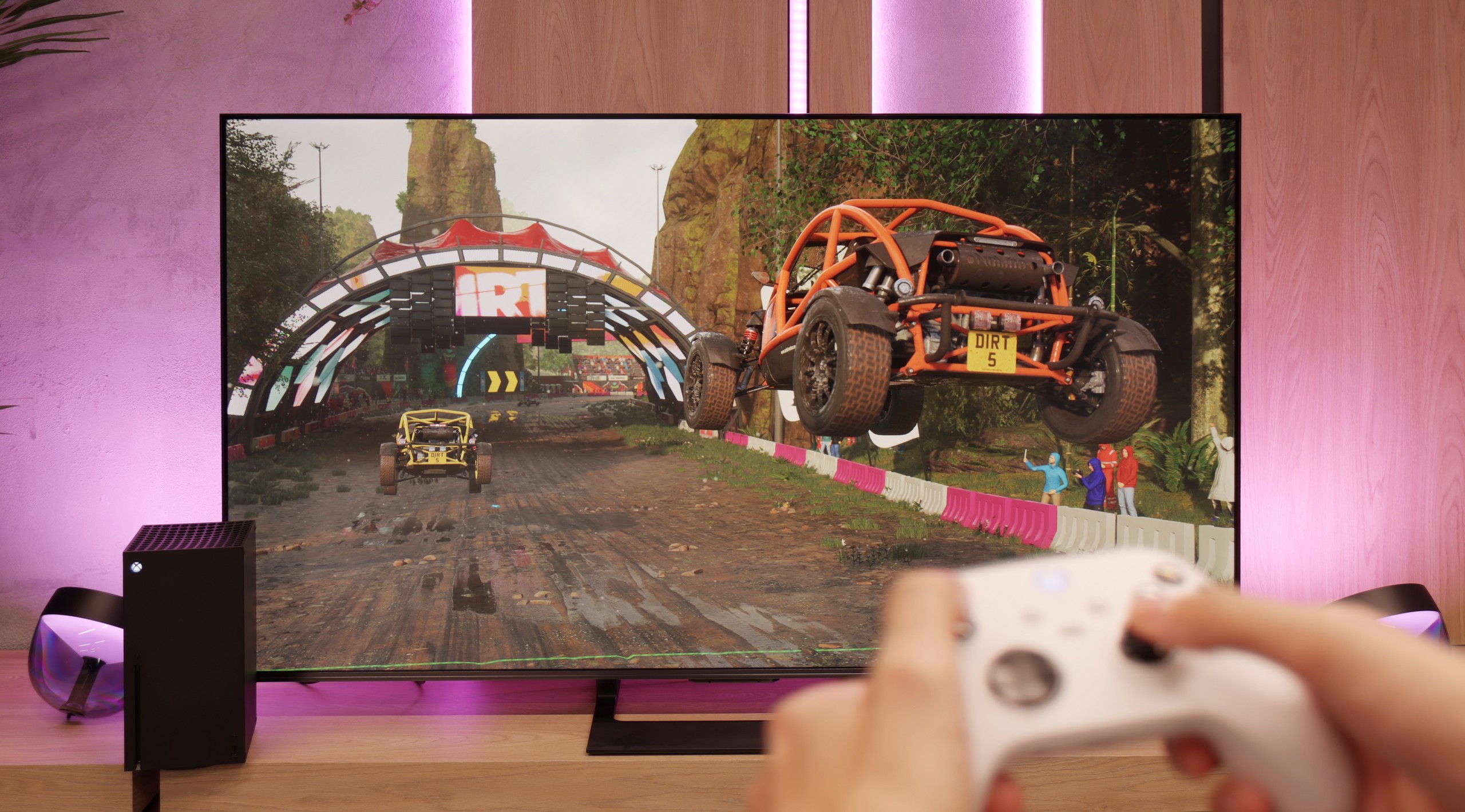
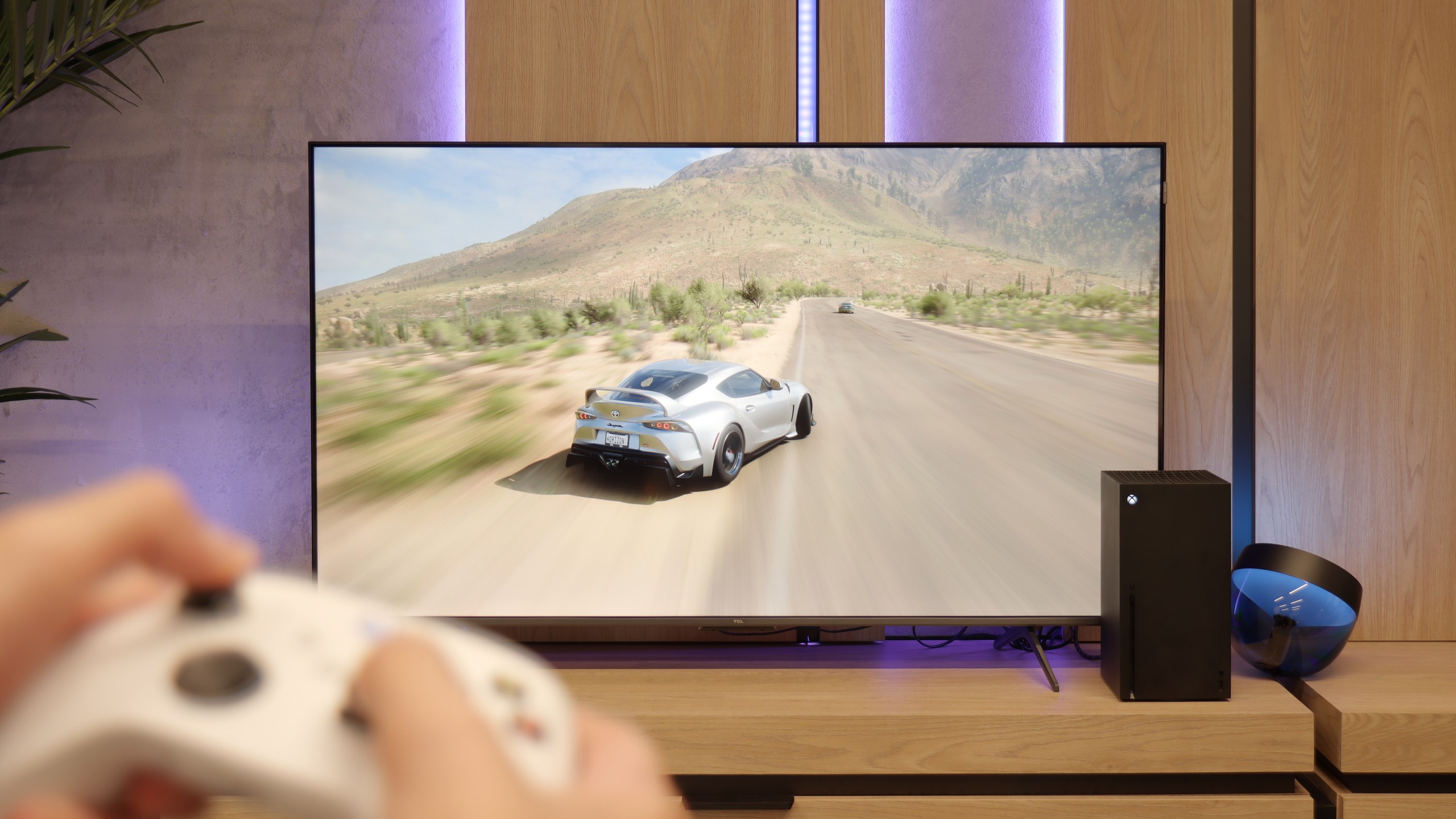
The Hisense U7Q is a television designed with gamers in mind – and this is immediately evident from its gaming capabilities. It has practically everything you could wish for: variable refresh rate (VRR) – check, automatic game mode (ALLM) – check, and on top of that, high refresh rates of up to 240 Hz in Full HD and support for various resolutions, not just 4K. This is truly a great set of features that makes the U7Q perform well both in fast-paced first-person shooters on consoles and in more demanding titles on PC. Of course – as with most Hisense models – there is a lack of proper implementation of the HGiG feature. It's a shame because HGiG allows console brightness to be matched to a specific television, which in practice makes displaying HDR games according to the creators' intent much easier. Without this, you simply have to reckon with certain limitations in the final HDR image in games.
Although the TCL P8K is a budget television, it cannot be said that it is unsuitable for gaming. On the contrary – it is a screen that can pleasantly surprise any gamer. It features two HDMI 2.1 ports, allowing for 4K output at 120 Hz without any issues. For those gaming on a PC, they will also be pleased to know that the television can operate with a refresh rate of up to 240 Hz at a lower resolution – a small thing, but it delights. Additionally, it comes with a full set of gaming features: automatic game mode, Game Bar with quick parameter previews, VRR, HGiG, and support for Dolby Vision in games. All of this makes gaming on the P8K a truly enjoyable experience – the picture is smooth, the response is quick, and the television communicates well with next-generation consoles. The TCL P8K shows that a cheap screen doesn't have to mean giving up on fun. Certainly not in terms of gaming.
Input lag
9.7/10
9.5/10
SDR
HDR
Dolby Vision
The input lag on the U7Q is really impressive. With 120 Hz content, we measured around 9 ms, and with 60 Hz – around 17 ms. These are exceptional results that make the television excellent for even dynamic games requiring quick reactions. It's hard to criticise anything here. Of course, as is often the case, the Dolby Vision mode in games seems to be a bit slower compared to classic SDR or HDR. This will be particularly noticeable for users of Xbox Series X/S consoles, which are the only ones supporting Dolby Vision Gaming. Fortunately, the input lag remains below 30 ms, so in practice, this is still an acceptable level even for more demanding gamers.
In terms of latency, the TCL P8K performs really well. In game mode at 4K and 60 Hz, the input lag is around 22 ms, and at 4K and 120 Hz it drops to 13 ms. These figures ensure that the television responds quickly and there is no noticeable 'lag' between the controller and the screen.
Compatibility with PC
8.6/10
8.6/10
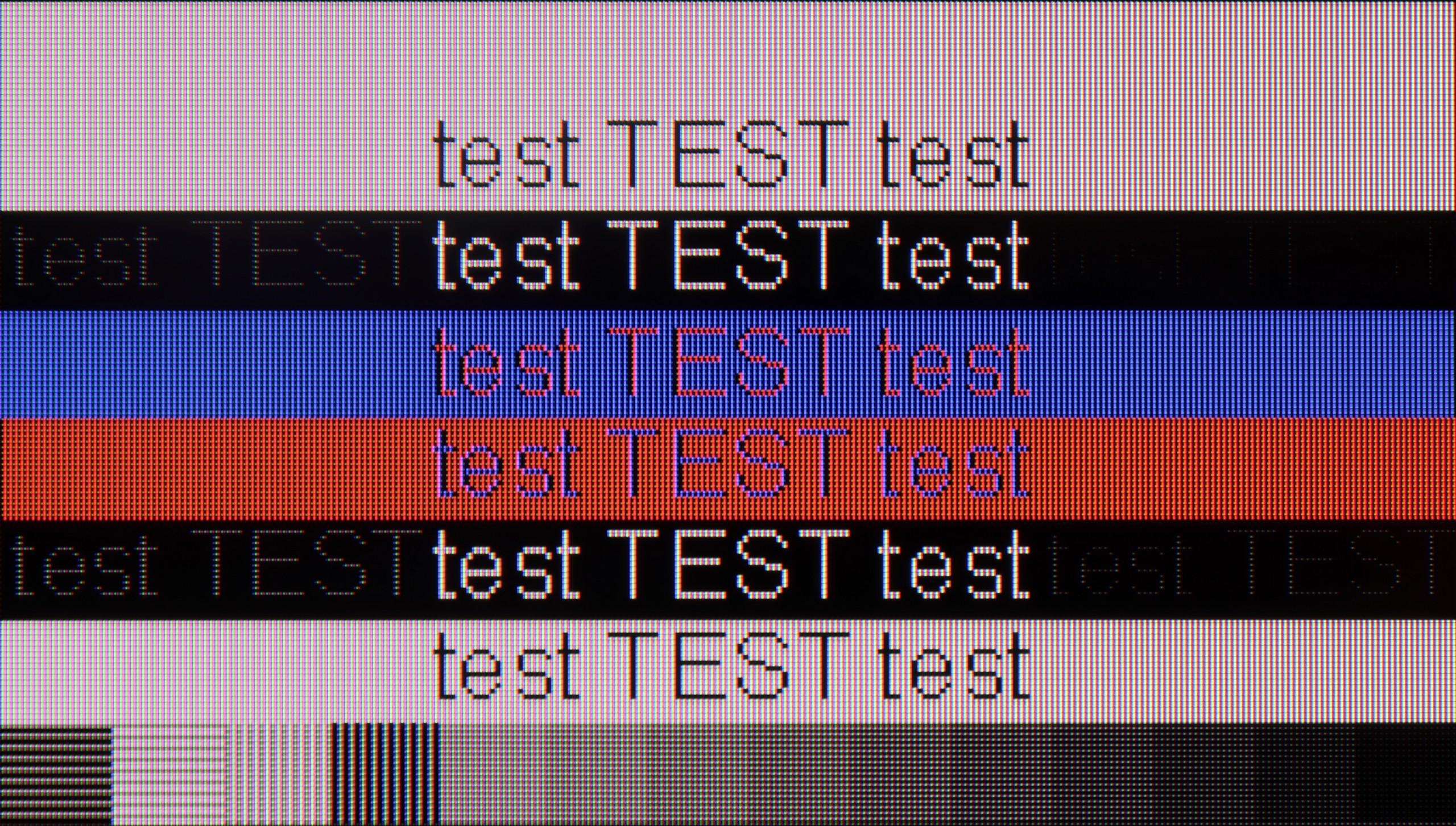
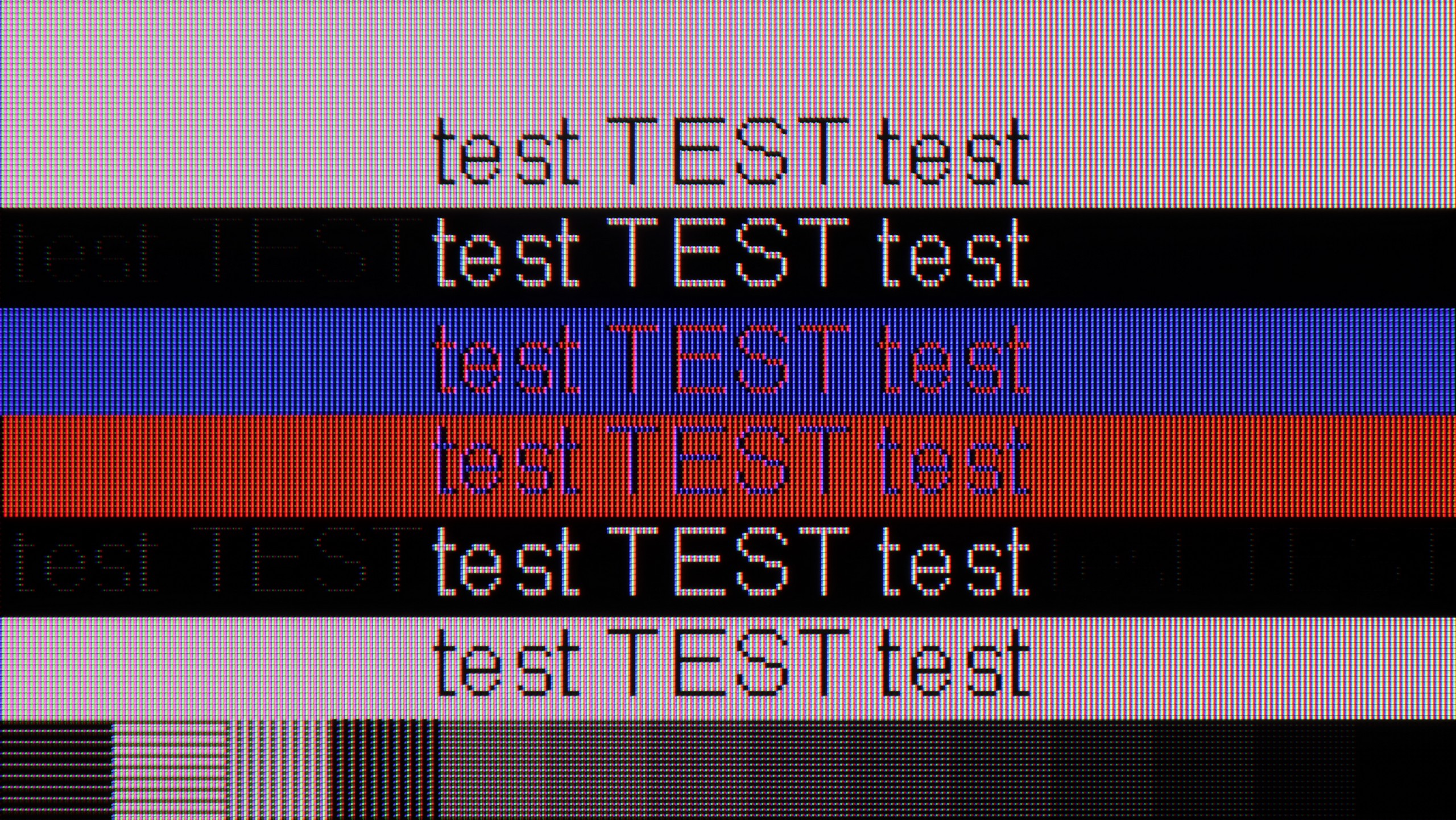
The U7Q communicates excellently with the computer. For gamers, this is great news – we have high refresh rates, low input lag, and G-SYNC support, making gameplay from a PC pure enjoyment. But the U7Q also performs well in everyday tasks. If someone uses the computer for word processing, browsing the internet, or office work – there’s nothing to complain about. The TV correctly handles chroma 4:4:4, so fonts look sharp and clear, without blurriness or odd contours. Both small and capital letters are simply readable – just as it should be.
The TCL P8K also works excellently as a computer monitor. The readability of fonts is at a very good level, making work with documents and browsing the web simply comfortable. The only slight downside occurs when refreshing at 144 Hz in 4K – dark text on a light background can slightly lose sharpness. The problem disappears when switching to 120 Hz, so it's worth keeping this in mind for everyday use. Besides, it is not only a screen for work but also a great monitor for gamers. The 144 Hz refresh rate (and even 280 Hz at a lower resolution) combined with G-Sync synchronisation guarantees very smooth gameplay. Of course, we will fully appreciate its capabilities only with a suitably powerful computer, but the potential of the P8K in this role is truly significant.
Viewing angles
3/10
2.8/10
The viewing angles on the U7Q are rather poor – this is simply characteristic of VA panel qualities. Directly in front, everything looks very good: blacks are deep, colours are saturated, and contrast is high. However, just moving slightly to the side causes the picture to start losing quality – colours become washed out, and blacks begin to resemble dark grey. Compared to televisions with IPS panels, the U7Q performs worse, although on the other hand, it makes up for it with better contrast and deeper blacks.
The Achilles' heel of the TCL P8K is undoubtedly its viewing angles. The VA panel used has its advantages in terms of solid contrast, but unfortunately, it suffers significantly when viewed from the side. Colours noticeably fade, saturation drops, and the overall image takes on a cooler, washed-out hue. In practice, this means that the best picture is achieved when sitting directly in front – any significant deviation results in a noticeable loss of quality.
Daytime performance
6.2/10
4.6/10
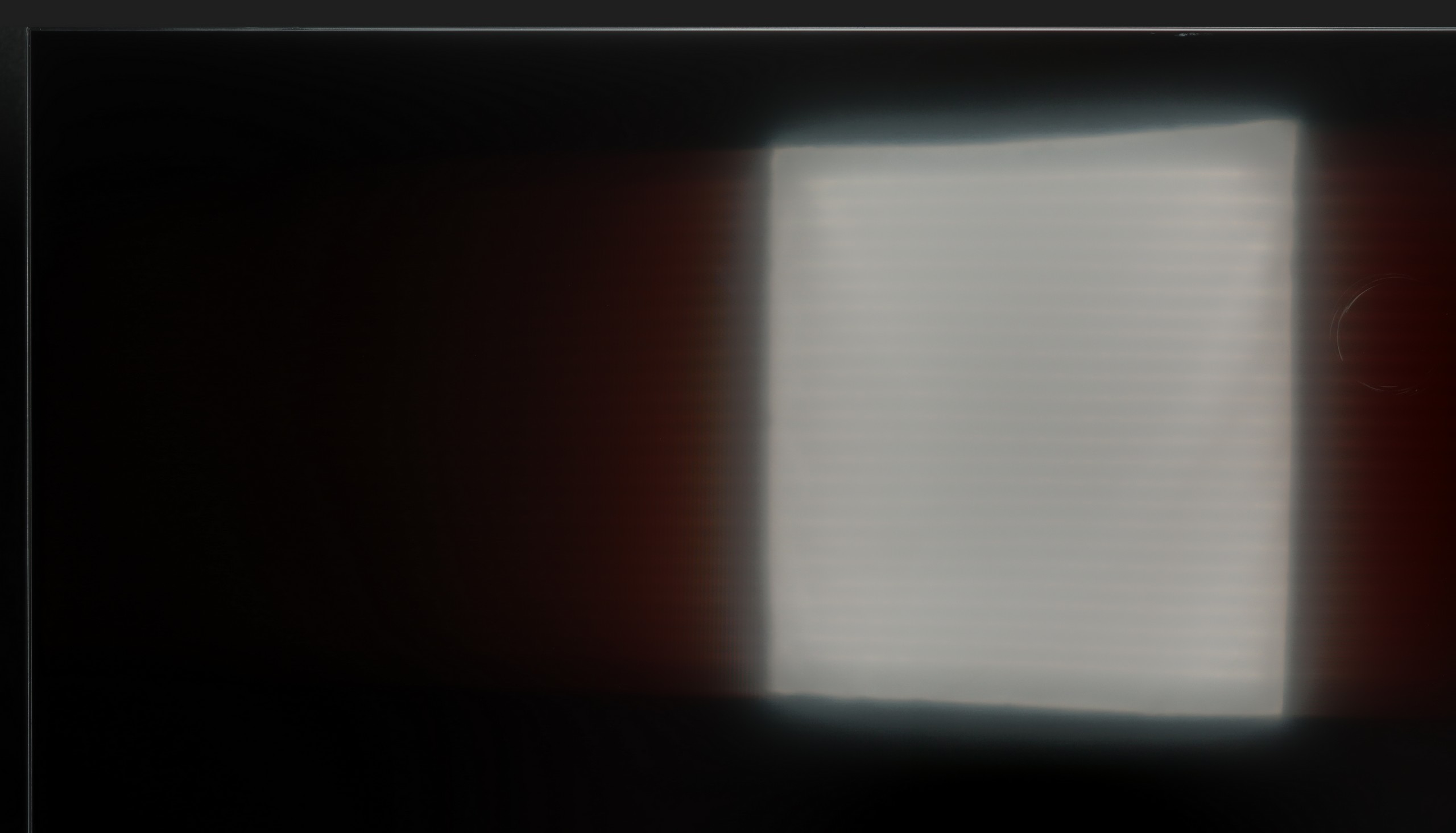
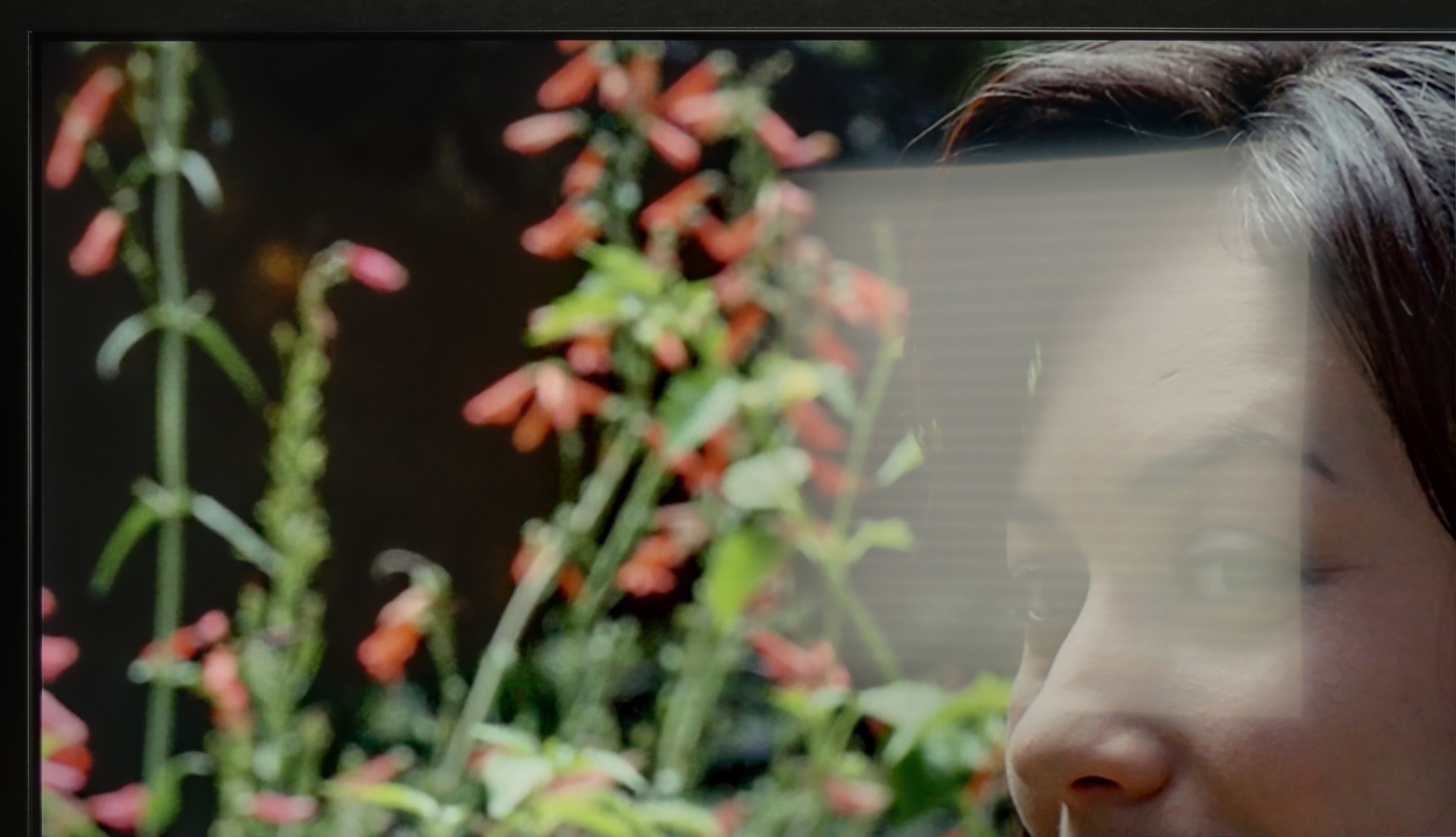
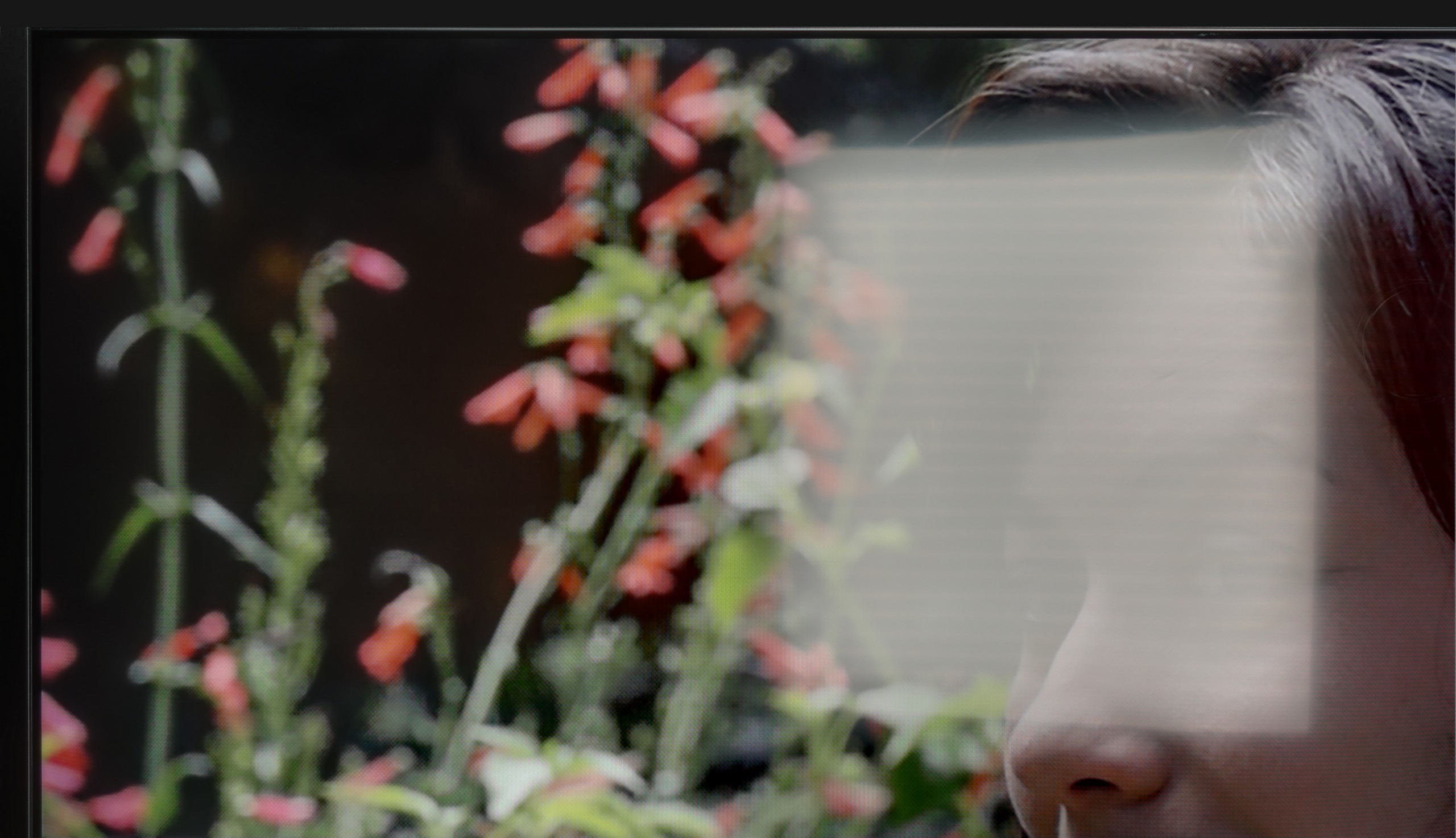
Panel brightness
Average luminance SDR
TCL P89K / TCL P8K: 299 cd/m2
Hisense U7Q: 519 cd/m2
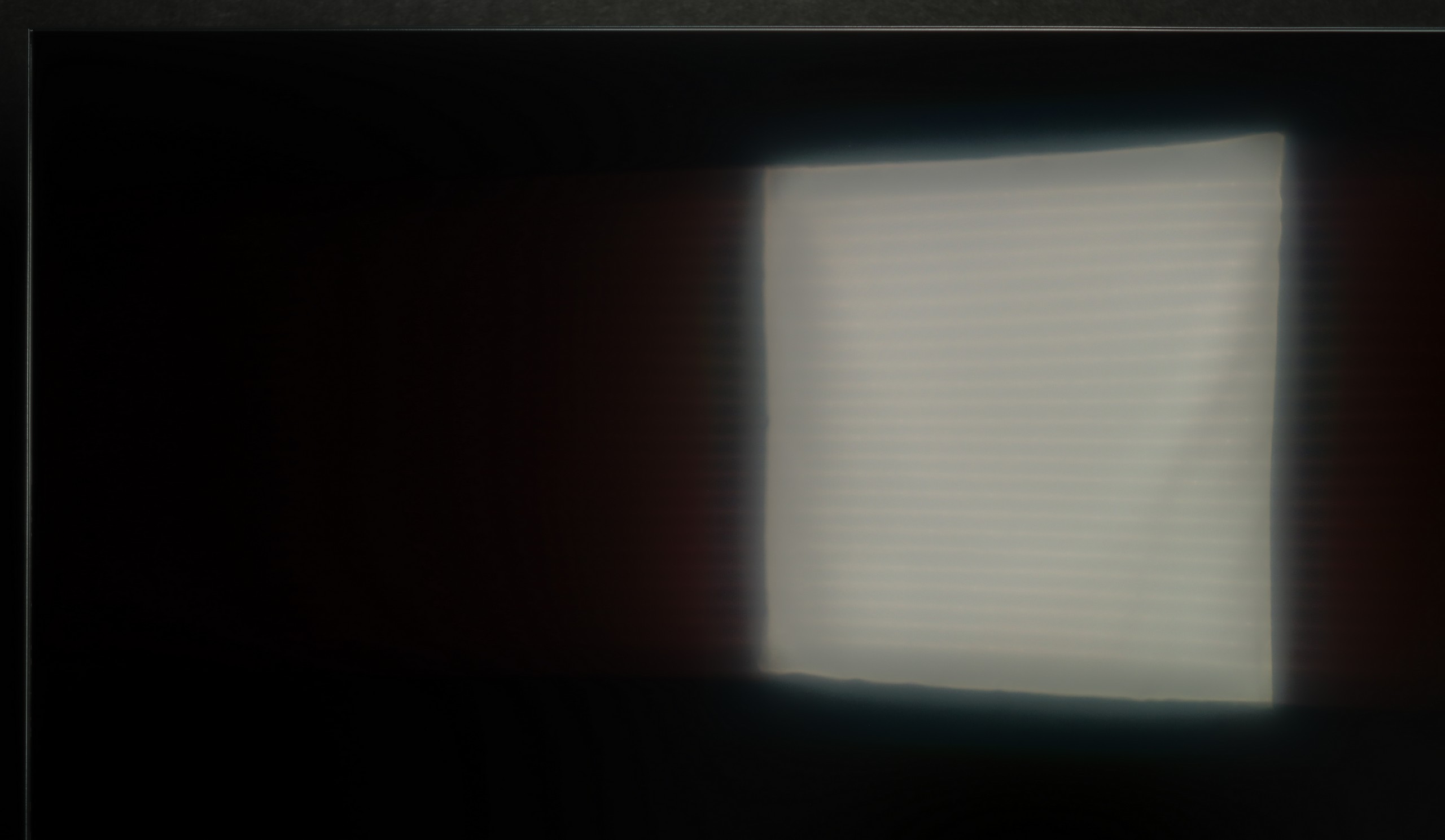
The U7Q performs quite well in a sunlit room. The brightness in SDR mode averages around 520 nits, which practically means that even on a sunny day, it is easy to comfortably watch television – without the feeling that everything is drowned in reflections. Additionally, thanks to the satin coating on the panel, the television does a good job of suppressing reflections.
TCL P8K does not cope well with strong sunlight. With brightness at around 300 cd/m², it is hard to expect it to perform well in a living room with large windows and no blinds. In such conditions, the image loses some sharpness, and darker scenes can disappear in light reflections. Fortunately, the screen has a satin coating that handles reflections well and saves the situation in typical home conditions. In the evening or in a slightly dimmed room, the television looks very good. It is simply not a device that prefers to be placed opposite a south-facing window.
Panel details
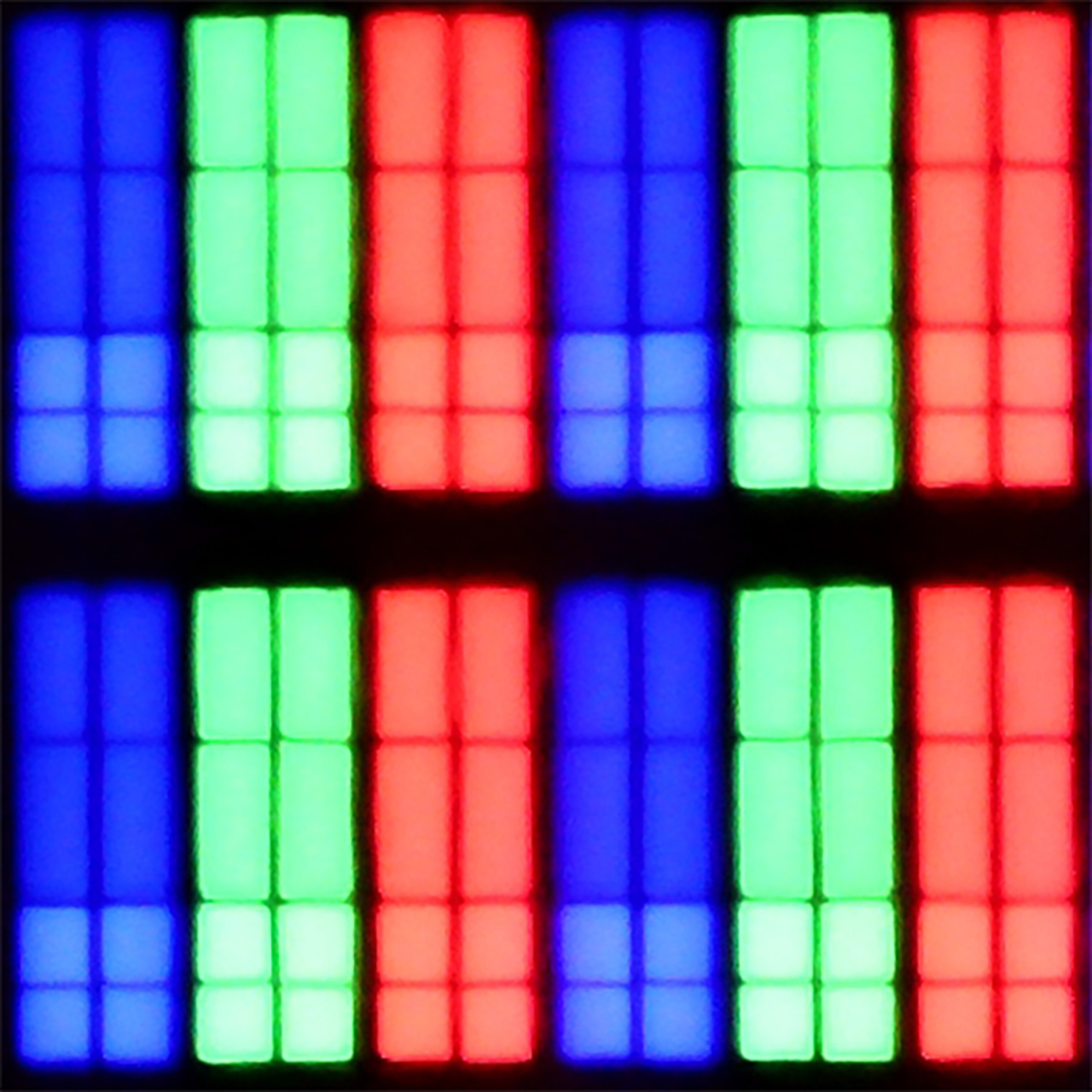
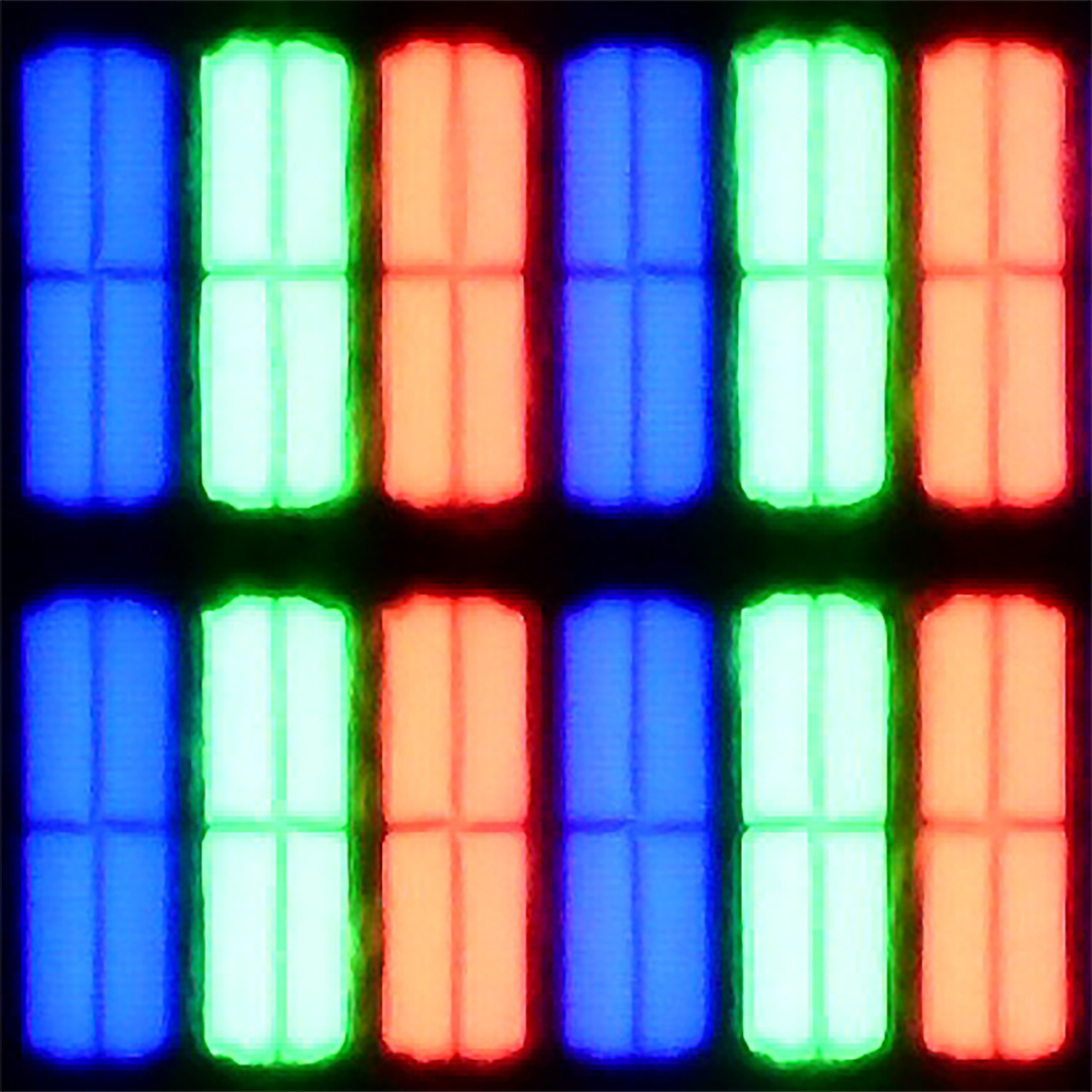
Subpixel Structure:
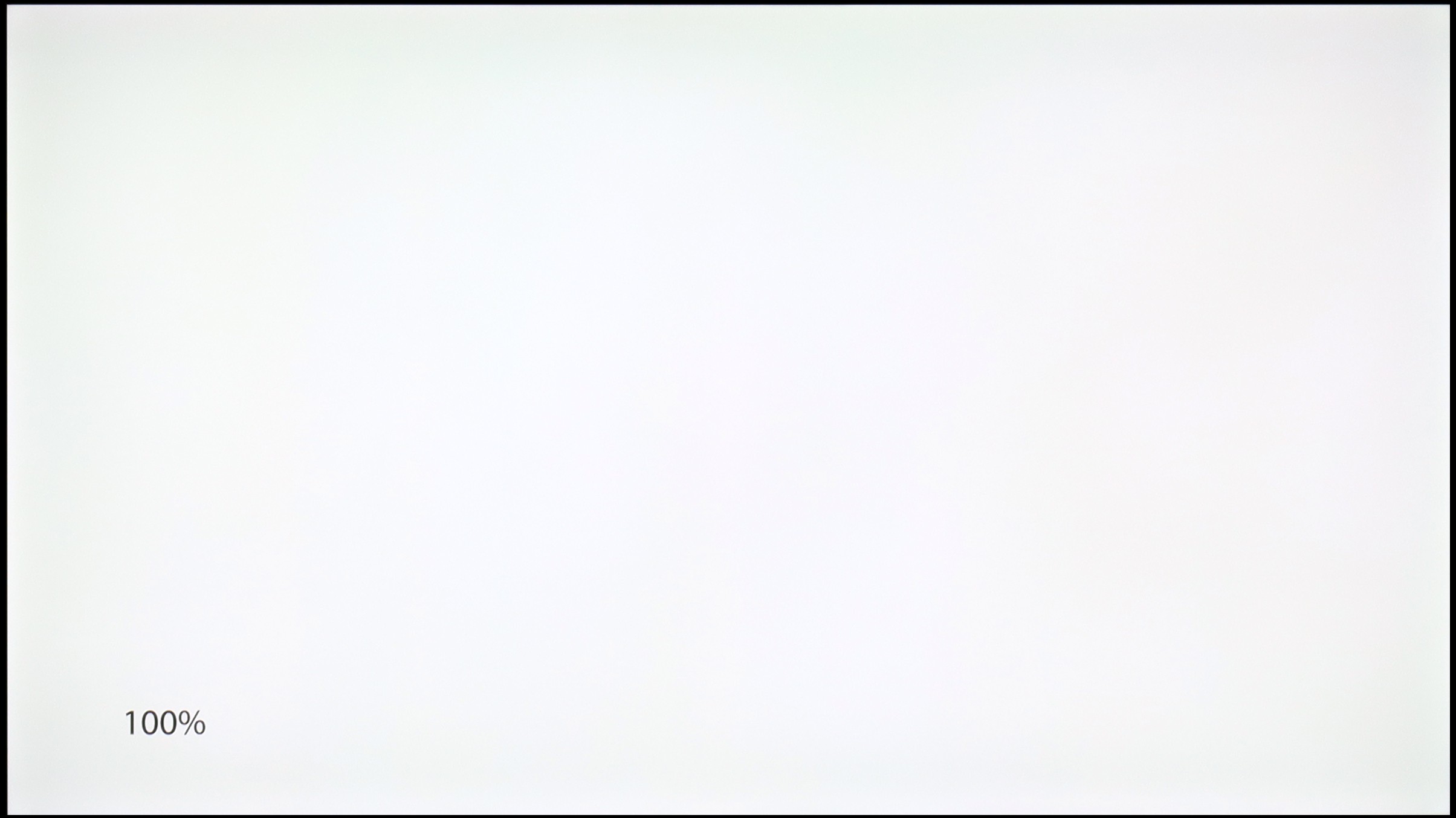
Panel uniformity and thermal imaging:

Hisense U7Q
TCL P89K / TCL P8K
TV features
8.9/10
7.4/10
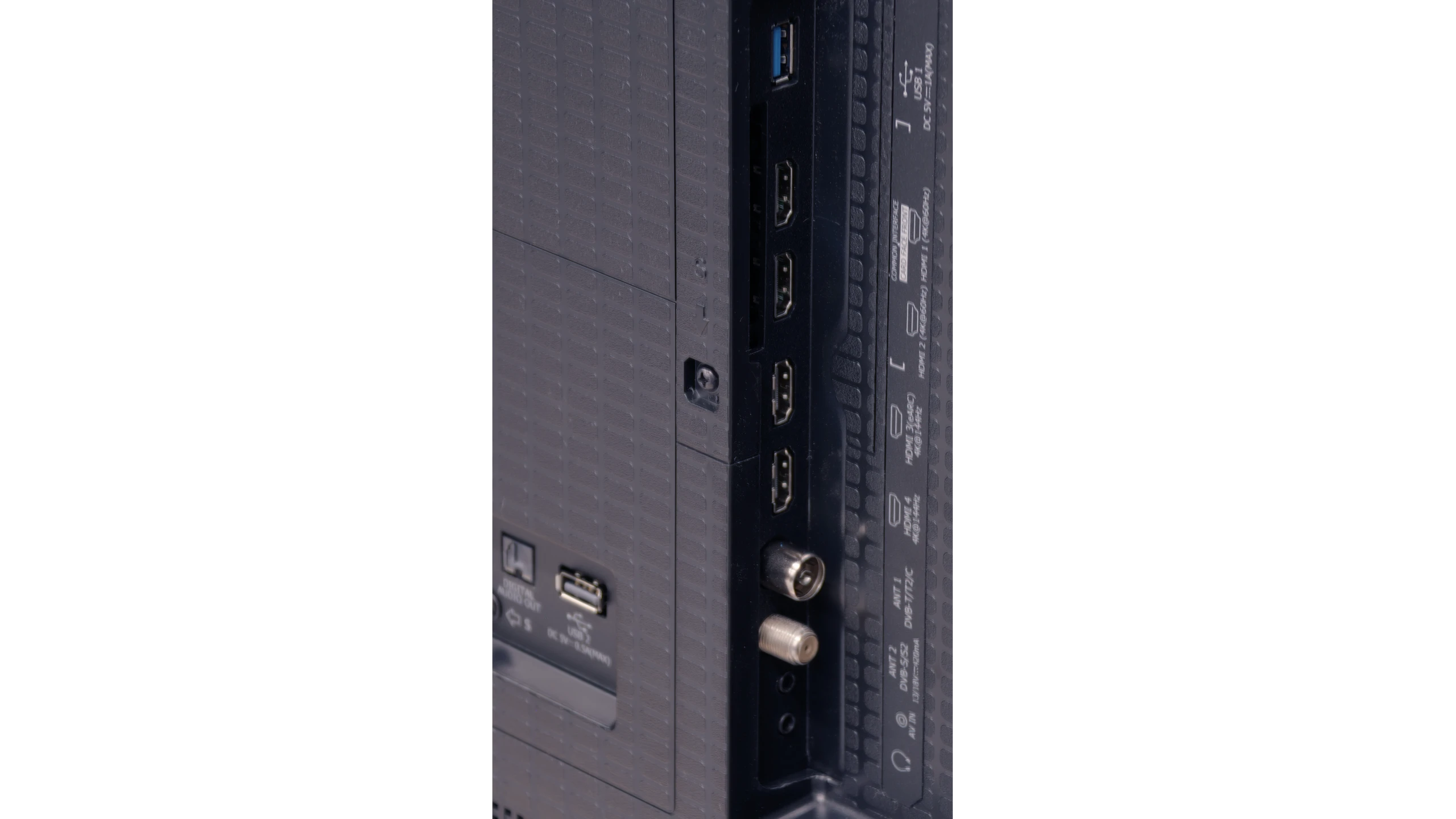
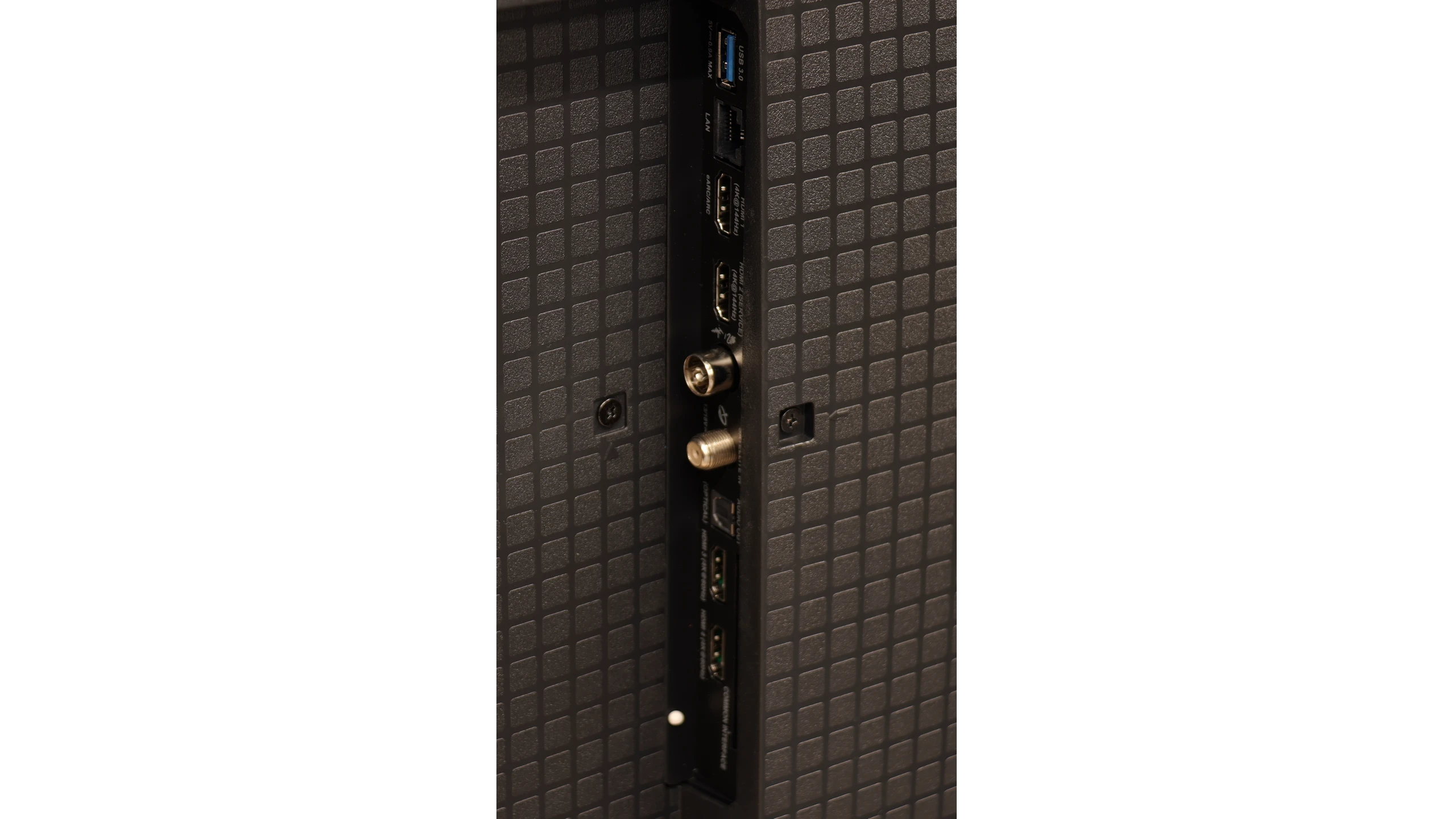
- HDMI inputs2 x HDMI 2.0, 2 x HDMI 2.1 48Gbps2 x HDMI 2.0, 2 x HDMI 2.1 48Gbps
- Other inputsRCA (Chinch)
- OutputsToslink (Optical audio), eARC (HDMI), ARC (HDMI), Mini-Jack (Headphones)Toslink (Optical audio), eARC (HDMI), ARC (HDMI)
- Network InterfacesWi-Fi 2.4GHz, Wi-Fi 5GHz, Ethernet (LAN) 100MbpsWi-Fi 2.4GHz, Wi-Fi 5GHz, Ethernet (LAN) 100Mbps, Ethernet (LAN) 1Gbit
- TV receptionDVB-T, DVB-T2, DVB-S, DVB-S2DVB-T, DVB-T2, DVB-S, DVB-S2, DVB-C
Classic features:
- Recording to USB (terrestrial TV)
- Recording programming
- Picture in Picture (PiP)
- RF remote control (no need to aim at the screen)
- Backlit remote control
- Teletext
- Audio only mode
- Bluetooth headphones support
- Simultaneous Bluetooth headphones & TV audio
Smart features:
- AirPlay
- Screen mirroring (Windows Miracast)
- Voice search
- Voice search in native language
- Ability to connect a keyboard and mouse
Classic features of U7Q
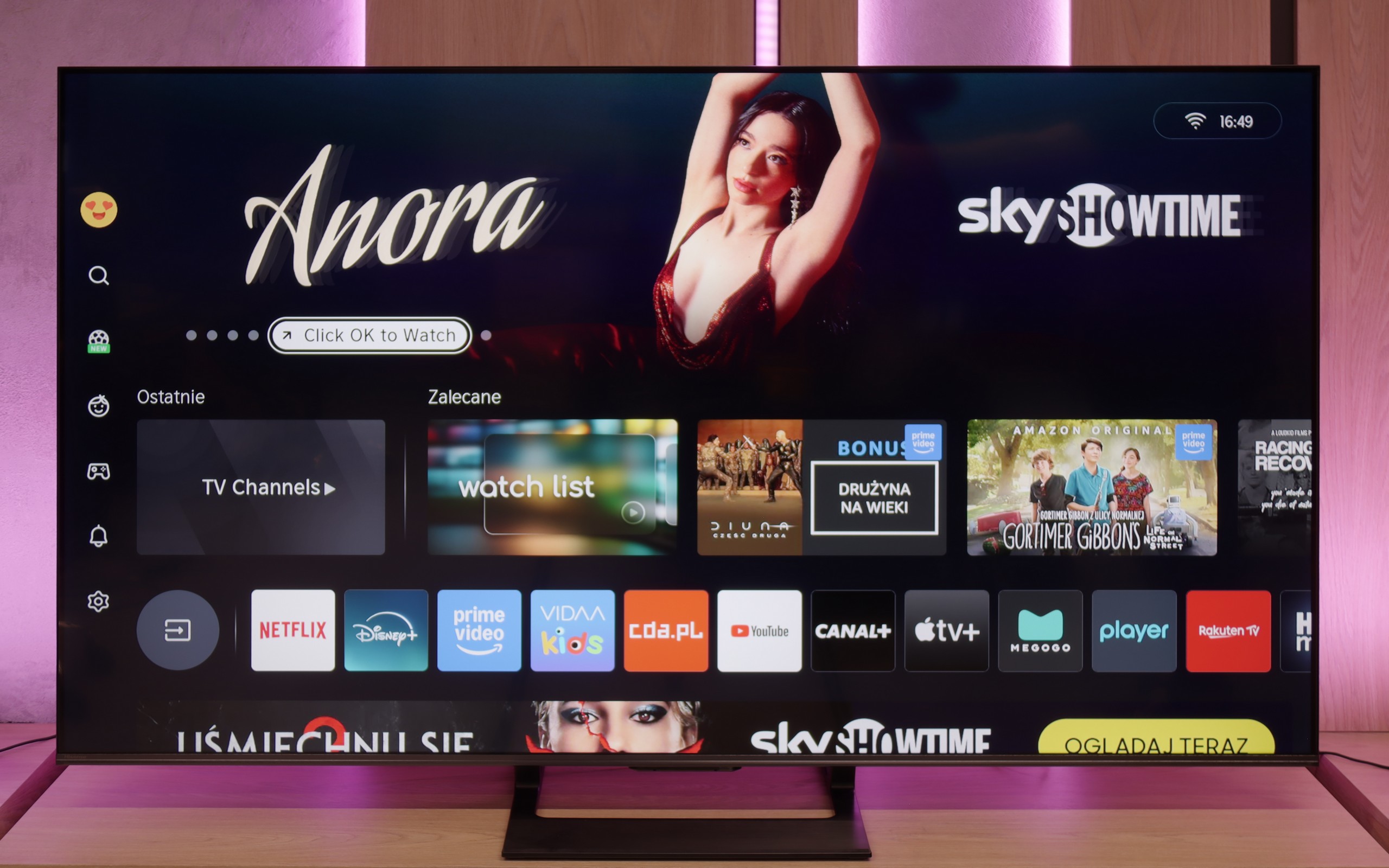
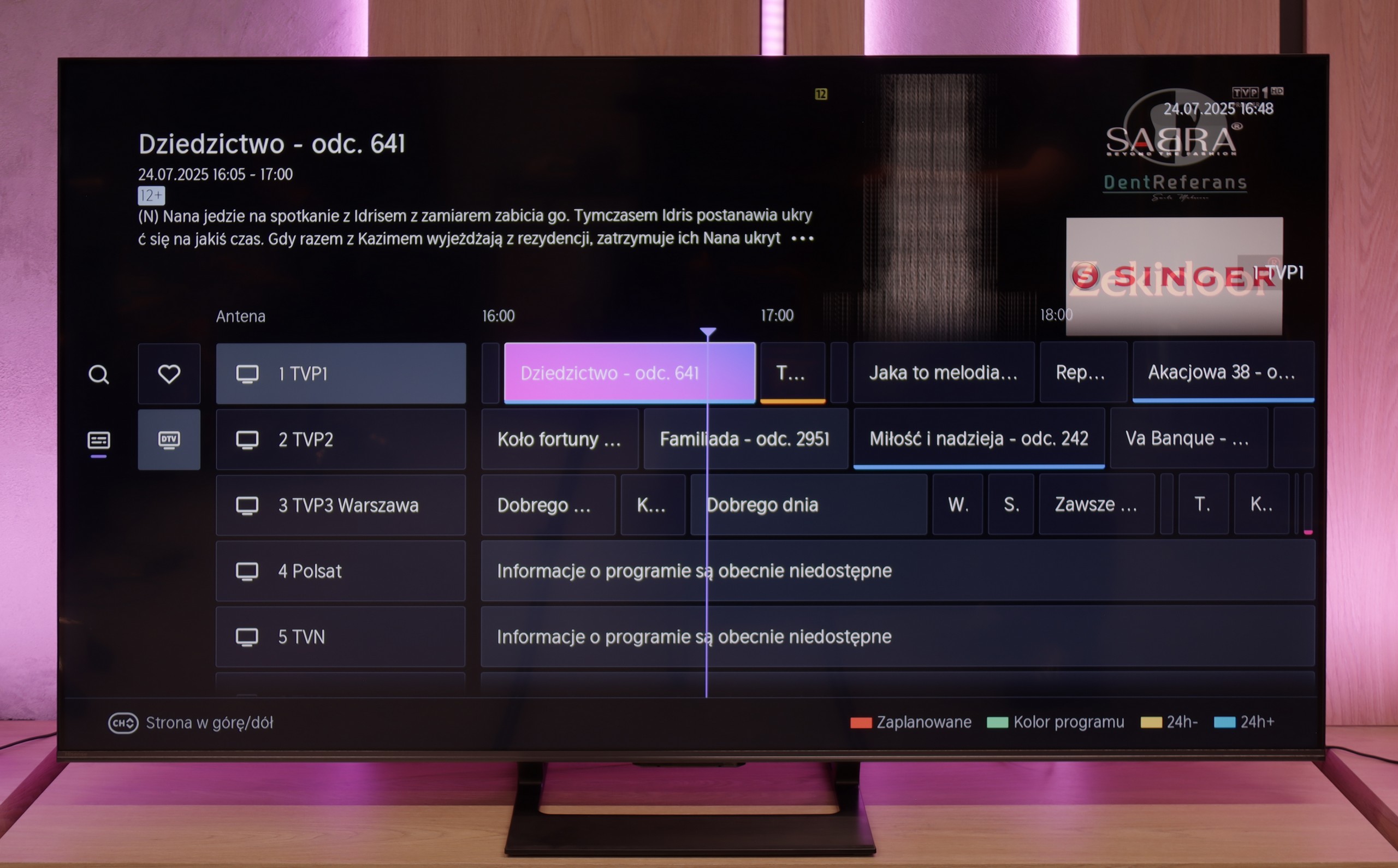
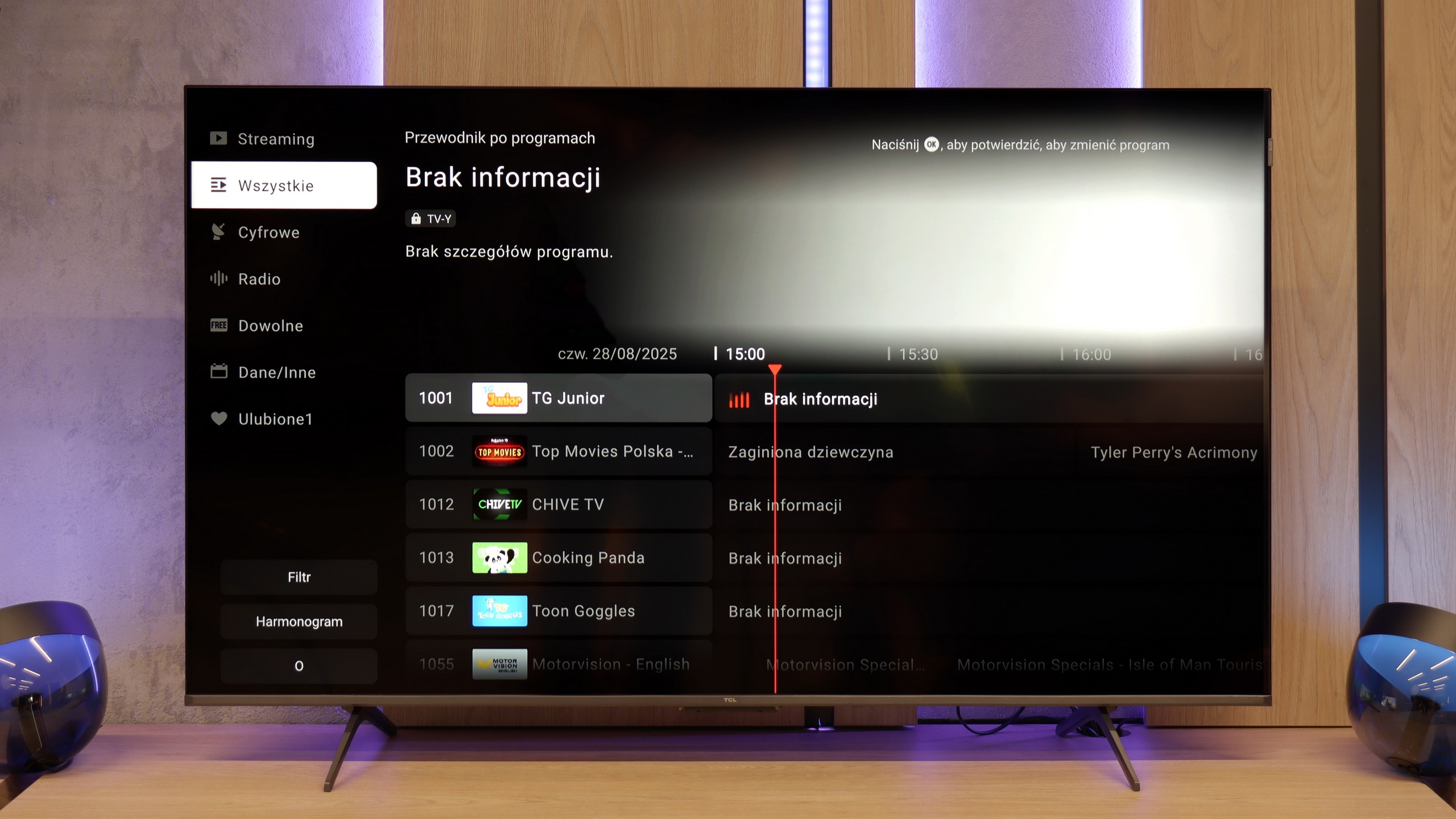
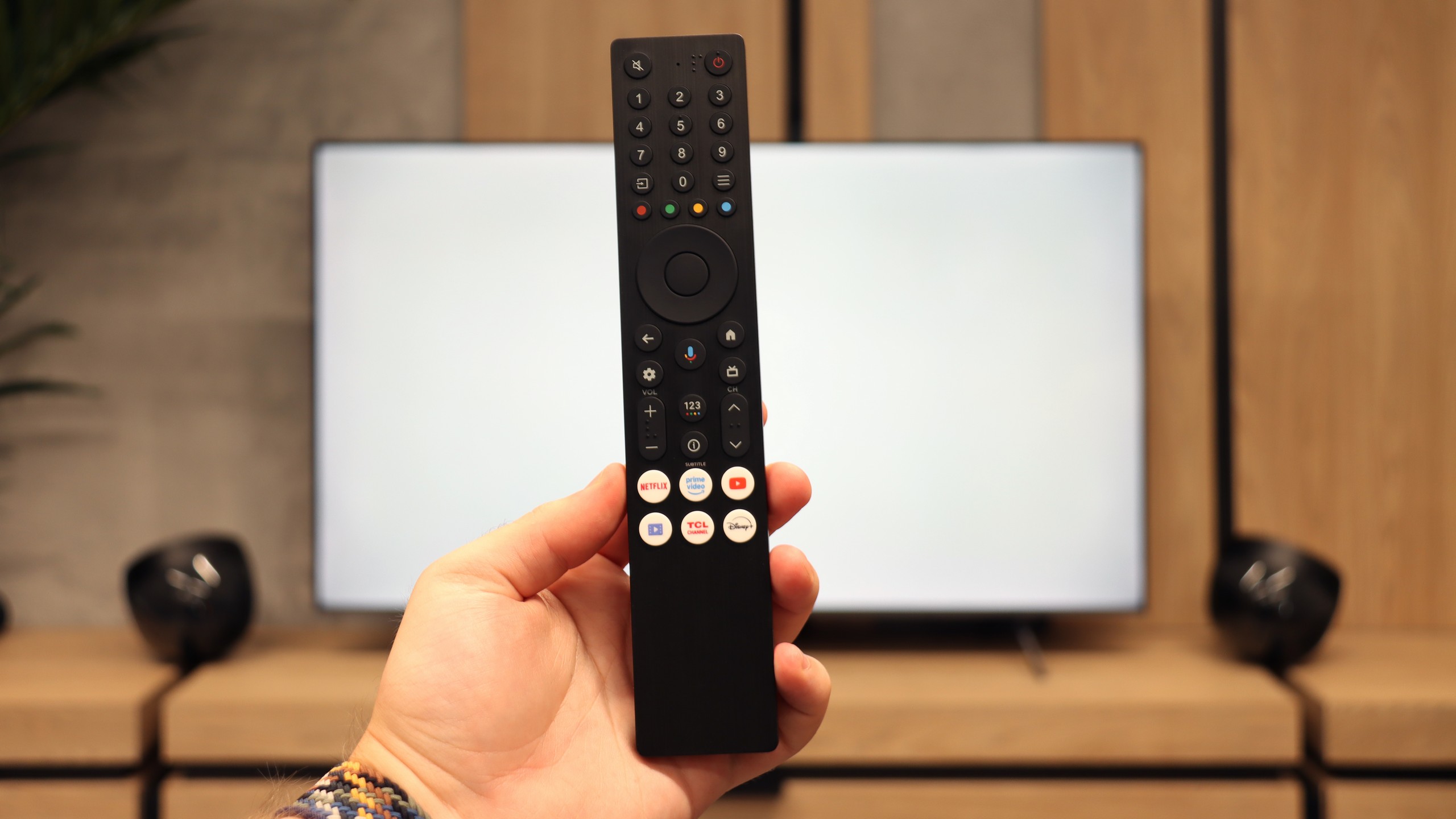
Hisense U7Q has quite a lot to offer when it comes to classic TV features. You can record programmes to USB, connect external devices via Bluetooth without any hassle, and the interface – such as the EPG – is clear and easy to read. It may sound like something mainly appreciated by seniors, but the truth is that U7Q has practically everything needed for watching traditional television. The only thing missing here is the PiP (picture-in-picture) feature.
Smart TV U7Q: Vidaa
As for Smart features, the U7Q runs on the proprietary VIDAA system. And it must be admitted – it operates really smoothly. Voice search in Polish? No complaints. AirPlay and screen mirroring? They work without any issues as well. Of course, one must be aware that VIDAA is a closed system, so – as is often the case – it lacks some popular applications, especially those related to music. Therefore, before purchasing, it is worth checking whether all the applications you use regularly are available.
SmartTV: Google TV
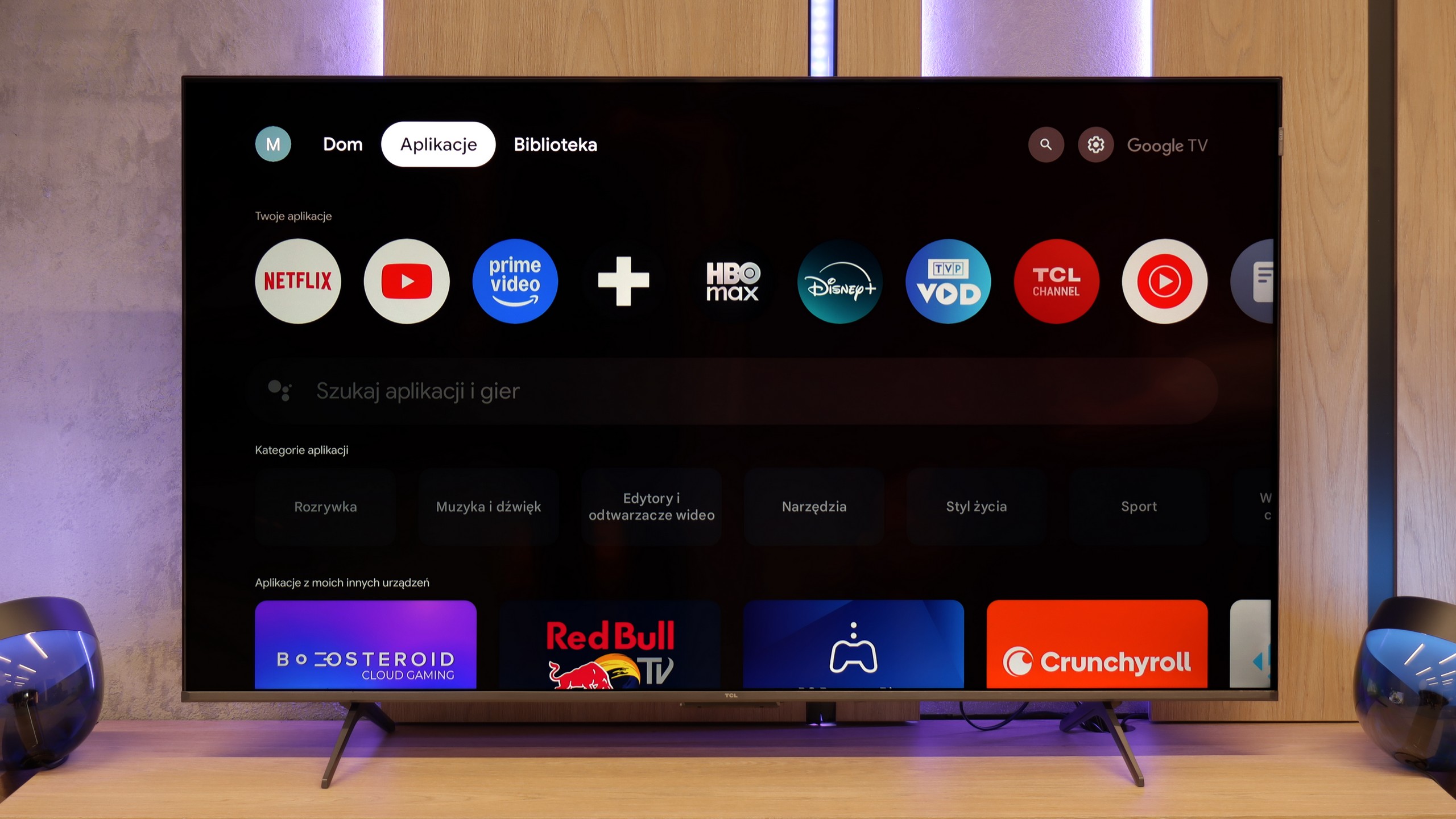
TCL P8K operates based on the Google TV system, which is the heart of the entire device. This is where the biggest advantage of this model over many competitors in a similar price range is visible. The system is clear and easy to use, and very well optimised. We can easily make use of the screen mirroring feature or the built-in Chromecast, which allows us to quickly transfer images from our phone to the large screen. The greatest asset, however, is the Google Assistant, which responds promptly and really understands commands well – even those expressed imprecisely. Moreover, the application library in Google TV is a real treasure – you can install practically anything, from major VOD platforms to lesser-known music or sports applications.
Classic features
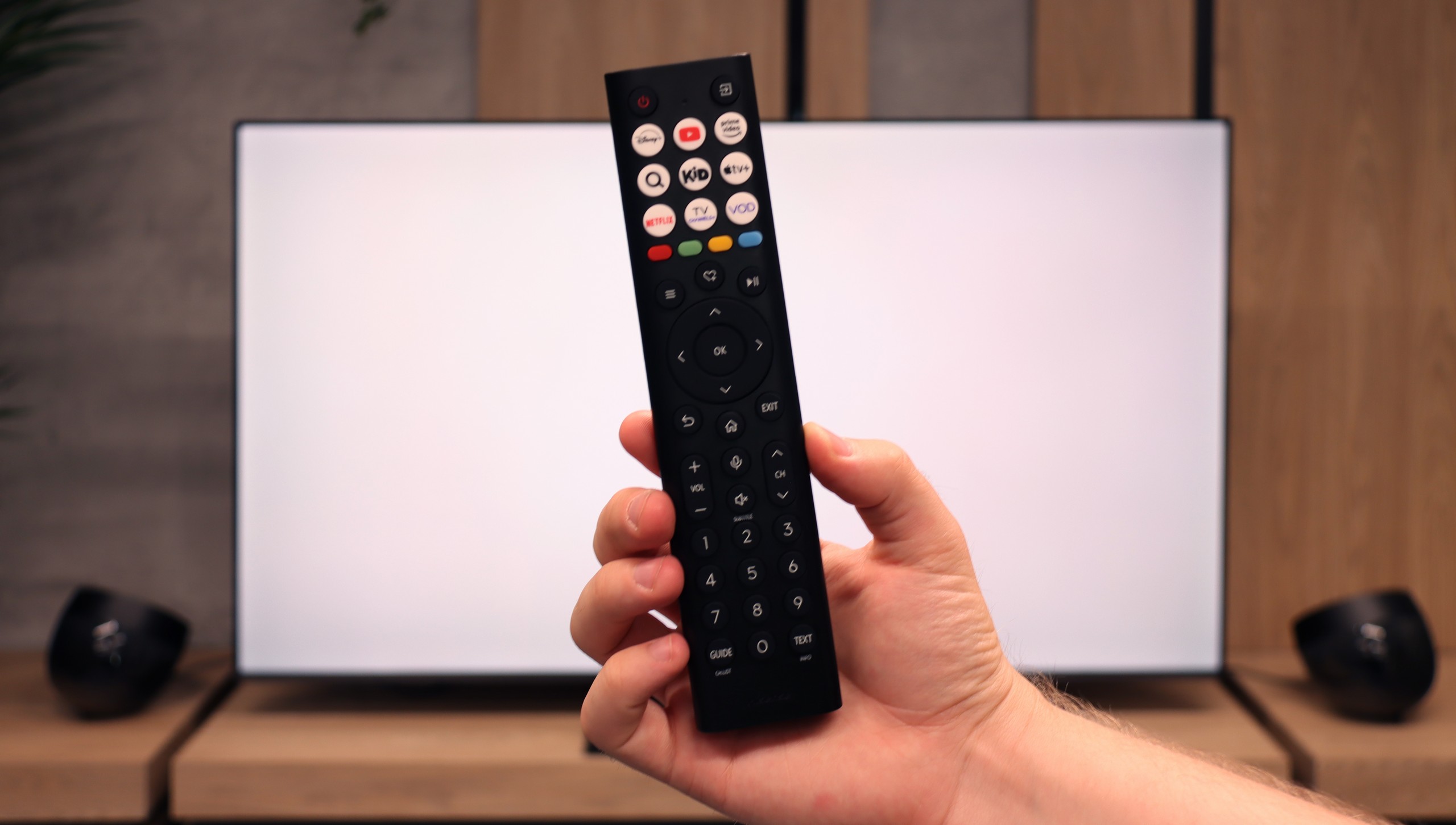
As for classic television functions, the P8K doesn't have much to boast about. The remote is simple and convenient, with a large number of buttons, and the presence of Bluetooth allows you to connect wireless headphones or a speaker. And really, that’s where the list of conveniences ends. You won’t find USB recording, PiP functionality, or even working teletext here. TCL has clearly focused on modern content and internet features, rather than classic solutions known from older receivers. This television is meant to shine in the world of applications and streaming – and that’s exactly what it does.
Playing files from USB
8.2/10
8.9/10
Supported photo formats:
Maximum photo resolution:
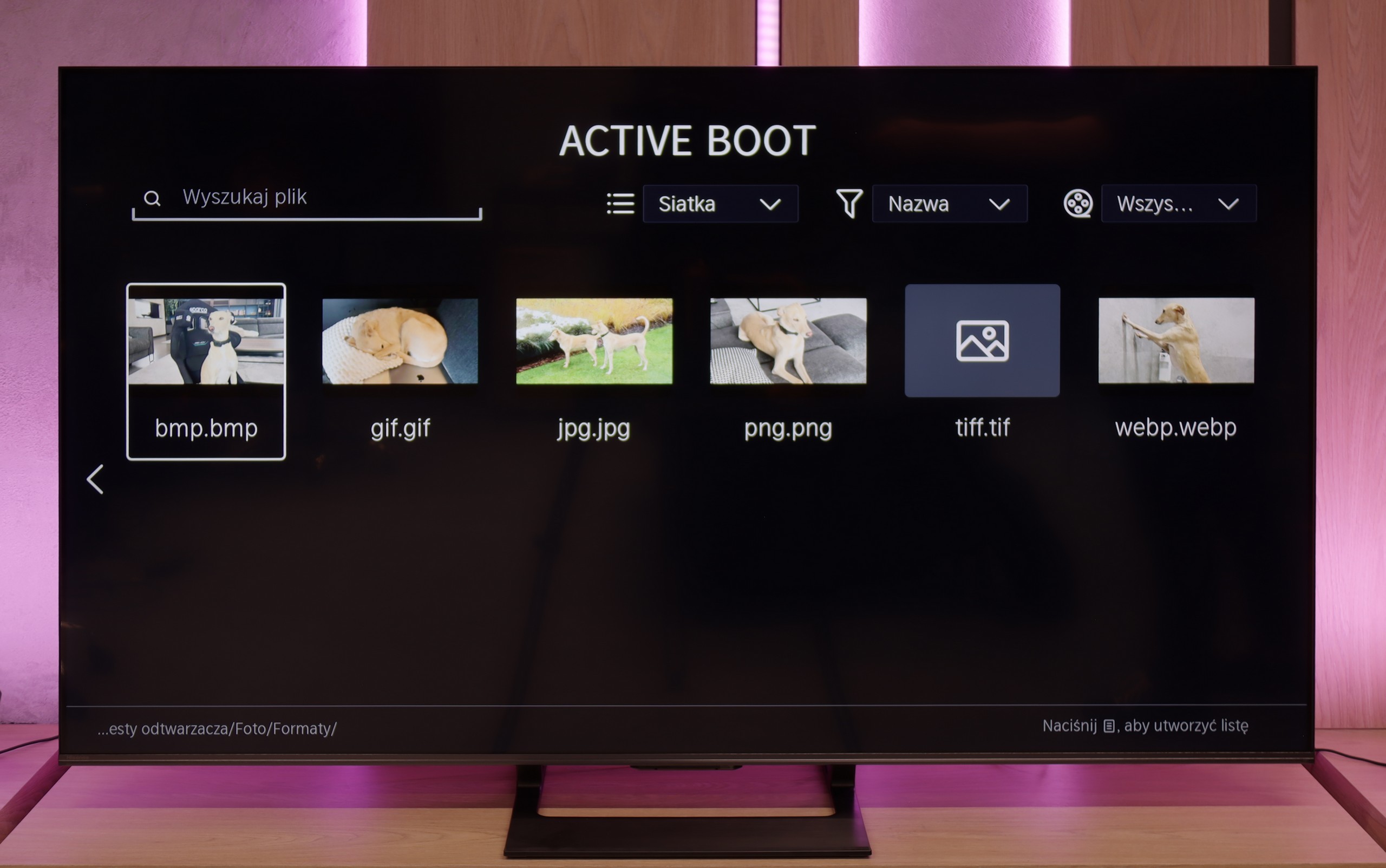
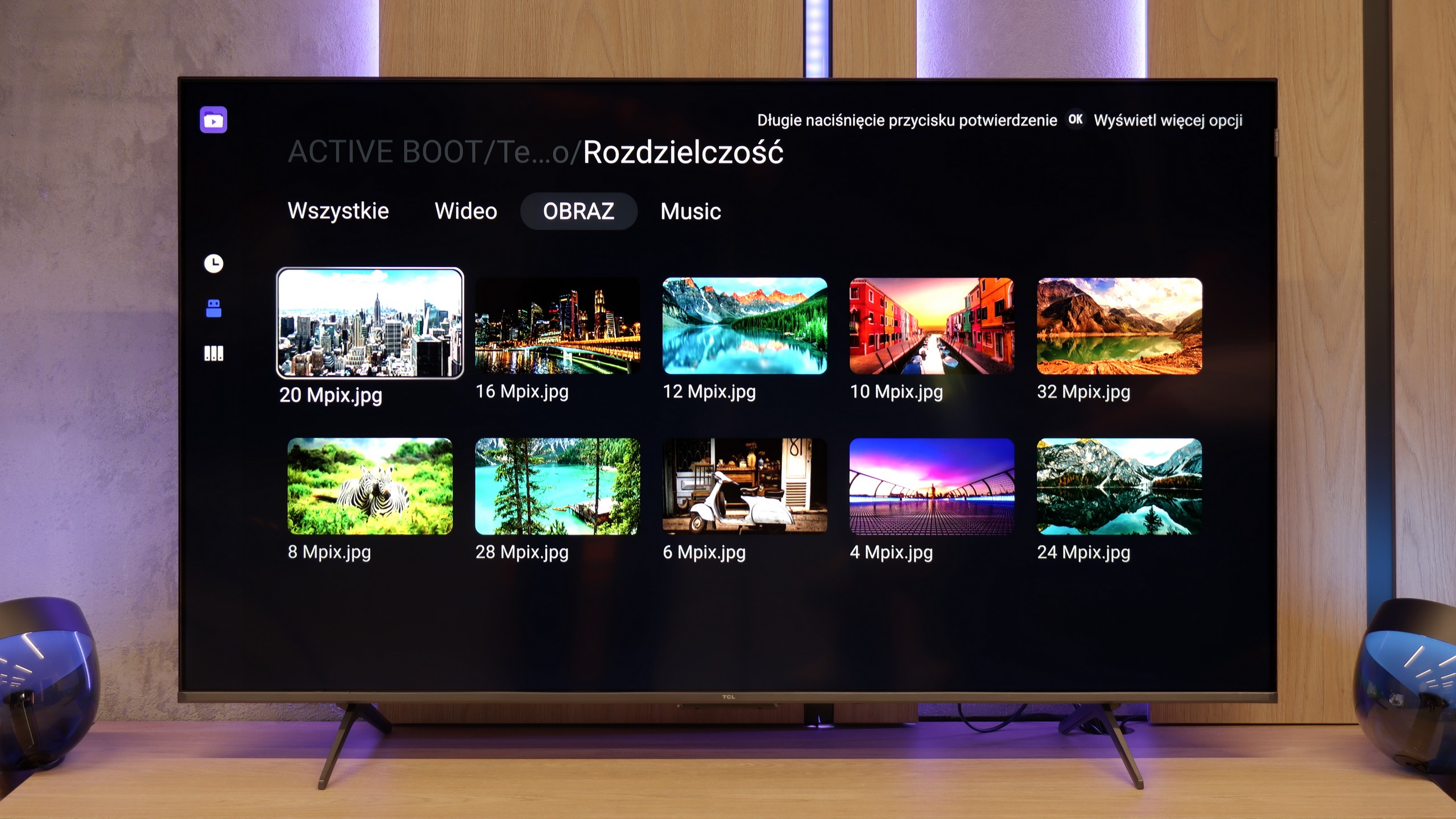
The built-in player in the U7Q fully meets the needs of most future users. The television handles Polish characters effortlessly and supports most popular video, audio, and image formats. If we had to nitpick, it would only be about the limited support for certain image resolutions – there are instances when files from a camera are not displayed correctly. So it's worth keeping this in mind if you plan to present photos straight from a DSLR or phone.
Playing files from USB on the TCL P8K is quite decent. The television handles most popular video formats, as well as subtitles and audio files, without any issues. Problems may only arise with less common codecs or unusual file containers that the built-in player simply does not recognise. Fortunately, with Google TV, this is not a problem at all - in just a few moments, you can download an external player, such as VLC, MX Player or Kodi, and the issue disappears.
Apps
7.7/10
9.6/10






















Sound
7.2/10
6.7/10
- Maximum volume82dB80dB
- Dolby Digital Plus 7.1
- Dolby True HD 7.1
- Dolby Atmos in Dolby Digital Plus (JOC)
- Dolby Atmos in Dolby True HD
- DTS:X in DTS-HD MA
- DTS-HD Master Audio
Sound is one of the bigger advantages of the U7Q. The television sounds really pleasant – there is a slightly noticeable bass, good tone balance, and definitely something more than just for "daily news watching." You can easily play music on it and simply sit back and enjoy the sound – of course in an entertaining form, not an audiophile one 😉. Full support for the most important audio codecs also deserves a big plus, as they worked flawlessly. A small exception is Dolby Atmos in TrueHD version, which didn’t fully play when connected to the home cinema, so if someone uses this format – it’s worth keeping in mind – it might be a software issue.
For a television in this price range, the TCL P8K really manages to surprise with its sound. The 2.1 system used here, branded by Onkyo, along with the subwoofer placed at the back of the casing, offers surprisingly enjoyable, full bass and quite a wide soundstage. The sound is warm, and with the right material, one can even get the impression that the audio gains depth and character – something you rarely expect from a television at this price. It performs quite well for music. However, it is not perfect. The P8K is not one of the particularly loud televisions – during tests, we noticed a strange tendency to automatically lower the volume, even with the volume slider set to maximum. It seems to be the effect of some internal limiter designed to protect the speakers (or our ears). It’s a shame, as the potential in this setup is considerable, and without this limitation, the sound could have been even fuller.
Acoustic Measurements
82dBC (Max)
75dBC
80dBC (Max)
75dBC