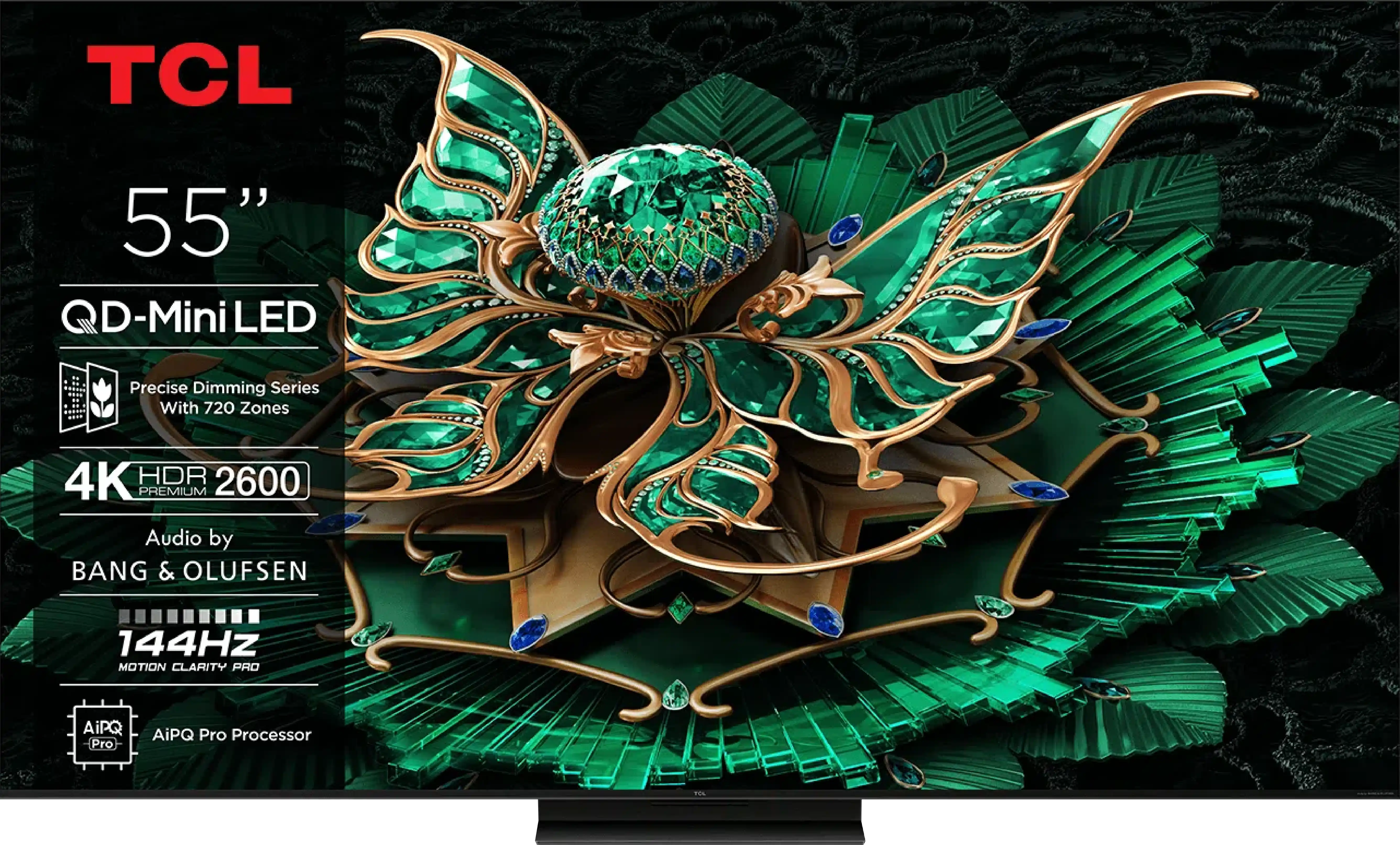
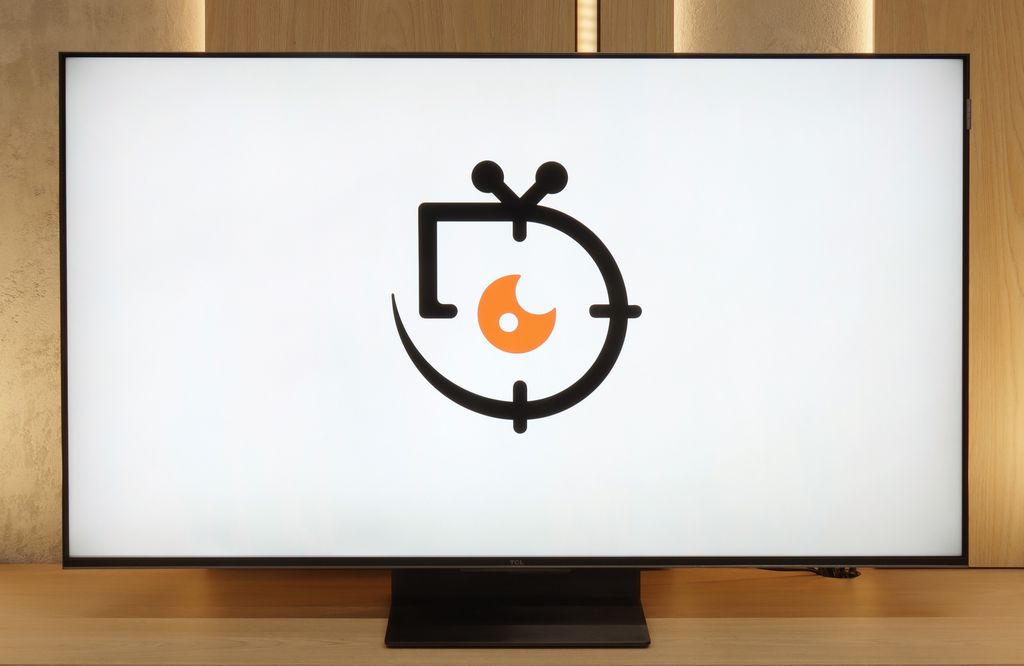
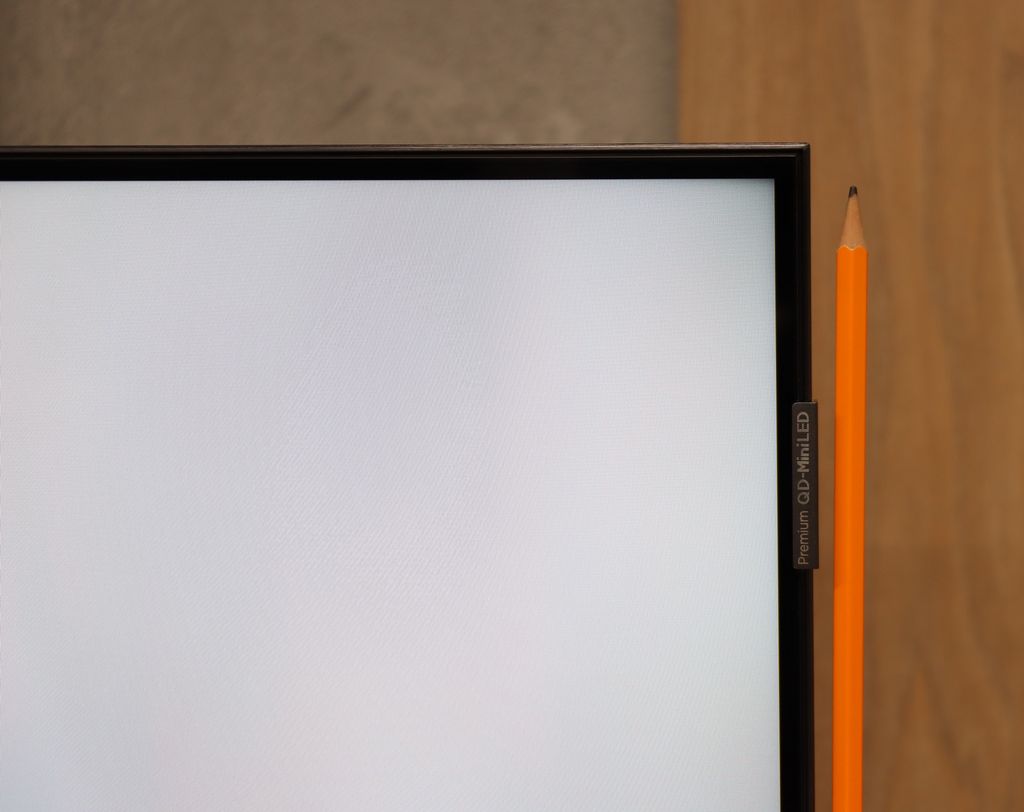
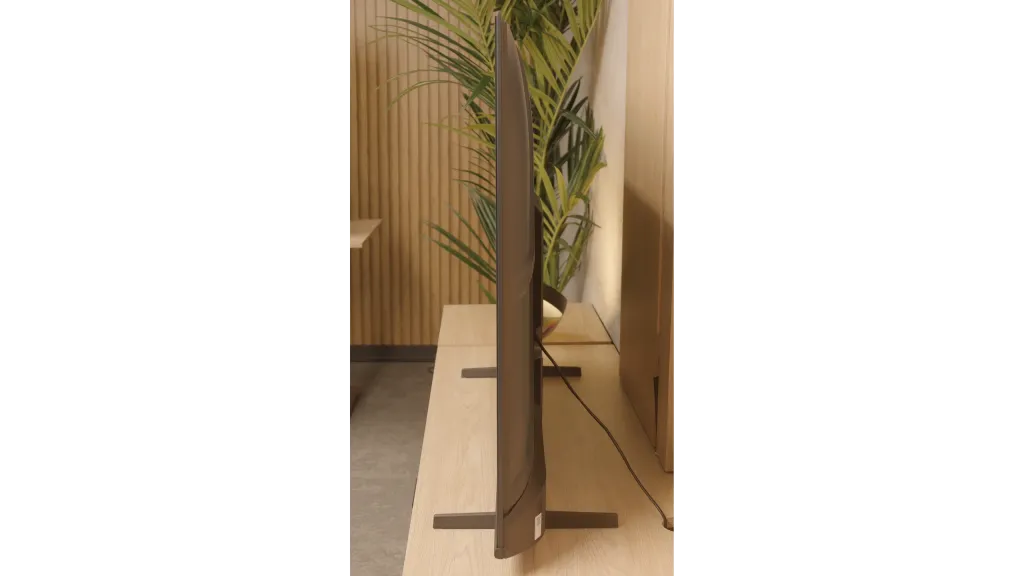
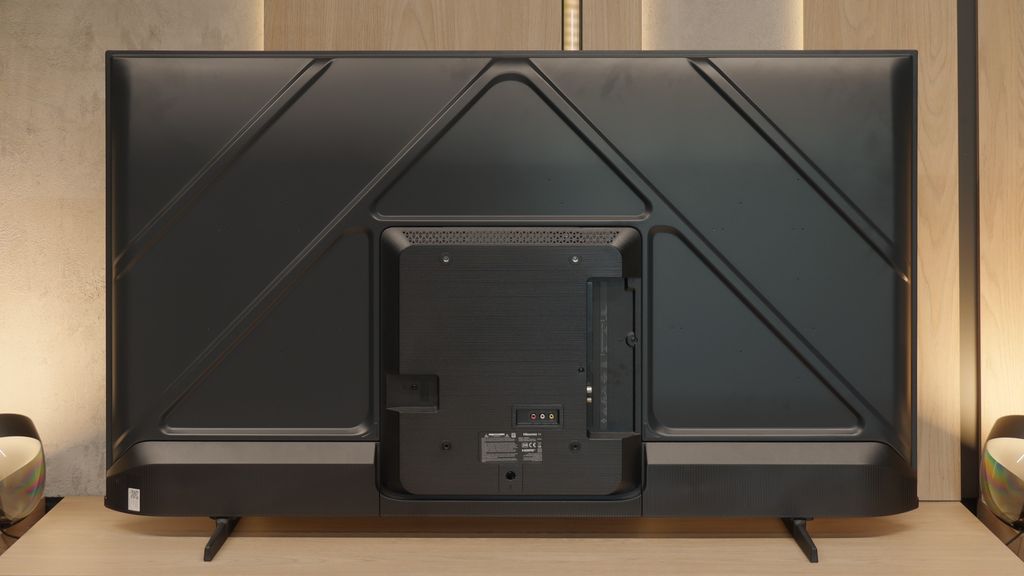
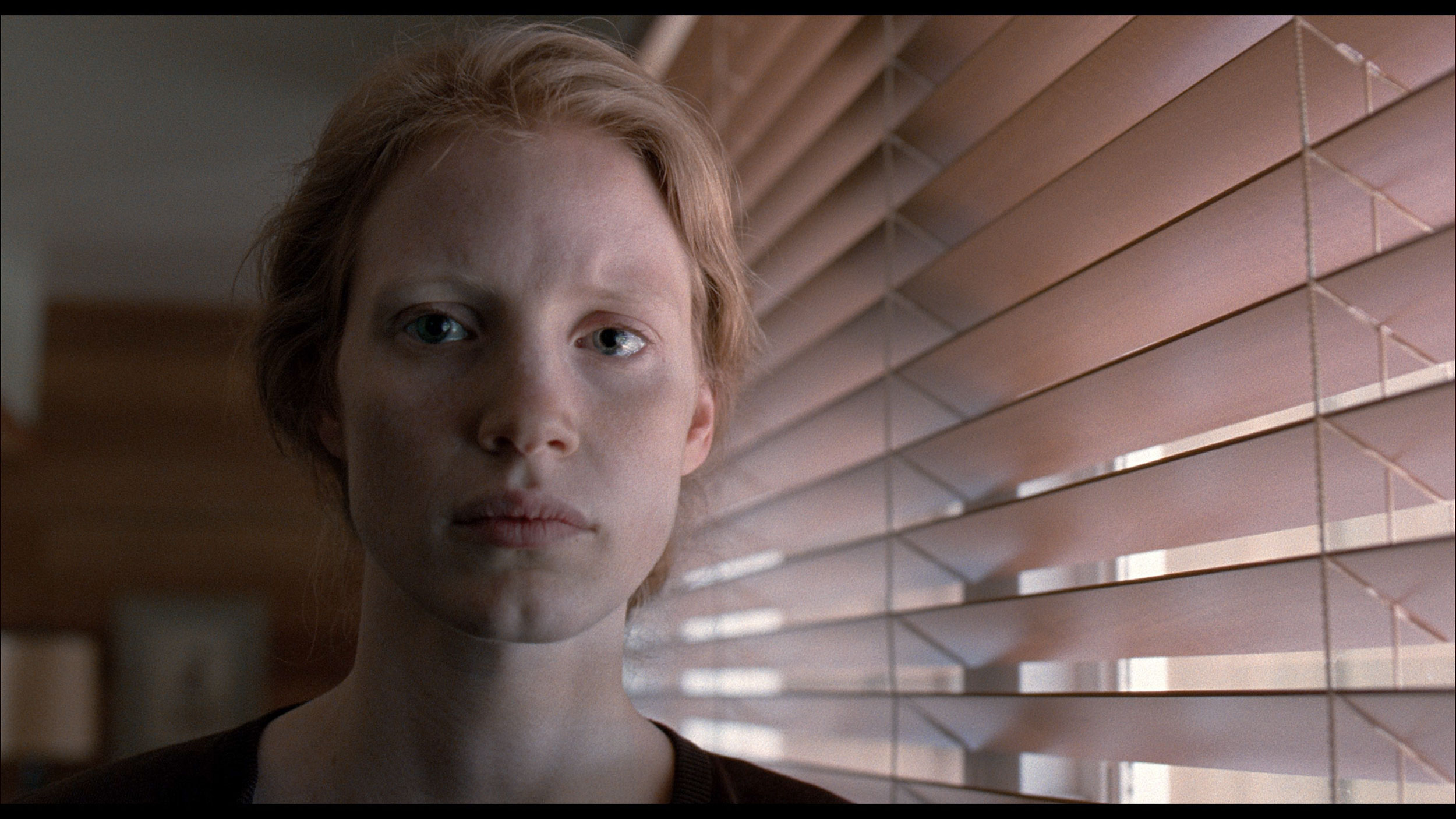
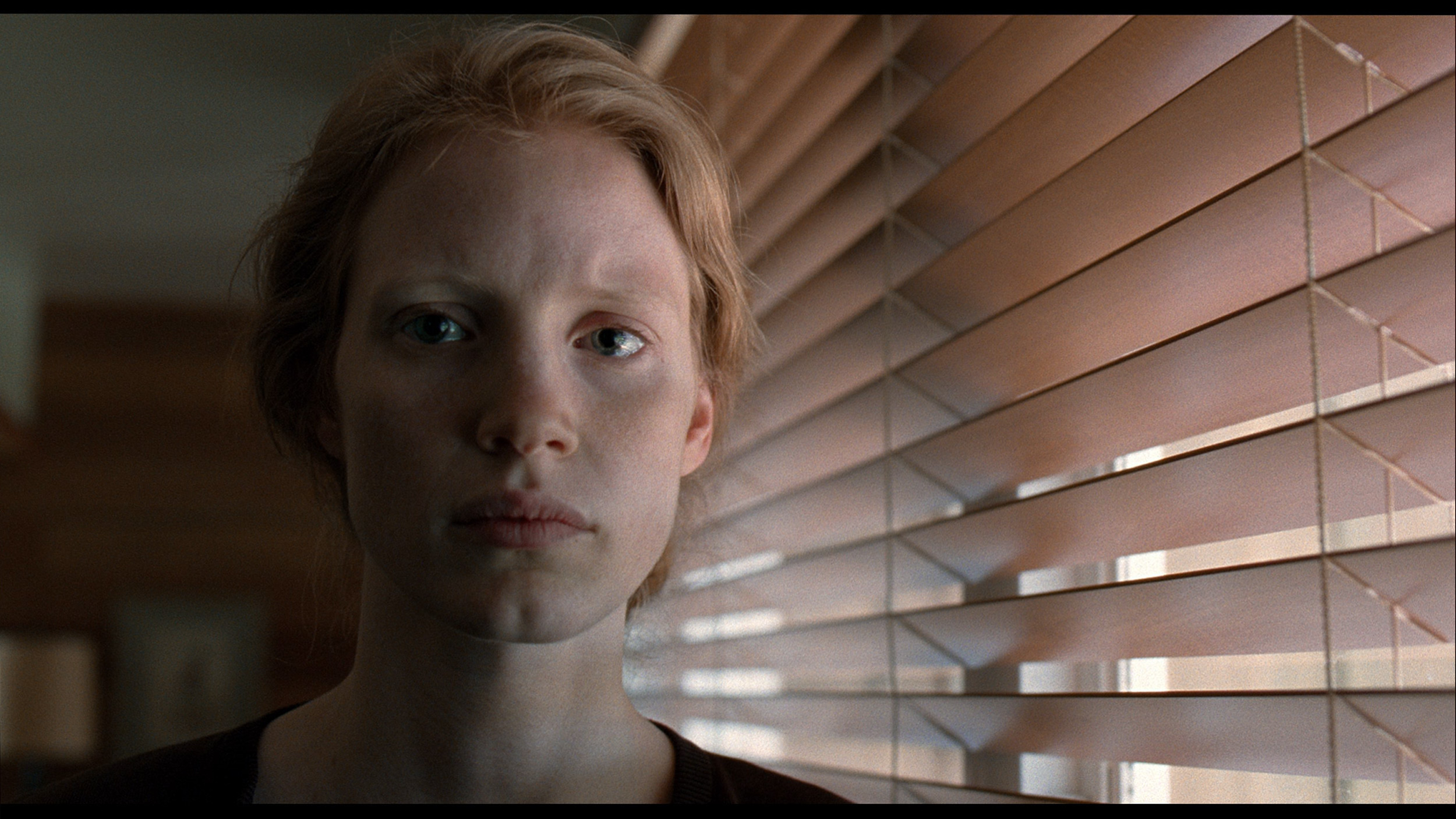
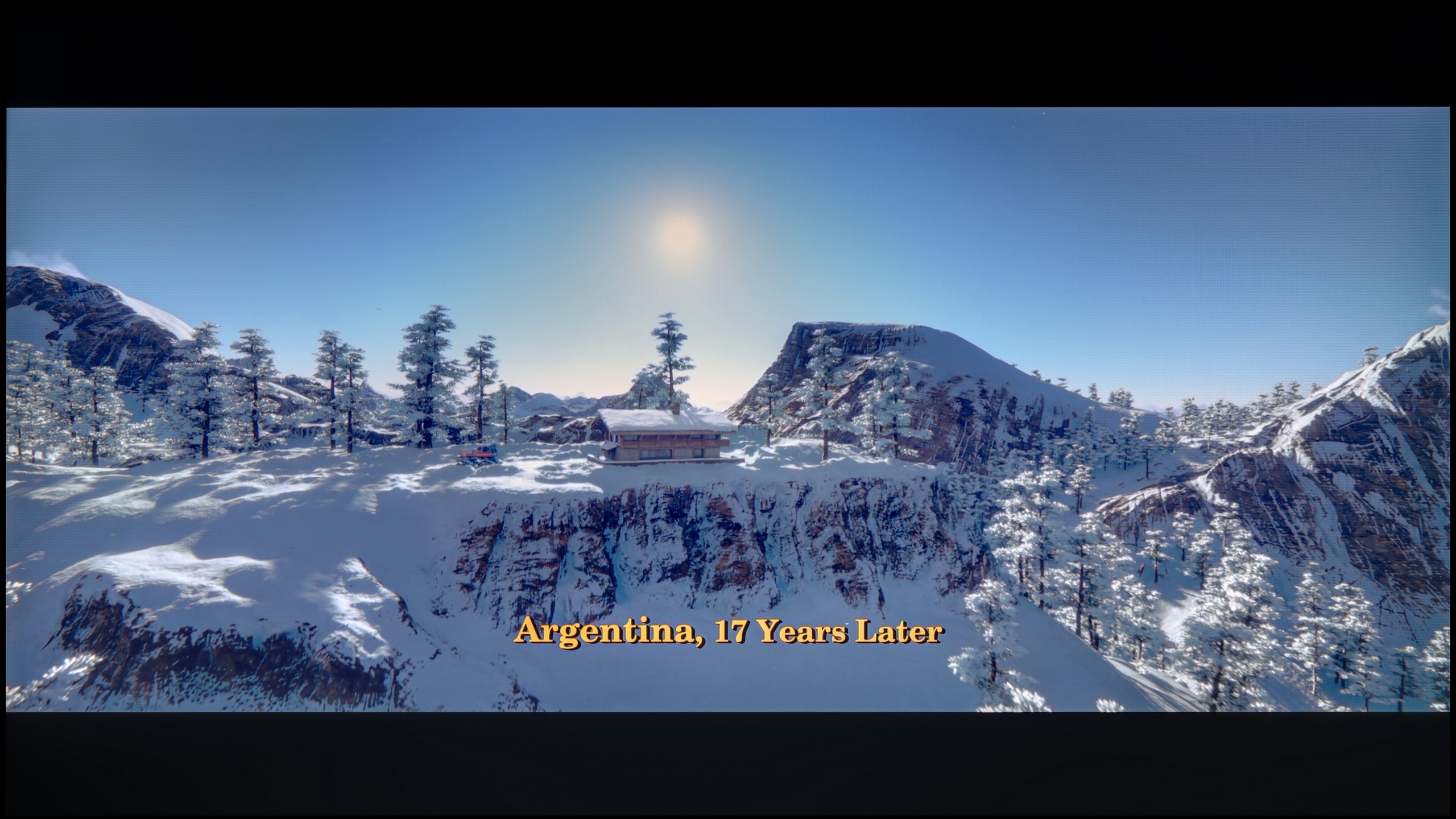
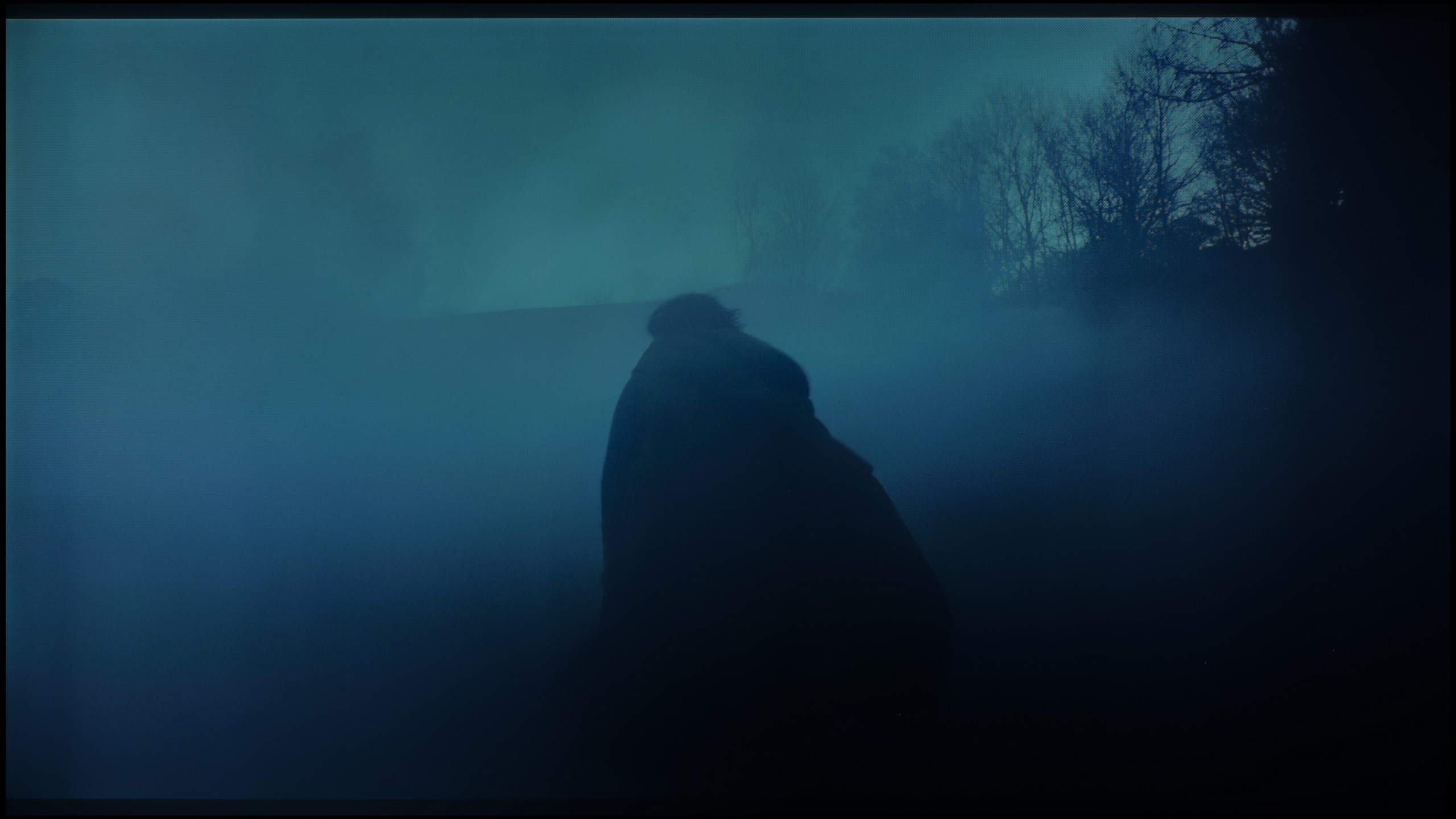
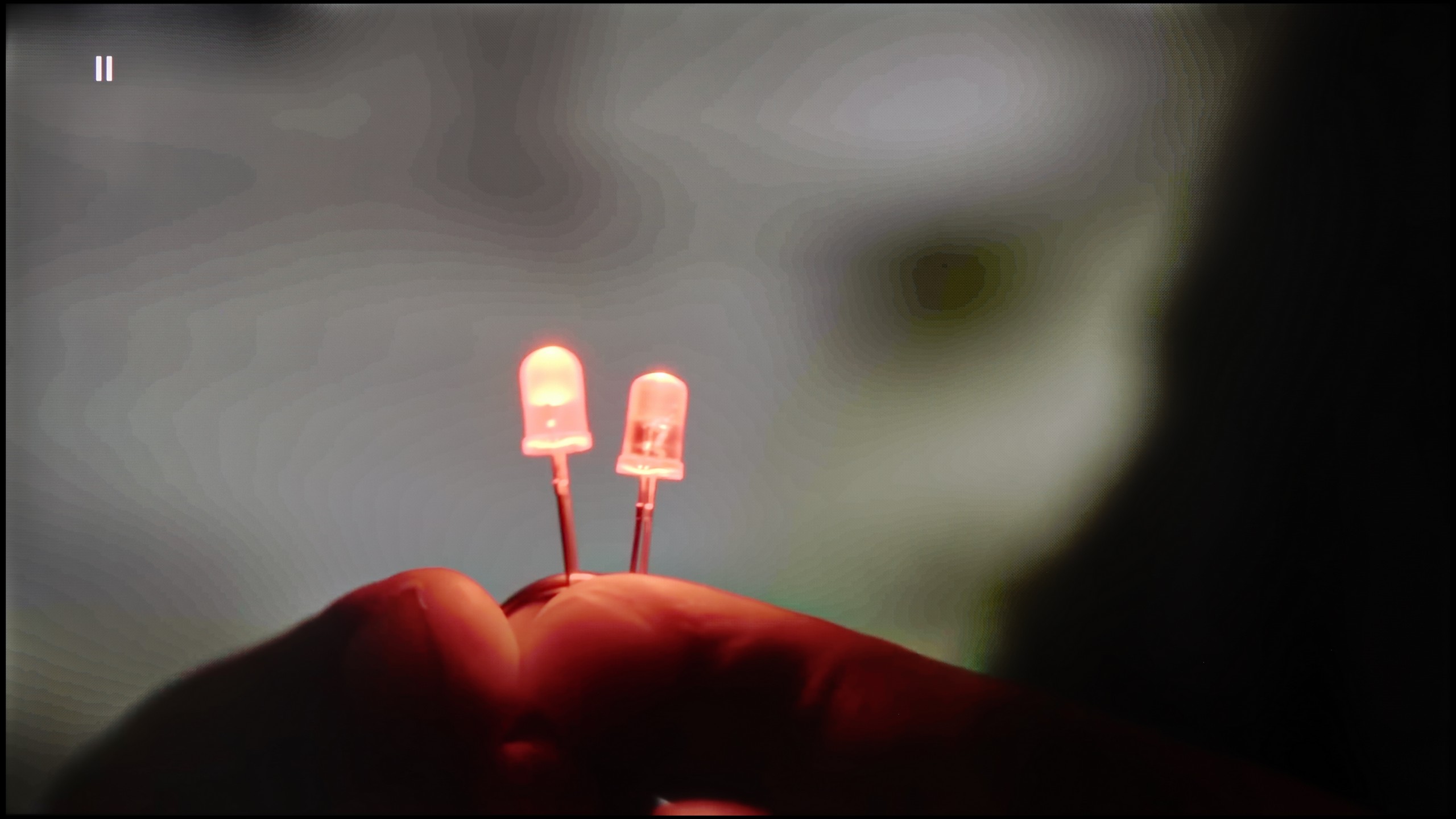
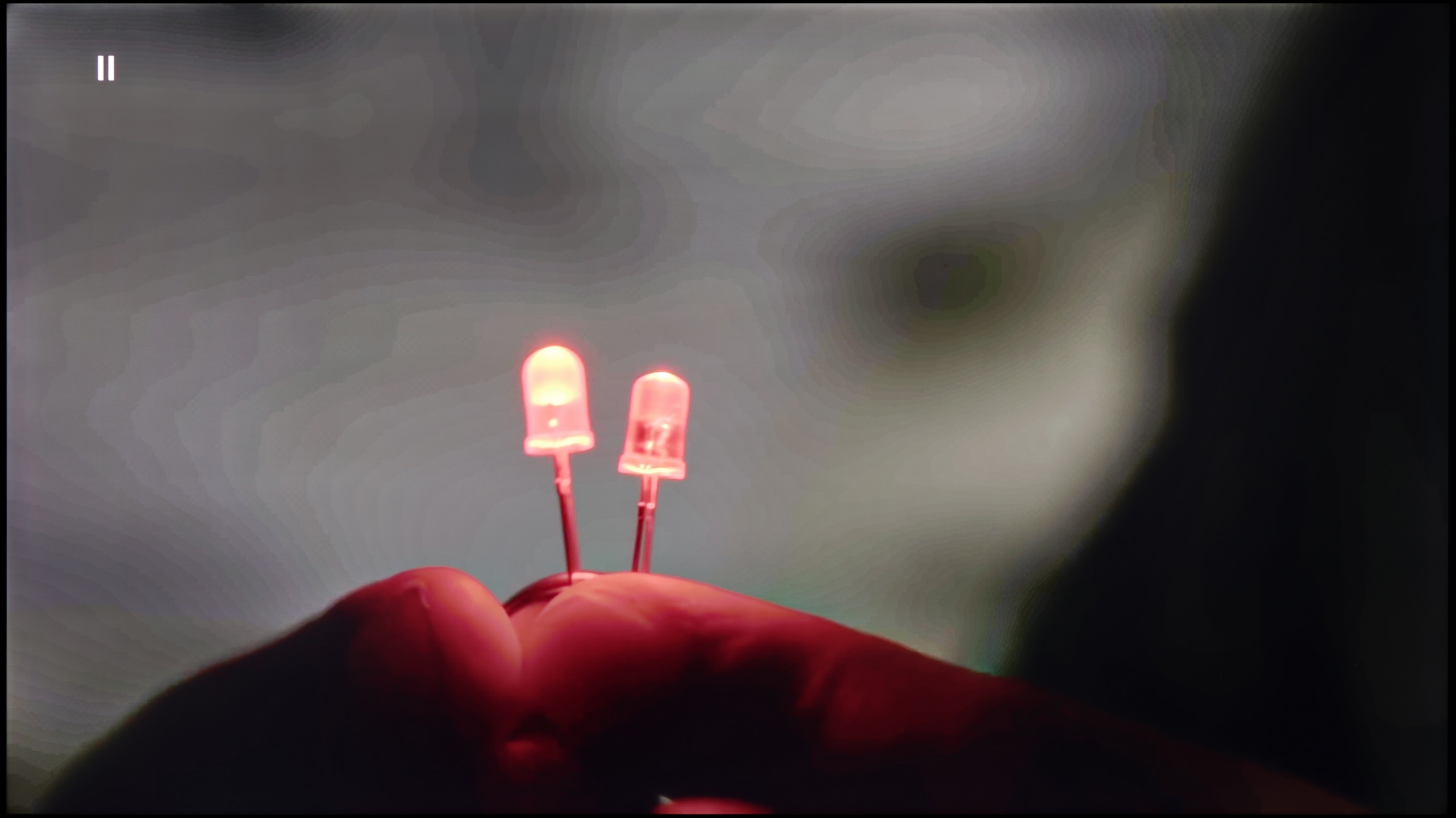
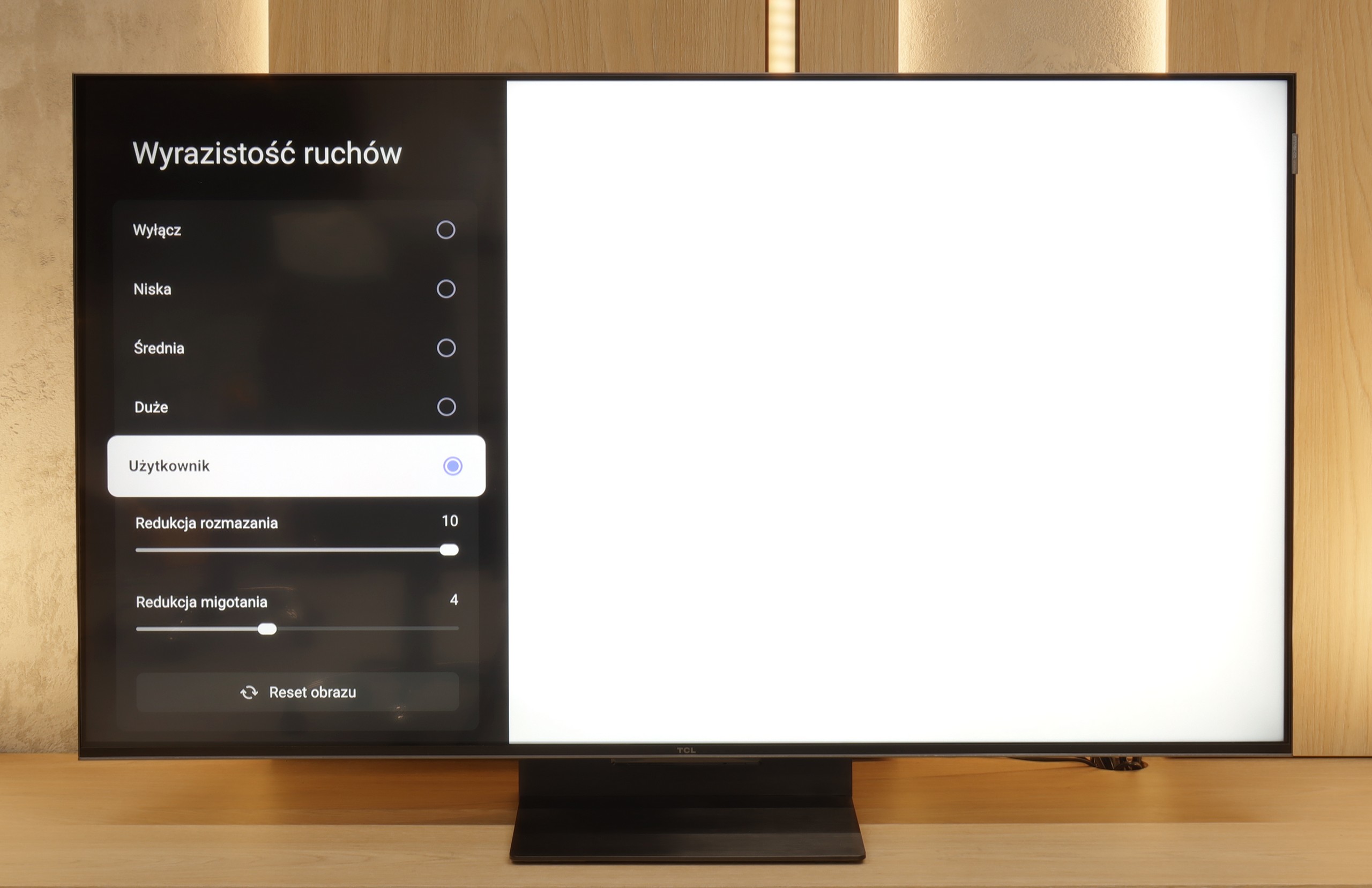
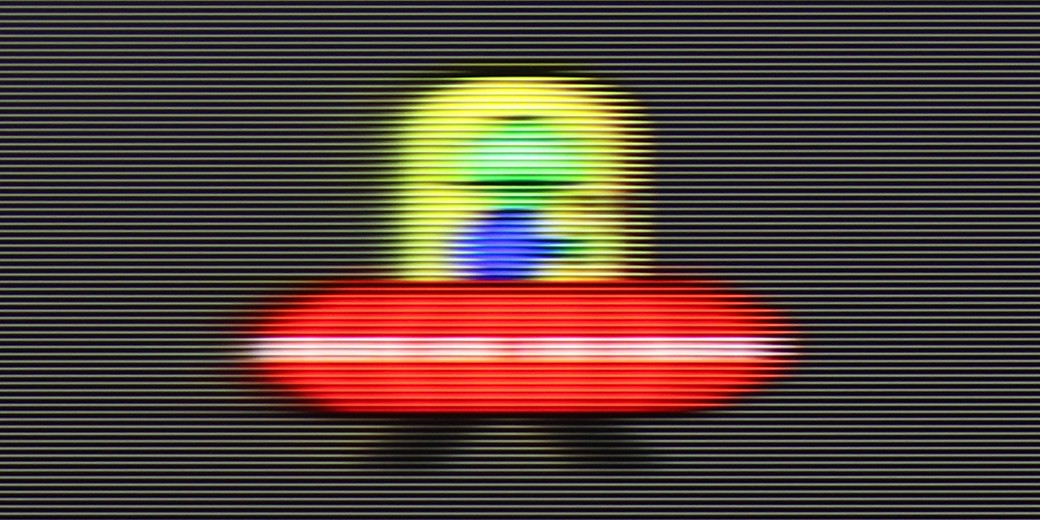
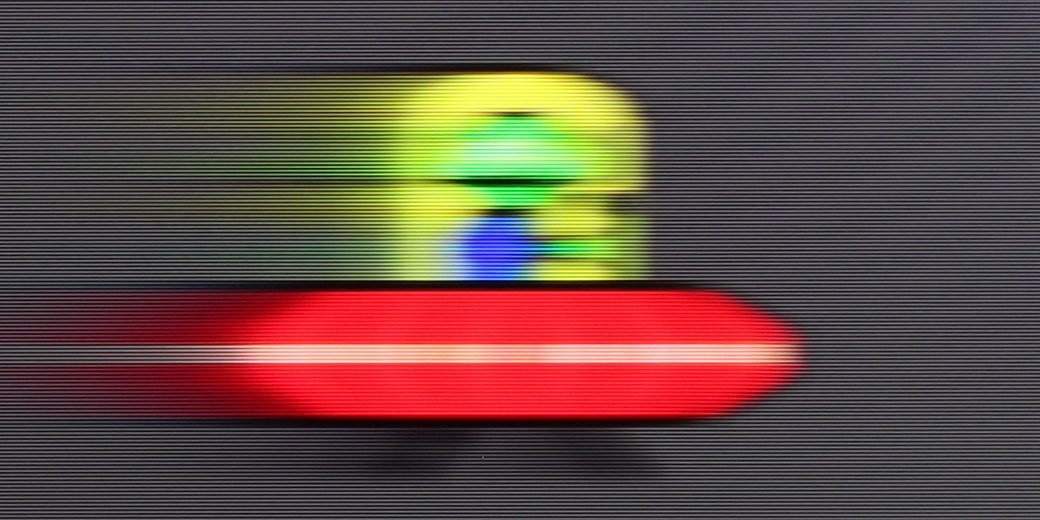
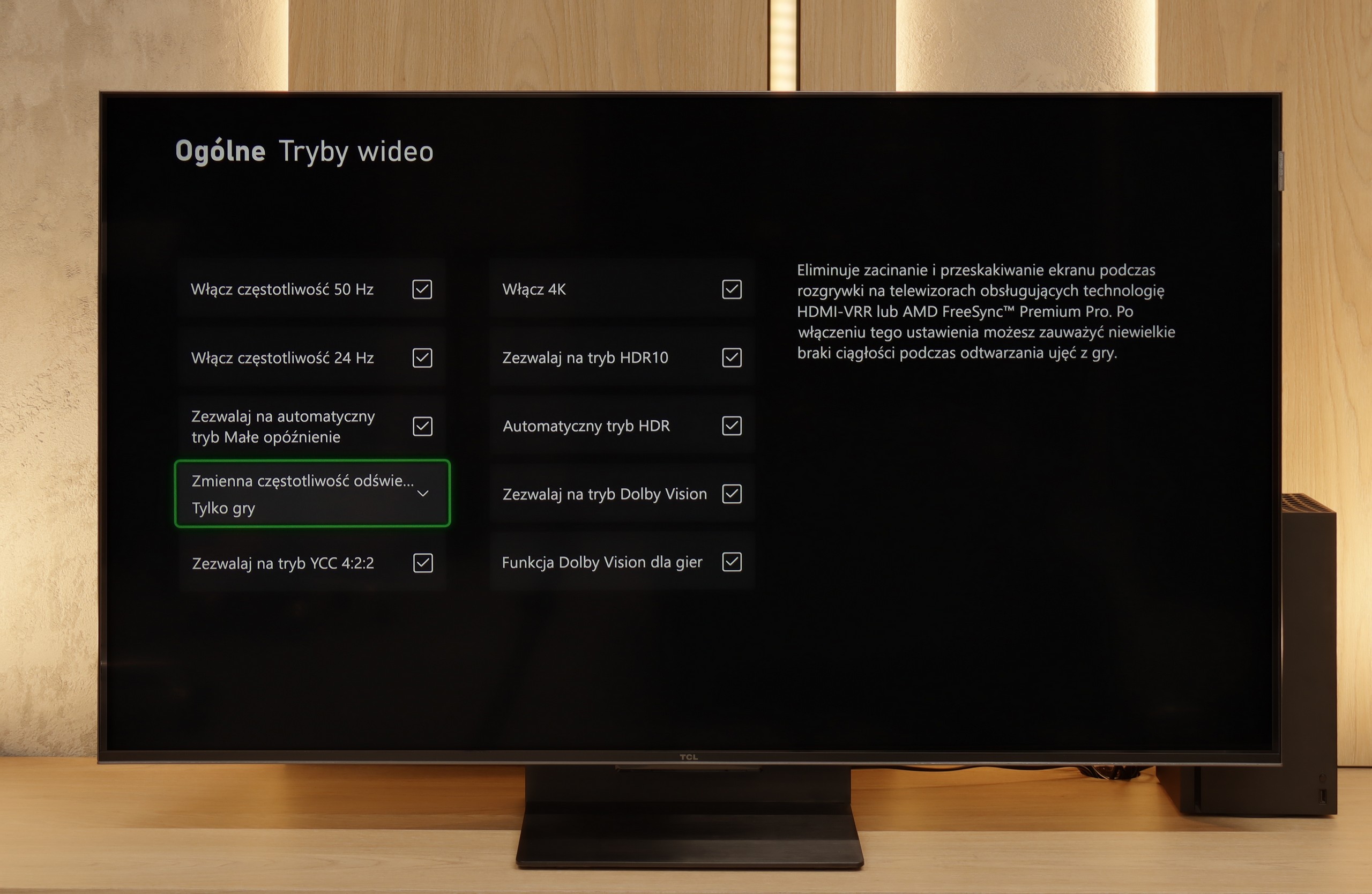
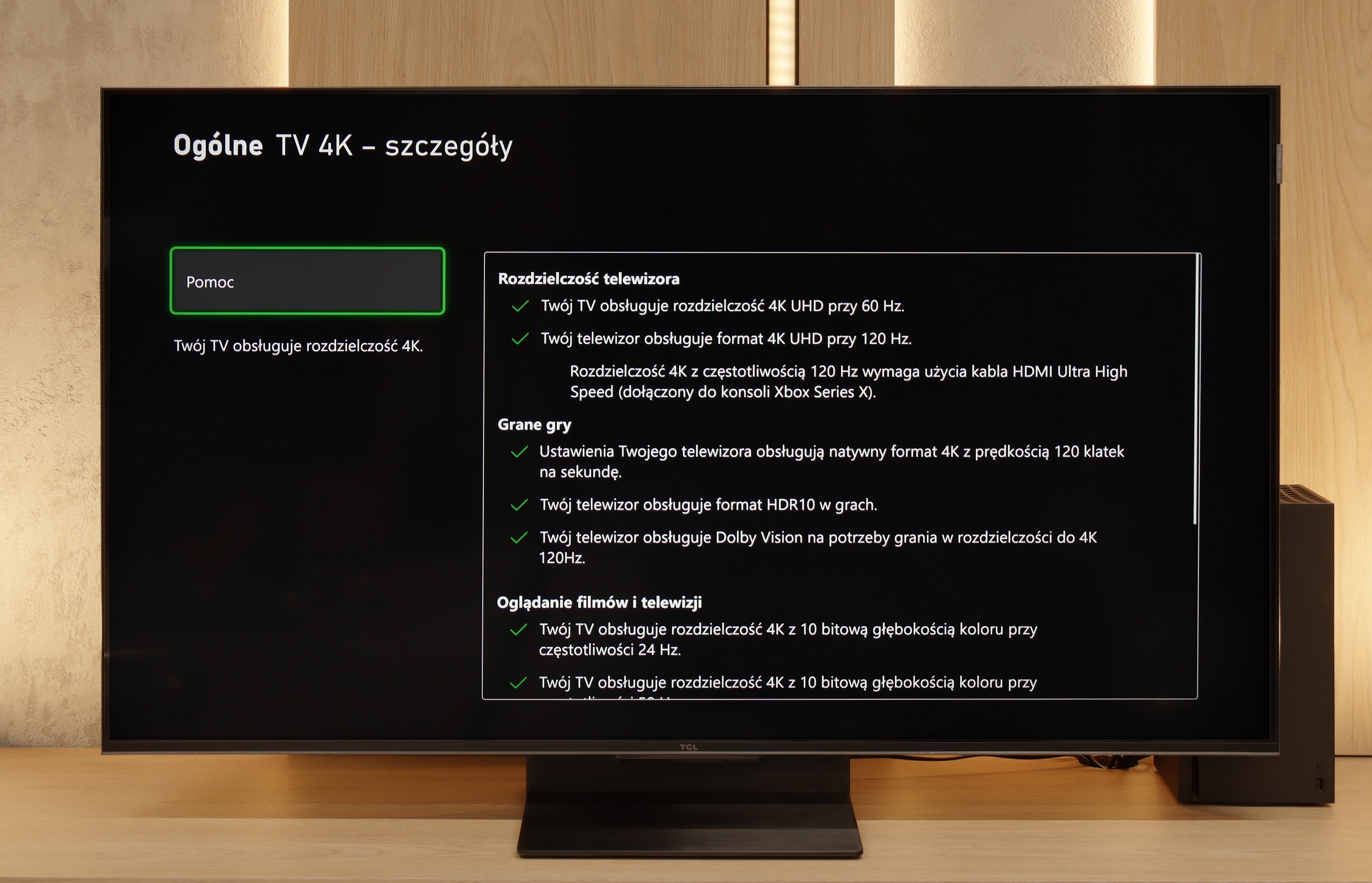
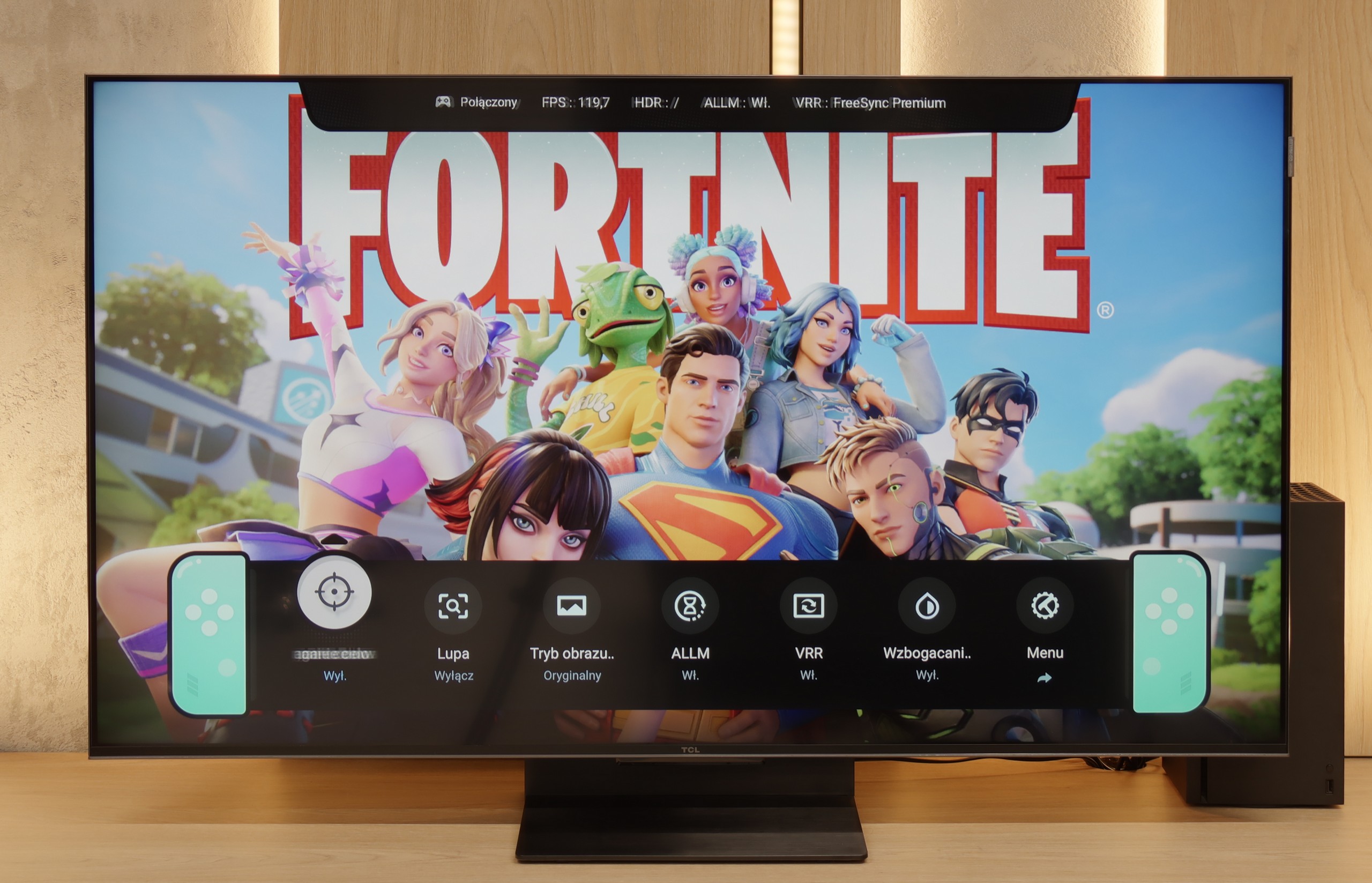
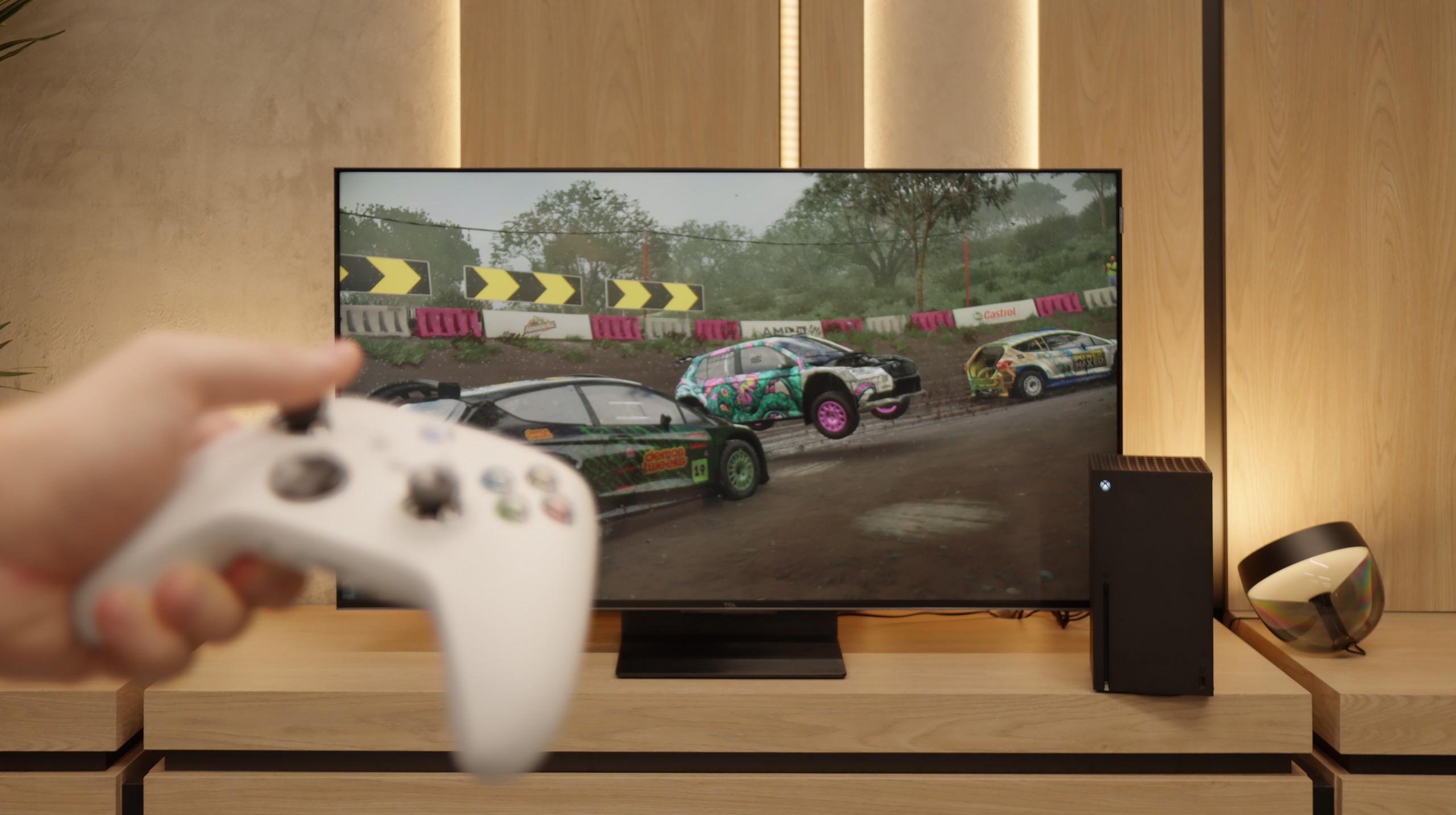
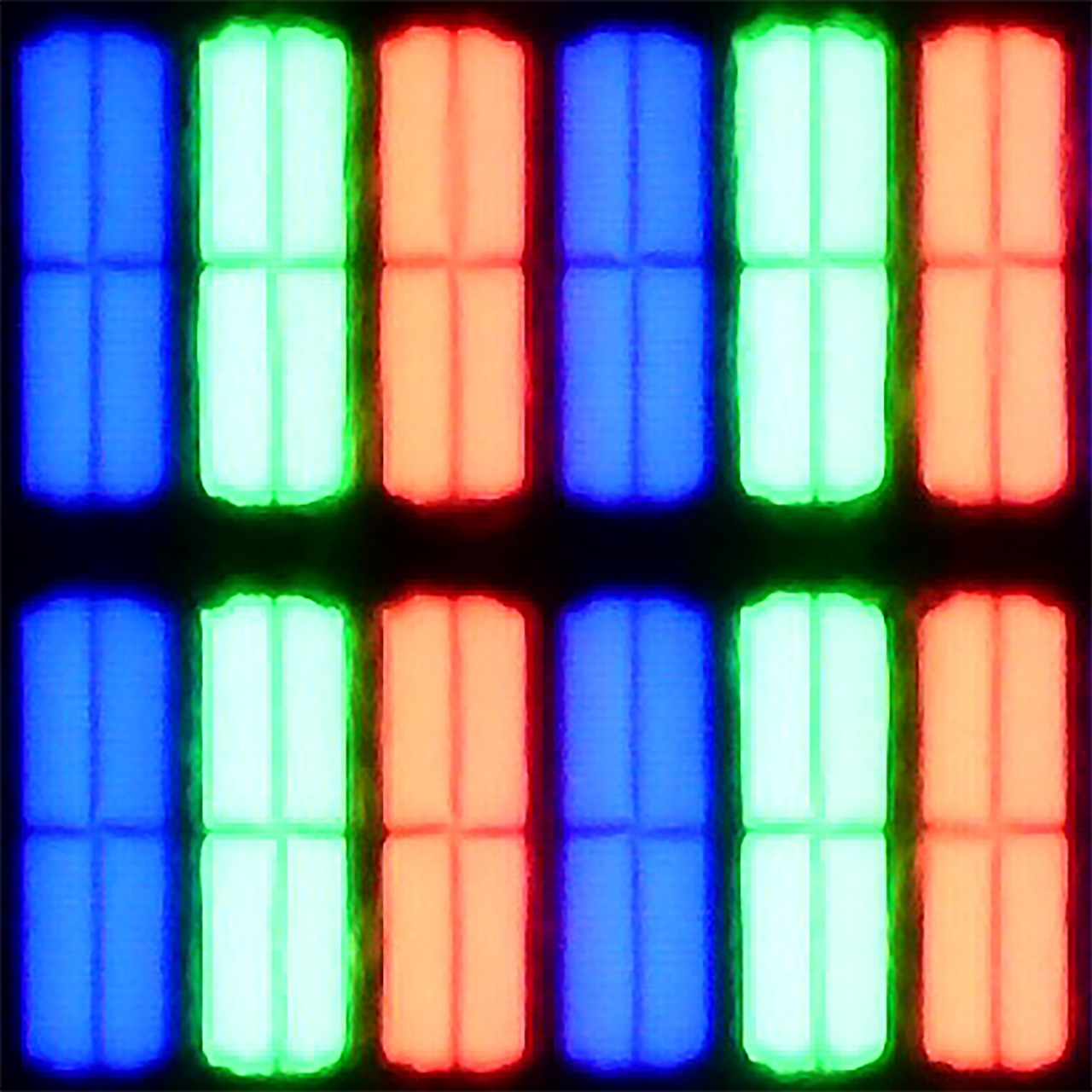
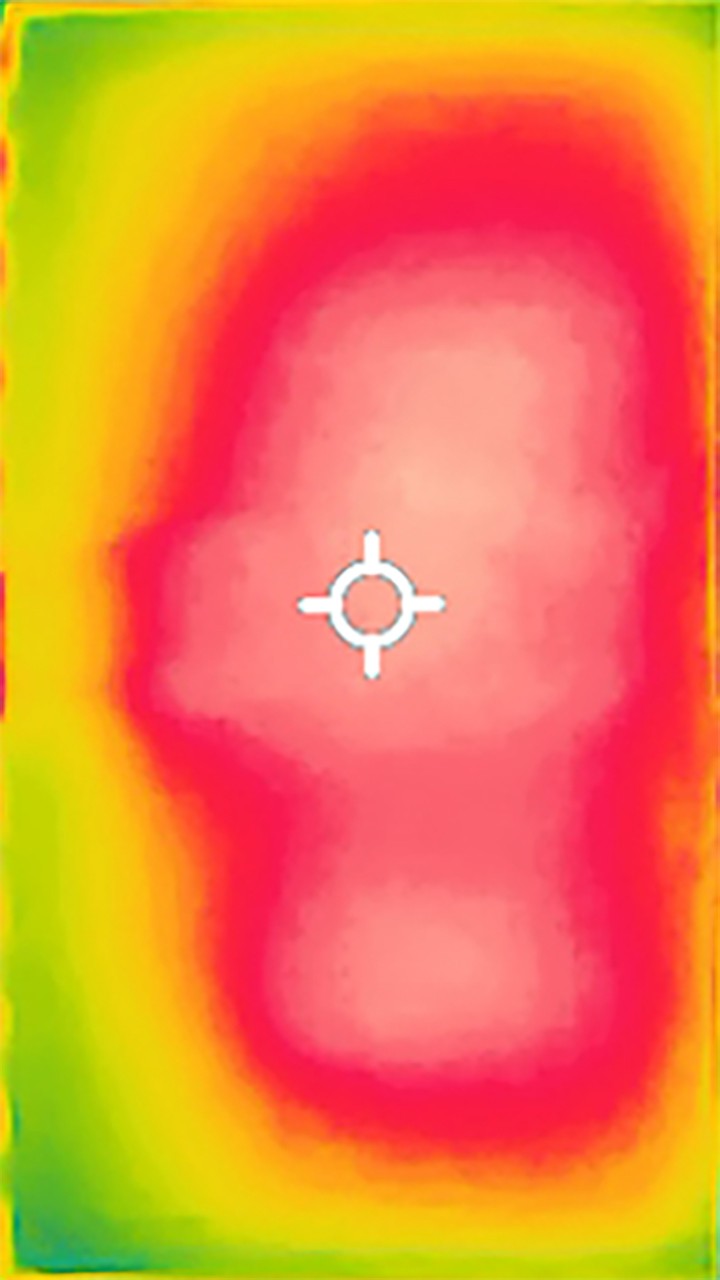
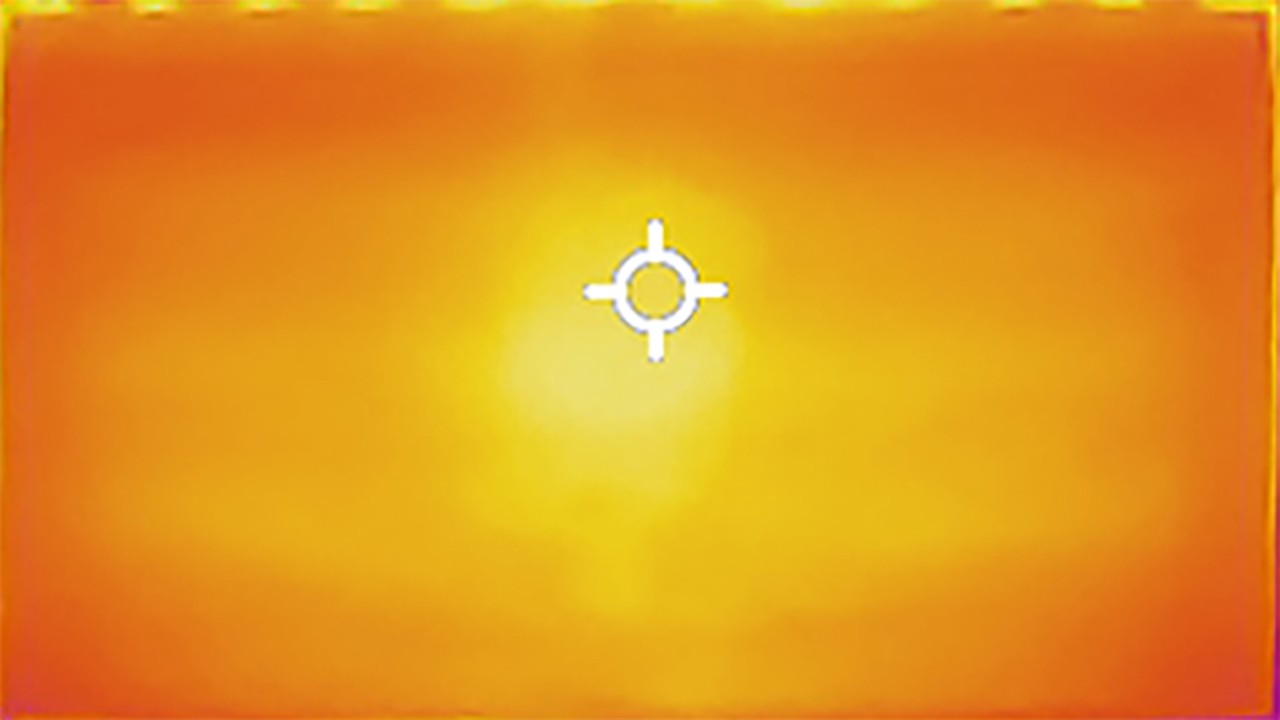
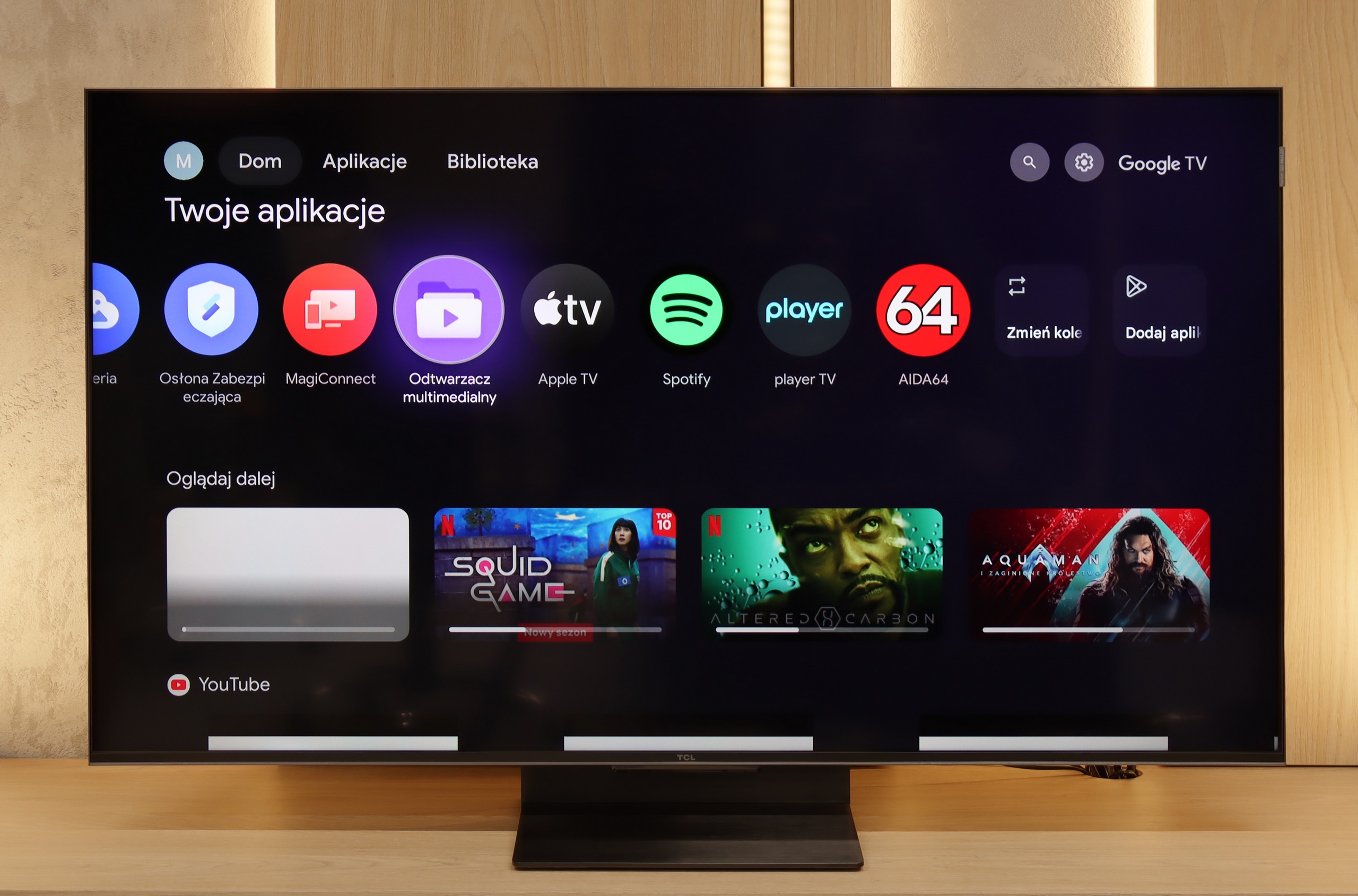
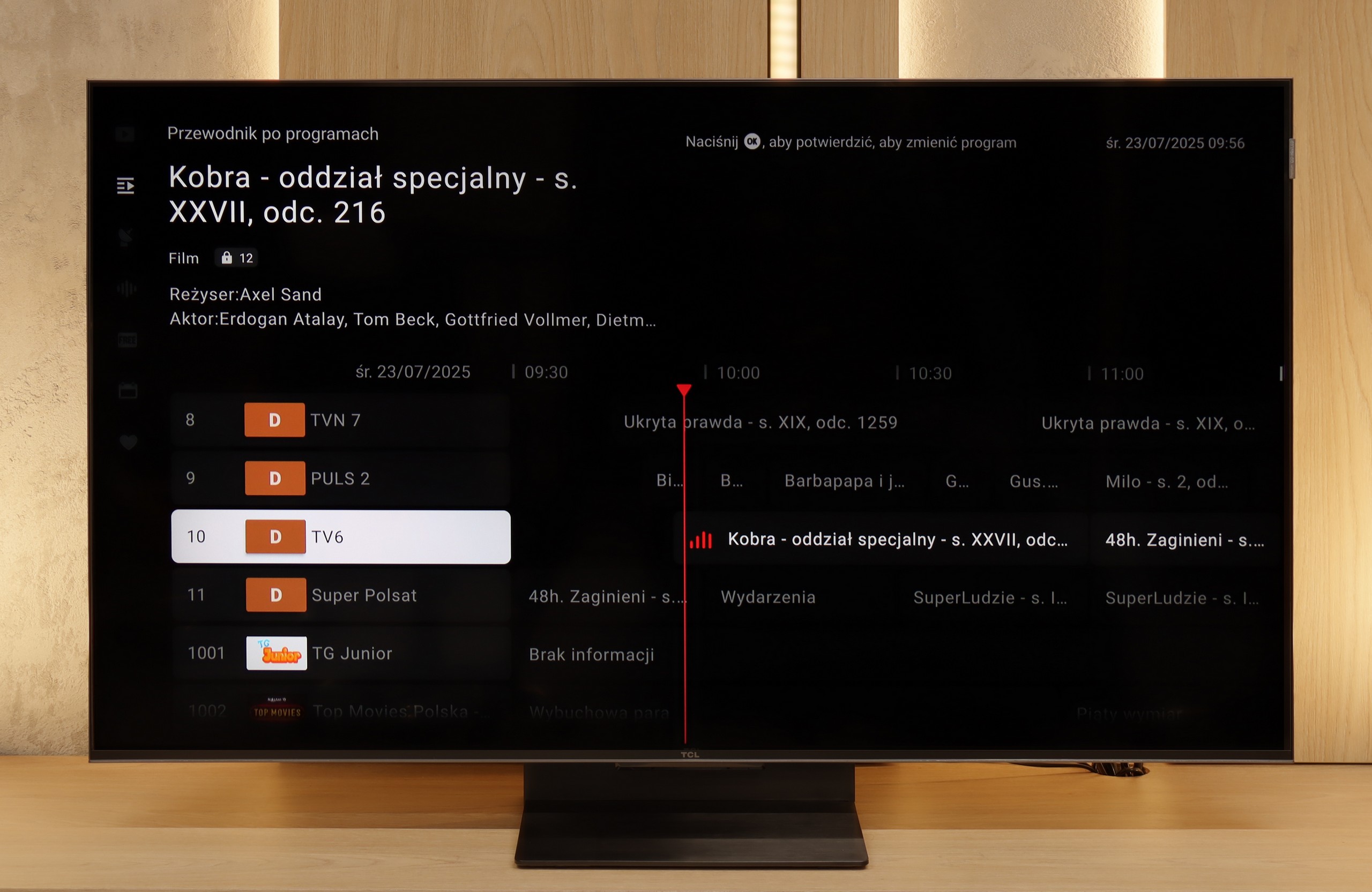
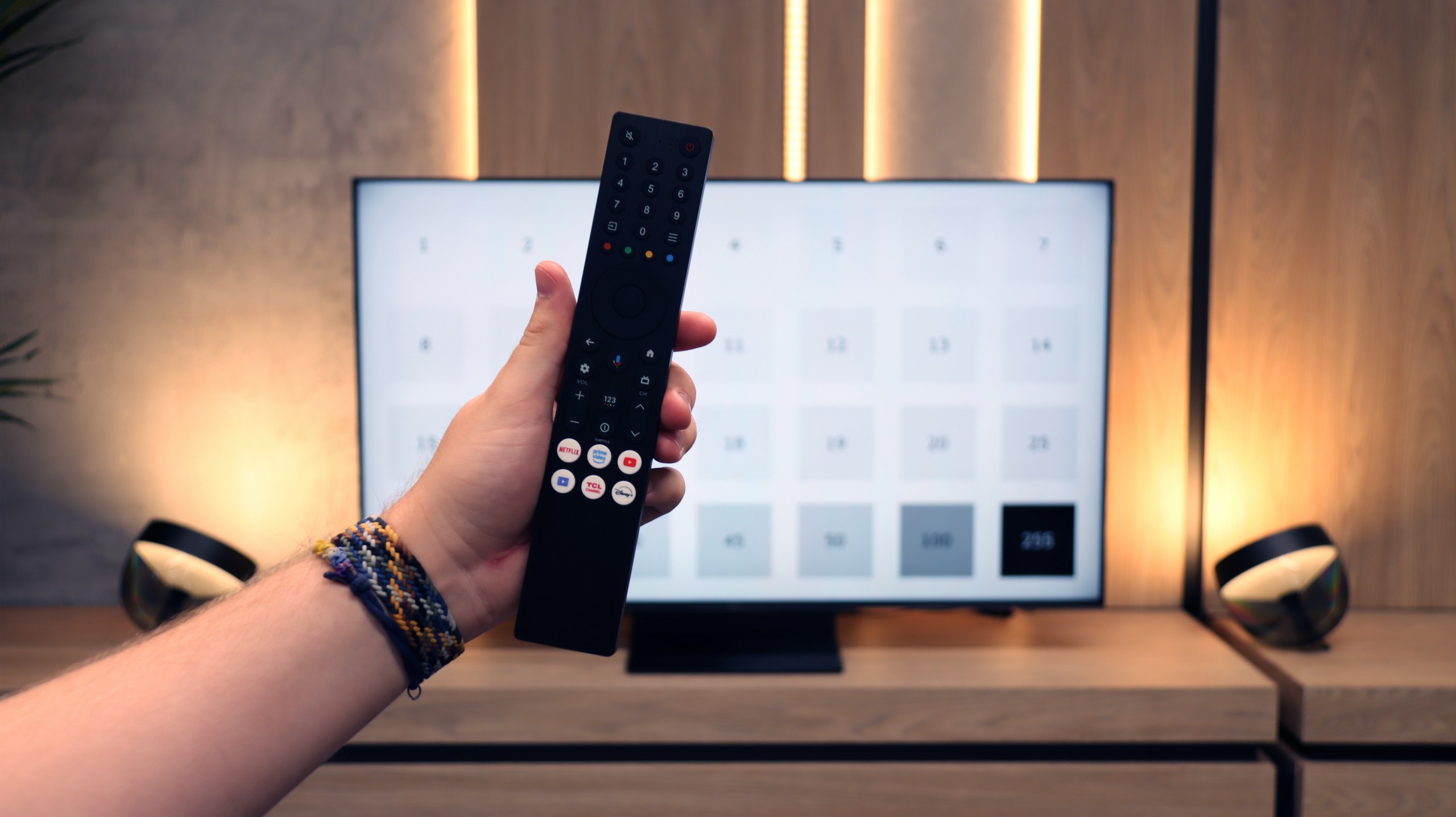
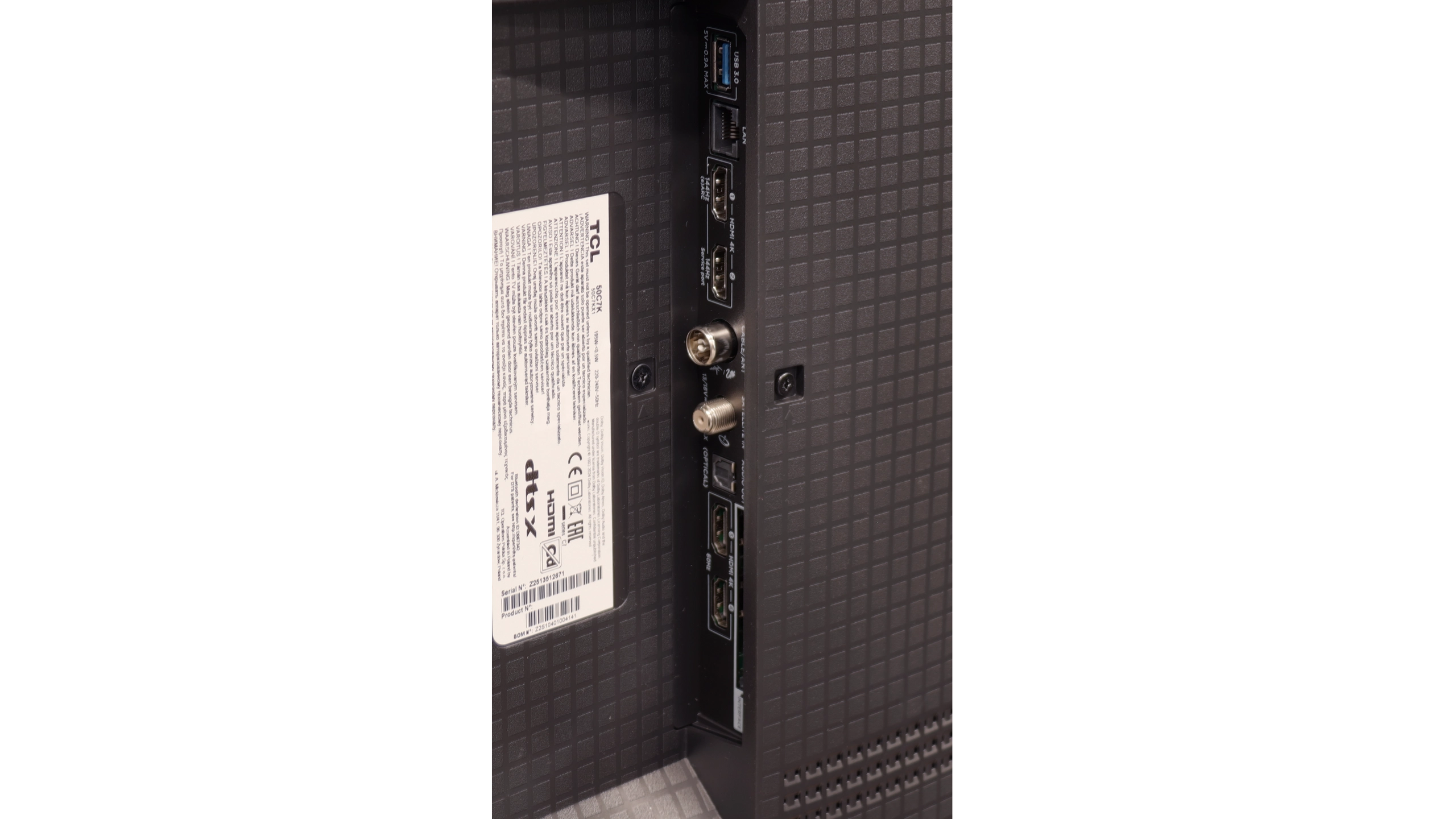
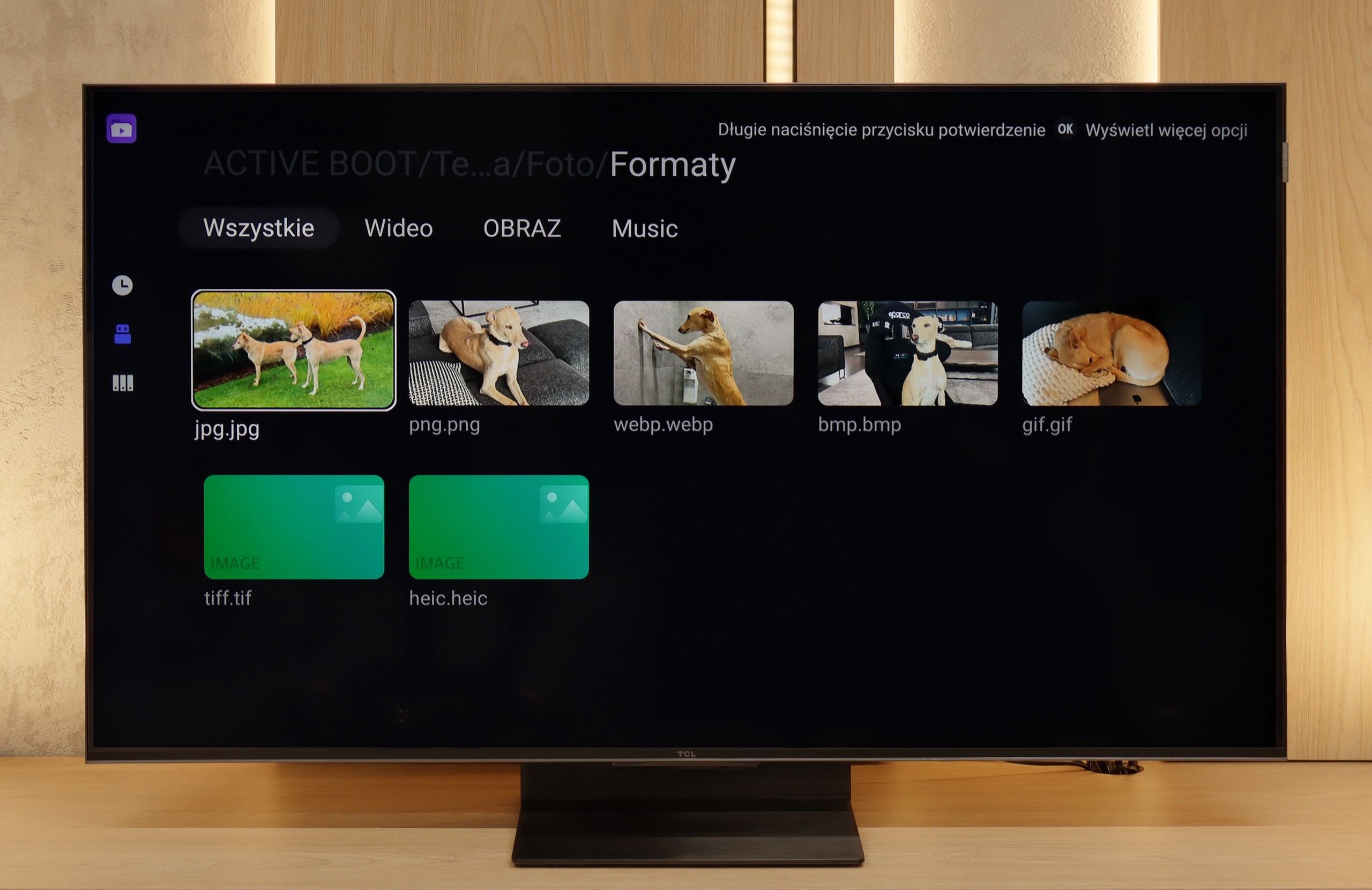
There are TVs that go through testing and at first glance seem to be just another "medium-range" option. The TCL C7K looks just like that - without grand claims of revolution, without ambitions to dethrone OLEDs. Yet, after spending a few days with this model, it's hard not to conclude that it's truly a successful piece of equipment. The biggest advantages? Very good picture quality at a reasonable price. MiniLED combined with a QLED filter provides vibrant colours, high brightness, and contrast that really impresses in this class. Motion in sports or games looks smooth, and the presence of HDMI 2.1 and 144 Hz refresh rate makes gaming on this model a pure pleasure. On top of that, there's the Google TV system – it offers a huge range of possibilities: from voice control, through AirPlay support, to access to all the most important apps.
Are there any drawbacks? Yes. MiniLED still has its limitations, and in the most challenging movie scenes, one can notice compromises in dimming. Google TV also doesn't always function perfectly smoothly. But these are rather minor issues that don't overshadow the overall picture – and that is really positive. It's also worth noting the difference between variants. The 50-inch version we tested can be surprising, but the 55–85 inch models perform noticeably better – they have more local dimming zones, even higher contrast quality, and better sound quality. Therefore, if you're considering purchasing the C7K, it's definitely worth reaching for the larger size.
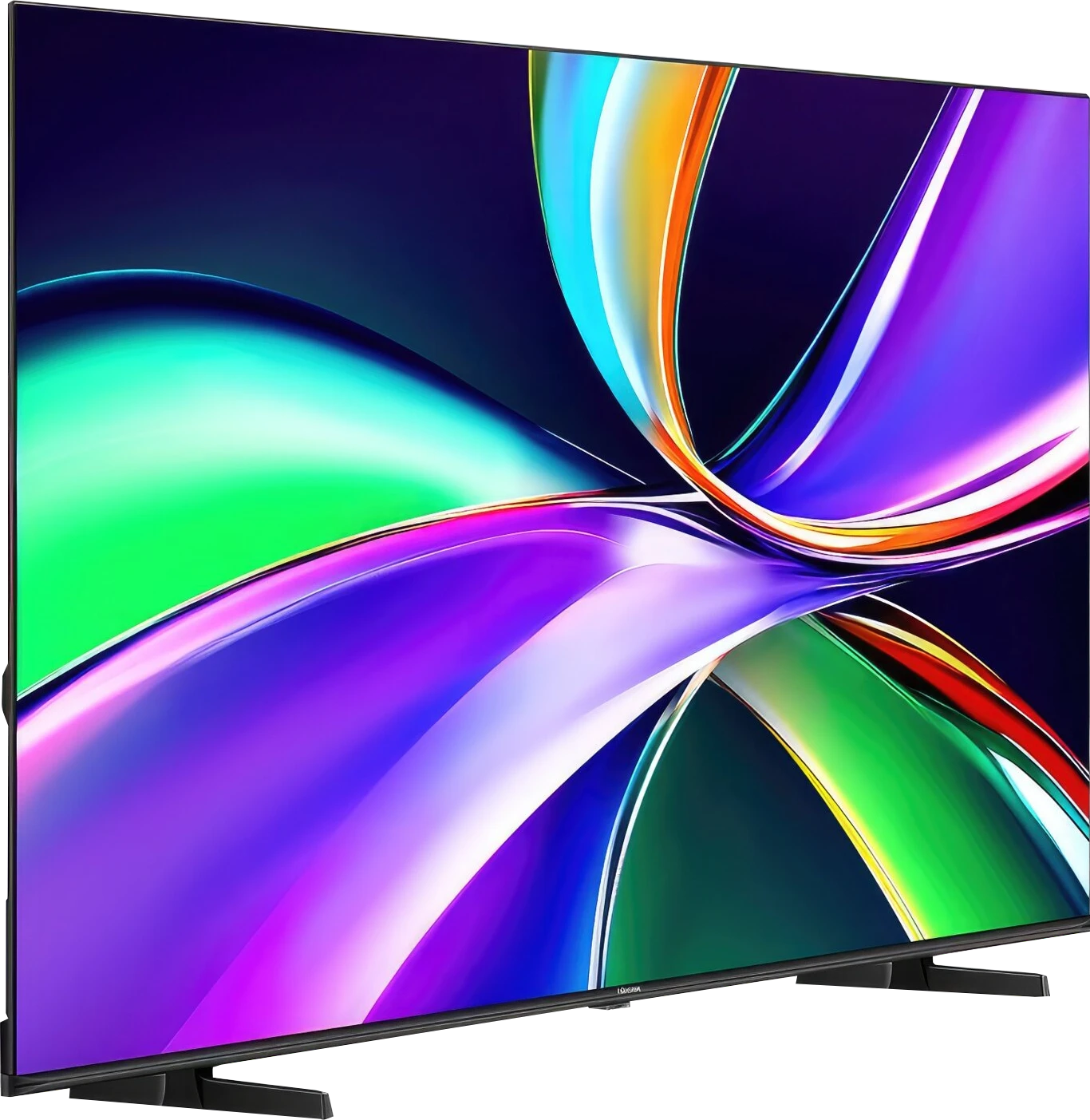
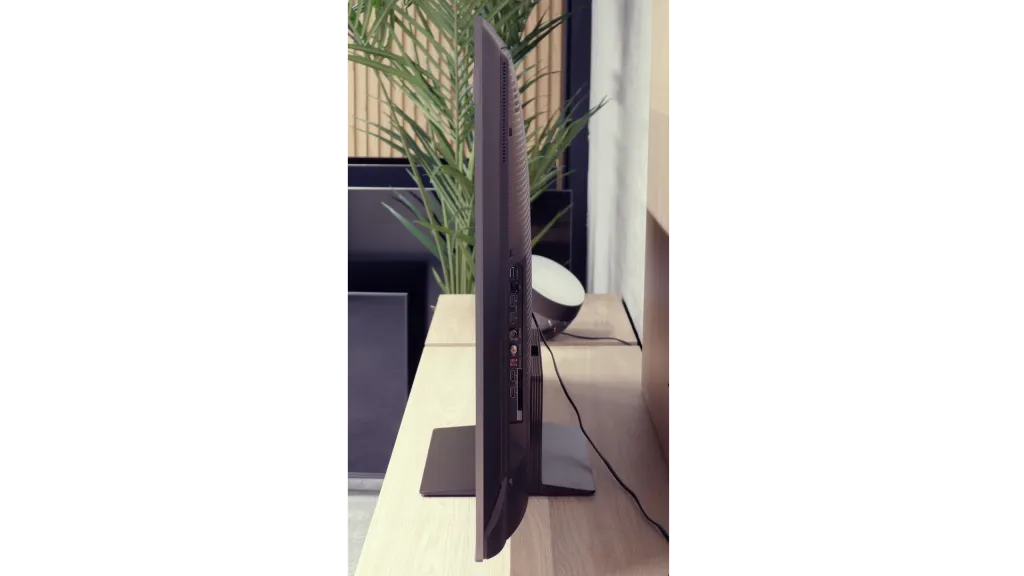
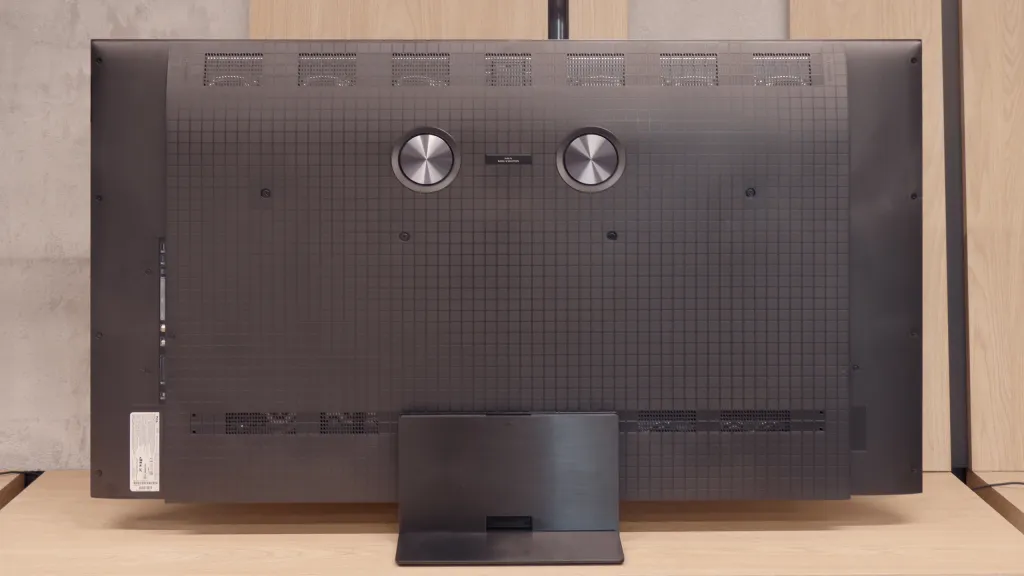
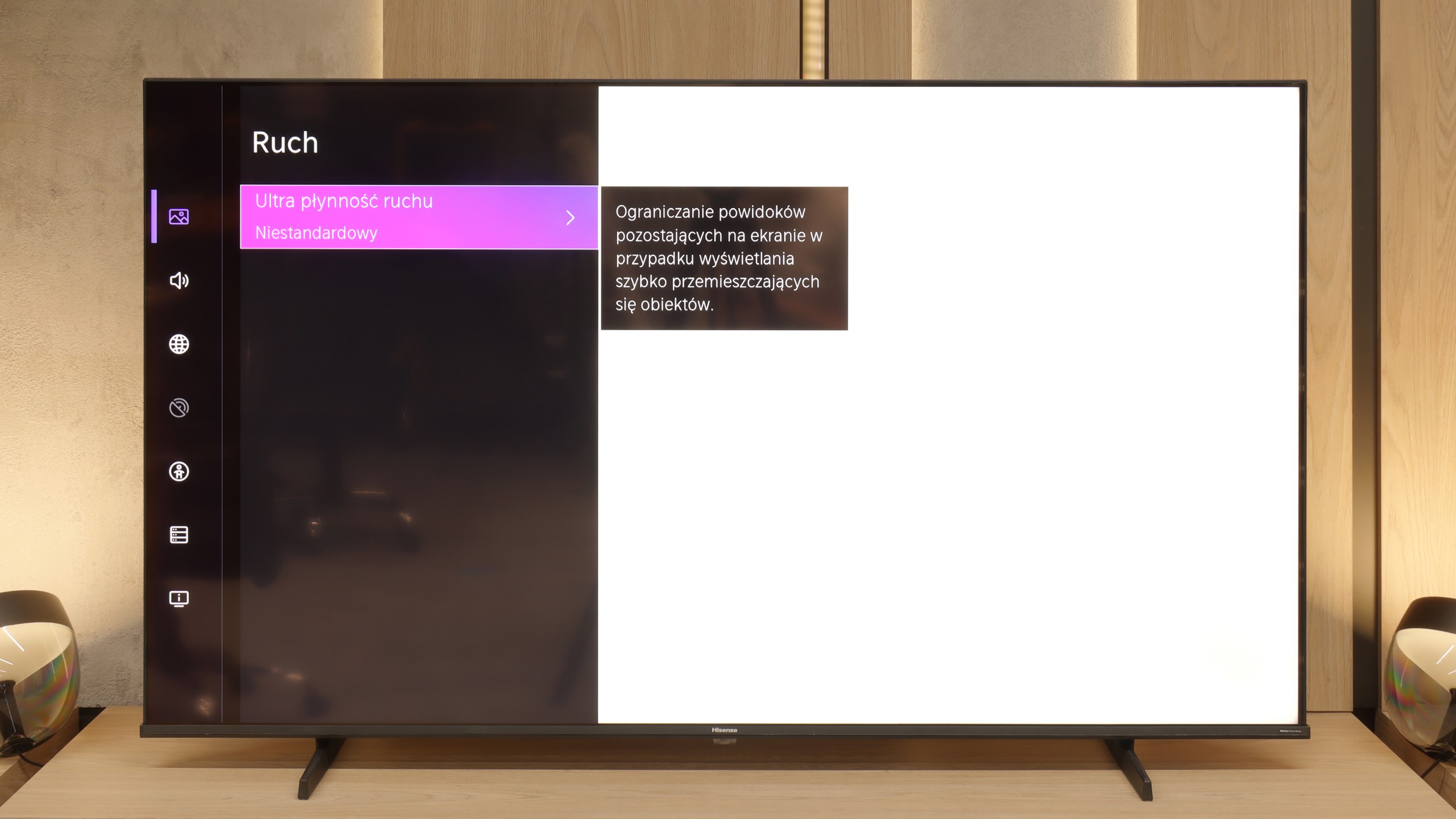
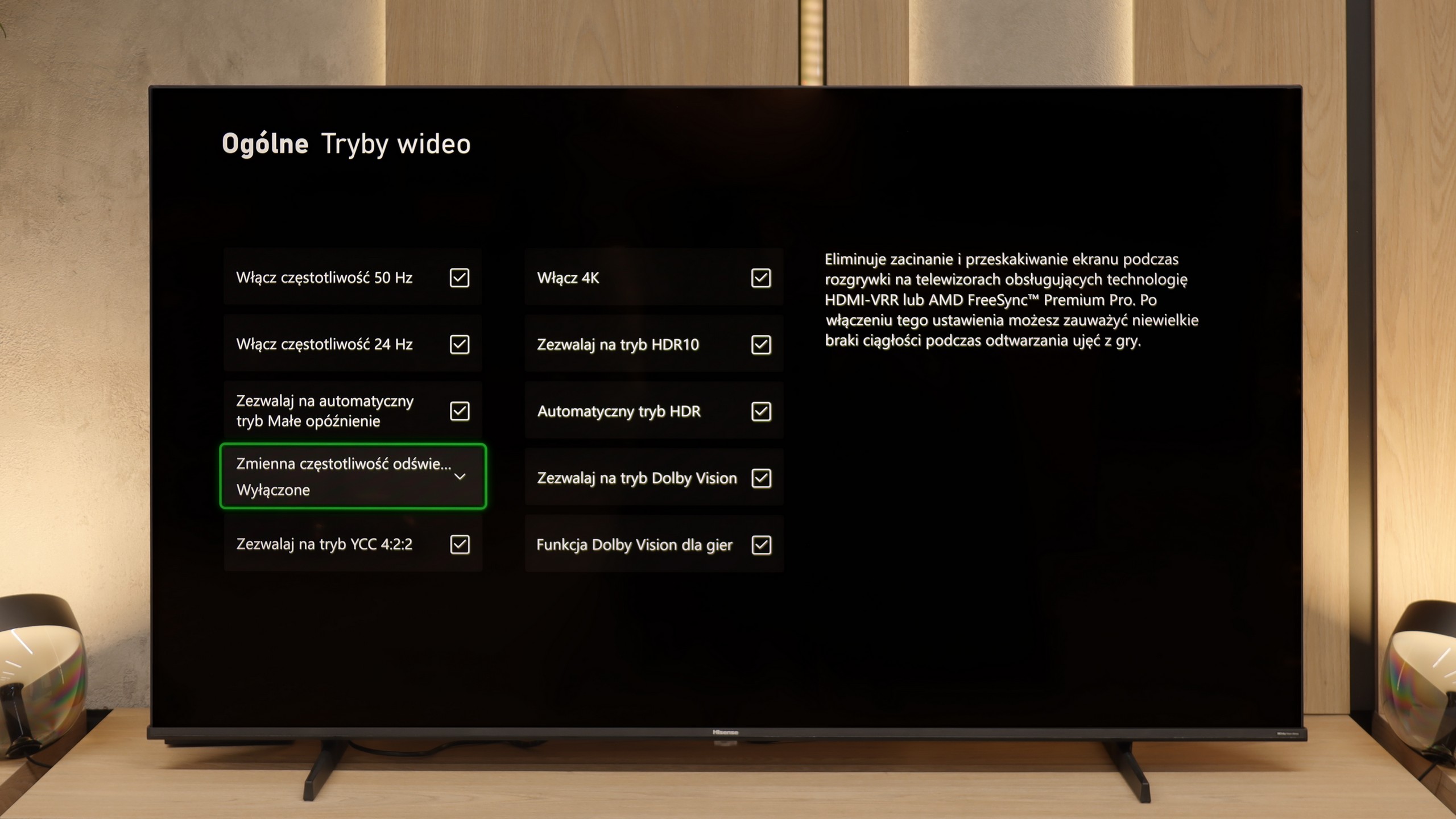
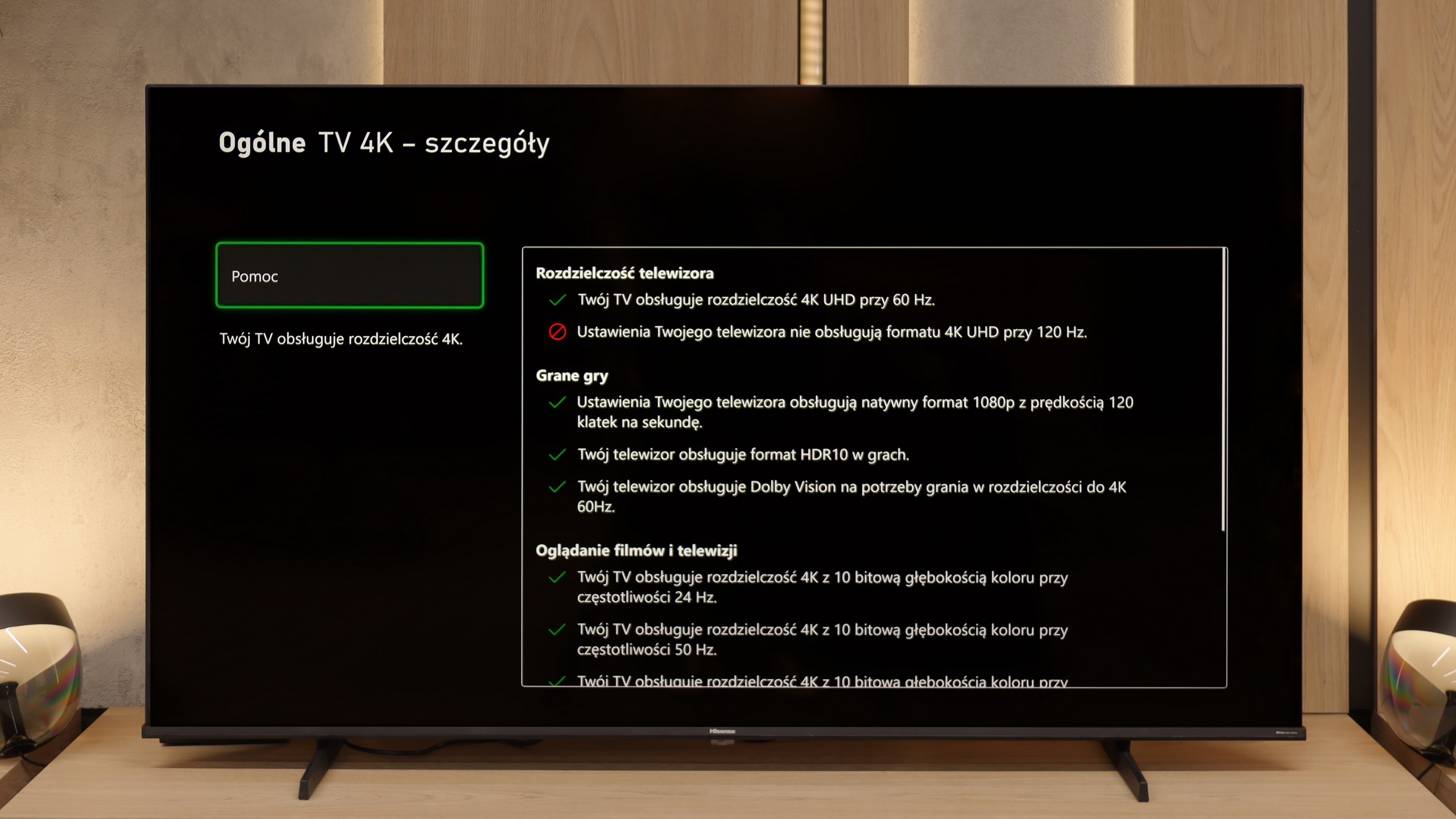
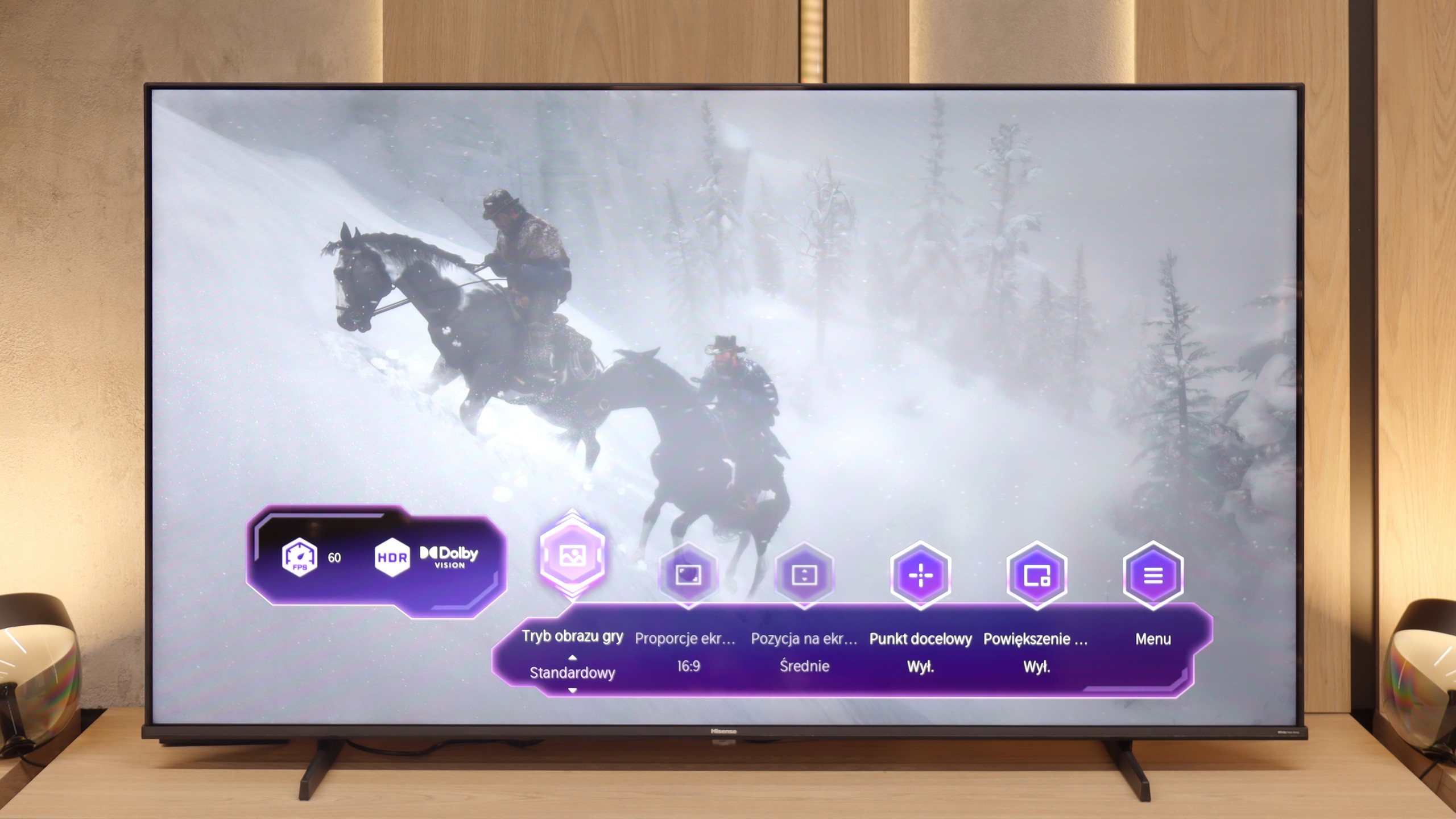
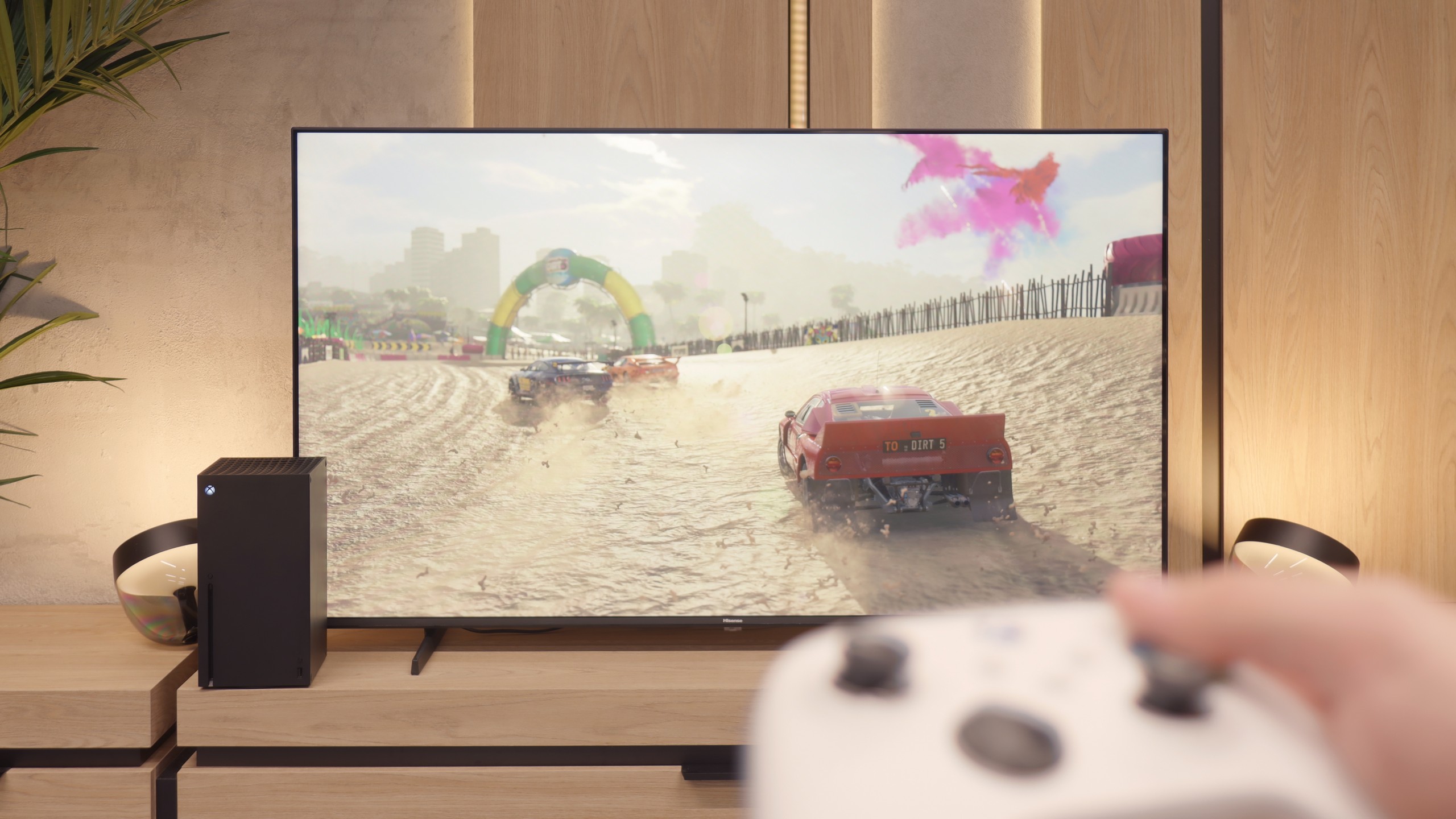
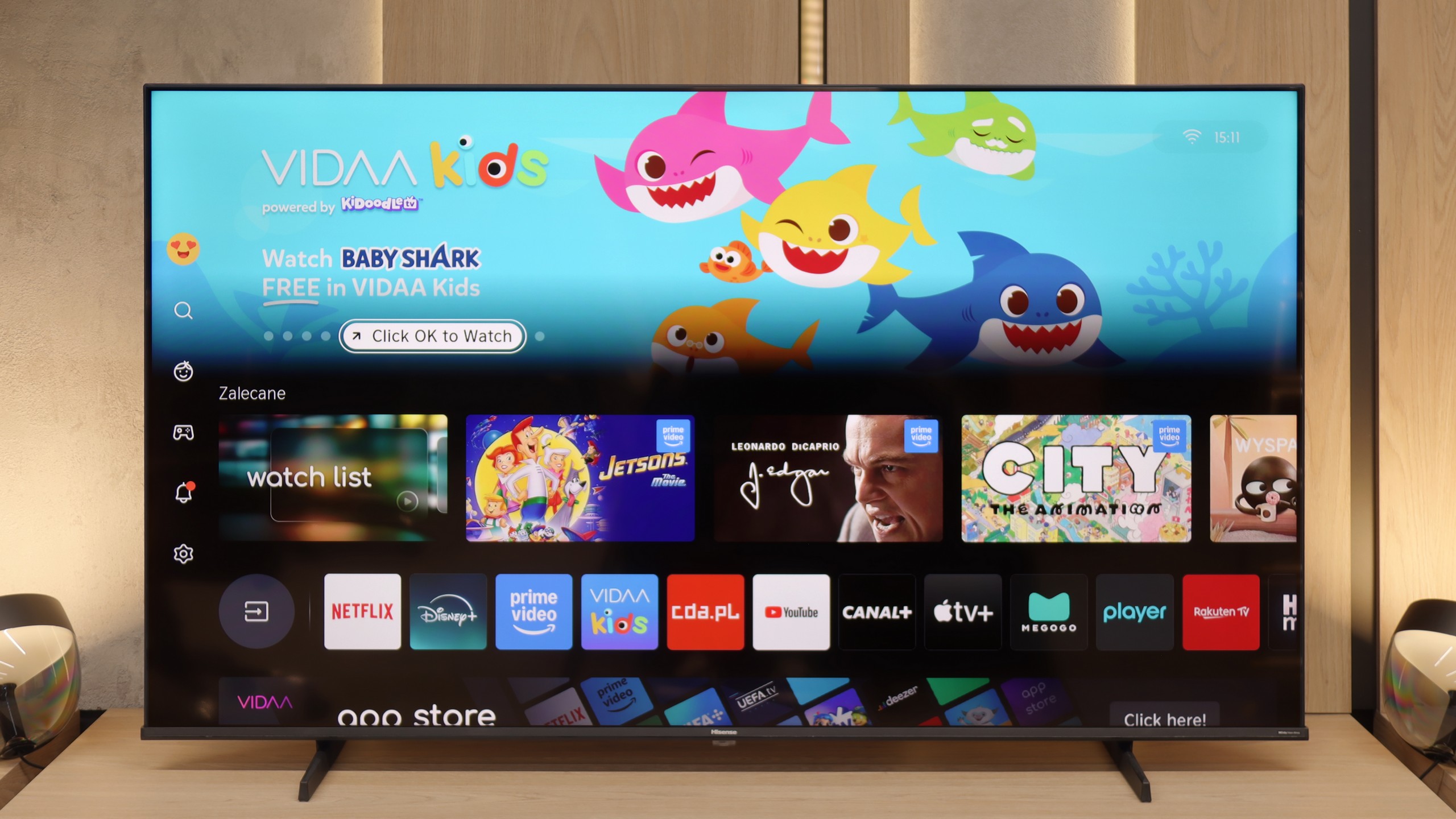
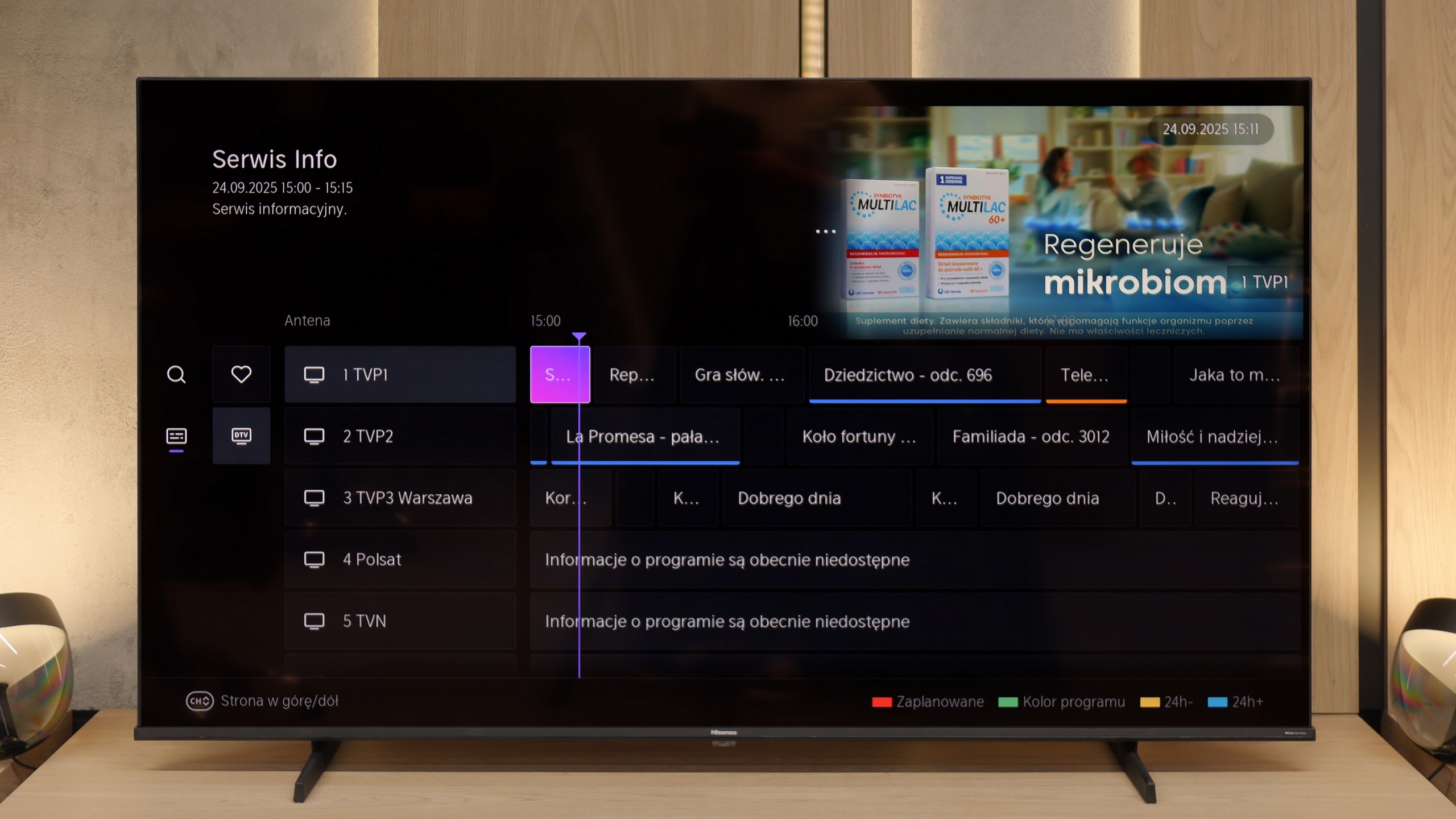
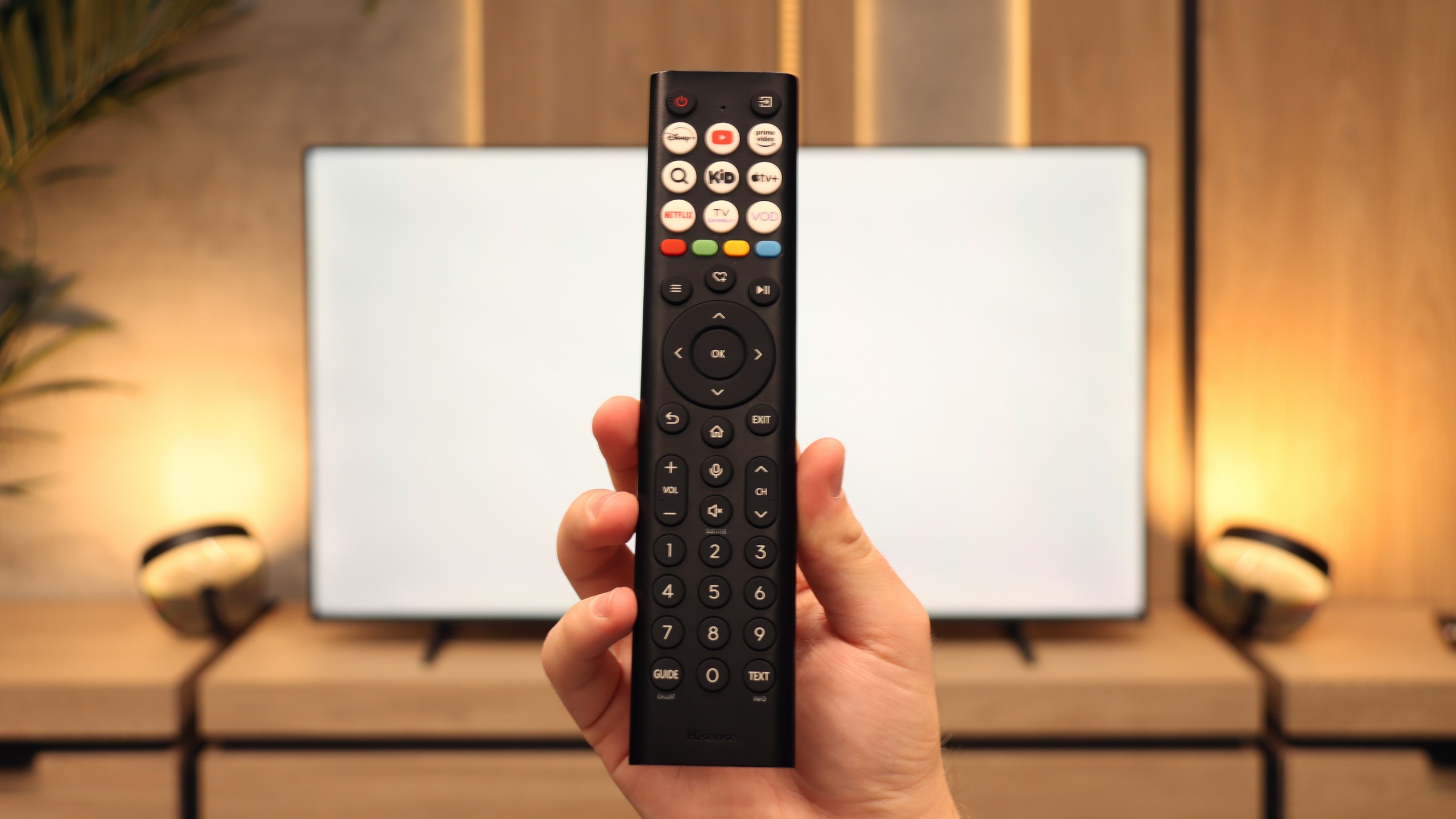
Hisense E7Q / E79Q is a type of television that doesn’t promise miracles – and maybe that's why it can pleasantly surprise. It doesn’t try to pretend to be high-end equipment; it just gets the job done. If you’re looking for a cheap screen for everything that can handle Netflix, consoles, and morning YouTube while enjoying your coffee, this model makes a lot of sense. The VIDAA system has matured over the past few years, and it’s clear the manufacturer is learning. We have AirPlay, screen mirroring, and voice search in Polish – everything works, maybe not at lightning speed, but smoothly enough not to be annoying. You won’t find thousands of apps like in Google TV, but the most important ones are at hand. It’s a system that's meant to be simple and practical, not overloaded with unnecessary gimmicks – and in that sense, it really holds up. There’s something interesting for gamers too. The E7Q / E79Q offers low input lag, automatic low latency mode (ALLM), VRR support up to 60 Hz, and even a 120 Hz mode at 1080p resolution. It’s not a screen for hardcore e-sports enthusiasts, but if you just like to fire up your console in the evening and play a few rounds, this TV will do its job without complaining. And what about picture quality? We won’t deceive you – it’s not spectacular, but there’s also no reason to complain. A brightness of around 350 nits won’t impress, but the contrast thanks to the VA panel can really surprise positively. The blacks are quite deep, and the colours have a pleasant intensity, especially in SDR mode. It’s a bit of a shame that Dolby Vision doesn’t add much – because if it worked as it should, we’d have a TV that could confidently be recommended for HDR viewing as well. On the other hand, it’s hard to expect that in this price range. It’s simply a fair, well-priced screen that doesn’t make a fuss about itself but can deliver solid picture quality and surprisingly good features. And while it’s not perfect, after a few days of use, it’s hard not to think, “gee, this cheap Hisense really holds its own.”
 Direct comparison