Philips PUS8359 is a television that captures attention mainly thanks to its three-sided Ambilight system. The adaptive backlighting creates an impressive effect, especially in the evening – the light behind the screen adds atmosphere while watching movies and makes the interior look more interesting. It’s a really cool addition, especially if we enjoy unconventional solutions. For gamers, this model can be a good starting choice. The low input lag of less than 10 ms ensures quick responses, while the Automatic Game Mode adjusts the settings to make gameplay smooth. If we play occasionally, the TV does the job, but it’s probably not equipment for those looking for top-notch experiences. When it comes to everyday use, it’s not ideal. The Titan OS looks simple, but it lacks many popular apps, which can be frustrating. Additionally, the interface can run slower than we’d like – switching apps or jumping between settings may sometimes require patience. If we’ve previously used more advanced systems like Android TV, Titan OS may disappoint us significantly. And what about picture quality? Here lies the problem. The panel offers average brightness and low contrast, so in bright rooms, the picture can look washed out. In darker scenes, blacks become more grey, which takes away details. HDR? Don’t expect great effects – the lack of Dolby Vision and limited technical capabilities mean that HDR content doesn’t make a significant impression. Philips PUS8359 is a television that works well for Ambilight fans and those looking for basic features. It performs decently in gaming, and evening viewings with the impressive backlighting will gain an extra atmosphere. However, if we care about high picture quality or an advanced Smart TV system, it’s worth looking at other models. This TV is a suggestion for those who don’t expect too much and want something simple with an interesting visual effect.
- Matching (Score)
- Our verdict
- TV appearance
- Where to buy
- Contrast and black detail
- HDR effect quality
- Factory color reproduction
- Color reproduction after calibration
- Smoothness of tonal transitions
- Image scaling and smoothness of tonal transitions
- Blur and motion smoothness
- Console compatibility and gaming features
- Input lag
- Compatibility with PC
- Viewing angles
- Daytime performance
- Panel details
- TV features
- Apps
- Playing files from USB
- Sound
Philips PUS8359 (IPS) vs TCL P89K / TCL P8K
 Direct comparison
PUS8359 / PUS8349

P8K / P89K

Panel type: LCD IPS
Resolution: 3840x2160
System: Titan OS
Model year: 2024
Complete the survey to find out the result
Panel type: LCD VA
Resolution: 3840x2160
System: Google TV
Model year: 2025
Complete the survey to find out the result
Overall rating
5.1
6.6
 Movies and series in UHD quality
 4.4
6.1
 Classic TV, YouTube
 4.5
6.0
 Sports broadcasts (TV and apps)
 4.6
6.1
 Gaming on console
 6.2
8.1
 TV as a computer monitor
 6.0
8.6
 Watching in bright light
 4.3
4.6
 Utility functions
 5.3
7.4
 Apps
Apps 6.2
9.6
 Sound quality
 6.1
6.7
Complete the survey to find out what fits your preferences
Advantages

Ambilight 3
Illuminated remote control
Basic features for gamers
Low input lag
Support for all audio formats (Dolby and DTS)
Good contrast thanks to the VA panel
Google TV system with a huge number of applications
Good motion smoothness. 144Hz panel
Great features for gamers: HDMI 2.1, VRR, 4K@120Hz, HGiG, Dolby Vision in games
Very good colour gamut coverage thanks to the PFS filter (QLED)
Very good compatibility with PC. 240Hz mode
Low input lag – gaming is smooth and responsive
Well-implemented HDR dynamic tone mapping feature. Despite low brightness: HDR content looks surprisingly good.
2.1 sound from Onkyo with a subwoofer – surprisingly good bass
Very attractive price
Disadvantages

Poor black and contrast
Average brightness
Limited TitanOS system
Low brightness – around 250–300 nits
Very poor viewing angles
Average digital image processing
Incorrectly implemented Dolby Vision mode
System errors and cuts occur
Not very loud sound, volume limiter is active
Our verdict
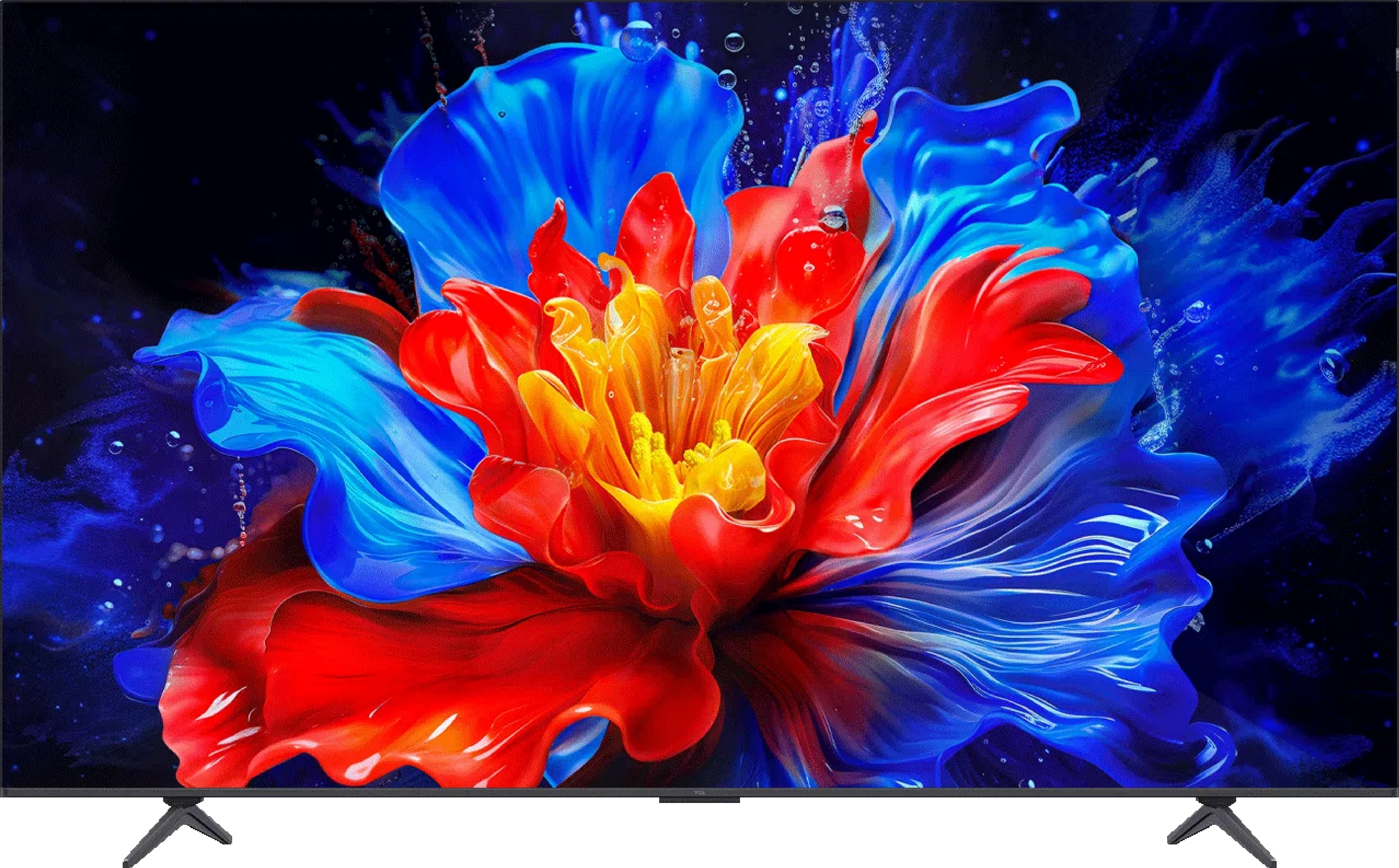
The TCL P8K is a TV that immediately wins you over. It seems cheap, supposedly from a lower tier, but it can surprise you. This device shows that you can get a product with character at this price – and it's aimed at a specific group of users. Because let's be honest, the P8K is a television created with gamers in mind. Two HDMI 2.1 ports, VRR support, 4K at 120 Hz, HGiG, and even Dolby Vision in games – it sounds like something that could only recently be found in much more expensive models. Plus, it has a 144 Hz panel and can reach up to 240 Hz on PC. At this price? It's hard not to smile. Then there's Google TV, the system that breathes life into this screen. Everything works intuitively, with access to a huge library of applications and a responsive Google Assistant that actually understands what you're saying – even if you phrase it your way. Of course, it's not the perfect TV. Brightness of around 250–300 nits isn't impressive and probably won't make a mark in a sunny lounge. But just add an evening, a movie, and a bit of darker surroundings, and you'll find that this screen can do a lot. Thanks to dynamic tone mapping, the P8K handles HDR surprisingly well, and colours can look natural. In film scenes, there's no sign of a plastic, overexposed image – it's just pleasant. Let's not pretend this is a competitor to Mini LEDs or OLEDs – because that's not the point. The P8K / P89K is meant to be a TV that's simply enjoyable to use. And that's where its strength lies. For someone who wants to game, watch Netflix, fire up YouTube, and have it all in one simple device – it's a perfect hit. The TCL P8K shows that "cheap" doesn't have to mean "poor quality". It's a TV with character that doesn't pretend to be premium equipment, yet offers a lot. And maybe that's why it's so easy to like.
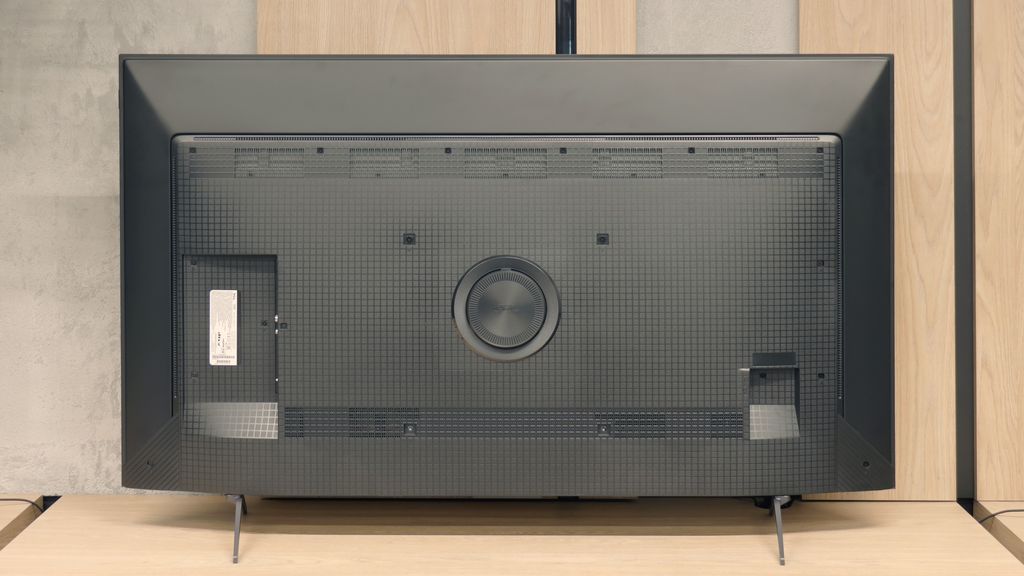
TV appearance



Contrast and black detail
1.9/10
5.5/10
Local dimming function: No
Local dimming function: No
Contrast:


Result
1,000:1

Result
1,050:1

Result
900:1

Result
1,050:1

Result
850:1
Result
5,650:1
Result
3,950:1
Result
5,700:1
Result
5,450:1
Result
2,600:1
Halo effect and black detail visibility:

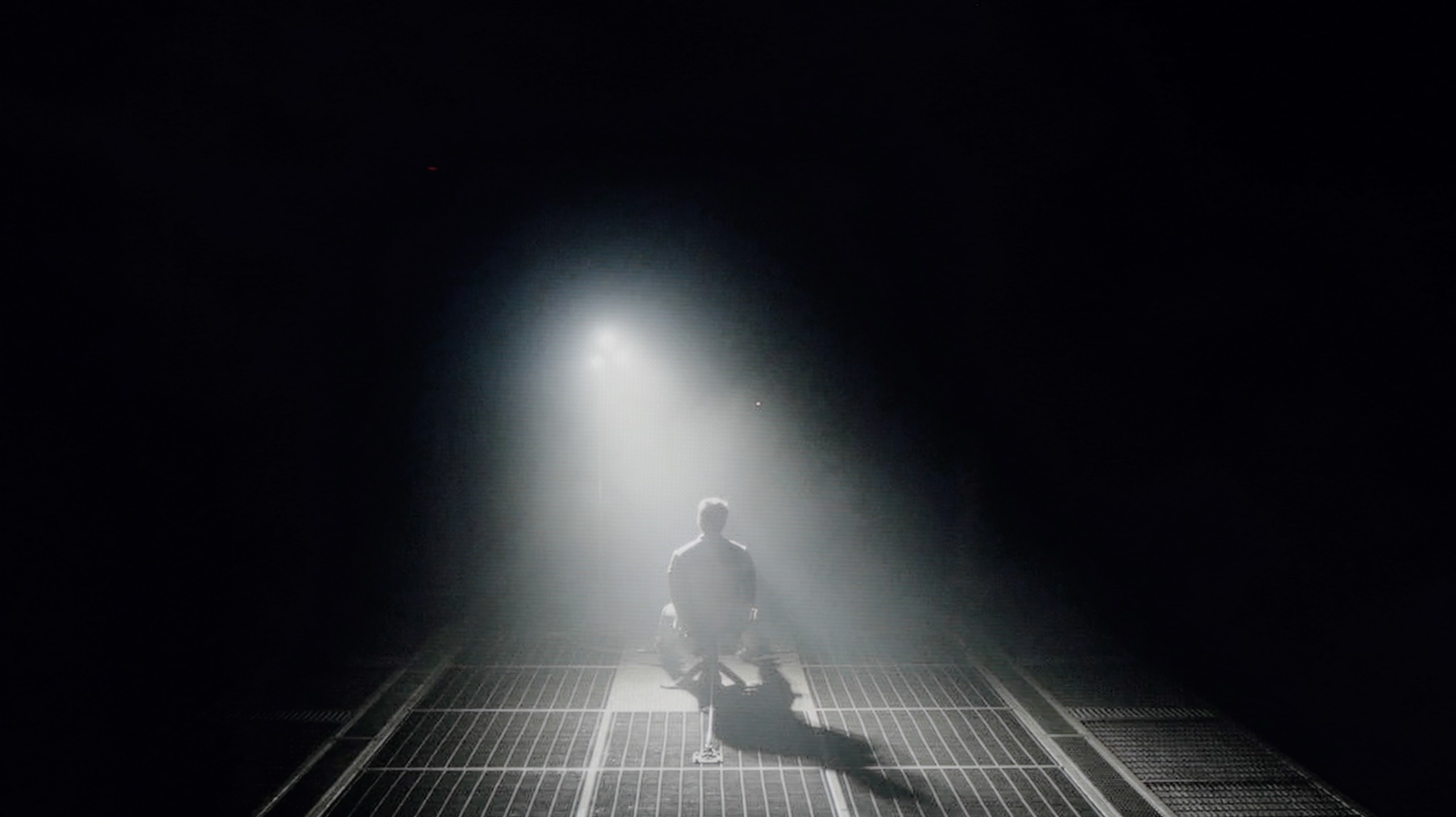
Philips PUS8359/12 in the 55" and 43" versions is based on an IPS panel, which significantly affects the contrast quality. Unfortunately, test results clearly show a very low level. The blacks, instead of resembling deep tar, appear more like silver ash, which is especially noticeable when watching dark scenes. Such a level of contrast limits the ability to fully enjoy the image, particularly for those who prefer viewing in dimly lit rooms.
TCL P8K is an example of a television that shows that even in the lower range, you can still find solid contrast. The VA panel does a really good job here – a measurement around 6000:1 may not sound impressive, but in real scenes, it creates an effect that is simply pleasing to the eye. In the darkness of the forest in “The Revenant” or in the futuristic scenes of “Oblivion,” you can see depth and light separation that’s hard to expect from equipment at this price. The P8K can render darkness without the feeling that everything is drowning in grey. The Direct LED backlighting also works in its favour. Of course, there is no local dimming here, but the system can dim the whole screen when the scene requires it or slightly brighten it to bring out details in the bright areas. It's a somewhat analogue approach to contrast – simple but effective. This was well demonstrated on the test pattern from the legendary Pioneer Kuro: the television prioritised bright points, while the background lost some depth, yet it still retained a decent appearance. Of course, there is no perfectly jet-black here. In a dark room, you can see that the black leans towards navy, but despite that, the overall presentation is just good. In normal home conditions, the contrast is more than enough to feel the cinematic atmosphere.
HDR effect quality
3.7/10
4.5/10
Luminance measurements in HDR:

Result
240 nit

Result
225 nit

Result
285 nit

Result
236 nit

Result
280 nit
Result
207 nit
Result
238 nit
Result
313 nit
Result
251 nit
Result
299 nit
Scene from the movie “Pan” (about 2800 nits)

Scene from the movie “Billy Lynn” (about 1100 nits)


Static HDR10


Dynamic: HDR10+
Dynamic: Dolby Vision


HDR luminance chart:
TCL P89K / TCL P8K
HDR luminance
Philips PUS8359 (IPS)
HDR luminance
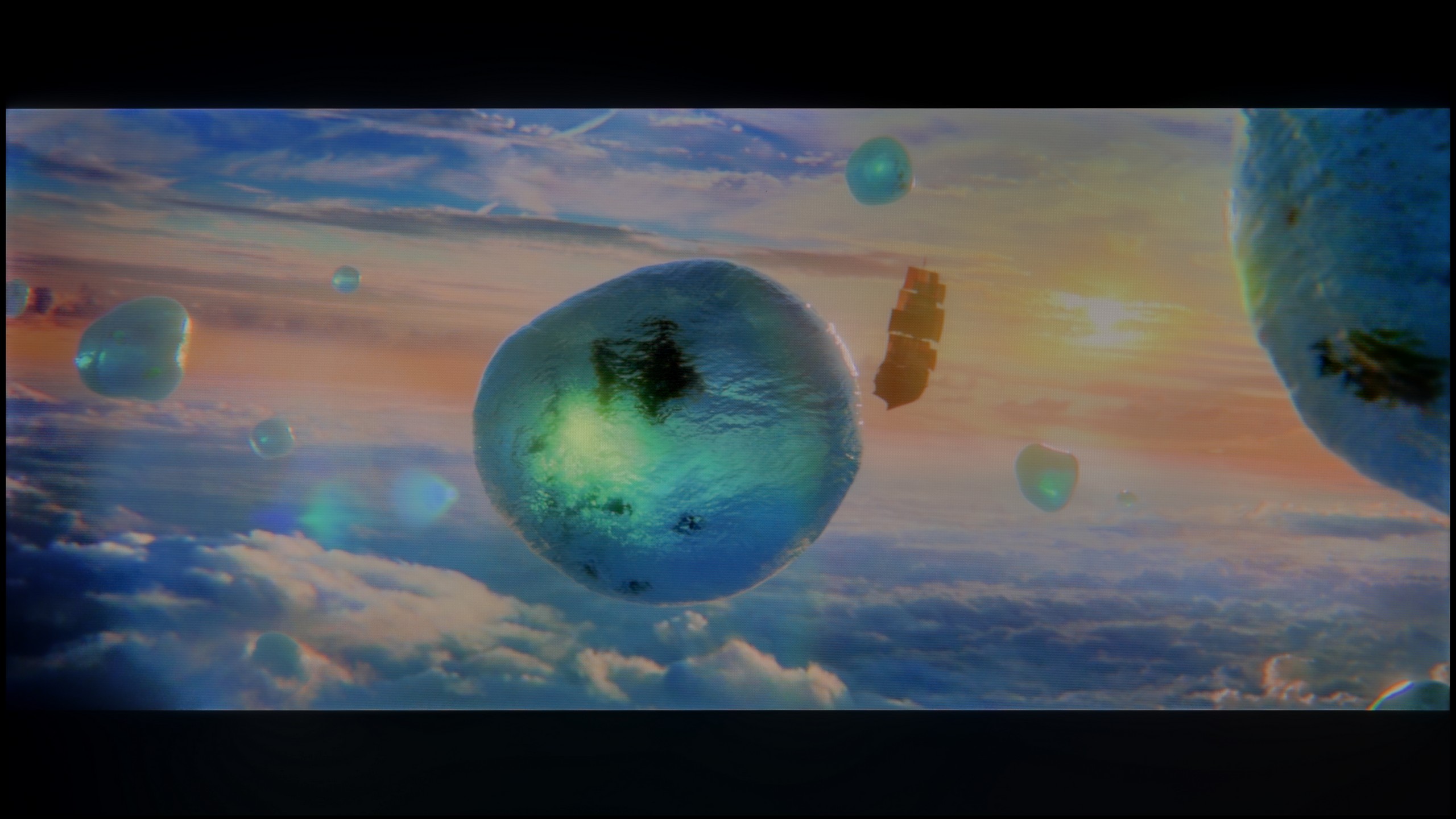
The quality of the HDR effect on the Philips PUS8359/12 television is also not impressive. A brightness level of 280 nits is too low, resembling standard SDR more than true HDR, which is clearly evident on the five tested test cards. Additionally, the television does not impress in terms of colour gamut coverage – just 76% DCI-P3 is a result that can be considered poor, especially compared to other models in a similar price range.
The maximum brightness of the TCL P8K peaks at around 300 nits, although in real film scenes the television typically maintains closer to 250 nits. These are values that cannot be considered sufficient to achieve a true HDR effect – they are more aligned with a solid base for SDR content. Therefore, we won’t see spectacular flashes, bursts of light, or moments where the screen actually “blinds” as is the case with more expensive models. The image is consequently a bit flat, and the differences between light and shadow – more symbolic than realistic. Fortunately, TCL has a few aces up its sleeve that save the overall impression. One of these is the coverage of the DCI-P3 colour gamut at around 93-94%. Thanks to an additional QLED layer (PFS LED), colours gain depth and intensity, clearly surpassing standard LCD panels. As a result, while the typical “wow effect” associated with HDR brightness is lacking, the image itself can impress with its richness and vibrant tones, making the film scenes pulse with colour and not appear significantly washed out.
Factory color reproduction
4/10
5.4/10


Factory Mode
After calibration
Factory Mode
After calibration
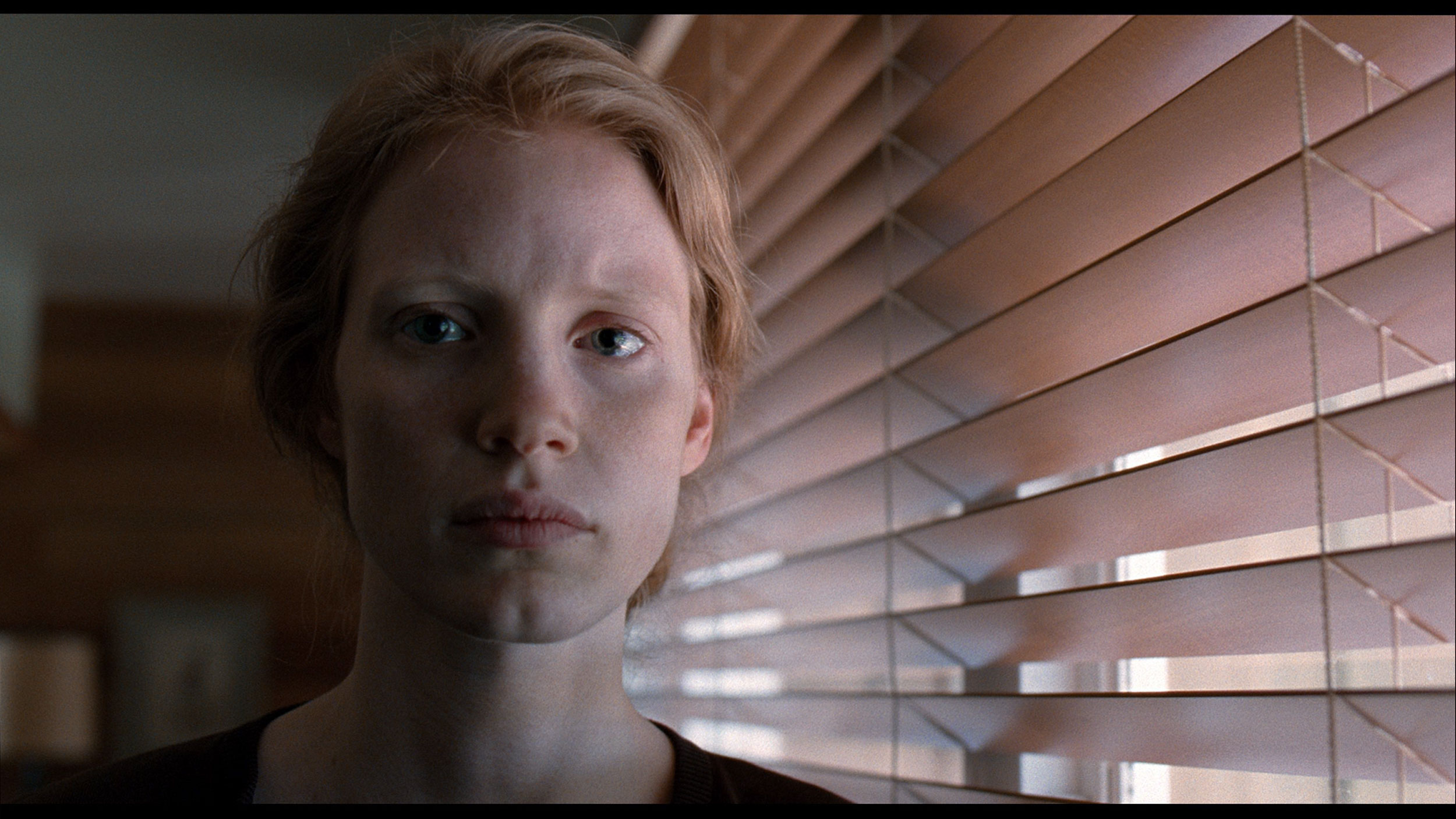
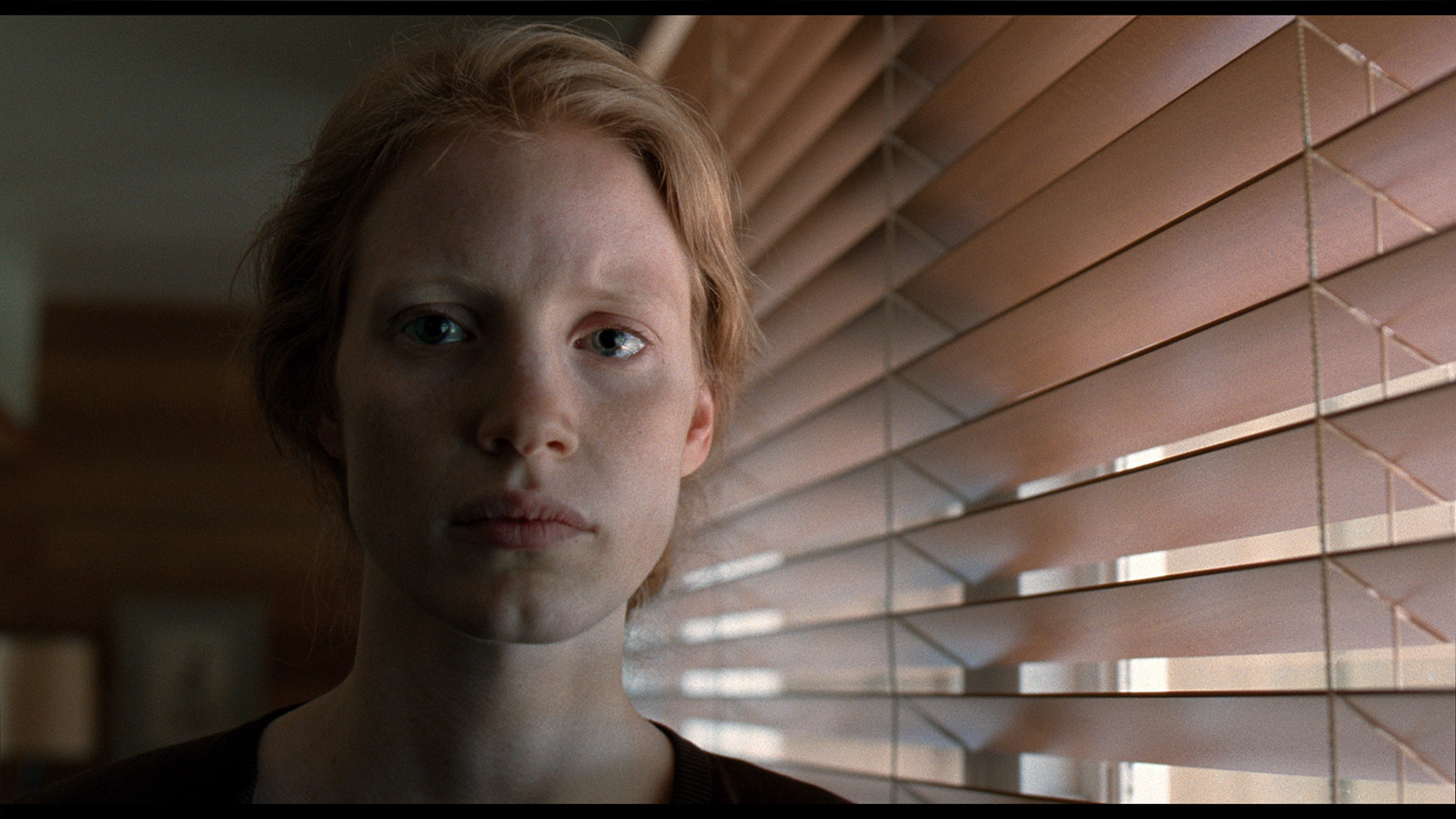
The most faithful factory mode in terms of compliance with the source material turned out to be "Film," which was used in our tests. However, like other factory modes, it also had its drawbacks. Both in SDR and HDR materials, we noticed issues with white balance, where the dominance of green and red resulted in a yellowish hue. This effect was particularly evident in the form of yellowed whites and unnatural skin tones. The "ColourChecker" palette test showed that each colour was shifted towards warmer tones, which affected the accuracy of colour reproduction. A key aspect of the image is also contrast and brightness, which can be assessed by analysing the gamma charts and the EOTF curve. In the gamma chart, we observed significant deviations – both excessively high values that caused loss of detail in the shadows and excessively low values, which led to a drastic drop in contrast. Compared to gamma, the EOTF curve performed better, only slightly brightening the image, which had a less negative impact on overall quality.
In Filmmaker mode, the TCL P8K revealed certain imperfections in image reproduction from the start. We noticed that the TV had a tendency to slightly brighten scenes – its gamma was somewhat lowered, which made the image appear softly "washed out," lacking depth, as if the contrast had slipped out of control. This was most noticeable in HDR content, where the EOTF brightness curve clearly deviated from reference values. As a result, darker areas of the image looked too gloomy, and brighter ones did not always reach the correct level of luminance. The second noticeable issue was a slight blue overdrive – the TV stubbornly boosted this colour, causing some parts of the image, especially skin tones and reds, to have a slight purple tint. It is not a major flaw, but to a discerning eye – noticeable. Fortunately, most of these errors could be adjusted during calibration. You can see the results of this calibration in the charts and photos below.
Color reproduction after calibration
5/10
7.5/10

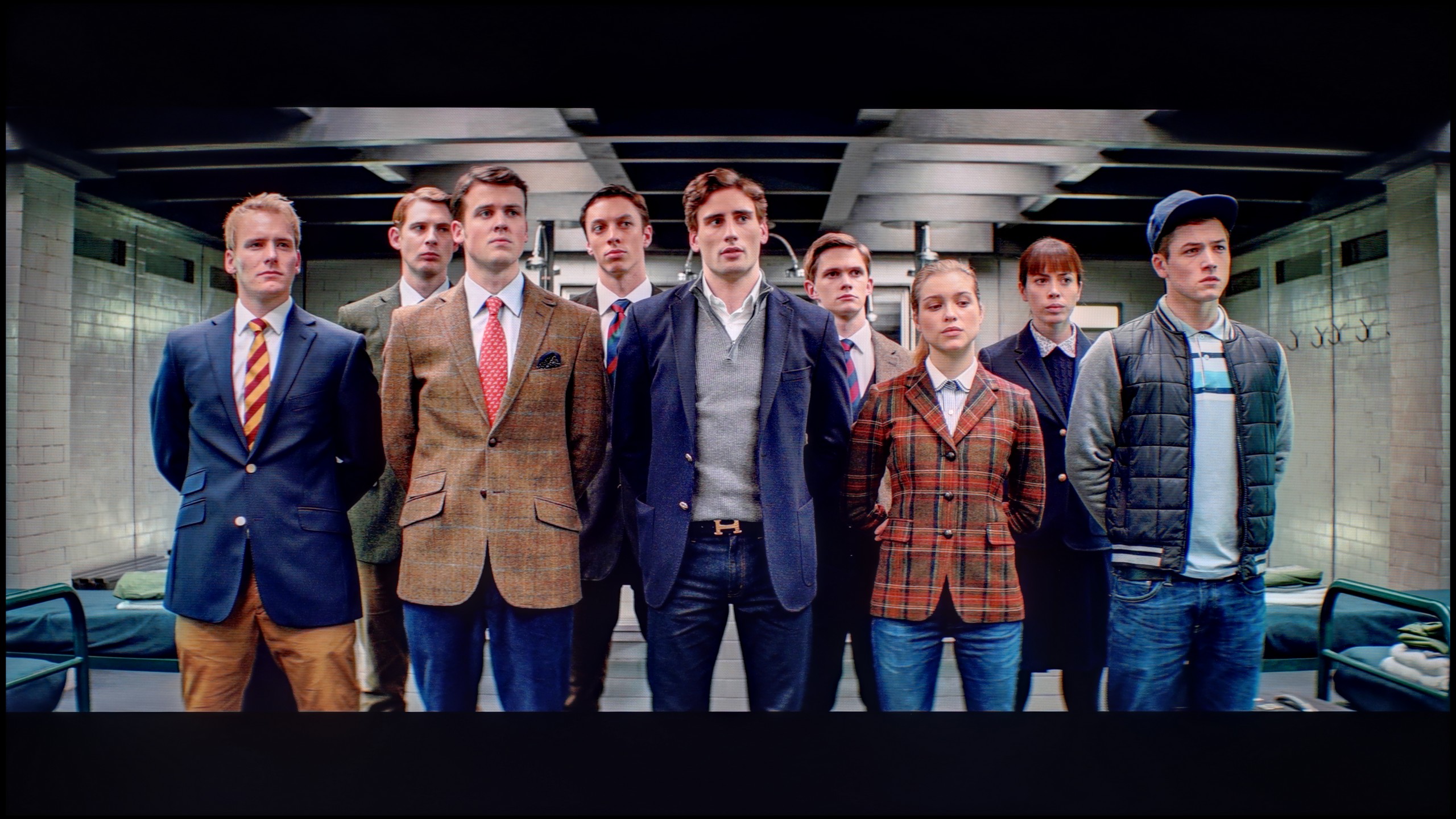


Philips, in both its cheaper and more expensive models, offers a wide range of tools for image calibration. We used them to improve the quality of the displayed image, although it was not as straightforward as it might seem. We managed to adjust the white balance, improve the gamma, and fine-tune the EOTF curve; however, despite these efforts, the deltaE errors remained at a very high level. The main causes were limited coverage of the DCI-P3 palette and low maximum brightness, which significantly affected the final outcome. While the overall presentation is much improved, the design features of the television did not allow us to achieve spectacular results.
After calibration, the TCL P8K revealed a completely different side. It managed to achieve nearly perfect, even reference-level colour reproduction for both SDR and HDR content. The screen no longer had a tendency towards a cool tint, and the white balance was perfectly aligned. The gamma values for SDR materials finally look as they should – the image has the right depth and no longer appears washed out. The only concern that can still be raised about the P8K pertains to its "Chinese" traits, known from most TCL models. The TV still likes to manipulate saturation in HDR content in its own way – sometimes it gently boosts it, other times it smooths it out, making the effect not always fully predictable. Nevertheless, after calibration, the colours look stunning, and their accuracy is truly impressive. In most cases, measurement errors dropped below values of 1–2, which is a performance that much more expensive models would not be ashamed of.
Smoothness of tonal transitions
8.4/10
9.1/10

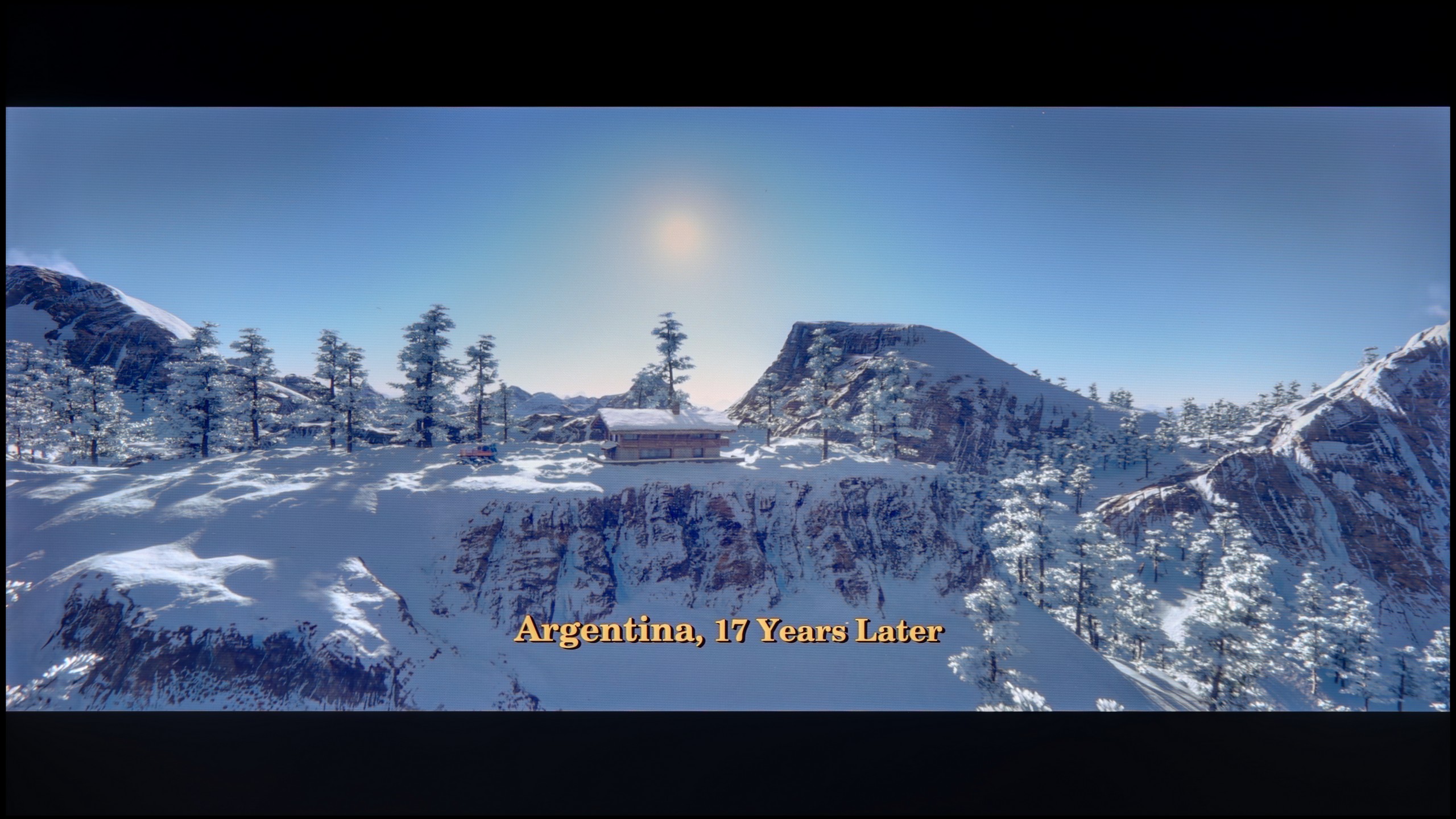



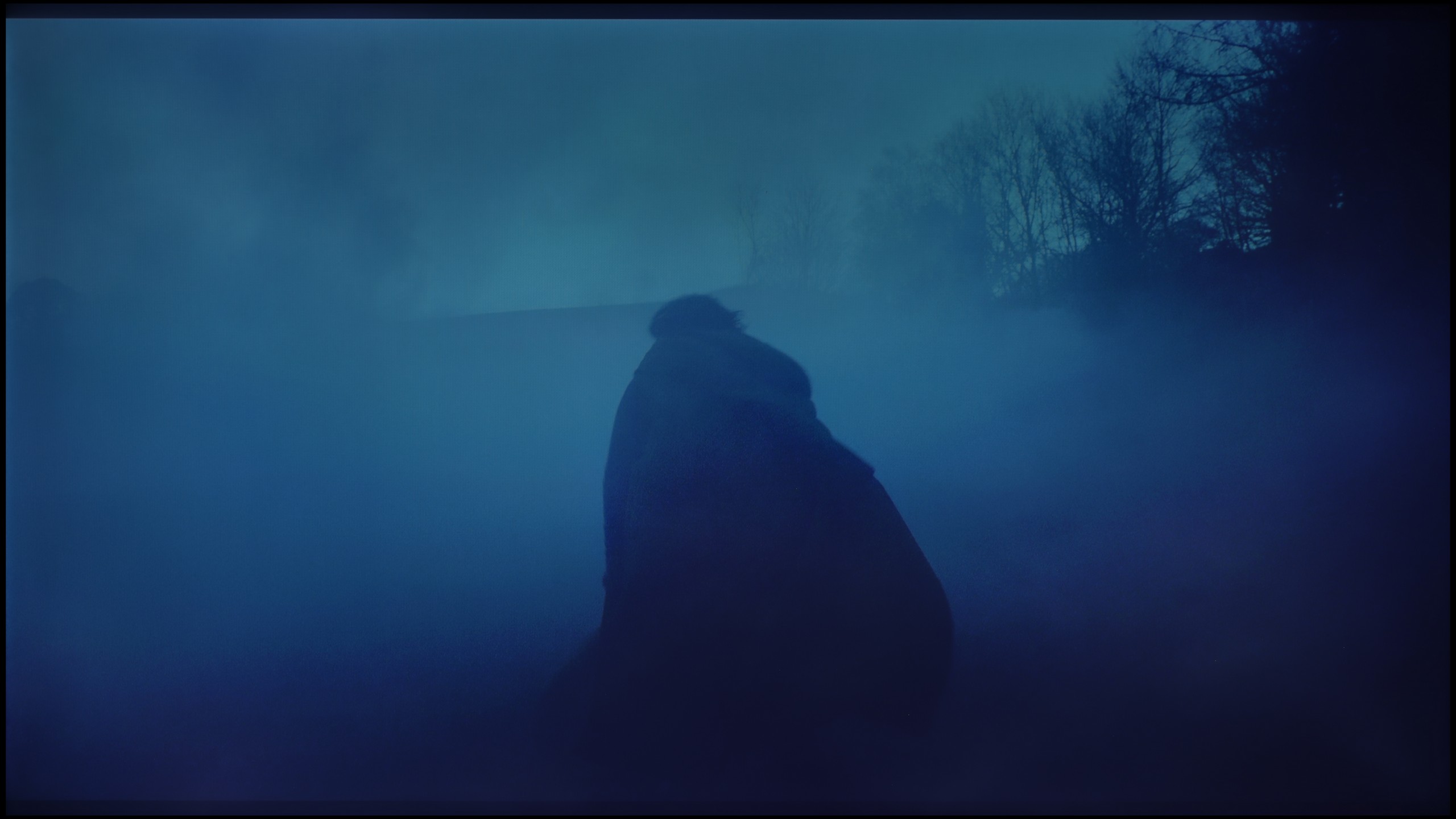

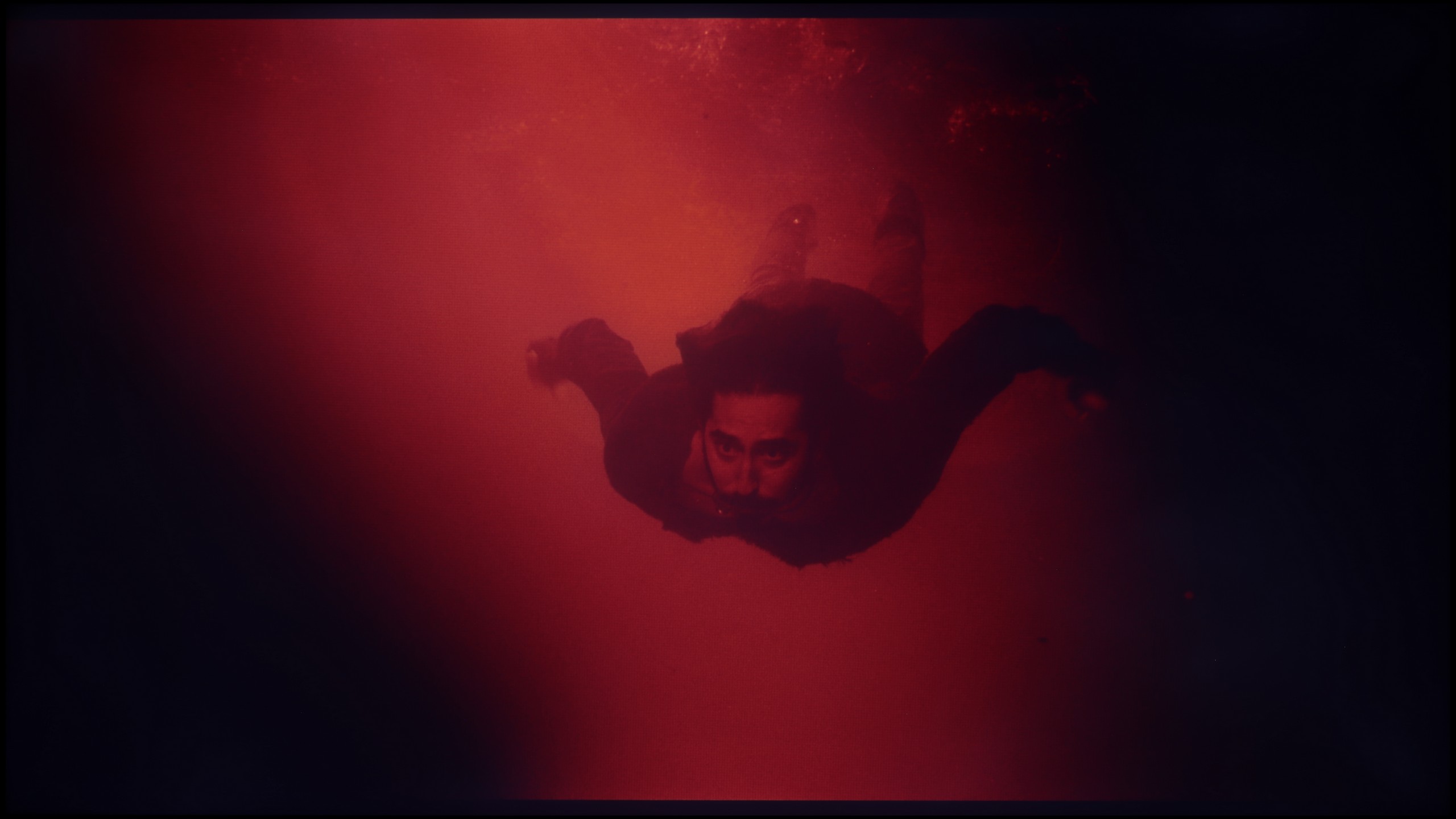
The gradation of tonal transitions on the Philips PUS8359/12 television is at a good level, without any noticeable issues that could negatively affect the quality of content viewing. Upon closer inspection, one might notice slight imperfections in bright, colourful transitions; however, they are subtle enough that most users should not notice them or consider them a problem.
The television excels at colour blending – gradients are smooth, free from visible bands or unpleasant jumps. This is best seen in classic test scenes, like shots from the film Kingsman or The Martian, where most televisions reveal their weaknesses. The P8K maintains consistency and subtlety of hues, creating an image that is pleasant and natural to behold.
Minor imperfections only emerge in extremely dark shades or on grey palettes – this is the point at which even significantly more expensive models start to struggle. However, in everyday viewing, this is of no consequence. Overall, the TCL P8K does an outstanding job of colour blending, offering an image that is fluid, harmonious, and free from artifacts.
Image scaling and smoothness of tonal transitions
6/10
6/10


Smooth transition function

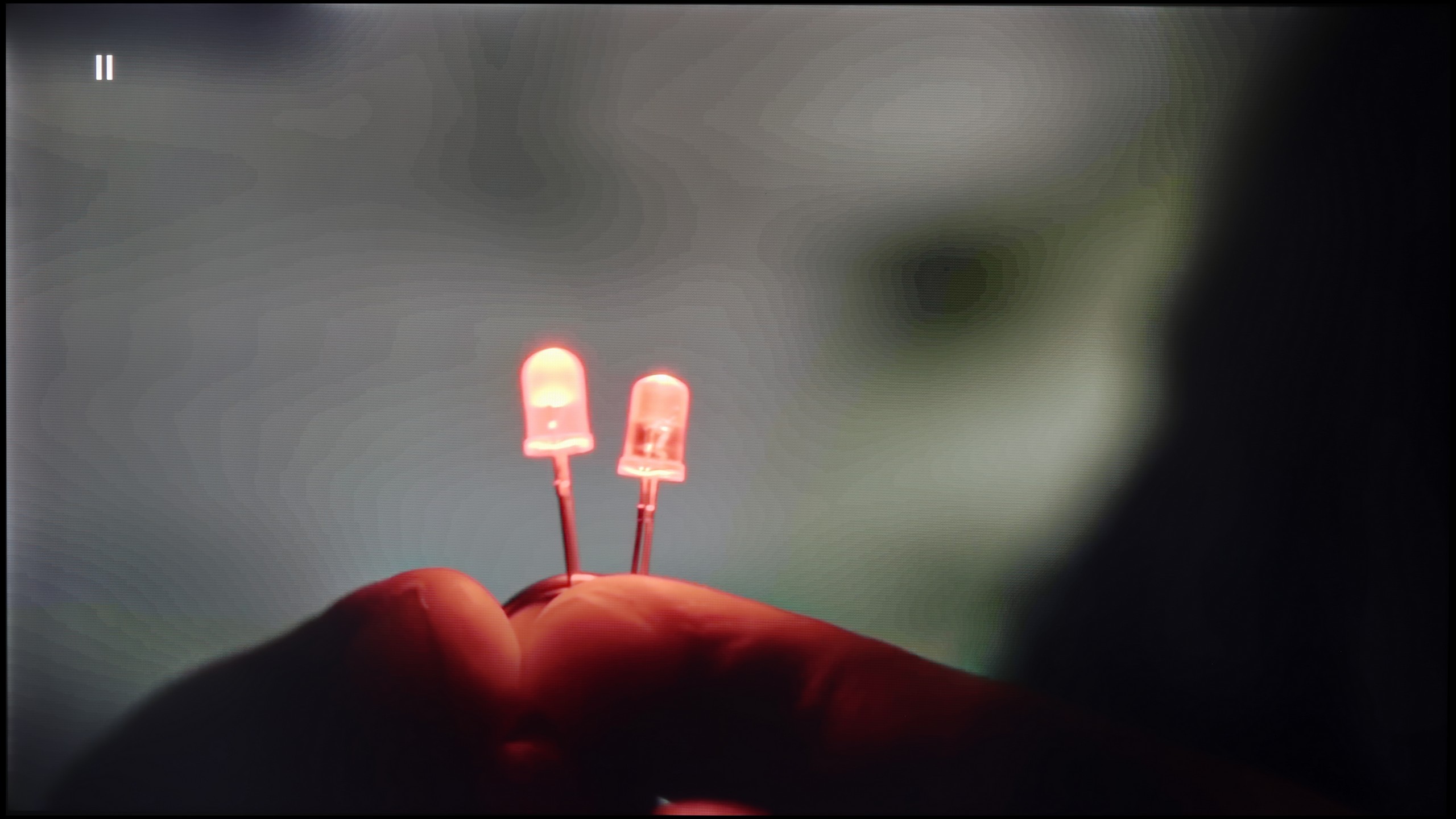
Image without overscan on the SD signal


In this paragraph, we'll take a look at two functionalities. We'll once again examine the function responsible for tonal transitions, but we'll also check how the television handles image scaling. The option responsible for smooth gradation is called "Distortion Reduction". As we've established, it does a pretty good job of smoothing out inconsistencies. However, we must point out two things: we are unable to enable it for HDR content, and it blurs details in films.
The television being tested cannot boast the best image scaling. There is a noticeable overall blurriness in the image, but worse still, it blurs details. This is particularly evident on the branches and the model's hair. A characteristic white halo around the figures is also visible.
The TCL P8K performs somewhat weaker when it comes to the fluidity of tonal transitions in lower quality materials. The television does offer a feature to smooth out unwanted bands, but its effectiveness leaves a lot to be desired. Even at the highest setting, it's hard to speak of a real improvement—at times, the effect is even opposite to what was intended, as the feature can introduce small artifacts and unnatural blurring on the screen.
On the other hand, the upscaling, which involves scaling the image to 4K resolution, looks definitely better. The P8K handles this task surprisingly well—HD content, and even SD, is enhanced in an aesthetically pleasing way without excessive loss of sharpness. There are indeed slight “hard” edges typical of this class of equipment, but this can be easily adjusted using the sharpness slider according to personal preferences. The final effect is more than satisfying, especially considering the price range this model is in.
Blur and motion smoothness
4/10
7.1/10

Blur (native resolution, maximum refresh rate):





Blur ():
Blur (4K@144Hz):



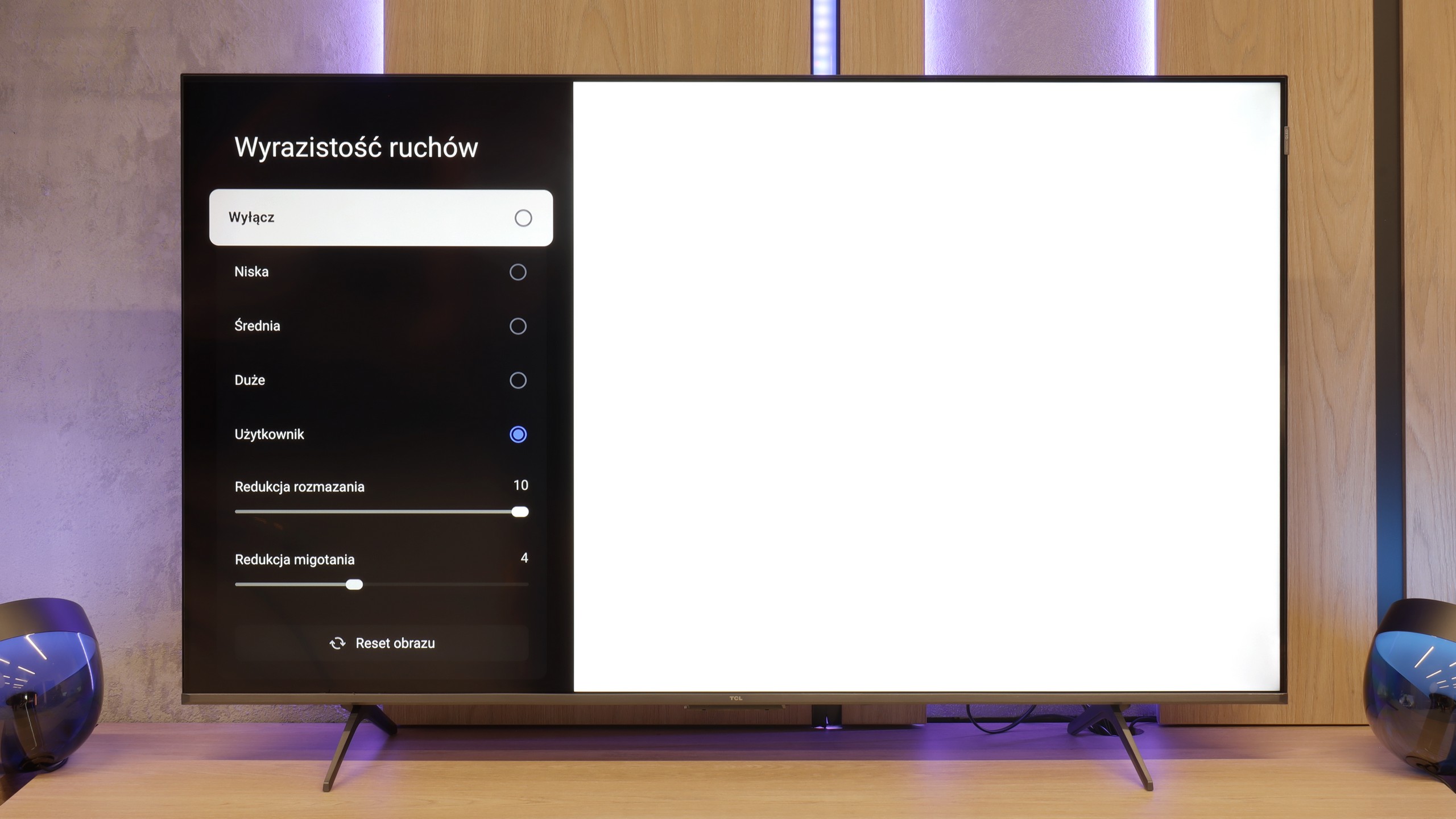
Philips PUS8359 is not the best choice for watching sports. The lack of even basic motion smoothing features means that the picture in dynamic scenes isn't sharp enough. Despite using an IPS panel (43 and 55'), which theoretically should provide better clarity than VA panel variants, there’s no noticeable improvement in terms of motion blur. In photos of fast movement, it’s clear that the figure of the little green man is distinctly blurry, indicating that the TV struggles to maintain sharpness in dynamic shots.
TCL P8K is one of the cheapest televisions offering a 144 Hz refresh rate, which in itself is a significant advantage in this price segment. Thanks to the fast panel, this model can confidently be recommended to both sports fans and gamers – the image is smooth, and the movements of the ball or dynamic actions look natural. However, this does not mean that the P8K is suitable only for sports. On the contrary – it can also maintain the right dynamics in movies without introducing an artificial 'theatrical' effect, as long as the settings are adjusted thoughtfully. The television is equipped with a motion smoother called 'Motion Clarity', which features two sliders: blur reduction and flicker reduction. The first is responsible for smoothing the image by generating additional frames, which increases fluidity but can cause a slight soap opera effect. The second, on the other hand, reduces flicker and improves sharpness in motion, although it may slightly dim the screen. Properly adjusting these two parameters allows for a truly good balance between natural motion and fluidity. The 60 Hz screen is good for dynamic content, though more discerning users will notice that it is not a top-tier panel in terms of motion clarity.
Console compatibility and gaming features
4.7/10
9.8/10
- ALLM
- VRR
- VRR range48 - 60Hz48 - 240Hz
- Dolby Vision Game Mode
- Correct implementation of HGIG
- 1080p@120Hz
- 1440p@120Hz
- 4K@120Hz
- Game bar

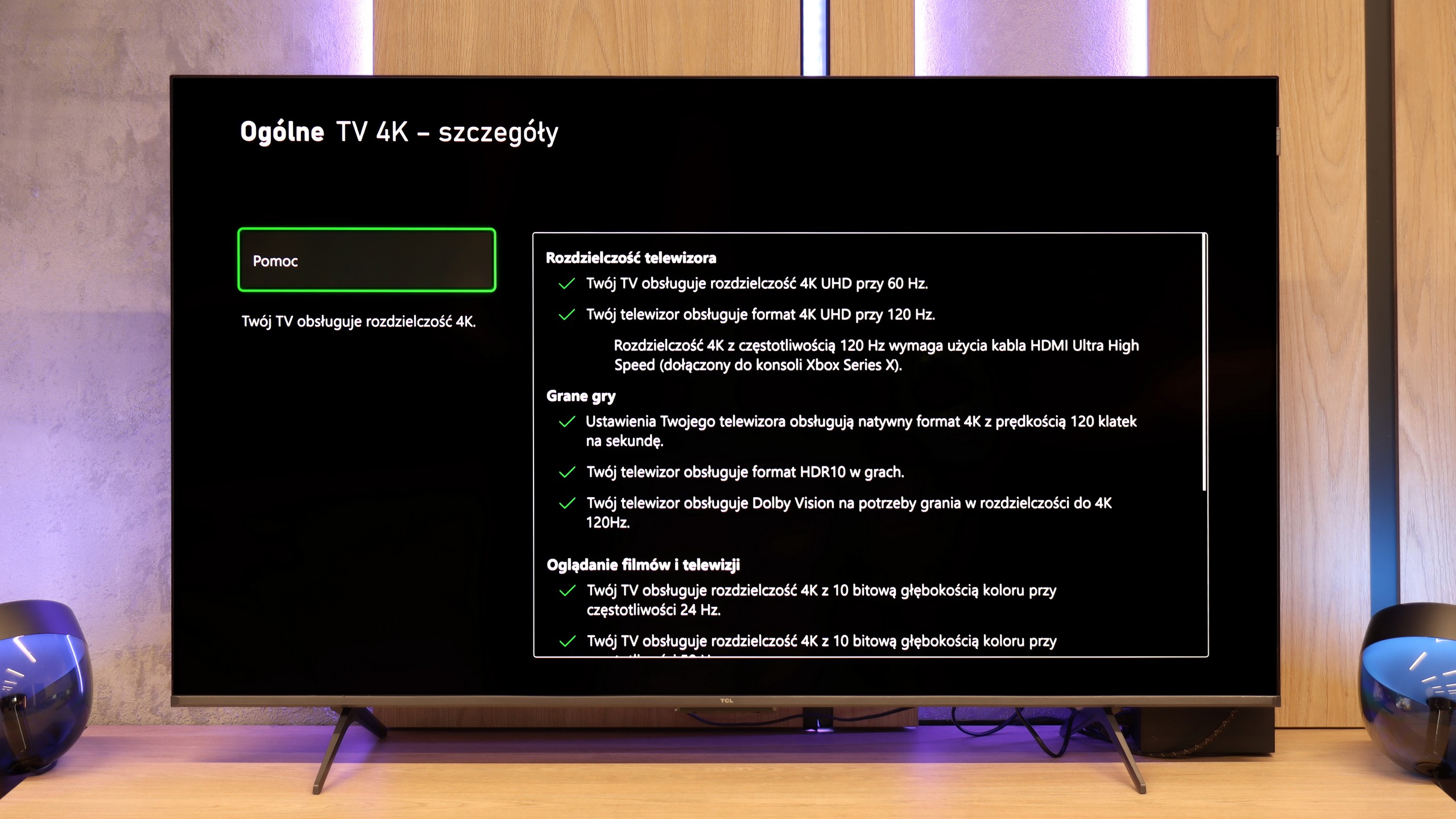

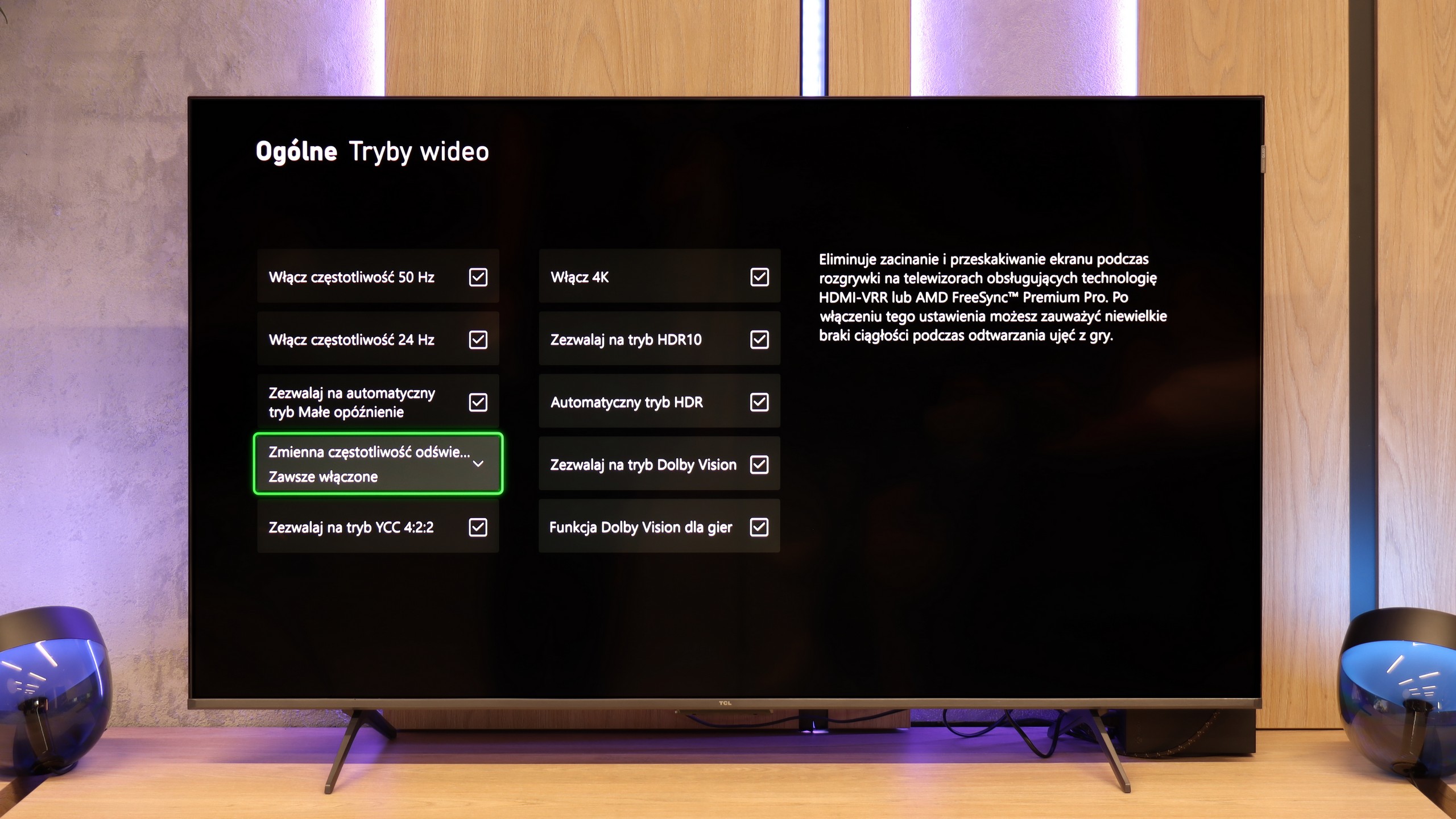

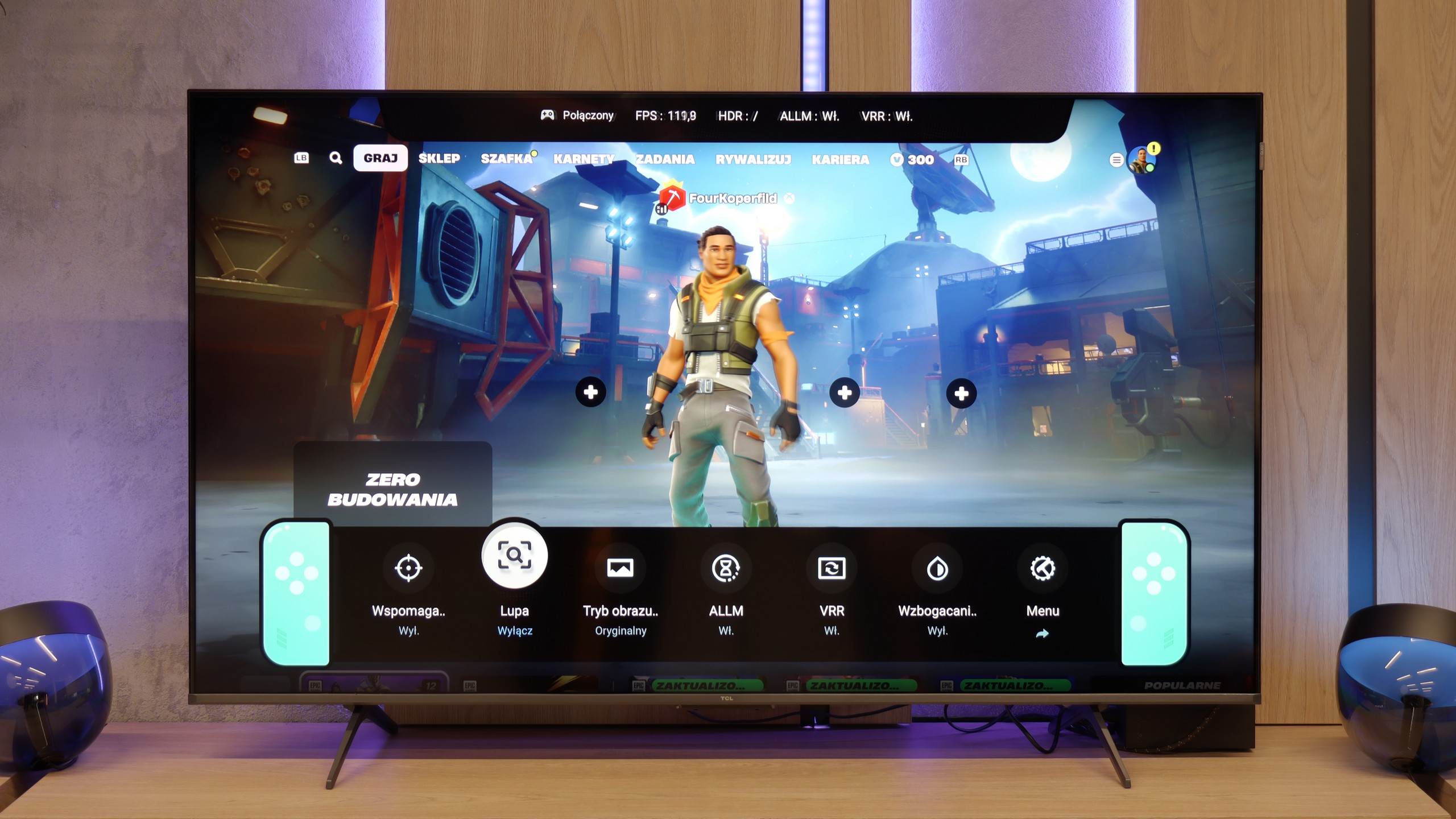

In terms of console compatibility, Philips PUS8359 is mainly suitable for casual gamers. Although the TV is equipped with an HDMI 2.0 port, it offers features such as Automatic Low Latency Mode (ALLM), Variable Refresh Rate (VRR), and Game Bar. ALLM automatically switches the TV to low-latency mode, making quicker reactions during gaming easier, while VRR smoothly adjusts the refresh rate, eliminating screen tearing issues. The Game Bar provides quick access to game settings and ongoing parameter monitoring; however, in our opinion, it performs worse compared to competitors' solutions.
However, more demanding gamers may feel disappointed. Philips PUS8359 does not support advanced HDR formats in games or higher refresh rates, which is due to the use of a 60 Hz panel. These shortcomings limit the TV’s ability to deliver smooth and detailed experiences during fast-paced, dynamic gameplay.
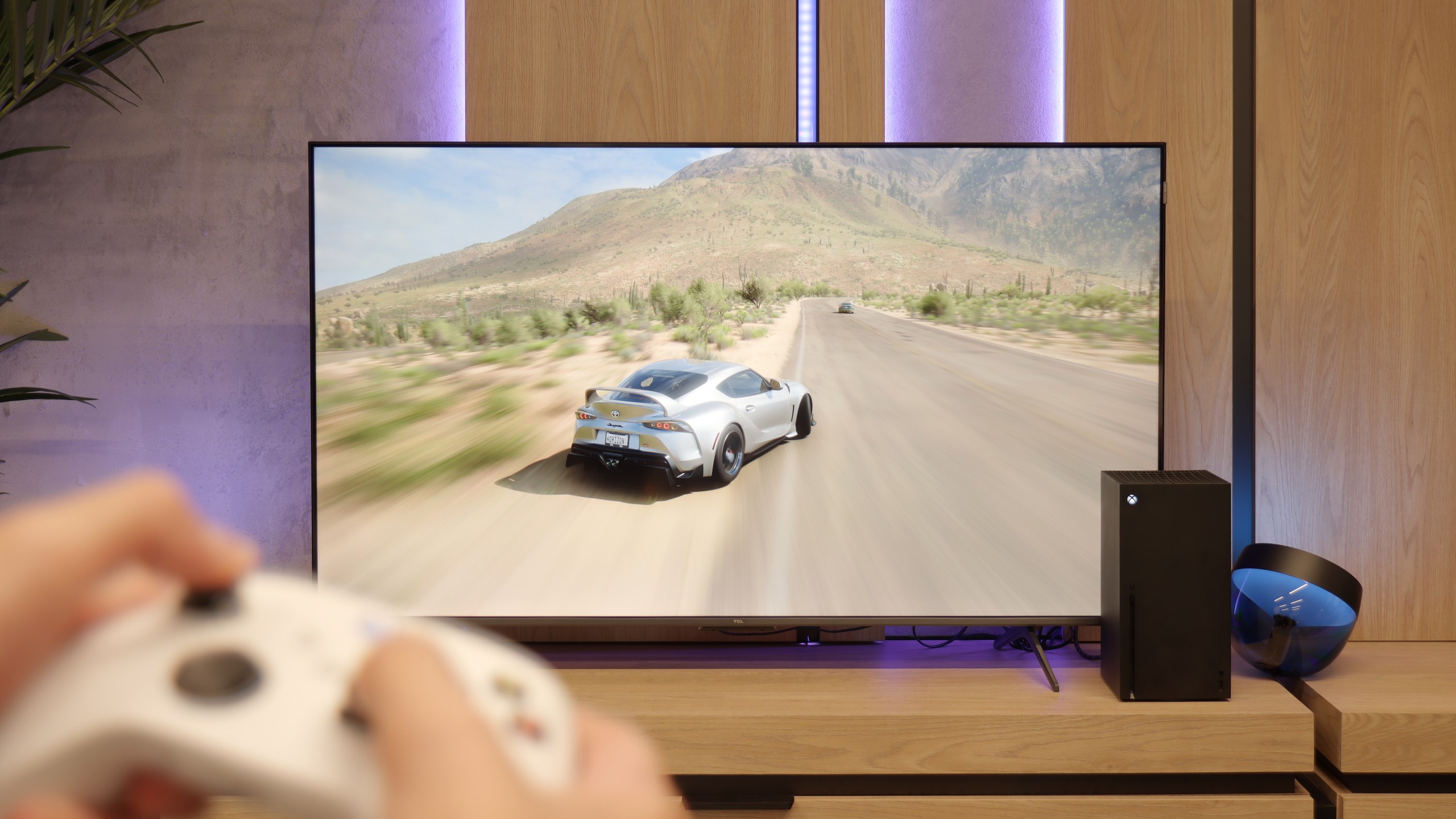
Although the TCL P8K is a budget television, it absolutely cannot be said that it is unsuitable for gaming. On the contrary – this screen can pleasantly surprise any gamer. On board, we find two HDMI 2.1 ports, which allow us to effortlessly send a 4K image at 120 Hz. If someone plays on PC, they will also be pleased to know that the television can operate even with a refresh rate of 240 Hz at a lower resolution – a small thing, but it’s appreciated. Additionally, there is a full set of gaming-specific features: automatic game mode, a Game Bar with quick parameter previews, VRR, HGiG, and support for Dolby Vision in games. All of this makes gaming on the P8K a truly enjoyable experience – the image is smooth, the response is quick, and the television works well with next-gen consoles. The TCL P8K shows that a cheap screen doesn't have to mean giving up on fun. Definitely not when it comes to gaming.
Input lag
10/10
9.5/10
SDR
HDR
Dolby Vision
Philips PUS8359 offers an exceptionally low input lag of below 10 ms, which is a fantastic result. This makes the television perfect for dynamic gaming, providing quick responses and smooth gameplay, which will surely be appreciated by both casual and more demanding gamers.
In terms of delays, the TCL P8K performs quite well. In game mode at 4K and 60 Hz, the input lag is about 22 ms, and at 4K and 120 Hz, it drops to 13 ms. These values make the TV respond quickly and there's no noticeable "lag" between the controller and the screen.
Compatibility with PC
6/10
8.6/10

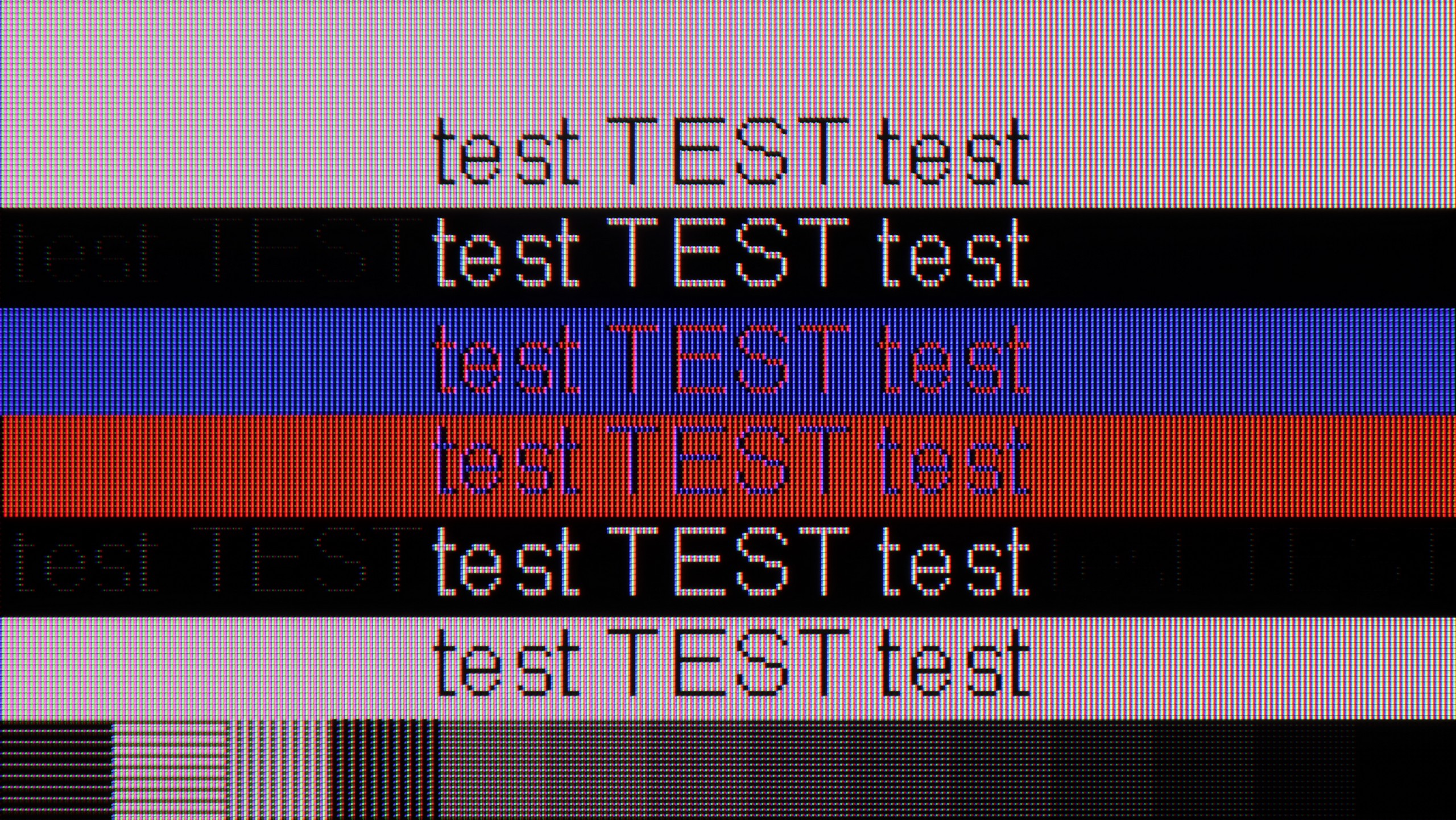
The Philips PUS8359/12 TV with an IPS panel offers quite good font readability thanks to 4:4:4 chroma support, making it suitable for office work and everyday computer use. Although the low input lag makes it friendly for gamers in terms of response time, the lack of support for G-Sync and the 60 Hz panel might not meet the expectations of more demanding users. For those looking for a gaming TV, this could be a compromise – quick response is present, but the absence of higher refresh rates and adaptive image sync affects the rating in the gaming category.
The TCL P8K also performs excellently as a computer monitor. The readability of fonts is at a very good level, and working with documents or browsing the web is simply comfortable. The only minor downside occurs at a 144 Hz refresh rate in 4K – dark text on a light background can slightly lose sharpness. The problem disappears when switching to 120 Hz, so it's worth keeping that in mind for everyday use. Besides, it's not just a work screen, but also a fantastic monitor for gamers. The 144 Hz refresh rate (and even 280 Hz at a lower resolution) combined with G-Sync synchronisation guarantees very smooth gameplay. Of course, we will fully appreciate its capabilities only with a suitably powerful computer, but the potential of the P8K in this role is really significant.
Viewing angles
6.3/10
2.8/10
The viewing angles on the Philips PUS8359 TV are quite good, thanks to the IPS panel used (43' and 55'). The image remains clear and distinct even when viewed from a greater angle, which is beneficial when watching content with a larger group or in rooms with an unconventional layout.
The Achilles' heel of the TCL P8K is undoubtedly its viewing angles. The VA panel used has its advantages in terms of solid contrast, but unfortunately, it suffers significantly when viewed from the side. Colours clearly fade, saturation drops, and the overall image takes on a cooler, washed-out tone. In practice, this means that the best picture is achieved when sitting directly in front – any significant deviation results in a noticeable loss of quality.
Daytime performance
4.3/10
4.6/10


Panel brightness
Average luminance SDR
TCL P89K / TCL P8K: 299 cd/m2
Philips PUS8359 (IPS): 305 cd/m2
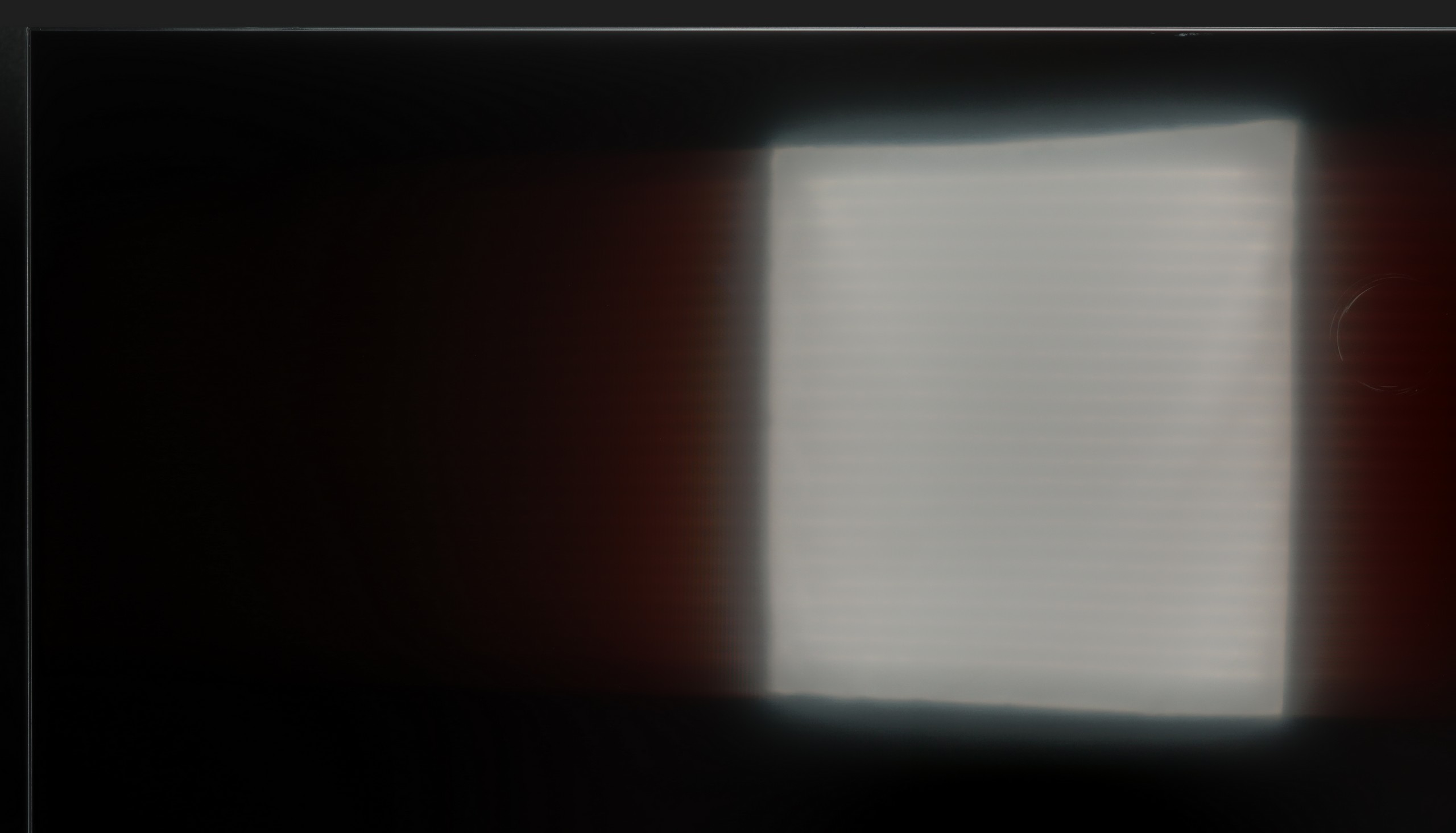
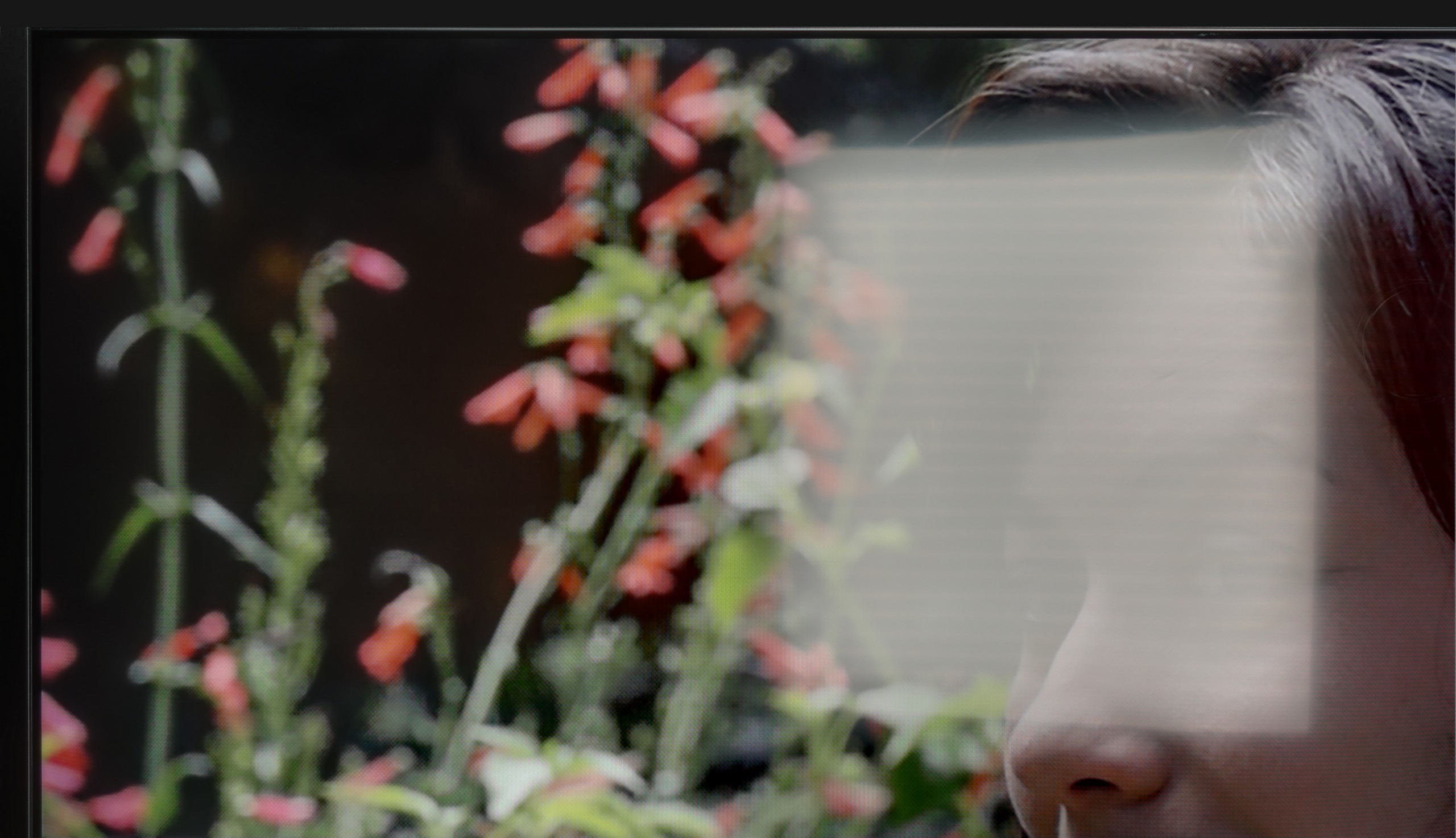
In terms of performance during the day, Philips PUS8359 performs average. The satin matrix coating moderately suppresses reflections, which may be noticeable in bright rooms. A brightness level of 300 cd/m² is acceptable in this price range, but one should not expect exceptional results in more challenging lighting conditions.
TCL P8K isn't a fan of bright sunlight. With a brightness level of around 300 cd/m², it’s hard to expect it to perform well in a lounge with large windows and no blinds. In such conditions, the image loses some clarity, and darker scenes can vanish in light reflections. Fortunately, the screen has a satin finish that handles reflections well and saves the day in typical home conditions. In the evening or in a slightly dimmed room, the TV looks quite good. It’s just not the kind of equipment that likes to stand in front of a south-facing window.
Panel details
Subpixel Structure:

Panel uniformity and thermal imaging:
Philips PUS8359 (IPS)
TCL P89K / TCL P8K
TV features
5.3/10
7.4/10
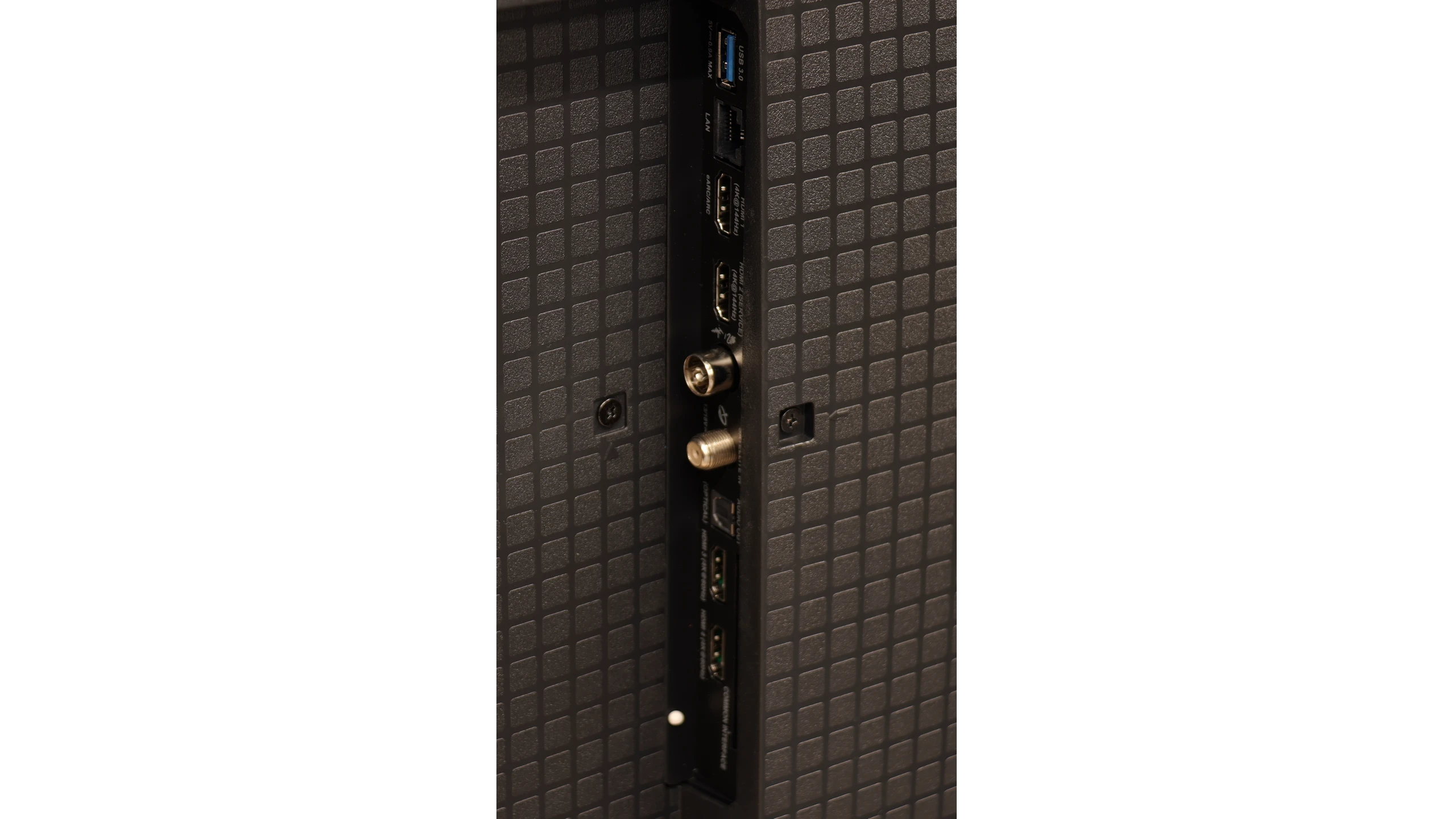
- HDMI inputs3 x HDMI 2.0, 0 x HDMI 2.12 x HDMI 2.0, 2 x HDMI 2.1 48Gbps
- OutputsToslink (Optical audio), eARC (HDMI), ARC (HDMI), Mini-Jack (Headphones)Toslink (Optical audio), eARC (HDMI), ARC (HDMI)
- Network InterfacesWi-Fi 2.4GHz, Wi-Fi 5GHz, Ethernet (LAN) 100MbpsWi-Fi 2.4GHz, Wi-Fi 5GHz, Ethernet (LAN) 100Mbps, Ethernet (LAN) 1Gbit
- TV receptionDVB-T, DVB-T2, DVB-S, DVB-S2, DVB-CDVB-T, DVB-T2, DVB-S, DVB-S2, DVB-C
Classic features:
- Recording to USB (terrestrial TV)
- Recording programming
- Picture in Picture (PiP)
- RF remote control (no need to aim at the screen)
- Backlit remote control
- Teletext
- Audio only mode
- Bluetooth headphones support
- Simultaneous Bluetooth headphones & TV audio
Smart features:
- AirPlay
- Screen mirroring (Windows Miracast)
- Voice search
- Voice search in native language
- Ability to connect a keyboard and mouse


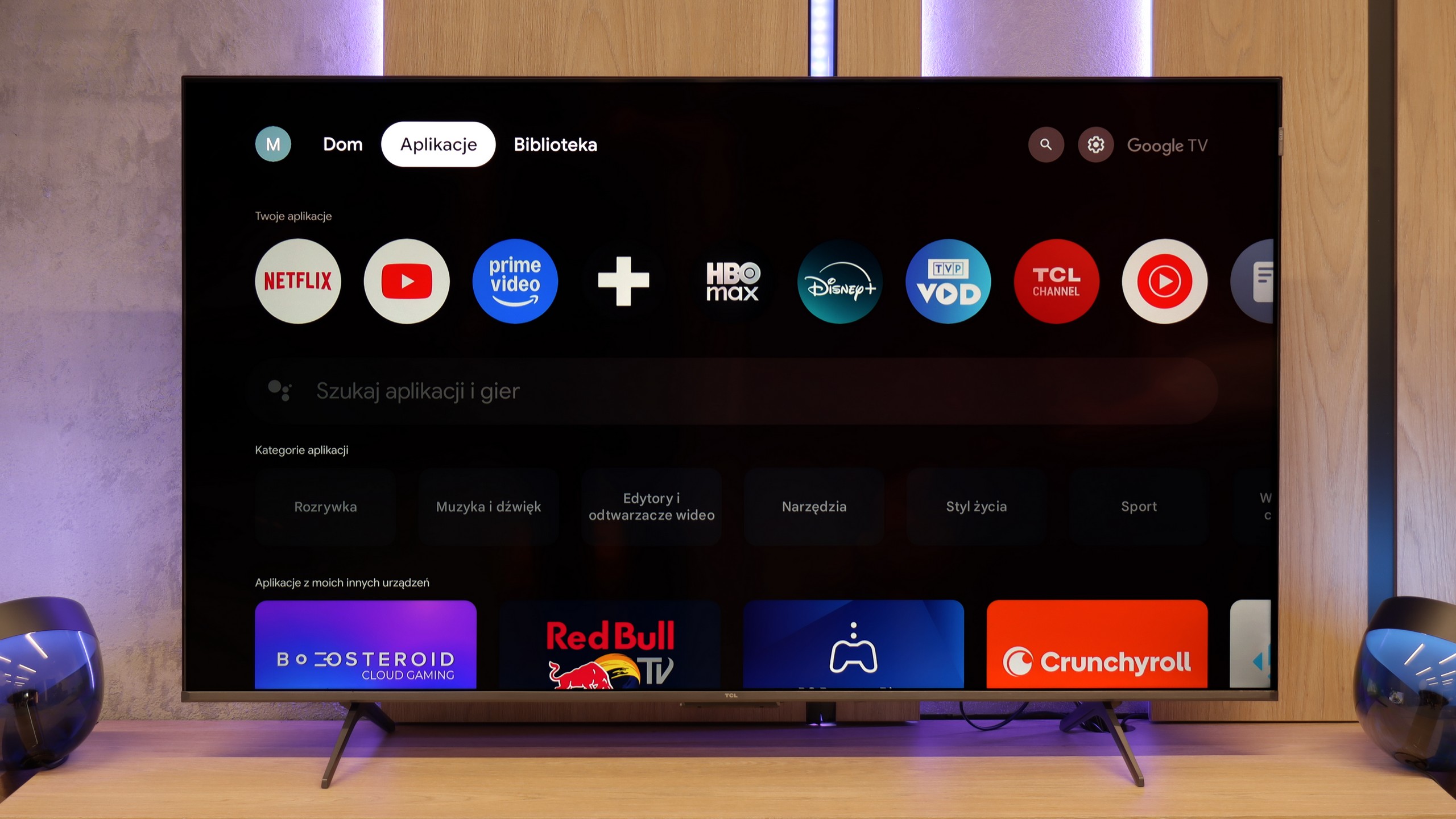
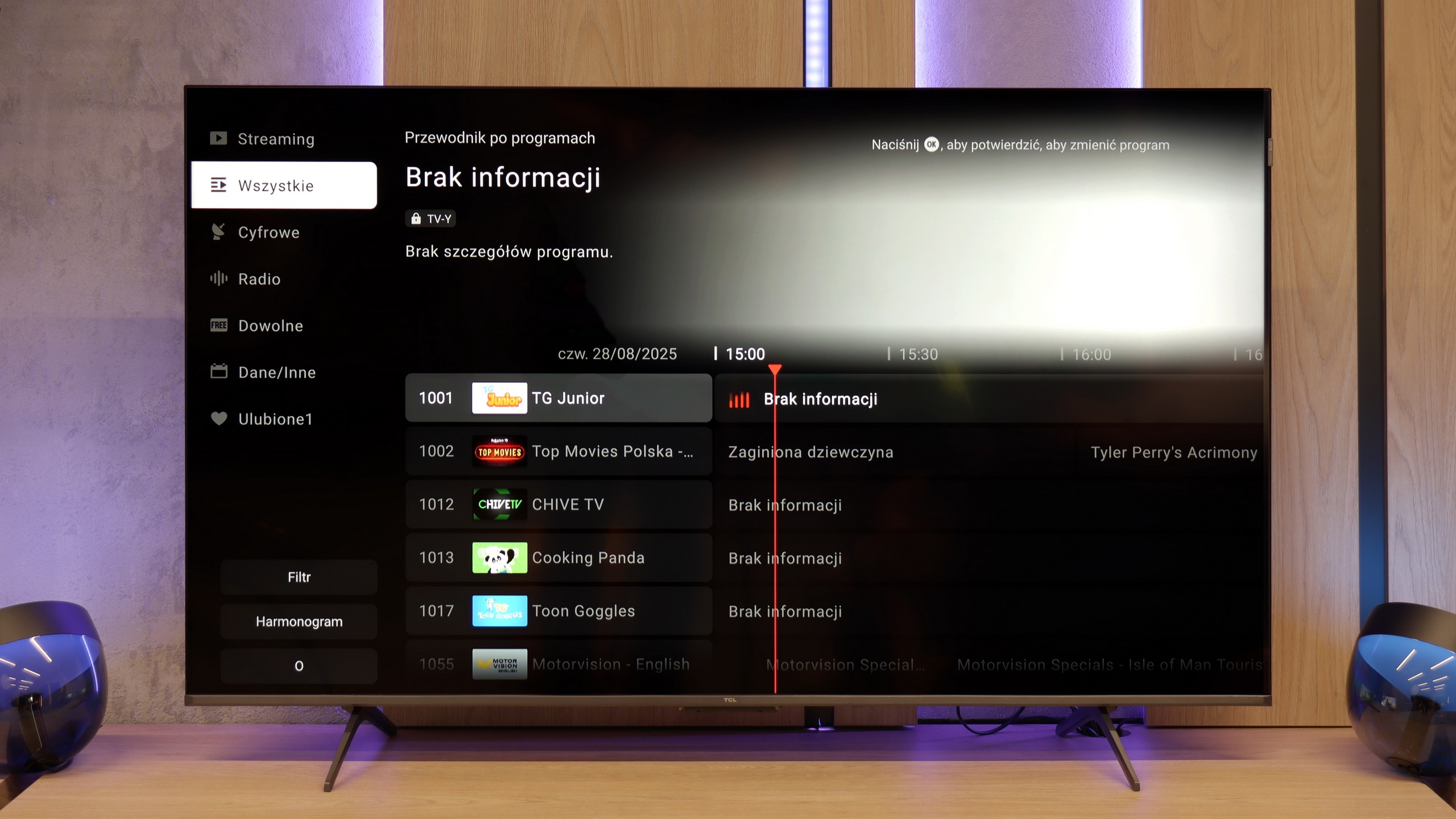
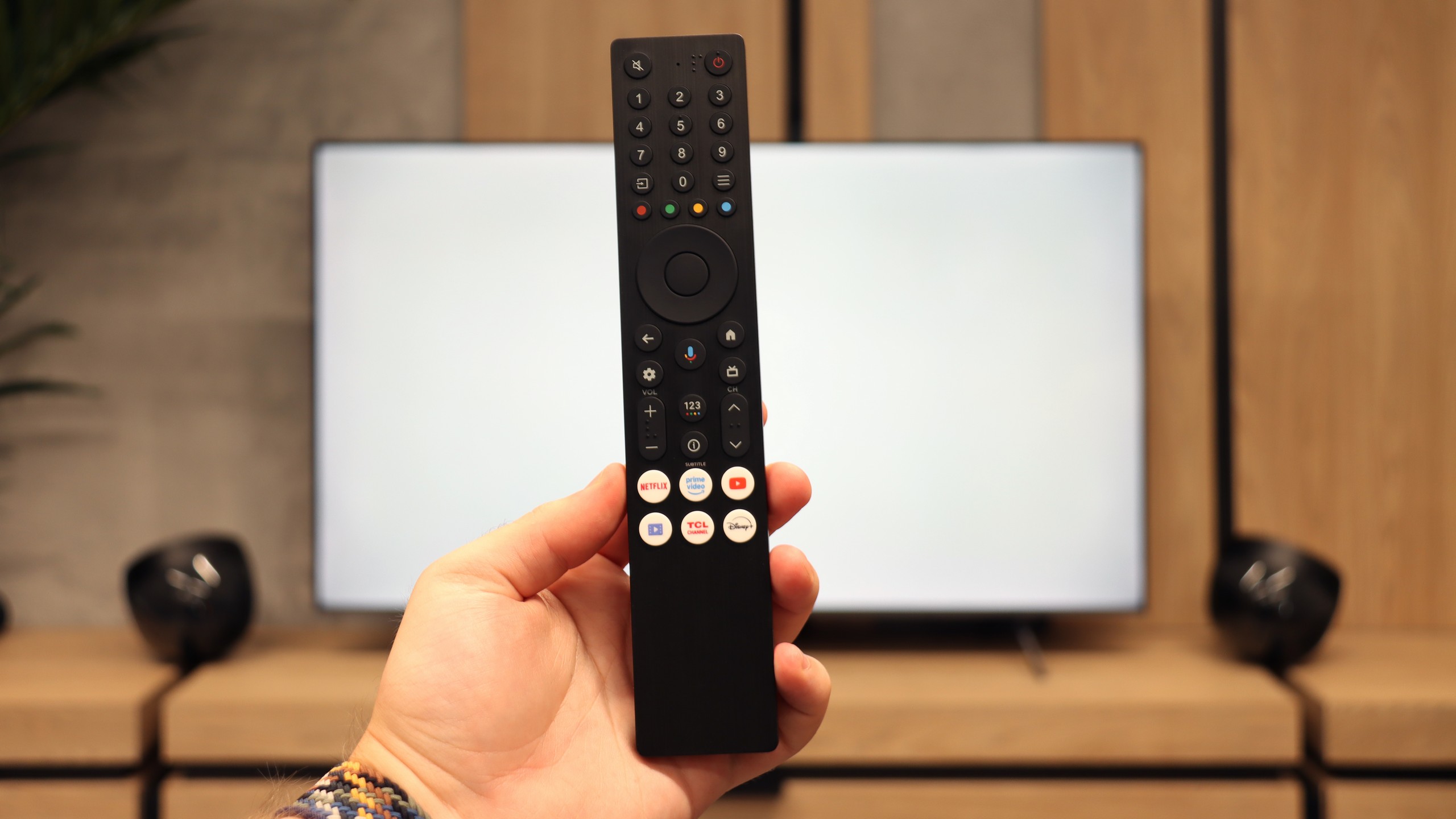
Philips has decided to change its approach to the operating system this year, replacing the previous open system GoogleTV with its own TitanOS. As is often the case with new solutions, TitanOS is grappling with typical teething problems. Currently, it only offers basic apps, and the app store leaves much to be desired, which may disappoint users expecting a rich programme selection. Additionally, the lack of support for AirPlay features and the inability to record to USB are further limitations that could impact the overall user experience.
A notable feature in models with TitanOS is the new remote control, which is very convenient to use thanks to its backlighting. Unfortunately, its wireless operation is not entirely consistent. The hybrid design means that sometimes you have to aim at the television, while at other times you don’t—this depends on which buttons are being used. It’s just plain annoying.
The most important feature of the Philips PUS8359 television is the three-sided Ambilight system, which significantly enhances the viewing experience. The LED lighting placed on the sides and top of the television creates an immersive effect, extending the image beyond the screen and matching colours to the content being displayed. For many users, this is a key element that makes viewing sessions more engaging, and the television stands out from the competition.
SmartTV: Google TV
TCL P8K operates on the Google TV system, which is the heart of the entire device. This is where we see the biggest advantage of this model over many competitors in a similar price range. The system is clear and easy to use, and very well optimized. We can easily use the screen mirroring feature or the built-in Chromecast, which allows you to quickly stream content from your phone to the large screen. However, the biggest asset is the Google Assistant, which responds promptly and truly understands commands – even those that are not precisely articulated. Moreover, the app library on Google TV is a real treasure – you can install practically anything, from major VOD platforms to lesser-known music or sports applications.
Classic functions
When it comes to classic TV functions, the P8K doesn’t have much to boast about. The remote is simple and comfortable, with a large number of buttons, and the presence of Bluetooth allows you to connect wireless headphones or speakers. And that’s pretty much where the list of conveniences ends. You won’t find USB recording, PiP functions, or even a working teletext here. TCL has clearly focused on modern content and internet features, rather than classic solutions known from older receivers. This TV is meant to shine in the world of apps and streaming – and it does exactly that.
Playing files from USB
8/10
8.9/10
Supported photo formats:
Maximum photo resolution:

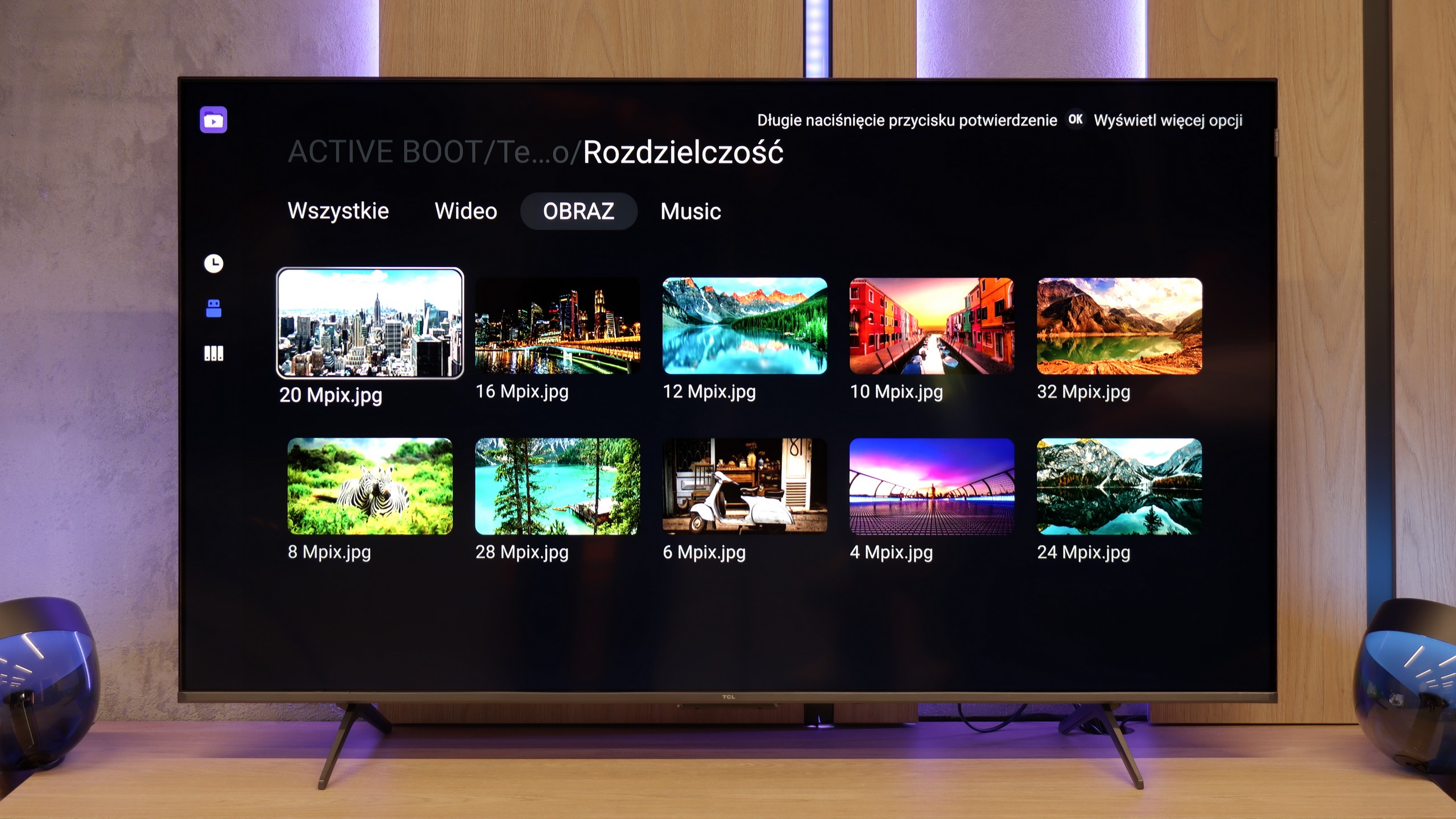
The default media player built into Philips PUS8359 offers quite a wide range of capabilities but also has its limitations. It plays virtually all video formats, with the obvious exception of Dolby Vision and the less obvious .asf, which isn't commonly encountered. However, the problem lies in the lack of H.265 HEVC codec support at high bitrates. When it comes to photos, the player performs adequately, but it lacks support for some popular resolutions and formats like HEIC, used on Apple devices. The player performs best with audio, where it can't be faulted. Unfortunately, due to system limitations, there's no possibility to expand functions, meaning we have to stick with what the manufacturer has prepared.
Playing files from USB on the TCL P8K performs quite decently. The television handles most popular video formats without any issues, as well as subtitles and audio files. Problems may arise only with less common codecs or unusual file containers that the built-in player simply doesn't recognise. Fortunately, in the case of Google TV, this isn't a problem – within a few moments, you can download an external player like VLC, MX Player, or Kodi, and the issue disappears.
Apps
6.2/10
9.6/10






















Sound
6.1/10
6.7/10
- Maximum volume-80dB
- Dolby Digital Plus 7.1
- Dolby True HD 7.1
- Dolby Atmos in Dolby Digital Plus (JOC)
- Dolby Atmos in Dolby True HD
- DTS:X in DTS-HD MA
- DTS-HD Master Audio
The audio system in the Philips PUS8359 is a standard configuration with 2x10 W speakers, which is unlikely to impress audiophiles. At moderate volume levels (up to 50% of maximum), the sound remains acceptable and does not produce significant distortion. For better audio experiences, we definitely recommend connecting even a simpler soundbar. With support for Dolby Atmos and DTS, the TV works well with external audio systems.
For a television in this price range, the TCL P8K can really surprise with its sound. The 2.1 system featuring Onkyo, along with the subwoofer located at the back of the unit, offers surprisingly pleasant, rich bass and quite a wide soundstage. The audio is warm, and with the right material, you can even get the impression that the sound gains depth and character – something rarely expected from a television at this price. It actually performs quite well for music. However, it's not perfect. The P8K is not one of the particularly loud televisions – during testing, we noticed a strange tendency to automatically lower the volume, even with the volume slider set to maximum. It seems like some internal limiter is at work, presumably to protect the speakers (or our ears). It's a shame because there's significant potential in this set, and without that limitation, the sound could be even fuller.
Acoustic Measurements
No acoustic data
80dBC (Max)
75dBC